10 Best Educational Cards for Kids in 2026?
Choosing the right Educational Cards in 2026 requires more than bright colors and cheerful characters. Parents want meaningful learning, while children need simple, enjoyable play. The global educational toys market continues to expand, with Grand View Research reporting strong growth through 2030. Its analysis highlights rising demand for products that support early learning, creativity, and parent-child interaction. Meanwhile, the OECD’s early childhood research emphasizes active engagement, language development, and social interaction as important learning foundations.
Small decks can support big moments.
Dr. Kathy Hirsh-Pasek, a developmental psychologist and leading play-learning researcher, has said, “Play is not the opposite of learning; it is the way children learn.” Her view offers a useful standard for reviewing Educational Cards. The best sets should invite conversation, encourage recall, and leave room for children to make mistakes. They should also match a child’s age, attention span, language level, and interests. A deck that teaches numbers may frustrate a child who still needs visual storytelling. Another may look educational but offer only repetitive memorization.
This guide examines ten promising Educational Cards for kids in 2026. Each selection considers learning value, design clarity, durability, safety, accessibility, and real-world usability. Evidence from the LEGO Foundation’s learning-through-play research also supports playful, hands-on activities that build confidence and communication. Still, no card set works perfectly for every child. That limitation matters. A thoughtful choice should fit the child, not merely follow a market trend. Expect practical comparisons, honest weaknesses, and details parents can observe at the kitchen table.
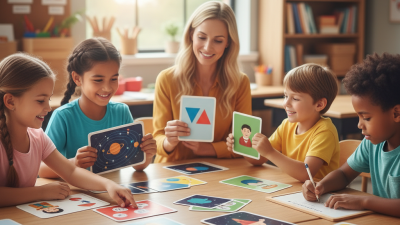
What Educational Cards Are and How They Support Children’s Learning
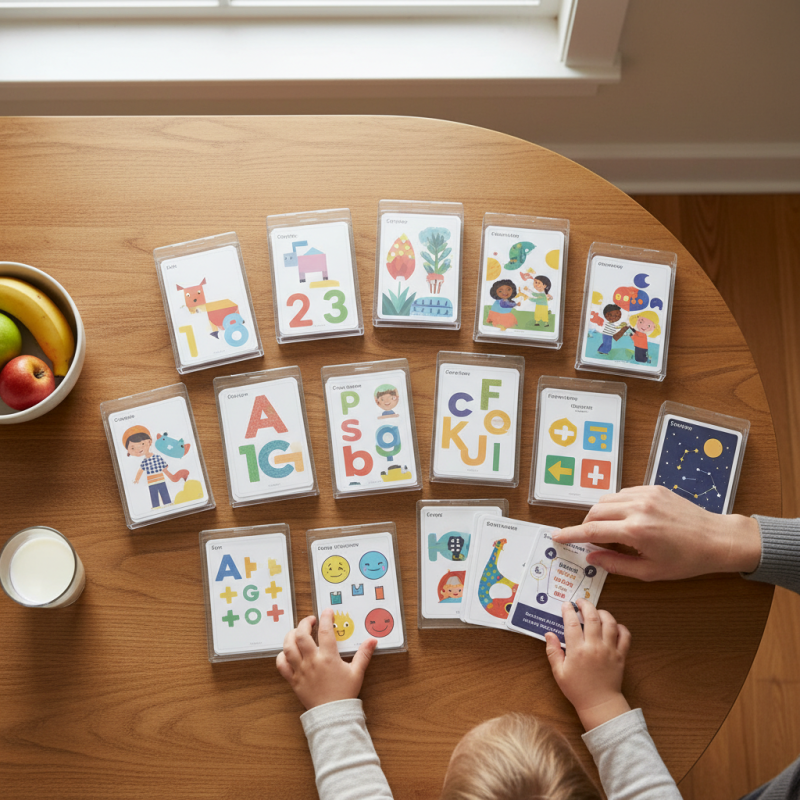
Educational cards are small learning prompts built around one clear idea. A card may show a letter, number, picture, question, or short definition. Children look, answer, touch, sort, or explain. This turns learning into an active exchange rather than silent memorization.
“What sound starts sun?” is more useful than a crowded card with six unrelated facts.
Their strongest support comes from retrieval and repetition. A major review by Dunlosky and colleagues in Psychological Science in the Public Interest rated practice testing and spaced practice as high-utility learning methods. Cards can apply both methods at home or in class.
Five minutes today, then again tomorrow. Small steps.
For early reading, a letter card paired with a mouth picture can connect visual symbols, sounds, and speech. The 2022 World Bank, UNESCO, and UNICEF learning poverty update estimated that 70% of children aged ten in low- and middle-income countries cannot read and understand a simple text. Affordable, reusable learning tools may help, but they cannot repair unequal teaching conditions alone.
Good cards leave room for conversation. An adult might ask, “How do you know?” instead of accepting a guessed answer. Cards should also match a child’s language, age, and attention span. Some sets oversimplify difficult ideas. That weakness matters. I would use fewer cards, observe mistakes, and change the routine when a child becomes frustrated. The card is only a prompt; the thinking happens beyond its printed edge.
Key Features to Look for in Educational Cards for Kids
When choosing educational cards for kids in 2026, examine learning value before colorful design. The cards should use clear images, readable text, and one idea per card. This reduces visual overload for younger learners. The National Center for Education Statistics reported that only 37% of U.S. fourth graders reached reading proficiency in the 2022 NAEP assessment. Therefore, cards should support phonics, vocabulary, and simple comprehension, not only memorization. Include sound patterns, example sentences, and questions that invite children to explain their thinking.
Strong cards also encourage active recall and gradual difficulty. A useful set might show a picture on one side and a prompt on the other, such as “What changes next?” The Education Endowment Foundation’s Teaching and Learning Toolkit identifies feedback as having a positive learning impact, estimated at about six additional months of progress on average. Cards should therefore reveal answers carefully and encourage a second attempt. They also need durable, non-sharp materials, large print, and age-appropriate language. Check the reading level.
Keep sessions short.
Observe how the child responds. If a child guesses from pictures, the cards may need stronger text cues. If every answer feels easy, learning may have stopped. No deck is perfect. Some children need movement, conversation, or real objects alongside cards. Caregivers should review accuracy, cultural clarity, and inclusive representation before regular use. A small progress log can record missed words, repeated errors, and new questions, giving families practical evidence beyond a child’s quick smile.
10 Best Educational Cards for Kids in 2026
Key features to look for in educational cards for kids
This editorial scoring framework rates the most useful card-set features on a five-point scale. Strong educational cards should combine age-appropriate content, clear visuals, durable materials, interactive prompts, inclusive representation, and opportunities for repetition and independent learning.
The 10 Best Educational Card Types for Different Learning Goals
10 Best Educational Cards for Kids in 2026?
The 10 Best Educational Card Types for Different Learning Goals
Educational cards work best when each set matches a clear learning goal. In home practice and classroom activities, alphabet cards support letter recognition, while phonics cards connect letters with spoken sounds. Sight-word cards build reading fluency through short, repeated practice. Number cards help children compare quantities, count objects, and recognize numerals. Keep sessions brief.
For early mathematics, operation cards introduce addition, subtraction, multiplication, and division with manageable challenges. Shape-and-color cards strengthen visual classification and descriptive language. Science cards can explain animals, plants, weather, or the human body using simple facts and clear images. Geography cards introduce maps, continents, landmarks, and cultural awareness without overwhelming young learners. Vocabulary cards expand language through pictures, definitions, and example sentences. Emotional-learning cards encourage children to identify feelings, discuss choices, and practice respectful responses.
The strongest card activities invite conversation, not silent memorization. Ask a child to explain an answer or create a new example. I have noticed that children remember more when cards connect with daily experiences, such as sorting socks by color or counting fruit. Still, cards are not perfect. Some images may oversimplify science or culture, so adults should check accuracy and add context. Rotate difficult cards carefully, and allow mistakes without turning practice into pressure.
How to Choose Age-Appropriate Cards for Your Child
10 Best Educational Cards for Kids in 2026?
How to Choose Age-Appropriate Cards for Your Child
The best educational cards match a child’s current skills, interests, and attention span. A toddler may need large pictures, simple words, and one clear idea per card. Preschool children can handle matching, counting, sounds, and basic questions. Older children may benefit from cards that explain science, vocabulary, geography, or problem-solving. Check the recommended age, but do not treat it as a strict rule. Children develop at different speeds.
Look for readable text, strong images, and instructions that an adult can explain quickly. Cards should support active play, not demand silent memorization. Choose thick, rounded cards for younger children, especially when small hands bend materials easily. Avoid crowded layouts and advanced vocabulary that creates frustration. Inclusive pictures and familiar situations can also help children feel represented. A card set should challenge a child gently, not make every turn feel like a test.
Tips: Start with five cards, then watch your child’s response. If they guess randomly, the content may be too difficult. If they finish instantly, add a simple question or example. I once focused too much on attractive artwork and overlooked unclear instructions. That mistake reminded me to test usability before judging appearance. Keep sessions short. Let your child explain an answer, even when it is partly wrong. Their explanation may reveal more than a correct choice.
Ways to Use Educational Cards Effectively at Home and School
Educational cards work best when they support a clear learning goal. Choose sets that match a child’s age, reading level, and current needs. Useful categories include letters, numbers, shapes, sight words, science facts, emotions, and problem-solving prompts. Check the wording and pictures carefully. Accurate content builds trust.
At home, use five to ten cards during a calm daily routine. Ask the child to explain an answer, not merely repeat it. Let children handle them. Place difficult cards in a small review pile. Revisit that pile after dinner, then again several days later. Add movement when possible. A child can match animal cards while walking around the room. I once rushed these activities and noticed frustration rising quickly. Shorter sessions worked better.
In school, cards can support pairs, stations, or brief teacher-led practice. One student reads the question, while another answers and explains the reasoning. Students can sort cards into “know,” “almost,” and “need help” groups. This gives teachers useful evidence without creating a stressful test. Avoid using cards as the only teaching method. Children also need conversation, writing, experiments, and quiet thinking time. Review incorrect answers gently, because a careless mistake may hide confusion, language difficulty, or simple tiredness. Adjust the cards when learners outgrow them, and invite students to create a few questions themselves. Their questions often reveal more than their scores.

 Customizable Emotional Support Cards for Grief & Resilience
 Personalized Emotional Encouragement Card Collection
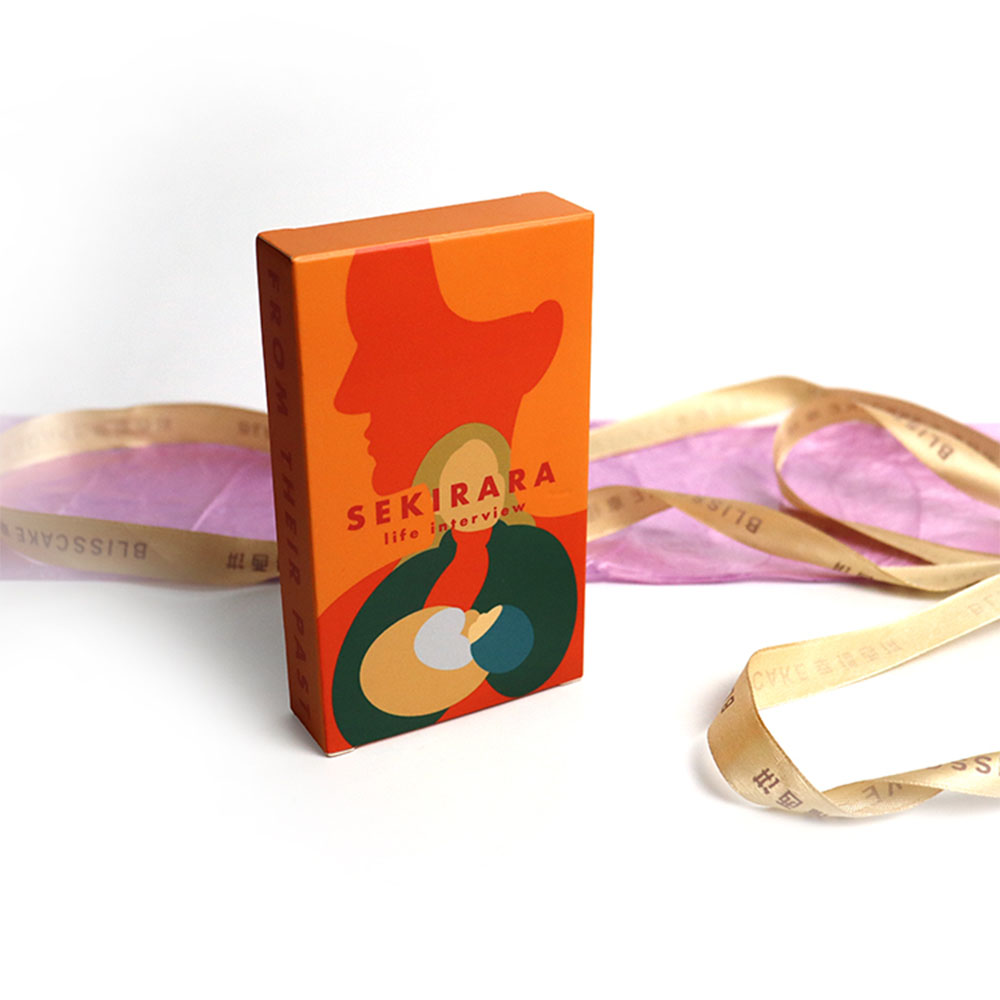 Personalized Deep Conversation Card Gift Box
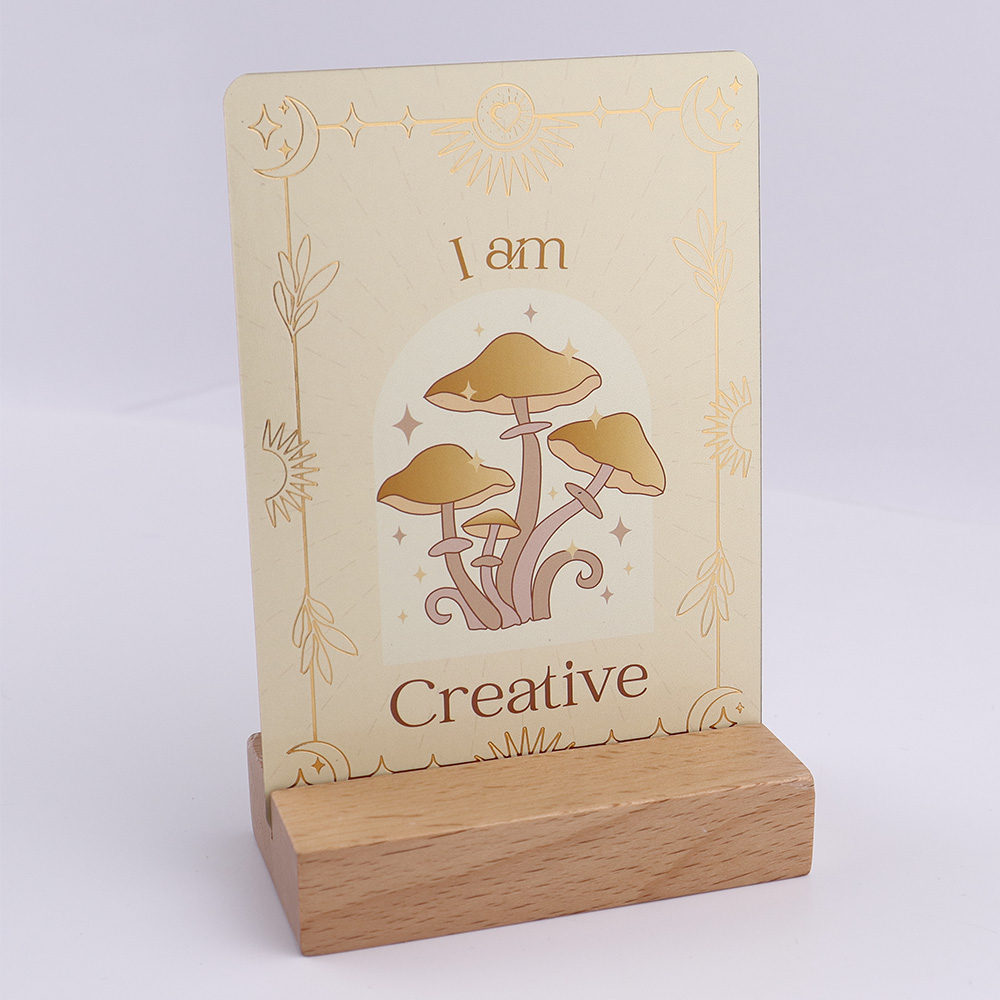 Customizable Boho-Chic Affirmation Cards for Mindfulness & Self-Love
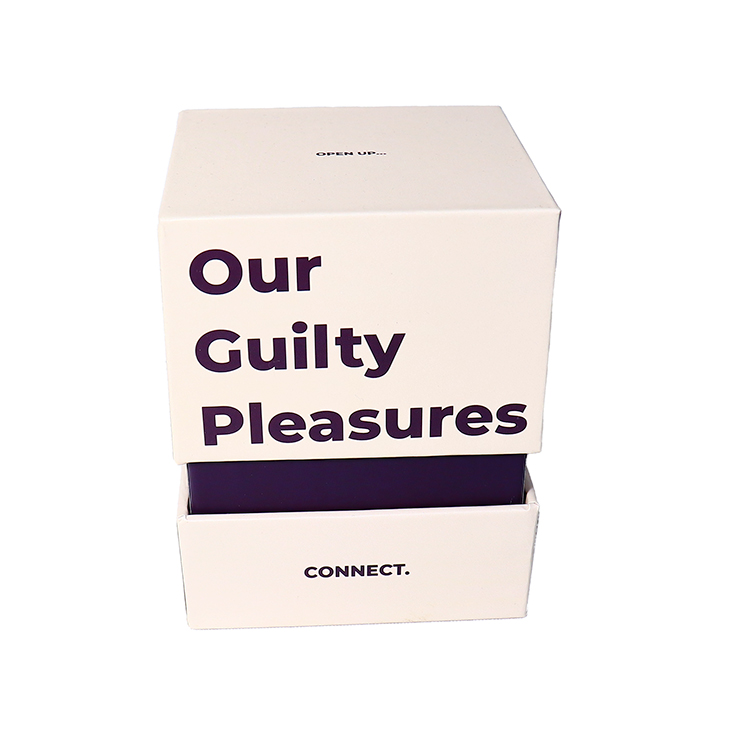 Customized Friendship Confirmation Card
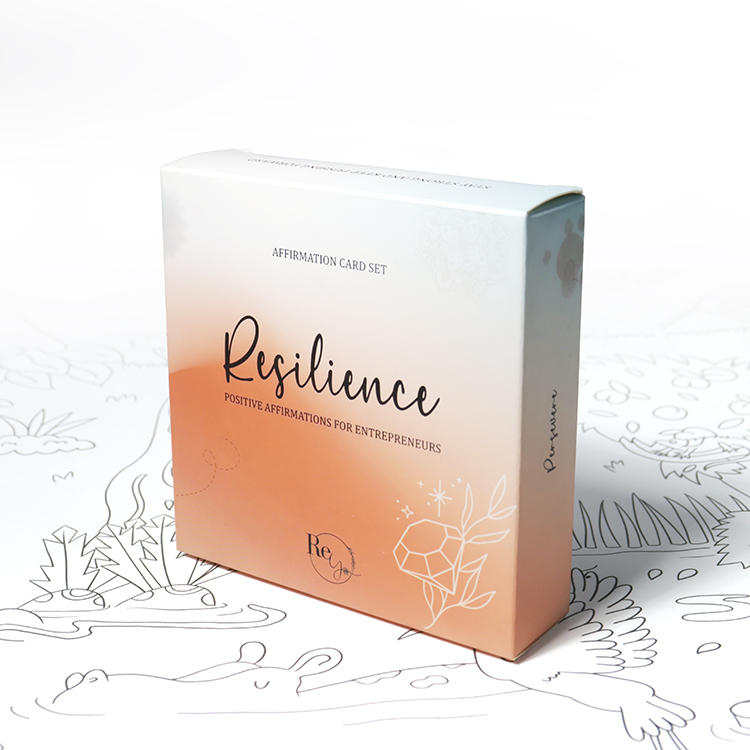 Customized Entrepreneurship Confirmation Card
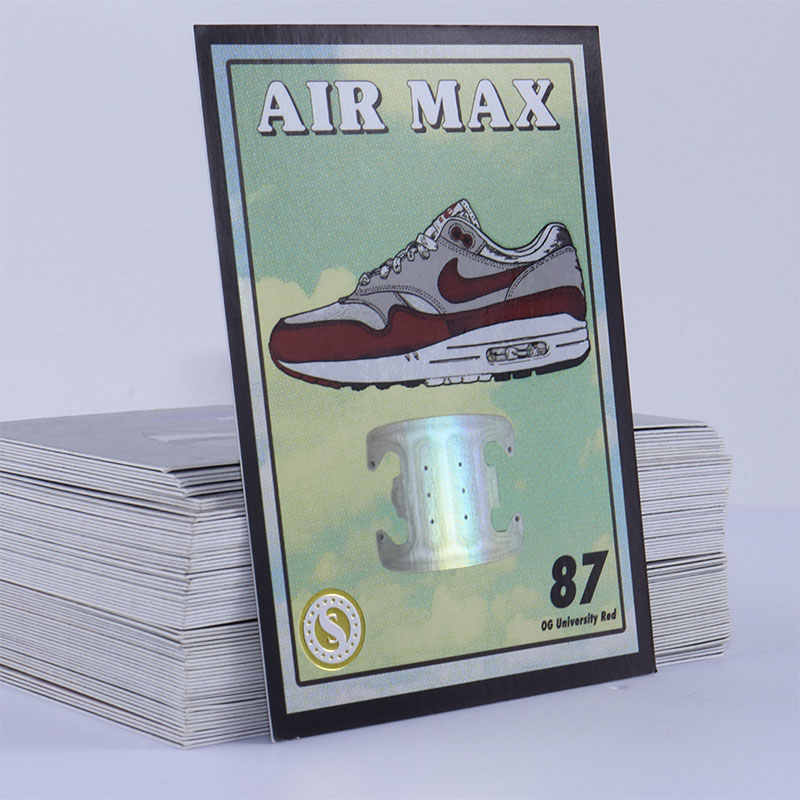 Air Max Pax Custom Sneaker Card Blind Box Set
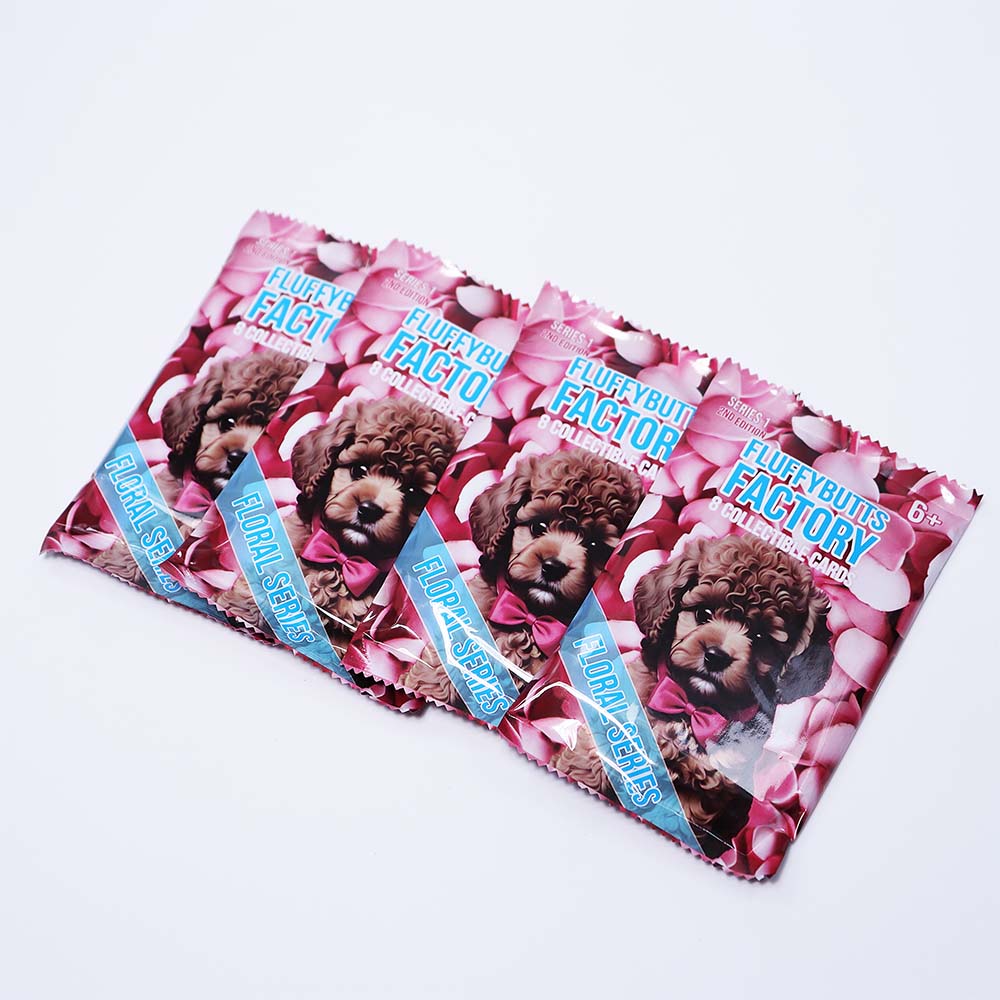 Fluffybutts Factory Custom Pet Card Blind Box Sets
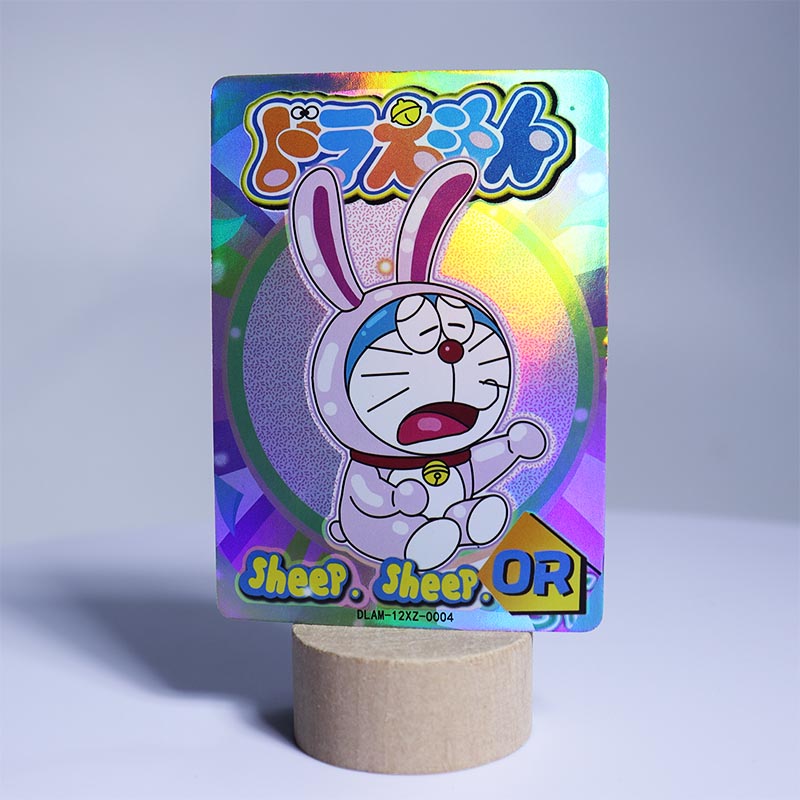 Doraemon Custom Card Blind Box Set
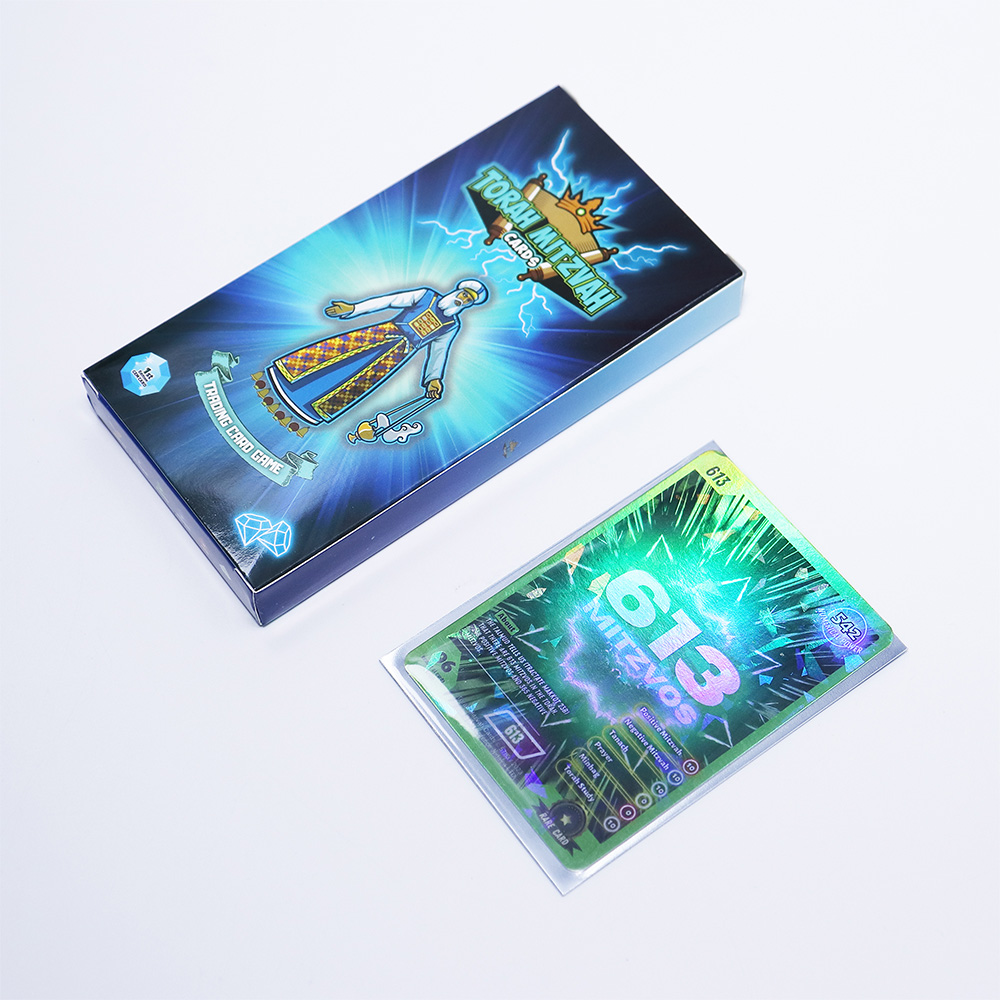 Torah Mitzvah Custom Card Blind Box Set
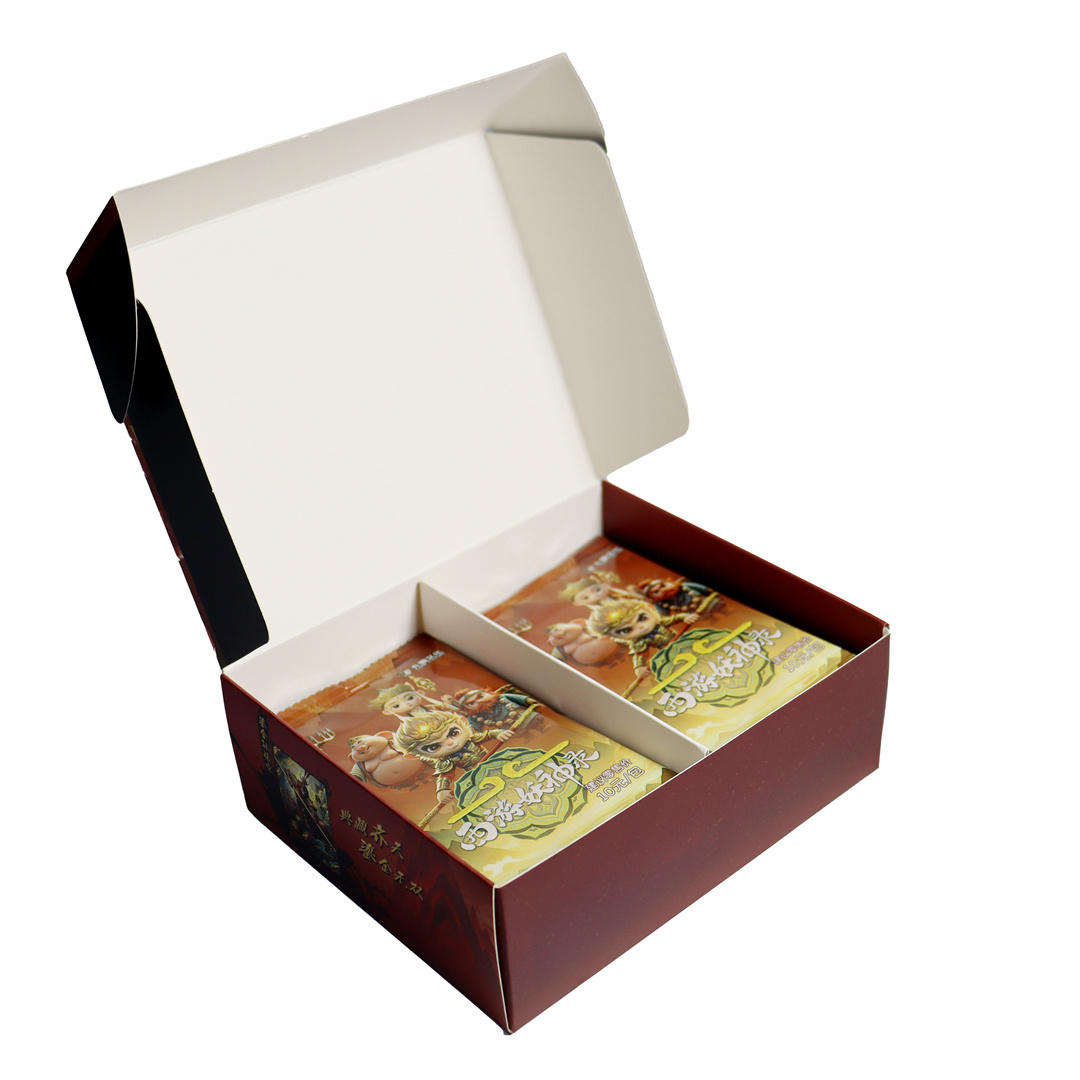 Customized "Journey to the West" Themed Card Blind Box Set
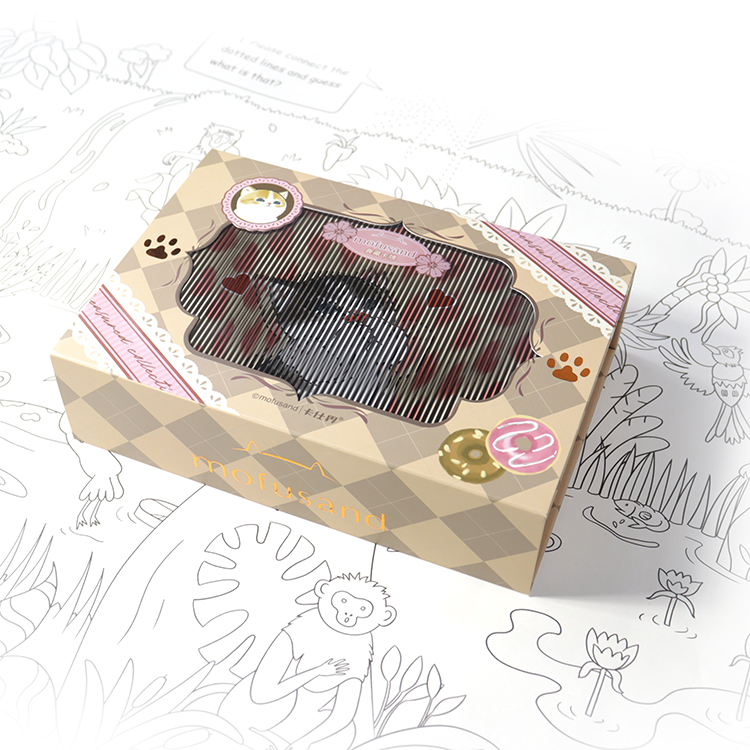 Customized cat-themed blind box set
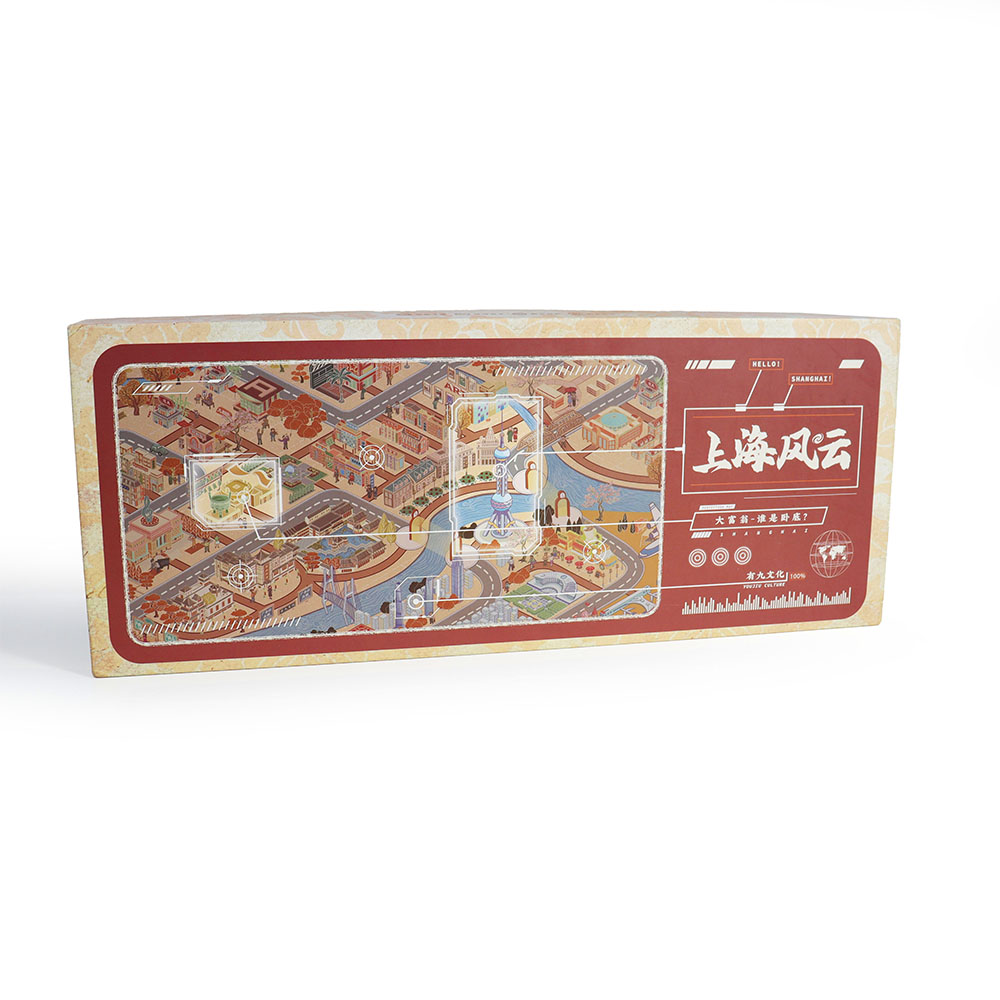 Shanghai Fengyun Custom Board Game Set
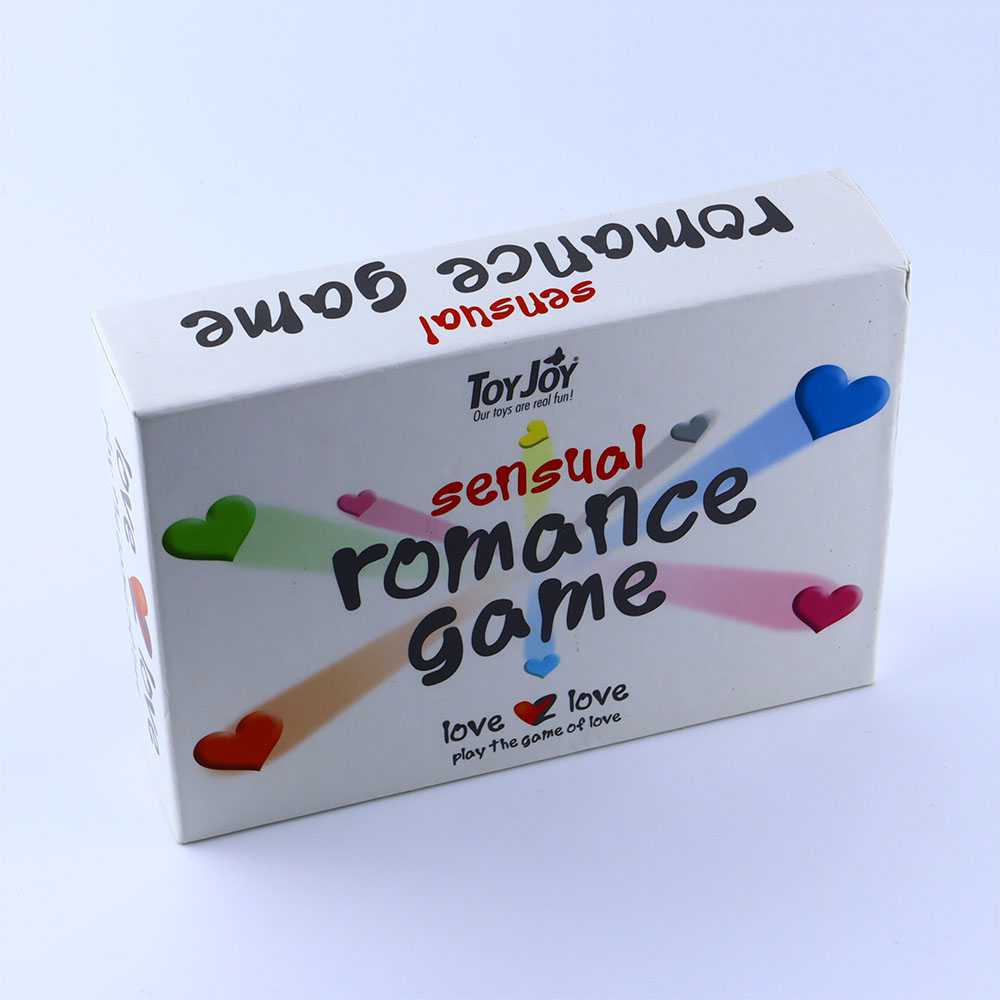 Sensual Romance Game Custom Board Game Set
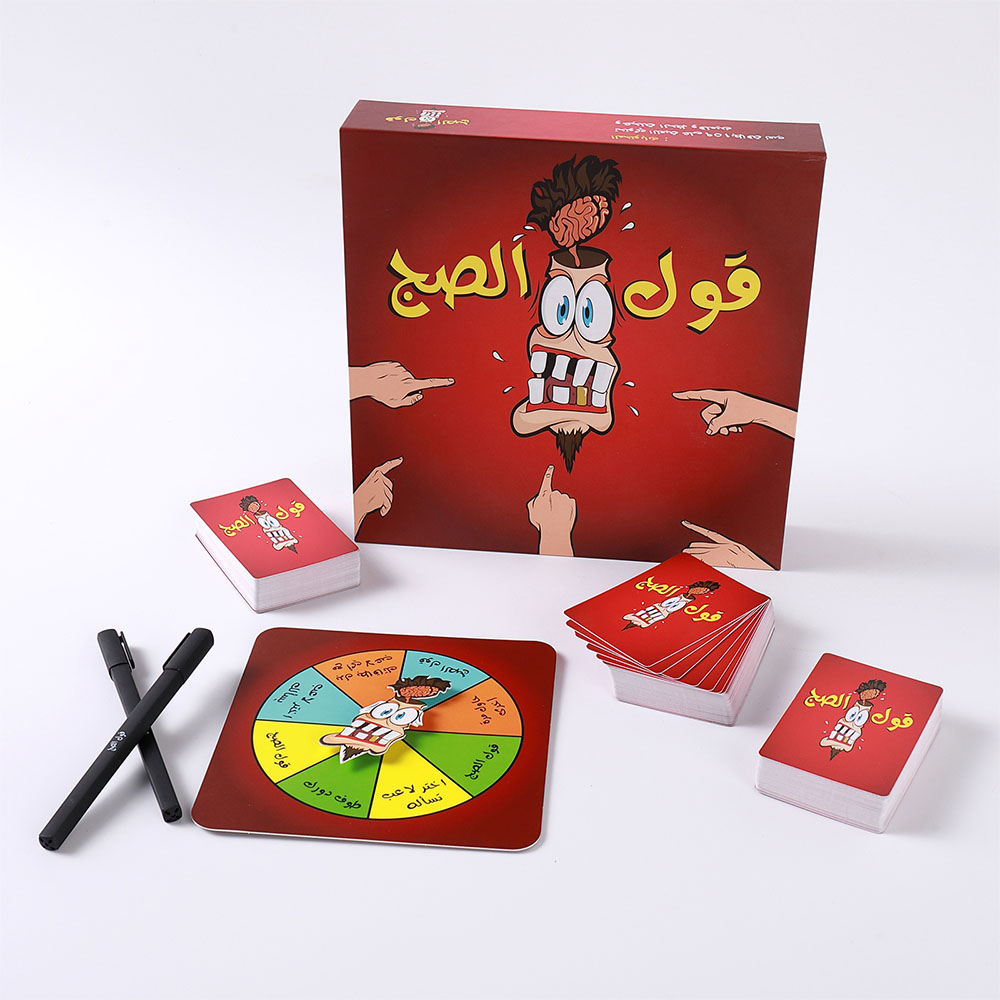 "Qoul Al Sabah" Custom Board Game Set
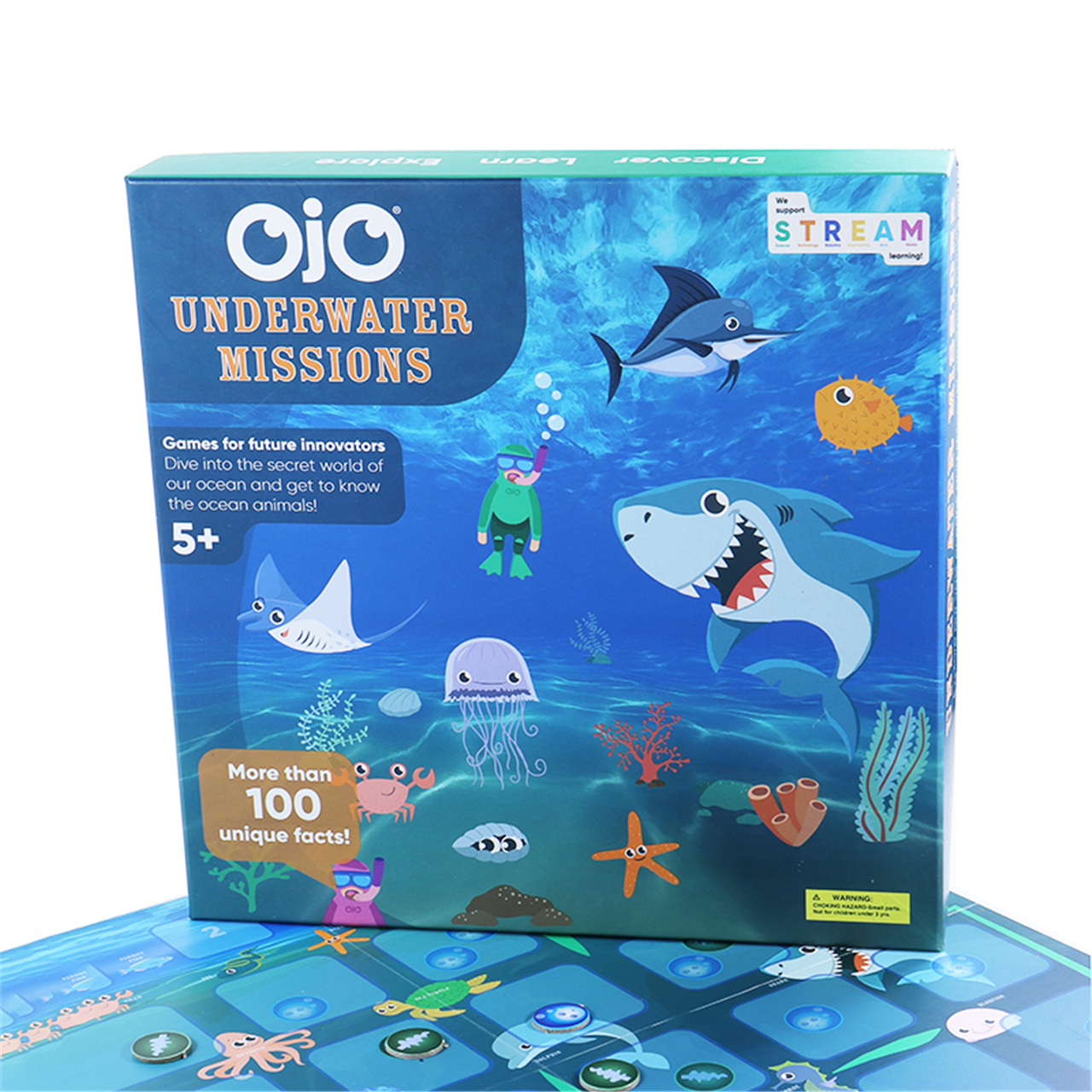 Customized educational board games for children
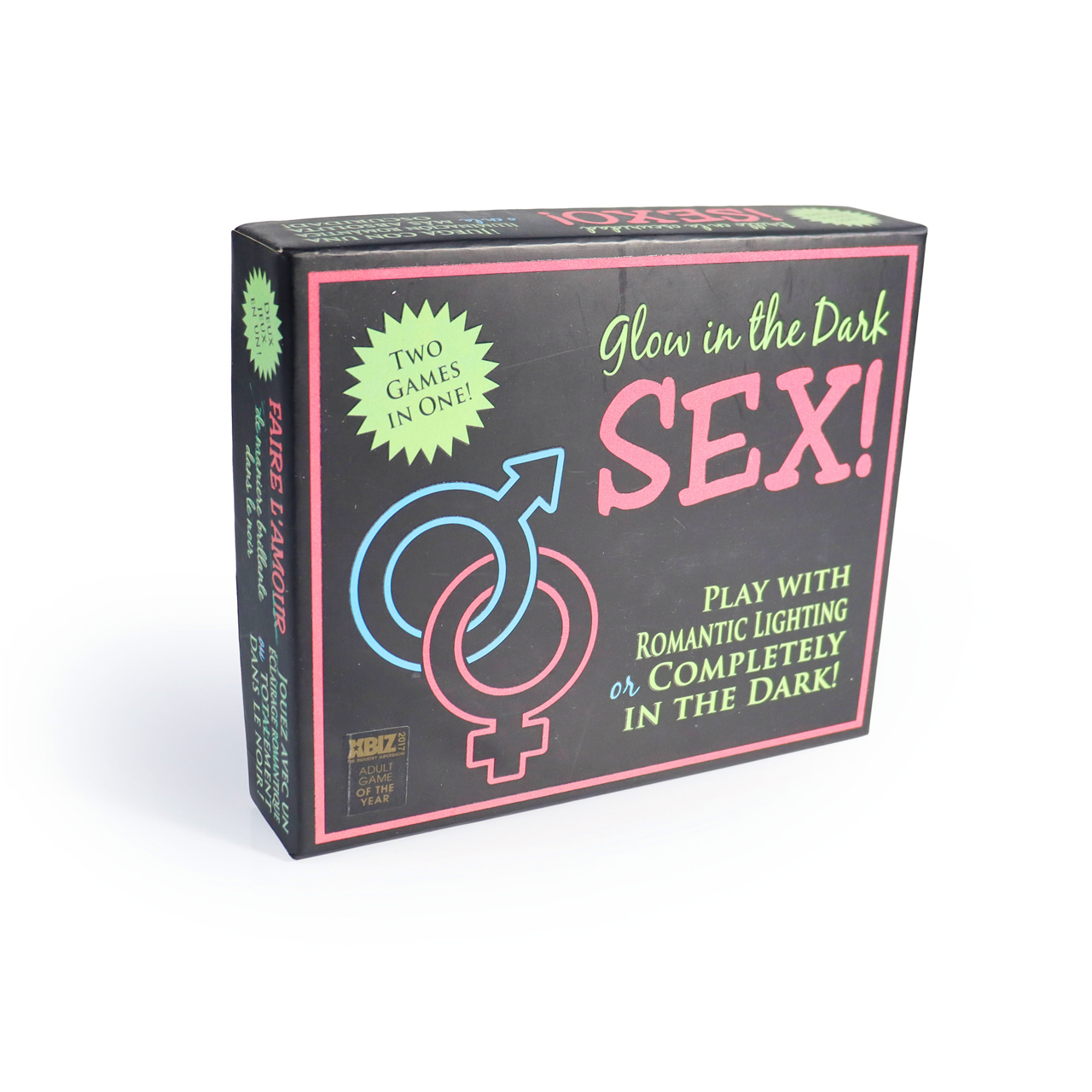 Couple Interaction Turntable Themed Board Game
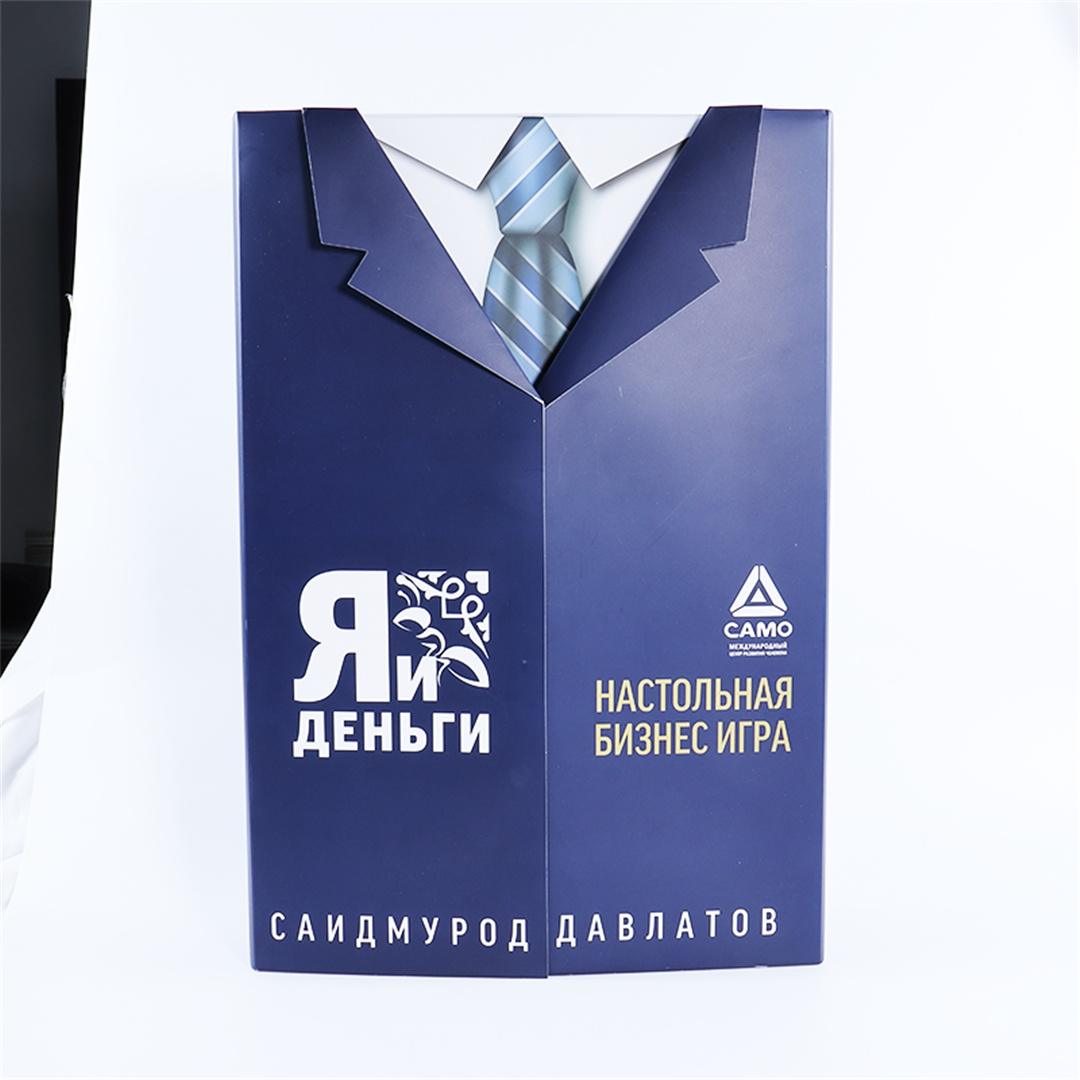 Business Finance Board Game
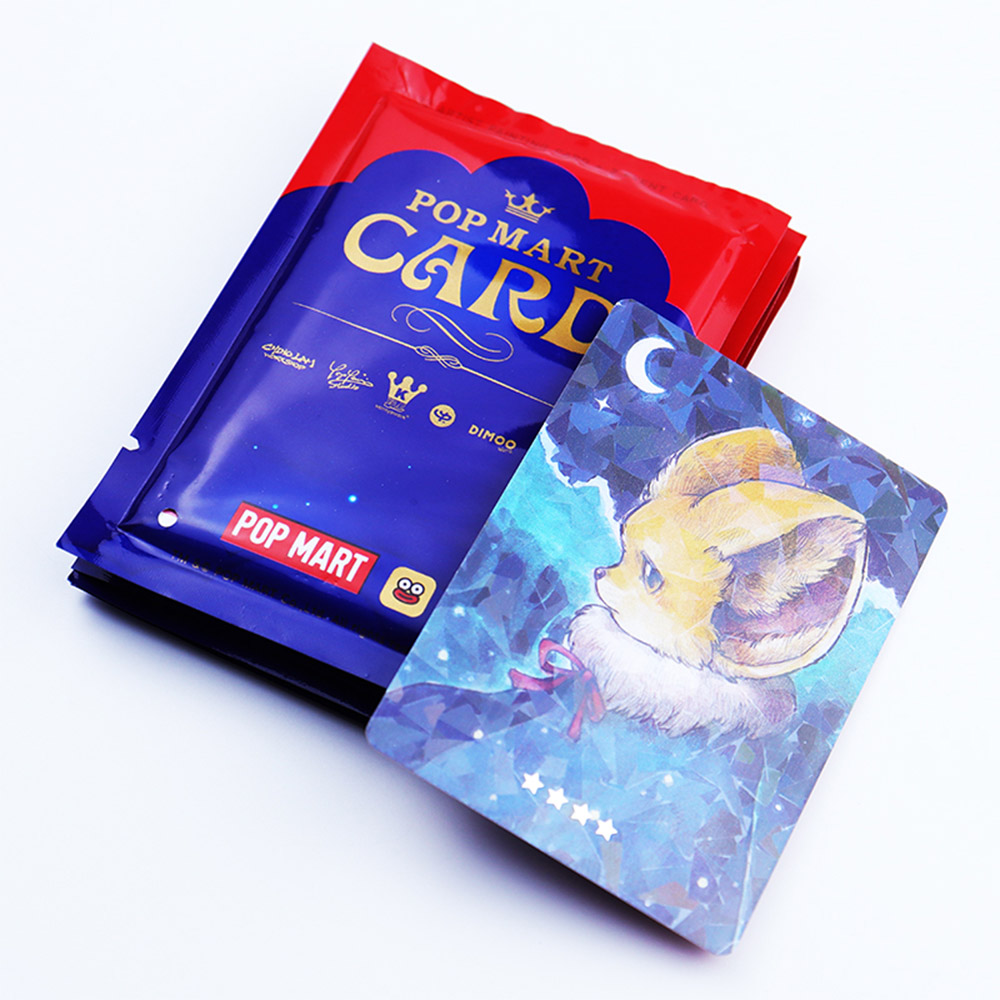 Pop Mart Custom Character Collectible Cards
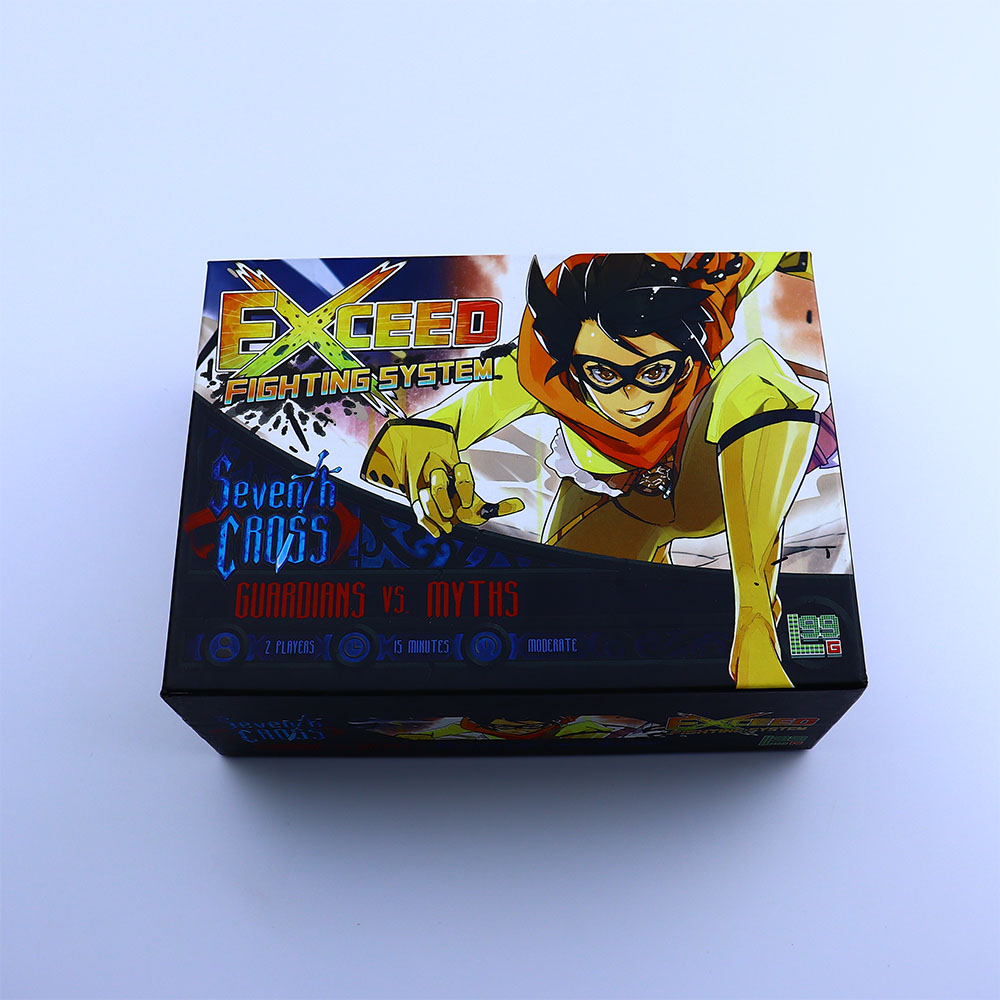 EXCEED Fighting System Custom Character Card Set
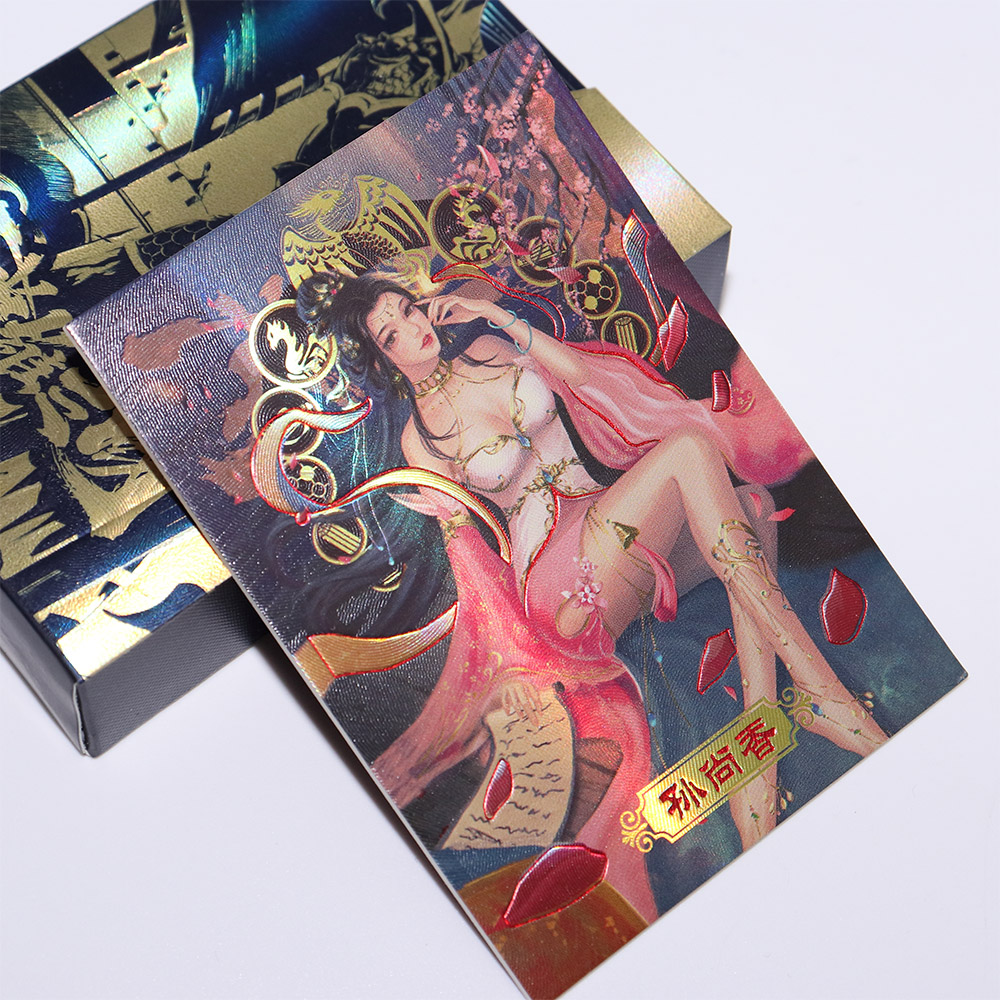 Three Kingdoms Custom Hero Character Cards
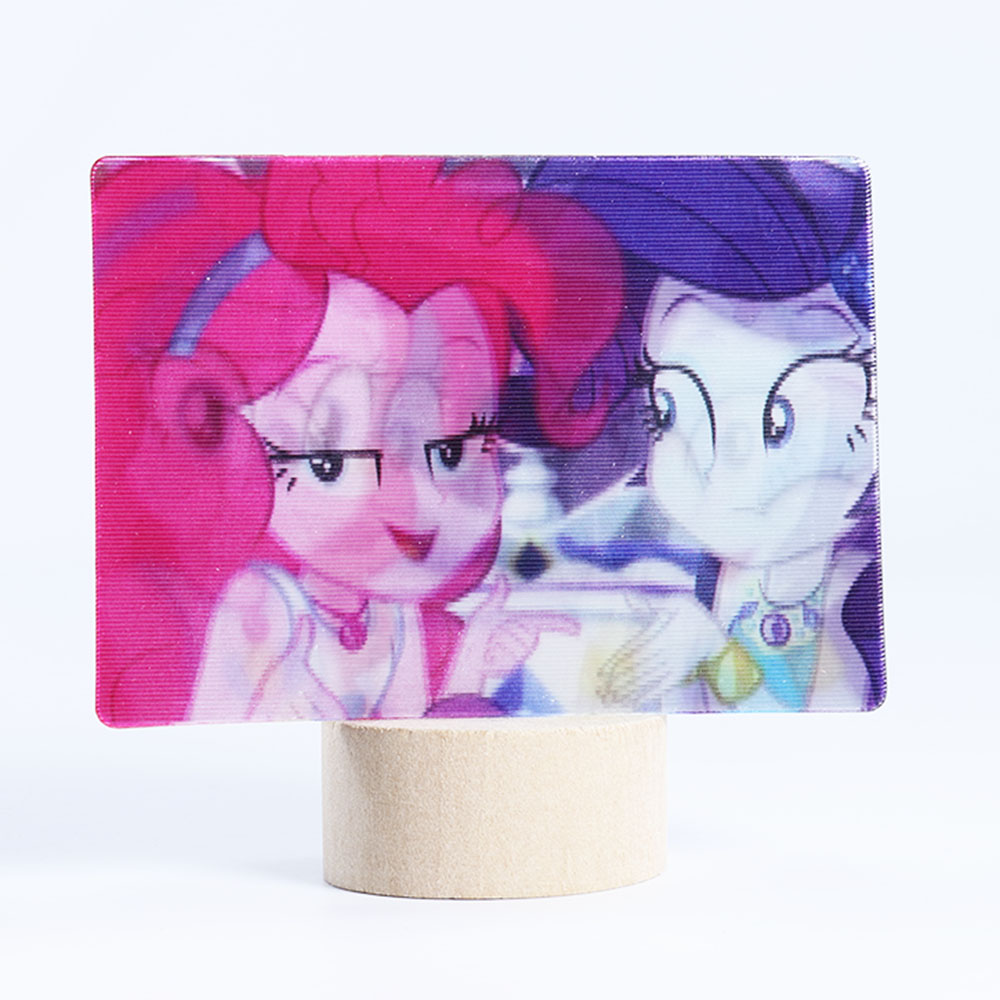 Custom Anime Character Dynamic Visual Cards
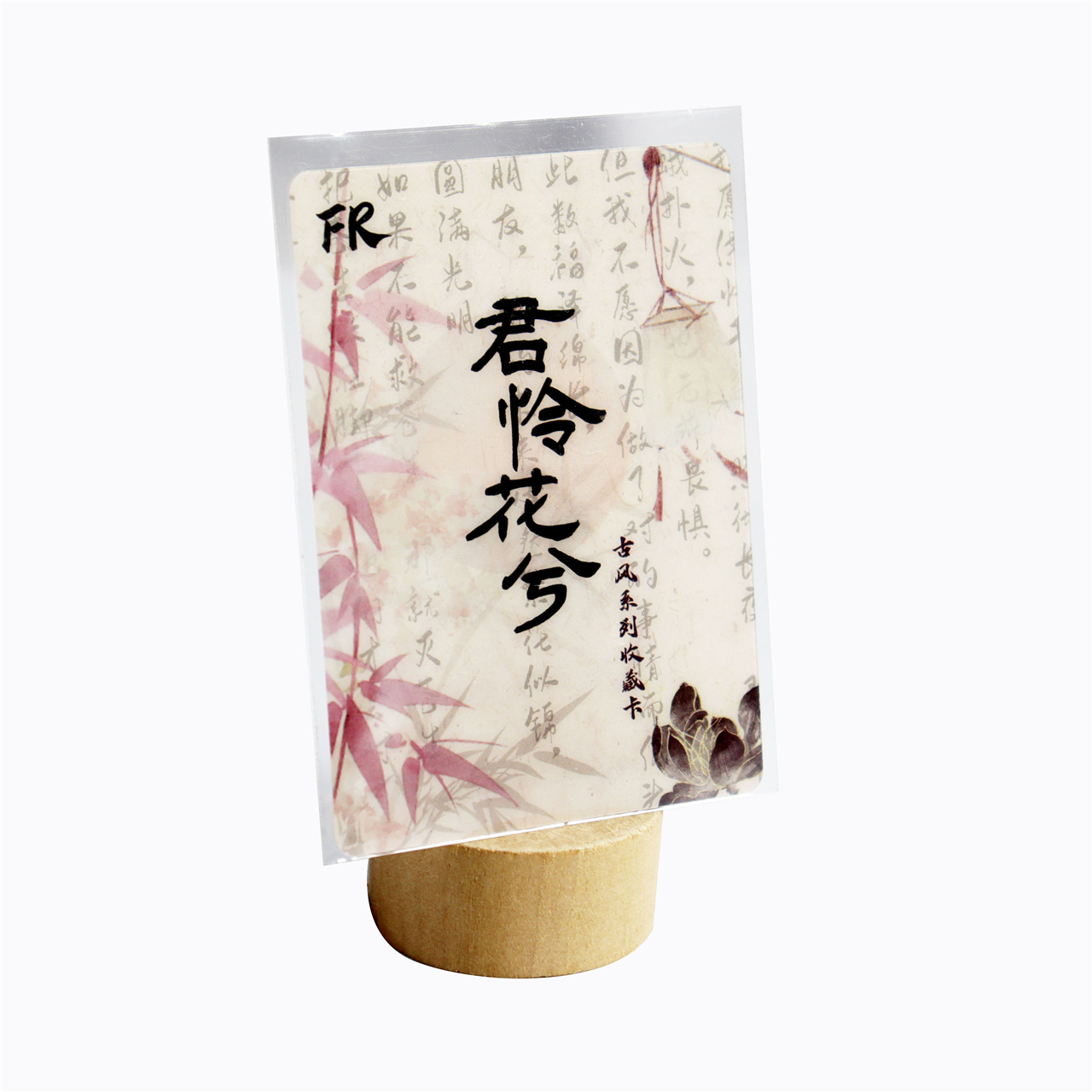 Custom Cartoon Character Collectible Card Set
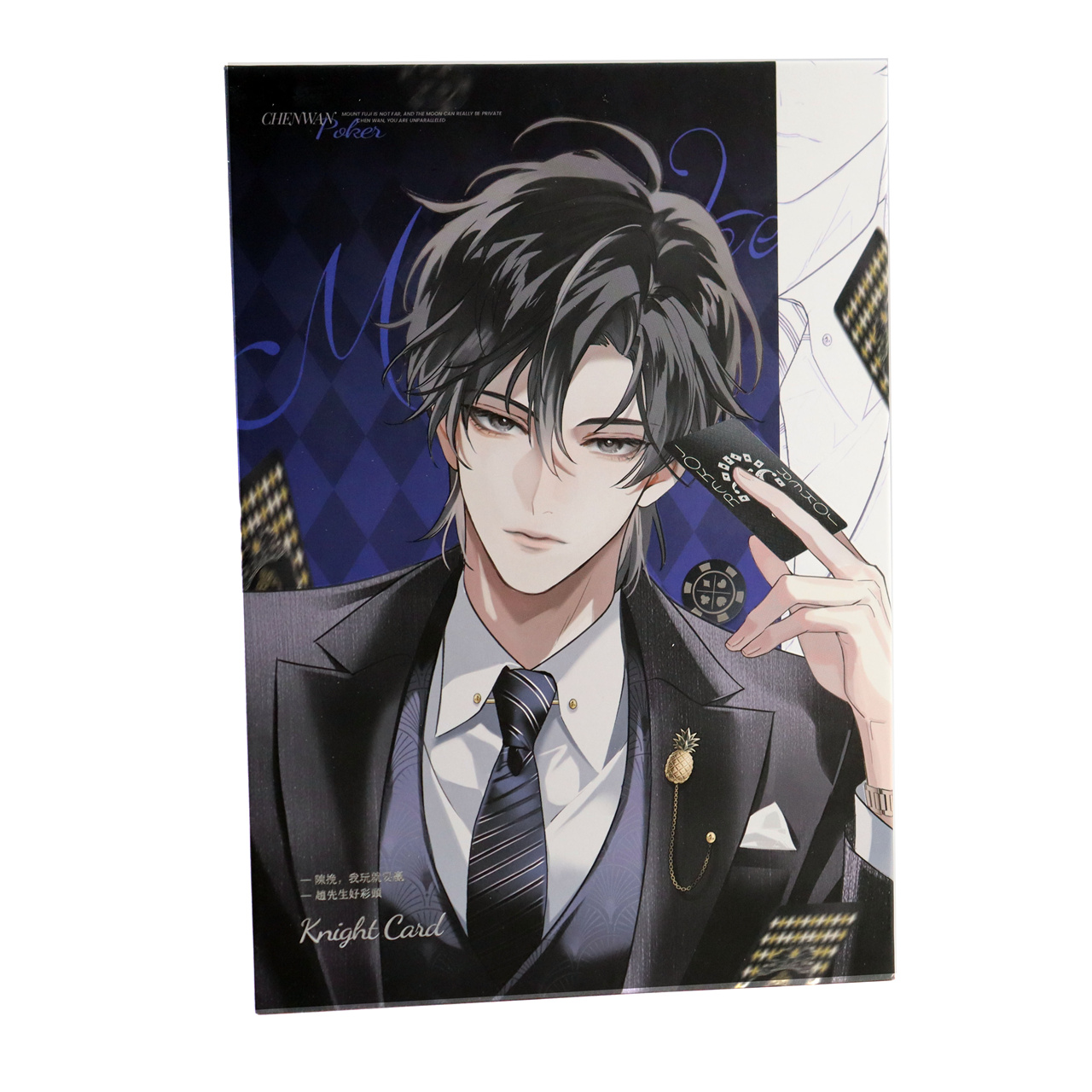 Custom Anime Character Art Card Set
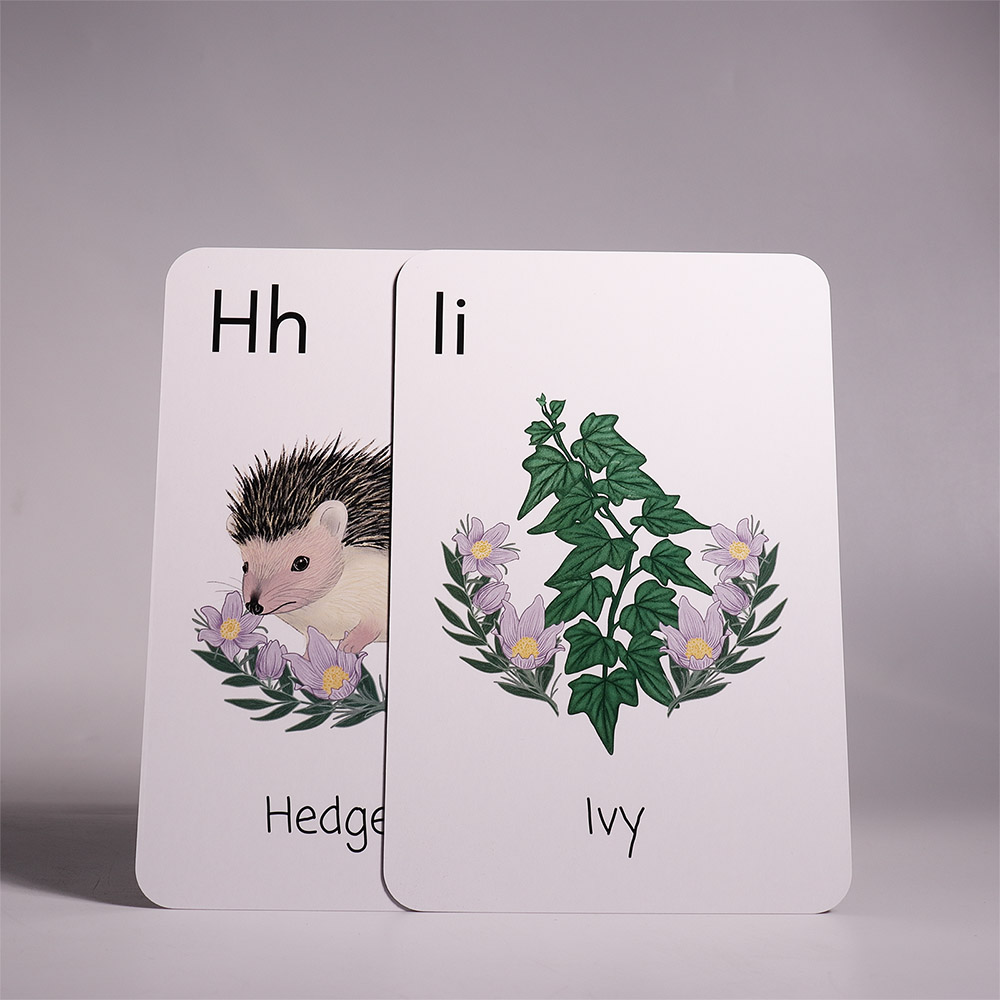 Little Larch Alphabet Cards
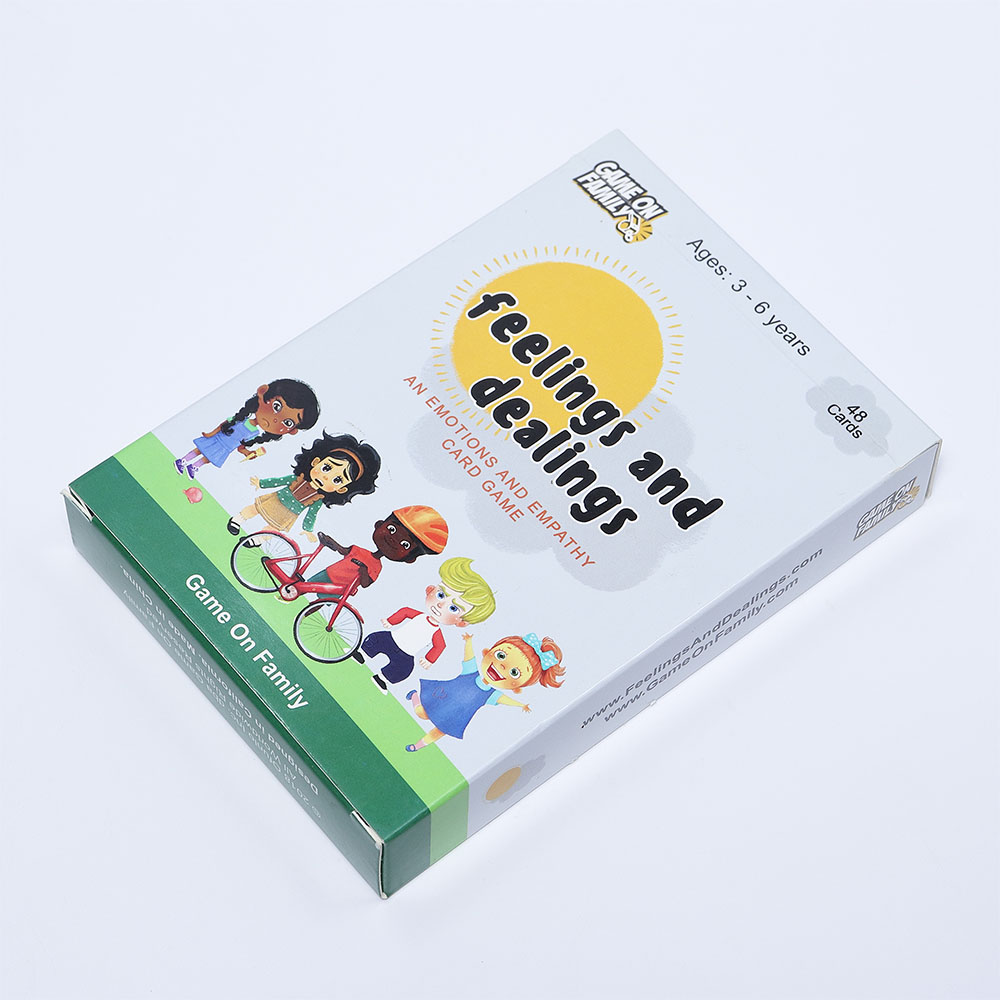 Feelings and Dealings Custom Children's Emotion Card Game
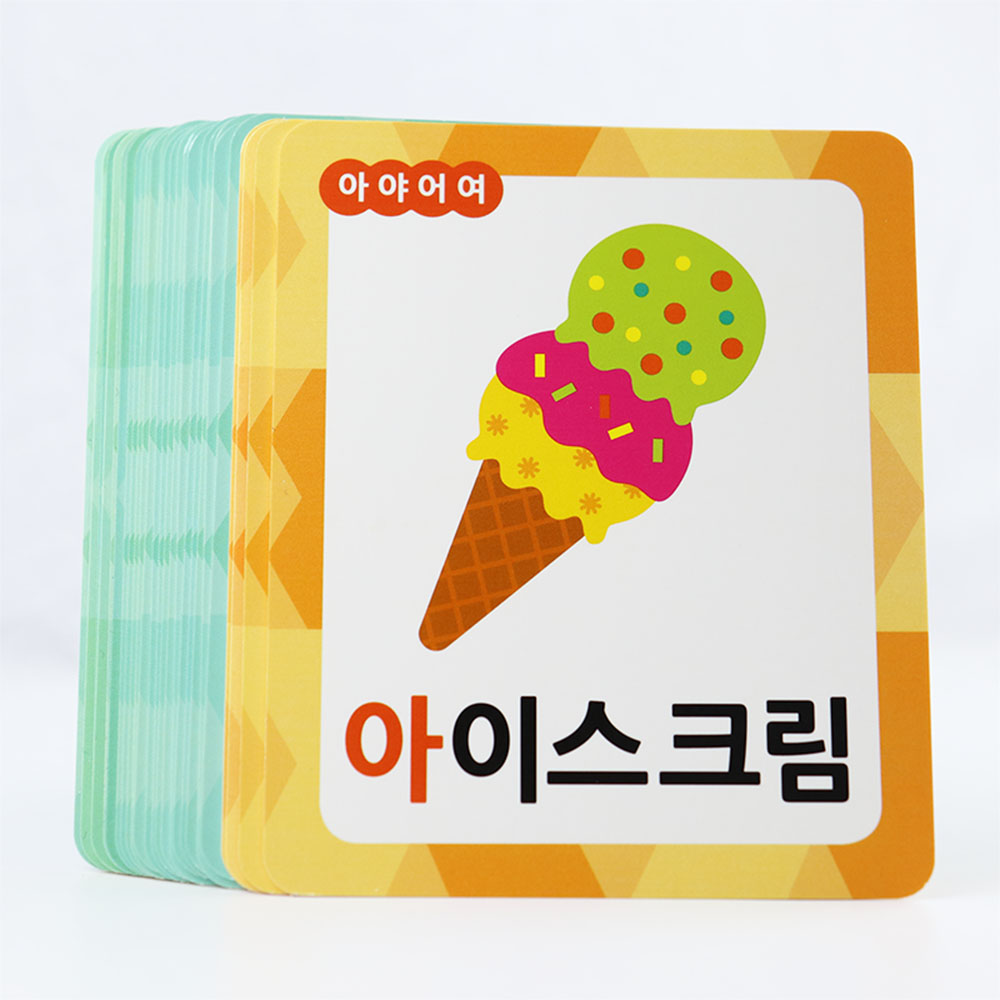 Korean Children's Educational Flashcards
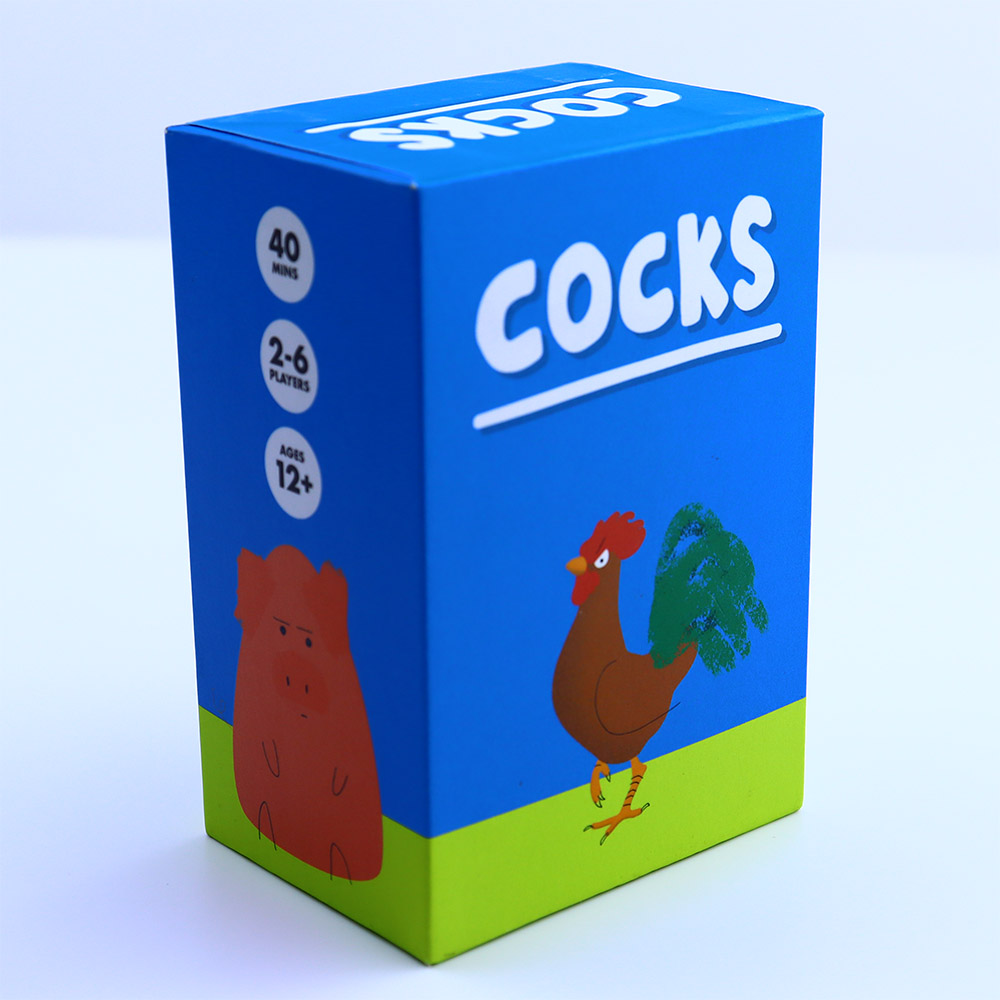 Cocks Themed Custom Children's Learning Cards
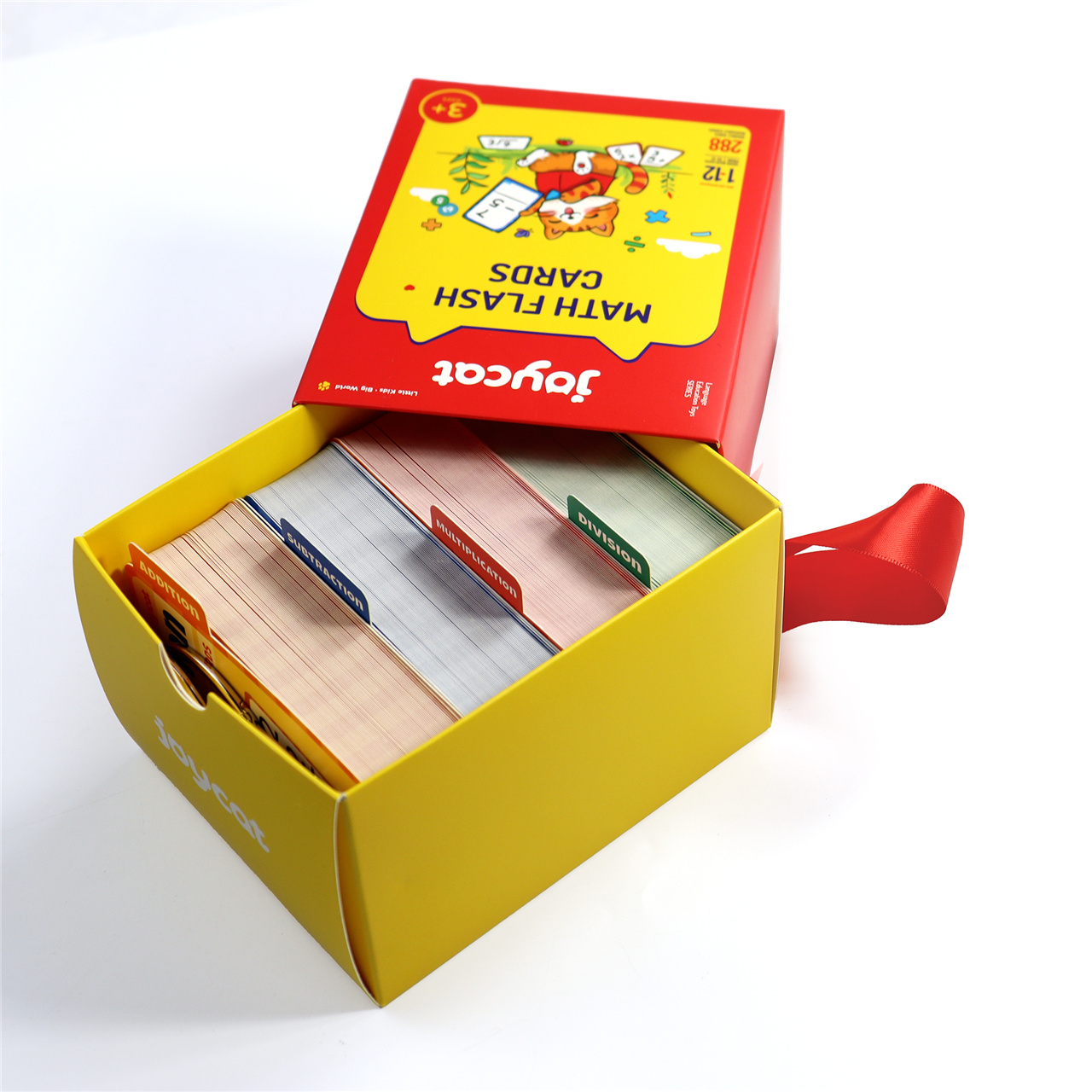 Math Flash Cards Set for Kids
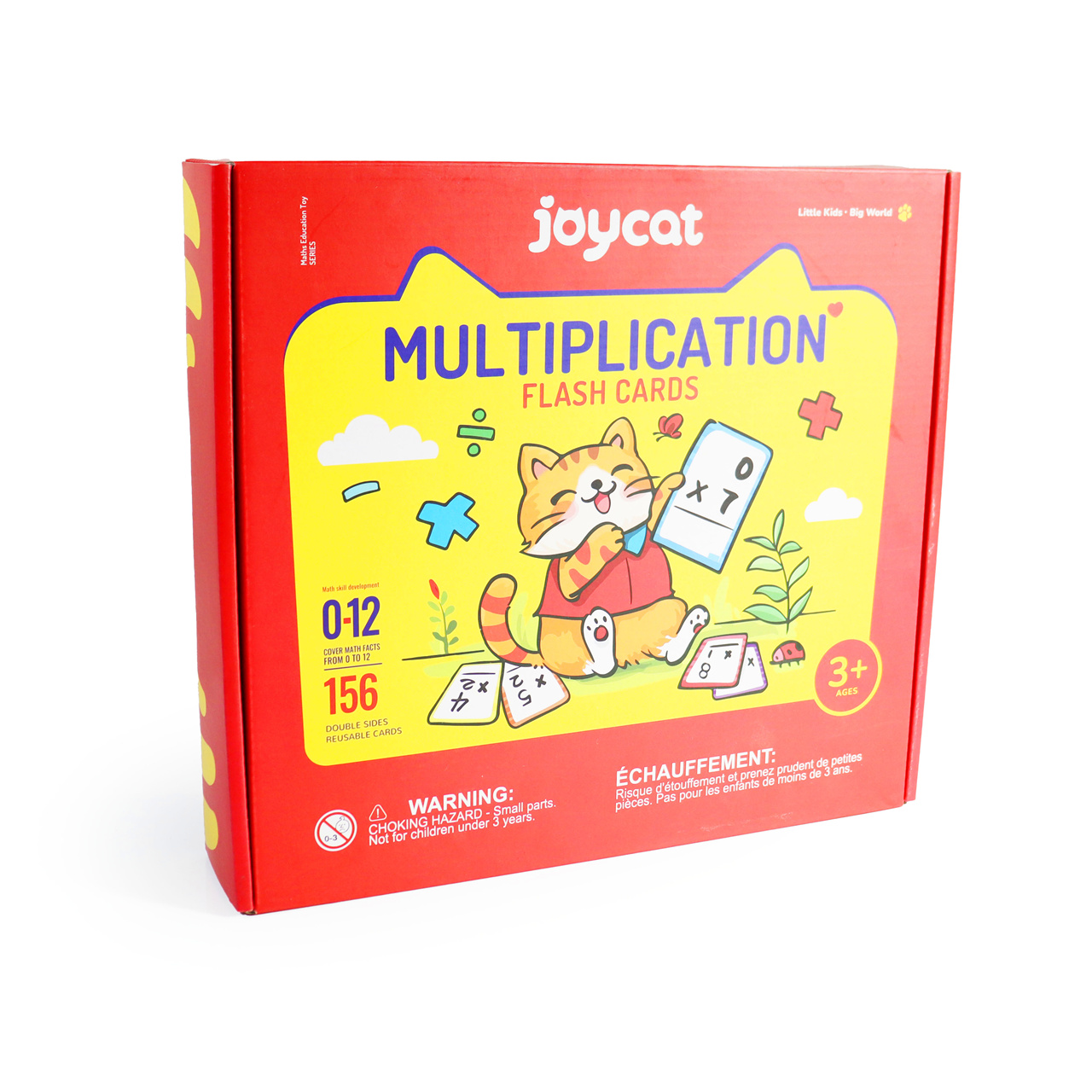 Joycat Multiplication Flash Cards Set with Accessories
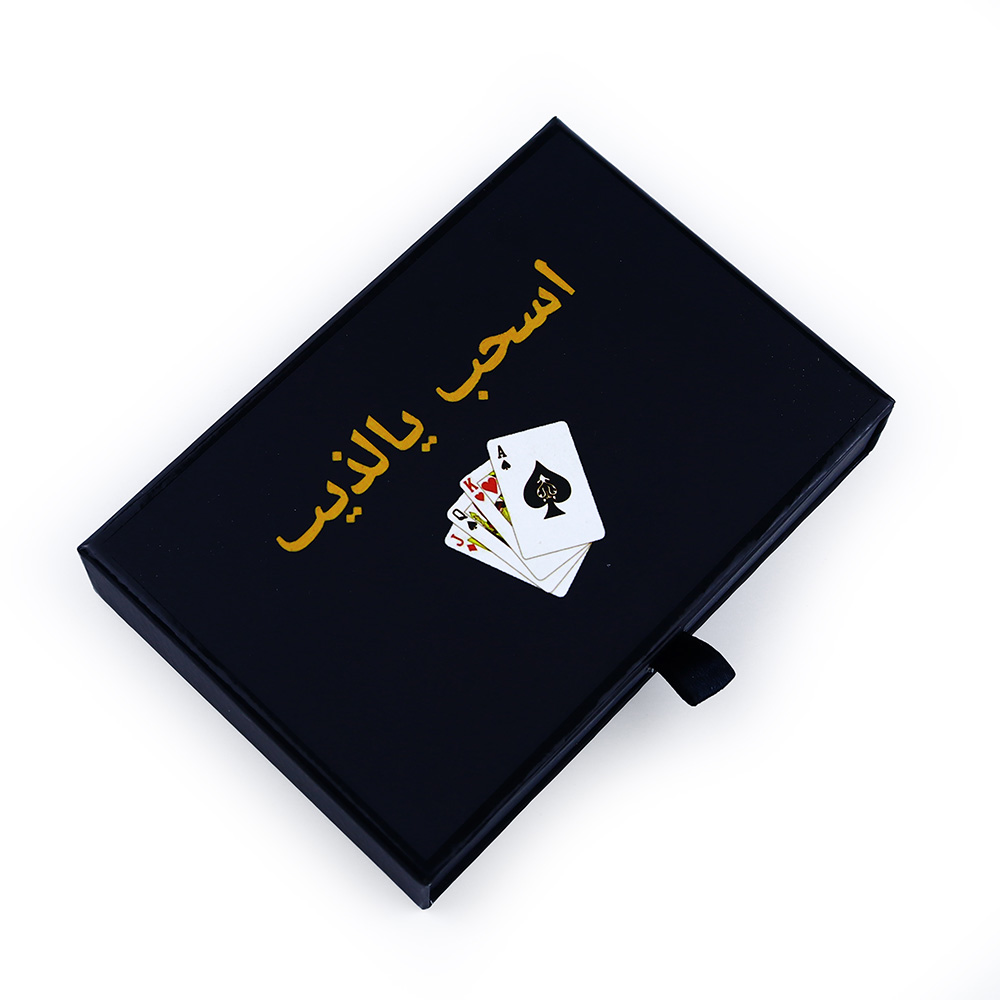 Custom Dual-Deck Playing Cards with Wolf-Themed Design
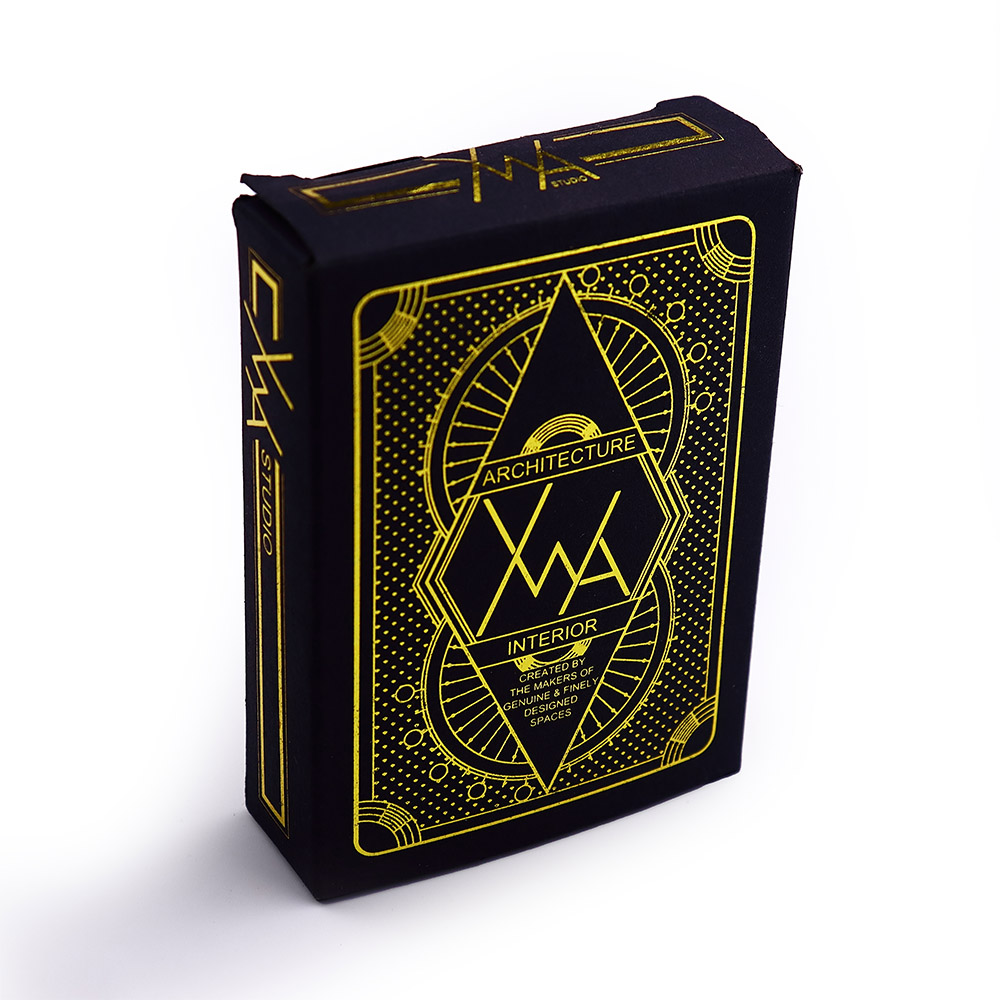 Custom embossed gold foil playing cards
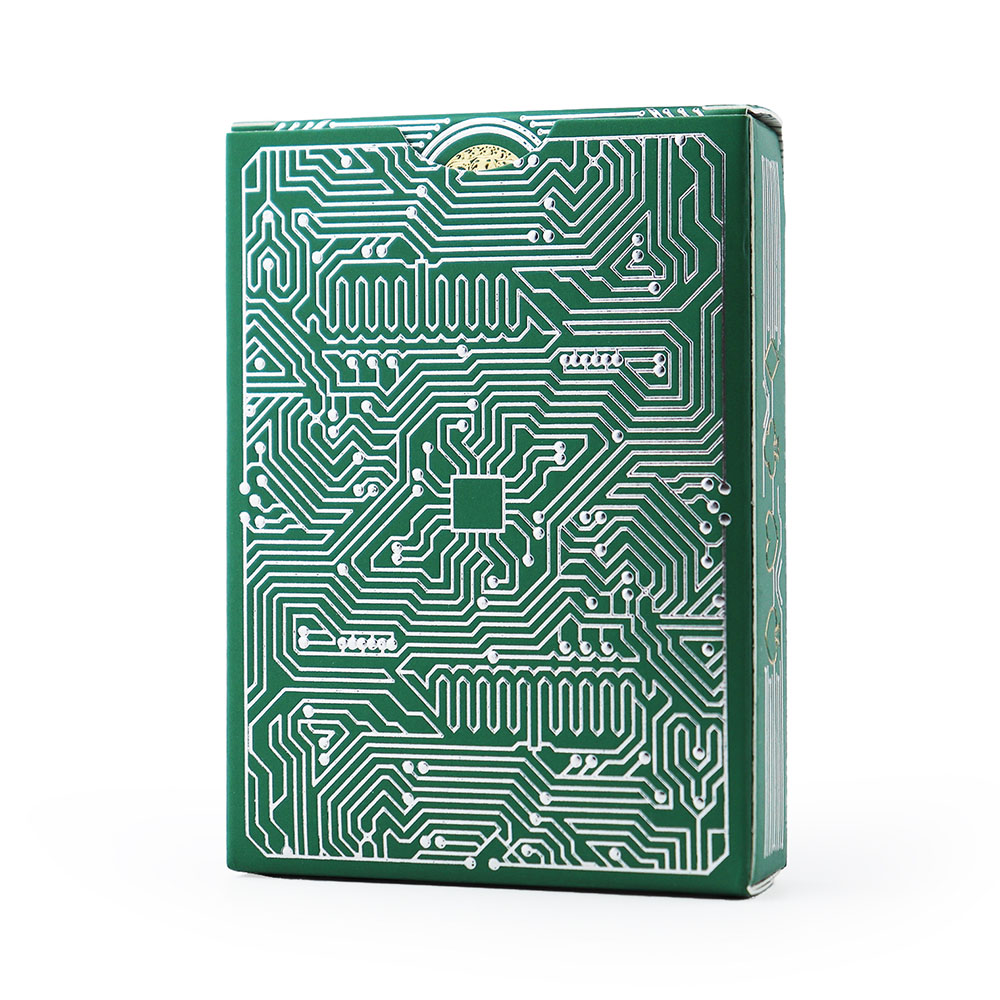 Circuit PCB Edition Custom Playing Cards
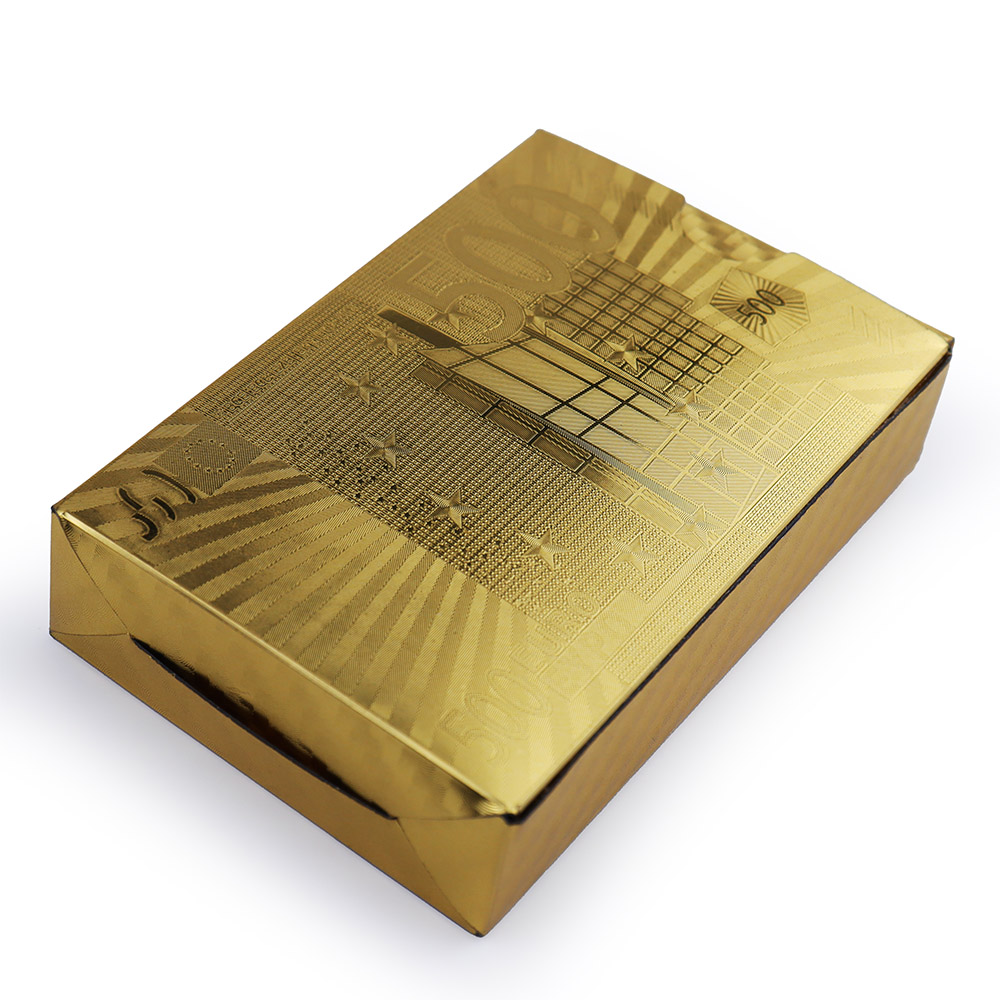 Customized theme gold foil playing cards
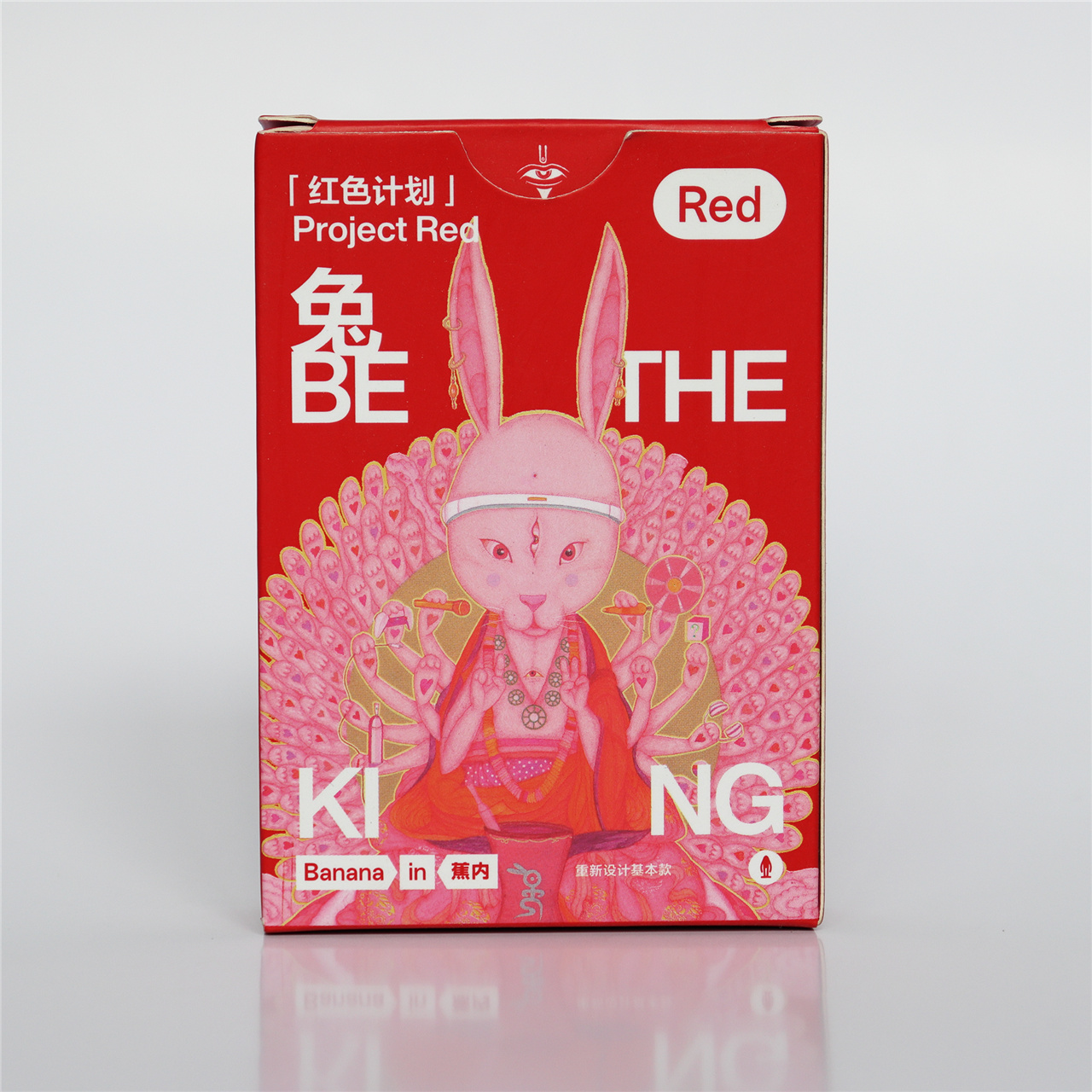 Custom Red Rabbit Themed Playing Cards Set
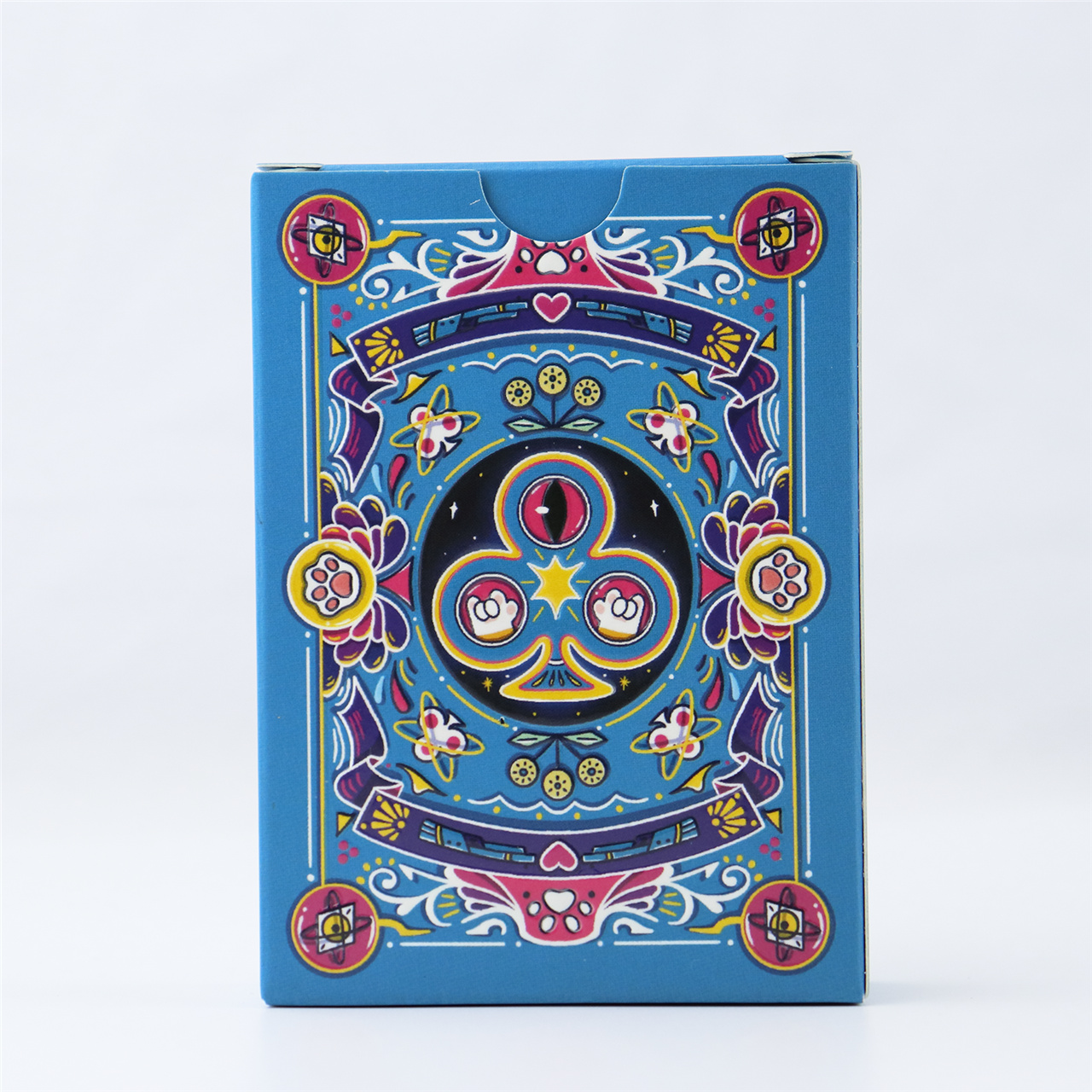 Custom Blue - Black Fantasy Plastic Playing Cards Set
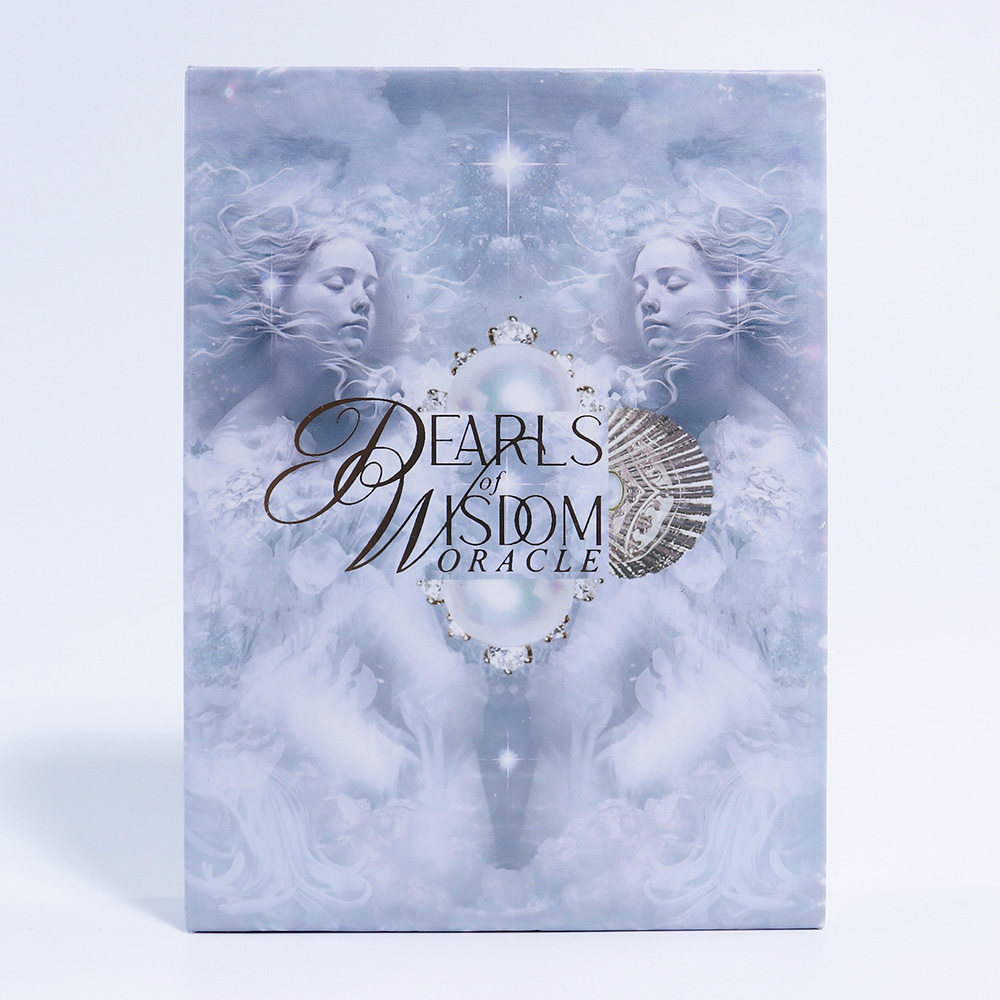 Pearls of Wisdom Oracle Custom Cards
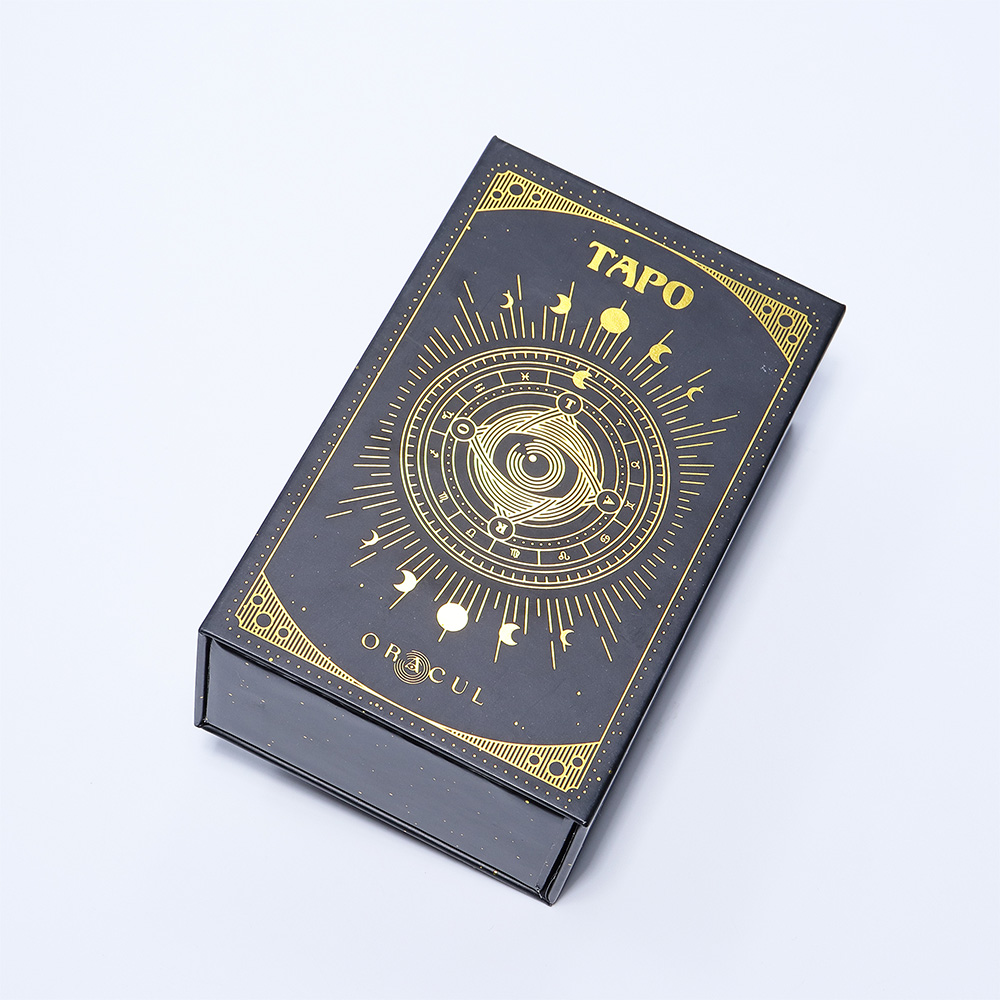 Custom Black & Gold Celestial Tarot Cards
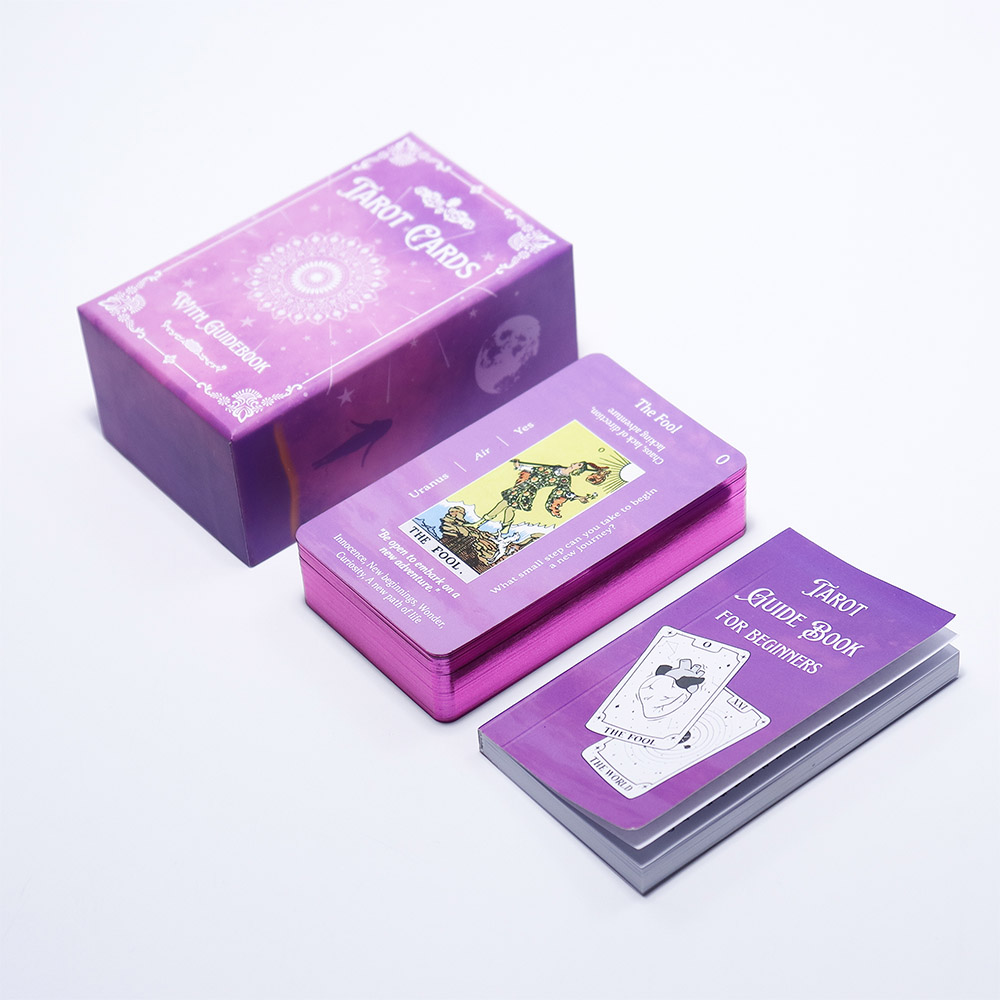 Custom Purple Tarot Cards with Guidebook
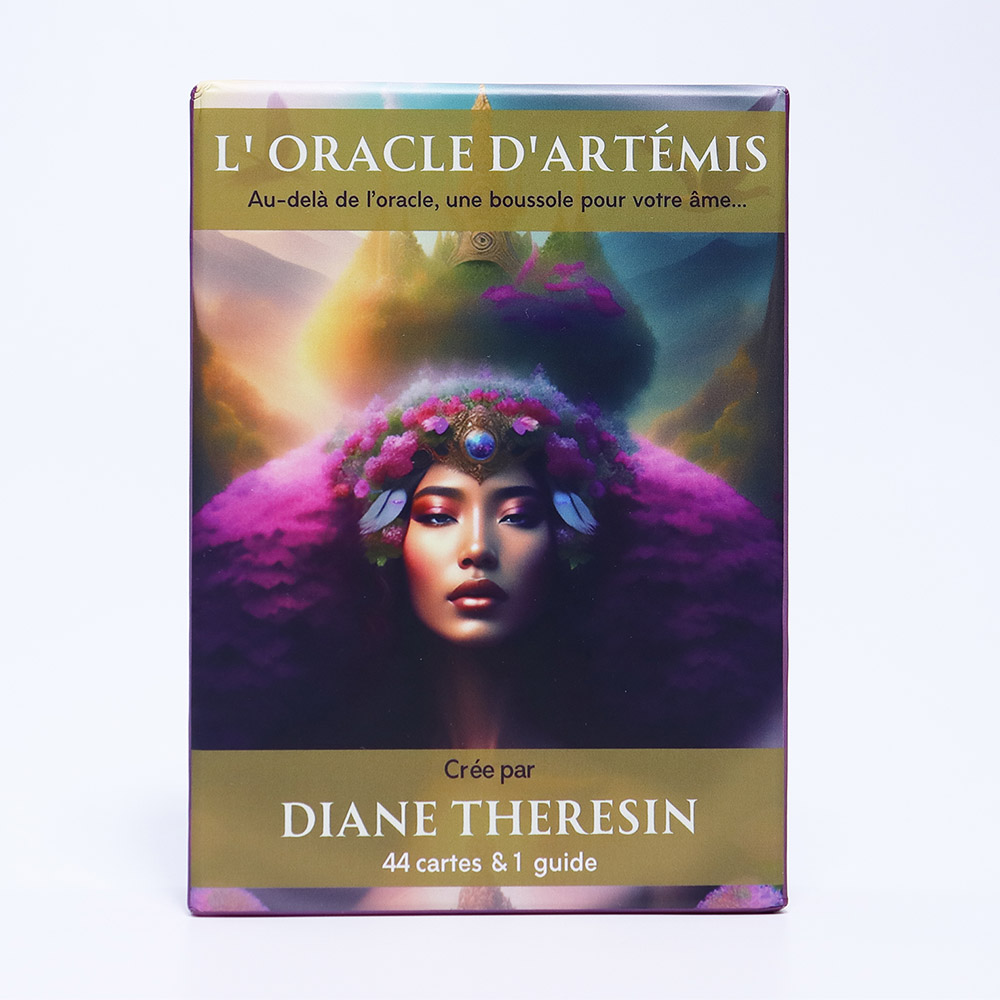 L'Oracle d'Artémis Custom Oracle Cards
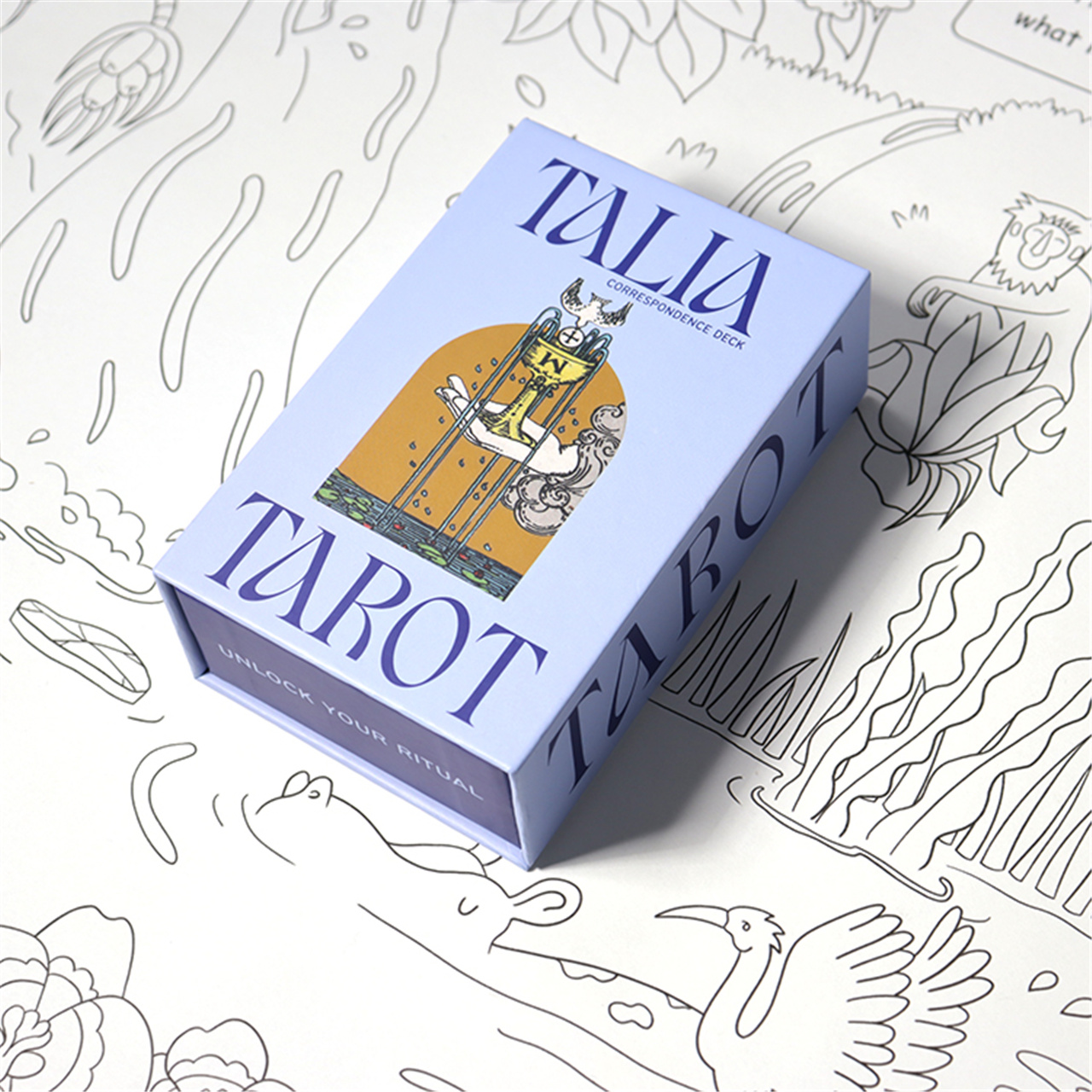 Custom Blue - Themed Tarot Cards Deck
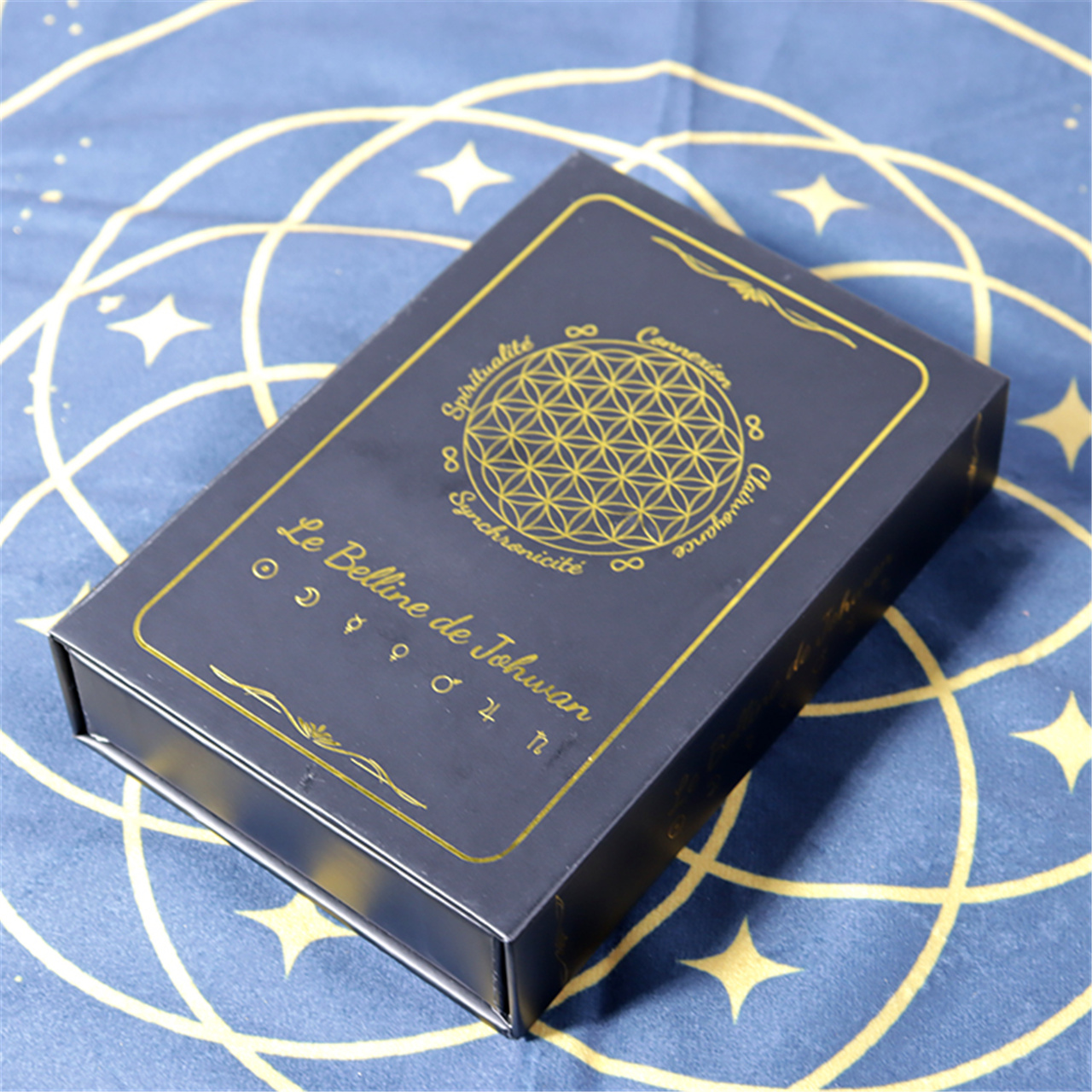 Custom Black - Blue Gold Foil Tarot Cards Set
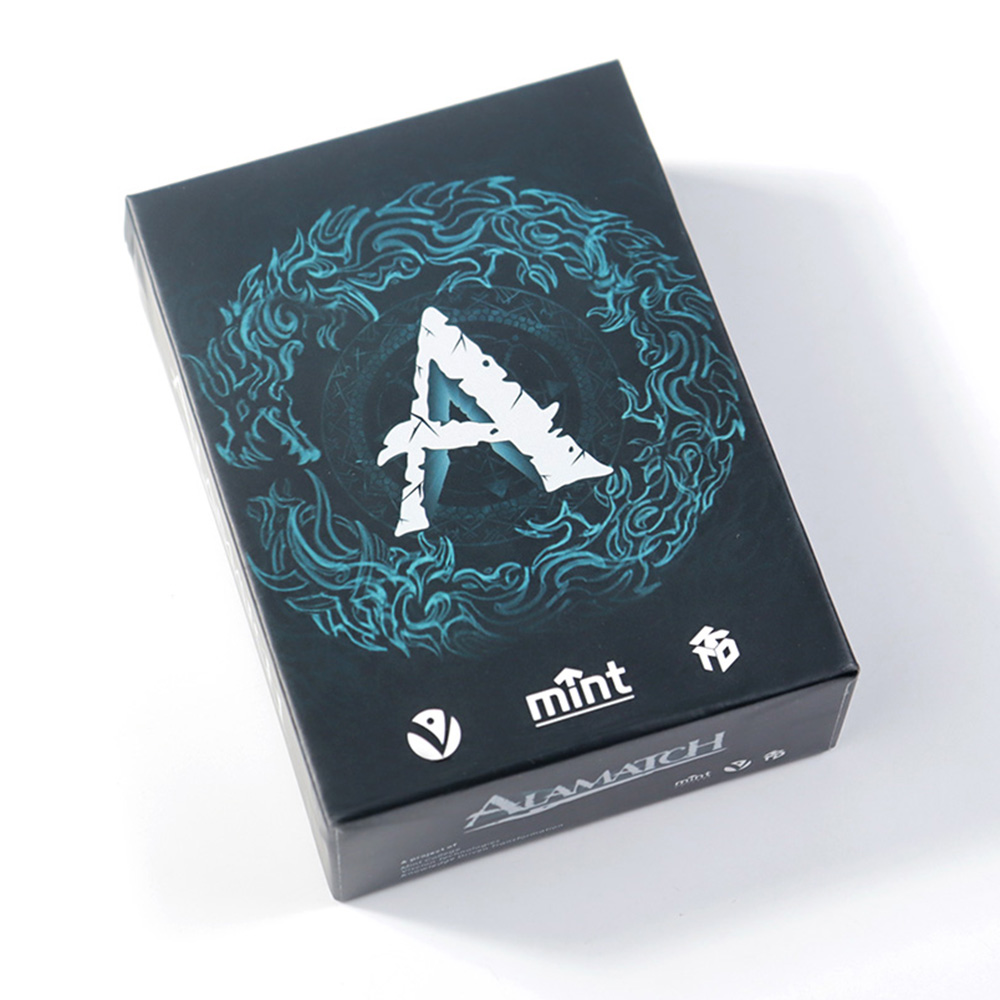 Alamatch Custom Trading Game Cards
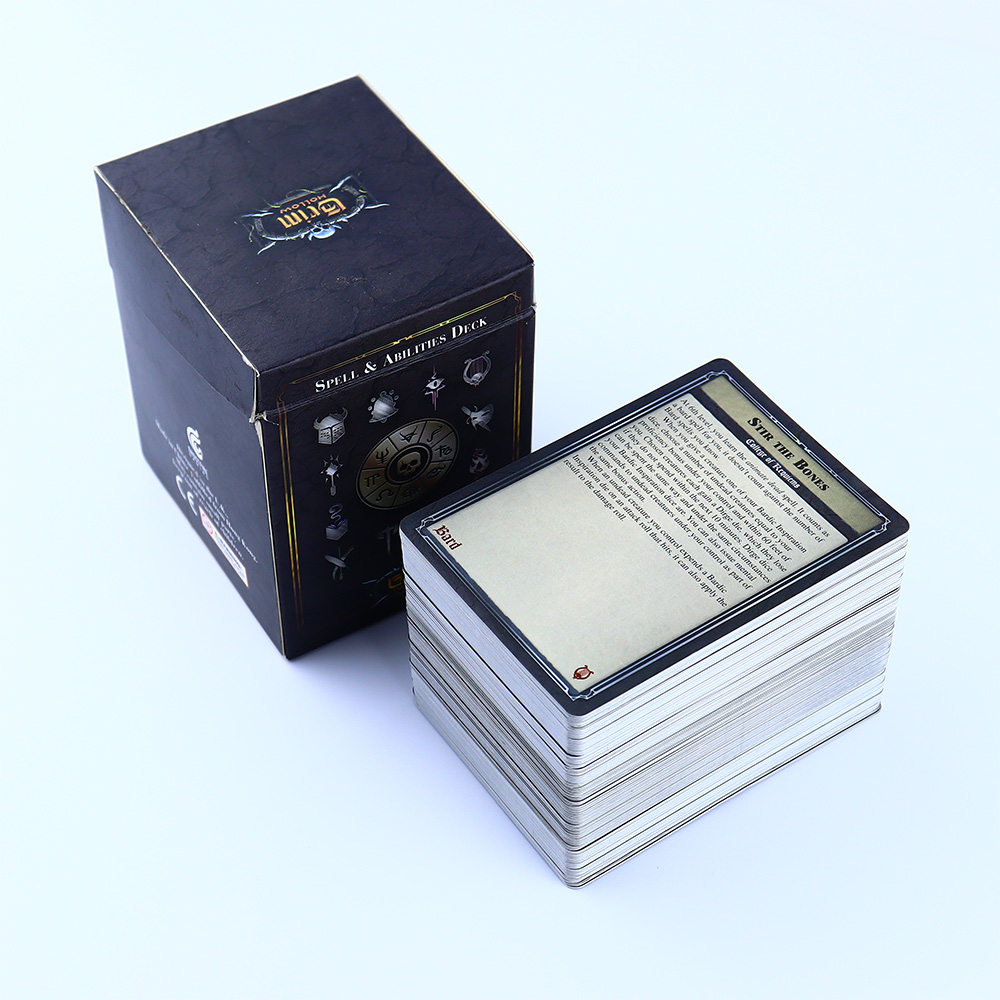 Grim Hollow Spell & Abilities Custom Trading Cards
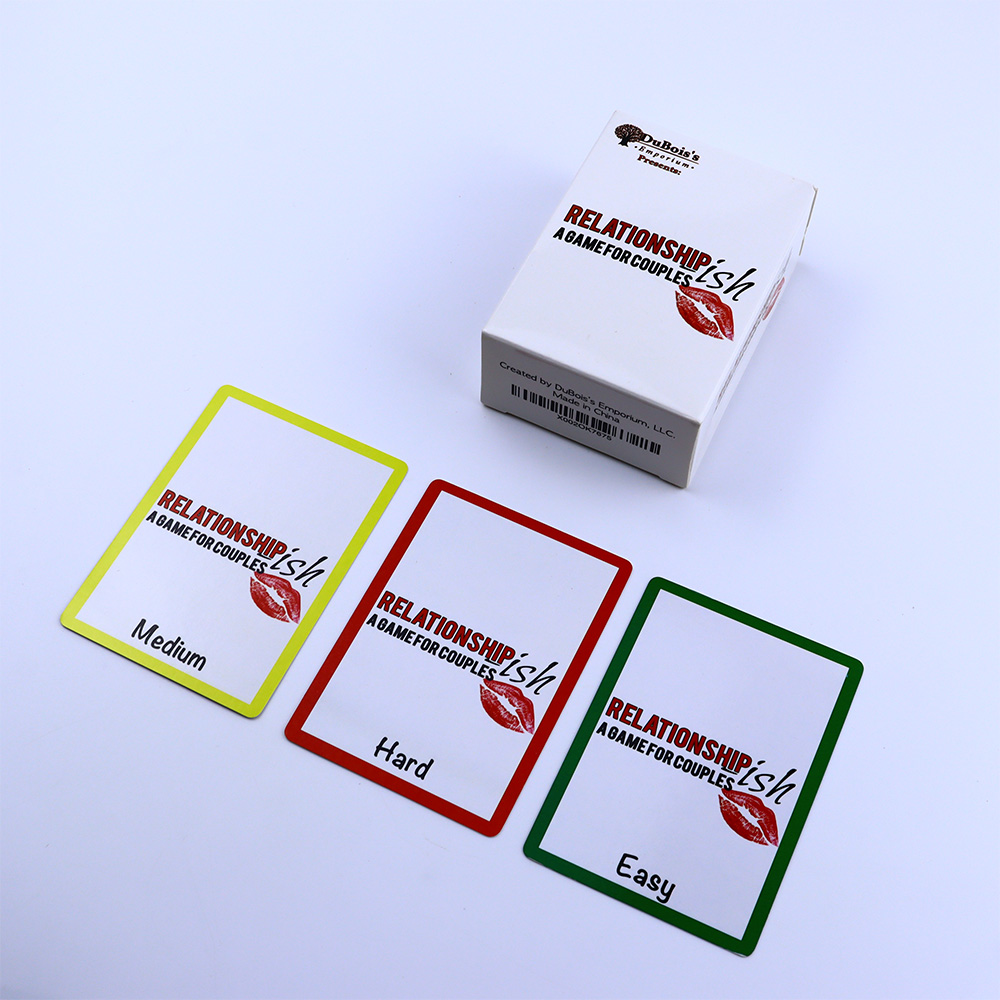 Relationshipish Custom Couple Card Game
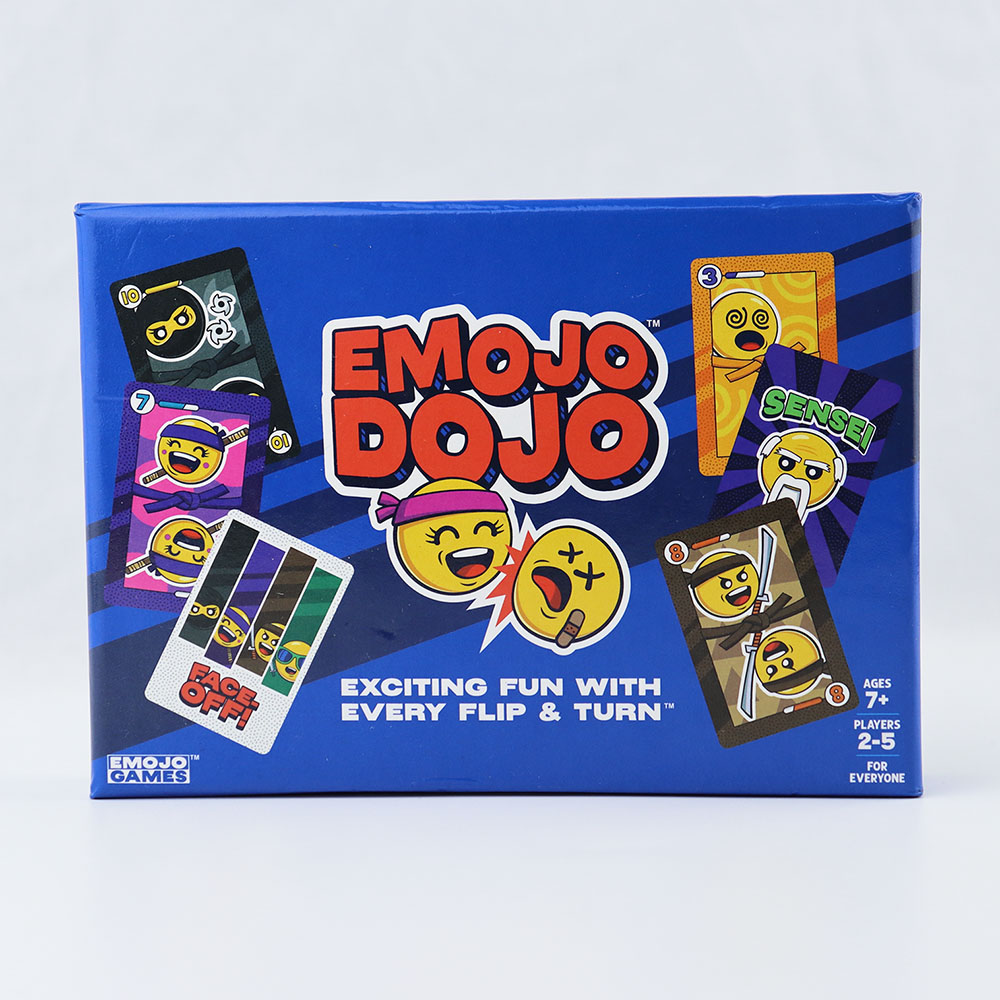 Emojo Dojo Custom Trading Card Game
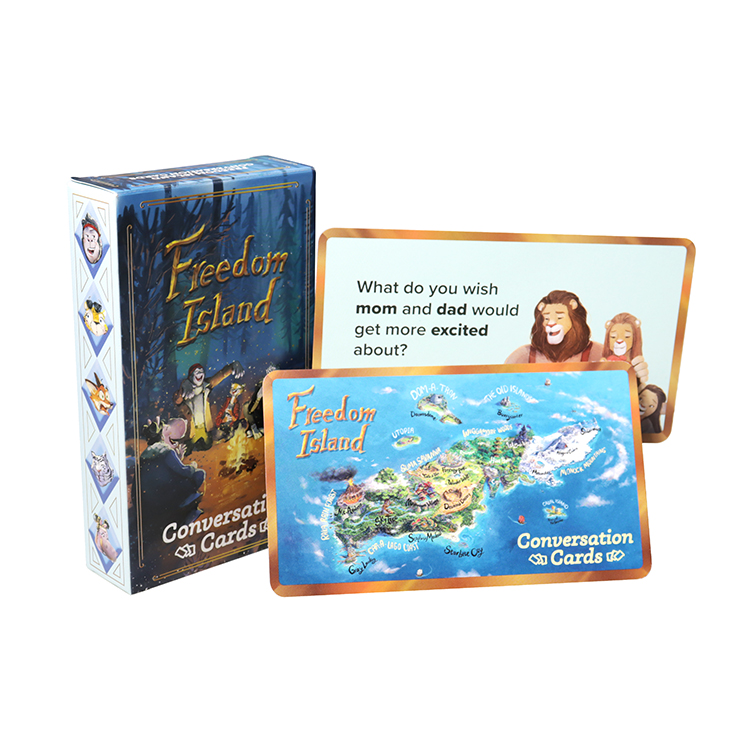 Custom Travel Photo Trading Cards Set
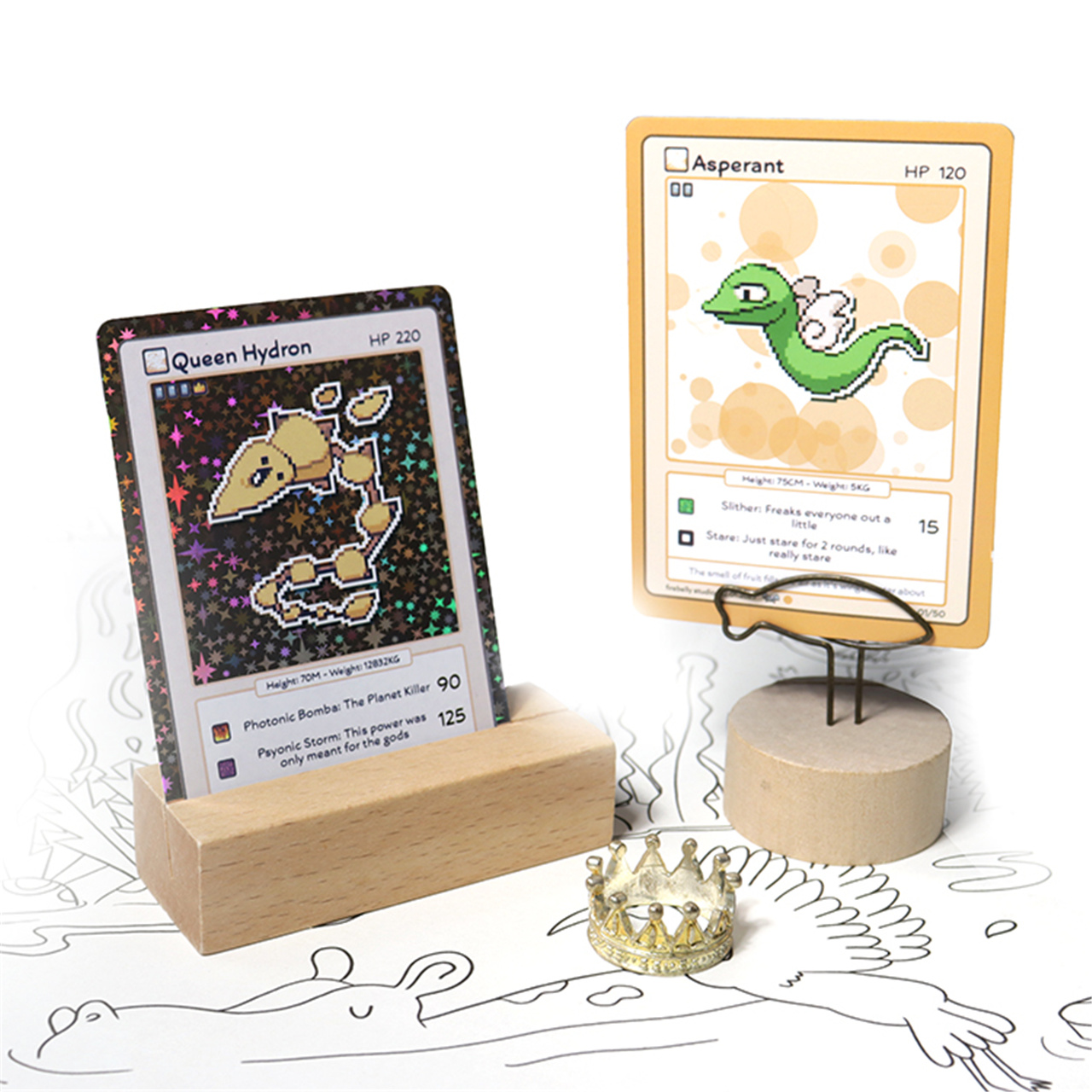 Custom Cartoon Holographic Trading Cards Set