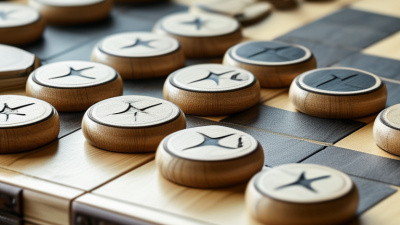
| 1 |
Sequence for Kids |
3–6 years |
2–4 |
15–20 minutes |
High
Introduces matching, turn-taking, simple planning, and recognition of pictures and patterns. |
Visual matching, counting, concentration, social interaction |
Very easy |
Strong preschool appeal; short sessions support daycare, family, and educational retail channels. |
| 2 |
Outfoxed! |
5+ years |
2–4 |
20 minutes |
High
A cooperative deduction game that encourages evidence gathering and basic probability reasoning. |
Logic, memory, deduction, communication, cooperation |
Easy |
Cooperative format is attractive to parents; compact playtime works well for gift and family-game sections. |
| 3 |
Qwirkle |
6+ years |
2–4 |
30–45 minutes |
High
Players build rows by matching either colors or shapes, reinforcing classification and strategic sequencing. |
Pattern recognition, spatial reasoning, planning, arithmetic scoring |
Easy to moderate |
Broad family age range and simple language requirements make it suitable for international and educational markets. |
| 4 |
Blokus |
7+ years |
2–4 |
20–30 minutes |
High
Encourages geometric thinking and spatial planning while remaining accessible to children and adults. |
Spatial awareness, geometry, forward planning, problem-solving |
Easy to moderate |
Colorful components provide strong shelf visibility; suitable for family, school, and STEM-oriented retailers. |
| 5 |
Ticket to Ride: First Journey |
6+ years |
2–4 |
15–30 minutes |
High
Introduces route planning, map awareness, destination matching, and beginner-level strategic decision-making. |
Geography, planning, color recognition, goal setting |
Easy |
Recognizable travel theme and family-friendly rules support gift shops, toy stores, and educational retailers. |
| 6 |
Sushi Go! |
8+ years |
2–5 |
15 minutes |
Moderate
Drafting mechanics teach evaluating options, anticipating opponents, and calculating combinations. |
Decision-making, probability awareness, memory, arithmetic |
Easy |
Fast-playing and portable; suitable for impulse purchases, travel-game displays, and teen/family shelves. |
| 7 |
Kingdomino |
8+ years |
2–4 |
15–25 minutes |
High
Combines tile selection and kingdom building to develop spatial organization and value comparison. |
Spatial planning, resource evaluation, pattern building, arithmetic |
Easy to moderate |
Short playtime and attractive tile components create strong family-game positioning with repeat-play potential. |
| 8 |
Carcassonne |
7+ years |
2–5 |
30–45 minutes |
Moderate
Tile placement and scoring encourage spatial reasoning, risk assessment, and flexible planning. |
Spatial reasoning, strategy, probability awareness, negotiation |
Moderate |
Appeals to families seeking a gateway strategy game; supports expansion and repeat-purchase opportunities. |
| 9 |
Azul |
8+ years |
2–4 |
30–45 minutes |
Moderate
Pattern construction and tile drafting develop visual organization, planning, and numerical scoring skills. |
Pattern recognition, planning, sequencing, arithmetic |
Moderate |
Premium visual presentation can support higher-value retail placement and adult-child family crossover sales. |
| 10 |
Catan Junior |
6+ years |
2–4 |
30 minutes |
High
Introduces resource collection, simple trading, planning, and the relationship between supply and demand. |
Resource management, negotiation, counting, strategic planning |
Easy to moderate |
Strong family-gaming proposition; suitable for toy chains, educational stores, and seasonal gift programs. |

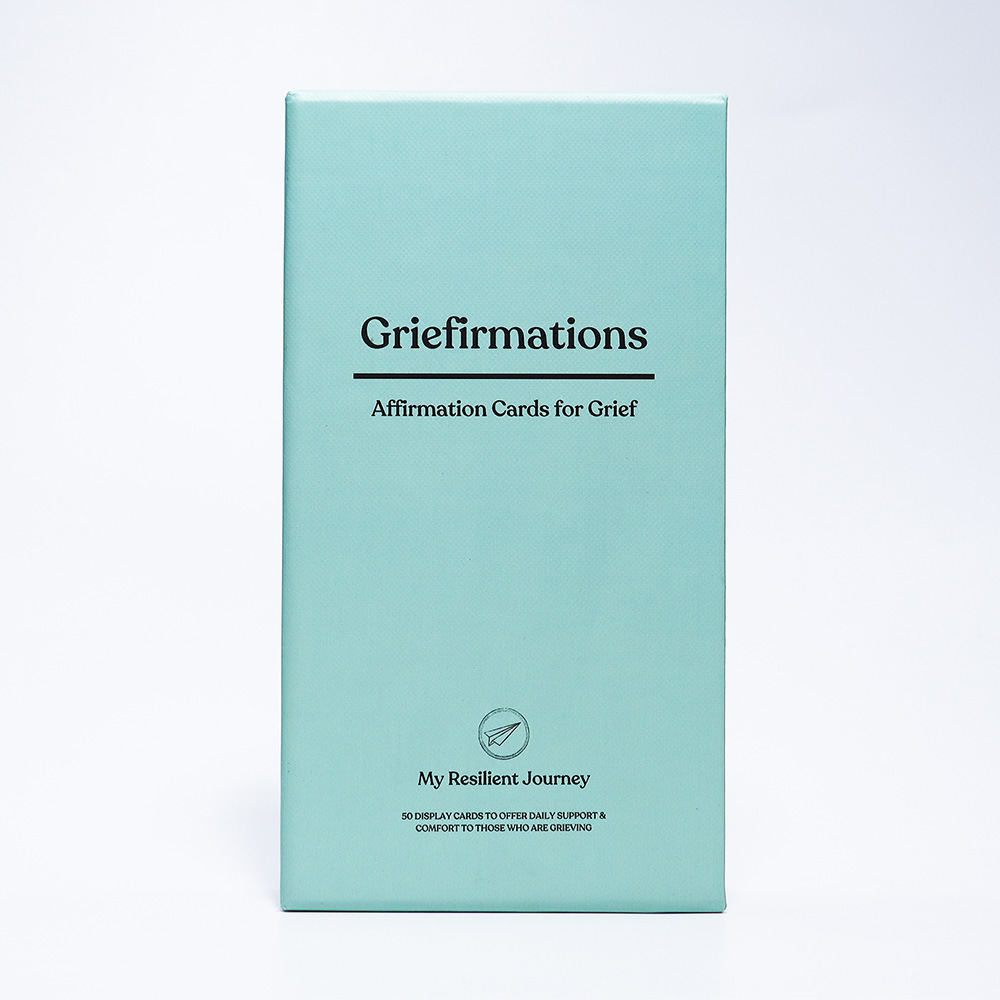 Customizable Emotional Support Cards for Grief & Resilience
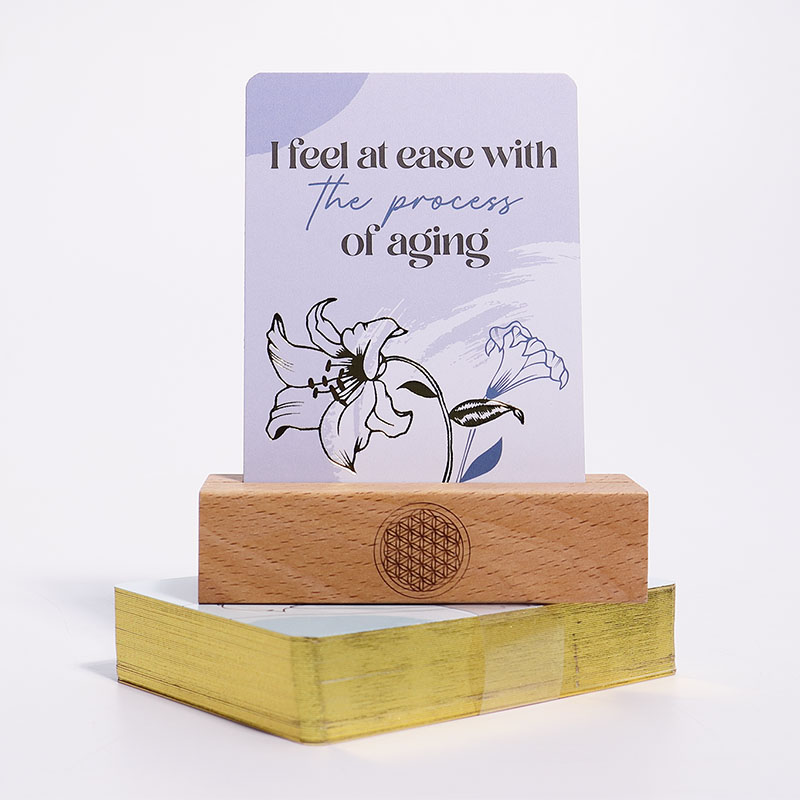 Personalized Emotional Encouragement Card Collection
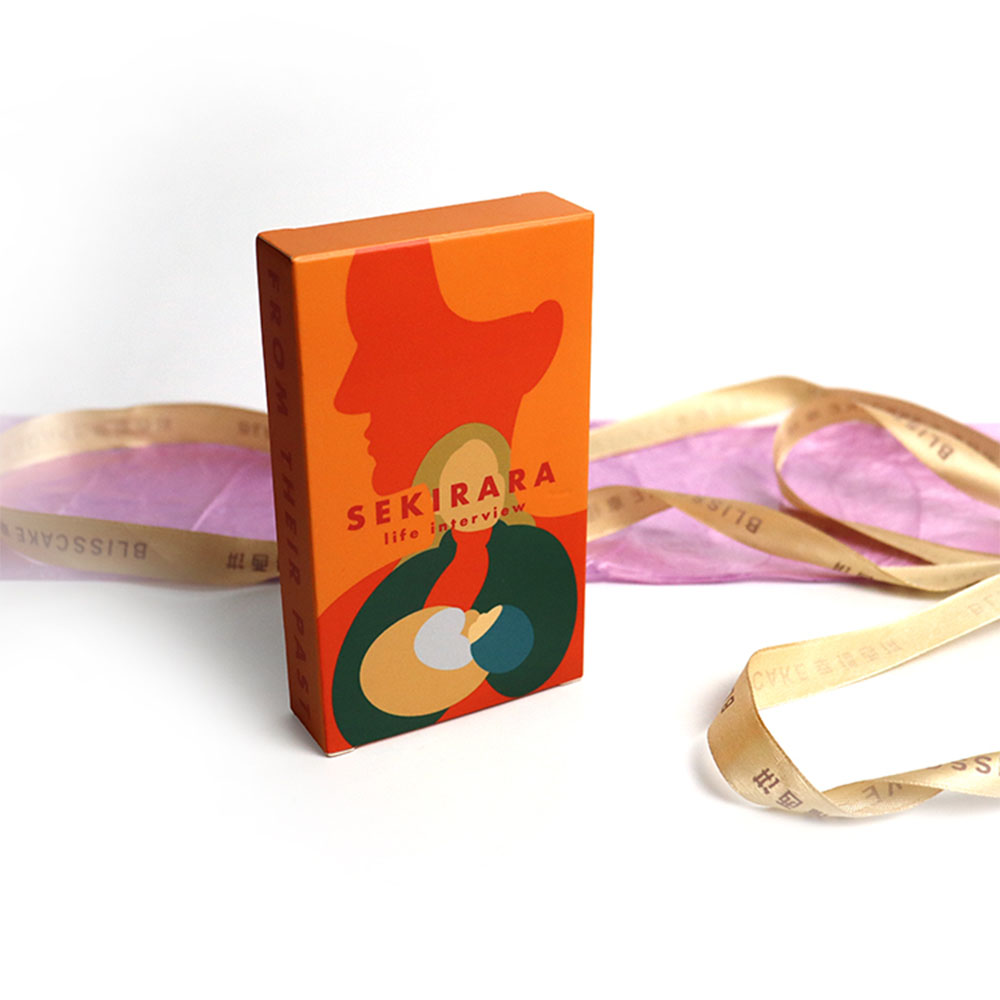 Personalized Deep Conversation Card Gift Box
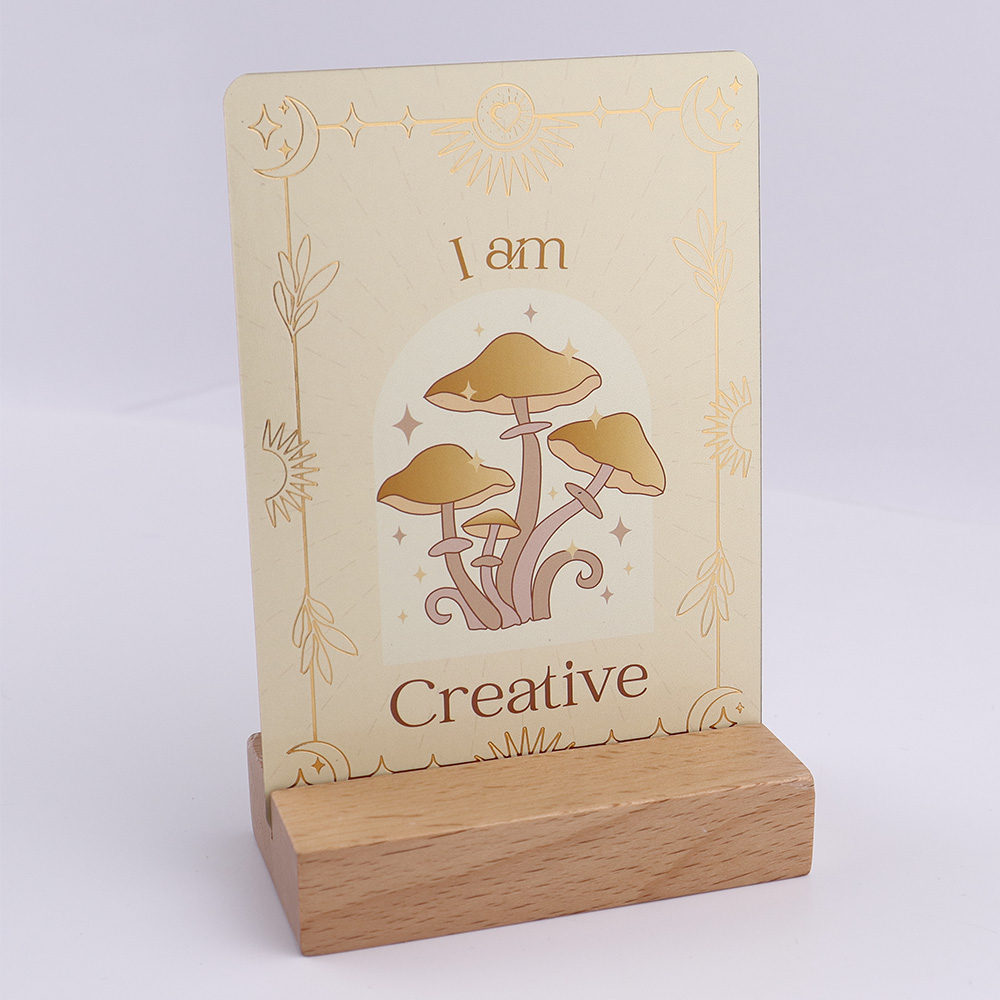 Customizable Boho-Chic Affirmation Cards for Mindfulness & Self-Love
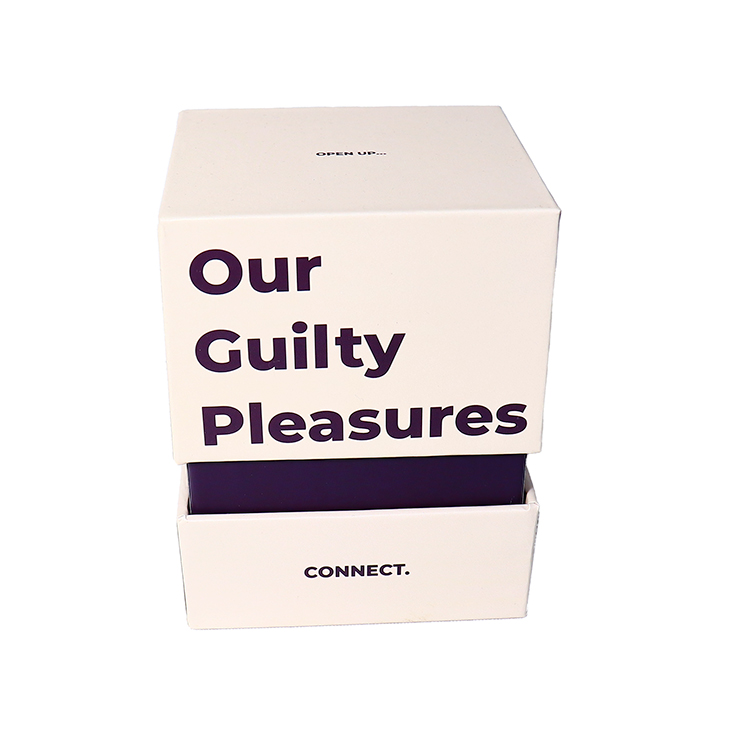 Customized Friendship Confirmation Card
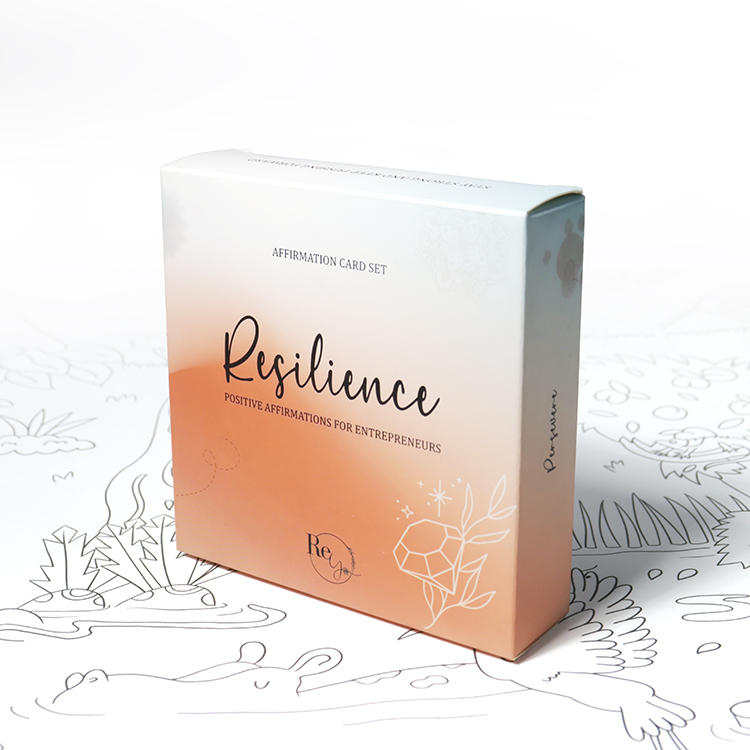 Customized Entrepreneurship Confirmation Card
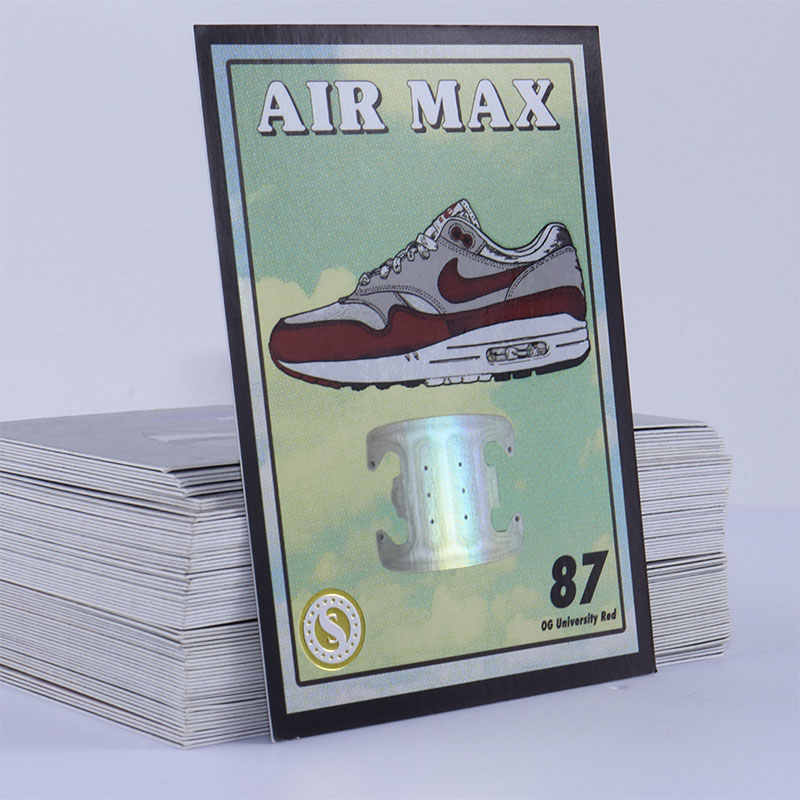 Air Max Pax Custom Sneaker Card Blind Box Set
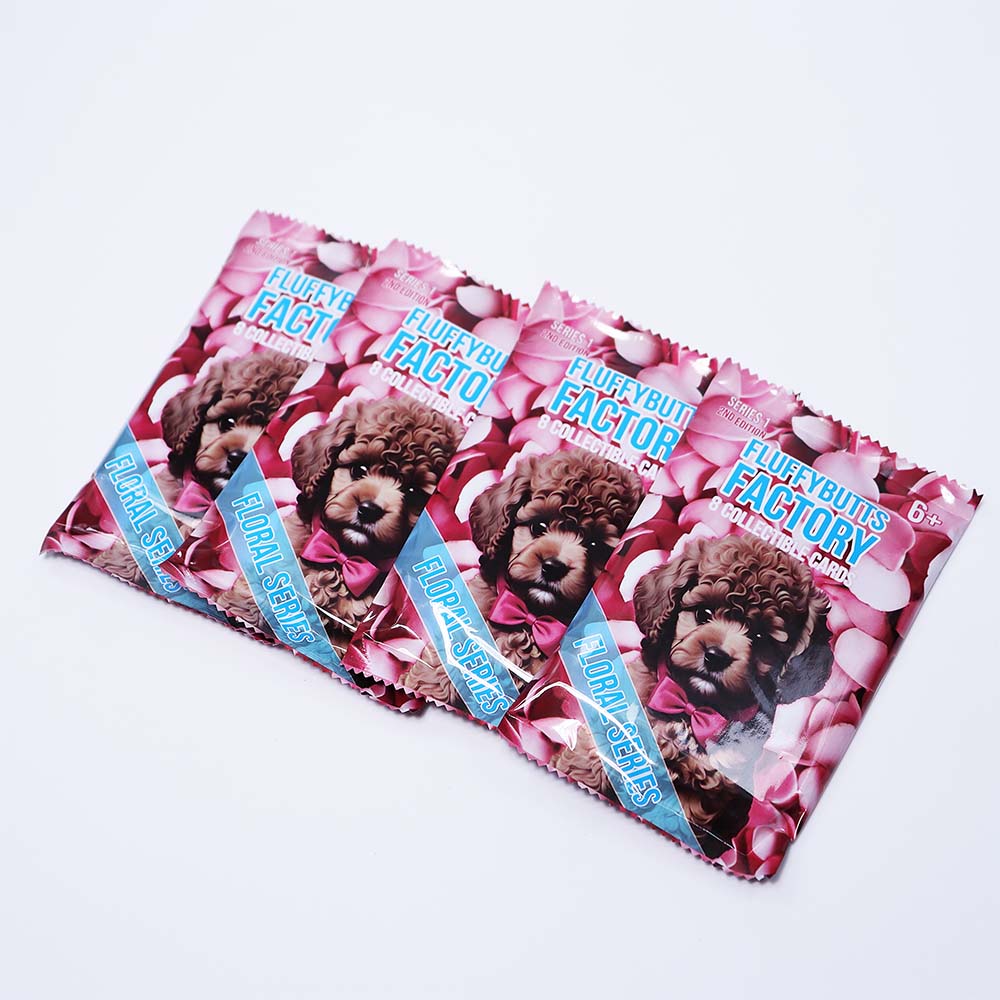 Fluffybutts Factory Custom Pet Card Blind Box Sets
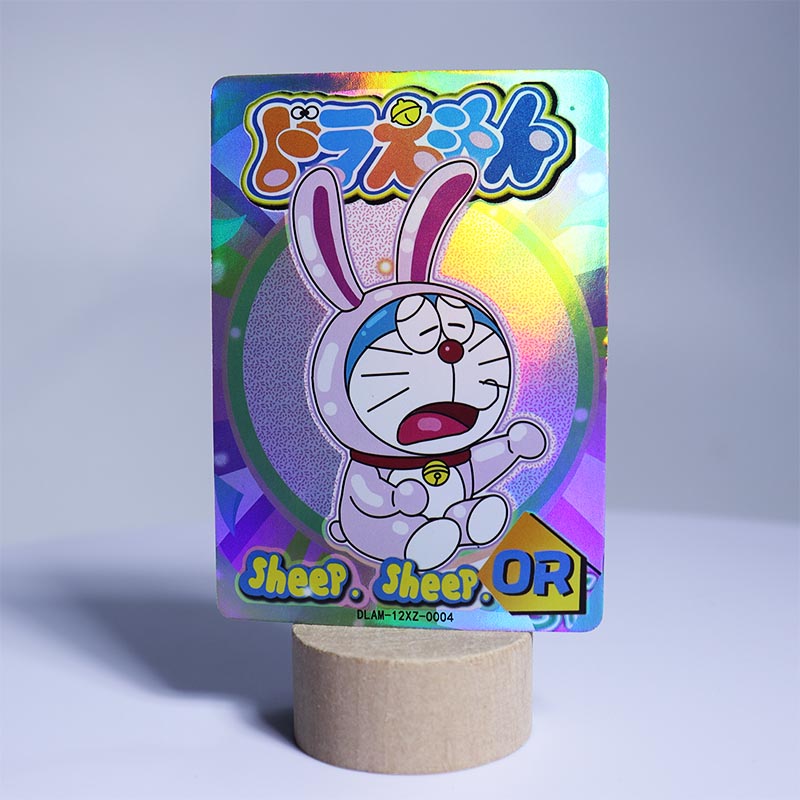 Doraemon Custom Card Blind Box Set
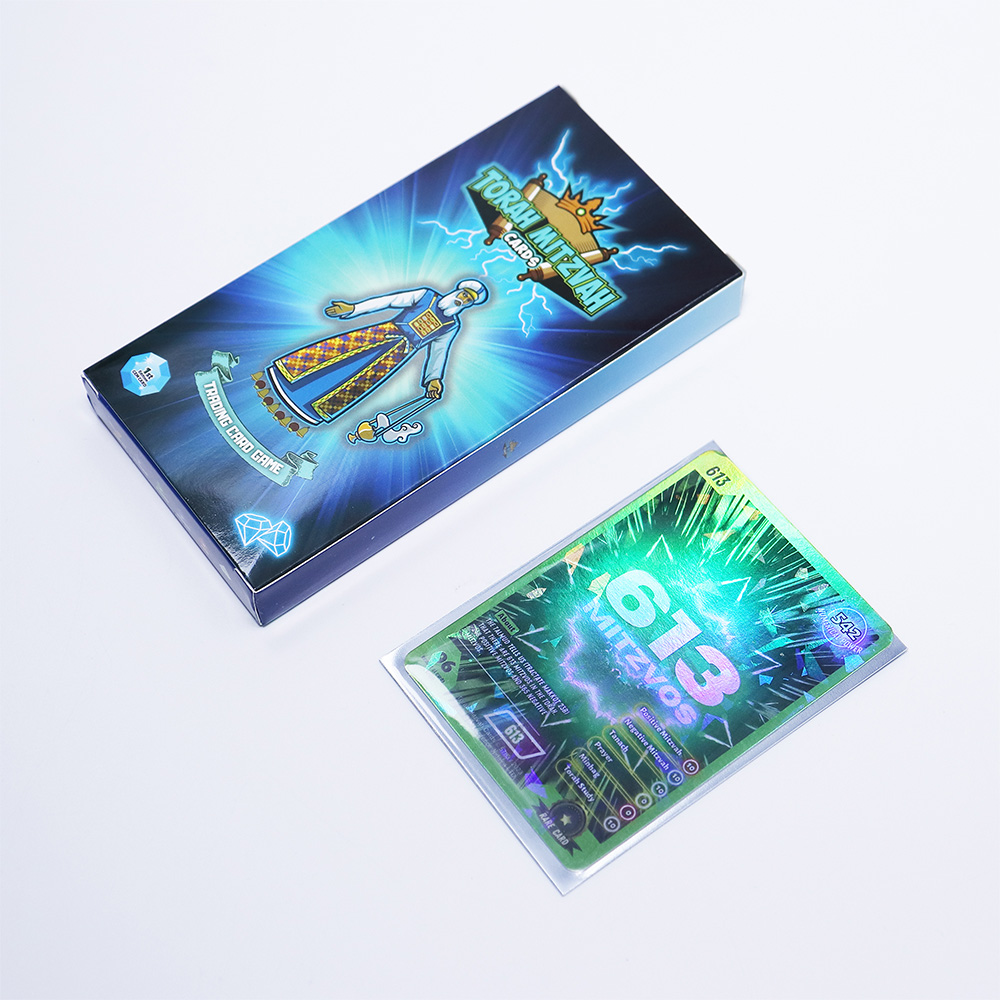 Torah Mitzvah Custom Card Blind Box Set
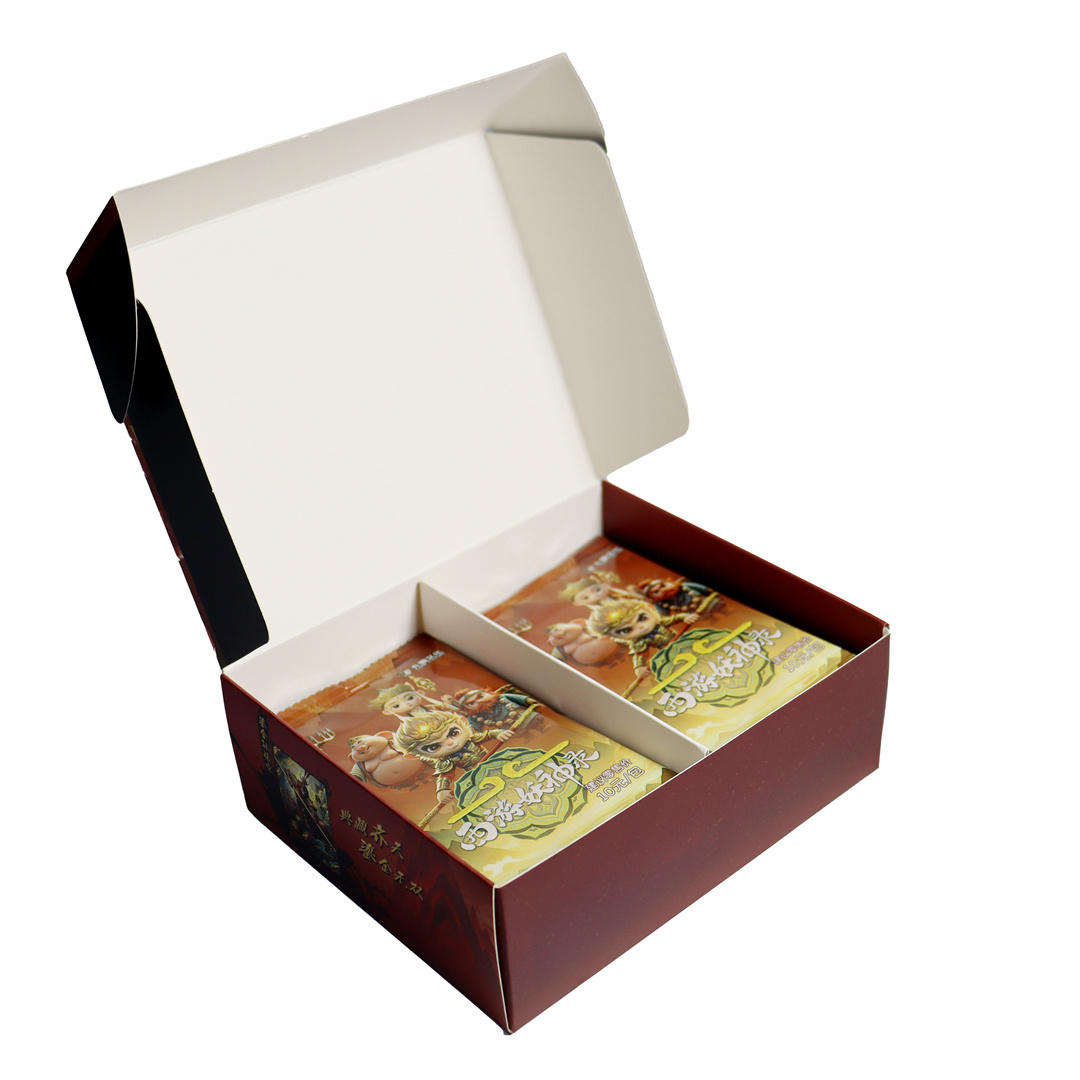 Customized "Journey to the West" Themed Card Blind Box Set
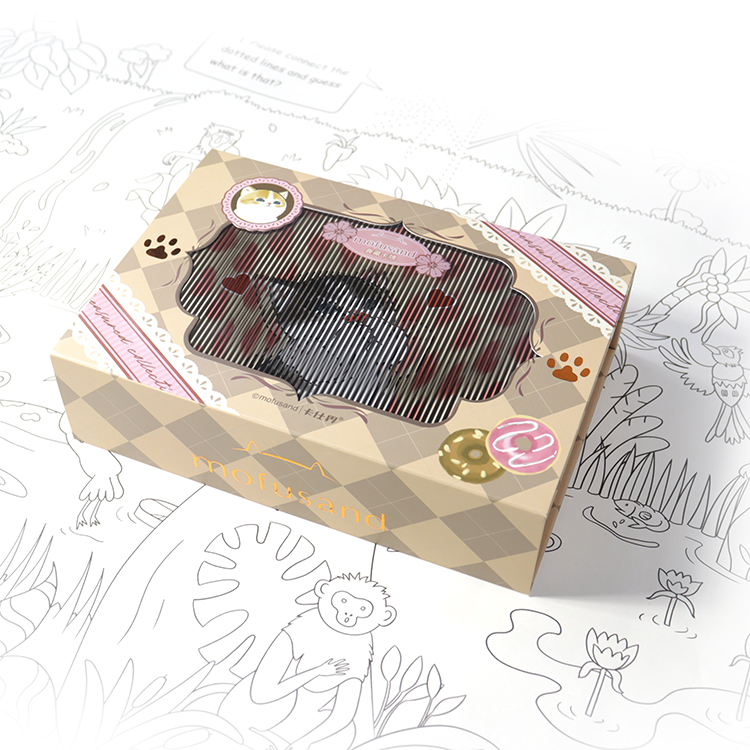 Customized cat-themed blind box set
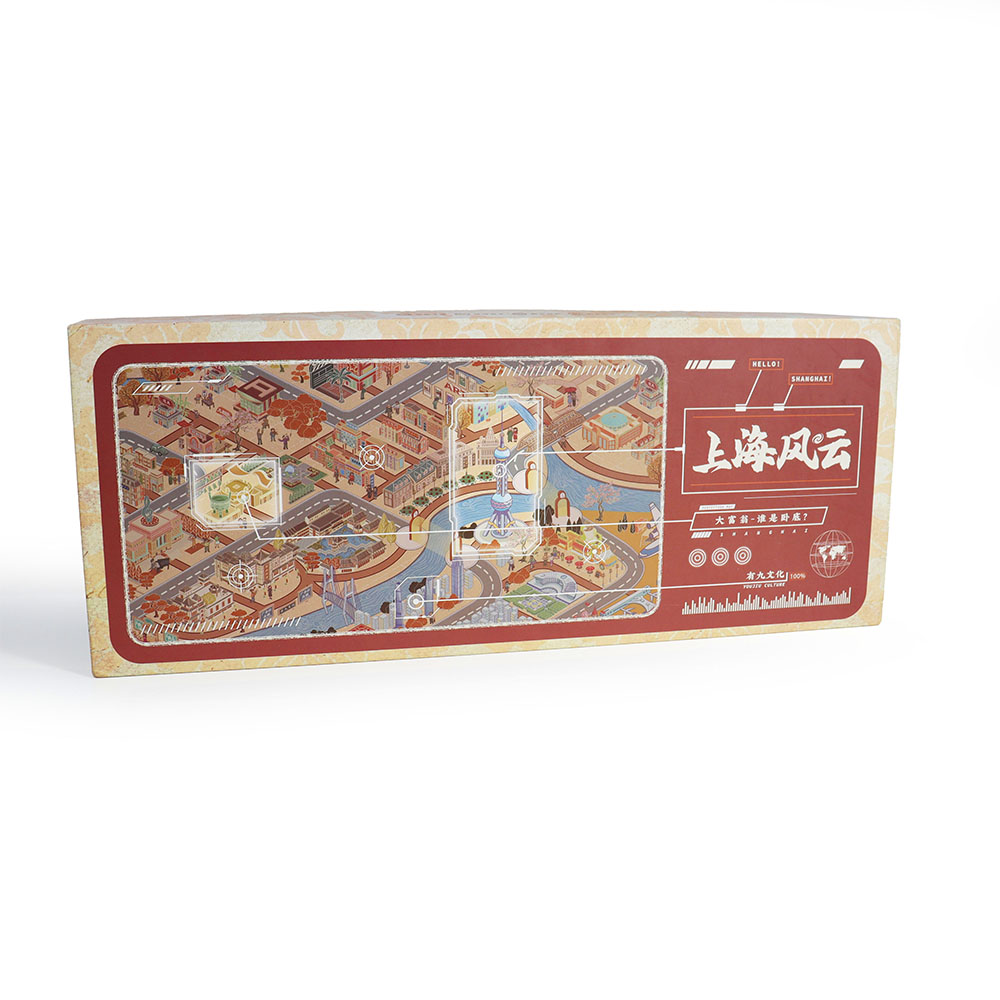 Shanghai Fengyun Custom Board Game Set
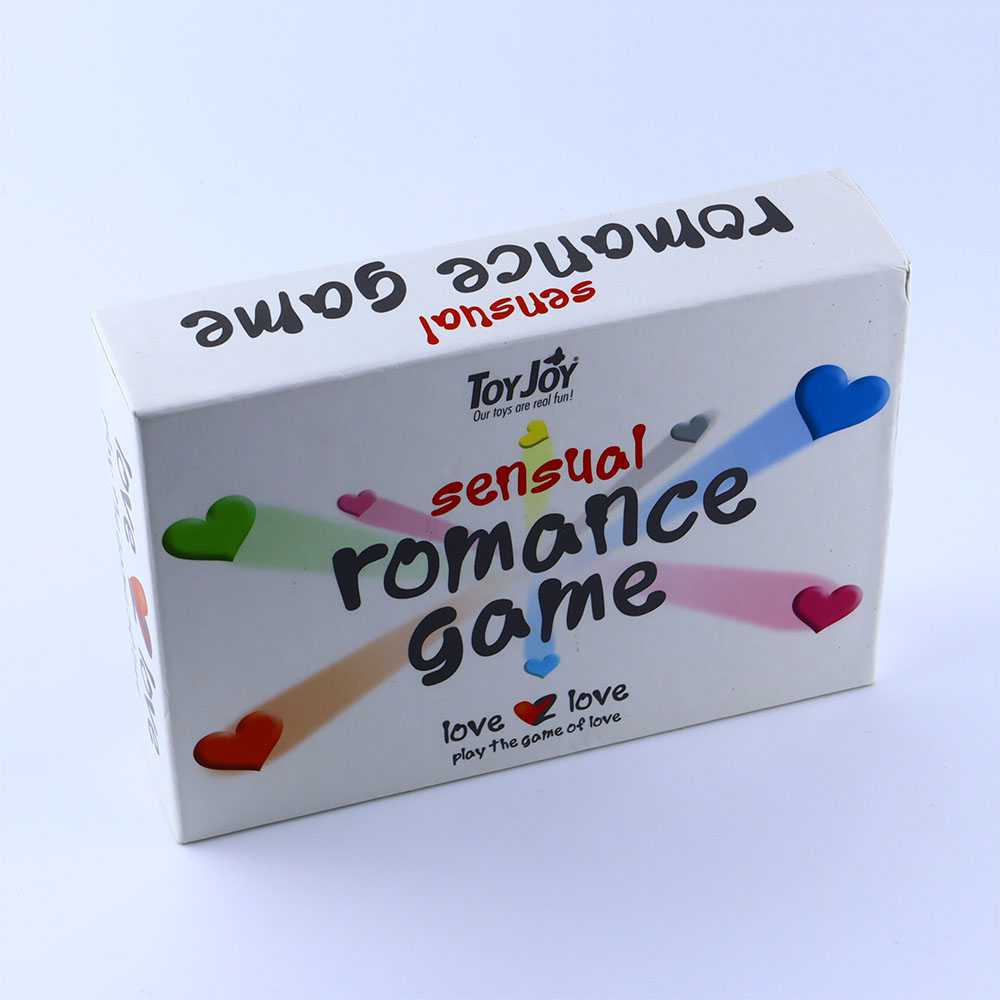 Sensual Romance Game Custom Board Game Set
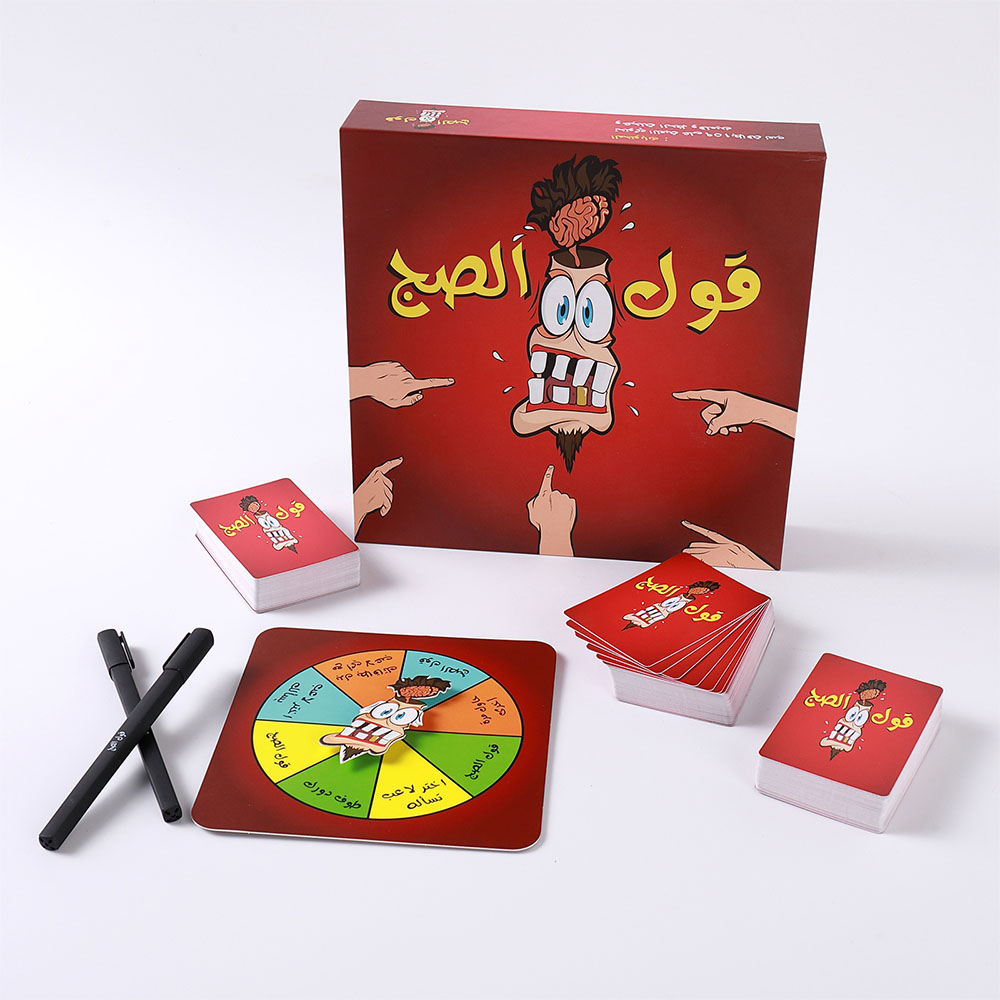 "Qoul Al Sabah" Custom Board Game Set
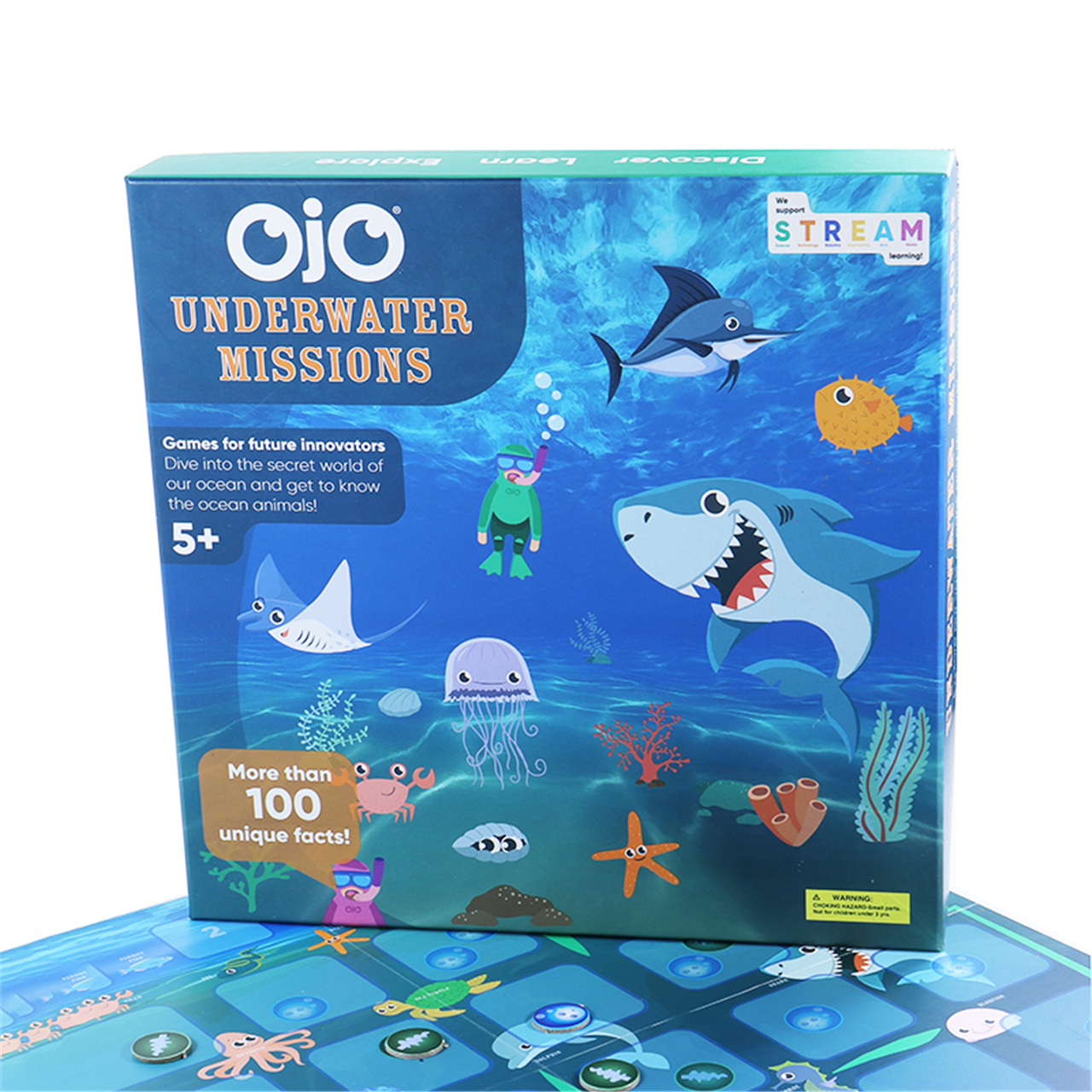 Customized educational board games for children
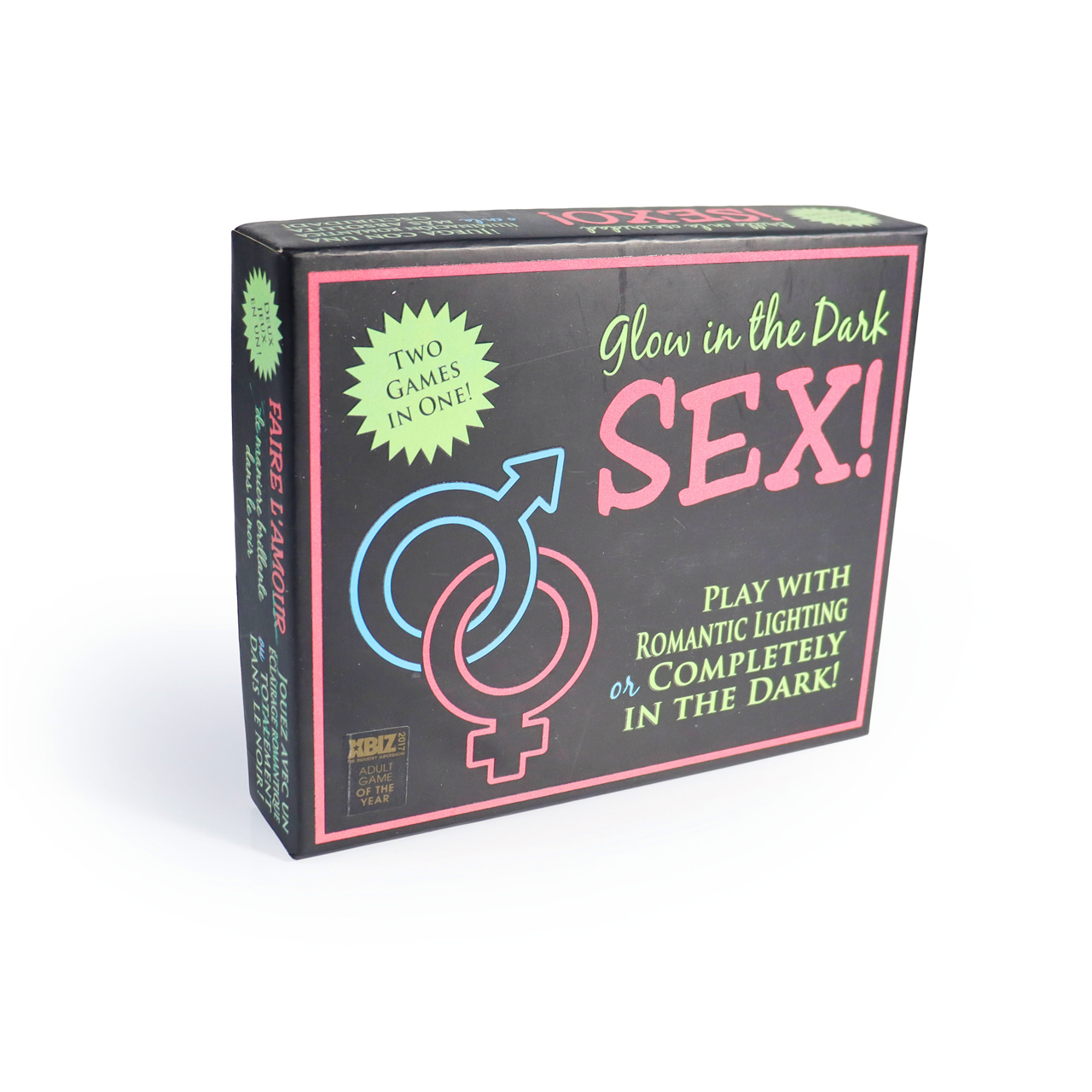 Couple Interaction Turntable Themed Board Game
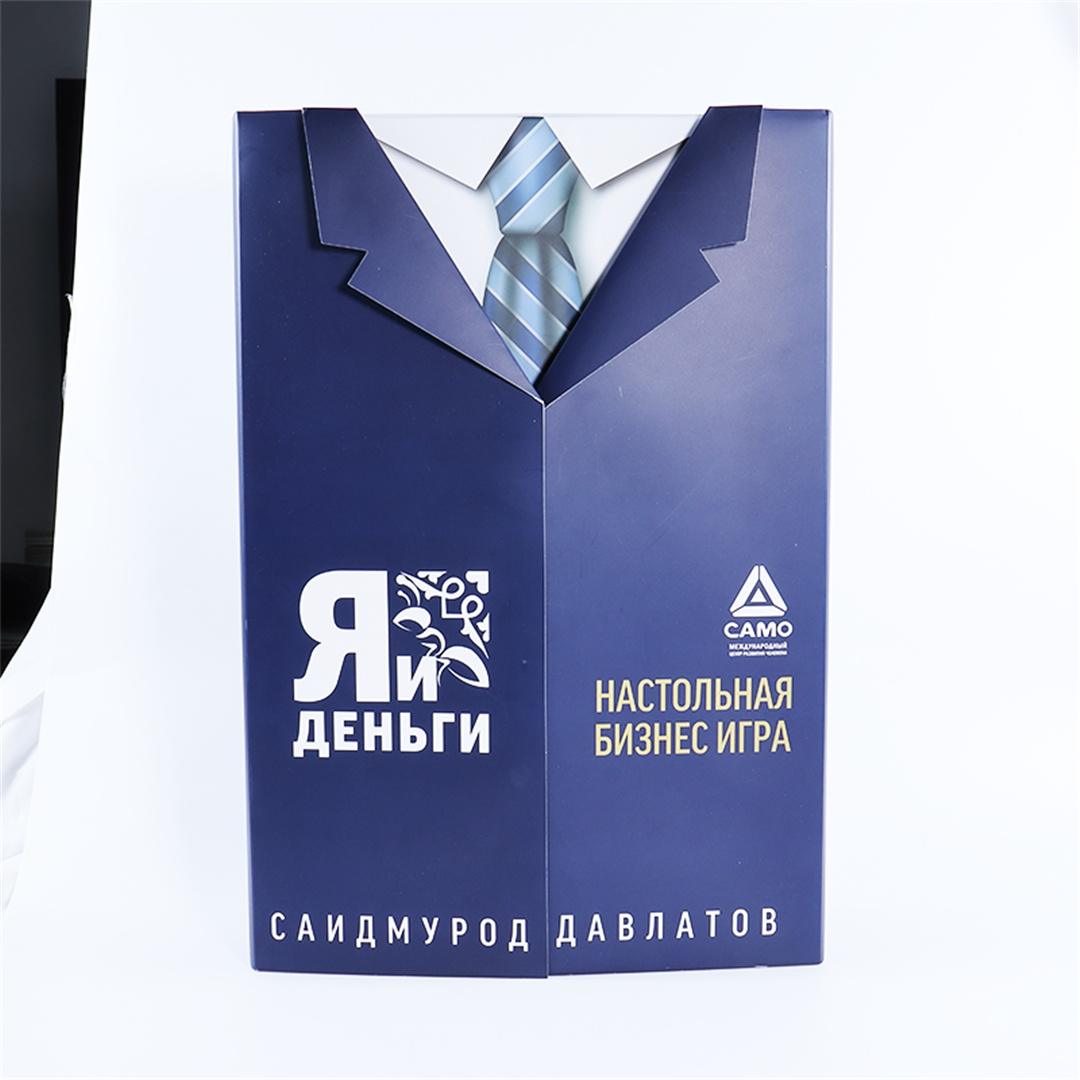 Business Finance Board Game
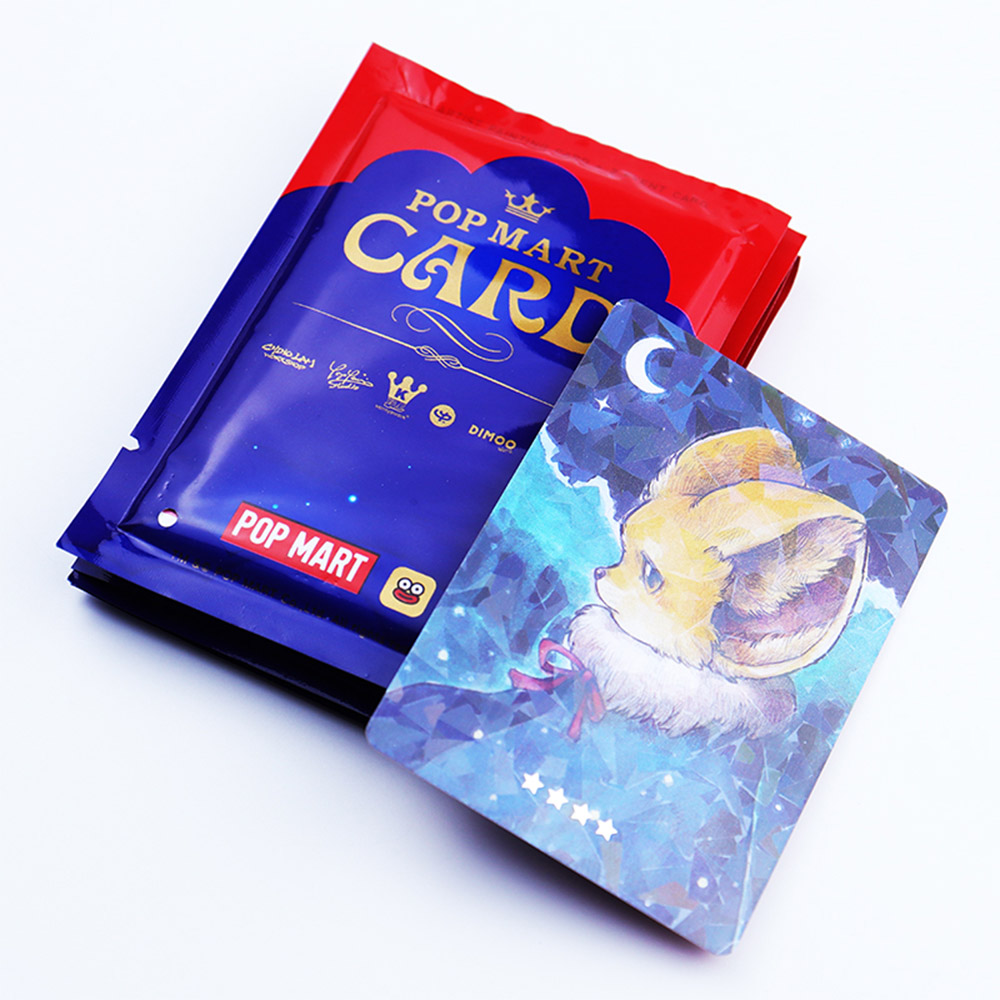 Pop Mart Custom Character Collectible Cards
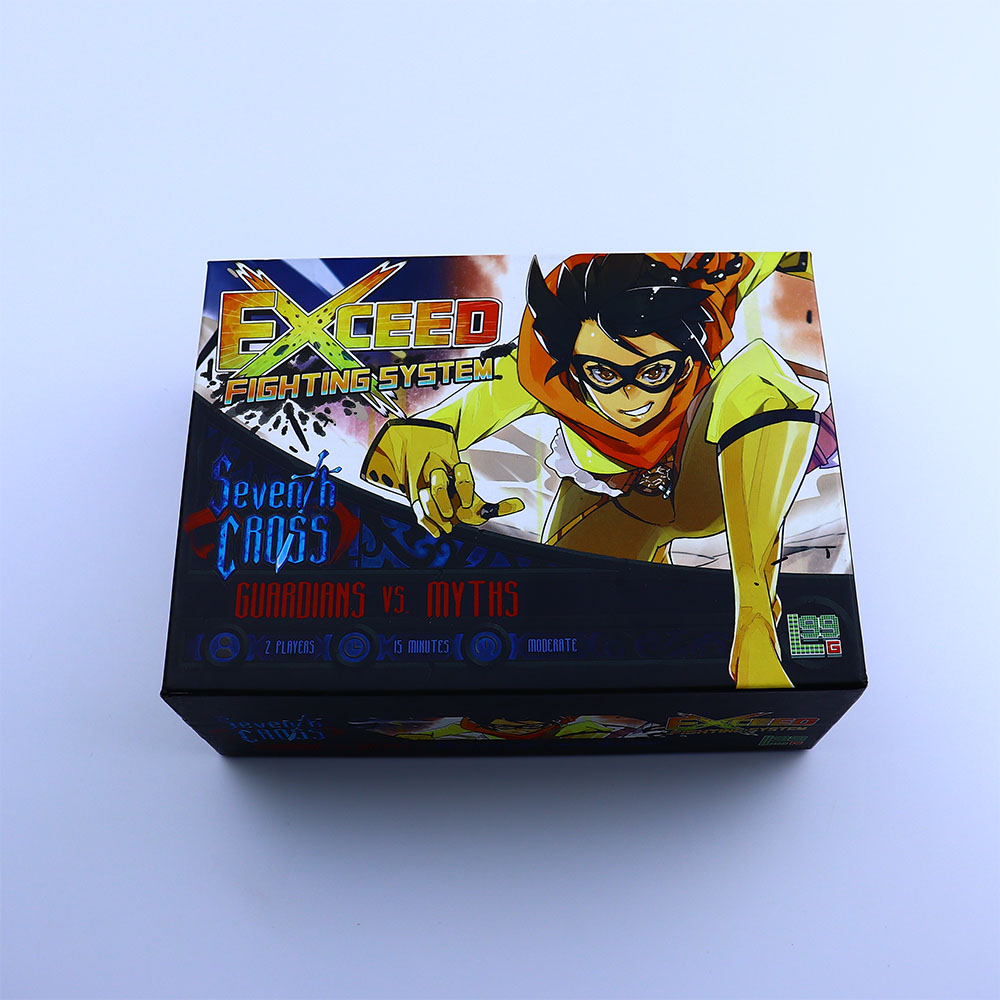 EXCEED Fighting System Custom Character Card Set
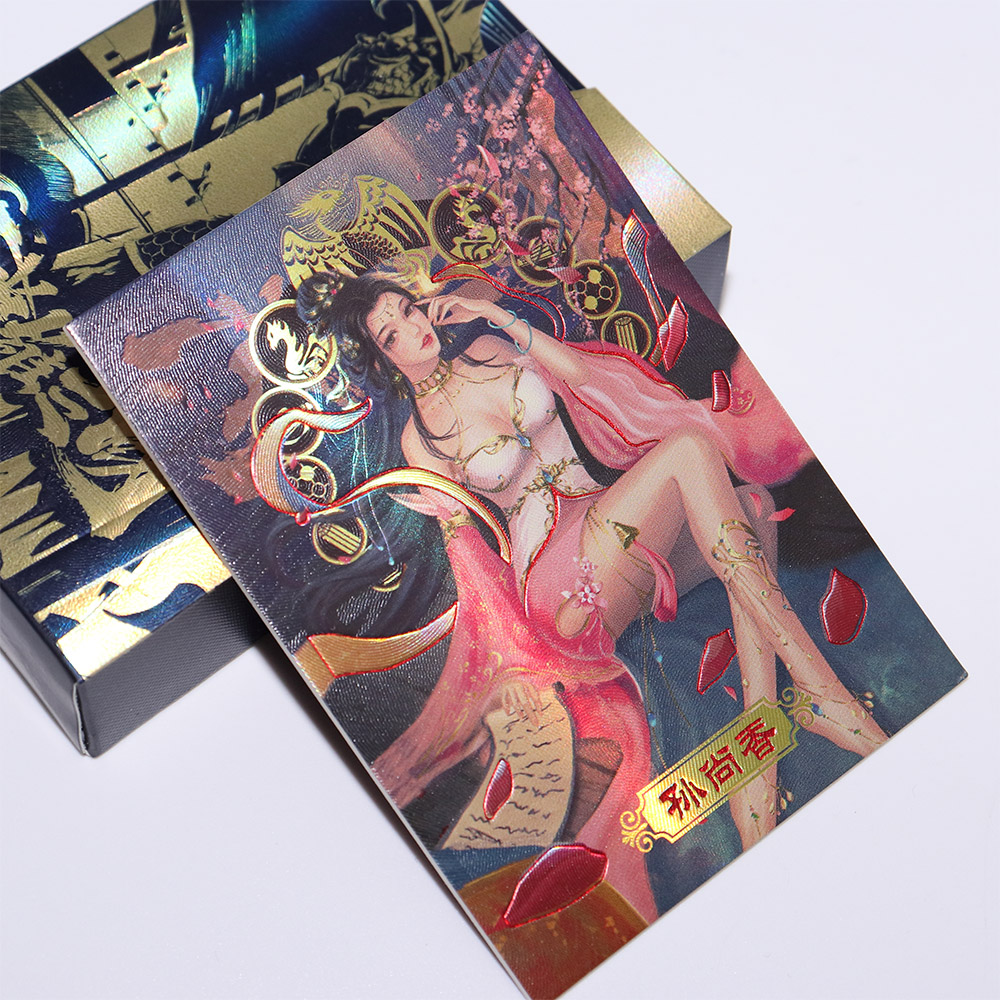 Three Kingdoms Custom Hero Character Cards
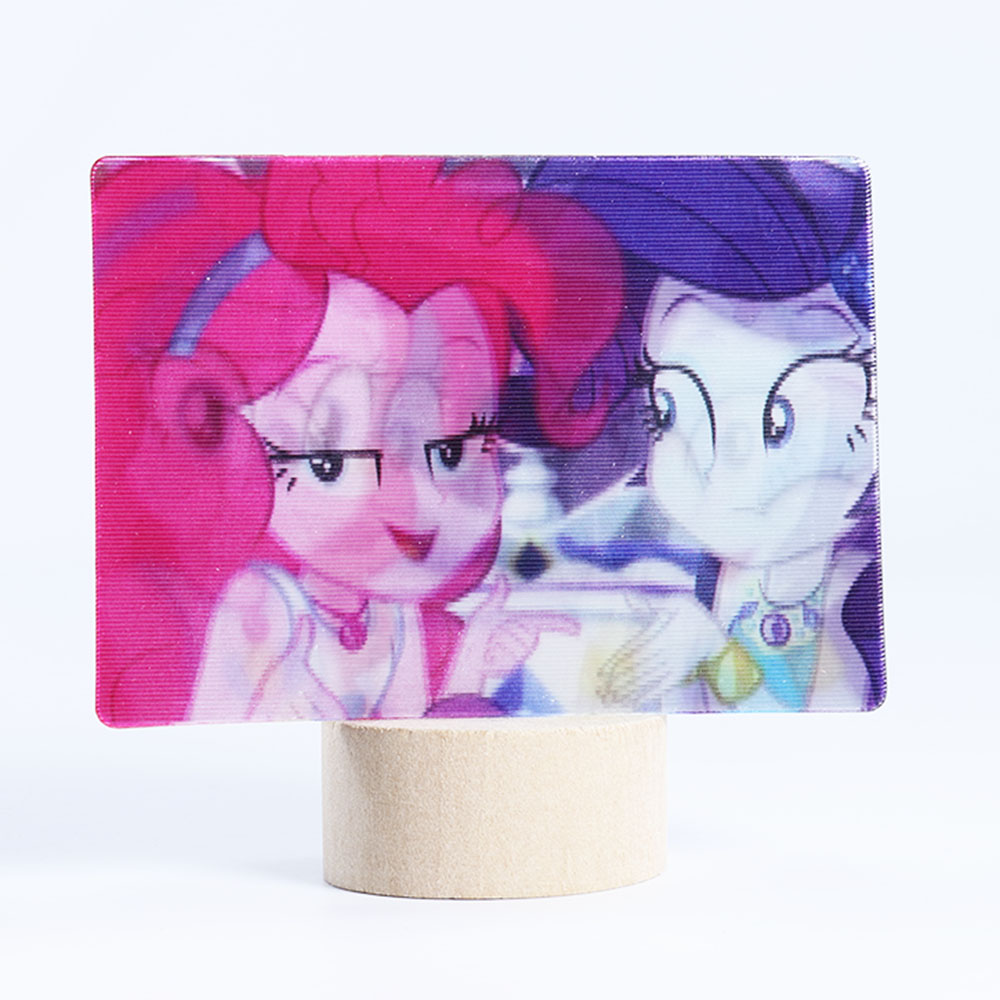 Custom Anime Character Dynamic Visual Cards
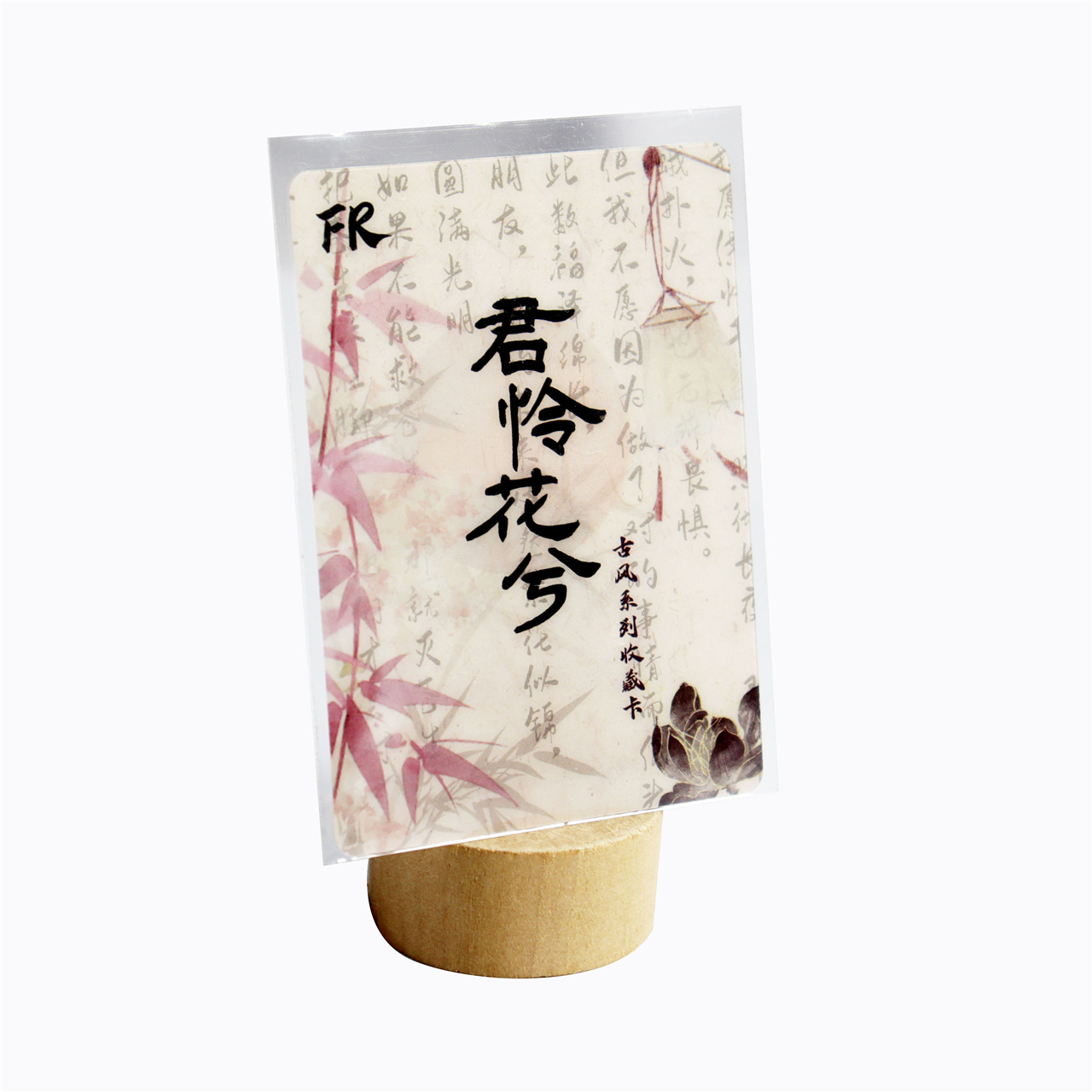 Custom Cartoon Character Collectible Card Set
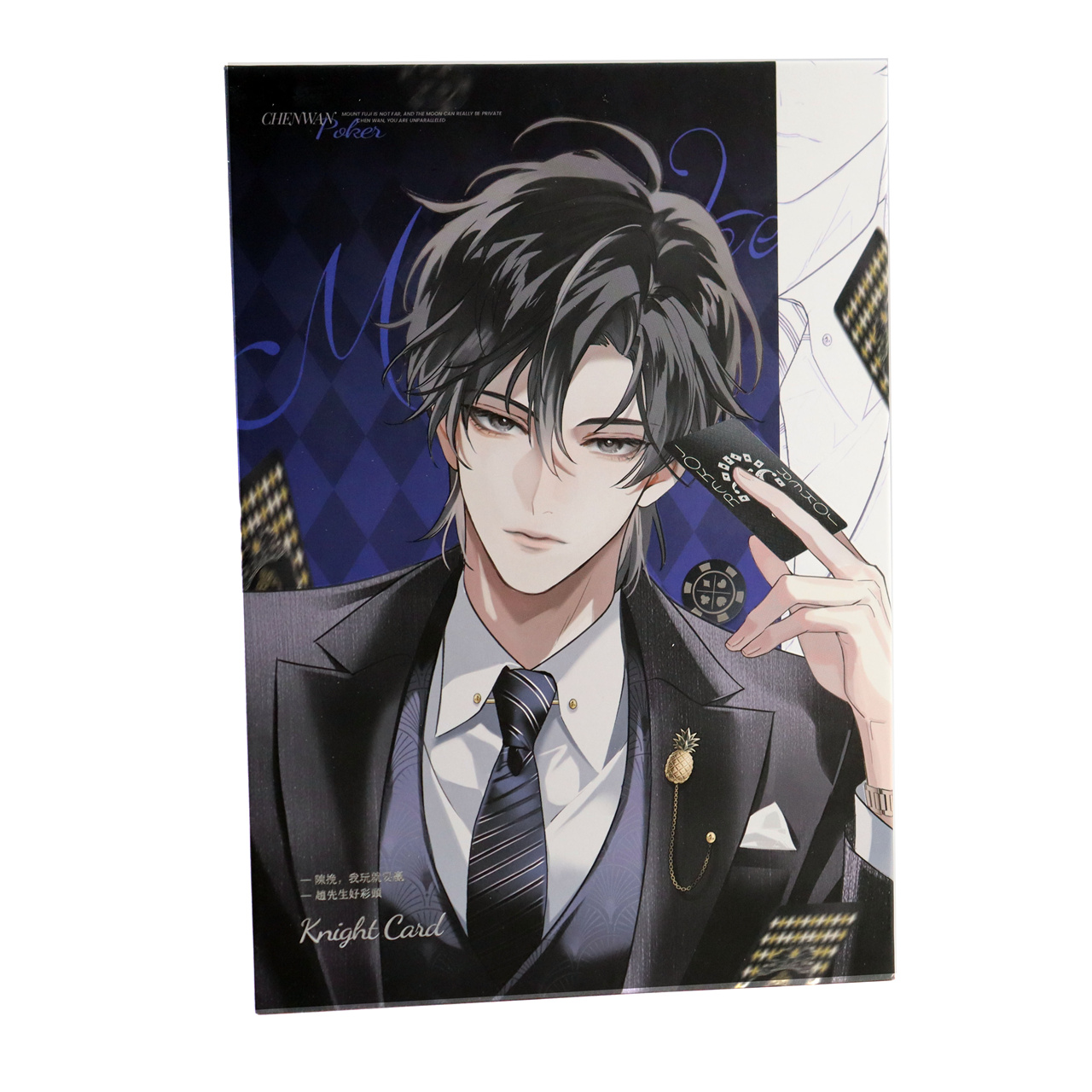 Custom Anime Character Art Card Set
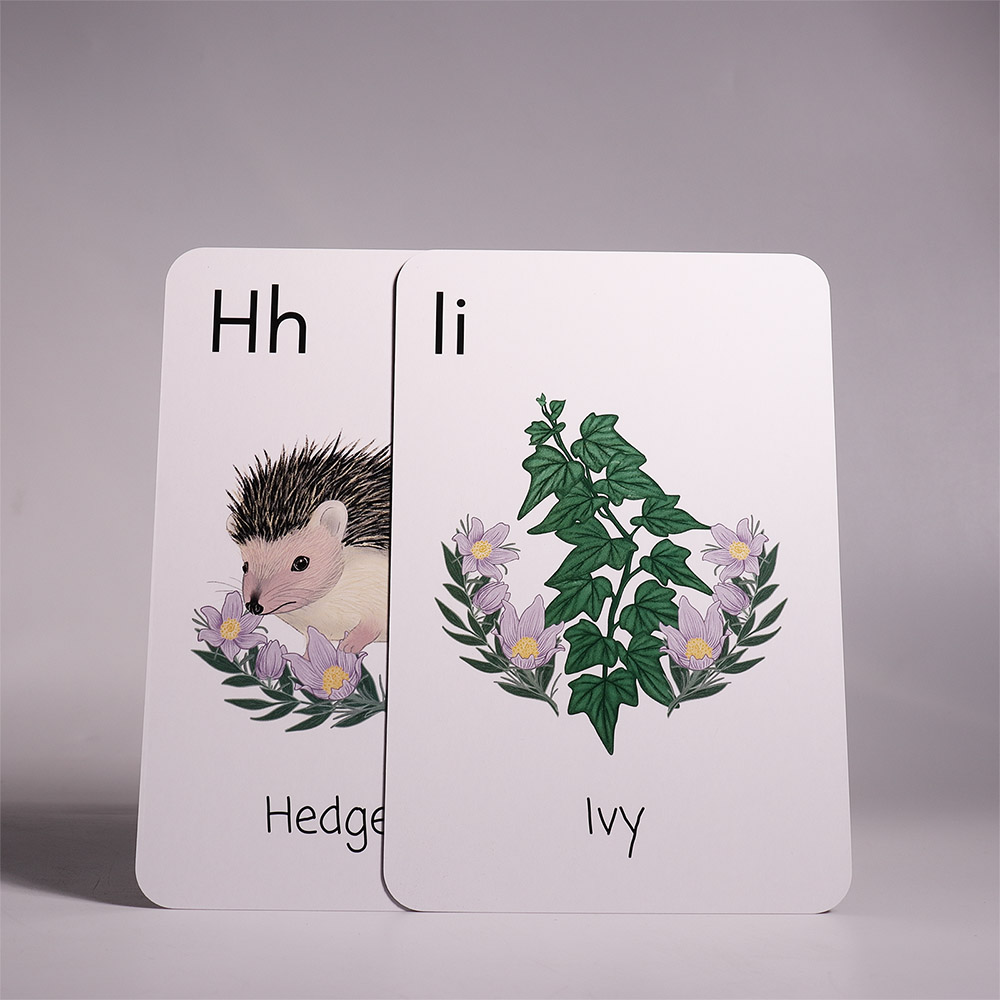 Little Larch Alphabet Cards
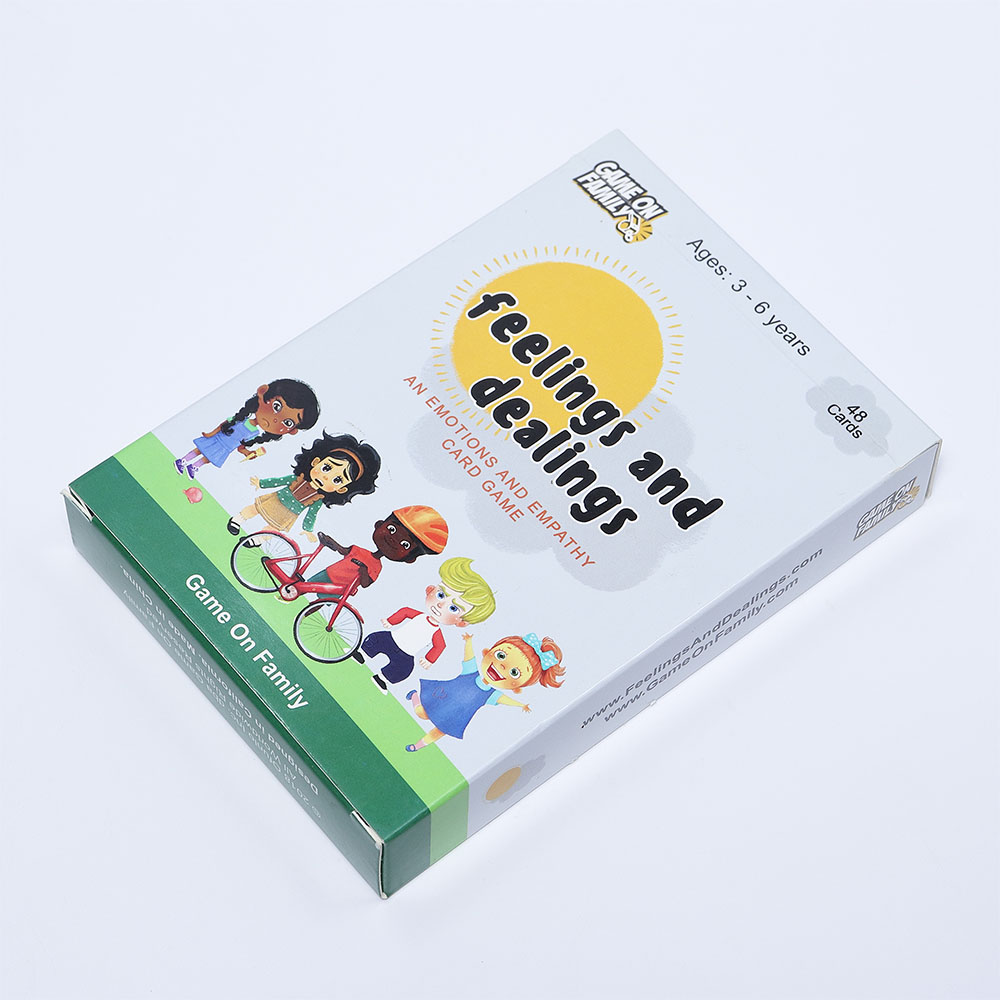 Feelings and Dealings Custom Children's Emotion Card Game
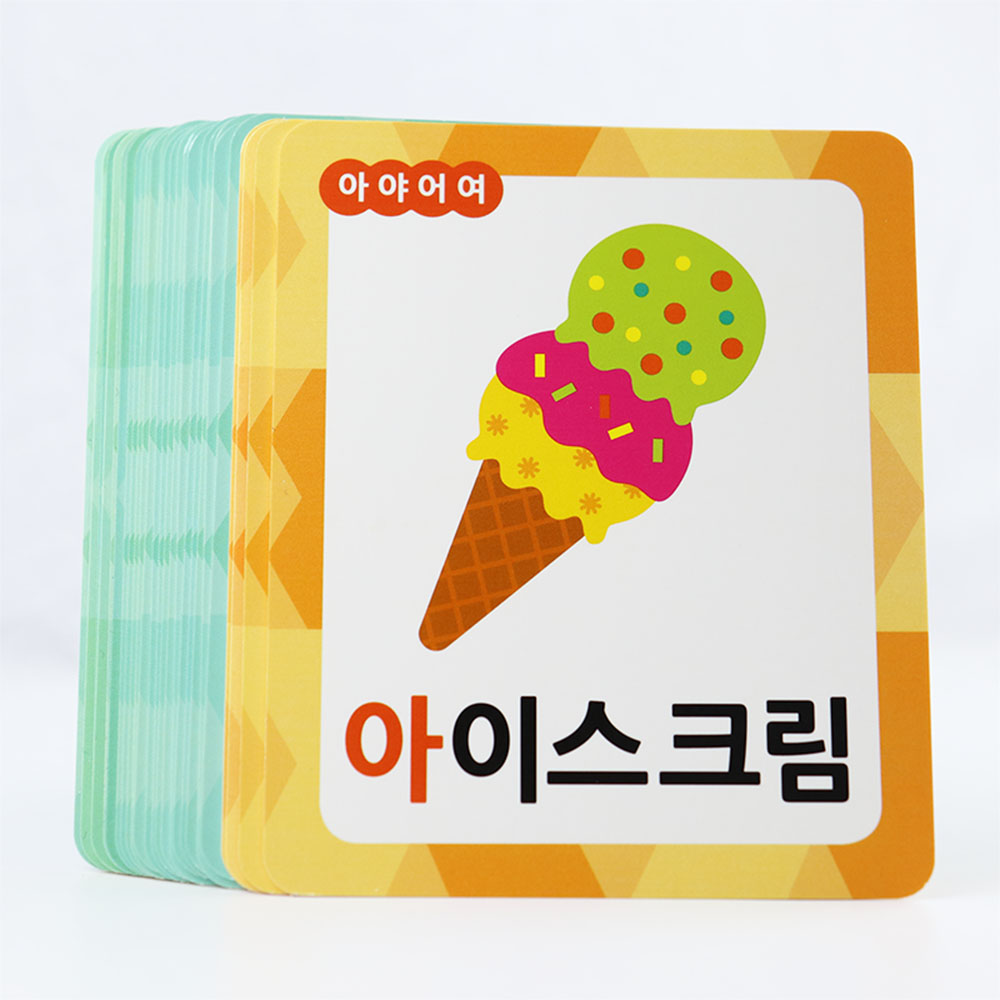 Korean Children's Educational Flashcards
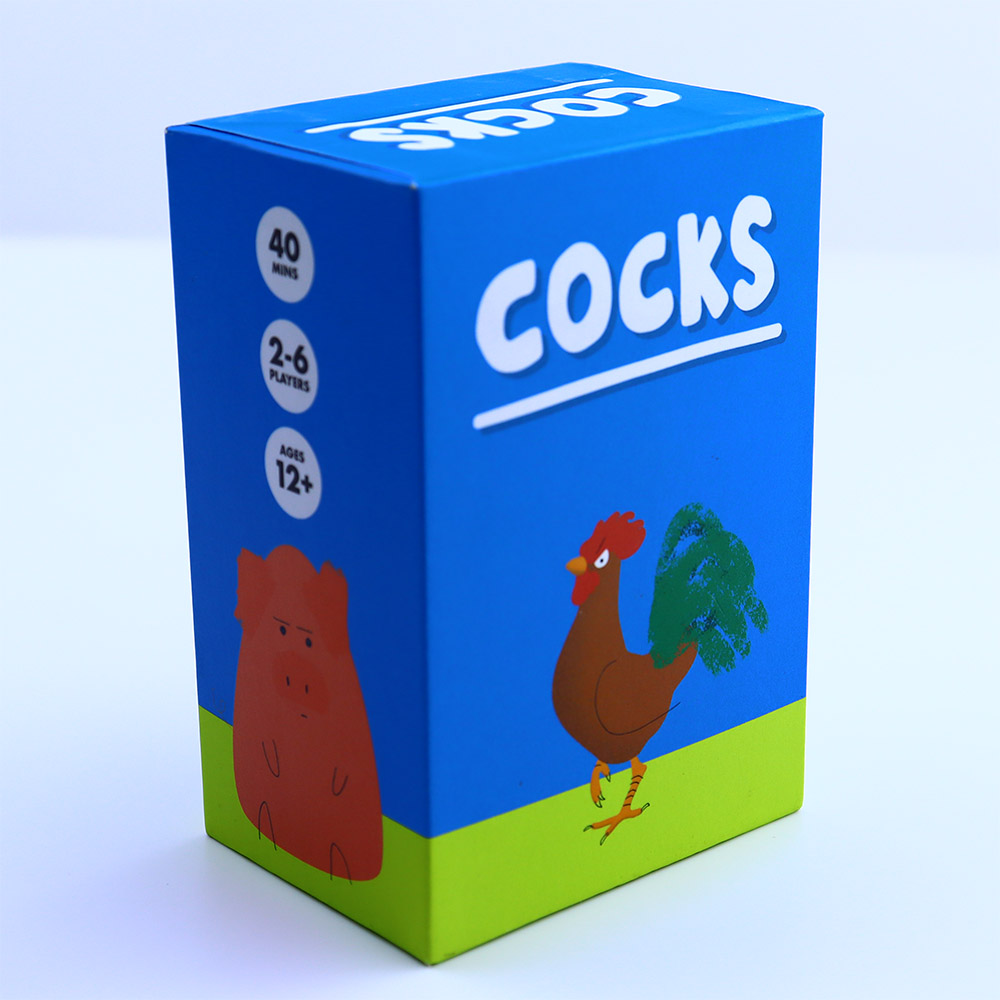 Cocks Themed Custom Children's Learning Cards
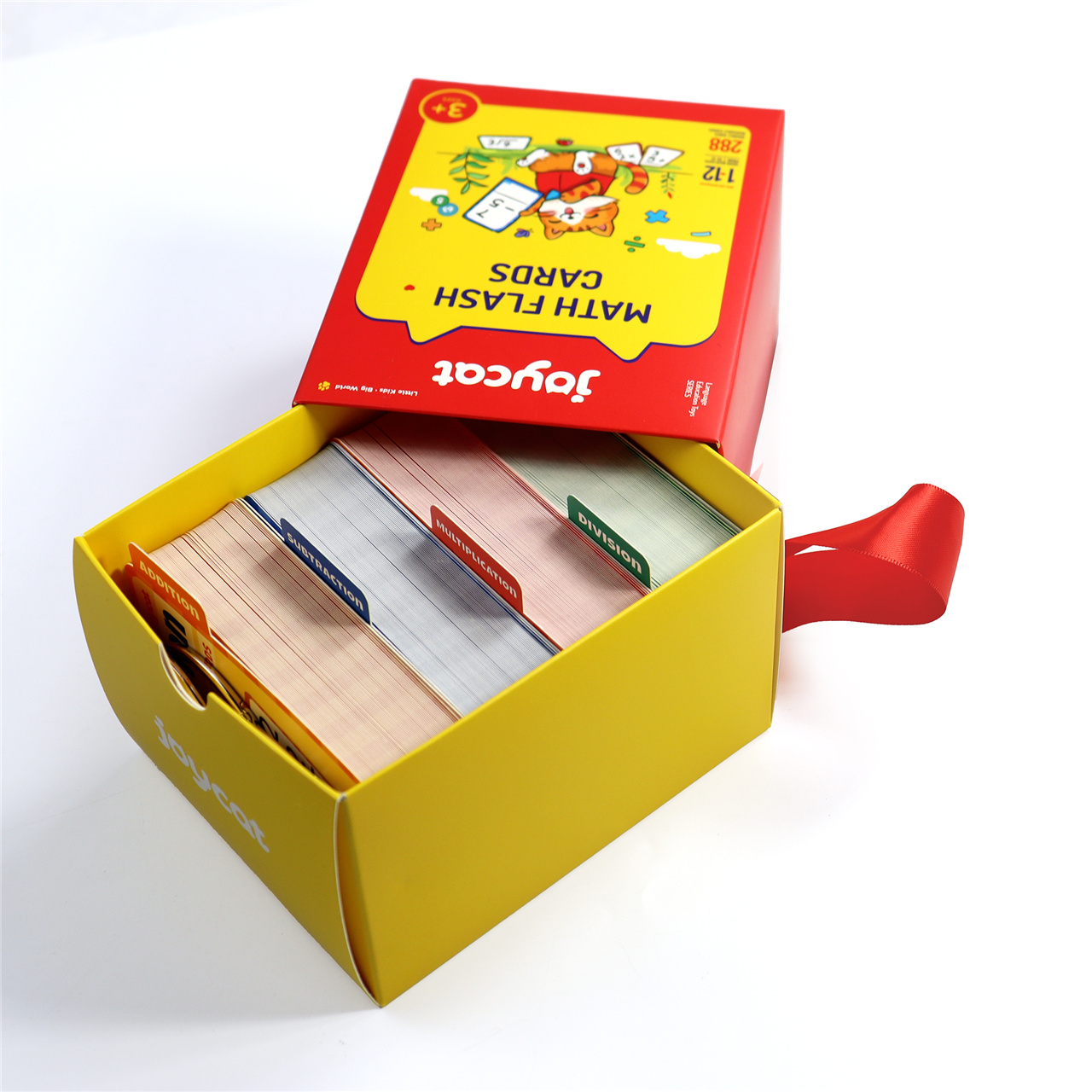 Math Flash Cards Set for Kids
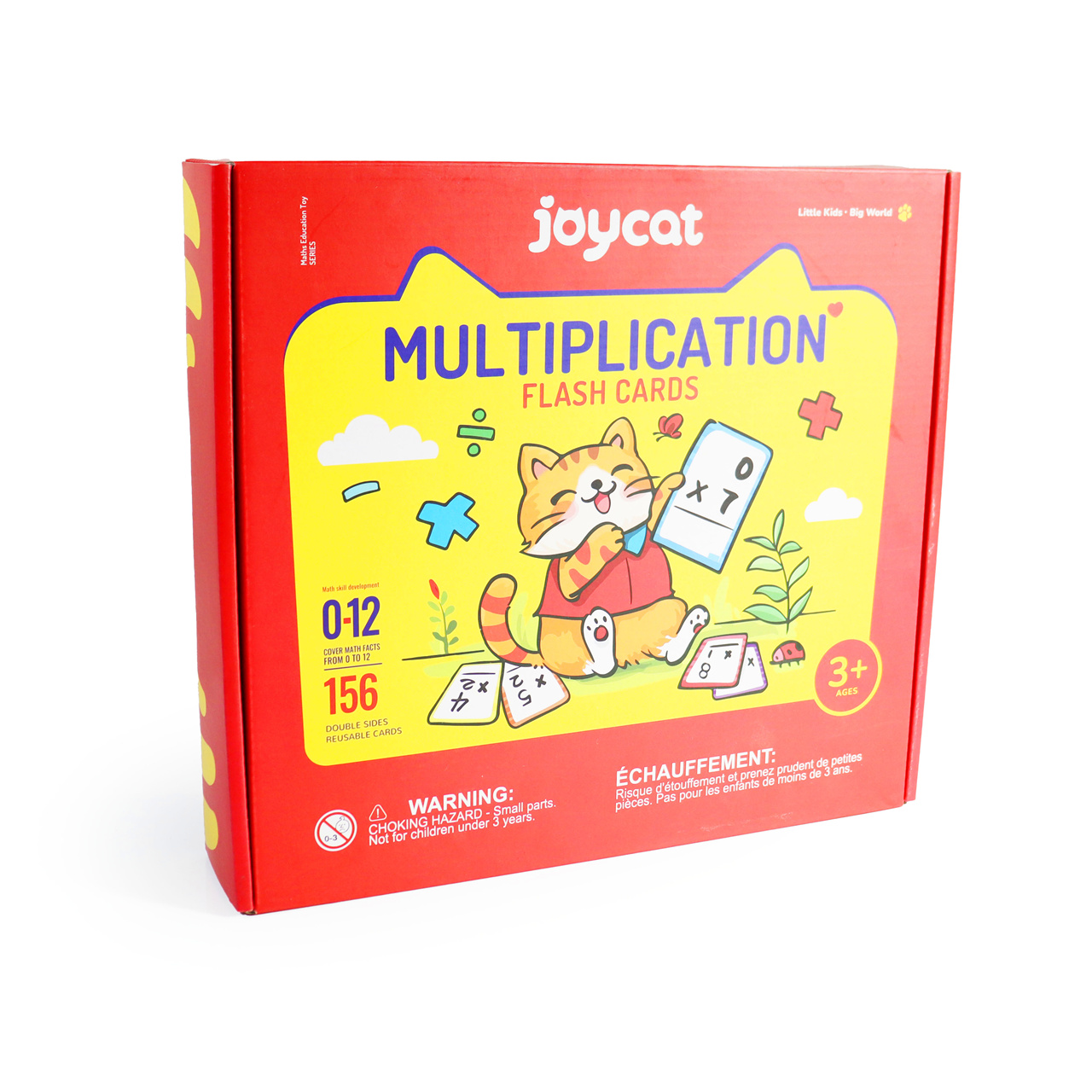 Joycat Multiplication Flash Cards Set with Accessories
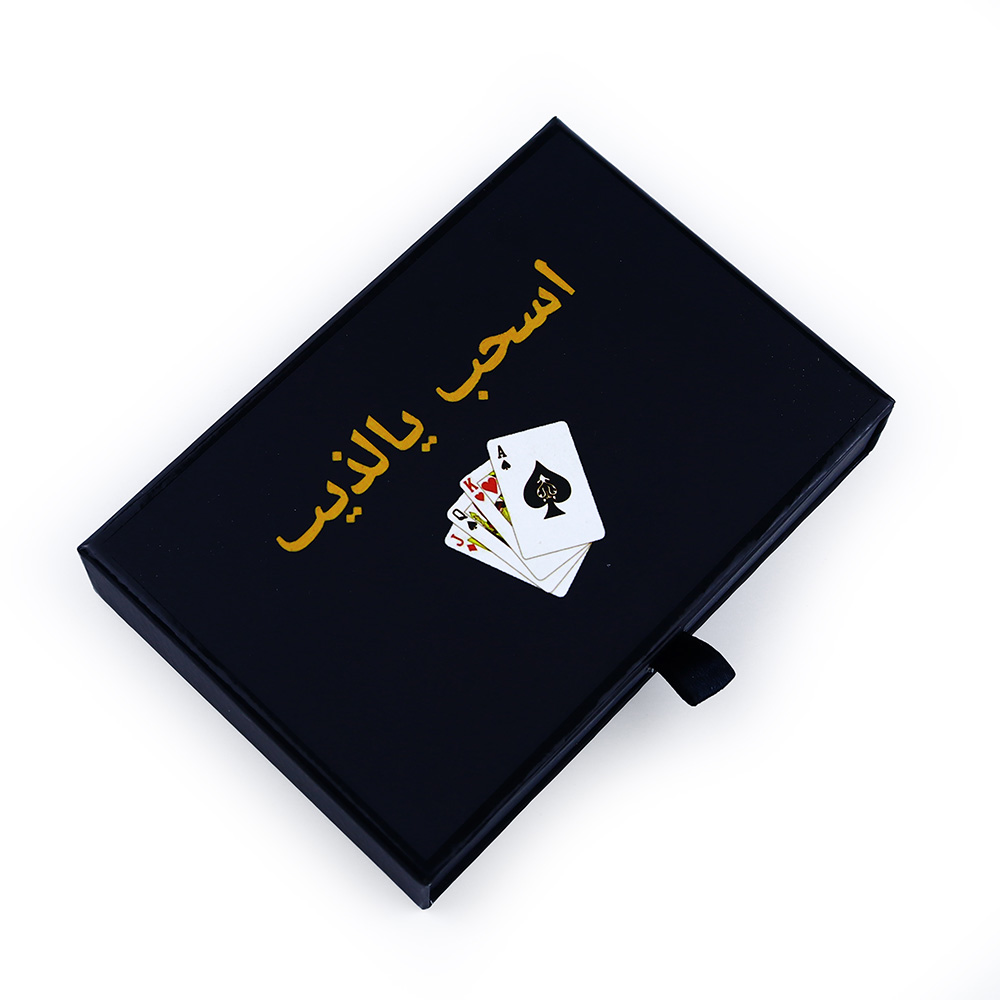 Custom Dual-Deck Playing Cards with Wolf-Themed Design
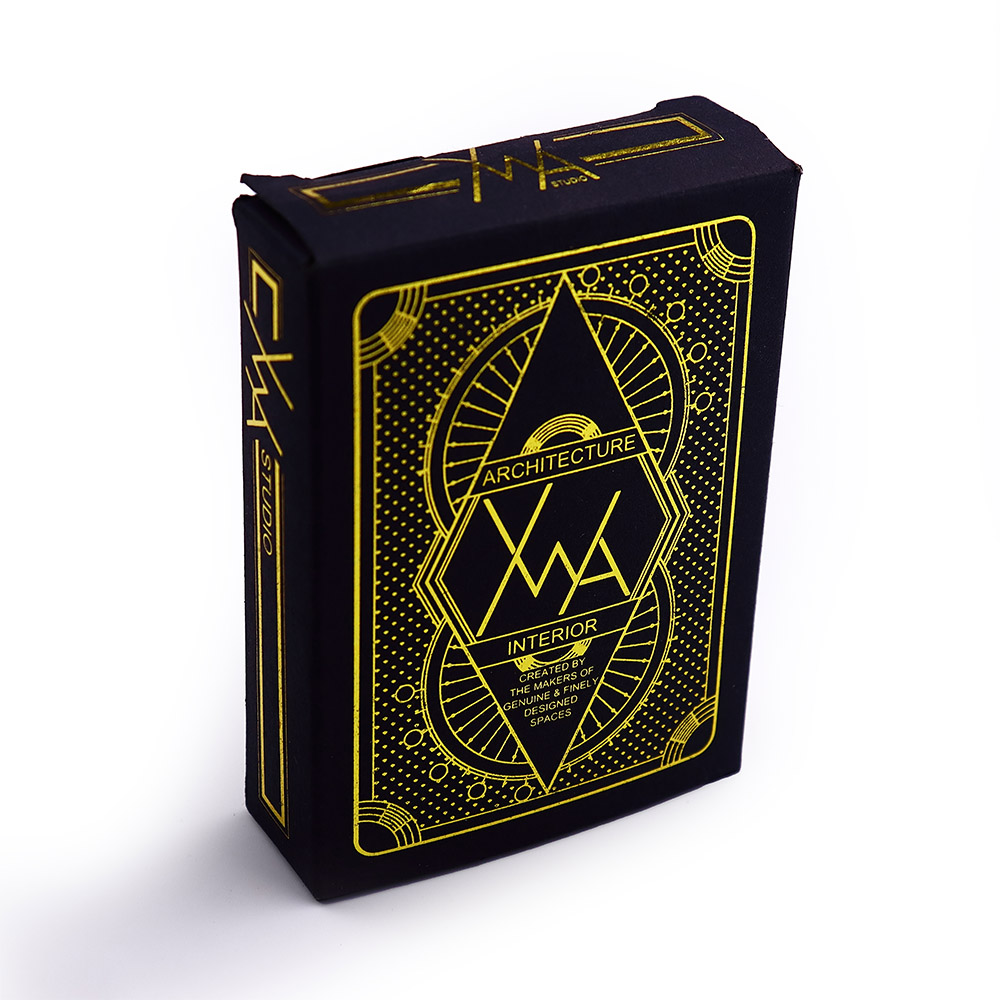 Custom embossed gold foil playing cards
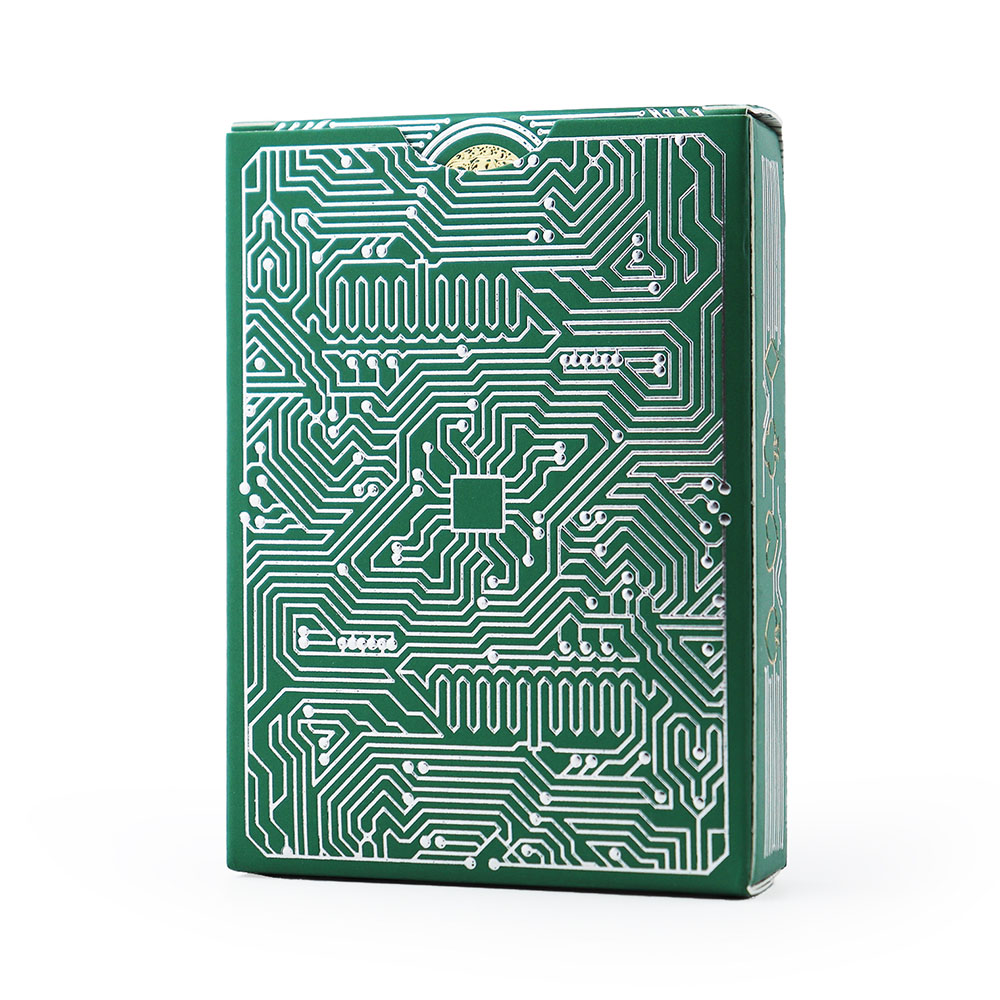 Circuit PCB Edition Custom Playing Cards
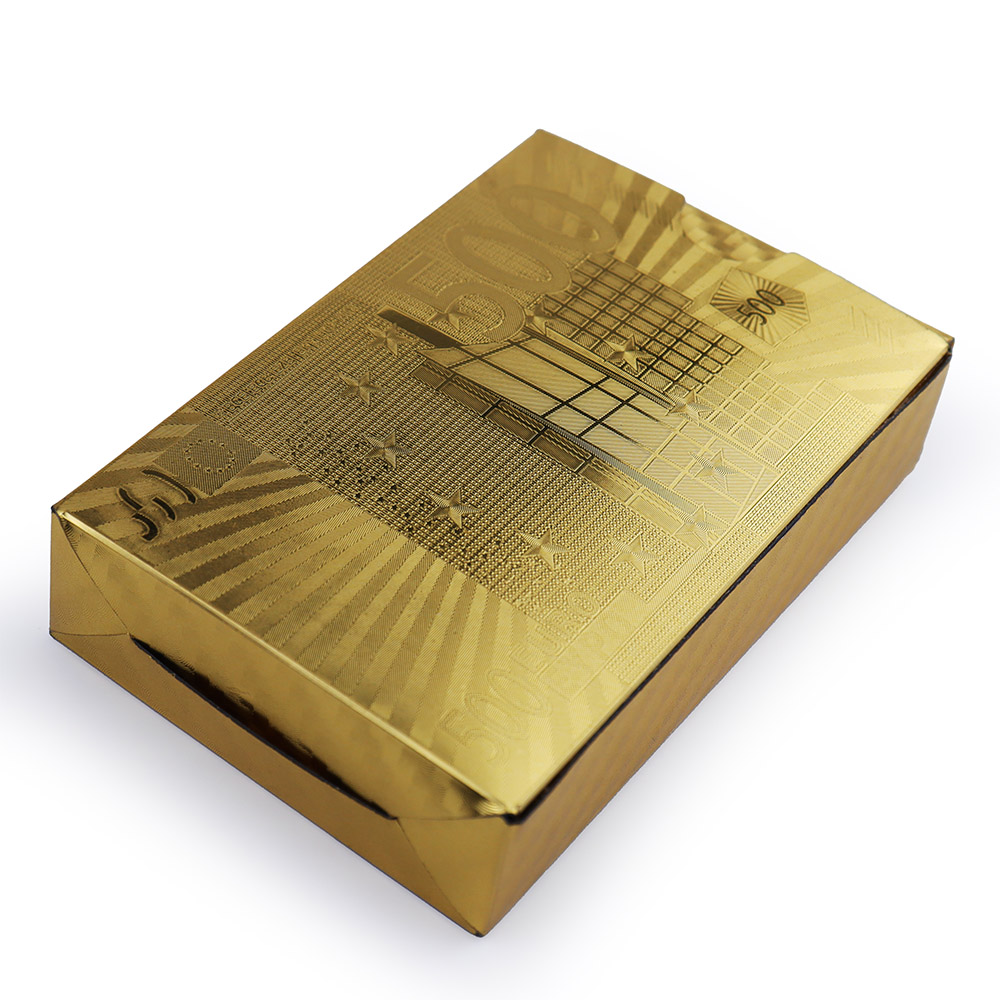 Customized theme gold foil playing cards
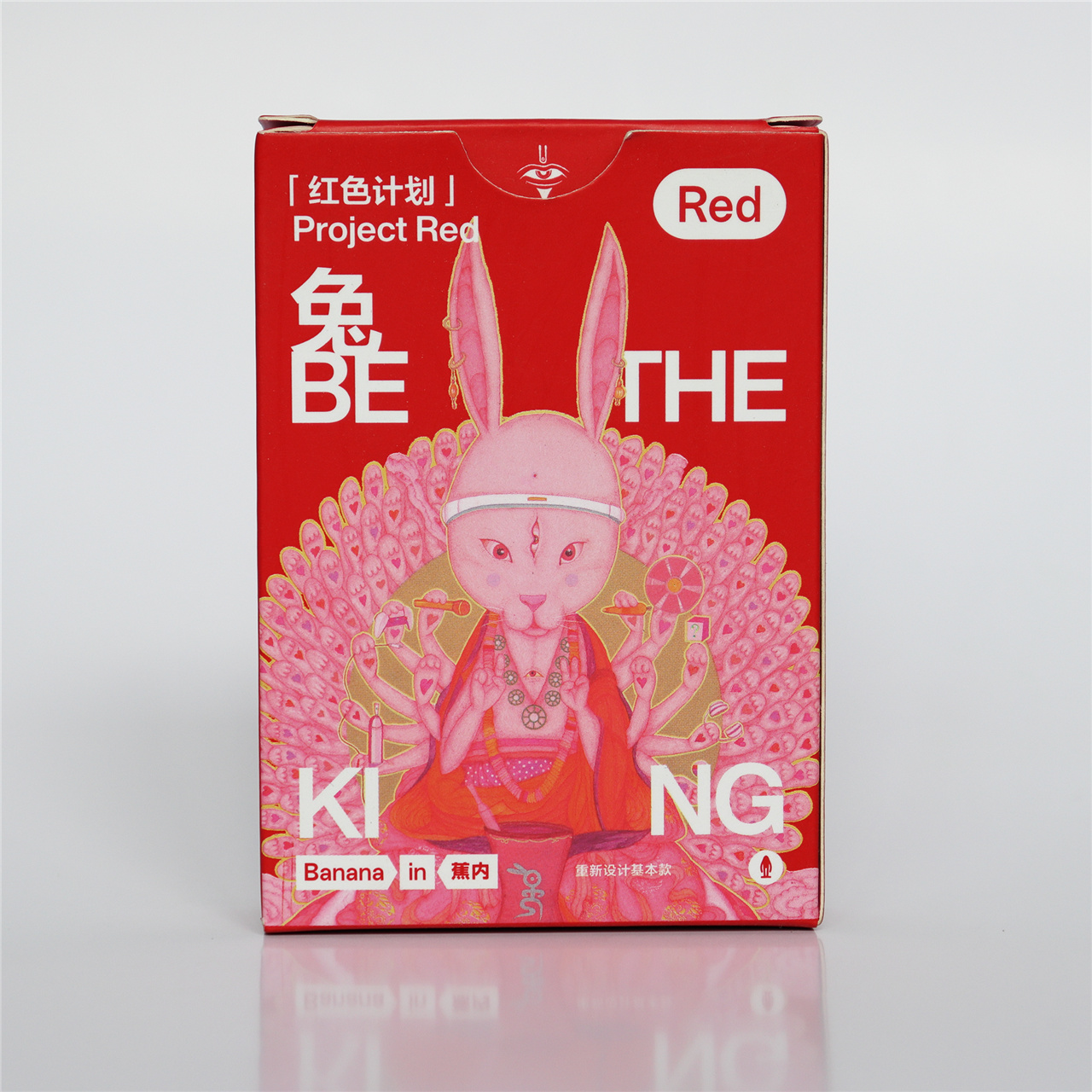 Custom Red Rabbit Themed Playing Cards Set
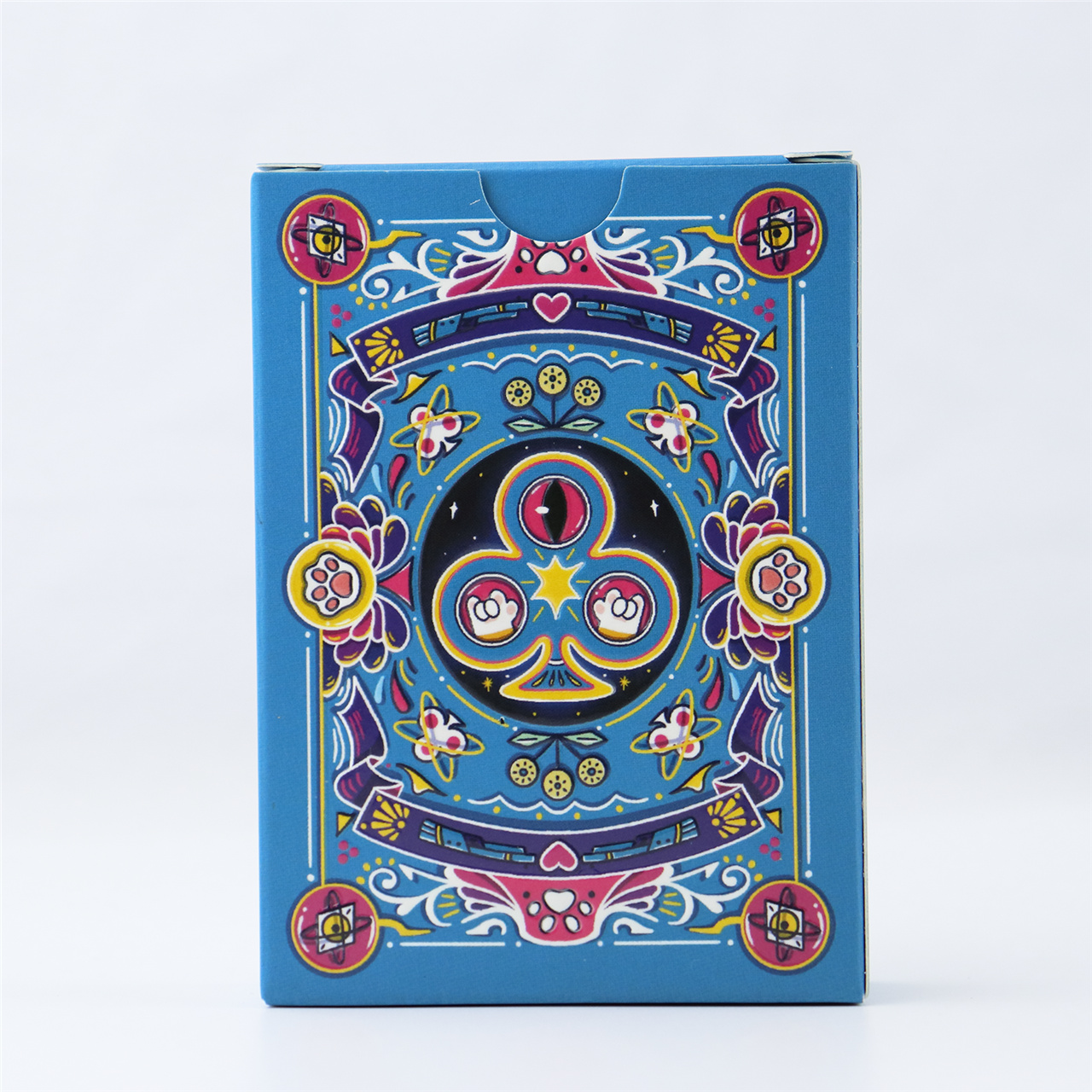 Custom Blue - Black Fantasy Plastic Playing Cards Set
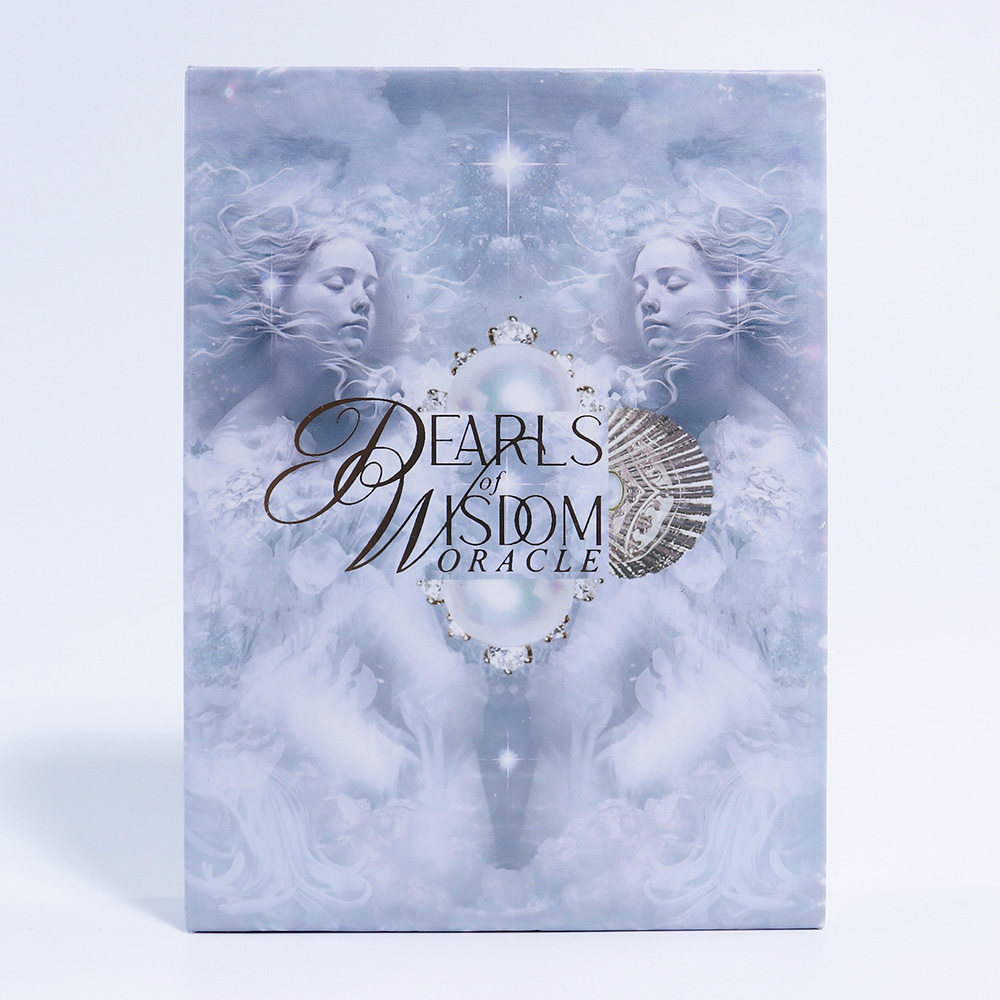 Pearls of Wisdom Oracle Custom Cards
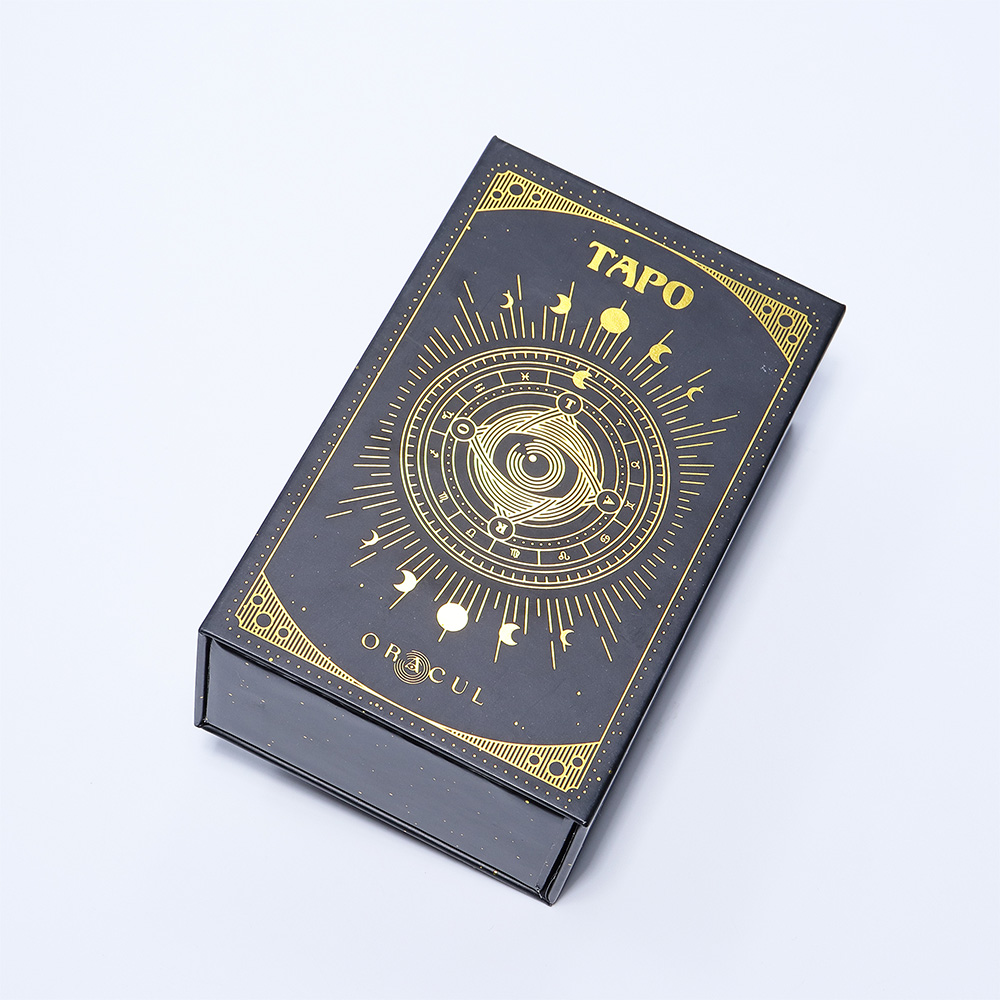 Custom Black & Gold Celestial Tarot Cards
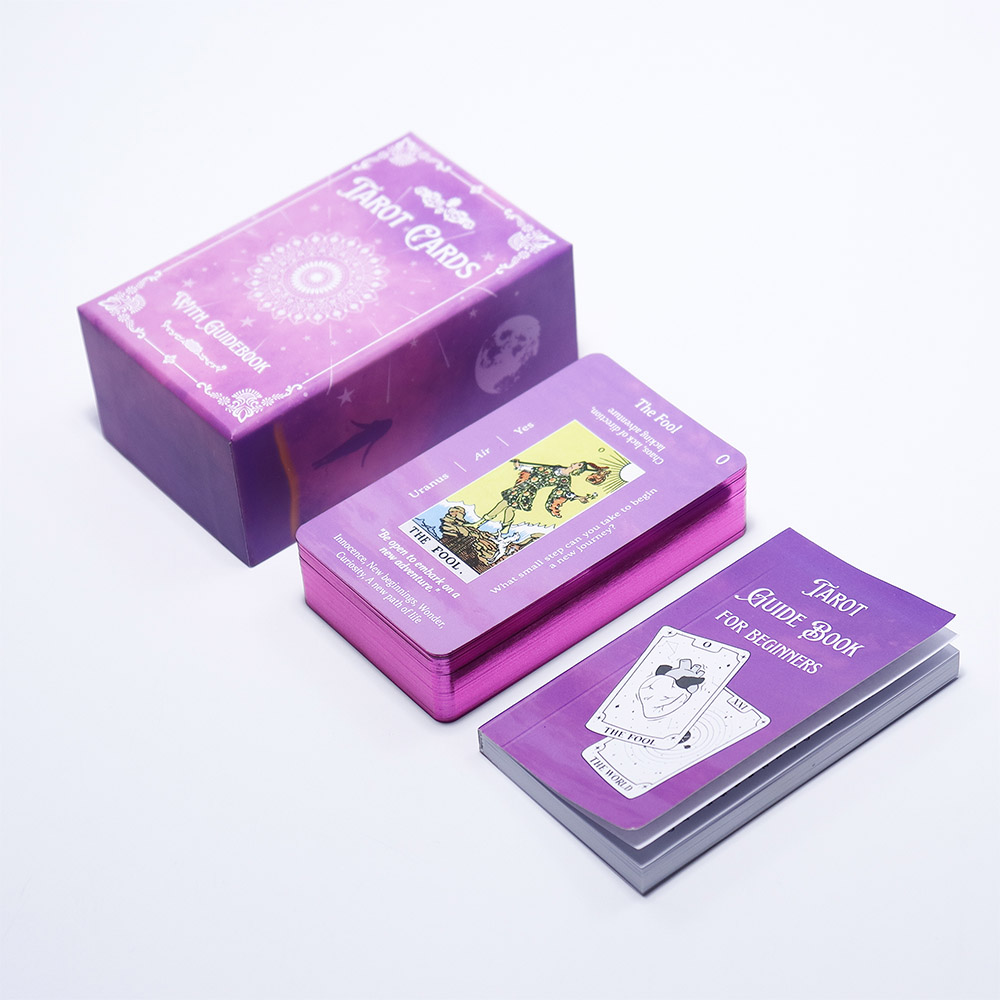 Custom Purple Tarot Cards with Guidebook
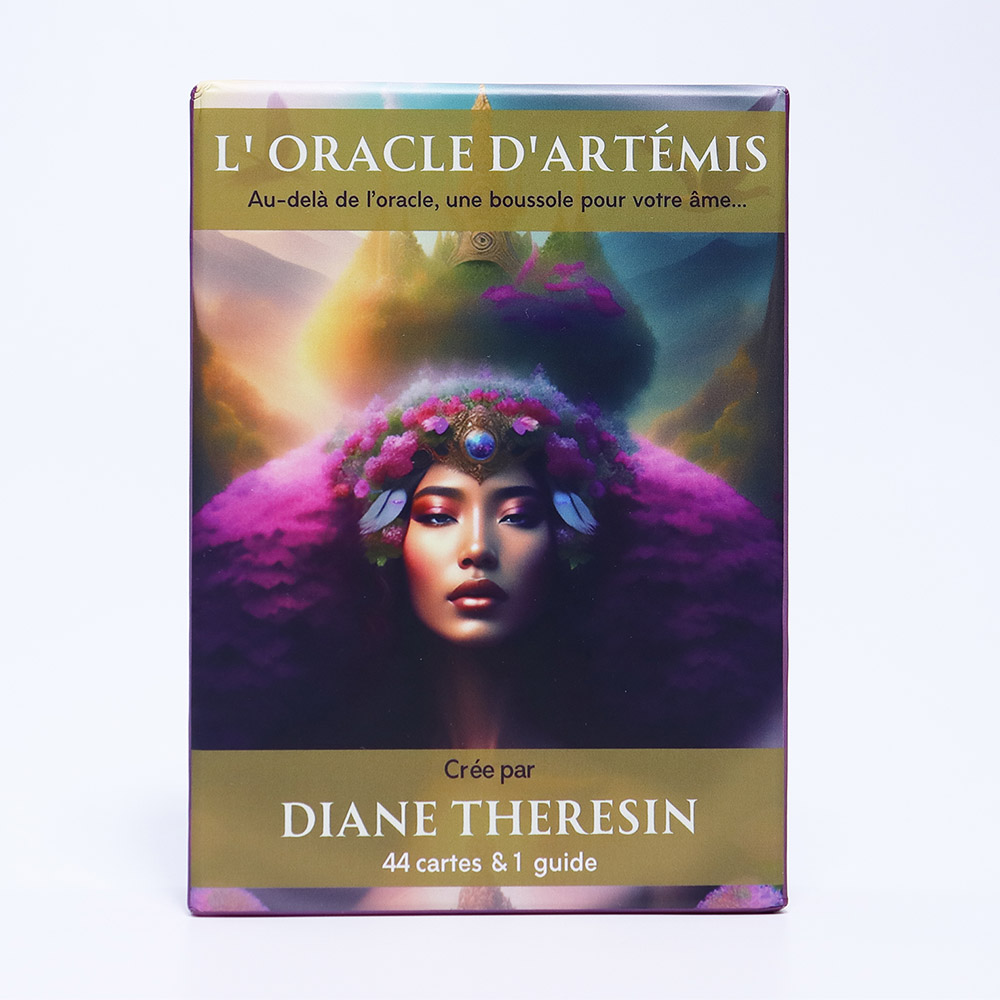 L'Oracle d'Artémis Custom Oracle Cards
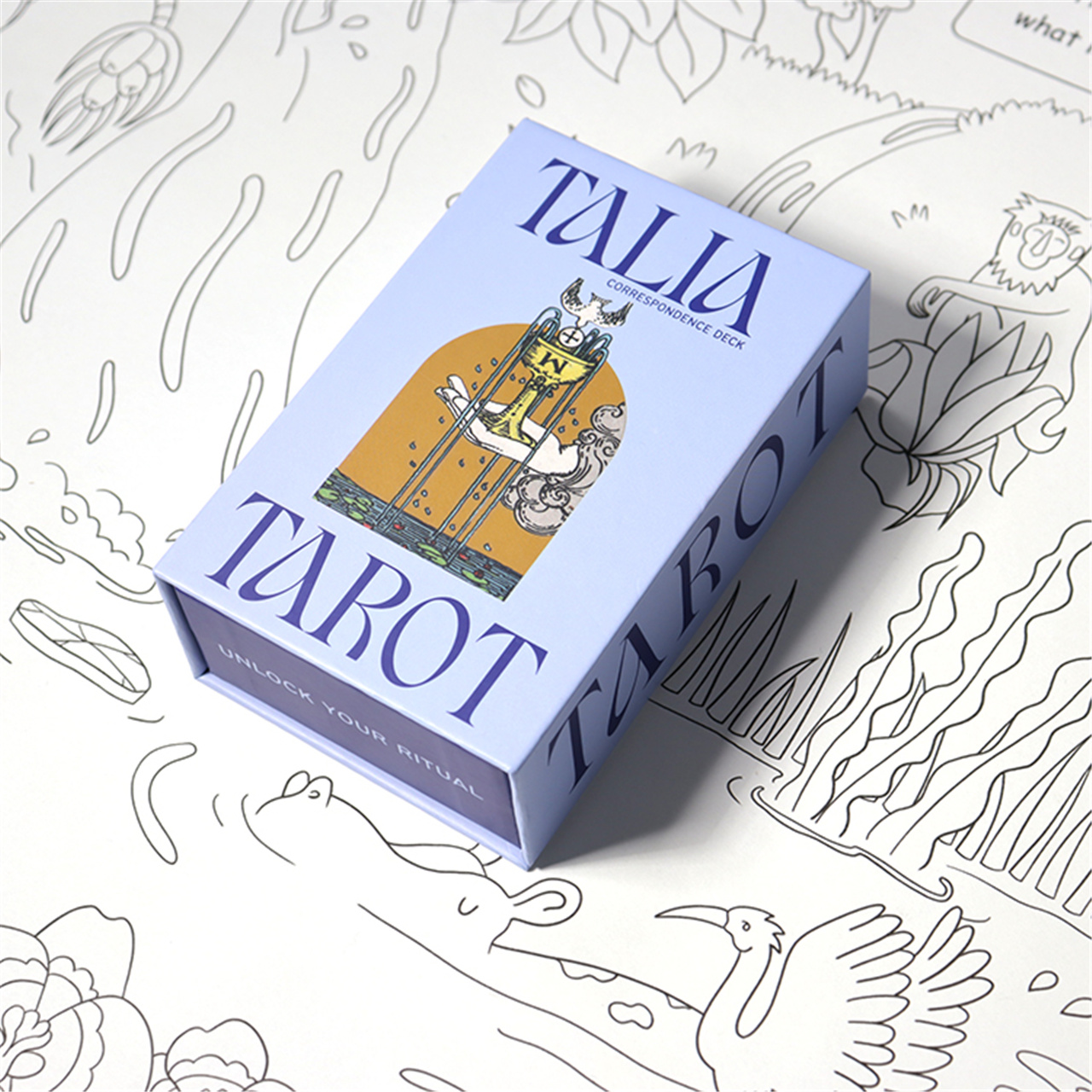 Custom Blue - Themed Tarot Cards Deck
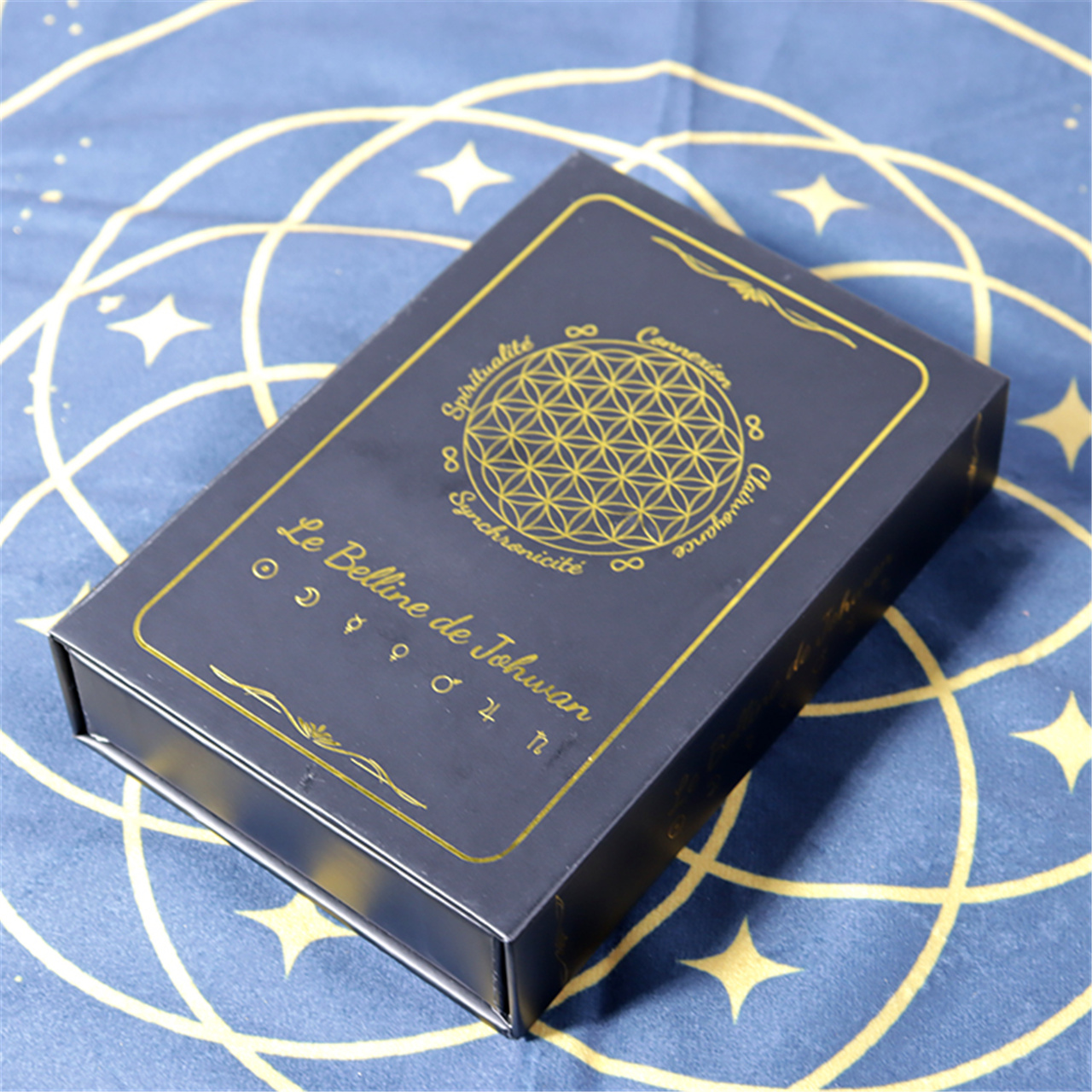 Custom Black - Blue Gold Foil Tarot Cards Set
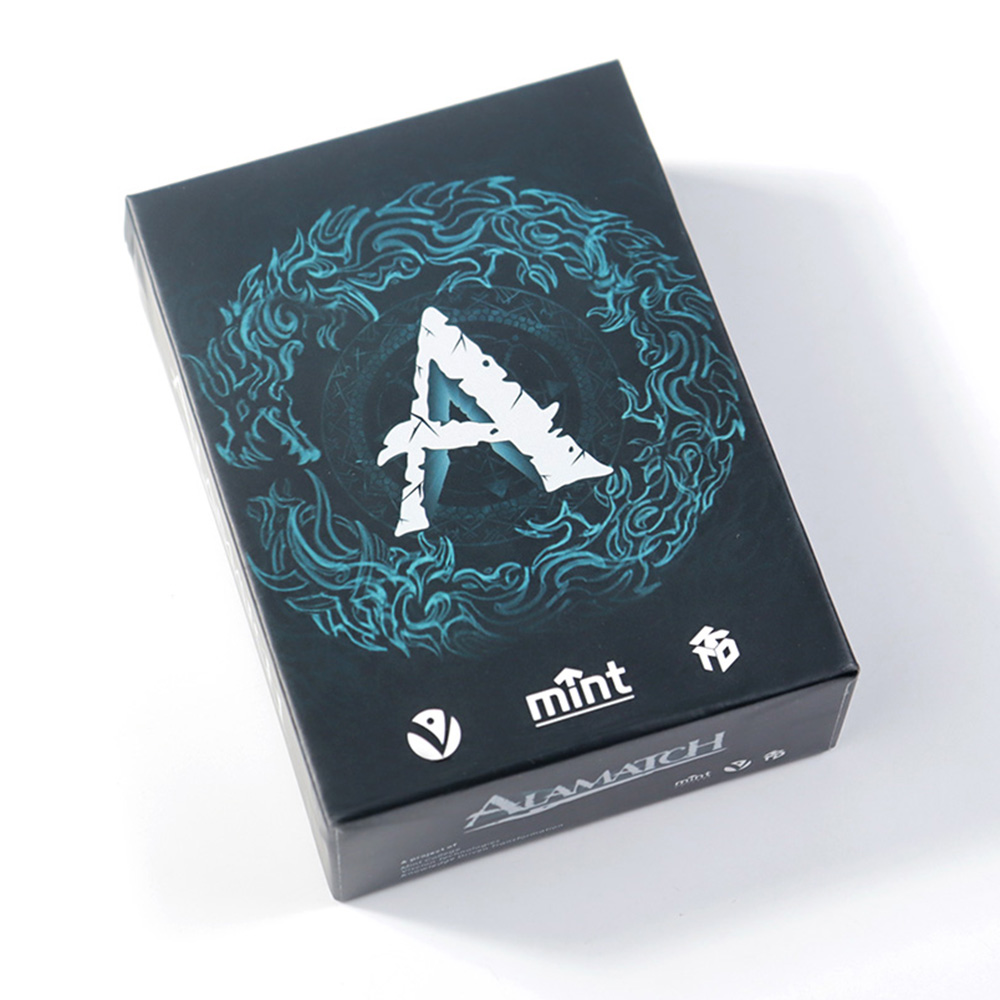 Alamatch Custom Trading Game Cards
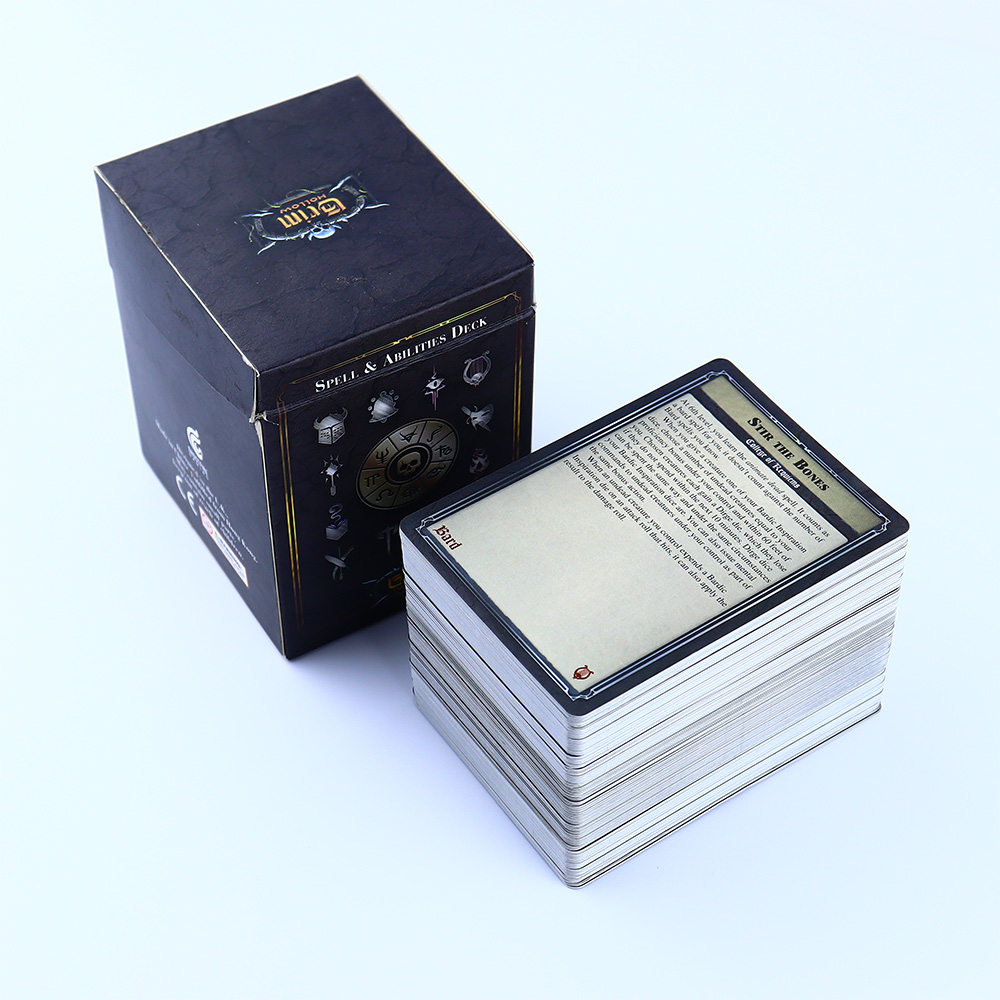 Grim Hollow Spell & Abilities Custom Trading Cards
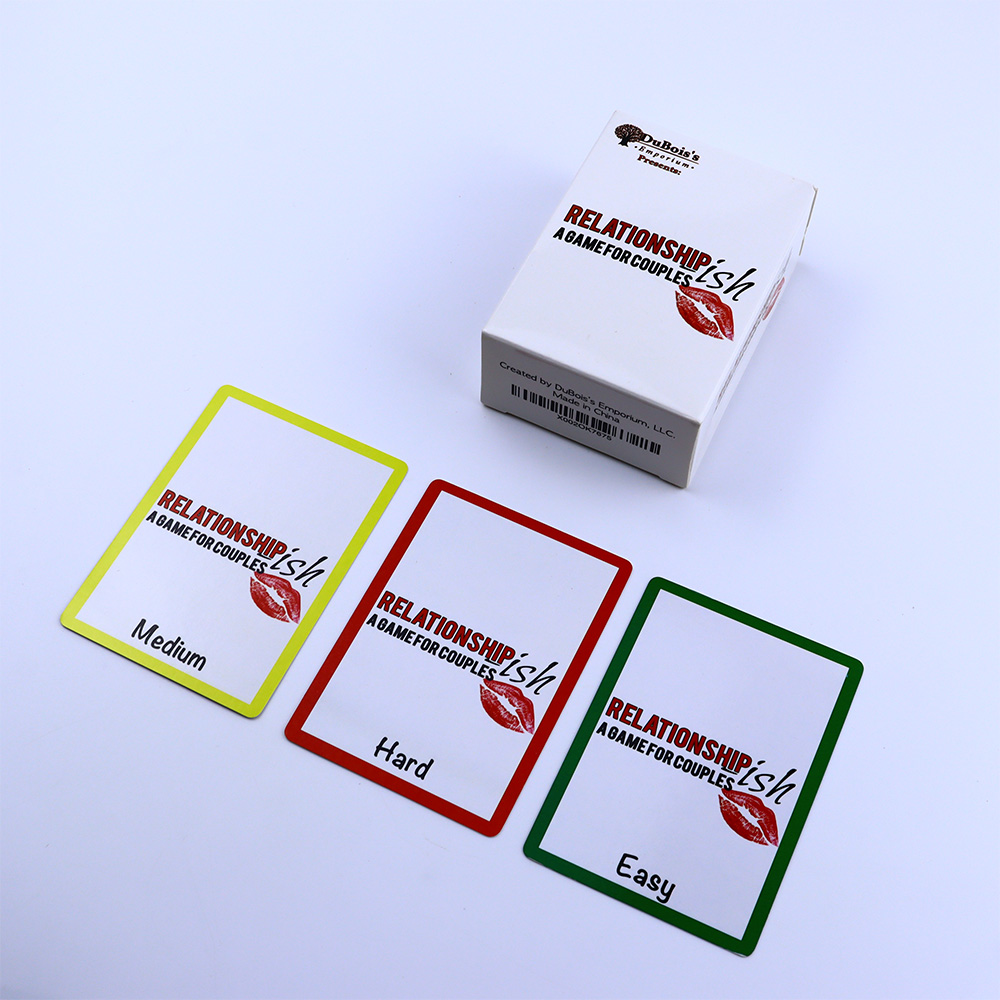 Relationshipish Custom Couple Card Game
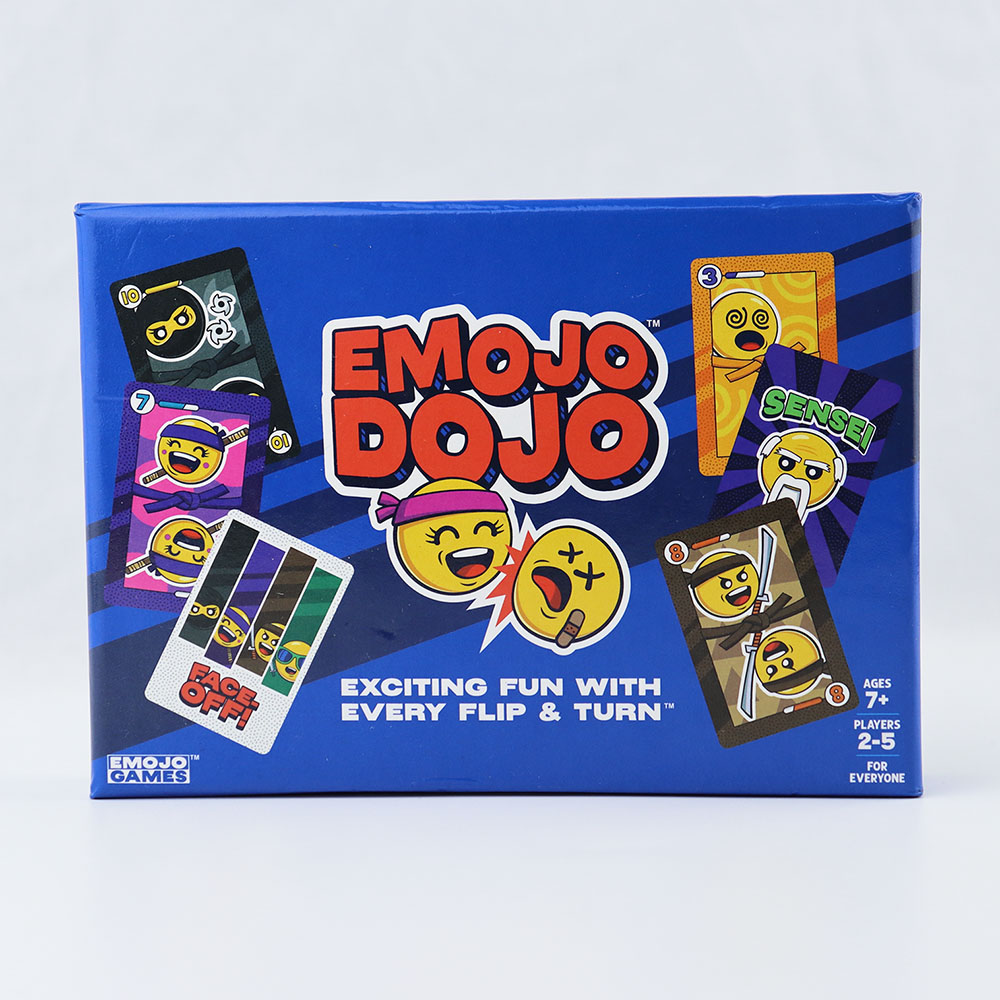 Emojo Dojo Custom Trading Card Game
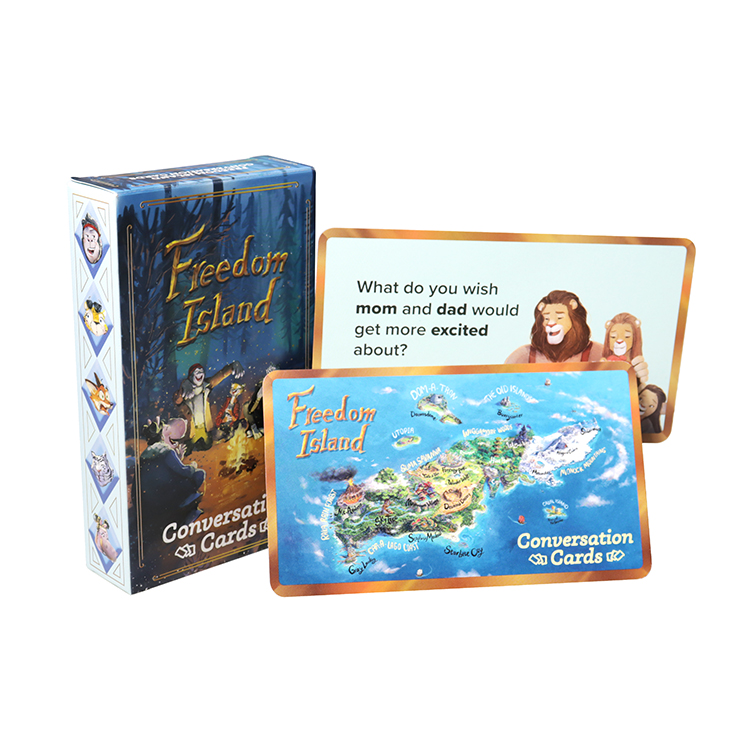 Custom Travel Photo Trading Cards Set
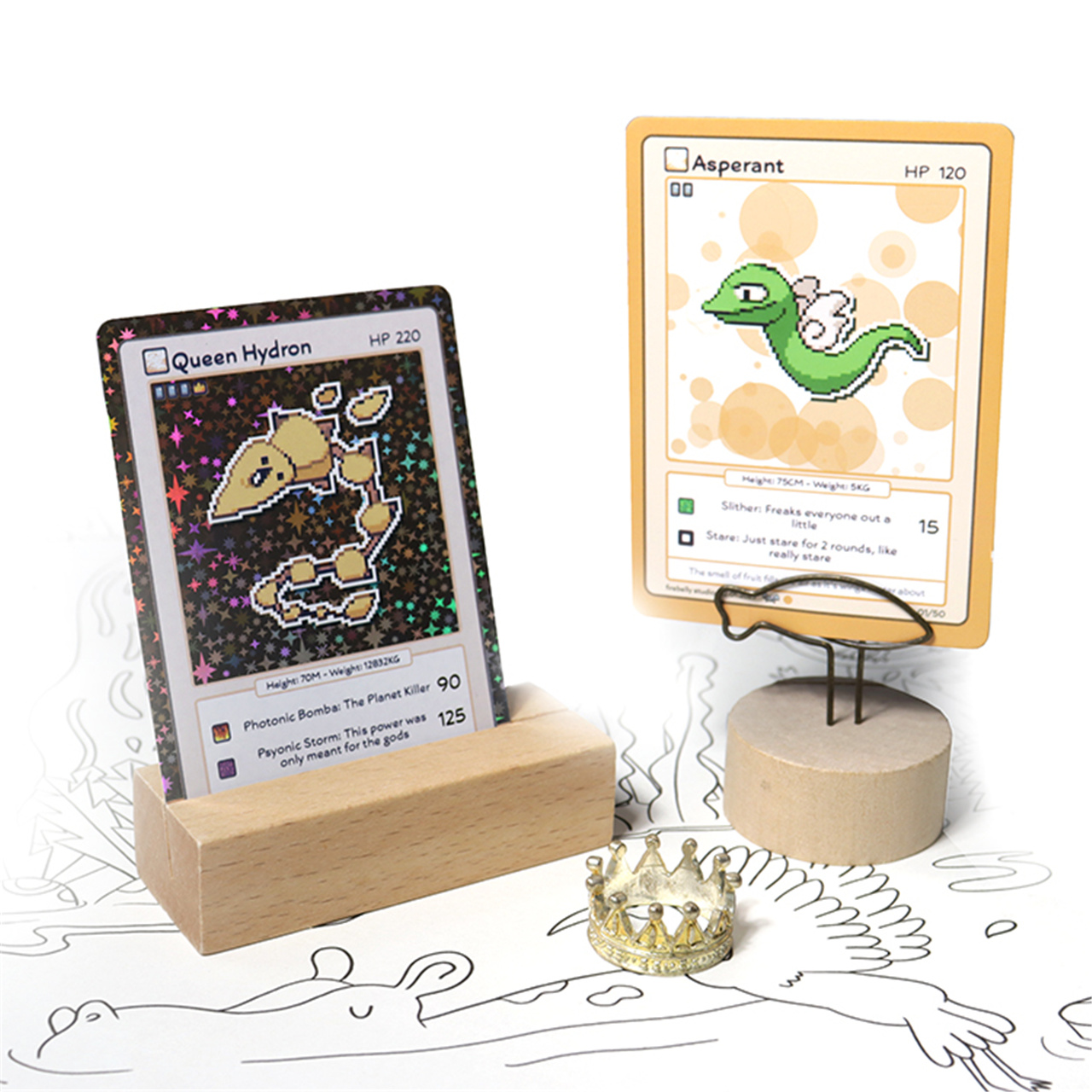 Custom Cartoon Holographic Trading Cards Set