2026 Best Plastic Playing Cards for Perfecting Your Game Experience?
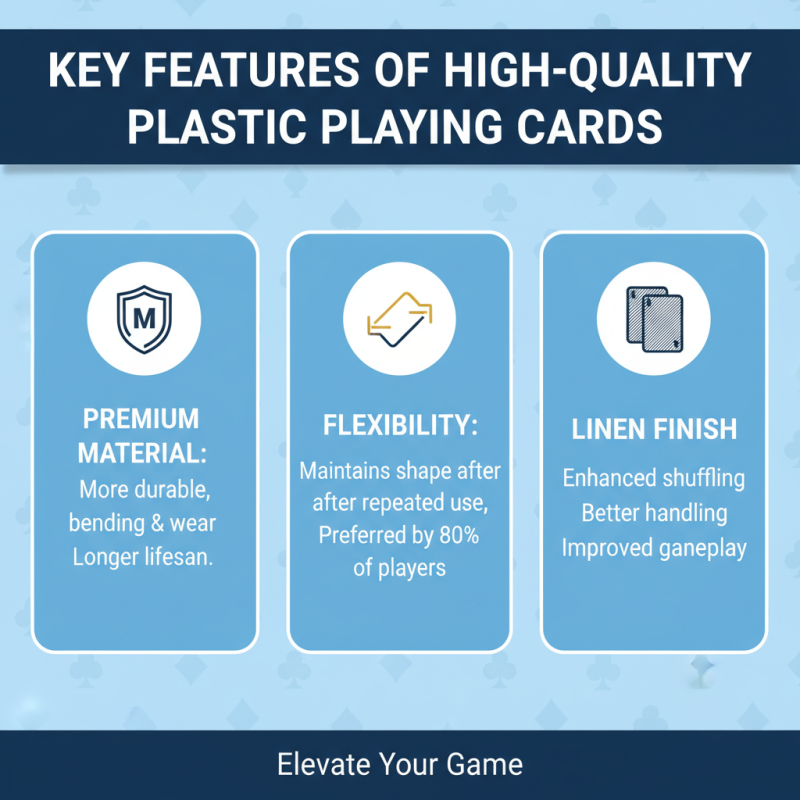
In the world of card games, the quality of your cards significantly affects your experience. Many players now prefer Plastic Playing Cards because of their durability and flexibility. Unlike paper cards, these plastic options resist wear and tear, ensuring they maintain their shape and feel even after extended use.
Imagine hosting a weekly game night with friends. You shuffle a deck of Plastic Playing Cards, feeling their smooth texture. The cards glide easily, adding to the excitement of the game. However, some players might find the cards too slippery. A balance is needed between grip and smoothness. Choosing the right deck is essential, as not all Plastic Playing Cards are created equal.
With numerous options available on the market, it can be overwhelming. Players often struggle to identify which decks truly enhance their gaming experience. Reflection on personal preferences is key. Do you value durability over aesthetics? Choosing wisely can lead to countless enjoyable game nights.

The Evolution of Plastic Playing Cards: A Historical Overview
The history of plastic playing cards is fascinating. They were first introduced in the 20th century. The initial use was predominantly for durability. These cards could withstand wear and tear better than paper. They also became waterproof, making them ideal for various environments. Over time, their popularity surged.
As designs evolved, so did manufacturing techniques. Innovations allowed for vibrant prints and complex designs. This led to a wide array of styles, catering to different tastes. Some decks now incorporate transparent materials, adding an extra layer of intrigue. Yet, not all advancements have been perfect. Some plastic cards can feel slippery, affecting gameplay.
Players often have mixed feelings about the tactile experience. The smooth surface might not offer the same grip as paper. Mistakes happen, and cards sometimes stick together. This can lead to unexpected outcomes during intense games. Reflecting on these experiences can shape preferences. Choosing the right deck requires consideration of both function and feel.
2026 Best Plastic Playing Cards for Perfecting Your Game Experience
| Card Type |
Material |
Thickness (mm) |
Durability Rating |
Price ($) |
| Standard Playing Cards |
PVC |
0.30 |
High |
12.99 |
| Premium Poker Cards |
Polyester |
0.31 |
Very High |
19.99 |
| Waterproof Cards |
PVC |
0.25 |
Medium |
14.50 |
| Customizable Cards |
PVC |
0.28 |
High |
15.99 |
| Bicycle-Style Cards |
Plastic Coated |
0.30 |
High |
11.95 |
Top Brands in the Market: Who Makes the Best Plastic Cards?
When it comes to playing cards, the material significantly impacts the gaming experience. Plastic playing cards have gained popularity for their durability and water resistance. According to recent industry reports, the plastic playing card market has seen a 15% growth over the past two years. This indicates a shift toward players valuing quality and longevity in their card games.
Top brands in the card-making industry offer products that stand out for their unique features. Most plastic cards are made from 100% PVC, ensuring they withstand wear and tear. However, not all plastic cards are created equal. Some have a smoother finish for easier shuffling, while others offer a textured surface for a firmer grip. This variety can complicate the choice for consumers. Are we prioritizing aesthetics over functionality?
While many players rely on expert reviews, personal preference plays a crucial role. Factors like card thickness and flexibility can affect gameplay. It's essential to consider how often you'll use them. Cards for casual play may differ from those used in professional settings. Some players appreciate the sleek look of thinner cards. Yet, they may not last as long as thicker counterparts. Finding the right balance is key.
Comparative Analysis: Plastic vs. Paper Playing Cards
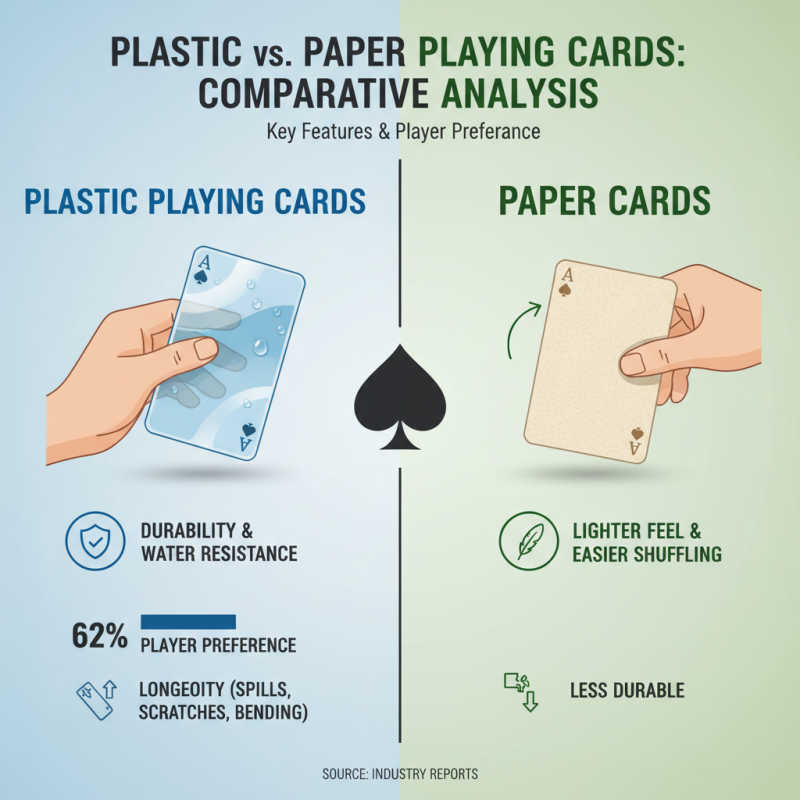
The debate between plastic and paper playing cards has been ongoing for years. Plastic cards are often praised for their durability and water resistance. In contrast, paper cards can offer a lighter feel and easier shuffling. According to industry reports, 62% of players prefer plastic cards due to their longevity. They can withstand spills, scratches, and bending much better than paper options.
Tips: If you're considering switching to plastic, remember to check the thickness. Thicker cards tend to feel stiffer, which might not suit everyone's taste. Also, cleanliness can be an important factor. Plastic cards can be wiped down, making them more hygienic, especially in group settings.
On the flip side, paper cards provide a classic touch. They tend to have better print quality for intricate designs. However, they can warp over time, especially in humid conditions. In fact, studies show that paper cards may need to be replaced twice as often as plastic ones. They bring character to games but may not hold up during heated sessions.
Maintaining and Caring for Your Plastic Playing Cards
Plastic playing cards are popular for their durability and smooth shuffle. However, their longevity heavily relies on proper care and maintenance. According to a report by the National Poker Association, 70% of players noted that card quality worsens due to neglect. This can lead to frayed edges and dirty surfaces, detracting from the overall game experience.
To maintain your cards, store them in a cool, dry place. Avoid exposure to humidity and extreme temperatures. Cleaning is also essential. Regularly wipe them down with a soft cloth. For deeper cleaning, a gentle soap solution can refresh your cards. Just be cautious—over-soaking can warp the cards, leading to frustration during gameplay.
Additionally, consider the playing environment. High moisture levels can impact card integrity significantly. Over 50% of card-related issues arise from improper handling and storage. This highlights the need for awareness. Investing time in proper care will ensure that your plastic cards perform at their best for many games to come. Make these small adjustments and see the difference in your gaming sessions.

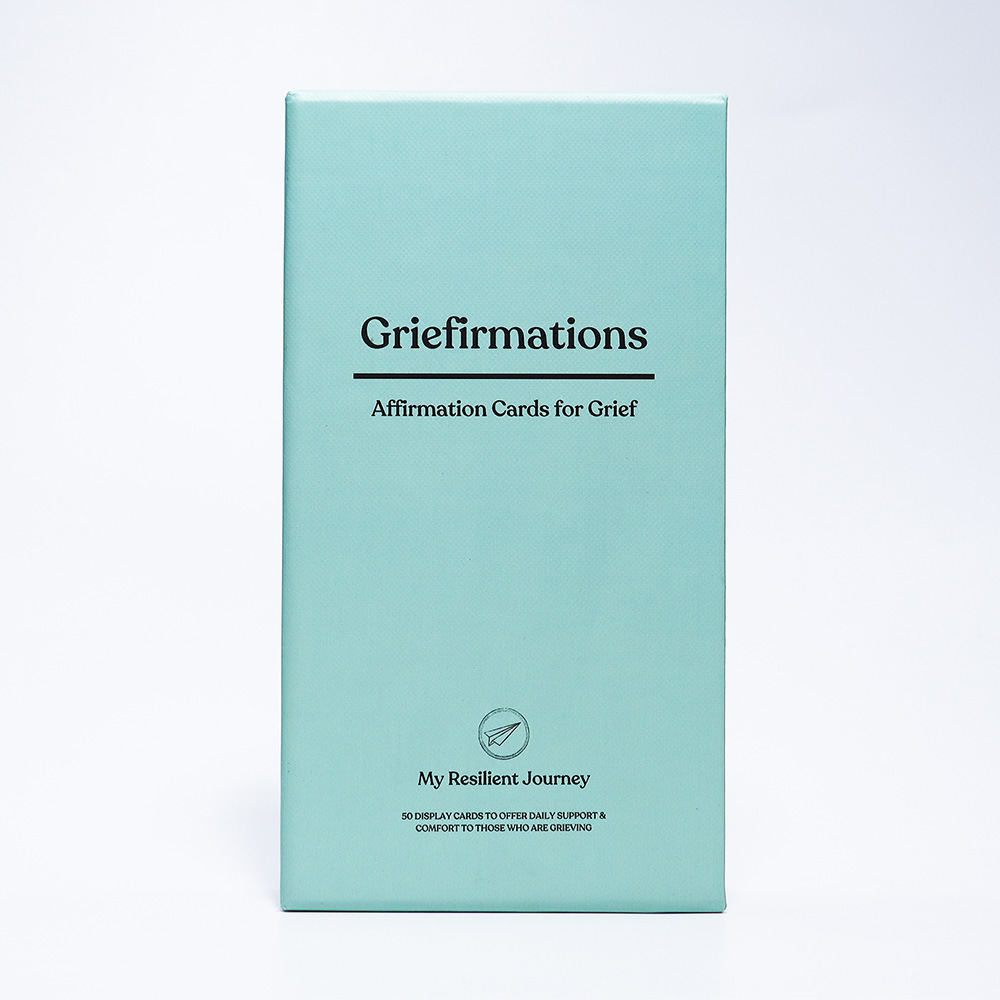 Customizable Emotional Support Cards for Grief & Resilience
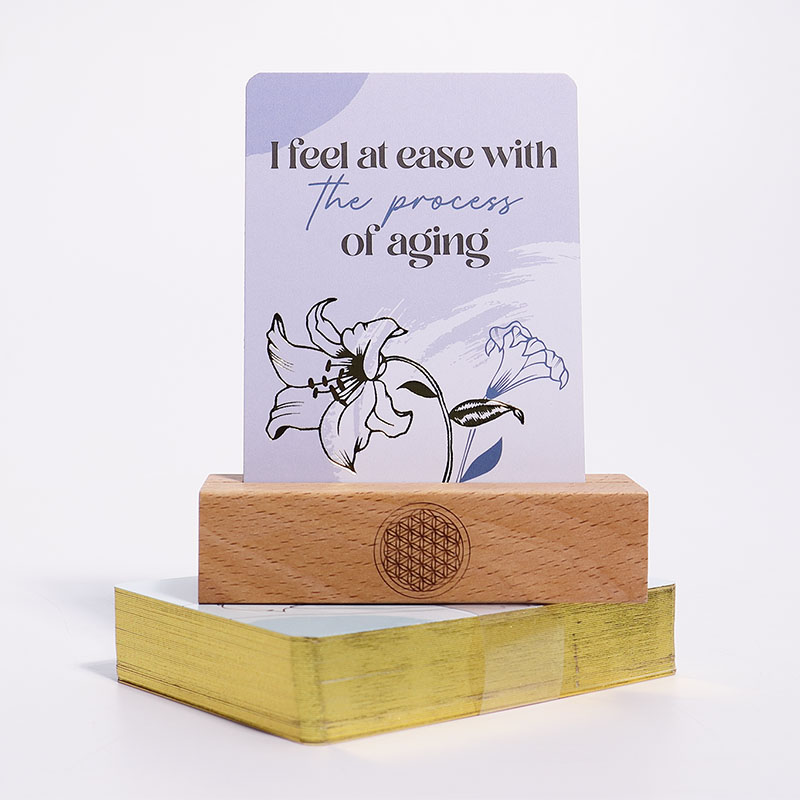 Personalized Emotional Encouragement Card Collection
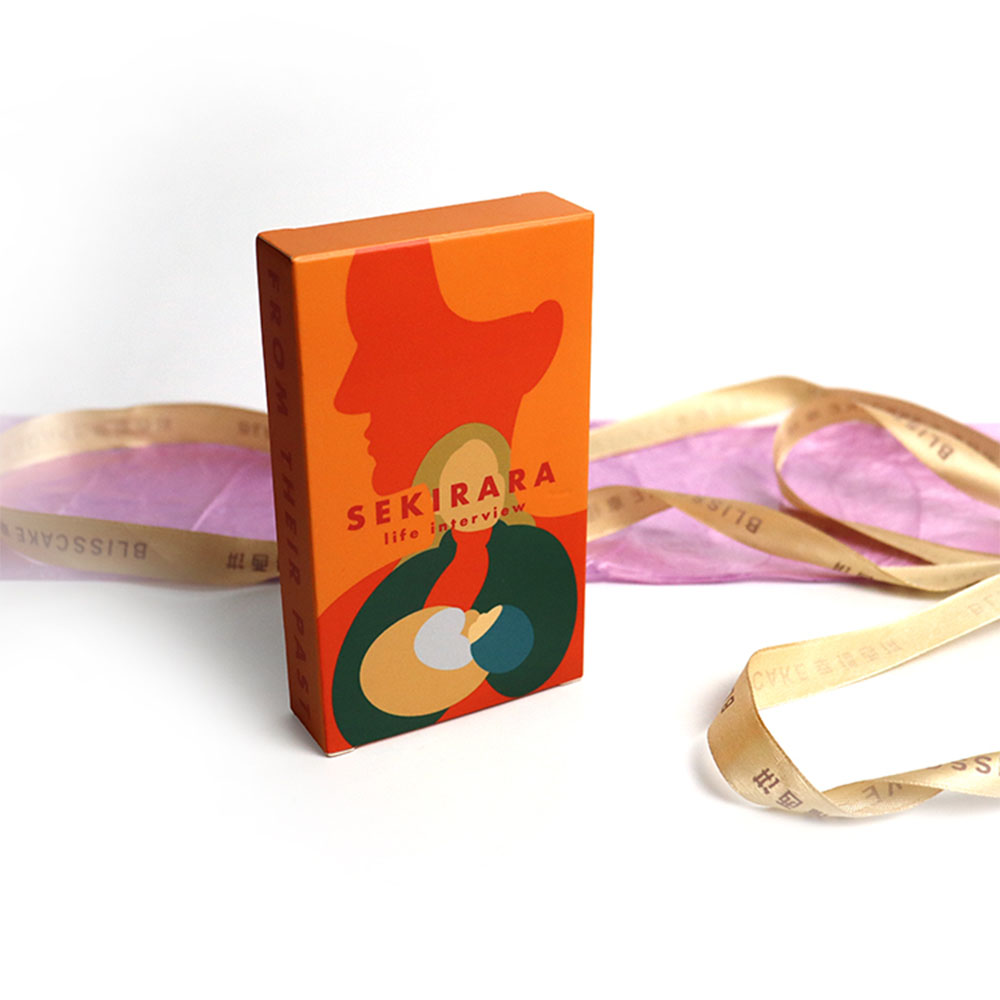 Personalized Deep Conversation Card Gift Box
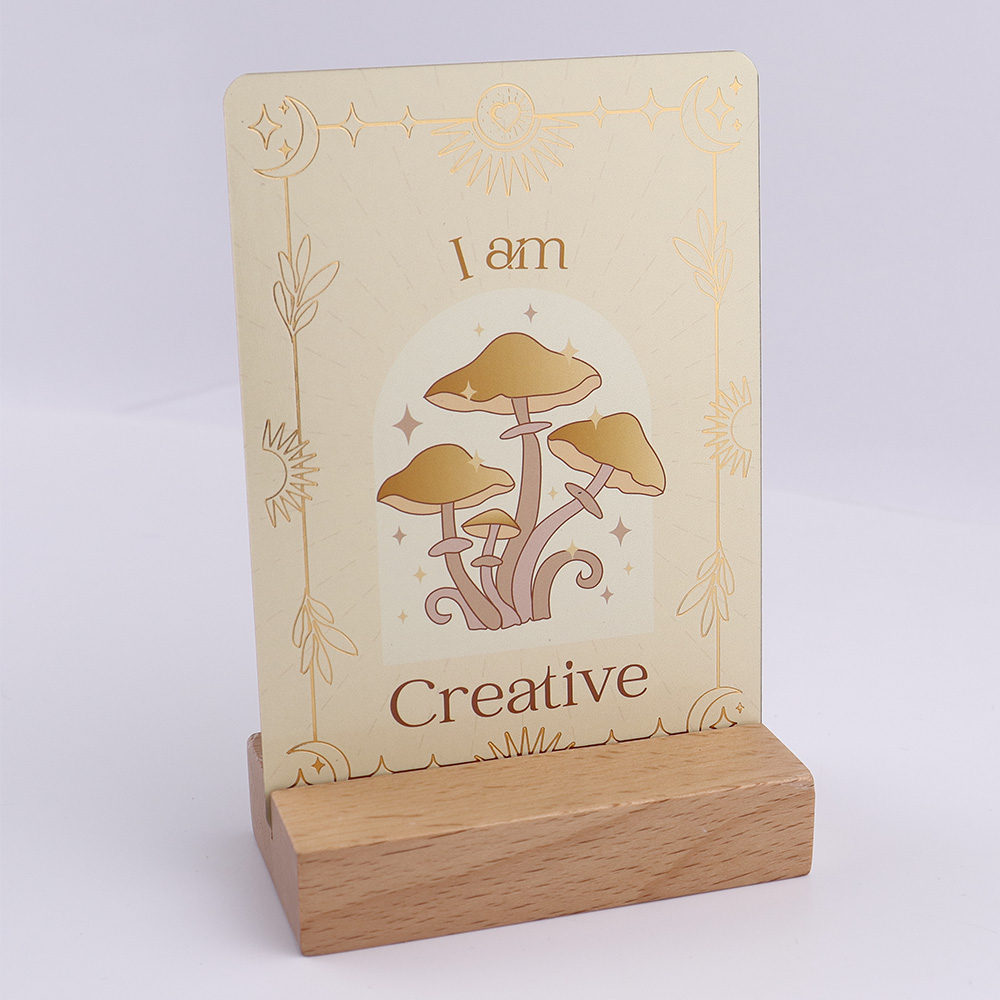 Customizable Boho-Chic Affirmation Cards for Mindfulness & Self-Love
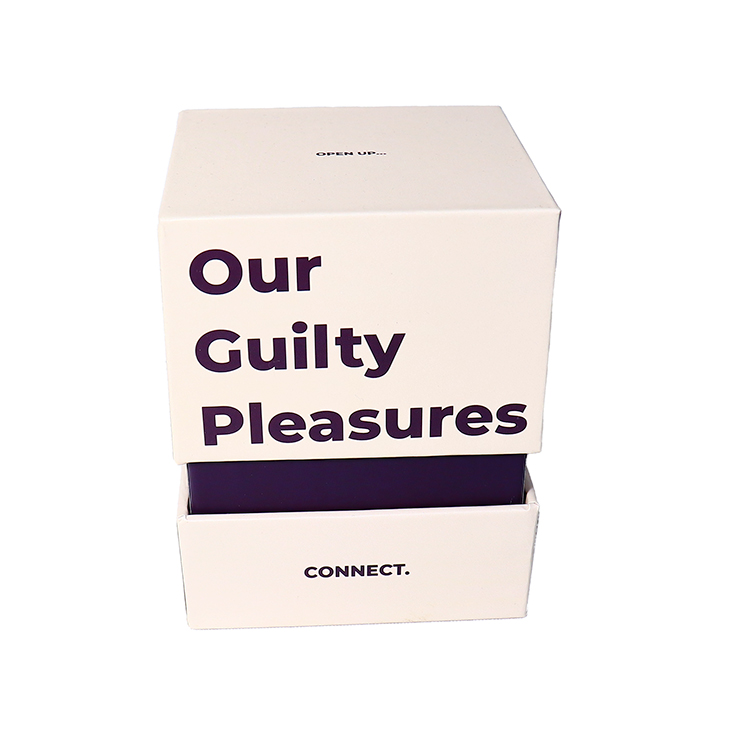 Customized Friendship Confirmation Card
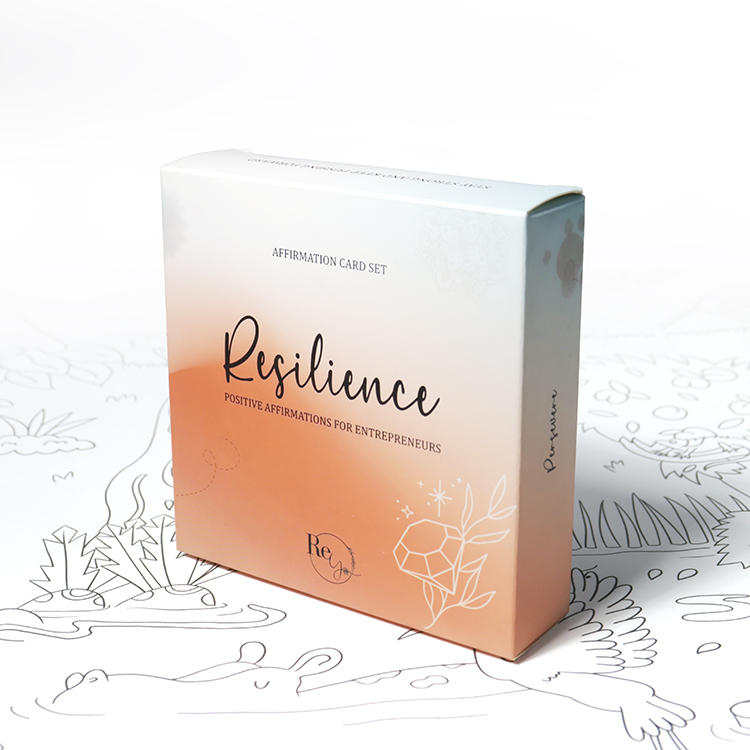 Customized Entrepreneurship Confirmation Card
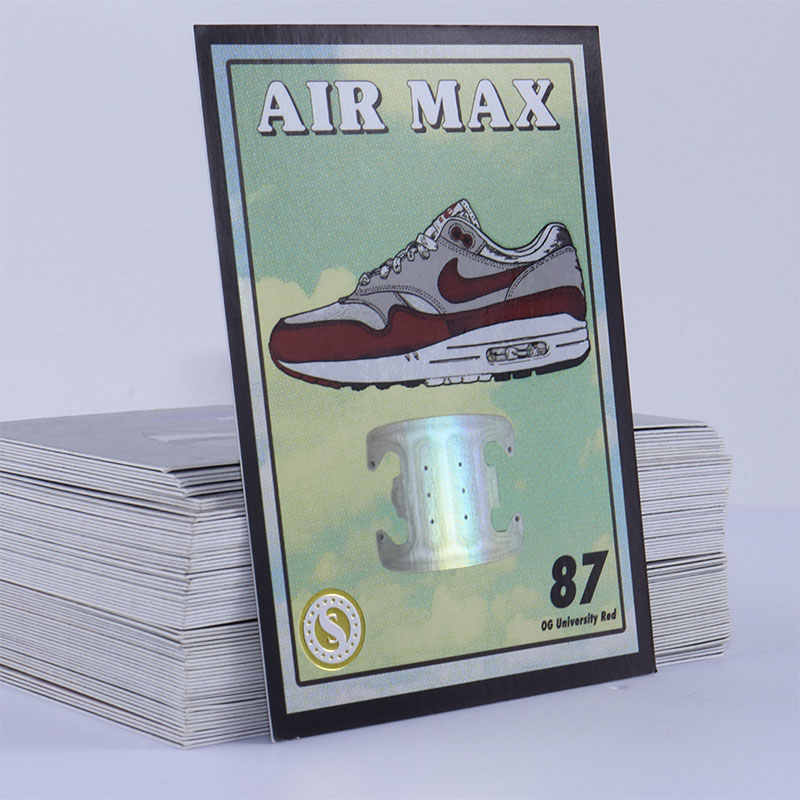 Air Max Pax Custom Sneaker Card Blind Box Set
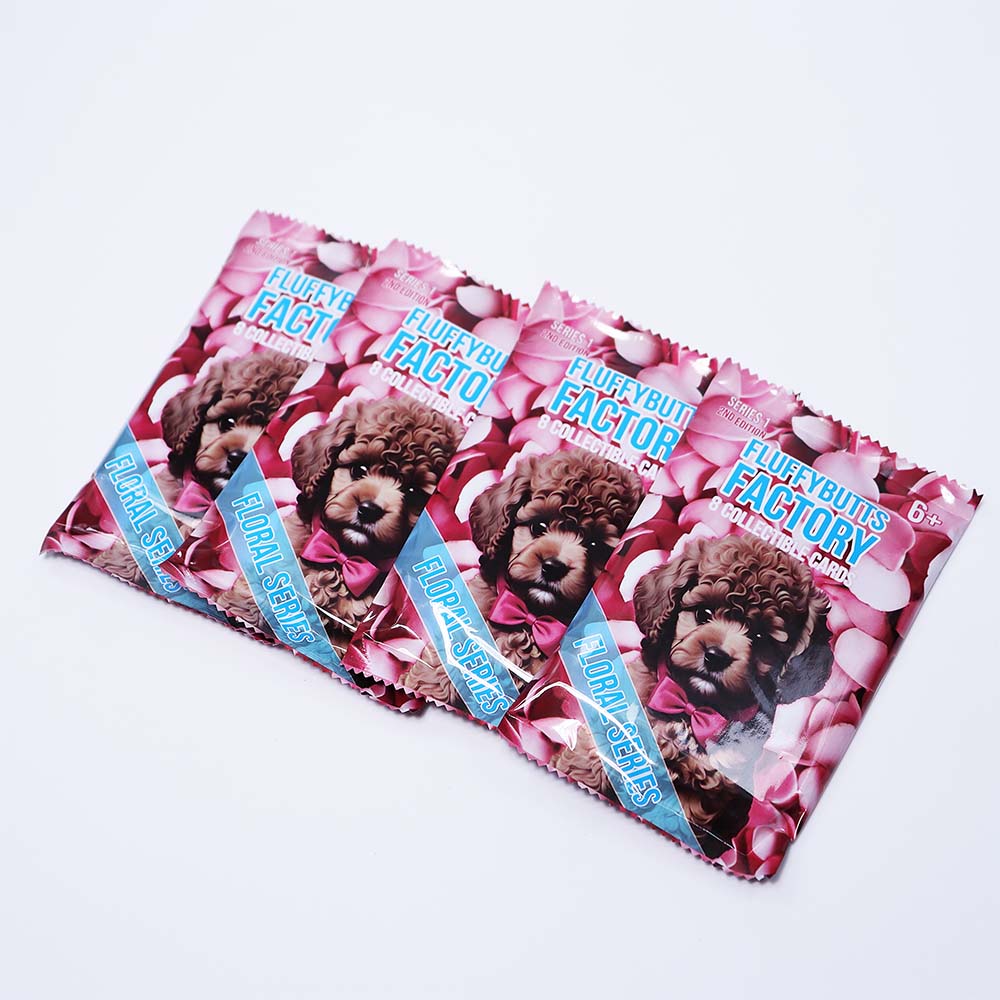 Fluffybutts Factory Custom Pet Card Blind Box Sets
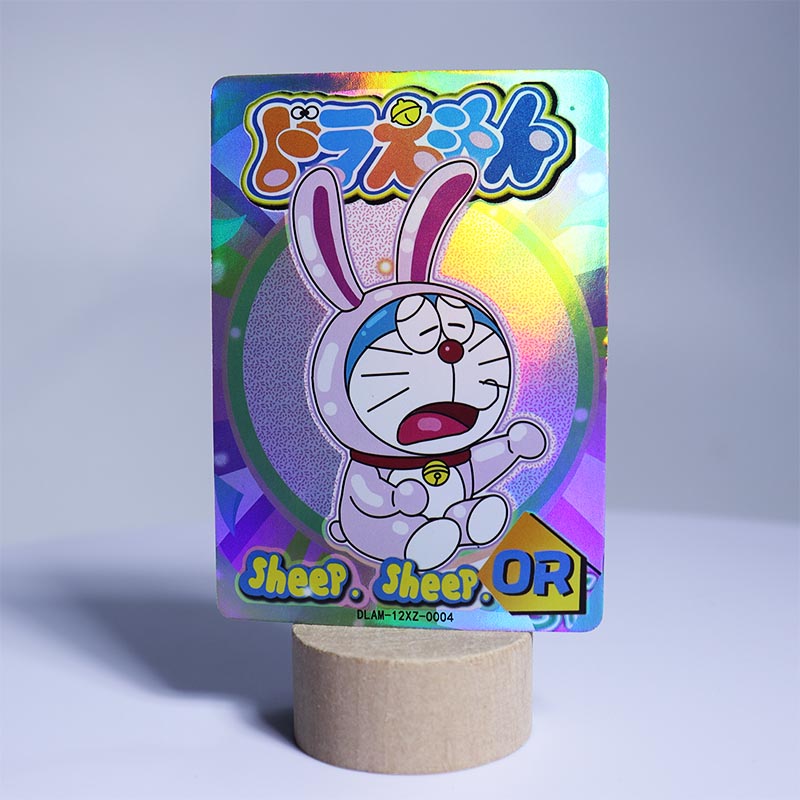 Doraemon Custom Card Blind Box Set
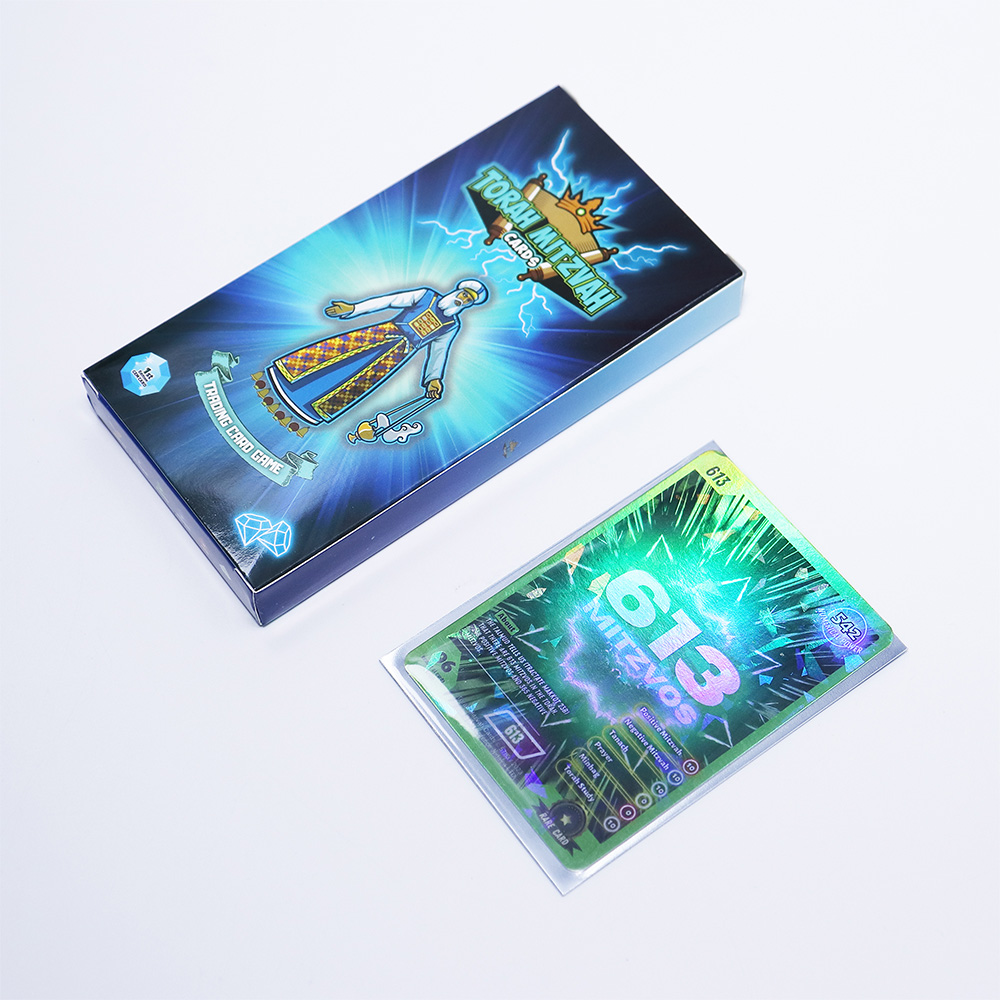 Torah Mitzvah Custom Card Blind Box Set
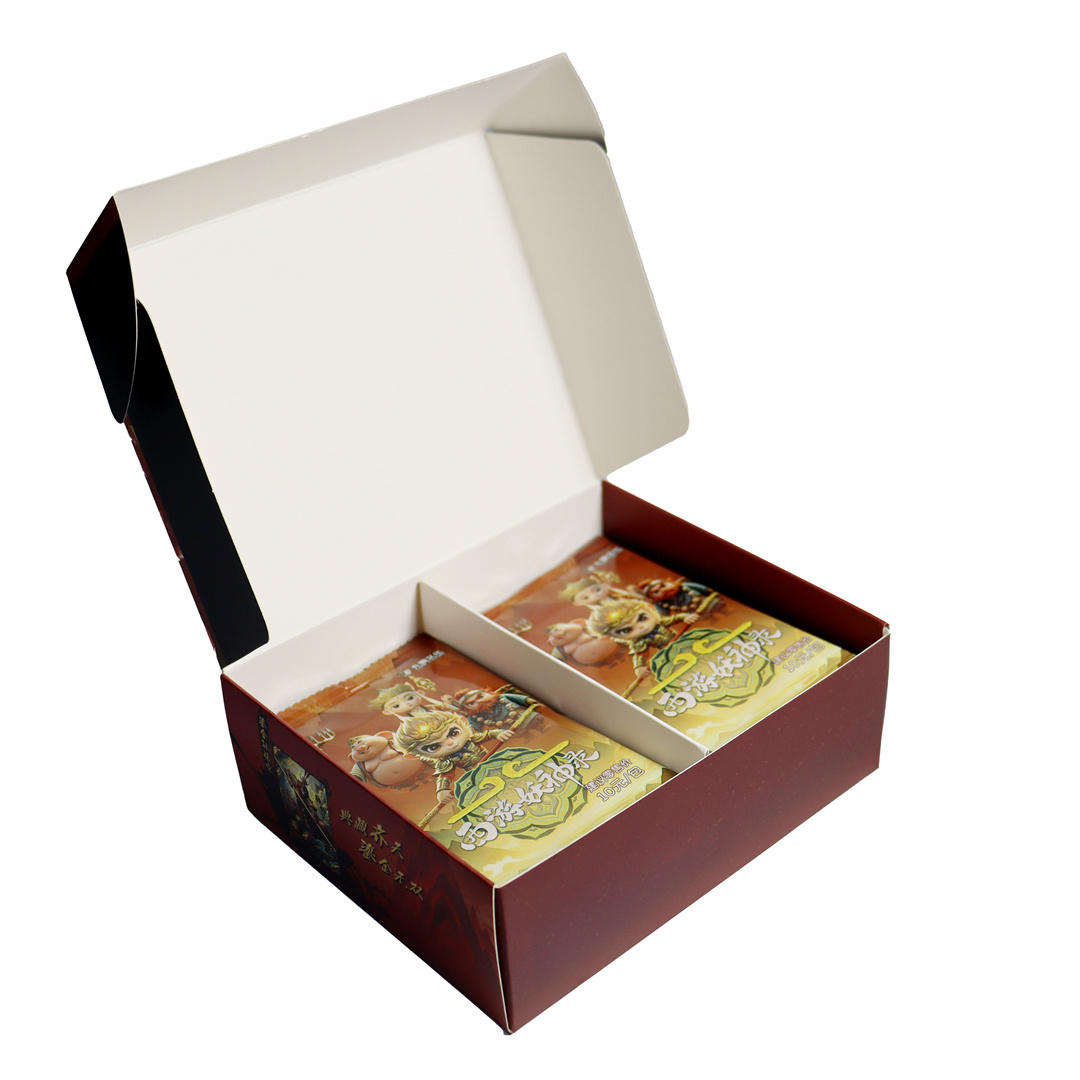 Customized "Journey to the West" Themed Card Blind Box Set
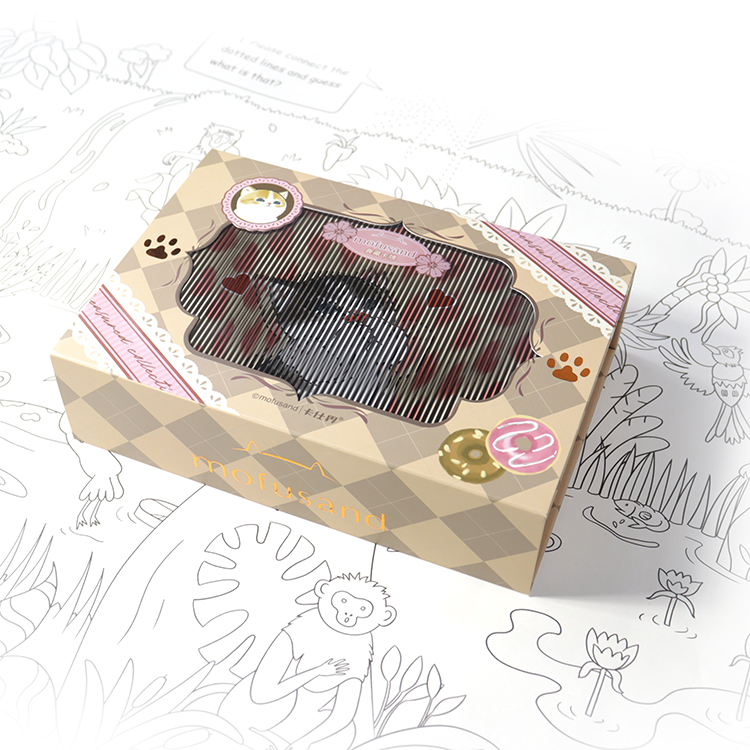 Customized cat-themed blind box set
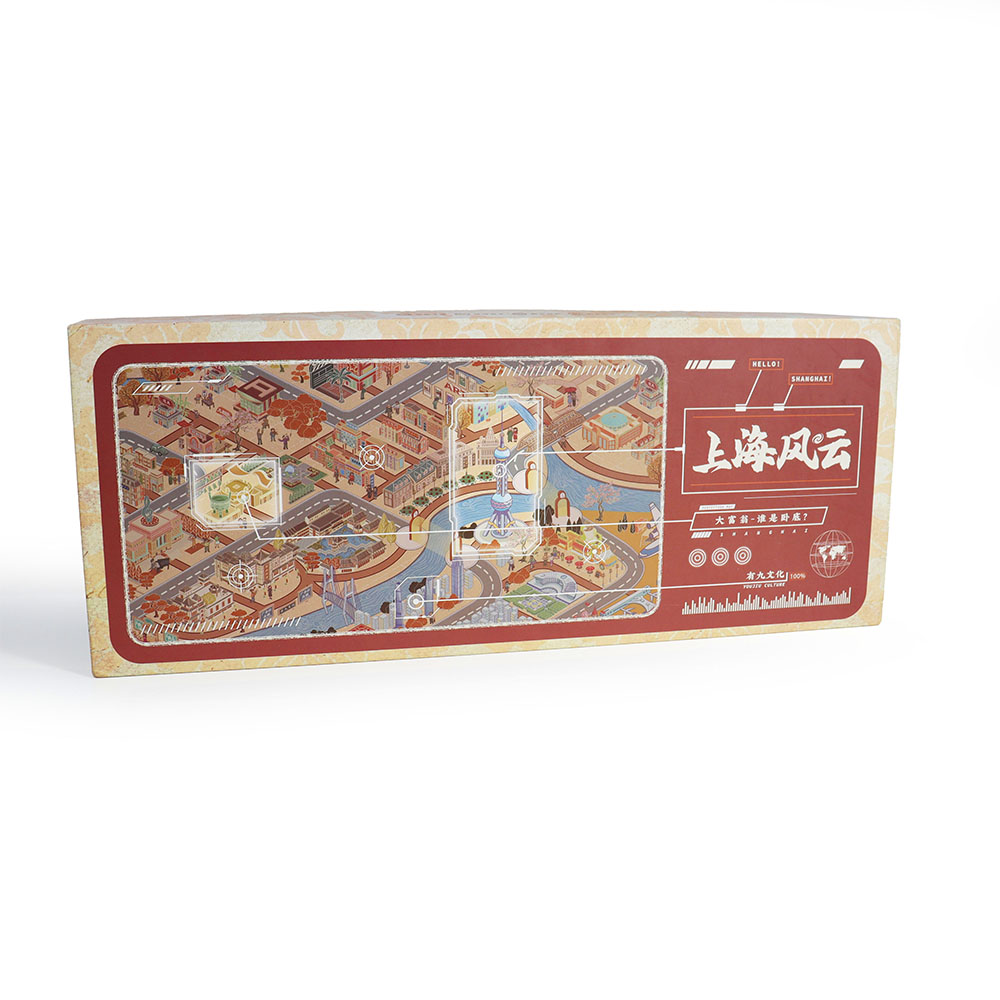 Shanghai Fengyun Custom Board Game Set
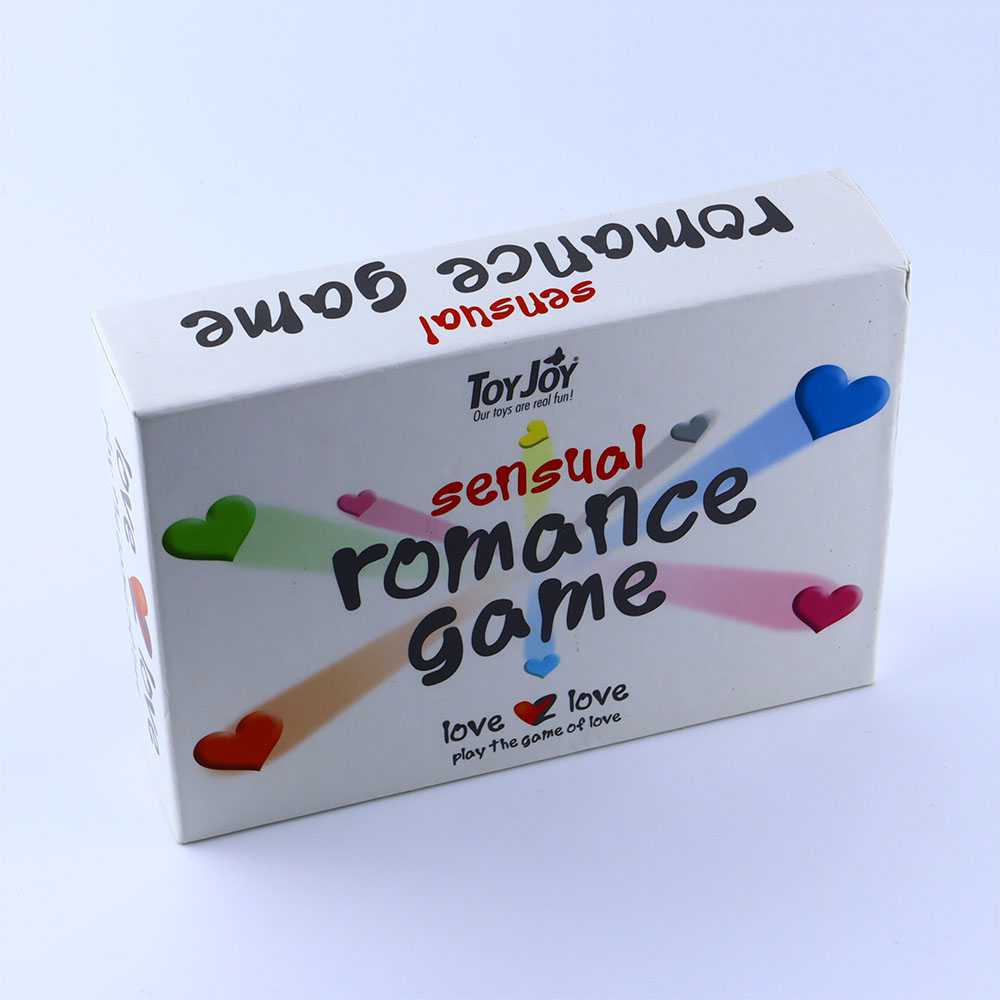 Sensual Romance Game Custom Board Game Set
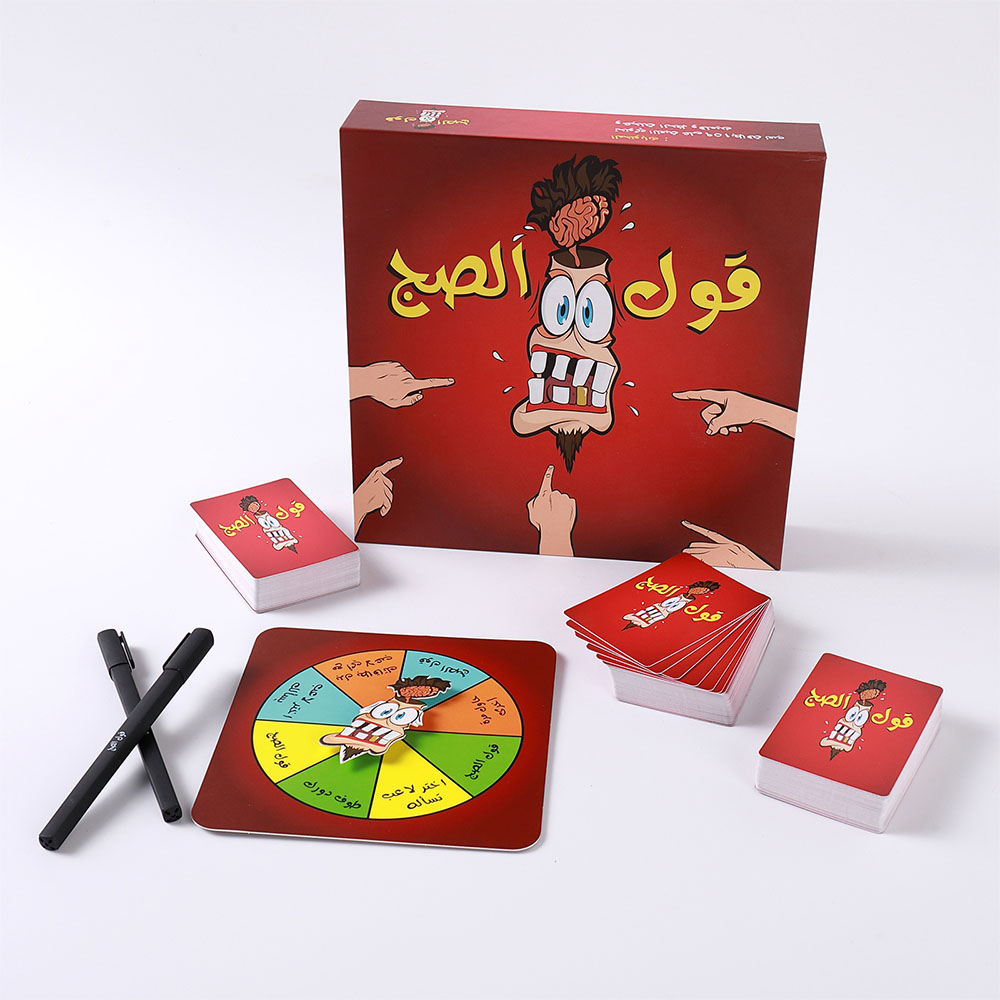 "Qoul Al Sabah" Custom Board Game Set
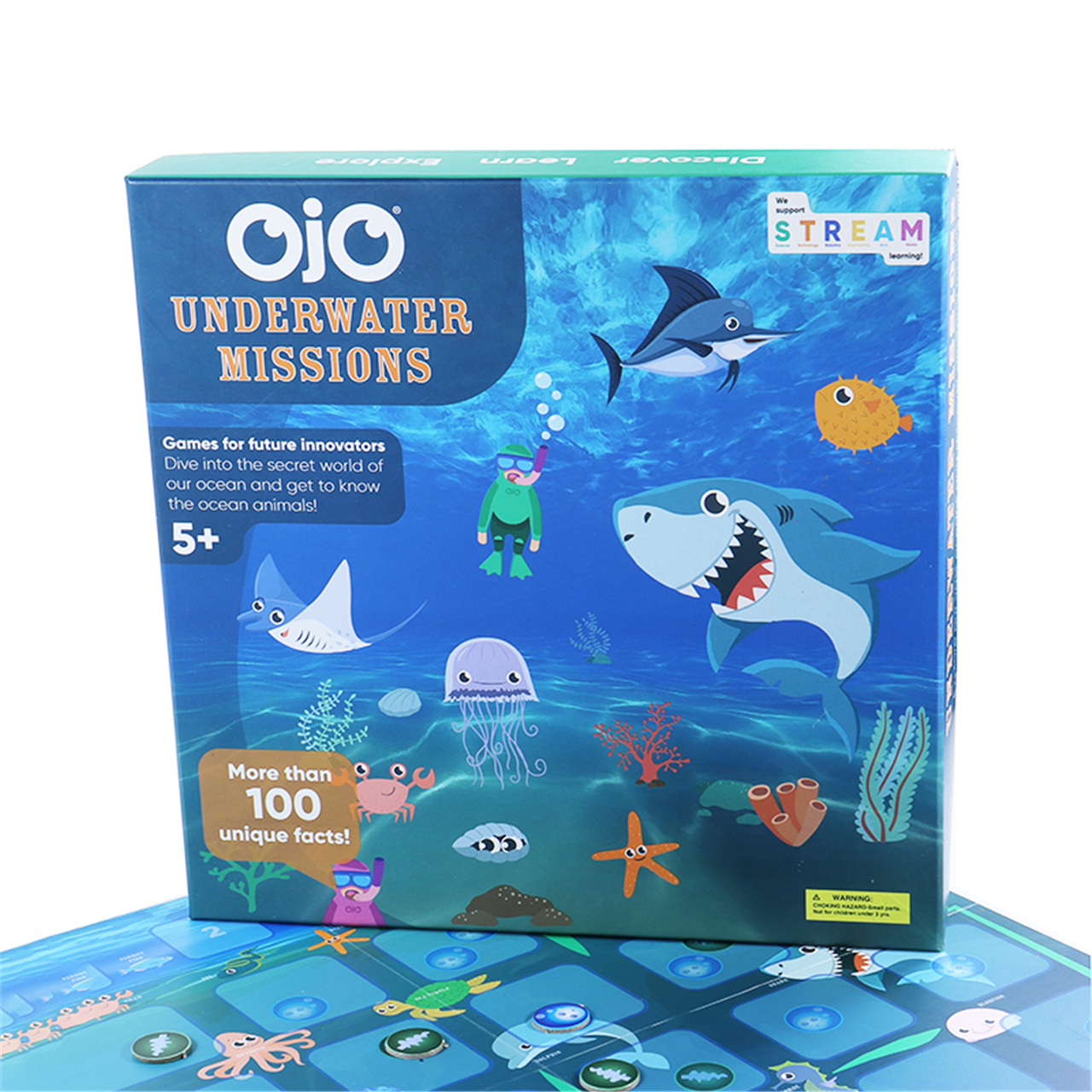 Customized educational board games for children
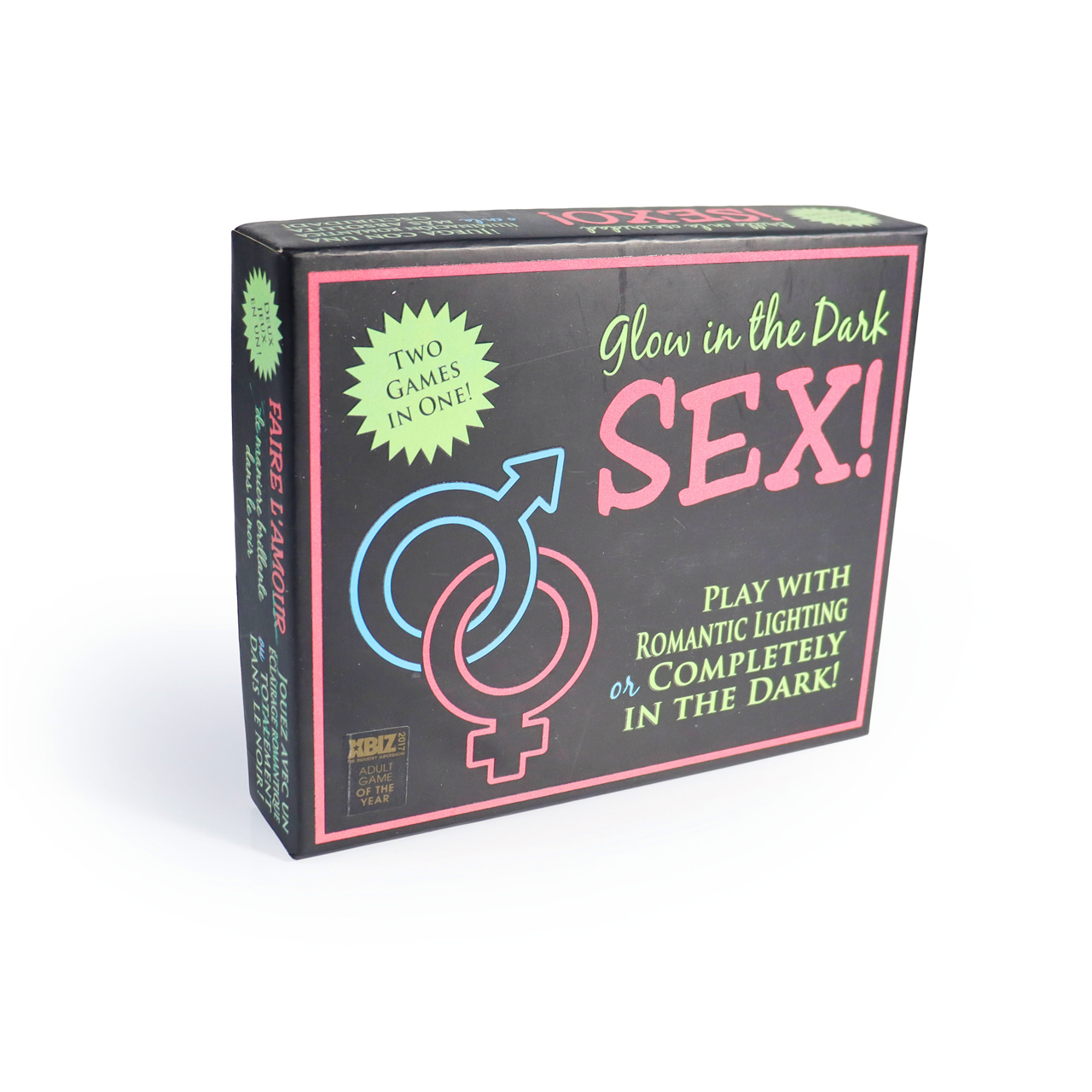 Couple Interaction Turntable Themed Board Game
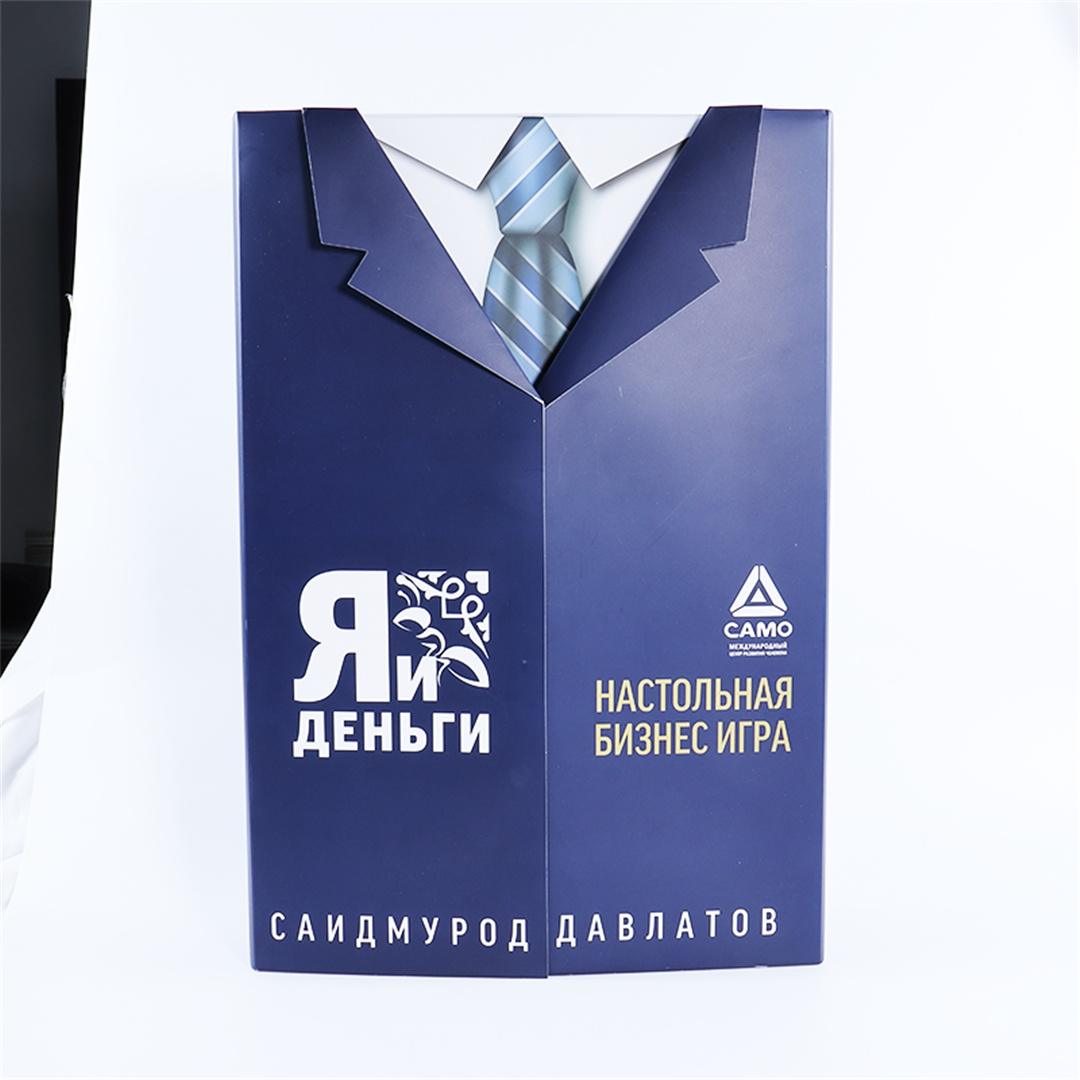 Business Finance Board Game
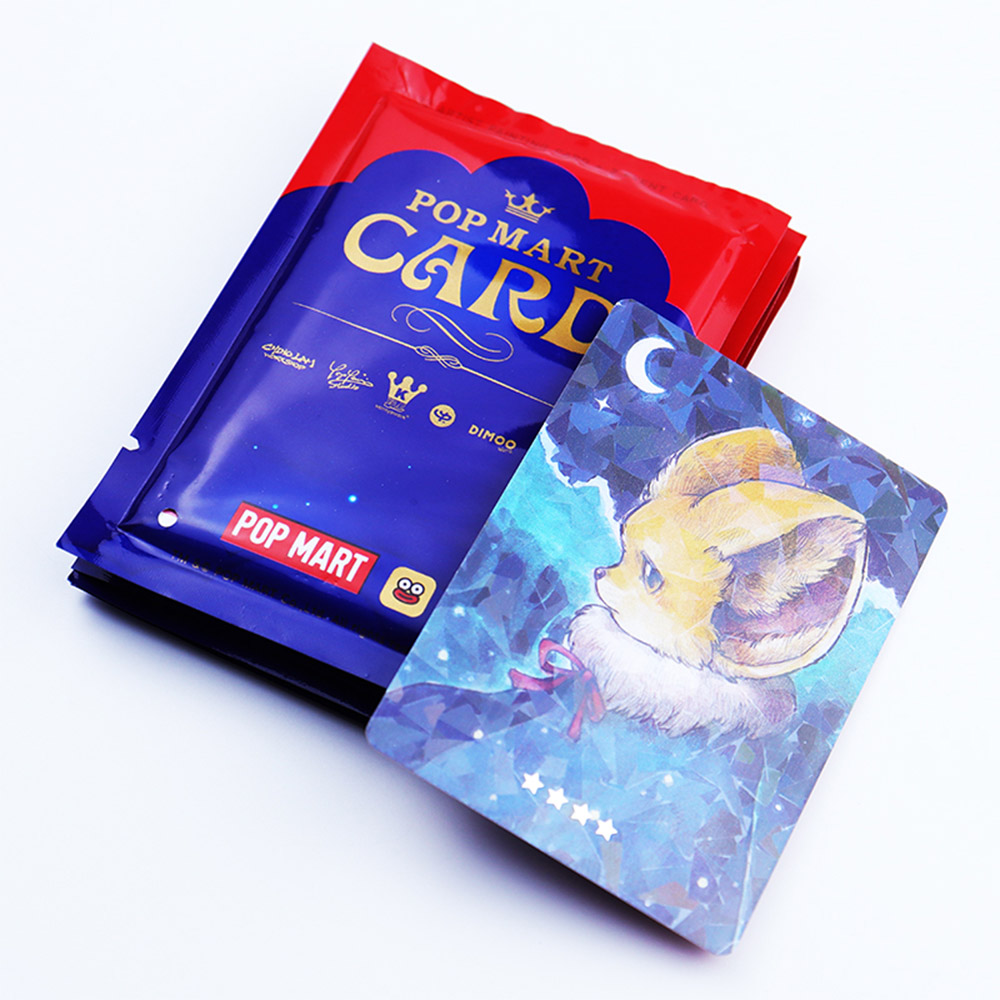 Pop Mart Custom Character Collectible Cards
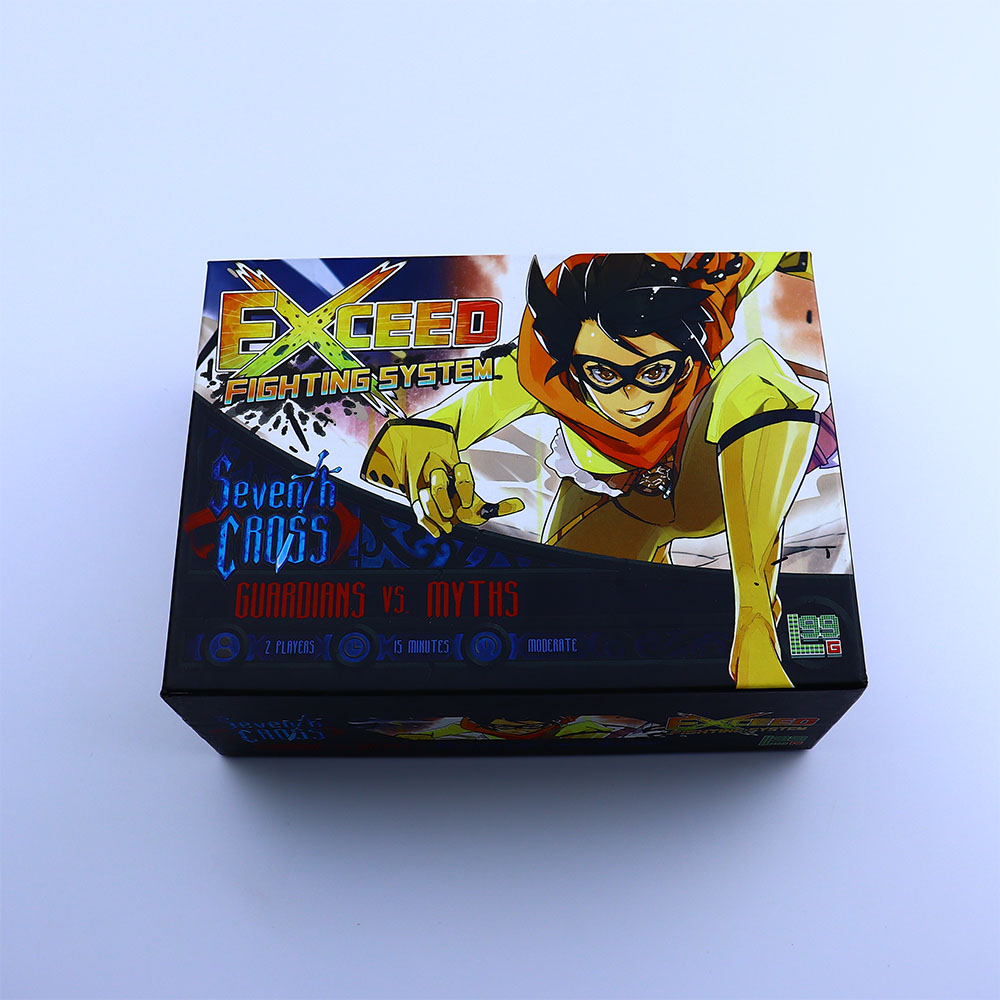 EXCEED Fighting System Custom Character Card Set
 Three Kingdoms Custom Hero Character Cards
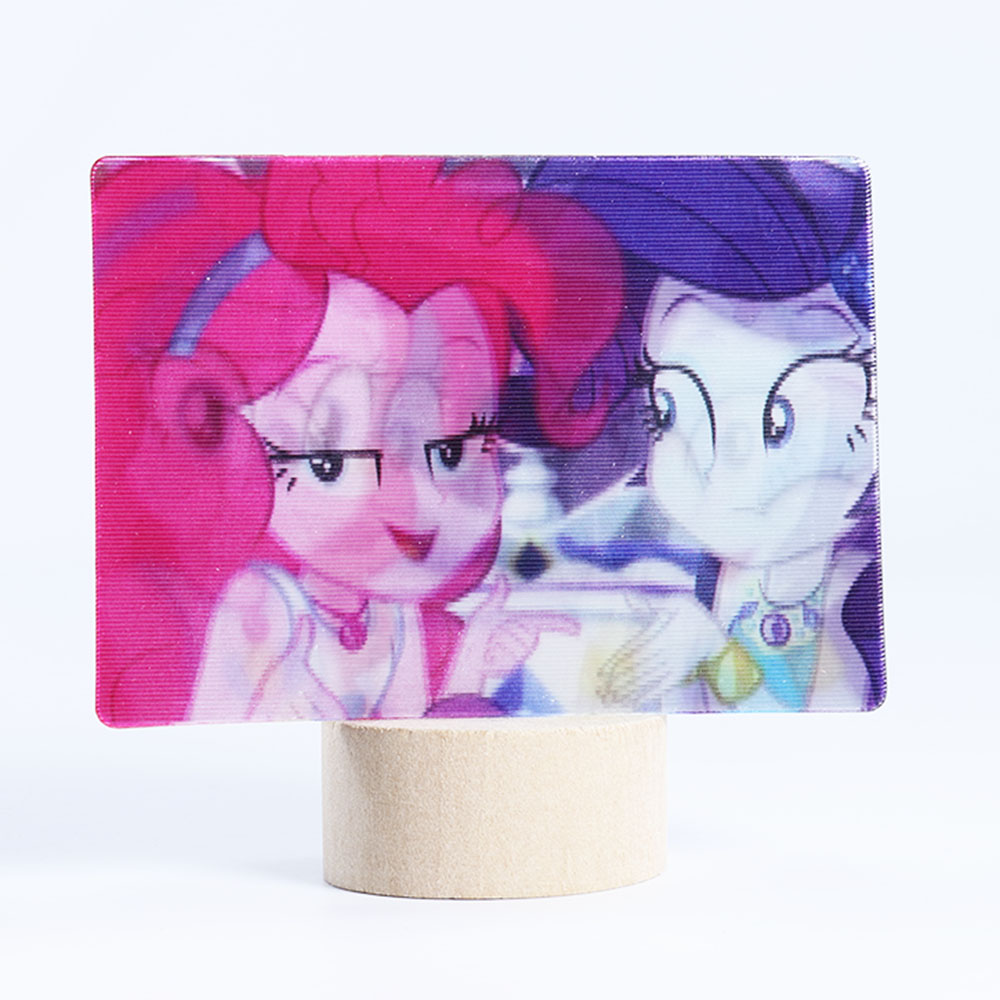 Custom Anime Character Dynamic Visual Cards
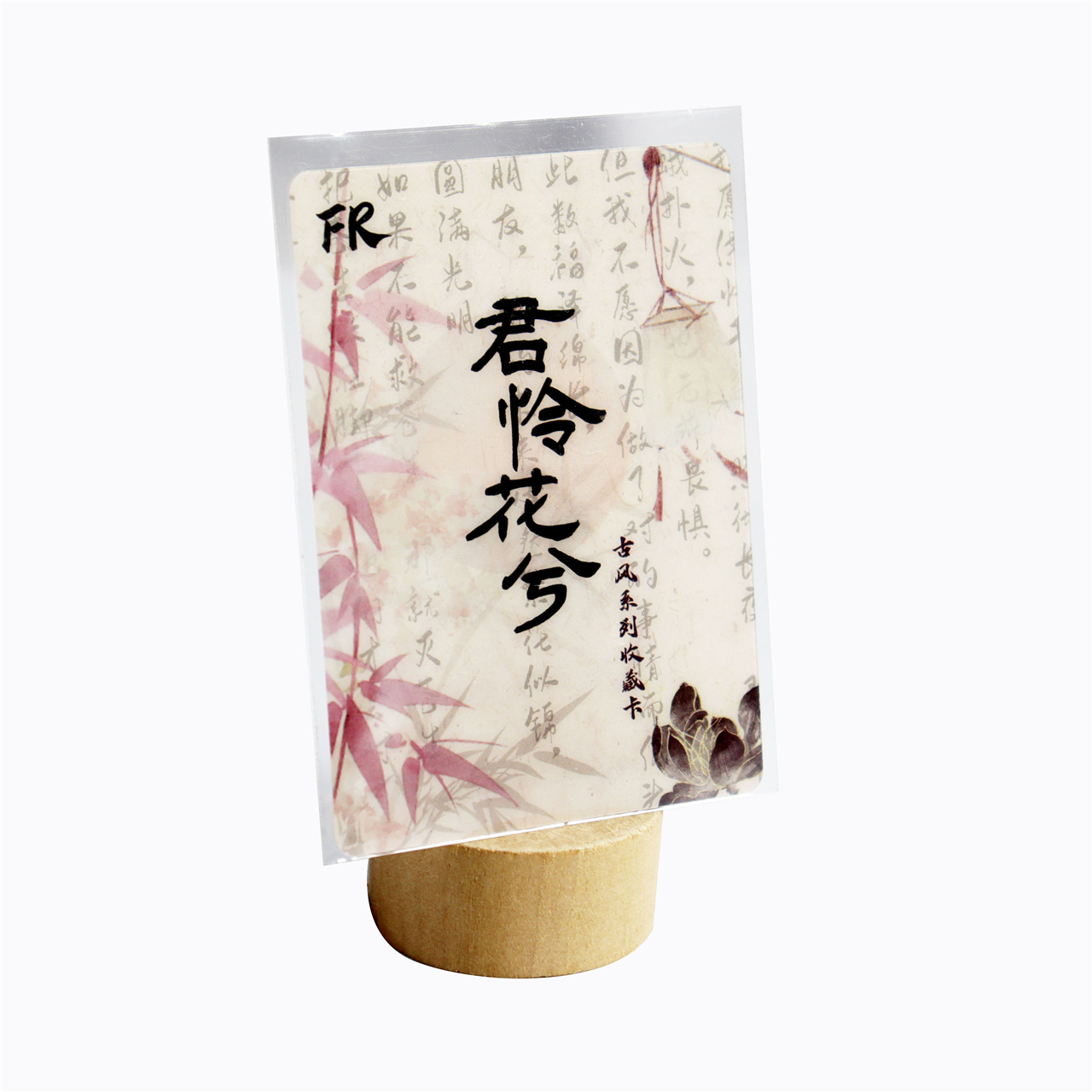 Custom Cartoon Character Collectible Card Set
 Custom Anime Character Art Card Set
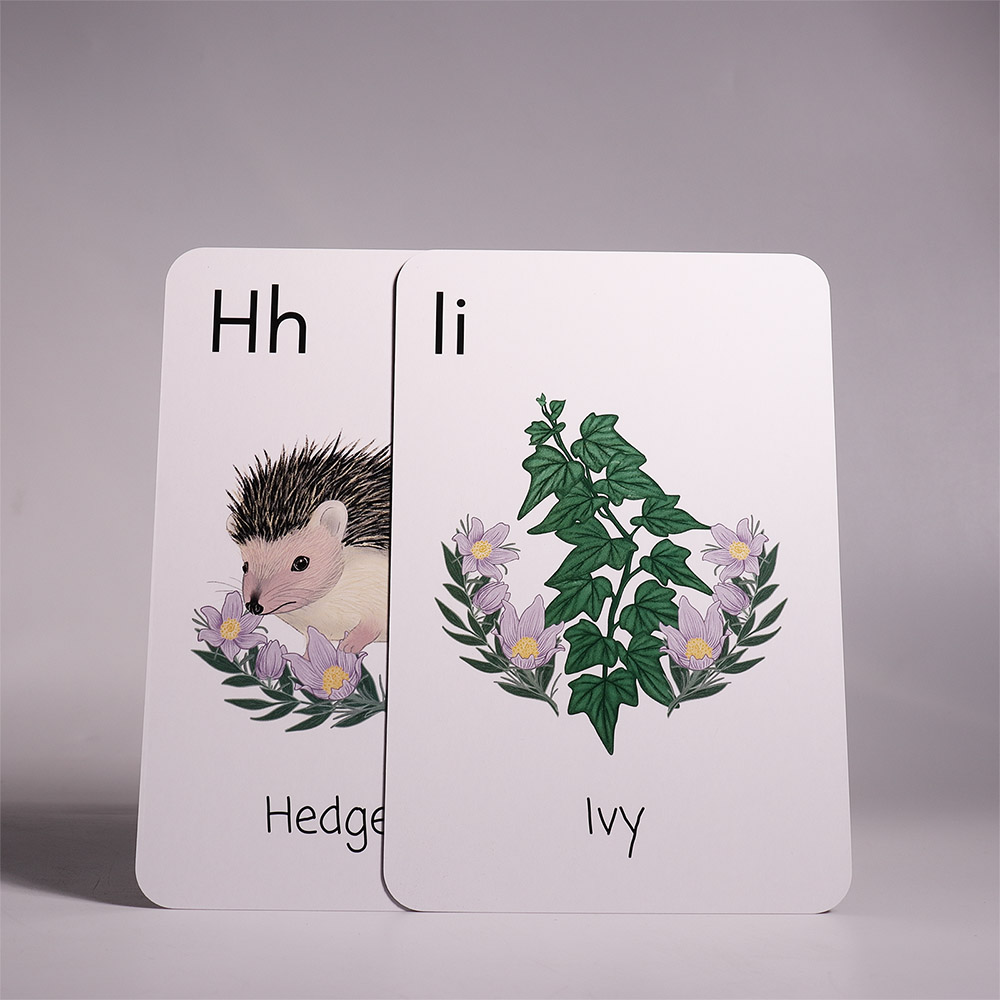 Little Larch Alphabet Cards
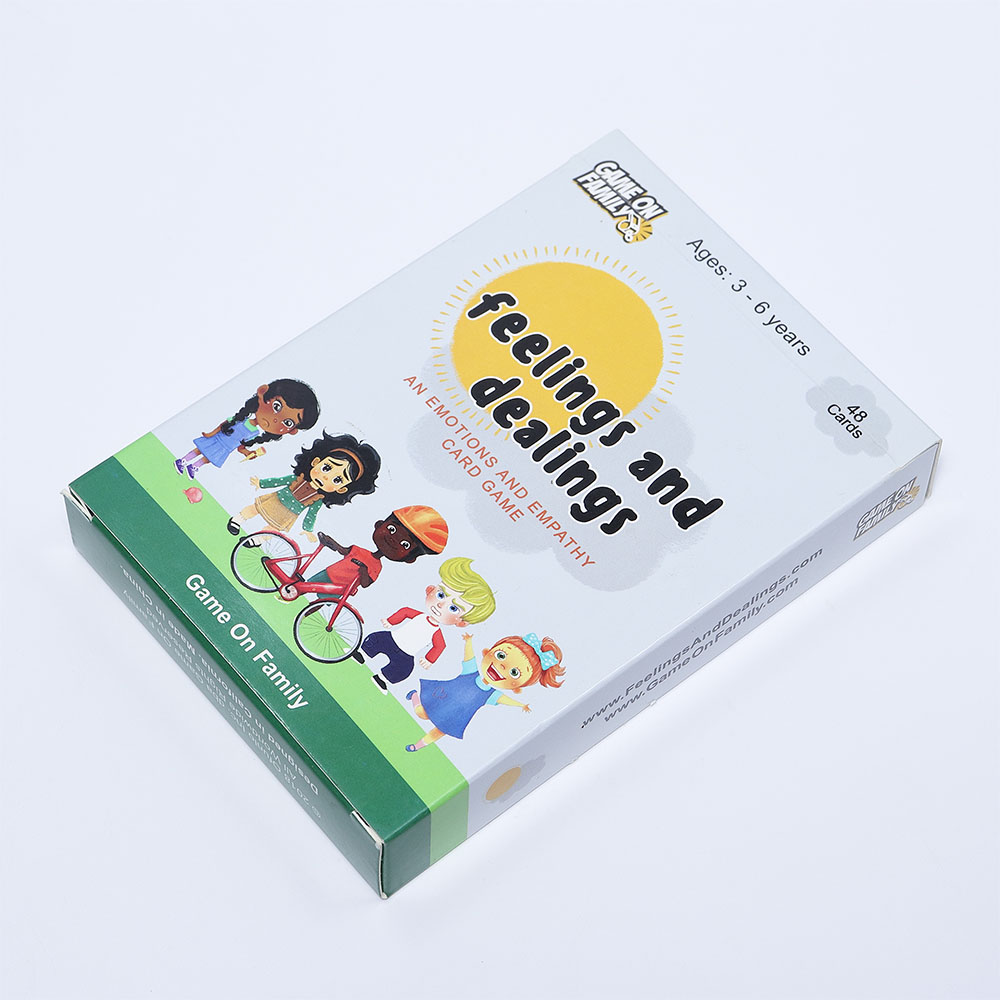 Feelings and Dealings Custom Children's Emotion Card Game
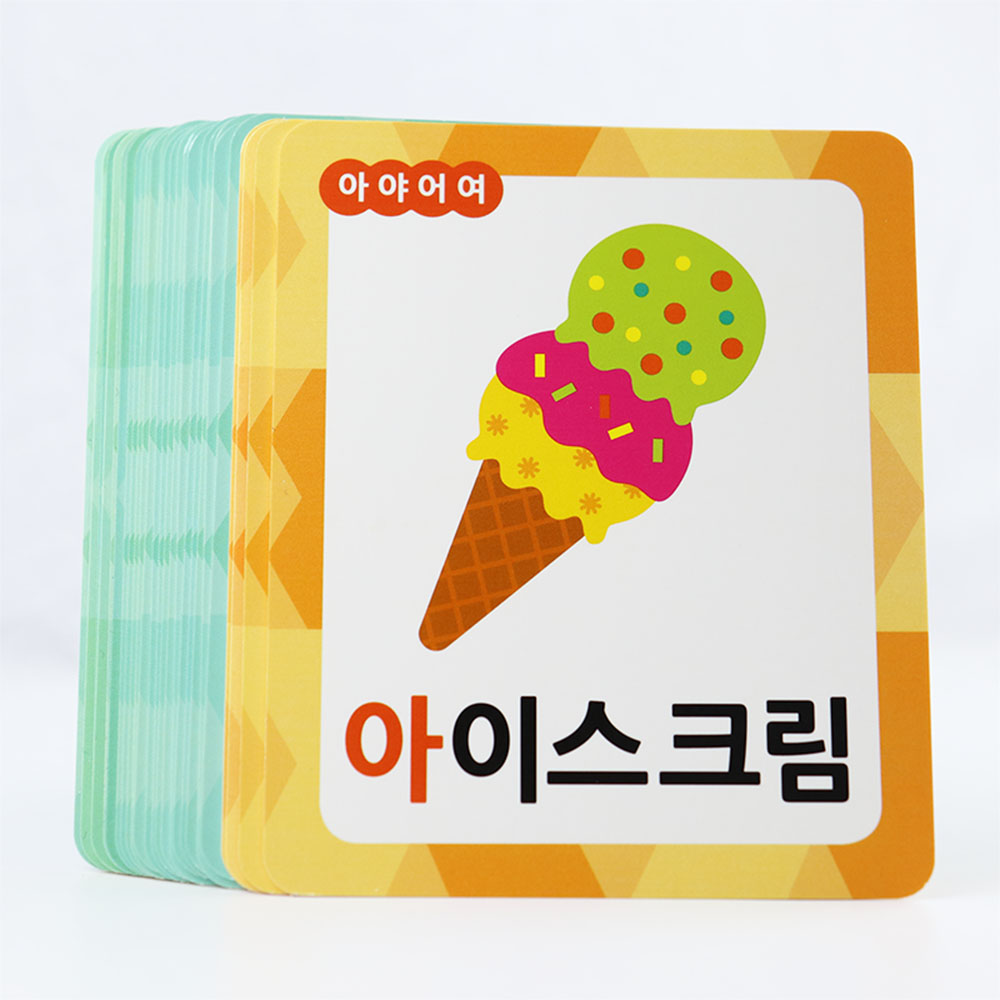 Korean Children's Educational Flashcards
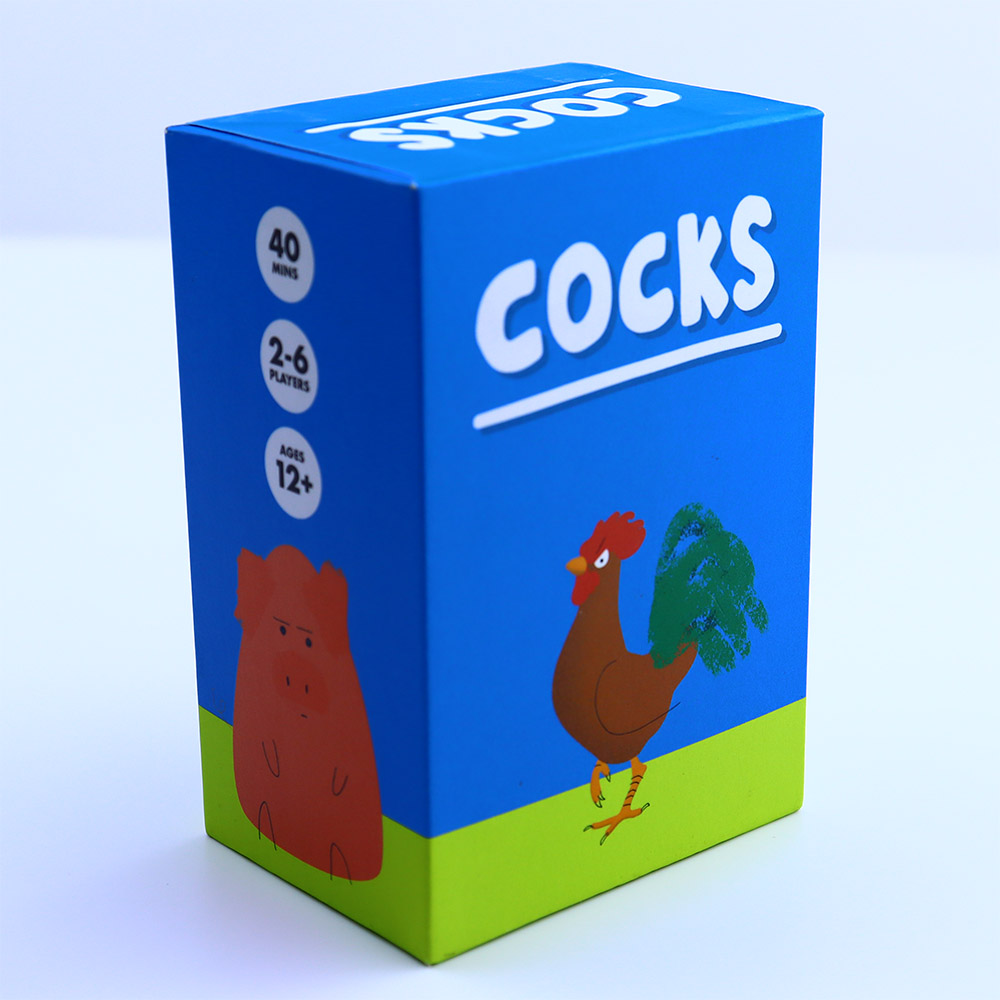 Cocks Themed Custom Children's Learning Cards
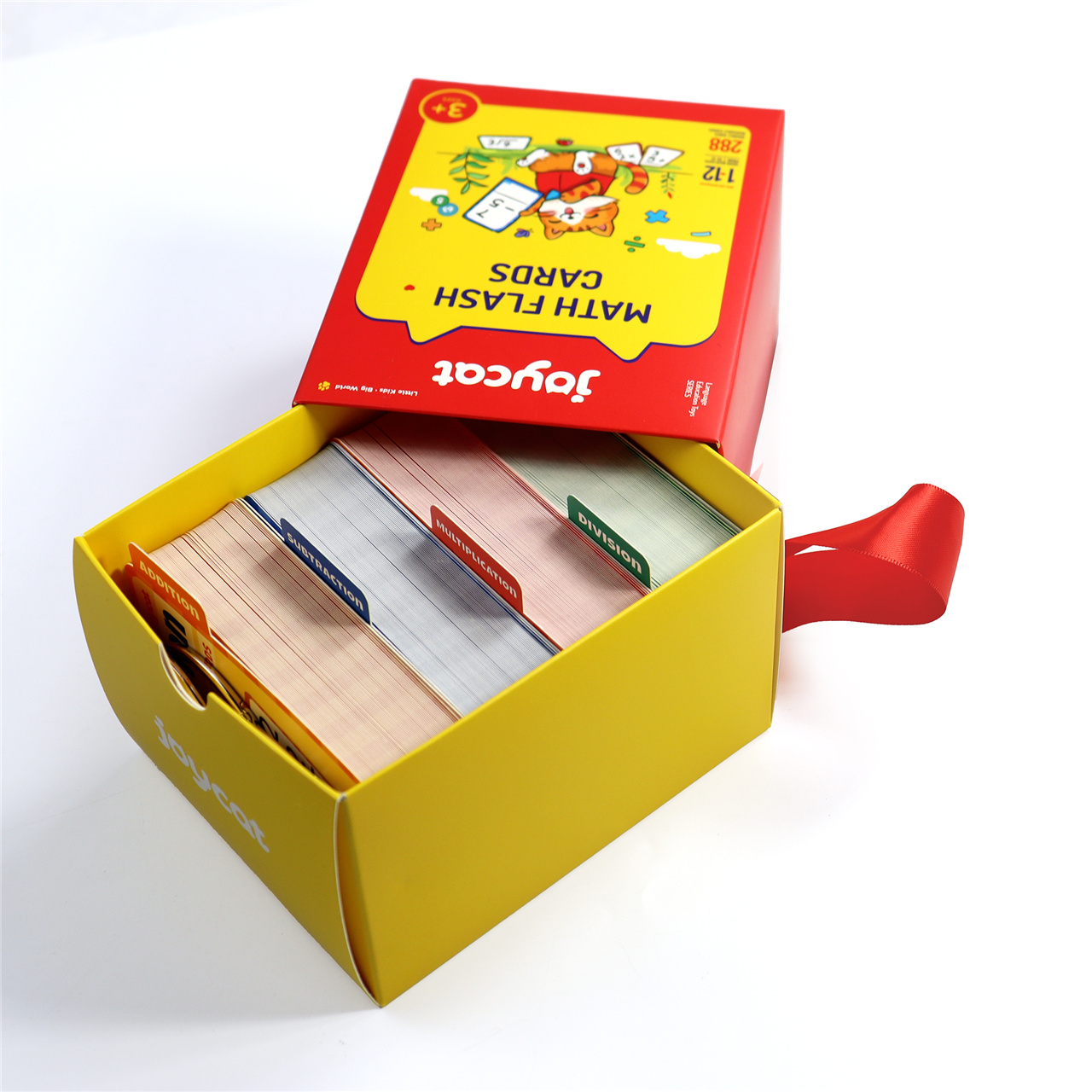 Math Flash Cards Set for Kids
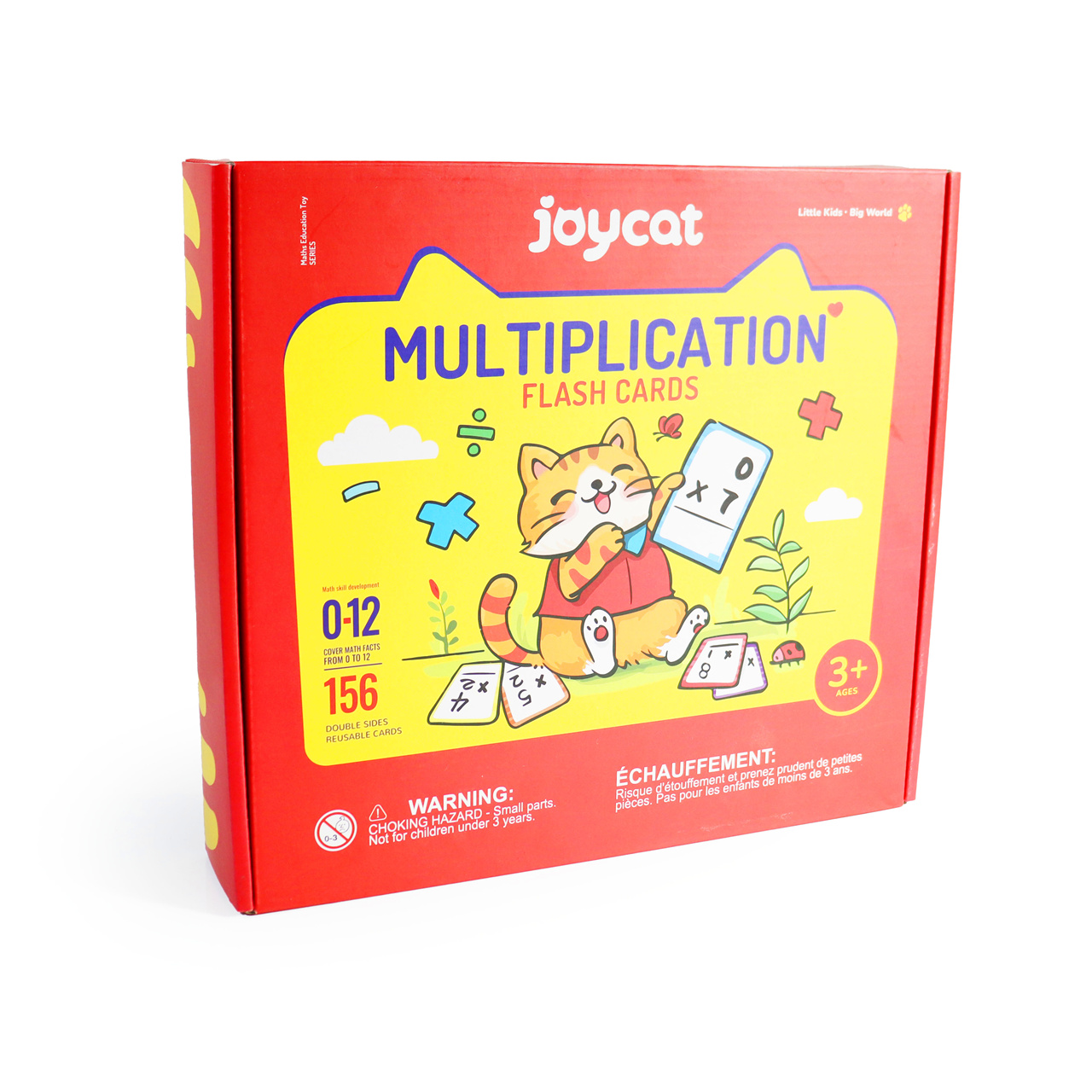 Joycat Multiplication Flash Cards Set with Accessories
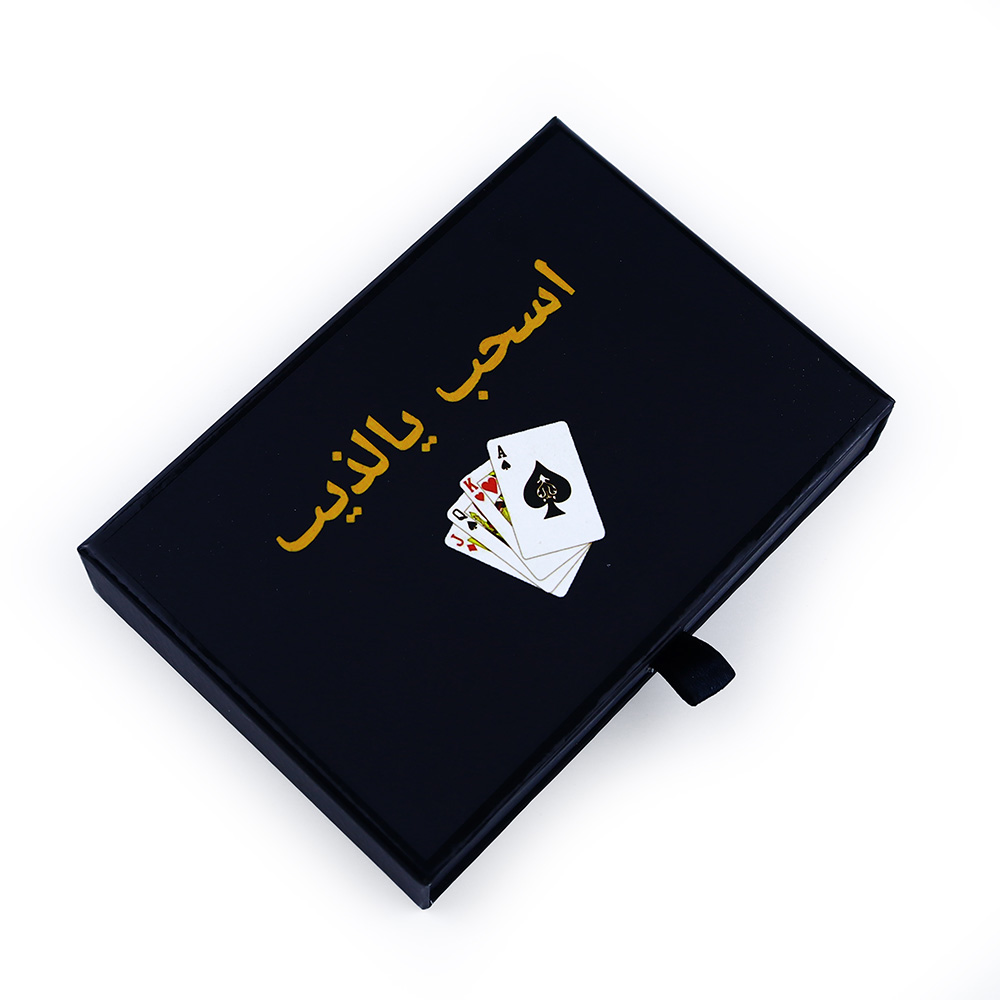 Custom Dual-Deck Playing Cards with Wolf-Themed Design
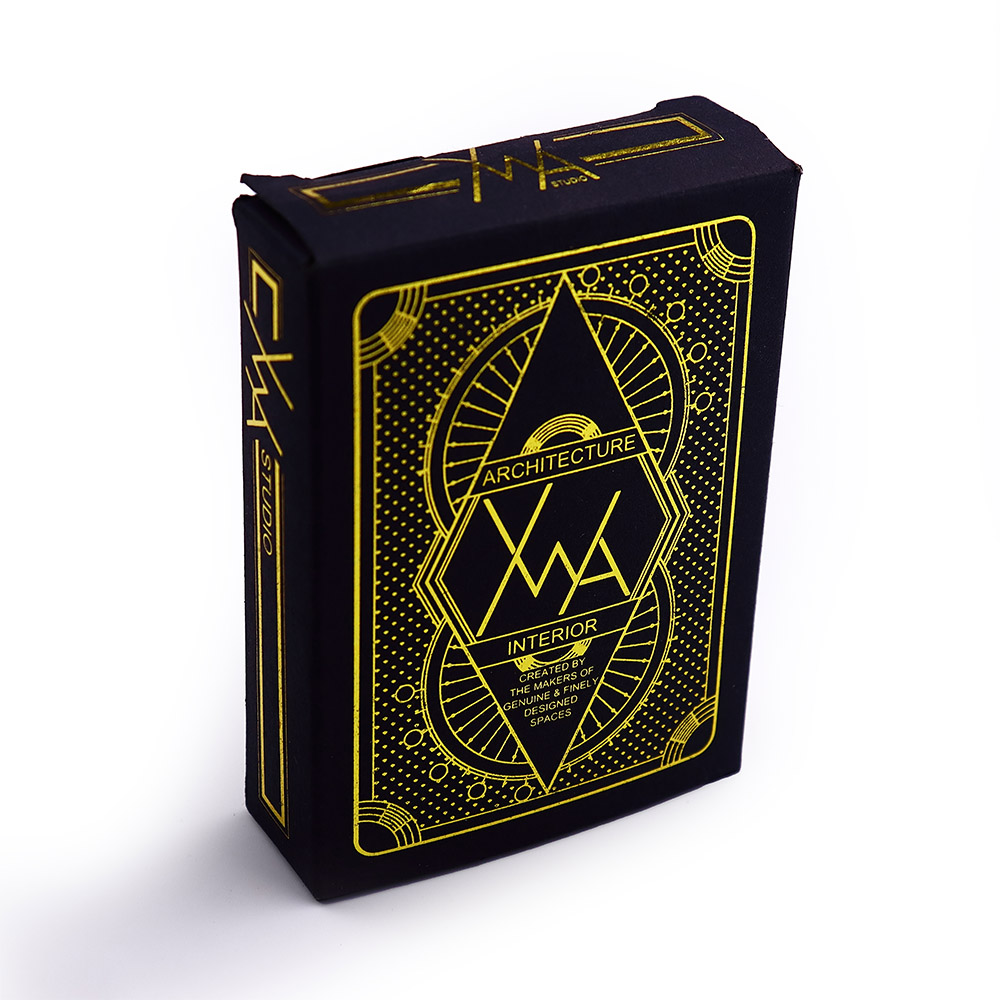 Custom embossed gold foil playing cards
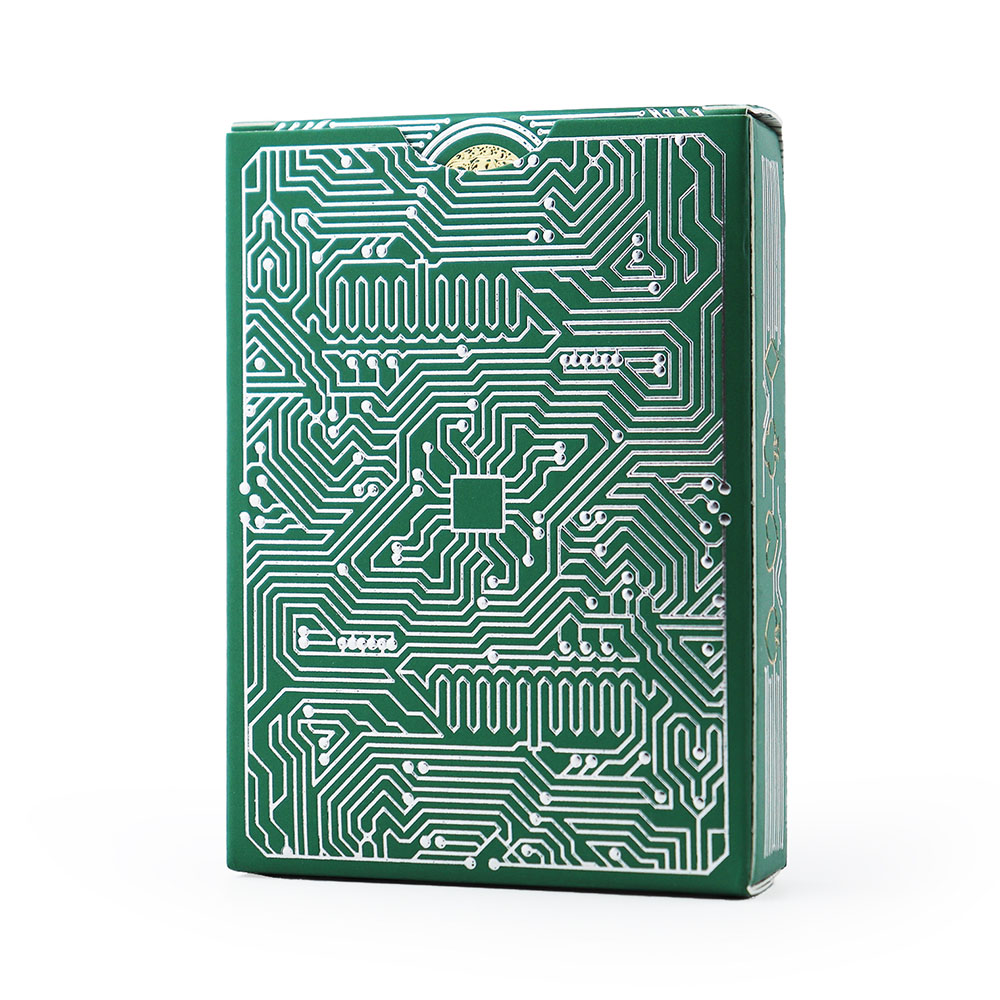 Circuit PCB Edition Custom Playing Cards
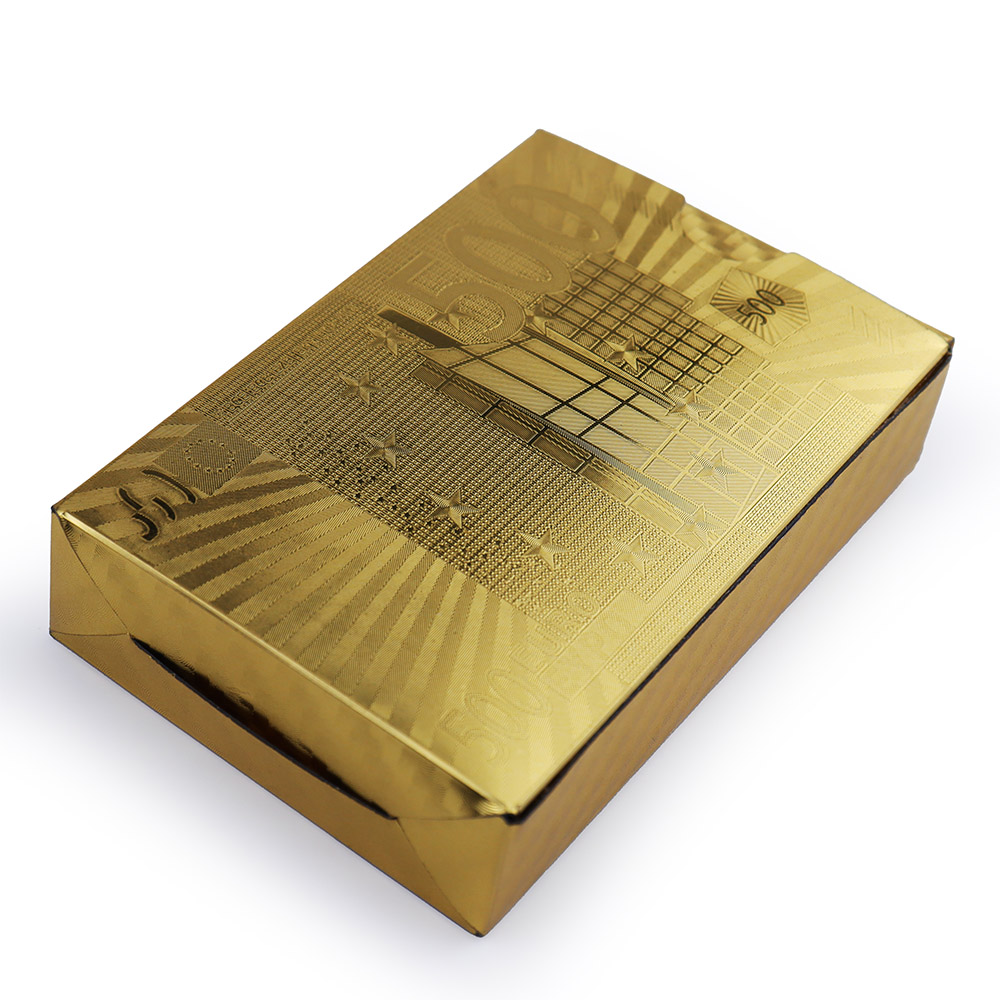 Customized theme gold foil playing cards
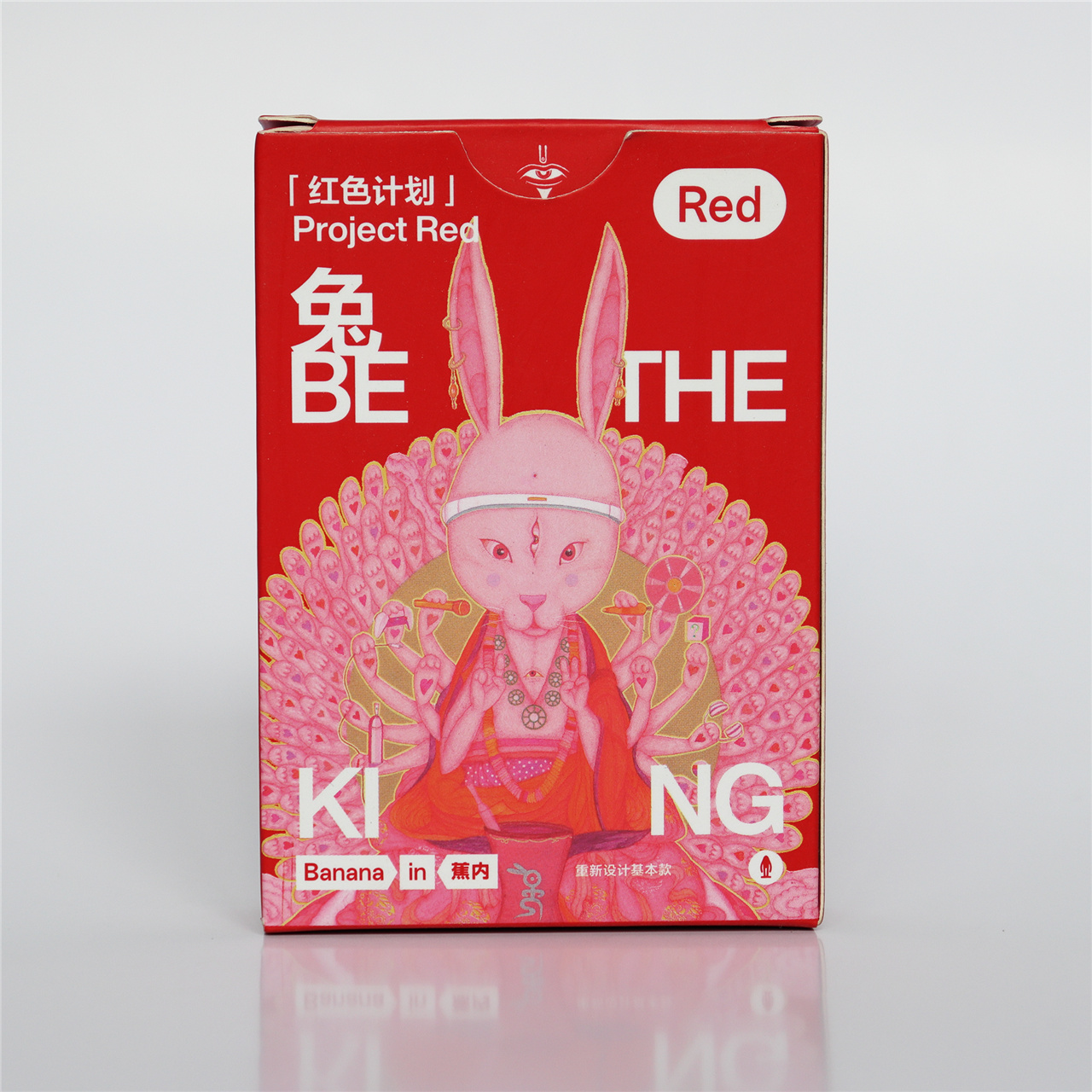 Custom Red Rabbit Themed Playing Cards Set
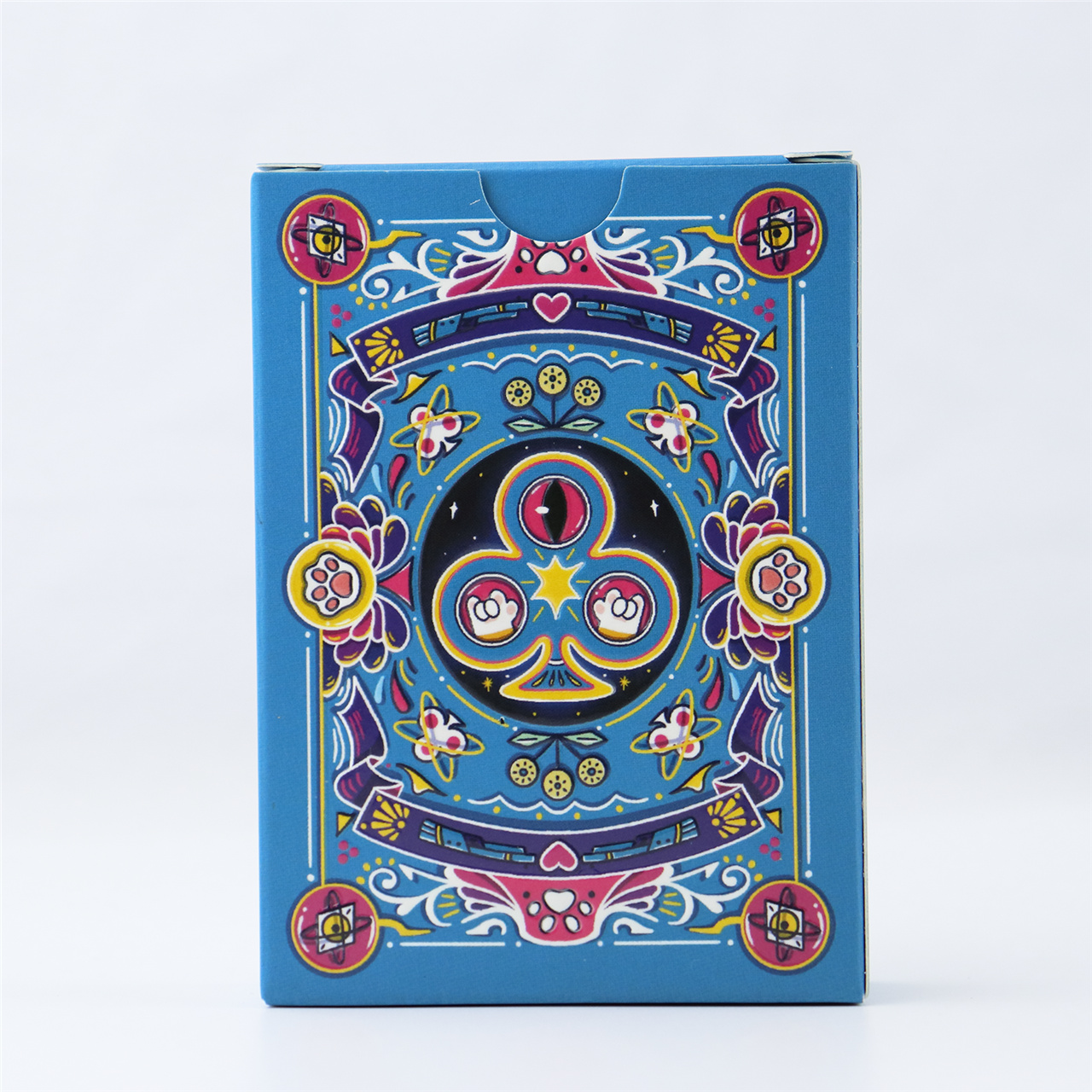 Custom Blue - Black Fantasy Plastic Playing Cards Set
 Pearls of Wisdom Oracle Custom Cards
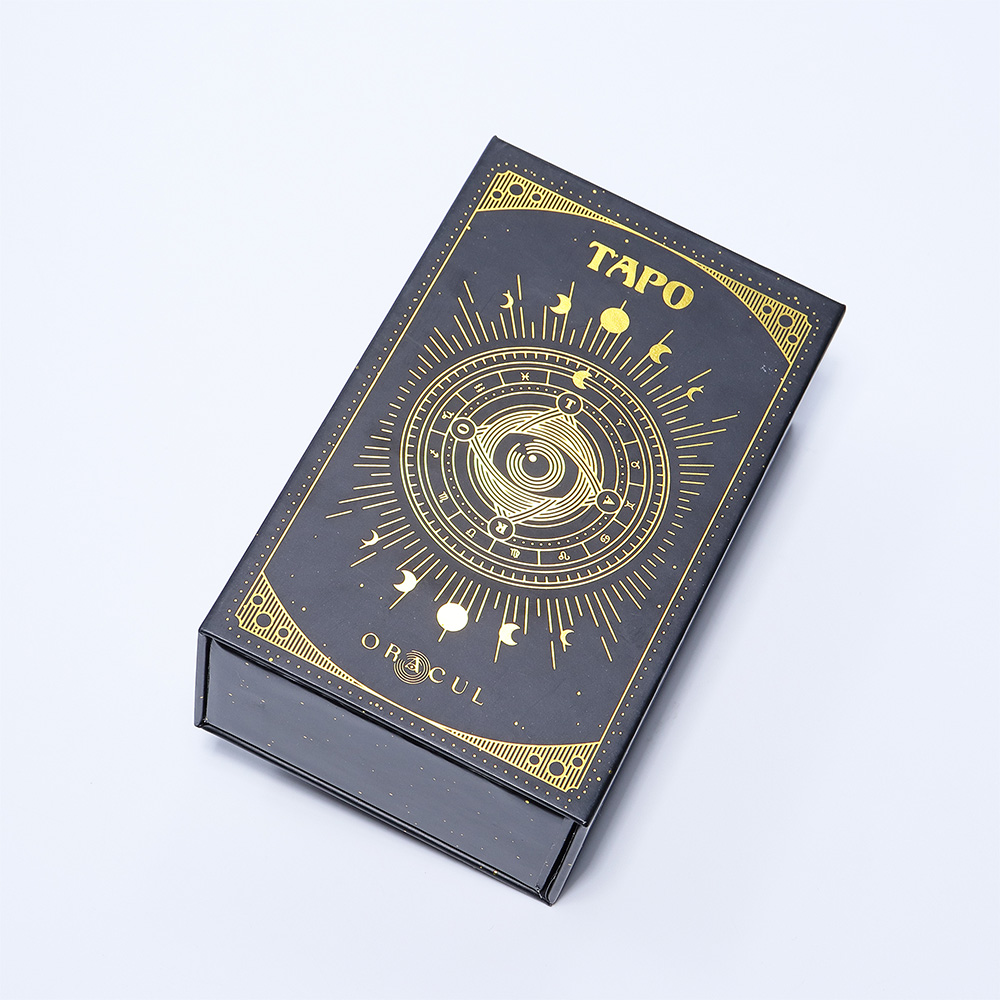 Custom Black & Gold Celestial Tarot Cards
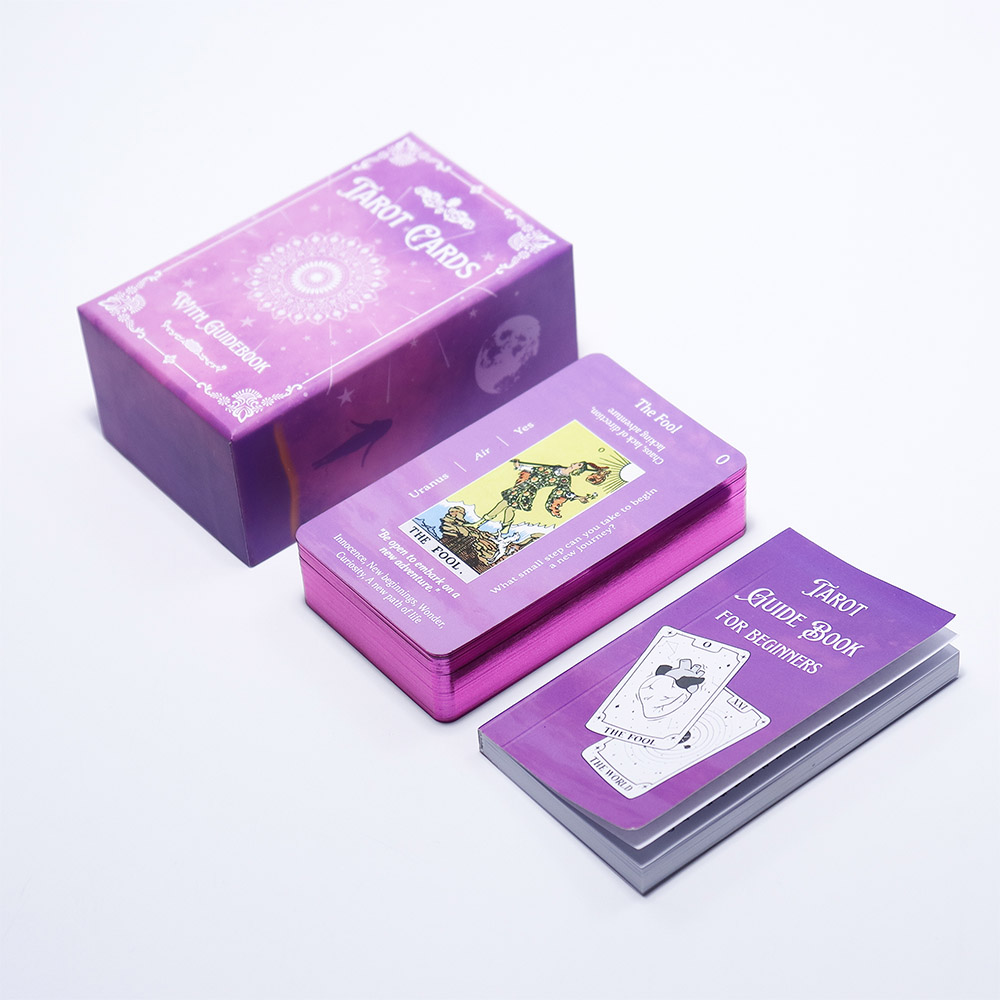 Custom Purple Tarot Cards with Guidebook
 L'Oracle d'Artémis Custom Oracle Cards
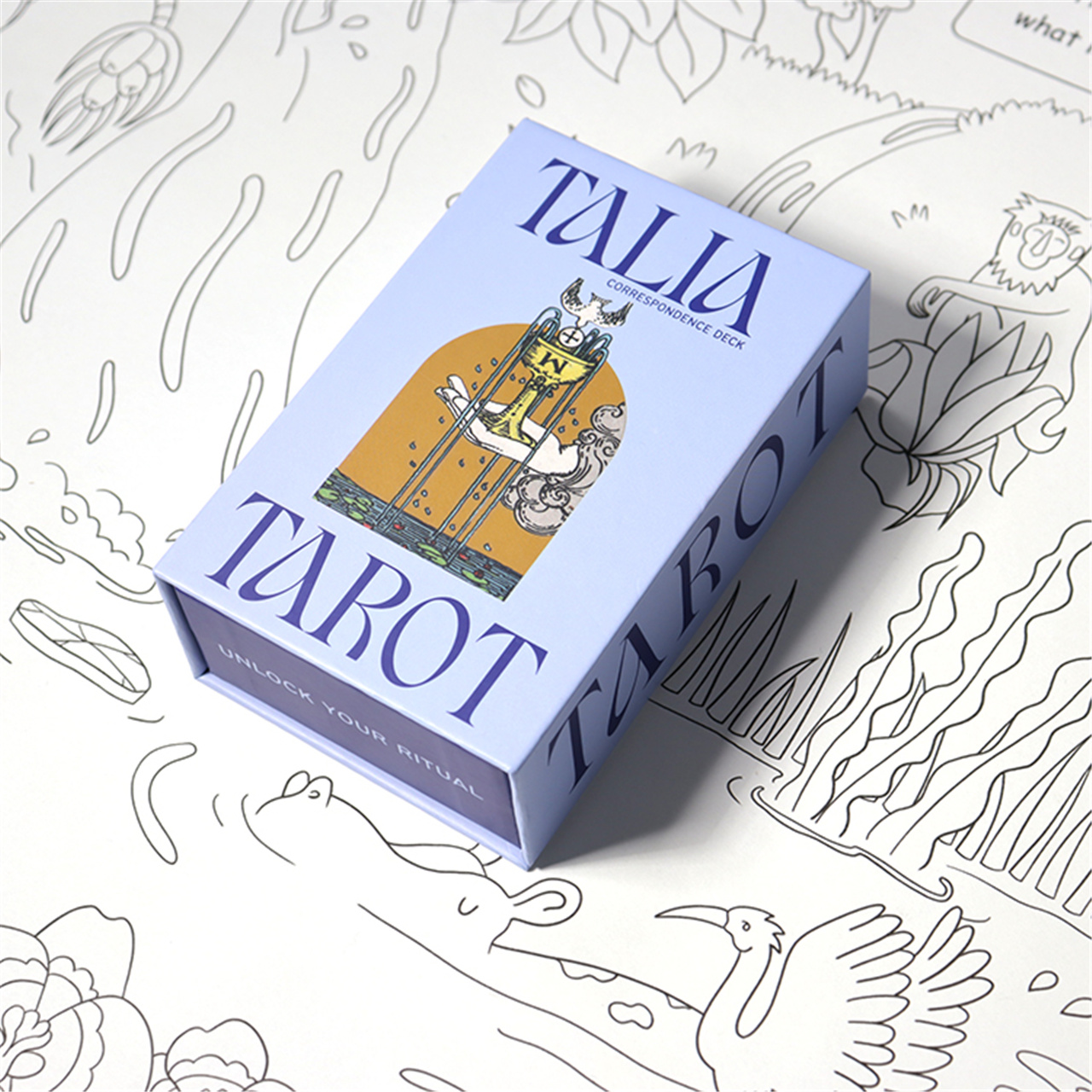 Custom Blue - Themed Tarot Cards Deck
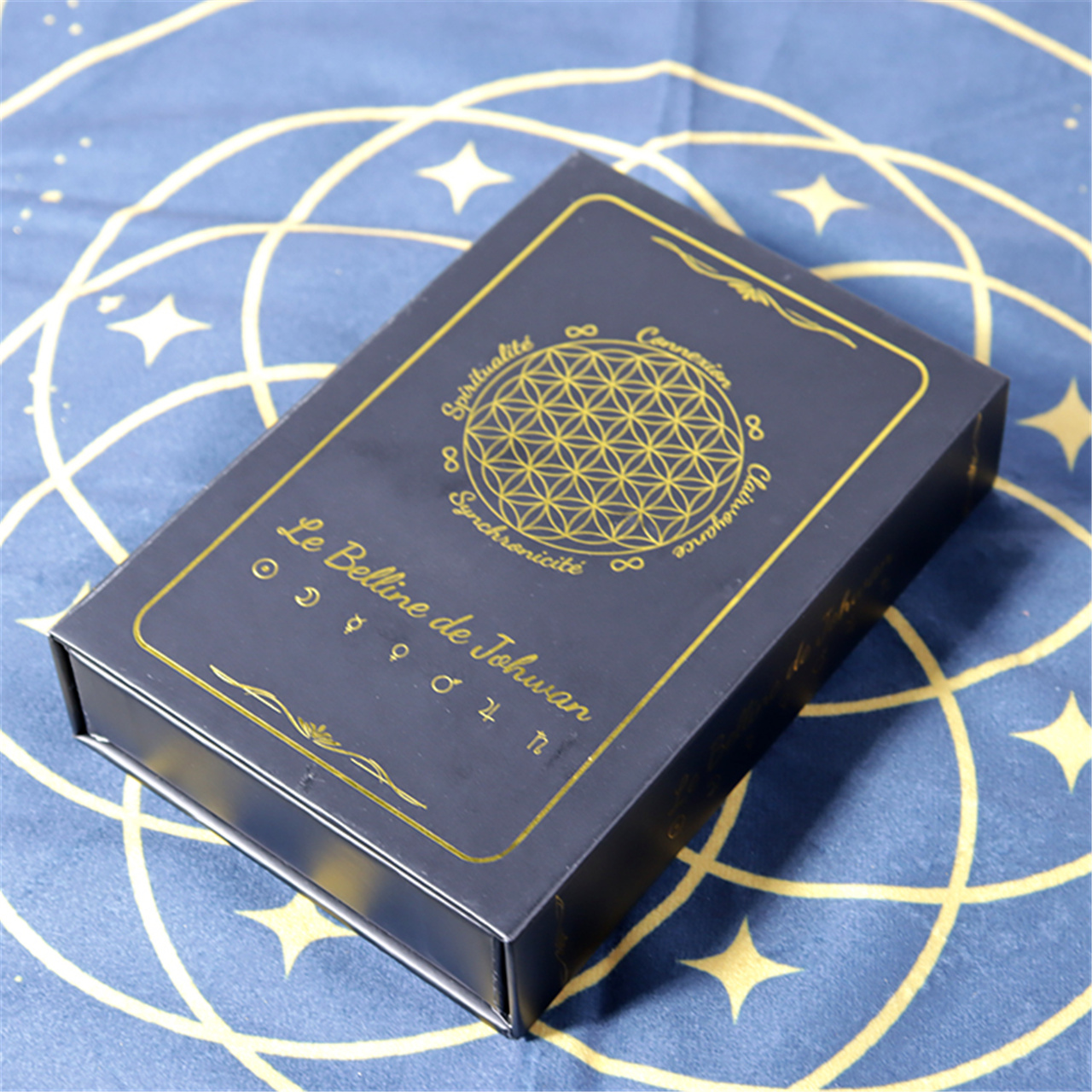 Custom Black - Blue Gold Foil Tarot Cards Set
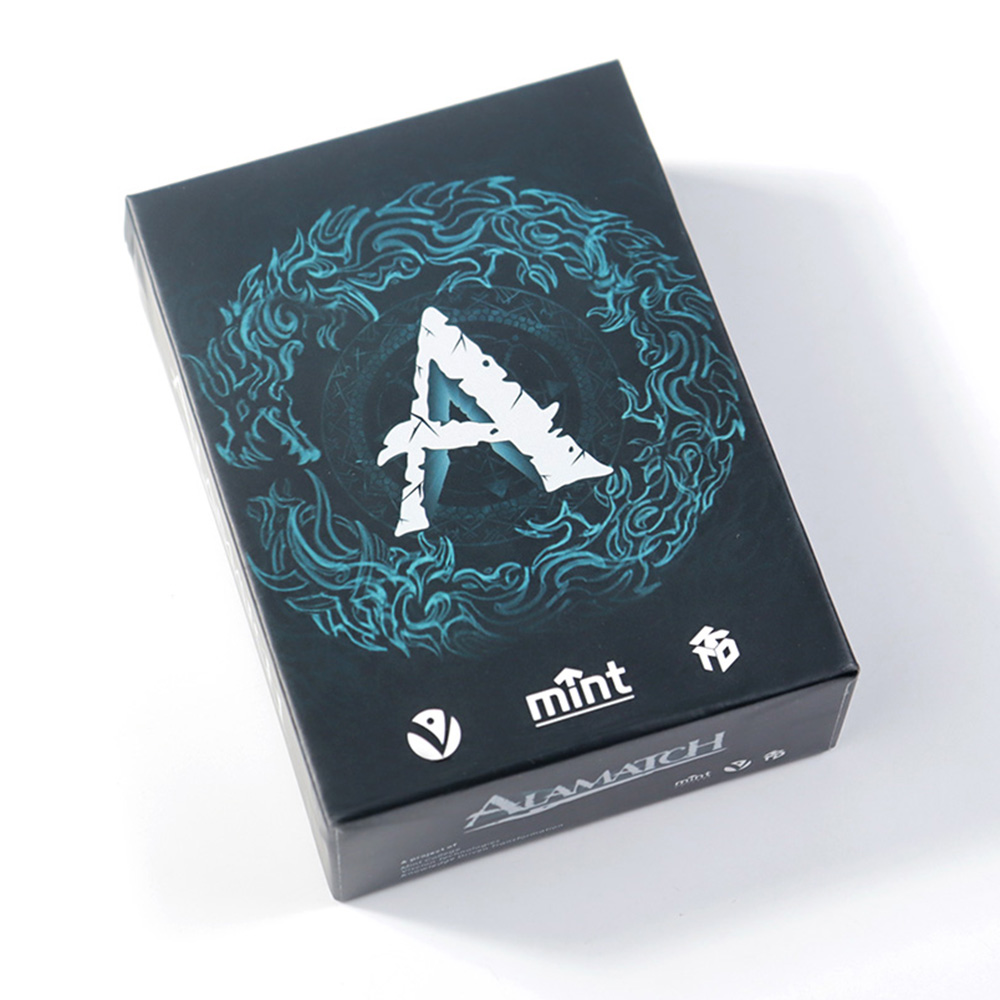 Alamatch Custom Trading Game Cards
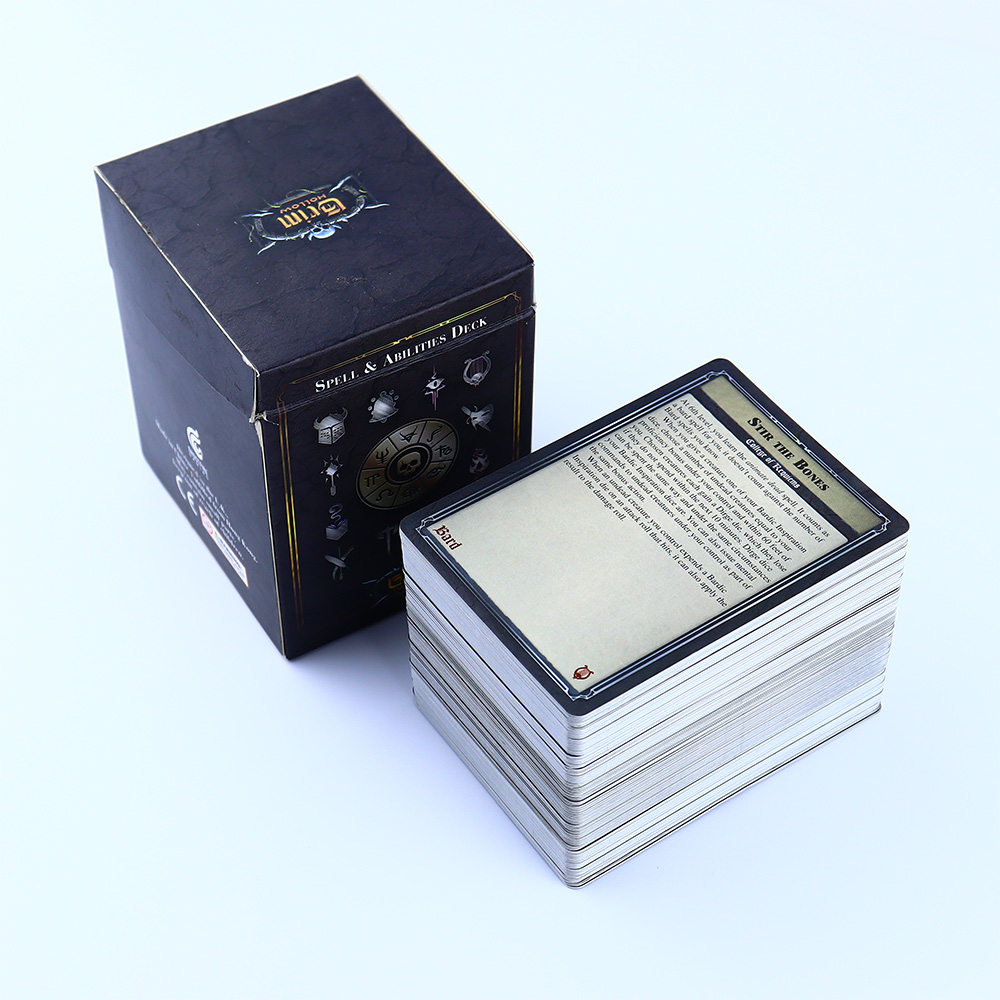 Grim Hollow Spell & Abilities Custom Trading Cards
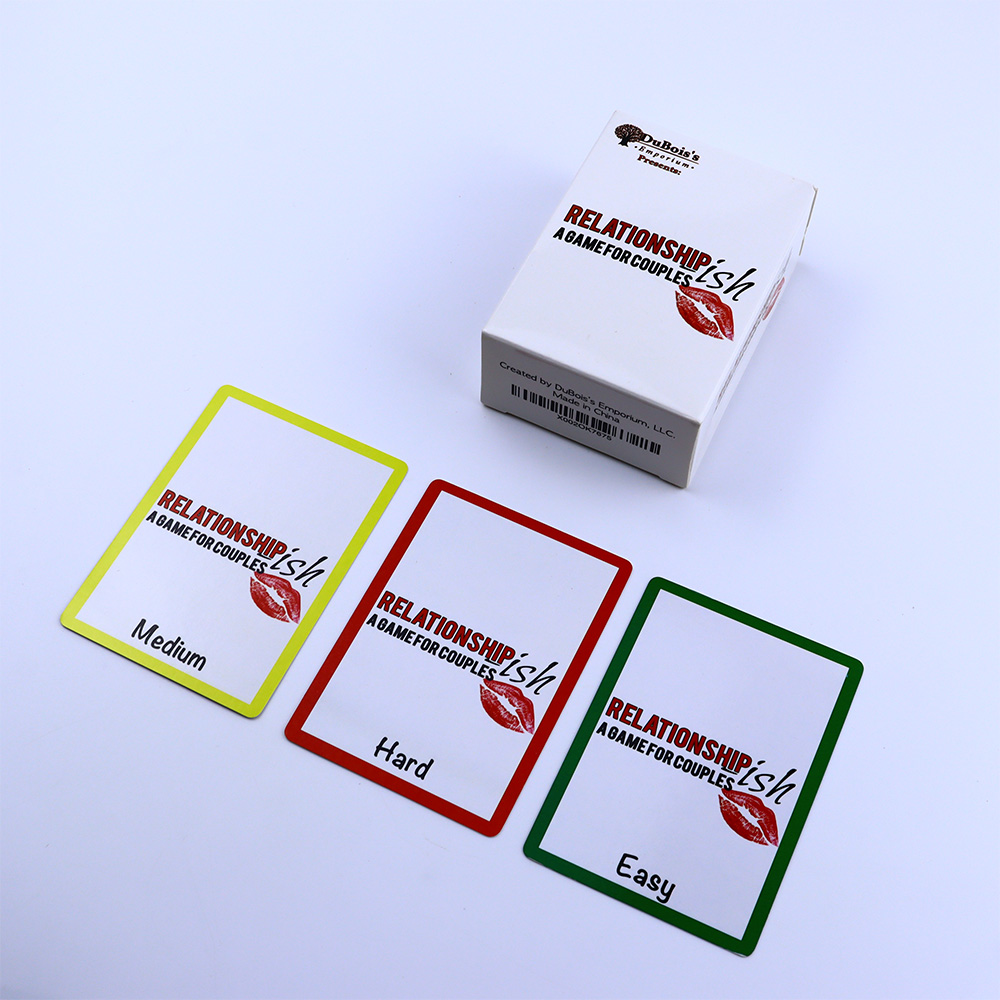 Relationshipish Custom Couple Card Game
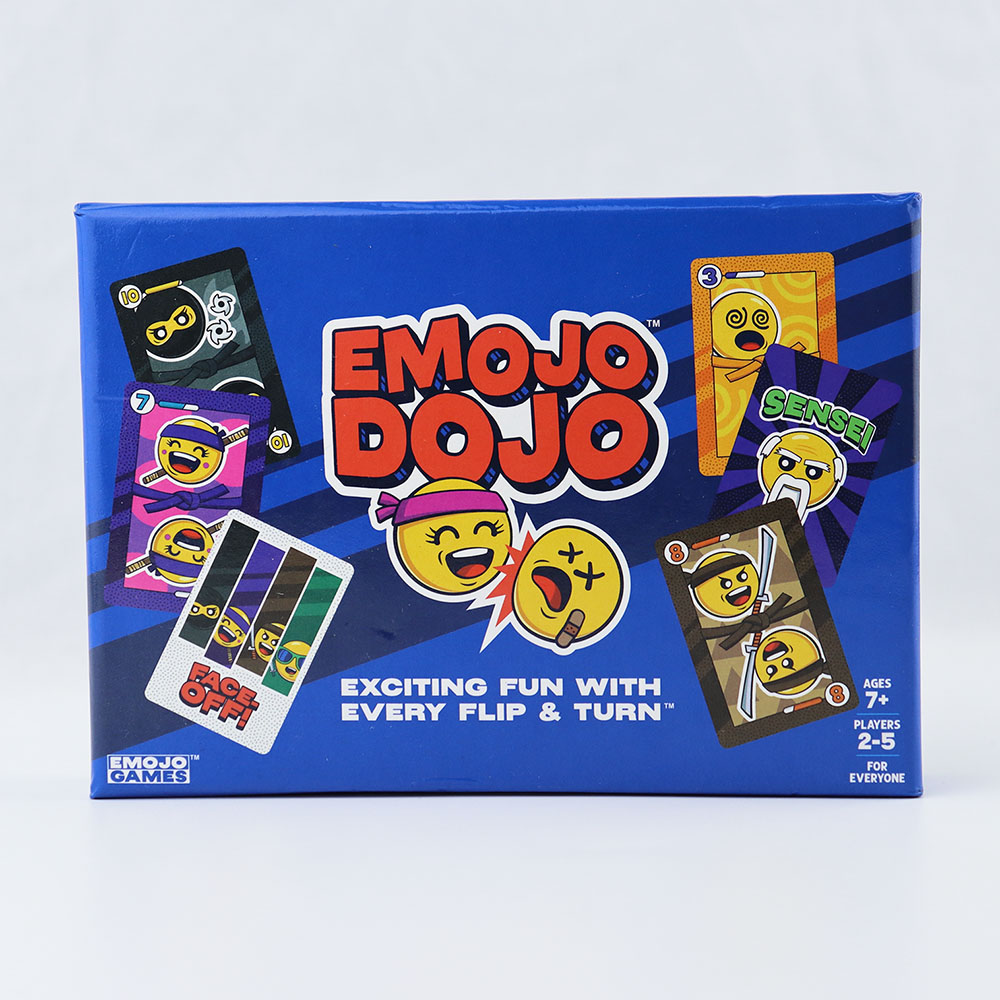 Emojo Dojo Custom Trading Card Game
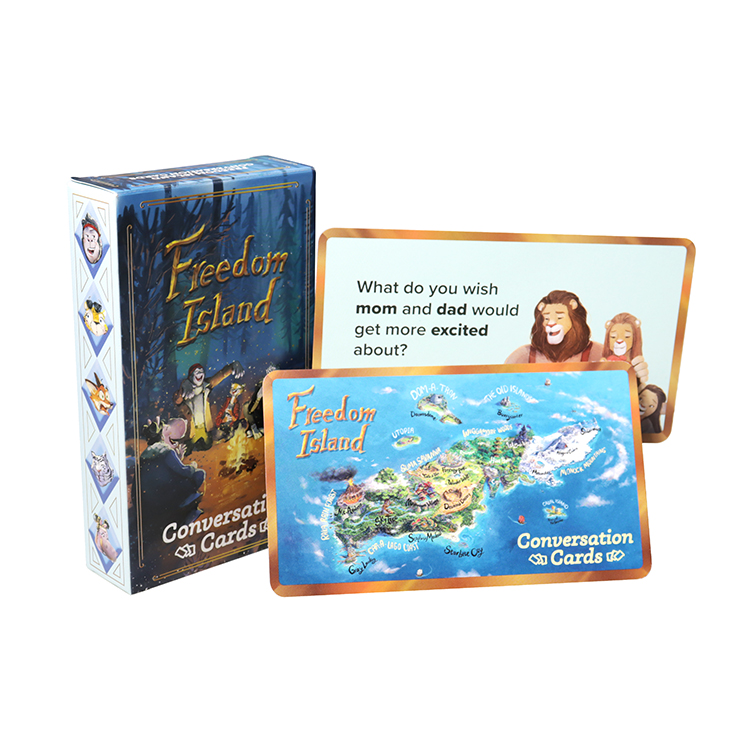 Custom Travel Photo Trading Cards Set
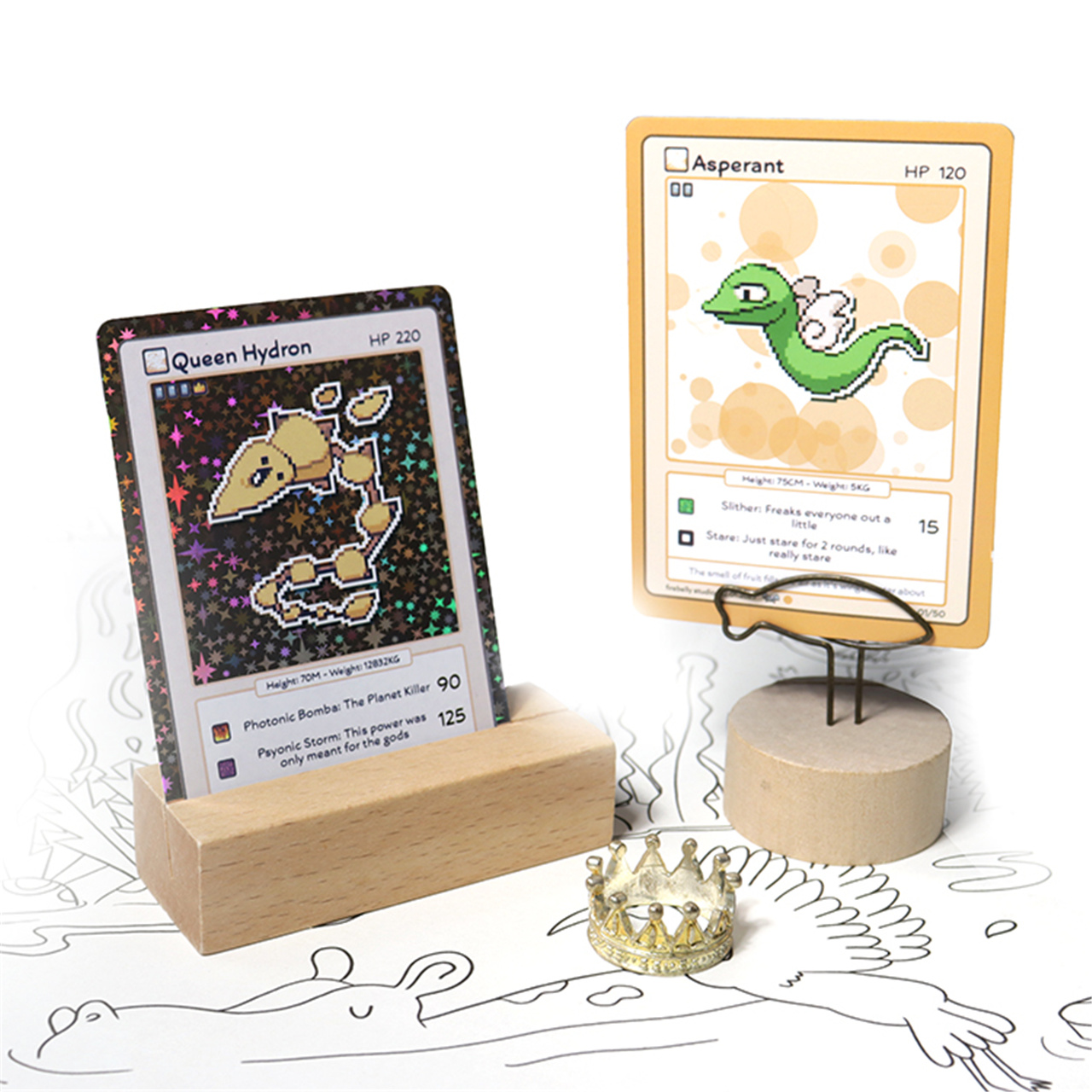 Custom Cartoon Holographic Trading Cards Set