Best Playing Card Box Designs for Optimal Protection?
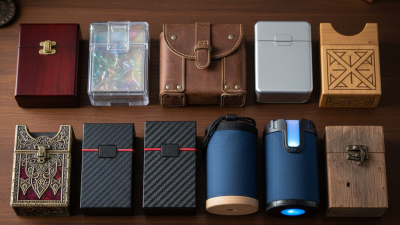
In the world of playing cards, the importance of a high-quality Playing Card Box cannot be overstated. According to renowned card game designer, Mark Johnson, “A well-designed box not only protects but enhances the overall card-playing experience.” This statement highlights the dual role of a Playing Card Box: safeguarding the cards and enriching gaming sessions.
Optimal protection for your cards involves not just sturdiness but also aesthetics. The design of a Playing Card Box can reflect personal style and elevate game nights. However, many consumers overlook critical features when selecting their boxes. It's essential to consider factors like material, ease of access, and durability. What may seem visually appealing may lack the structural integrity necessary for preservation.
Despite the variety of designs available, not all boxes deliver on their promises. Some may suffer from wear and tear over time. Therefore, it’s crucial to research and select designs that have proven reliability. Balancing aesthetics and functionality can be challenging, leading to reflection on what truly matters for card protection.
Innovative Materials for Card Box Construction
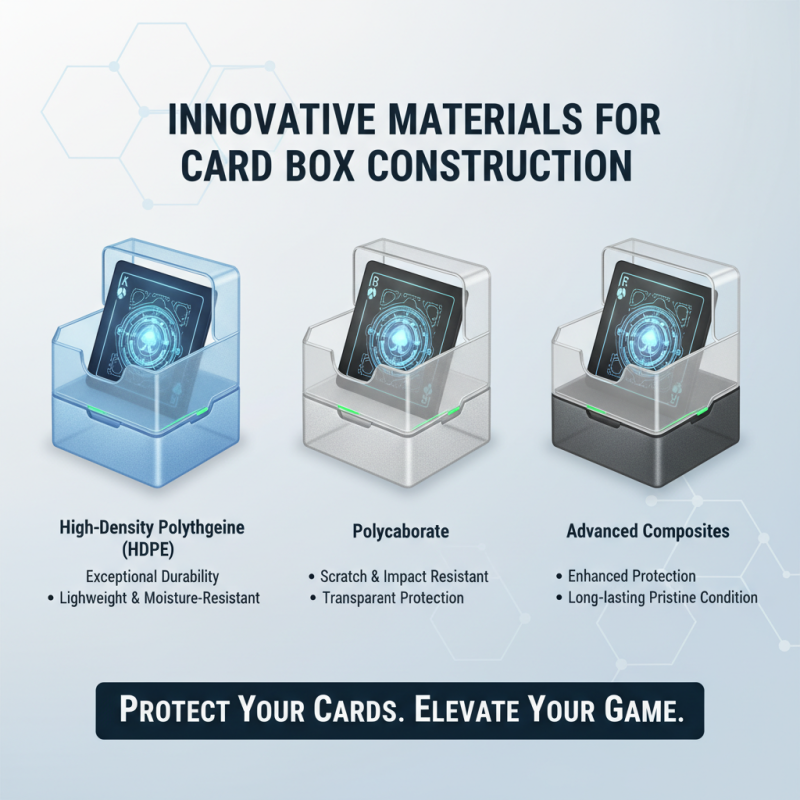
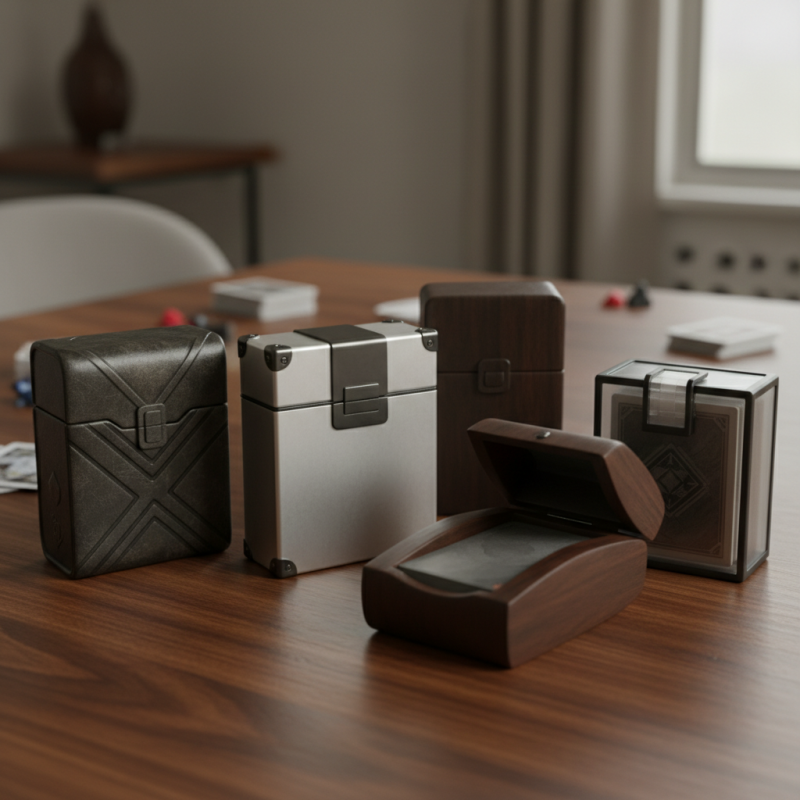
When it comes to protecting playing cards, the choice of materials for card boxes is essential. The ideal card box should shield the cards from wear and tear, moisture, and bending. Innovative materials like high-density polyethylene (HDPE) and polycarbonate are increasingly popular. These materials offer exceptional durability while remaining lightweight. They resist scratches and impacts, ensuring that your cards remain in pristine condition.
Another intriguing option is using natural materials like bamboo. Bamboo is environmentally friendly and provides a unique aesthetic appeal. However, it might not offer the same level of water resistance. Thus, additional protective layers can be considered. Some designers incorporate a hybrid approach, combining wood and synthetic materials. This offers a balance between protection and visual appeal. Still, this method could lead to heavier boxes, which might not be suitable for everyone.
The challenge often lies in finding a design that caters to both aesthetics and functionality. While sophisticated designs catch the eye, they may sacrifice space or ease of access. Reflecting on these choices is crucial. Not all materials provide equal protection, and some designs can create more problems than they solve. Explorations in material science continue to change the landscape, presenting many innovative options. Yet, the quest for the perfect playing card box remains an exciting journey.
Design Features that Enhance Durability and Protection
When considering card box designs, durability is key. The ideal box should withstand wear and tear. Recent industry reports suggest that packaging accounts for 30% of product damage during transport. High-quality materials play a significant role in protecting cards from moisture and physical impacts. For instance, using reinforced corners can enhance structural integrity. Card boxes with robust closures are less likely to open accidentally.
The design features should prioritize functional aesthetics. Rounded edges might reduce accidental tears. Additionally, using UV-resistant coatings protects from fading. Industry experts note that about 45% of consumers look for packaging that maintains product integrity. Custom inserts can prevent cards from shifting within the box. This minimizes the risk of bending or creasing. However, many designs neglect this essential aspect, leading to premature card damage.
Sustainability is also worth considering. Eco-friendly materials can be both sturdy and protective. Yet, not all biodegradable options meet the same strength standards. It’s a balancing act between environmental impact and durability. Reflecting on these aspects can lead to better designs. The goal is to create boxes that satisfy both protection needs and environmental concerns.
Size and Shape Considerations for Optimal Functionality
When it comes to playing card boxes, size and shape play crucial roles in functionality. Research shows that boxes designed for standard decks generally measure around 2.5 inches by 3.5 inches. This size fits comfortably in hand and pockets. However, some gamers prefer larger boxes for enhanced protection. A study indicates that 65% of players choose larger boxes for optimal storage, without sacrificing portability.
Shape matters too. Traditional rectangular boxes might serve their purpose, but innovative designs are gaining traction. Boxes that allow cards to lay flat reduce wear and tear. A recent industry report notes that boxes with rounded edges result in fewer damaged corners. Players often find these shapes easier to stack and store.
Yet, challenges remain. Finding the right balance between protection and usability can be tricky. Some designs are too bulky, making them cumbersome to carry. Others lack the necessary depth, risking card bending. An effective box should marry security and practicality, but achieving this perfect design is not always straightforward. Users often reflect on their preferences, realizing that what works for one may not suit another.
Best Playing Card Box Designs for Optimal Protection
| Design Type |
Material |
Size (L x W x H) |
Protection Features |
Weight (grams) |
| Rigid Case |
Plastic |
10 x 7 x 2 |
Shockproof, Water-resistant |
300 |
| Magnetic Box |
Cardboard |
9 x 6 x 1.5 |
Magnetic Closure, Soft Lining |
200 |
| Flip Top Case |
Tough Plastic |
9.5 x 6.5 x 2 |
Locking Mechanism, Water-resistant |
350 |
| Sleeve Box |
Plastic |
9 x 6 x 1 |
Compact, Lightweight |
150 |
| Wooden Chest |
Wood |
12 x 8 x 4 |
Timeless Design, Sturdy |
800 |
Aesthetic Elements in Playing Card Box Design
The aesthetic elements in playing card box design play a pivotal role in the appeal and functionality of the product. A well-designed box not only captures visual interest but also reinforces the brand's identity. A study from the Packaging Design Institute revealed that 70% of consumers are influenced by the packaging design before making a purchase. This statistic emphasizes the importance of striking visuals in drawing attention.
Color schemes, typography, and graphic design all contribute to the overall aesthetic. Boxes that feature intricate artwork often evoke a sense of prestige. Moreover, tactile finishes, such as embossed logos or matte textures, enhance the user's experience. These features boost perceived value and encourage collectors to showcase the boxes. However, striking a balance between aesthetics and practicality can be challenging. Sometimes, overly elaborate designs can compromise the box's structural integrity.
In the crowded market of playing cards, innovative designs must effectively protect the cards while remaining visually appealing. A design that is purely aesthetic might neglect crucial features like durability. Research indicates that 30% of top-selling brands prioritize functionality over design. This statistic highlights an area for improvement in the industry. Designers must reflect on how to blend beauty with purpose, creating boxes that not only look good but also stand the test of time.
Customizable Options for Personalization and Branding
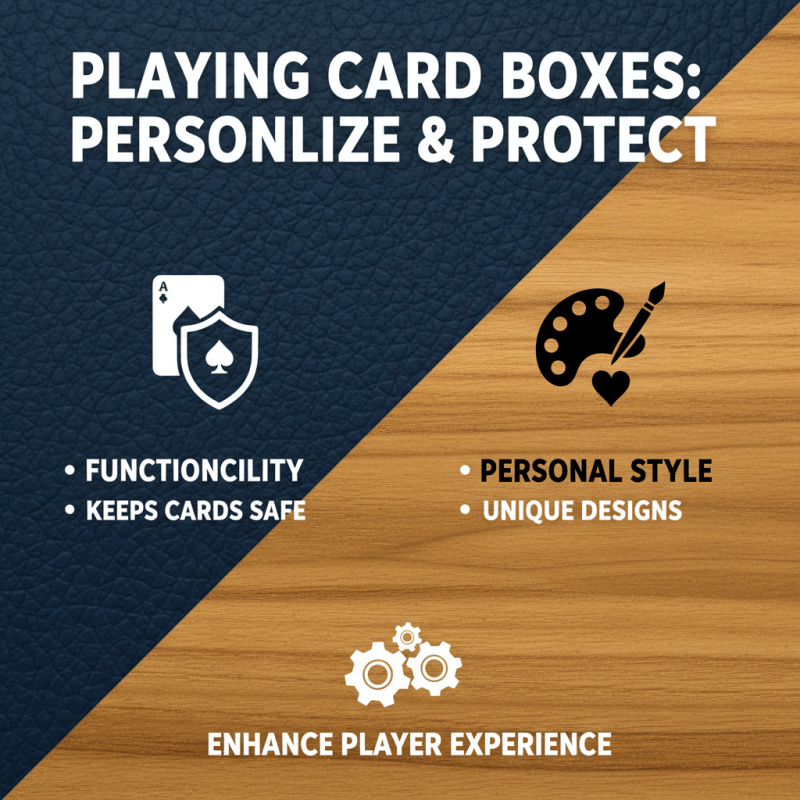
Playing cards require protective boxes that reflect both functionality and personal style. Customizable options for card boxes allow for unique designs, enhancing the player experience. A well-designed box keeps cards safe and adds a personal touch that can resonate with users.
When customizing, focus on materials that offer durability and aesthetic appeal. Wood, plastic, or sturdy cardboard can provide solid protection. Additionally, consider incorporating your logo or unique artwork. This not only protects the cards but also serves as a branding tool. A well-themed design can elevate the overall look, making it a conversation piece.
Tips: Use bold colors to make your box stand out. Small details, like embossing or foil stamping, can make a big difference. Think about functionality, too. Magnetic closures can enhance the user experience, ensuring easy access. Reflect on your design choices and their impact. A thoughtful approach will resonate more with your audience.

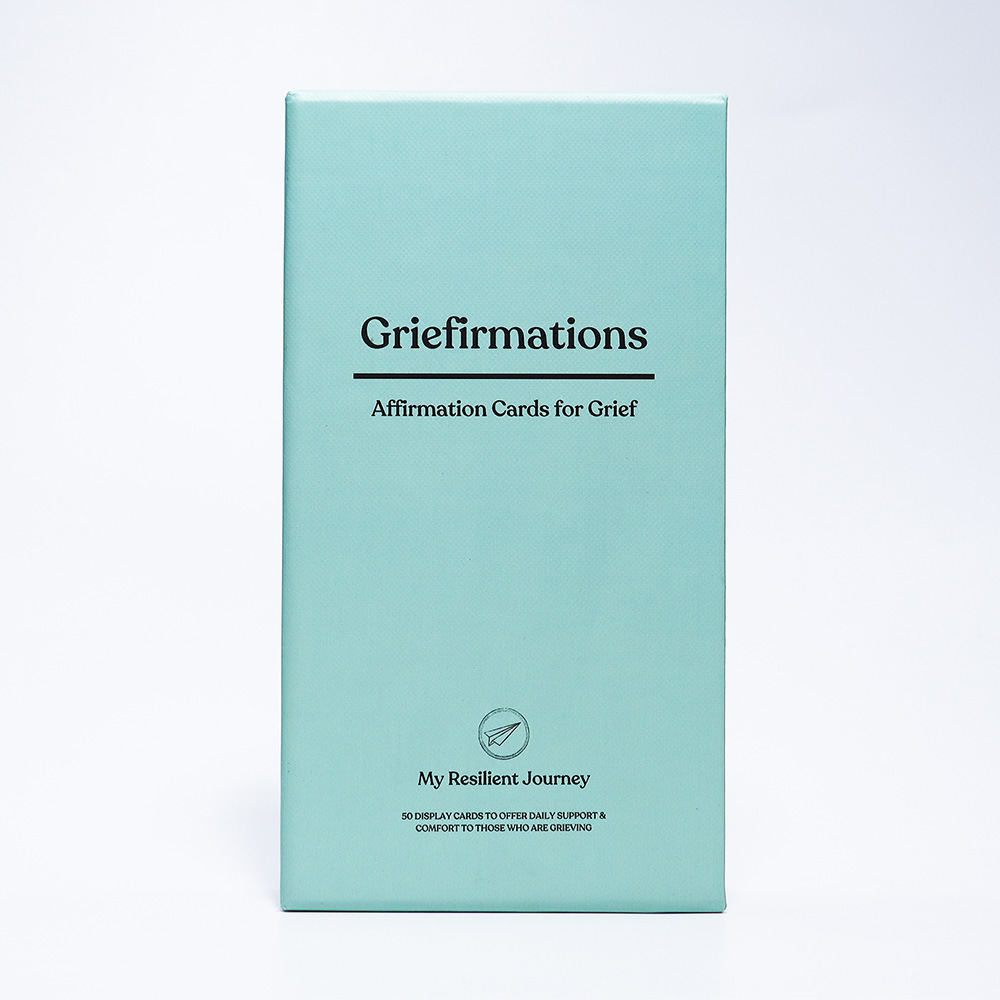 Customizable Emotional Support Cards for Grief & Resilience
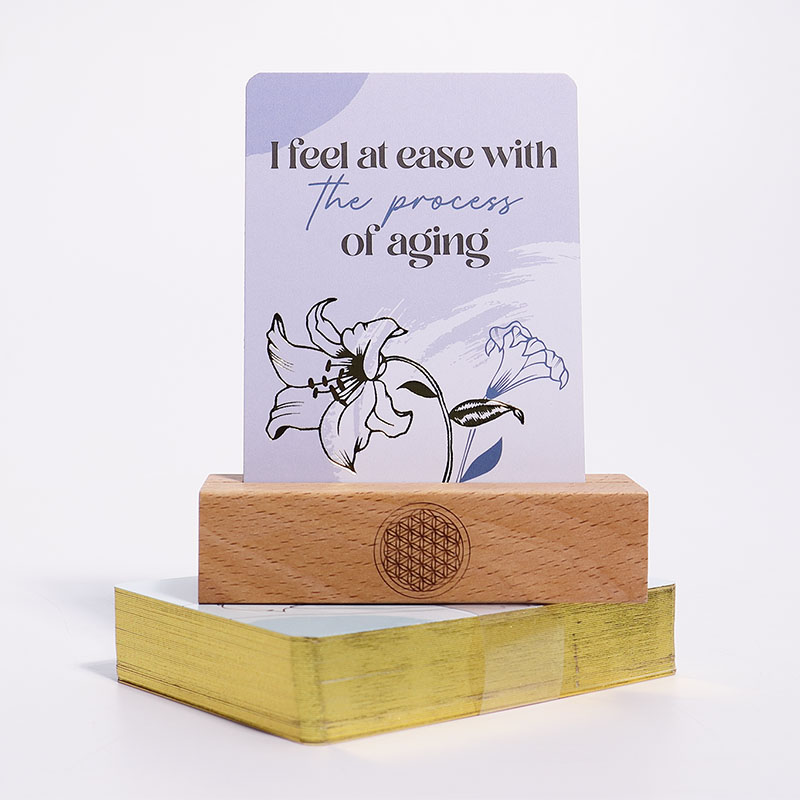 Personalized Emotional Encouragement Card Collection
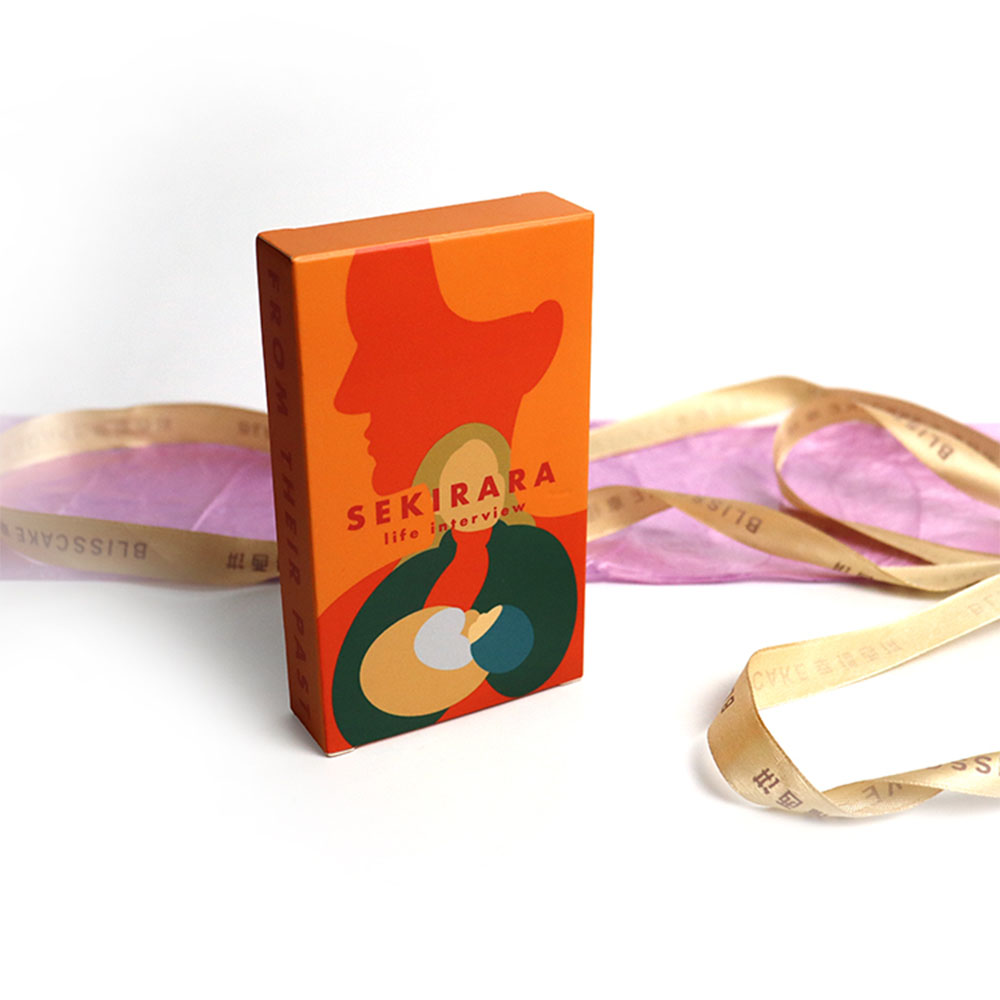 Personalized Deep Conversation Card Gift Box
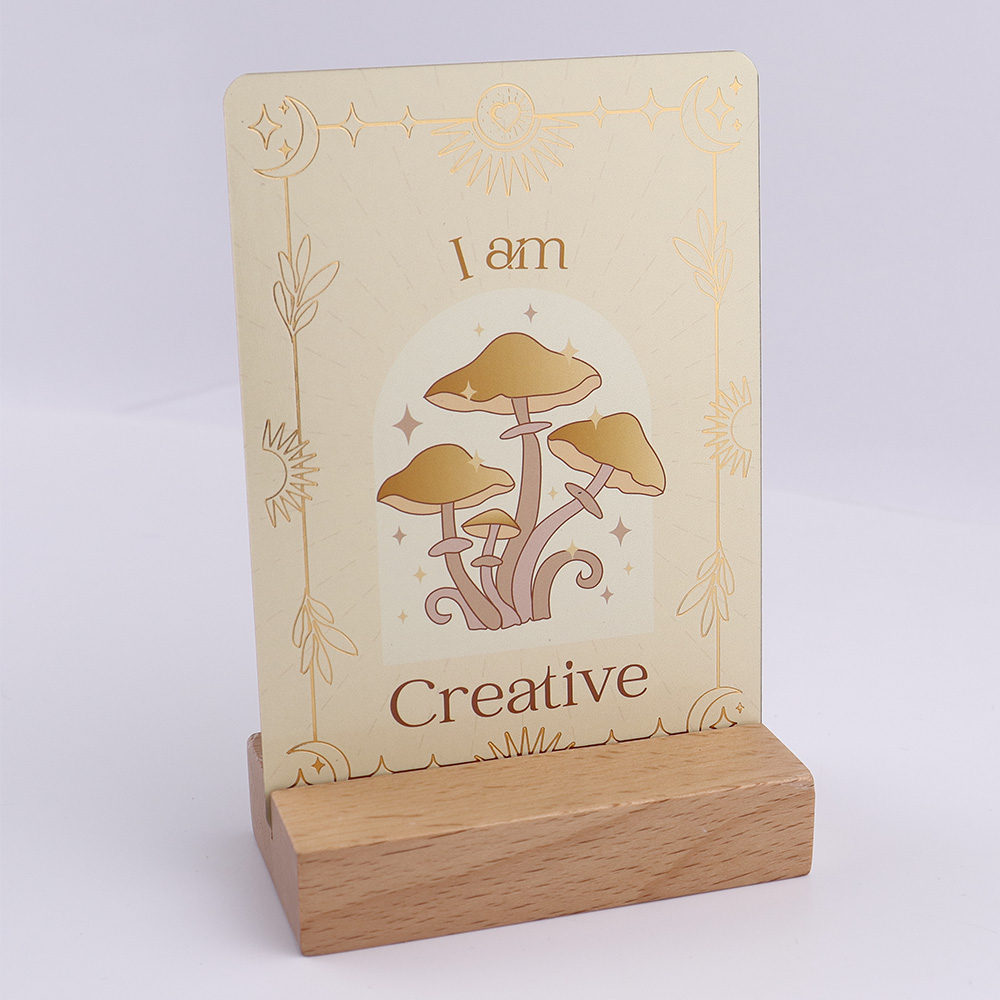 Customizable Boho-Chic Affirmation Cards for Mindfulness & Self-Love
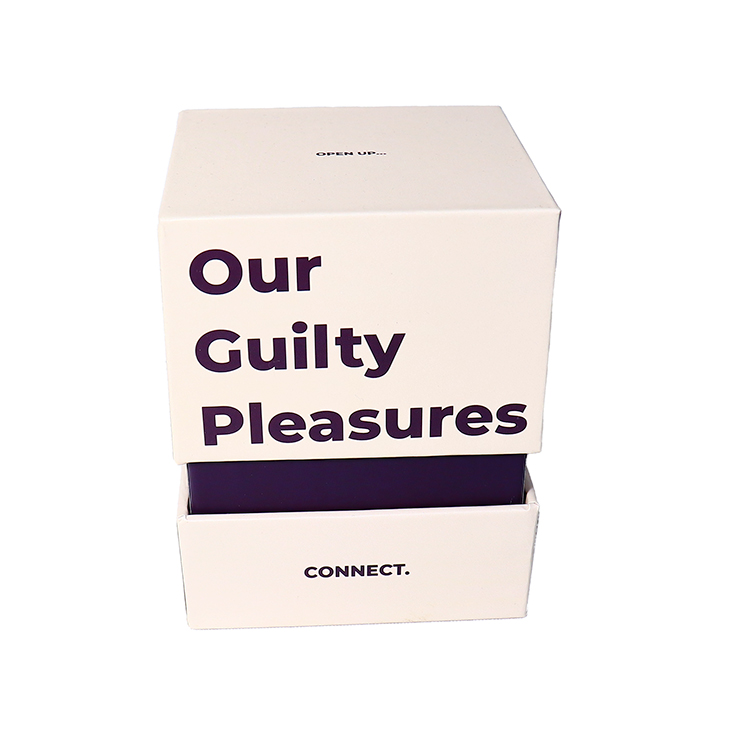 Customized Friendship Confirmation Card
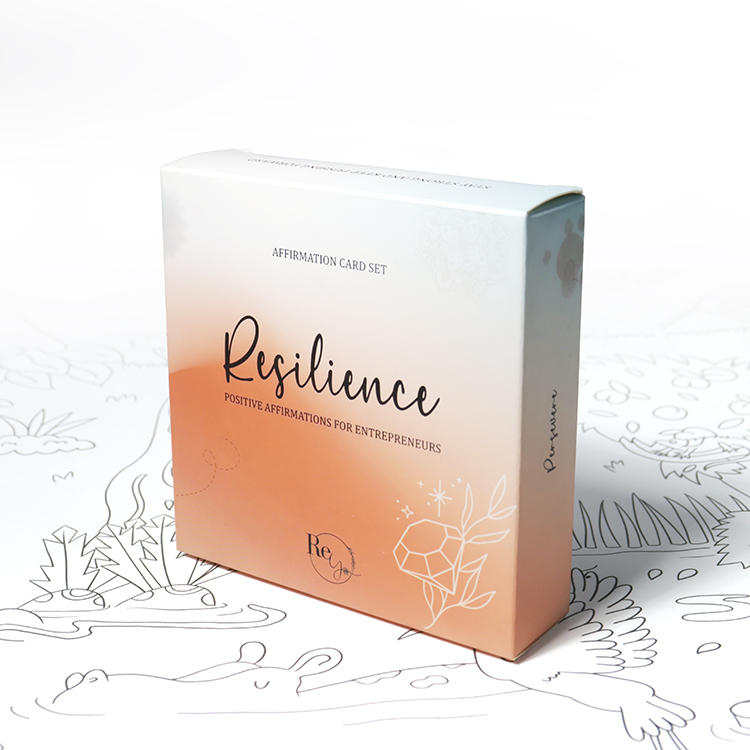 Customized Entrepreneurship Confirmation Card
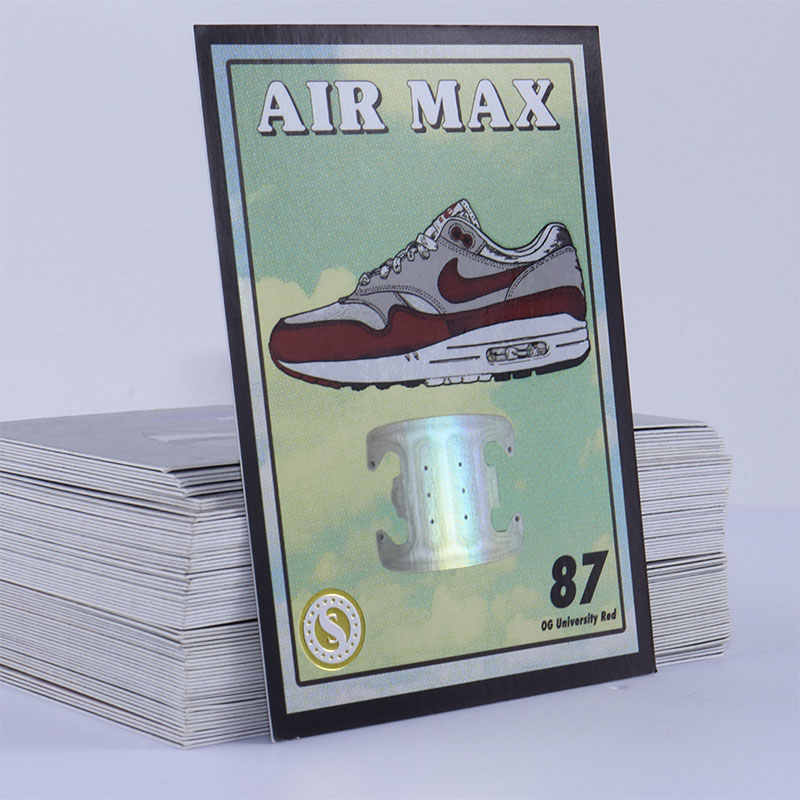 Air Max Pax Custom Sneaker Card Blind Box Set
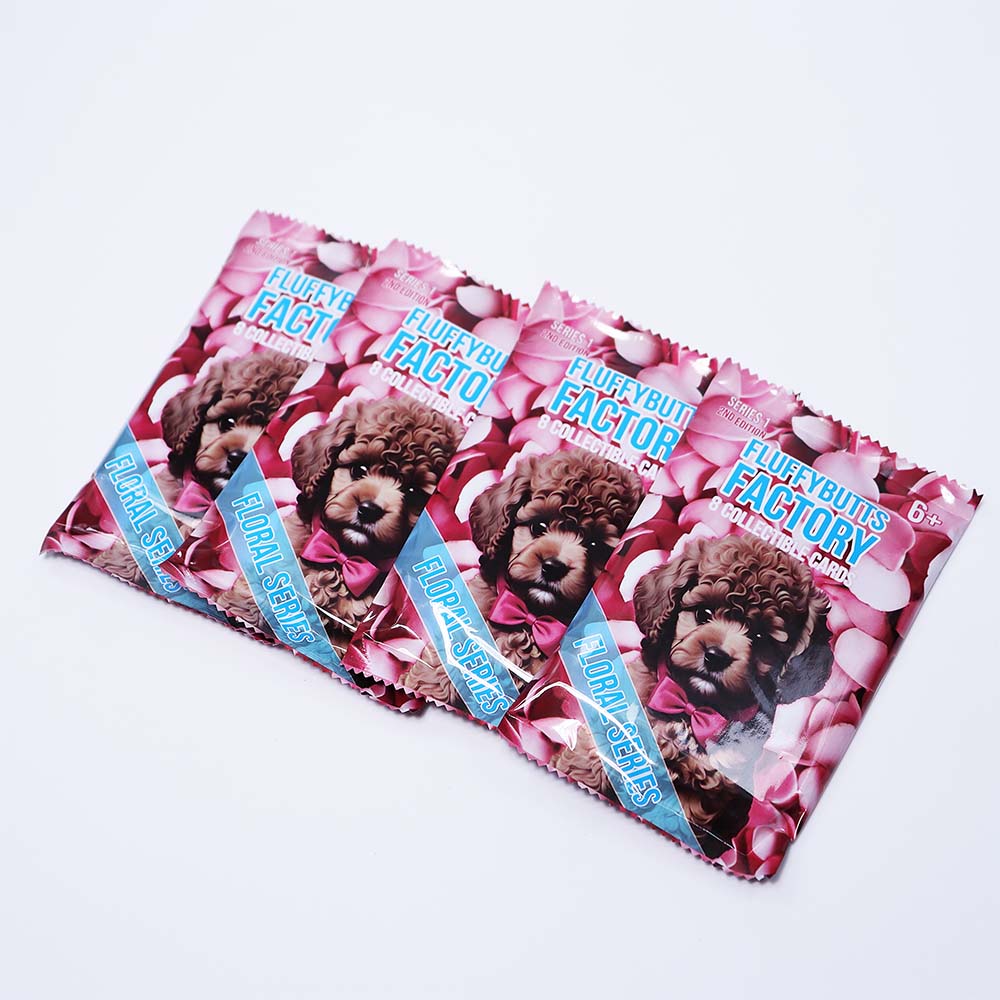 Fluffybutts Factory Custom Pet Card Blind Box Sets
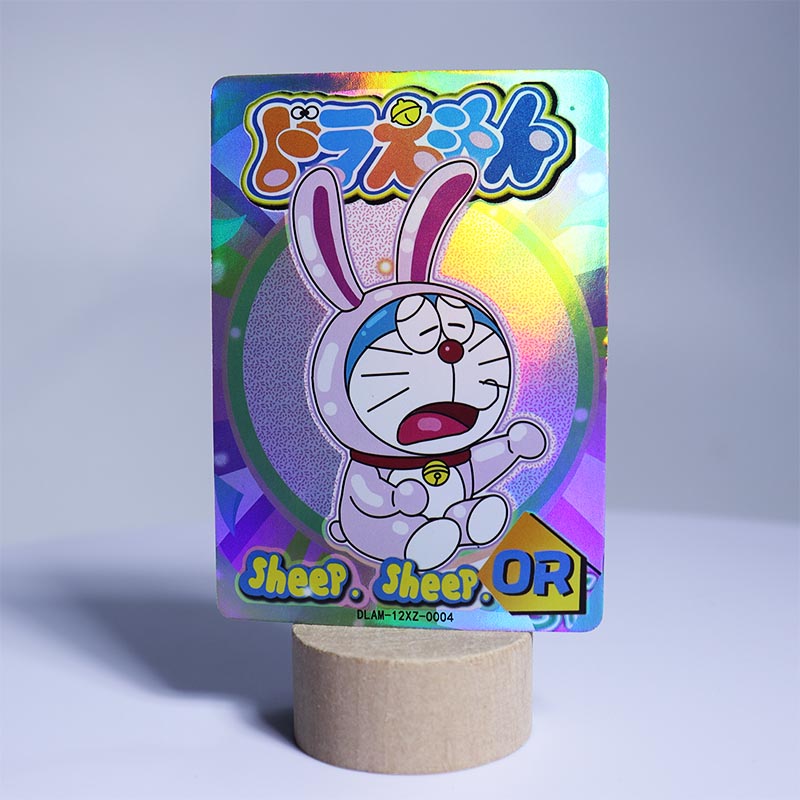 Doraemon Custom Card Blind Box Set
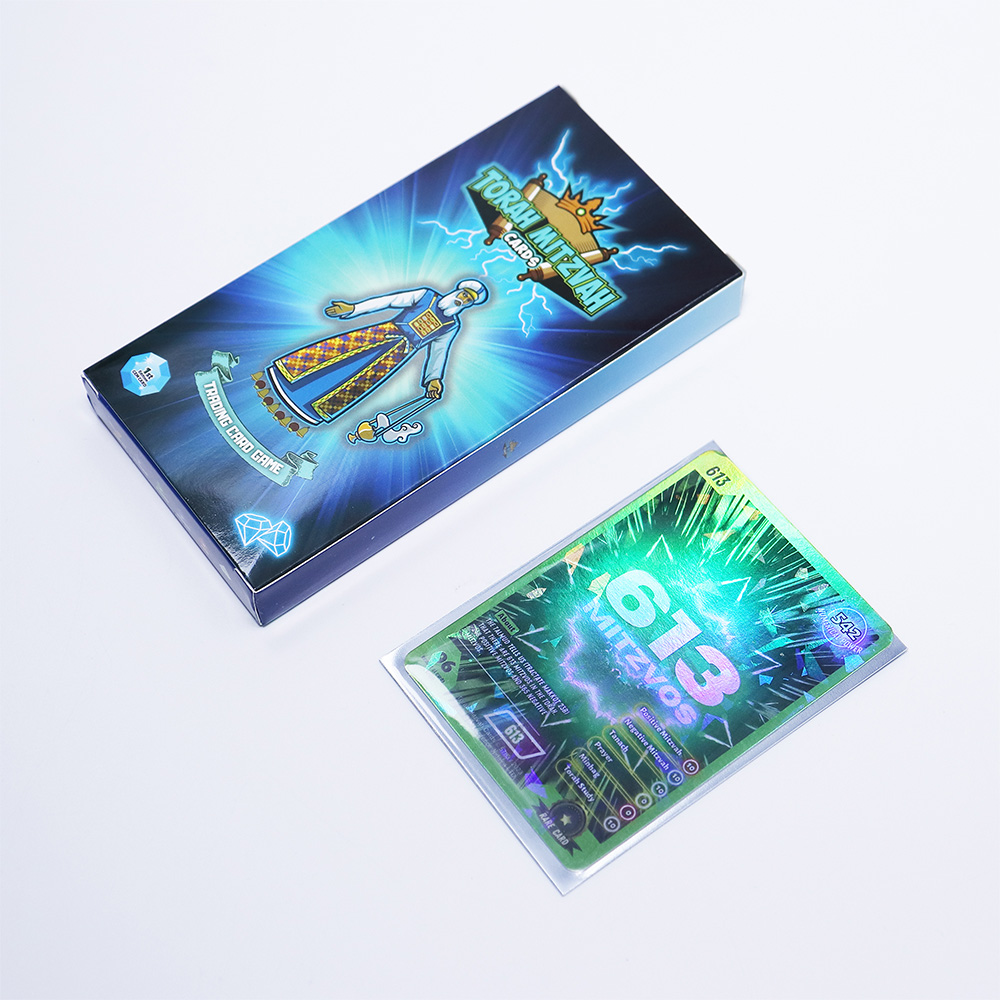 Torah Mitzvah Custom Card Blind Box Set
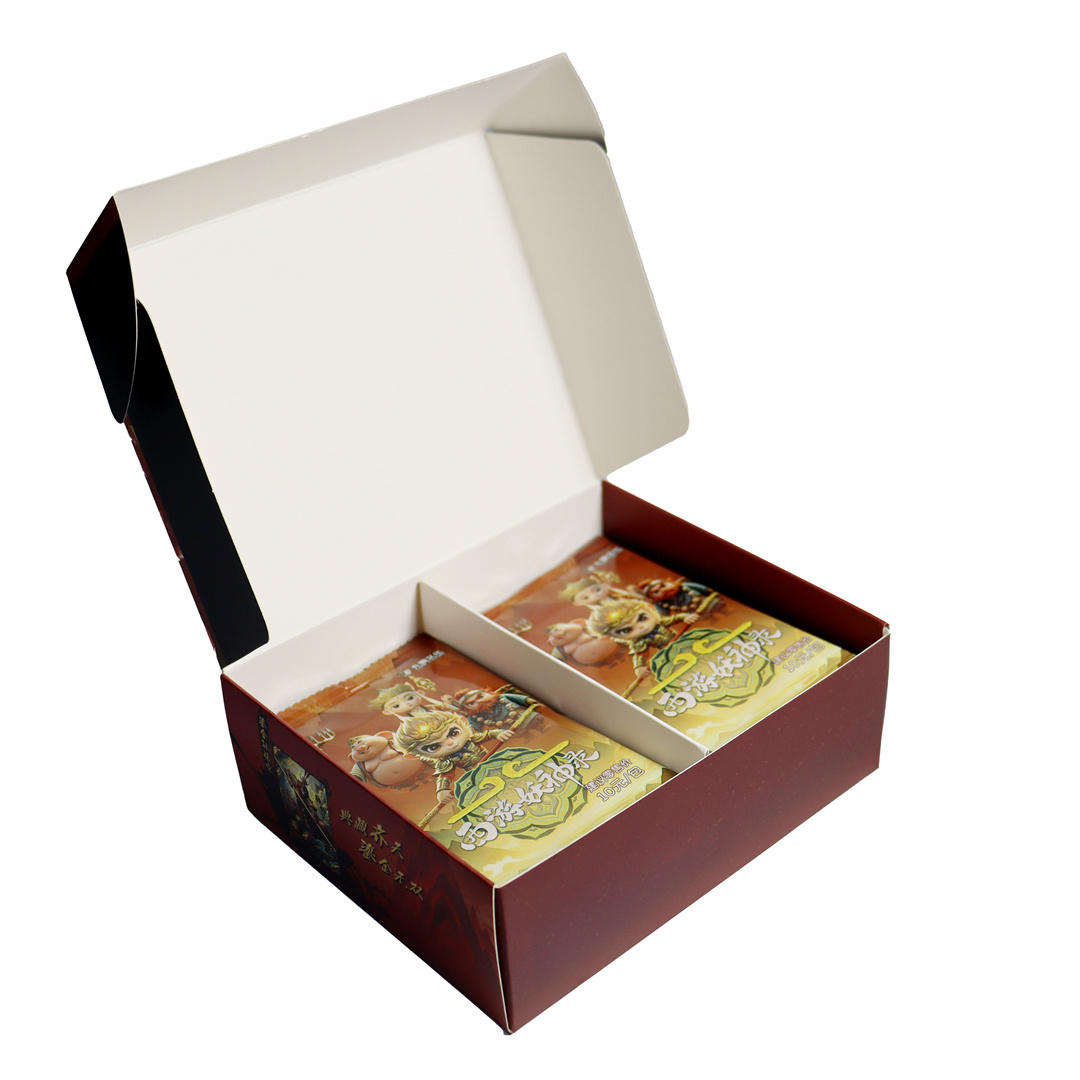 Customized "Journey to the West" Themed Card Blind Box Set
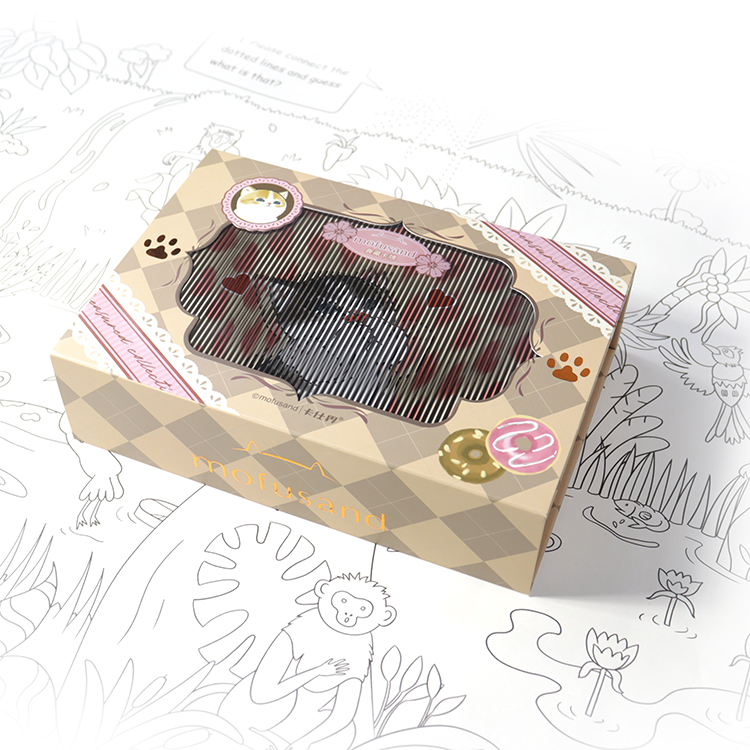 Customized cat-themed blind box set
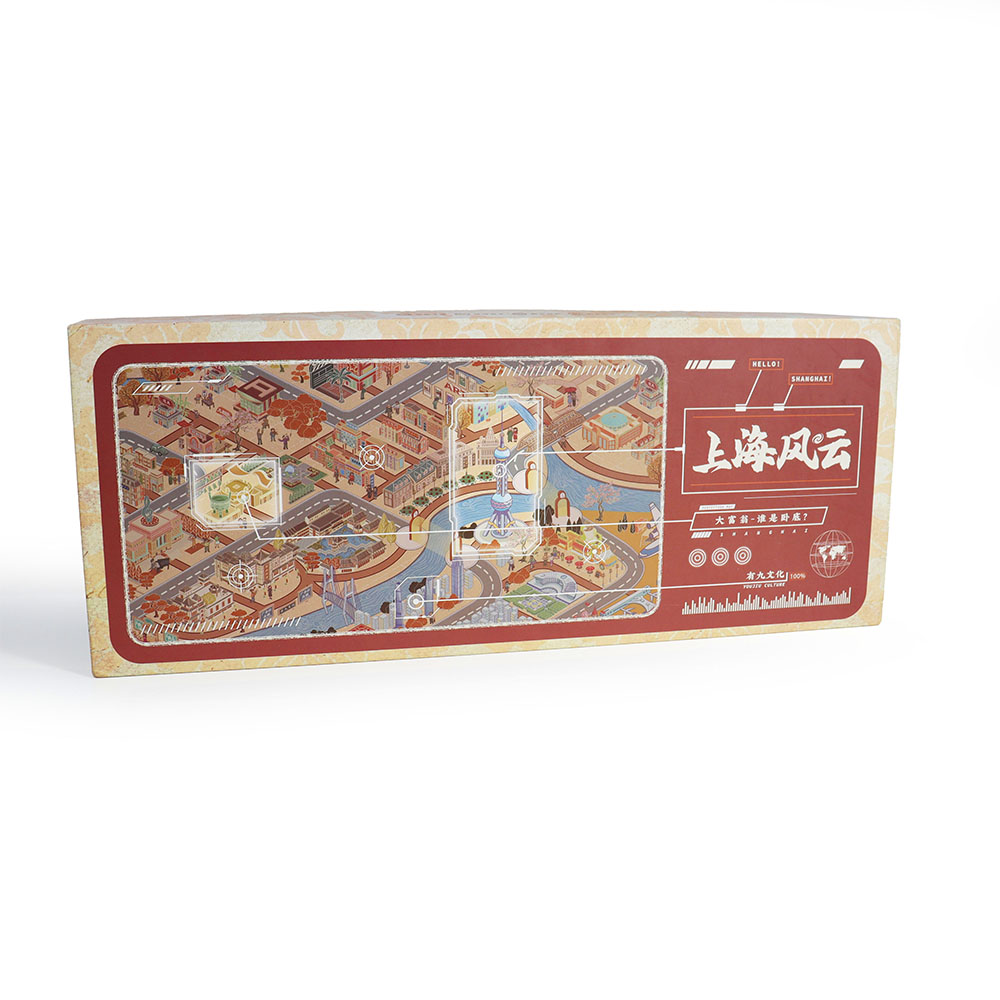 Shanghai Fengyun Custom Board Game Set
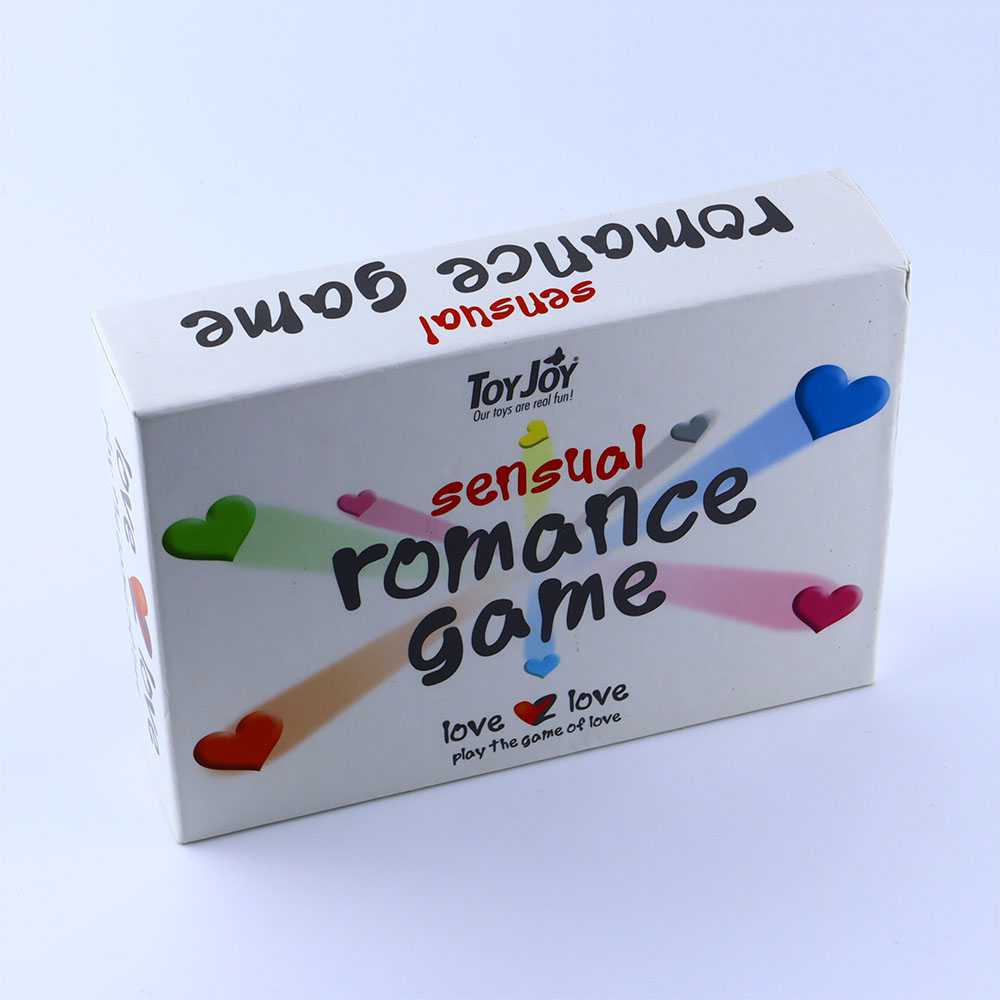 Sensual Romance Game Custom Board Game Set
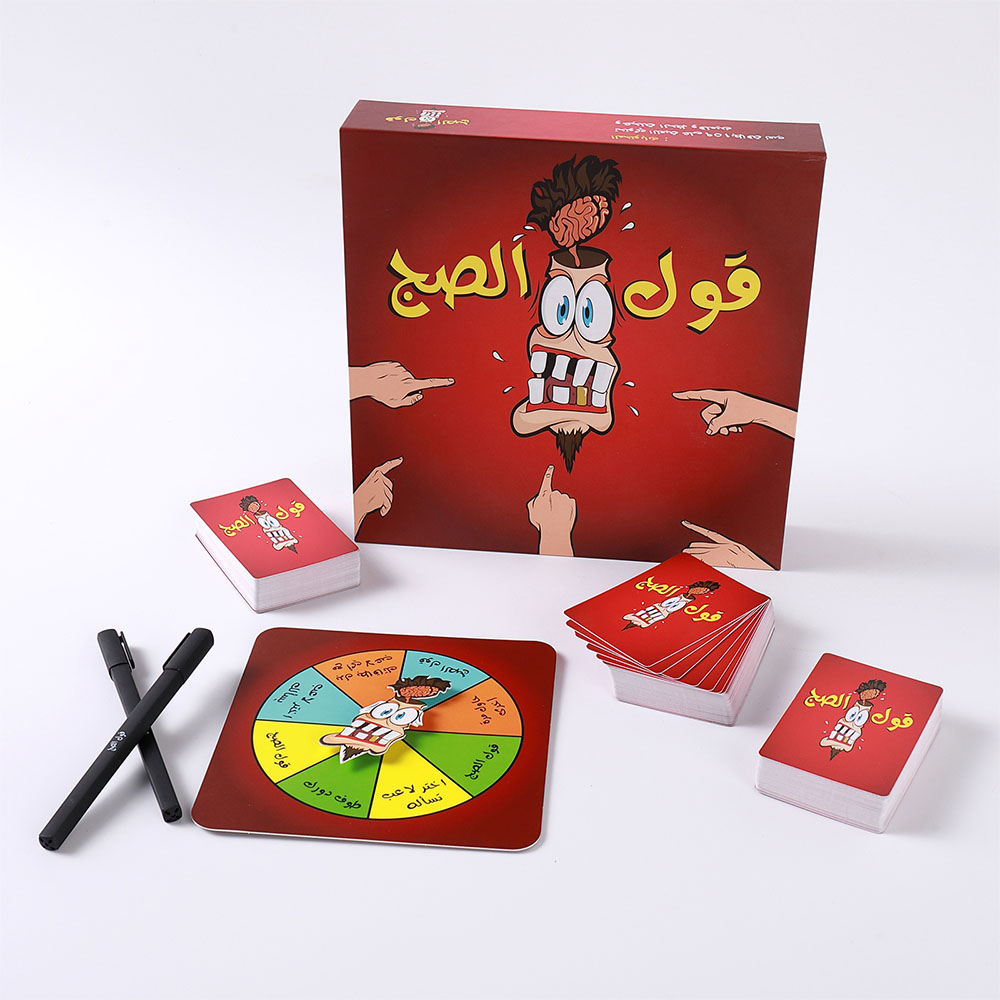 "Qoul Al Sabah" Custom Board Game Set
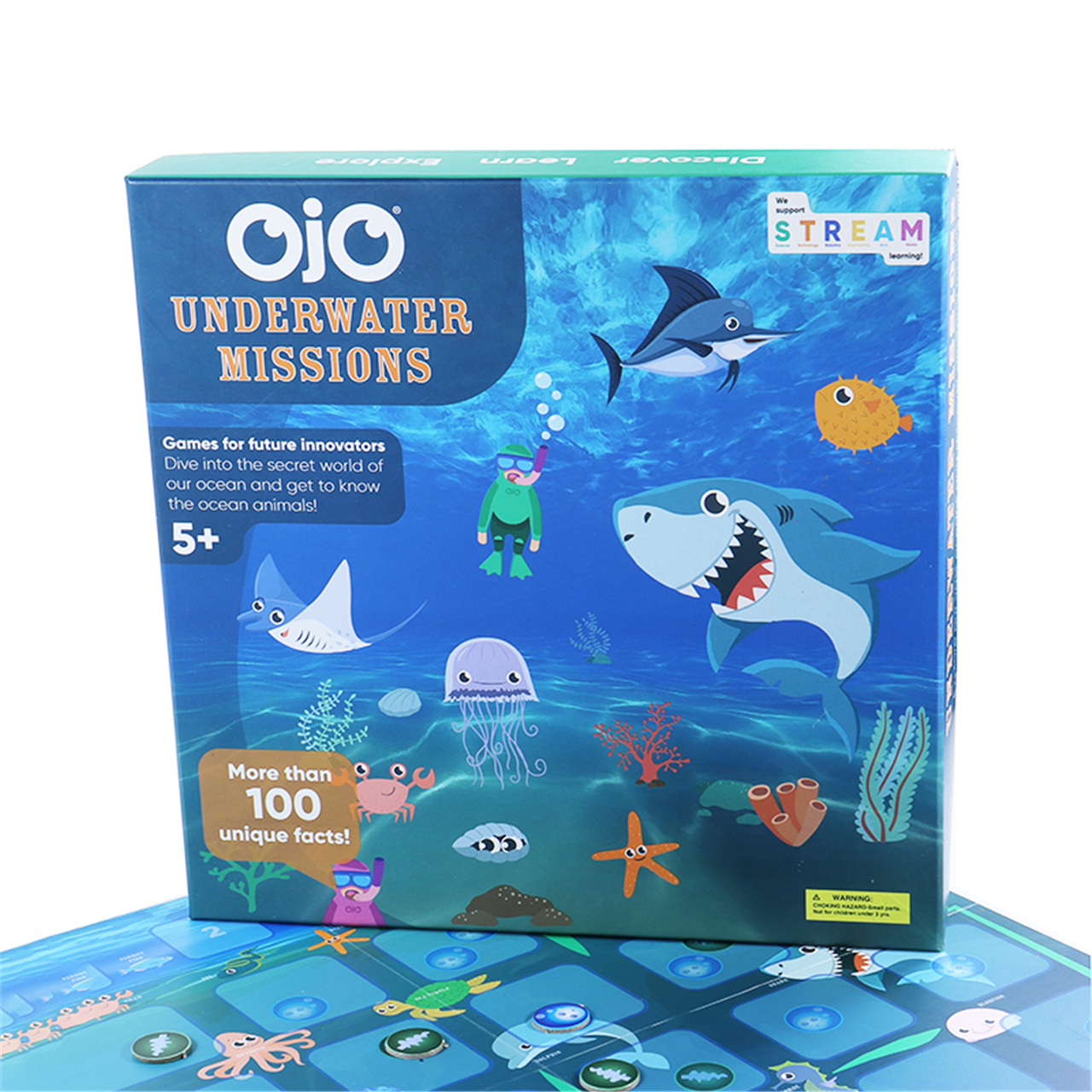 Customized educational board games for children
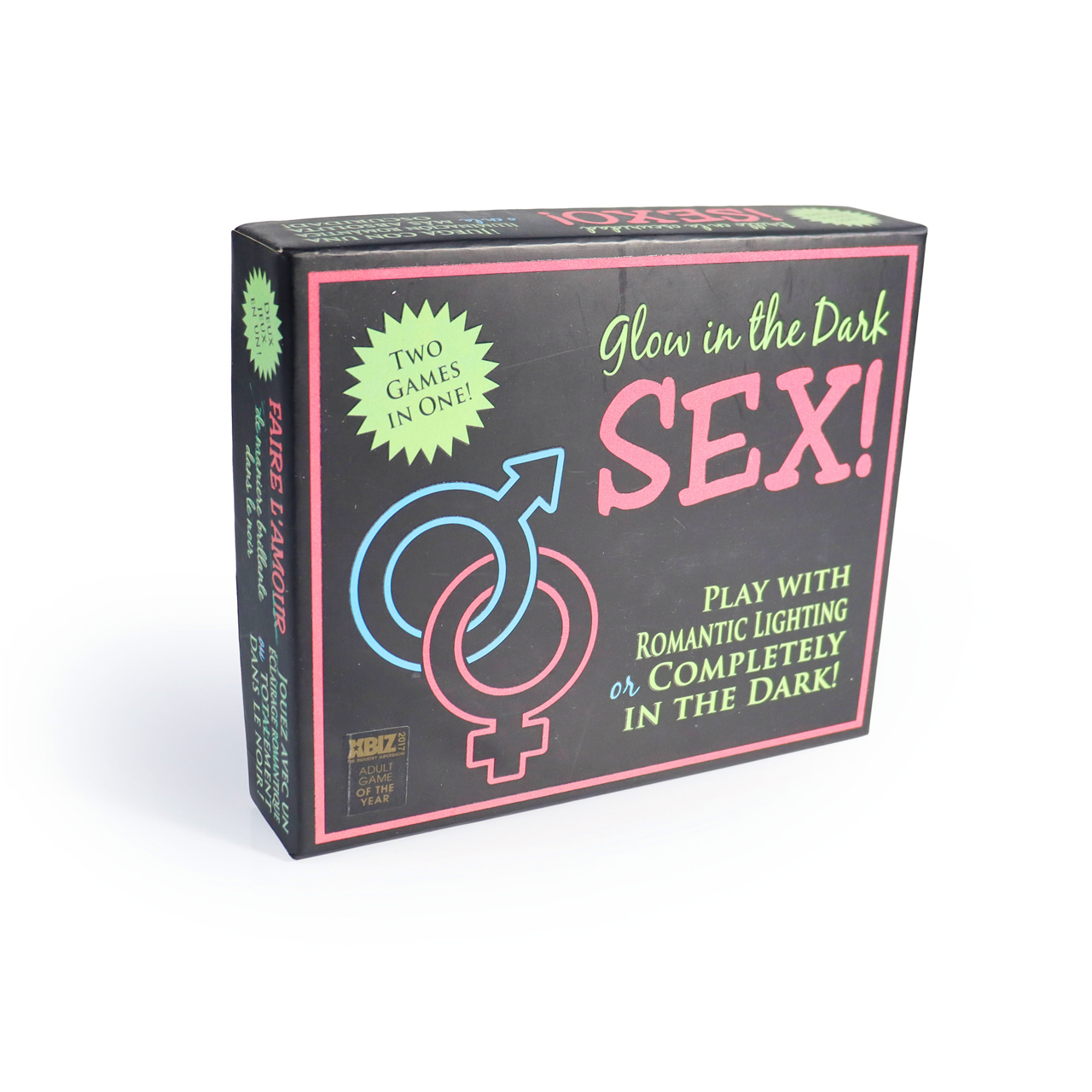 Couple Interaction Turntable Themed Board Game
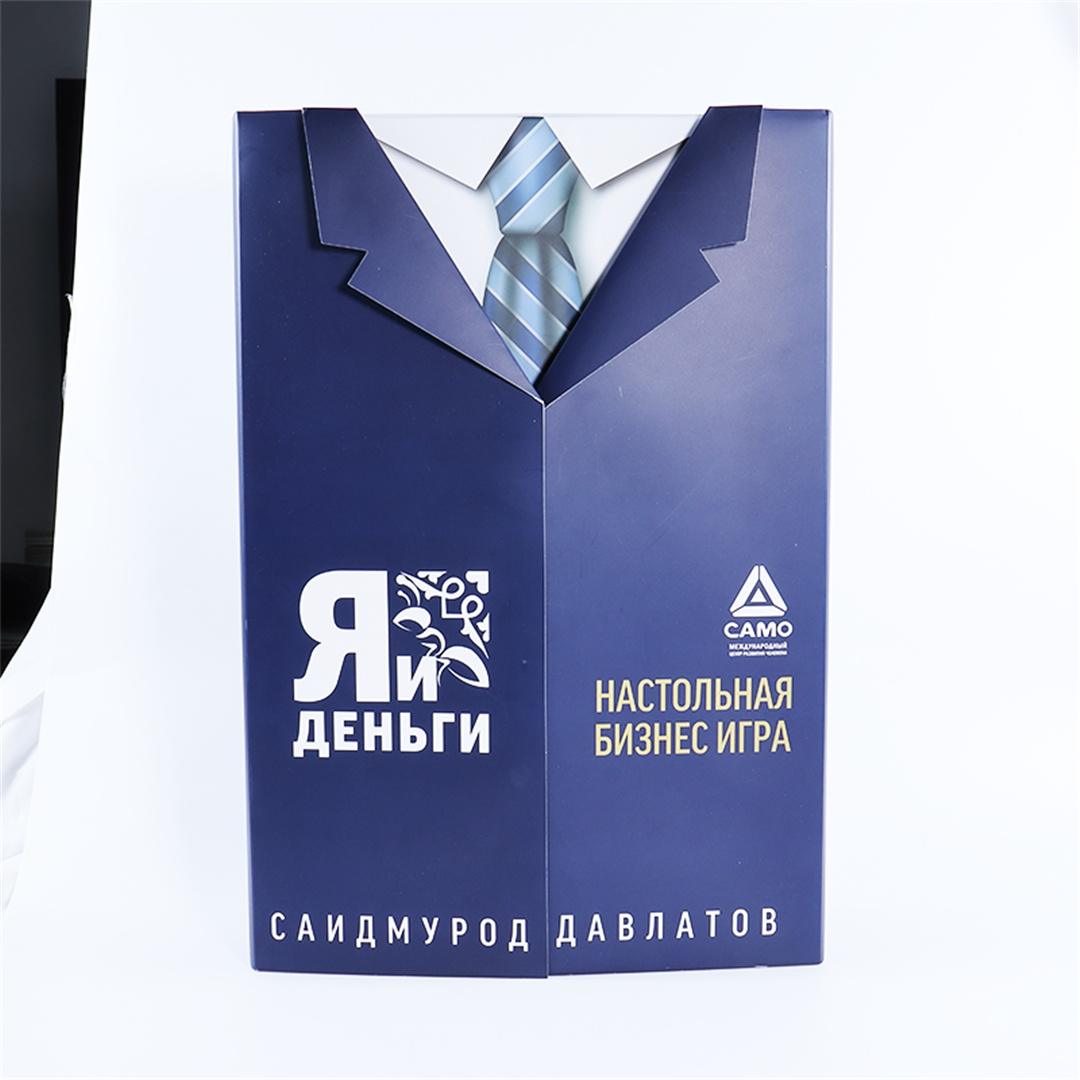 Business Finance Board Game
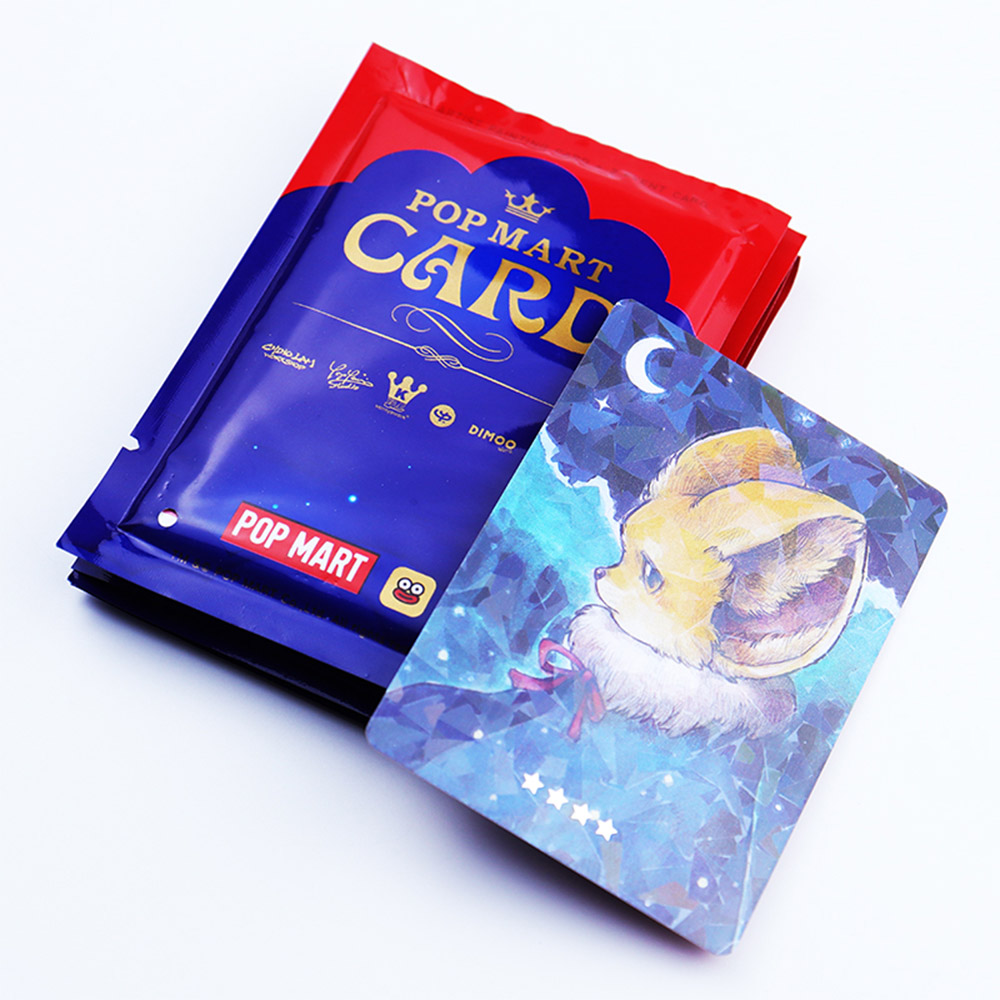 Pop Mart Custom Character Collectible Cards
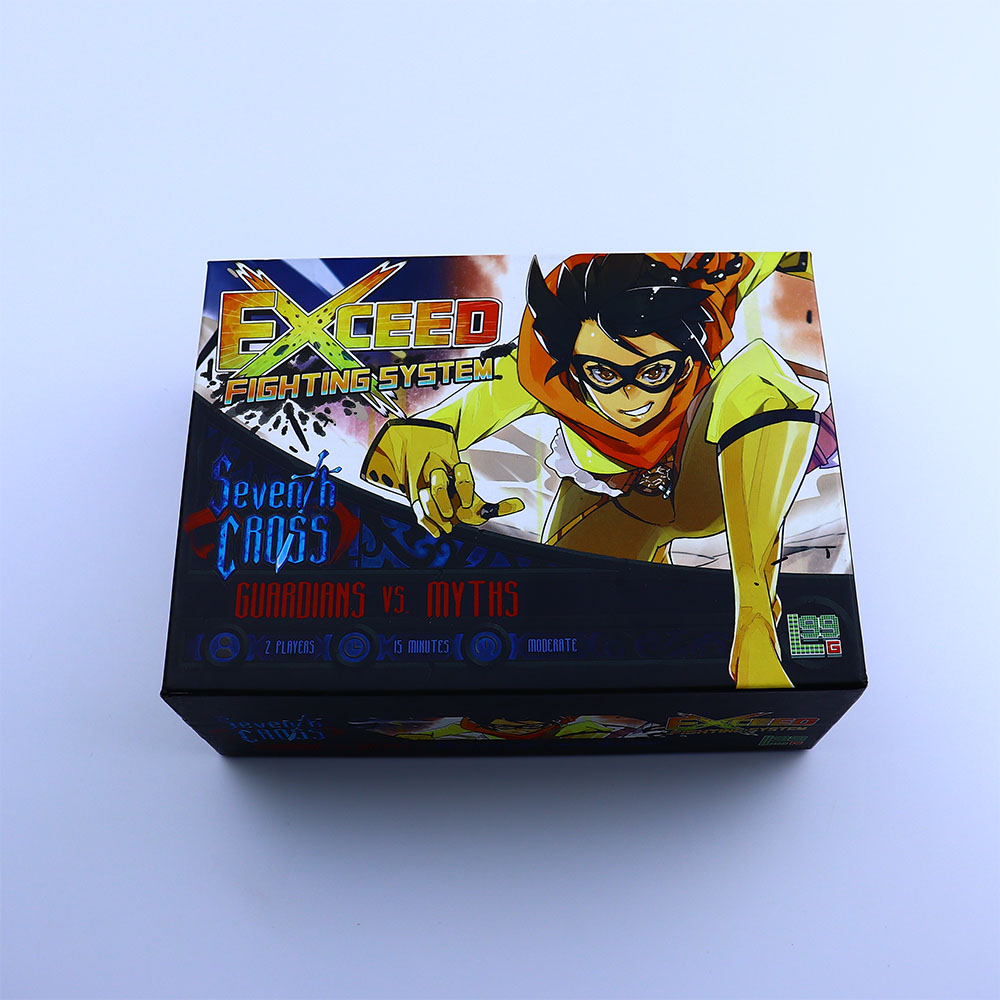 EXCEED Fighting System Custom Character Card Set
 Three Kingdoms Custom Hero Character Cards
 Custom Anime Character Dynamic Visual Cards
 Custom Cartoon Character Collectible Card Set
 Custom Anime Character Art Card Set
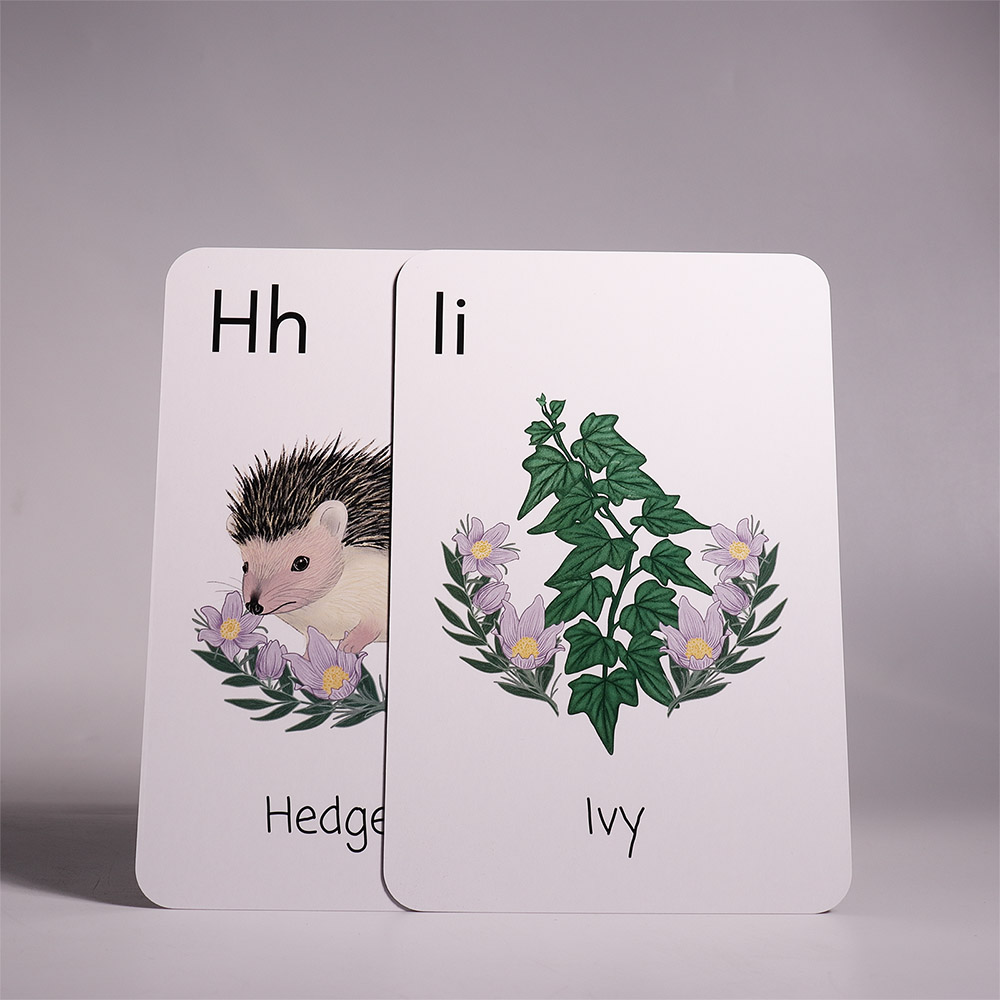 Little Larch Alphabet Cards
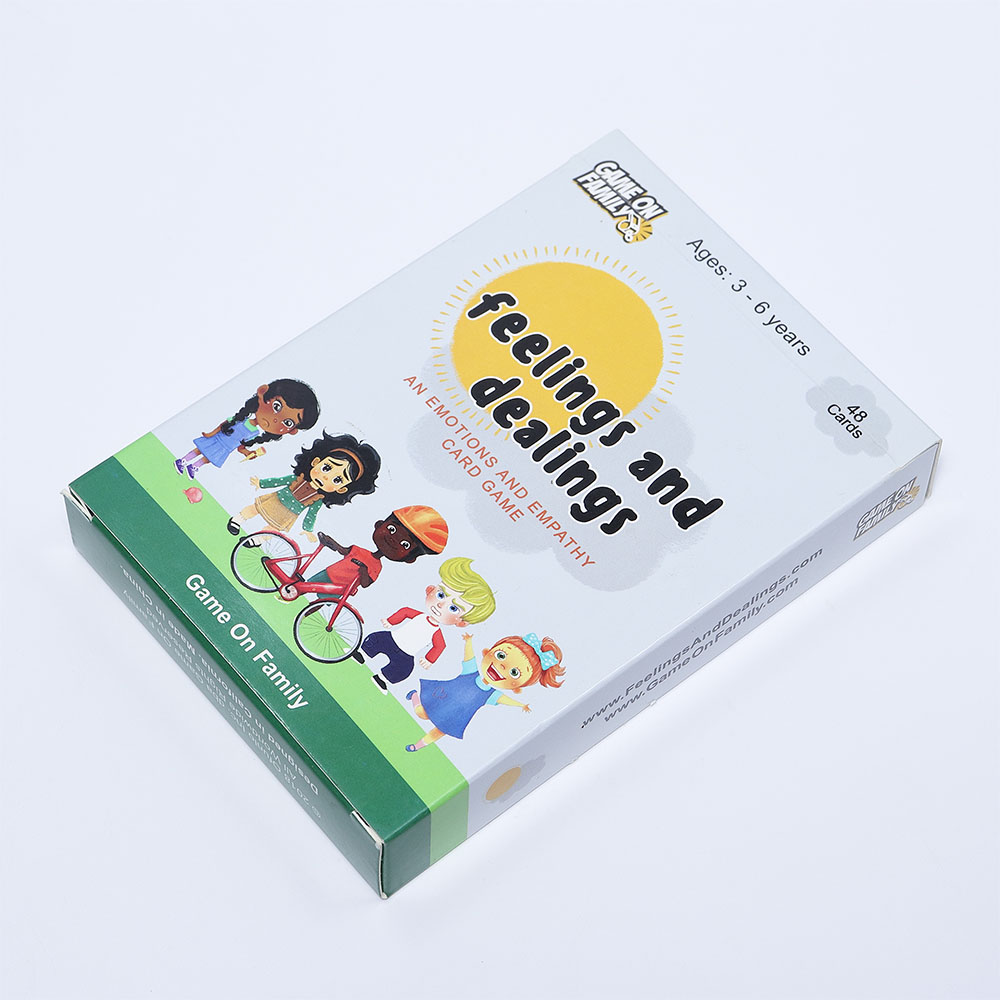 Feelings and Dealings Custom Children's Emotion Card Game
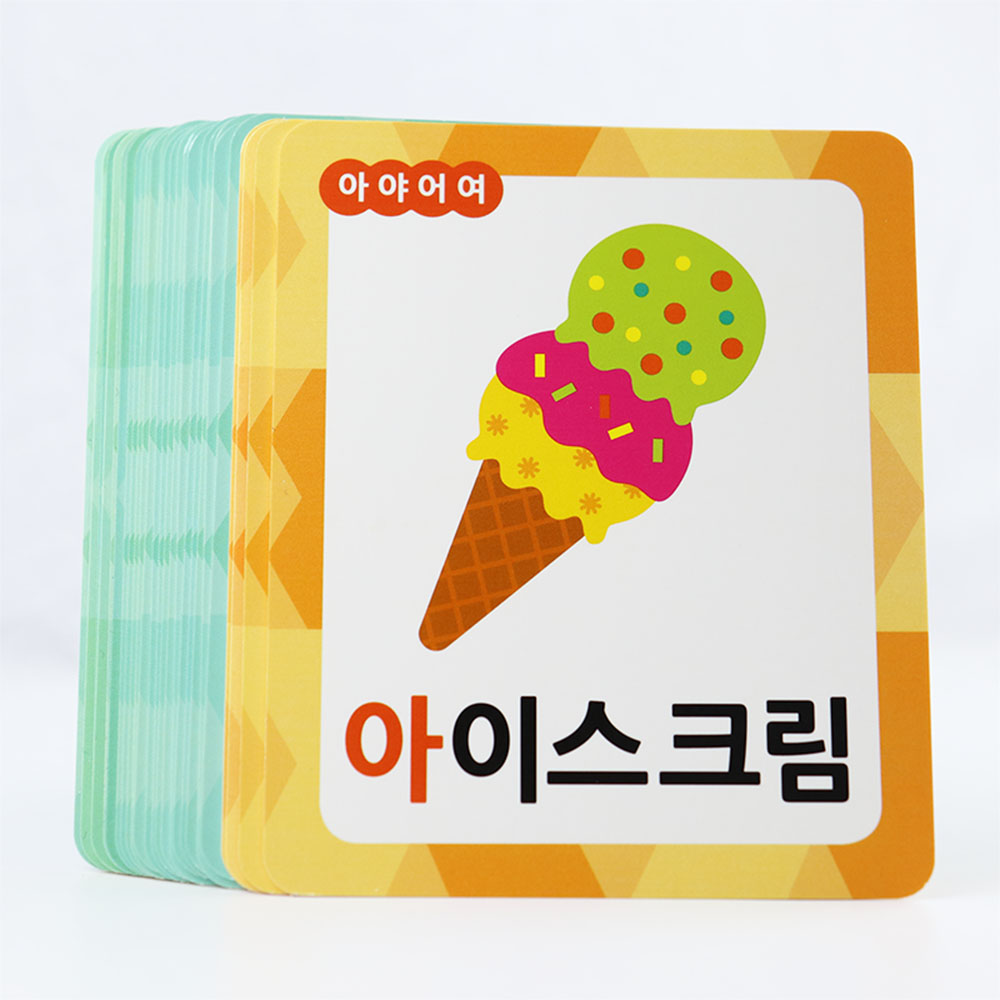 Korean Children's Educational Flashcards
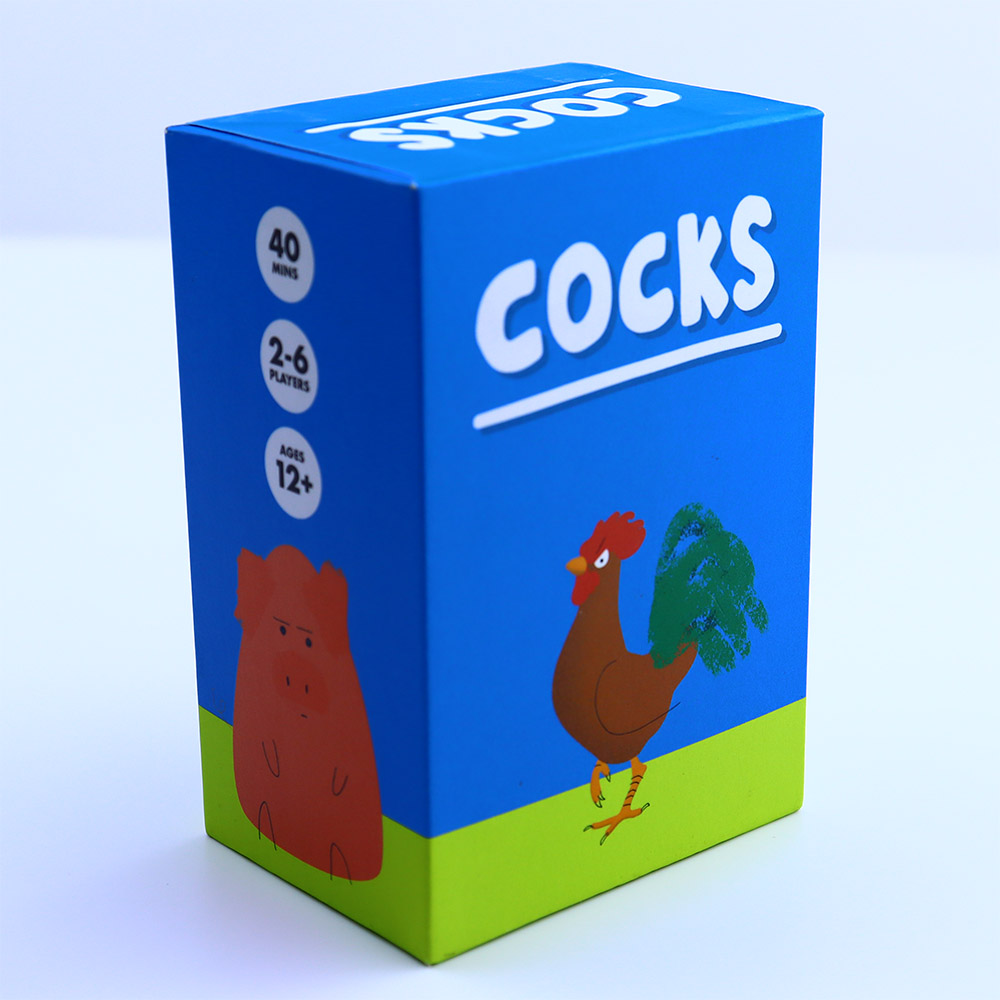 Cocks Themed Custom Children's Learning Cards
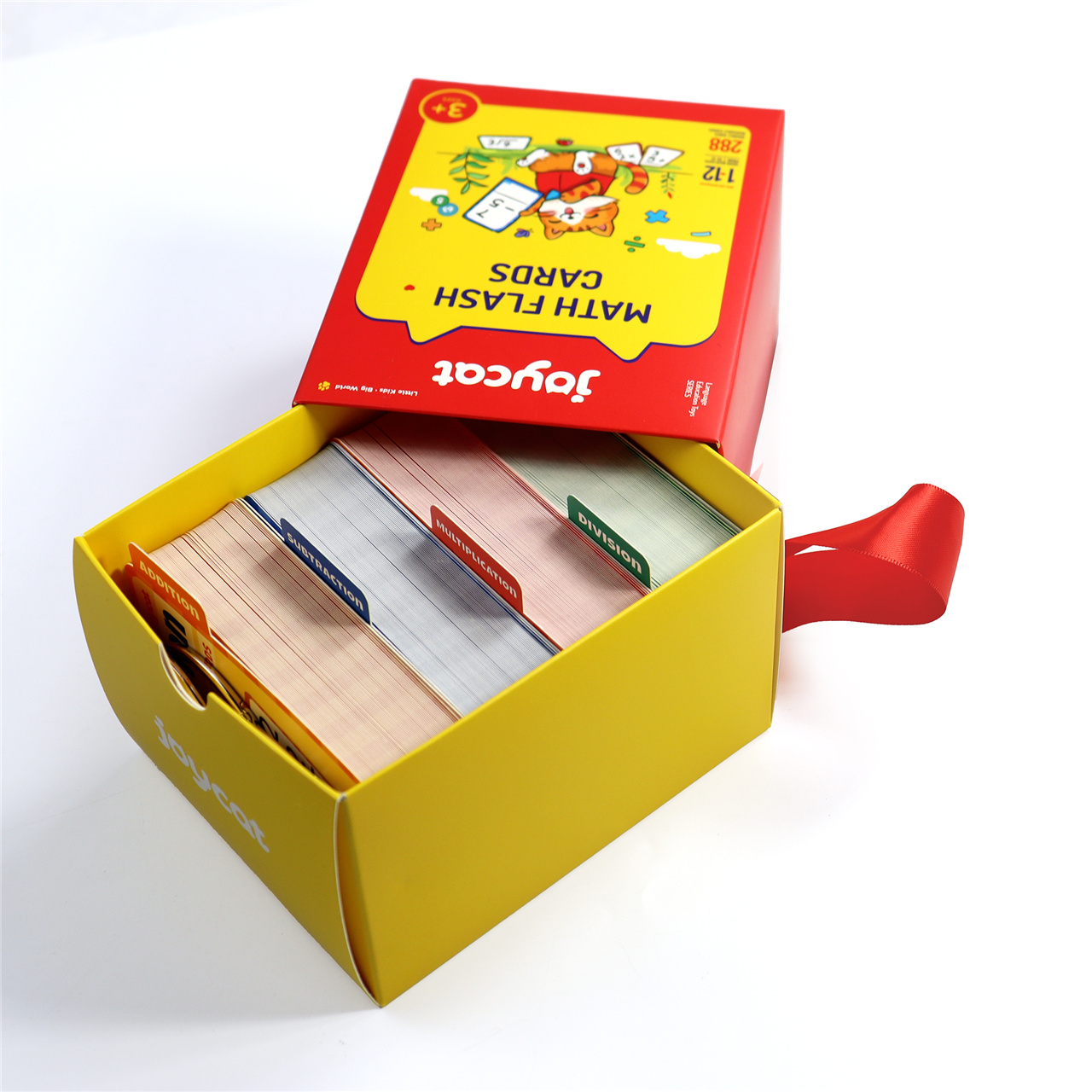 Math Flash Cards Set for Kids
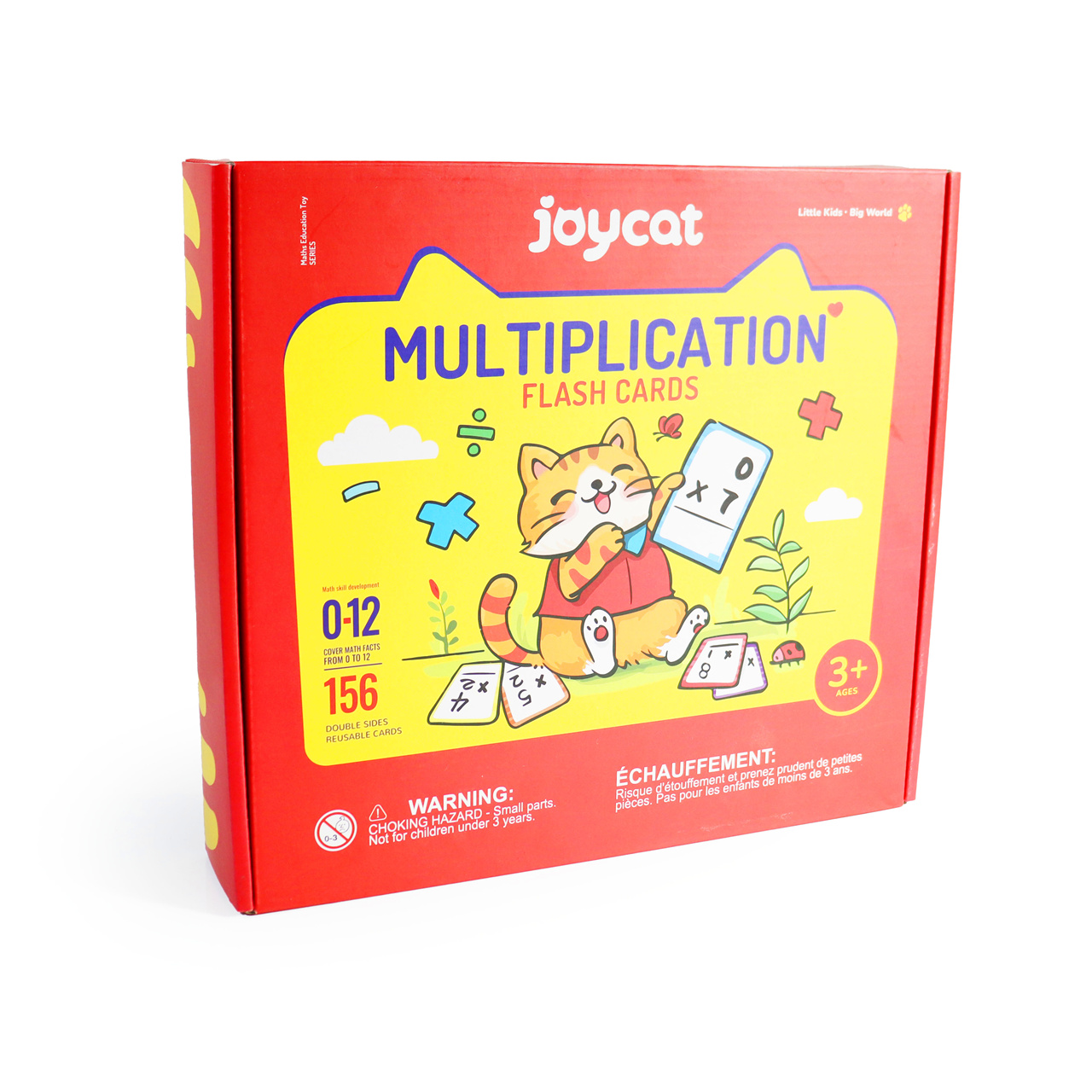 Joycat Multiplication Flash Cards Set with Accessories
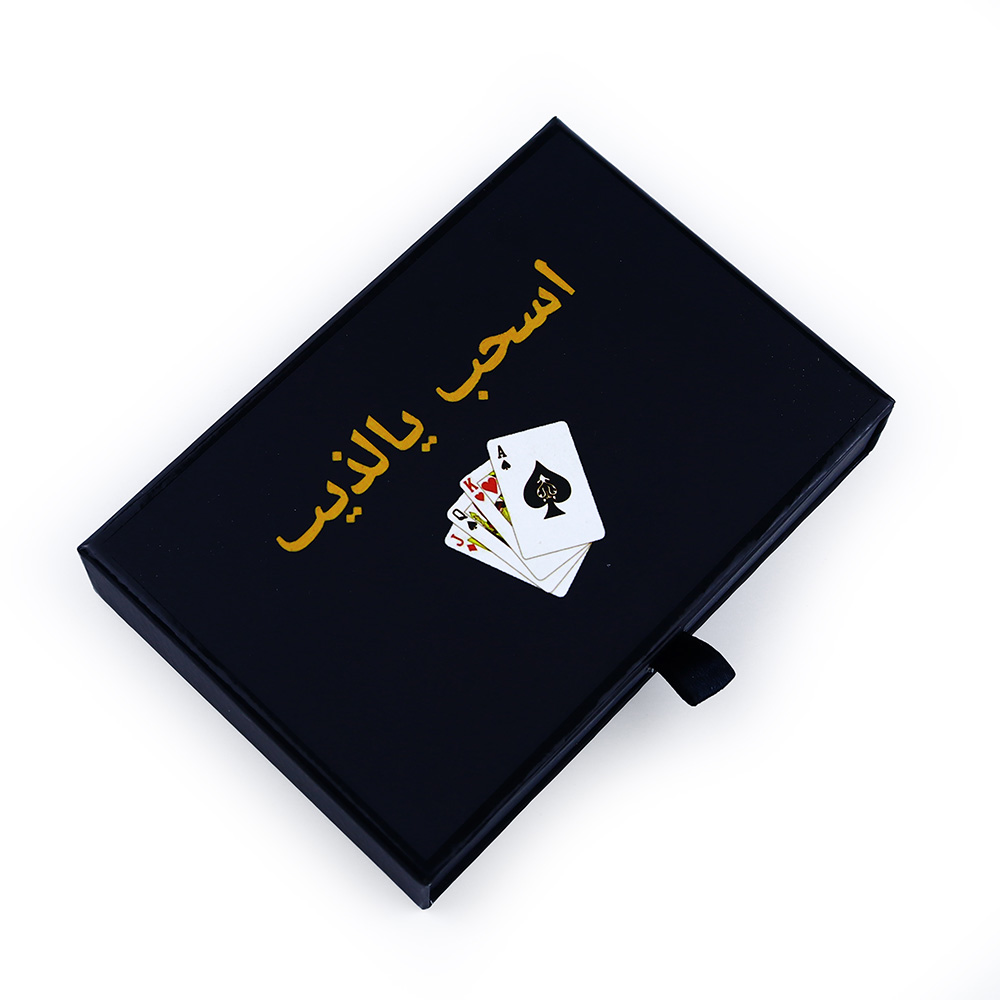 Custom Dual-Deck Playing Cards with Wolf-Themed Design
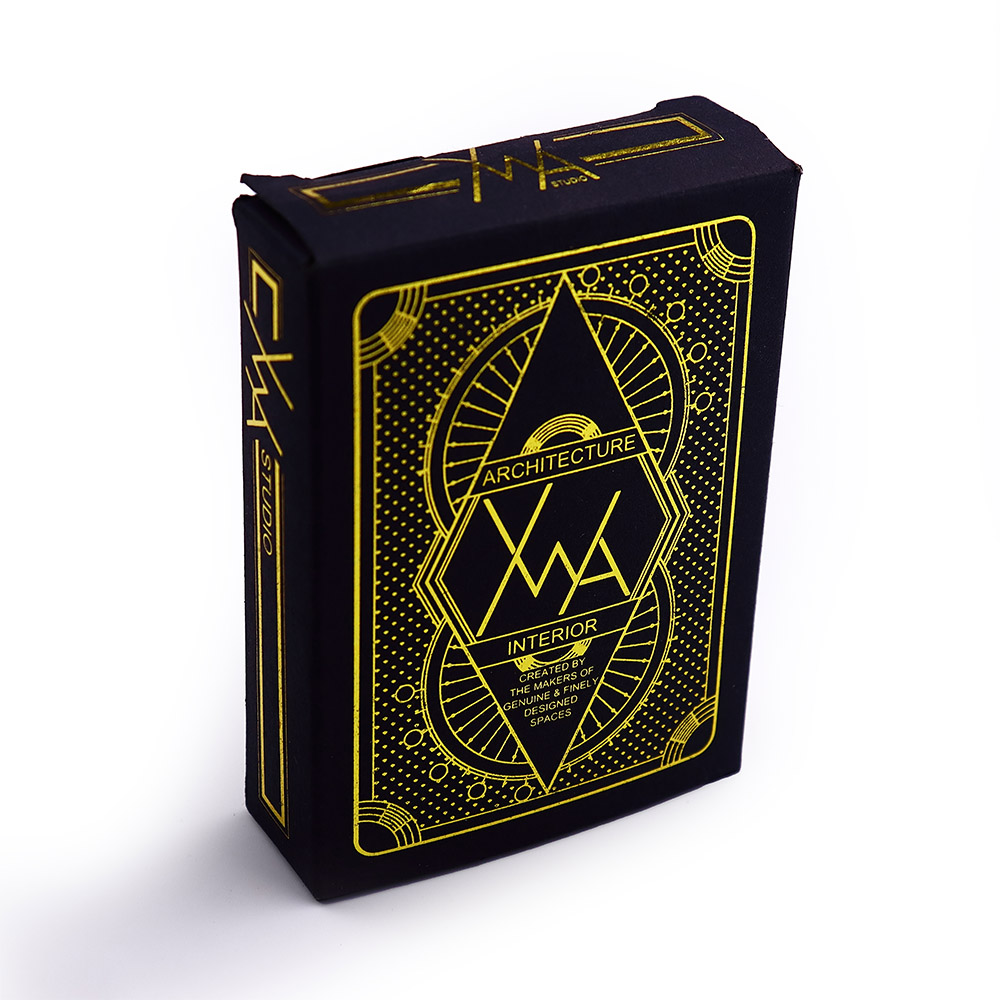 Custom embossed gold foil playing cards
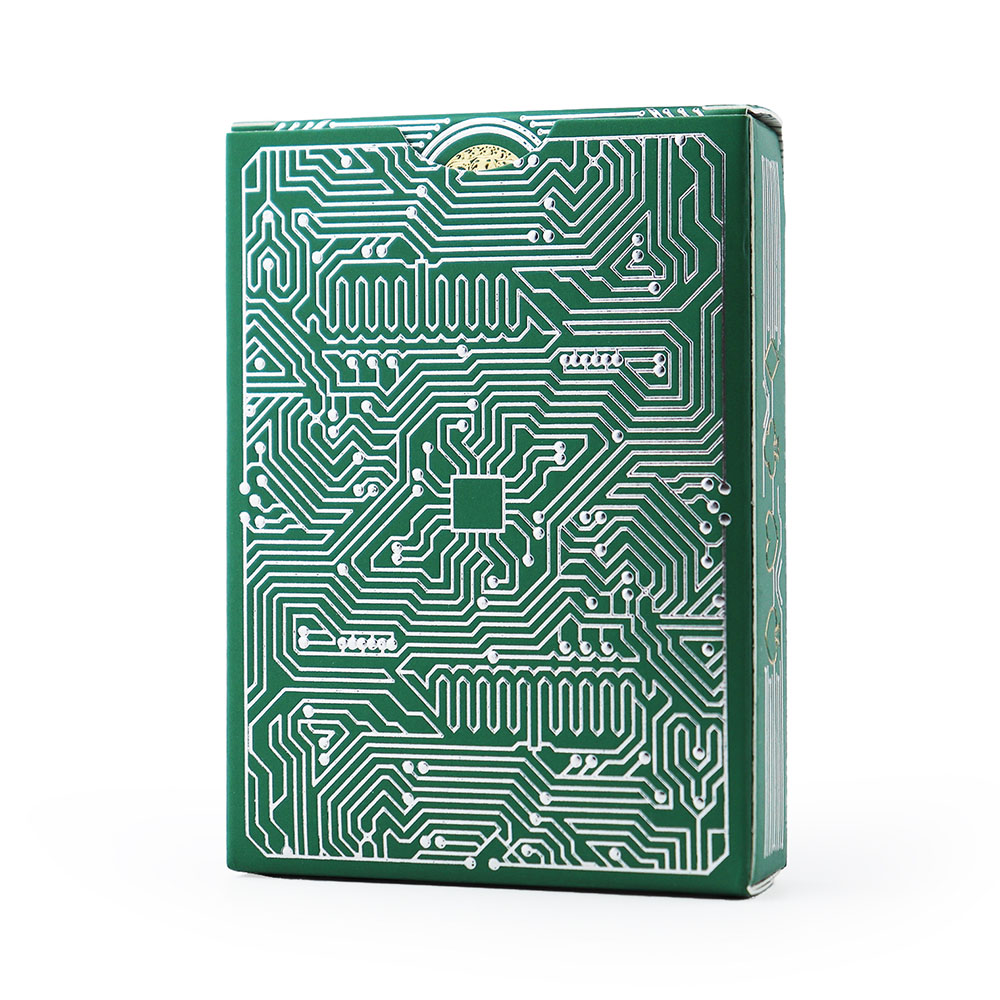 Circuit PCB Edition Custom Playing Cards
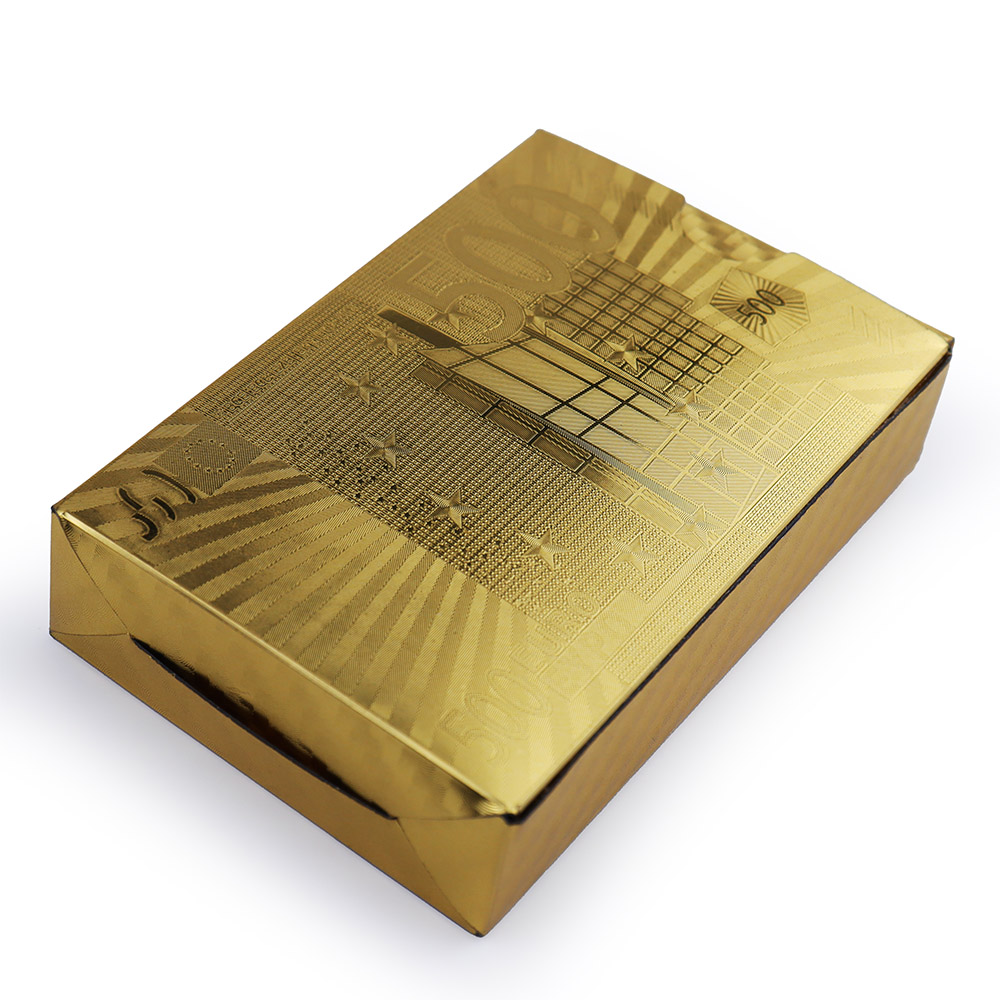 Customized theme gold foil playing cards
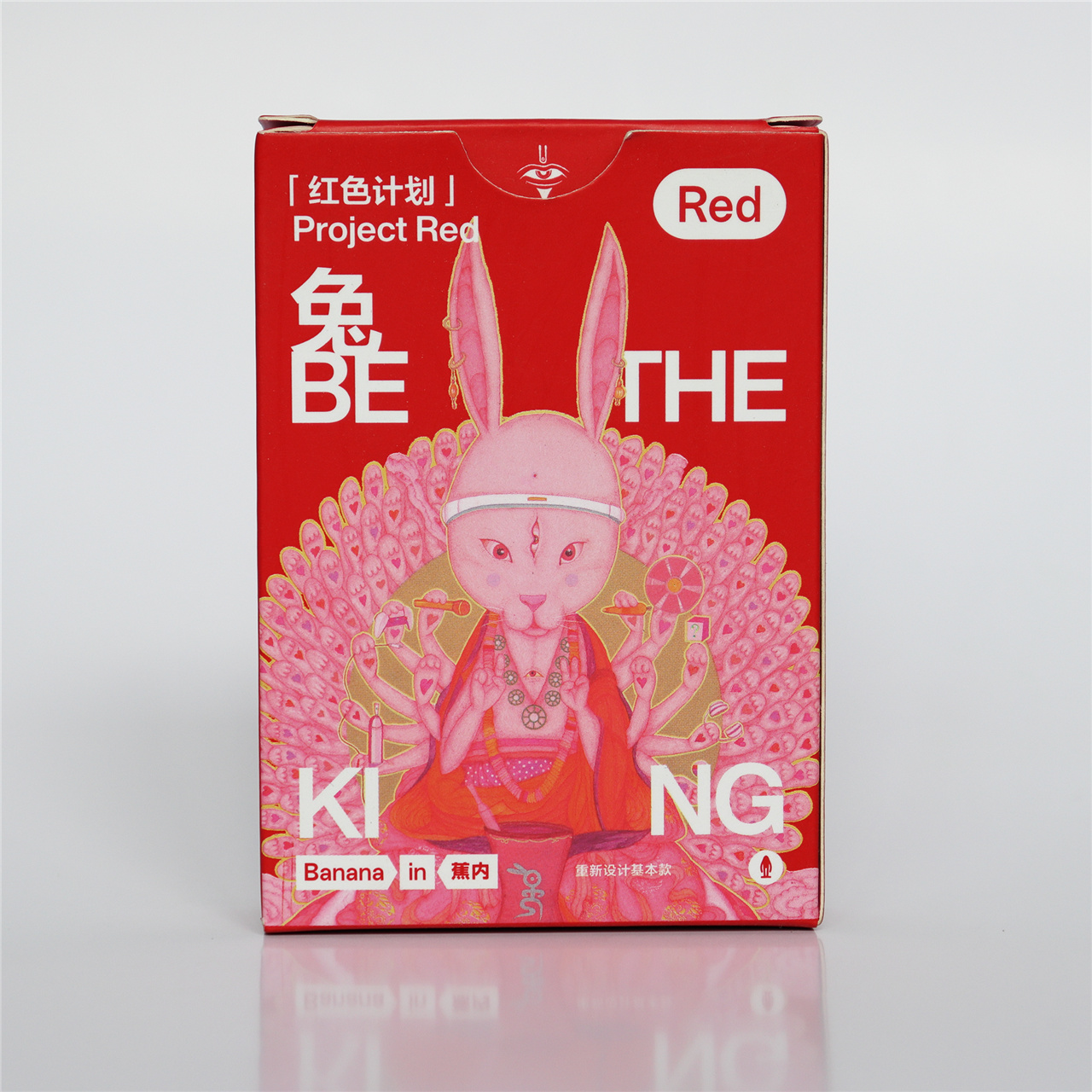 Custom Red Rabbit Themed Playing Cards Set
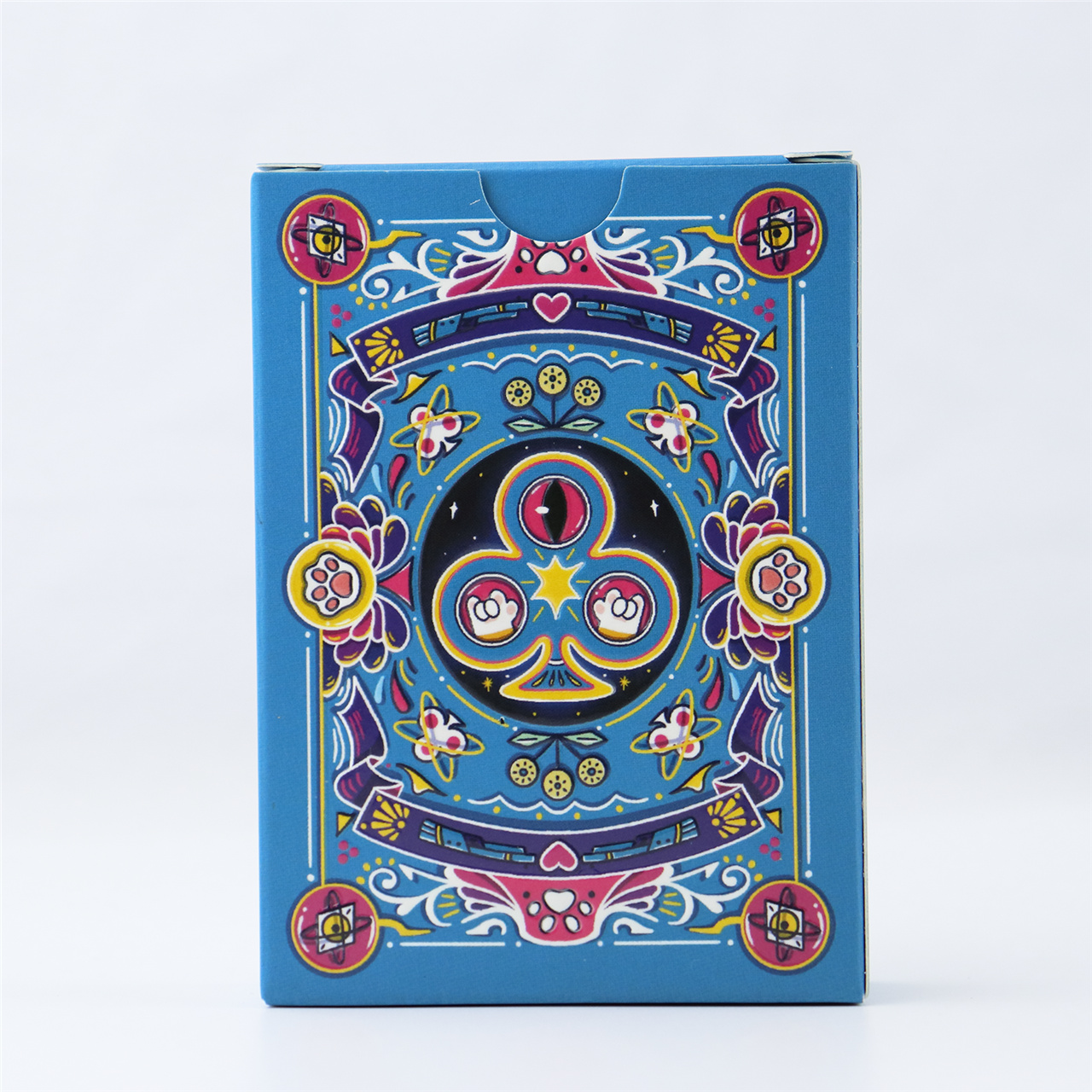 Custom Blue - Black Fantasy Plastic Playing Cards Set
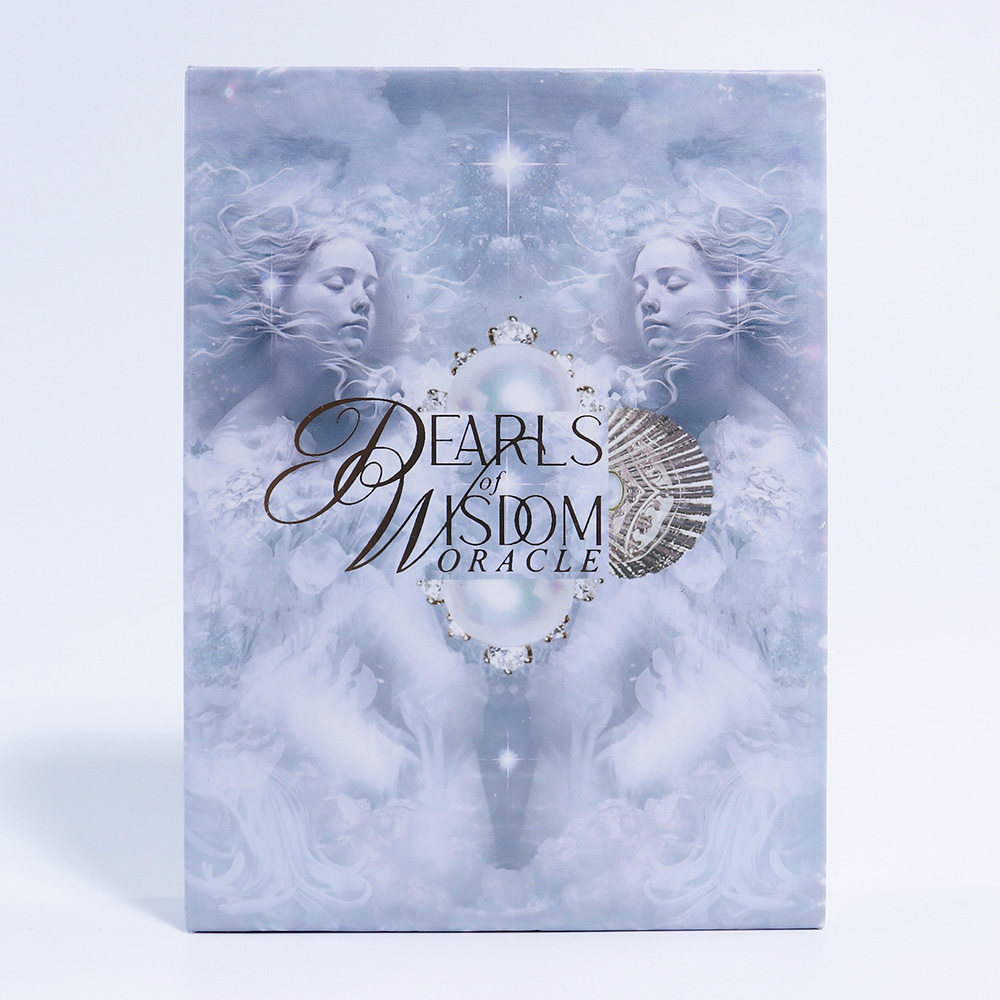 Pearls of Wisdom Oracle Custom Cards
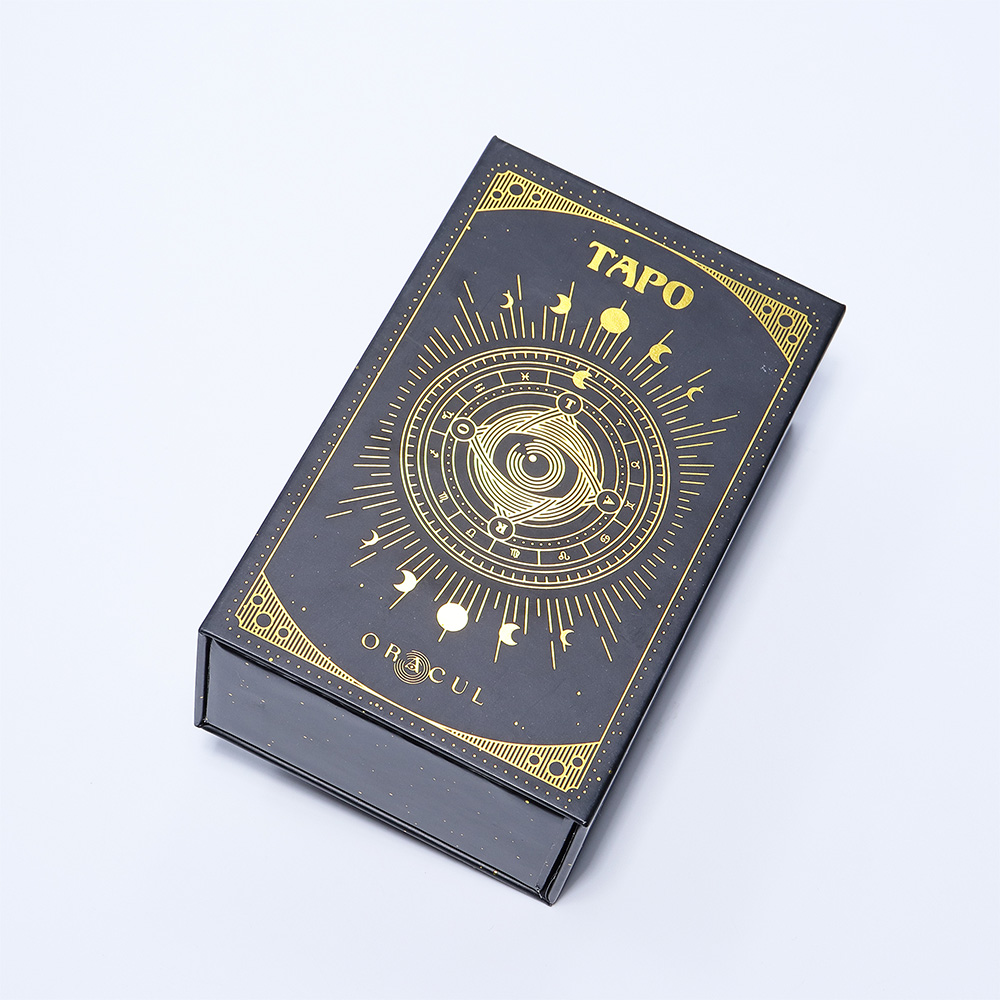 Custom Black & Gold Celestial Tarot Cards
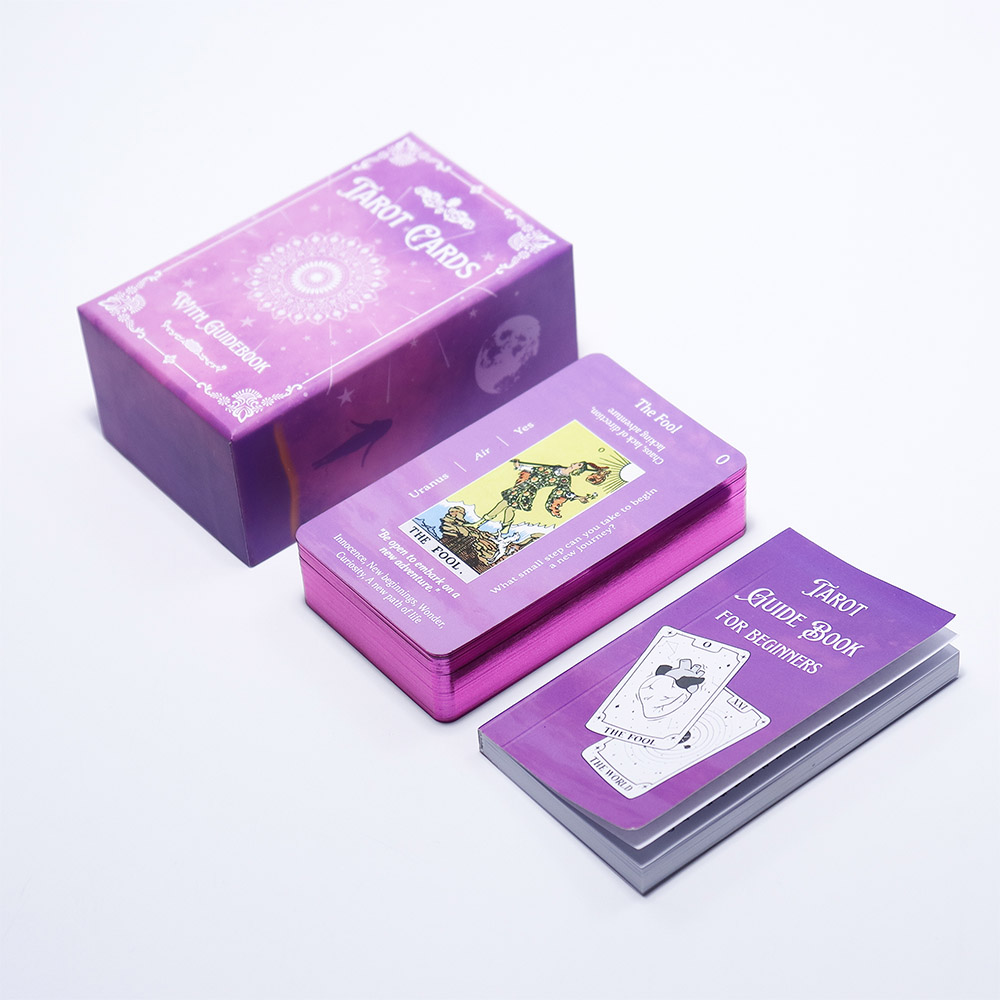 Custom Purple Tarot Cards with Guidebook
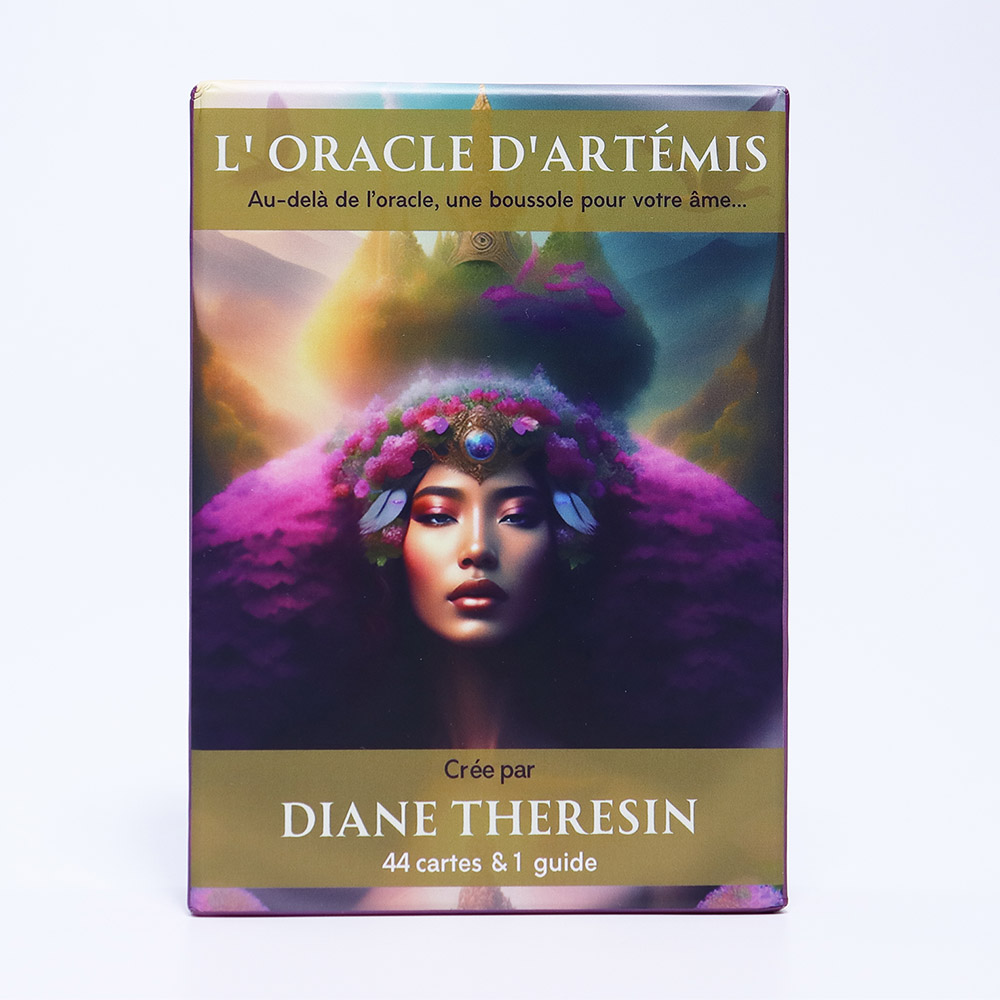 L'Oracle d'Artémis Custom Oracle Cards
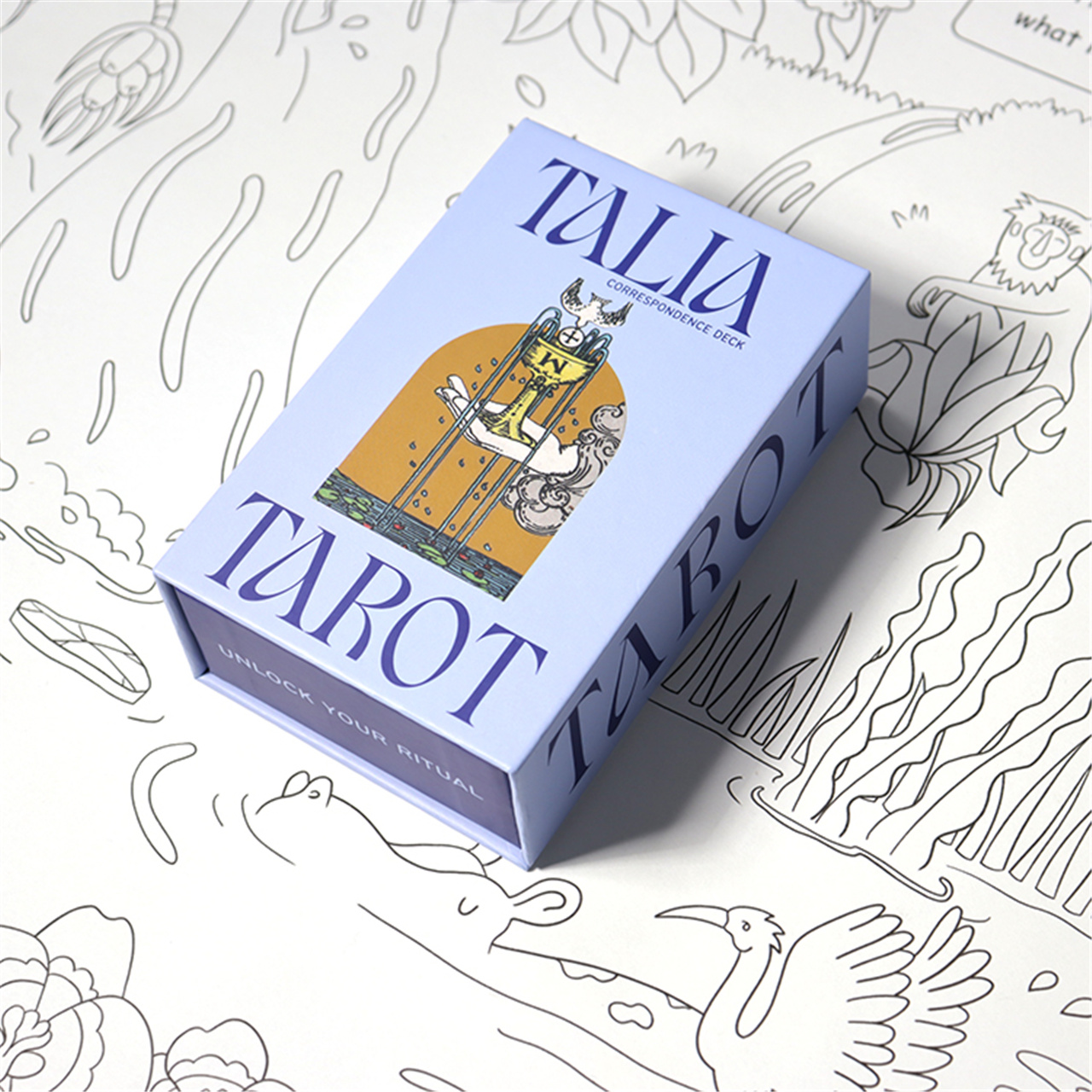 Custom Blue - Themed Tarot Cards Deck
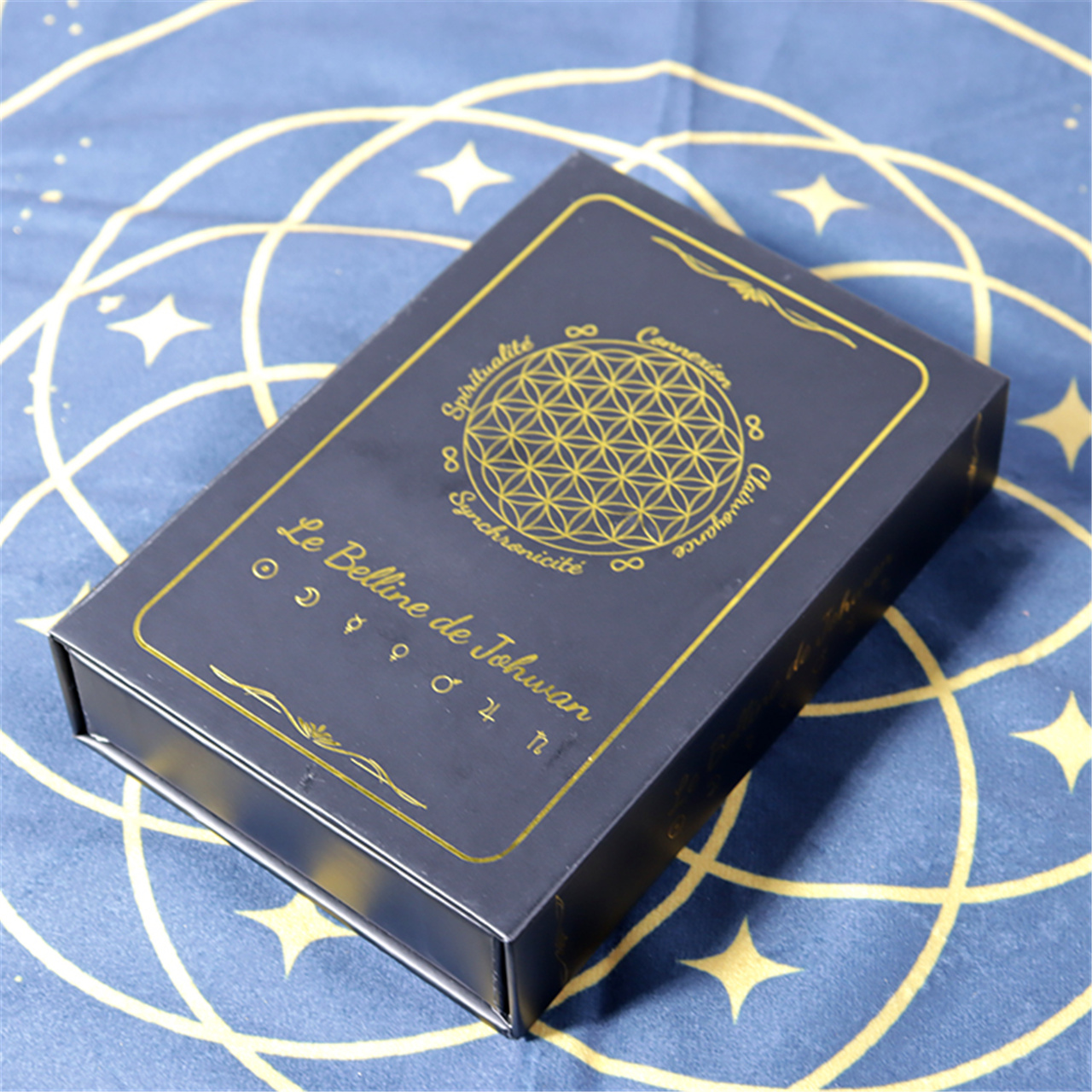 Custom Black - Blue Gold Foil Tarot Cards Set
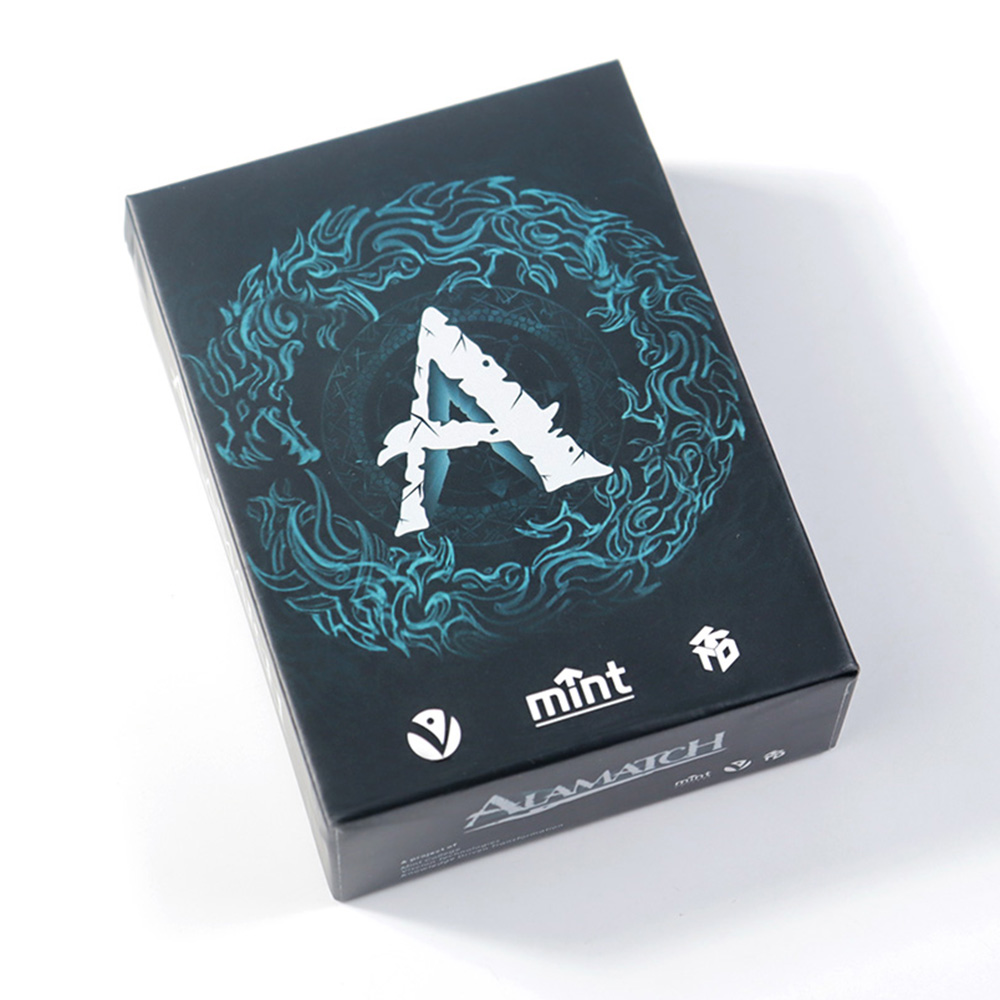 Alamatch Custom Trading Game Cards
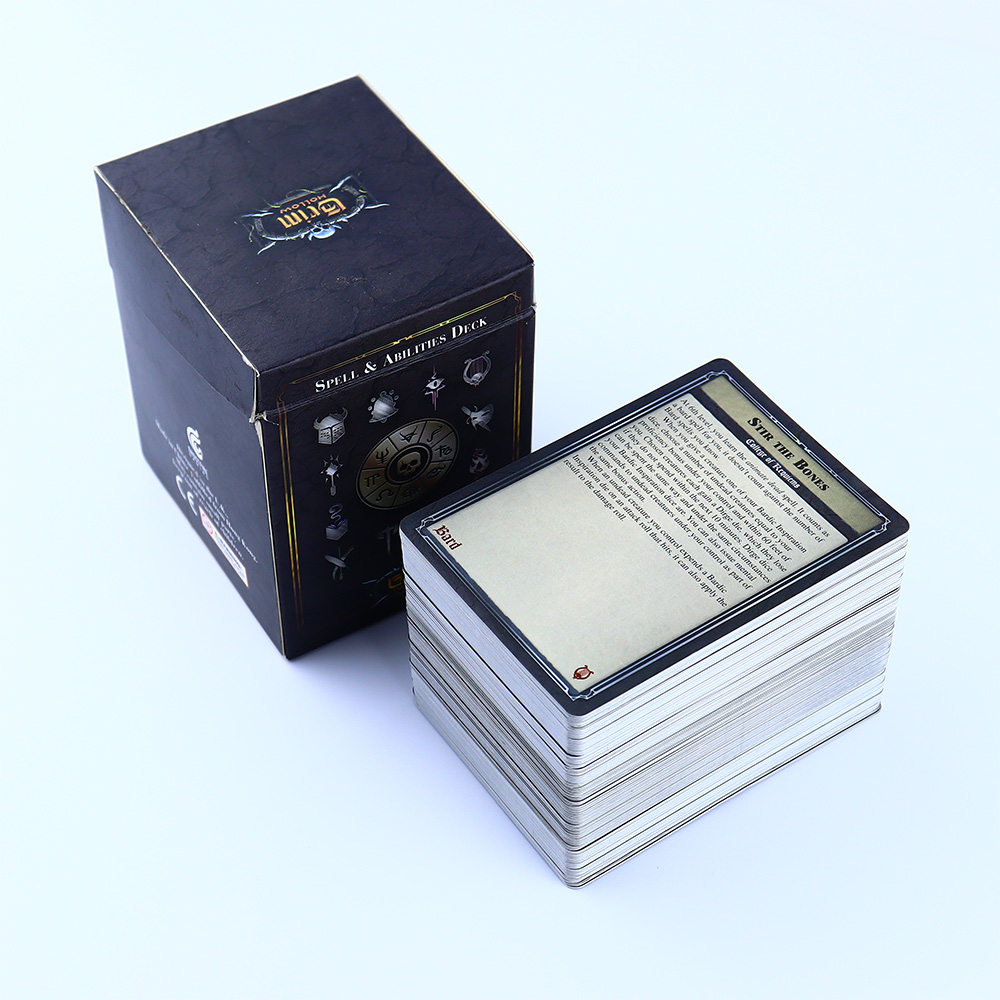 Grim Hollow Spell & Abilities Custom Trading Cards
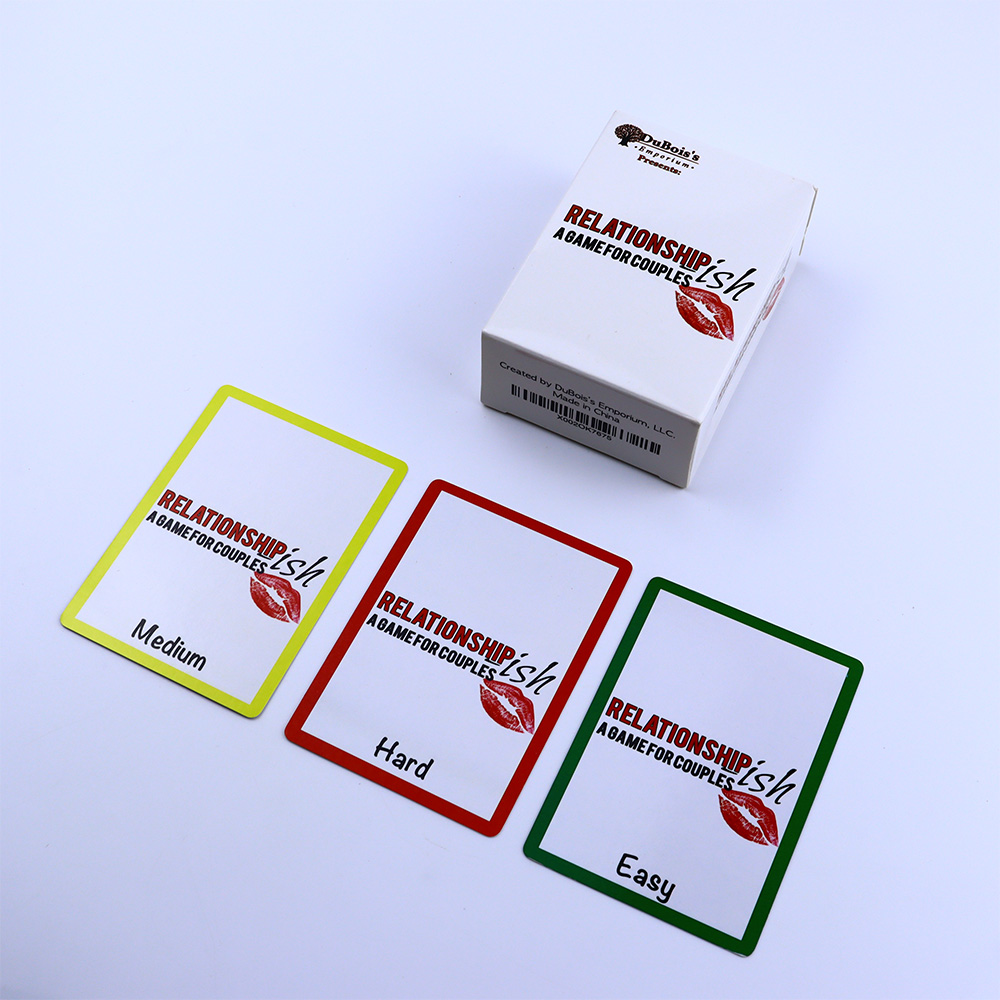 Relationshipish Custom Couple Card Game
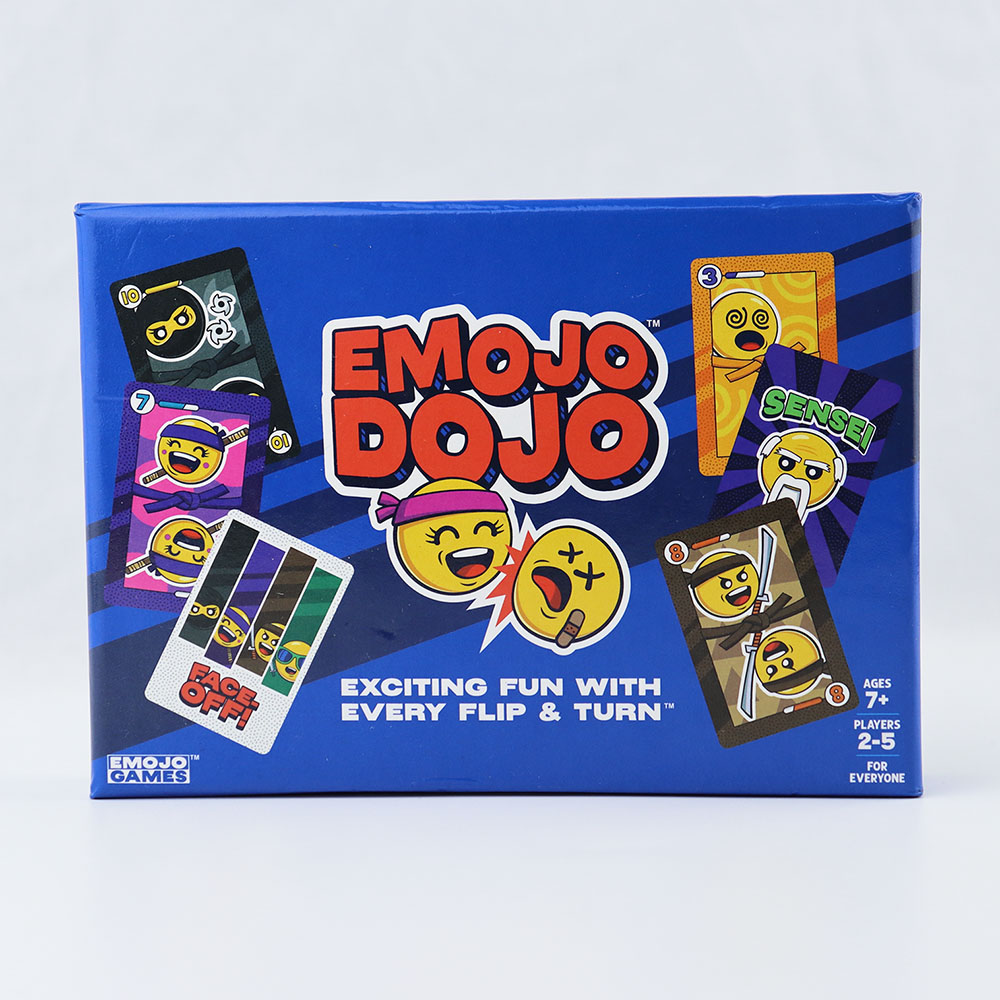 Emojo Dojo Custom Trading Card Game
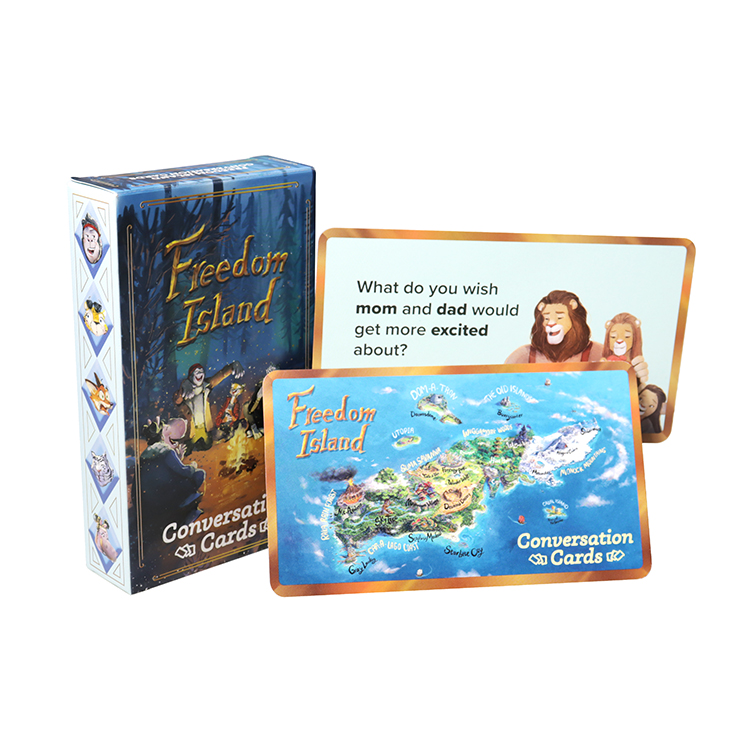 Custom Travel Photo Trading Cards Set
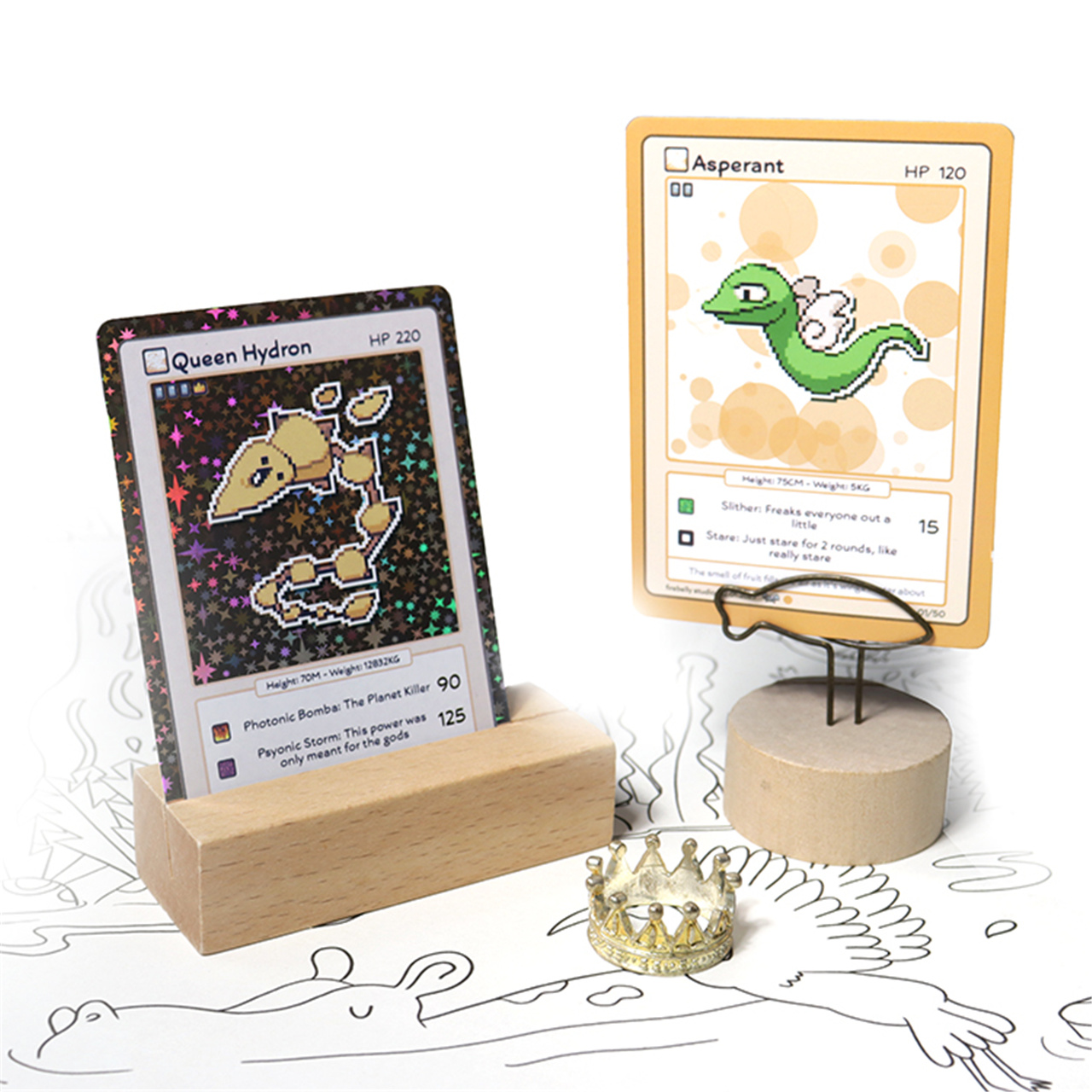 Custom Cartoon Holographic Trading Cards Set