| Card format |
Standard poker size: 63 × 88 mm |
Bridge size: 57 × 89 mm; custom sizes available |
Confirm the finished size, trimming tolerance, and whether the cards must fit standard sleeves or boxes. |
| Deck composition |
52 playing cards plus 2 jokers |
Custom card counts, instruction cards, score cards, or blank cards |
State the exact number of cards per deck and identify any cards with different artwork or content. |
| Card stock |
Black-core or blue-core playing-card stock |
Paper stock, laminated board, or plastic-based stock |
Core color helps reduce show-through. Request a physical sample when opacity and handling feel are important. |
| Card thickness |
Approximately 0.30–0.33 mm per card |
Approximately 0.28–0.38 mm per card |
Thickness affects shuffle feel, deck height, packaging fit, freight volume, and perceived quality. |
| Paper weight |
Approximately 280–330 gsm, depending on construction |
Approximately 250–350 gsm |
GSM alone does not determine stiffness or thickness; evaluate the complete laminated or coated structure. |
| Corner style |
Rounded corners with a 3–5 mm radius |
Square corners, larger radius, or custom die-cut corners |
Specify the corner radius and acceptable edge tolerance to keep the deck consistent during automated cutting. |
| Printing process |
Four-color process printing on both sides |
Spot colors, metallic ink, white ink, or digital printing for shorter runs |
For repeat production, provide color references, proofing requirements, and approved tolerances for color variation. |
| Artwork resolution |
300 dpi at final size |
Vector artwork for logos, text, icons, and line graphics |
Keep important artwork away from trim lines and submit separate files for fronts, backs, jokers, and packaging. |
| Bleed allowance |
3 mm bleed on each edge |
2–5 mm, subject to the printer's die-cutting specifications |
Use a safe area inside the trim line, especially for borders, small text, and centered back designs. |
| Surface finish |
Low-gloss or linen-textured finish |
Matte, gloss, aqueous coating, embossed texture, or soft-touch coating |
Finish affects friction, glare, durability, color appearance, and suitability for card handling. |
| Back design |
Centered, reversible, and visually balanced design |
Full-bleed artwork, borderless design, or one-way orientation |
Bordered designs make cutting variation more visible; one-way backs may affect gameplay requirements. |
| Packaging format |
Printed tuck box with optional inner seal |
Rigid box, two-piece box, tin, paper band, or shrink wrap |
Specify box dimensions, material, closure style, barcode area, and protection needed for international shipping. |
| Packaging quantity |
1 deck per retail package |
Multiple decks per display carton or master carton |
Define inner-pack and master-carton quantities to simplify warehouse handling and freight calculations. |
| Quality inspection |
Pre-production proof plus random sampling before shipment |
In-line inspection, full counting, or third-party inspection |
Check card count, print alignment, color, cutting, corner shape, surface defects, and packaging condition. |
| Order quantity |
Quoted by deck, with quantity breaks |
Sample order, pilot batch, medium run, or large production run |
Ask for pricing at several volumes because setup, printing, packaging, and freight costs may scale differently. |
| Carton and shipping data |
Carton dimensions, gross weight, net weight, and deck quantity |
Palletized shipment, sea freight, air freight, or express delivery |
Request final carton data before booking freight and confirm the delivery destination, trade terms, and required documents. |
| Compliance information |
Material, ink, coating, packaging, and labeling details |
Market-specific safety, recycling, barcode, and language requirements |
Requirements vary by destination and product use; confirm applicable rules before mass production. |

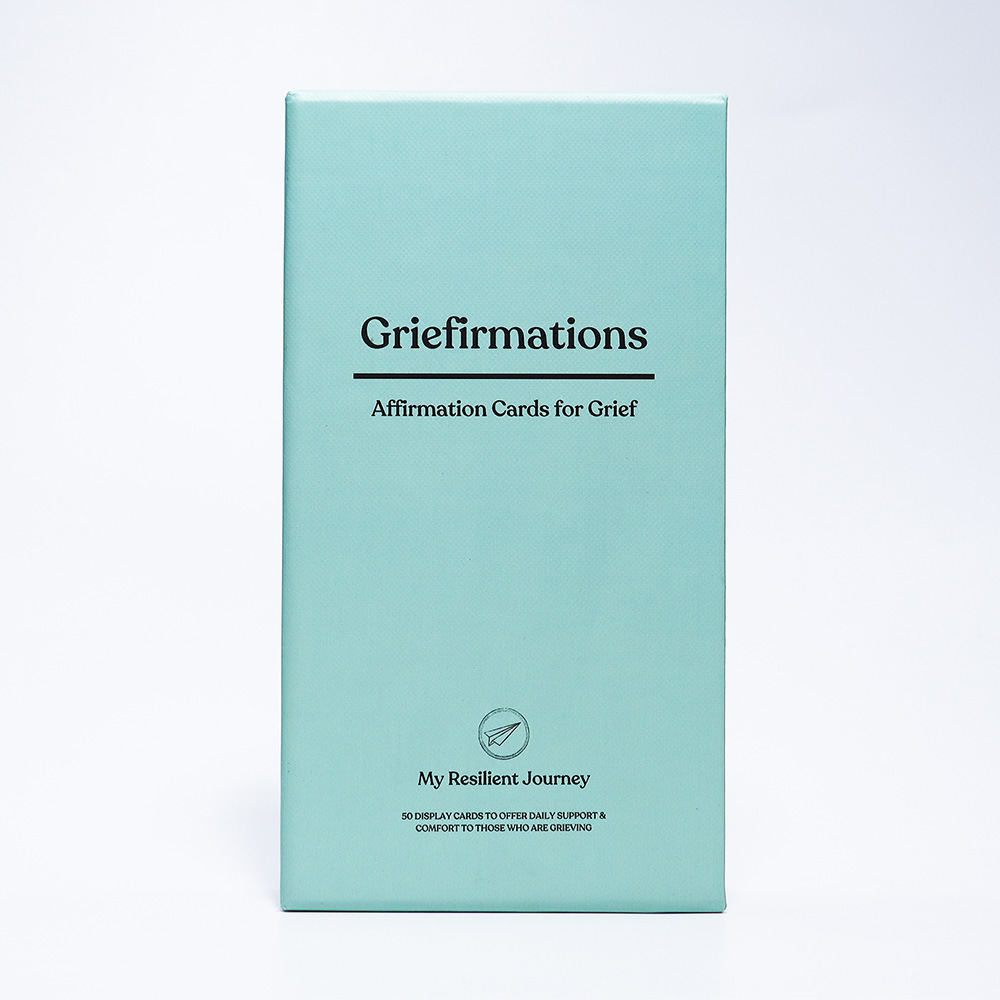 Customizable Emotional Support Cards for Grief & Resilience
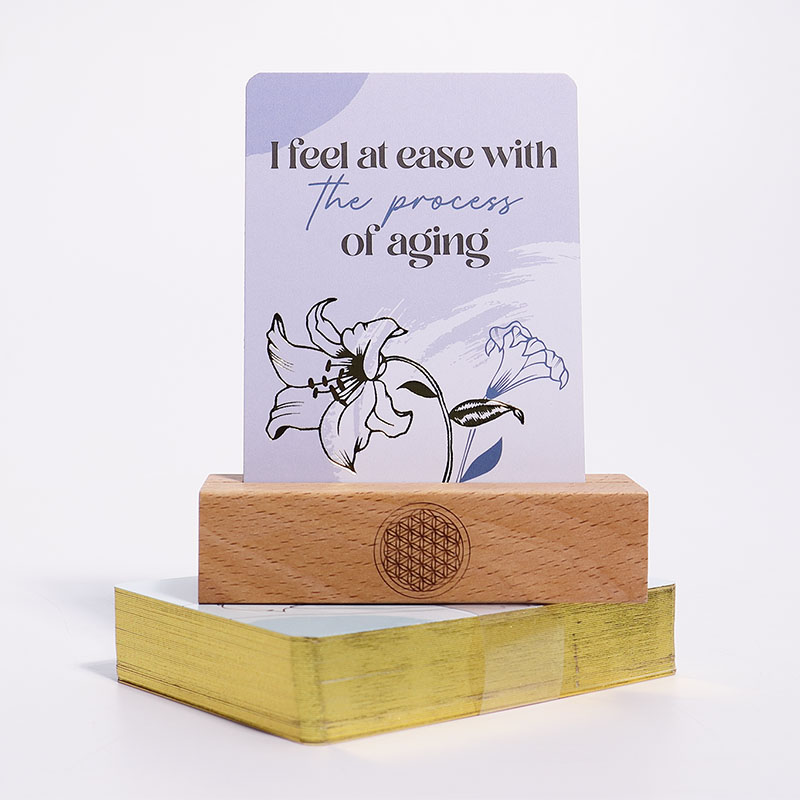 Personalized Emotional Encouragement Card Collection
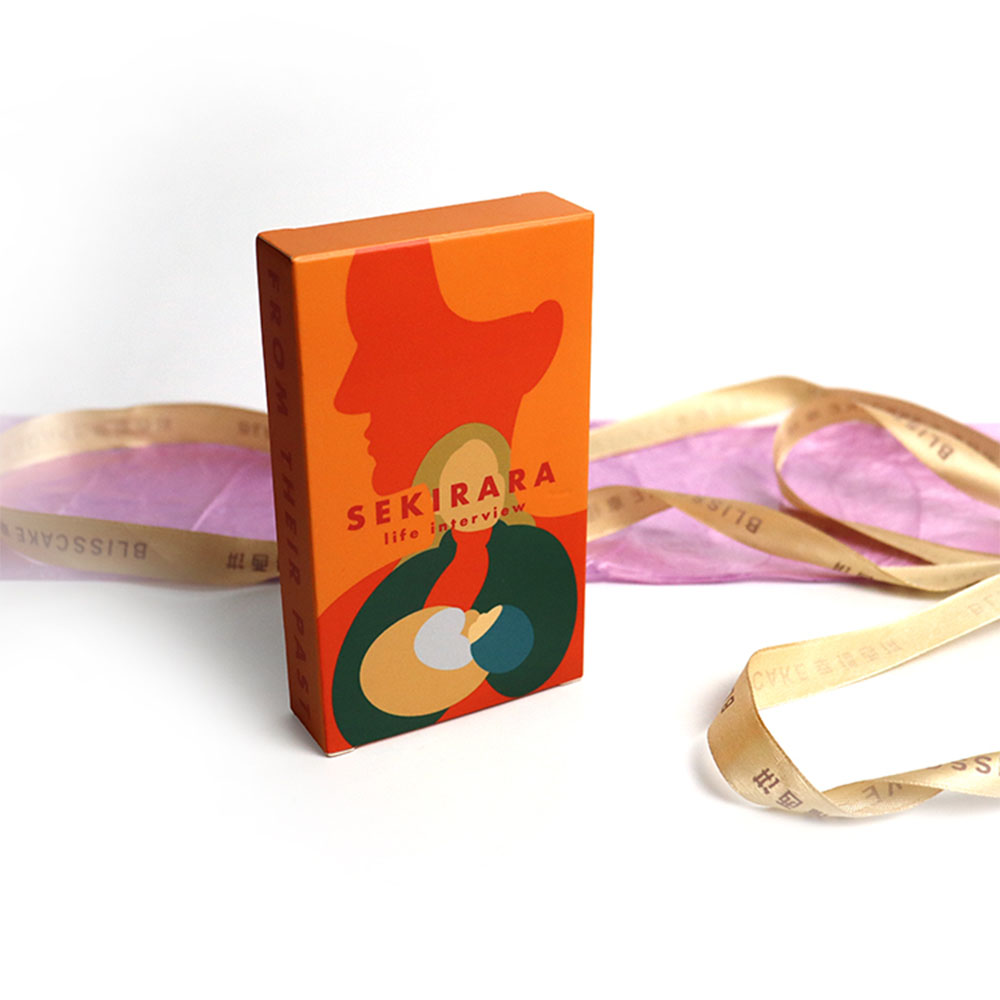 Personalized Deep Conversation Card Gift Box
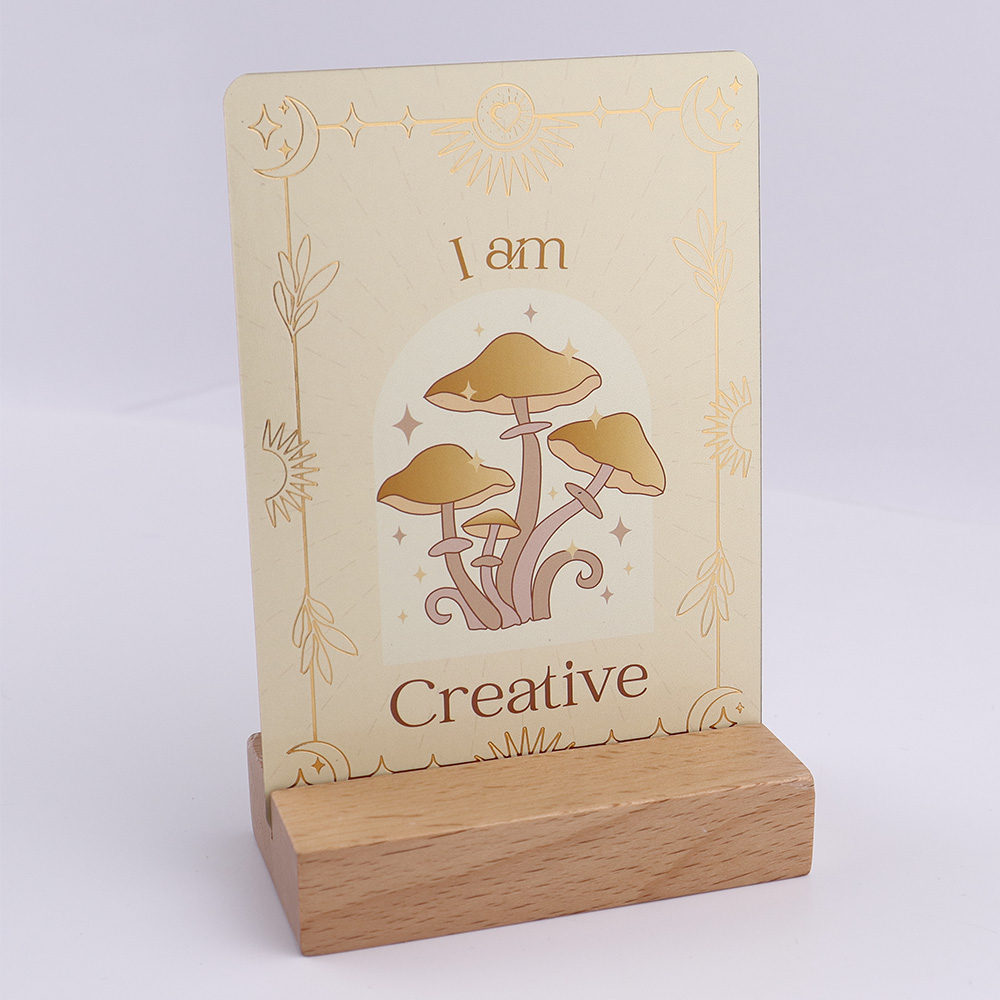 Customizable Boho-Chic Affirmation Cards for Mindfulness & Self-Love
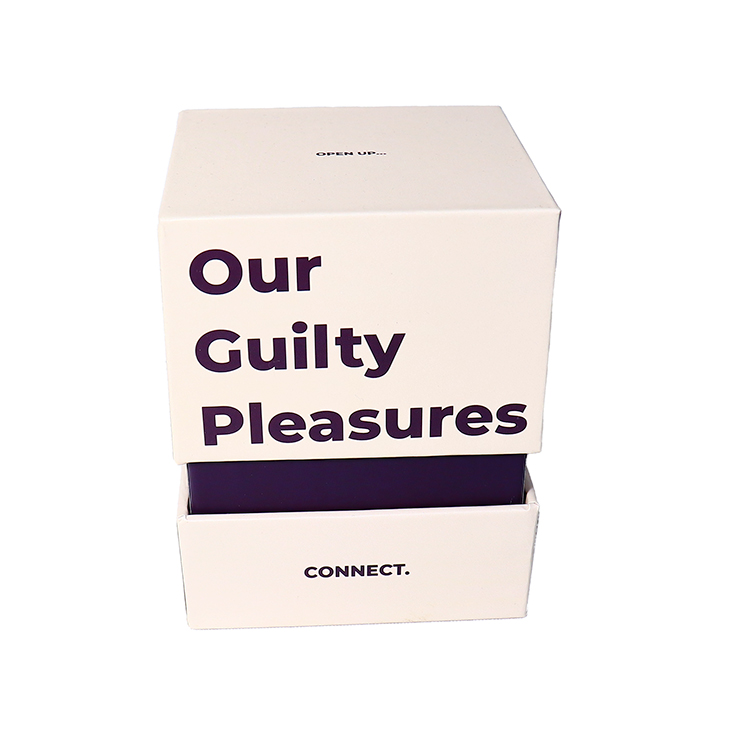 Customized Friendship Confirmation Card
 Customized Entrepreneurship Confirmation Card
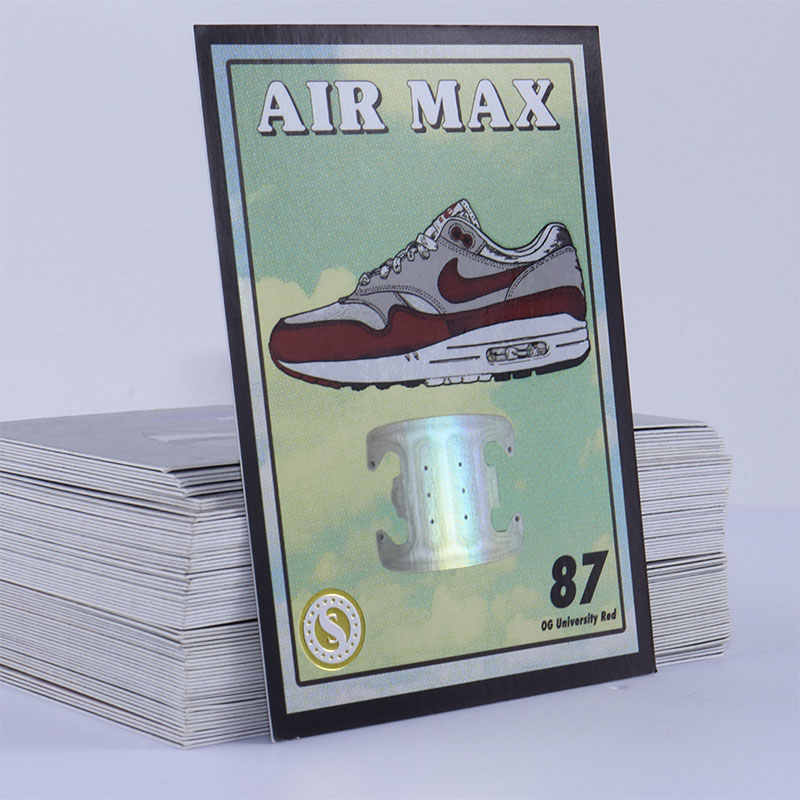 Air Max Pax Custom Sneaker Card Blind Box Set
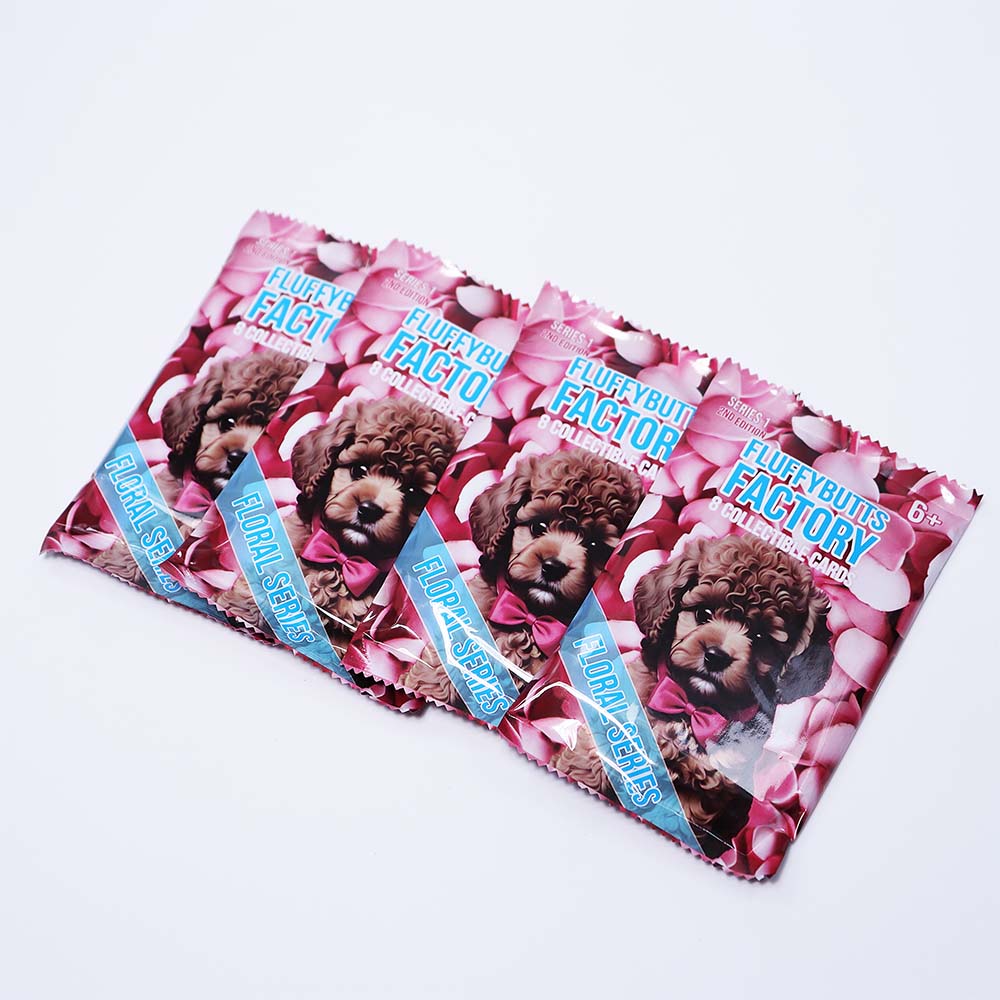 Fluffybutts Factory Custom Pet Card Blind Box Sets
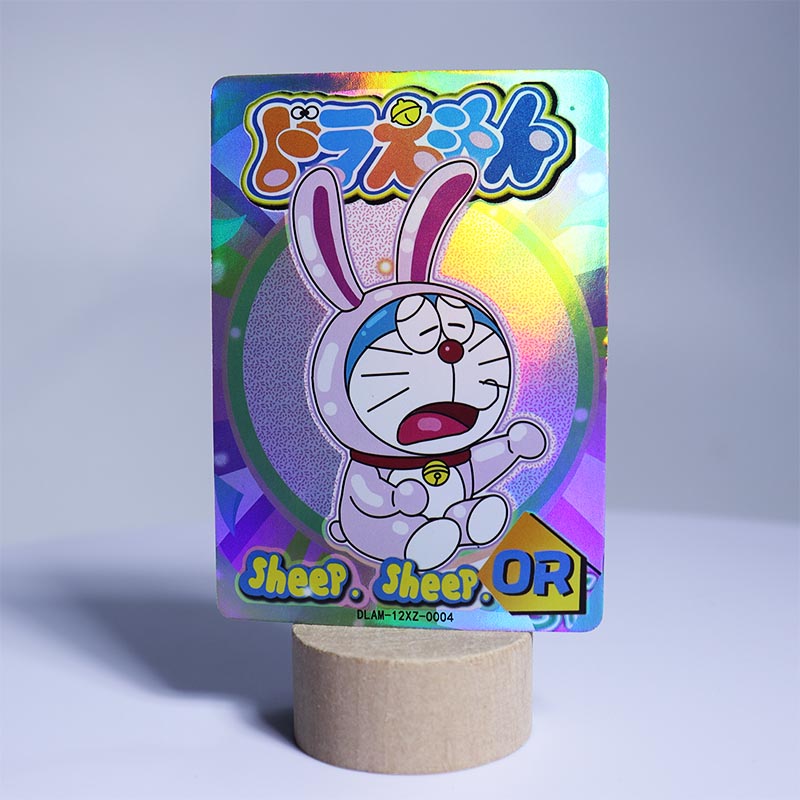 Doraemon Custom Card Blind Box Set
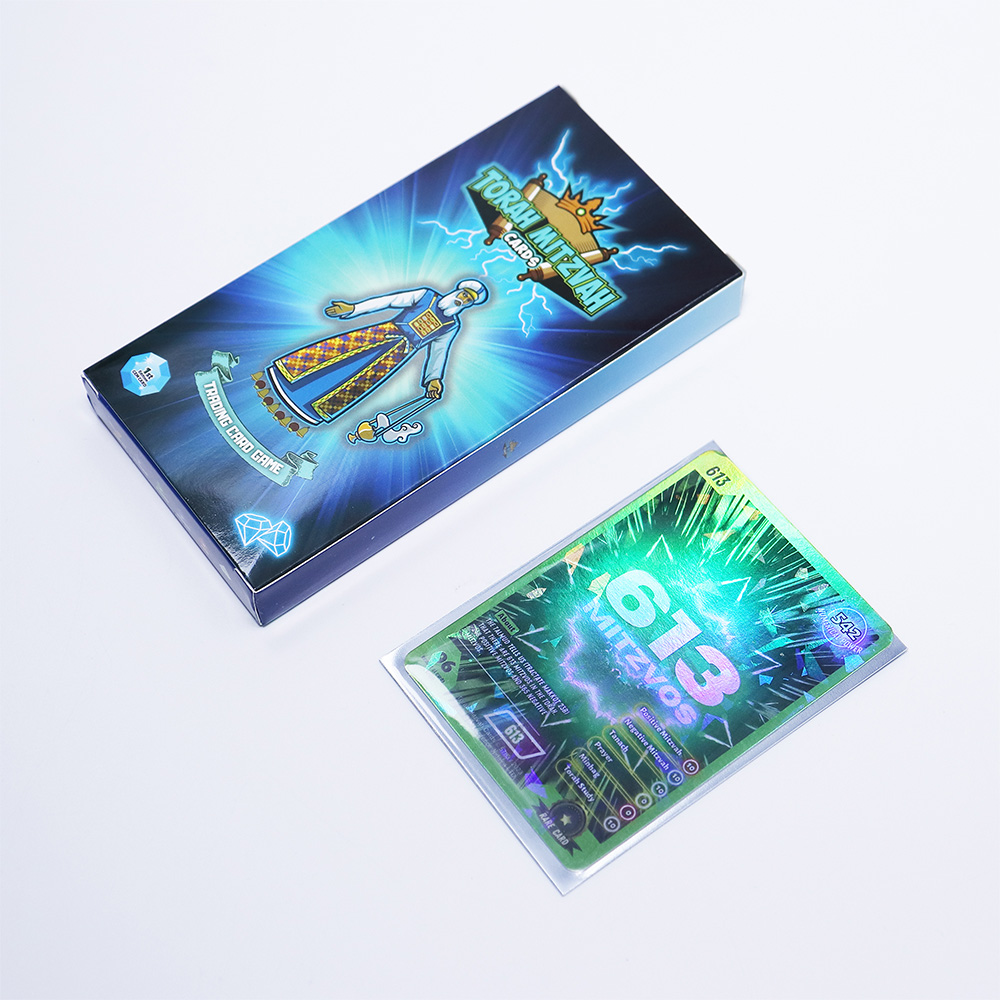 Torah Mitzvah Custom Card Blind Box Set
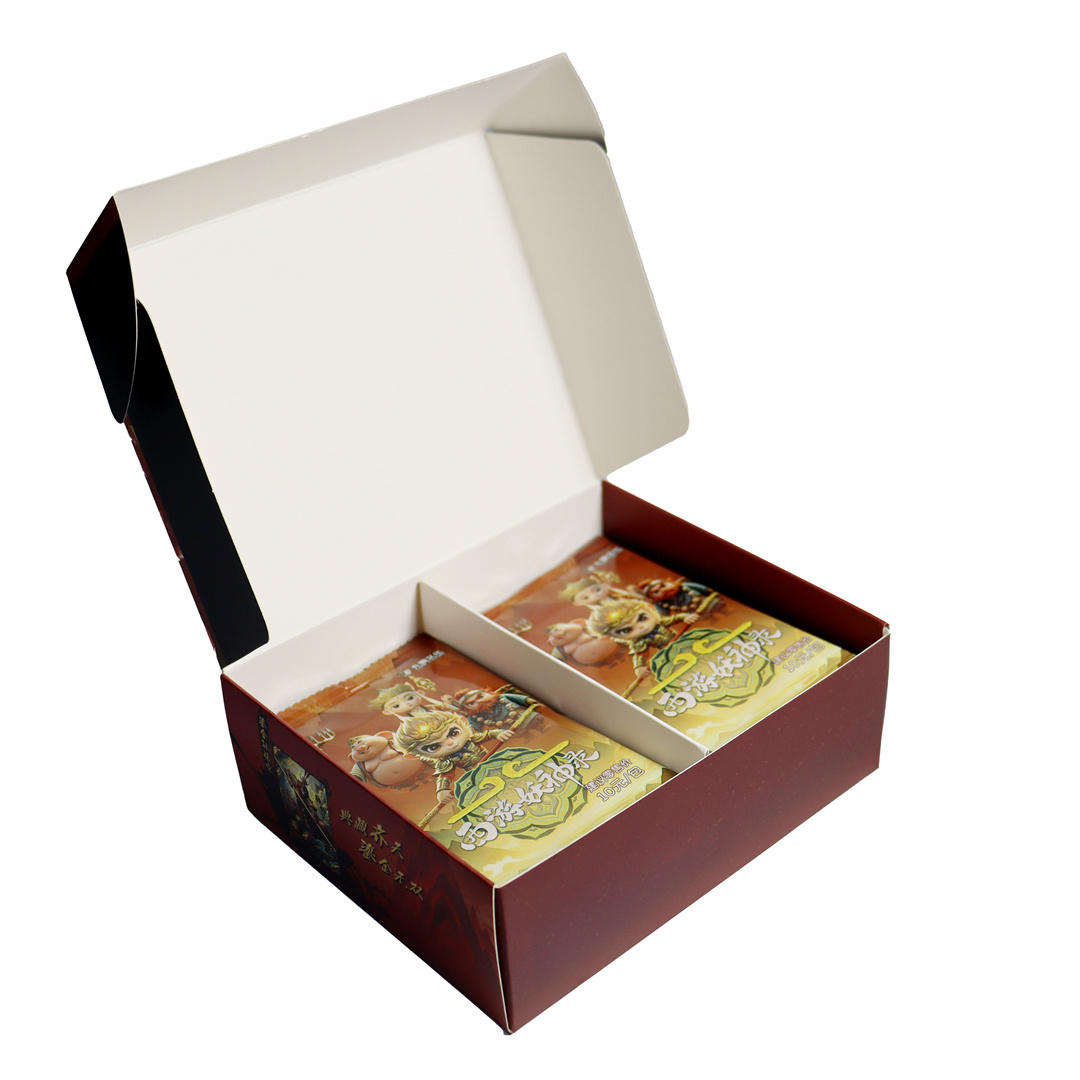 Customized "Journey to the West" Themed Card Blind Box Set
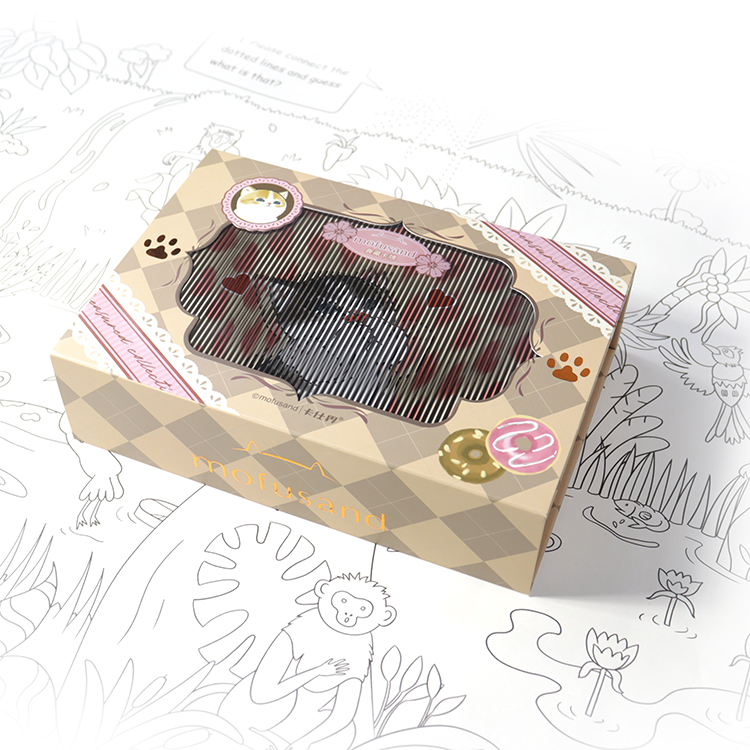 Customized cat-themed blind box set
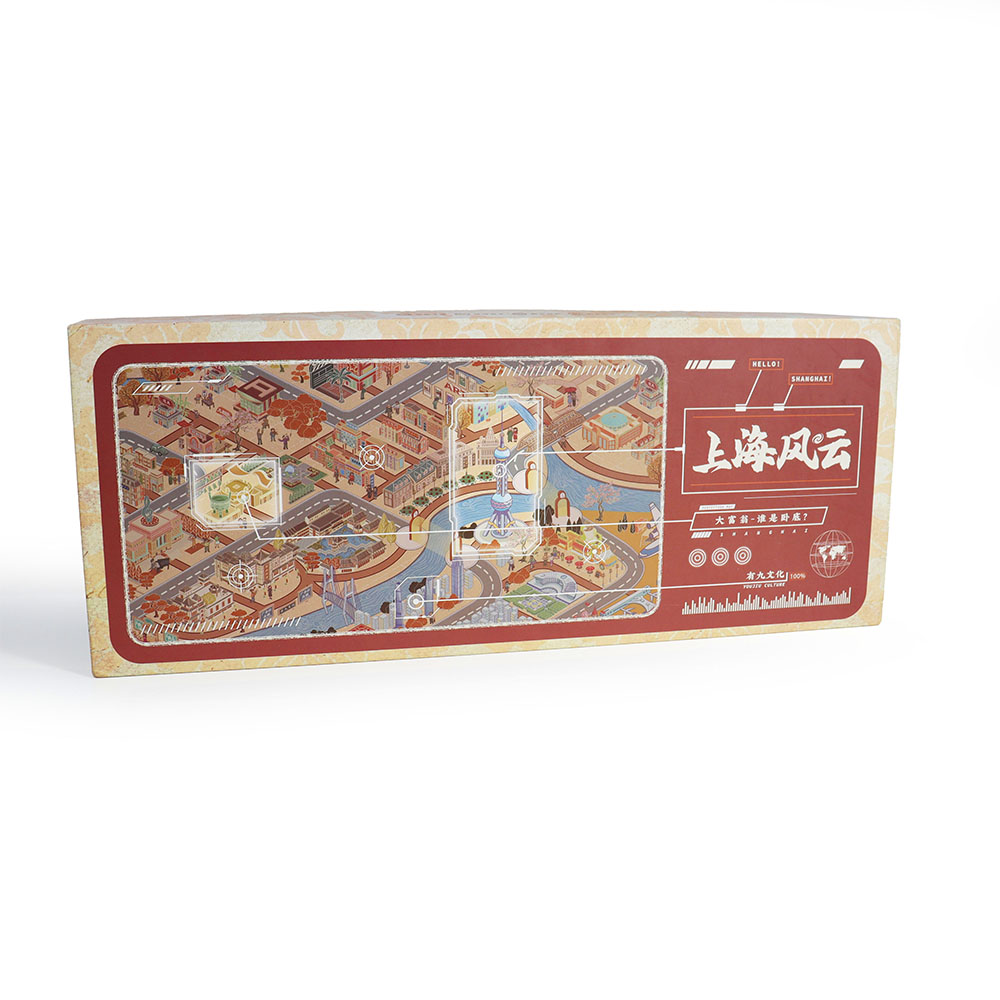 Shanghai Fengyun Custom Board Game Set
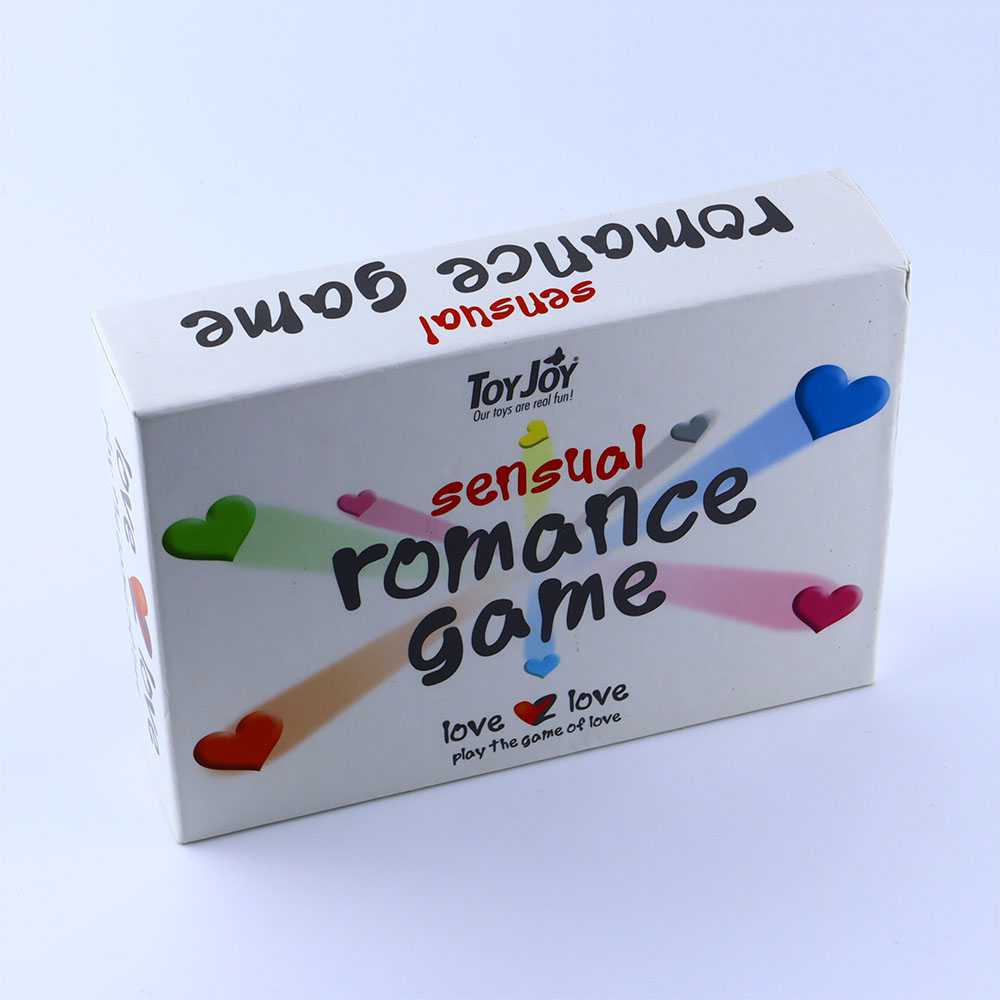 Sensual Romance Game Custom Board Game Set
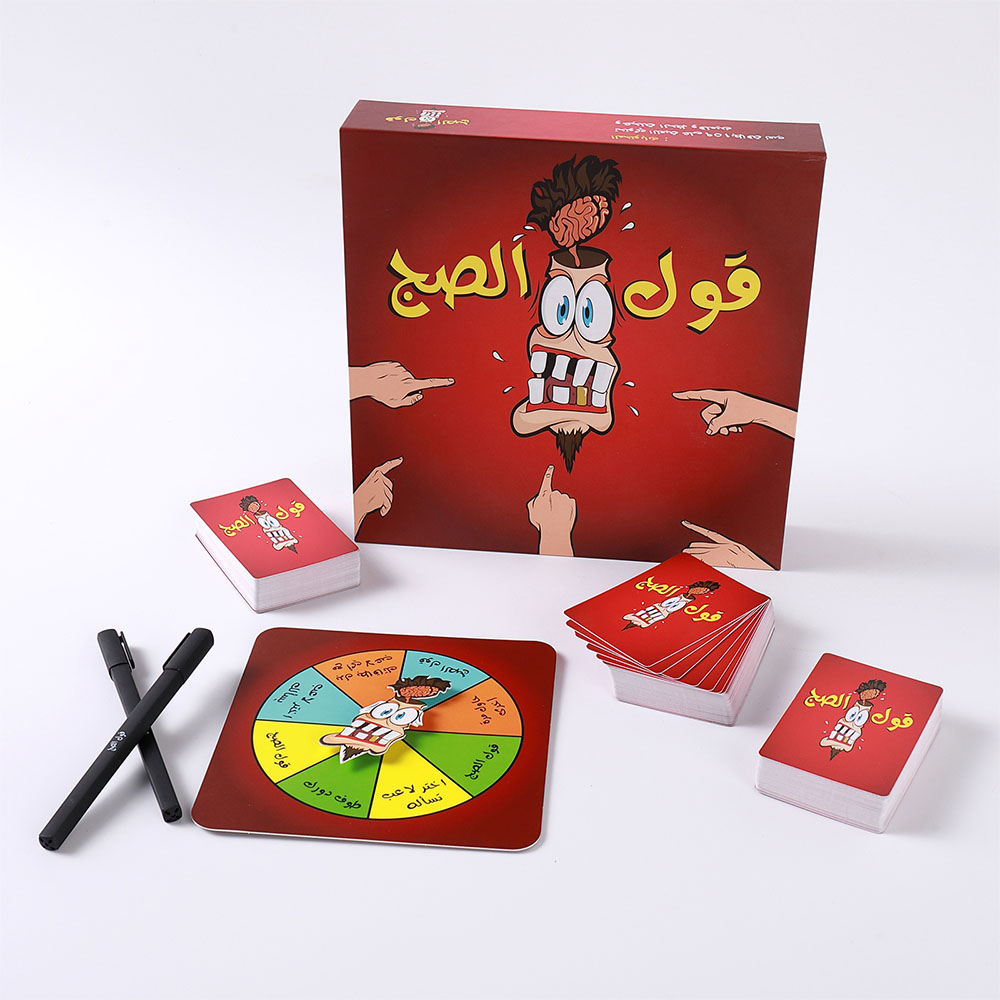 "Qoul Al Sabah" Custom Board Game Set
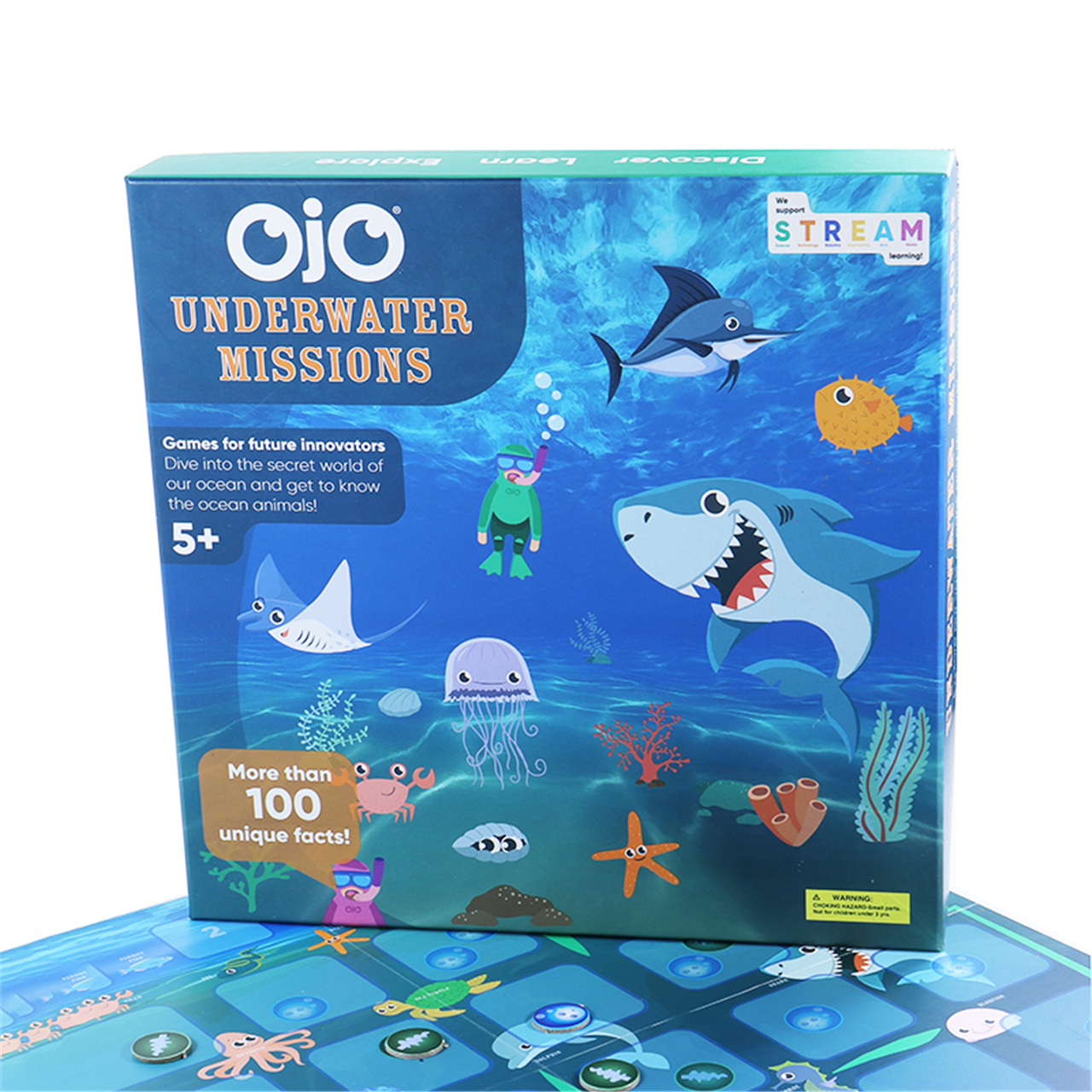 Customized educational board games for children
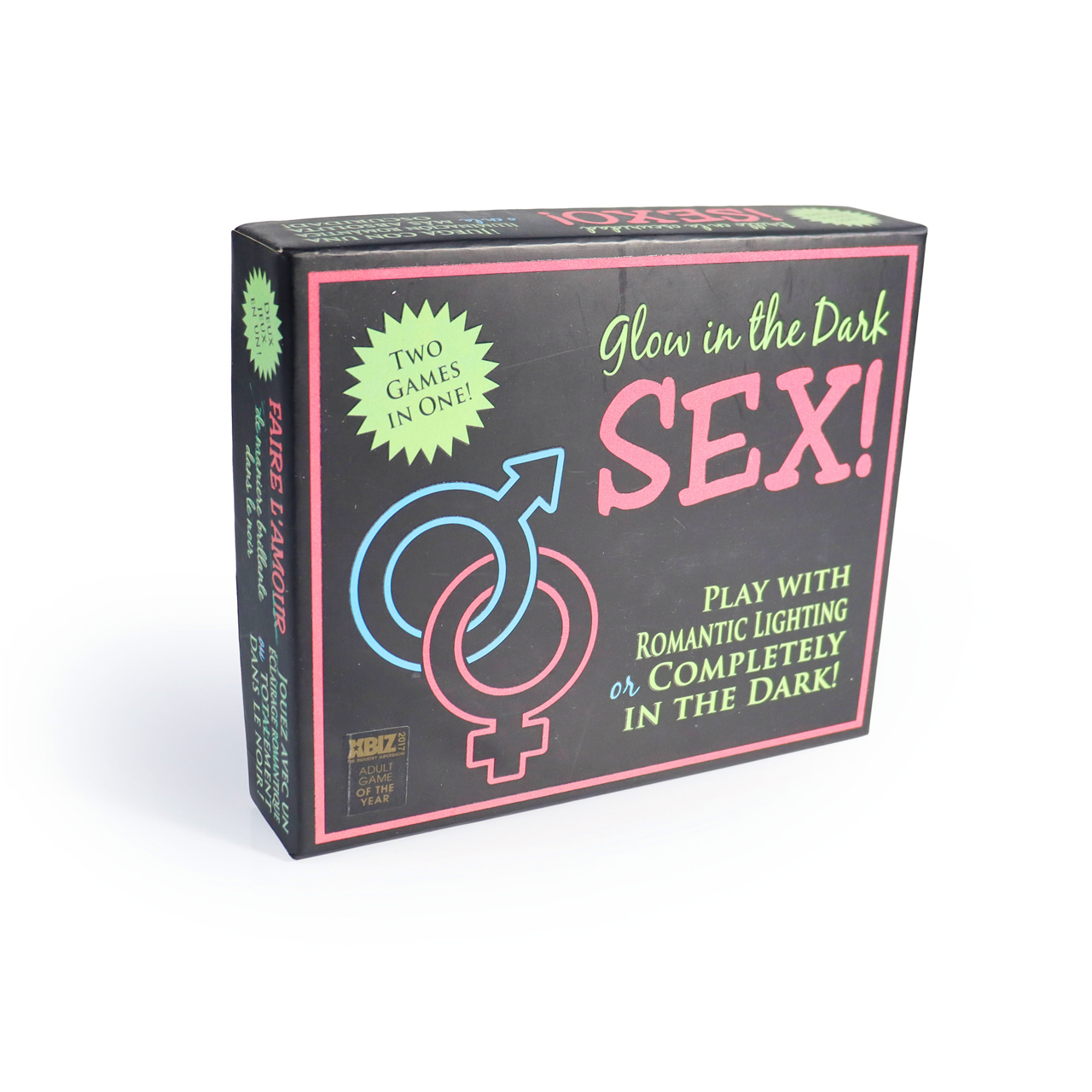 Couple Interaction Turntable Themed Board Game
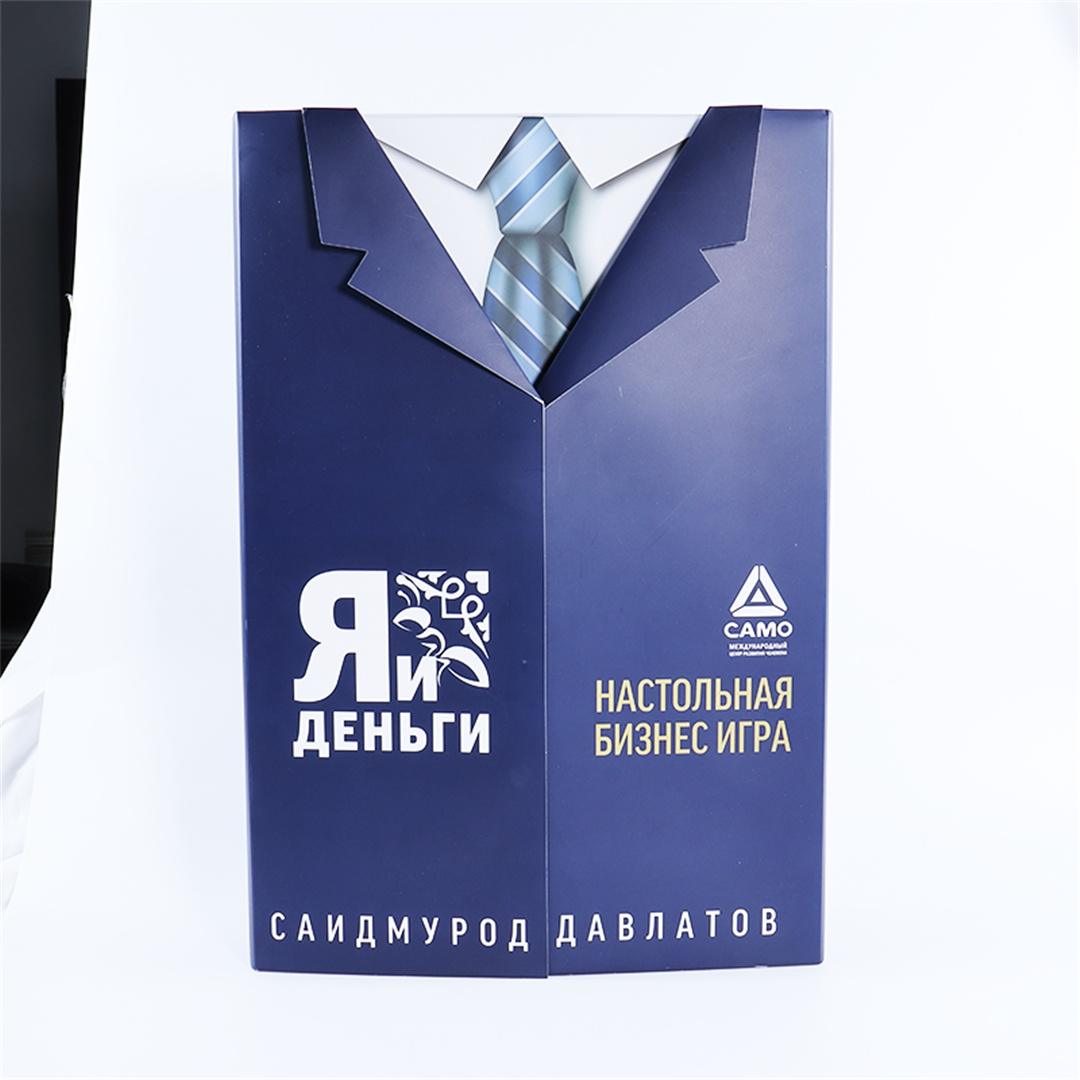 Business Finance Board Game
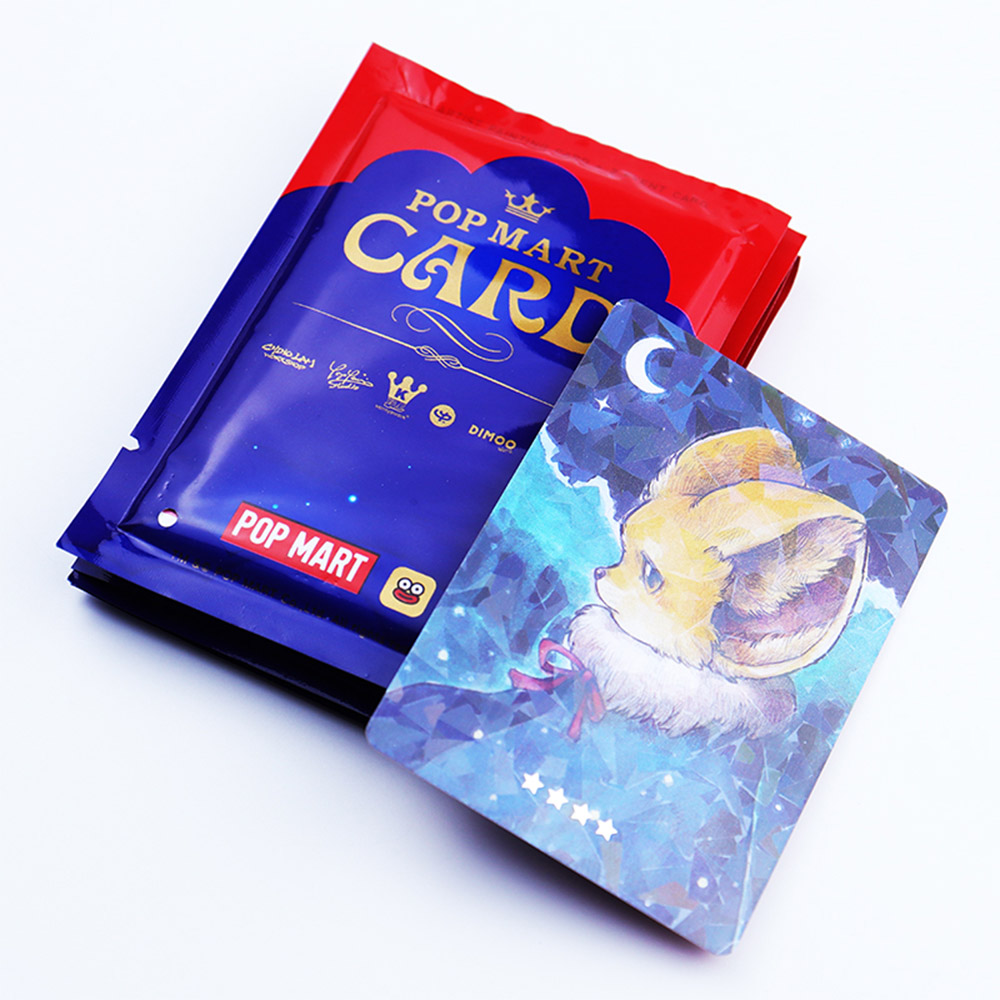 Pop Mart Custom Character Collectible Cards
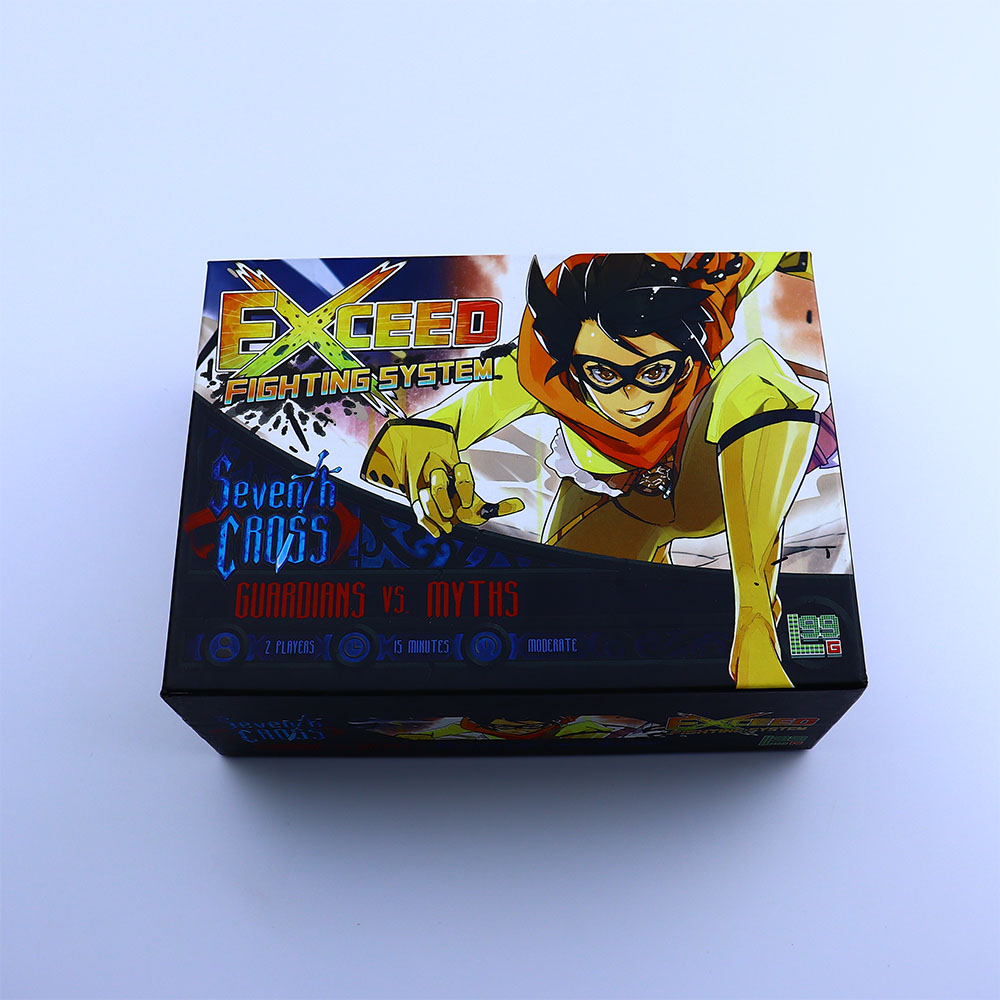 EXCEED Fighting System Custom Character Card Set
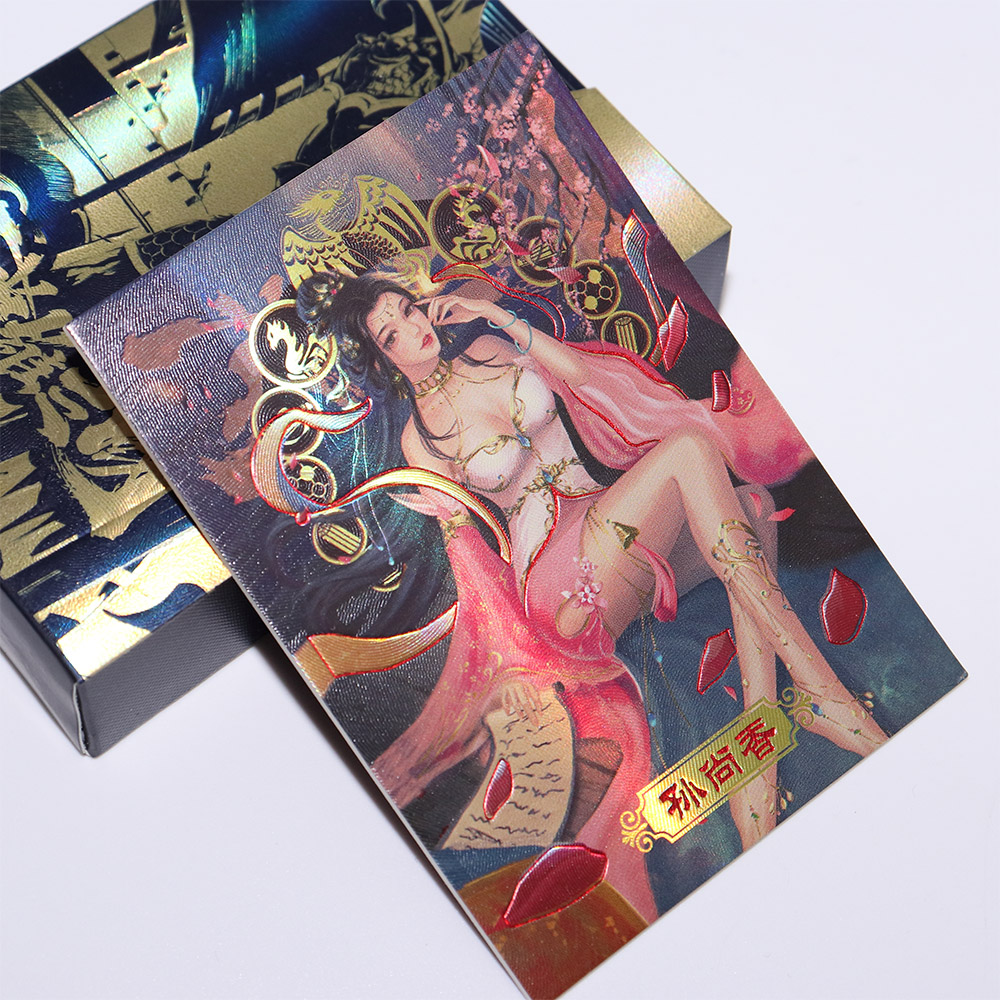 Three Kingdoms Custom Hero Character Cards
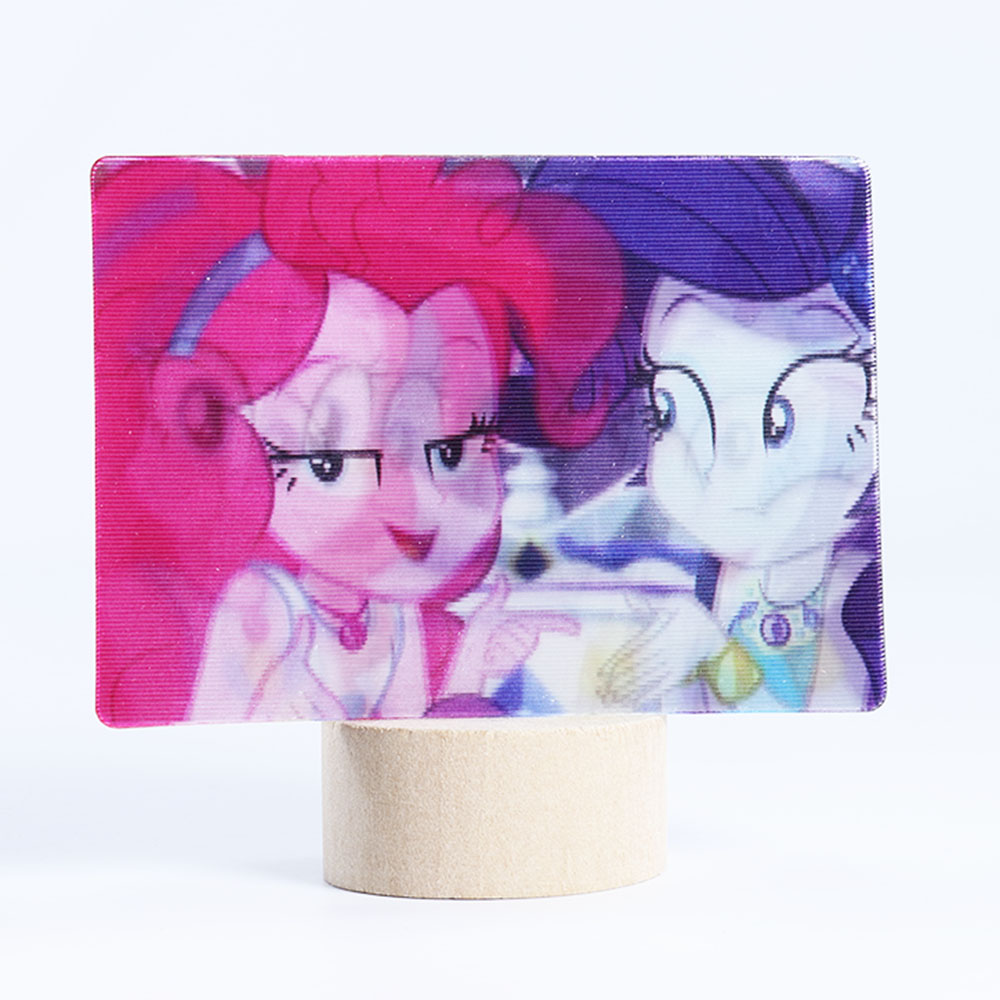 Custom Anime Character Dynamic Visual Cards
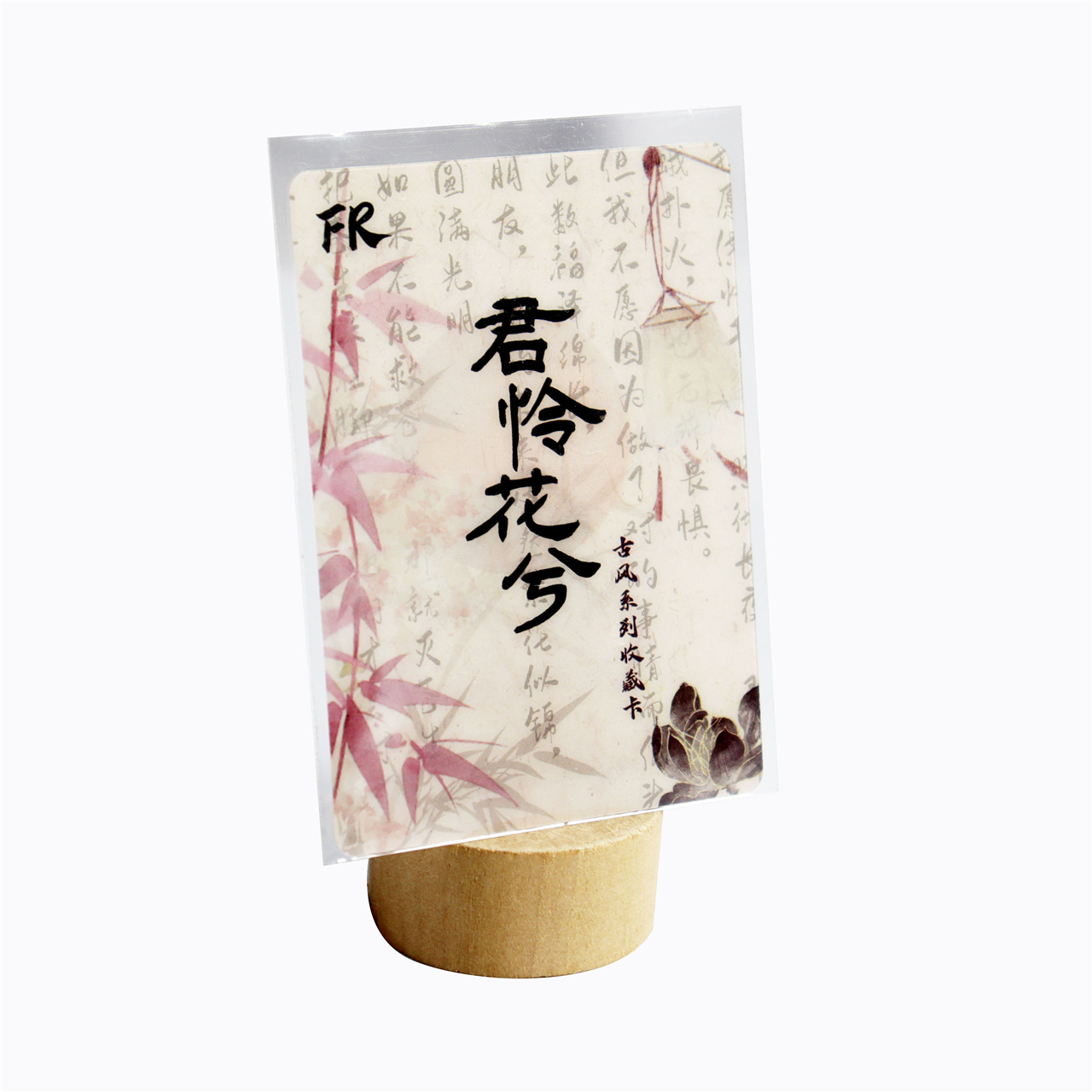 Custom Cartoon Character Collectible Card Set
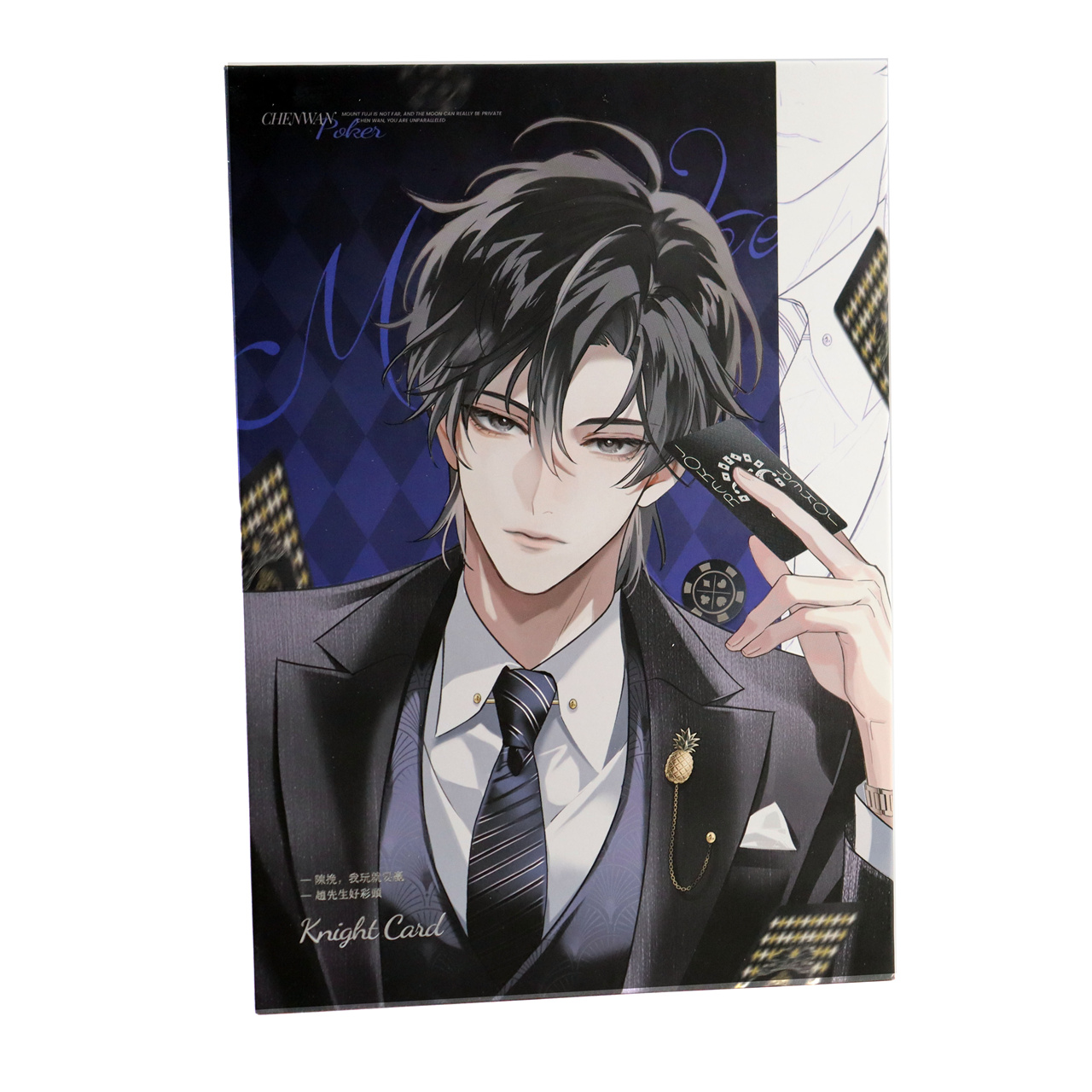 Custom Anime Character Art Card Set
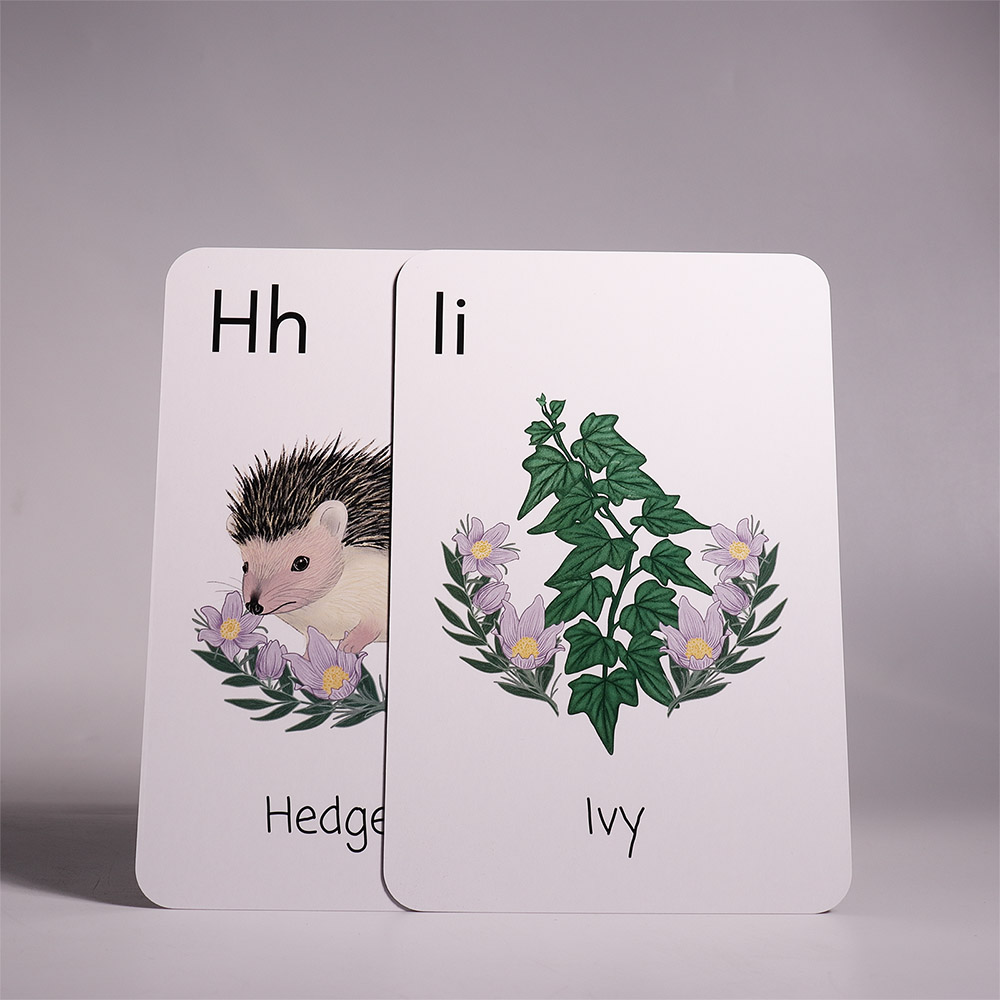 Little Larch Alphabet Cards
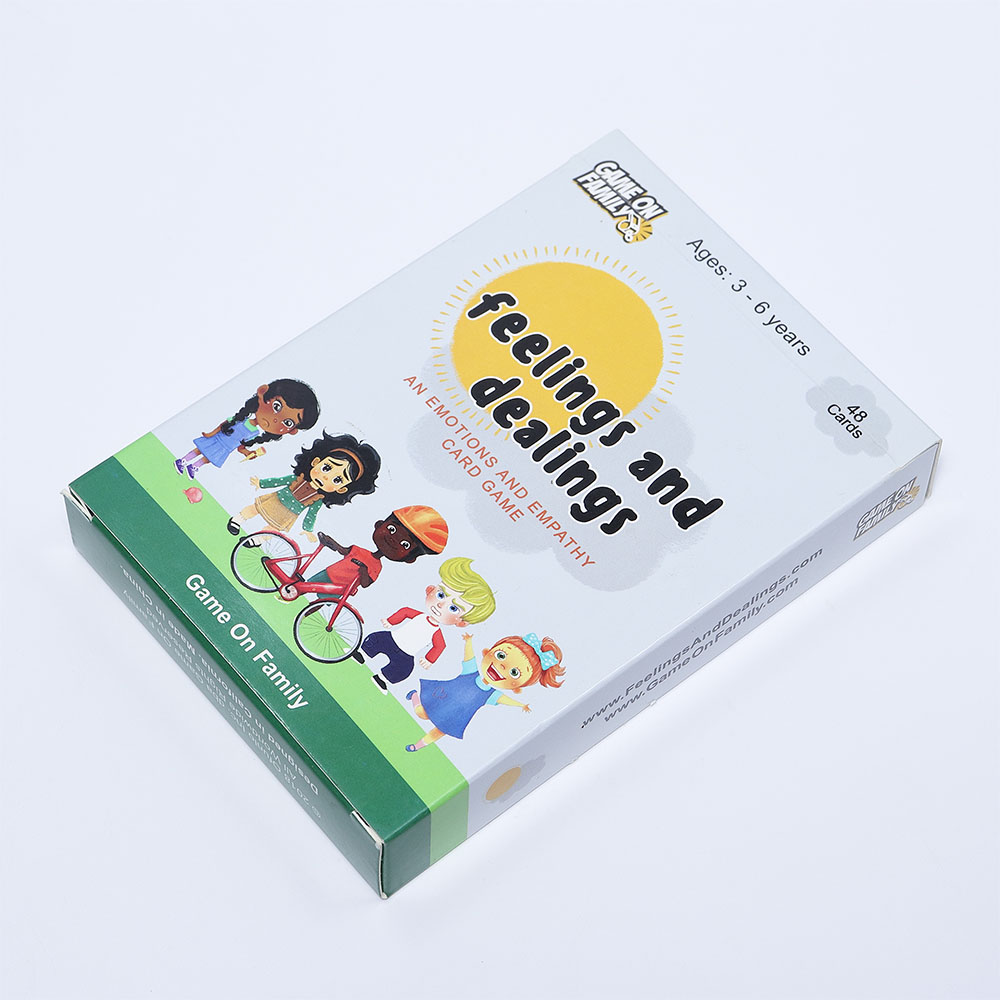 Feelings and Dealings Custom Children's Emotion Card Game
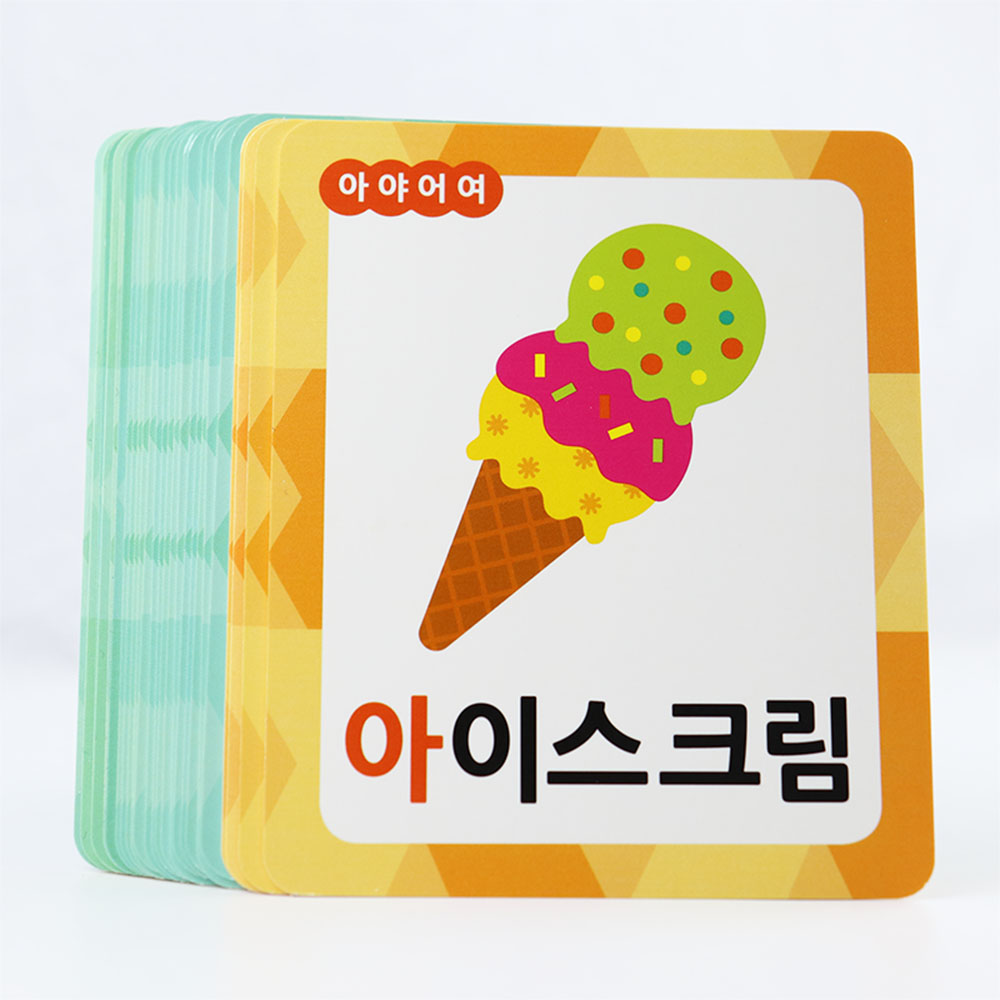 Korean Children's Educational Flashcards
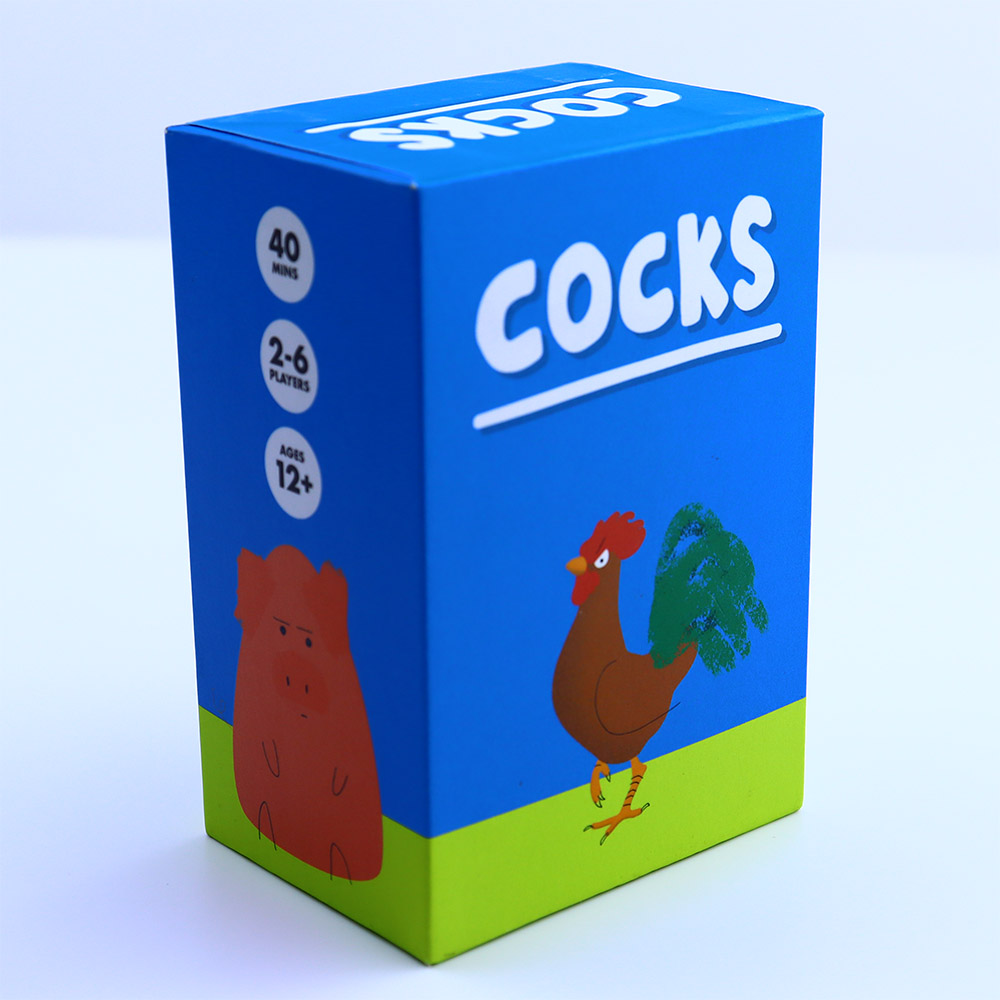 Cocks Themed Custom Children's Learning Cards
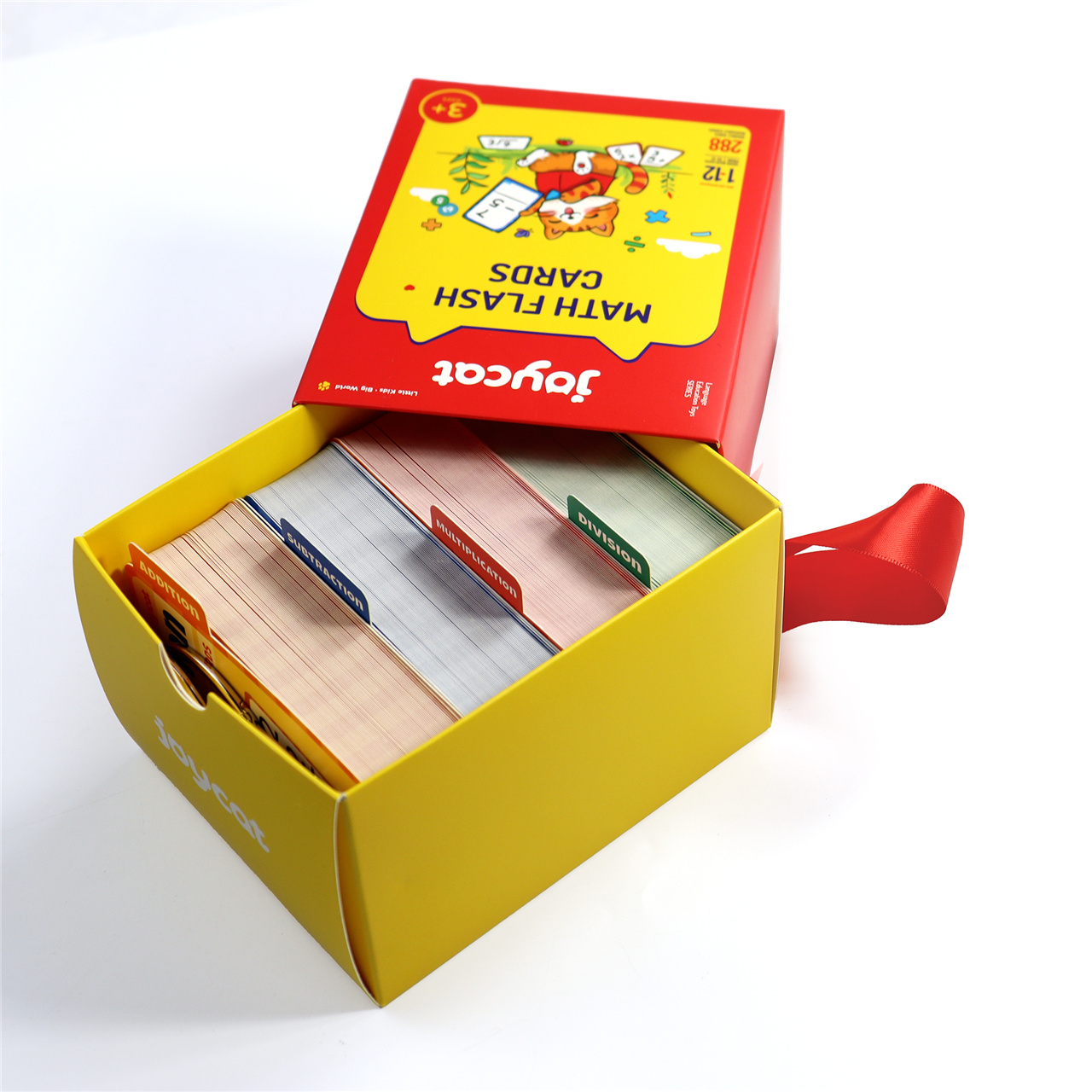 Math Flash Cards Set for Kids
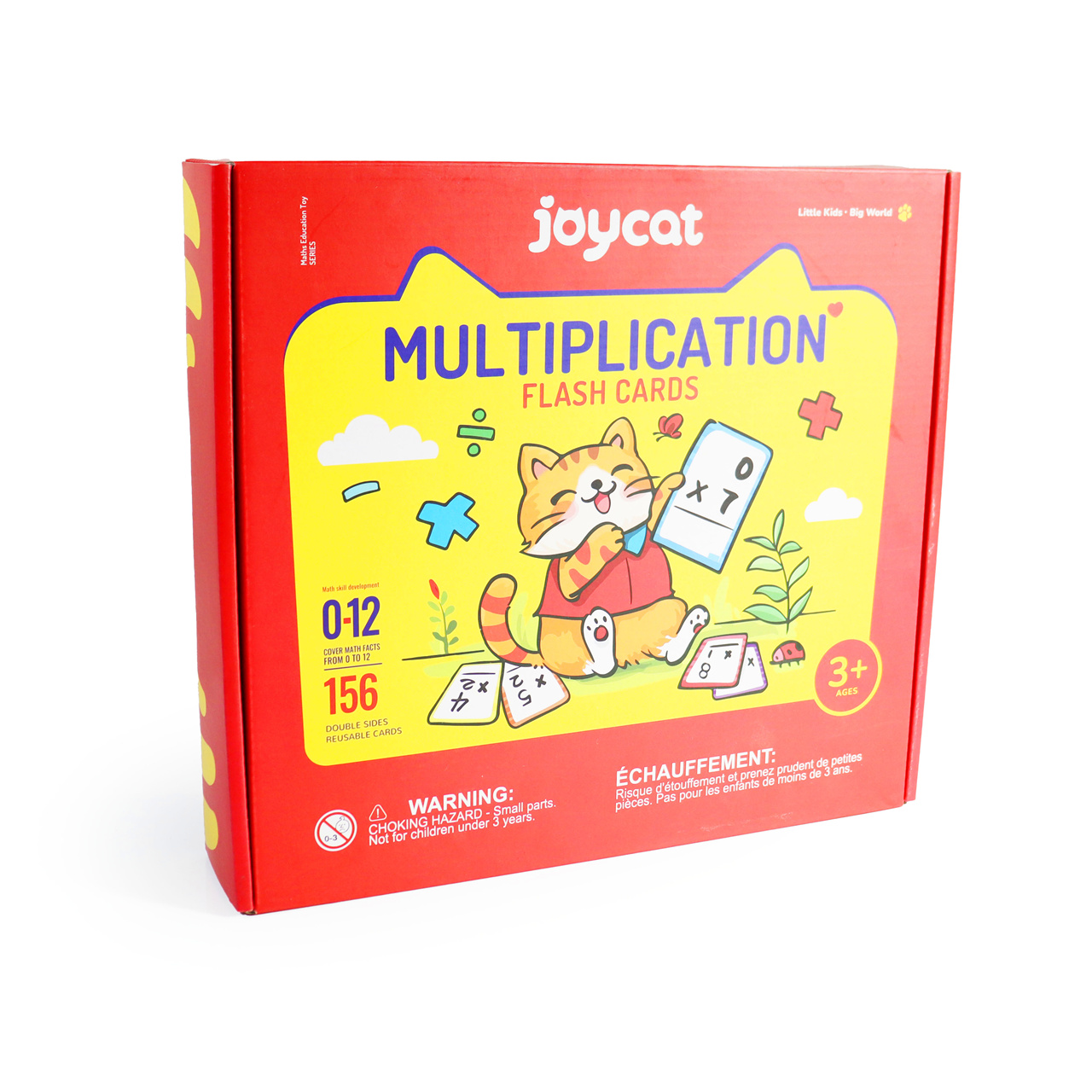 Joycat Multiplication Flash Cards Set with Accessories
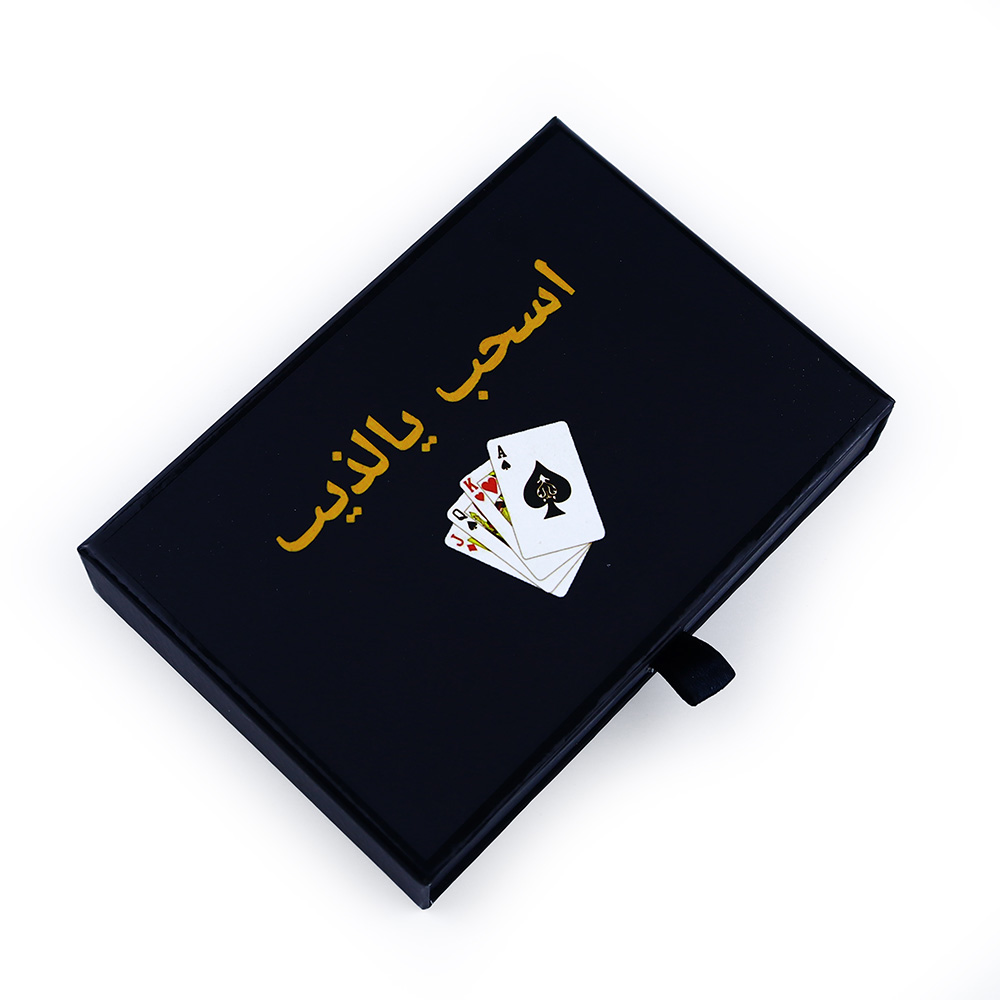 Custom Dual-Deck Playing Cards with Wolf-Themed Design
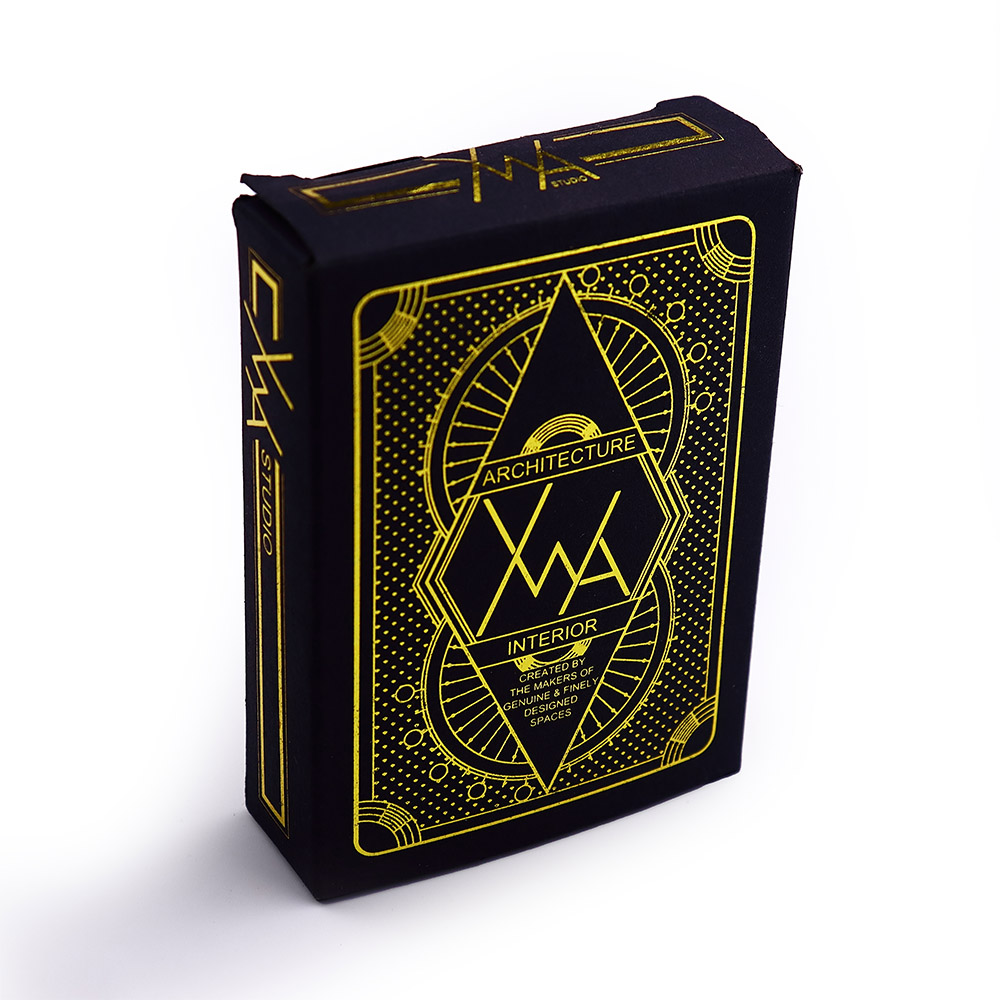 Custom embossed gold foil playing cards
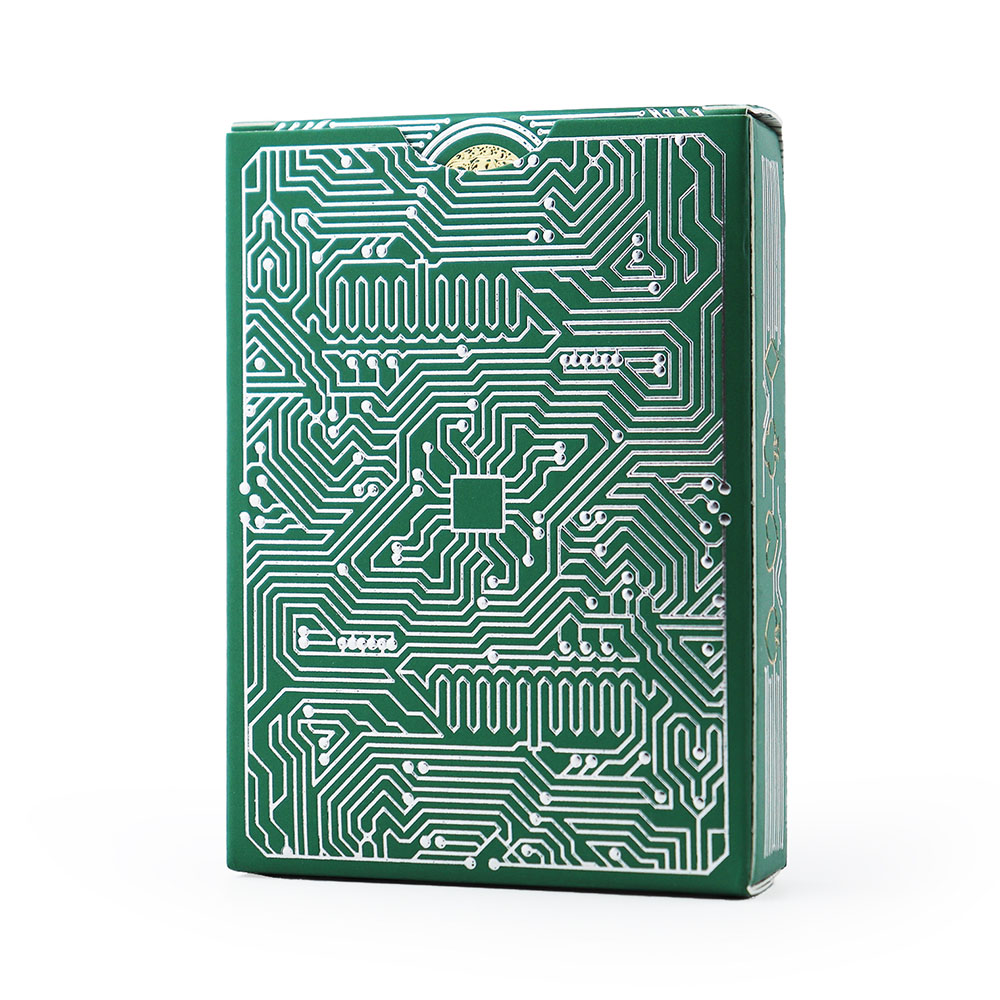 Circuit PCB Edition Custom Playing Cards
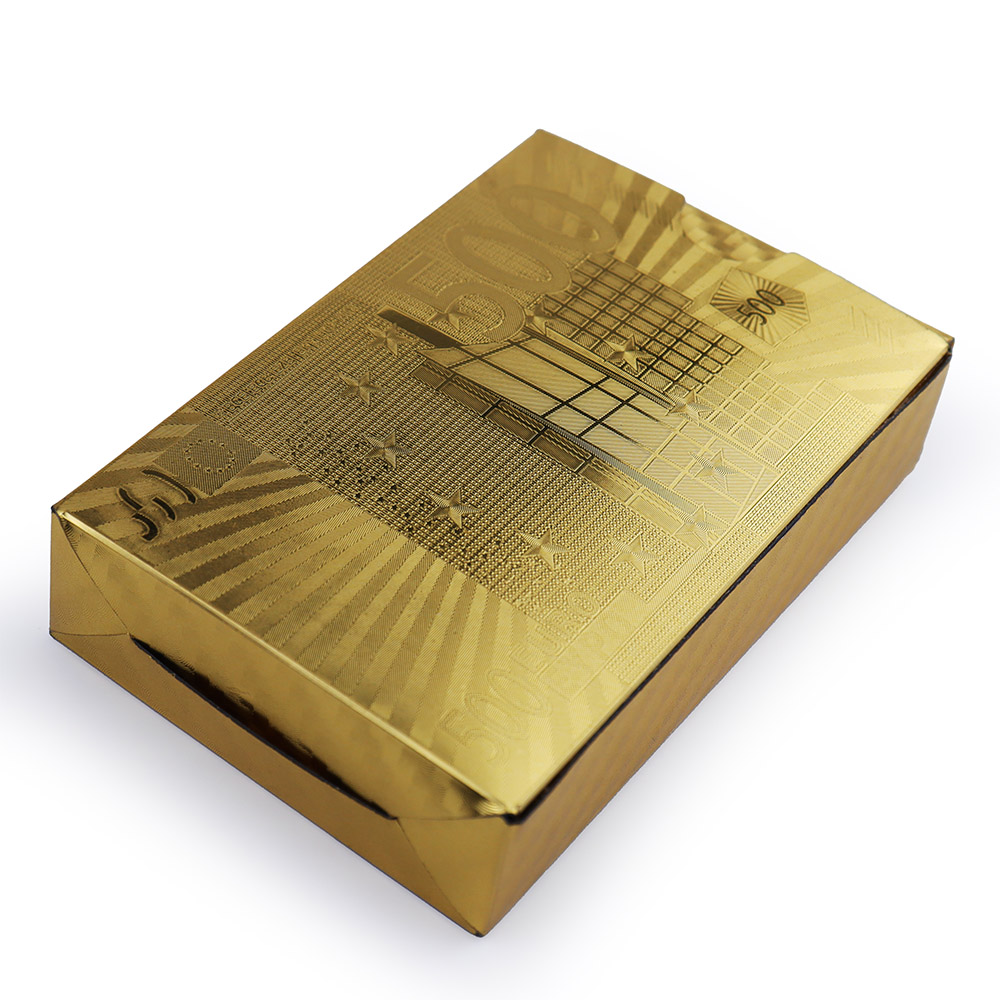 Customized theme gold foil playing cards
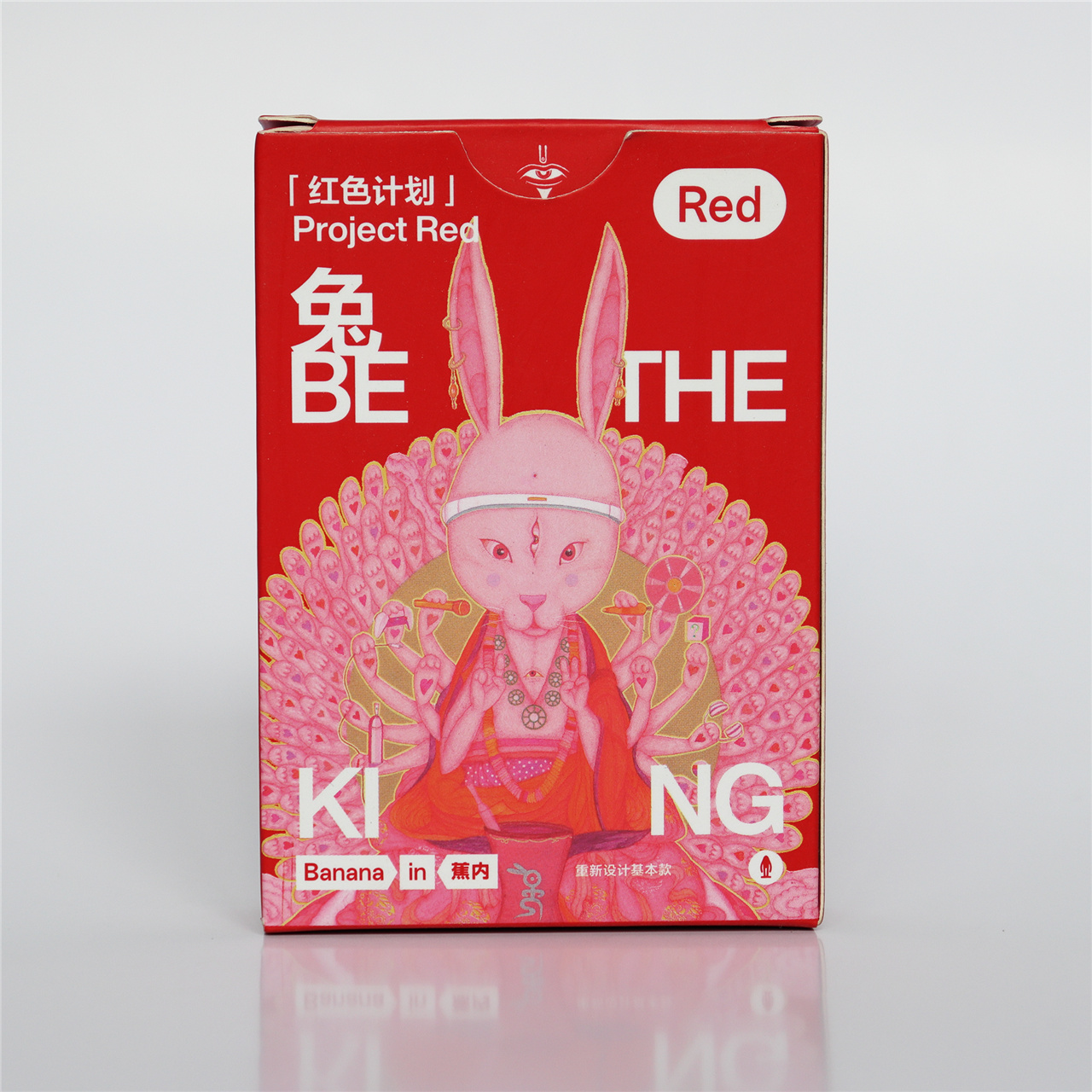 Custom Red Rabbit Themed Playing Cards Set
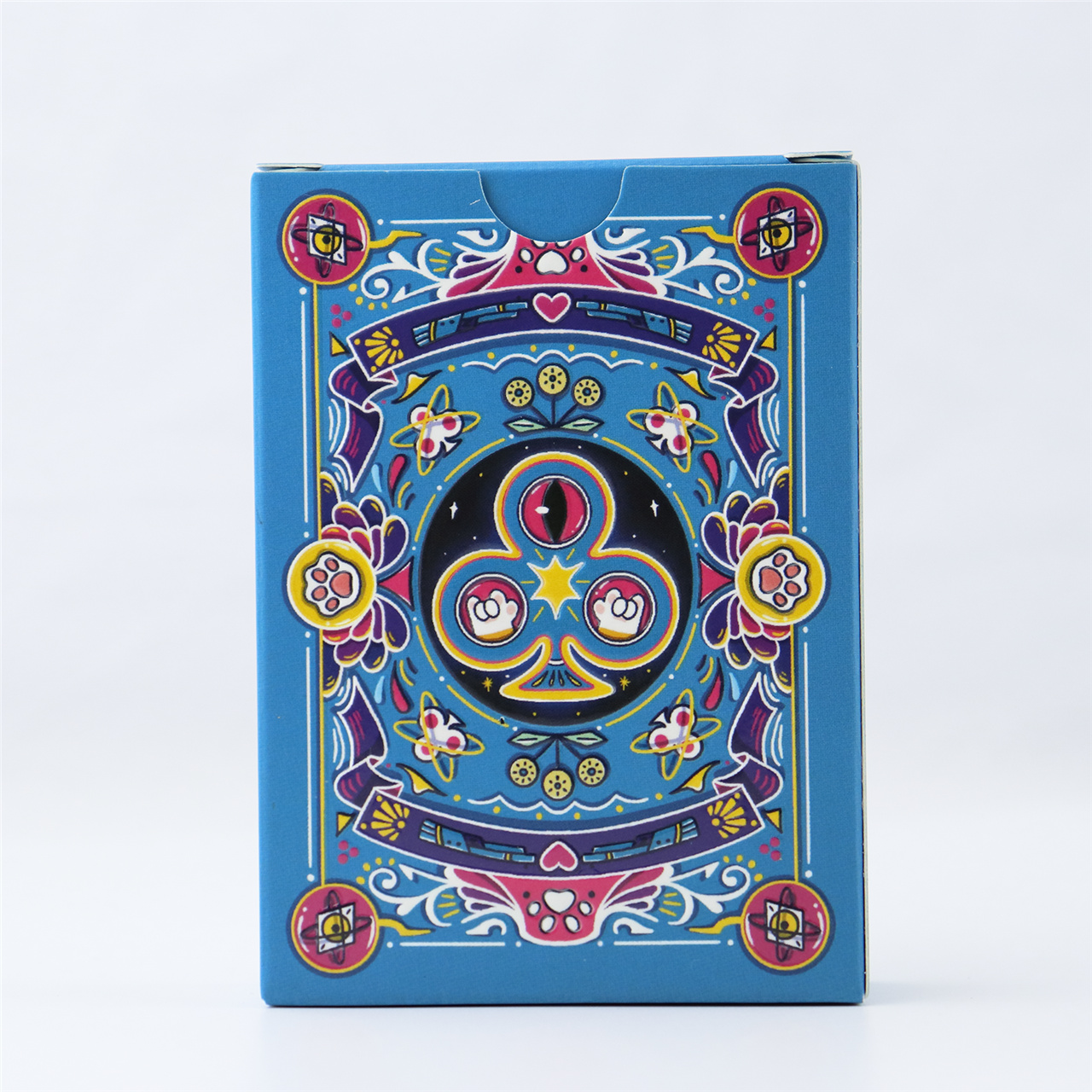 Custom Blue - Black Fantasy Plastic Playing Cards Set
 Pearls of Wisdom Oracle Custom Cards
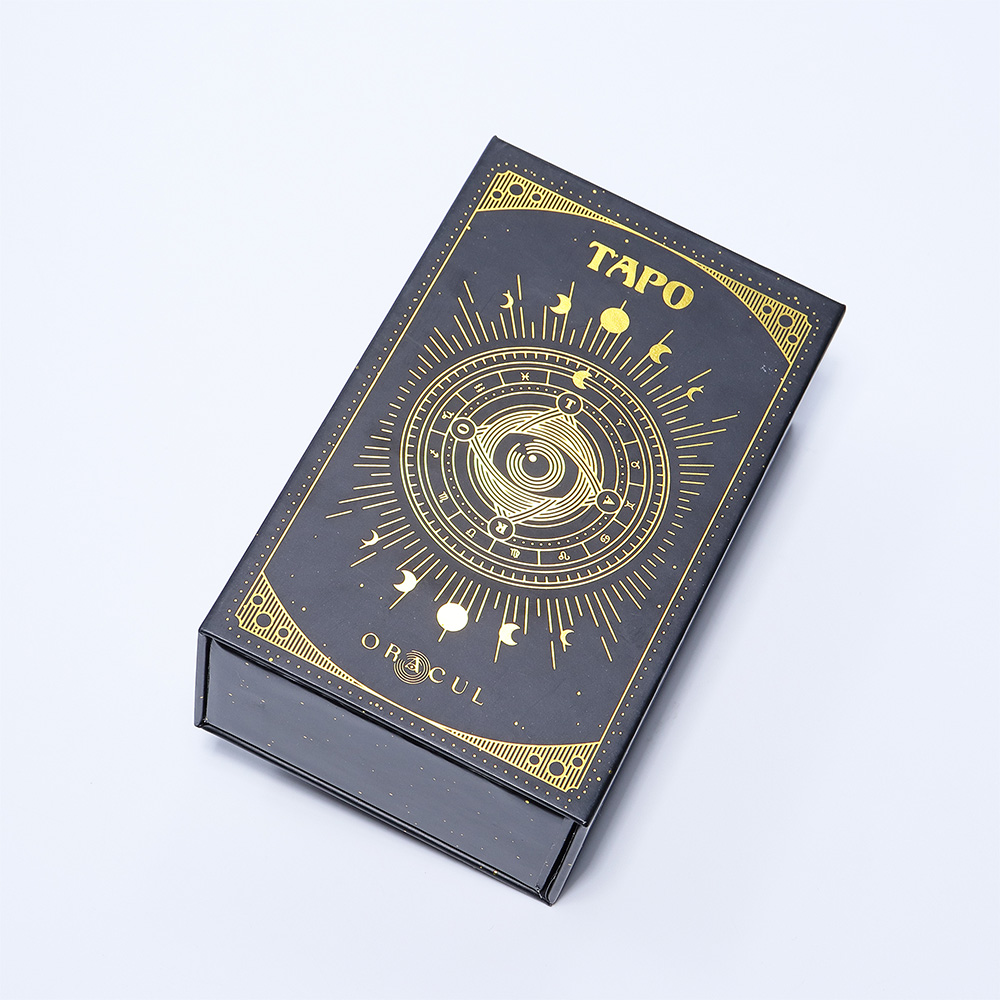 Custom Black & Gold Celestial Tarot Cards
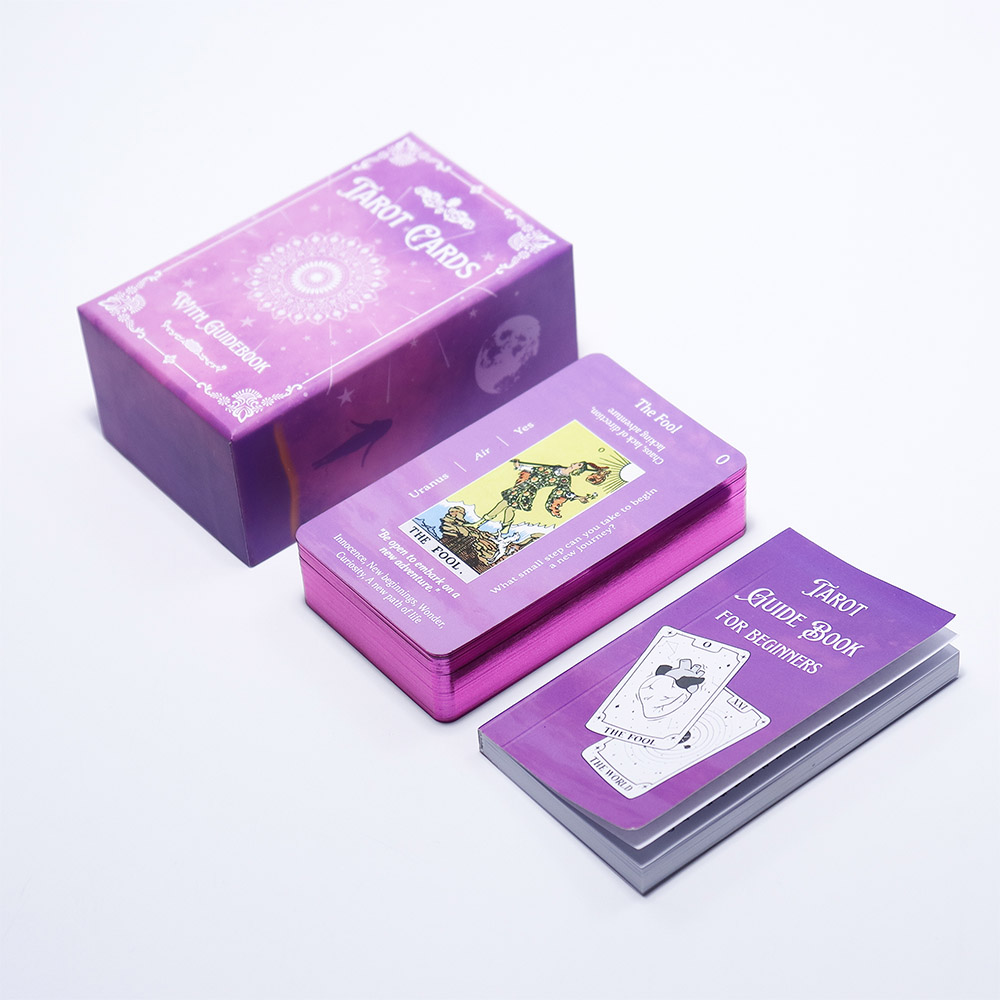 Custom Purple Tarot Cards with Guidebook
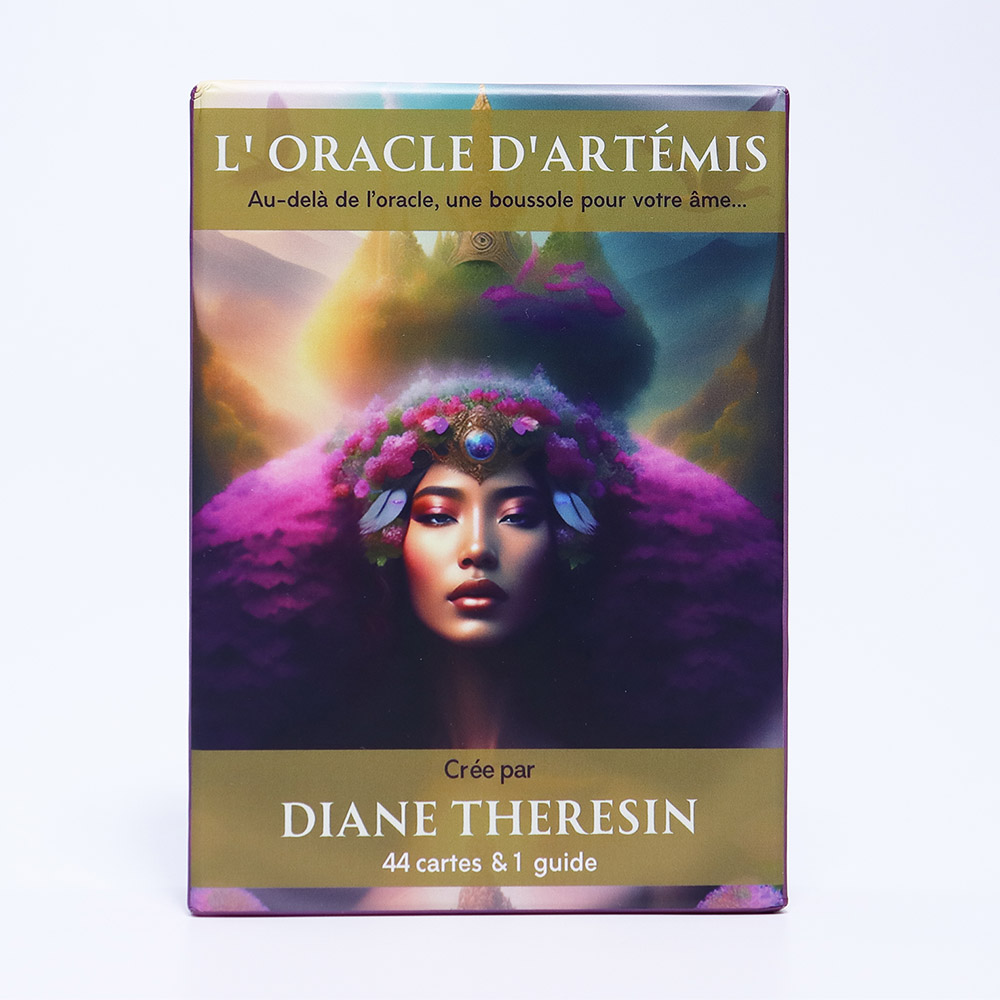 L'Oracle d'Artémis Custom Oracle Cards
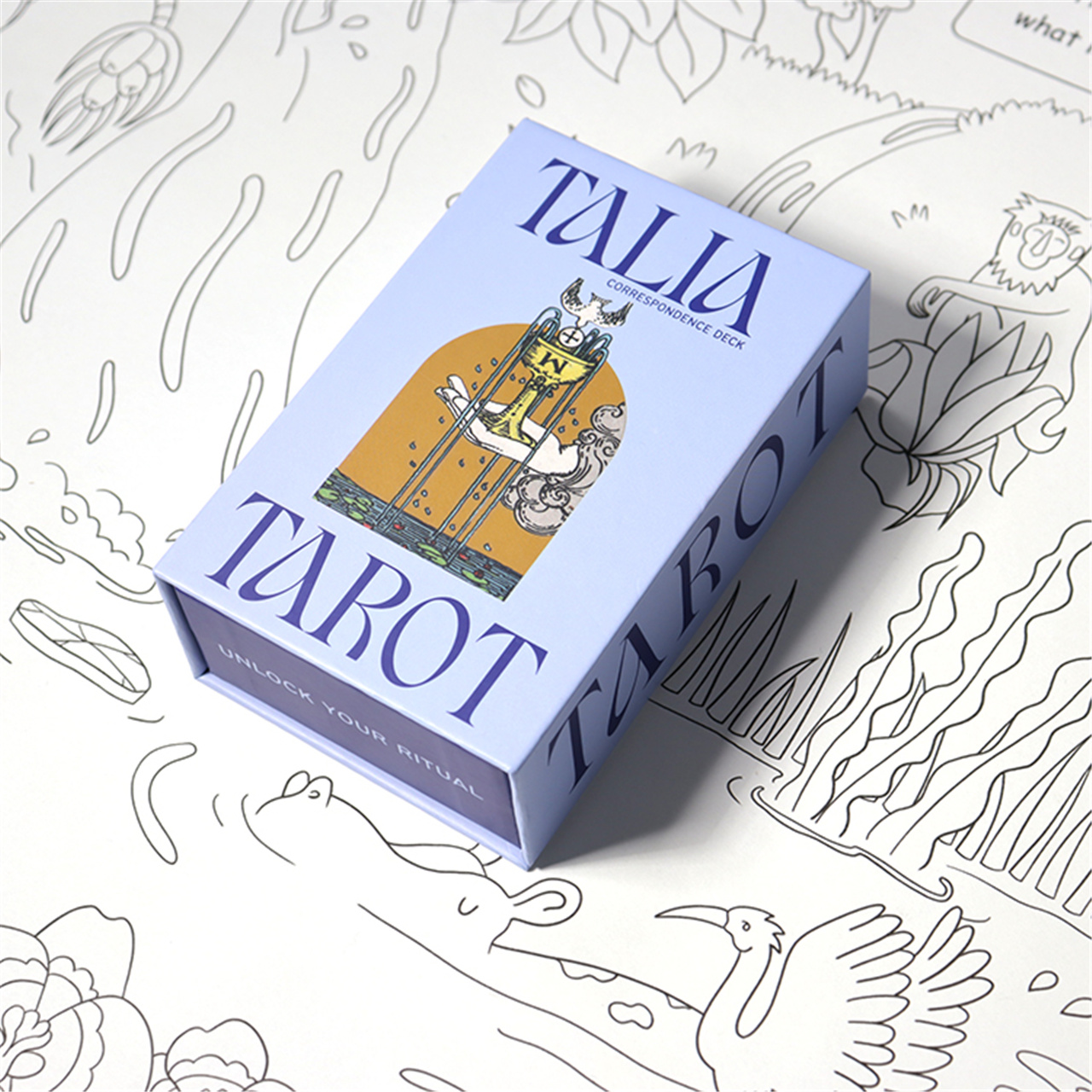 Custom Blue - Themed Tarot Cards Deck
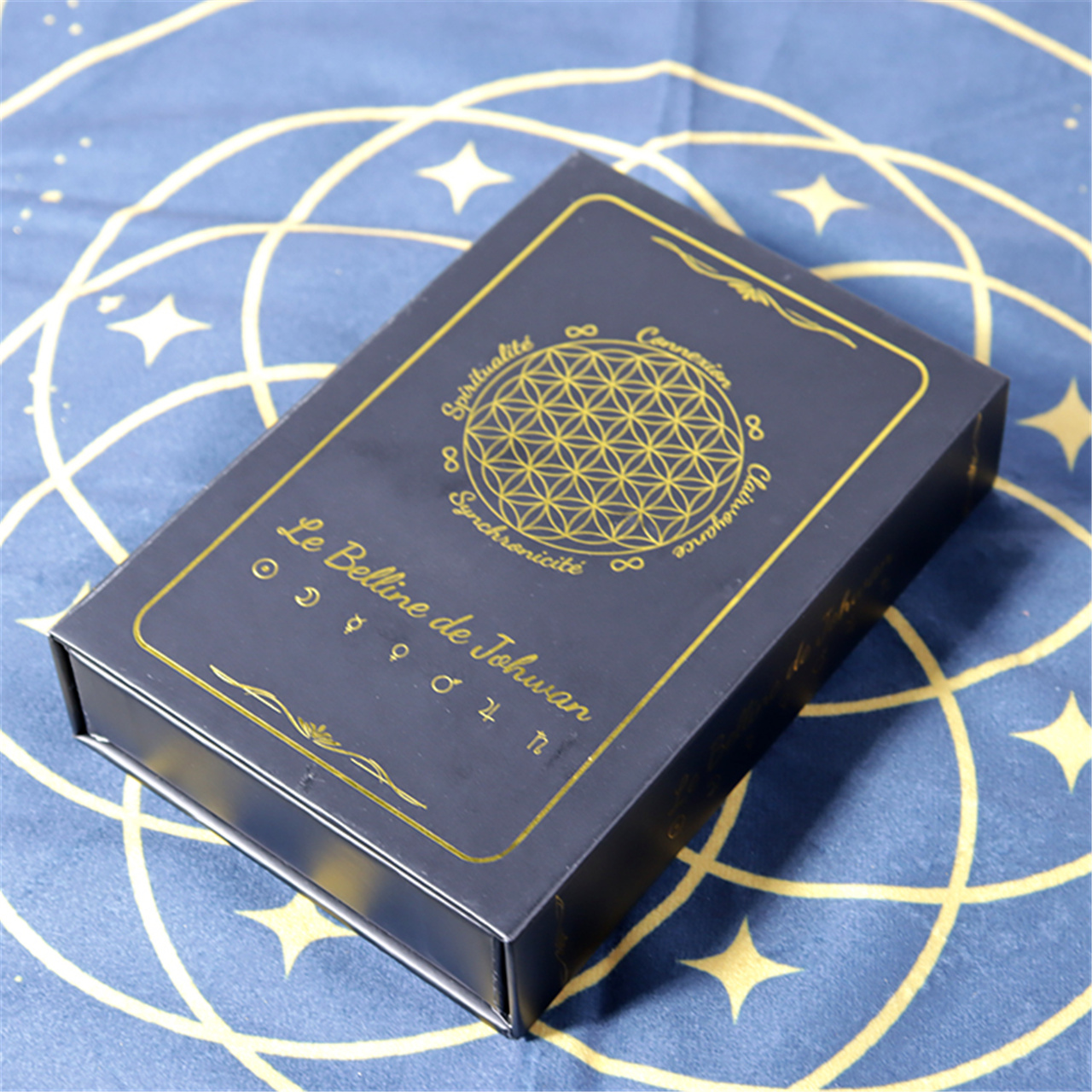 Custom Black - Blue Gold Foil Tarot Cards Set
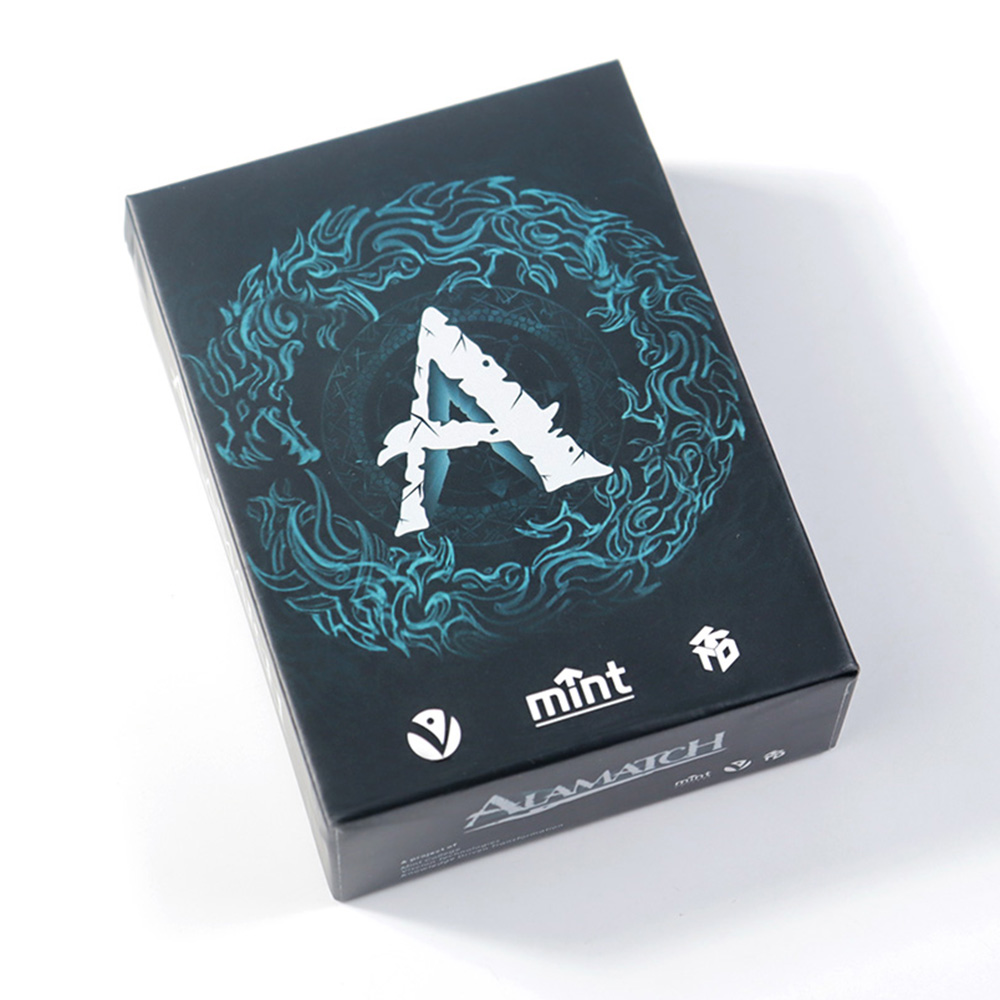 Alamatch Custom Trading Game Cards
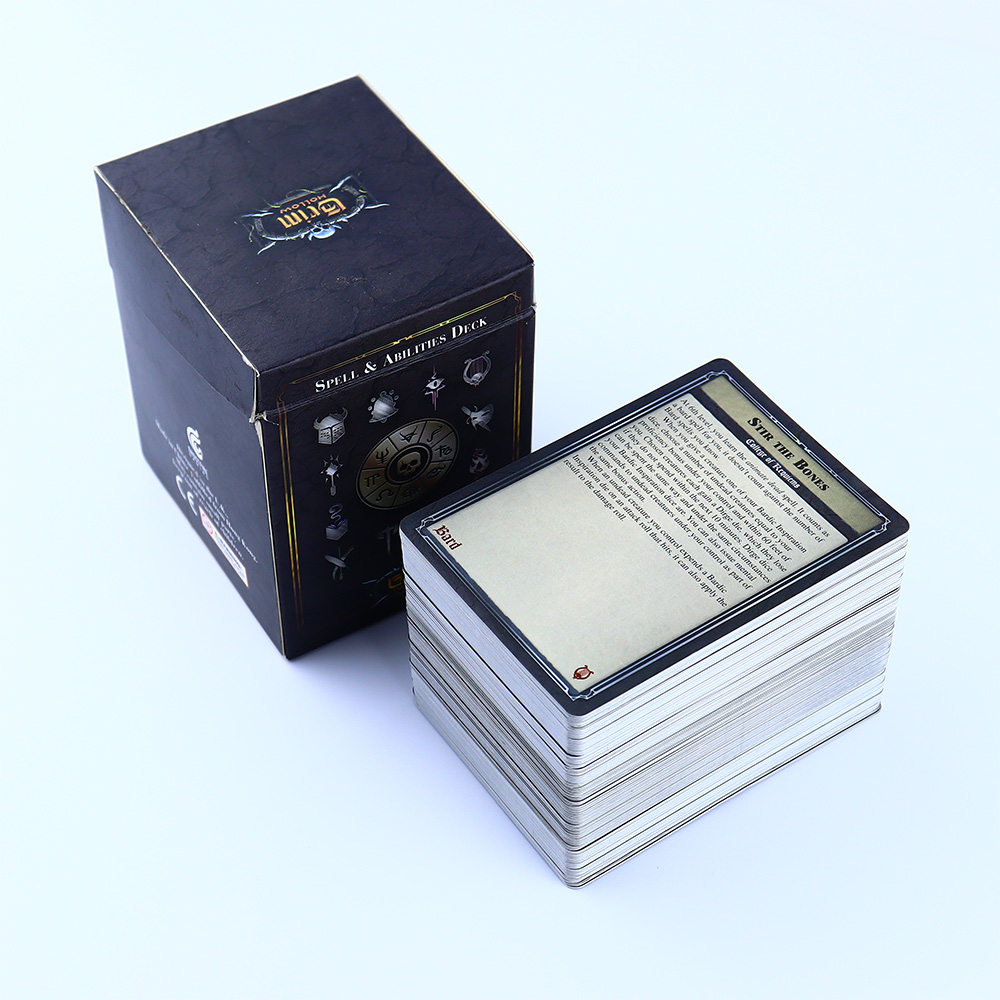 Grim Hollow Spell & Abilities Custom Trading Cards
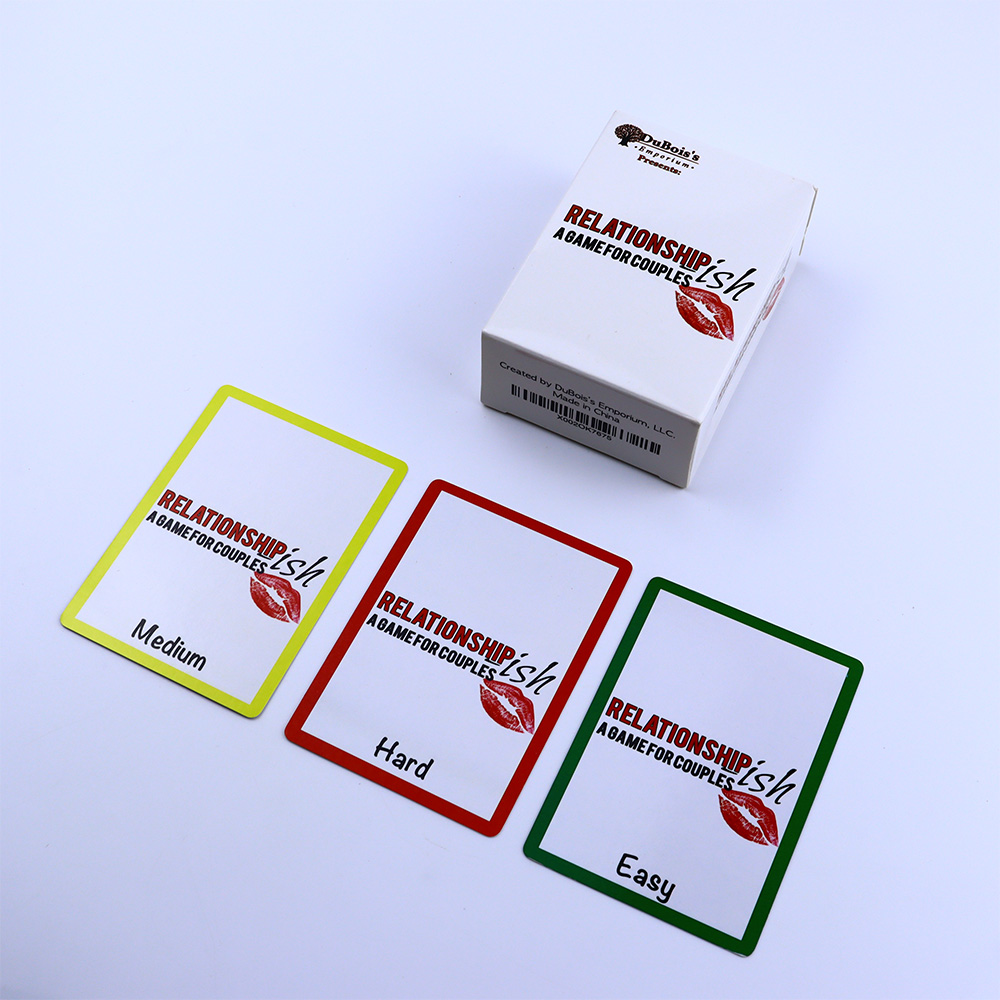 Relationshipish Custom Couple Card Game
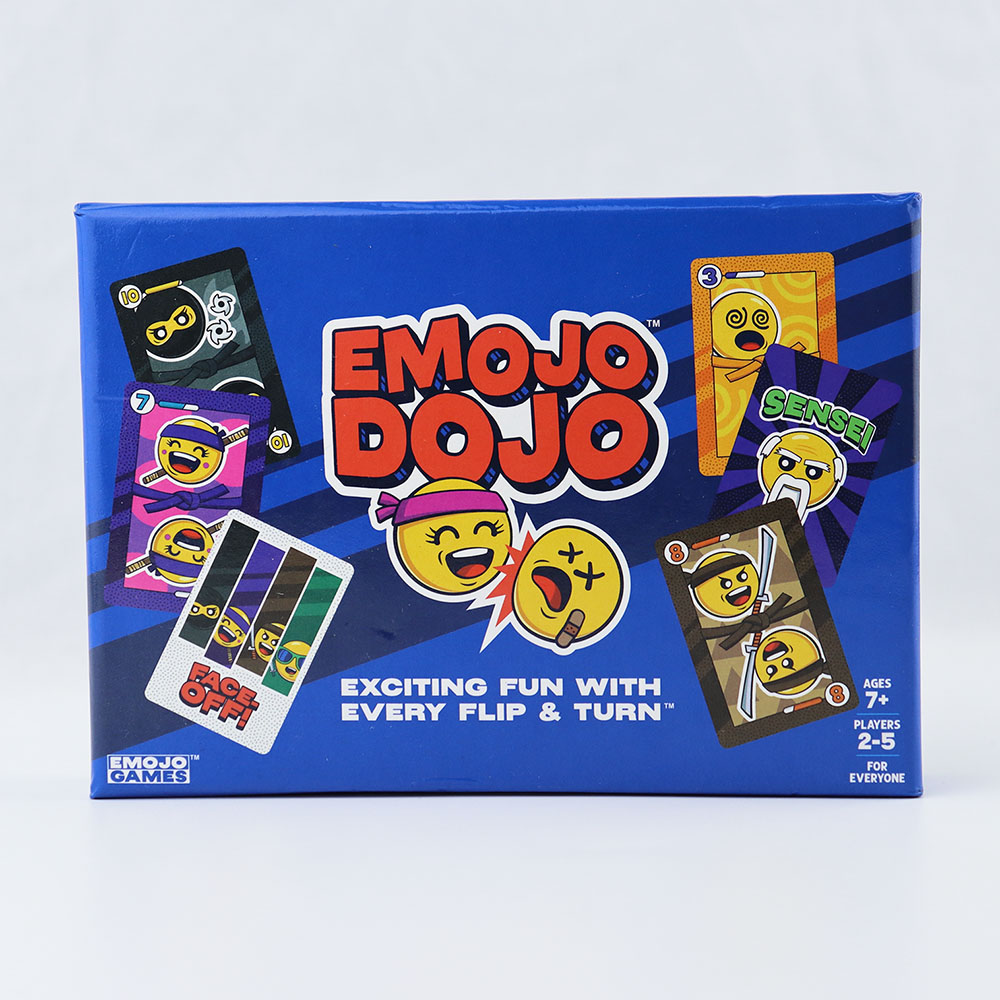 Emojo Dojo Custom Trading Card Game
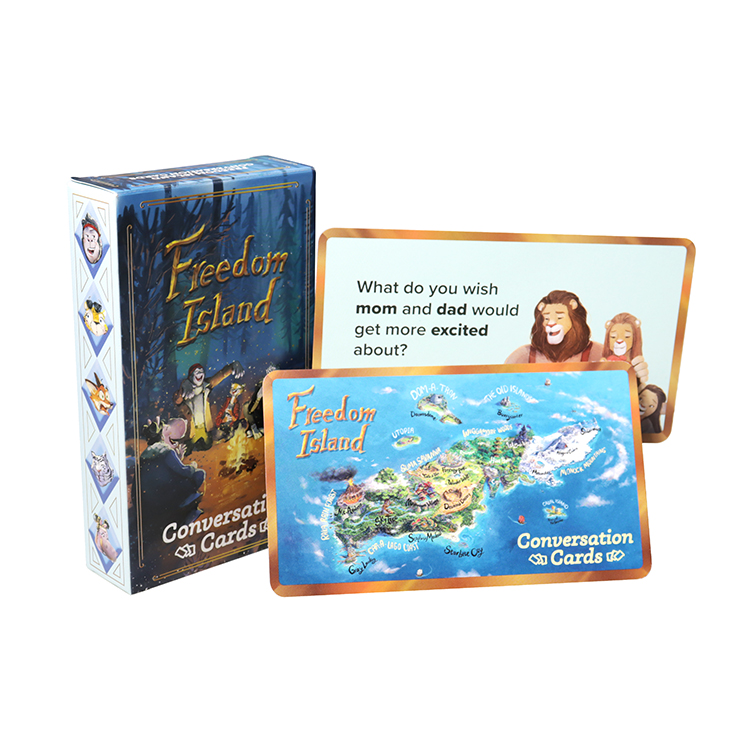 Custom Travel Photo Trading Cards Set
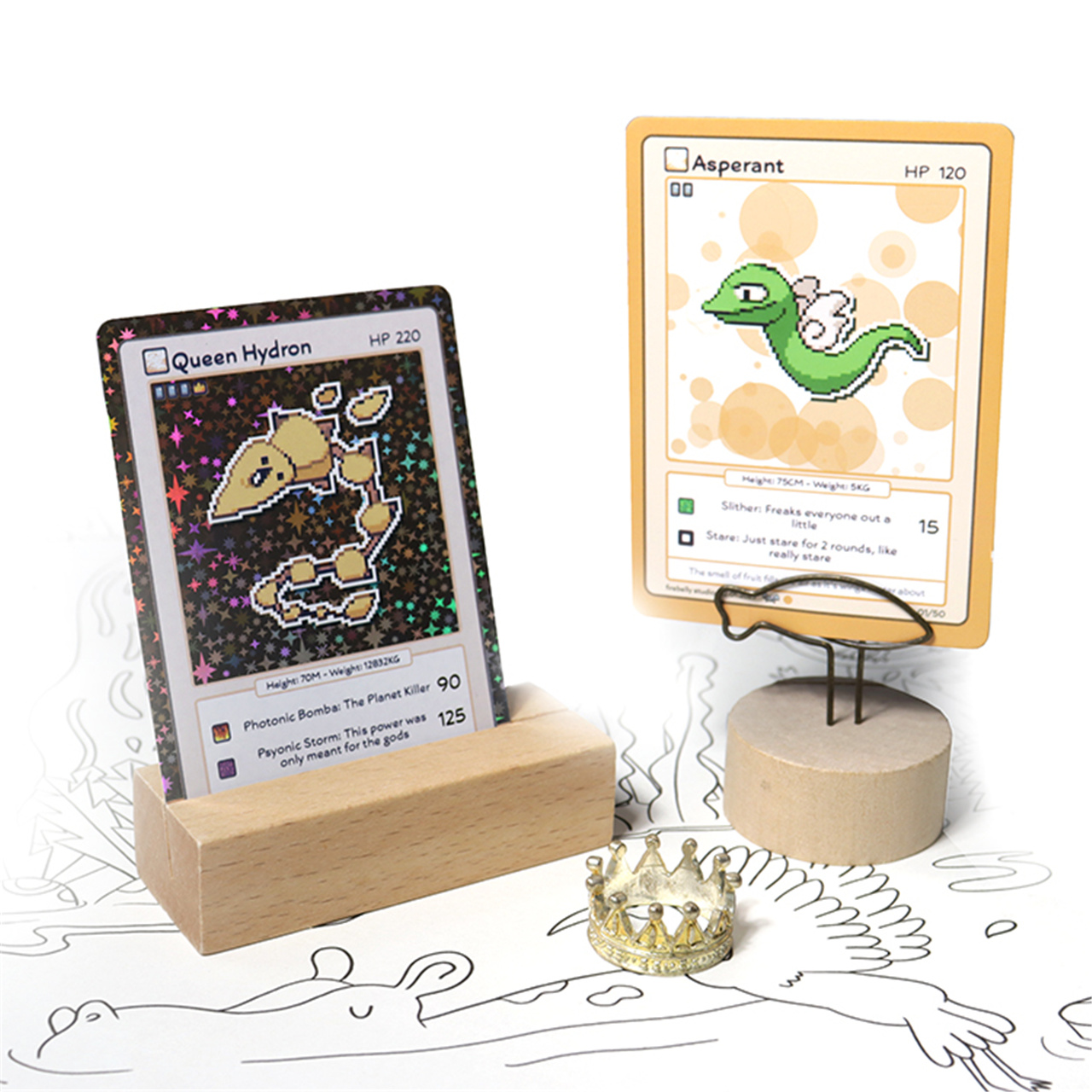 Custom Cartoon Holographic Trading Cards Set