China Best Balot Playing Cards Supplier for Global Buyers
Choosing a dependable China supplier is essential when sourcing Balot Playing Cards for global markets. Buyers need more than attractive artwork and competitive pricing. They need consistent production, tested materials, clear communication, and dependable delivery.
Thierry Depaulis, a respected playing-card historian, has said, “Playing cards are a mirror of the society in which they are used.” This view matters when developing Balot Playing Cards for different regions. A successful deck should respect local preferences while maintaining practical playing performance. Card thickness, linen texture, corner cutting, ink clarity, and surface resistance can influence every shuffle and deal. Small details matter.
So does the factory.
Experienced Chinese manufacturers can support custom faces, backs, tuck boxes, foil accents, and retail-ready packaging. However, buyers should not rely on catalog images alone. Request physical samples. Test the cards under warm, humid, and repeated-use conditions. Check color consistency between batches. Confirm whether packaging materials meet the destination market’s requirements. These steps may feel slow, yet they prevent expensive surprises.
Quality is not always perfect.
Even strong suppliers can face color variation, shipping delays, or packaging errors. A reliable partner explains these risks before production and offers practical corrective measures. Clear specifications, approved samples, inspection records, and realistic lead times build trust. The best supplier is not simply the cheapest option. It is the one that delivers stable Balot Playing Cards, responds honestly, and improves when a weakness is discovered.
Balot Playing Cards: 52-Card Deck Structure and Product Standards
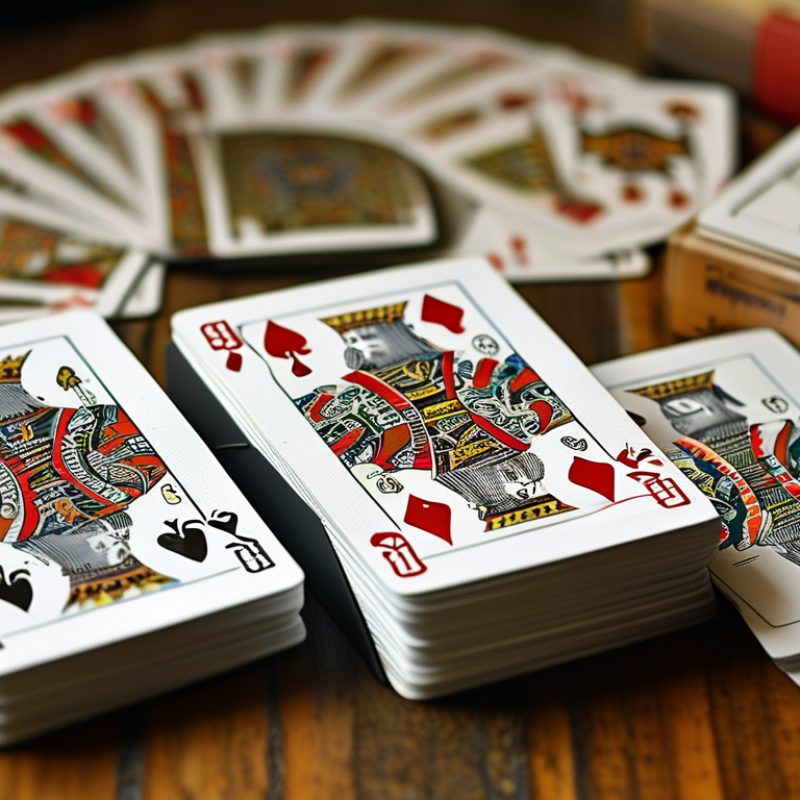
For global buyers, a Balot playing card deck should follow a clear 52-card structure. It contains four suits, with thirteen cards in each suit: ace, numbered cards from two to ten, jack, queen, and king. Each suit needs consistent symbols, spacing, and color density. Unless requested, jokers should not be included in the standard deck.
Card quality depends on measurable details. Common poker-size cards measure about 63 × 88 mm, while bridge-size cards are narrower. The selected format should match the intended table experience. Card stock around 300–330 gsm usually offers a practical balance between stiffness and handling. A black core can reduce transparency, but it must be checked under strong light. Surface coating should support smooth shuffling without becoming excessively slippery. Small defects matter.
I have found that accurate cutting is as important as attractive printing. Uneven edges can affect dealing and reveal poor production control. During inspection, buyers should check card count, corner radius, print registration, back design alignment, and packaging strength. A perfect sample can still hide batch-level problems. That deserves attention. Random carton checks are useful, although they do not replace full process control. Reliable suppliers should provide material details, inspection records, production samples, and clear tolerance ranges before shipment. Specifications may need adjustment after real handling tests, because a card that looks excellent may feel too stiff, too thin, or difficult to shuffle.
China’s Playing Card Industry: Export Trends from UN Comtrade HS 9504.40 Data
China Best Balot Playing Cards Supplier for Global Buyers
China’s playing card industry remains strongly export-oriented. UN Comtrade data under HS 9504.40 shows China’s annual playing card exports reaching approximately US$200 million in recent reporting years. The exact value changes by year, destination, and customs revision. The United States, European markets, and Southeast Asia remain important buying regions. ITC Trade Map also shows China competing through large production capacity, flexible packaging, and relatively stable shipment volumes. These figures describe customs value, not factory profit.
From a buyer’s perspective, HS data is useful but incomplete. It cannot show card thickness, coating quality, color consistency, or rejection rates. A supplier may quote a low unit price, yet carton damage can raise the real landed cost. Practical checks should include a pre-production sample, paper specification, humidity protection, and inspection before loading. Small details matter. A 0.1-millimeter difference can affect shuffling and perceived quality.
UN Comtrade should be read with care because some partners report imports differently from China’s exports. ITC methodology notes that mirror statistics can create gaps. That weakness deserves attention. Still, the data helps global buyers compare China with other supply markets and identify stable purchasing periods. For custom balot playing cards, serious suppliers should provide traceable quotations, production photographs, inspection records, and clear HS 9504.40 documentation.
China Best Balot Playing Cards Supplier for Global Buyers - China’s Playing Card Industry: Export Trends from UN Comtrade HS 9504.40 Data
China export overview for playing cards classified under HS 9504.40, with trade values shown in rounded US dollars.
| Year |
HS Code |
Reporting Economy |
Trade Flow |
Export Value |
Annual Change |
| 2019 |
9504.40 |
China |
Exports to the world |
US$216.0 million |
— |
| 2020 |
9504.40 |
China |
Exports to the world |
US$233.0 million |
+7.9% |
| 2021 |
9504.40 |
China |
Exports to the world |
US$286.0 million |
+22.7% |
| 2022 |
9504.40 |
China |
Exports to the world |
US$312.0 million |
+9.1% |
| 2023 |
9504.40 |
China |
Exports to the world |
US$287.0 million |
−8.0% |
| 2024 |
9504.40 |
China |
Exports to the world |
US$301.0 million |
+4.9% |
| Data Dimension |
Value |
Interpretation for Global Buyers |
| Product classification |
HS 9504.40 |
Playing cards under the Harmonized System classification used for international merchandise trade statistics. |
| Reporting economy |
China |
Statistics represent China’s reported merchandise exports and do not identify individual companies or brands. |
| Partner market |
World |
Aggregate destination market covering all trade partners reported in the selected year. |
| Trade flow |
Exports |
Outbound international shipments reported by the exporting economy. |
| Measurement |
Trade value in US dollars |
Nominal customs value; figures may be revised as national statistical authorities update submissions. |
| Five-year movement |
2019–2024 |
China’s reported export value increased by approximately 39.4% over the period, despite a decline in 2023. |

 Customizable Emotional Support Cards for Grief & Resilience
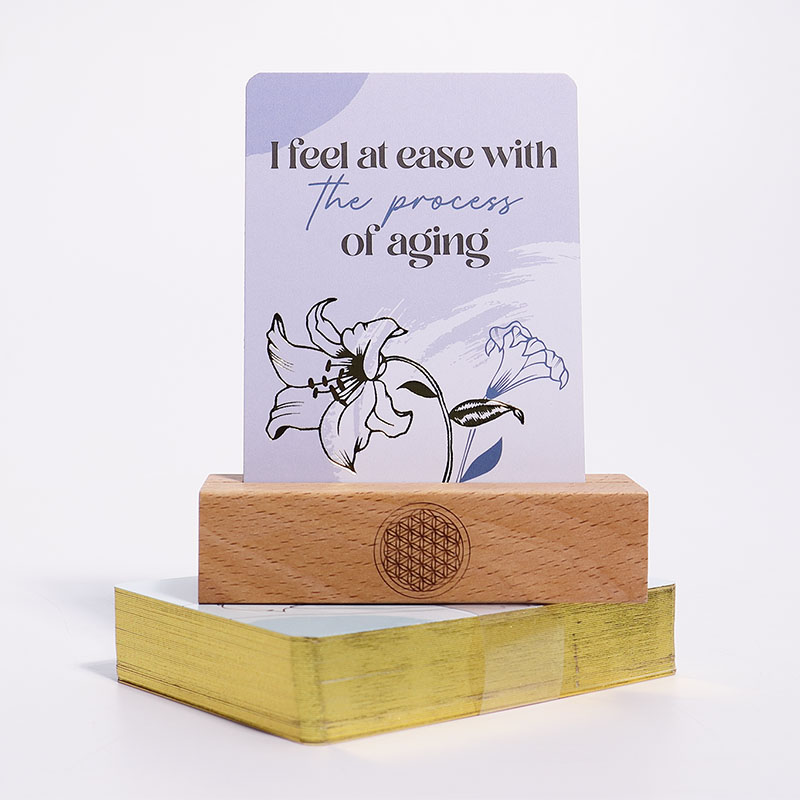 Personalized Emotional Encouragement Card Collection
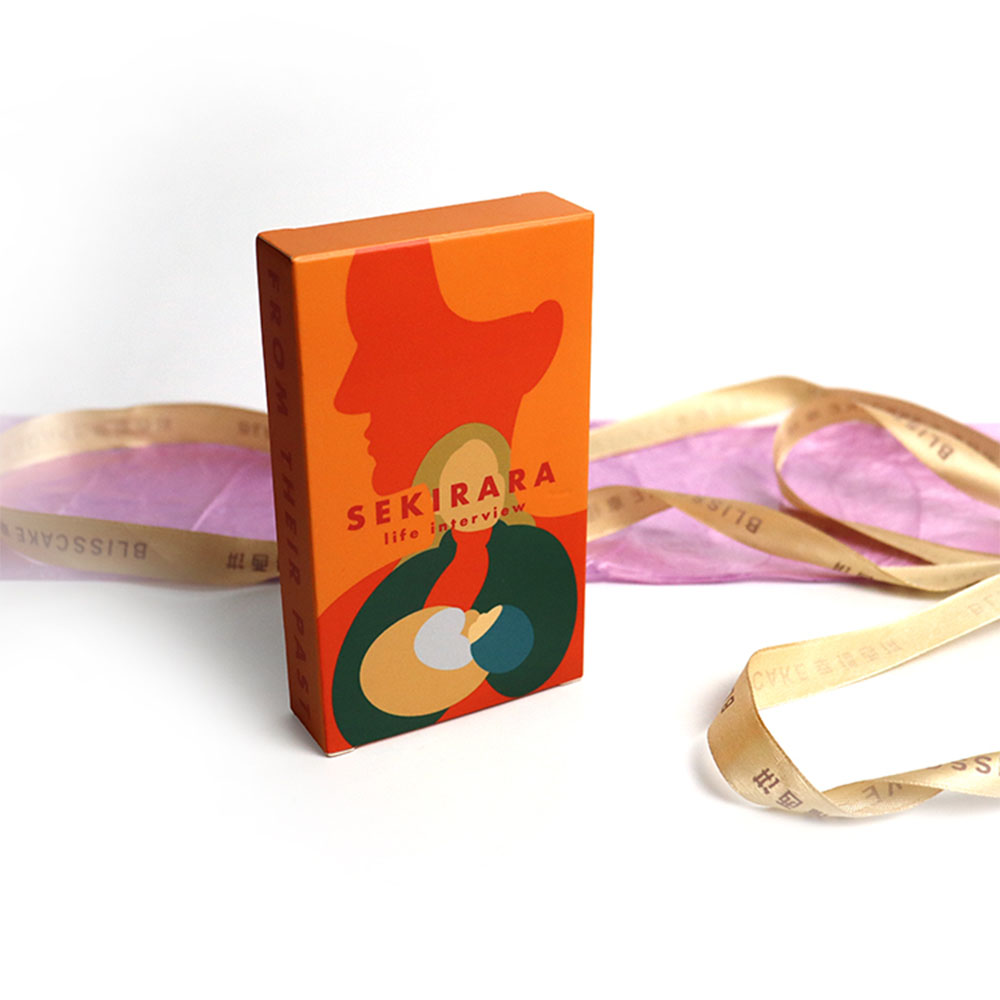 Personalized Deep Conversation Card Gift Box
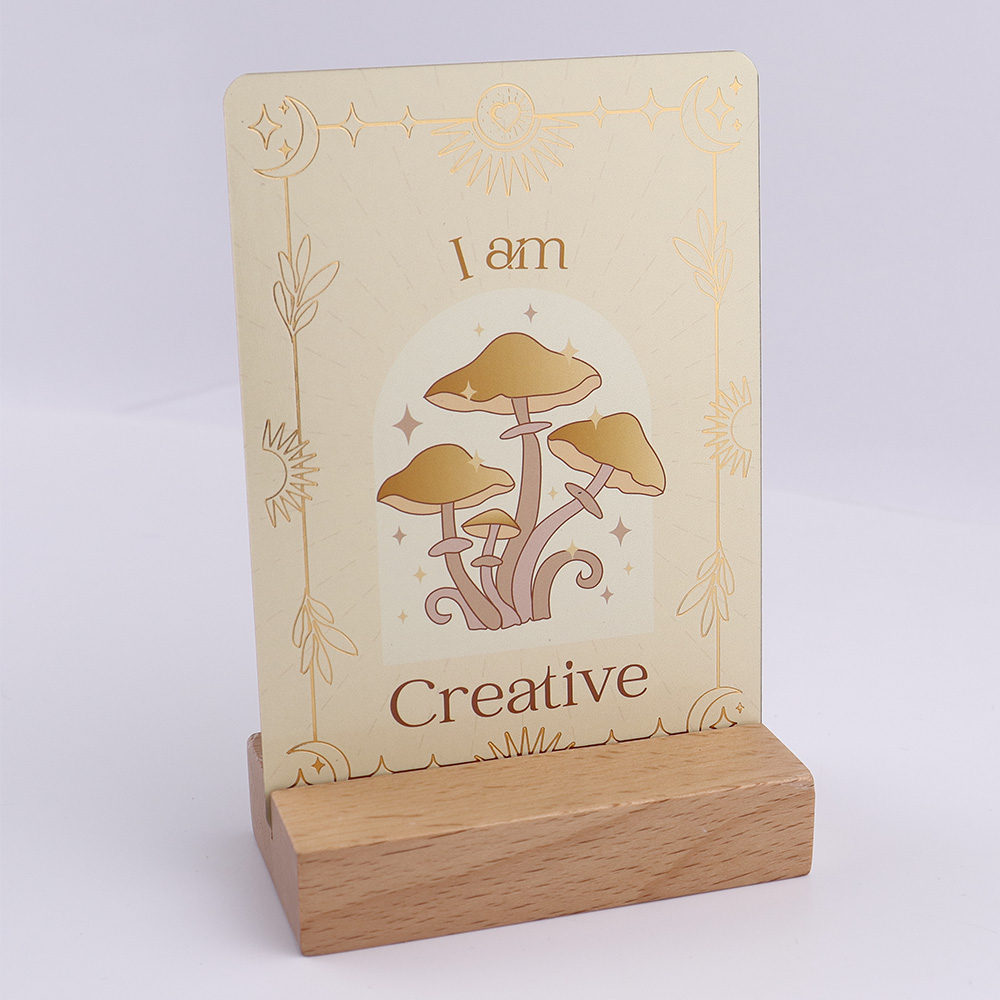 Customizable Boho-Chic Affirmation Cards for Mindfulness & Self-Love
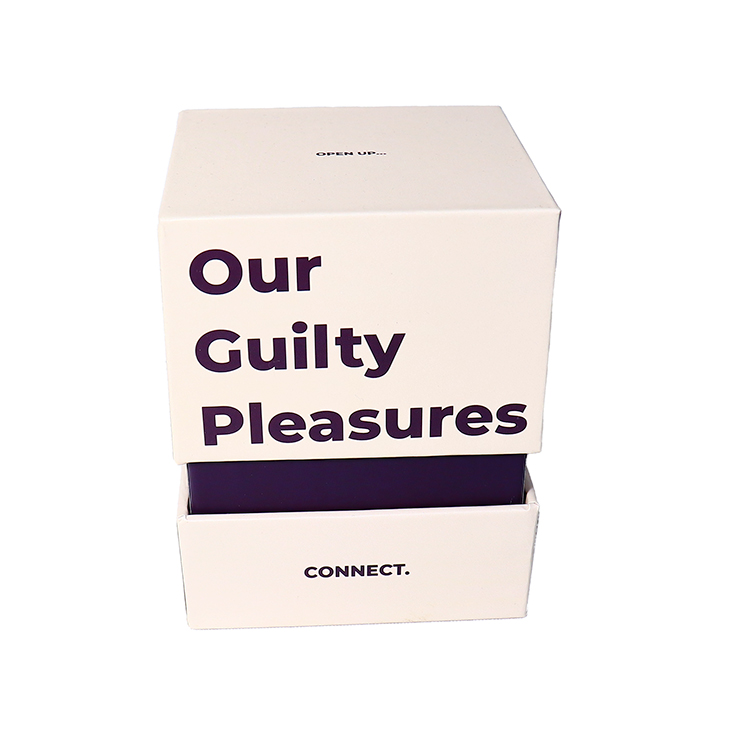 Customized Friendship Confirmation Card
 Customized Entrepreneurship Confirmation Card
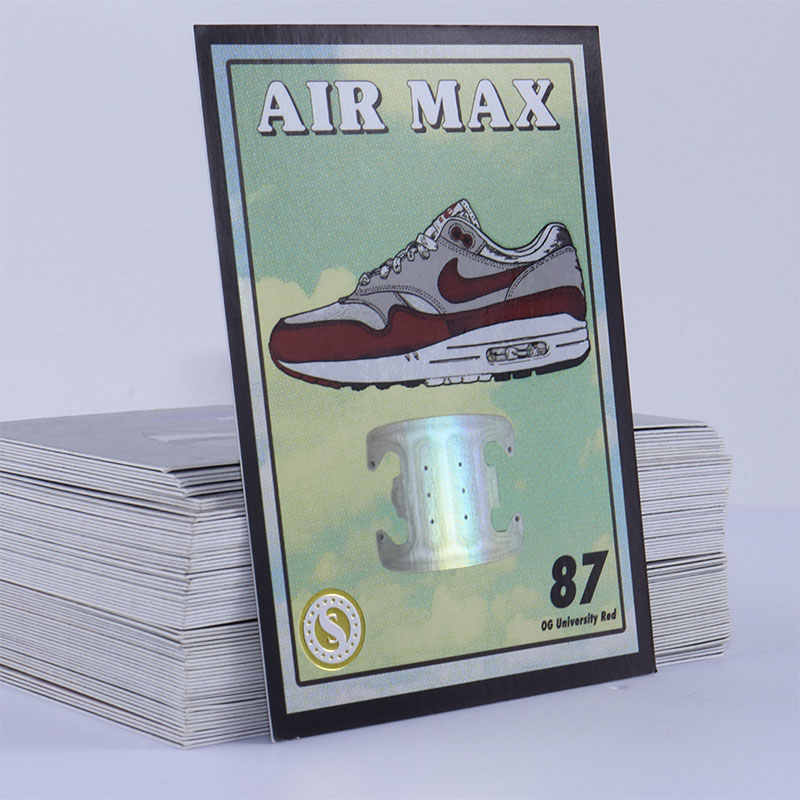 Air Max Pax Custom Sneaker Card Blind Box Set
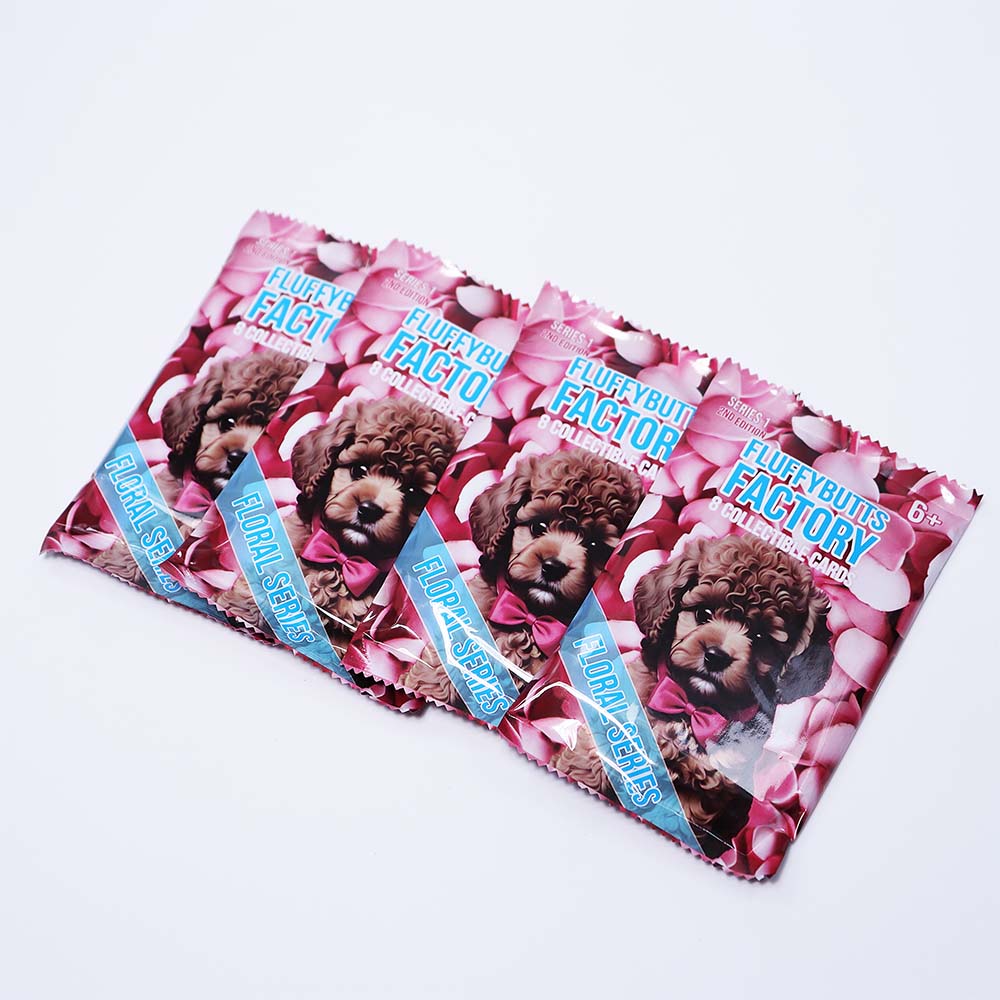 Fluffybutts Factory Custom Pet Card Blind Box Sets
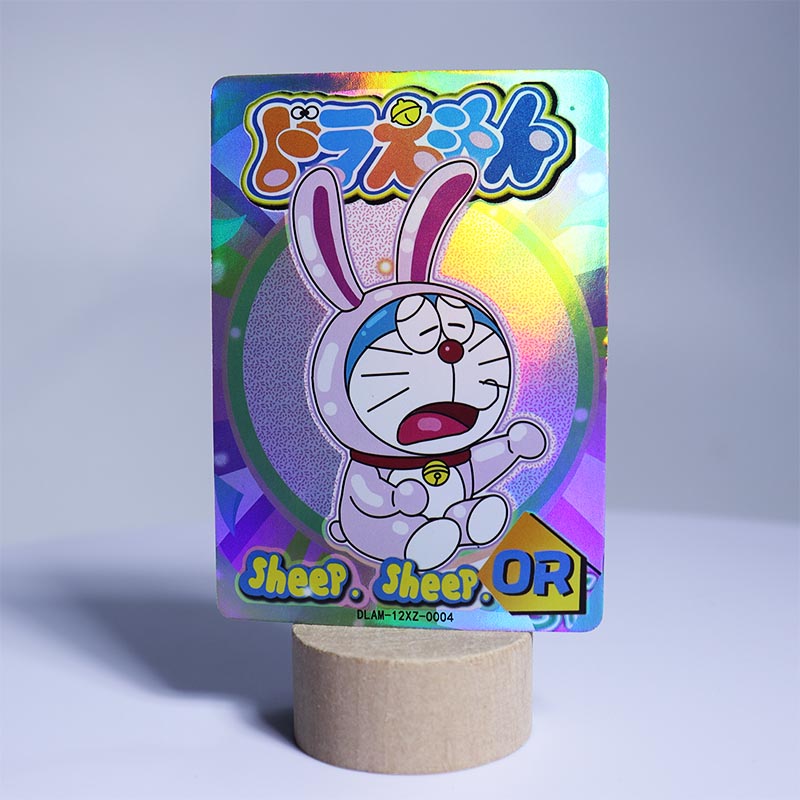 Doraemon Custom Card Blind Box Set
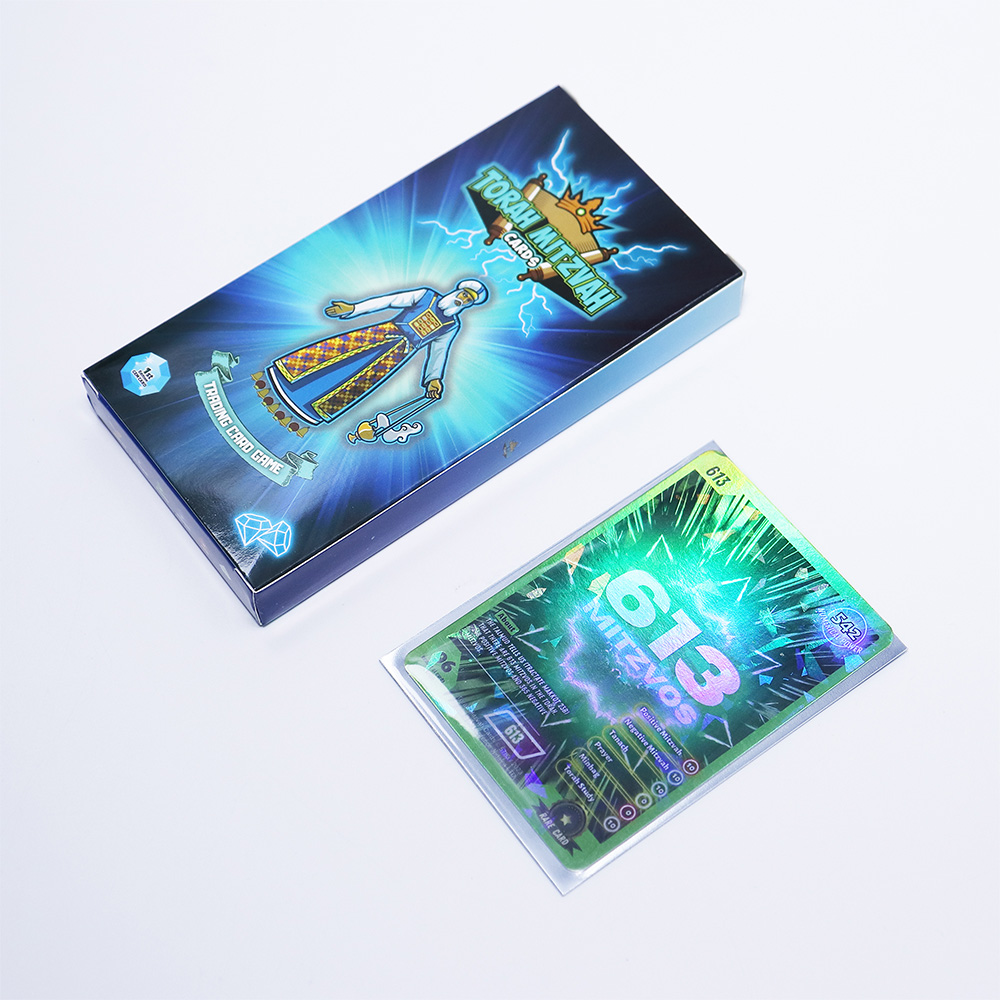 Torah Mitzvah Custom Card Blind Box Set
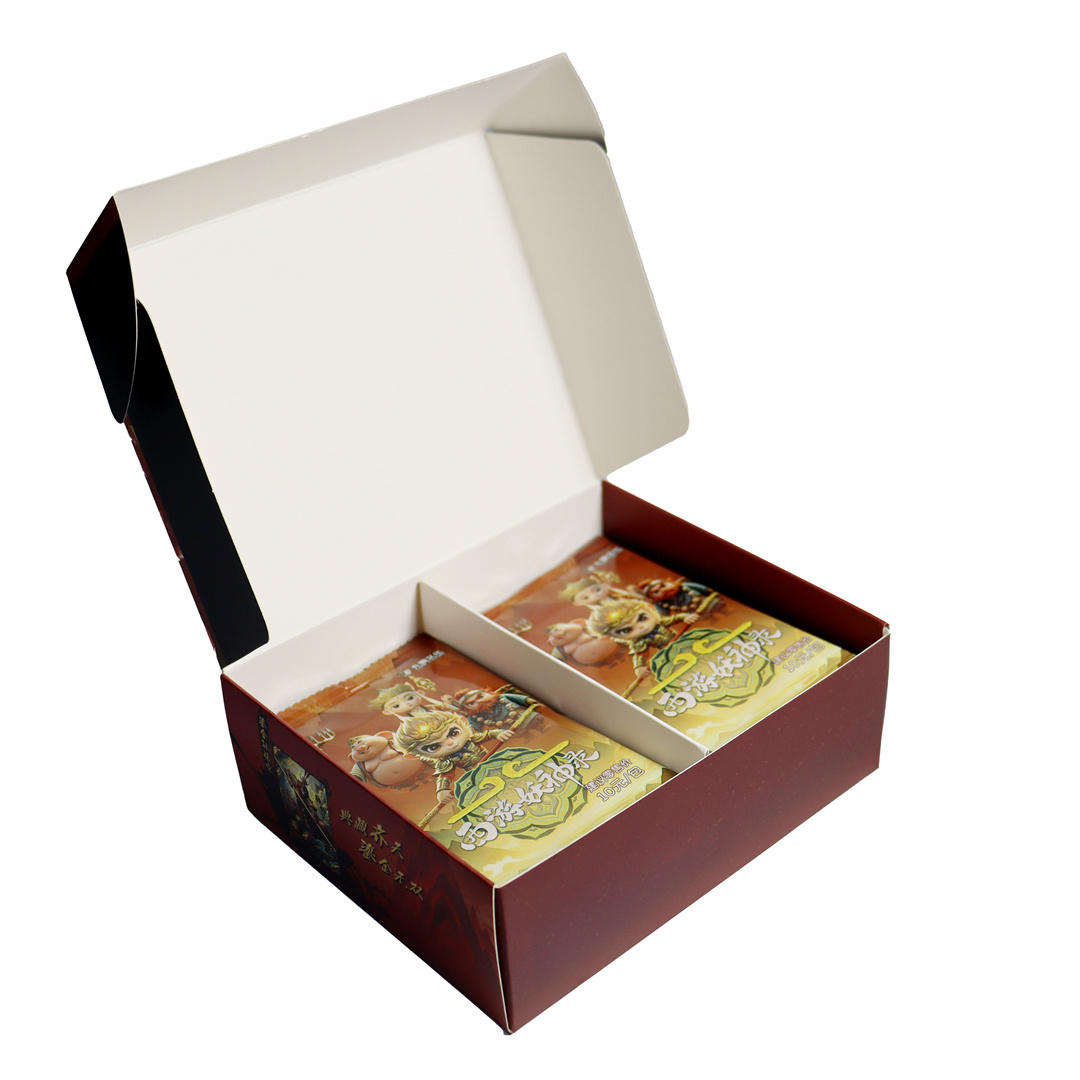 Customized "Journey to the West" Themed Card Blind Box Set
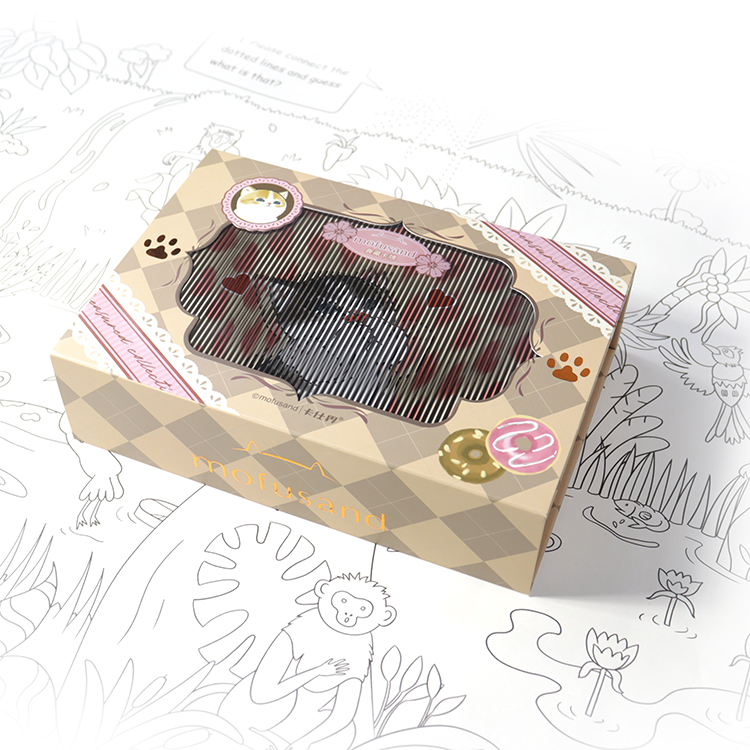 Customized cat-themed blind box set
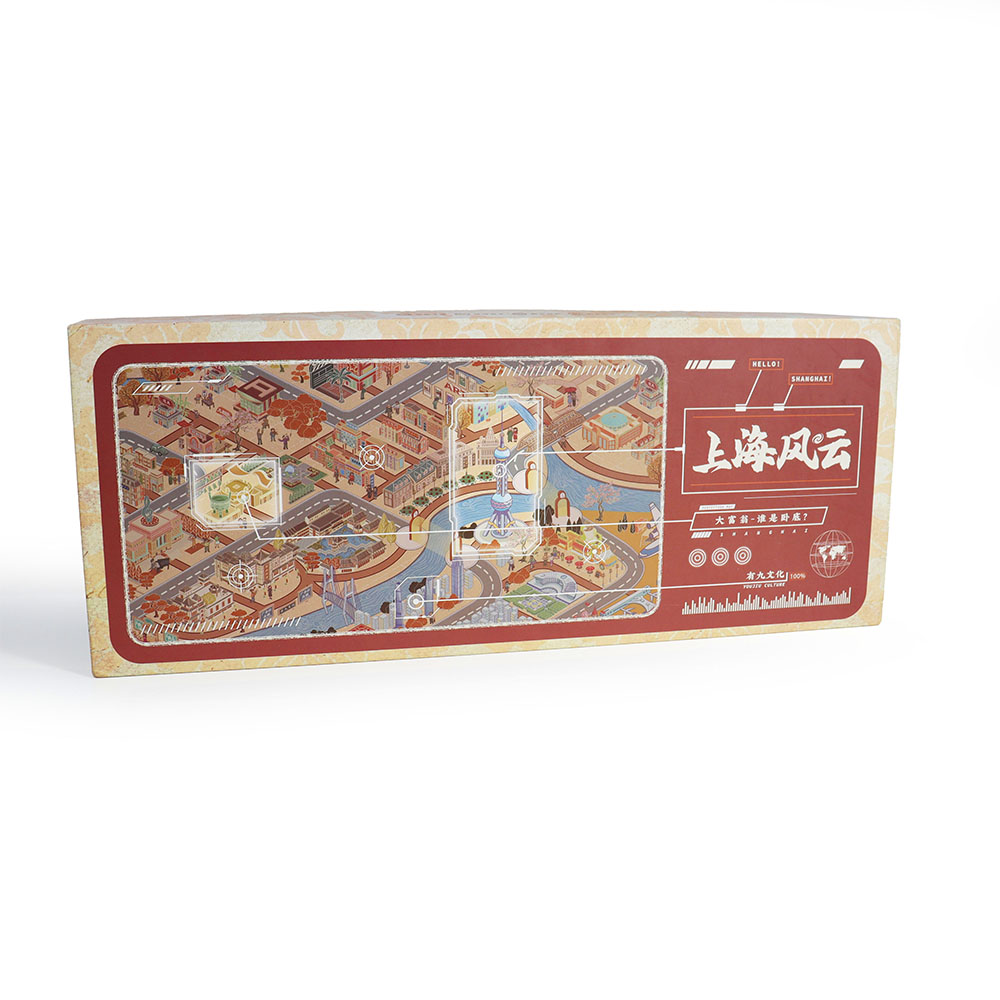 Shanghai Fengyun Custom Board Game Set
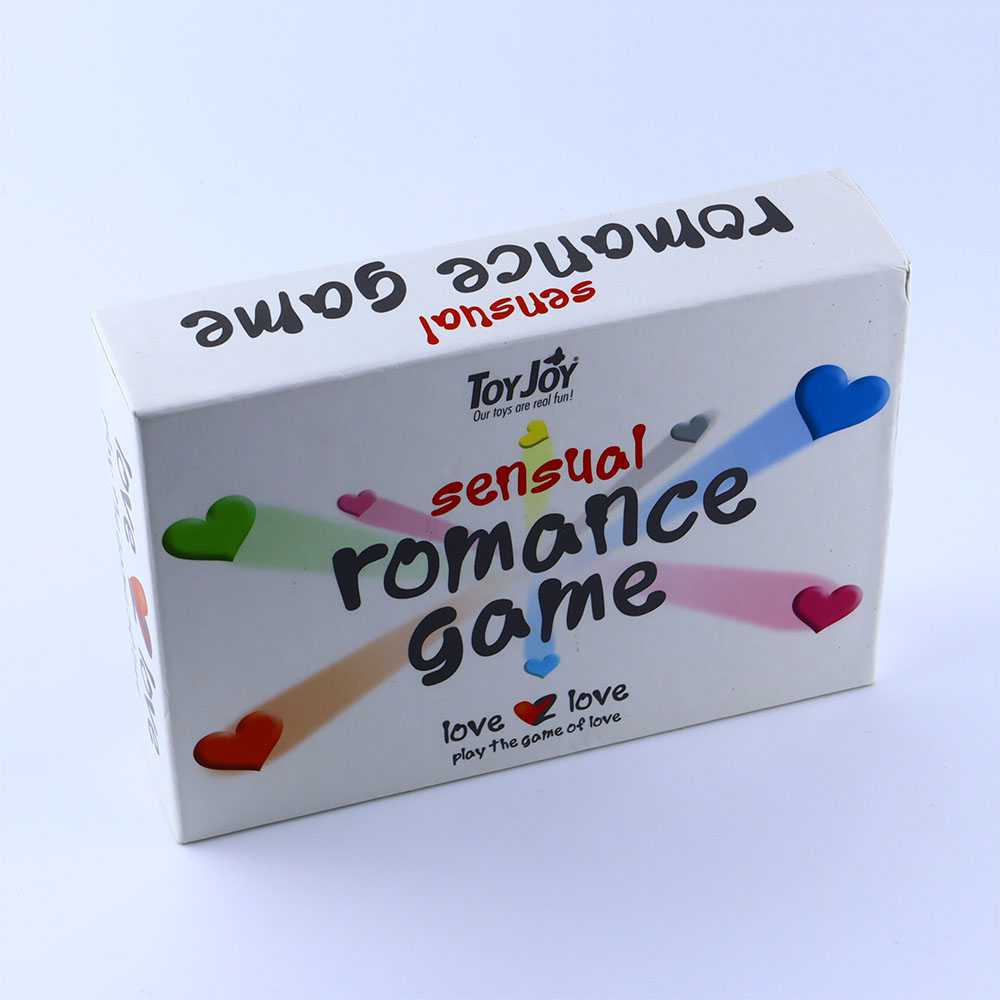 Sensual Romance Game Custom Board Game Set
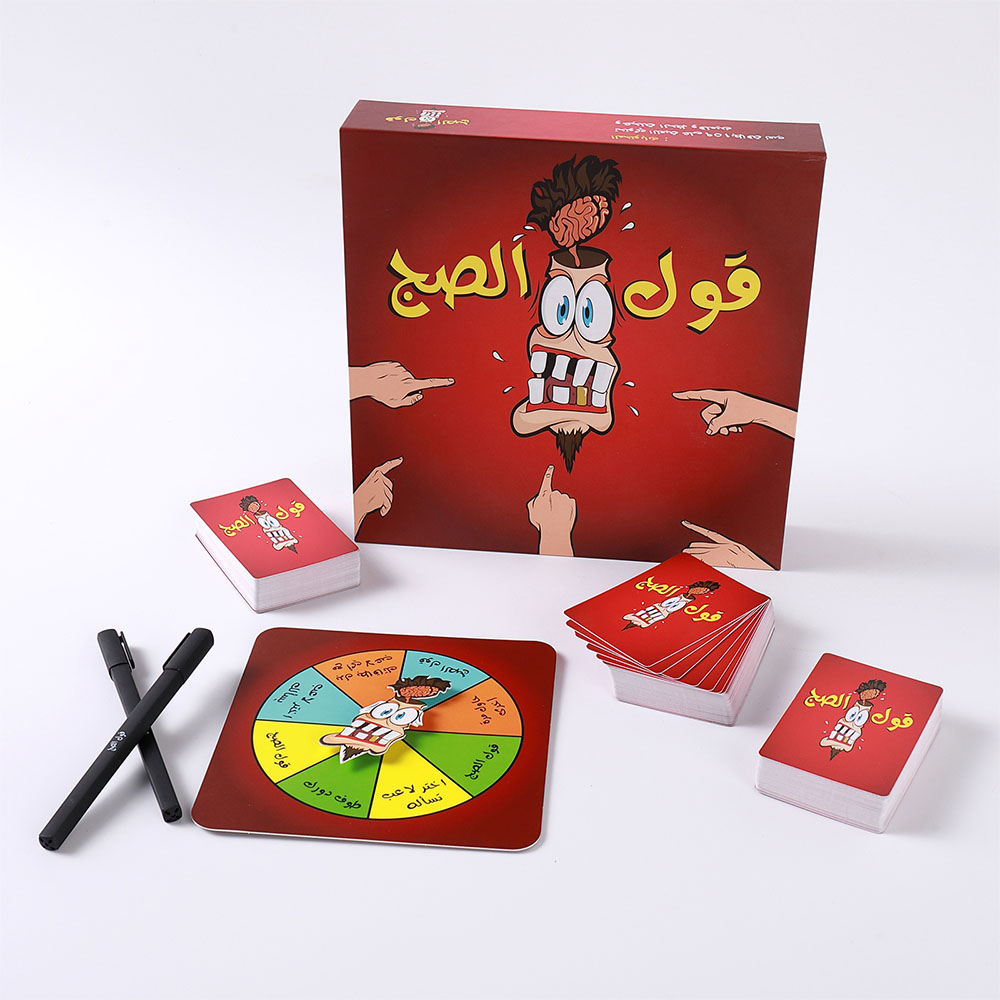 "Qoul Al Sabah" Custom Board Game Set
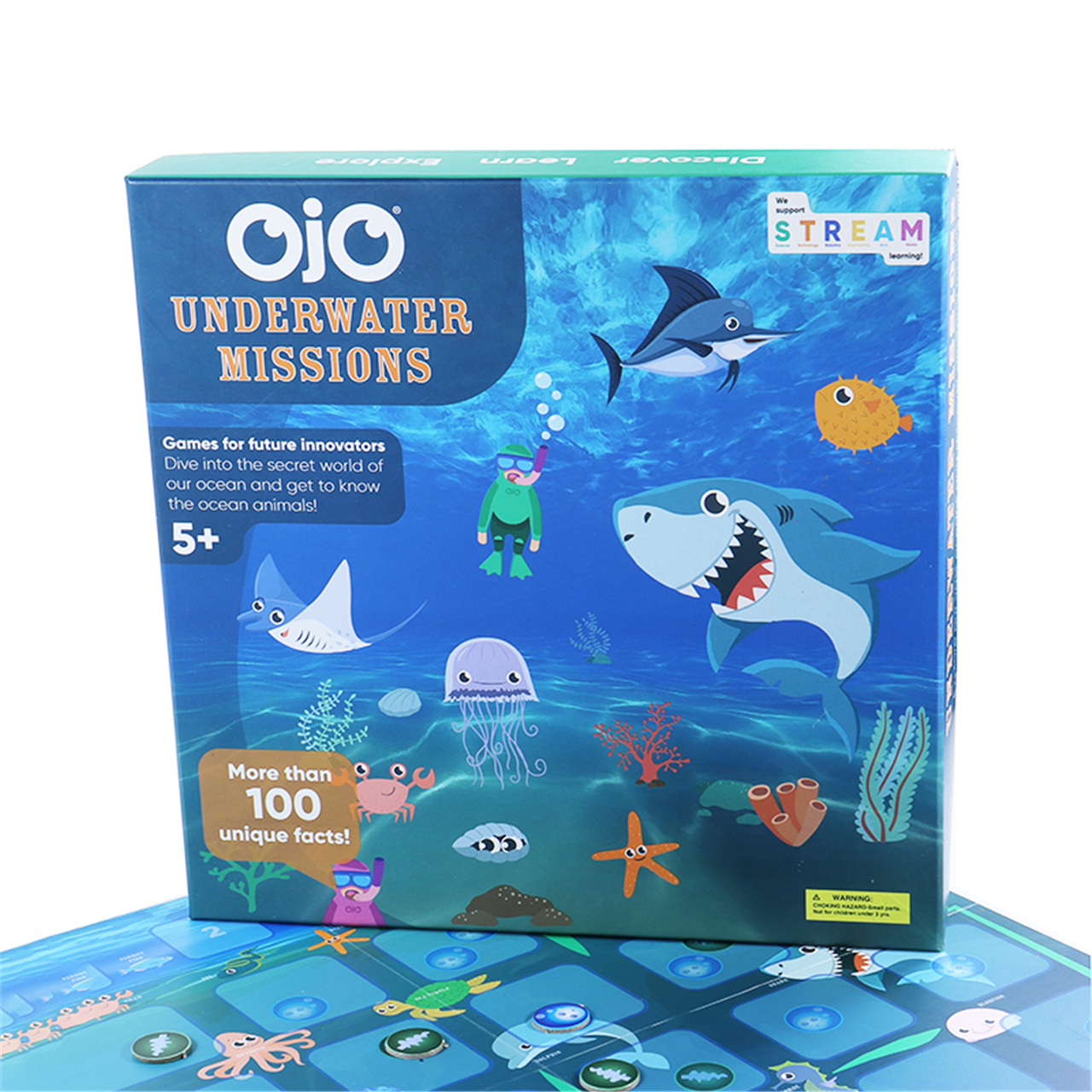 Customized educational board games for children
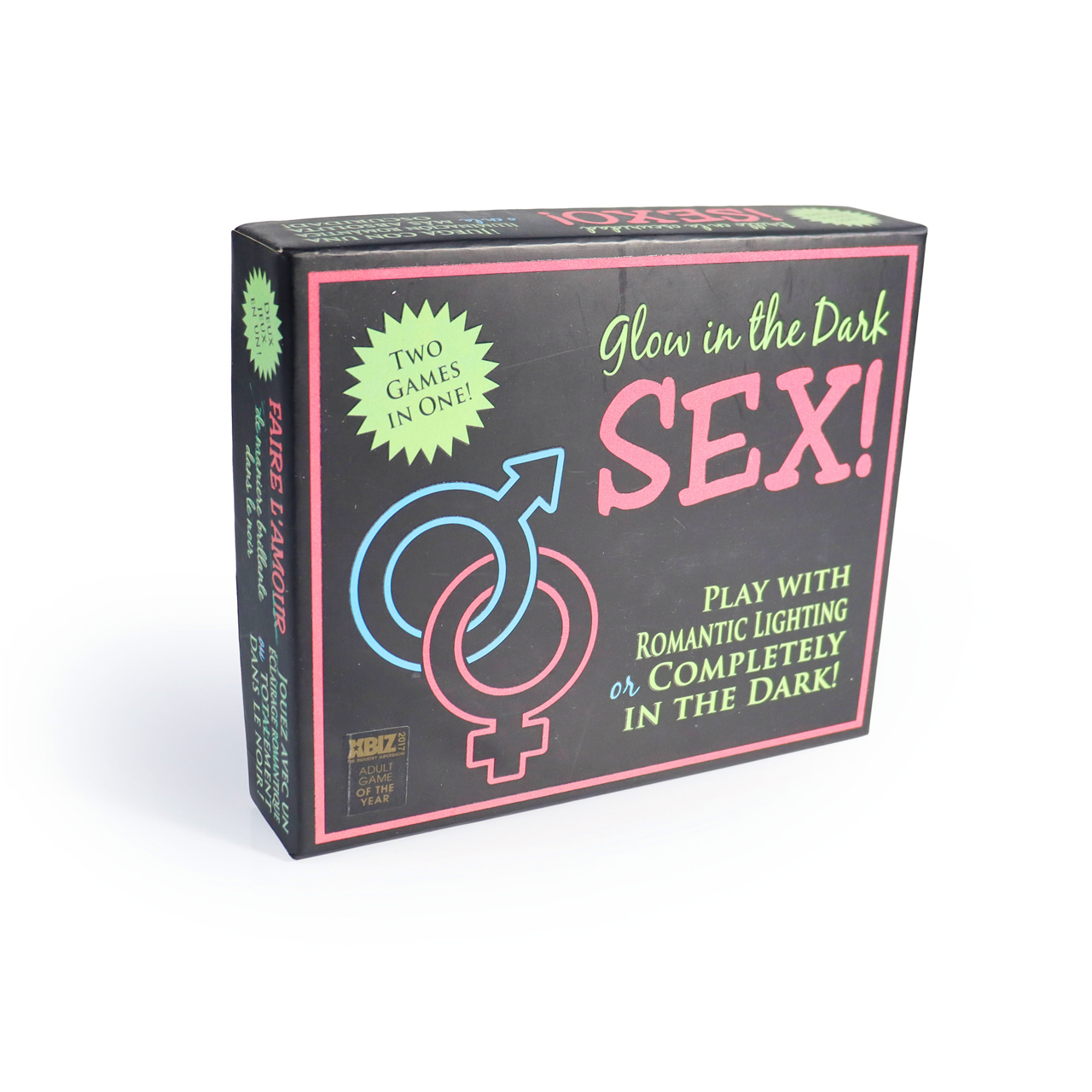 Couple Interaction Turntable Themed Board Game
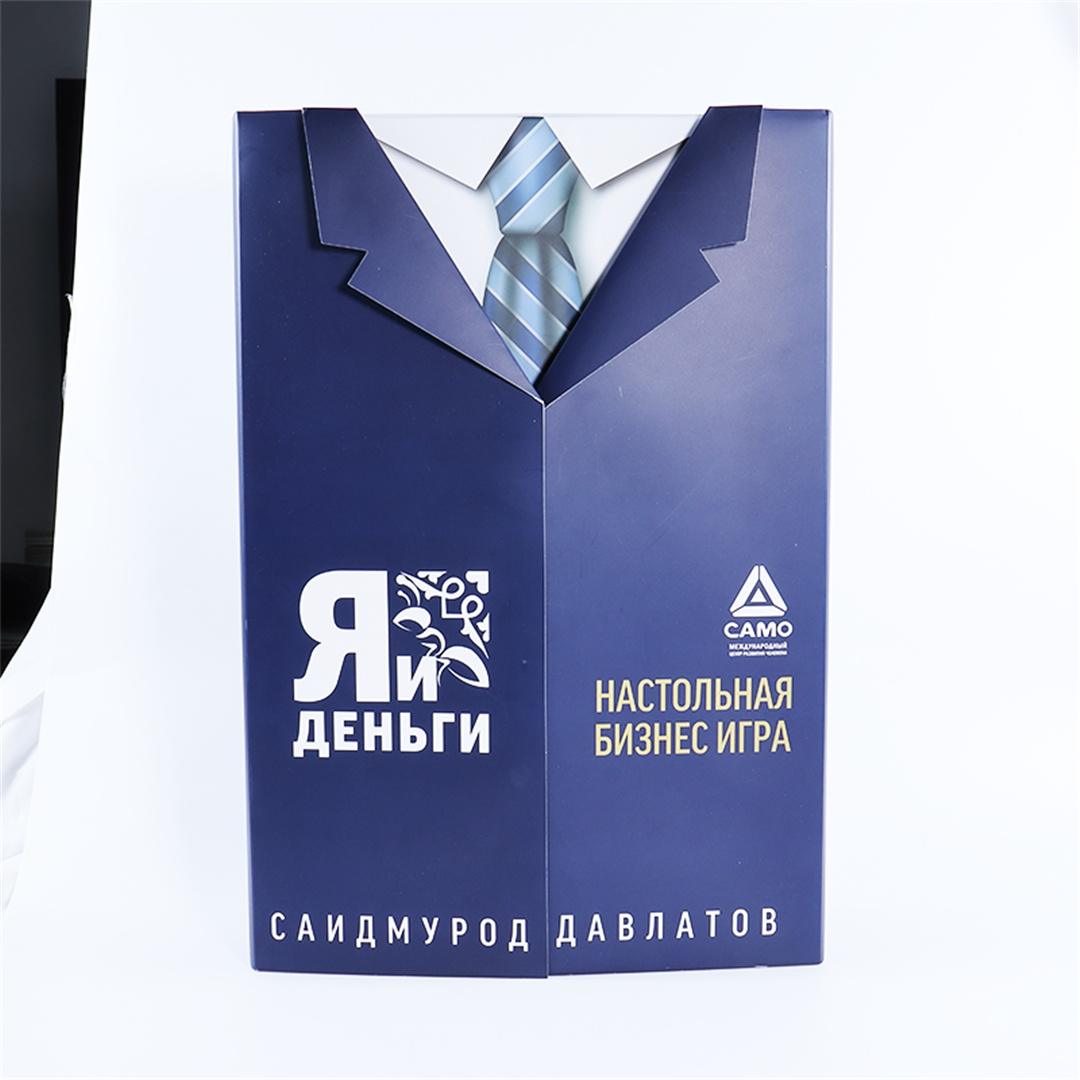 Business Finance Board Game
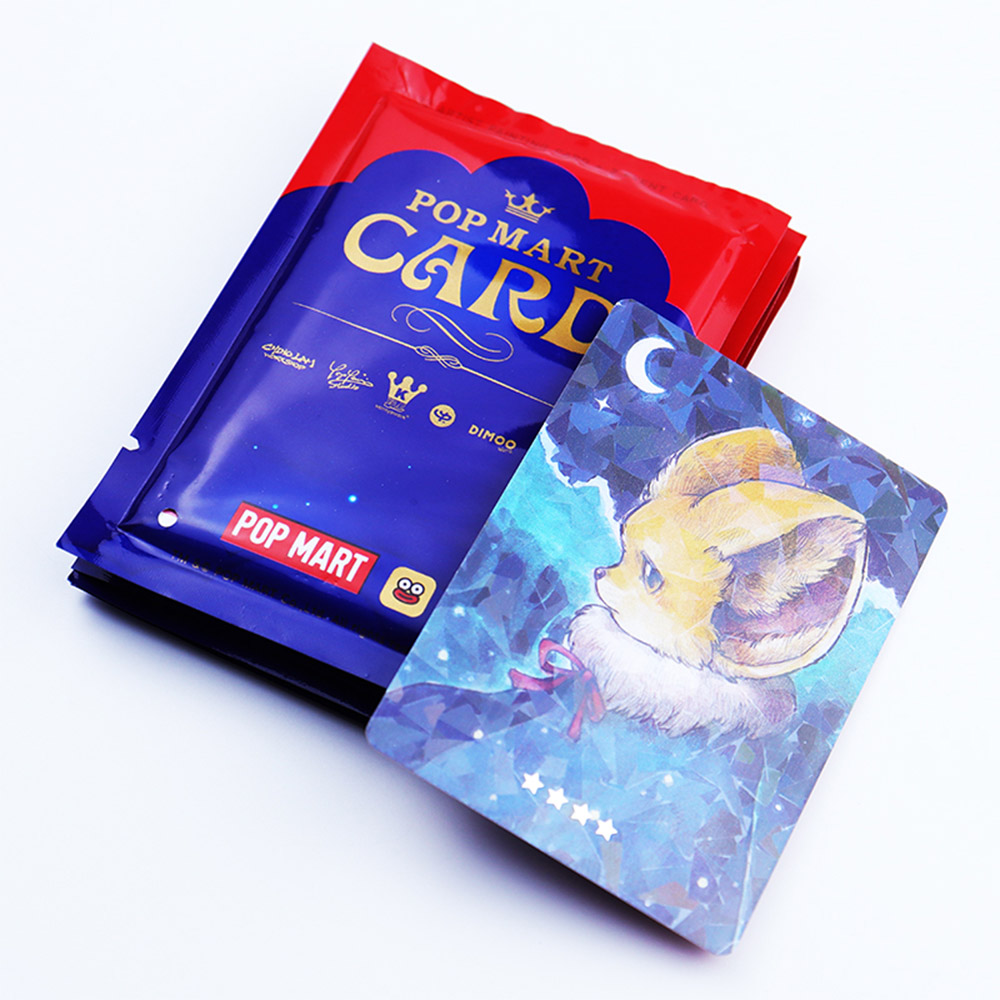 Pop Mart Custom Character Collectible Cards
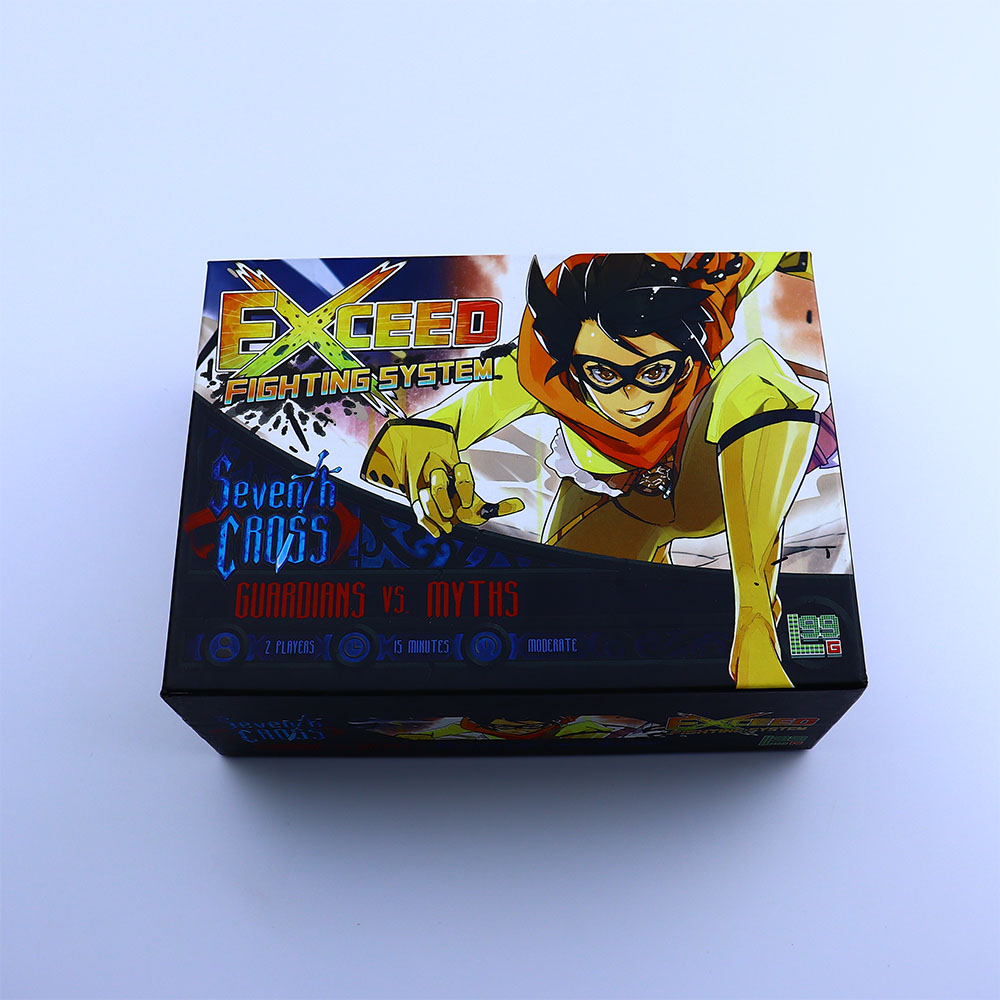 EXCEED Fighting System Custom Character Card Set
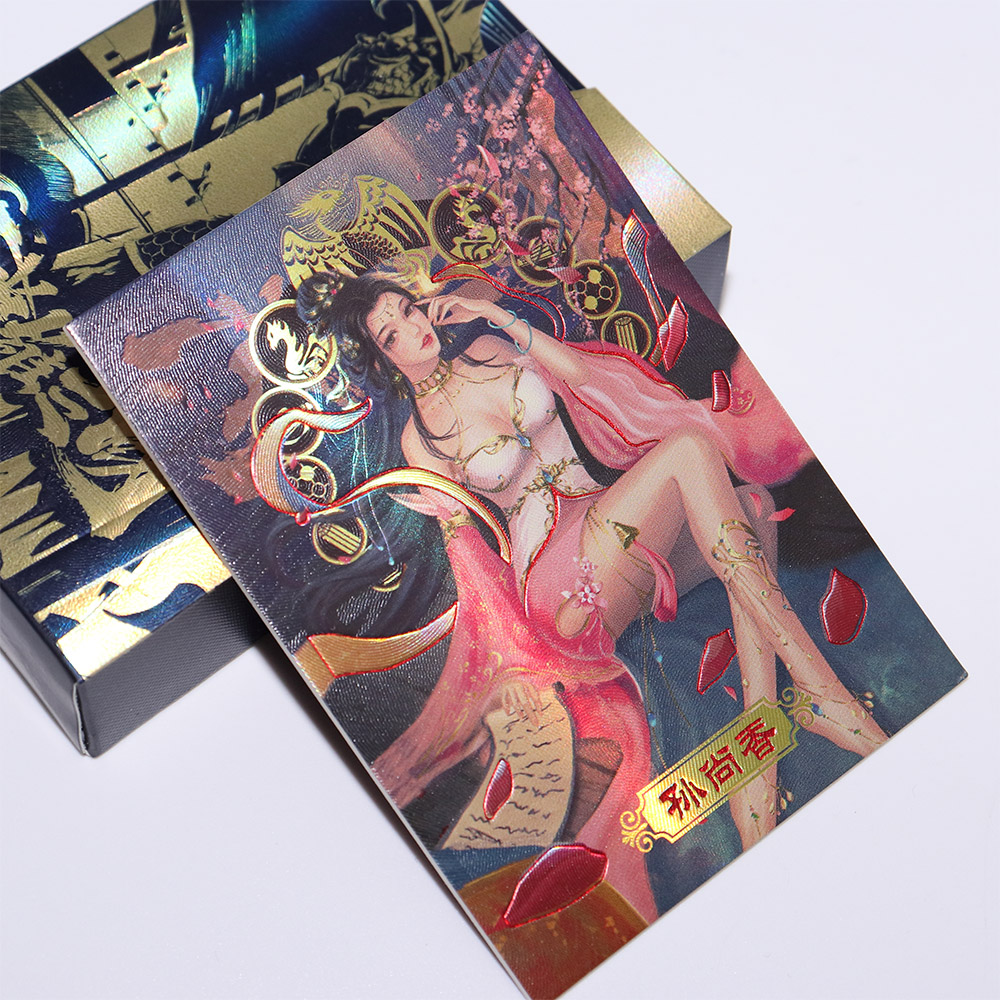 Three Kingdoms Custom Hero Character Cards
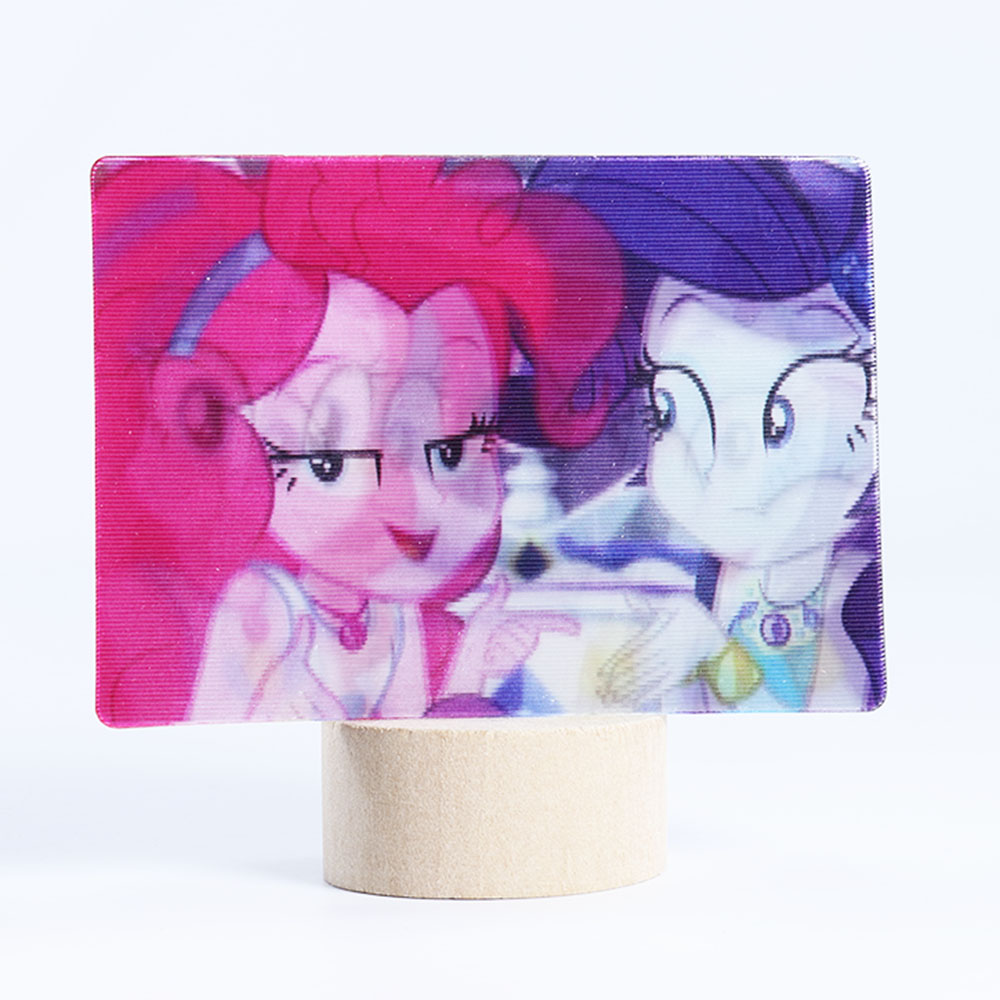 Custom Anime Character Dynamic Visual Cards
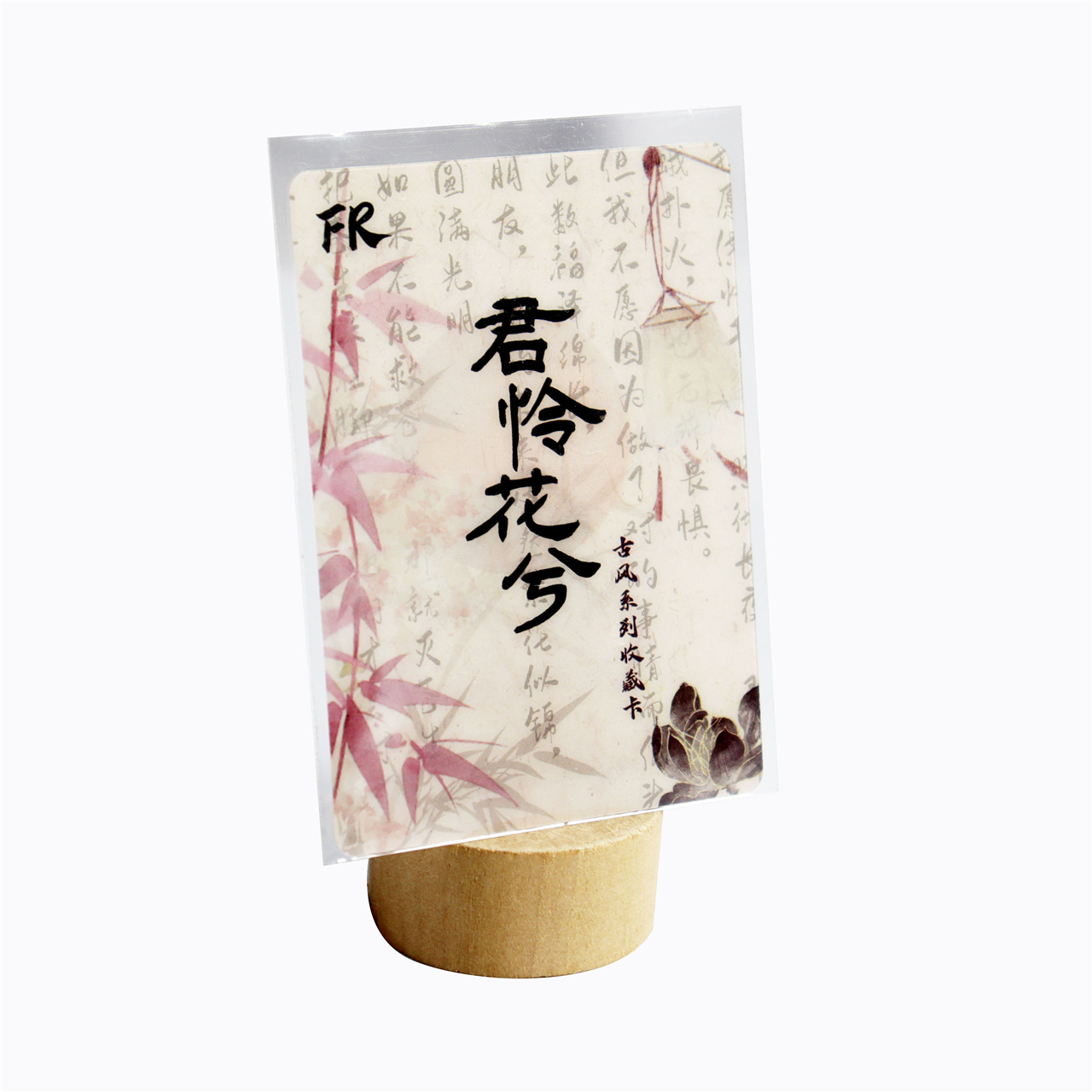 Custom Cartoon Character Collectible Card Set
 Custom Anime Character Art Card Set
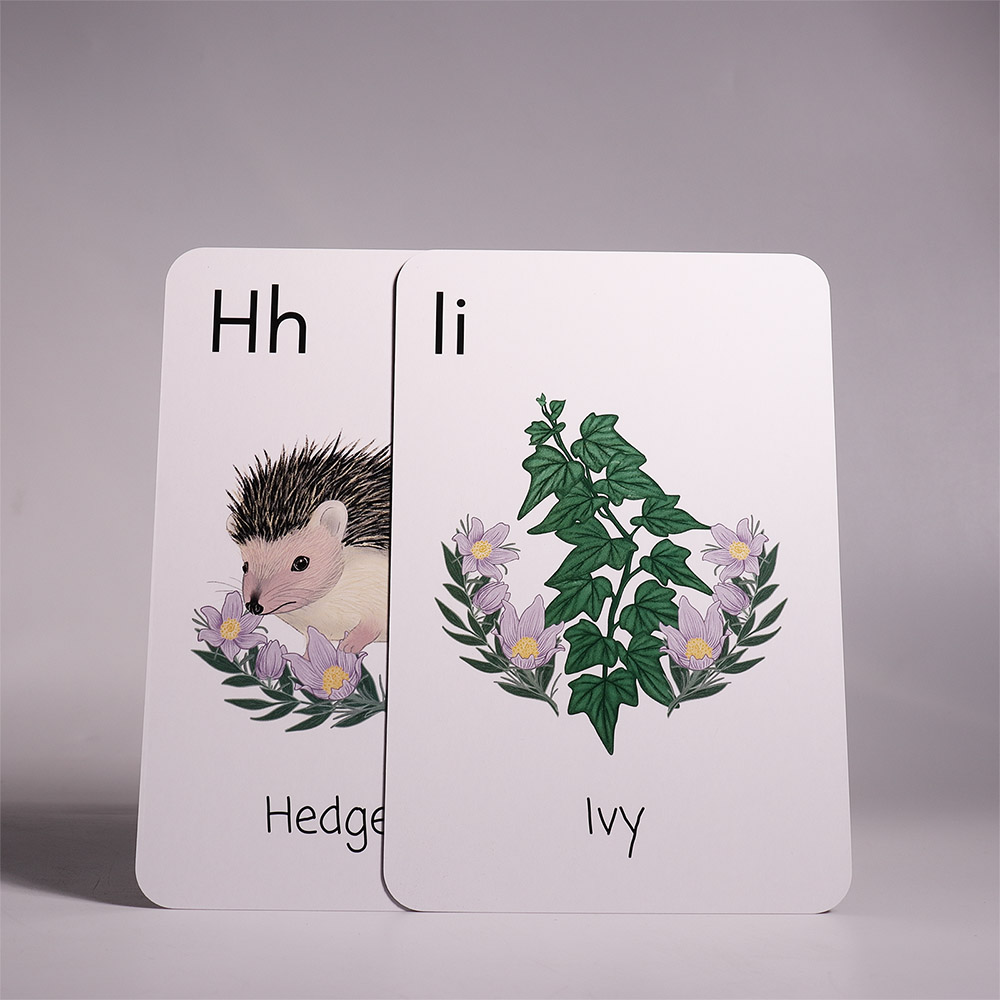 Little Larch Alphabet Cards
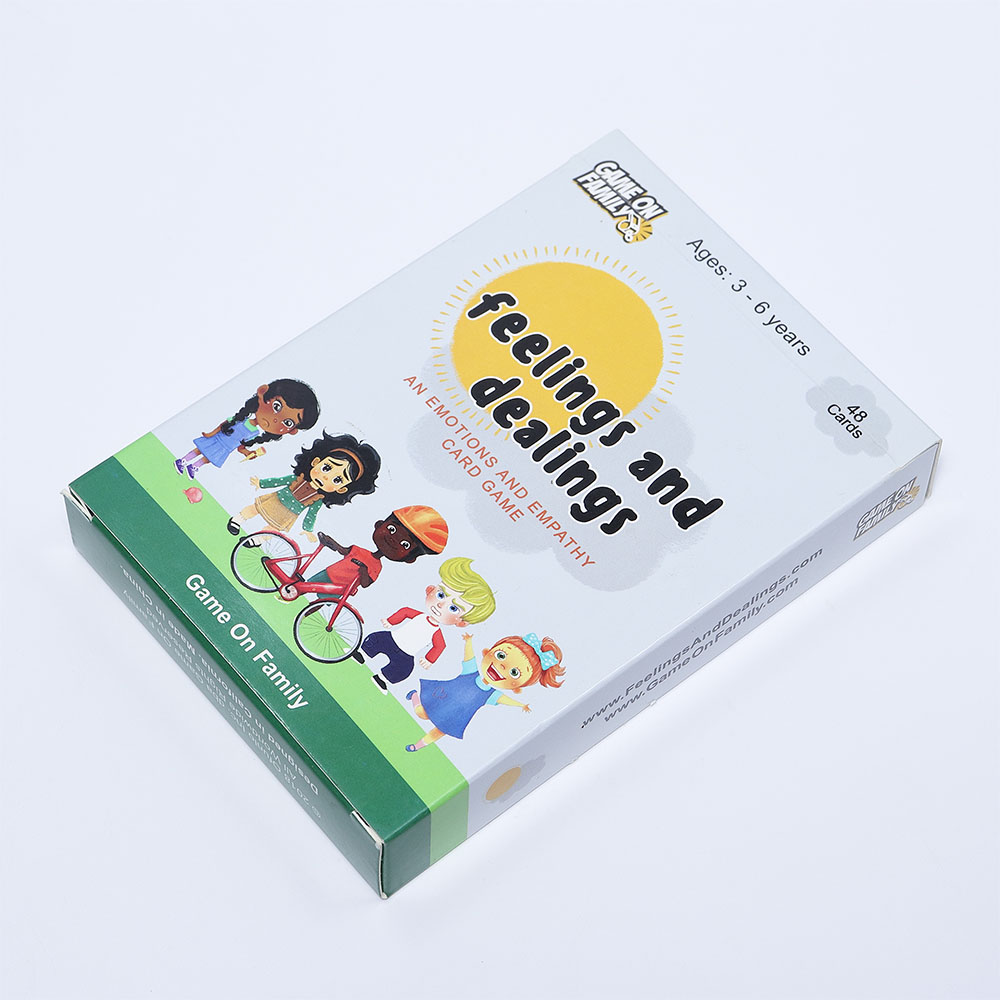 Feelings and Dealings Custom Children's Emotion Card Game
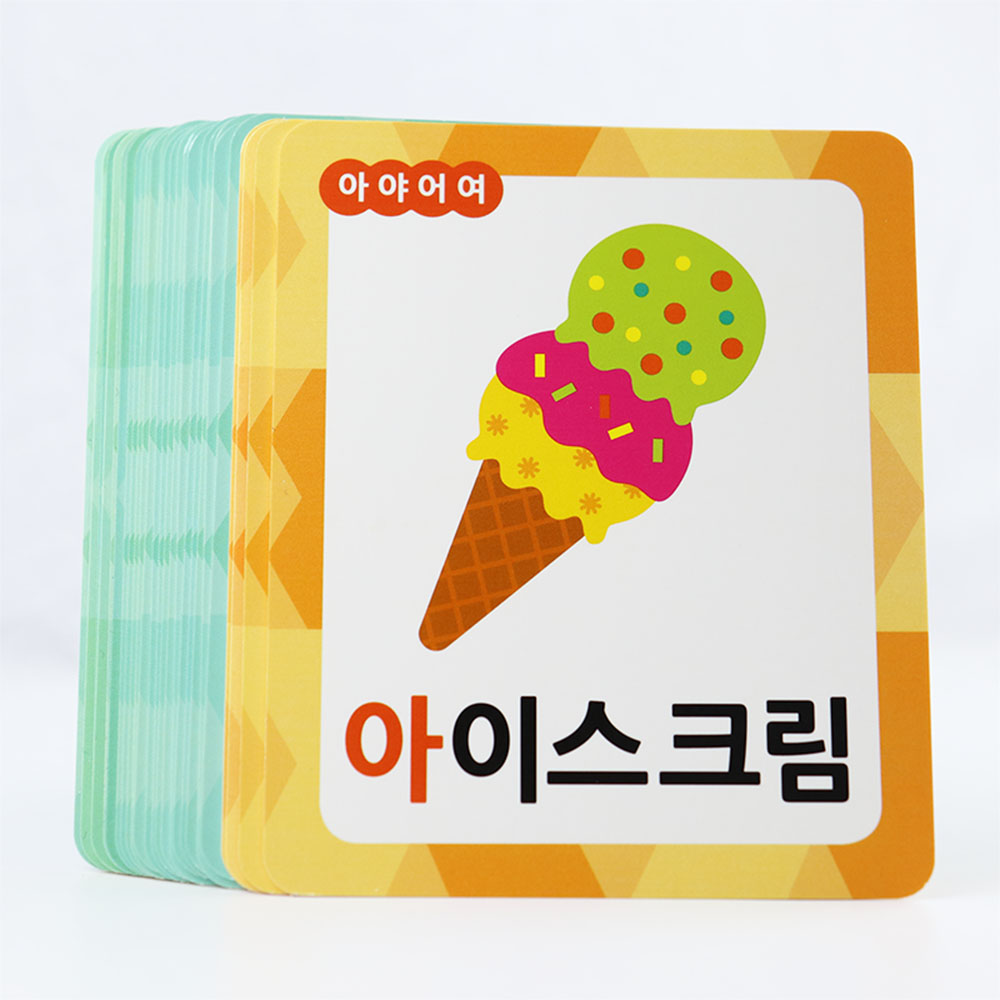 Korean Children's Educational Flashcards
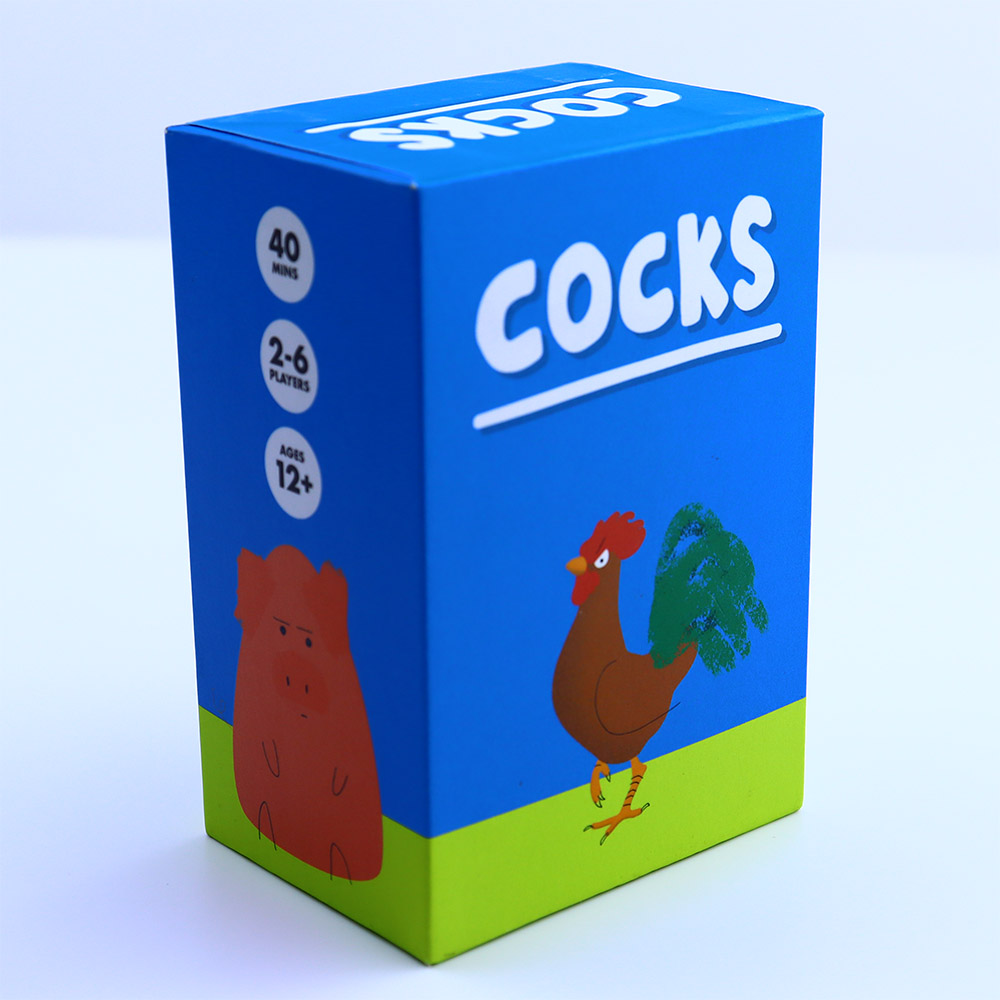 Cocks Themed Custom Children's Learning Cards
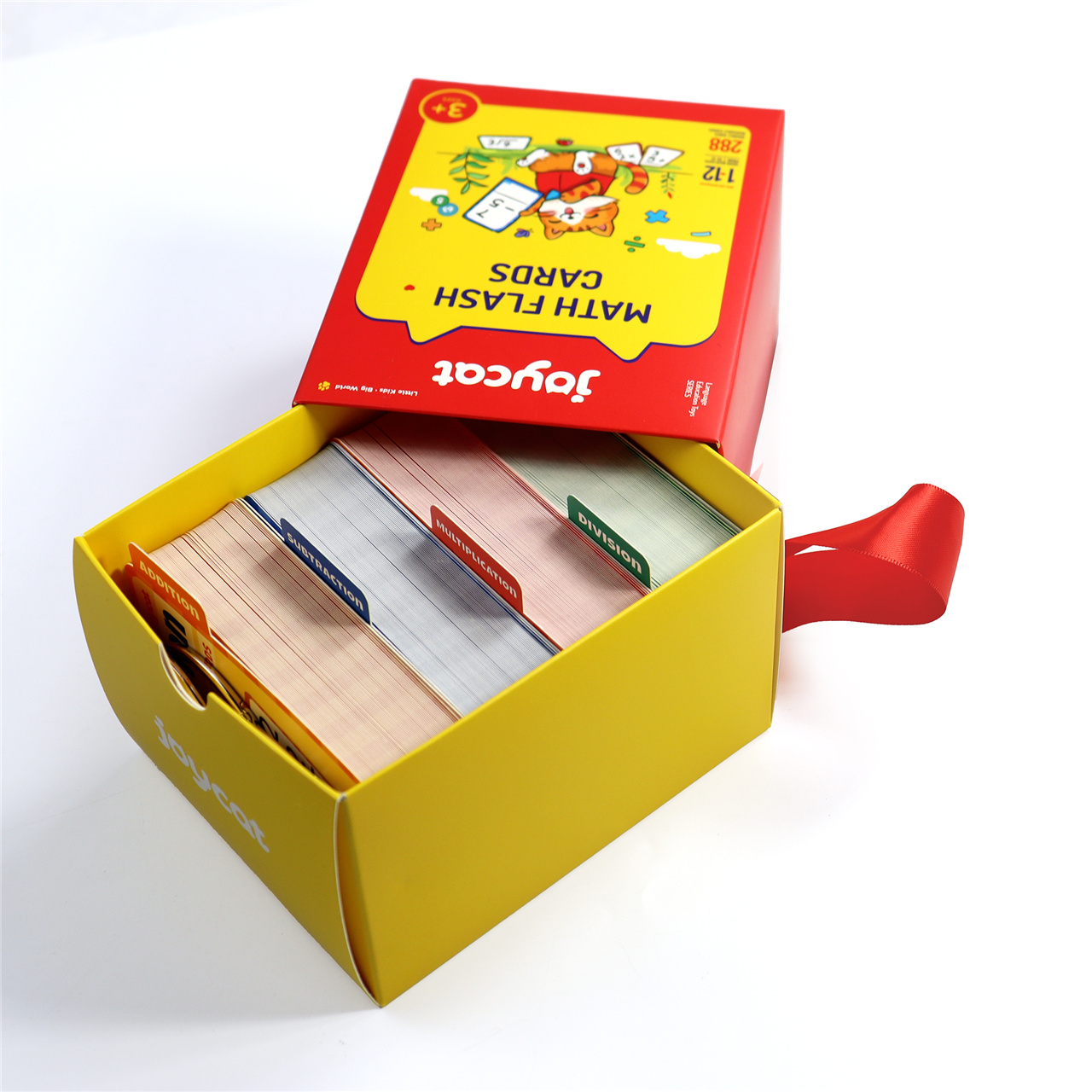 Math Flash Cards Set for Kids
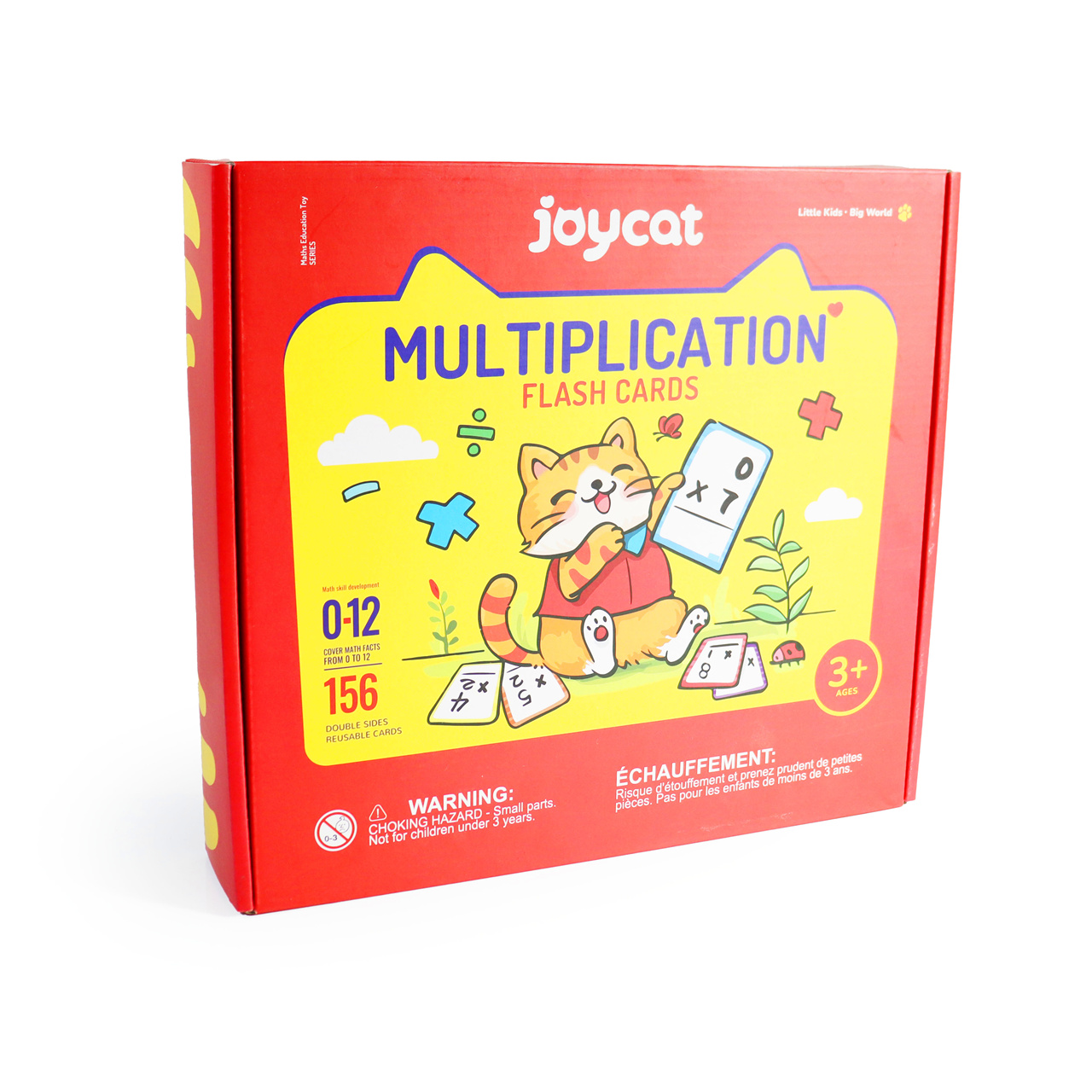 Joycat Multiplication Flash Cards Set with Accessories
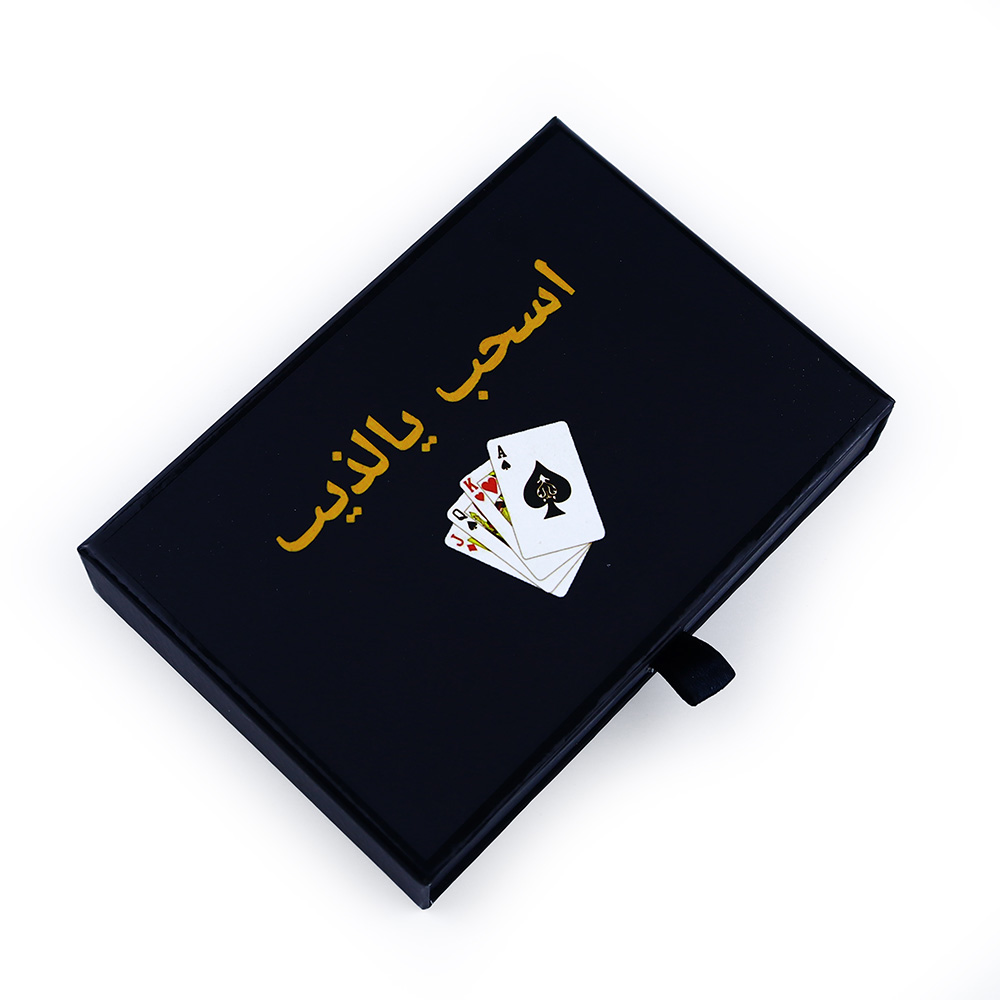 Custom Dual-Deck Playing Cards with Wolf-Themed Design
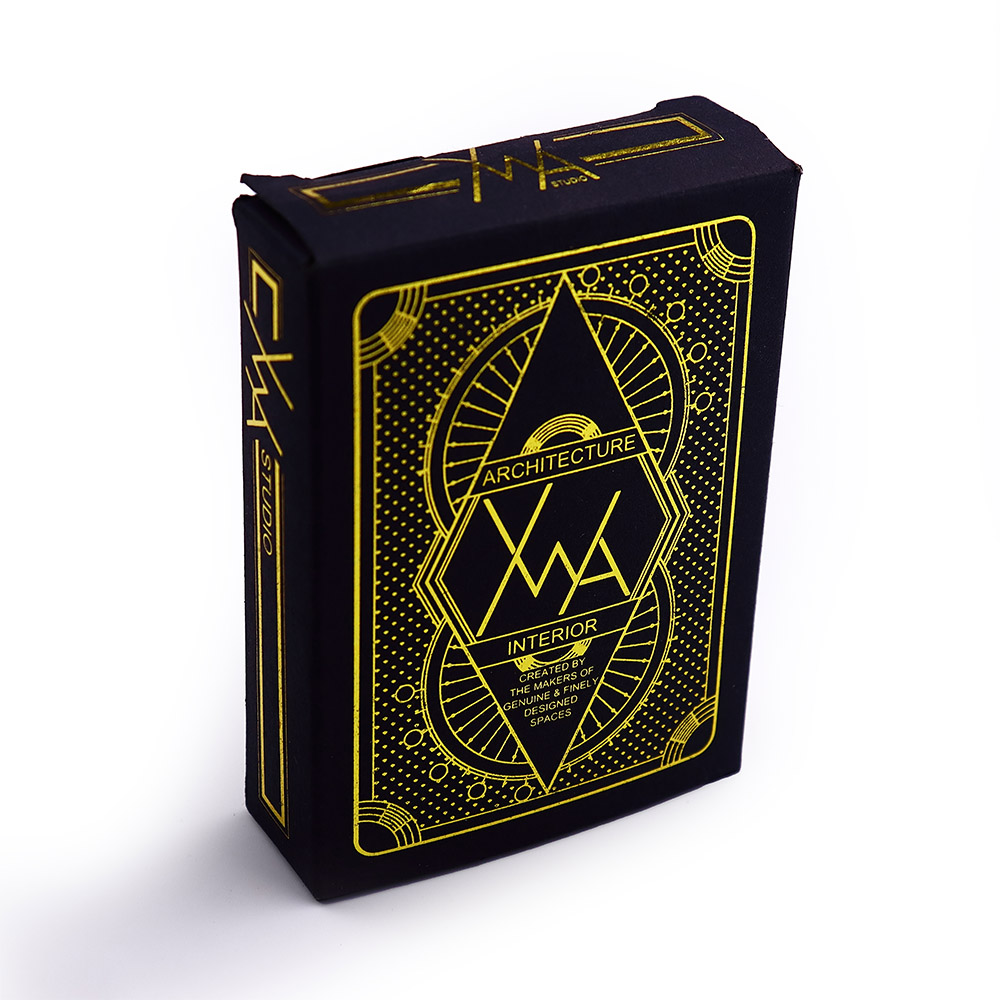 Custom embossed gold foil playing cards
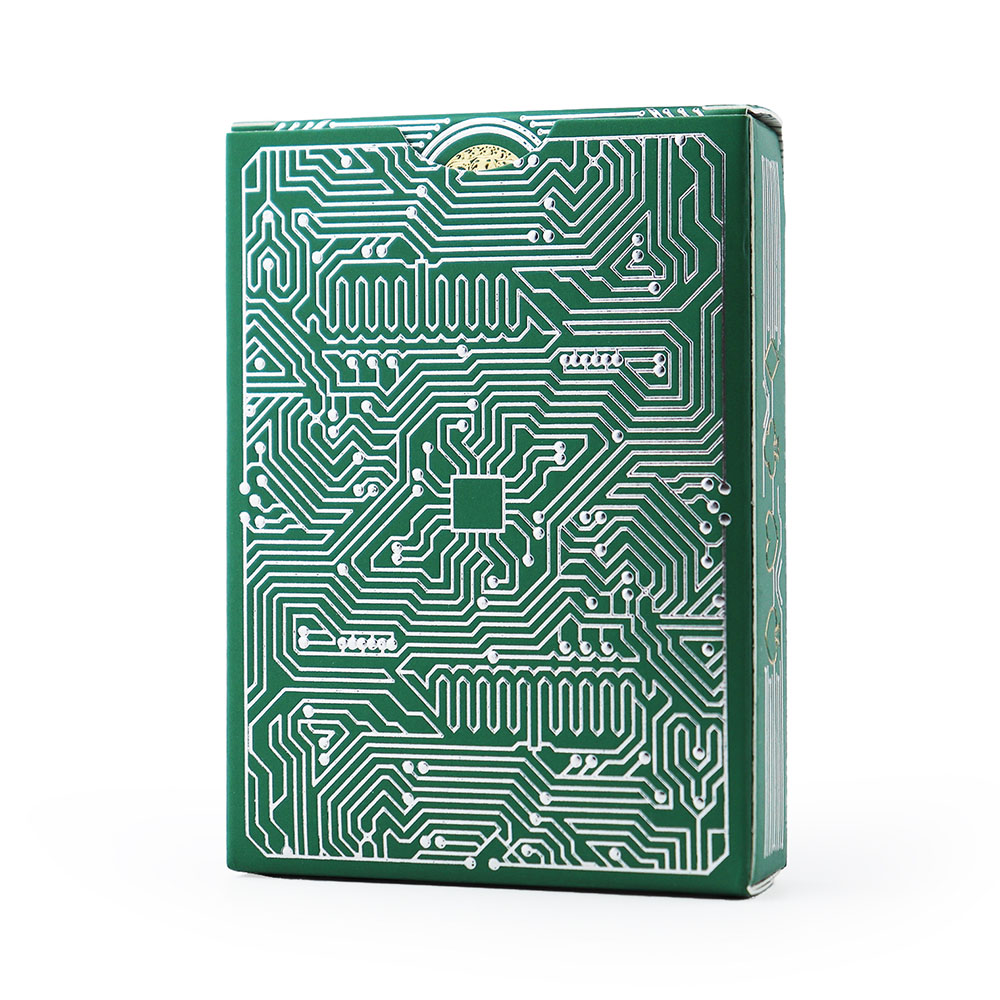 Circuit PCB Edition Custom Playing Cards
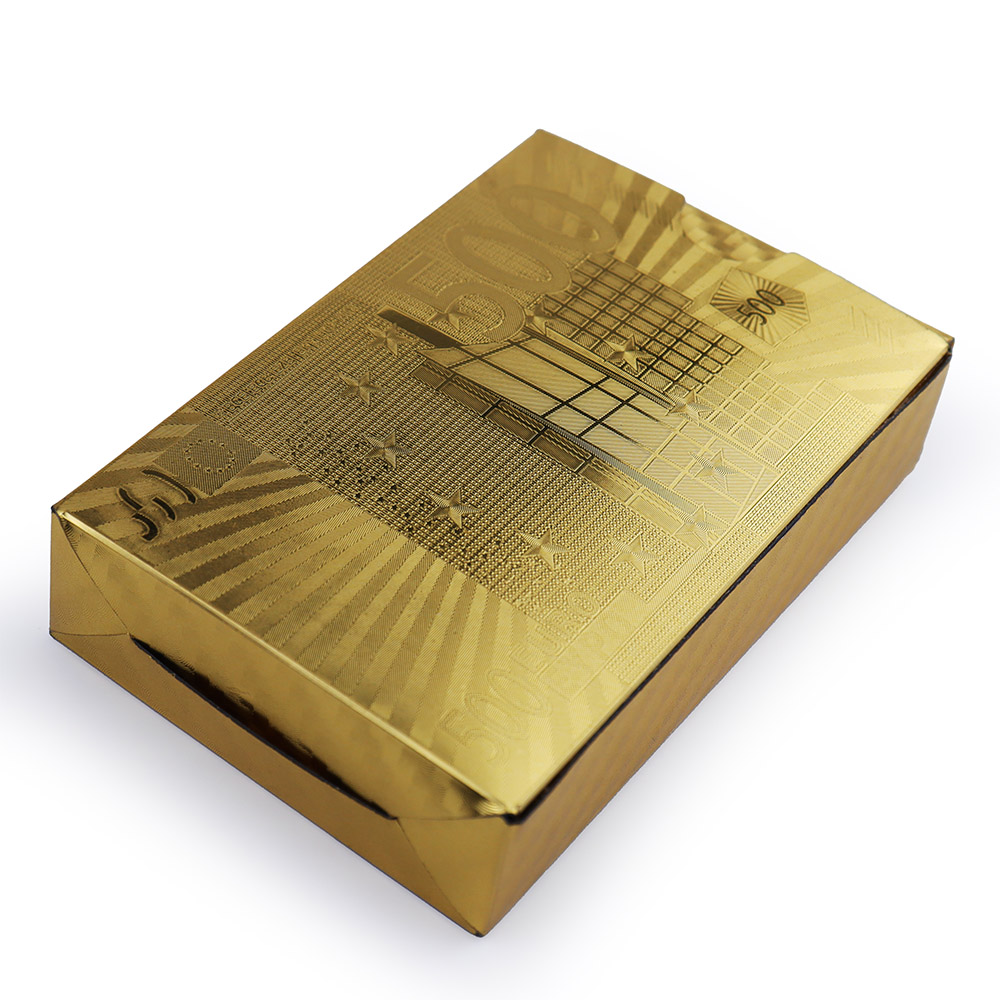 Customized theme gold foil playing cards
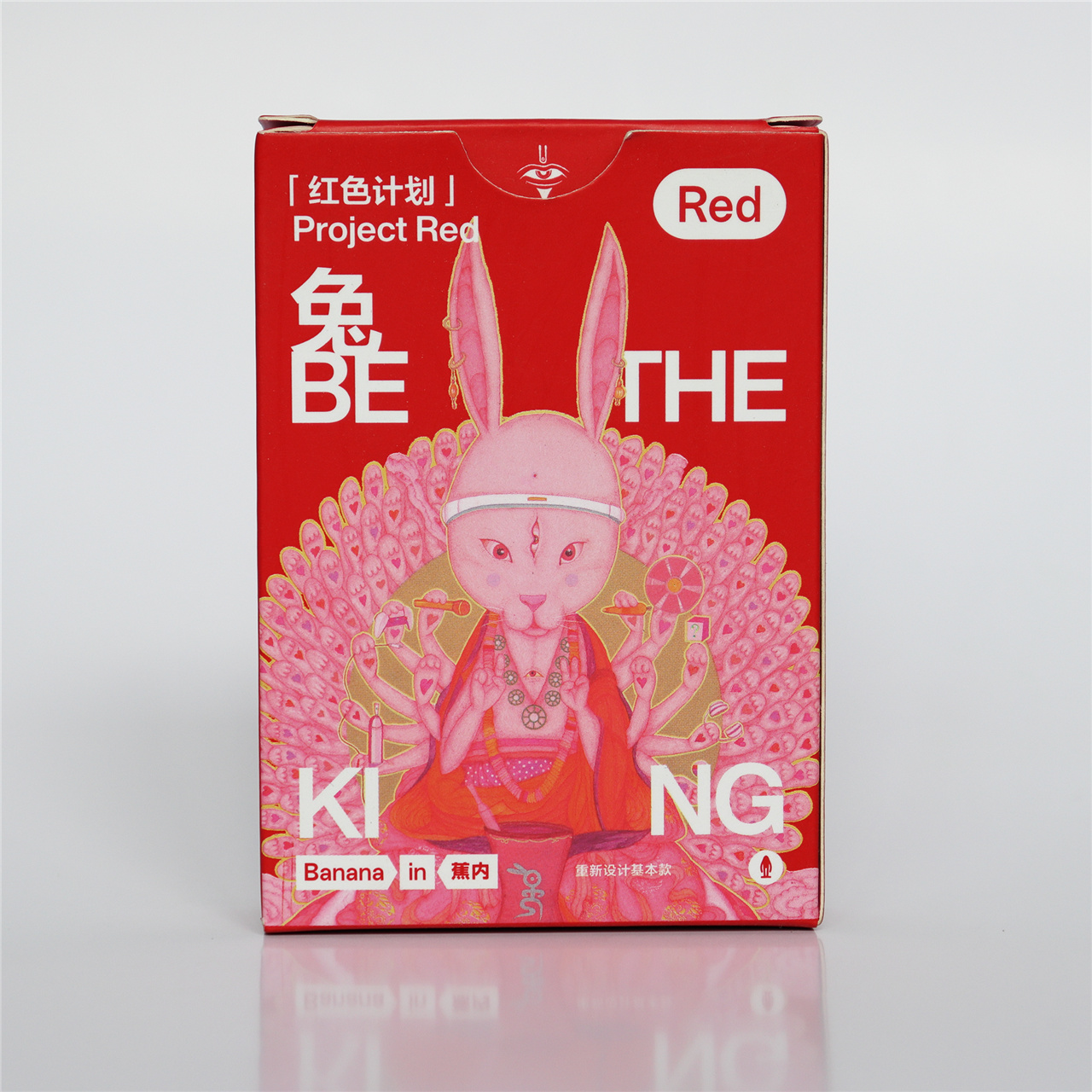 Custom Red Rabbit Themed Playing Cards Set
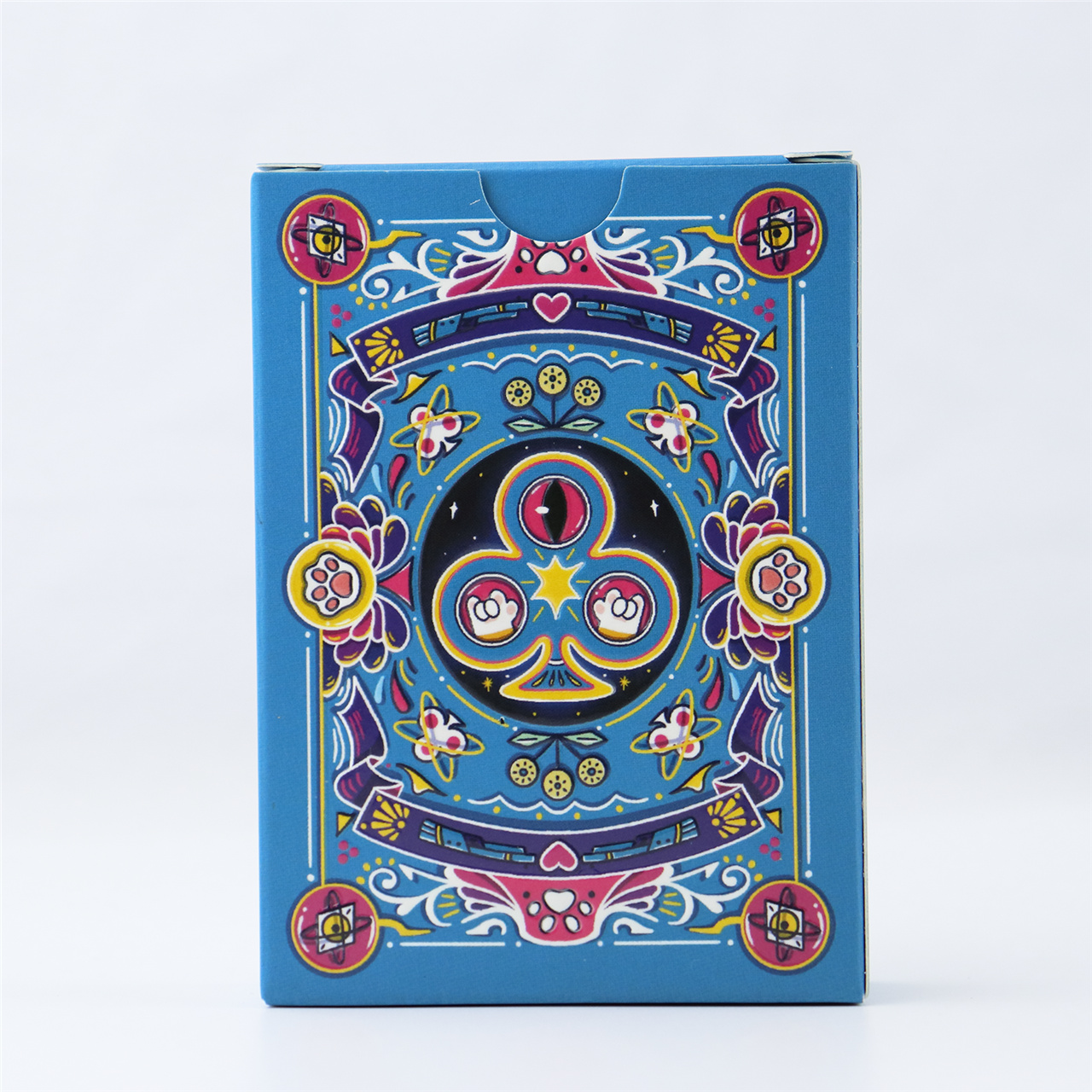 Custom Blue - Black Fantasy Plastic Playing Cards Set
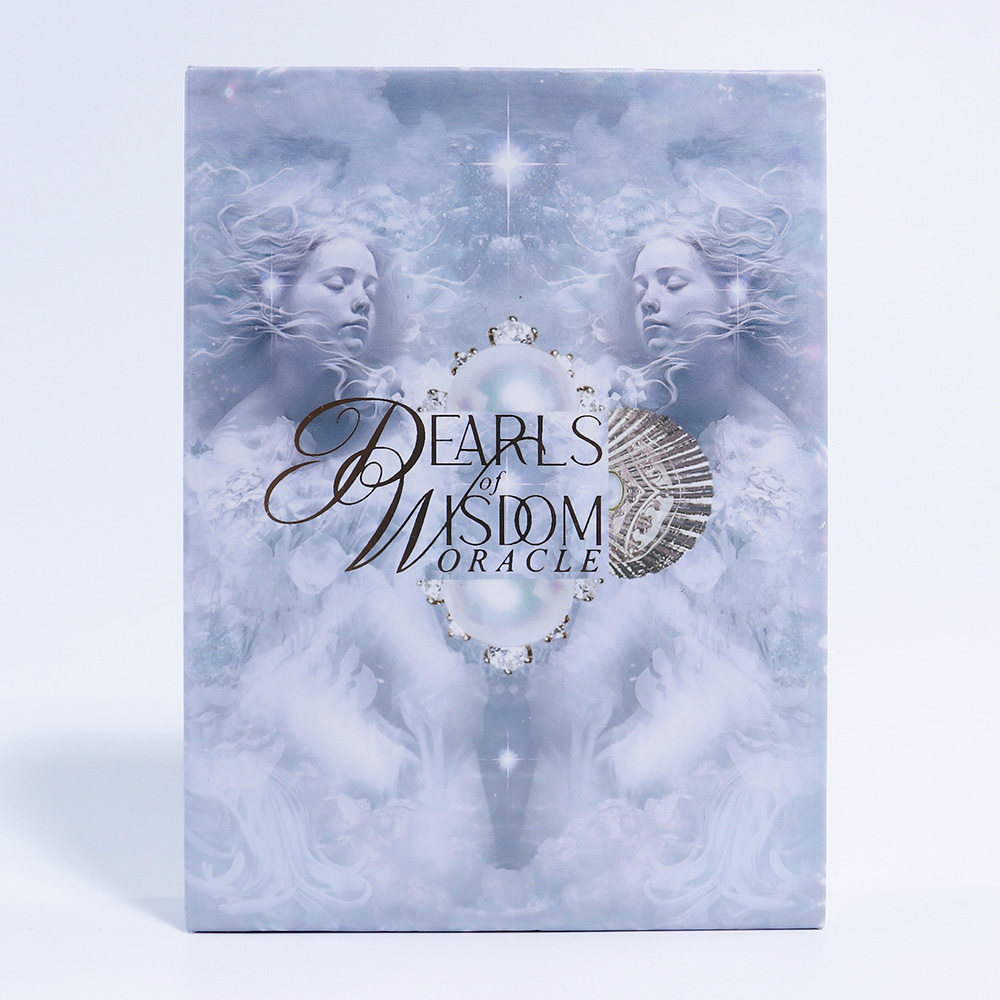 Pearls of Wisdom Oracle Custom Cards
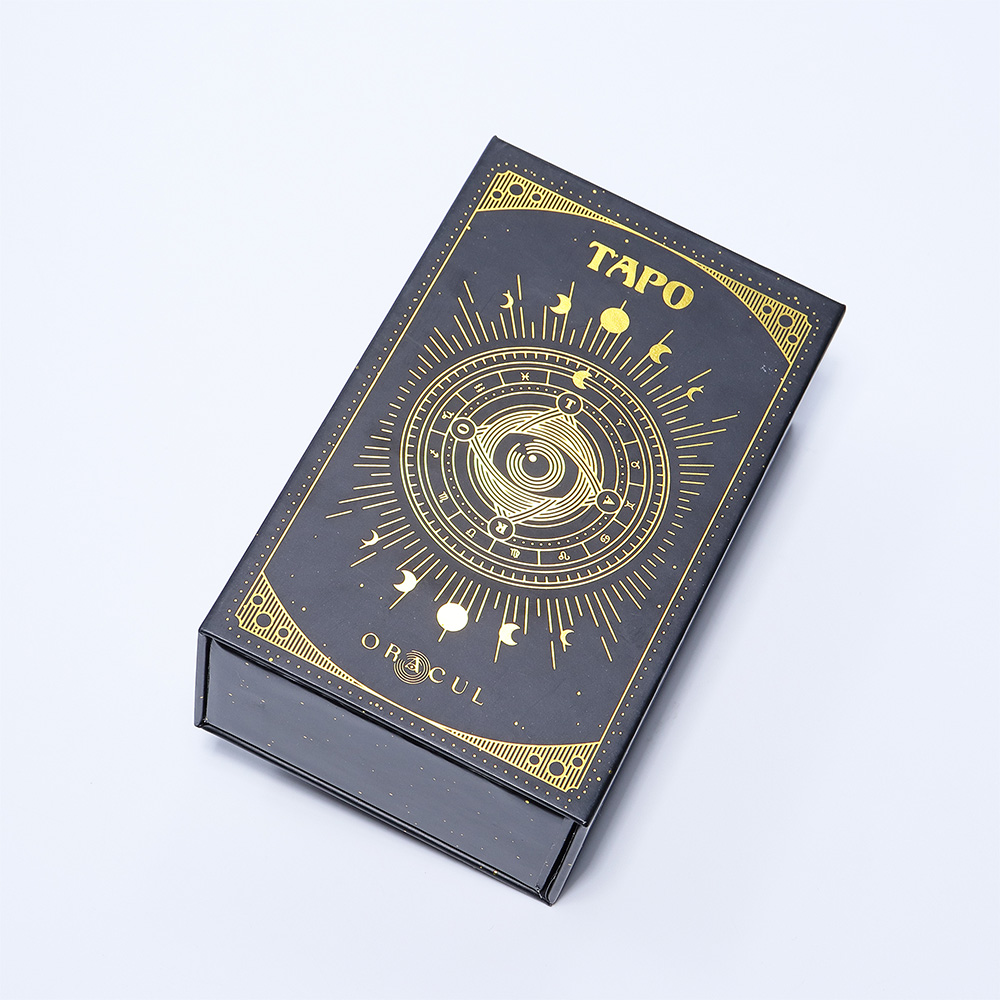 Custom Black & Gold Celestial Tarot Cards
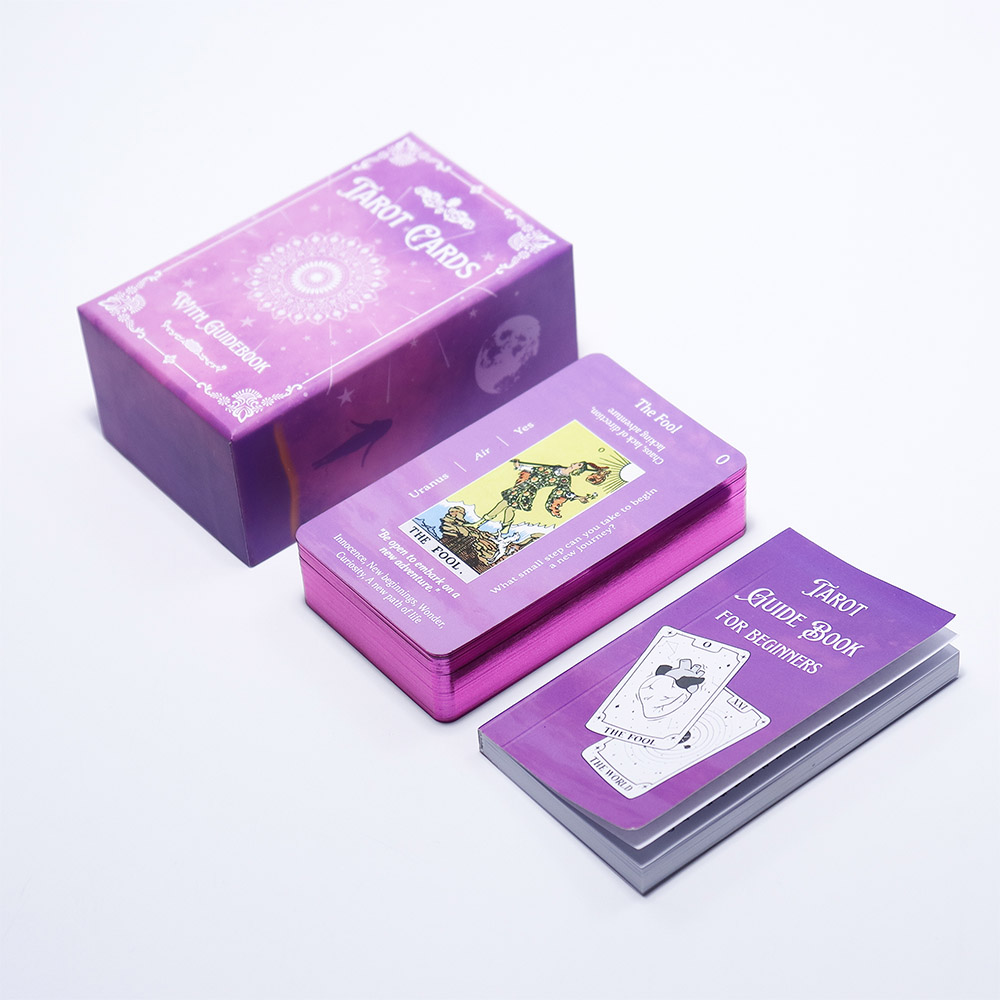 Custom Purple Tarot Cards with Guidebook
 L'Oracle d'Artémis Custom Oracle Cards
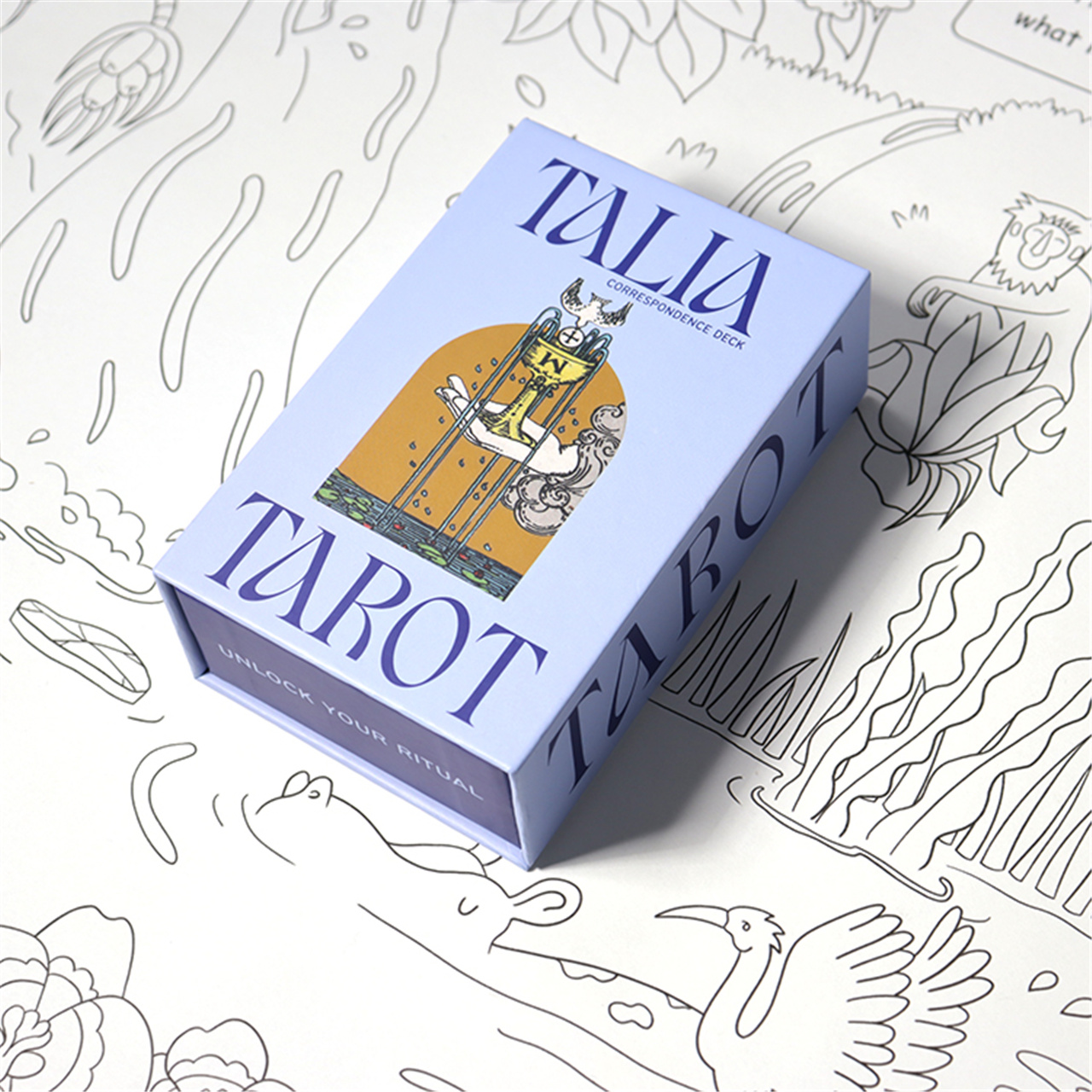 Custom Blue - Themed Tarot Cards Deck
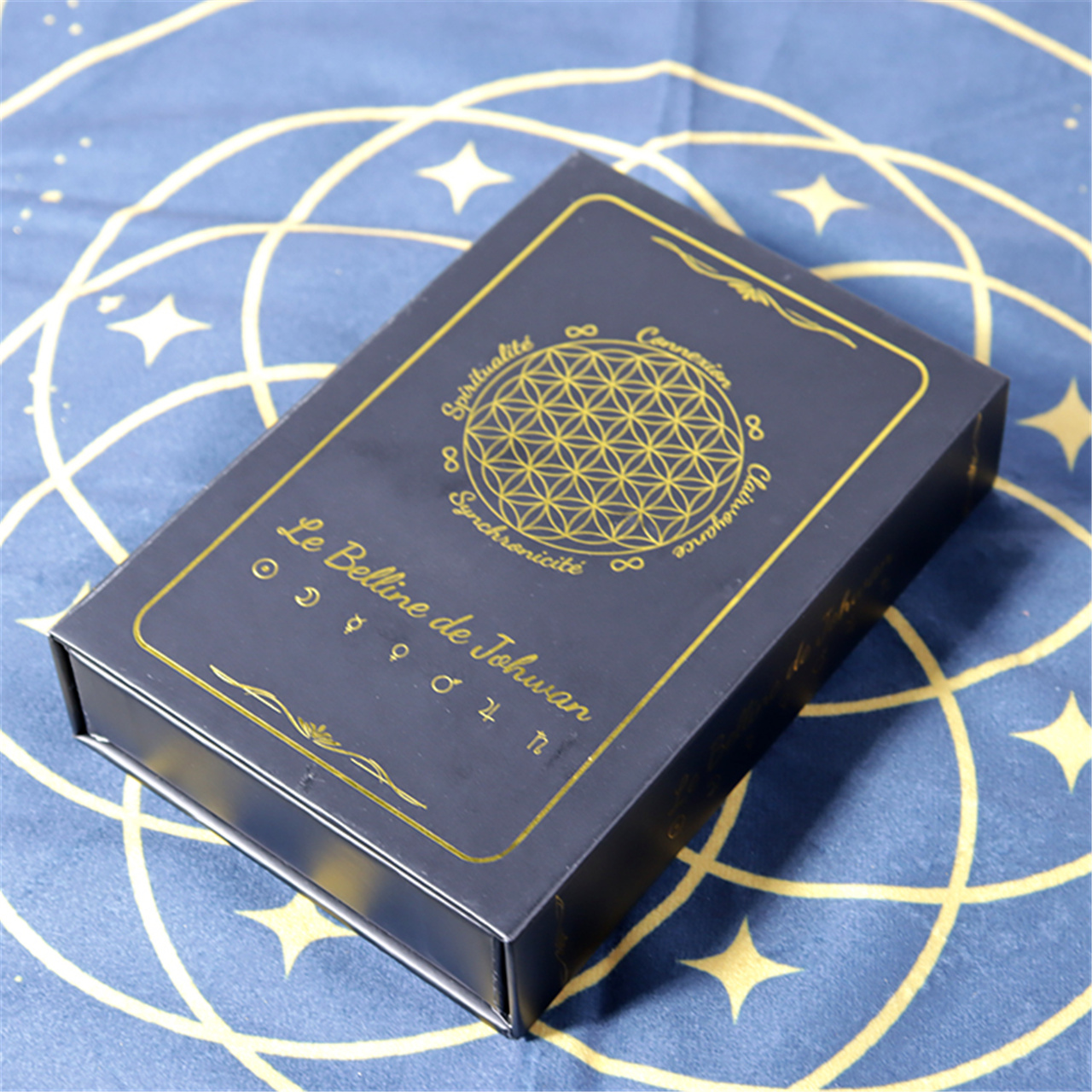 Custom Black - Blue Gold Foil Tarot Cards Set
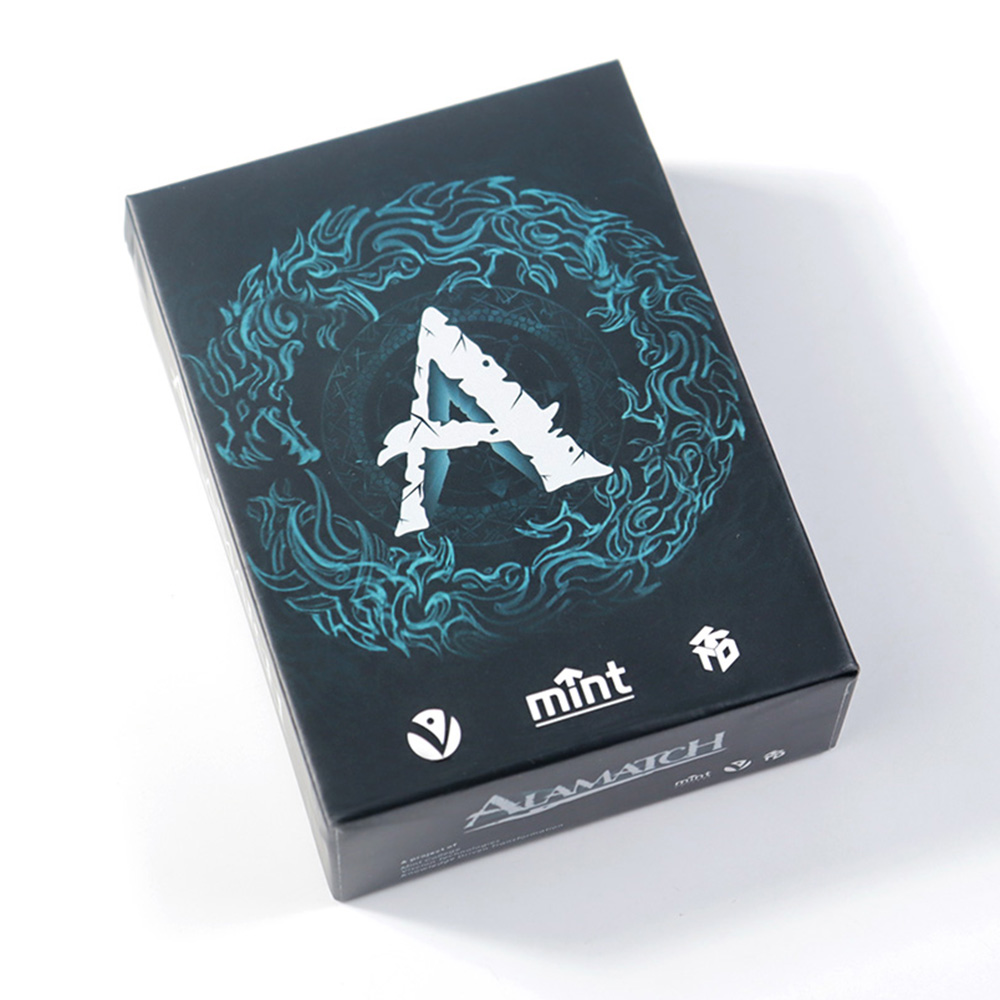 Alamatch Custom Trading Game Cards
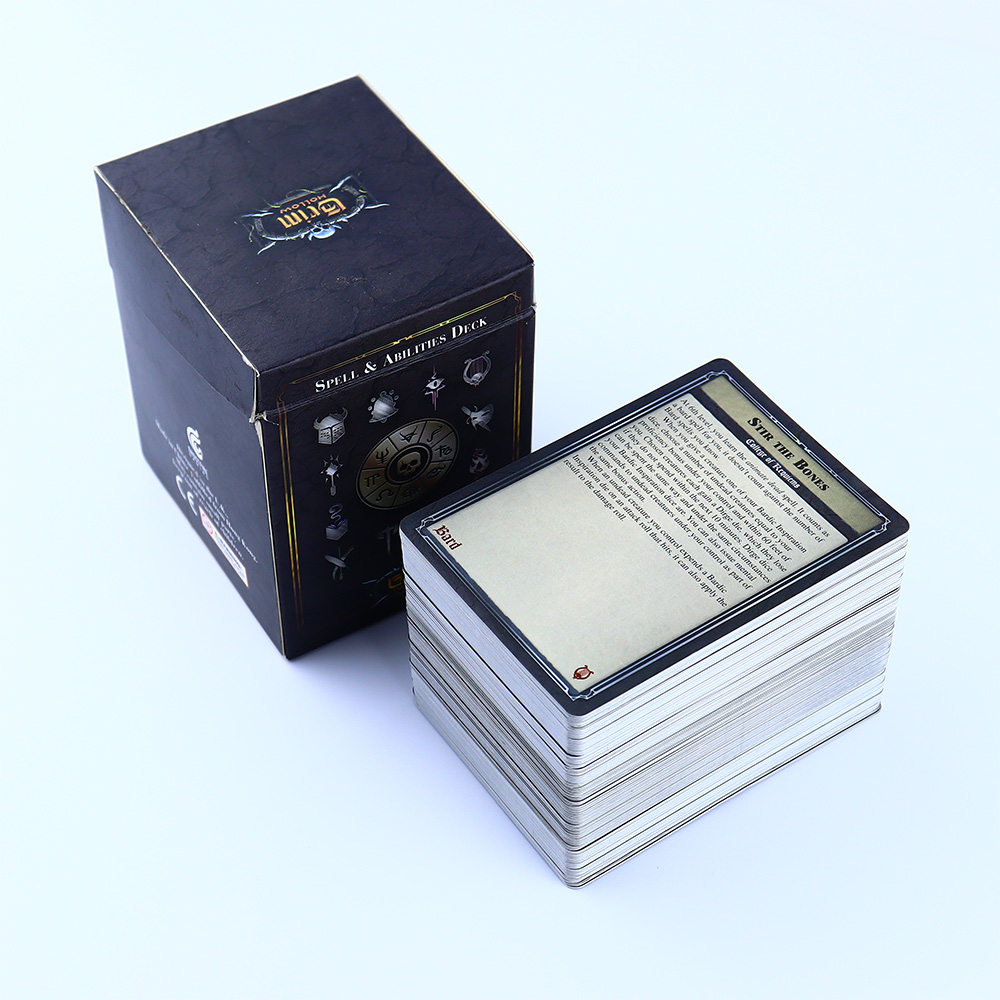 Grim Hollow Spell & Abilities Custom Trading Cards
 Relationshipish Custom Couple Card Game
 Emojo Dojo Custom Trading Card Game
 Custom Travel Photo Trading Cards Set
 Custom Cartoon Holographic Trading Cards Set