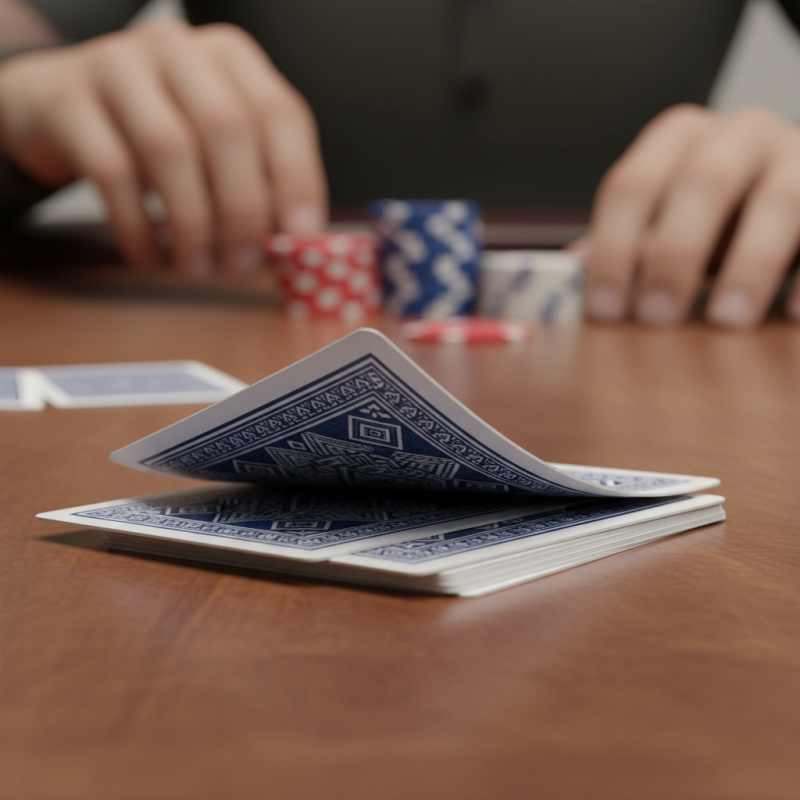
Choosing the best plastic playing cards can seem daunting. The market is filled with options, each offering unique features. According to industry expert John Carter, "Quality plastic playing cards enhance the game experience." This emphasizes the importance of selecting the right cards.
Plastic playing cards are durable and resistant to wear. They can withstand spills and are easy to clean. However, not all plastic cards are created equal. Thickness and finish greatly impact performance. Some may feel slippery or cheap. Others can provide a pleasant tactile experience, improving gameplay.
When selecting cards, consider the game type and player preferences. For poker, a thicker card may be favorable. For casual games, a lightweight option might suffice. Reflect on the balance of quality and cost. Investing in better cards could elevate your game nights significantly.
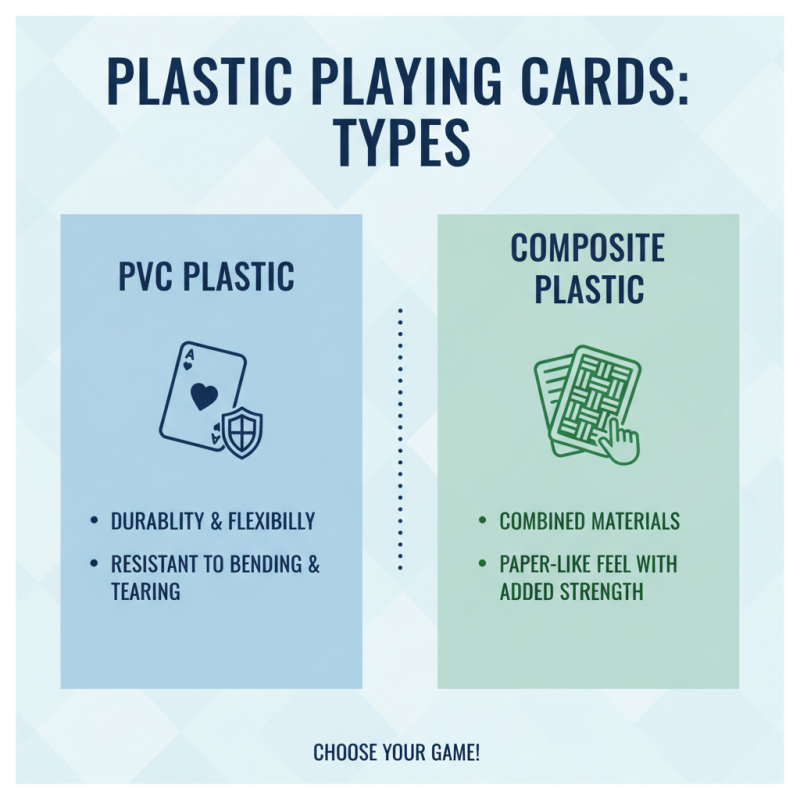
When selecting plastic playing cards, it’s important to know the types available. There are several options in the market, each with unique characteristics. Some cards use PVC material, which offers durability and flexibility. These cards can resist bending and tearing, making them suitable for frequent use. Another option is composite plastic, which combines different materials for improved performance. These cards often feel more like traditional paper cards, but with added strength.
Consider the finish of the cards as well. A glossy finish provides a slick surface, enhancing shuffling and dealing. However, it may not grip as well during gameplay. A matte finish, on the other hand, offers better handling but can wear down faster. Players should also think about the thickness. Thicker cards last longer, but can feel cumbersome in hand. Finding the right balance can be tricky.
While choosing cards, reflect on the aesthetics too. Color and design can enhance your gaming experience. Some might prefer simple designs, while others enjoy elaborate patterns. Ultimately, it’s about personal preference. Test a few styles to see what feels right. Remember, it’s okay to make mistakes along the way. Learning from these choices can lead to the perfect card selection for your next game.

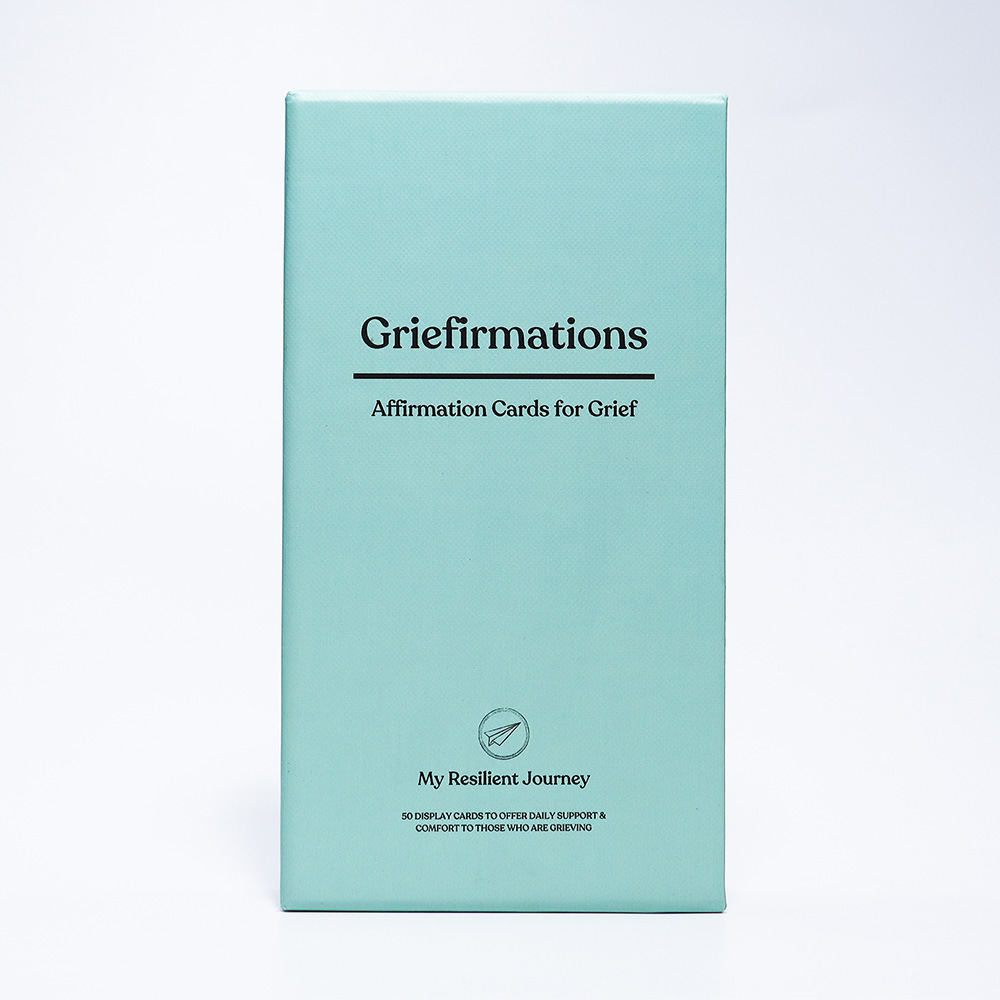 Customizable Emotional Support Cards for Grief & Resilience
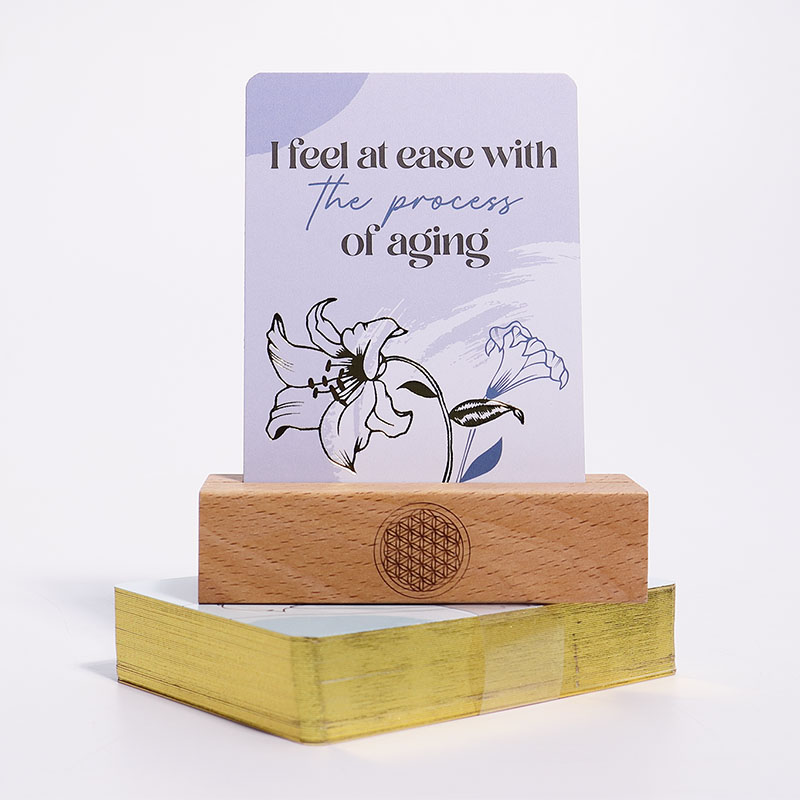 Personalized Emotional Encouragement Card Collection
 Personalized Deep Conversation Card Gift Box
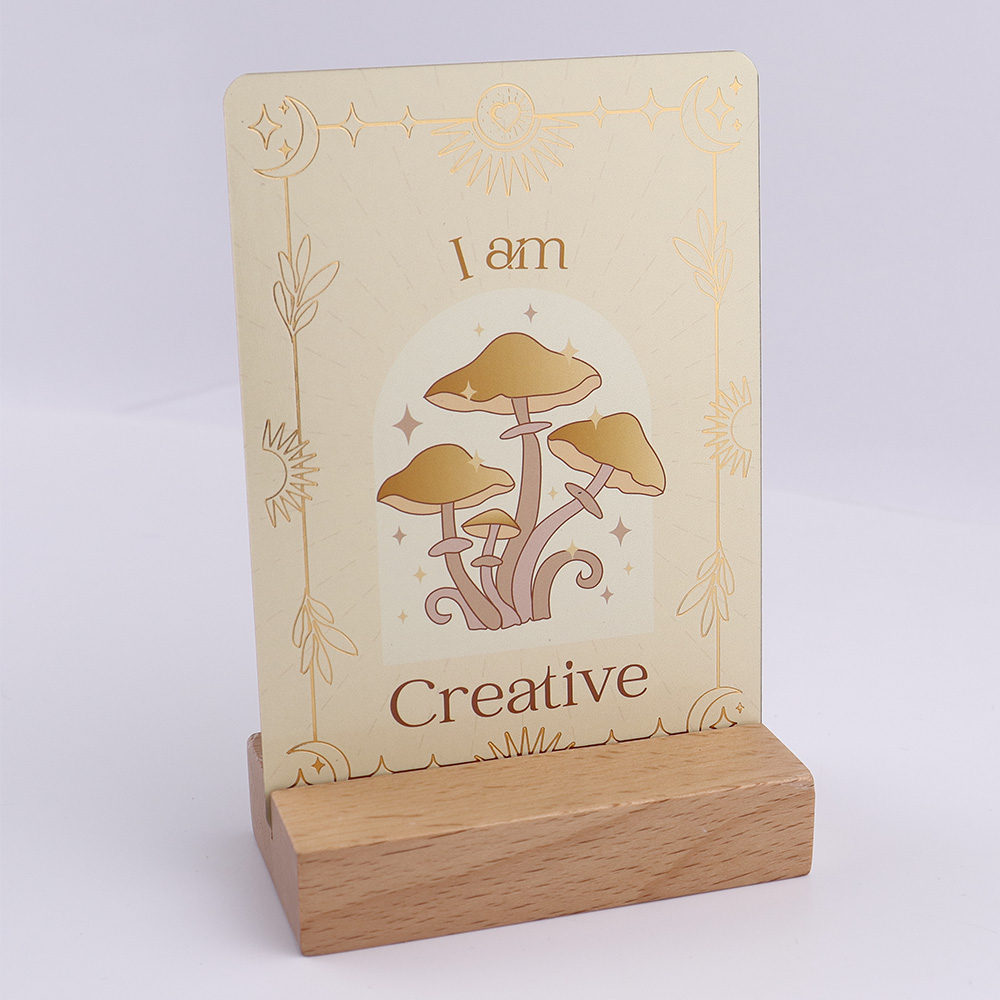 Customizable Boho-Chic Affirmation Cards for Mindfulness & Self-Love
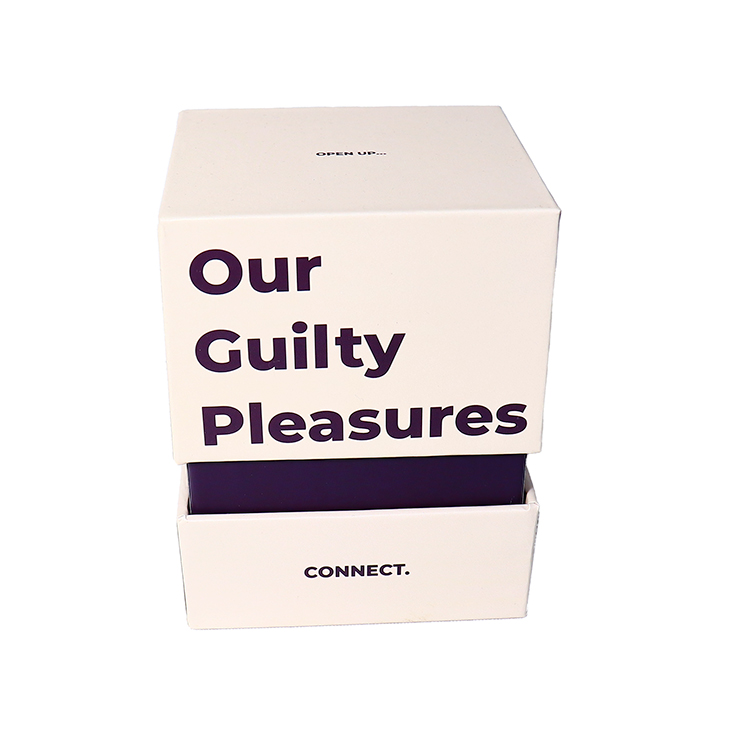 Customized Friendship Confirmation Card
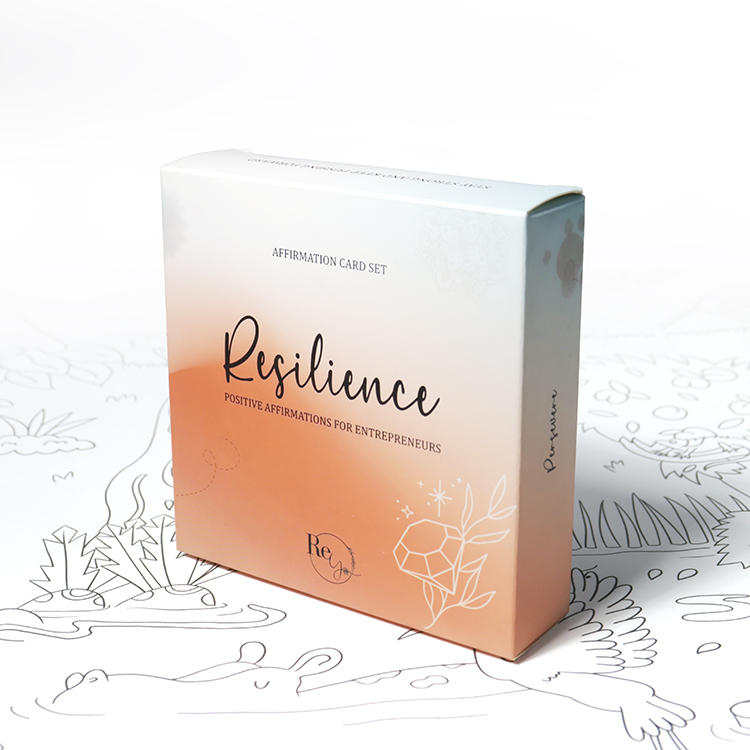 Customized Entrepreneurship Confirmation Card
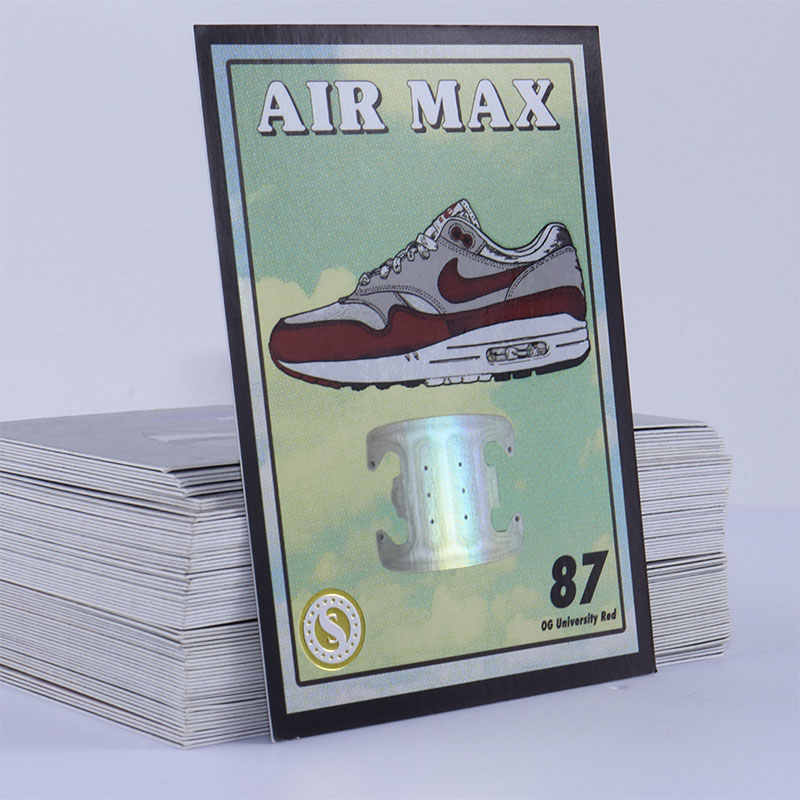 Air Max Pax Custom Sneaker Card Blind Box Set
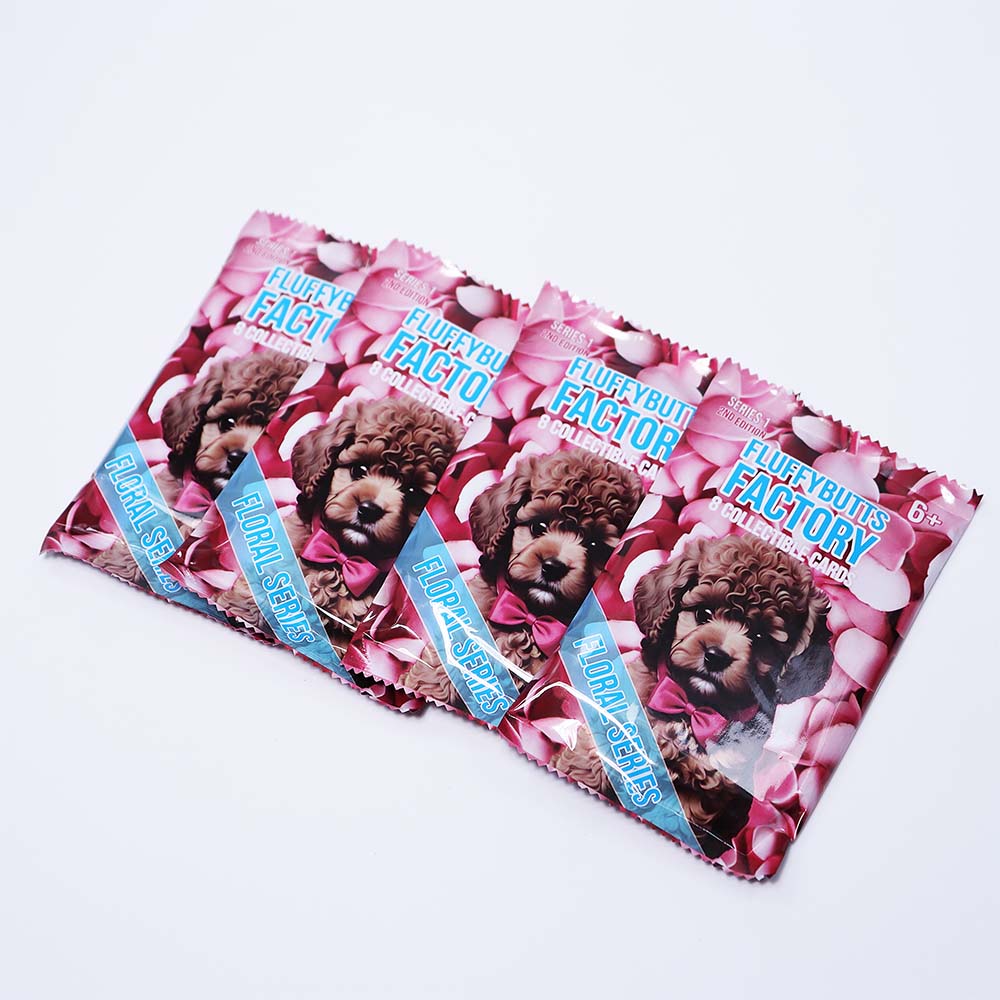 Fluffybutts Factory Custom Pet Card Blind Box Sets
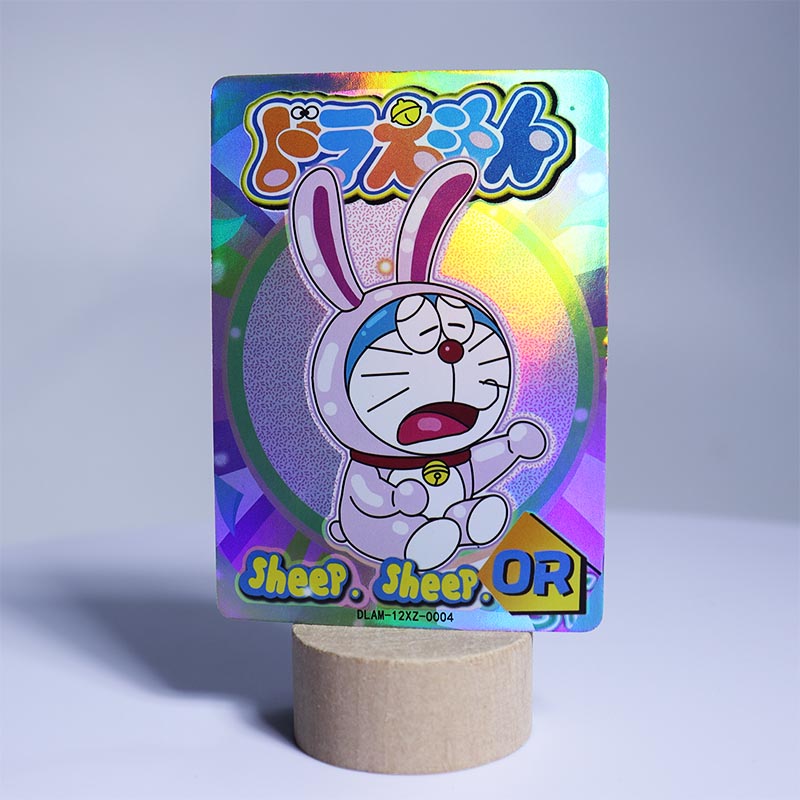 Doraemon Custom Card Blind Box Set
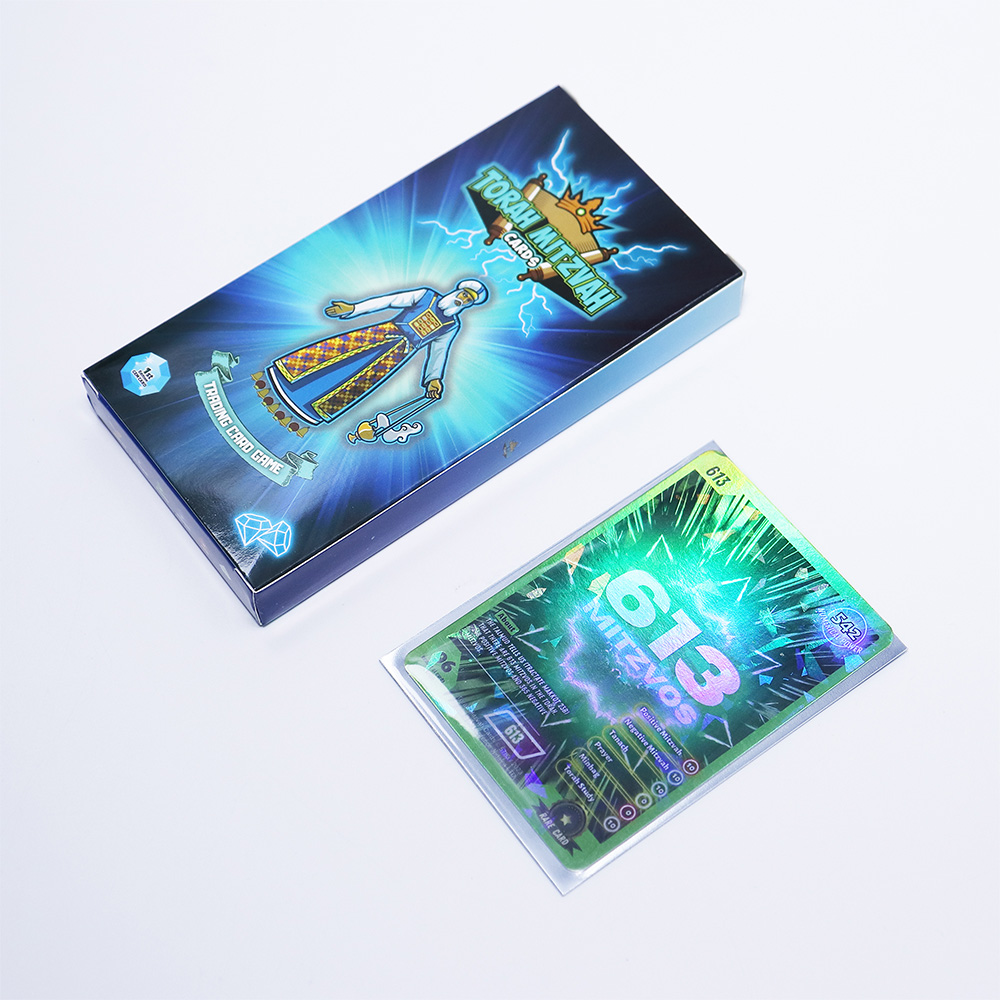 Torah Mitzvah Custom Card Blind Box Set
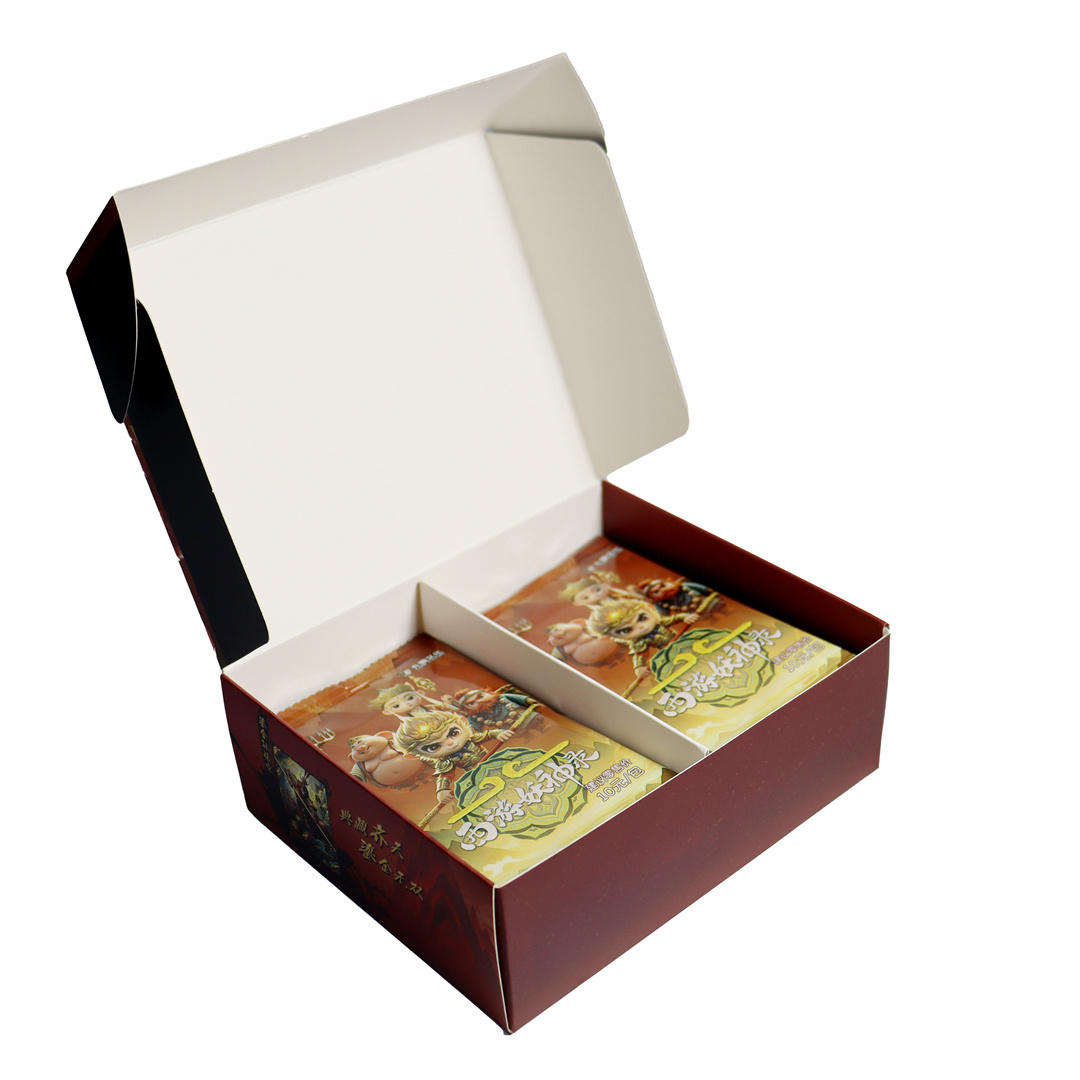 Customized "Journey to the West" Themed Card Blind Box Set
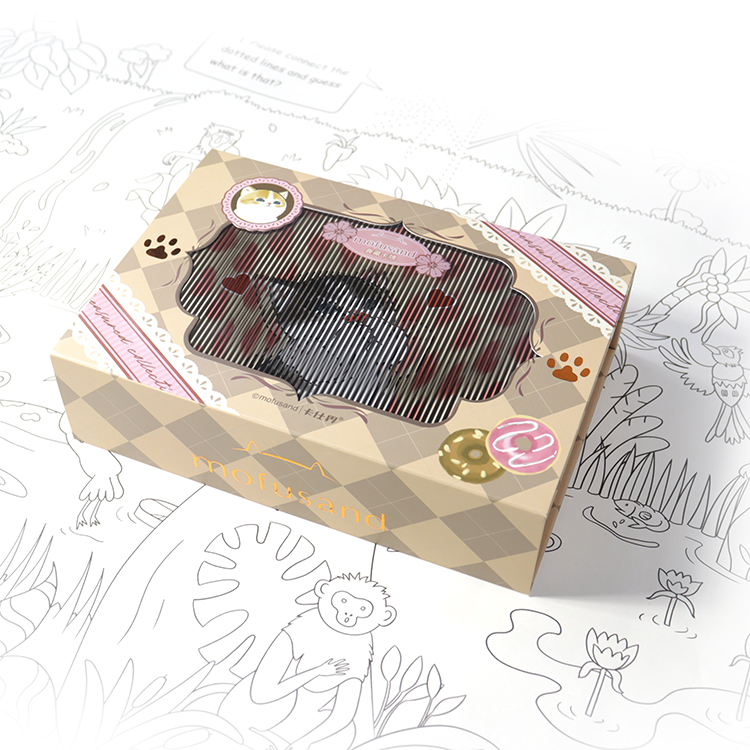 Customized cat-themed blind box set
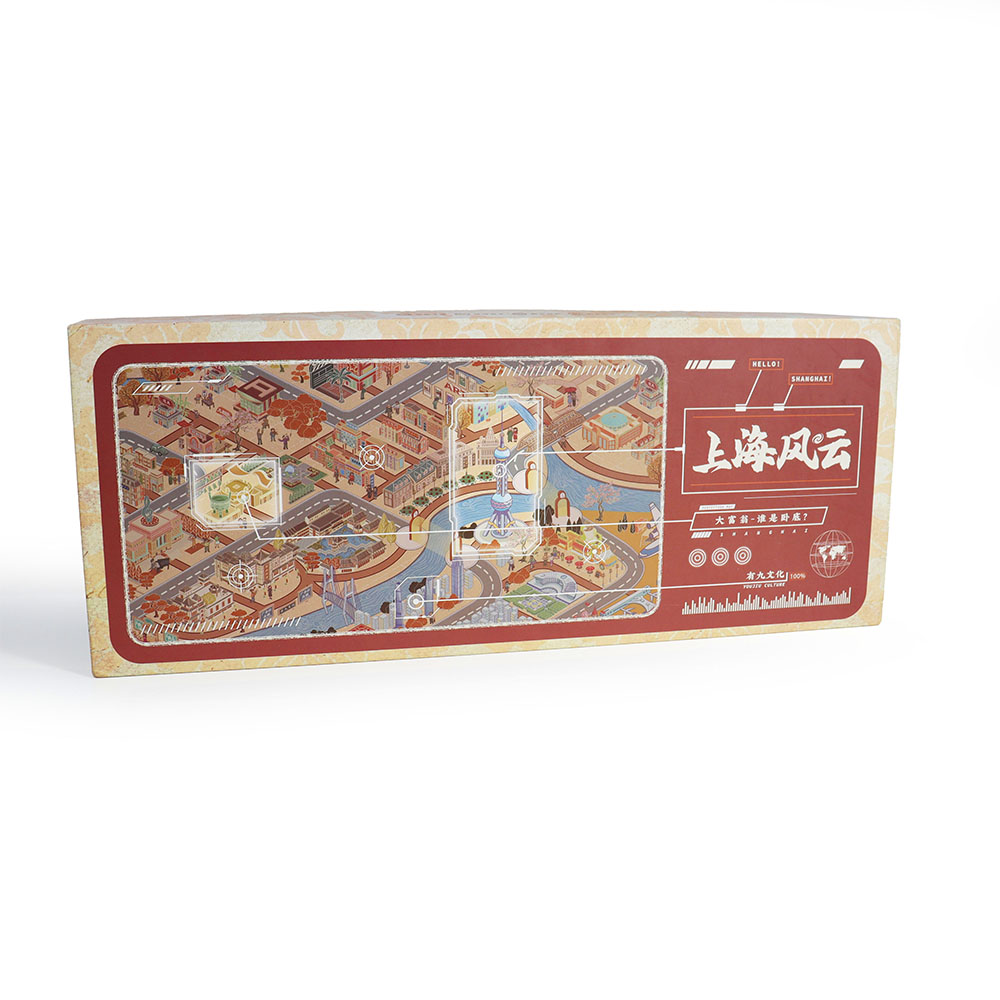 Shanghai Fengyun Custom Board Game Set
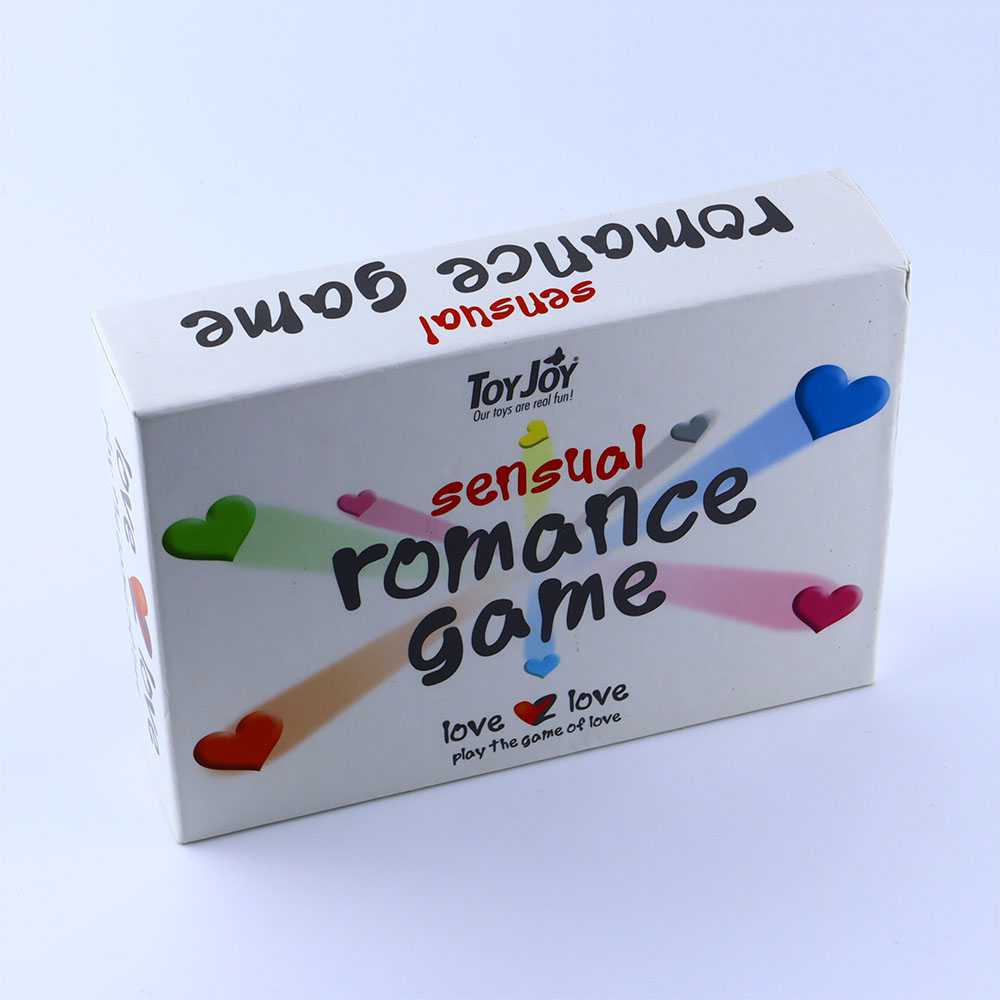 Sensual Romance Game Custom Board Game Set
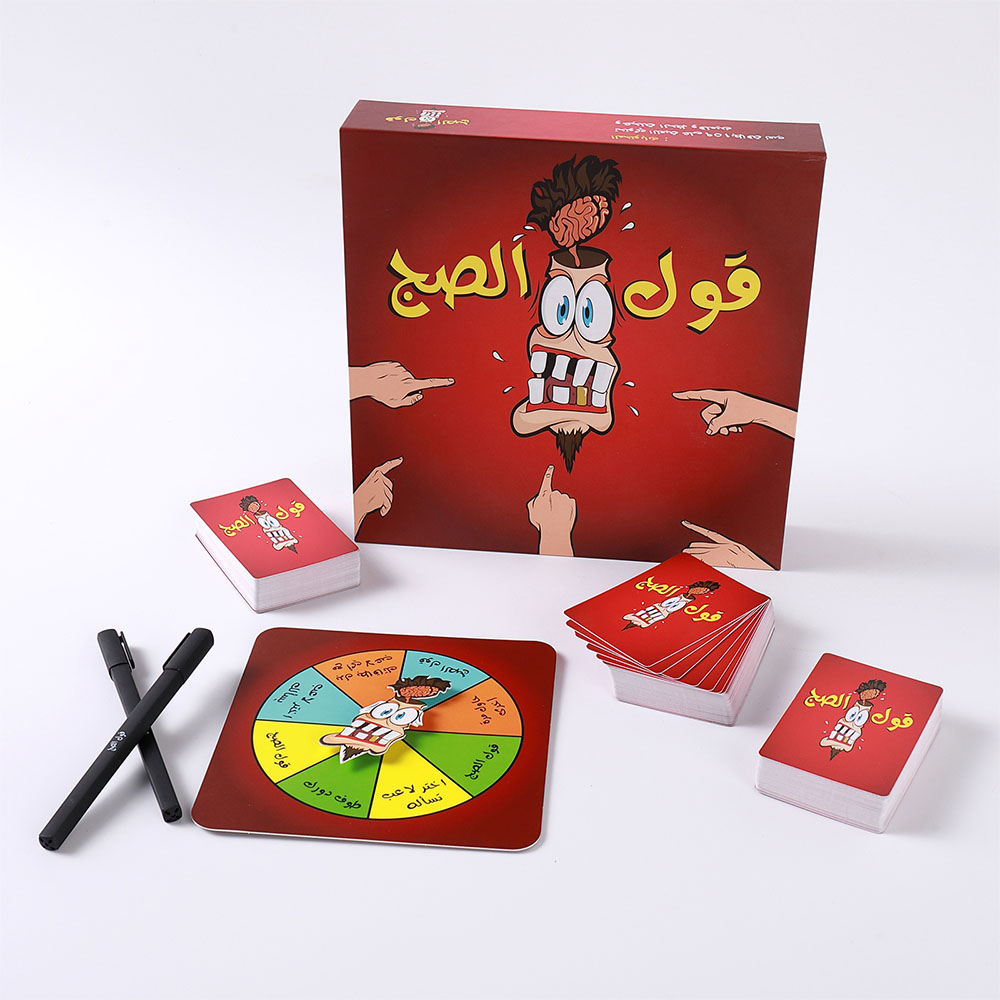 "Qoul Al Sabah" Custom Board Game Set
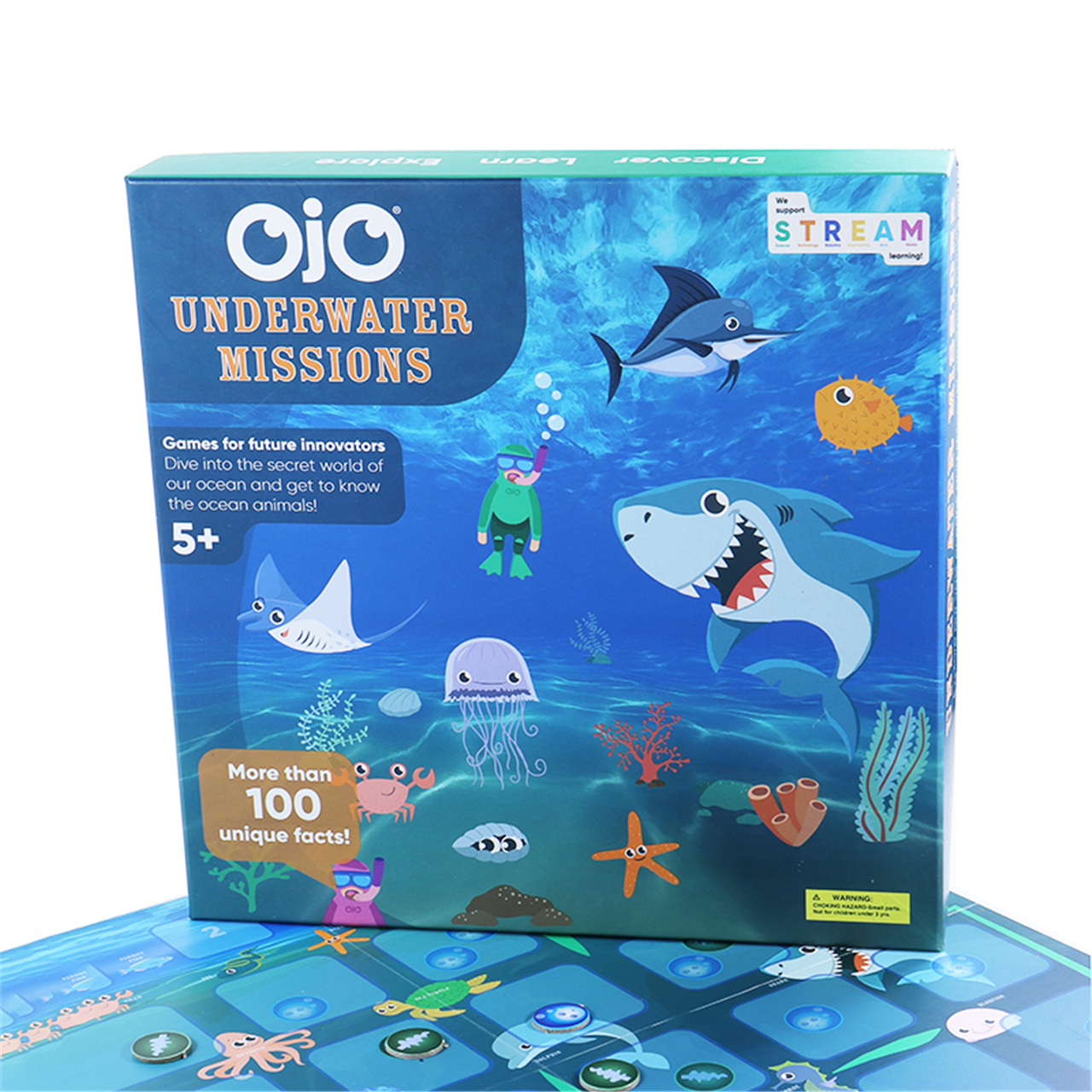 Customized educational board games for children
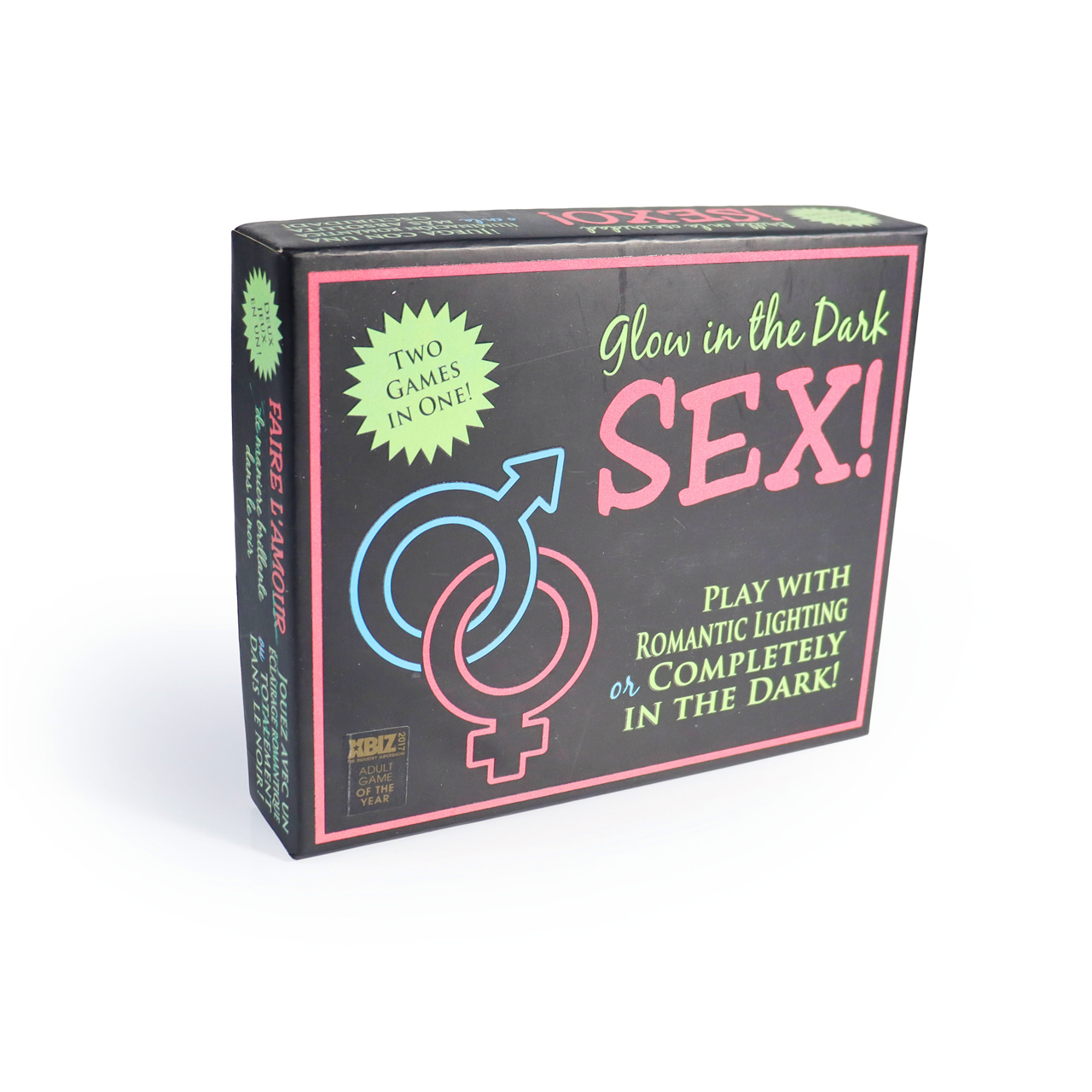 Couple Interaction Turntable Themed Board Game
 Business Finance Board Game
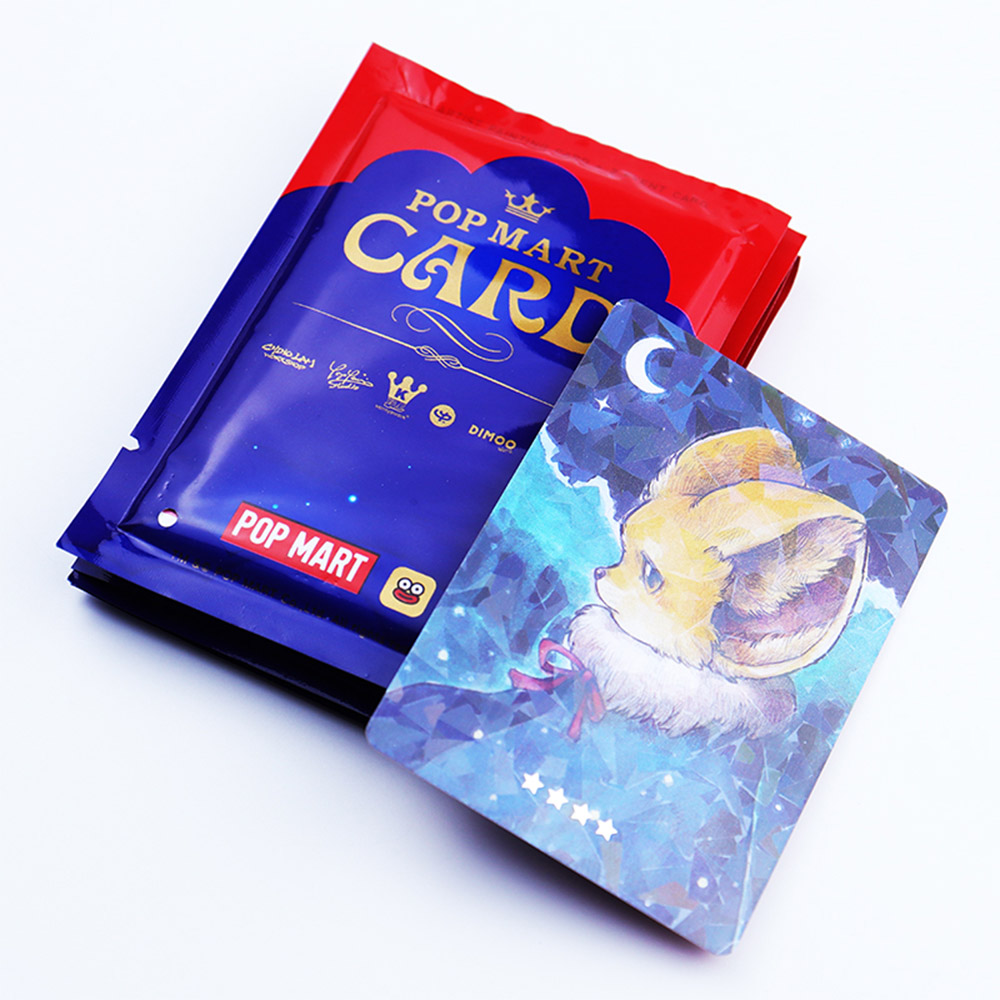 Pop Mart Custom Character Collectible Cards
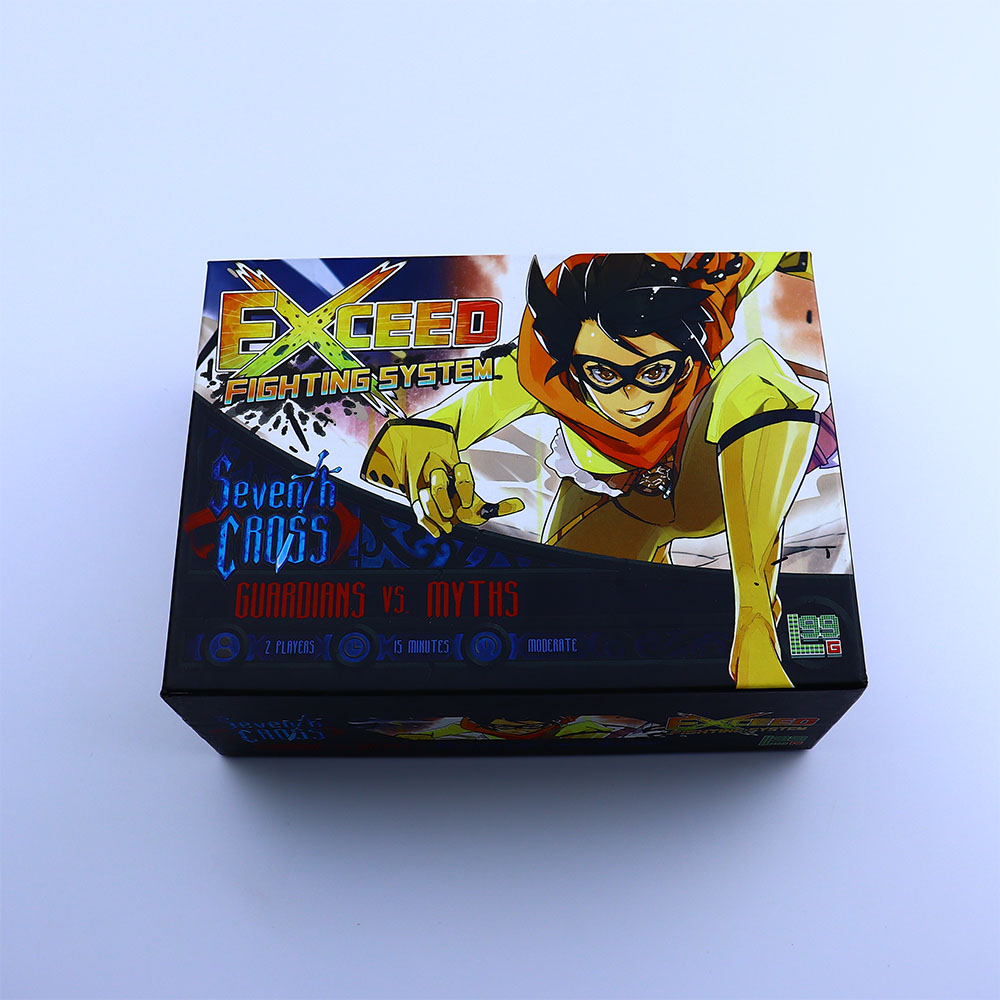 EXCEED Fighting System Custom Character Card Set
 Three Kingdoms Custom Hero Character Cards
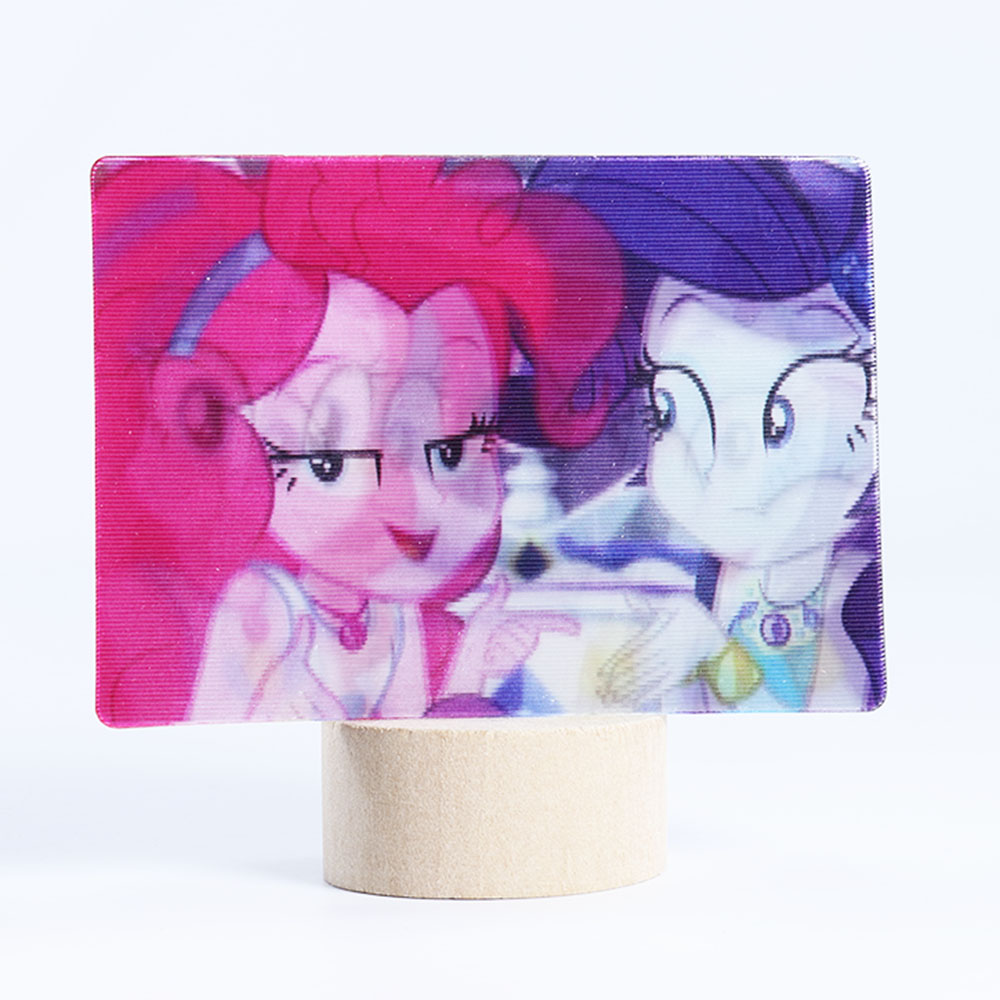 Custom Anime Character Dynamic Visual Cards
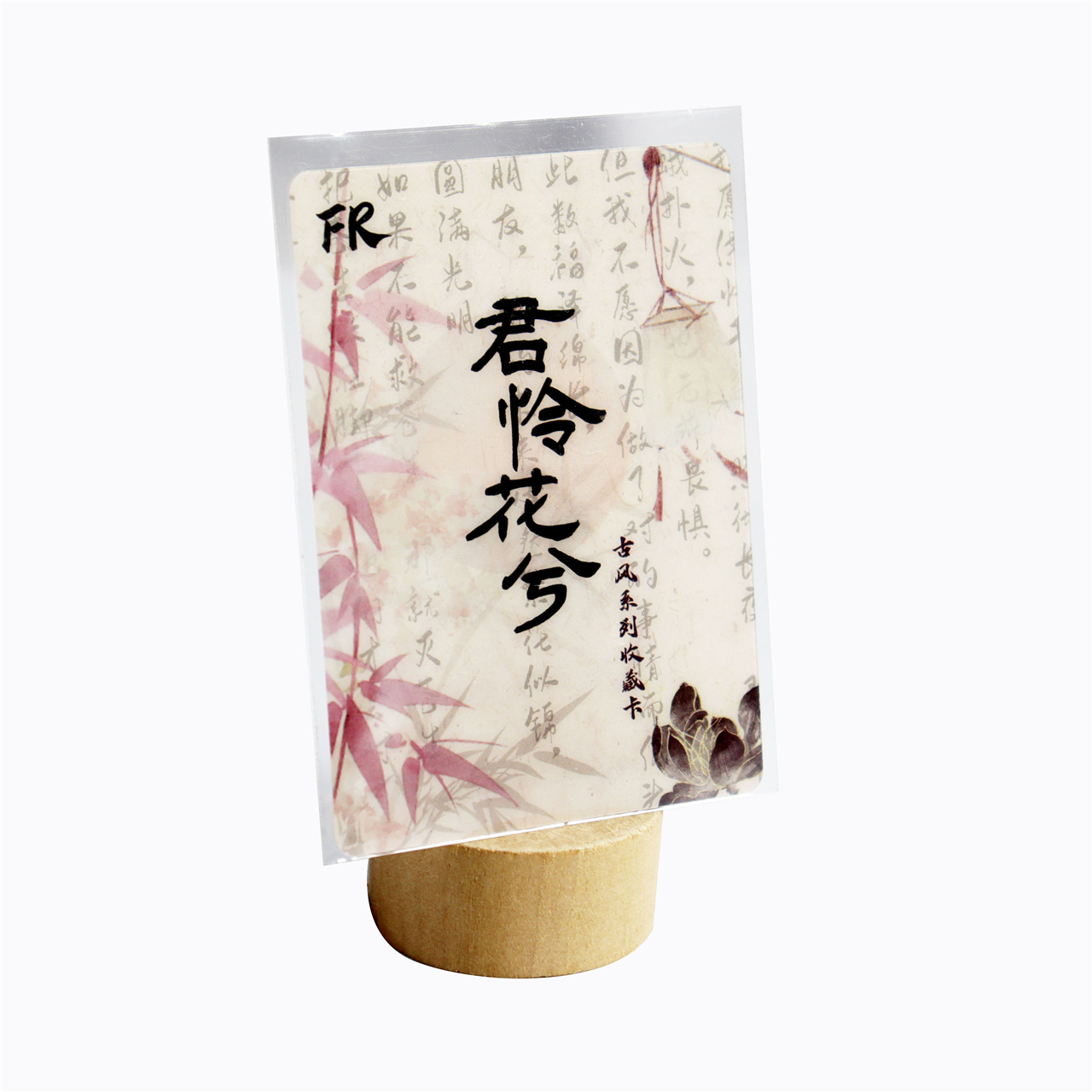 Custom Cartoon Character Collectible Card Set
 Custom Anime Character Art Card Set
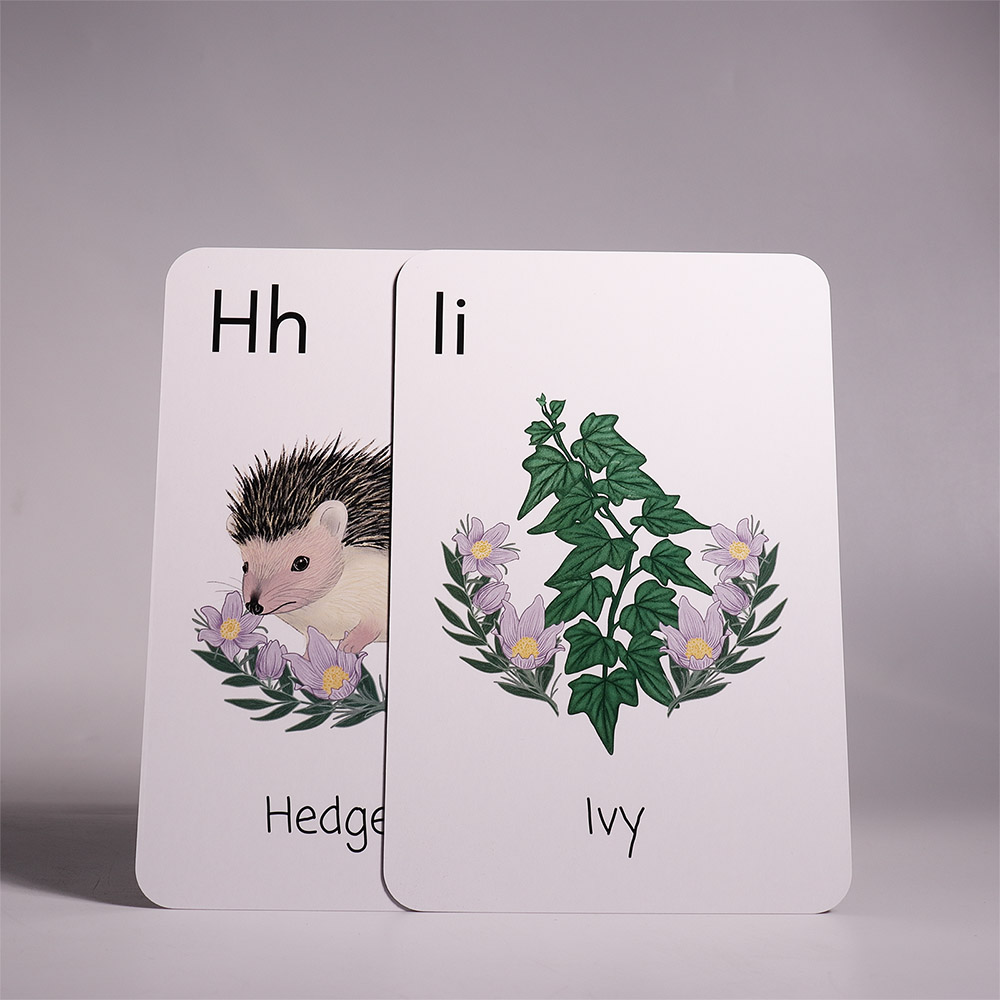 Little Larch Alphabet Cards
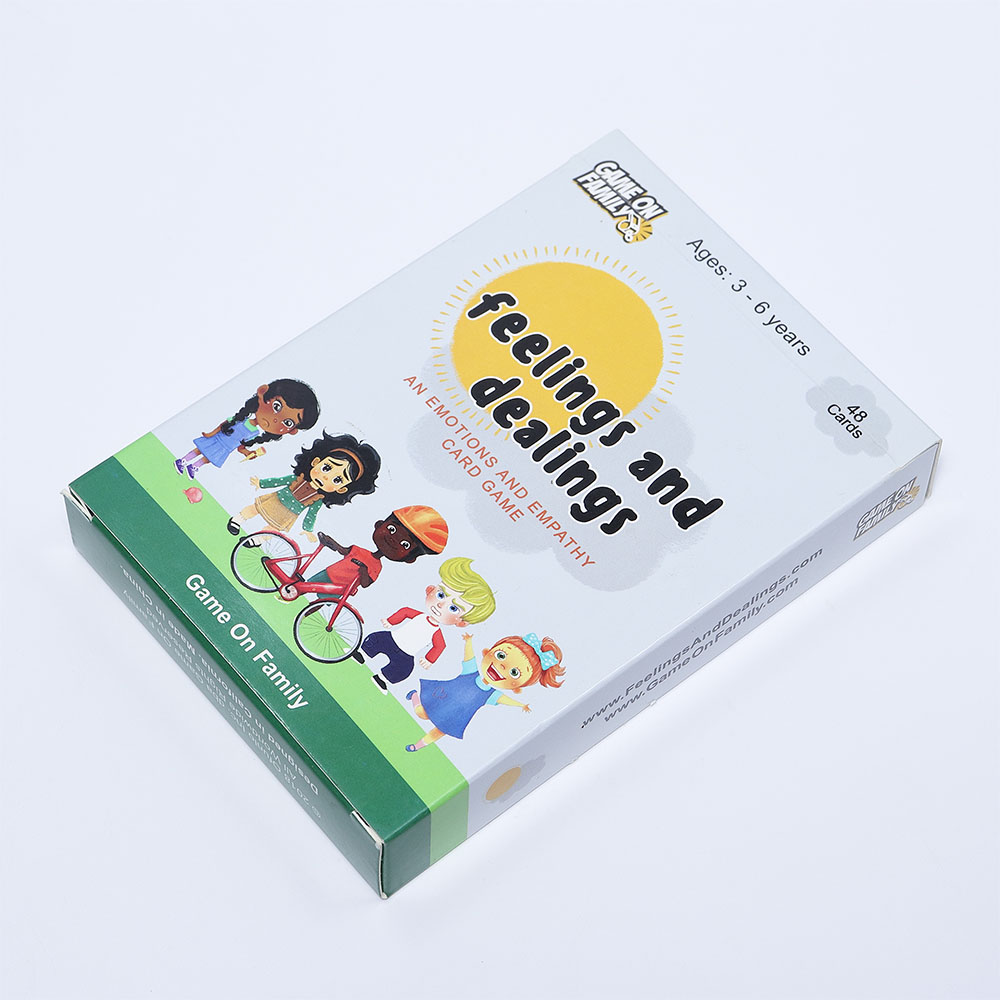 Feelings and Dealings Custom Children's Emotion Card Game
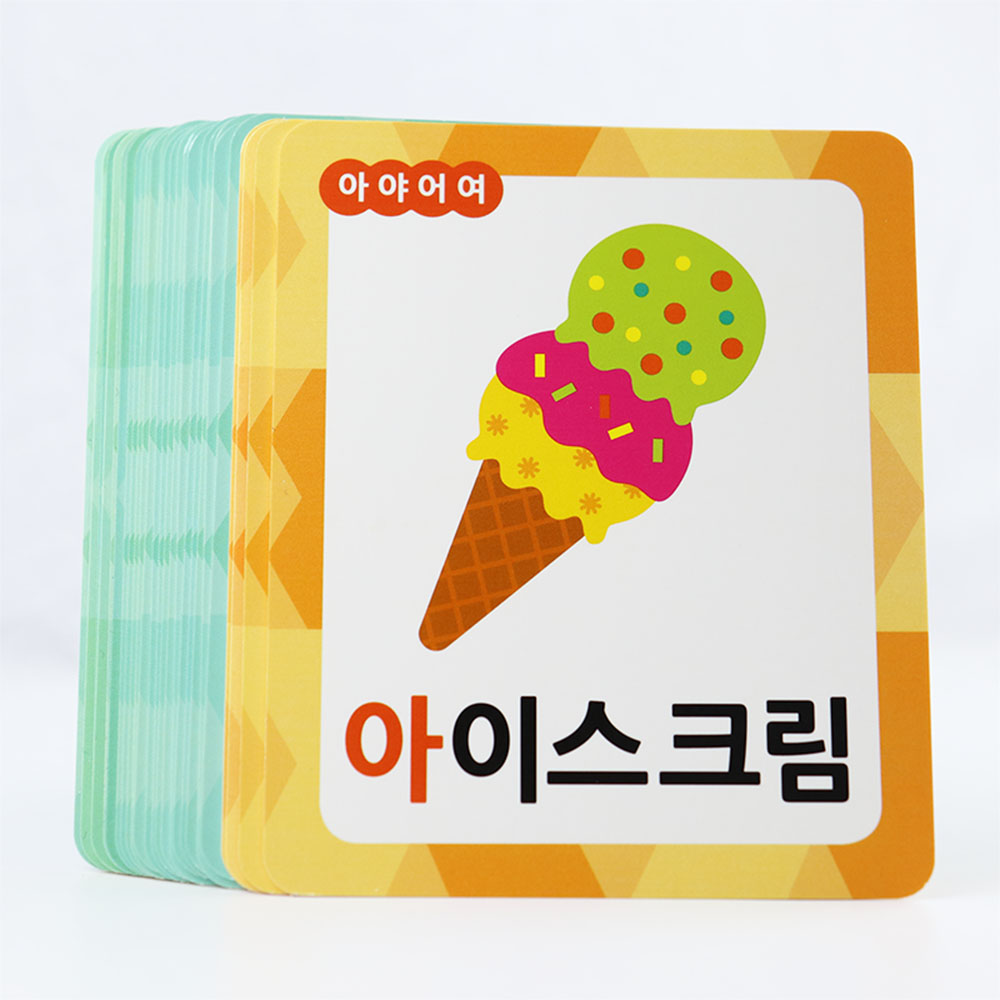 Korean Children's Educational Flashcards
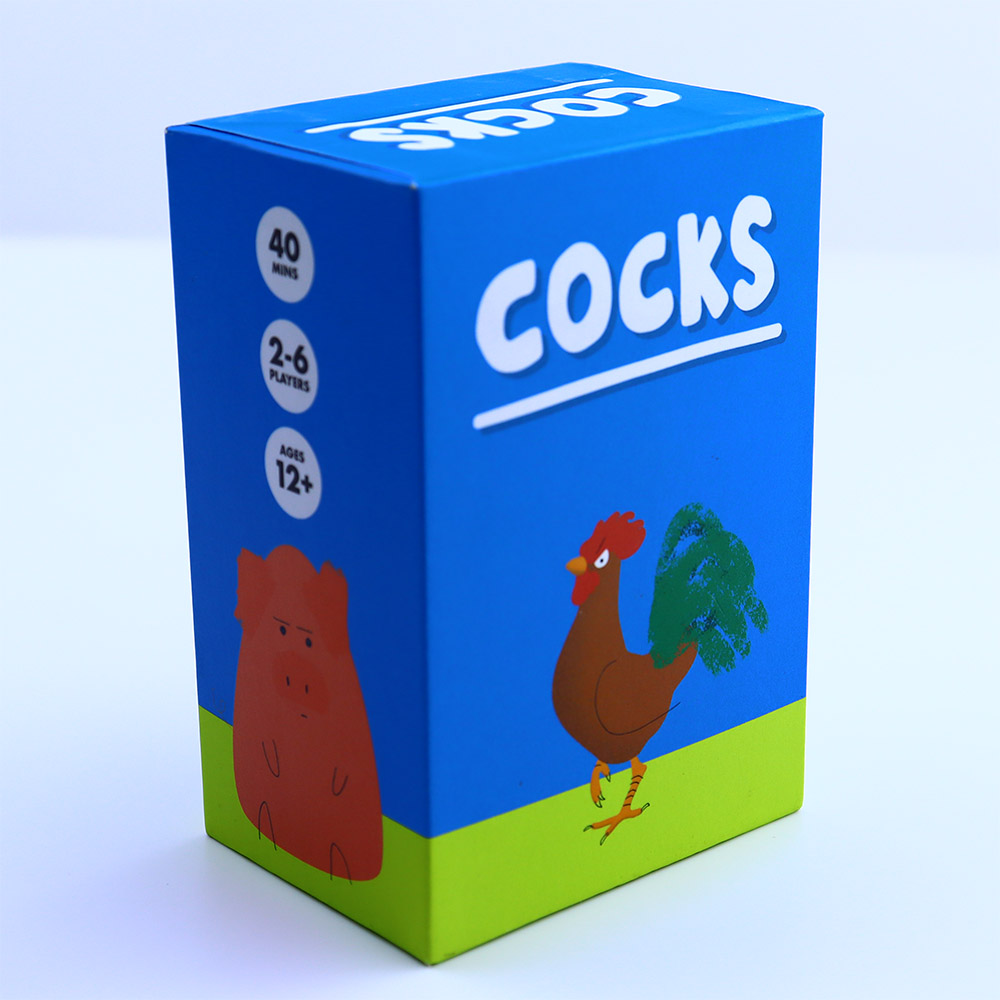 Cocks Themed Custom Children's Learning Cards
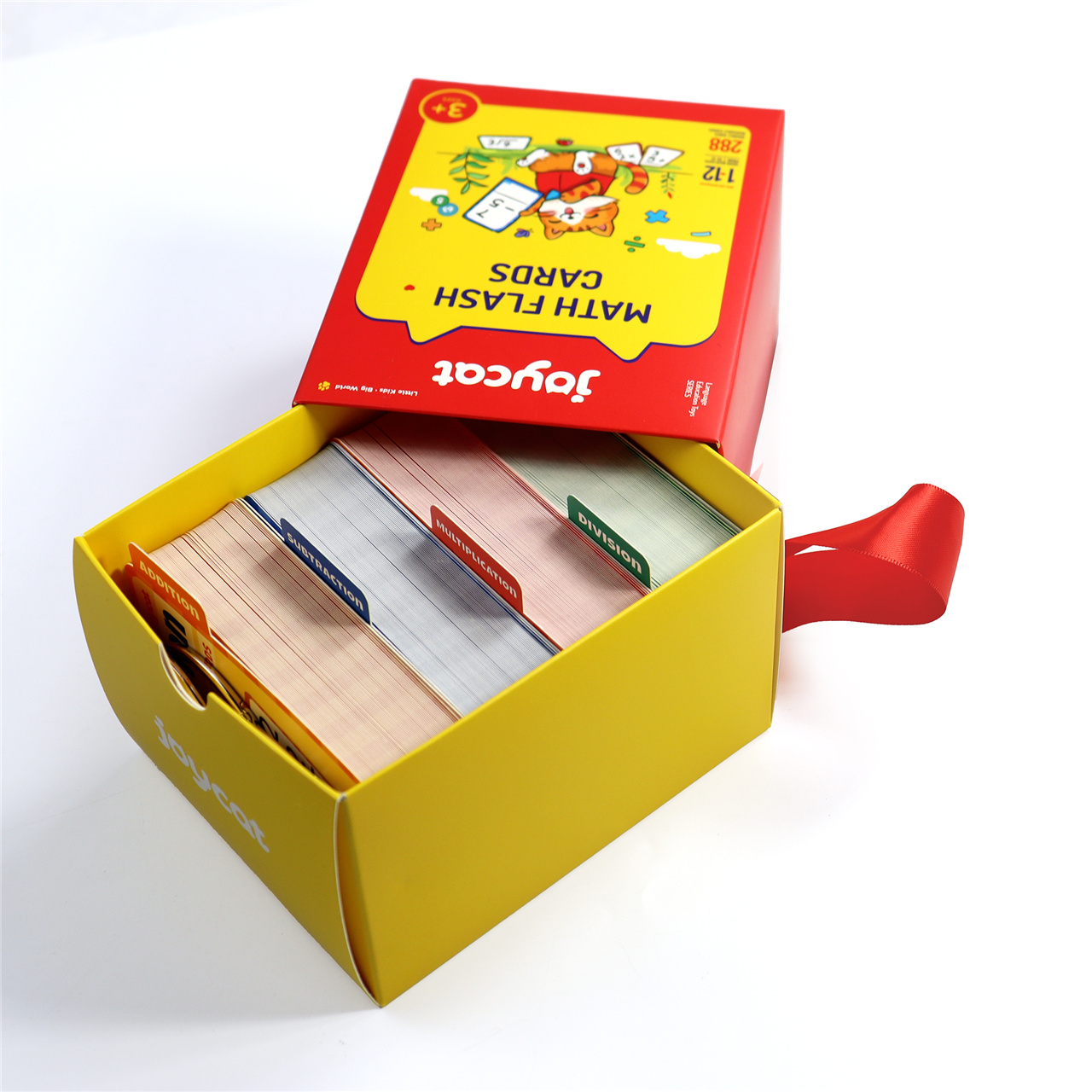 Math Flash Cards Set for Kids
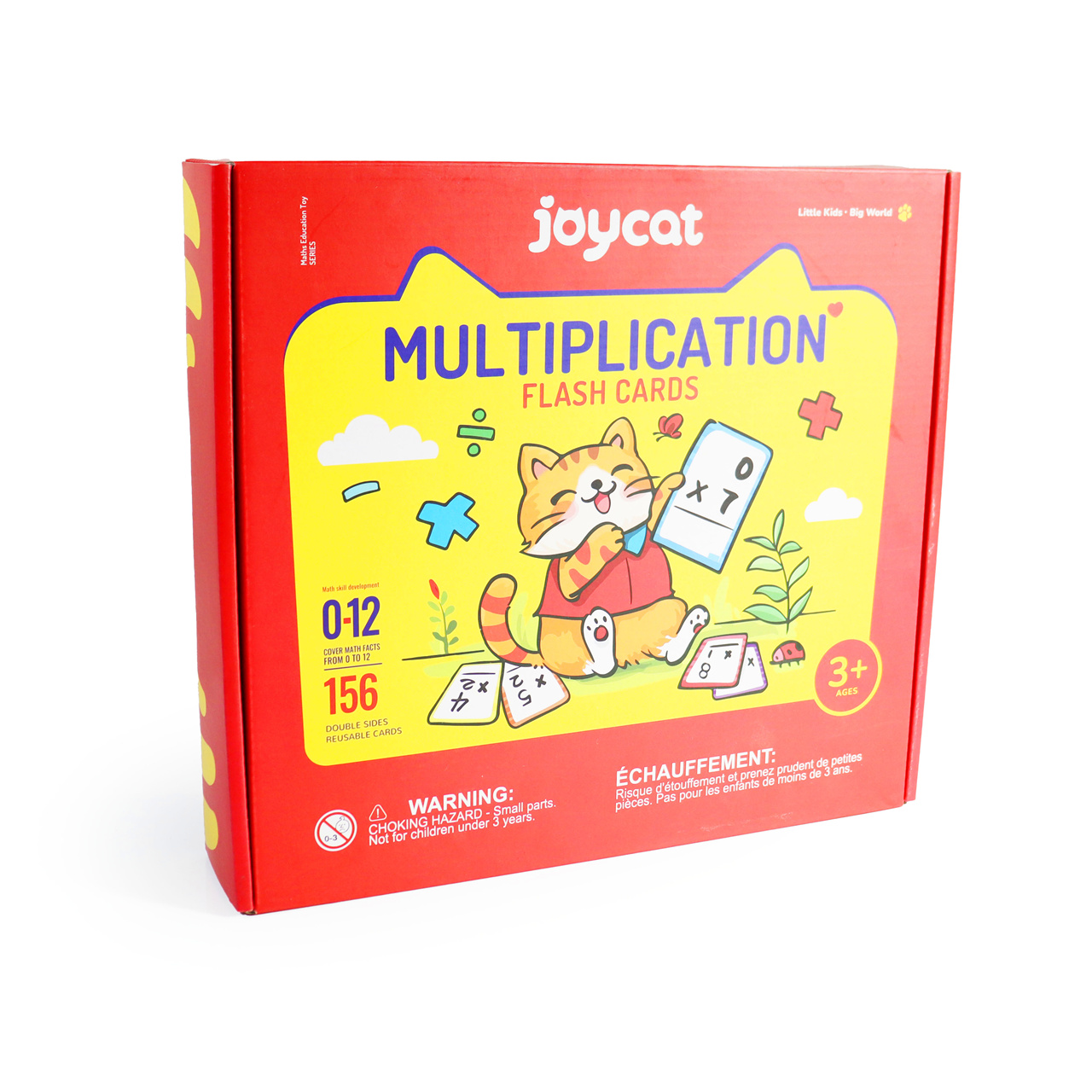 Joycat Multiplication Flash Cards Set with Accessories
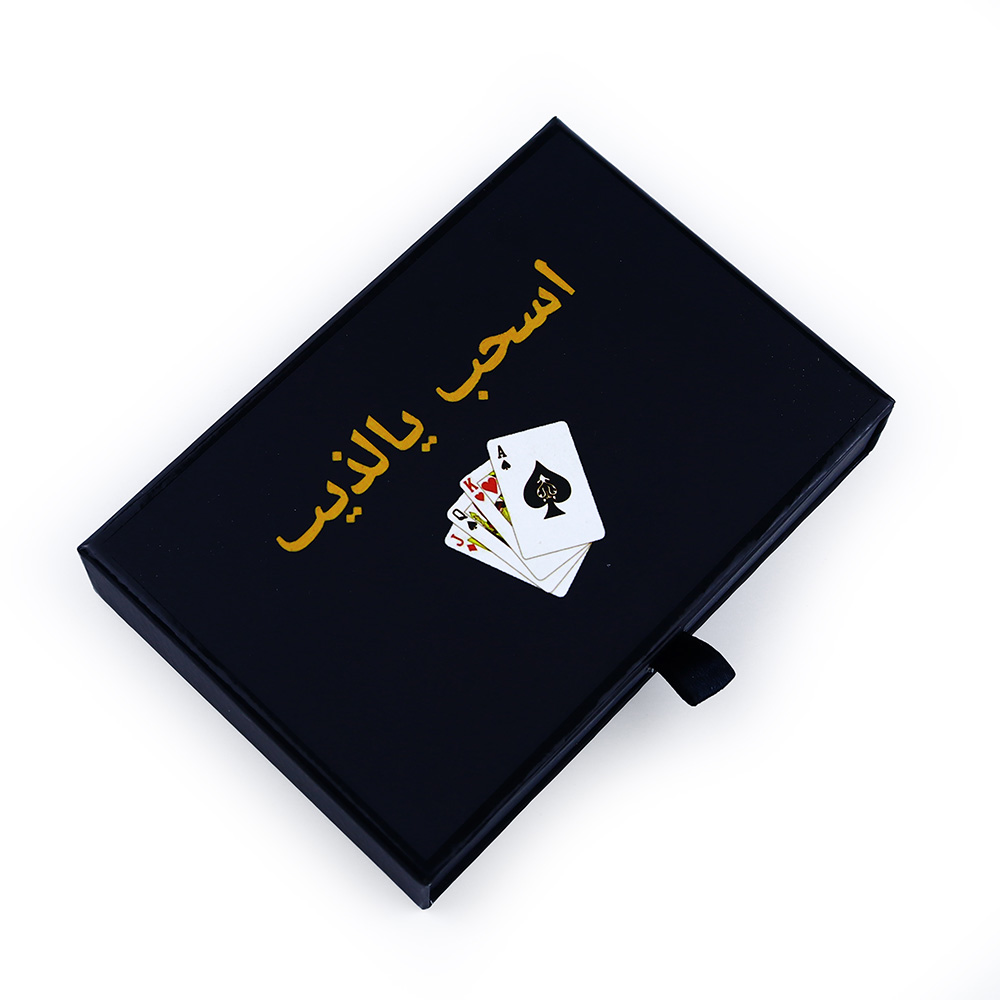 Custom Dual-Deck Playing Cards with Wolf-Themed Design
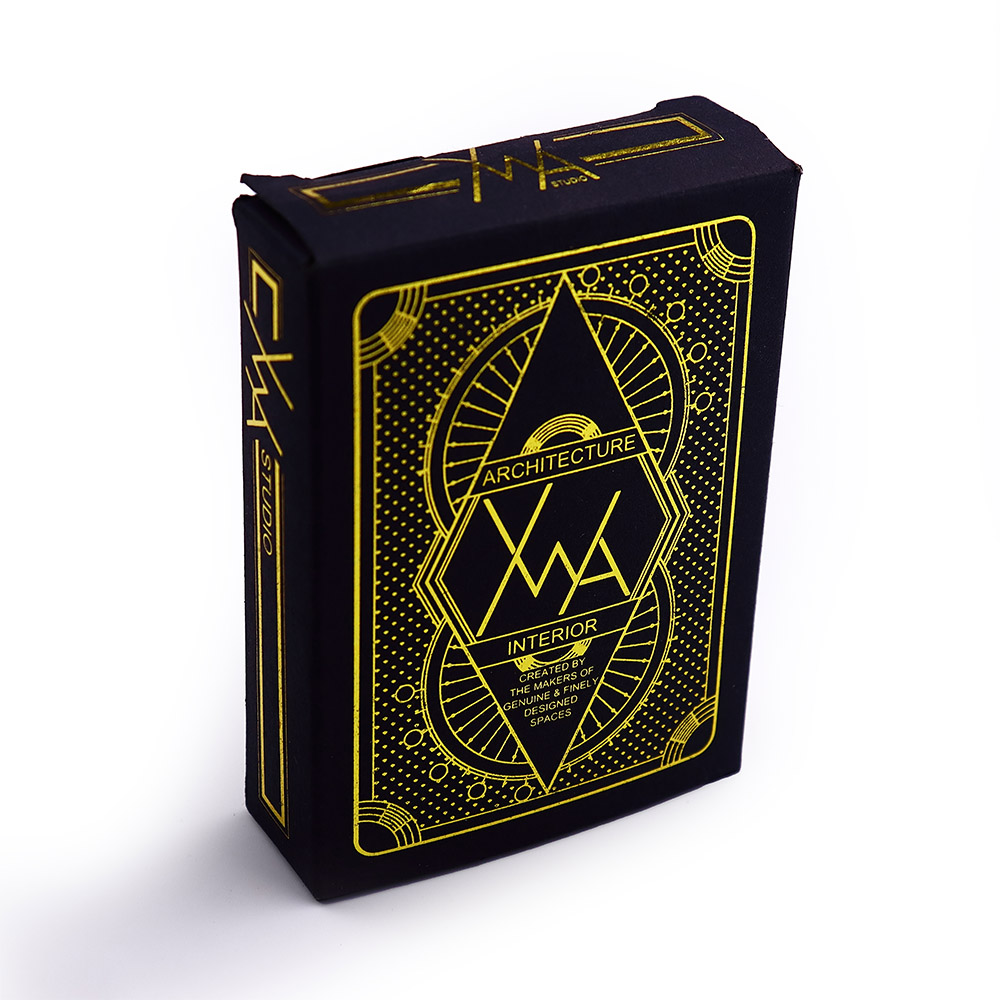 Custom embossed gold foil playing cards
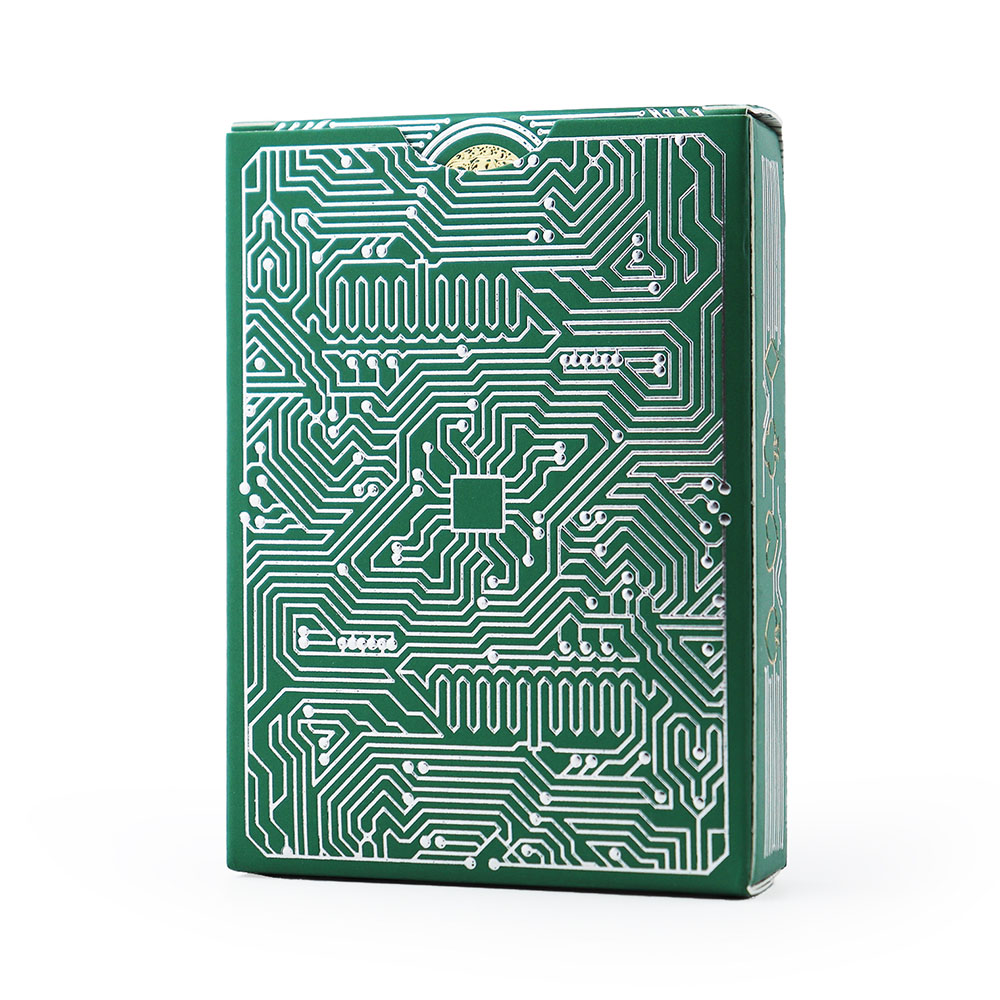 Circuit PCB Edition Custom Playing Cards
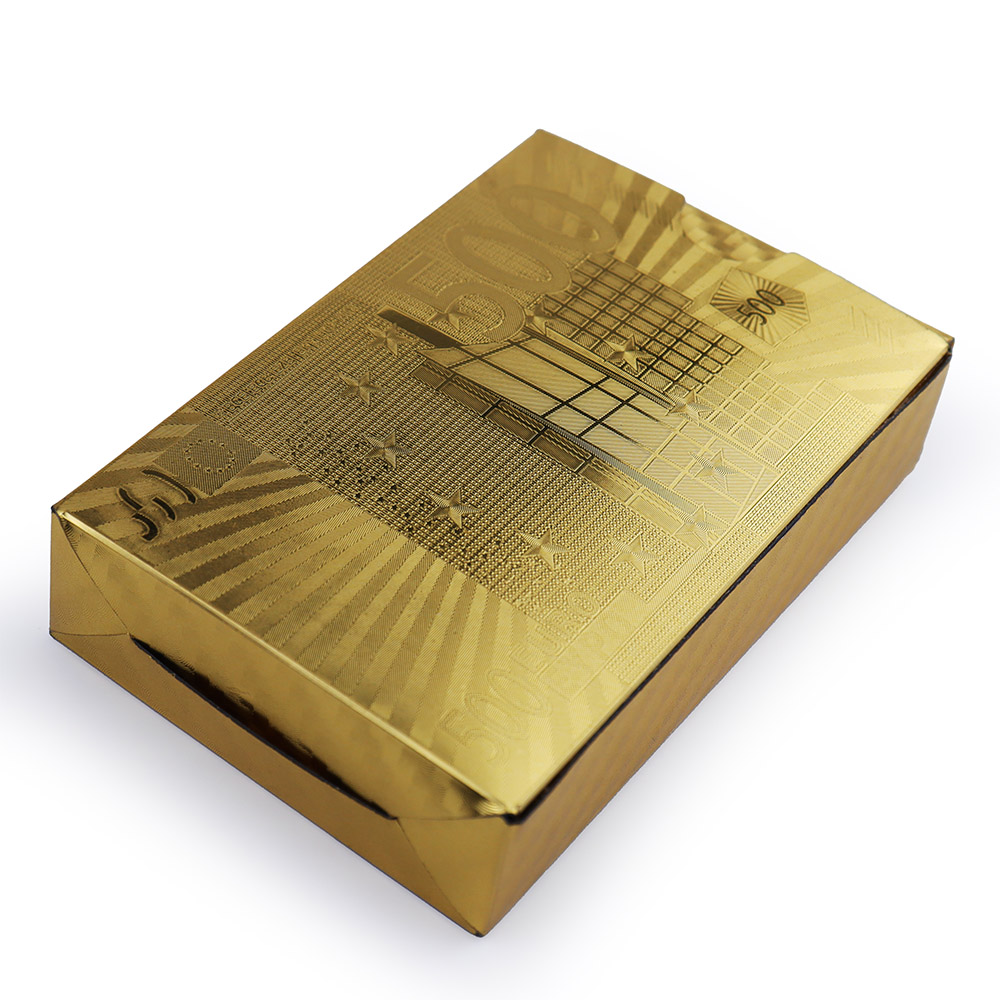 Customized theme gold foil playing cards
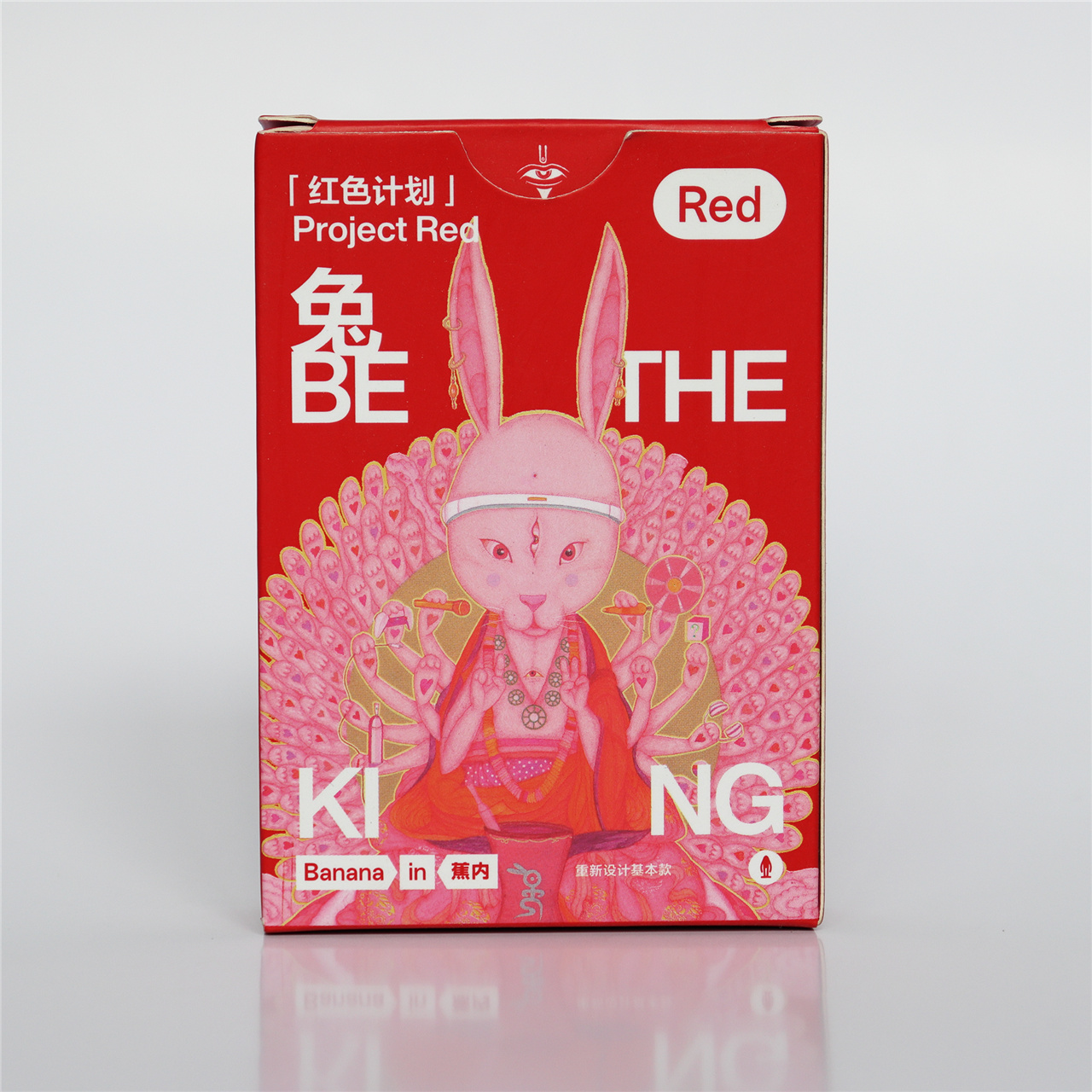 Custom Red Rabbit Themed Playing Cards Set
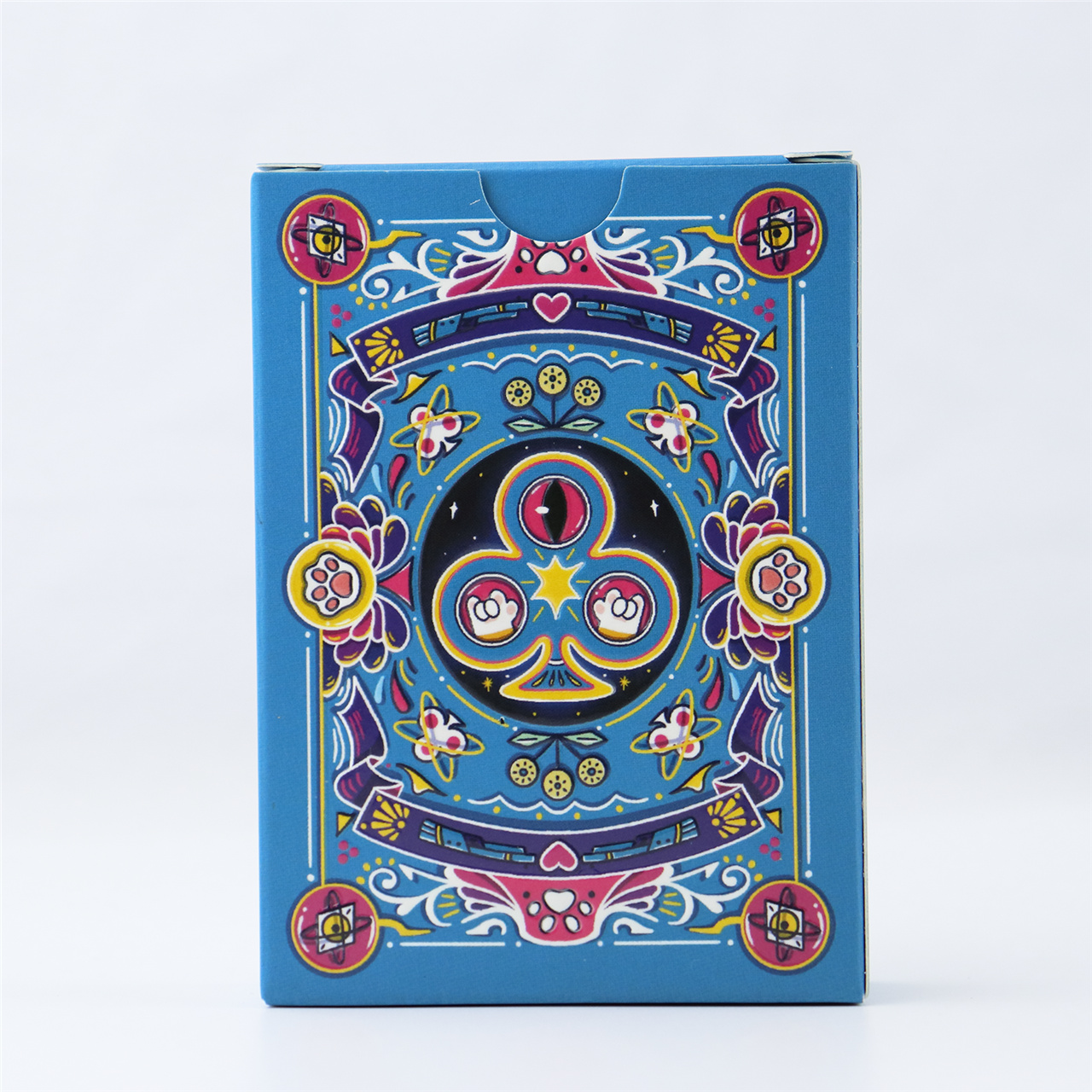 Custom Blue - Black Fantasy Plastic Playing Cards Set
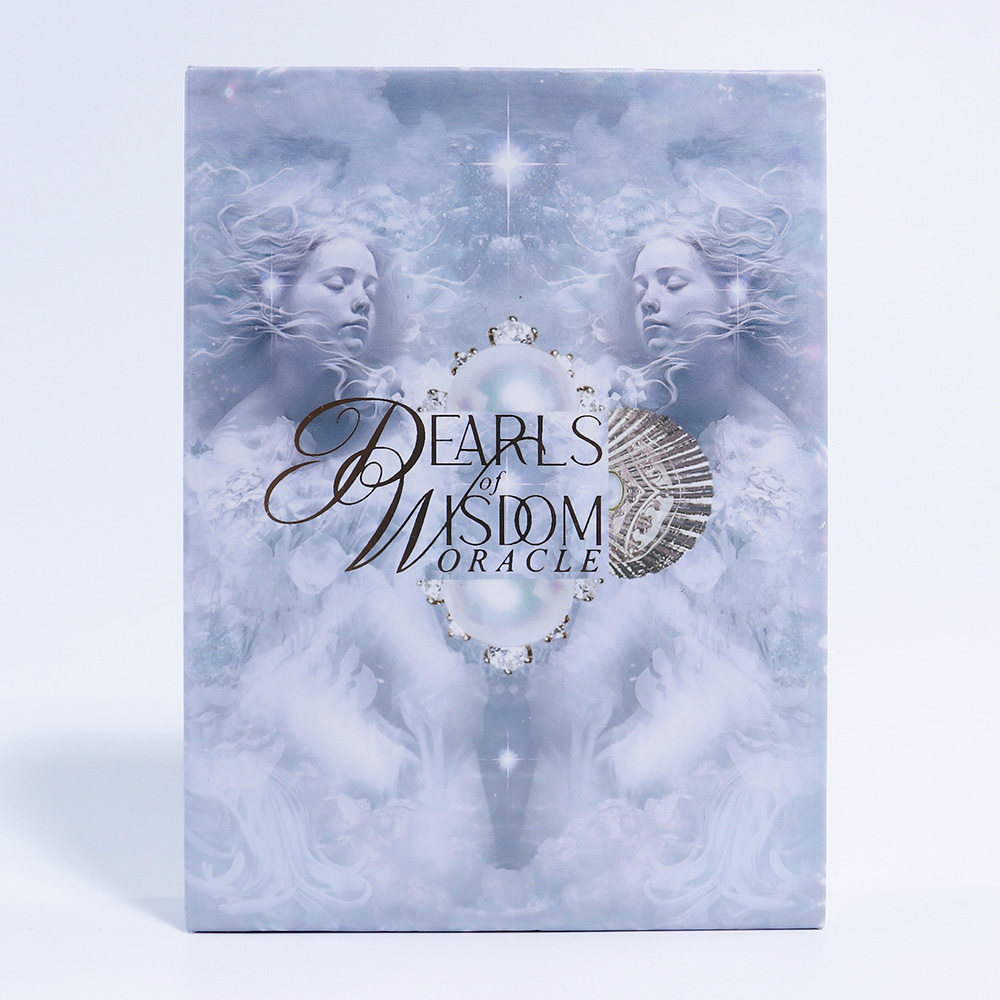 Pearls of Wisdom Oracle Custom Cards
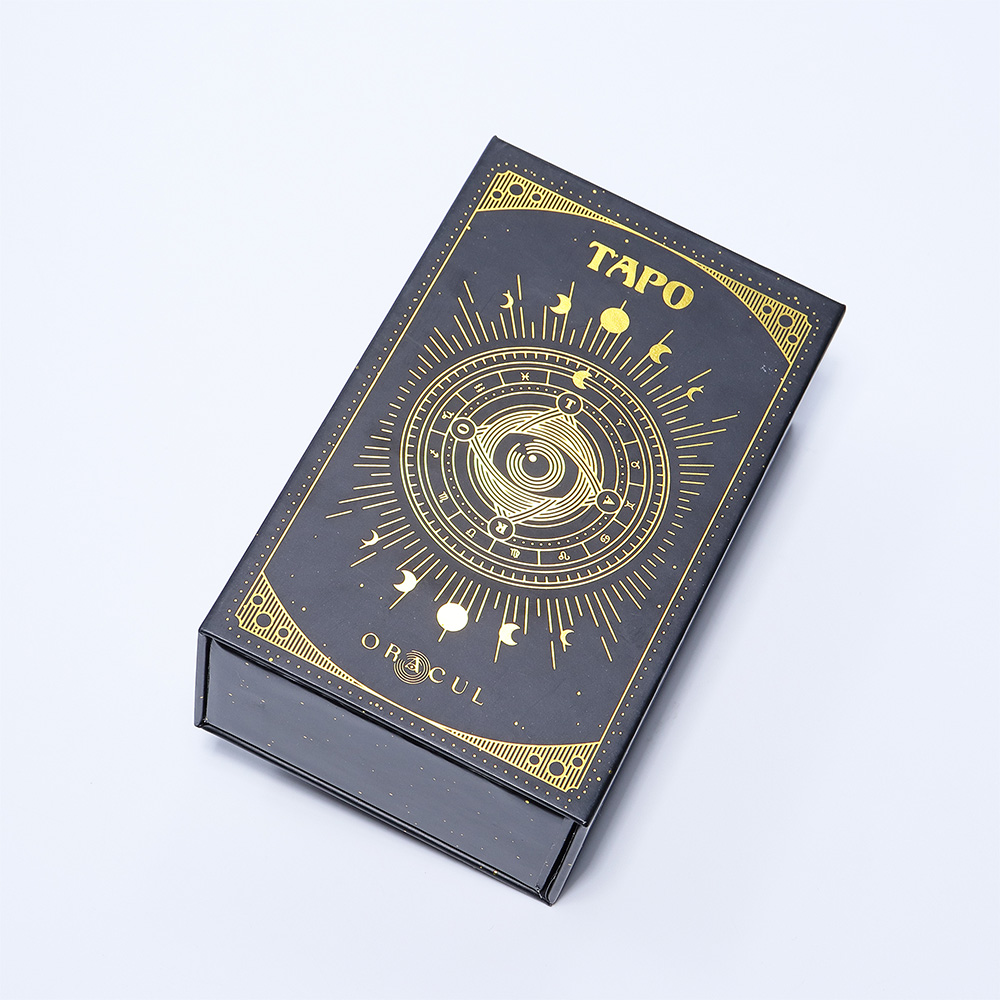 Custom Black & Gold Celestial Tarot Cards
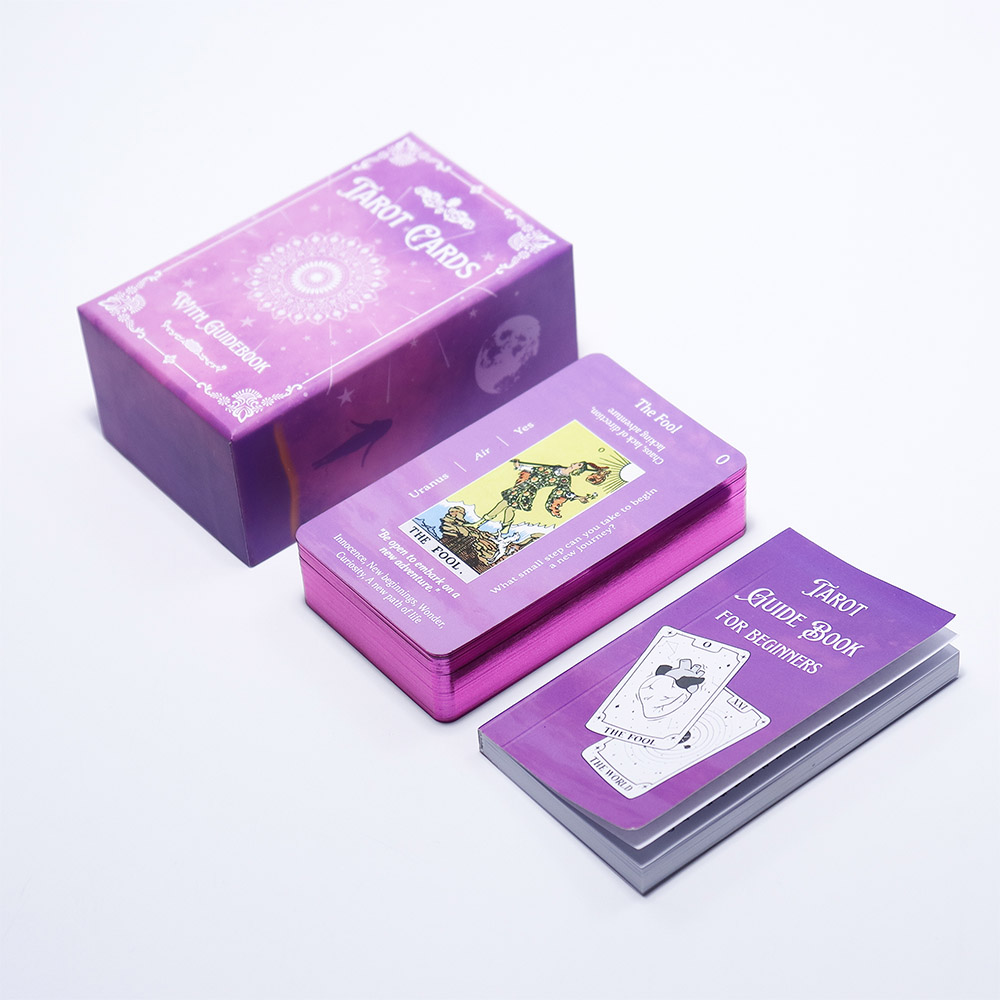 Custom Purple Tarot Cards with Guidebook
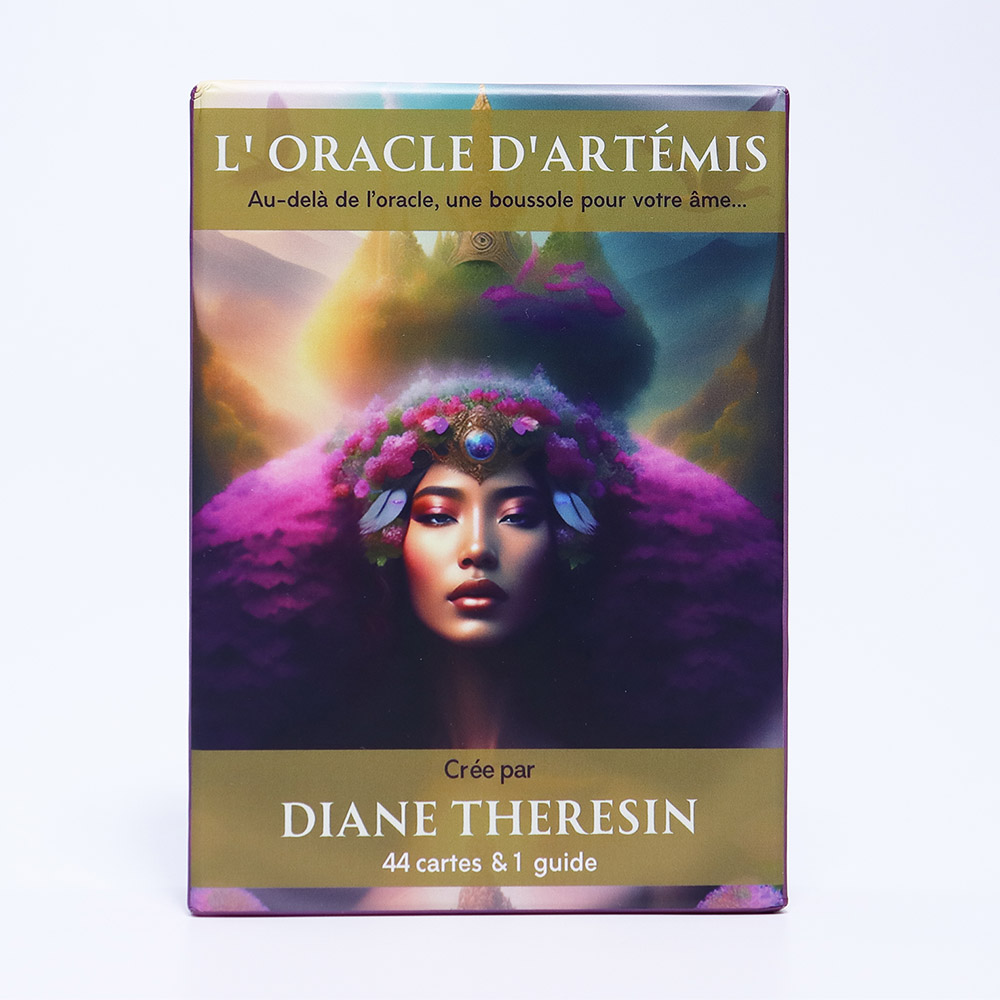 L'Oracle d'Artémis Custom Oracle Cards
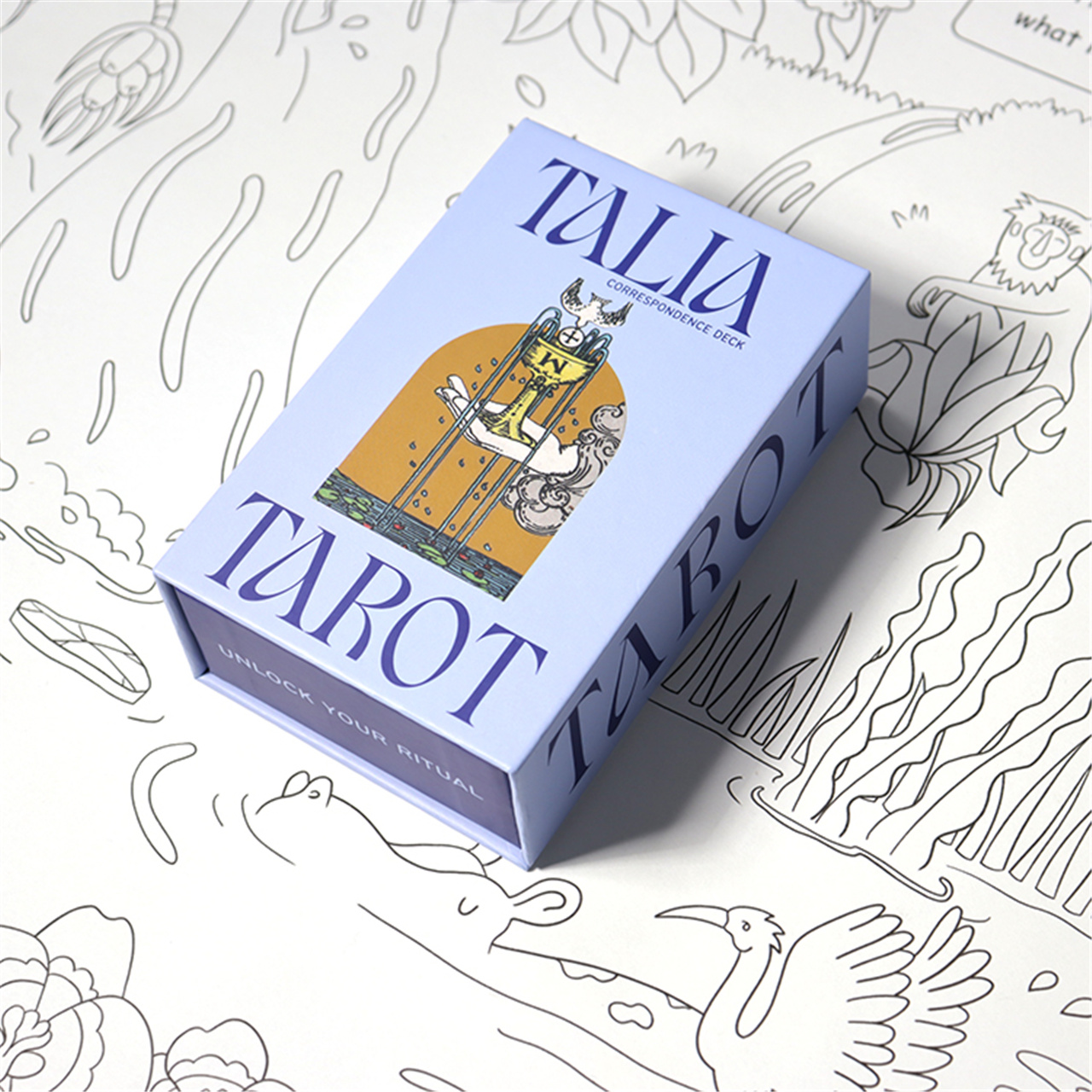 Custom Blue - Themed Tarot Cards Deck
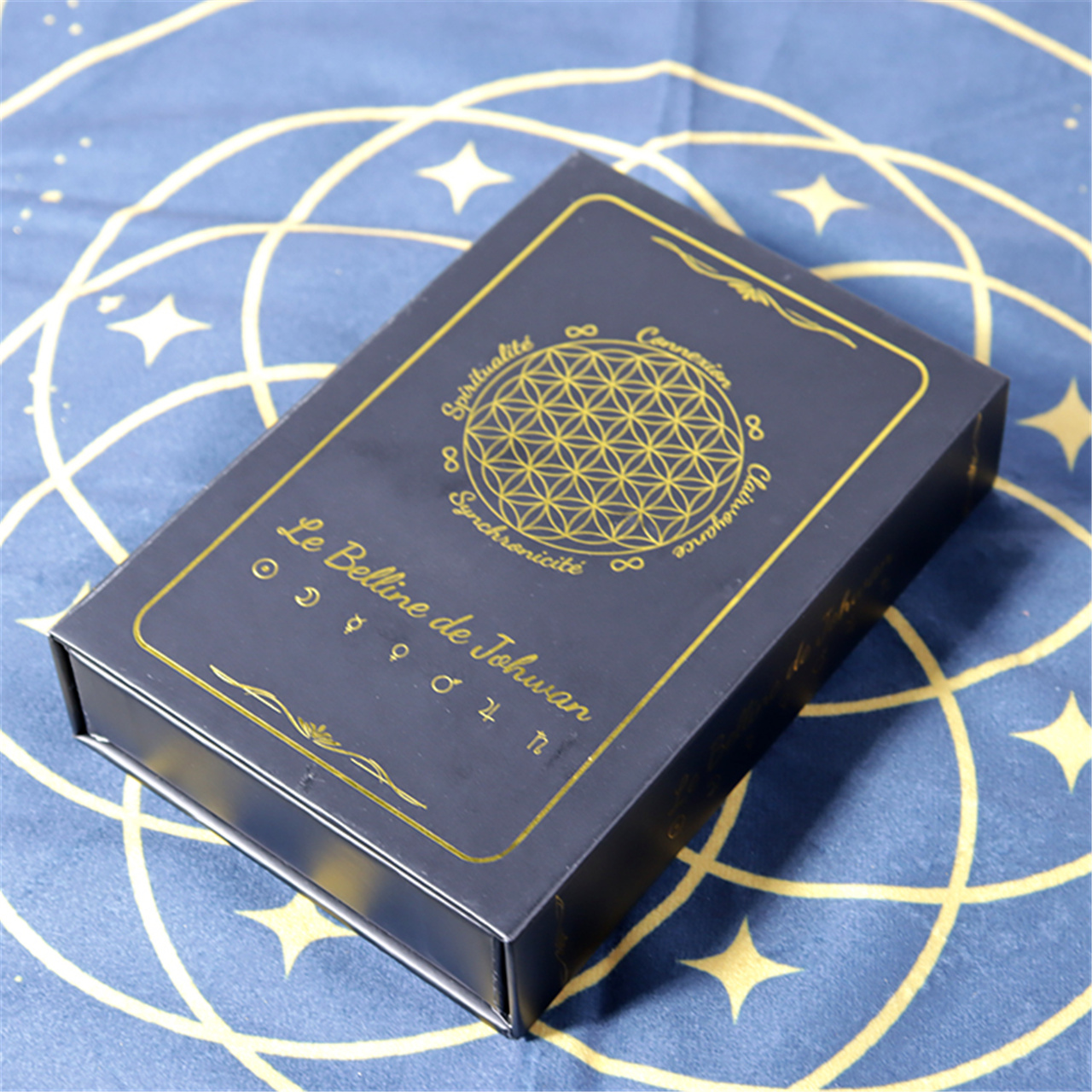 Custom Black - Blue Gold Foil Tarot Cards Set
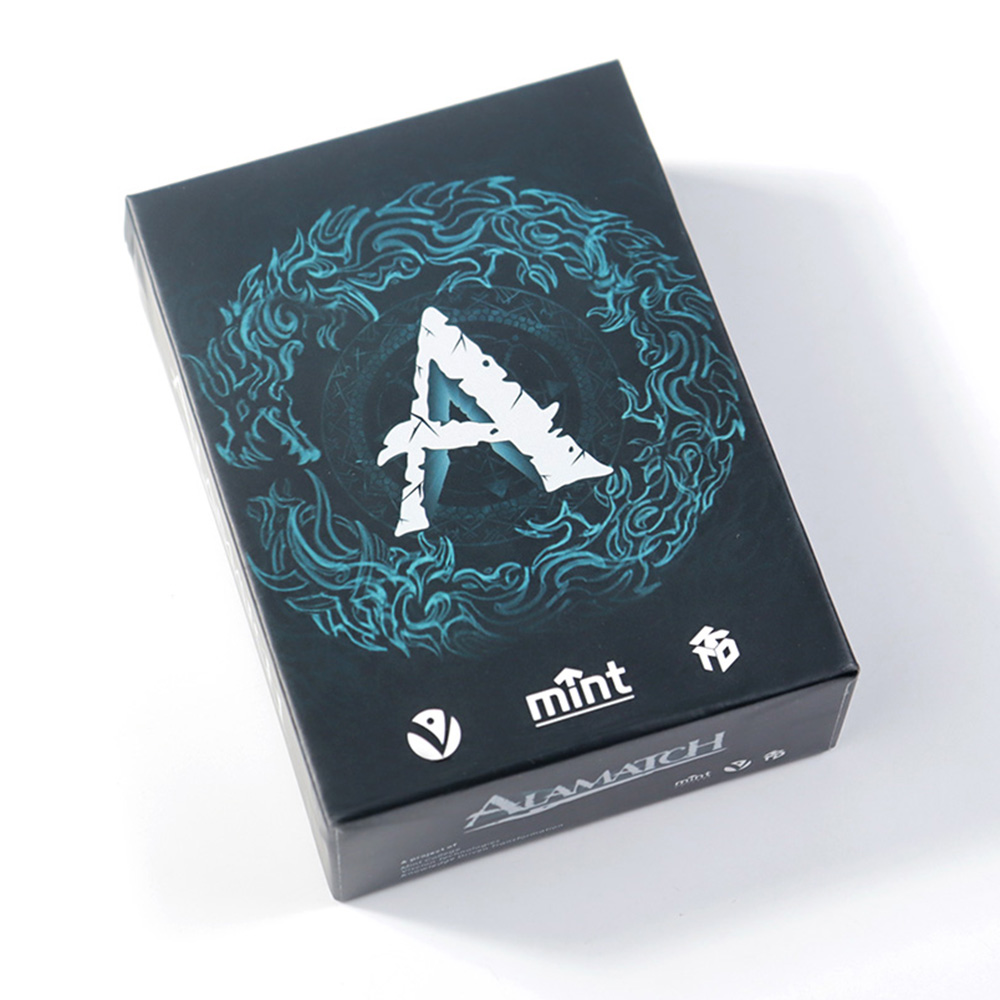 Alamatch Custom Trading Game Cards
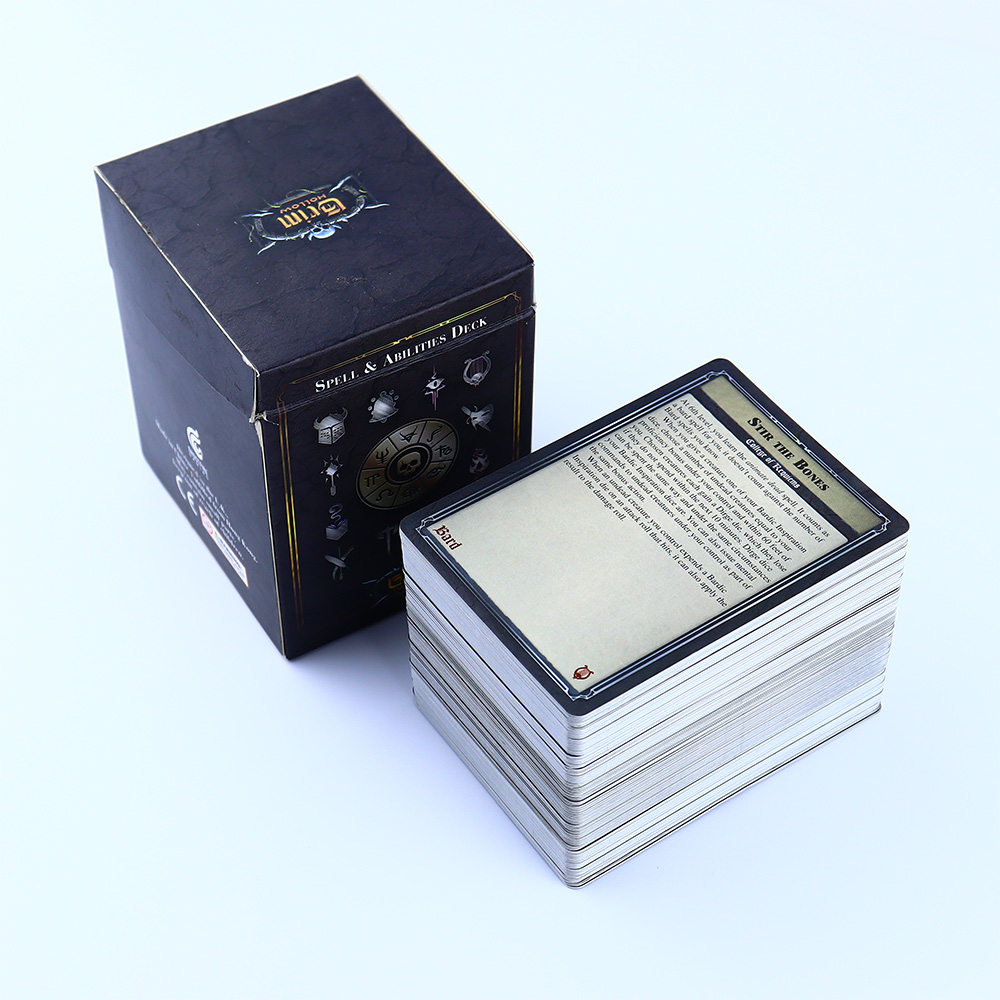 Grim Hollow Spell & Abilities Custom Trading Cards
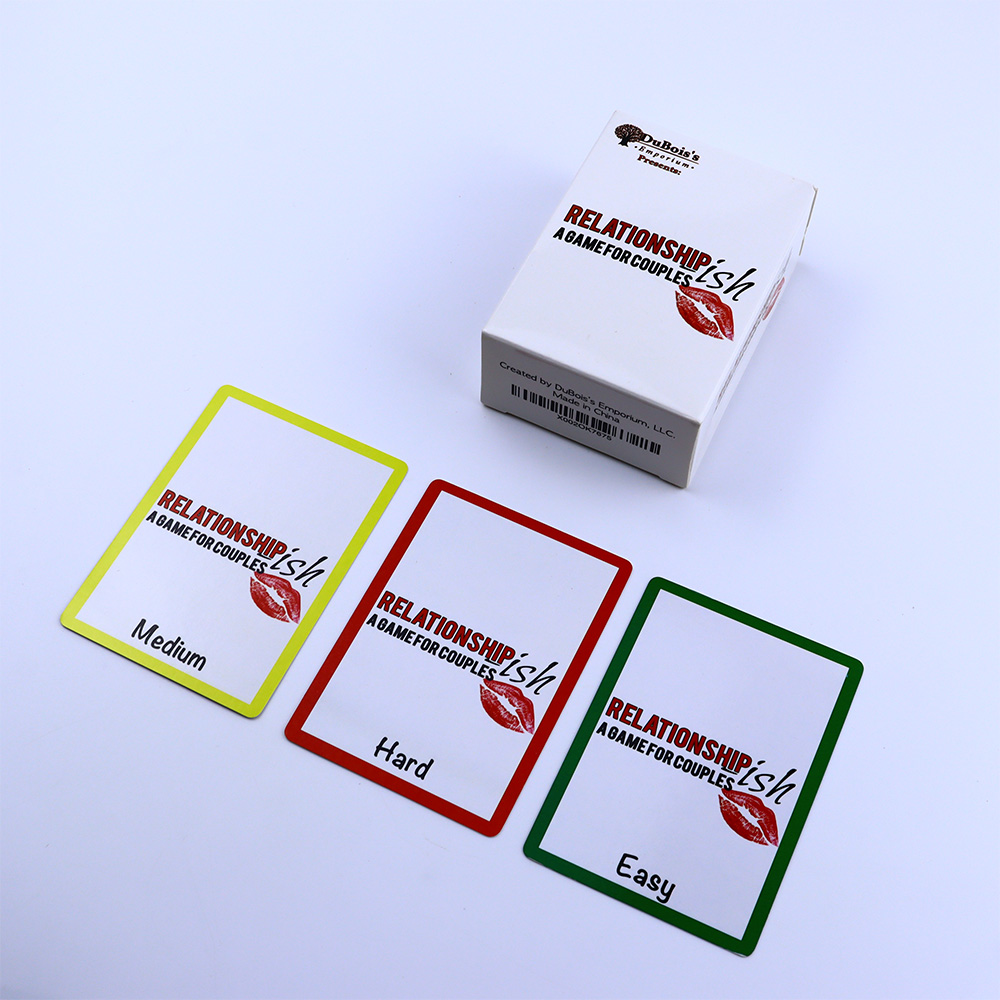 Relationshipish Custom Couple Card Game
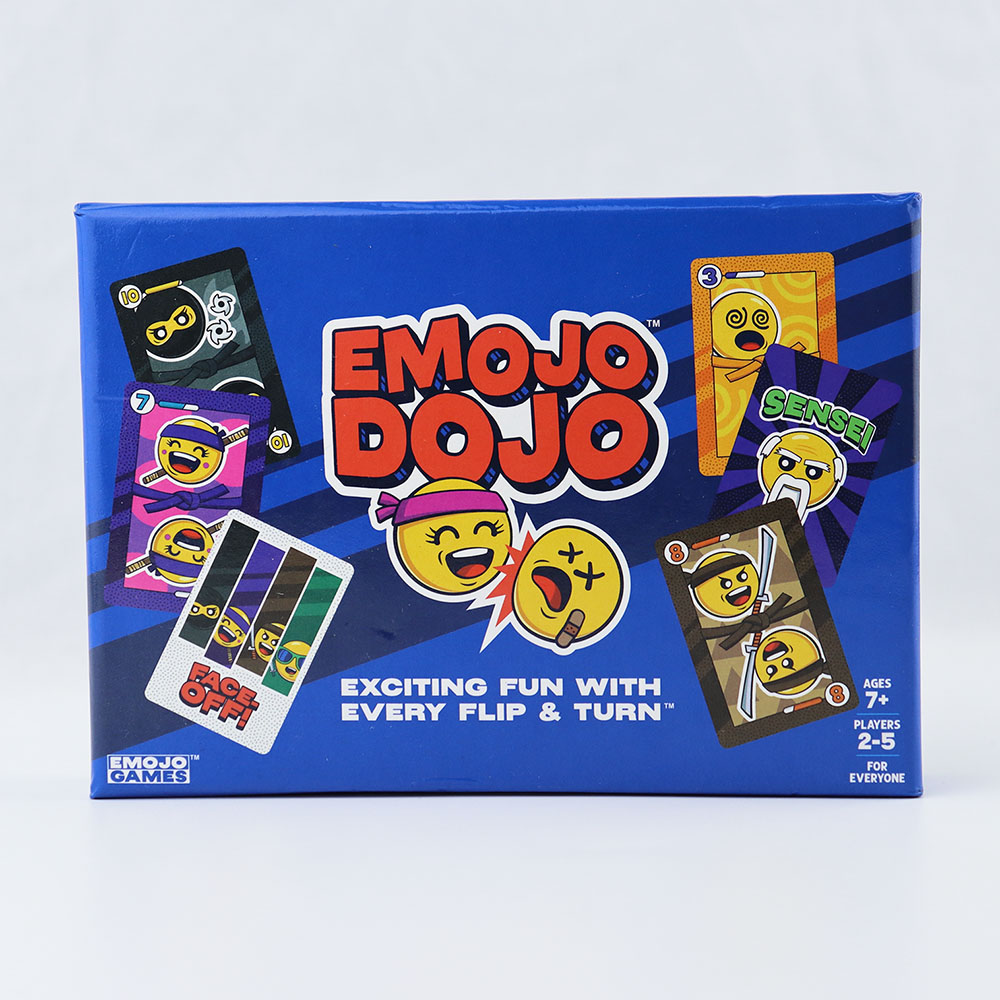 Emojo Dojo Custom Trading Card Game
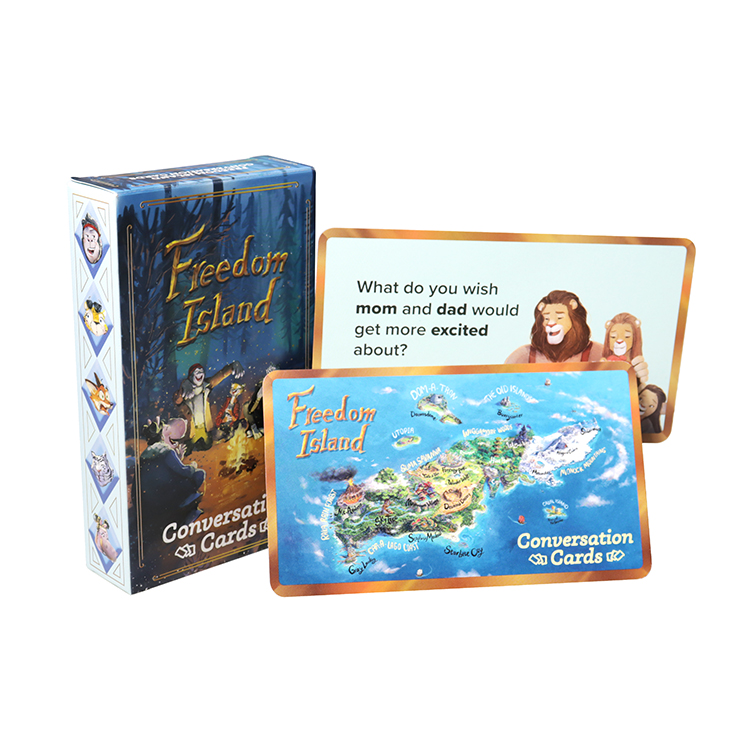 Custom Travel Photo Trading Cards Set
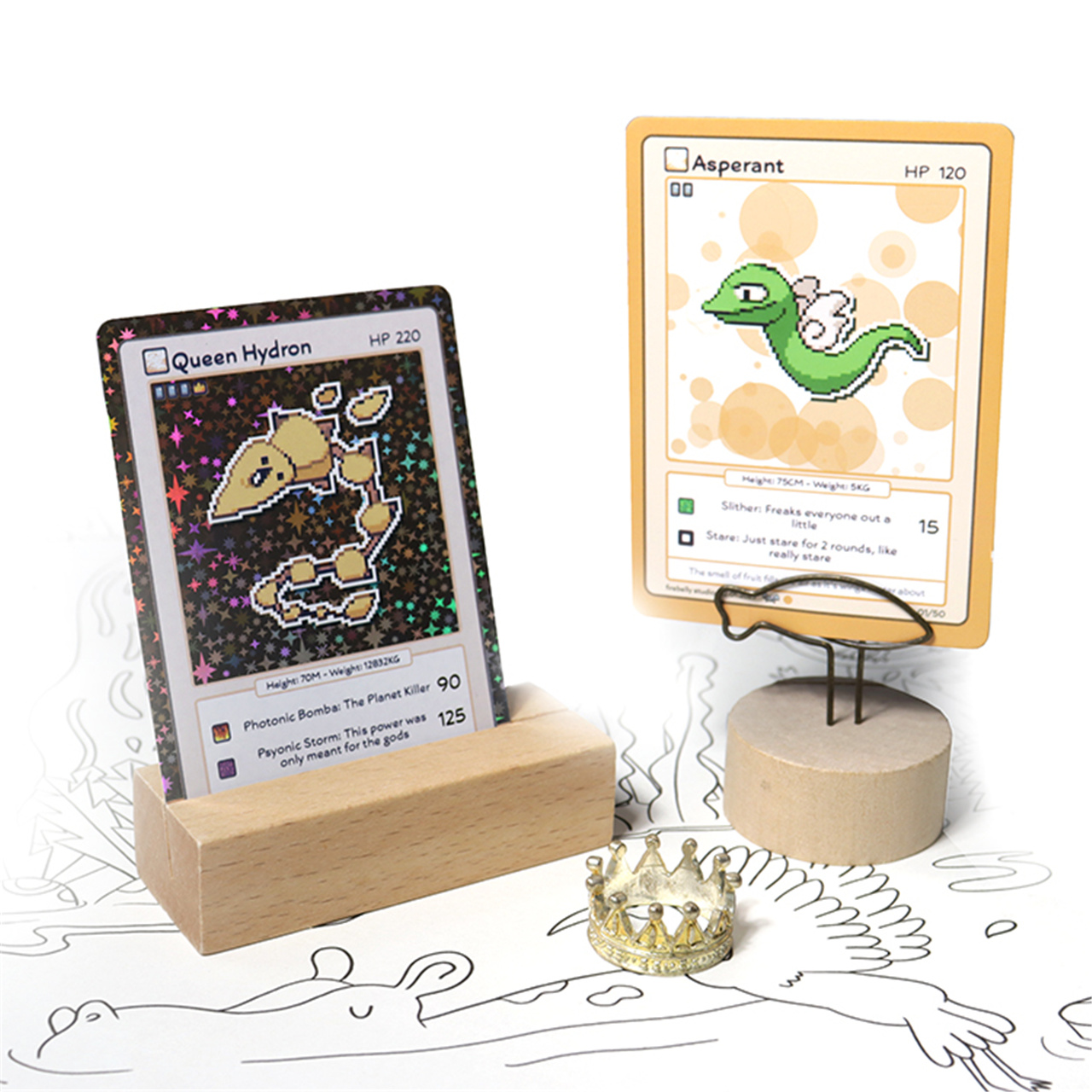 Custom Cartoon Holographic Trading Cards Set