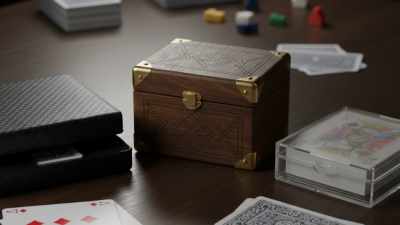
How to Choose the Best Plastic Playing Cards for Your Game Night?
When planning a game night, the choice of playing cards can significantly influence the experience. Plastic playing cards are a popular option for their durability and ease of handling. "The right cards can elevate your game," says John Smith, a renowned expert in card games. His insight highlights the importance of selecting quality materials.
Many players overlook the texture and weight of plastic playing cards. Some prefer a slick finish for shuffling ease, while others seek a rougher feel for better grip. Consider how card size also impacts gameplay. Smaller cards may fit better in hand, but can take away from visibility.
It's easy to assume all plastic playing cards are the same. However, differences exist. Some brands offer enhanced waterproof features, while others may be prone to wear and tear. It's essential to evaluate these factors to avoid regretful choices. An informed decision can make your game night memorable for all the right reasons.

How Material Quality Affects the Performance of Plastic Playing Cards
When selecting plastic playing cards, material quality is crucial. High-quality plastic cards are often made from polycarbonate or PVC. These materials offer durability and resistance to bending. They can withstand wear and tear better than cheaper alternatives. This means they last longer under intense game sessions.
The texture of the cards also matters. A textured surface improves grip, making shuffling easier. Cheap cards can feel slippery, causing frustration during play. Players may find themselves fumbling, which disrupts the game. Additionally, thickness is essential to the overall feel. Thinner cards can warp easily, while thicker cards offer sturdiness.
However, not all plastic cards are created equal. Some may feel too rigid, making them hard to handle. Others might bend under pressure, impacting gameplay. It’s a balance. The right material enhances performance, but imperfections exist in every option. Take the time to feel the cards in your hands. Experience matters.
Material Quality Comparison of Plastic Playing Cards
Comparing Thickness Options: Which is Best for Game Durability?
When selecting plastic playing cards for your game night, thickness matters. Card thickness can greatly influence gameplay and durability. In general, thicker cards are more durable. A standard casino-grade card usually measures around 0.3 mm thick. Reports suggest that cards thicker than this perform better during intense games, lasting longer under pressure.
Tips: Choose cards with a thickness between 0.3 mm and 0.5 mm. This range offers a good balance between flexibility and sturdiness. Thicker cards resist bending and tearing. However, they can feel stiff in hand. Players may find them less comfortable during extended play sessions.
Another essential factor is the card's material. High-quality plastic cards utilize polyvinyl chloride (PVC) which offers resilience. Cards made from cheaper materials may wear quickly. Some studies indicate that the right thickness coupled with quality material can reduce wear by up to 50%. Remember, not all games require the same card thickness. Some tabletop games benefit from thinner, lighter cards, allowing for easy shuffling. Reflect on your gaming habits. Do your cards need to withstand cozy family nights or wild game marathons? Your choice in thickness should align with your playing style and frequency.
How to Choose the Best Plastic Playing Cards for Your Game Night? - Comparing Thickness Options: Which is Best for Game Durability?
| Thickness (mm) |
Weight per Deck (grams) |
Durability Rating (1-10) |
Flexibility (Yes/No) |
Common Uses |
| 0.3 |
200 |
4 |
Yes |
Casual Games |
| 0.5 |
250 |
6 |
Yes |
Family Games |
| 0.75 |
300 |
8 |
No |
Poker, Professional Games |
| 1.0 |
350 |
9 |
No |
Tournament Play |
Evaluating Surface Finish: The Grip and Handling of Playing Cards
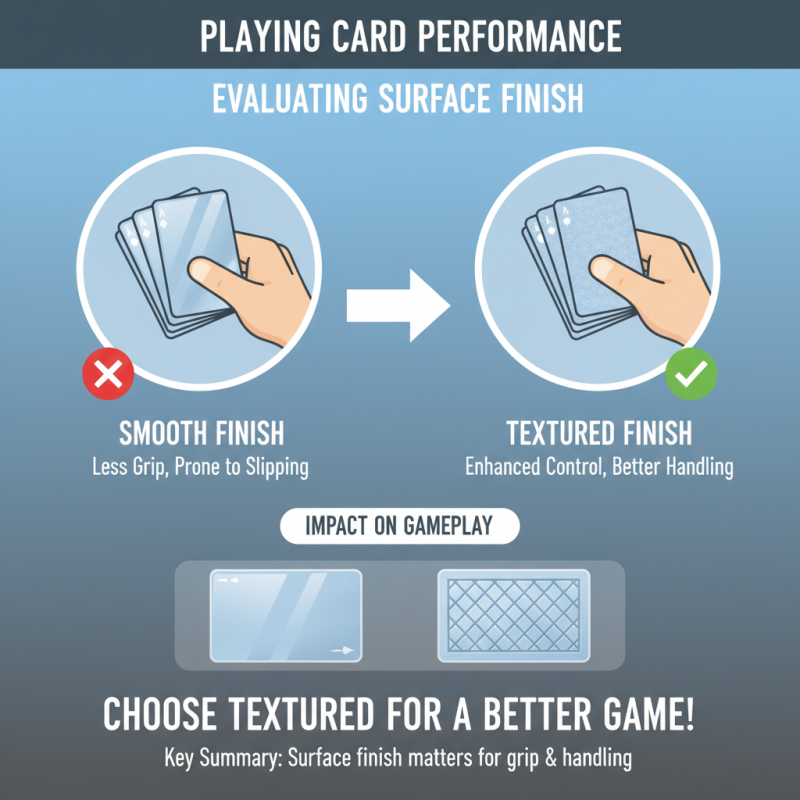
Choosing the right plastic playing cards can greatly impact your game night experience. The surface finish is crucial for grip and handling. A smooth surface may look appealing, but it could lead to cards slipping during play. On the other hand, a textured finish offers better control. You want cards that feel good in your hands.
Tips: Test cards before purchase. Hold them, fan them out, and shuffle. This helps gauge how they will perform during your game. A good grip prevents frustration and keeps the game flowing.
Consider the material as well. Plastic can be slippery, but some finishes make a difference. Look for cards that resist wear and tear. Cards that scuff easily can feel less enjoyable. You want to enjoy every hand, not worry about your cards.
Lastly, don’t forget to think about weight. Heavy cards can be cumbersome. Lighter cards might feel cheap, impacting the experience. Balance is key. It’s worth taking the time to find what suits your play style best. Assessing these factors will enhance your game night.
Selecting Card Size: Standard vs. Specialty Sizes for Various Games
Choosing the right card size is crucial for an enjoyable game night. Standard playing cards measure 2.5 by 3.5 inches. This size works well for most classic games. Think of poker, blackjack, or bridge. Players are familiar with this format. It fits comfortably in your hand, making it easy to shuffle and deal.
Specialty sizes exist for specific games. Tarot cards, for instance, can be larger or more ornate. Some games use smaller cards, which can add a unique twist. Consider your game’s requirements. A game like Uno has its own dimensions, affecting gameplay. It’s essential to match the card size to the game rules for the best experience.
It's worth noting that some players might find non-standard sizes challenging. Cards that are too big can be tough to handle. Those that are too small might make it hard to see the details. These nuances can impact your enjoyment. When hosting, ensure players are comfortable. Ask your friends for feedback on sizes. They may have preferences that could improve your game night.
Understanding the Impact of Printing Techniques on Card Longevity
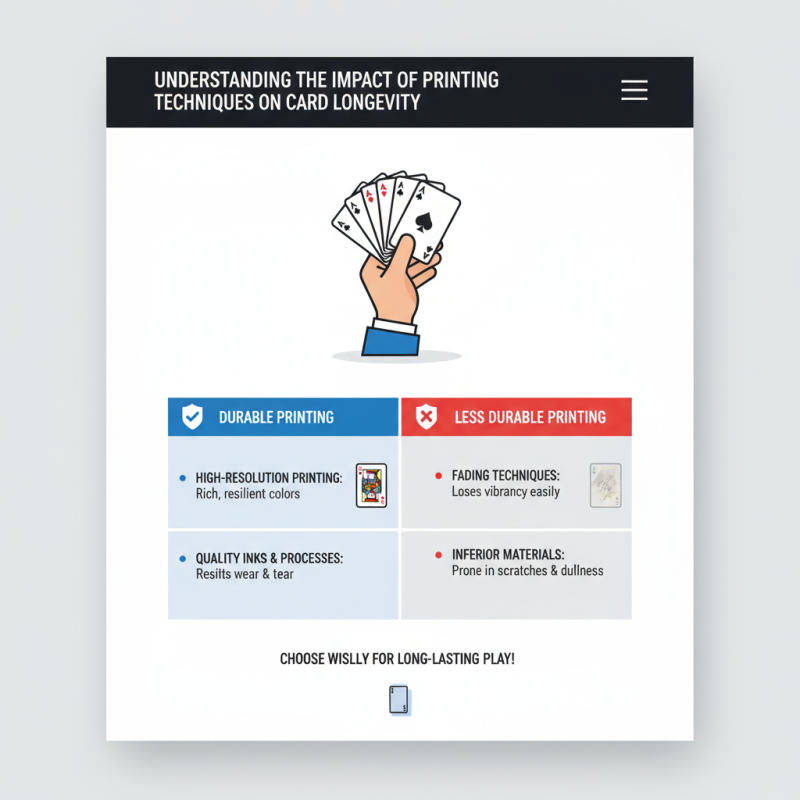
When selecting plastic playing cards, printing techniques significantly impact their longevity. Cards that use quality inks and processes are more likely to withstand heavy use. For example, modern high-resolution printing offers vibrant visuals. However, not all printing methods promise durability. Some may fade quickly, reducing the aesthetic appeal over time.
Consider the card finish as well. A smooth or linen texture can enhance gripping and shuffling but may wear down differently. Low-quality finishes may scratch easily, affecting gameplay. It’s tempting to choose based on design alone, but a detailed inspection of the printing method is crucial.
Pay attention to reviews that mention longevity. Some cards look good initially, yet degrade after a few game nights. Finding a balance between appearance and durability is challenging. Engaging in discussions with fellow players about their experiences can provide valuable insights for your choice. Prioritize cards that combine artistry with resilience for long-lasting game nights.

 Customizable Emotional Support Cards for Grief & Resilience
 Personalized Emotional Encouragement Card Collection
 Personalized Deep Conversation Card Gift Box
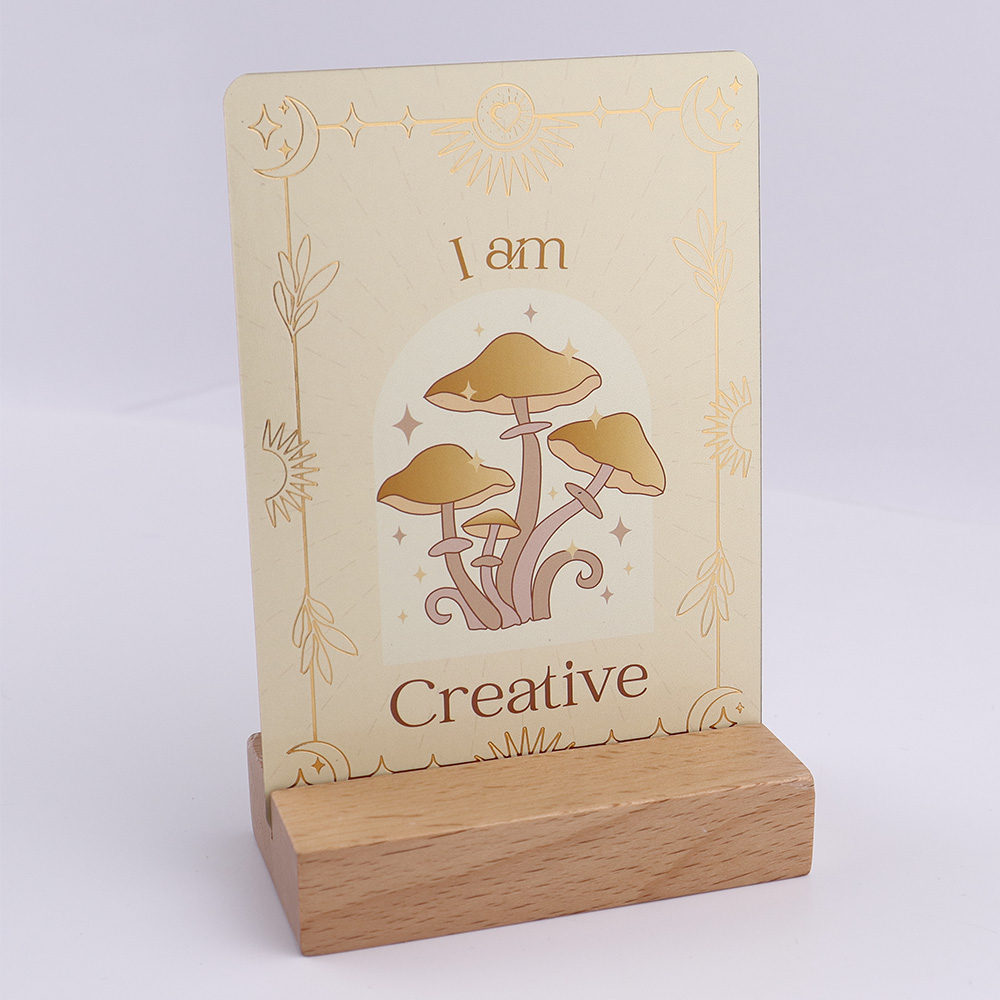 Customizable Boho-Chic Affirmation Cards for Mindfulness & Self-Love
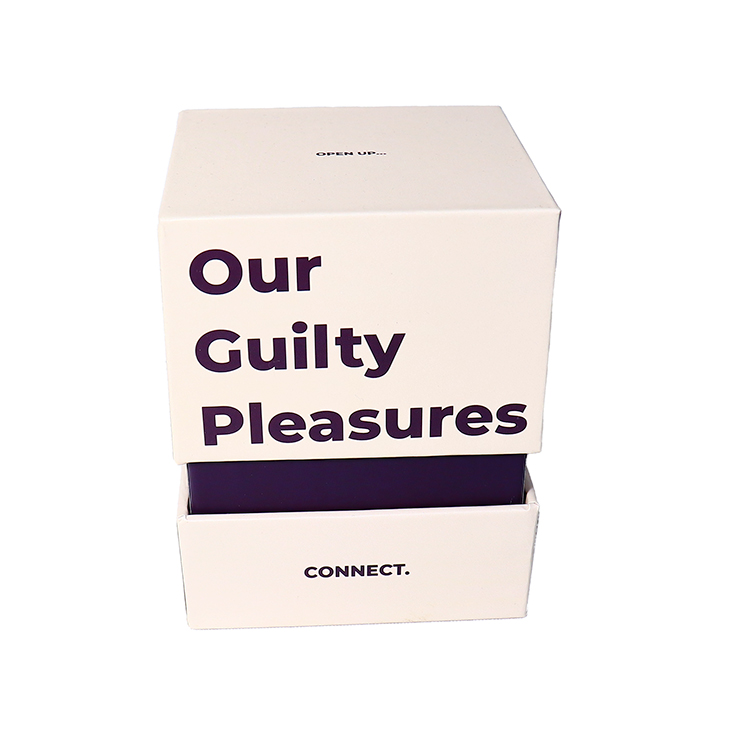 Customized Friendship Confirmation Card
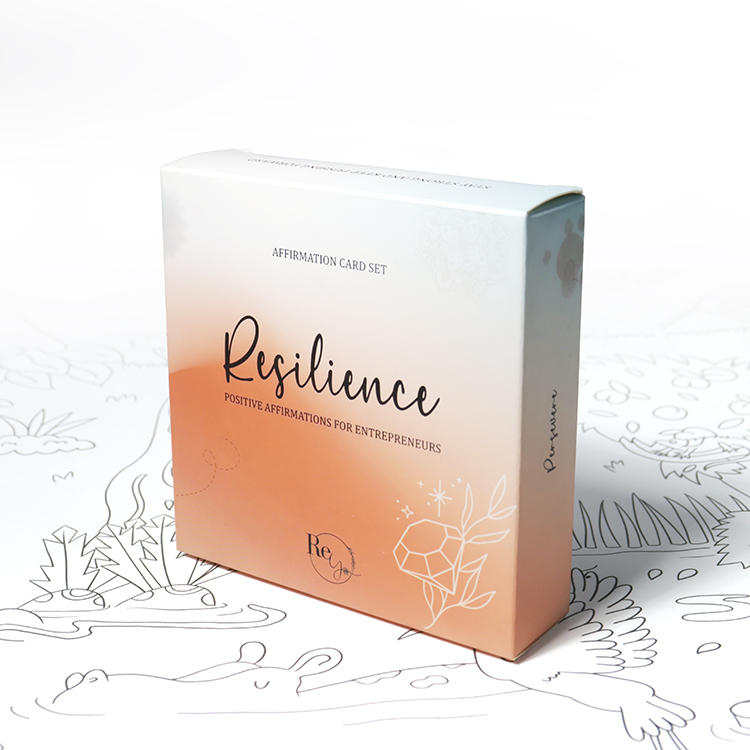 Customized Entrepreneurship Confirmation Card
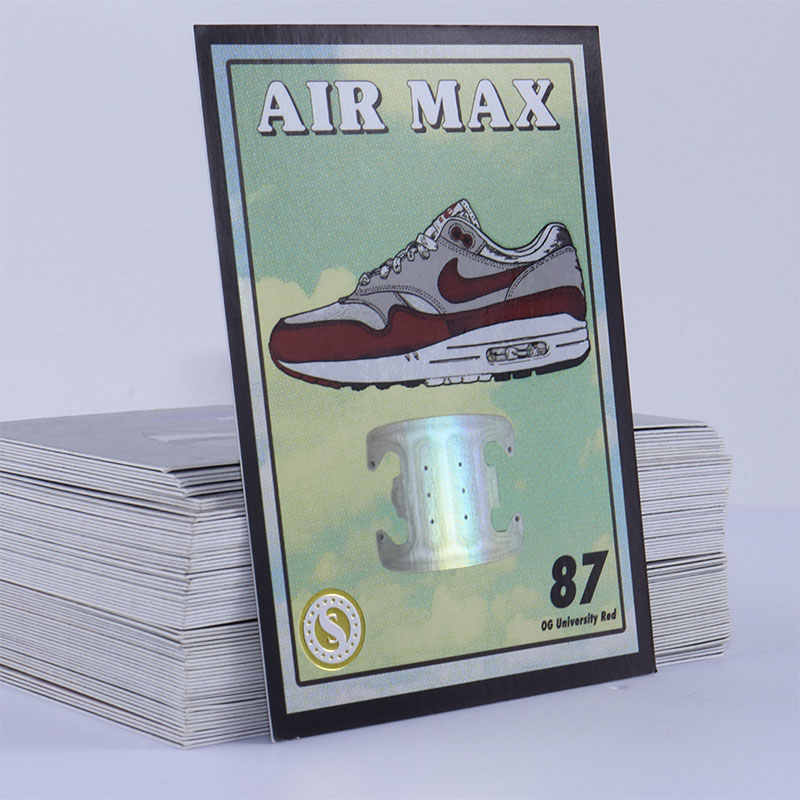 Air Max Pax Custom Sneaker Card Blind Box Set
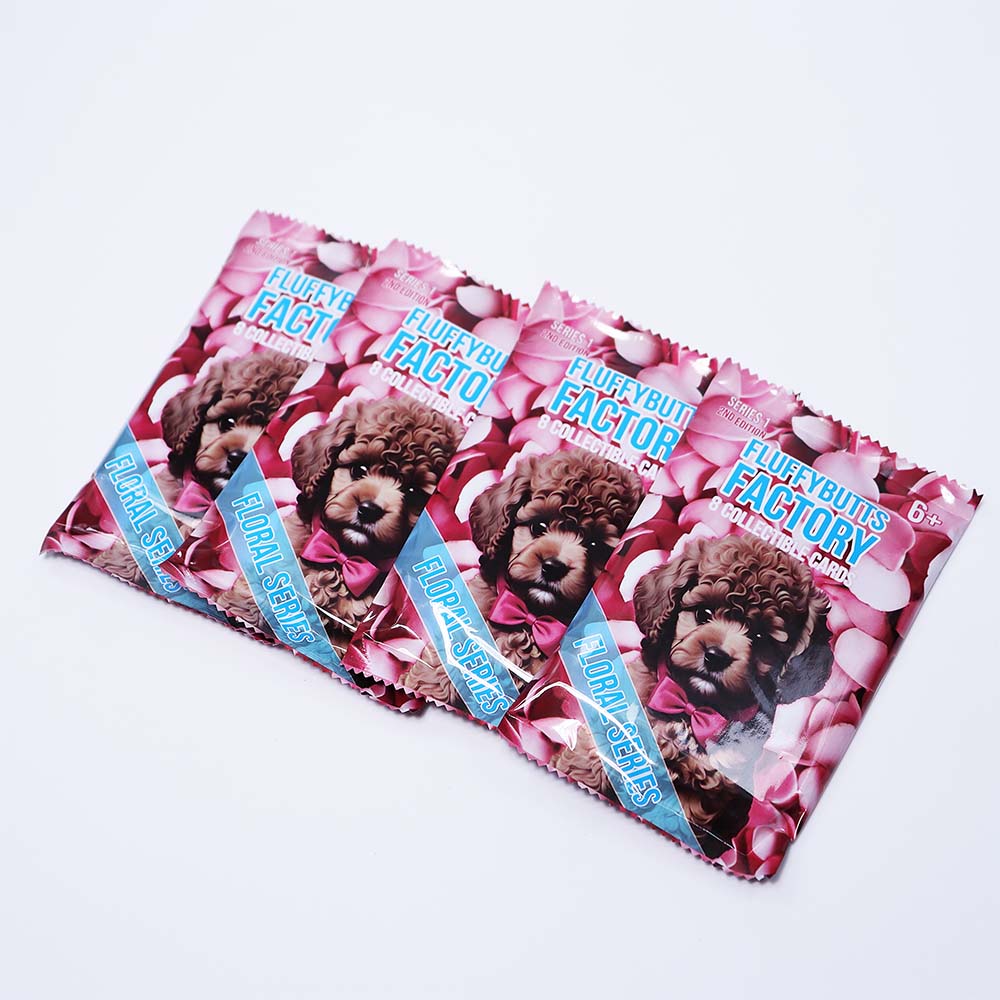 Fluffybutts Factory Custom Pet Card Blind Box Sets
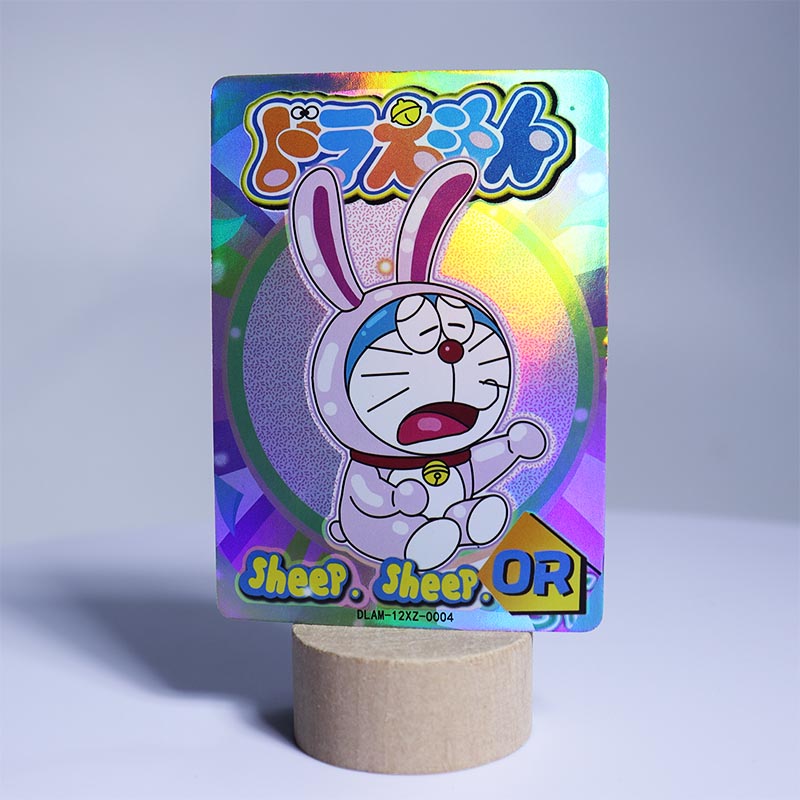 Doraemon Custom Card Blind Box Set
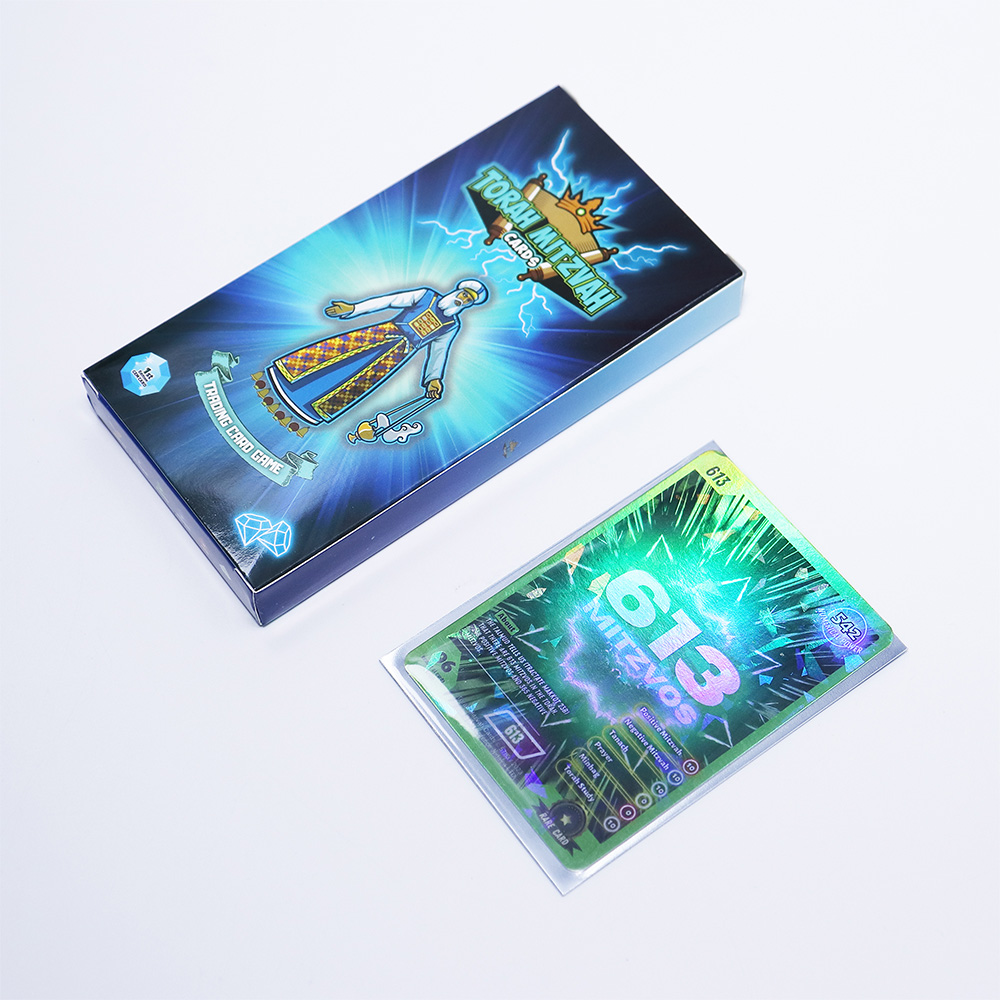 Torah Mitzvah Custom Card Blind Box Set
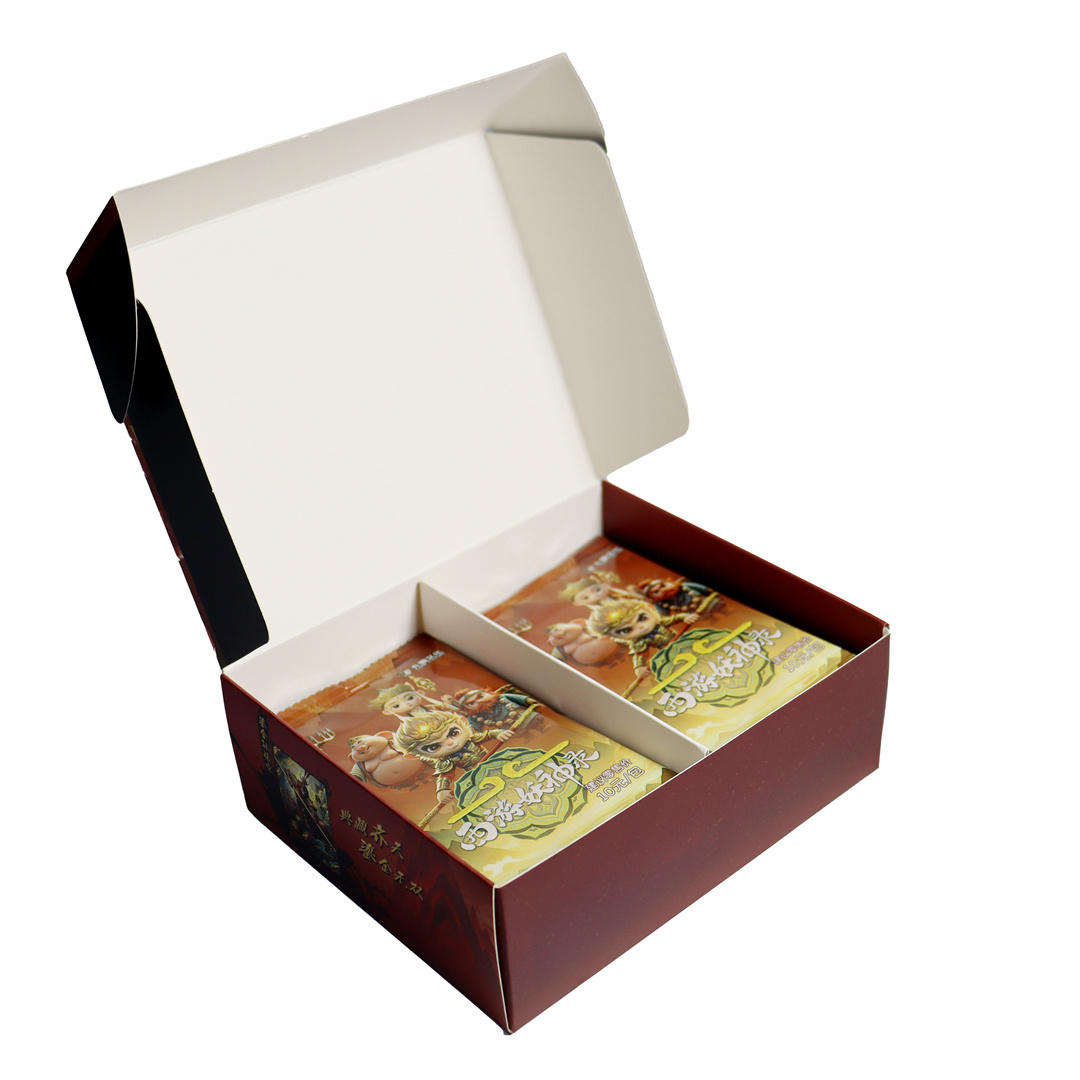 Customized "Journey to the West" Themed Card Blind Box Set
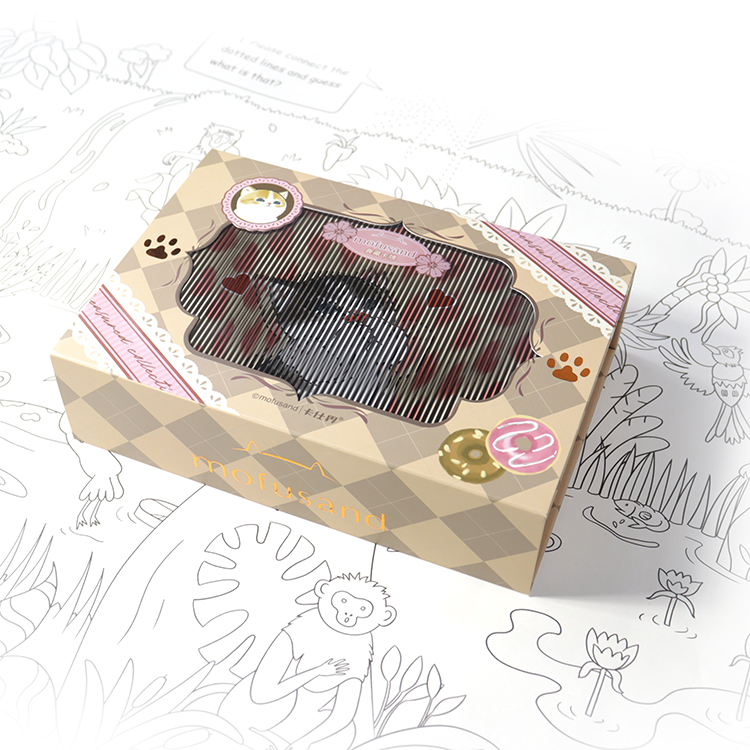 Customized cat-themed blind box set
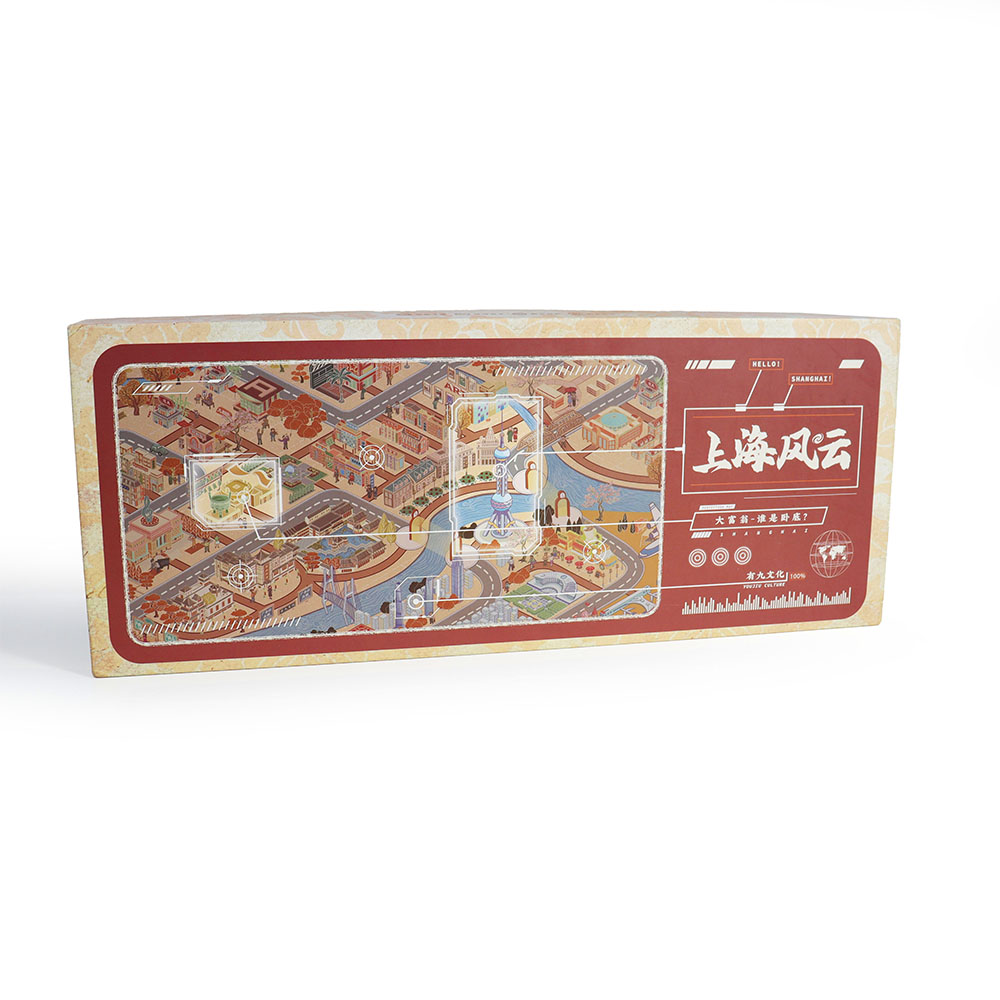 Shanghai Fengyun Custom Board Game Set
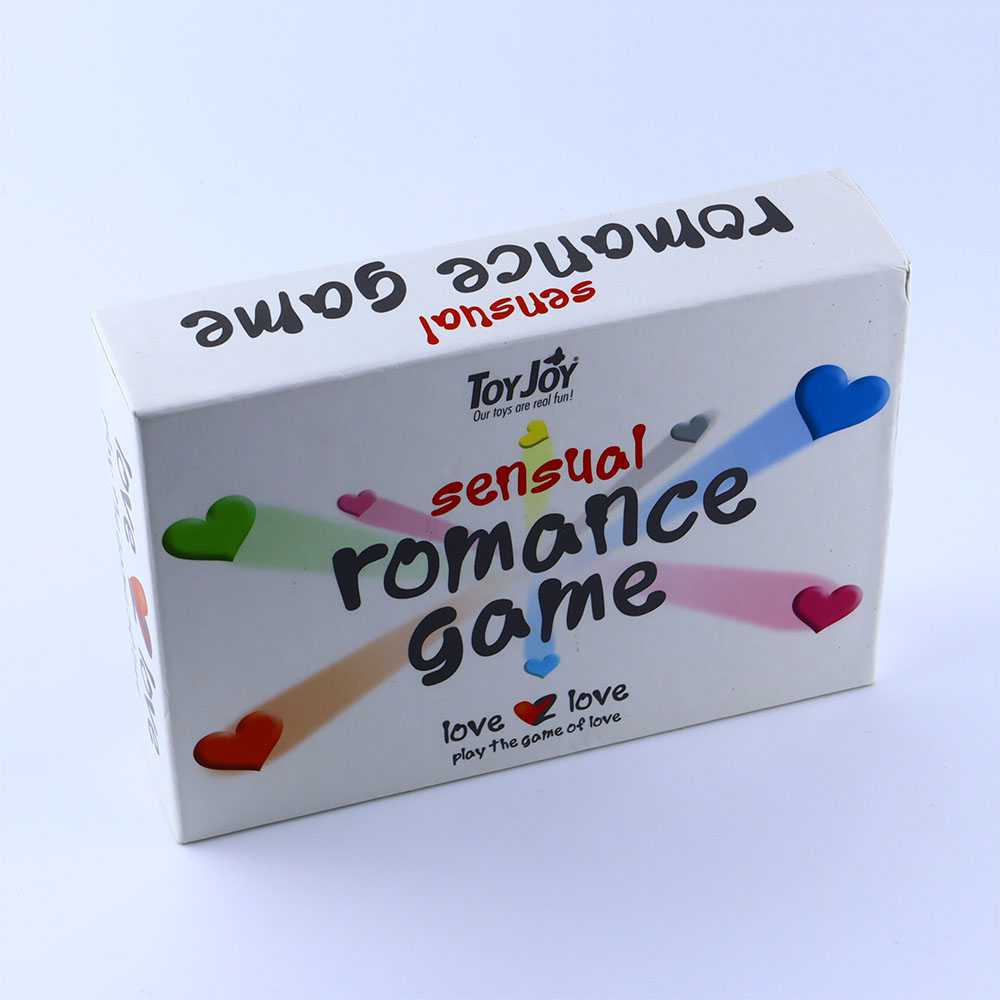 Sensual Romance Game Custom Board Game Set
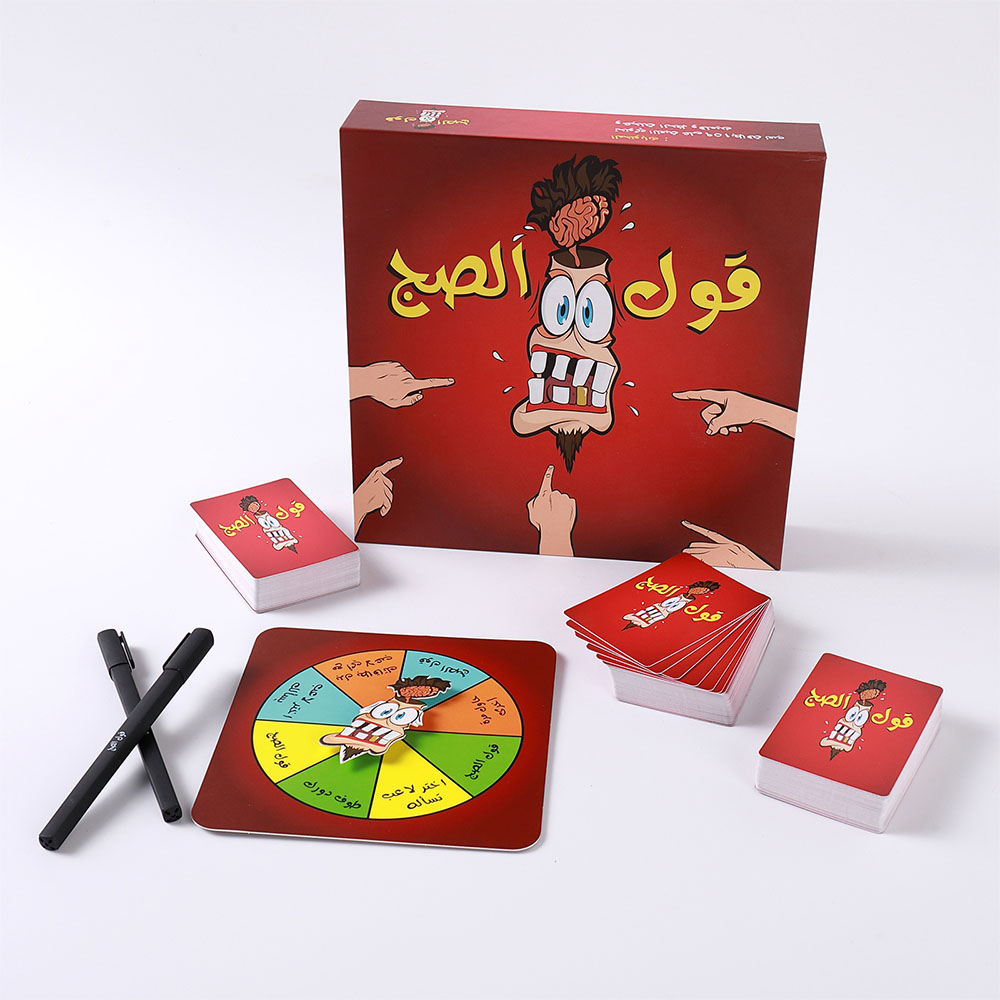 "Qoul Al Sabah" Custom Board Game Set
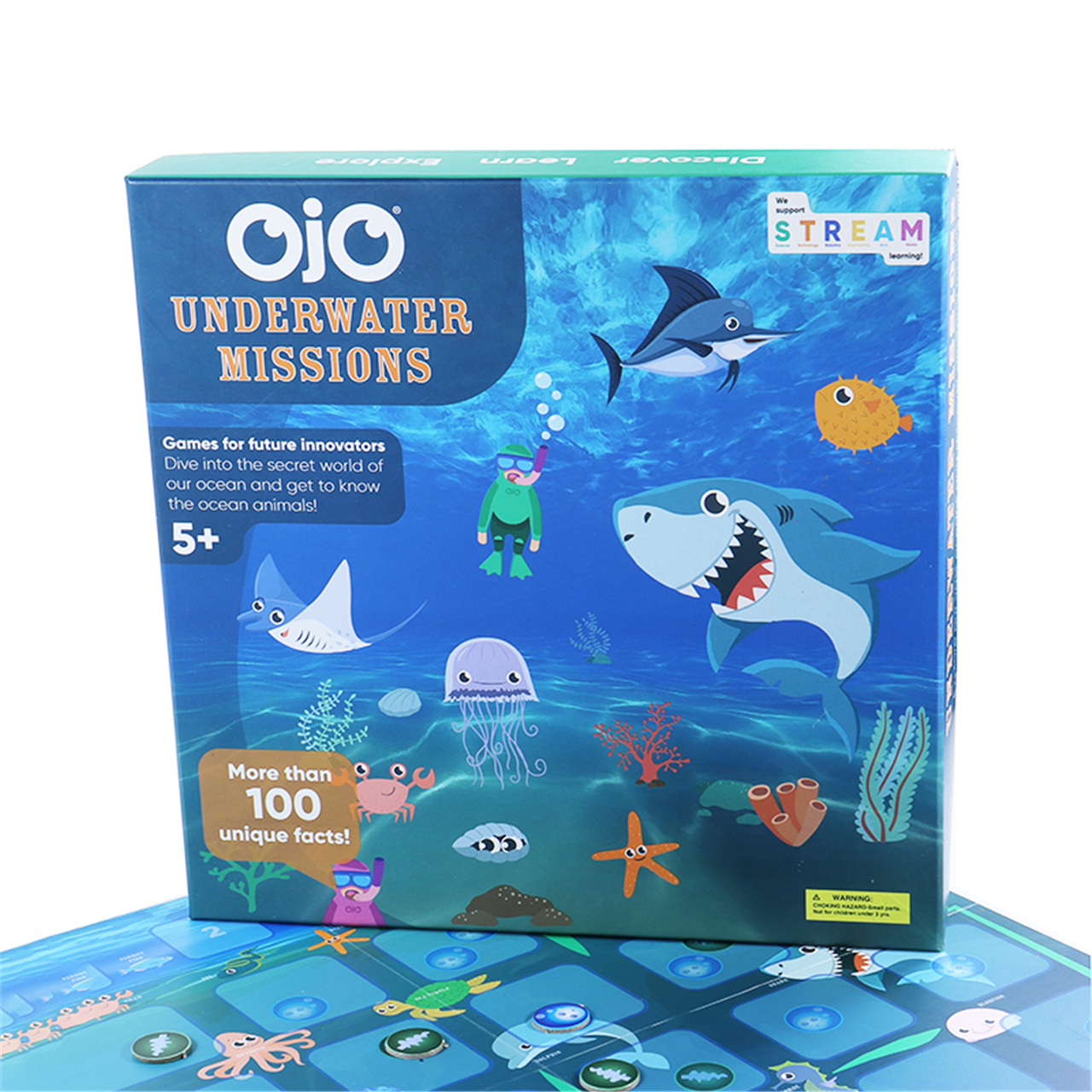 Customized educational board games for children
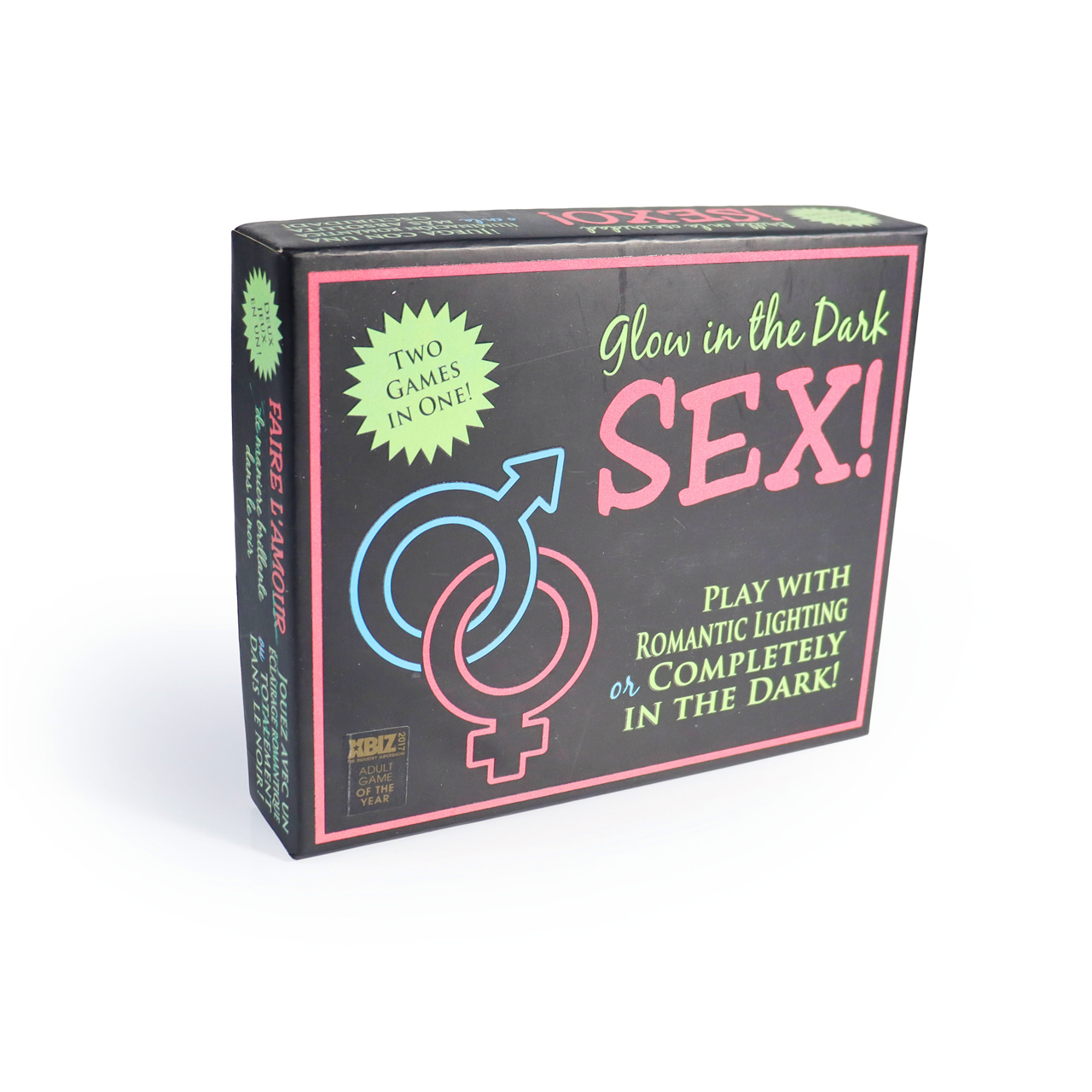 Couple Interaction Turntable Themed Board Game
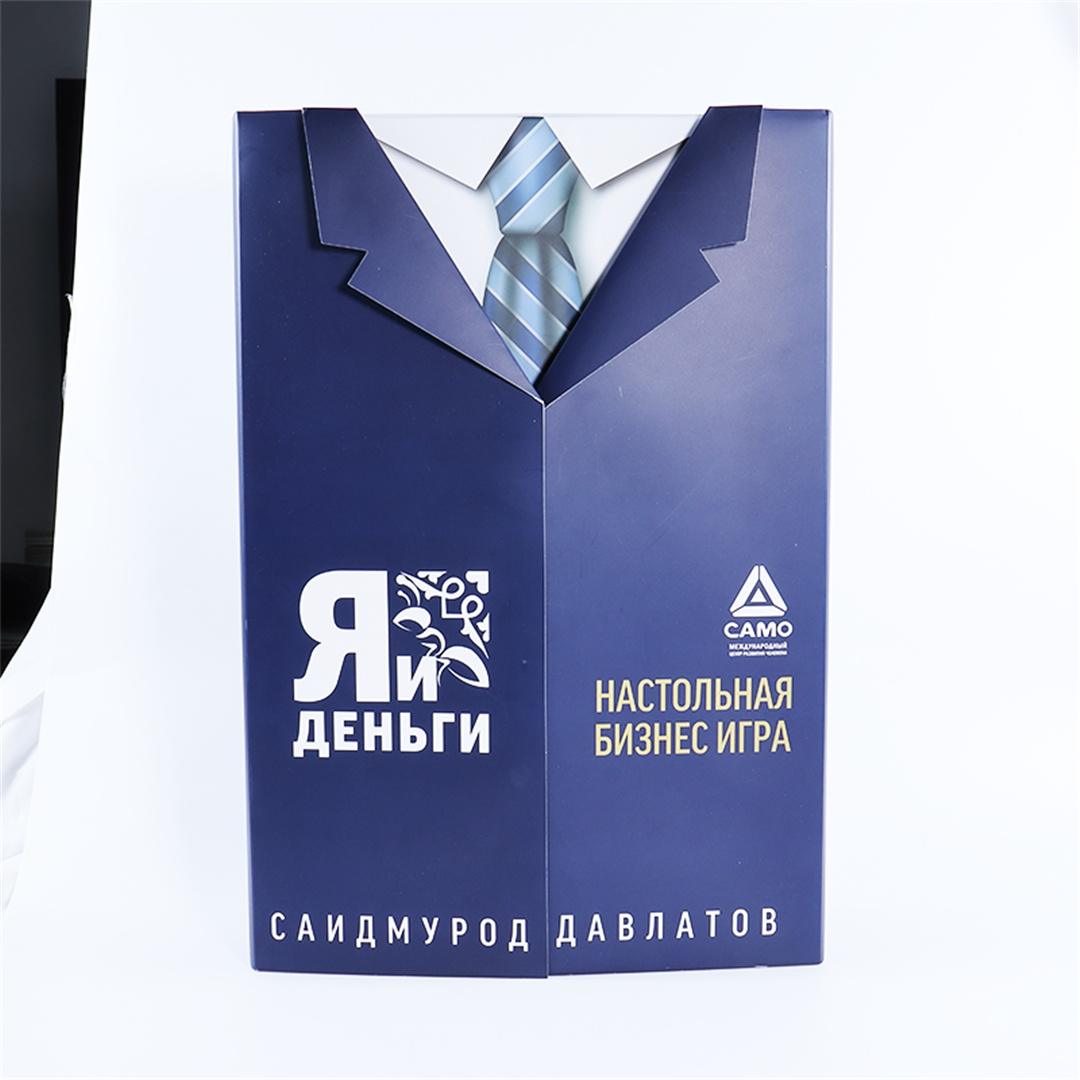 Business Finance Board Game
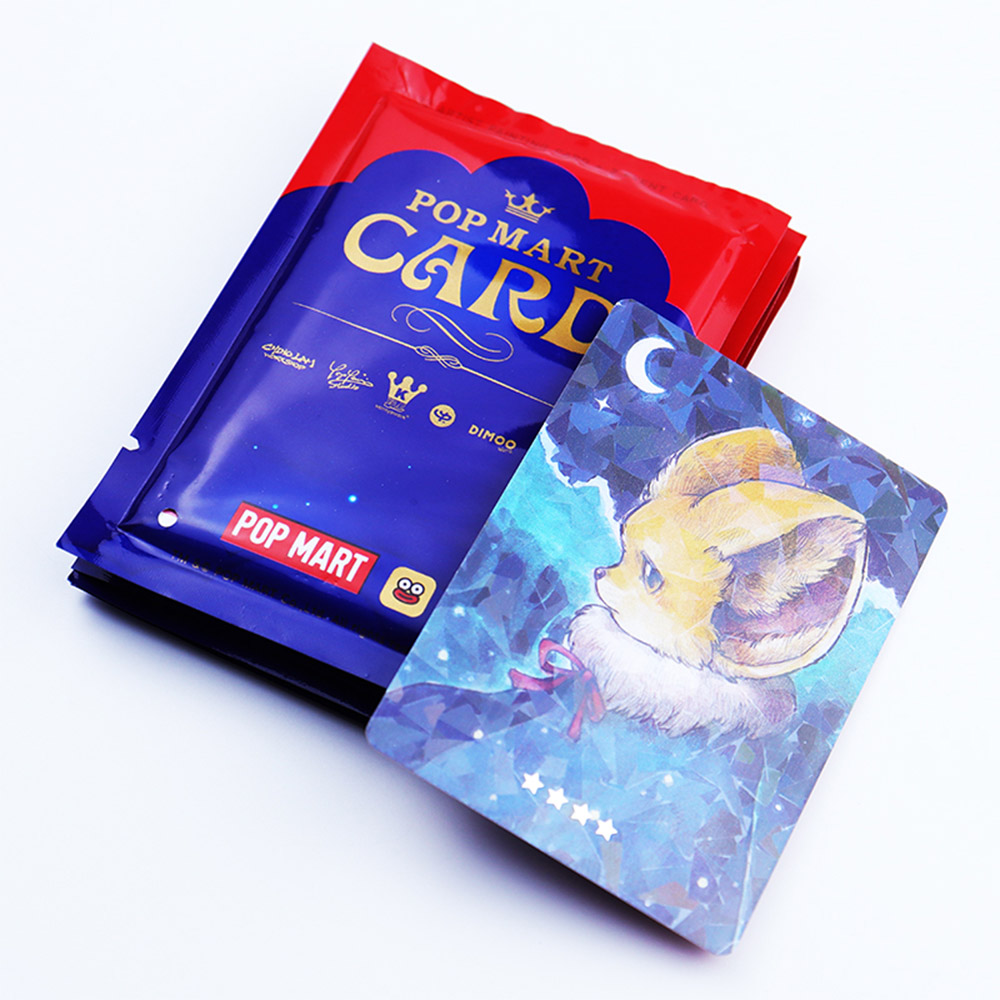 Pop Mart Custom Character Collectible Cards
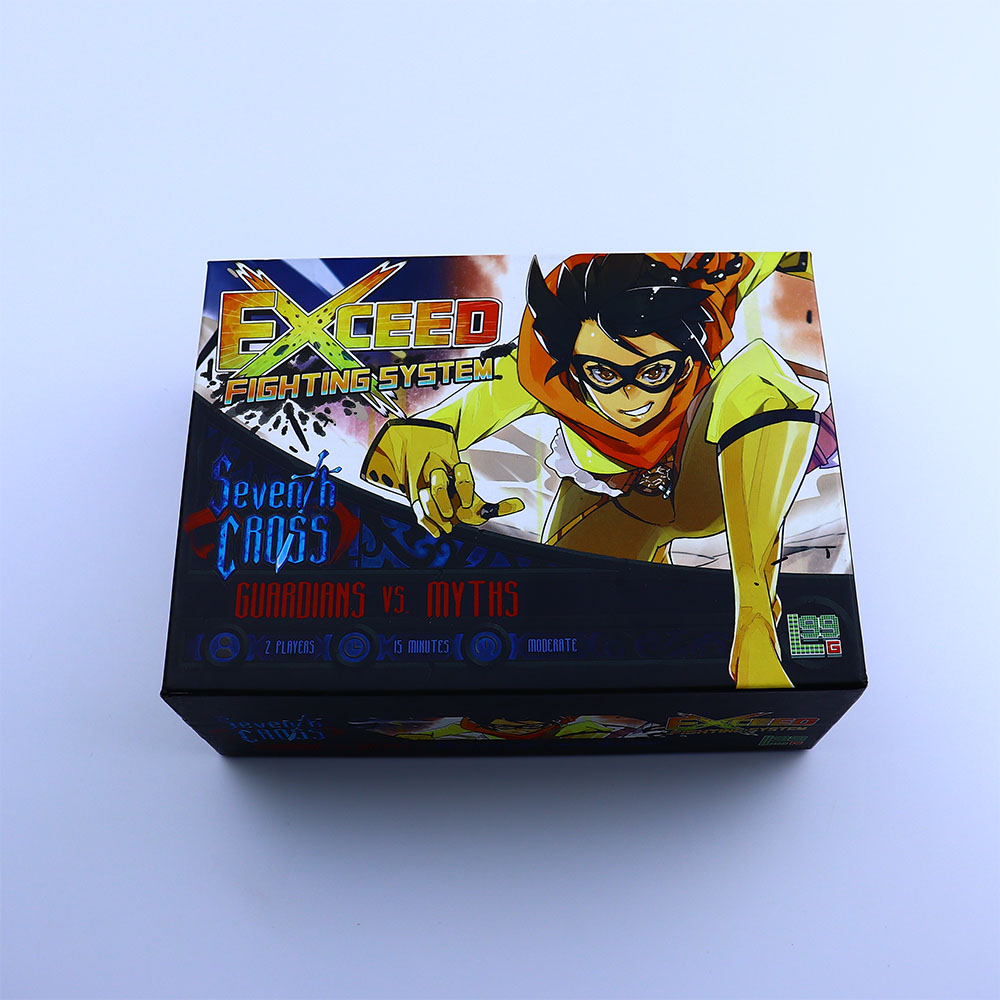 EXCEED Fighting System Custom Character Card Set
 Three Kingdoms Custom Hero Character Cards
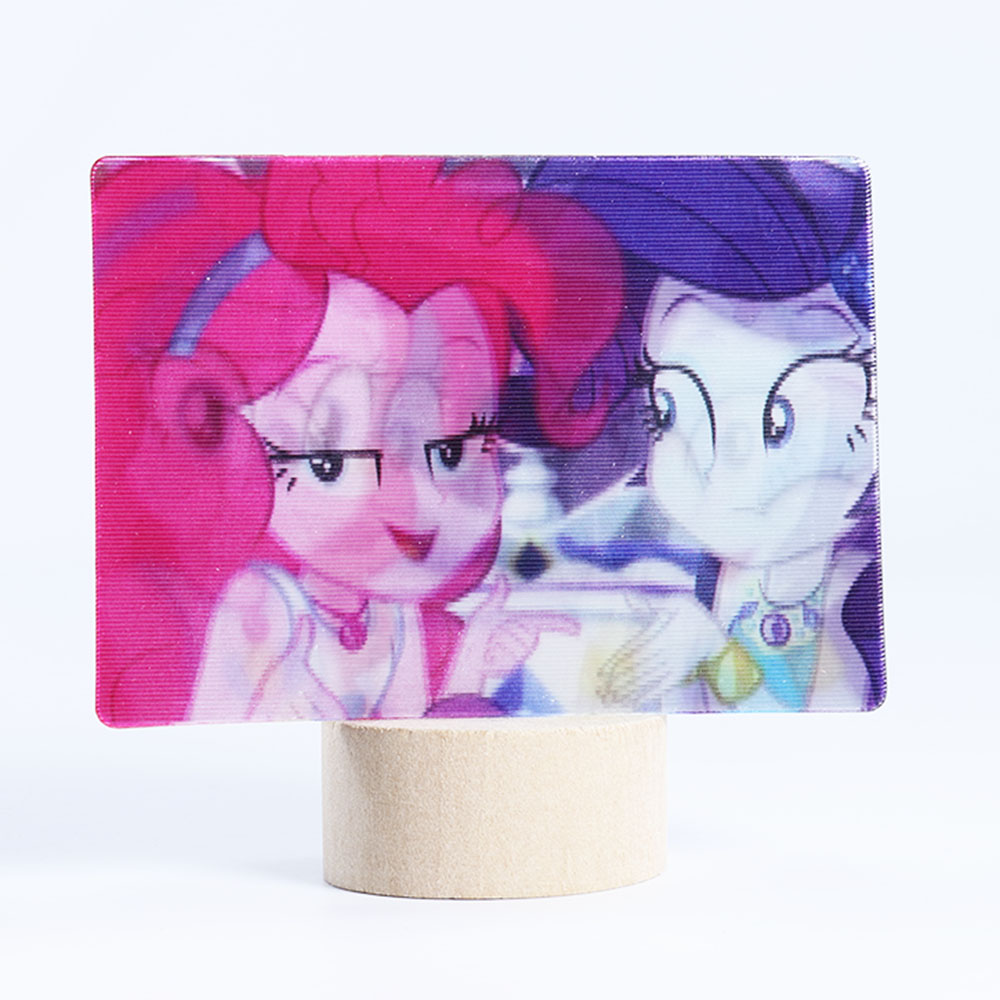 Custom Anime Character Dynamic Visual Cards
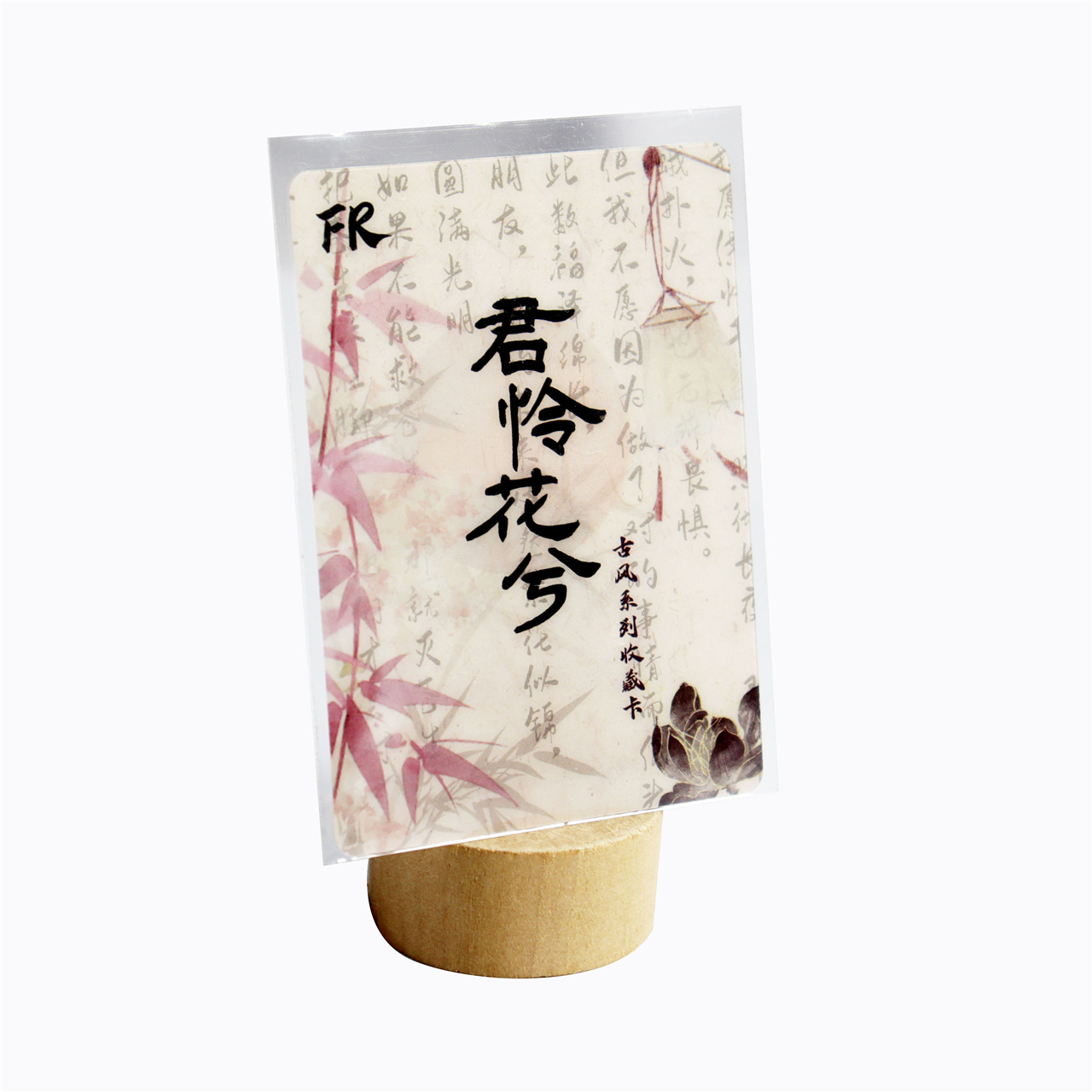 Custom Cartoon Character Collectible Card Set
 Custom Anime Character Art Card Set
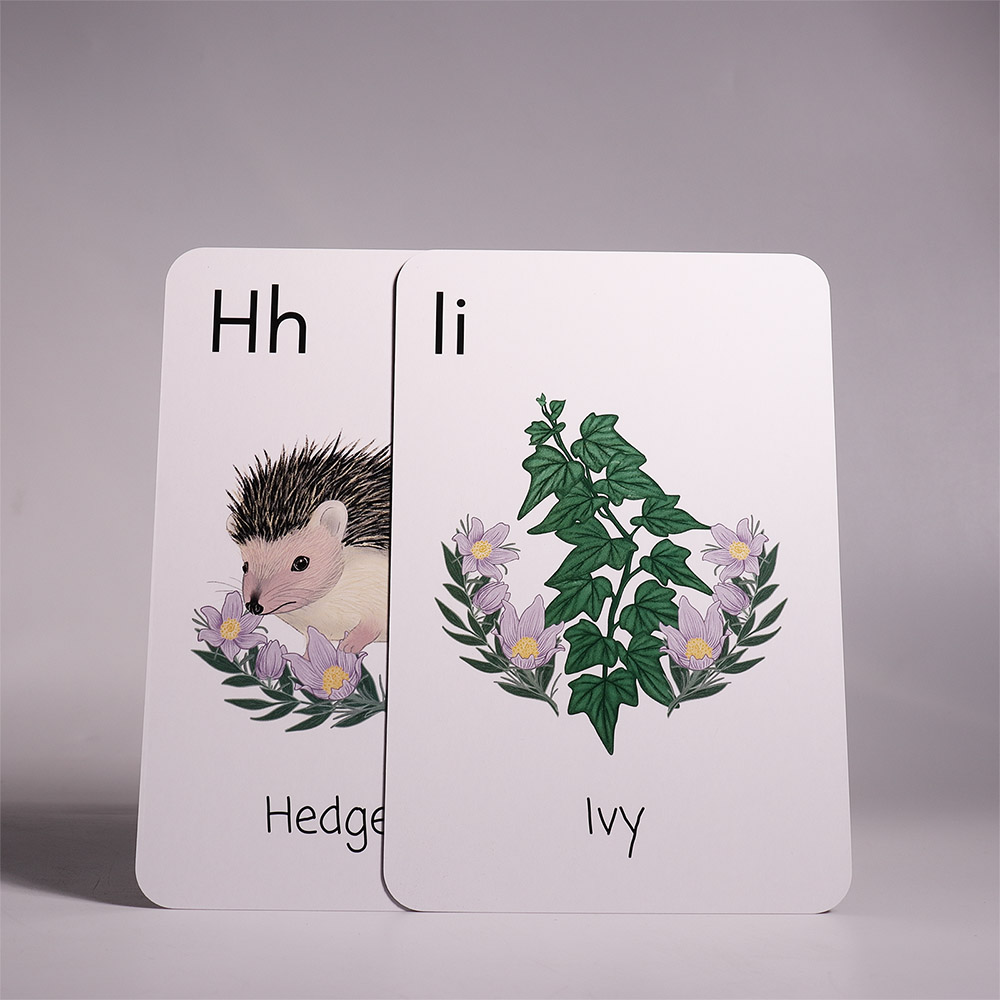 Little Larch Alphabet Cards
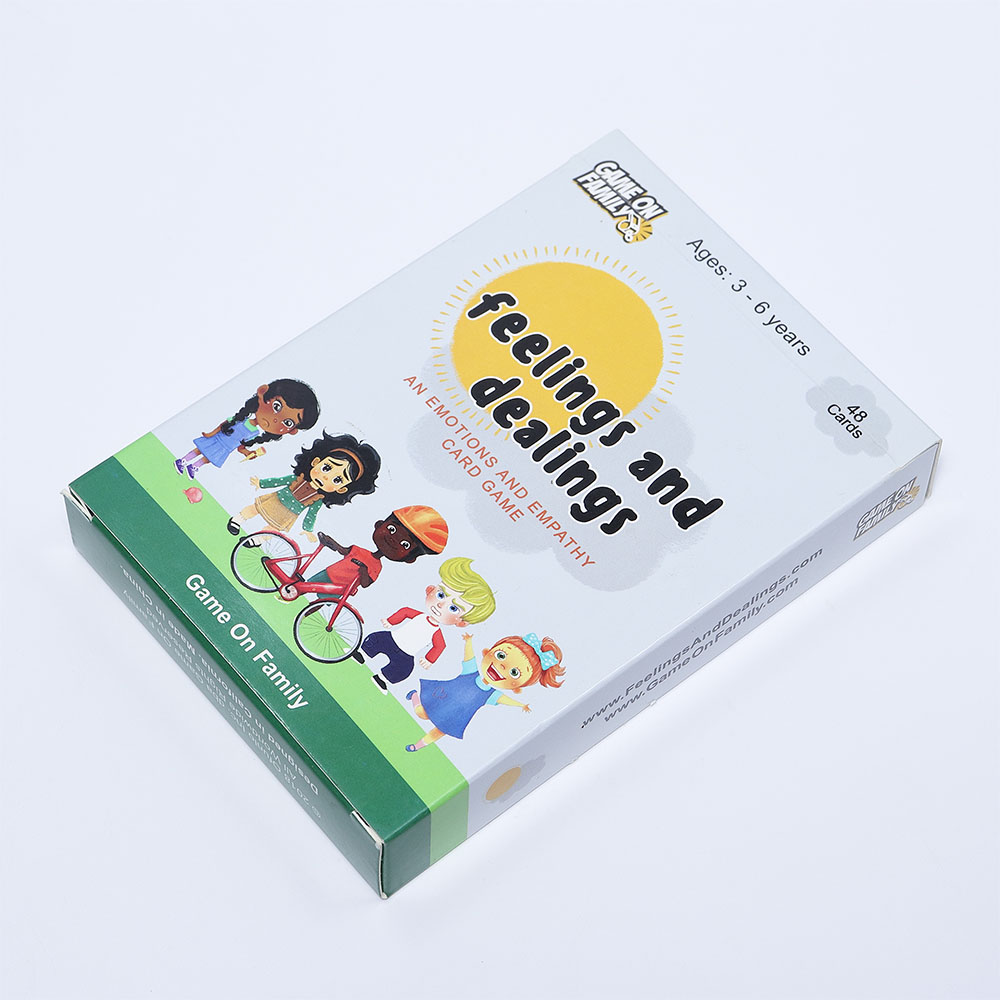 Feelings and Dealings Custom Children's Emotion Card Game
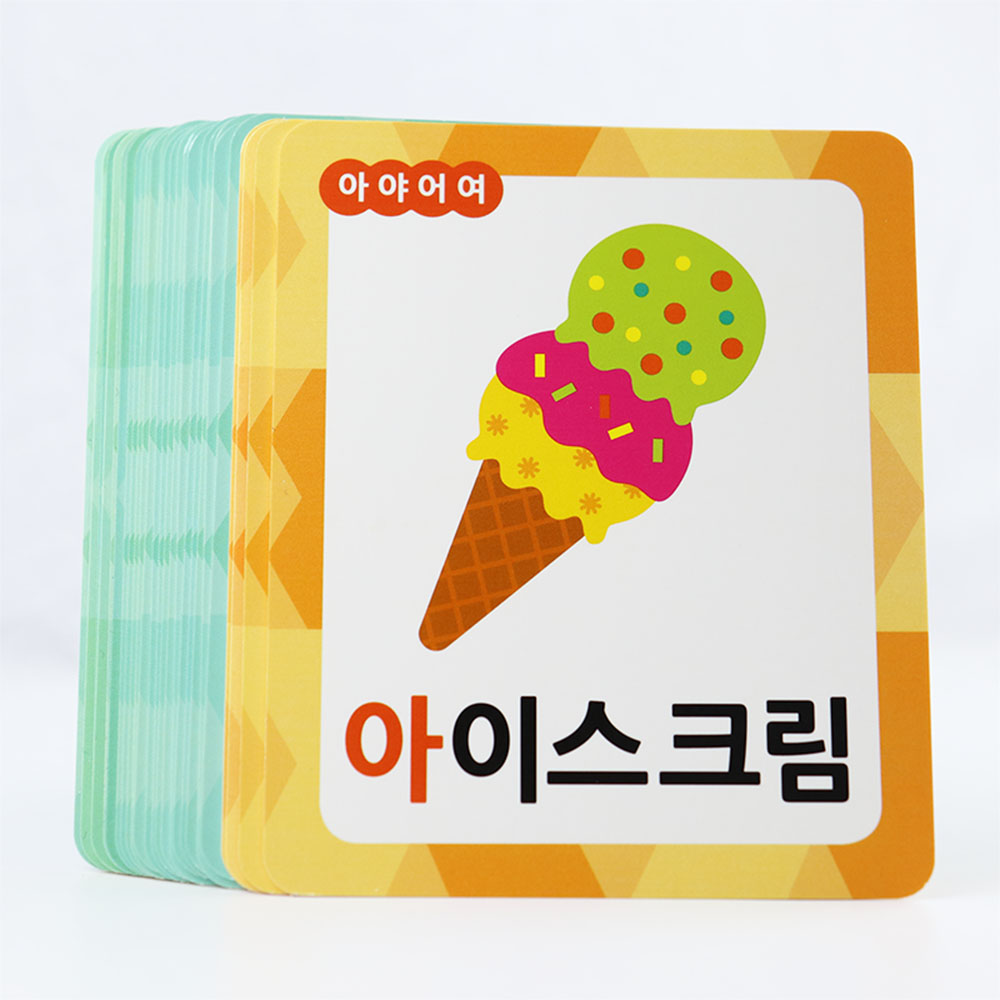 Korean Children's Educational Flashcards
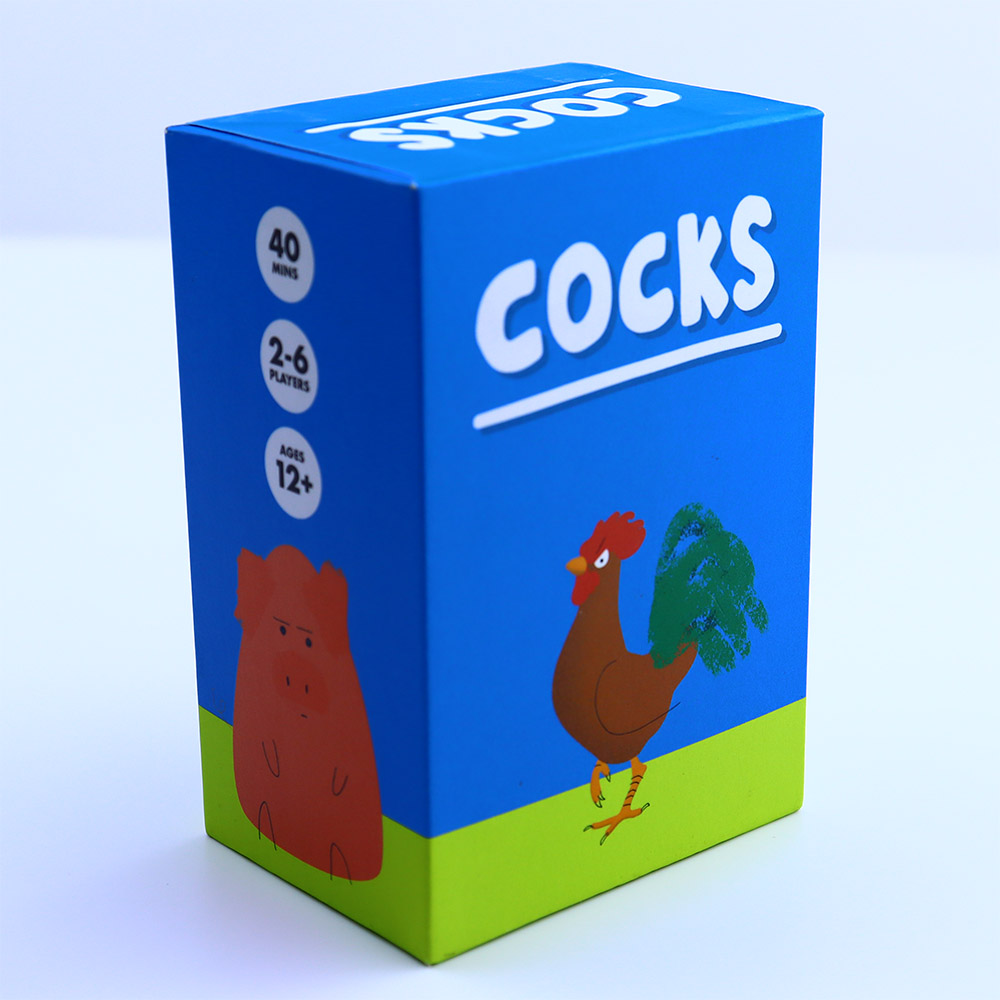 Cocks Themed Custom Children's Learning Cards
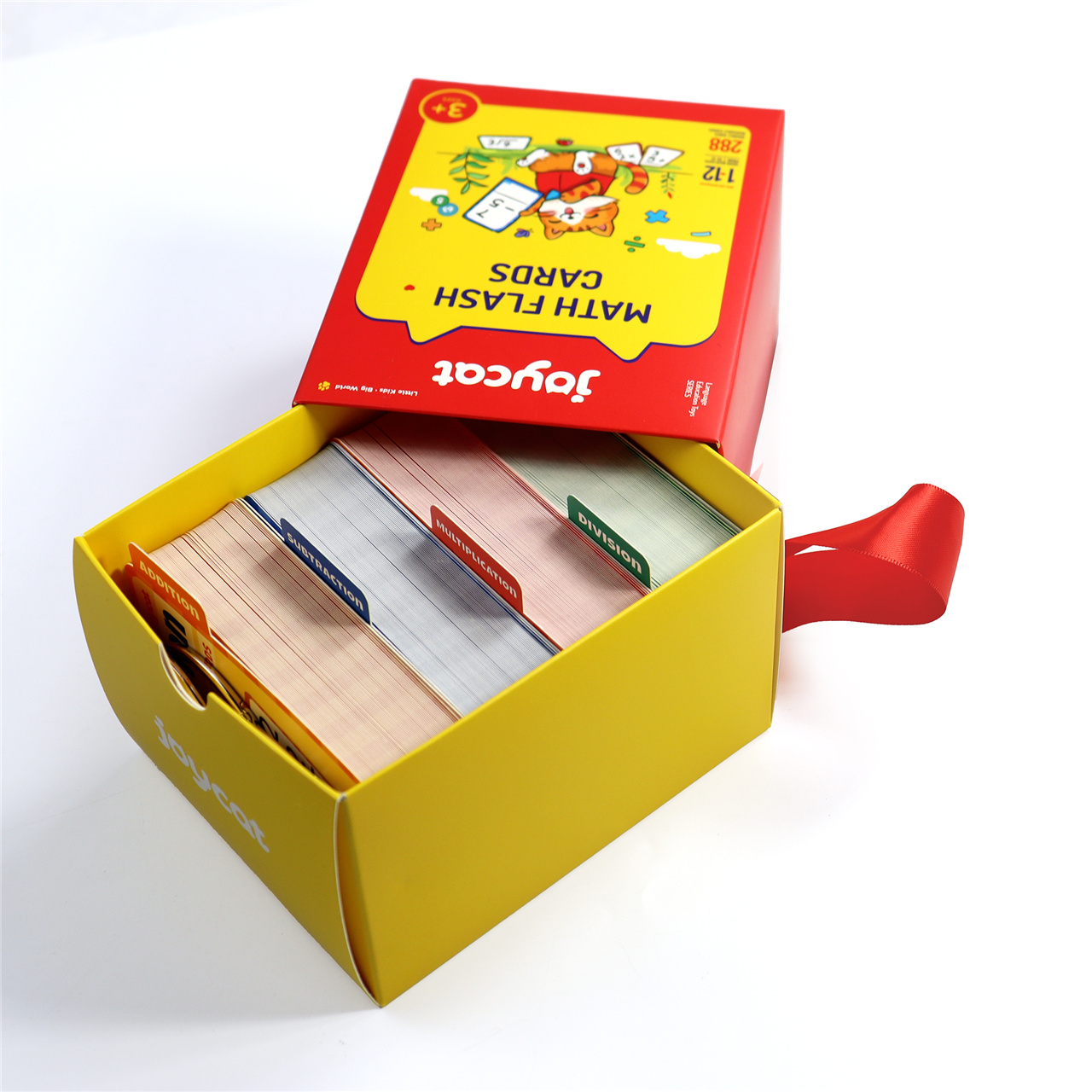 Math Flash Cards Set for Kids
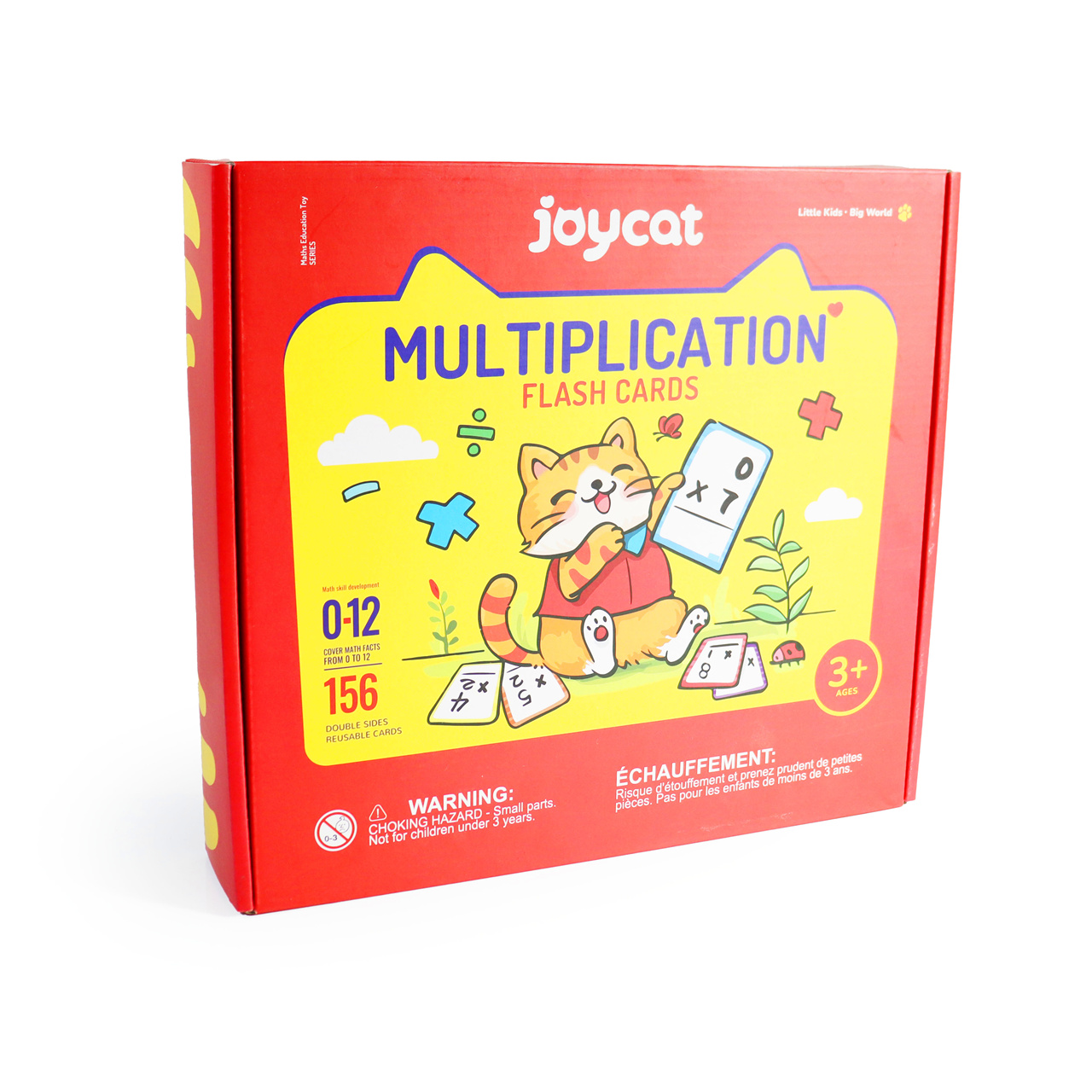 Joycat Multiplication Flash Cards Set with Accessories
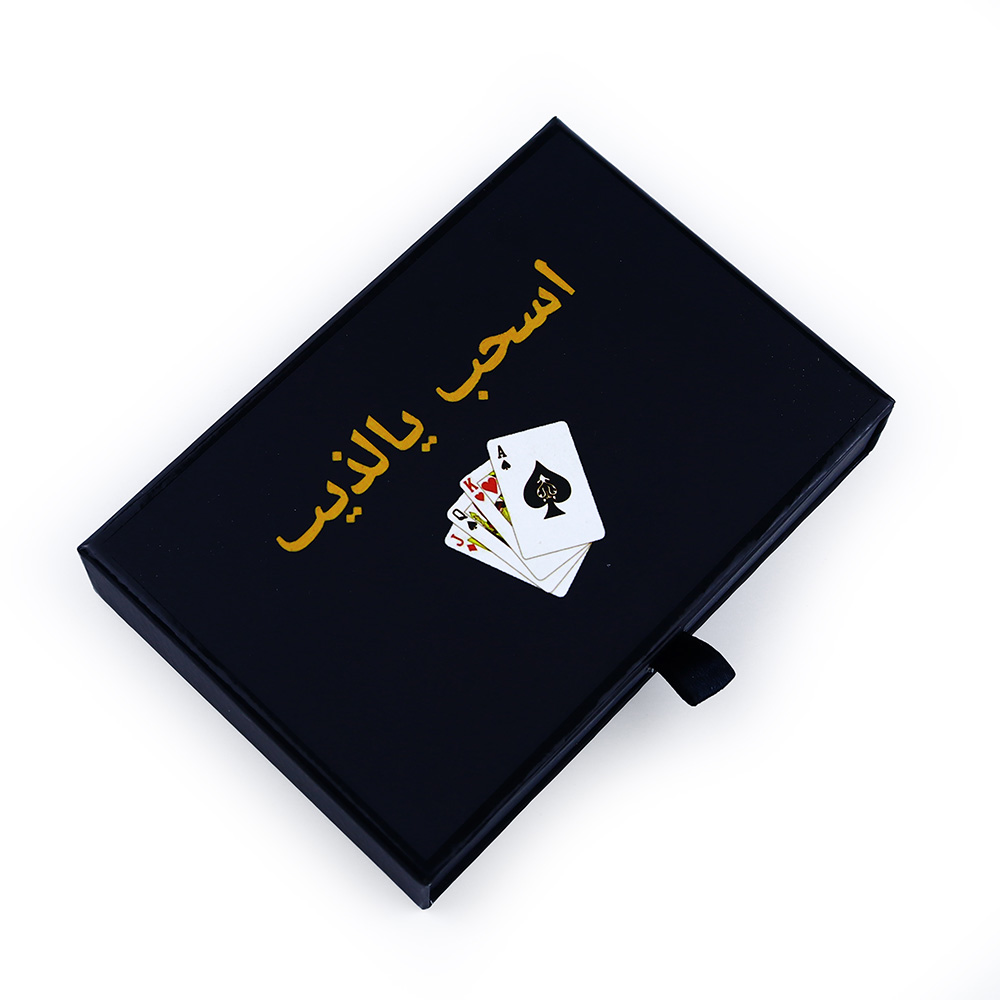 Custom Dual-Deck Playing Cards with Wolf-Themed Design
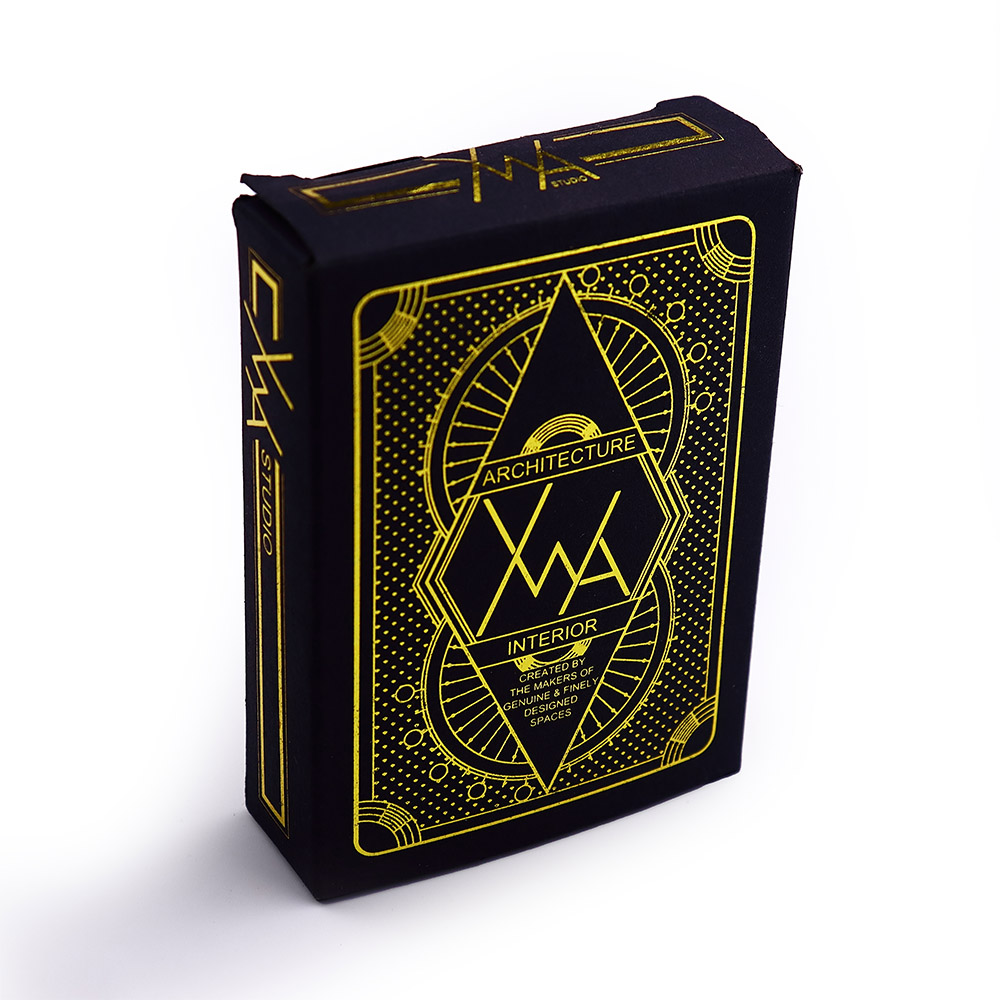 Custom embossed gold foil playing cards
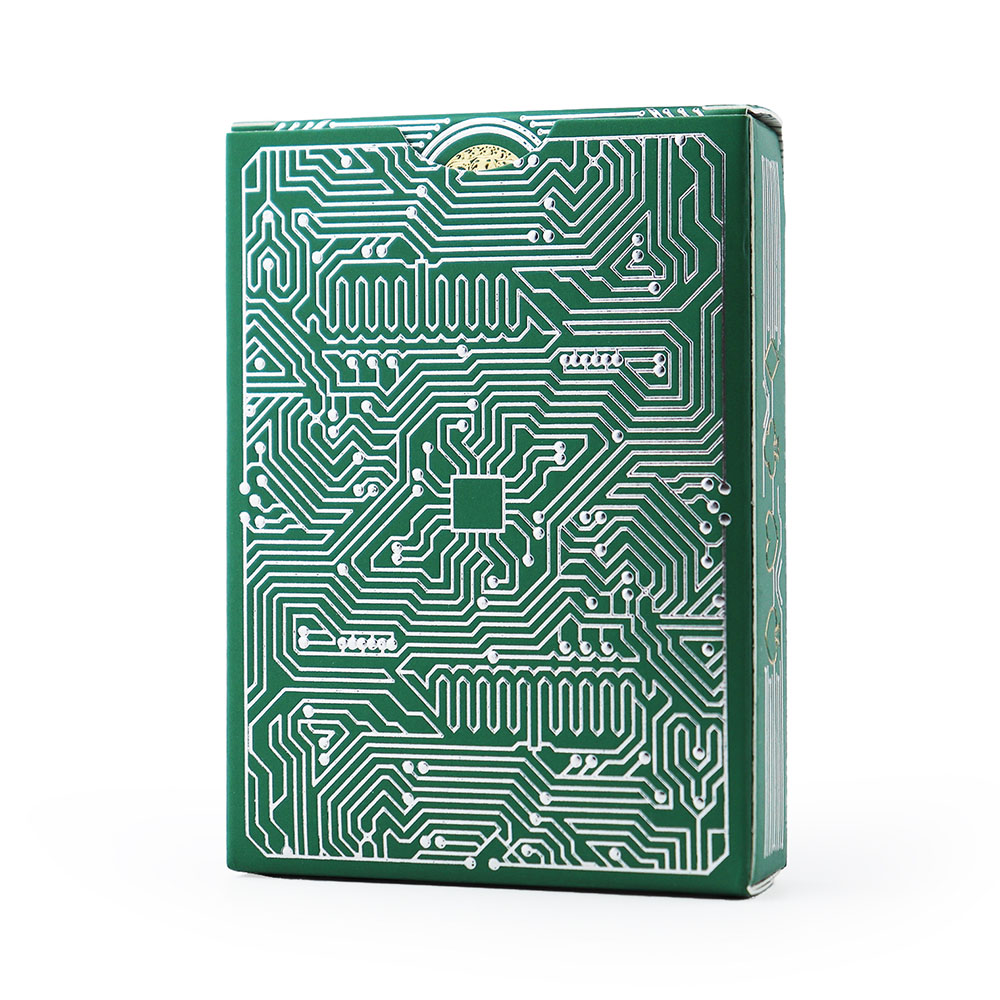 Circuit PCB Edition Custom Playing Cards
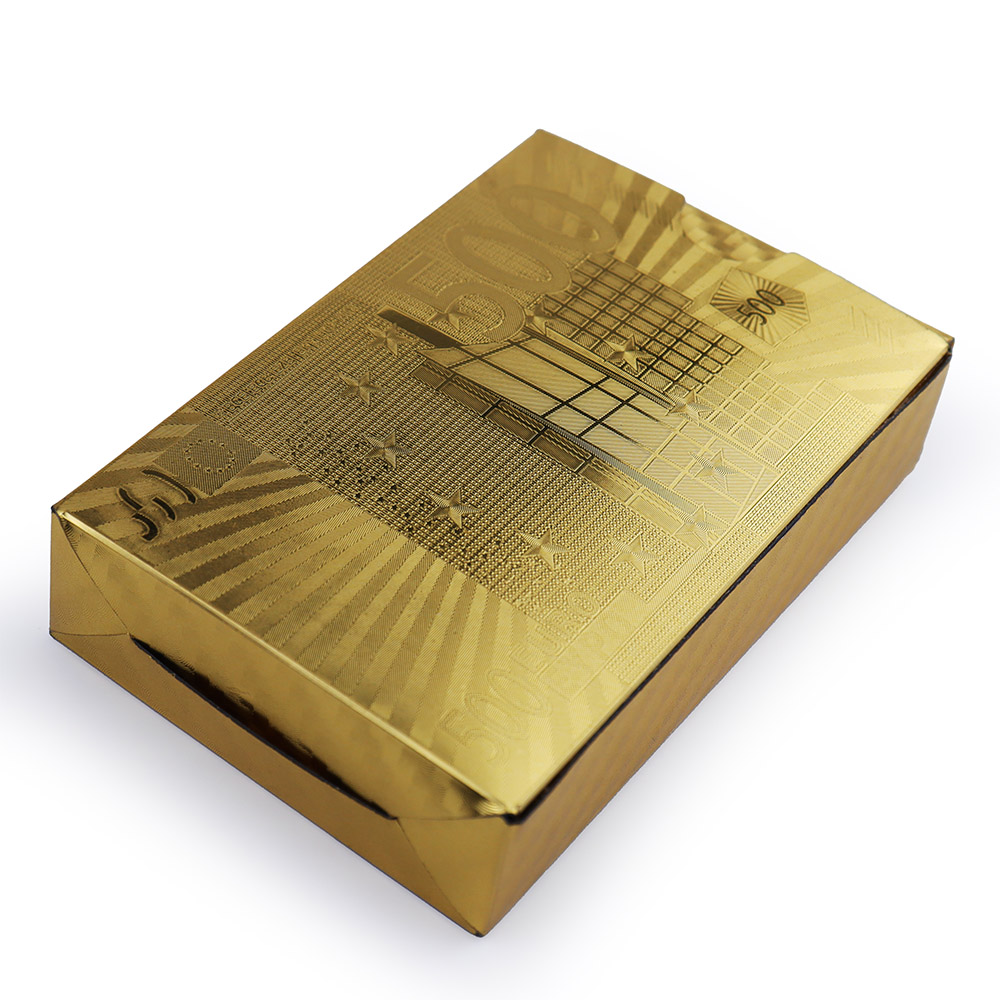 Customized theme gold foil playing cards
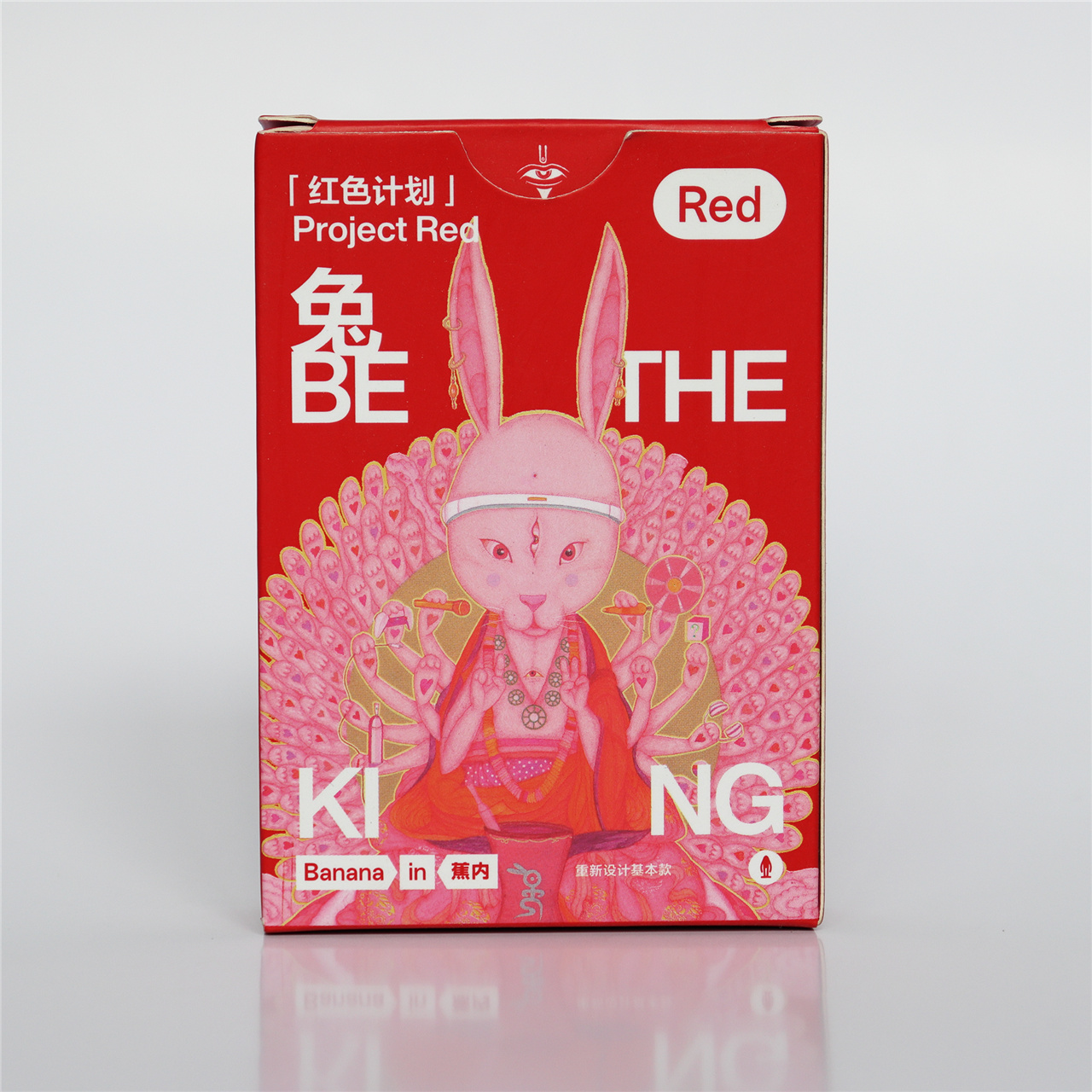 Custom Red Rabbit Themed Playing Cards Set
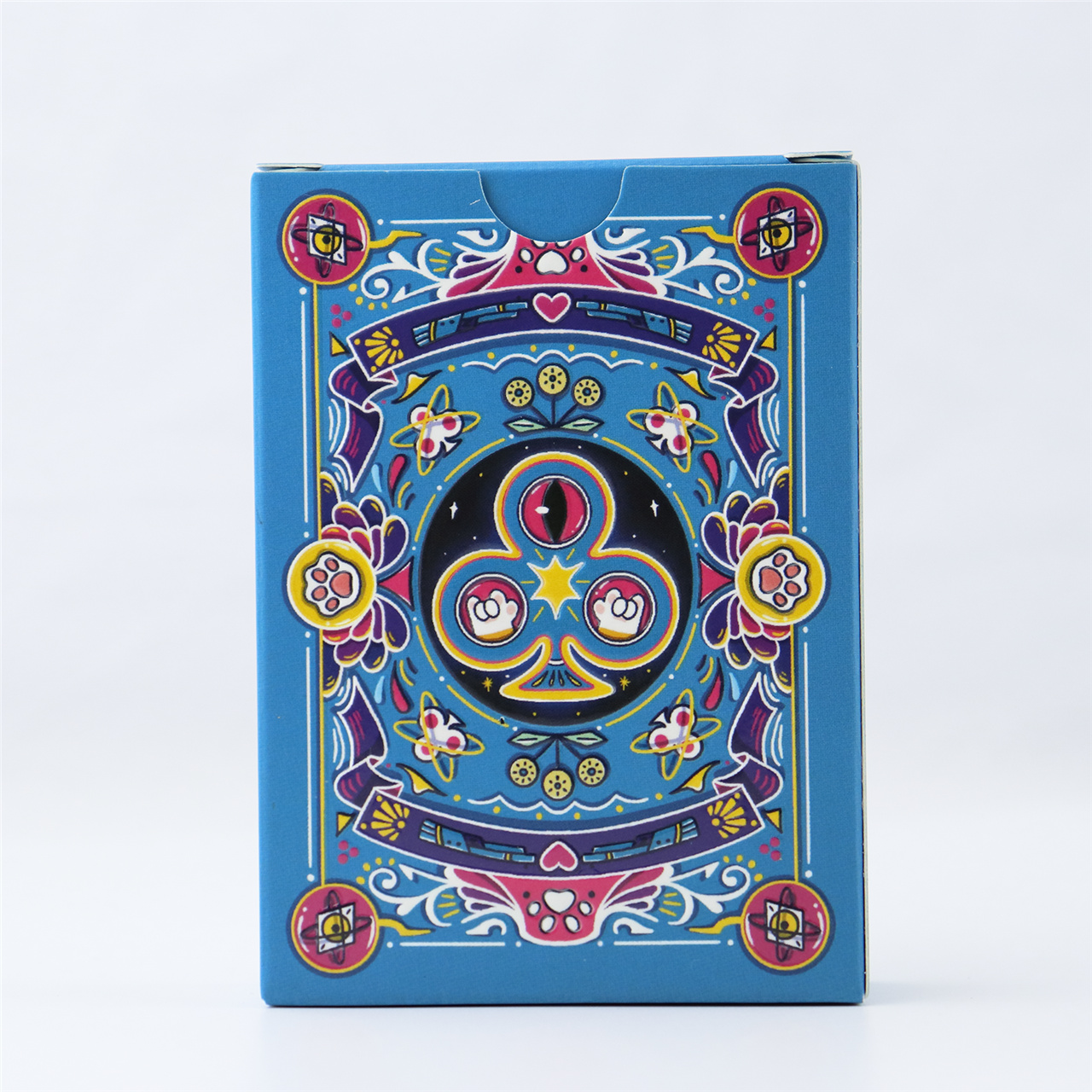 Custom Blue - Black Fantasy Plastic Playing Cards Set
 Pearls of Wisdom Oracle Custom Cards
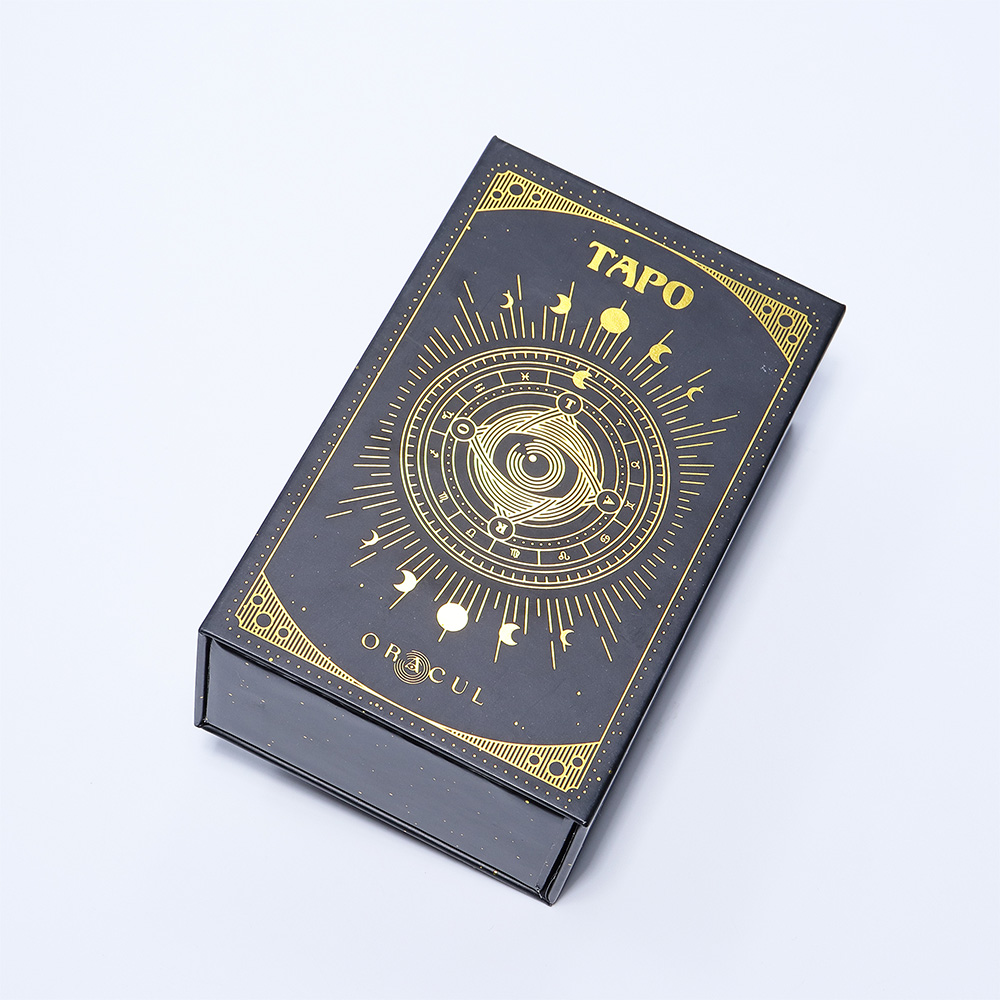 Custom Black & Gold Celestial Tarot Cards
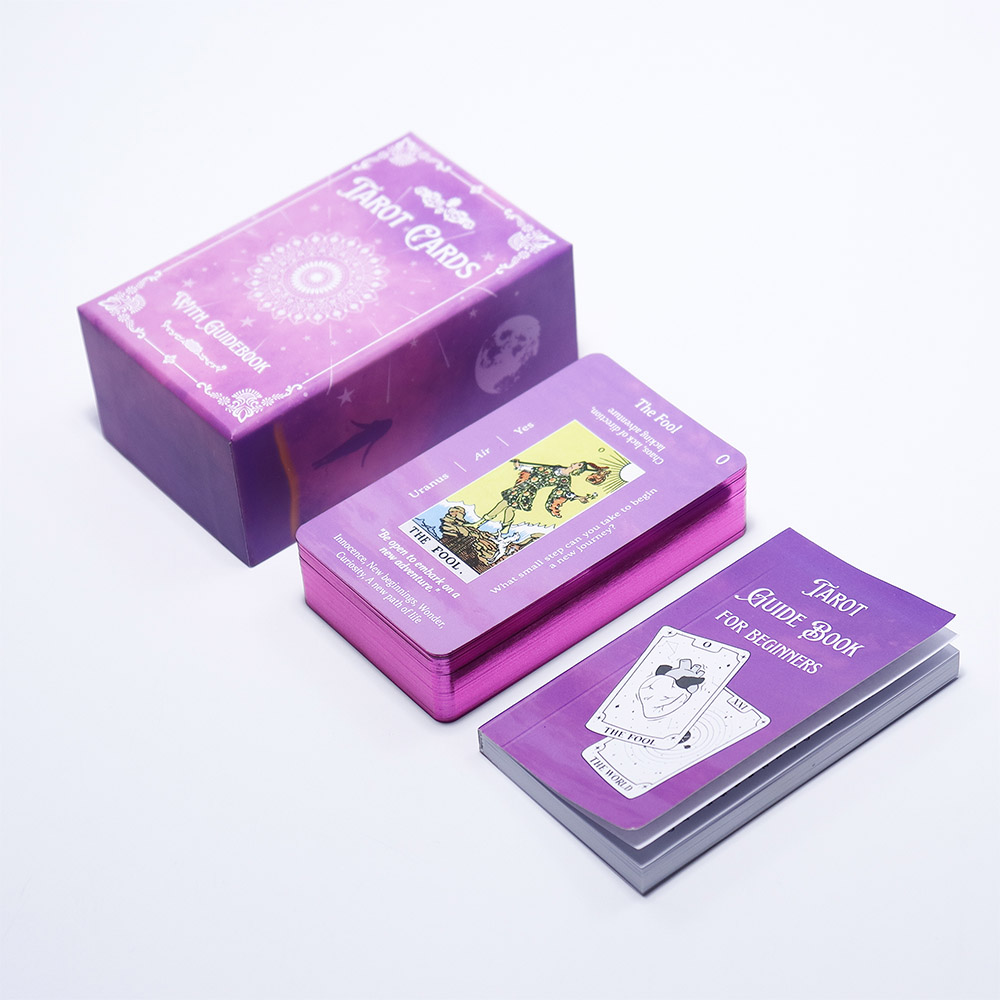 Custom Purple Tarot Cards with Guidebook
 L'Oracle d'Artémis Custom Oracle Cards
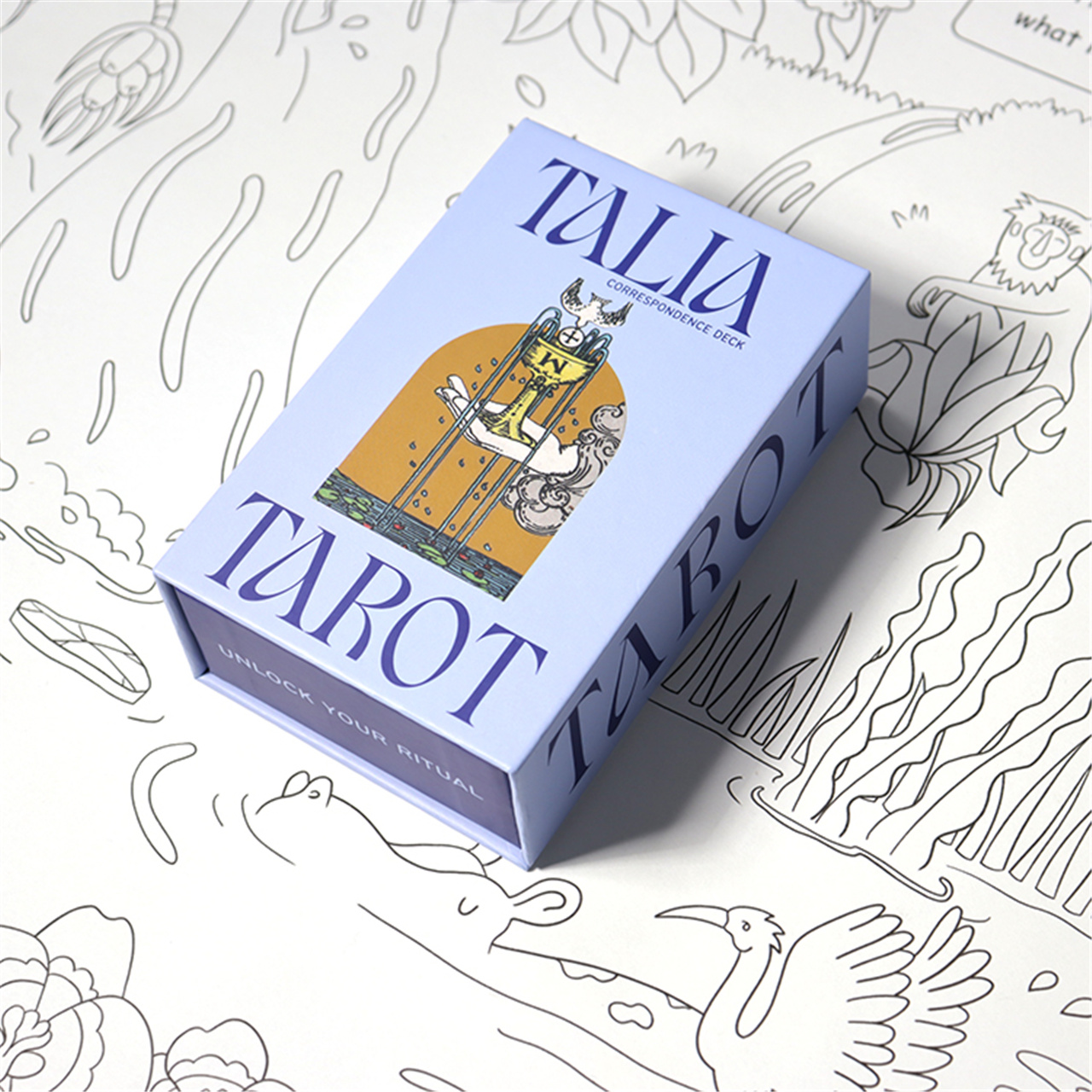 Custom Blue - Themed Tarot Cards Deck
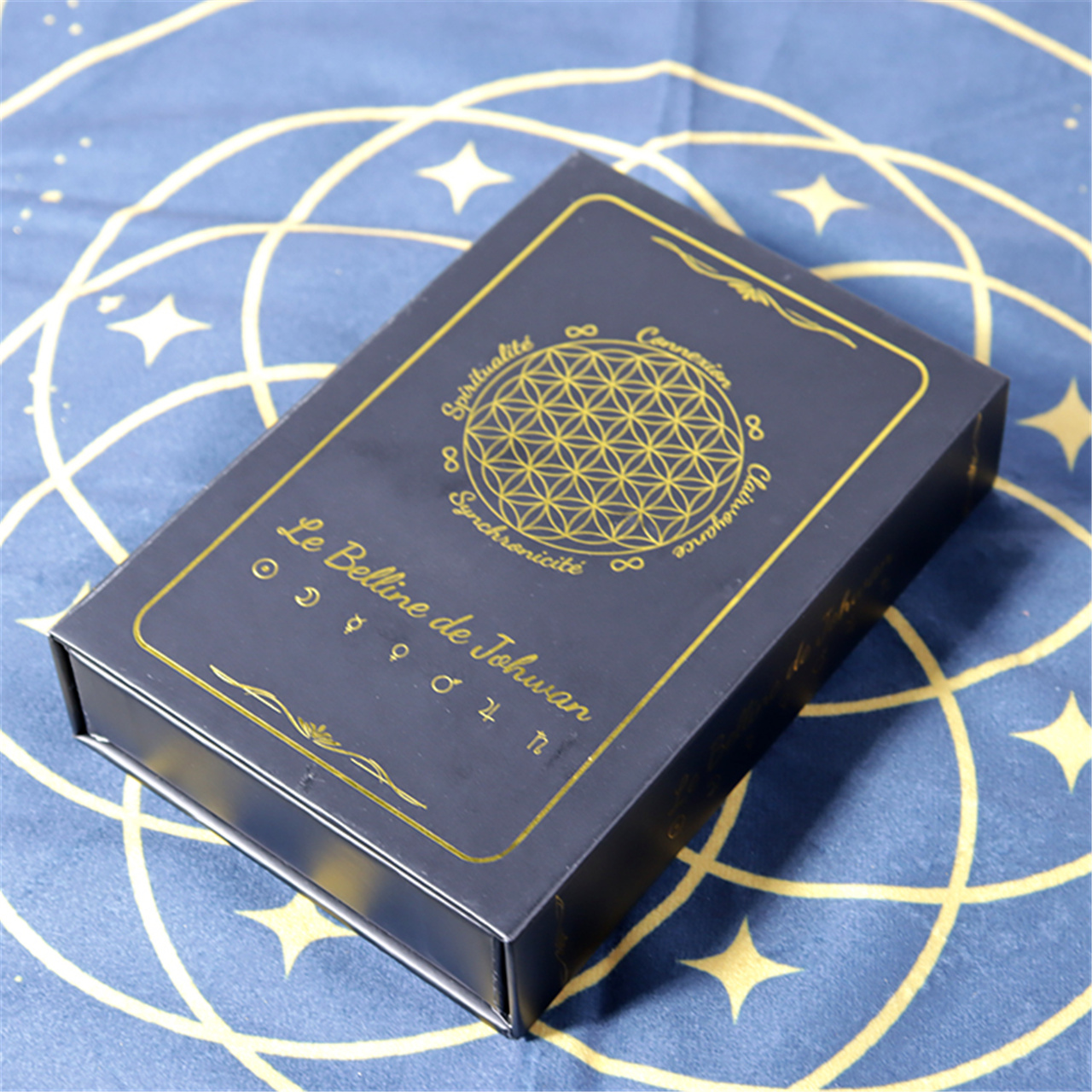 Custom Black - Blue Gold Foil Tarot Cards Set
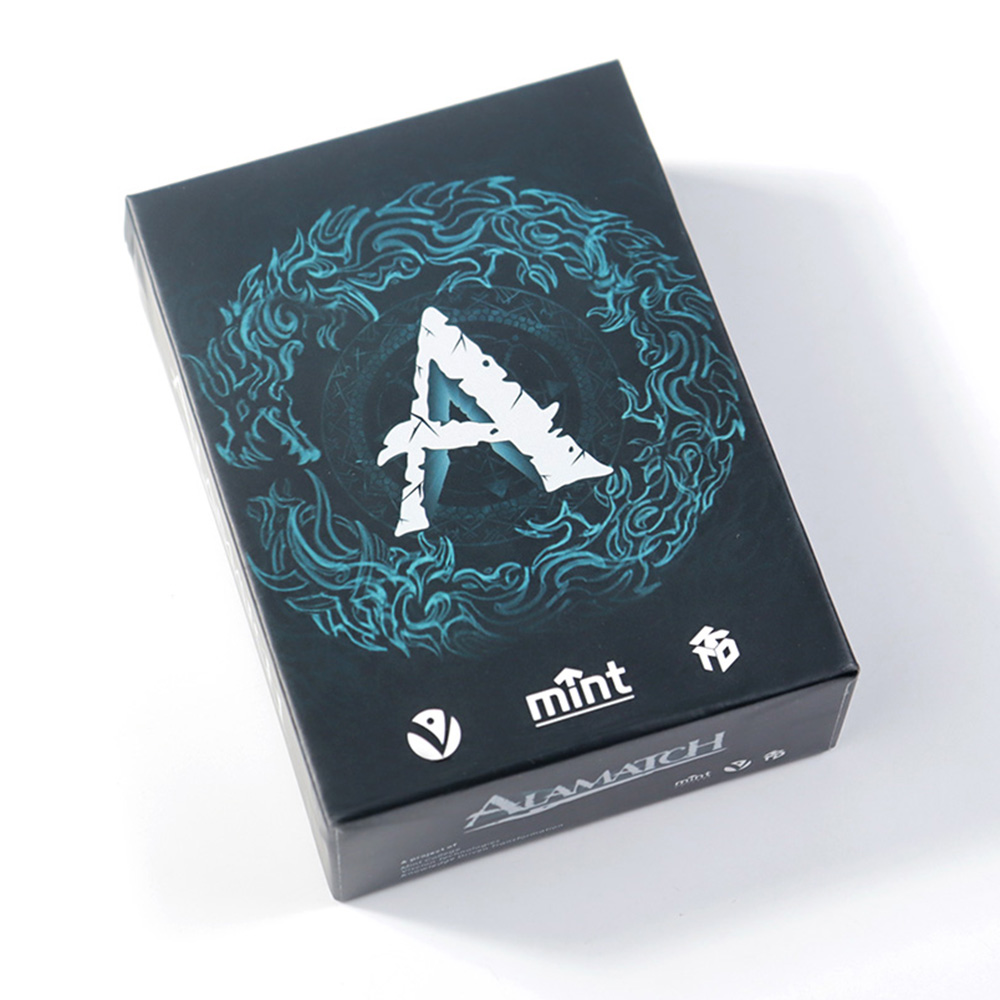 Alamatch Custom Trading Game Cards
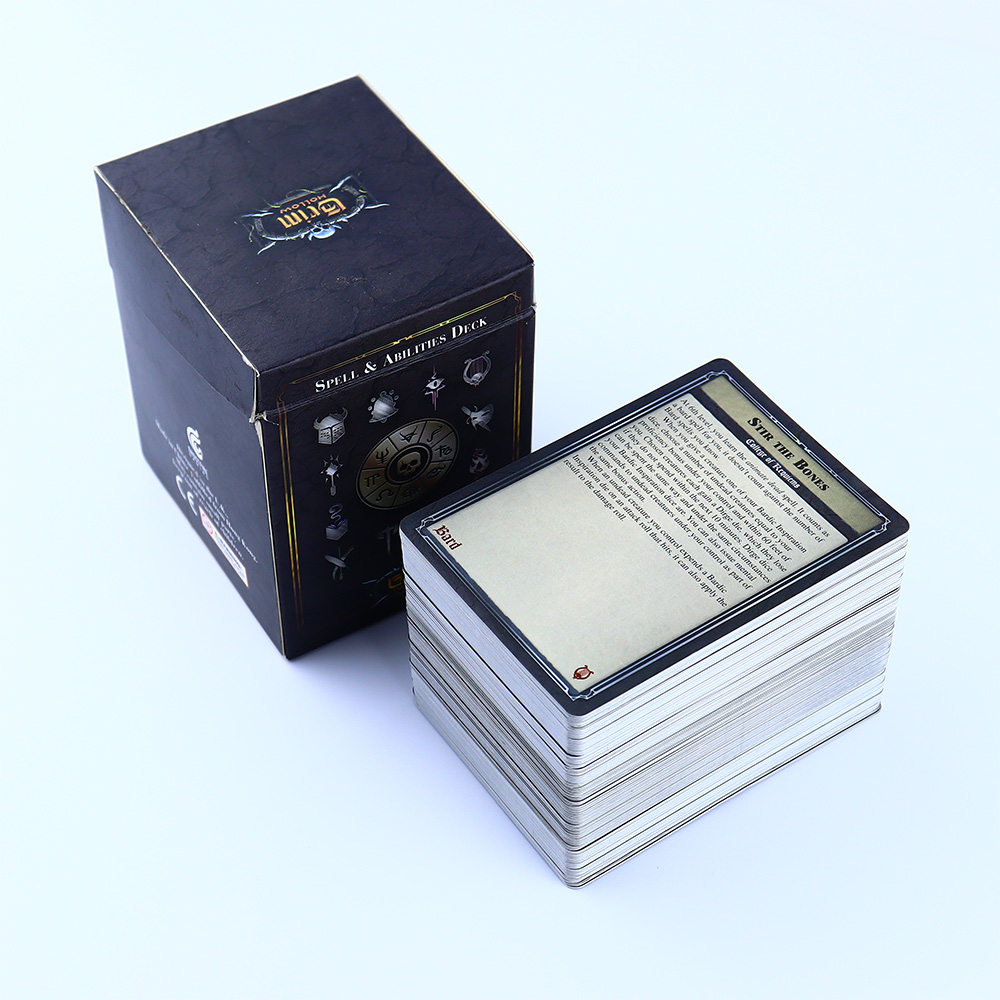 Grim Hollow Spell & Abilities Custom Trading Cards
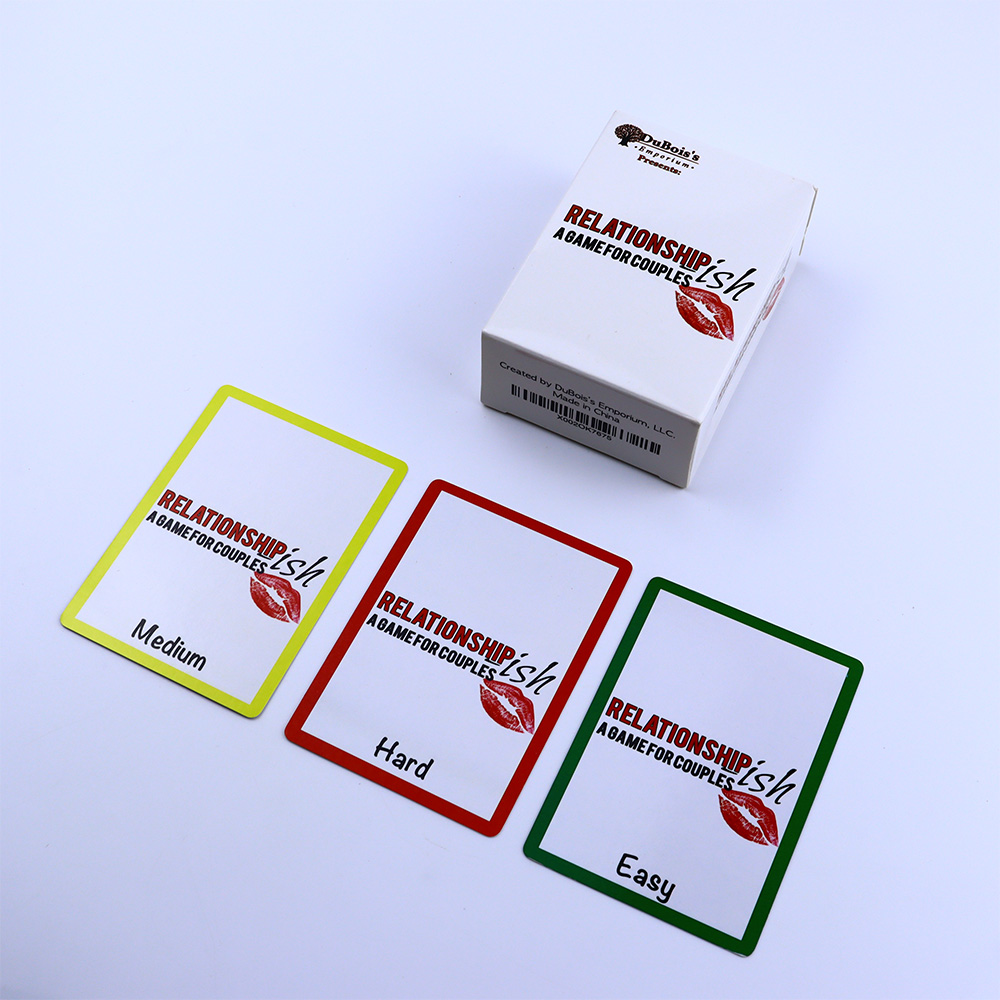 Relationshipish Custom Couple Card Game
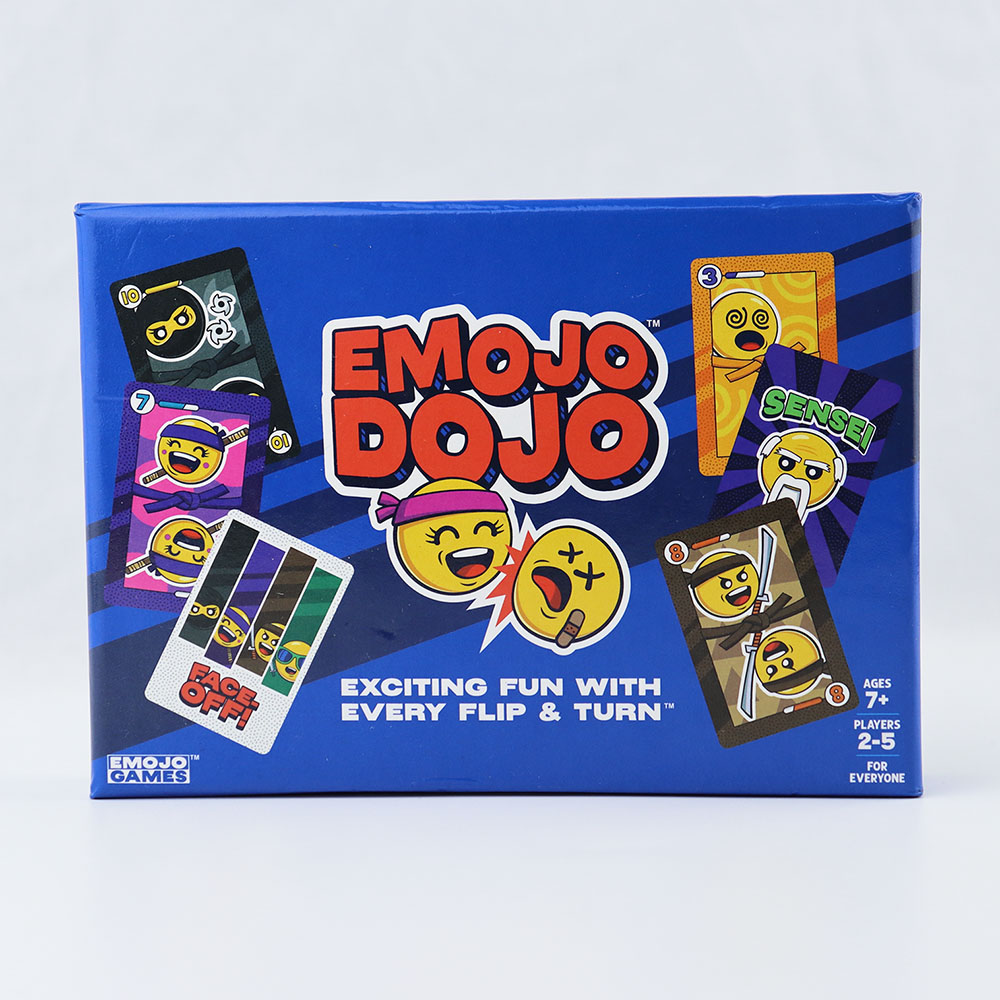 Emojo Dojo Custom Trading Card Game
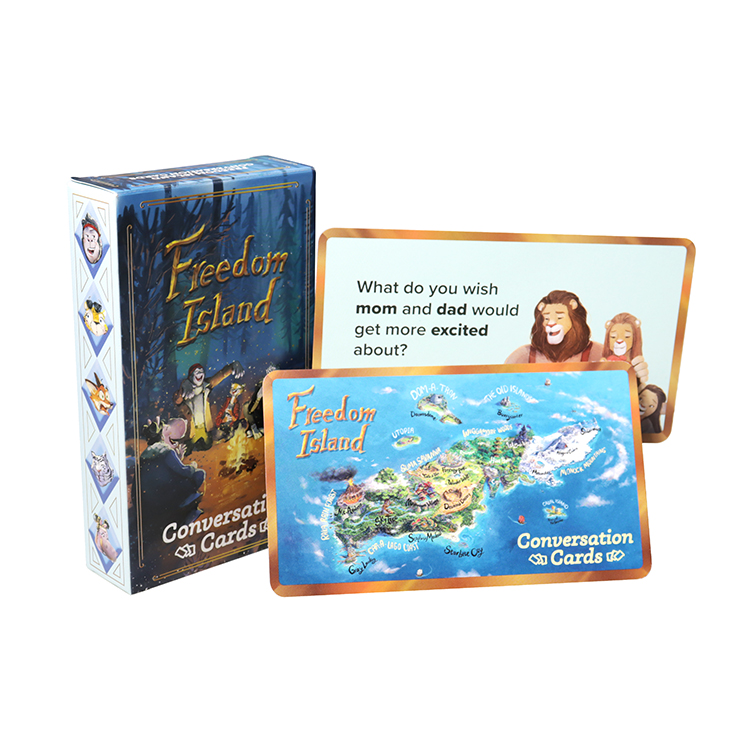 Custom Travel Photo Trading Cards Set
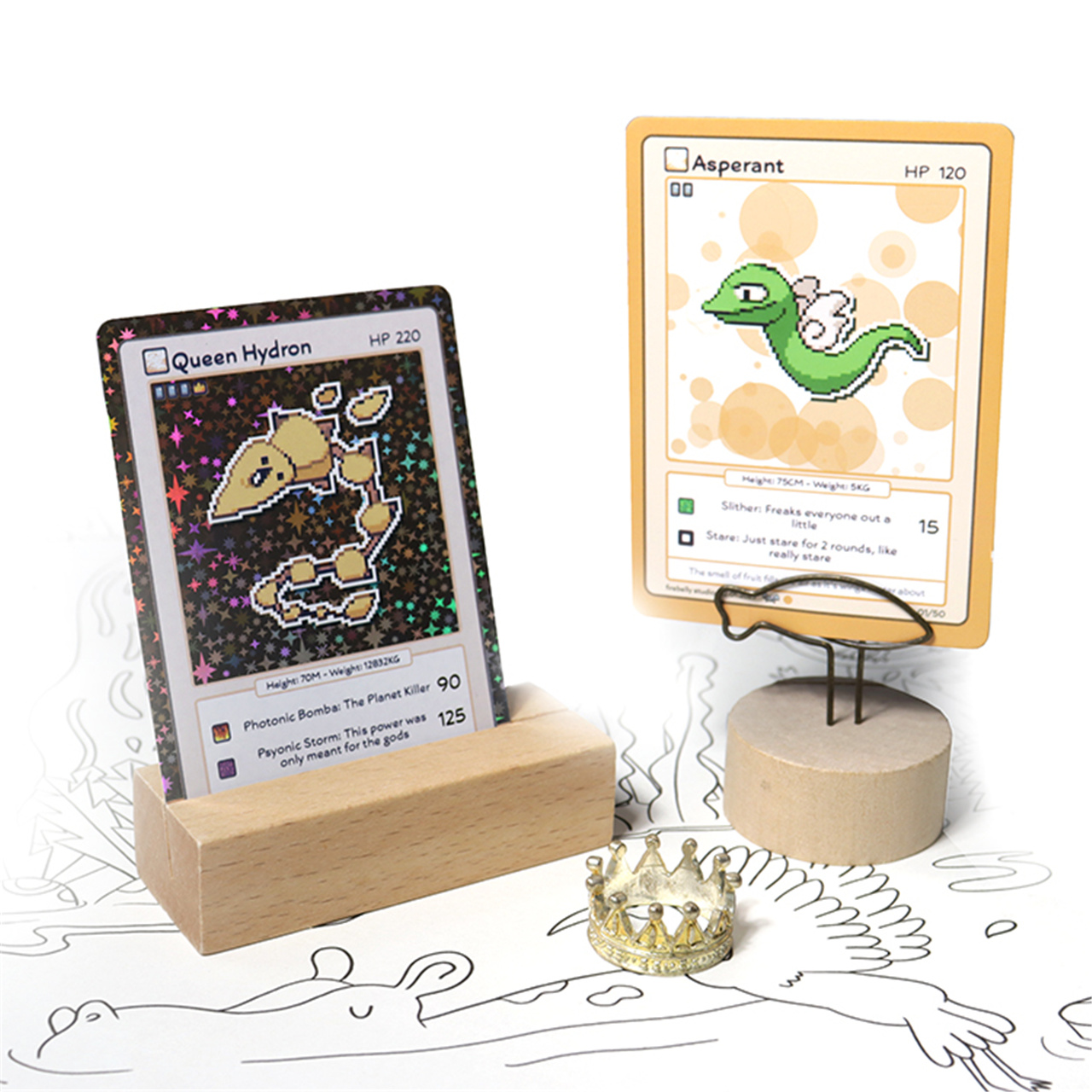 Custom Cartoon Holographic Trading Cards Set