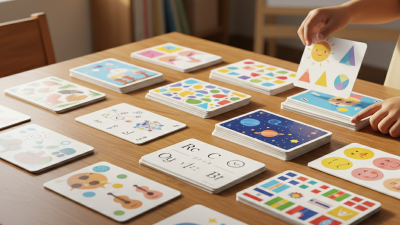
How to Create Engaging Educational Cards for Effective Learning?
In today's educational landscape, the effectiveness of learning tools is crucial. Educational Cards stand out as a powerful medium for engaging learners. They provide concise information in an accessible format. This enables quick recall and better retention. However, many overlook their potential.
Creating compelling Educational Cards requires a blend of creativity and clear communication. Cards should feature vibrant visuals and concise facts. The design must be user-friendly. Each element should invite curiosity and interaction. Yet, many creators struggle to balance aesthetics with clarity.
Feedback plays a vital role in refining Educational Cards. Users might find some cards overwhelming or confusing. It’s essential to iterate based on their responses. Embracing imperfections can lead to powerful insights. As we craft these tools, let’s prioritize engagement and learning effectiveness.
Understanding the Purpose of Educational Cards in Learning
Educational cards serve a pivotal role in the learning process. According to research from the Association for Educational Communications and Technology, using visual aids can enhance retention by over 65%. These cards present information in bite-sized formats, catering to the human brain’s preference for digestible content. When designed well, they spark curiosity and encourage further exploration.
The purpose of educational cards extends beyond mere facts. They foster active engagement, prompting users to connect concepts creatively. A study by the Journal of Educational Psychology found that learners retain 20% more information when interacting with materials like cards. This method of active interaction is not flawless. Some users may struggle with too many details or confusing layouts.
Striking a balance between simplicity and richness requires careful design.
Moreover, educational cards can be tailored for diverse learning styles. Visual learners benefit from colorful graphics, while kinesthetic learners engage better with hands-on activities linked to the cards. However, educators must reflect on their audience's needs. Not all card formats work for every learner. Input from feedback can guide changes to improve effectiveness.
Identifying Key Concepts and Information for Card Creation
Identifying key concepts for educational cards is crucial for effective learning. Research shows that active retrieval of information enhances retention. According to a 2021 cognitive science study, spaced learning improves recall rates by up to 50%. This highlights the importance of selecting essential facts or concepts when designing educational cards.
When creating your cards, focus on clarity and simplicity. Utilize bullet points and visuals to emphasize key ideas. Studies indicate that visuals can increase comprehension by 89%. Ensure that each card communicates only one main concept. This practice eliminates cognitive overload. Remember, concise language is key.
Target your audience's needs by incorporating relevant examples. These can help illustrate complex concepts. Engaging cards, when done correctly, can promote curiosity. However, be mindful that not every card will resonate with all learners. Some may require additional context or alternative explanations. This is an opportunity to reflect and adapt your approach.
Designing Visually Appealing and Interactive Card Layouts
Creating visually appealing educational cards is essential for effective learning. The design should reflect clarity. Use a limited color palette to promote focus. Incorporate images that complement the text. Visual elements enhance memory retention. Consider using infographics to present data in an engaging way.
Tips: Keep your layout clean. Ensure that each card has ample white space. This prevents overwhelming the learner. Use contrasting colors for text and background. It increases readability and attracts attention. Experiment with font sizes to highlight key information.
Interactivity is another vital aspect. Adding quiz elements or prompts can engage users actively. This approach encourages deeper learning. However, too many interactive features can lead to confusion. Find a balance between interactivity and simplicity. Your goal is to facilitate learning, not distract from it. Focus on creating a smooth experience where learners feel guided and motivated.
Incorporating Effective Learning Techniques into Educational Cards
Creating educational cards that truly engage learners requires a blend of effective techniques. Visual appeal is essential; consider using bright colors and eye-catching graphics. Use images relevant to the concepts. This increases retention and interest.
Incorporating spaced repetition can enhance learning outcomes dramatically. Cards can revisit key information over time. This method helps solidify concepts in memory. Additionally, engaging questions can prompt critical thinking. Instead of just presenting facts, challenge learners to reflect on what they know.
Interactive elements can also make a difference. Incorporate puzzles or fill-in-the-blank sections. These activities stimulate deeper cognitive connections. However, it’s important to avoid overwhelming designs. Simplicity can enhance clarity. Finding a balance between engaging and informative is crucial. Not every card needs to be flashy. Sometimes, straightforward information is best. Experimentation is key to discovering what resonates with your audience.
Testing and Evaluating the Impact of Educational Cards on Learning
Educational cards can significantly enhance learning. Recent studies, like those from the Journal of Educational Psychology, indicate that students using visual aids, such as educational cards, show a 30% improvement in retention. This method engages multiple senses, which aids memory. However, the effectiveness of educational cards is influenced by design and content.
Testing educational cards involves gathering feedback from users. Surveys reveal that 75% of learners prefer interactive materials. They appreciate visuals and concise information. Collecting data through quizzes or follow-up discussions can also gauge the cards' impact on knowledge retention. Incorporating learner feedback helps refine materials.
Tips for designing effective educational cards include using clear visuals and limiting text. Each card should cover one concept to prevent cognitive overload. Keep your language simple and direct to engage learners effectively. Continuous testing and iteration based on user feedback foster improvement. Embrace the possibility that not every design will resonate. Adjustments are key to creating impactful learning tools.

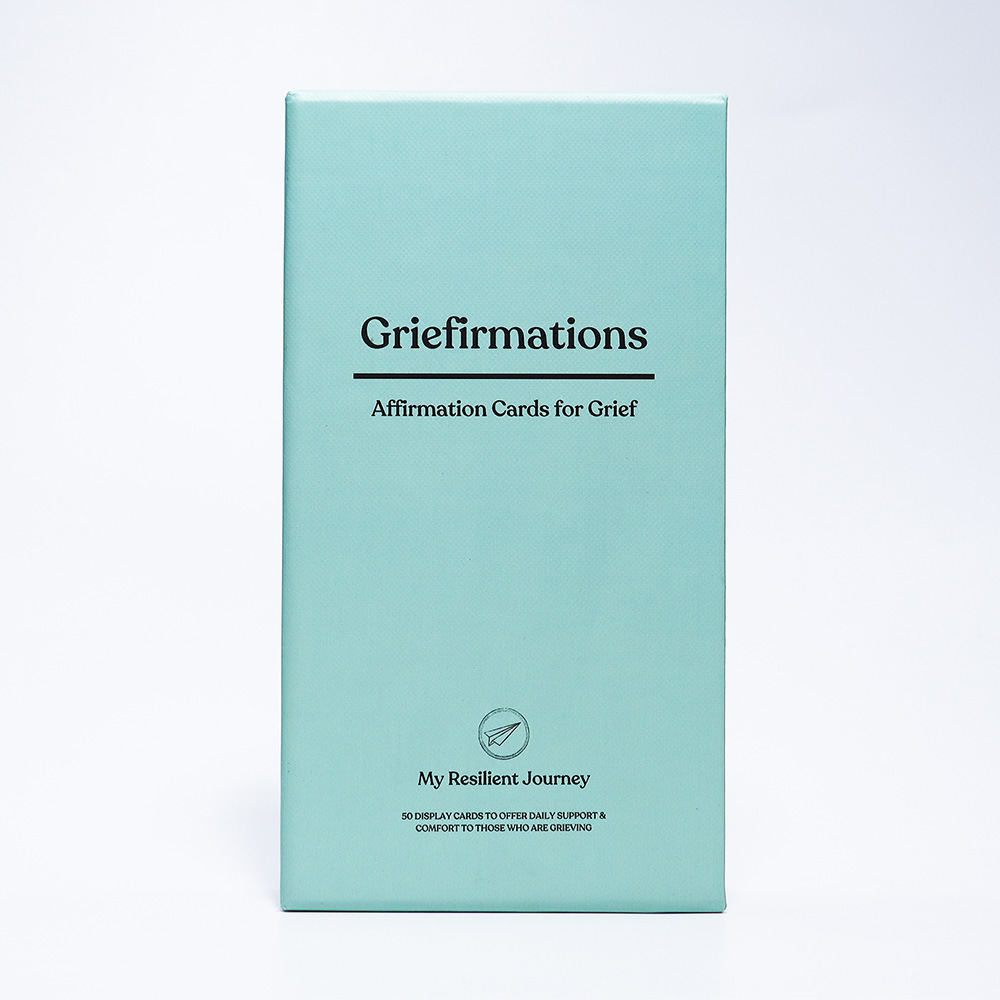 Customizable Emotional Support Cards for Grief & Resilience
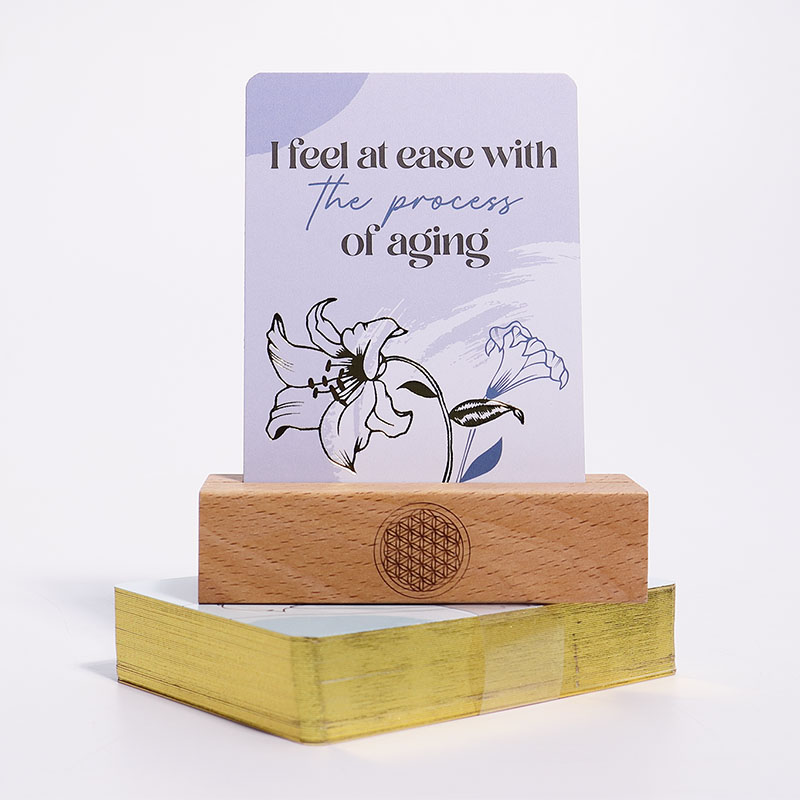 Personalized Emotional Encouragement Card Collection
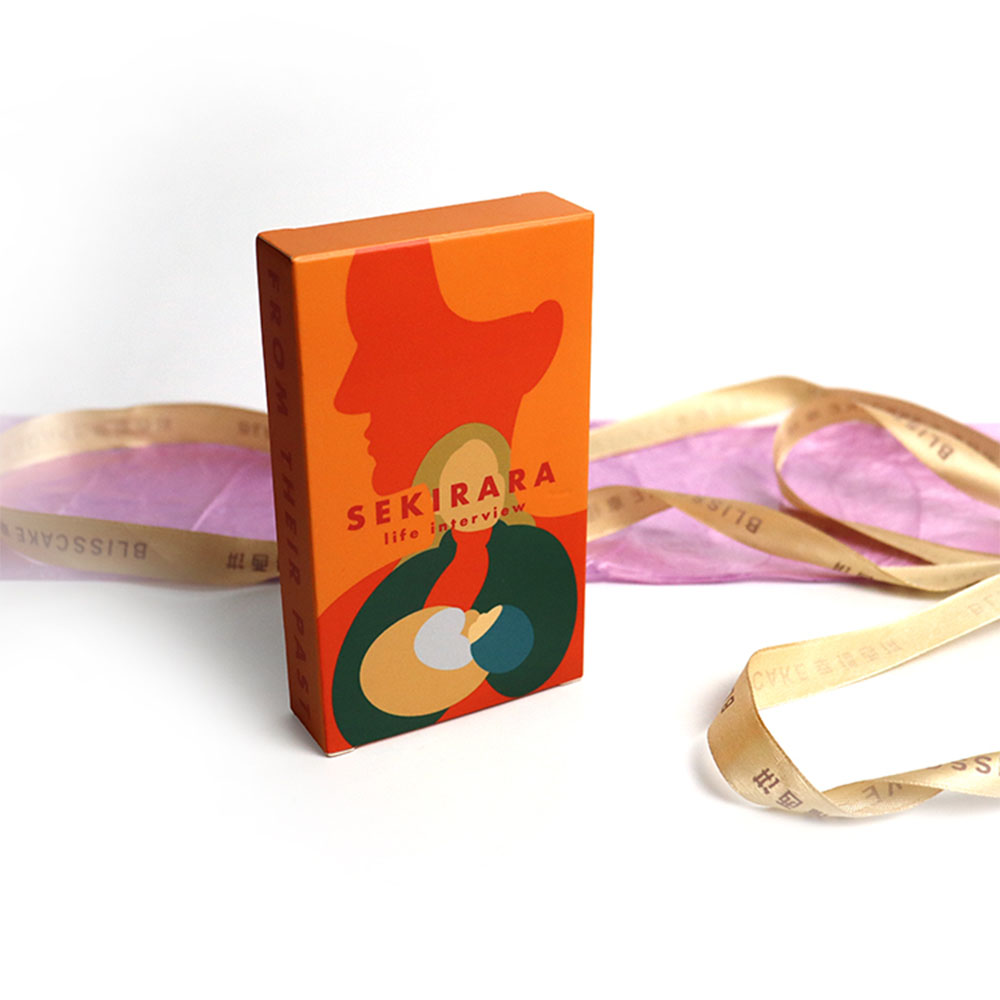 Personalized Deep Conversation Card Gift Box
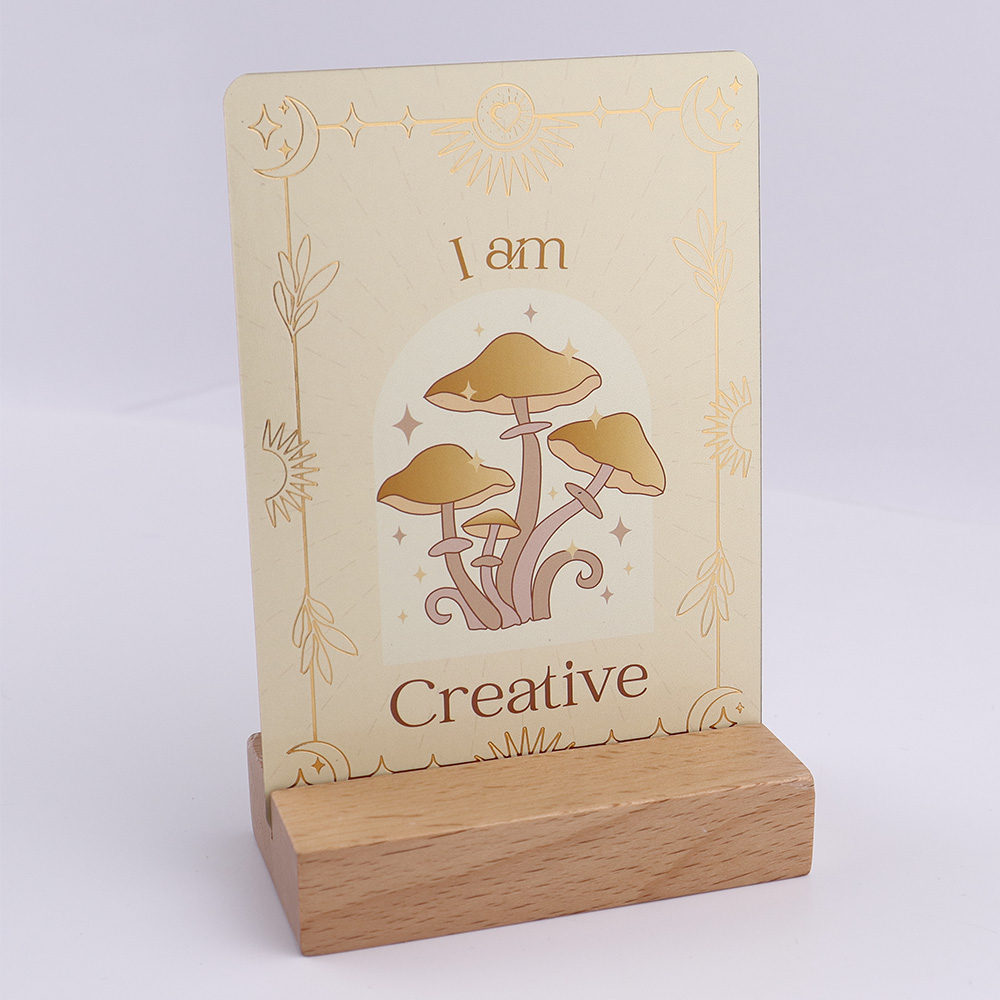 Customizable Boho-Chic Affirmation Cards for Mindfulness & Self-Love
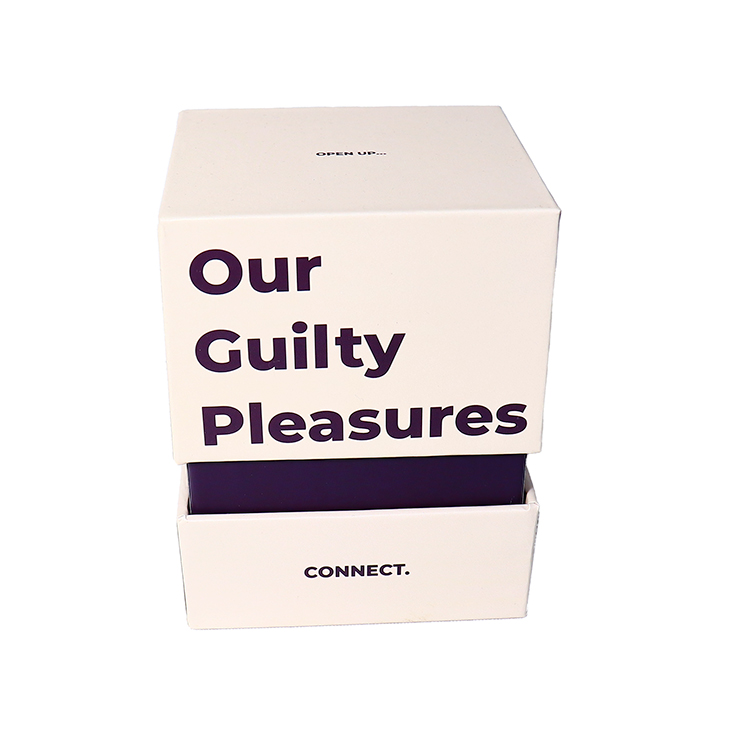 Customized Friendship Confirmation Card
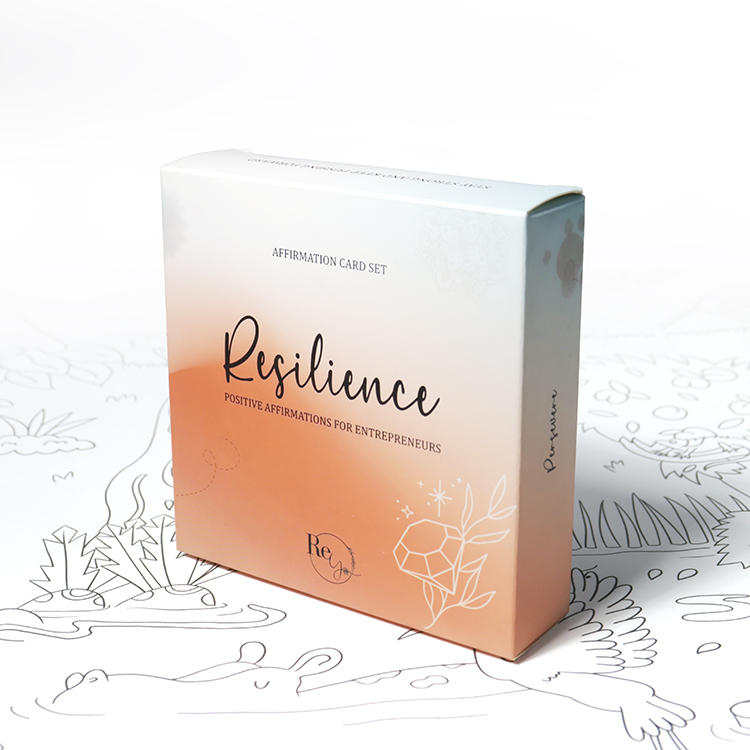 Customized Entrepreneurship Confirmation Card
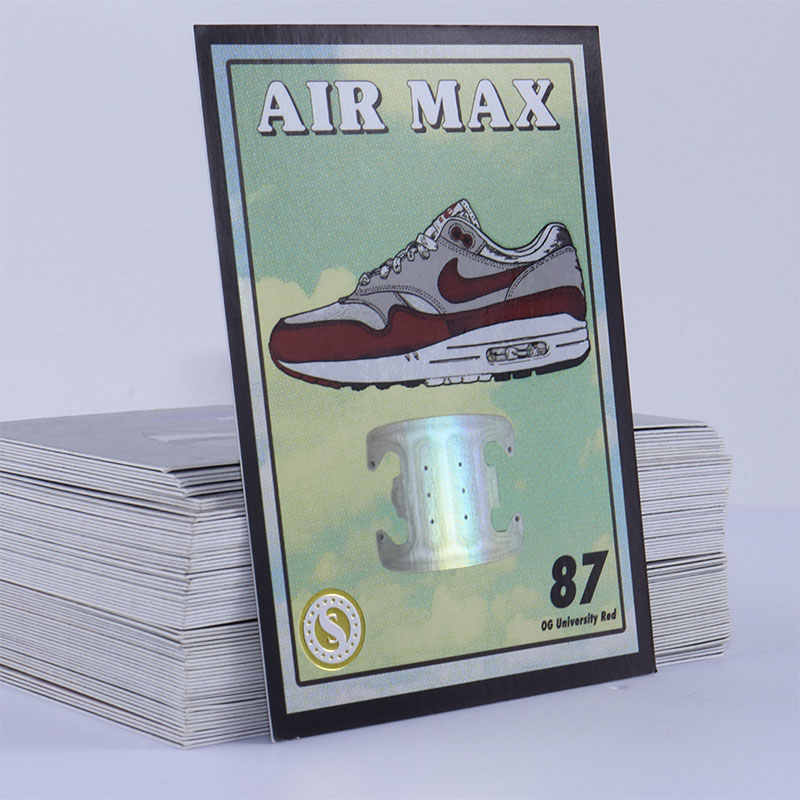 Air Max Pax Custom Sneaker Card Blind Box Set
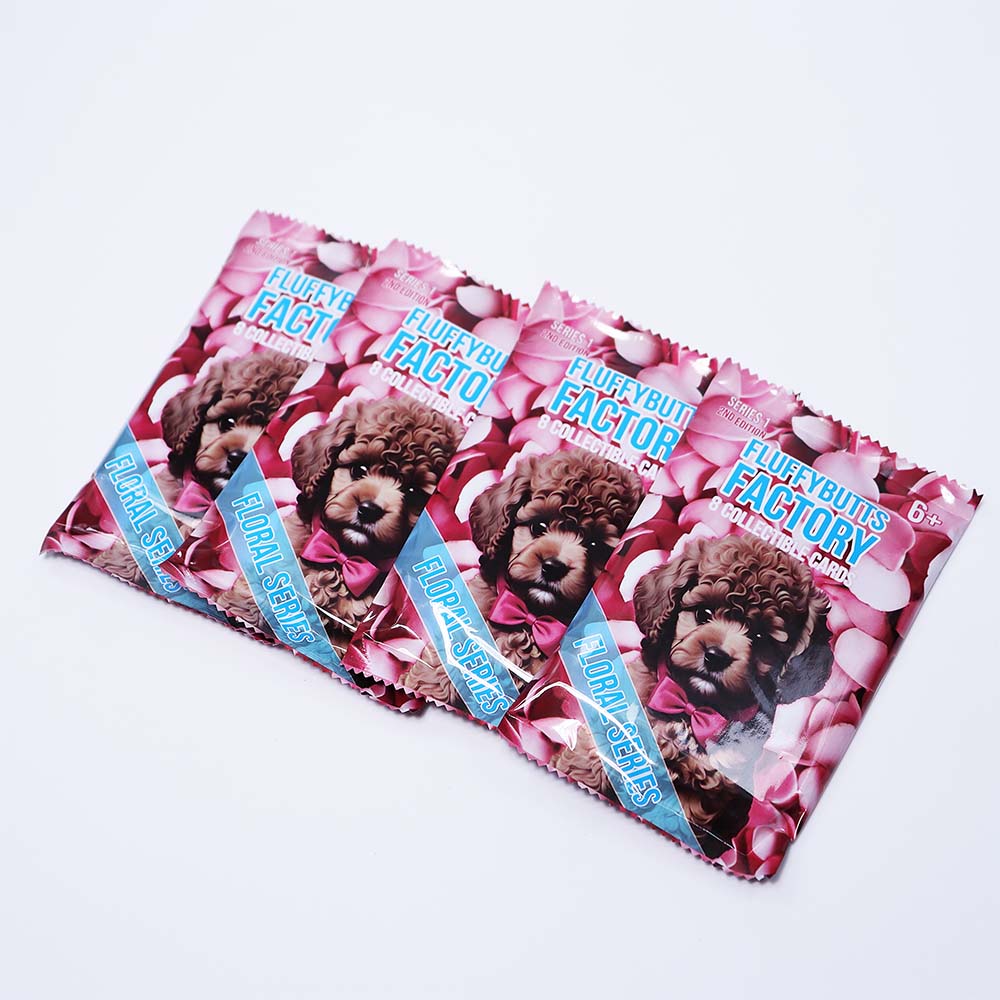 Fluffybutts Factory Custom Pet Card Blind Box Sets
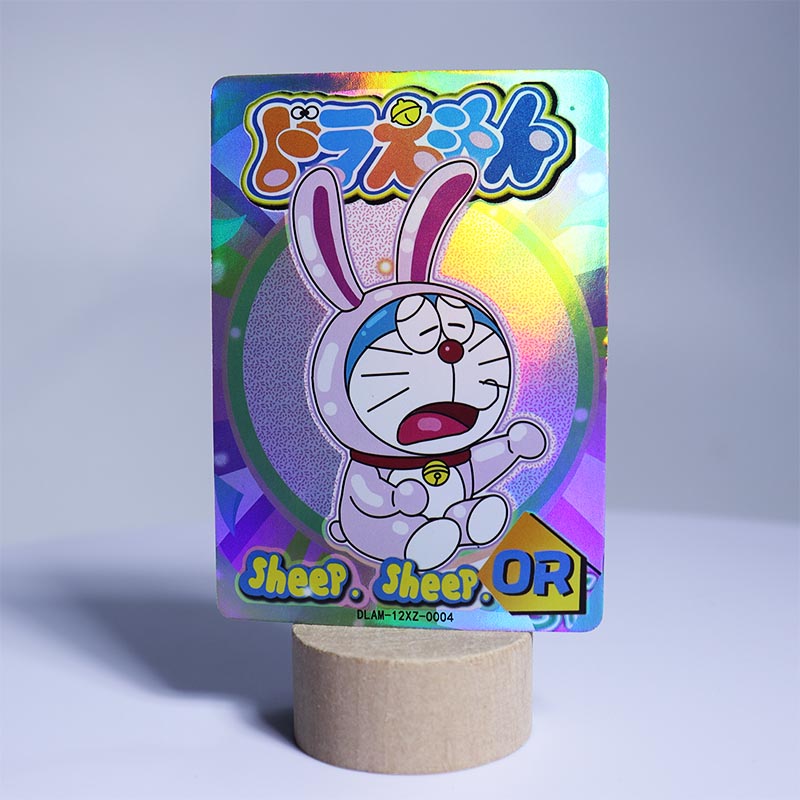 Doraemon Custom Card Blind Box Set
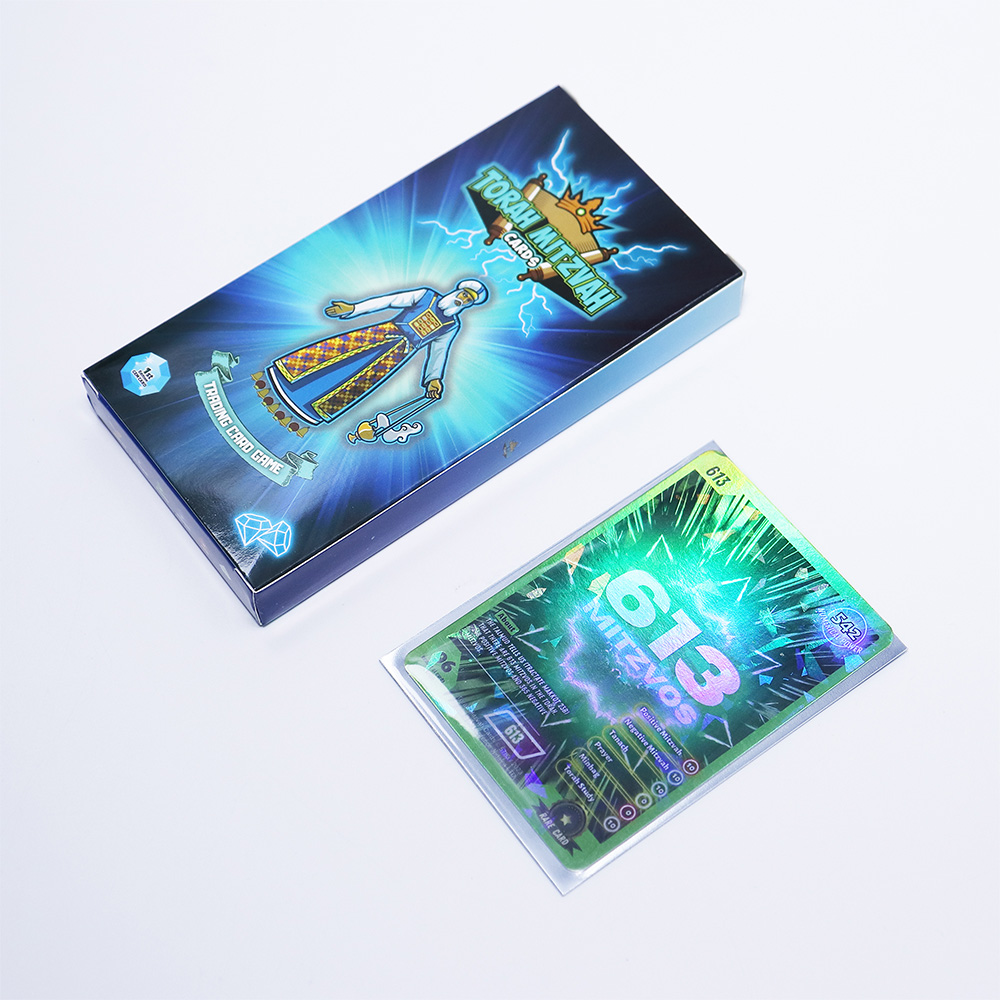 Torah Mitzvah Custom Card Blind Box Set
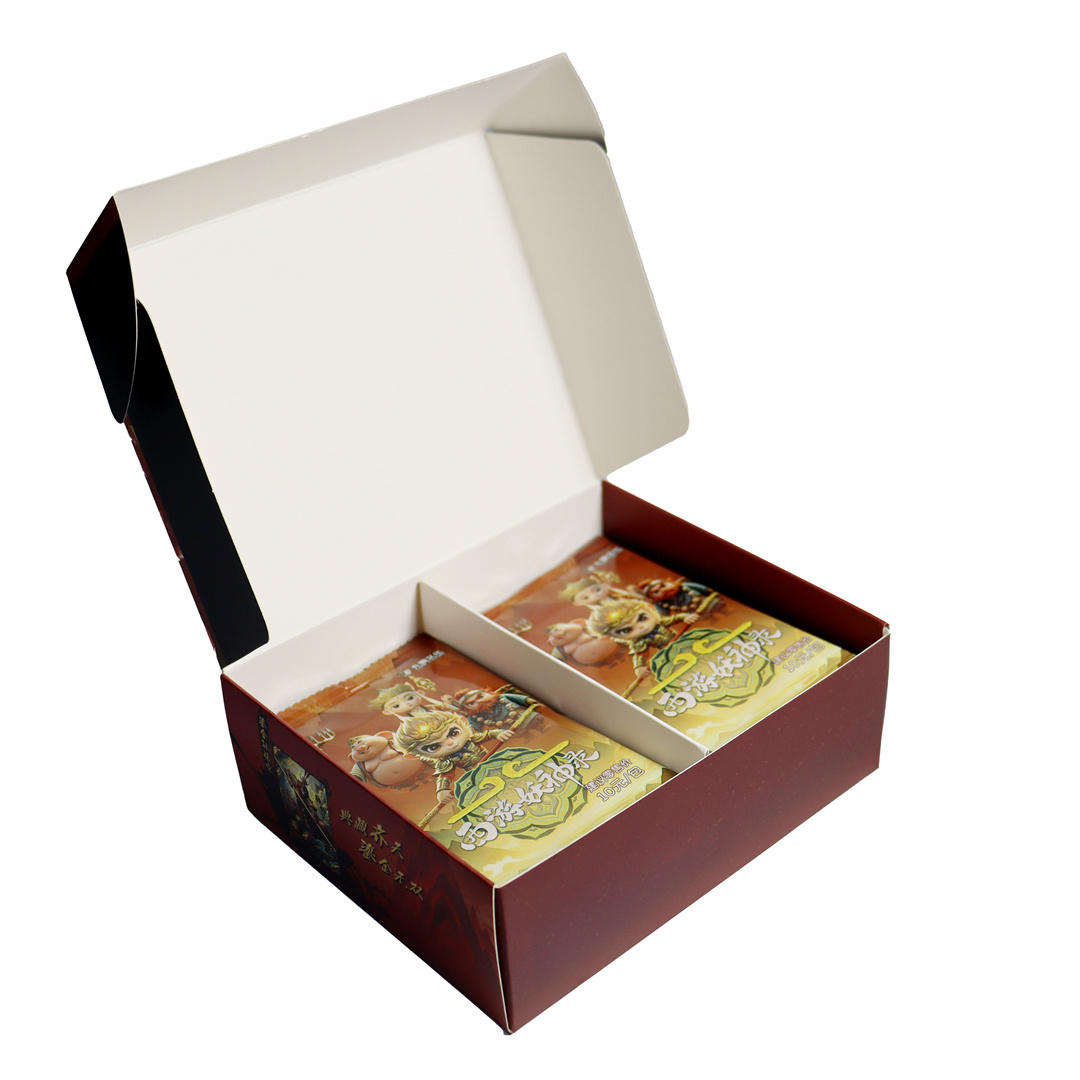 Customized "Journey to the West" Themed Card Blind Box Set
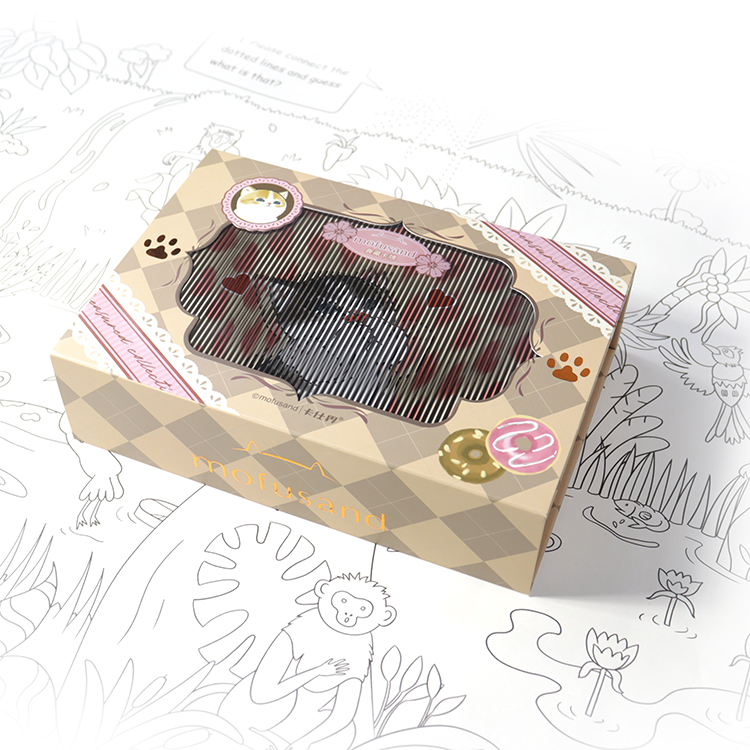 Customized cat-themed blind box set
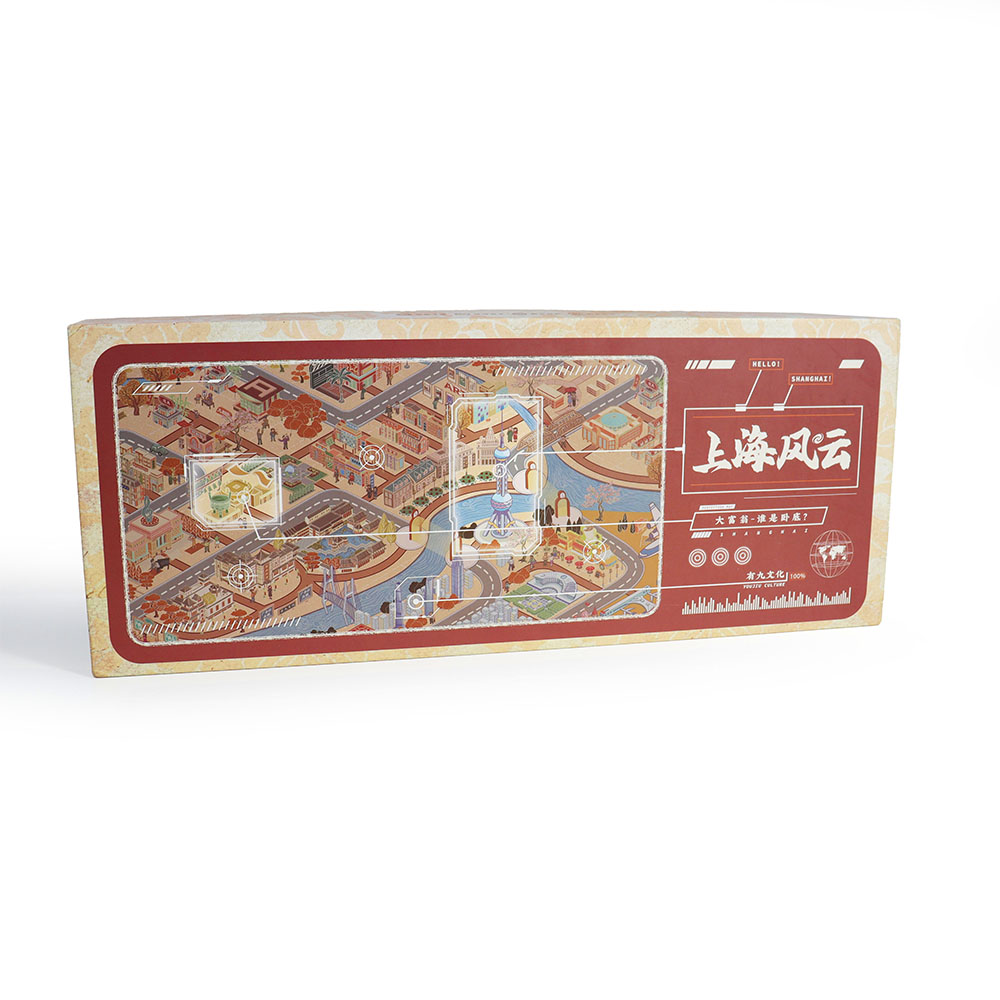 Shanghai Fengyun Custom Board Game Set
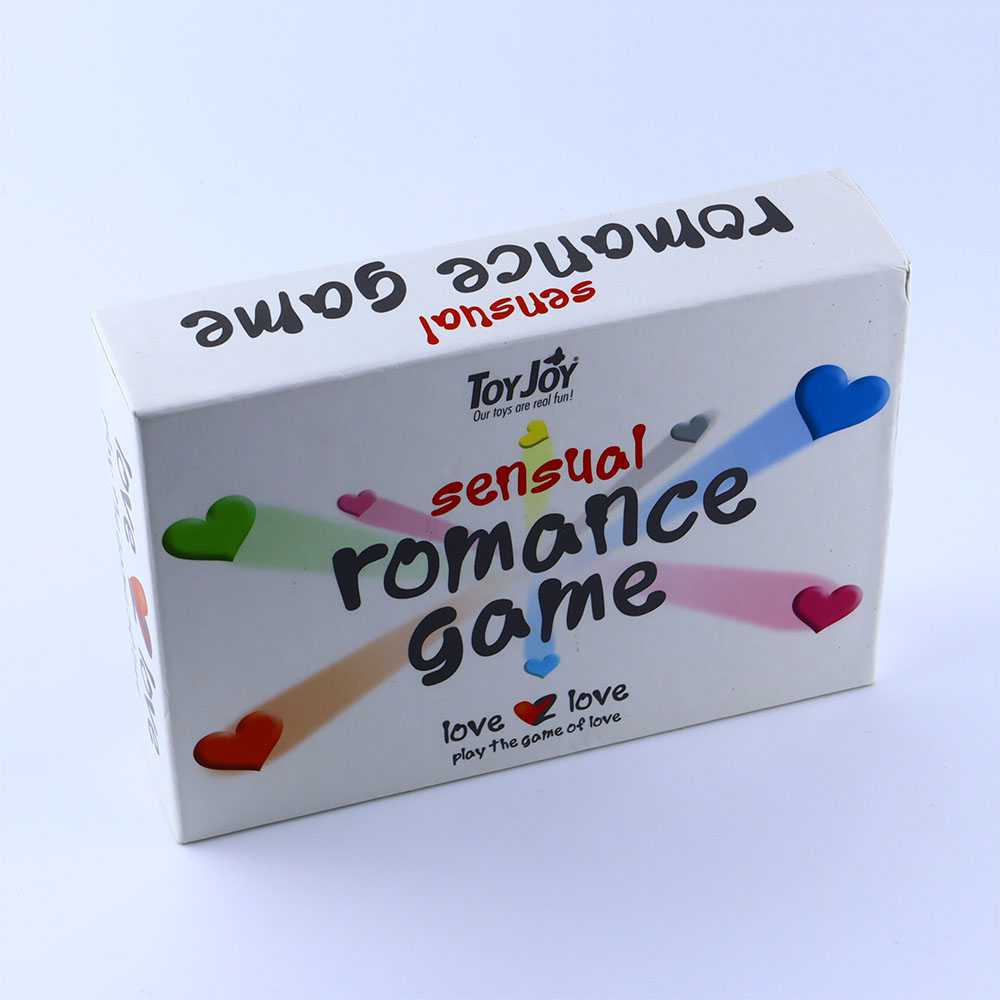 Sensual Romance Game Custom Board Game Set
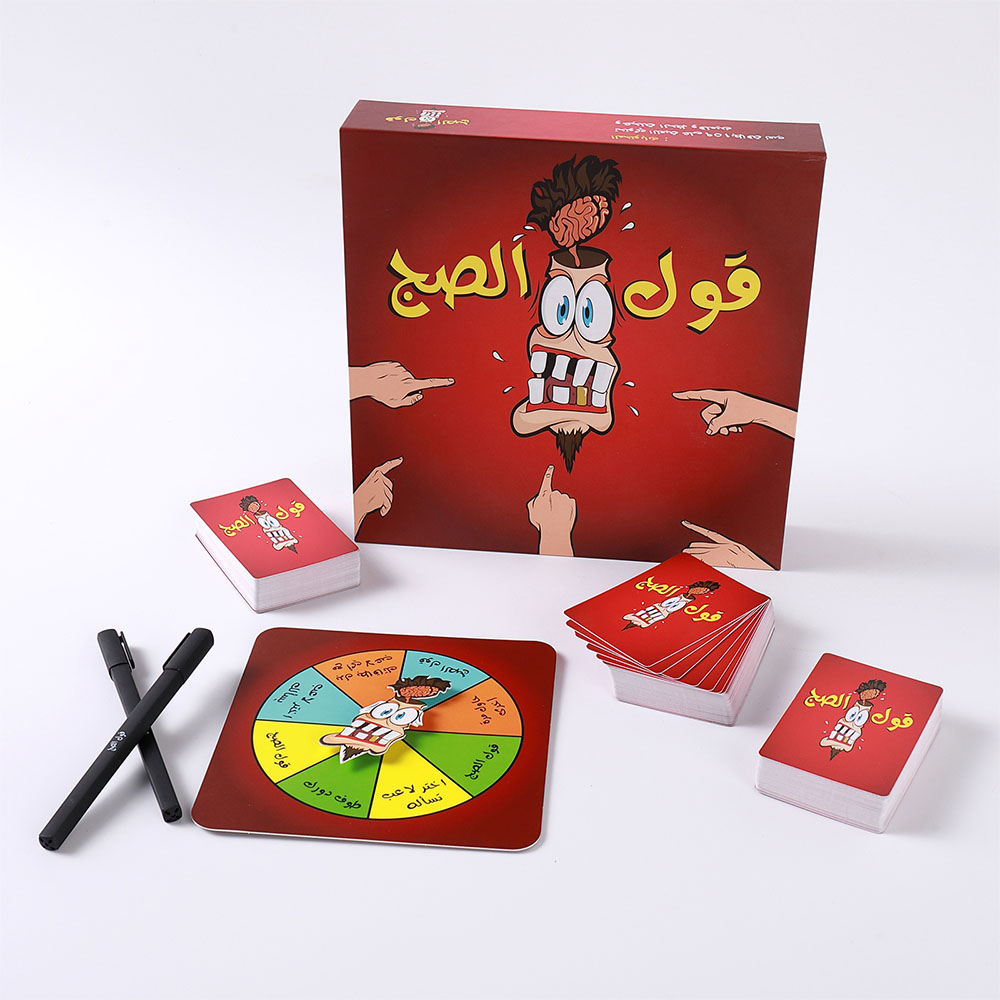 "Qoul Al Sabah" Custom Board Game Set
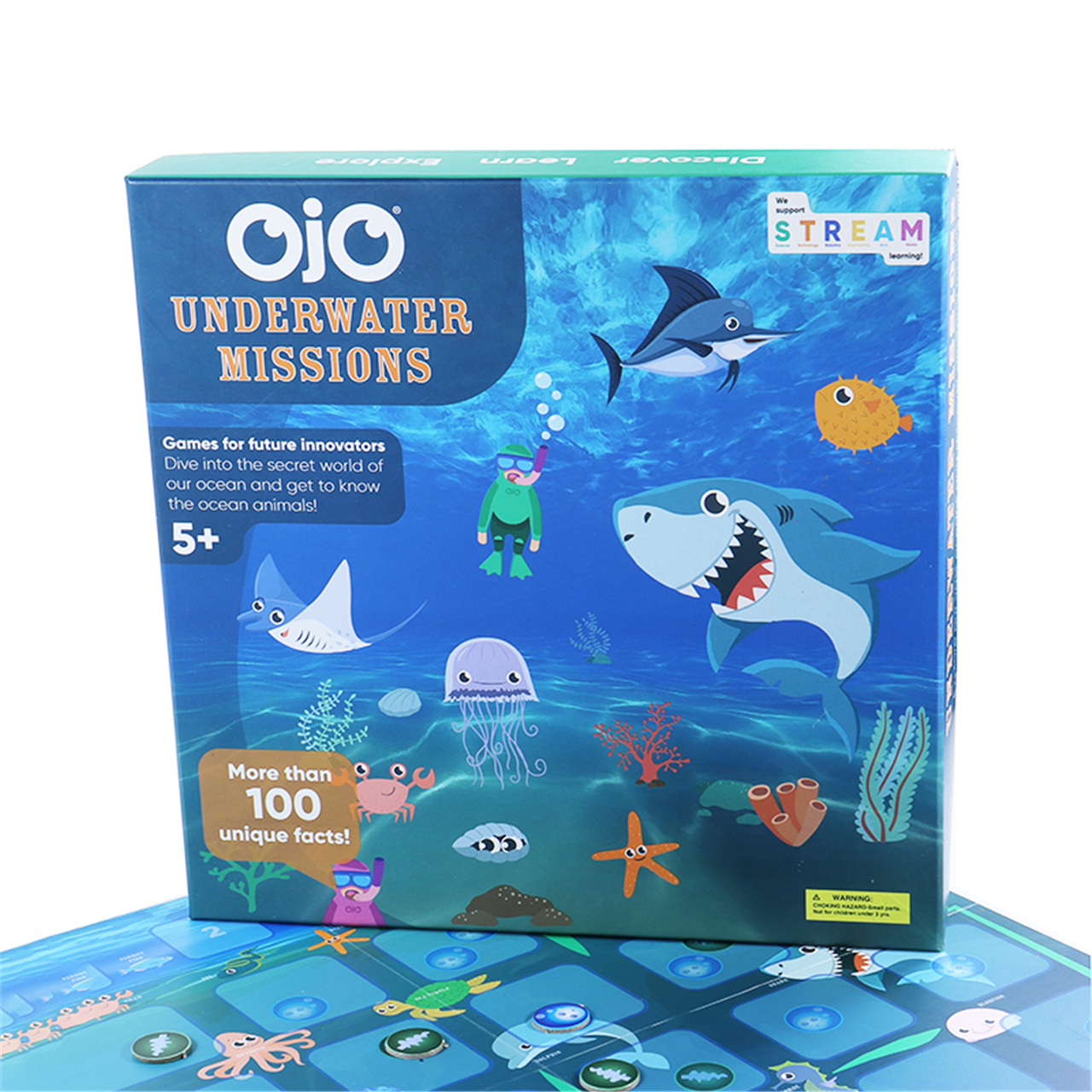 Customized educational board games for children
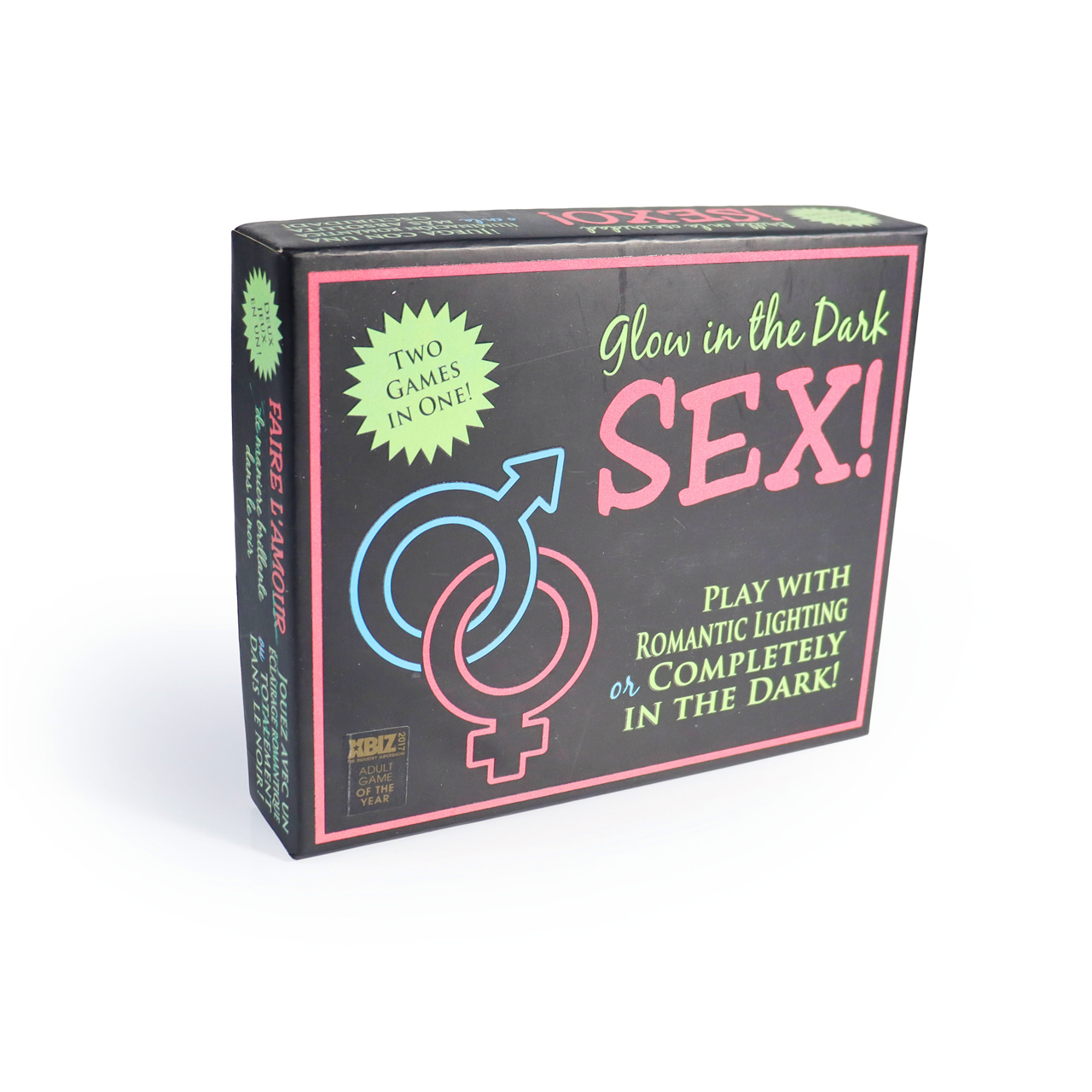 Couple Interaction Turntable Themed Board Game
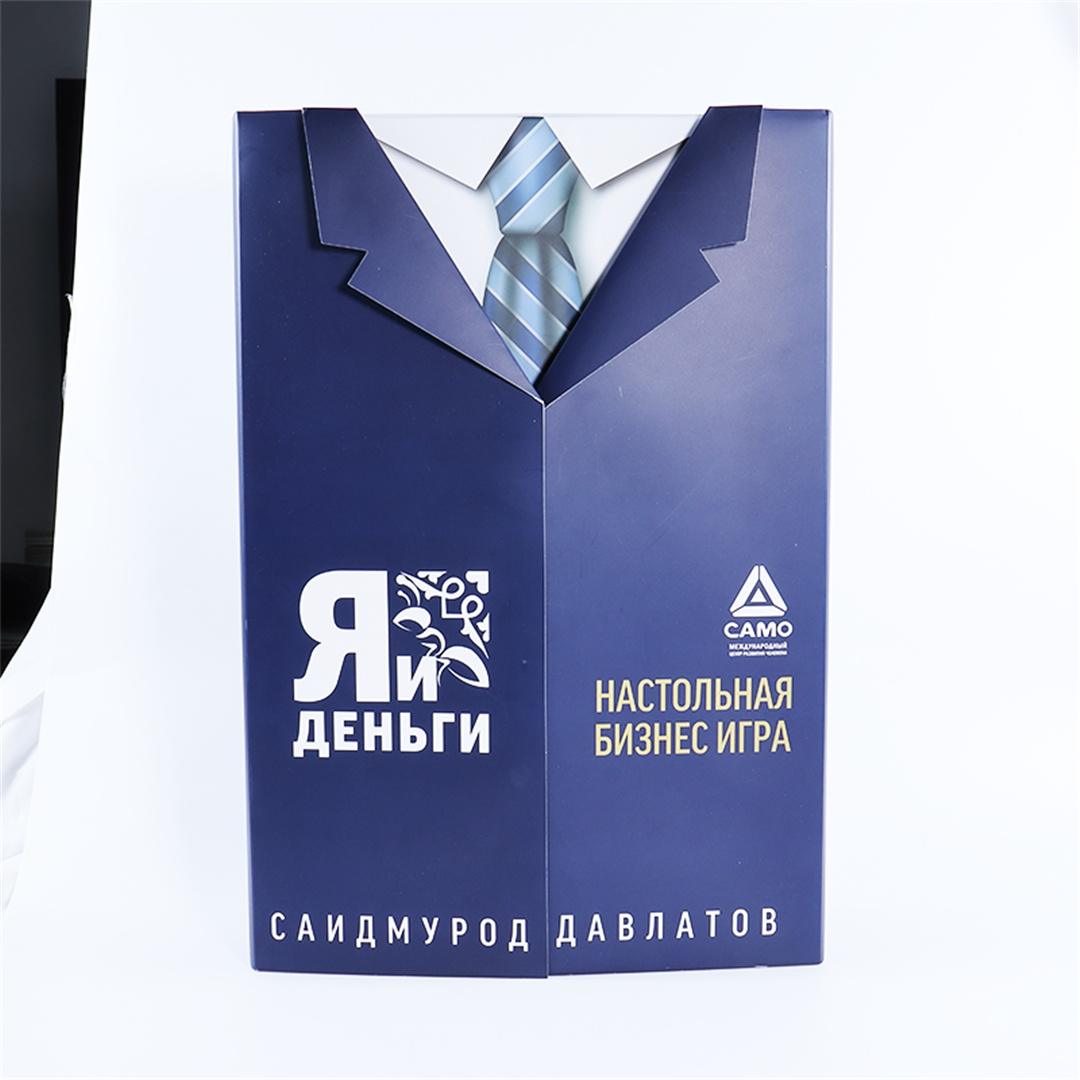 Business Finance Board Game
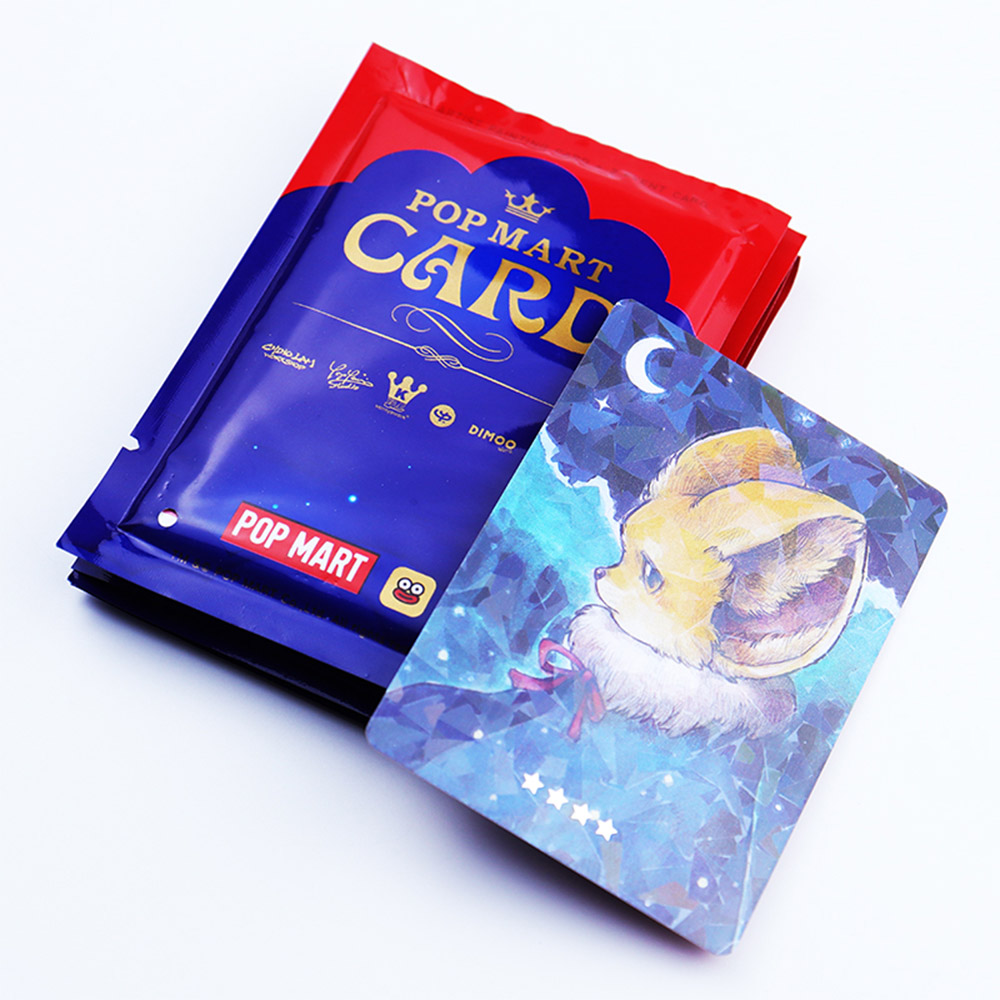 Pop Mart Custom Character Collectible Cards
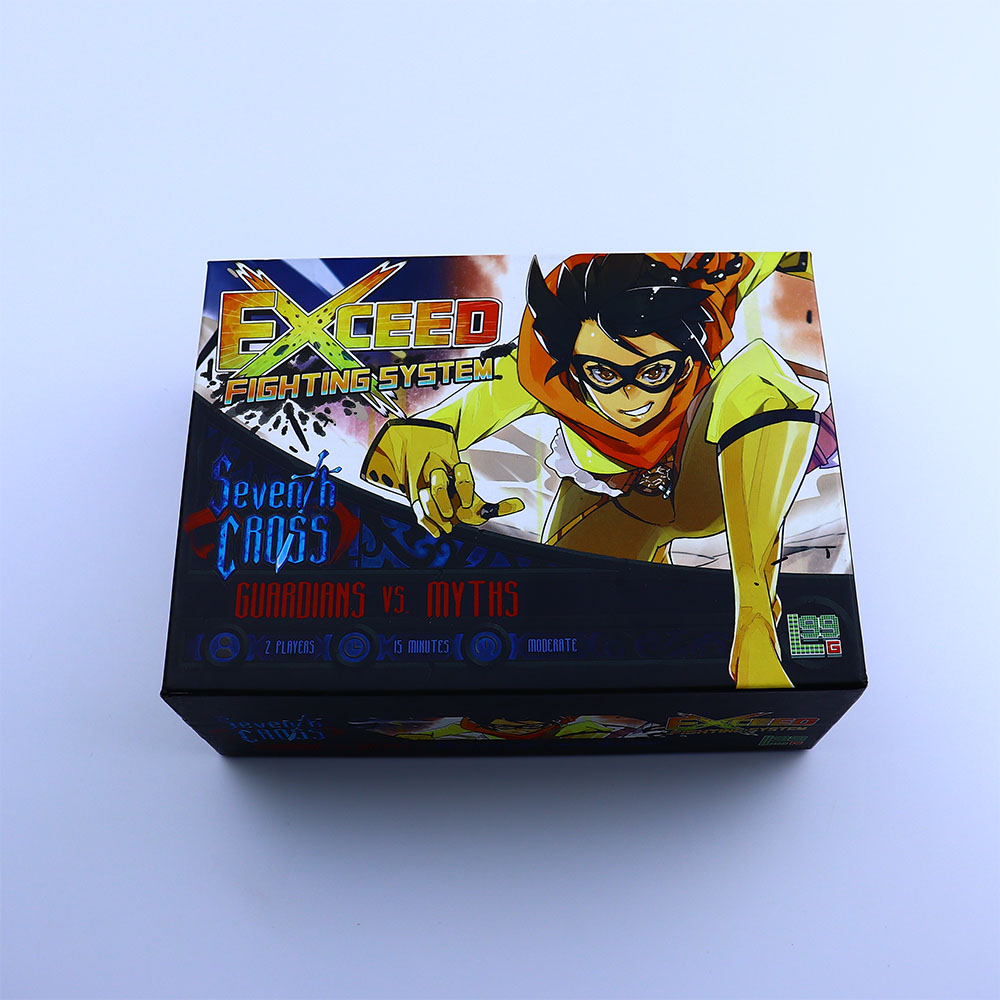 EXCEED Fighting System Custom Character Card Set
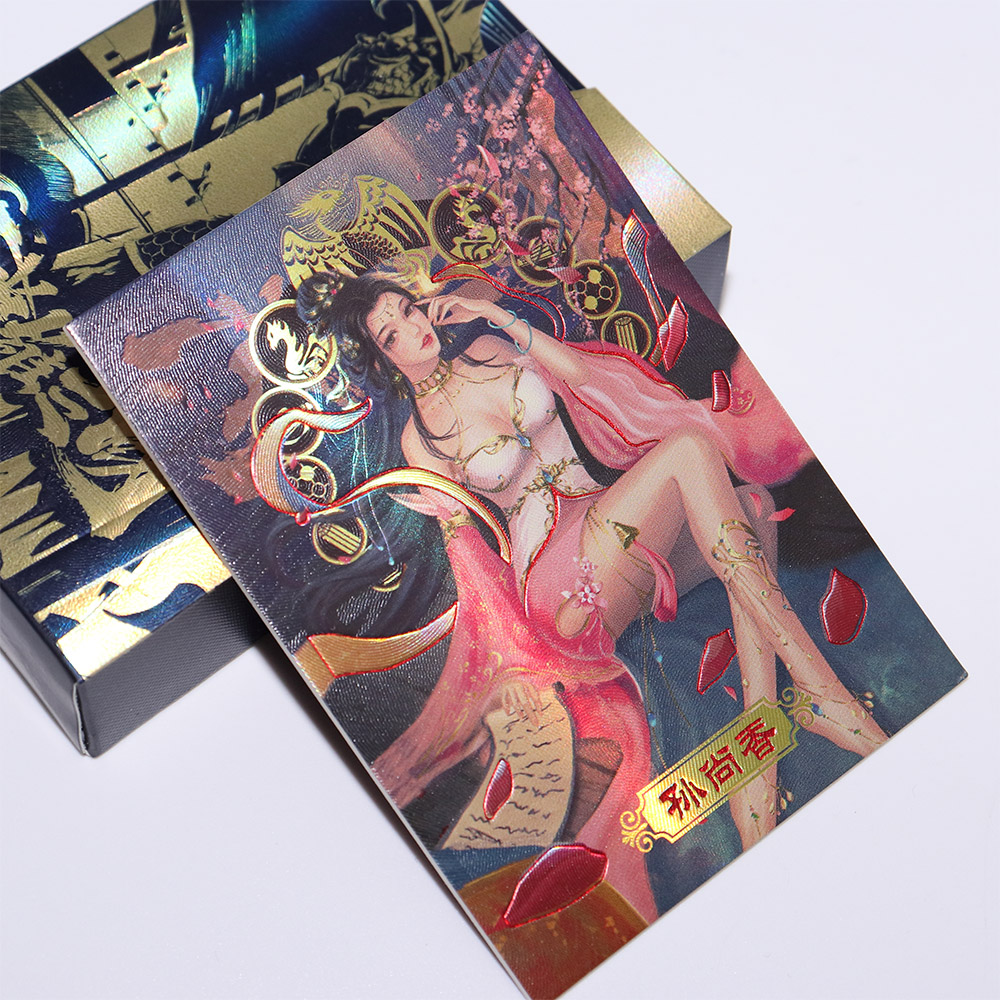 Three Kingdoms Custom Hero Character Cards
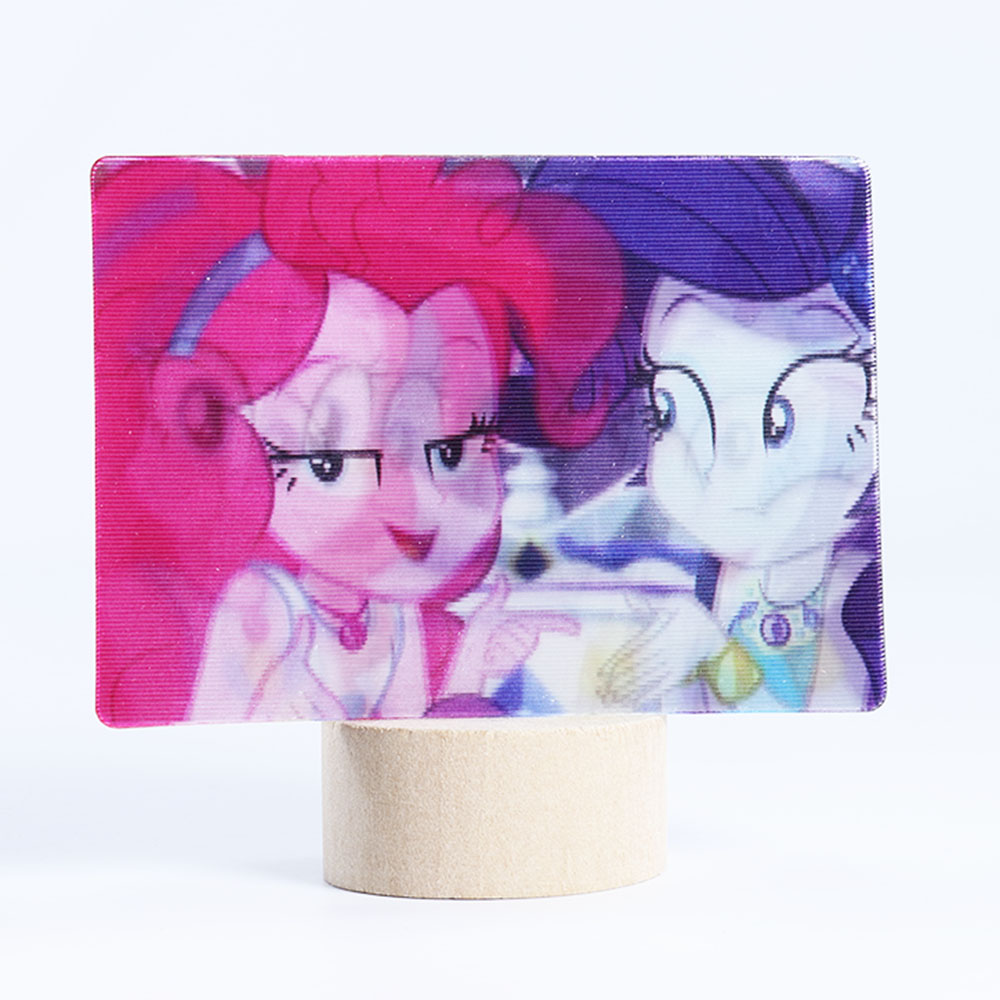 Custom Anime Character Dynamic Visual Cards
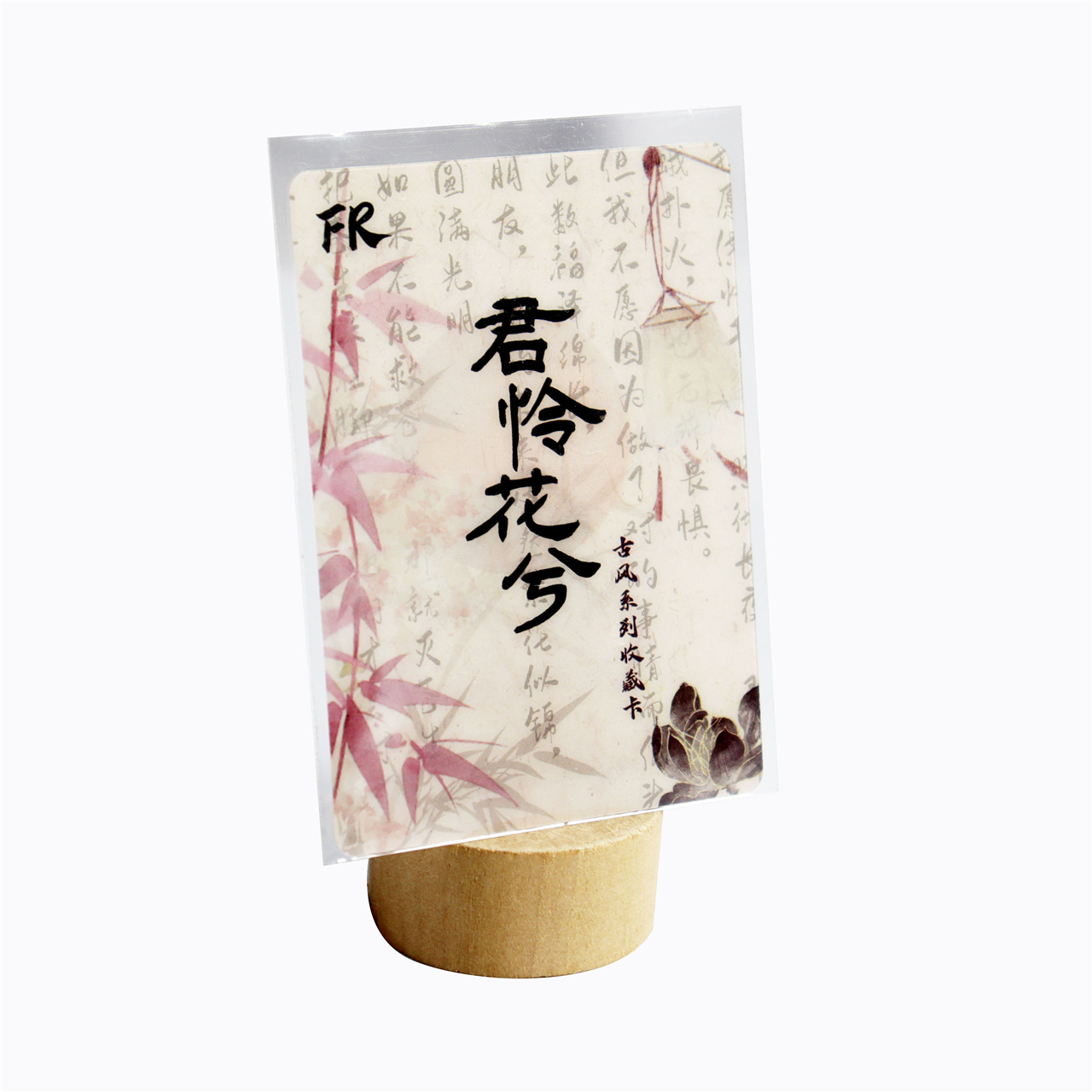 Custom Cartoon Character Collectible Card Set
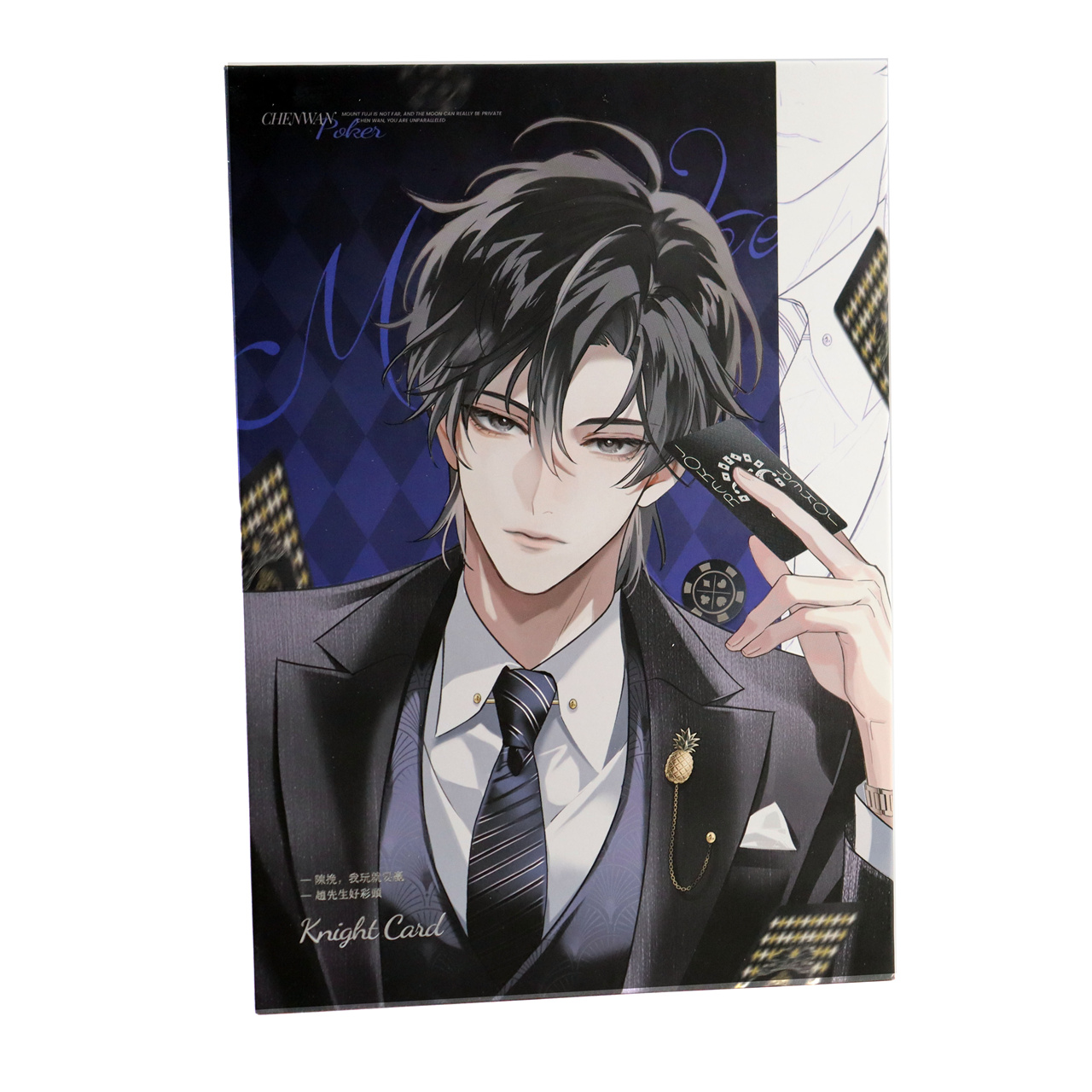 Custom Anime Character Art Card Set
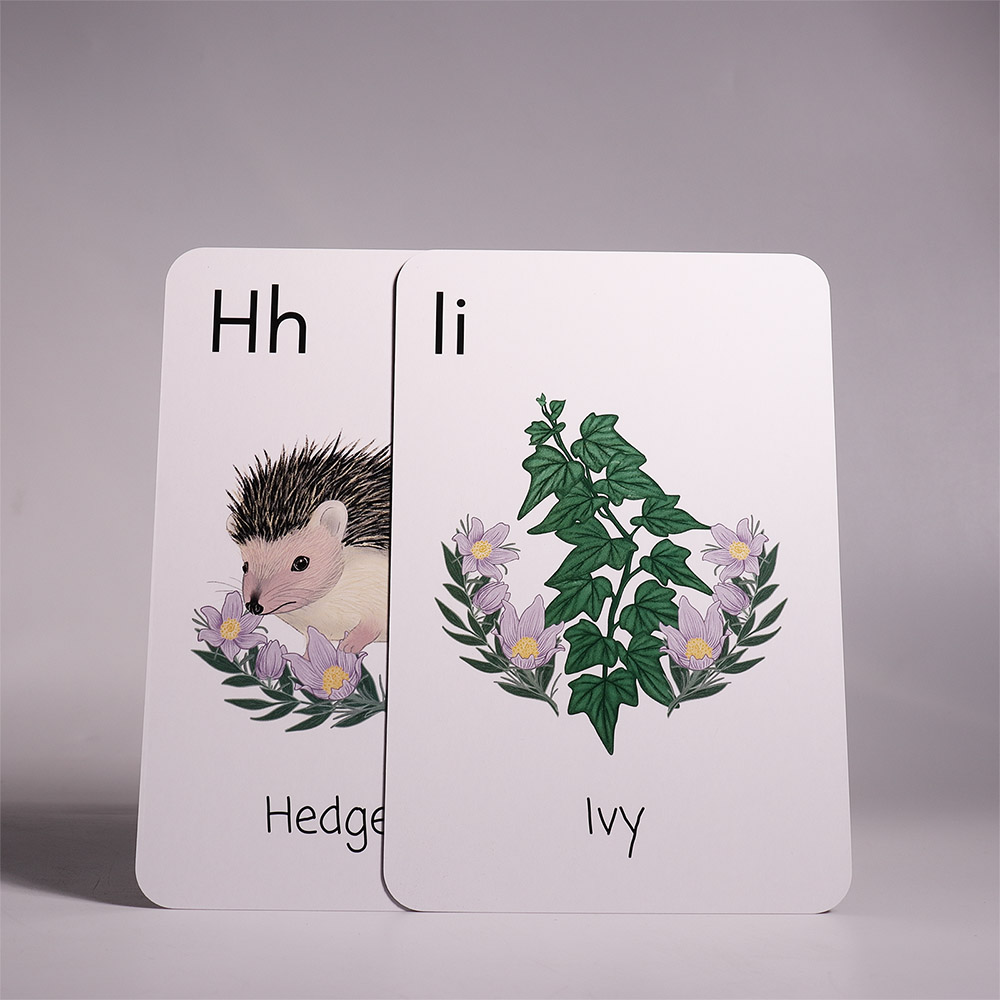 Little Larch Alphabet Cards
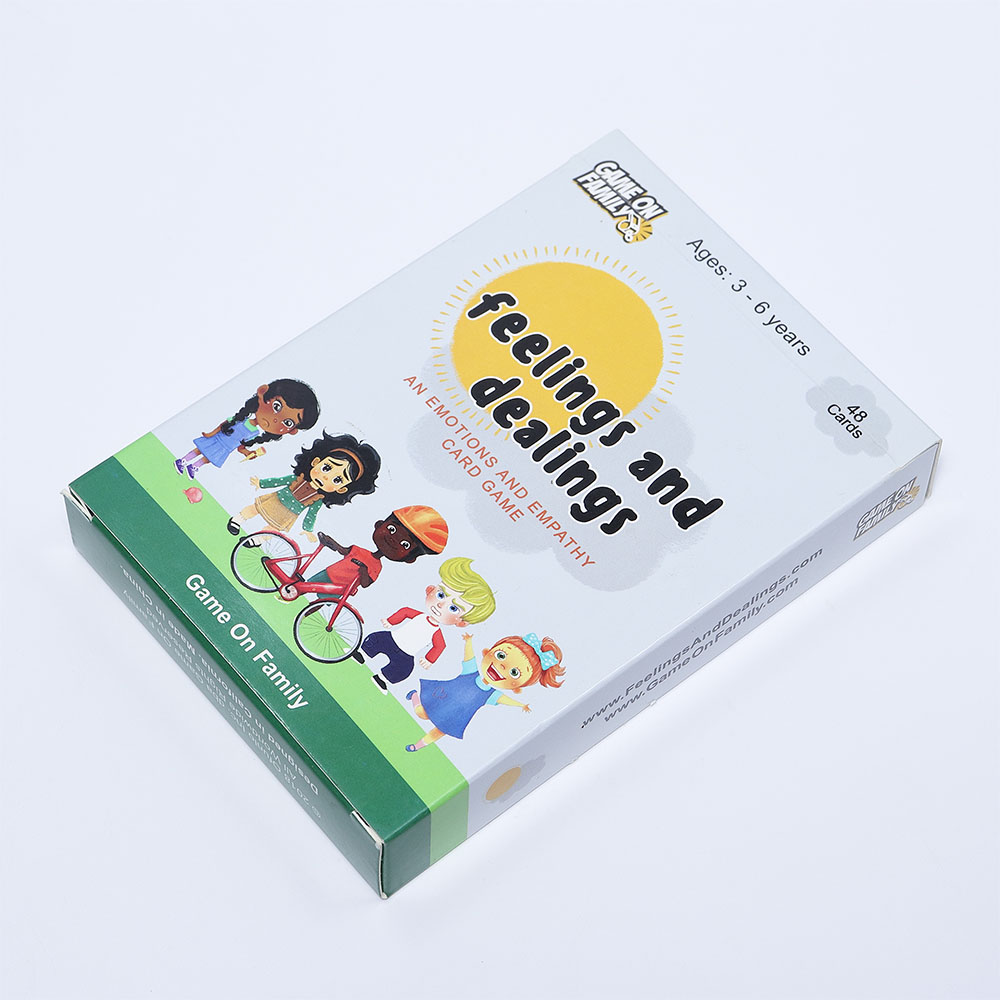 Feelings and Dealings Custom Children's Emotion Card Game
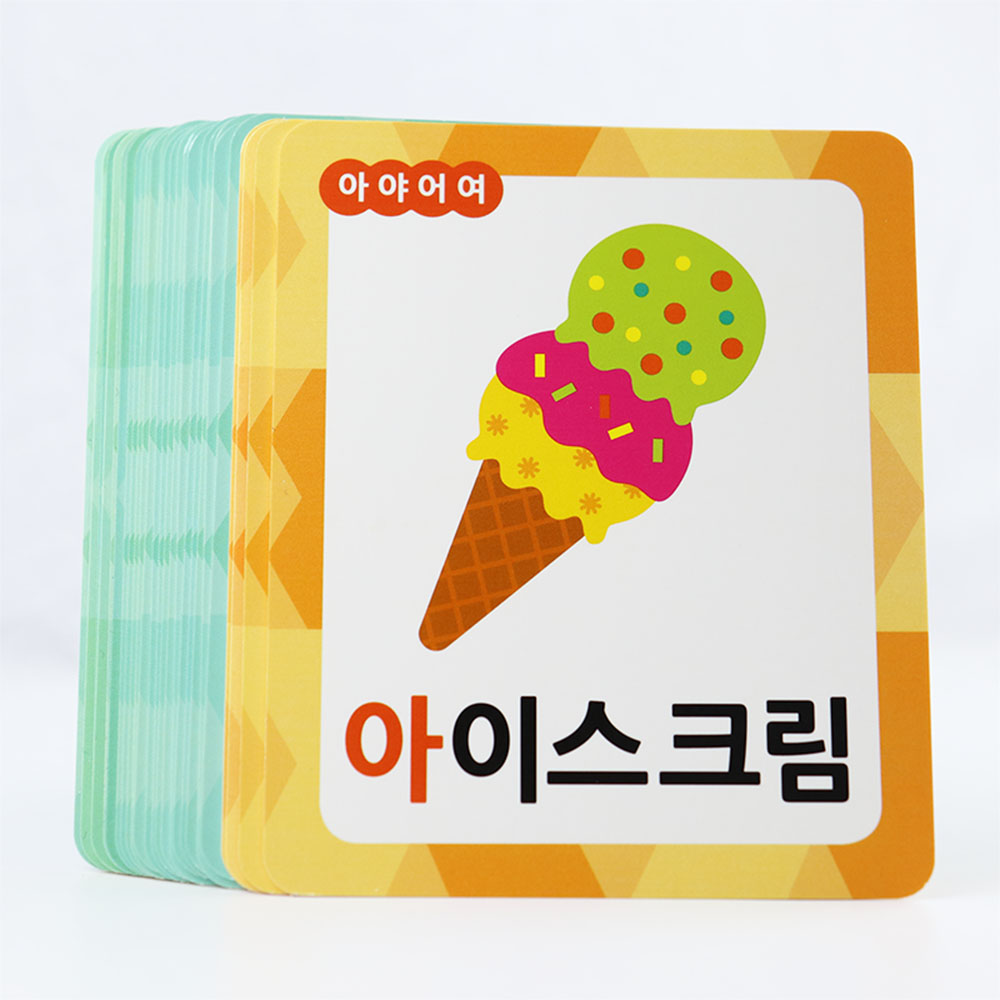 Korean Children's Educational Flashcards
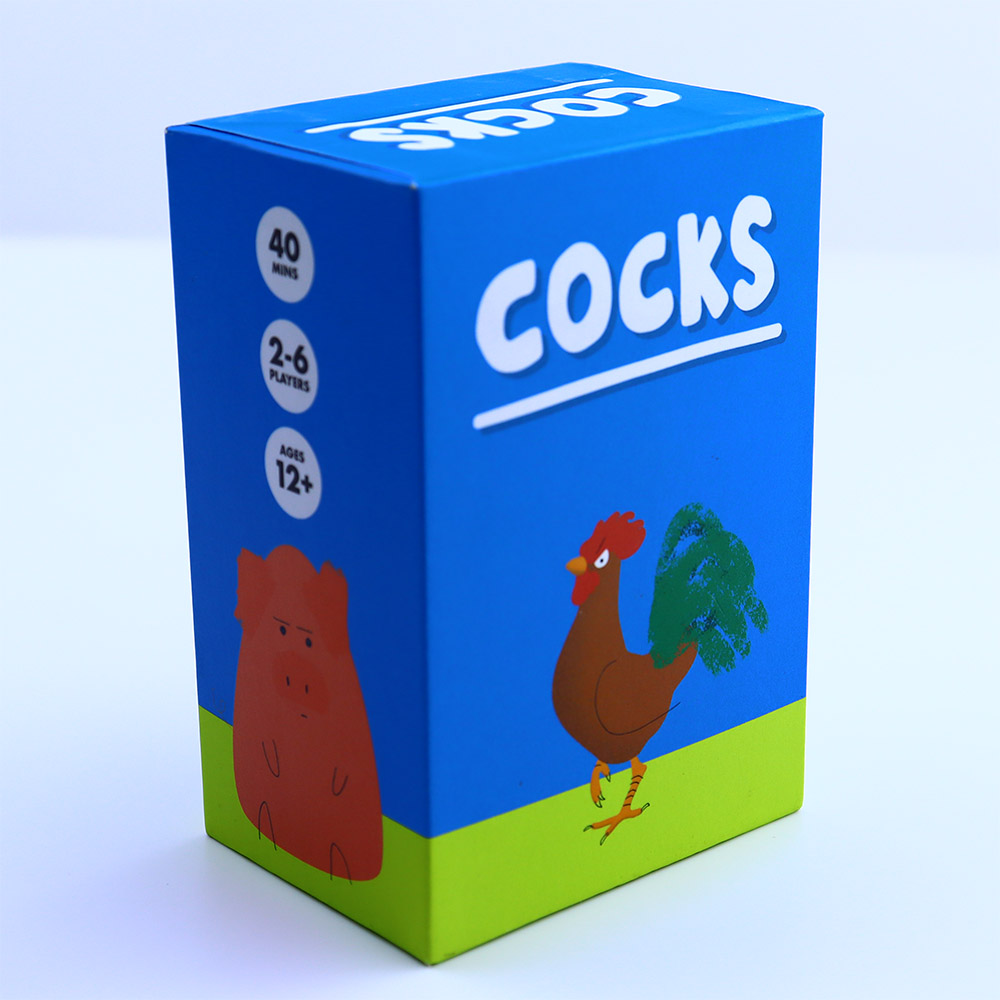 Cocks Themed Custom Children's Learning Cards
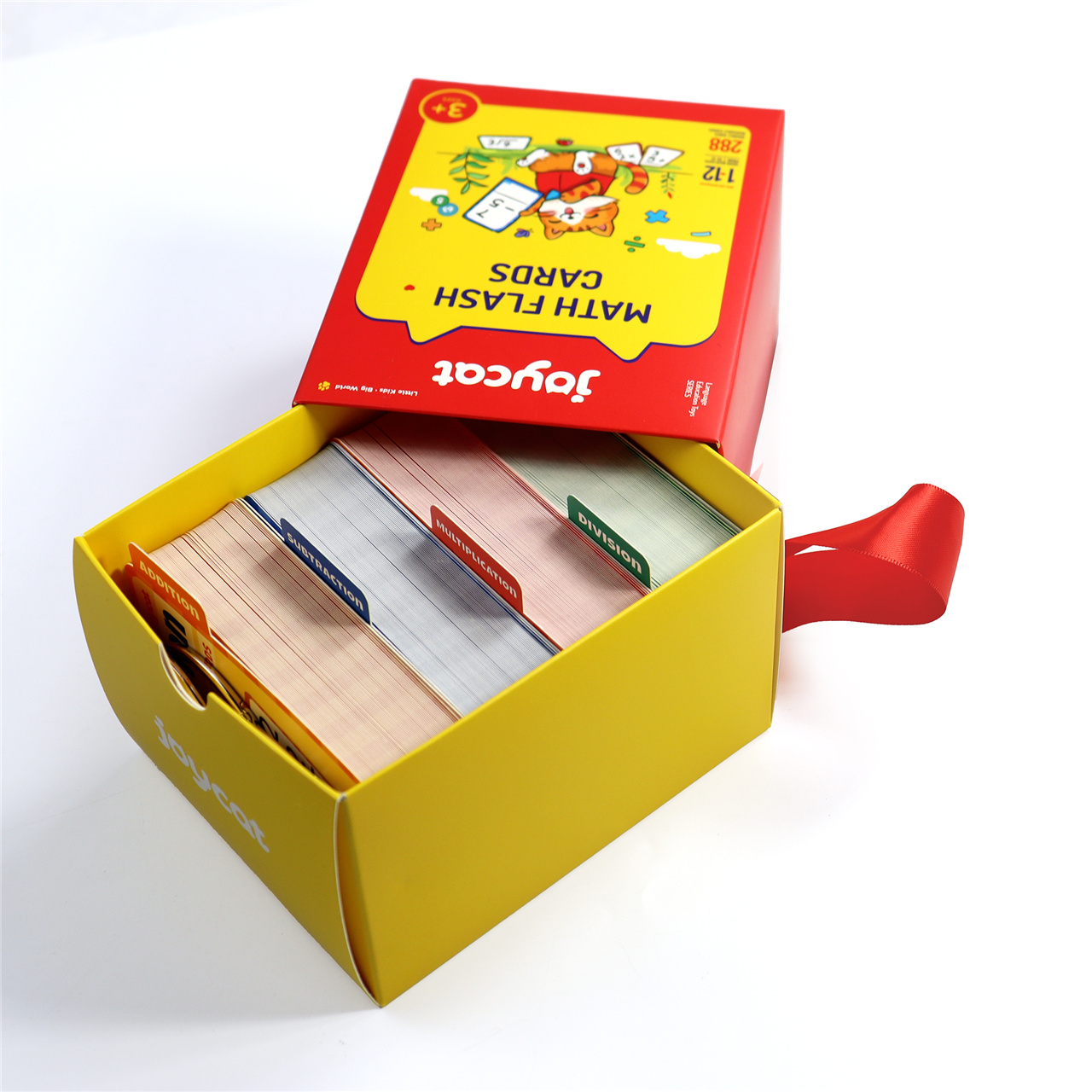 Math Flash Cards Set for Kids
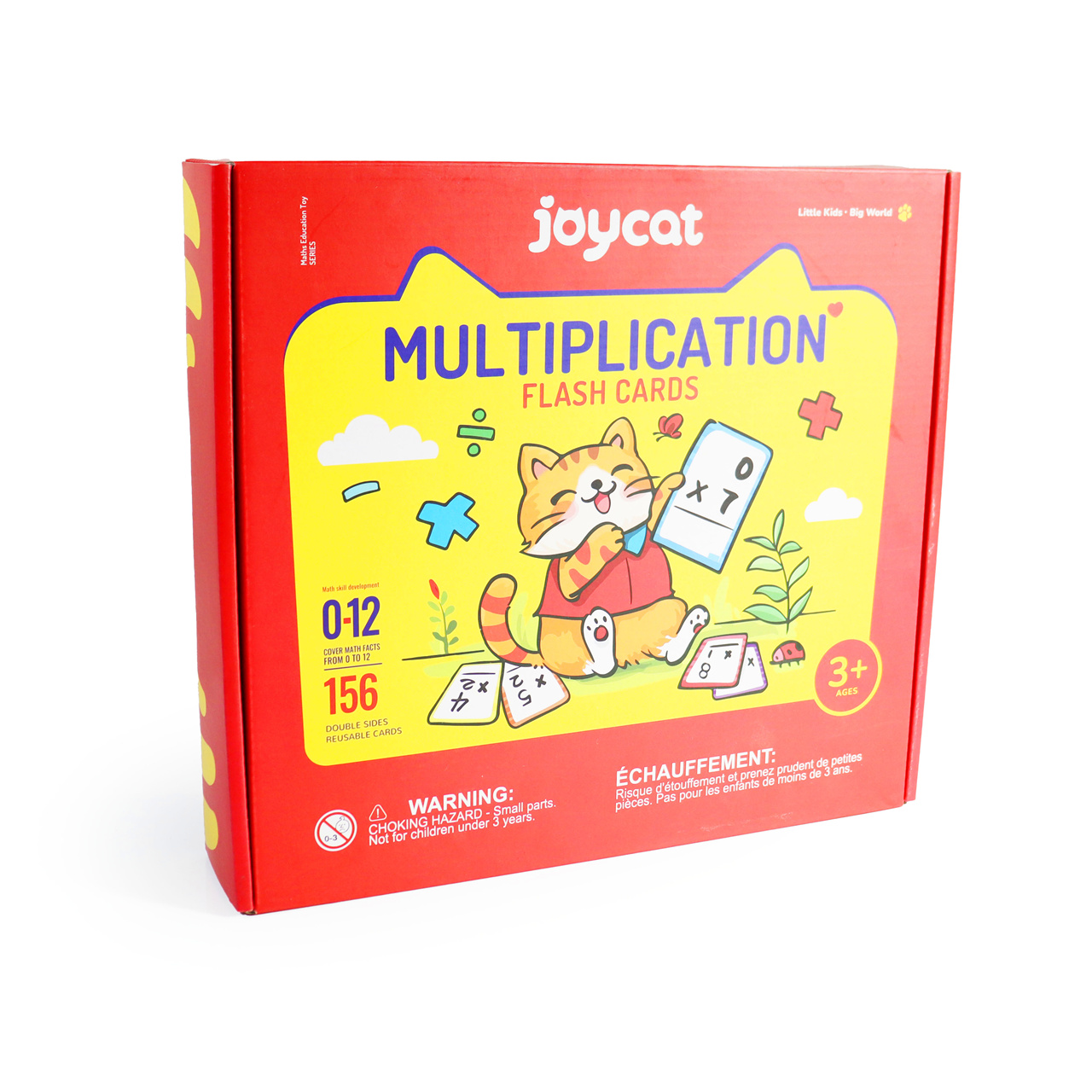 Joycat Multiplication Flash Cards Set with Accessories
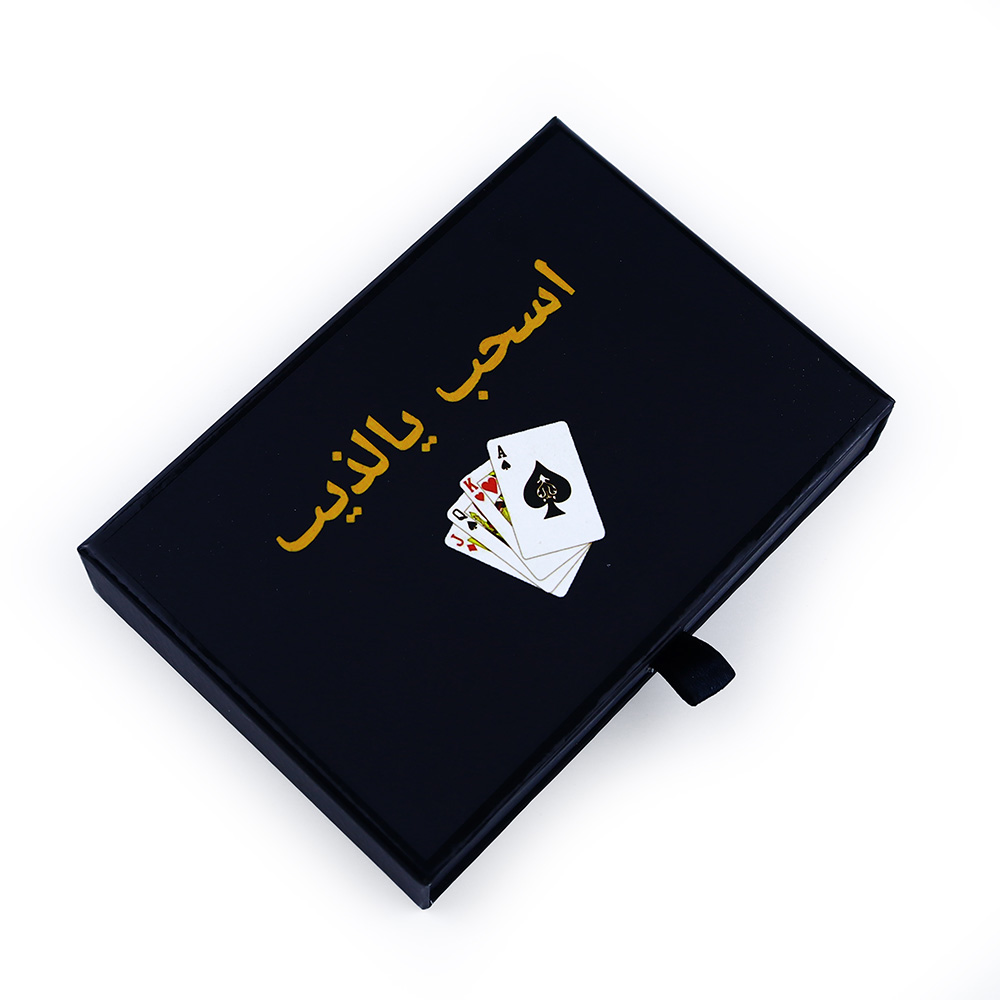 Custom Dual-Deck Playing Cards with Wolf-Themed Design
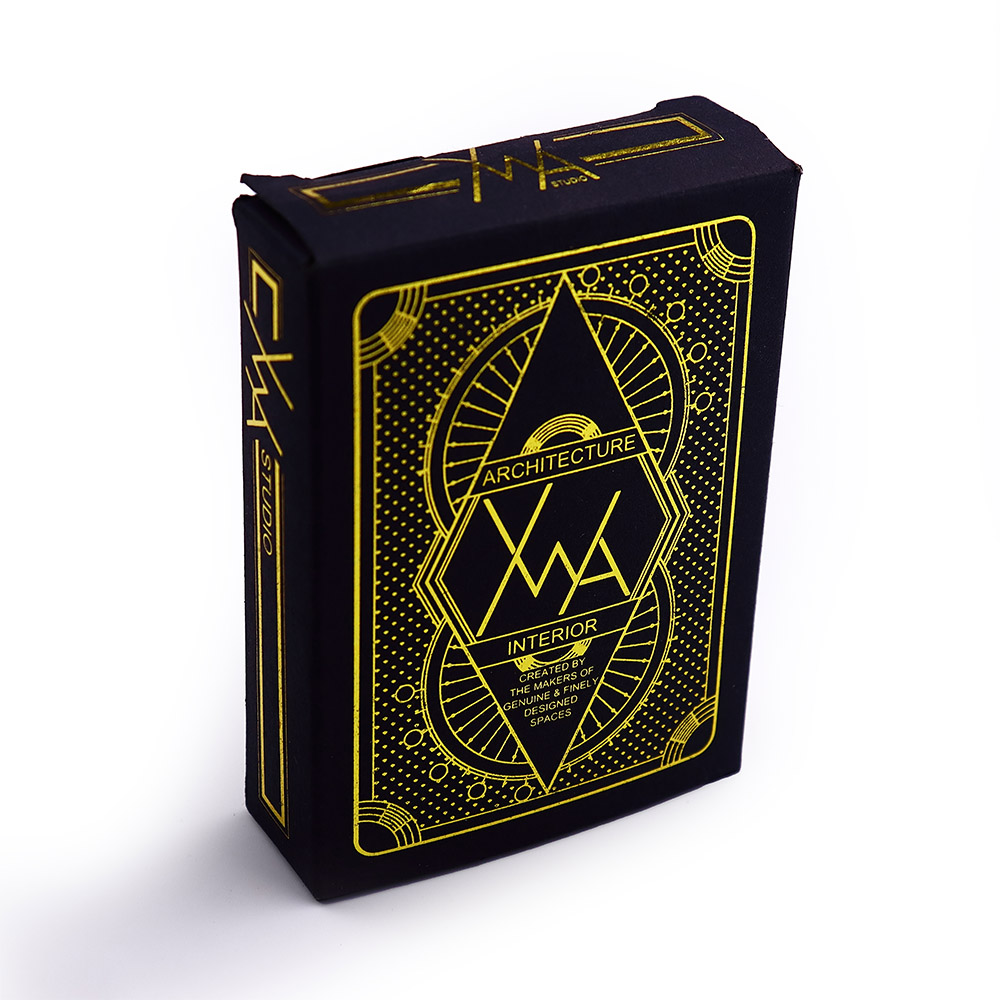 Custom embossed gold foil playing cards
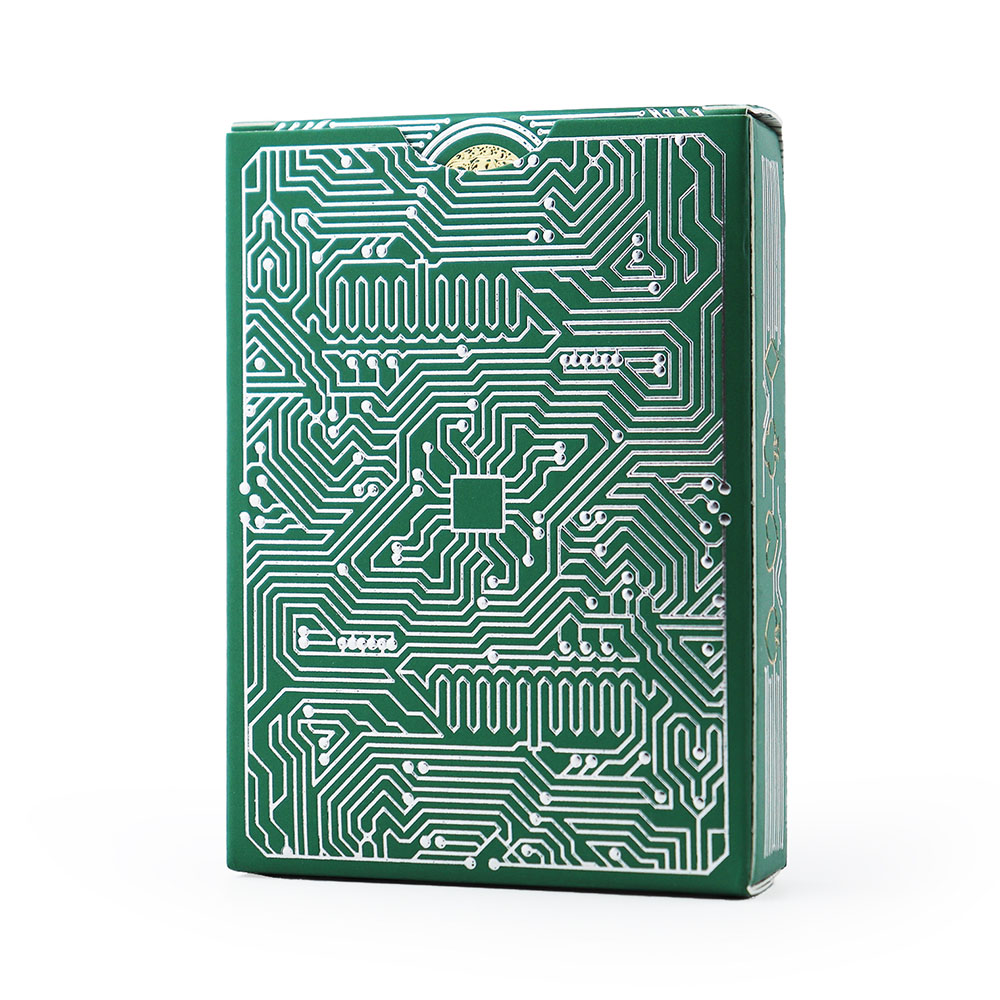 Circuit PCB Edition Custom Playing Cards
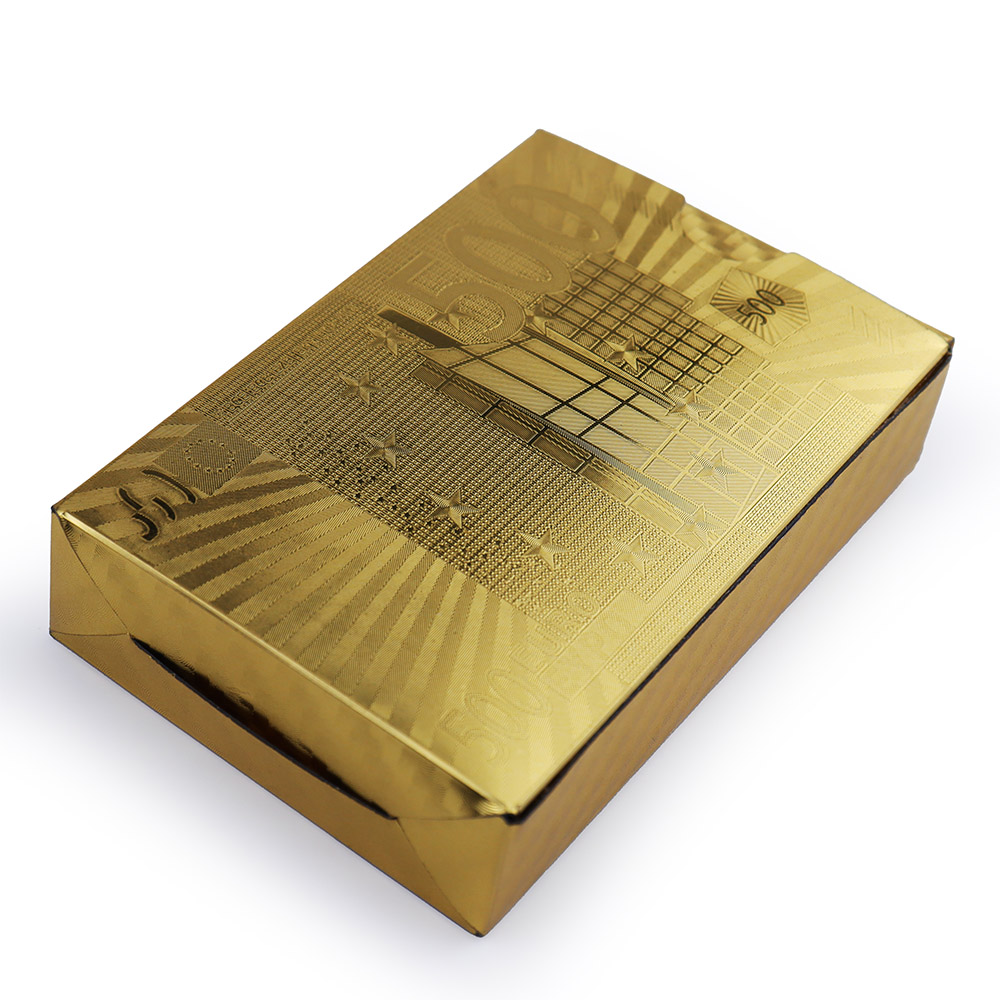 Customized theme gold foil playing cards
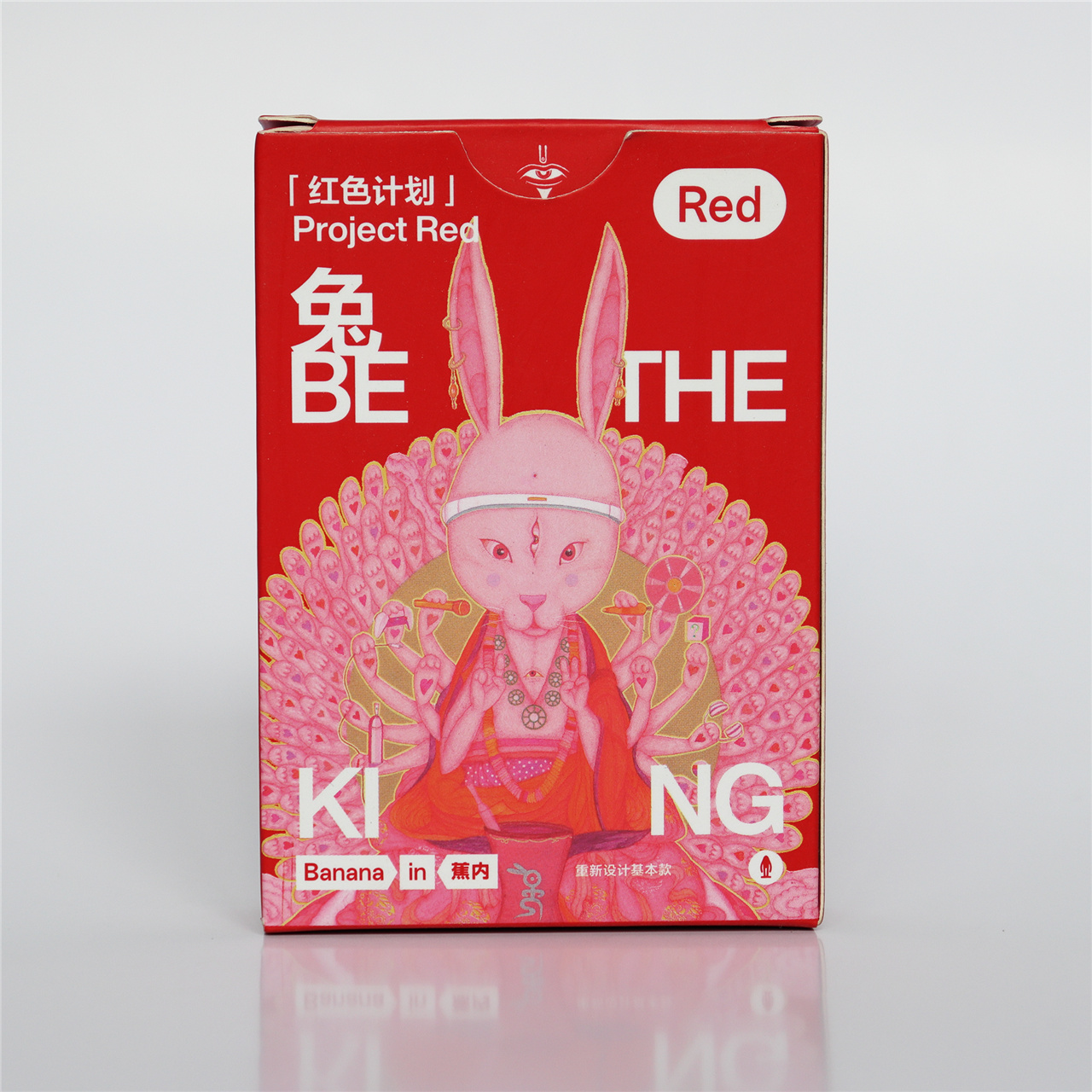 Custom Red Rabbit Themed Playing Cards Set
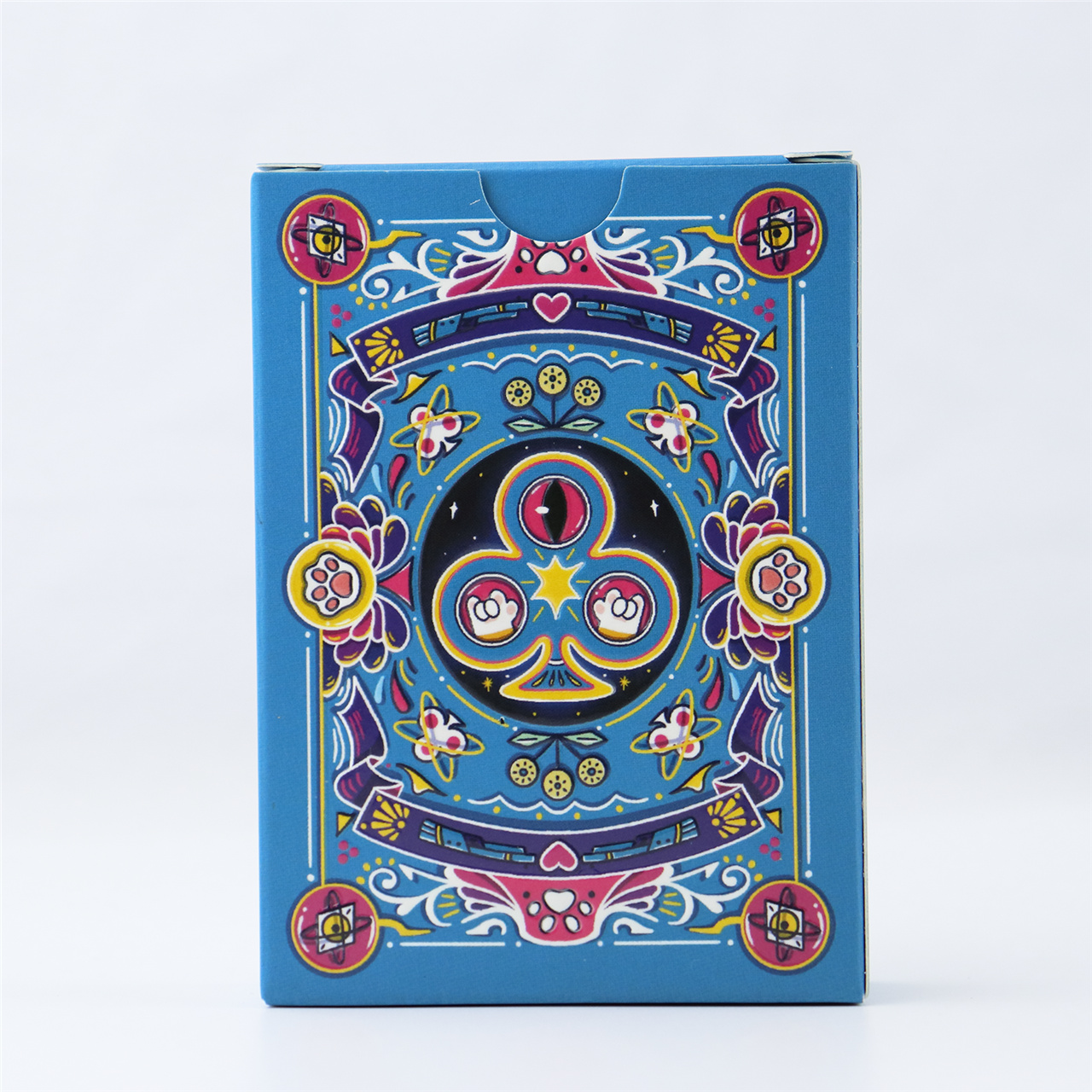 Custom Blue - Black Fantasy Plastic Playing Cards Set
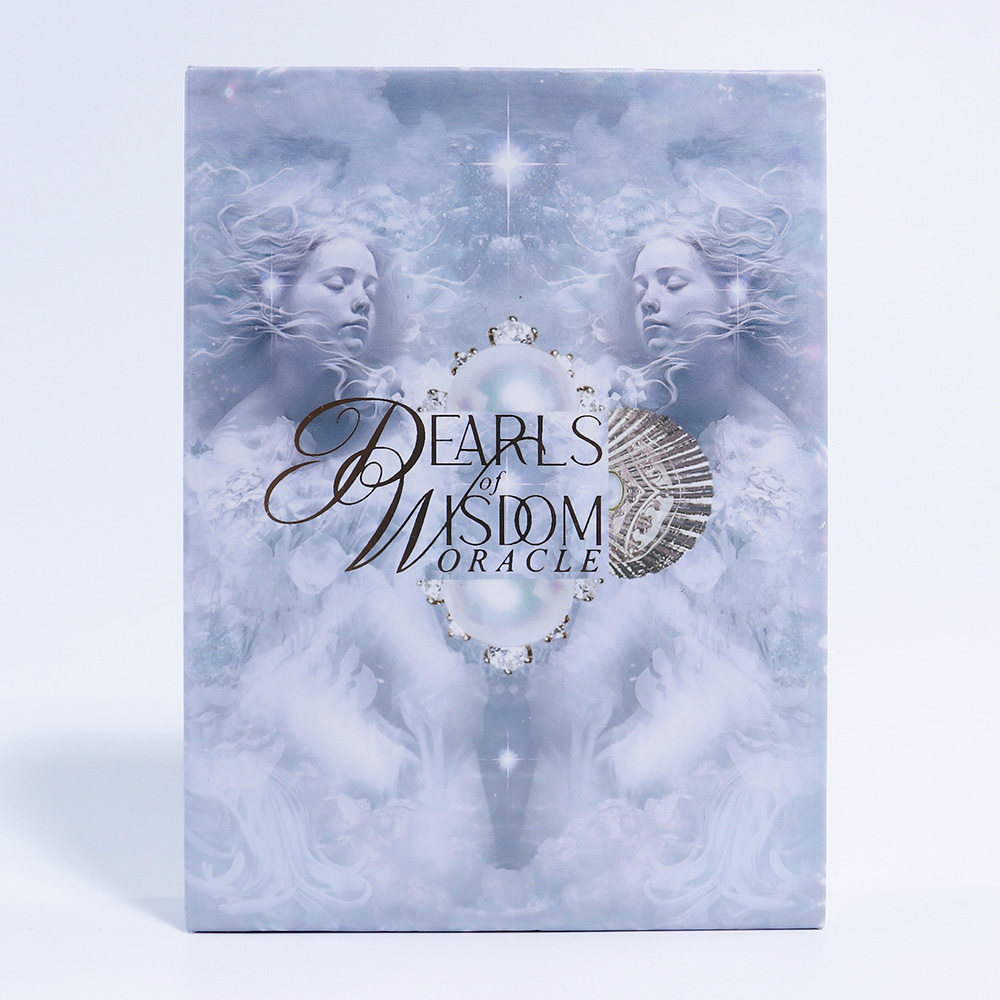 Pearls of Wisdom Oracle Custom Cards
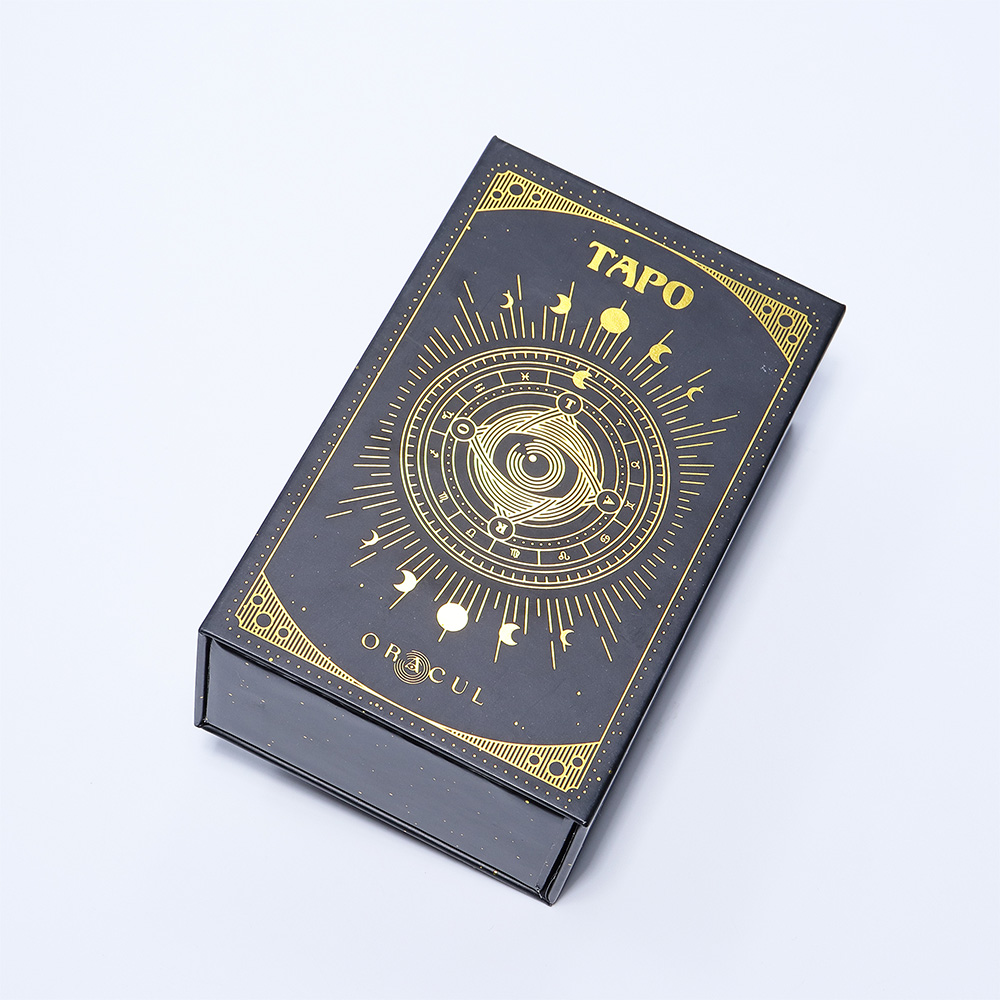 Custom Black & Gold Celestial Tarot Cards
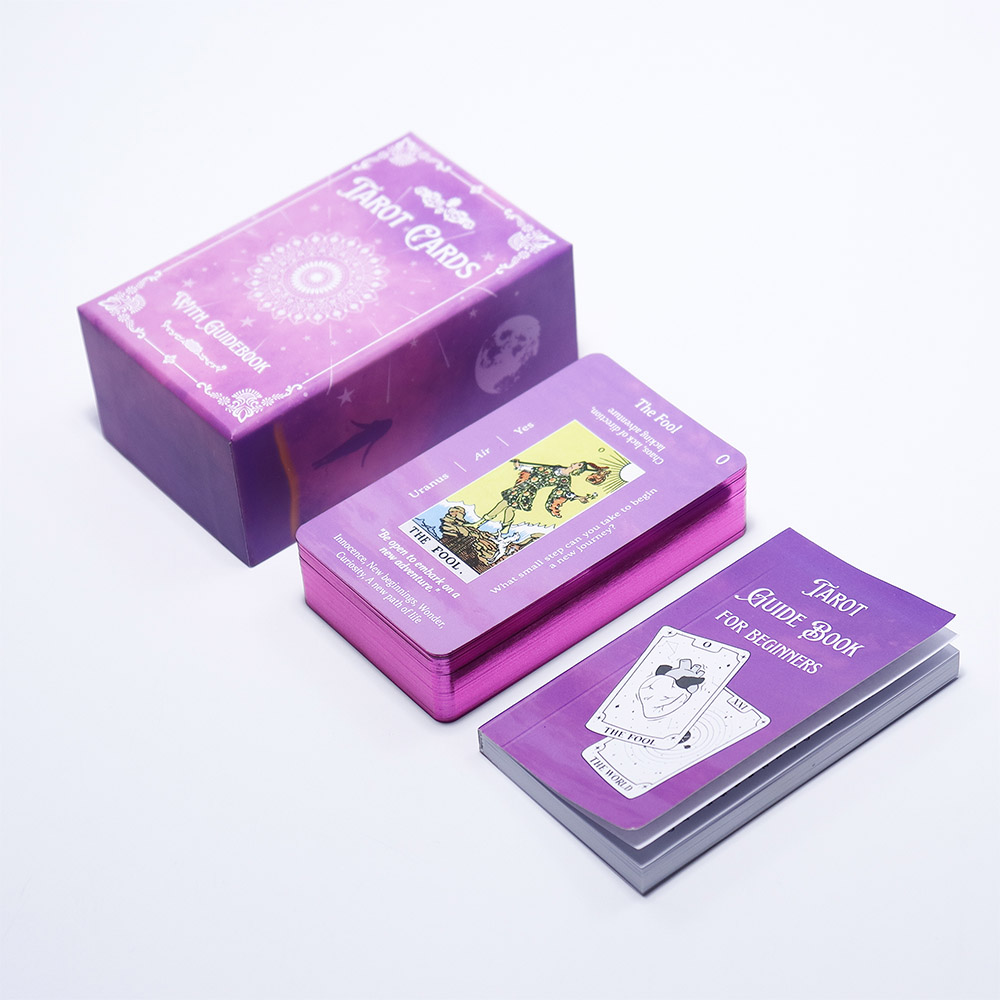 Custom Purple Tarot Cards with Guidebook
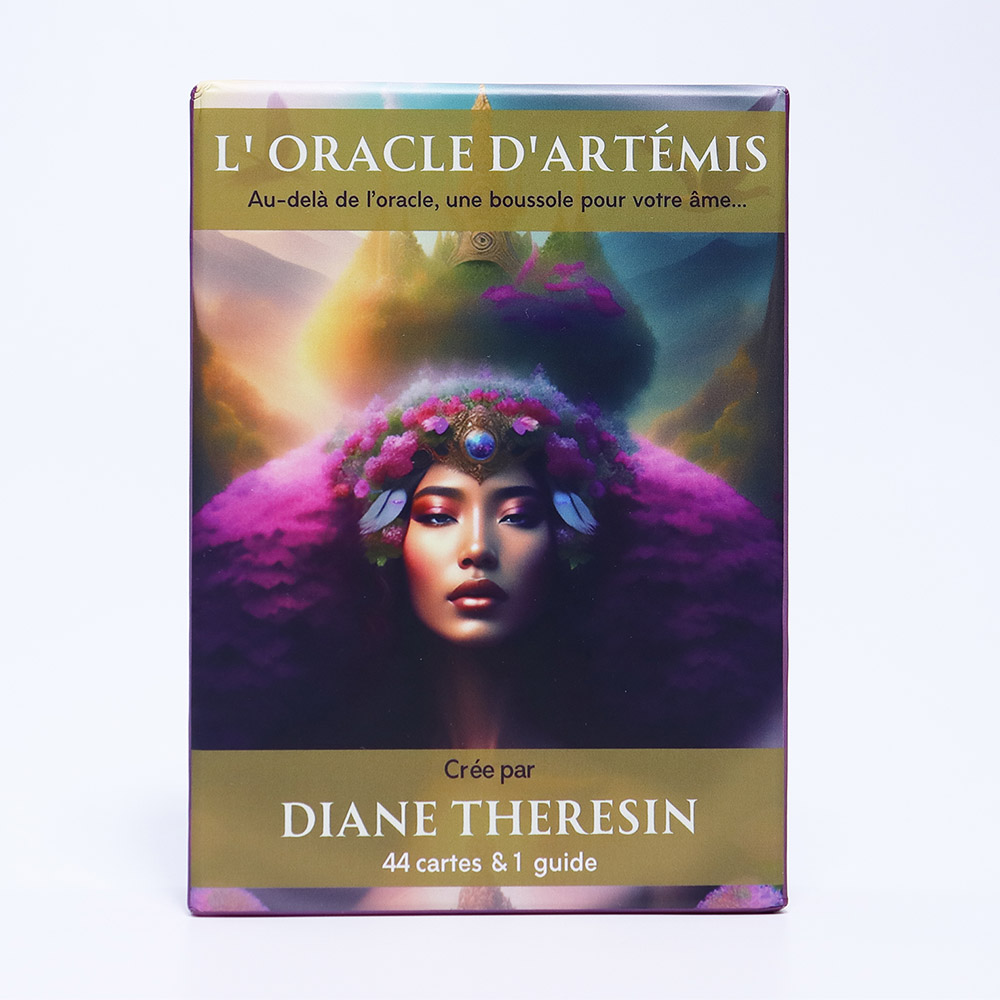 L'Oracle d'Artémis Custom Oracle Cards
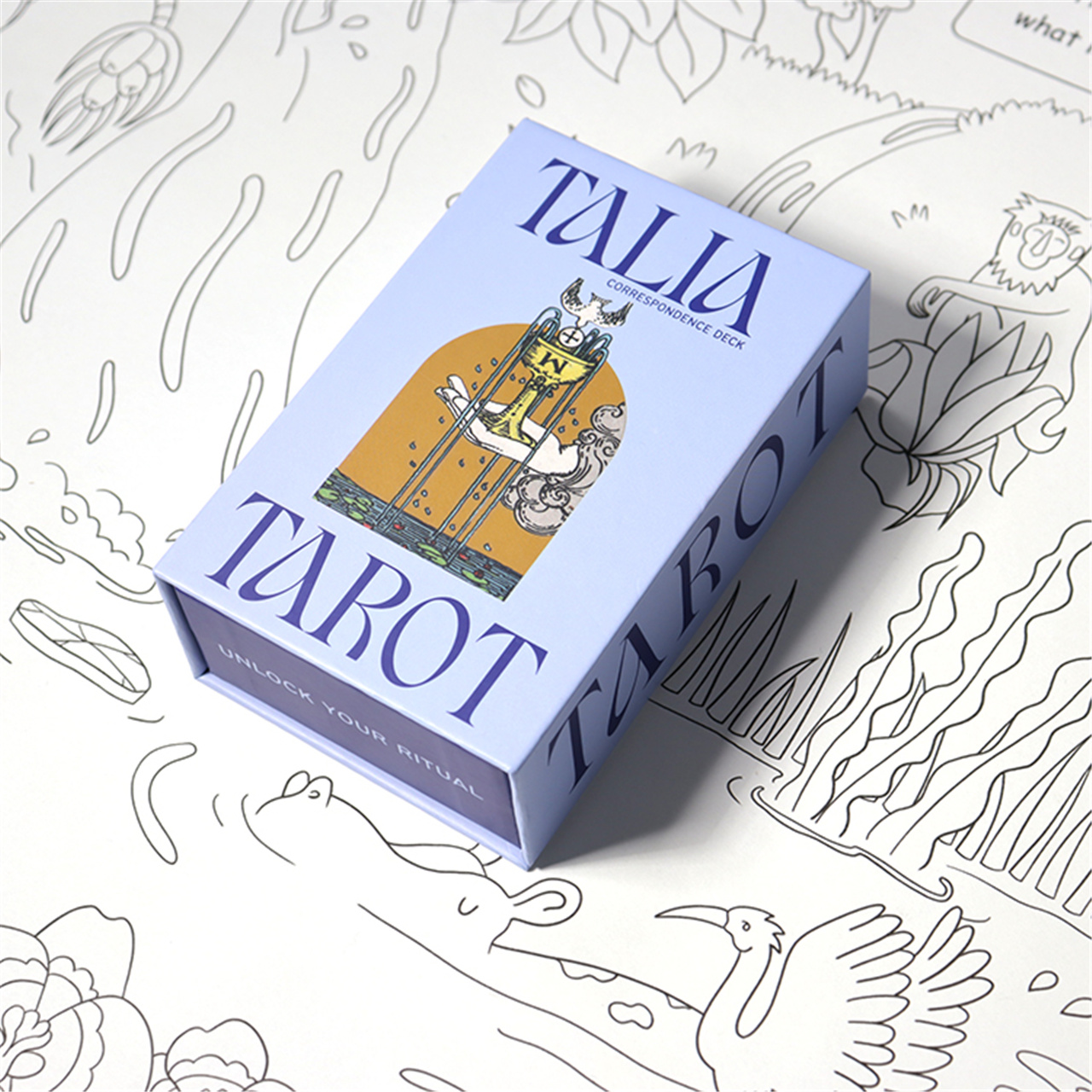 Custom Blue - Themed Tarot Cards Deck
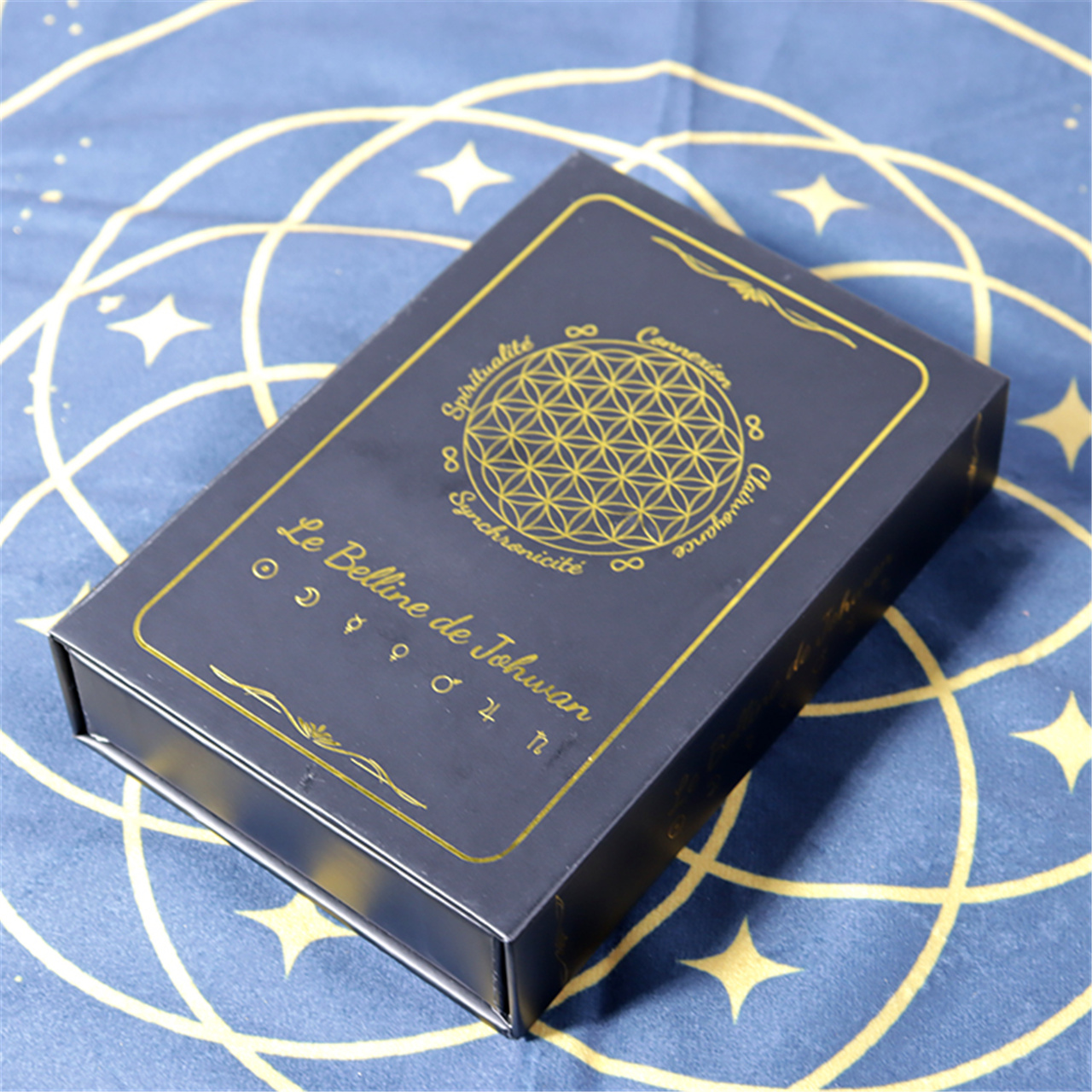 Custom Black - Blue Gold Foil Tarot Cards Set
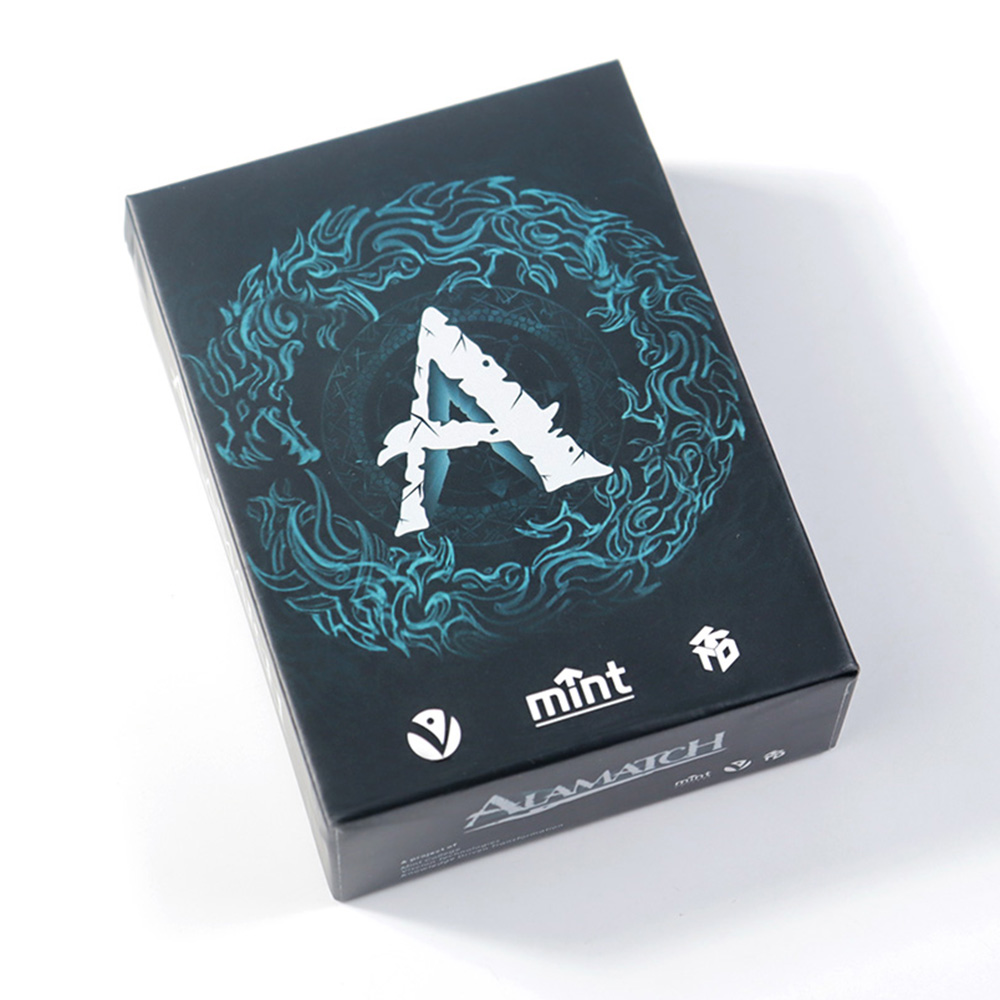 Alamatch Custom Trading Game Cards
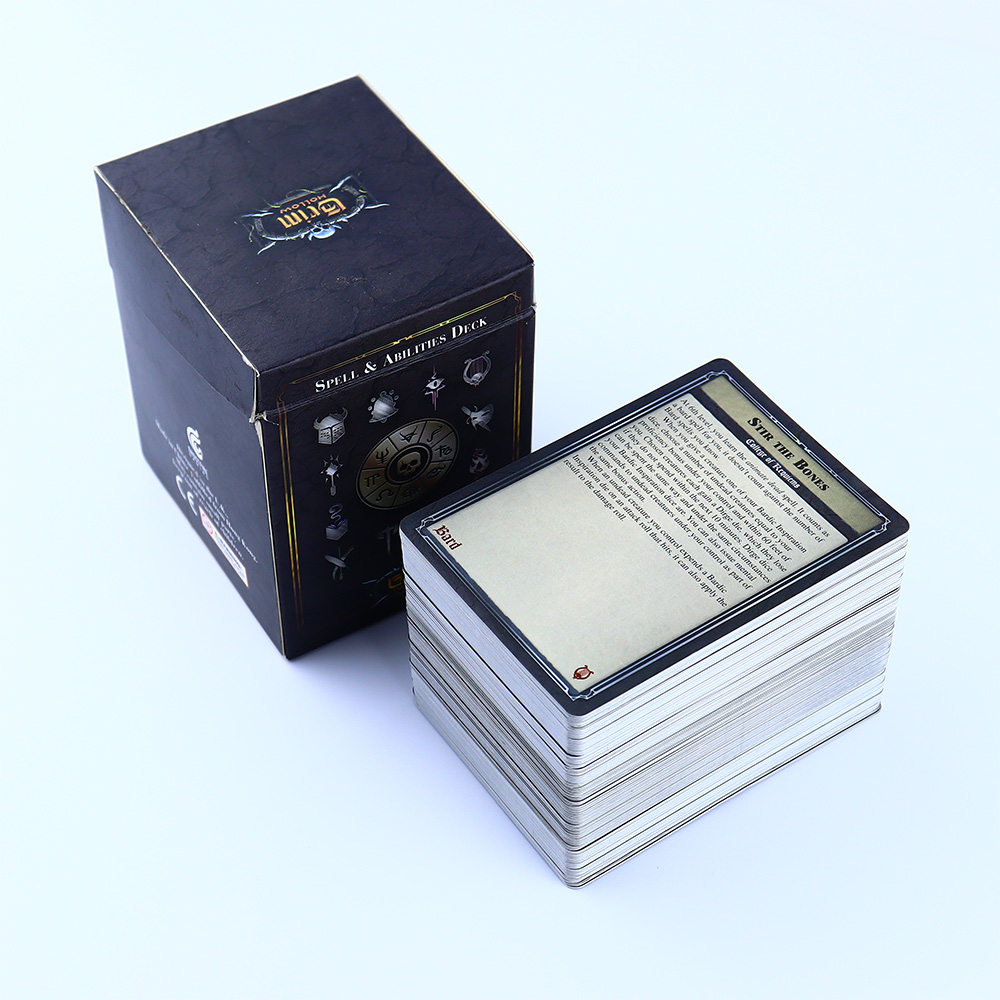 Grim Hollow Spell & Abilities Custom Trading Cards
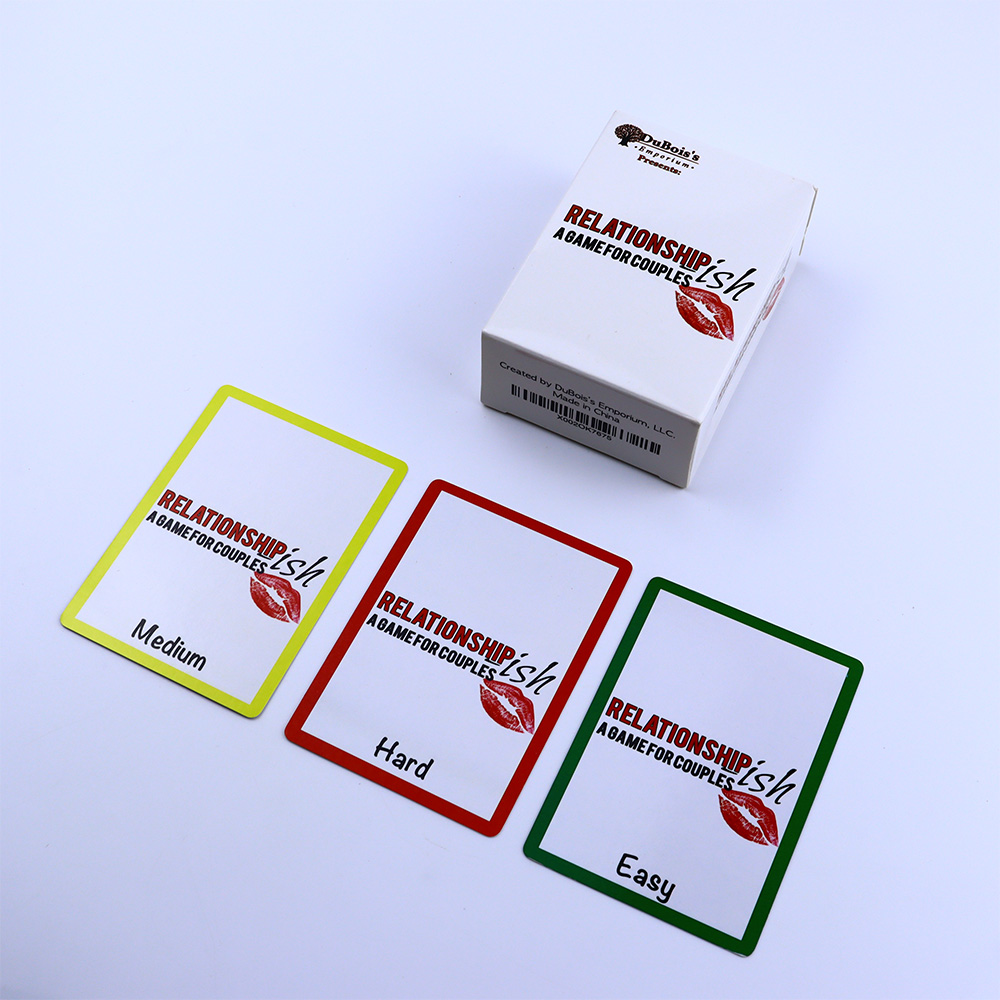 Relationshipish Custom Couple Card Game
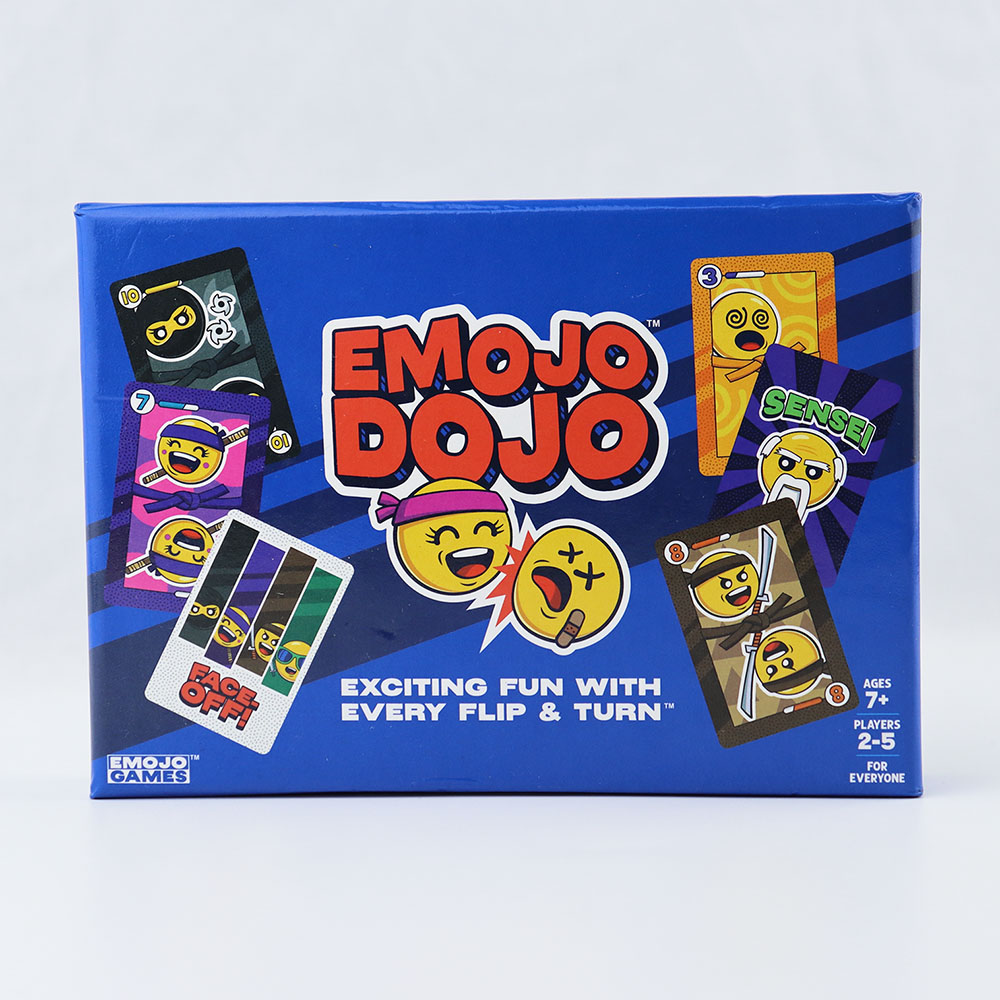 Emojo Dojo Custom Trading Card Game
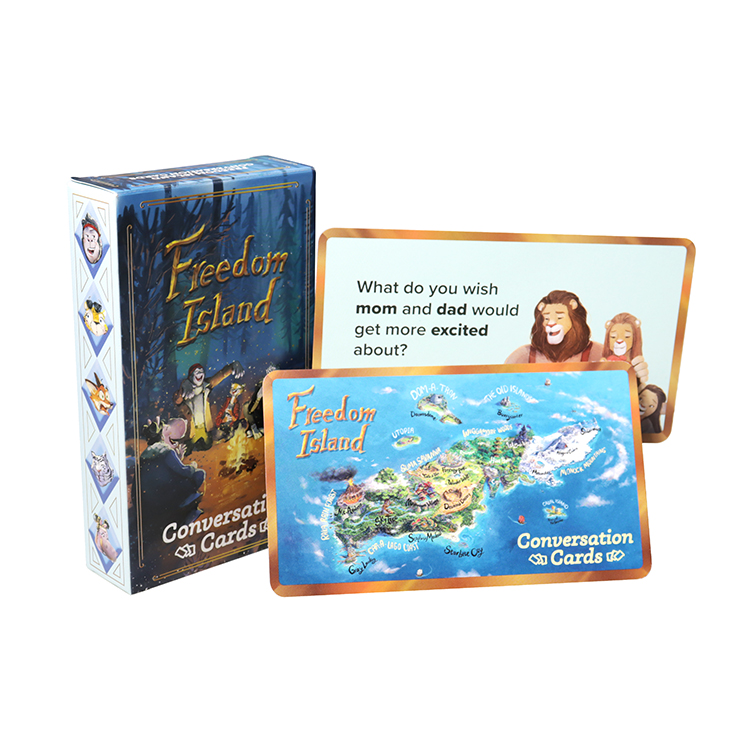 Custom Travel Photo Trading Cards Set
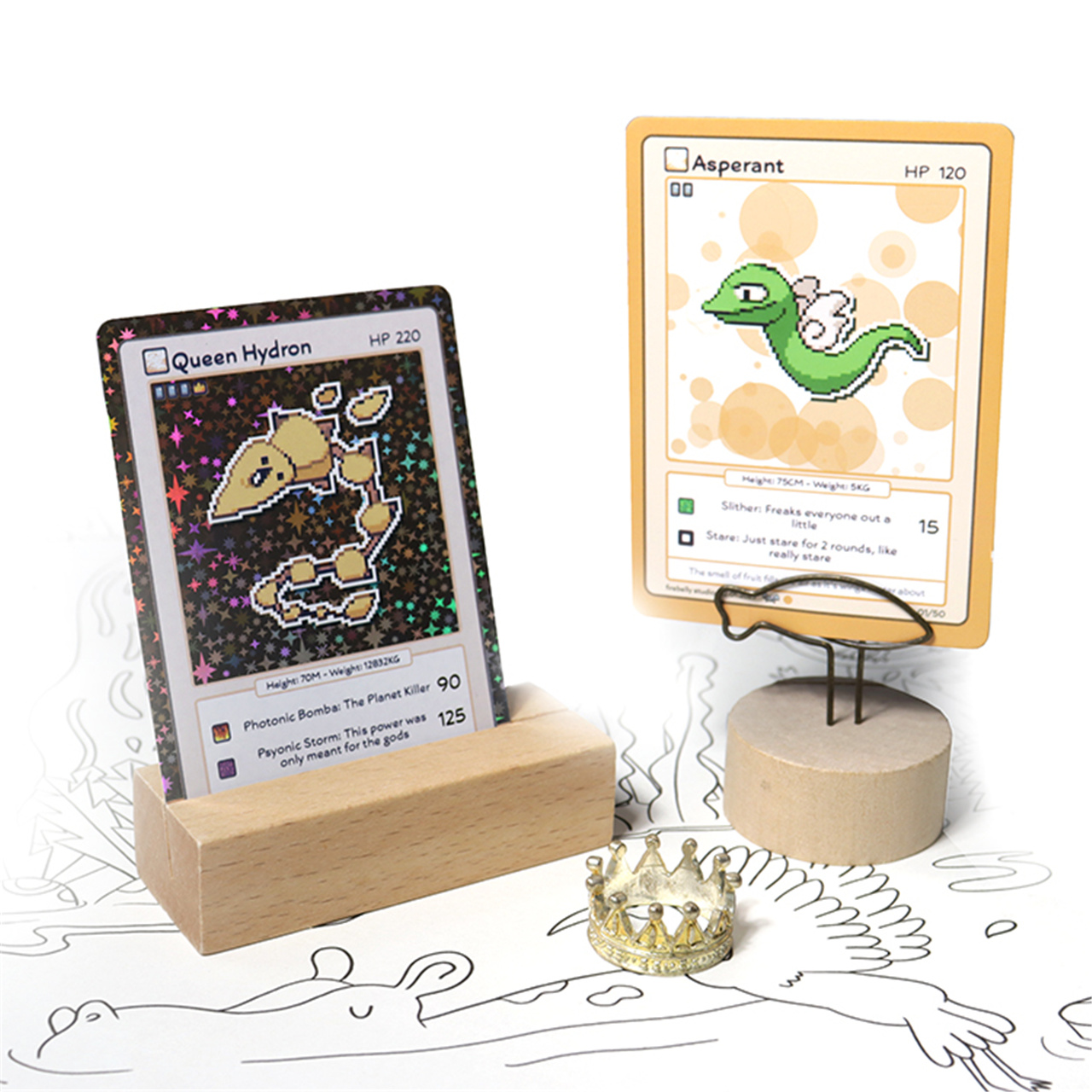 Custom Cartoon Holographic Trading Cards Set