What is an Educational Board Game and Why Are They Important?
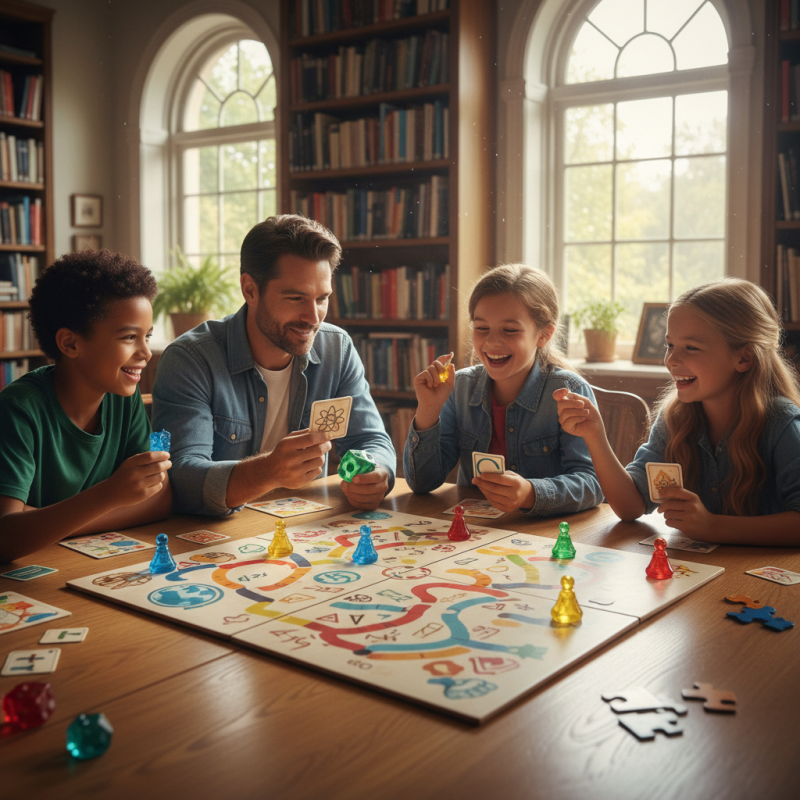
Educational Board Games have gained recognition for their role in learning and development. These games combine fun with education, providing an engaging platform for players of all ages. They encourage critical thinking, collaboration, and creativity.
Through interactive play, participants can explore complex subjects like math, science, and language arts. Educational Board Games spark interest in students who may struggle in traditional learning environments. This innovative approach promotes retention of knowledge and strengthens problem-solving skills.
However, reliance on these games requires reflection. Not every game is effective for all learners. Some may find them overwhelming or simplistic. Thus, careful selection and thoughtful integration into curricula are essential. The importance of Educational Board Games lies not just in the fun they provide but in how they address diverse educational needs.
Definition of Educational Board Games and Their Characteristics
Educational board games are designed to teach and engage players in learning. They blend enjoyment with educational principles, making learning an interactive experience. The primary characteristic of these games is their ability to foster critical thinking and problem-solving skills. Players learn concepts in math, science, or language arts while playing, without the pressure of traditional educational methods.
These games often include clear, engaging visuals and rules that enhance understanding. They promote teamwork and communication, as players must collaborate to achieve goals. This aspect can be particularly useful in a classroom setting, where students learn to value different perspectives. However, it is essential to ensure that the content is suitable for the age group intended. Games can sometimes oversimplify complex concepts, leading to confusion rather than clarity.
Not every educational board game hits the mark. Some may lack depth or fail to align with curriculum goals. It's important for educators and parents to choose games that provide substantive content while maintaining engagement. Players need opportunities to reflect on their strategies and outcomes. This reflection can lead to deeper comprehension and a more meaningful learning experience.
Historical Development of Educational Board Games in Modern Education
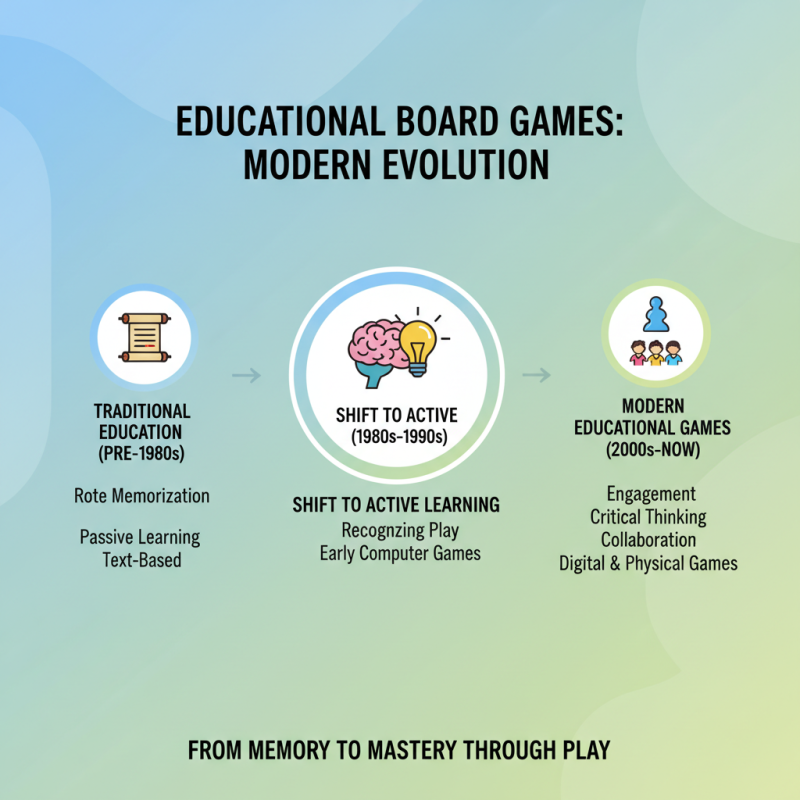
Educational board games have evolved dramatically in recent decades. Their development has been linked to a growing recognition of the importance of active learning methods. Traditionally, education was rooted in rote memorization. Now, educators advocate for engaging children through play.
Many modern board games encourage collaboration, critical thinking, and problem-solving skills. For instance, games that require players to strategize and make decisions foster cognitive development. They can also address diverse subjects, making learning more applicable. This shift acknowledges that students often retain information better when they engage physically and mentally.
However, challenges remain. Not all educators are accustomed to integrating games into lesson plans. Some may worry about losing classroom control. Others lack access to resources for creating or purchasing games. It’s essential to reflect on these barriers while recognizing the potential benefits. Board games could serve as a vital tool in creating more inclusive and engaging educational environments.
Statistics on the Effectiveness of Educational Board Games in Learning
Educational board games are gaining recognition for their role in enhancing learning. Studies show that these games engage students actively, leading to improved retention and comprehension. A report from the American Educational Research Association indicates that educational board games can boost academic performance by up to 30%. This is an impressive figure that highlights their potential.
Additionally, a survey conducted by the Learning Research and Development Center found that 78% of educators believe these games foster critical thinking and problem-solving skills. They promote collaboration and communication among peers. Despite these benefits, some argue that not all games are effective. The challenge lies in selecting games that align with learning objectives.
Moreover, implementing educational board games in classrooms can face obstacles. Teachers may lack training or resources to effectively integrate these tools. Ensuring that games are age-appropriate and curriculum-relevant is crucial. The effectiveness of these games hinges on thoughtful implementation and teacher support. Ultimately, the potential impact of educational board games on learning merits further exploration.
Effectiveness of Educational Board Games in Learning
Impact of Educational Board Games on Critical Thinking and Collaboration
Educational board games serve as powerful tools for enhancing critical thinking and collaboration among players. These games often present real-world challenges that require players to devise strategies and make decisions. For instance, players may face dilemmas that necessitate weighing pros and cons before taking action. This process cultivates analytical skills and encourages individuals to think deeply about the consequences of their choices.
Collaboration is equally important. Many board games require teamwork to succeed. Players must communicate effectively, share ideas, and negotiate compromises. This often leads to discussions about diverse viewpoints. Through this dynamic interaction, participants learn the art of collaboration. They experience the balance between asserting their opinions and valuing others' contributions.
However, not all games facilitate these outcomes perfectly. Some may focus too much on competition, limiting collaboration. Others might not challenge players sufficiently to develop critical skills. Evaluating games critically helps educators choose the right ones. Understanding these nuances is essential for maximizing the educational potential of board games.
Future Trends in Educational Board Game Design and Implementation
The landscape of educational board game design is evolving rapidly. Innovative thinkers are exploring ways to integrate technology. This includes digital elements that enhance gameplay while retaining the tactile experience of traditional games. Designers are experimenting with augmented reality to increase engagement. Such trends can make learning more dynamic.
New themes are emerging, focusing on social issues, sustainability, and emotional intelligence. These topics resonate with today’s learners. Games that encourage critical thinking are more sought after. They challenge players to solve real-world problems. Yet, the balance between fun and education remains delicate. Striking this balance is not always easy.
Additionally, inclusivity is becoming a priority. Game designers are now considering diverse backgrounds and learning styles. This approach fosters a sense of belonging among players. Still, it’s essential to remember that not every game will resonate with every audience. Some designs may miss the mark or may not fully engage all players. Ongoing feedback from users is crucial in refining these games.
What is an Educational Board Game and Why Are They Important?
| Dimension |
Description |
Importance |
Future Trends |
| Engagement |
Games that capture student interest and encourage participation. |
Increases motivation and learning retention. |
Incorporating technology to enhance interactive play. |
| Critical Thinking |
Games that challenge players to solve problems and make decisions. |
Develops analytical skills and enhances cognitive abilities. |
Integration of STEM concepts into gameplay. |
| Collaboration |
Games that require teamwork and communication among players. |
Fosters social skills and encourages peer learning. |
Use of online platforms for remote or hybrid learning settings. |
| Creativity |
Games that allow for creative expression and exploration. |
Enhances imaginative thinking and innovation. |
Customizable game formats to suit diverse learning needs. |
| Assessment |
Games that can be used to evaluate student knowledge and skills. |
Provides immediate feedback and identifies learning gaps. |
Data analytics integration for personalized learning experiences. |

 Customizable Emotional Support Cards for Grief & Resilience
 Personalized Emotional Encouragement Card Collection
 Personalized Deep Conversation Card Gift Box
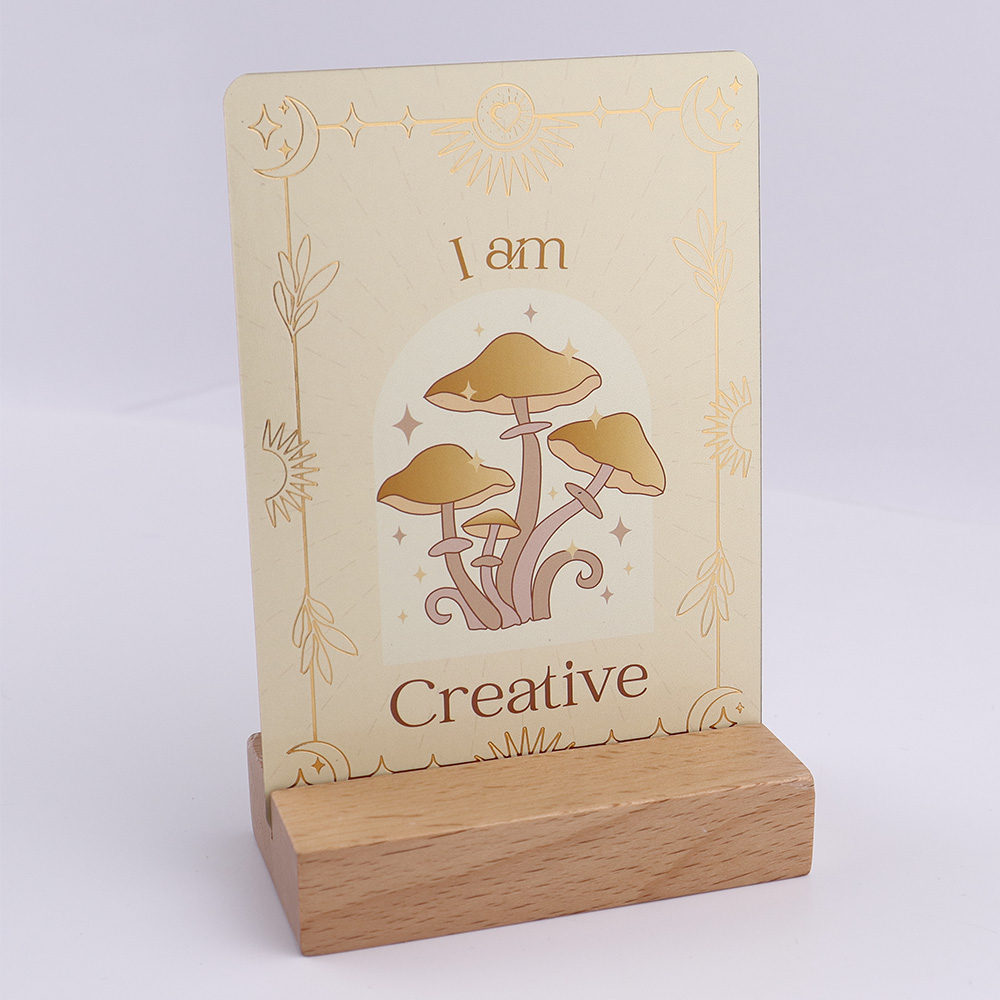 Customizable Boho-Chic Affirmation Cards for Mindfulness & Self-Love
 Customized Friendship Confirmation Card
 Customized Entrepreneurship Confirmation Card
 Air Max Pax Custom Sneaker Card Blind Box Set
 Fluffybutts Factory Custom Pet Card Blind Box Sets
 Doraemon Custom Card Blind Box Set
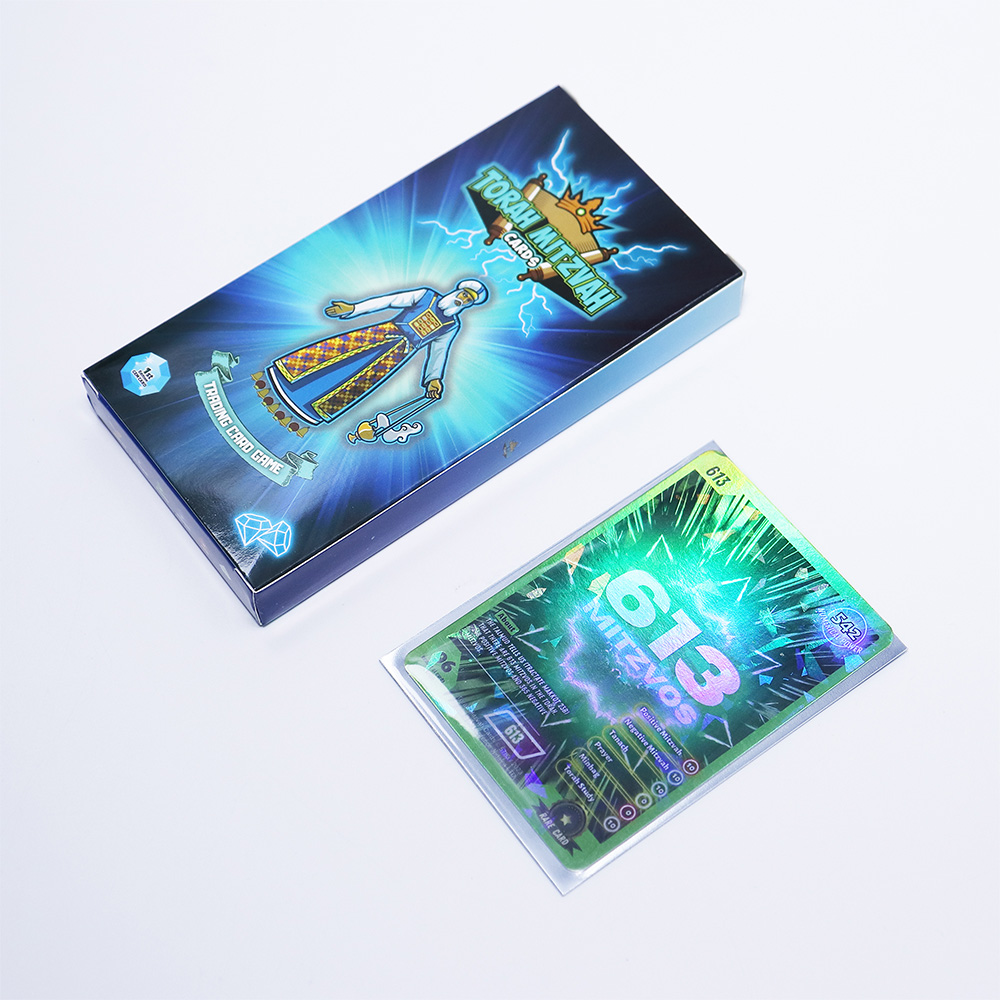 Torah Mitzvah Custom Card Blind Box Set
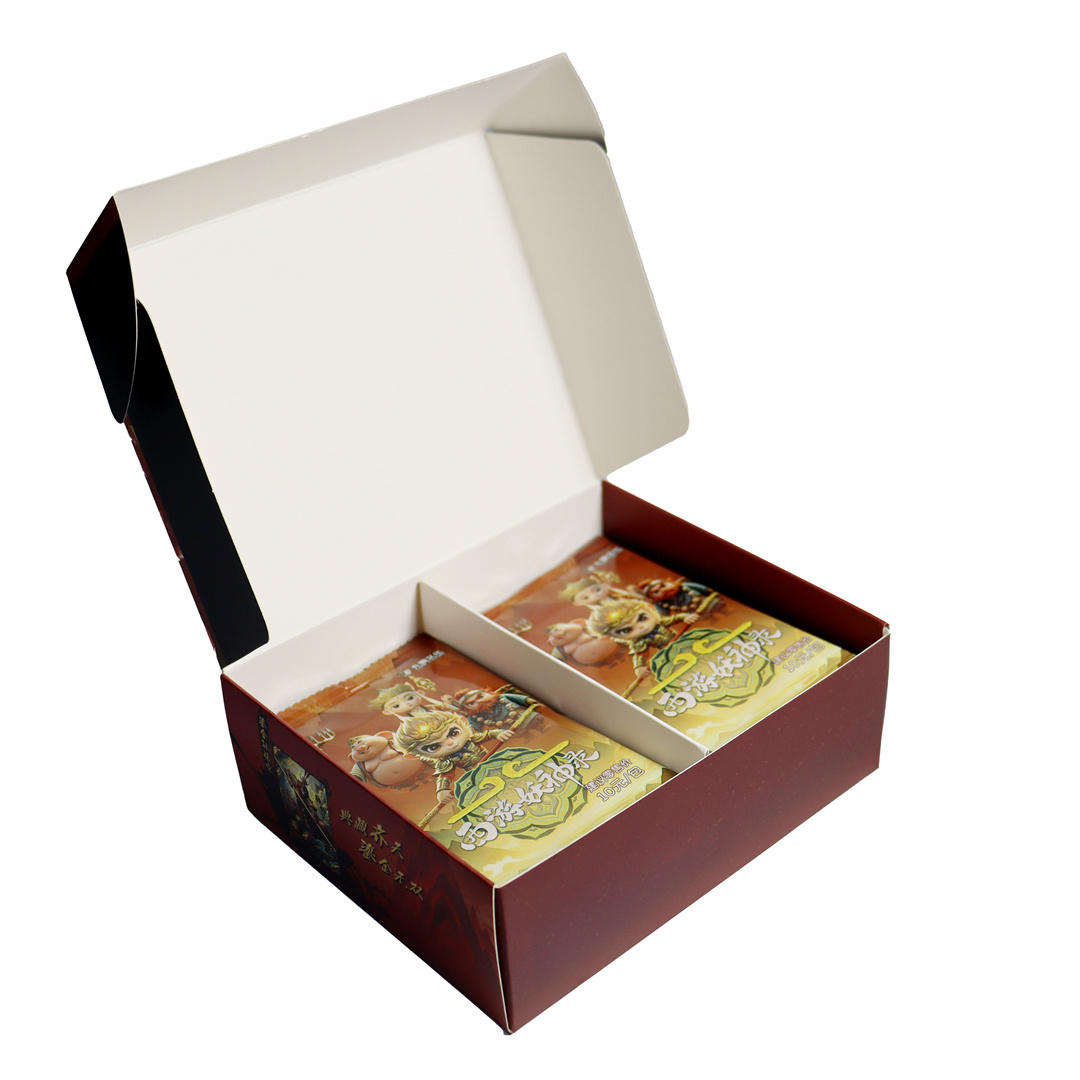 Customized "Journey to the West" Themed Card Blind Box Set
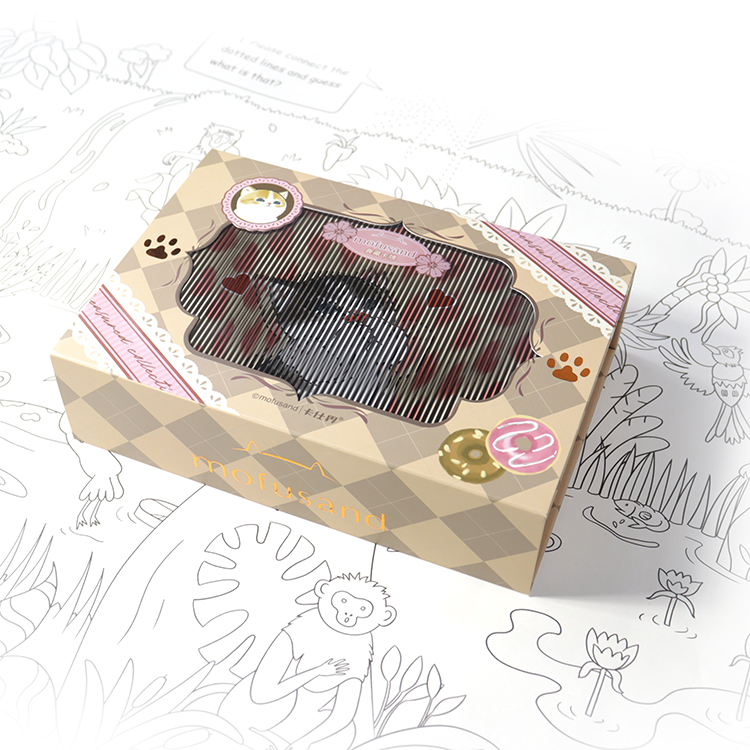 Customized cat-themed blind box set
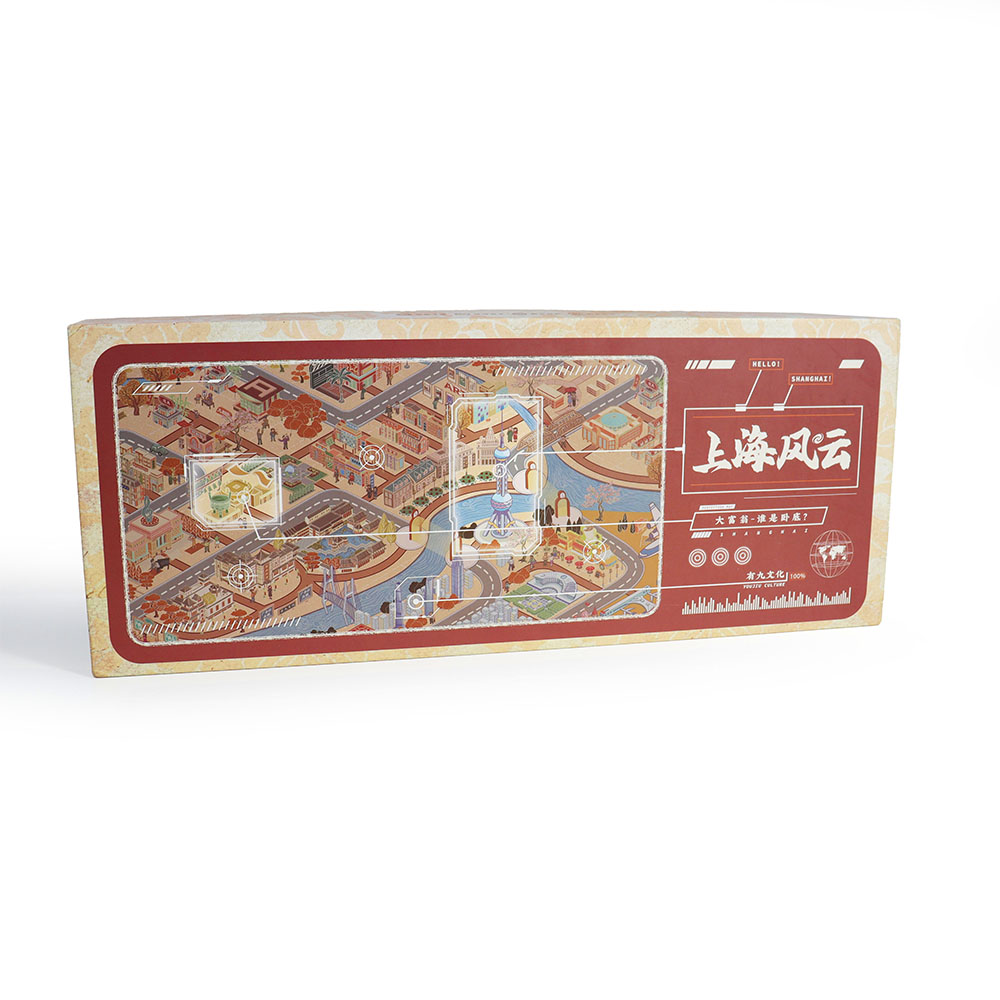 Shanghai Fengyun Custom Board Game Set
 Sensual Romance Game Custom Board Game Set
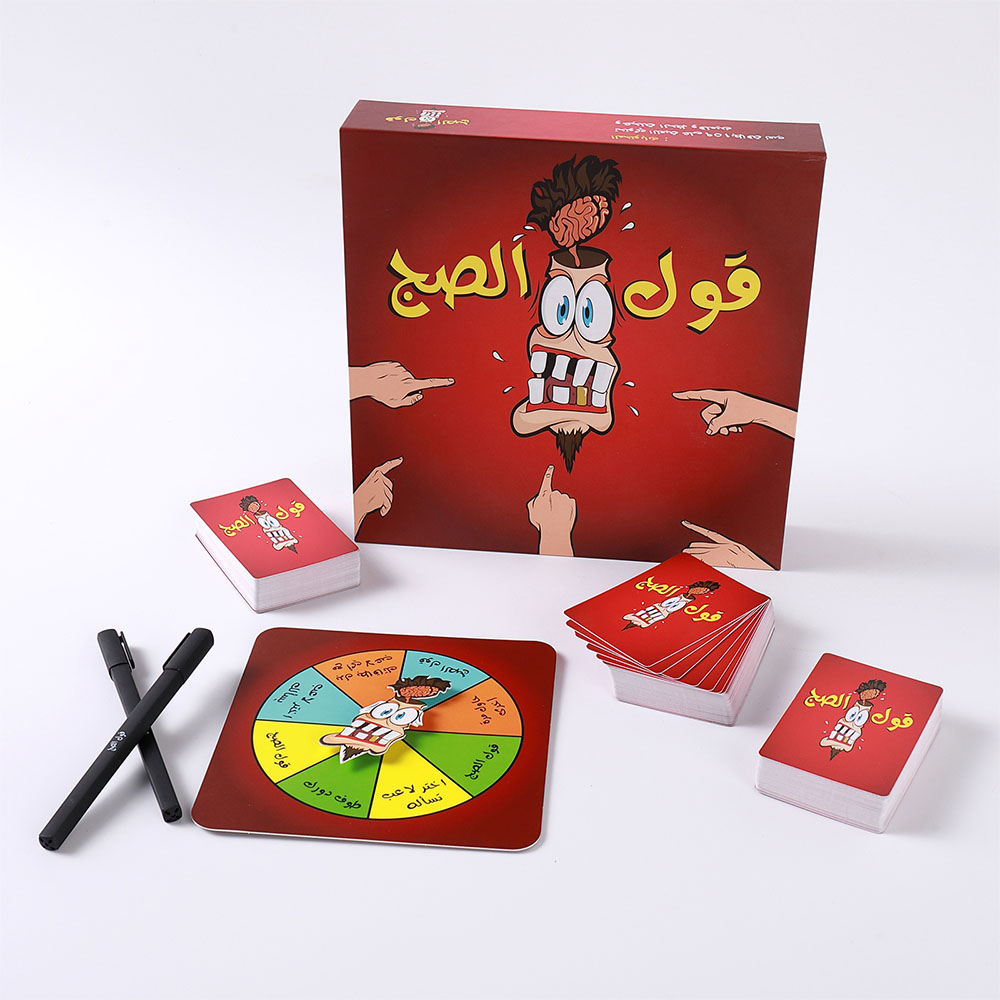 "Qoul Al Sabah" Custom Board Game Set
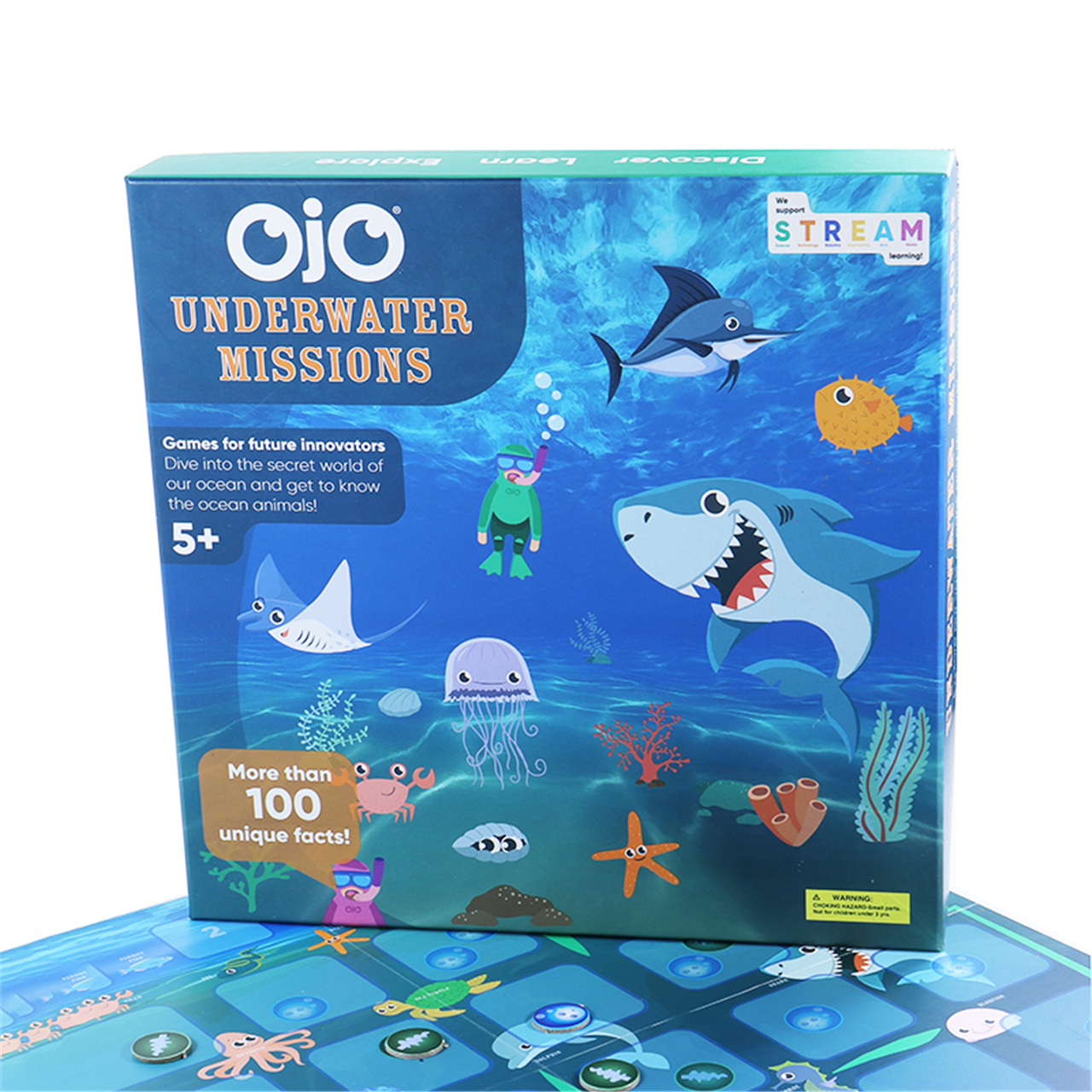 Customized educational board games for children
 Couple Interaction Turntable Themed Board Game
 Business Finance Board Game
 Pop Mart Custom Character Collectible Cards
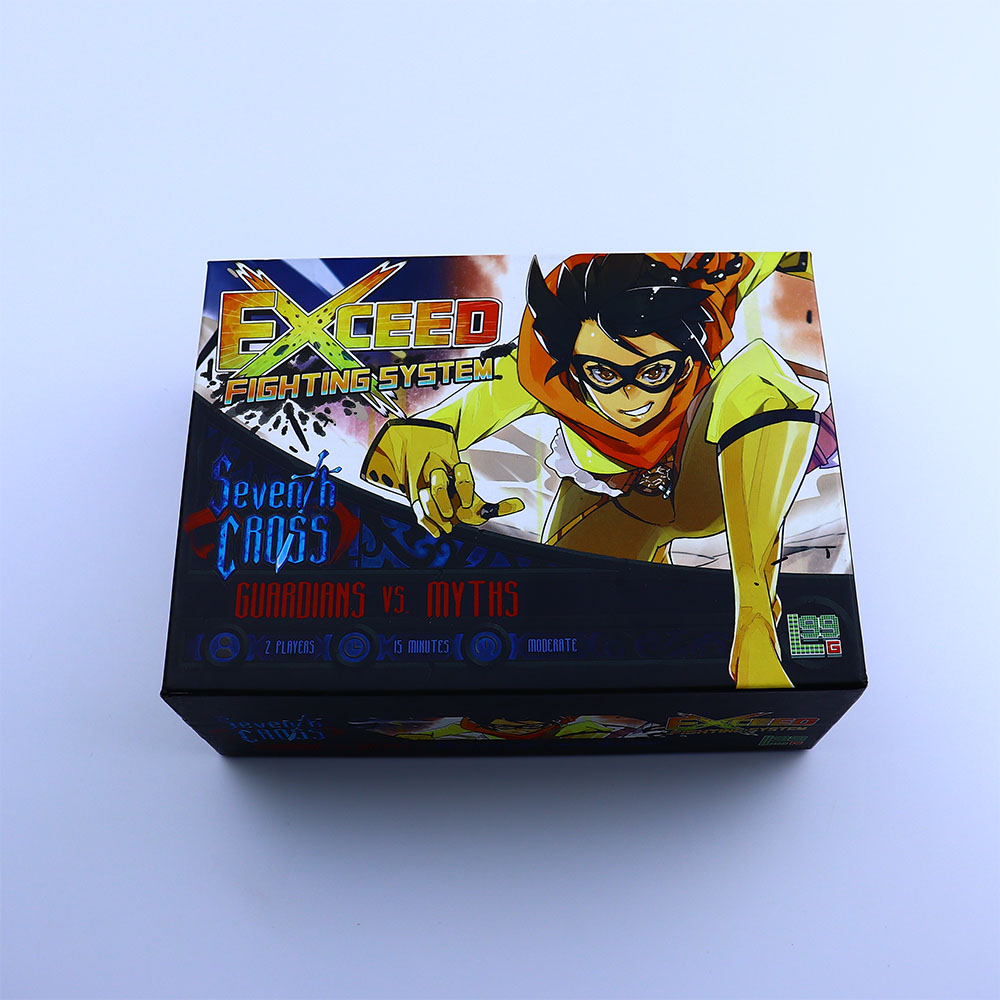 EXCEED Fighting System Custom Character Card Set
 Three Kingdoms Custom Hero Character Cards
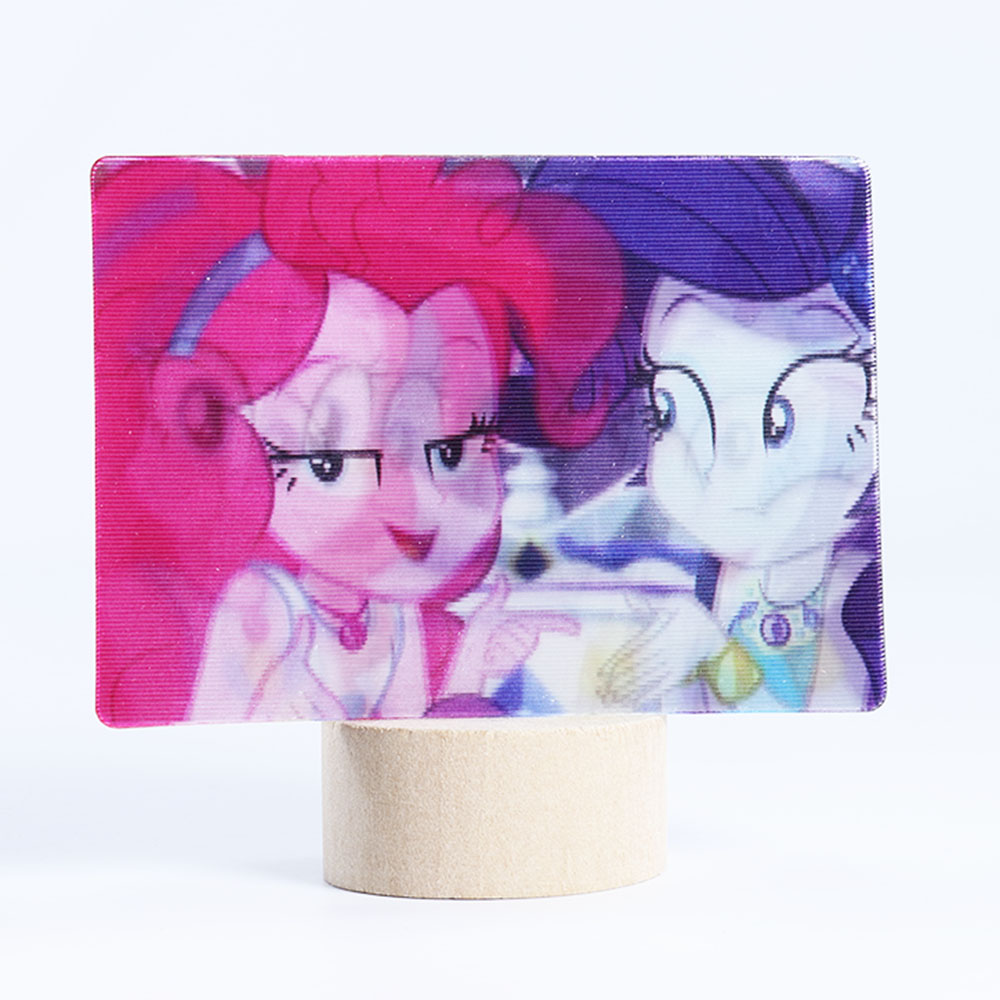 Custom Anime Character Dynamic Visual Cards
 Custom Cartoon Character Collectible Card Set
 Custom Anime Character Art Card Set
 Little Larch Alphabet Cards
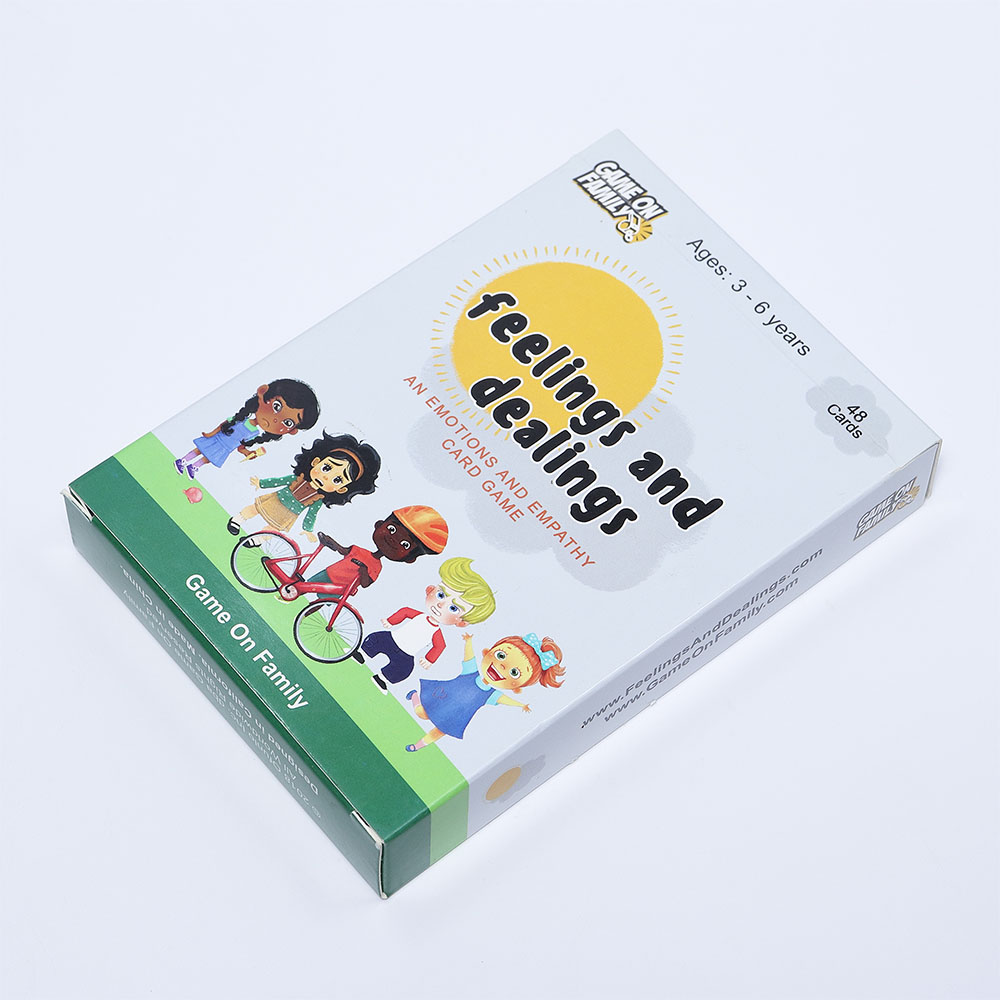 Feelings and Dealings Custom Children's Emotion Card Game
 Korean Children's Educational Flashcards
 Cocks Themed Custom Children's Learning Cards
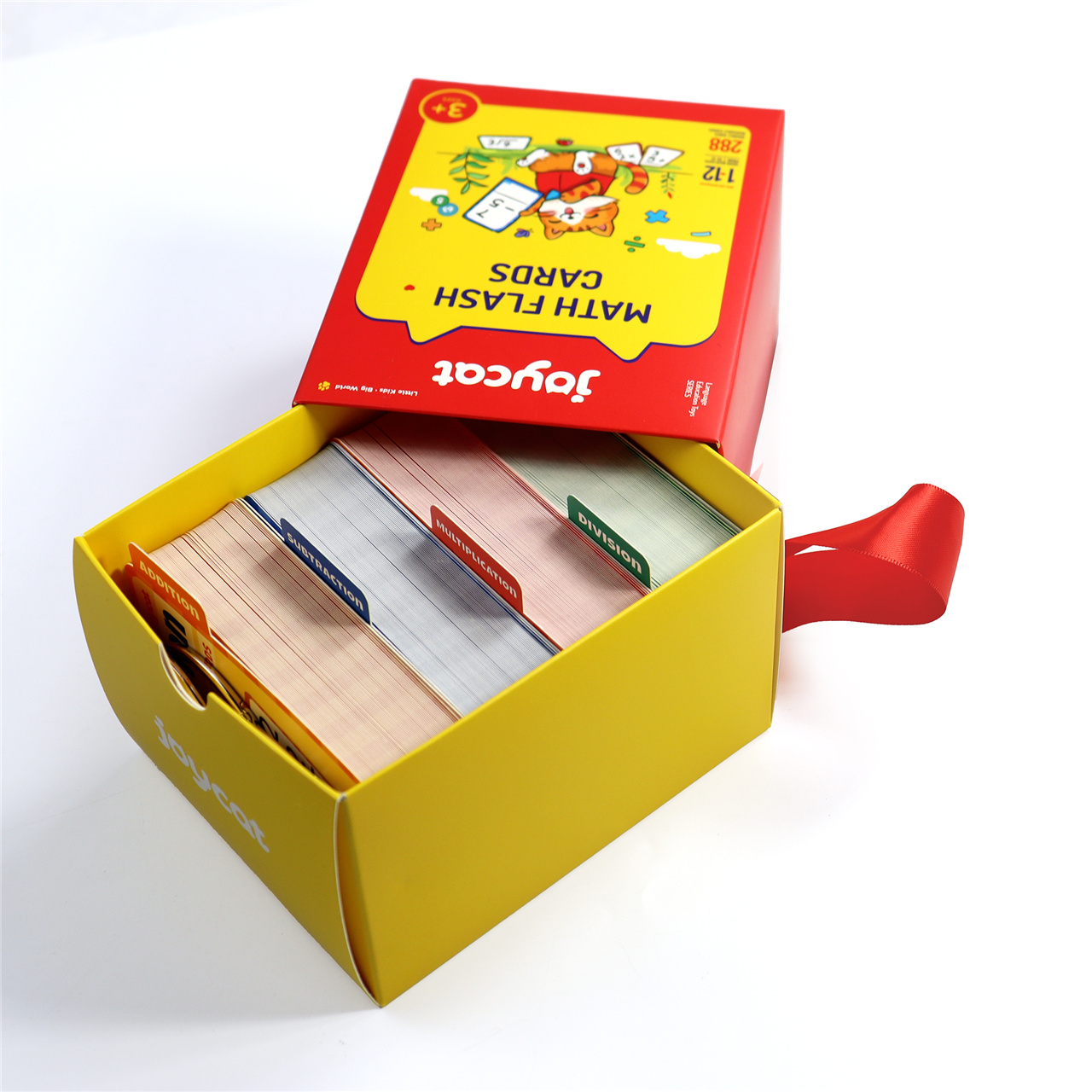 Math Flash Cards Set for Kids
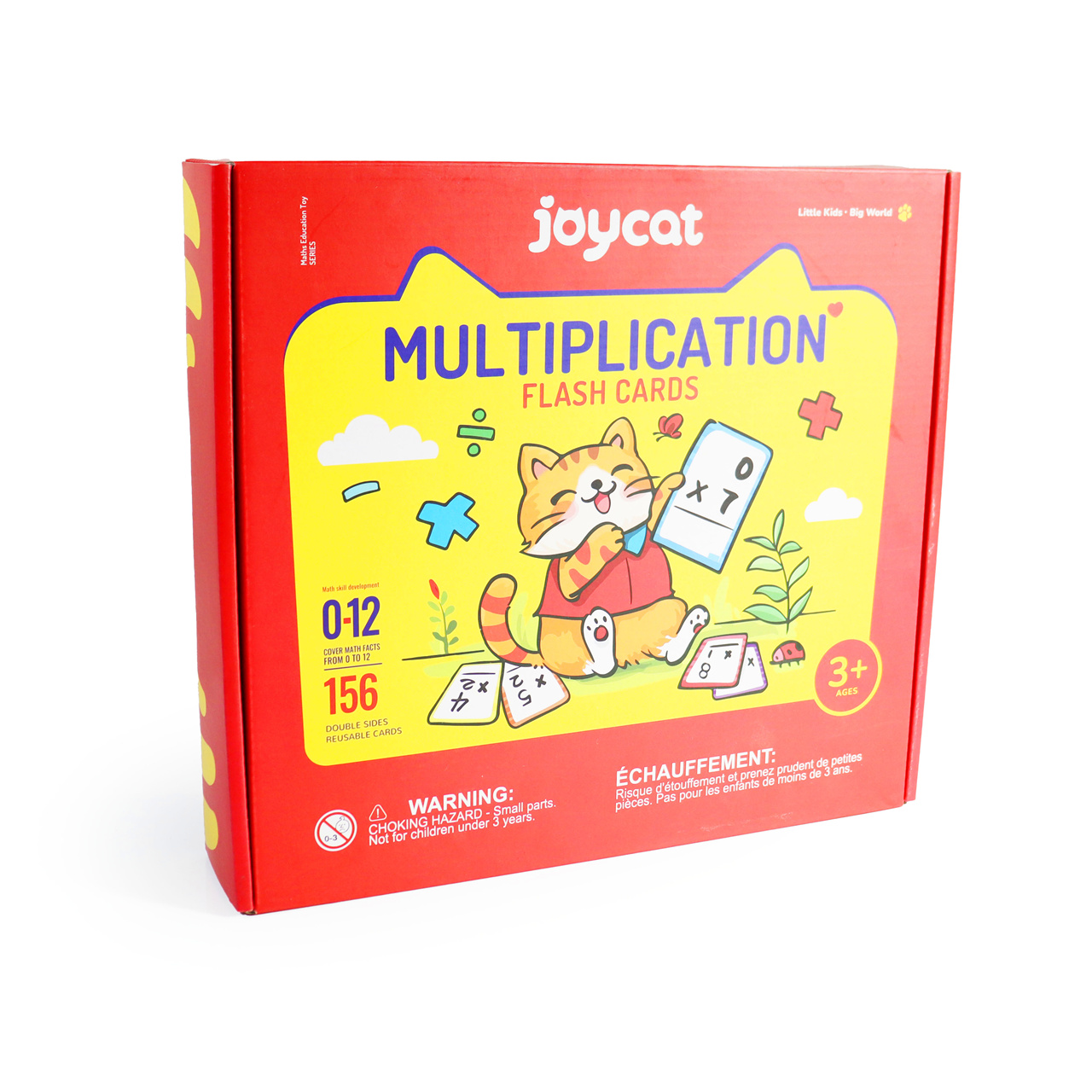 Joycat Multiplication Flash Cards Set with Accessories
 Custom Dual-Deck Playing Cards with Wolf-Themed Design
 Custom embossed gold foil playing cards
 Circuit PCB Edition Custom Playing Cards
 Customized theme gold foil playing cards
 Custom Red Rabbit Themed Playing Cards Set
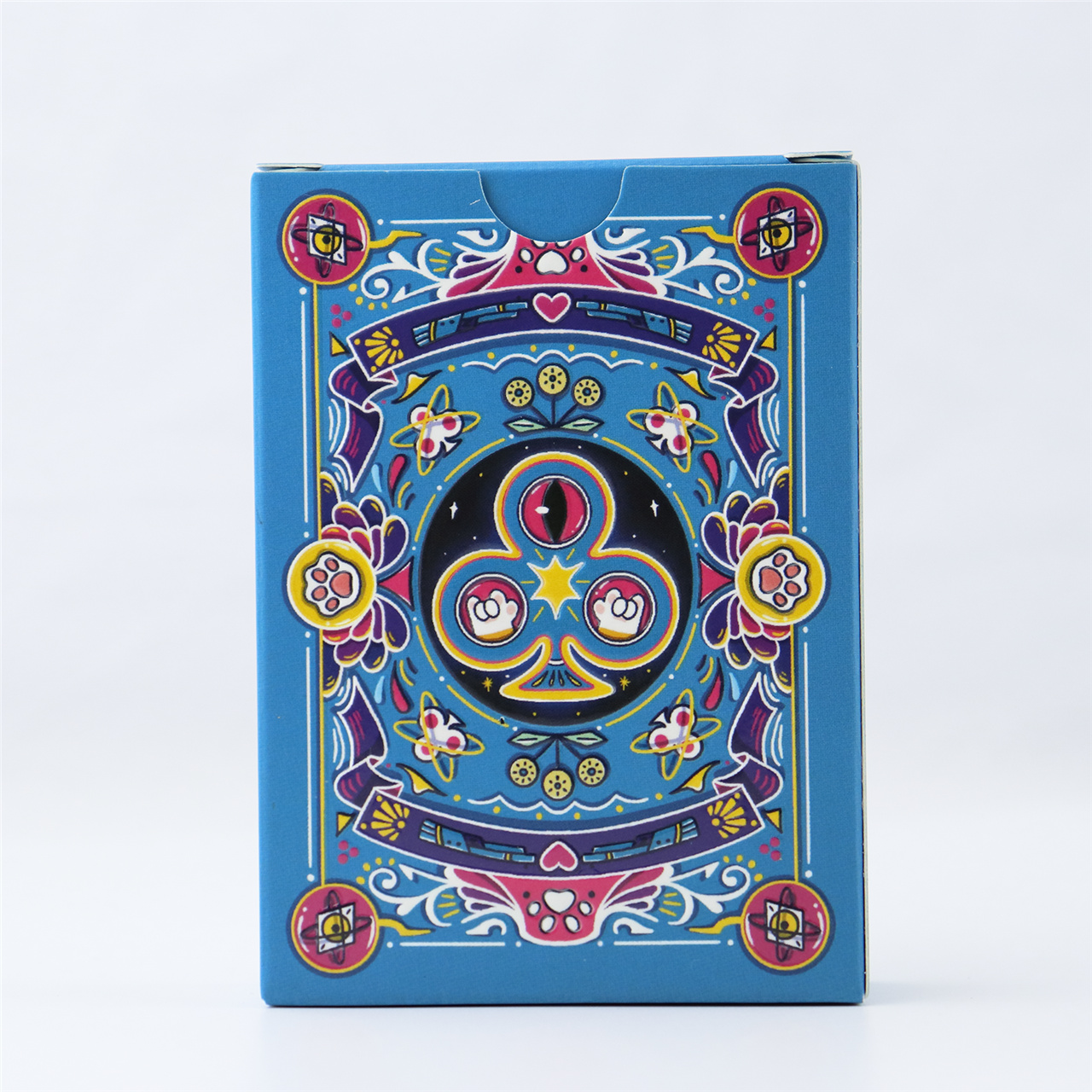 Custom Blue - Black Fantasy Plastic Playing Cards Set
 Pearls of Wisdom Oracle Custom Cards
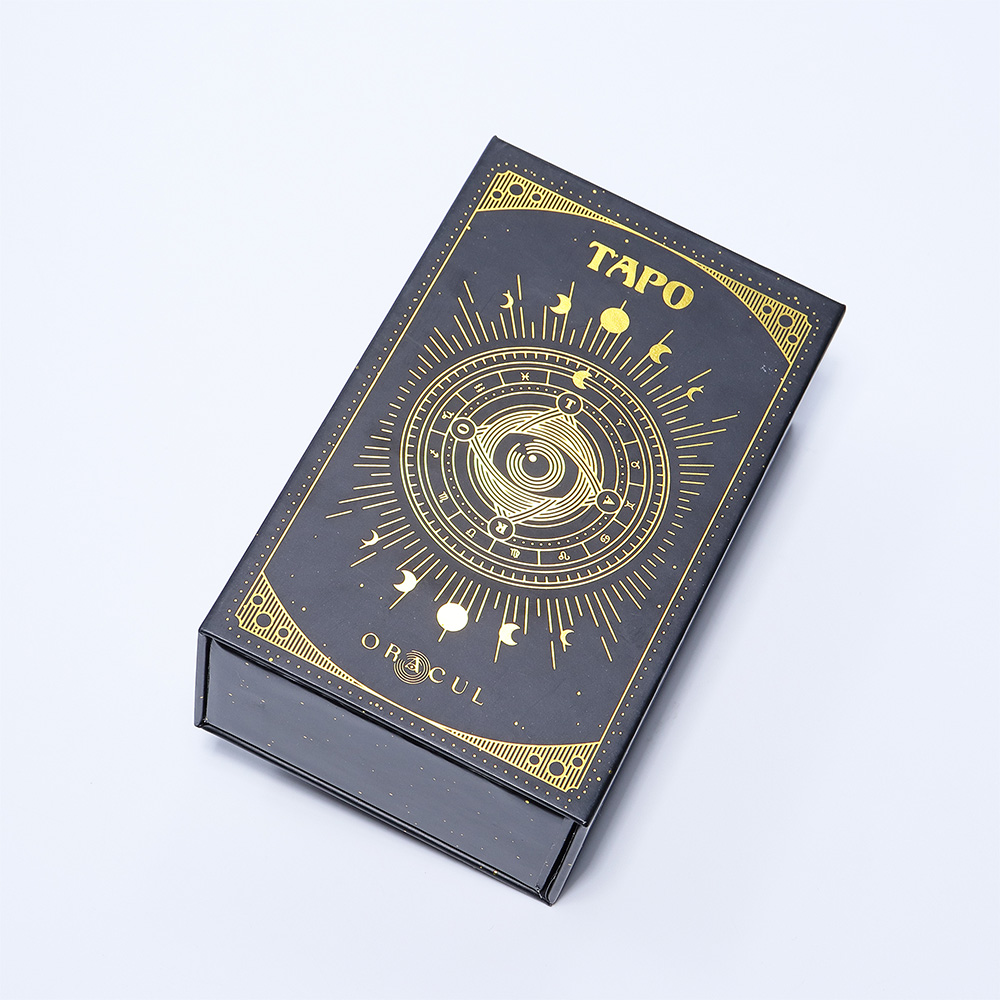 Custom Black & Gold Celestial Tarot Cards
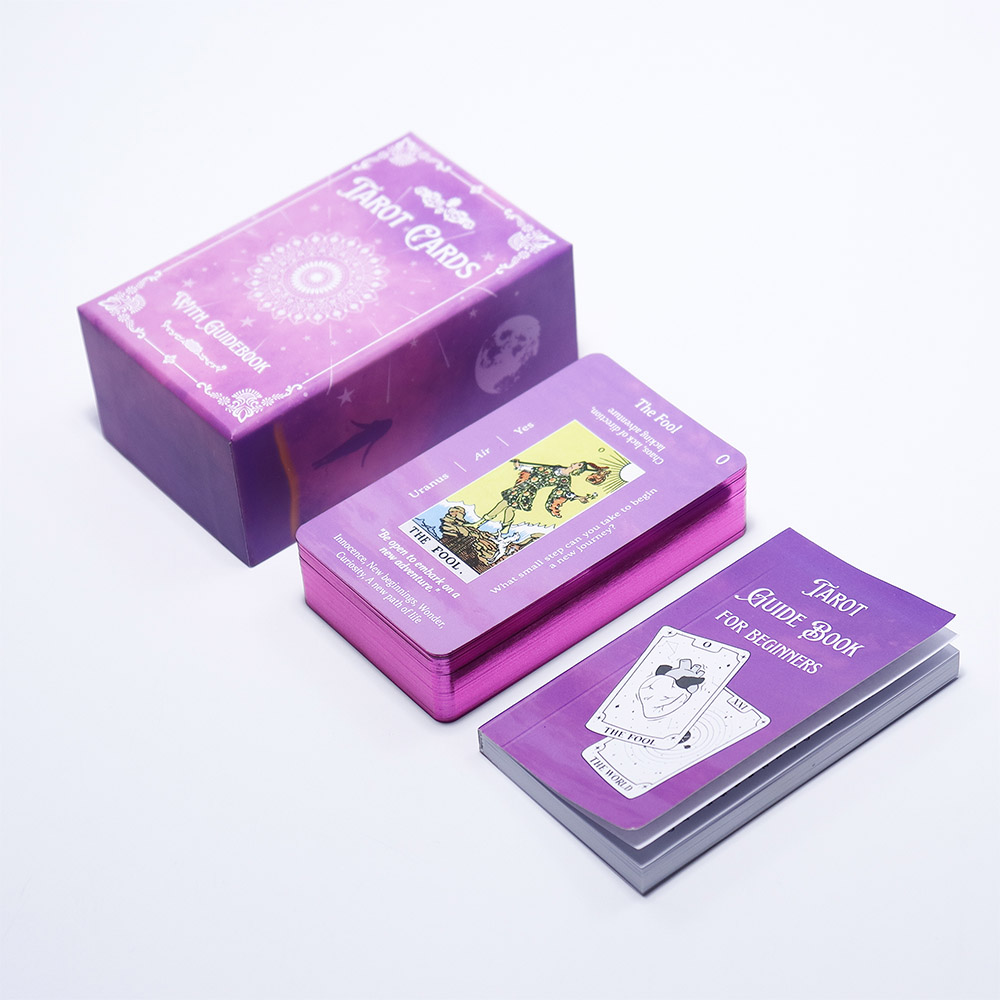 Custom Purple Tarot Cards with Guidebook
 L'Oracle d'Artémis Custom Oracle Cards
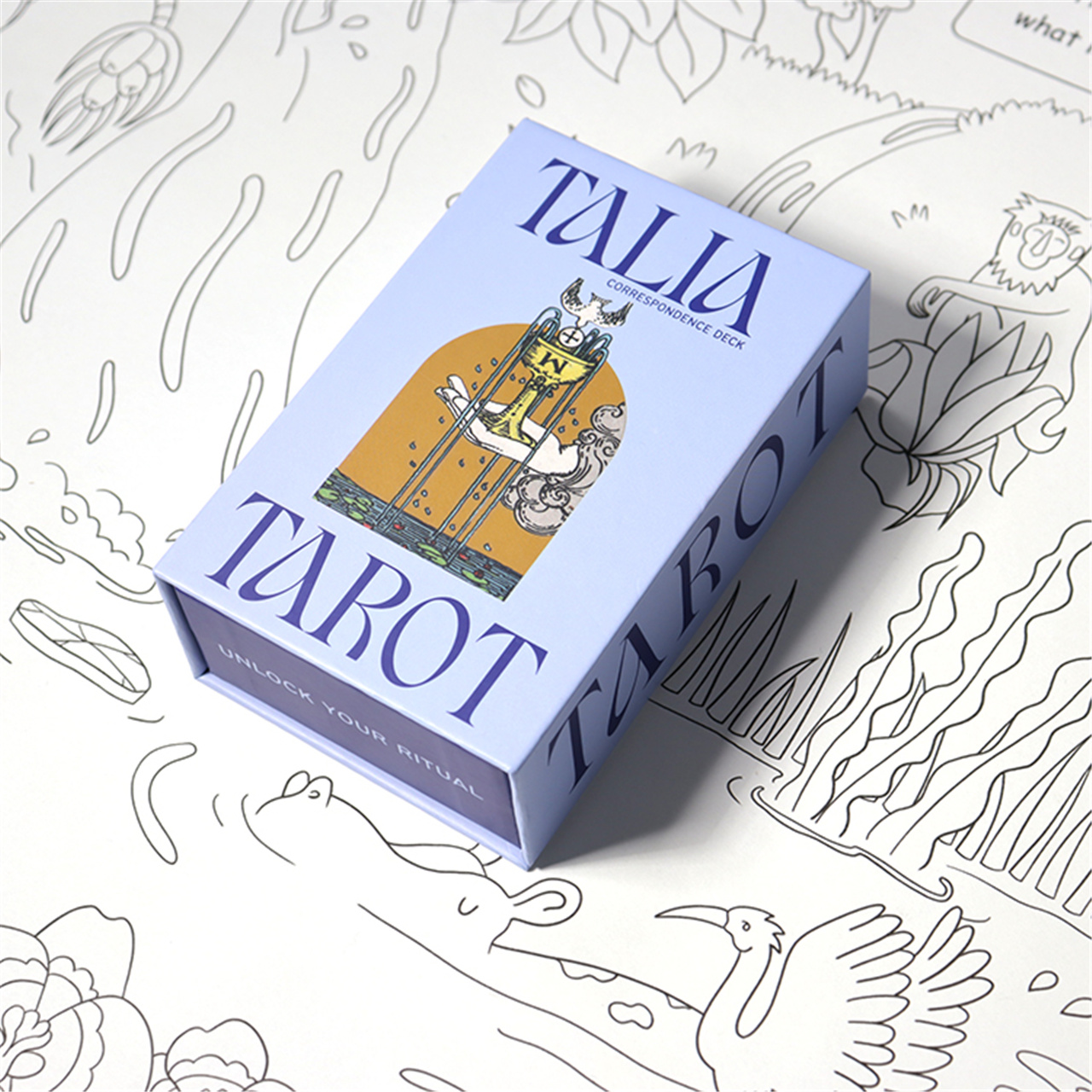 Custom Blue - Themed Tarot Cards Deck
 Custom Black - Blue Gold Foil Tarot Cards Set
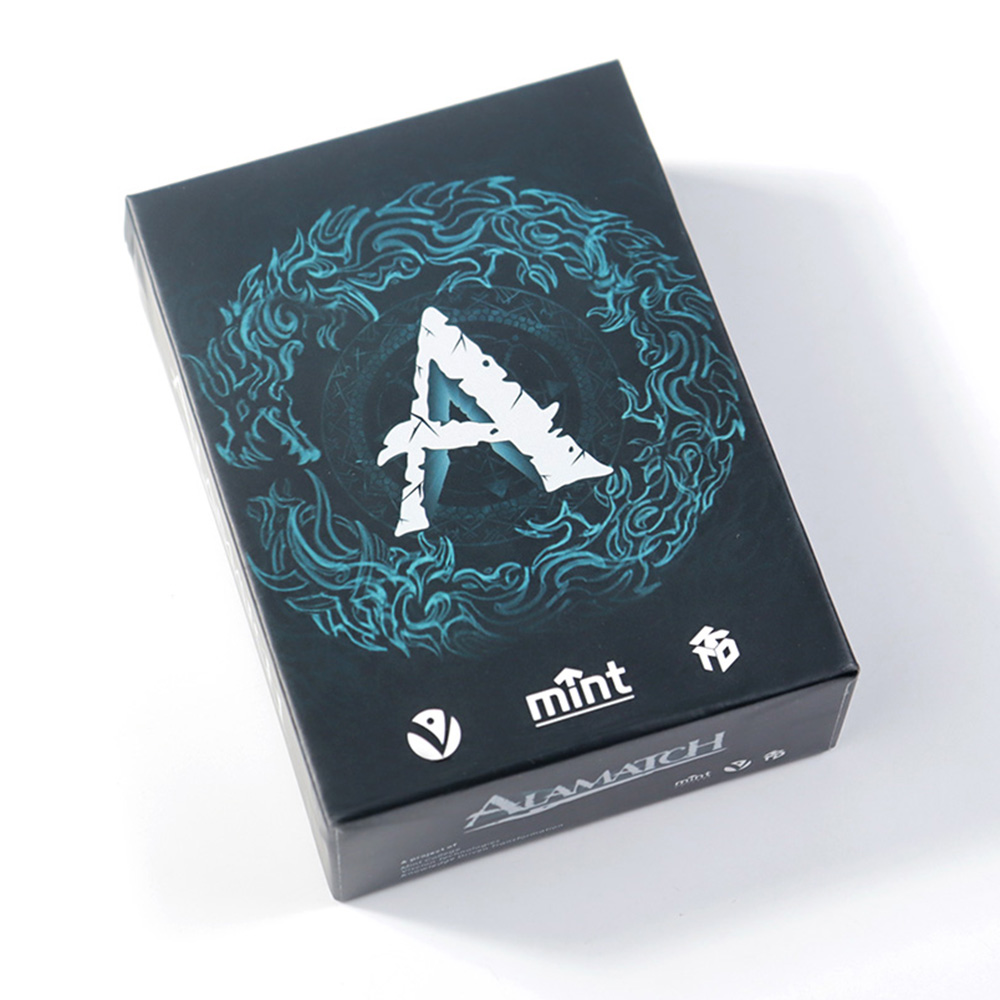 Alamatch Custom Trading Game Cards
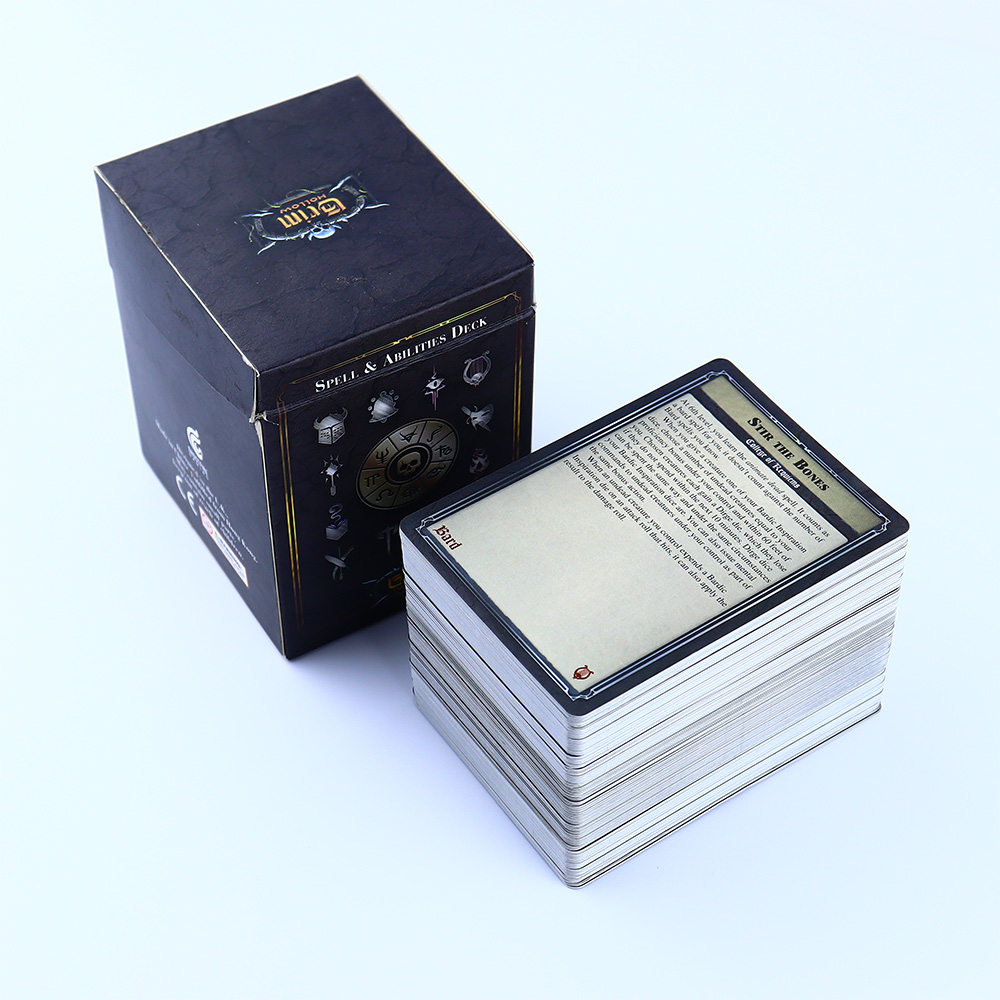 Grim Hollow Spell & Abilities Custom Trading Cards
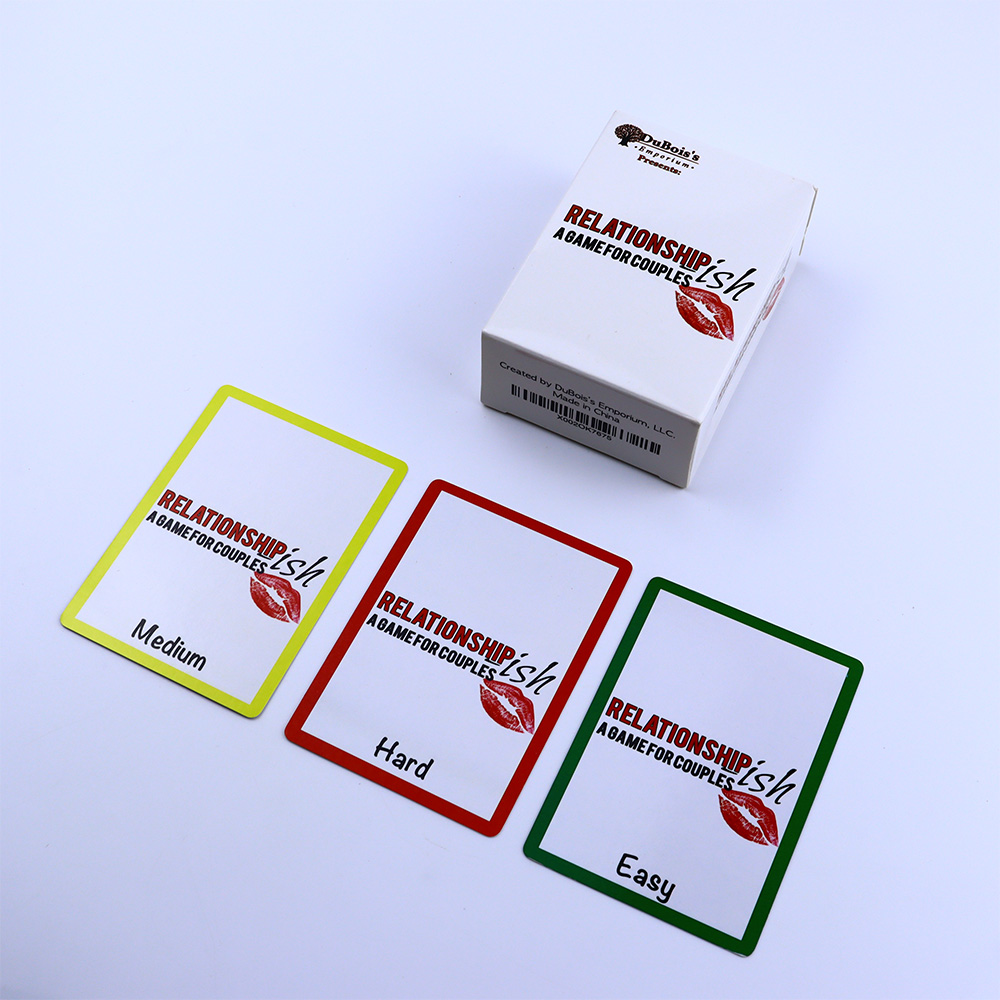 Relationshipish Custom Couple Card Game
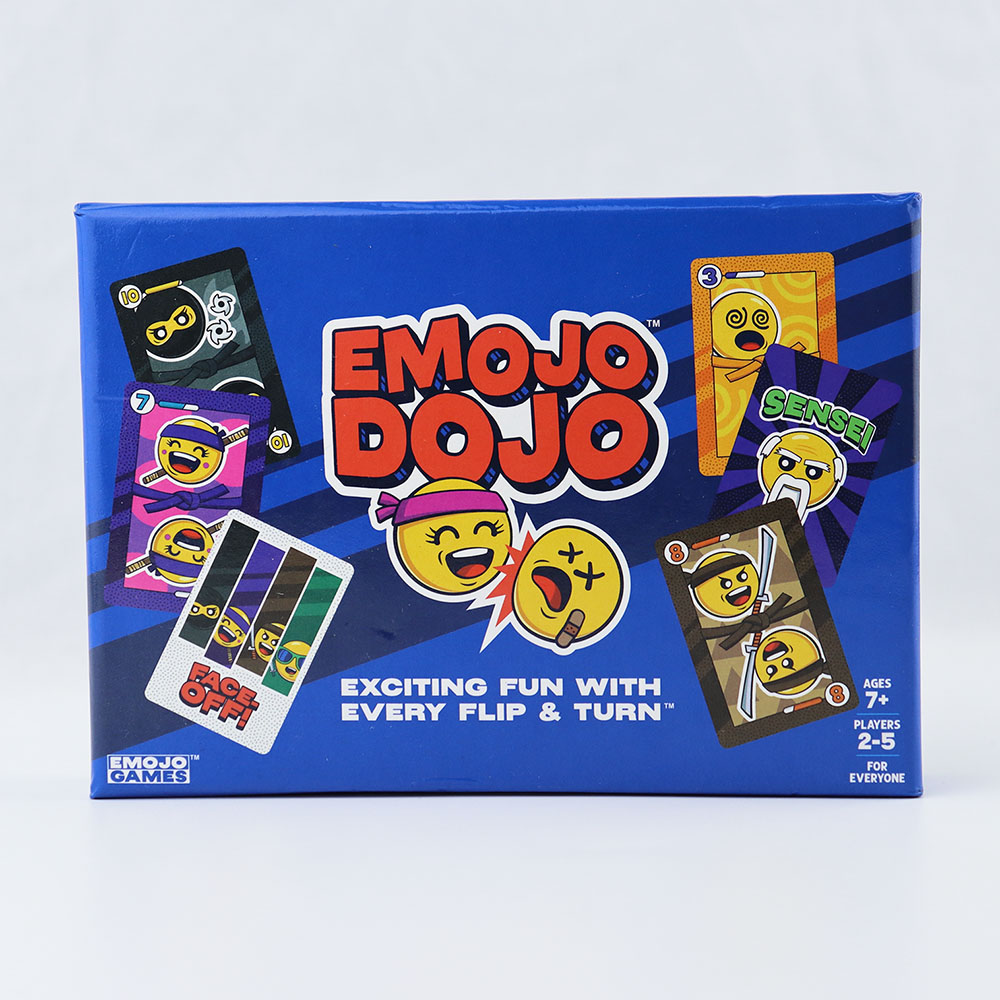 Emojo Dojo Custom Trading Card Game
 Custom Travel Photo Trading Cards Set
 Custom Cartoon Holographic Trading Cards Set