What is a Kids Board Game and How Does It Benefit Child Development?
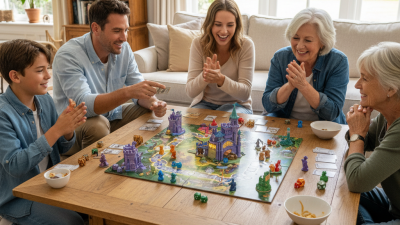
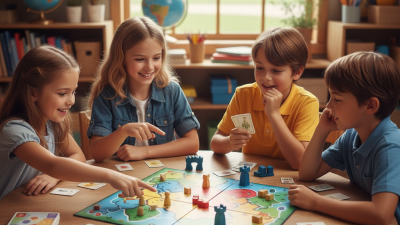
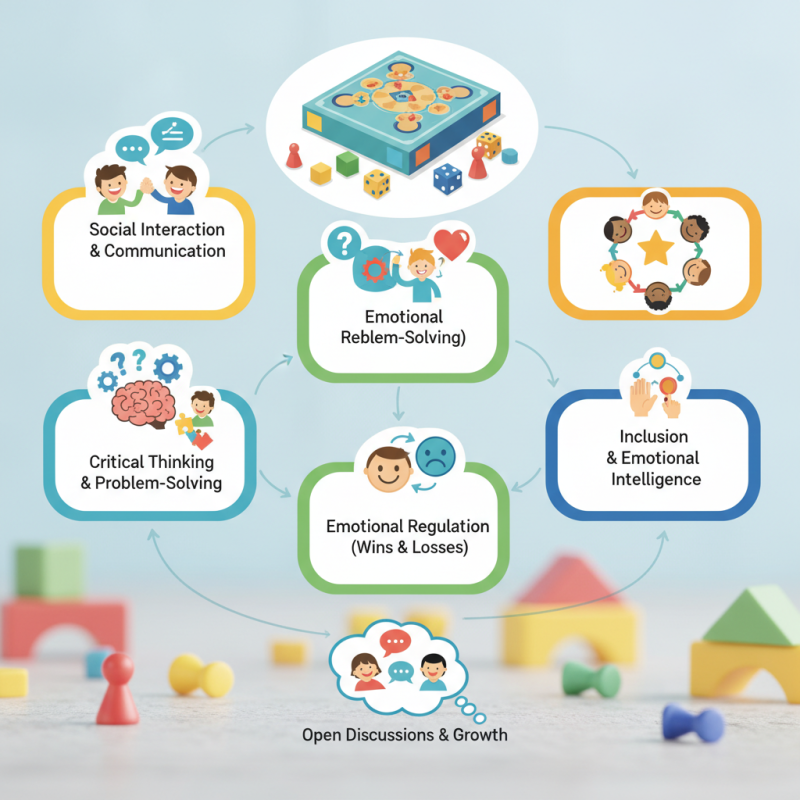
Kids Board Games are more than just entertainment. They serve as valuable tools for child development, fostering a range of skills. These games encourage social interaction, critical thinking, and problem-solving abilities. Children learn to cooperate and communicate with peers while navigating rules and objectives.
Engaging in Kids Board Games can also teach emotional regulation. Kids face wins and losses, prompting them to manage feelings like frustration and joy. This can lead to better coping strategies later in life. Furthermore, the tactile experience of handling game pieces enhances fine motor skills and hand-eye coordination.
However, the impact is not always straightforward. Some children may struggle with competitiveness. Others might feel left out, especially in larger groups. It’s important to create an inclusive environment where every child feels valued. Reflection on these dynamics can promote a deeper understanding of emotional intelligence. Encouraging open discussions about feelings can help children grow from these experiences.
What Constitutes a Kids Board Game? Defining Characteristics and Types
Kids board games are designed specifically for children, encouraging play and learning. These games typically have simple rules and colorful visuals. They help kids connect with friends and family. The competitive yet collaborative nature of these games fosters social skills.
Key characteristics of kids board games include age-appropriate content and educational value. Many games focus on problem-solving, math, or language skills. Games like these often have appealing themes that capture children's imaginations. Popular types include strategy games, cooperative games, and educational games. Each type engages children differently, allowing them to explore various skills.
Games can sometimes be overwhelming. Some kids may struggle with the rules or become frustrated. It's important to balance fun and challenge. Ensuring that a child understands the game can enhance their experience. Engaging in board games may not always lead to smooth interactions. Parents and caregivers can guide kids through these situations, promoting resilience.
Key Benefits of Board Games on Cognitive Development in Children
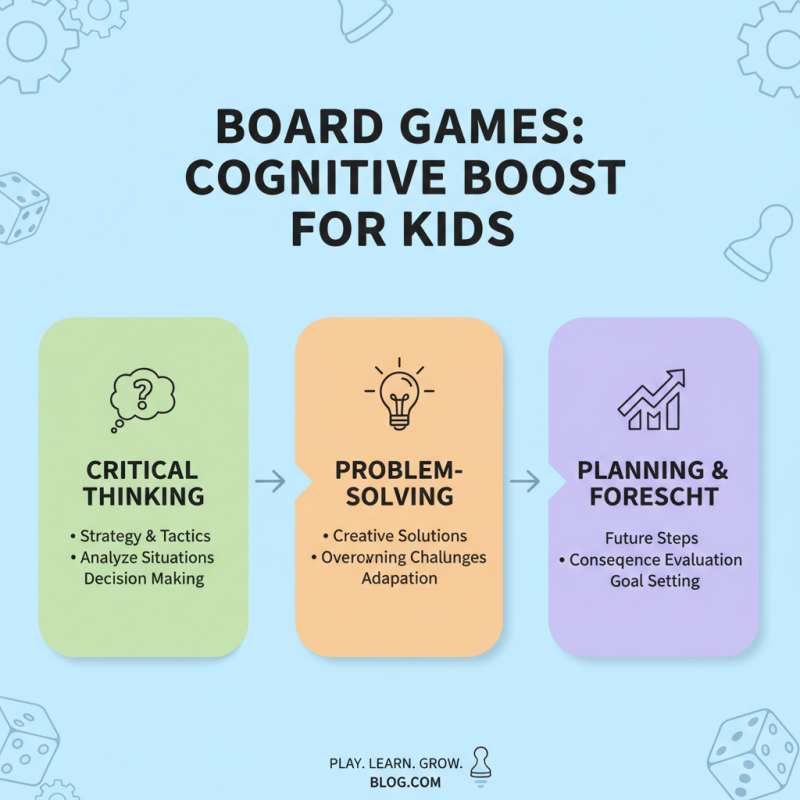
Board games offer a unique way for children to develop cognitive skills. They challenge young minds to think critically and strategize. Every turn in a game requires decision-making and planning. Children learn to analyze situations, which boosts problem-solving abilities. This can help them in school and everyday life.
Social interaction is another critical aspect of board games. Playing with peers encourages communication and teamwork. Kids learn to share, take turns, and respect others’ opinions. These interactions foster emotional intelligence. While some children might struggle with losing, these moments teach resilience. It’s crucial for them to understand both winning and losing.
However, not all board games are created equal. Some might focus solely on luck rather than skill. Parents should choose games that promote learning and engagement. It’s vital to select options that resonate with their child's interests. This ensures that children stay motivated and invested in the game.
The Role of Social Skills Development Through Kids Board Games
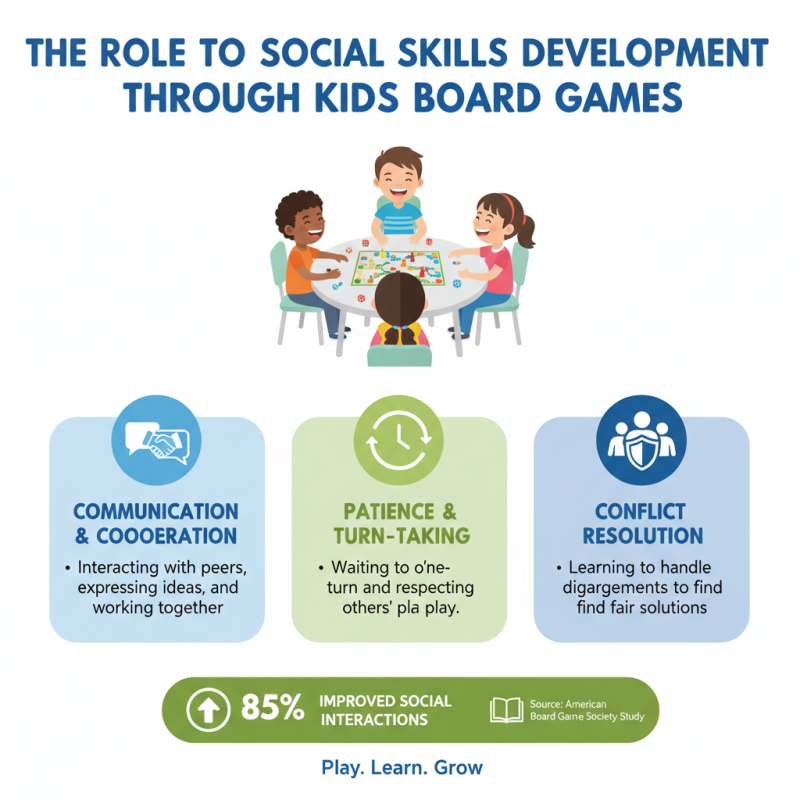
Kids board games provide unique opportunities for social skills development. Engaging in these games allows children to interact with peers, fostering communication and cooperation. According to a study published by the American Board Game Society, 85% of kids who regularly play board games report improved social interactions. The turn-taking nature of these games requires patience and helps kids learn conflict resolution.
Moreover, board games often involve strategic thinking and teamwork. Children must collaborate to achieve goals, which enhances their ability to work with others. The Journal of Child Development highlights that play-based learning encourages empathy and understanding among peers. While some kids may struggle with competition, these experiences can teach resilience and adapting to loss.
In a world where digital interactions are prevalent, board games offer a refreshing alternative. They allow children to enjoy face-to-face interactions. Research indicates that 68% of parents believe board games strengthen family bonds while improving their children’s social skills. Even with the benefits, it’s essential to recognize that not every child may respond positively to group play, pointing to the need for balancing game time with individual activities.
Research Findings: Impact of Board Games on Academic Achievement
Board games have been shown to positively impact academic achievement in children. Research indicates that games can enhance problem-solving skills, improve memory, and boost critical thinking abilities. For instance, strategy-based games require players to plan moves, anticipate opponents, and make decisions under pressure. These skills translate well into classroom settings.
Many educators emphasize the importance of play in learning. A study revealed that children who engage in board games score higher in math and reading assessments. This correlation suggests that the skills developed during gameplay support traditional learning methods. Additionally, cooperative board games foster teamwork and communication, vital for social skills development.
Tips: Choose games that encourage learning. Look for those that require counting, reading, or strategic planning. Play regularly to reinforce skills. However, not all games provide educational benefits. It’s essential to select age-appropriate options. Reflect on your child's response to different games. Some might enjoy competitive play more than others. Balancing various game types can yield diverse developmental benefits.
Parental Involvement: Enhancing Child Development via Board Game Play
Board games can be a powerful tool for child development. Parental involvement during gameplay significantly enhances this effect. When parents engage with their children in board games, they create a unique opportunity for bonding. This interaction fosters communication, enhances social skills, and builds trust.
Parents can observe their children’s reactions and adapt their strategies during play. This dynamic can lead to valuable teachable moments. For example, a child may show frustration when they lose. A parent can guide them through this emotion. Discussing feelings can promote emotional intelligence and resilience.
However, not every gaming session goes smoothly. Some parents may feel disconnected or impatient. It’s crucial to reflect on these moments. How can parents better support their children during play? Perhaps taking a step back to understand their child’s perspective could lead to more fruitful interactions. By being present, parents help cultivate a positive environment, enriching both their child’s skills and their relationship.
What is a Kids Board Game and How Does It Benefit Child Development? - Parental Involvement: Enhancing Child Development via Board Game Play
| Dimension |
Description |
Benefits |
| Cognitive Skills |
Games that require strategy and problem-solving. |
Enhances critical thinking and decision-making abilities. |
| Social Skills |
Games played in groups promoting interaction. |
Fosters communication, cooperation, and conflict resolution. |
| Emotional Development |
Games that involve taking turns and winning or losing. |
Teaches resilience, patience, and emotional regulation. |
| Motor Skills |
Games involving physical pieces and movements. |
Improves hand-eye coordination and fine motor skills. |
| Creativity |
Games that encourage imagination and role-playing. |
Stimulates creative thinking and innovation. |

 Customizable Emotional Support Cards for Grief & Resilience
 Personalized Emotional Encouragement Card Collection
 Personalized Deep Conversation Card Gift Box
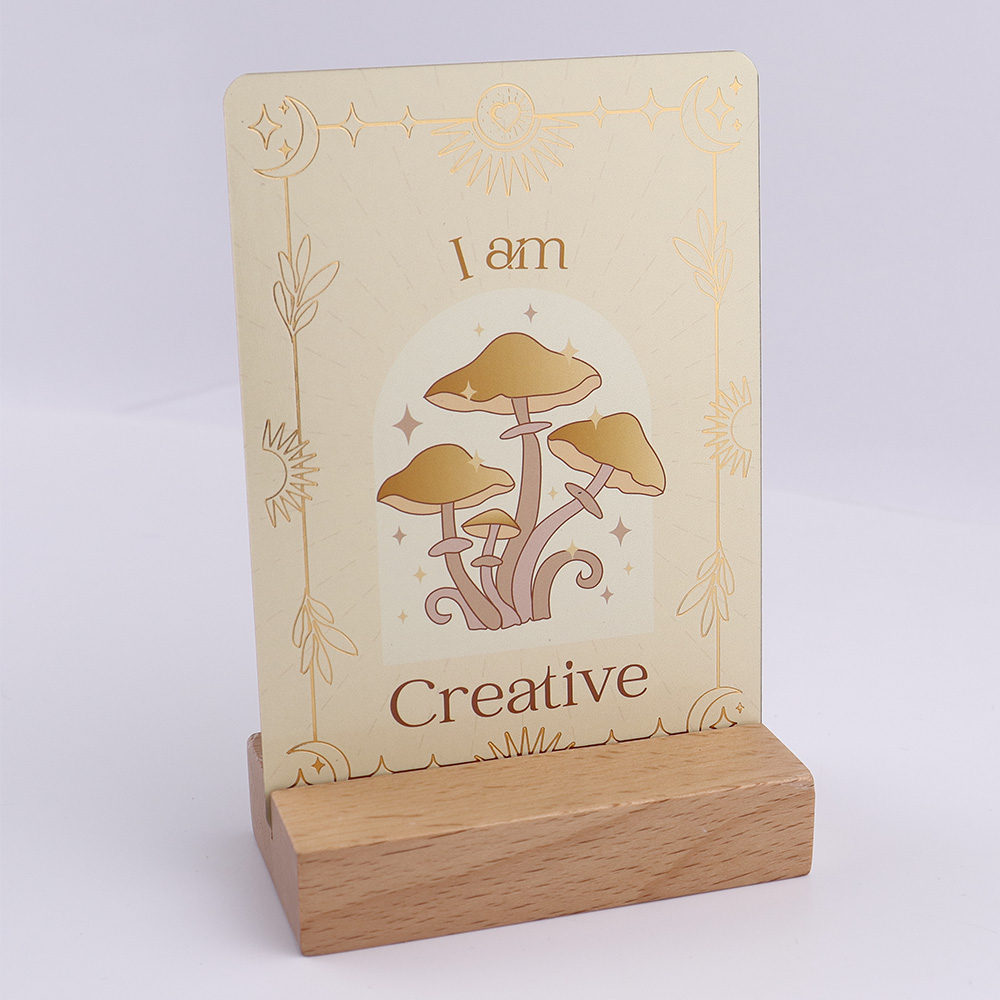 Customizable Boho-Chic Affirmation Cards for Mindfulness & Self-Love
 Customized Friendship Confirmation Card
 Customized Entrepreneurship Confirmation Card
 Air Max Pax Custom Sneaker Card Blind Box Set
 Fluffybutts Factory Custom Pet Card Blind Box Sets
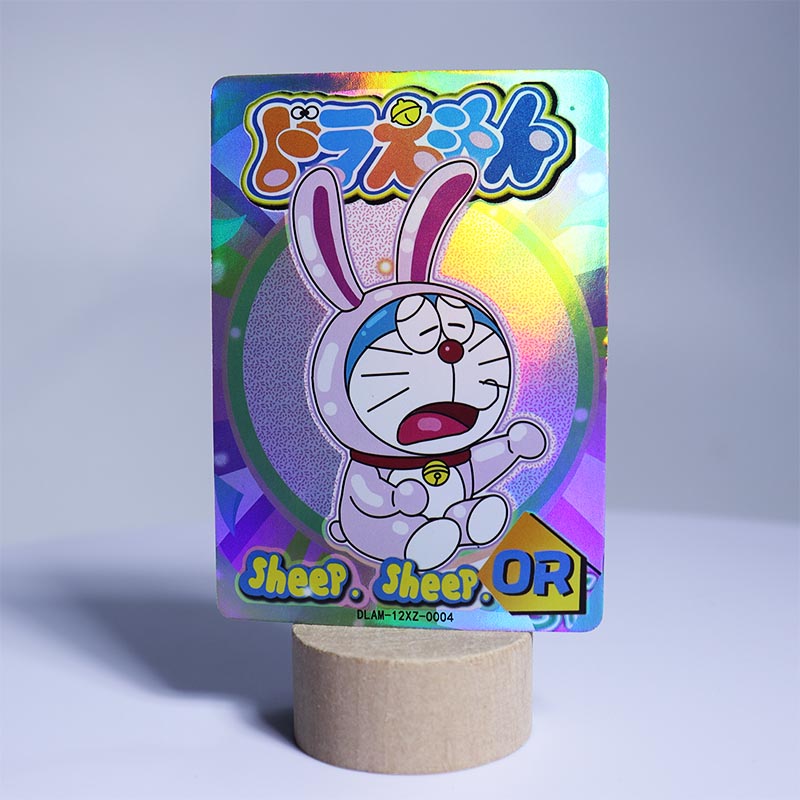 Doraemon Custom Card Blind Box Set
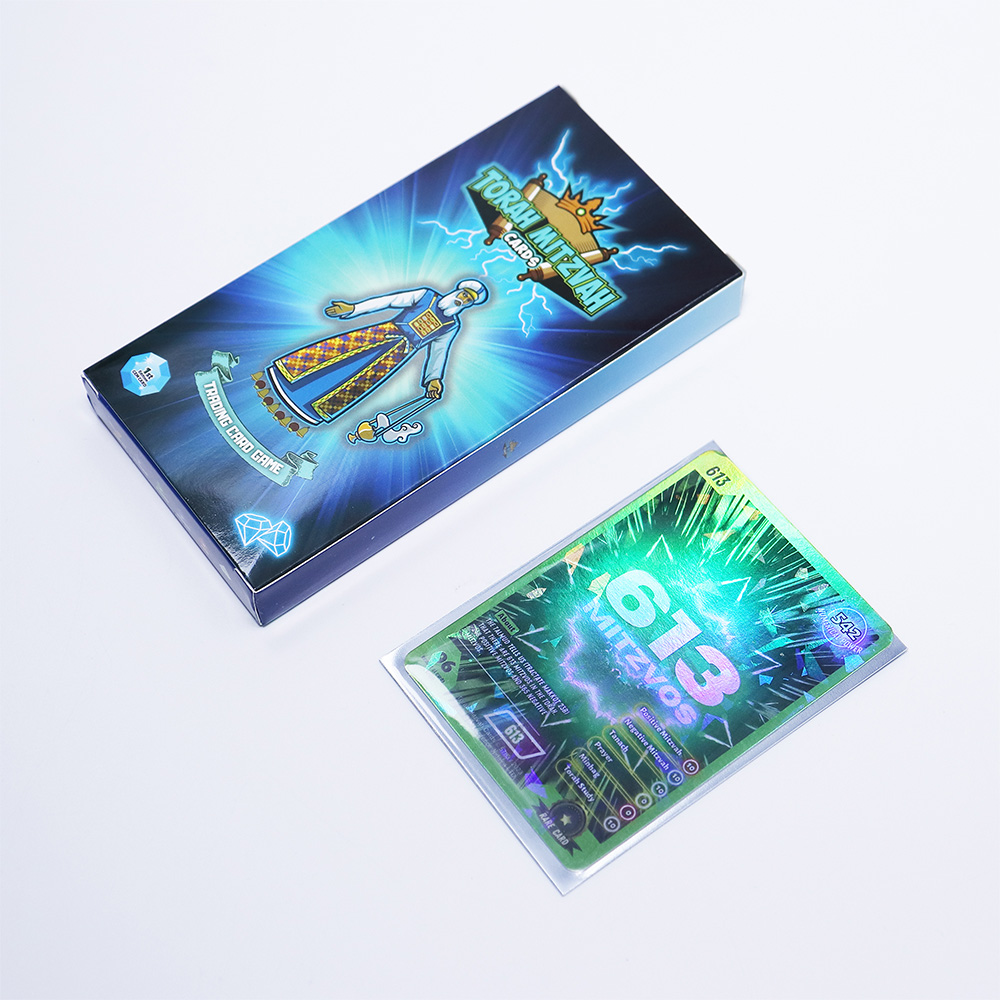 Torah Mitzvah Custom Card Blind Box Set
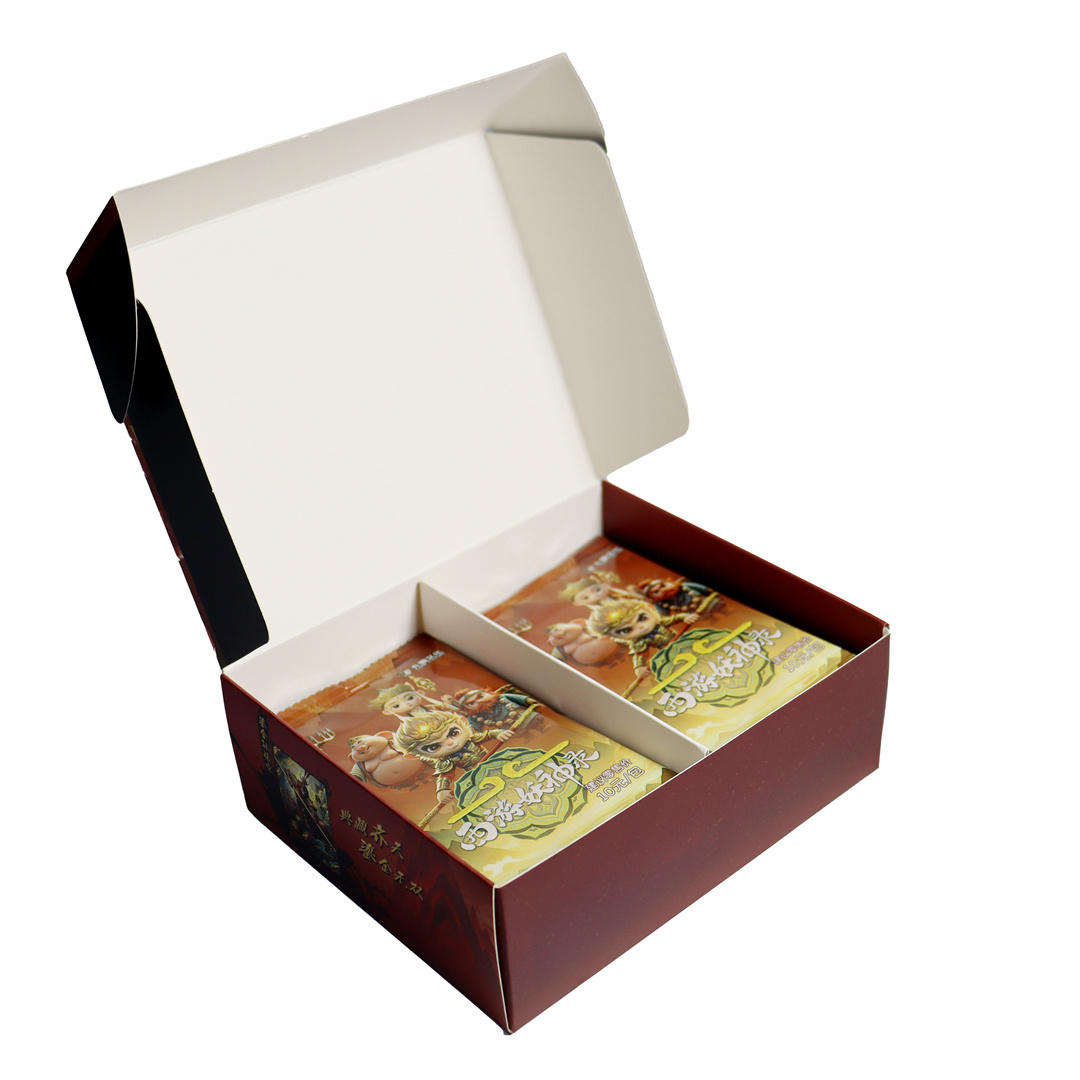 Customized "Journey to the West" Themed Card Blind Box Set
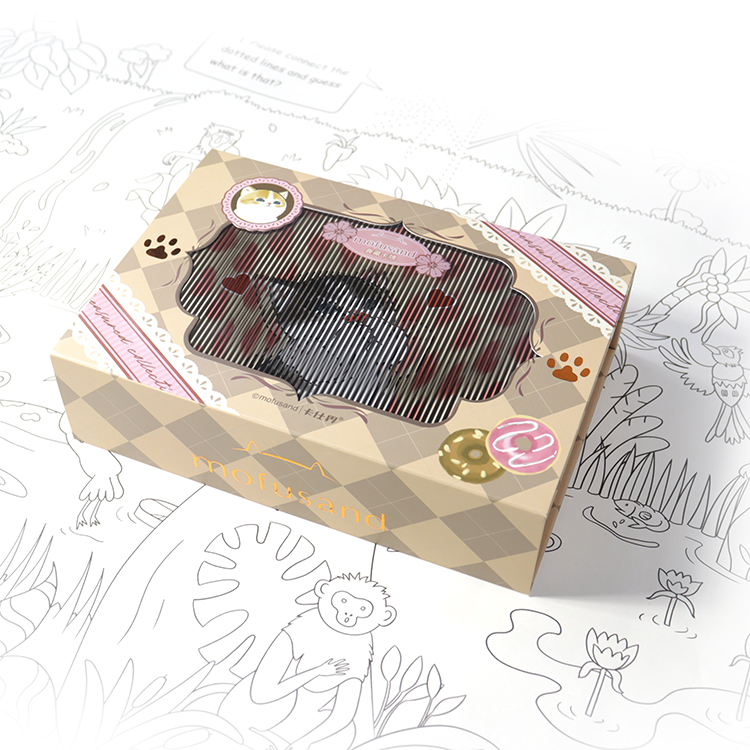 Customized cat-themed blind box set
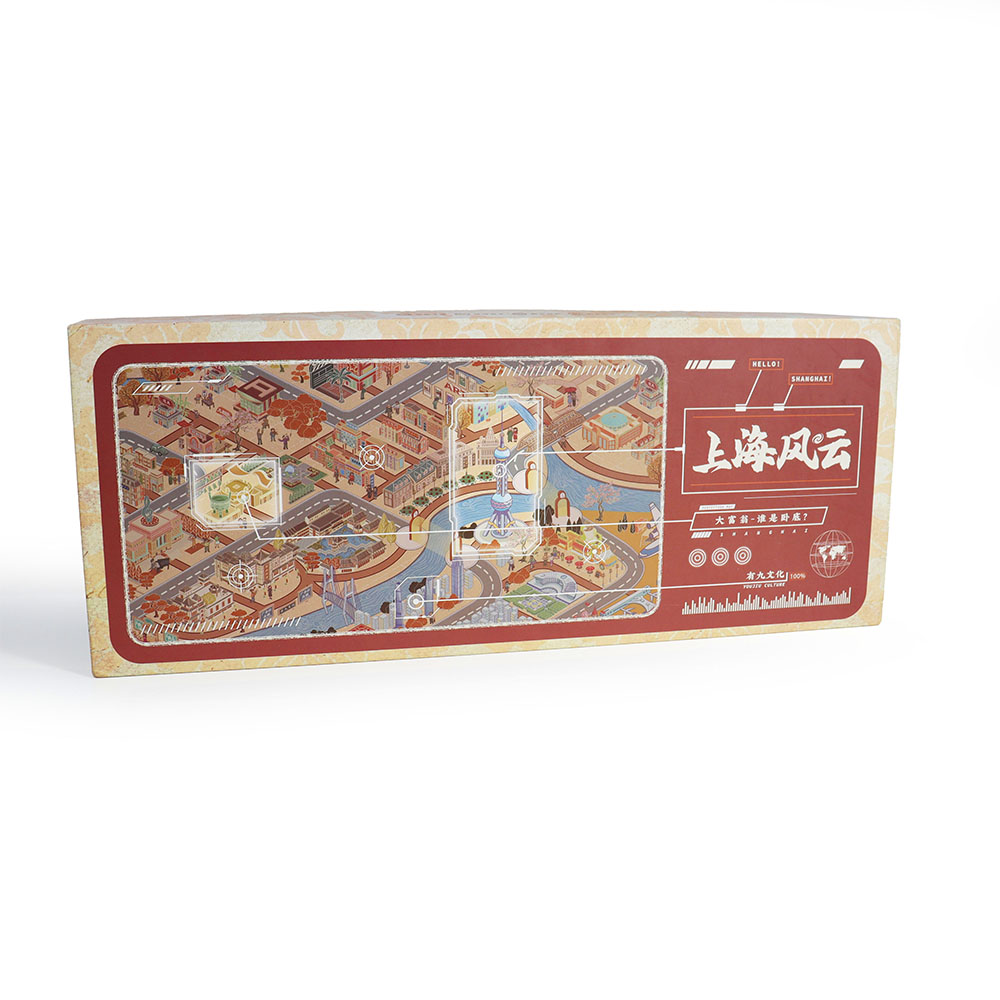 Shanghai Fengyun Custom Board Game Set
 Sensual Romance Game Custom Board Game Set
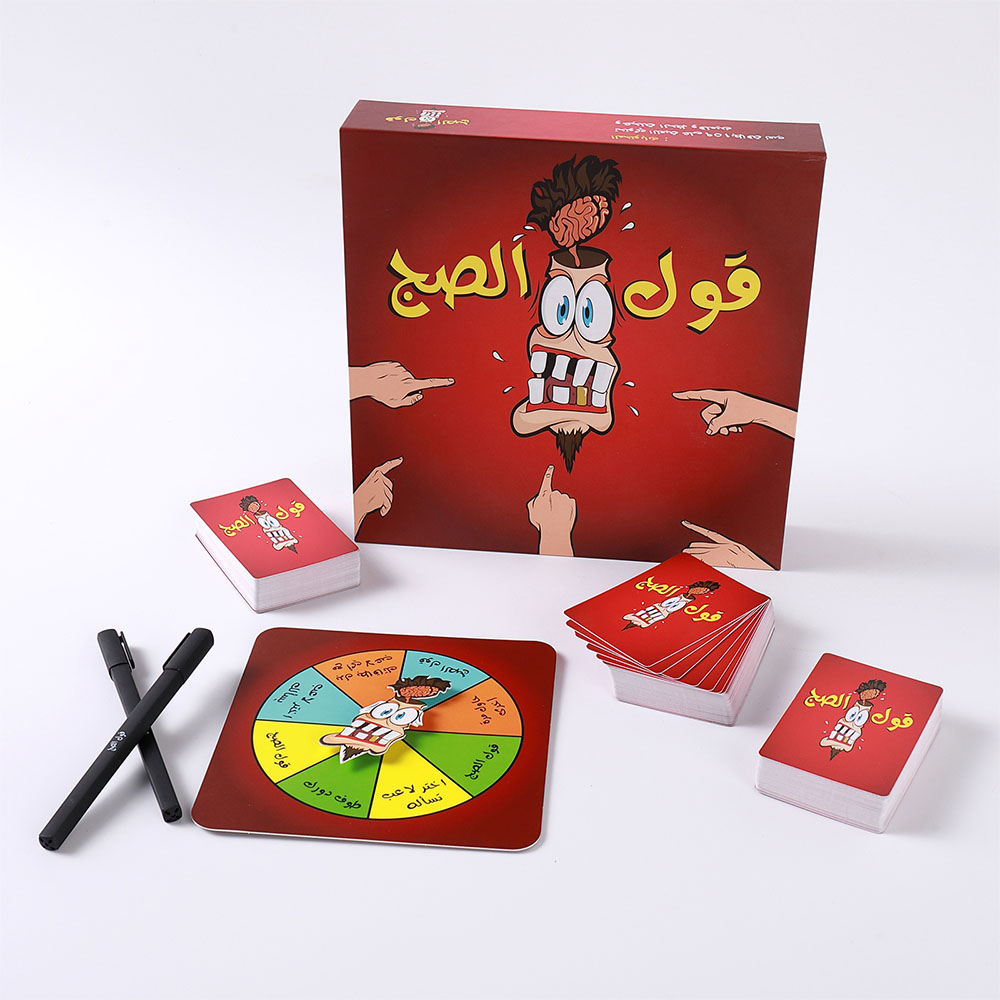 "Qoul Al Sabah" Custom Board Game Set
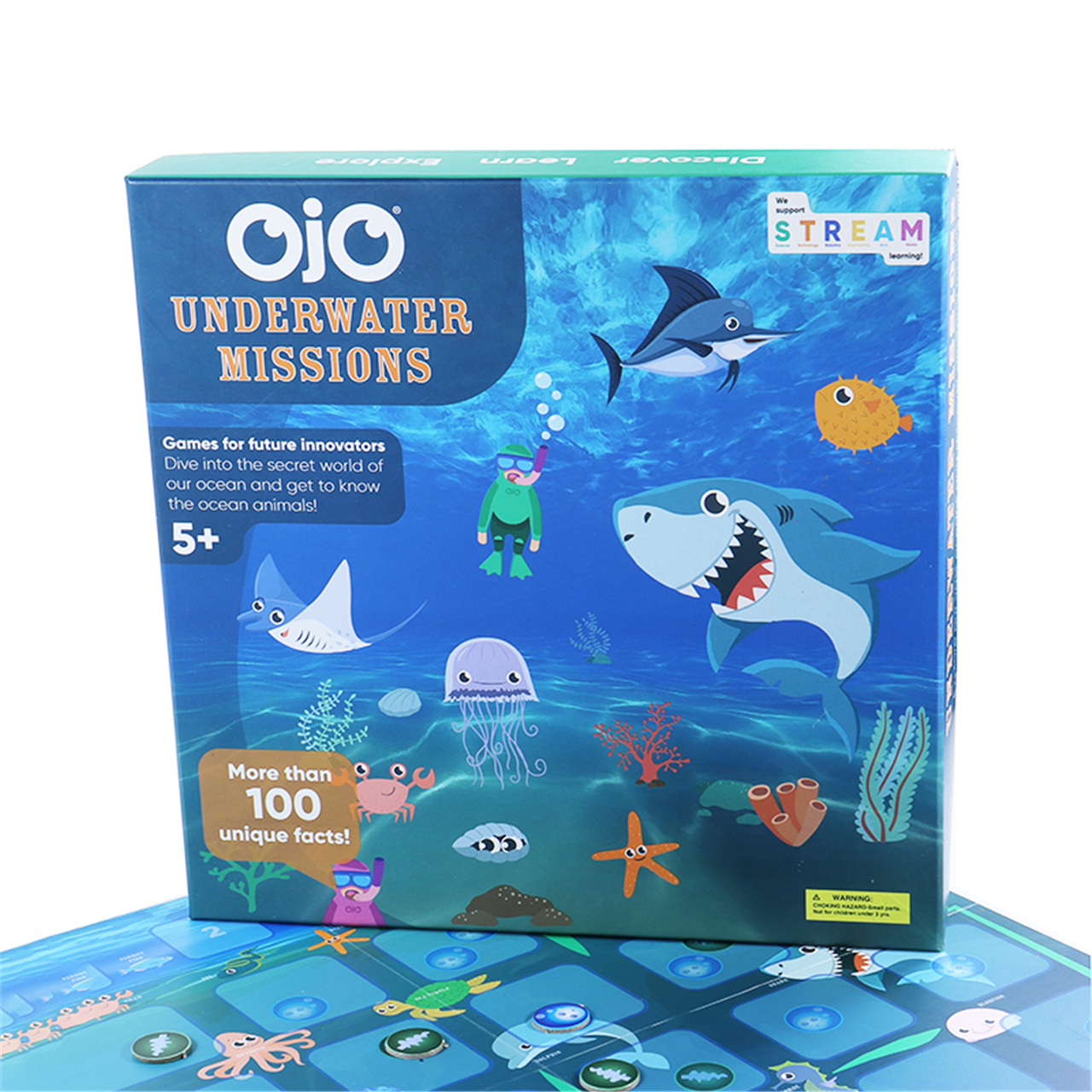 Customized educational board games for children
 Couple Interaction Turntable Themed Board Game
 Business Finance Board Game
 Pop Mart Custom Character Collectible Cards
 EXCEED Fighting System Custom Character Card Set
 Three Kingdoms Custom Hero Character Cards
 Custom Anime Character Dynamic Visual Cards
 Custom Cartoon Character Collectible Card Set
 Custom Anime Character Art Card Set
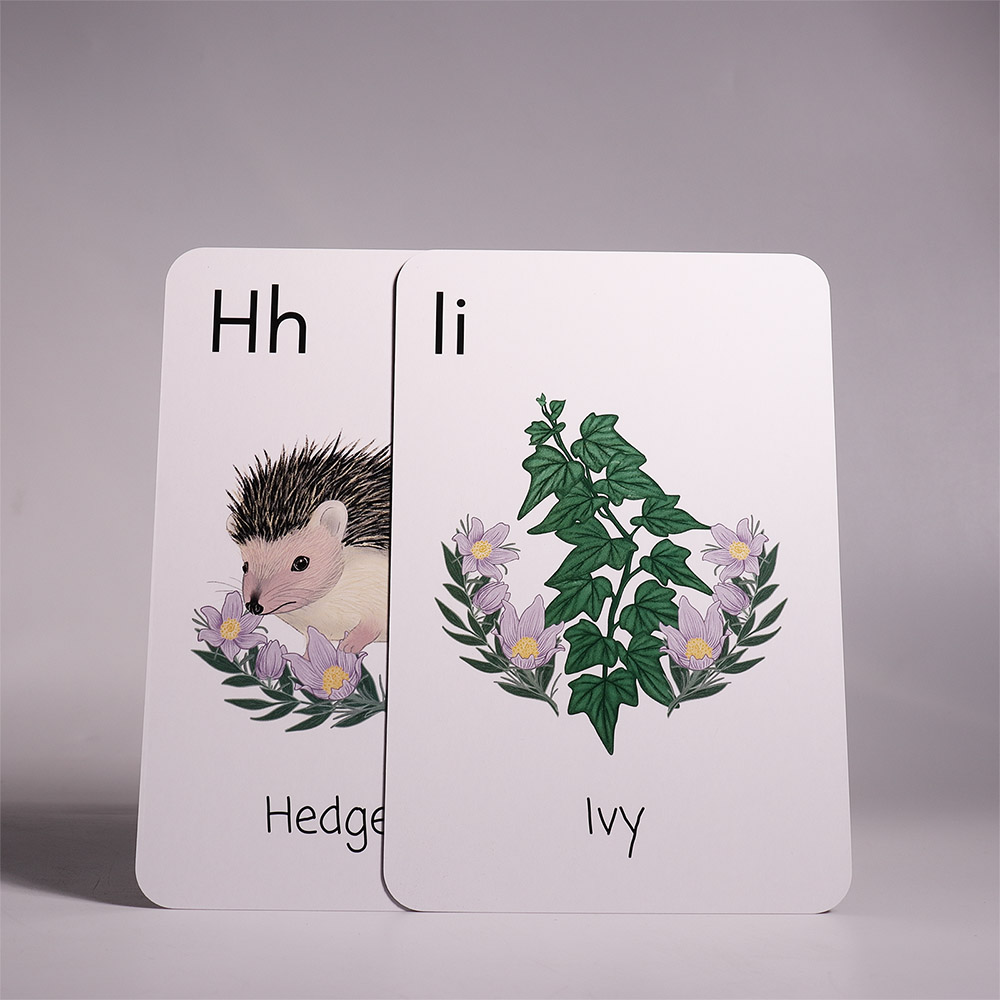 Little Larch Alphabet Cards
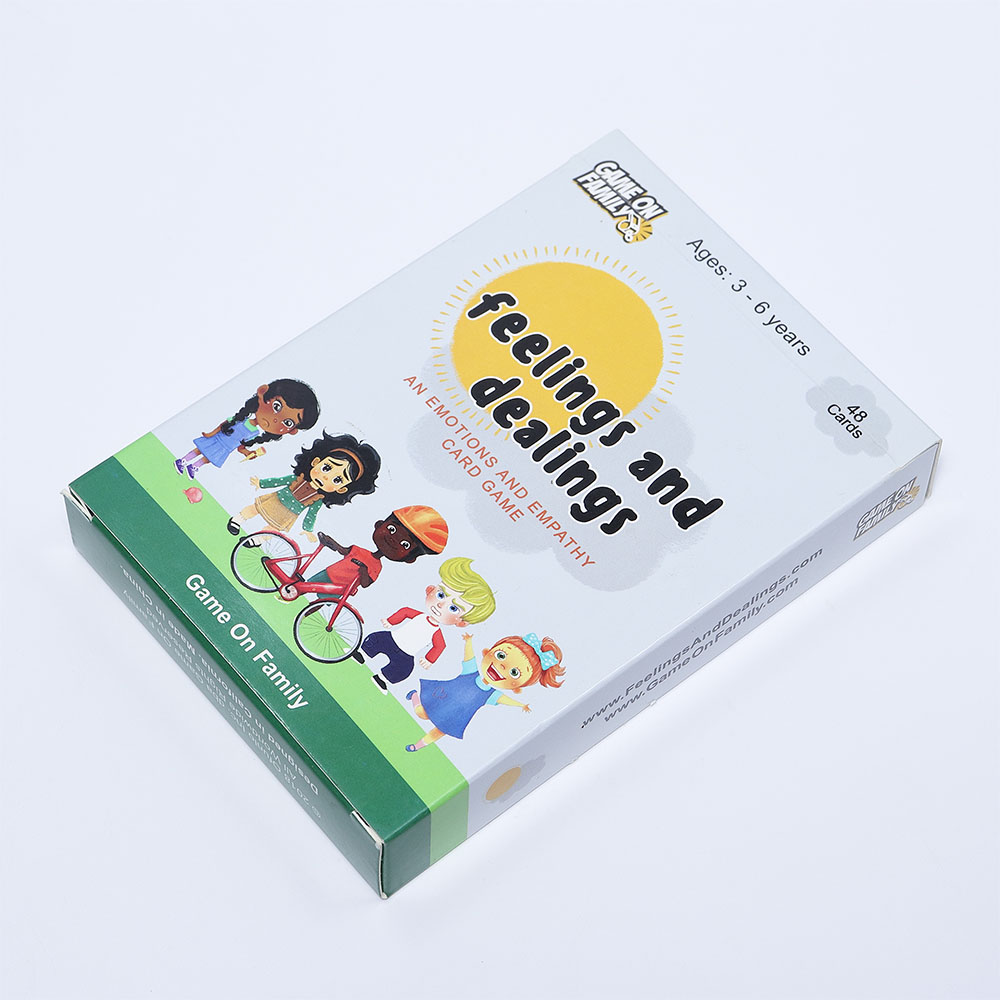 Feelings and Dealings Custom Children's Emotion Card Game
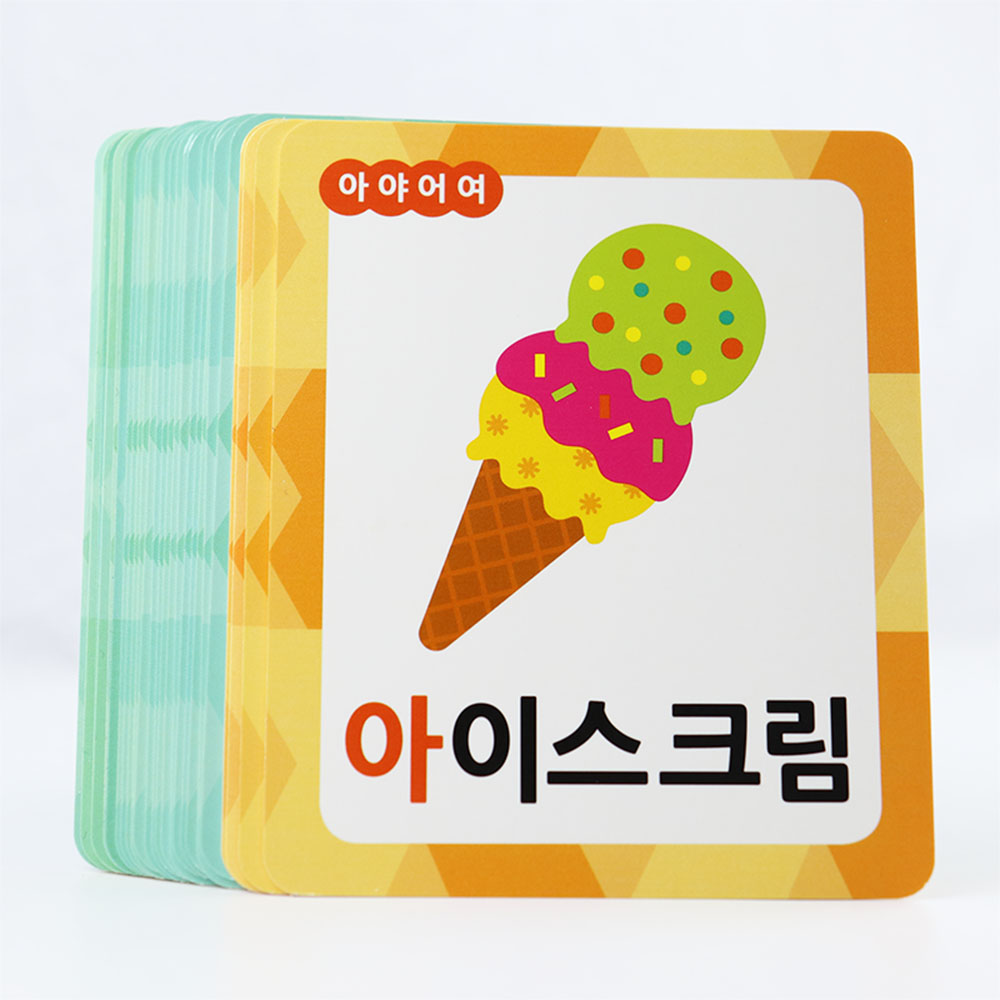 Korean Children's Educational Flashcards
 Cocks Themed Custom Children's Learning Cards
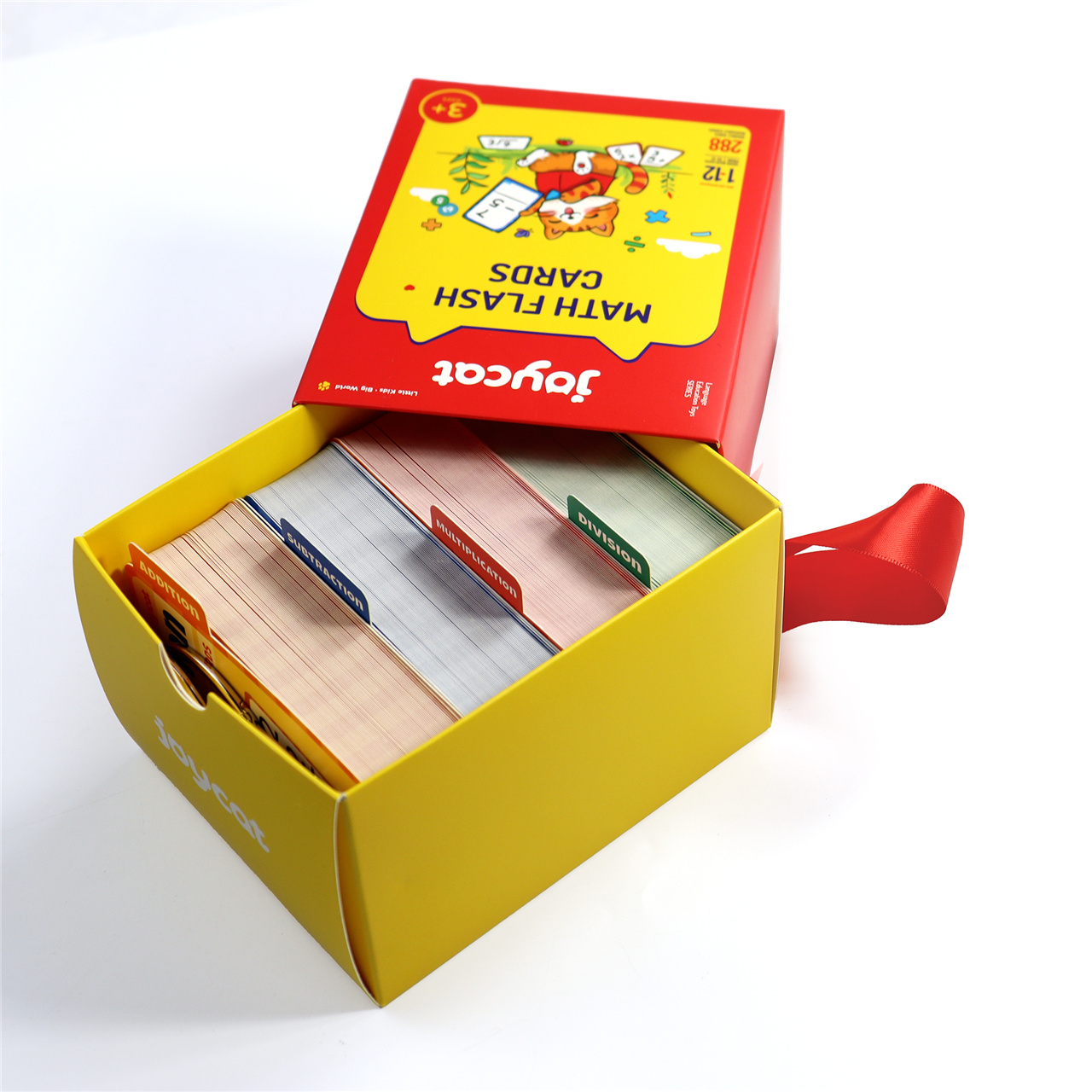 Math Flash Cards Set for Kids
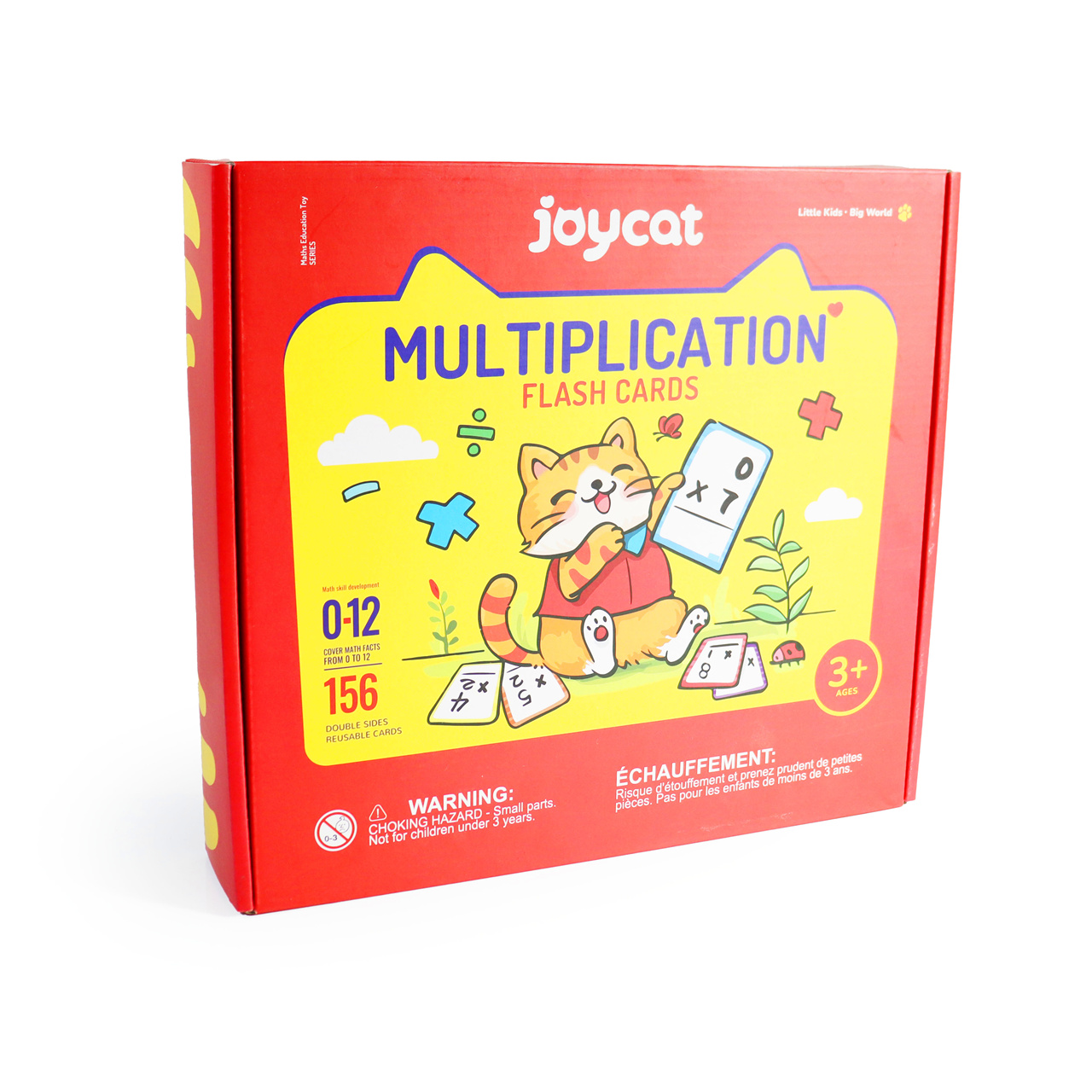 Joycat Multiplication Flash Cards Set with Accessories
 Custom Dual-Deck Playing Cards with Wolf-Themed Design
 Custom embossed gold foil playing cards
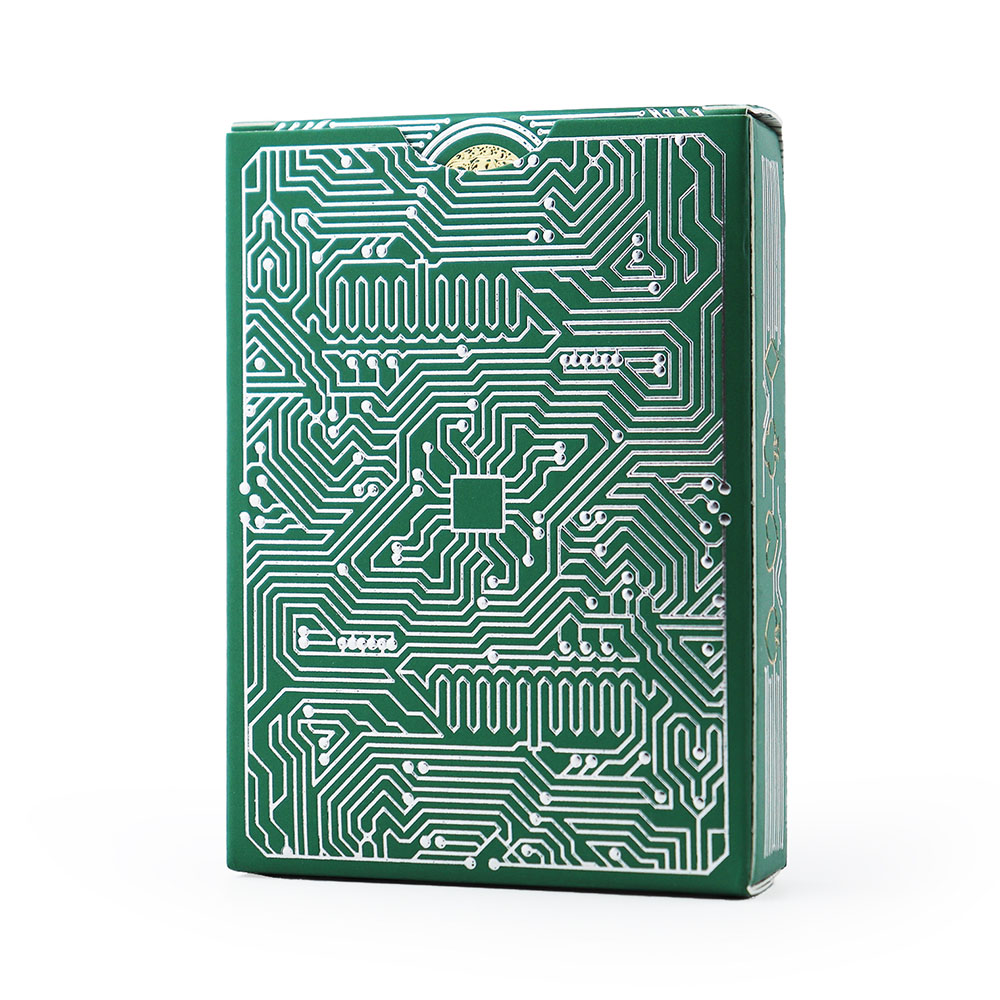 Circuit PCB Edition Custom Playing Cards
 Customized theme gold foil playing cards
 Custom Red Rabbit Themed Playing Cards Set
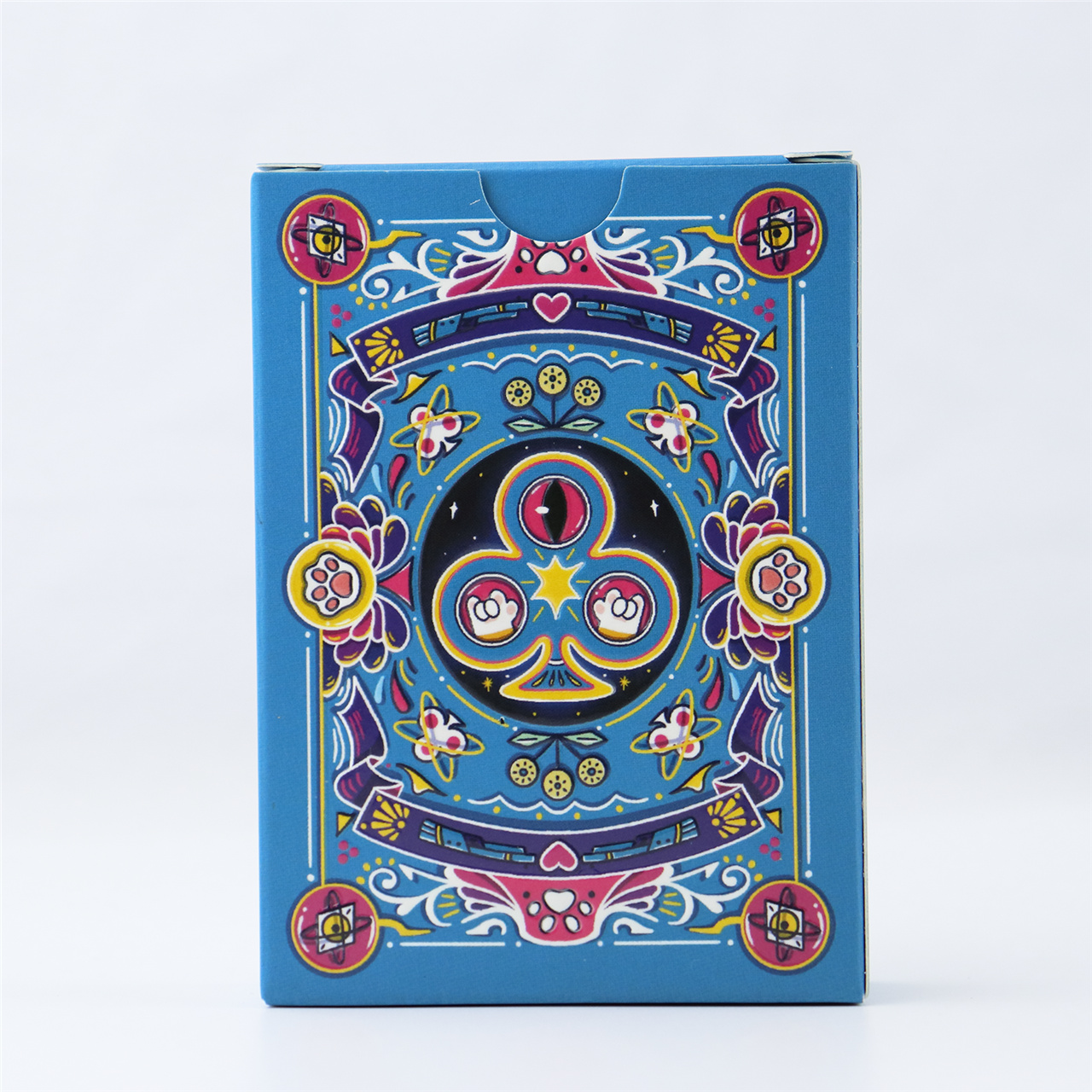 Custom Blue - Black Fantasy Plastic Playing Cards Set
 Pearls of Wisdom Oracle Custom Cards
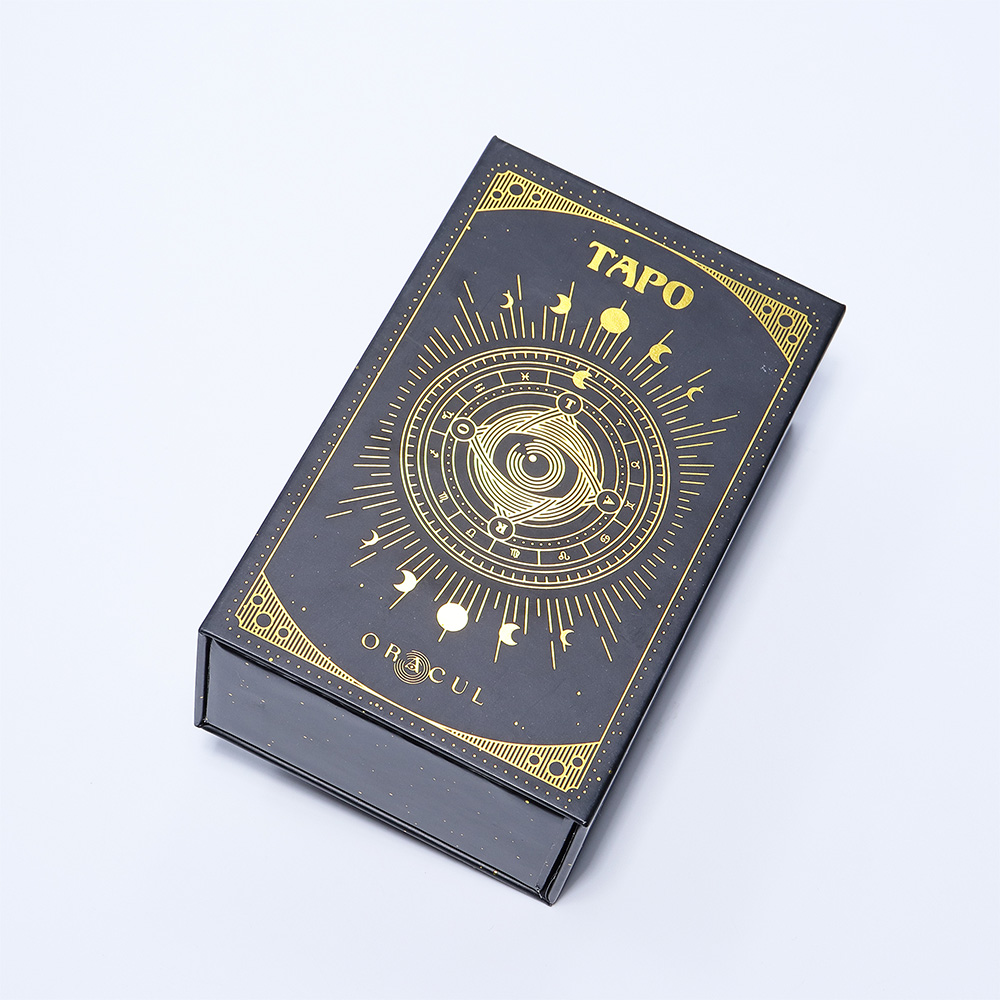 Custom Black & Gold Celestial Tarot Cards
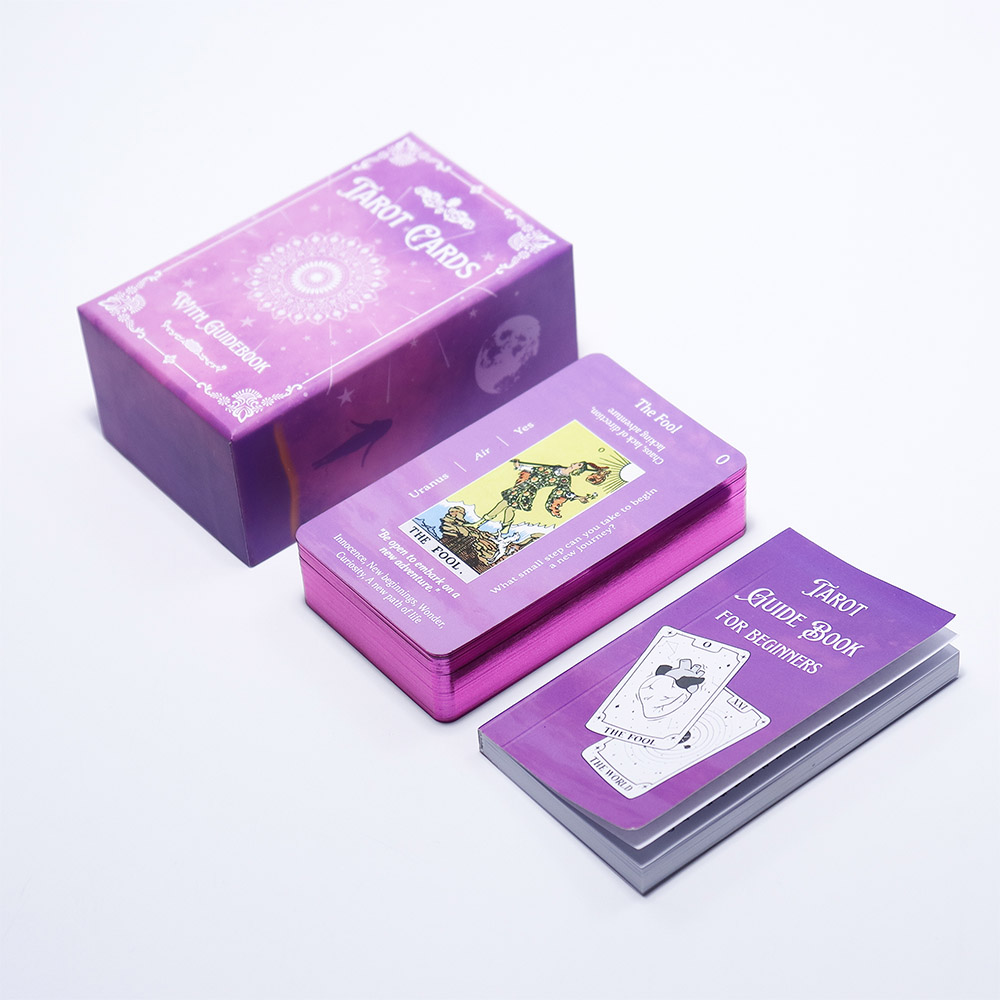 Custom Purple Tarot Cards with Guidebook
 L'Oracle d'Artémis Custom Oracle Cards
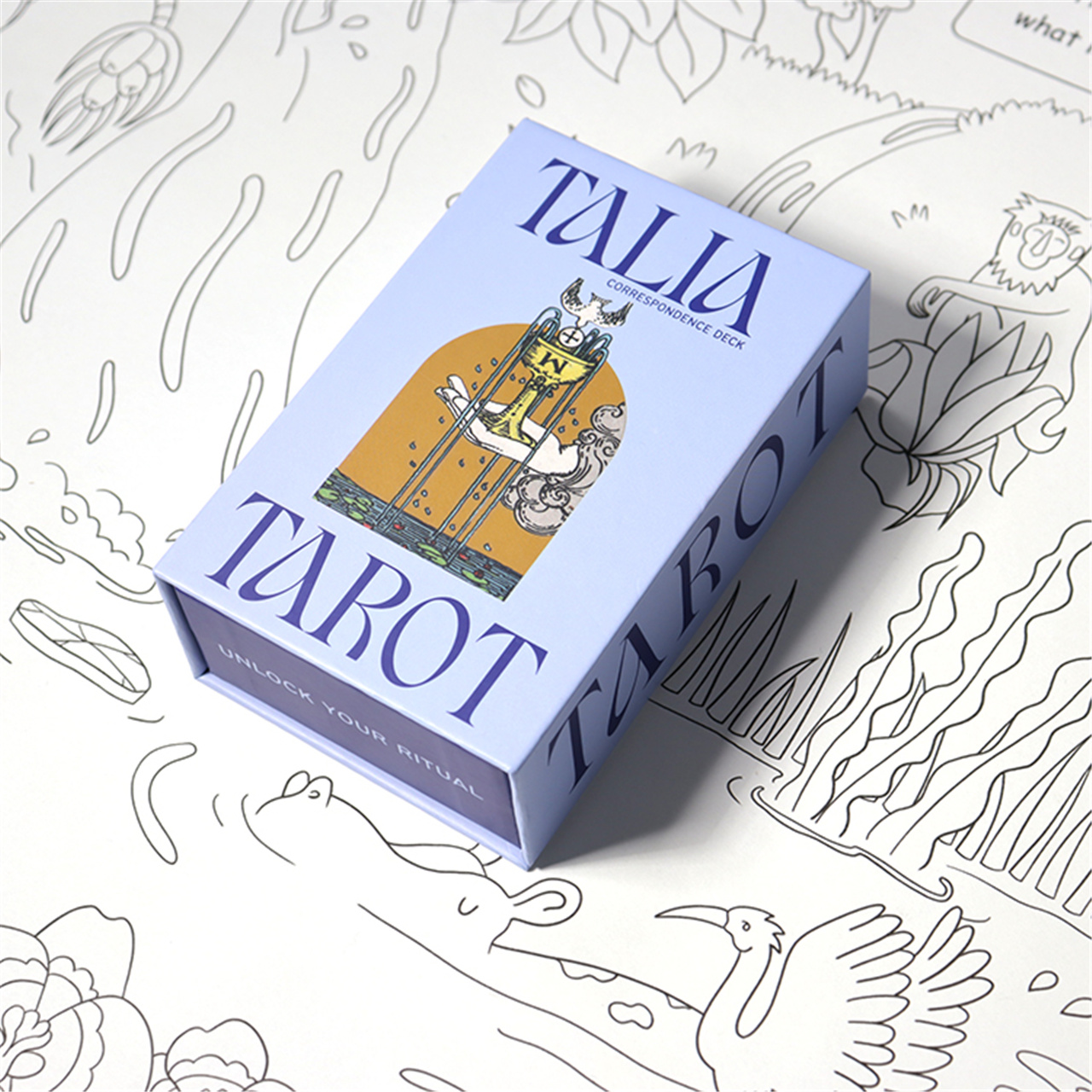 Custom Blue - Themed Tarot Cards Deck
 Custom Black - Blue Gold Foil Tarot Cards Set
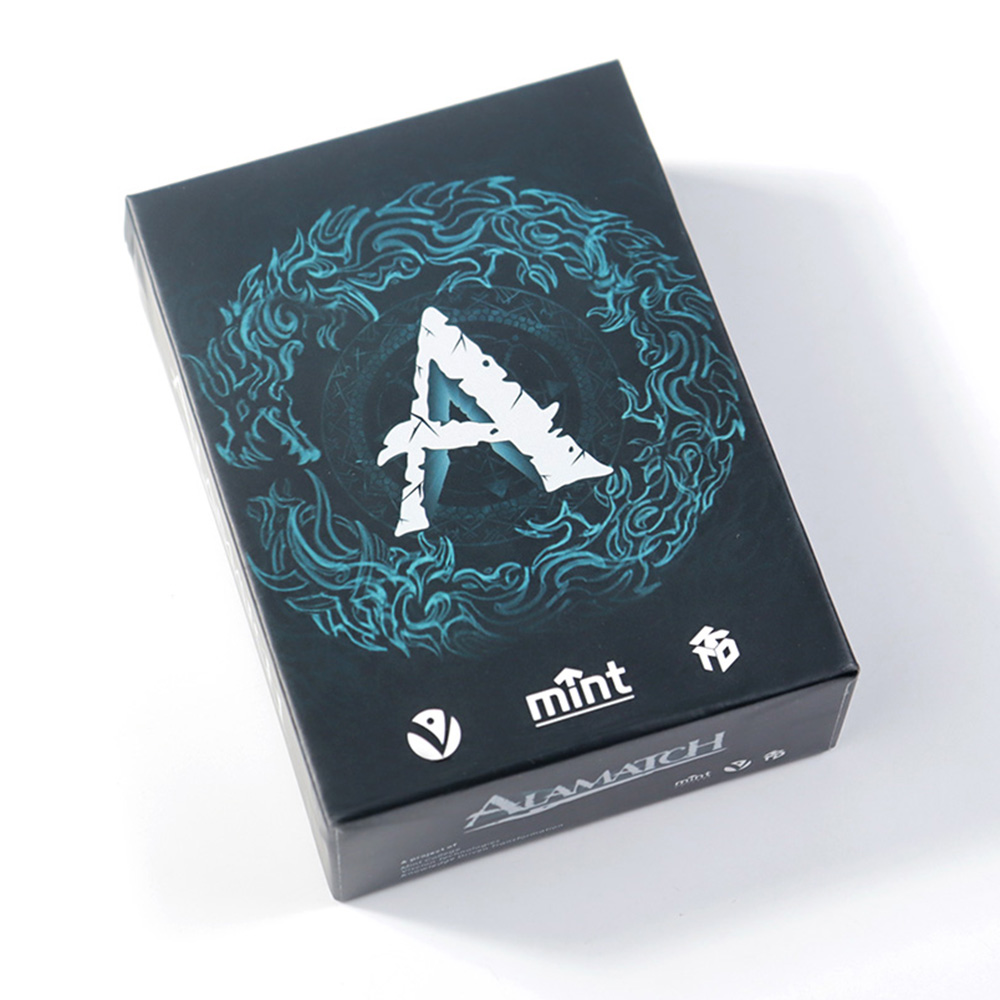 Alamatch Custom Trading Game Cards
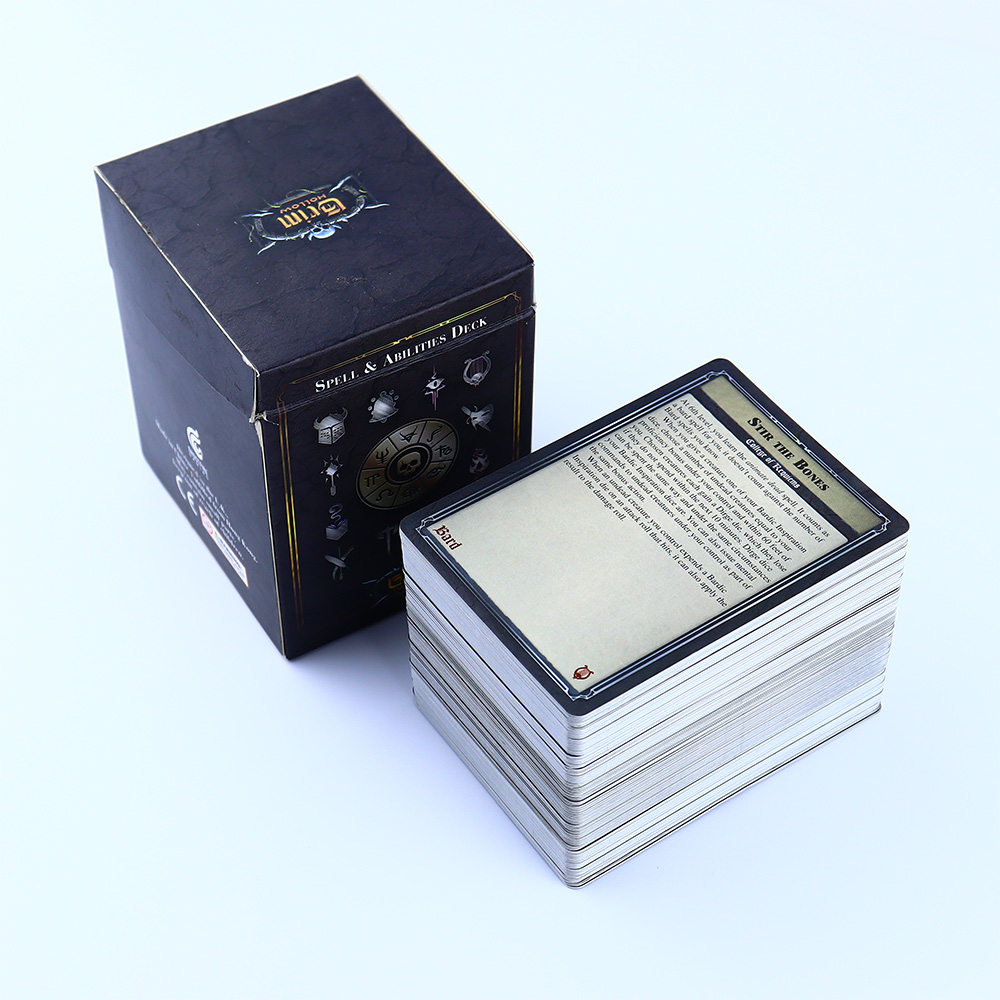 Grim Hollow Spell & Abilities Custom Trading Cards
 Relationshipish Custom Couple Card Game
 Emojo Dojo Custom Trading Card Game
 Custom Travel Photo Trading Cards Set
 Custom Cartoon Holographic Trading Cards Set