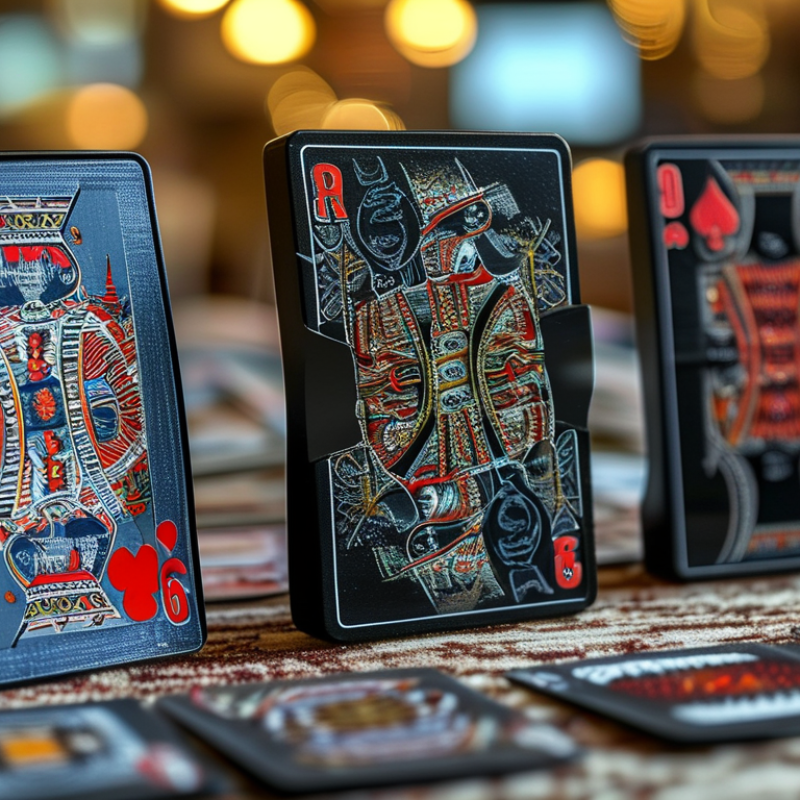
In recent years, consumer preferences for plastic playing cards have evolved significantly. Buyers are increasingly demanding cards that not only last longer but also offer better handling. This change reflects a growing awareness of quality among players. Many seek cards with a textured finish for easier shuffling and a comfortable grip. The trend towards customization is also rising. Unique designs and personalized themes attract players who wish to express individuality.
Sustainability is becoming crucial. Buyers are looking for eco-friendly materials without compromising quality. This shift emphasizes a desire for products that align with values of environmental responsibility. Consumers appreciate suppliers who use recyclable materials in their production. They also expect transparency regarding the sourcing of materials. Another emerging concern is the visual appeal of cards. Vibrant colors and intricate designs are proving to be key influencers in purchasing decisions. Learners might find that balancing aesthetics with durability remains a challenge for manufacturers.
While many buyers are vocal about their preferences, some aspects remain less clear. For instance, the ideal thickness of cards varies among players. Some prefer thicker cards for a more substantial feel, while others aim for flexibility. This variance creates an opportunity for producers to explore different thickness options. Understanding these nuanced demands can lead to better product iterations. The journey to refining product offerings is ongoing, reflecting a dynamic interaction between consumer feedback and market trends.

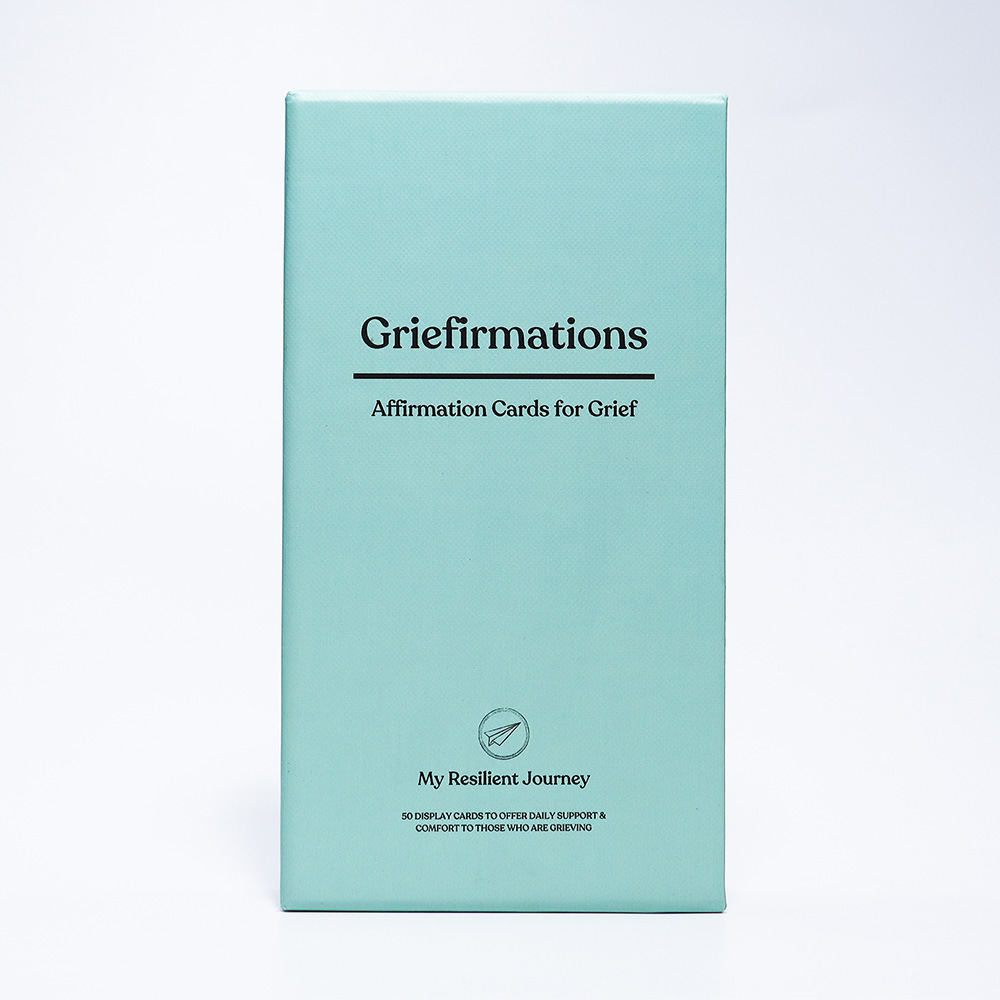 Customizable Emotional Support Cards for Grief & Resilience
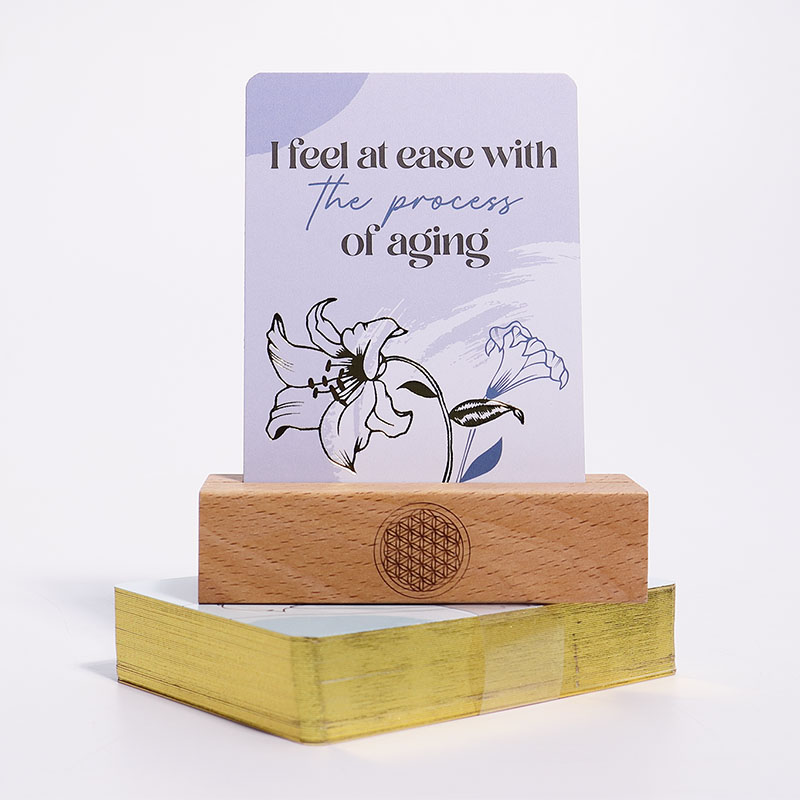 Personalized Emotional Encouragement Card Collection
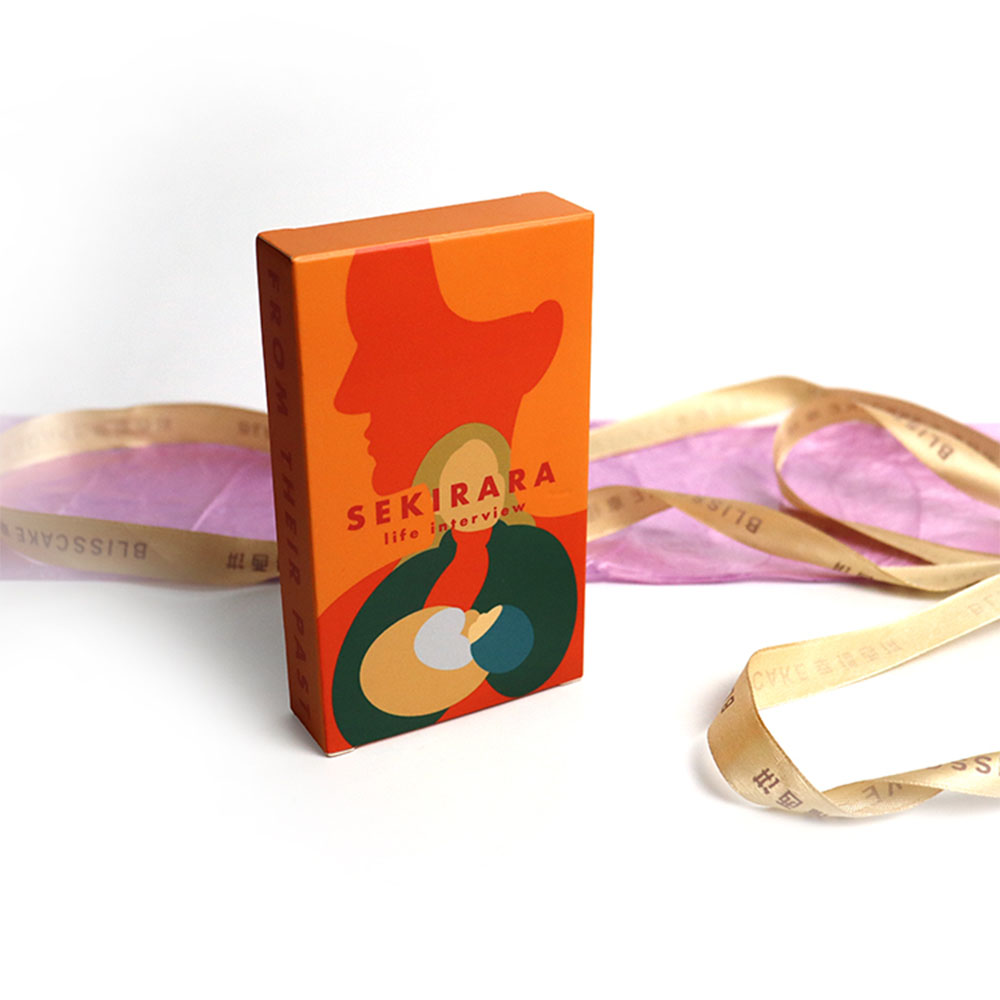 Personalized Deep Conversation Card Gift Box
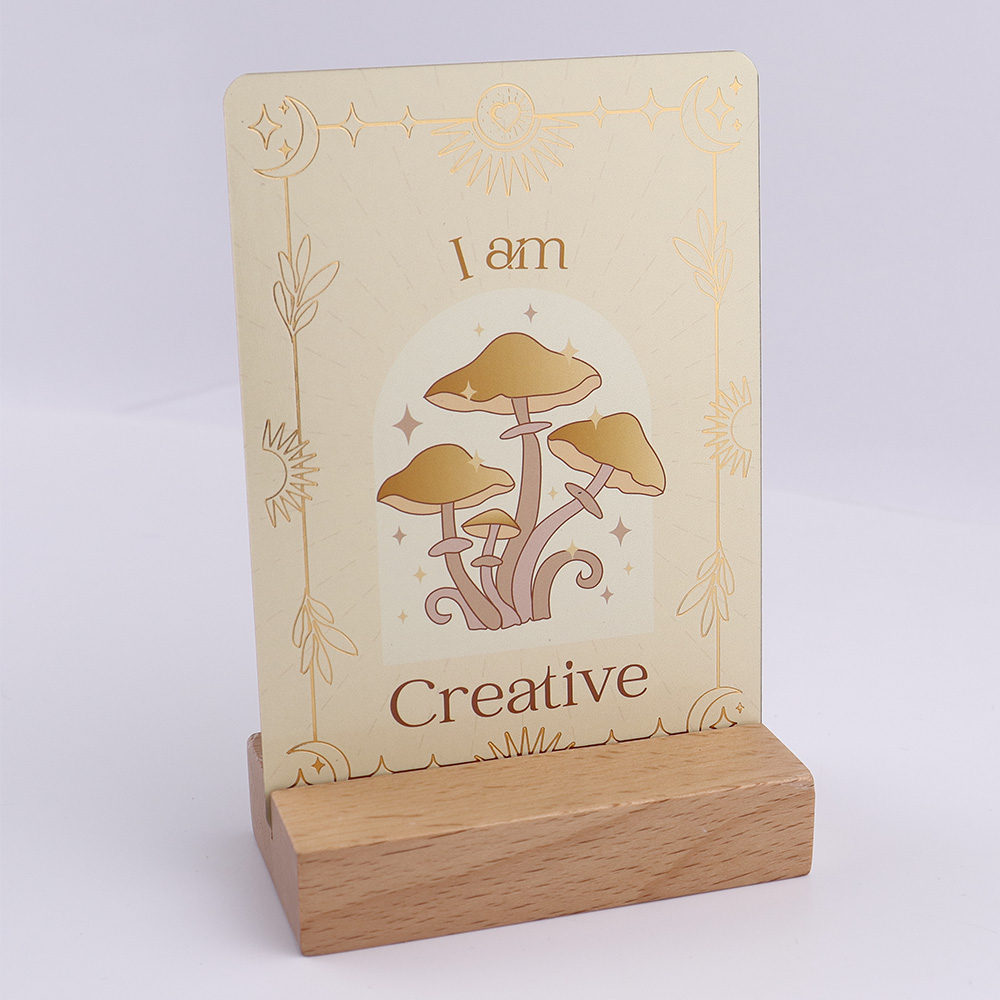 Customizable Boho-Chic Affirmation Cards for Mindfulness & Self-Love
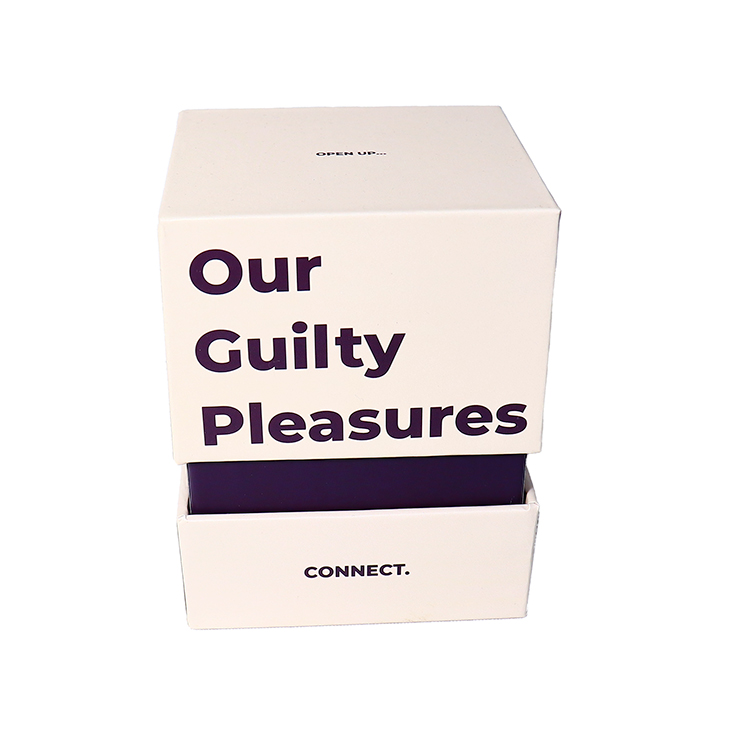 Customized Friendship Confirmation Card
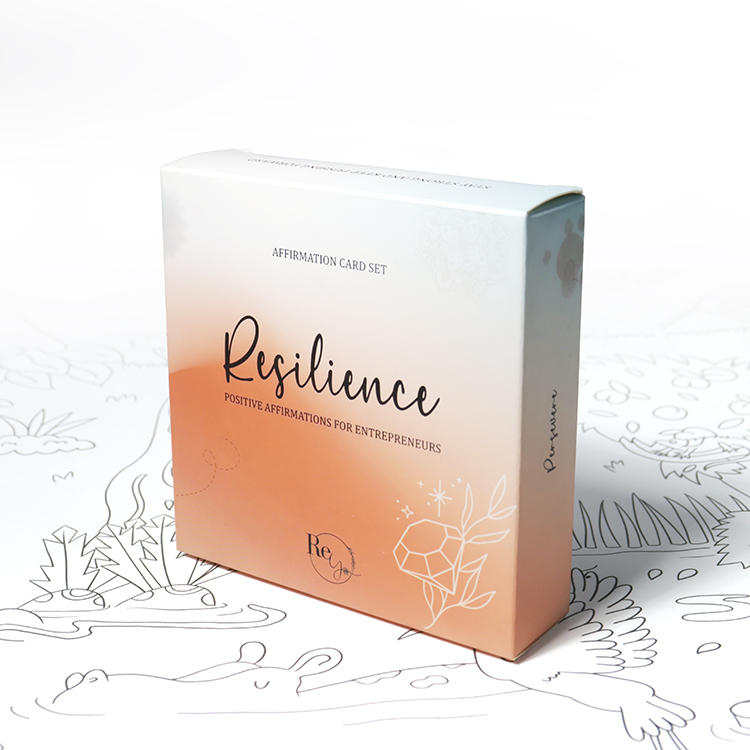 Customized Entrepreneurship Confirmation Card
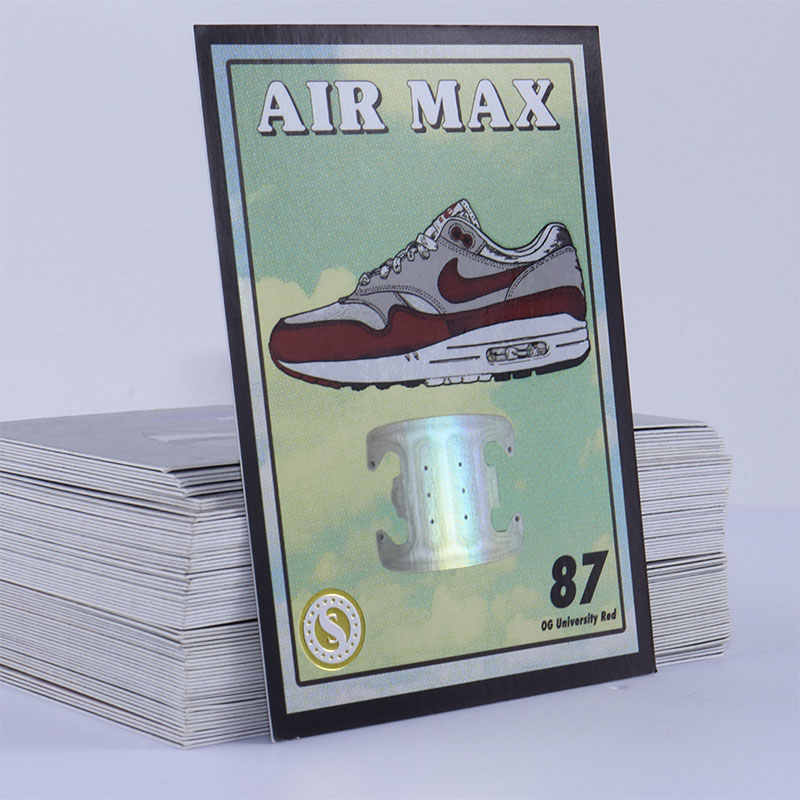 Air Max Pax Custom Sneaker Card Blind Box Set
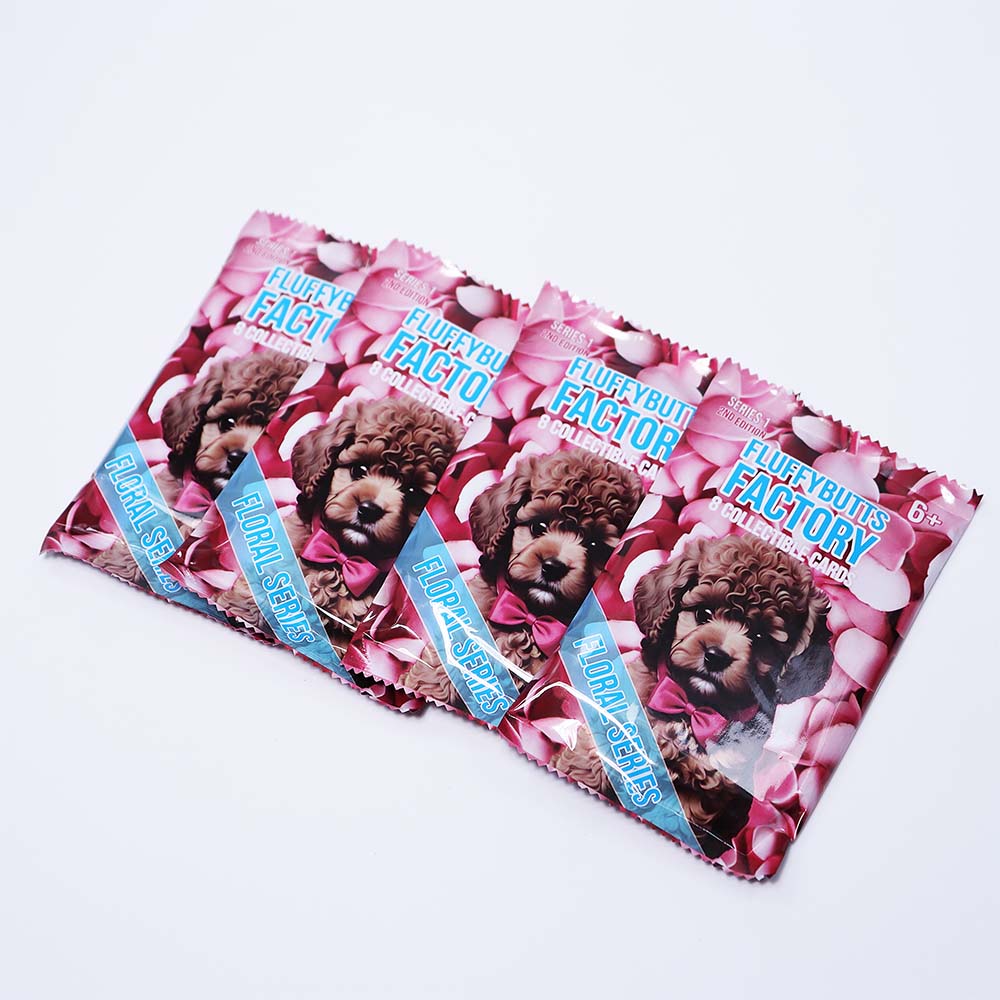 Fluffybutts Factory Custom Pet Card Blind Box Sets
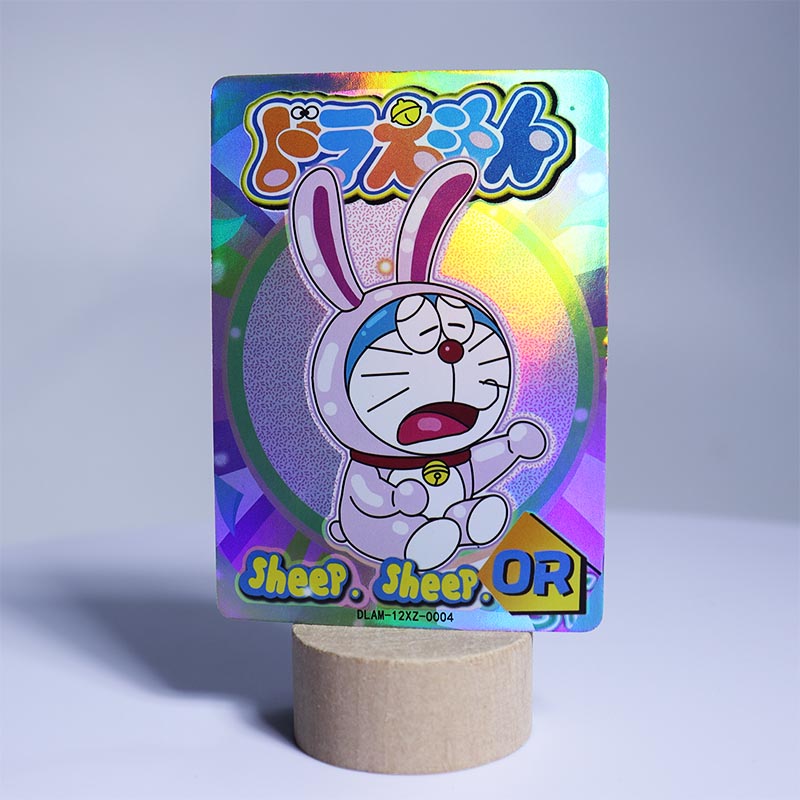 Doraemon Custom Card Blind Box Set
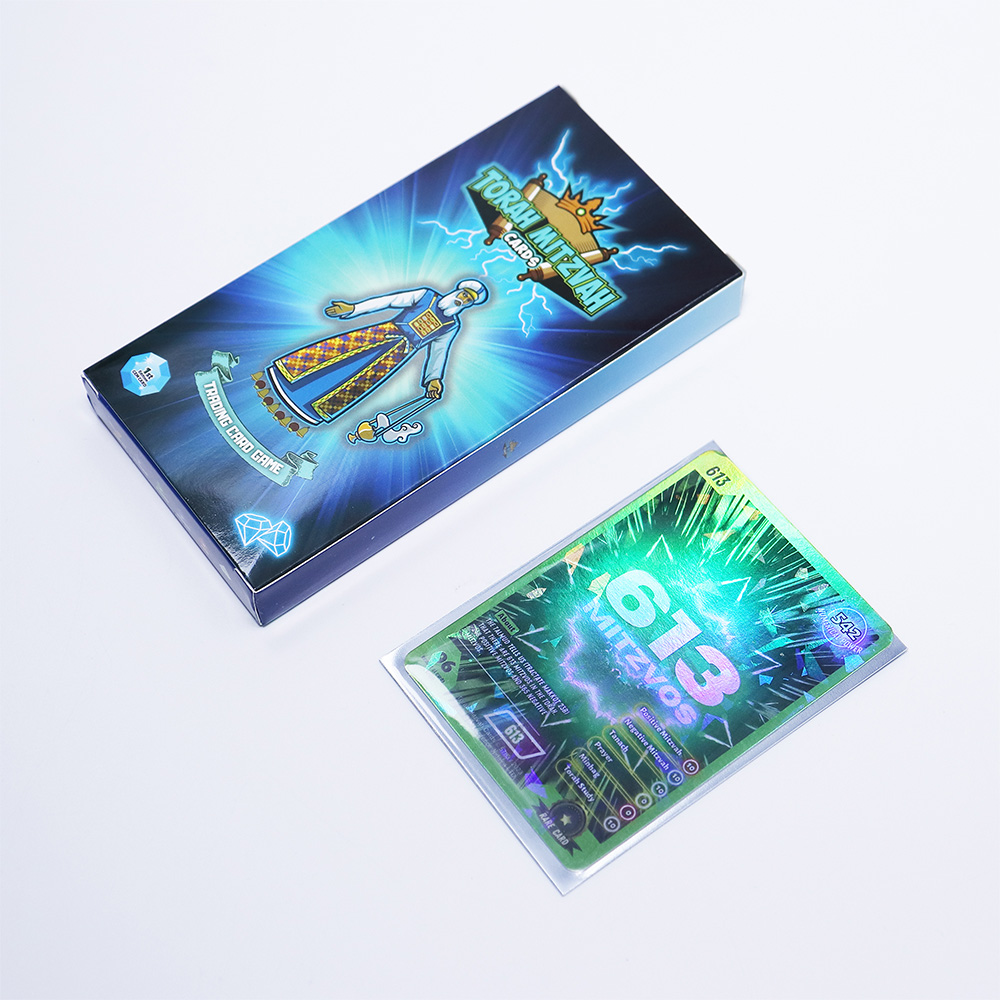 Torah Mitzvah Custom Card Blind Box Set
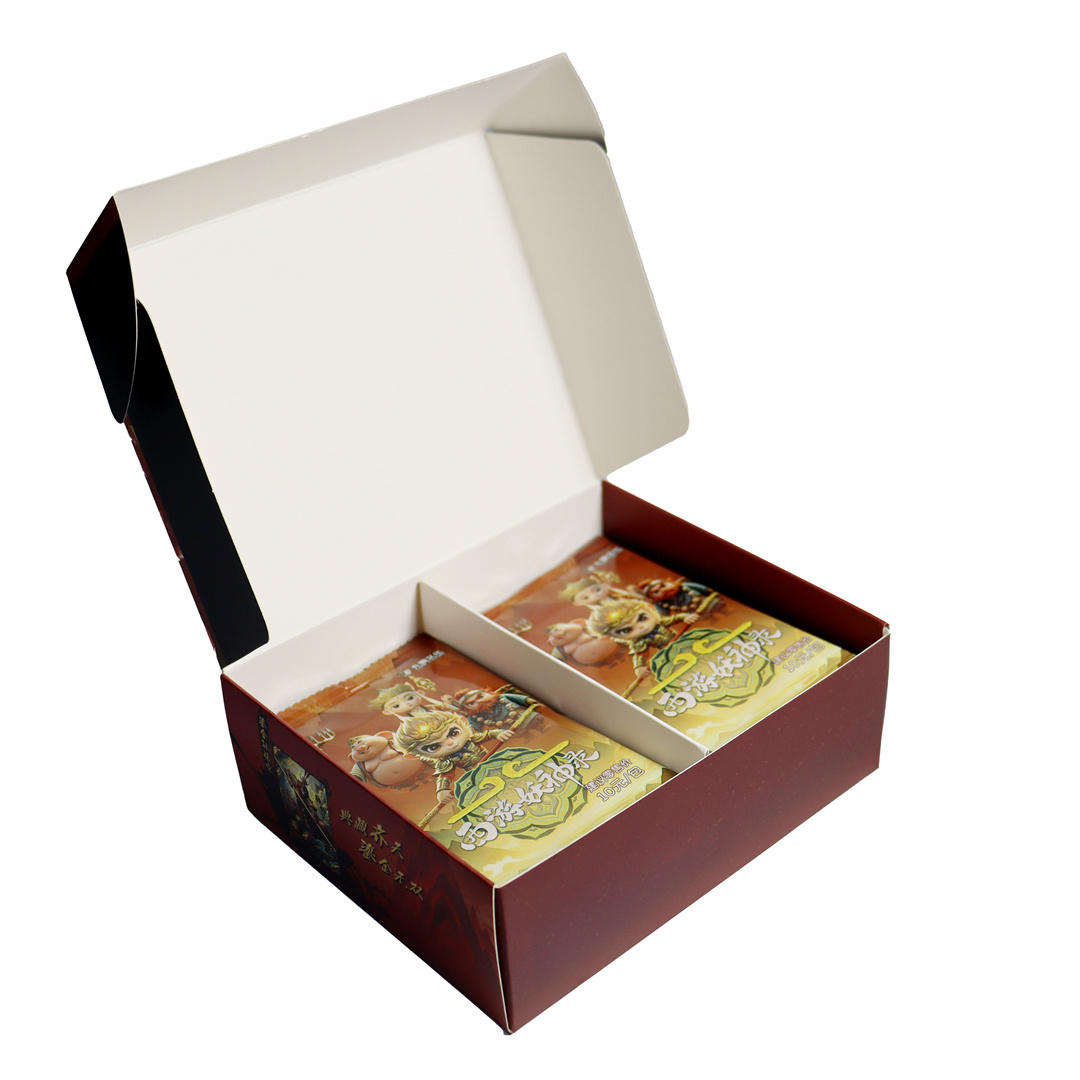 Customized "Journey to the West" Themed Card Blind Box Set
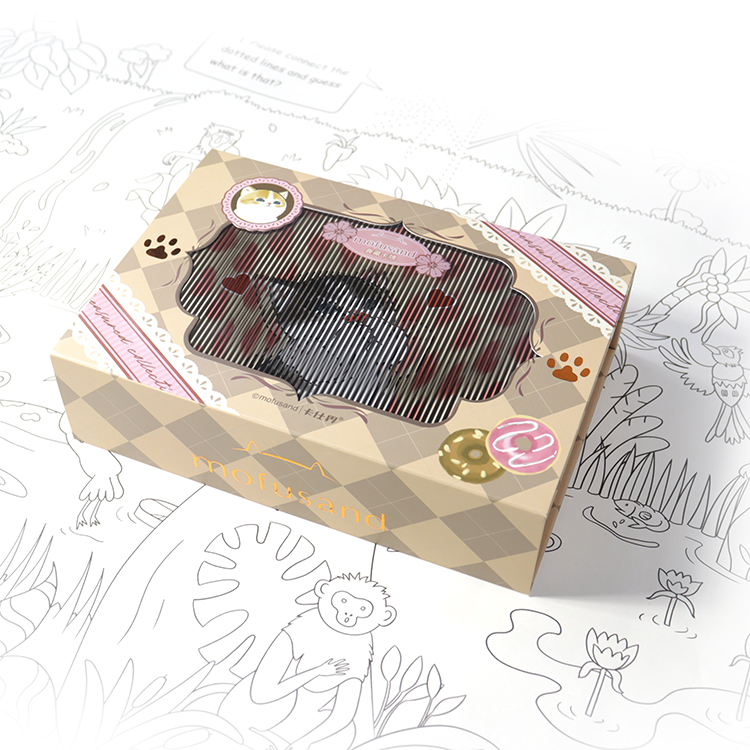 Customized cat-themed blind box set
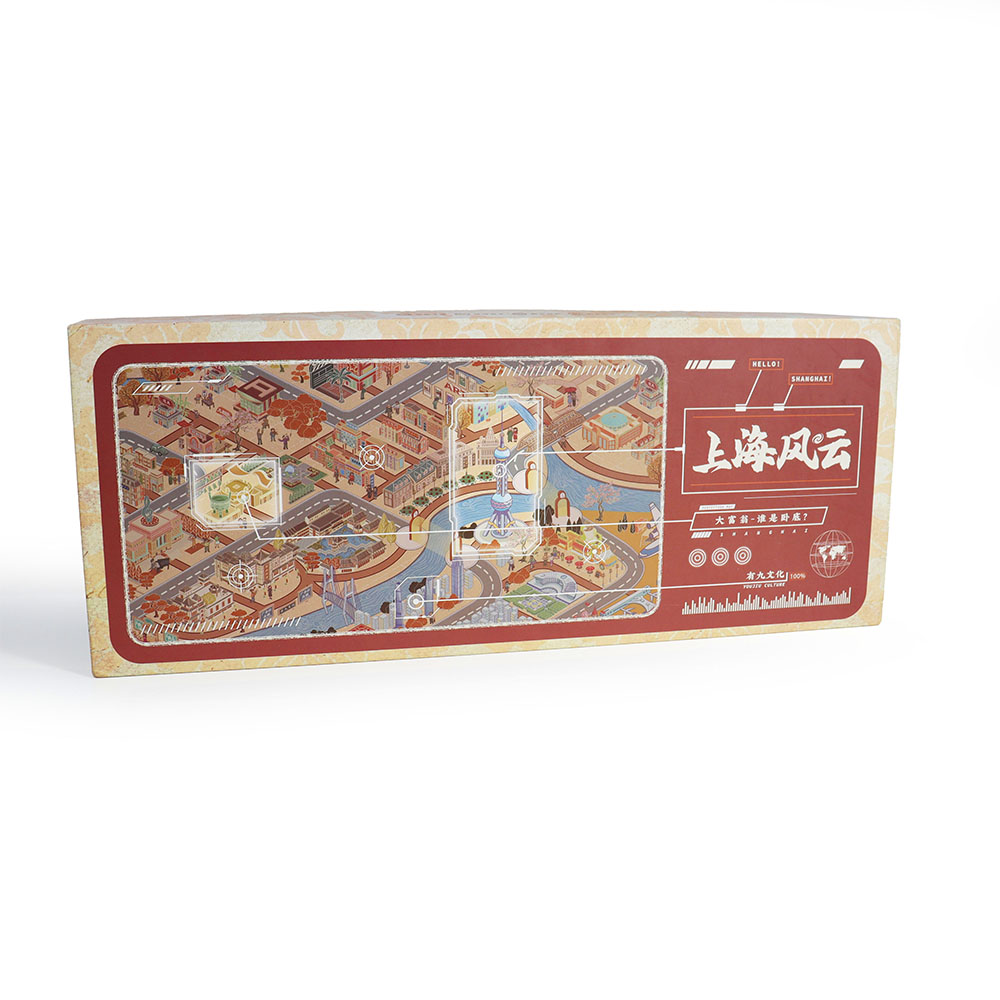 Shanghai Fengyun Custom Board Game Set
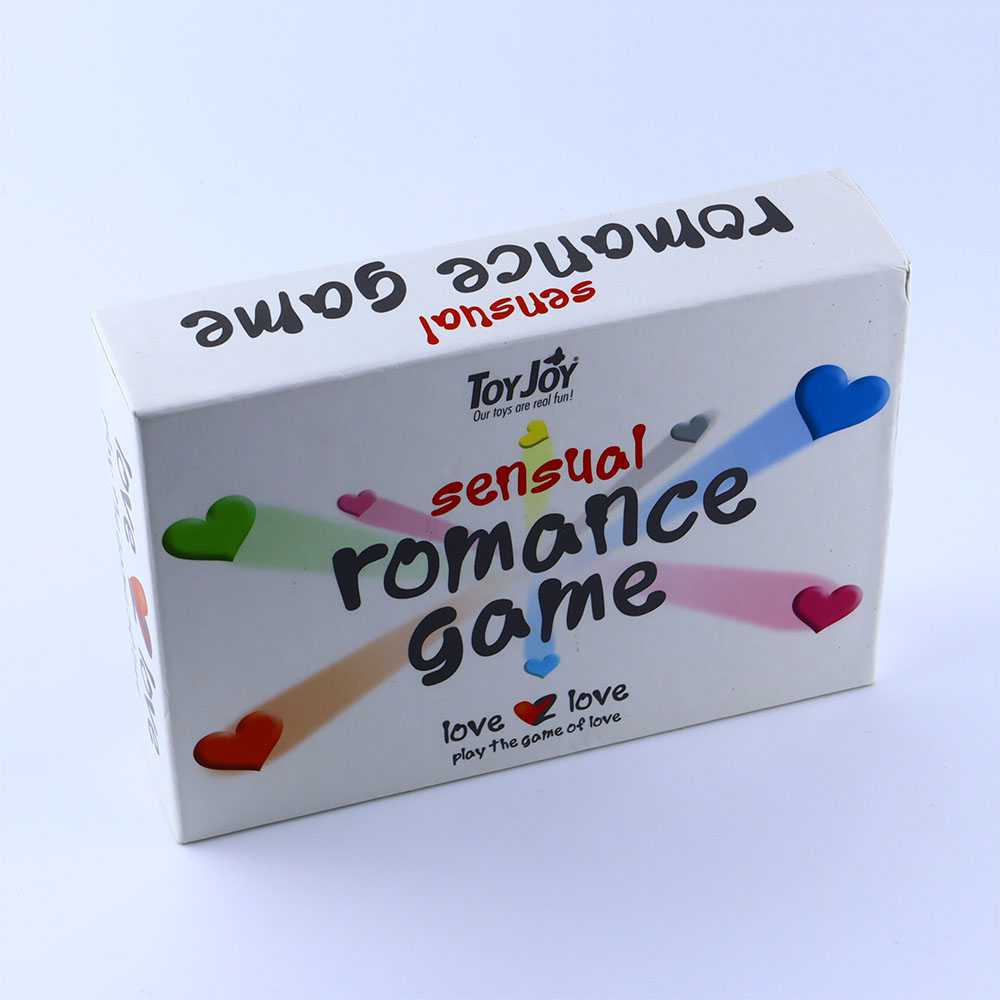 Sensual Romance Game Custom Board Game Set
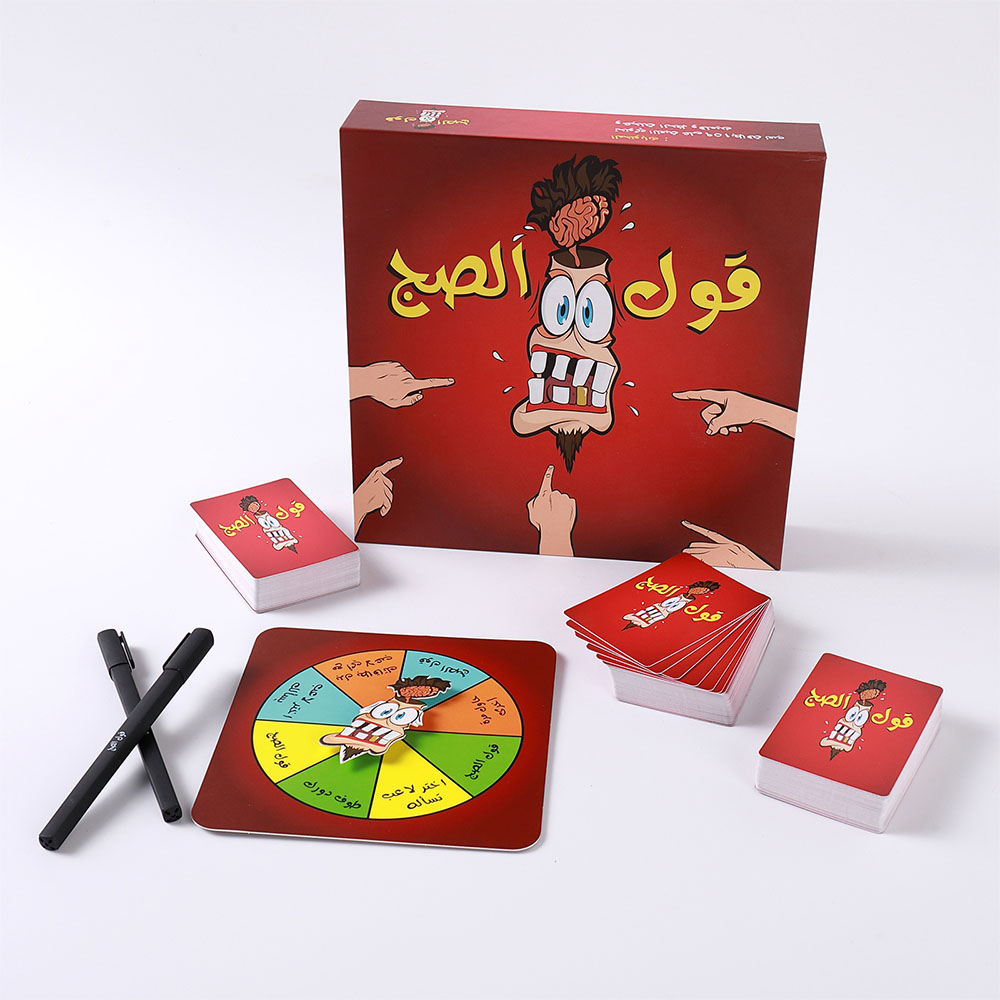 "Qoul Al Sabah" Custom Board Game Set
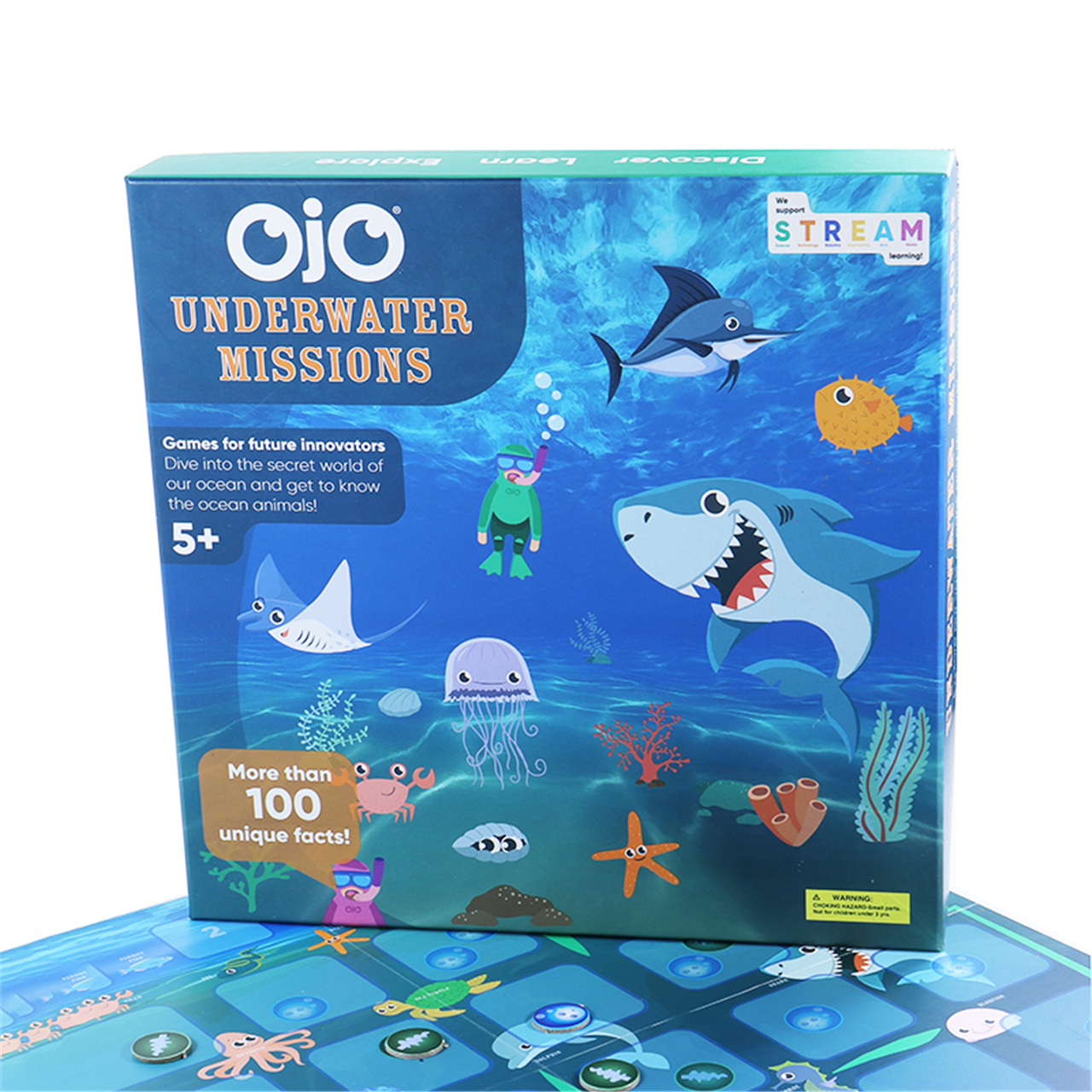 Customized educational board games for children
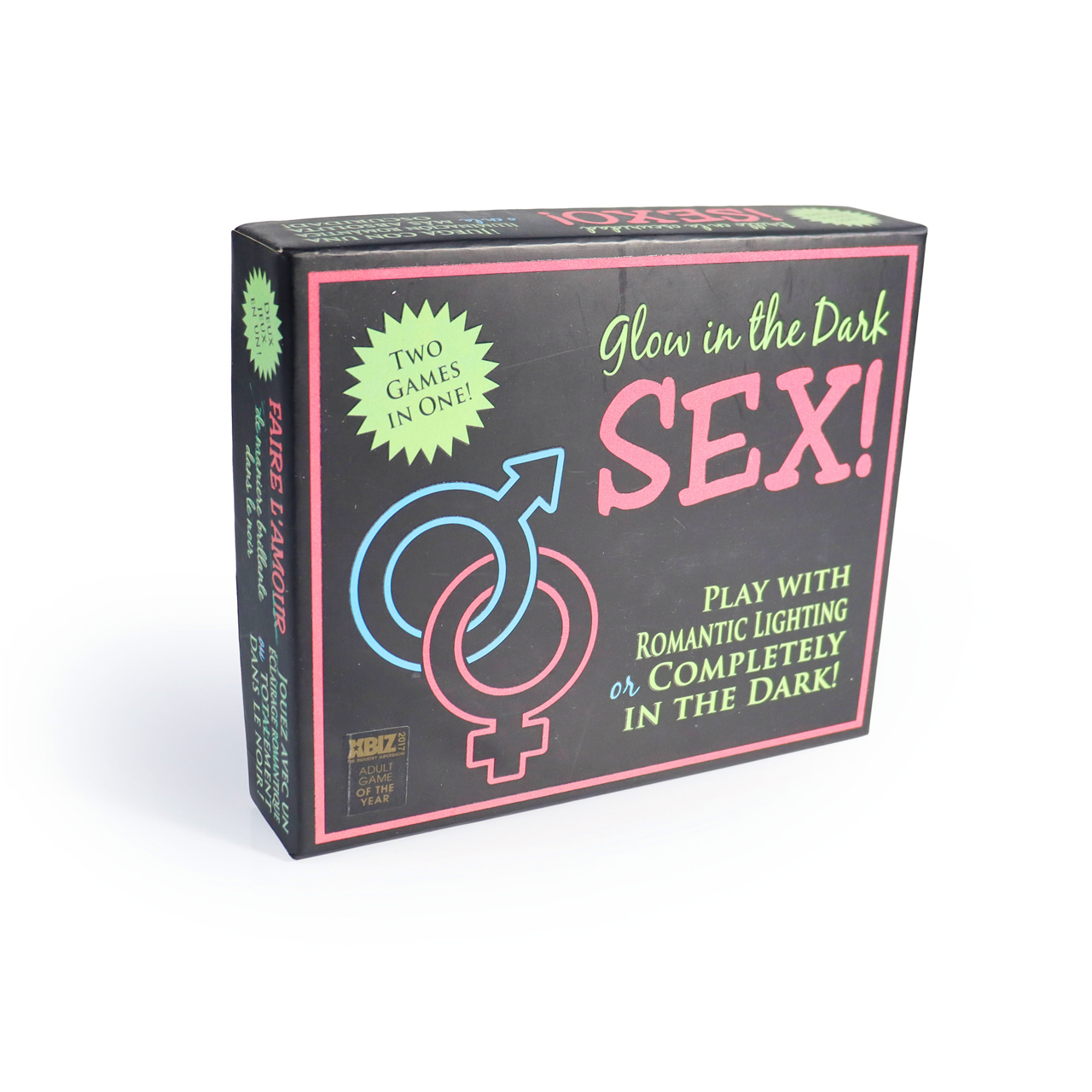 Couple Interaction Turntable Themed Board Game
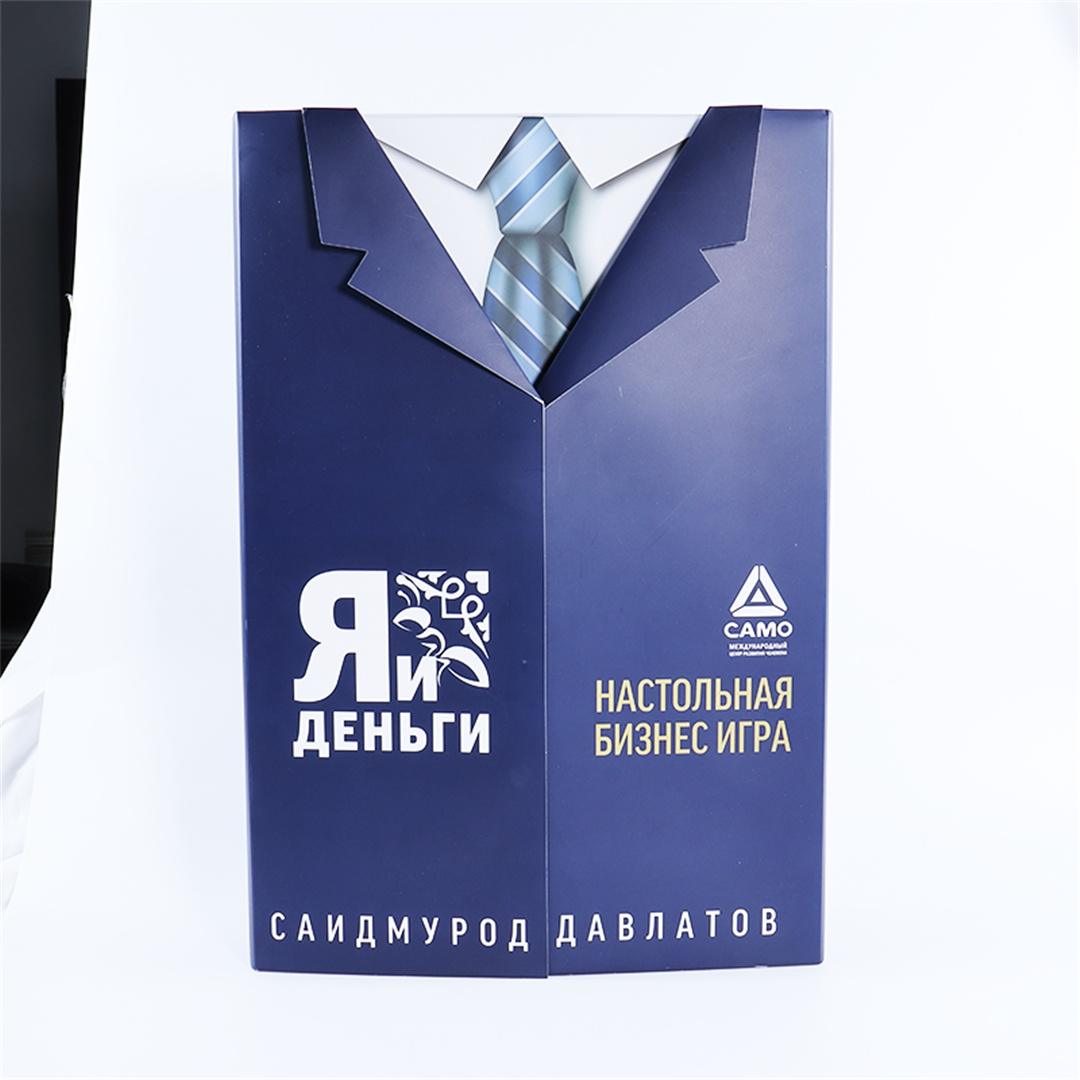 Business Finance Board Game
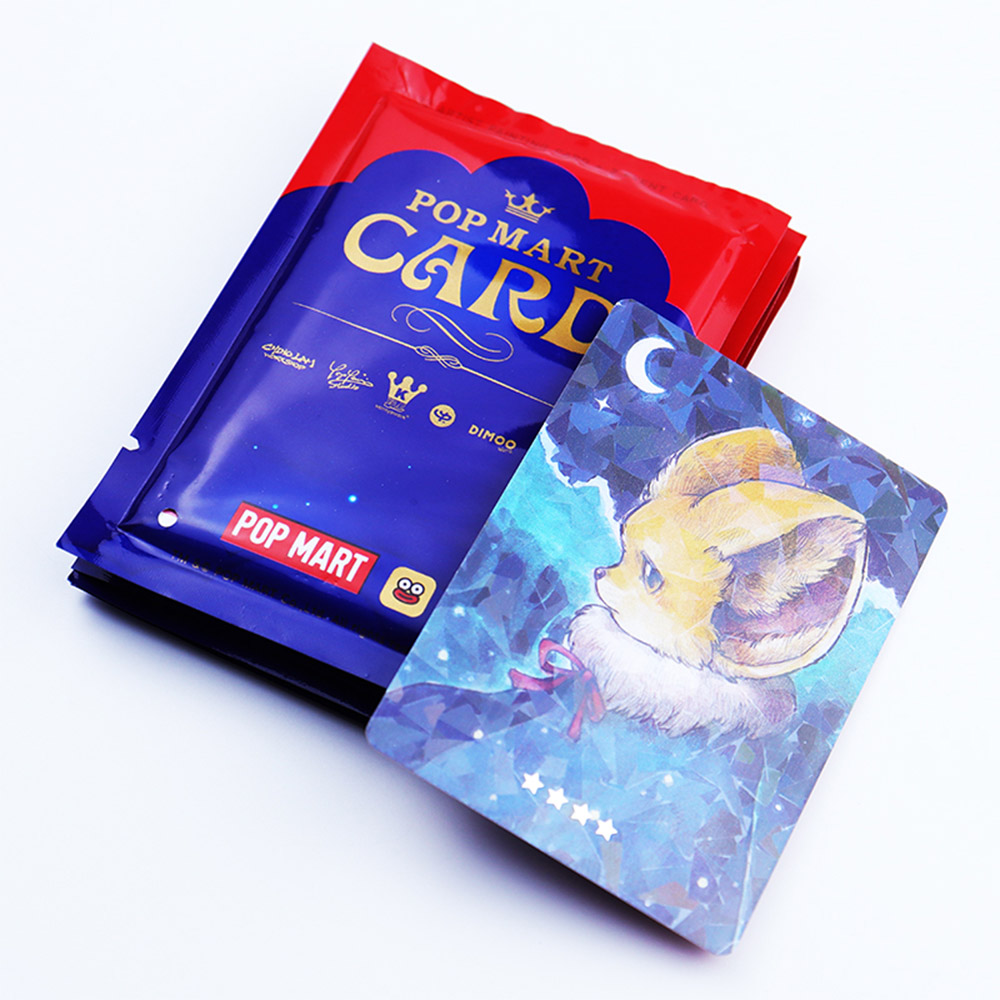 Pop Mart Custom Character Collectible Cards
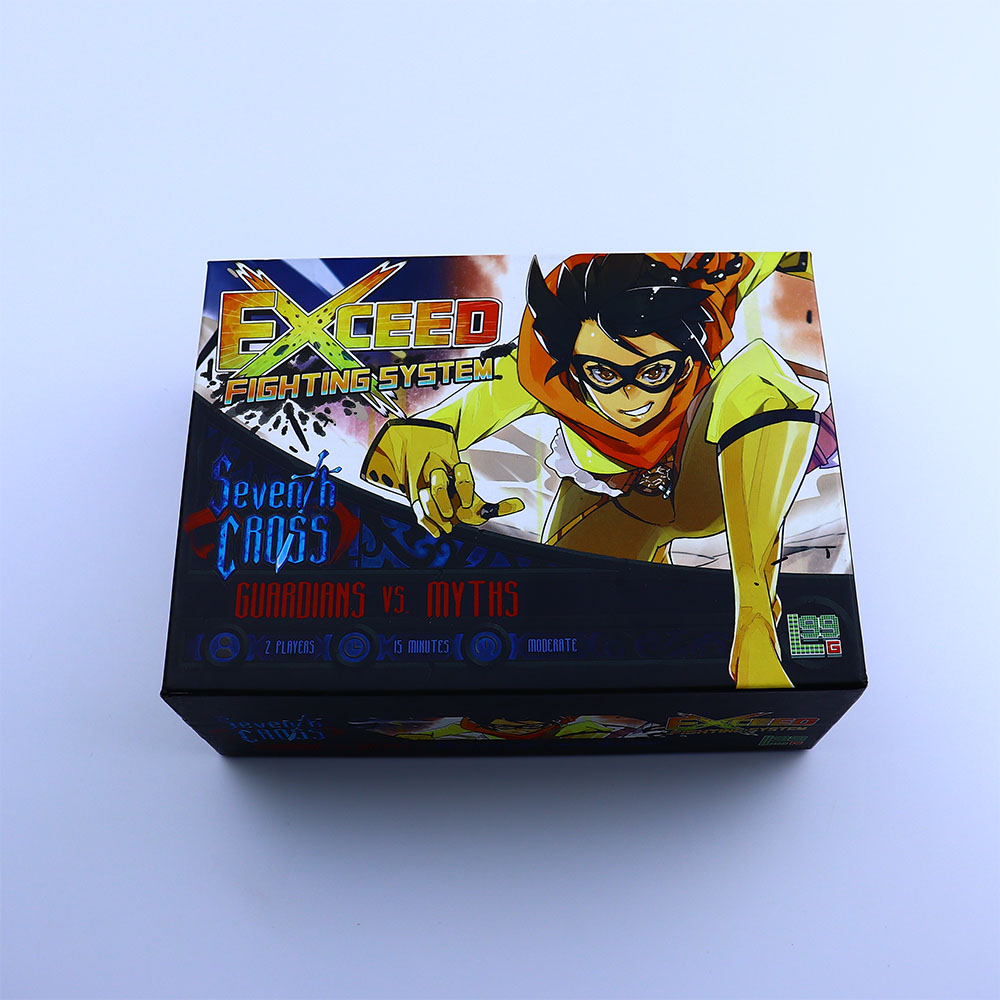 EXCEED Fighting System Custom Character Card Set
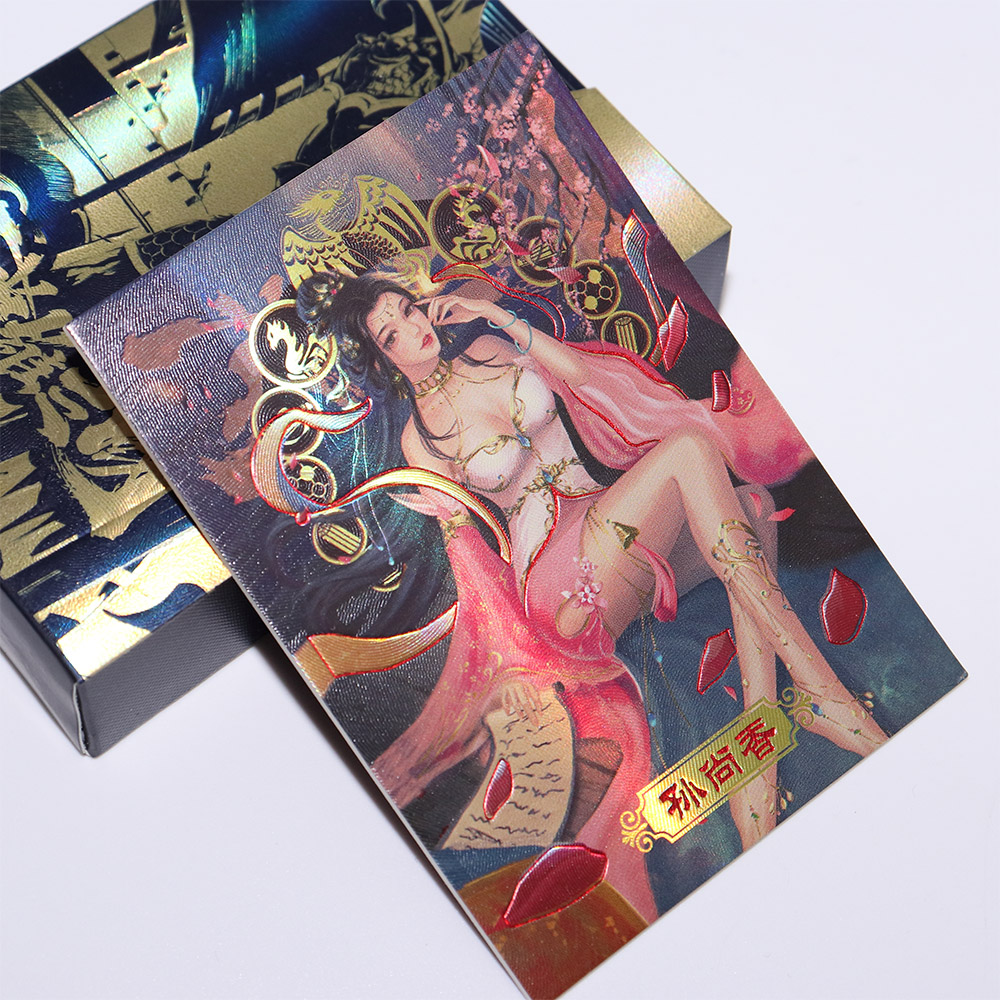 Three Kingdoms Custom Hero Character Cards
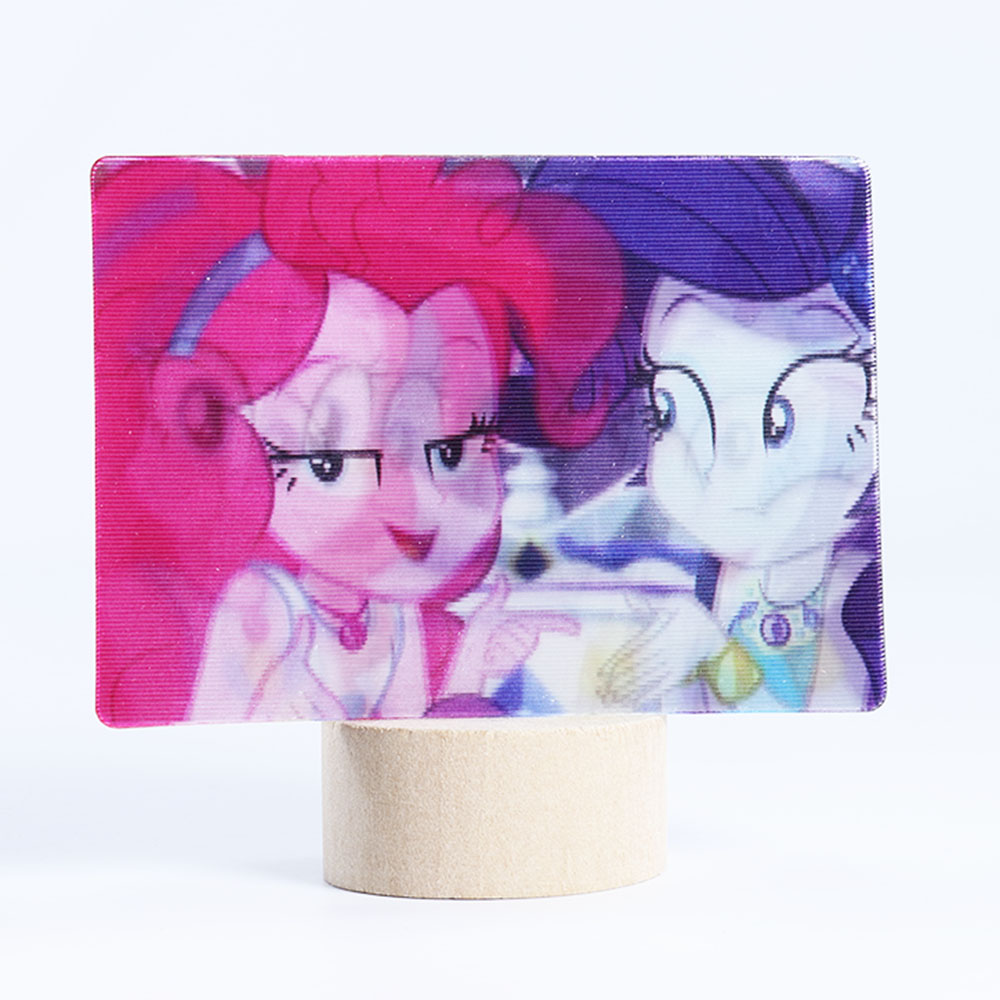 Custom Anime Character Dynamic Visual Cards
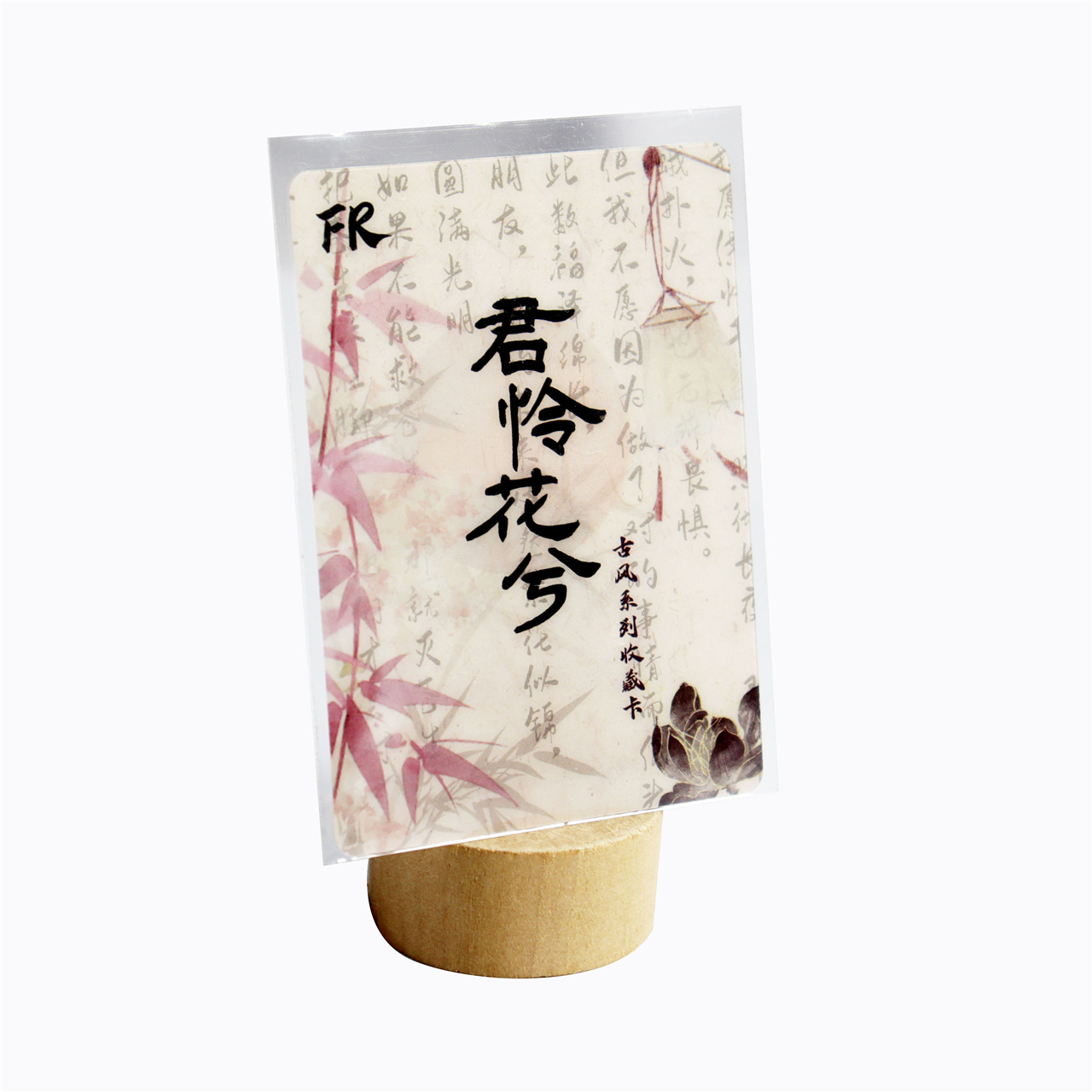 Custom Cartoon Character Collectible Card Set
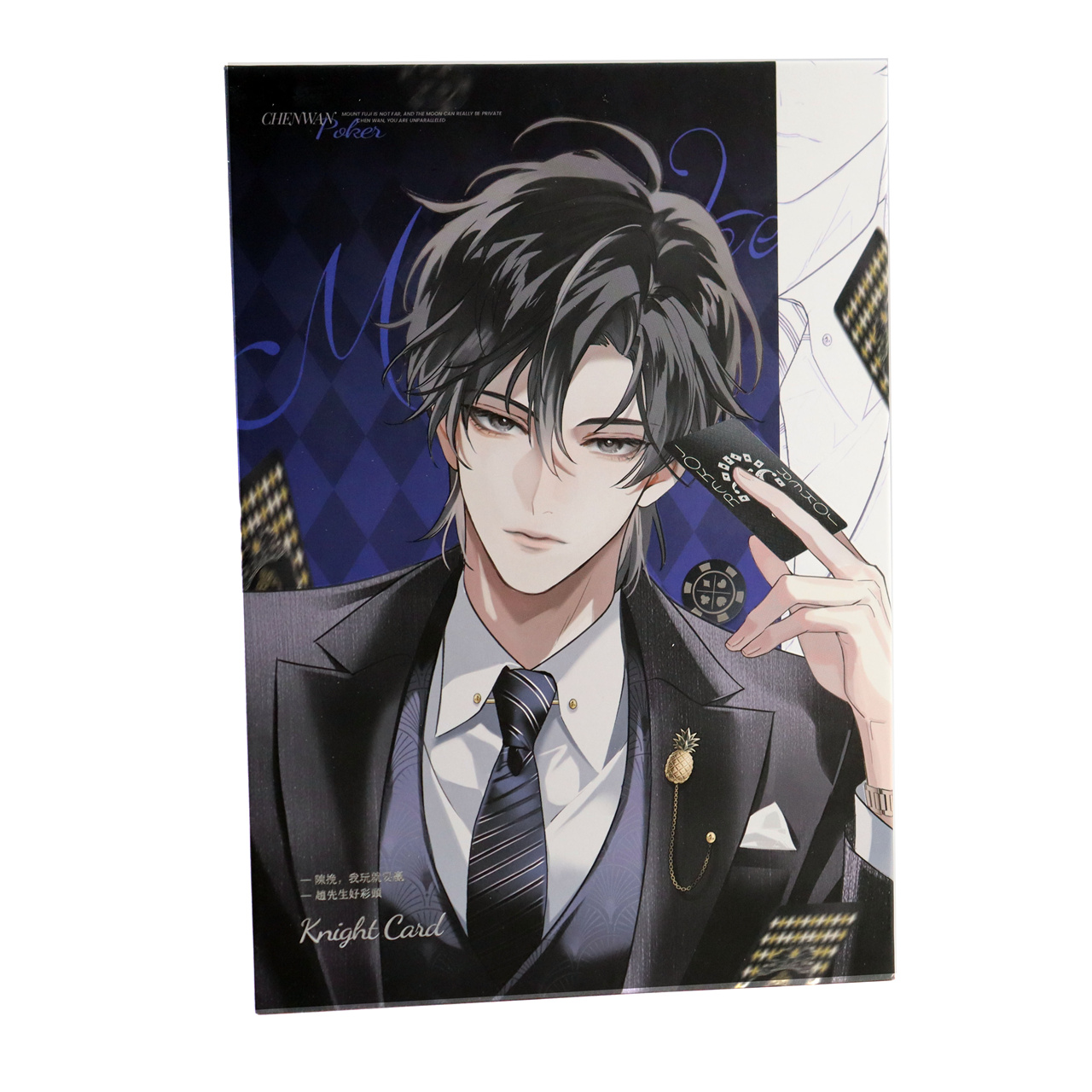 Custom Anime Character Art Card Set
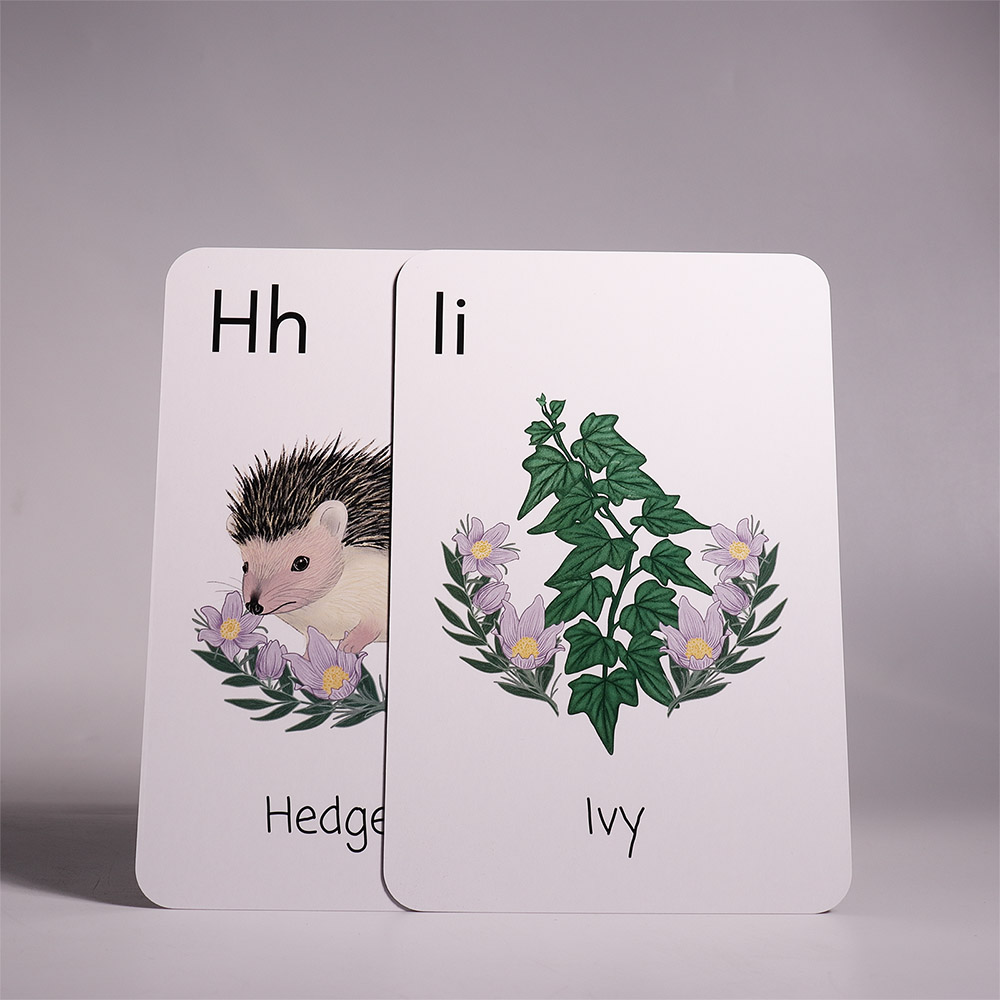 Little Larch Alphabet Cards
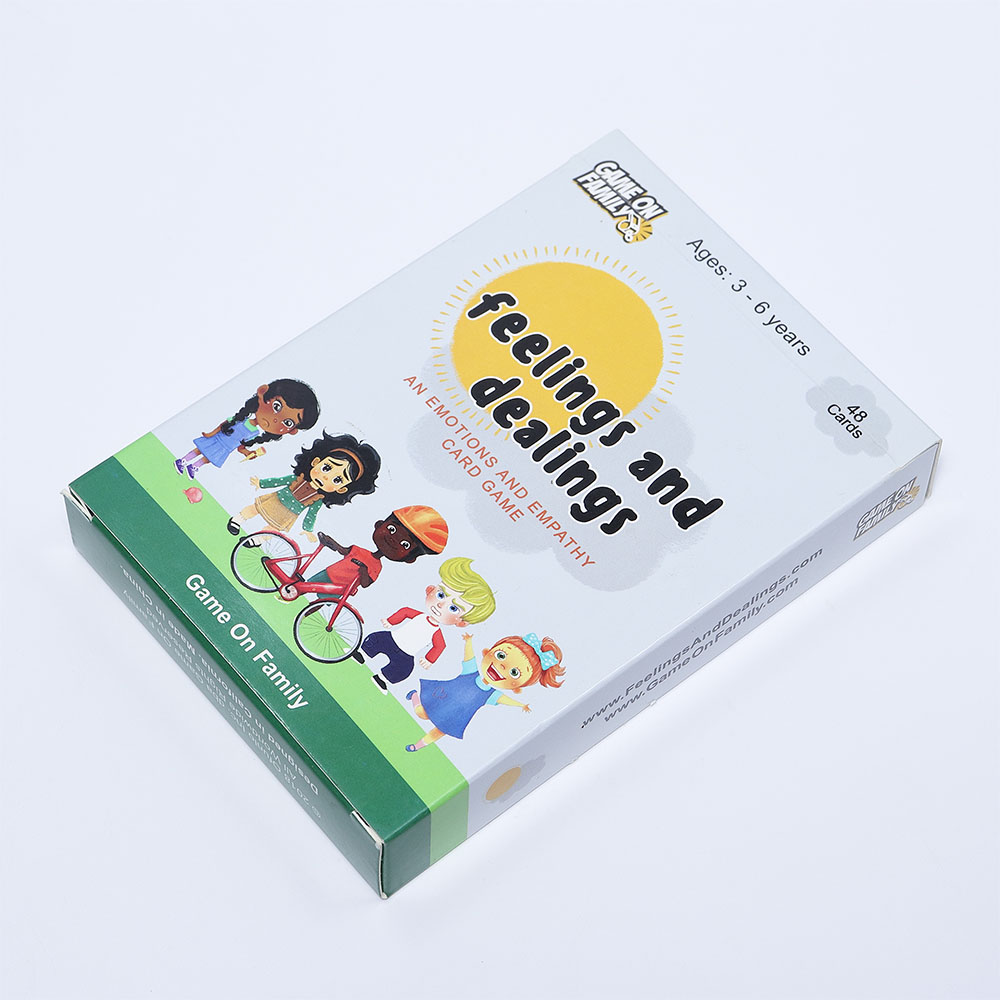 Feelings and Dealings Custom Children's Emotion Card Game
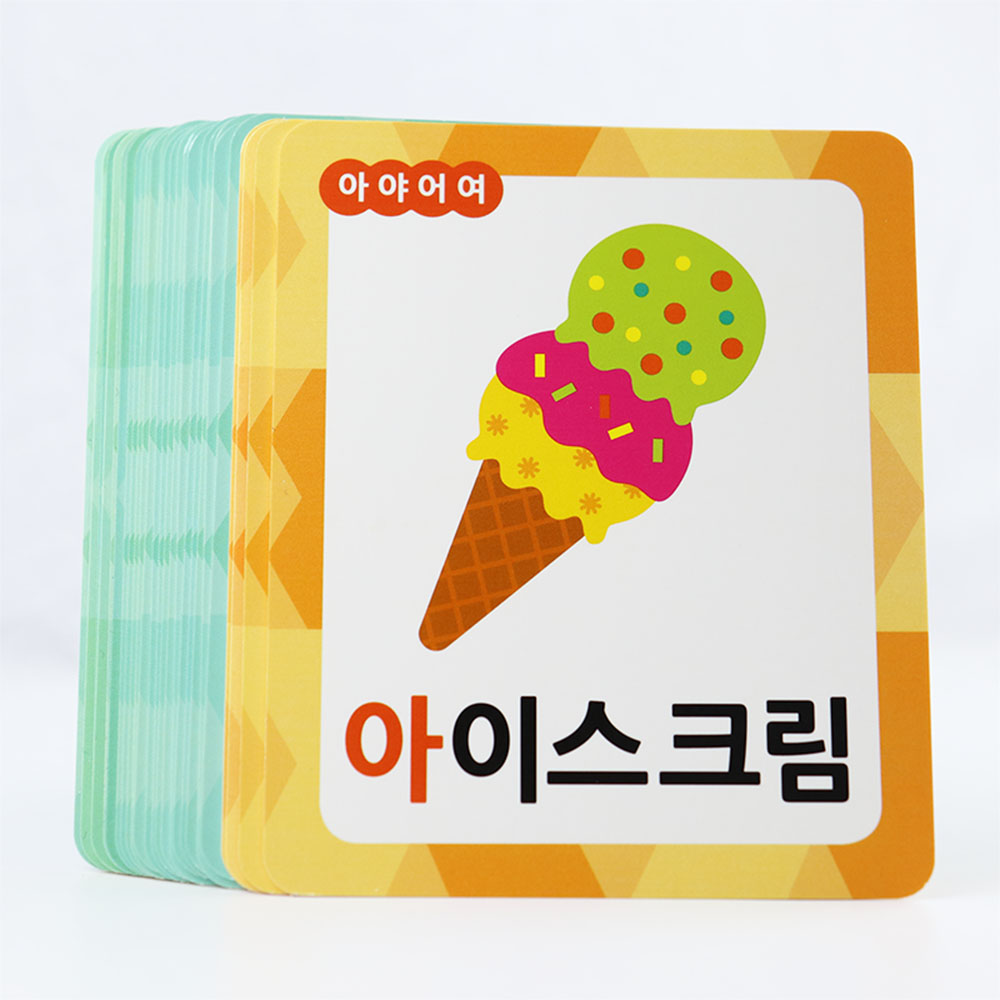 Korean Children's Educational Flashcards
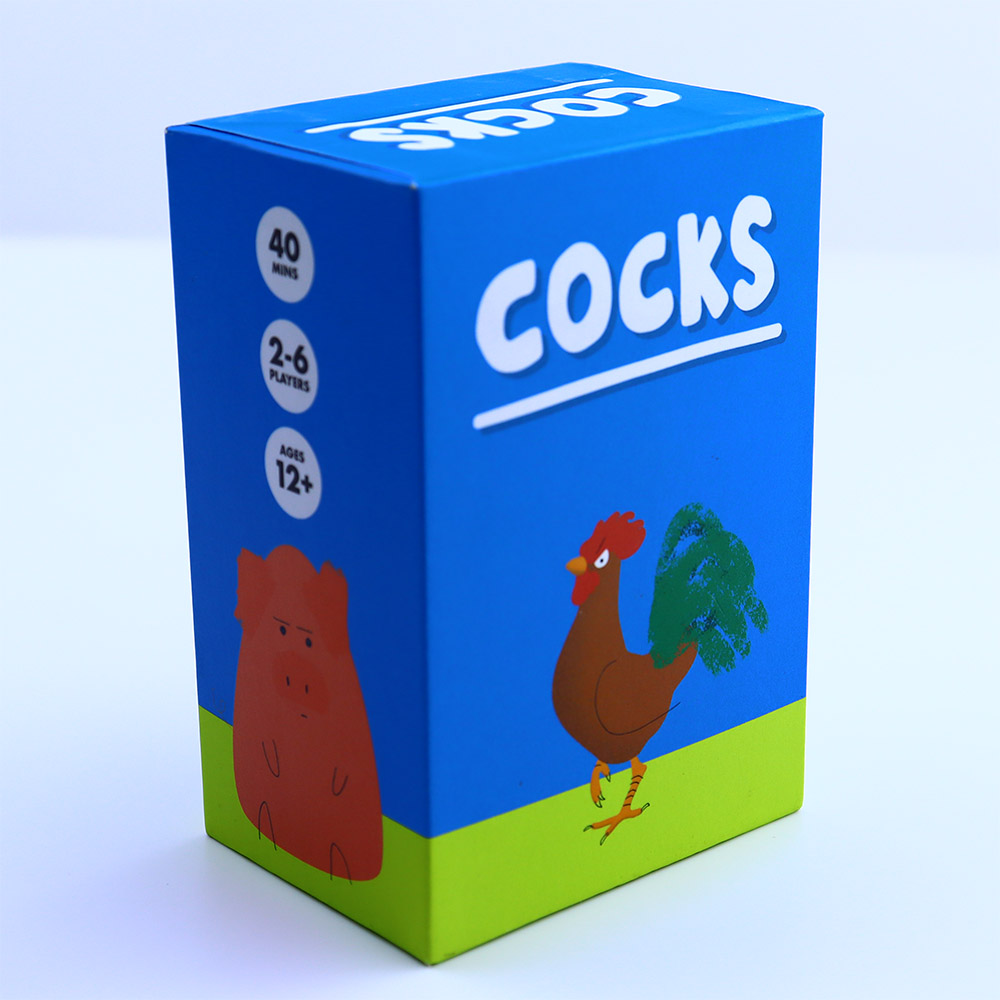 Cocks Themed Custom Children's Learning Cards
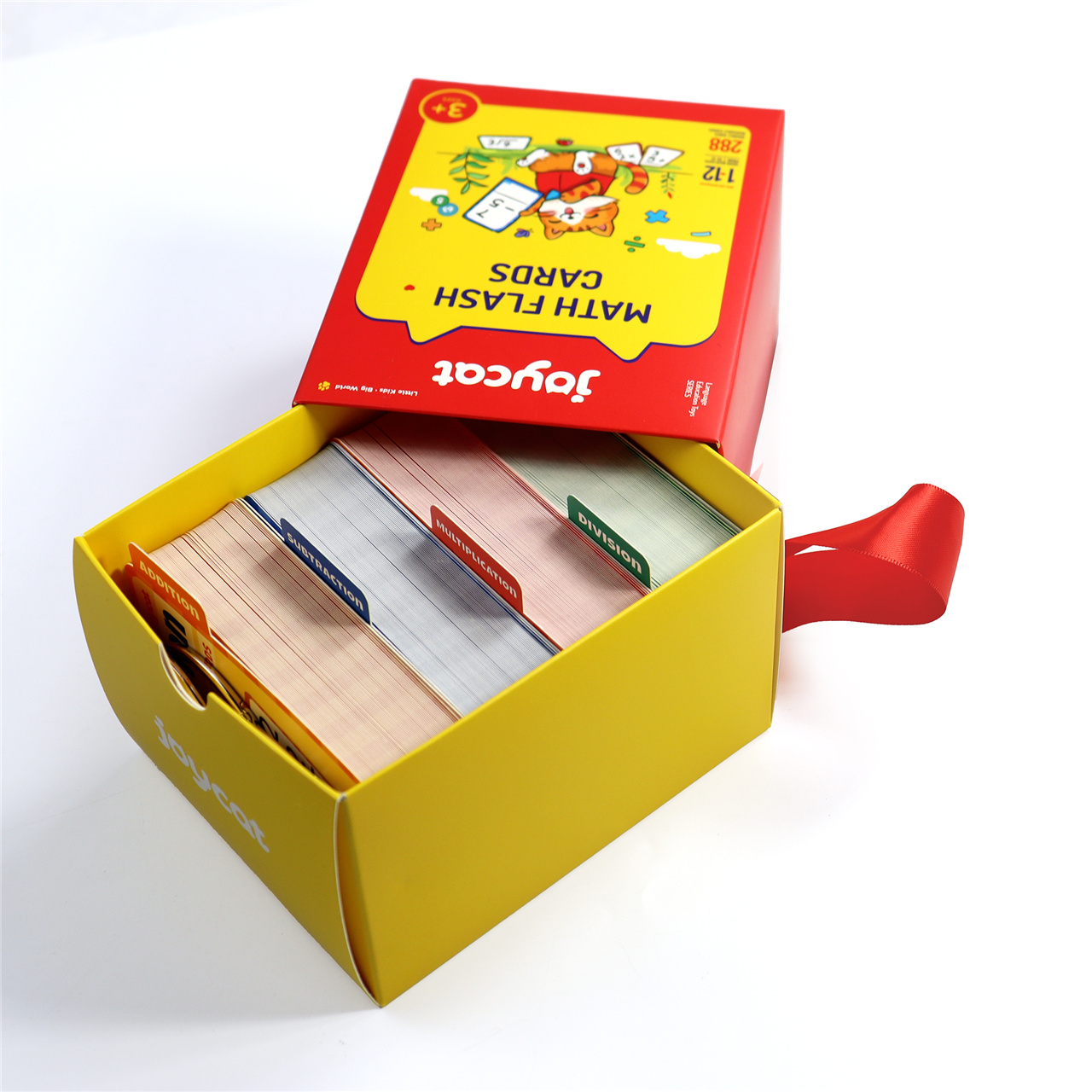 Math Flash Cards Set for Kids
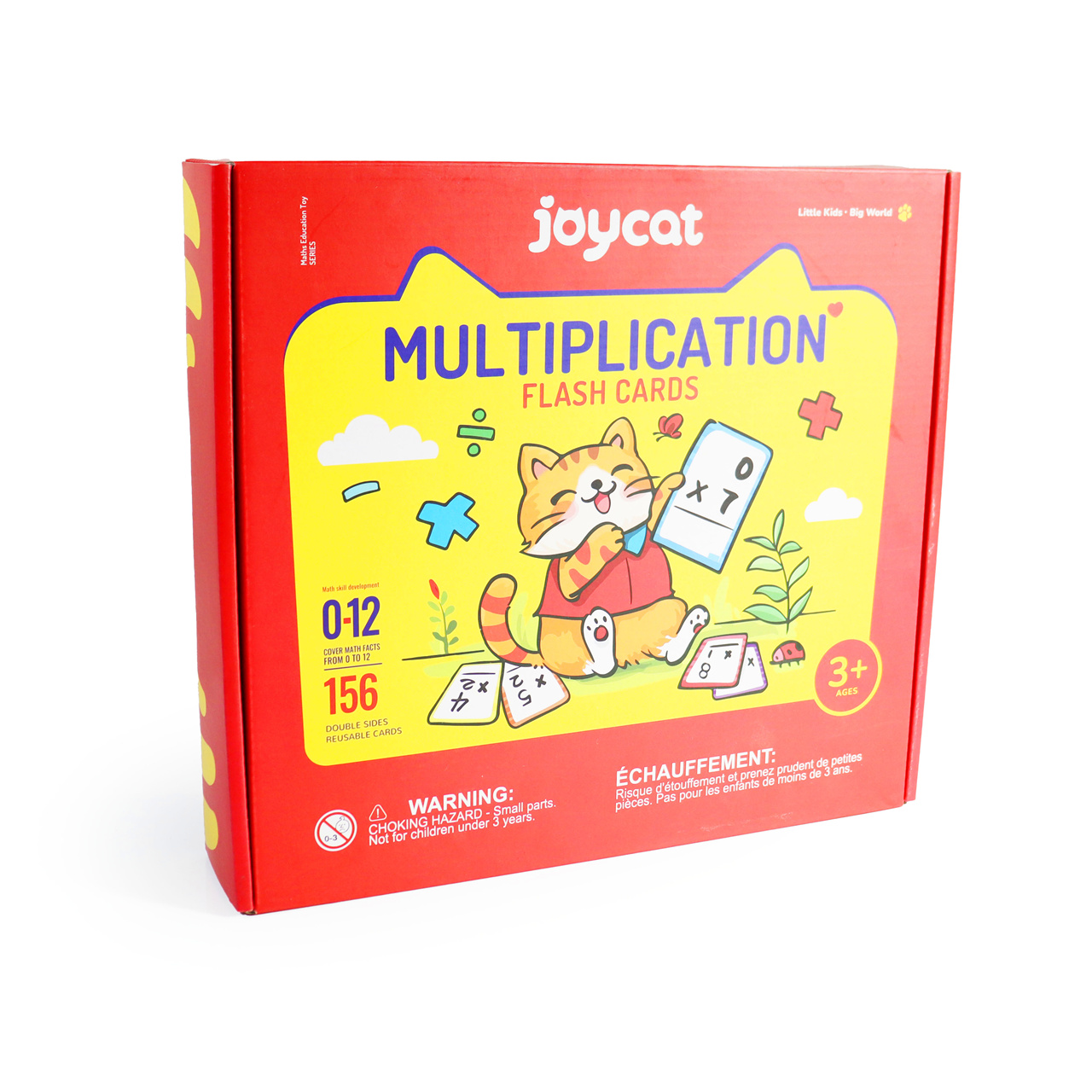 Joycat Multiplication Flash Cards Set with Accessories
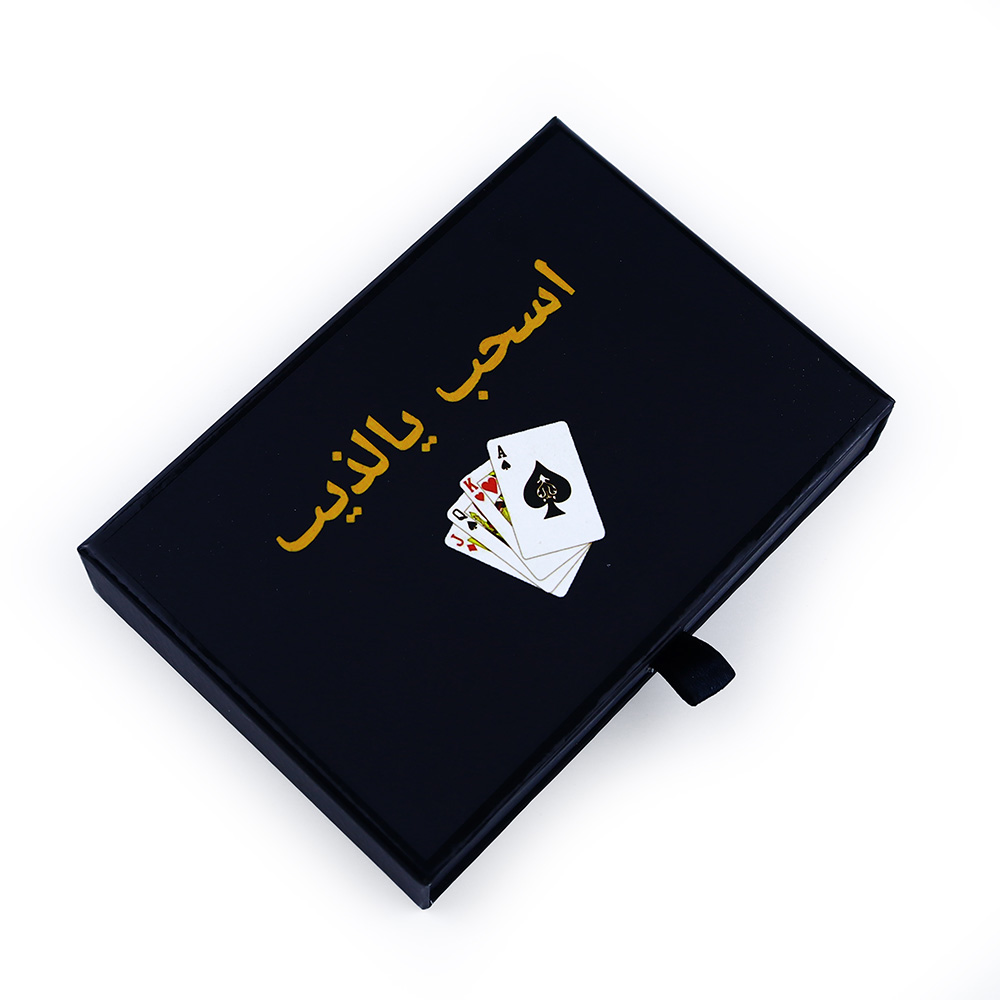 Custom Dual-Deck Playing Cards with Wolf-Themed Design
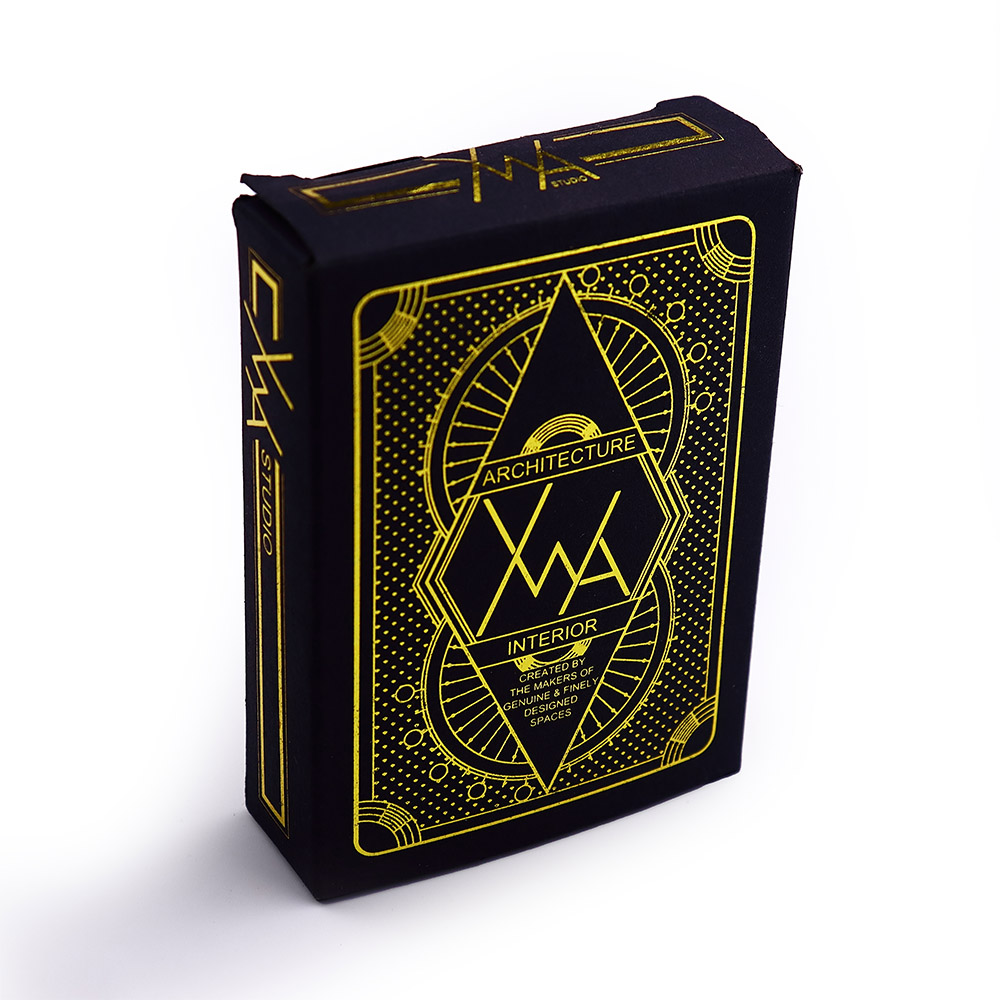 Custom embossed gold foil playing cards
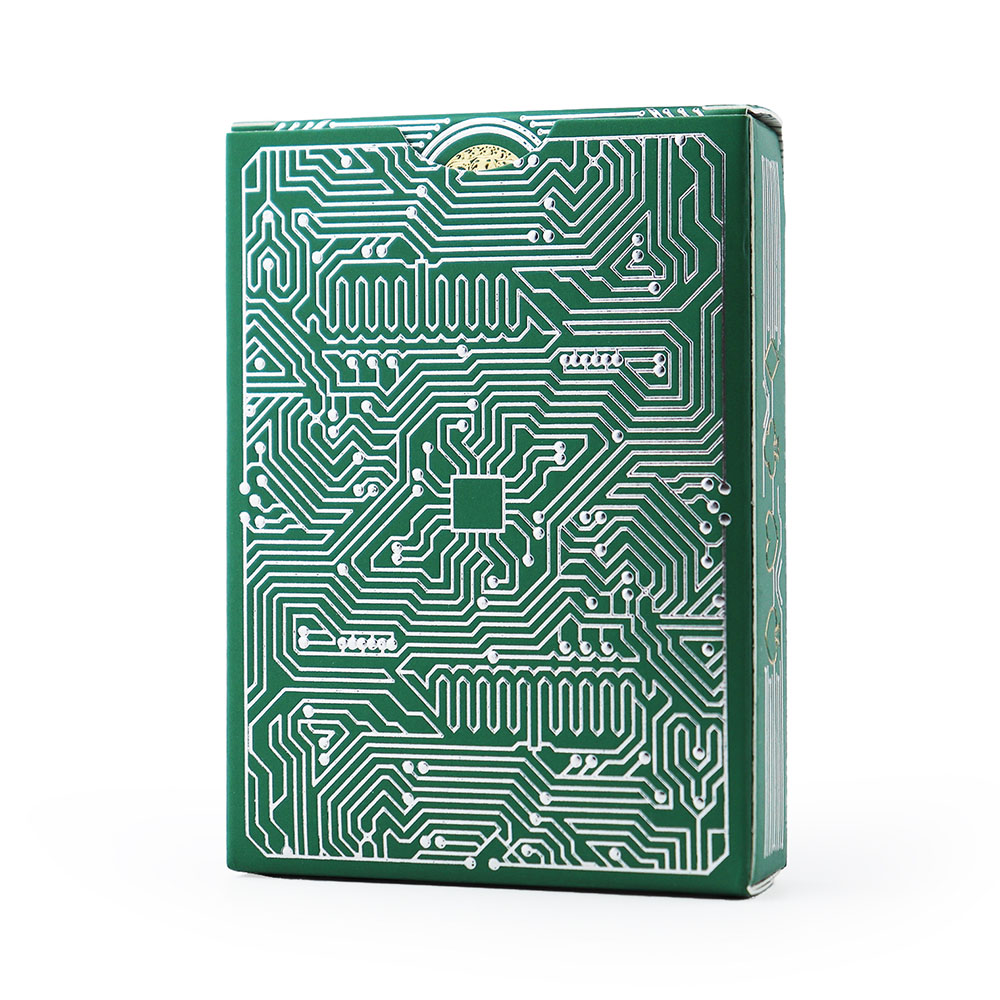 Circuit PCB Edition Custom Playing Cards
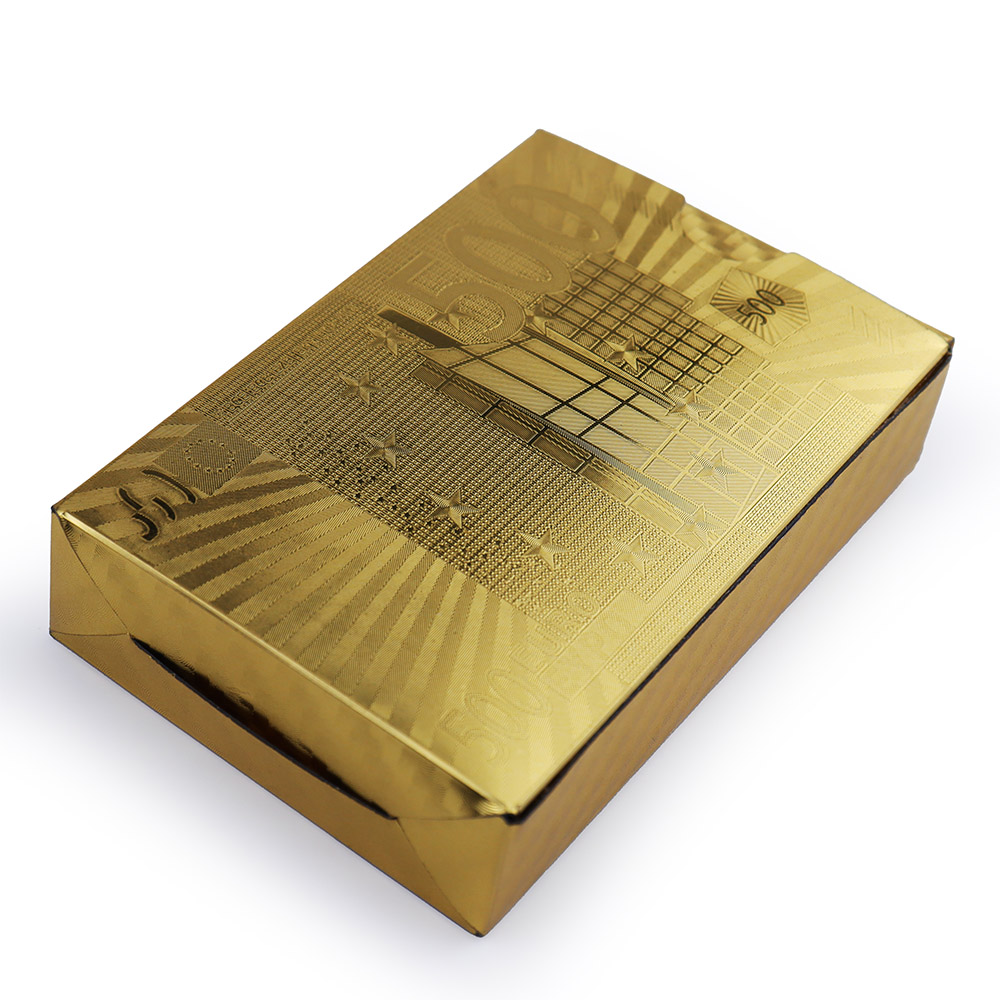 Customized theme gold foil playing cards
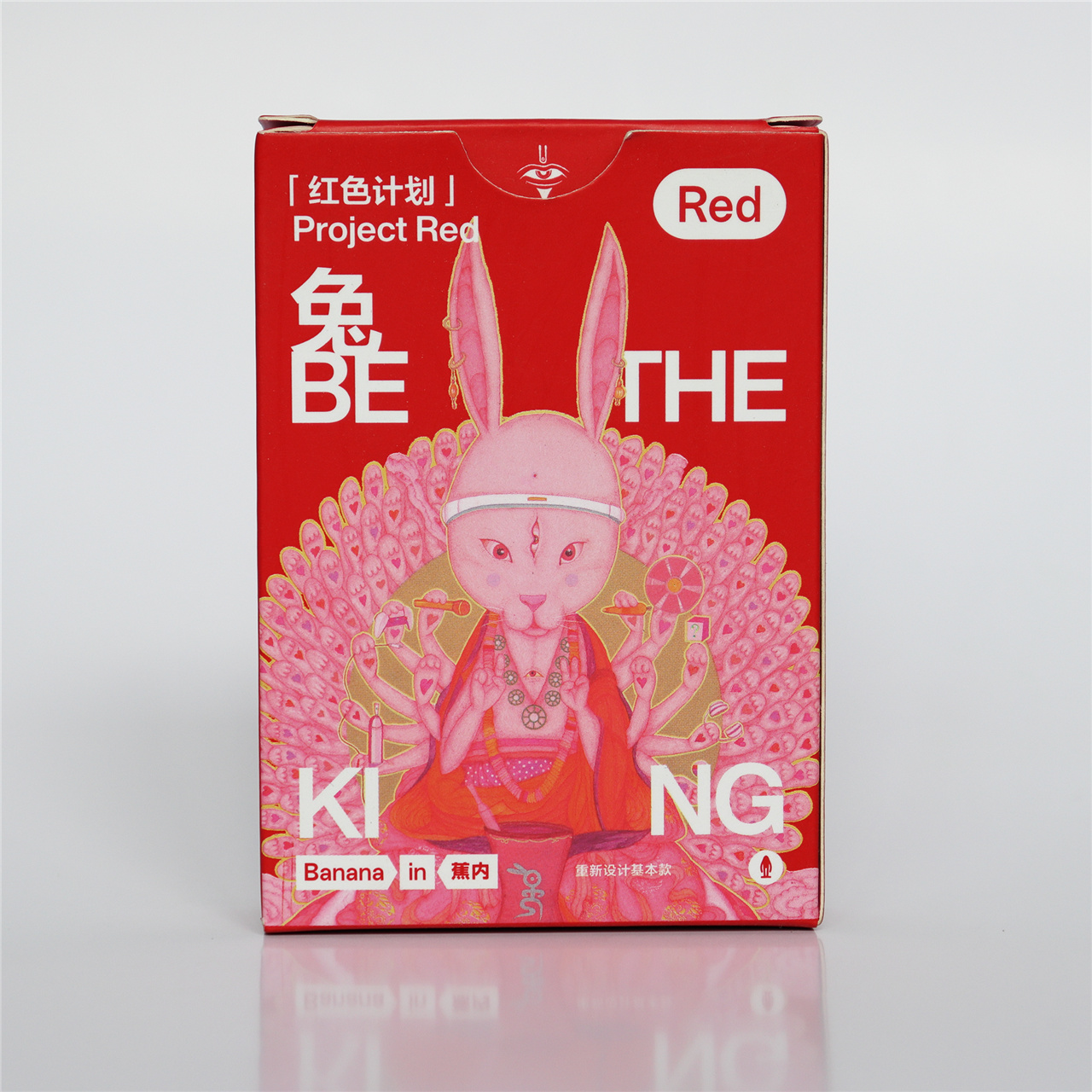 Custom Red Rabbit Themed Playing Cards Set
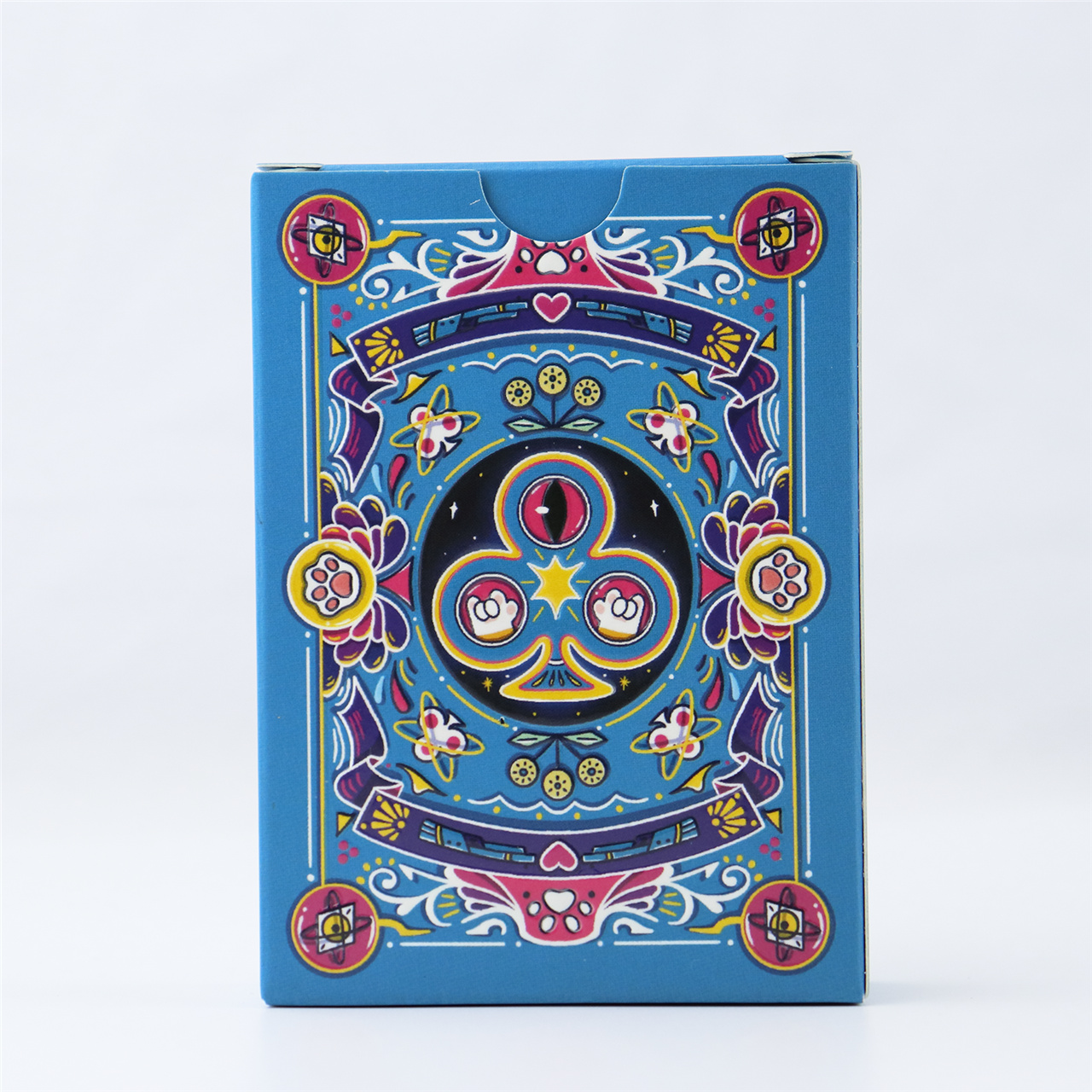 Custom Blue - Black Fantasy Plastic Playing Cards Set
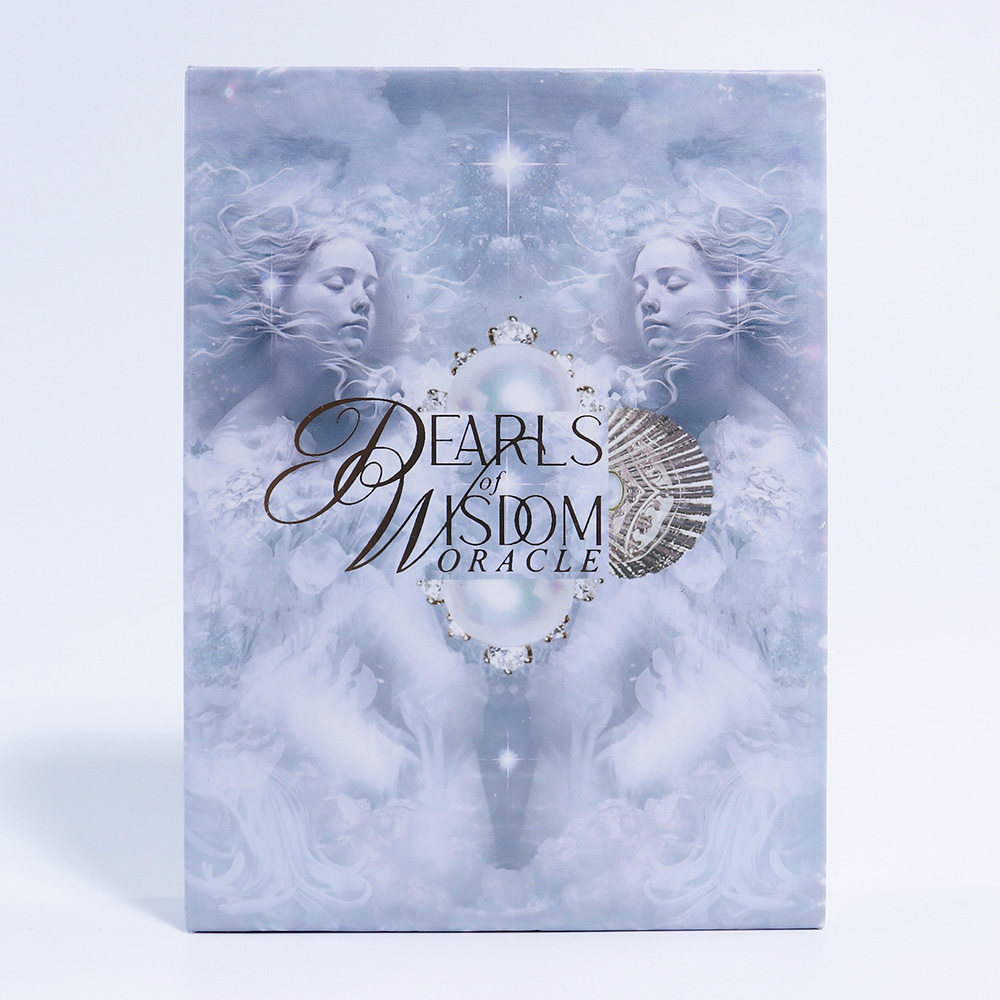 Pearls of Wisdom Oracle Custom Cards
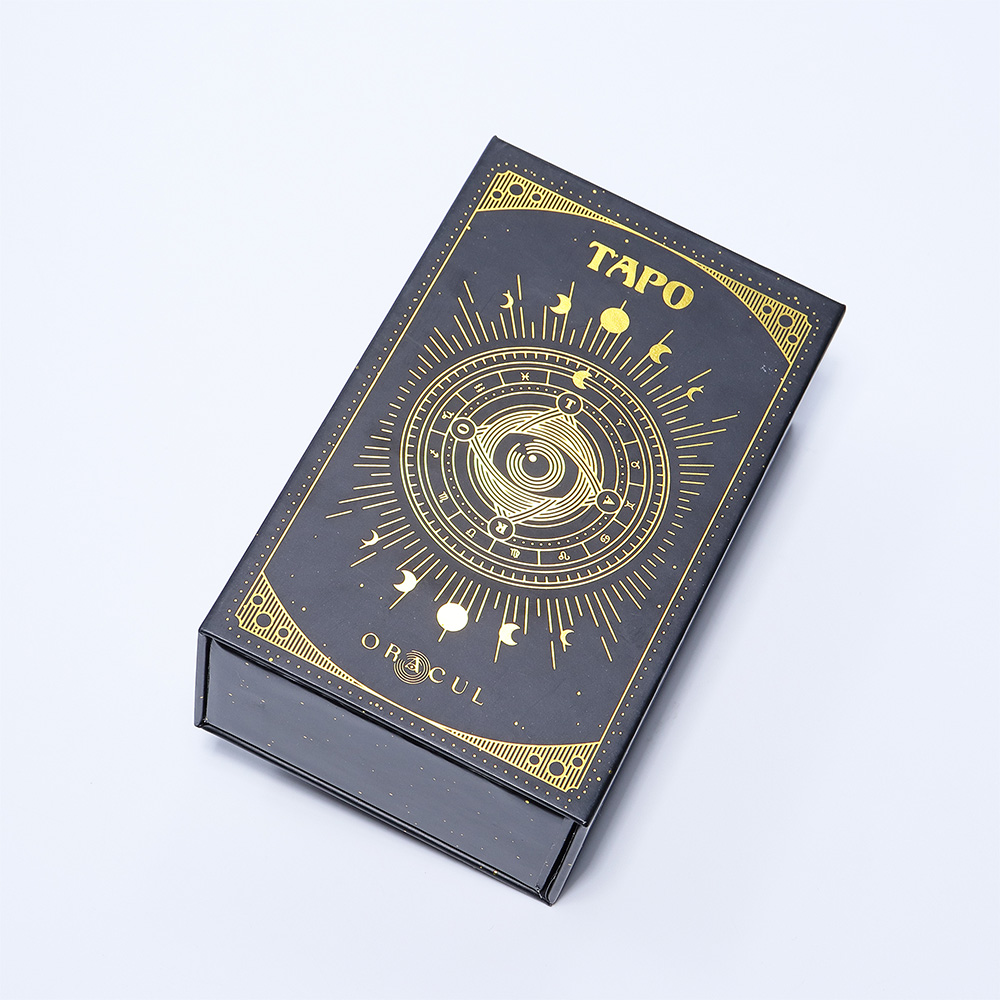 Custom Black & Gold Celestial Tarot Cards
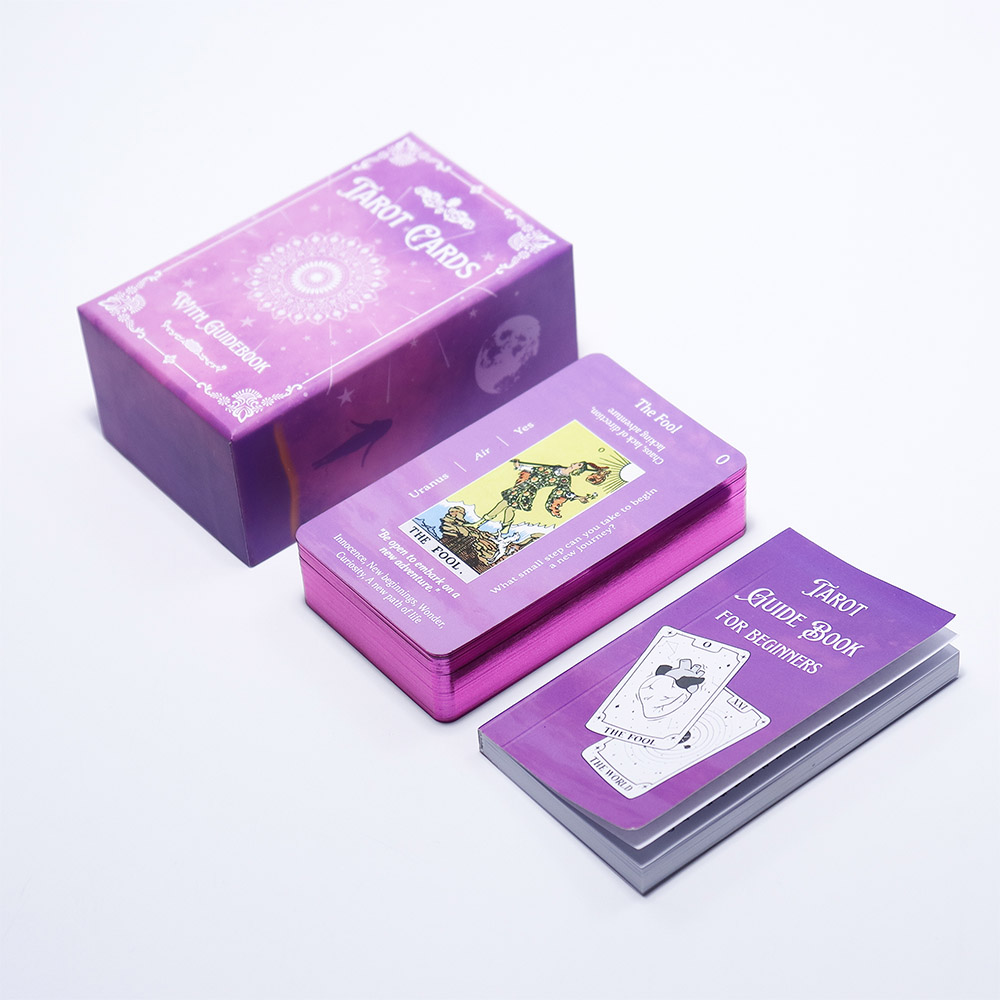 Custom Purple Tarot Cards with Guidebook
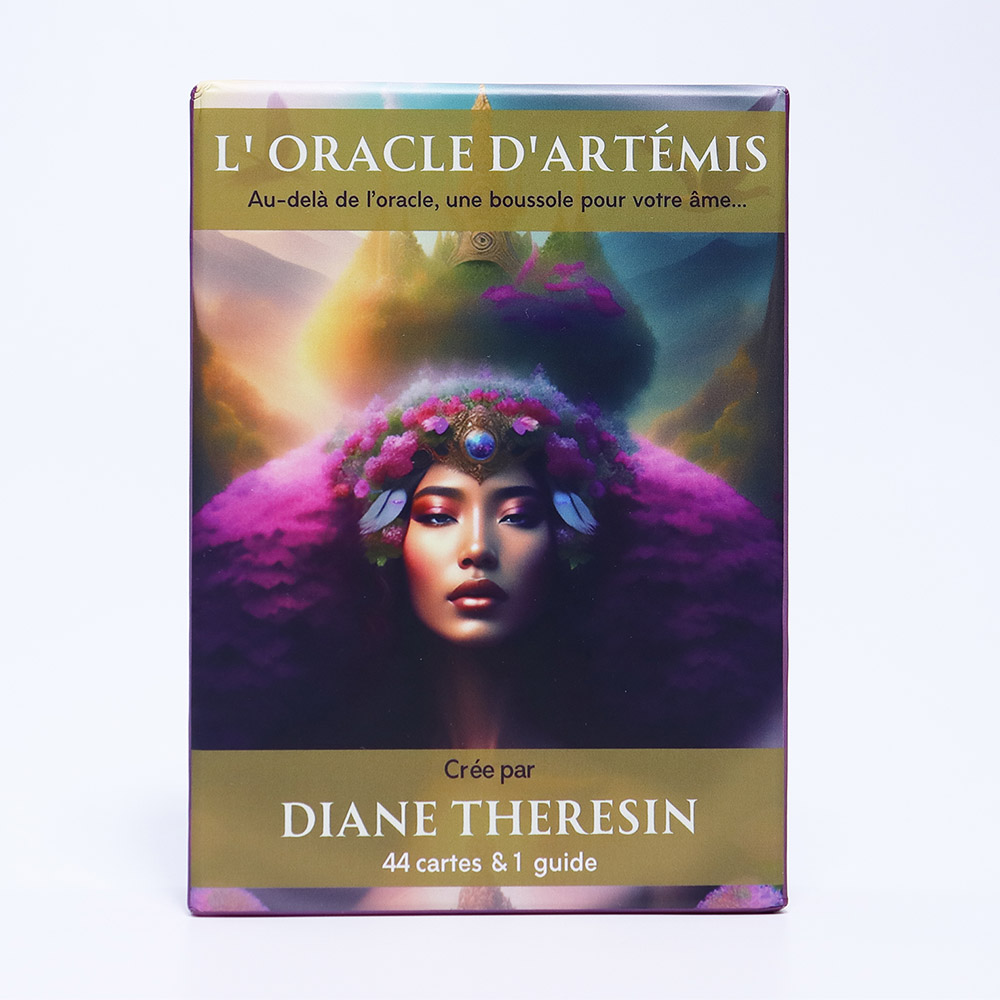 L'Oracle d'Artémis Custom Oracle Cards
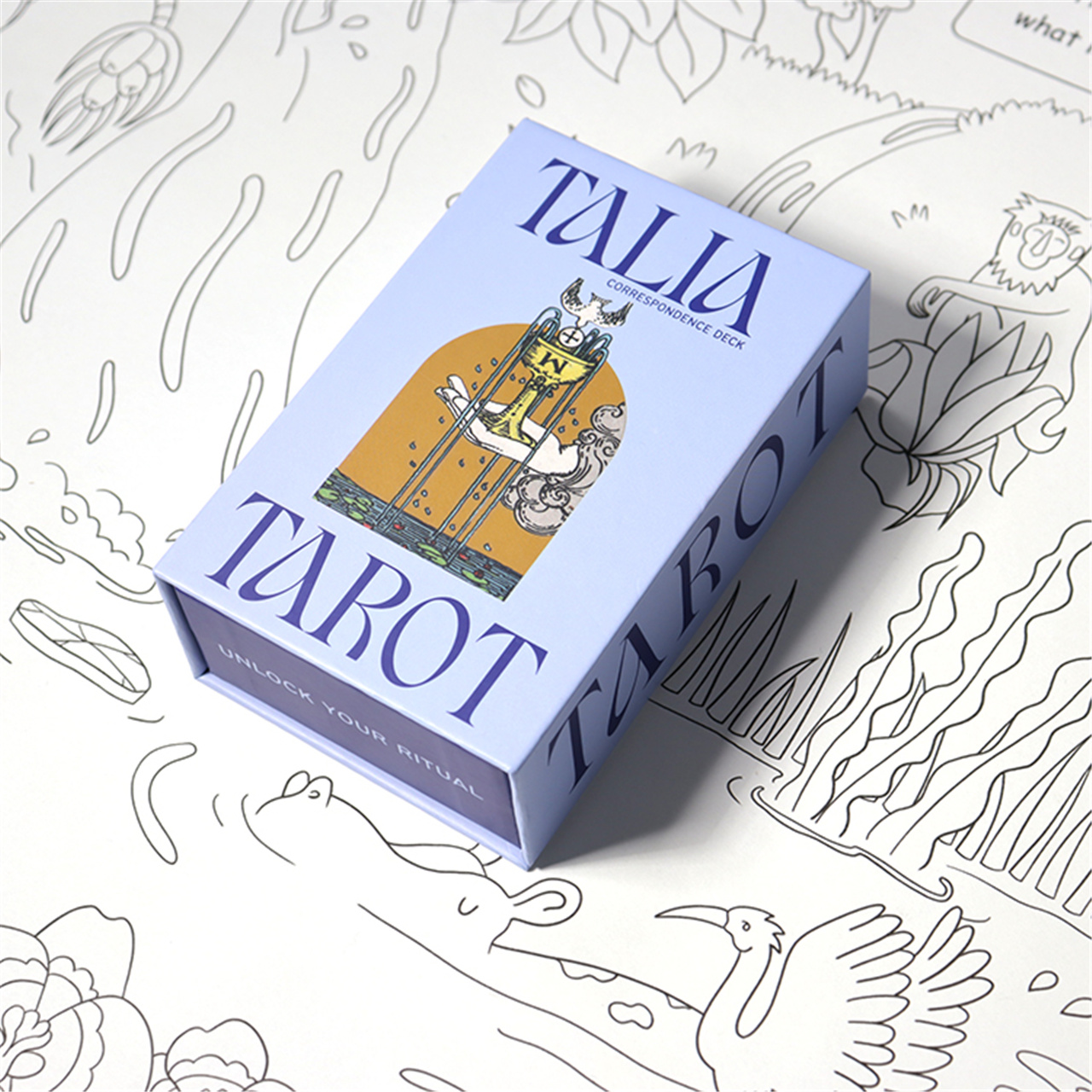 Custom Blue - Themed Tarot Cards Deck
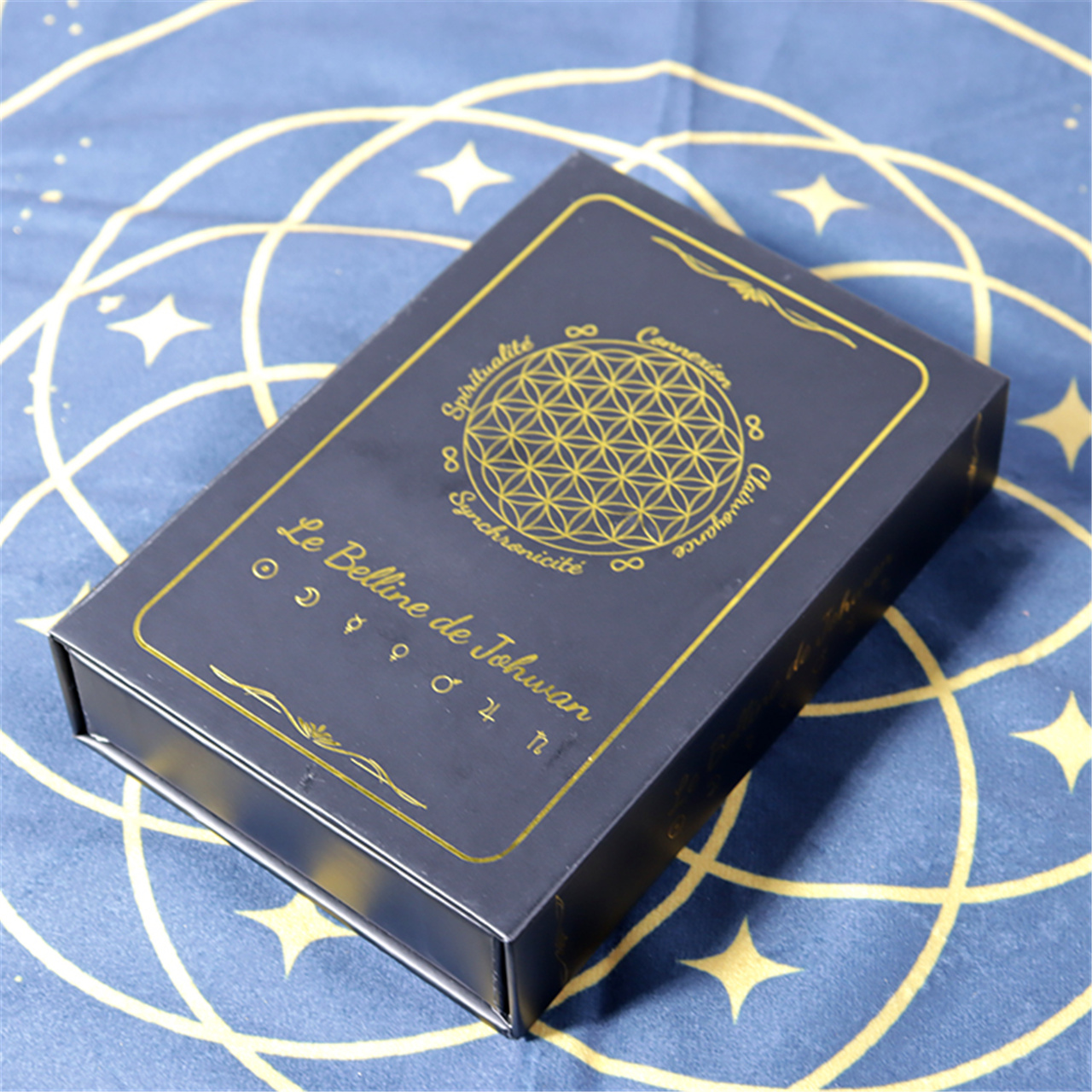 Custom Black - Blue Gold Foil Tarot Cards Set
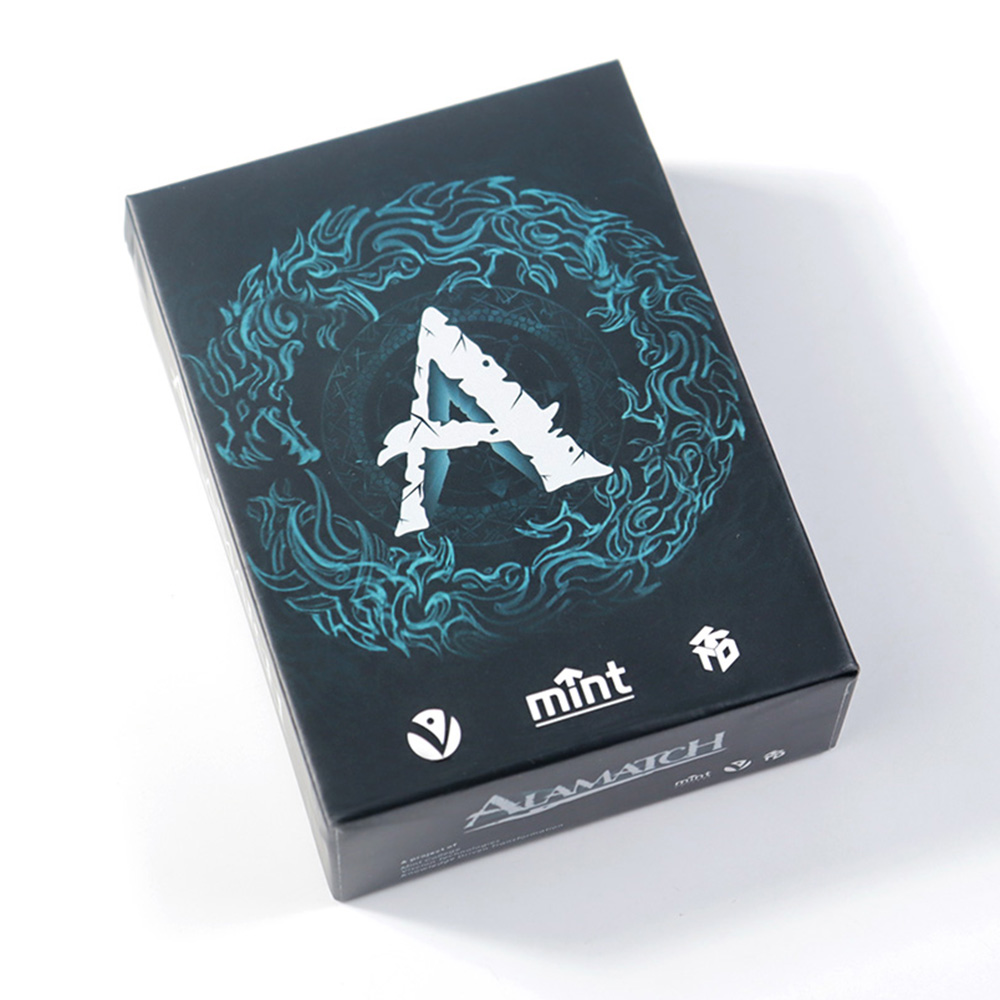 Alamatch Custom Trading Game Cards
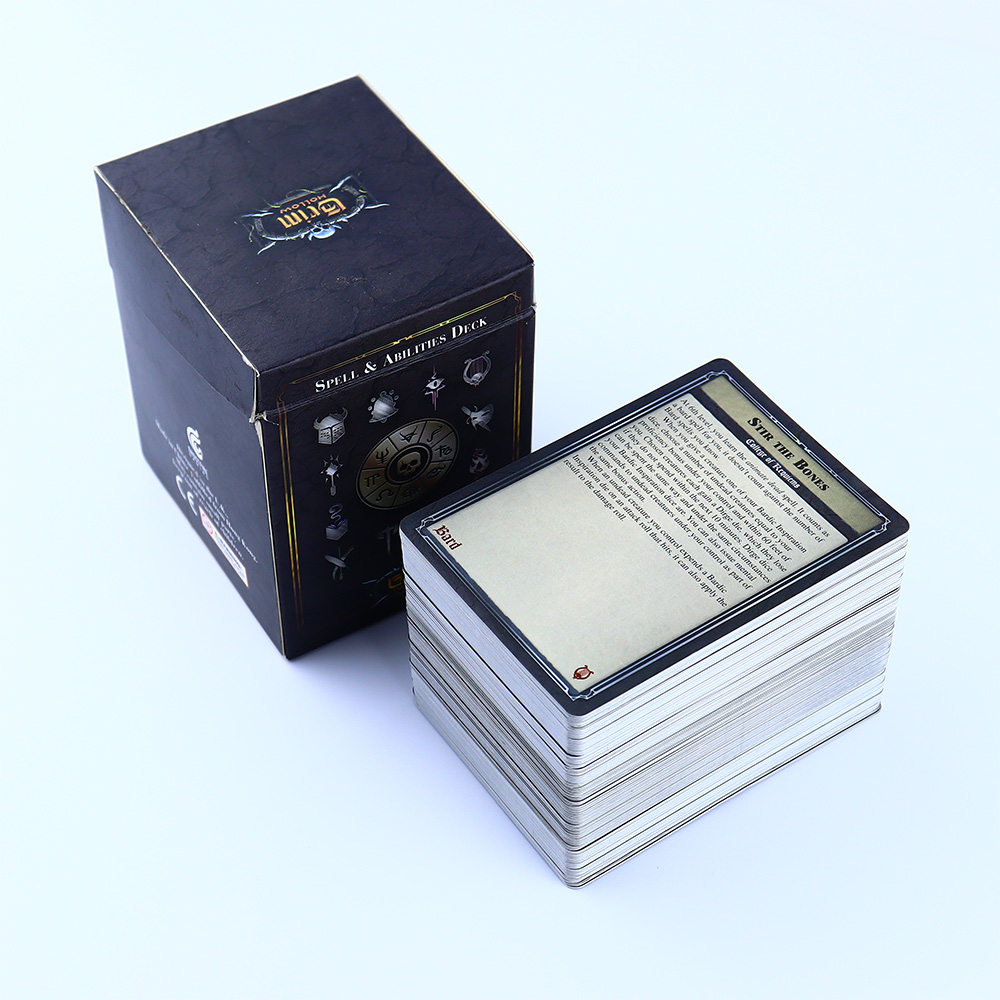 Grim Hollow Spell & Abilities Custom Trading Cards
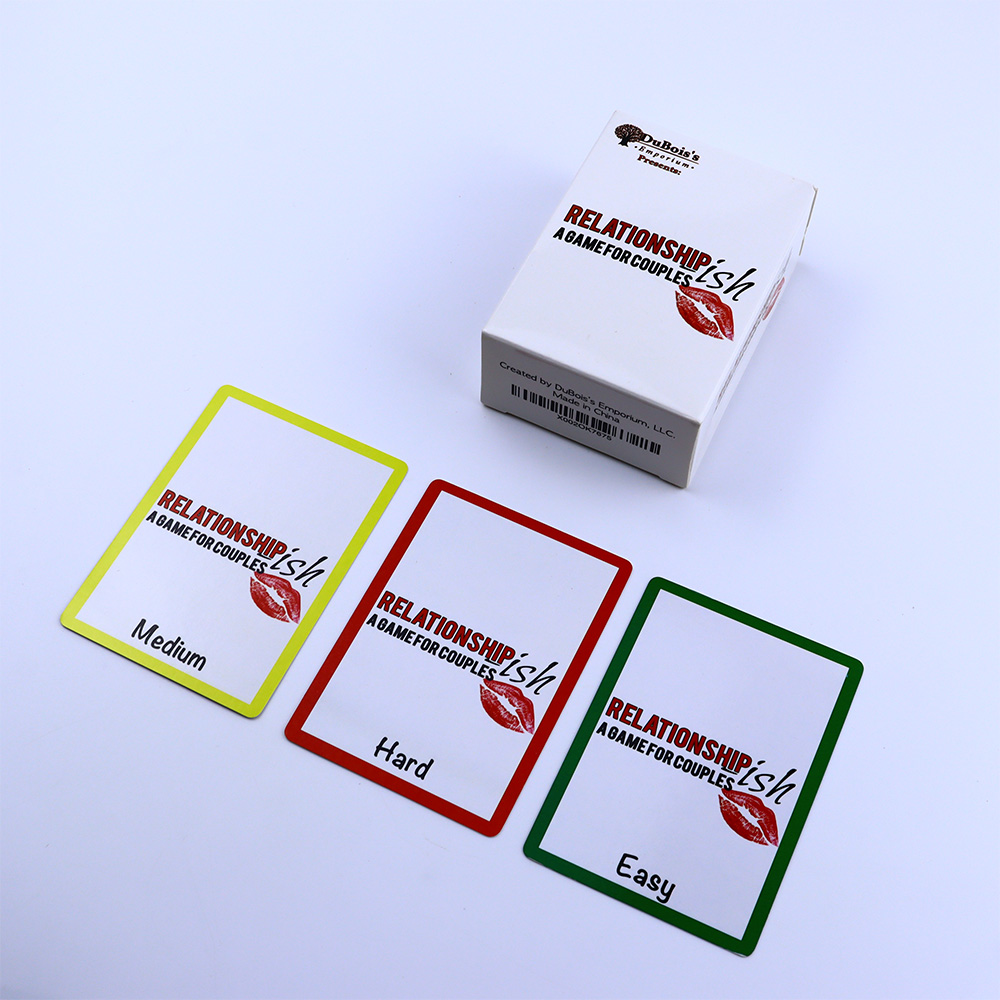 Relationshipish Custom Couple Card Game
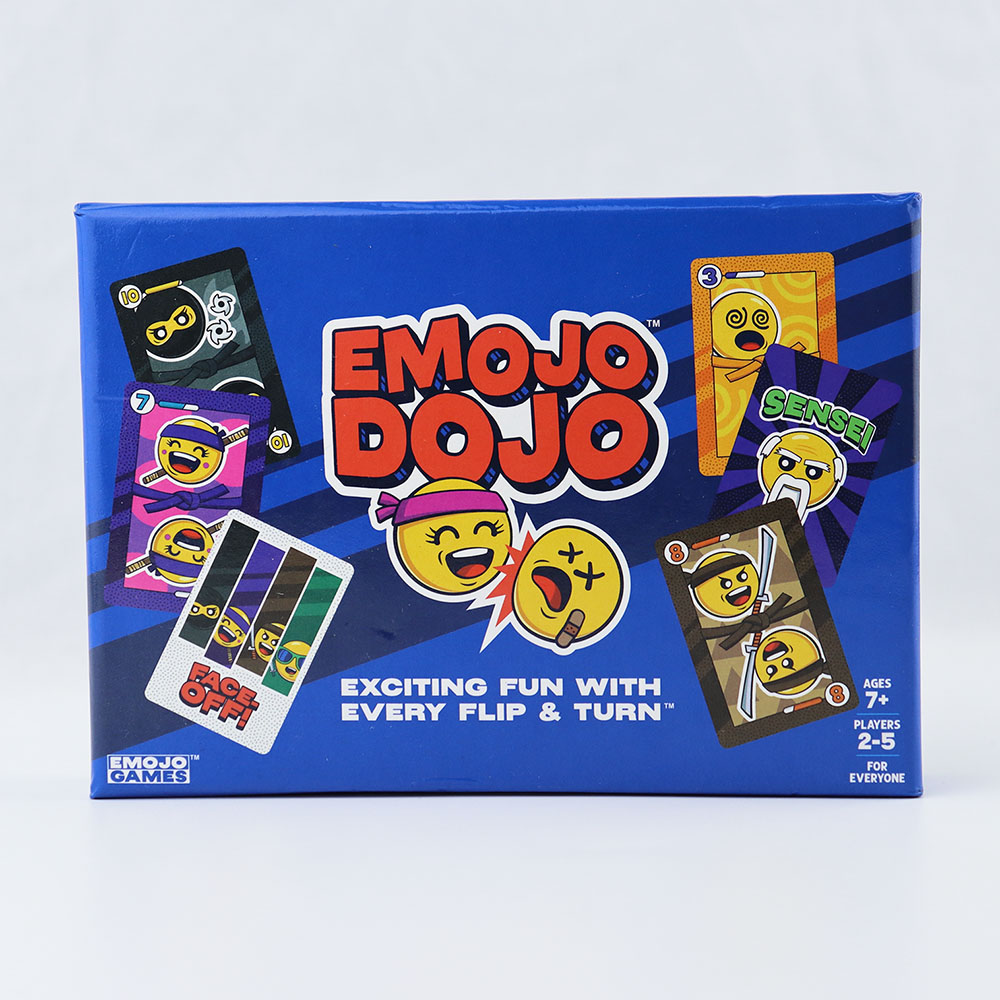 Emojo Dojo Custom Trading Card Game
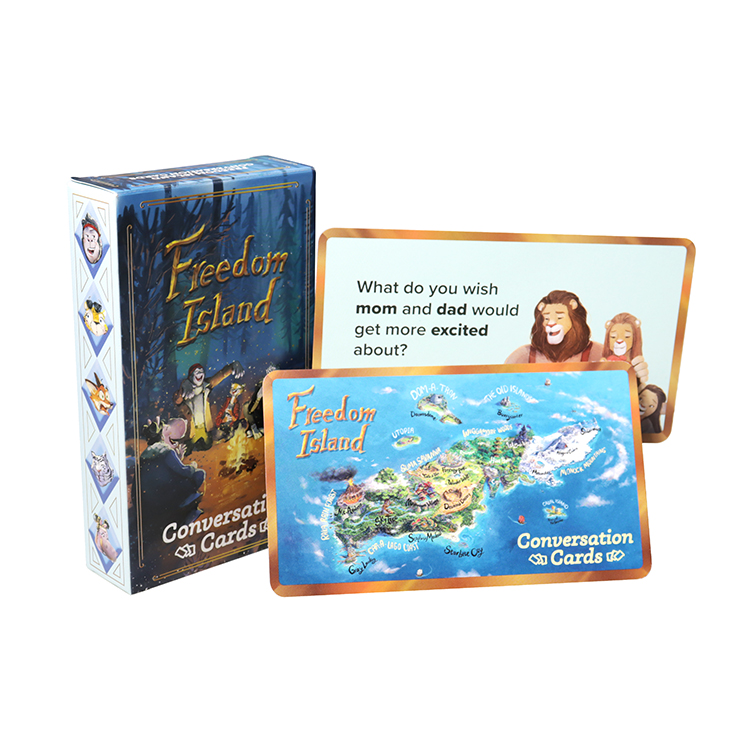 Custom Travel Photo Trading Cards Set
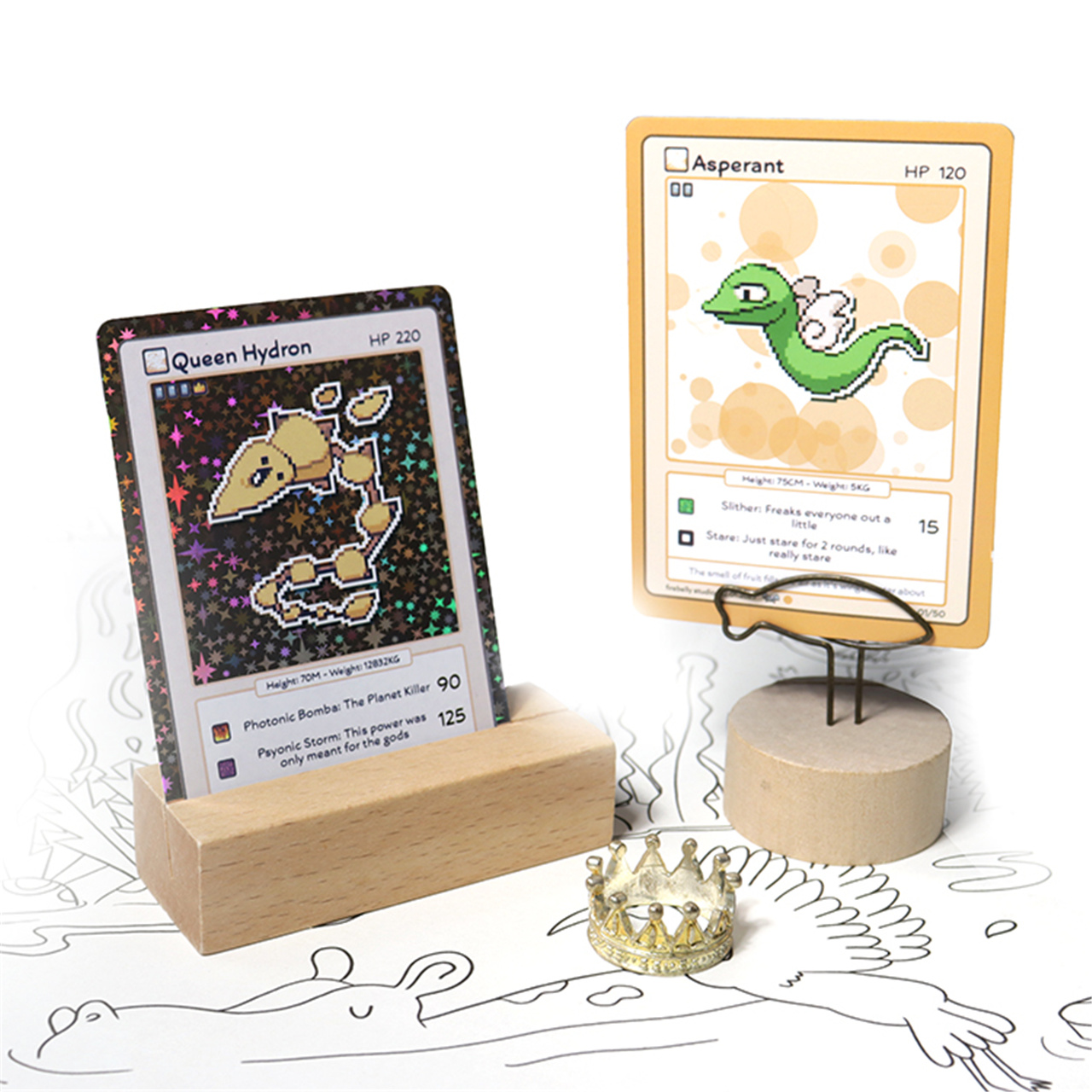 Custom Cartoon Holographic Trading Cards Set