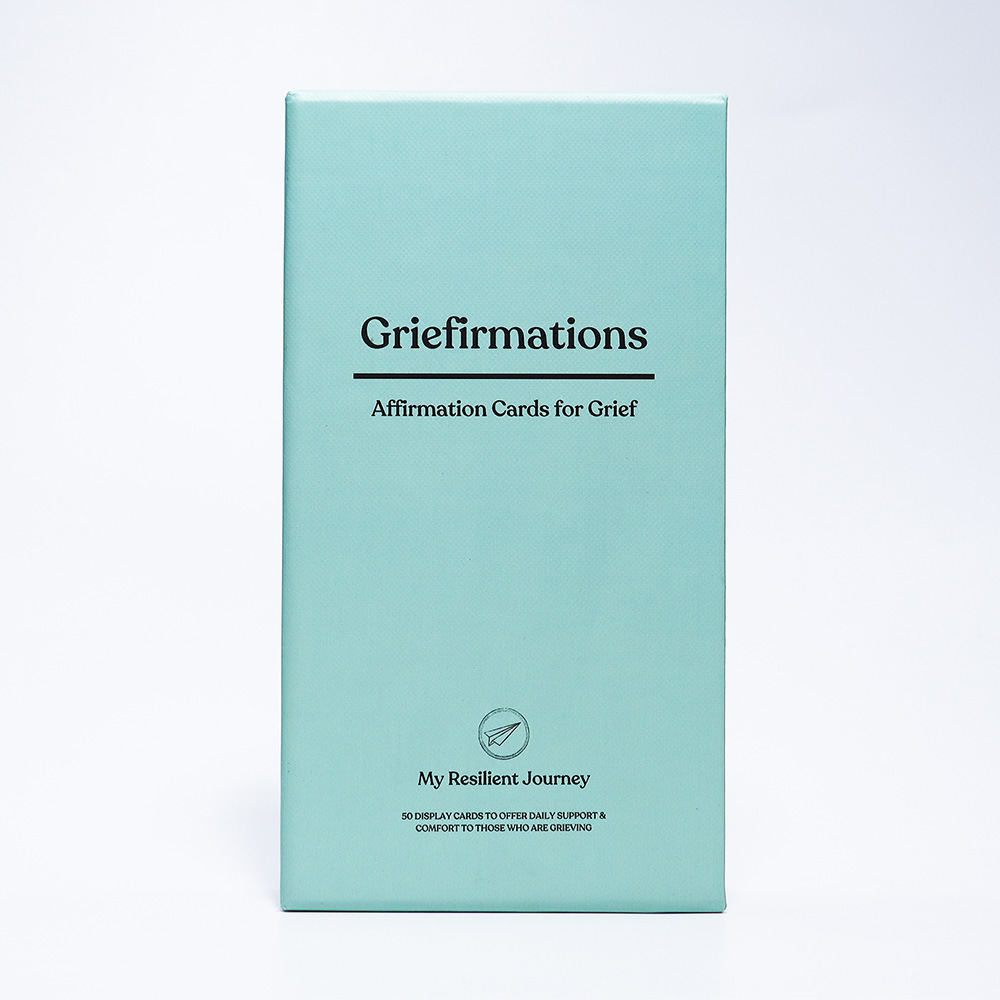
 Customizable Emotional Support Cards for Grief & Resilience
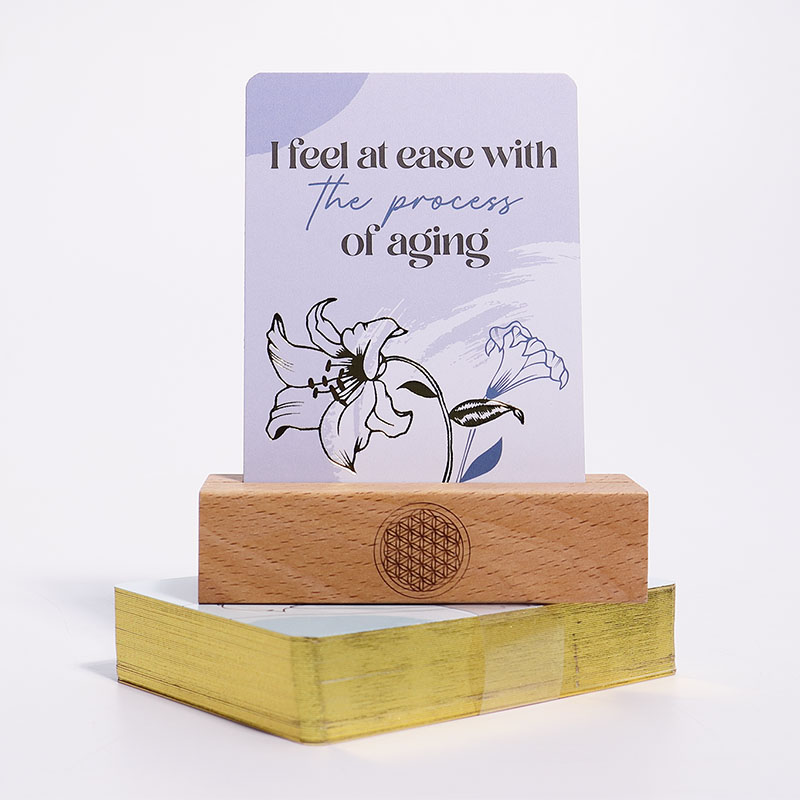 Personalized Emotional Encouragement Card Collection
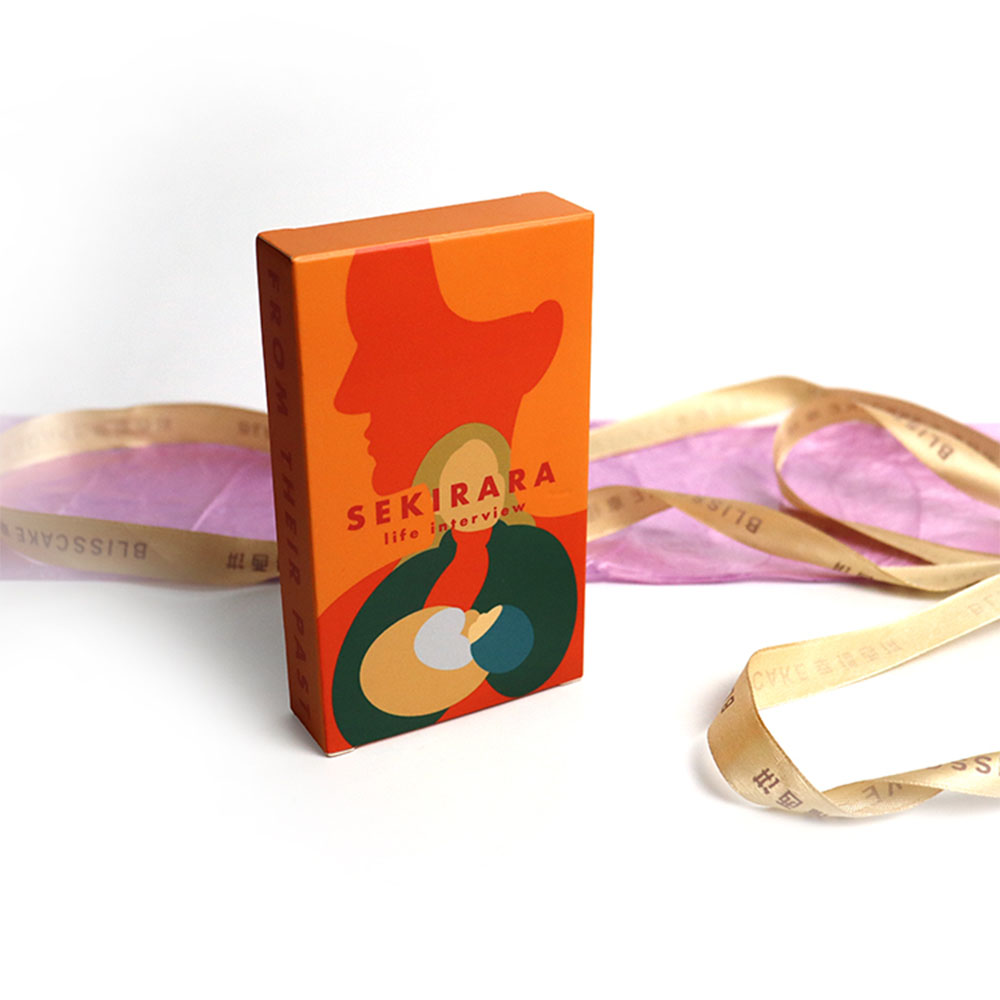 Personalized Deep Conversation Card Gift Box
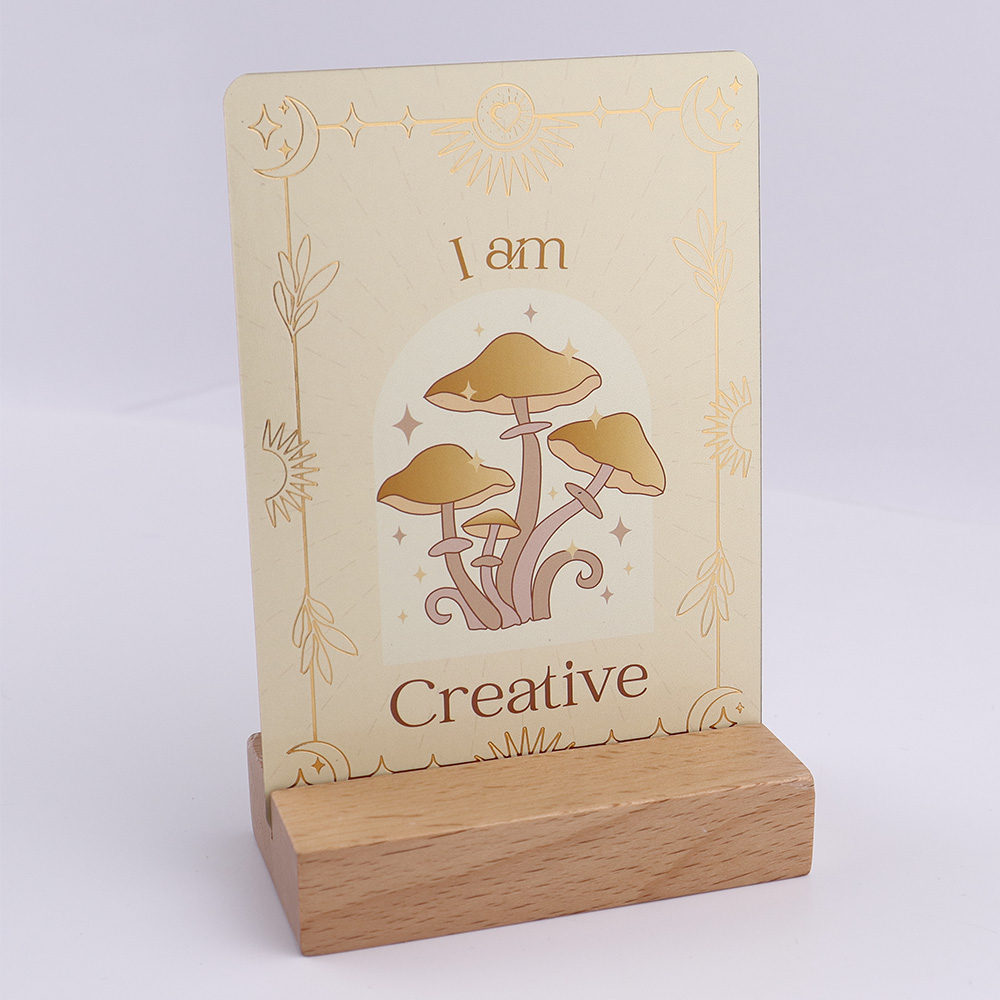 Customizable Boho-Chic Affirmation Cards for Mindfulness & Self-Love
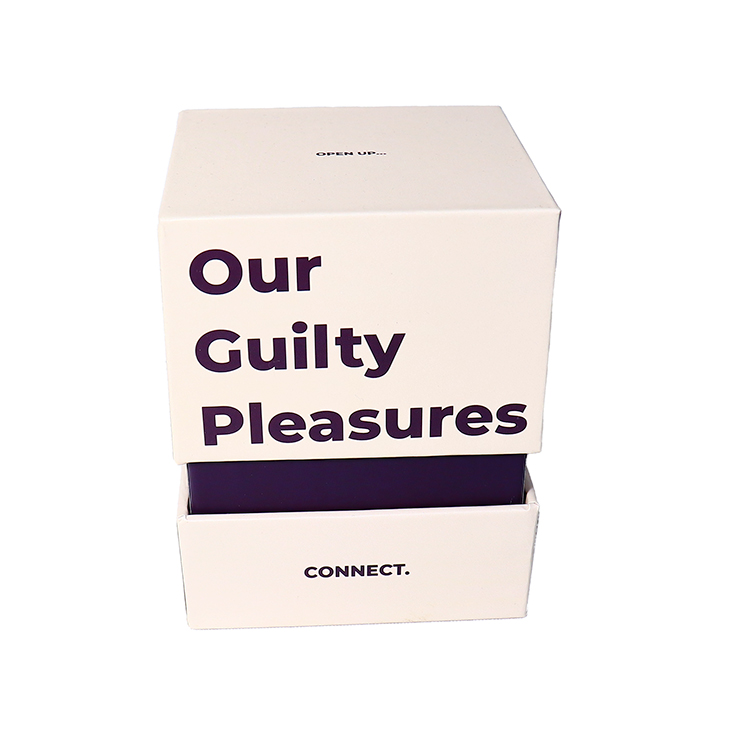 Customized Friendship Confirmation Card
 Customized Entrepreneurship Confirmation Card
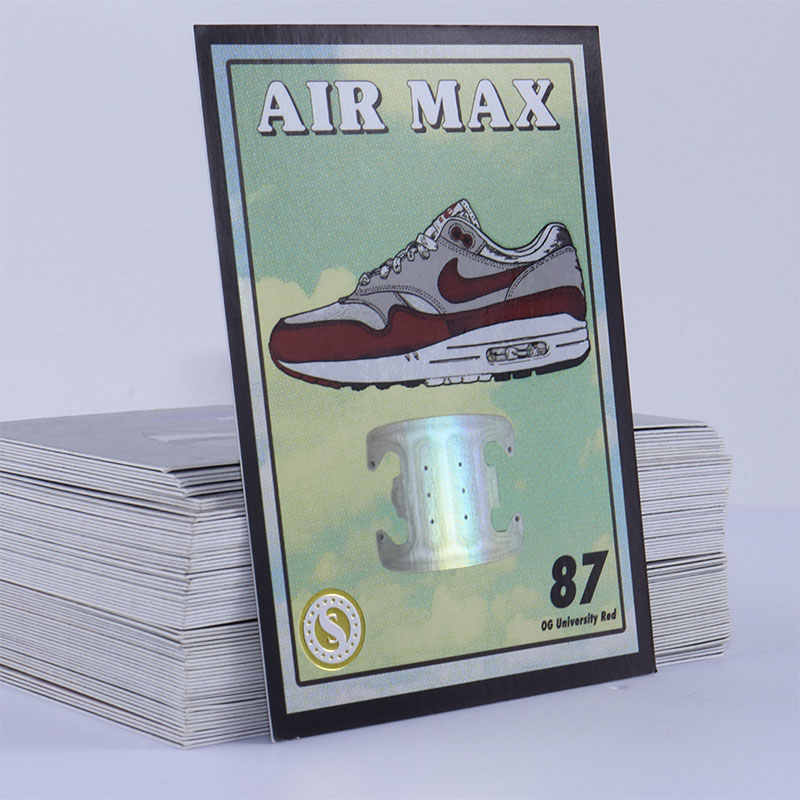 Air Max Pax Custom Sneaker Card Blind Box Set
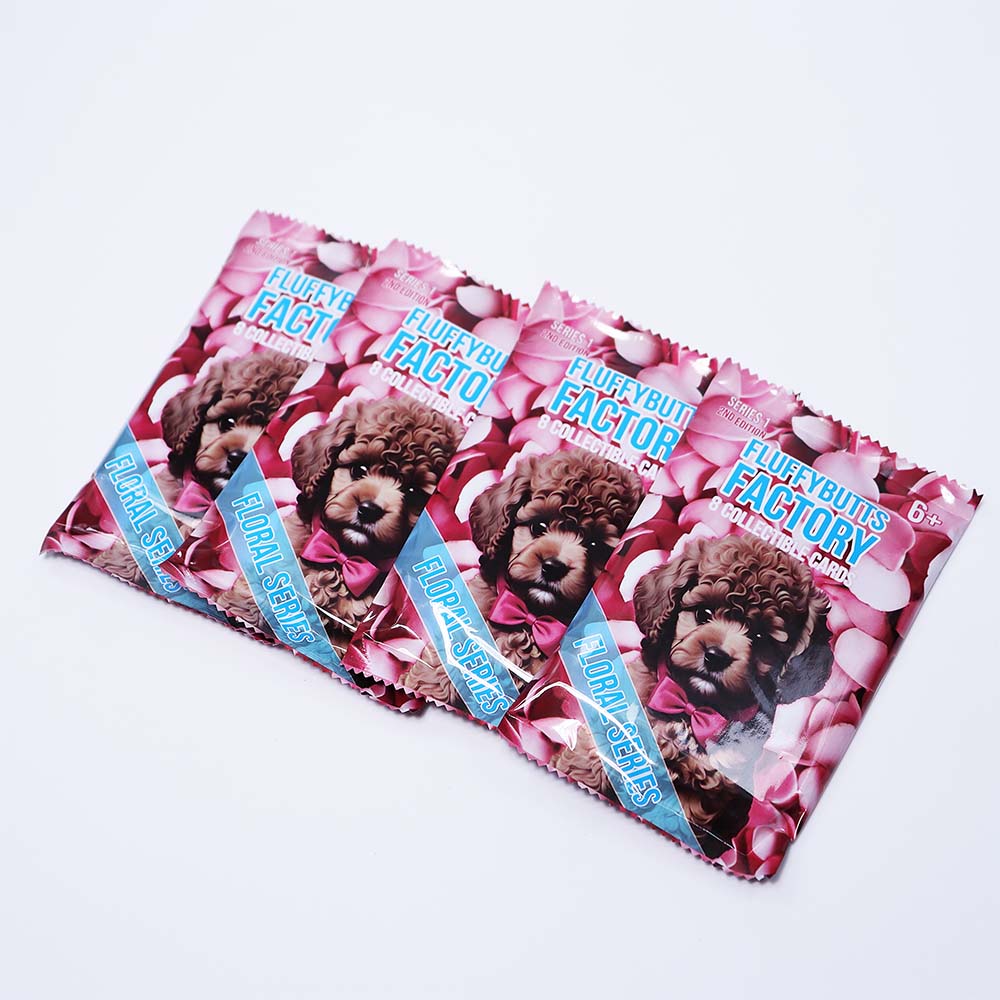 Fluffybutts Factory Custom Pet Card Blind Box Sets
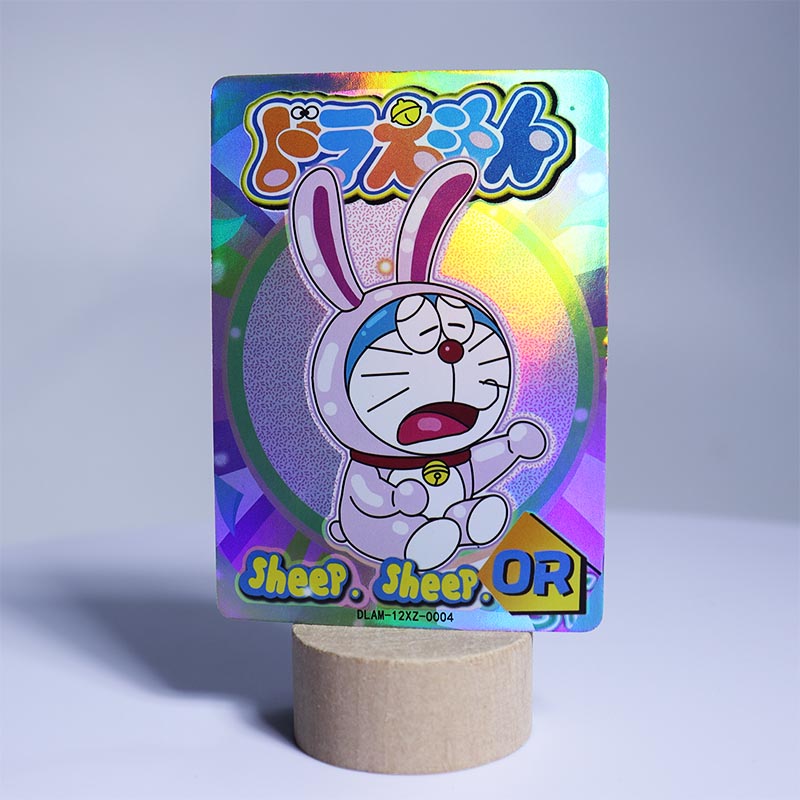 Doraemon Custom Card Blind Box Set
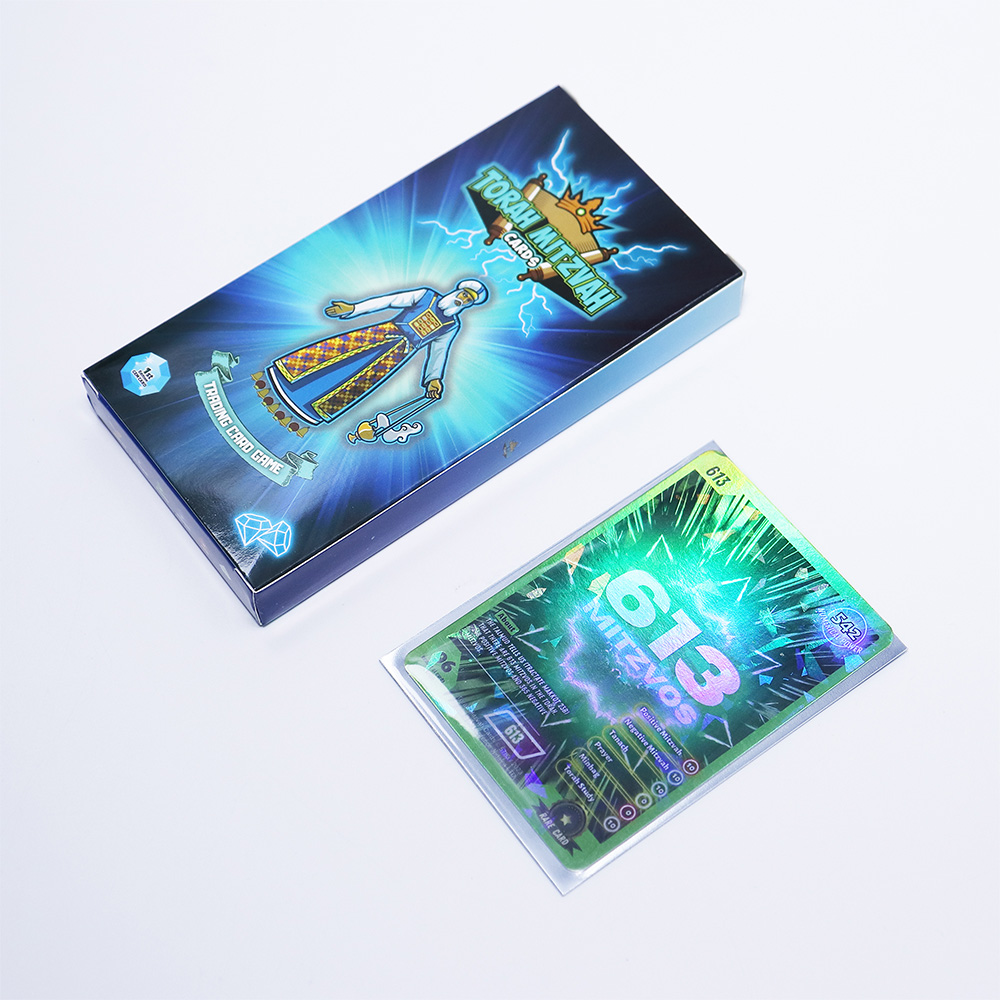 Torah Mitzvah Custom Card Blind Box Set
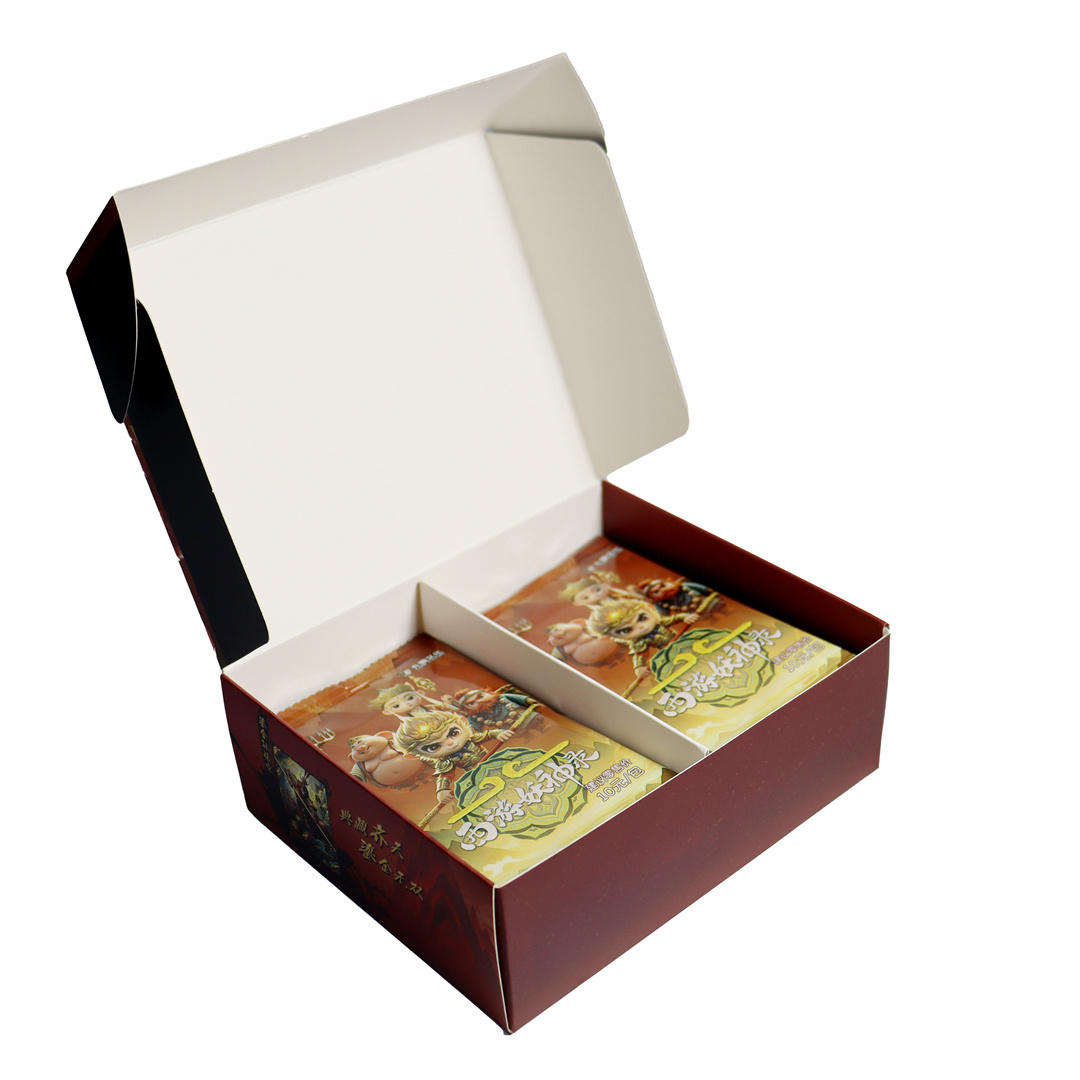 Customized "Journey to the West" Themed Card Blind Box Set
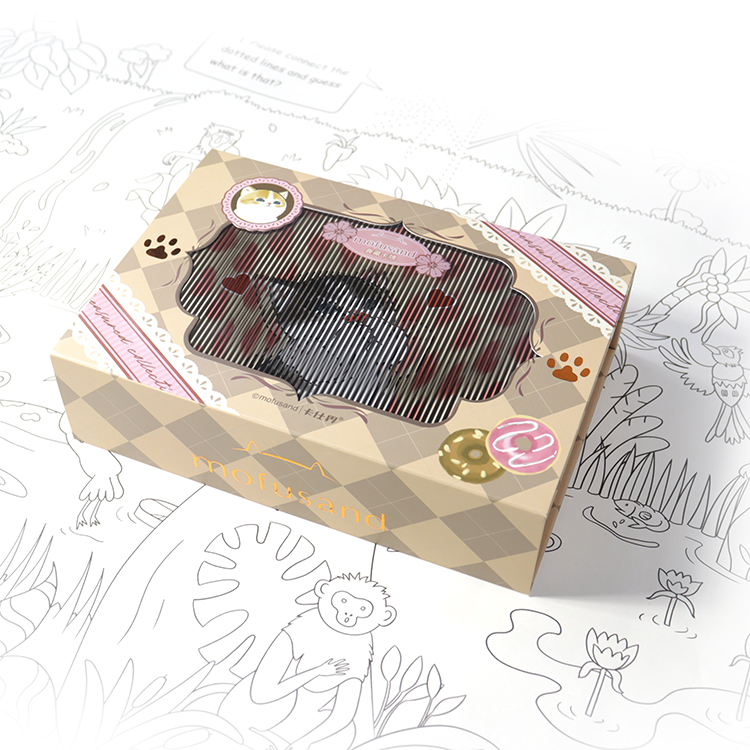 Customized cat-themed blind box set
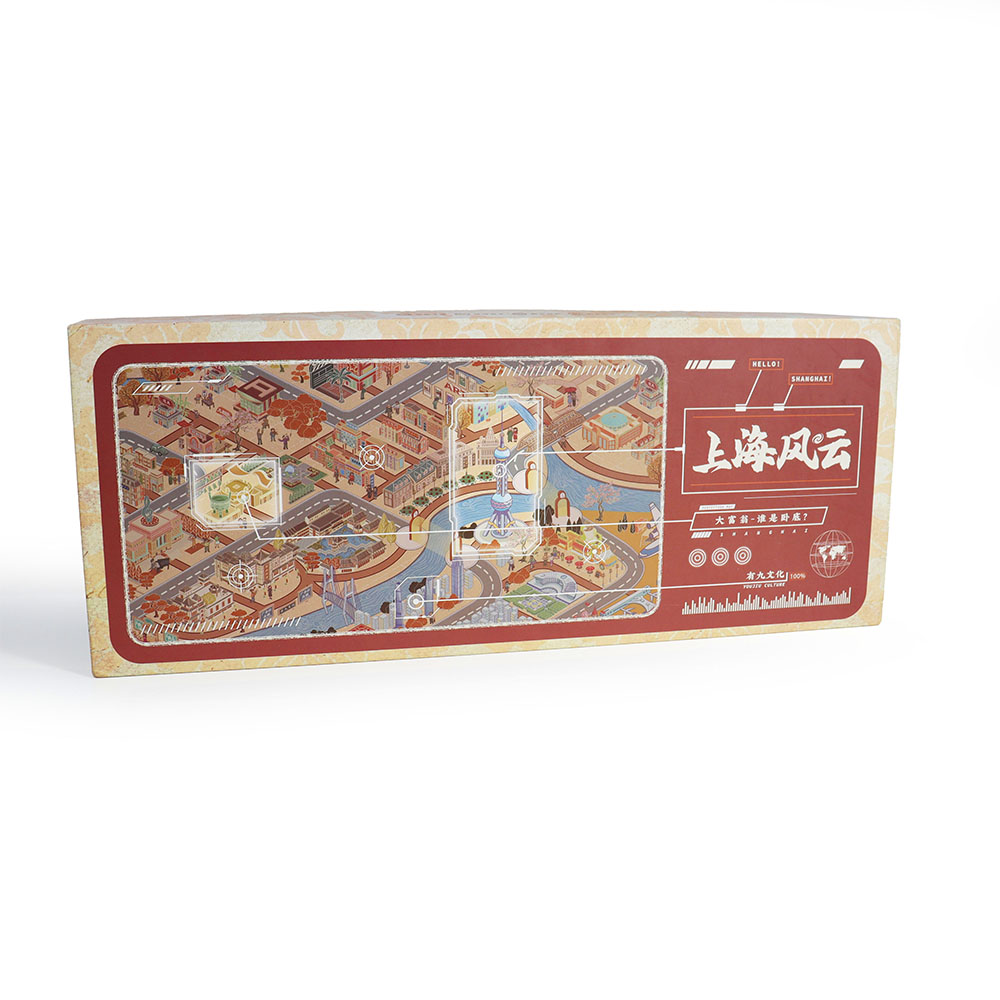 Shanghai Fengyun Custom Board Game Set
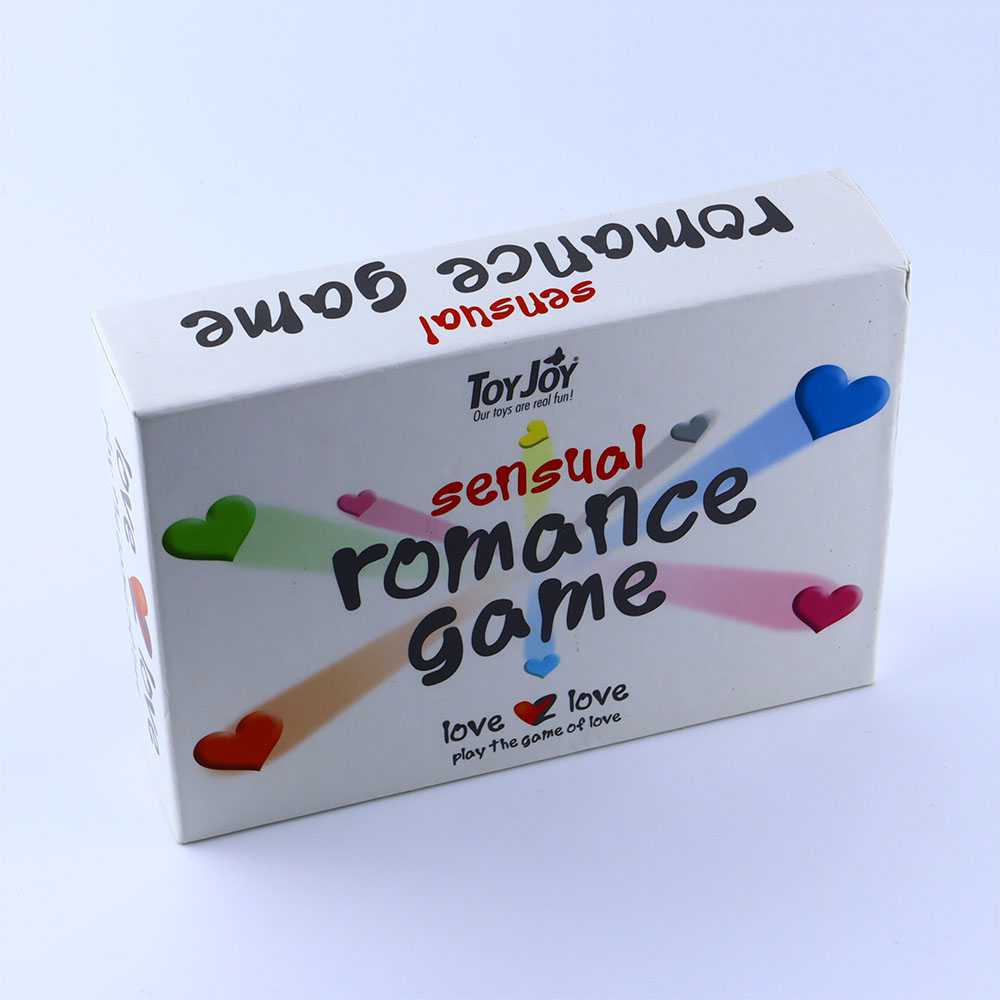 Sensual Romance Game Custom Board Game Set
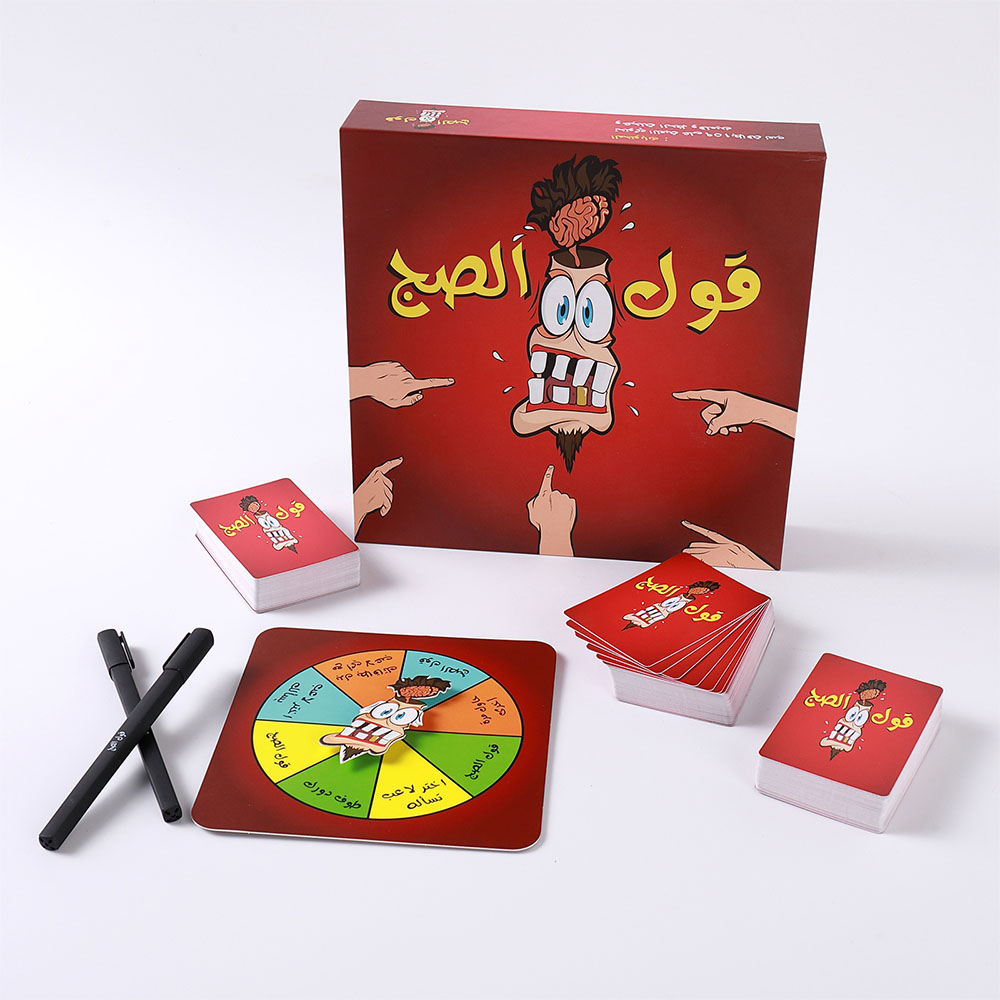 "Qoul Al Sabah" Custom Board Game Set
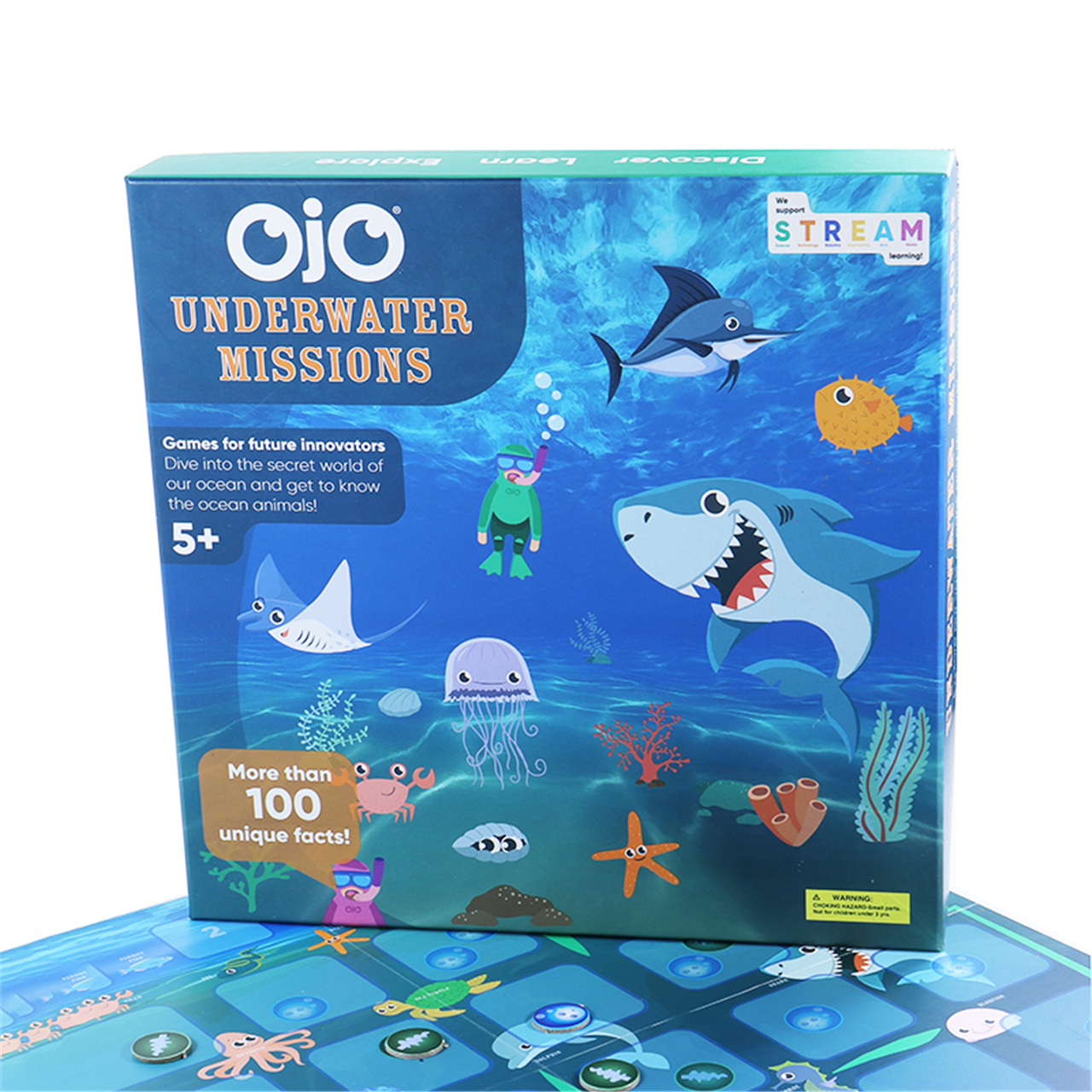 Customized educational board games for children
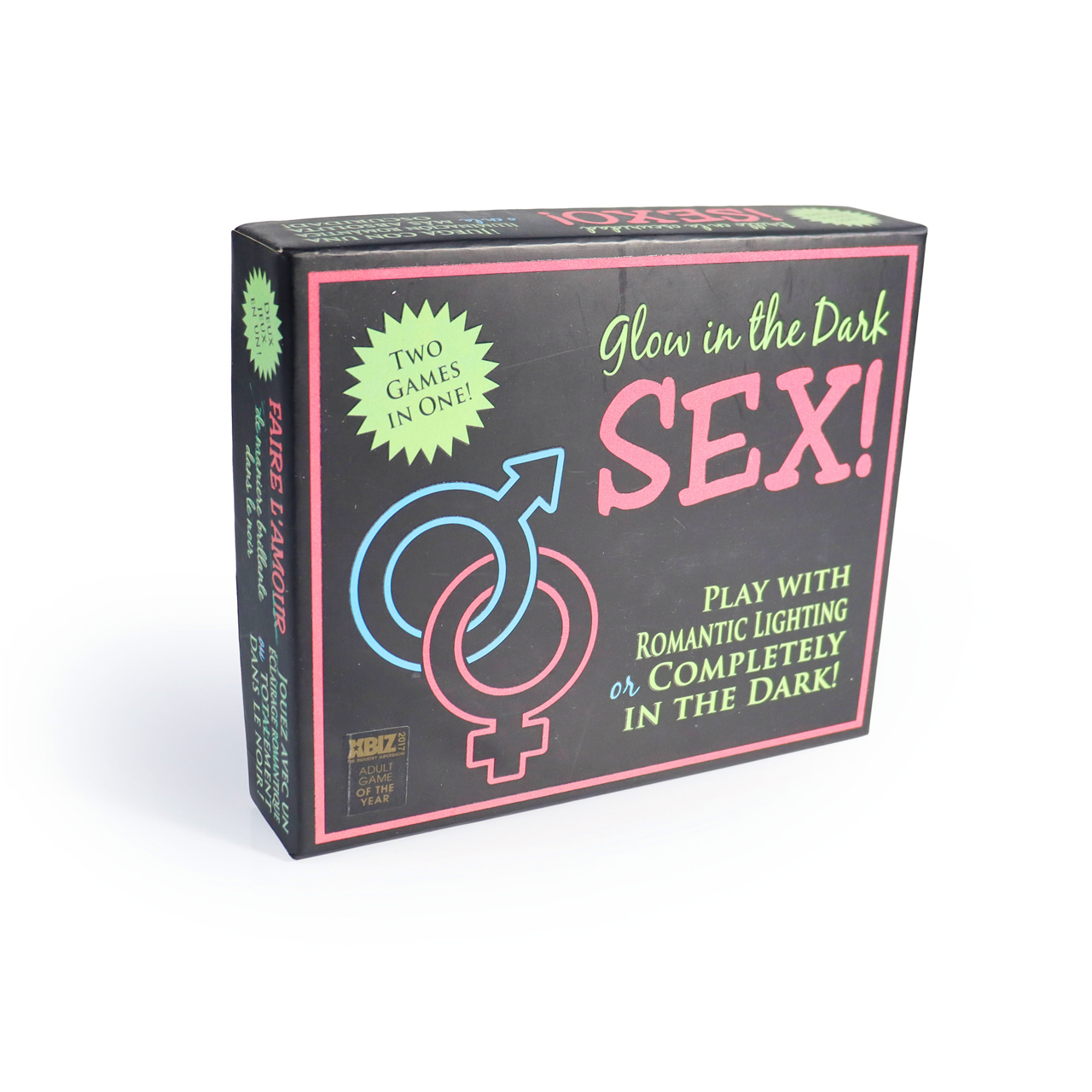 Couple Interaction Turntable Themed Board Game
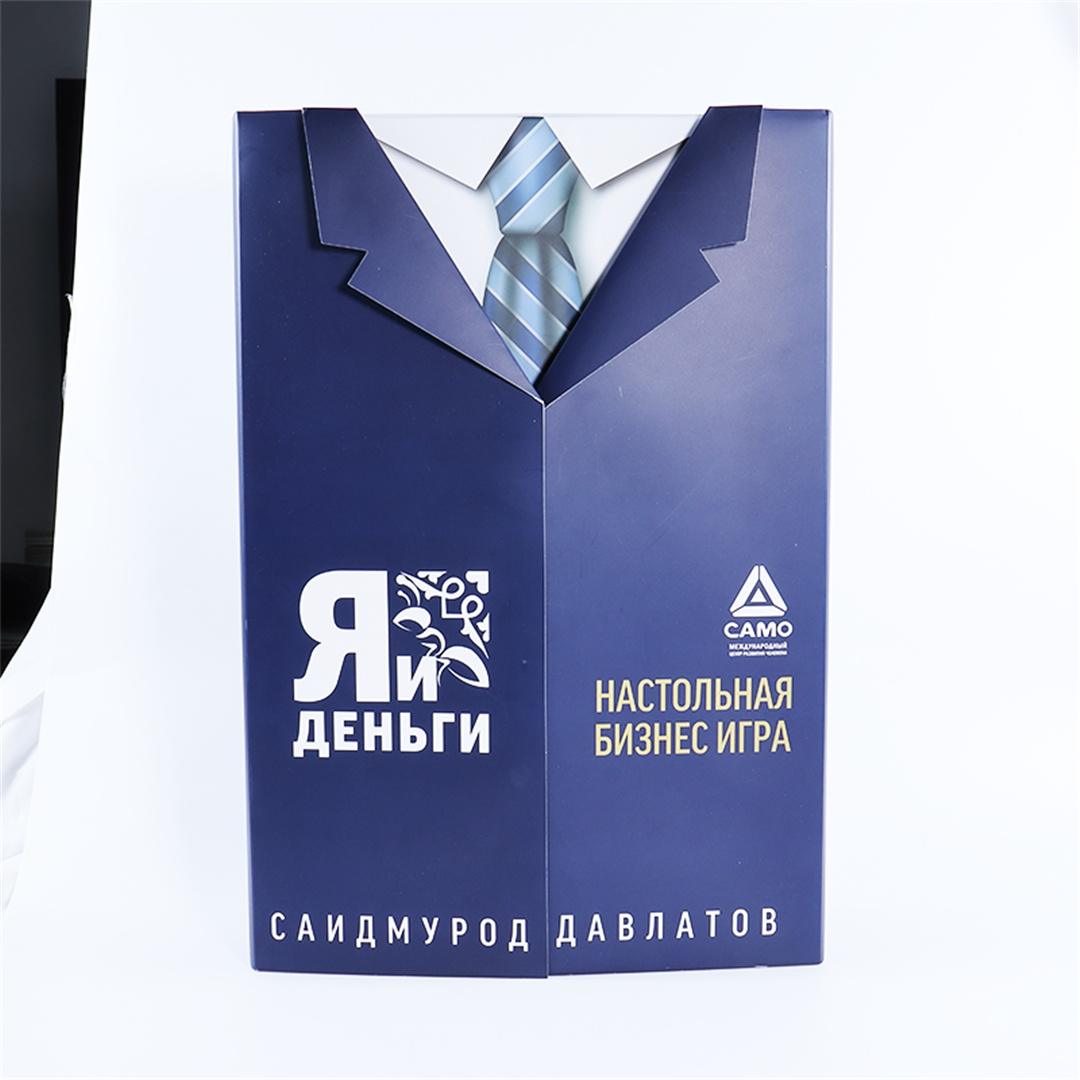 Business Finance Board Game
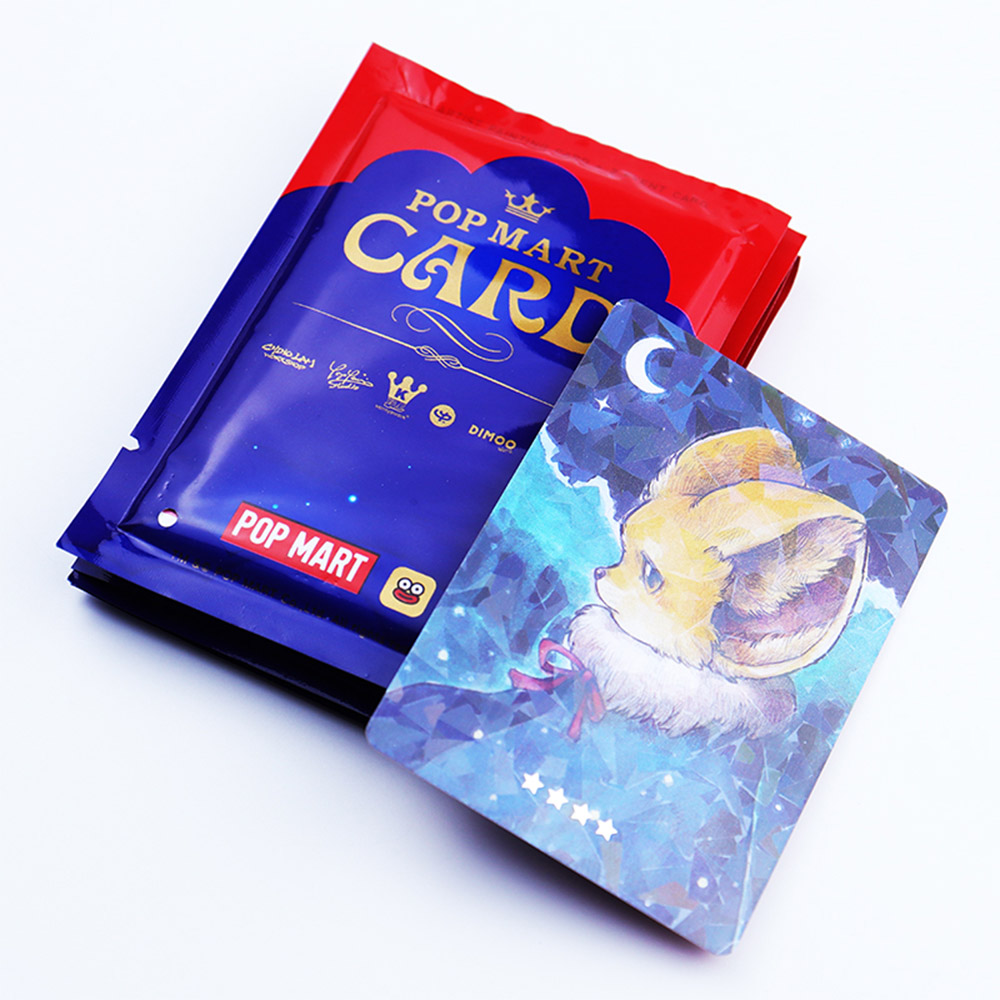 Pop Mart Custom Character Collectible Cards
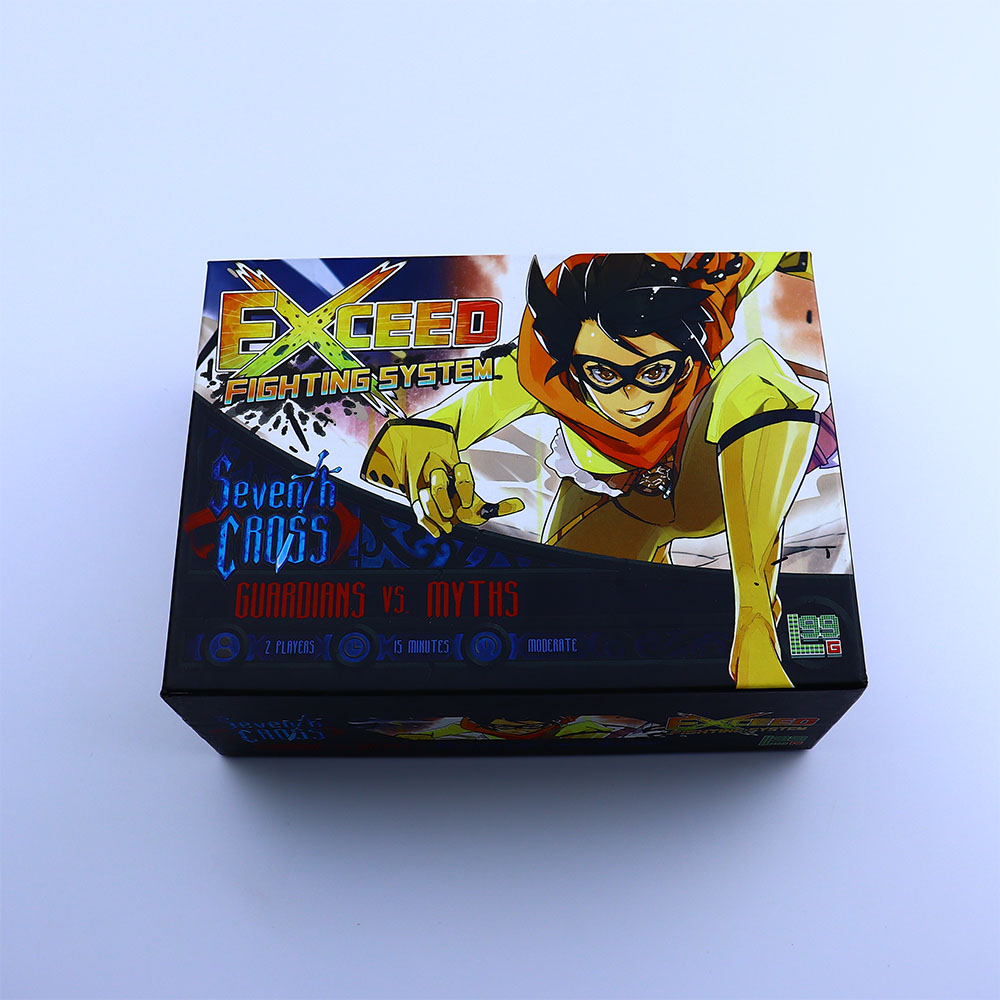 EXCEED Fighting System Custom Character Card Set
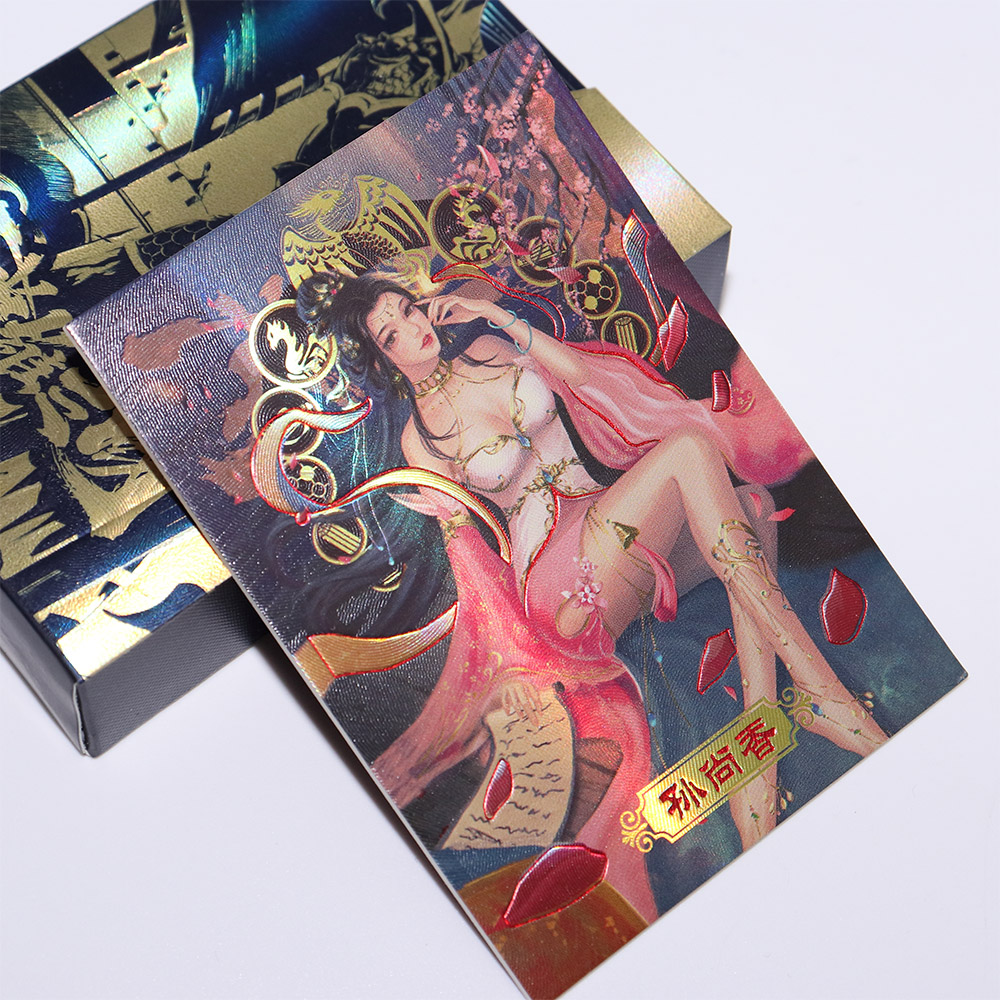 Three Kingdoms Custom Hero Character Cards
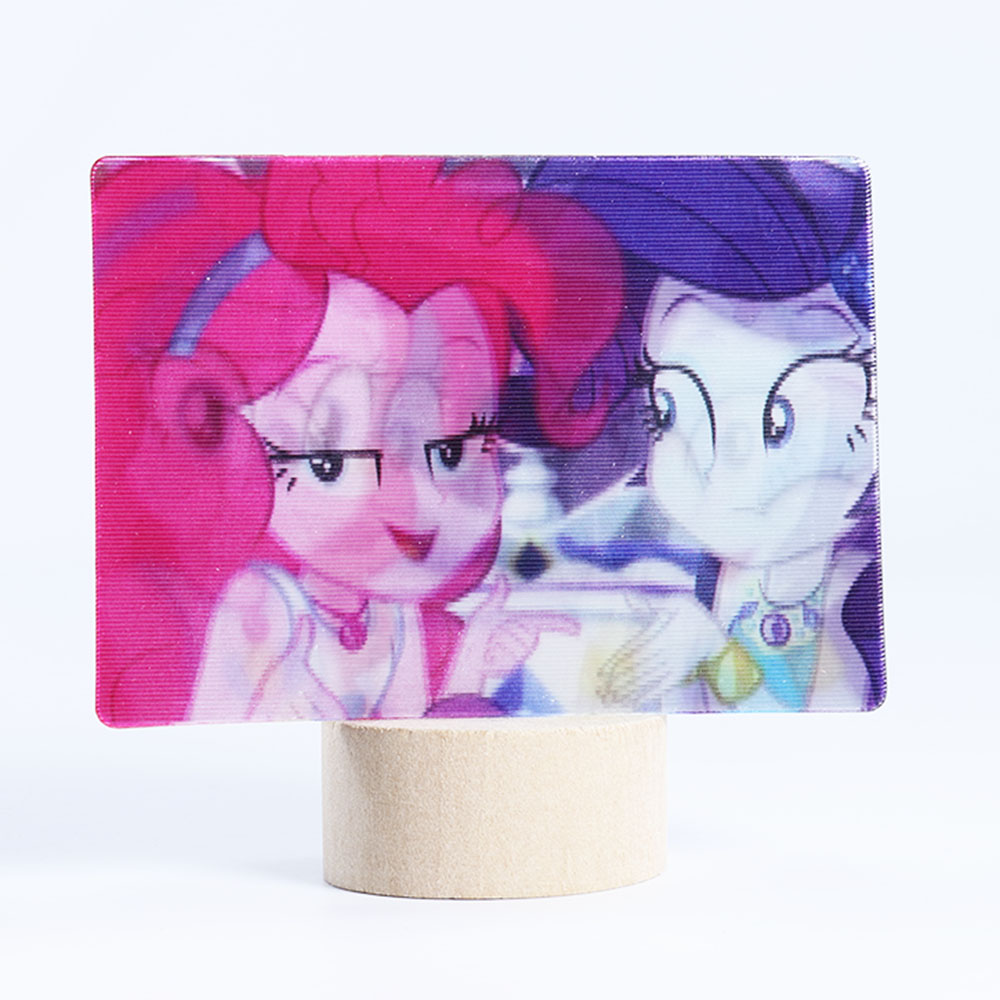 Custom Anime Character Dynamic Visual Cards
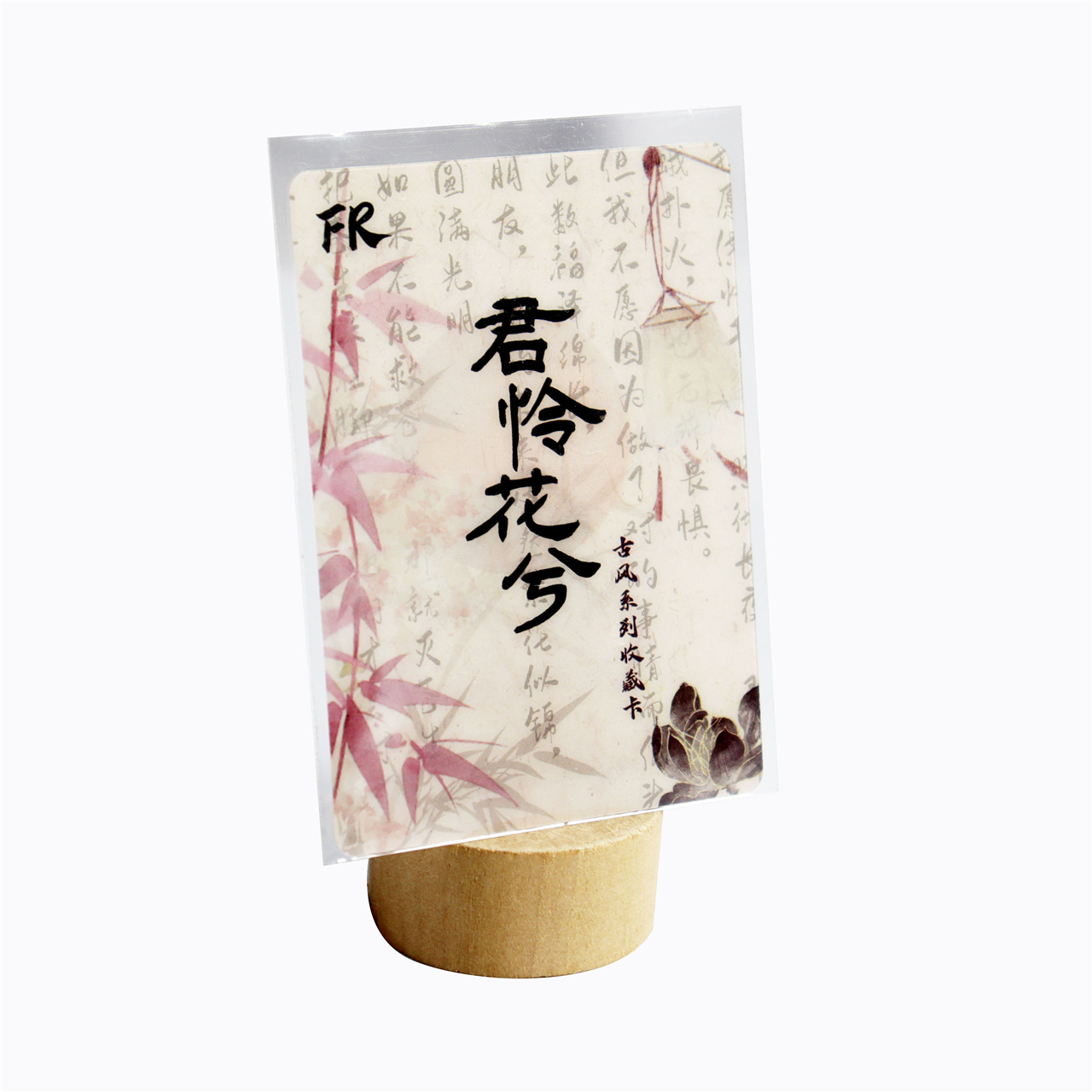 Custom Cartoon Character Collectible Card Set
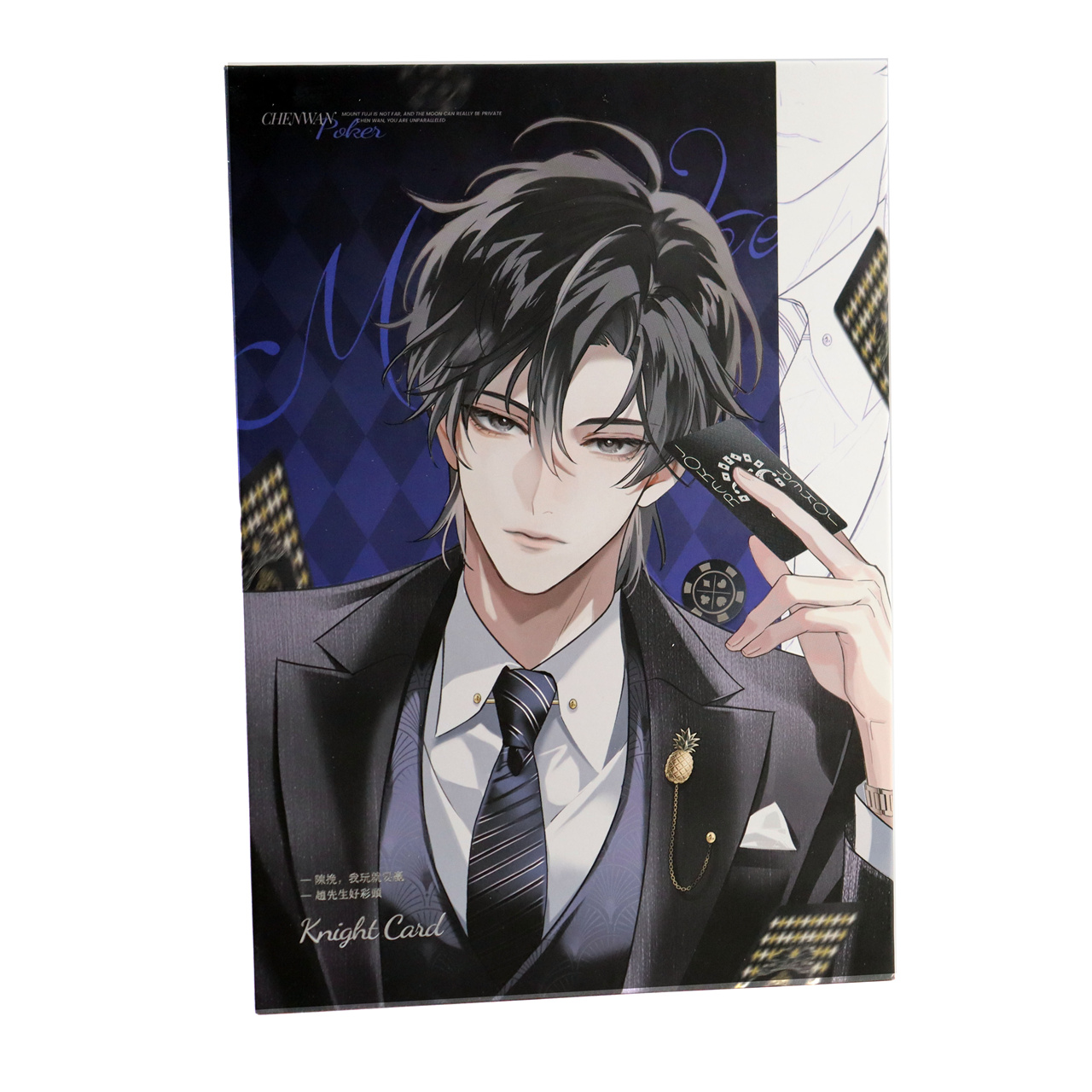 Custom Anime Character Art Card Set
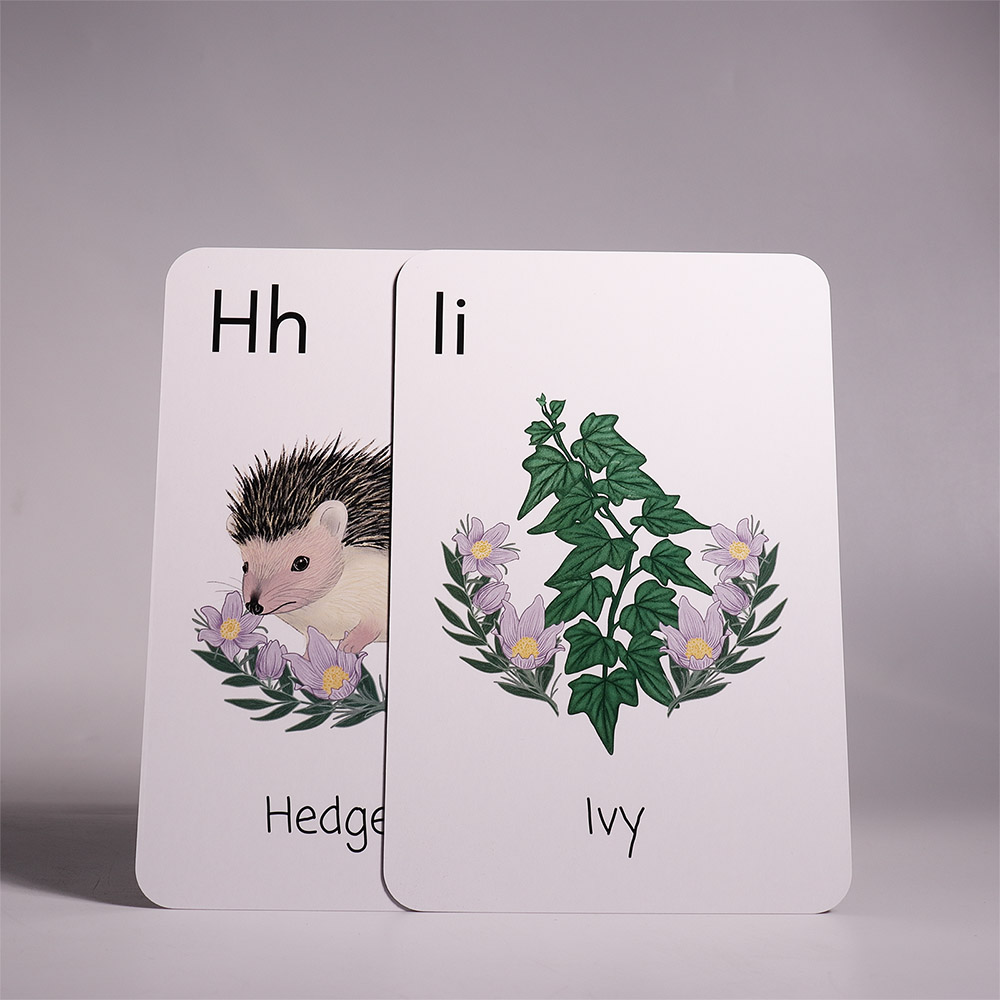 Little Larch Alphabet Cards
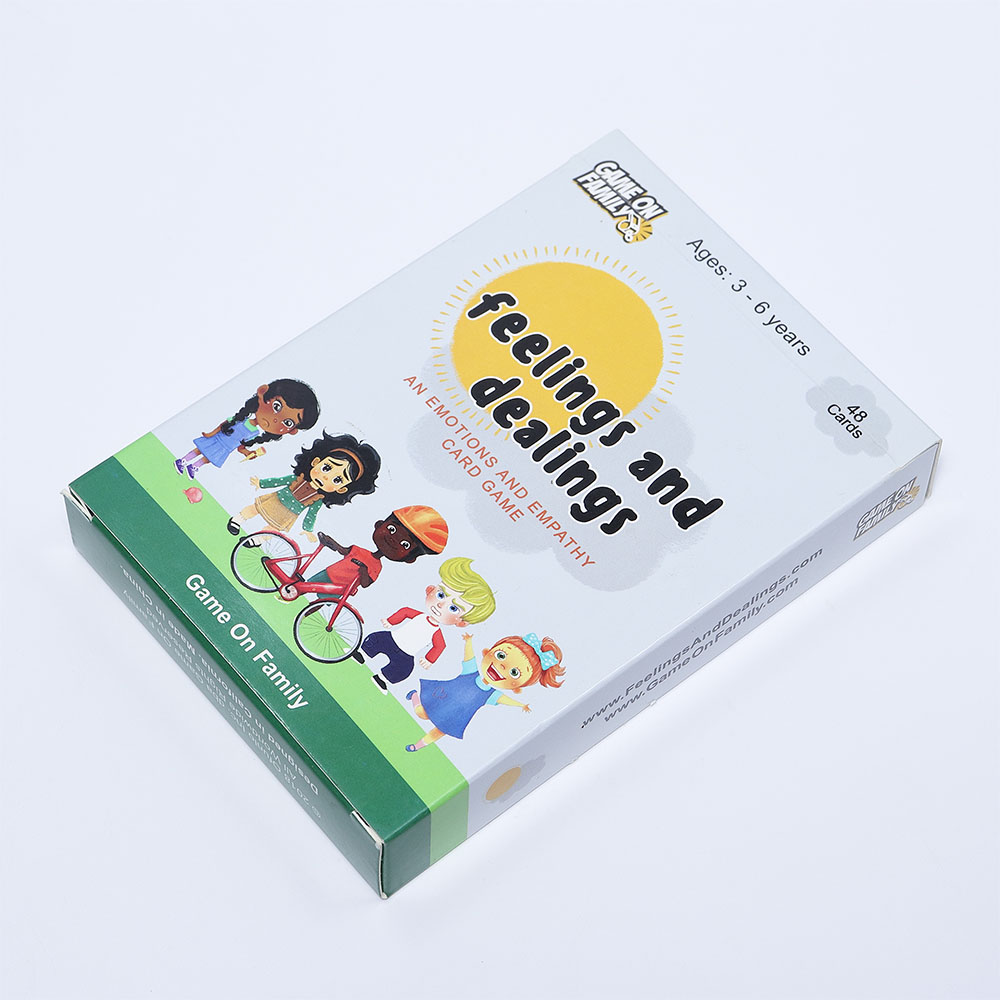 Feelings and Dealings Custom Children's Emotion Card Game
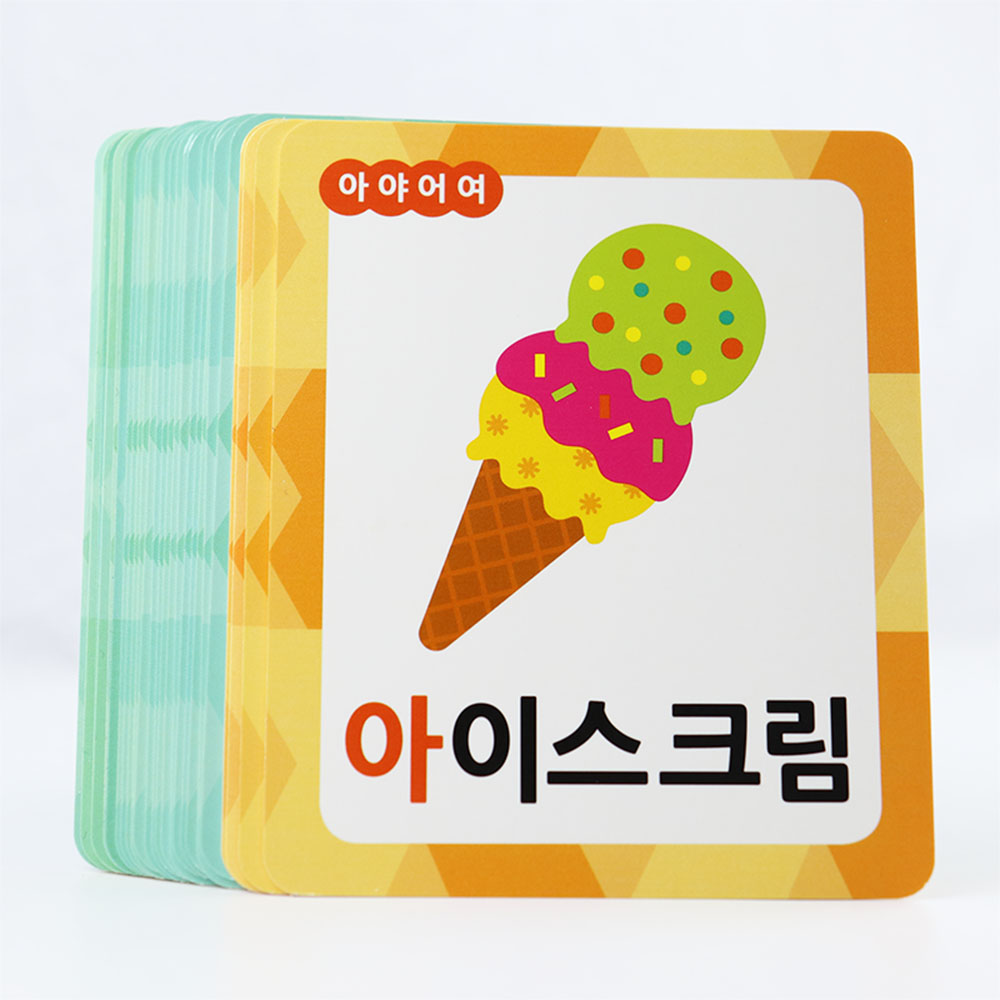 Korean Children's Educational Flashcards
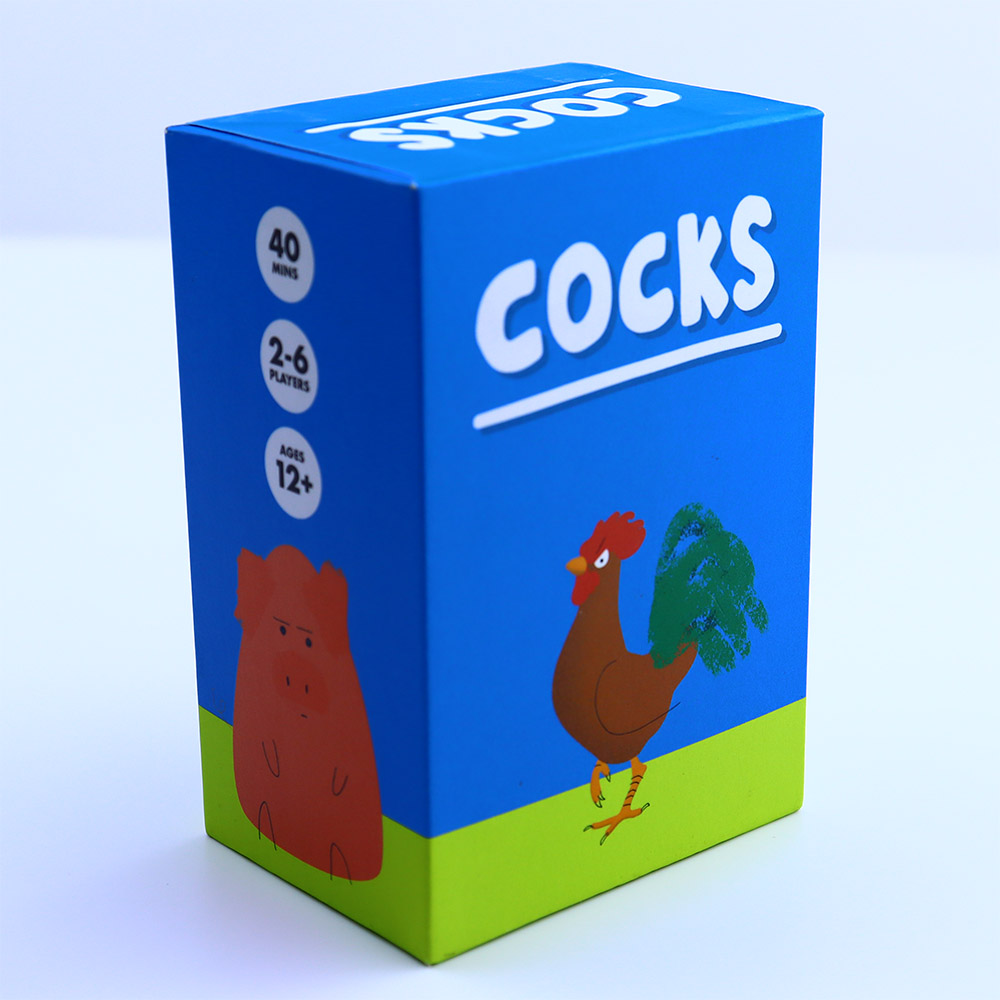 Cocks Themed Custom Children's Learning Cards
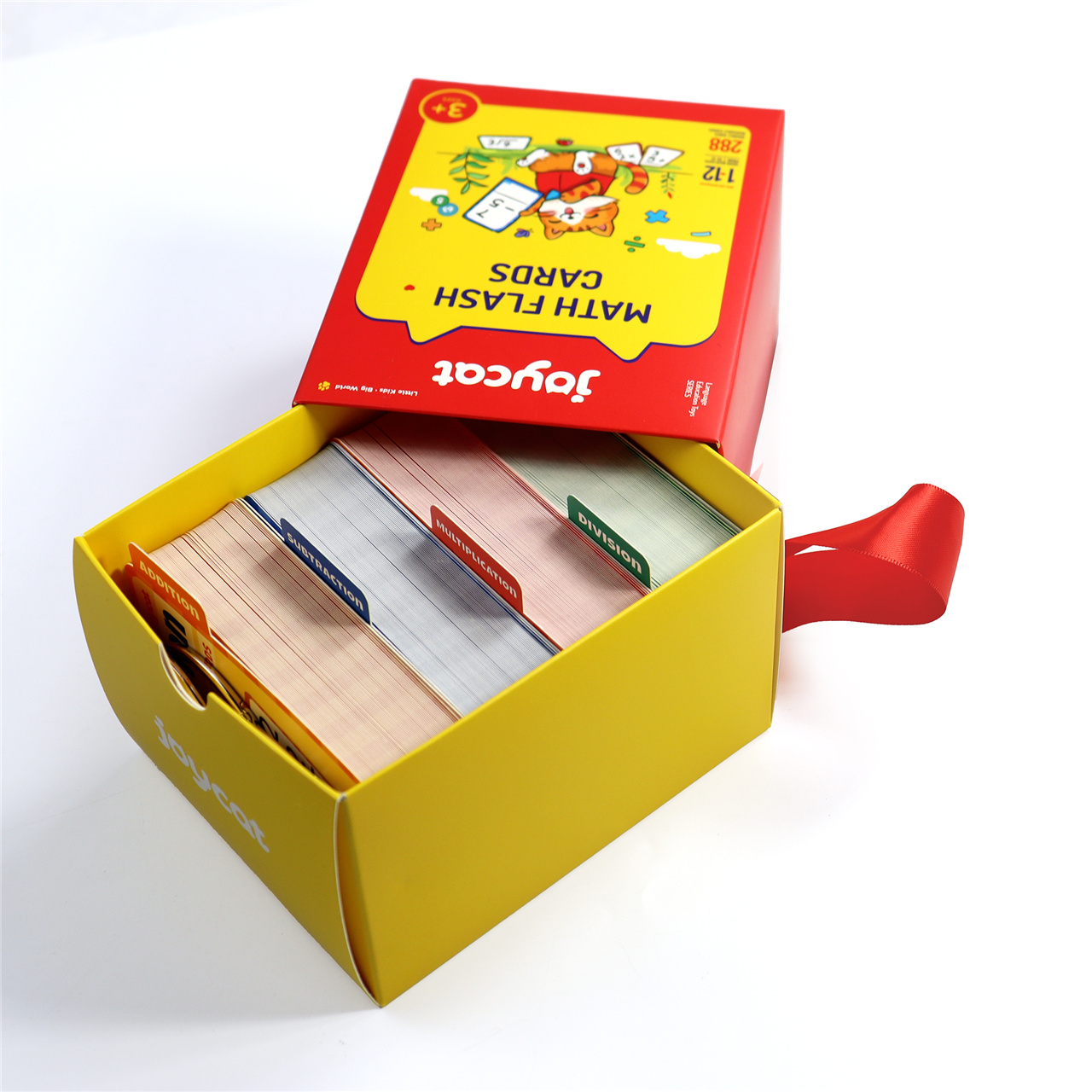 Math Flash Cards Set for Kids
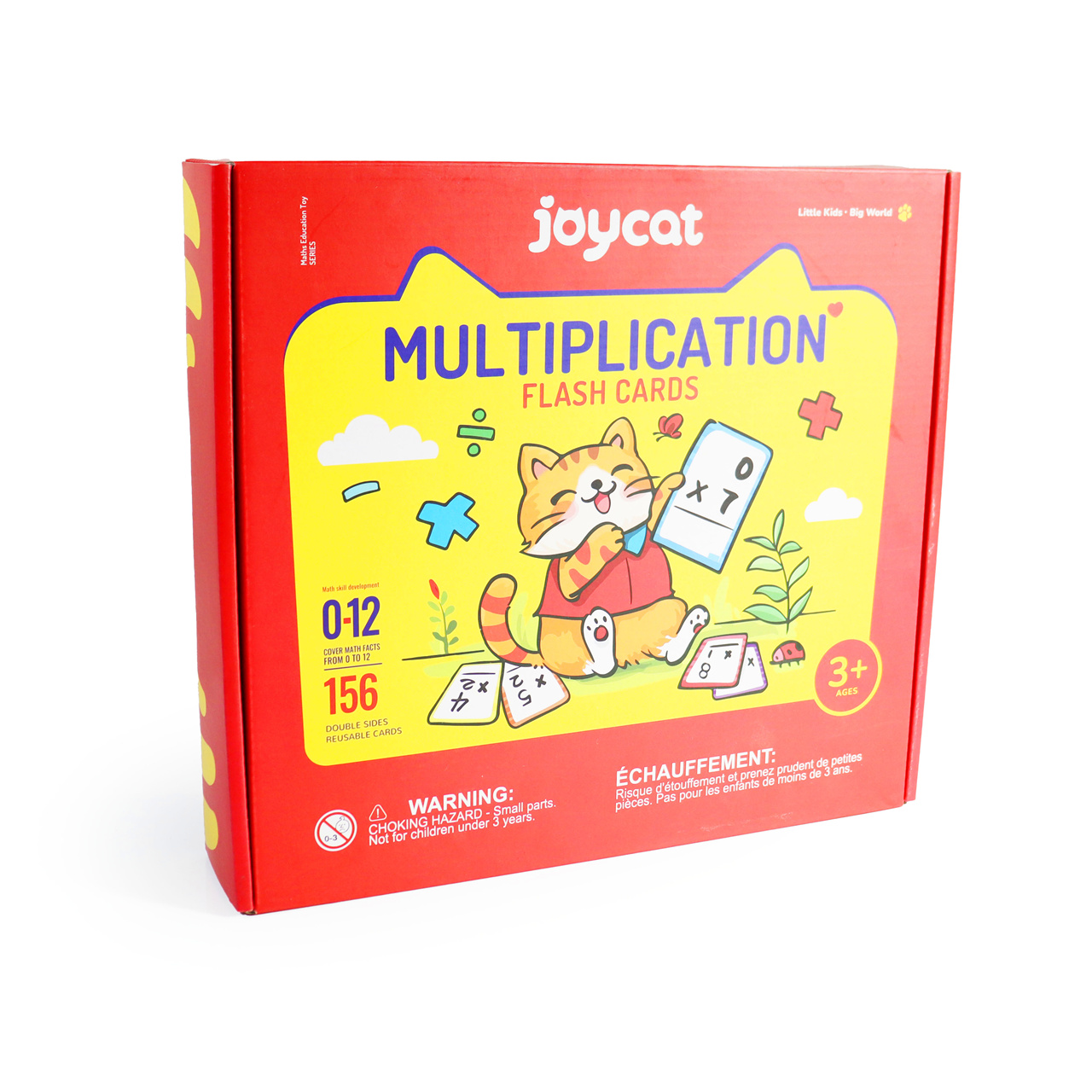 Joycat Multiplication Flash Cards Set with Accessories
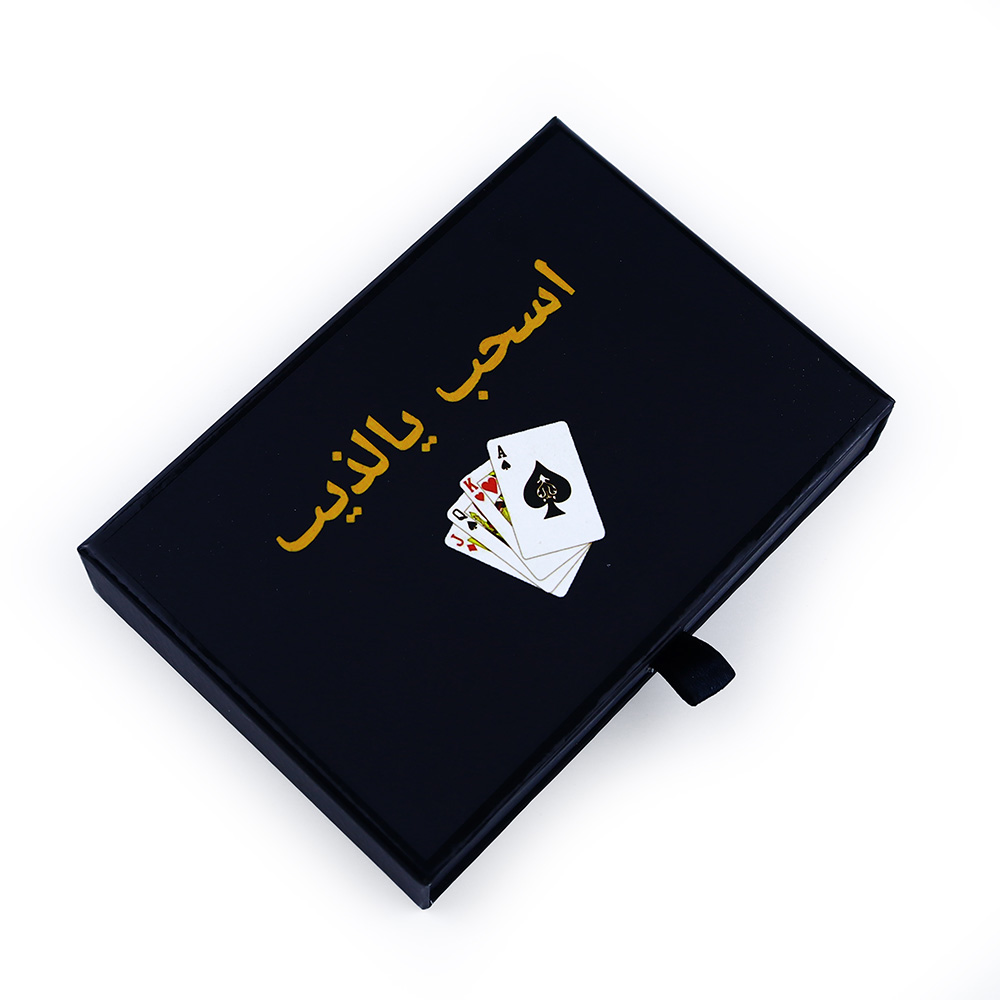 Custom Dual-Deck Playing Cards with Wolf-Themed Design
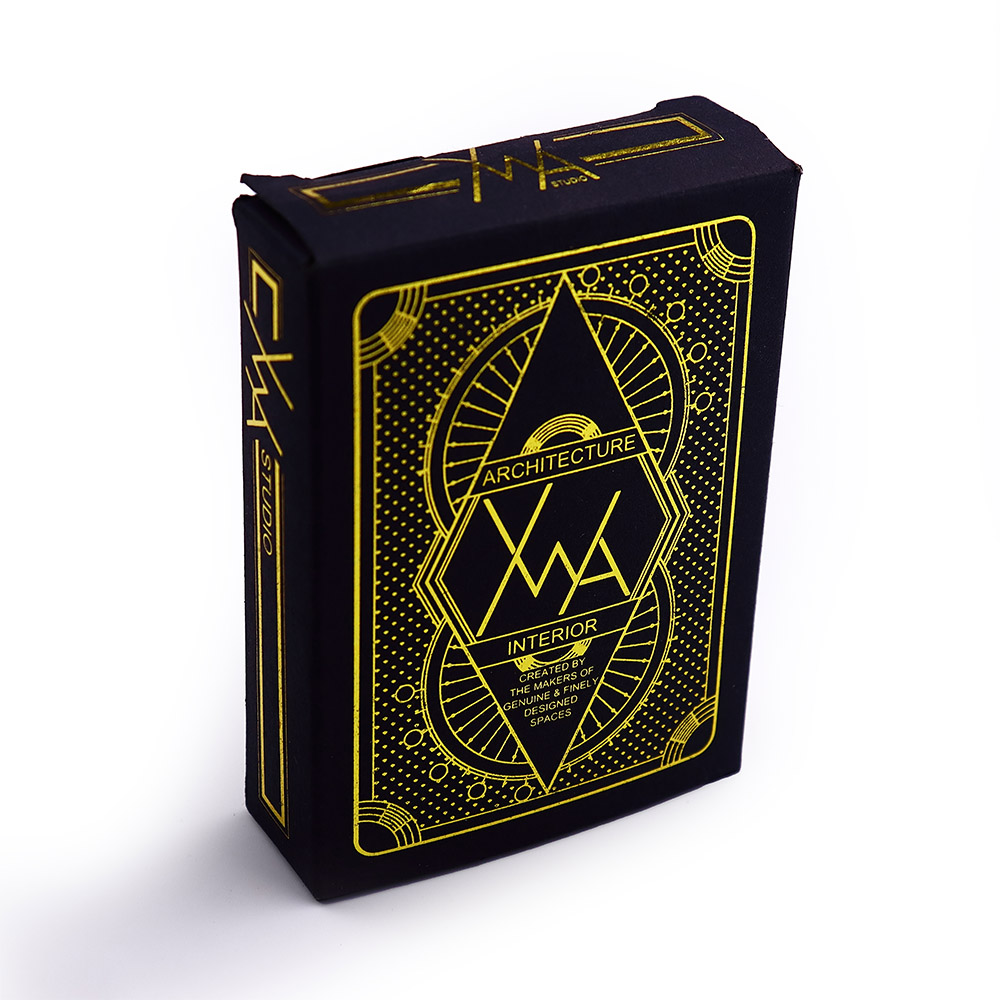 Custom embossed gold foil playing cards
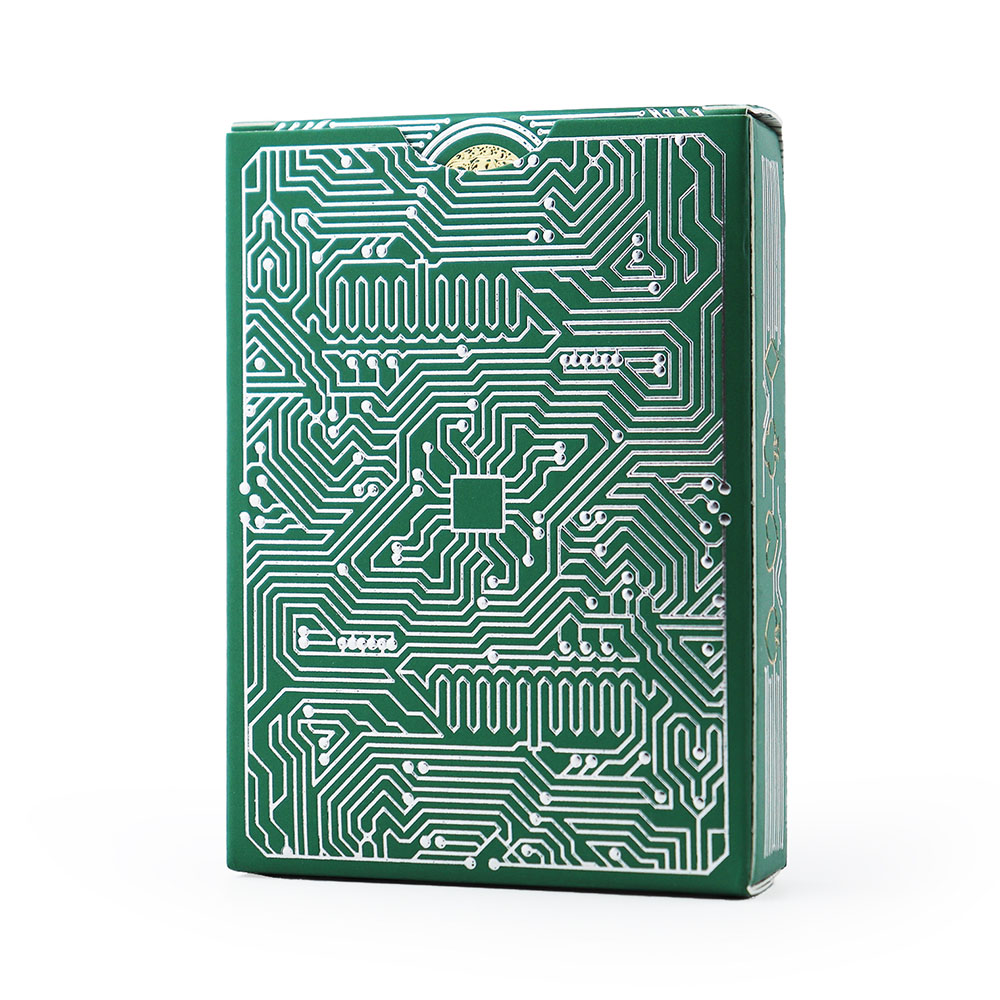 Circuit PCB Edition Custom Playing Cards
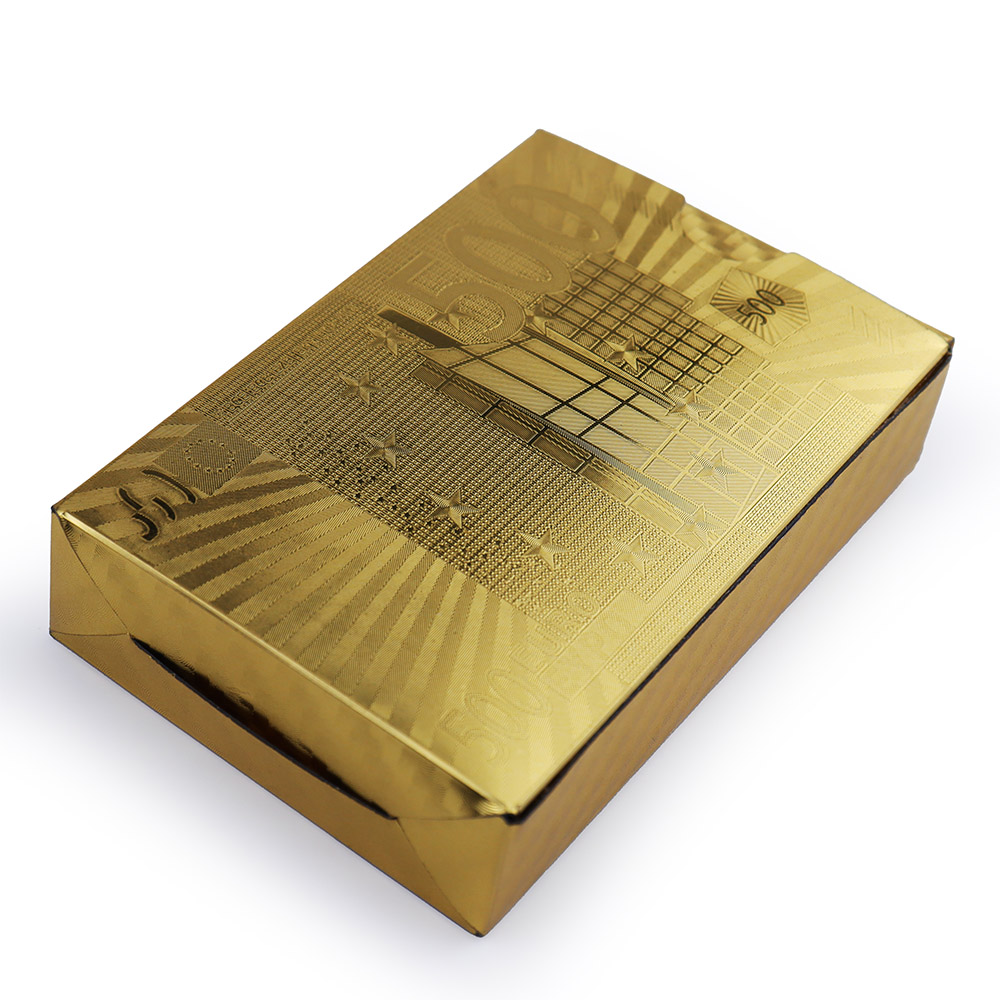 Customized theme gold foil playing cards
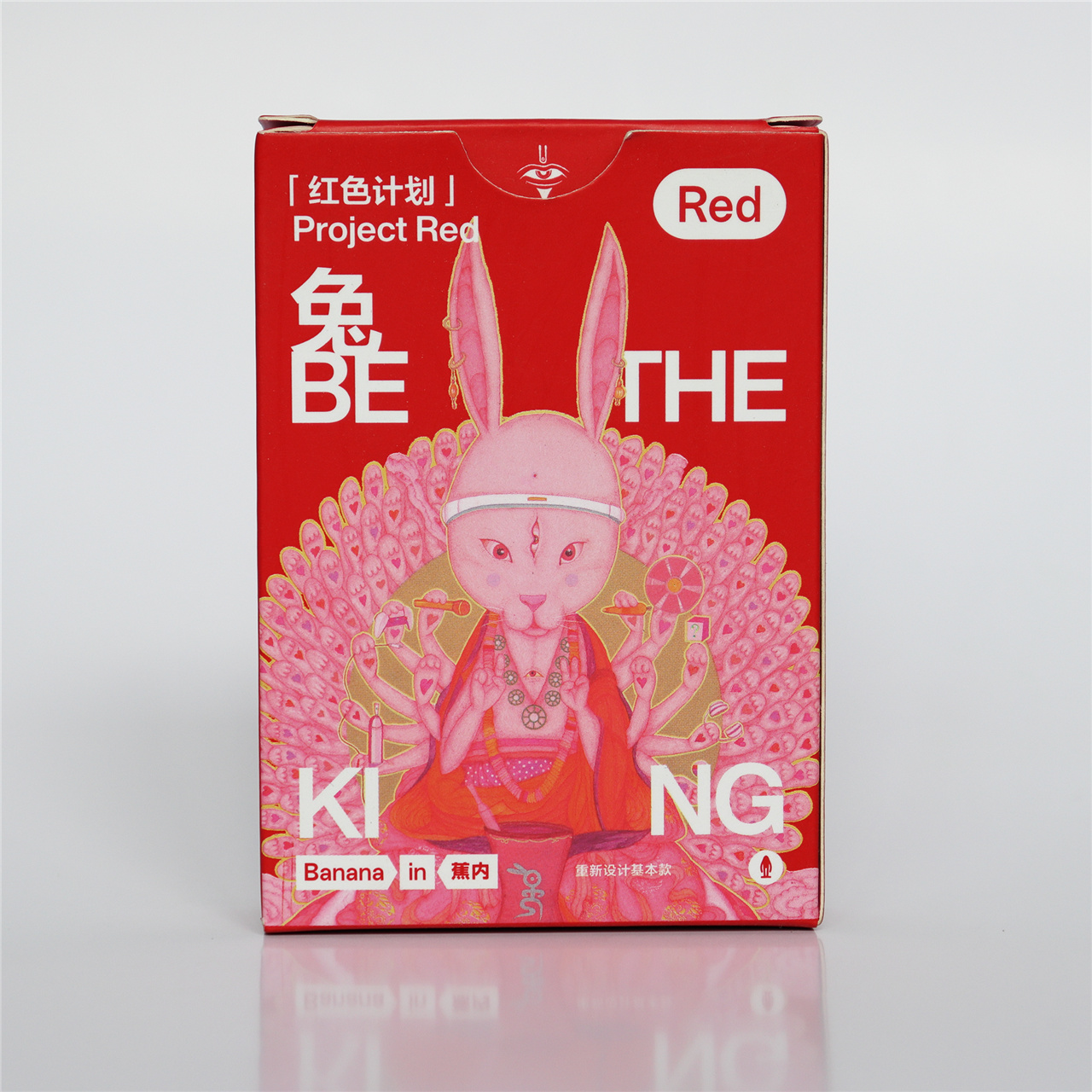 Custom Red Rabbit Themed Playing Cards Set
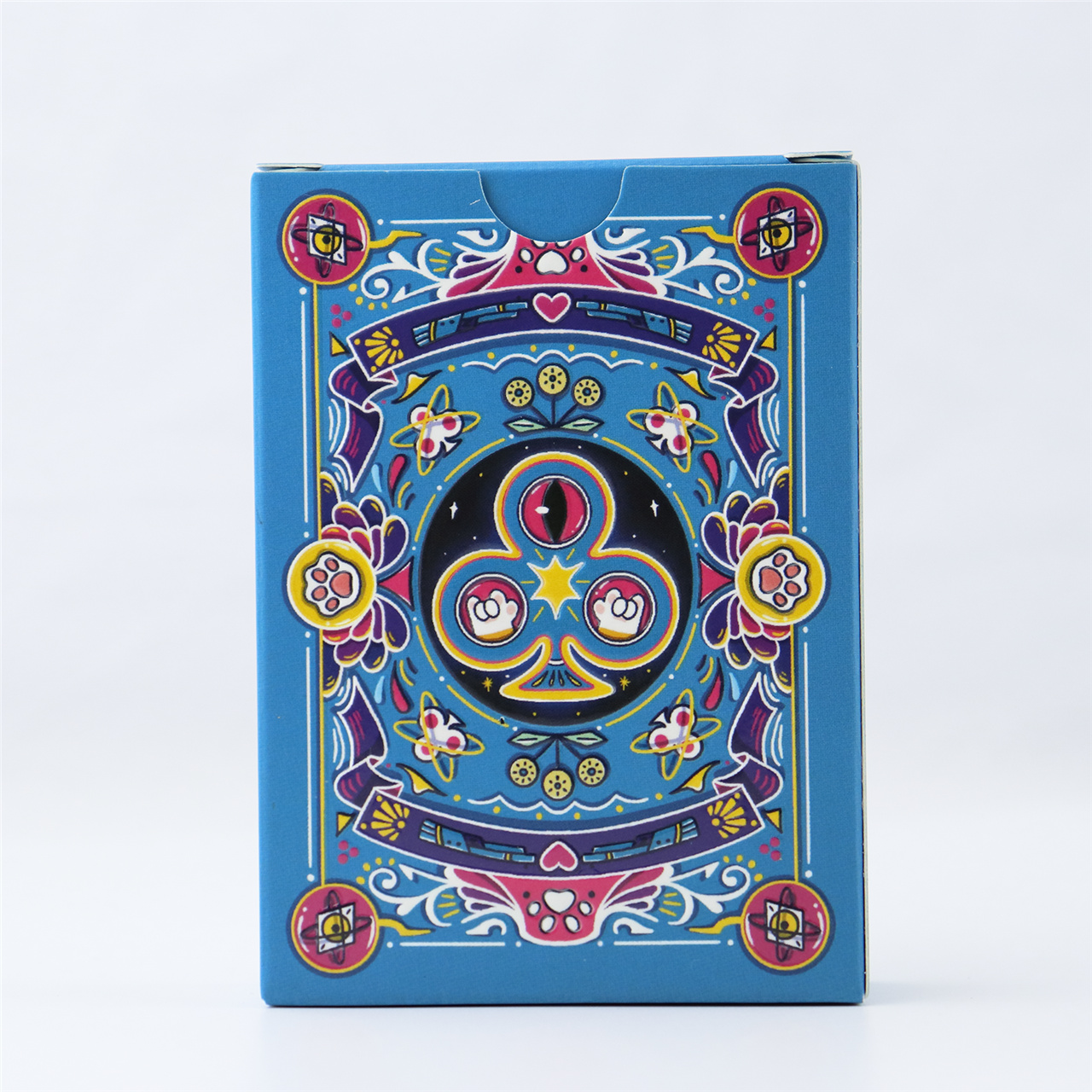 Custom Blue - Black Fantasy Plastic Playing Cards Set
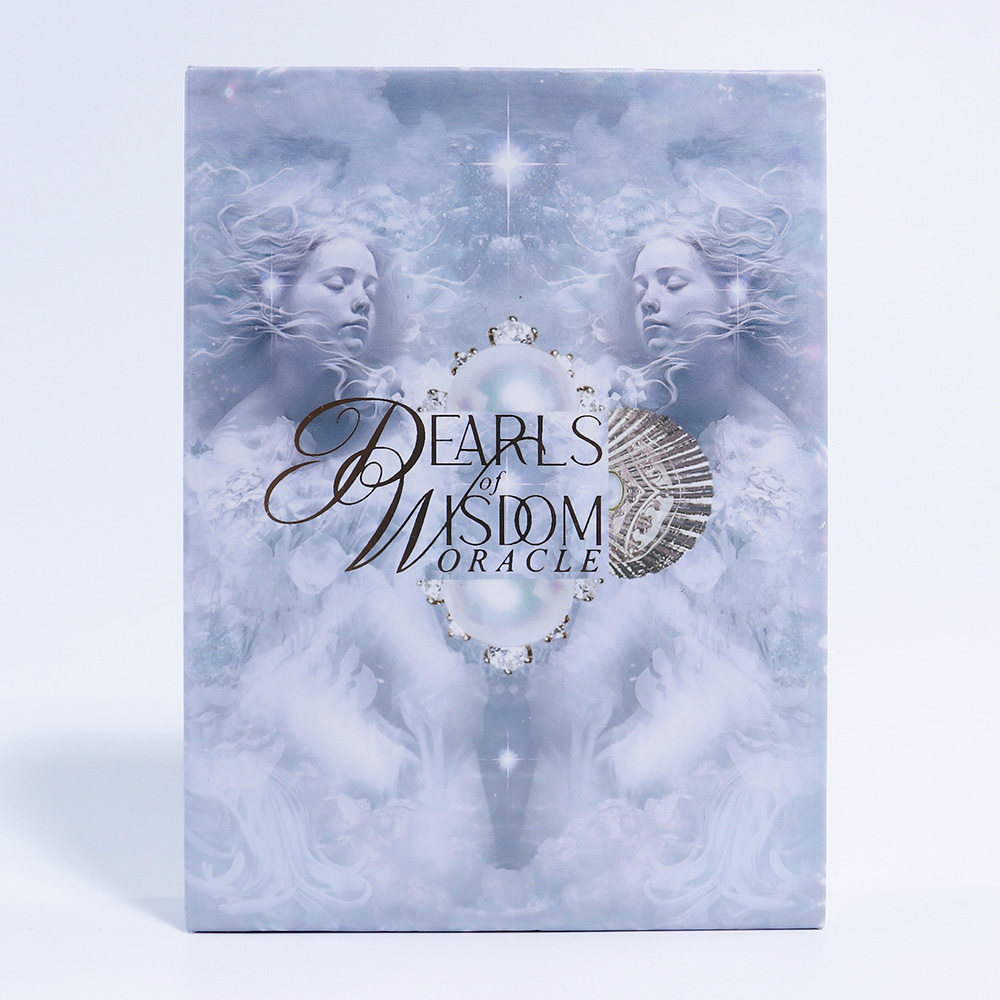 Pearls of Wisdom Oracle Custom Cards
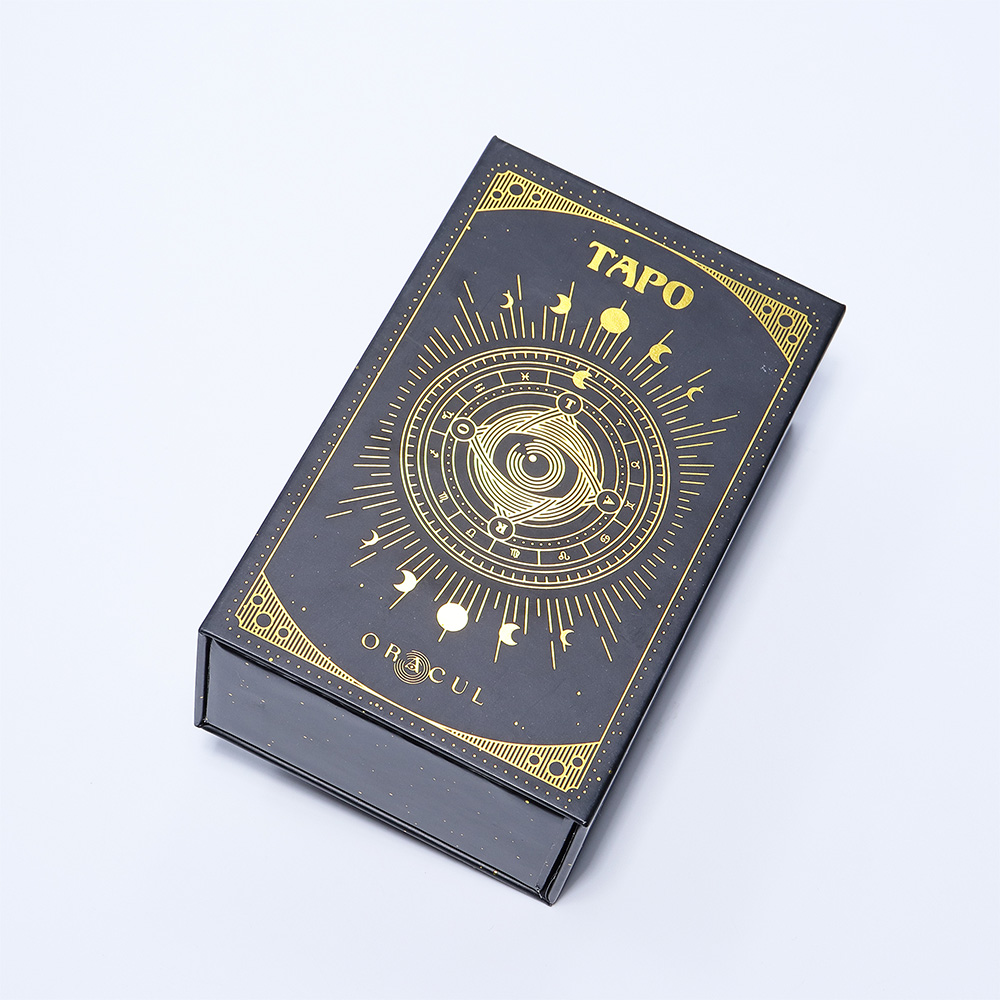 Custom Black & Gold Celestial Tarot Cards
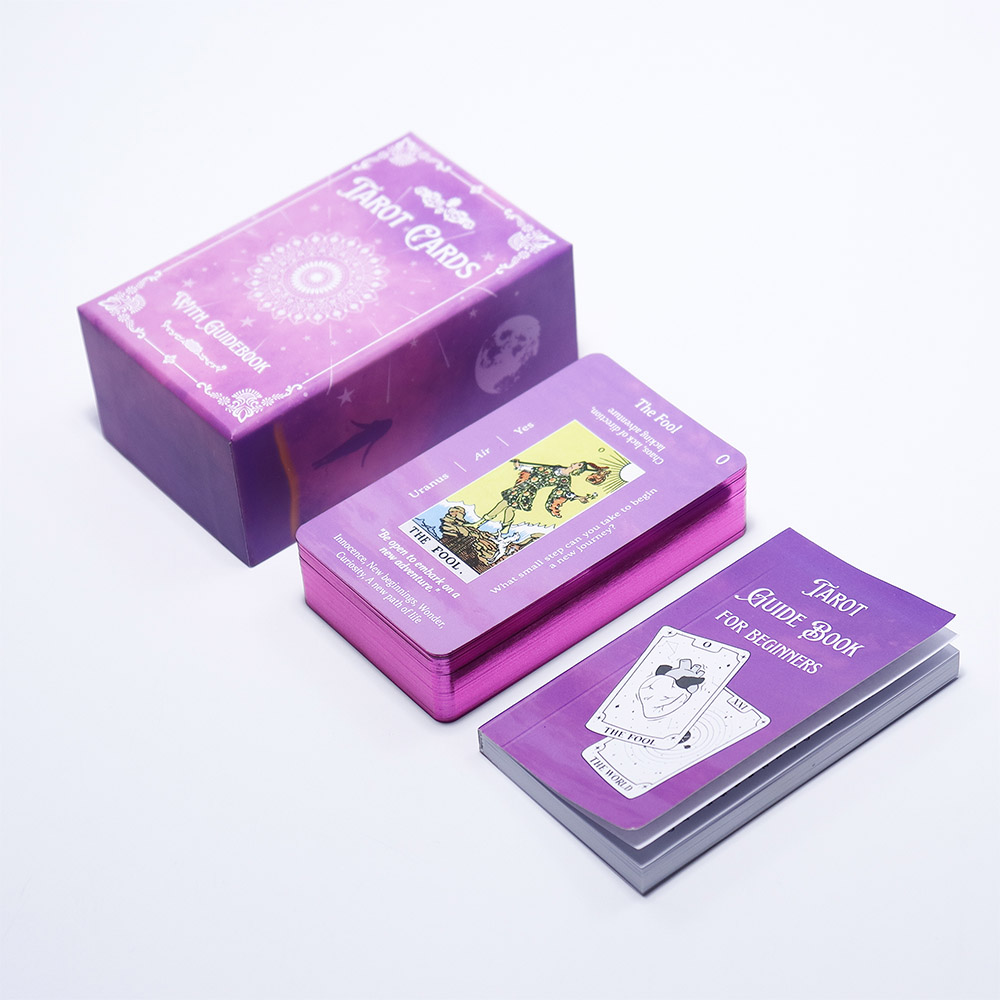 Custom Purple Tarot Cards with Guidebook
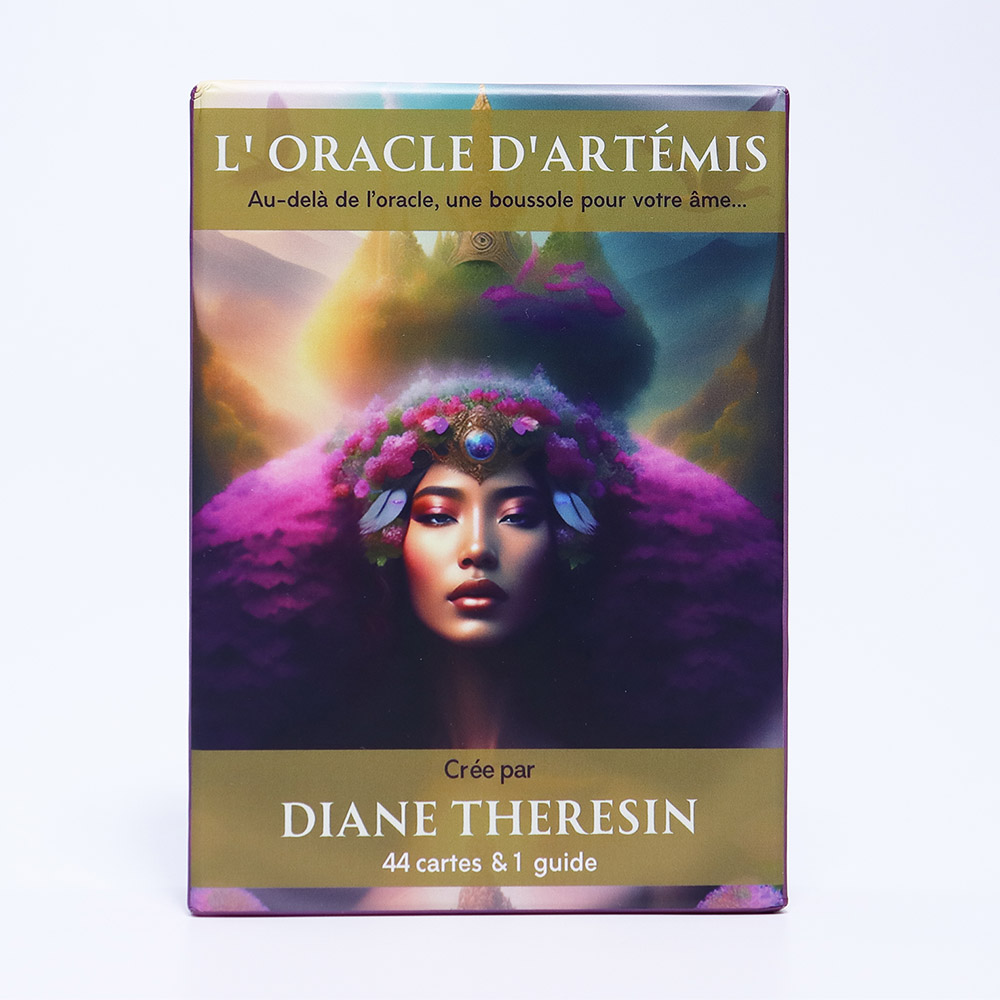 L'Oracle d'Artémis Custom Oracle Cards
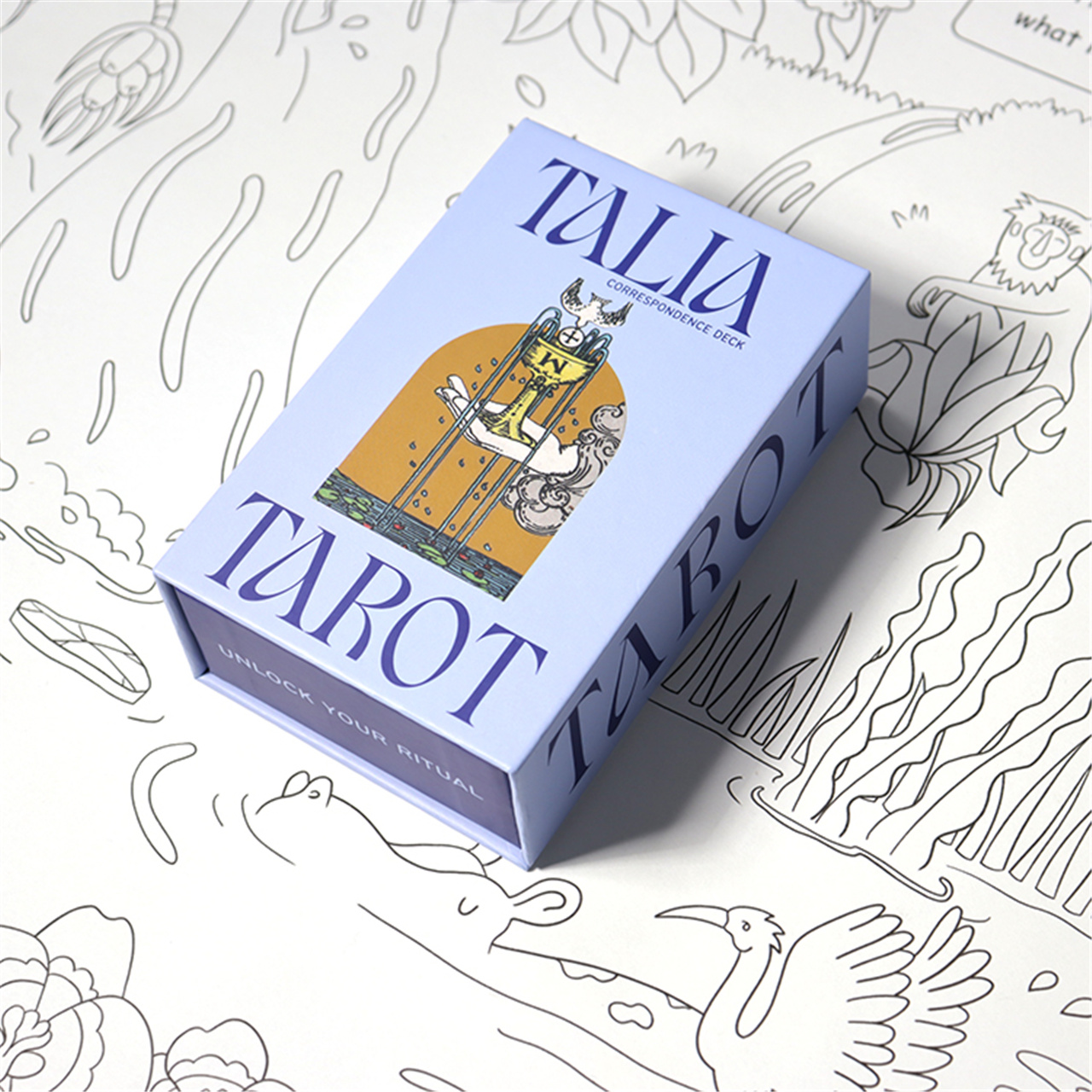 Custom Blue - Themed Tarot Cards Deck
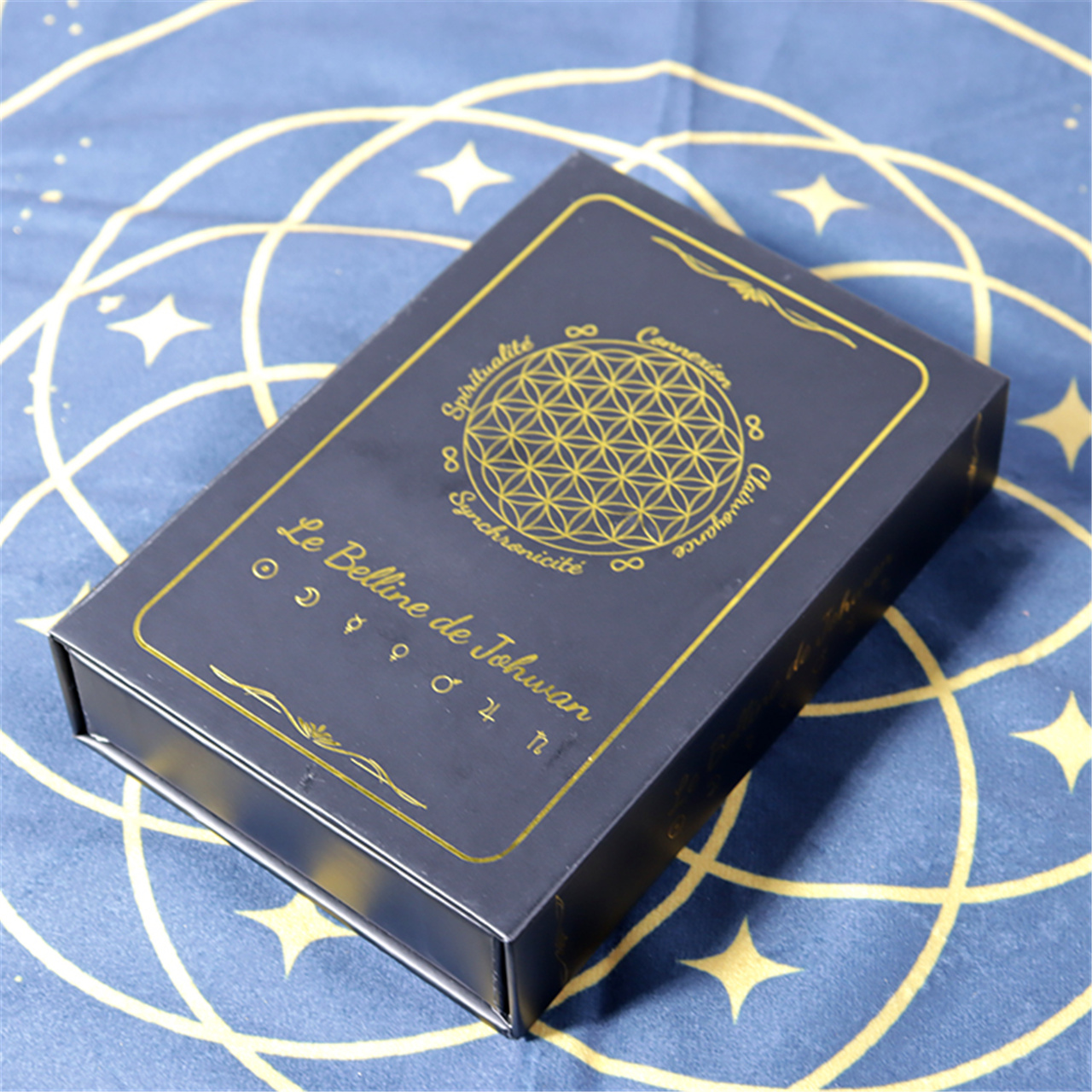 Custom Black - Blue Gold Foil Tarot Cards Set
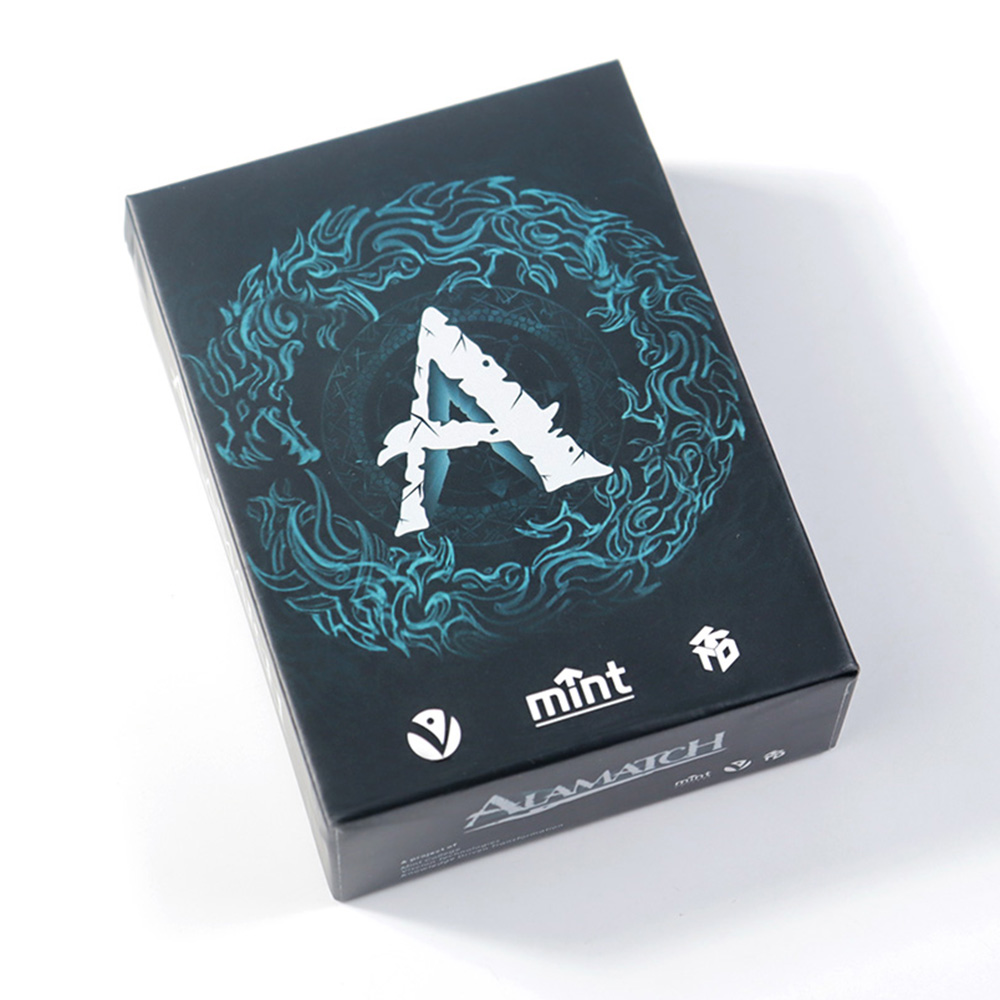 Alamatch Custom Trading Game Cards
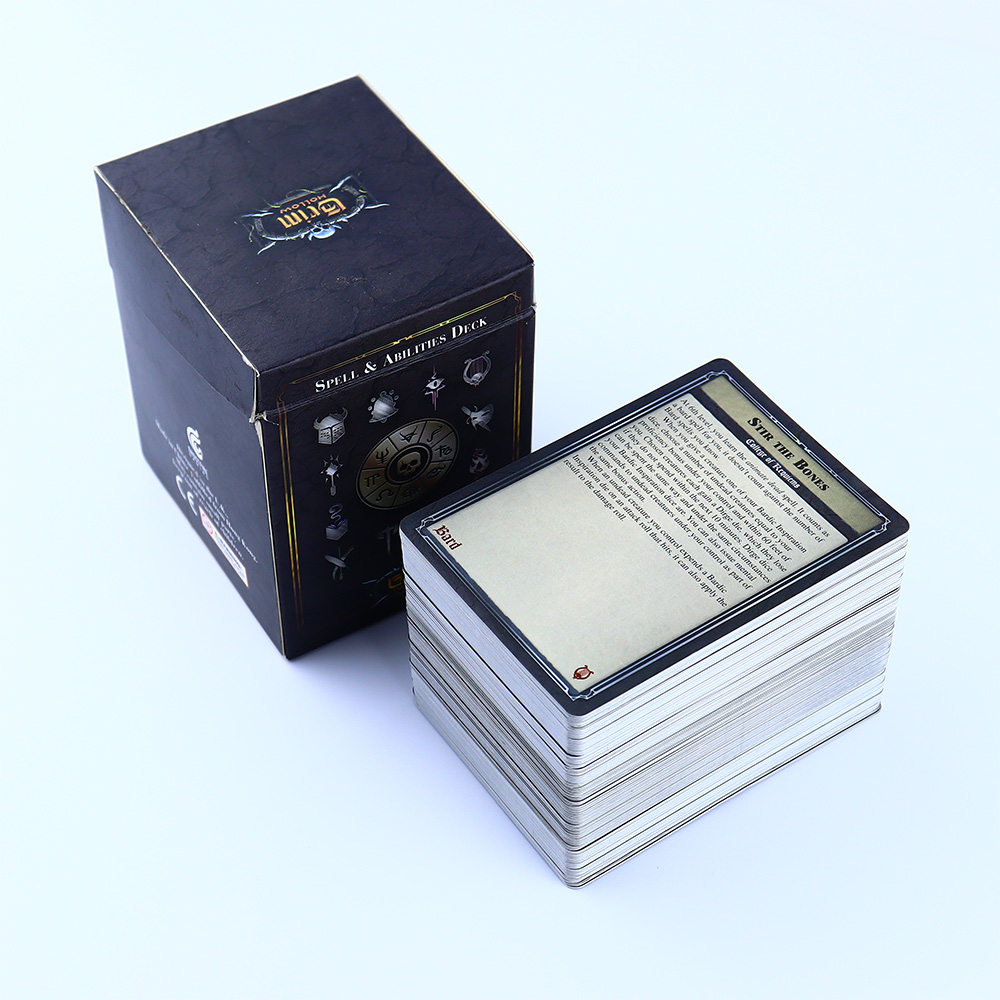 Grim Hollow Spell & Abilities Custom Trading Cards
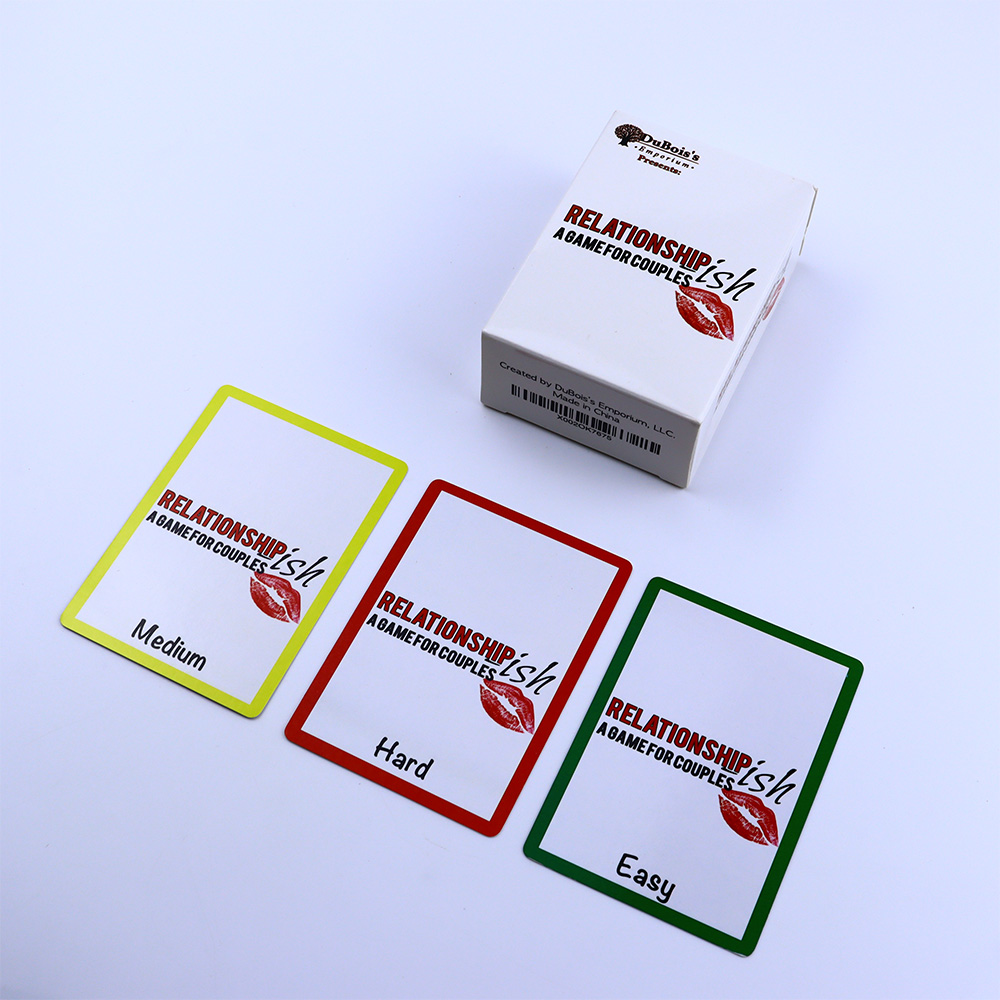 Relationshipish Custom Couple Card Game
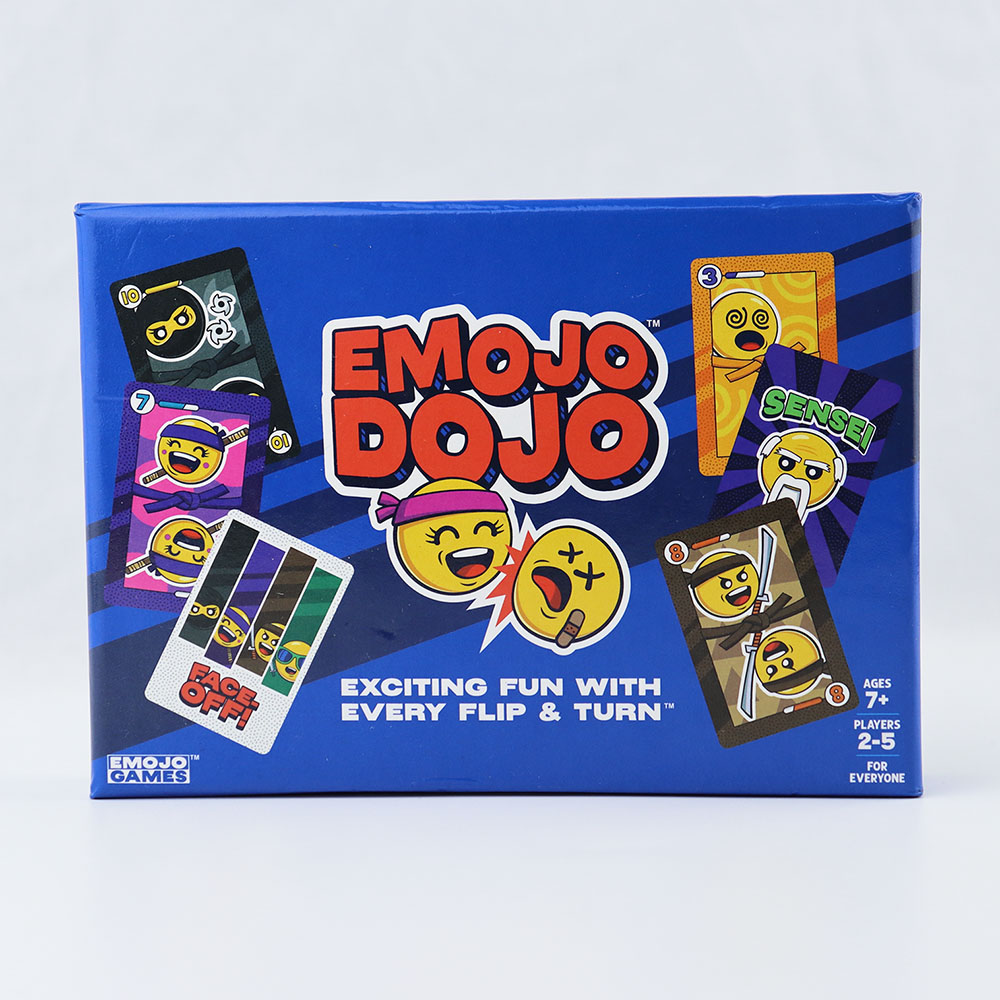 Emojo Dojo Custom Trading Card Game
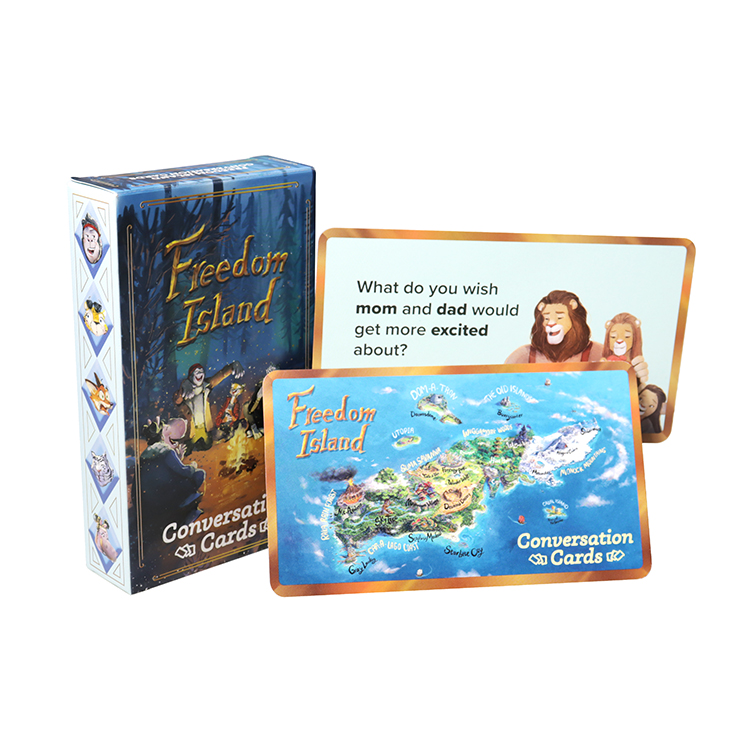 Custom Travel Photo Trading Cards Set
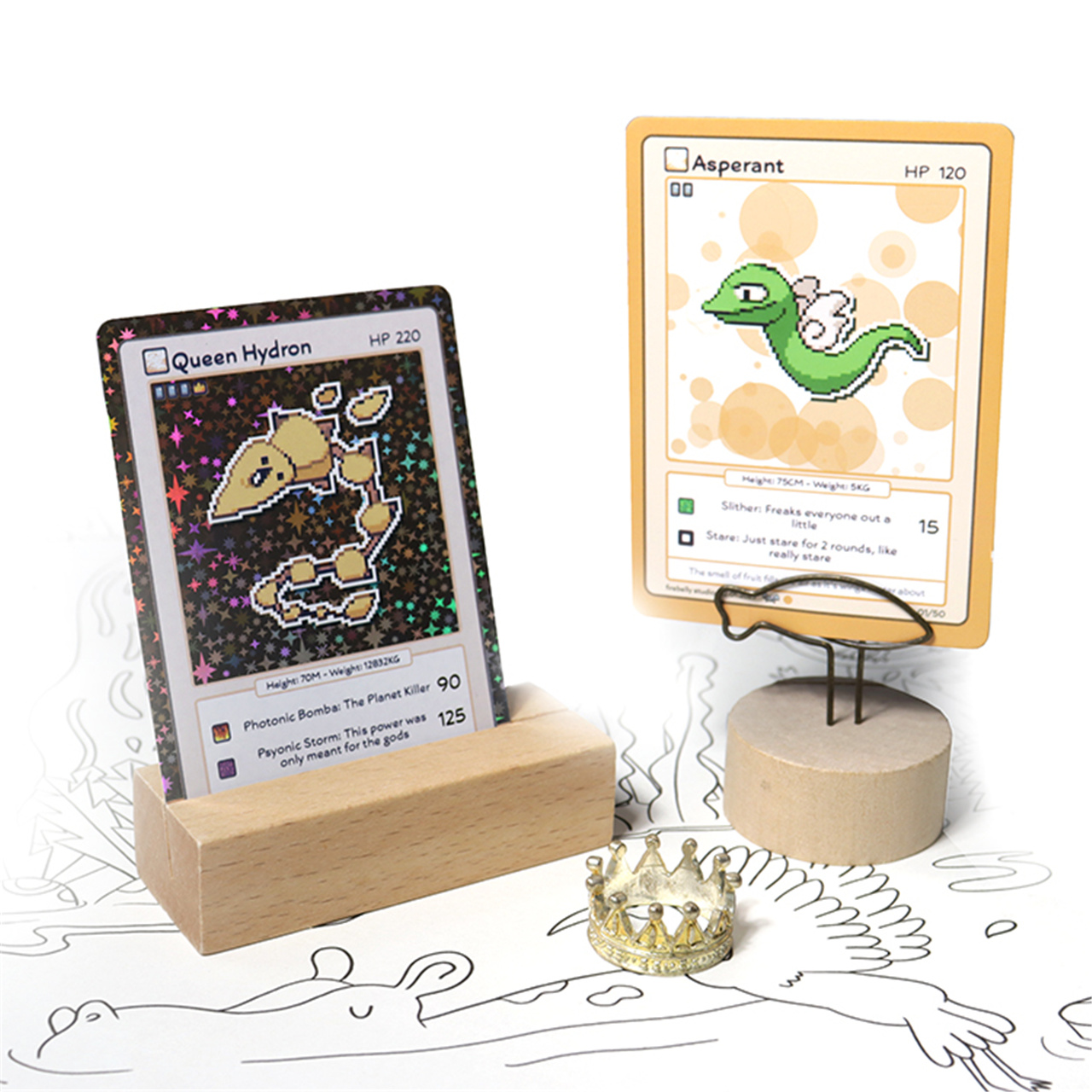 Custom Cartoon Holographic Trading Cards Set




Understanding the Difference Between Lamination and Varnishing in Printing
In the world of printing finishing, both lamination and varnishing are popular techniques used to enhance the visual appeal and durability of printed materials. Each method can achieve either a glossy or matte effect, yet they differ significantly in process, texture, and protective qualities.
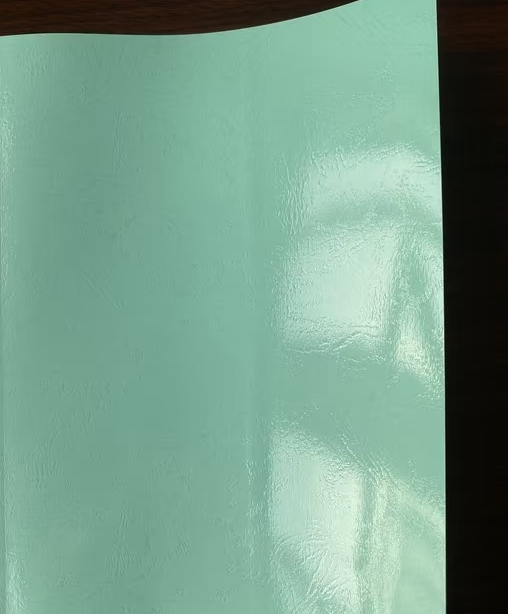
Lamination involves applying a thin glossy or matte film over the printed surface. Using eco-friendly adhesive, the film is evenly coated and then thermally pressed onto the paper, creating a tight, seamless protective layer. This process not only adds vibrancy to colors but also offers strong physical protection. Laminated prints are water-resistant, capable of withstanding gentle wiping with water or non-corrosive liquids, and are less prone to moisture damage, making them ideal for items like menus, covers, and outdoor materials.
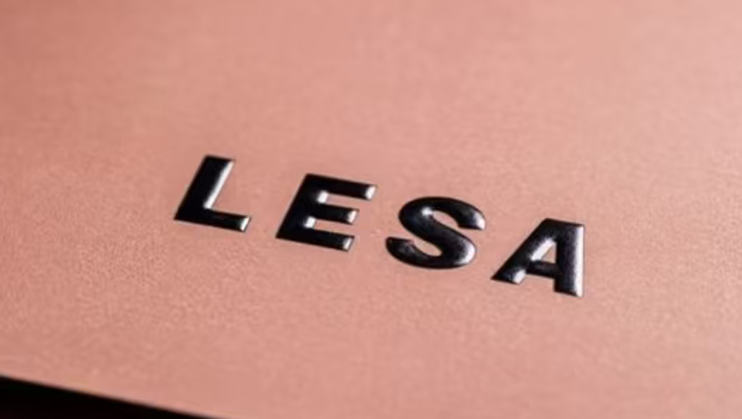
On the other hand, varnishing applies a coating of gloss or matte varnish directly onto the printed sheet via a printing press. After infrared drying, it forms a smooth, even layer over the surface. Varnishing enhances the natural texture of the paper, giving it a soft, tactile feel while helping to maintain color stability and saturation. However, it provides limited waterproofing compared to lamination. This makes varnishing a preferred choice for projects where a more organic, subtle finish is desired, such as art books, high-end brochures, or interior displays.
Choosing between the two depends on the intended use, desired aesthetics, and required durability of the final printed product.