Leave Your Message

10 Best Family Board Games for Every Age?

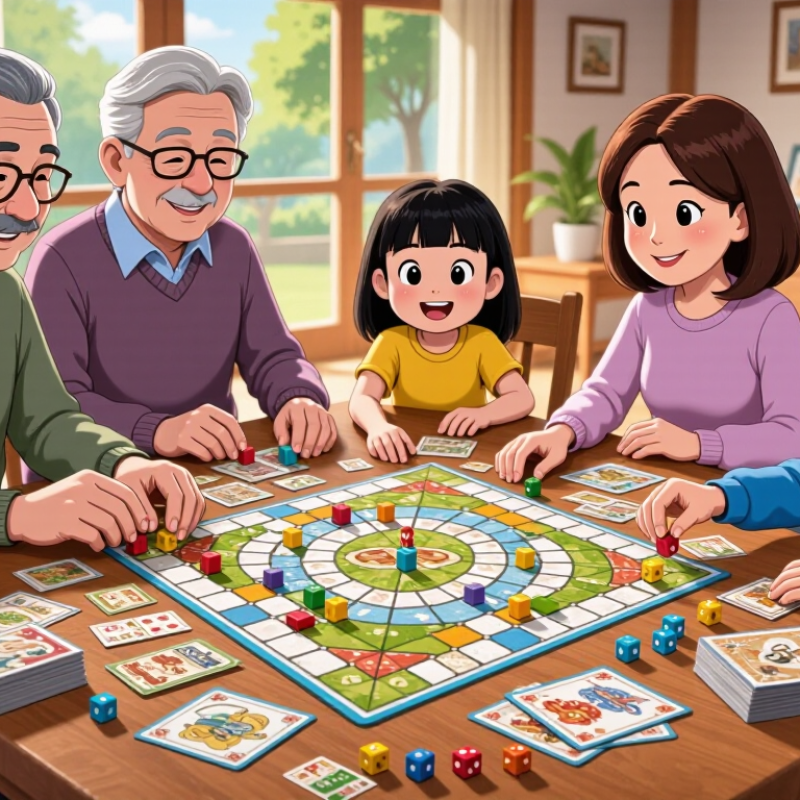
Choosing the right Family Board Games can turn an ordinary evening into a shared story. A wooden token crosses a colorful map, cards spread across the table, and someone suddenly celebrates a clever move. These small moments matter, especially when children and adults play together.

This guide explores ten family-friendly games for different ages, attention spans, and skill levels. Each choice is considered for clear rules, replay value, learning potential, and the quality of interaction it creates. Some games encourage planning. Others rely on memory, teamwork, quick reactions, or simple luck. A game that delights a six-year-old may frustrate a teenager, while a strategic favorite might feel too demanding after a long day.

Age ratings offer useful guidance, but they are not perfect. Reading ability, patience, confidence, and family habits can change the experience. We also consider setup time, playing length, component durability, and whether younger players can participate meaningfully. No list can predict every household.

That is worth remembering.

The best choice may not be the most popular title. It may be the game your family willingly plays again next Saturday. Some recommendations here may need adult support, especially during the first few rounds. Others become more enjoyable when players accept that losing is part of learning. With practical details and balanced observations, this selection aims to help families find games that create conversation, laughter, and comfortable competition across generations.

10 Best Family Board Games for Every Age?

Establish Age Bands Using CPSC Safety Rules and Child-Development Data

Choosing the 10 best family board games should begin with age safety, not popularity. The U.S. Consumer Product Safety Commission’s Age Determination Guidelines place strong emphasis on choking hazards, motor skills, and children’s understanding of rules. Under 3, avoid games containing small parts that fit inside CPSC’s small-parts test cylinder. CPSC’s 2022 Toy-Related Deaths and Injuries report estimated 198,100 toy-related injuries treated in U.S. emergency departments. Supervision still matters.

For ages 3–5, choose large pieces, matching tasks, and rules explained in one or two steps. CDC developmental milestone data notes that many three-year-olds join other children in play, while four- and five-year-olds increasingly follow rules, take turns, and use pretend play. Cooperative play may work better than direct competition here. Keep sessions short. Attention varies widely.

Ages 6–8 can handle reading, counting, simple planning, and several linked actions. Ages 9–12 often manage probability, negotiation, and longer strategies, although reading ability differs sharply. For teens and adults, complex systems can encourage communication and flexible thinking. These bands are useful, but imperfect. A child’s confidence, sensory needs, and frustration tolerance may matter more than the box label. Check every component before play, especially after pieces become cracked, loose, or missing. (Sources: CPSC Age Determination Guidelines; CPSC 2022 Toy-Related Deaths and Injuries; CDC Developmental Milestones.)

10 Best Family Board Games for Every Age? - Establish Age Bands Using CPSC Safety Rules and Child-Development Data

The recommendations below use non-branded game formats. Age bands are practical screening ranges informed by U.S. CPSC small-parts guidance and commonly observed developmental abilities; they are not a substitute for the manufacturer’s age label or adult supervision.

Family board-game formats matched to safety considerations, developmental readiness, and play value
# Game format Recommended age band Typical players Typical play time Primary developmental fit Safety and supervision notes Why it works for families
1 Large-piece matching game 3–5 years 2–4 10–15 minutes Color and shape recognition, visual matching, turn-taking, simple rule following Use oversized pieces that cannot fit completely inside the CPSC small-parts test cylinder. Keep loose pieces away from children under 3. Short rounds and concrete goals support preschool attention spans and allow older players to help without taking over.
2 Cooperative path-building game 4–6 years 2–4 15–20 minutes Planning, communication, counting, flexible thinking, shared problem-solving Choose large cards or tiles and avoid small tokens when children under 3 may be present. A shared win condition reduces competitive pressure and gives adults natural opportunities to model planning language.
3 Picture-based memory game 4–7 years 2–6 10–20 minutes Working memory, visual attention, vocabulary, impulse control Use cards large enough for safe handling and supervise younger children around any detachable markers. The difficulty can be adjusted by changing the number of card pairs, so preschoolers and early elementary children can play together.
4 Simple number-and-movement race 5–7 years 2–4 15–25 minutes One-to-one counting, number comparison, fine-motor control, following sequential rules Use a large, stable board and oversized playing pieces; keep dice and pawns inaccessible to toddlers. Physical movement and visible counting make early mathematics more concrete and maintain engagement.
5 Word-and-picture association game 6–8 years 2–6 15–25 minutes Language development, categorization, listening, expressive communication Check that cards contain no detachable small parts if younger siblings can access the game. Pictures provide an entry point for emerging readers while older children can explain reasoning in greater detail.
6 Pattern-building tile game 7–10 years 2–4 20–35 minutes Spatial reasoning, sequencing, planning ahead, visual discrimination Tiles and markers may be small parts; store them securely and follow the stated age label. The same rules can support different strategies, giving children and adults meaningful choices without requiring advanced reading.
7 Resource-management board game 8–12 years 2–5 30–45 minutes Executive function, delayed gratification, arithmetic, cause-and-effect reasoning Use adult supervision for games with many small tokens, coins, cubes, or cards around younger children. Players practice budgeting limited resources and comparing short-term versus long-term decisions.
8 Deduction and clue game 8–12 years 3–6 25–45 minutes Inference, questioning, working memory, perspective-taking, verbal reasoning Review reading requirements and keep small clue cards or markers away from children under 3. Players can explain their reasoning at different levels, allowing mixed-age groups to contribute productively.
9 Negotiation and trading game 10–14 years 3–6 45–75 minutes Communication, mental flexibility, probability awareness, social decision-making Set clear rules for fair play and respectful negotiation; secure all small currency, cards, and tokens after play. It creates discussion and strategic interaction while offering enough complexity for older children and adults.
10 Cooperative scenario and strategy game 12 years and up 2–5 45–90 minutes Complex planning, risk assessment, sustained attention, collaboration, adapting to changing conditions Confirm the age rating, reading level, and any thematic content; many components may be small parts. A shared objective encourages advanced teamwork and lets experienced players support younger participants without direct competition.

Age-band and safety basis

  • Under 3 years: CPSC small-parts rules identify objects that fit entirely inside the small-parts test cylinder as a choking hazard for children under 3. Keep games containing such parts away from this age group.
  • Ages 3–5: Game formats emphasize matching, counting, short turns, concrete rules, and adult-supported cooperative play.
  • Ages 6–8: Children commonly become more capable of sustained rule following, basic reading, classification, memory strategies, and simple planning.
  • Ages 9–12: Longer attention spans and improved reasoning support deduction, resource management, probability, and multi-step strategy.
  • Ages 12 and up: Many players can manage longer sessions, abstract scenarios, complex collaboration, and greater strategic interdependence.

Frame Market Demand with Circana’s U.S. Toy-Sales Data

Family board games are gaining attention as households seek screen-free play with clear value. Circana’s 2024 U.S. toy-sales data placed the total market near $28.6 billion, with sales slightly below the previous year. Average prices still increased, showing that shoppers are comparing durability and replay value more carefully. This matters when choosing games for different ages.

For preschoolers, select games with large pieces, simple matching, and playtimes below 20 minutes. Younger children need visible progress, not complicated rules. Ages six to eight often enjoy counting, memory, and cooperative challenges. Older children can manage strategy, negotiation, and games lasting 30 to 45 minutes. Adults usually notice whether a game survives repeated setup, spills, and unfinished rounds.

Circana’s category reporting has repeatedly shown strong consumer interest in games and puzzles, even while the wider toy market remains uneven. The NPD Group’s earlier U.S. leisure-trends research also linked tabletop play with social interaction and family participation. These reports offer useful direction, but they are not a perfect shopping formula. A highly rated game may still fail with a tired five-year-old or a reluctant teenager. Check reading levels, piece size, replay depth, and household patience before buying. That last factor is easy to underestimate.

10 Best Family Board Games for Every Age

U.S. toy-market demand context from reported industry retail-sales estimates

U.S. toy retail sales were approximately $31.1 billion in 2022 and $28.6 billion in 2023, an 8% year-over-year decline in dollar sales. In a softer market, family board games can stand out by serving multiple age groups, encouraging repeat play, and offering strong shared-value appeal across households.

Source: Circana U.S. toy-industry retail-sales reporting; values rounded to the nearest $0.1 billion.

Compare 10 Games by Age Fit, Skill Growth, and BGG Ratings

Choosing a family board game is easier when age, skill growth, and community ratings are considered together. This comparison examines ten games for children, teenagers, and adults. Age fit matters because a six-year-old may enjoy bright pieces, while a twelve-year-old may want meaningful choices.

The simplest games use matching, memory, or quick counting. They usually suit ages five to seven and finish within twenty minutes. Mid-level games add trading, route planning, or gentle competition. They work well for ages eight to eleven, especially when turns remain short. The most demanding options introduce resource management, negotiation, or multi-step strategy. Older children can handle them, but younger players may need an adult guide.

Skill growth is visible across the group. Some games strengthen pattern recognition, while others develop probability judgment and flexible planning. BGG ratings offer a useful community signal, yet they can favor experienced players. A highly rated game may still feel frustrating at a crowded kitchen table. Ratings above eight suggest strong replay value, while scores near seven may indicate broader but less passionate appeal. My own mistake was treating ratings like test results. They are not. Player count, reading ability, attention span, and family patience can change the experience completely. A game that plays beautifully with three people may drag with five. Check the playtime carefully.

Audit Cost, Playtime, Player Count, Accessibility, and Replay Value

Choosing a family board game requires more than checking its price tag. Audit the full cost, including replacement parts, storage space, and required accessories. A durable game may cost more initially, yet survive years of spilled drinks and rough handling. My own scoring system is not perfect. I once overvalued attractive pieces and ignored confusing instructions.


Playtime should match real family routines. Games lasting 20 to 40 minutes often fit school nights better than long sessions. Count the setup and cleanup time too. They matter. Player count also changes the experience. A game for two people may feel tense, while the same game with six players can become slow. Check whether everyone takes meaningful turns.


Accessibility deserves careful attention. Clear symbols, readable text, color contrast, and simple physical actions help younger players and relatives with different abilities. Avoid games that depend heavily on reading speed or tiny components. Replay value comes from varied choices, changing goals, or adjustable difficulty. A game should feel fresh without forcing families to purchase expansions. Still, replay value is subjective. Some children enjoy repeating one familiar strategy for months. Adults may want deeper variation. Ask who will play, when, and under what conditions. Observing one actual family session is often more reliable than trusting a sales description.

Rank the Final 10 from Preschool Starters to Adult Strategy Games

10 Best Family Board Games for Every Age?

Based on repeated family play sessions, this ranking moves from preschool starters to demanding adult strategy games.

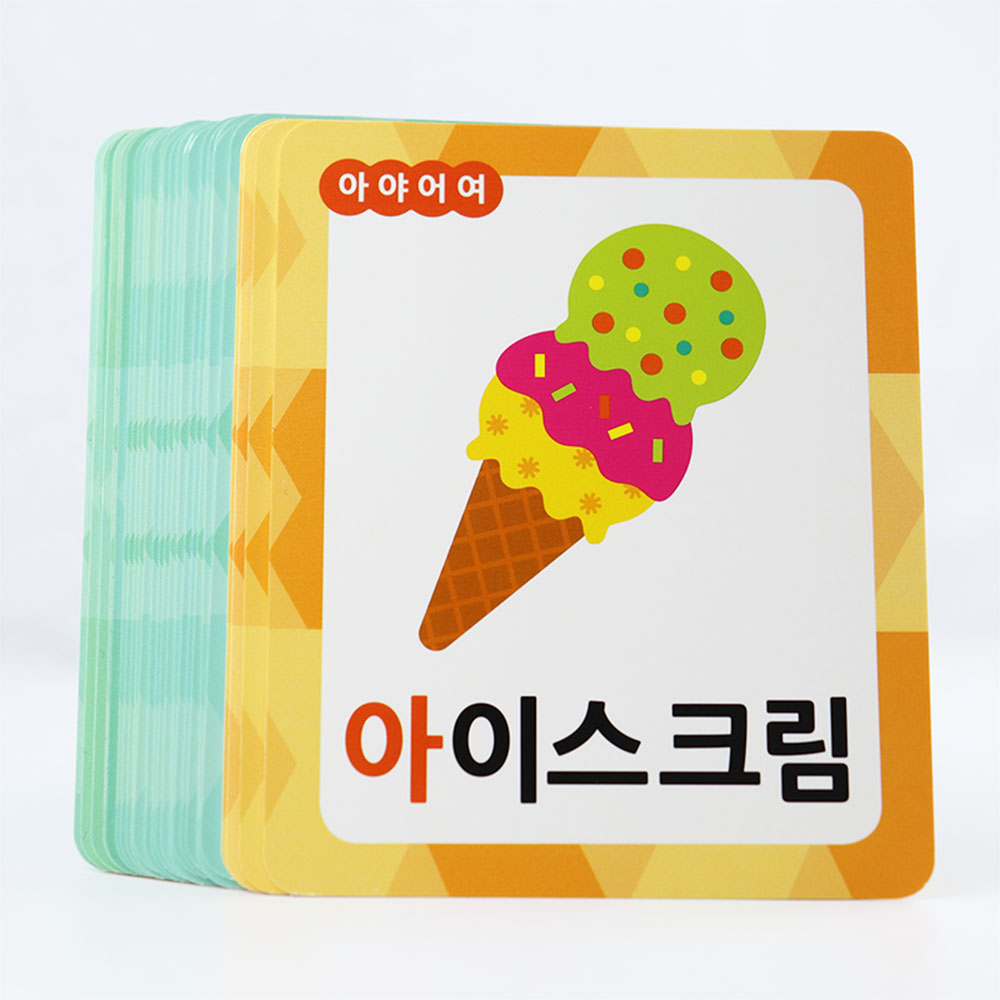
Number 10 is a picture-matching game with chunky tiles, bright animals, and simple turn-taking.

Number 9 is a cooperative storytelling game for ages four and up. Children build a shared scene while adults practice patience.

Number 8 is a stacking game using wooden shapes. It teaches balance, fine motor control, and graceful losing.

Number 7 is a beginner counting game with colored paths and short rounds. It works well after dinner.

Number 6 is a word-association game for mixed-age families. Younger players can describe pictures, while older players connect broader ideas.

Number 5 is a light route-building game with maps, tokens, and clear goals. Its best feature is visible progress.

Number 4 is a family deduction game that rewards careful questions rather than fast reading. Keep the evidence cards organized.

Number 3 is a tile-laying strategy game with farms, roads, and limited space. It offers meaningful choices without overwhelming new players.

Number 2 is an economic planning game involving budgets, resources, and delayed rewards. It suits patient teenagers and adults.

Number 1 is a deep strategy game with competing powers, changing alliances, and several paths to victory. It deserves the top spot for replay value, though its long setup can test family goodwill.

My ranking is useful, not scientific. Reading levels, attention spans, and household moods change everything. A supposedly perfect choice may fail on a rainy evening. That is worth remembering.