| Target Age |
Confirm whether the game is intended for children under 3, ages 3+, or older children. |
Age grading must match the game’s components, play complexity, and foreseeable use. |
Age-rating rationale, component assessment, product specifications, and safety test reports. |
Small parts may require warning labels, separate inner packaging, or exclusion from products intended for children under 3. |
Review Carefully |
| Physical Safety |
Inspect cards, boards, tokens, dice, spinners, magnets, and plastic parts for hazards. |
Parts should not create choking, sharp-edge, sharp-point, entrapment, or breakage hazards under the applicable market standard. |
Third-party laboratory report, component test records, material specifications, and pre-shipment inspection report. |
Use protective inserts and compression-resistant cartons to prevent warped boards, cracked pieces, or damaged corners. |
Pass Before Order |
| United States Compliance |
Verify requirements for children’s products sold in the United States. |
Common checks include ASTM F963 toy safety requirements, CPSIA obligations, applicable lead and phthalate limits, tracking information, and certificates. |
Children’s Product Certificate, applicable laboratory reports, tracking-label artwork, and conformity records. |
Packaging should provide required warnings and traceability details without covering barcodes or shipping labels. |
Pass Before Shipment |
| European Union Compliance |
Confirm toy-safety and chemical requirements for the destination countries. |
Typical requirements include the Toy Safety Directive, relevant EN 71 testing, REACH-related chemical restrictions, CE marking, and required warnings. |
EU Declaration of Conformity, EN 71 test reports, technical documentation, risk assessment, and label artwork. |
Reserve clear space for CE marking, importer information, age warnings, batch details, and multilingual instructions. |
Pass Before Shipment |
| United Kingdom Compliance |
Check whether the product requires UK market marking and local economic-operator details. |
Toy products generally require compliance with applicable UK toy-safety rules, safety documentation, warnings, and the relevant UKCA or permitted CE marking arrangement. |
Declaration of Conformity, safety assessment, test reports, technical file, and UK label artwork. |
Packaging may need UK-specific importer or responsible-person information and English instructions. |
Confirm Current Rule |
| Chemical and Material Safety |
Identify inks, coatings, adhesives, plastics, metals, magnets, and recycled materials used in the game. |
Materials should meet destination-market limits for restricted substances, heavy metals, phthalates, and other regulated chemicals. |
Material declarations, chemical test reports, supplier declarations, and certificates of analysis where relevant. |
Avoid strong odors, ink transfer, moisture damage, and unsealed coatings; use dry, clean inner packaging. |
Pass Before Order |
| Packaging Quality |
Evaluate box strength, internal organization, tamper evidence, and protection of loose components. |
Packaging should withstand normal stacking, handling, vibration, and moderate compression during distribution. |
Packaging specification, carton test results, sample approval record, and pre-shipment inspection photos. |
Use dividers or molded inserts; confirm master-carton dimensions, gross weight, and pallet stability before booking freight. |
Approve Sample |
| Labels and Warnings |
Check readability, language, durability, placement, and consistency across the product and outer carton. |
Include applicable age grading, choking warnings, safety instructions, importer details, batch or tracking information, and disposal marks. |
Final label artwork, translated instructions, warning verification, and barcode validation. |
Do not place warnings, barcodes, or regulatory marks on folds, seams, removable stickers, or areas likely to be scuffed. |
Approve Artwork |
| Barcode and Retail Data |
Confirm that product, inner-pack, and master-carton identifiers scan correctly. |
Each sellable unit should have a unique, scannable identifier suitable for the intended retail or warehouse system. |
Barcode verification report, carton-marking sheet, packing list, and approved digital artwork. |
Keep barcode quiet zones clear and place carton labels on at least two accessible sides where required by the logistics program. |
Verify at Final Inspection |
| Carton Configuration |
Calculate units per master carton, carton dimensions, net weight, gross weight, and cubic volume. |
Select a configuration that balances product protection, warehouse handling, container utilization, and manual lifting limits. |
Final packing specification, carton measurement sheet, pallet plan, and loading photos. |
Accurate dimensions are essential for freight quotations, container planning, storage fees, and landed-cost calculations. |
Confirm Before Booking |
| Moisture and Climate Protection |
Assess exposure to humidity, condensation, heat, and long transit times. |
Paperboard, cards, and printed instructions should remain flat, legible, and free from mold or water damage. |
Material specification, moisture-control plan, container loading checklist, and shipment inspection photos. |
Use desiccant only when appropriate, keep cartons off container floors where necessary, and avoid loading wet or damaged cartons. |
Risk Assessment Needed |
| Freight Mode |
Select sea, rail, air, or courier transport based on order volume, deadline, and budget. |
Sea or rail generally suits larger wholesale volumes; air or courier is usually faster but has a higher cost per kilogram. |
Commercial invoice, packing list, transport quotation, shipping instructions, and insurance details. |
Compare chargeable weight, dimensional weight, transit time, cutoff dates, port handling, and delivery appointment requirements. |
Select by Landed Cost |
| Customs and Import Data |
Ensure product descriptions, tariff classification, origin, and declared values are consistent. |
Documents should accurately identify the goods as children’s board games and reflect the actual shipment contents and value. |
Commercial invoice, packing list, transport document, origin information, and any required import permit or conformity record. |
Inaccurate descriptions or mismatched quantities can cause customs delays, inspections, penalties, or additional storage charges. |
Verify Before Dispatch |
| Inspection and Acceptance |
Define acceptable quality limits before production and before balance payment. |
Inspect print quality, color consistency, component count, box dimensions, labeling, functionality, and carton condition. |
Approved golden sample, inspection checklist, defect classification, inspection report, and corrective-action record. |
Hold shipment release until critical safety defects, missing components, incorrect labels, and serious carton damage are resolved. |
Release Only After Approval |

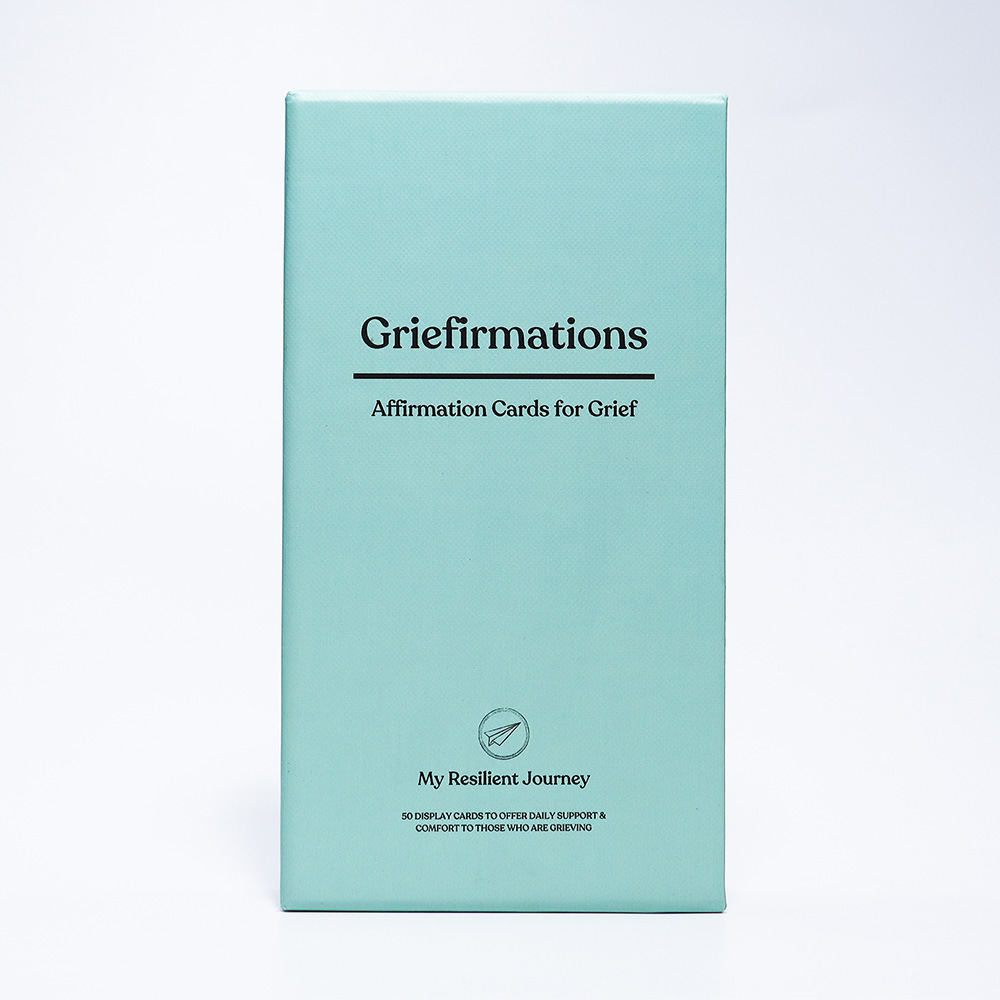 Customizable Emotional Support Cards for Grief & Resilience
 Personalized Emotional Encouragement Card Collection
 Personalized Deep Conversation Card Gift Box
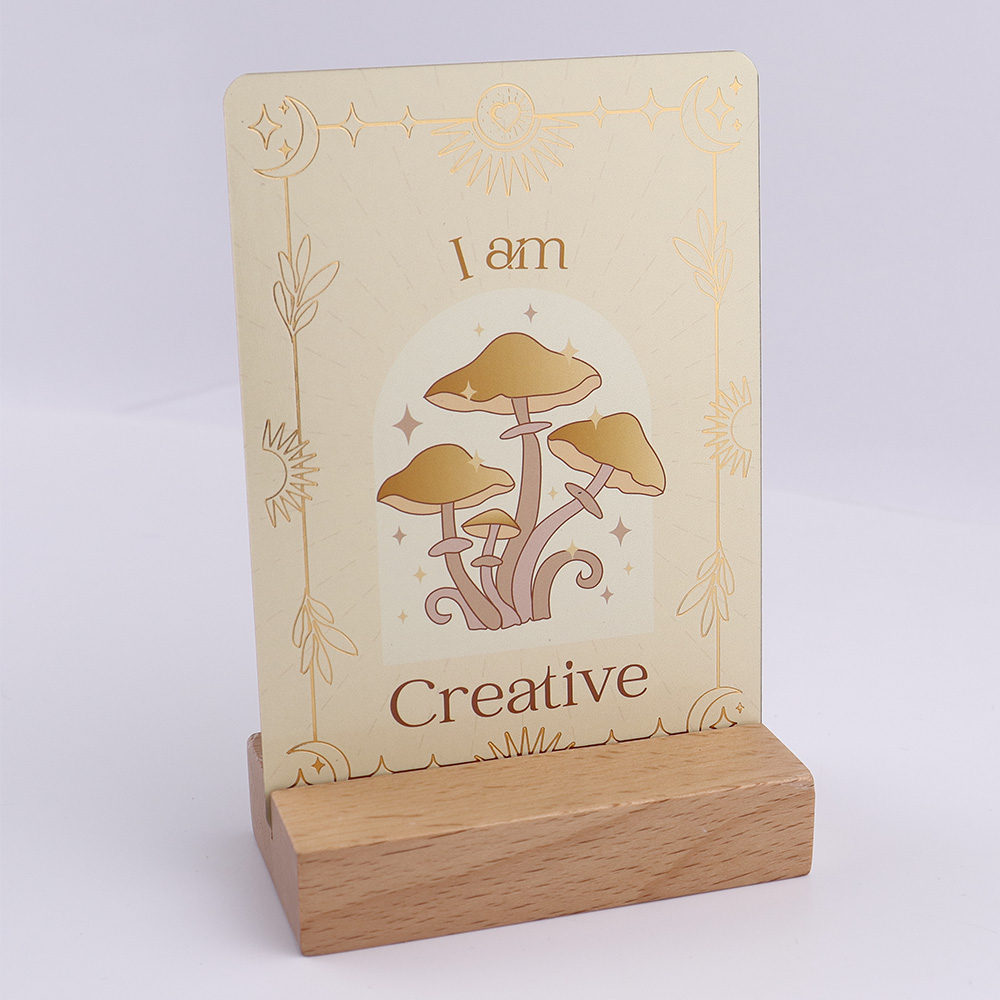 Customizable Boho-Chic Affirmation Cards for Mindfulness & Self-Love
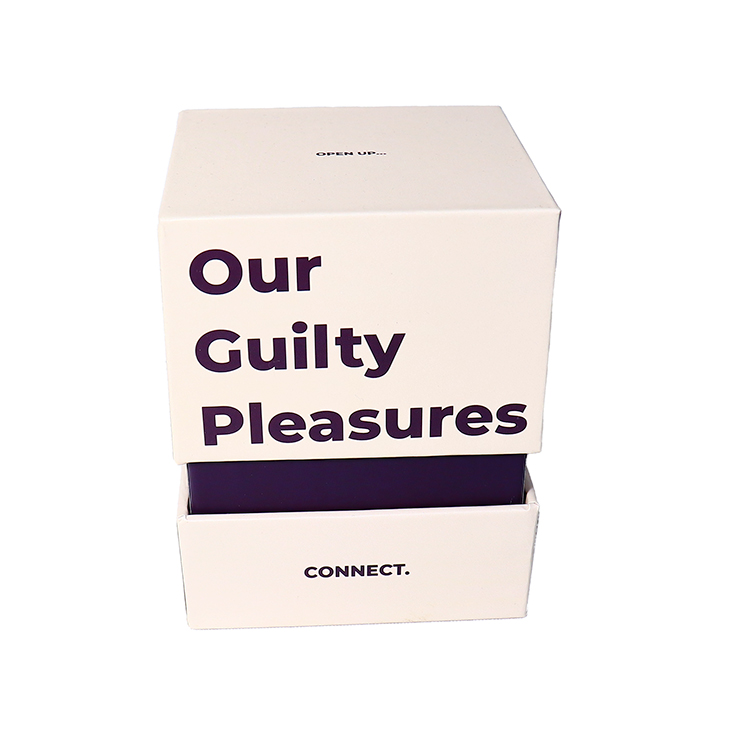 Customized Friendship Confirmation Card
 Customized Entrepreneurship Confirmation Card
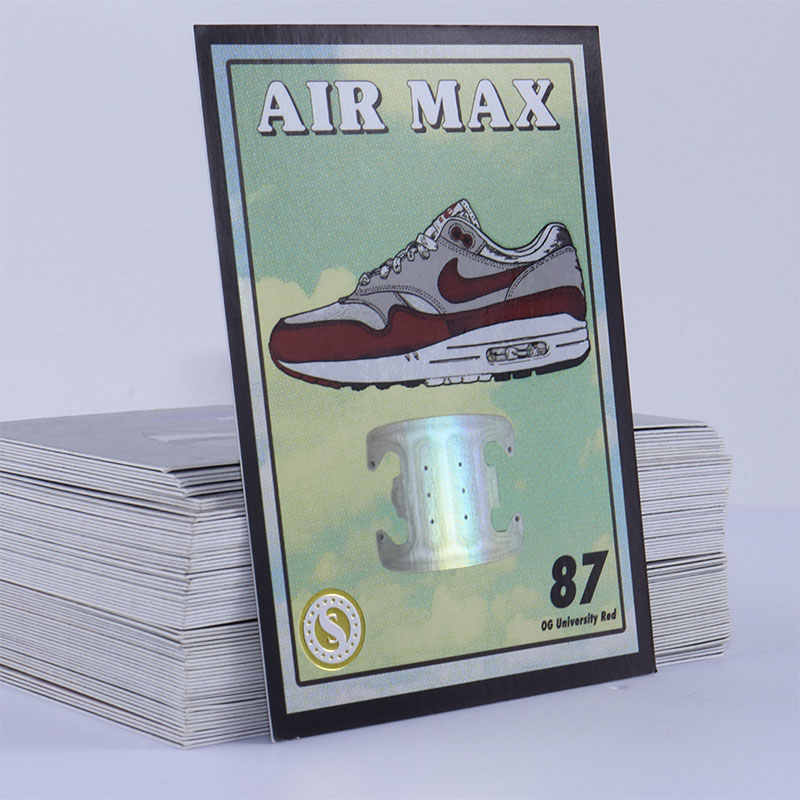 Air Max Pax Custom Sneaker Card Blind Box Set
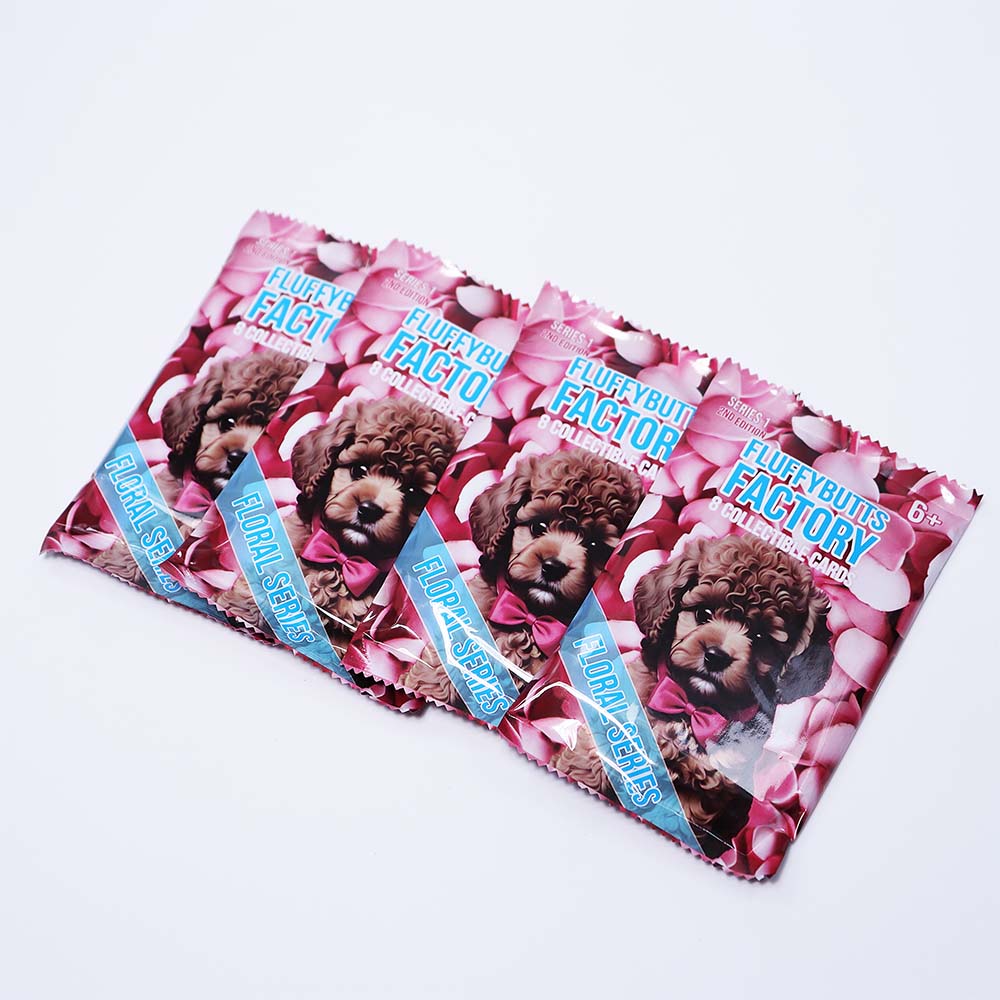 Fluffybutts Factory Custom Pet Card Blind Box Sets
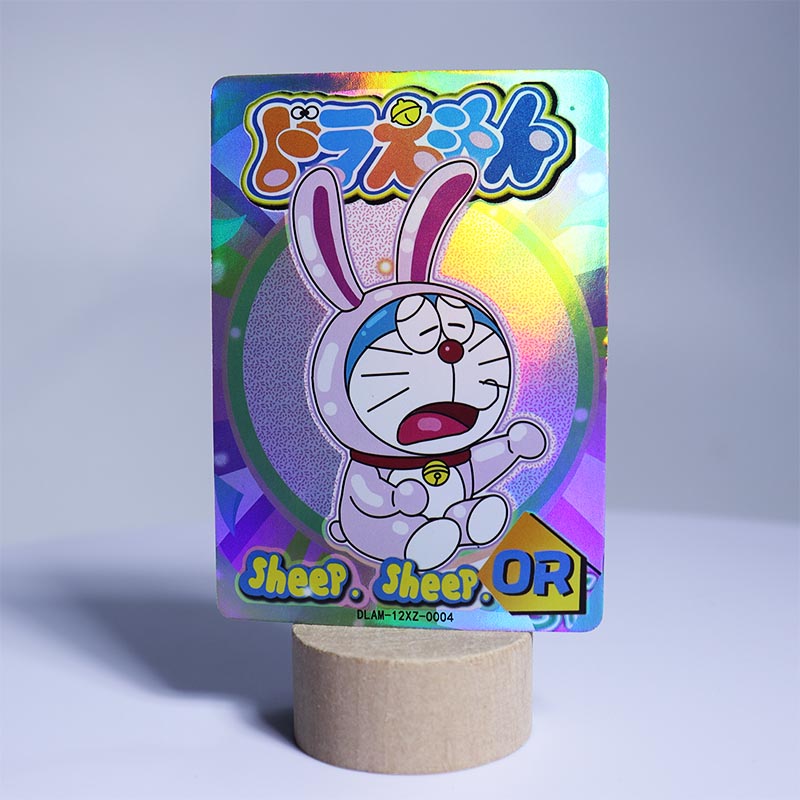 Doraemon Custom Card Blind Box Set
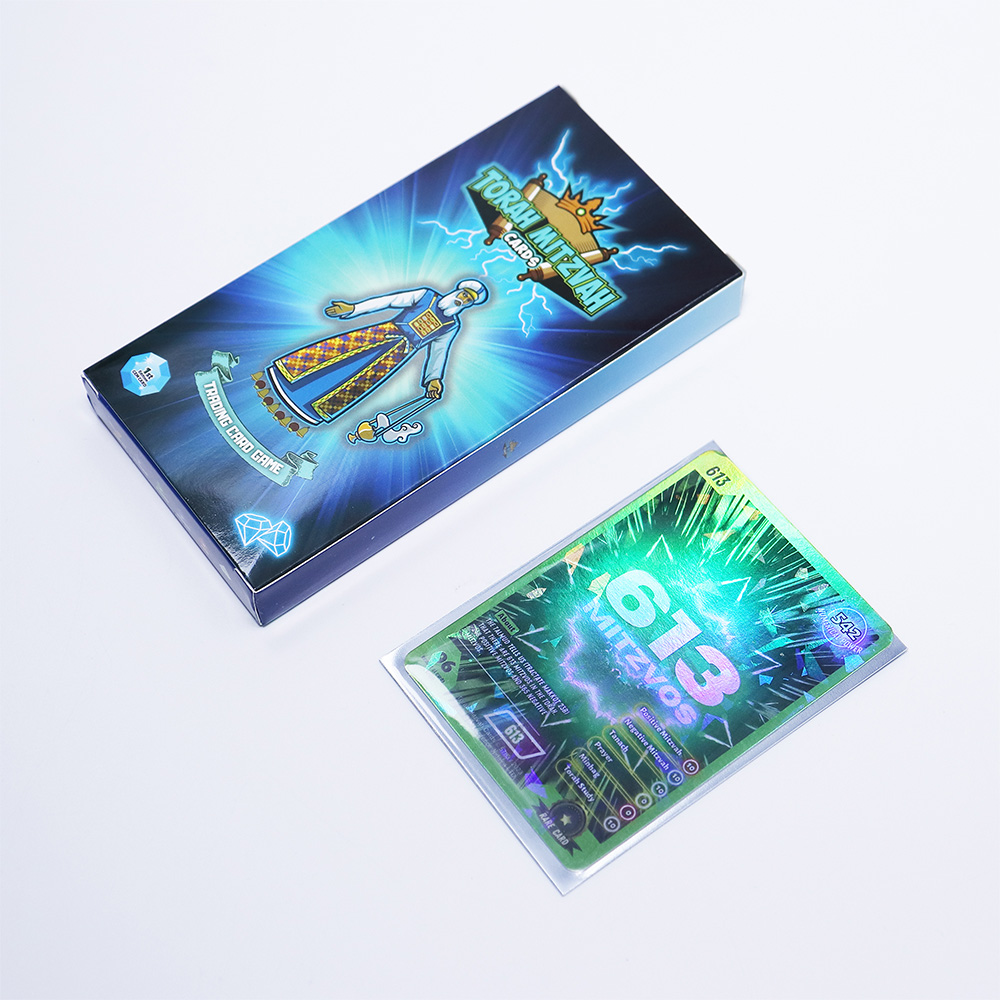 Torah Mitzvah Custom Card Blind Box Set
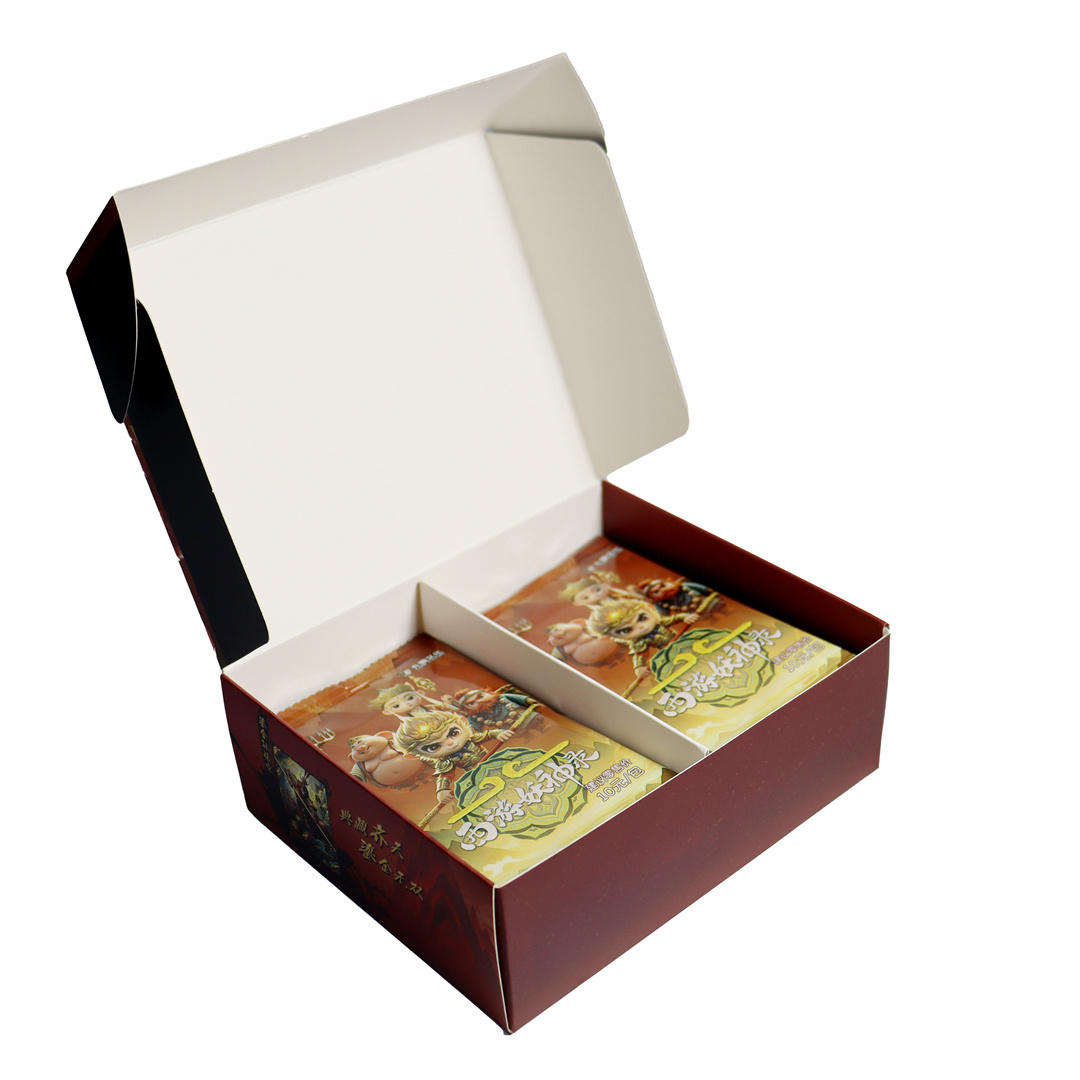 Customized "Journey to the West" Themed Card Blind Box Set
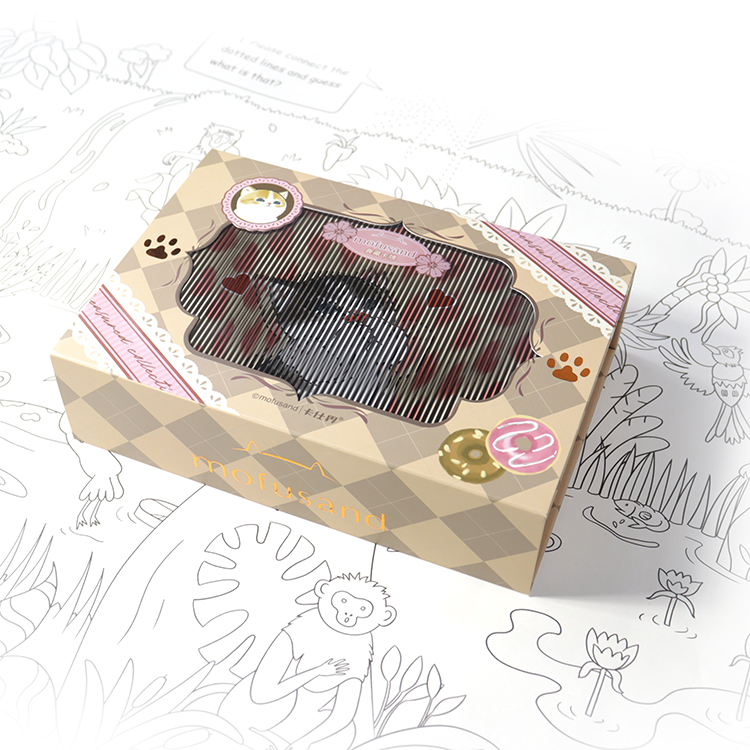 Customized cat-themed blind box set
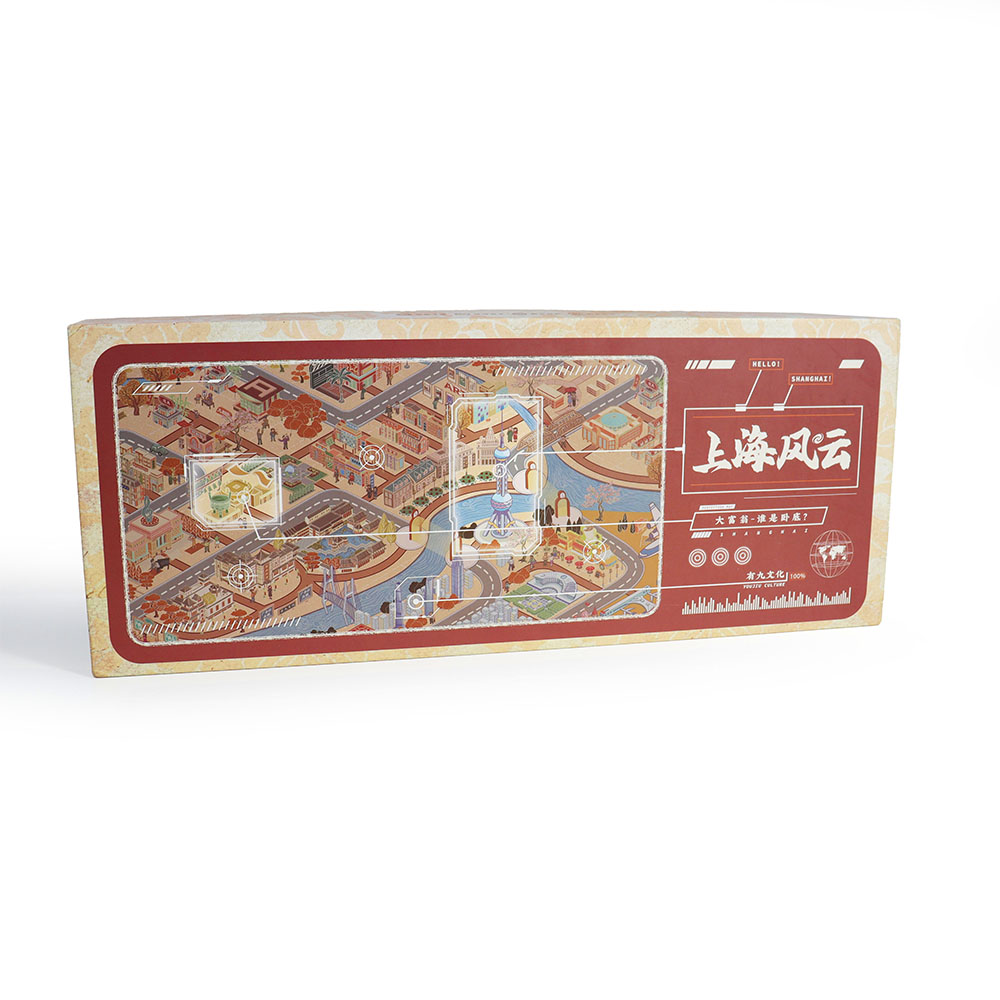 Shanghai Fengyun Custom Board Game Set
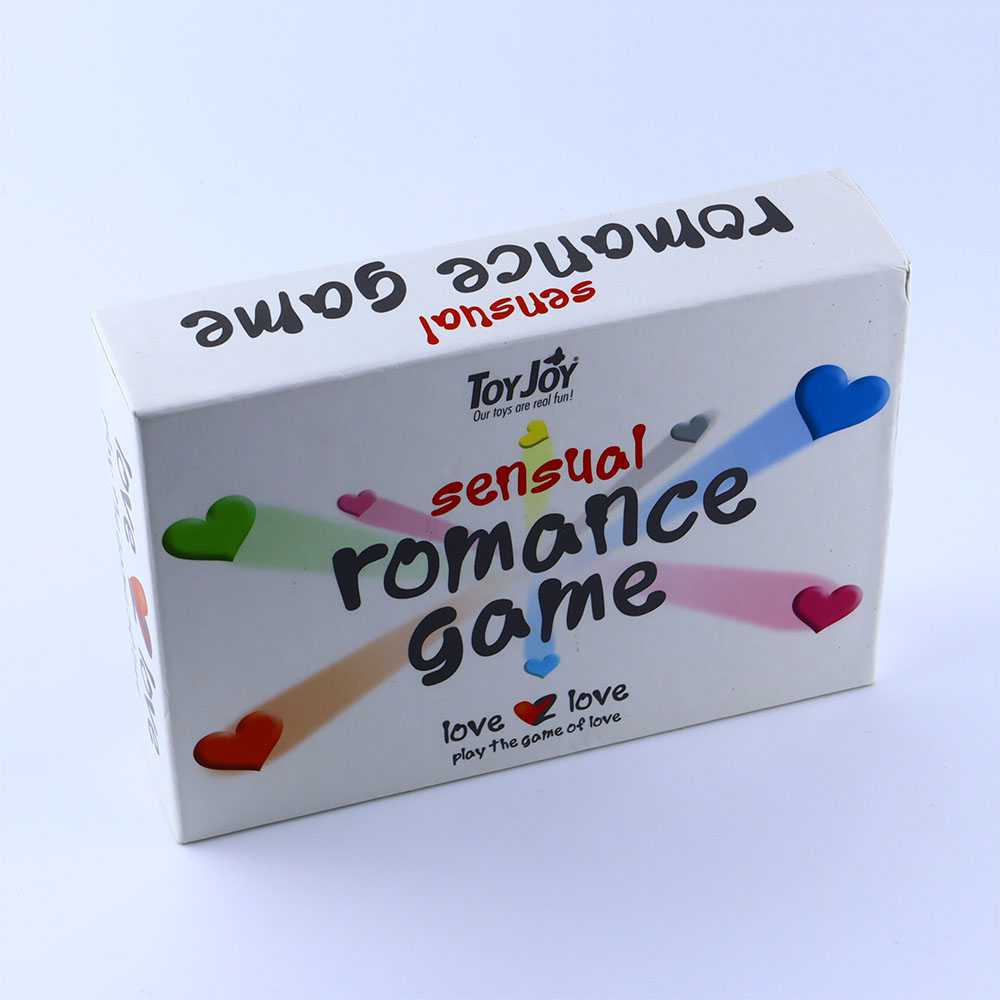 Sensual Romance Game Custom Board Game Set
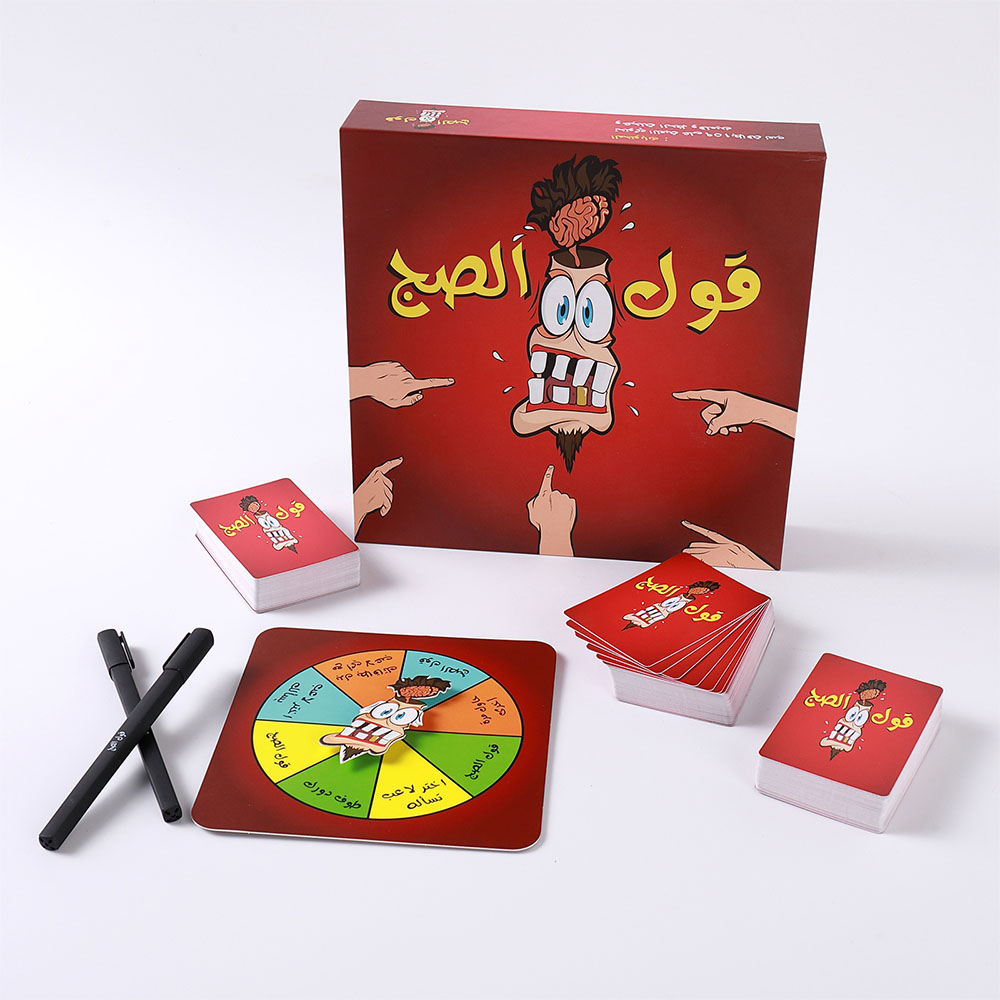 "Qoul Al Sabah" Custom Board Game Set
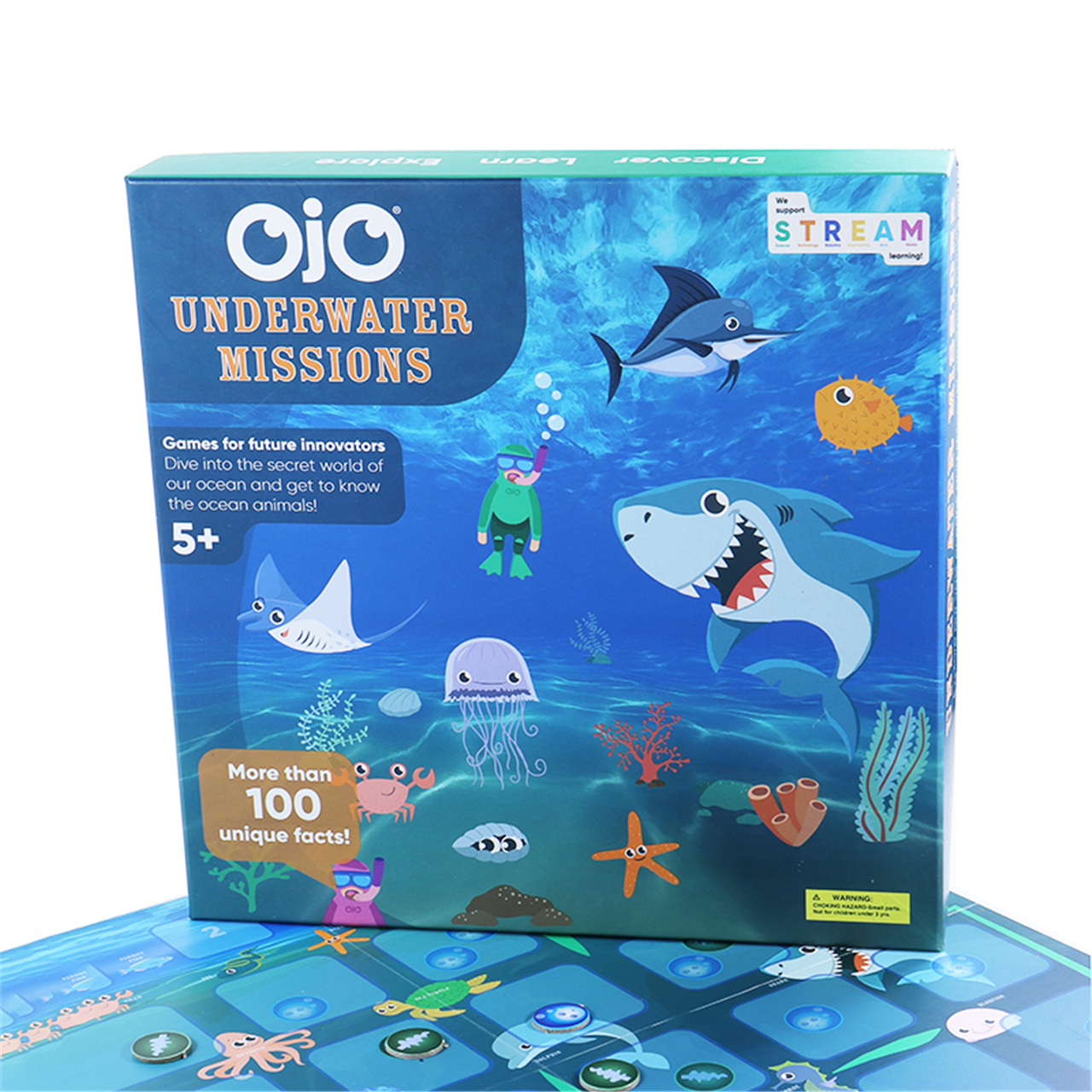 Customized educational board games for children
 Couple Interaction Turntable Themed Board Game
 Business Finance Board Game
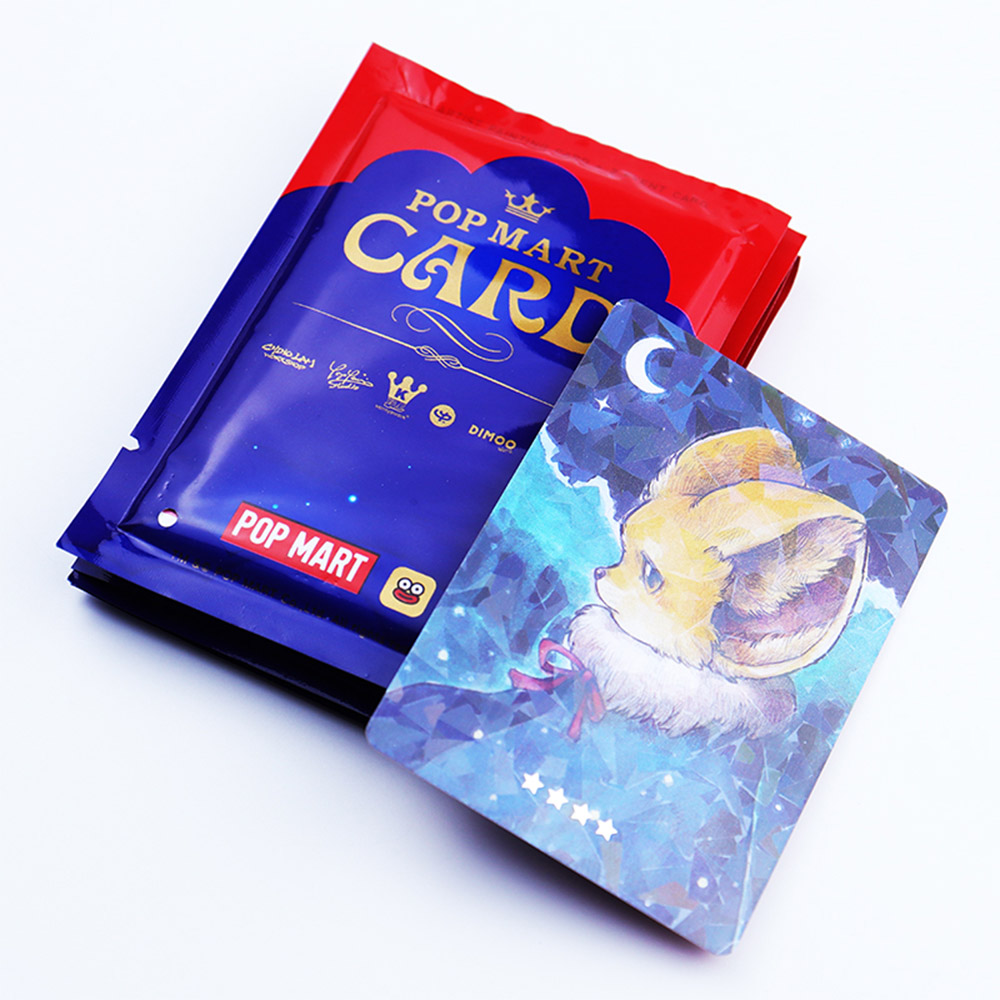 Pop Mart Custom Character Collectible Cards
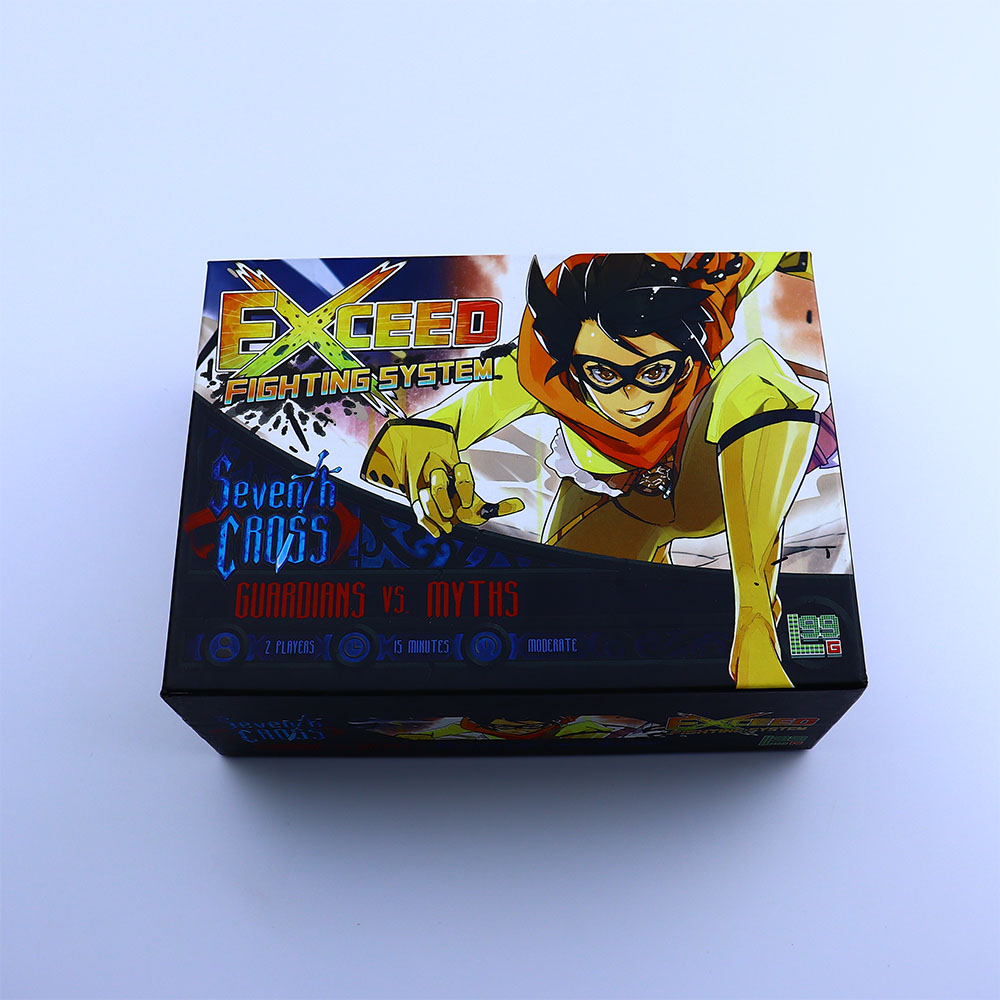 EXCEED Fighting System Custom Character Card Set
 Three Kingdoms Custom Hero Character Cards
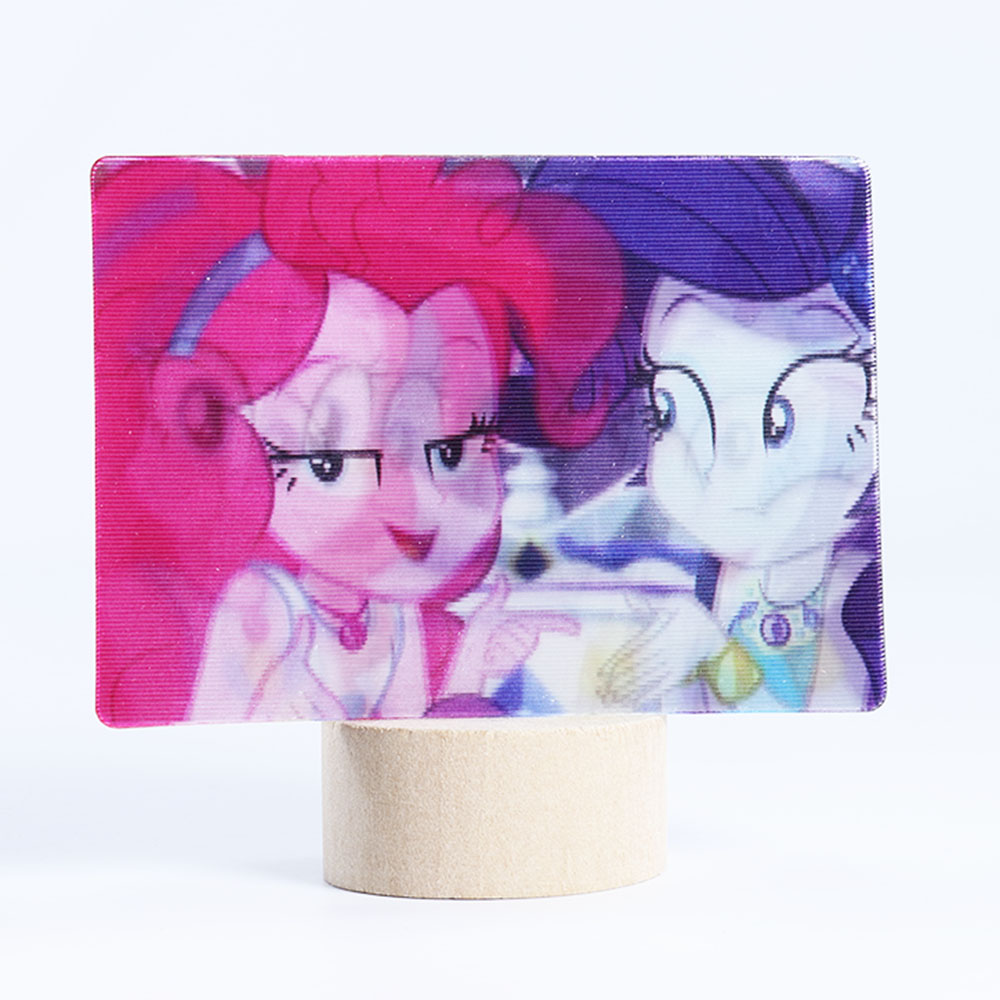 Custom Anime Character Dynamic Visual Cards
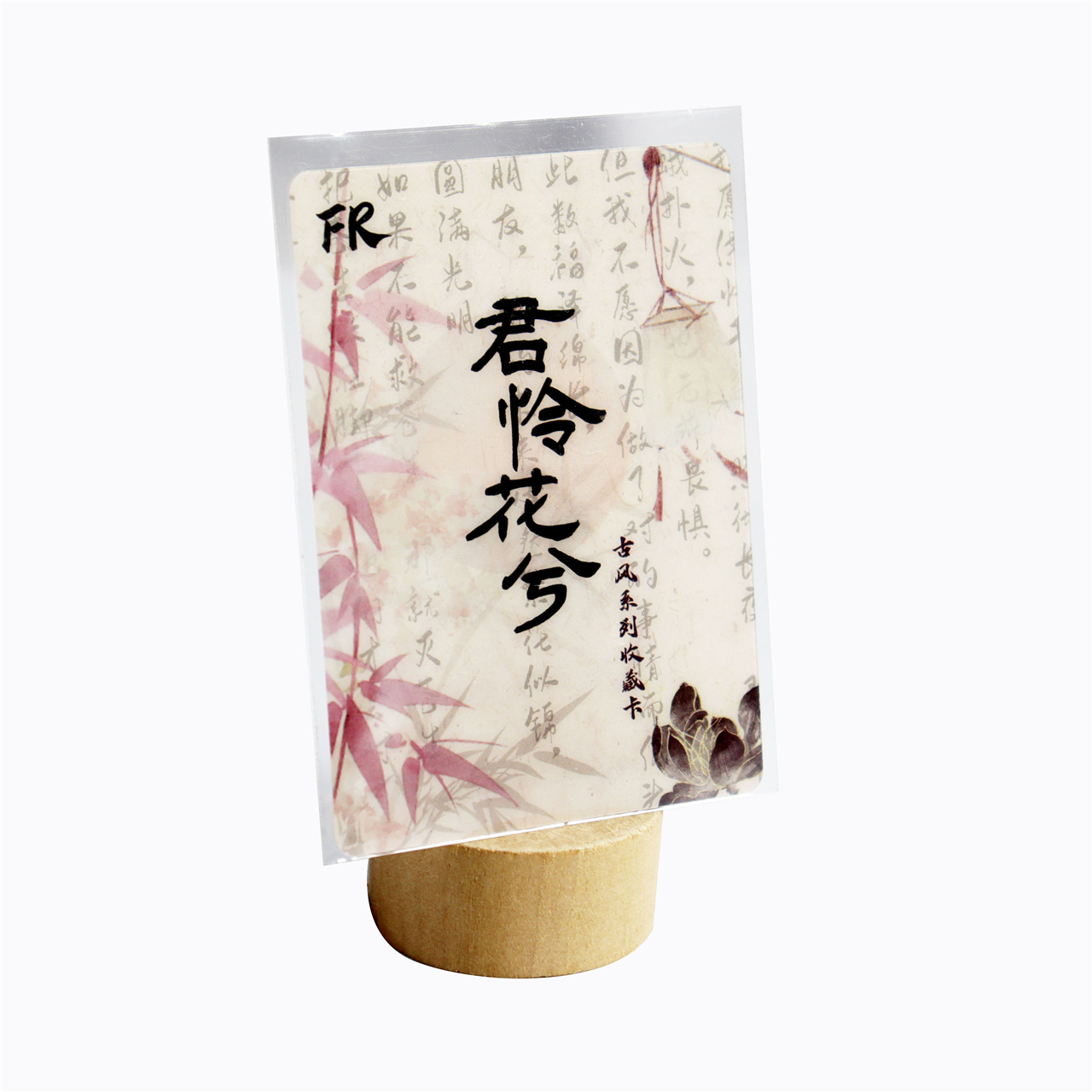 Custom Cartoon Character Collectible Card Set
 Custom Anime Character Art Card Set
 Little Larch Alphabet Cards
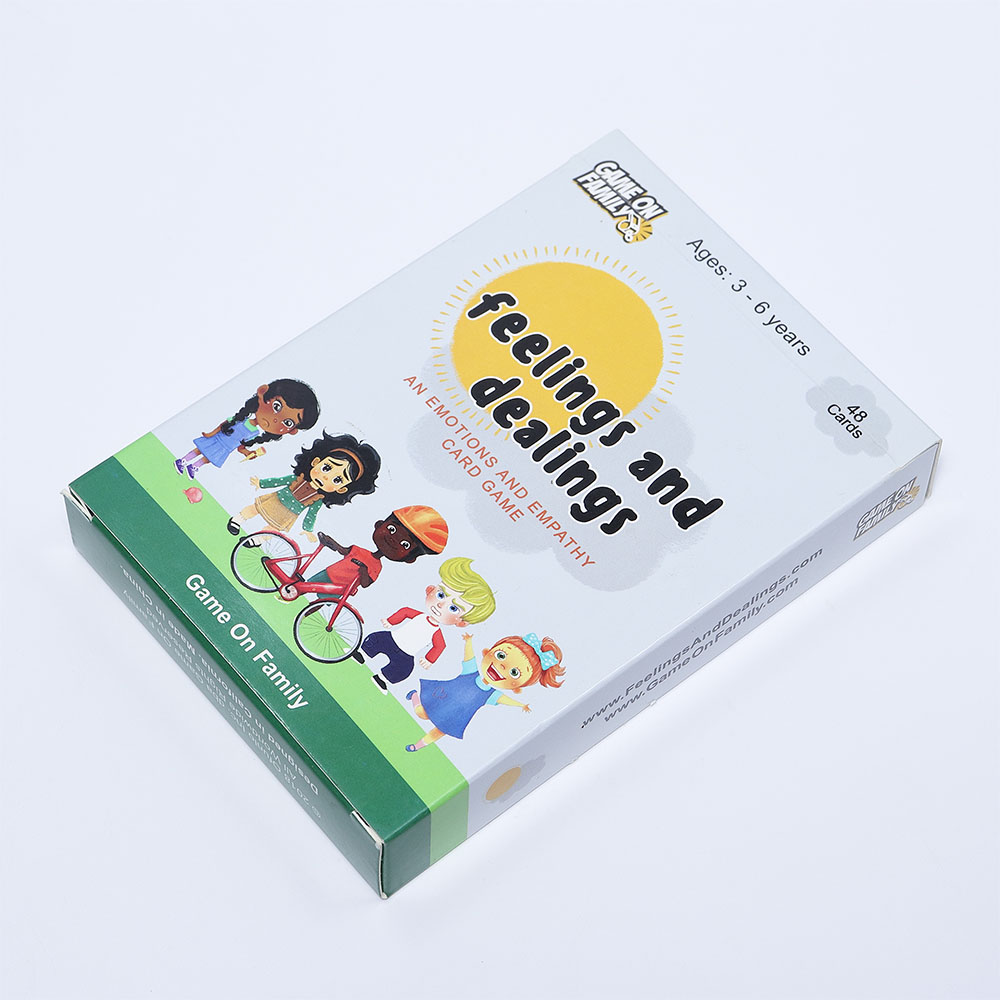 Feelings and Dealings Custom Children's Emotion Card Game
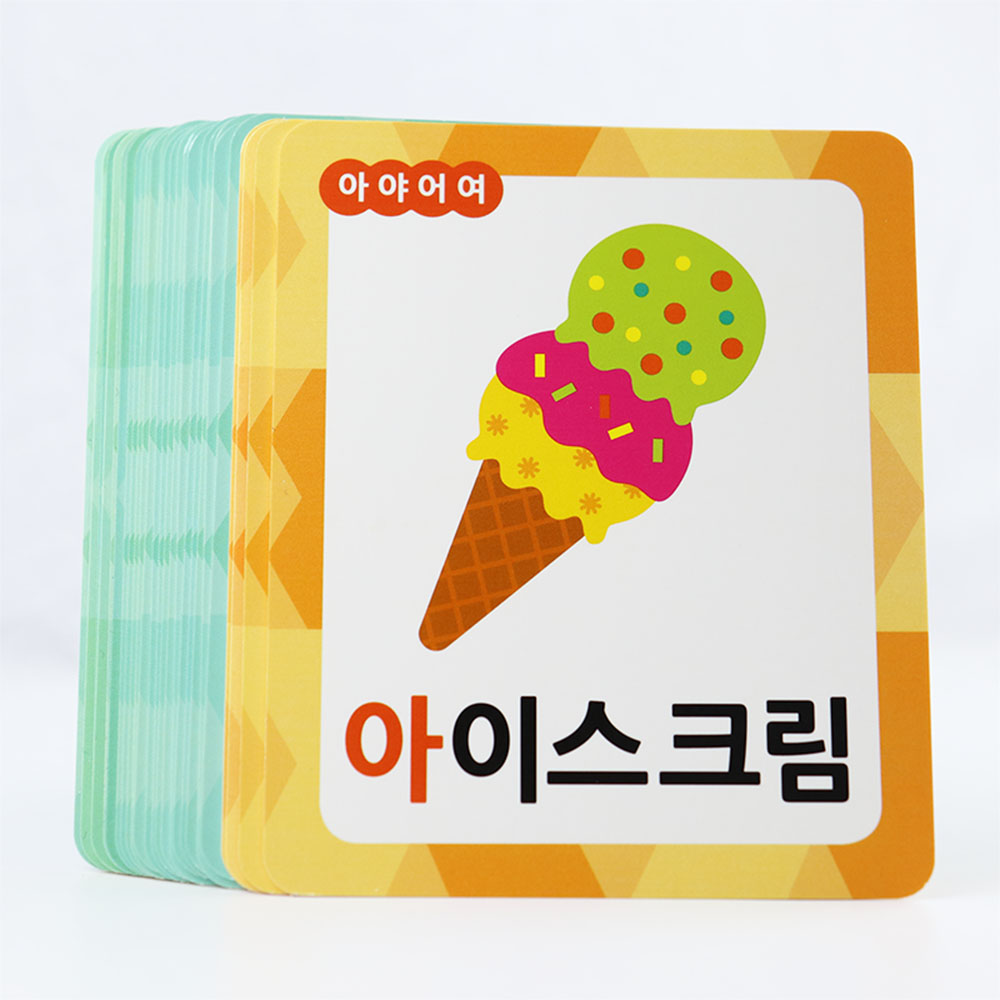 Korean Children's Educational Flashcards
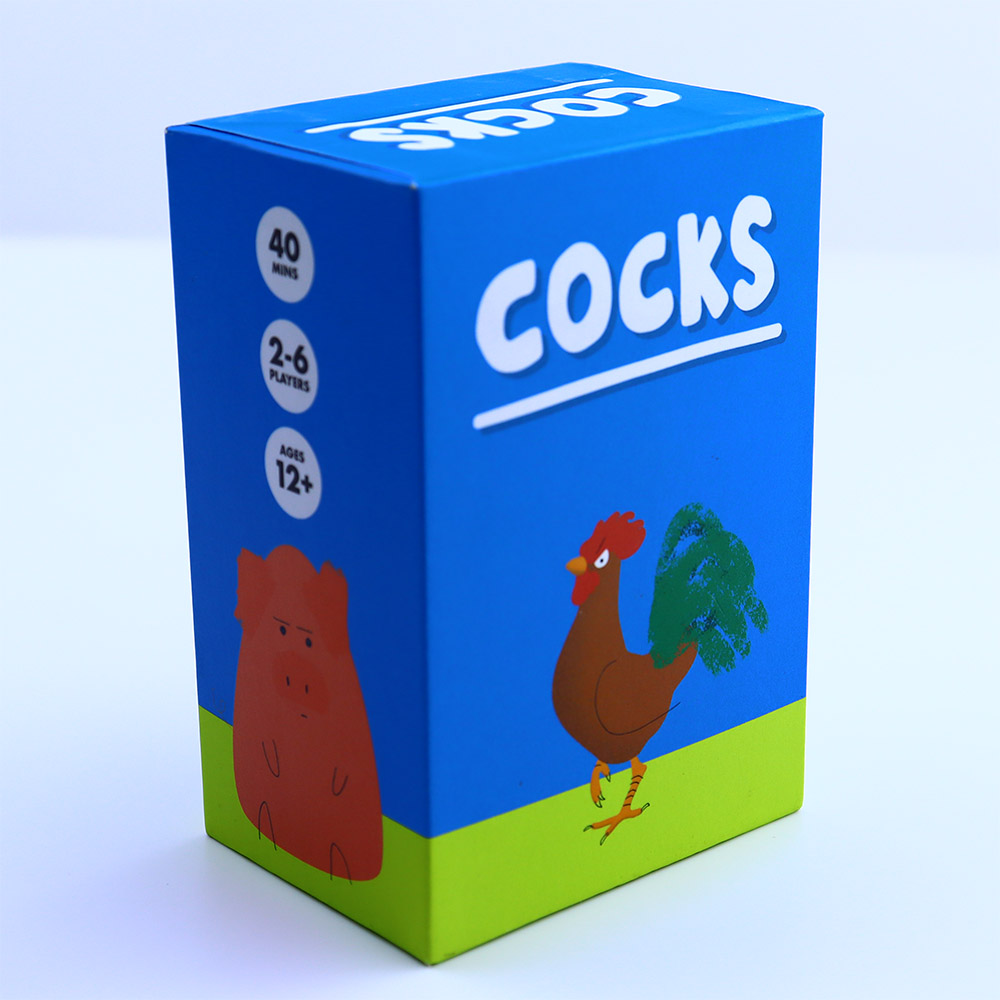 Cocks Themed Custom Children's Learning Cards
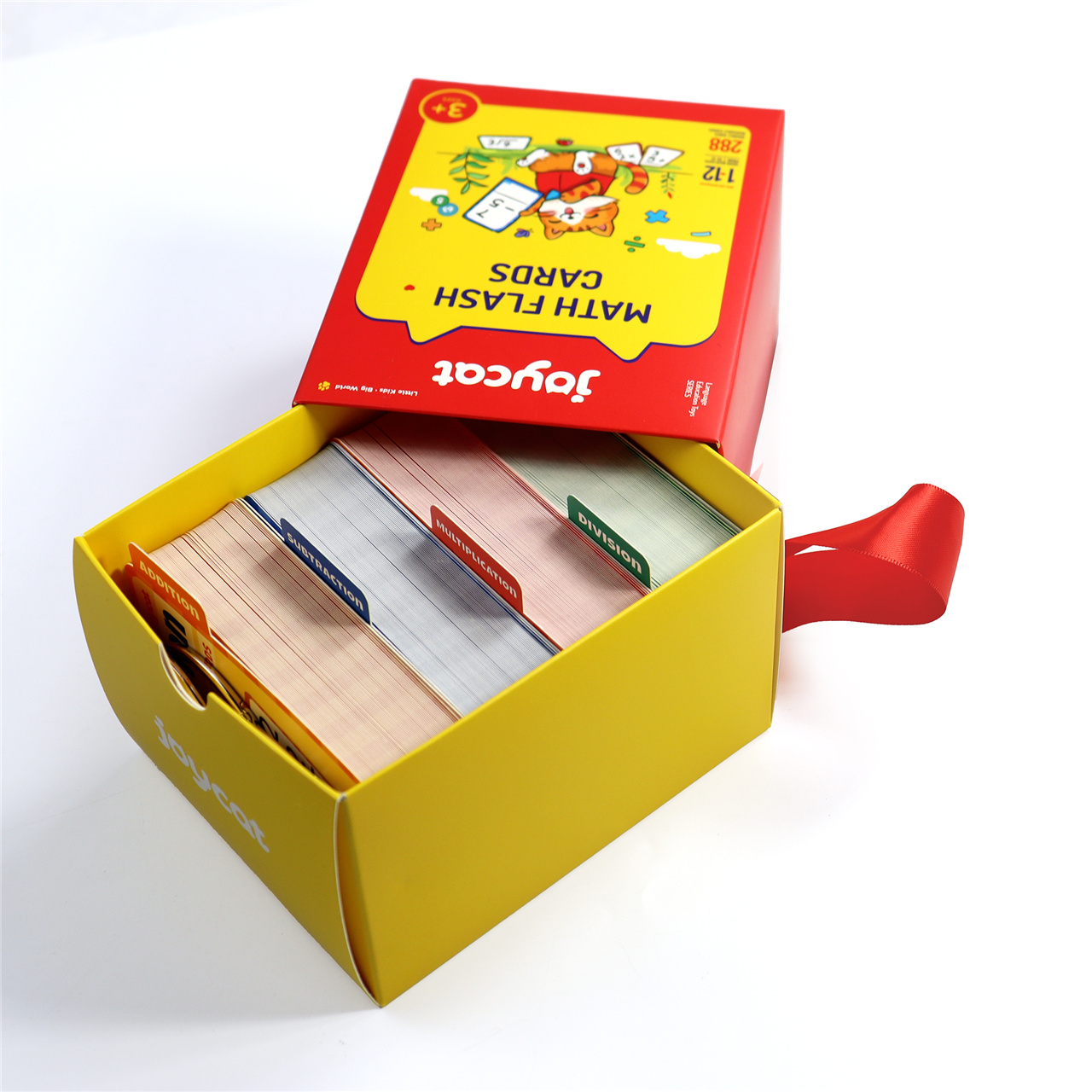 Math Flash Cards Set for Kids
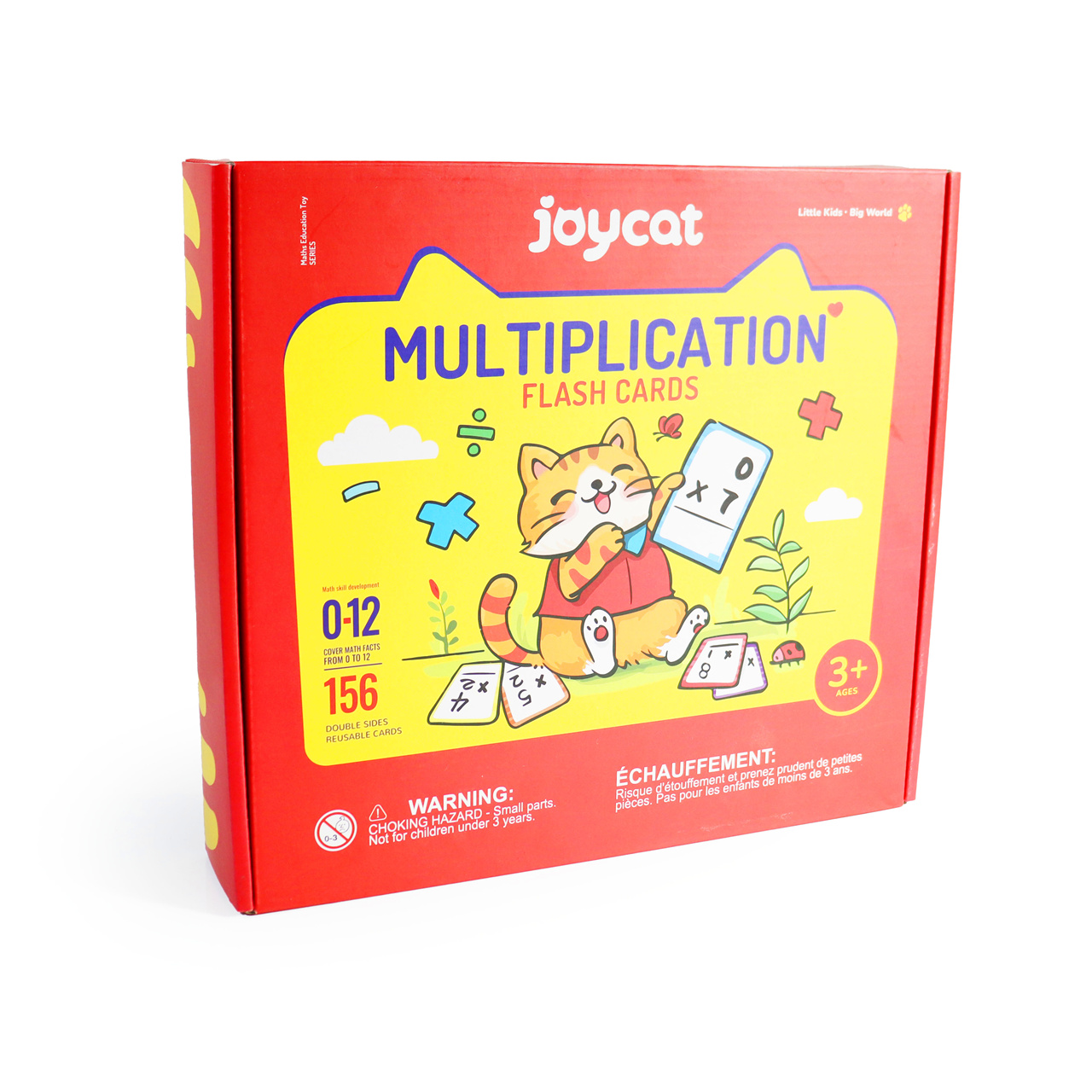 Joycat Multiplication Flash Cards Set with Accessories
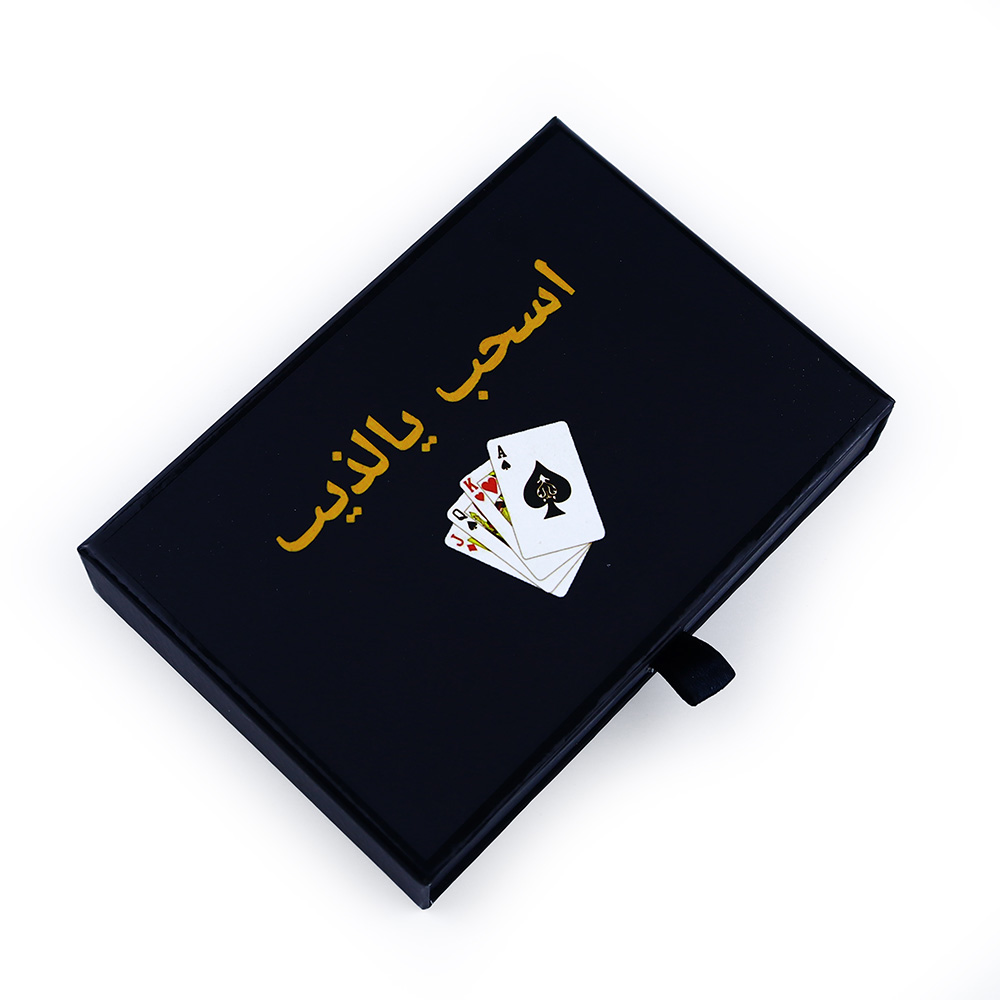 Custom Dual-Deck Playing Cards with Wolf-Themed Design
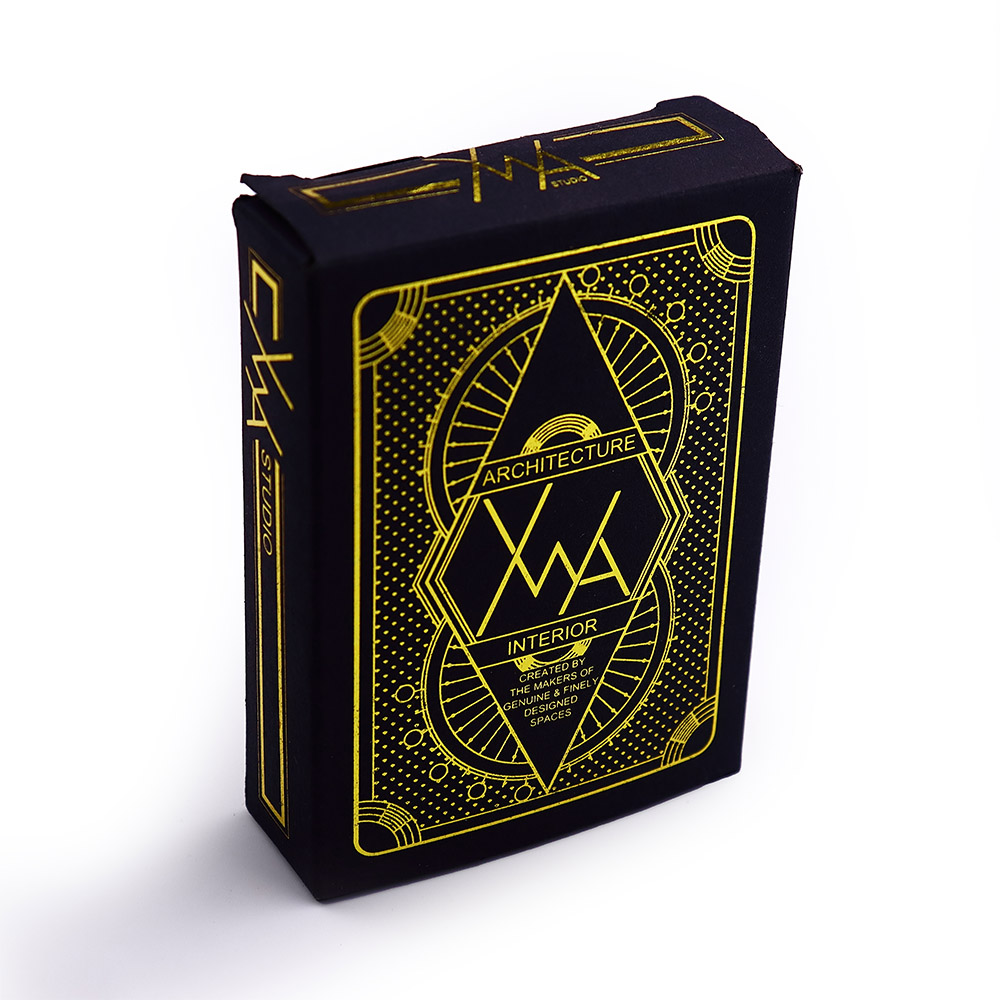 Custom embossed gold foil playing cards
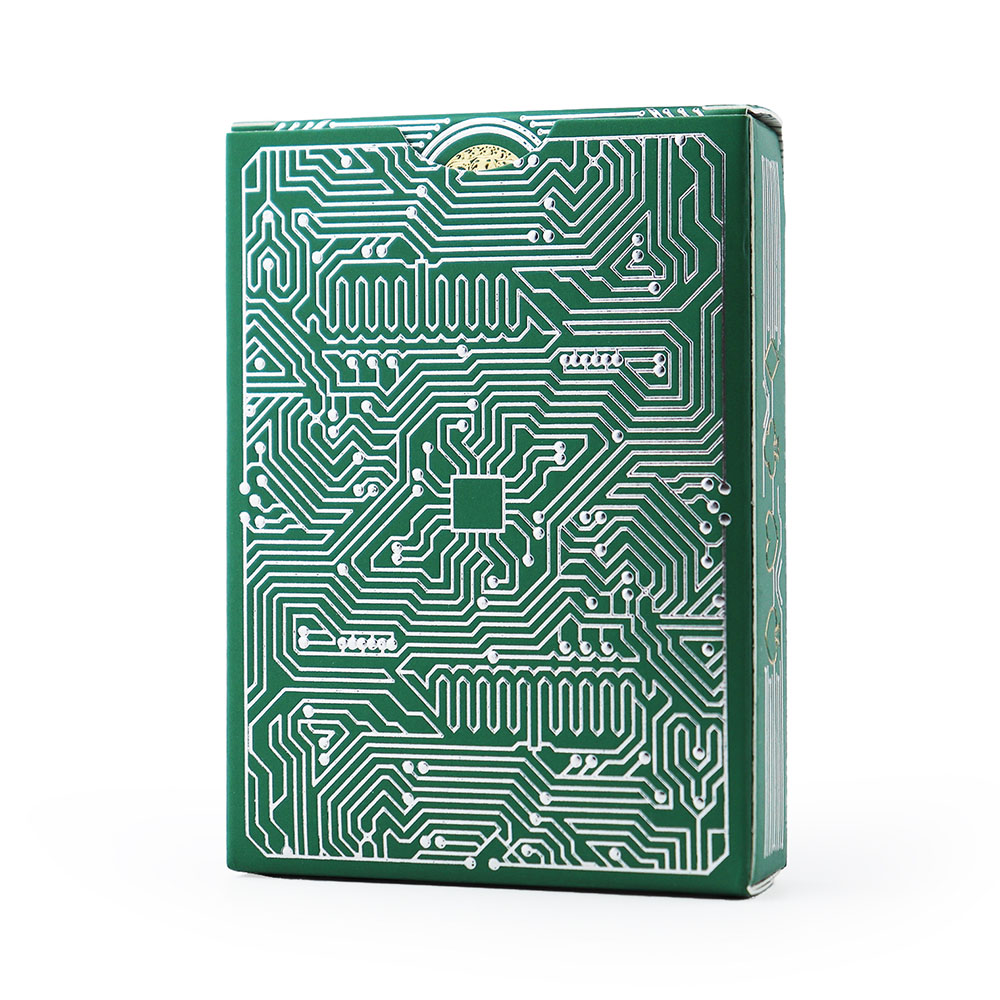 Circuit PCB Edition Custom Playing Cards
 Customized theme gold foil playing cards
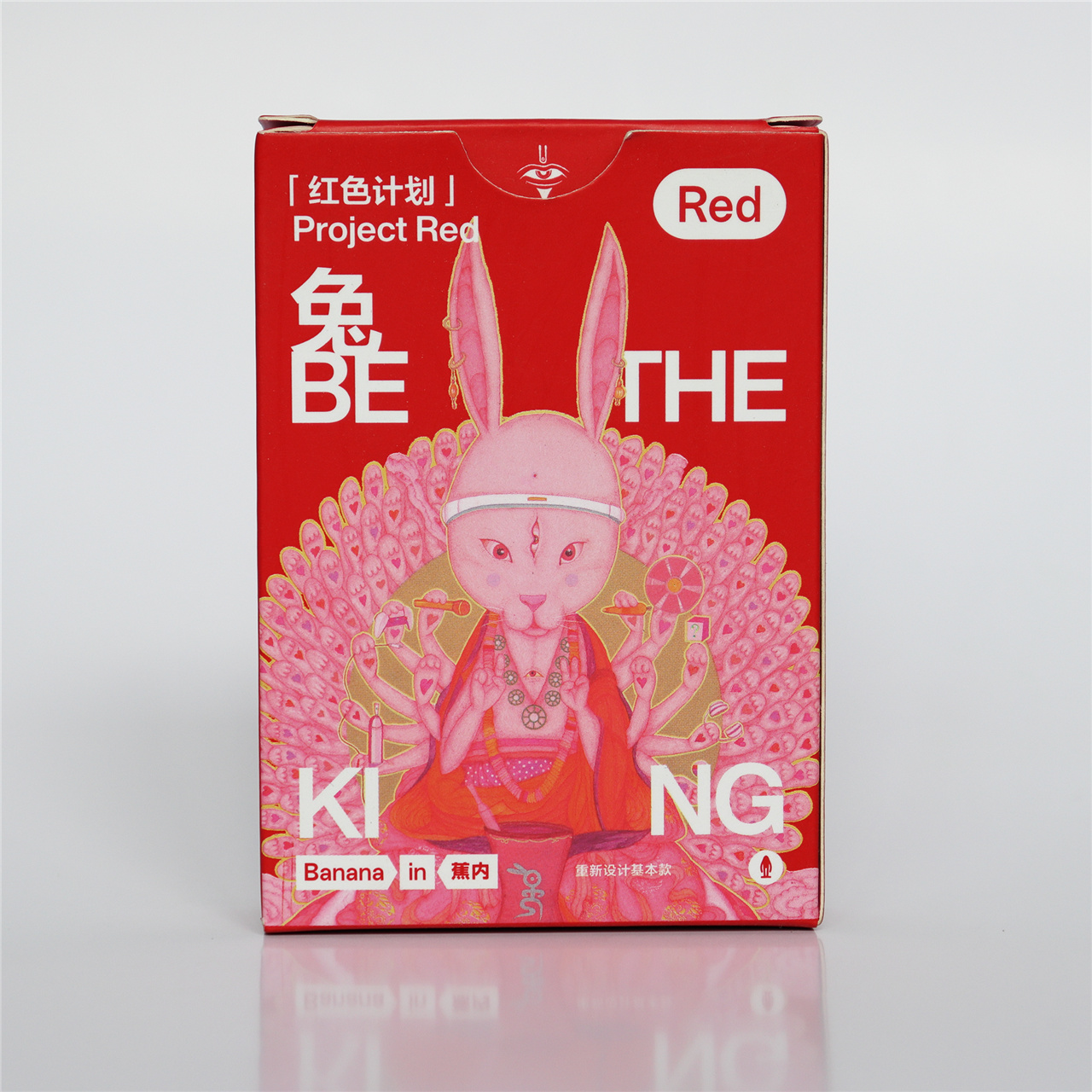 Custom Red Rabbit Themed Playing Cards Set
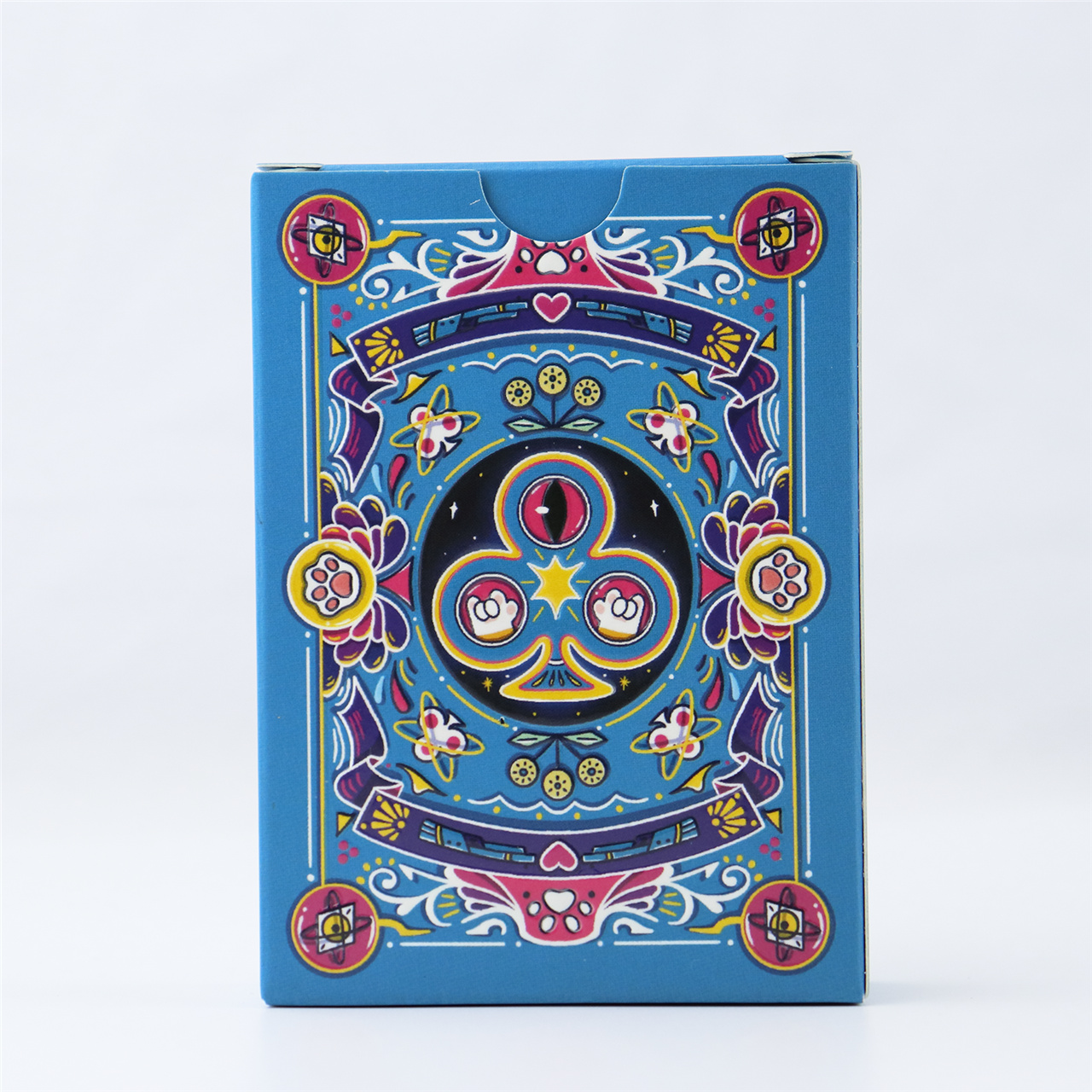 Custom Blue - Black Fantasy Plastic Playing Cards Set
 Pearls of Wisdom Oracle Custom Cards
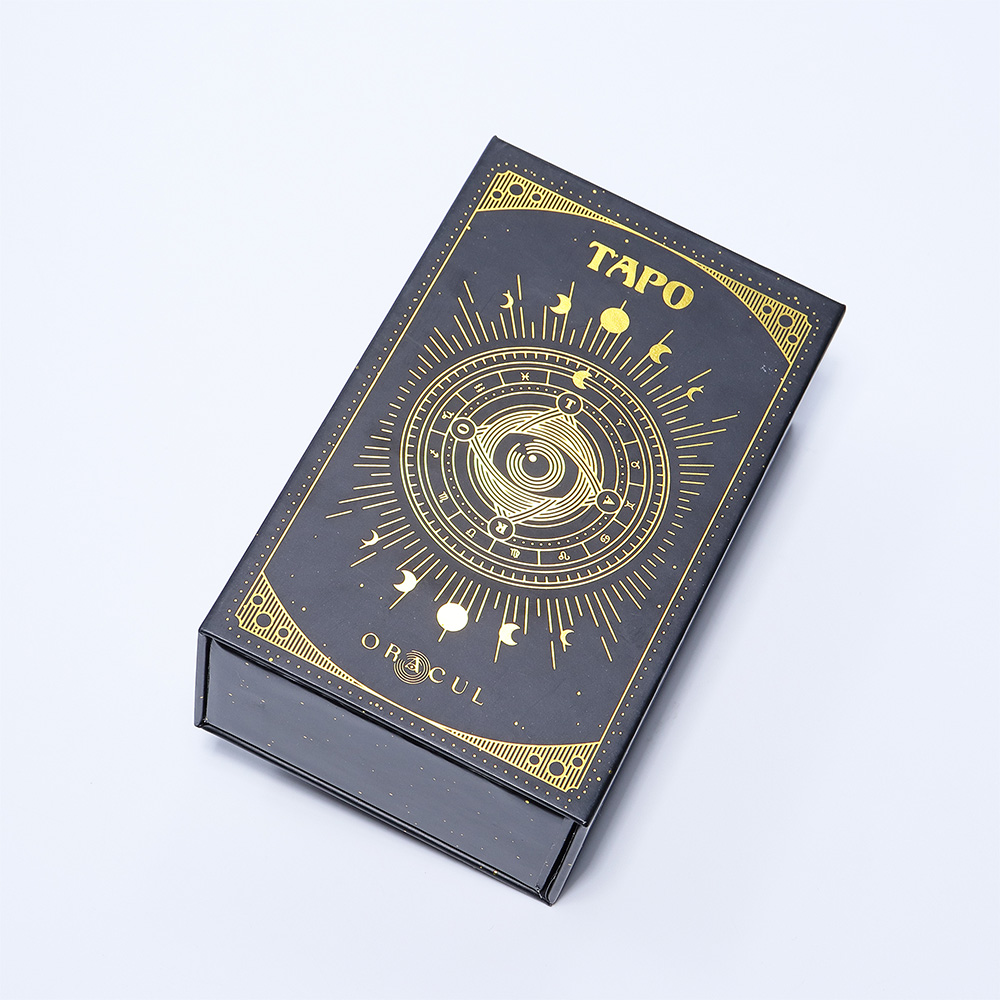 Custom Black & Gold Celestial Tarot Cards
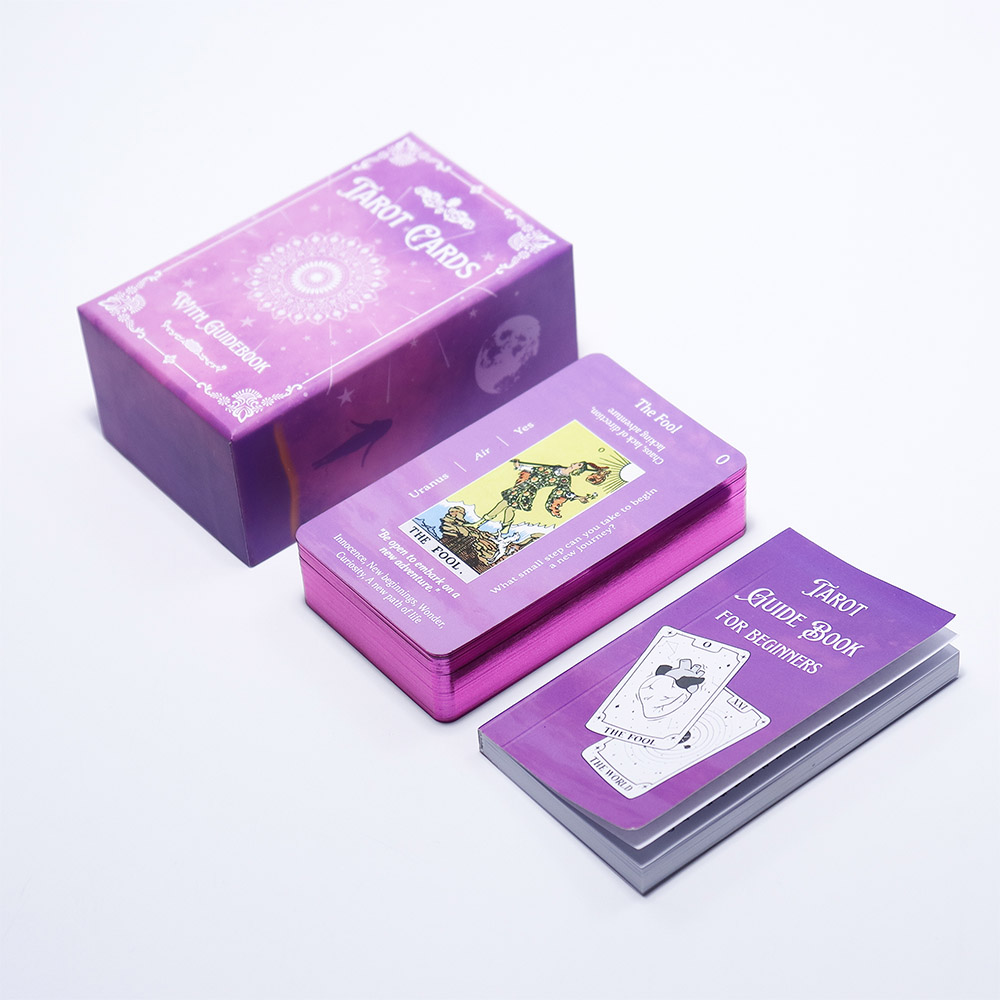 Custom Purple Tarot Cards with Guidebook
 L'Oracle d'Artémis Custom Oracle Cards
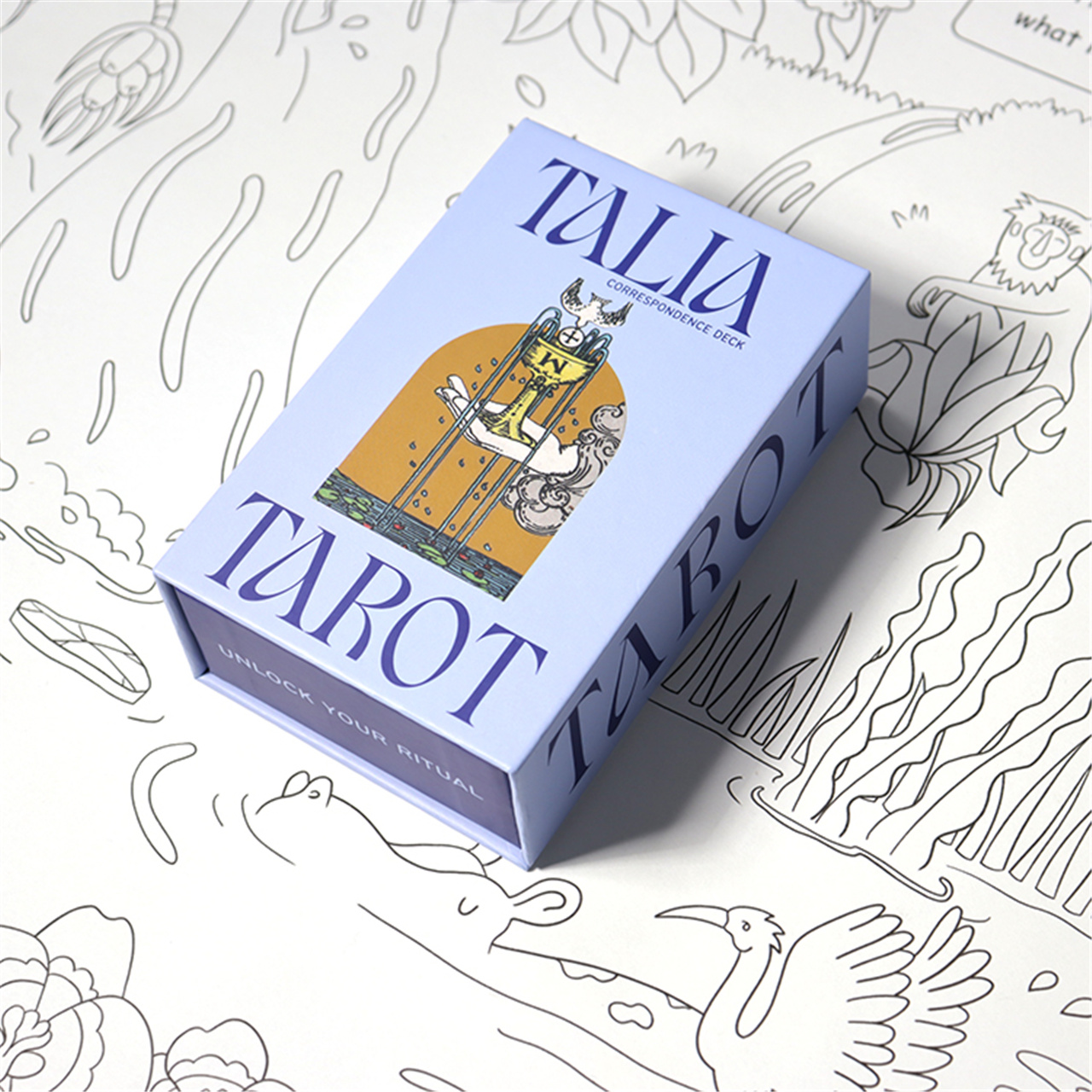 Custom Blue - Themed Tarot Cards Deck
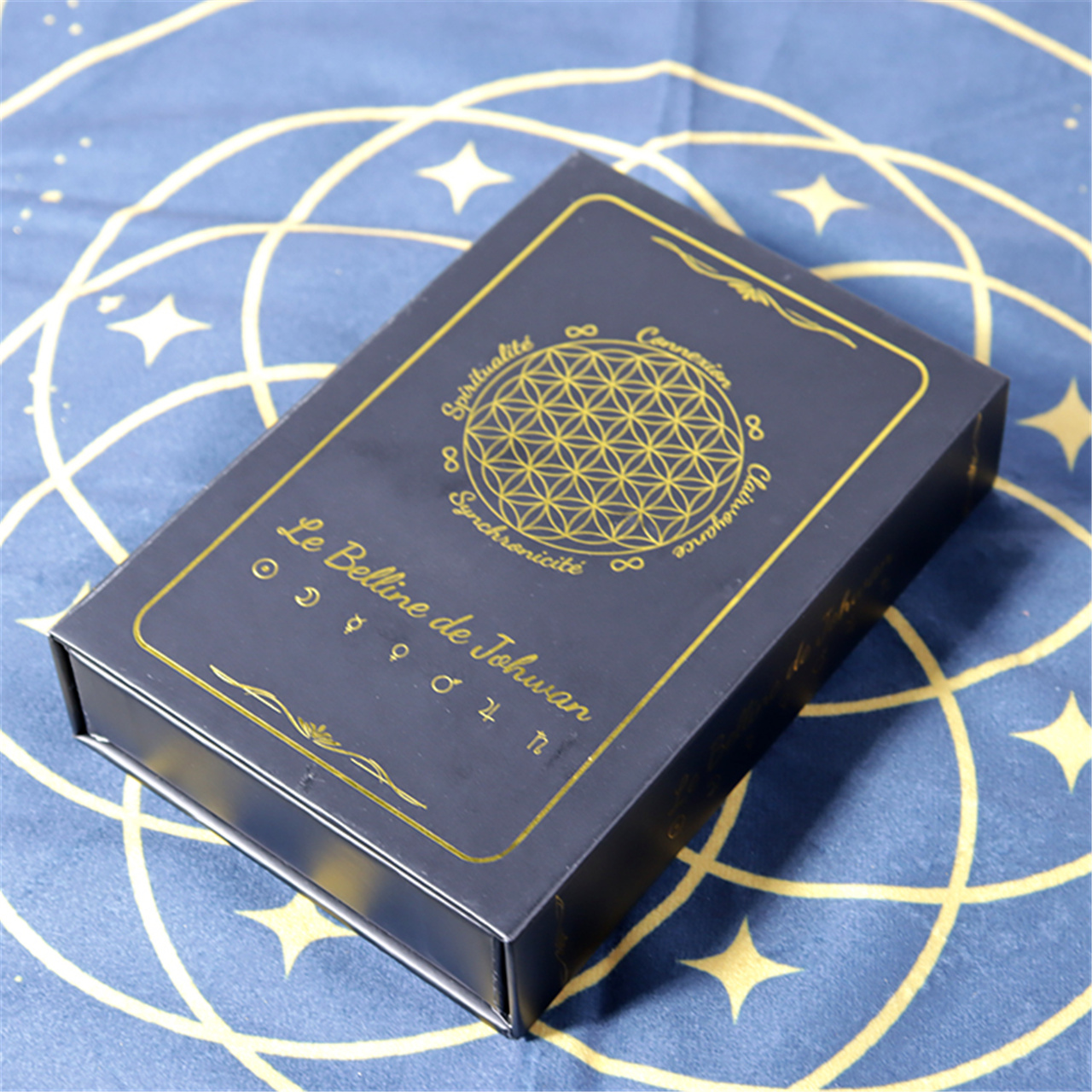 Custom Black - Blue Gold Foil Tarot Cards Set
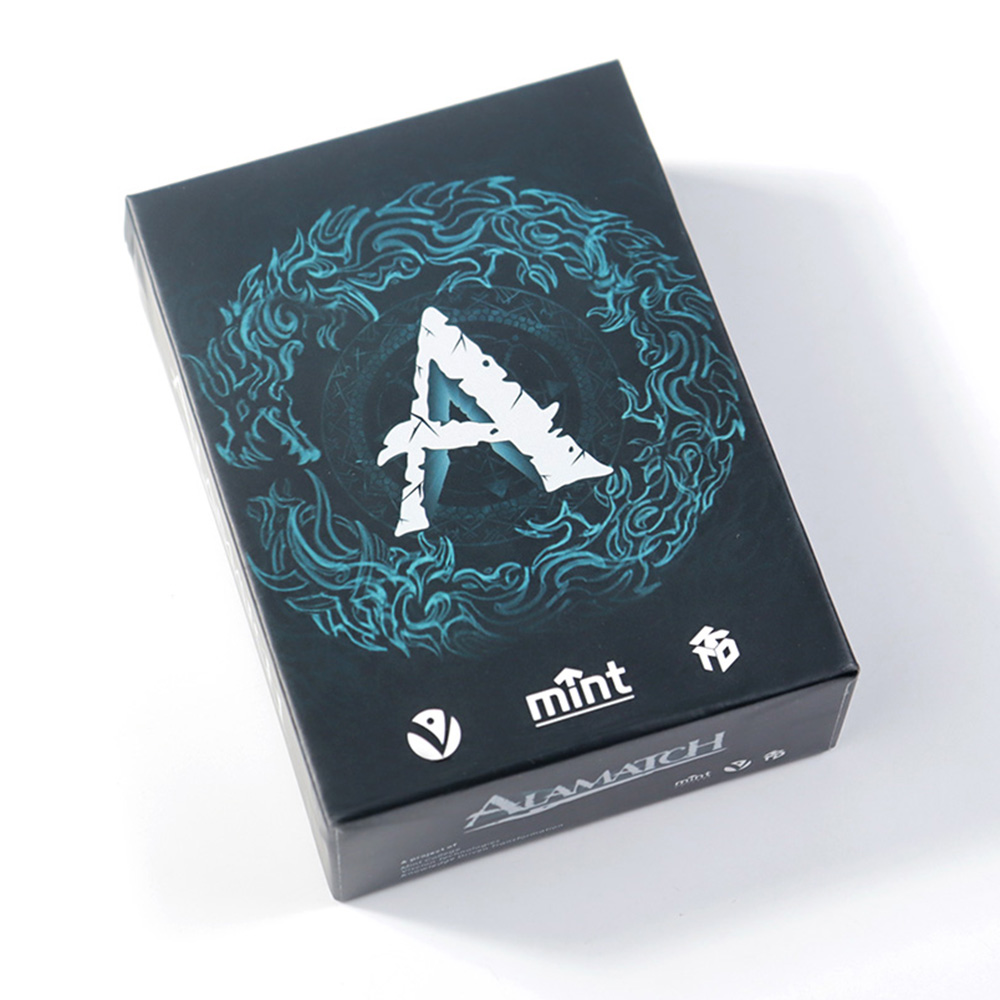 Alamatch Custom Trading Game Cards
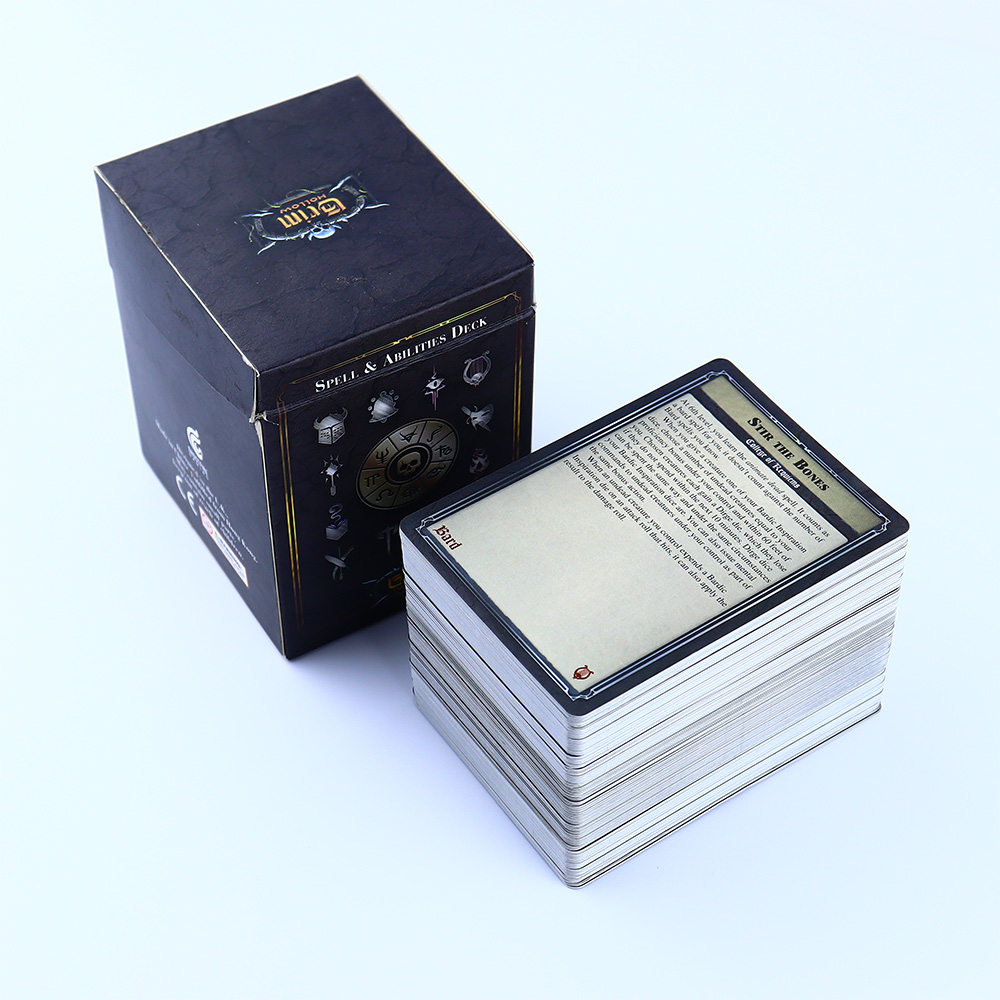 Grim Hollow Spell & Abilities Custom Trading Cards
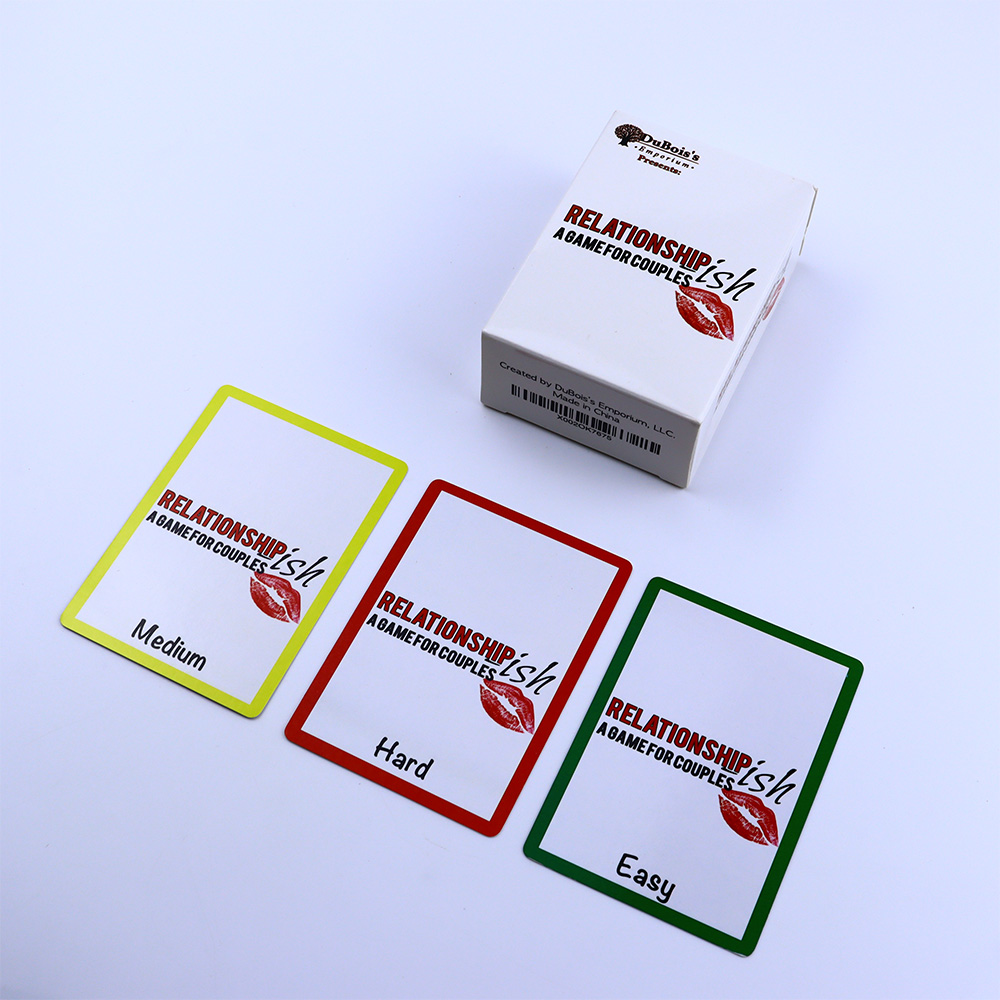 Relationshipish Custom Couple Card Game
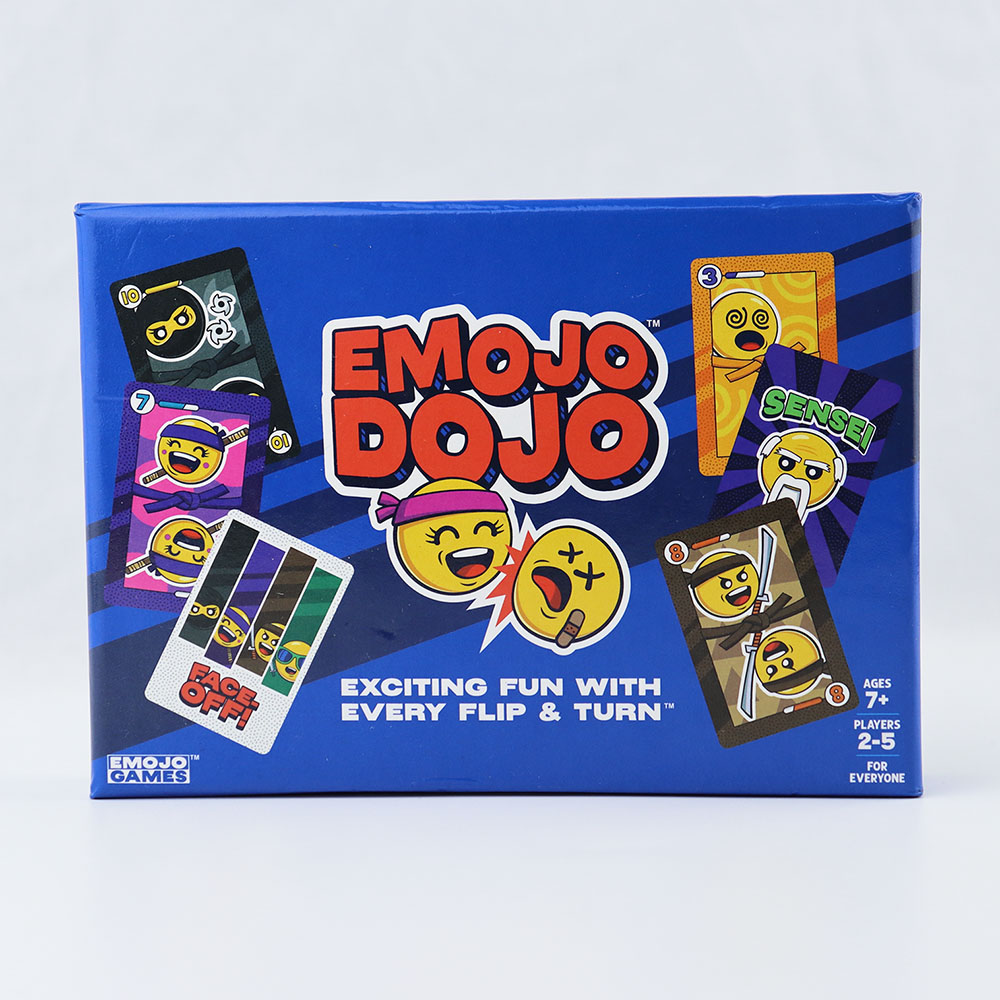 Emojo Dojo Custom Trading Card Game
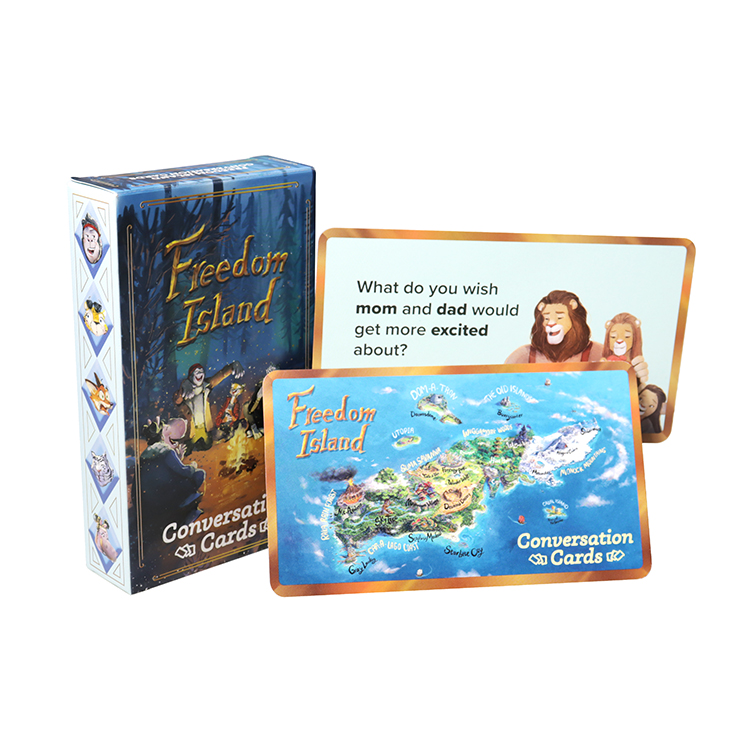 Custom Travel Photo Trading Cards Set
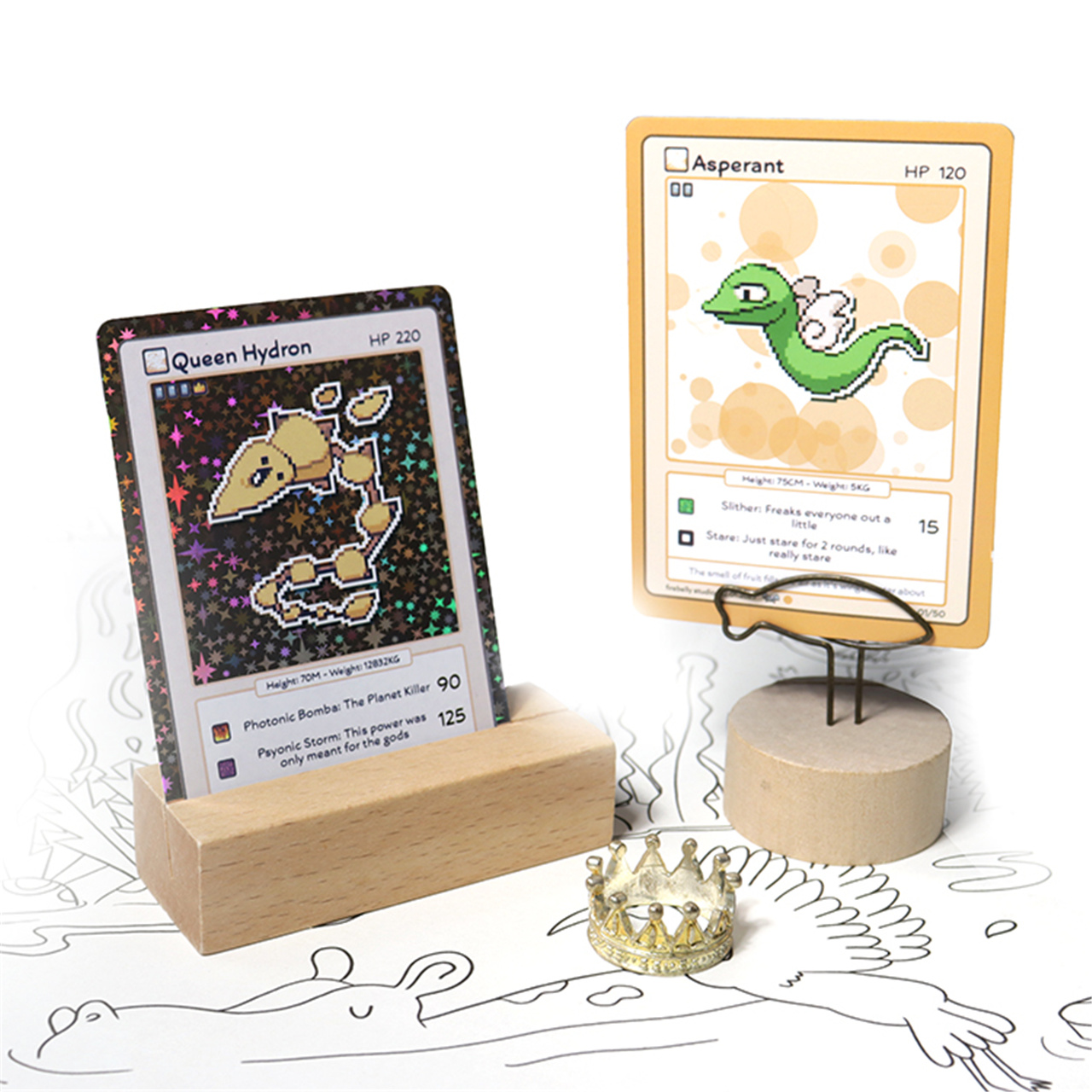 Custom Cartoon Holographic Trading Cards Set