How to Choose the Best Playing Card Box for Your Collection?
Choosing the perfect Playing Card Box for your collection can be a daunting task. With numerous styles and designs available, how do you ensure you select the best one? According to a recent industry report by the Card Collector Alliance, over 70% of collectors prioritize durability and aesthetics when choosing a Playing Card Box. Expert Jenna Burke states, “A well-chosen box not only protects your cards but also enhances your collection's visual appeal.”
It’s essential to consider factors like material, size, and protection level. High-quality materials, such as wood and metal, can provide better protection against damage. However, some collectors might overlook the importance of long-term preservation in favor of looks. The right box will keep your cards safe while reflecting your personal style.
Many collectors also underestimate the impact of a well-organized storage solution. A chaotic collection can diminish the enjoyment of your cards. As Jenna Burke notes, “Organization can significantly enhance the collector's experience.” So when choosing the ideal Playing Card Box, think carefully about both function and aesthetics to ensure your collection remains impressive and well-protected.
Understanding the Importance of a Quality Playing Card Box
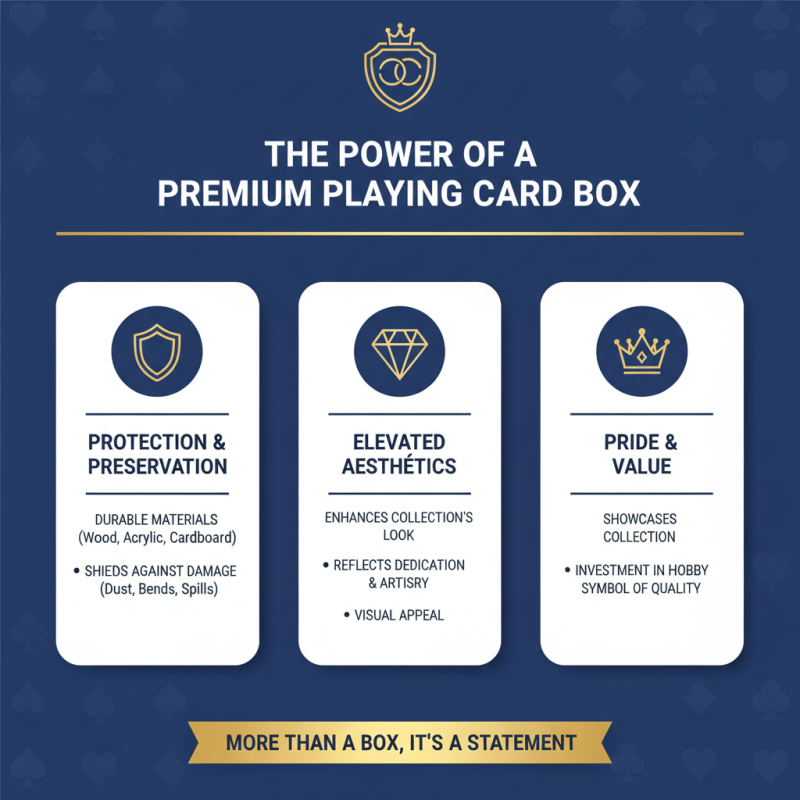
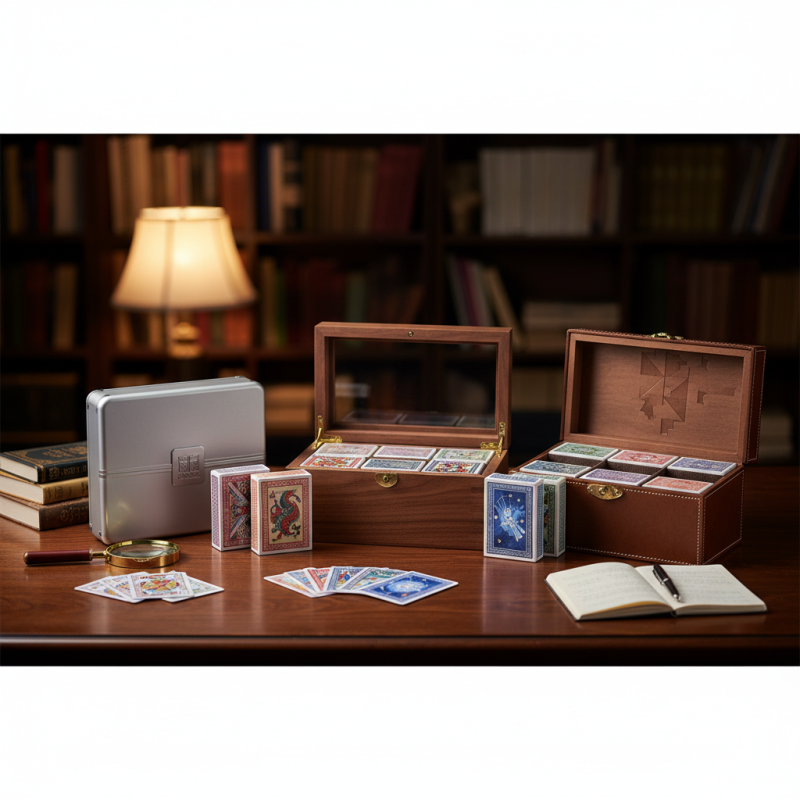
A quality playing card box serves more than just a protective role. It enhances the overall aesthetics of your collection. A well-crafted box can reflect your dedication to the game and the art itself. The materials used—wood, acrylic, or even high-quality cardboard—affect not only durability but also the visual appeal. Choosing the right box is not just about function; it’s about pride in your collection.
Investing in a good box ensures your cards remain in pristine condition. Card corners can be sensitive to wear and tear. Without proper storage, they can bend or fray easily. The right box can prevent this. Additionally, a secure box can help you organize your collection better. This aspect is often overlooked, but an organized collection makes it easier to find specific cards for gameplay.
However, not every box suits every collector. Some may prioritize aesthetics, while others seek durability. Finding the perfect balance can be tricky. It’s essential to reflect on what matters most to you: protection, design, or both. Each choice can dramatically influence your card collection experience. Careful consideration will lead you to the box that best matches your needs.
Factors to Consider When Selecting a Playing Card Box
Choosing the right playing card box is essential for preserving your collection. Factors such as size, material, and design play crucial roles. A good card box typically fits standard card sizes, which are 2.5 by 3.5 inches. The size prevents cards from bending or warping. For collectors, ensuring the box can hold multiple decks is a common preference.
Material matters significantly. Boxes made of wood or metal tend to offer better protection than cardboard. According to data from industry reports, wood boxes can reduce the risk of damage by up to 75%. Additionally, UV-resistant materials help protect cards from fading over time. Finding a balance between durability and aesthetics can sometimes be challenging.
Design is also key. Some collectors prefer simple, elegant designs, while others favor vibrant, custom artwork. Reflecting on personal style can enhance the display. It's important to think about how the box complements the collection as a whole. Practicality vs. display can be a tough decision. A box that looks good might not always provide the best protection. Consider what matters most for your card collection.
Types of Playing Card Boxes and Their Features
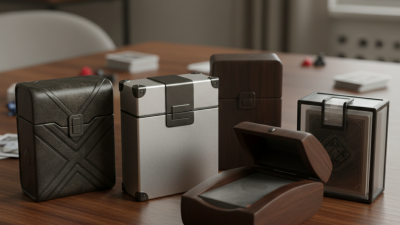
Choosing the right playing card box for your collection can significantly impact its longevity and organization. Various types of boxes are available, each offering unique features. For example, cardboard boxes are lightweight and affordable, while wooden boxes add an aesthetic touch and increased durability. Research indicates that over 70% of collectors prefer boxes that offer both protection and style.
Plastic boxes are also popular for their moisture resistance. This feature can be crucial, especially in humid climates where cards might warp. Consider boxes with compartments for sorting and organizing your collection. These features can enhance accessibility and protect cards from damage.
Tips: Always measure your cards before purchasing a box. Ensure a snug fit without excessive pressure. Think about how often you’ll access your cards. If frequent use is expected, choose a box that’s easy to open. Reflect on your collection's growth; select a box that can expand or has modular options. Remember, investing in the right box can save money in the long run.
Material Options for Durability and Aesthetics
Choosing the right material for your playing card box impacts both durability and aesthetics.
Wood is a classic choice, offering a warm, natural look. It provides excellent protection for cards. However, wood can be heavy and may require care to maintain its finish. Think about how often you'll handle the box and if you’re okay with potential wear.
Plastic is another popular option. It's lightweight and resistant to moisture. Plastic boxes come in various designs, allowing for a personalized touch. However, they can scratch easily, affecting their visual appeal. If you decide on plastic, consider options with a matte finish to minimize visible wear.
Cardboard offers a different feel. It’s cost-effective and often features unique artwork. While stylish, cardboard boxes are prone to damage and wear over time. Reflect on your collection's value and how much risk you're willing to take with aesthetics. Each material has pros and cons, so assess your needs carefully.
Budgeting for Your Playing Card Box Collection
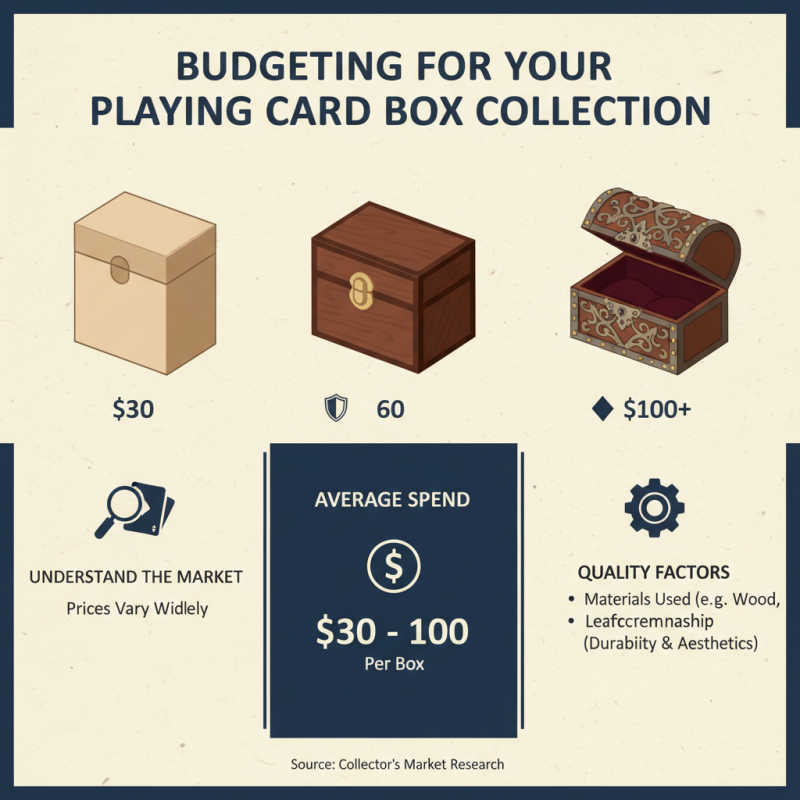
When budgeting for your playing card box collection, it's crucial to understand the market. Research shows that high-quality storage solutions can vary widely in price. On average, collectors spend between $30 to $100 on a single box. The quality often correlates with the materials used and the craftsmanship, impacting durability and aesthetics.
Consider starting with a budget plan. Allocate a specific amount monthly. Setting aside $10 to $20 can accumulate significantly over time. Additionally, track spending carefully to avoid overshooting your budget. It's easy to get carried away with beautiful designs. Reflecting on past purchases can help. Did that ornate box serve its purpose? Was it worth the investment?
While more expensive boxes often offer superior protection, it's not always necessary. Basic boxes can still preserve your cards well if chosen thoughtfully. Aim for boxes with good reviews regarding material strength and design. Balance your wish list between practicality and allure. A well-considered investment can become a valuable part of your collection.

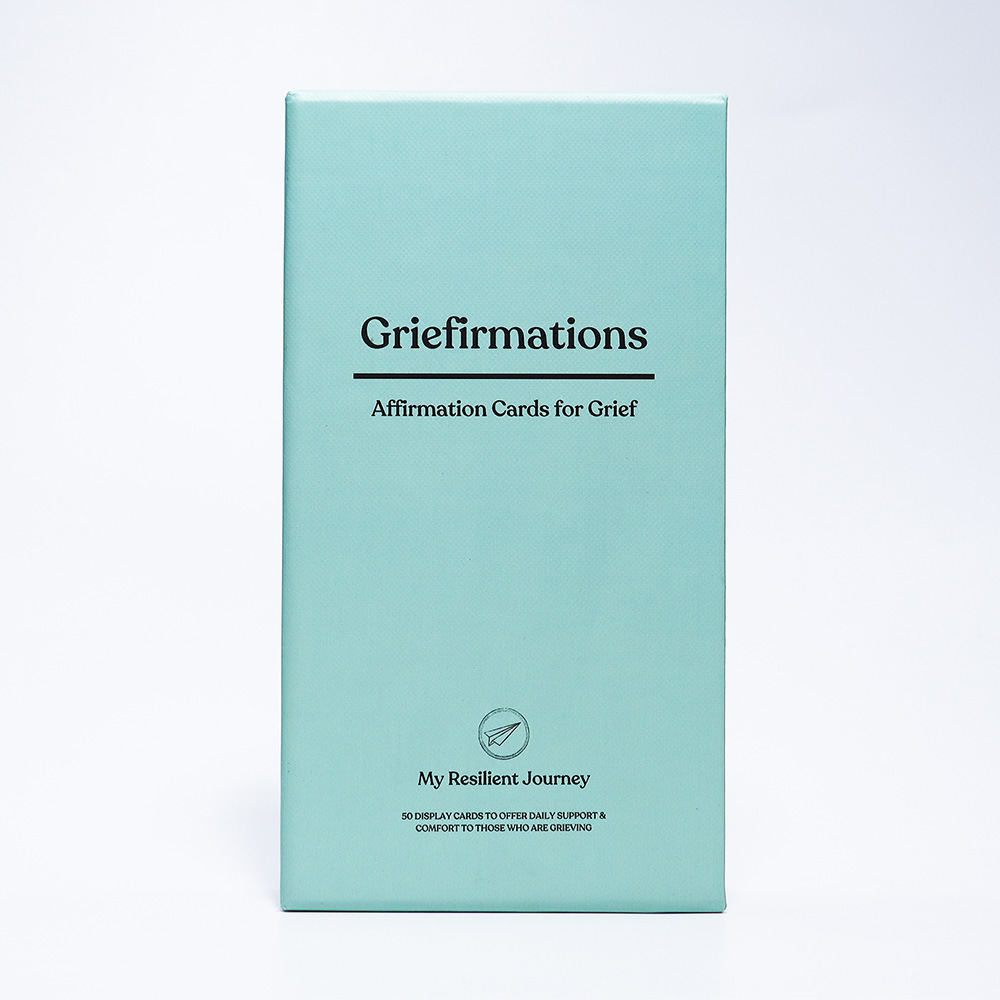 Customizable Emotional Support Cards for Grief & Resilience
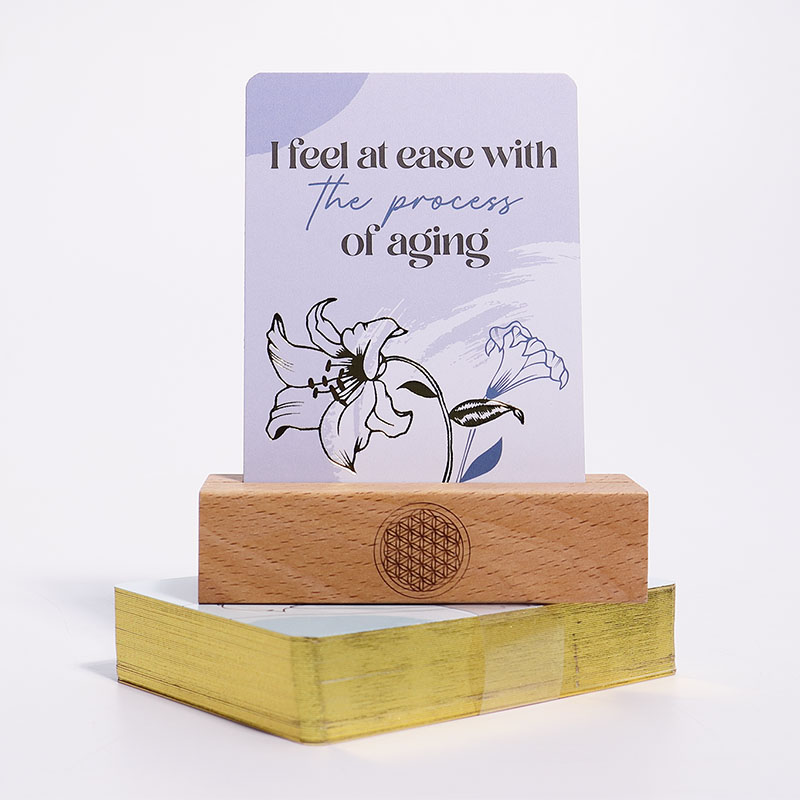 Personalized Emotional Encouragement Card Collection
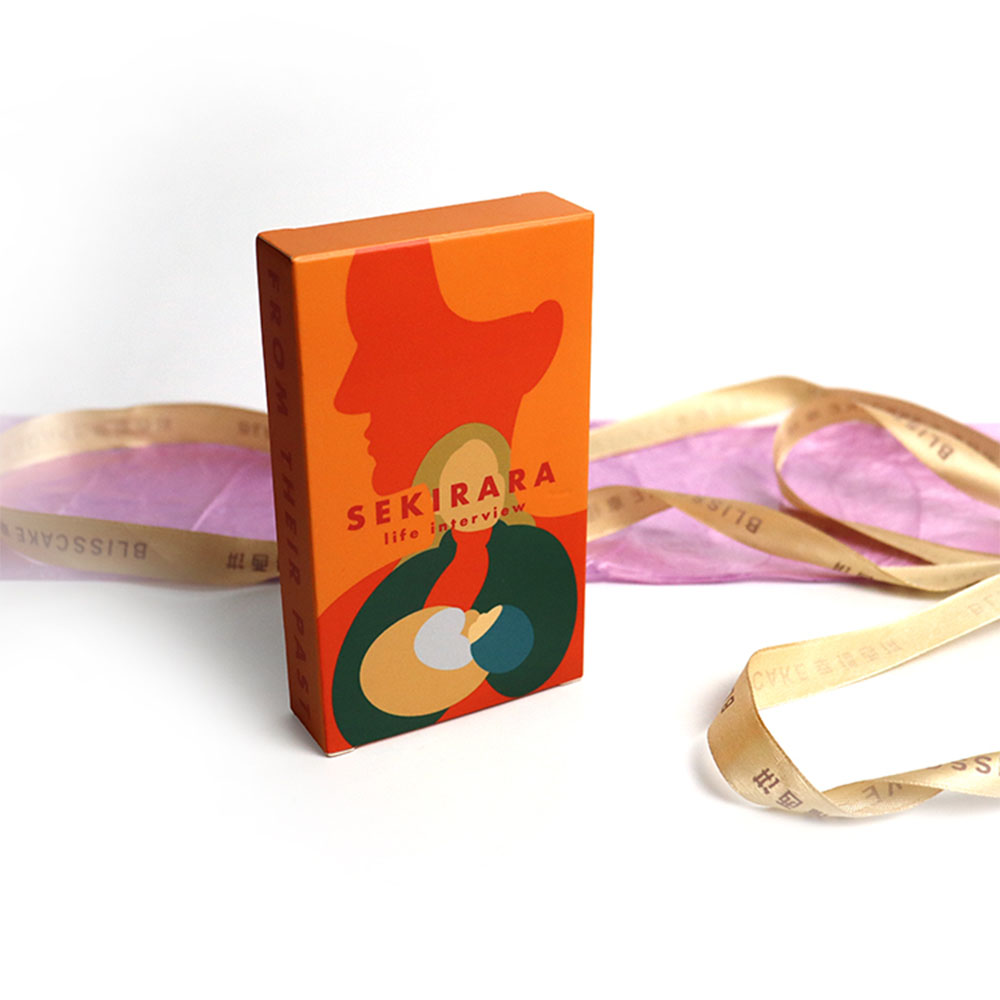 Personalized Deep Conversation Card Gift Box
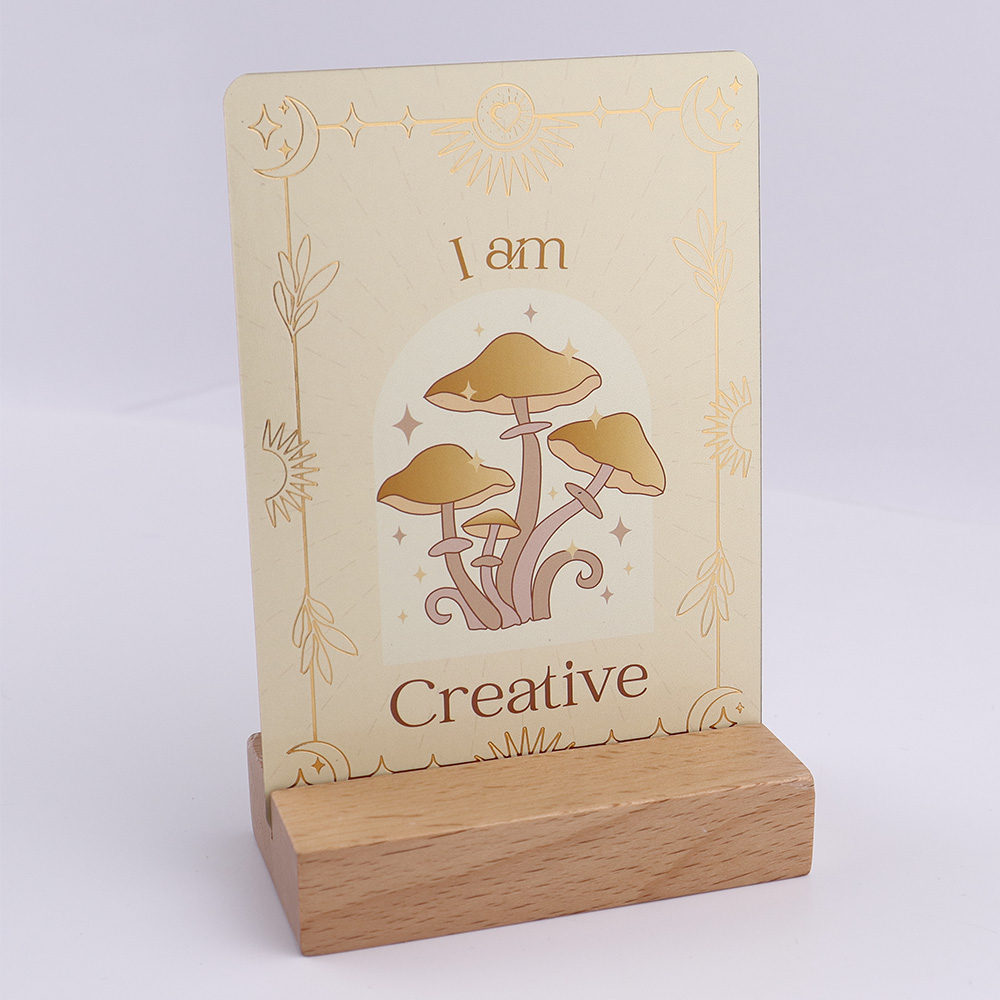 Customizable Boho-Chic Affirmation Cards for Mindfulness & Self-Love
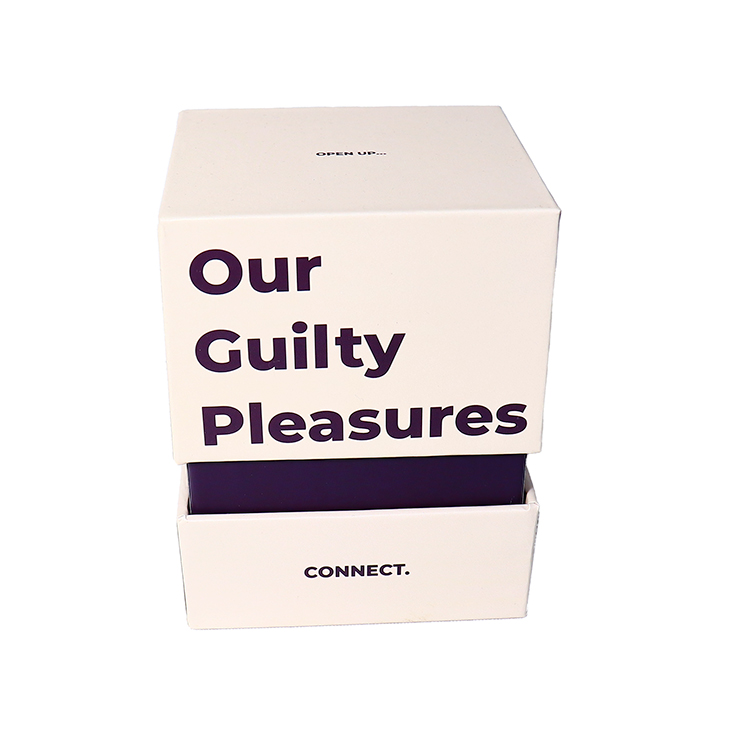 Customized Friendship Confirmation Card
 Customized Entrepreneurship Confirmation Card
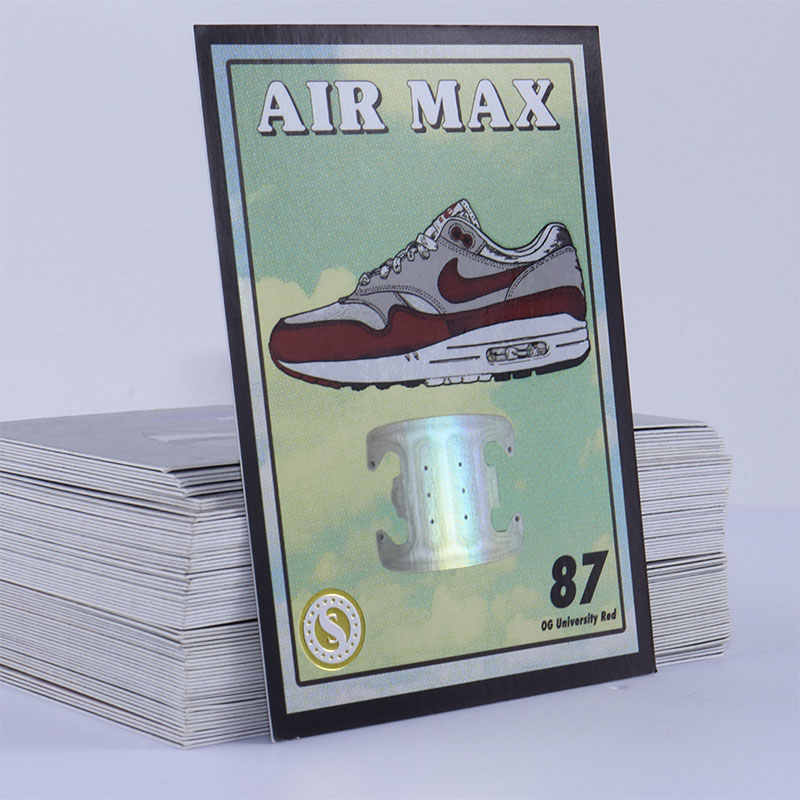 Air Max Pax Custom Sneaker Card Blind Box Set
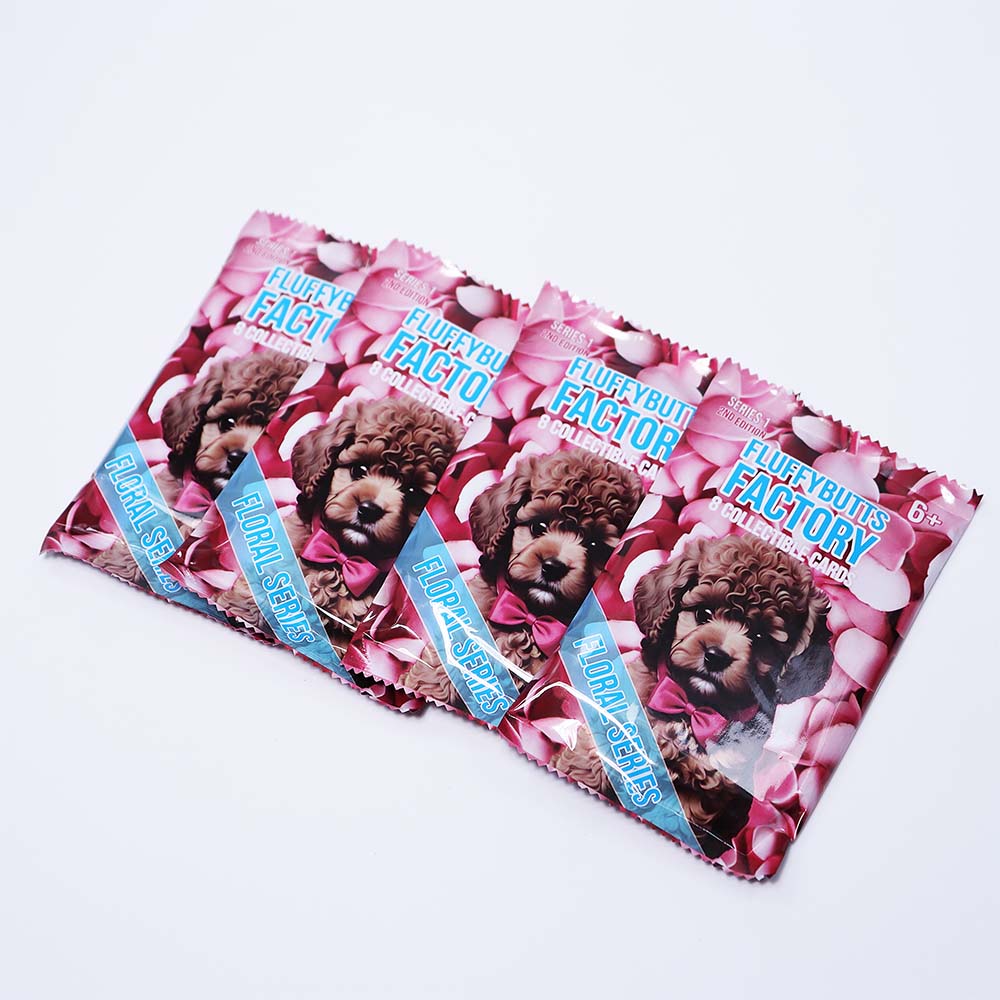 Fluffybutts Factory Custom Pet Card Blind Box Sets
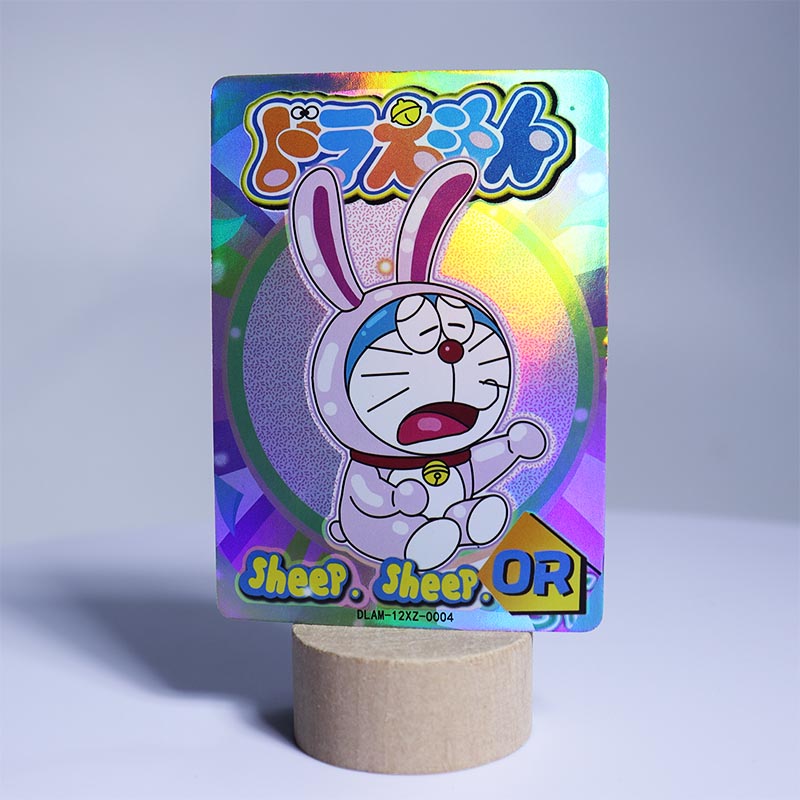 Doraemon Custom Card Blind Box Set
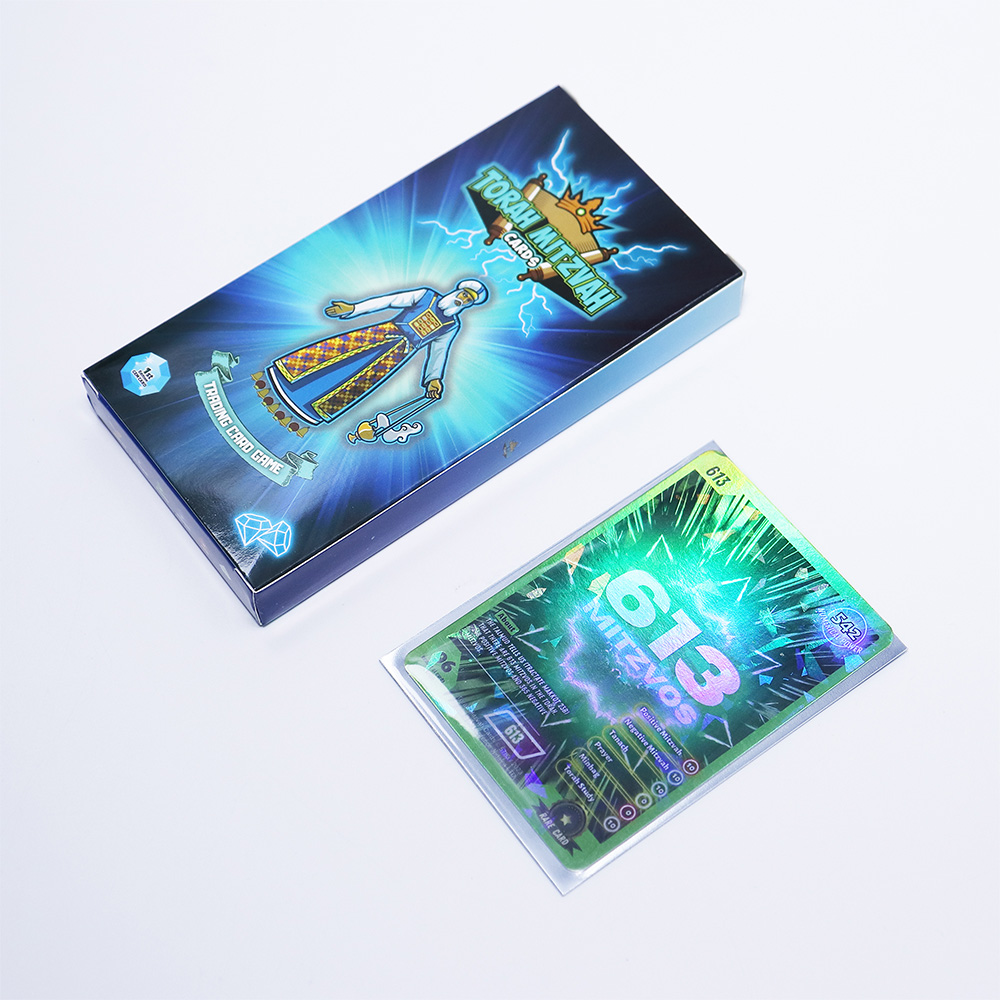 Torah Mitzvah Custom Card Blind Box Set
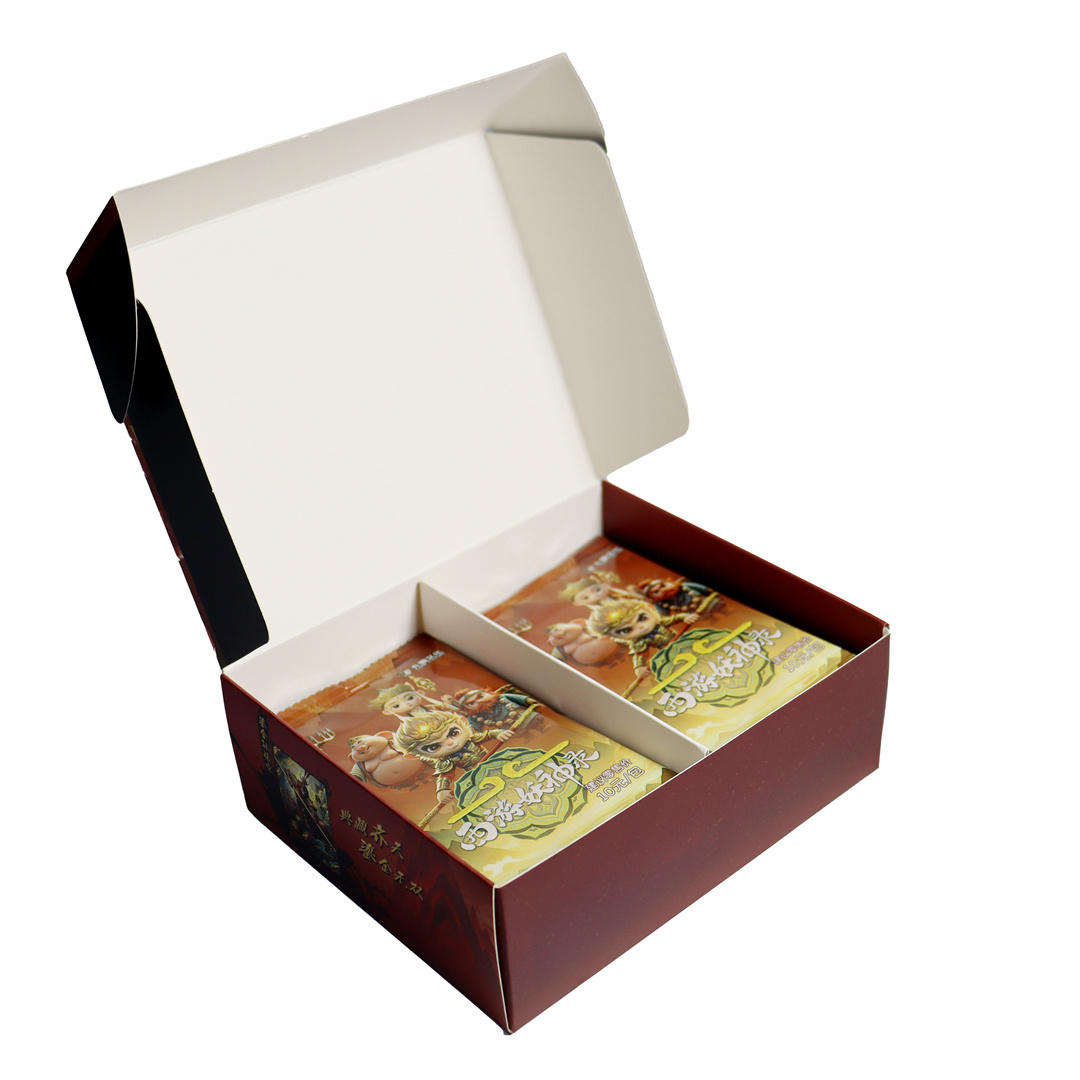 Customized "Journey to the West" Themed Card Blind Box Set
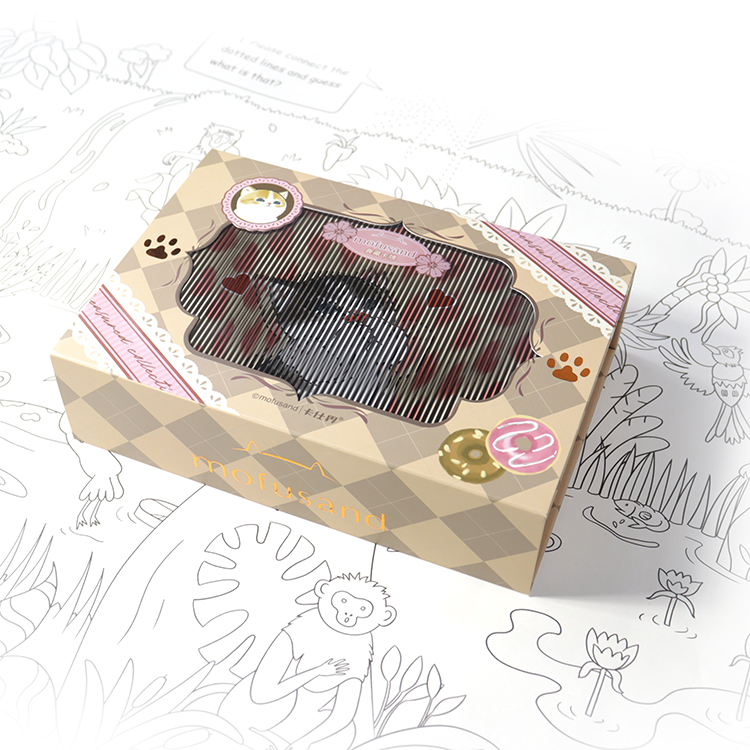 Customized cat-themed blind box set
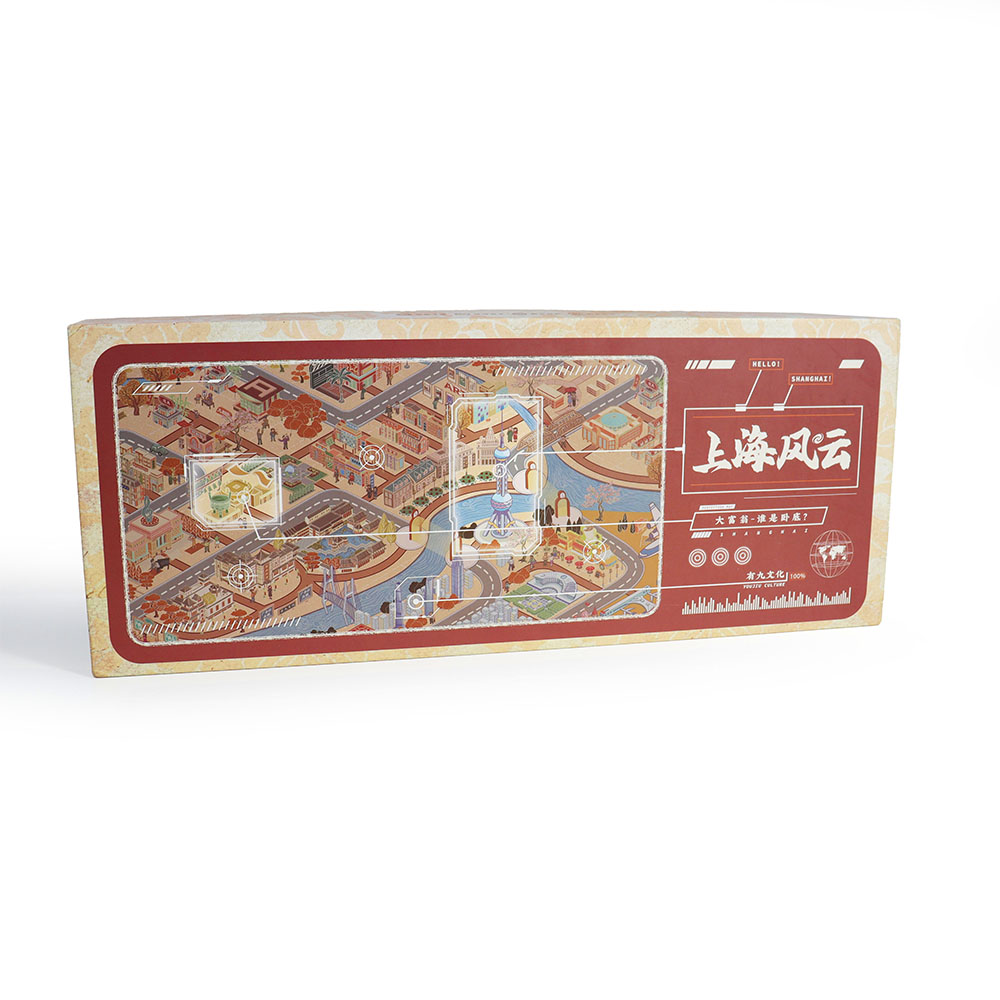 Shanghai Fengyun Custom Board Game Set
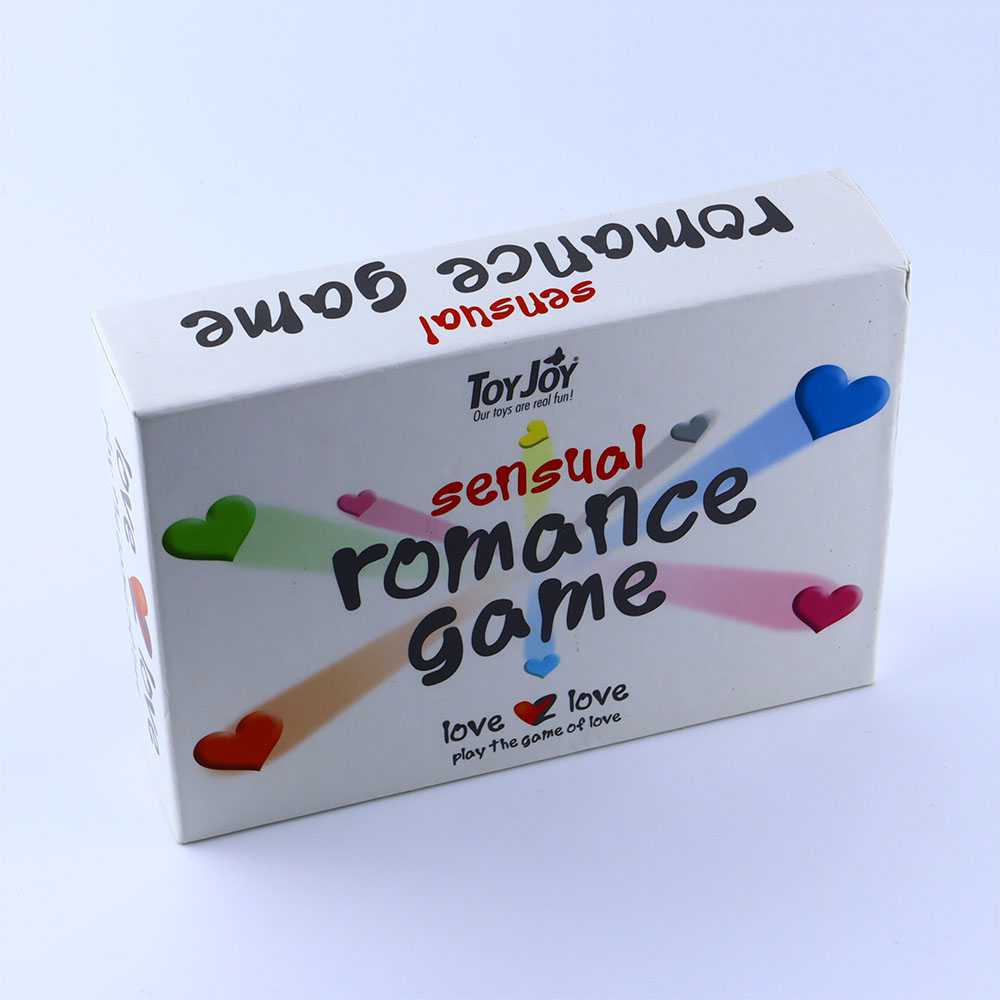 Sensual Romance Game Custom Board Game Set
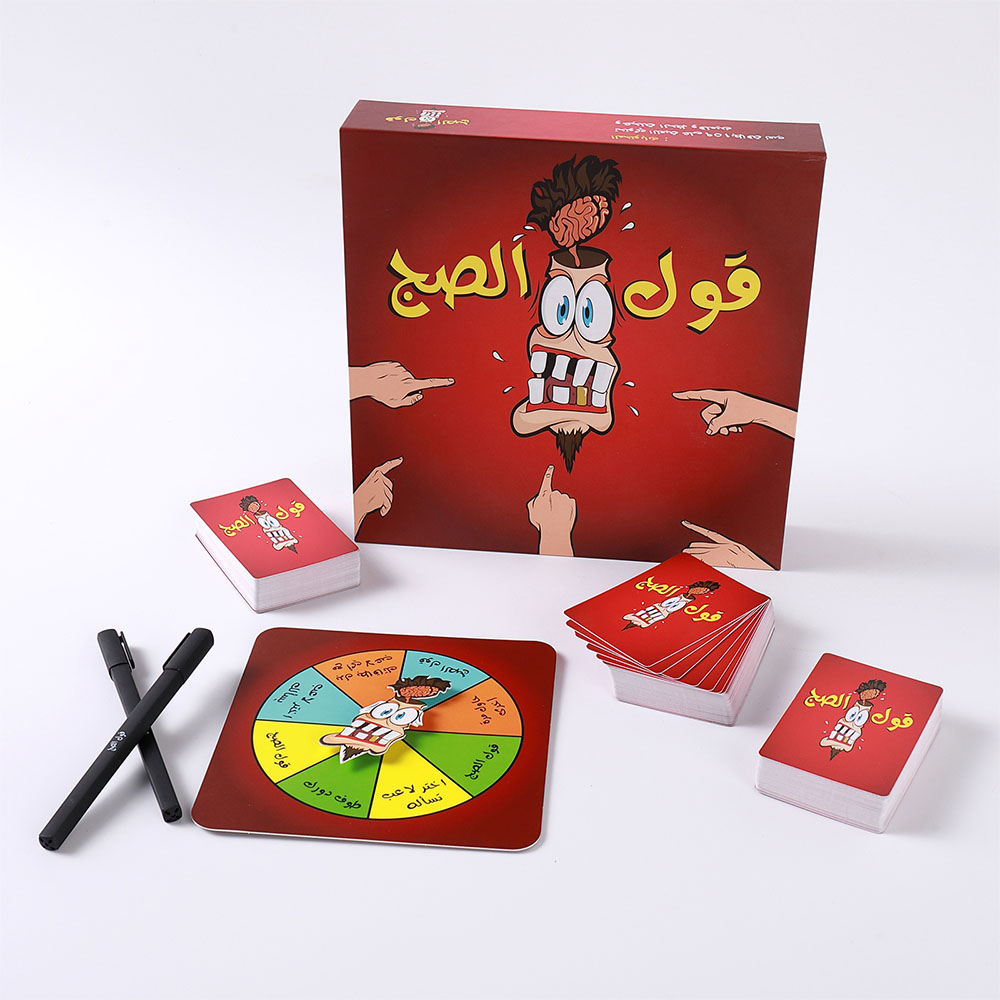 "Qoul Al Sabah" Custom Board Game Set
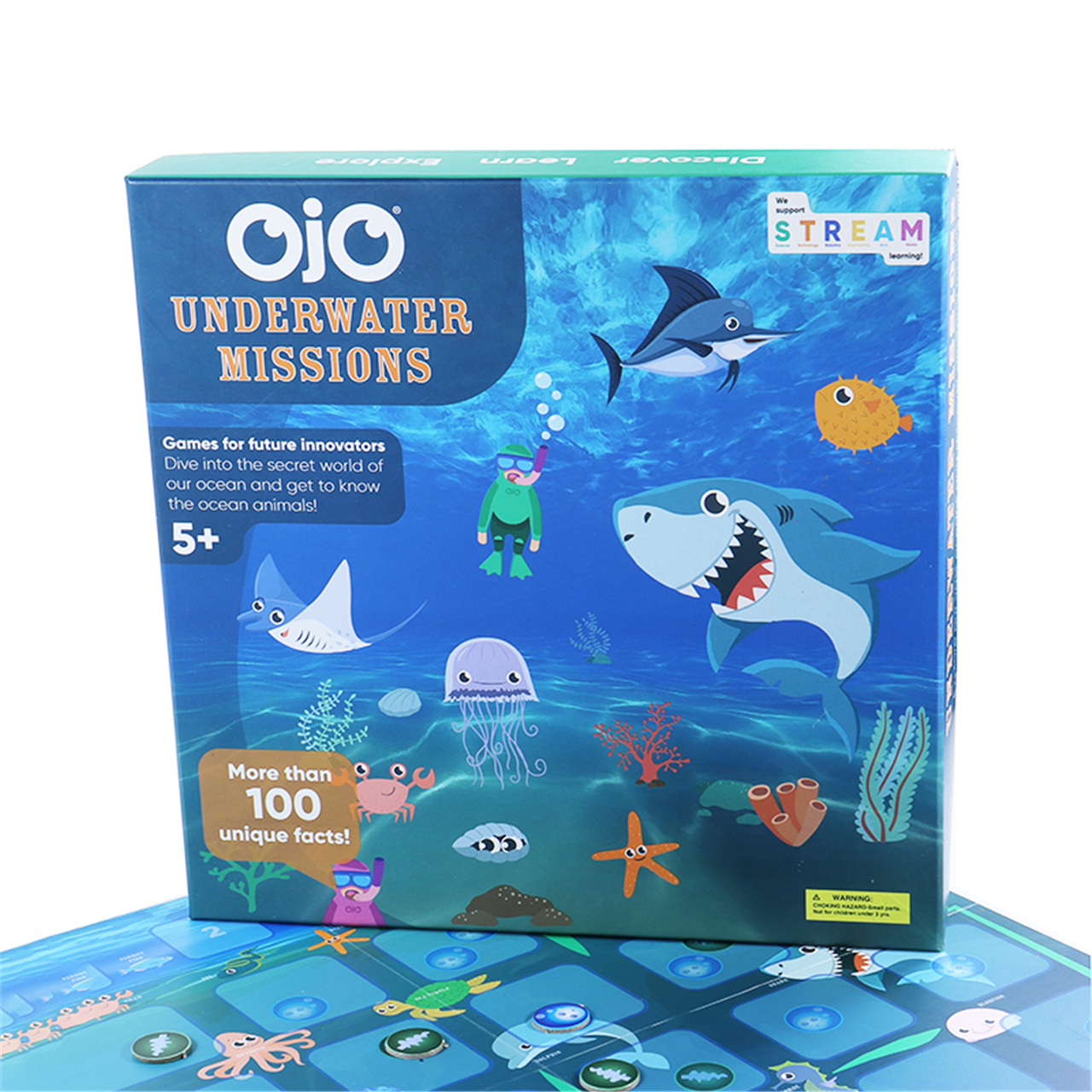 Customized educational board games for children
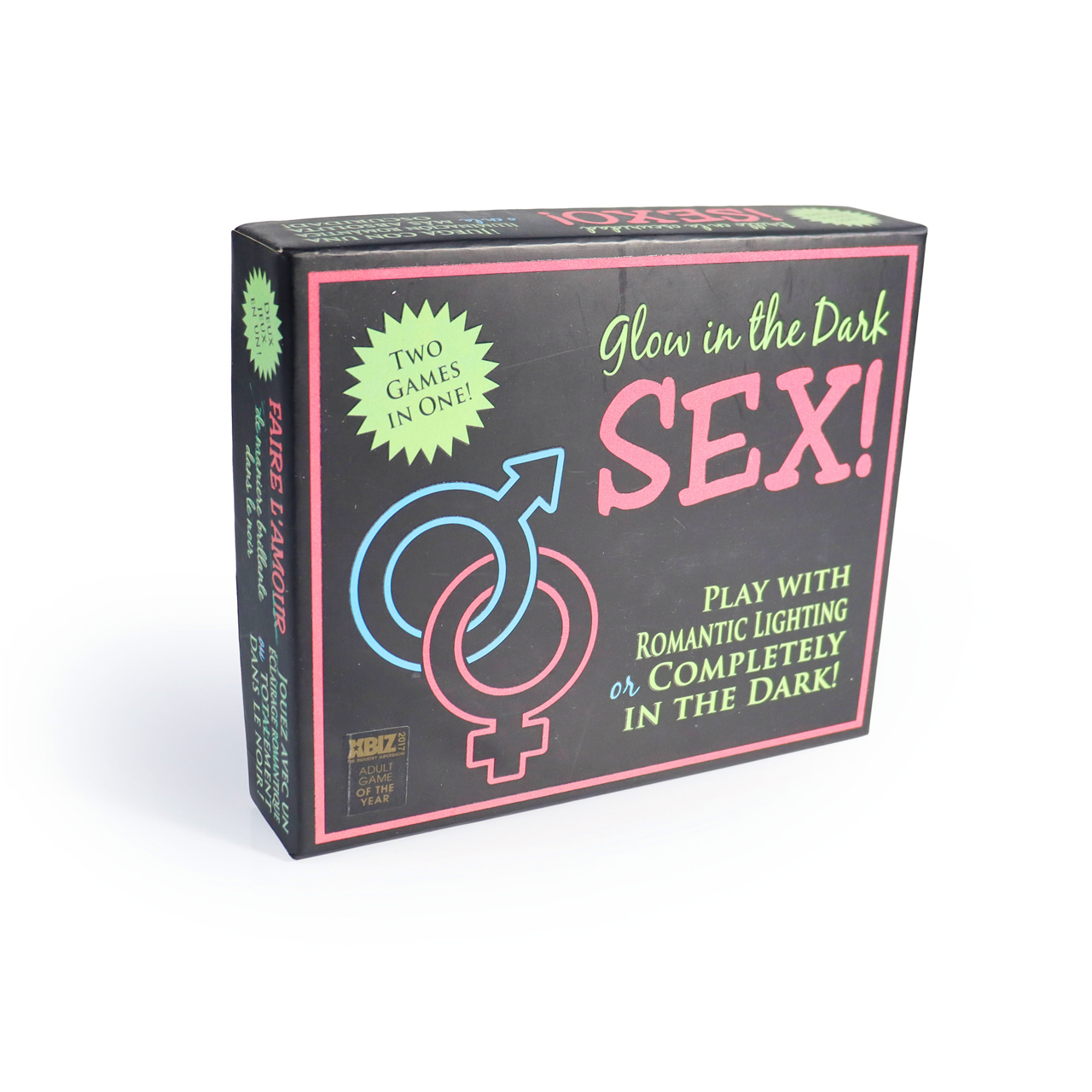 Couple Interaction Turntable Themed Board Game
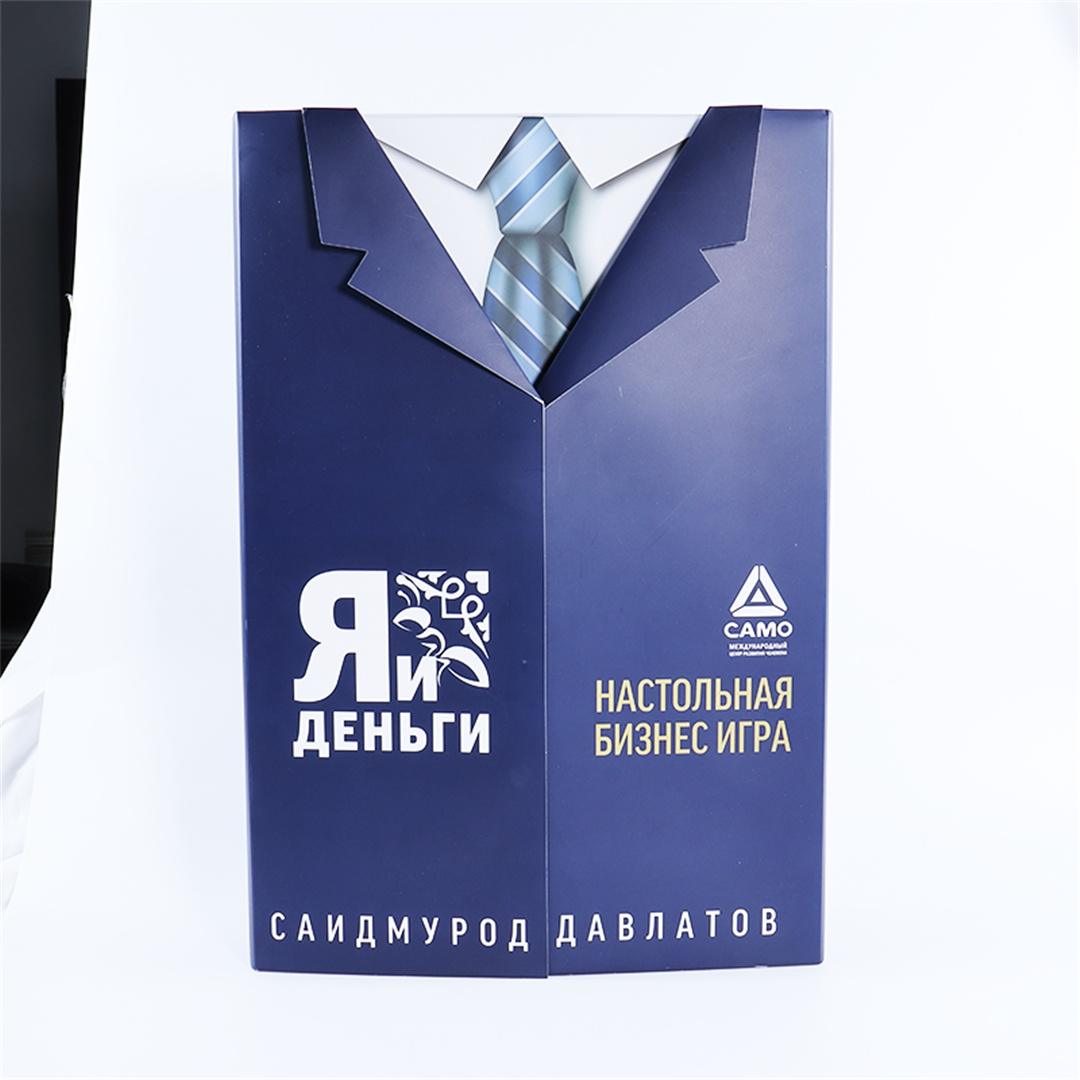 Business Finance Board Game
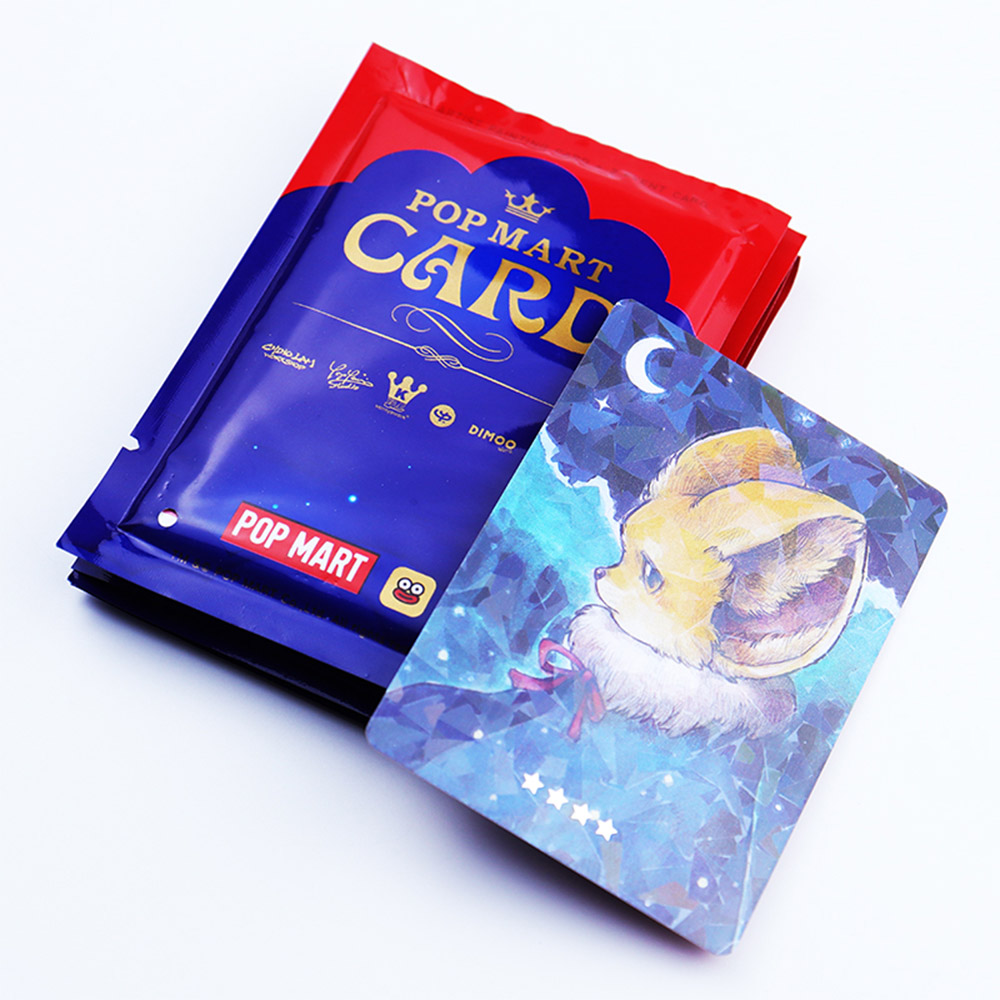 Pop Mart Custom Character Collectible Cards
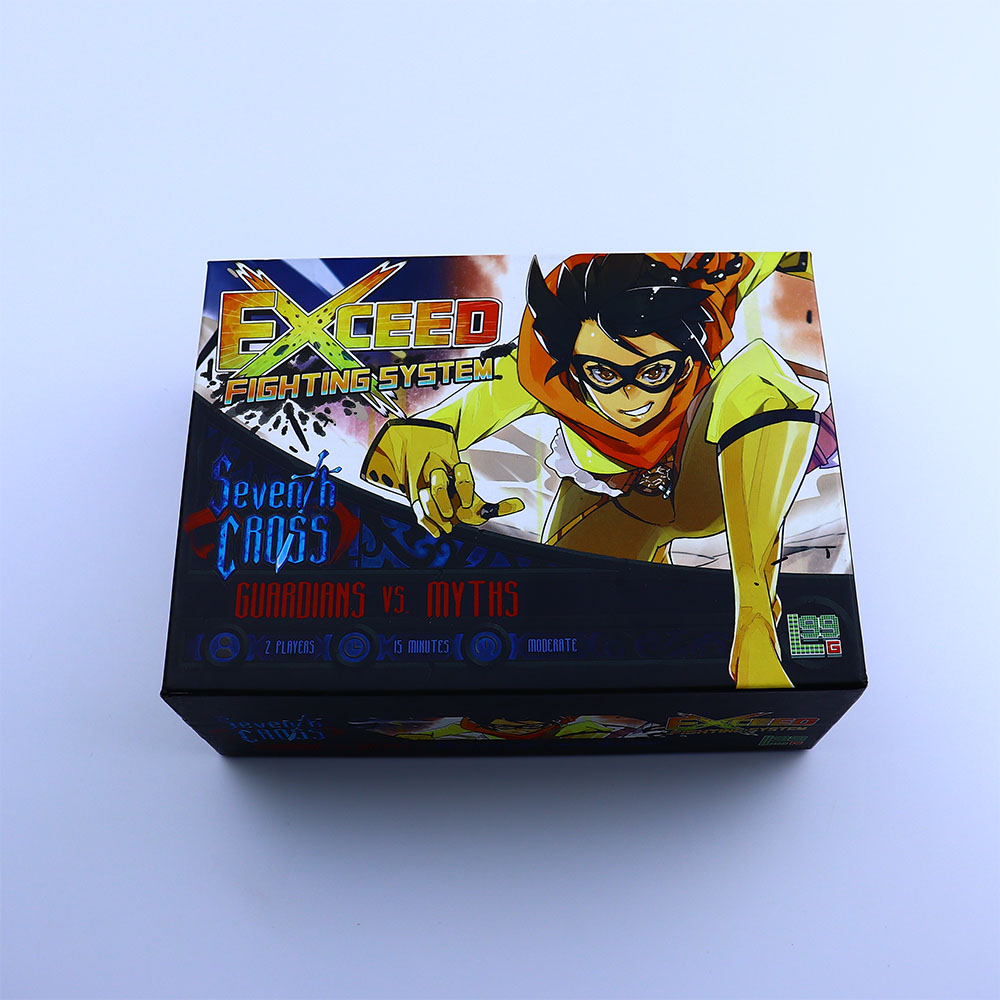 EXCEED Fighting System Custom Character Card Set
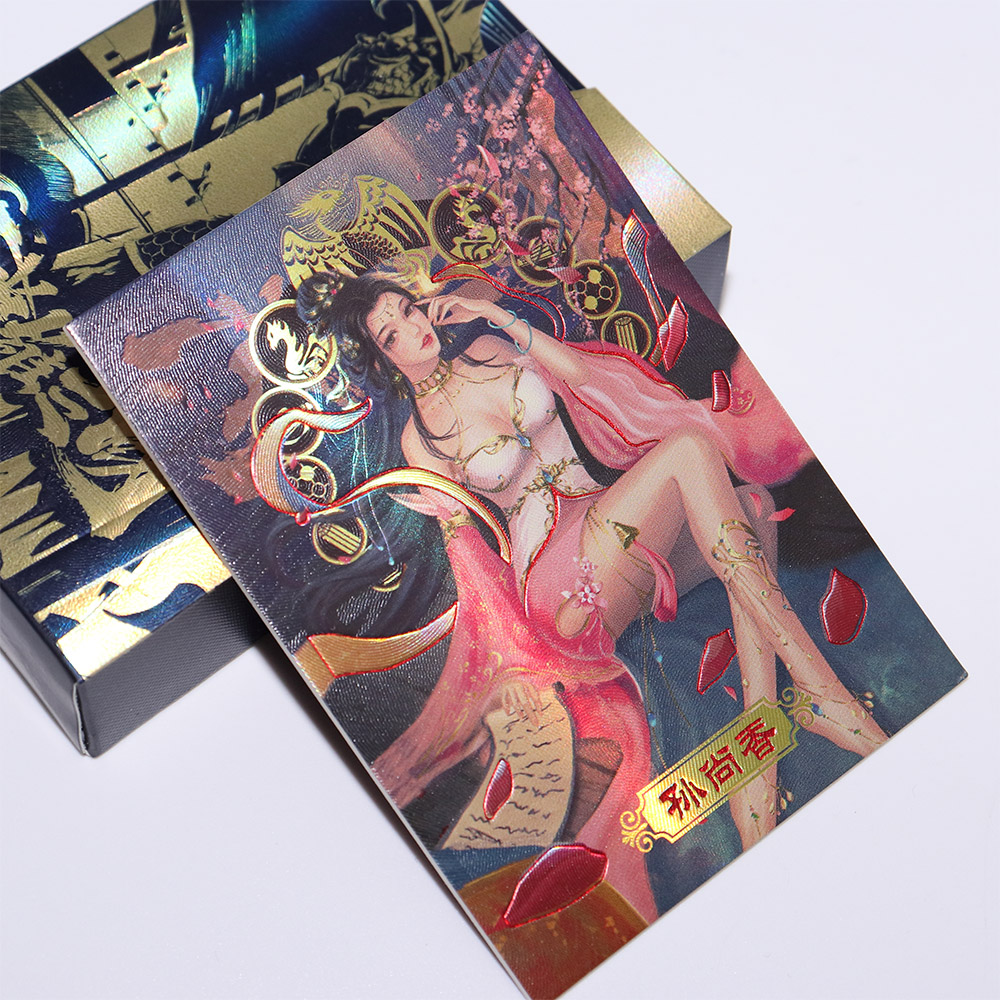 Three Kingdoms Custom Hero Character Cards
 Custom Anime Character Dynamic Visual Cards
 Custom Cartoon Character Collectible Card Set
 Custom Anime Character Art Card Set
 Little Larch Alphabet Cards
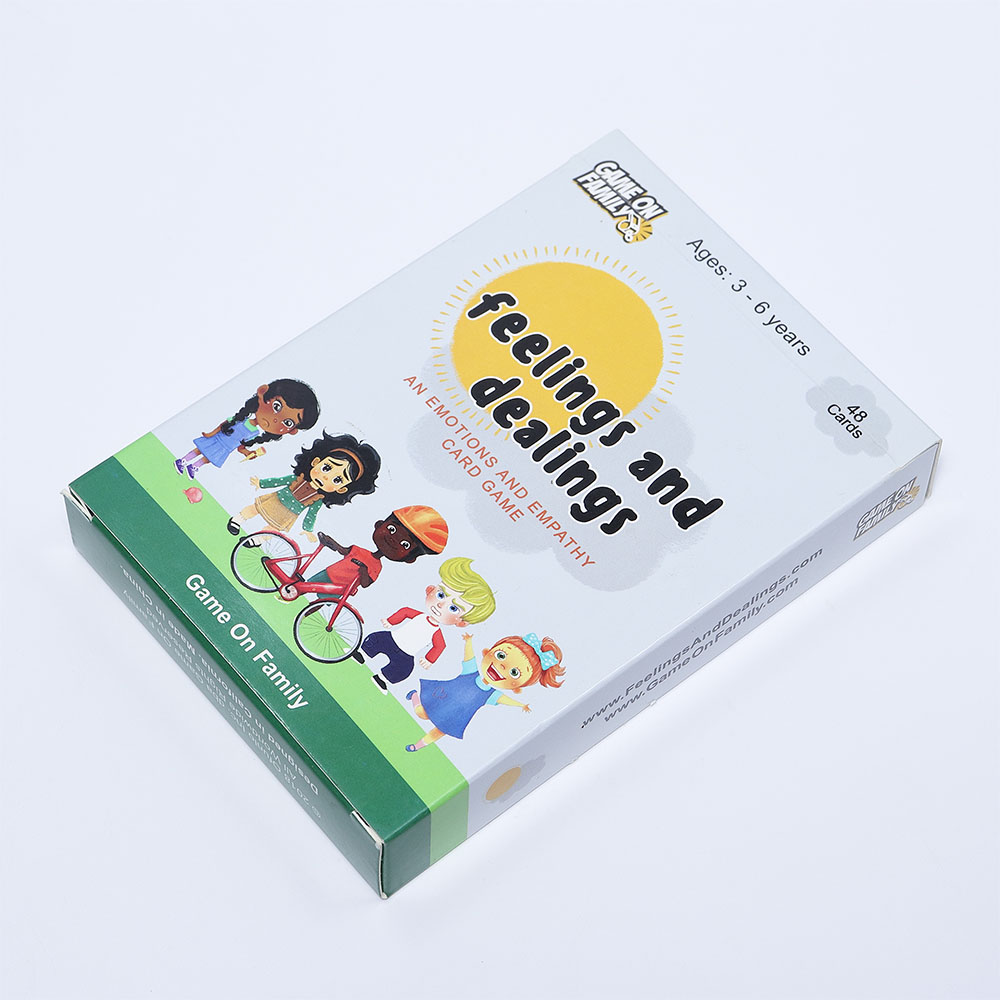 Feelings and Dealings Custom Children's Emotion Card Game
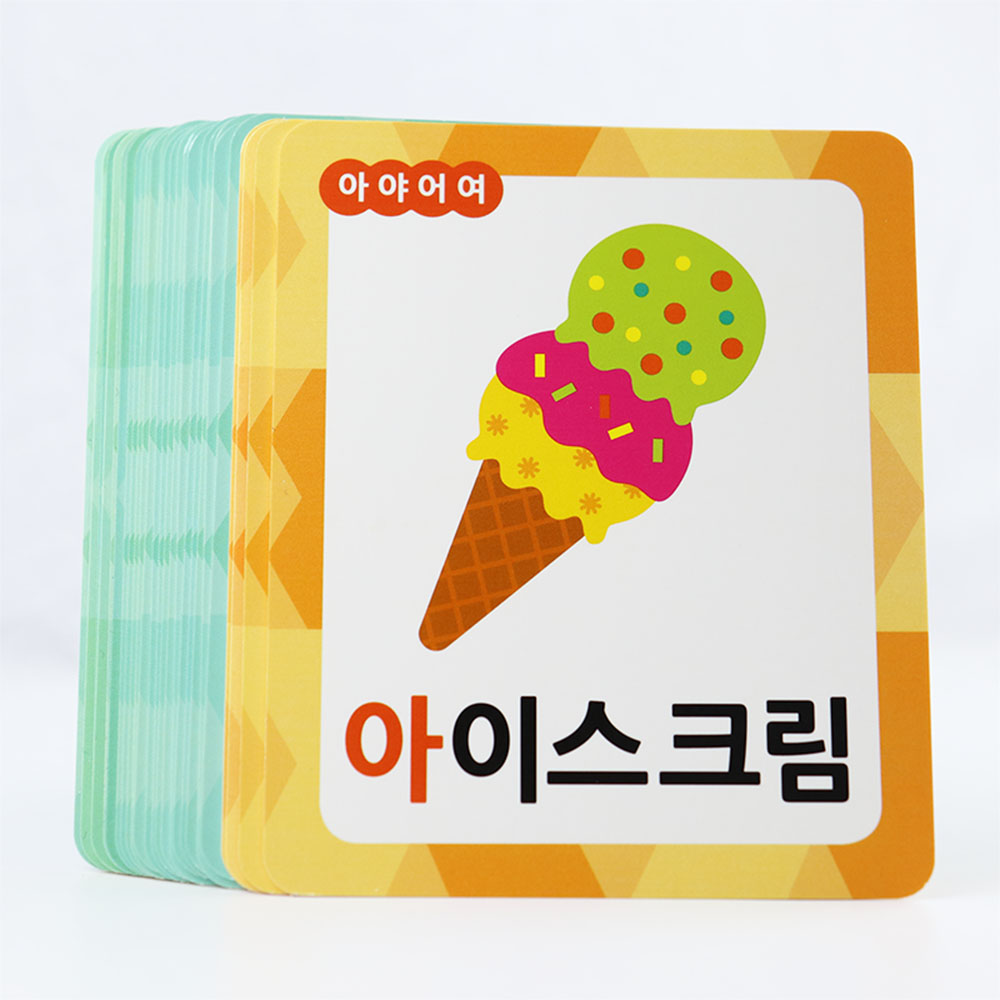 Korean Children's Educational Flashcards
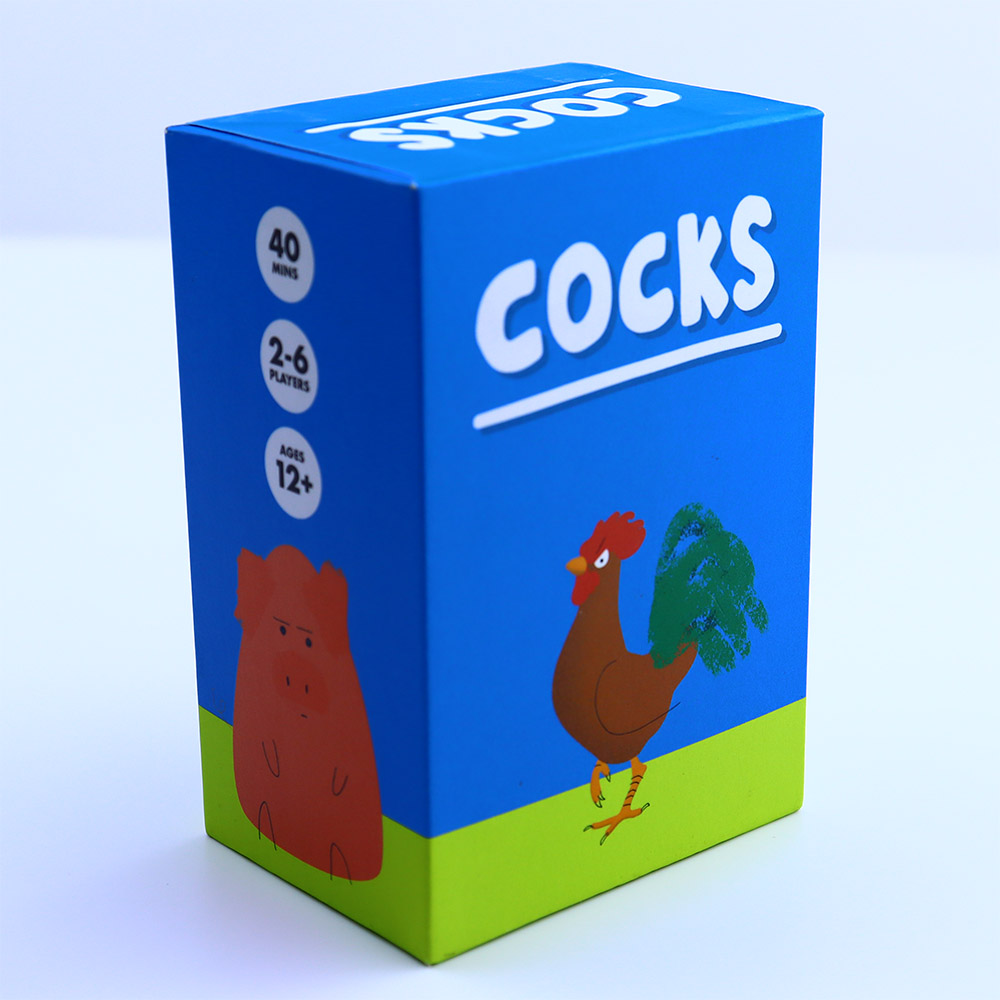 Cocks Themed Custom Children's Learning Cards
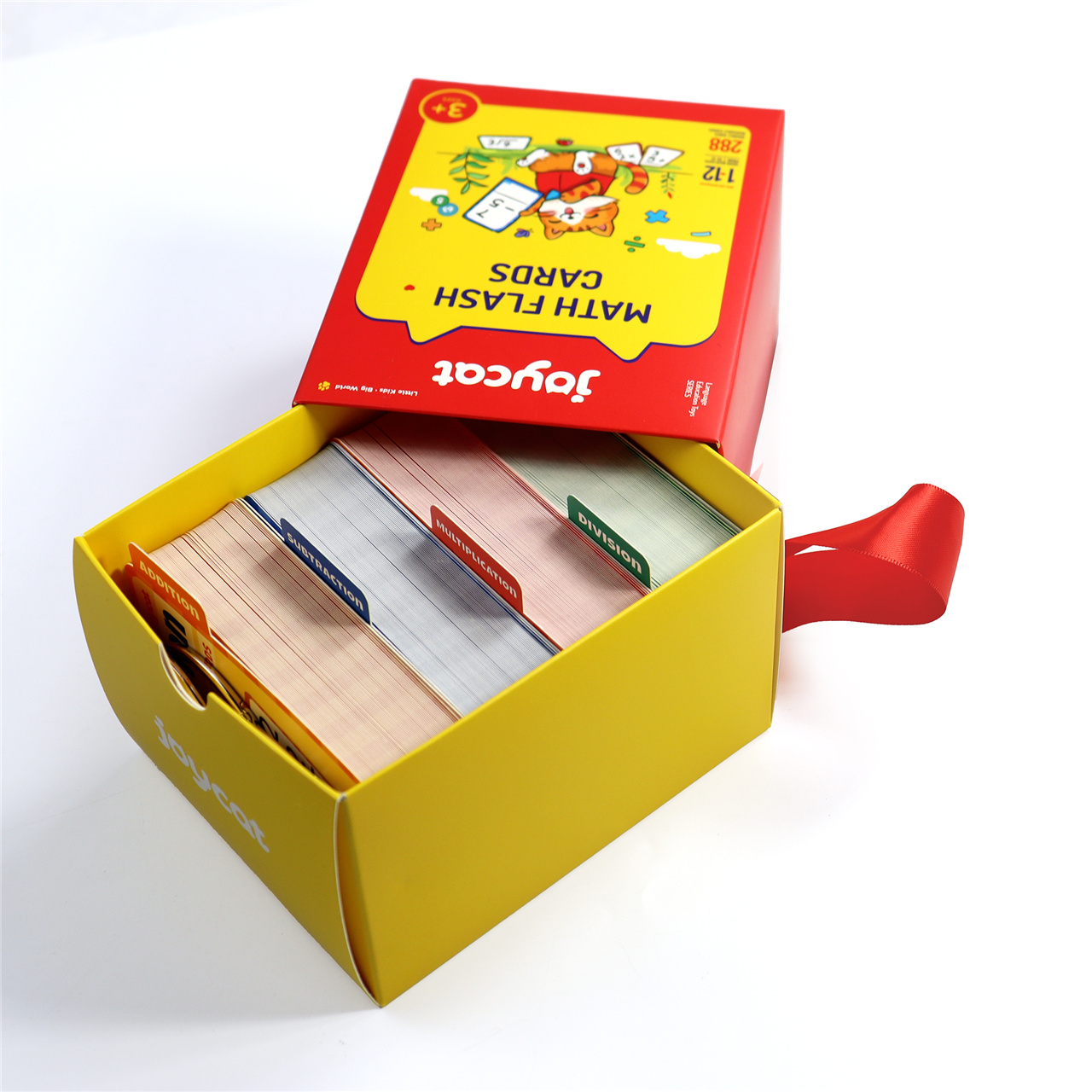 Math Flash Cards Set for Kids
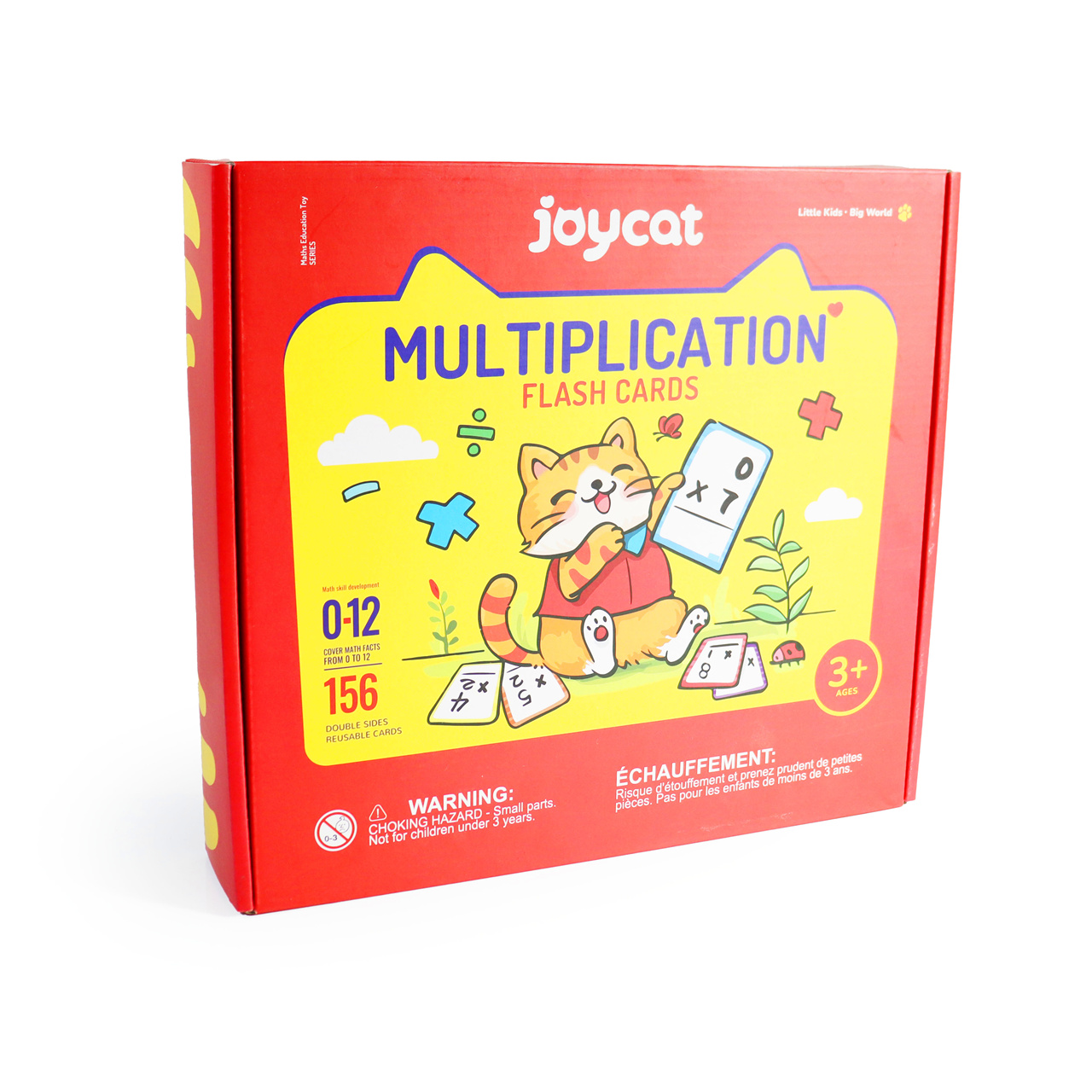 Joycat Multiplication Flash Cards Set with Accessories
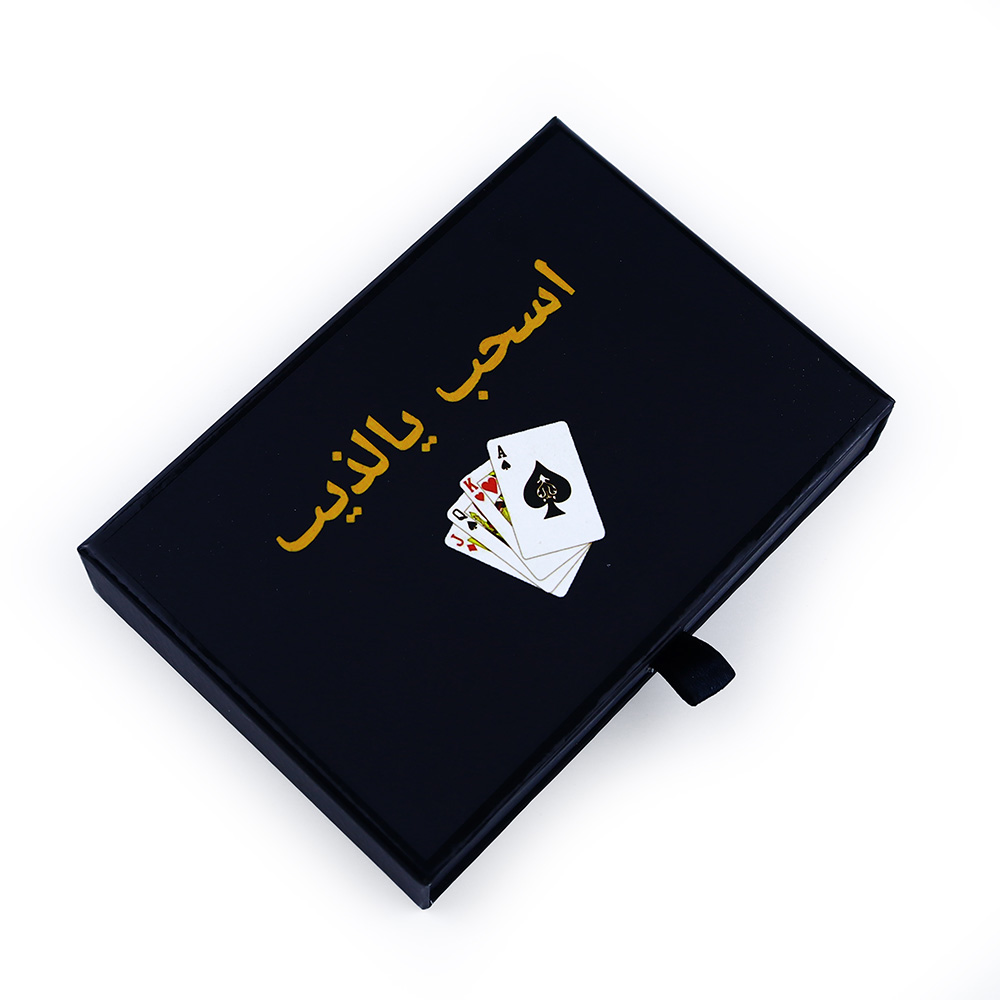 Custom Dual-Deck Playing Cards with Wolf-Themed Design
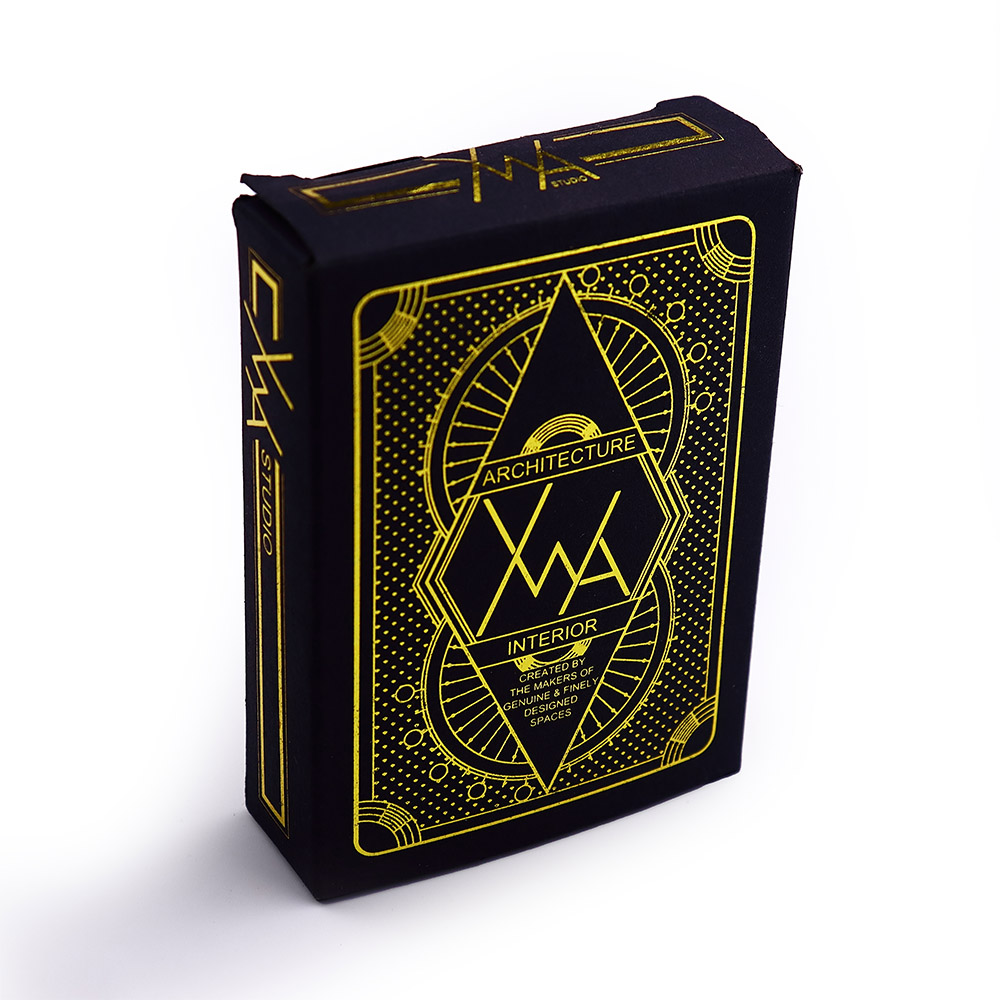 Custom embossed gold foil playing cards
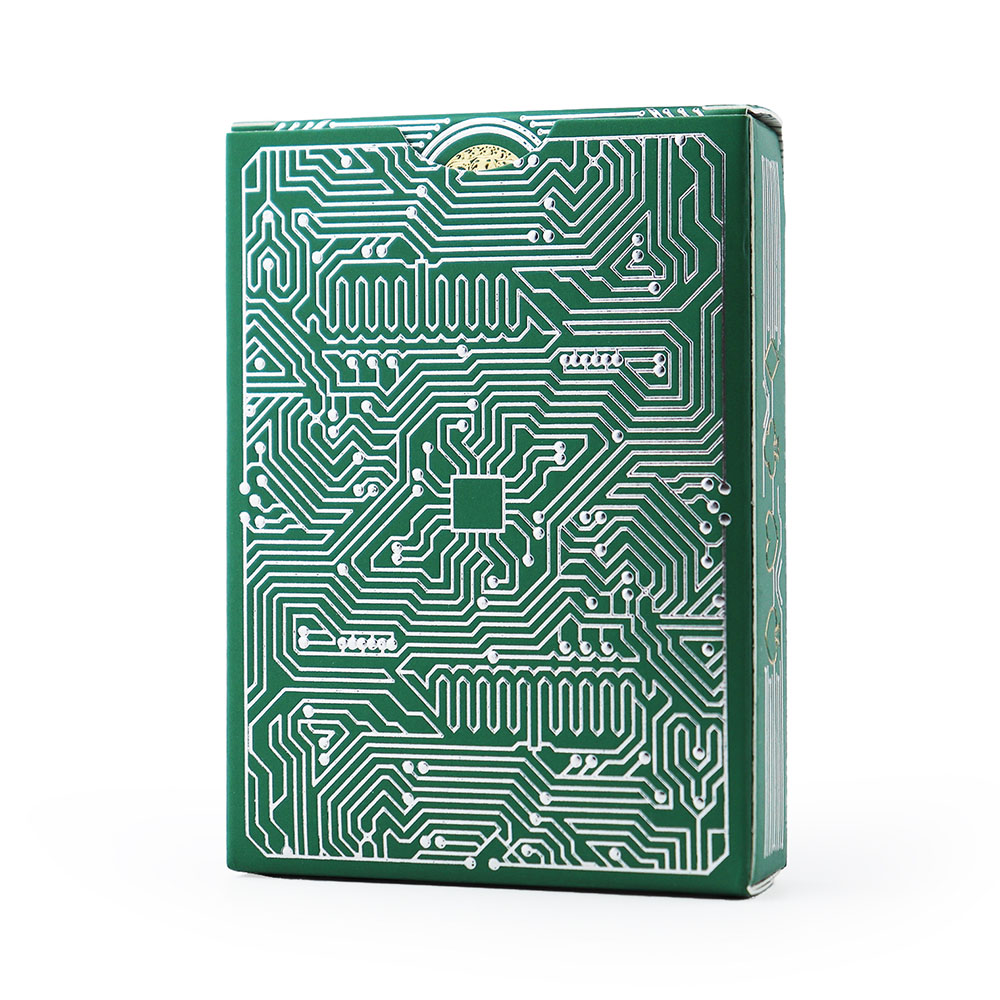 Circuit PCB Edition Custom Playing Cards
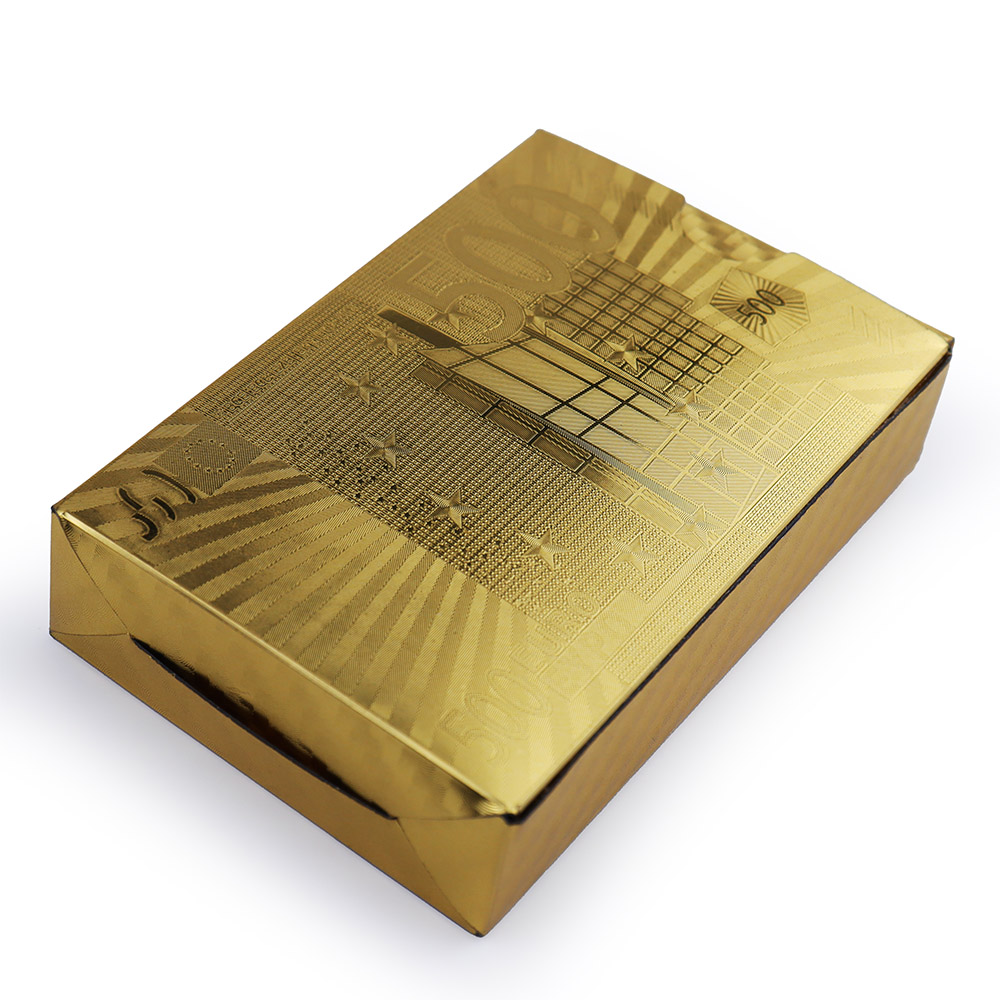 Customized theme gold foil playing cards
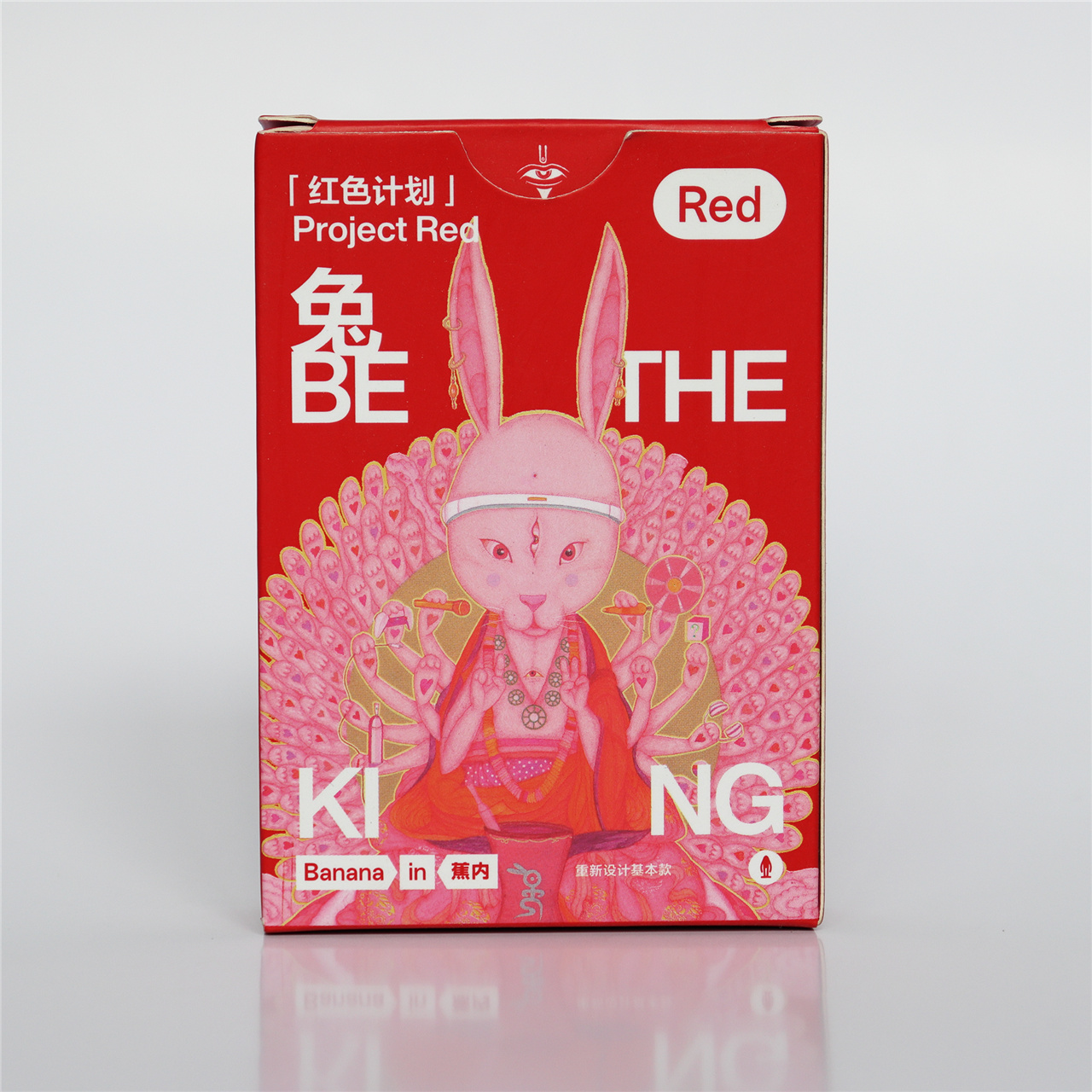 Custom Red Rabbit Themed Playing Cards Set
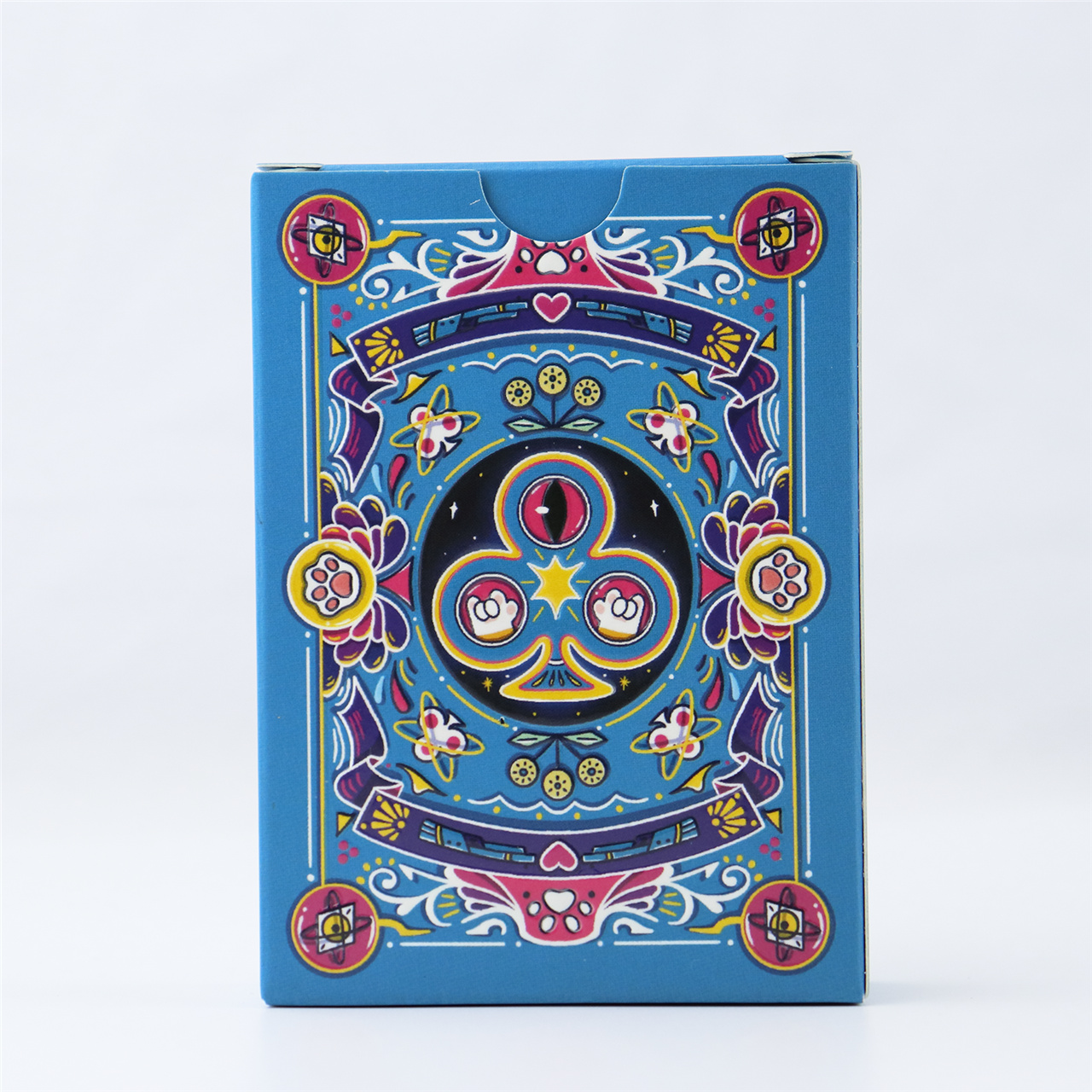 Custom Blue - Black Fantasy Plastic Playing Cards Set
 Pearls of Wisdom Oracle Custom Cards
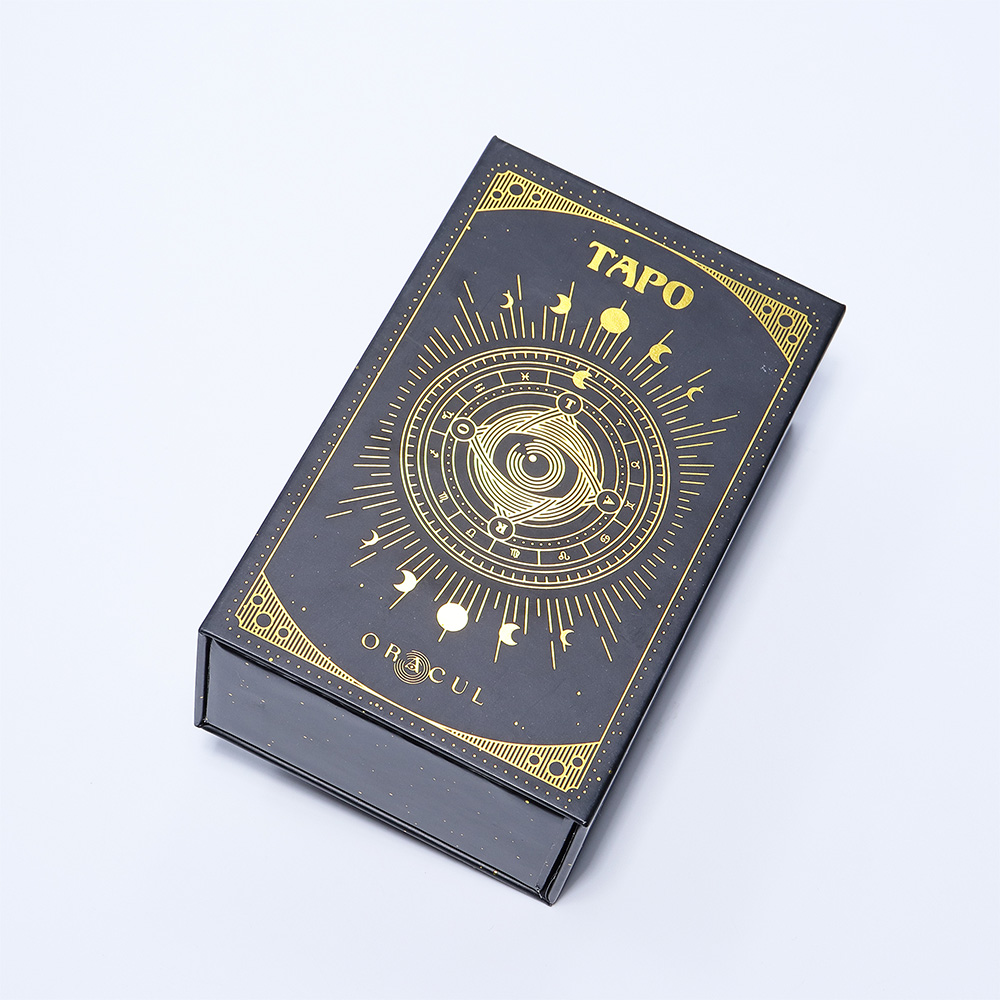 Custom Black & Gold Celestial Tarot Cards
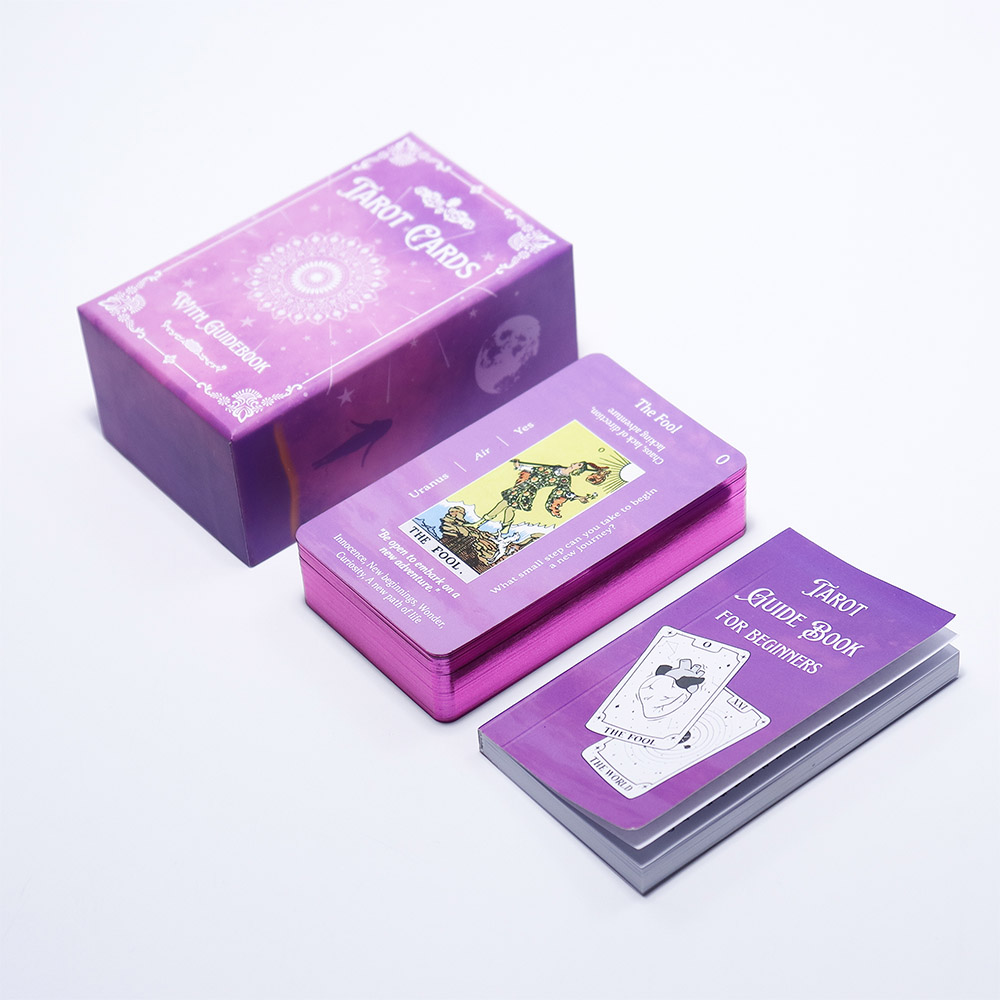 Custom Purple Tarot Cards with Guidebook
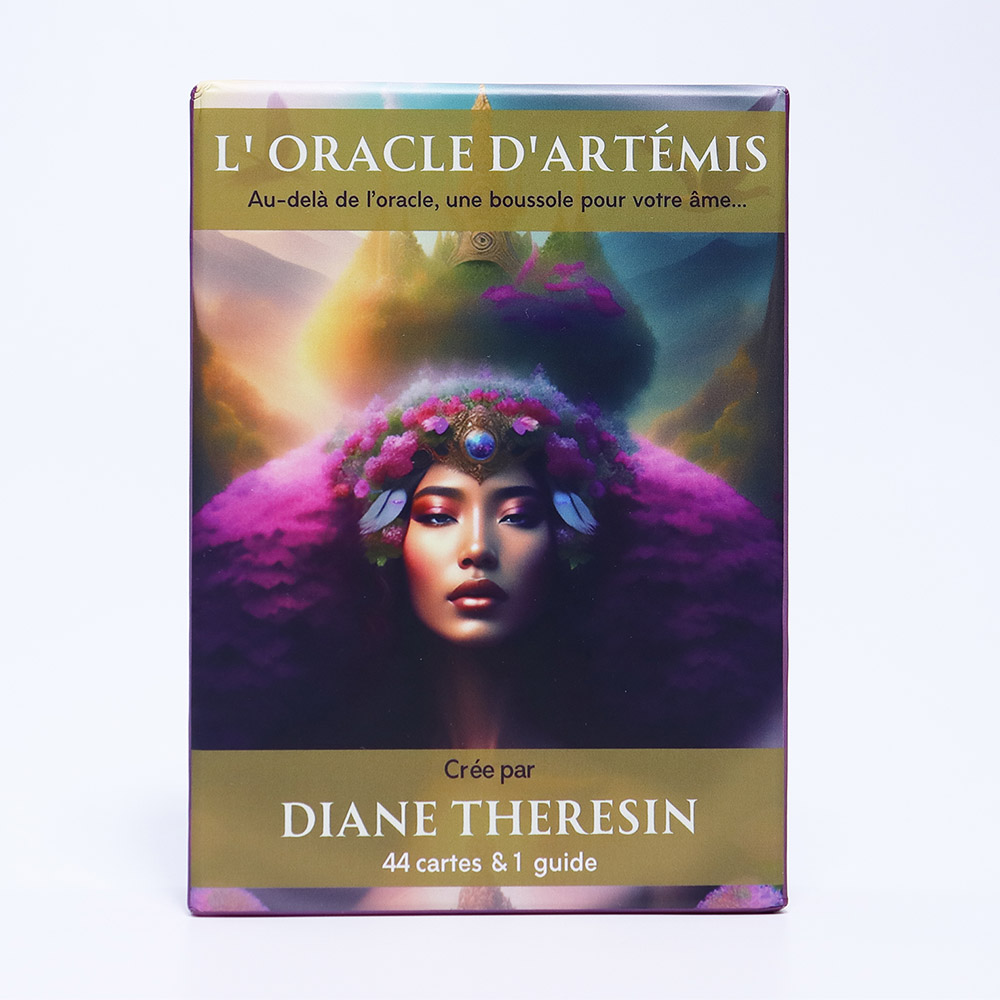 L'Oracle d'Artémis Custom Oracle Cards
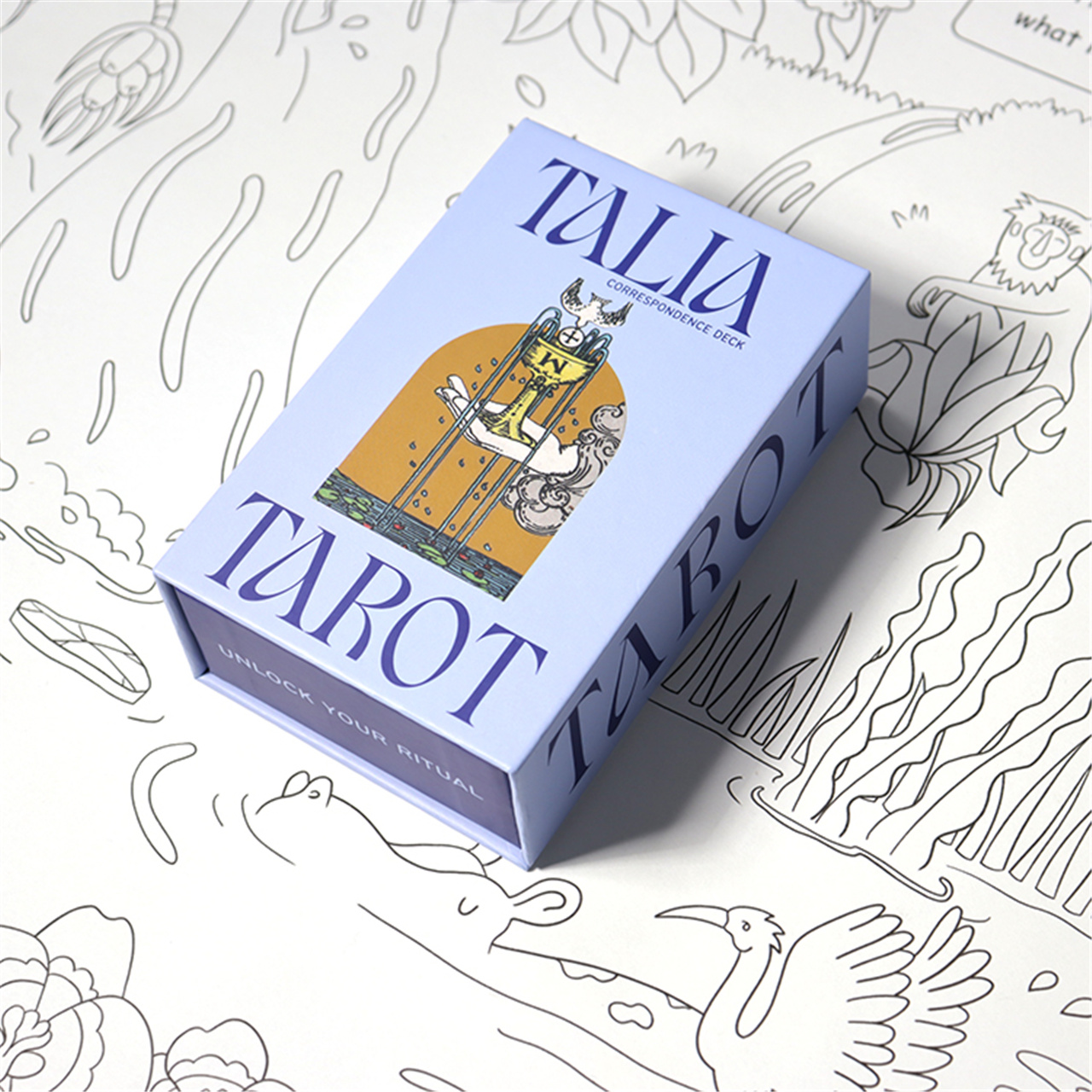 Custom Blue - Themed Tarot Cards Deck
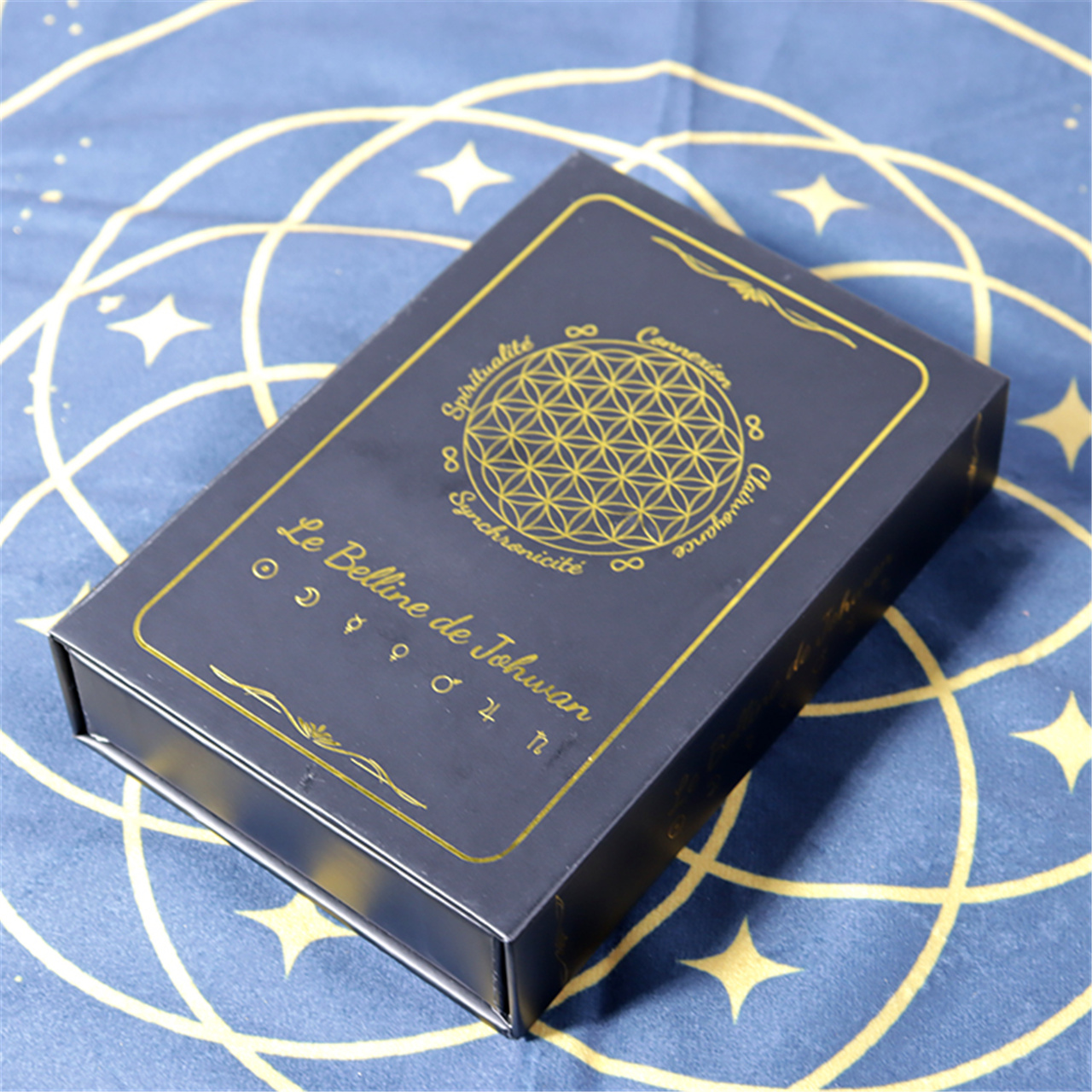 Custom Black - Blue Gold Foil Tarot Cards Set
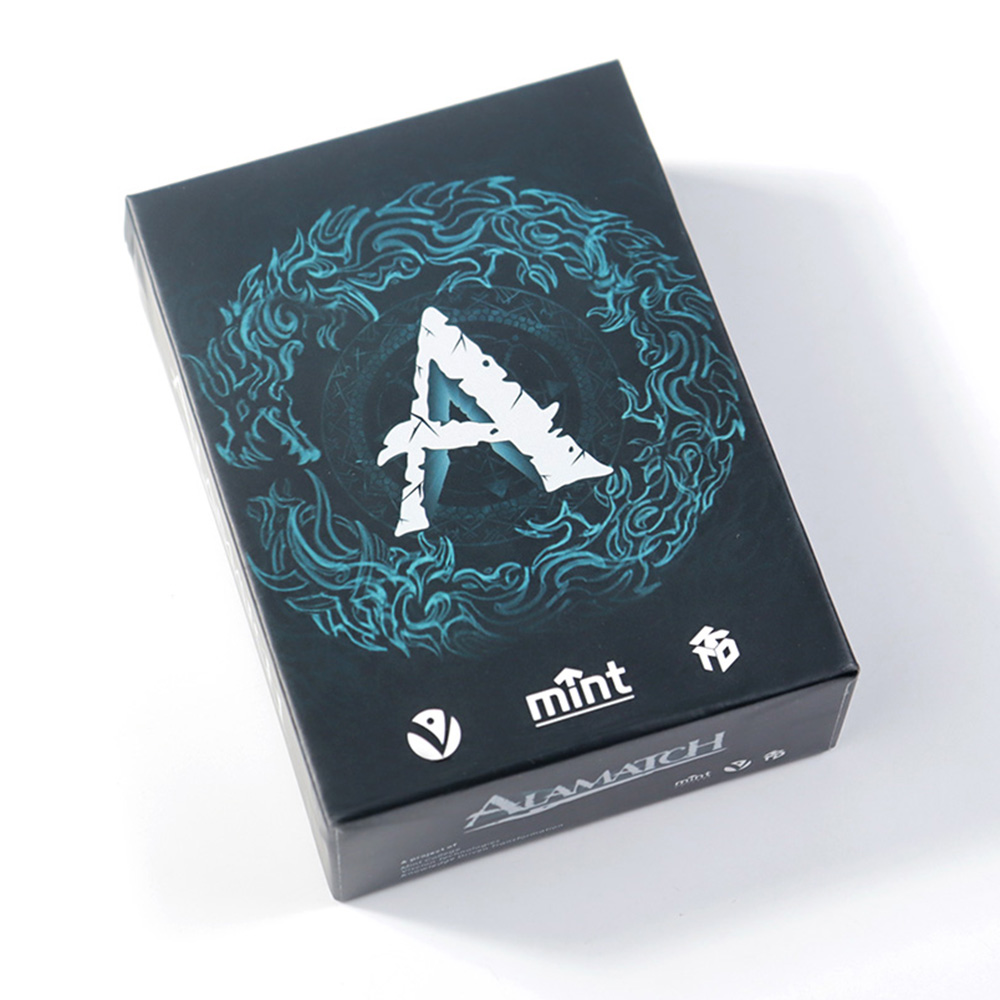 Alamatch Custom Trading Game Cards
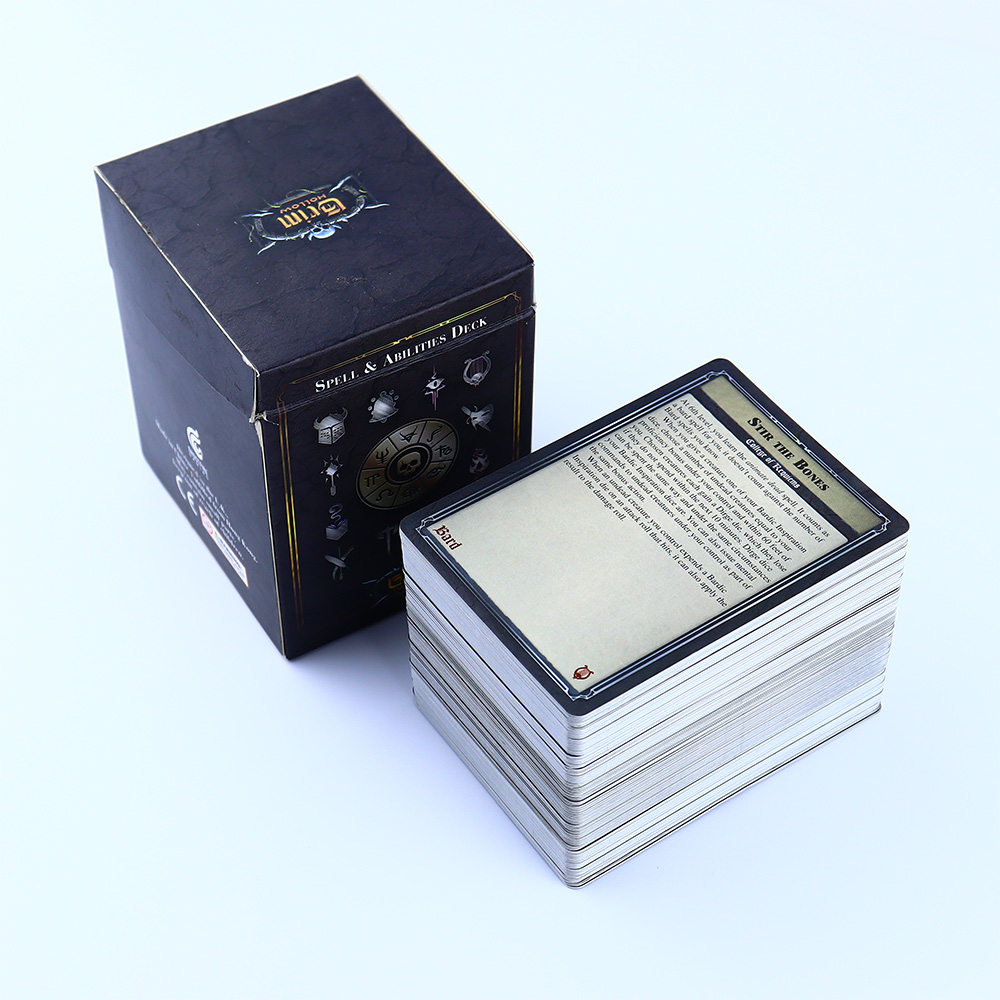 Grim Hollow Spell & Abilities Custom Trading Cards
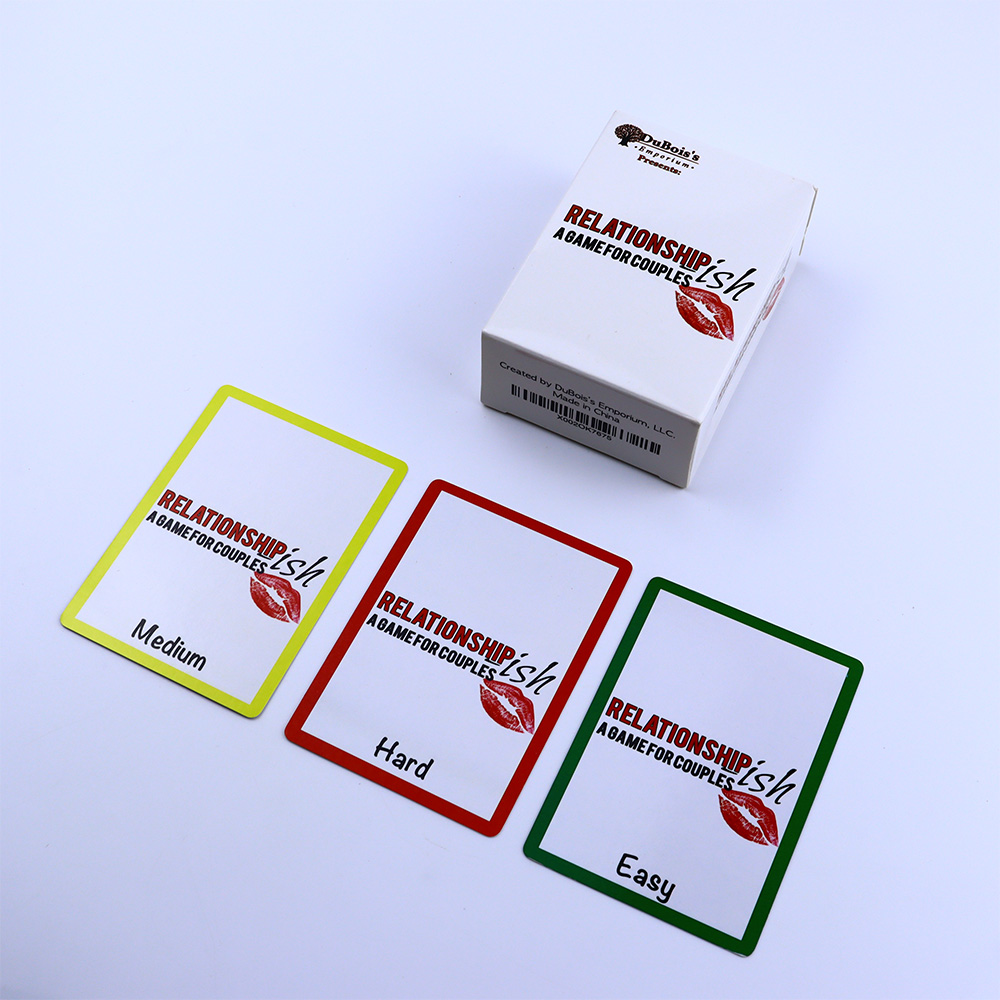 Relationshipish Custom Couple Card Game
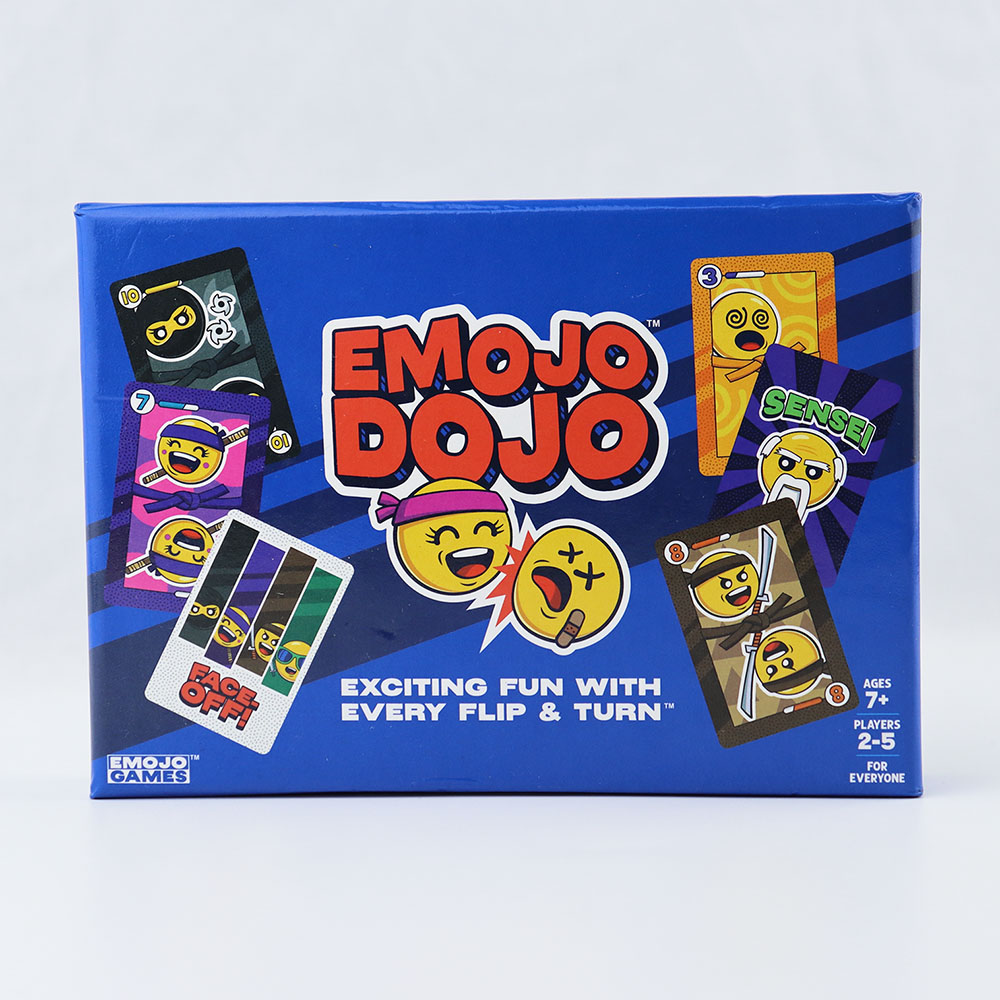 Emojo Dojo Custom Trading Card Game
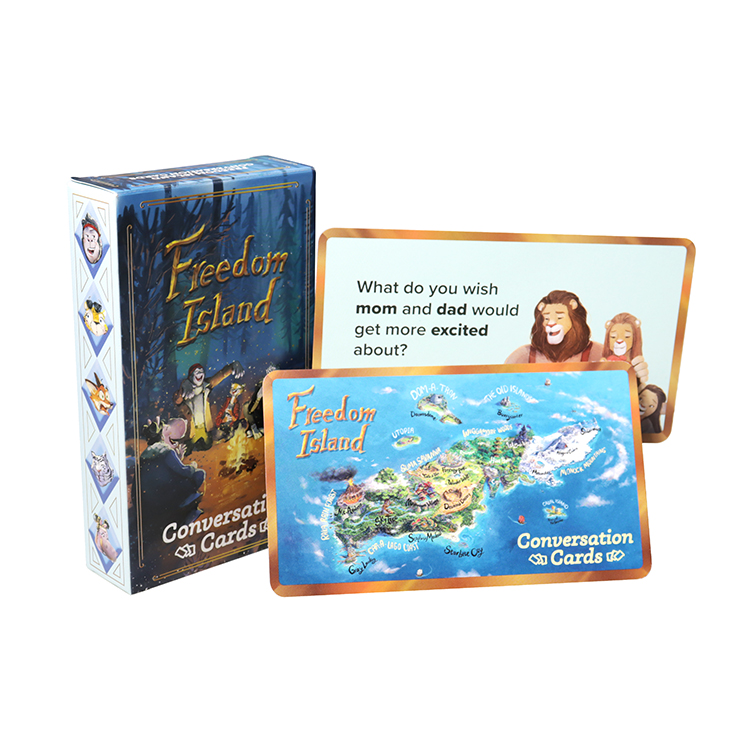 Custom Travel Photo Trading Cards Set
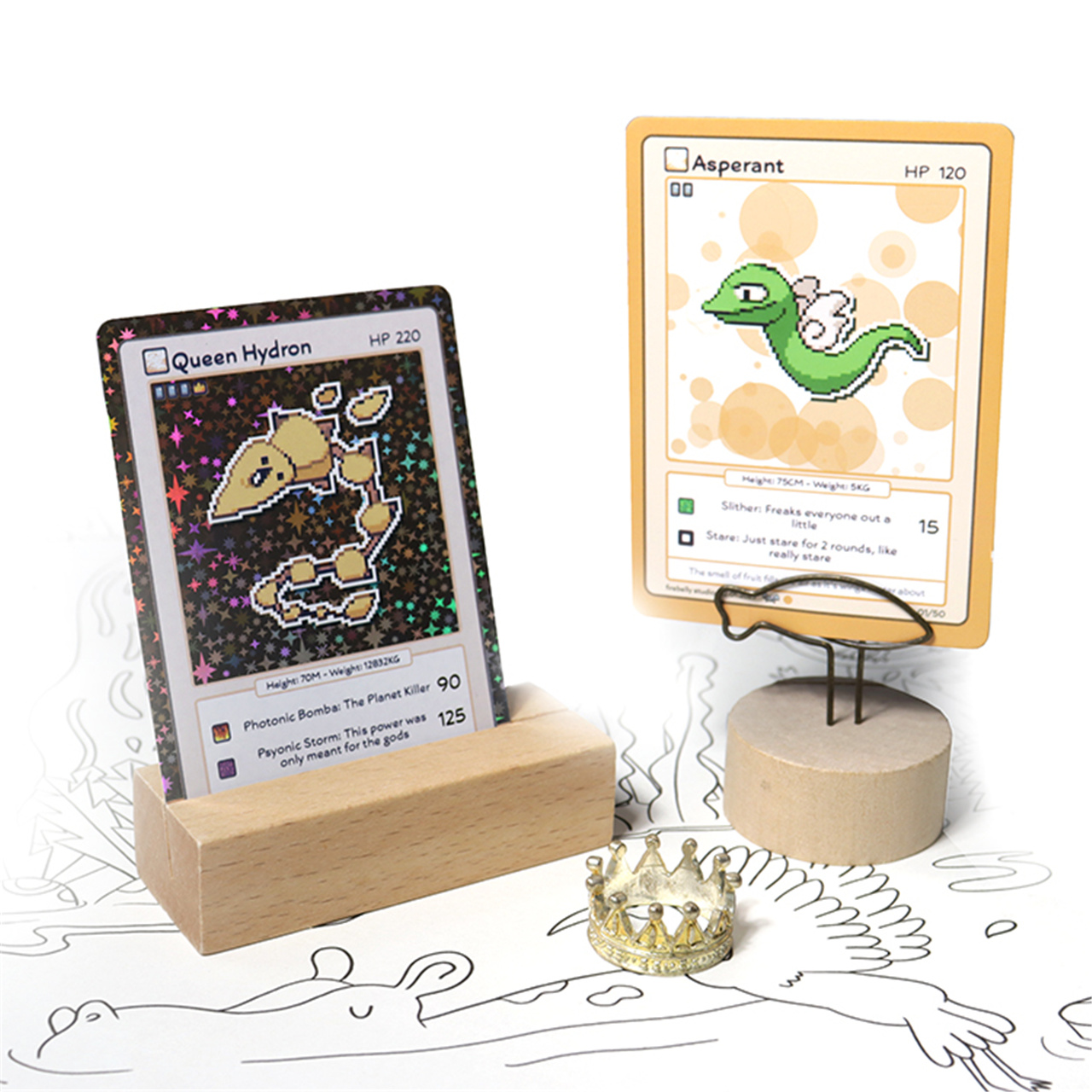 Custom Cartoon Holographic Trading Cards Set