How to Source a Sequence Board Game in 2026?
Sourcing a Sequence Board Game in 2026 requires more than comparing factory prices. Buyers must connect product quality, supplier reliability, customer expectations, and responsible production. A competitive quotation means little if the cards bend, the board surface scratches, or the packaging arrives damaged.
Doug Reuter, widely credited as the creator of Sequence, is often quoted as saying, “It’s a game of skill and luck.” That balance should guide sourcing decisions. A reliable supplier should understand gameplay, not merely reproduce printed components. Request physical samples before approving production. Check card thickness, color consistency, board folding, chip fit, and box strength under normal handling.
Samples reveal flaws.
In 2026, experienced buyers should evaluate factories through documented production records, quality-control procedures, material declarations, and realistic lead-time commitments. Ask how the supplier manages artwork changes, replacement parts, carton testing, and seasonal demand. A low minimum order can be attractive, but unstable quality may create higher costs later.
The sourcing process should also examine labor practices, environmental claims, packaging reduction, and destination-market requirements. Do not accept vague certificates or copied inspection reports. Verify important evidence through recognized testing providers and clear supplier documentation.
The difficult part is forecasting demand accurately. Consumer trends can shift quickly, especially around holidays and family entertainment releases. My own sourcing preference would be a controlled pilot order before scaling. That approach may feel slower. It can expose weak assumptions early, when corrections remain affordable.
A strong Sequence Board Game supplier offers consistency, transparent communication, practical customization, and measurable quality. Price matters, but trust determines whether the second order is easier than the first.
Define the Type and Requirements of the Sequence Board Game
Before sourcing a sequence board game in 2026, define the product type with precision. Decide whether it is competitive, cooperative, educational, or designed for family play. Specify the player range, recommended age, playing time, and preferred board size. A compact travel version may need magnetic pieces, while a home version can use a larger foldable board. I recommend writing these details in a product requirement sheet. It prevents vague discussions with suppliers.
Describe every physical component. State the board dimensions, card quantity, card thickness, surface finish, token material, and storage method. Rounded edges may improve handling for younger players. A linen-textured card surface can reduce glare under bright indoor lighting. Ask for color samples and physical prototypes before approving mass production. Artwork should remain readable from across a table. Small text often looks acceptable on a screen but fails during real play.
Quality requirements need measurable standards. Set limits for color variation, warped boards, misprinted cards, and missing pieces. Request pre-production samples, documented inspections, and random checks from packed cartons. Confirm packaging strength through drop testing. Do not rely only on attractive photographs. One sourcing mistake is treating the sample as proof of every future batch. It is not. Include revision limits, minimum order quantities, production timing, and replacement procedures in writing. I would also test the game with children and adults, because my first rule set seemed clear until new players misunderstood one simple turn.
Identify Reliable Manufacturers and Wholesale Suppliers
How to Source a Sequence Board Game in 2026?
Reliable sourcing starts with evidence, not attractive photographs. Grand View Research’s 2024 board games report projects continued market growth through 2030, supported by family entertainment demand and online retail. This growth attracts inexperienced factories and inconsistent trading companies. Ask each supplier for a registered business address, production photos, export history, and three recent customer references. Request a factory video call, then compare the production floor with the submitted photos. A trustworthy manufacturer should explain board thickness, card coating, printing tolerance, packaging, and replacement procedures clearly.
Wholesale suppliers can reduce minimum order quantities, but their traceability may be weaker. Check whether they own production equipment or outsource it. Request samples from the same production line, not only a showroom sample. Test color consistency, warped boards, card cutting, odor, and box compression. For children’s products, request current safety documentation relevant to your sales market, such as EN 71 or ASTM F963 testing. TÜV Rheinland’s 2024 consumer product quality research emphasizes supplier audits and documented corrective actions as practical risk controls. Certificates alone are not enough.
Tips: Write every specification into the purchase agreement. Include material grades, tolerances, inspection stages, defect limits, carton dimensions, and delivery penalties. Use a pre-shipment inspection before paying the balance. Keep one sealed reference sample. I once underestimated packaging strength; small corner damage became expensive returns. That mistake still matters. Also, treat unusually low quotations carefully. A cheaper board may hide thinner stock, unstable ink, or missing testing costs.
How to Source a Sequence Board Game in 2026: Typical Procurement Timelines
These typical planning ranges help buyers compare production and logistics stages when evaluating reliable board-game manufacturers and wholesale suppliers. Actual timing depends on artwork readiness, component complexity, order quantity, inspection requirements, and shipping method. Always confirm the schedule in writing before placing an order.
Compare Product Quality, Pricing, and Minimum Order Quantities
How to Source a Sequence Board Game in 2026?
Sourcing a sequence board game requires more than comparing attractive factory photos. Request a physical sample before discussing large production quantities. Check board thickness, card flexibility, print registration, token edges, and box strength. A board that bends after repeated folding can damage the playing experience. Test the sample with several players, not only in an office setting. Their feedback may reveal confusing symbols or awkward card handling.
Pricing should include tooling, packaging, inspection, freight, and possible import charges. Compare the full landed cost, not only the unit price. Ask suppliers for quotes at 500, 1,000, and 3,000 units. A lower price may hide thinner cards or weaker cartons. Minimum order quantities also affect cash flow and storage space. For a small launch, 1,000 units may be safer than chasing the lowest unit cost. However, I have seen small orders become expensive when setup fees are spread across too few boxes.
Tips:
Define acceptable quality in writing. Include color tolerance, component counts, packaging dimensions, and defect limits. Ask for a pre-production sample. Arrange an independent inspection before shipment. Keep ten finished units for future comparison. Do not trust every promised delivery date. Build extra time into your launch plan. Mistakes happen, even with careful suppliers. Review them early.
Verify Licensing, Safety Standards, and Production Samples
How to Source a Sequence Board Game in 2026?
Sourcing a sequence board game starts with licensing verification, not artwork.
Request the rights holder’s authorization letter, contract scope, territory, term, and product category. Check whether the supplier may reproduce symbols, characters, names, and instruction text. Licensing International’s 2024 Global Licensing Industry Study valued licensed merchandise and services at $356.5 billion in 2023. That scale attracts counterfeit activity and careless paperwork. I would keep approval records in one shared folder. Small gaps can become expensive disputes.
Safety documents should match the destination market.
Ask for test reports covering small parts, sharp edges, heavy metals, inks, and packaging. U.S. orders commonly require ASTM F963 and applicable consumer-product rules. European orders may require EN 71 testing, while ISO 8124 can support broader international checks. The U.S. CPSC reported 231,100 toy-related emergency-department injuries in 2023. A board game may look harmless, but tokens and cards still need age-appropriate risk review. Request samples from the real production line, not only polished prototypes. Compare corner finishing, card thickness, print alignment, odor, and box compression. Keep three sealed samples from each batch. I once trusted a sample too quickly; the mass-produced cards felt thinner. That mistake still needs correcting.

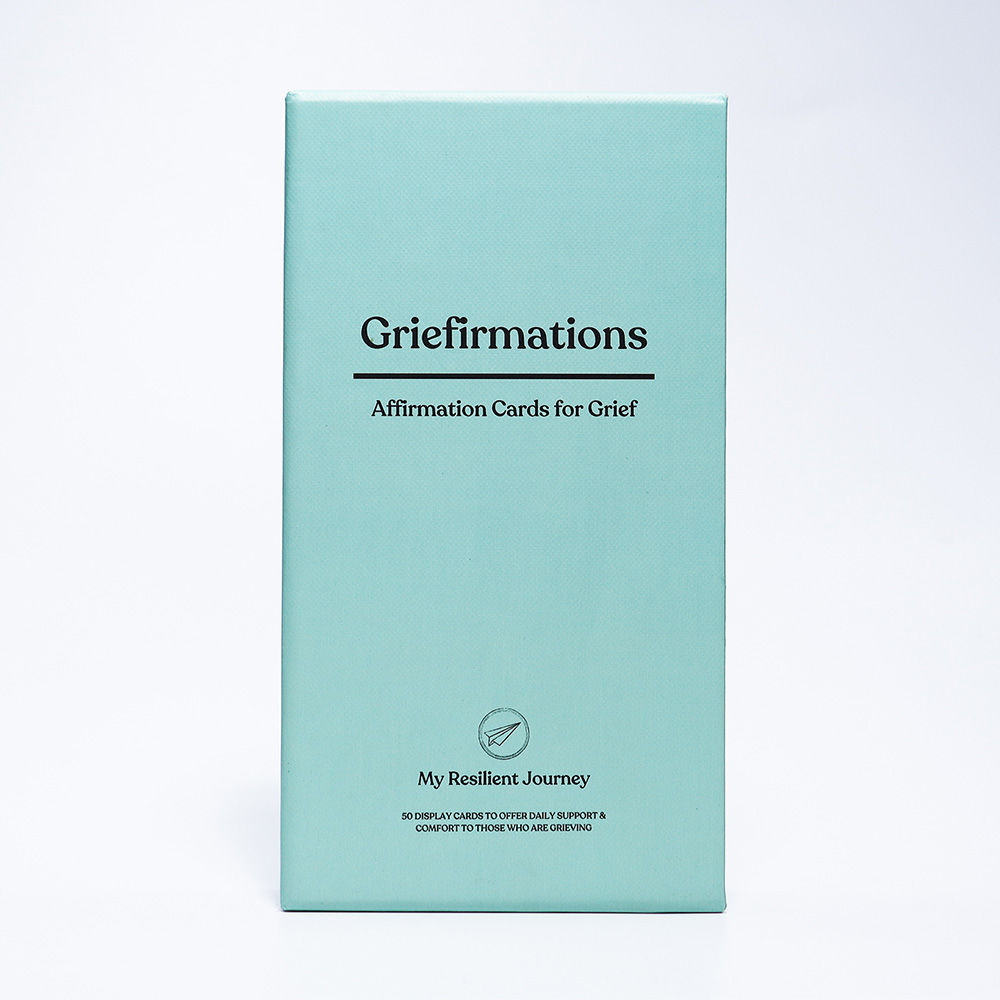 Customizable Emotional Support Cards for Grief & Resilience
 Personalized Emotional Encouragement Card Collection
 Personalized Deep Conversation Card Gift Box
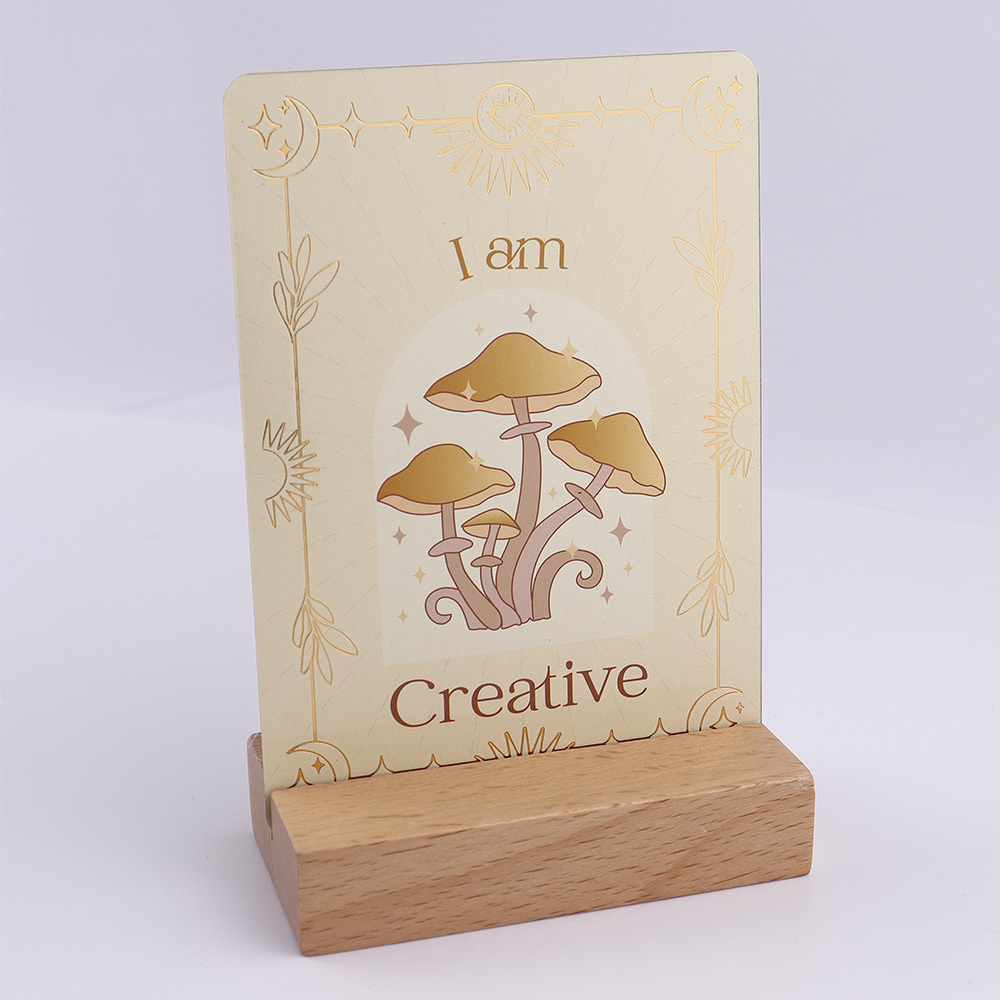 Customizable Boho-Chic Affirmation Cards for Mindfulness & Self-Love
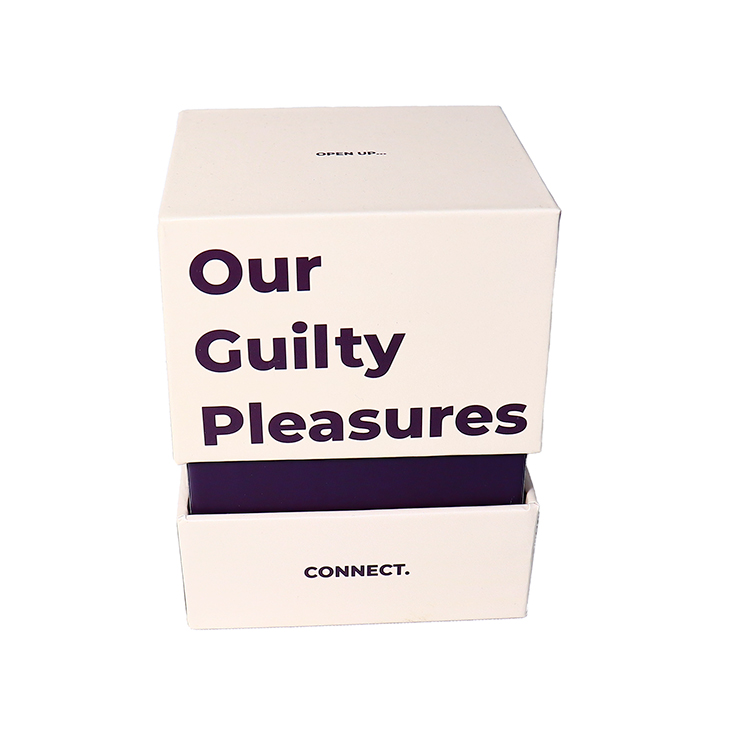 Customized Friendship Confirmation Card
 Customized Entrepreneurship Confirmation Card
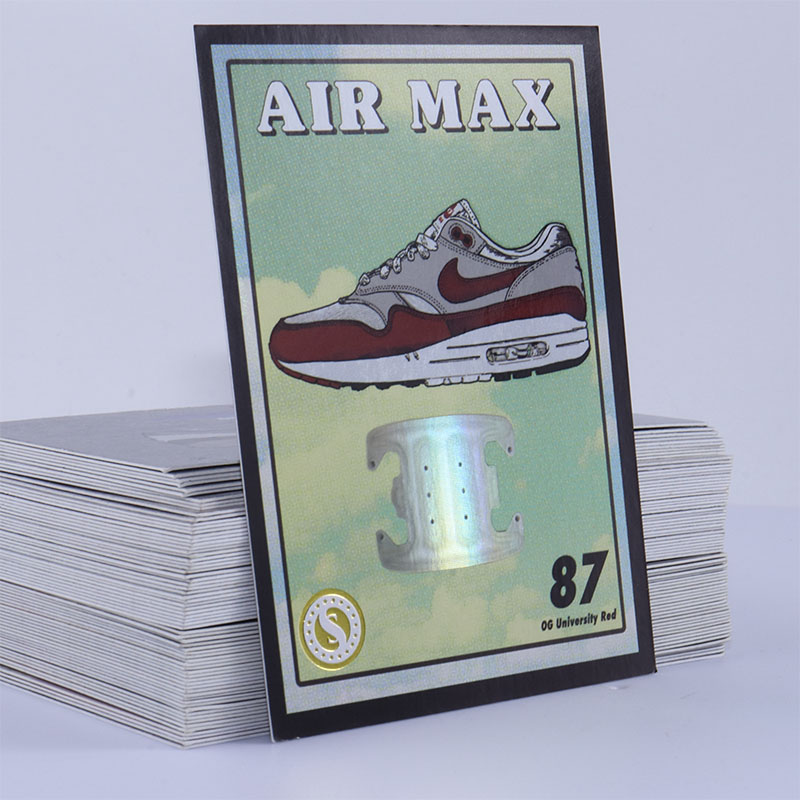 Air Max Pax Custom Sneaker Card Blind Box Set
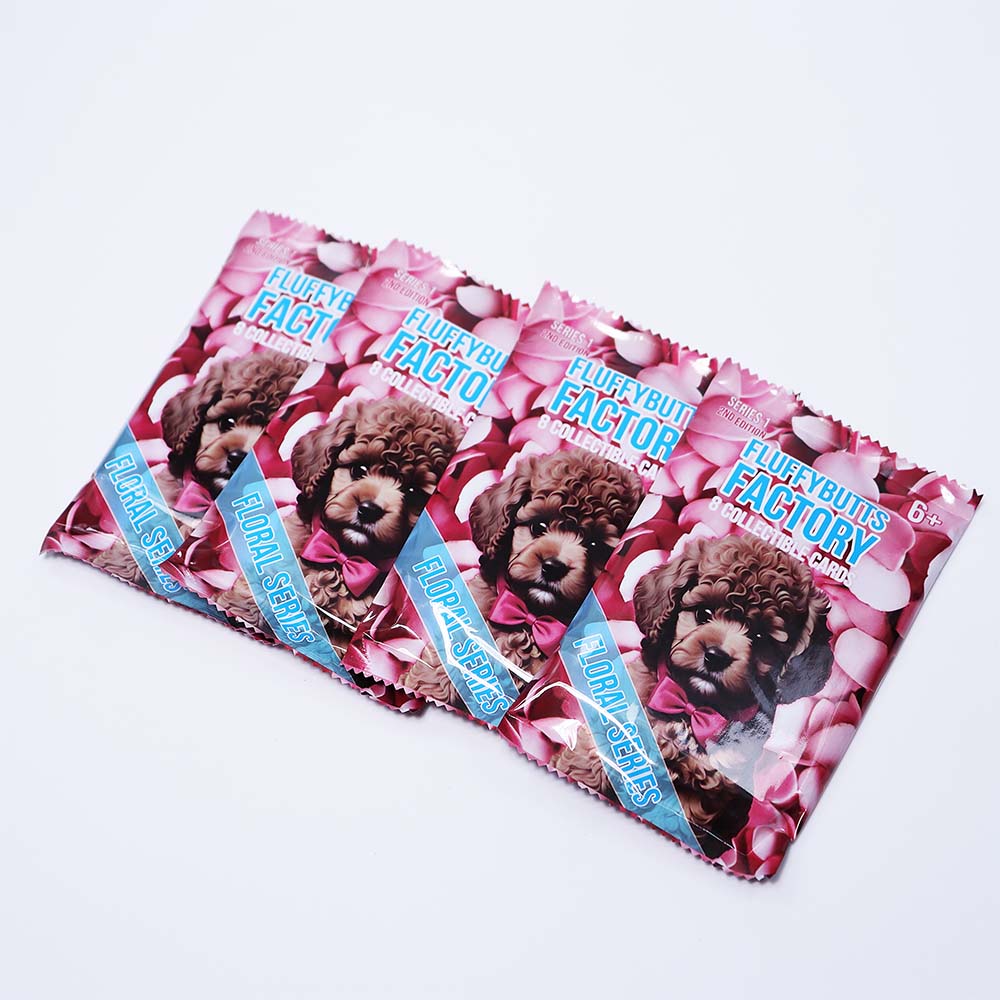 Fluffybutts Factory Custom Pet Card Blind Box Sets
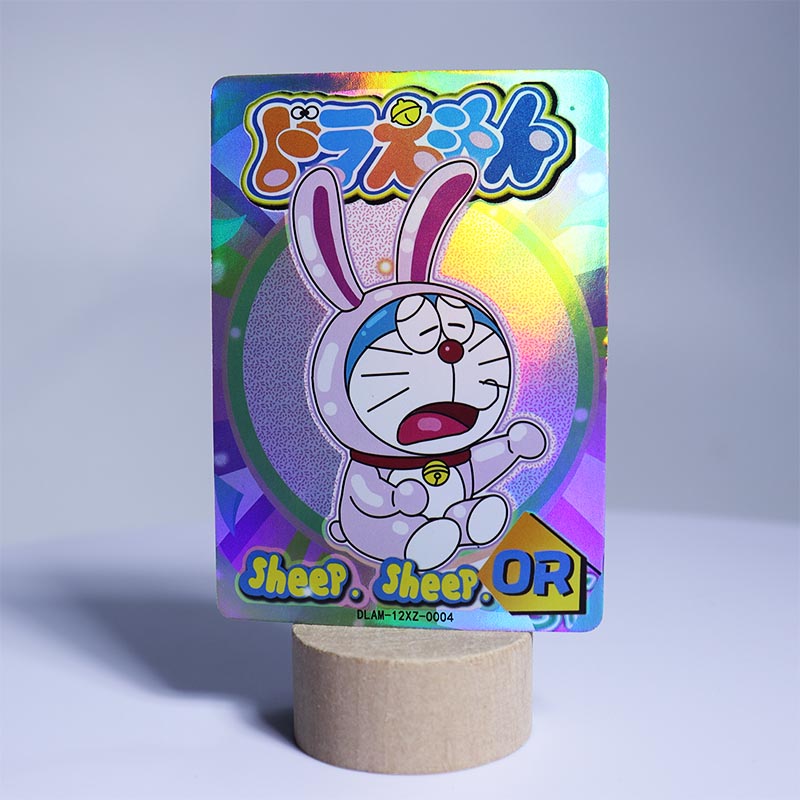 Doraemon Custom Card Blind Box Set
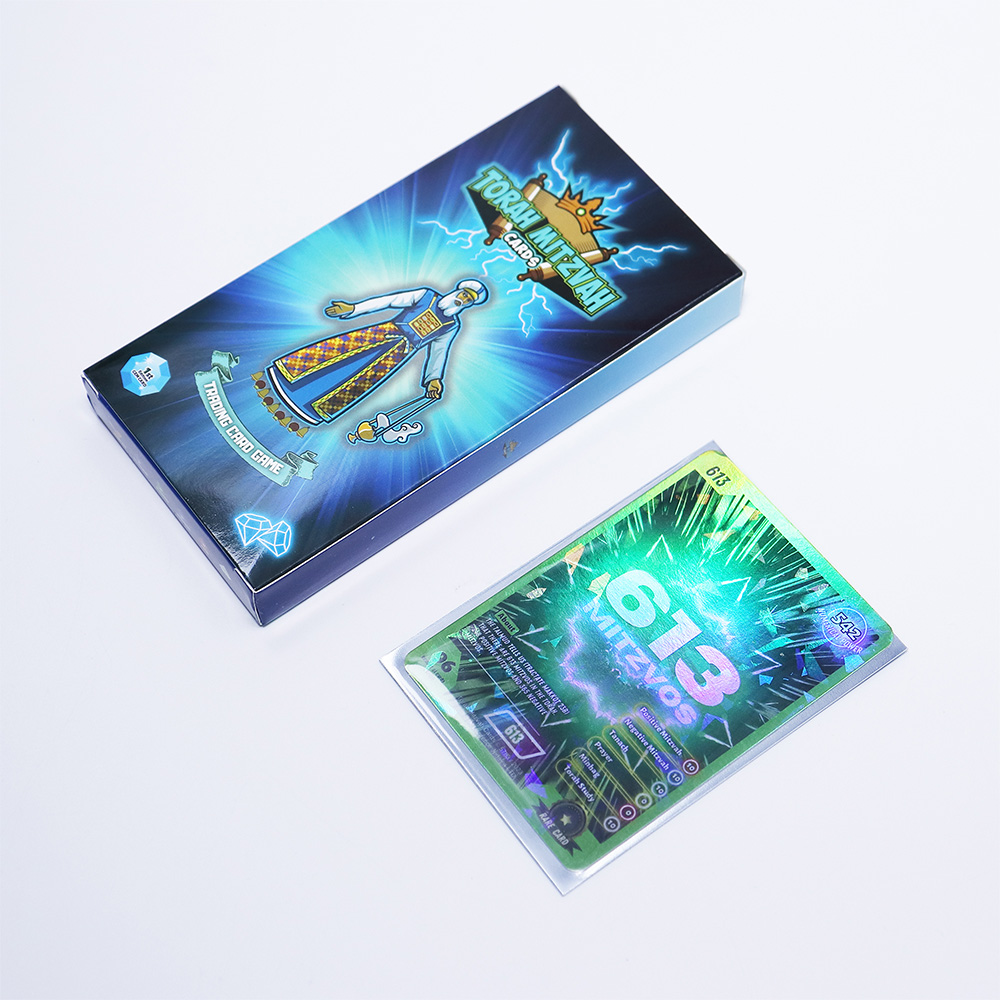 Torah Mitzvah Custom Card Blind Box Set
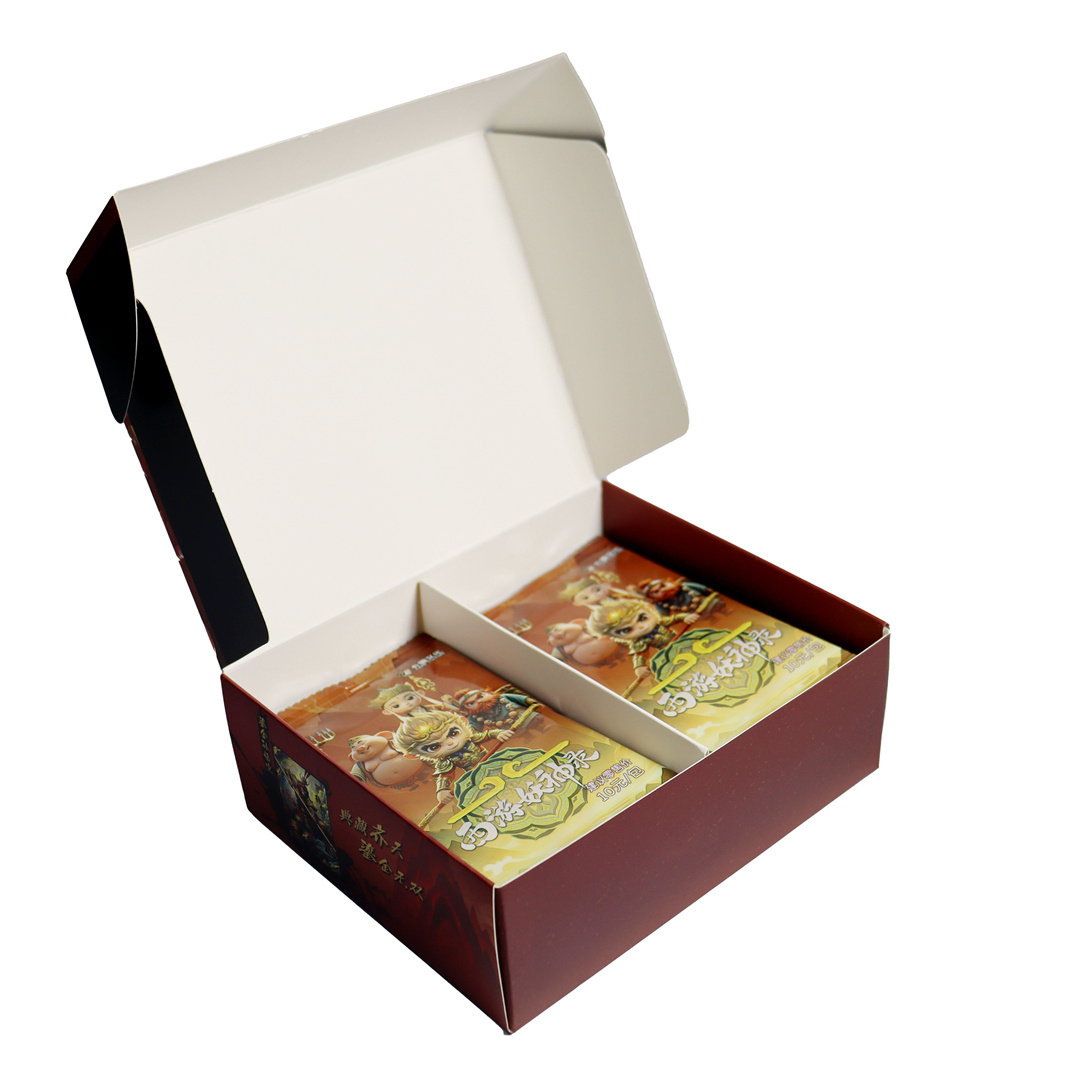 Customized "Journey to the West" Themed Card Blind Box Set
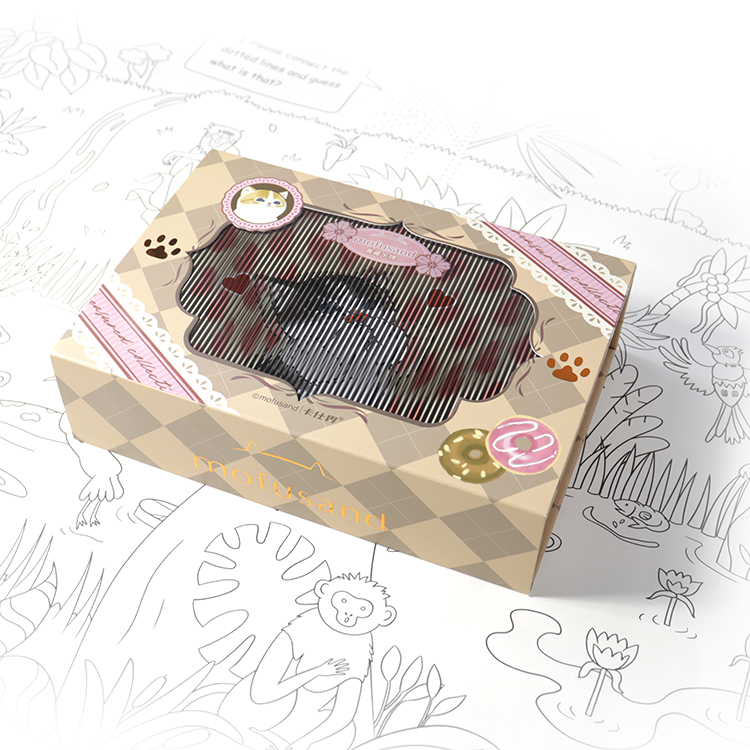 Customized cat-themed blind box set
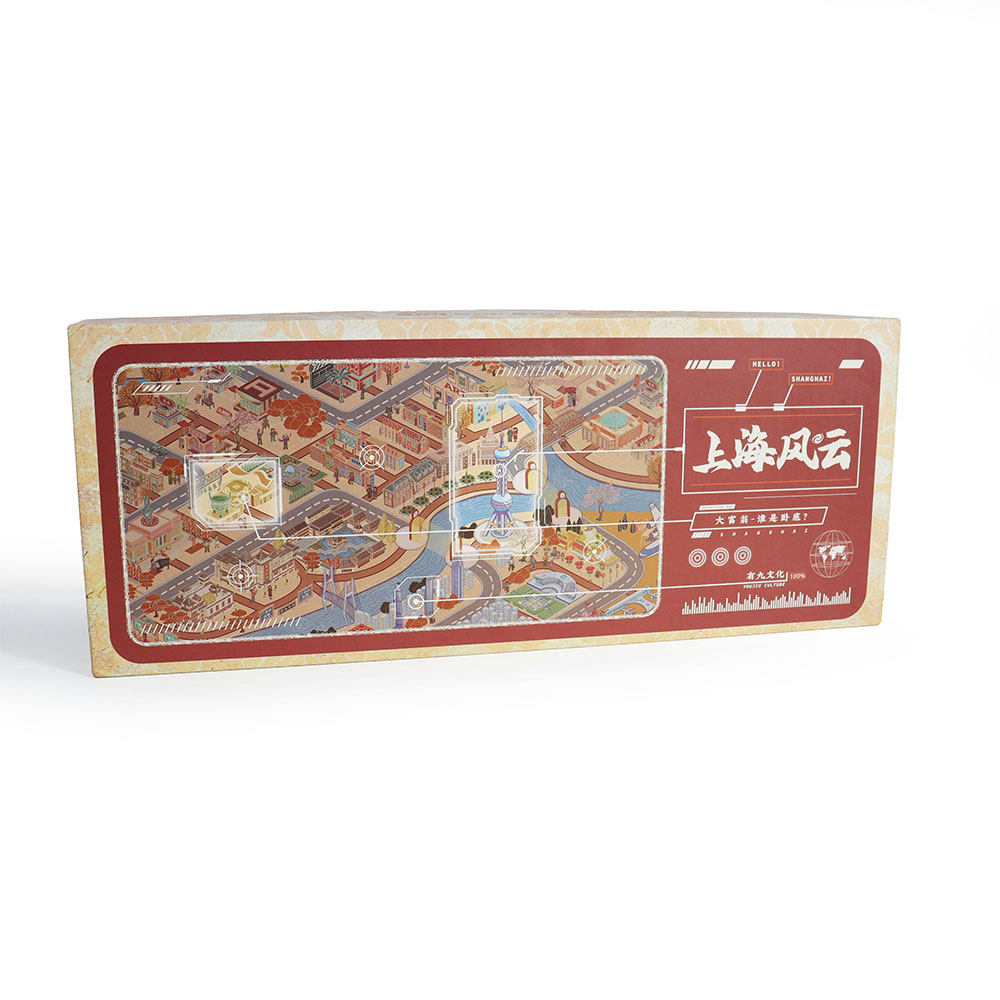 Shanghai Fengyun Custom Board Game Set
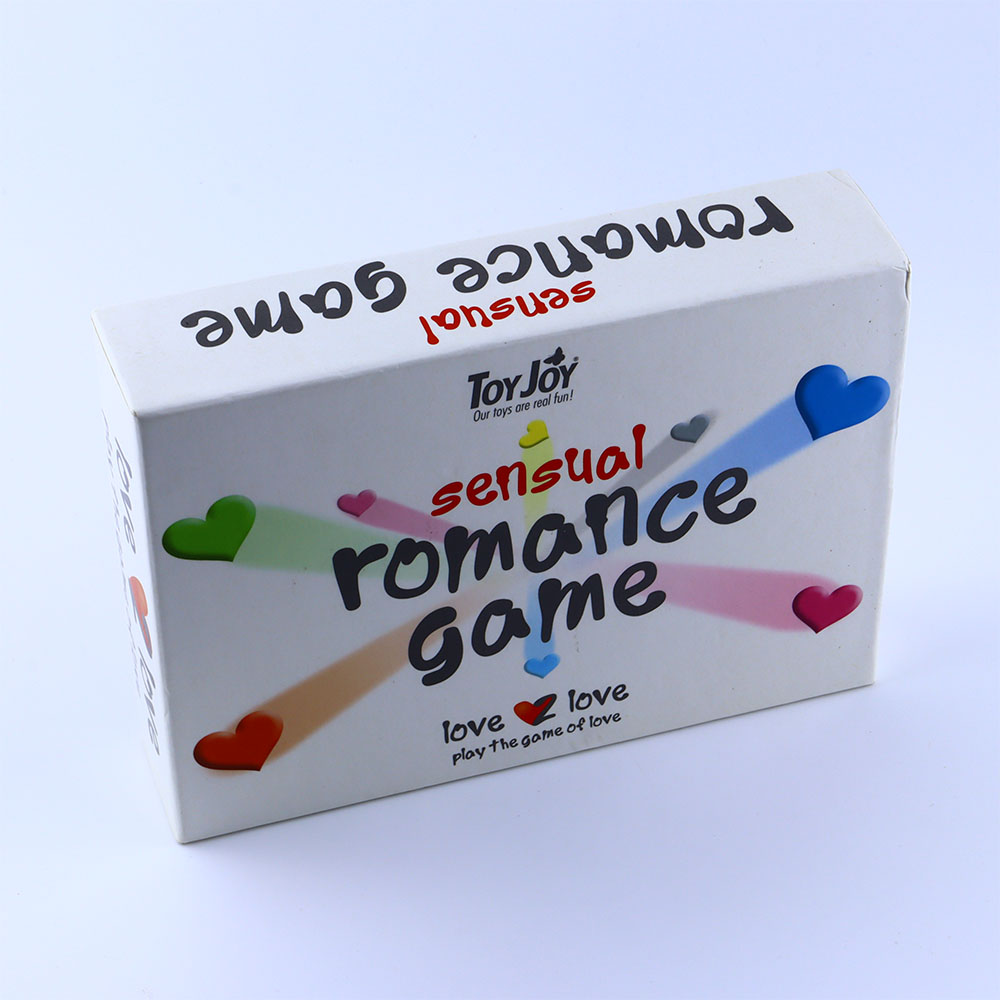 Sensual Romance Game Custom Board Game Set
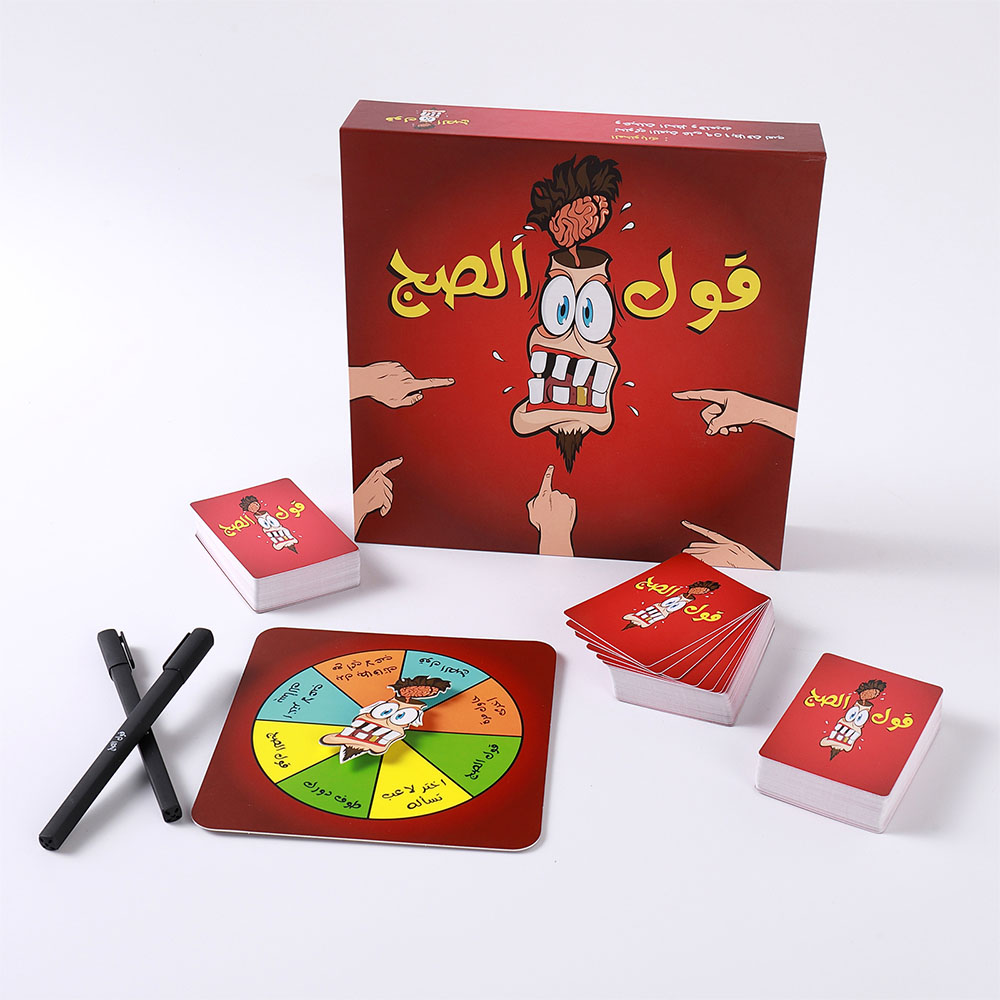 "Qoul Al Sabah" Custom Board Game Set
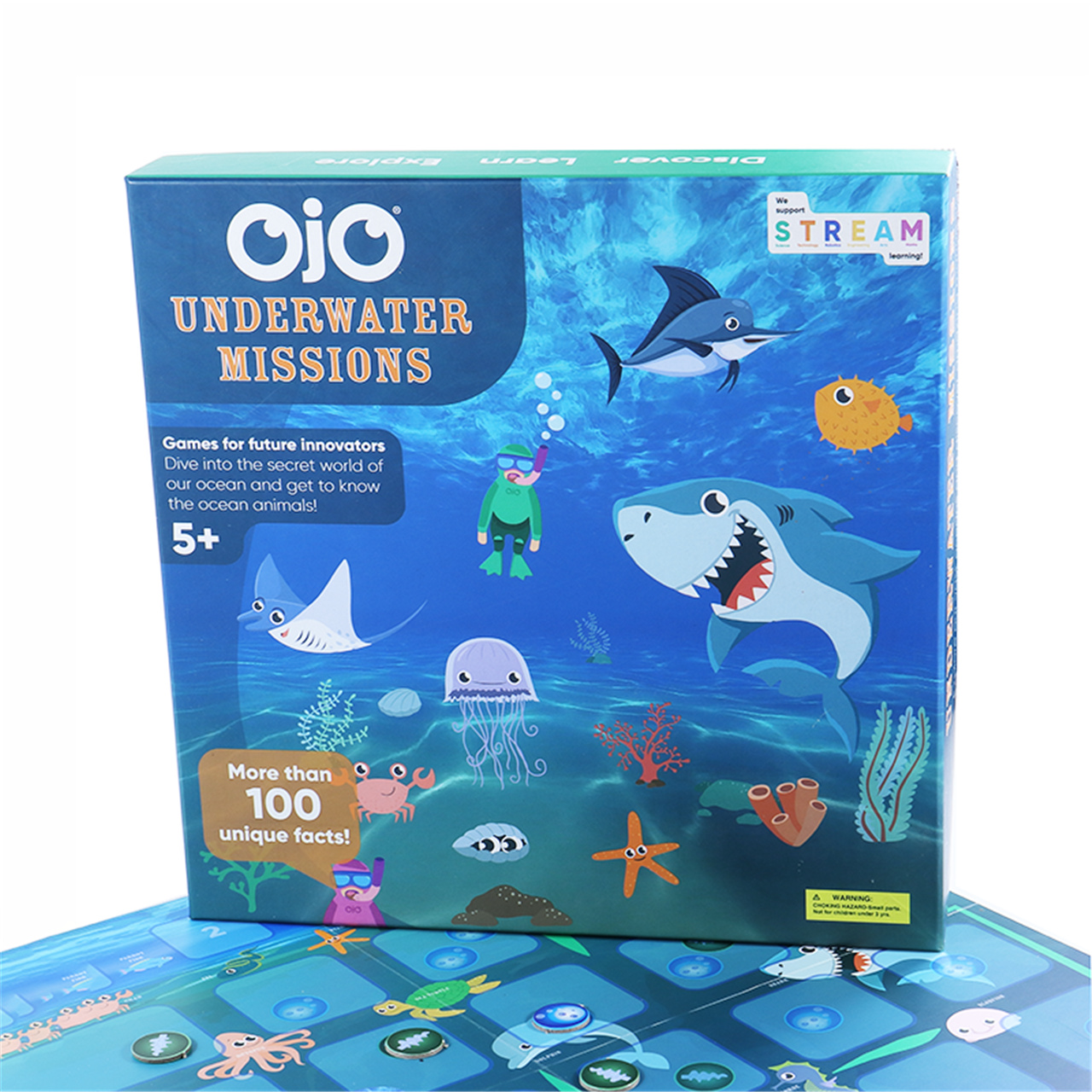 Customized educational board games for children
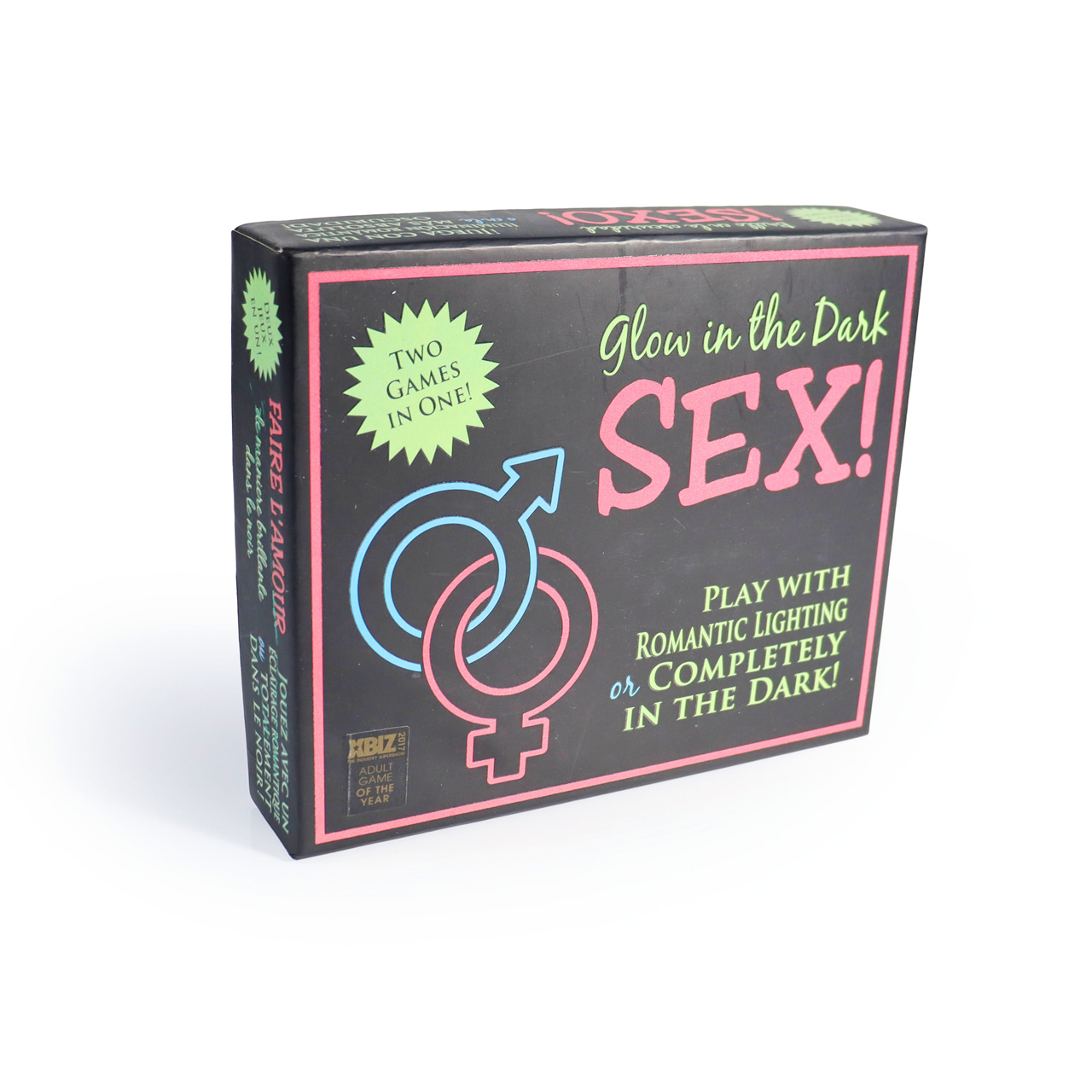 Couple Interaction Turntable Themed Board Game
 Business Finance Board Game
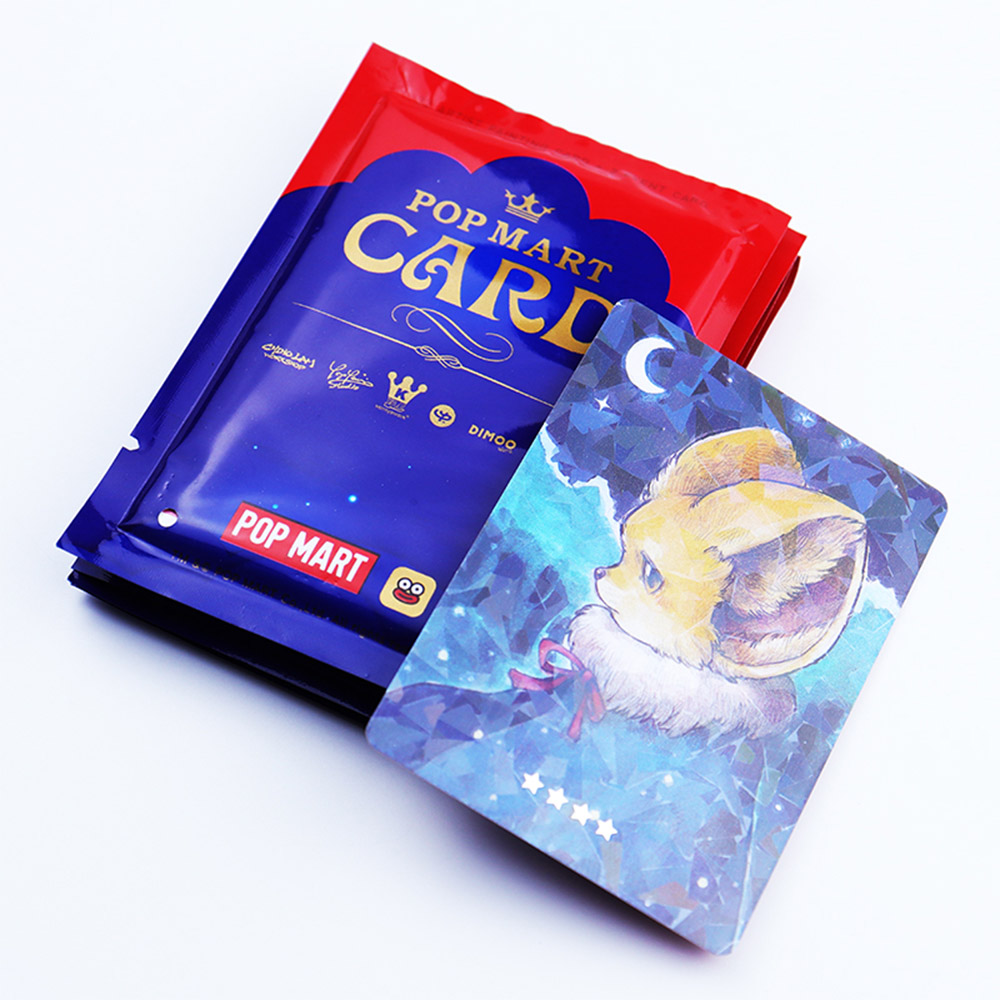 Pop Mart Custom Character Collectible Cards
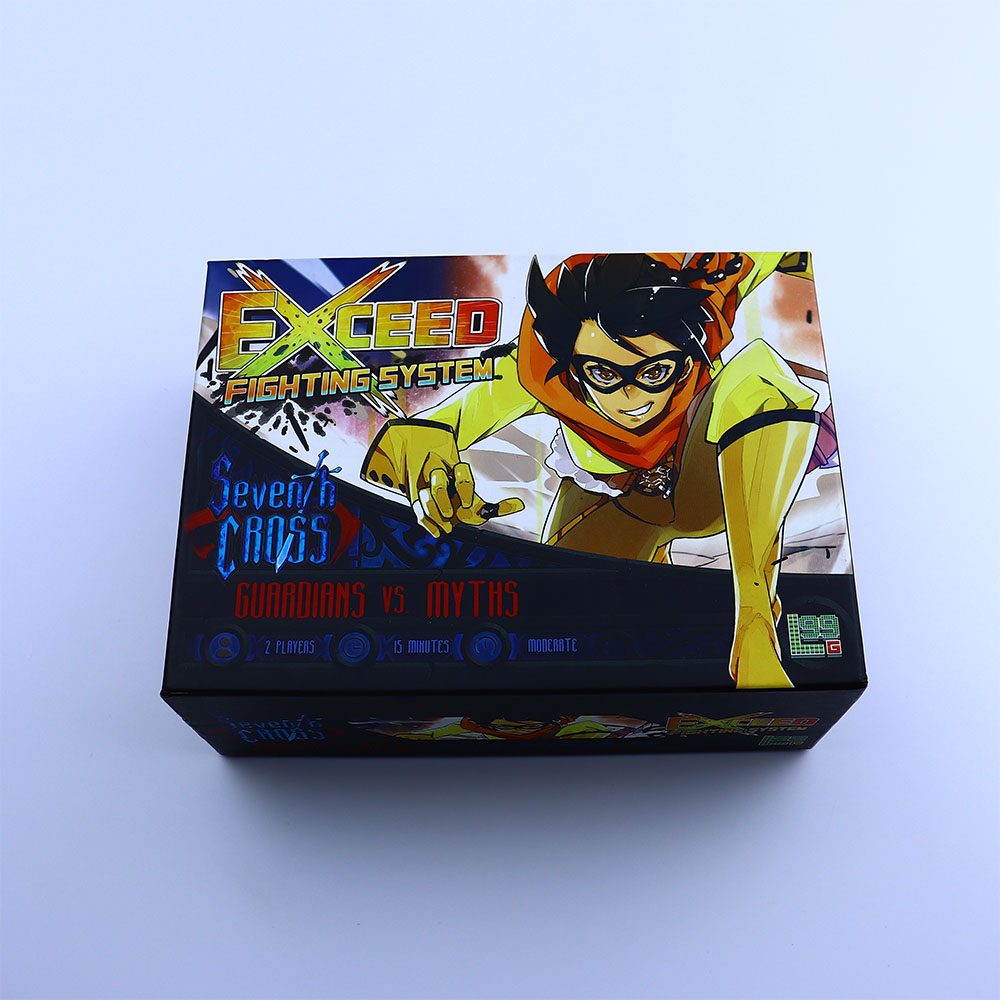 EXCEED Fighting System Custom Character Card Set
 Three Kingdoms Custom Hero Character Cards
 Custom Anime Character Dynamic Visual Cards
 Custom Cartoon Character Collectible Card Set
 Custom Anime Character Art Card Set
 Little Larch Alphabet Cards
 Feelings and Dealings Custom Children's Emotion Card Game
 Korean Children's Educational Flashcards
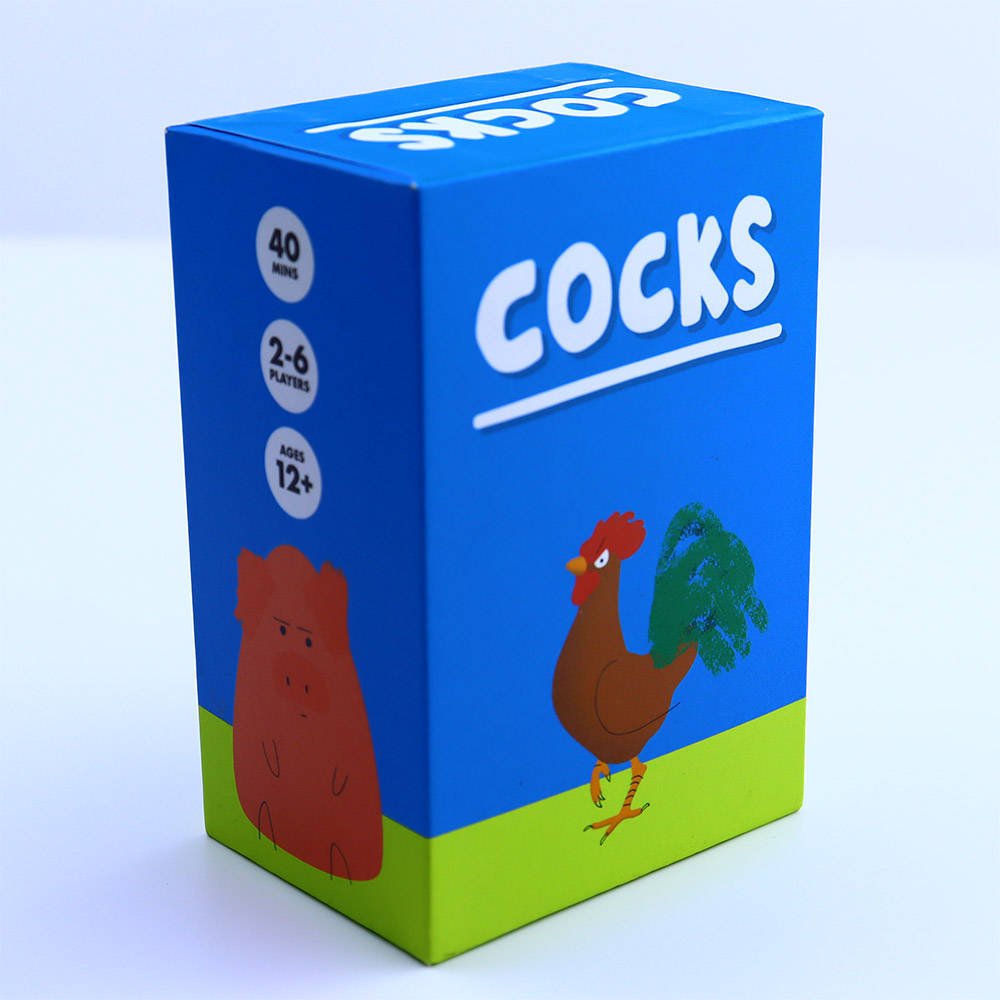 Cocks Themed Custom Children's Learning Cards
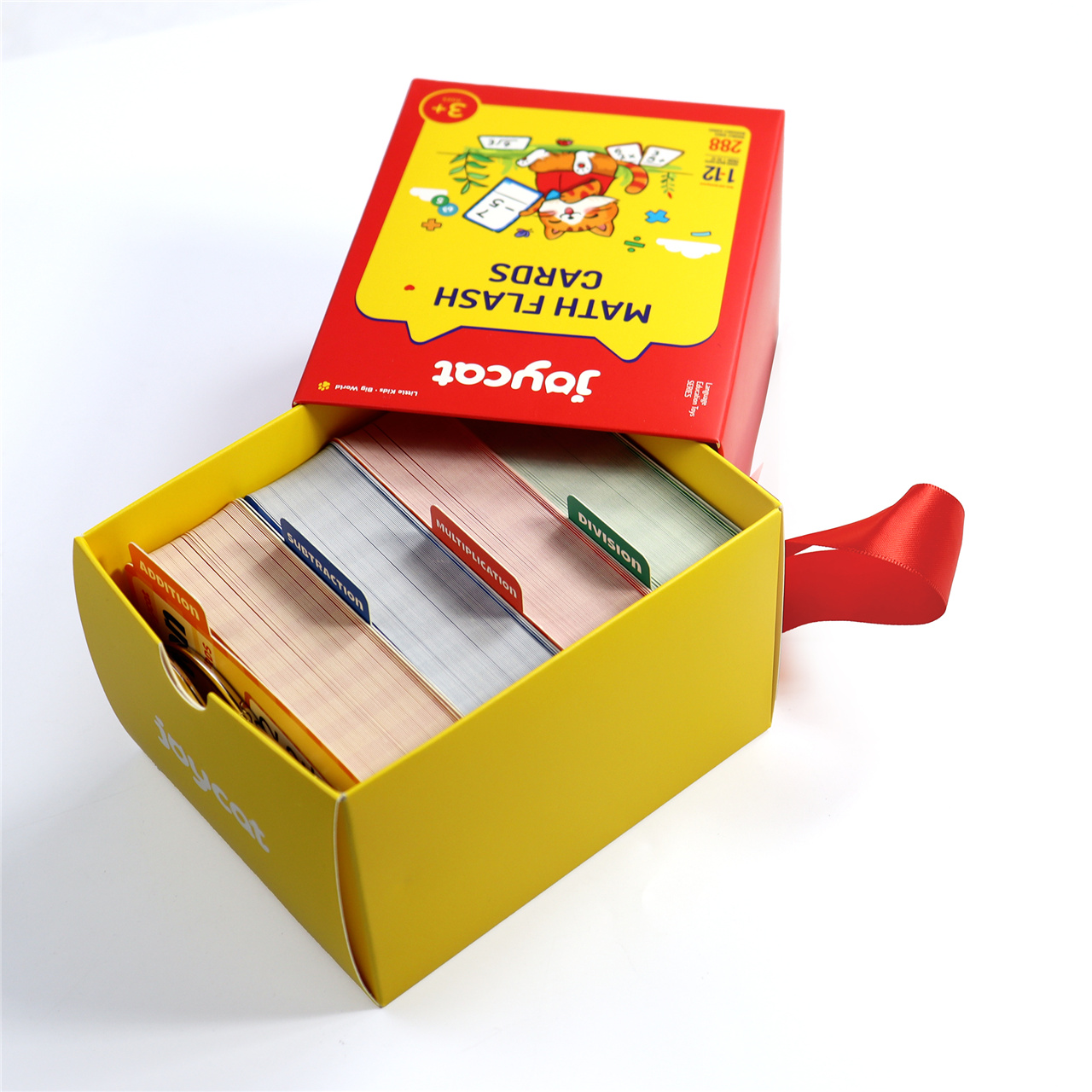 Math Flash Cards Set for Kids
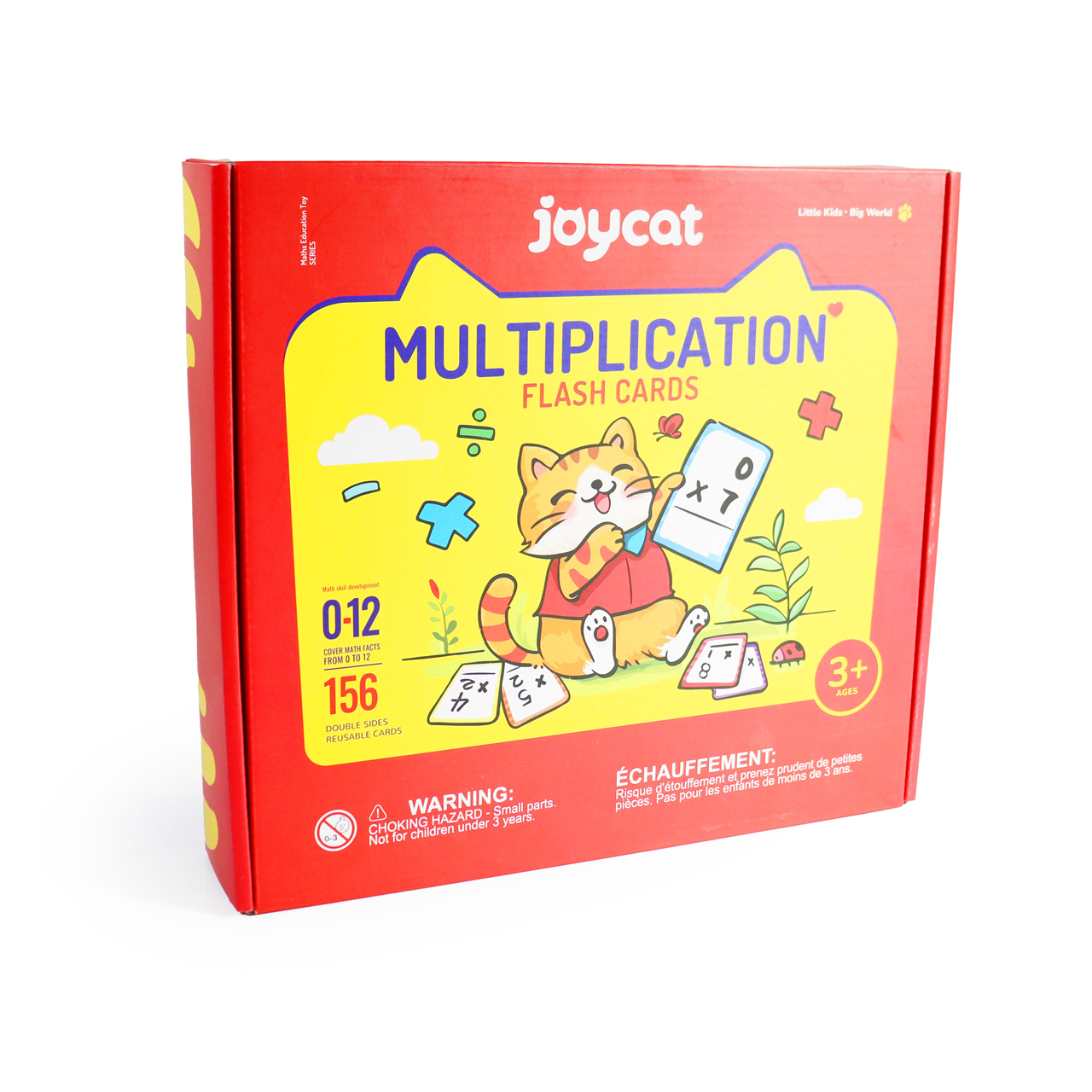 Joycat Multiplication Flash Cards Set with Accessories
 Custom Dual-Deck Playing Cards with Wolf-Themed Design
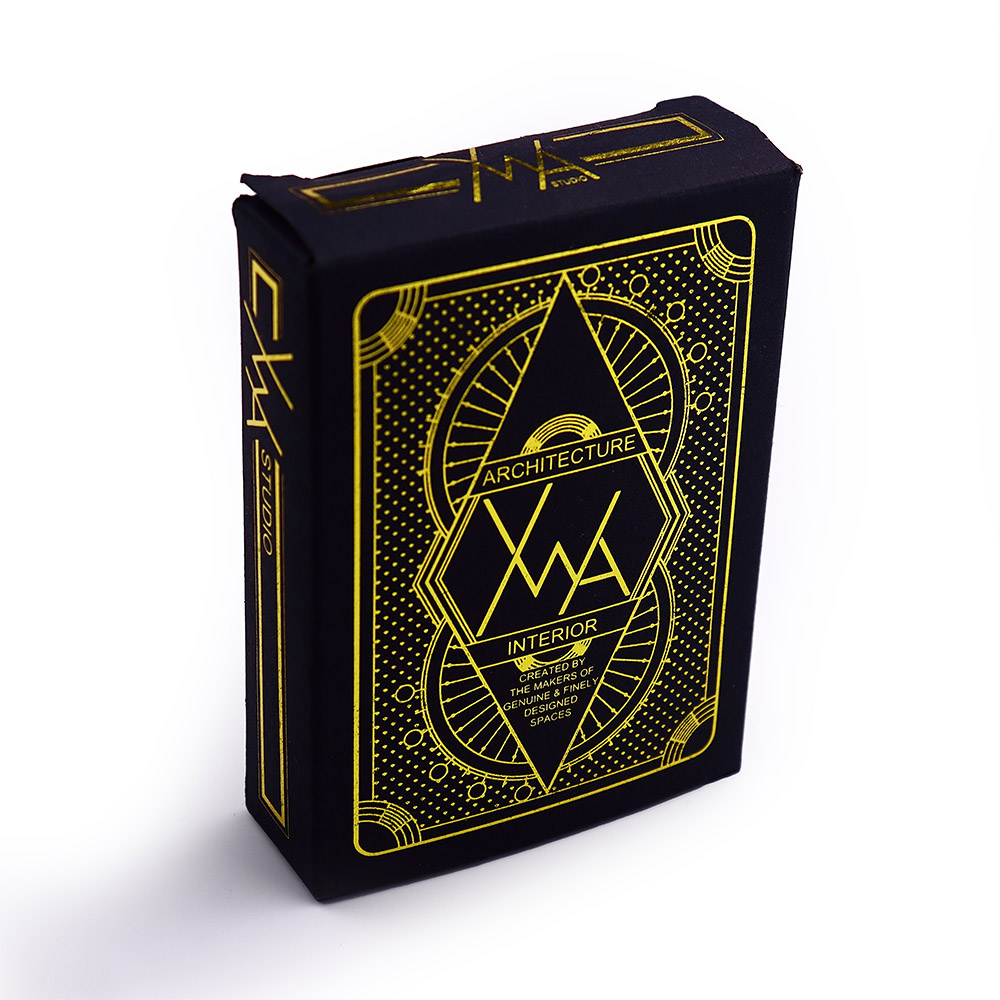 Custom embossed gold foil playing cards
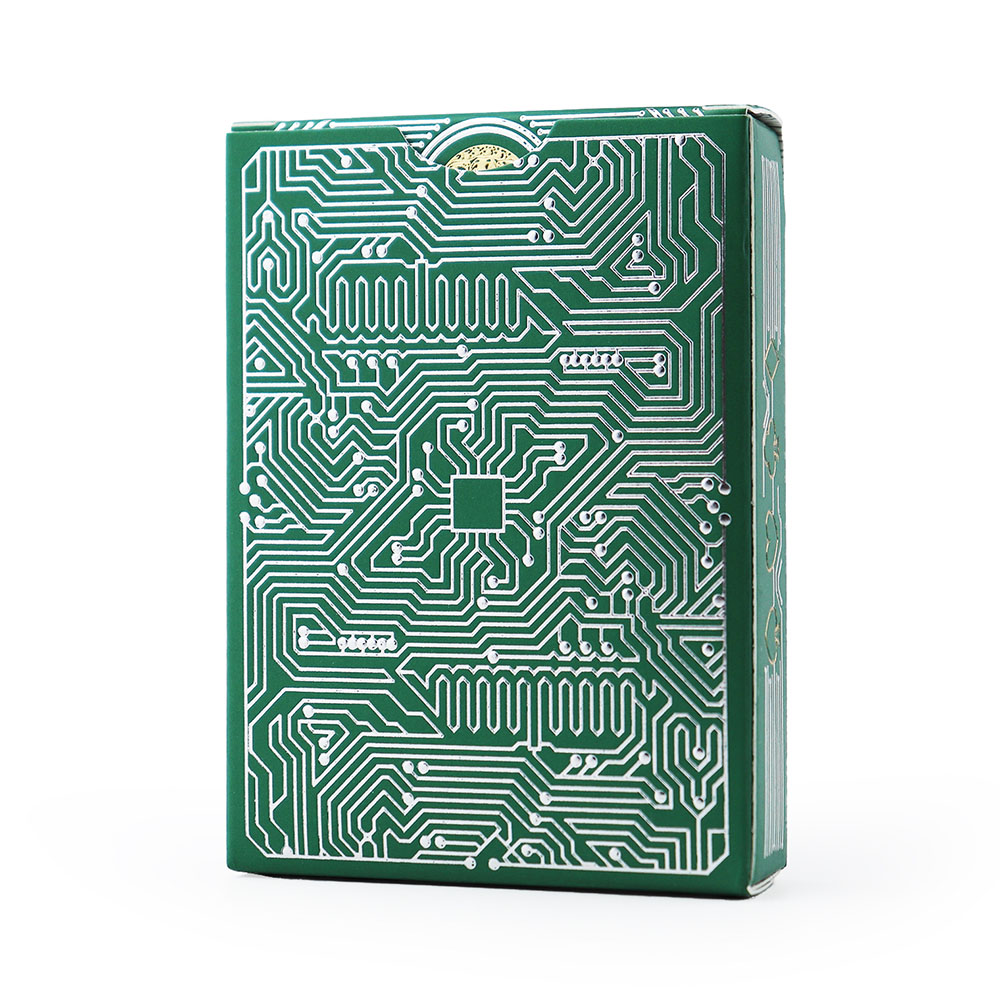 Circuit PCB Edition Custom Playing Cards
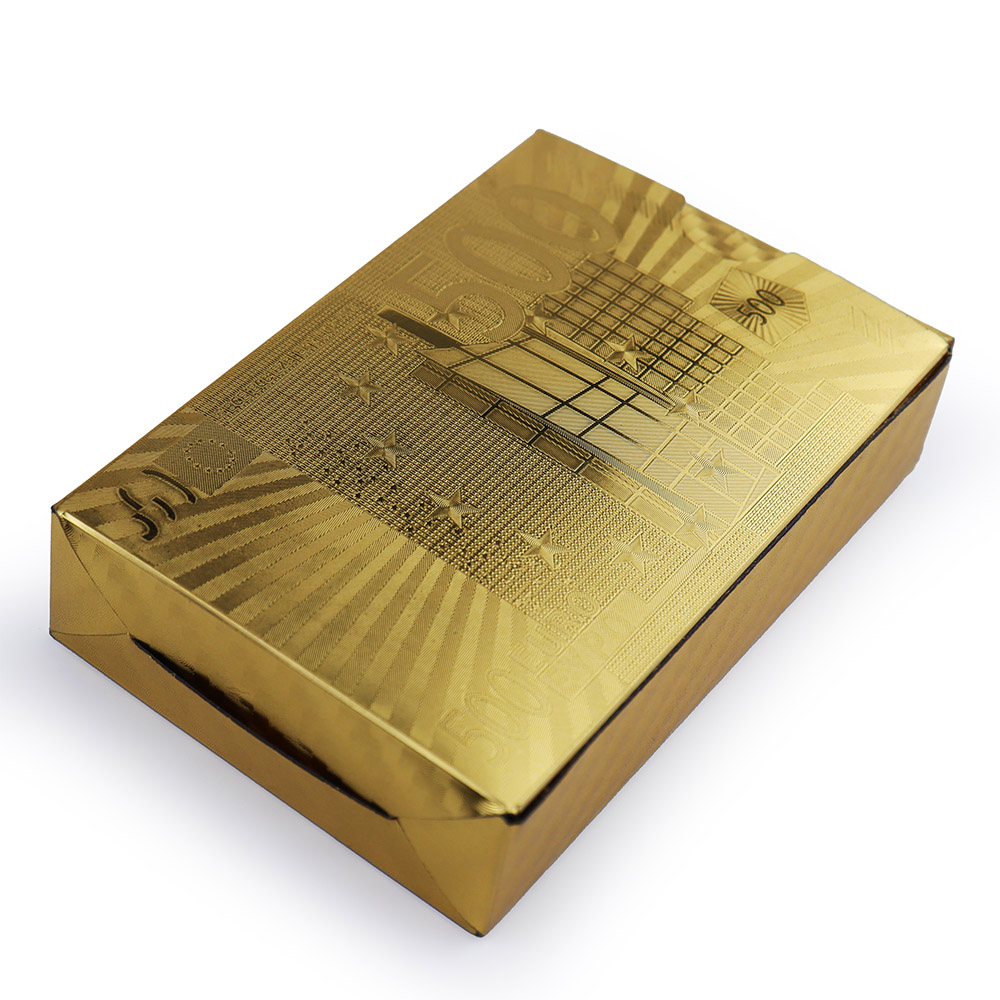 Customized theme gold foil playing cards
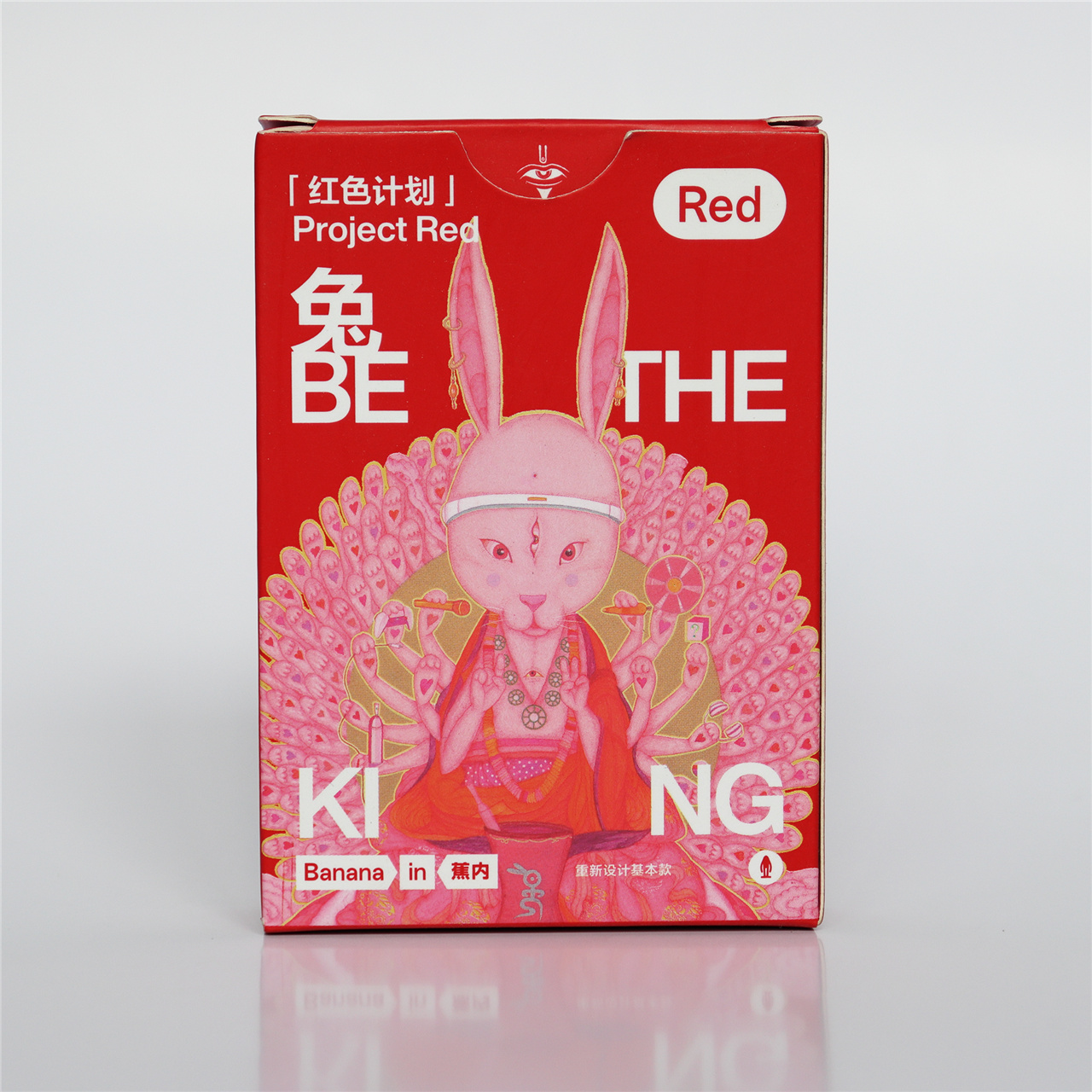 Custom Red Rabbit Themed Playing Cards Set
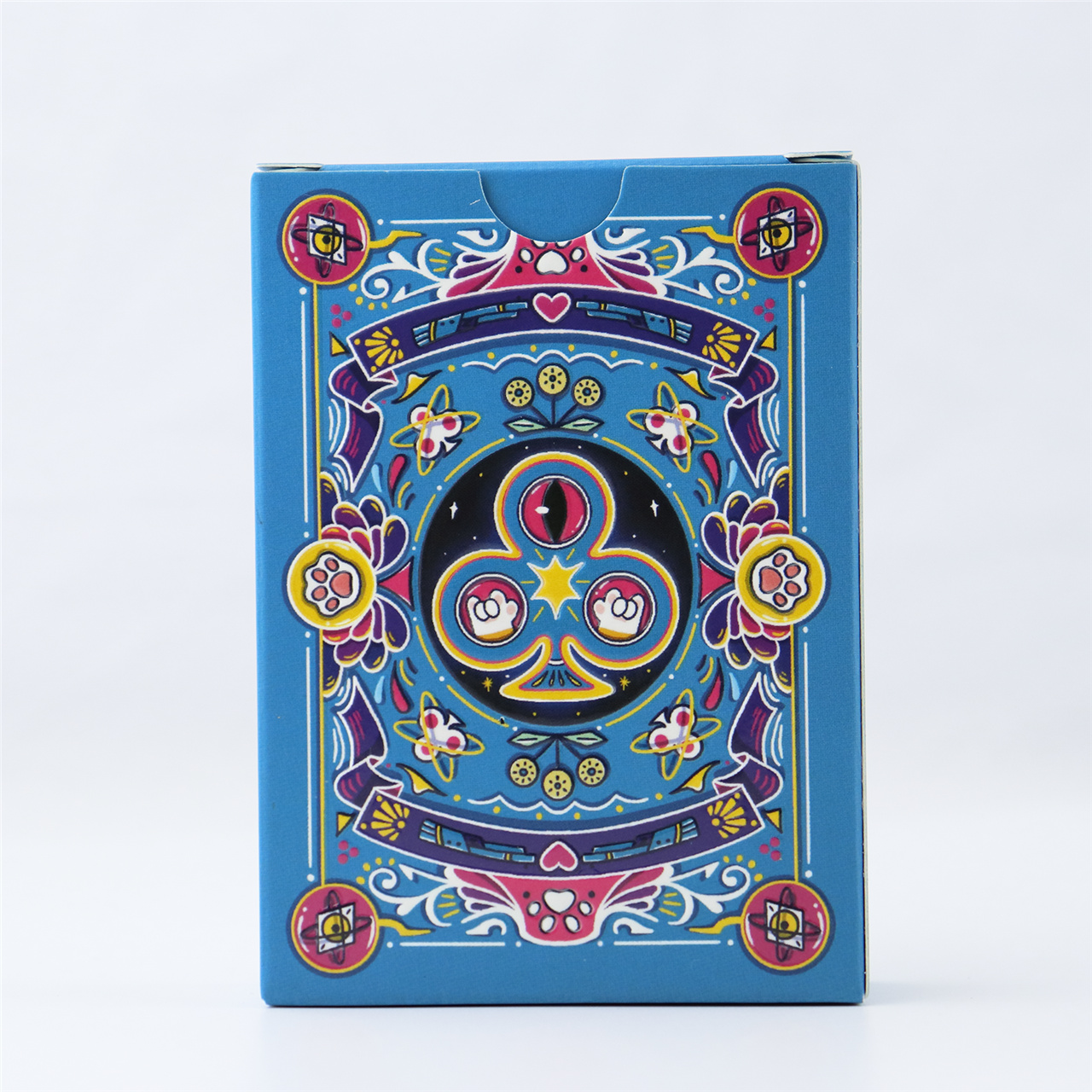 Custom Blue - Black Fantasy Plastic Playing Cards Set
 Pearls of Wisdom Oracle Custom Cards
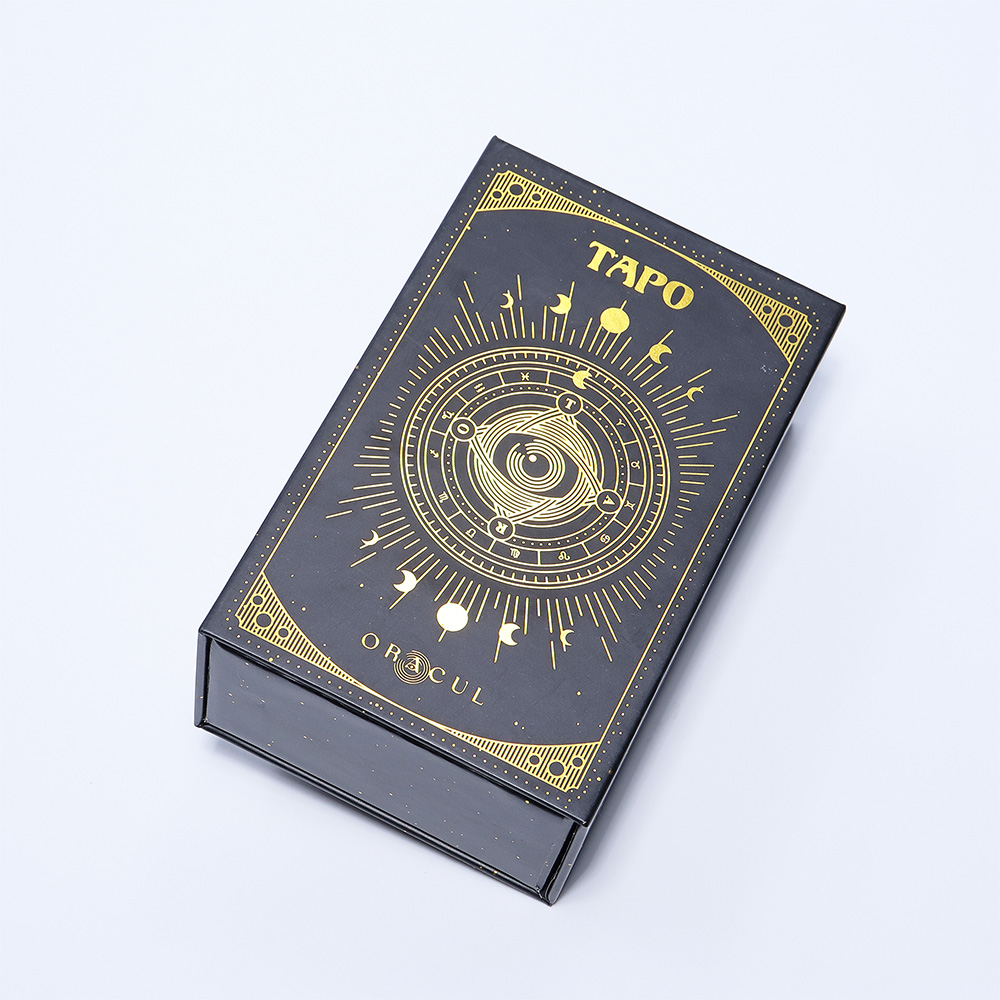 Custom Black & Gold Celestial Tarot Cards
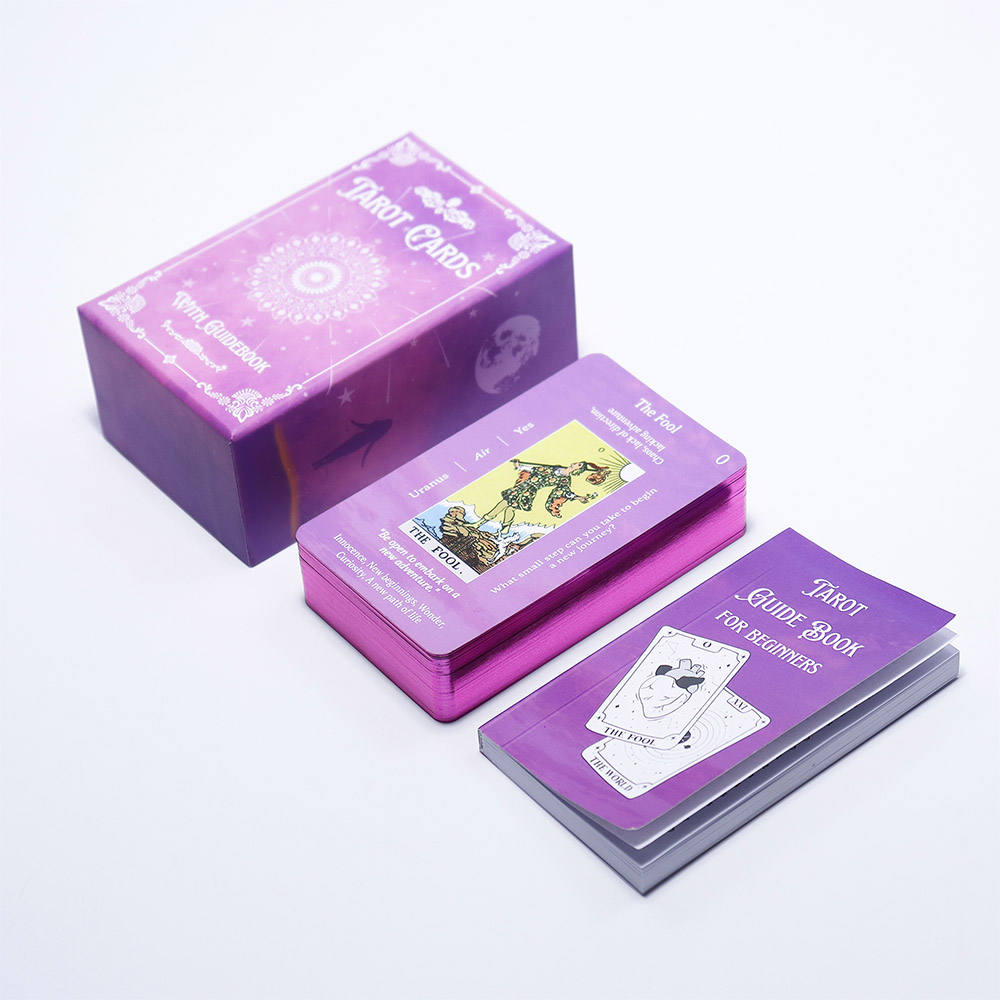 Custom Purple Tarot Cards with Guidebook
 L'Oracle d'Artémis Custom Oracle Cards
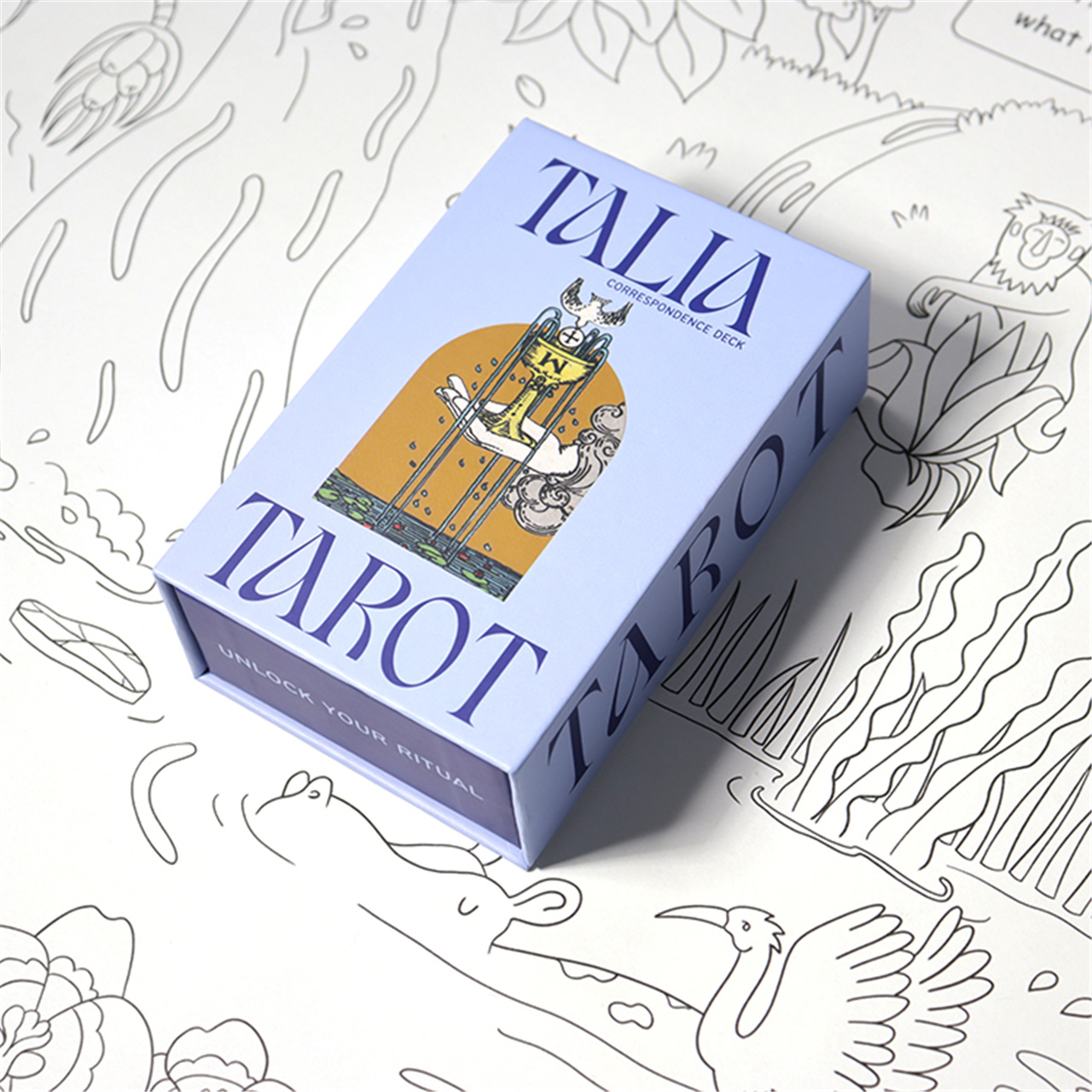 Custom Blue - Themed Tarot Cards Deck
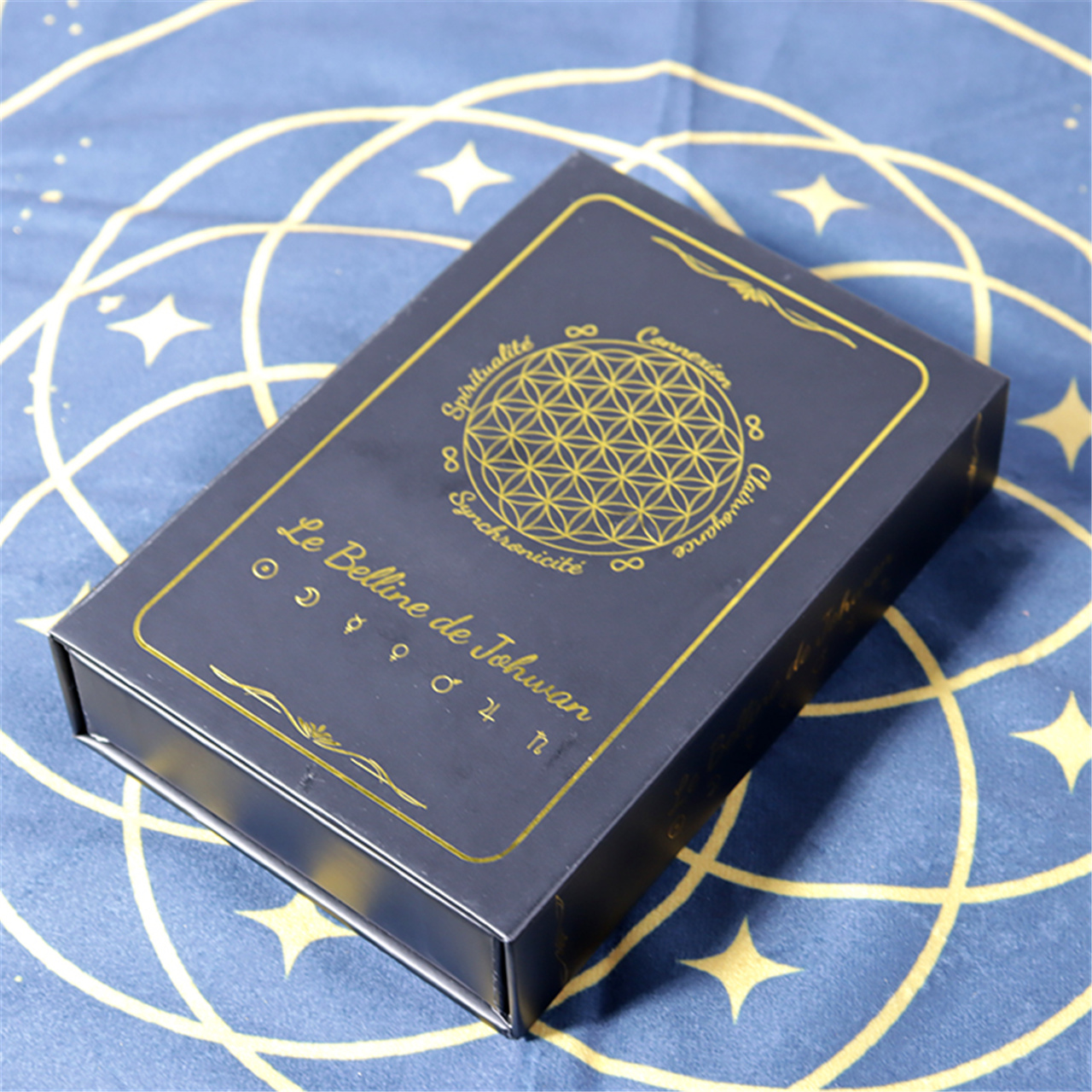 Custom Black - Blue Gold Foil Tarot Cards Set
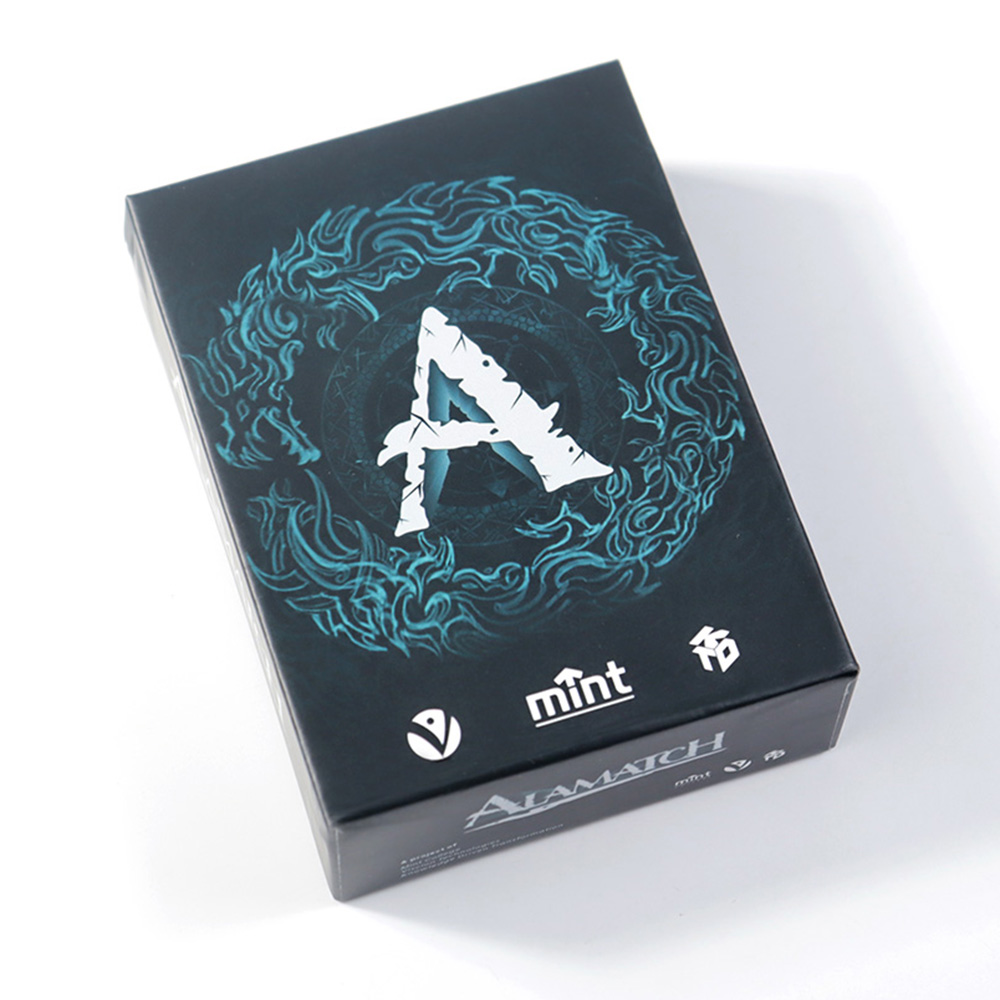 Alamatch Custom Trading Game Cards
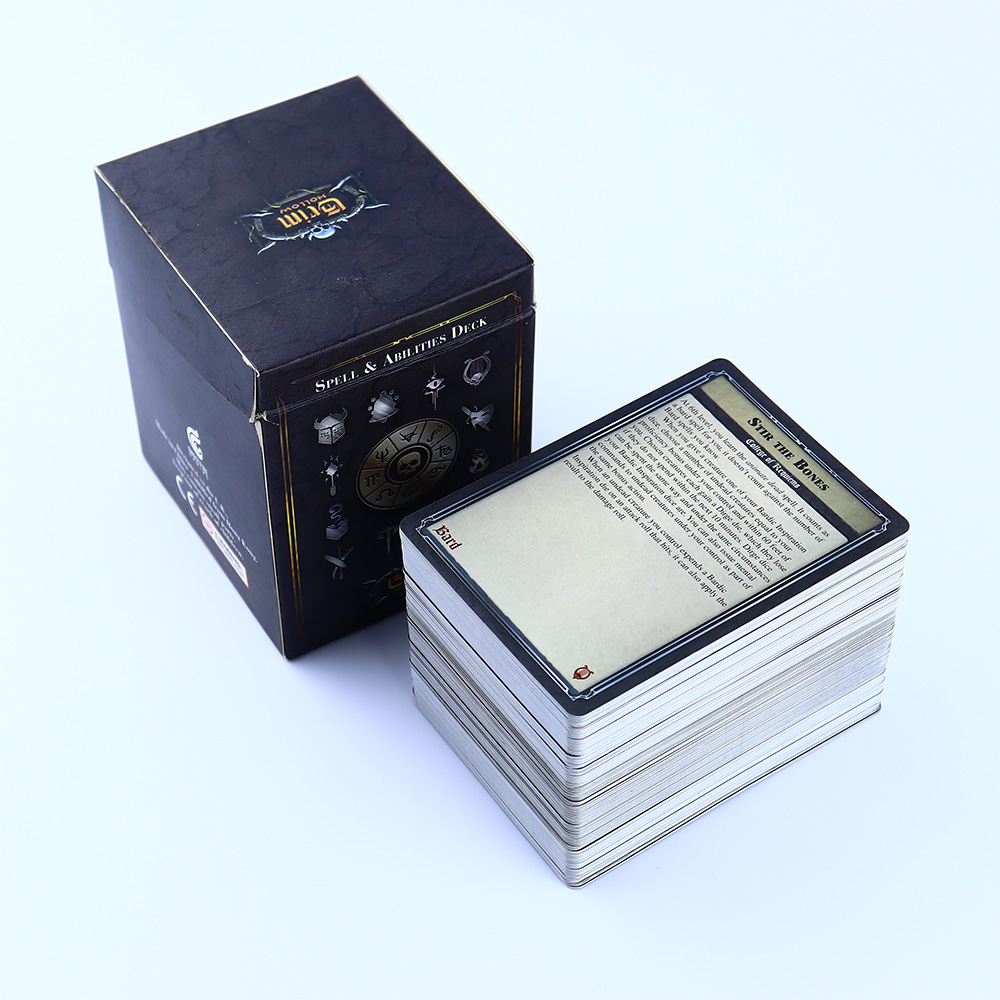 Grim Hollow Spell & Abilities Custom Trading Cards
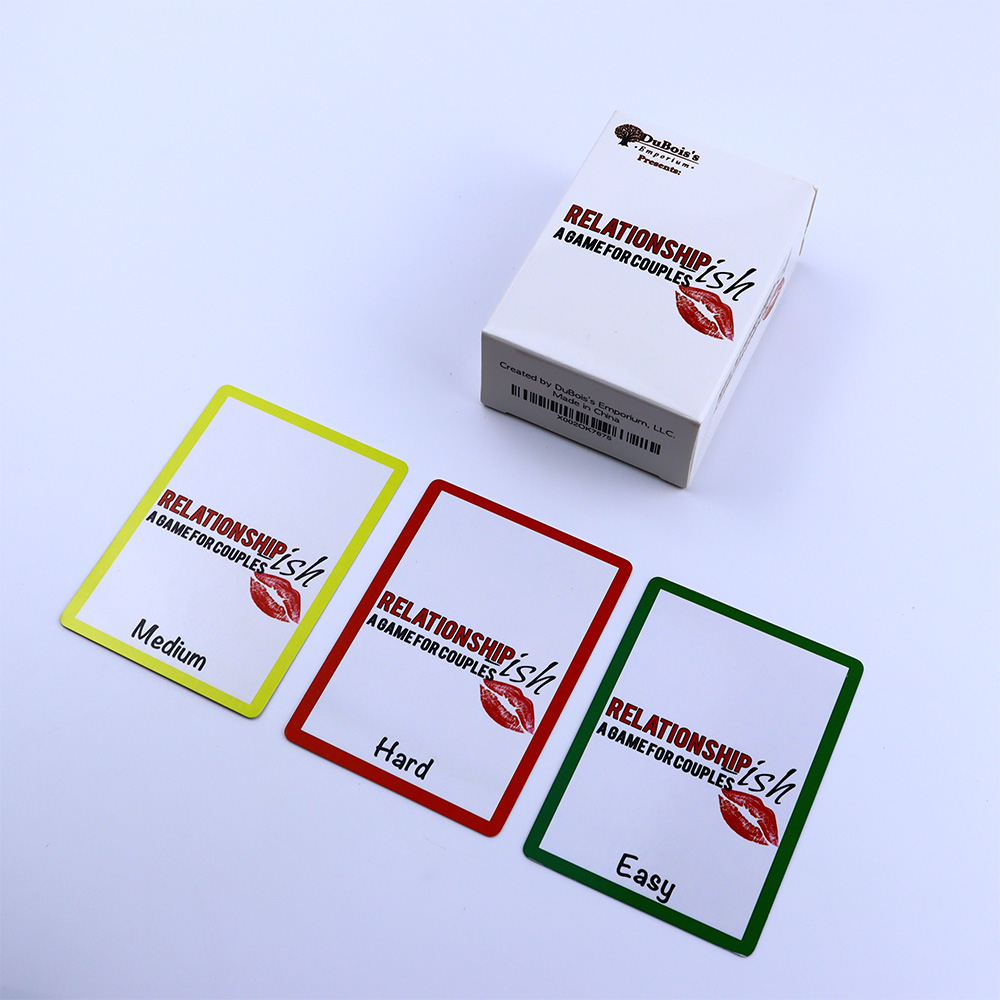 Relationshipish Custom Couple Card Game
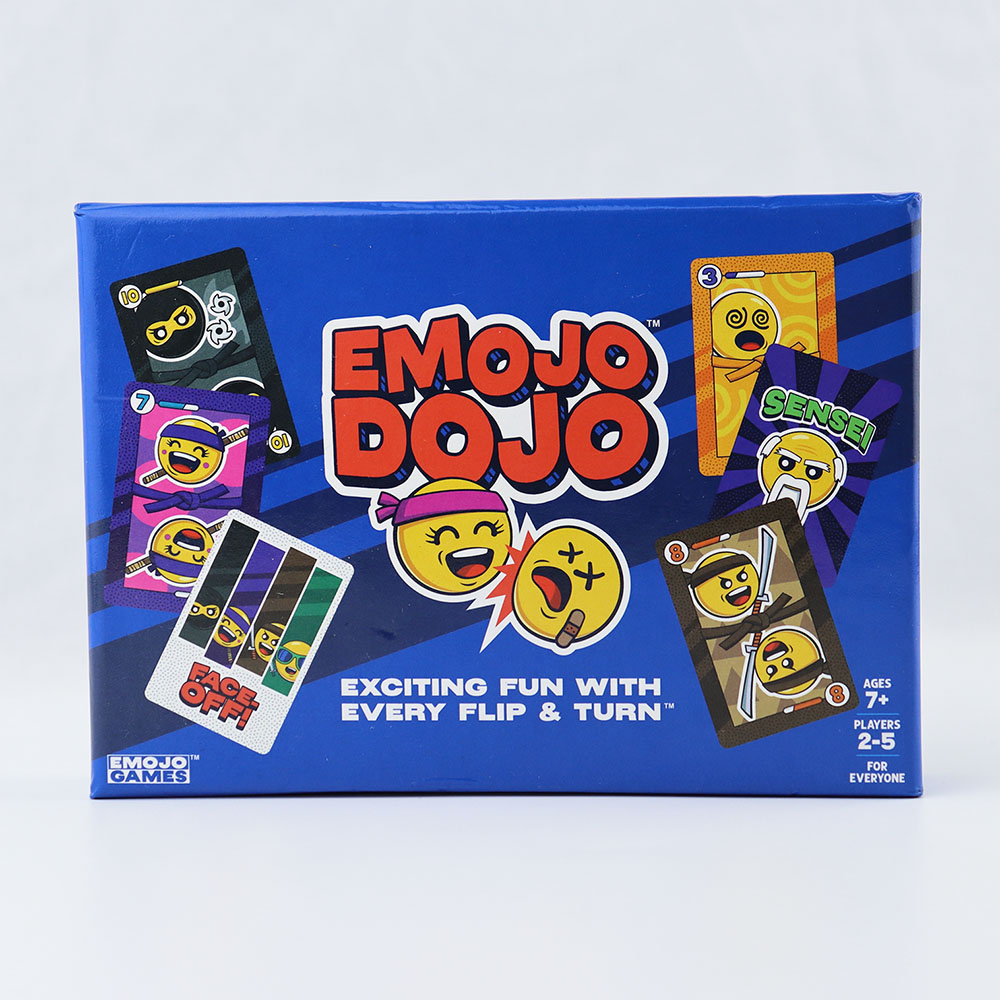 Emojo Dojo Custom Trading Card Game
 Custom Travel Photo Trading Cards Set
 Custom Cartoon Holographic Trading Cards Set