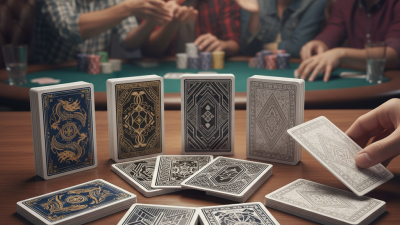
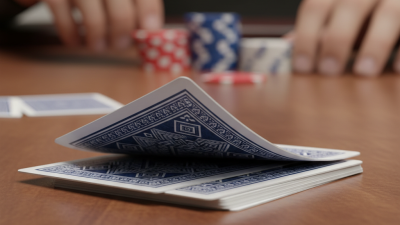
| Definition |
Playing cards made from plastic film or plastic-coated material. Fully plastic decks are commonly made from PVC or other flexible plastics. |
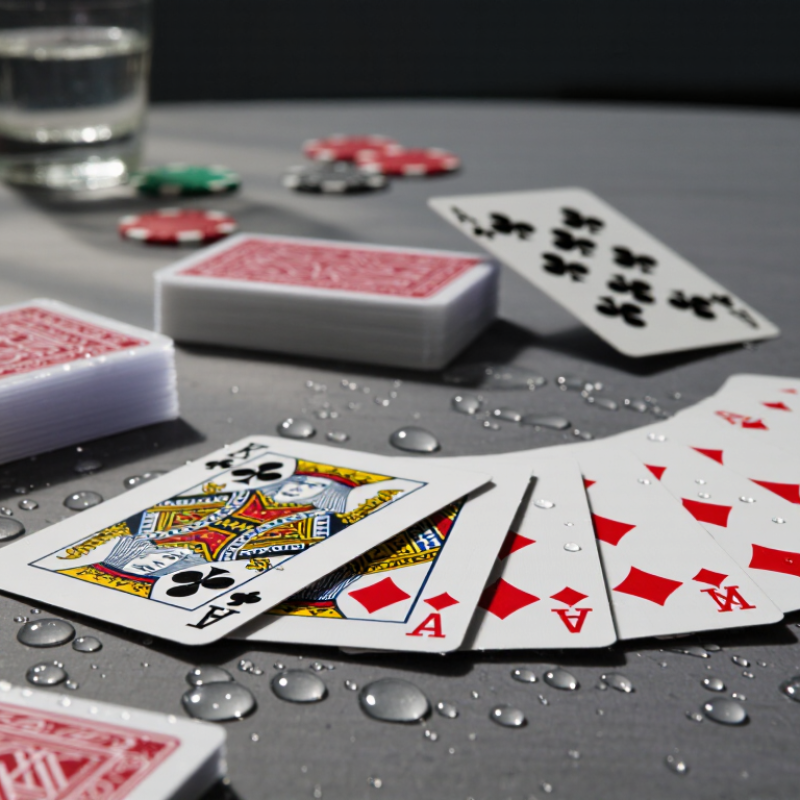
Plastic construction can make cards more resistant to moisture and repeated handling than ordinary paper cards. |
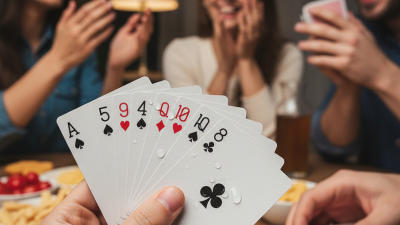
Home games, travel, recreation venues, and settings where cards are handled frequently. |
| Water resistance |
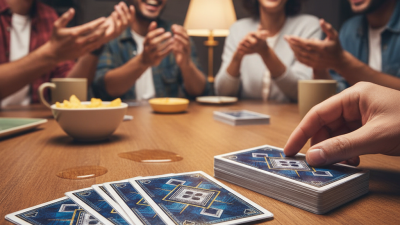
Many fully plastic cards resist spills and can generally be wiped clean. Water resistance varies by material and construction. |
Useful around food and drinks; cards are less likely to become damaged by a small spill than paper cards. |
Outdoor gatherings, poolside games, camping, and casual play at tables where drinks are served. |
| Durability |
Plastic cards are often more resistant to tearing and edge wear than paper cards, though they can still crease, scratch, or become damaged. |
A deck may remain usable through frequent shuffling and repeated games, potentially reducing replacement frequency. |
Game rooms, clubs, schools, community centers, and other places with regular group play. |
| Flexibility and handling |
Many plastic decks are flexible and can be shuffled and dealt much like conventional playing cards. Feel and stiffness differ between decks. |
Familiar handling makes them suitable for standard card games without special equipment. |
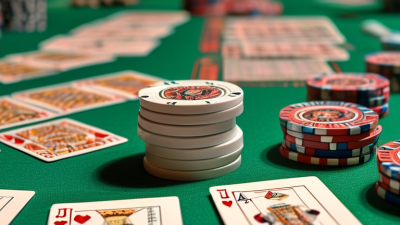
Poker, bridge, rummy, solitaire, and other traditional card games. |
| Hygiene and cleaning |
Smooth plastic surfaces are generally easier to wipe than absorbent paper surfaces. Follow the maker's care instructions and avoid harsh cleaners unless approved. |
Convenient when decks are shared, though wiping does not necessarily disinfect them. |
Shared recreation spaces, family game collections, and supervised activities. |
| Travel and outdoor play |
Plastic cards are often chosen for portable play because they handle everyday moisture and use better than many paper decks. |
A practical option for taking card games on trips, subject to the deck's storage and care requirements. |
Road trips, picnics, camping, boating, and holidays. |
| Choosing a deck |
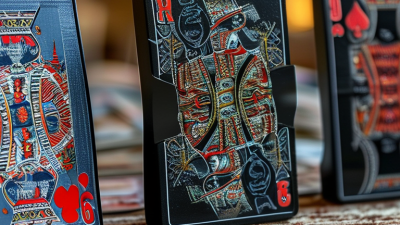
Check whether the cards are fully plastic or plastic-coated, along with their dimensions, surface finish, flexibility, and care guidance. |
Matching the deck to the setting helps balance handling, durability, and ease of maintenance. |
Choose based on how often the deck will be used, who will handle it, and whether play will be indoors or outdoors. |

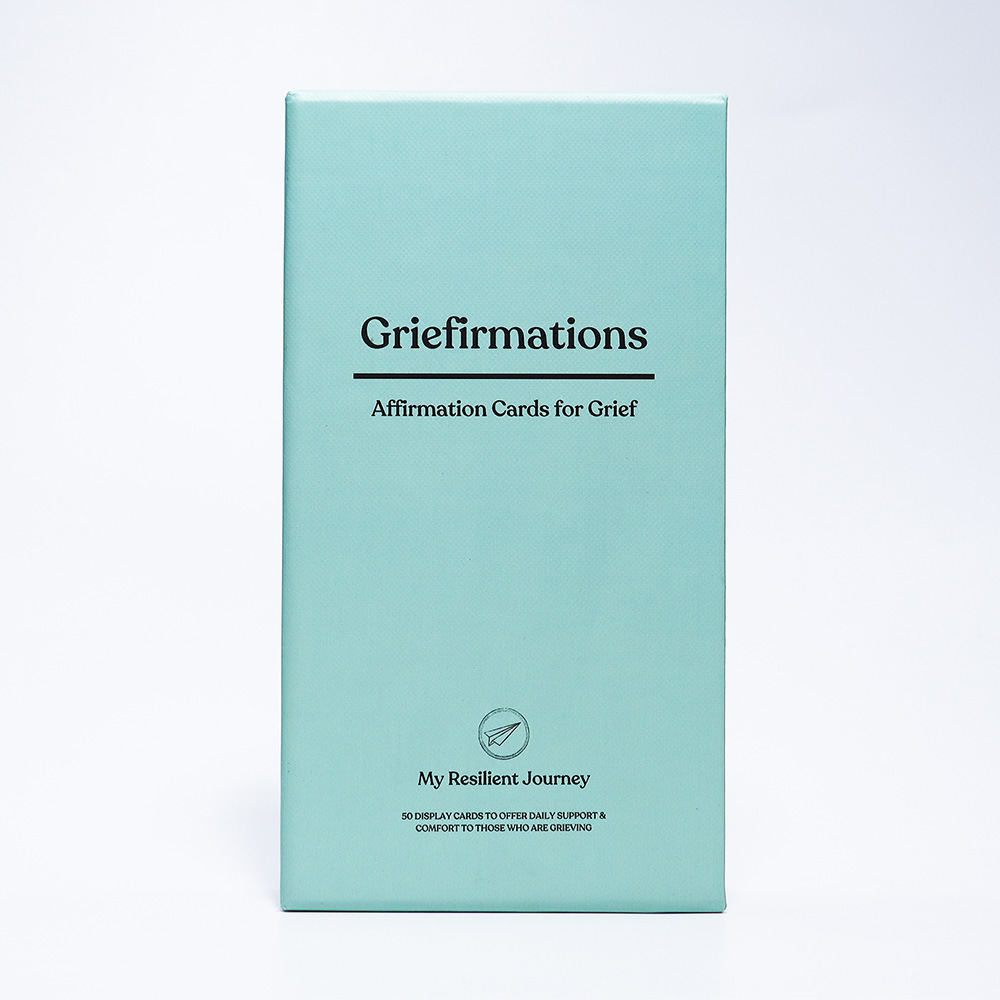 Customizable Emotional Support Cards for Grief & Resilience
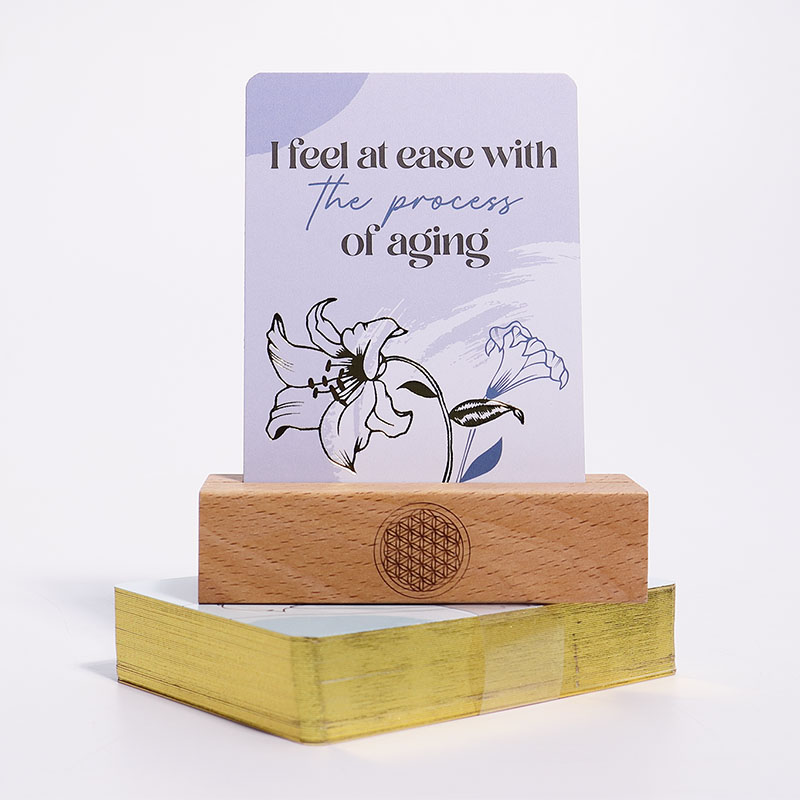 Personalized Emotional Encouragement Card Collection
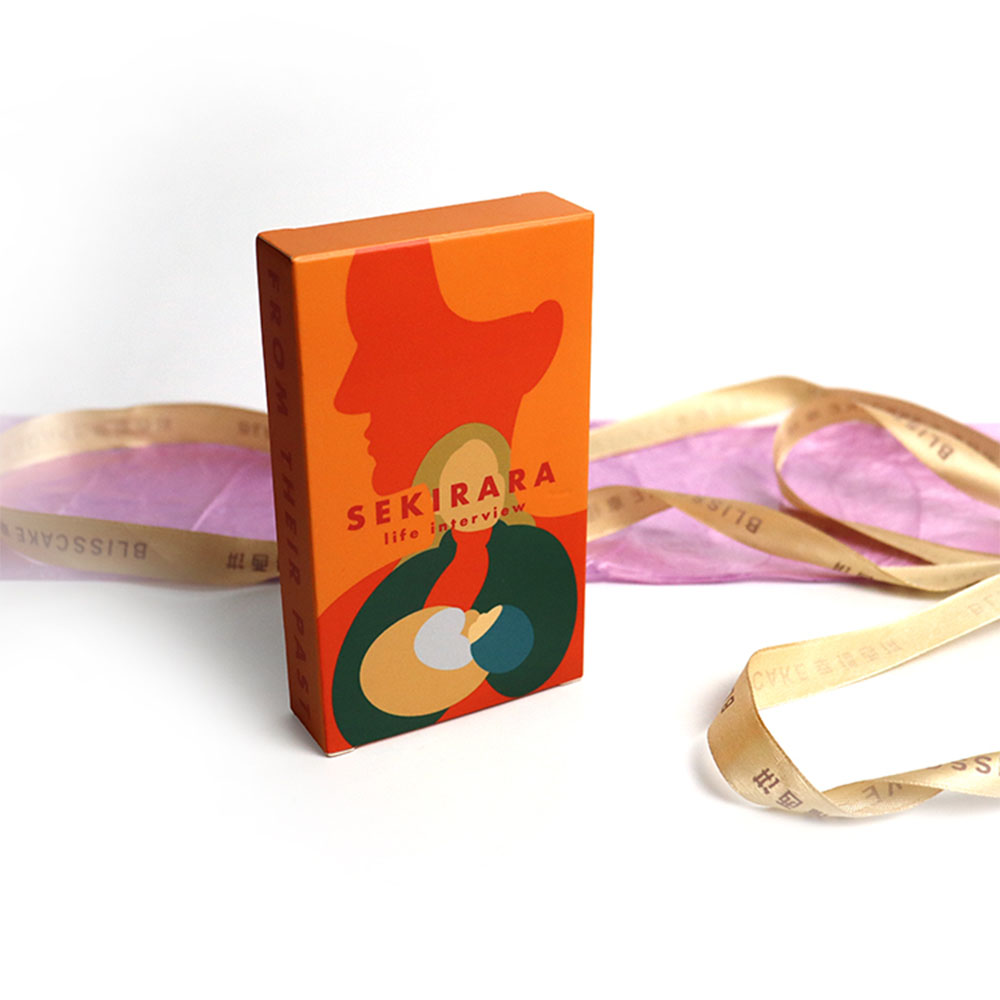 Personalized Deep Conversation Card Gift Box
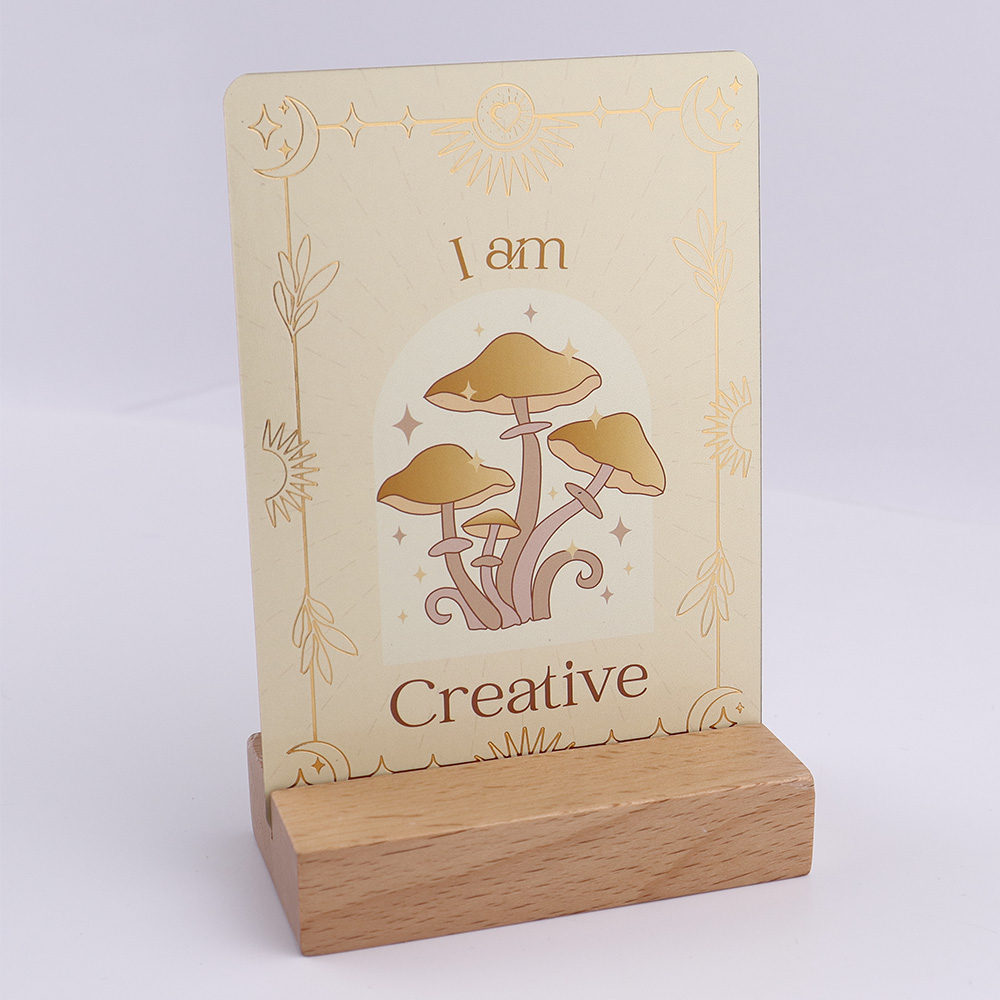 Customizable Boho-Chic Affirmation Cards for Mindfulness & Self-Love
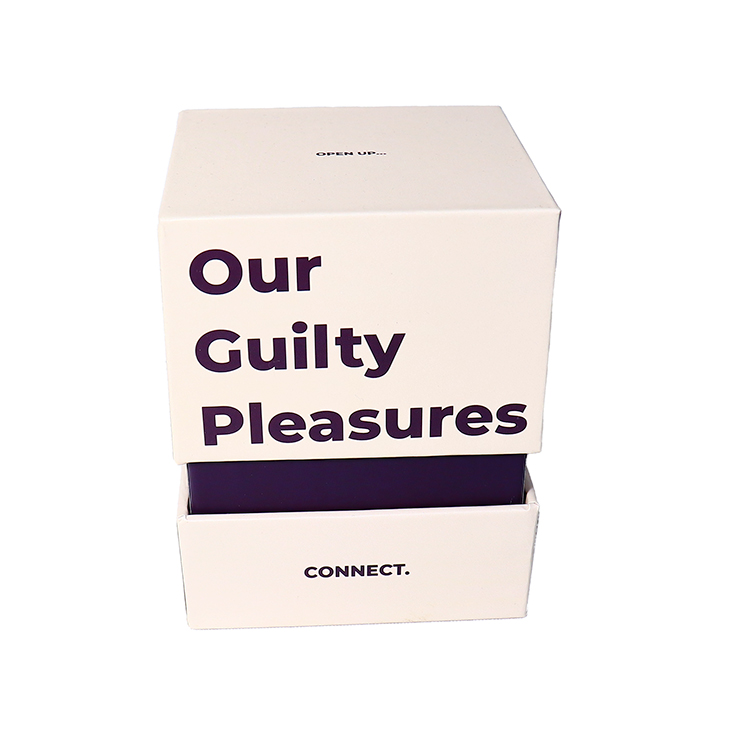 Customized Friendship Confirmation Card
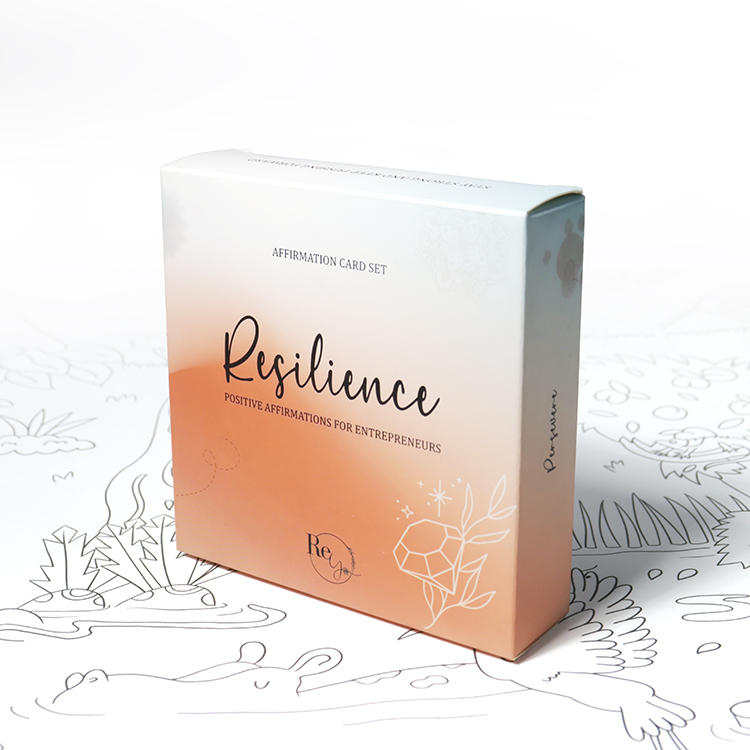 Customized Entrepreneurship Confirmation Card
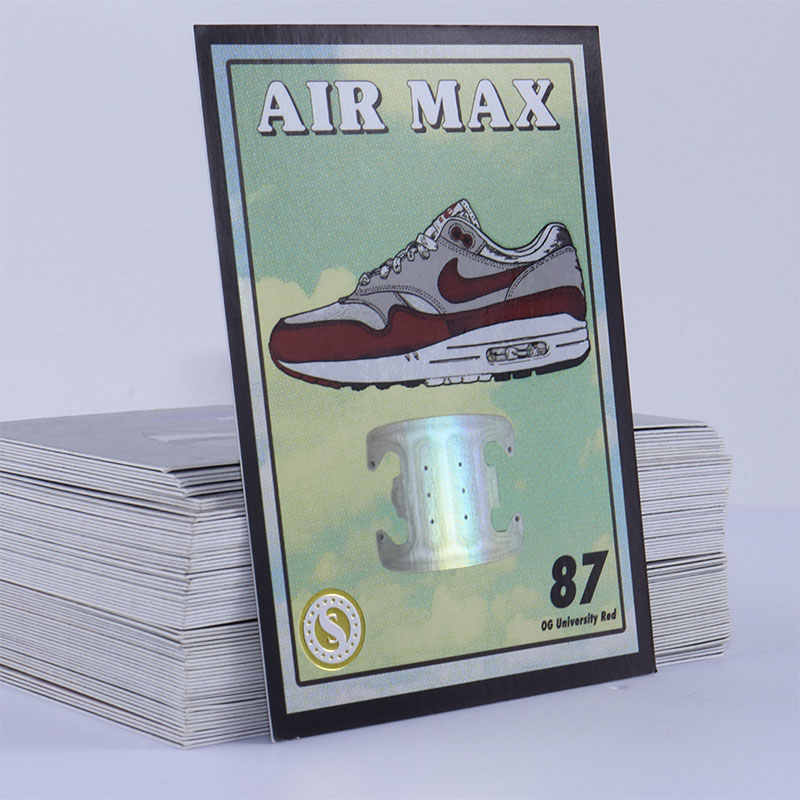 Air Max Pax Custom Sneaker Card Blind Box Set
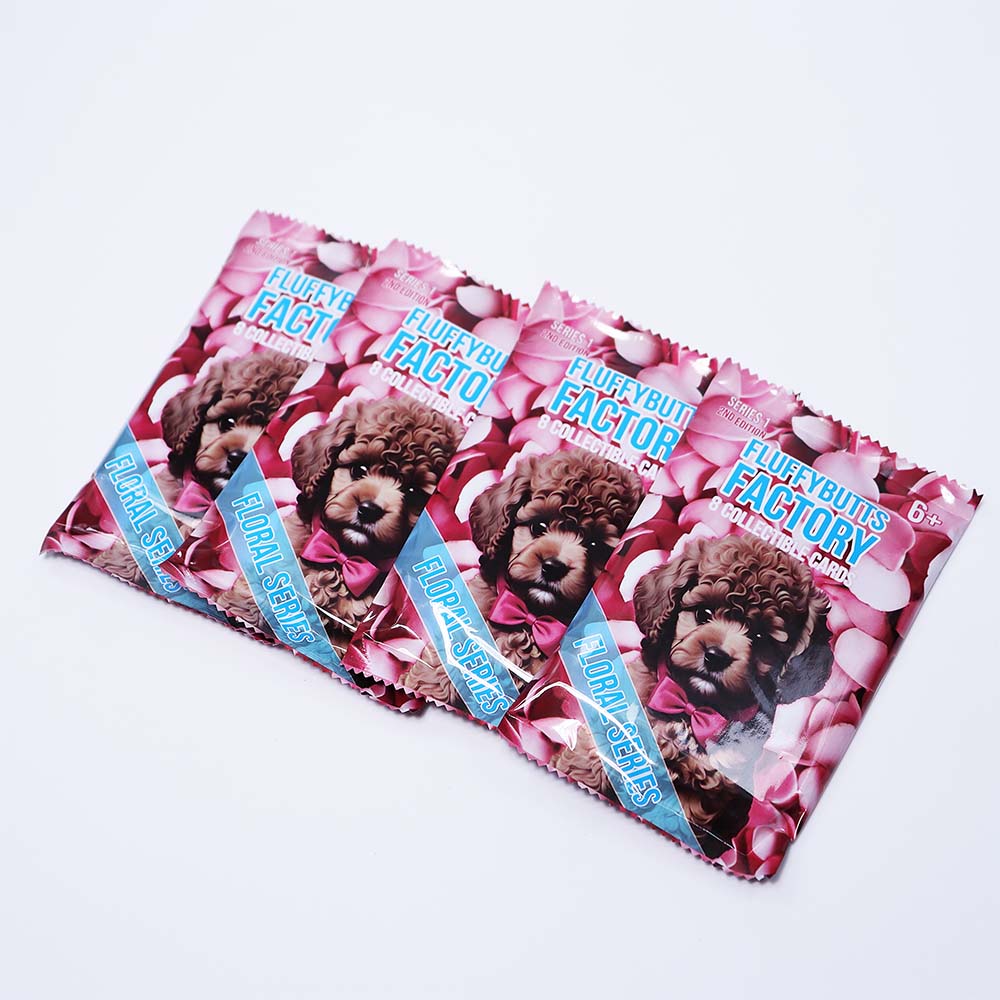 Fluffybutts Factory Custom Pet Card Blind Box Sets
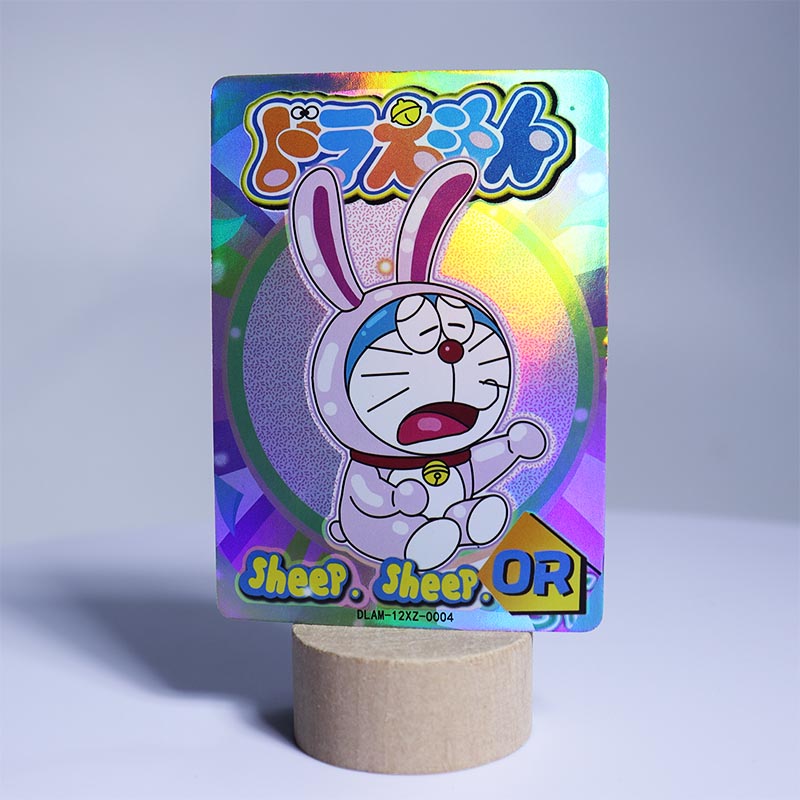 Doraemon Custom Card Blind Box Set
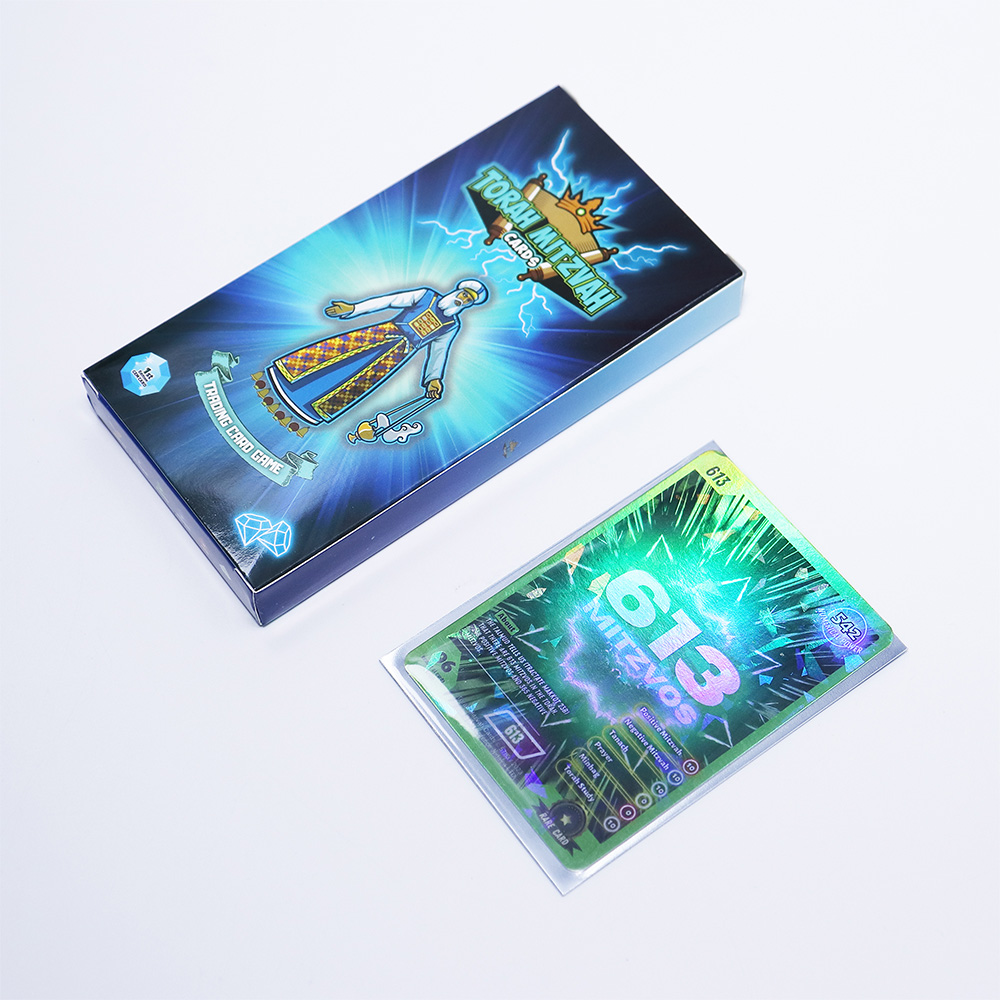 Torah Mitzvah Custom Card Blind Box Set
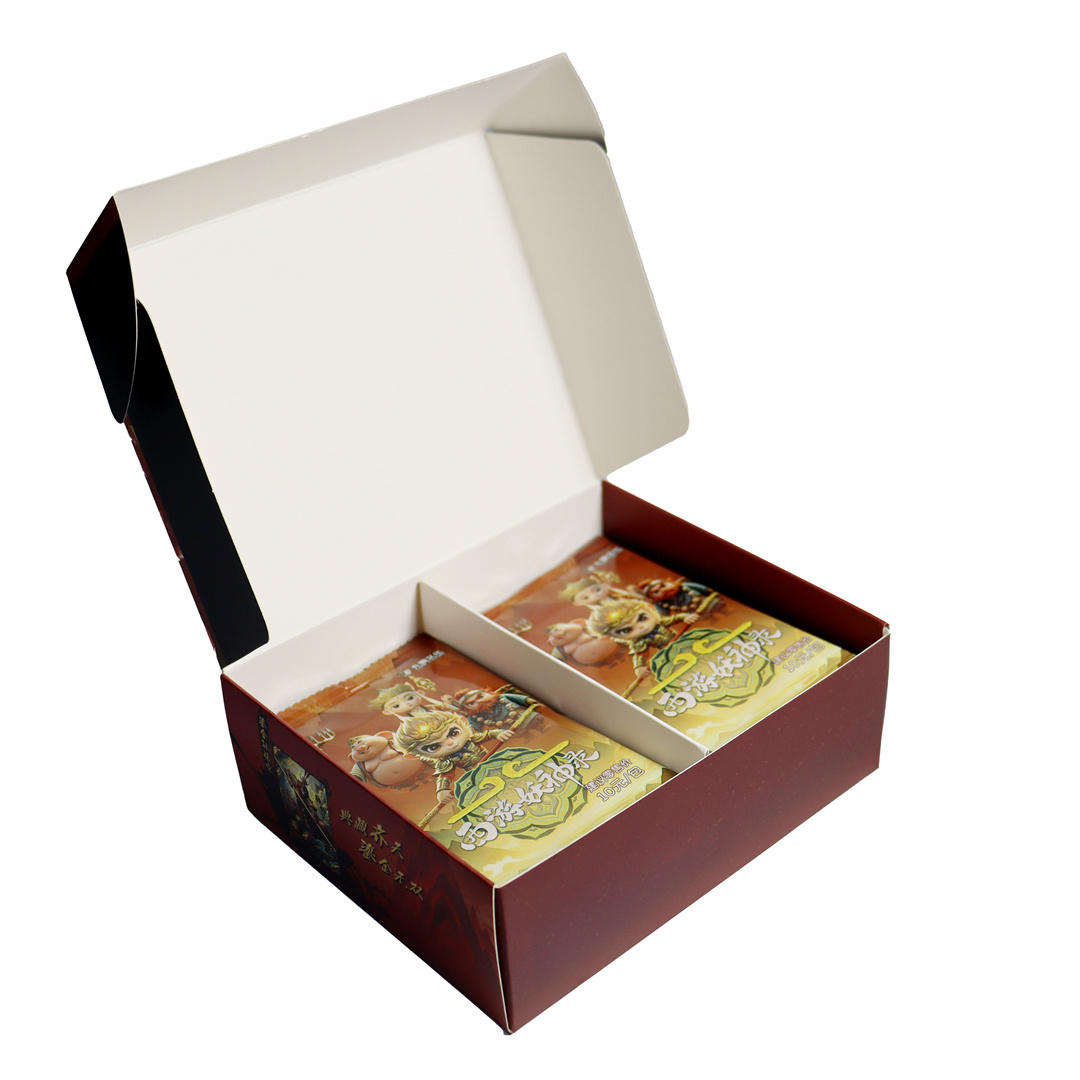 Customized "Journey to the West" Themed Card Blind Box Set
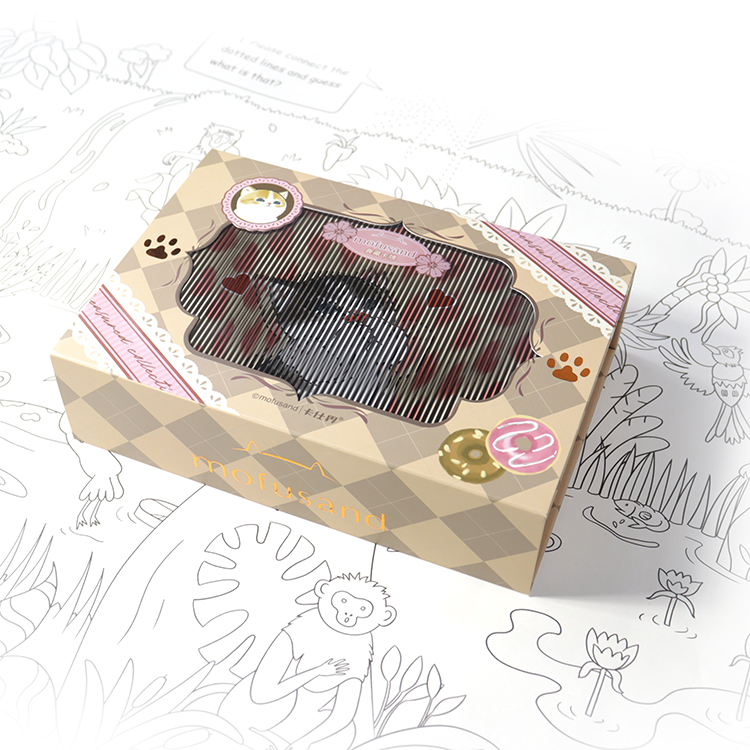 Customized cat-themed blind box set
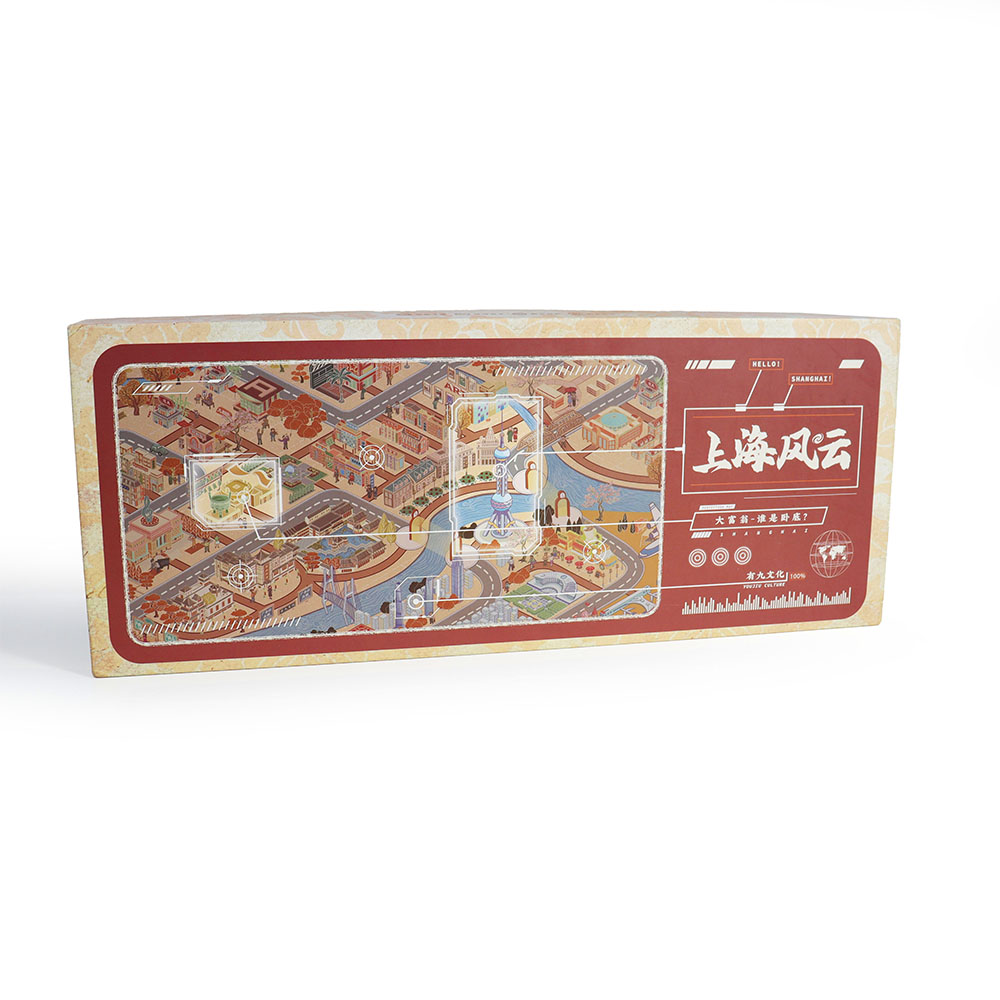 Shanghai Fengyun Custom Board Game Set
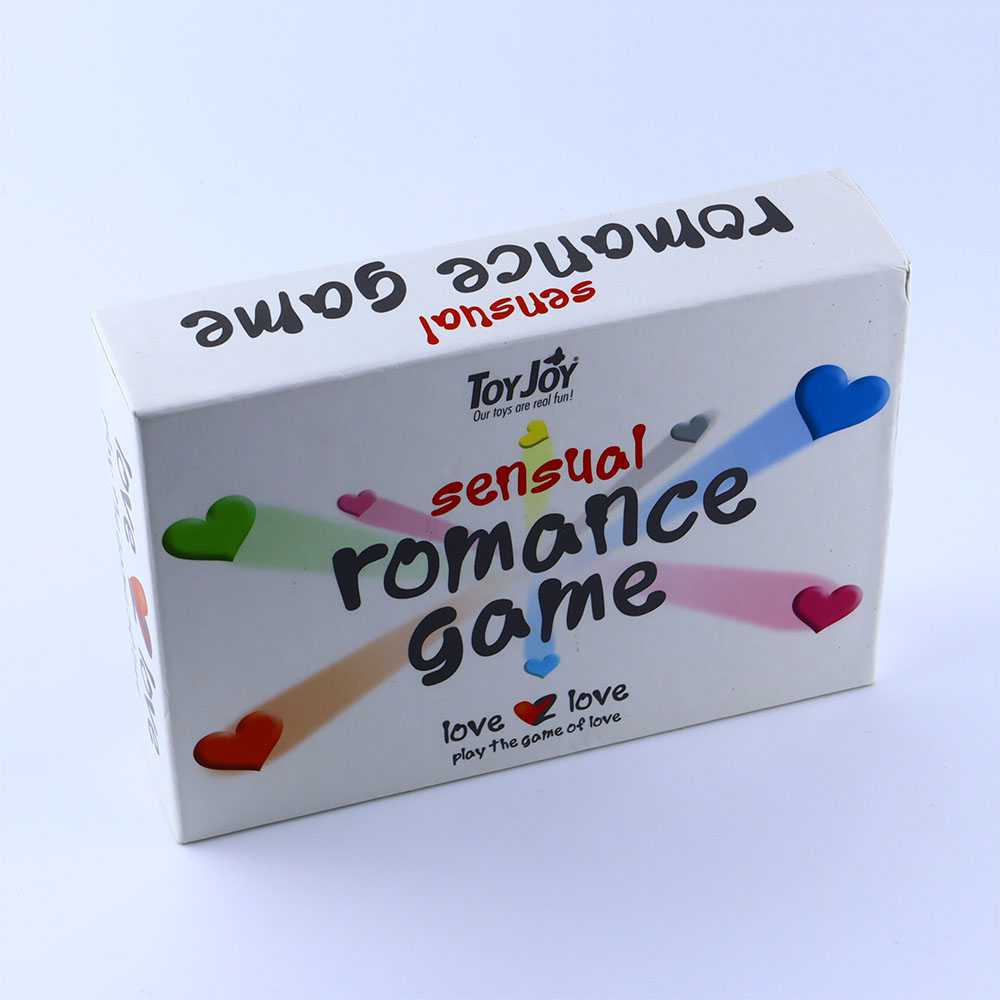 Sensual Romance Game Custom Board Game Set
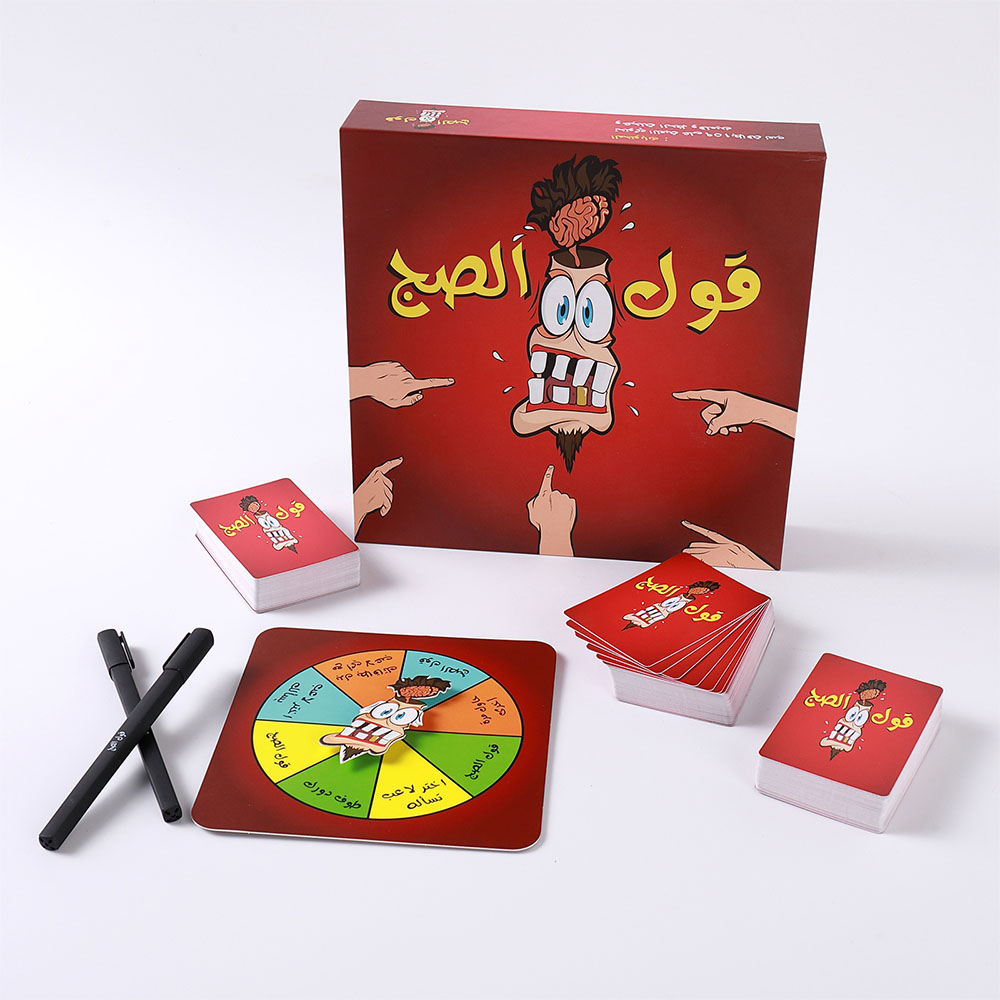 "Qoul Al Sabah" Custom Board Game Set
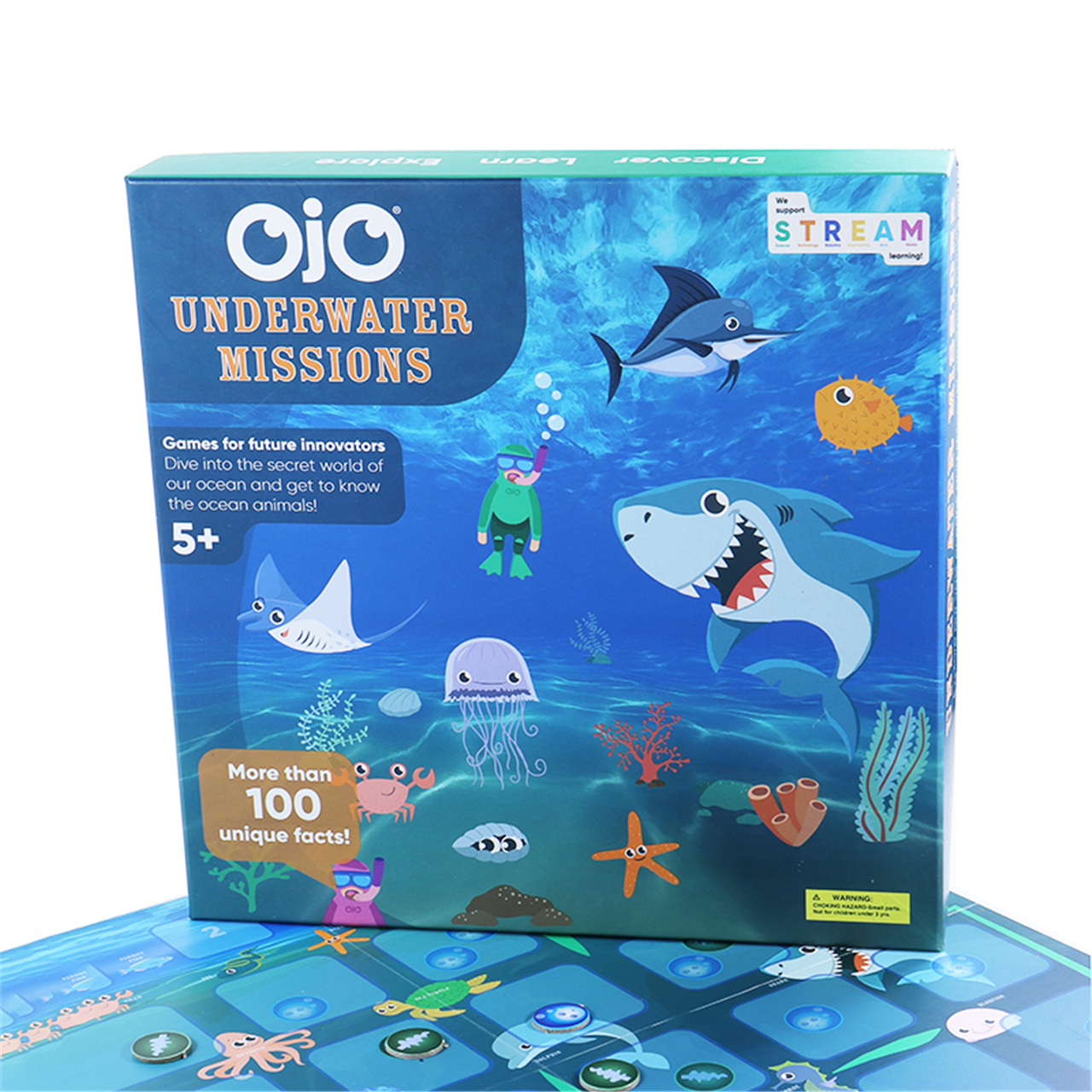 Customized educational board games for children
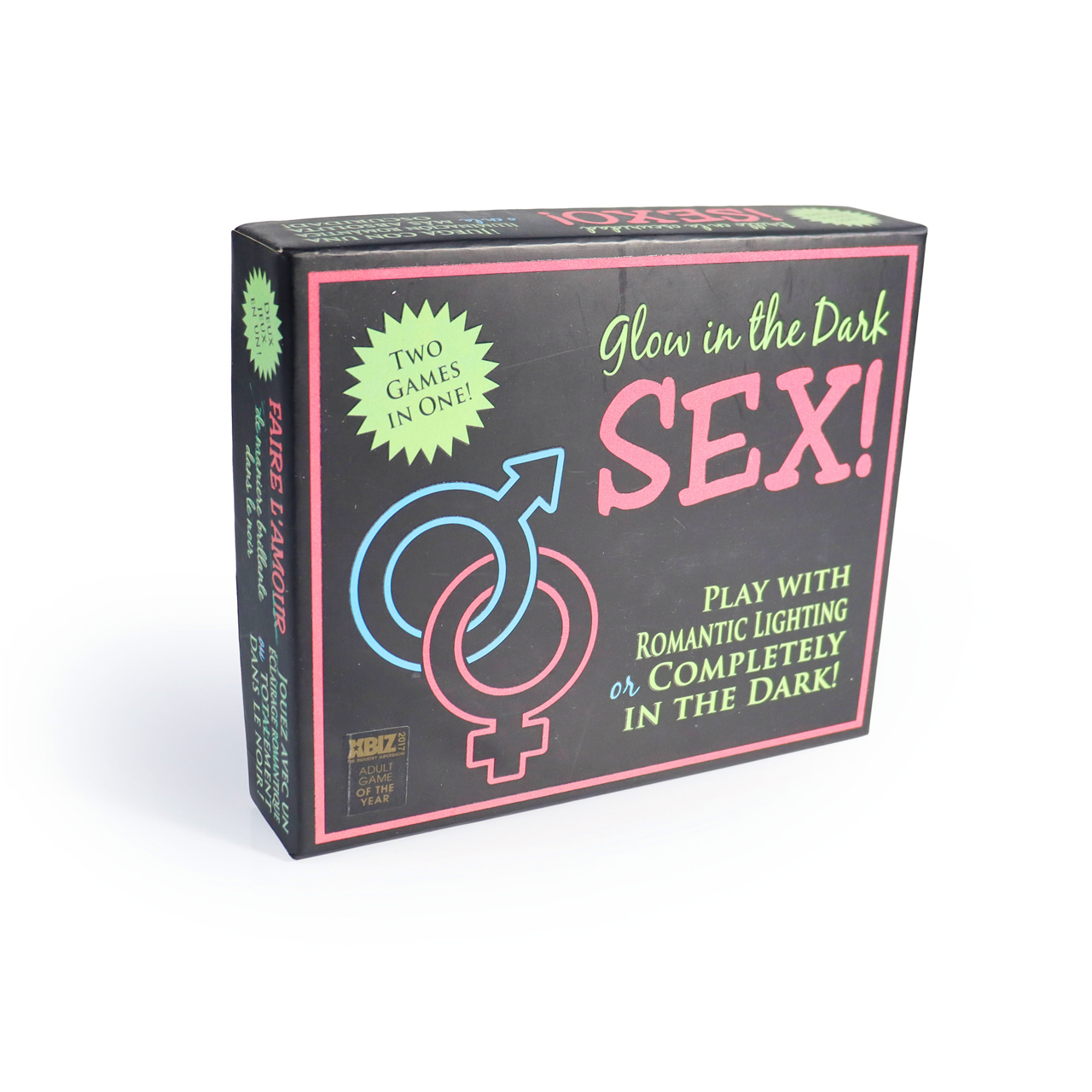 Couple Interaction Turntable Themed Board Game
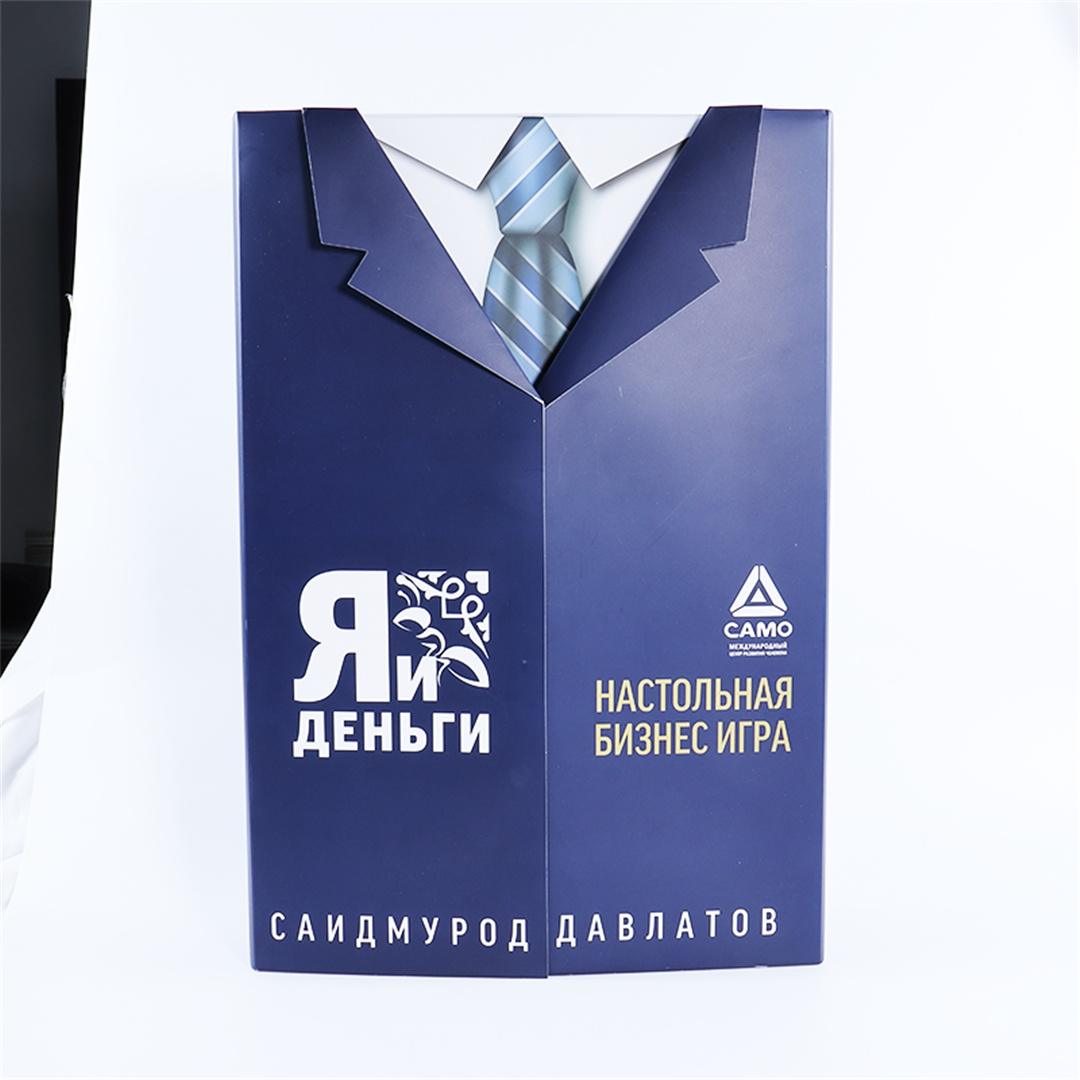 Business Finance Board Game
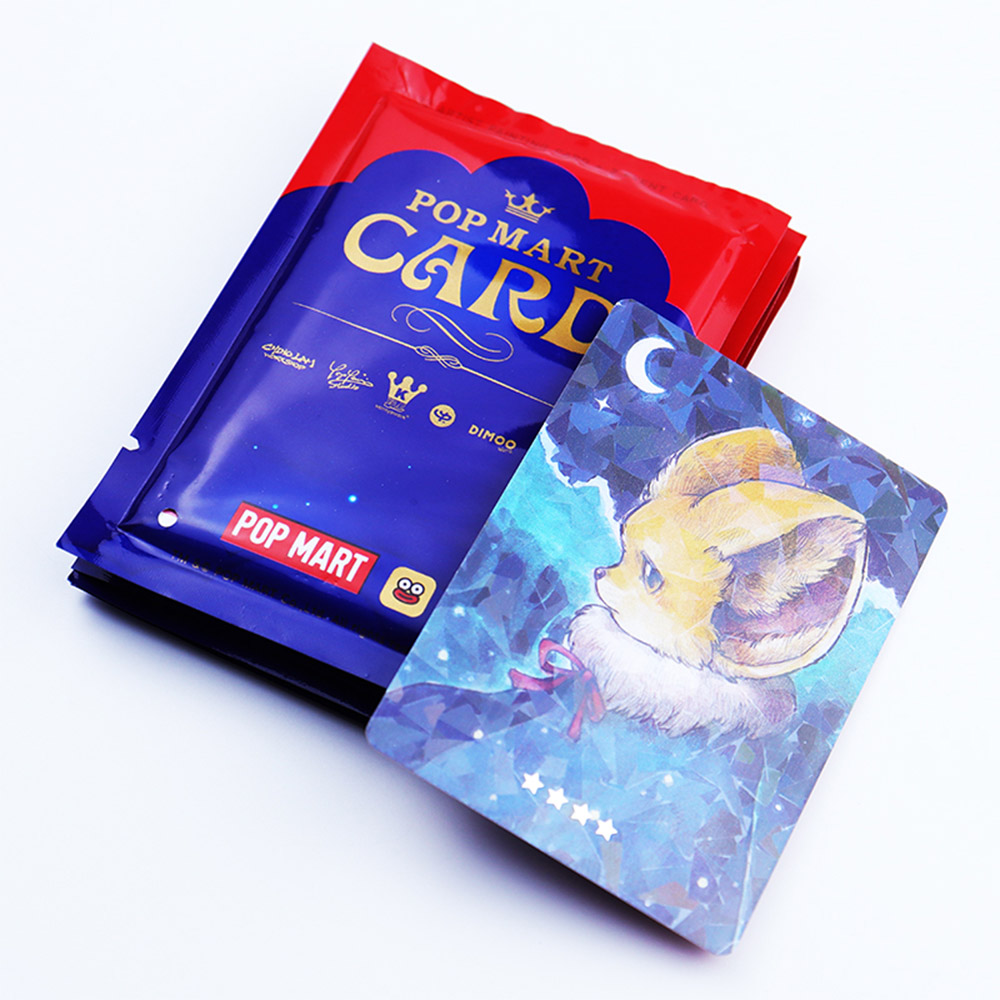 Pop Mart Custom Character Collectible Cards
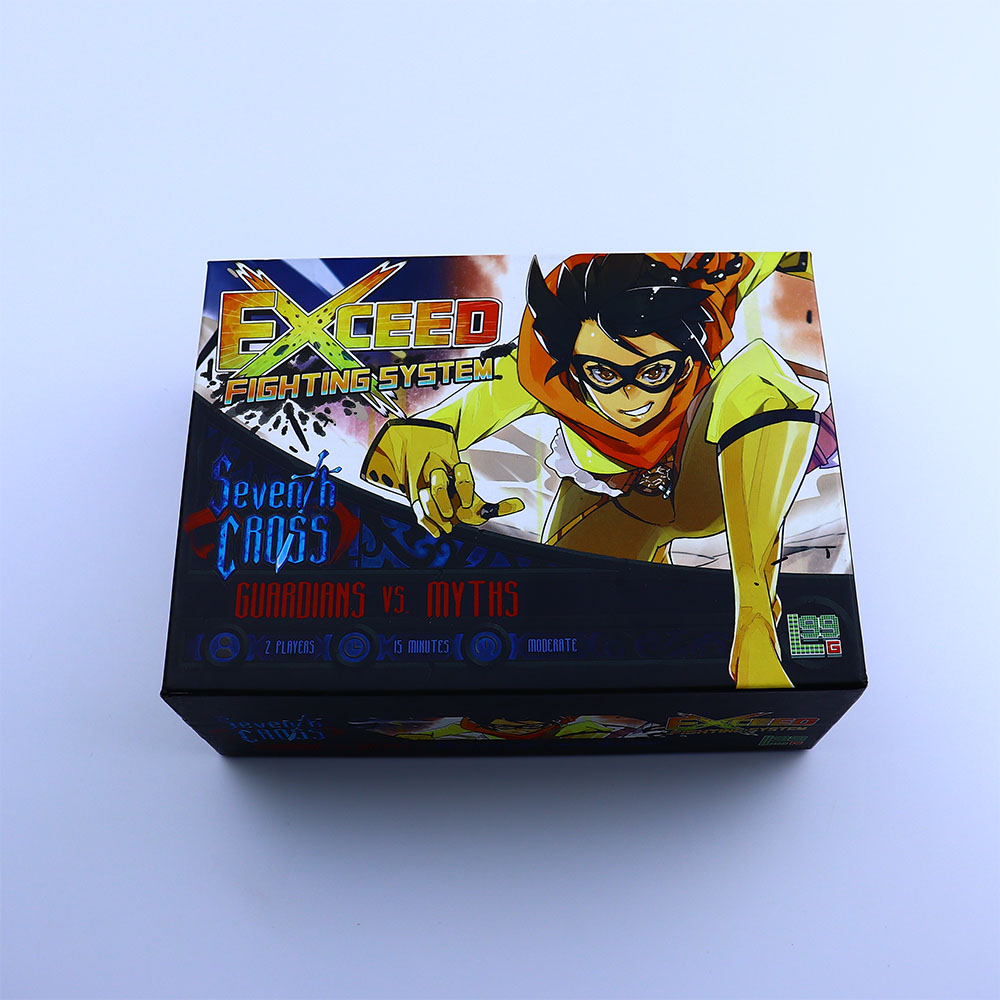 EXCEED Fighting System Custom Character Card Set
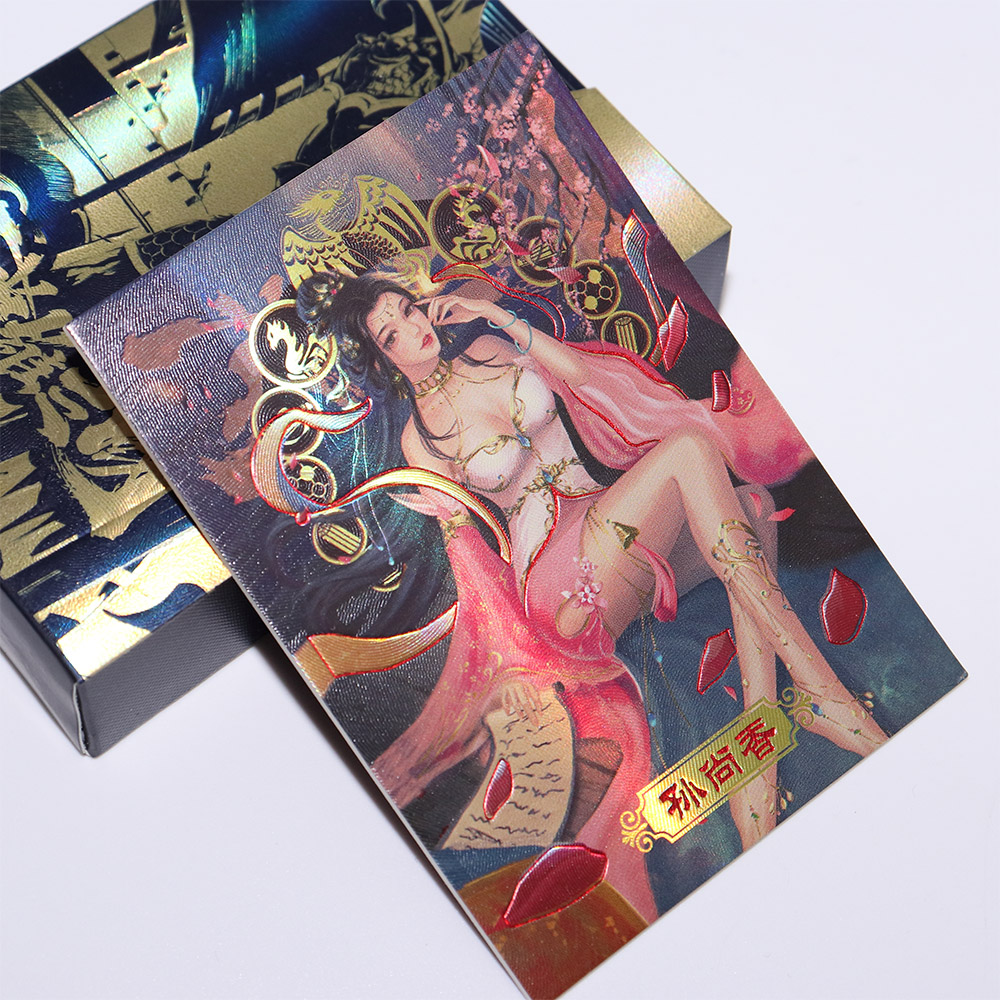 Three Kingdoms Custom Hero Character Cards
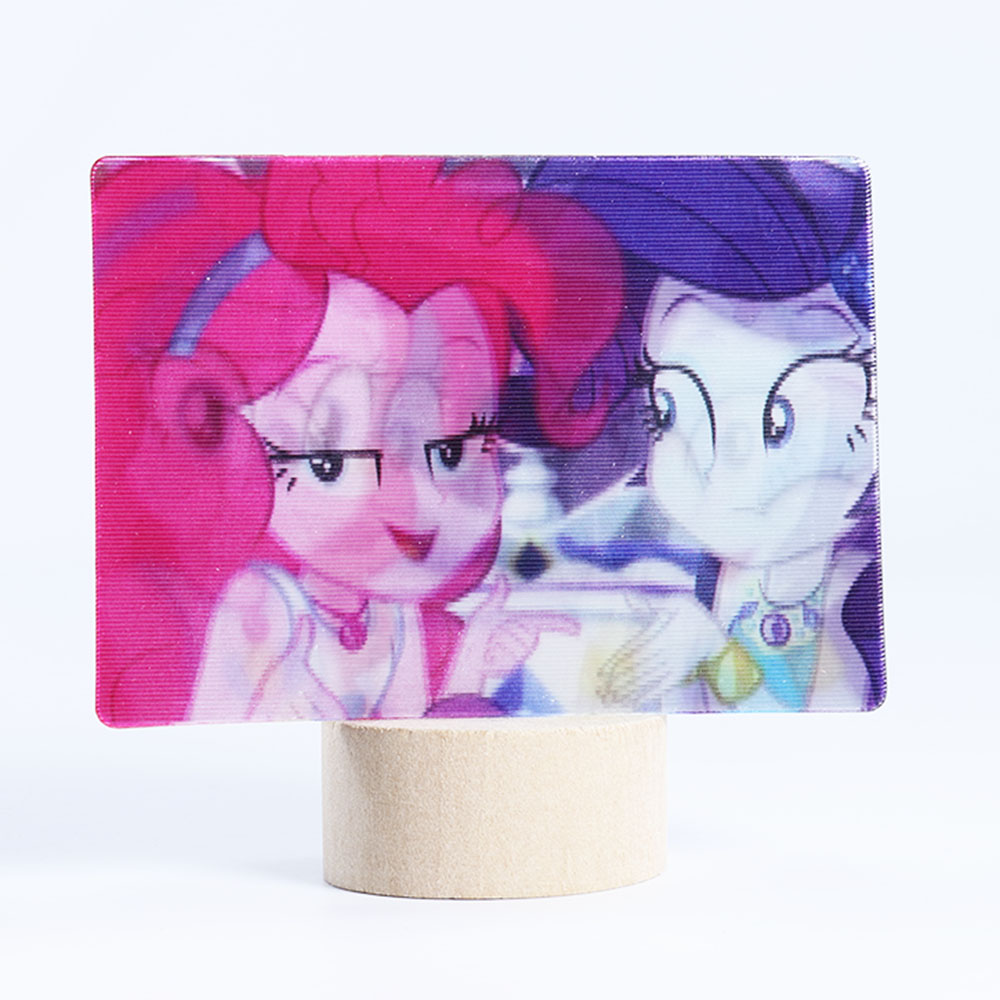 Custom Anime Character Dynamic Visual Cards
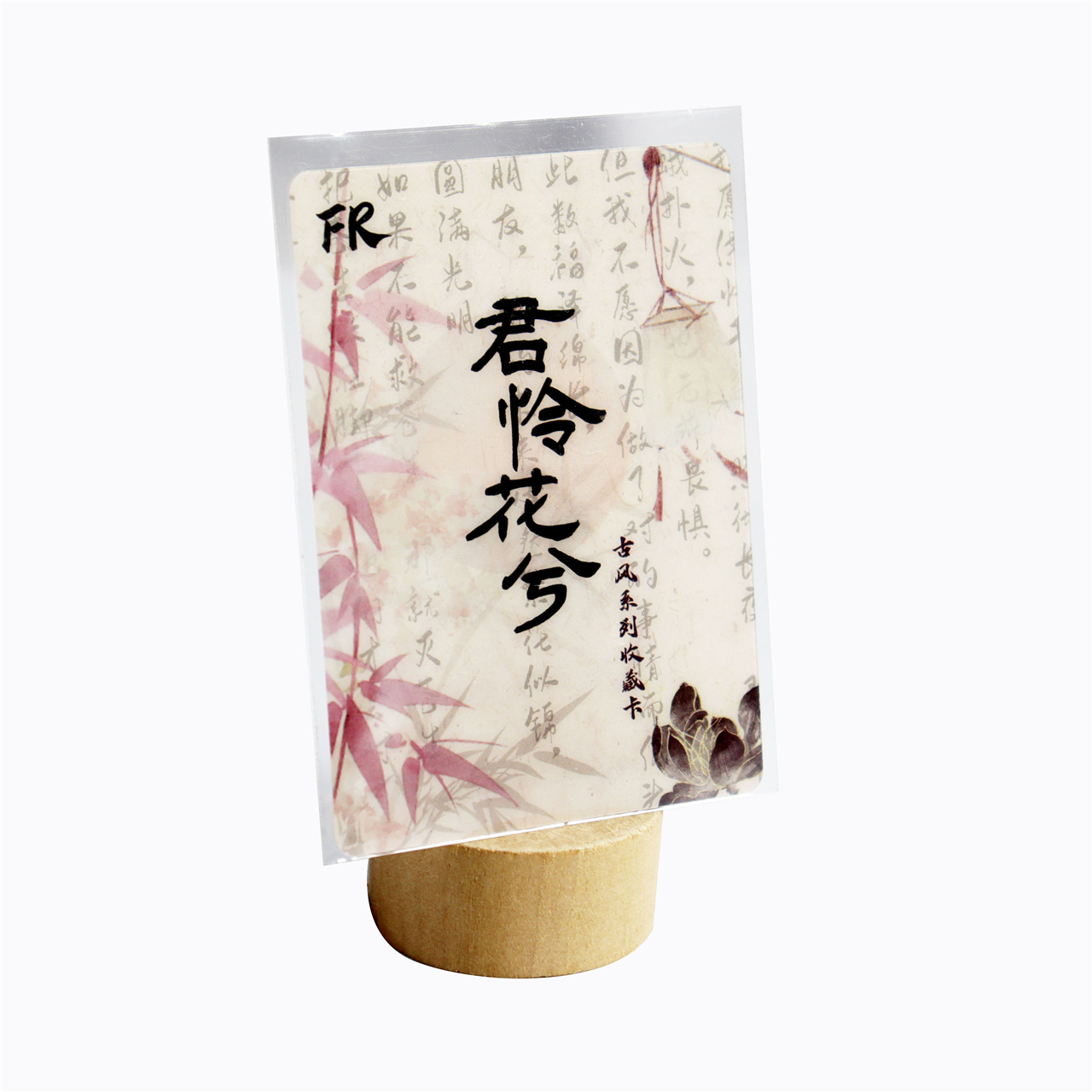 Custom Cartoon Character Collectible Card Set
 Custom Anime Character Art Card Set
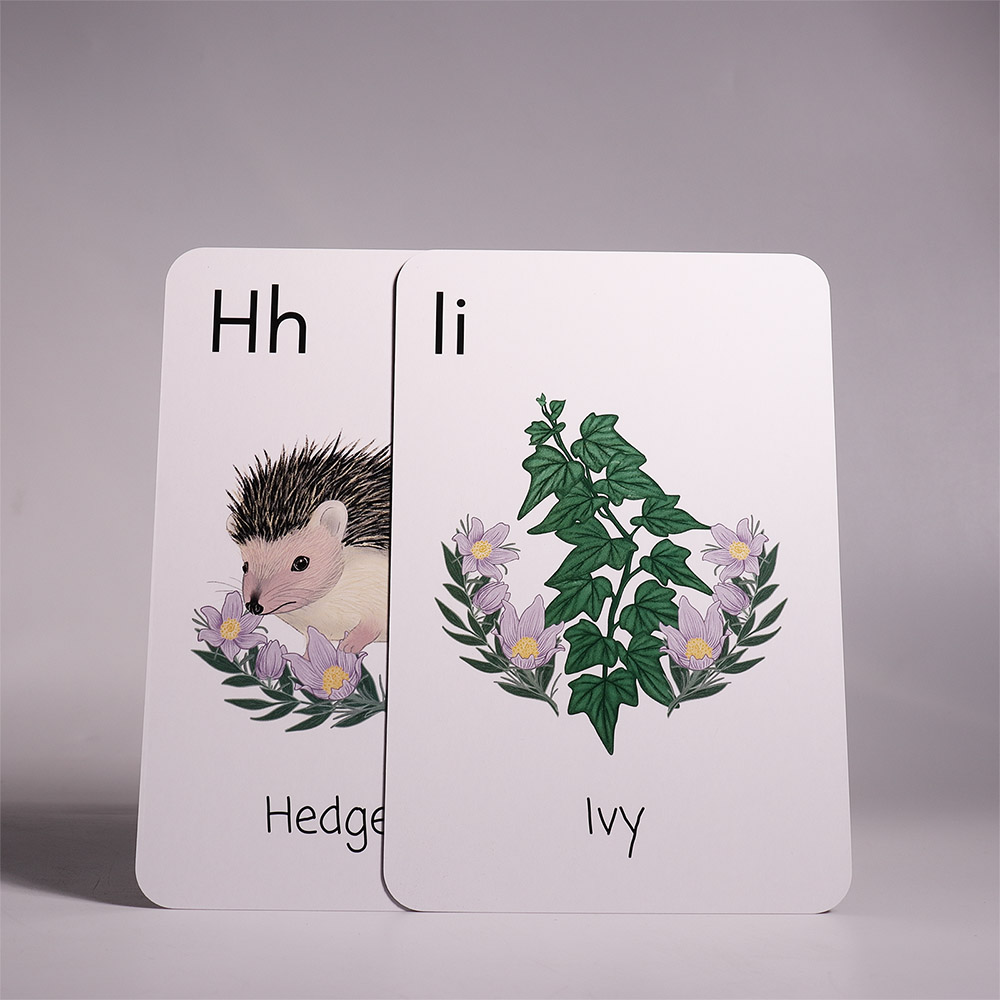 Little Larch Alphabet Cards
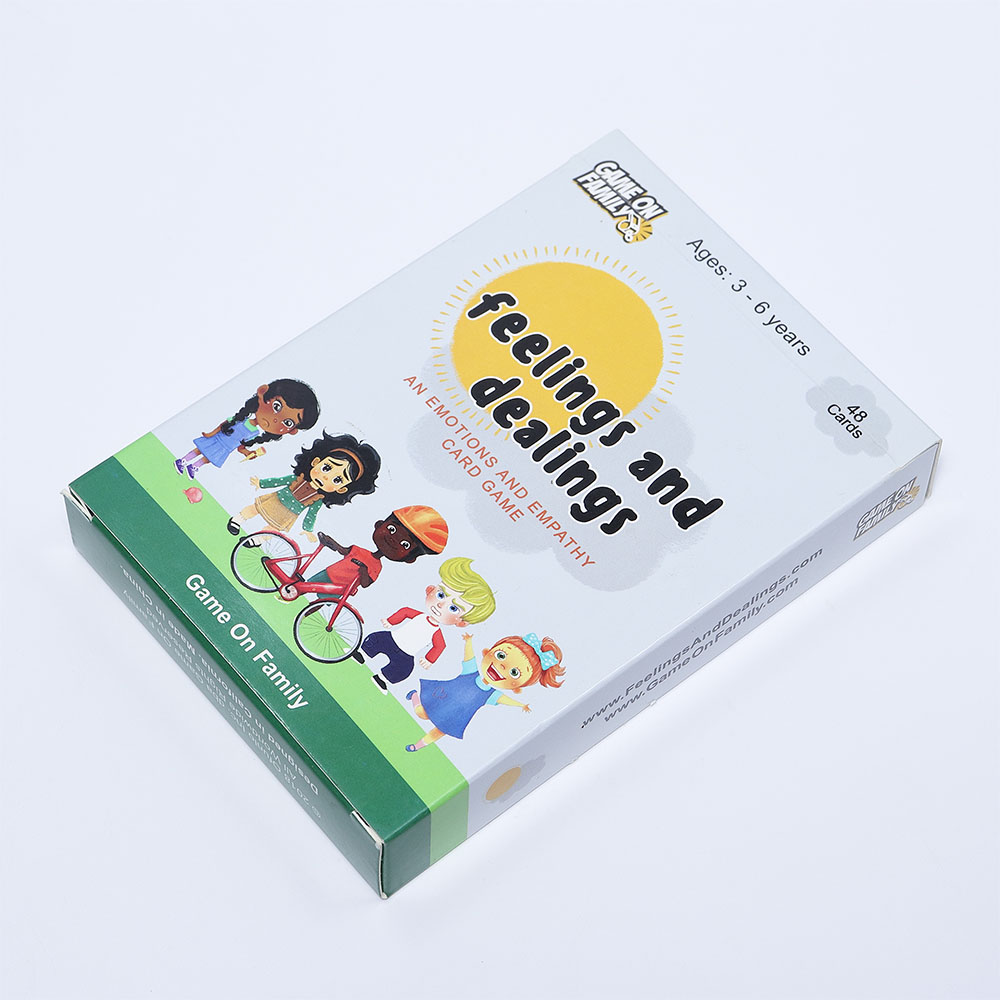 Feelings and Dealings Custom Children's Emotion Card Game
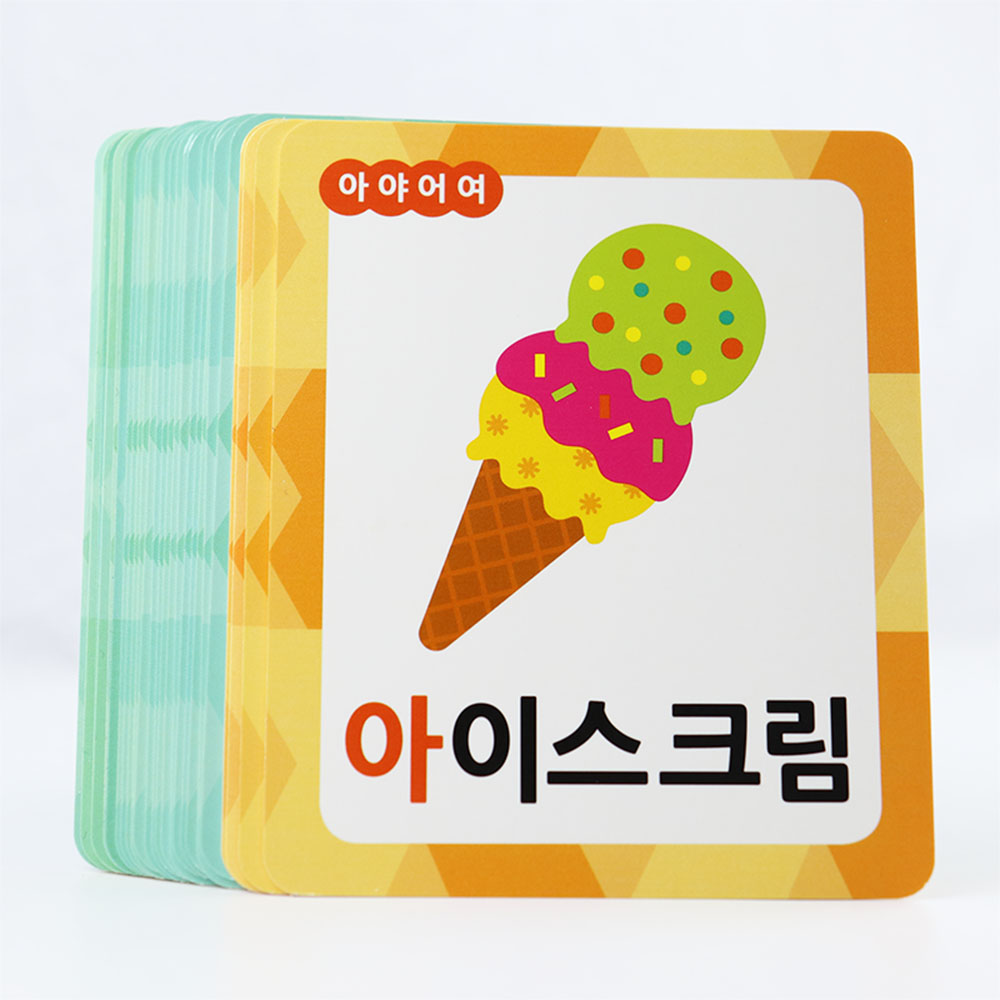 Korean Children's Educational Flashcards
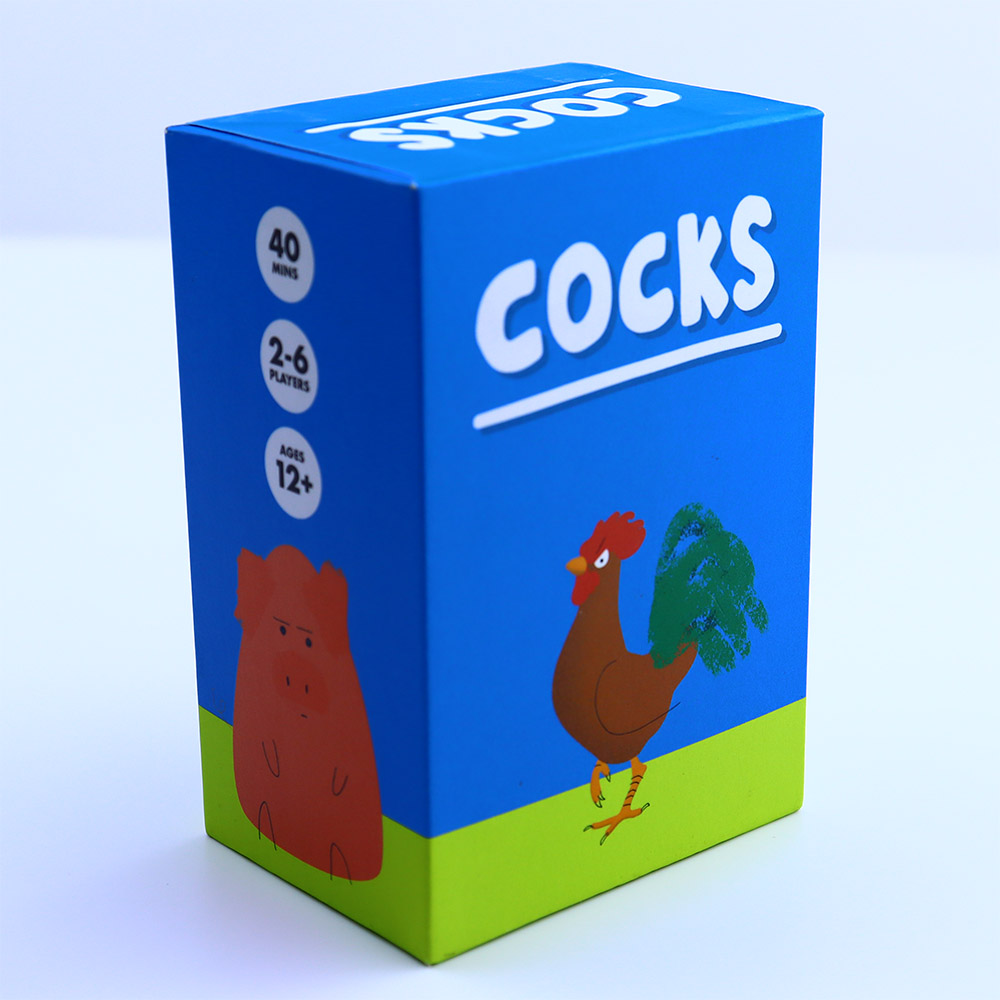 Cocks Themed Custom Children's Learning Cards
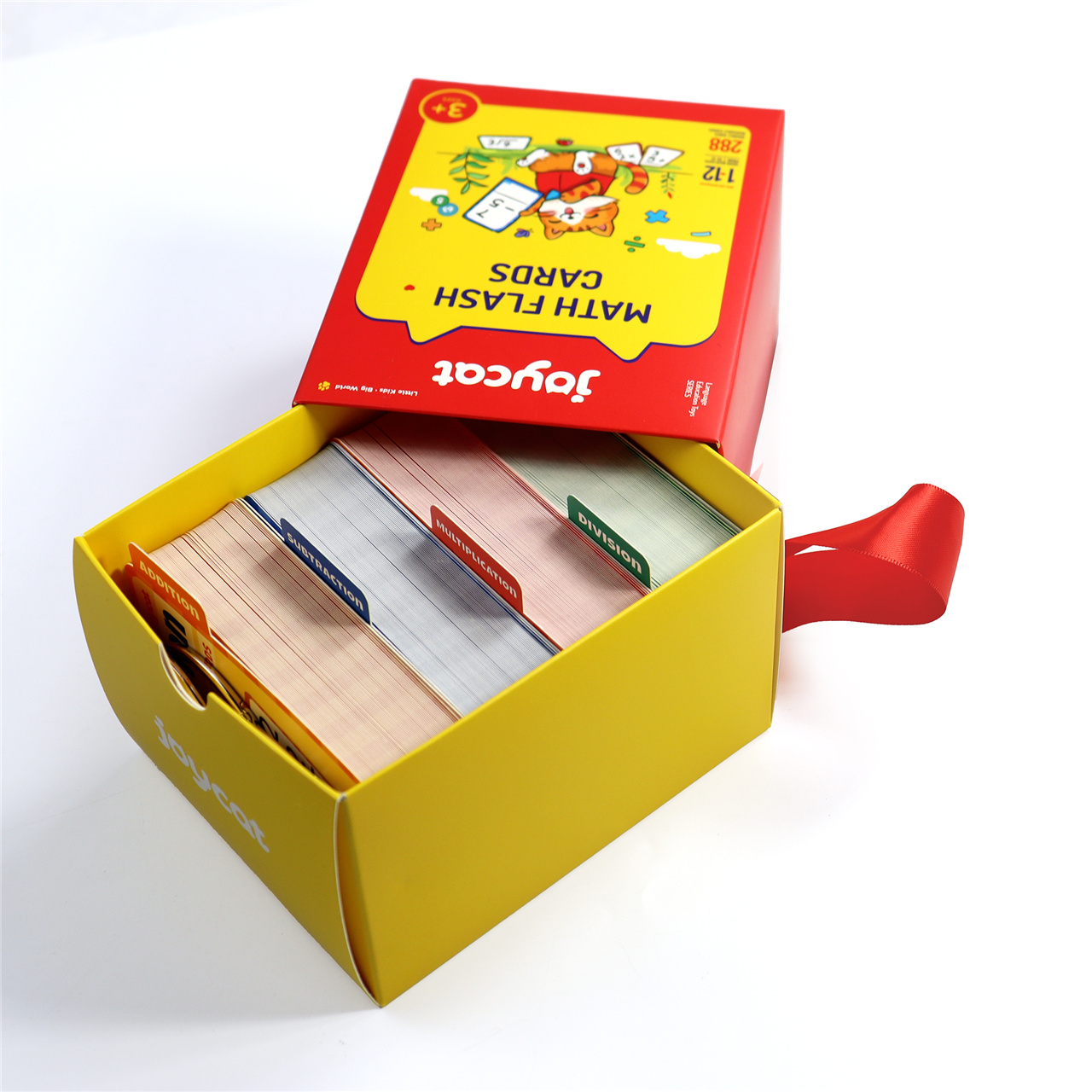 Math Flash Cards Set for Kids
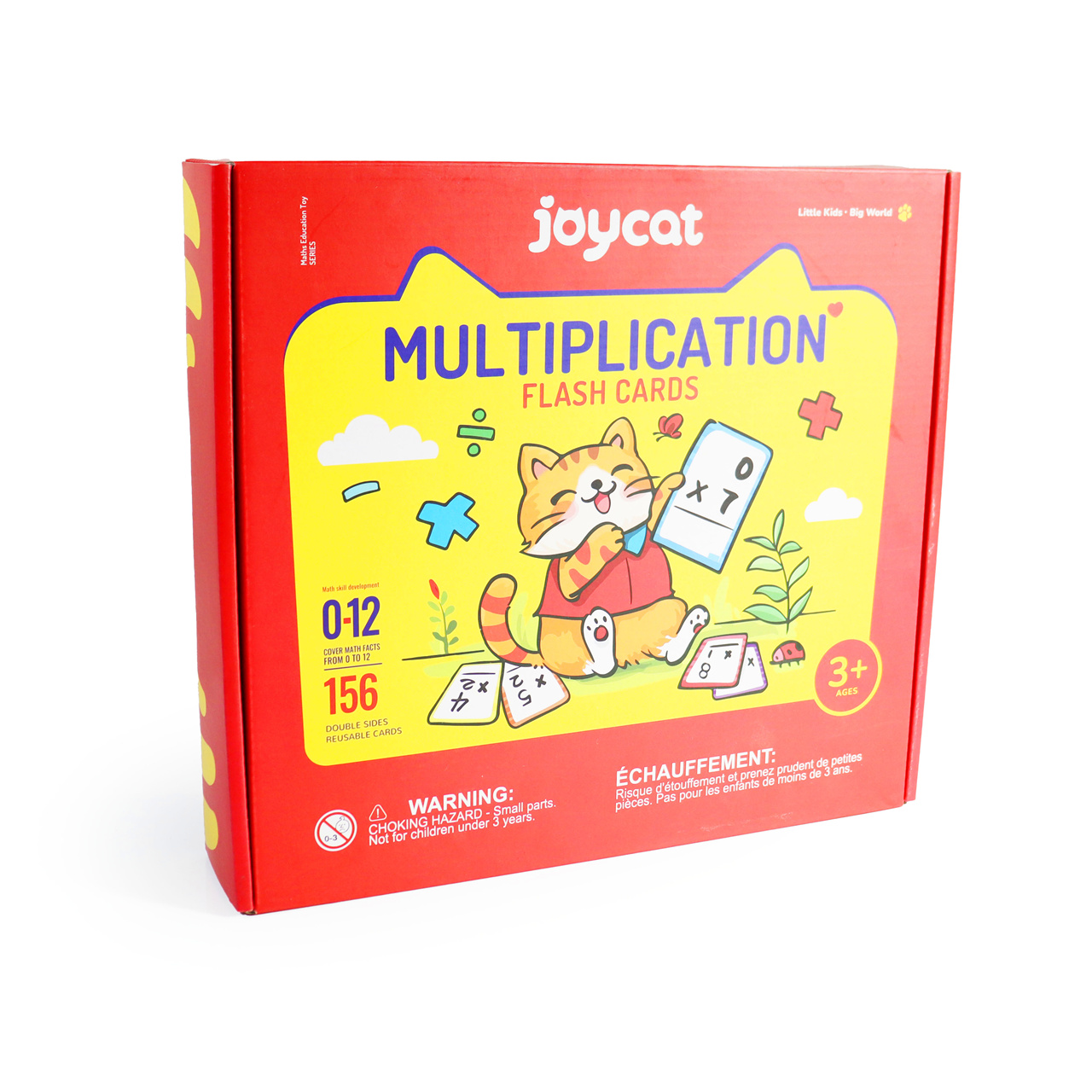 Joycat Multiplication Flash Cards Set with Accessories
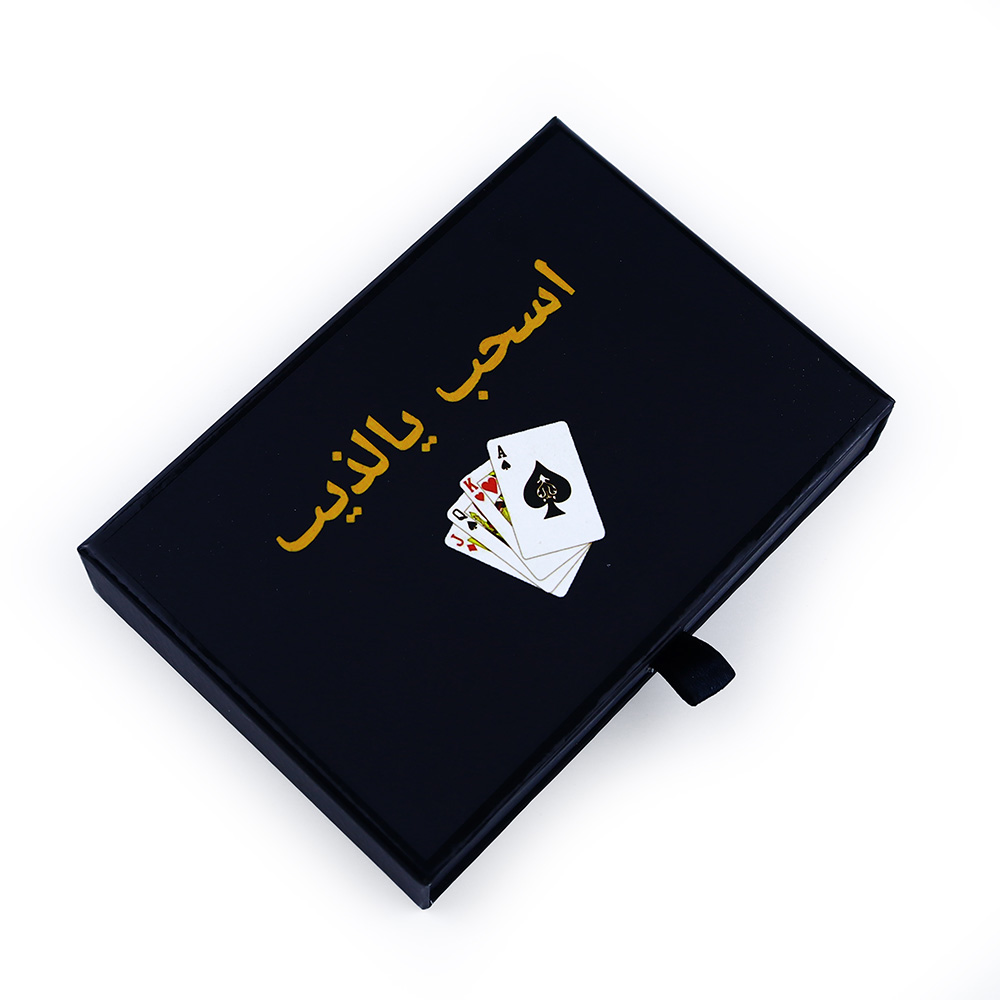 Custom Dual-Deck Playing Cards with Wolf-Themed Design
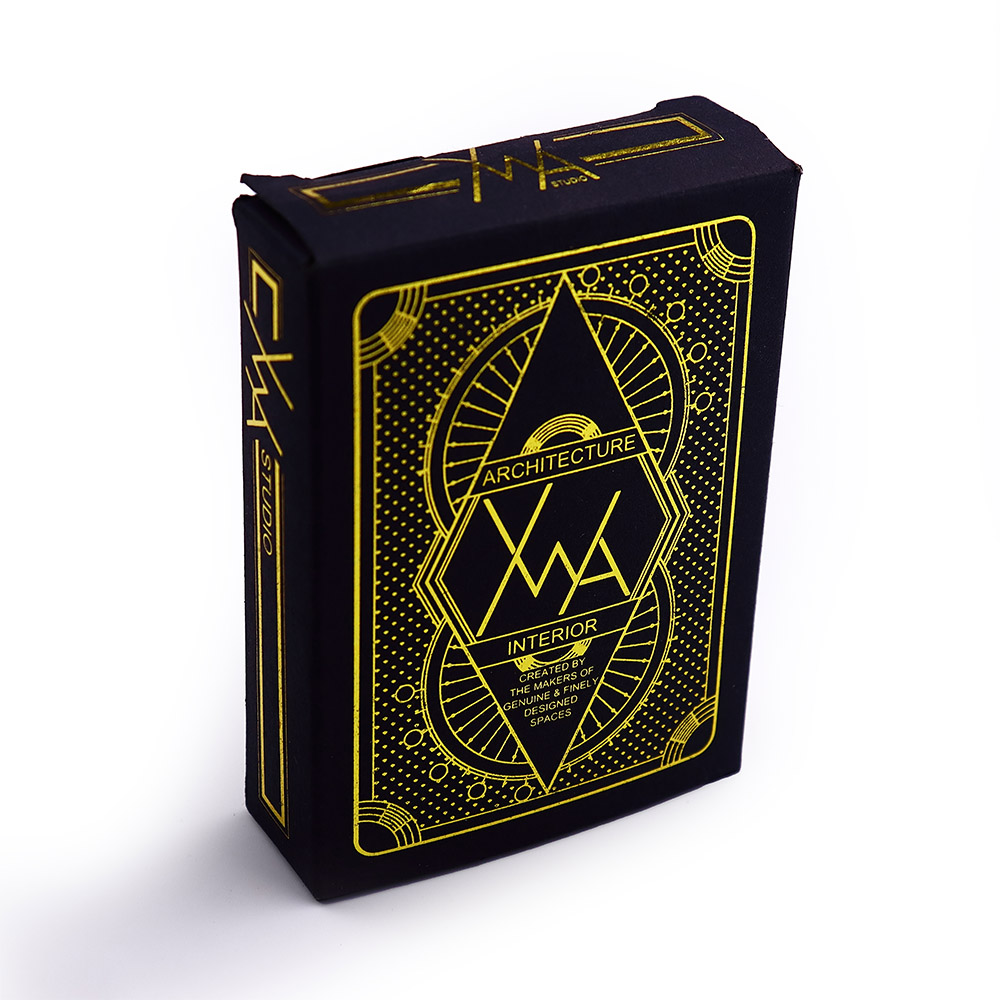 Custom embossed gold foil playing cards
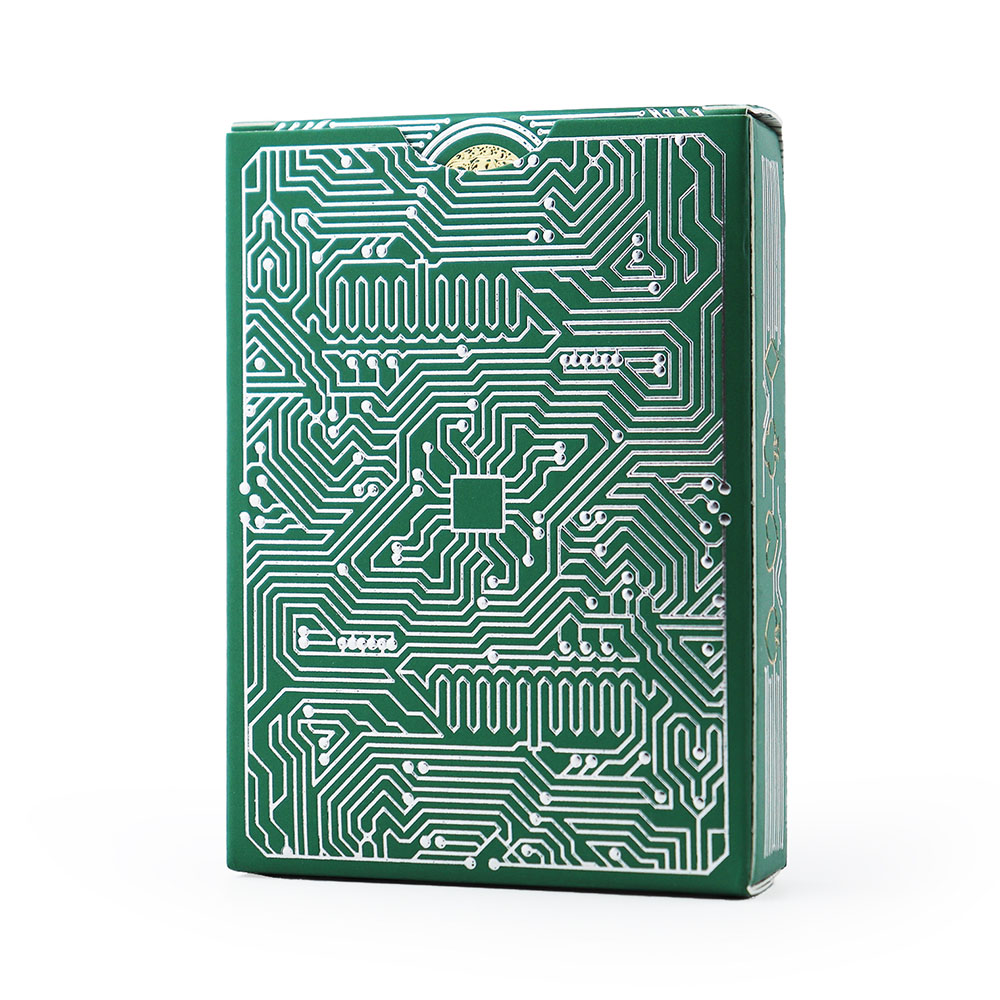 Circuit PCB Edition Custom Playing Cards
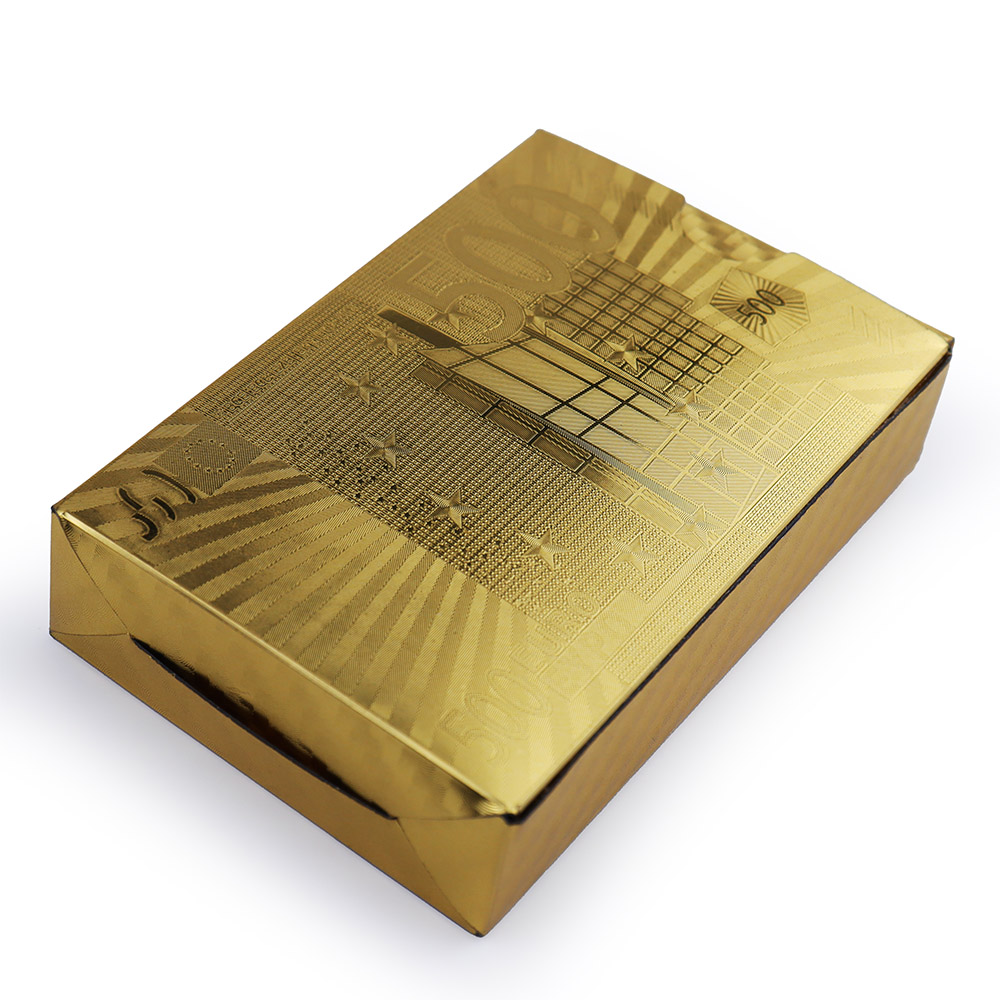 Customized theme gold foil playing cards
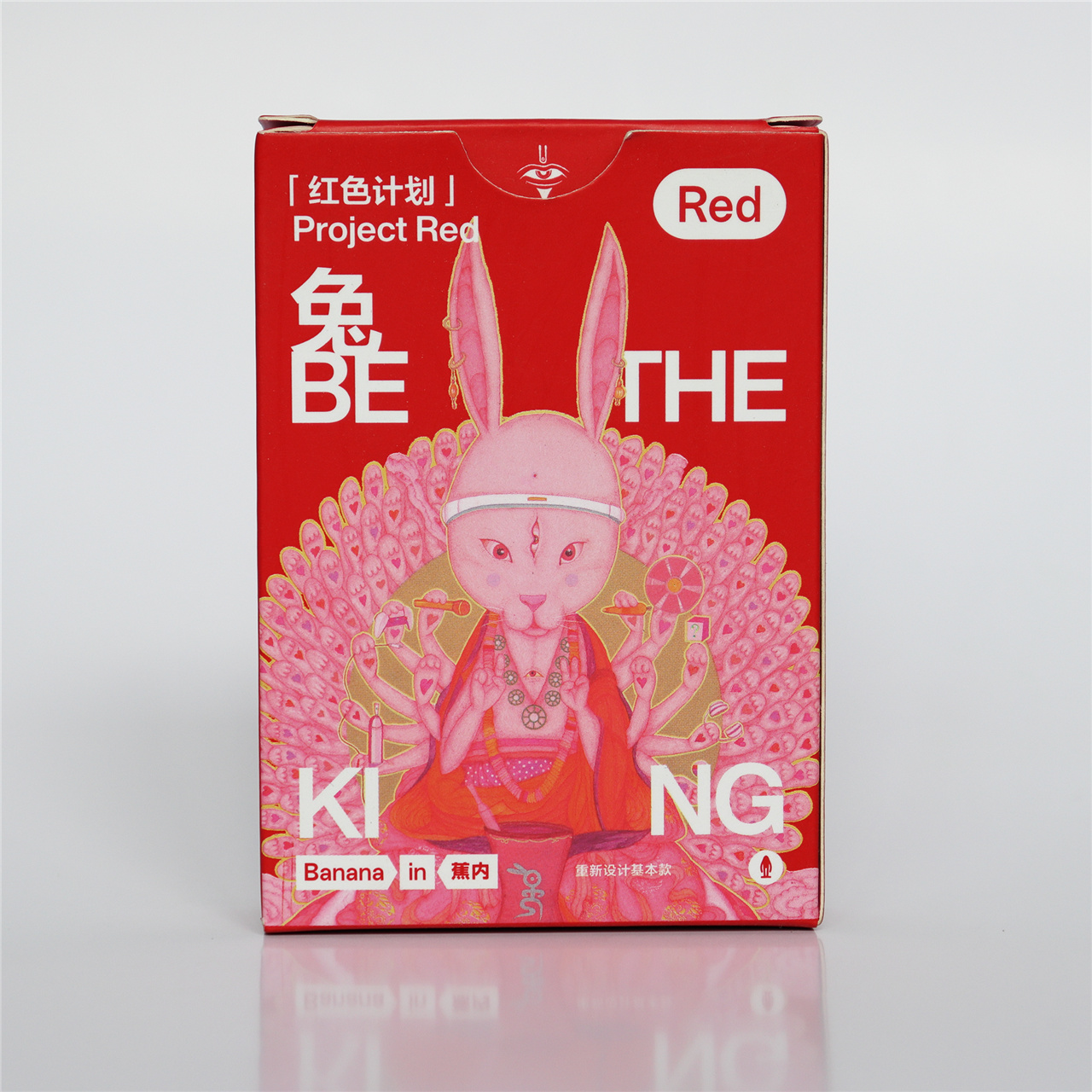 Custom Red Rabbit Themed Playing Cards Set
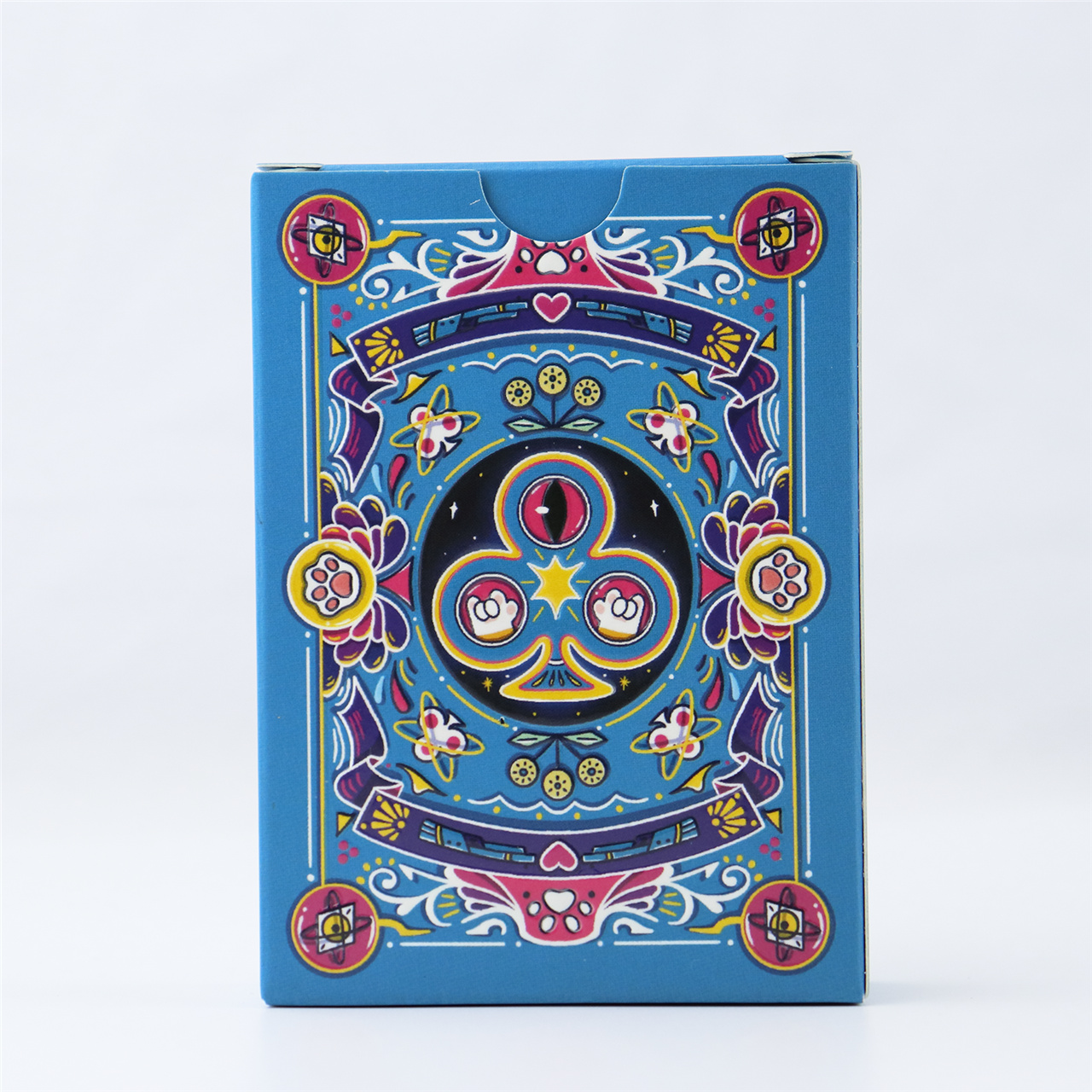 Custom Blue - Black Fantasy Plastic Playing Cards Set
 Pearls of Wisdom Oracle Custom Cards
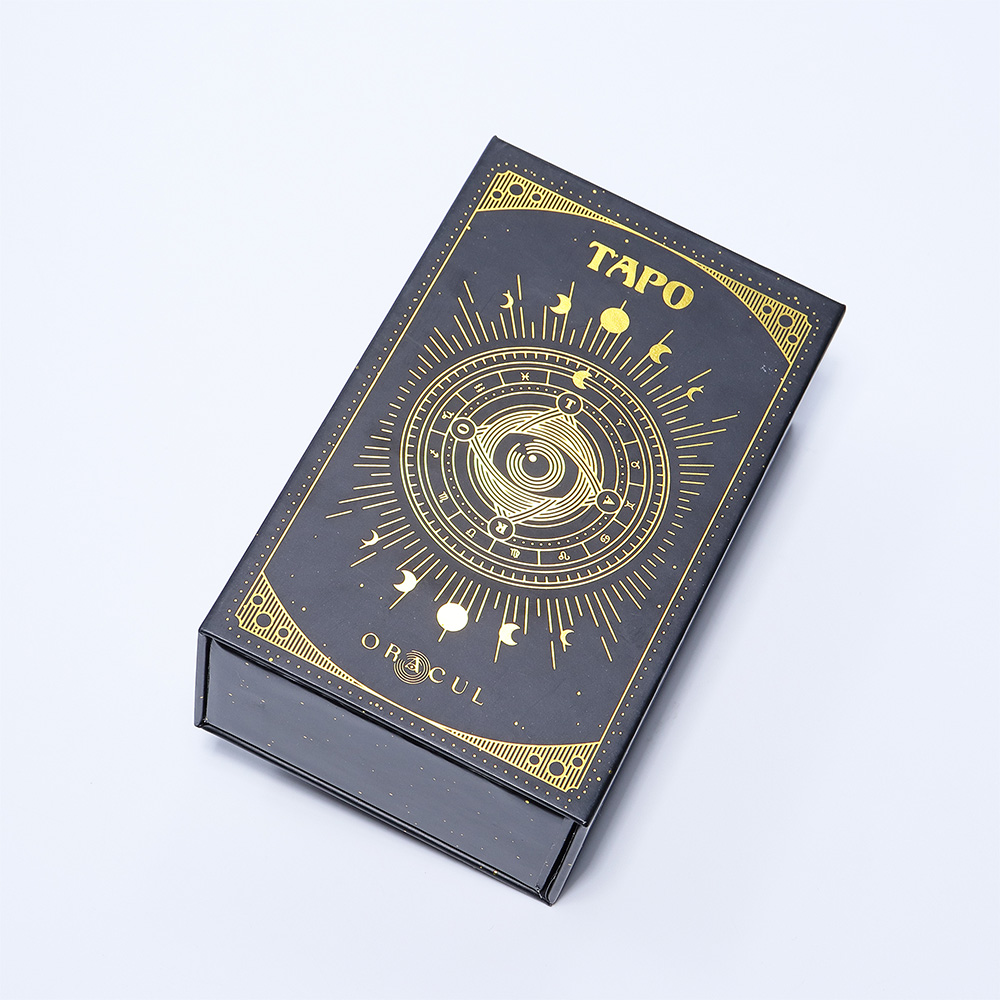 Custom Black & Gold Celestial Tarot Cards
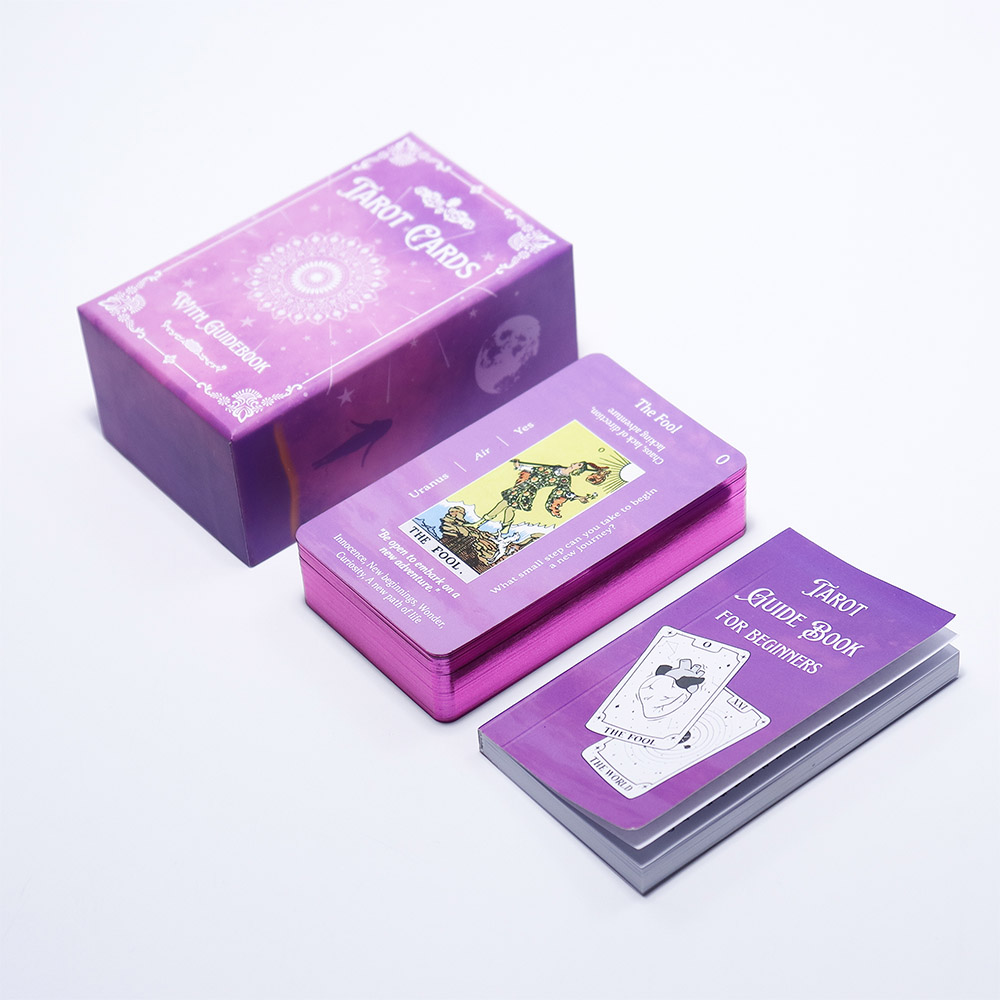 Custom Purple Tarot Cards with Guidebook
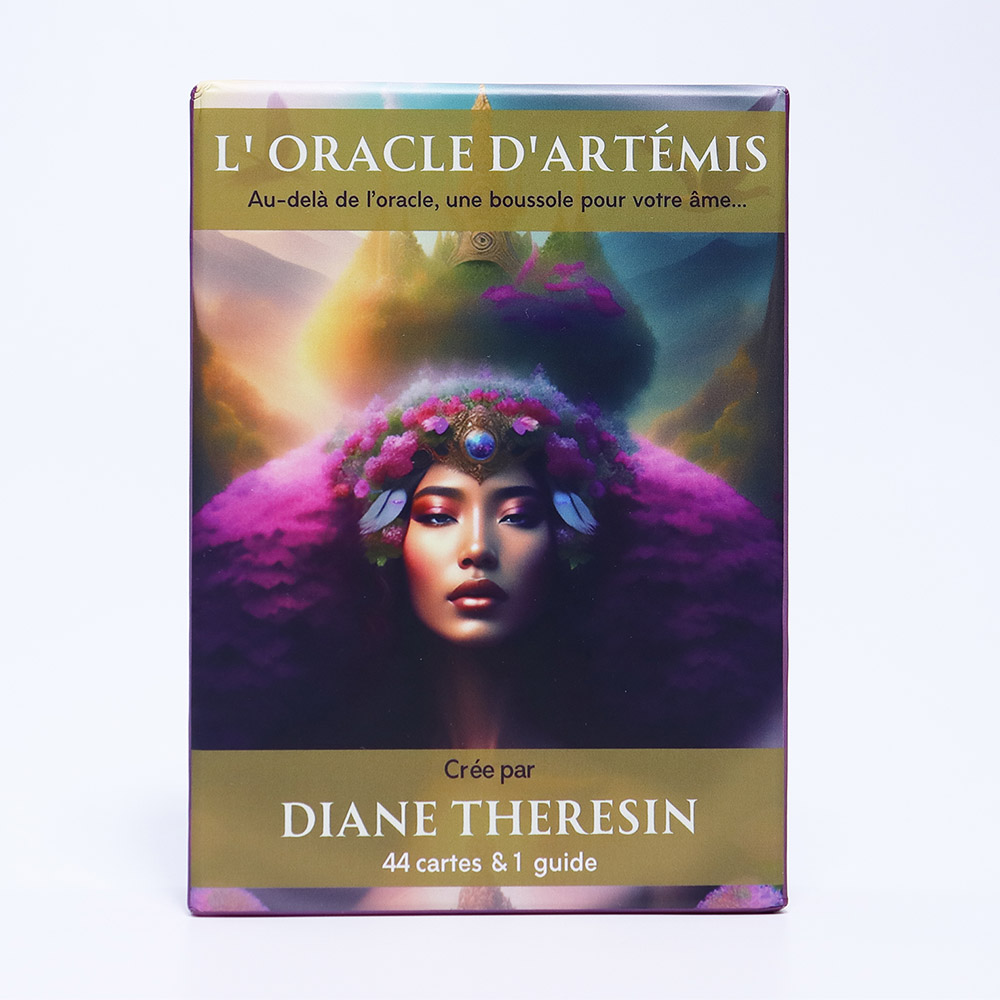 L'Oracle d'Artémis Custom Oracle Cards
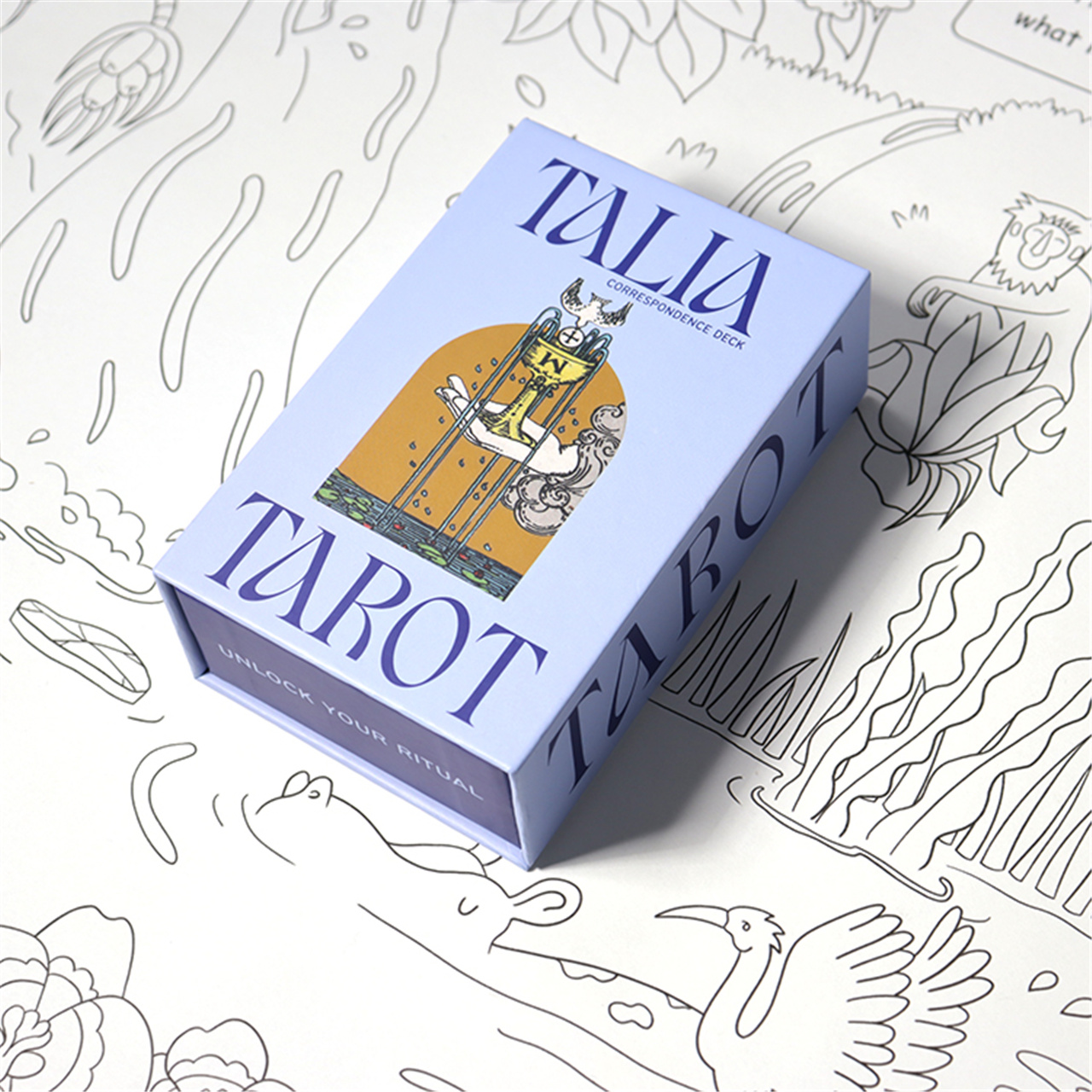 Custom Blue - Themed Tarot Cards Deck
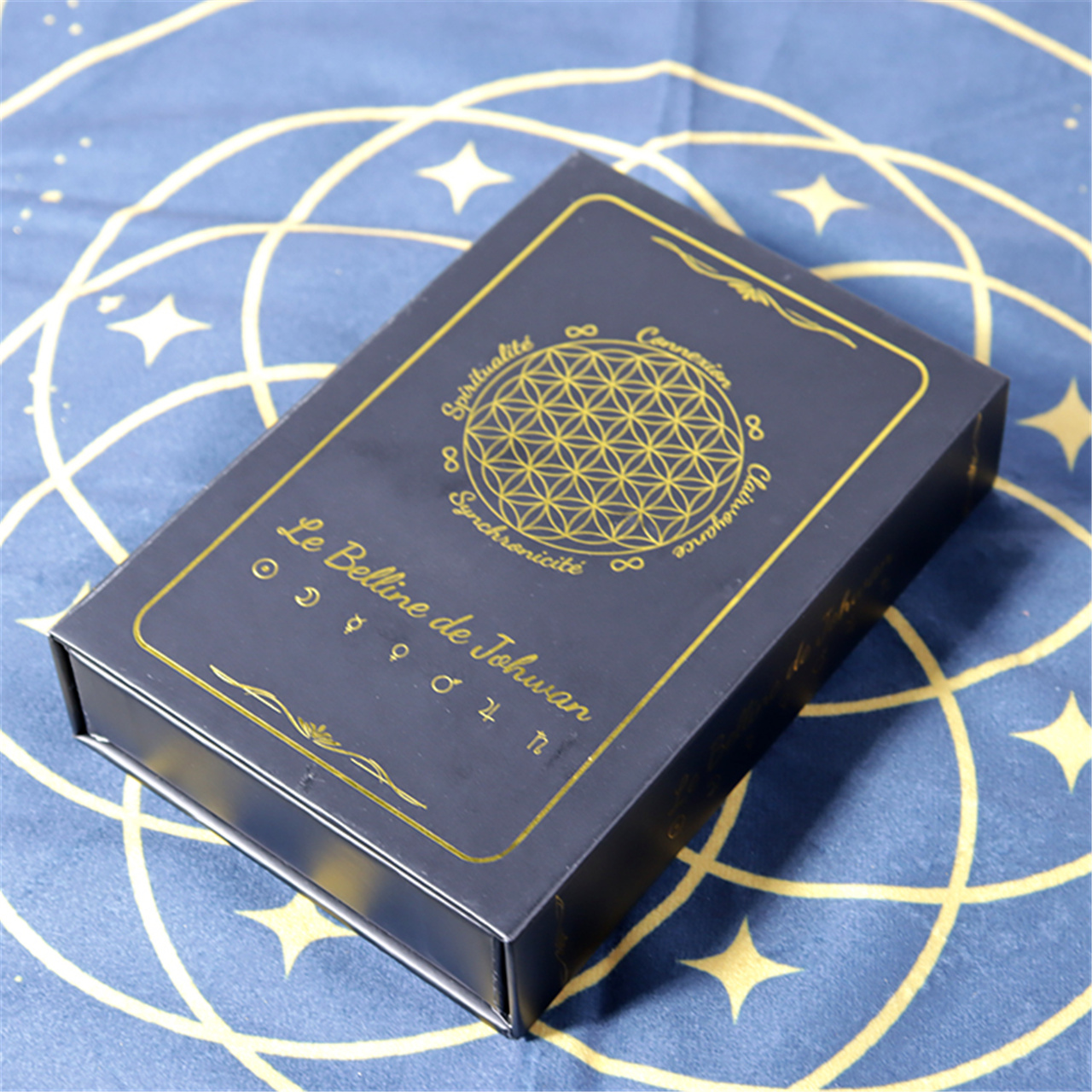 Custom Black - Blue Gold Foil Tarot Cards Set
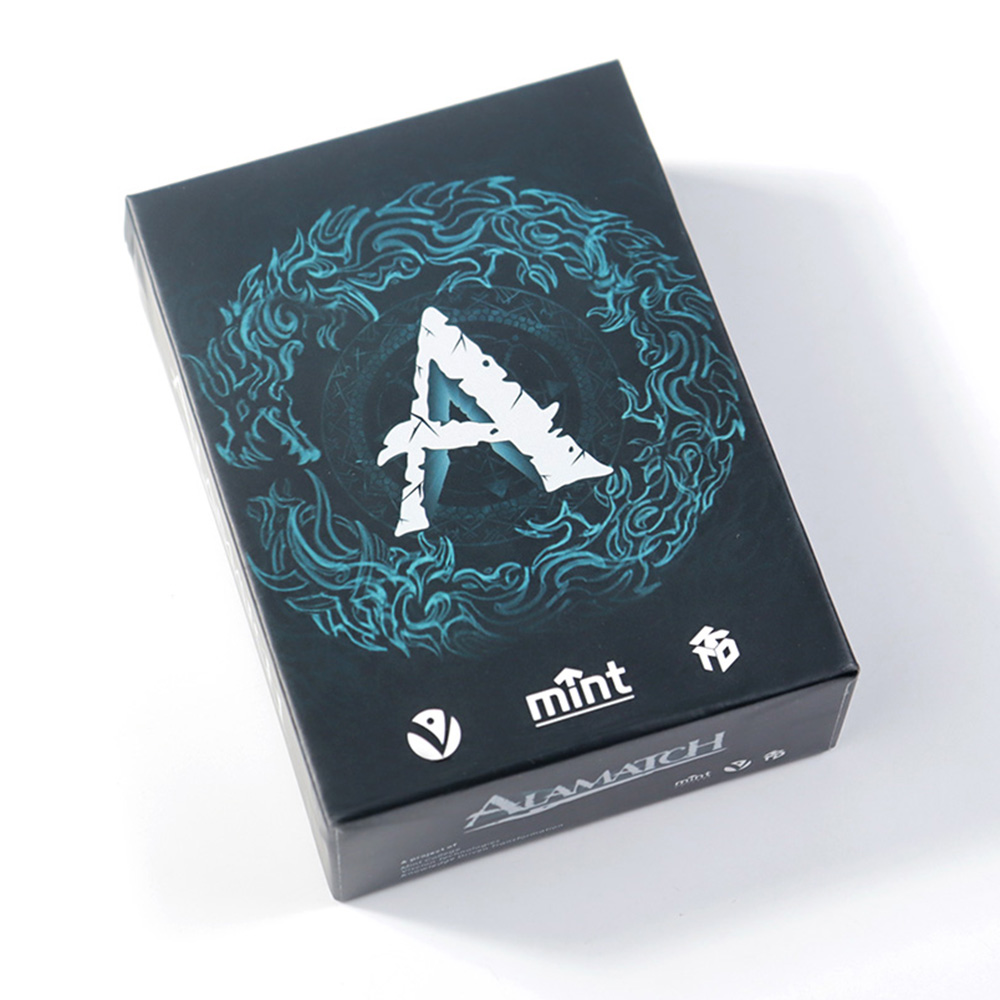 Alamatch Custom Trading Game Cards
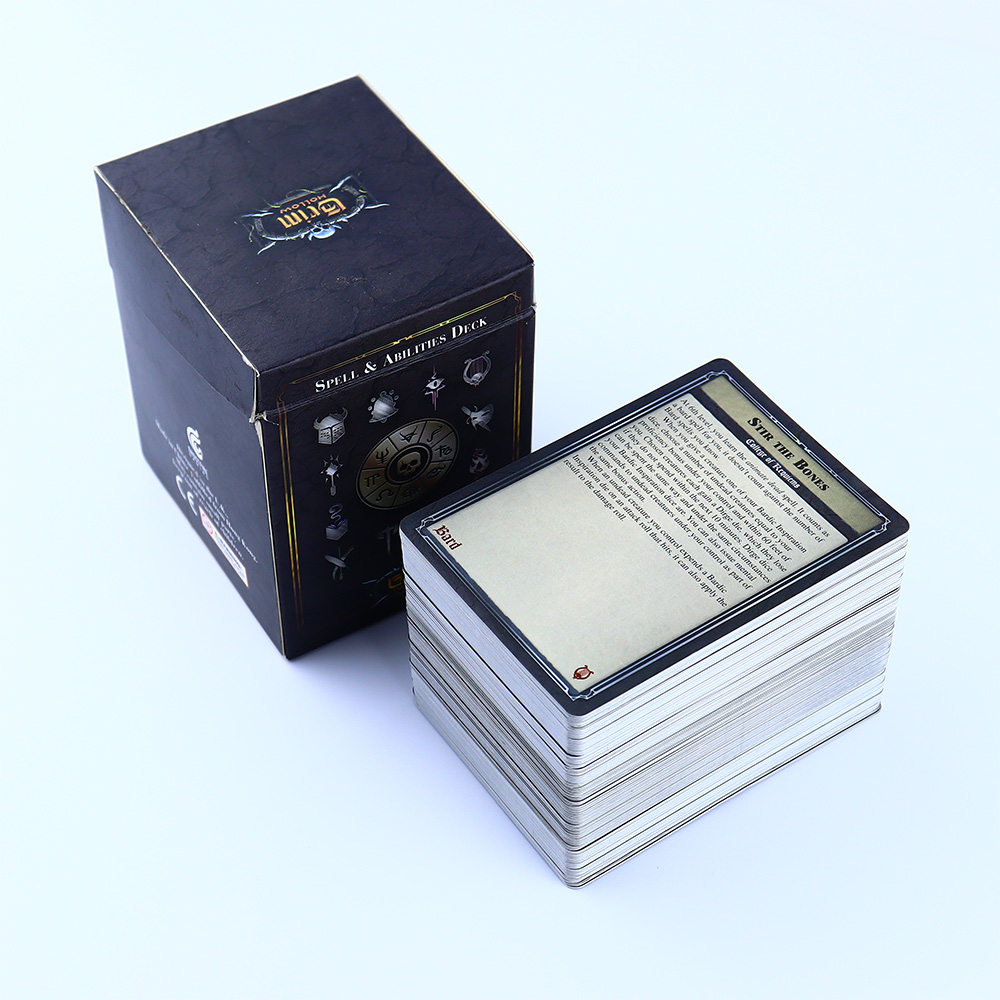 Grim Hollow Spell & Abilities Custom Trading Cards
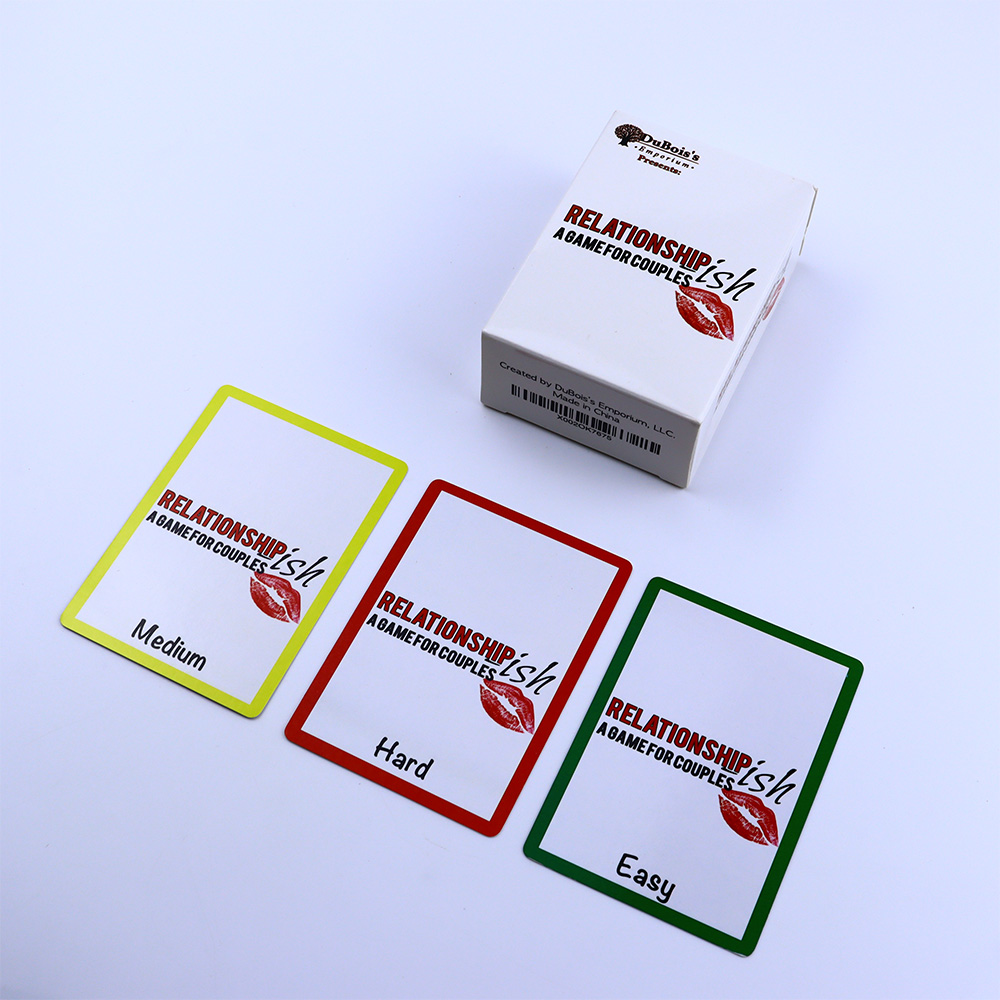 Relationshipish Custom Couple Card Game
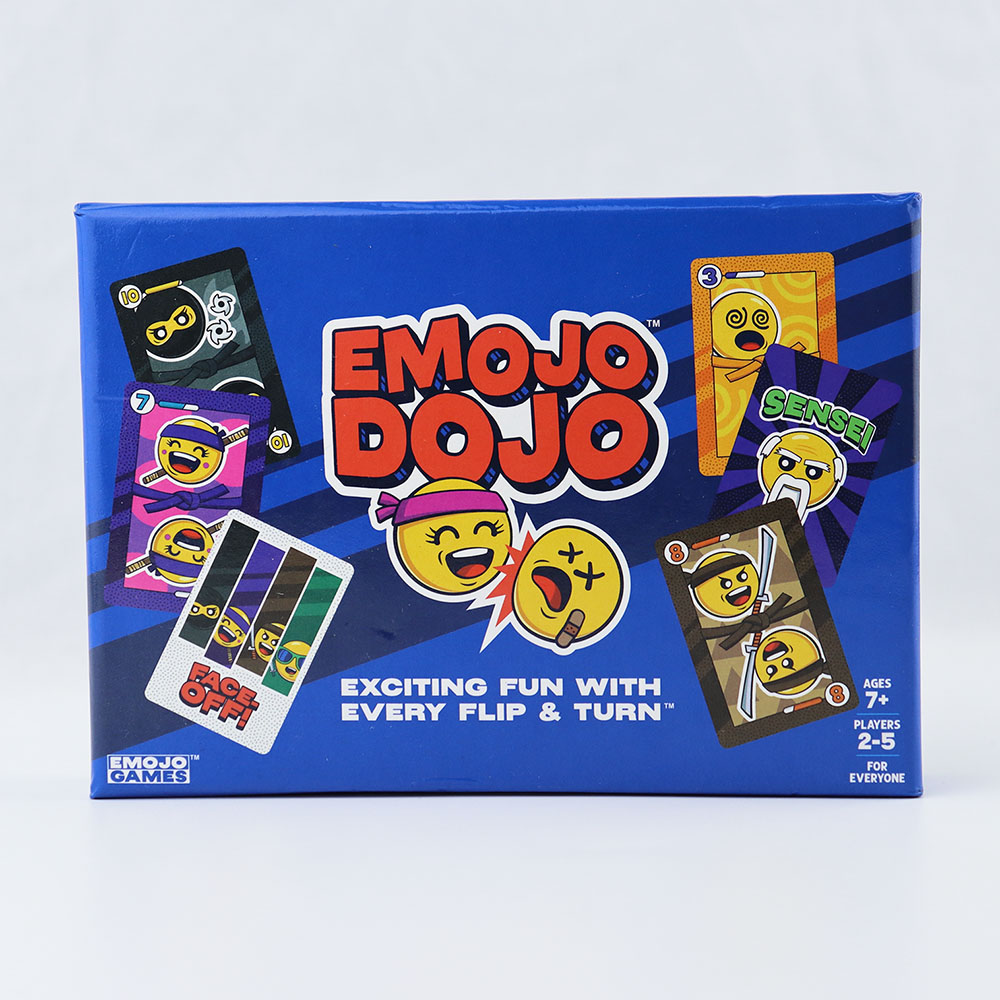 Emojo Dojo Custom Trading Card Game
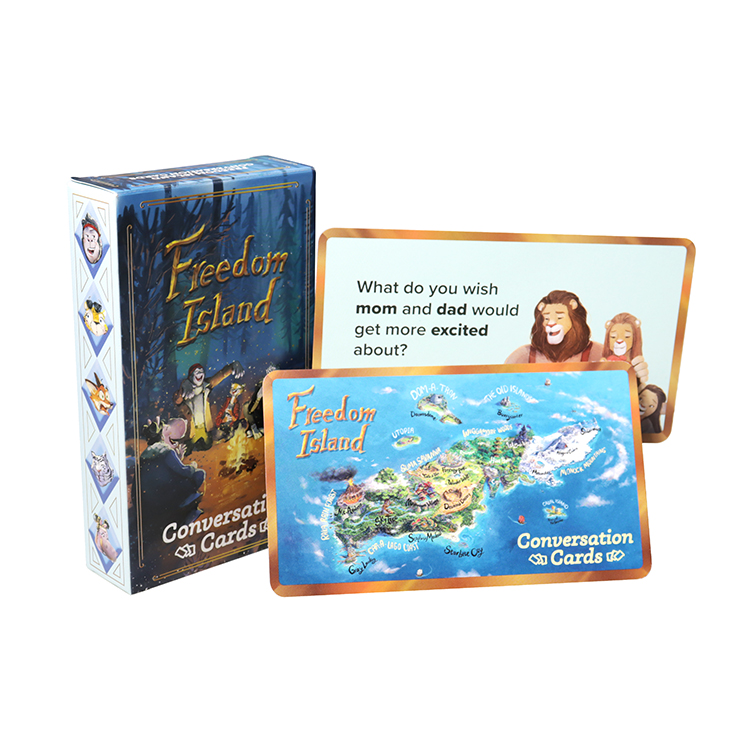 Custom Travel Photo Trading Cards Set
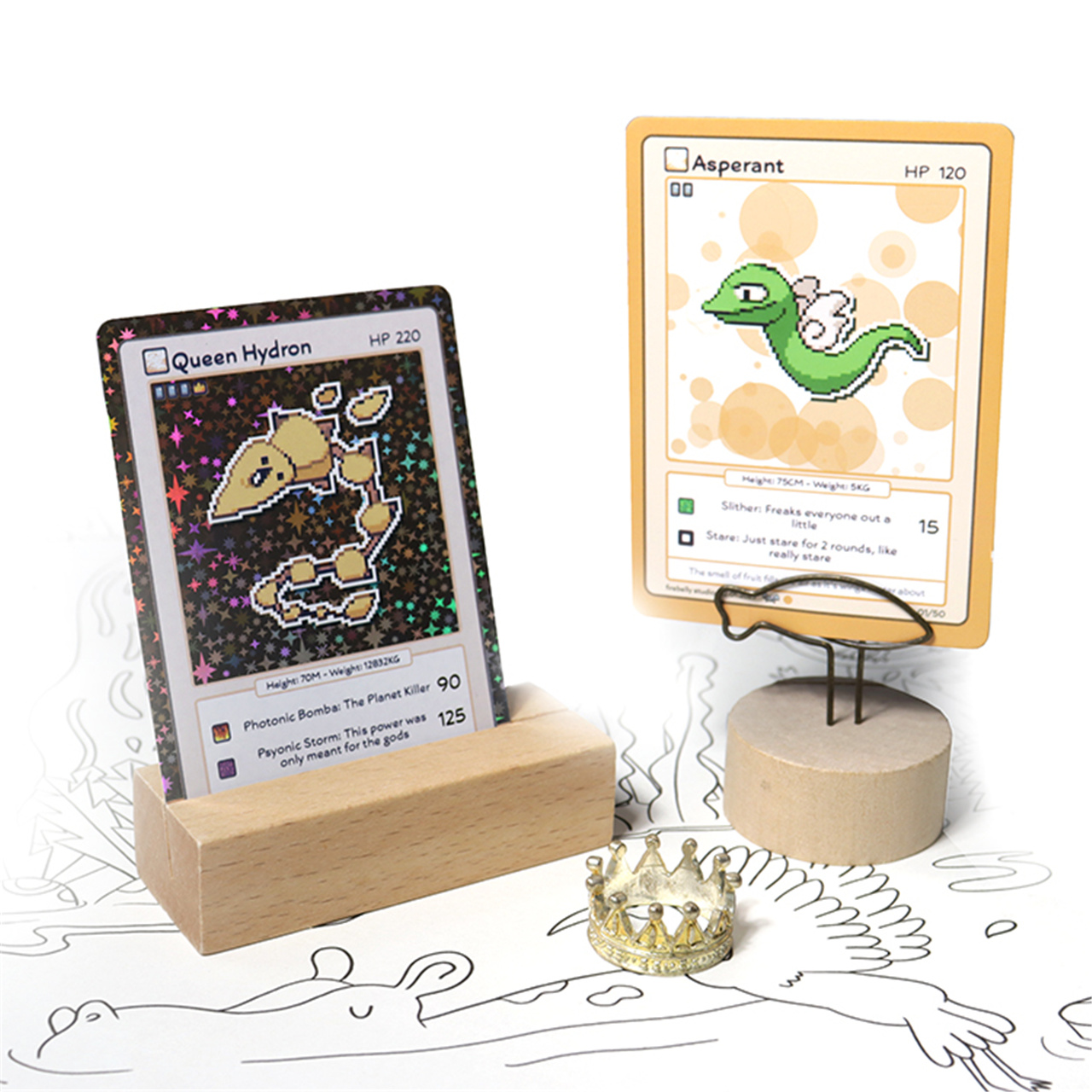 Custom Cartoon Holographic Trading Cards Set