Why Choose Kids Board Games for Fun and Learning?
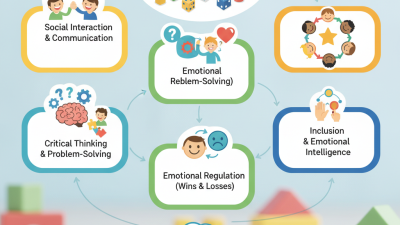
Kids love to play, and board games offer a unique mix of fun and learning. Kids board games engage children’s minds, enhancing their critical thinking and social skills. These games are more than just entertainment; they teach valuable life lessons through collaboration and strategy.
When children sit together, they learn teamwork. They understand the importance of communication and patience. A simple game can spark friendships and laughter. However, not every game fits all skill levels. Choosing the right kids board game can be a challenge. Parents must reflect on their child’s preferences and maturity. In this way, gaming becomes personal.
Moreover, the balance between fun and education can be delicate. Some games lean more towards learning, while others focus on fun. Finding this balance is vital. Parents might feel overwhelmed by choices. Exploring diverse games can lead to unexpected discoveries. In short, kids board games hold immense potential. They promote joy while nurturing essential skills.
Benefits of Kids Board Games for Cognitive Development
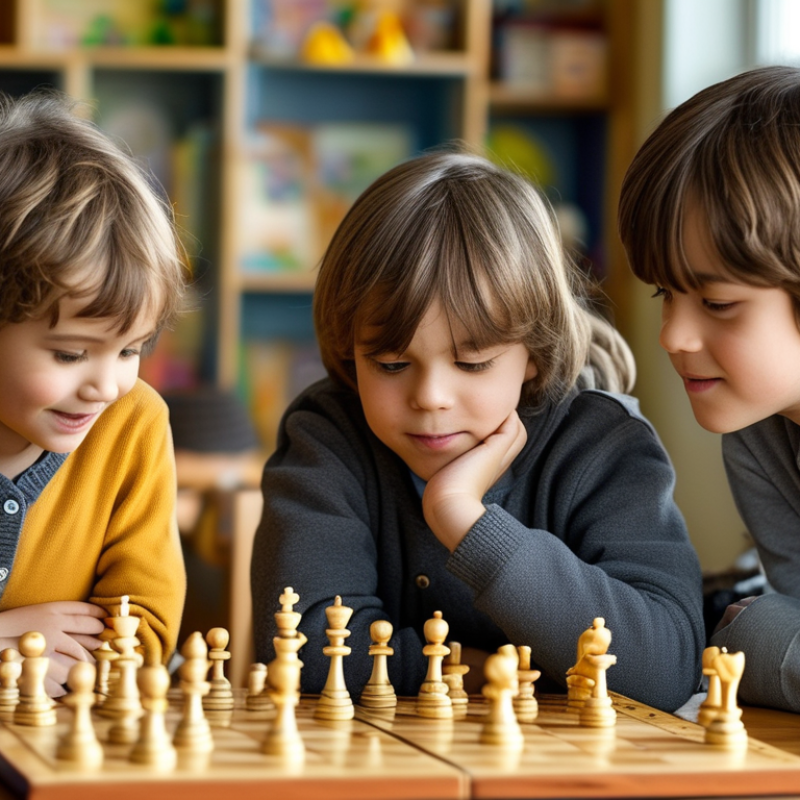
Kids board games offer an engaging way to foster cognitive development in young minds. These games require children to think critically and strategize, which enhances problem-solving skills. For instance, a simple game of chess introduces concepts like planning and foresight. Each move requires consideration of possible outcomes, training children to analyze situations deeply.
Gameplay also encourages social interaction. Children learn to take turns, communicate effectively, and handle wins and losses gracefully. This social aspect is crucial for emotional intelligence development. In a world dominated by screens, face-to-face interactions provide a richer learning experience.
To maximize benefits from board games, choose ones suitable for your child’s age and interests. Observe how they approach the game. Celebrate their successes, but also discuss their mistakes. This reflective practice can cultivate resilience. Encourage kids to ask questions about their strategy. This can ignite their curiosity and deepen their understanding of game mechanics and decision-making.
Enhancing Social Skills Through Board Game Interaction
Board games offer a powerful way for kids to enhance their social skills. When playing, children interact in real-time. They learn to communicate ideas clearly. This fosters teamwork as they strategize together. Skills like patience and turn-taking develop naturally. The excitement of the game encourages collaboration. Each action in the game brings a response. This dynamic helps children understand social cues better.
While the benefits are clear, challenges can arise. Some kids might struggle with losing. This reaction is natural and can lead to important lessons. It's crucial to navigate these feelings gently. Discussions after the game can help them reflect. They can share their thoughts on winning and losing. Creating an environment that promotes open dialogue can lead to constructive outcomes. This reflection promotes emotional intelligence.
Engaging with peers during a board game also helps in conflict resolution. Differences of opinion can surface. Kids must negotiate and reach compromises. While they might not always get it right, these moments are valuable. They provide a real-world context for learning. Board games create unique opportunities for growth, helping children navigate both victories and setbacks.
Encouraging Family Bonding and Quality Time with Board Games
Board games are an excellent way to foster family bonding. They provide opportunities for fun and interaction, creating lasting memories. A survey showed that 72% of families believe board games help in building stronger relationships. Engaging in a game encourages teamwork, communication, and problem-solving among family members.
When playing board games, it's essential to create a relaxed atmosphere. Set aside distractions like phones or tablets. This will help everyone focus on each other. Encourage open discussions about the game. It can lead to unexpected insights and laughter, making the experience even more enriching.
Set achievable goals during game time. This promotes a healthy competitive spirit without frustration. Each family member can take turns teaching a new game. This not only fosters learning but also instills a sense of responsibility. Remember, it’s okay if the rules are not perfectly followed. Embrace the imperfections; they often lead to unique family traditions.
Variety of Themes and Educational Concepts in Kids’ Board Games
Kids' board games offer a diverse range of themes that captivate young minds while imparting educational concepts. According to a study by the Entertainment Software Association, 70% of parents believe that educational games provide unique learning experiences. Many board games feature subjects like math, reading, and social skills, blending fun with fundamental lessons.
For example, games centered on history can spark curiosity about the past and encourage discussions about different cultures. Reports indicate that children who engage in game-based learning show a 20% improvement in retention rates. This suggests that the interactive nature of board games enhances memory and understanding more effectively than traditional methods.
However, not all board games achieve the intended educational outcomes. Some may overly simplify complex concepts, leading to misunderstandings. Parents and educators should evaluate the content carefully. A balance between entertainment and education is essential to ensure children gain valuable skills while having fun.
Why Choose Kids Board Games for Fun and Learning?
| Game Title |
Main Theme |
Educational Concept |
Age Range |
Number of Players |
| Animal Adventures |
Animals |
Habitat Learning |
6+ |
2-4 |
| Math Quest |
Adventure |
Basic Arithmetic |
7+ |
2-6 |
| Word Wizards |
Words |
Vocabulary Building |
8+ |
2-4 |
| Science Explorers |
Science |
Scientific Method |
9+ |
2-5 |
| Creative Builders |
Construction |
Spatial Awareness |
5+ |
2-6 |
Choosing the Right Board Game for Different Age Groups and Interests
When selecting board games for children, age and interests matter. Games for younger kids often focus on color recognition and basic counting. These games usually have vibrant pieces and simple rules. They keep children engaged while promoting early learning skills. For instance, games involving animals or food can captivate their attention.
As children grow, they crave more complexity. Games for older kids can introduce strategy and problem-solving. These games often require players to think critically and plan ahead. For example, role-playing games encourage creativity and teamwork. It's essential to choose games that align with their interests, whether they enjoy adventure, mystery, or history. Engaging children in thoughtful conversations about their preferences can guide your selection process.
Sometimes, finding the right game can be a challenge. A game that seems perfect might not hold their attention. Watching how they interact with a game can provide insight. This reflection on their engagement is crucial. It helps in identifying what works and what doesn't. Children might surprise you with their choices, leading to some unexpected learning moments. Balancing educational value with enjoyment is key.
Why Choose Kids Board Games for Fun and Learning?
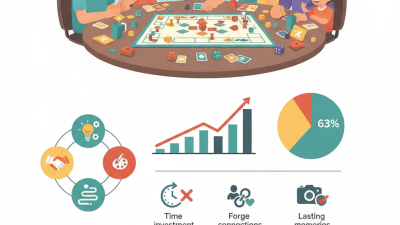
This chart illustrates the popularity of board games among different age groups, highlighting their role in fun and learning. Each age group shows varying levels of engagement with board games, showing that even as kids grow older, the joy of playing these games can evolve and adapt.

 Customizable Emotional Support Cards for Grief & Resilience
 Personalized Emotional Encouragement Card Collection
 Personalized Deep Conversation Card Gift Box
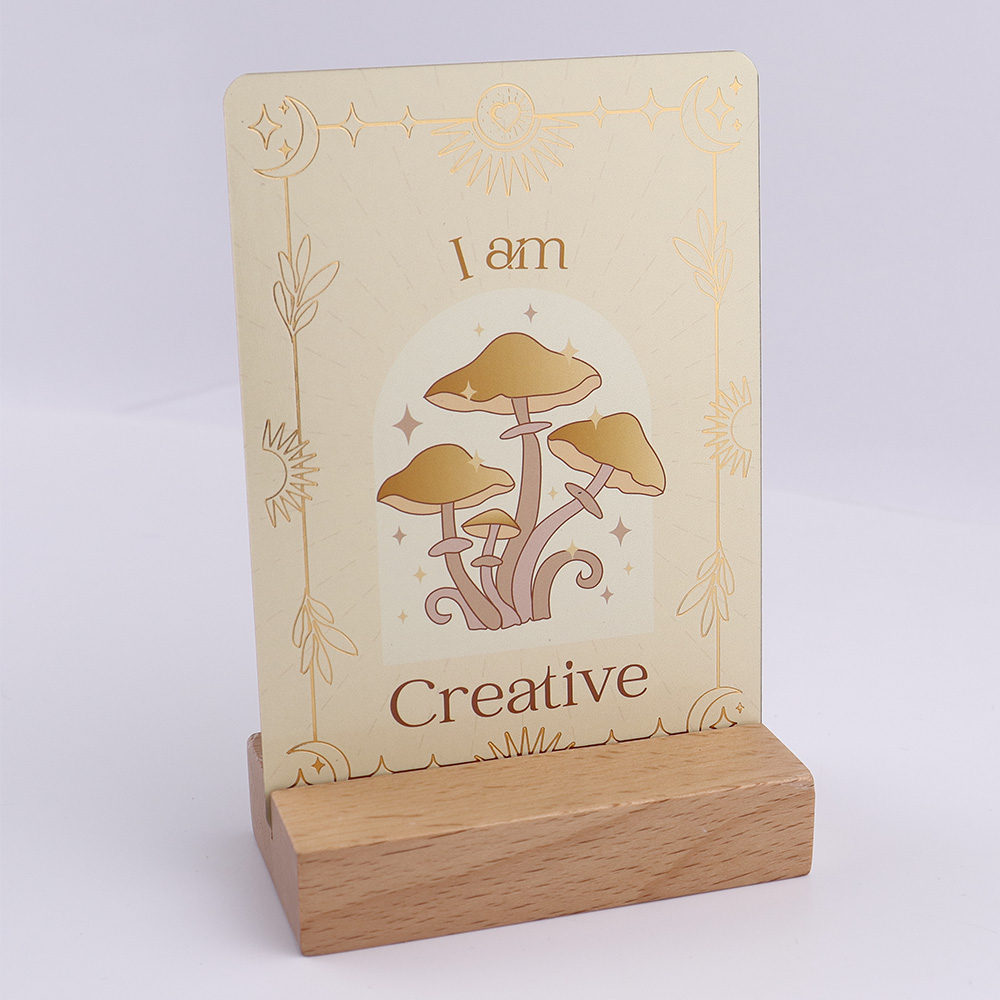 Customizable Boho-Chic Affirmation Cards for Mindfulness & Self-Love
 Customized Friendship Confirmation Card
 Customized Entrepreneurship Confirmation Card
 Air Max Pax Custom Sneaker Card Blind Box Set
 Fluffybutts Factory Custom Pet Card Blind Box Sets
 Doraemon Custom Card Blind Box Set
 Torah Mitzvah Custom Card Blind Box Set
 Customized "Journey to the West" Themed Card Blind Box Set
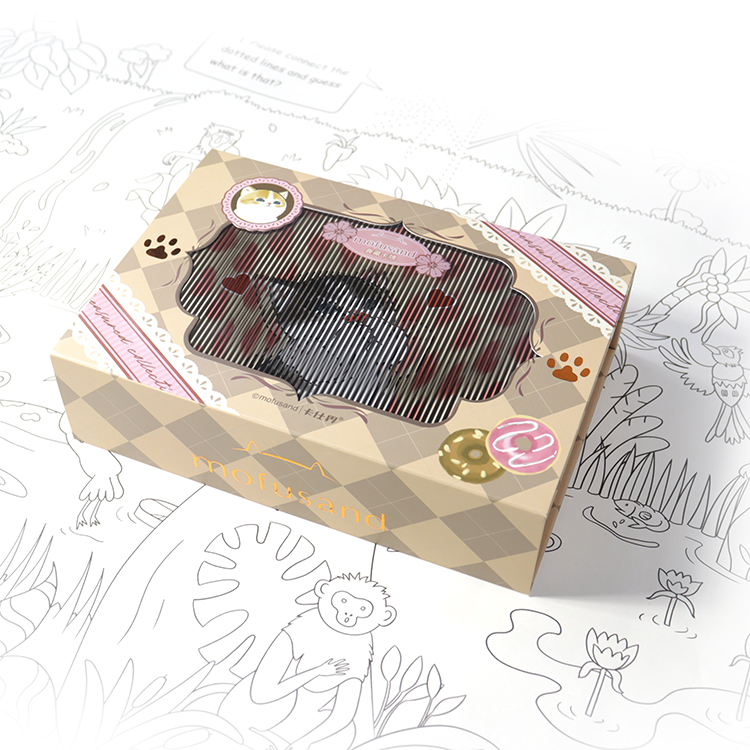 Customized cat-themed blind box set
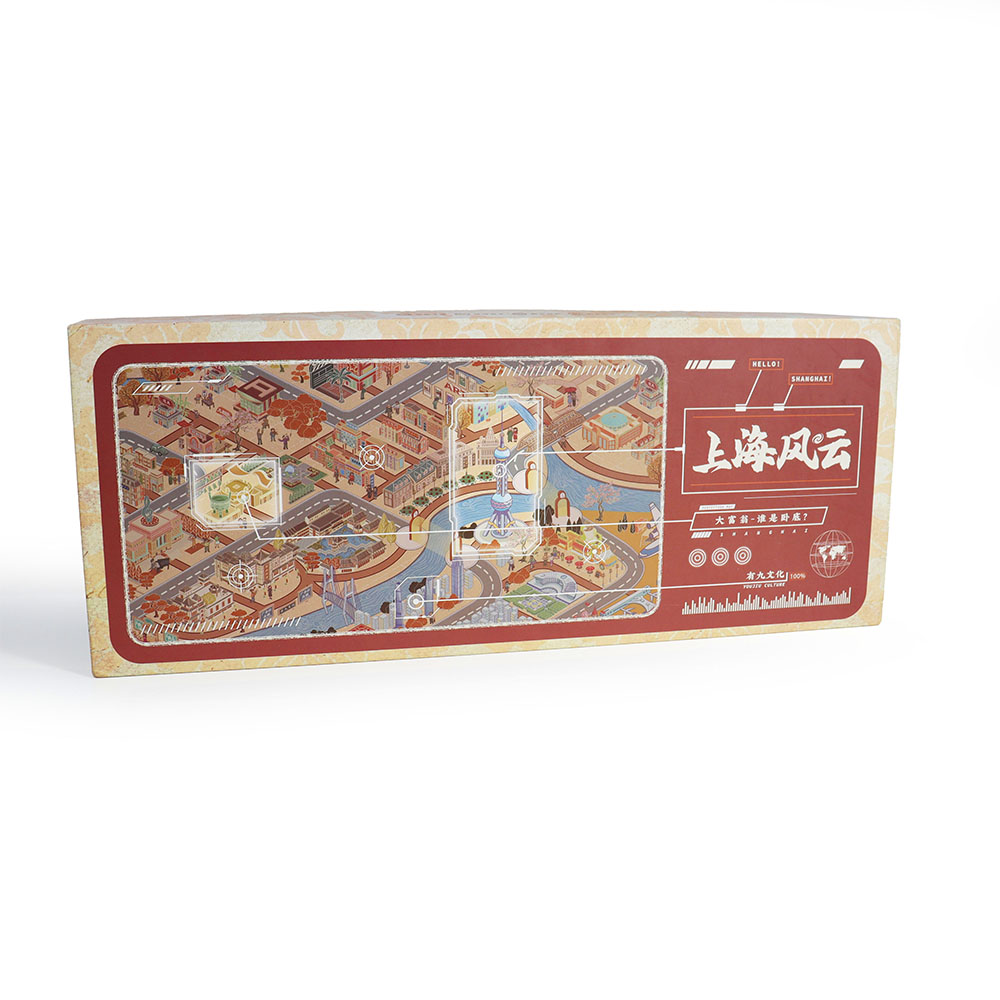 Shanghai Fengyun Custom Board Game Set
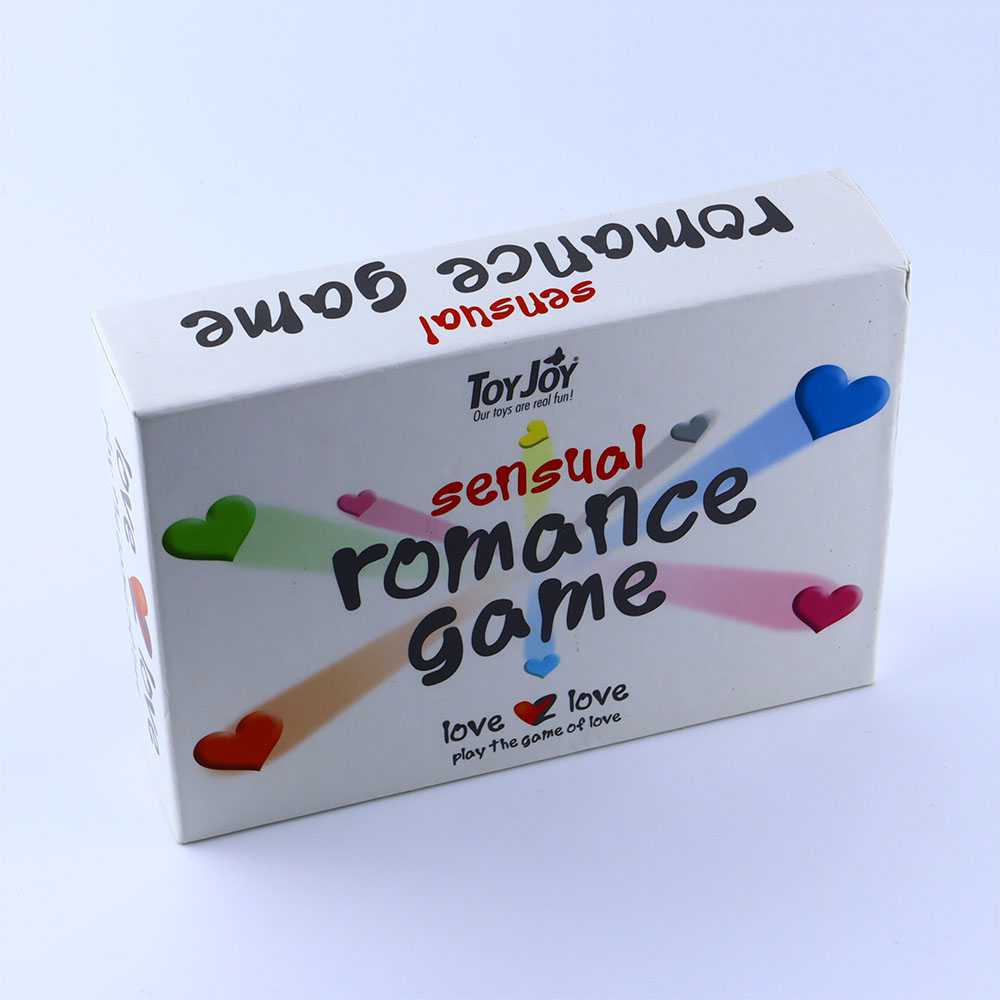 Sensual Romance Game Custom Board Game Set
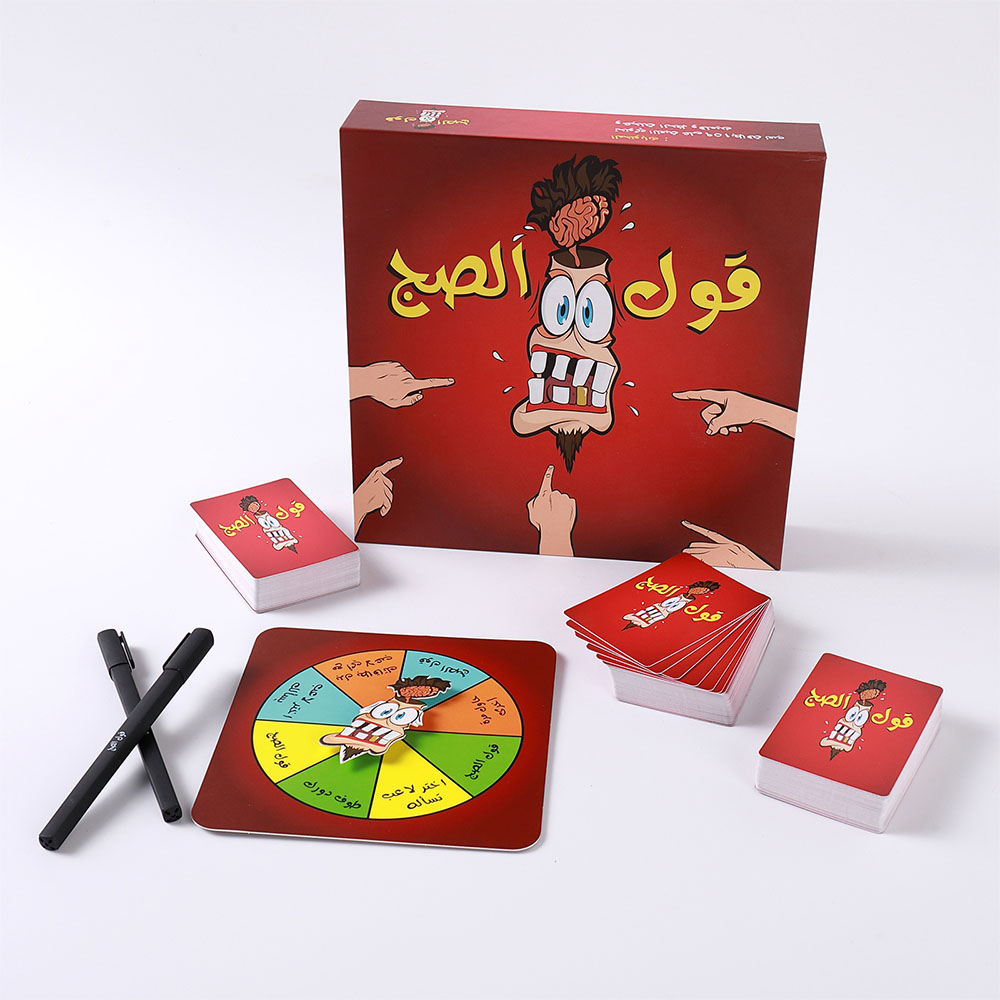 "Qoul Al Sabah" Custom Board Game Set
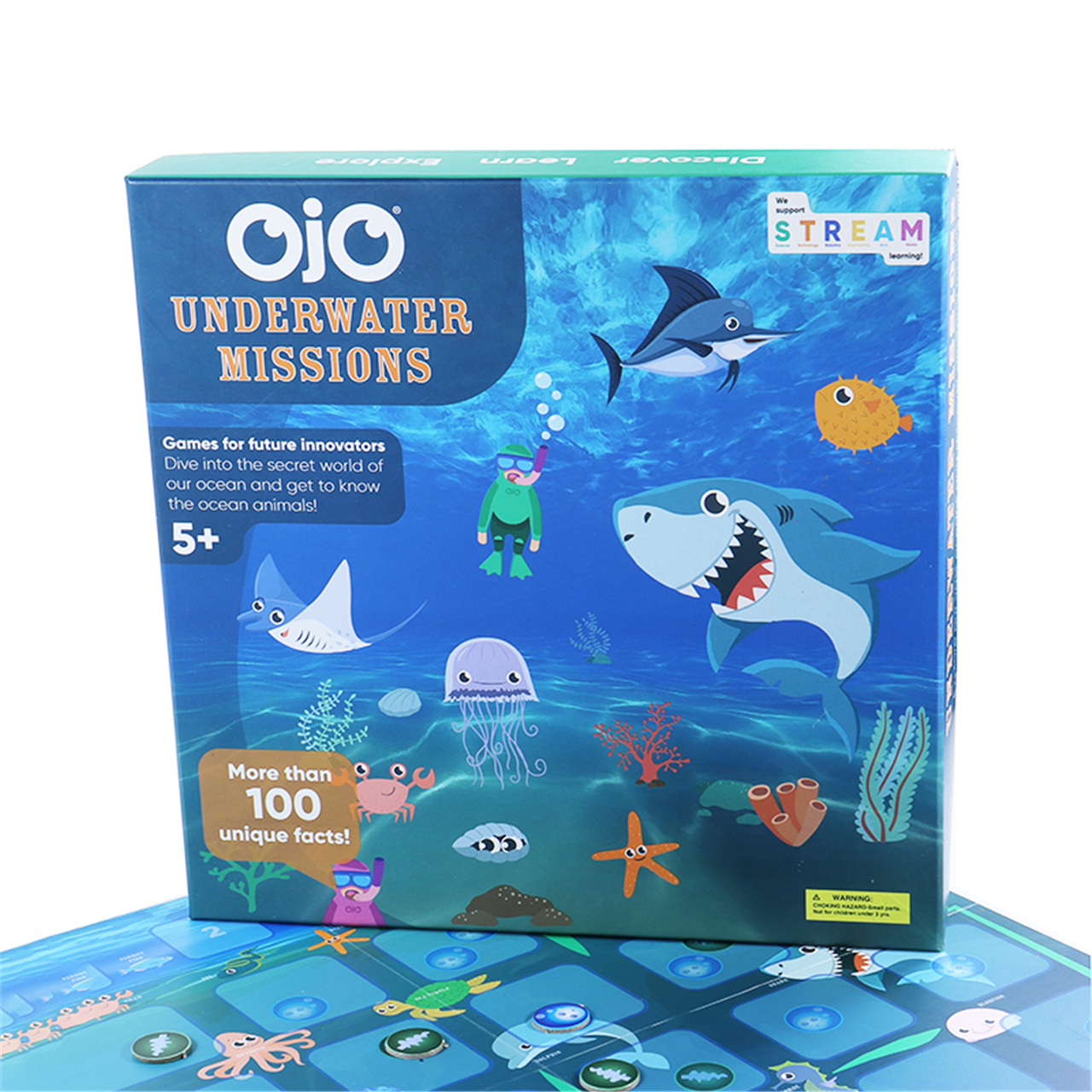 Customized educational board games for children
 Couple Interaction Turntable Themed Board Game
 Business Finance Board Game
 Pop Mart Custom Character Collectible Cards
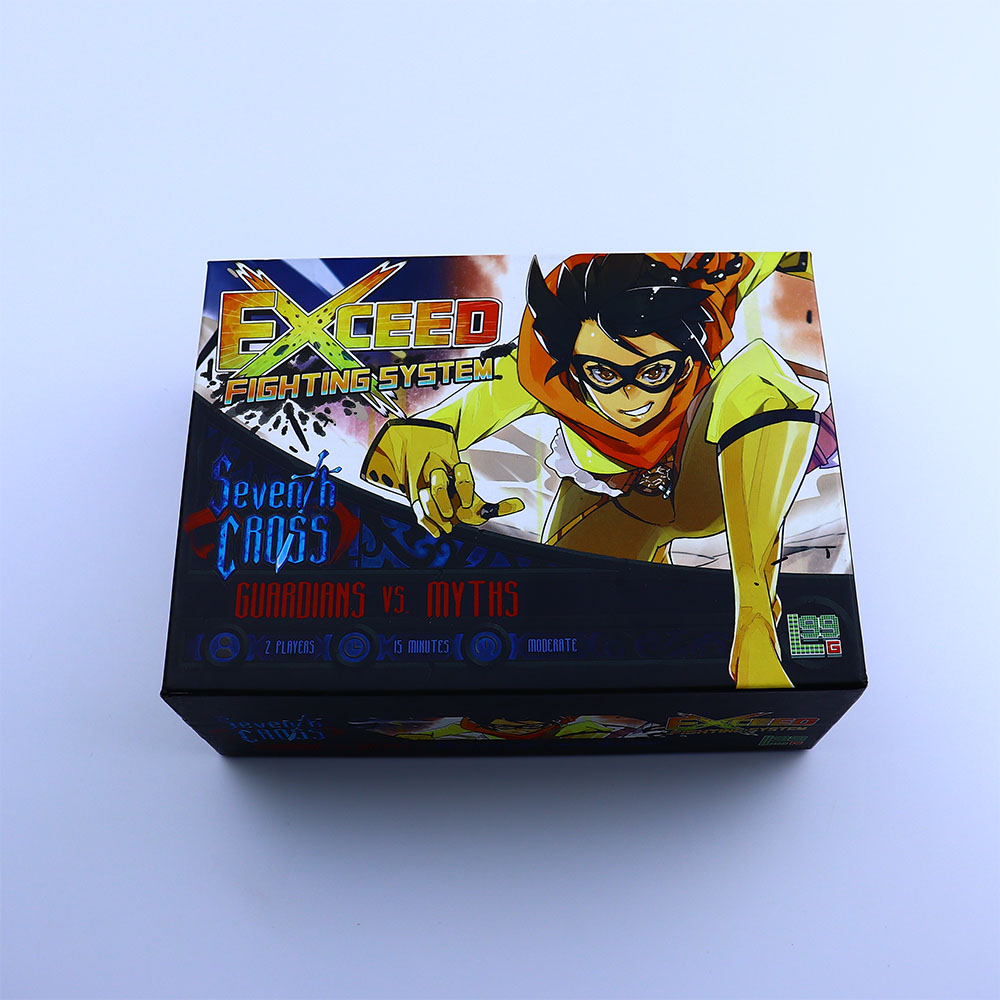 EXCEED Fighting System Custom Character Card Set
 Three Kingdoms Custom Hero Character Cards
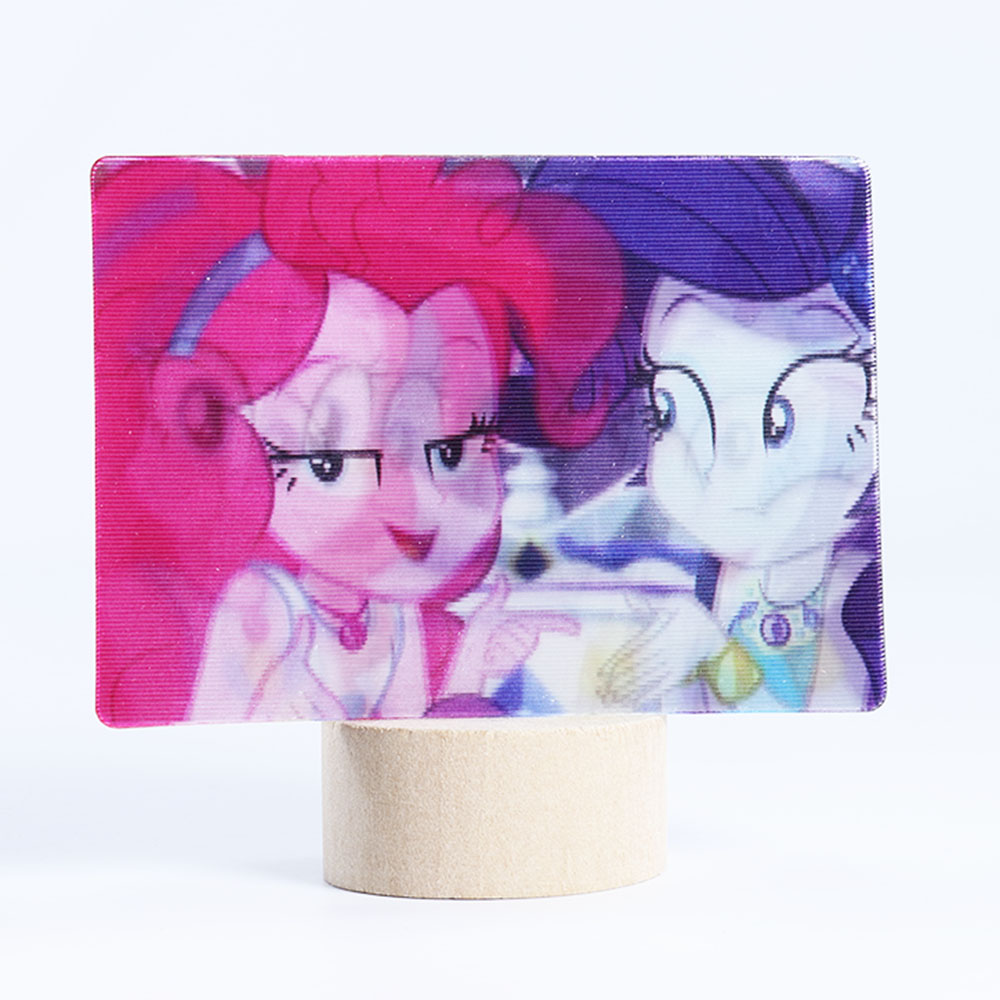 Custom Anime Character Dynamic Visual Cards
 Custom Cartoon Character Collectible Card Set
 Custom Anime Character Art Card Set
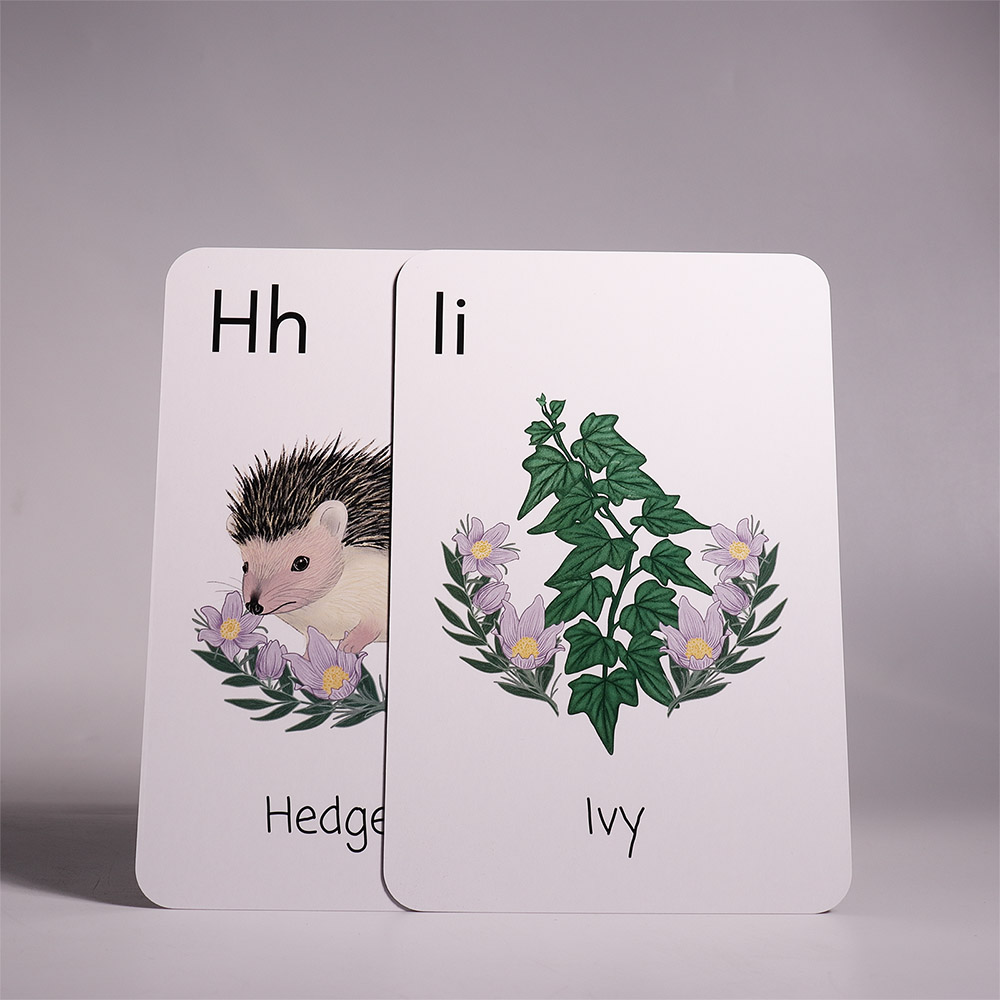 Little Larch Alphabet Cards
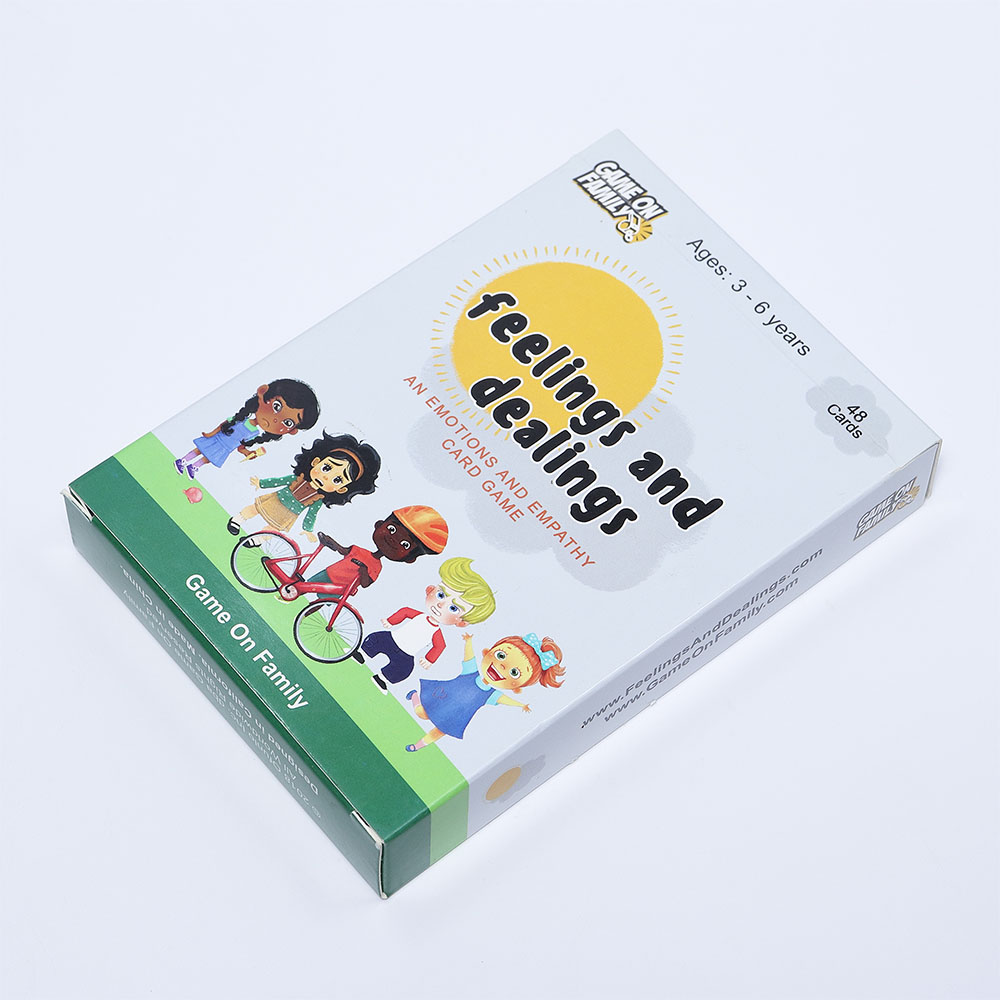 Feelings and Dealings Custom Children's Emotion Card Game
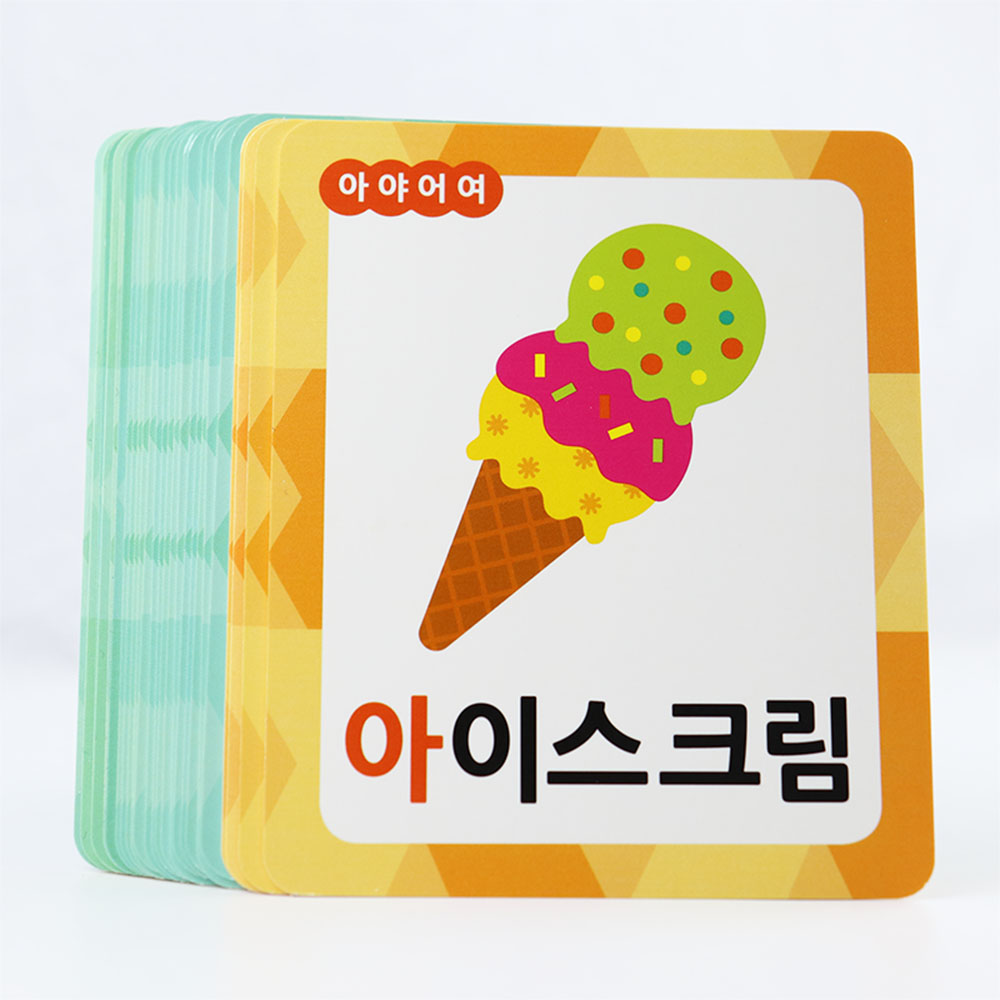 Korean Children's Educational Flashcards
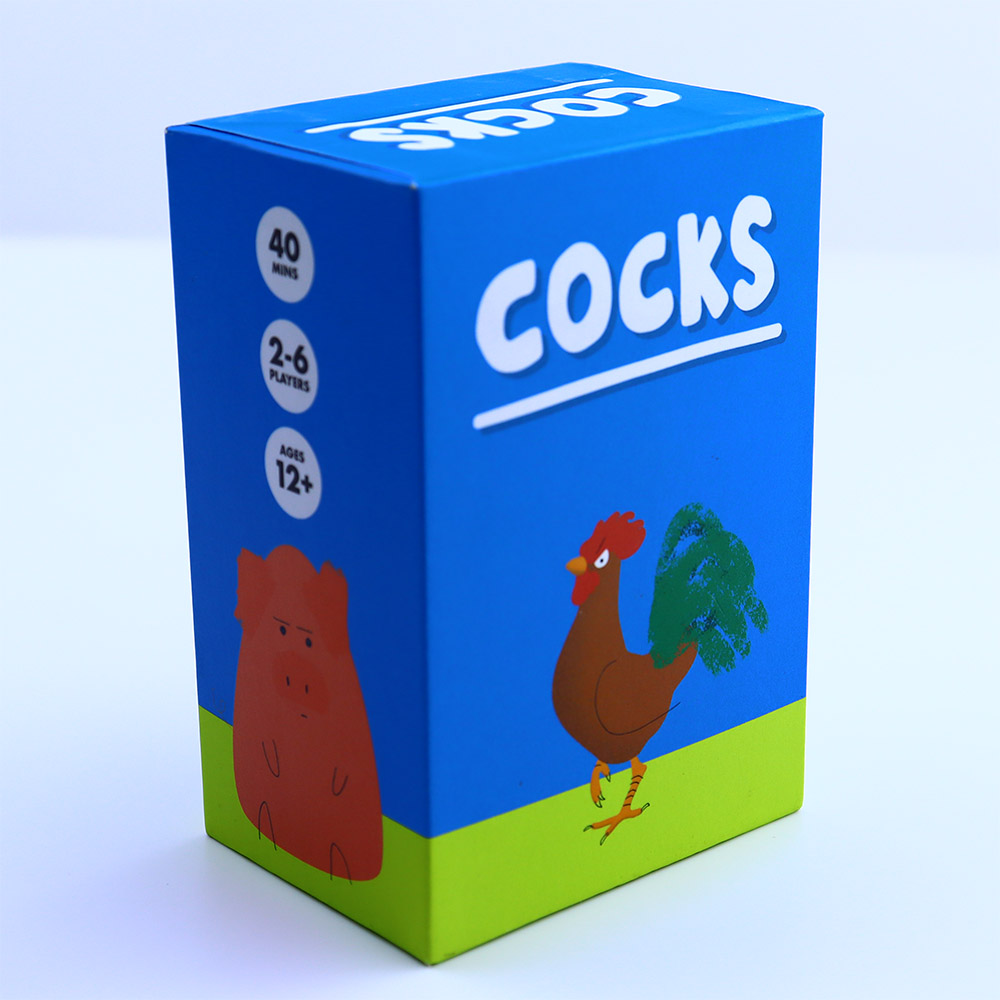 Cocks Themed Custom Children's Learning Cards
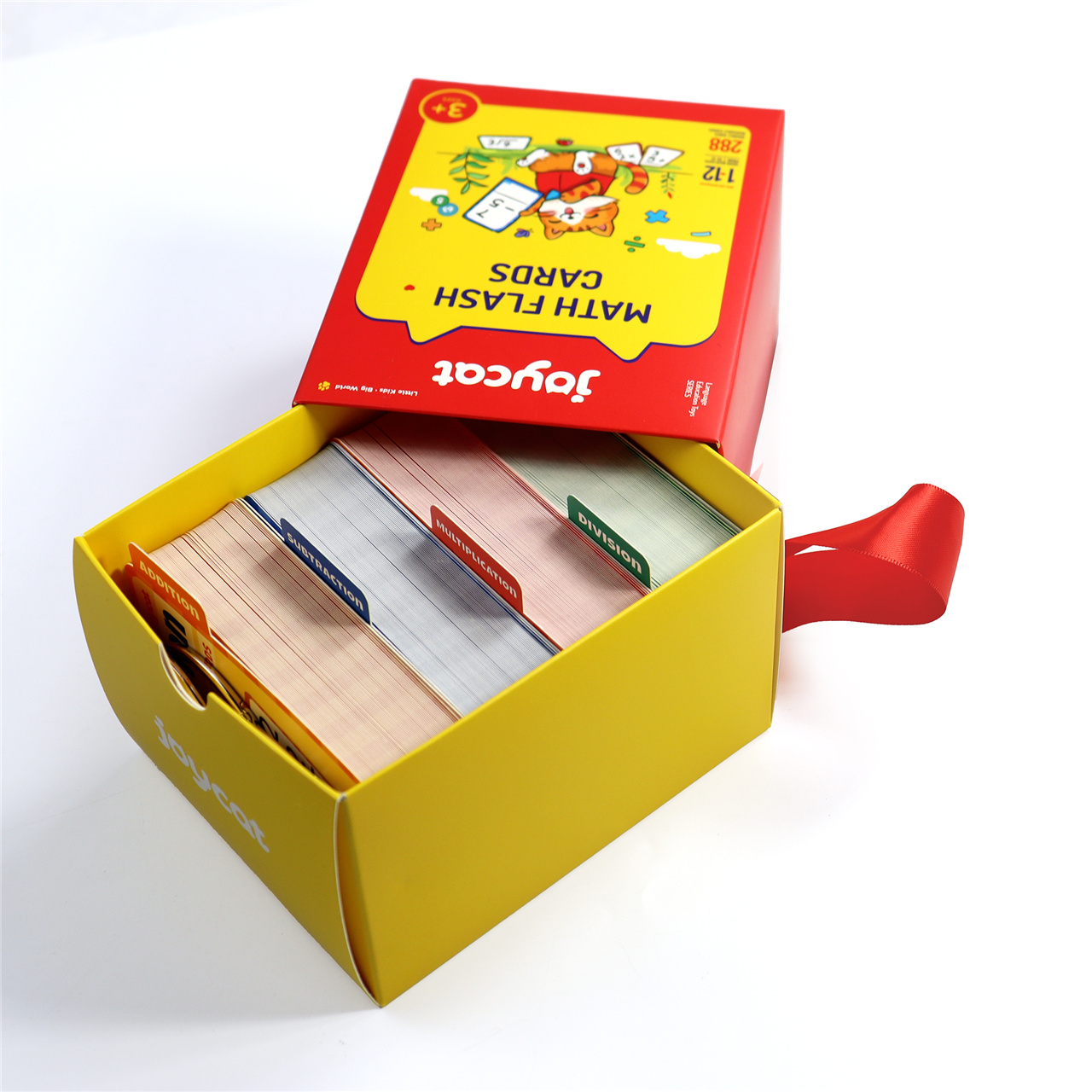 Math Flash Cards Set for Kids
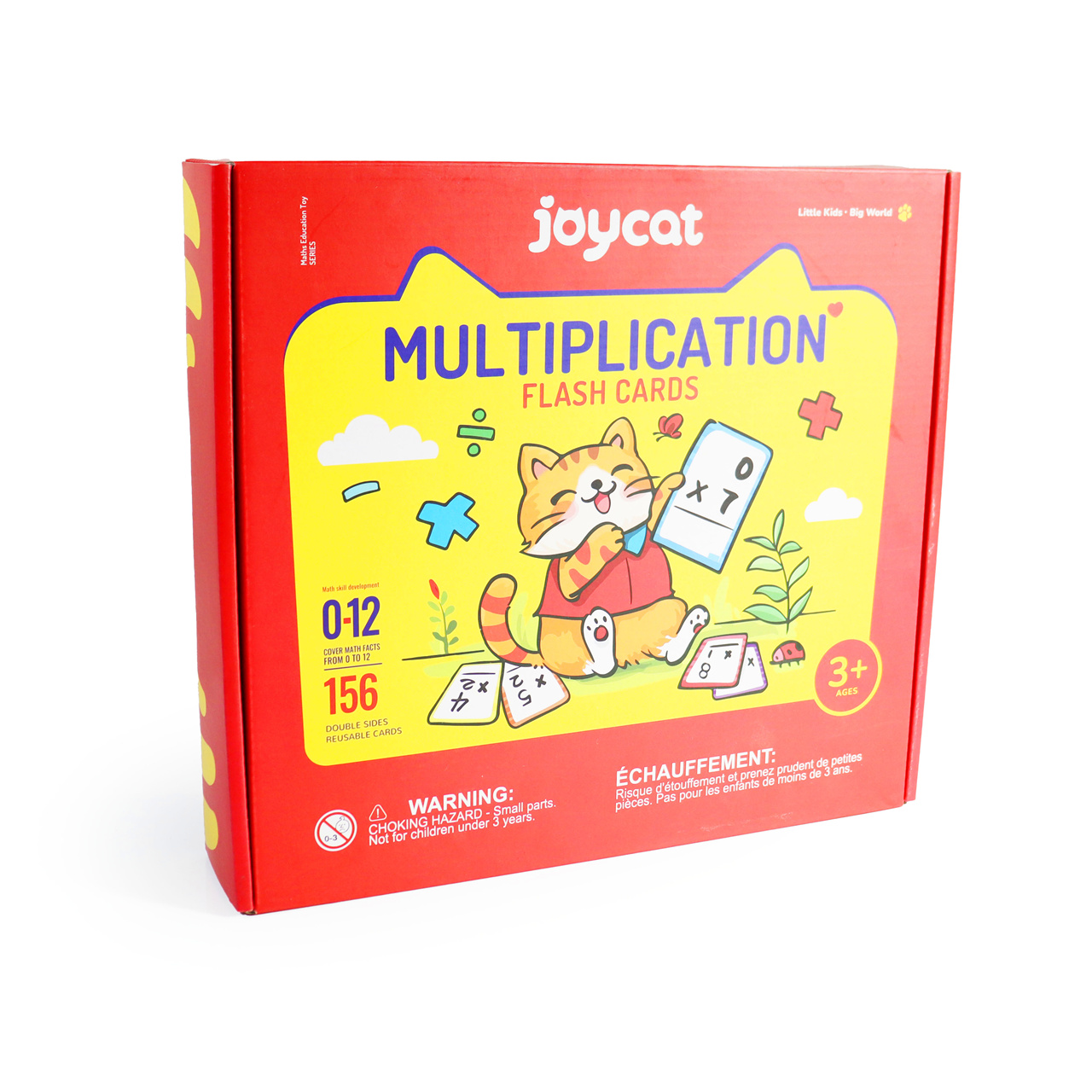 Joycat Multiplication Flash Cards Set with Accessories
 Custom Dual-Deck Playing Cards with Wolf-Themed Design
 Custom embossed gold foil playing cards
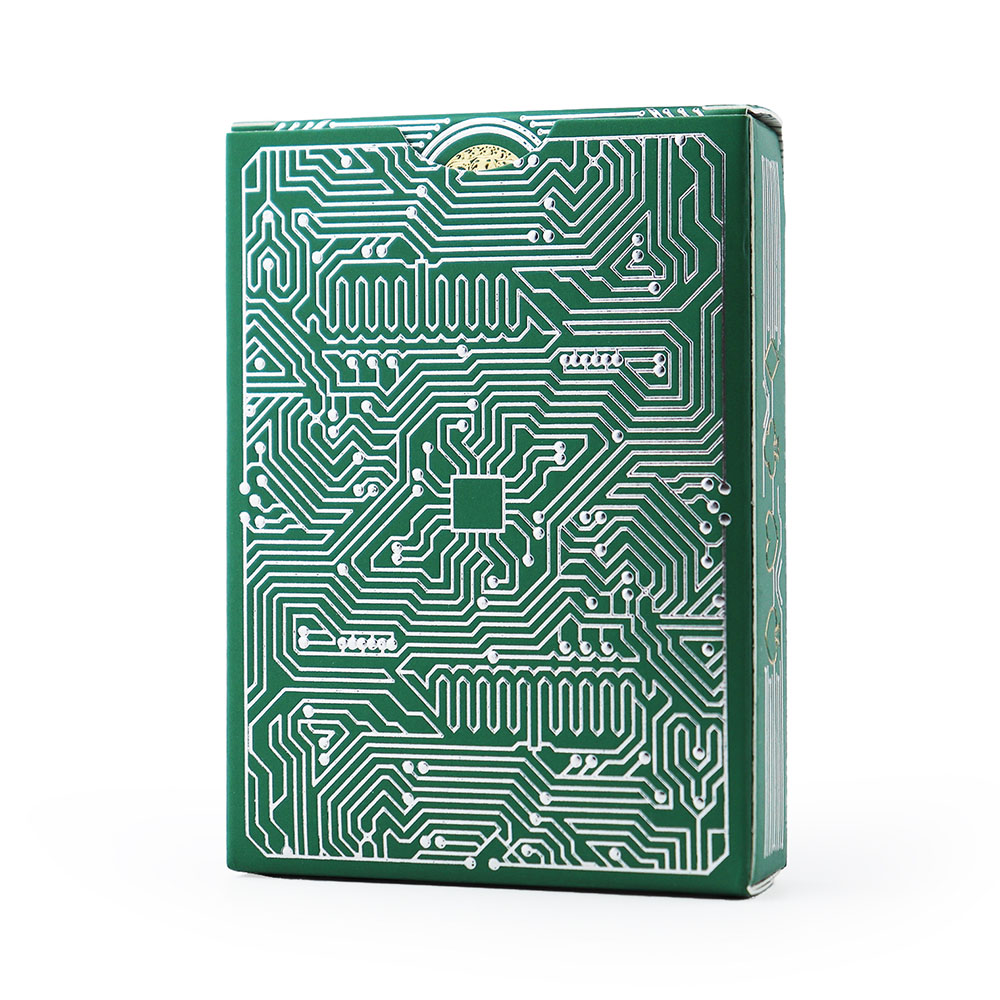 Circuit PCB Edition Custom Playing Cards
 Customized theme gold foil playing cards
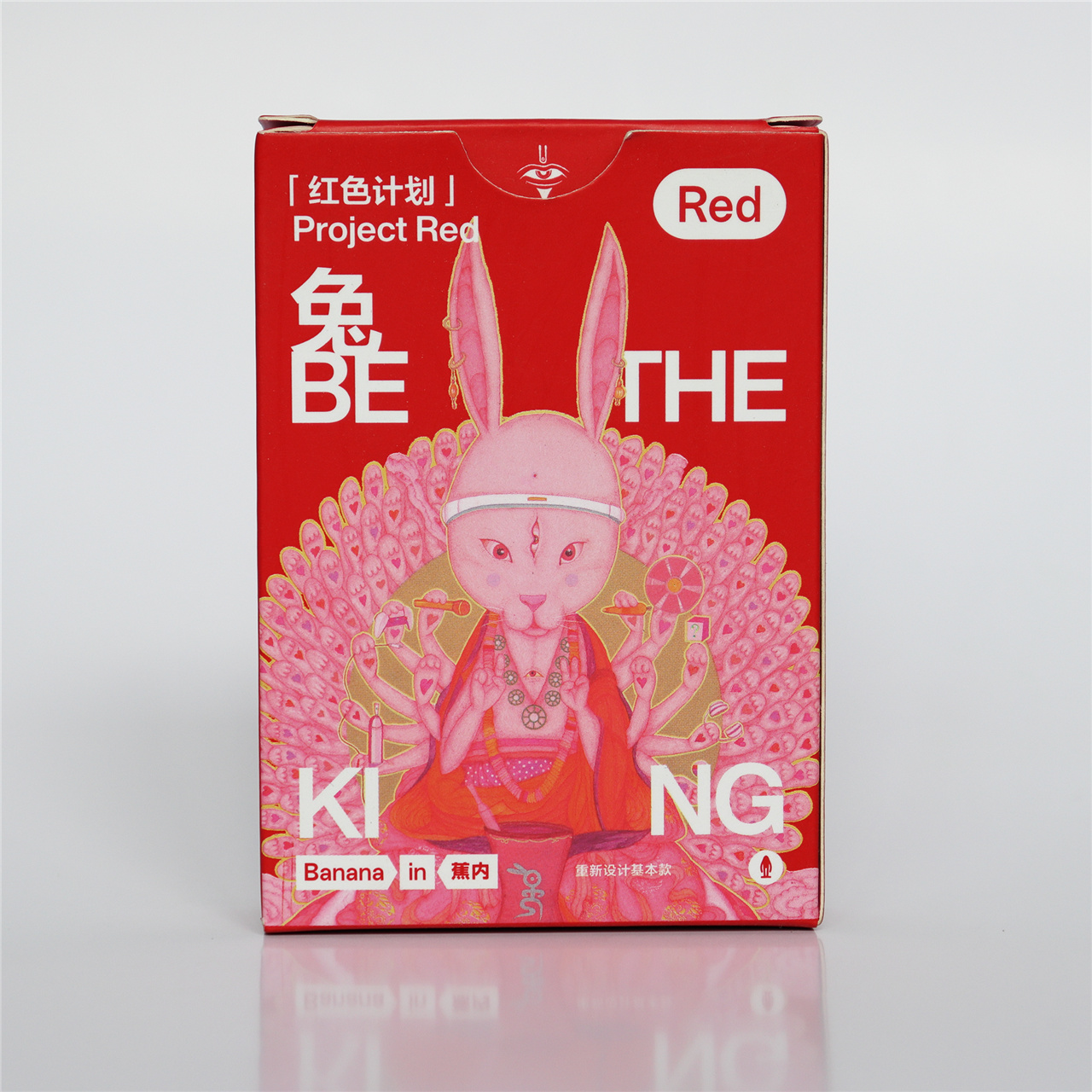 Custom Red Rabbit Themed Playing Cards Set
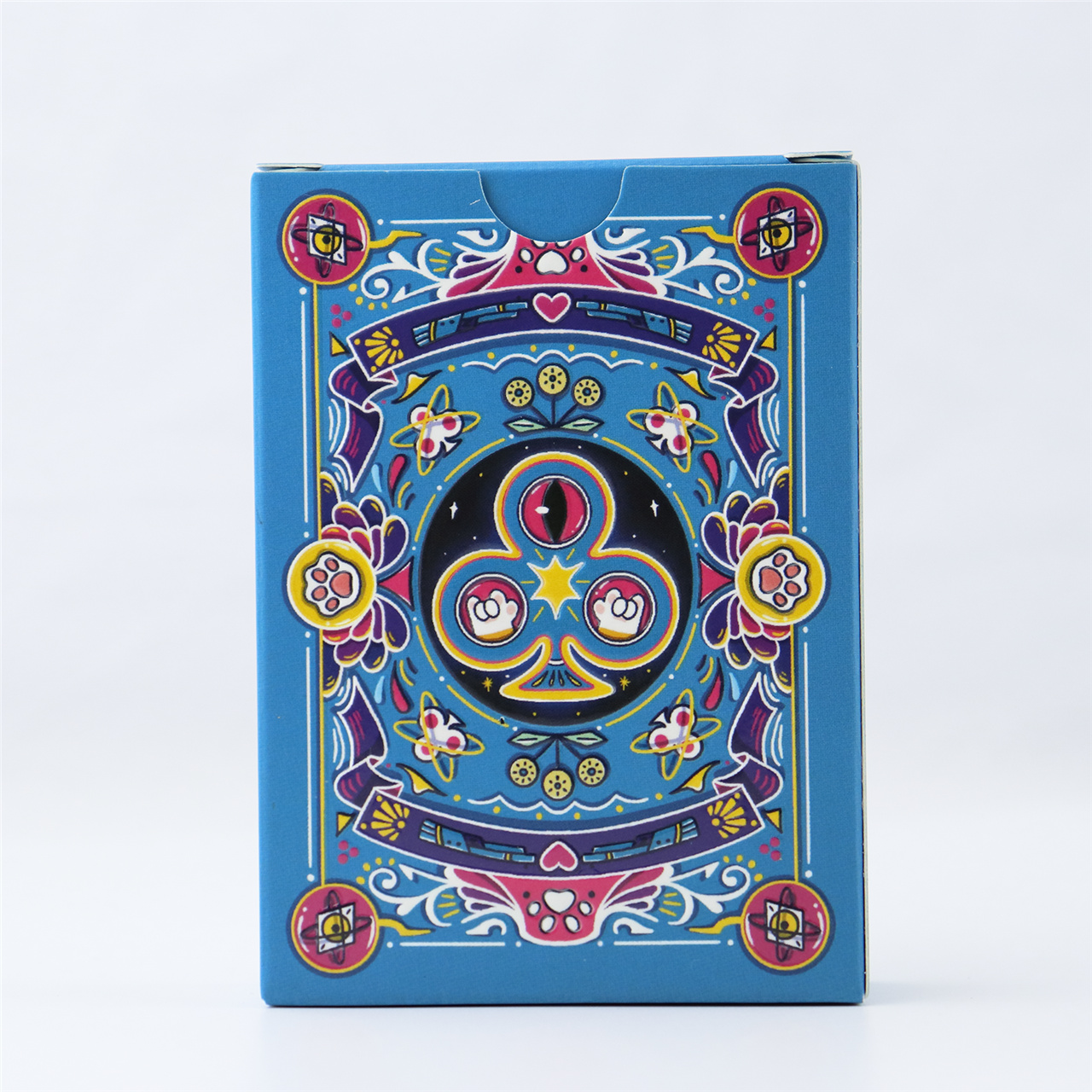 Custom Blue - Black Fantasy Plastic Playing Cards Set
 Pearls of Wisdom Oracle Custom Cards
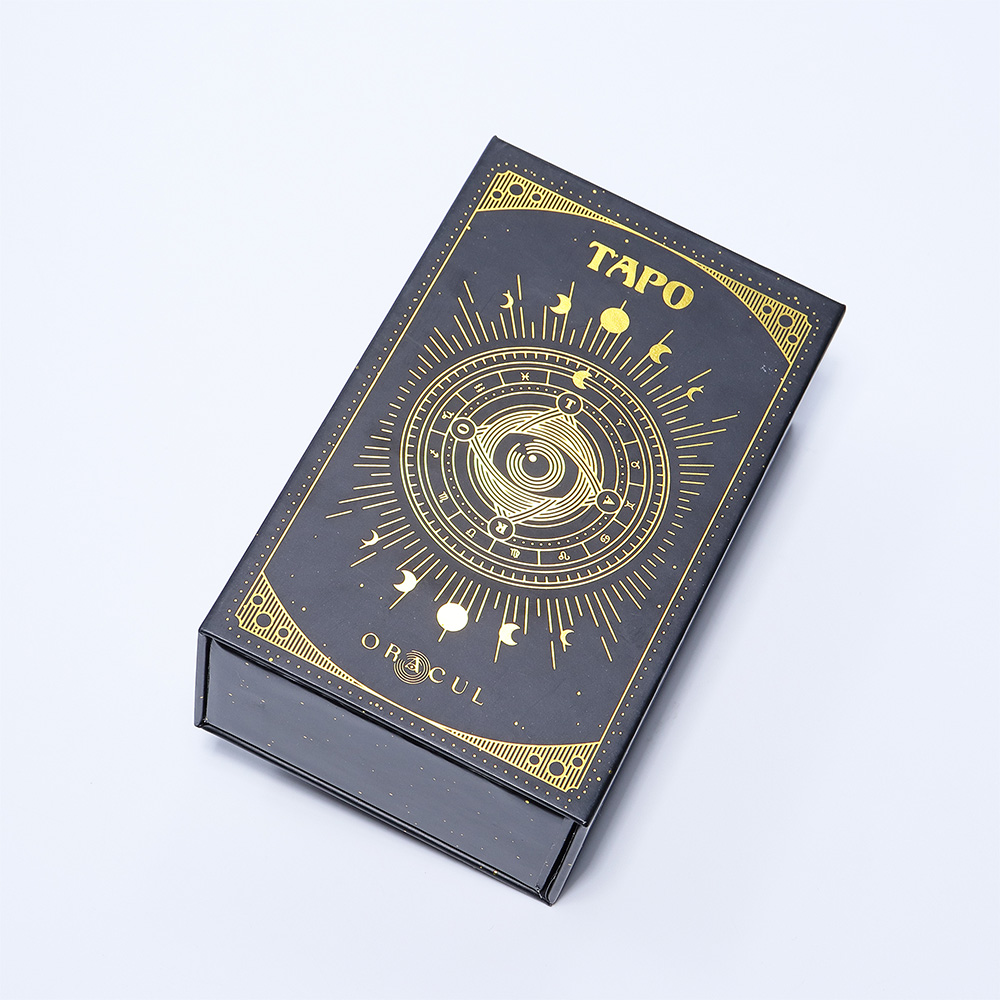 Custom Black & Gold Celestial Tarot Cards
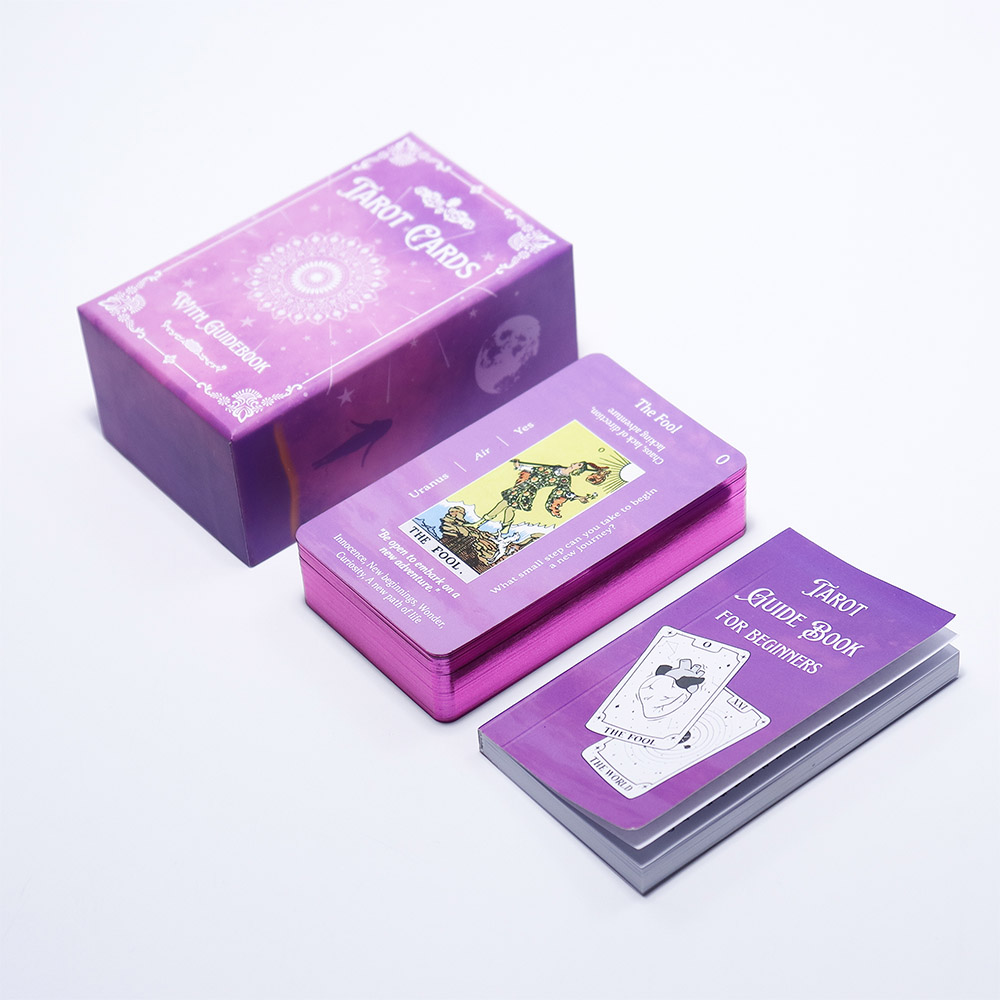 Custom Purple Tarot Cards with Guidebook
 L'Oracle d'Artémis Custom Oracle Cards
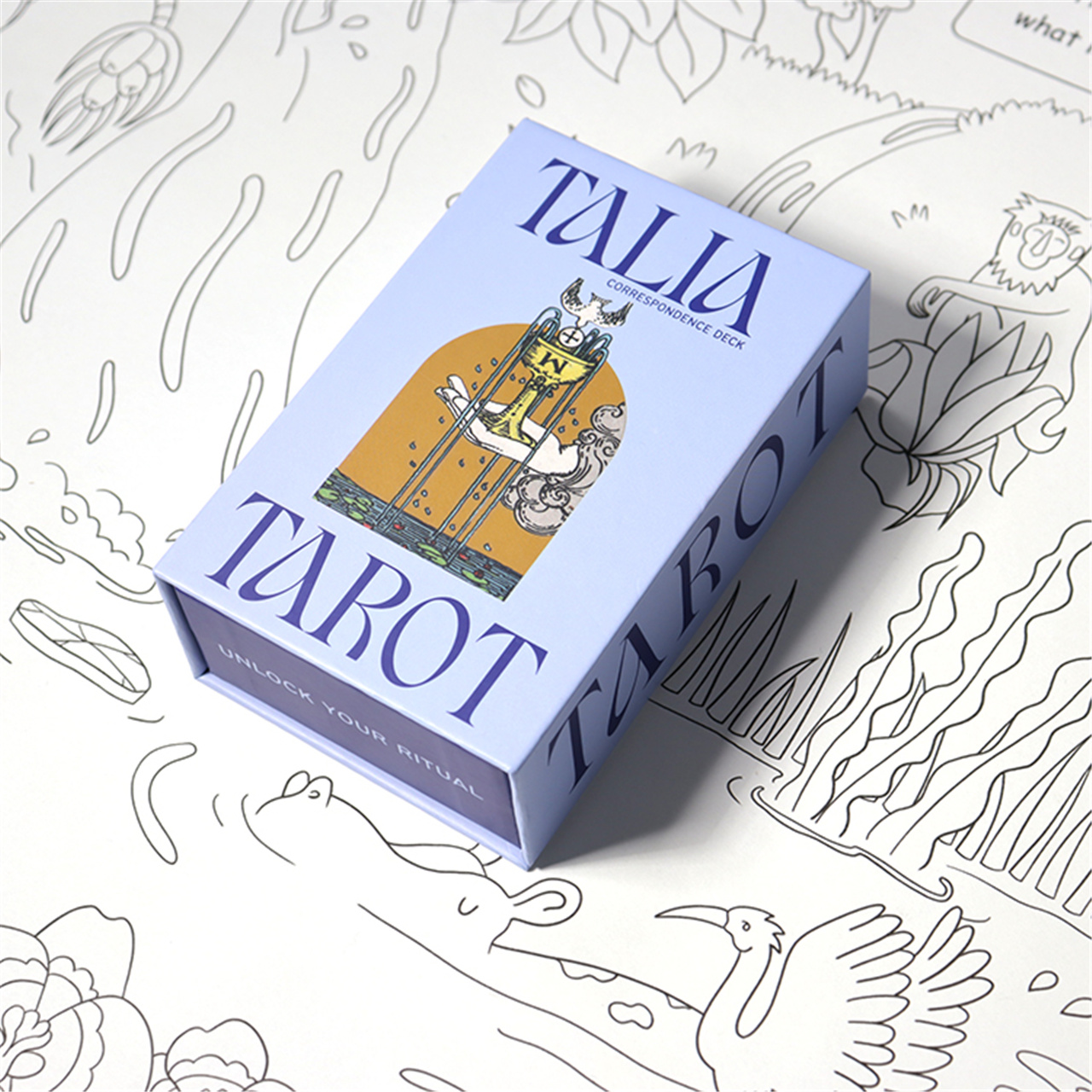 Custom Blue - Themed Tarot Cards Deck
 Custom Black - Blue Gold Foil Tarot Cards Set
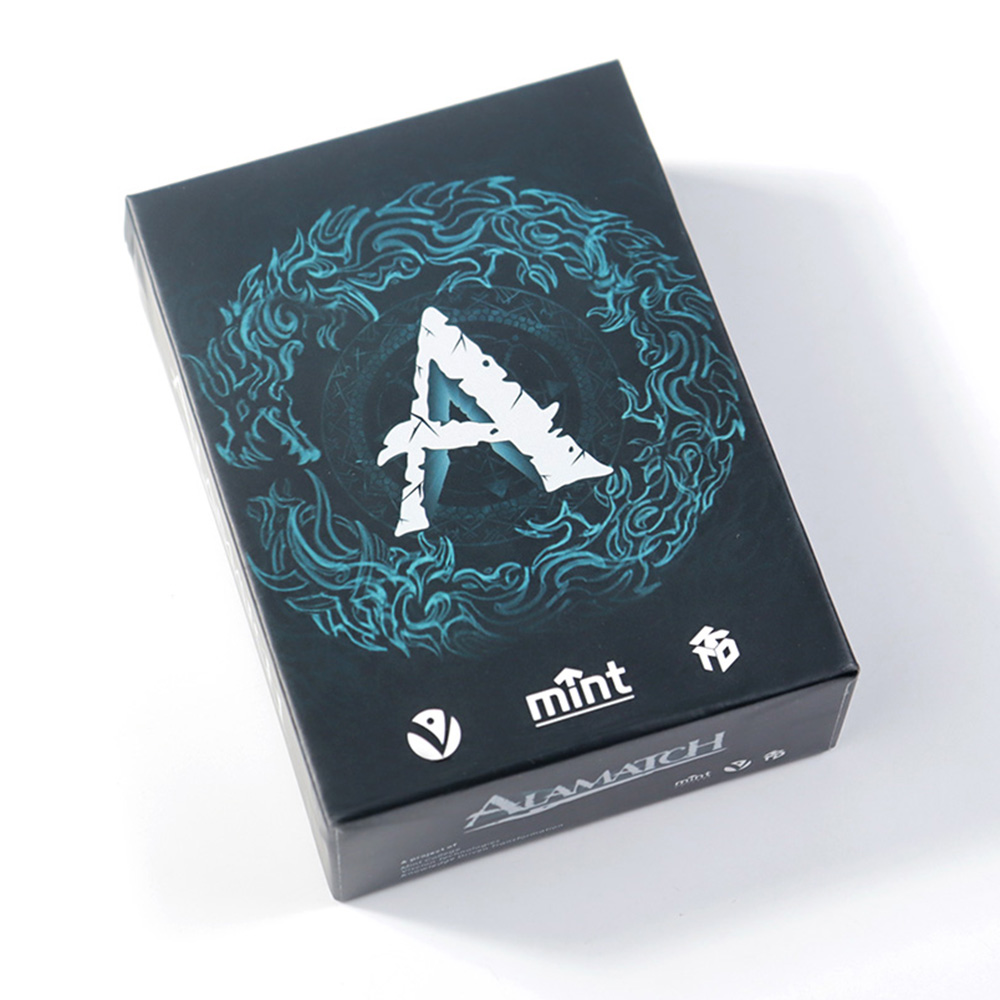 Alamatch Custom Trading Game Cards
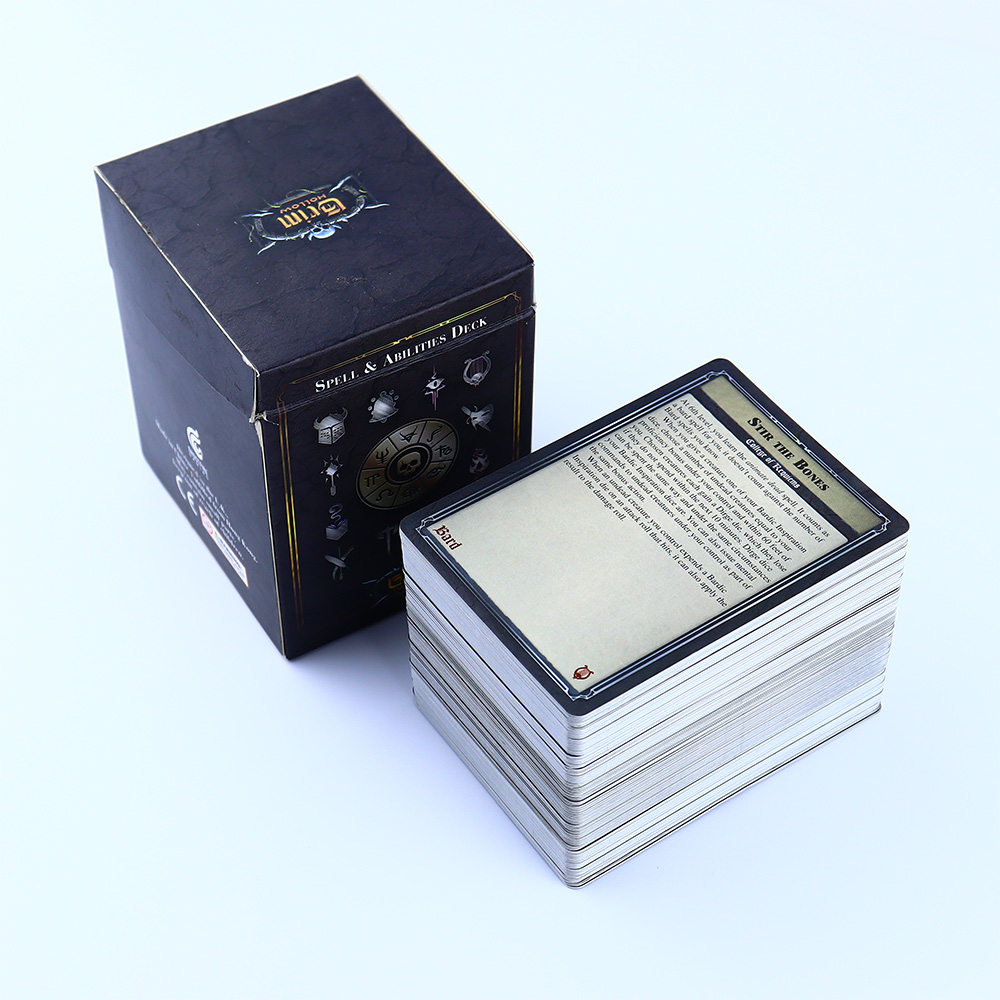 Grim Hollow Spell & Abilities Custom Trading Cards
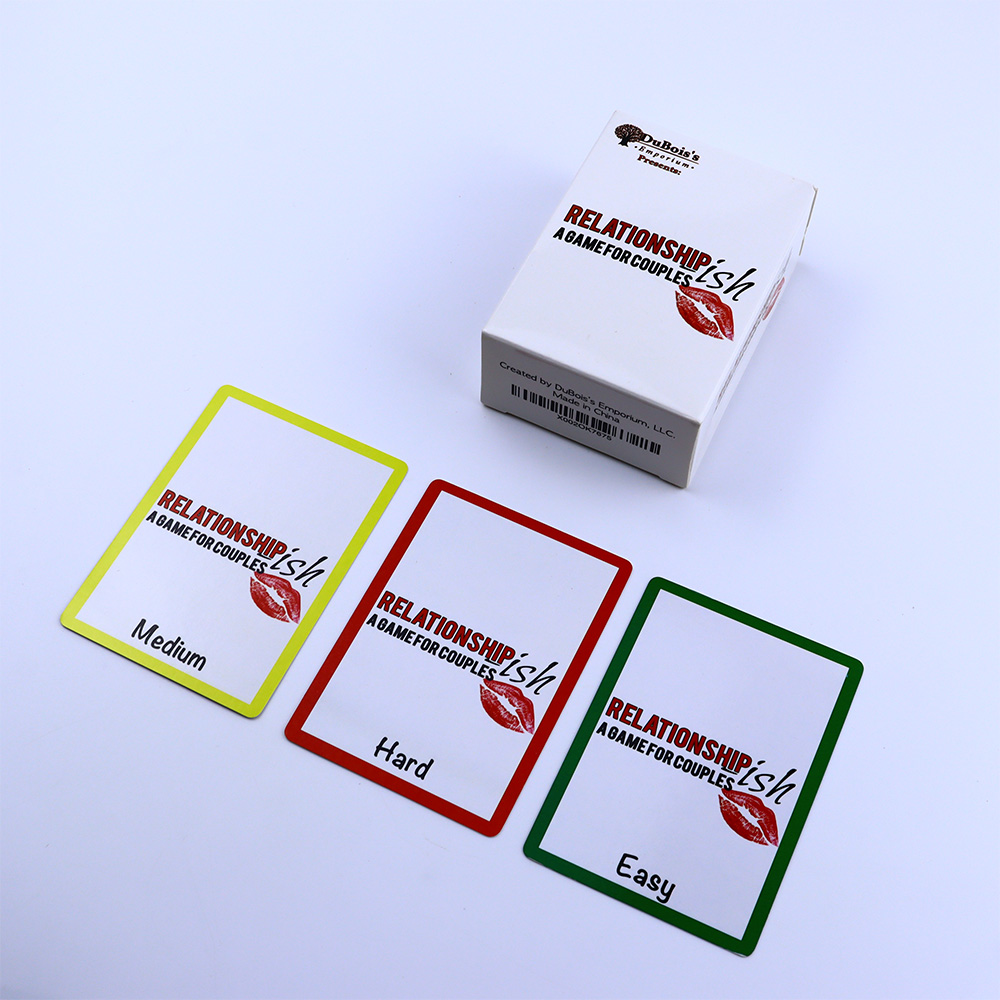 Relationshipish Custom Couple Card Game
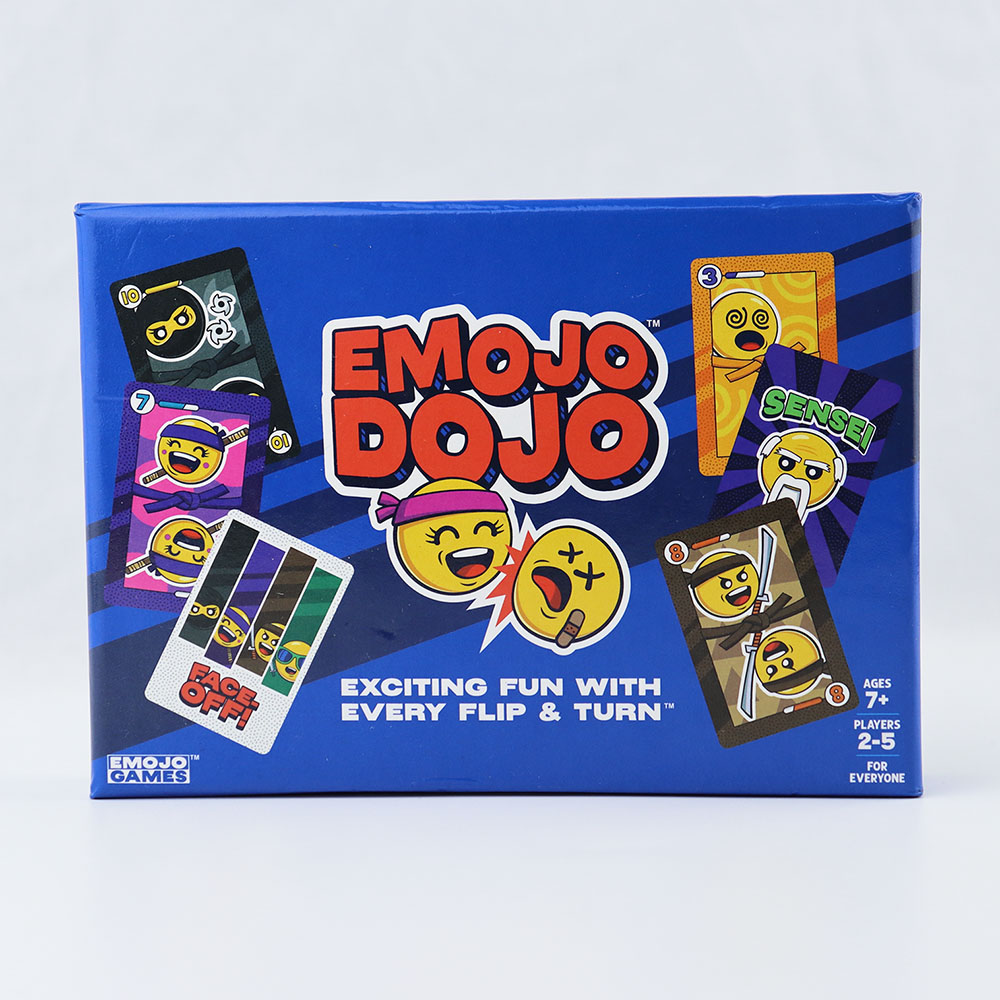 Emojo Dojo Custom Trading Card Game
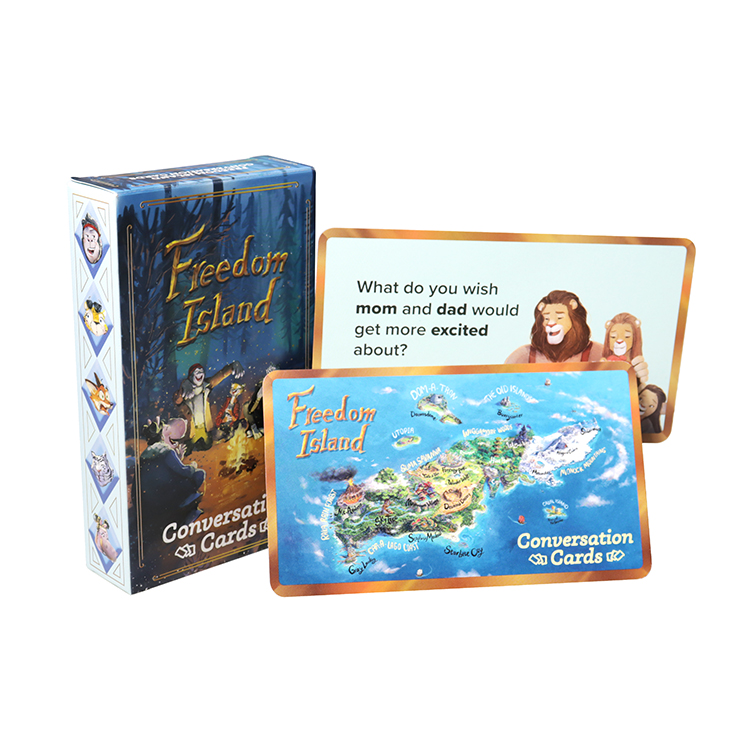 Custom Travel Photo Trading Cards Set
 Custom Cartoon Holographic Trading Cards Set