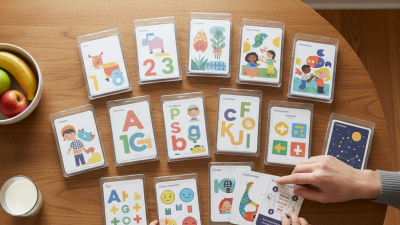
10 Tips for Buying Educational Cards in Bulk
Buying Educational Cards in bulk can stretch a budget, but only when the cards fit your learners and your setting. A low unit price means little if the vocabulary is too advanced, the print is hard to read, or half the pack stays unopened. Before comparing suppliers, define who will use the cards, how often, and where they will be stored. A preschool classroom may need sturdy picture cards with rounded corners; a tutoring center may value clear categories and easy-to-replace sets. Small details matter.
As a practical thought experiment, fictional procurement specialist Maya Chen offers this rule: “Buy for repeated use, not for the biggest box.” It is a useful reminder, not a verified quotation or endorsement. Ask for a sample, inspect the paper and color, and check whether the cards match your lesson goals. Confirm pack counts, included guides, replenishment options, and delivery estimates in writing. Bulk buying is not automatically cheaper. That assumption deserves a second look. Compare the full cost per usable card, including storage and damaged pieces, rather than trusting the headline discount. Also consider whether the supplier explains its materials and printing choices clearly. A confident sales page is not the same as evidence. These ten tips will help you weigh quality, quantity, and classroom fit before placing a large order. There is no perfect checklist; your learners may reveal what the product description missed.
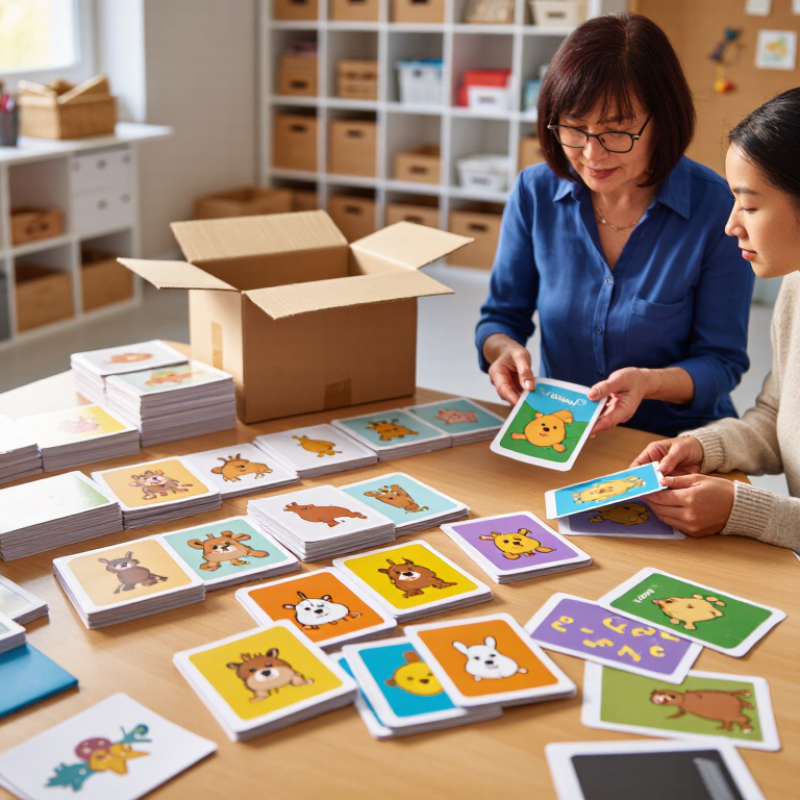
Clarify Learning Goals, Age Range, and Skill Level
10 Tips for Buying Educational Cards in Bulk
Clarify Learning Goals, Age Range, and Skill Level
Before comparing bulk sets, write down the specific skill each card should practise: letter sounds, vocabulary, number facts, or sequencing. “Build literacy” is too broad to guide a purchase. The 2024 National Assessment of Educational Progress reported lower reading scores for U.S. fourth- and eighth-graders than in 2022. That finding does not prove cards will improve scores. It does underline why buyers should identify the exact reading skill they want to support. Check that each prompt and answer matches that goal. A beautiful picture is not enough.
Then match the cards to learners’ ages and current abilities, not just their grade labels. A six-year-old may recognise many words but still need help blending unfamiliar sounds. Look for readable type, uncluttered illustrations, durable edges, and instructions an adult can use quickly. Keep it concrete. The OECD’s PISA 2022 report found that 26% of students across OECD countries scored below baseline Level 2 in reading. Cards cannot address every learning need, but targeted practice may make a useful routine. That shortcut can backfire. Ask whether learners can answer independently, need hints, or are ready for a harder set. Mixed groups complicate ordering; a single level may not fit everyone. I’d leave room for that mismatch in the budget and test a small sample before placing a large order.
Evaluate Content Accuracy, Curriculum Fit, and Learning Design
When buying educational cards in bulk, treat every answer as a claim that needs checking. Verify facts against current, reputable sources, and inspect sample cards for ambiguous wording, outdated examples, and answer-key errors. Match each set to the curriculum’s grade level, subject, and learning objectives; a broad “science” label is not enough. The 2022 National Assessment of Educational Progress reported that 33% of U.S. fourth graders performed at or above proficient in reading. That figure does not show that cards can close learning gaps, but it underscores why materials should target specific skills rather than promise vague improvement. Small details matter.
Assess how the cards support learning, not just how much information they contain. The U.S. Institute of Education Sciences’ practice guide Organizing Instruction and Study to Improve Student Learning recommends using quizzes to strengthen learning and spacing study over time. Look for clear prompts, accurate answers, and a sensible progression from recall to application. Check whether cards invite learners to explain an answer, not merely guess it. In a bulk order, test a small sample with educators and students before committing; note confusing wording and revise your criteria. Even careful reviews miss edge cases, so keep a process for reporting errors and replacing unsuitable sets.
10 Tips for Buying Educational Cards in Bulk
Evaluate content accuracy, curriculum fit, and learning design before comparing bulk orders.
Illustrative buyer rubric: criteria are scored from 1 to 5, with higher scores indicating greater priority. These scores are a planning example, not survey findings.
Assess Card Materials, Safety, and Durability
When buying educational cards in bulk, inspect a physical sample before approving a large order. A screen cannot show whether a surface feels waxy, catches fingerprints, or becomes slick in small hands. Check the edges. Run a thumb along each corner and look for rough cuts, peeling layers, or exposed fibers. For frequent classroom use, sturdy, opaque card stock usually handles repeated shuffling better than thin sheets, but thickness alone does not guarantee quality.
Ask what coatings are used and how the cards are printed, especially if children may handle them daily. Choose a finish that resists light spills and wipes clean without leaving a strong odor or colored residue on a damp cloth. Confirm that inks and coatings are intended for the product’s stated age group, and request relevant safety documentation from the supplier. Keep small pieces and detachable parts in mind; a card set should suit the children who will use it.
Durability is easiest to judge through a simple trial. Shuffle a sample for several minutes, bend one card gently, and wipe a corner with a damp cloth. Watch for curling, fading, cracked coating, or ink transfer. I once focused too much on thickness; a stiff card still split at its laminated edge. That detail changed how I compare samples. Test several cards for a week, if possible. Note which edges wear first.
Compare Bulk Pricing, Order Terms, and Supplier Reliability
A low unit price can hide costly gaps.
Compare quotes at the same quantity, card size, finish, and packaging level. Ask whether setup fees, freight, taxes, or replacement stock are included. McKinsey’s 2020 global supply-chain survey found that 93% of respondents planned to increase supply-chain resilience. That is a broad industry finding, not an educational-card statistic, but it highlights why price should not be your only measure. Check minimum order quantities, deposit requirements, cancellation windows, and the quoted delivery date. Get it in writing.
Supplier reliability shows up in small operational details. Request a physical sample and confirm that colors, rounded corners, and card thickness match your classroom needs. Ask how the supplier handles misprints, damaged cartons, and delayed shipments. A written service standard makes these answers easier to compare. Review recent customer feedback, but look for specific details about delivery and quality rather than star ratings alone. I may be giving price too much weight here; a few dollars saved per pack can disappear when replacements arrive late. Record each supplier’s quote, lead time, payment terms, and response time in one simple comparison sheet.

 Customizable Emotional Support Cards for Grief & Resilience
 Personalized Emotional Encouragement Card Collection
 Personalized Deep Conversation Card Gift Box
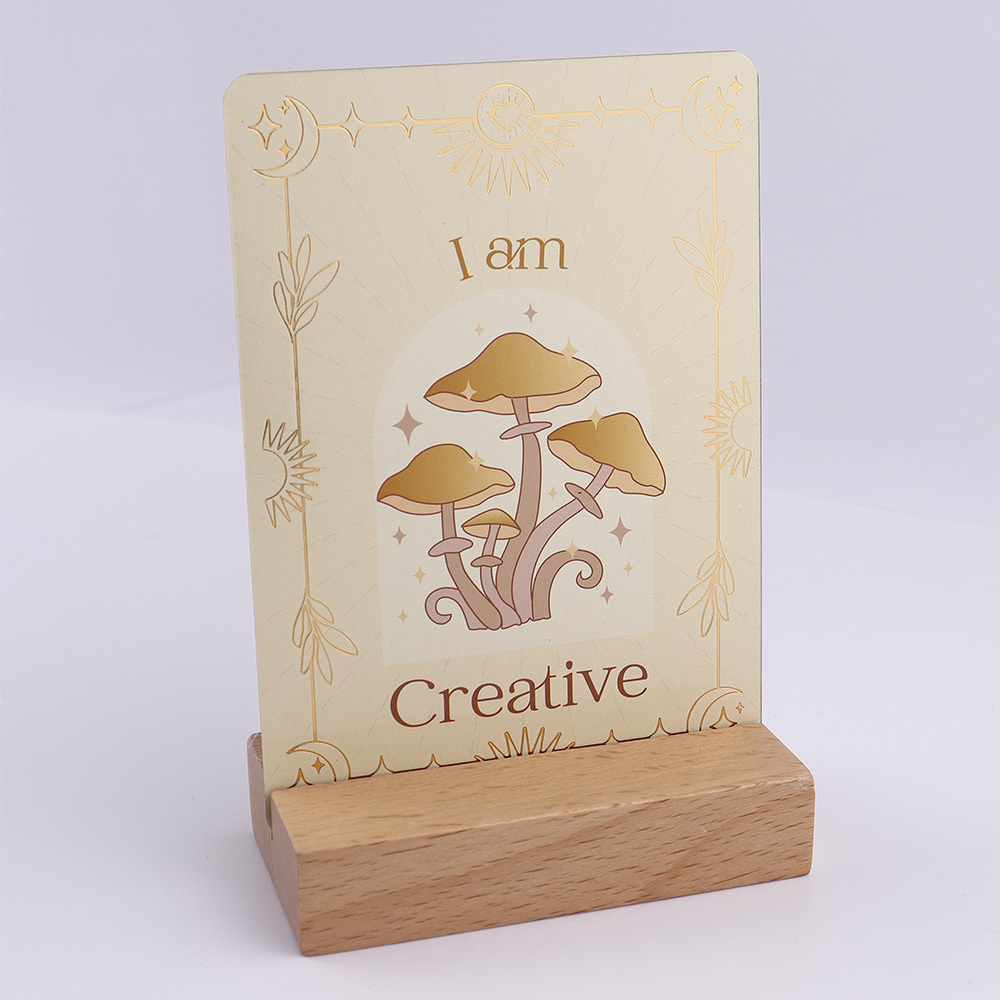 Customizable Boho-Chic Affirmation Cards for Mindfulness & Self-Love
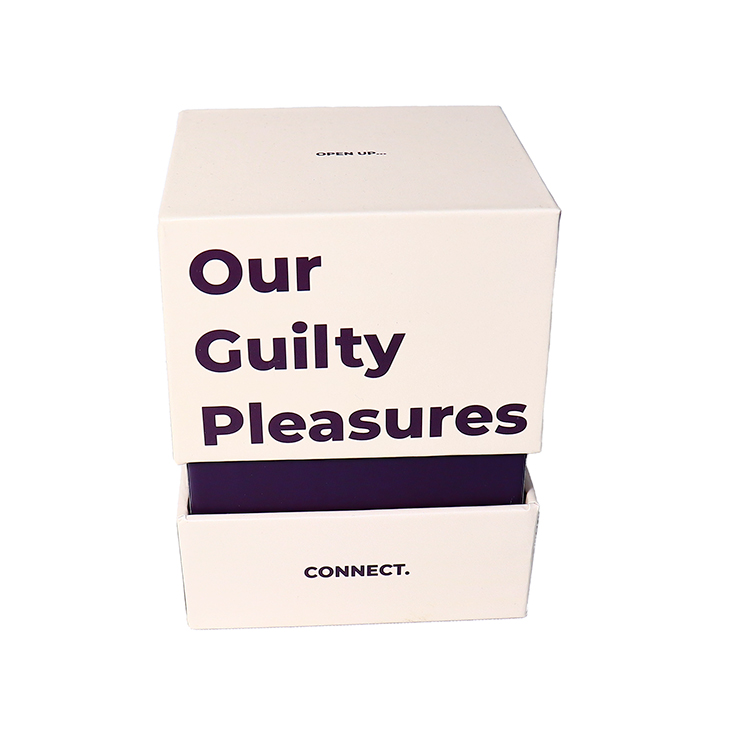 Customized Friendship Confirmation Card
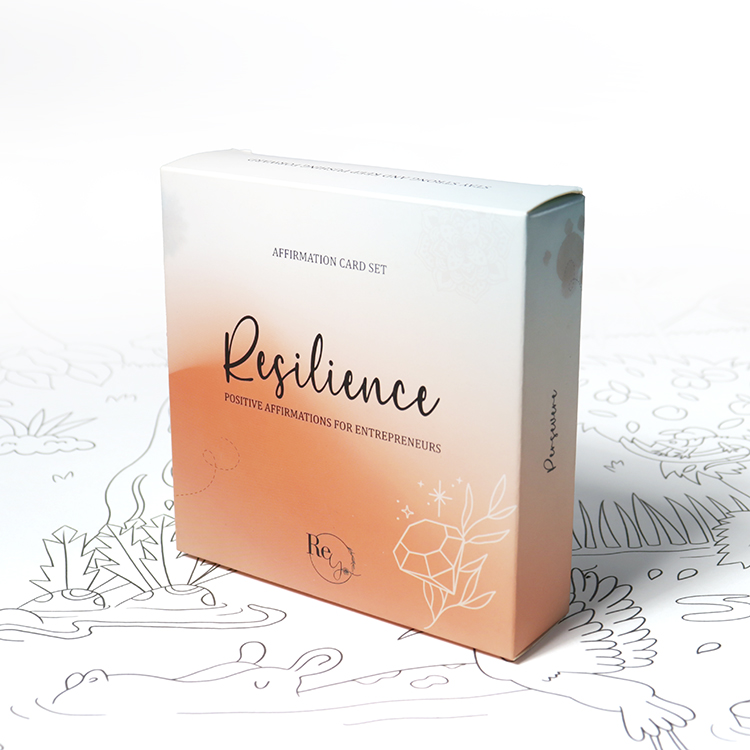 Customized Entrepreneurship Confirmation Card
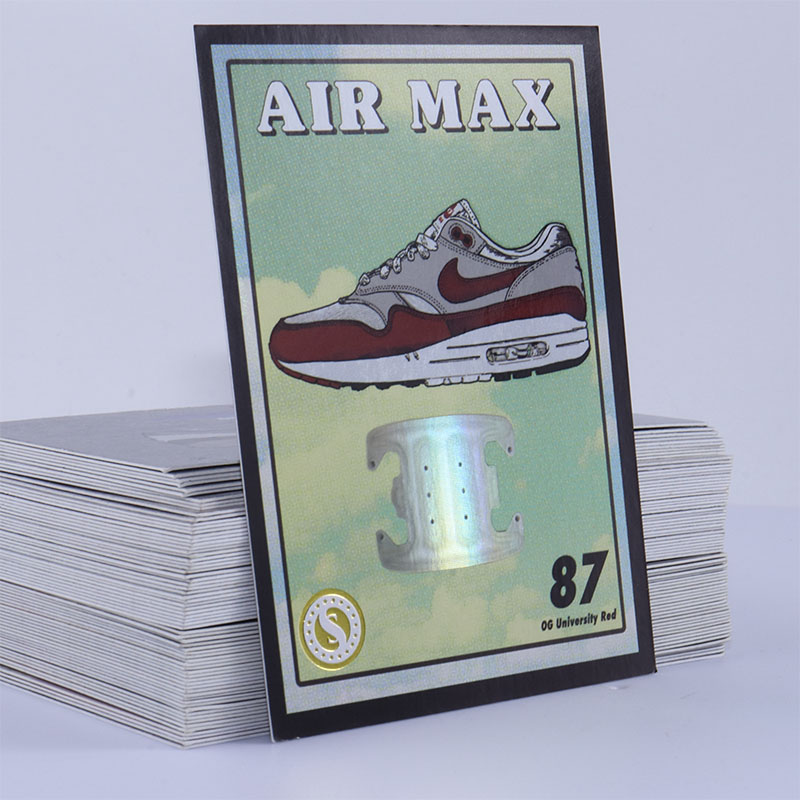 Air Max Pax Custom Sneaker Card Blind Box Set
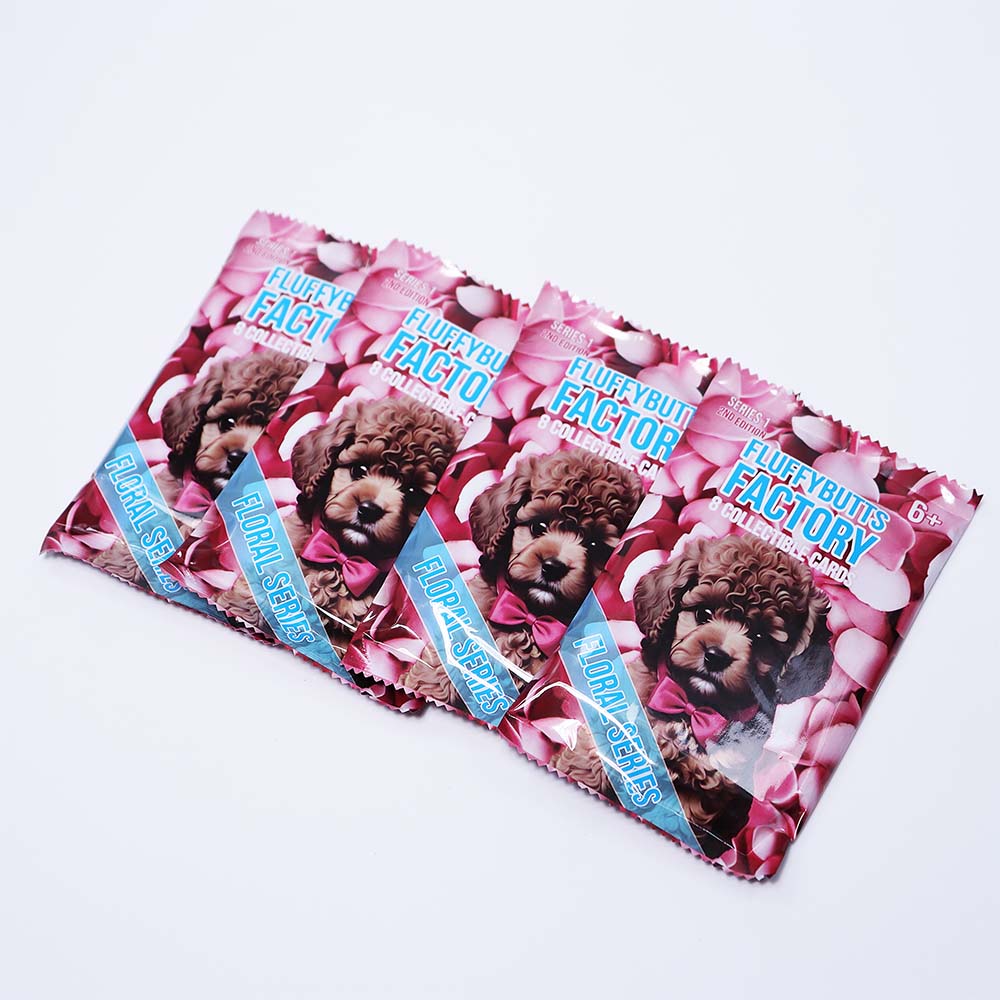 Fluffybutts Factory Custom Pet Card Blind Box Sets
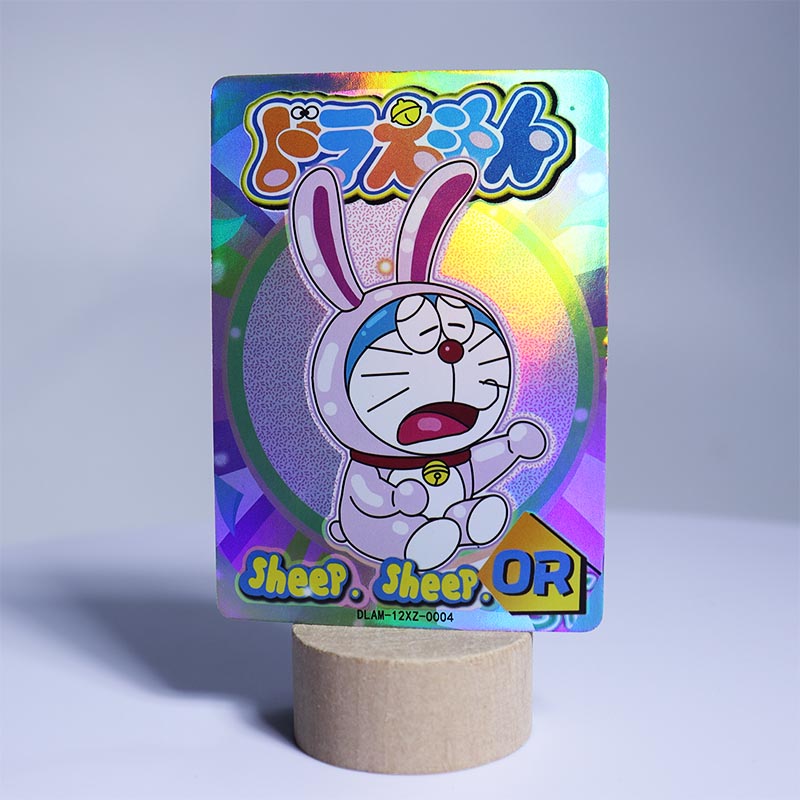 Doraemon Custom Card Blind Box Set
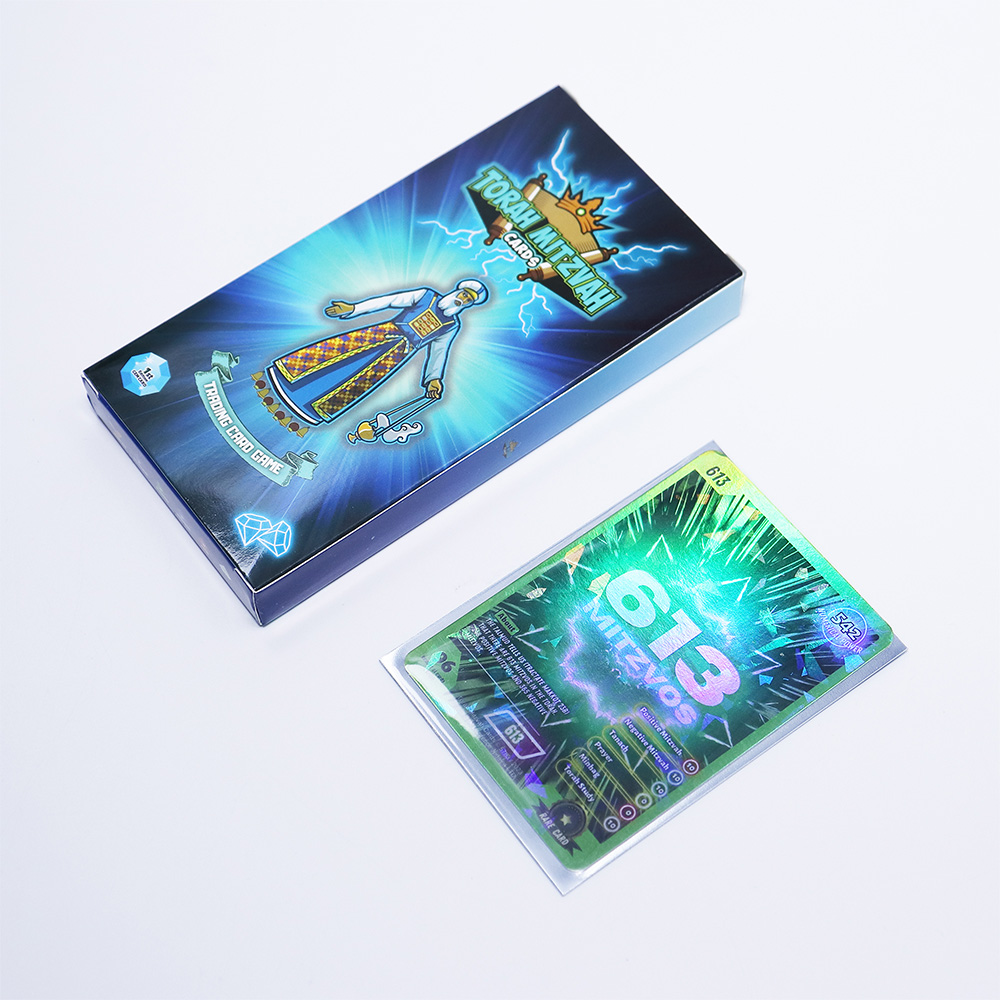 Torah Mitzvah Custom Card Blind Box Set
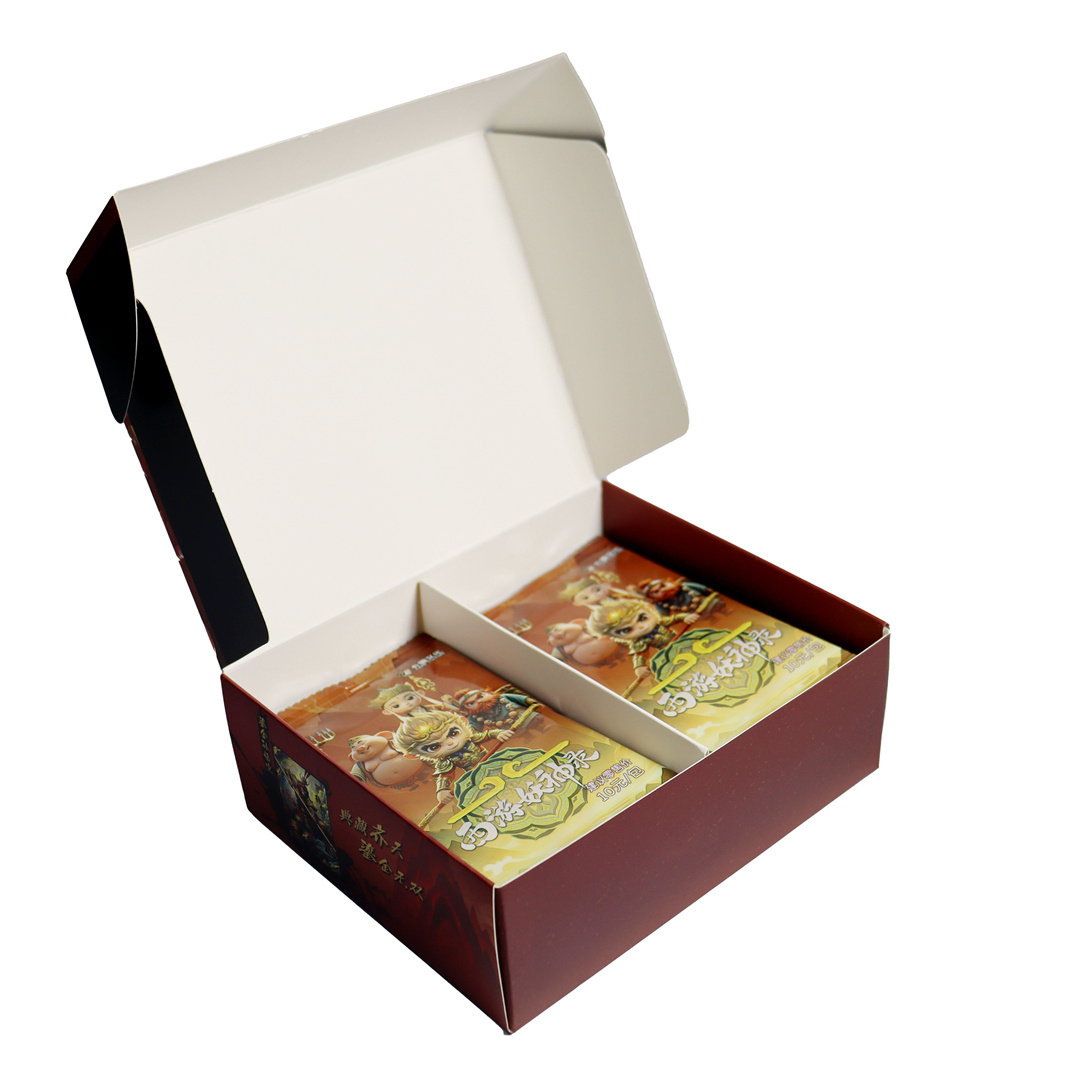 Customized "Journey to the West" Themed Card Blind Box Set
 Customized cat-themed blind box set
 Shanghai Fengyun Custom Board Game Set
 Sensual Romance Game Custom Board Game Set
 "Qoul Al Sabah" Custom Board Game Set
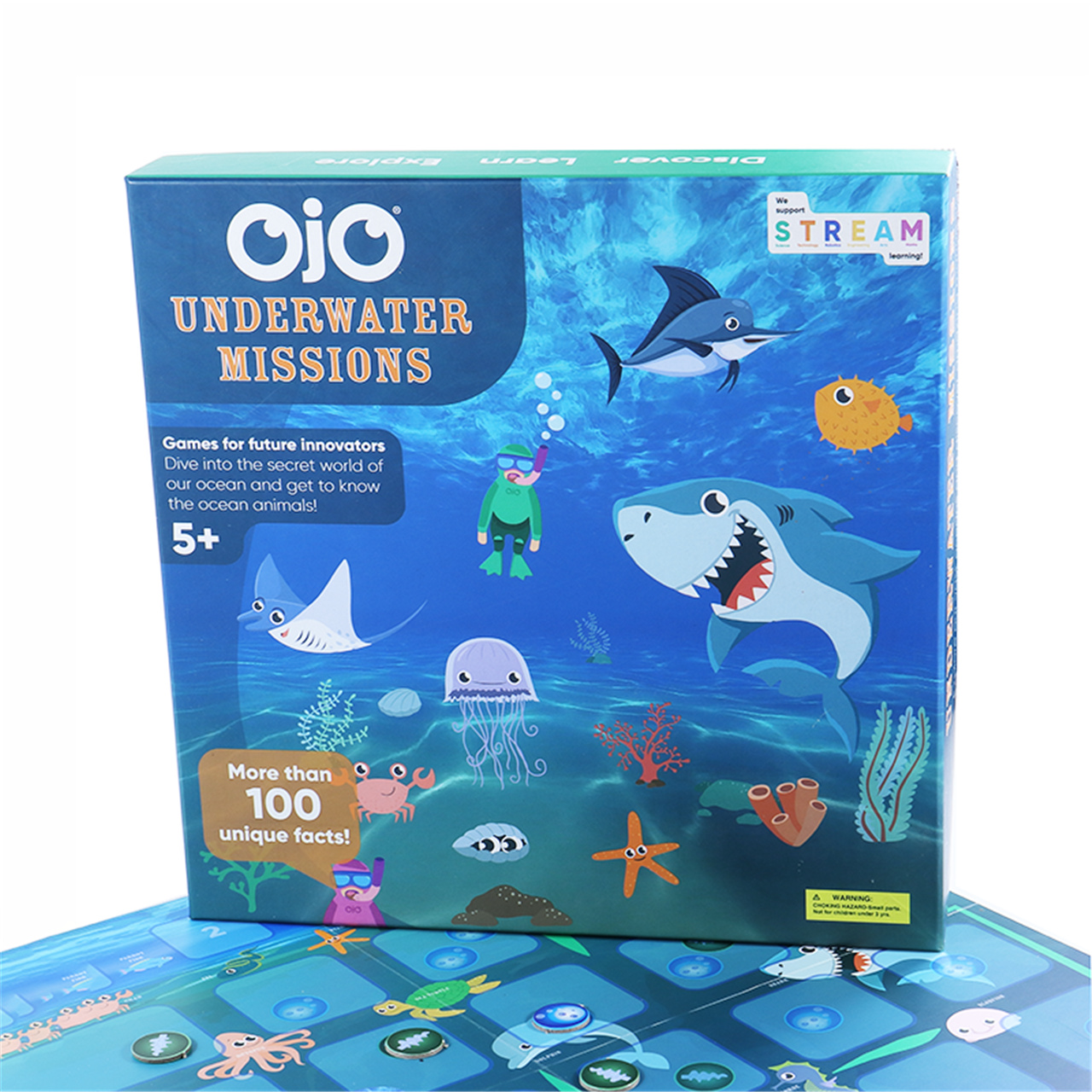 Customized educational board games for children
 Couple Interaction Turntable Themed Board Game
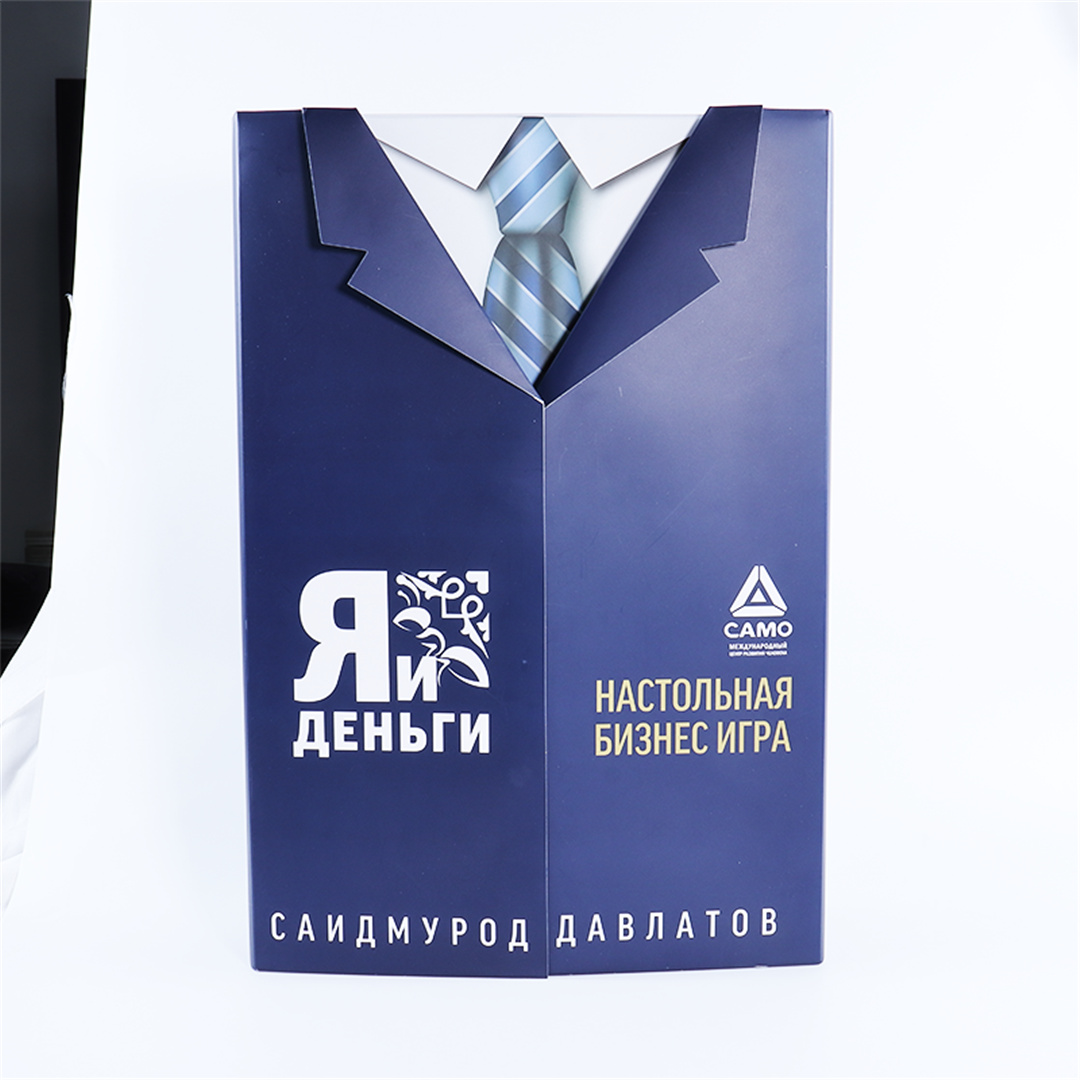 Business Finance Board Game
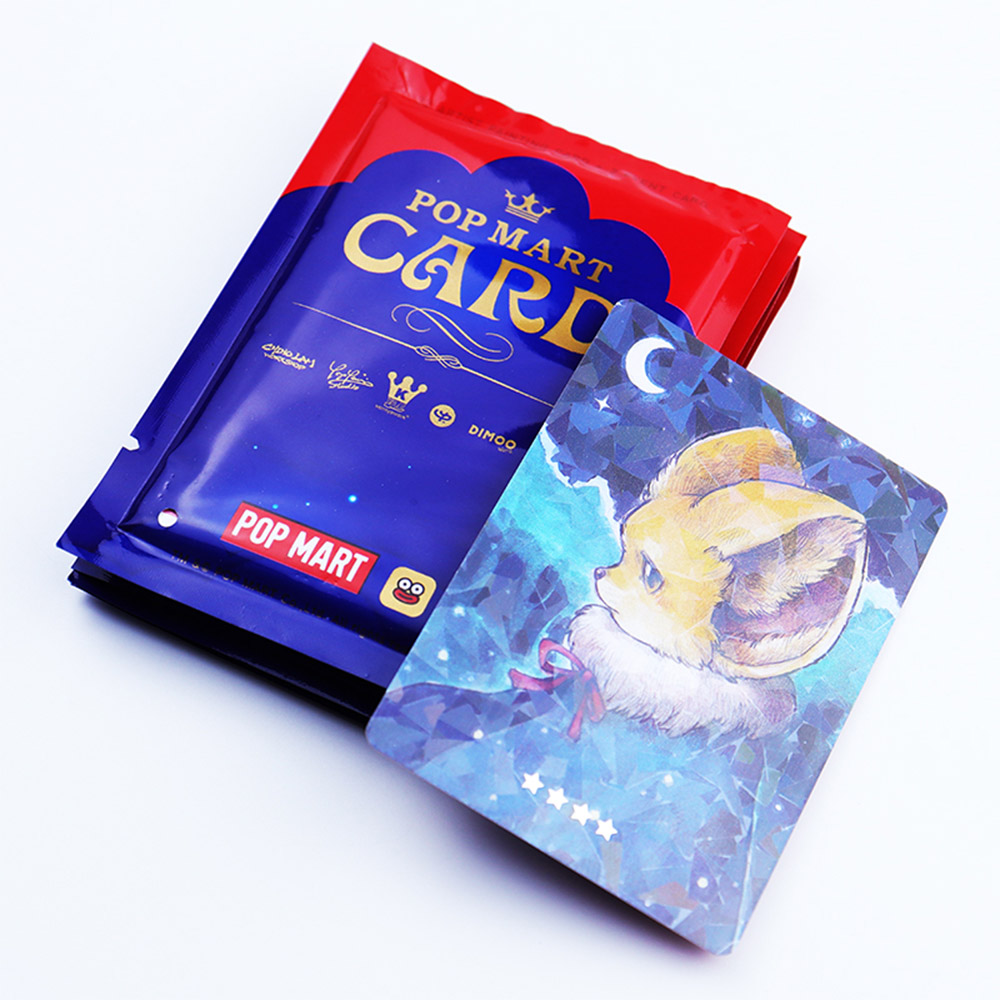 Pop Mart Custom Character Collectible Cards
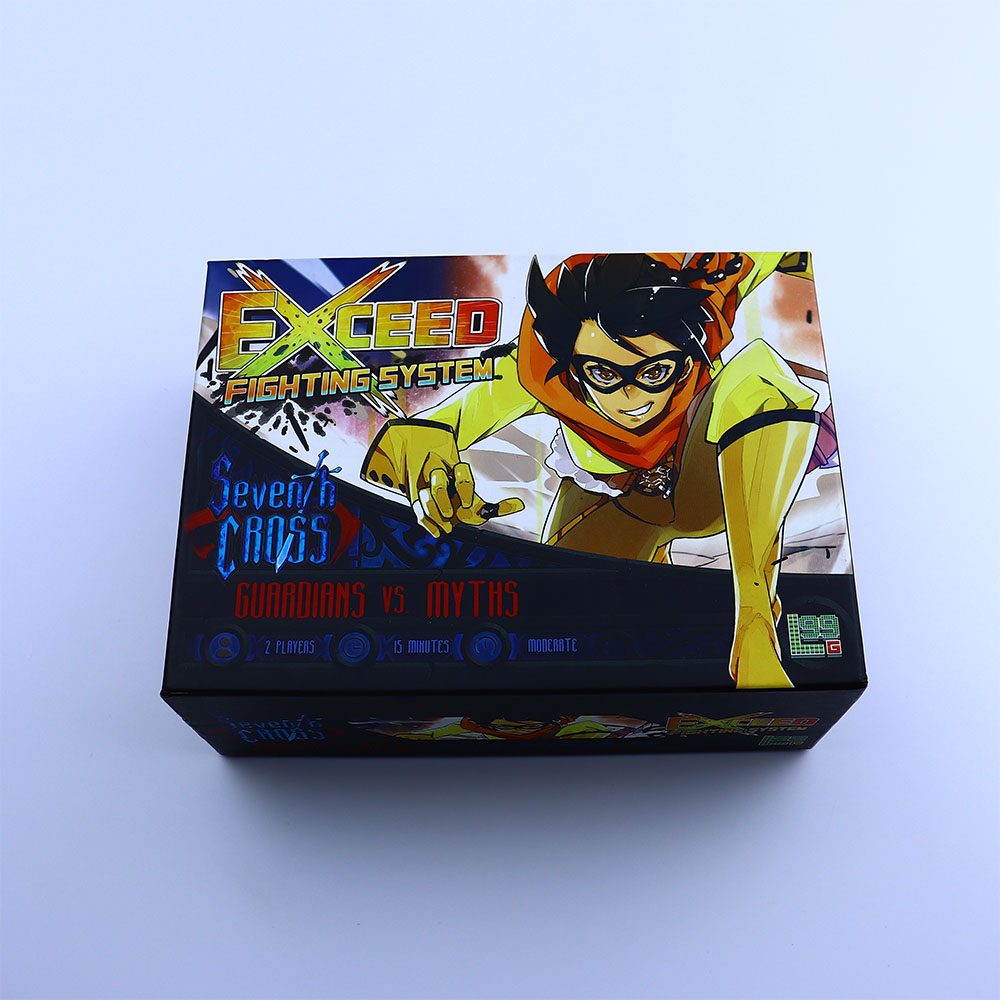 EXCEED Fighting System Custom Character Card Set
 Three Kingdoms Custom Hero Character Cards
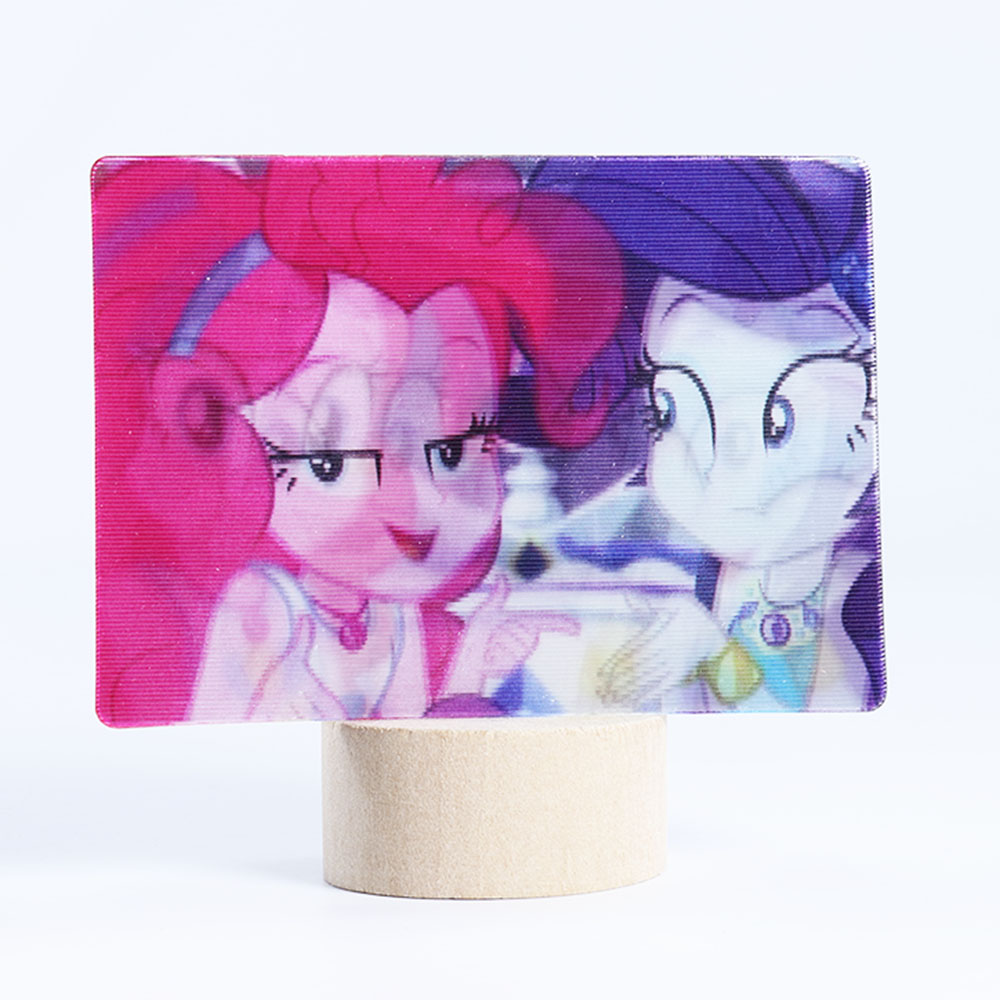 Custom Anime Character Dynamic Visual Cards
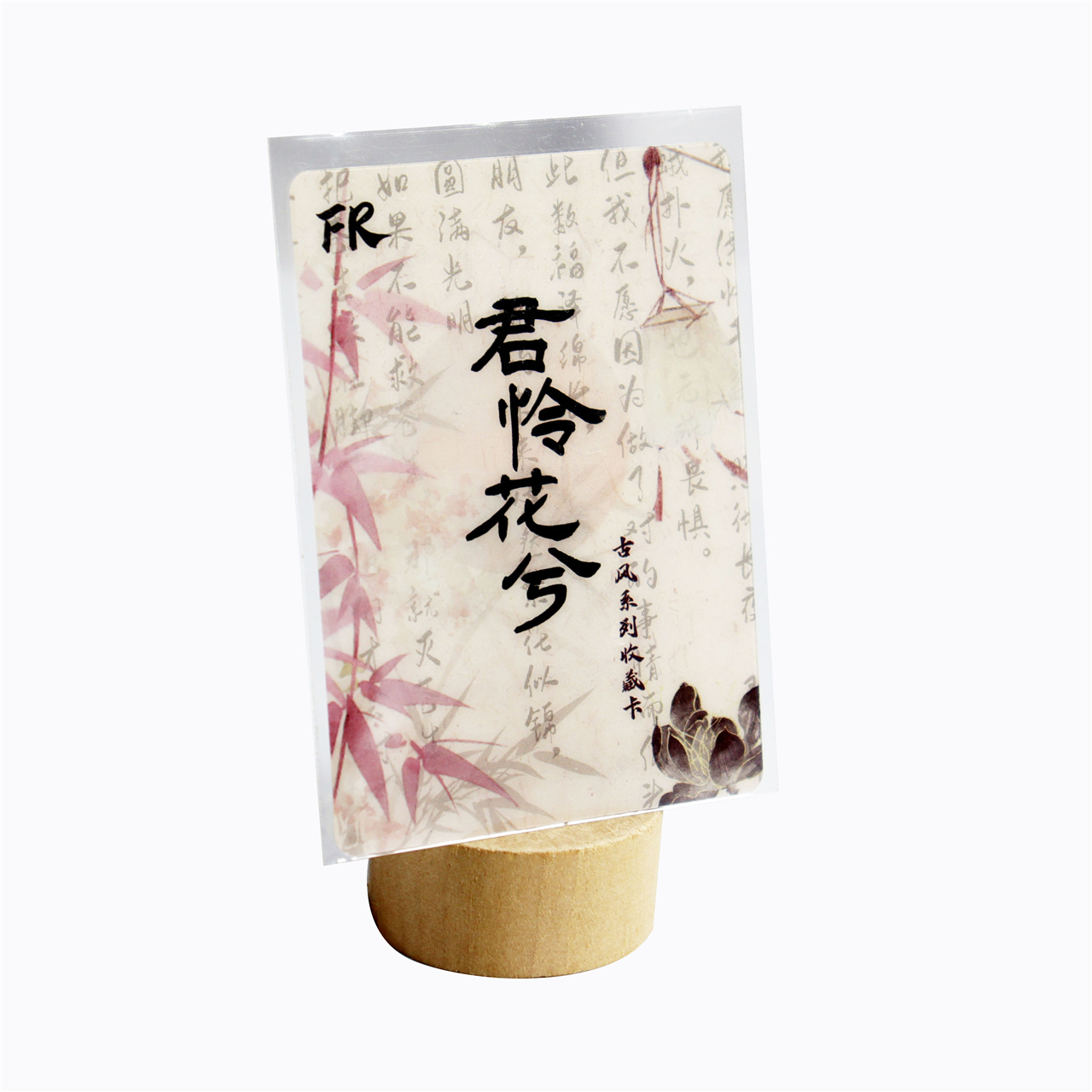 Custom Cartoon Character Collectible Card Set
 Custom Anime Character Art Card Set
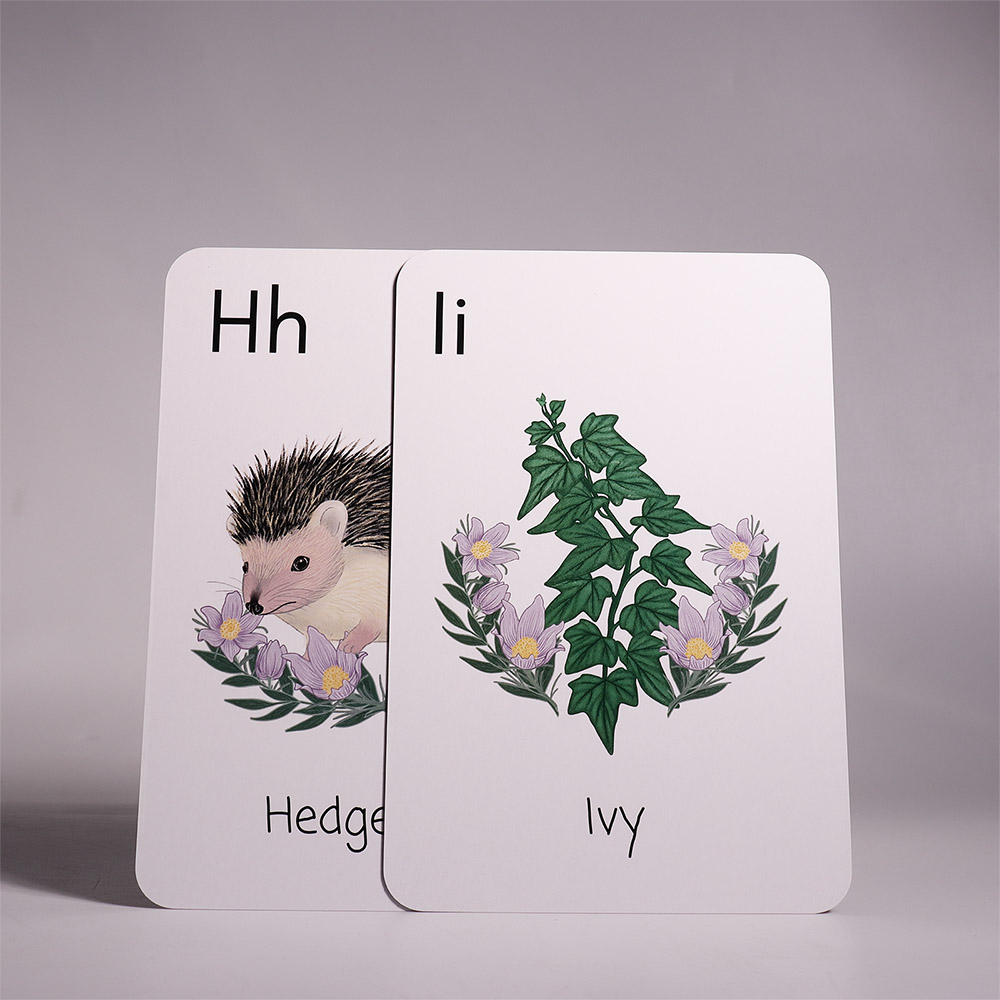 Little Larch Alphabet Cards
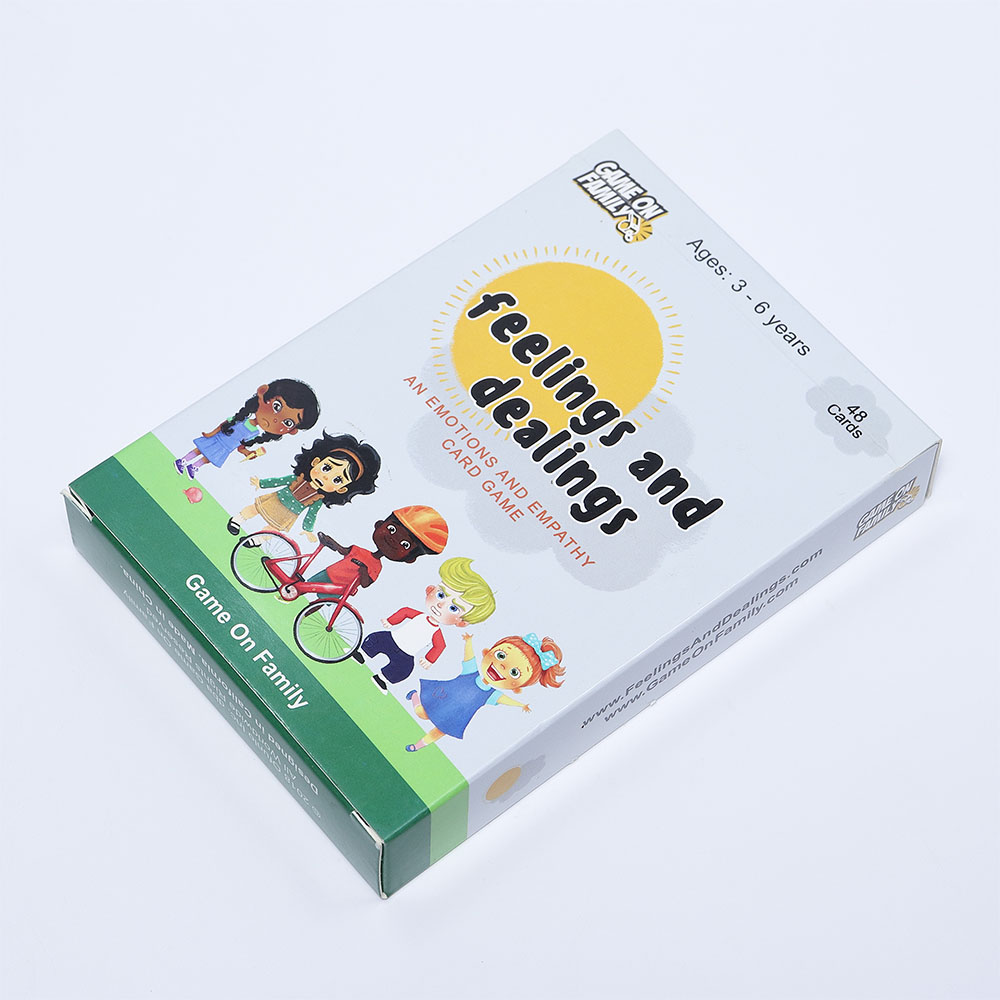 Feelings and Dealings Custom Children's Emotion Card Game
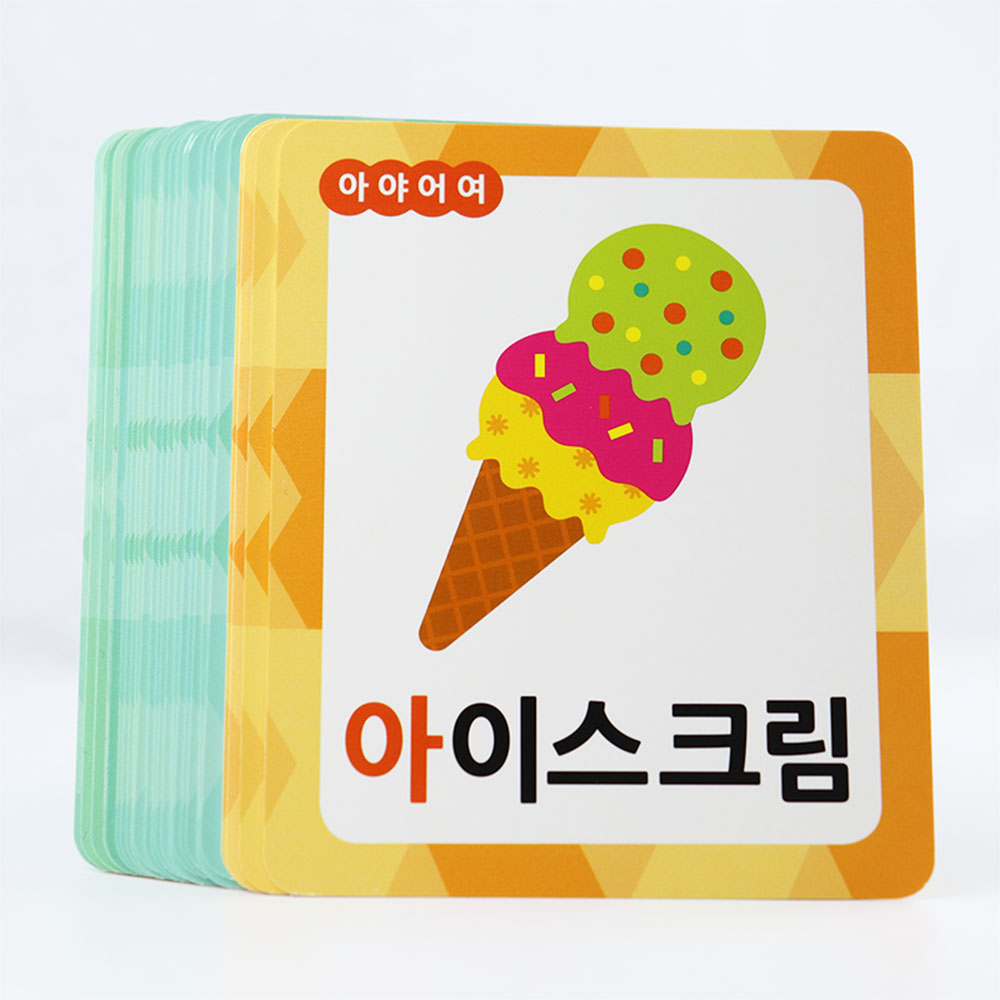 Korean Children's Educational Flashcards
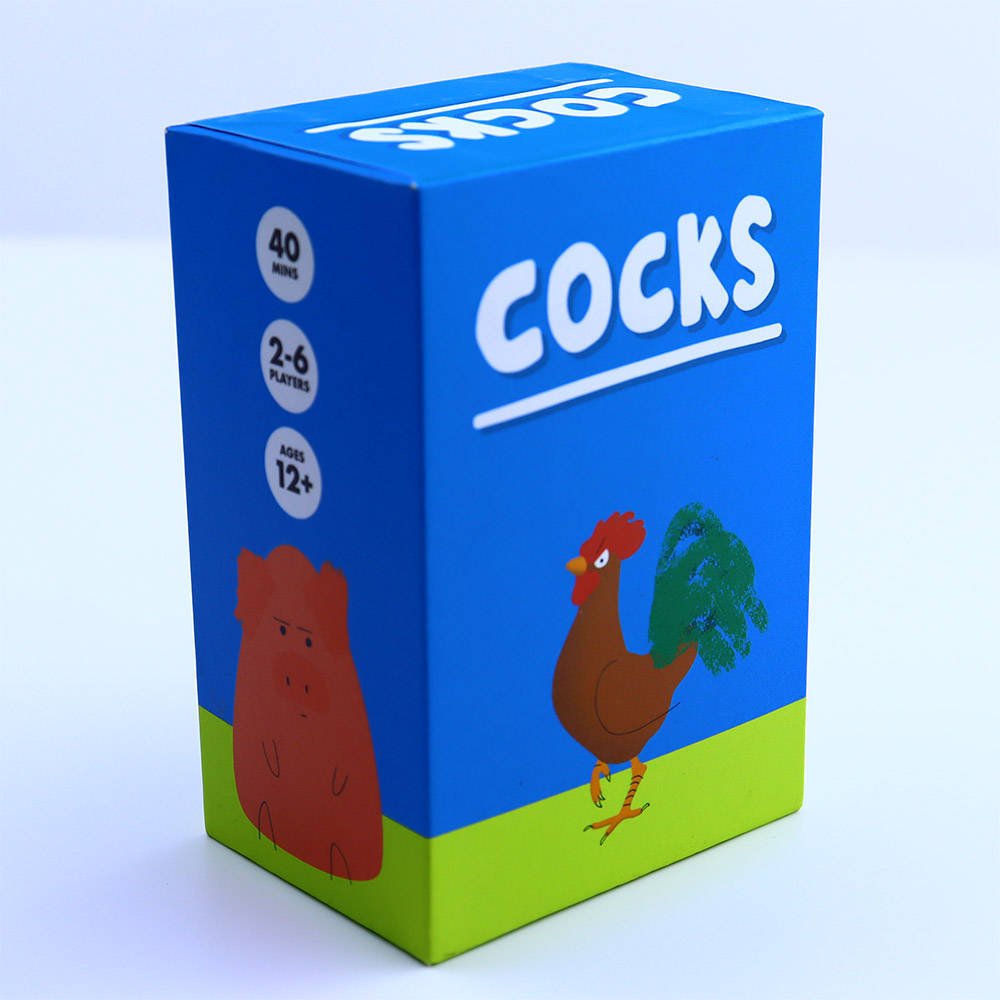 Cocks Themed Custom Children's Learning Cards
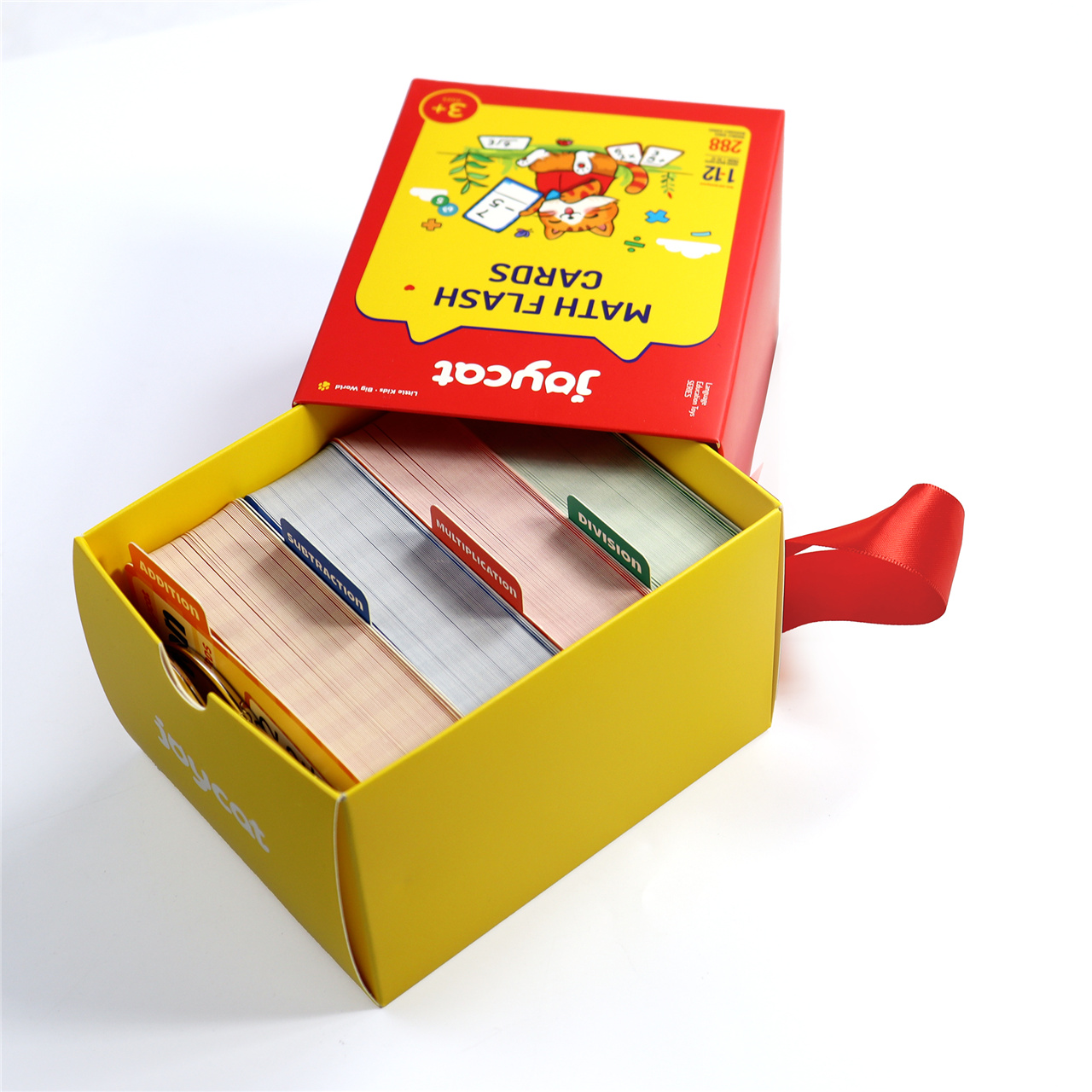 Math Flash Cards Set for Kids
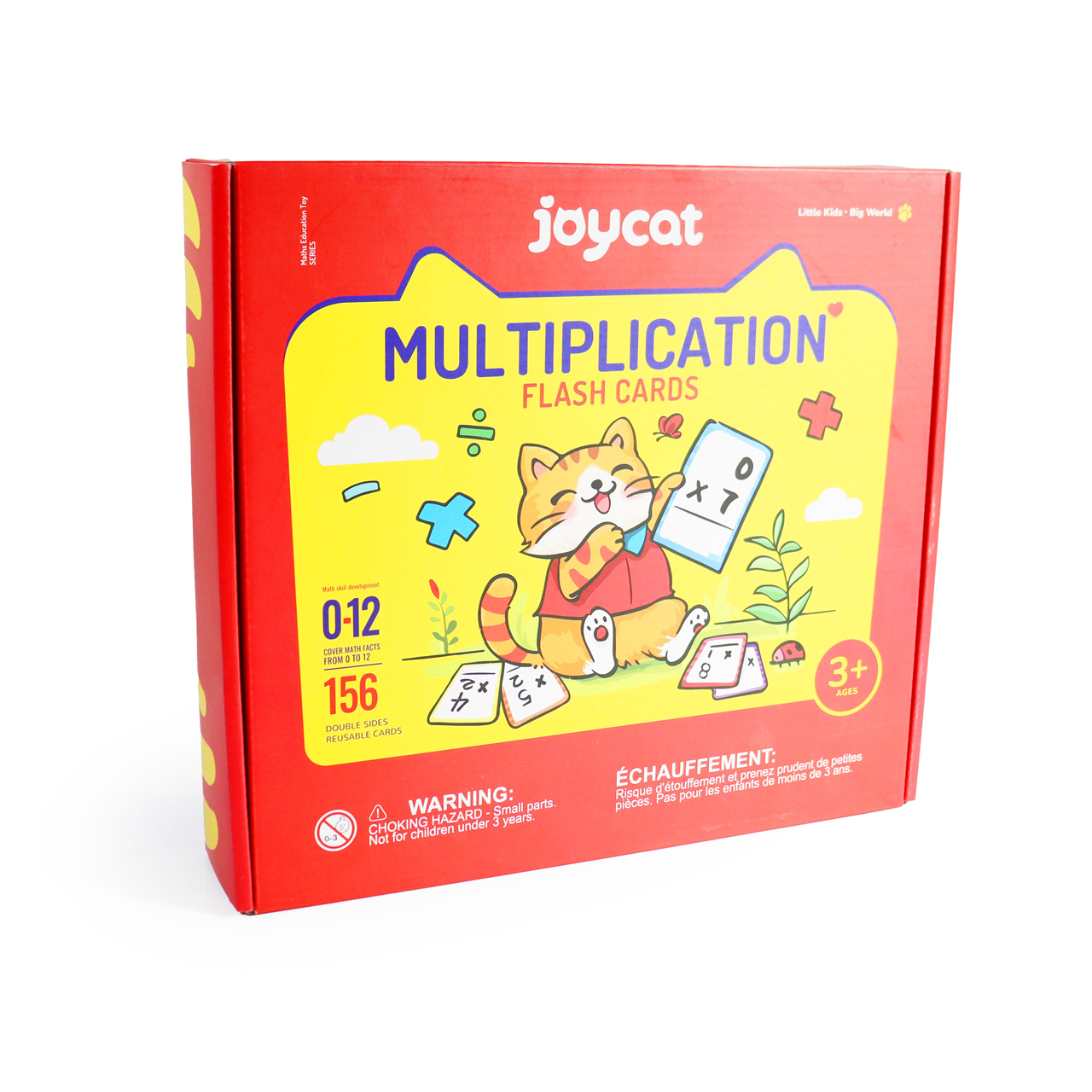 Joycat Multiplication Flash Cards Set with Accessories
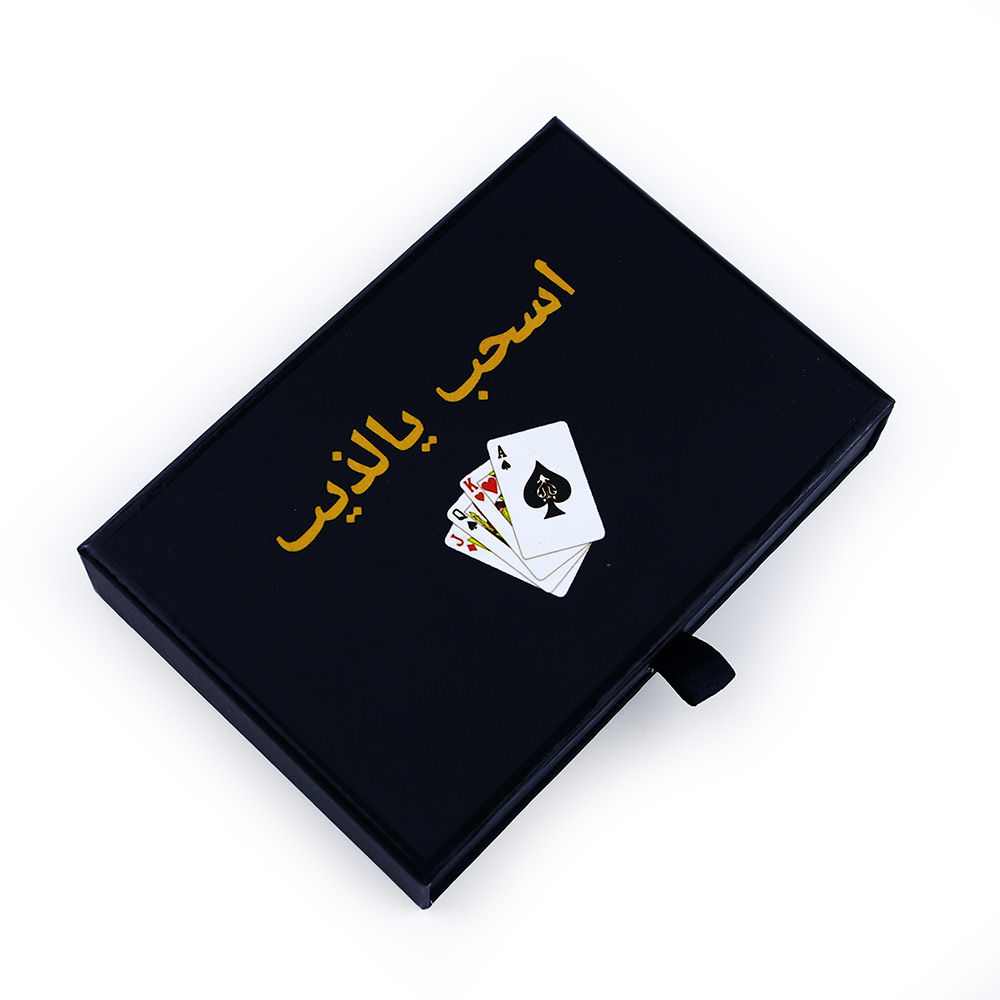 Custom Dual-Deck Playing Cards with Wolf-Themed Design
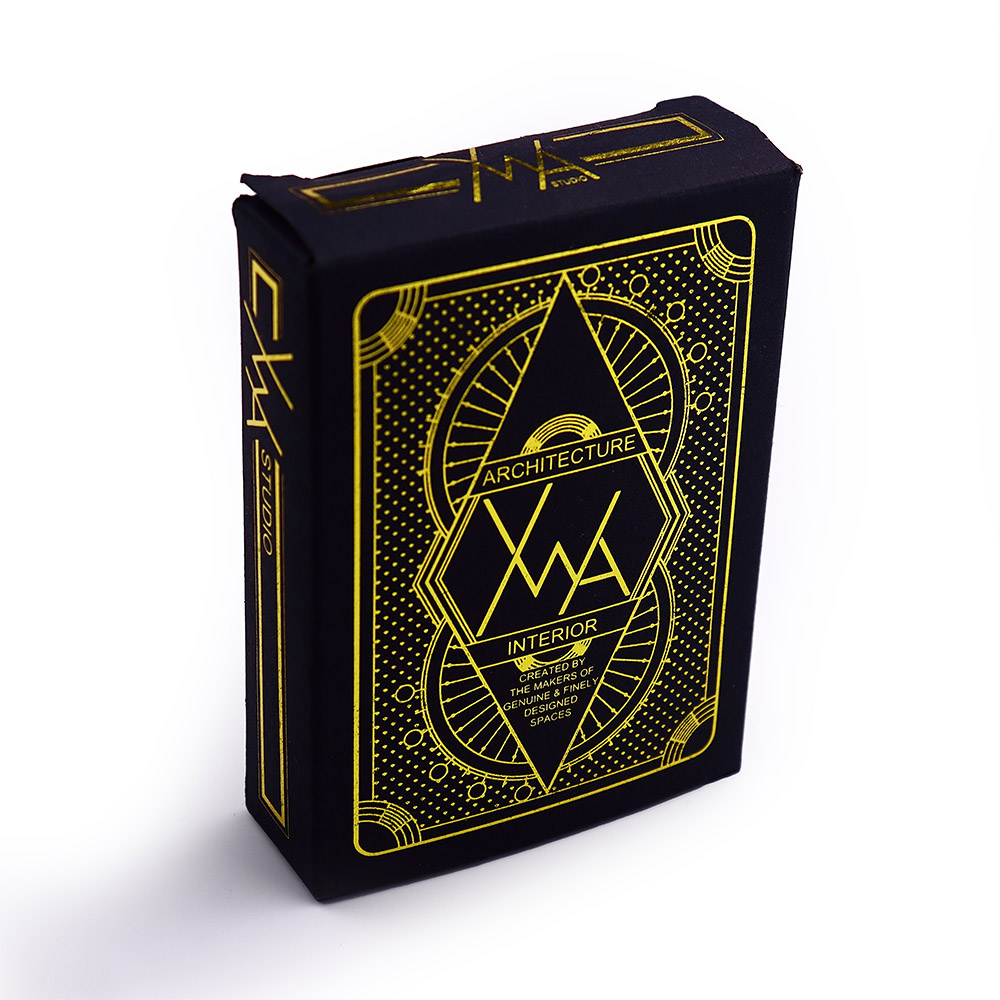 Custom embossed gold foil playing cards
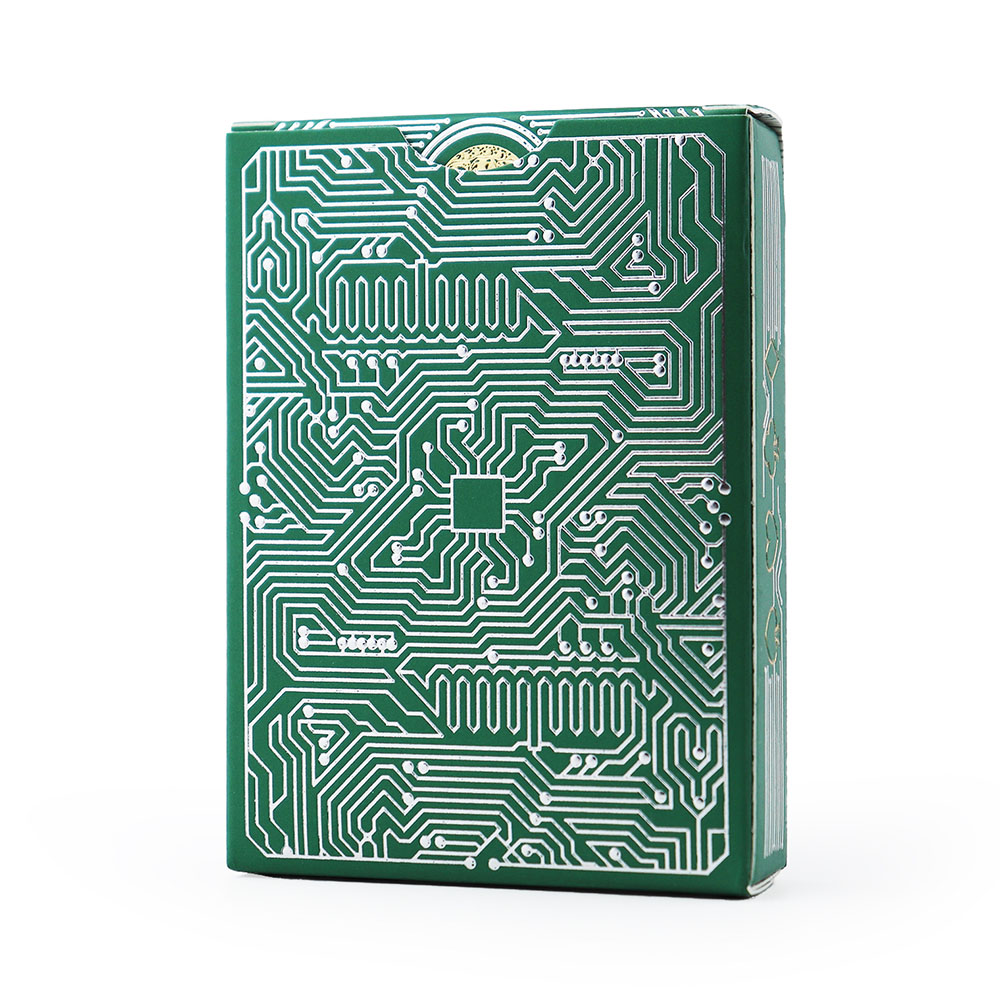 Circuit PCB Edition Custom Playing Cards
 Customized theme gold foil playing cards
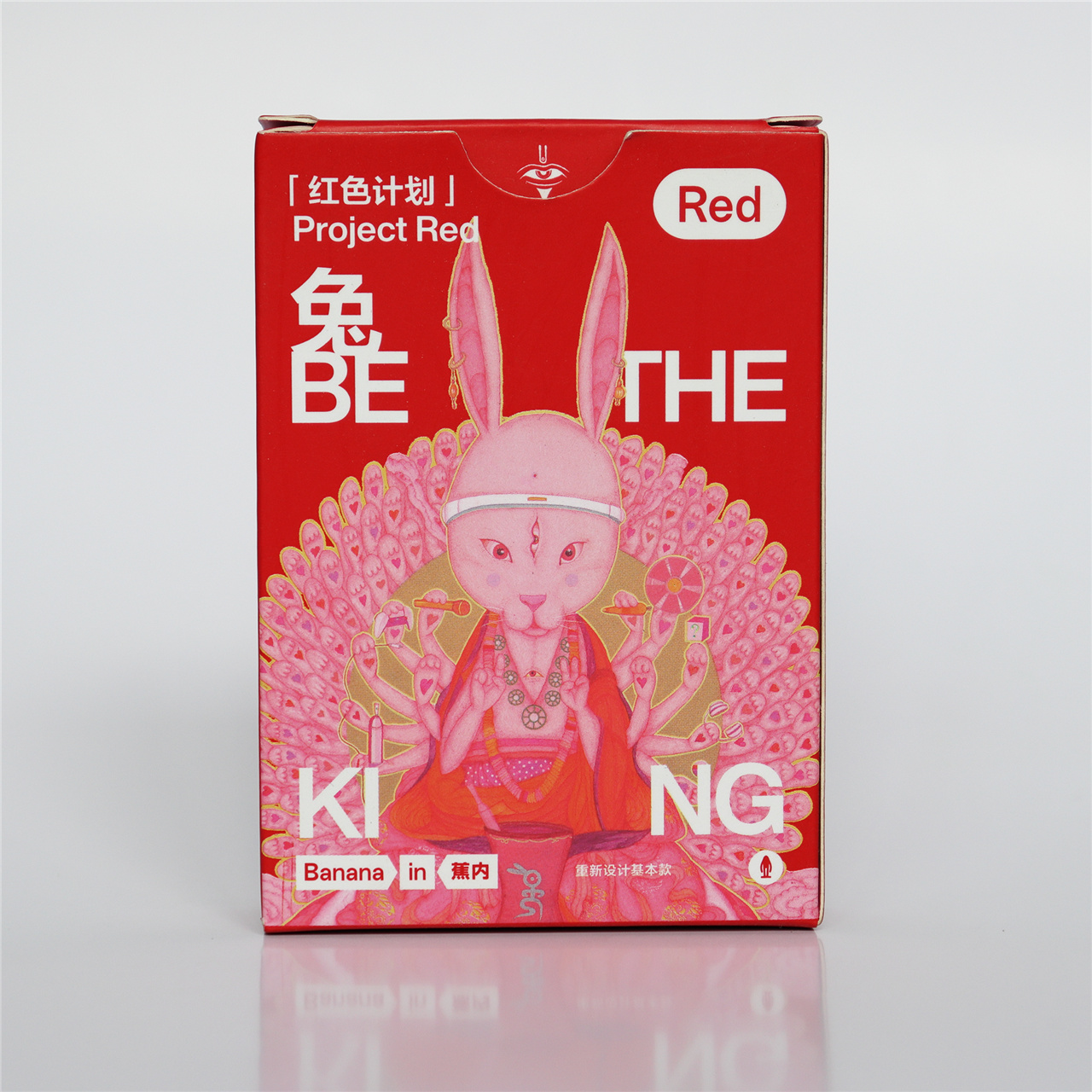 Custom Red Rabbit Themed Playing Cards Set
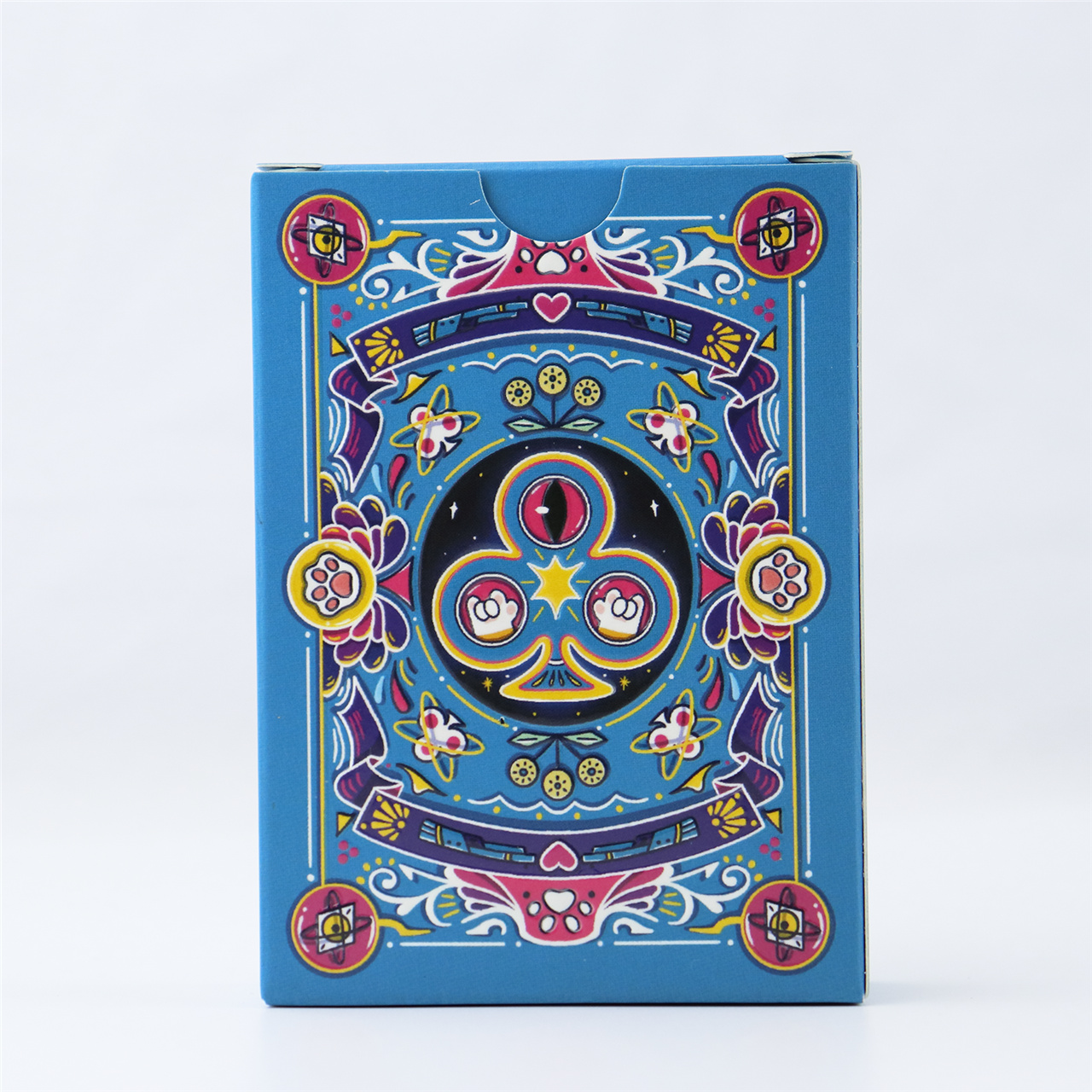 Custom Blue - Black Fantasy Plastic Playing Cards Set
 Pearls of Wisdom Oracle Custom Cards
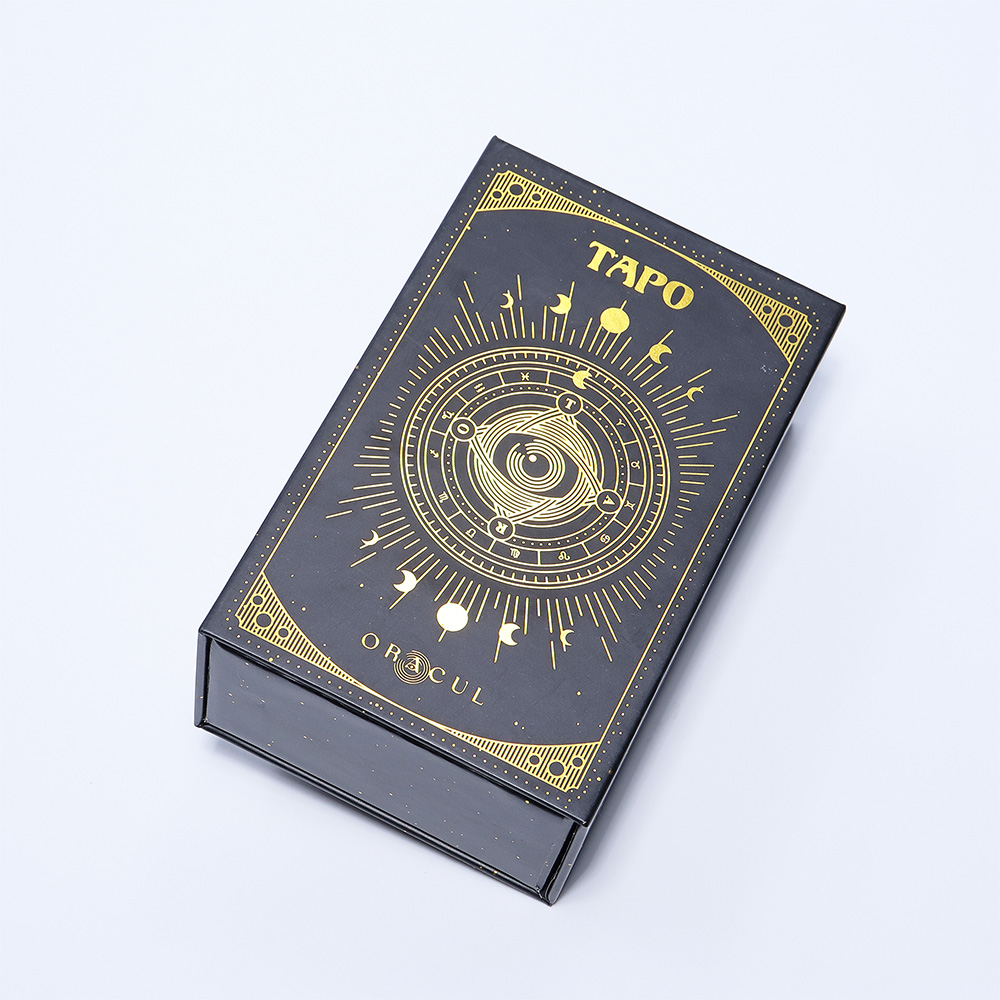 Custom Black & Gold Celestial Tarot Cards
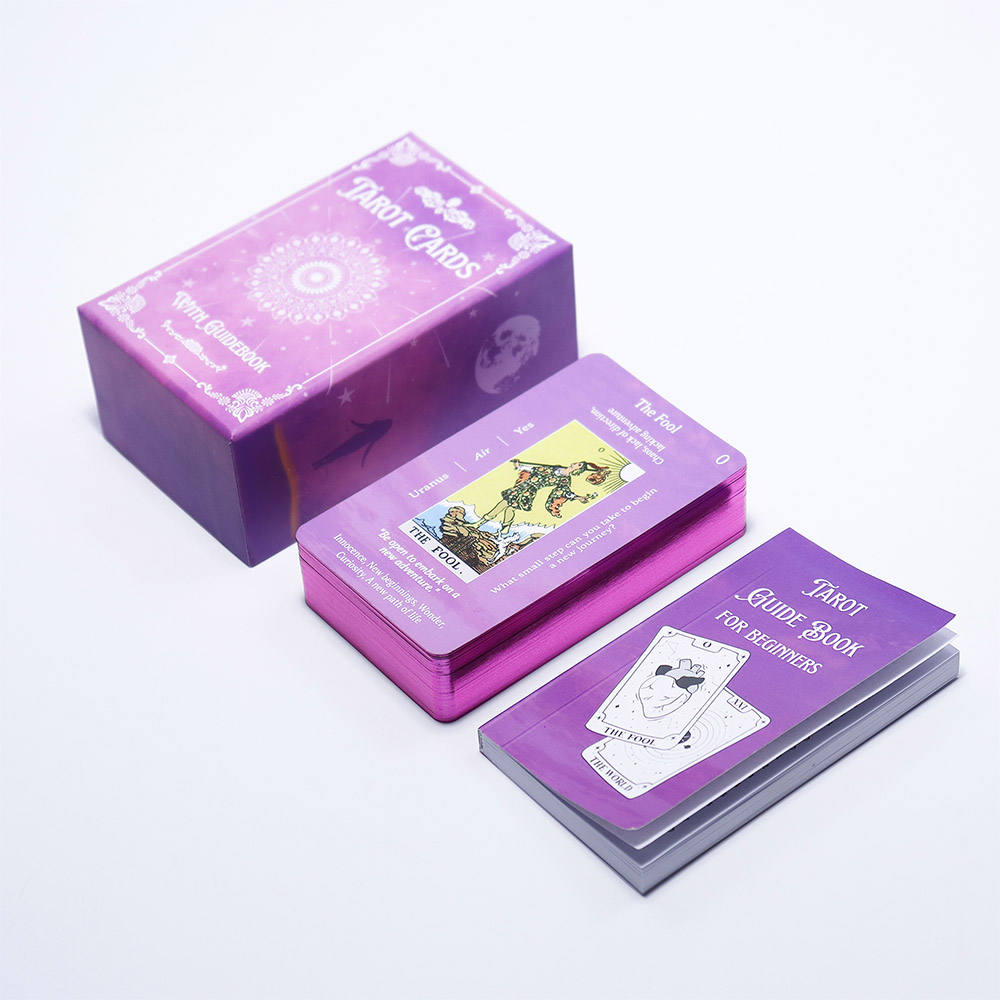 Custom Purple Tarot Cards with Guidebook
 L'Oracle d'Artémis Custom Oracle Cards
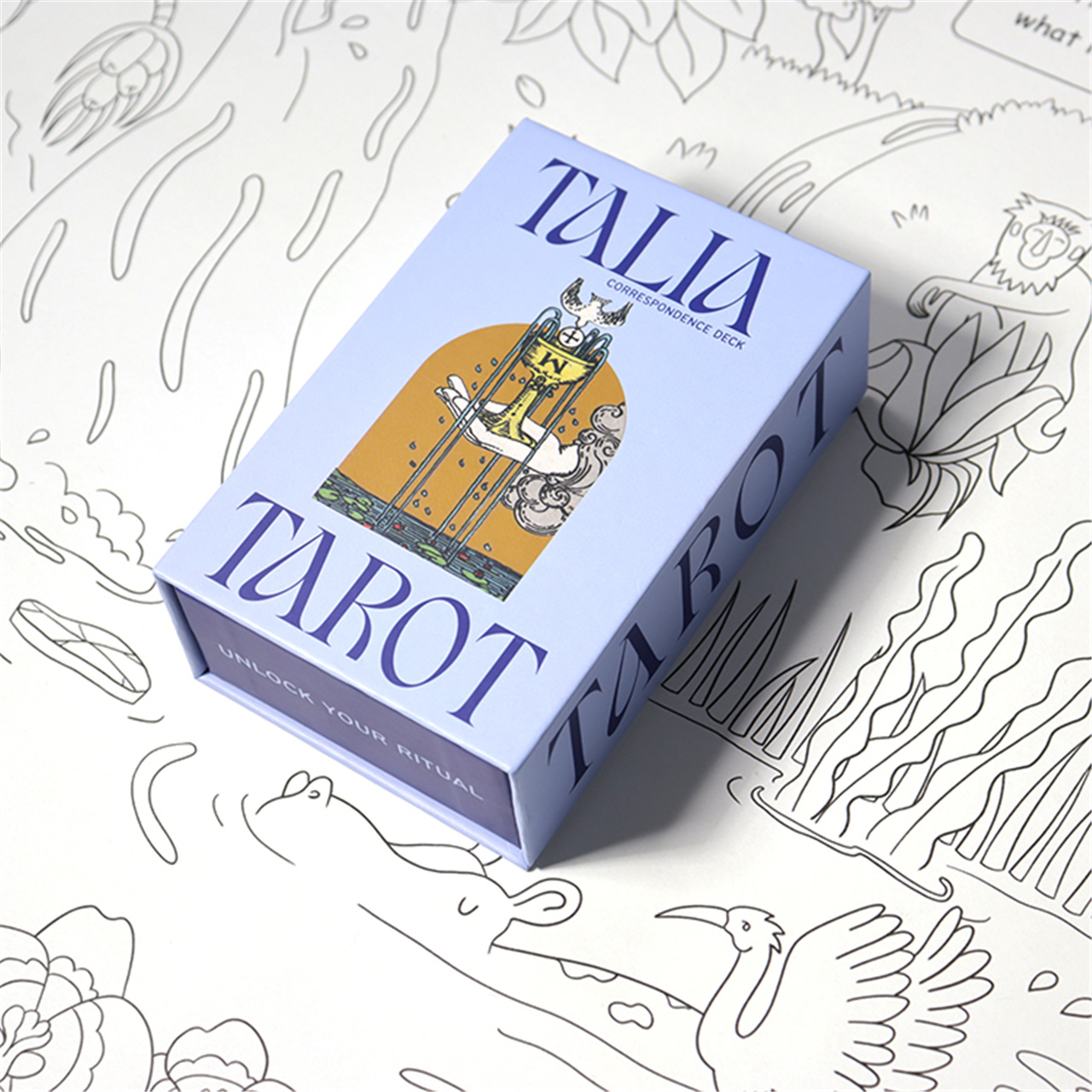 Custom Blue - Themed Tarot Cards Deck
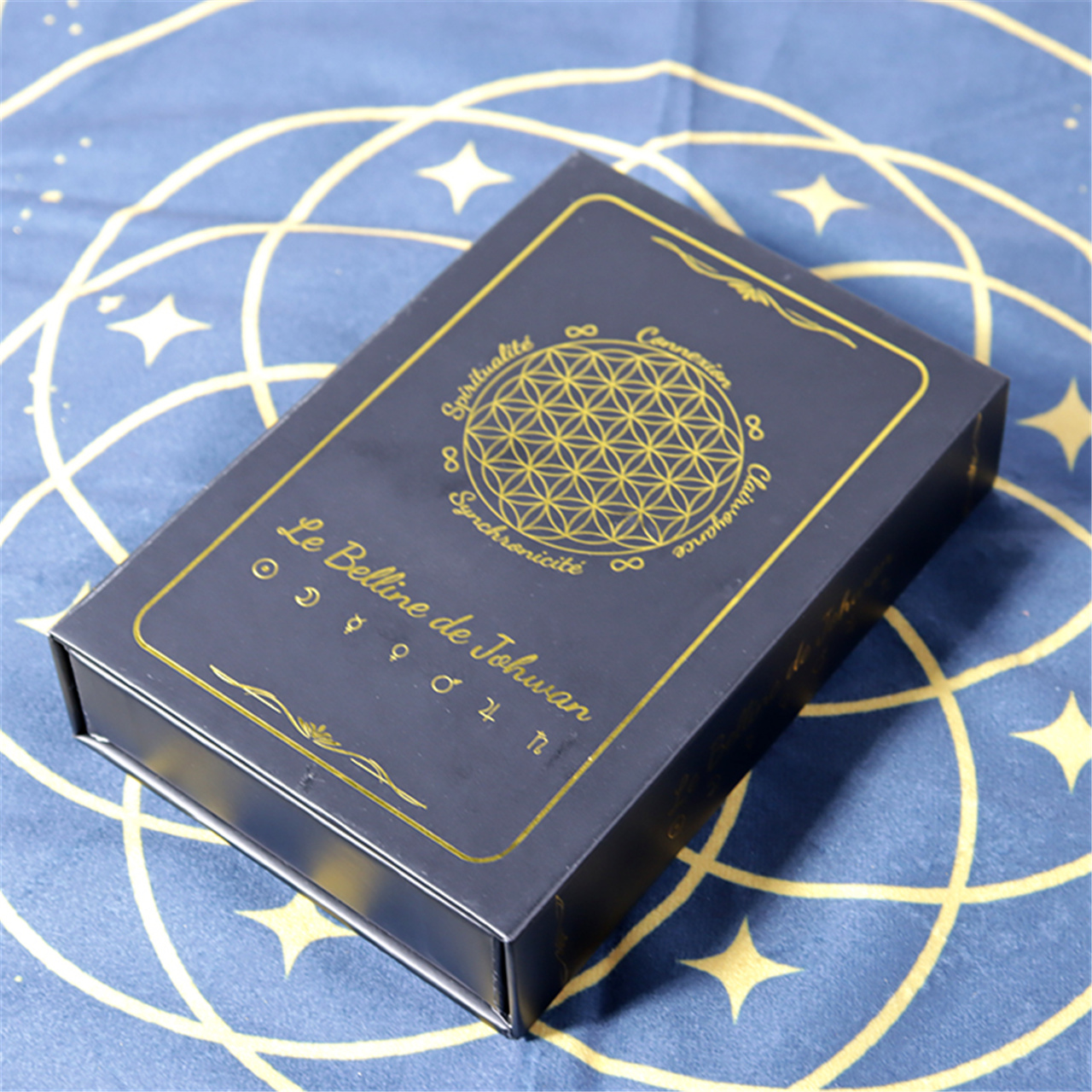 Custom Black - Blue Gold Foil Tarot Cards Set
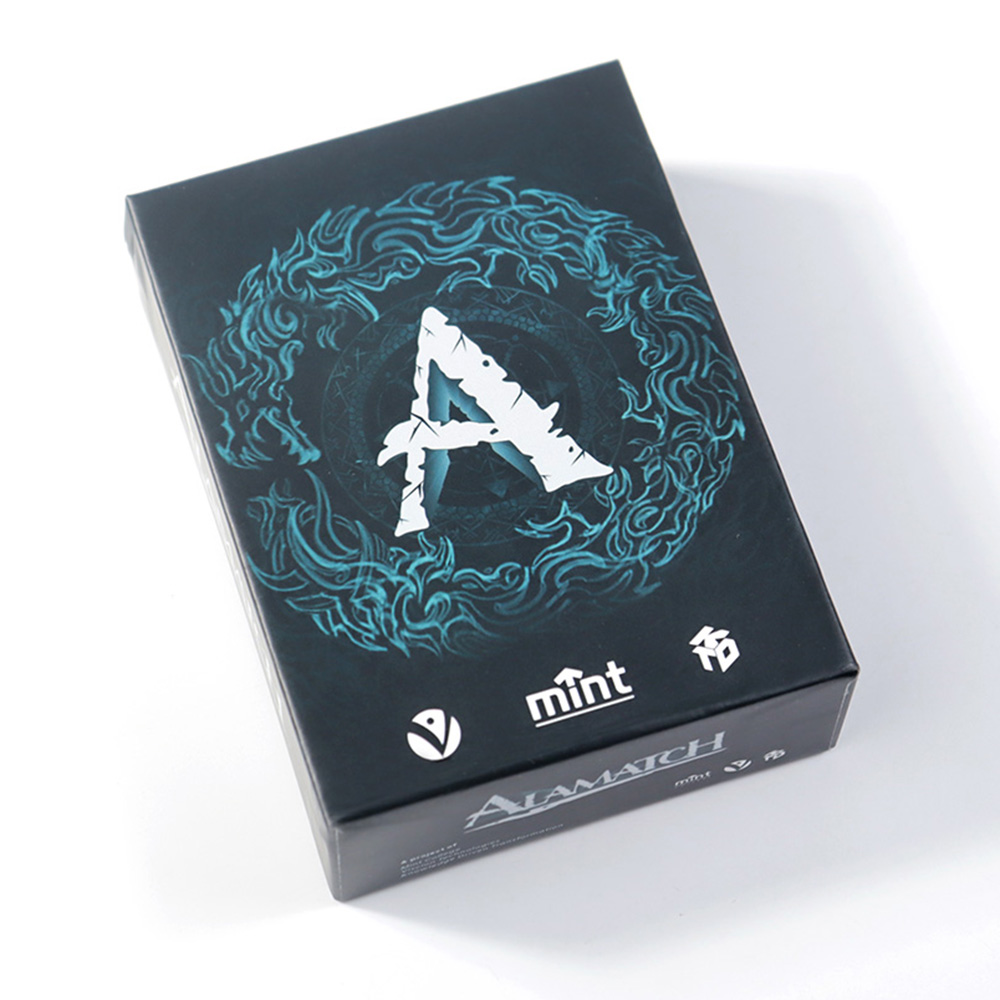 Alamatch Custom Trading Game Cards
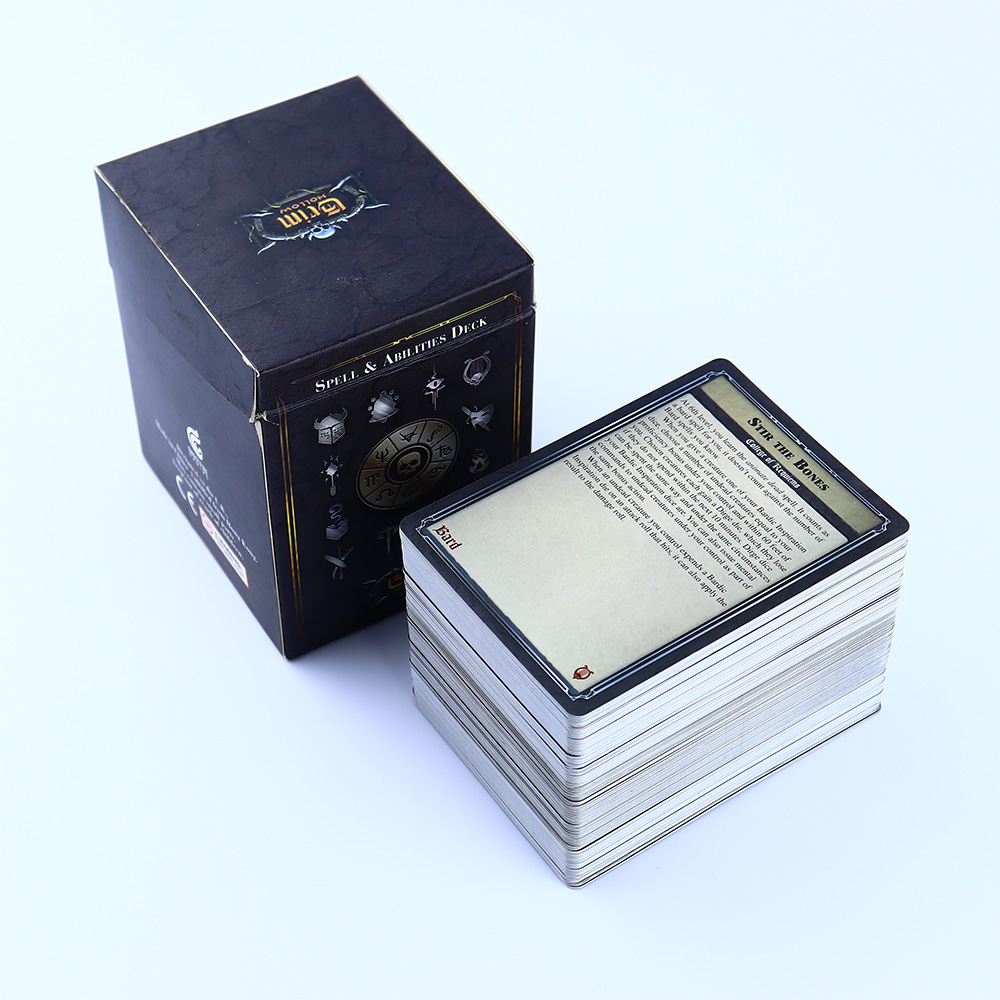 Grim Hollow Spell & Abilities Custom Trading Cards
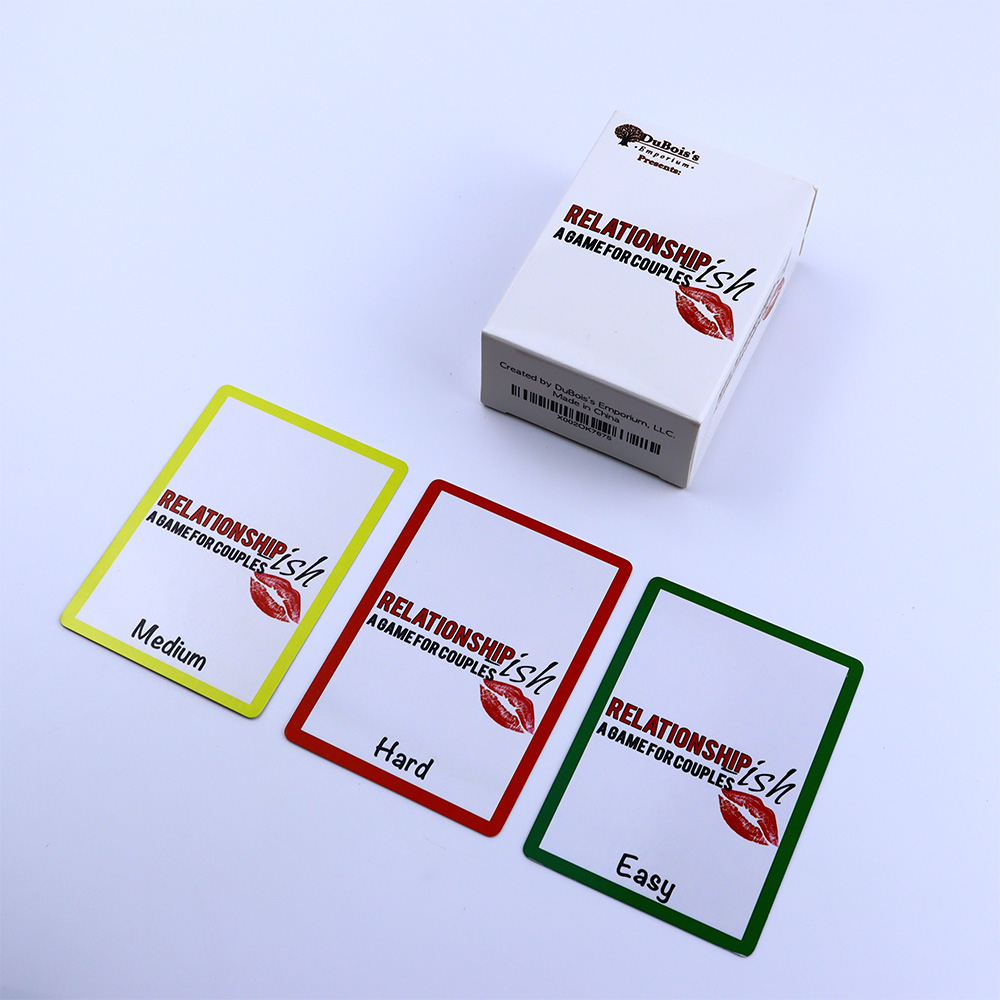 Relationshipish Custom Couple Card Game
 Emojo Dojo Custom Trading Card Game
 Custom Travel Photo Trading Cards Set
 Custom Cartoon Holographic Trading Cards Set