Top Tips for Choosing the Best Educational Board Games?
Educational board games have gained significant traction in modern educational settings. According to a report by the American Educational Research Association, 82% of educators believe that incorporating games enhances student engagement. This shows the growing recognition of board games as powerful educational tools.
Choosing the right educational board games can be challenging. With hundreds of options available, making informed choices is crucial. Games are not just fun; they promote critical thinking, social skills, and problem-solving. The National Association for the Education of Young Children emphasizes the role of play in learning, highlighting its importance for cognitive development.
Engaging with educational board games fosters collaboration among peers. However, it's important to consider age appropriateness and learning objectives. Not every game fits every classroom scenario. Reflecting on which games truly promote learning can lead to better educational outcomes. Making the right choice matters, as it can significantly impact students' educational journeys.
Understanding the Educational Value of Board Games
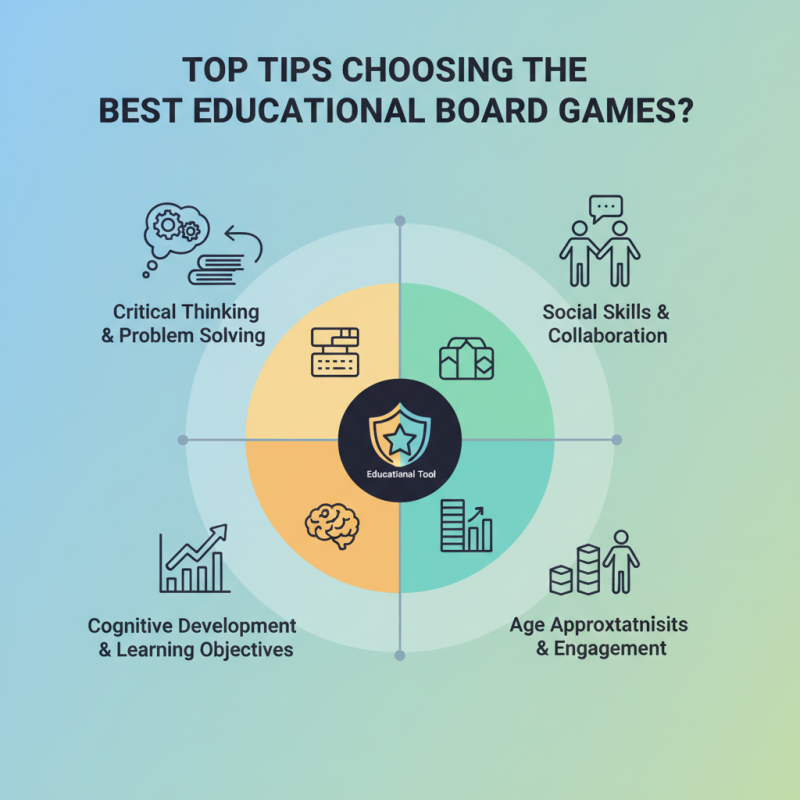
Board games offer a unique blend of fun and learning. They can enhance critical thinking, teamwork, and communication skills. The educational value of board games lies in their ability to engage players in problem-solving scenarios. Players learn to strategize and think ahead, framing their thoughts in a competitive yet supportive environment.
When choosing the best educational board games, it’s essential to consider the age group and interests of the players. Some games are tailored for younger children, while others target older kids or adults. Look for games that are challenging but not overwhelming. The right game can spark curiosity and foster a love for learning.
Additionally, consider the number of players and the dynamics of your group. Games that promote collaboration can strengthen bonds and enhance social skills. However, reflect on the competitiveness of certain games. Too much competition can lead to frustration, especially for younger players. Aim for games that balance challenge and enjoyment, fostering an atmosphere of learning through play.
Top Tips for Choosing the Best Educational Board Games
| Game Title |
Age Range |
Educational Focus |
Player Count |
Playing Time |
| Catan |
10+ |
Strategy, Resource Management |
3-4 |
90 min |
| Ticket to Ride |
8+ |
Geography, Strategy |
2-5 |
30-60 min |
| Scrabble |
8+ |
Vocabulary, Spelling |
2-4 |
90 min |
| City of Zombies |
12+ |
Problem Solving, Critical Thinking |
2-6 |
60-120 min |
| Chess |
7+ |
Strategy, Logic |
2 |
30 min |
Identifying Age-Appropriate Board Games for Your Child
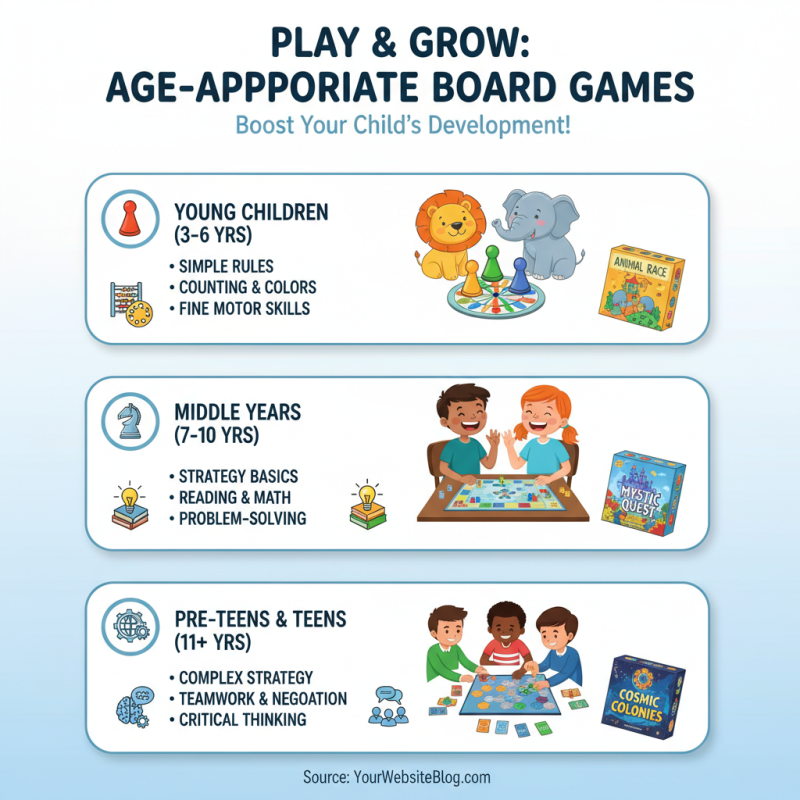
Choosing age-appropriate board games is essential for fostering your child's development. Different age groups have unique needs. The right game can boost critical thinking, social skills, and creativity. Young children benefit from simple games that develop basic counting and color recognition. Games requiring strategy and teamwork engage older kids, helping them navigate complex interactions.
Take time to assess your child’s interests. A child who loves animals may enjoy games with animal themes. If your child thrives in collaborative environments, cooperative board games can be a great fit. Observe how they engage with different activities. This can guide you in selecting suitable options.
Keep in mind that not every game will be a perfect match. Some may breeze through a game, while others may struggle. This is part of the learning process. Reflect on their experiences. Did they stay engaged? Did they find it too challenging or easy? Use this insight to refine your choices. Board games can be a valuable tool in your child's education, but it takes some trial and error to find the best fit.
Evaluating the Learning Objectives of Different Games
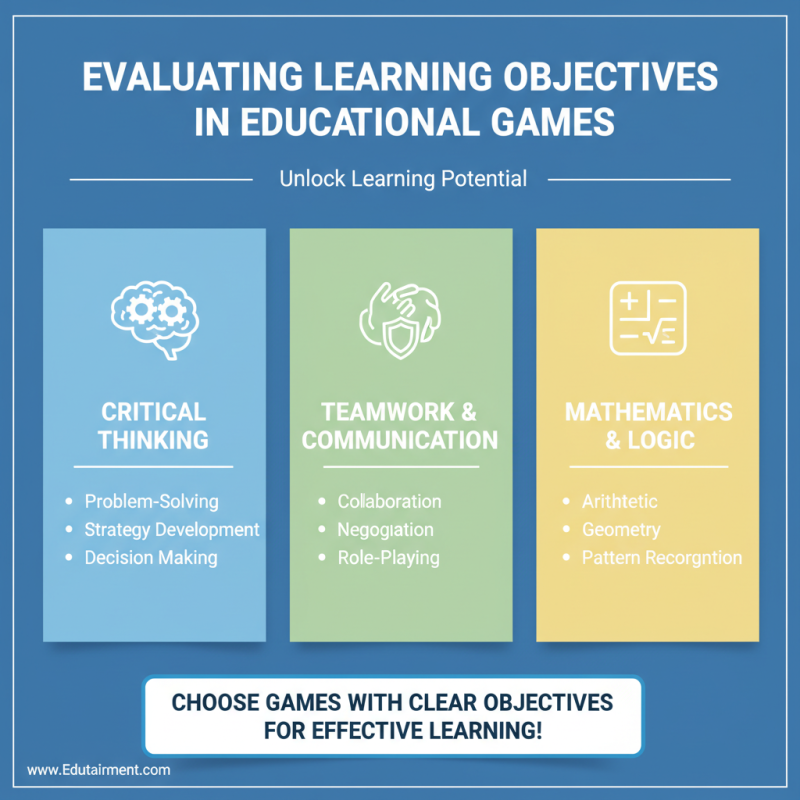
When selecting educational board games, assessing their learning objectives is crucial. Different games focus on various skills such as critical thinking, teamwork, or mathematics. These objectives determine the game's effectiveness in fostering a learning environment.
One effective tip is to analyze the age appropriateness of the game. Consider whether the complexity of the rules suits the intended age group. Games should not be too easy or overly complicated. Balance is key. Another point to think about is how a game encourages interaction. Cooperative games often lead to discussions and strategy sharing, enhancing social skills.
Pay attention to the subject matter of the game. Does it align with topics you want to explore? For example, a game focused on historical events can spark interest in that area. However, be wary of games that claim to teach but lack depth. They can lead to confusion or disengagement. Evaluating these aspects can help in choosing the right game for educational purposes.
Considering the Balance Between Fun and Education
Choosing educational board games can be challenging. The goal is to strike a balance between fun and learning. Games should captivate players while offering real educational value. This balance is crucial in keeping children engaged and motivated to learn.
One important tip is to assess the game’s content. Look for games that promote critical thinking or teamwork. Games that require strategy can enhance cognitive skills. They also encourage social interaction and communication. Check the age recommendations. A game too easy or difficult can frustrate young learners.
Another tip is to involve children in the selection process. Let them express their interests. Their enthusiasm can lead to better engagement. Reflect on past games played. Did they enjoy them? Did they learn anything? These reflections can guide your choices. This partnership fosters ownership and excitement in the learning journey.
Researching Reviews and Recommendations for Popular Educational Games
When choosing educational board games, reviews can guide your decisions. Industry reports indicate that over 70% of parents and educators rely on user reviews before purchasing. Scrutinizing customer feedback helps highlight both strengths and weaknesses in game design. For example, a game may claim to develop critical thinking but could fall short in engagement.
Consider these tips when researching: Look for games that have received awards. Games recognized by educators or child development experts often meet higher standards. Also, check online platforms where parents and educators share personal experiences. These insights can reveal unexpected flaws.
Dive deeper into gameplay mechanics. Some games may seem appealing but lack educational value. Reports suggest that games promoting STEM skills are particularly beneficial. However, reviews might show that some are too complex for younger players. Balancing challenge and education is crucial. Engaging with multiple reviews allows you to form a well-rounded view of any game. This is vital for ensuring a worthwhile purchase.

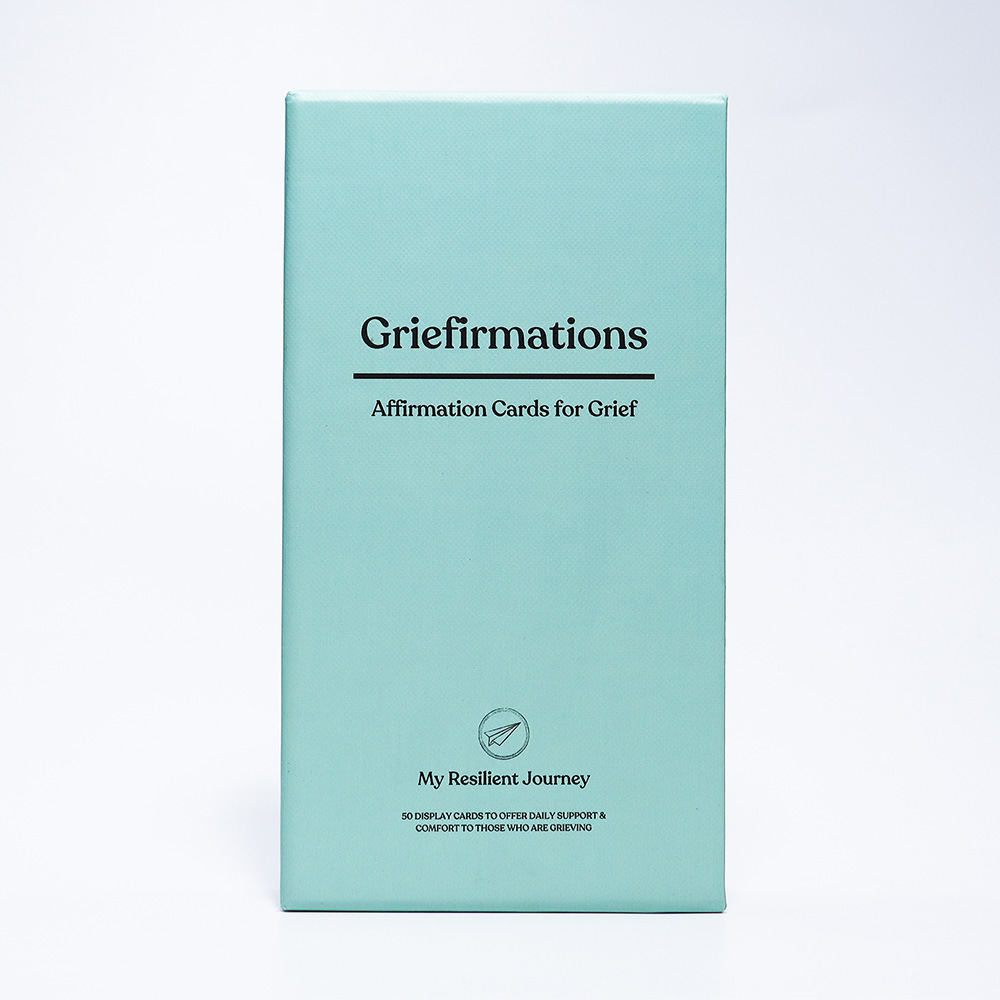 Customizable Emotional Support Cards for Grief & Resilience
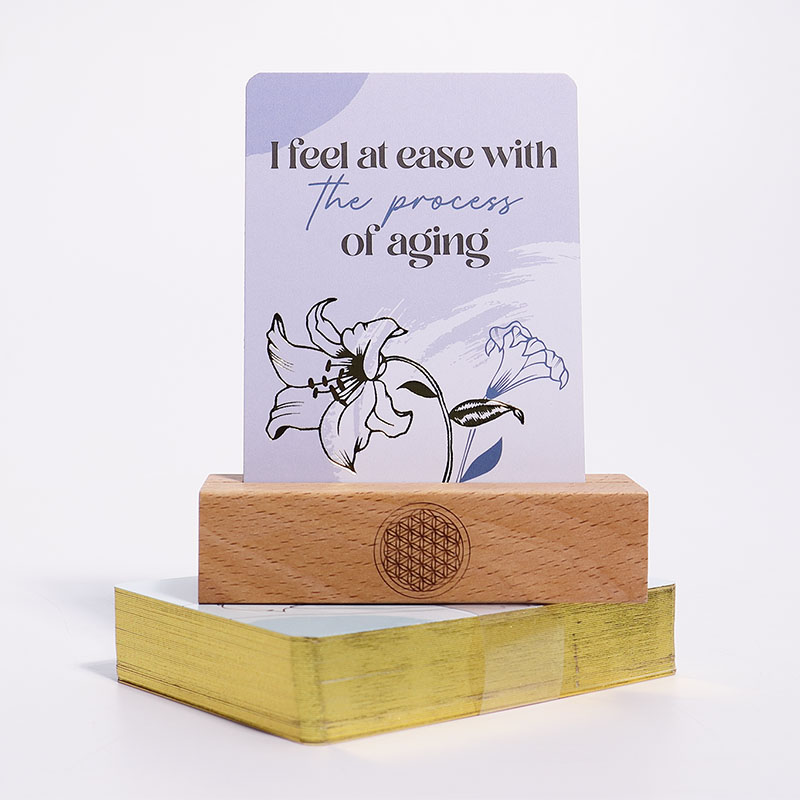 Personalized Emotional Encouragement Card Collection
 Personalized Deep Conversation Card Gift Box
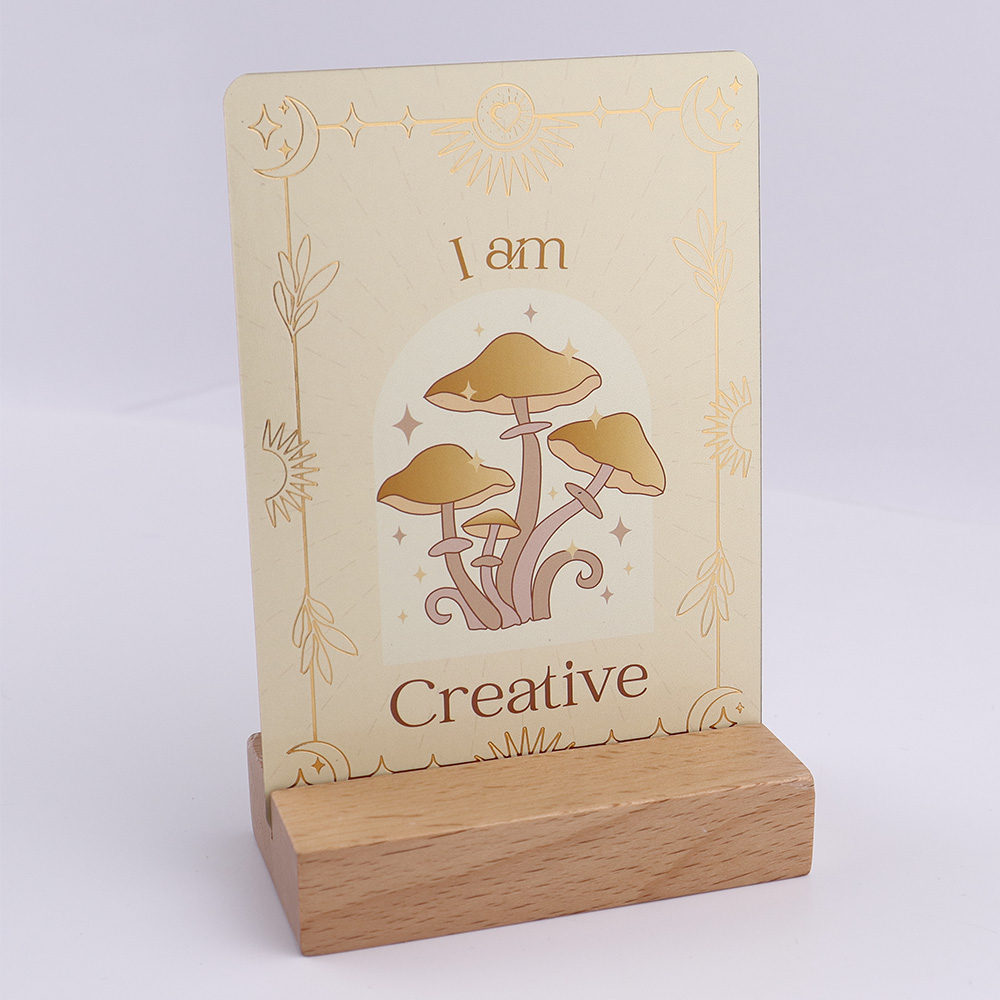 Customizable Boho-Chic Affirmation Cards for Mindfulness & Self-Love
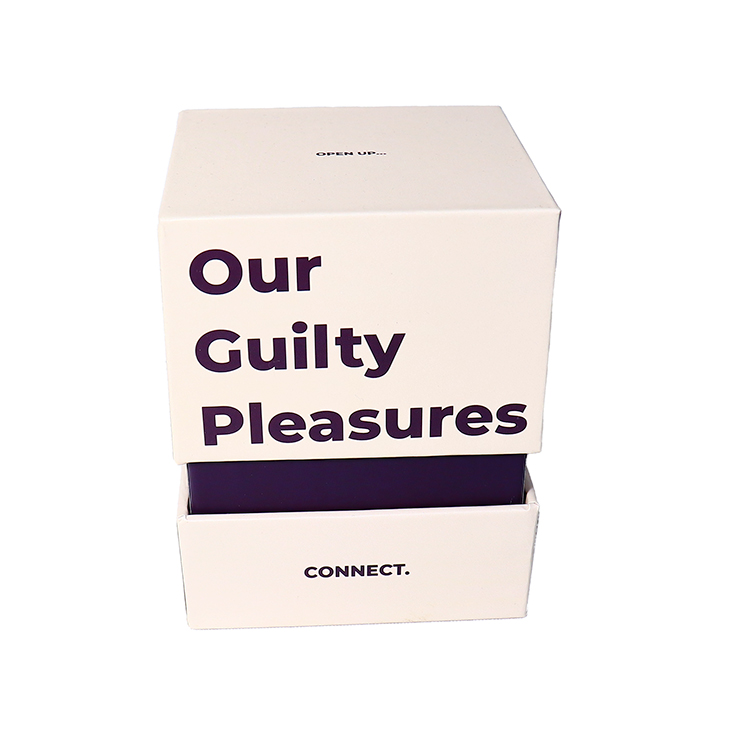 Customized Friendship Confirmation Card
 Customized Entrepreneurship Confirmation Card
 Air Max Pax Custom Sneaker Card Blind Box Set
 Fluffybutts Factory Custom Pet Card Blind Box Sets
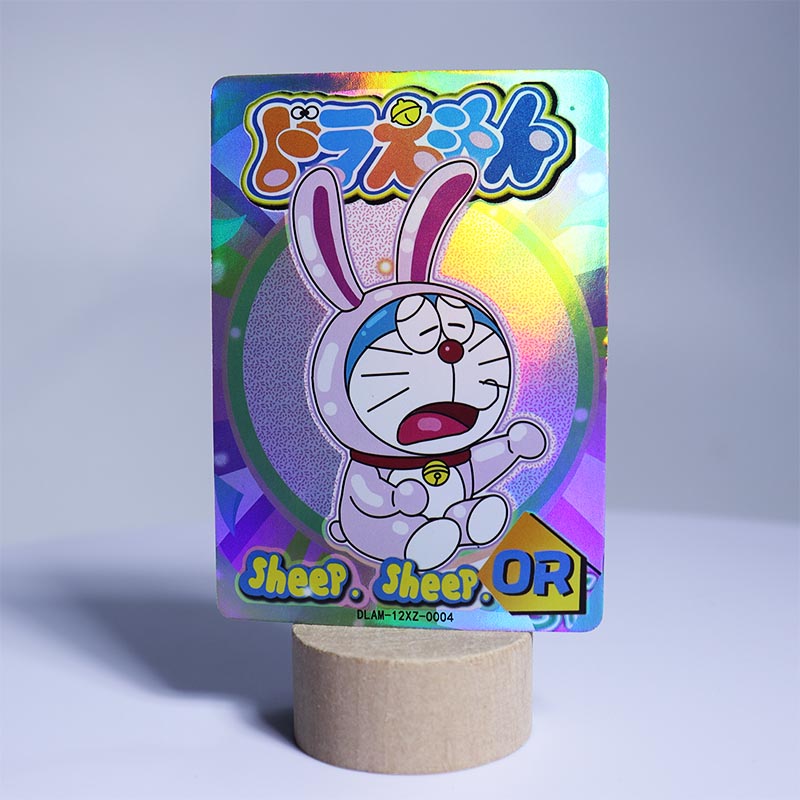 Doraemon Custom Card Blind Box Set
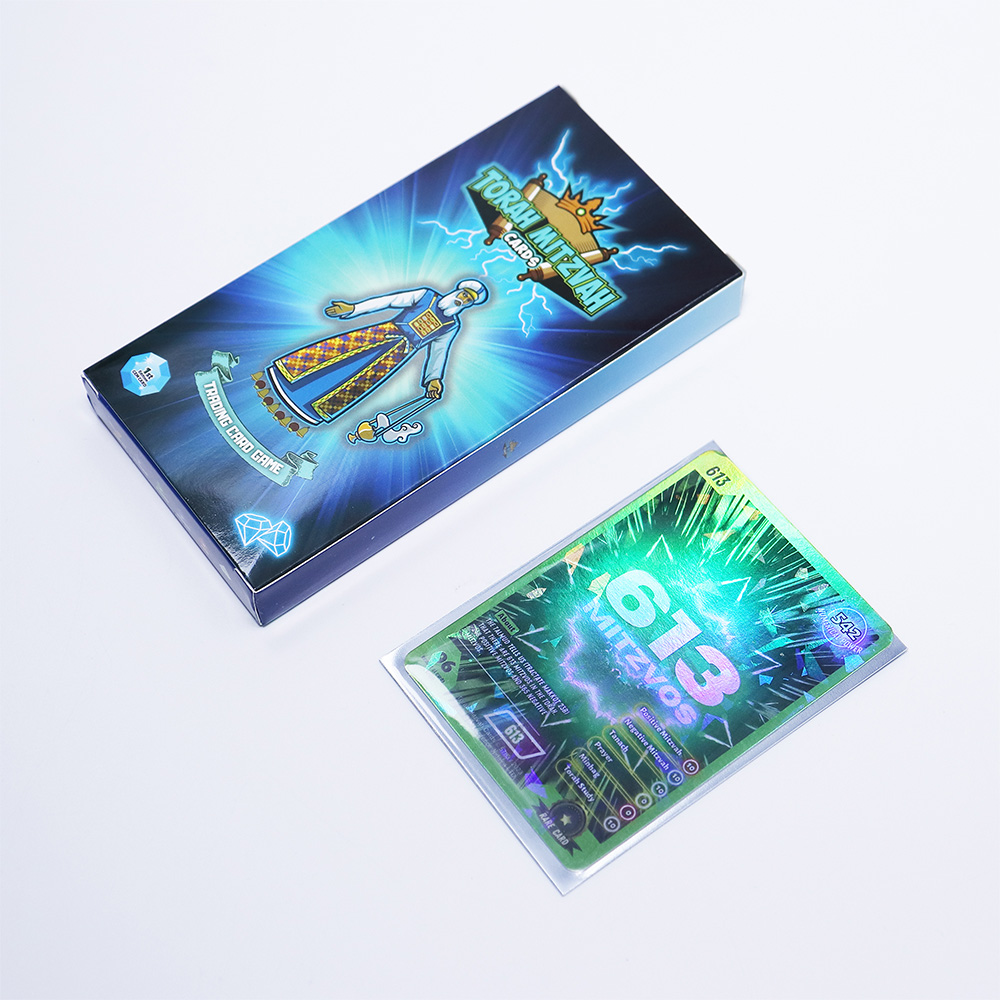 Torah Mitzvah Custom Card Blind Box Set
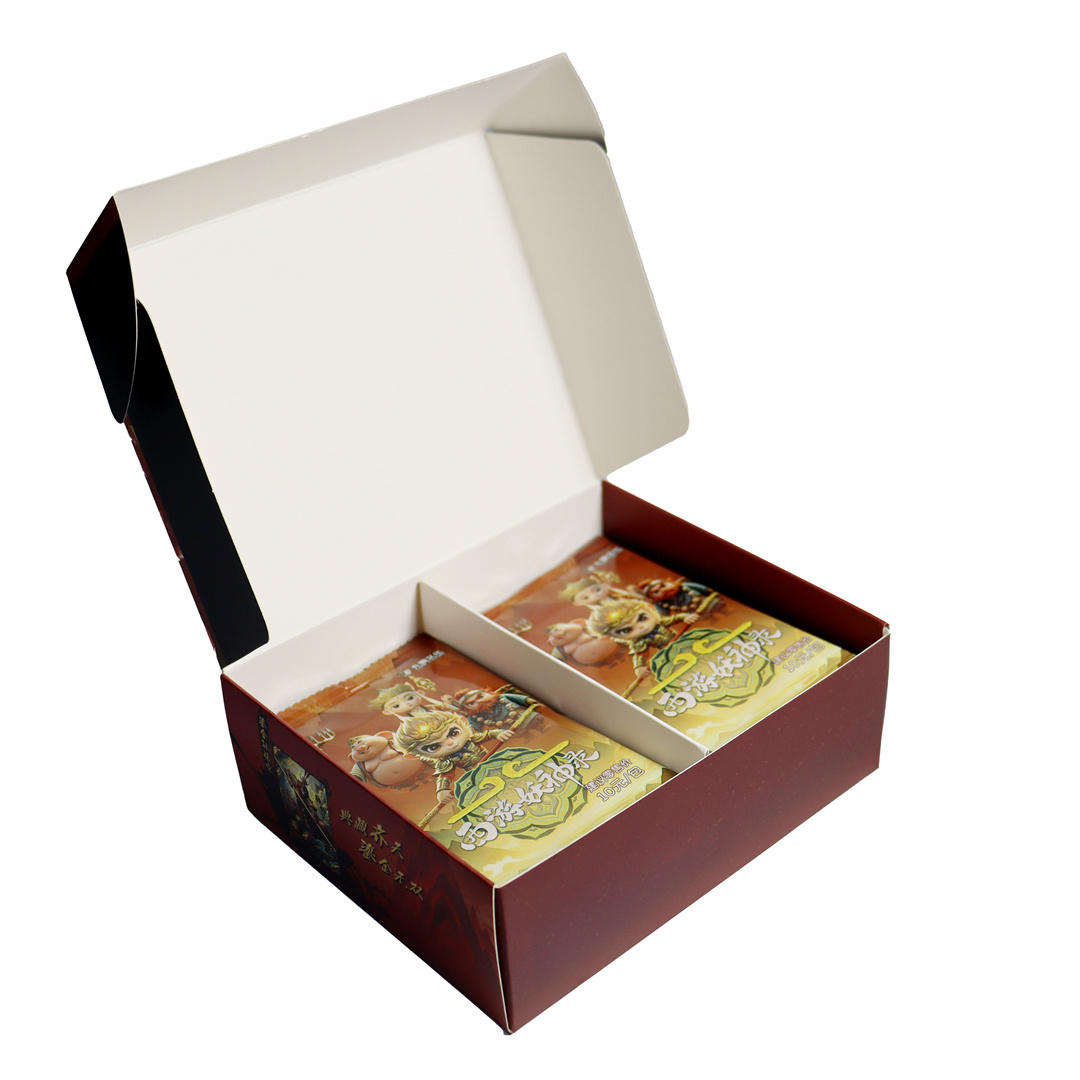 Customized "Journey to the West" Themed Card Blind Box Set
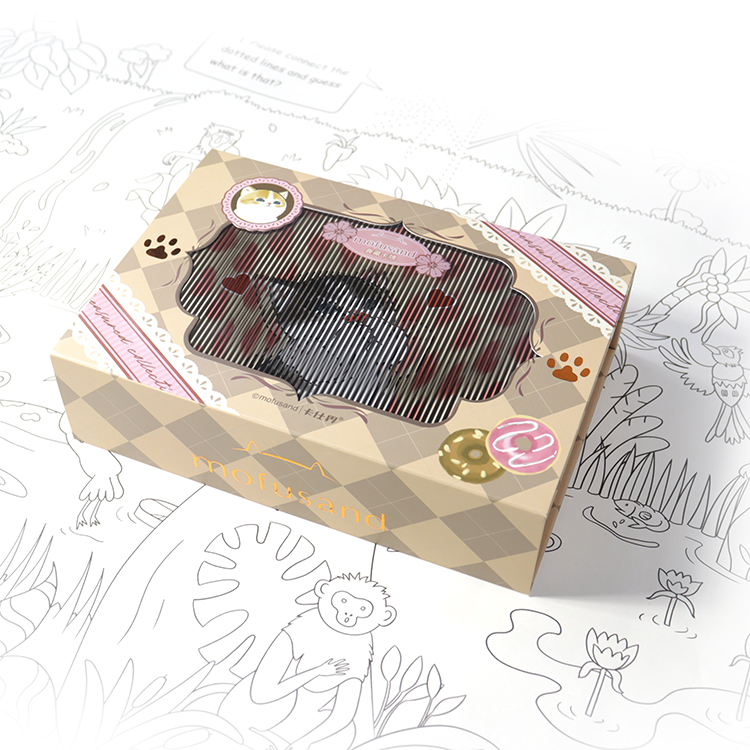 Customized cat-themed blind box set
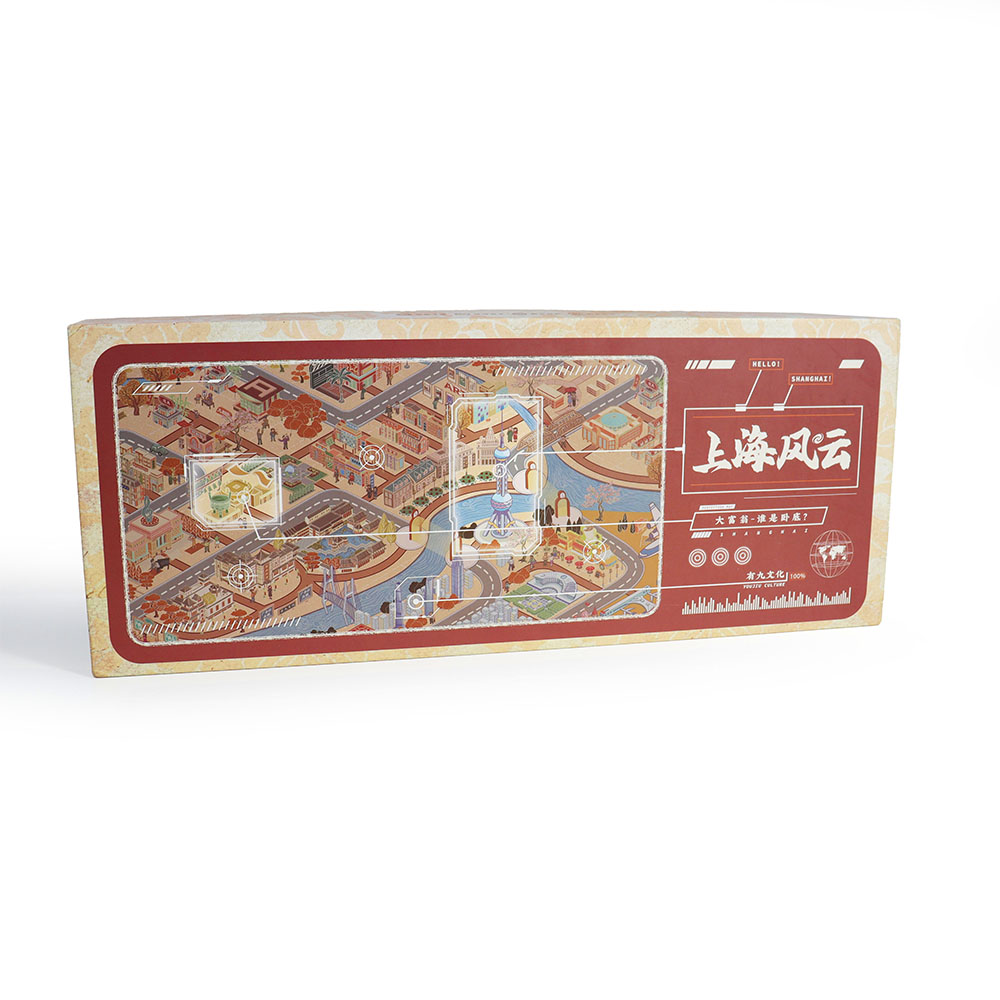 Shanghai Fengyun Custom Board Game Set
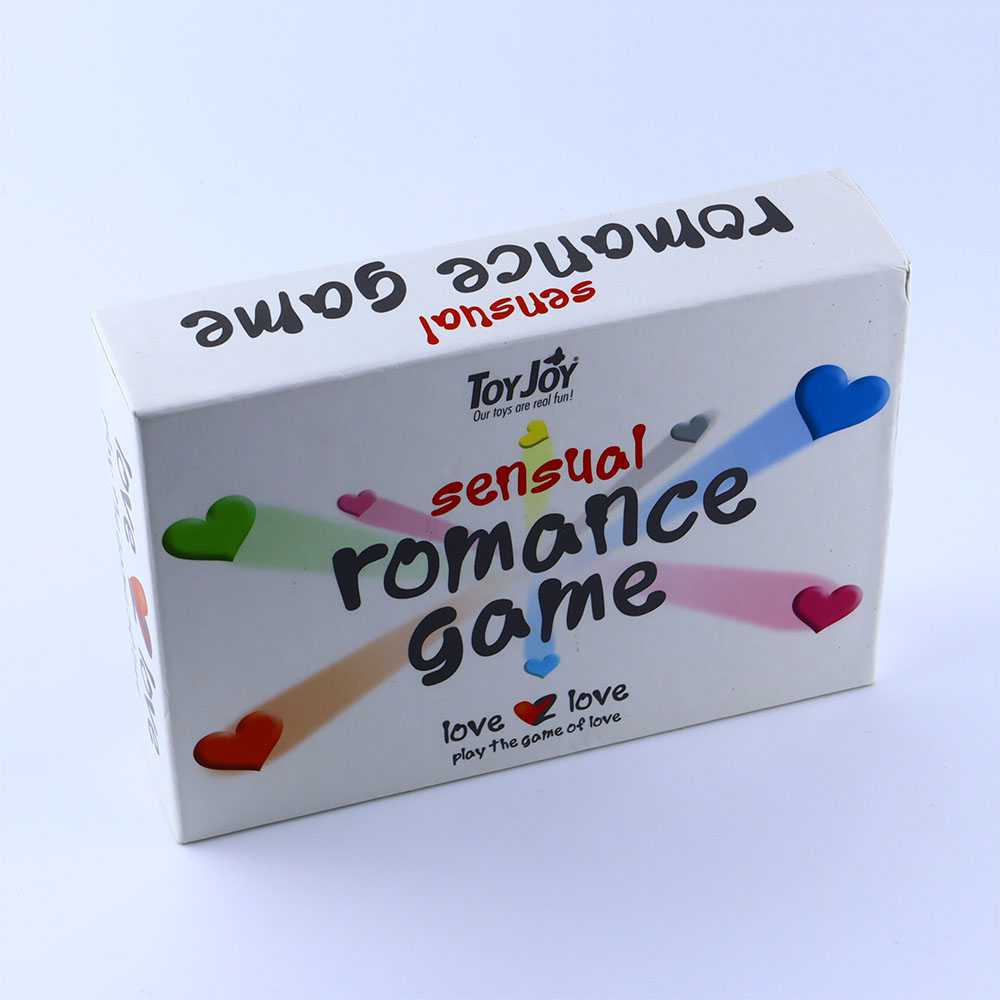 Sensual Romance Game Custom Board Game Set
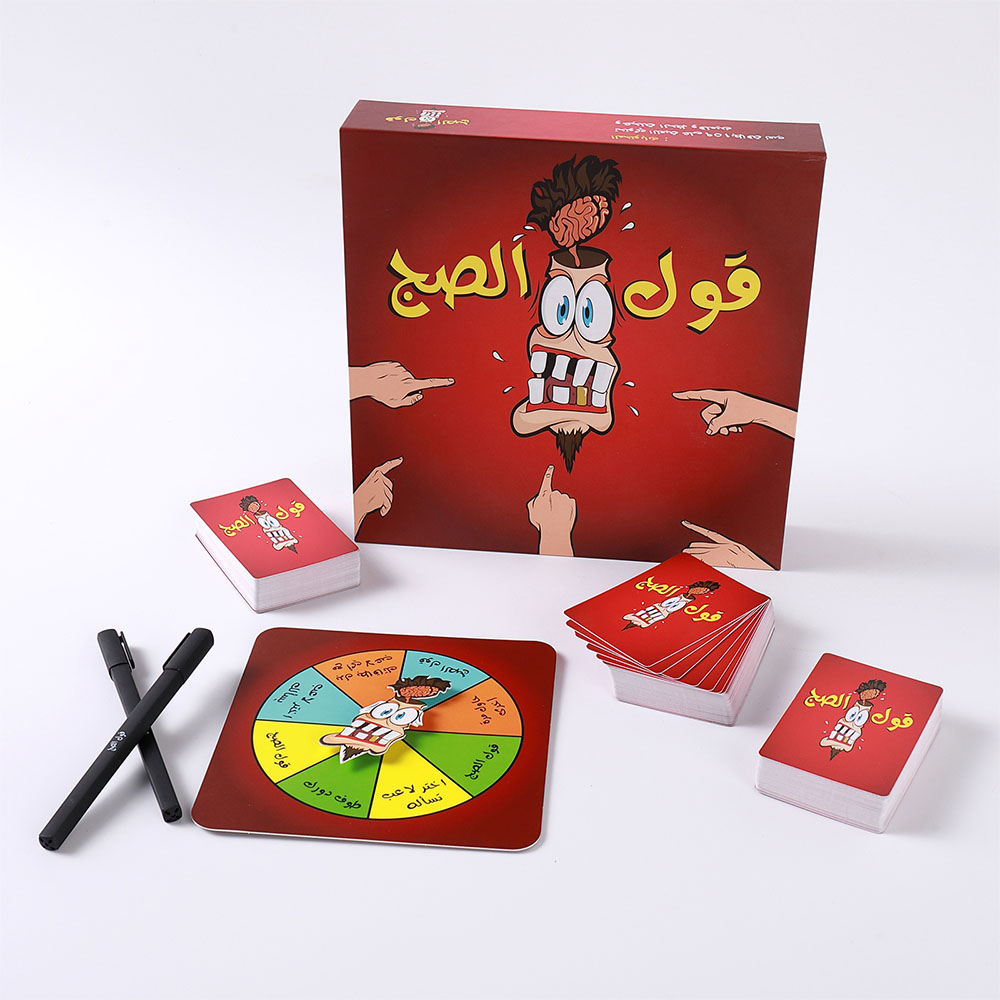 "Qoul Al Sabah" Custom Board Game Set
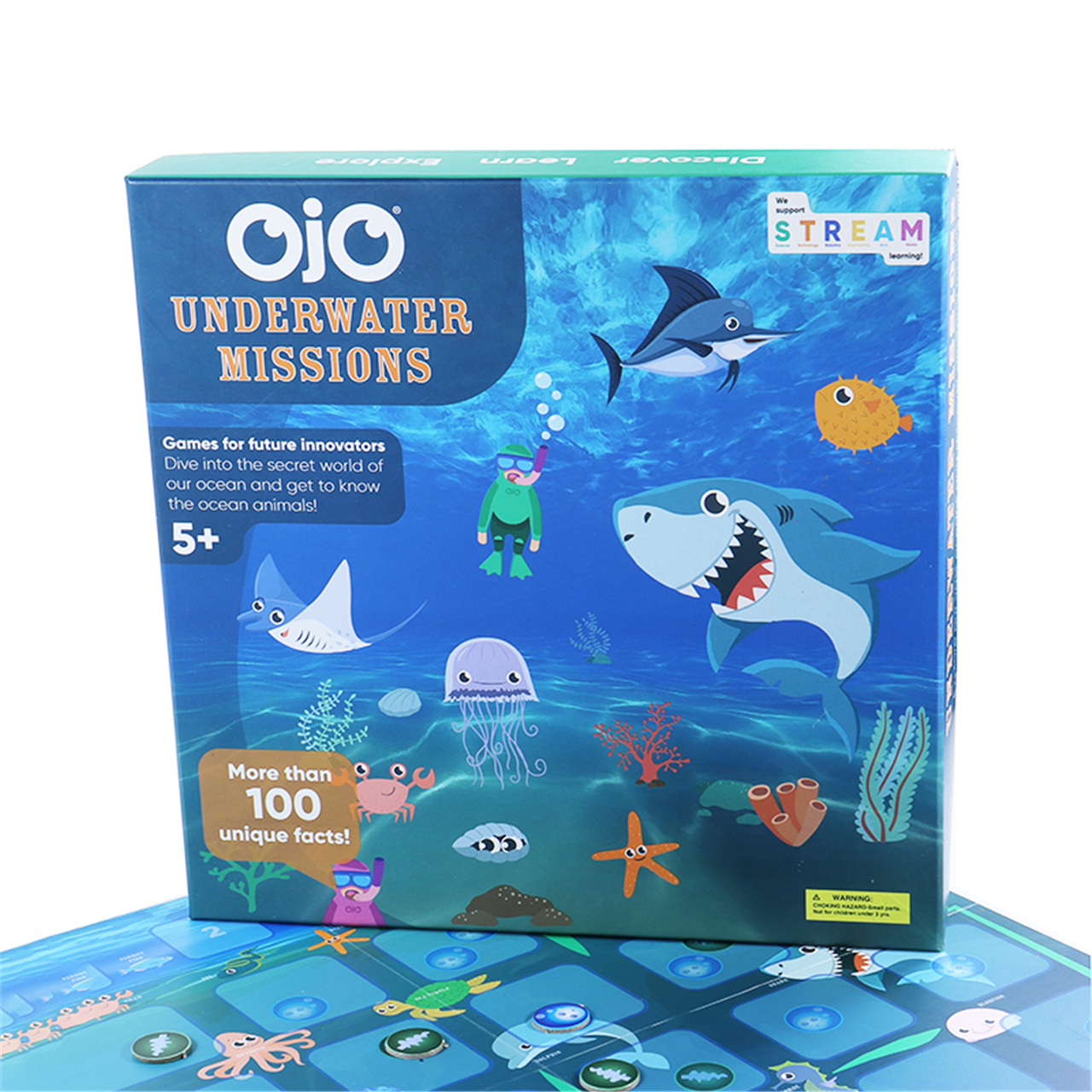 Customized educational board games for children
 Couple Interaction Turntable Themed Board Game
 Business Finance Board Game
 Pop Mart Custom Character Collectible Cards
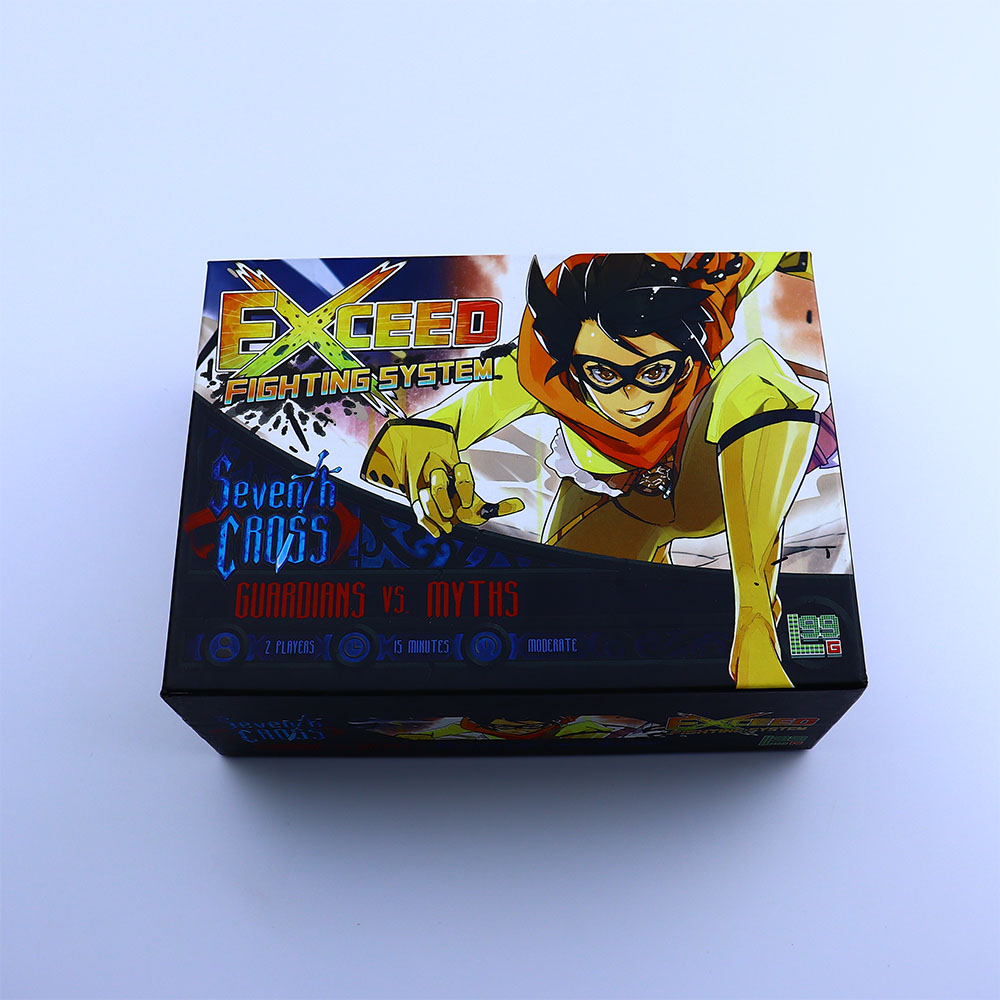 EXCEED Fighting System Custom Character Card Set
 Three Kingdoms Custom Hero Character Cards
 Custom Anime Character Dynamic Visual Cards
 Custom Cartoon Character Collectible Card Set
 Custom Anime Character Art Card Set
 Little Larch Alphabet Cards
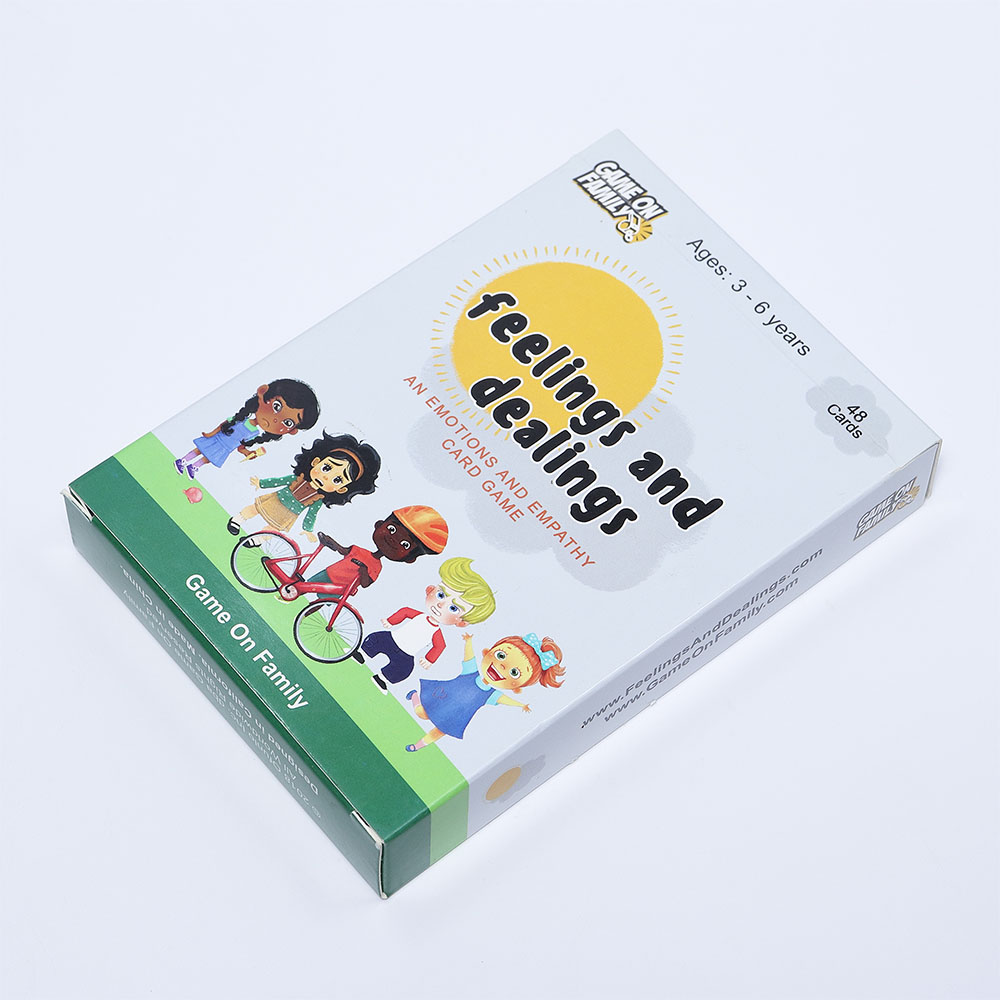 Feelings and Dealings Custom Children's Emotion Card Game
 Korean Children's Educational Flashcards
 Cocks Themed Custom Children's Learning Cards
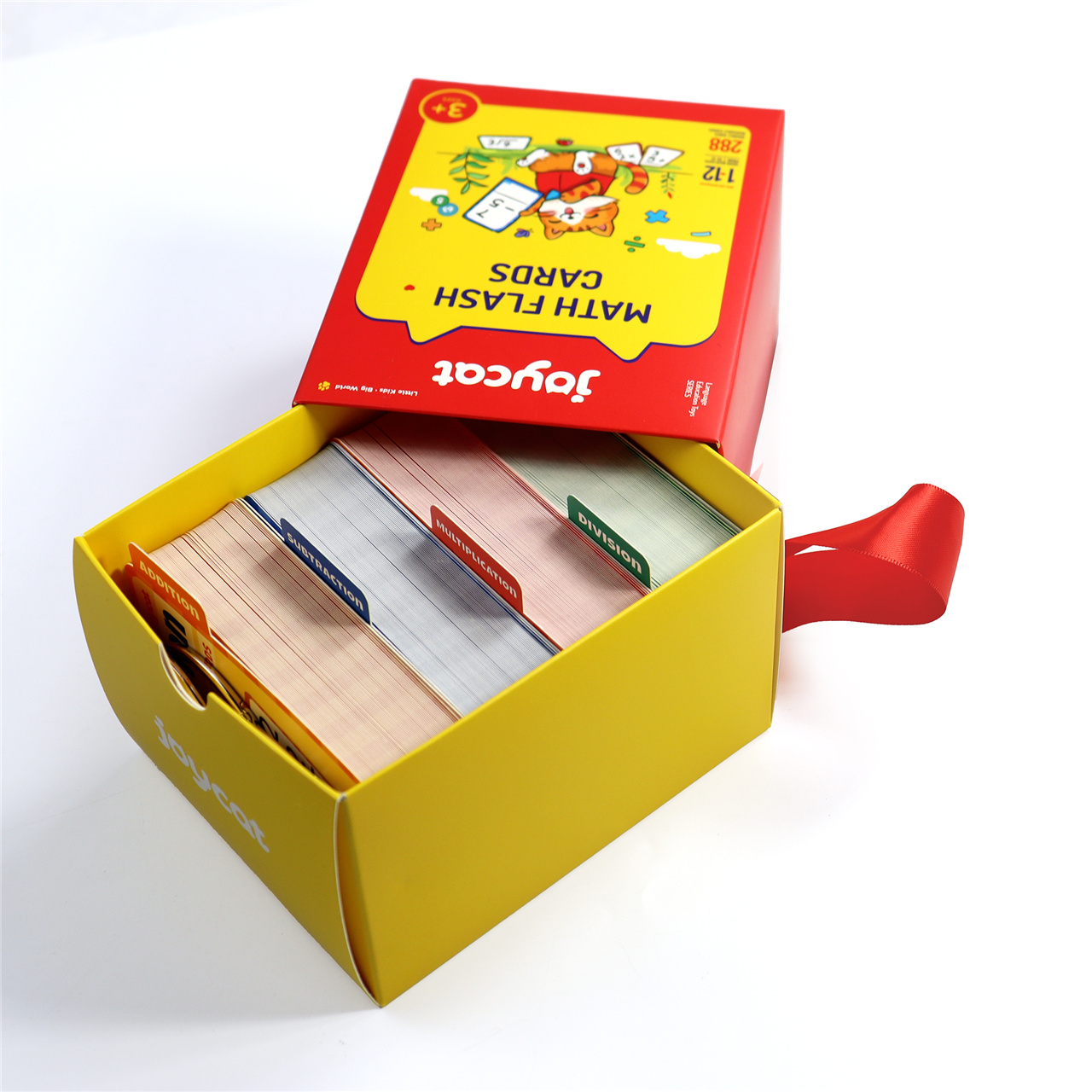 Math Flash Cards Set for Kids
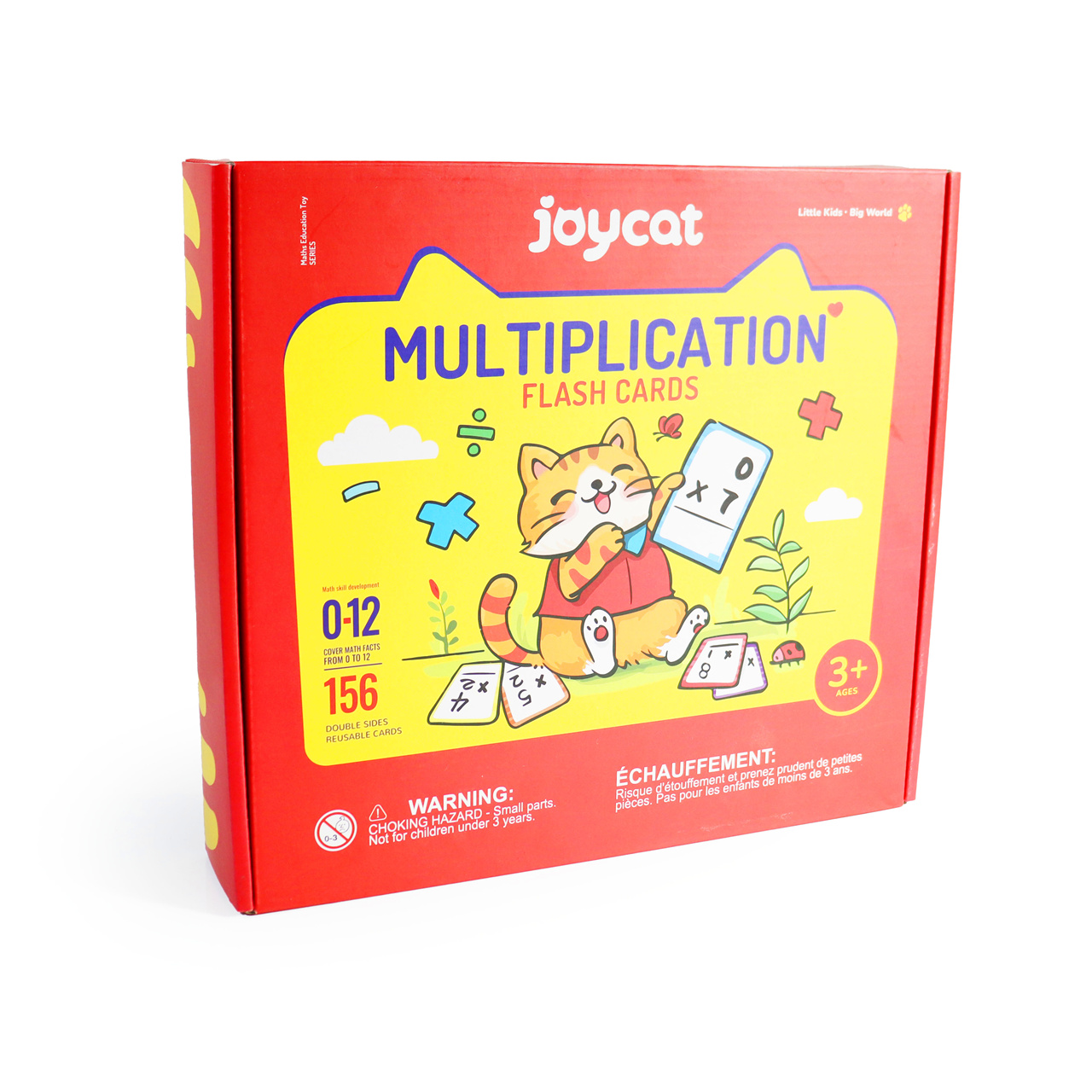 Joycat Multiplication Flash Cards Set with Accessories
 Custom Dual-Deck Playing Cards with Wolf-Themed Design
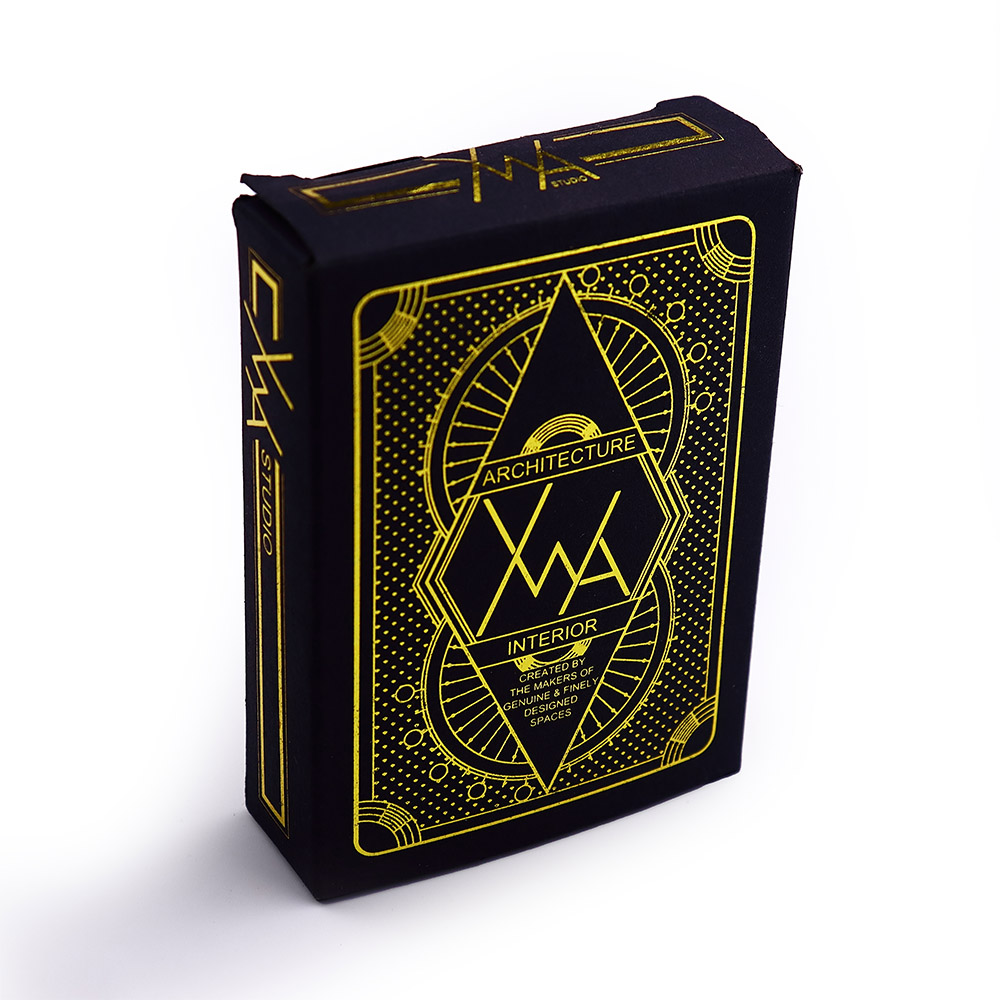 Custom embossed gold foil playing cards
 Circuit PCB Edition Custom Playing Cards
 Customized theme gold foil playing cards
 Custom Red Rabbit Themed Playing Cards Set
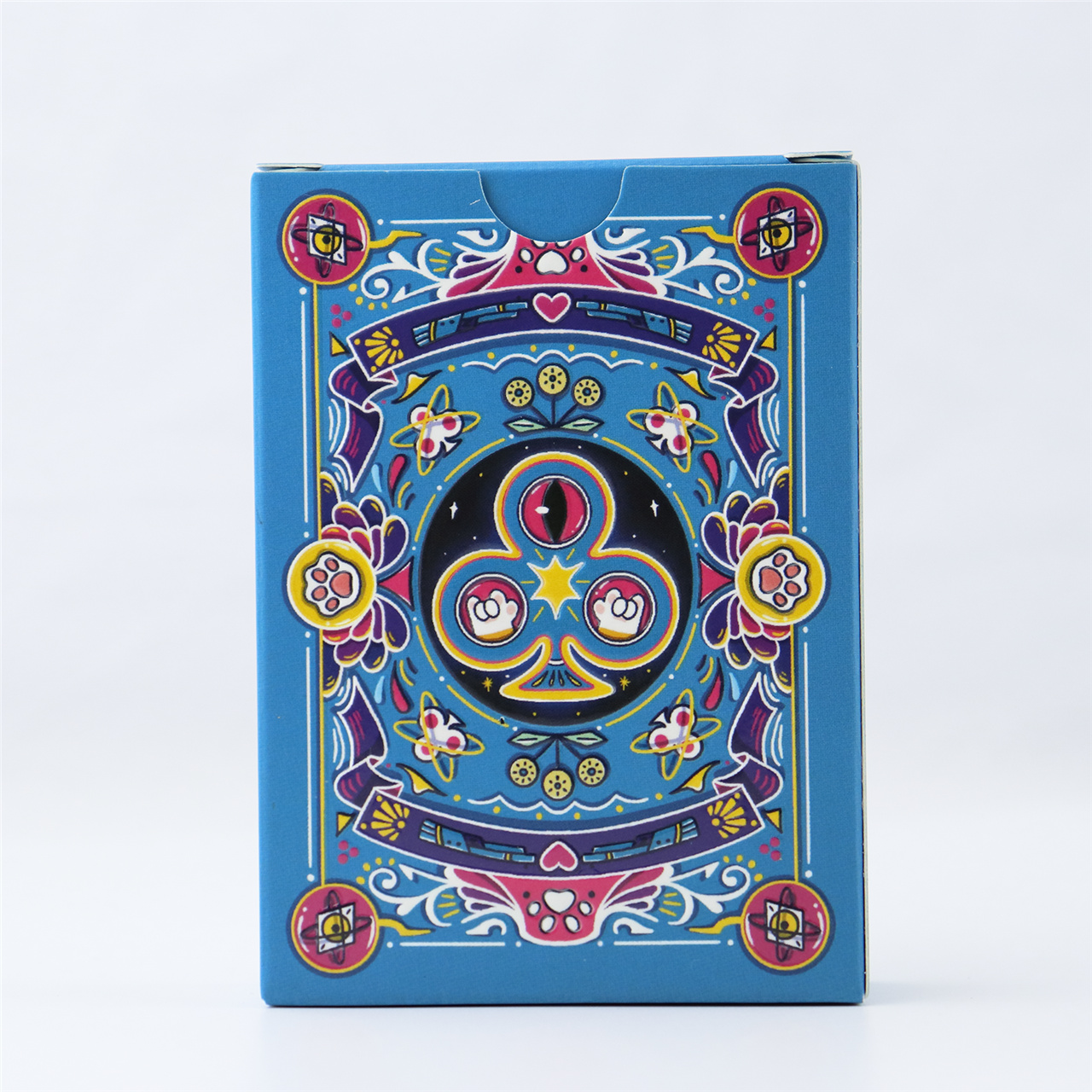 Custom Blue - Black Fantasy Plastic Playing Cards Set
 Pearls of Wisdom Oracle Custom Cards
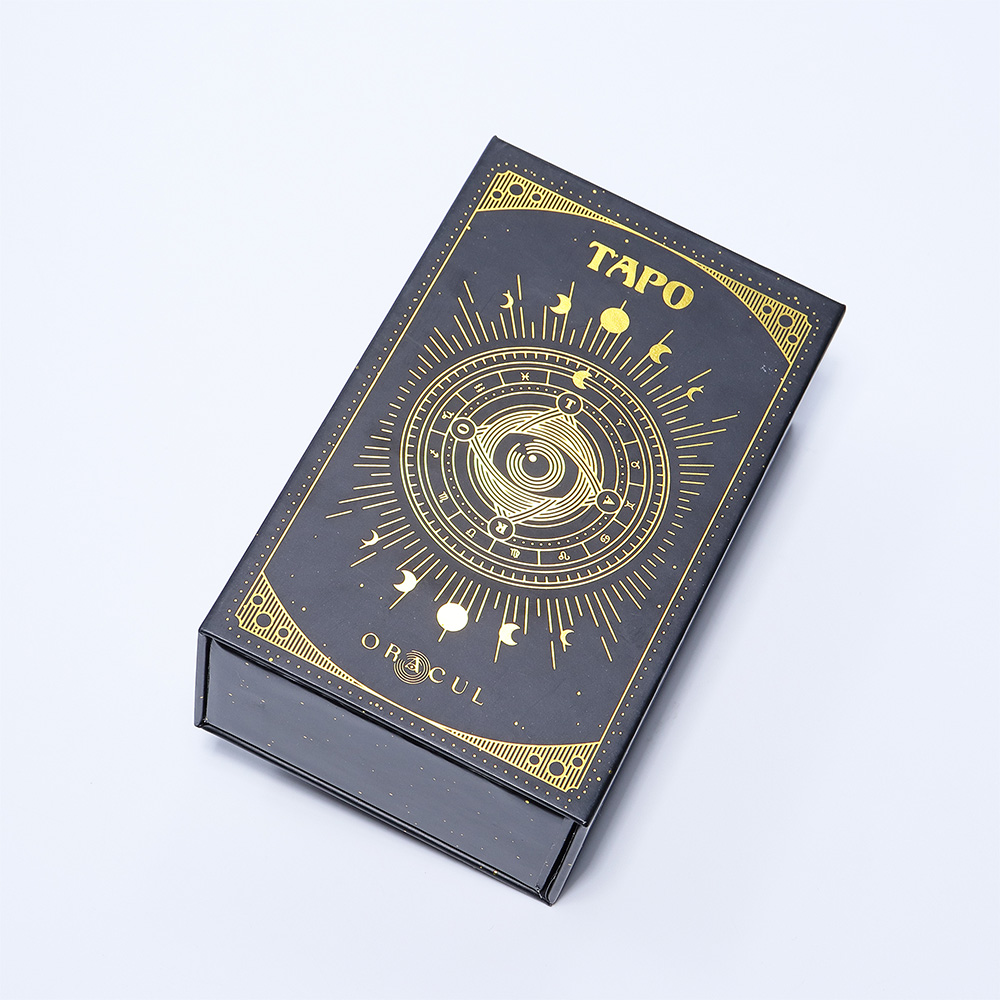 Custom Black & Gold Celestial Tarot Cards
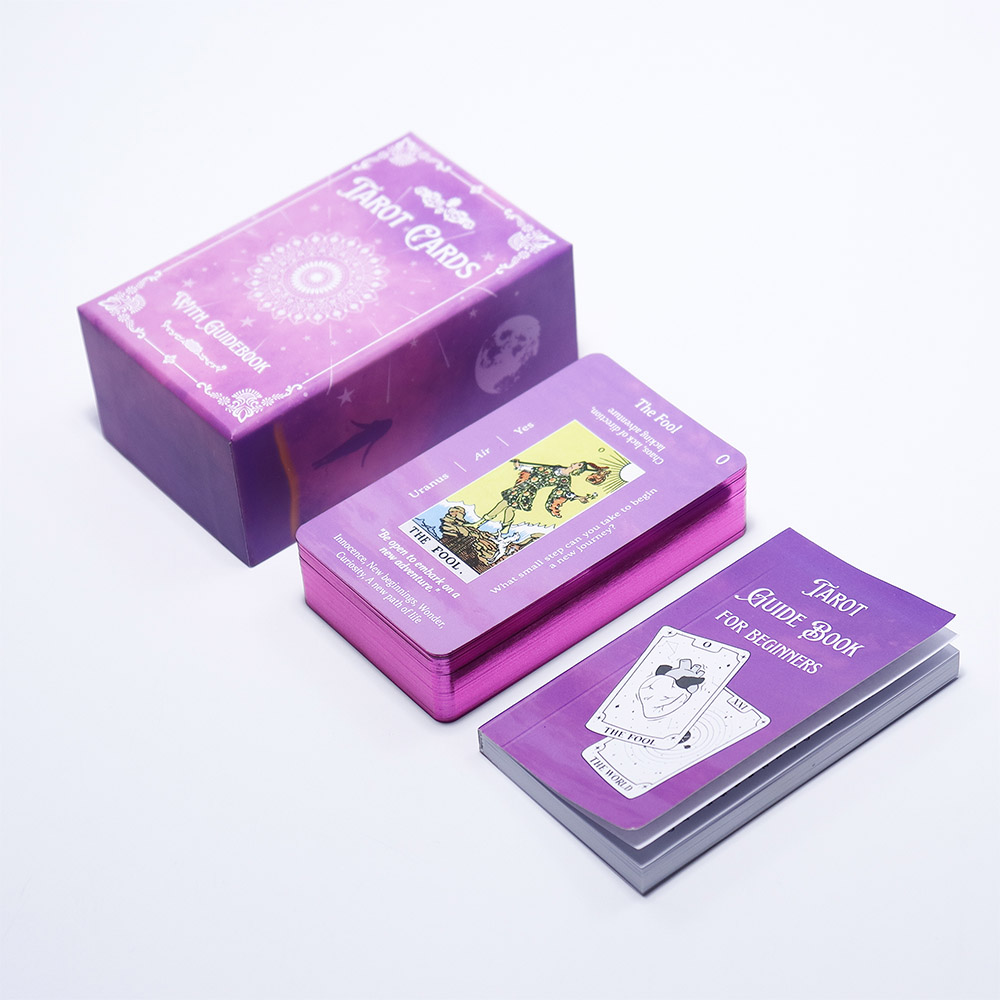 Custom Purple Tarot Cards with Guidebook
 L'Oracle d'Artémis Custom Oracle Cards
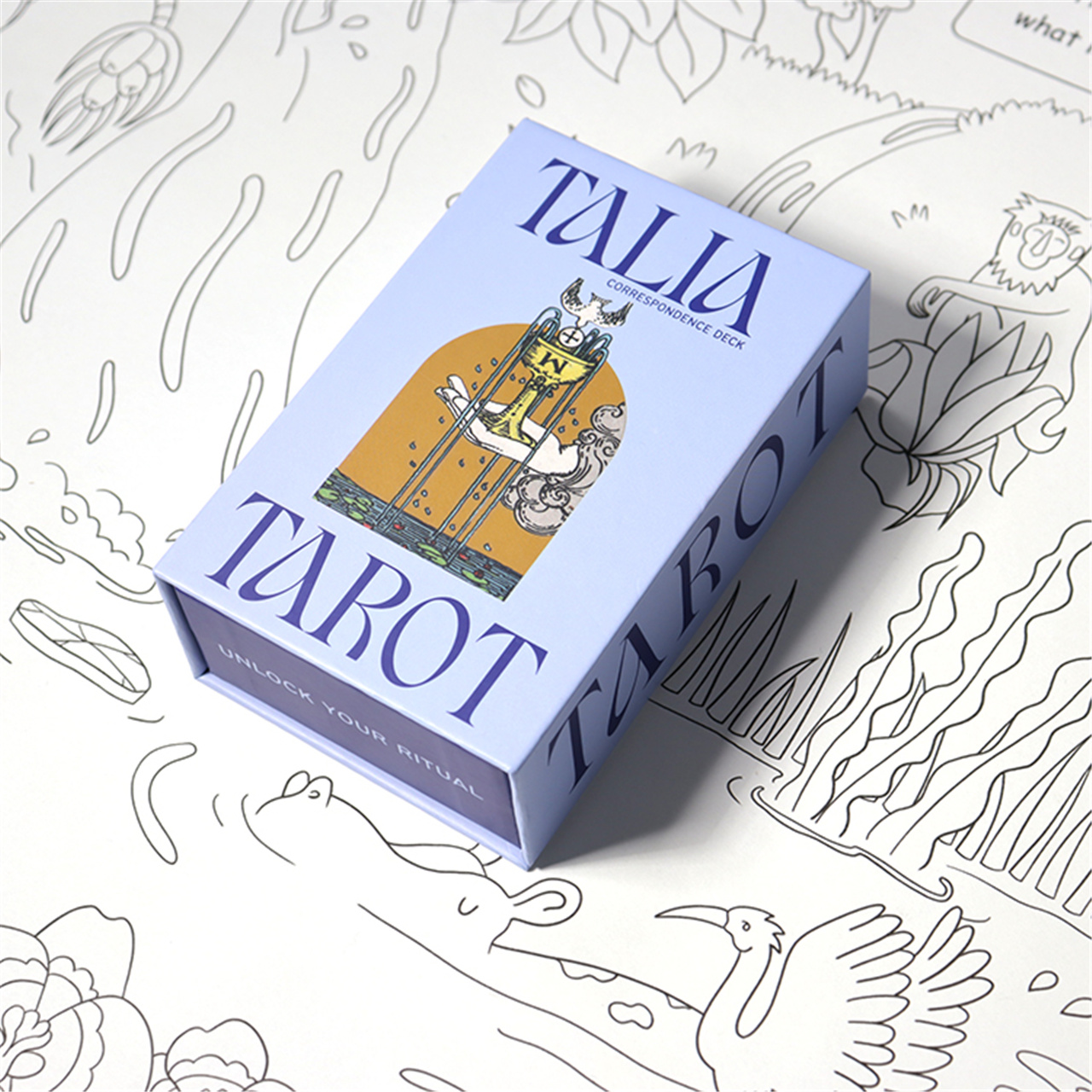 Custom Blue - Themed Tarot Cards Deck
 Custom Black - Blue Gold Foil Tarot Cards Set
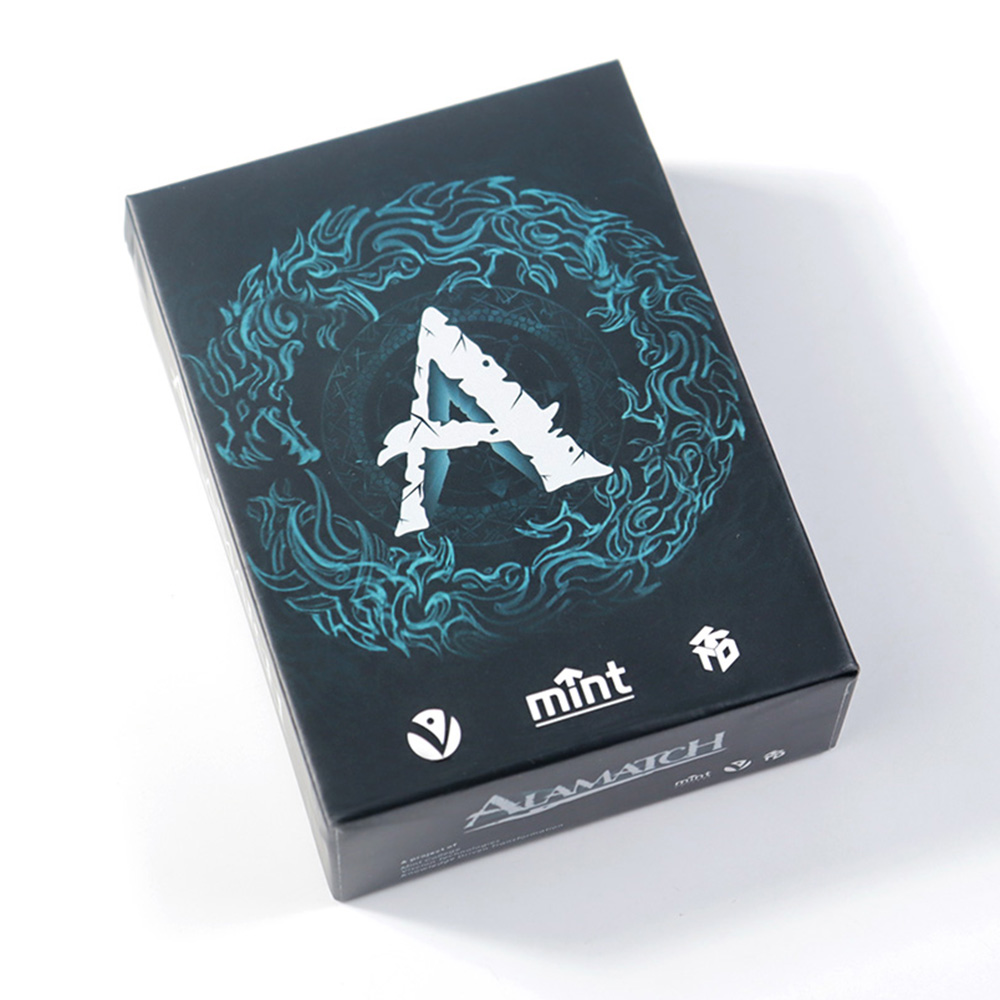 Alamatch Custom Trading Game Cards
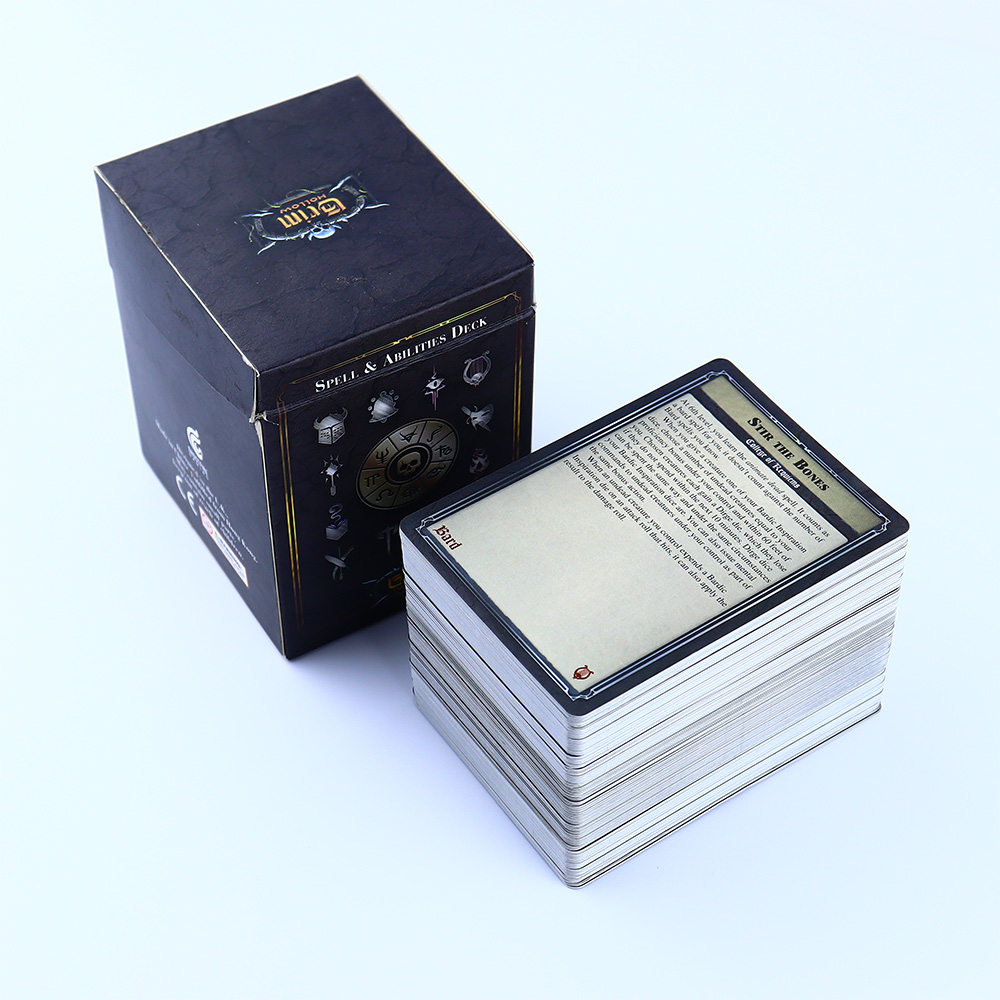 Grim Hollow Spell & Abilities Custom Trading Cards
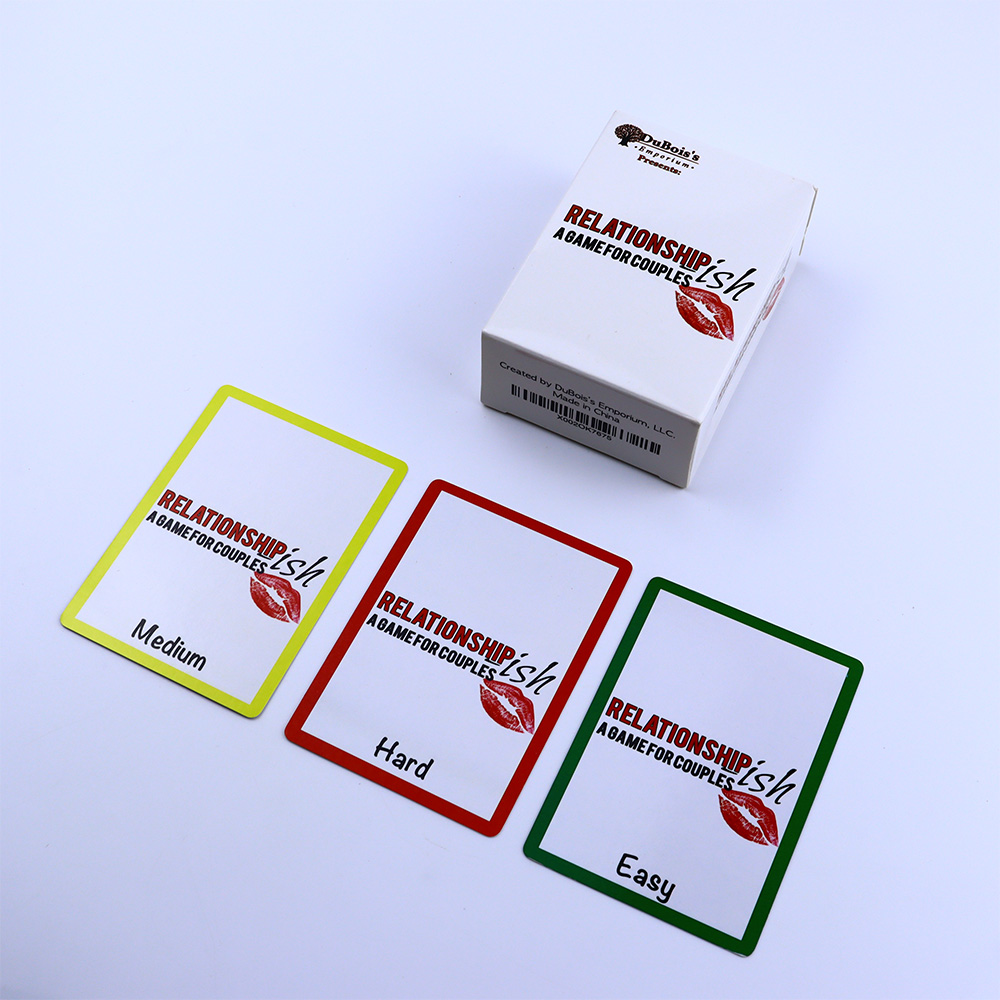 Relationshipish Custom Couple Card Game
 Emojo Dojo Custom Trading Card Game
 Custom Travel Photo Trading Cards Set
 Custom Cartoon Holographic Trading Cards Set