What is a Kids Board Game and How Does It Benefit Children?
Kids board games have gained significant attention in recent years, especially among parents and educators. According to a 2021 report by the Toy Association, the board game market reached a valuation of over $7 billion, with a substantial portion dedicated to children's games. These games offer more than just entertainment; they play a vital role in a child's development.
Engagement through kids board games enhances cognitive skills, social abilities, and critical thinking. Researchers from the University of Warwick found that children who regularly play board games demonstrate better problem-solving skills and improved creativity. Such games require children to think strategically and make decisions, fostering essential life skills. However, not all games equally benefit development, and selecting appropriate ones remains a challenge.
While many board games are educational, there's a need for careful selection to avoid frustration or disengagement. A poorly chosen game can lead to negative experiences, urging parents to research before purchasing. Striking the right balance between fun and learning is essential. In this context, understanding the essence of kids board games and their multifaceted benefits is crucial for parents and educators alike.
What Defines a Kids Board Game? Key Features and Categories
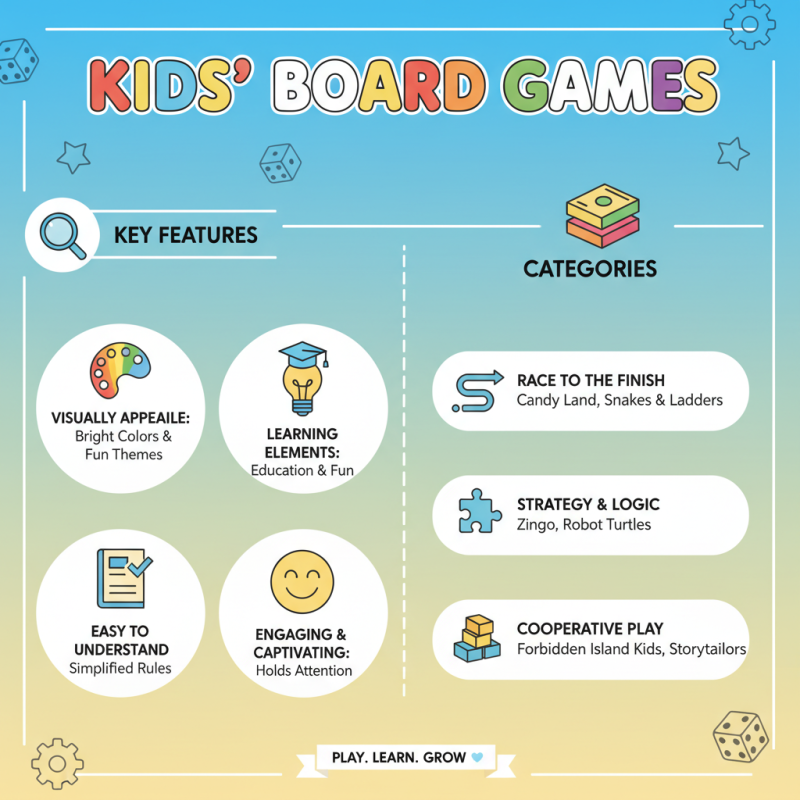
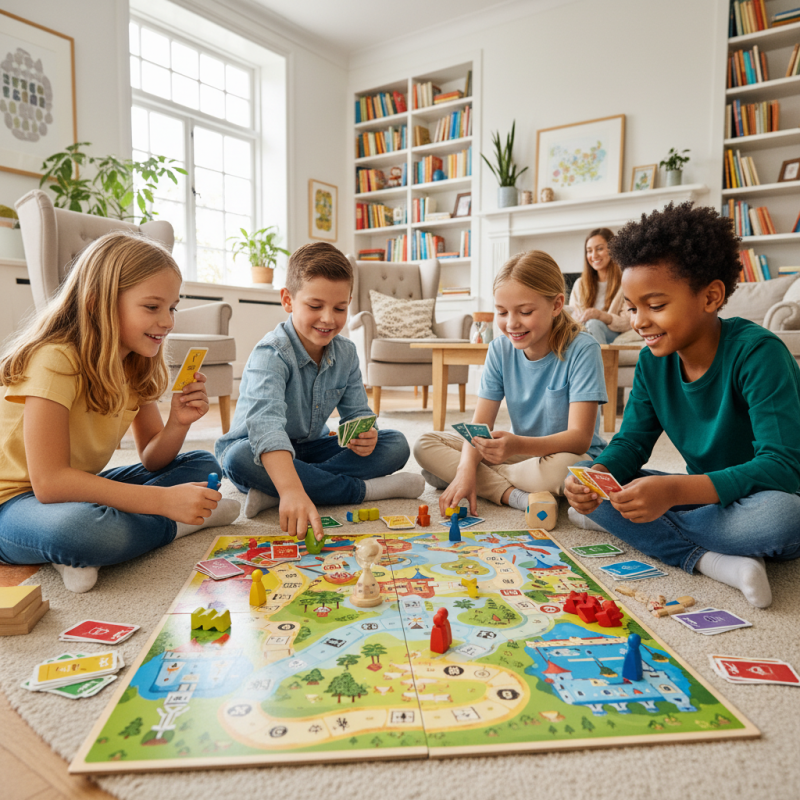
When exploring kids board games, several key features define them. These games are designed for young audiences, making them visually appealing and easy to understand. Bright colors and engaging themes capture children's attention. The rules are simplified, ensuring that children grasp the gameplay quickly. Games aimed at kids often include elements that promote learning while having fun. This ensures a perfect blend of education and entertainment.
Categories of kids board games vary widely. Some focus on strategy, while others emphasize chance or cooperation. Games that require problem-solving skills can enhance cognitive development. Social games encourage interaction, fostering communication skills among peers. Some games even introduce basic math or literacy concepts in playful ways. However, it's essential to strike a balance. Overly complex games can frustrate young players and lead to disengagement. Keeping the experience enjoyable is crucial.
Choosing the right game involves understanding a child's interests. Personal preferences matter. A game that excites one child may not appeal to another. Parents should observe their children's reactions to different types of games. Reflection on children's responses can guide future choices. Overall, the right kids board game can offer valuable lessons while creating memorable moments.
Cognitive Development: How Board Games Enhance Problem-Solving Skills
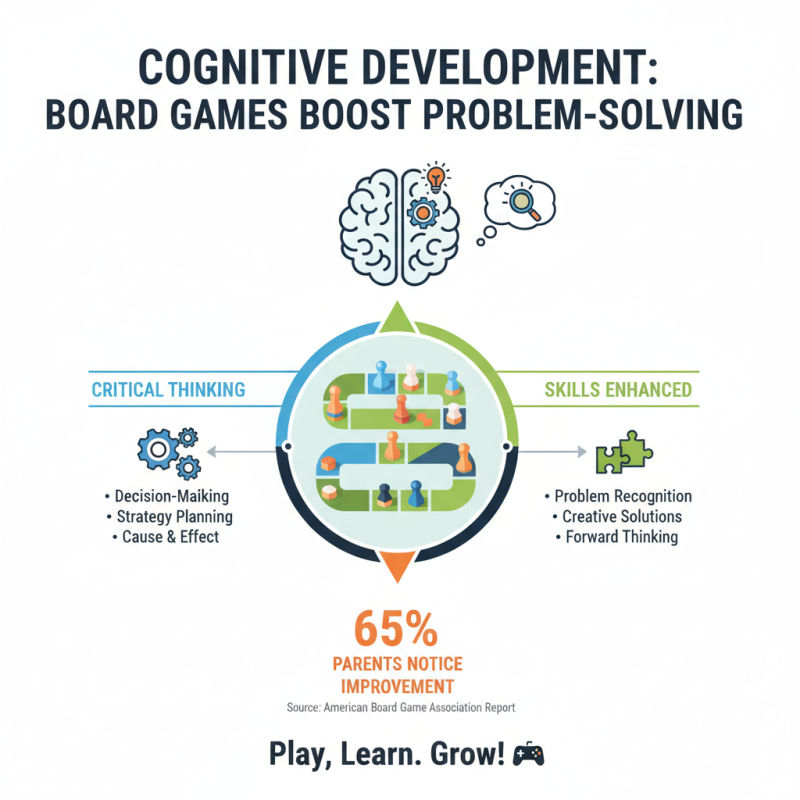
Board games offer a unique avenue for cognitive development in children. According to a report from the American Board Game Association, 65% of parents notice improved problem-solving skills in their children after regular engagement with board games. These games often require players to make decisions that can significantly impact the outcome, fostering critical thinking abilities.
When children face challenges in a board game, they experiment with different strategies. They learn to anticipate opponents' moves and adapt their plans accordingly. A study published in the Journal of Child Development found that children who play strategy-based games score 15% higher on problem-solving assessments than those who don’t. This highlights the tangible effects of board games on cognitive skills.
However, it is important to note that not all games provide the same benefits. Some games can be overly simplistic, offering limited opportunities for critical thinking. Parents should select games that encourage strategic thinking and adaptability. A game that challenges children can cultivate valuable skills, but a poorly chosen one may lead to frustration, rather than growth.
Social Skills Improvement: The Role of Board Games in Teamwork and Interaction
Board games are a fun way for kids to improve their social skills. When playing a board game, children learn to cooperate and communicate. They must work together to achieve a common goal. This teamwork encourages kids to express their thoughts and listen to others. The act of taking turns also helps children practice patience and respect.
During these games, kids encounter challenges and have to solve problems as a group. Failure and success in these games offer valuable lessons about resilience. They learn to celebrate victories and cope with losses. Such experiences build emotional intelligence and strengthen friendships.
Tips: Choose games that require teamwork, like cooperative board games. Engage your child in discussions about strategy. Ask them how they feel when they win or lose. This can enhance their understanding of emotions. Encourage them to share their thoughts. This small act opens doors for deeper friendships.
Emotional Benefits: Fostering Resilience and Patience Through Gaming
Board games for kids are more than just a fun pastime. They provide essential emotional benefits that contribute to a child's growth. Playing these games helps children learn resilience. They encounter challenges, face setbacks, and must adapt their strategies. This process cultivates the ability to bounce back from difficulties, a skill that proves invaluable throughout life.
Patience is another significant lesson. Waiting for turns can be tough. Kids learn to control their impulses and practice self-restraint. As they wait, they develop an understanding that good things come to those who wait. This is not just about games; it’s about life. Children often struggle with frustration when they don’t win. Navigating these feelings helps them build emotional intelligence. They start to see that winning isn't everything.
Games can sometimes lead to tears or outbursts. These moments aren't failures but opportunities for growth. They give children a chance to reflect on their emotions. Talking through these experiences can deepen understanding. In each play session, kids learn that it’s okay to feel disappointed. It is a part of life. With each game, they become a little more resilient and a lot more patient.
Emotional Benefits of Kids Board Games
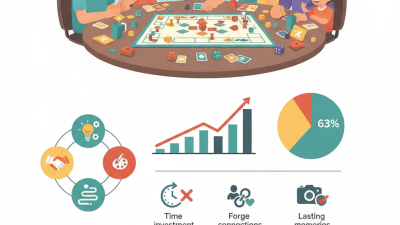
This chart illustrates the emotional benefits of kids engaging in board games. Key areas of development include resilience, patience, social skills, problem-solving abilities, and emotional regulation. These skills are crucial for children's overall emotional growth and can help them navigate challenges in life more effectively.
Industry Insights: Current Trends and Popularity of Kids Board Games in 2023
The popularity of kids board games is rising significantly in 2023. According to a recent industry report, the market for children’s board games is projected to grow at a compound annual growth rate (CAGR) of 10% over the next five years. This growth is attributed to parents seeking interactive and educational alternatives to digital entertainment. Board games encourage social interaction and enhance critical thinking skills in children.
Many parents notice differences in their children after engaging with these games. Research highlights improved problem-solving abilities in children aged 5-10 who regularly play board games. Games encourage teamwork, communication, and patience. Interestingly, some educators argue that not every game fosters these skills equally. Selection matters. A game may promote competition but not always collaboration.
The trend shows a shift toward games that align with educational standards. Reports indicate that 65% of parents prefer games that promote learning while being fun. Nonetheless, some board games can be complicated and deter children from playing. It raises questions about how to choose the right games. Moreover, there is an emerging concern over inclusivity in games. Games that don't resonate with diverse backgrounds may exclude certain children. Parents and educators need to keep these nuances in mind when selecting games for kids.
What is a Kids Board Game and How Does It Benefit Children? - Industry Insights
| Category |
Benefits |
Popular Titles in 2023 |
Target Age Group |
| Cooperative Games |
Fosters teamwork, communication skills |
Forbidden Island, Pandemic |
5+ |
| Strategy Games |
Enhances critical thinking and planning |
Ticket to Ride, Catan Junior |
8+ |
| Creative Games |
Encourages imagination and creativity |
Dixit, Pictionary |
6+ |
| Educational Games |
Promotes learning through play |
Scrabble Junior, Math Dice |
5+ |
| Social Games |
Builds social skills and friendships |
Exploding Kittens, Uno |
7+ |

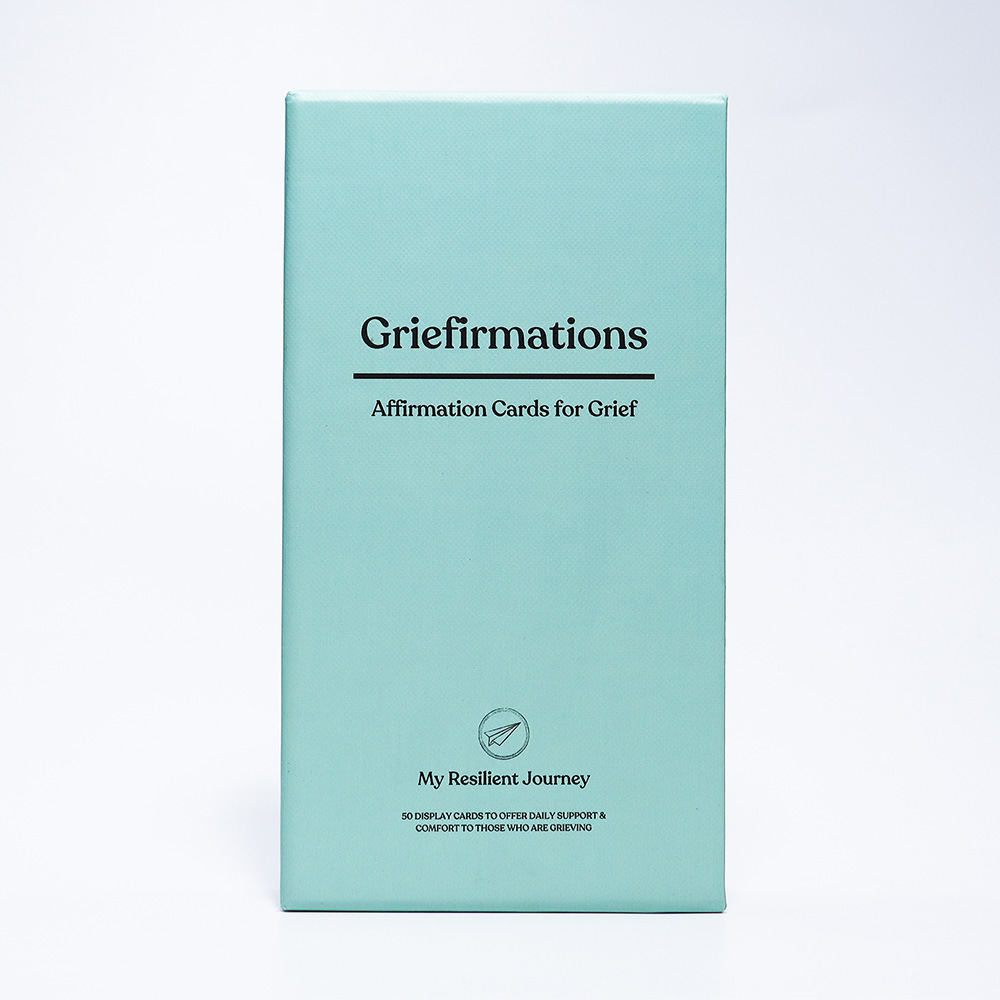 Customizable Emotional Support Cards for Grief & Resilience
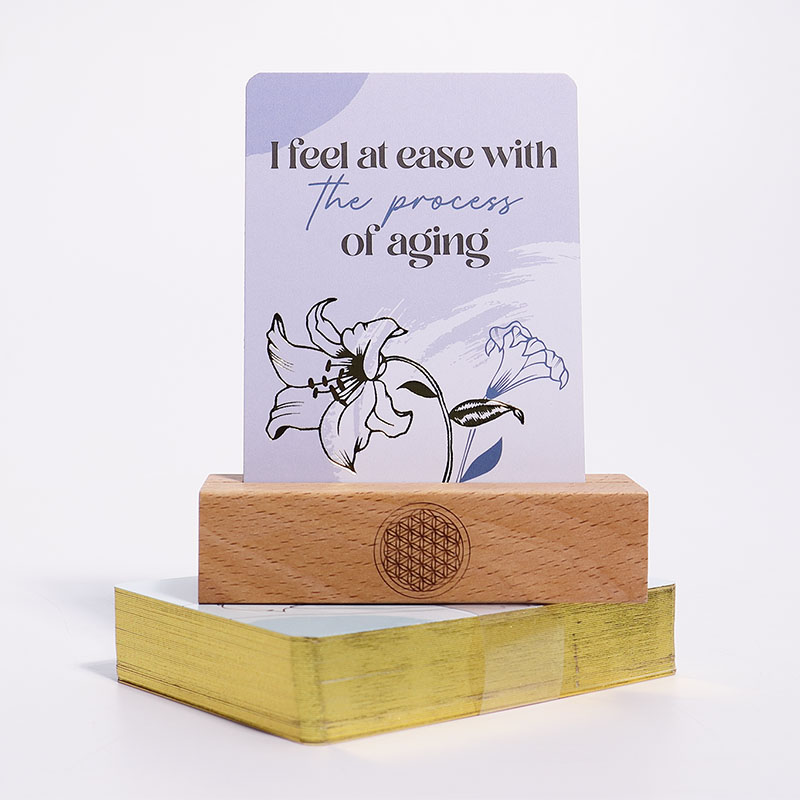 Personalized Emotional Encouragement Card Collection
 Personalized Deep Conversation Card Gift Box
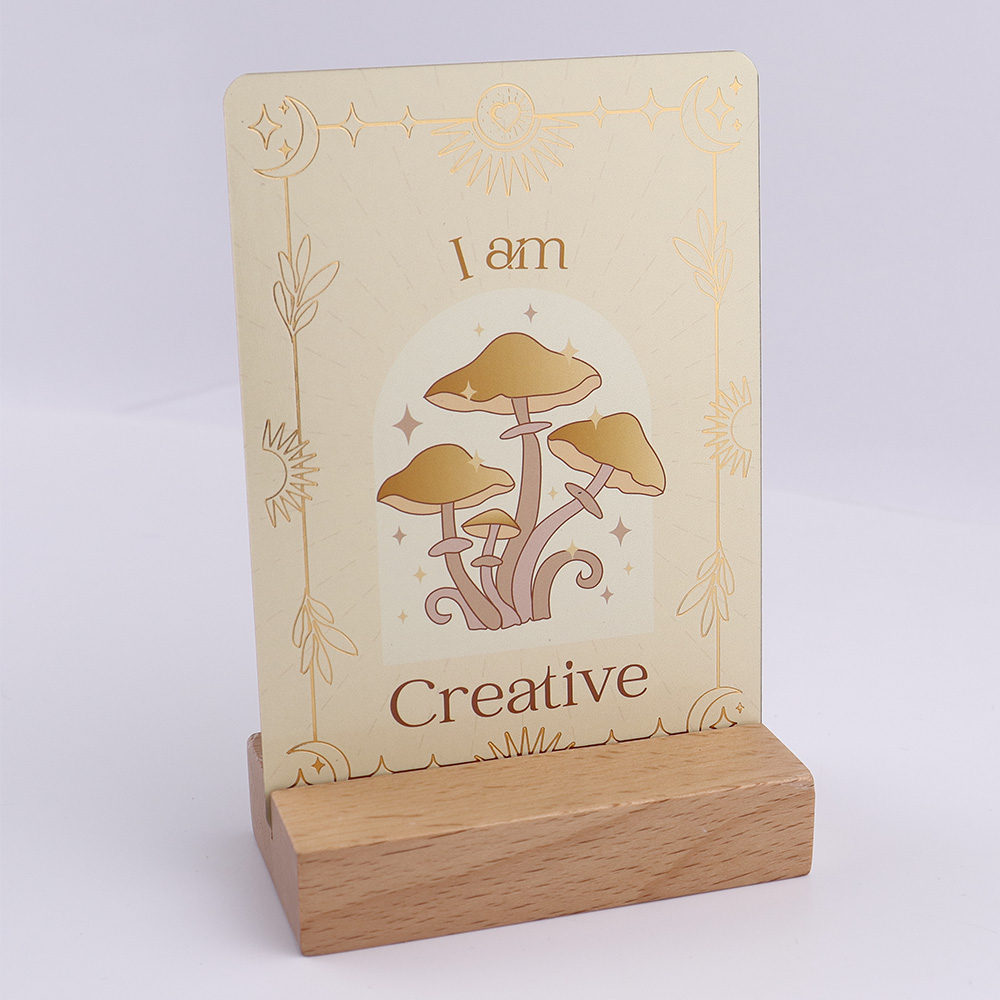 Customizable Boho-Chic Affirmation Cards for Mindfulness & Self-Love
 Customized Friendship Confirmation Card
 Customized Entrepreneurship Confirmation Card
 Air Max Pax Custom Sneaker Card Blind Box Set
 Fluffybutts Factory Custom Pet Card Blind Box Sets
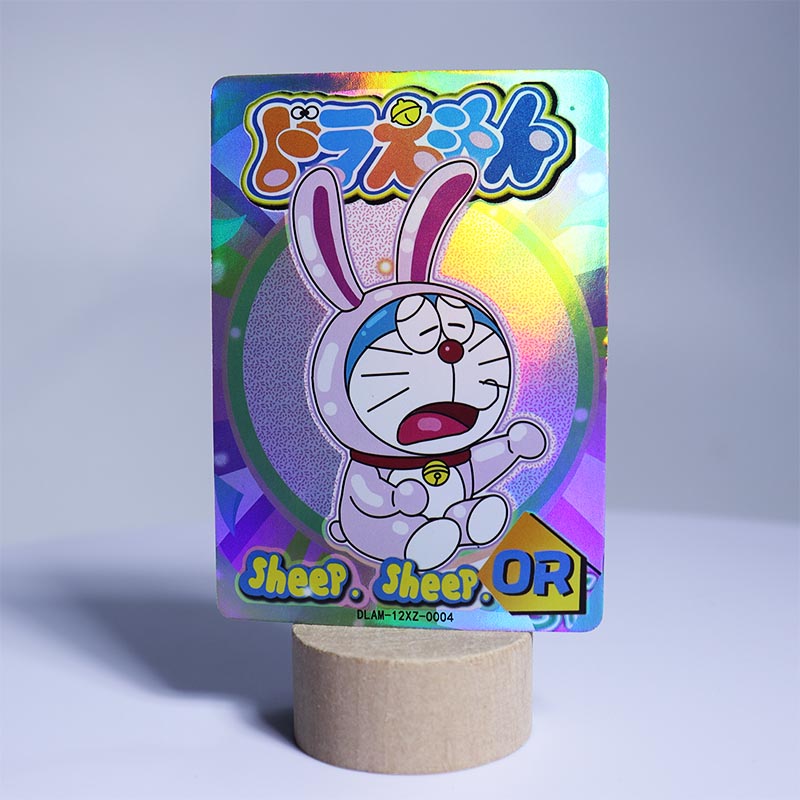 Doraemon Custom Card Blind Box Set
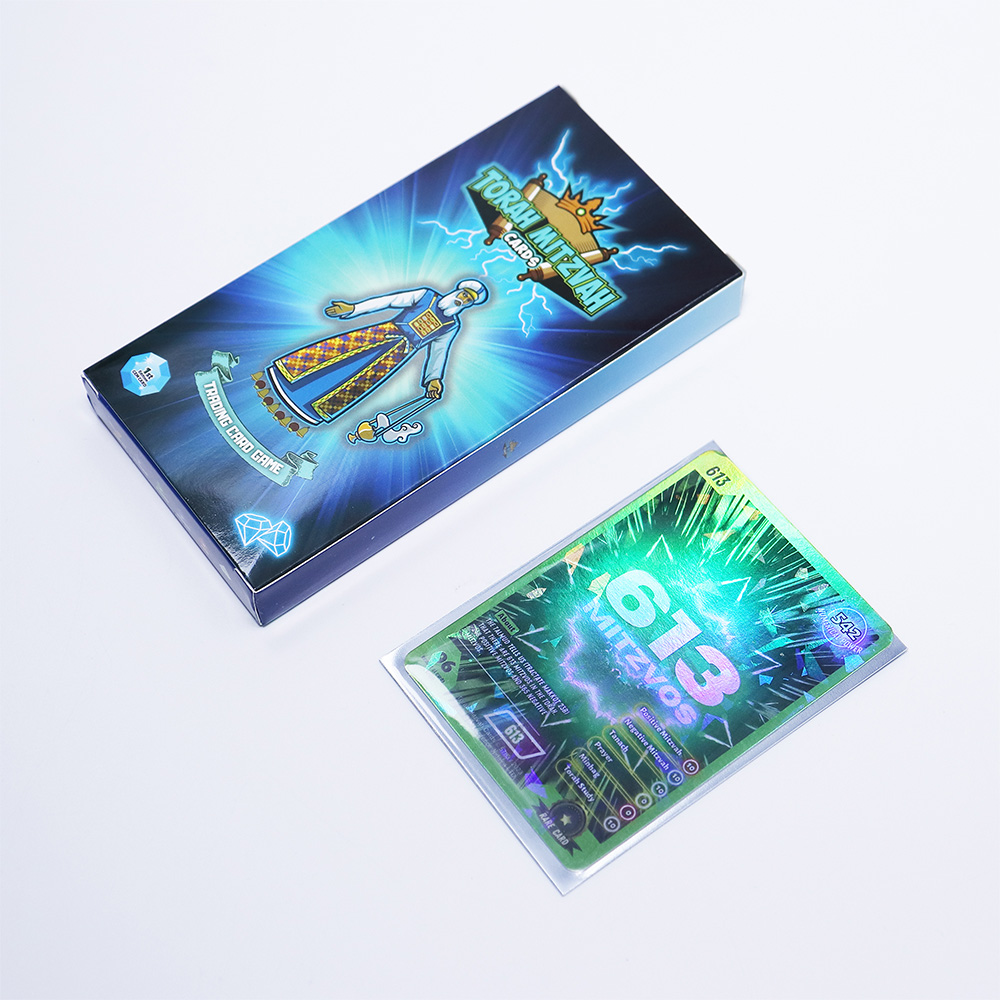 Torah Mitzvah Custom Card Blind Box Set
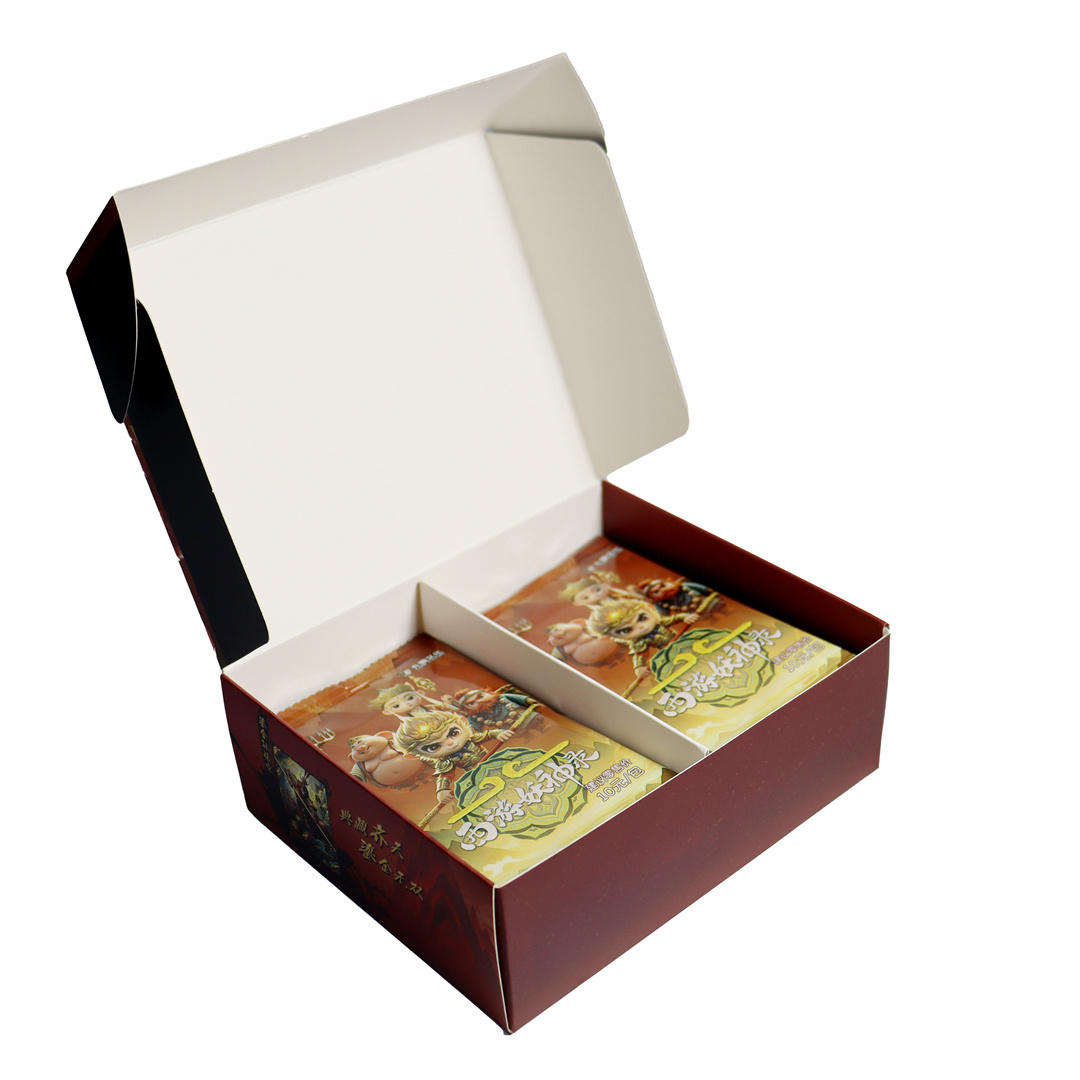 Customized "Journey to the West" Themed Card Blind Box Set
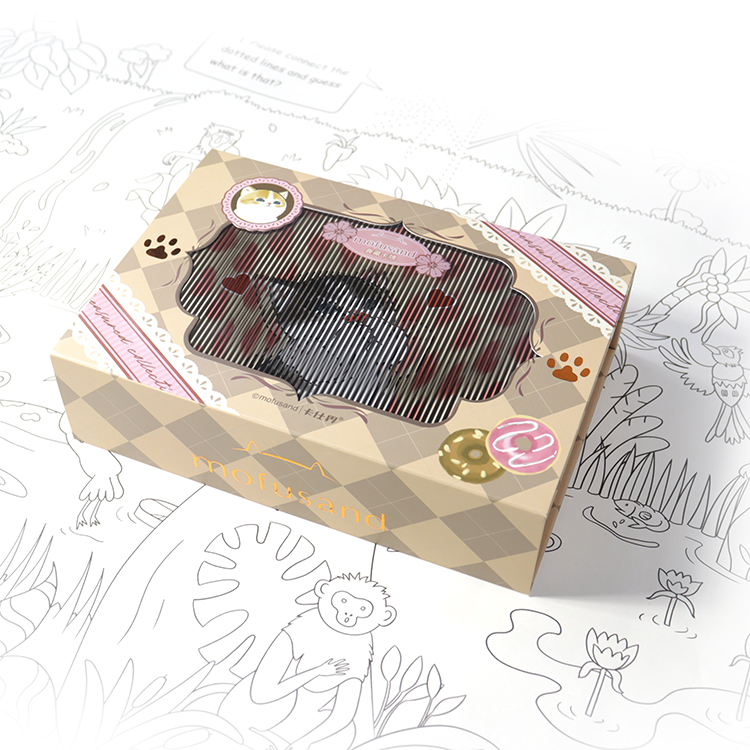 Customized cat-themed blind box set
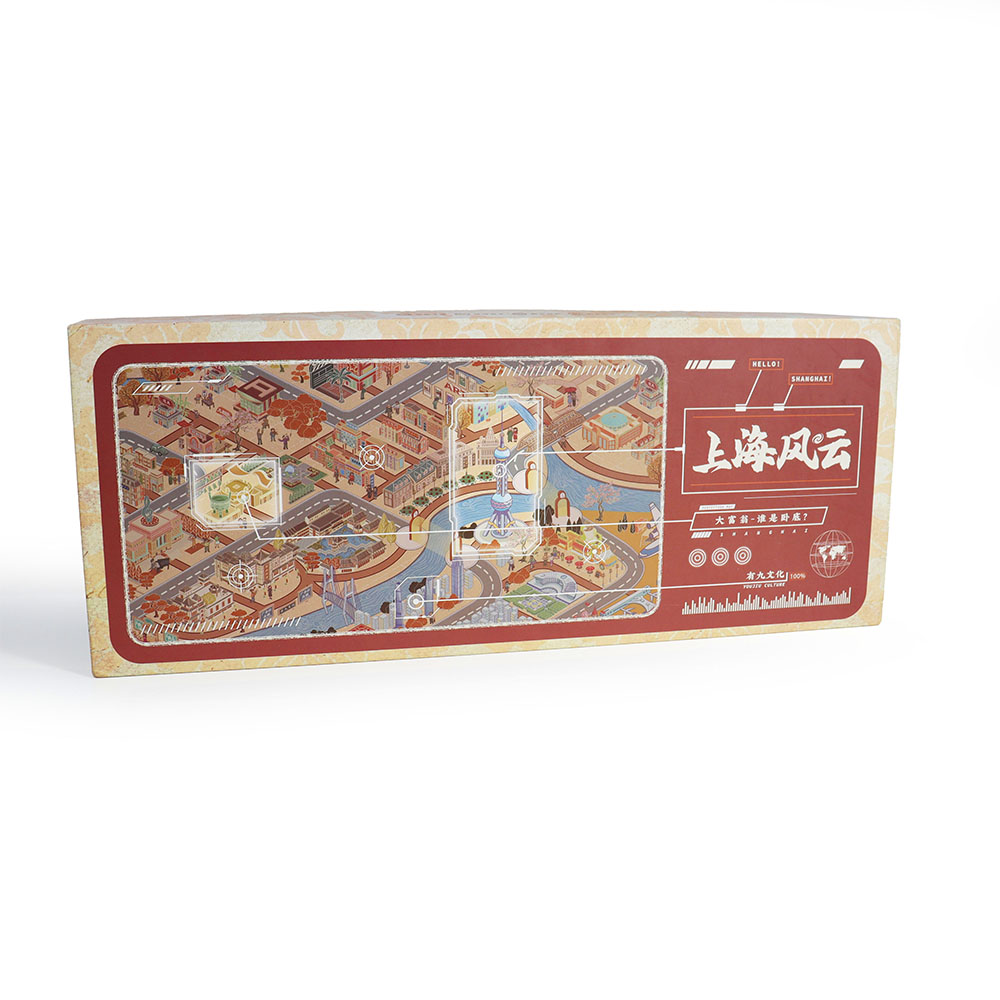 Shanghai Fengyun Custom Board Game Set
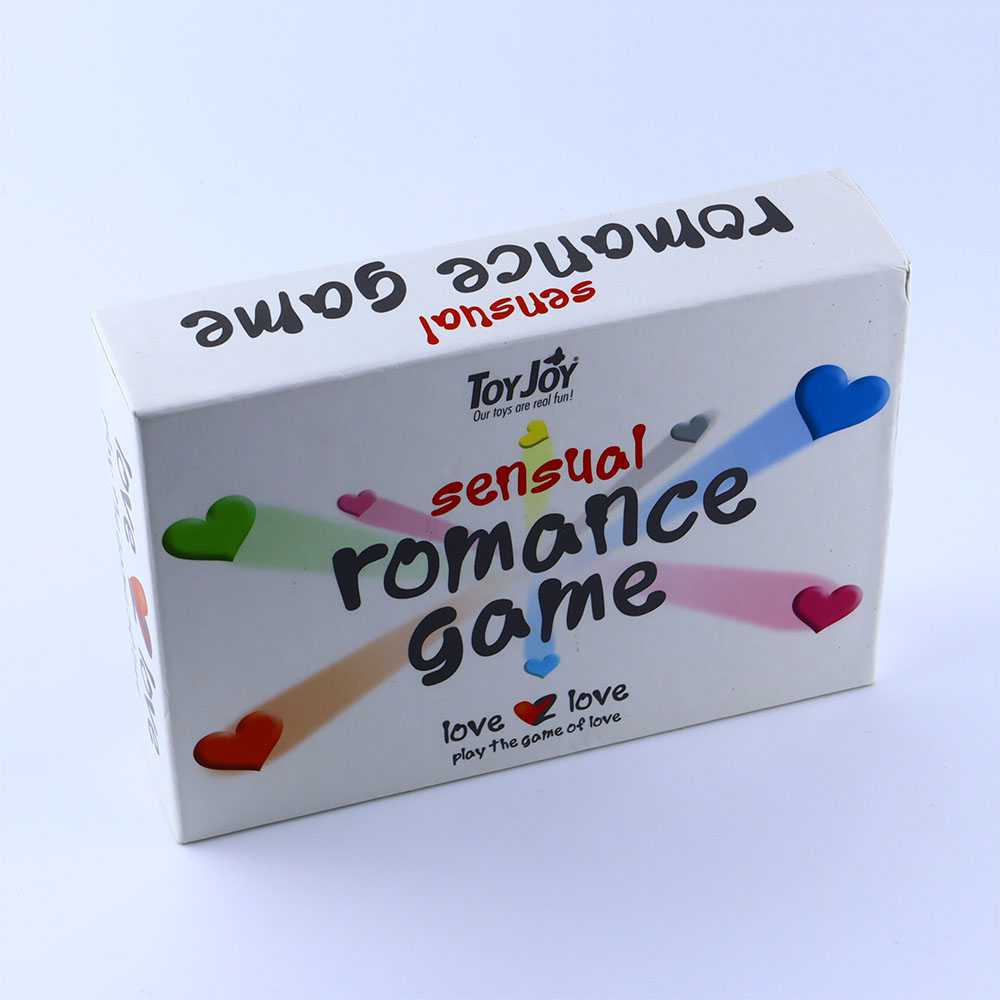 Sensual Romance Game Custom Board Game Set
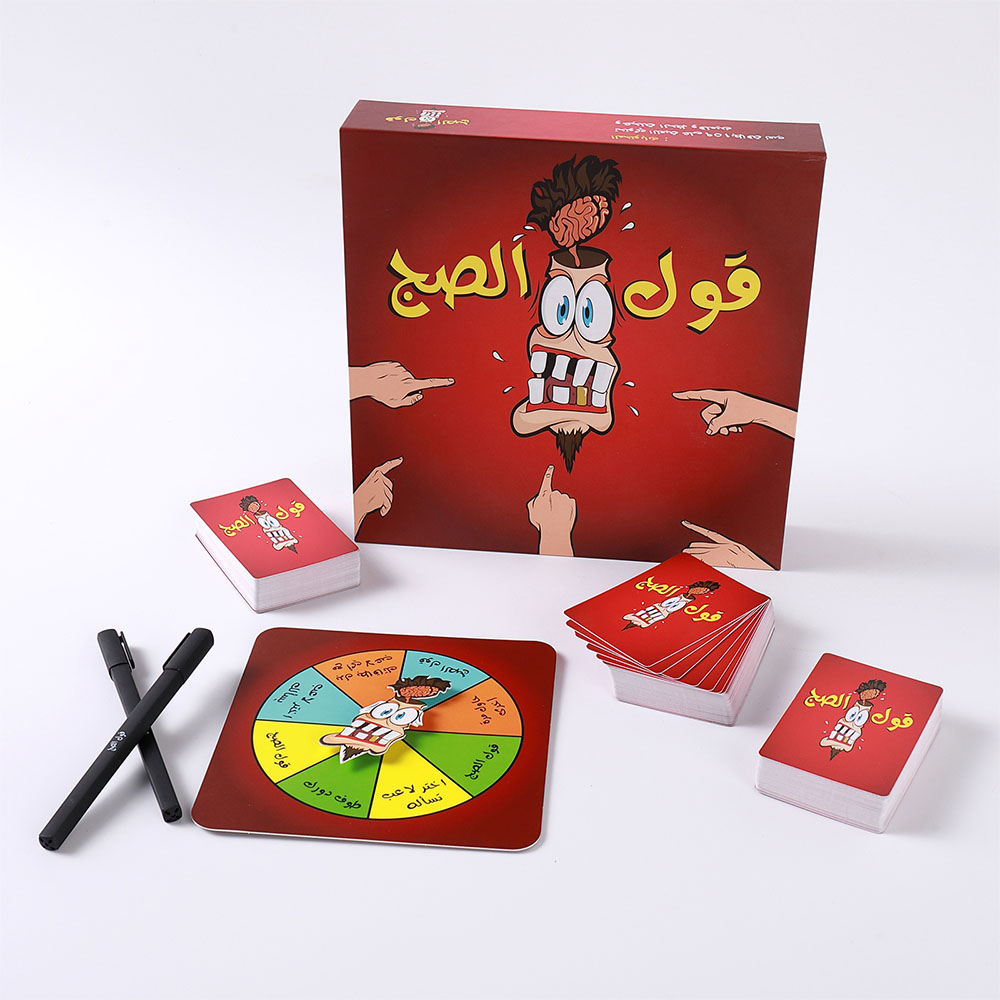 "Qoul Al Sabah" Custom Board Game Set
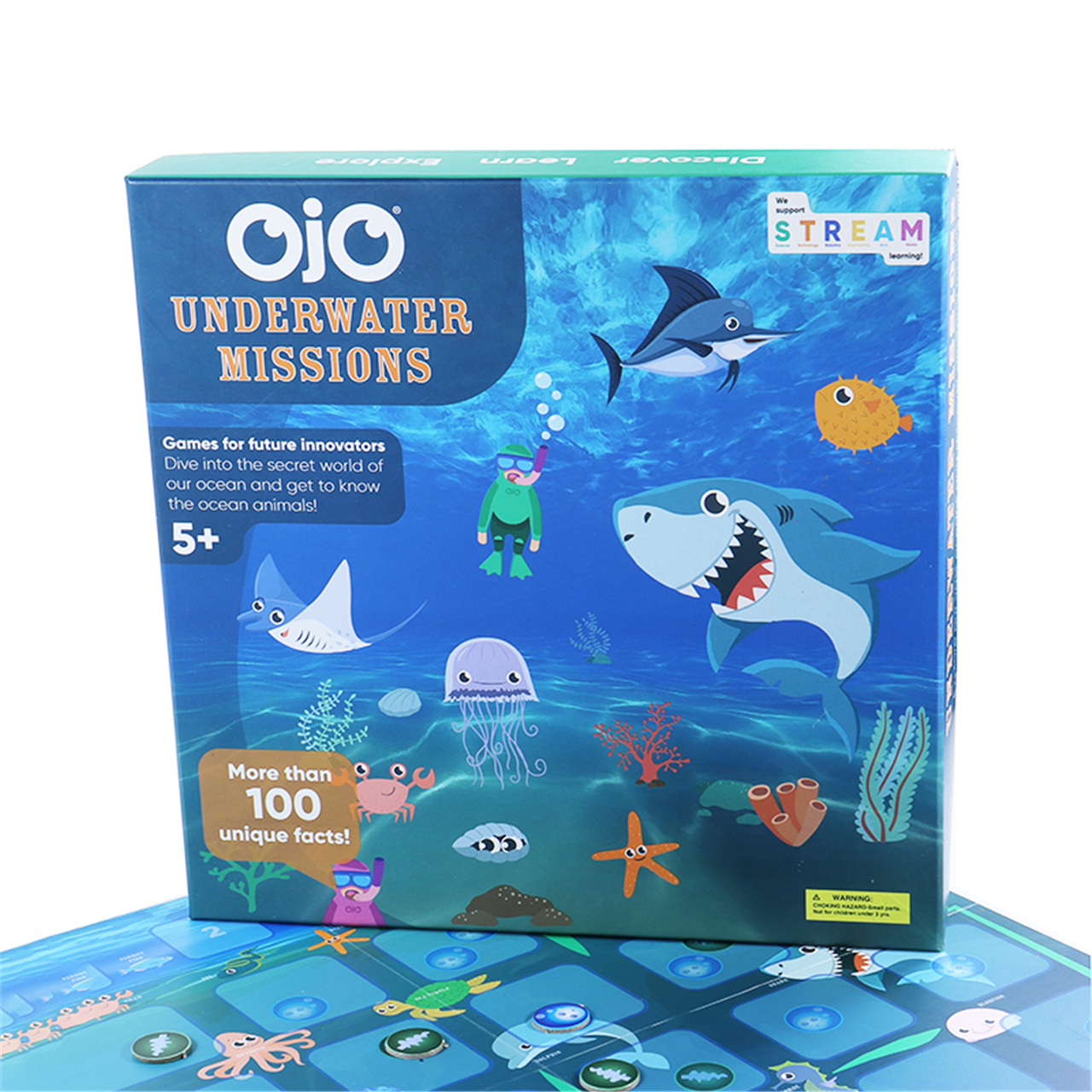 Customized educational board games for children
 Couple Interaction Turntable Themed Board Game
 Business Finance Board Game
 Pop Mart Custom Character Collectible Cards
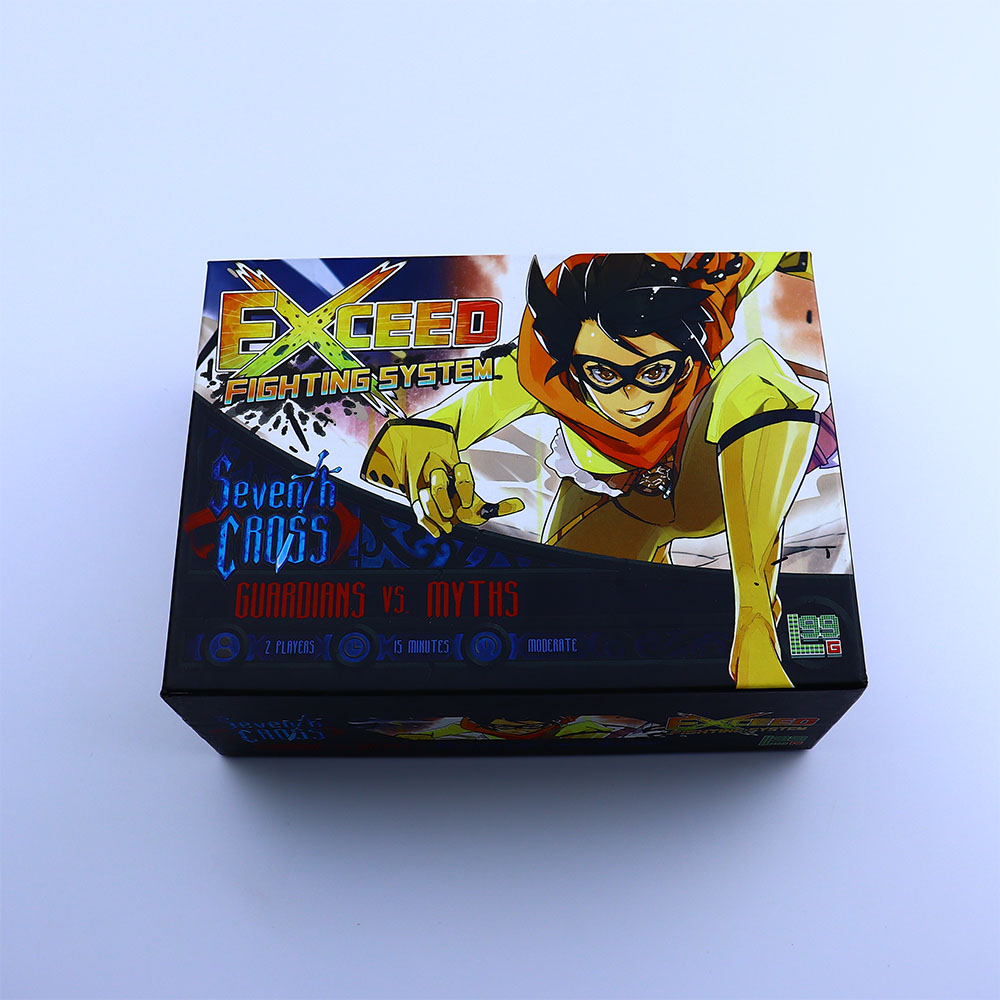 EXCEED Fighting System Custom Character Card Set
 Three Kingdoms Custom Hero Character Cards
 Custom Anime Character Dynamic Visual Cards
 Custom Cartoon Character Collectible Card Set
 Custom Anime Character Art Card Set
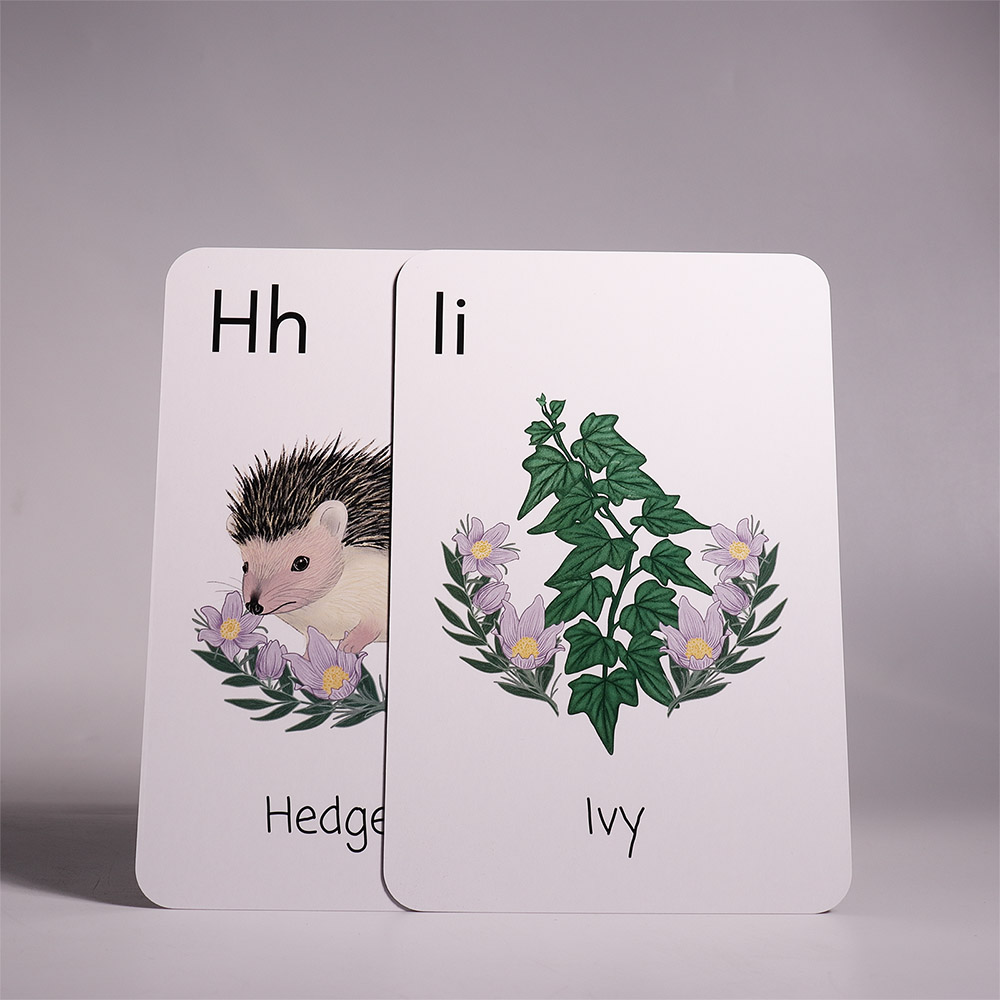 Little Larch Alphabet Cards
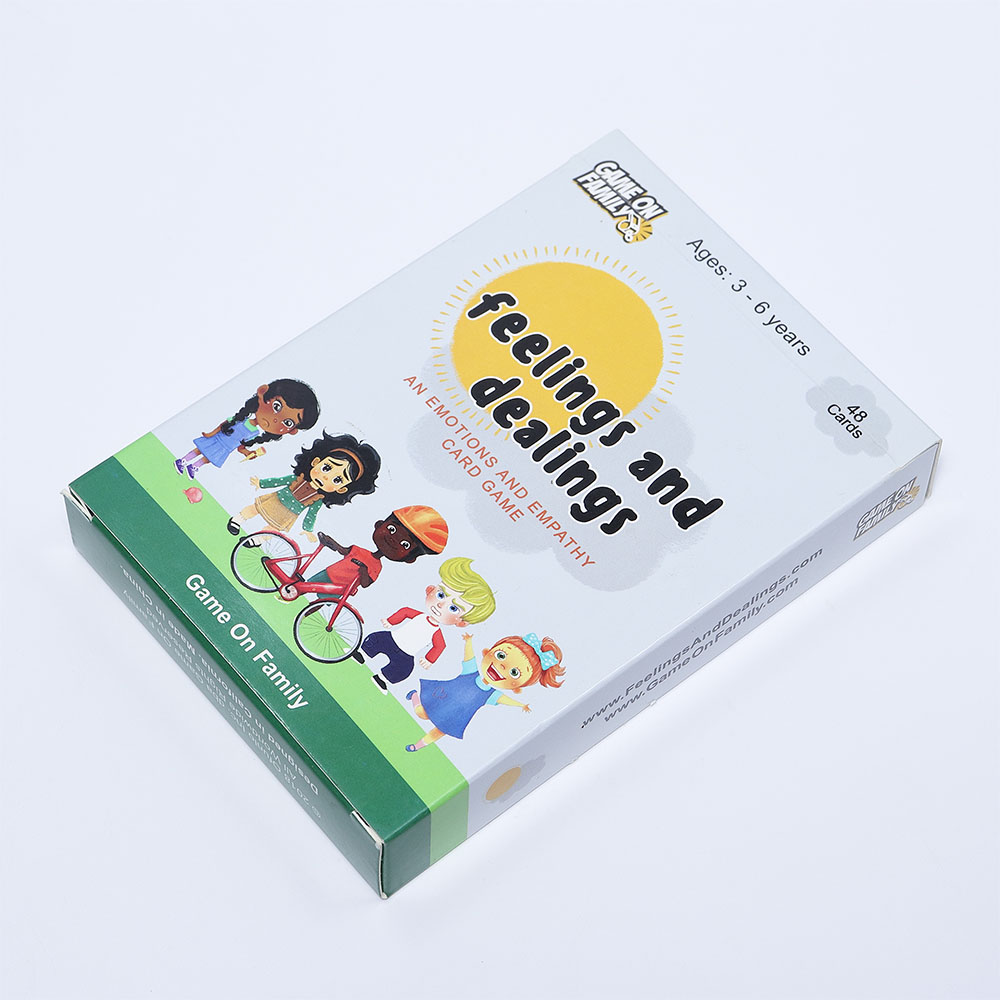 Feelings and Dealings Custom Children's Emotion Card Game
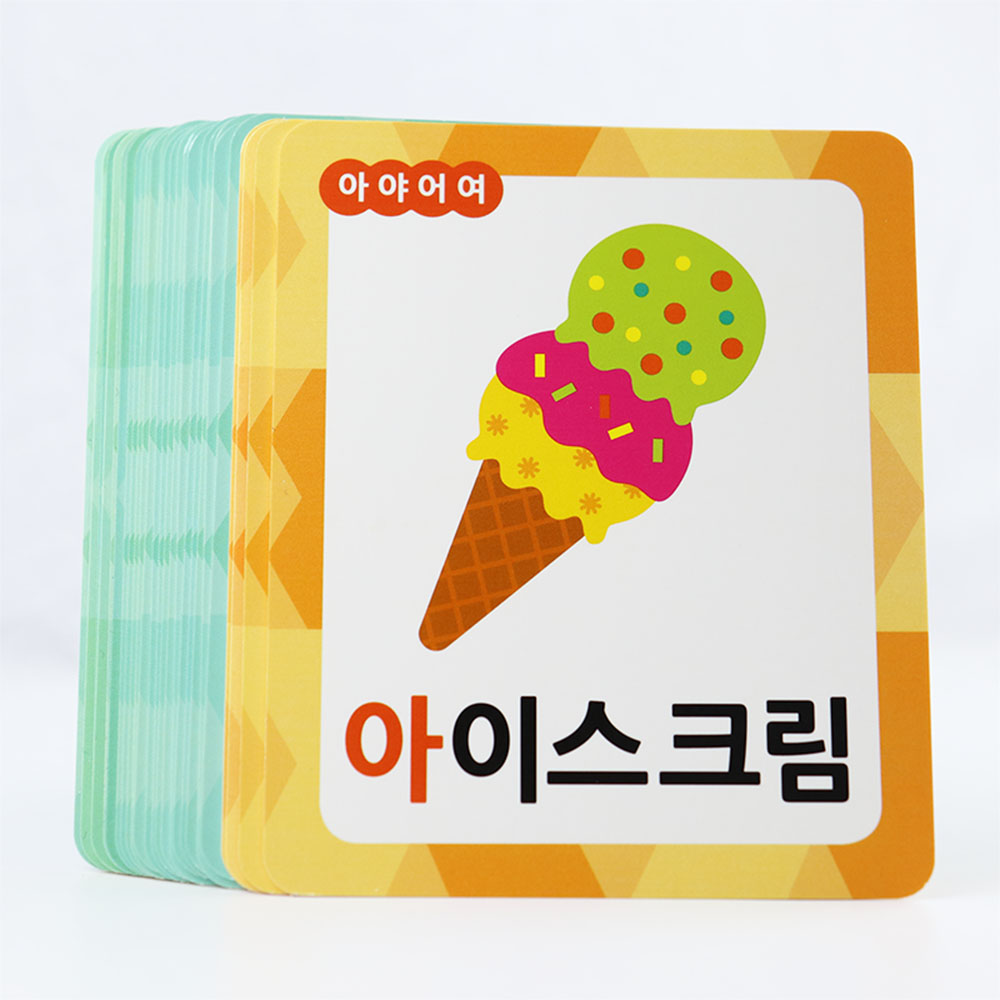 Korean Children's Educational Flashcards
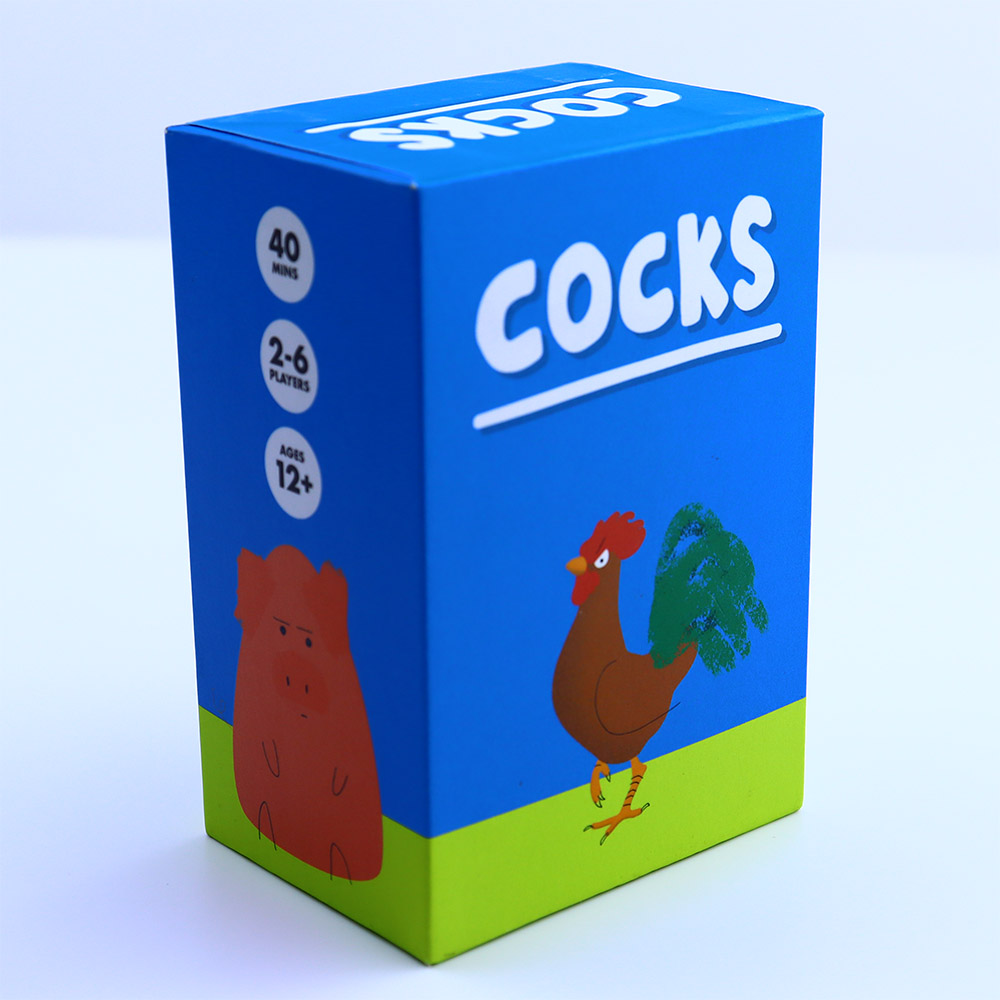 Cocks Themed Custom Children's Learning Cards
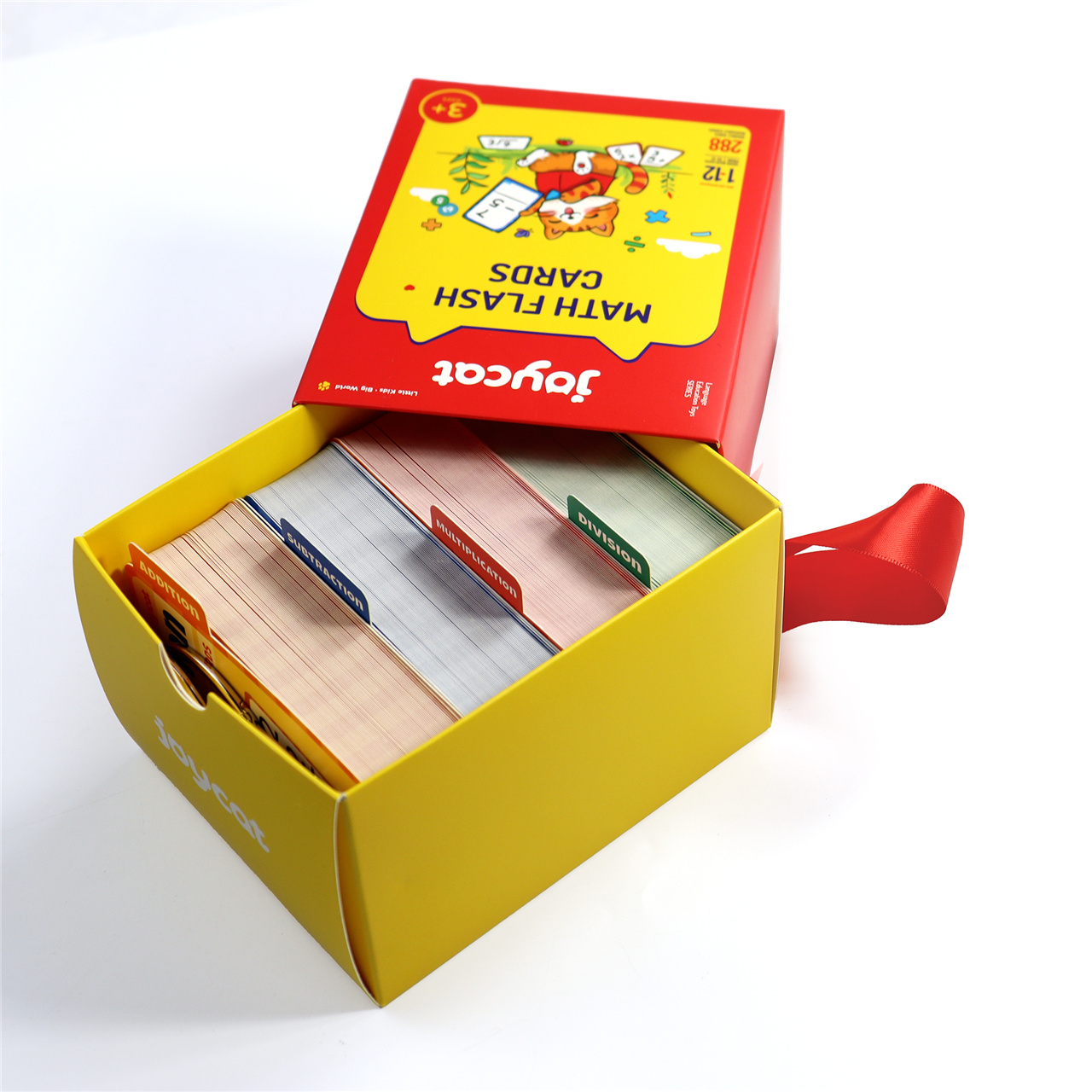 Math Flash Cards Set for Kids
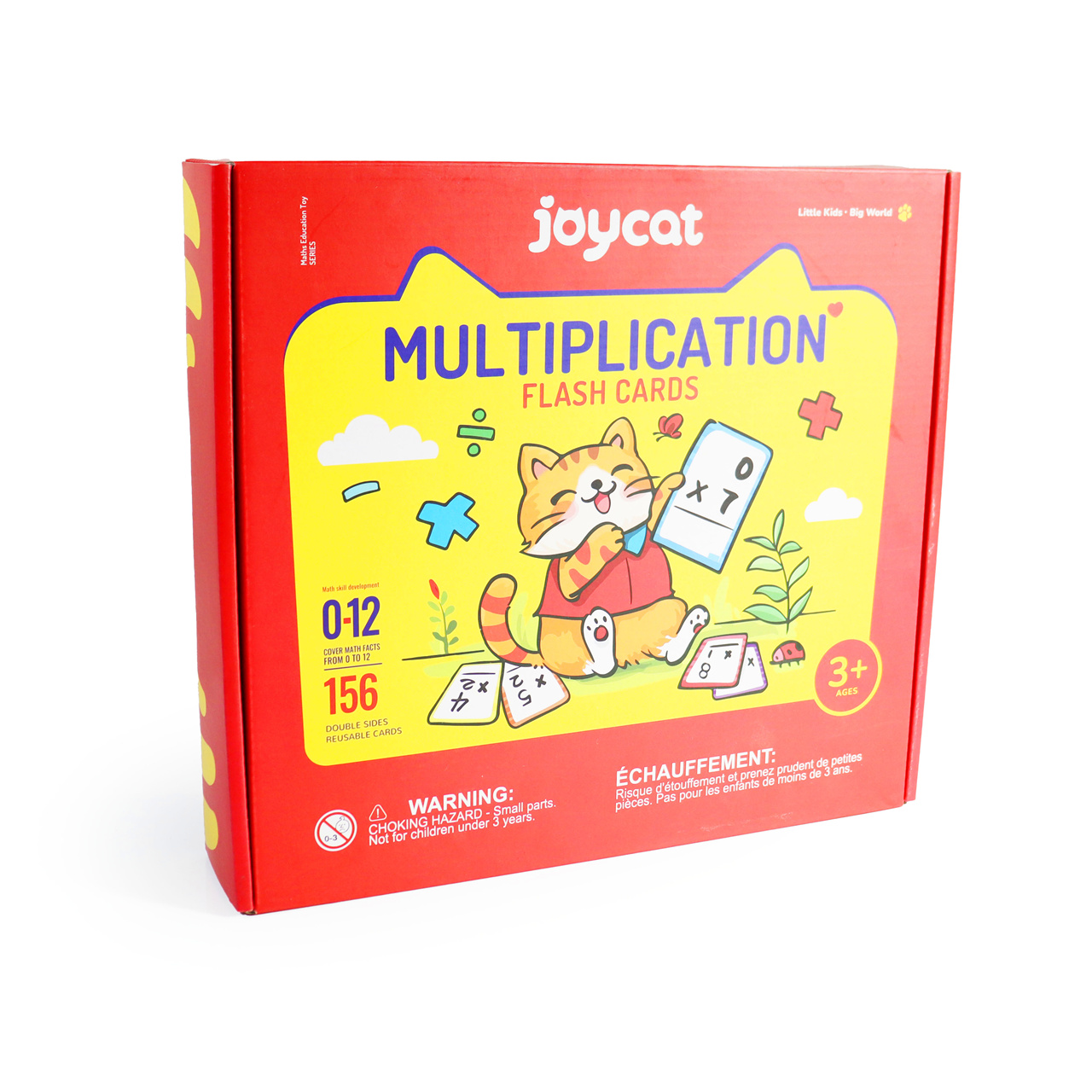 Joycat Multiplication Flash Cards Set with Accessories
 Custom Dual-Deck Playing Cards with Wolf-Themed Design
 Custom embossed gold foil playing cards
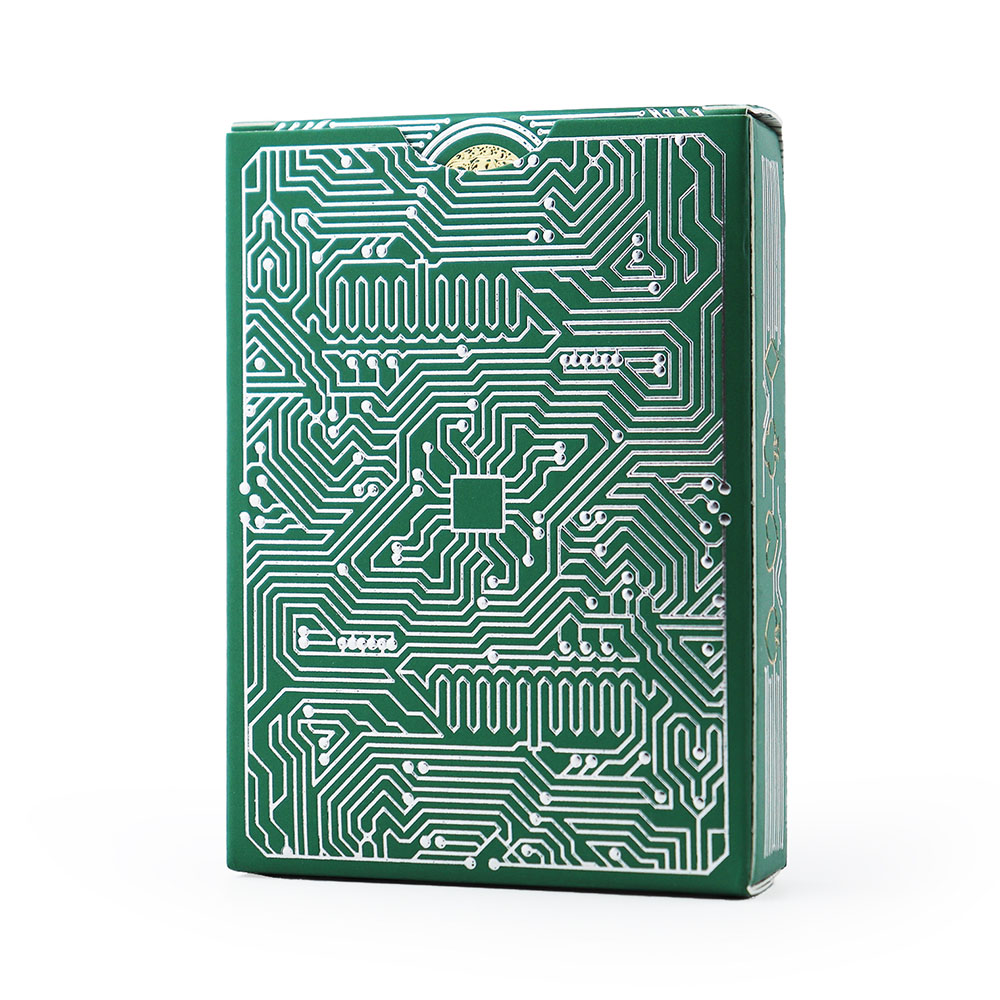 Circuit PCB Edition Custom Playing Cards
 Customized theme gold foil playing cards
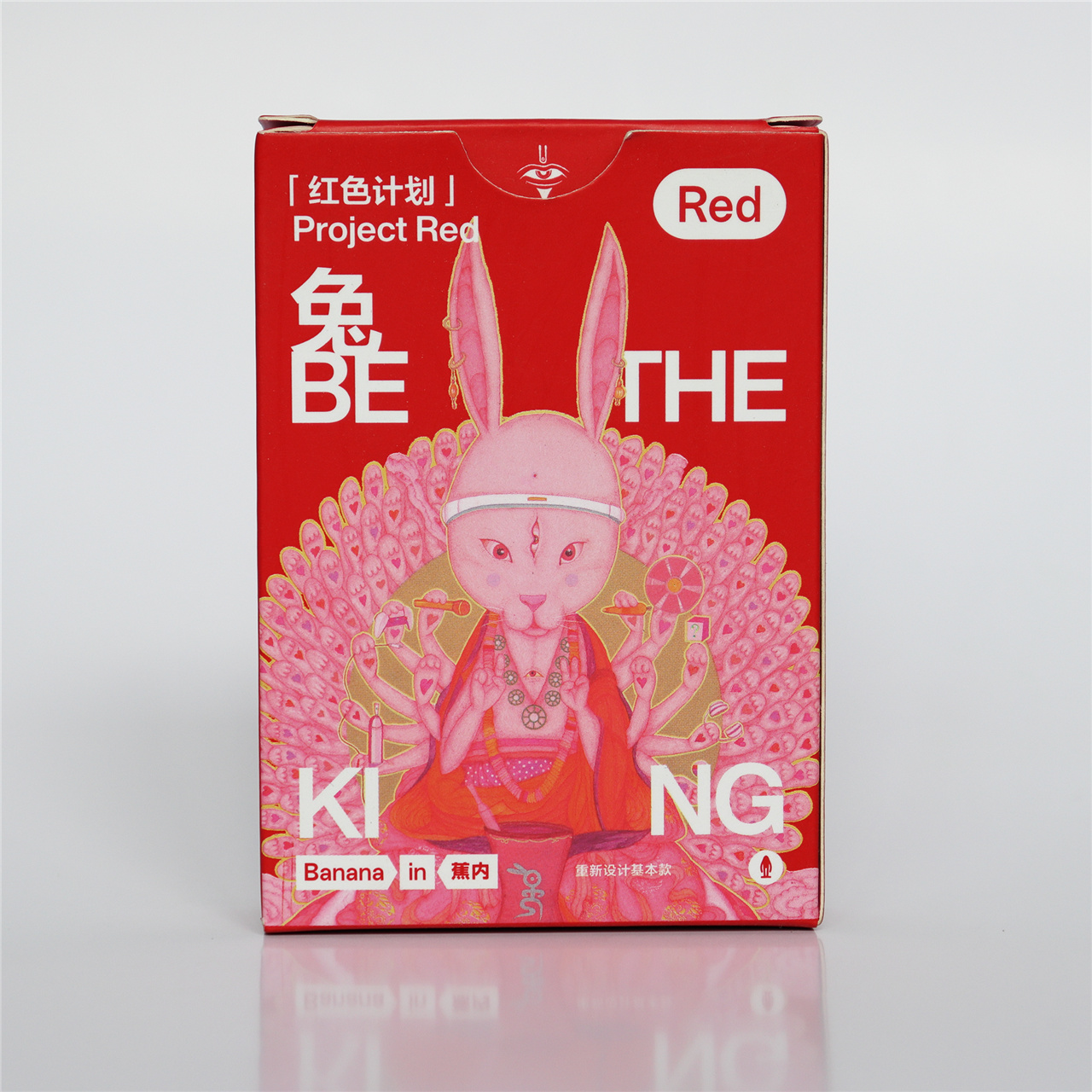 Custom Red Rabbit Themed Playing Cards Set
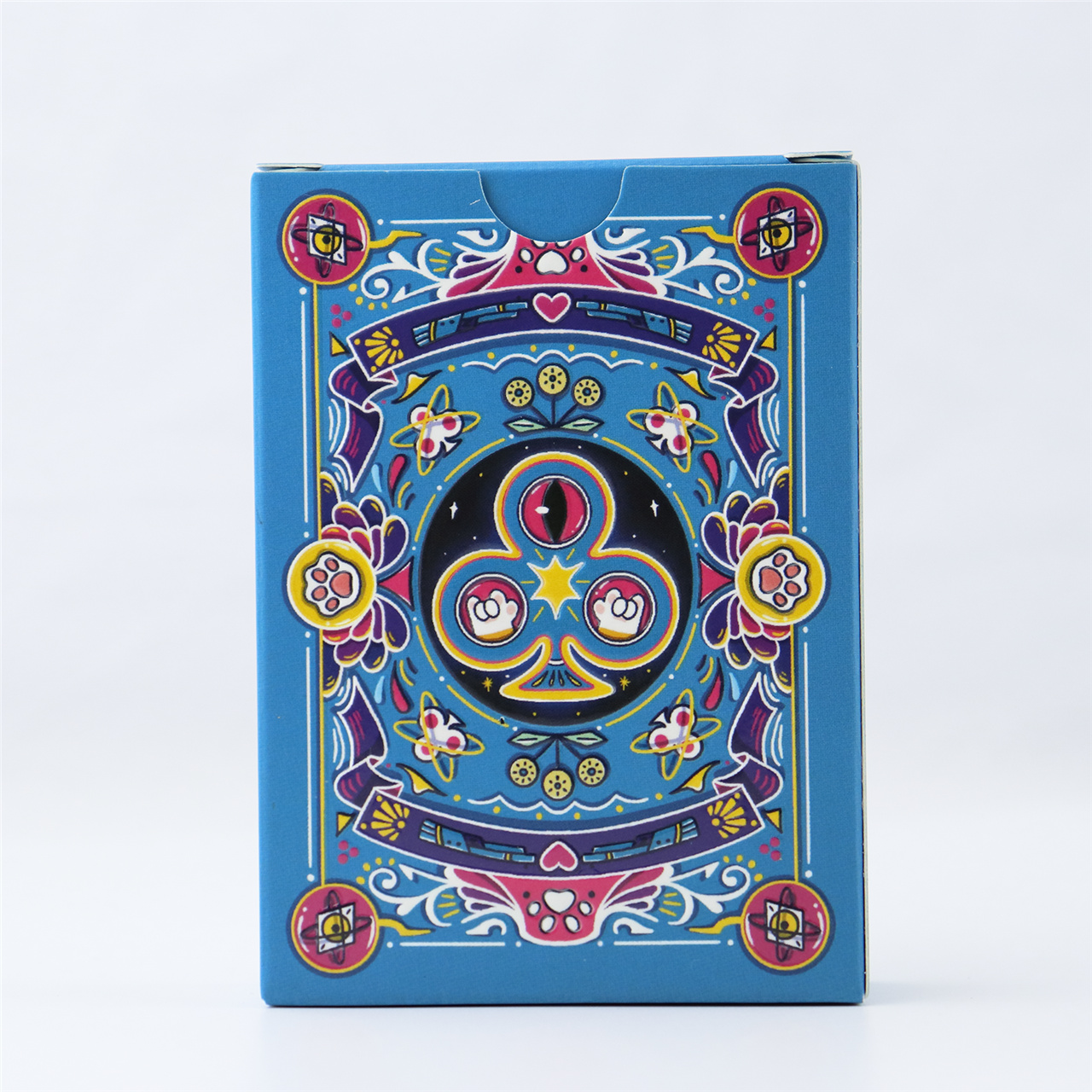 Custom Blue - Black Fantasy Plastic Playing Cards Set
 Pearls of Wisdom Oracle Custom Cards
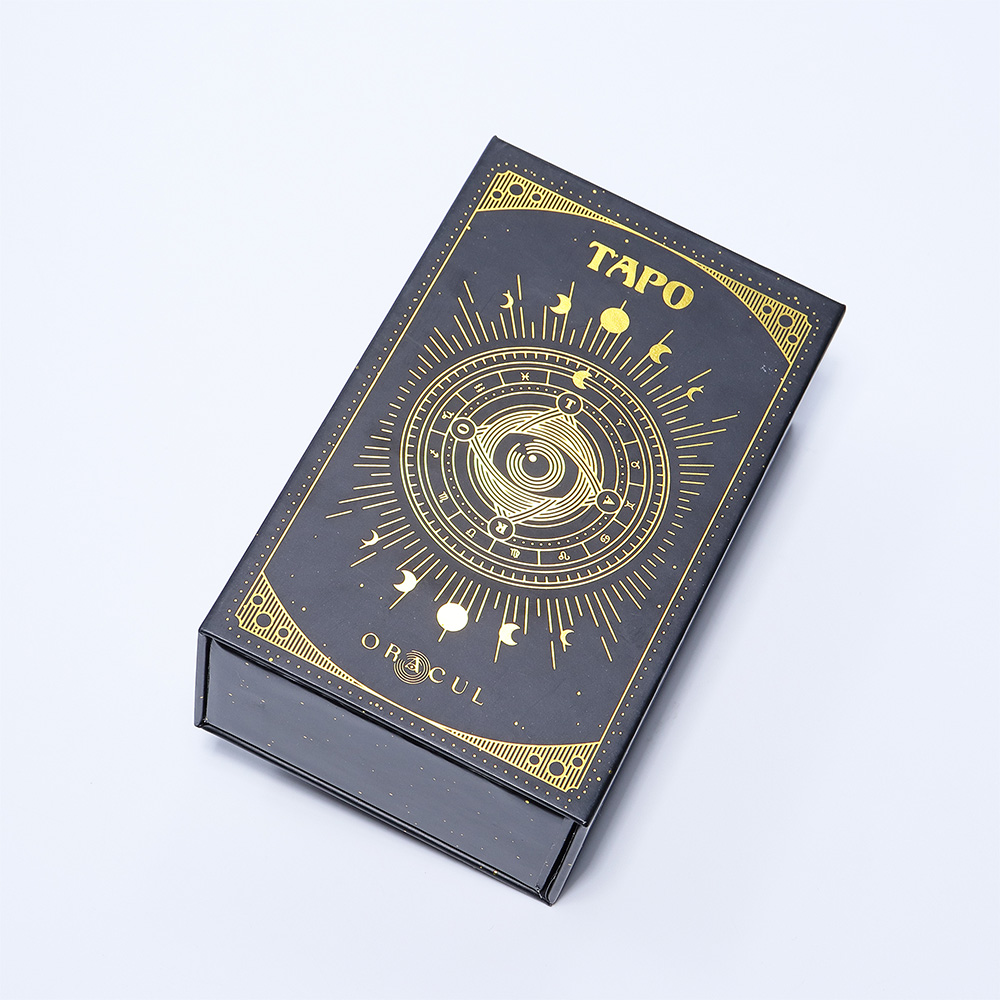 Custom Black & Gold Celestial Tarot Cards
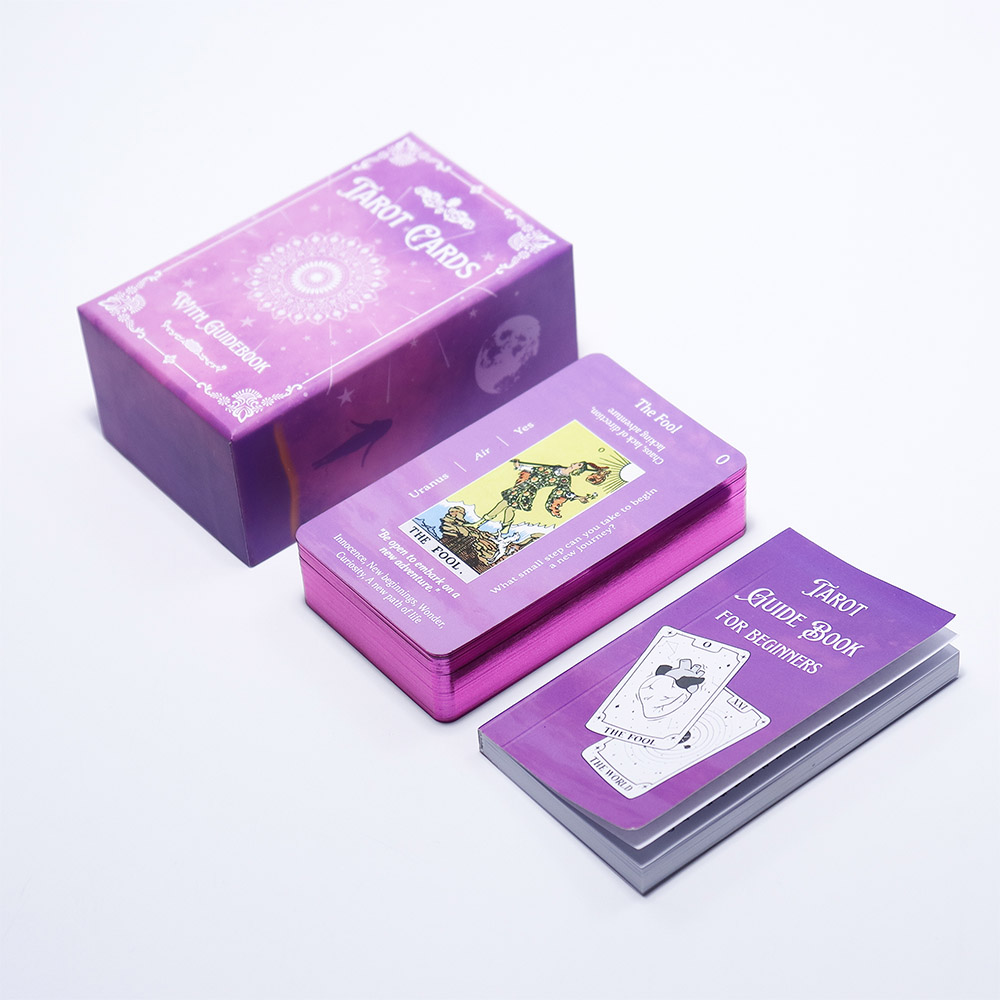 Custom Purple Tarot Cards with Guidebook
 L'Oracle d'Artémis Custom Oracle Cards
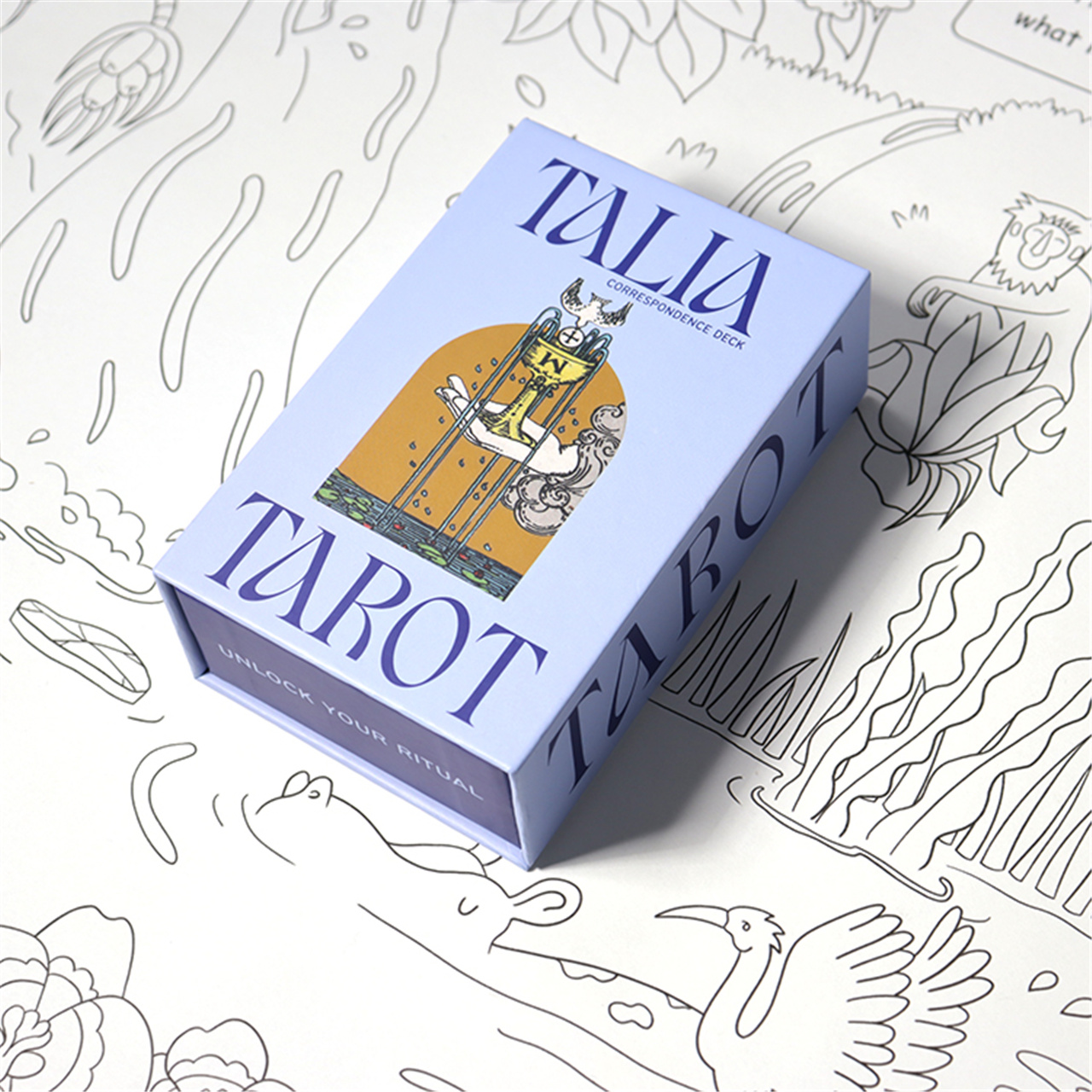 Custom Blue - Themed Tarot Cards Deck
 Custom Black - Blue Gold Foil Tarot Cards Set
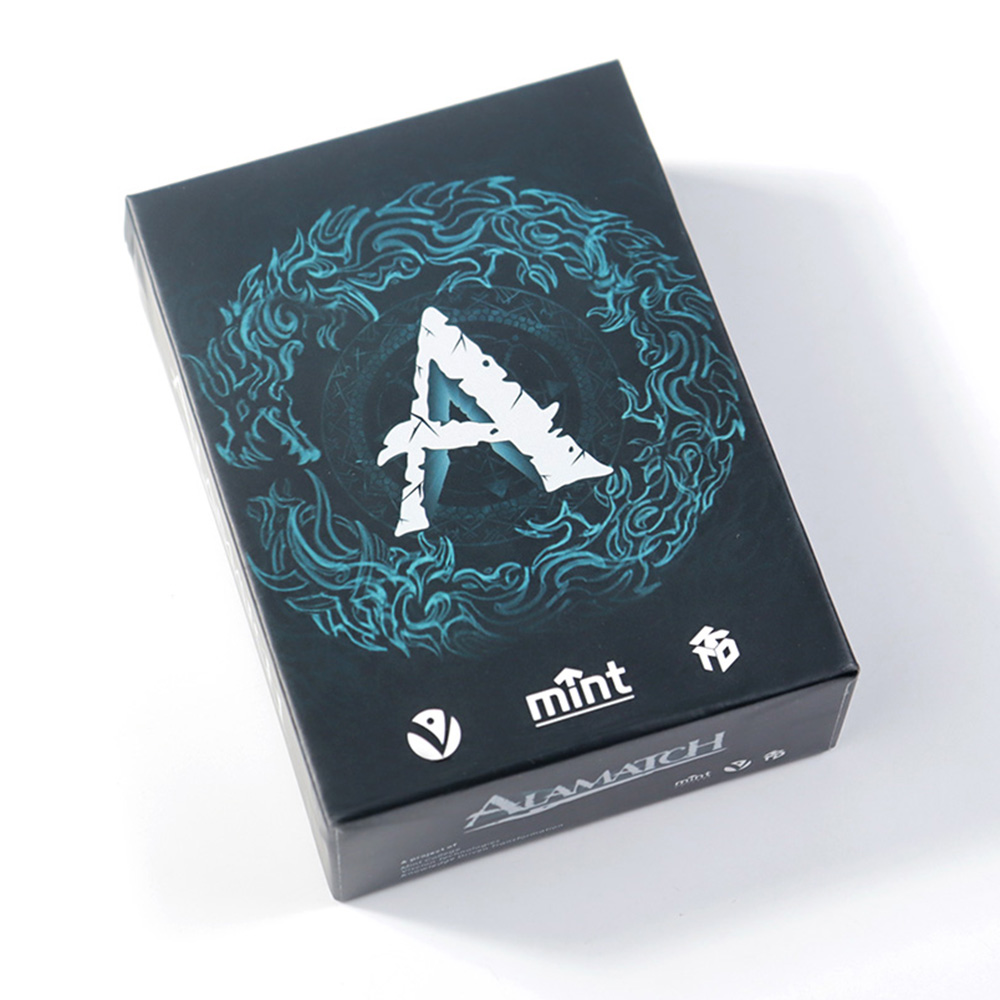 Alamatch Custom Trading Game Cards
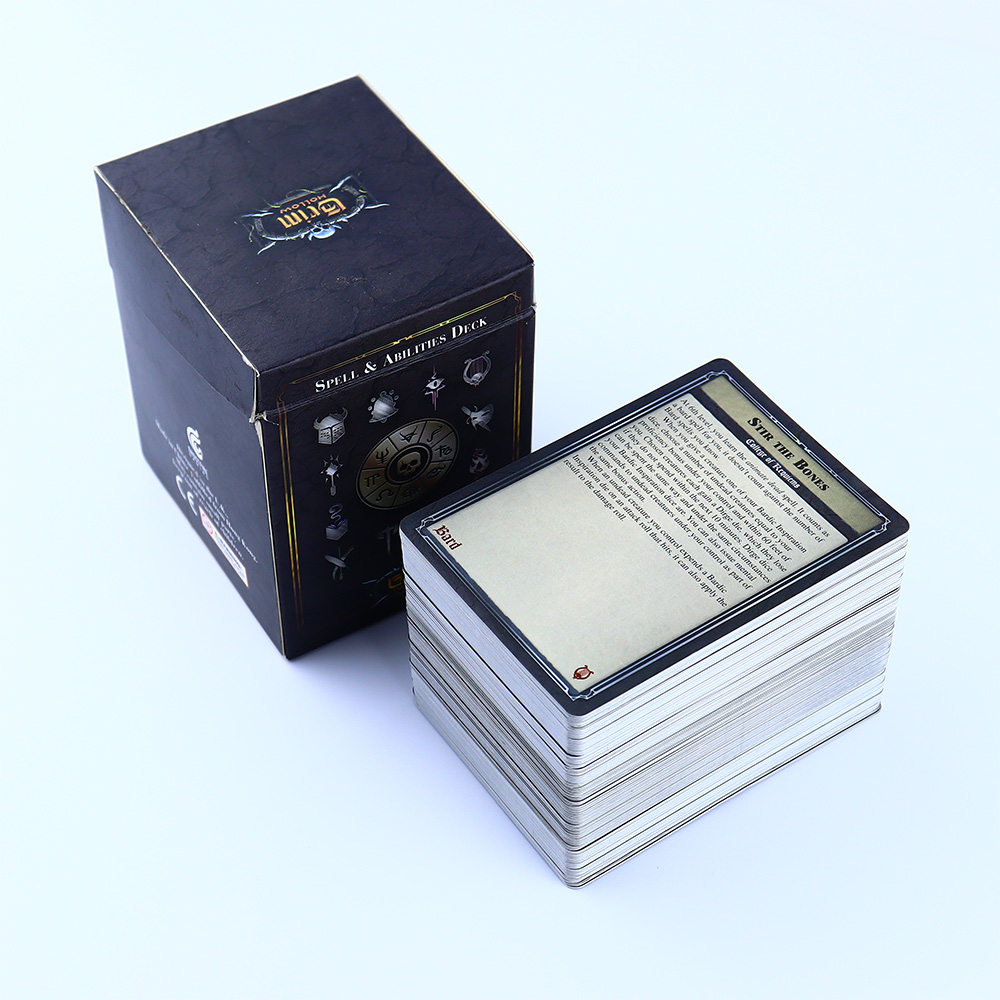 Grim Hollow Spell & Abilities Custom Trading Cards
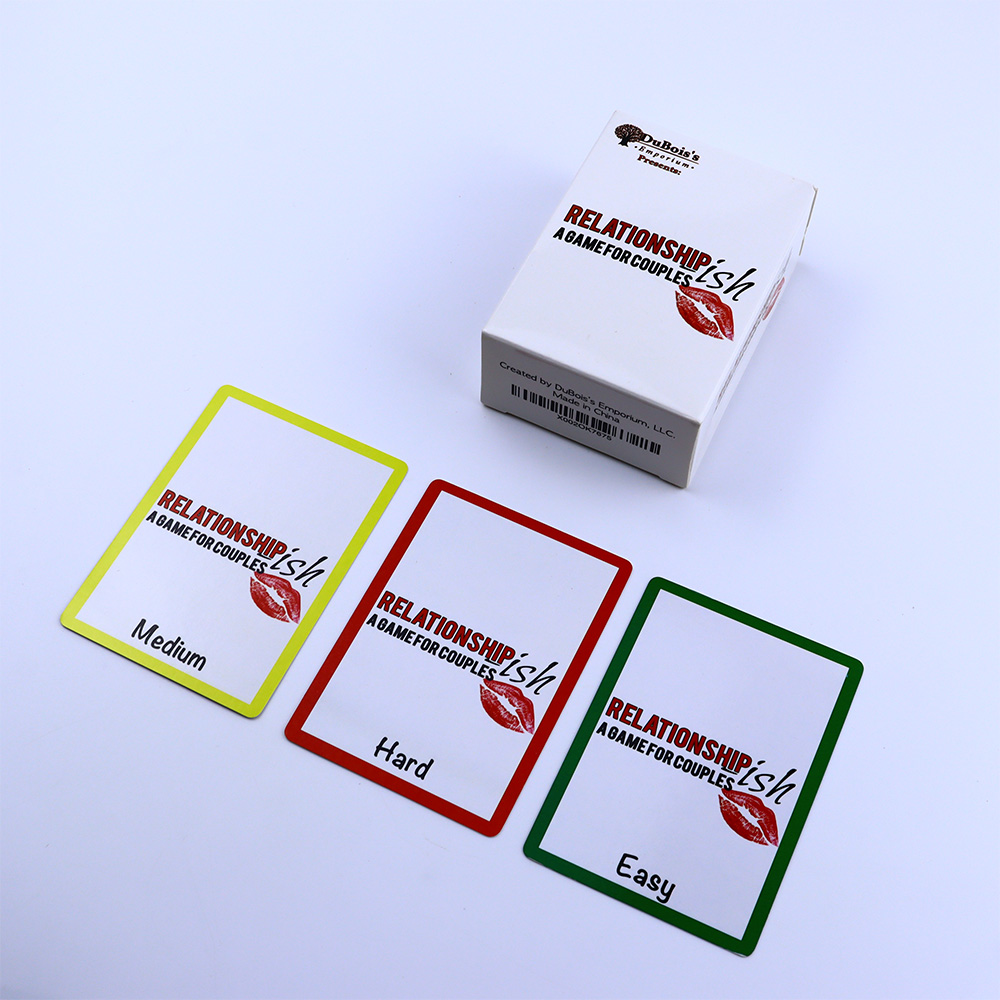 Relationshipish Custom Couple Card Game
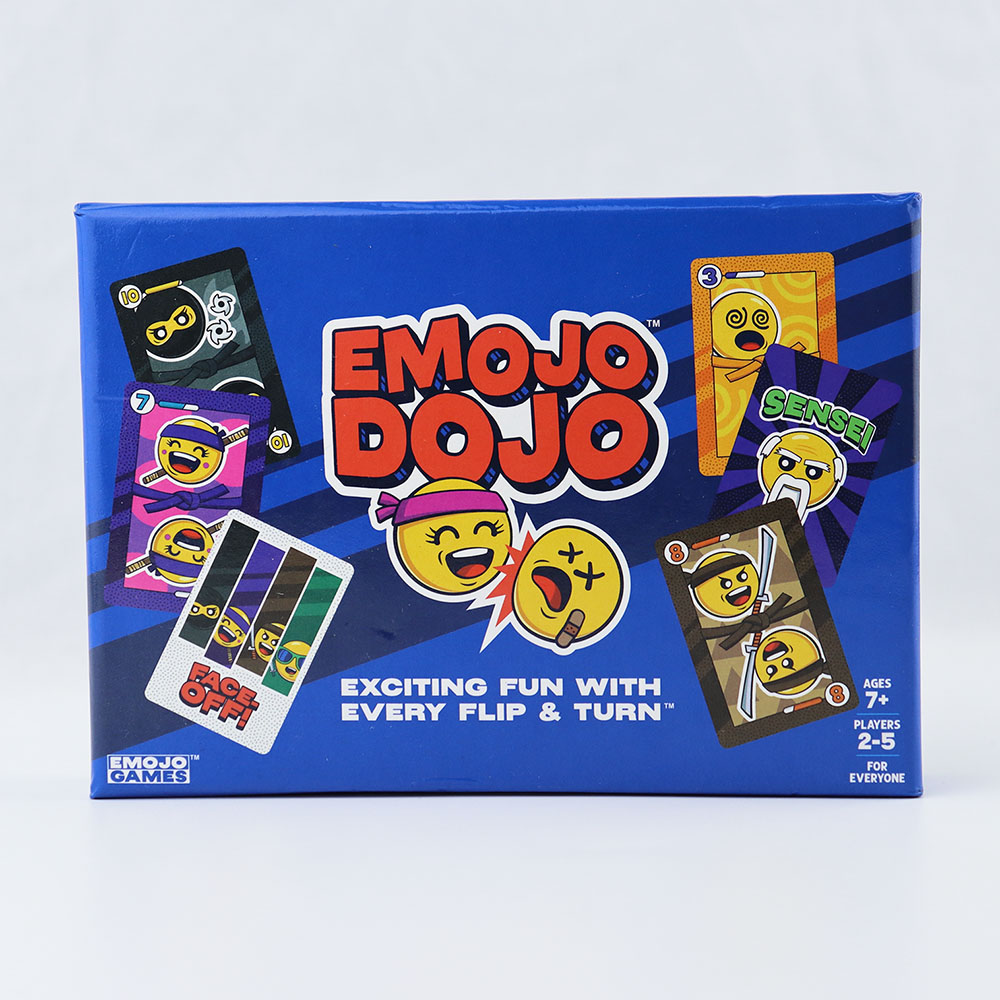 Emojo Dojo Custom Trading Card Game
 Custom Travel Photo Trading Cards Set
 Custom Cartoon Holographic Trading Cards Set