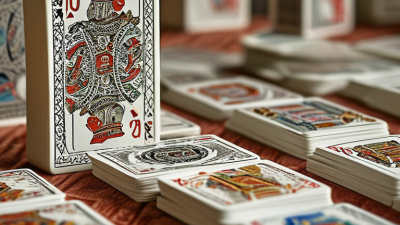
China Top 10 Balot Playing Cards Manufacturers?
Choosing among China’s top 10 Balot Playing Cards manufacturers requires more than comparing attractive product photos. Quality depends on card stock, coating, printing accuracy, packaging control, and reliable communication. This guide introduces manufacturers that may serve casinos, entertainment brands, retailers, and custom promotional projects. It focuses on practical production factors rather than unverified claims.
Details matter. A strong supplier should explain its paper options, surface finishes, color standards, sampling process, and inspection procedures. For example, a buyer may request linen-textured cards, sharp corner cutting, sealed tuck boxes, and consistent color across multiple batches. Manufacturers with documented experience can usually provide factory information, product samples, test reports, and clear order specifications. Certifications may also support supplier evaluation, but they should be checked against current records and the intended market.
No ranking remains perfect. Factory capabilities, lead times, and service quality can change. Some companies may excel at high-volume orders but offer limited support for smaller runs. Others may provide flexible customization while needing closer quality supervision. Buyers should confirm minimum order quantities, proofing fees, production schedules, packaging details, and after-sales policies before signing an agreement. Responsible sourcing also means reviewing material safety and complying with applicable trade, labeling, and consumer-product regulations.
This overview is designed as a starting point for careful comparison. It does not replace direct audits or independent verification. A thoughtful decision balances price, craftsmanship, communication, and long-term reliability. Sometimes, the cheapest quotation is not the best value.
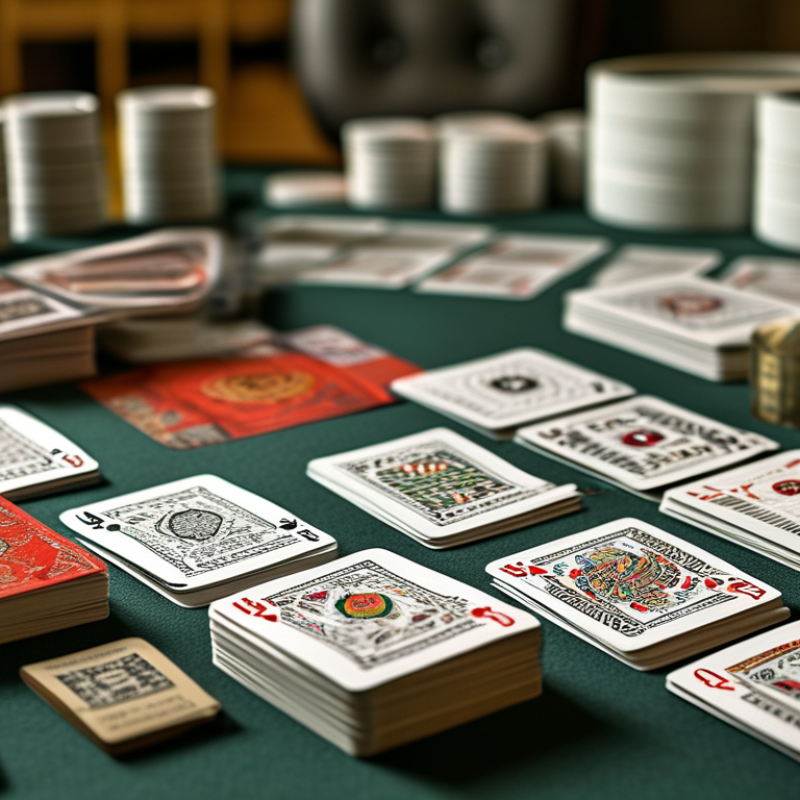
What Are Balot Playing Cards?
Balot playing cards are a regional trick-taking card game, often written as Baloot. The game is widely associated with Gulf communities and social gatherings. It usually uses a shortened 32-card deck, removing low cards from a standard pack. Players commonly compete in partnerships, with bidding and trump decisions shaping each hand.
The card ranking can change between game modes. In one mode, the trump suit gives special strength to selected cards. In another, the ranking follows a more familiar order. This difference matters when choosing a suitable deck. Clear suit symbols, firm card stock, and easy-to-read Arabic or international numerals support faster play. The cards should also handle repeated shuffling, table friction, and warm indoor conditions.
From a manufacturing perspective, accurate cutting is essential. Uneven edges can reveal quality problems quickly. Smooth but controlled lamination helps players hold cards without excessive slipping. I have found that overly glossy surfaces may reflect strong lighting and slow recognition. This is an overlooked issue. A reliable producer should test print alignment, color consistency, corner durability, and deck thickness before delivery. Packaging also deserves attention, especially when several decks travel together. Some descriptions of Balot simplify the rules too much, because regional habits and house rules can differ. Checking the intended rule set remains necessary before selecting card dimensions, symbols, or instructional inserts.
Balot Playing Cards: Standard Deck Reference
“Balot” is not a universally standardized playing-card specification. This chart uses the common 52-card French-suited deck as a factual reference for understanding card structure, composition, and format.
A standard French-suited deck contains 52 cards divided into four suits, with 13 ranks in each suit. Two suits are red and two are black, while face cards consist of the jack, queen, and king in each suit.
How Balot Playing Cards Are Designed and Manufactured
Designing and manufacturing Balot playing cards requires more than attractive artwork. Designers begin with card purpose, hand feel, and table visibility. A practical deck usually uses 280–330 gsm playing-card stock. The surface must resist fingerprints while keeping fine symbols sharp. ISO 536 provides the standard method for measuring paper grammage. ISO 2471 also helps evaluate opacity, which prevents unwanted show-through.
Production normally starts with color separation, proofing, and sheet calibration. A factory checks registration before full printing begins. This matters when borders are narrow. Even a slight shift can make a deck look poorly centered. After printing, sheets receive protective coating, lamination, or a textured finish. Die-cutting creates uniform cards, while corner rounding reduces sharp edges and improves shuffling. Smithers’ 2024 printing industry outlook identifies automation and quality control as major efficiency drivers. In practice, automated inspection can detect color variation, scratches, and missing details faster than manual checks.
Material choices also affect sustainability. The FAO’s 2023 Forest Products Yearbook reports global paper and paperboard production above 400 million tonnes. That scale makes responsible sourcing important. Recycled content may reduce material impact, but it can change stiffness and surface smoothness. This trade-off needs testing. My own concern is that visual perfection sometimes receives more attention than long-term handling. A stronger process measures both. Samples should complete repeated shuffle, bending, abrasion, and humidity tests before shipment. Small failures often appear only after real use.
Key Standards for Evaluating Chinese Card Manufacturers
Choosing among China’s top Balot playing card manufacturers requires more than comparing catalog photos. A reliable evaluation begins with product experience. Request physical samples and examine card thickness, corner cutting, surface friction, and shuffle recovery. Samples reveal more. Cards should slide smoothly without feeling oily or sticking together.
Technical capability matters equally. Ask whether the factory controls paper moisture, color accuracy, coating thickness, and cutting tolerance during production. A professional manufacturer should provide material specifications, inspection records, and clear sampling procedures. Check whether the cards remain aligned after repeated shuffling and whether fine symbols stay sharp under normal indoor lighting. Small defects become obvious quickly.
Compliance and reliability also deserve close attention. Confirm documented quality systems, traceable raw materials, safe packaging, and export documentation suitable for the destination market. A factory audit should review equipment maintenance, worker training, storage conditions, and final inspection routines. Do not rely only on certificates. Verify their scope and validity. Delivery history, communication speed, and corrective-action records can reveal operational discipline. One weakness may be acceptable, but hidden problems are not. Even careful evaluations can miss seasonal production changes, so repeat sampling before a large order remains a sensible safeguard.
China’s Top 10 Balot Playing Cards Manufacturers
China’s Top 10 Balot Playing Cards Manufacturers are increasingly judged by measurable production capabilities, not attractive catalogs alone. Industry reports from Fortune Business Insights estimate steady global playing-card market growth through 2032, supported by gaming, collecting, and promotional demand. This trend creates opportunities for Chinese suppliers, especially those offering stable color control, custom packaging, and export-ready documentation.
A reliable shortlist should compare ten manufacturers across paper sourcing, black-core construction, linen finish, cutting accuracy, and inspection procedures. ISO 9001 systems can improve traceability, but certification alone proves little. Ask for recent batch records, coating samples, and carton-drop test results. A practical tolerance review should examine edge alignment, corner radius, card thickness, and registration under strong light. Intertek and SGS testing guidance also highlights the value of documented material and packaging checks. Still, product samples may represent the best production line, not the average one. That is an uncomfortable but necessary concern.
Tips:
Request three samples from separate production runs. Compare shuffle feel, surface friction, print density, and odor. Confirm FSC claims through valid certificates, not logos. Check whether the factory controls printing and finishing in-house. Short lead times can hide outsourcing. A written inspection standard protects both sides. Personally, I would score quality consistency above the lowest quotation, because one uneven deck can damage an entire retail shipment.
How to Choose the Right Balot Playing Cards Manufacturer
China Top 10 Balot Playing Cards Manufacturers: How to Choose the Right Supplier
Choosing among China’s top ten balot playing cards manufacturers requires more than comparing unit prices. Grand View Research estimates that the global playing cards market will continue growing through 2030, increasing pressure on suppliers to improve quality and production capacity. Ask for recent factory audit records, ISO 9001 certification, and documented export experience. A reliable manufacturer should explain card stock, coating, corner cutting, and packaging without vague promises. Request physical samples from the same production line, not only showroom samples.
Check measurable details. Card thickness should remain consistent across the deck. Edges should feel smooth, while shuffling should not create excessive whitening. Ask for color tolerance records, print registration data, and carton drop-test results. ISO 2859-1 sampling can support a clear inspection plan, although it cannot replace practical handling tests. I have seen attractive samples fail after repeated shuffling. That mistake is costly.
Tips: Compare at least three quotations using identical specifications. Confirm minimum order quantities, proofing fees, lead times, replacement rules, and shipping terms in writing. Test 100 to 200 shuffles before approval. Small details matter. If a supplier refuses batch inspection, reconsider the partnership. Price is useful, but consistency protects your reputation. According to Grand View Research’s market analysis, customization and premium finishes are important growth factors; still, decorative foil cannot repair poor cutting or weak packaging.

 Customizable Emotional Support Cards for Grief & Resilience
 Personalized Emotional Encouragement Card Collection
 Personalized Deep Conversation Card Gift Box
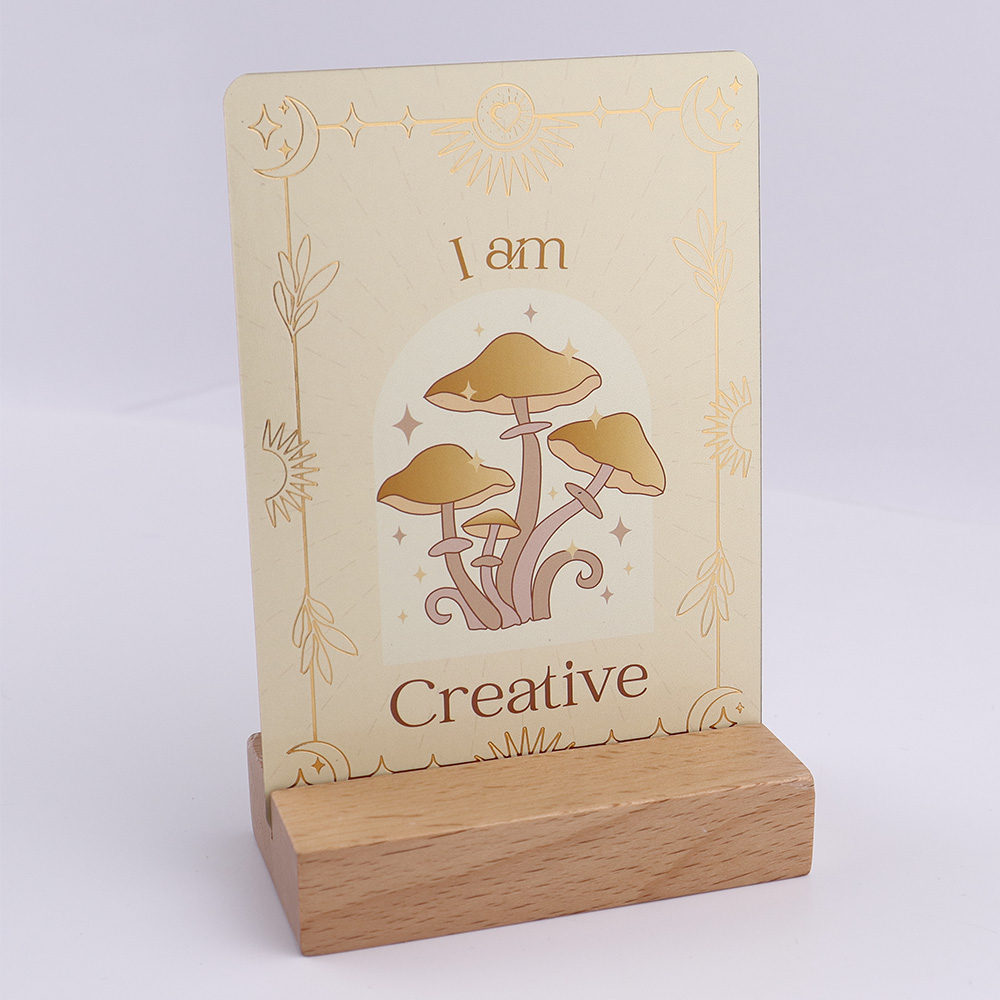 Customizable Boho-Chic Affirmation Cards for Mindfulness & Self-Love
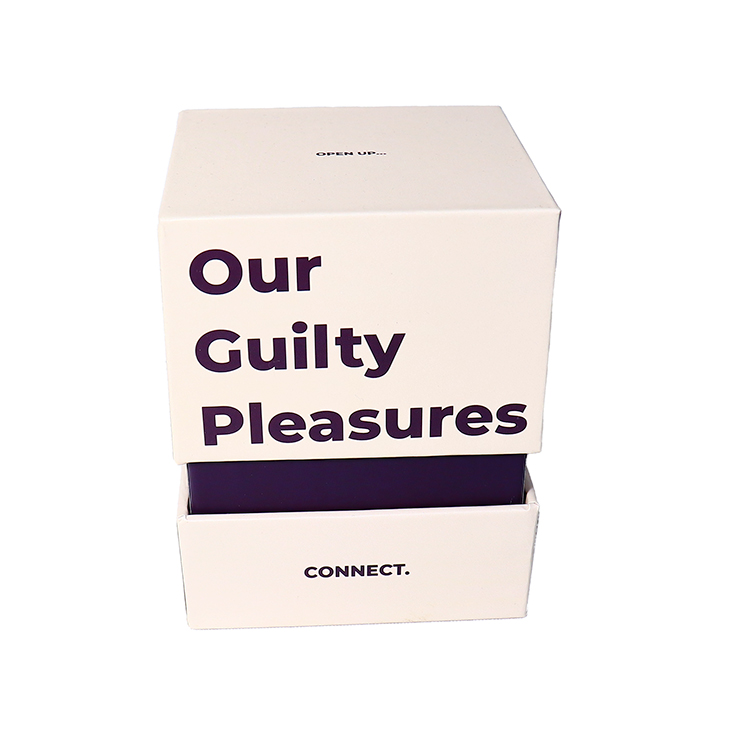 Customized Friendship Confirmation Card
 Customized Entrepreneurship Confirmation Card
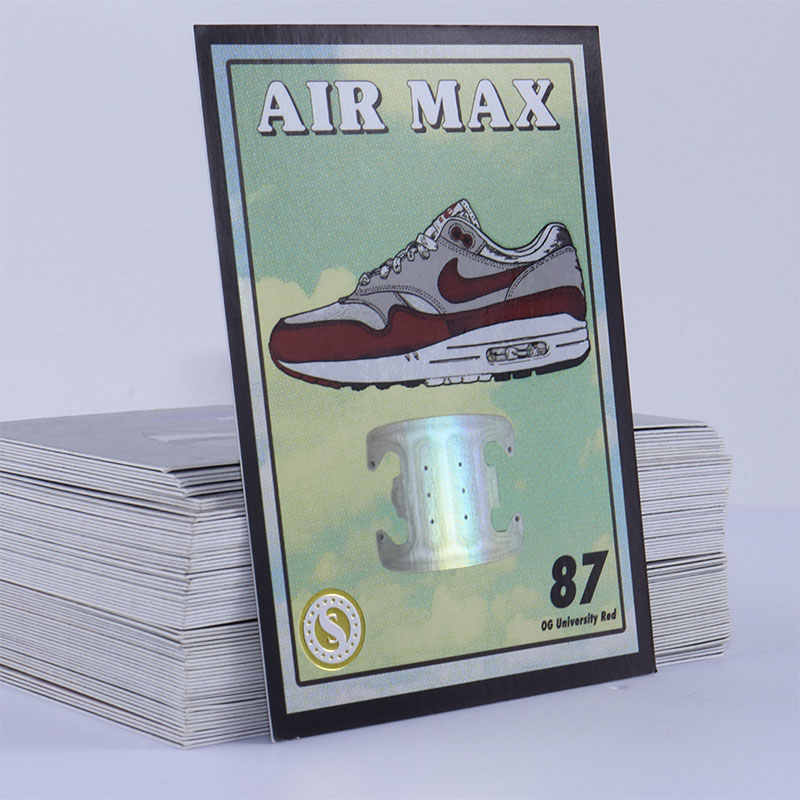 Air Max Pax Custom Sneaker Card Blind Box Set
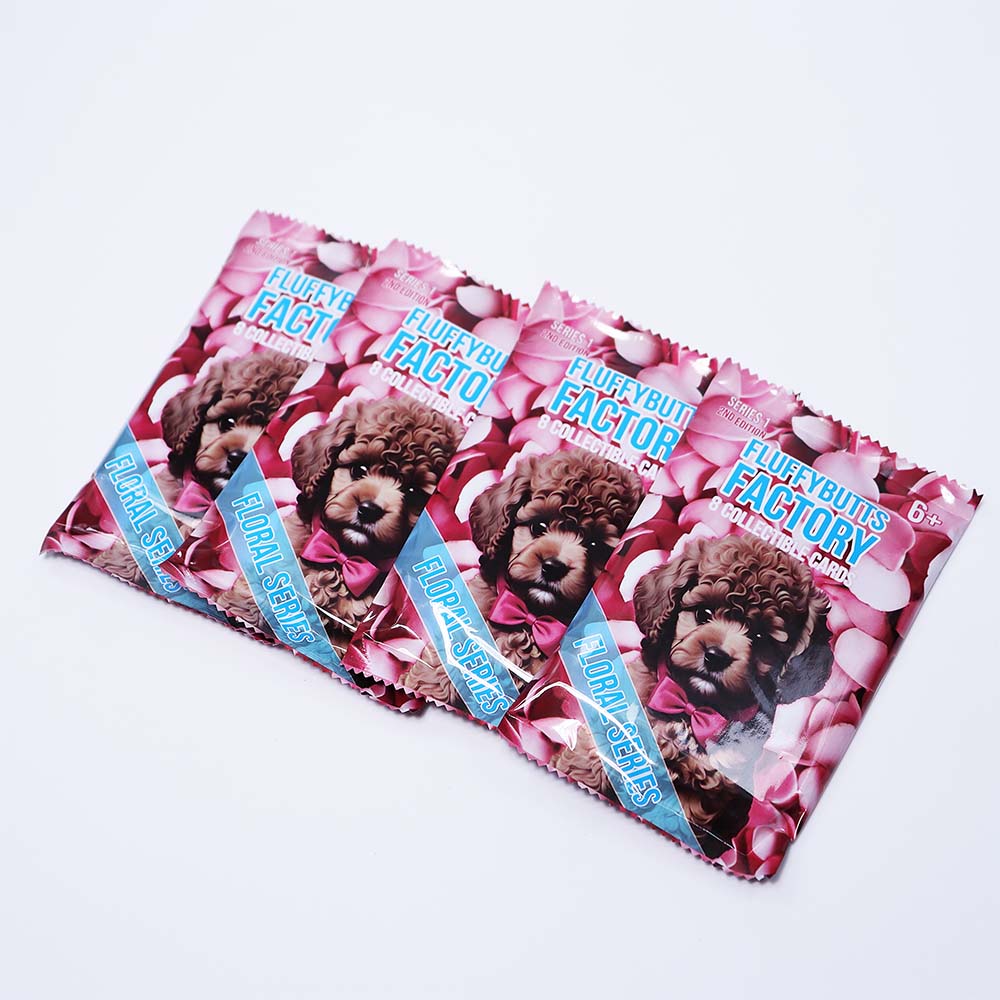 Fluffybutts Factory Custom Pet Card Blind Box Sets
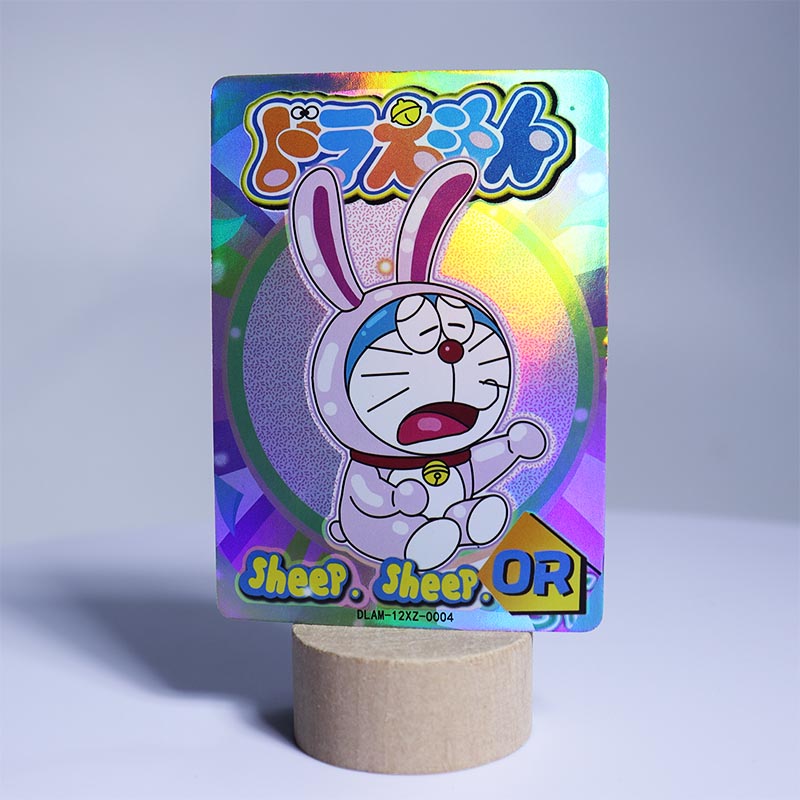 Doraemon Custom Card Blind Box Set
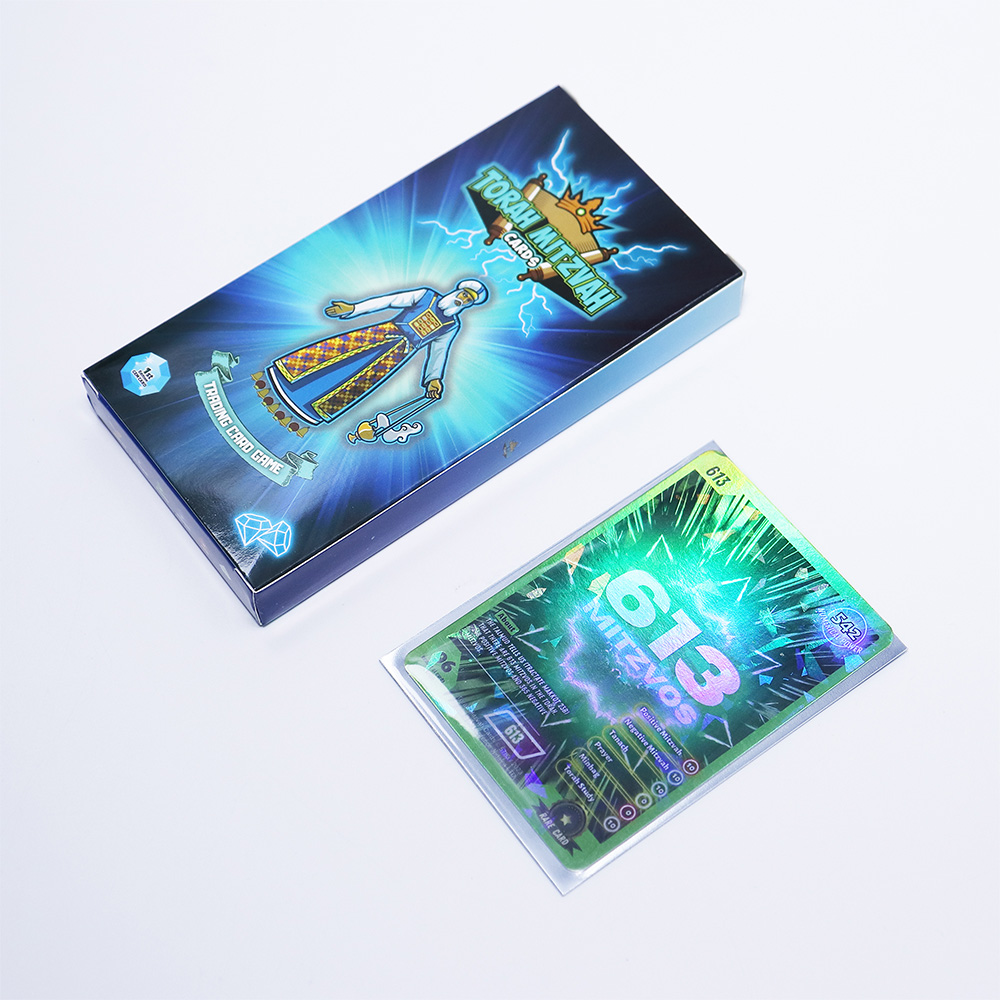 Torah Mitzvah Custom Card Blind Box Set
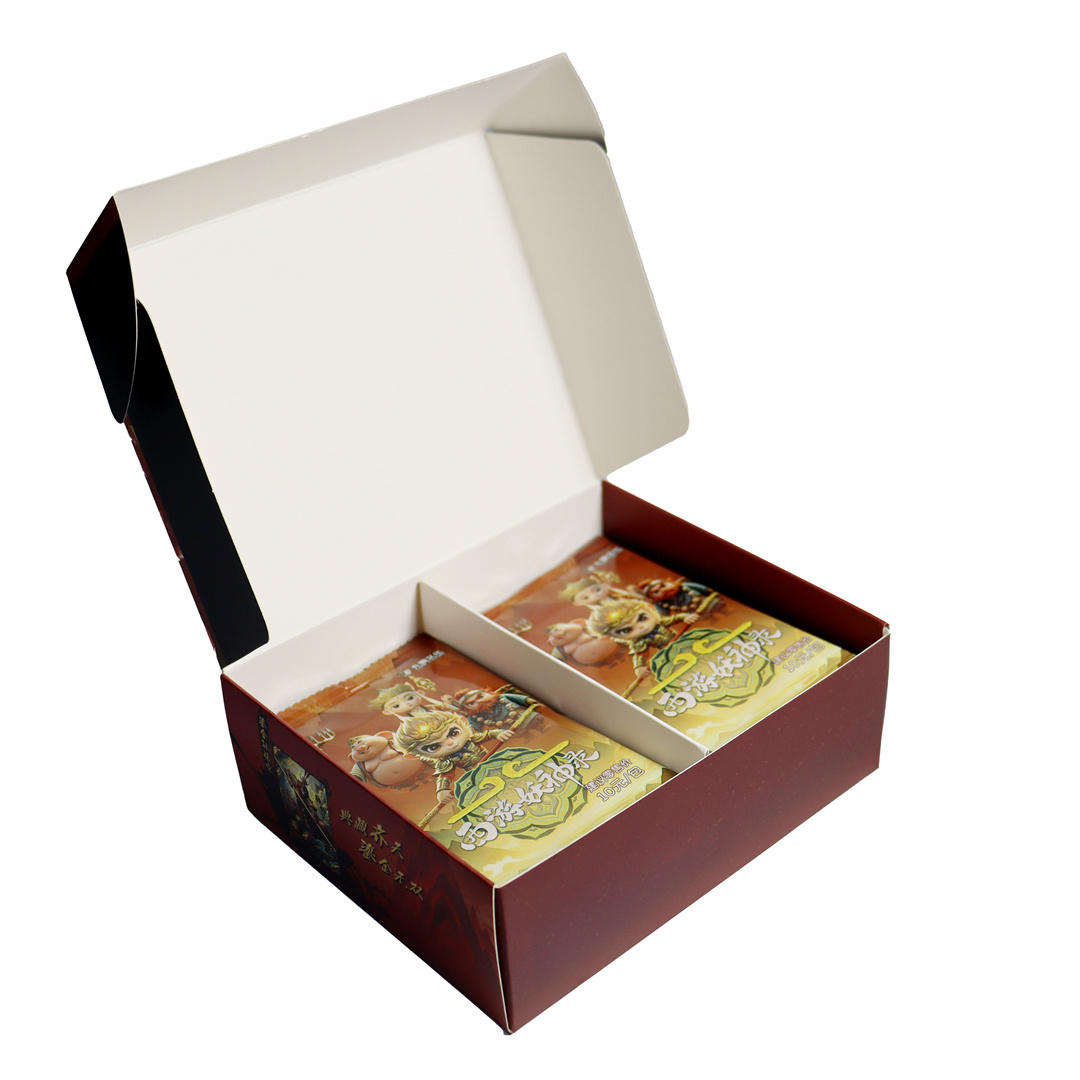 Customized "Journey to the West" Themed Card Blind Box Set
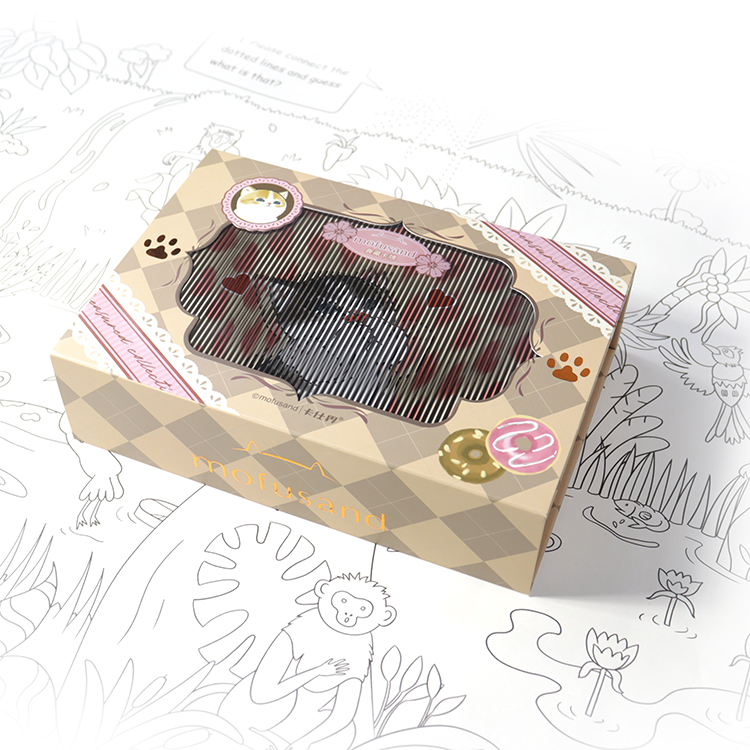 Customized cat-themed blind box set
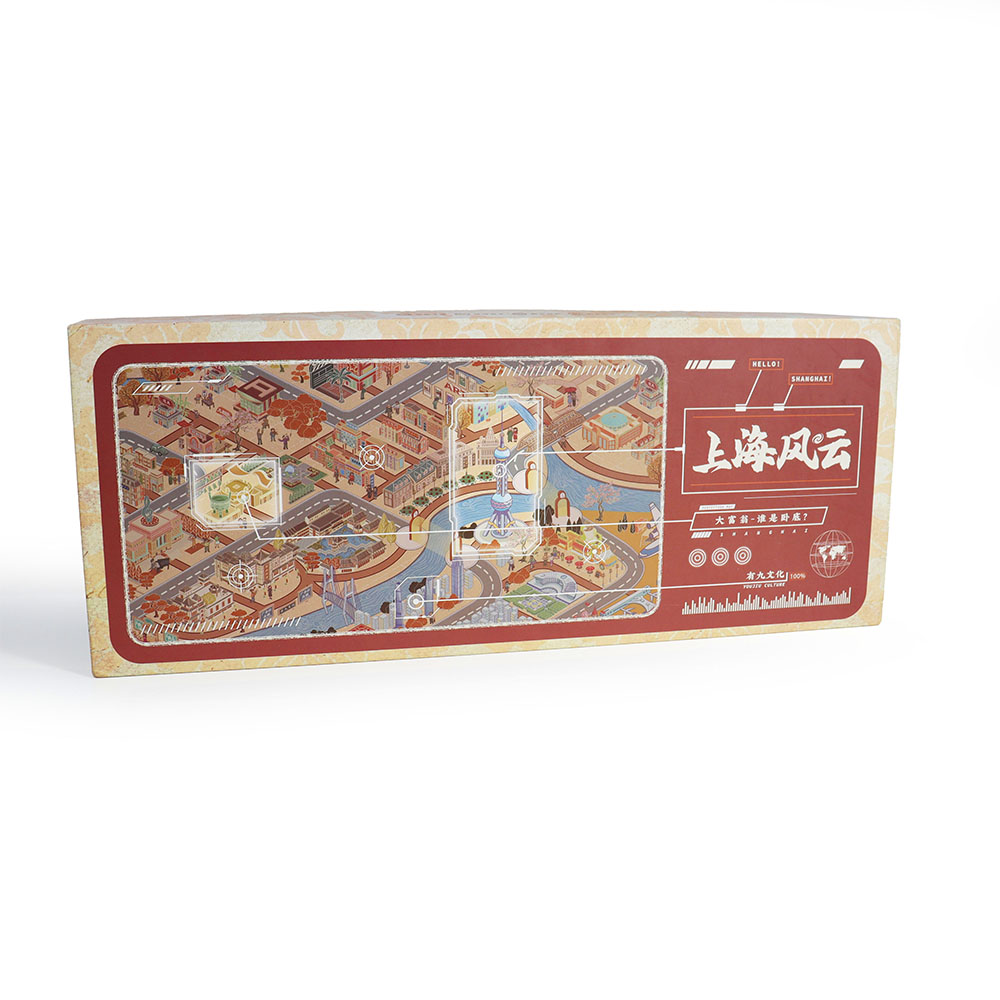 Shanghai Fengyun Custom Board Game Set
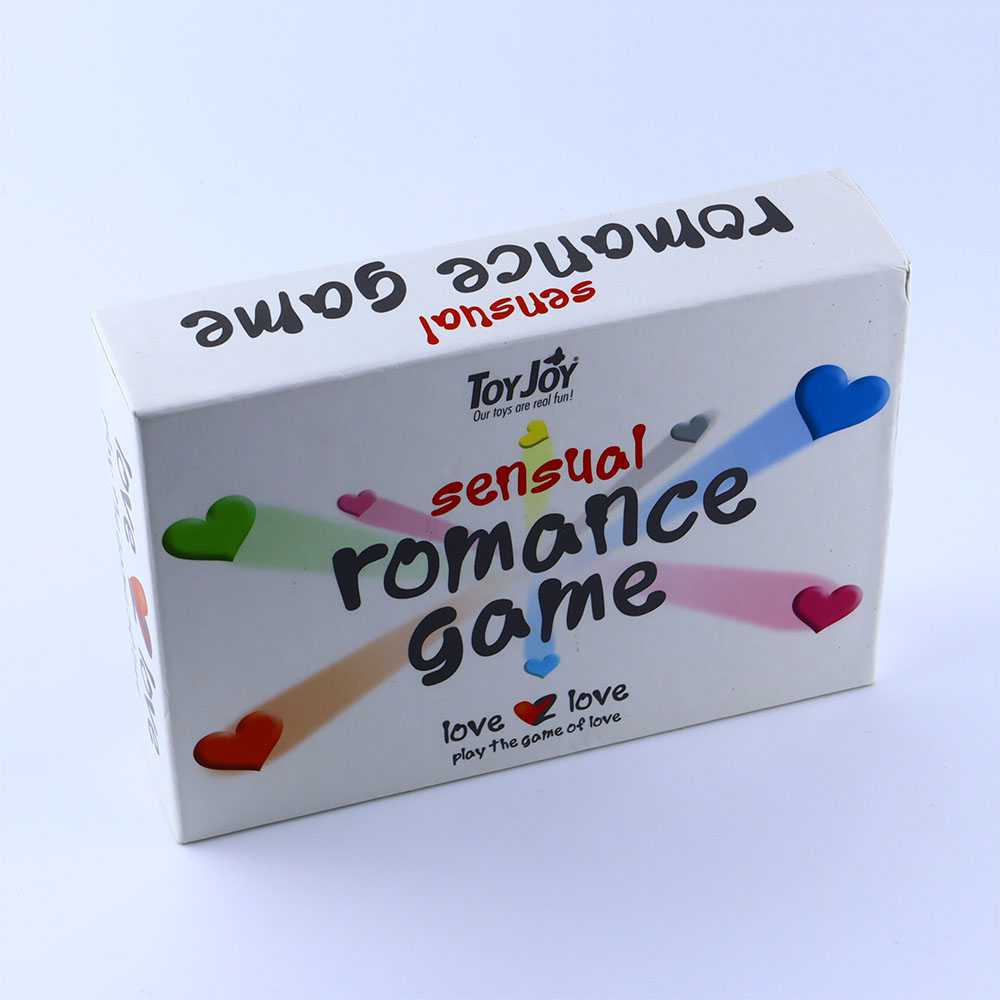 Sensual Romance Game Custom Board Game Set
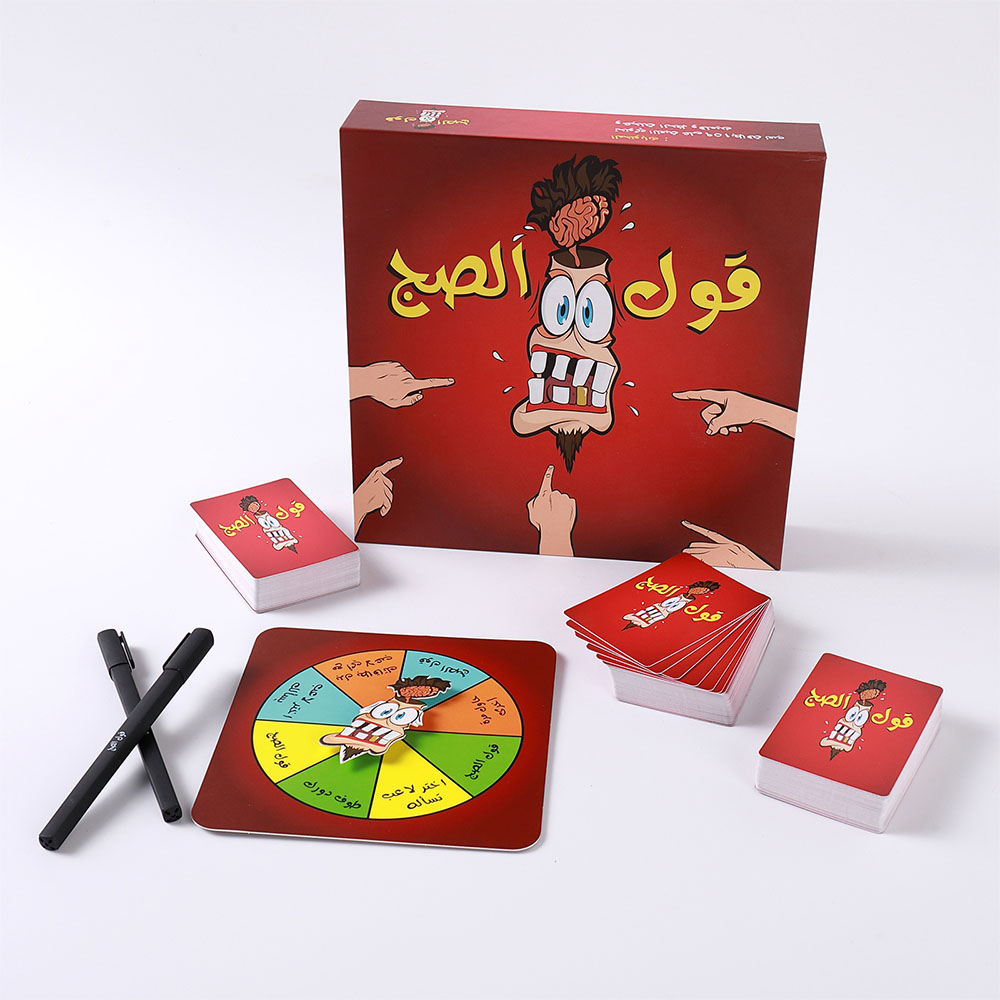 "Qoul Al Sabah" Custom Board Game Set
 Customized educational board games for children
 Couple Interaction Turntable Themed Board Game
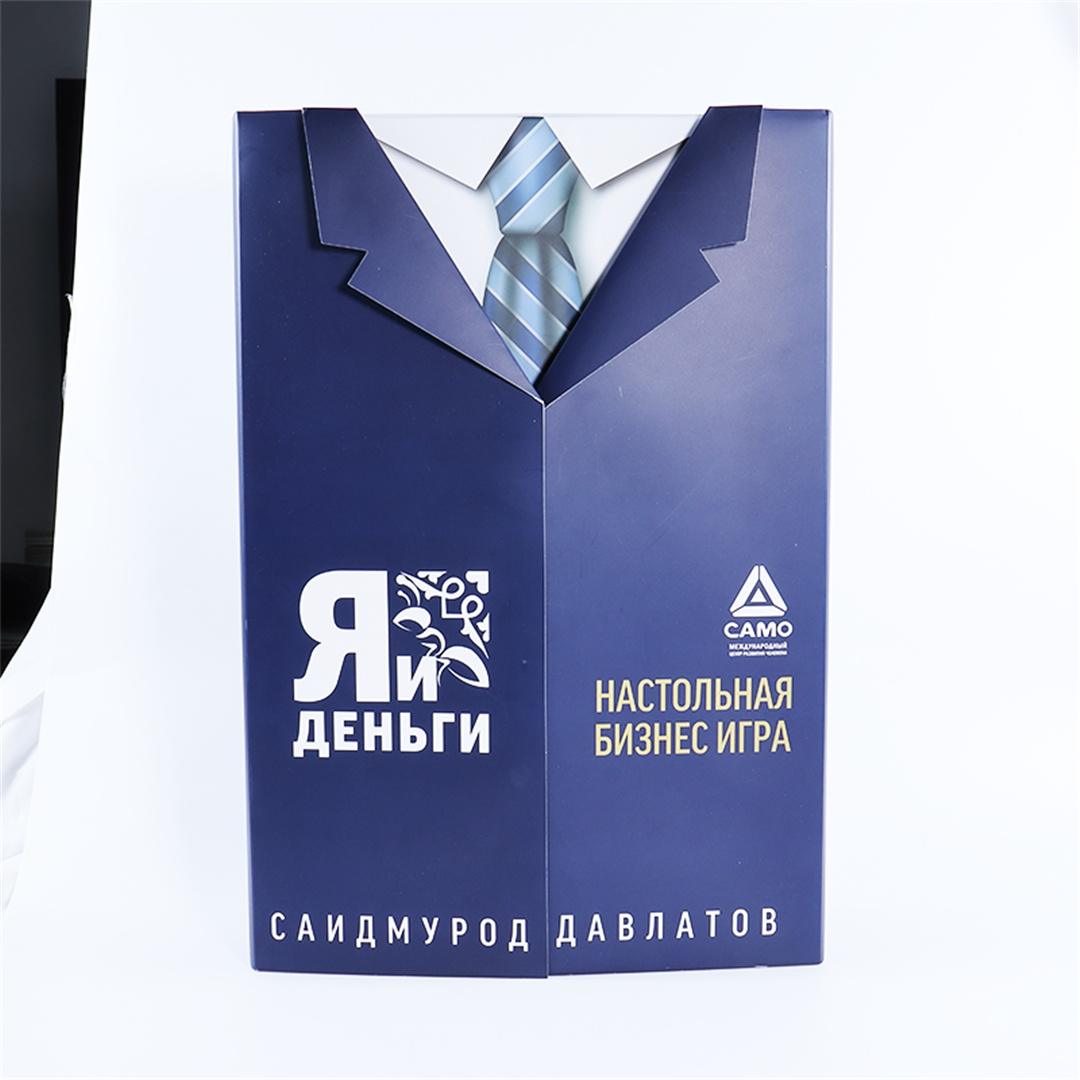 Business Finance Board Game
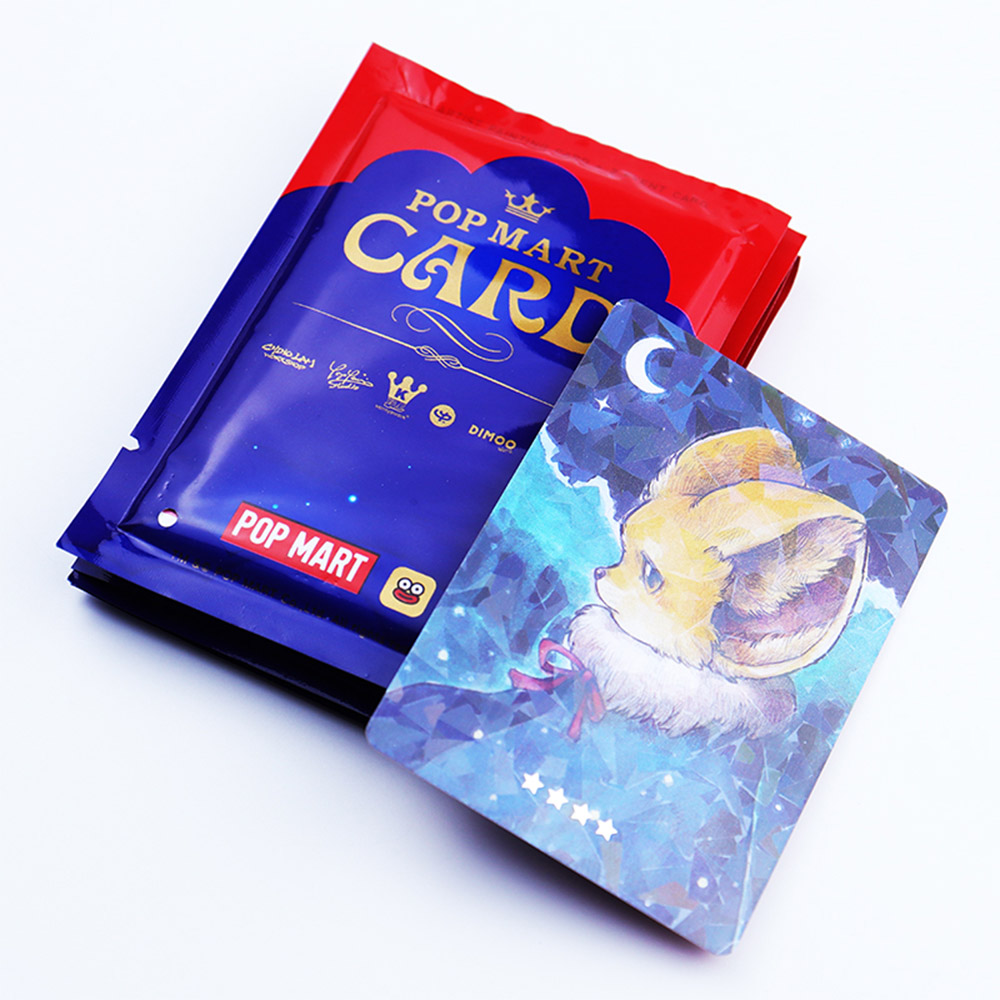 Pop Mart Custom Character Collectible Cards
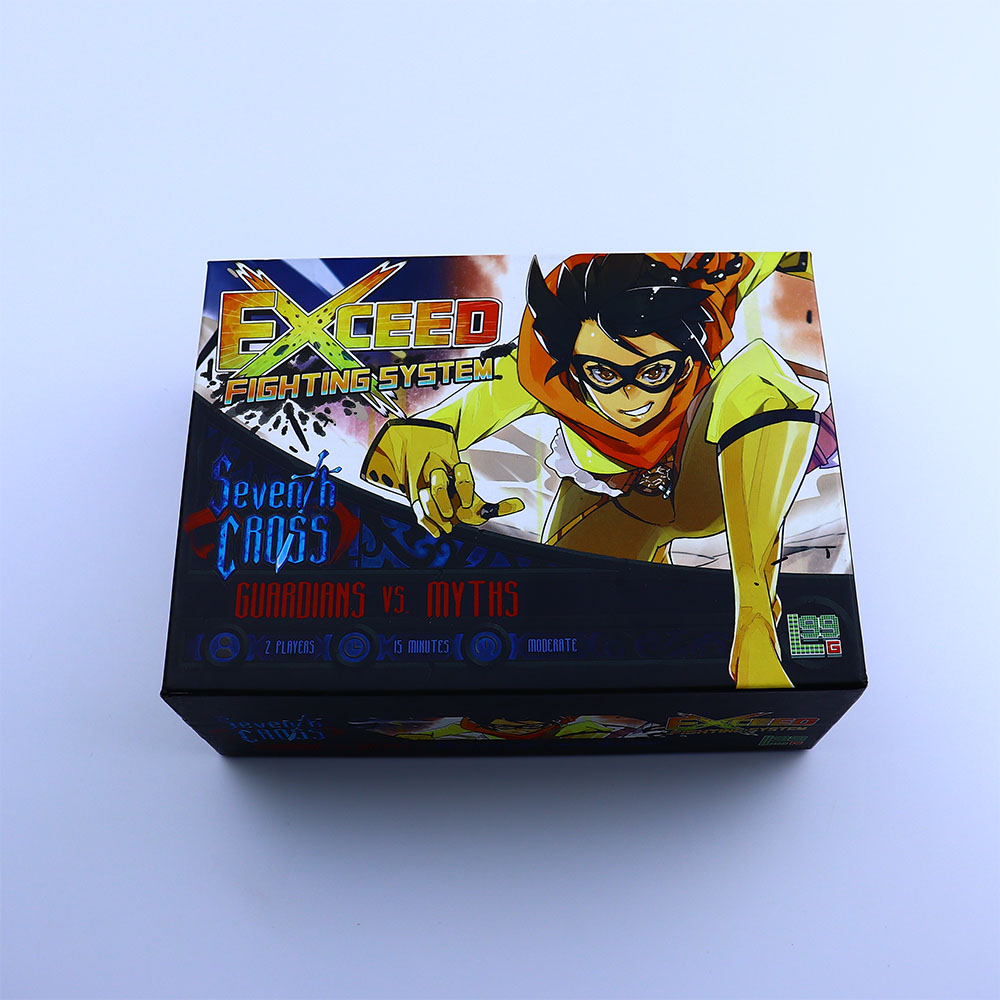 EXCEED Fighting System Custom Character Card Set
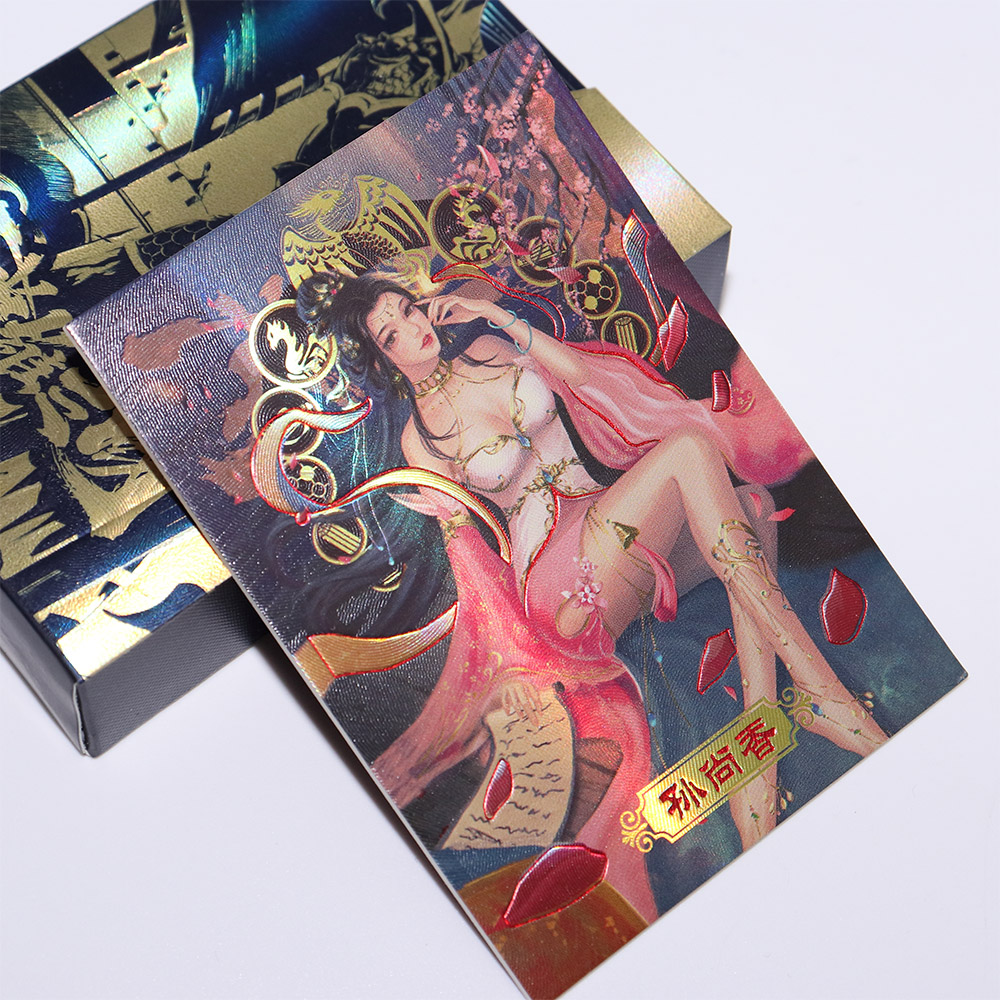 Three Kingdoms Custom Hero Character Cards
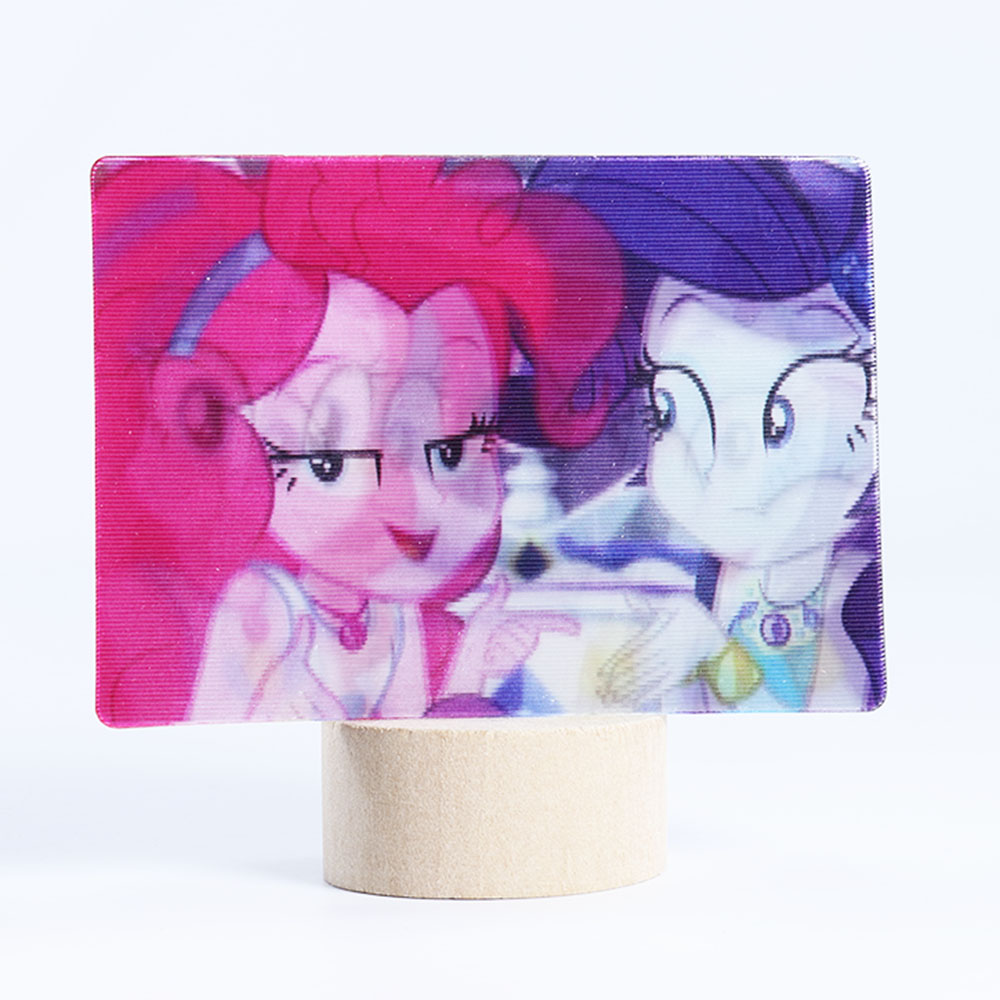 Custom Anime Character Dynamic Visual Cards
 Custom Cartoon Character Collectible Card Set
 Custom Anime Character Art Card Set
 Little Larch Alphabet Cards
 Feelings and Dealings Custom Children's Emotion Card Game
 Korean Children's Educational Flashcards
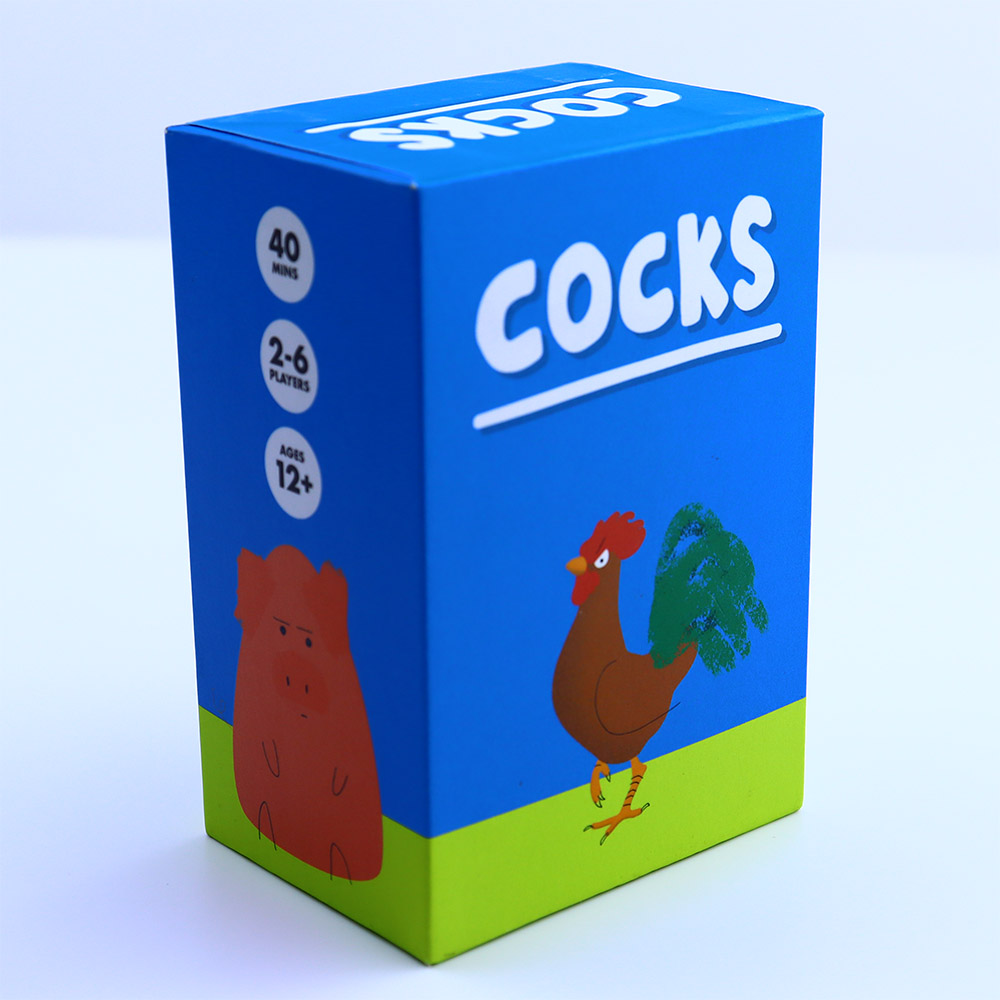 Cocks Themed Custom Children's Learning Cards
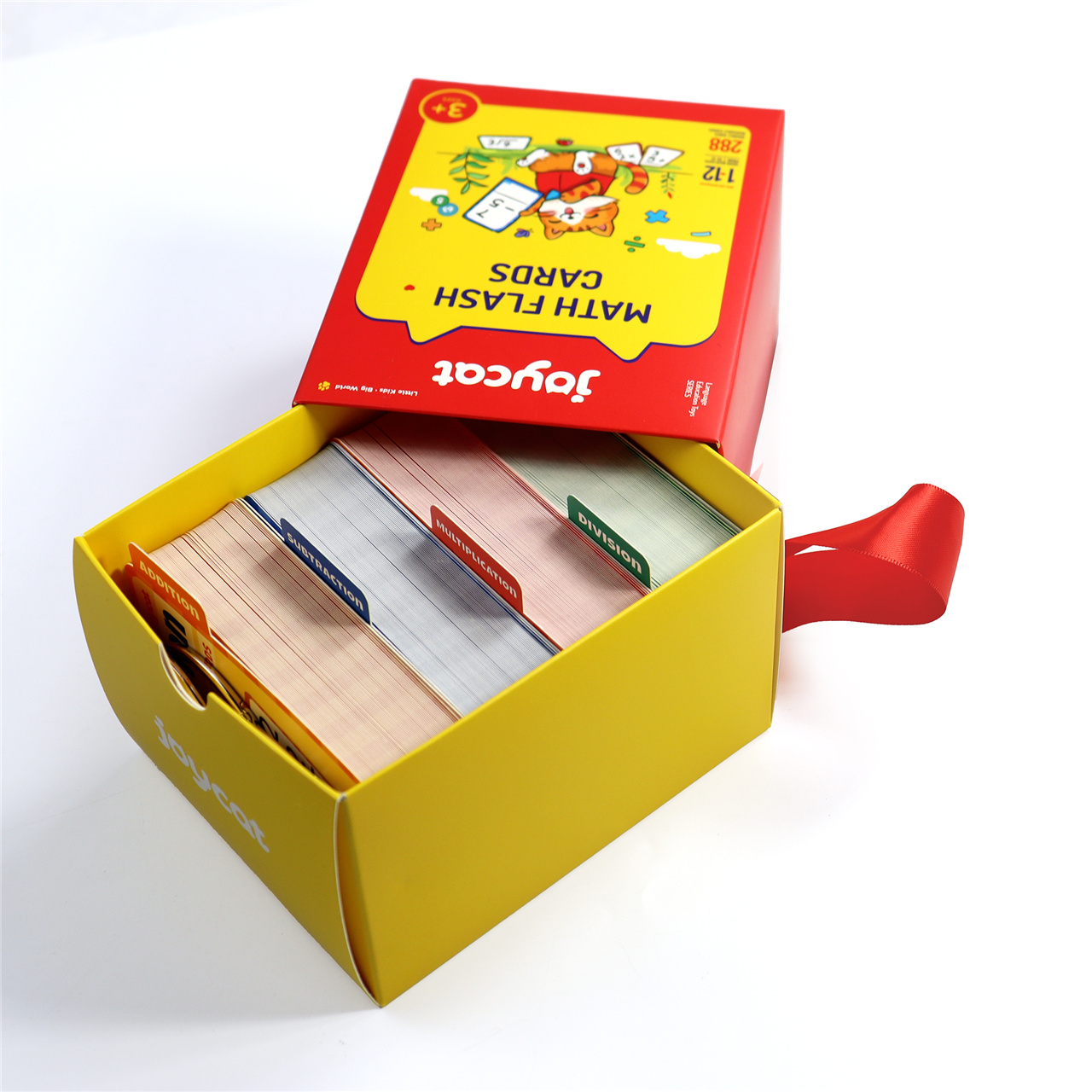 Math Flash Cards Set for Kids
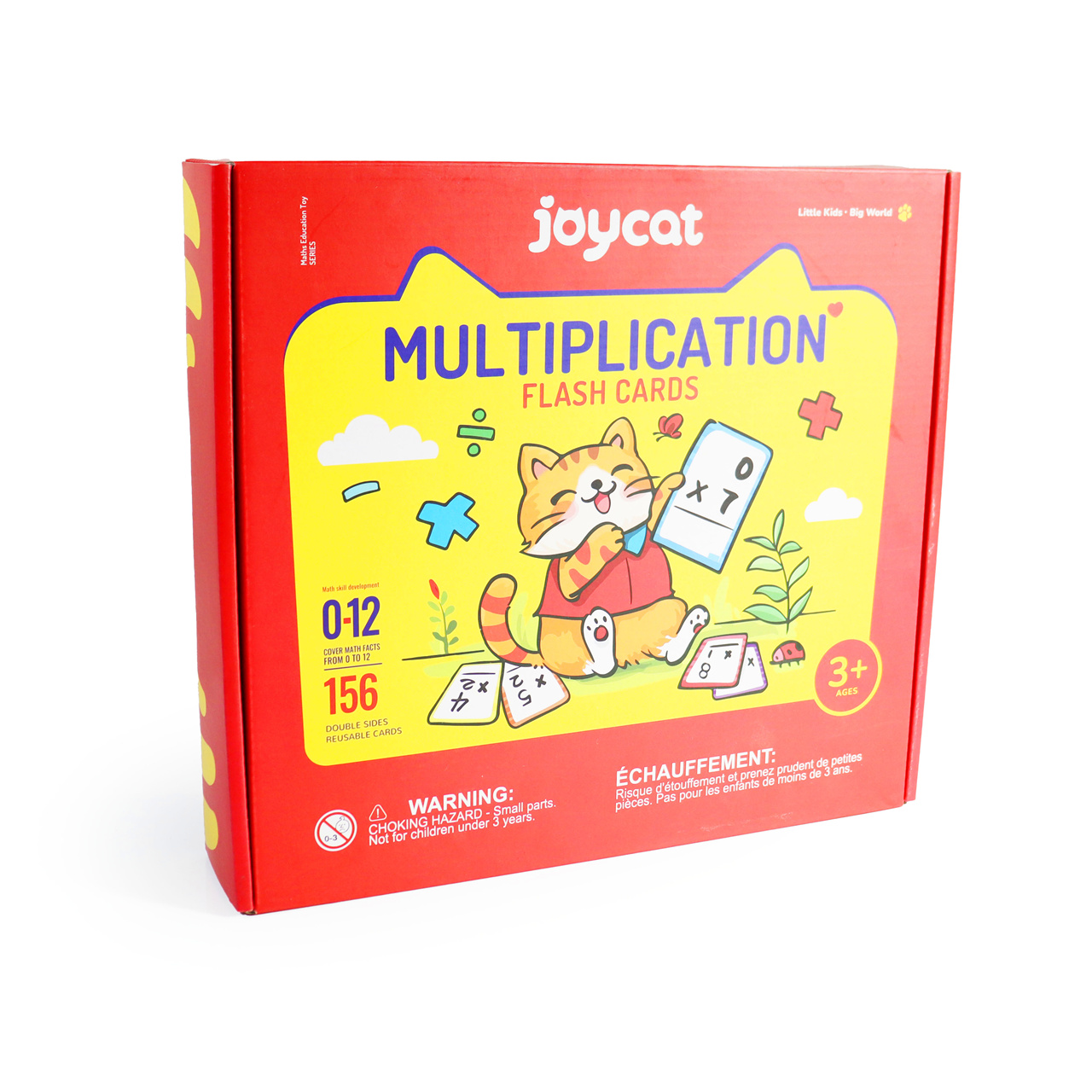 Joycat Multiplication Flash Cards Set with Accessories
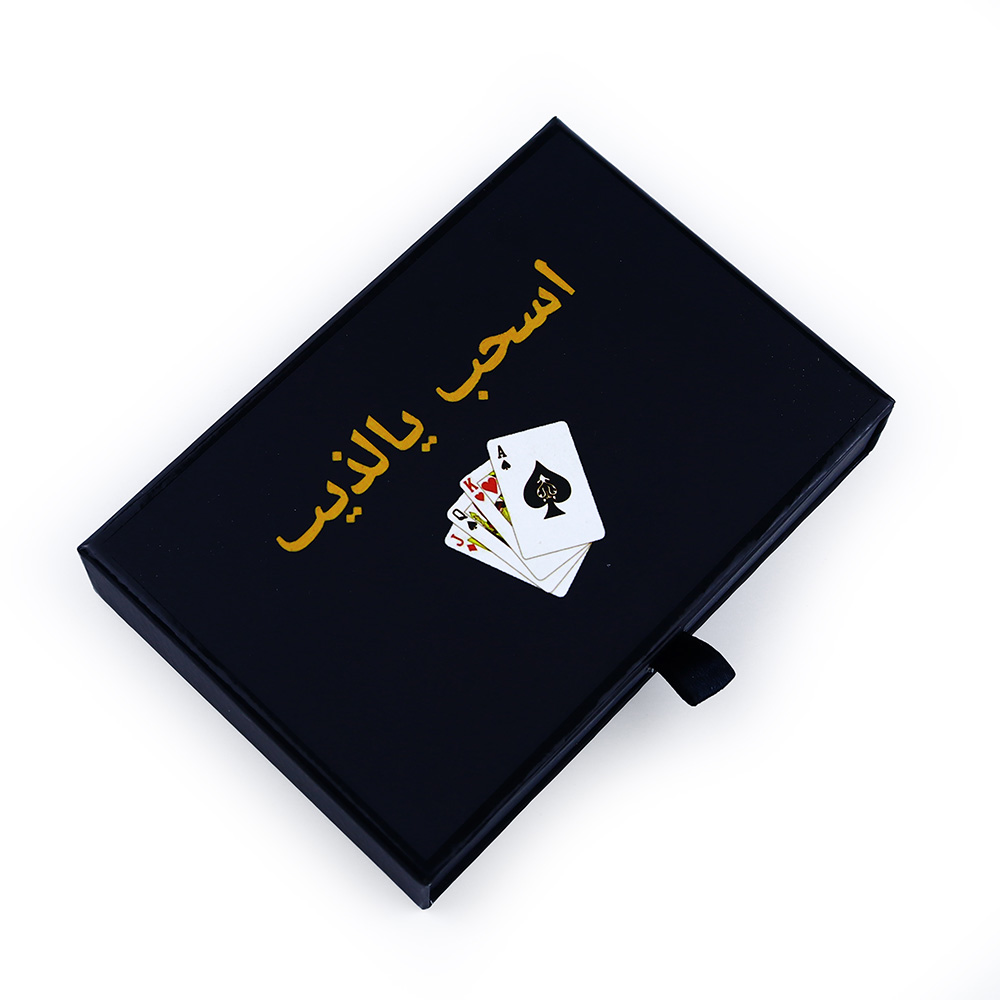 Custom Dual-Deck Playing Cards with Wolf-Themed Design
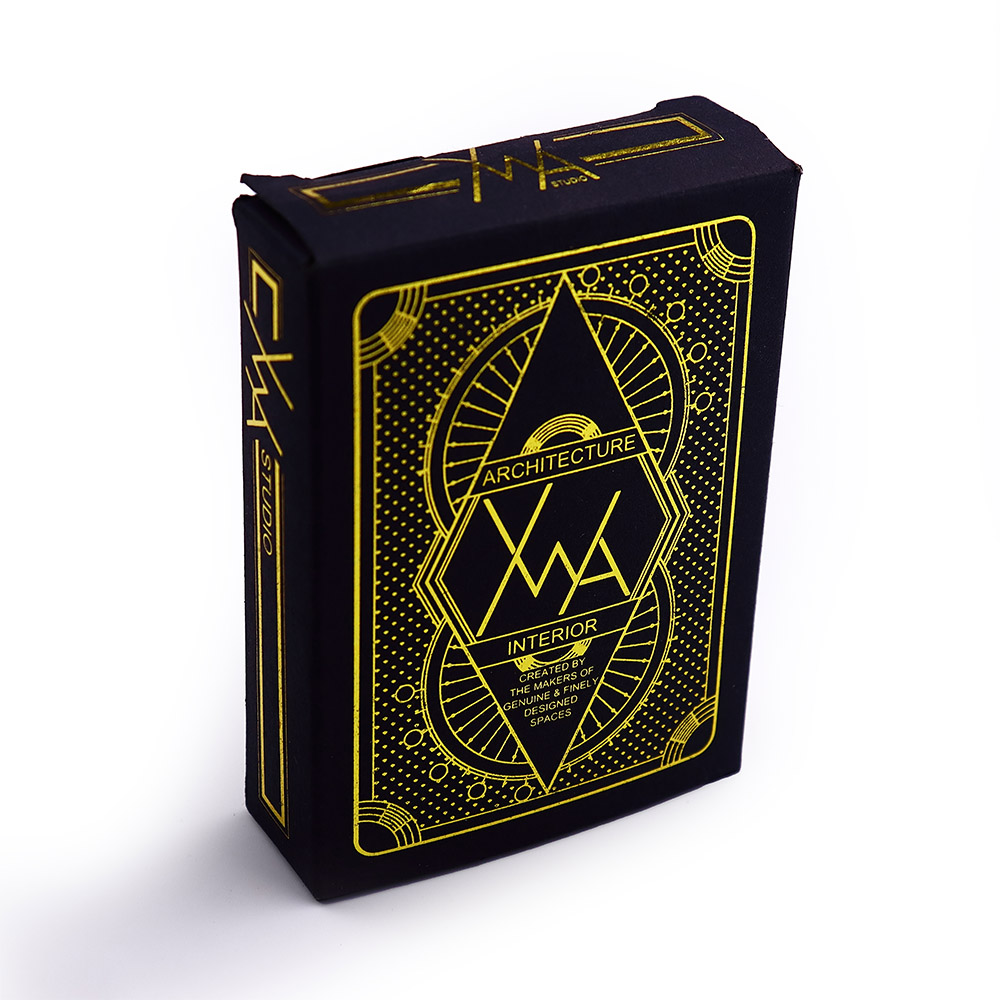 Custom embossed gold foil playing cards
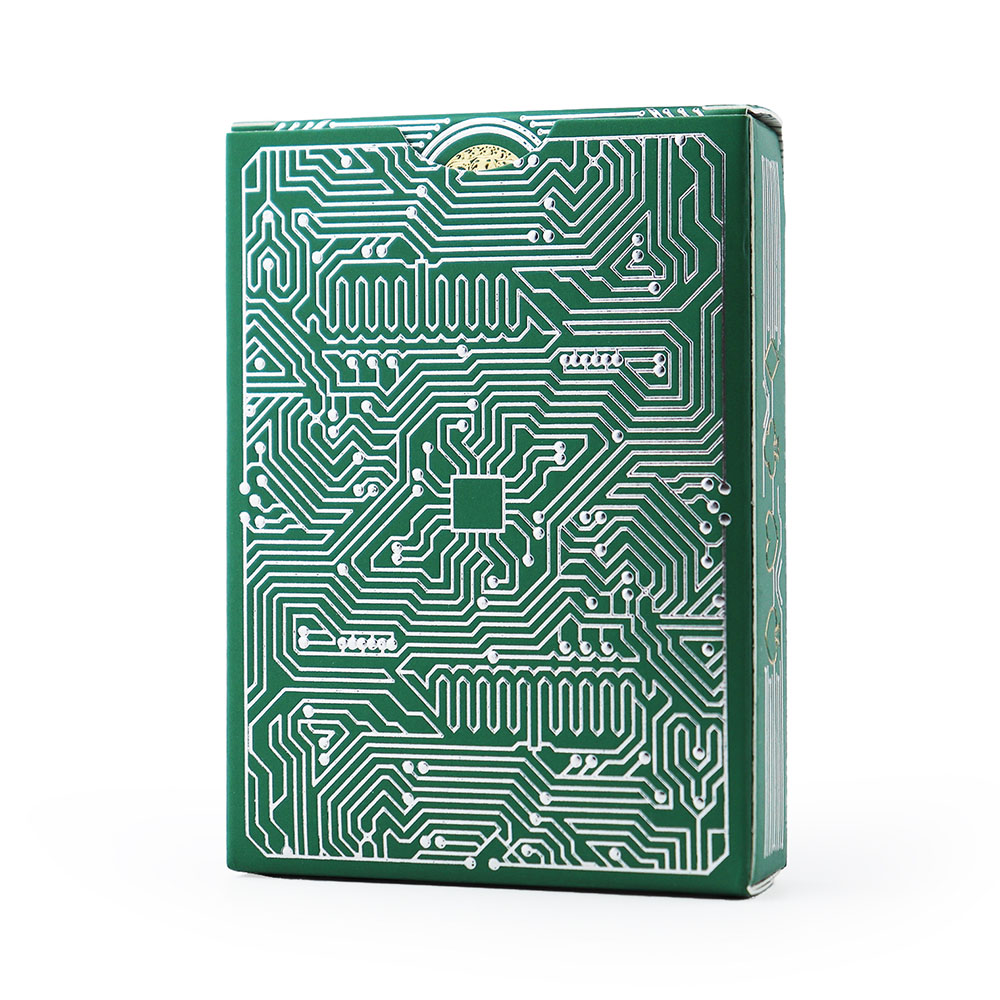 Circuit PCB Edition Custom Playing Cards
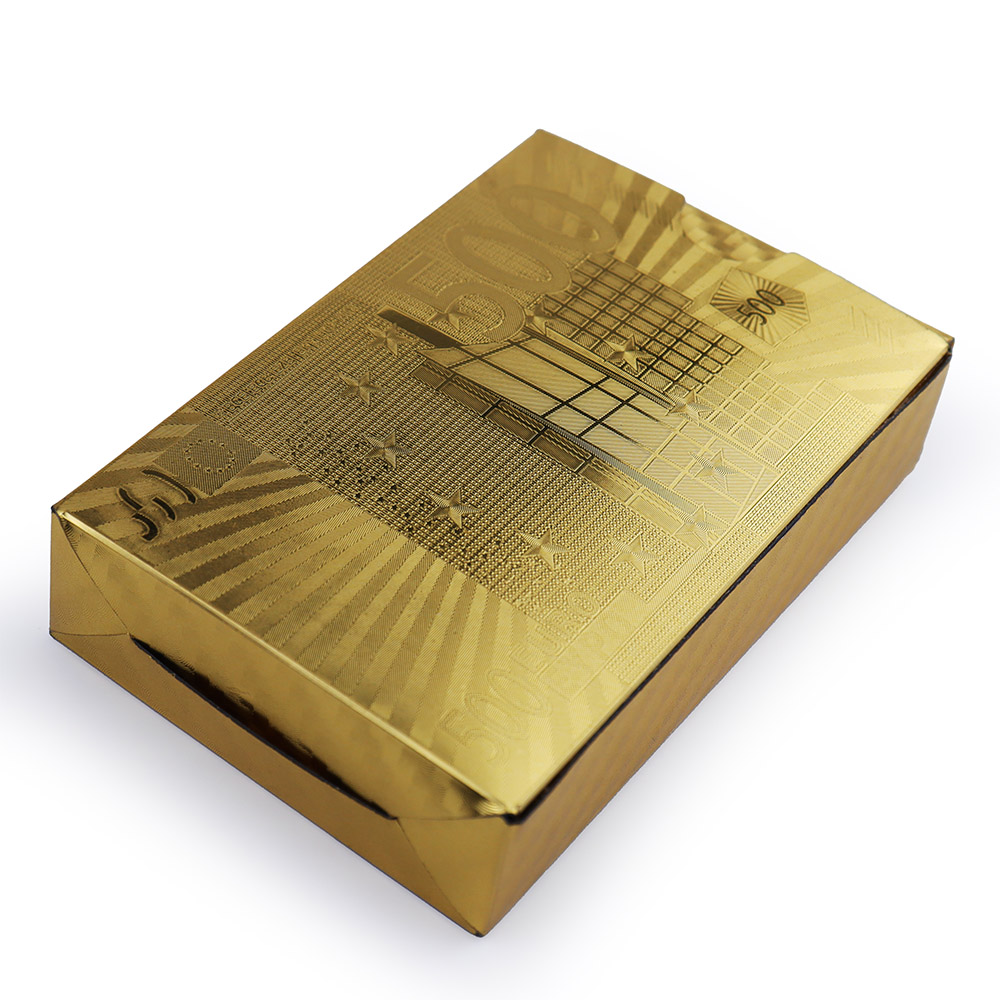 Customized theme gold foil playing cards
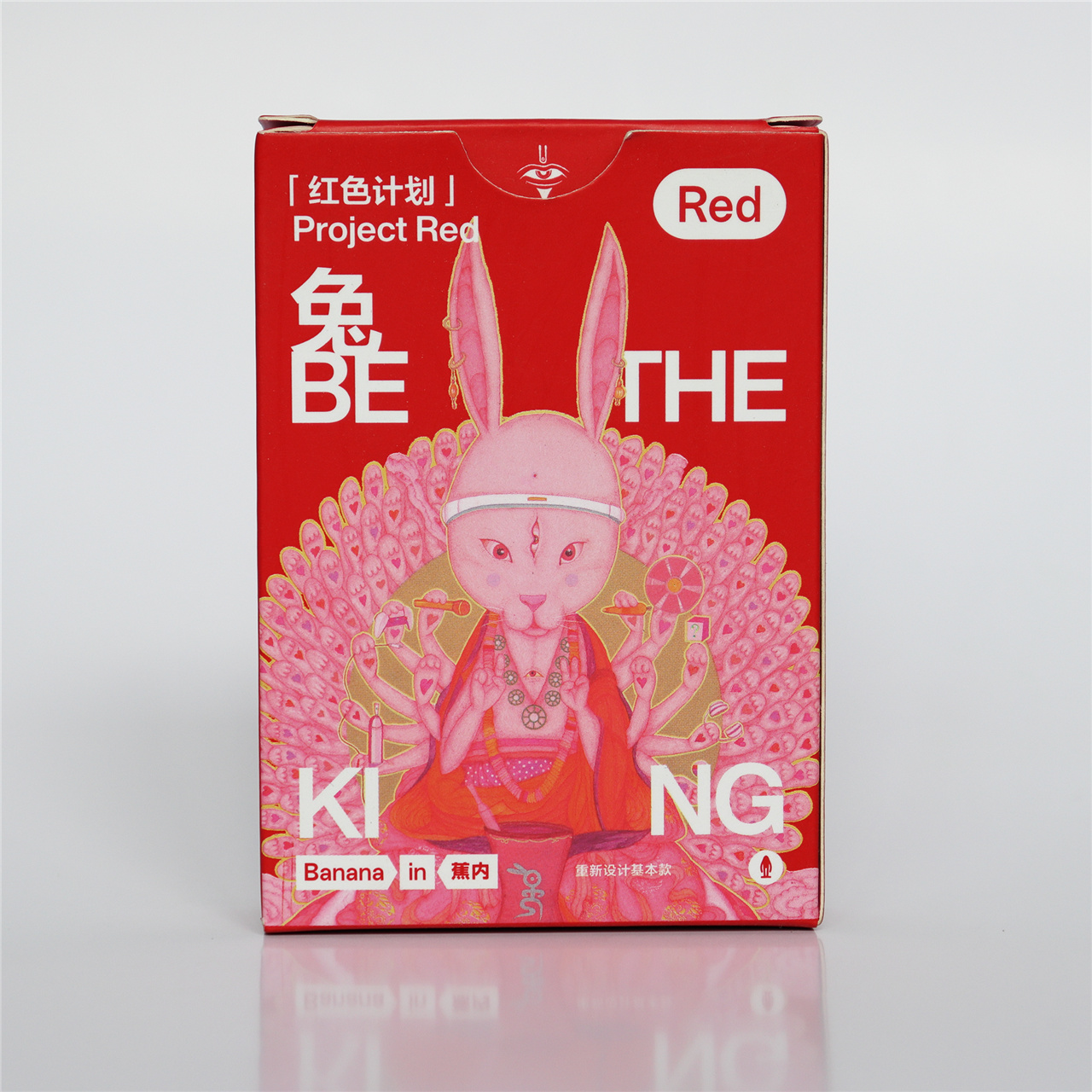 Custom Red Rabbit Themed Playing Cards Set
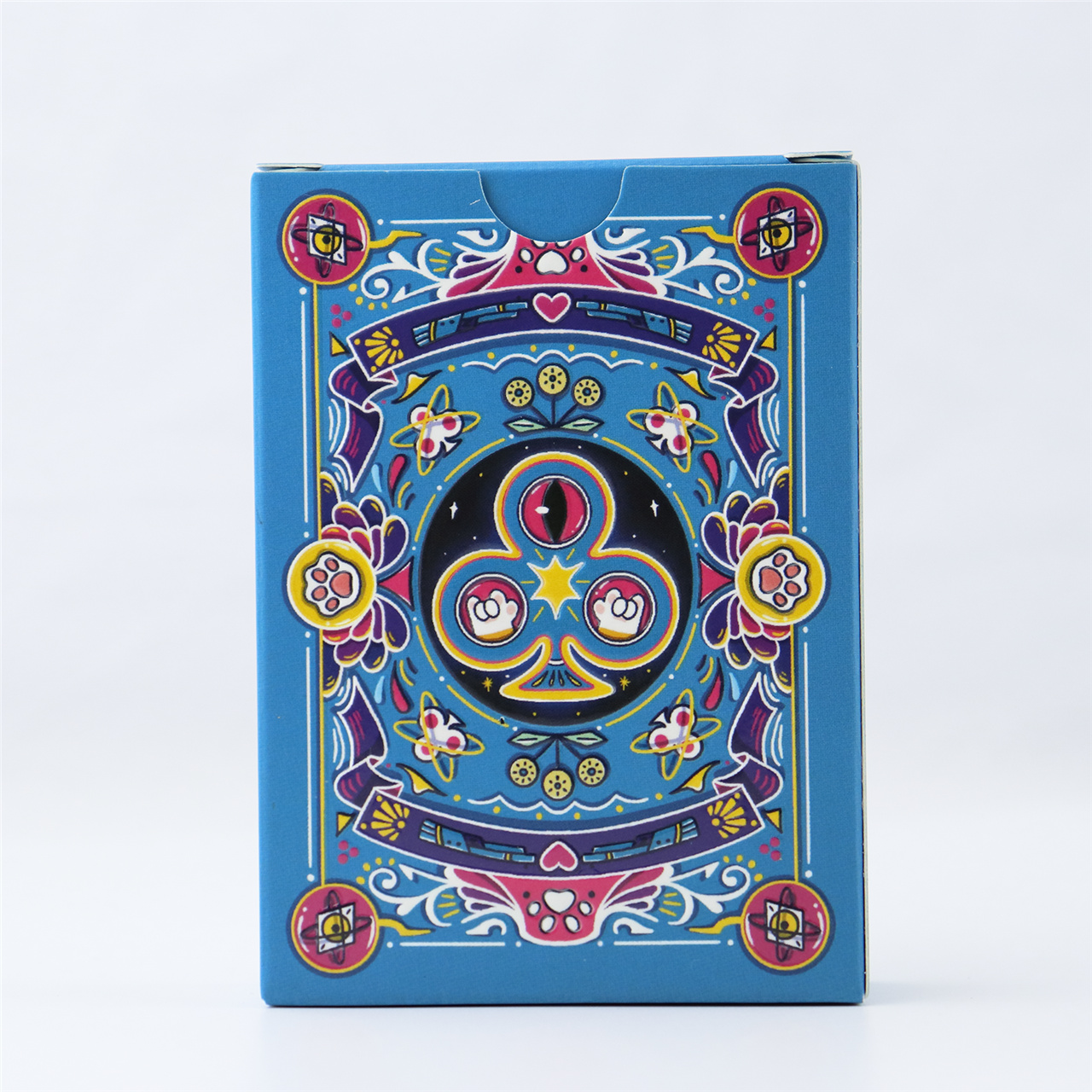 Custom Blue - Black Fantasy Plastic Playing Cards Set
 Pearls of Wisdom Oracle Custom Cards
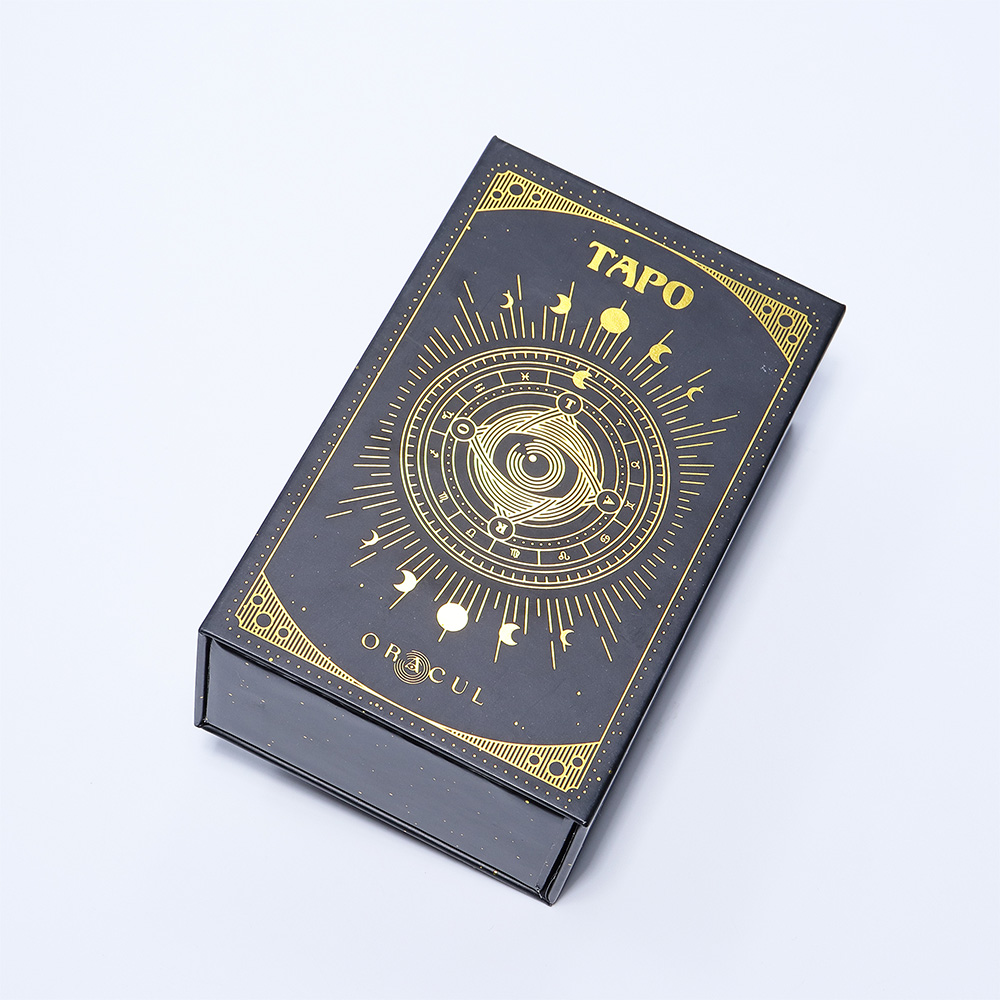 Custom Black & Gold Celestial Tarot Cards
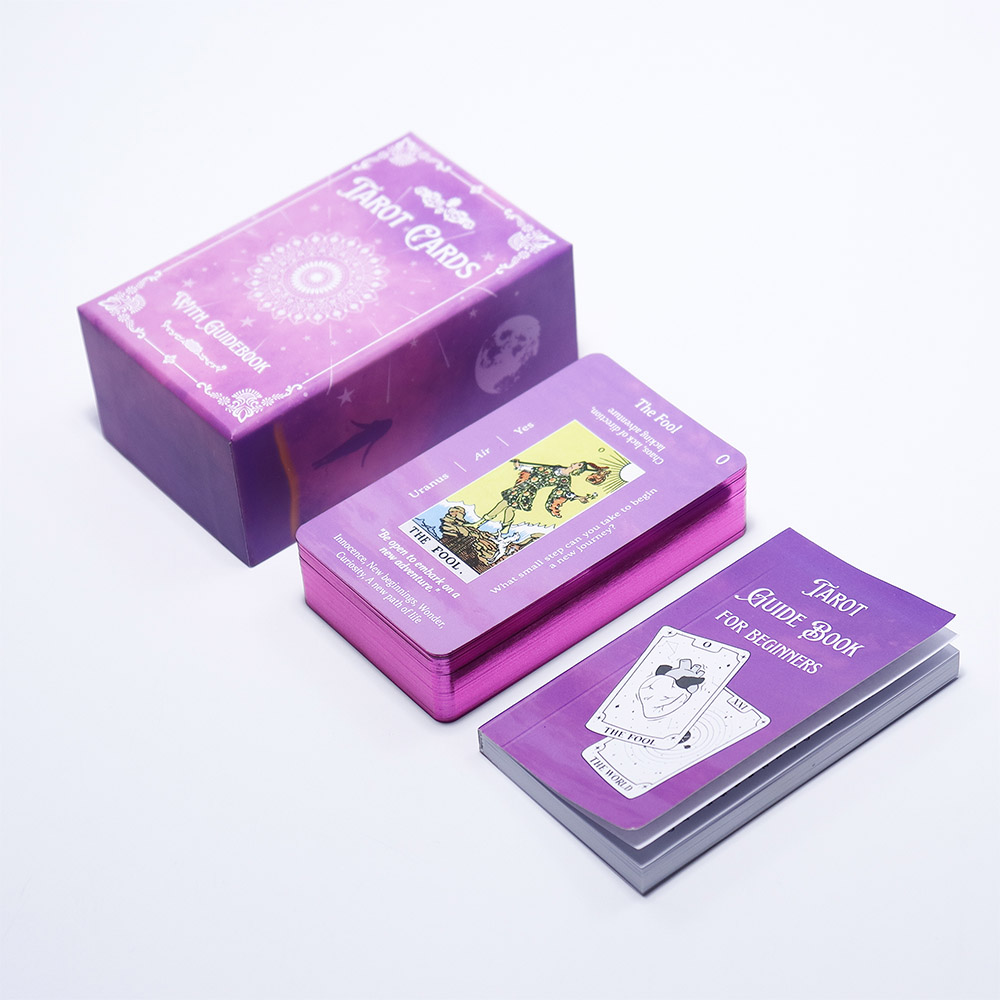 Custom Purple Tarot Cards with Guidebook
 L'Oracle d'Artémis Custom Oracle Cards
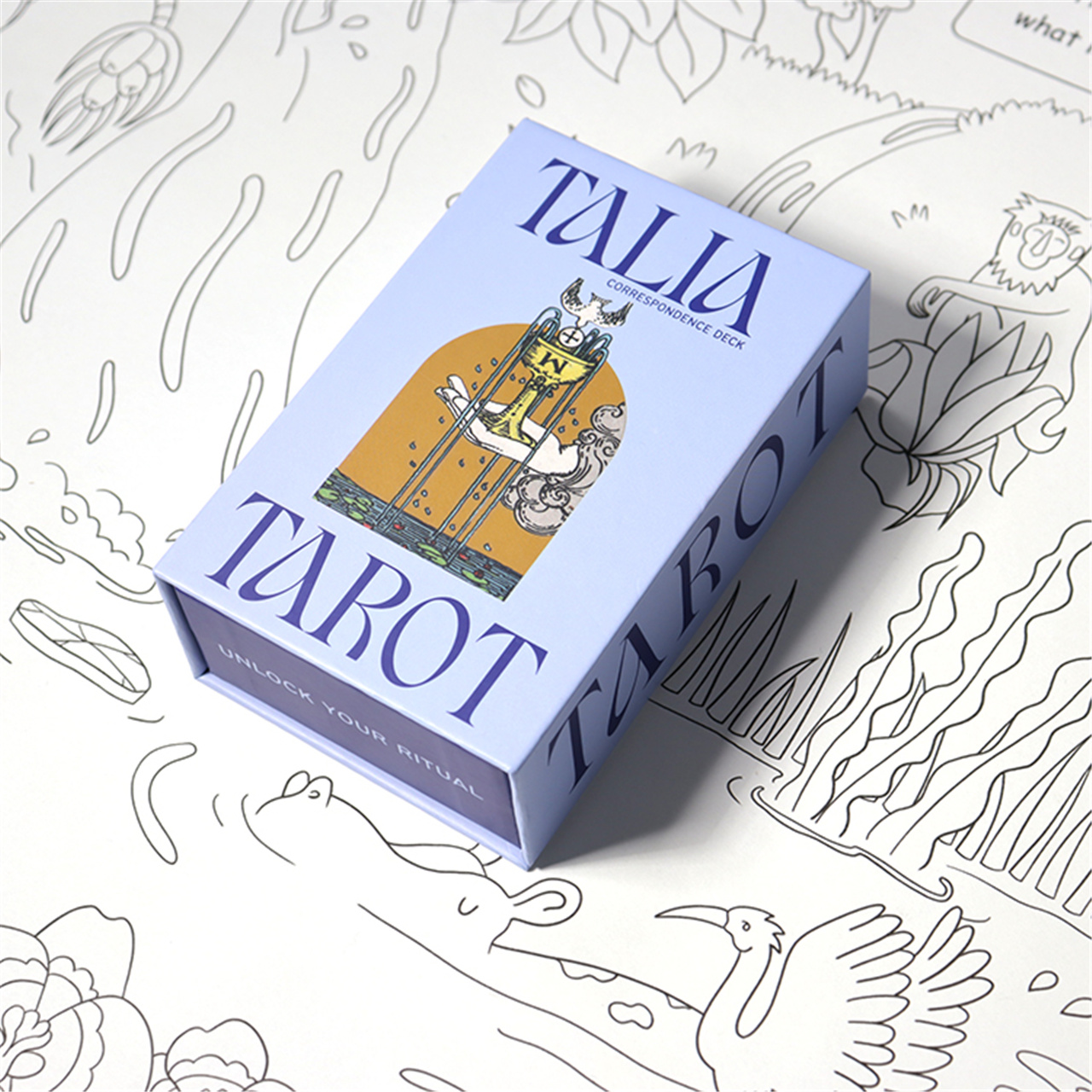 Custom Blue - Themed Tarot Cards Deck
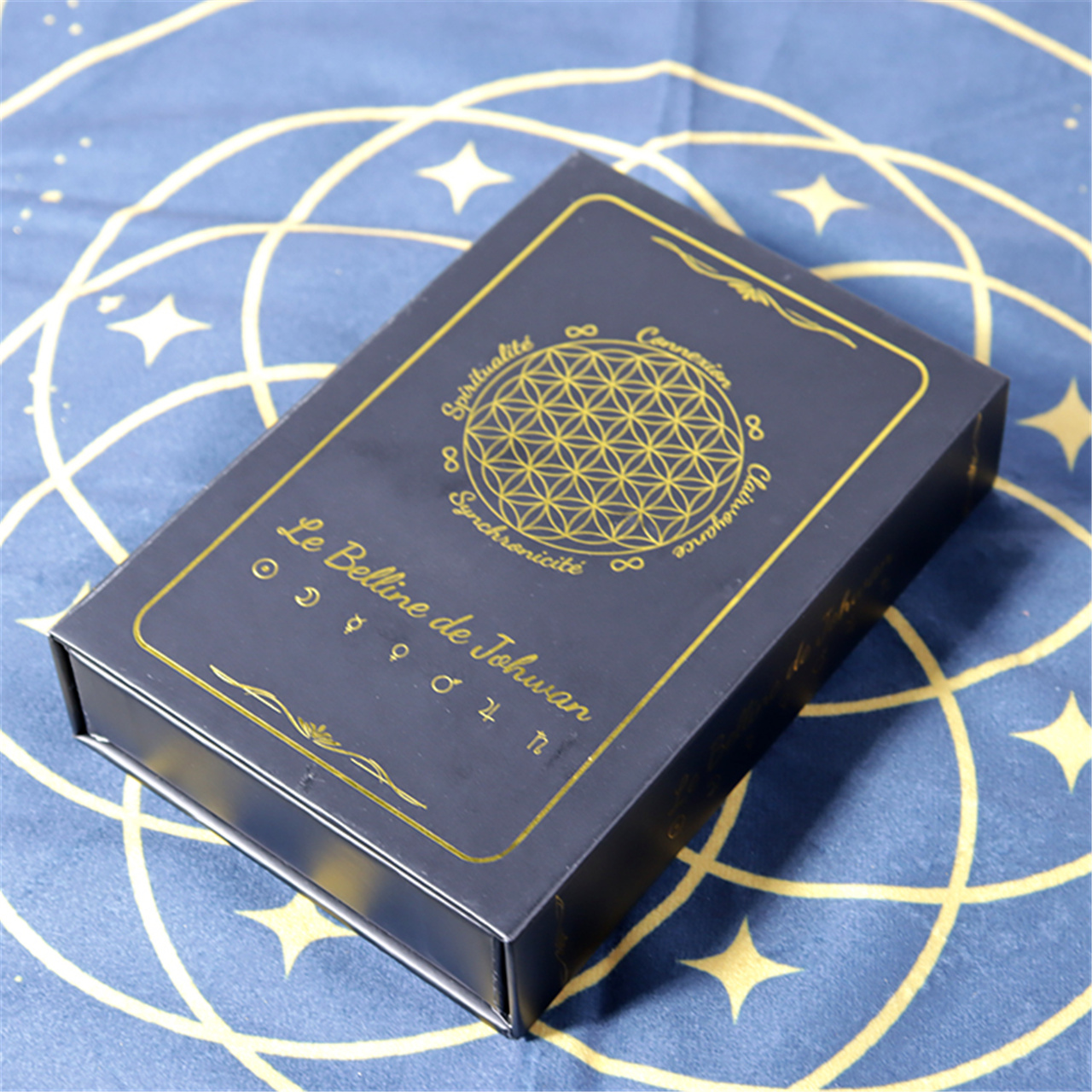 Custom Black - Blue Gold Foil Tarot Cards Set
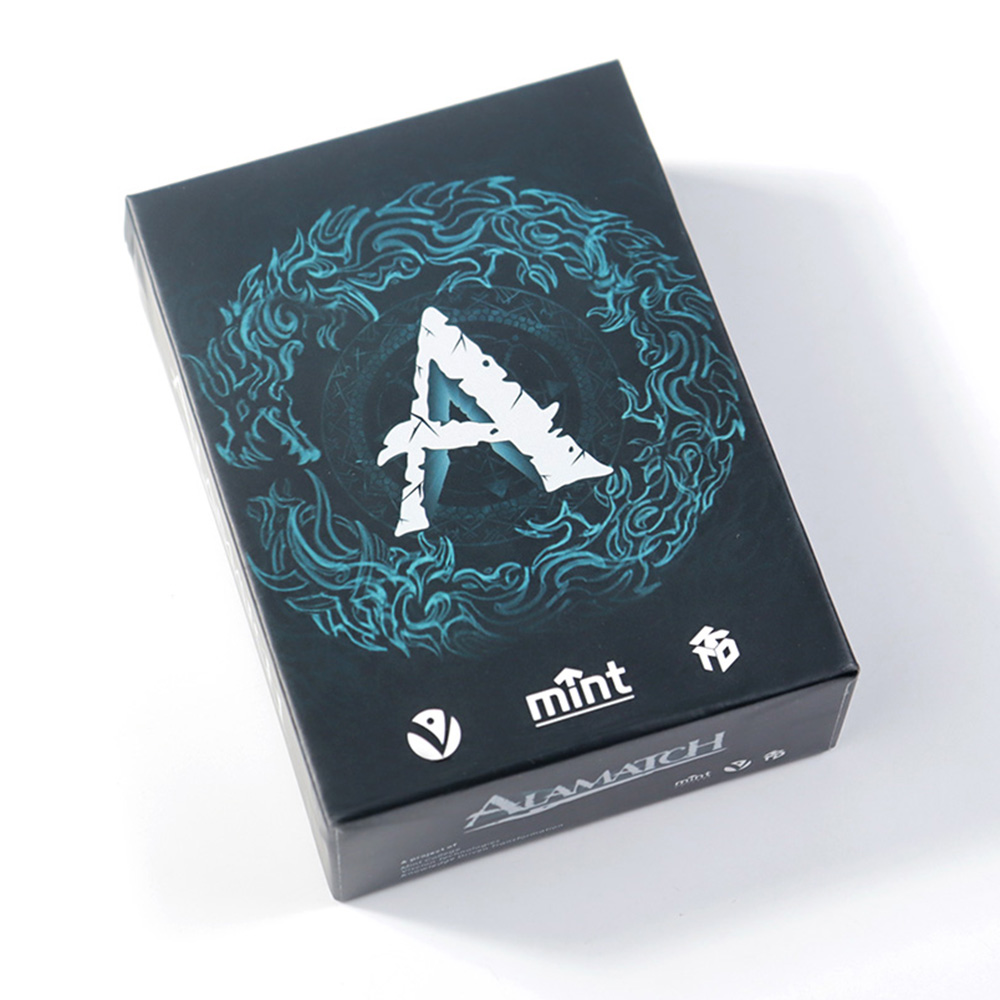 Alamatch Custom Trading Game Cards
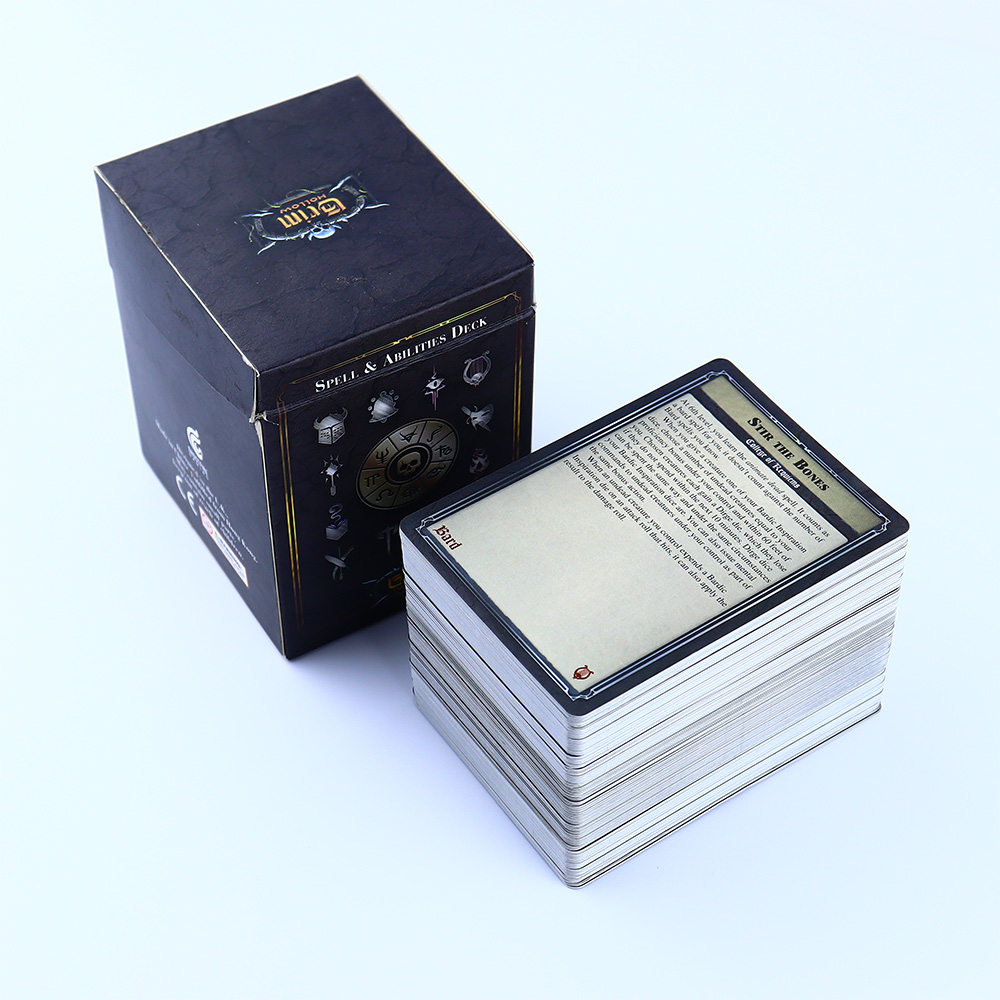 Grim Hollow Spell & Abilities Custom Trading Cards
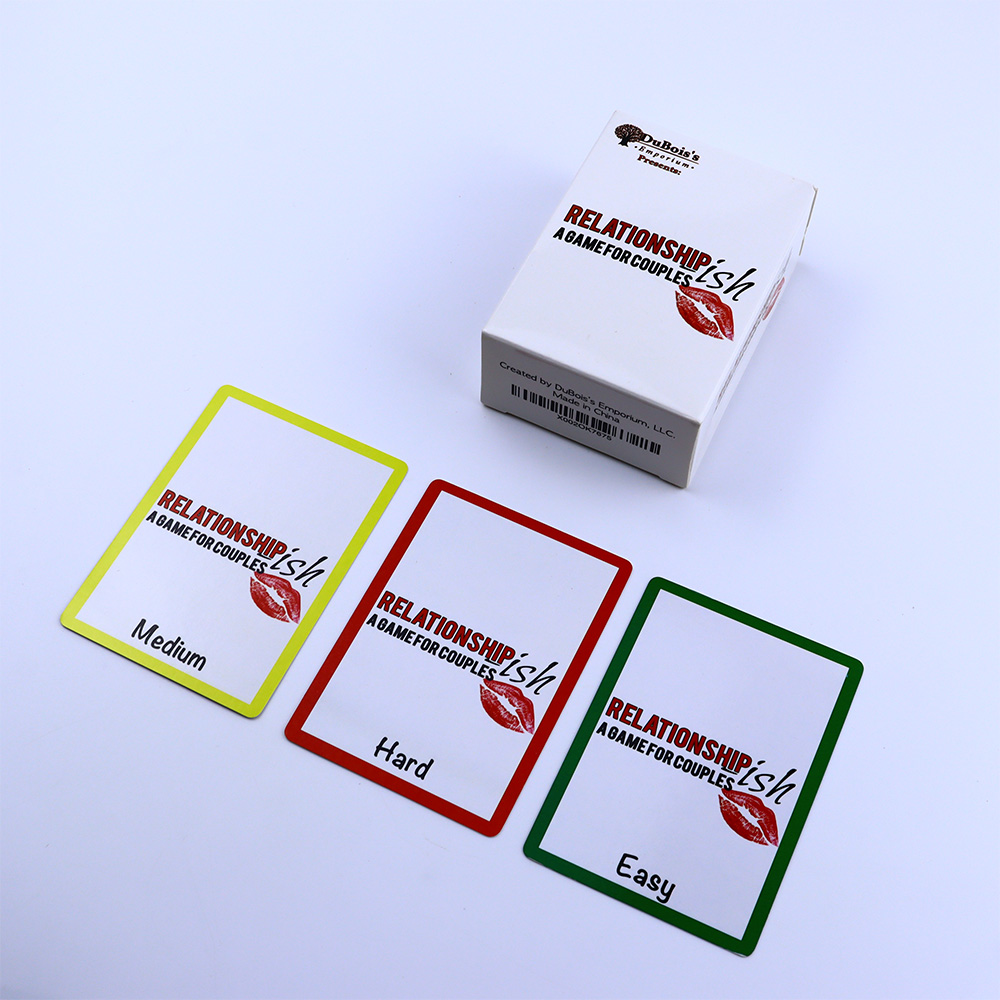 Relationshipish Custom Couple Card Game
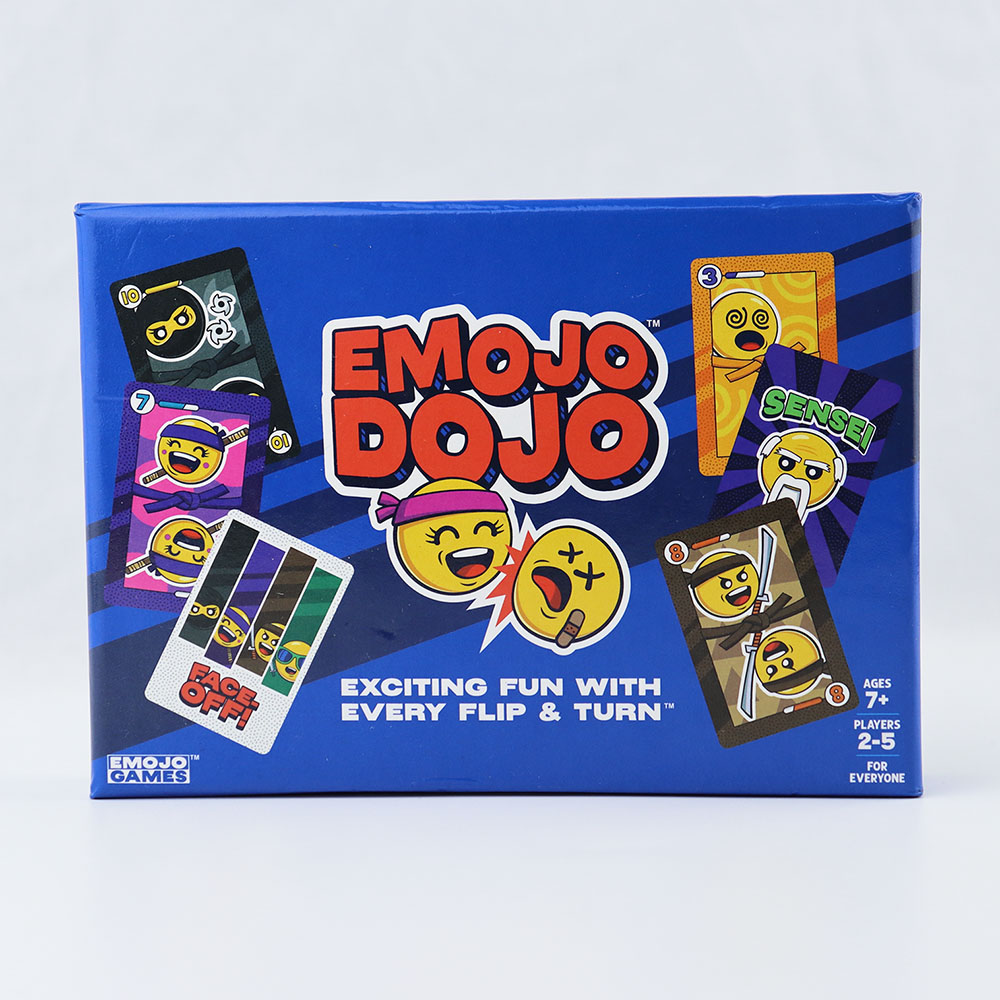 Emojo Dojo Custom Trading Card Game
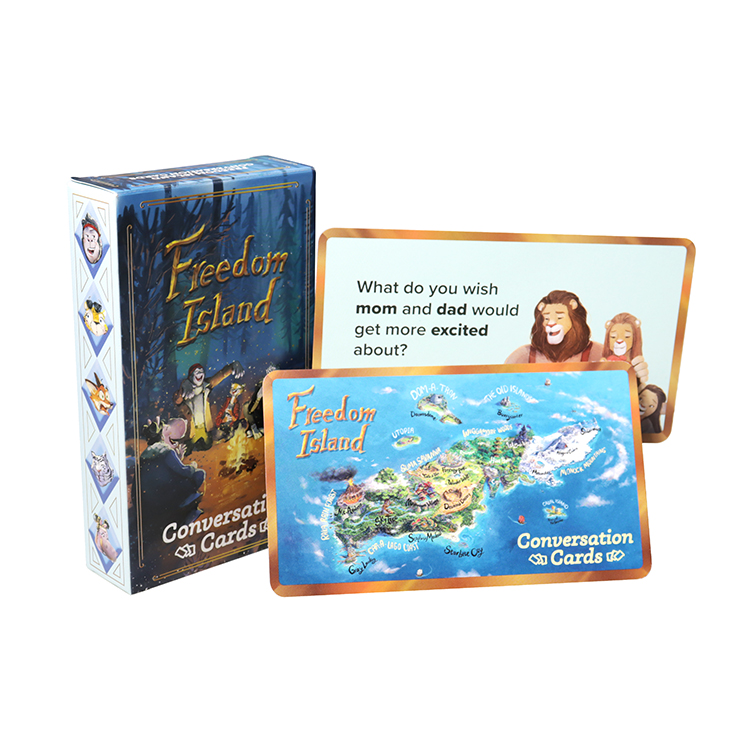 Custom Travel Photo Trading Cards Set
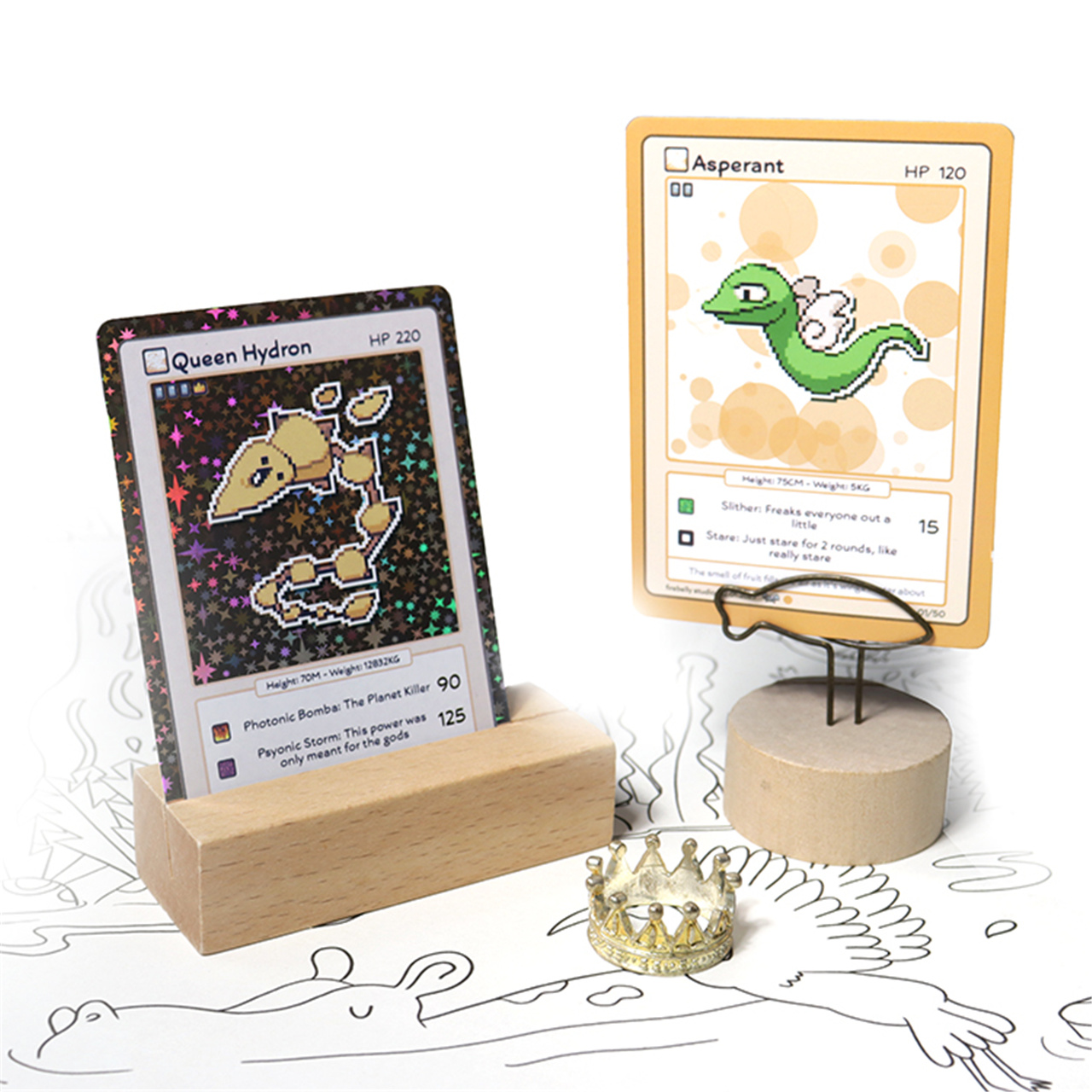 Custom Cartoon Holographic Trading Cards Set