| Original Equipment Manufacturers (OEM) |
Manufacture games to a buyer's specifications, artwork, and packaging requirements. |
Card games, family board games, educational games, strategy games, and travel formats. |
Importers, retailers, publishers, promotional distributors, and private-label sellers. |
Usually medium to large production runs; repeat orders are common after product validation. |
High; components, materials, artwork, box structure, rules, and pack quantities can often be specified. |
Commercial invoice, packing list, bill of lading, product specifications, and test reports when required. |
Approximately 45–90 days after artwork approval, depending on tooling and order size. |
Provides scalable manufacturing capacity and enables private-label products for multiple regions. |
| Contract Manufacturers |
Produce games under a formal manufacturing agreement while the buyer controls the product concept or intellectual property. |
Complex board games, multi-component sets, licensed-format products, and recurring product lines. |
Established publishers, educational organizations, entertainment companies, and large distributors. |
Large scheduled orders with quality-control checkpoints and production forecasts. |
Very high; can support tooling, component sourcing, assembly, packaging, and controlled change management. |
Quality agreements, inspection records, material declarations, test reports, and traceability documents. |
Approximately 60–120 days for new or technically complex products. |
Supports dependable, repeatable supply for global product portfolios and seasonal launches. |
| Wholesale Distributors |
Purchase finished games in volume and redistribute them to retailers, schools, online sellers, or regional dealers. |
Mixed catalogs of standard family games, preschool games, travel games, and classroom products. |
Retail chains, independent stores, e-commerce sellers, schools, and institutional buyers. |
Case quantities or mixed-SKU orders; lower commitment than direct factory production. |
Low; usually limited to assortment selection, labeling, or outer-carton requirements. |
Commercial invoice, packing list, country-of-origin information, and available conformity documents. |
Approximately 3–30 days when inventory is available. |
Improves regional availability and reduces replenishment time for downstream buyers. |
| Trading Companies and Sourcing Agents |
Connect international buyers with suitable factories and coordinate quotations, production, inspection, and shipping. |
Broad product ranges, including standard games and customized products from multiple production partners. |
Small and medium-sized importers, start-ups, retailers, and buyers lacking local manufacturing resources. |
Small to medium initial orders; consolidation across suppliers may be available. |
Medium to high, depending on the selected production partner and project requirements. |
Invoices, packing lists, inspection reports, shipping documents, and supplier compliance records. |
Approximately 30–90 days, including supplier selection and approval stages. |
Lowers sourcing barriers and helps buyers manage language, supplier, and logistics risks. |
| Educational Game Suppliers |
Develop or supply games designed to support learning, social interaction, classroom activities, or developmental skills. |
Early-learning games, literacy games, mathematics games, memory games, and cooperative activities. |
Schools, teachers, parents, educational retailers, therapy providers, and public-sector purchasers. |
Small classroom packs to institutional orders; procurement may follow academic calendars. |
Medium; content, language, age range, instructions, and classroom packaging may be adapted. |
Product specifications, age grading, safety test reports, material information, and user instructions. |
Approximately 30–75 days for stocked or moderately customized products. |
Expands the use of board games in formal learning, home education, and child development programs. |
| Custom Print-and-Play or Short-Run Producers |
Convert digital game files into small physical batches for testing, crowdfunding, events, or early market release. |
Prototype decks, compact board games, sample kits, promotional games, and limited pilot editions. |
Independent designers, small publishers, crowdfunding teams, educators, and event organizers. |
Very small batches, often from one unit to several hundred units. |
High for artwork and format; limited for advanced molded components or specialized packaging. |
Commercial invoice, packing list, digital artwork specifications, and material details when requested. |
Approximately 5–30 days, depending on quantity and finishing requirements. |
Reduces development risk by allowing product testing before full-scale manufacturing. |
| Sustainable and Social-Compliance-Focused Suppliers |
Supply games using documented material, environmental, labor, or responsible-sourcing practices. |
Paper-based games, recycled-content products, plastic-reduced formats, and responsibly sourced packaging. |
Environmentally focused retailers, institutional buyers, publishers, and sustainability-led organizations. |
Medium production runs; material availability and certification requirements may affect minimum quantities. |
Medium to high, subject to approved materials, inks, coatings, and packaging structures. |
Material declarations, chain-of-custody records where applicable, factory audits, and safety test reports. |
Approximately 45–90 days, depending on material sourcing and verification. |
Helps buyers meet sustainability objectives and respond to increasing demand for responsible products. |
| Regional Assembly and Fulfillment Suppliers |
Complete local packing, kitting, labeling, storage, and order fulfillment close to the target market. |
Imported components, localized editions, subscription game kits, promotional packs, and retail-ready sets. |
E-commerce sellers, regional distributors, subscription services, and retailers requiring fast replenishment. |
Flexible batch sizes with frequent replenishment and multi-destination shipping. |
Medium; supports language labels, market-specific inserts, assortment changes, and bundled products. |
Commercial invoice, packing list, fulfillment records, labeling documents, and import-related paperwork. |
Approximately 2–20 days for assembly or dispatch when components are in stock. |
Shortens last-mile delivery times and supports market-specific packaging and inventory management. |

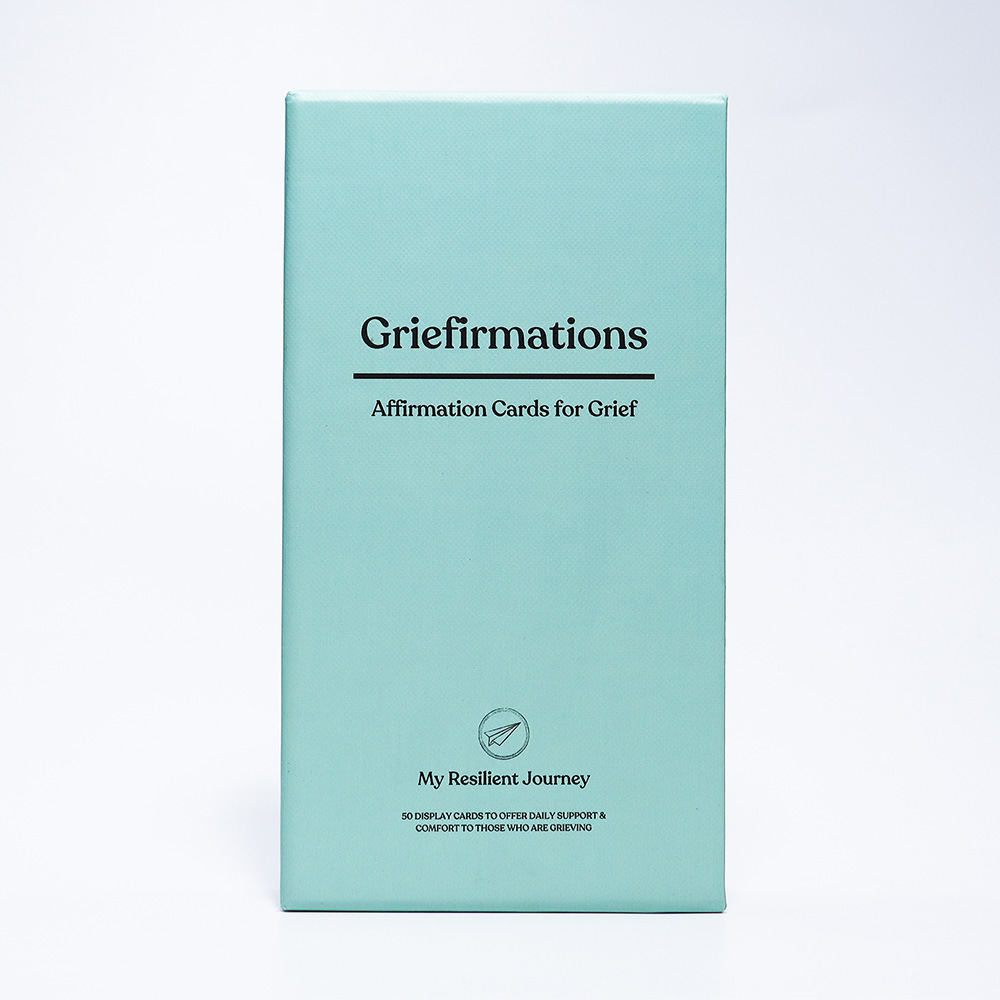 Customizable Emotional Support Cards for Grief & Resilience
 Personalized Emotional Encouragement Card Collection
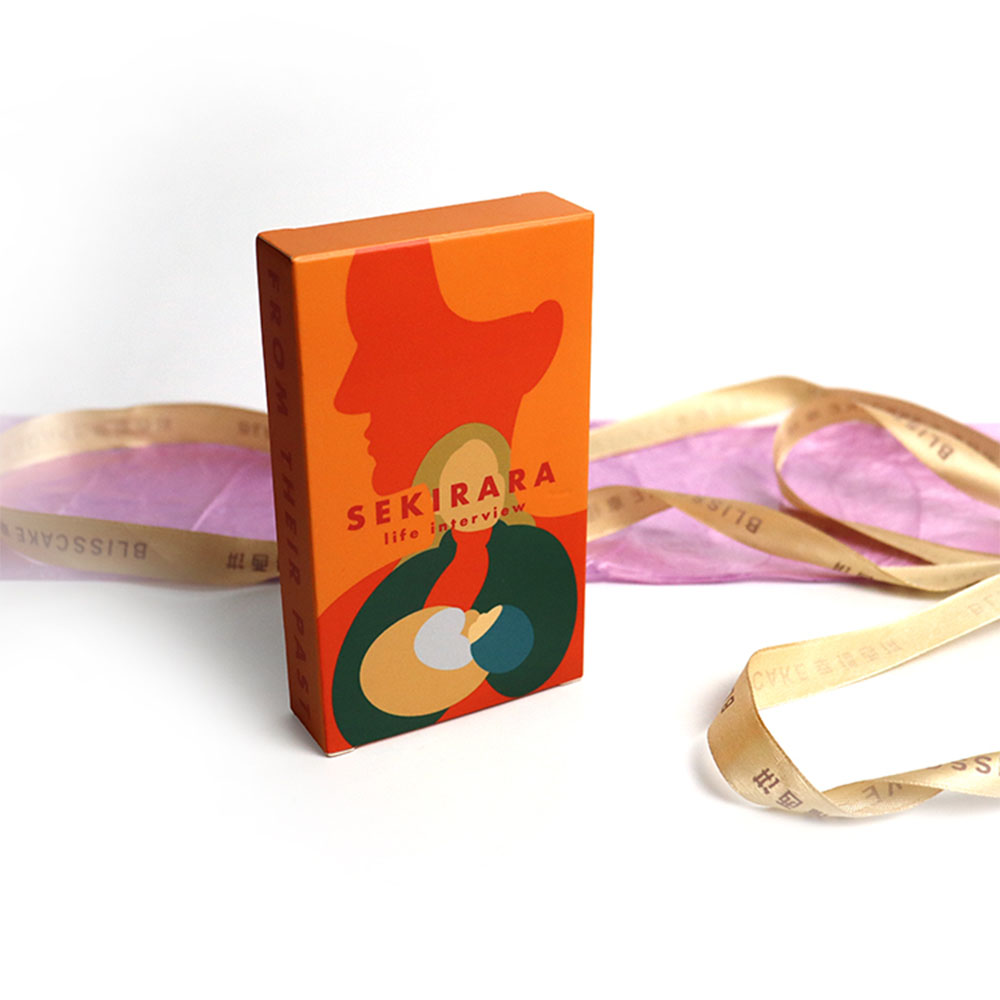 Personalized Deep Conversation Card Gift Box
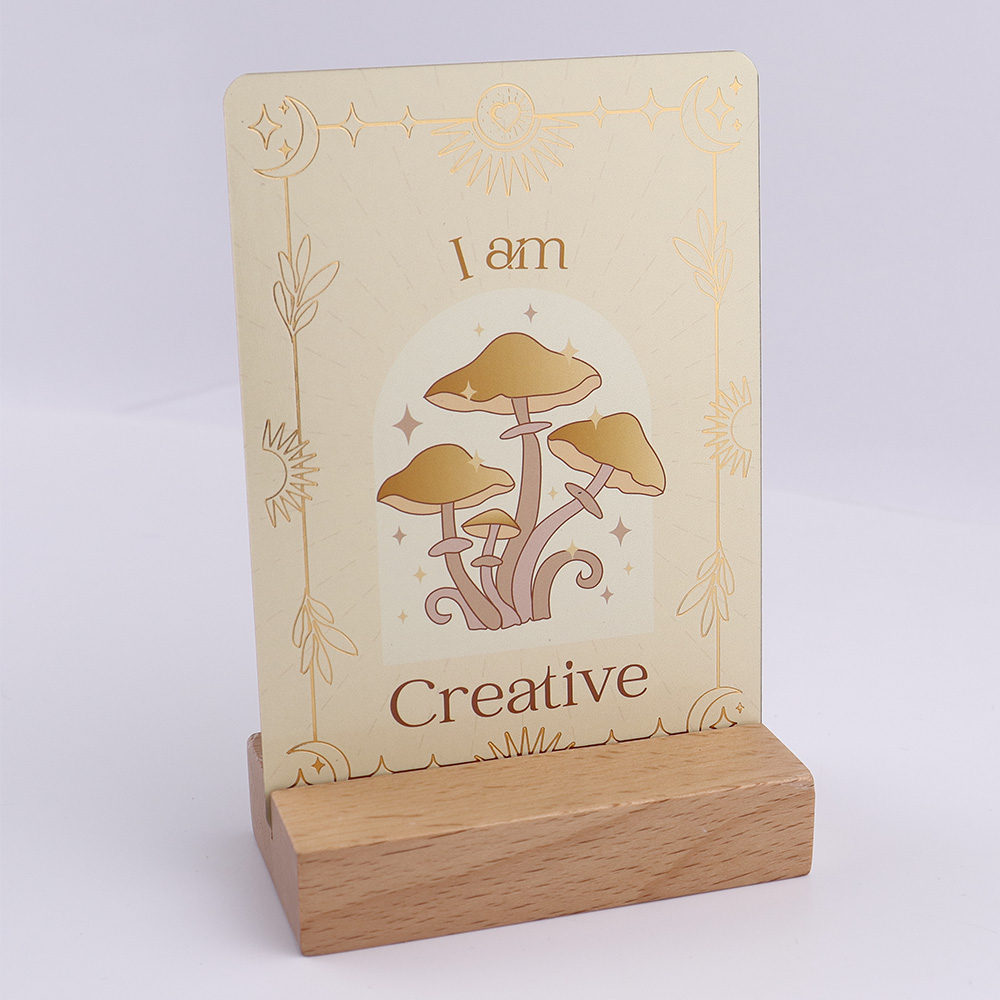 Customizable Boho-Chic Affirmation Cards for Mindfulness & Self-Love
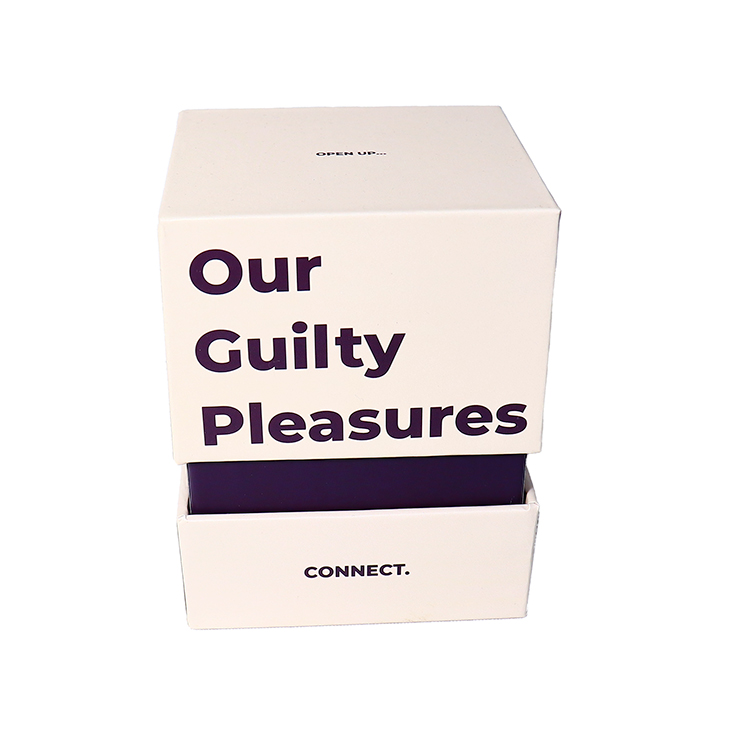 Customized Friendship Confirmation Card
 Customized Entrepreneurship Confirmation Card
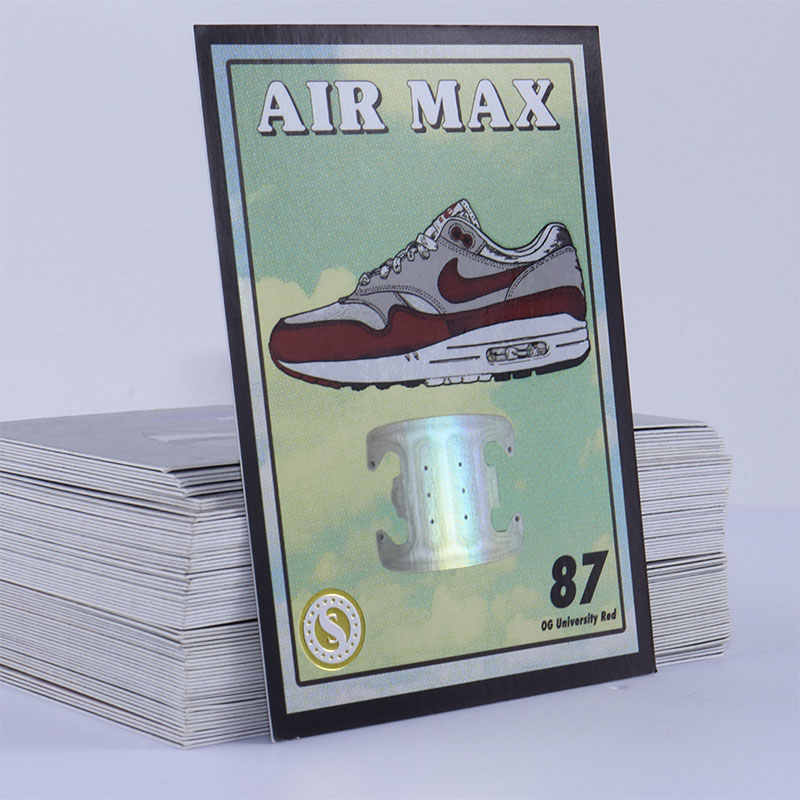 Air Max Pax Custom Sneaker Card Blind Box Set
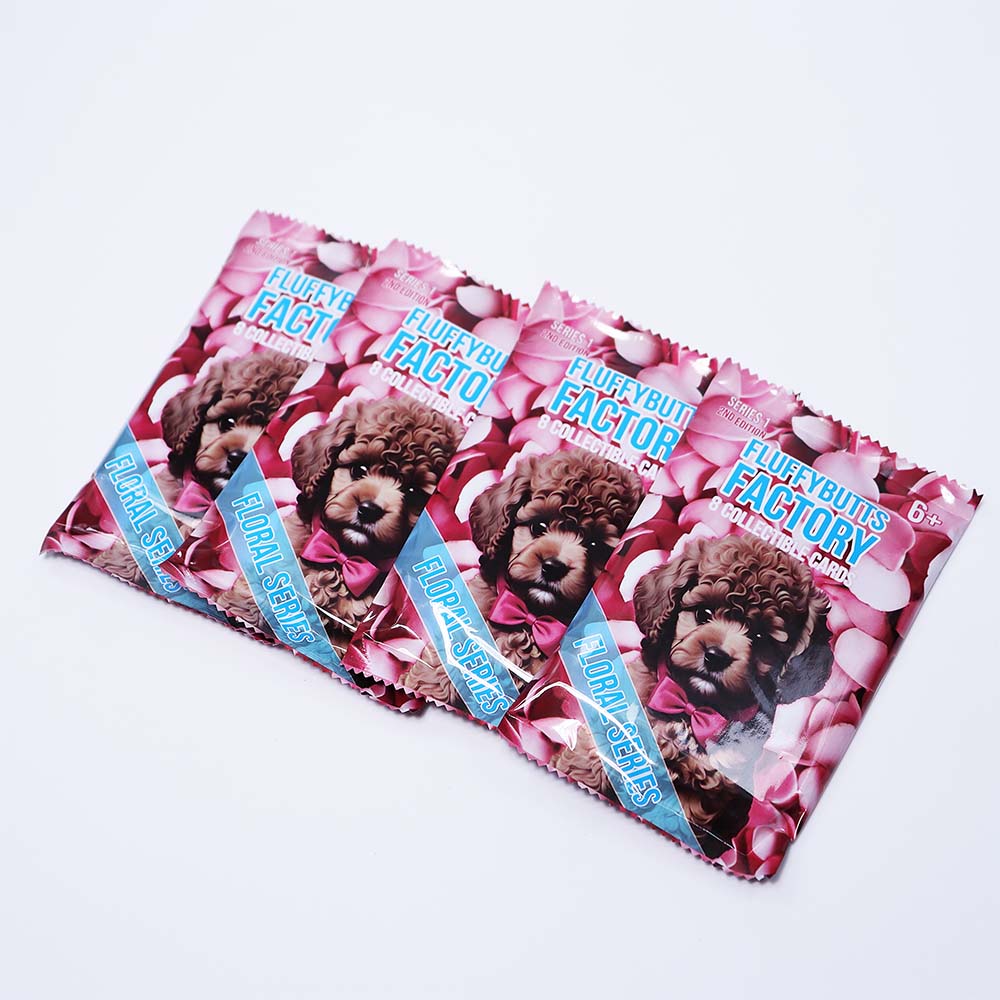 Fluffybutts Factory Custom Pet Card Blind Box Sets
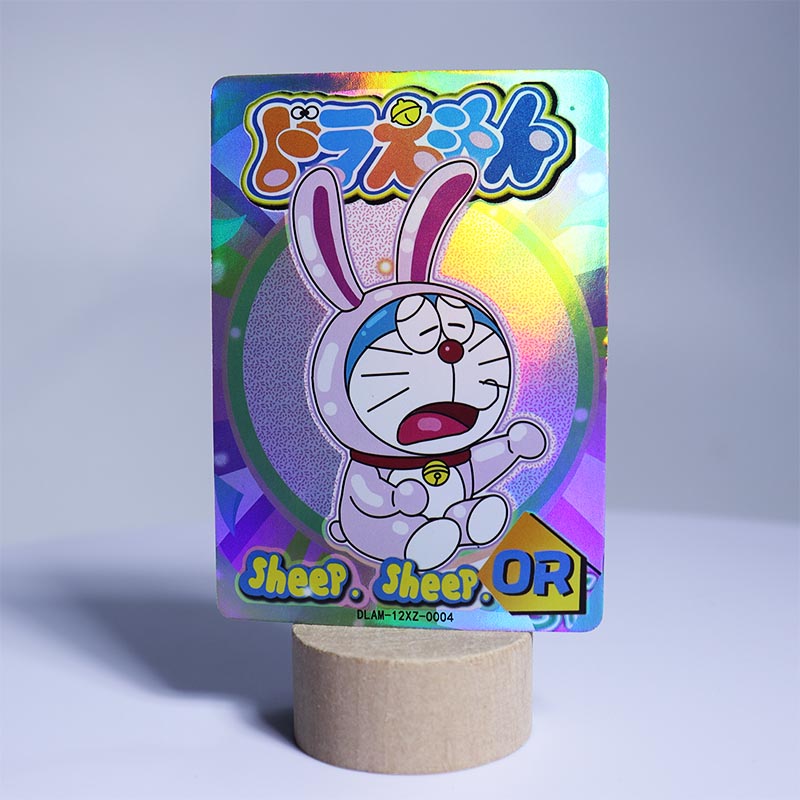 Doraemon Custom Card Blind Box Set
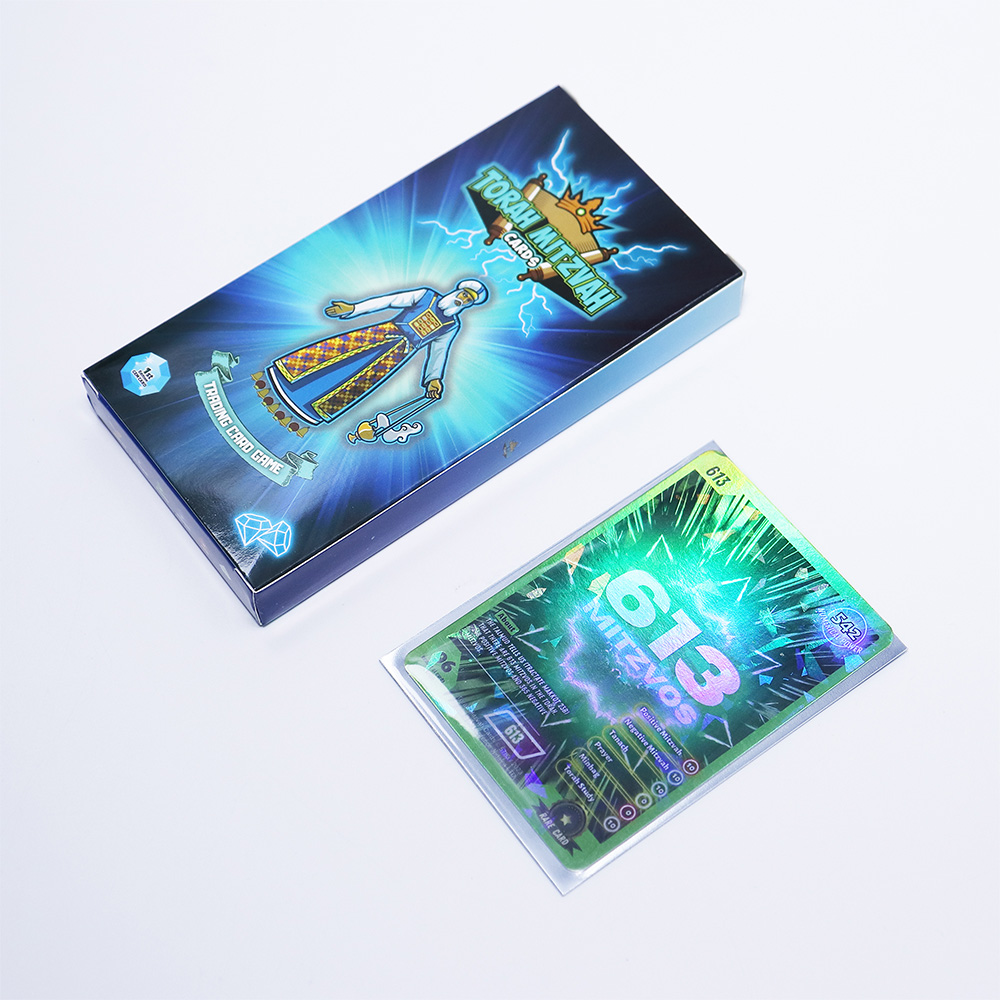 Torah Mitzvah Custom Card Blind Box Set
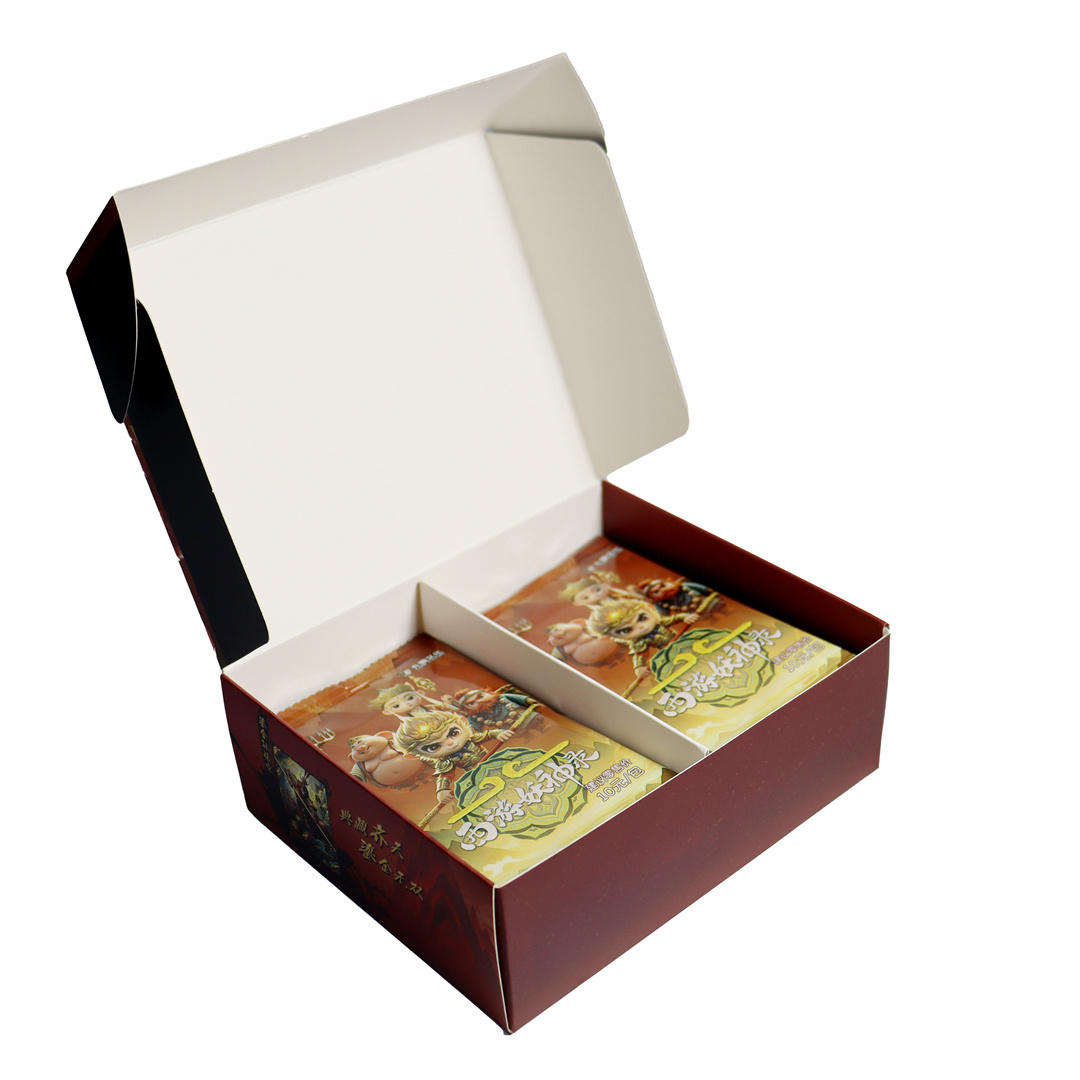 Customized "Journey to the West" Themed Card Blind Box Set
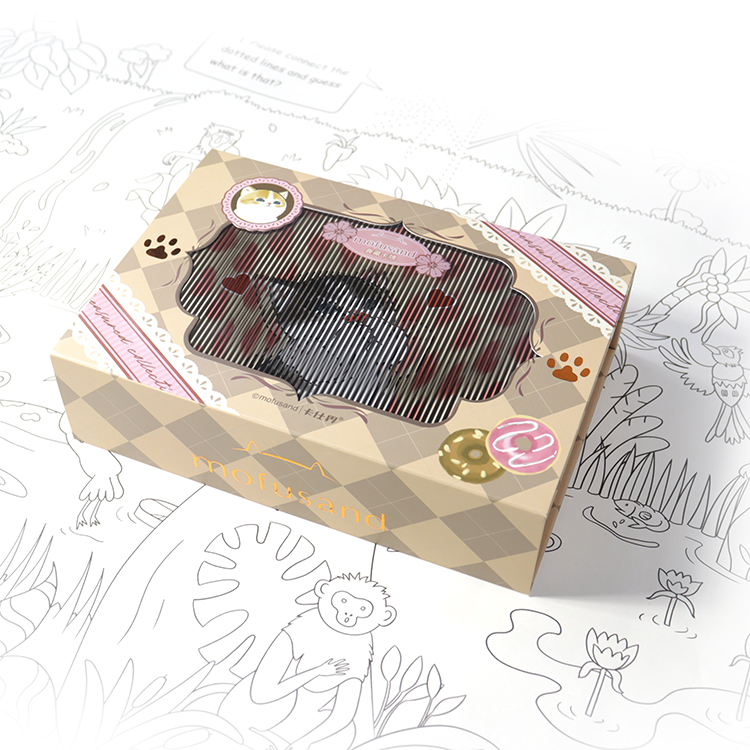 Customized cat-themed blind box set
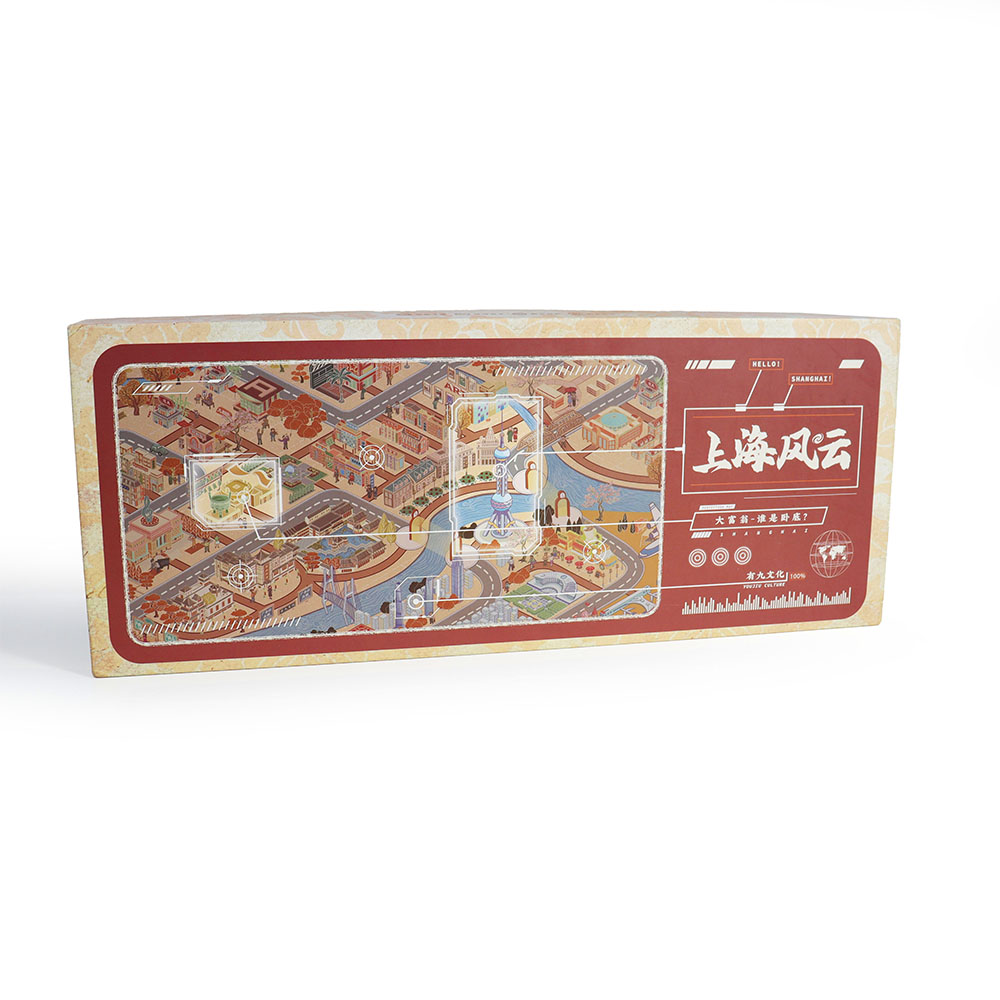 Shanghai Fengyun Custom Board Game Set
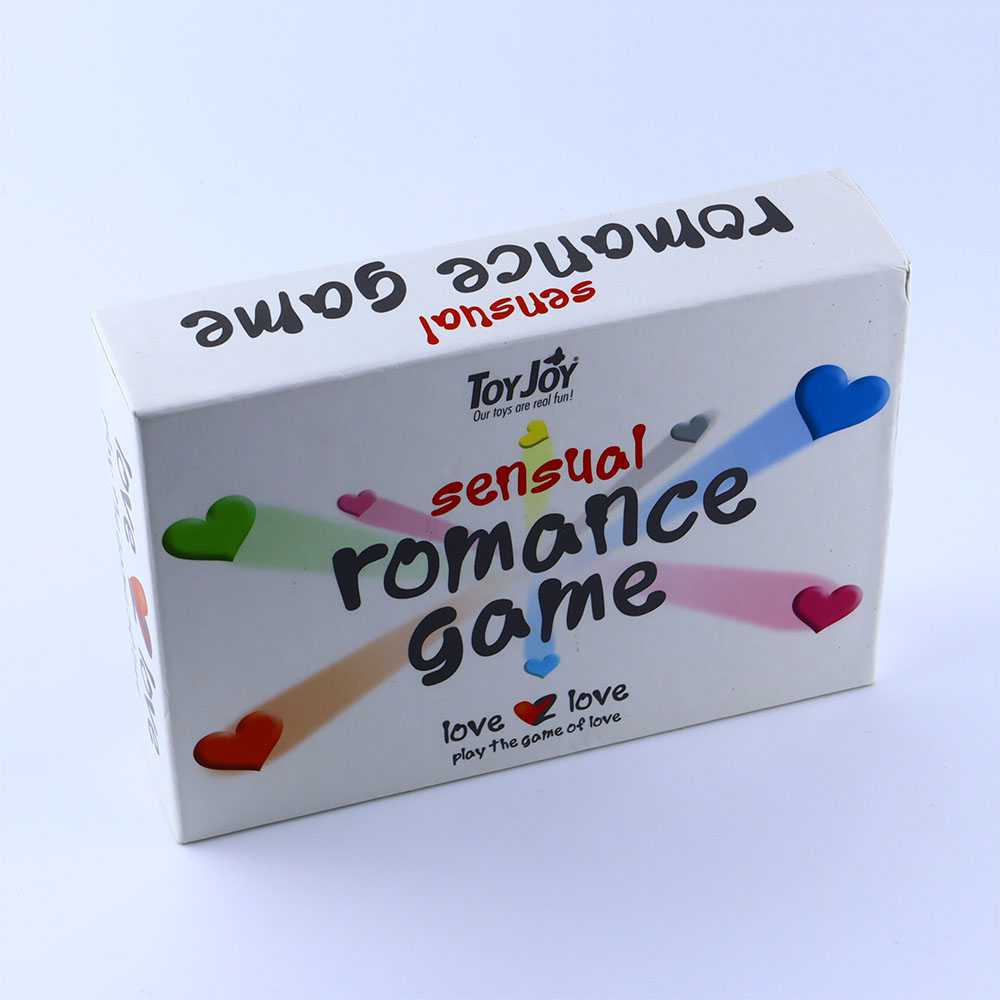 Sensual Romance Game Custom Board Game Set
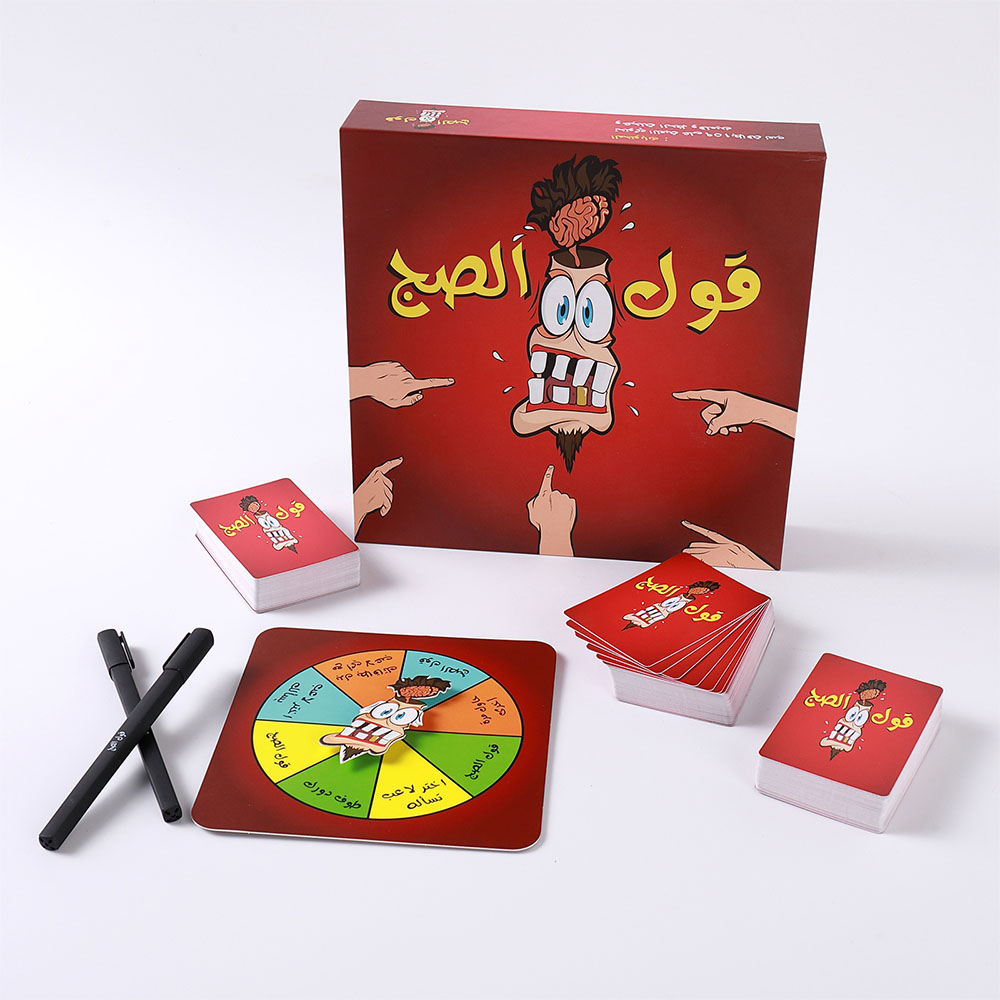 "Qoul Al Sabah" Custom Board Game Set
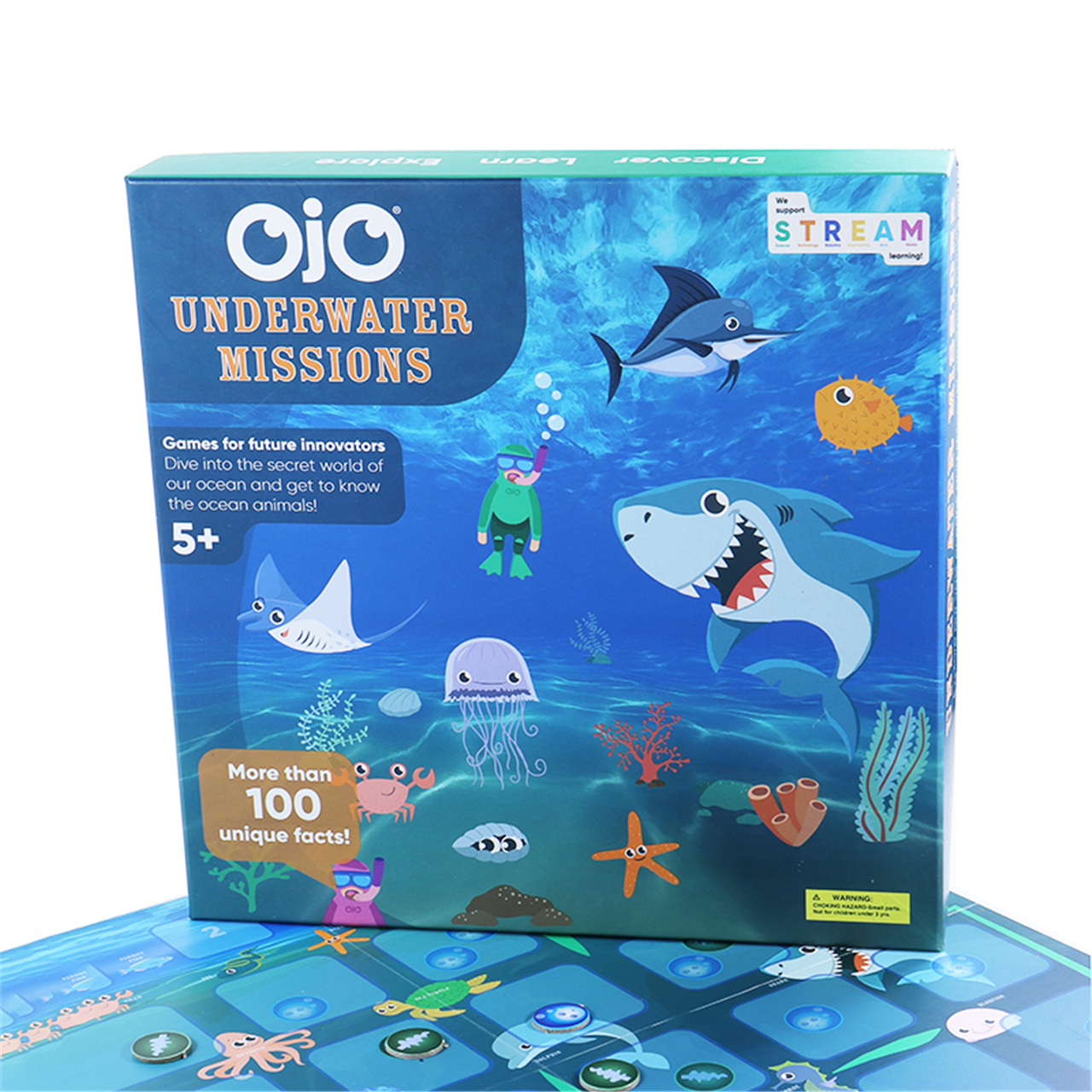 Customized educational board games for children
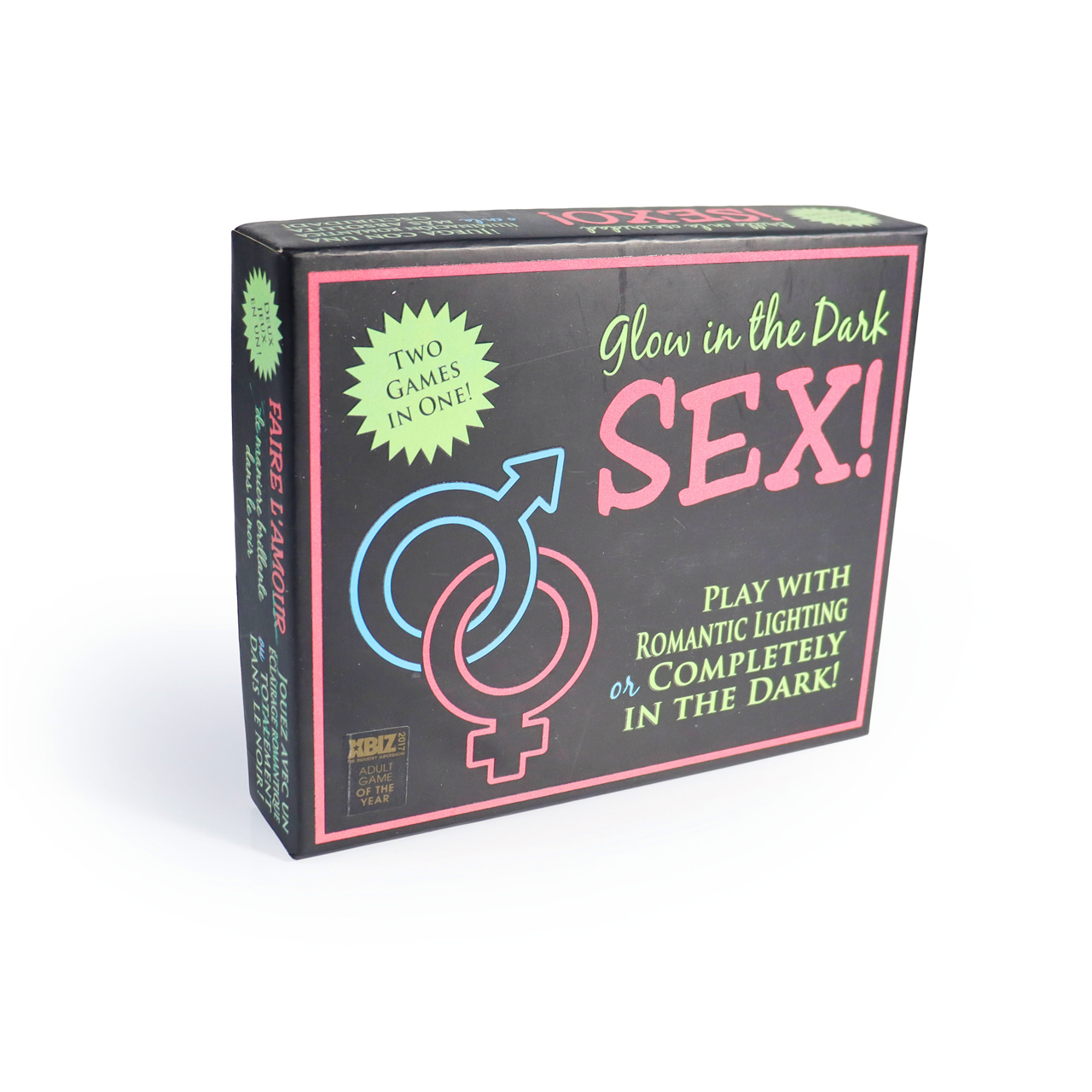 Couple Interaction Turntable Themed Board Game
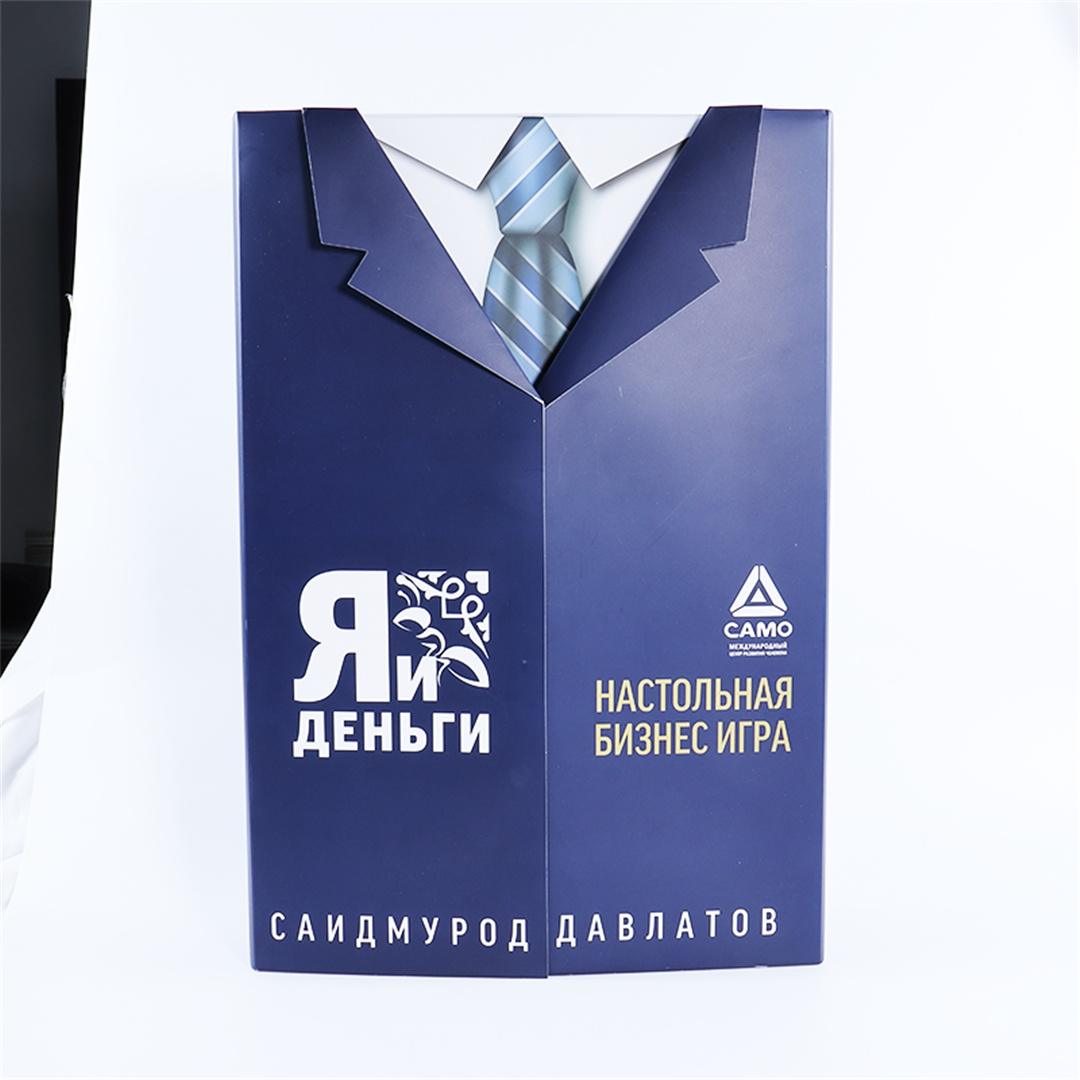 Business Finance Board Game
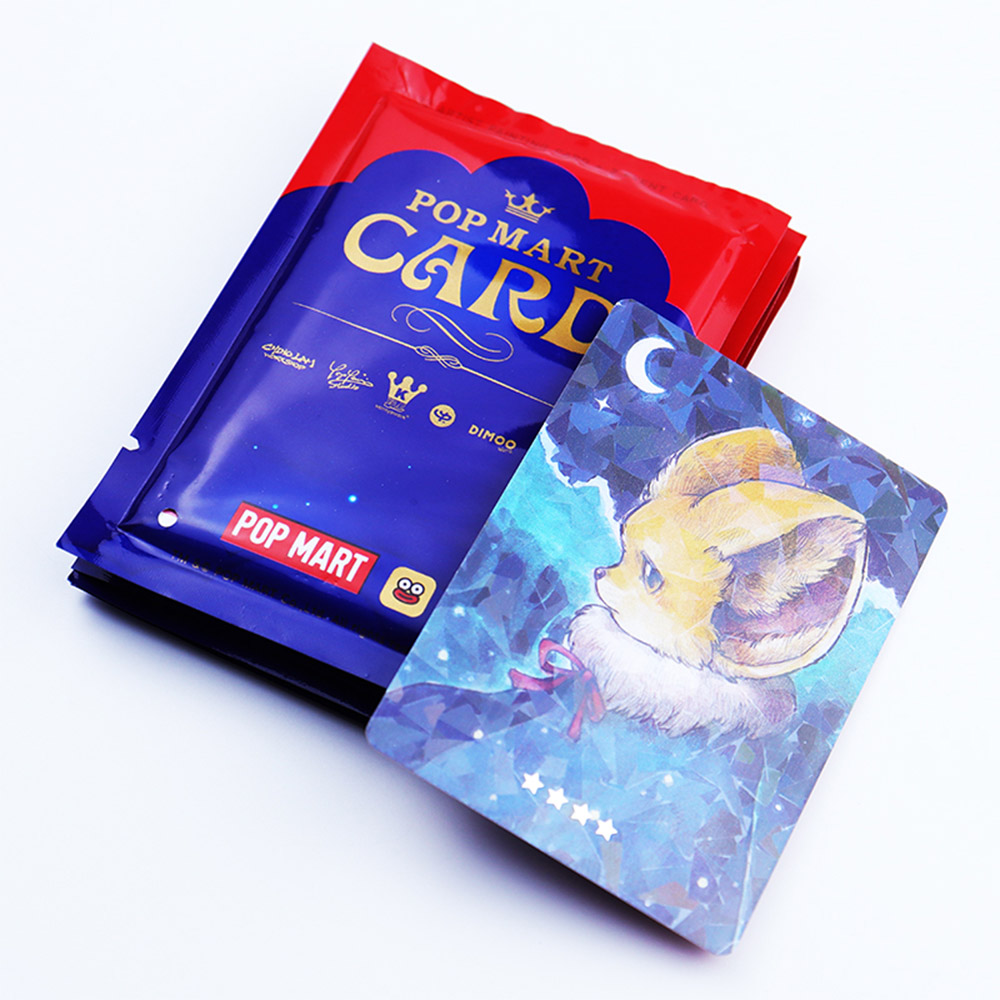 Pop Mart Custom Character Collectible Cards
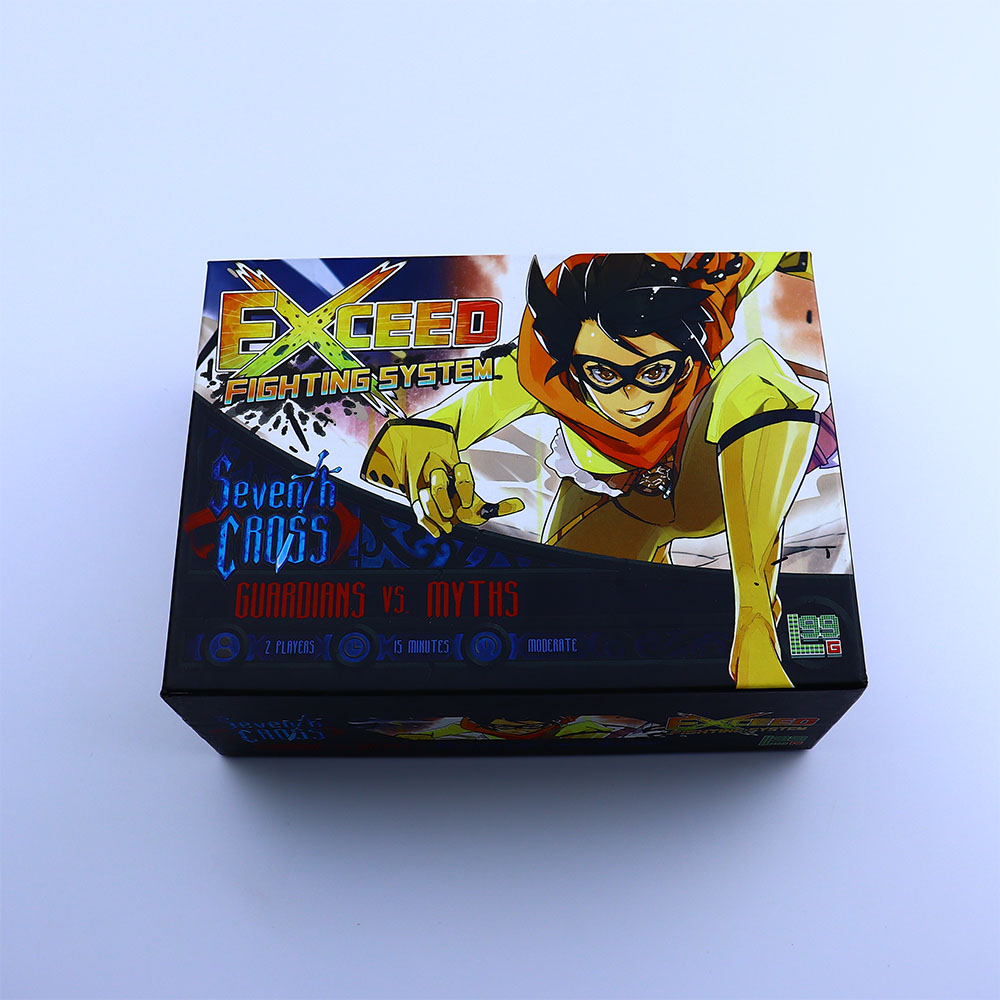 EXCEED Fighting System Custom Character Card Set
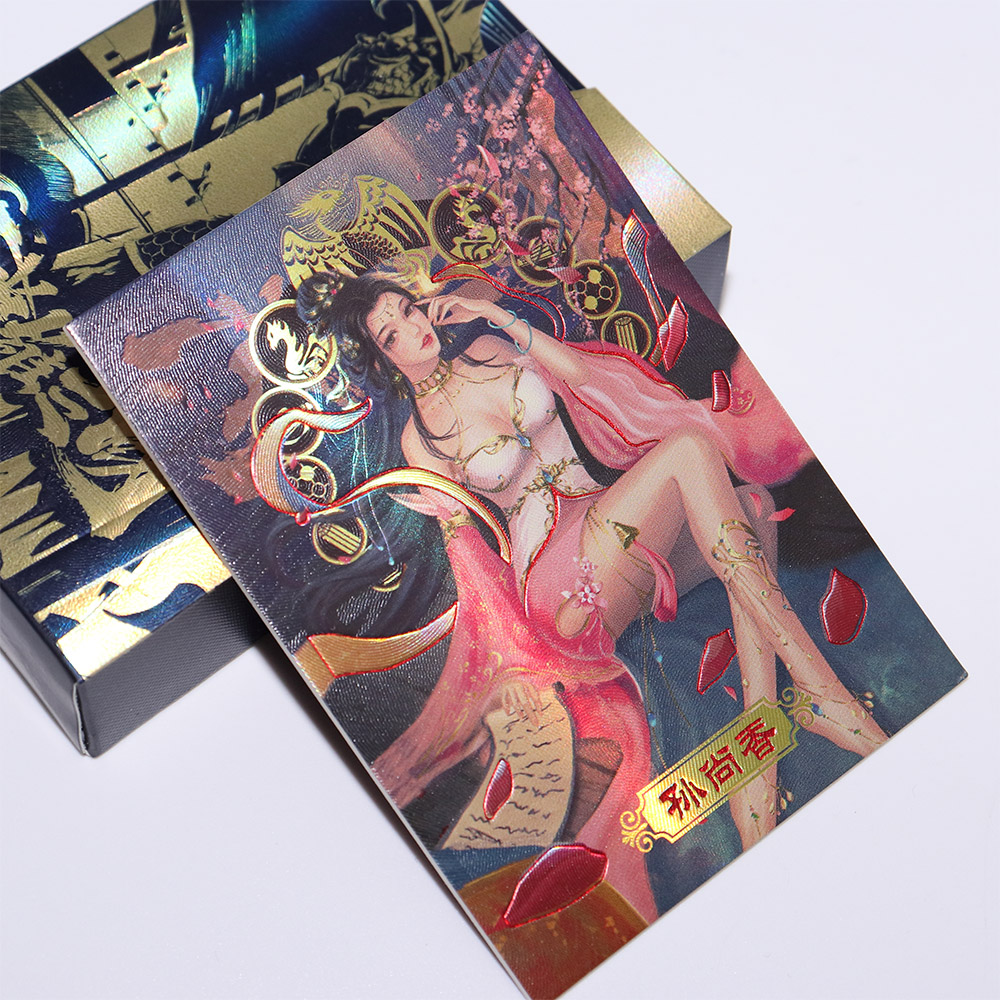 Three Kingdoms Custom Hero Character Cards
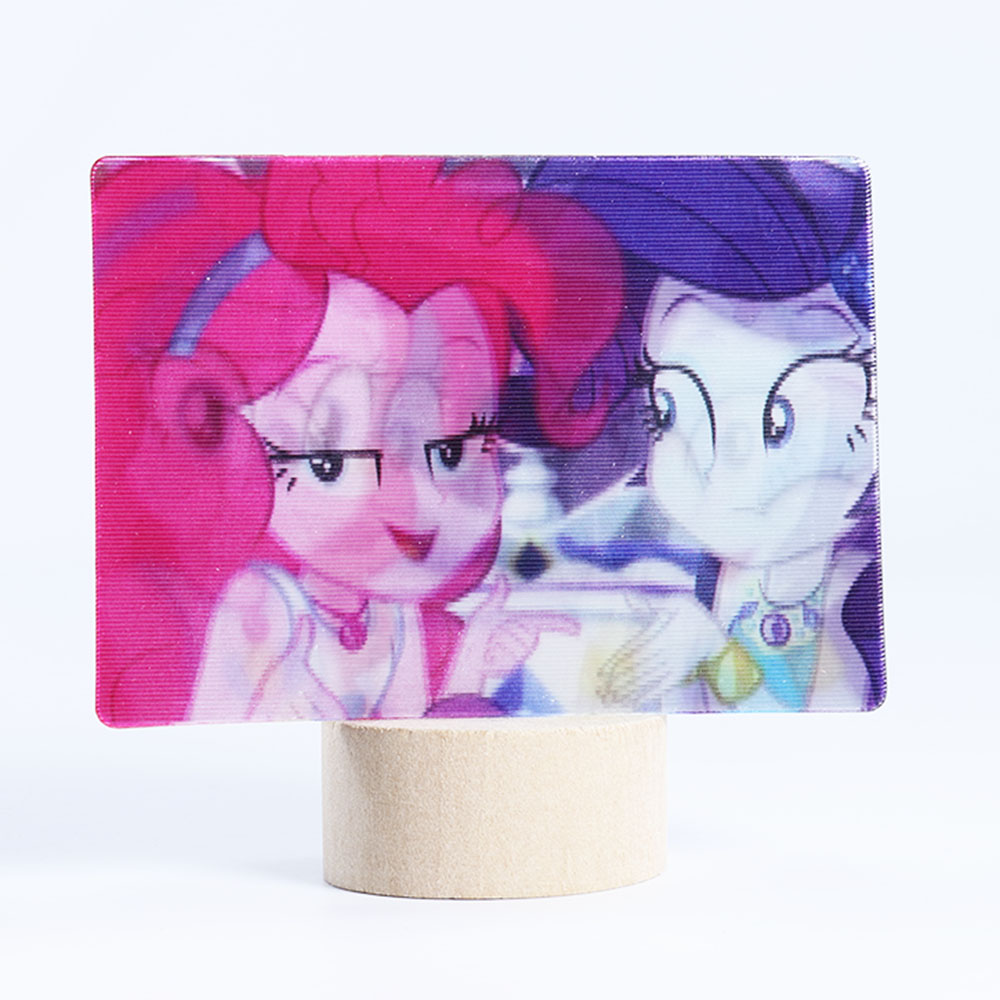 Custom Anime Character Dynamic Visual Cards
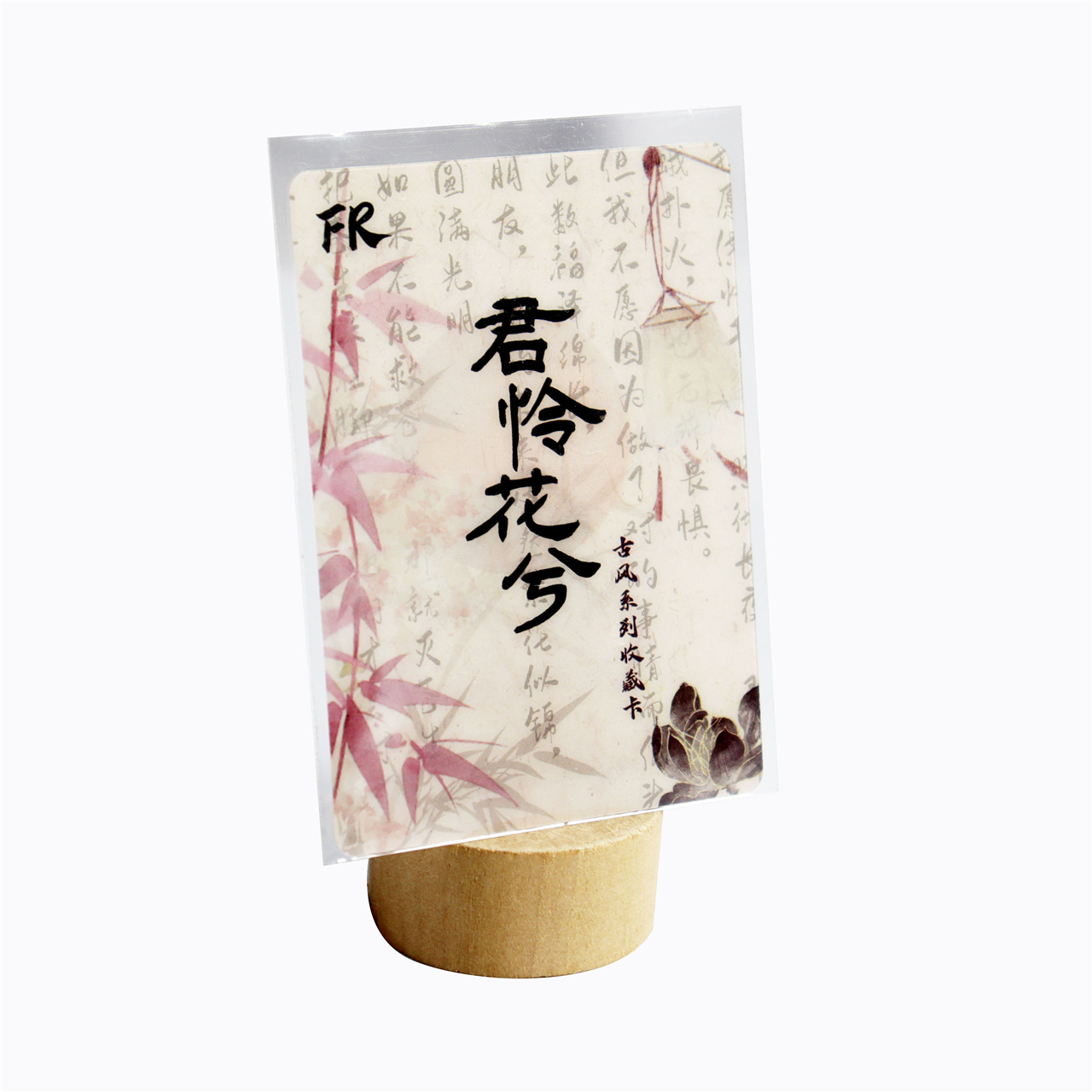 Custom Cartoon Character Collectible Card Set
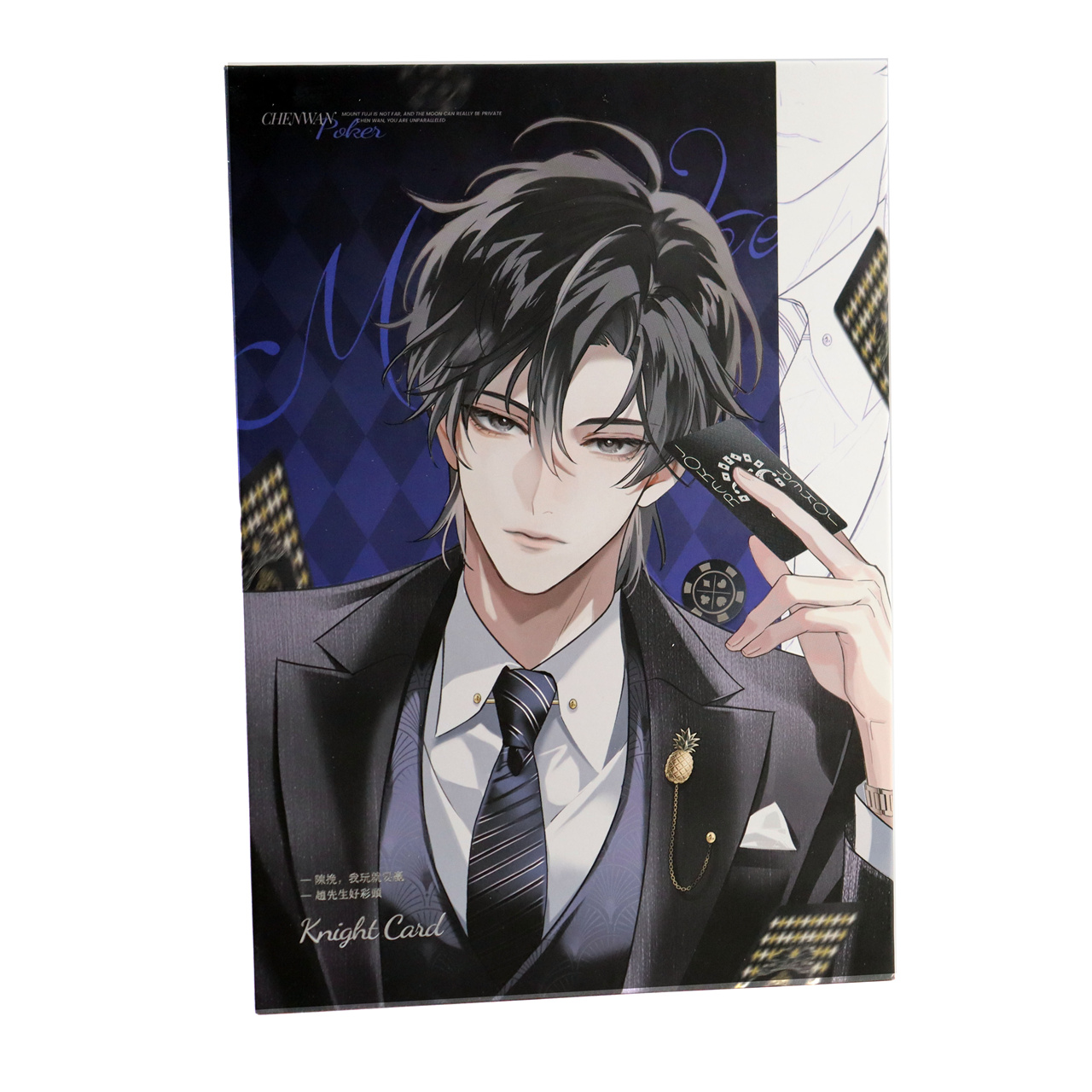 Custom Anime Character Art Card Set
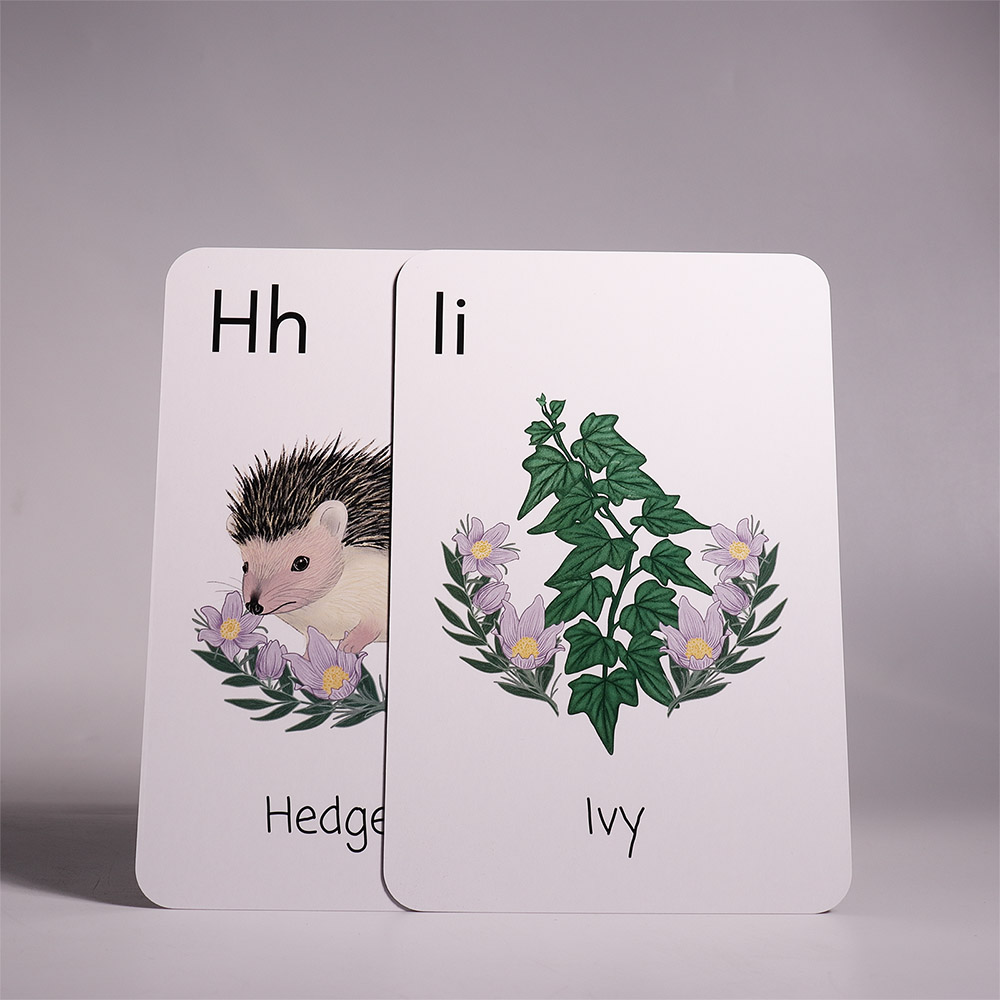 Little Larch Alphabet Cards
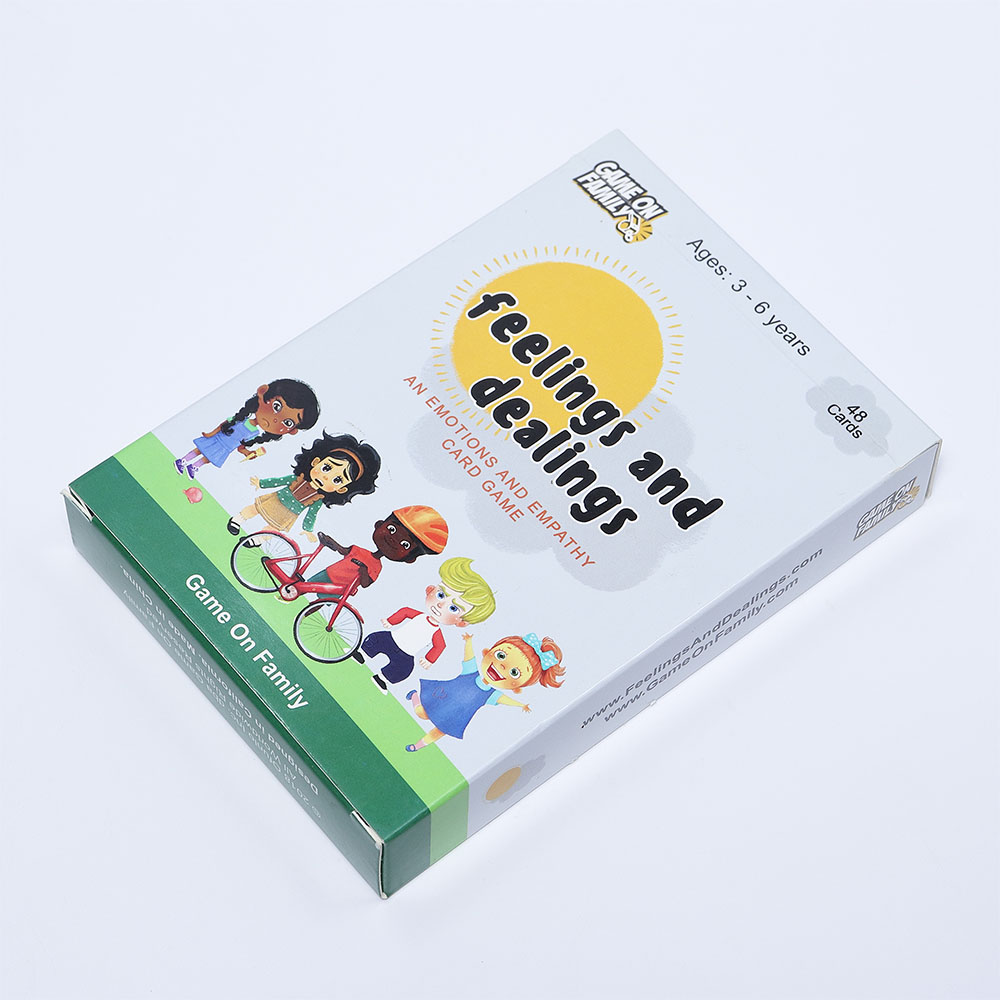 Feelings and Dealings Custom Children's Emotion Card Game
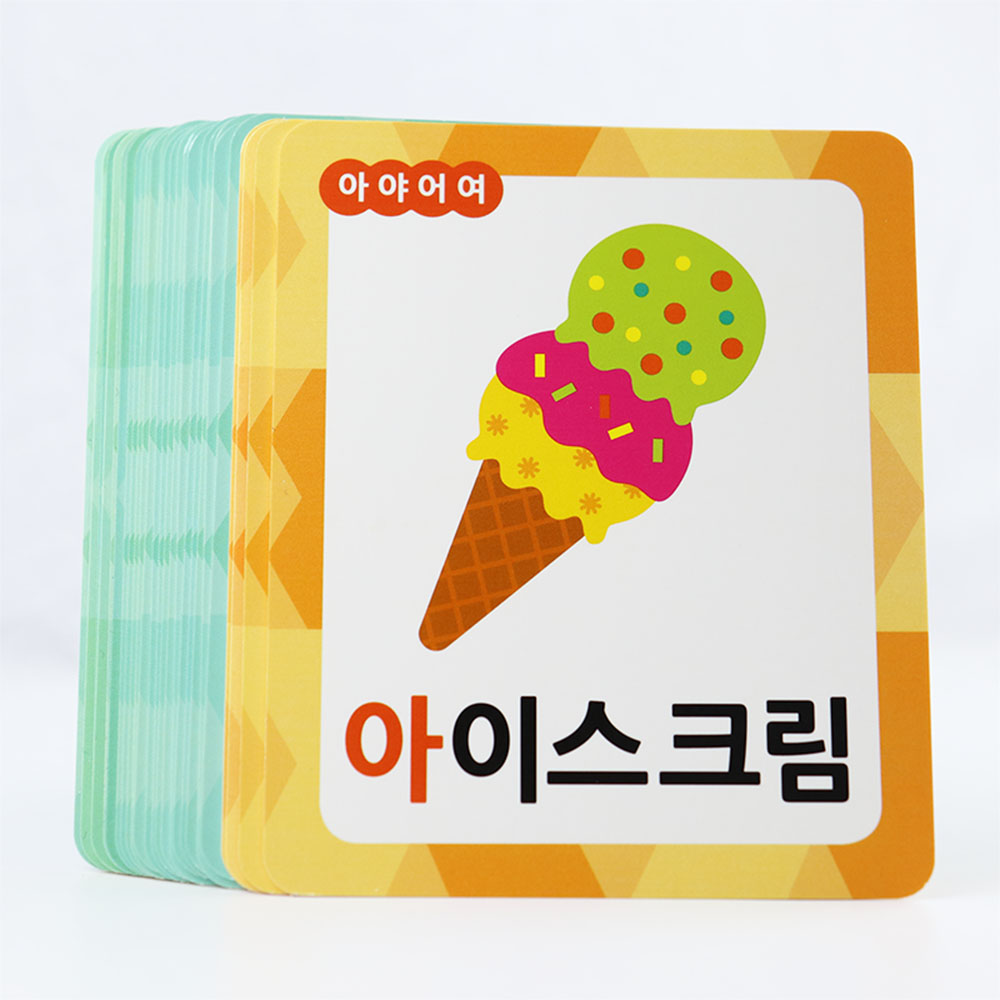 Korean Children's Educational Flashcards
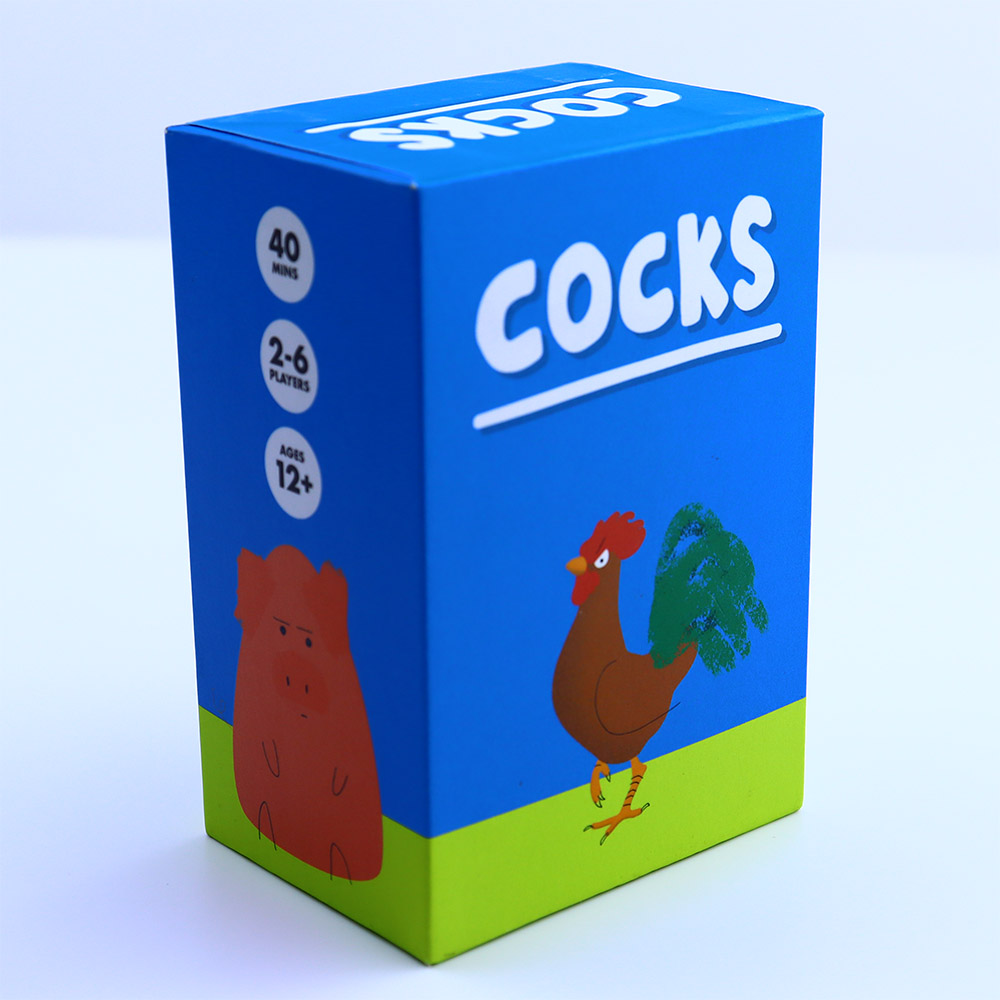 Cocks Themed Custom Children's Learning Cards
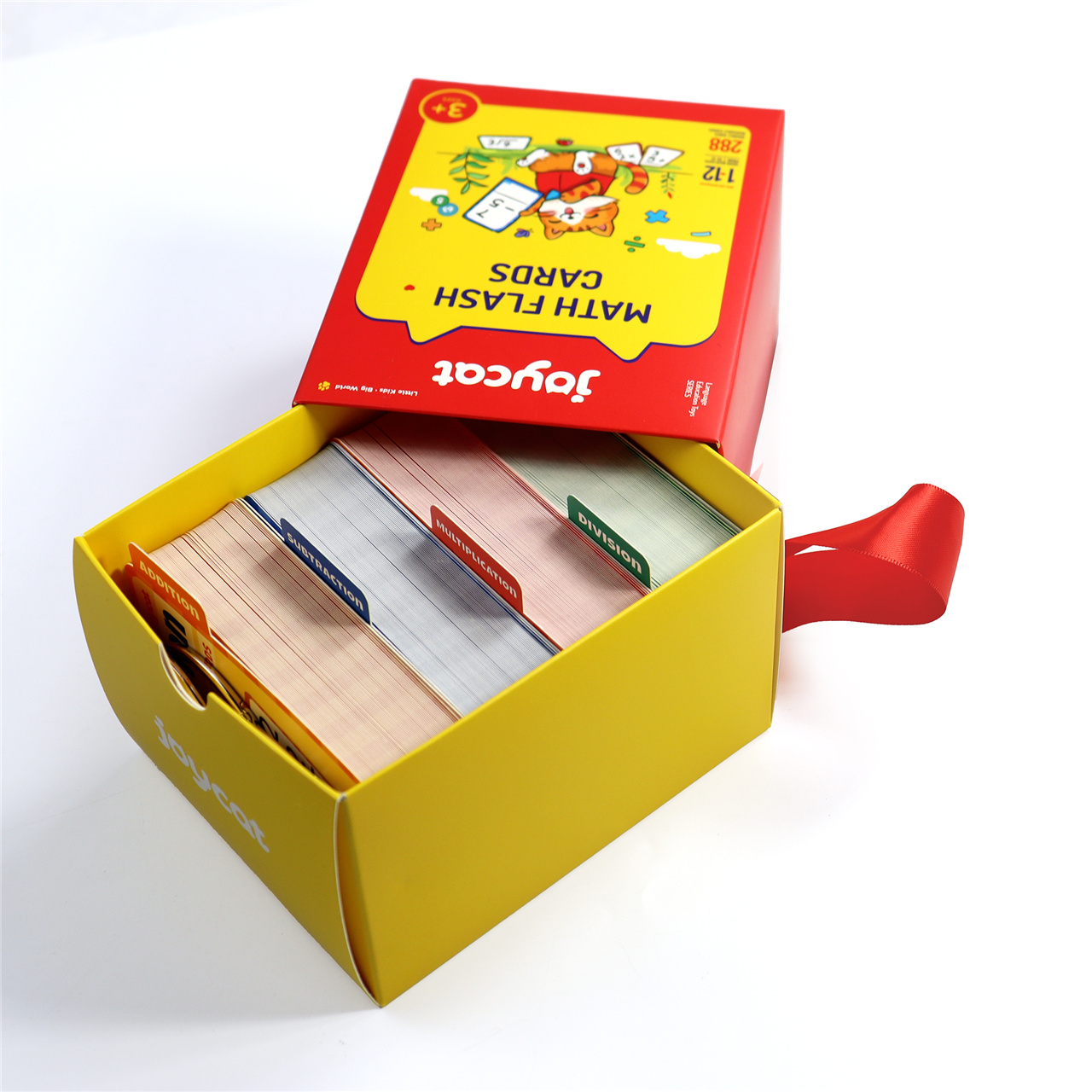 Math Flash Cards Set for Kids
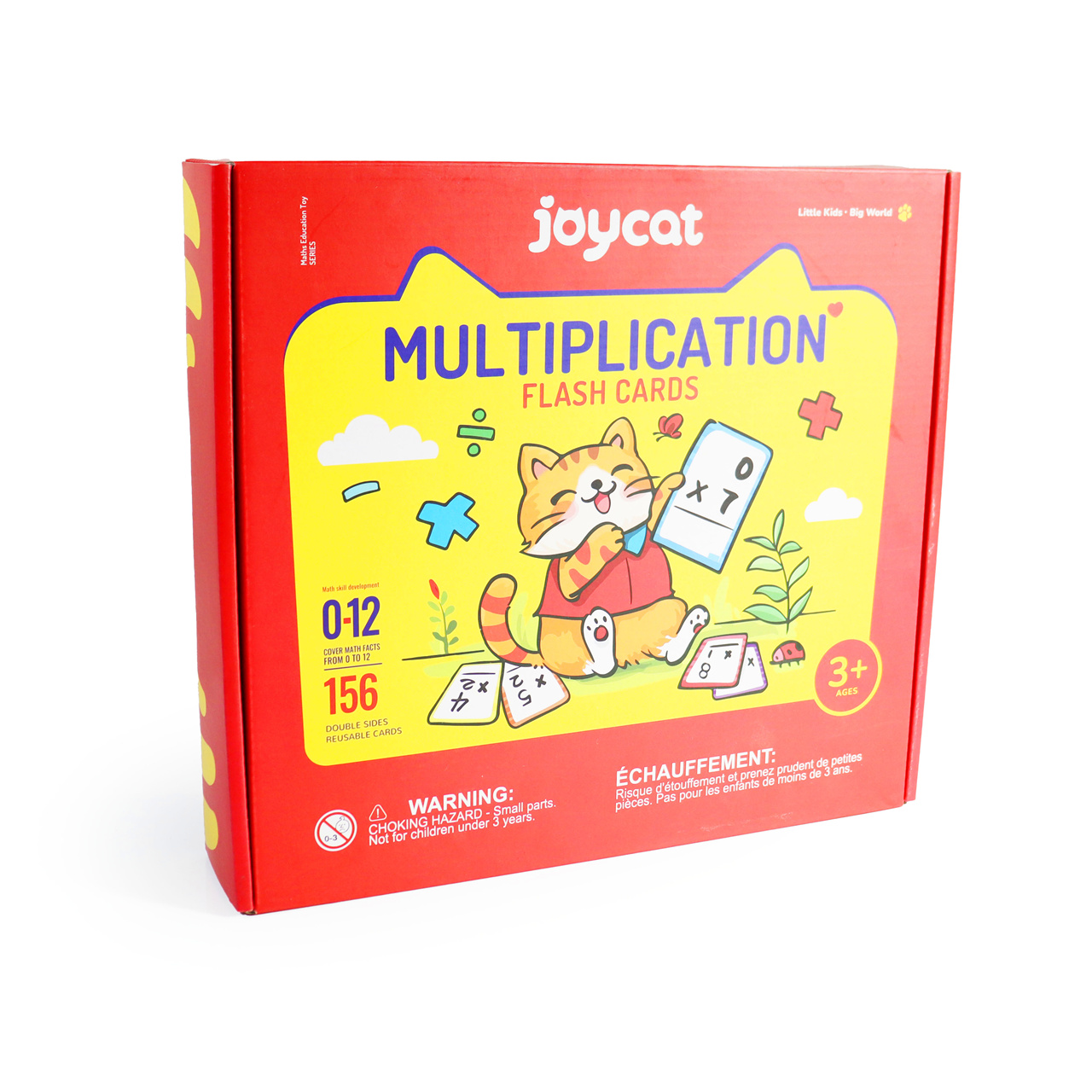 Joycat Multiplication Flash Cards Set with Accessories
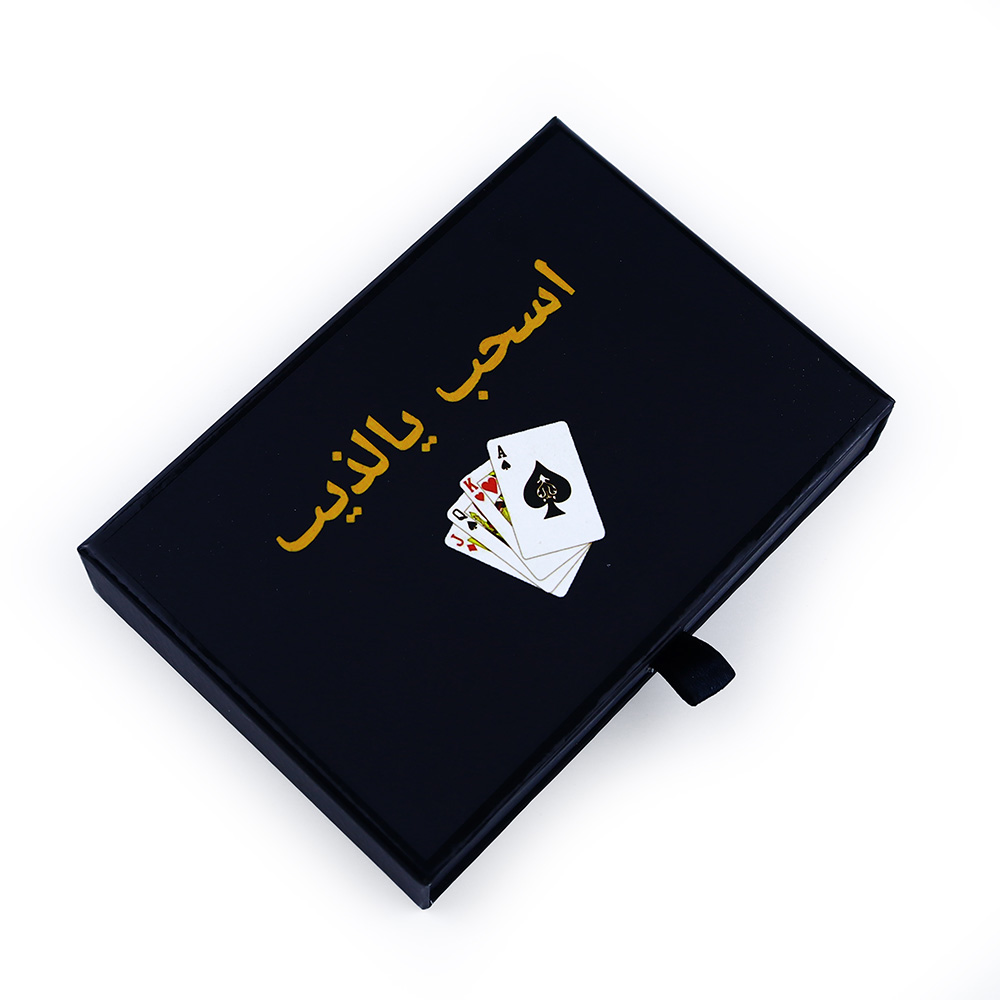 Custom Dual-Deck Playing Cards with Wolf-Themed Design
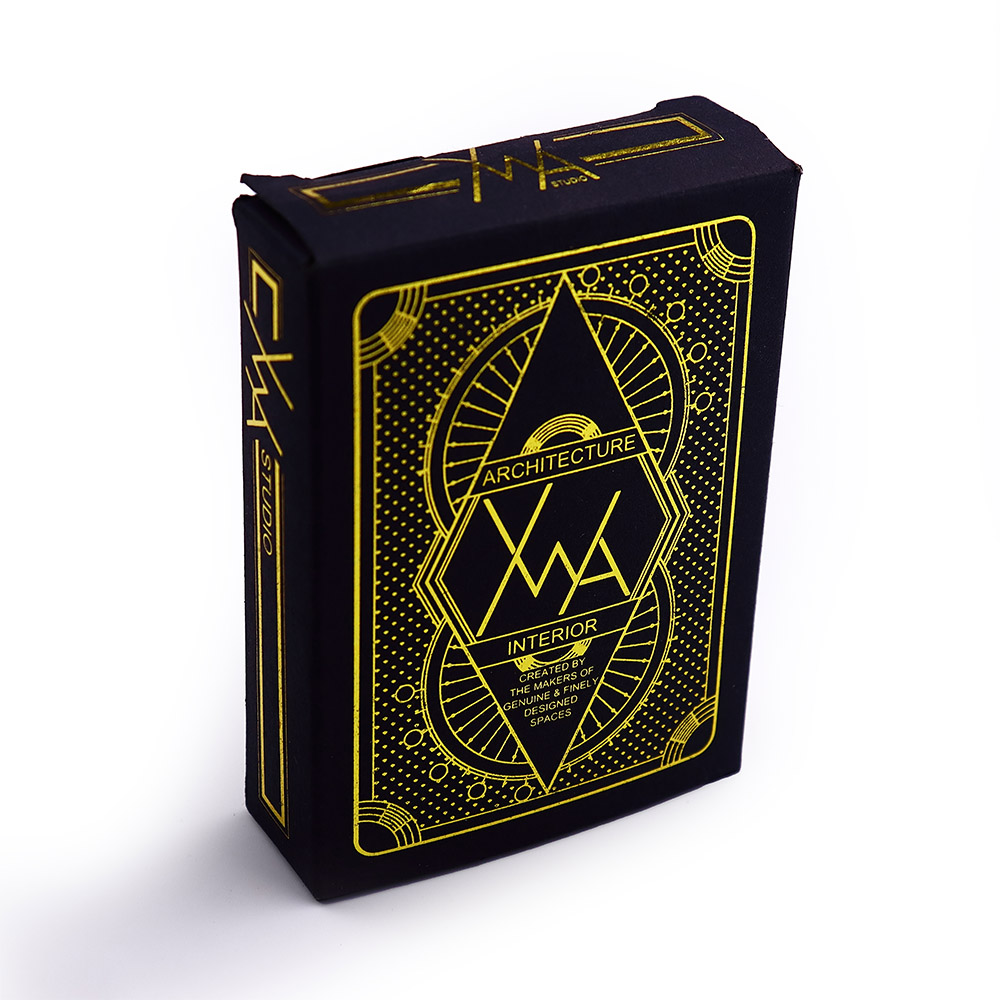 Custom embossed gold foil playing cards
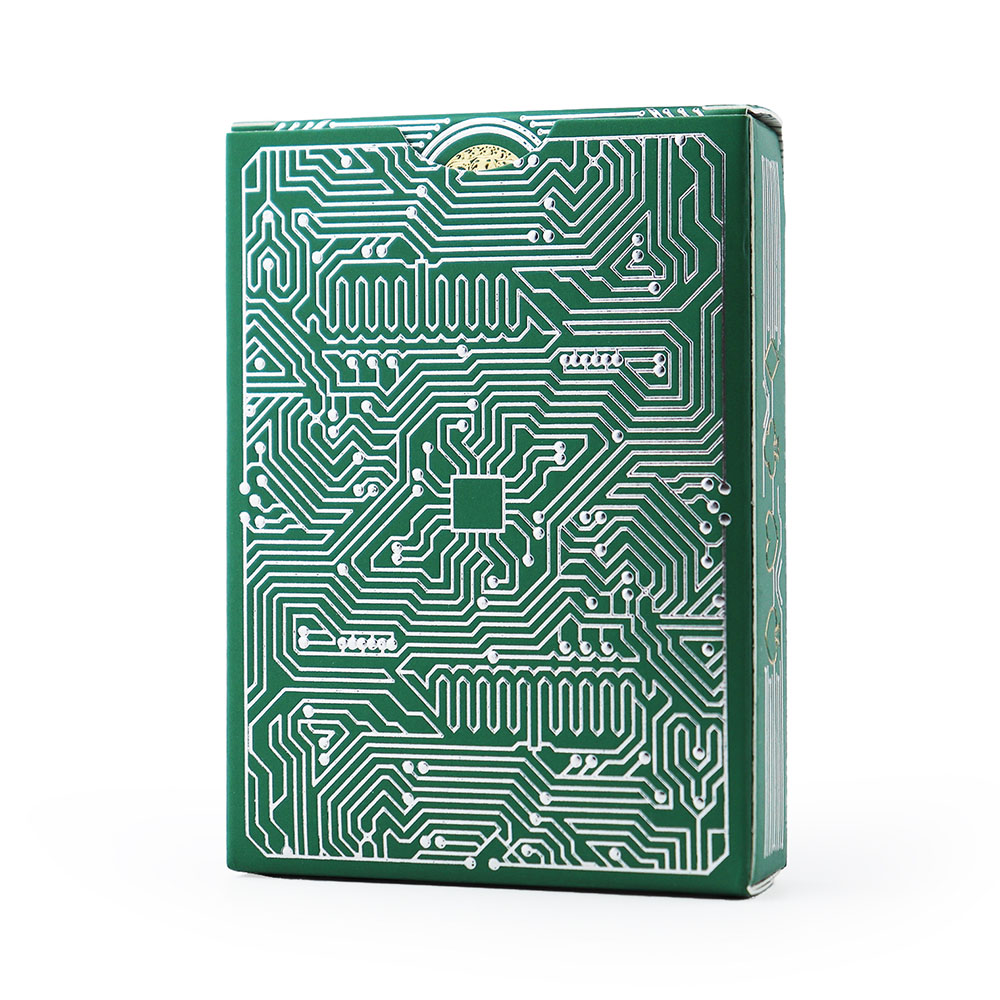 Circuit PCB Edition Custom Playing Cards
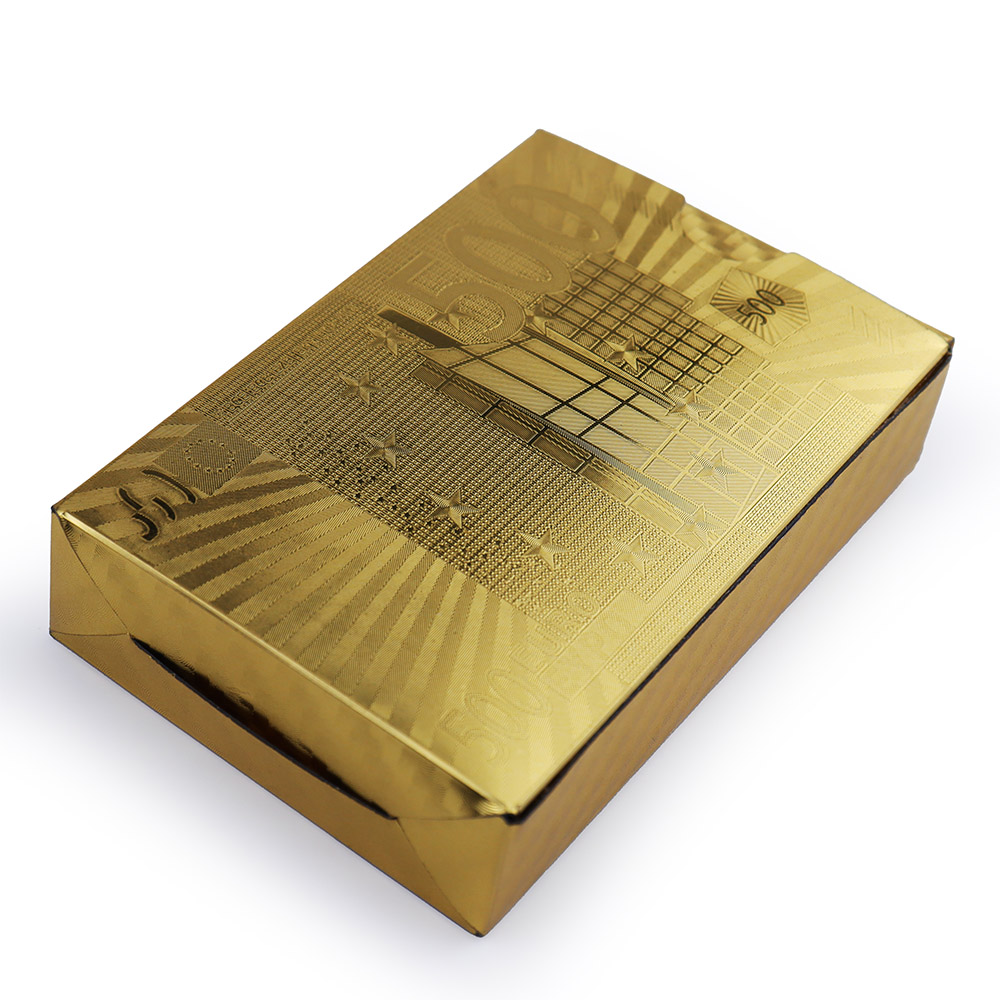 Customized theme gold foil playing cards
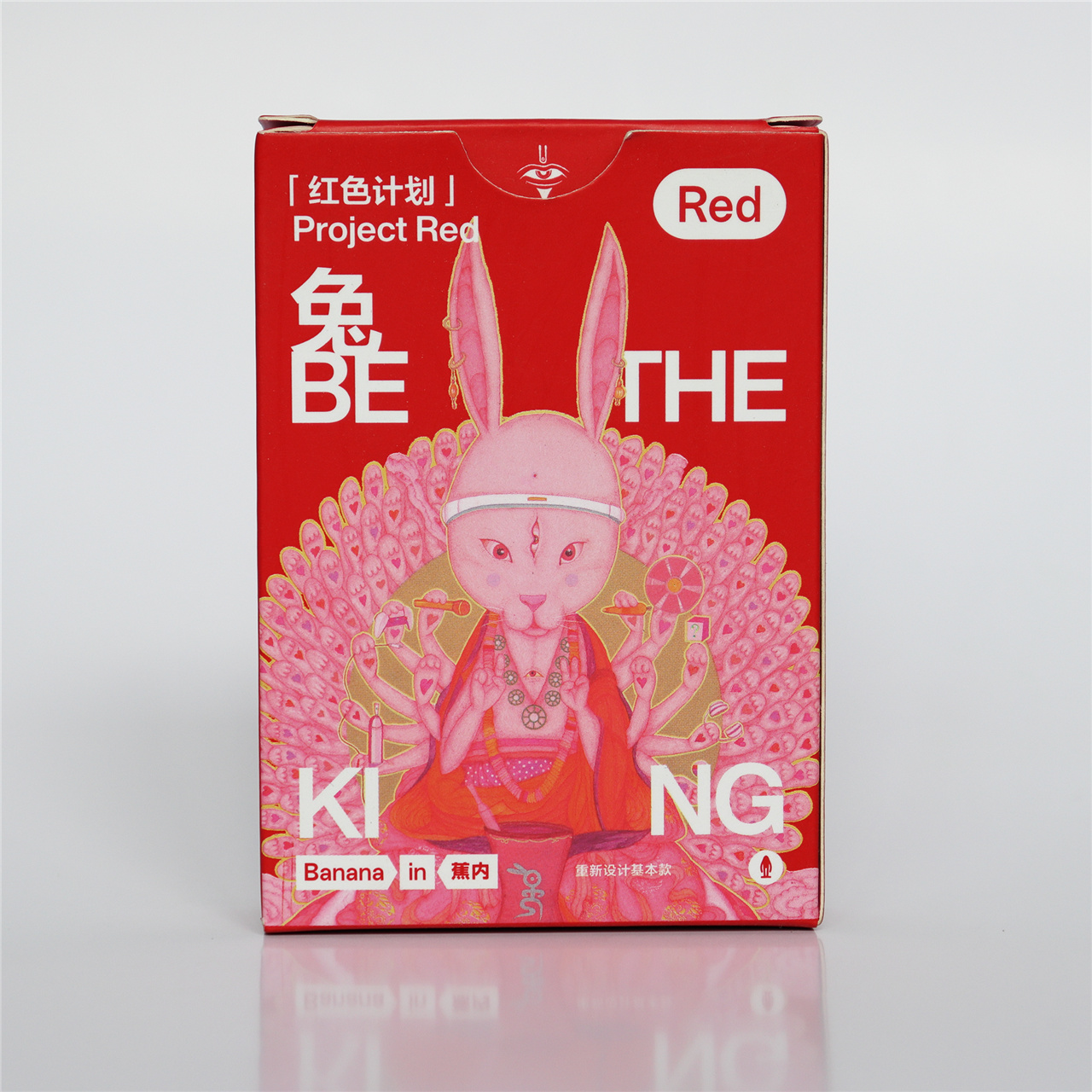 Custom Red Rabbit Themed Playing Cards Set
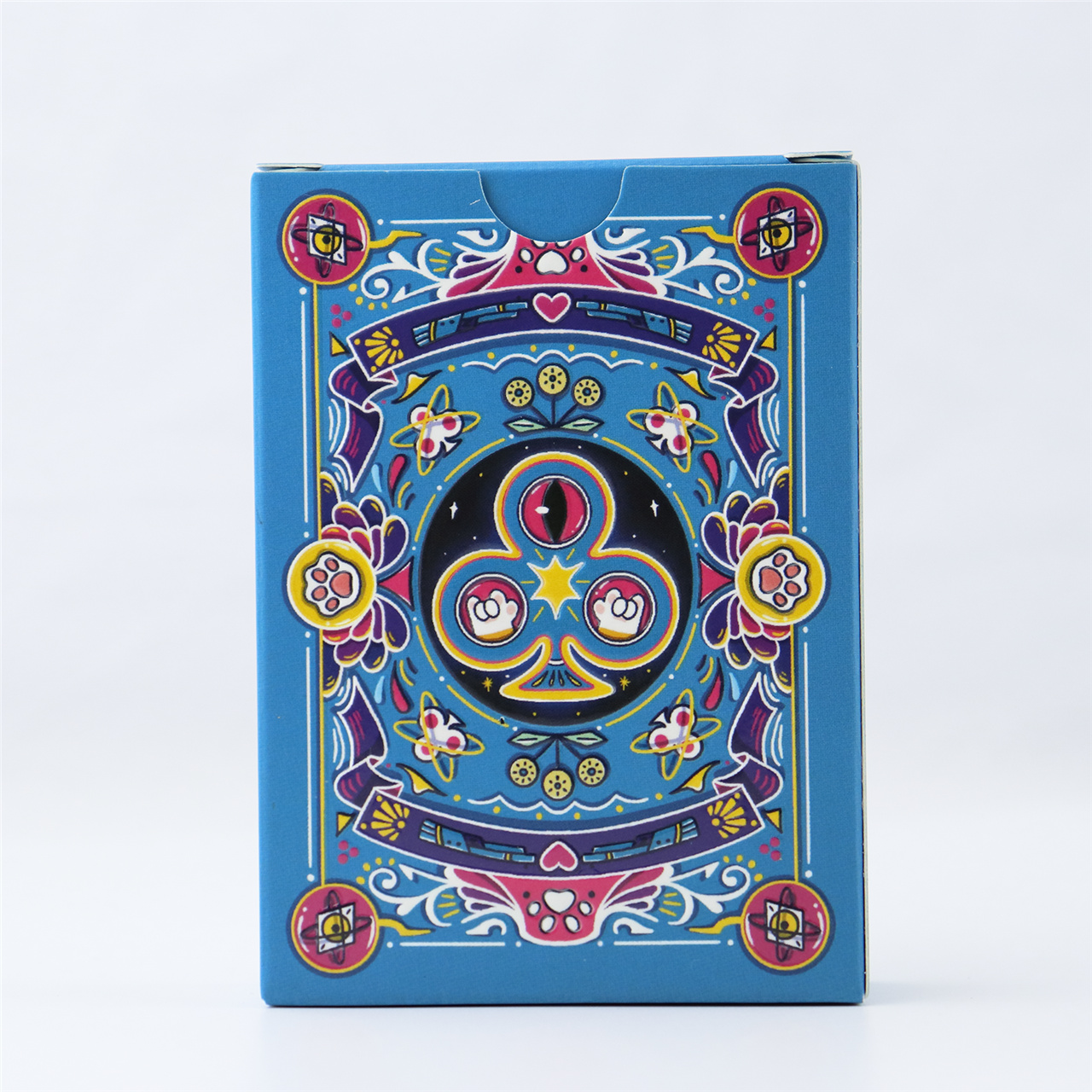 Custom Blue - Black Fantasy Plastic Playing Cards Set
 Pearls of Wisdom Oracle Custom Cards
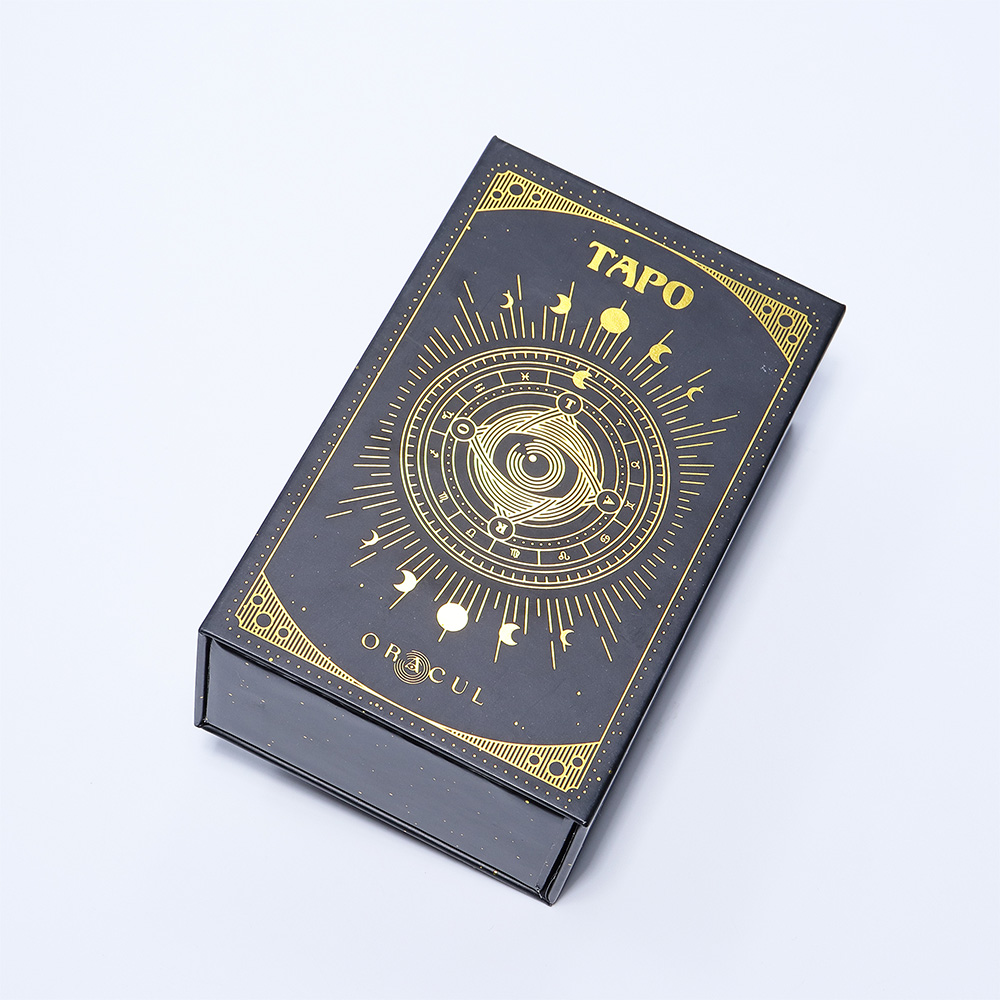 Custom Black & Gold Celestial Tarot Cards
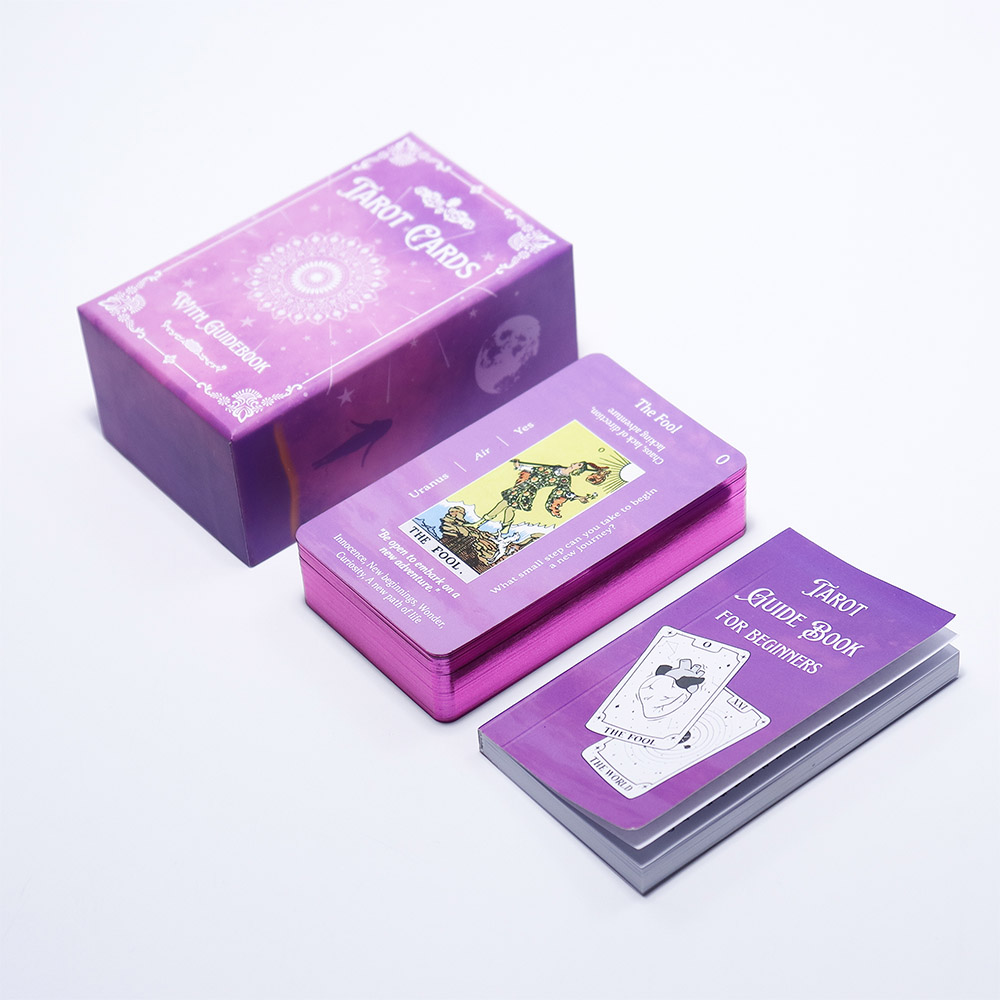 Custom Purple Tarot Cards with Guidebook
 L'Oracle d'Artémis Custom Oracle Cards
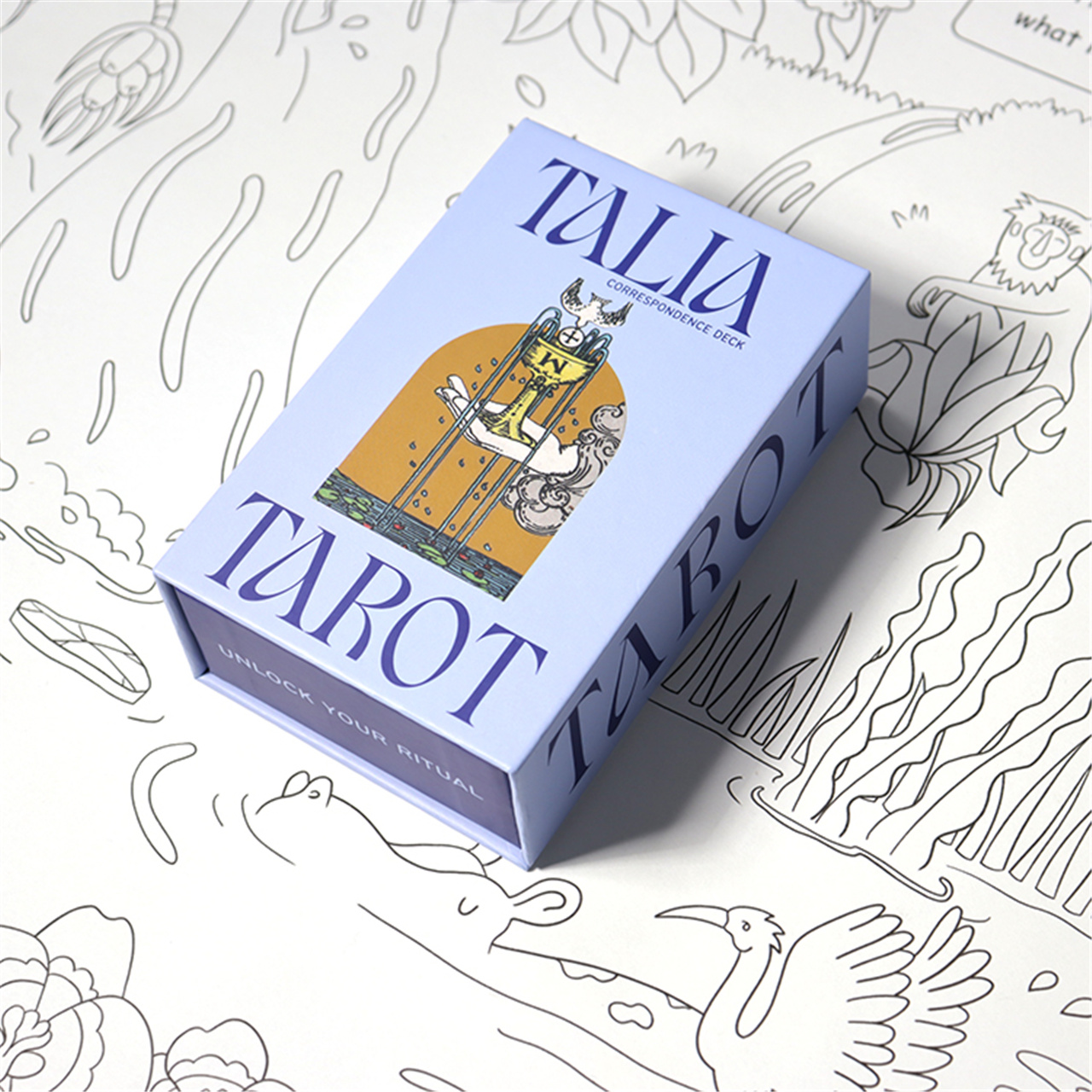 Custom Blue - Themed Tarot Cards Deck
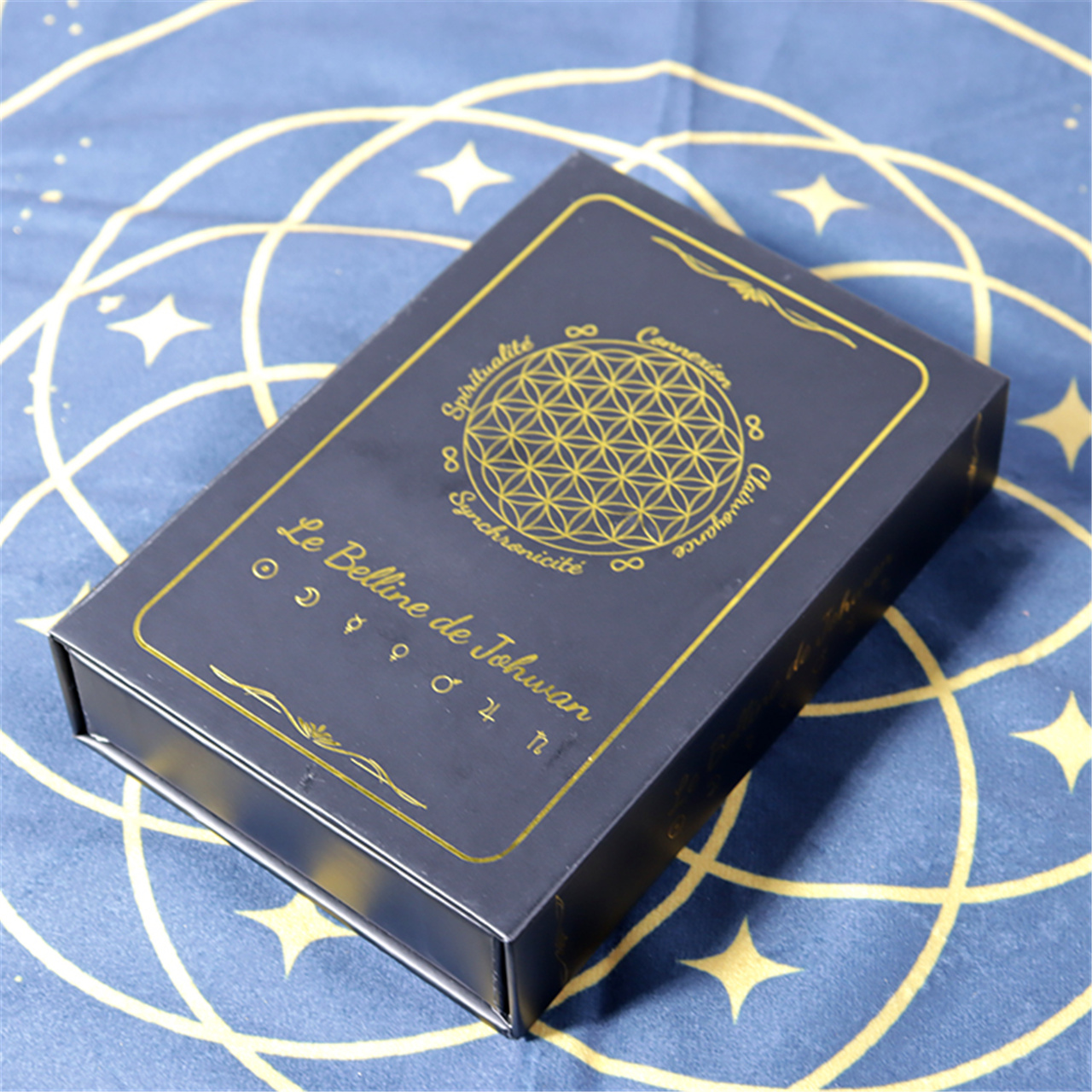 Custom Black - Blue Gold Foil Tarot Cards Set
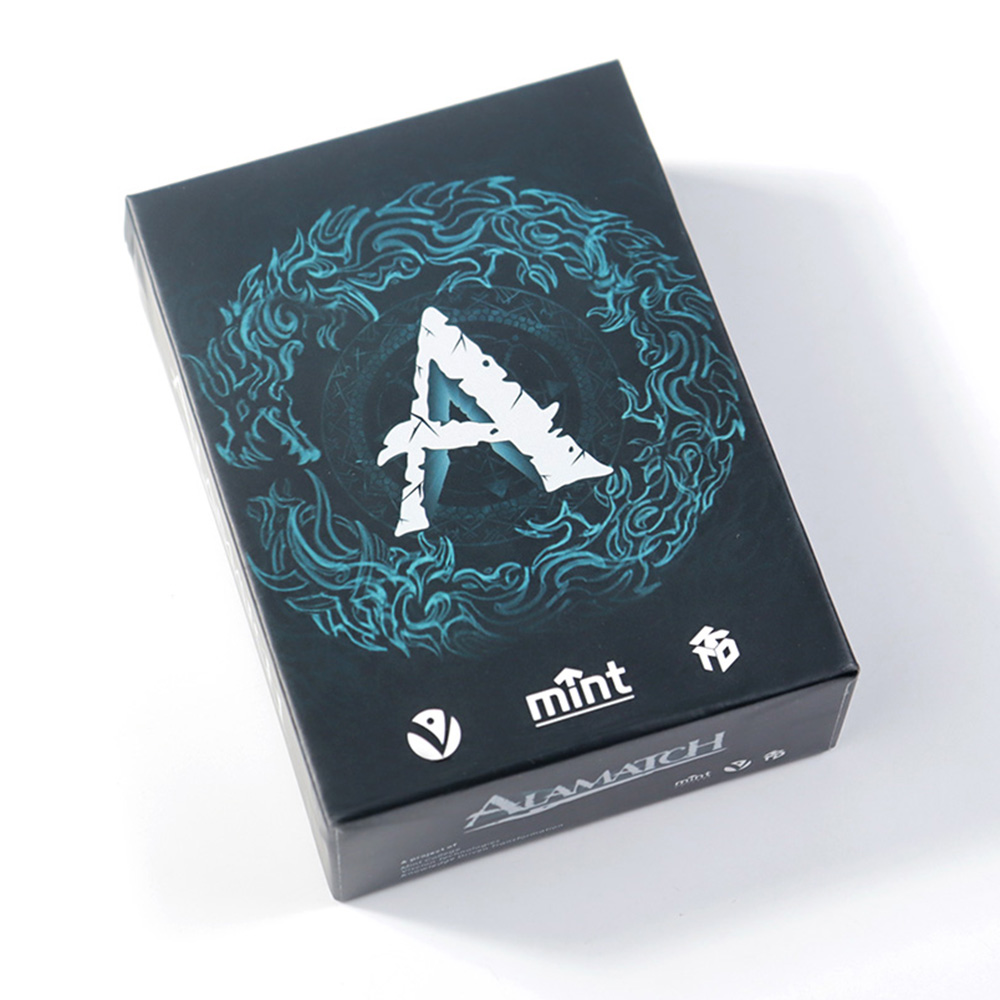 Alamatch Custom Trading Game Cards
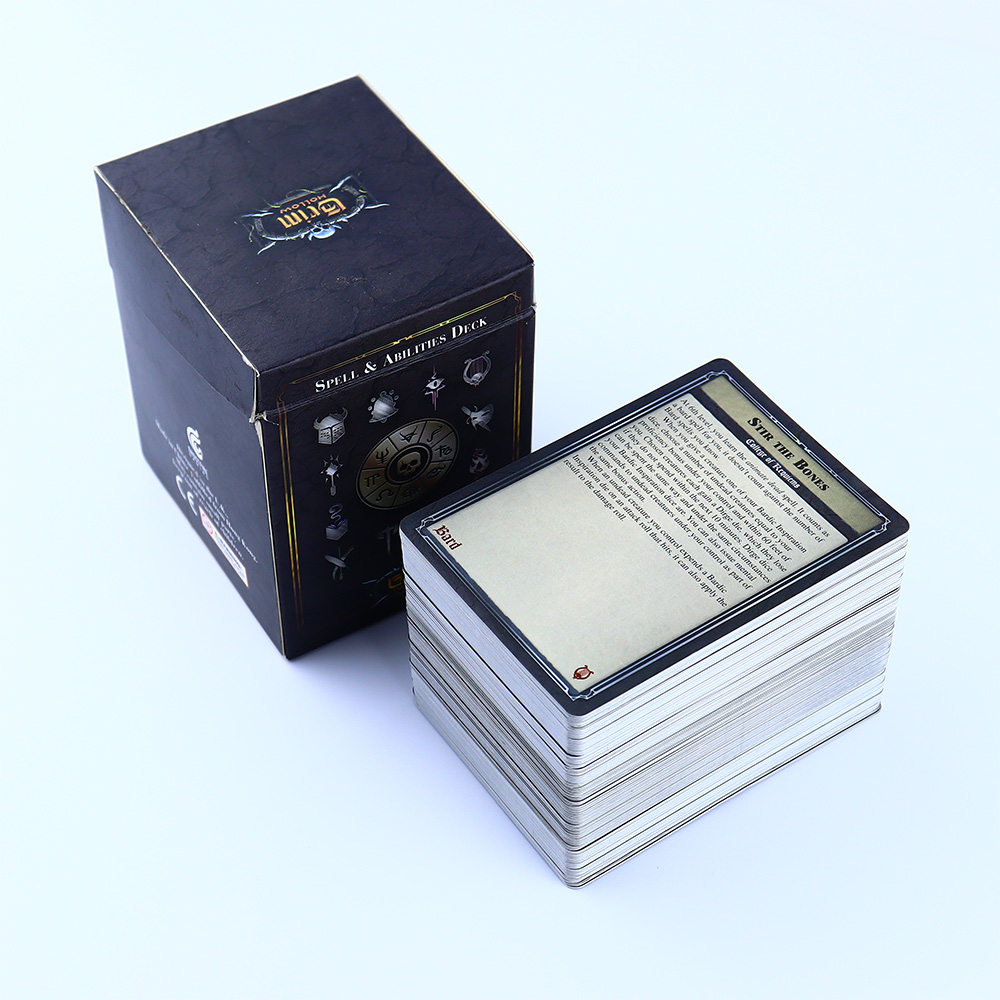 Grim Hollow Spell & Abilities Custom Trading Cards
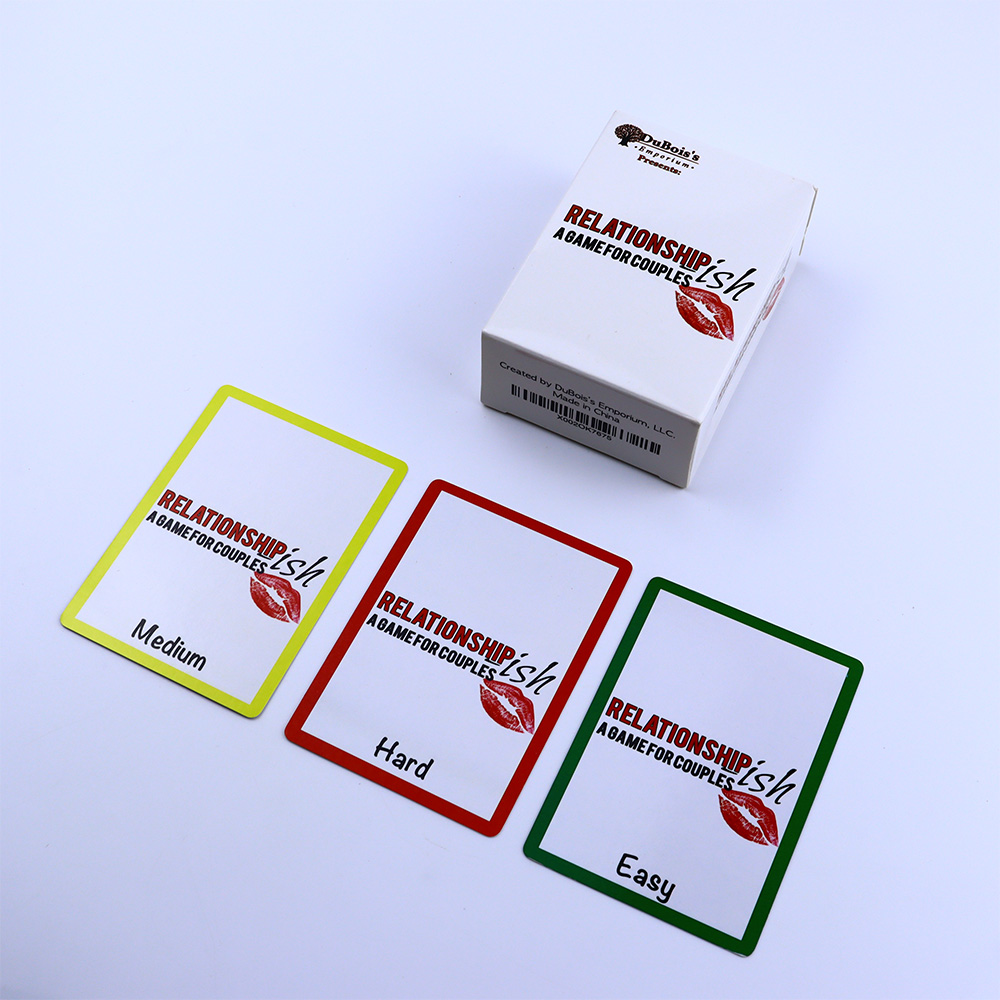 Relationshipish Custom Couple Card Game
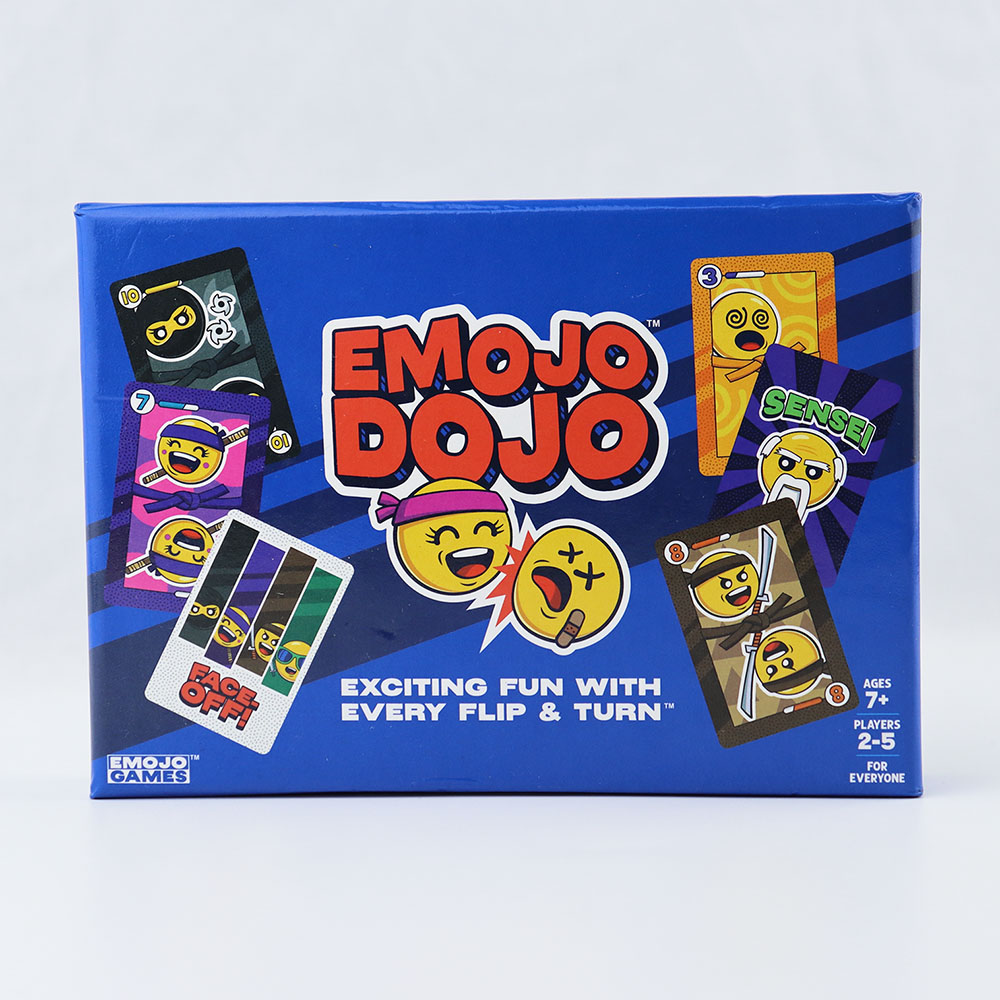 Emojo Dojo Custom Trading Card Game
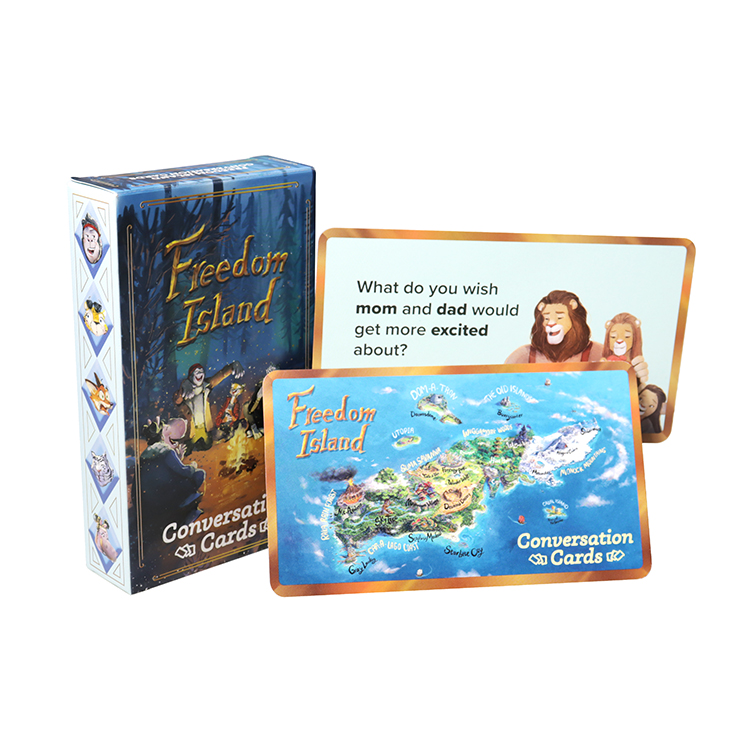 Custom Travel Photo Trading Cards Set
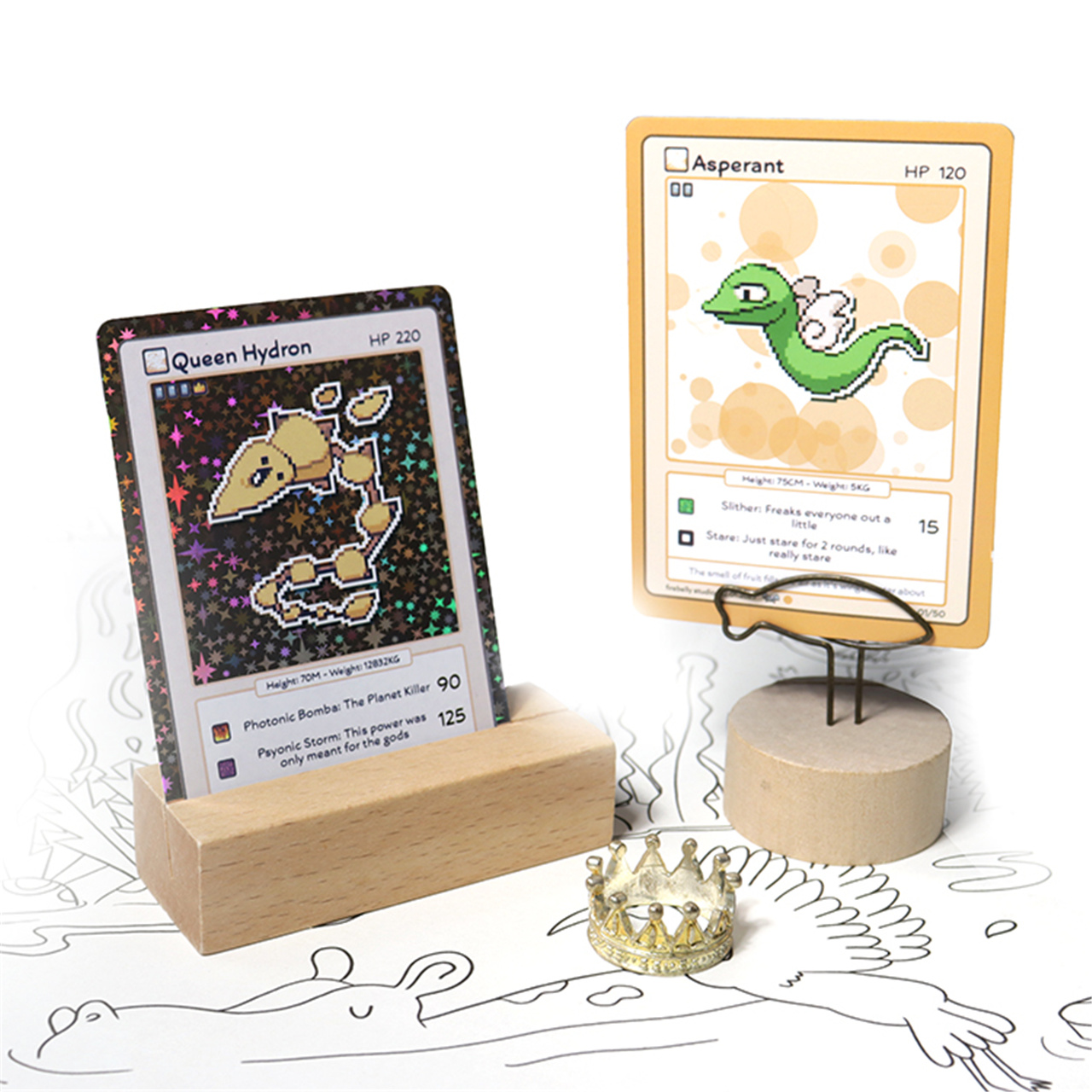 Custom Cartoon Holographic Trading Cards Set