| c. 3100 BCE |
Ancient Egypt |
Early recorded board-based play appeared in association with burial objects and elite culture. |
Grid boards, counters, and movement rules. |
Established the basic combination of shared space, turns, rules, and competition. |
The ancient Egyptian game commonly called Senet is among the earliest well-documented board games. |
| c. 2600 BCE |
Mesopotamia |
Complex race-game systems used tracks, pieces, and chance mechanisms. |
Two-sided boards, tokens, and marked movement paths. |
Simple turn structures made games accessible while chance created excitement for mixed-age groups. |
The Royal Game of Ur is one of the best-known archaeological examples of an early race board game. |
| 6th–10th centuries |
South Asia, Persia, and the Islamic world |
Strategic games based on military movement spread across trade and cultural networks. |
Piece movement, positional planning, and captured pieces. |
Introduced deeper strategy and encouraged intergenerational learning. |
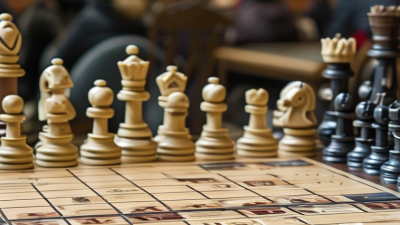
The ancestor of modern chess developed in India and reached Persia before spreading widely through the Islamic world and Europe. |
| 15th–18th centuries |
Europe and parts of Asia |
Printed materials and improved literacy helped standardize rules and distribute games. |
Printed boards, cards, dice, counters, and instructional texts. |
Lower production costs and portable components made games more available beyond courts and wealthy households. |
The spread of printing supported the wider circulation of recreational and educational games. |
| 19th century |
Europe, North America, and expanding international markets |
Industrial printing and mass manufacturing transformed board games into household leisure products. |
Colorful boards, fixed rules, illustrated instructions, and reusable pieces. |
Affordable, repeatable entertainment became suitable for parents and children to play together at home. |
Advances in lithographic printing and industrial production significantly reduced the cost of illustrated game materials. |
| 1900–1950 |
North America, Europe, and other urban markets |
Board games became closely associated with domestic recreation and family leisure time. |
Race games, route-building games, puzzles, and educational formats. |
Games combined easy-to-understand rules with arithmetic, reading, planning, and social interaction. |
The growth of urban households, consumer goods, and organized education supported the domestic board-game market. |
| 1950–1980 |
Global consumer markets |
Television advertising, improved plastics, and international distribution increased visibility and availability. |
Durable molded pieces, illustrated packaging, and family-oriented rule systems. |
Durability and recognizable visual design made games easier to reuse, share, and pass between generations. |
Postwar increases in household consumption and leisure time helped board games reach a broader mass audience. |
| 1980–2000 |
Europe, North America, East Asia, and international hobby communities |
Game design increasingly emphasized balanced rules, strategic choices, and shorter play sessions. |
Resource management, tile placement, deduction, and light strategy. |
Multiple paths to success allowed children and adults with different skill levels to participate. |
The modern hobby movement broadened the design vocabulary beyond traditional race and roll-and-move formats. |
| 2000–present |
Worldwide |
Digital communication, online communities, crowdfunding, and international publishing accelerated global exchange of game ideas. |
Cooperative play, modular boards, narrative scenarios, accessible rules, and hybrid physical-digital experiences. |
Games support face-to-face communication, screen-free social time, problem-solving, and adaptable participation across age groups. |
Modern distribution and translation networks allow successful game concepts to circulate across many languages and regions. |
| Definition |
Cross-cultural category |
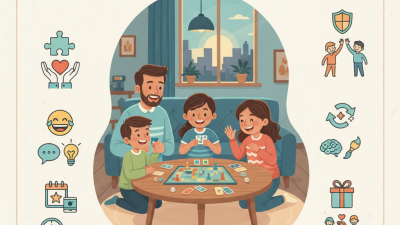
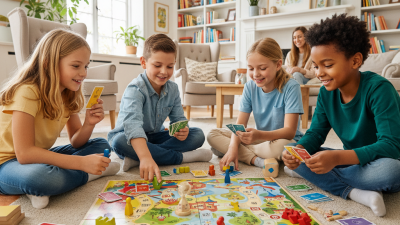
A family board game is a structured tabletop activity designed for shared play by people with varied ages, experience levels, or abilities. |
Usually includes a physical play area, components, turn order, objectives, and agreed rules. |
The category is popular because it combines accessibility, social contact, competition or cooperation, and repeat play. |
“Family” describes the intended social range and accessibility, not a single theme, mechanism, culture, or age group. |

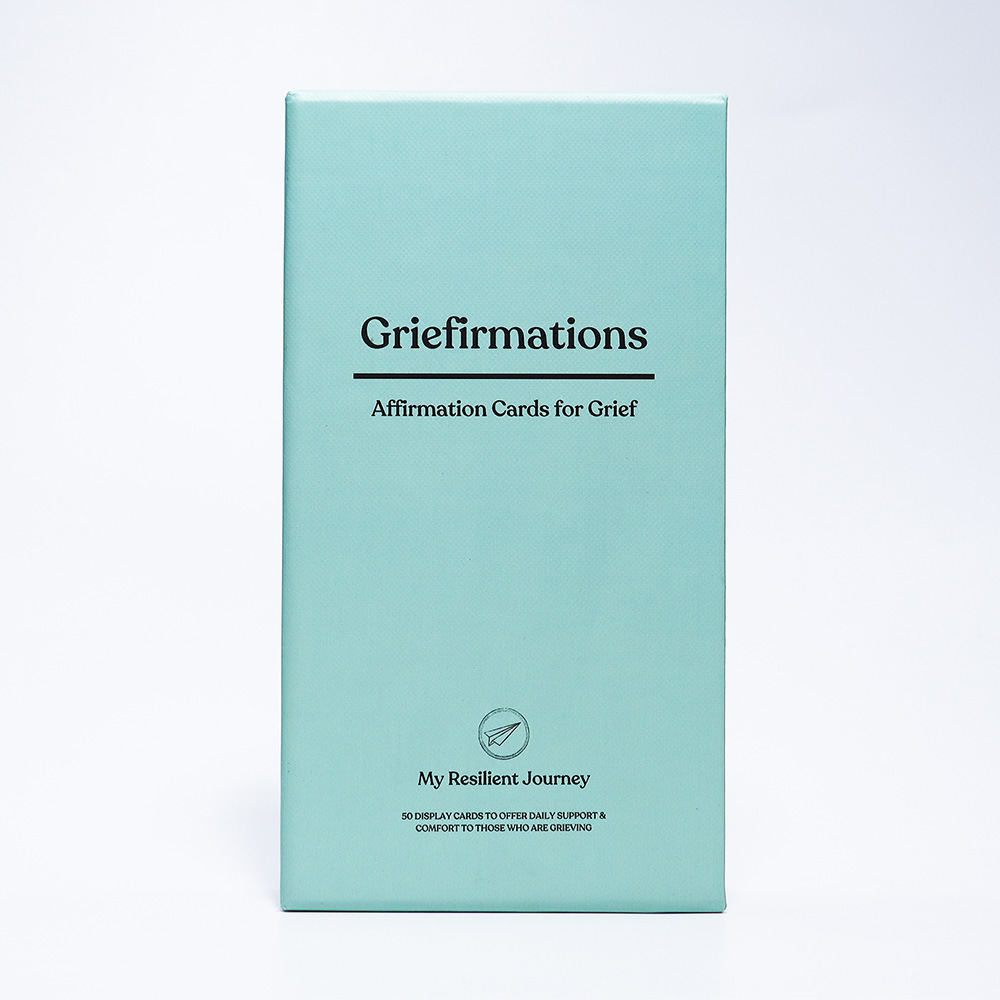 Customizable Emotional Support Cards for Grief & Resilience
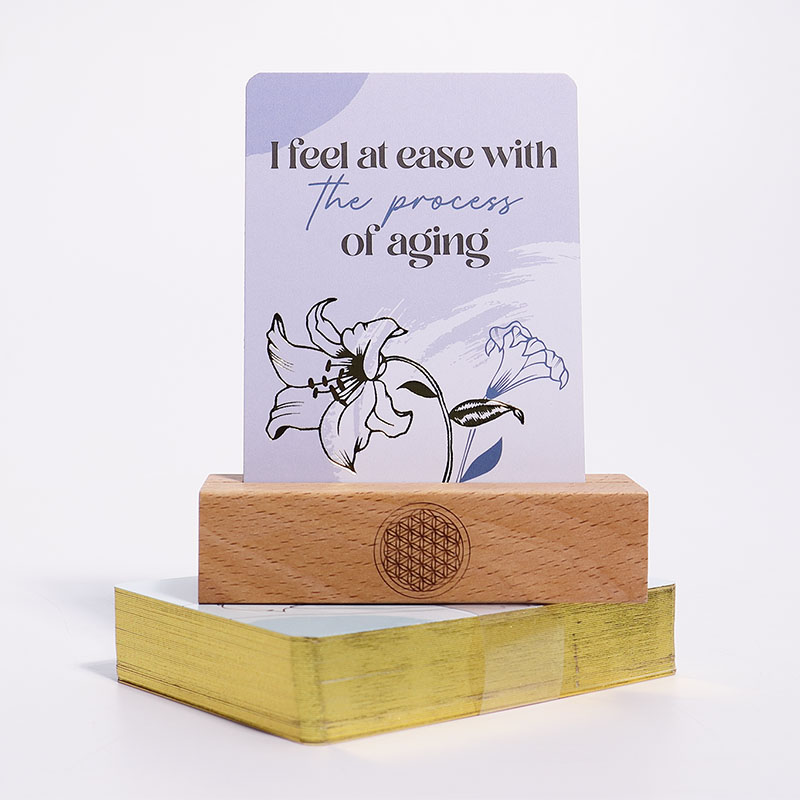 Personalized Emotional Encouragement Card Collection
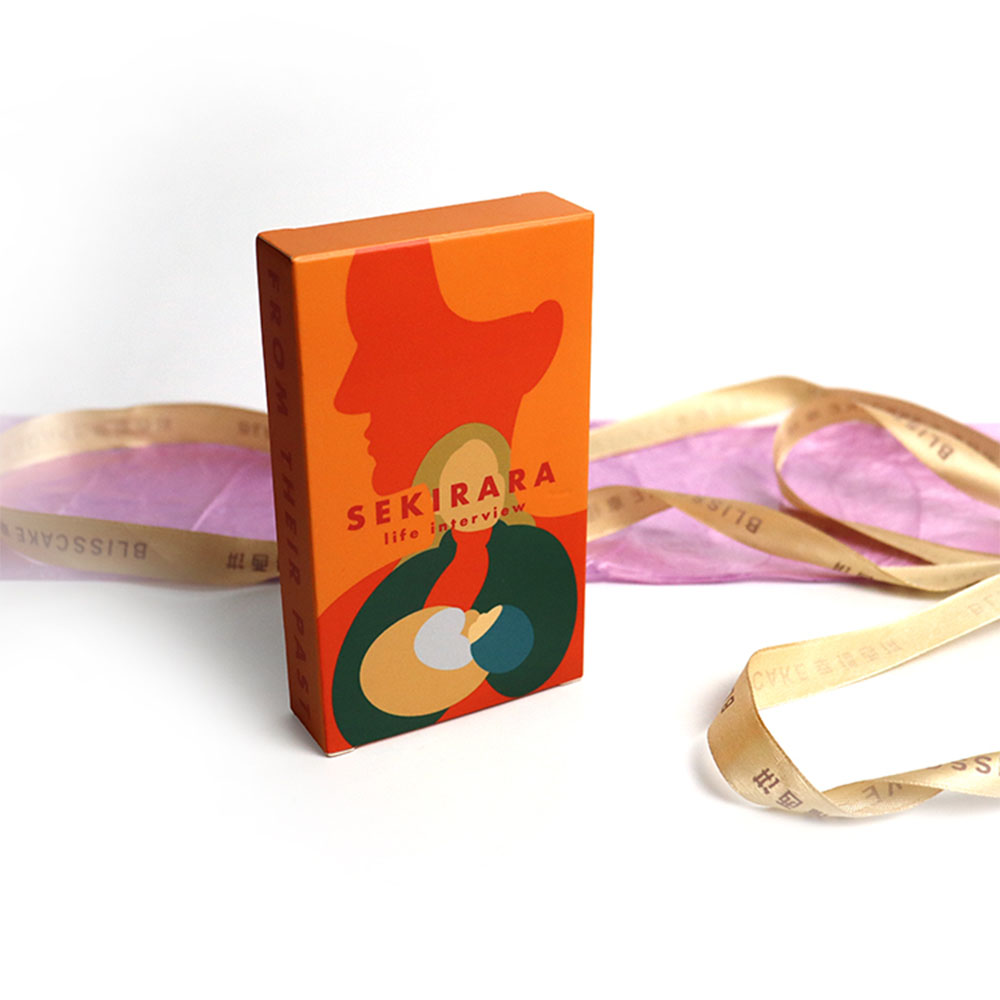 Personalized Deep Conversation Card Gift Box
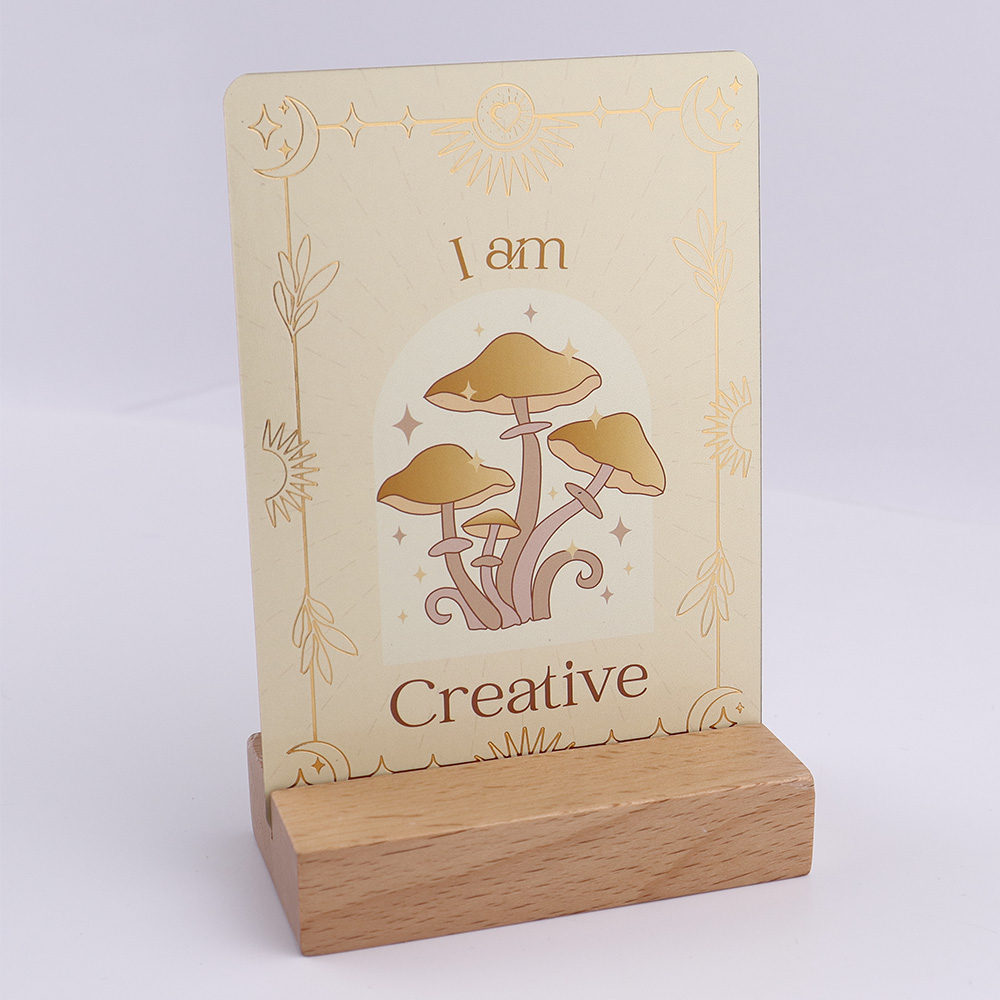 Customizable Boho-Chic Affirmation Cards for Mindfulness & Self-Love
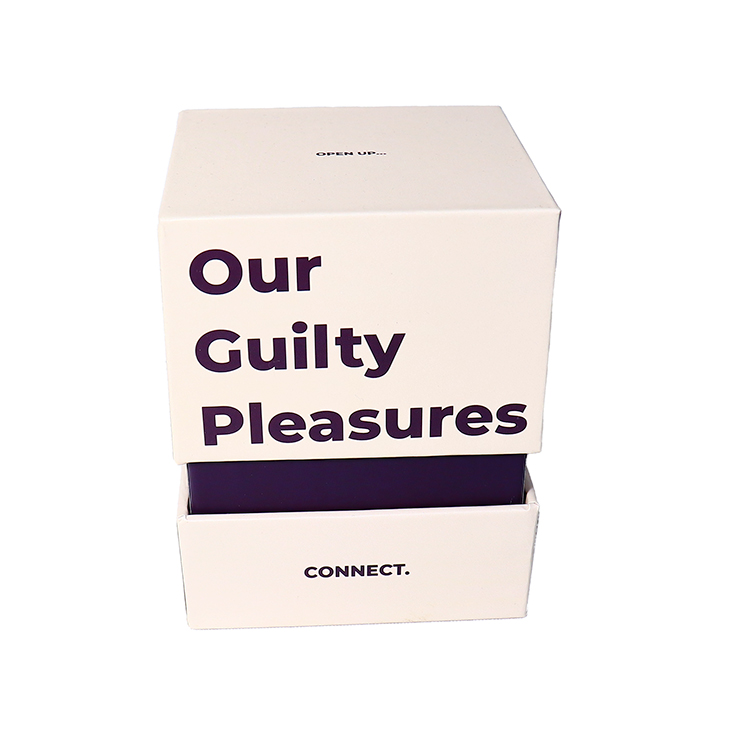 Customized Friendship Confirmation Card
 Customized Entrepreneurship Confirmation Card
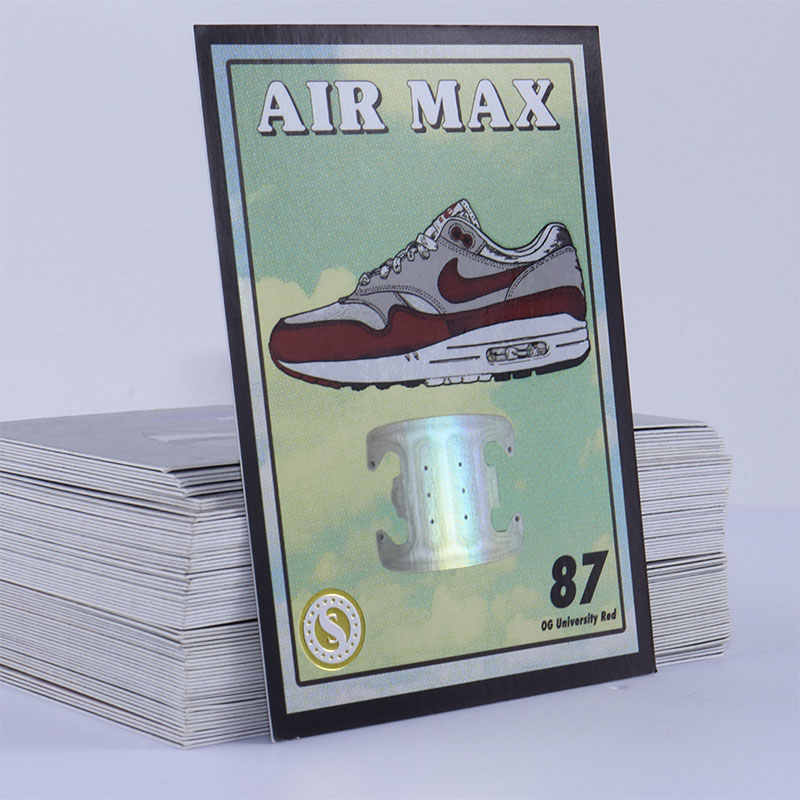 Air Max Pax Custom Sneaker Card Blind Box Set
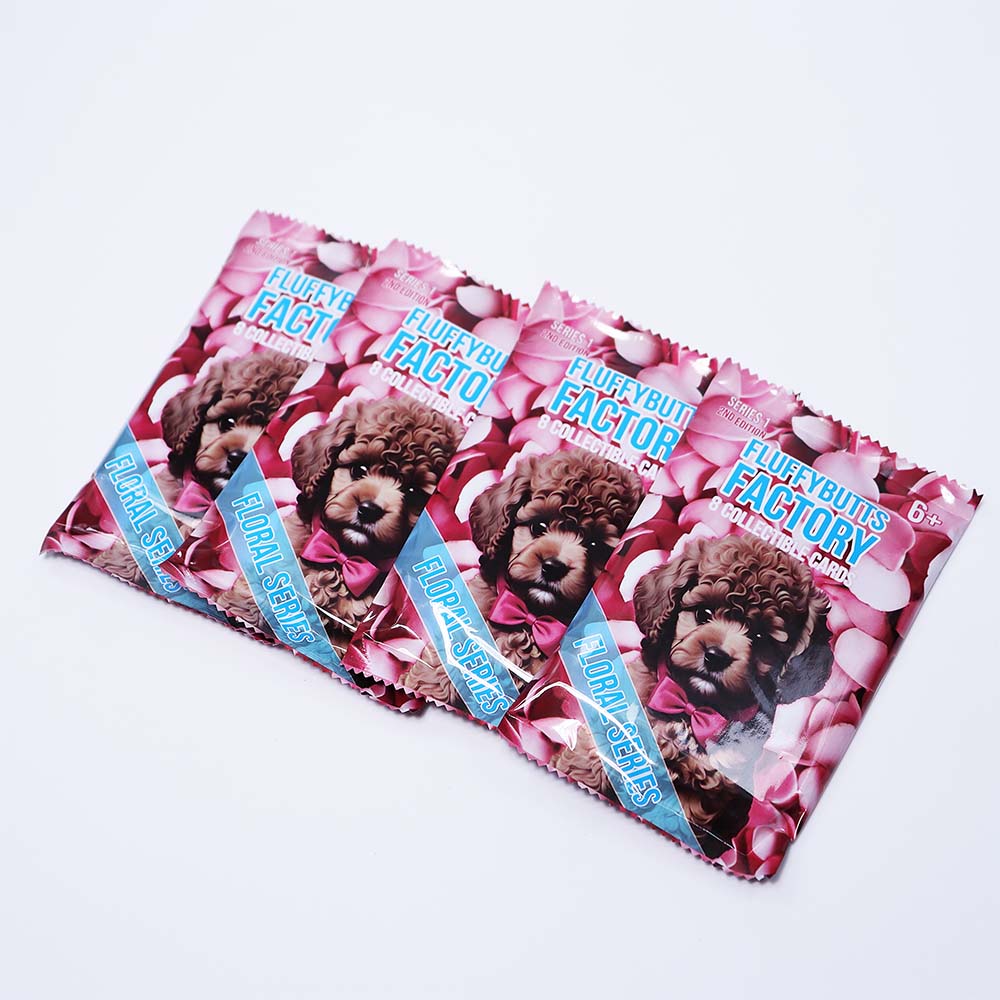 Fluffybutts Factory Custom Pet Card Blind Box Sets
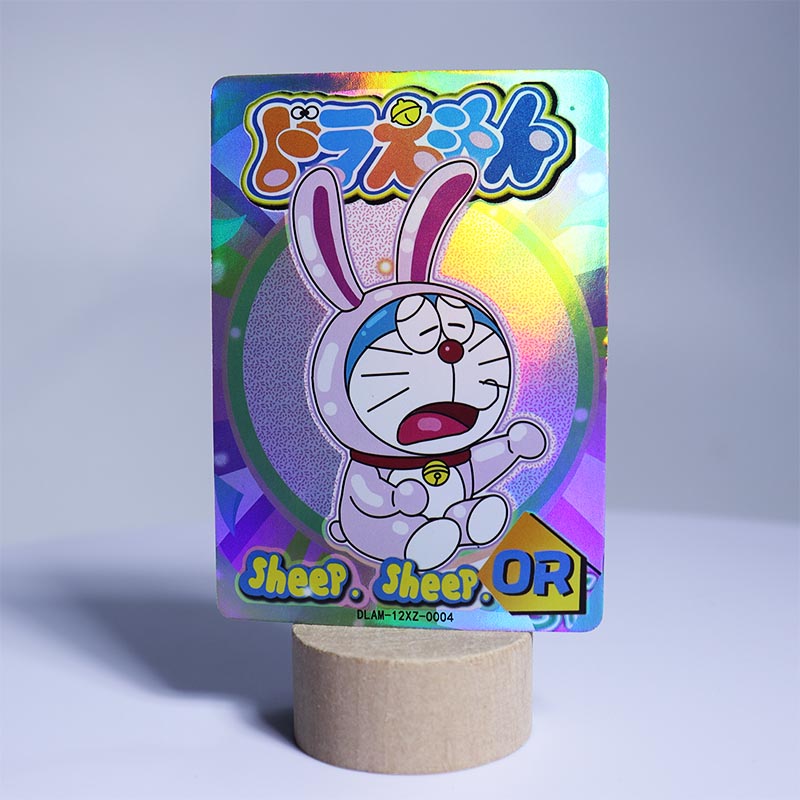 Doraemon Custom Card Blind Box Set
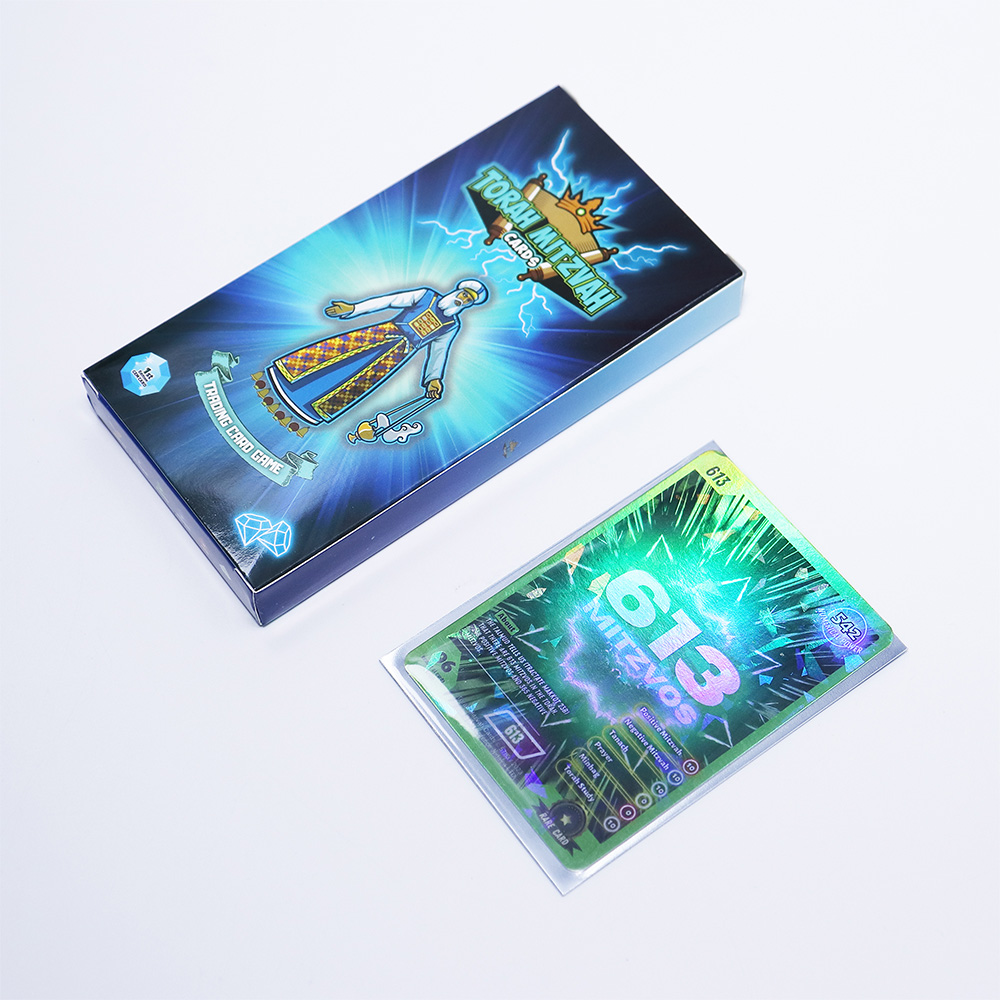 Torah Mitzvah Custom Card Blind Box Set
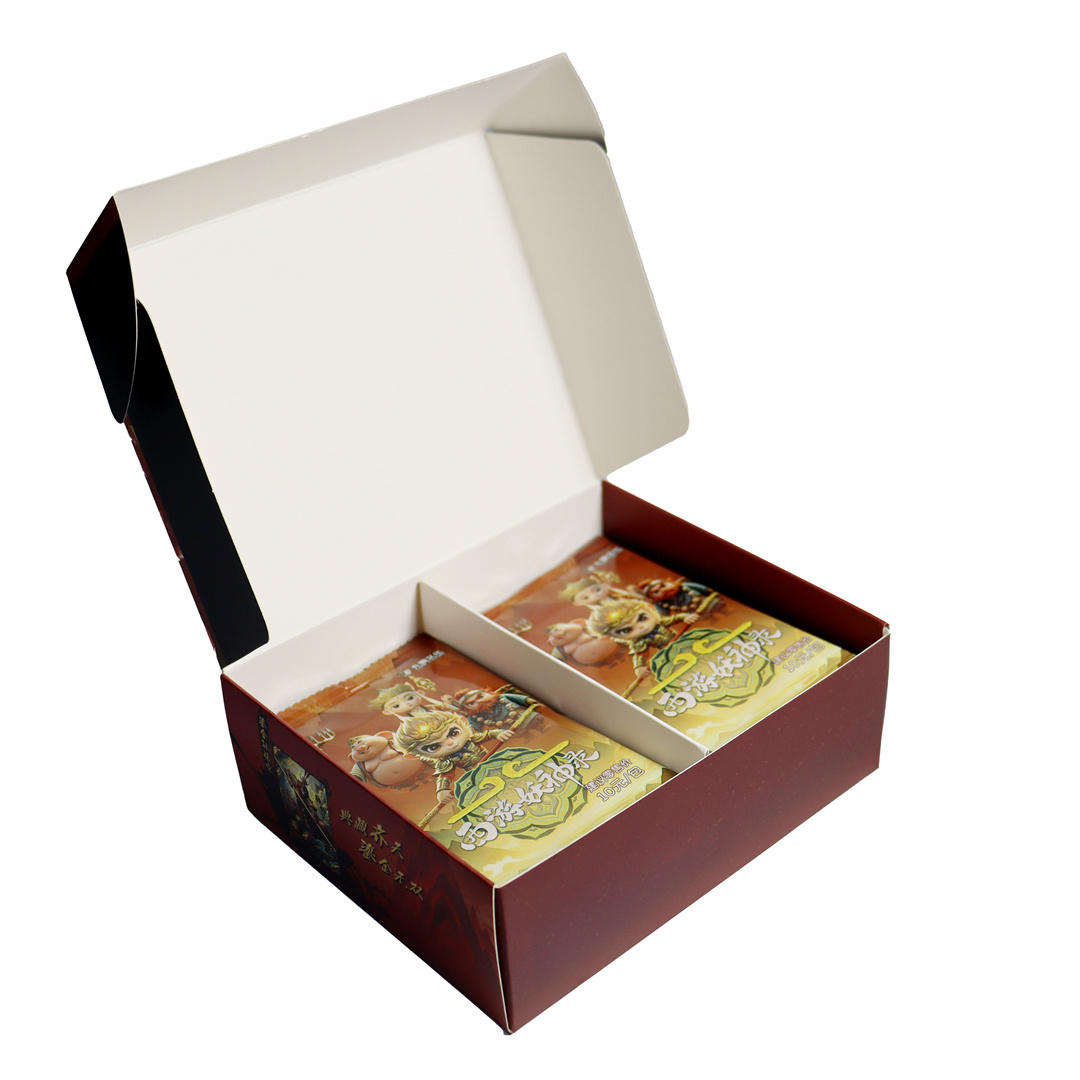 Customized "Journey to the West" Themed Card Blind Box Set
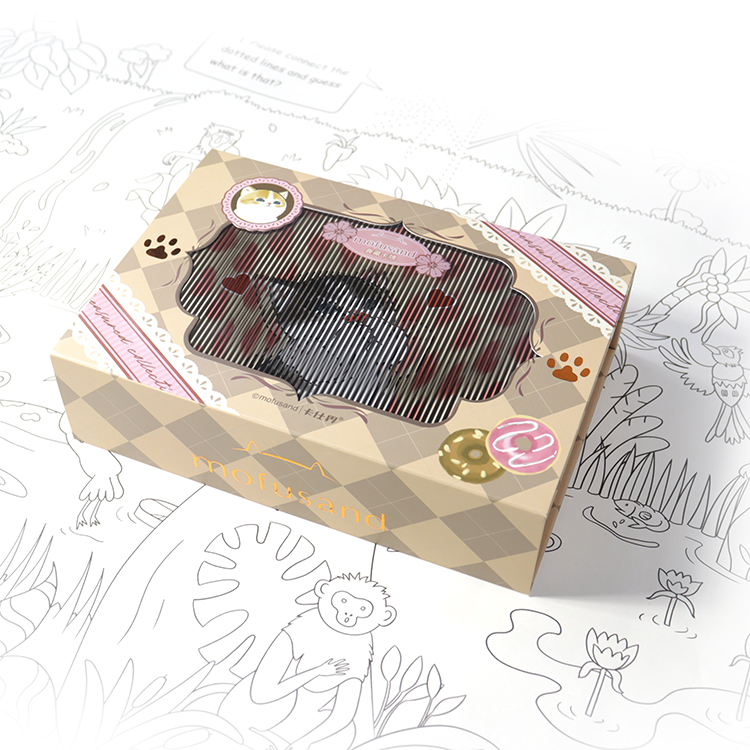 Customized cat-themed blind box set
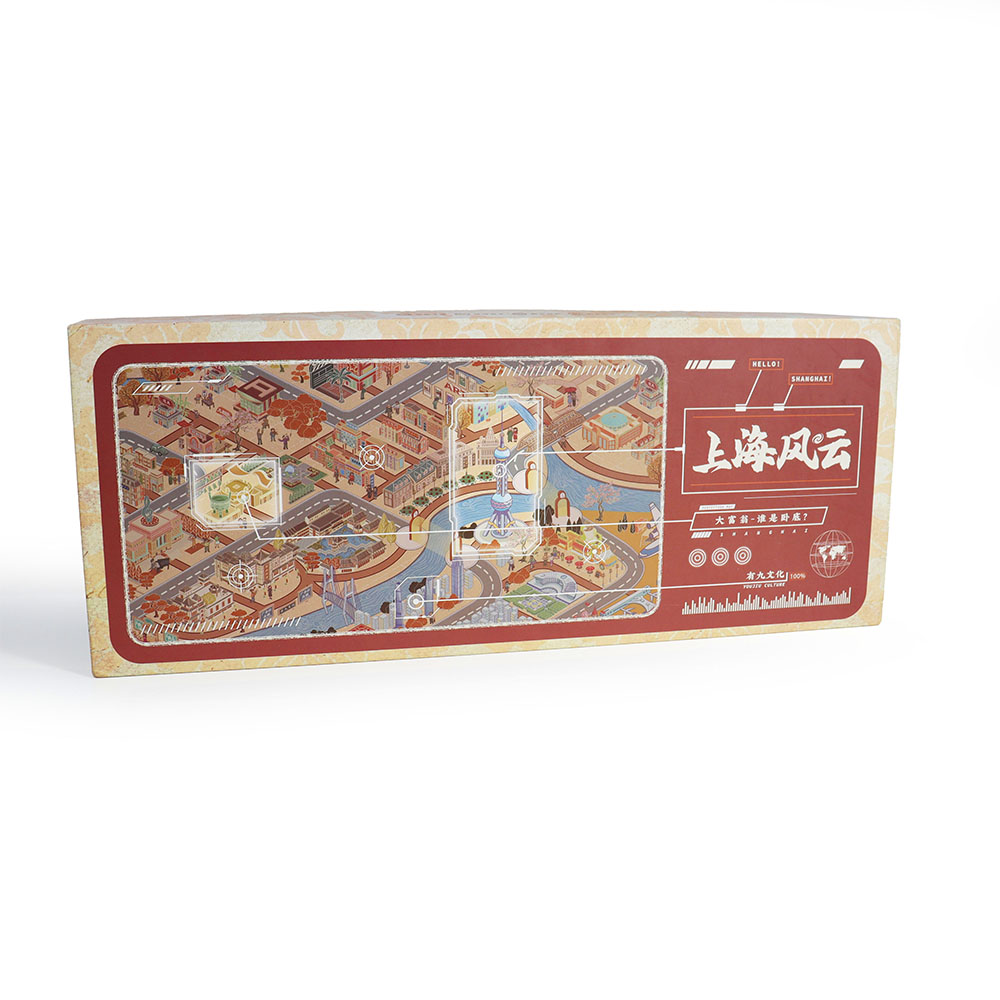 Shanghai Fengyun Custom Board Game Set
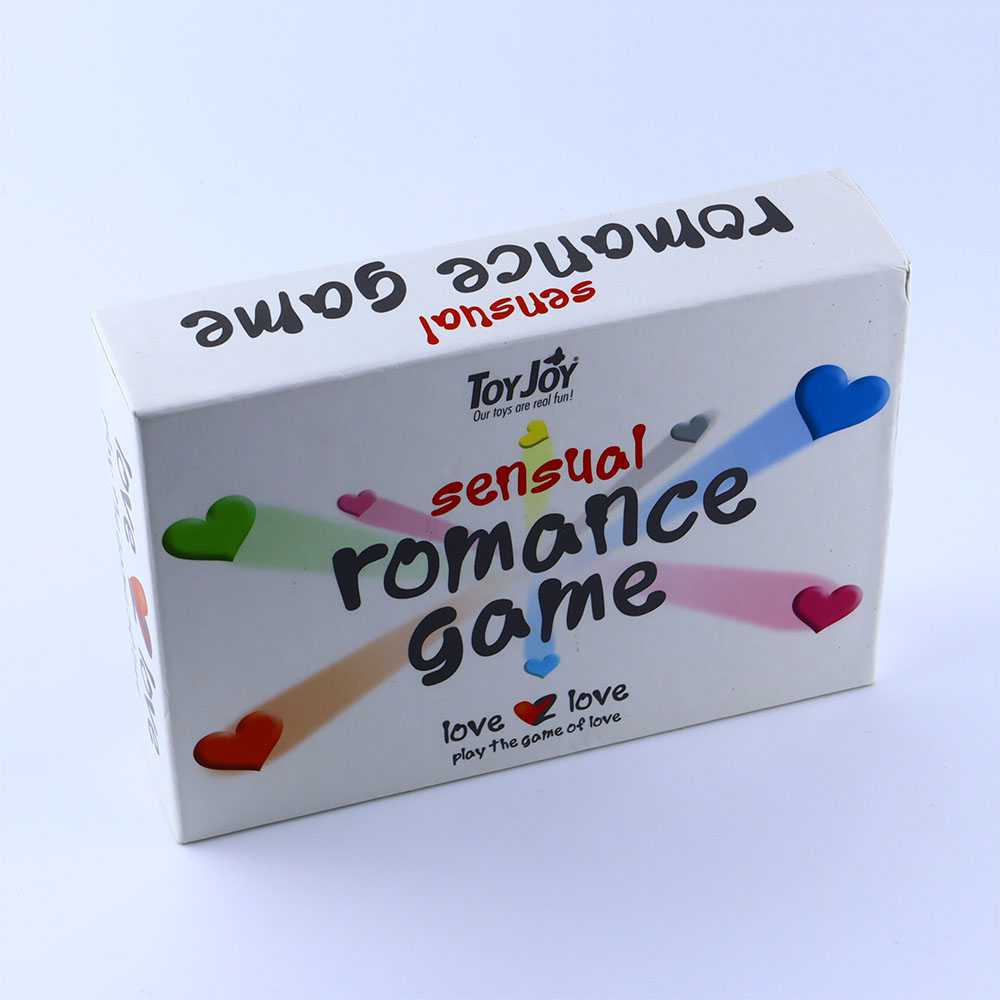 Sensual Romance Game Custom Board Game Set
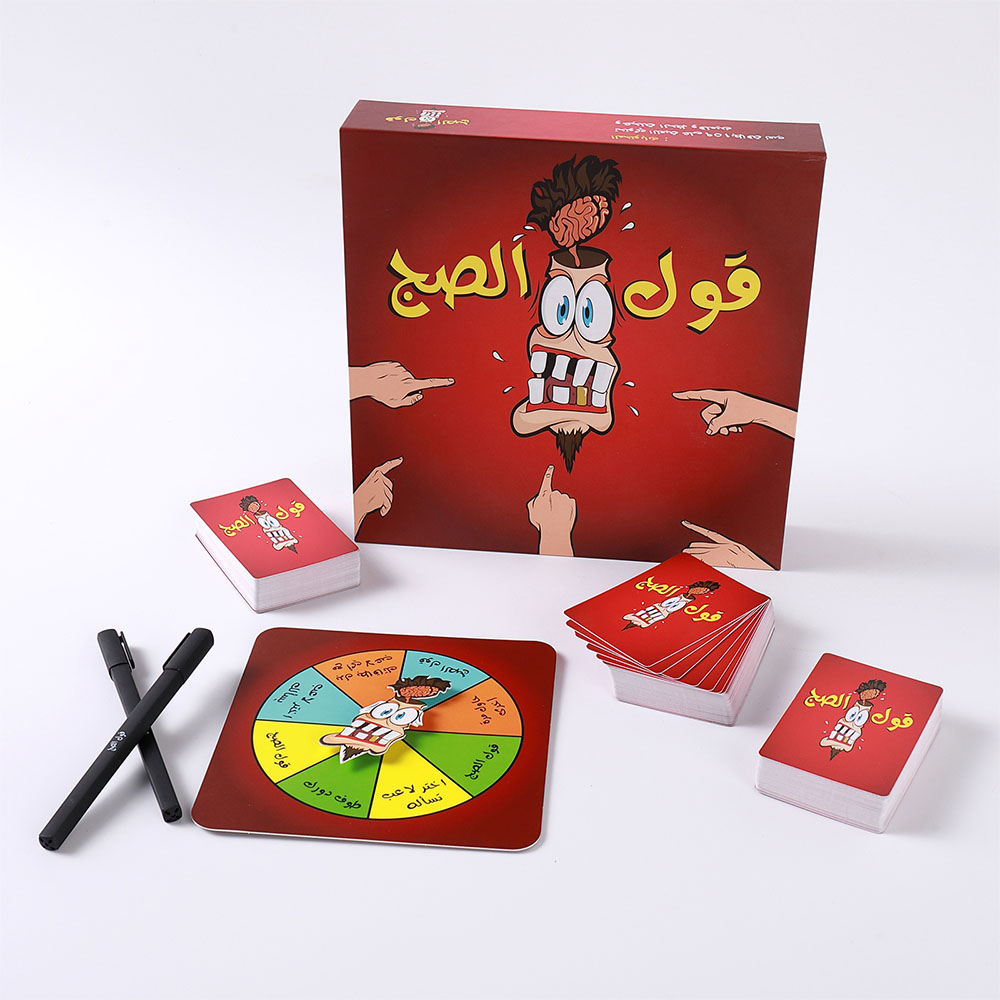 "Qoul Al Sabah" Custom Board Game Set
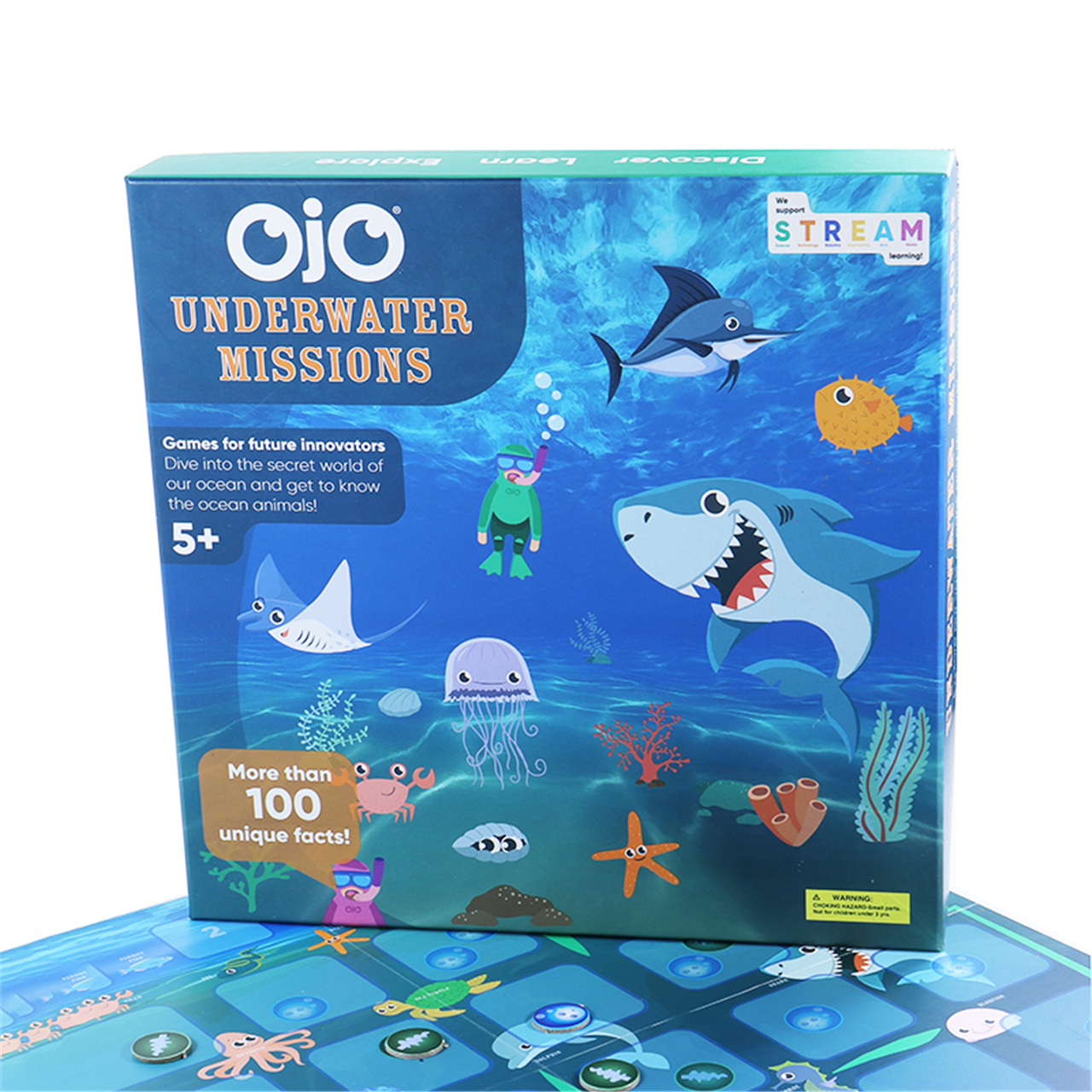 Customized educational board games for children
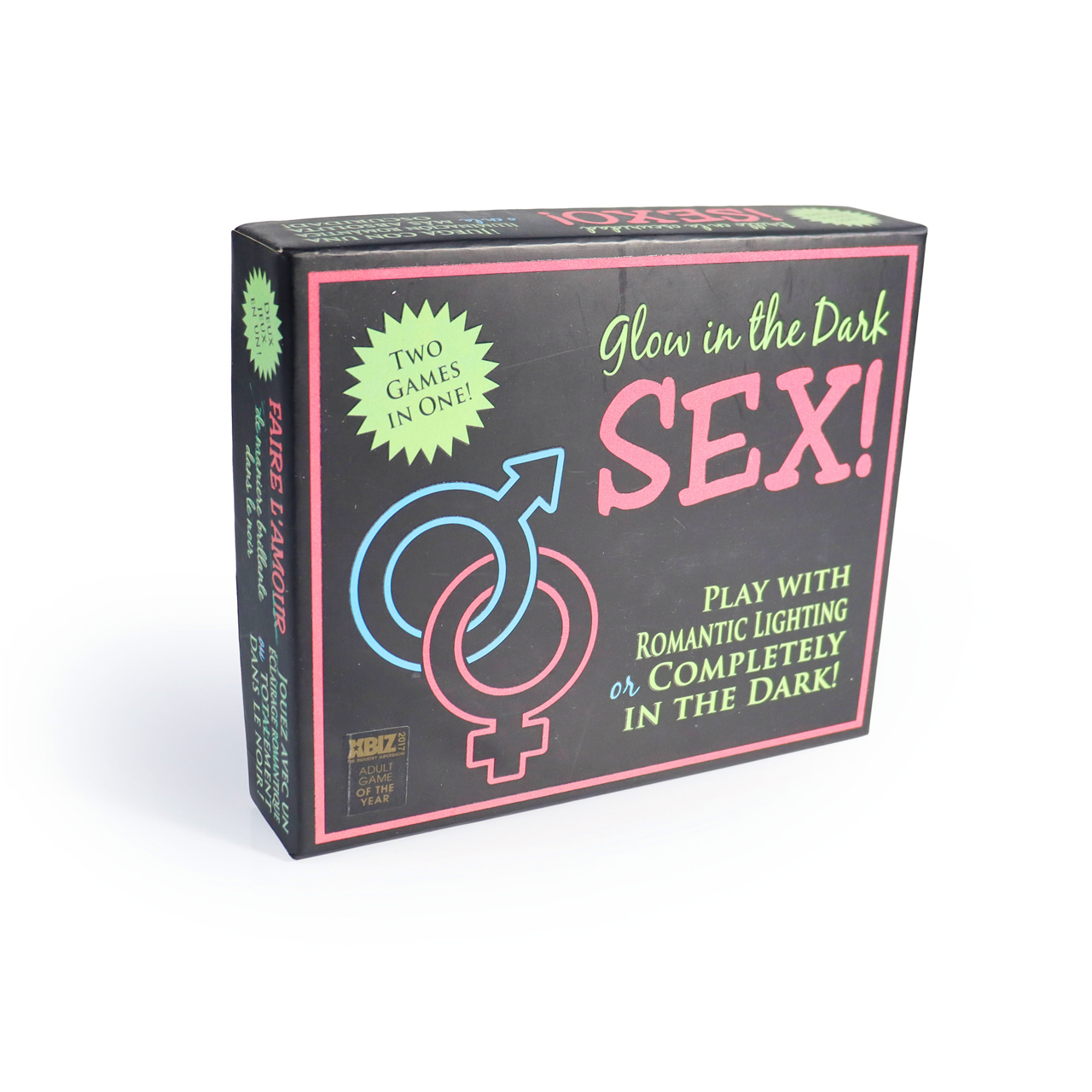 Couple Interaction Turntable Themed Board Game
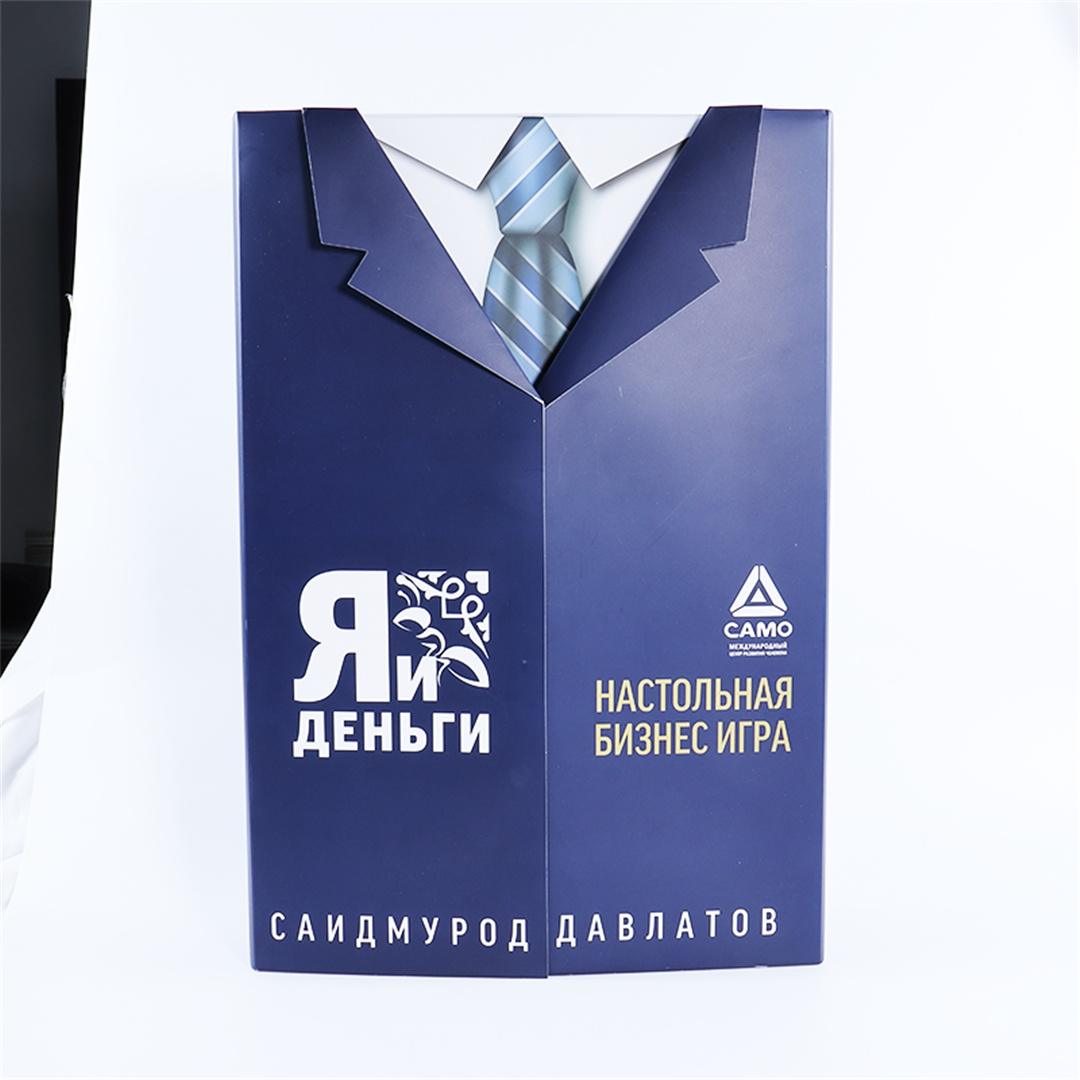 Business Finance Board Game
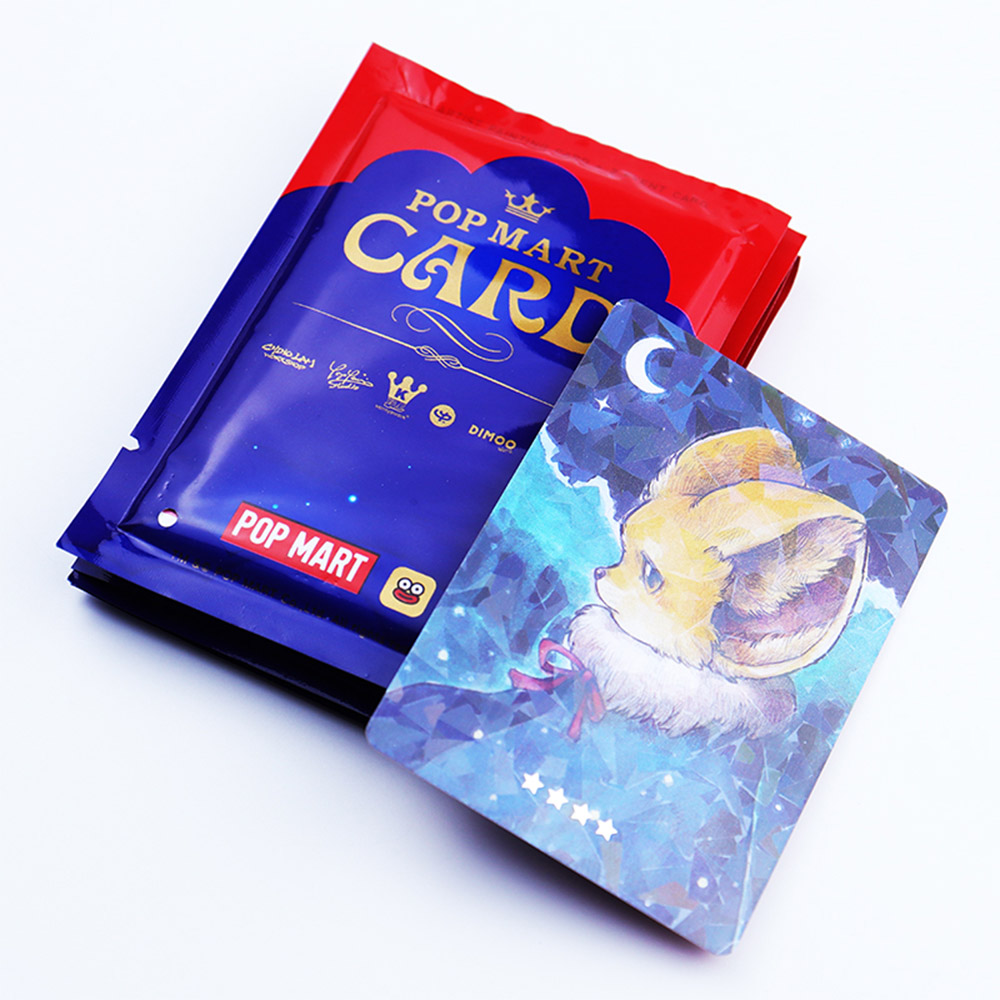 Pop Mart Custom Character Collectible Cards
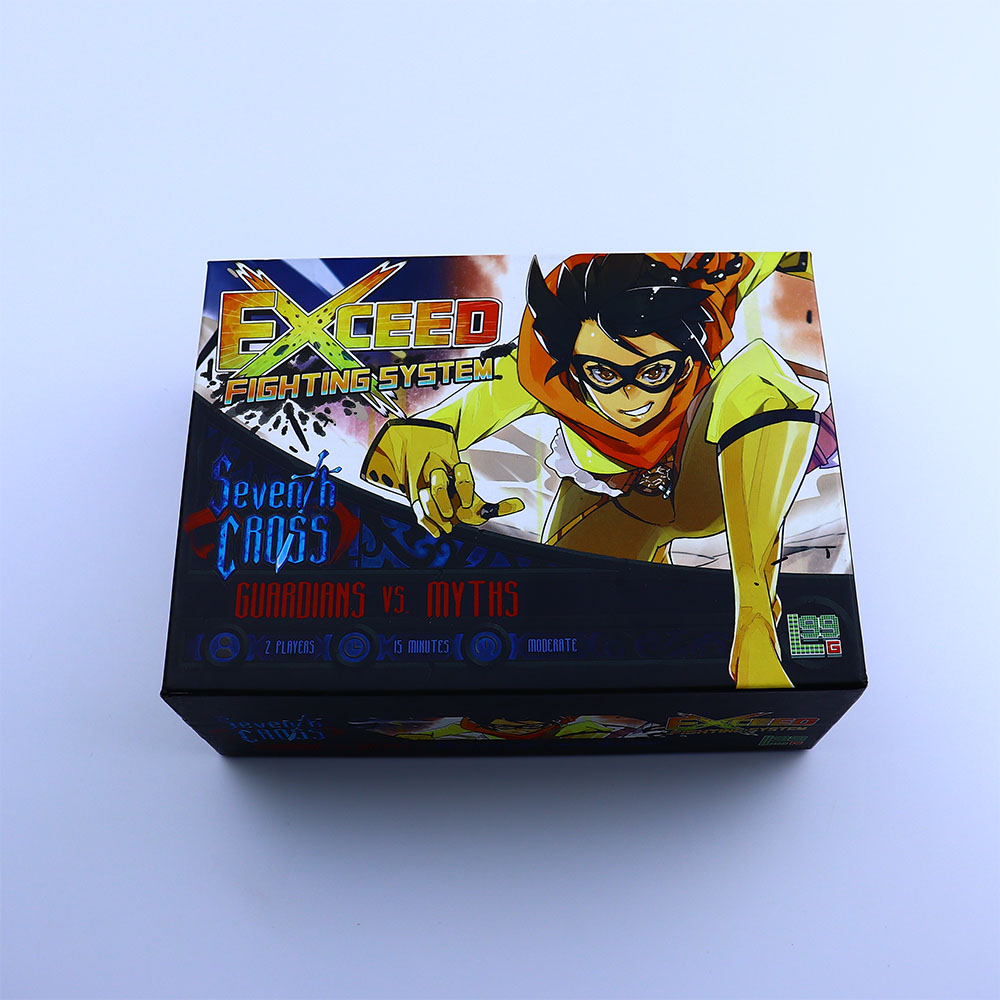 EXCEED Fighting System Custom Character Card Set
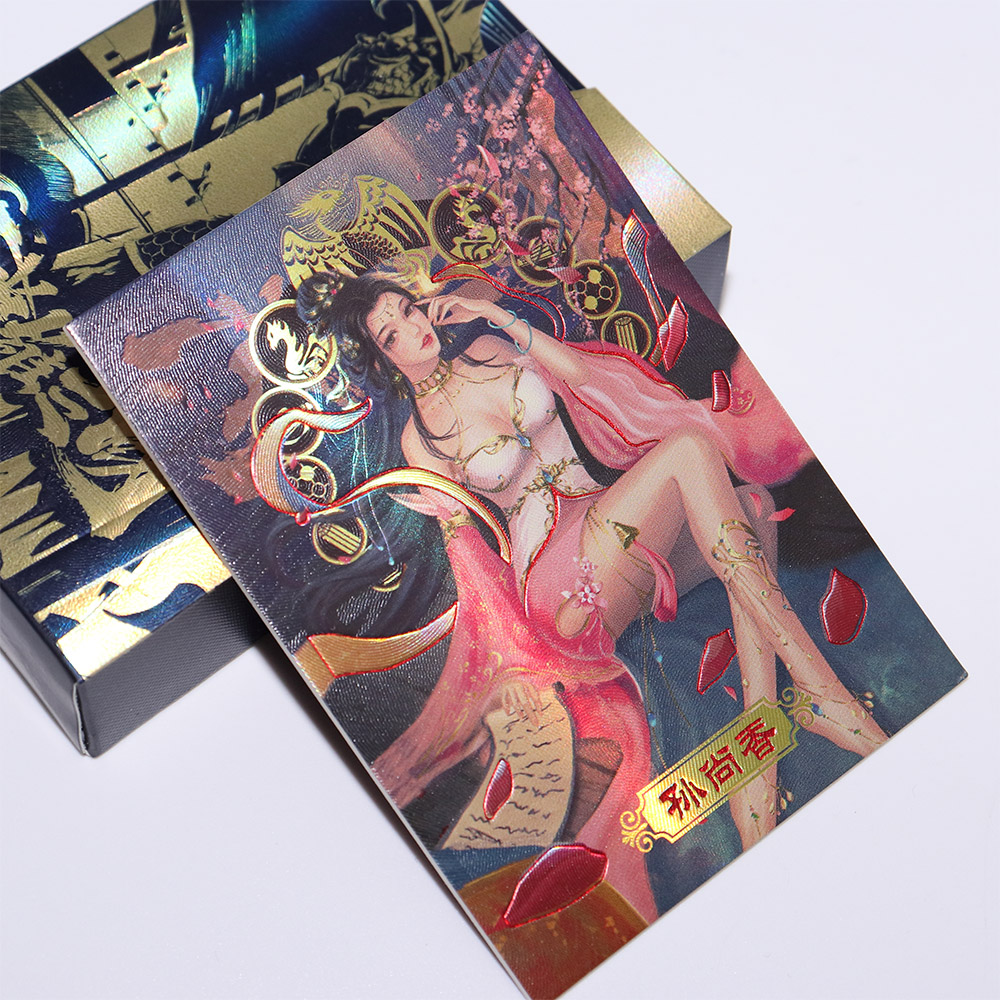 Three Kingdoms Custom Hero Character Cards
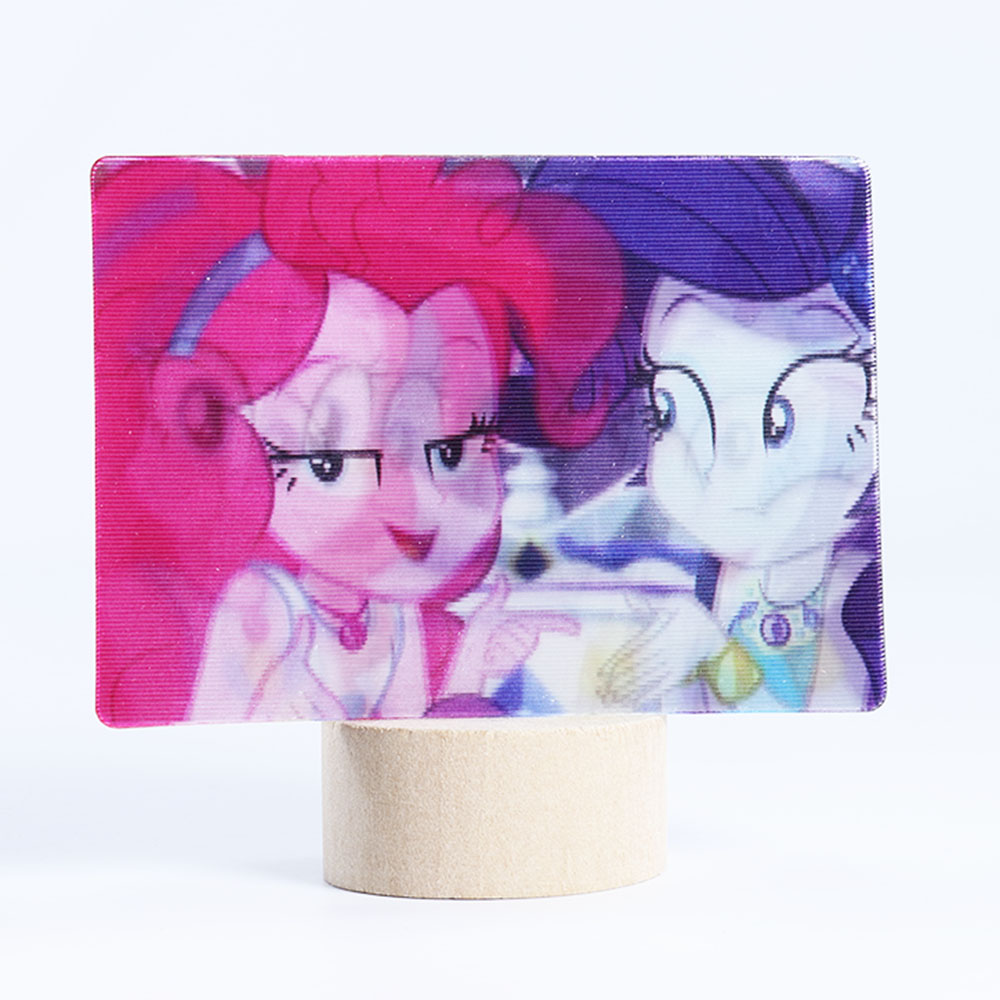 Custom Anime Character Dynamic Visual Cards
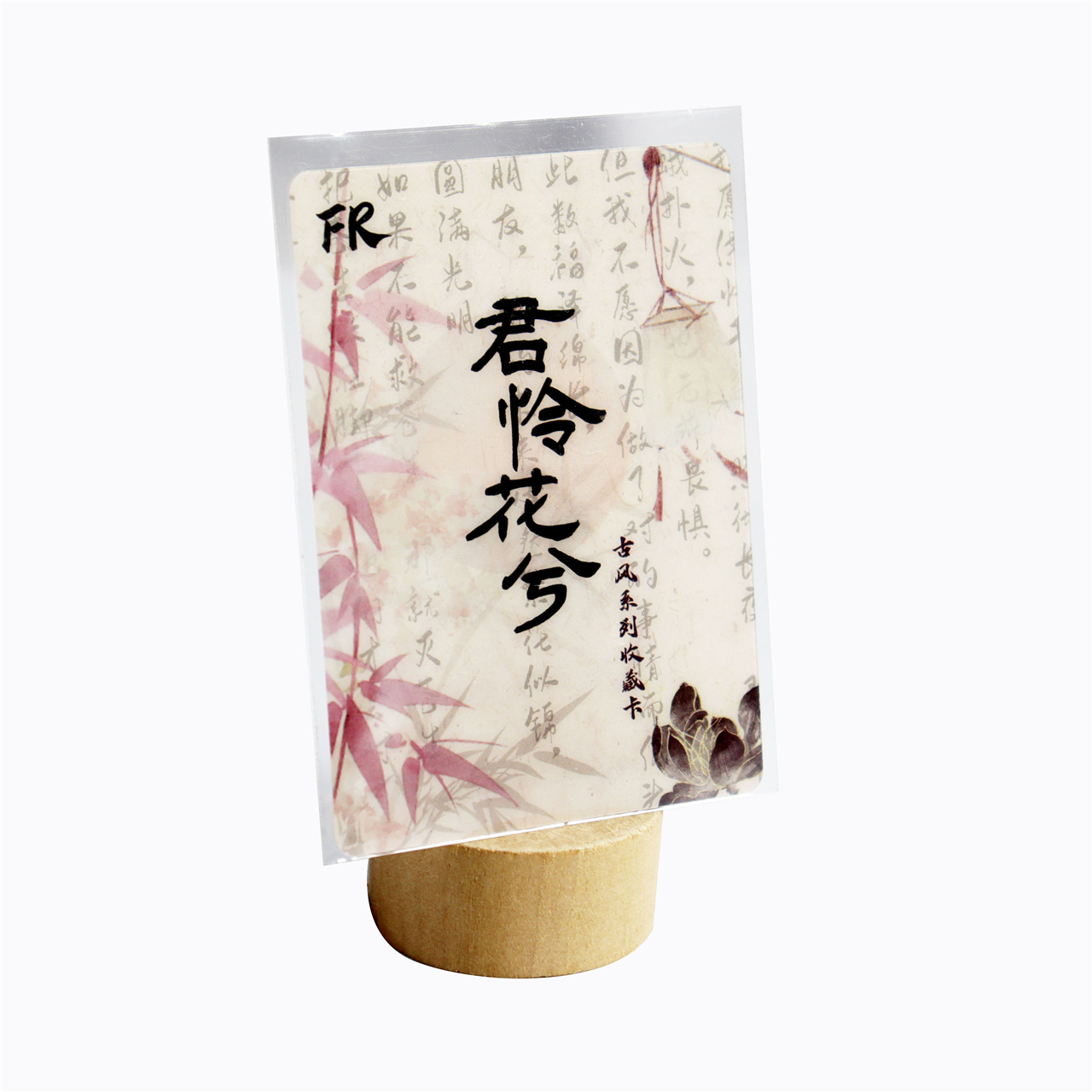 Custom Cartoon Character Collectible Card Set
 Custom Anime Character Art Card Set
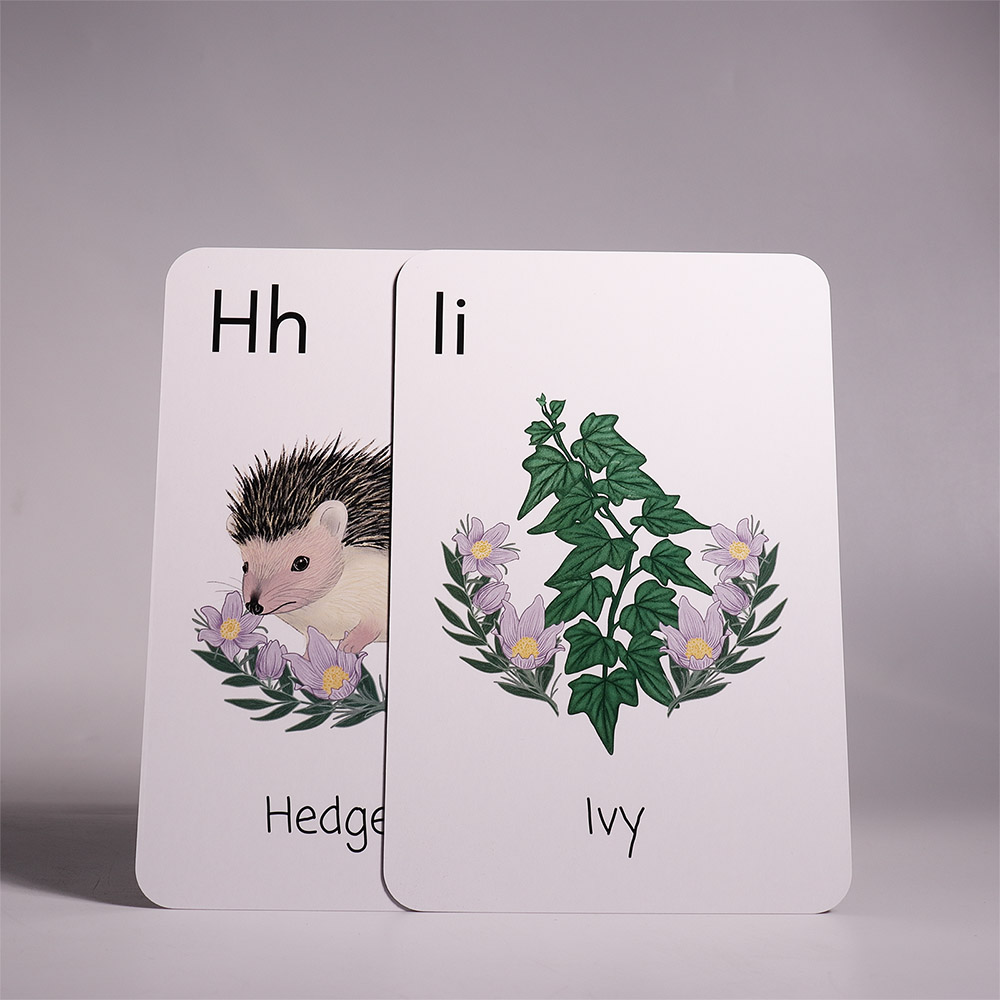 Little Larch Alphabet Cards
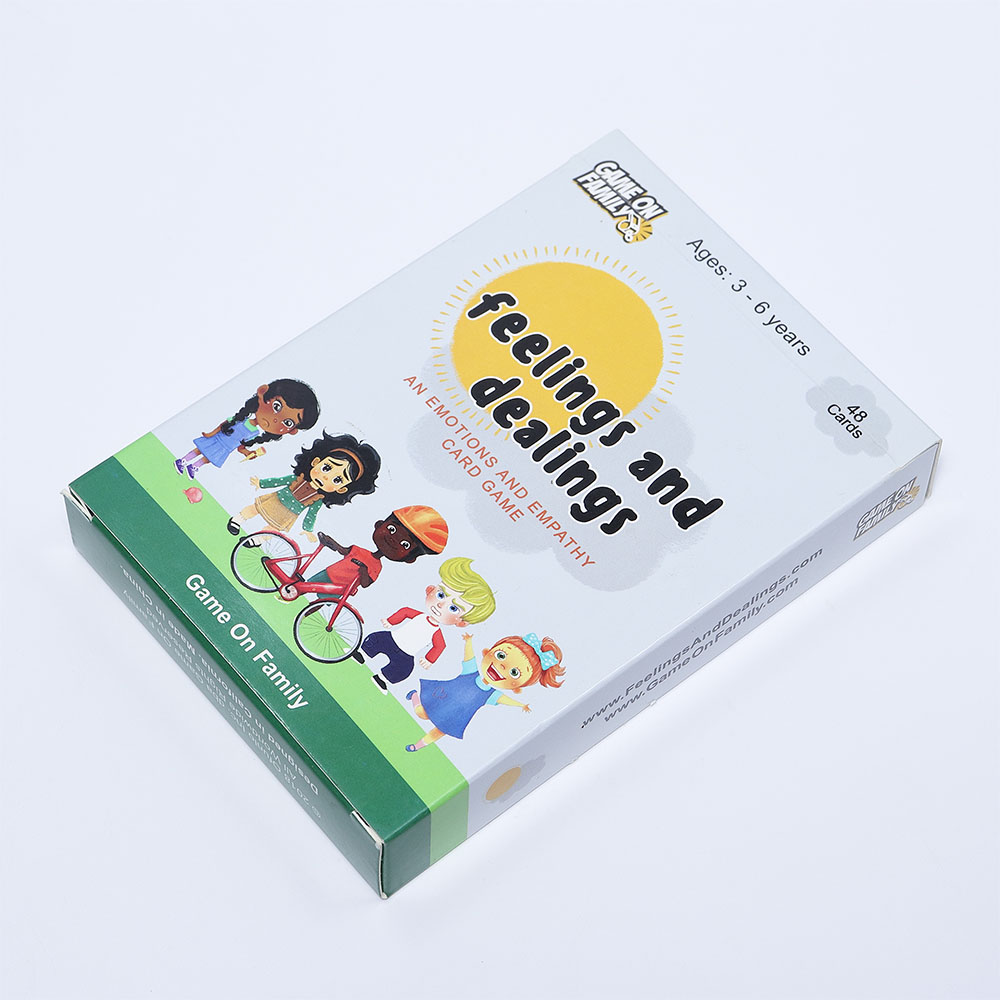 Feelings and Dealings Custom Children's Emotion Card Game
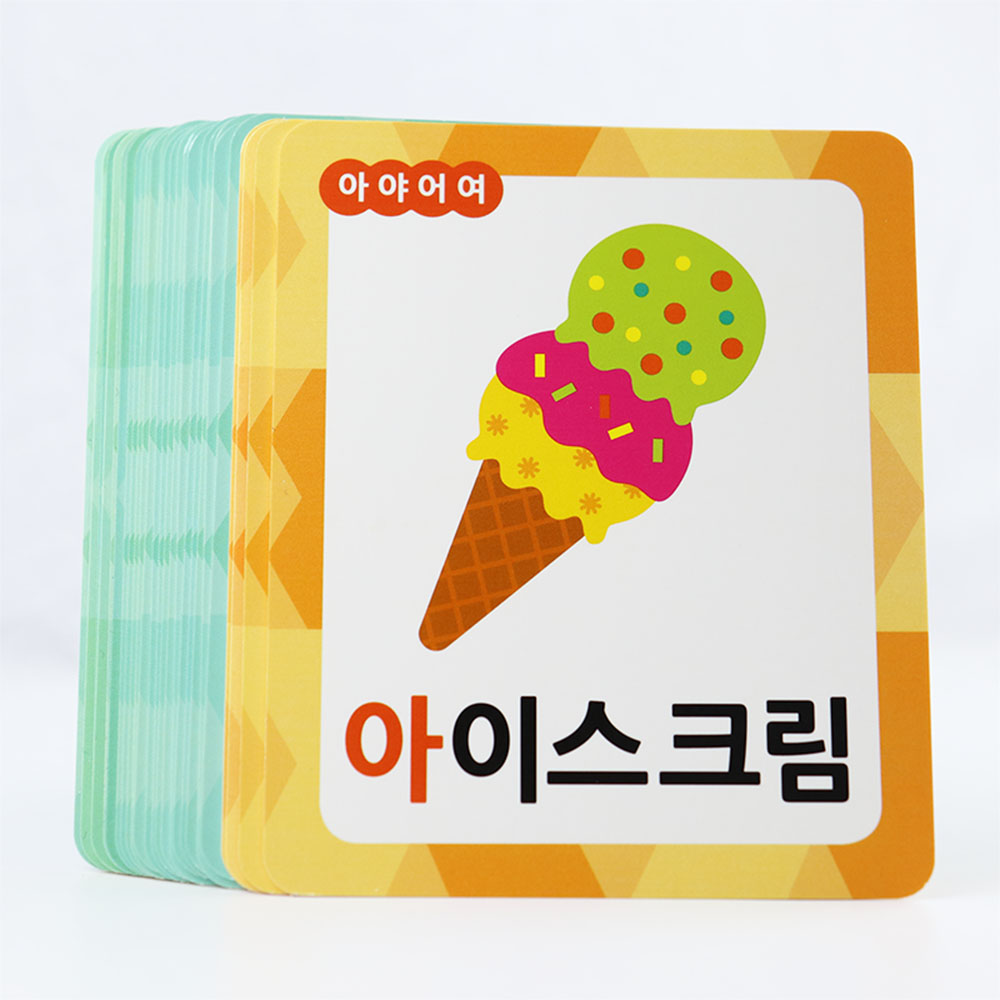 Korean Children's Educational Flashcards
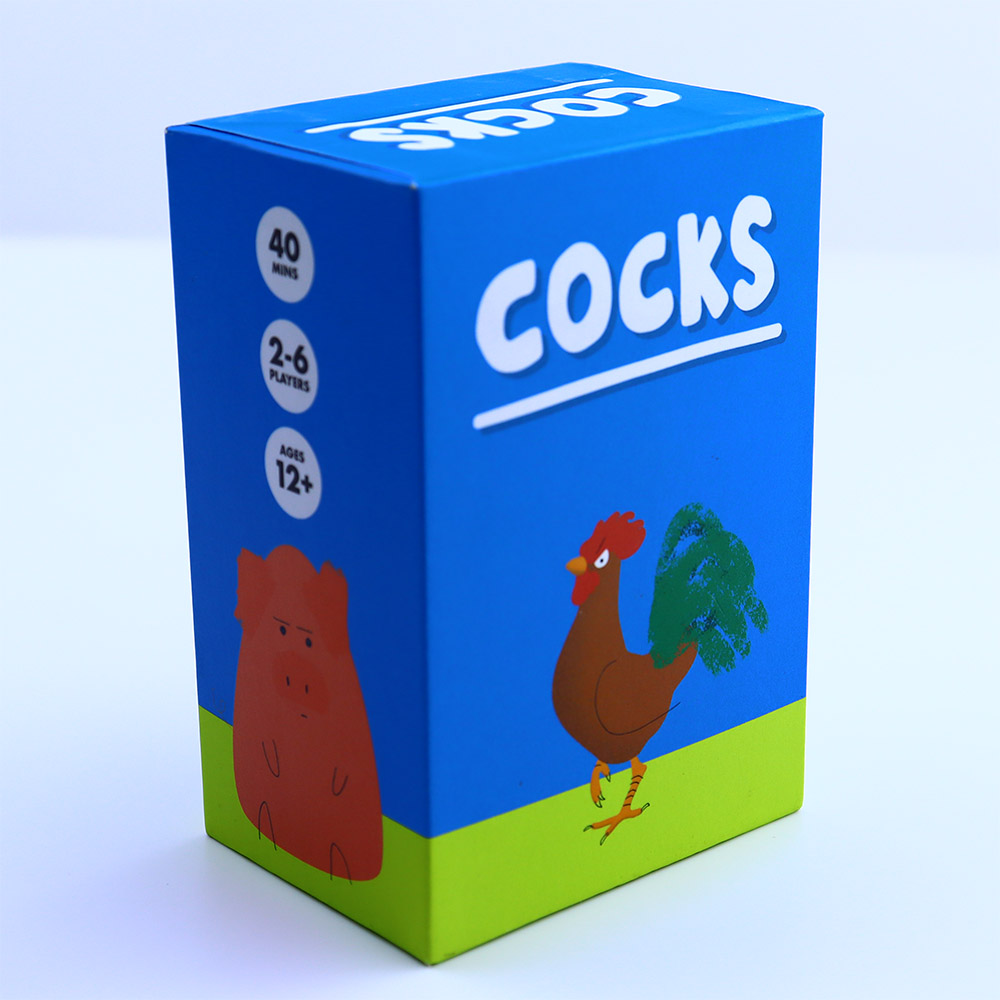 Cocks Themed Custom Children's Learning Cards
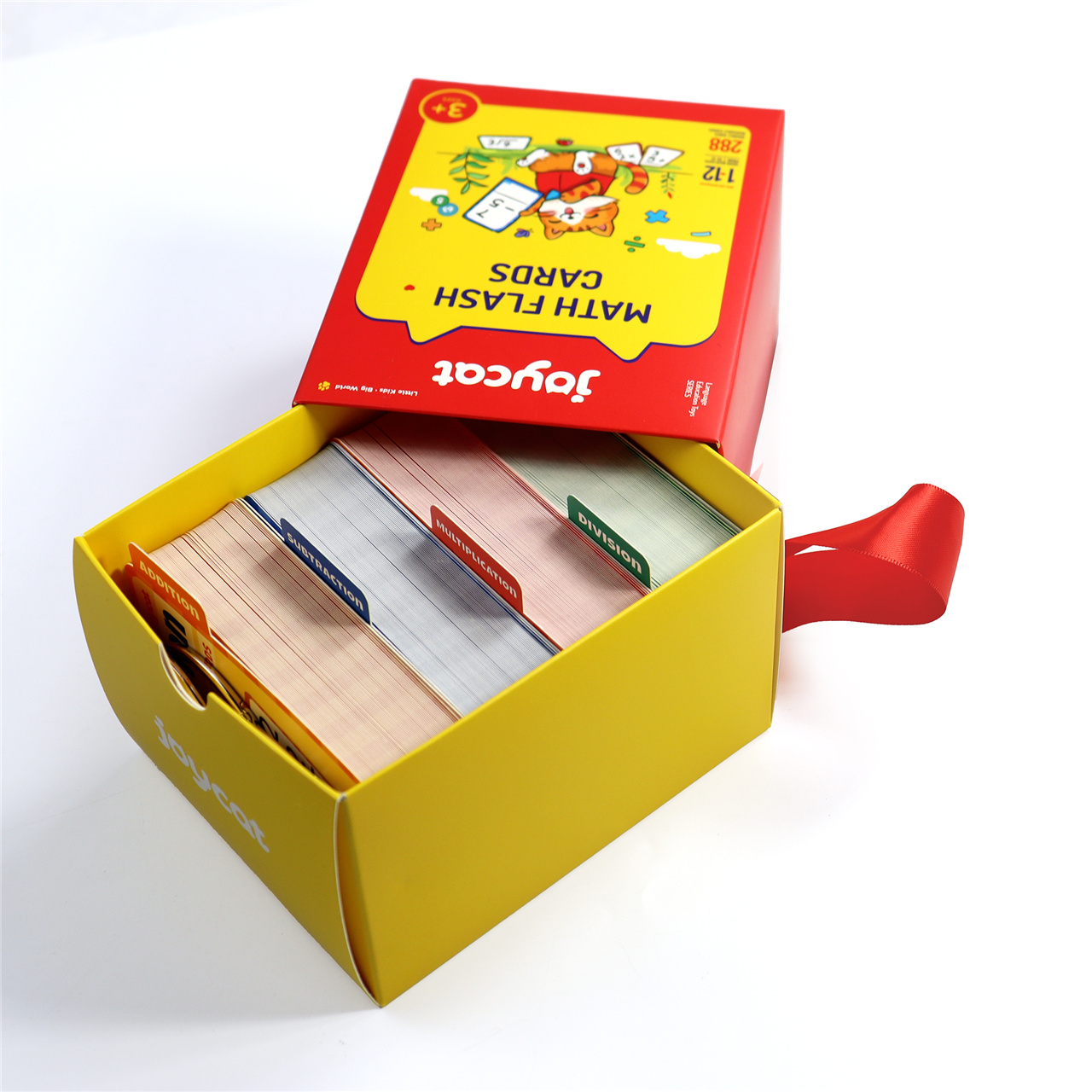 Math Flash Cards Set for Kids
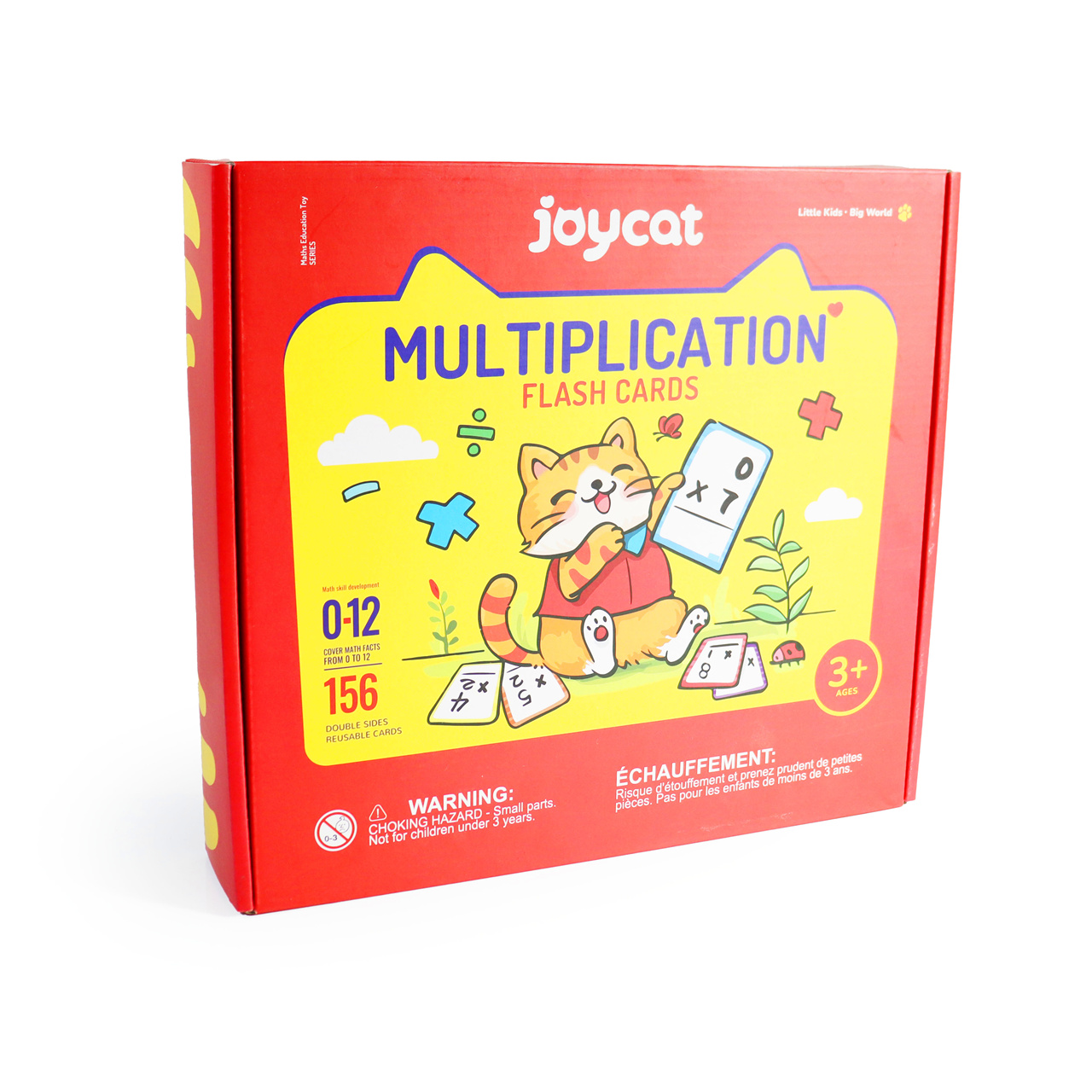 Joycat Multiplication Flash Cards Set with Accessories
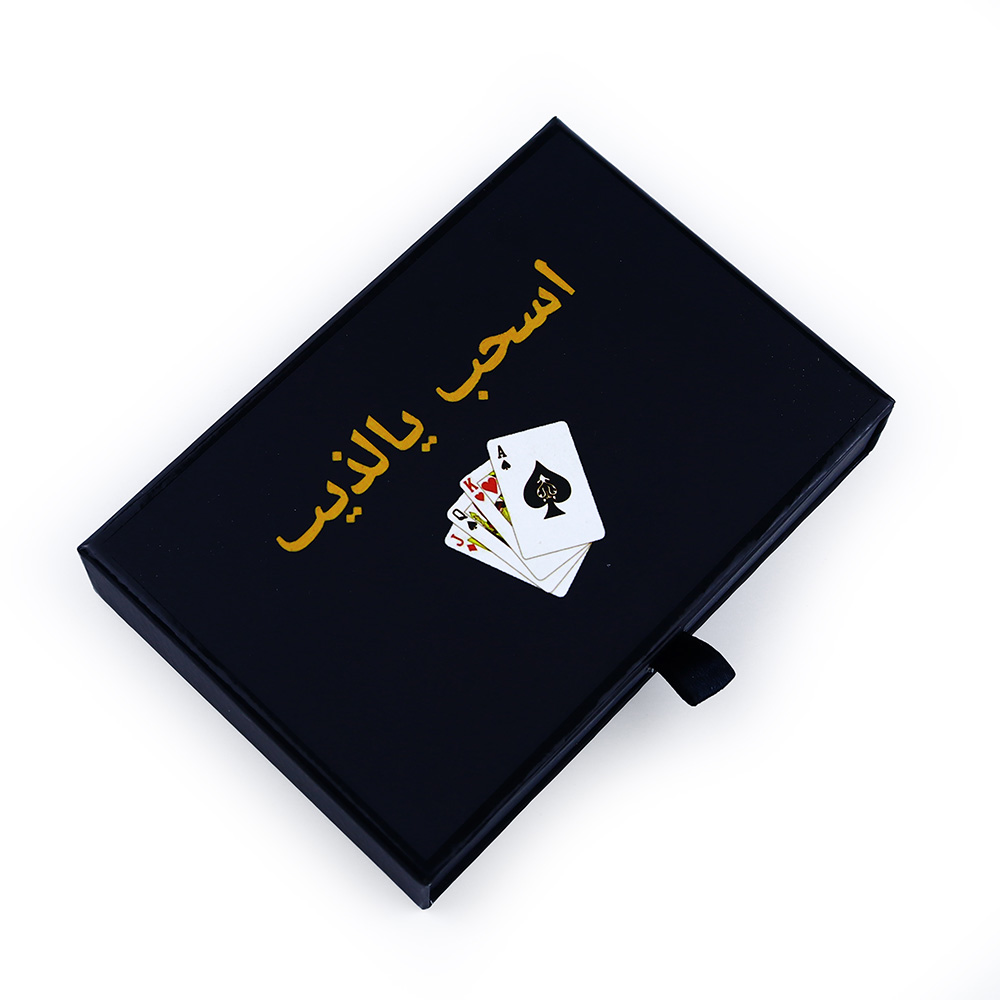 Custom Dual-Deck Playing Cards with Wolf-Themed Design
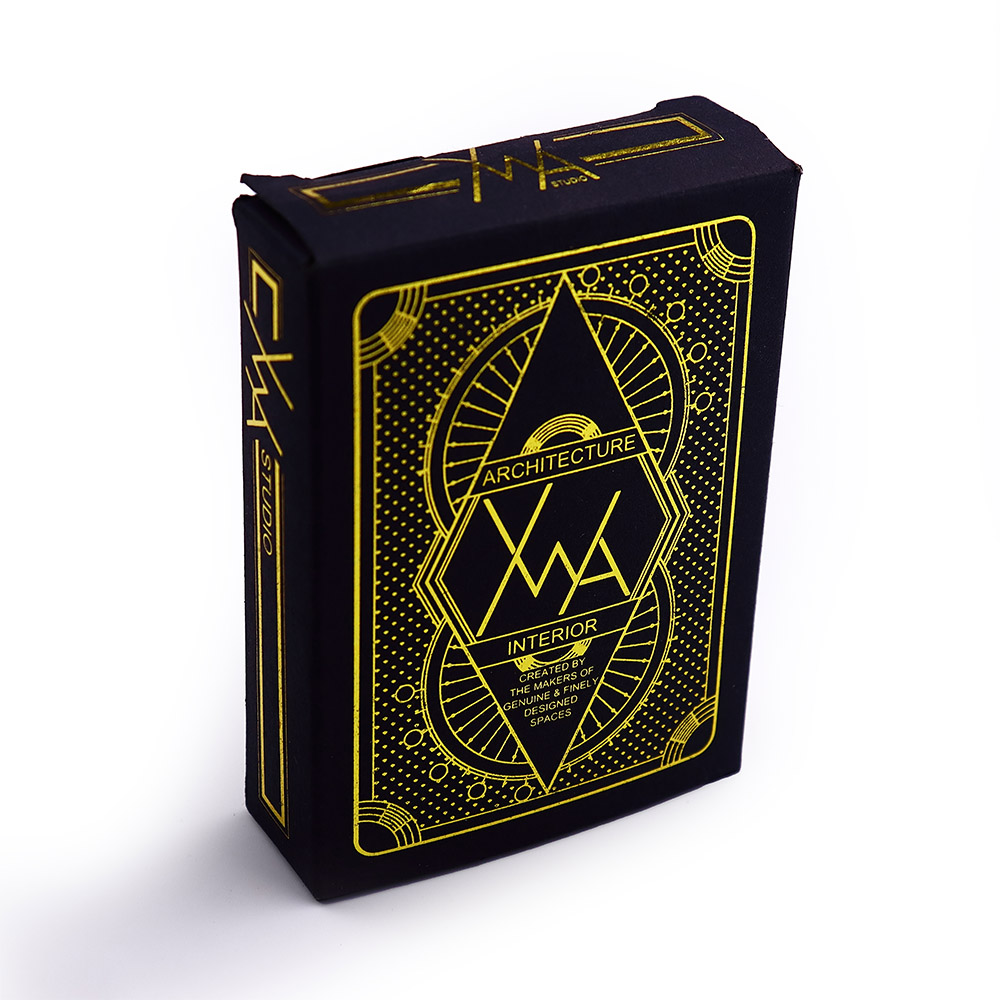 Custom embossed gold foil playing cards
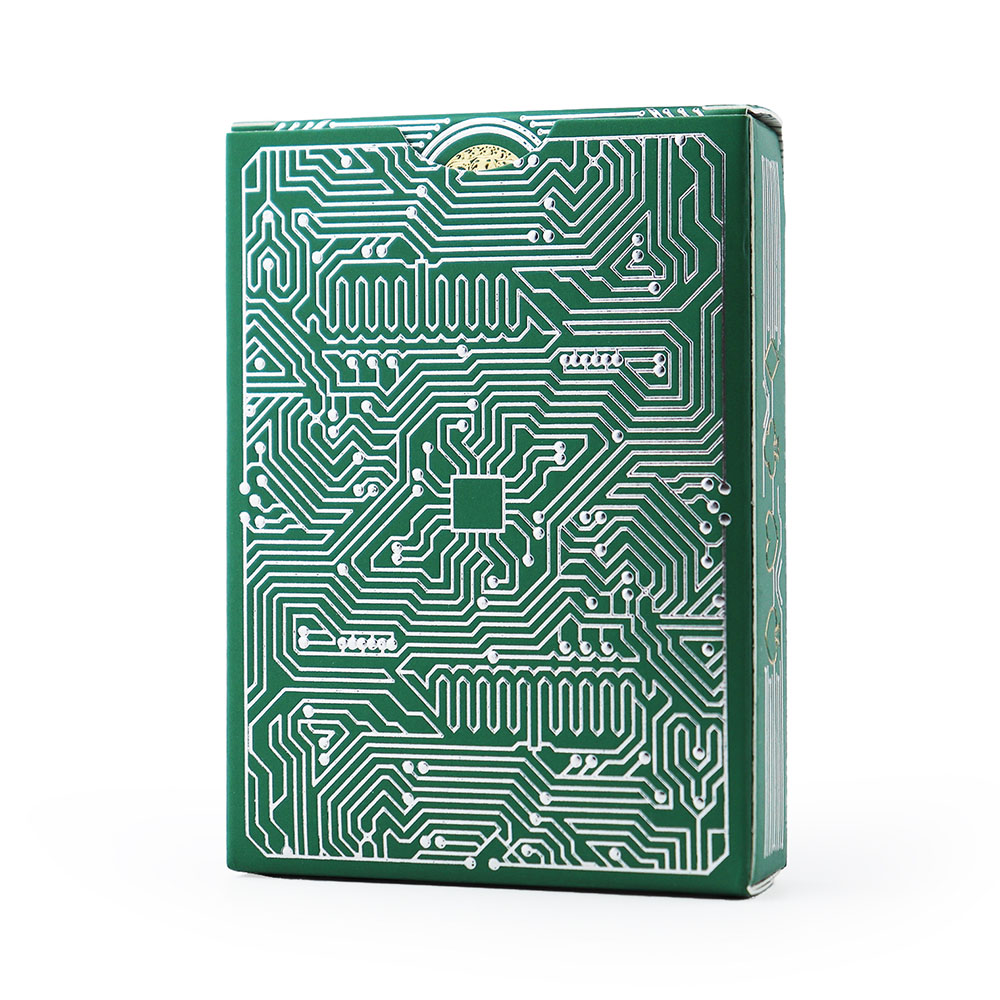 Circuit PCB Edition Custom Playing Cards
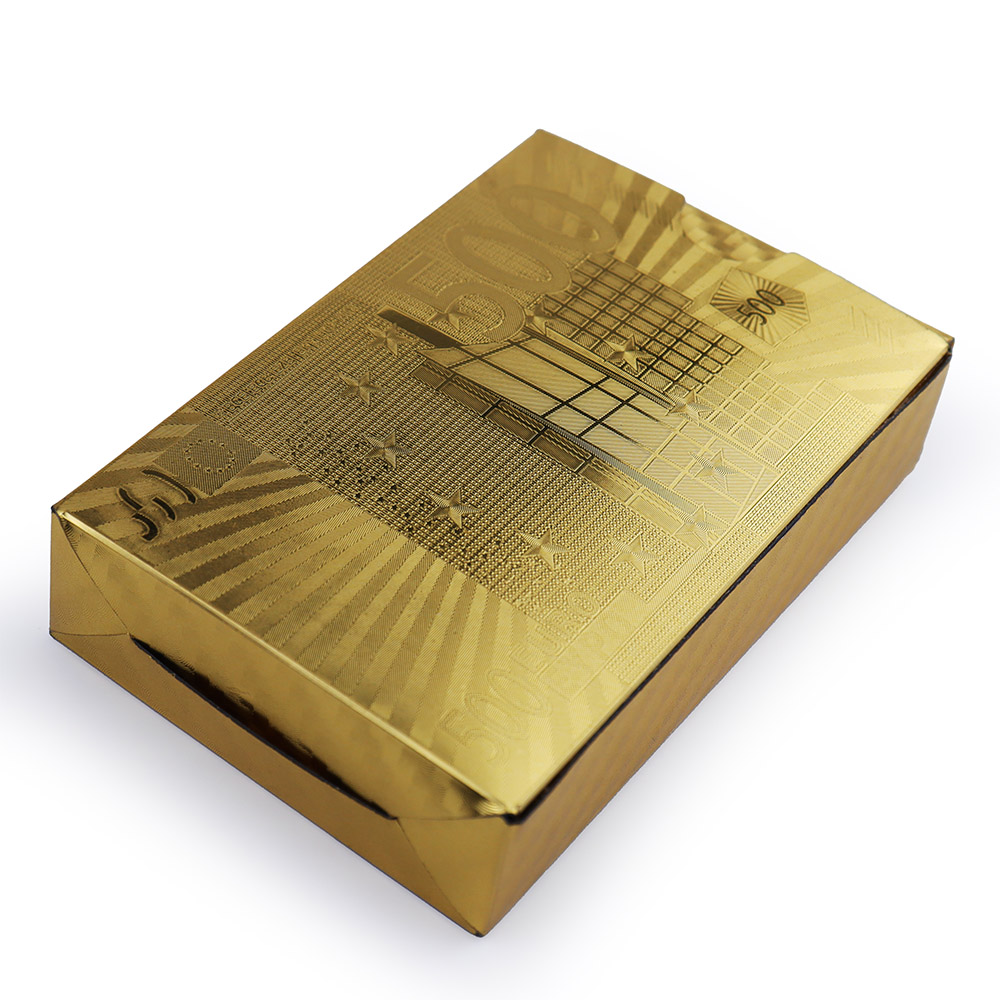 Customized theme gold foil playing cards
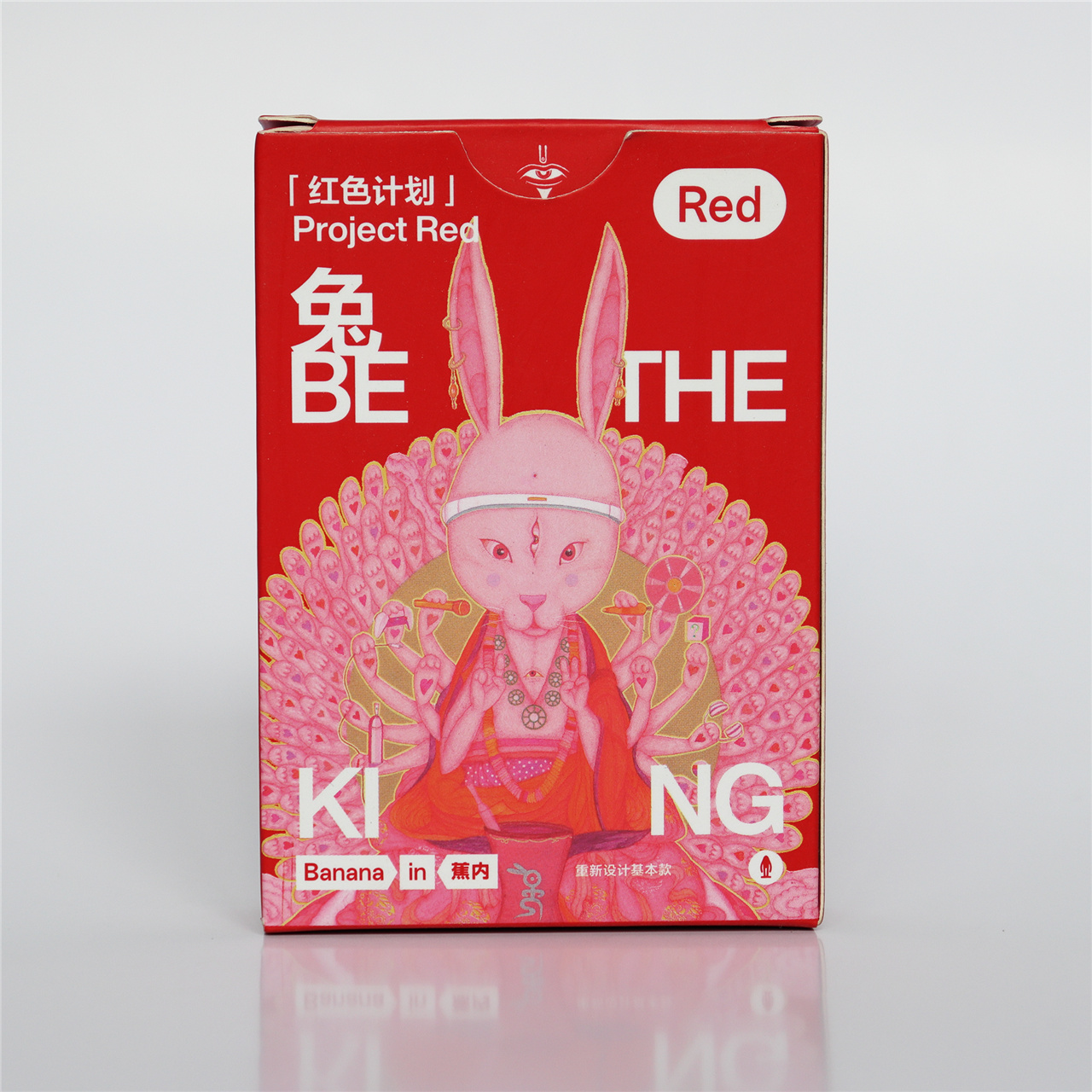 Custom Red Rabbit Themed Playing Cards Set
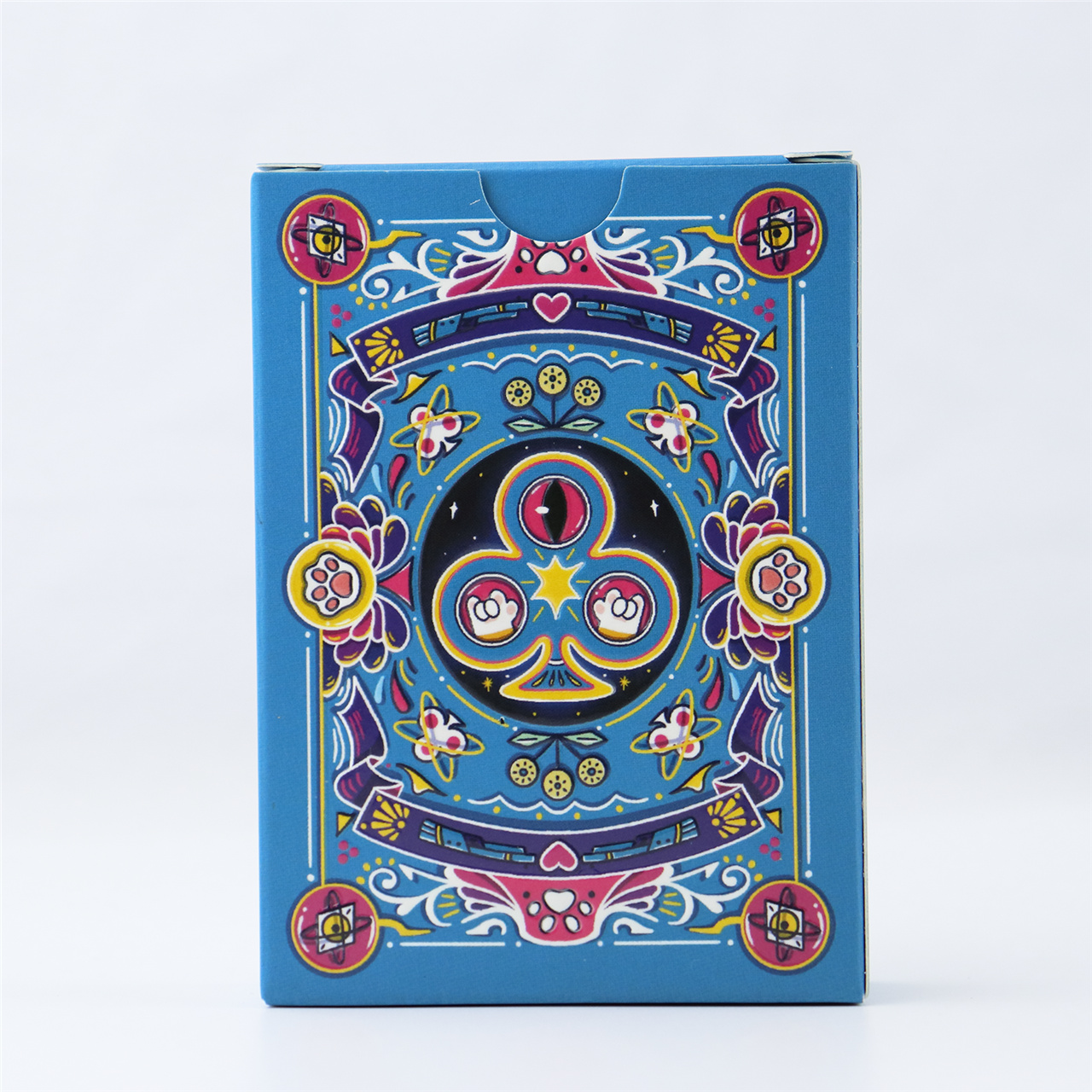 Custom Blue - Black Fantasy Plastic Playing Cards Set
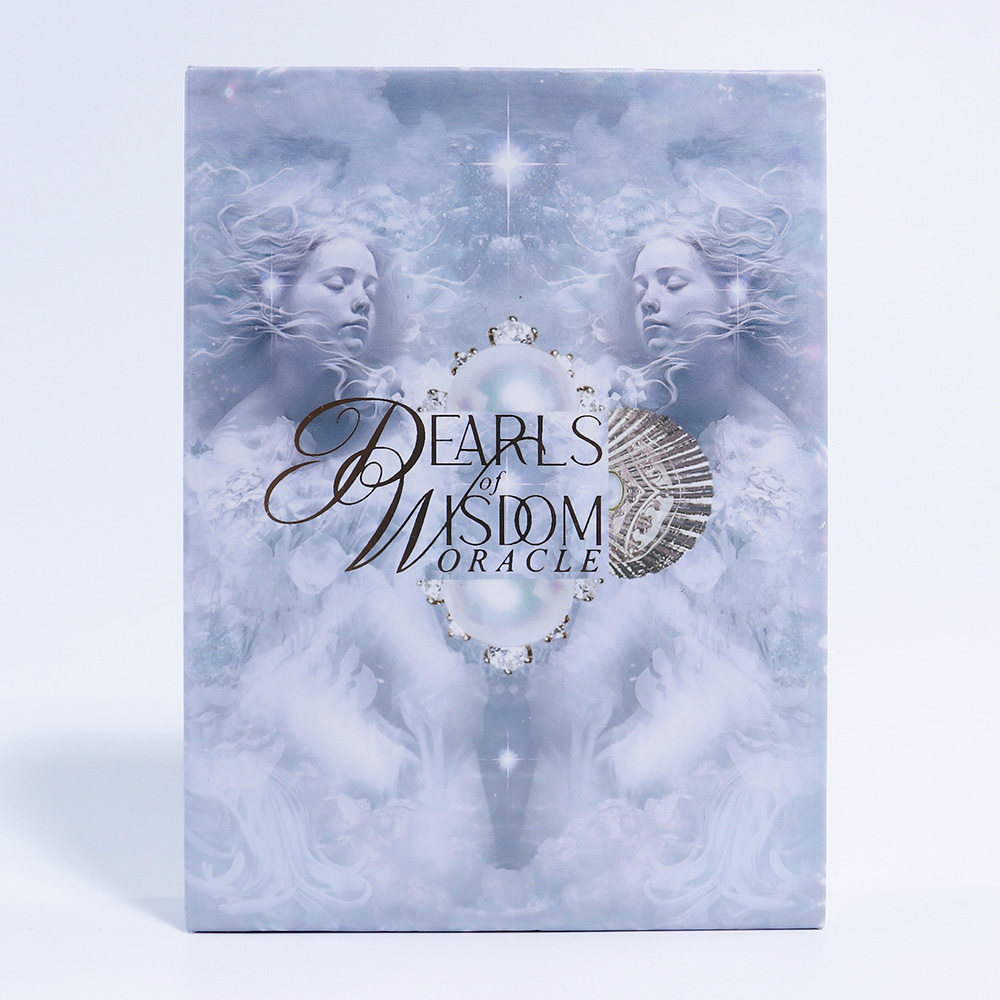 Pearls of Wisdom Oracle Custom Cards
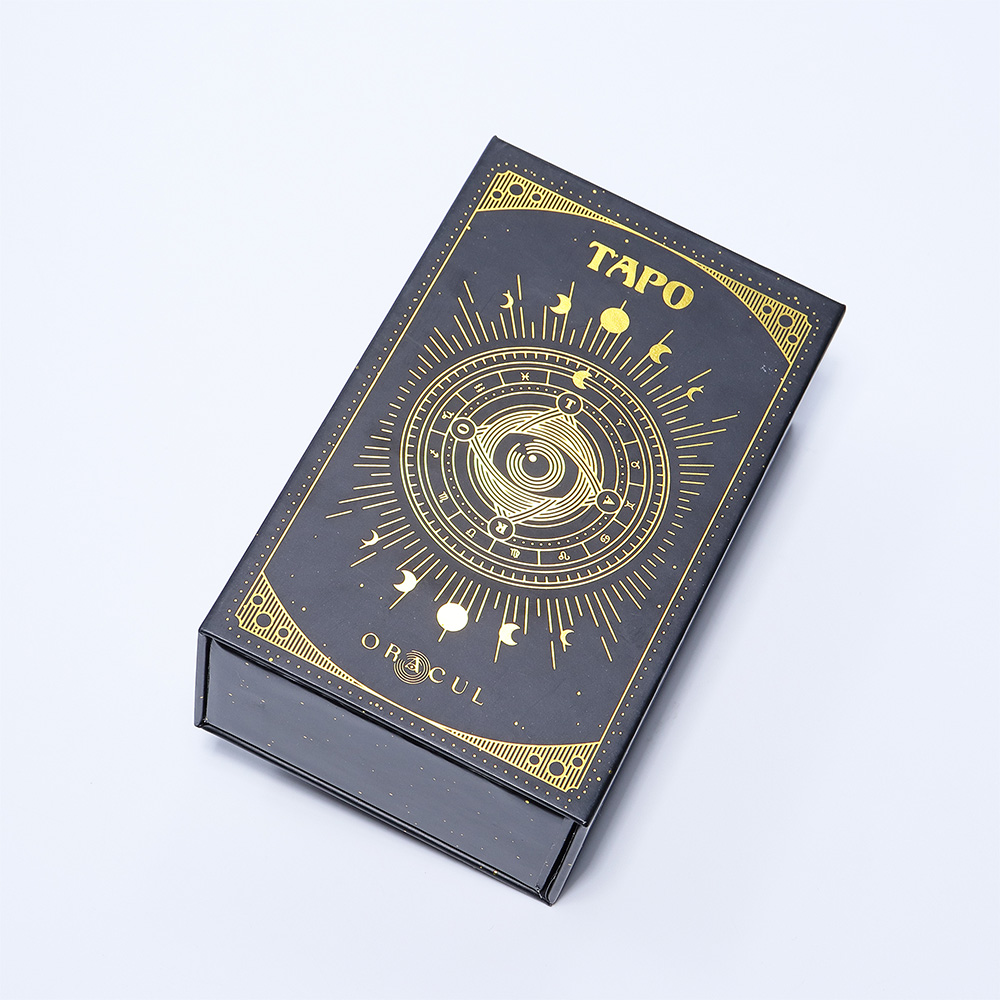 Custom Black & Gold Celestial Tarot Cards
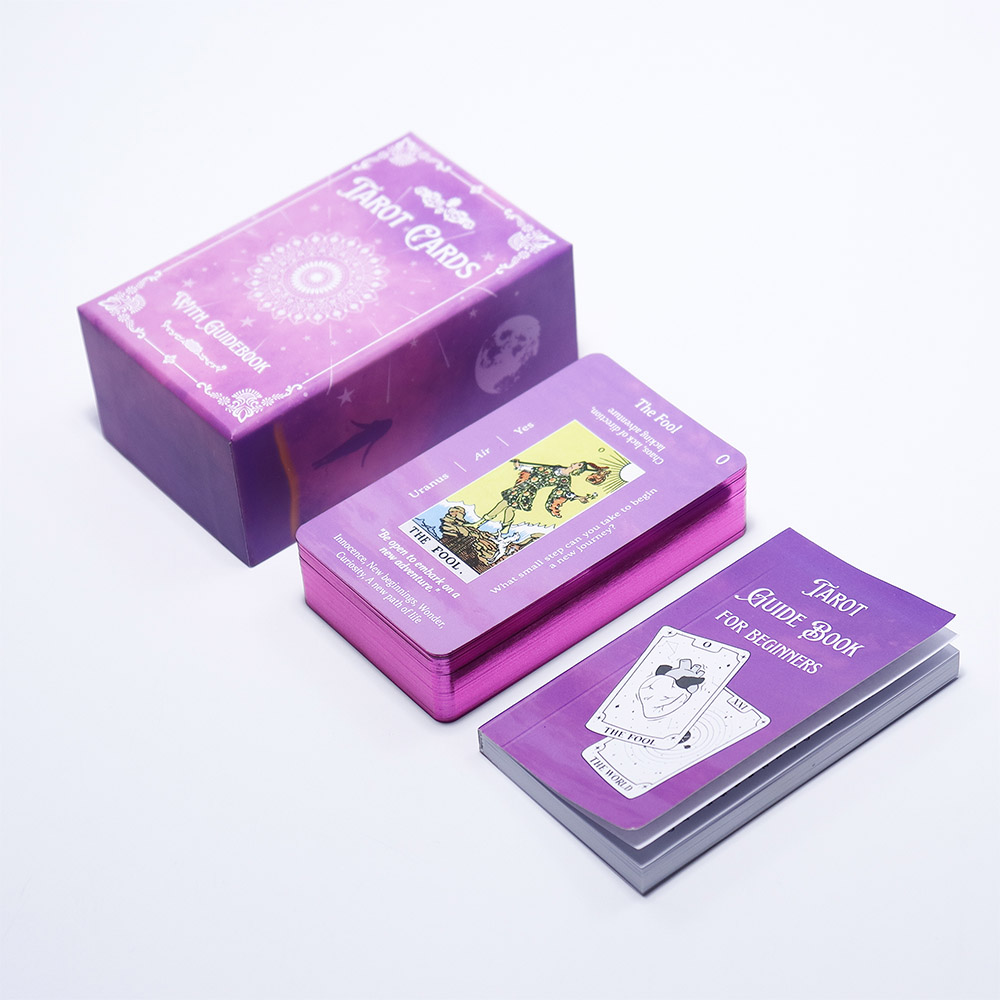 Custom Purple Tarot Cards with Guidebook
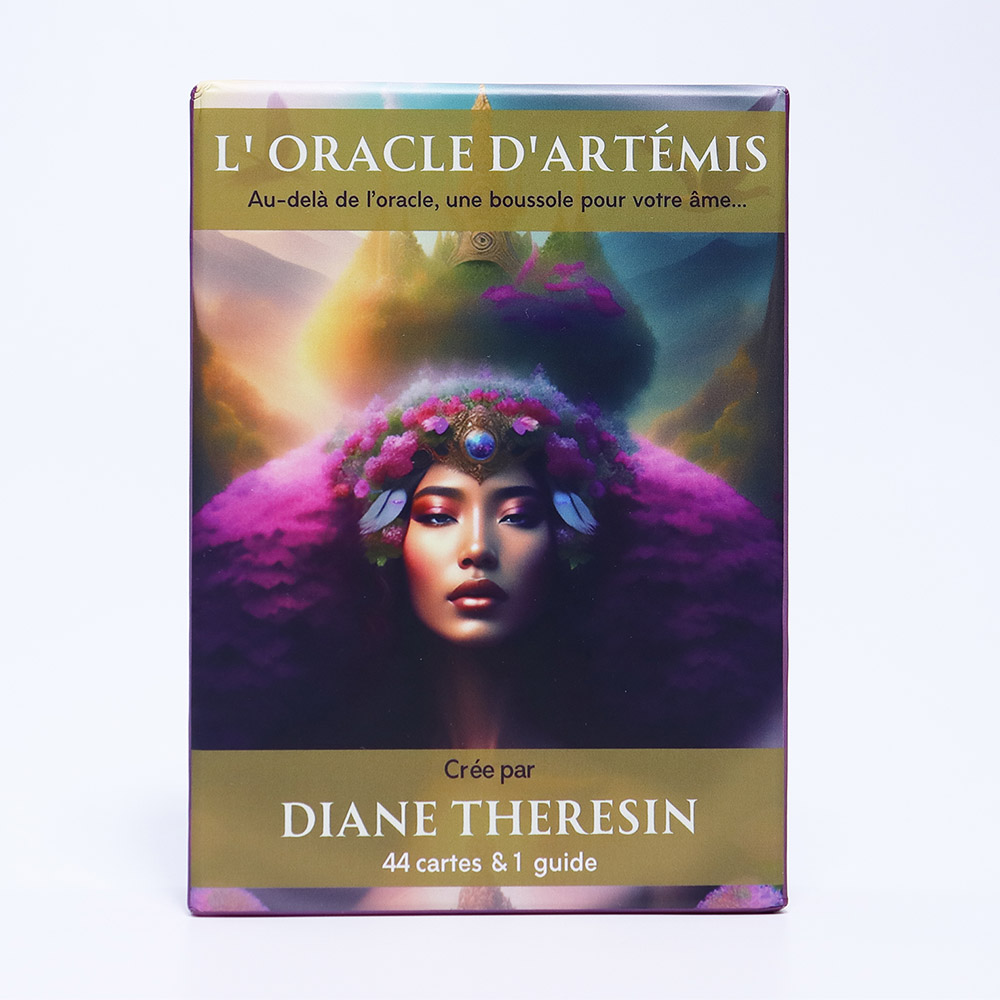 L'Oracle d'Artémis Custom Oracle Cards
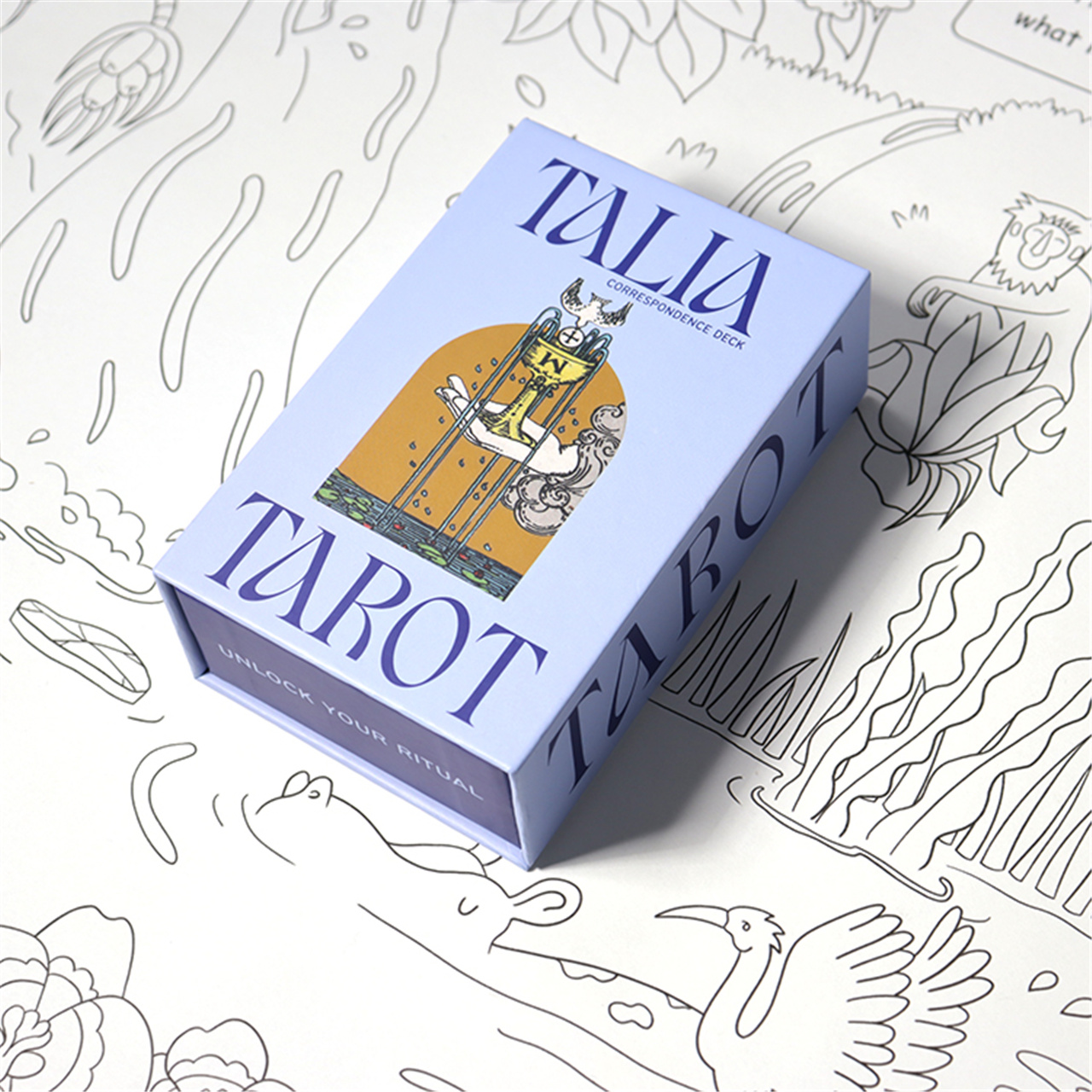 Custom Blue - Themed Tarot Cards Deck
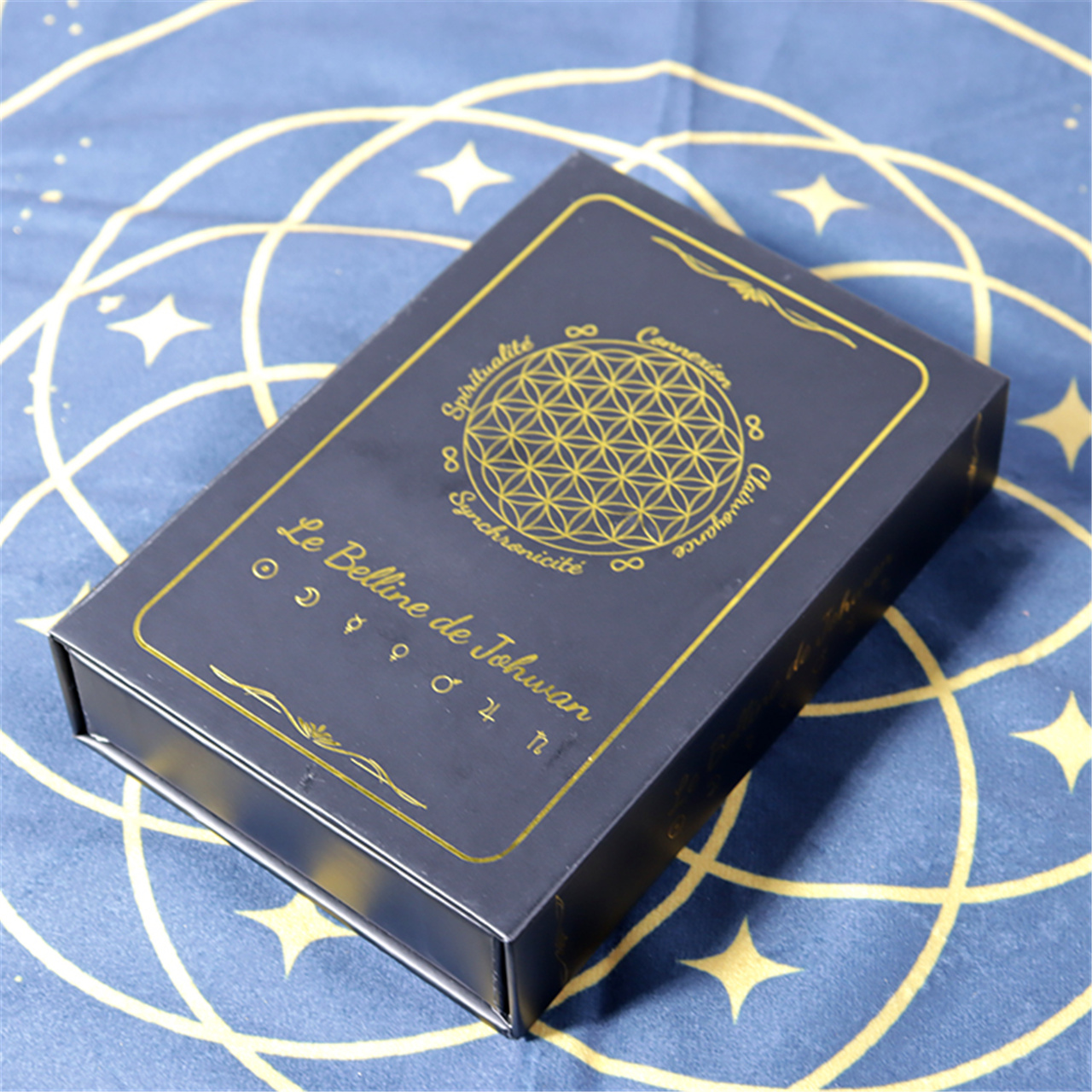 Custom Black - Blue Gold Foil Tarot Cards Set
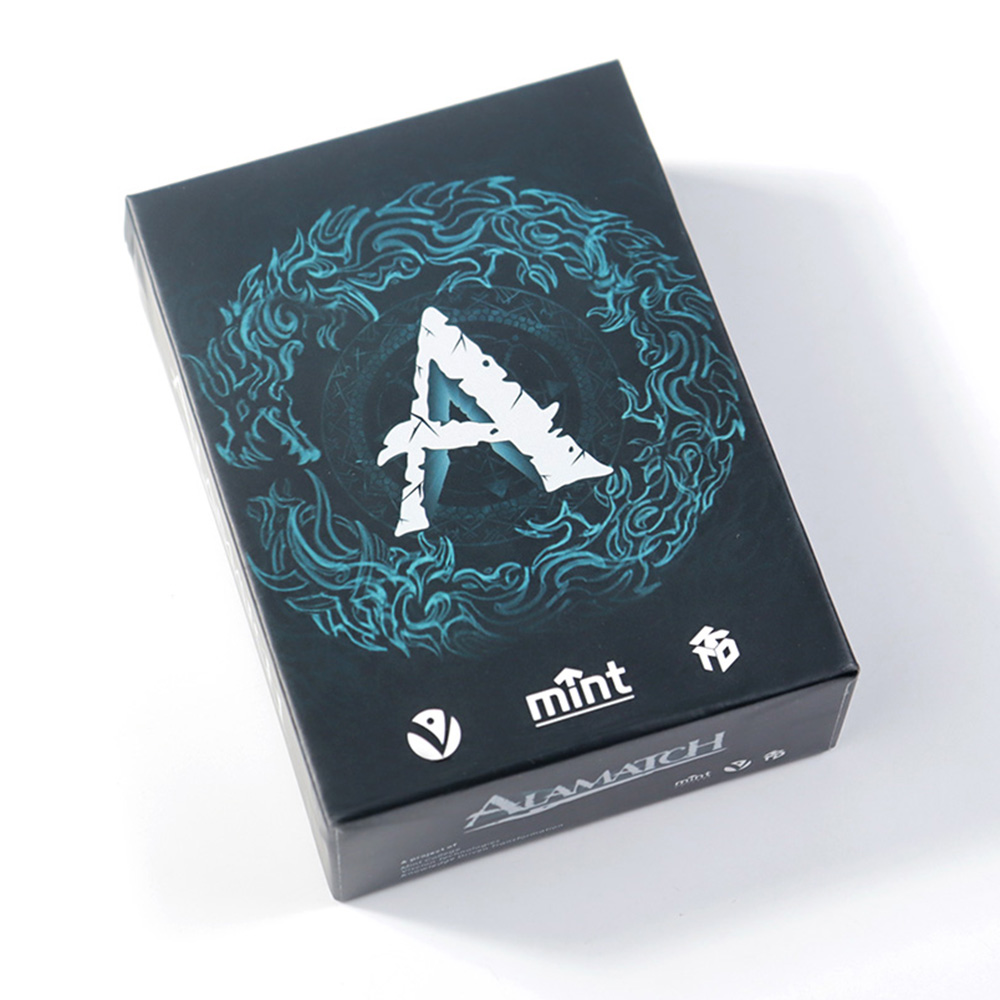 Alamatch Custom Trading Game Cards
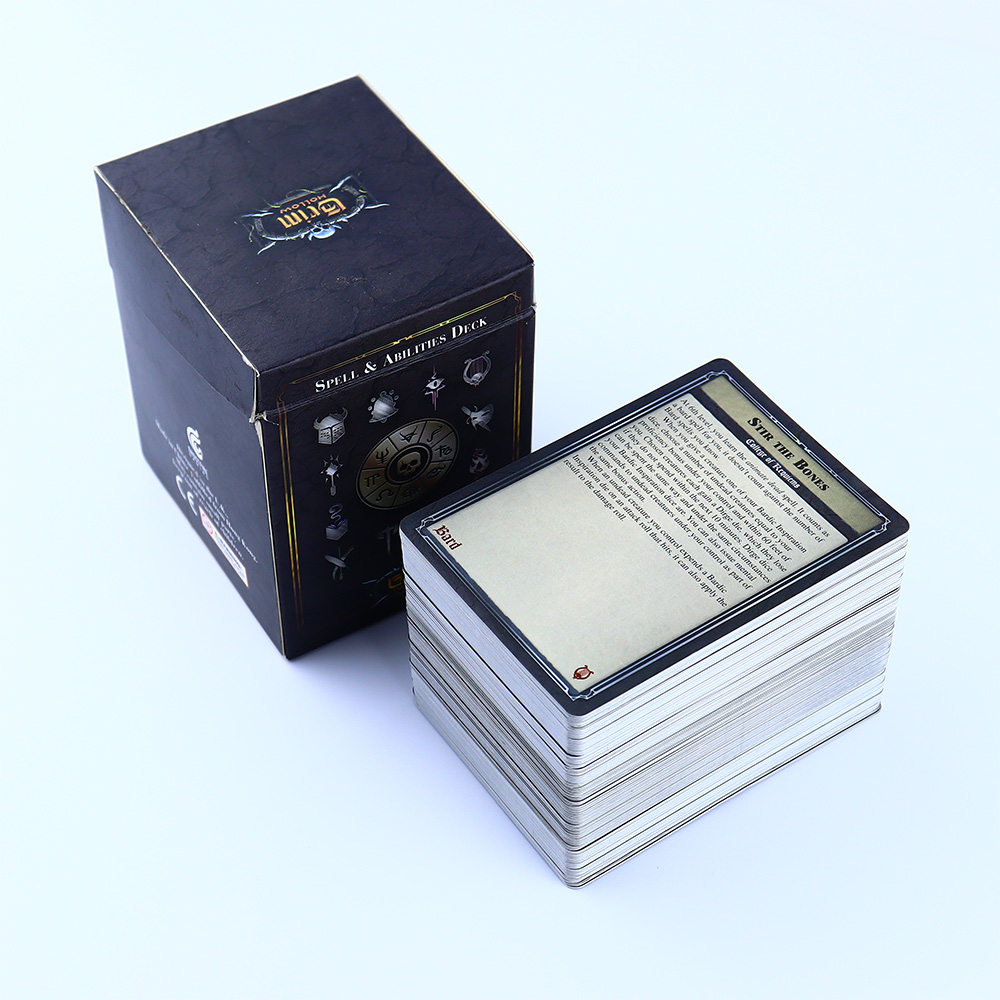 Grim Hollow Spell & Abilities Custom Trading Cards
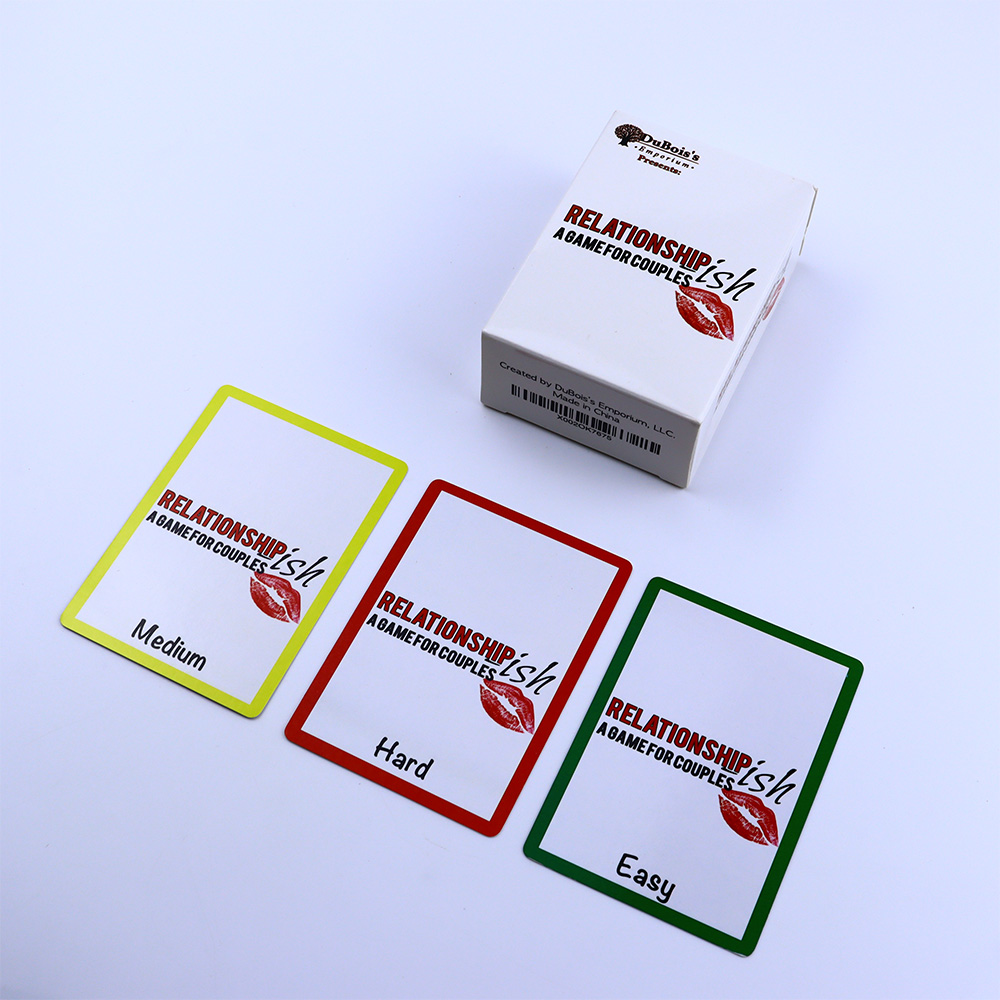 Relationshipish Custom Couple Card Game
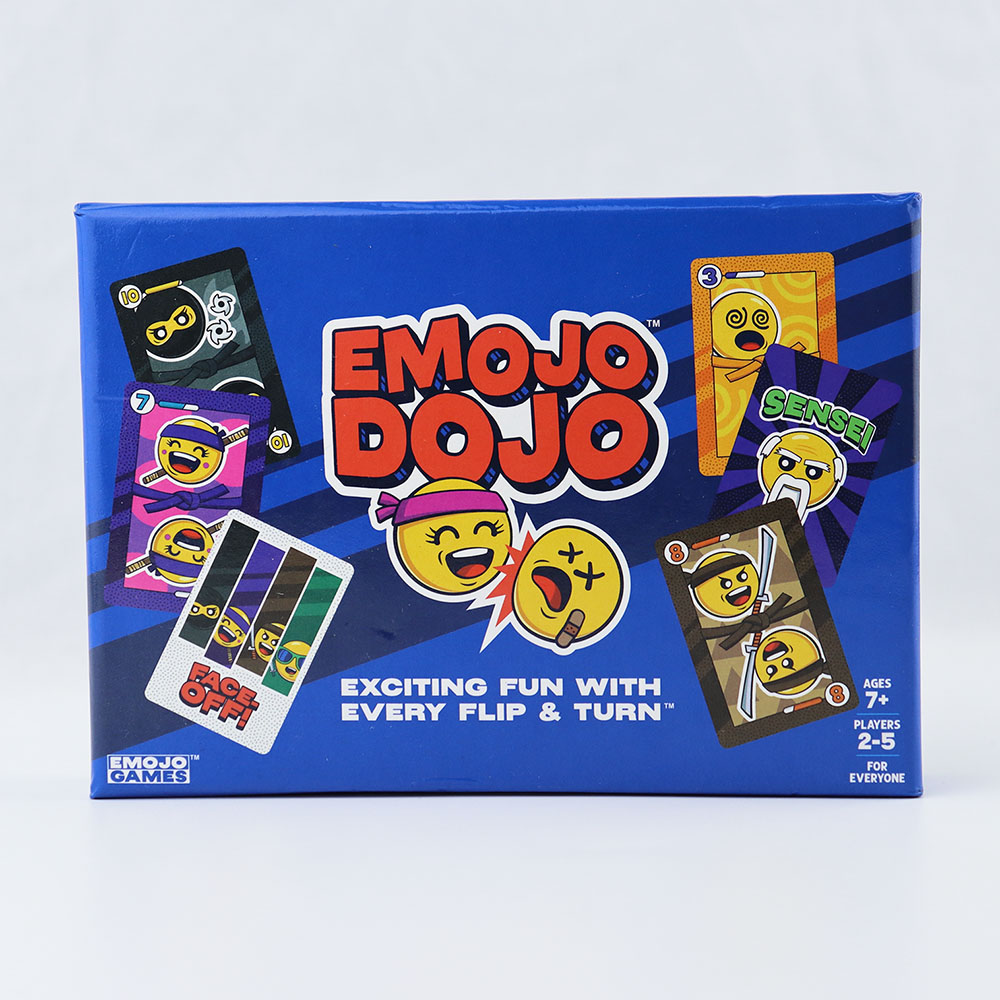 Emojo Dojo Custom Trading Card Game
 Custom Travel Photo Trading Cards Set
 Custom Cartoon Holographic Trading Cards Set