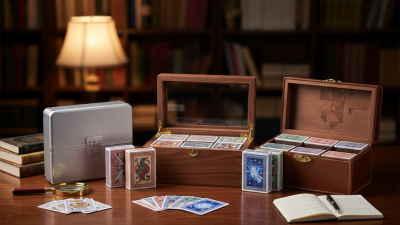
| Structural Design Capability |
15% |
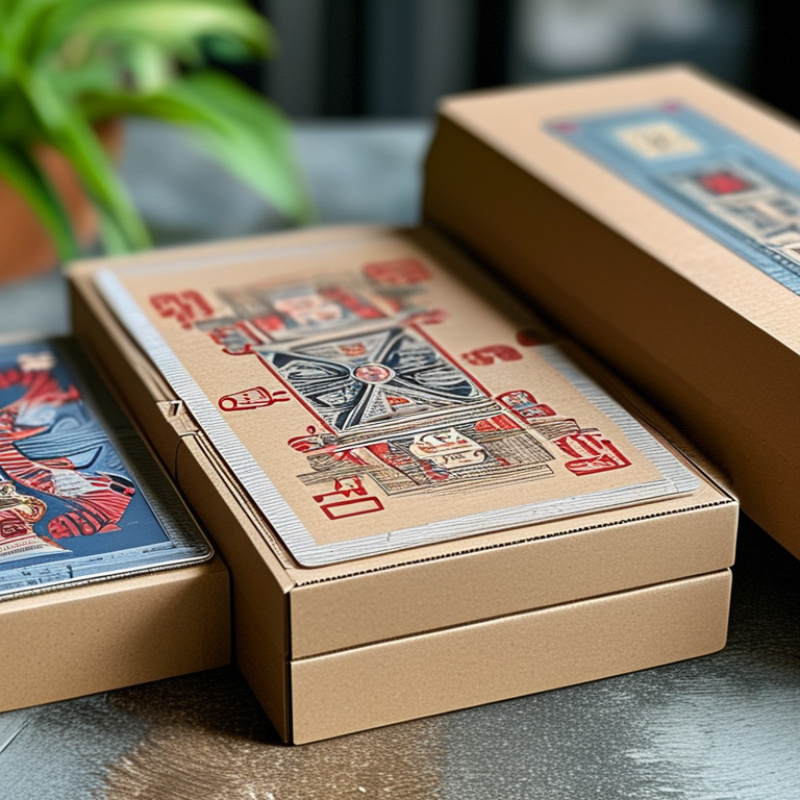
Production capability for standard tuck boxes, two-piece rigid boxes, drawer boxes, magnetic-closure boxes, and custom inserts.
Typical folding-carton board is approximately 250–350 gsm; rigid box greyboard is commonly about 1.2–2.0 mm thick.
|
Request dielines, 3D mock-ups, compression samples, insert drawings, and a physical prototype made with the proposed production materials.
|
Design approval is based only on digital artwork; no functional prototype; unclear board thickness or insert dimensions.
|
| Material Quality and Consistency |
12% |
Consistent paperboard caliper, surface smoothness, moisture condition, color, and edge quality across the production batch.
Materials should be specified by grade, grammage or thickness, coating, and finish.
|
Compare approved samples with mass-production samples; request material specifications, incoming inspection records, and batch traceability.
|
Material descriptions such as “high quality paper” without measurable specifications; visible board warping, crushed edges, or inconsistent color.
|
| Print and Finishing Accuracy |
12% |
Controlled color reproduction, accurate front-to-back registration, clean die-cutting, and consistent application of matte, gloss, soft-touch, foil, embossing, or spot effects.
|
Approve a color reference or contract proof; define tolerances for color, registration, foil position, die-cutting, and surface defects before production.
|
No approved color standard; finishing effects are outsourced without inspection; samples show pinholes, scratches, ink scuffing, or misregistration.
|
| Dimensional Tolerance and Fit |
10% |
Finished-box dimensions, lid fit, tuck-flap engagement, insert clearance, and card-stack fit should be defined in a signed technical specification.
A practical starting point is to set dimensional tolerances by feature rather than using one tolerance for the entire box.
|
Measure first articles with calibrated tools; check assembled boxes with the actual card deck, wrapper, booklet, and accessories.
|
Boxes fit an empty sample but not the final deck; lids are too tight or loose; no documented measurement report.
|
| Quality-Control System |
15% |
A documented quality system covering incoming materials, pre-production approval, first-article inspection, in-process checks, final inspection, and corrective action.
ISO 2859-1 may be used as a recognized sampling framework for lot-by-lot inspection.
|
Review inspection plans, defect classifications, sampling levels, inspection photos, corrective-action records, and the final inspection report.
|
Inspection is limited to photographs; defects are not classified; the supplier cannot explain sampling quantities or acceptance criteria.
|
| Production Capacity and Lead Time |
10% |
Many custom packaging programs require approximately 7–15 working days for sampling and 20–45 working days for mass production after artwork, materials, and payment are approved.
Actual timing depends on structure, finishing, quantity, and shipping method.
|
Request a milestone schedule covering artwork approval, material purchasing, sampling, production, inspection, packing, and dispatch. Confirm monthly capacity for peak periods.
|
Lead times start before artwork approval; no capacity reservation; delivery promises exclude sampling, inspection, or material procurement.
|
| Minimum Order Quantity and Cost Transparency |
8% |
Minimum order quantities vary by material, printing method, finishing process, and setup requirements. Unit prices should separate tooling, plates, sampling, packaging, inspection, and freight.
|
Obtain a line-item quotation with validity period, currency, trade terms, payment stages, overage policy, replacement policy, and charges for artwork or tooling changes.
|
A low unit price excludes tooling, finishing, export packing, or inspection; quotation changes after approval without documented scope changes.
|
| Export Packaging and Logistics |
8% |
Export cartons should protect printed surfaces and corners against abrasion, compression, moisture, and handling damage.
Carton markings should identify item code, quantity, gross weight, net weight, and shipping marks where required.
|
Confirm carton dimensions, palletization, inner protection, drop or transit testing requirements, container loading plan, and responsibility under the agreed Incoterm.
|
Overpacked products increase freight cost; under-protected corners arrive crushed; carton quantities and shipping marks are not documented.
|
| Sustainability and Compliance Documentation |
5% |
Buyers should be able to identify paper source, recycled content where applicable, coating type, ink system, adhesive information, and waste-handling practices.
Sustainability claims should be supported by current certificates or chain-of-custody documentation when required by the market.
|
Request current material declarations, relevant certificates, restricted-substance statements, recycling guidance, and documentation required by the destination country.
|
Environmental claims are not supported by documents; mixed materials make recycling difficult; certificates do not match the production site or supplied material.
|
| Communication and After-Sales Support |
5% |
A reliable project process includes one accountable contact, written approval records, version-controlled artwork, prompt issue escalation, and a defined replacement or credit procedure for confirmed defects.
|
Test response times during sampling; confirm escalation contacts, approval workflow, change-control procedure, warranty terms, and post-delivery claim deadlines.
|
Multiple conflicting contacts; verbal approvals only; slow responses to technical questions; no documented remedy for quality failures.
|

 Customizable Emotional Support Cards for Grief & Resilience
 Personalized Emotional Encouragement Card Collection
 Personalized Deep Conversation Card Gift Box
 Customizable Boho-Chic Affirmation Cards for Mindfulness & Self-Love
 Customized Friendship Confirmation Card
 Customized Entrepreneurship Confirmation Card
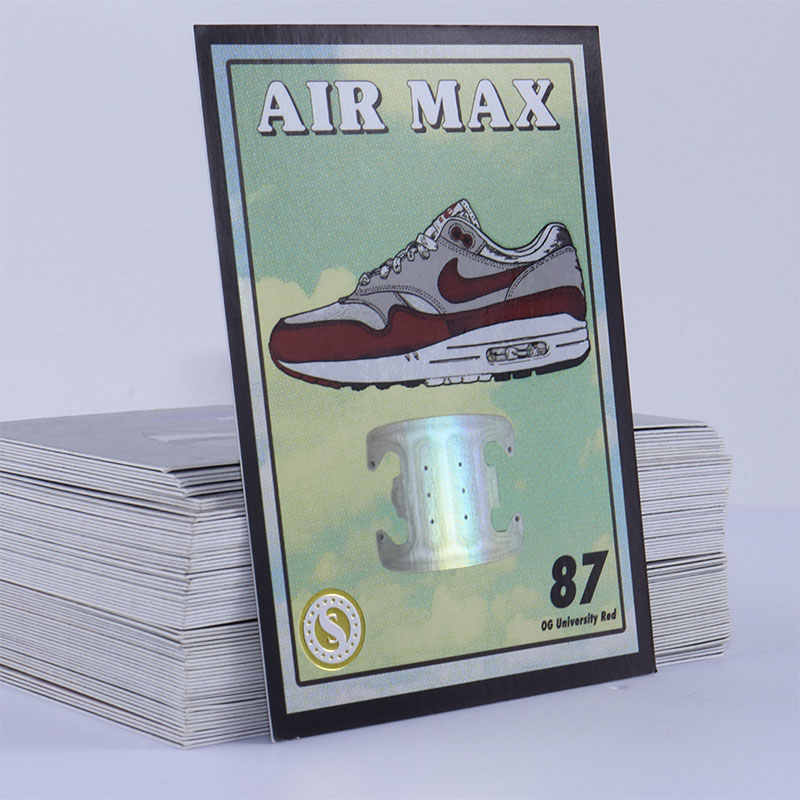 Air Max Pax Custom Sneaker Card Blind Box Set
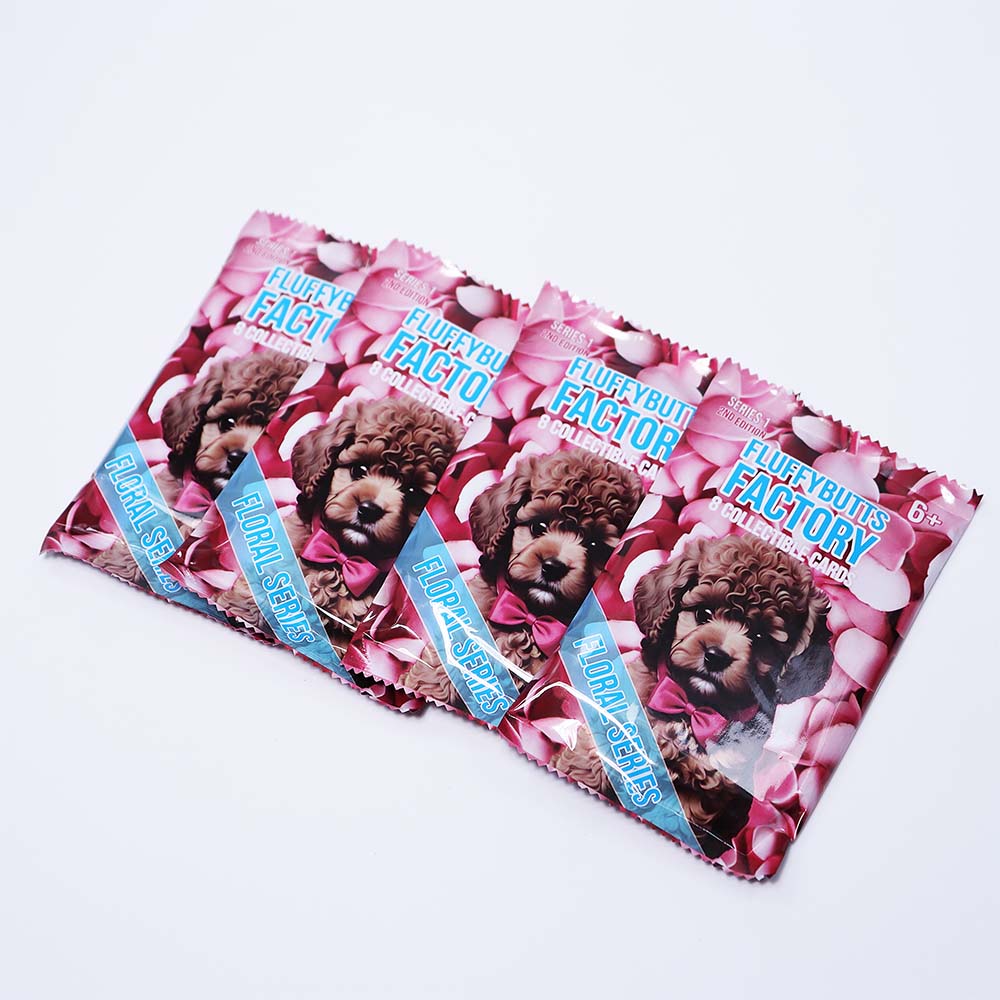 Fluffybutts Factory Custom Pet Card Blind Box Sets
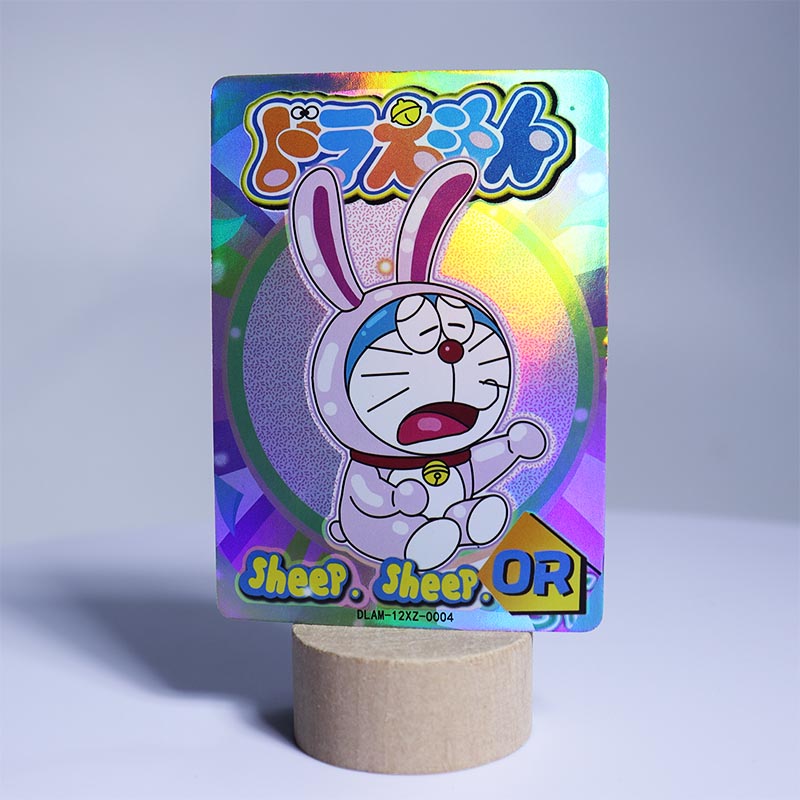 Doraemon Custom Card Blind Box Set
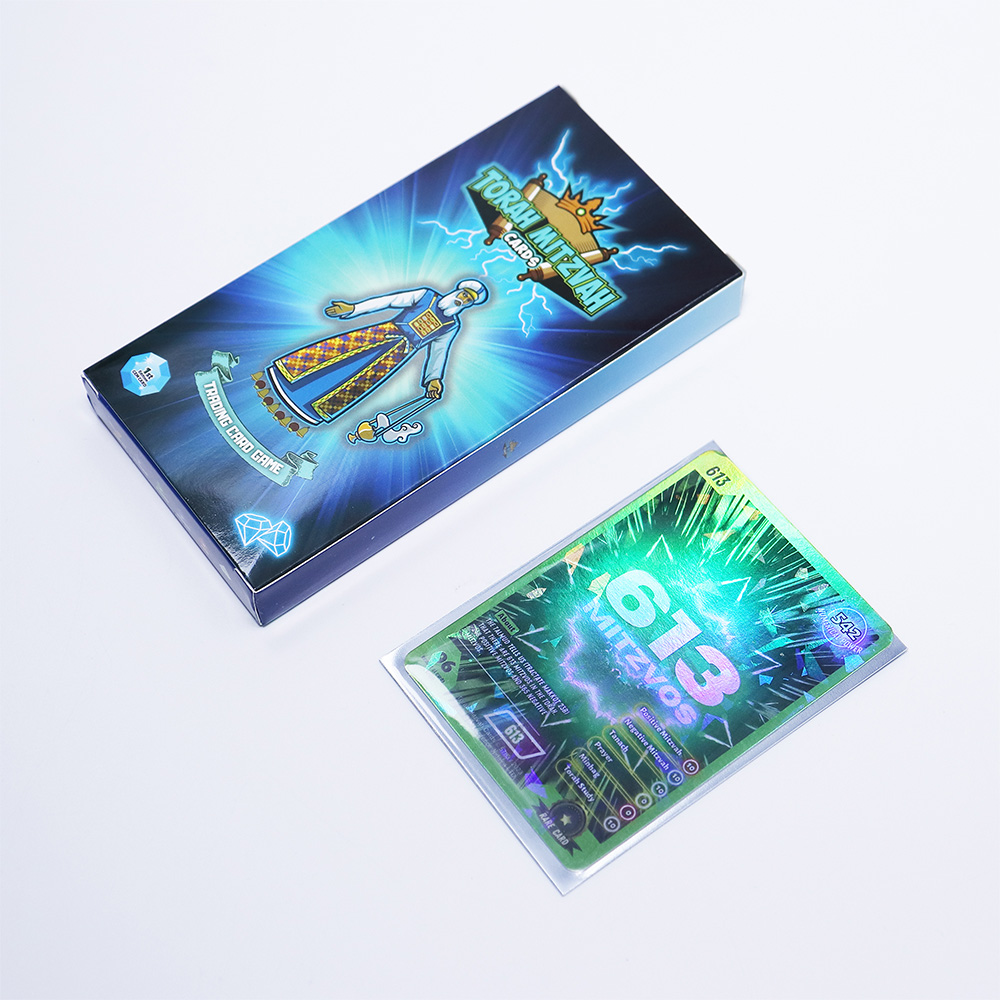 Torah Mitzvah Custom Card Blind Box Set
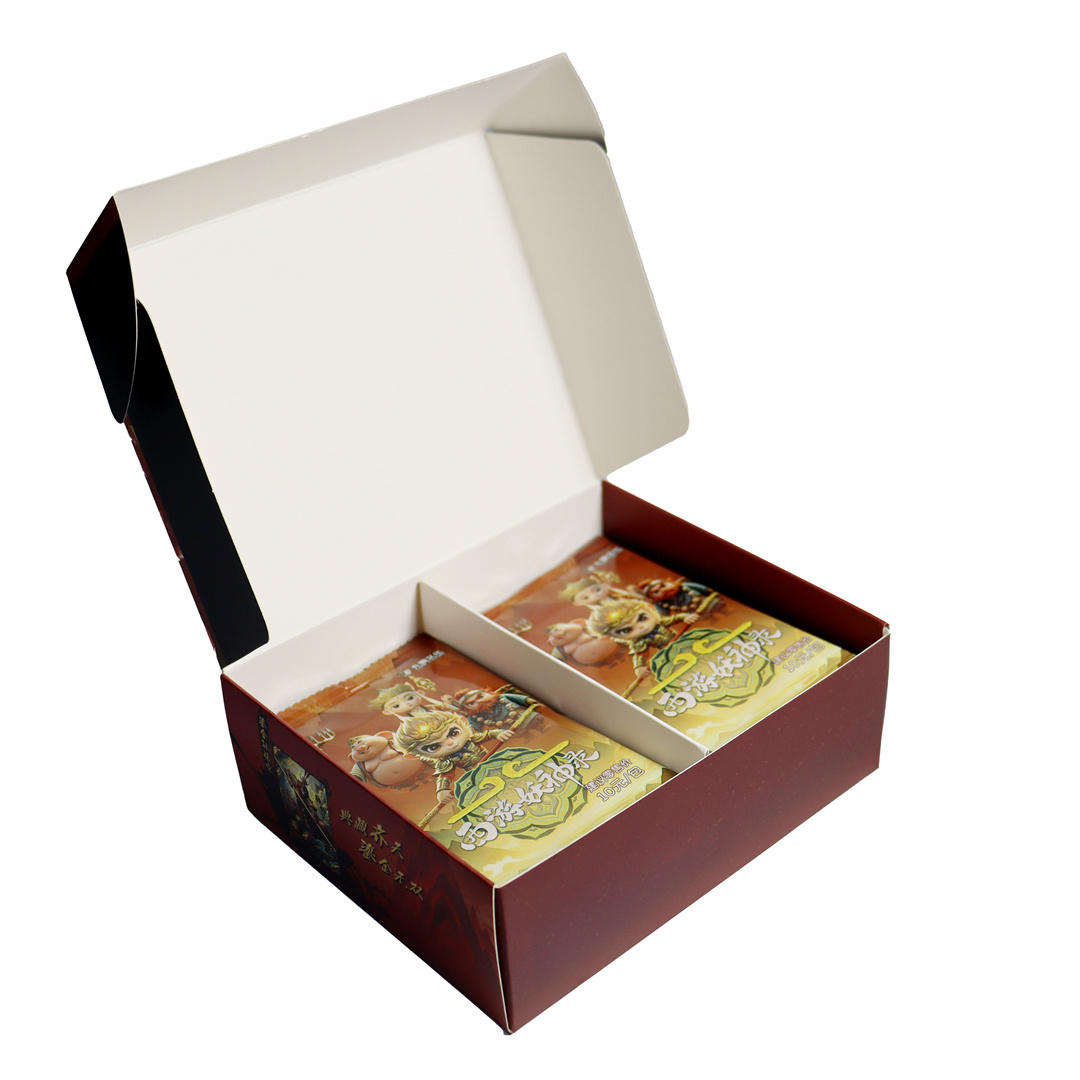 Customized "Journey to the West" Themed Card Blind Box Set
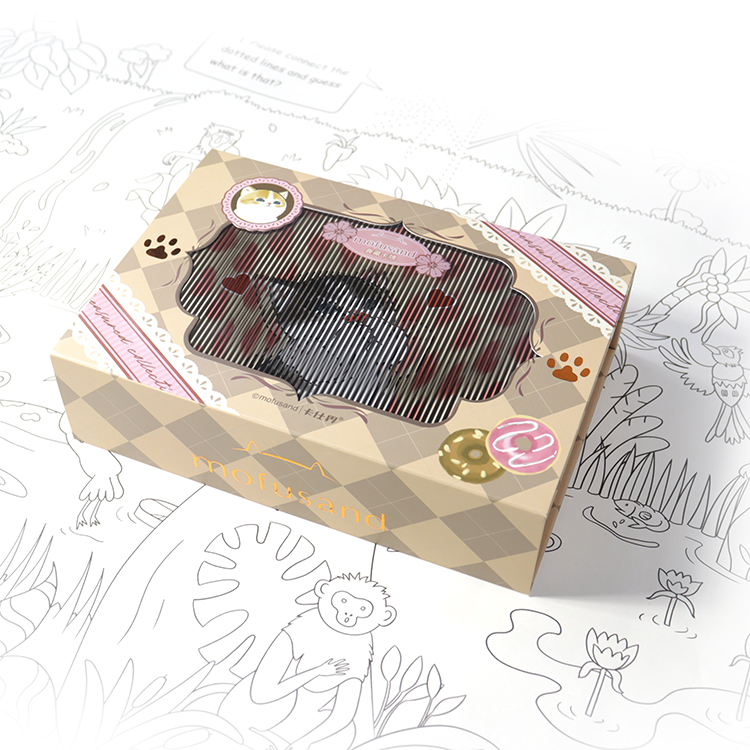 Customized cat-themed blind box set
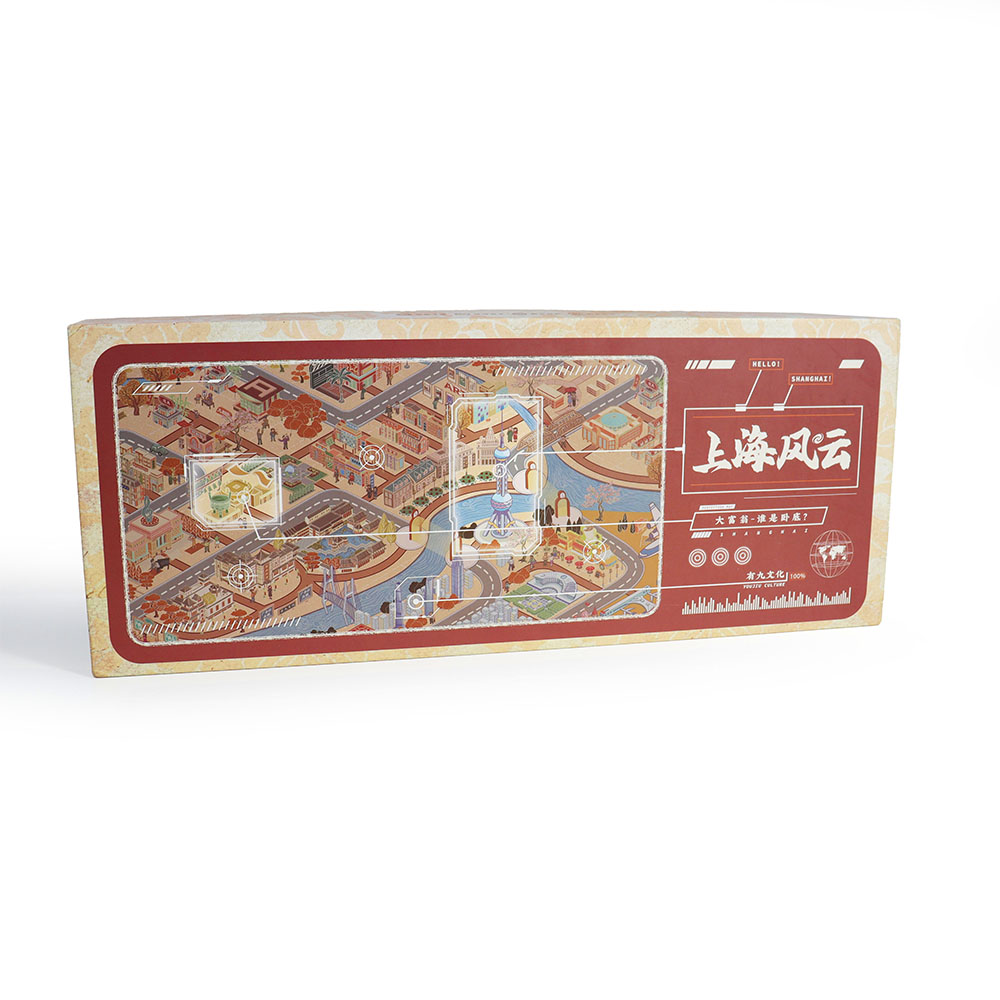 Shanghai Fengyun Custom Board Game Set
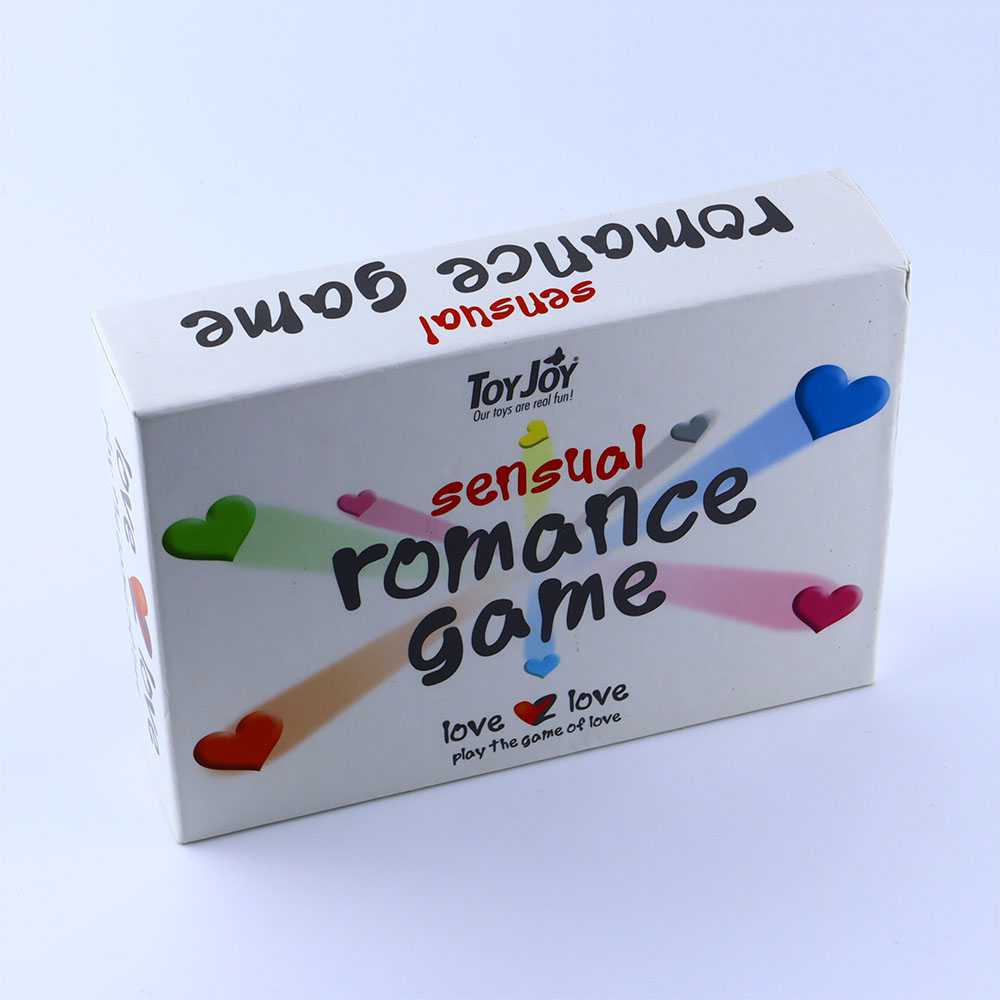 Sensual Romance Game Custom Board Game Set
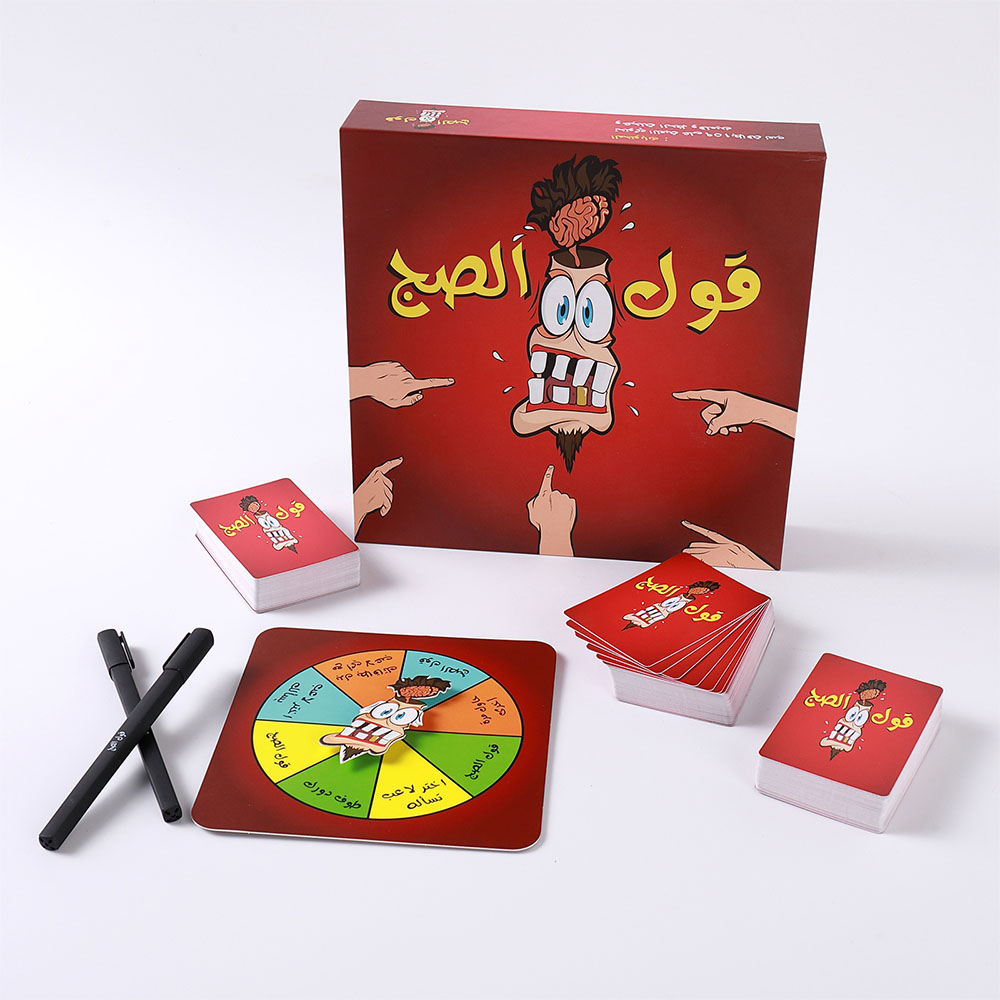 "Qoul Al Sabah" Custom Board Game Set
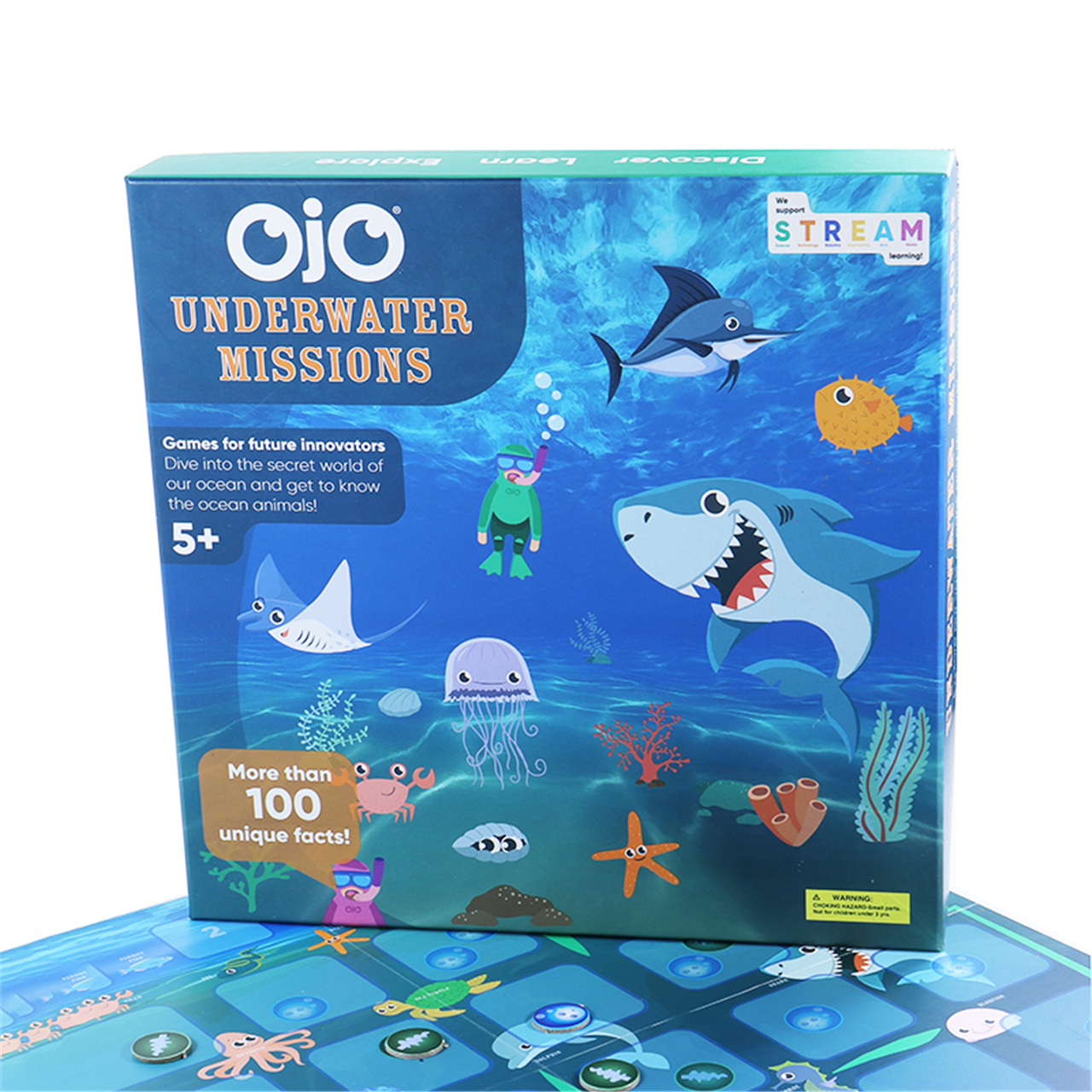 Customized educational board games for children
 Couple Interaction Turntable Themed Board Game
 Business Finance Board Game
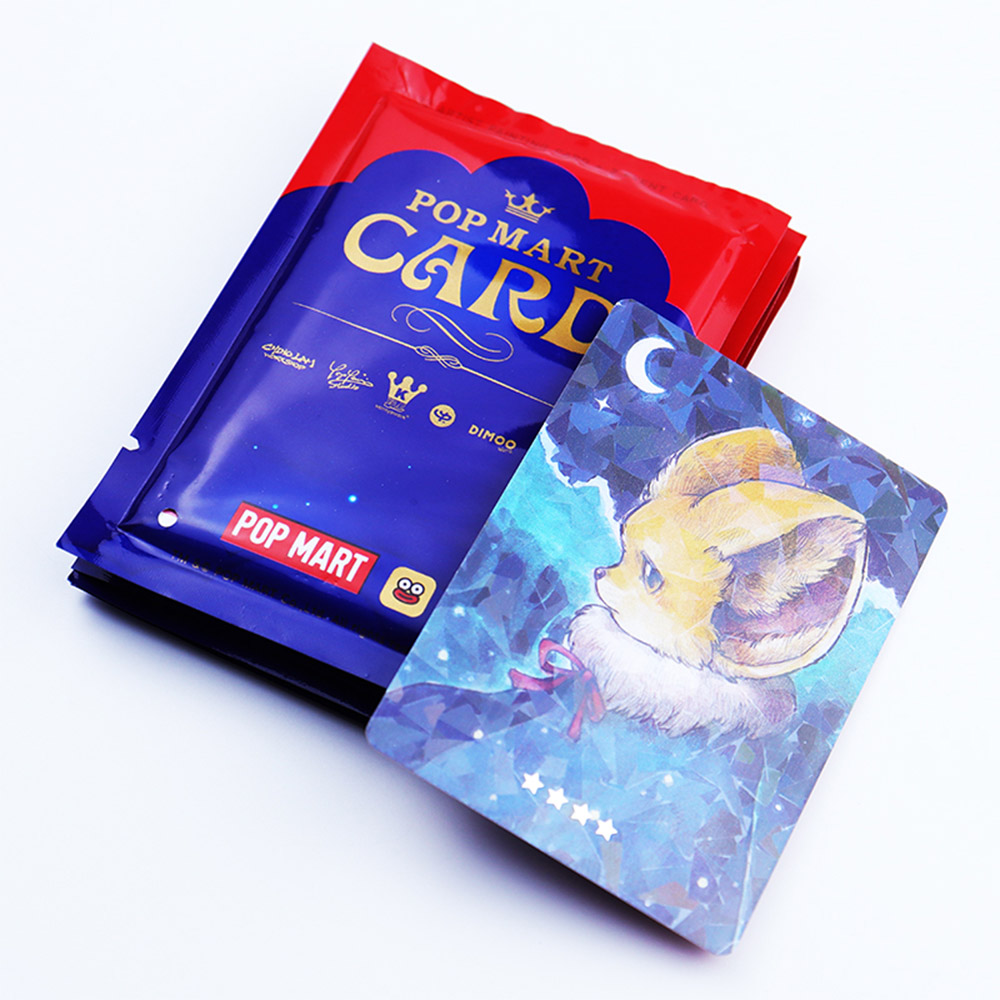 Pop Mart Custom Character Collectible Cards
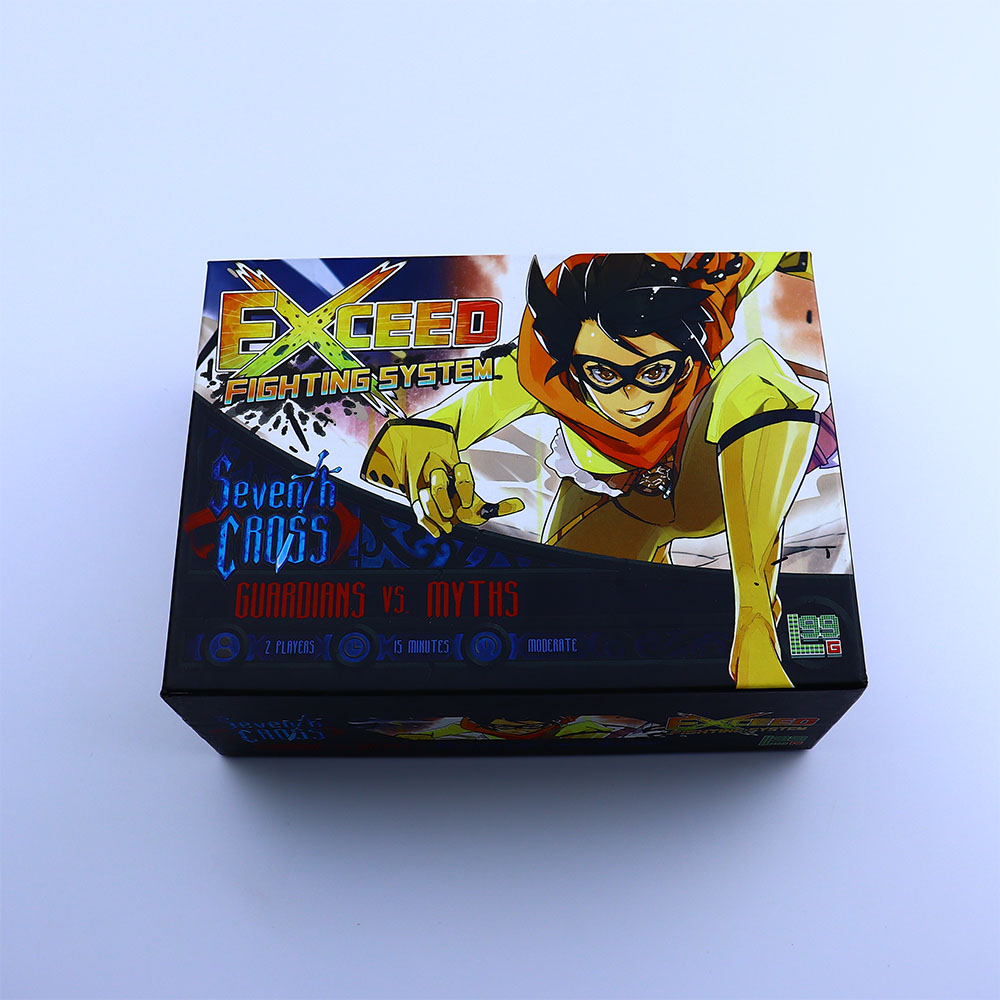 EXCEED Fighting System Custom Character Card Set
 Three Kingdoms Custom Hero Character Cards
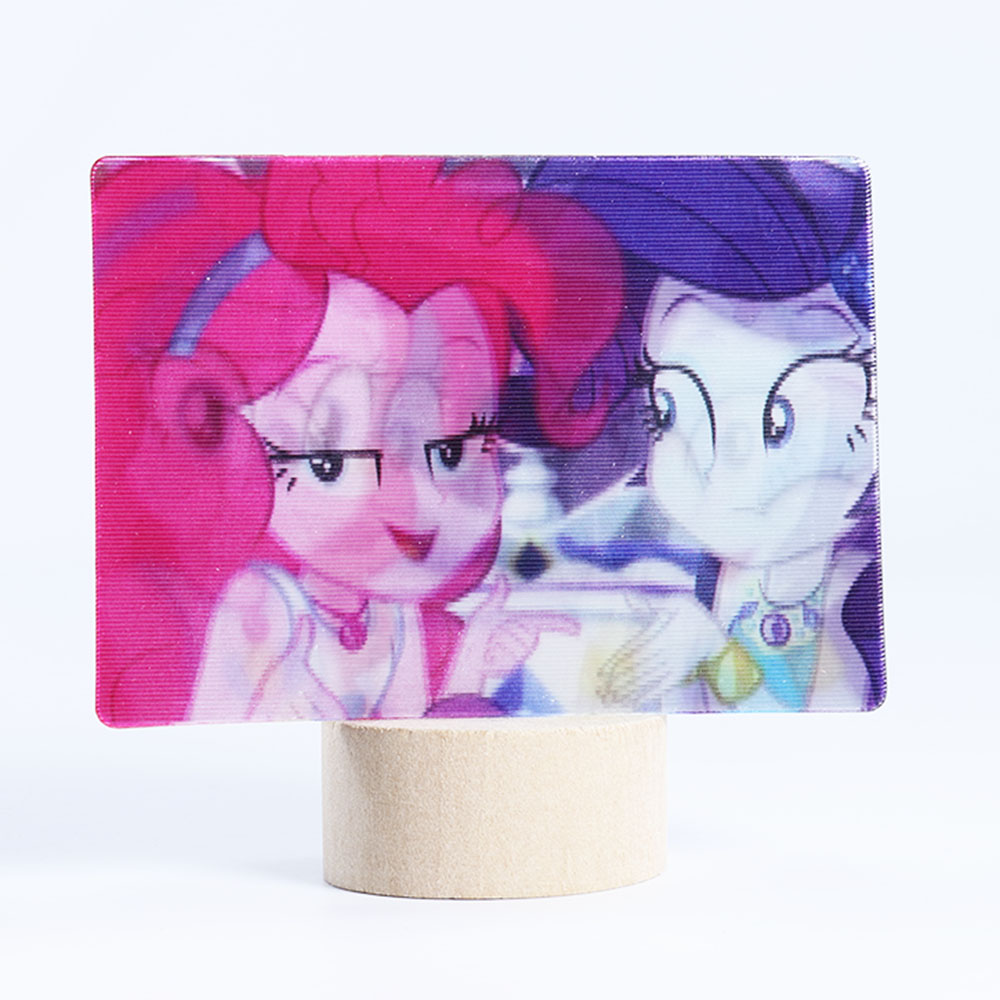 Custom Anime Character Dynamic Visual Cards
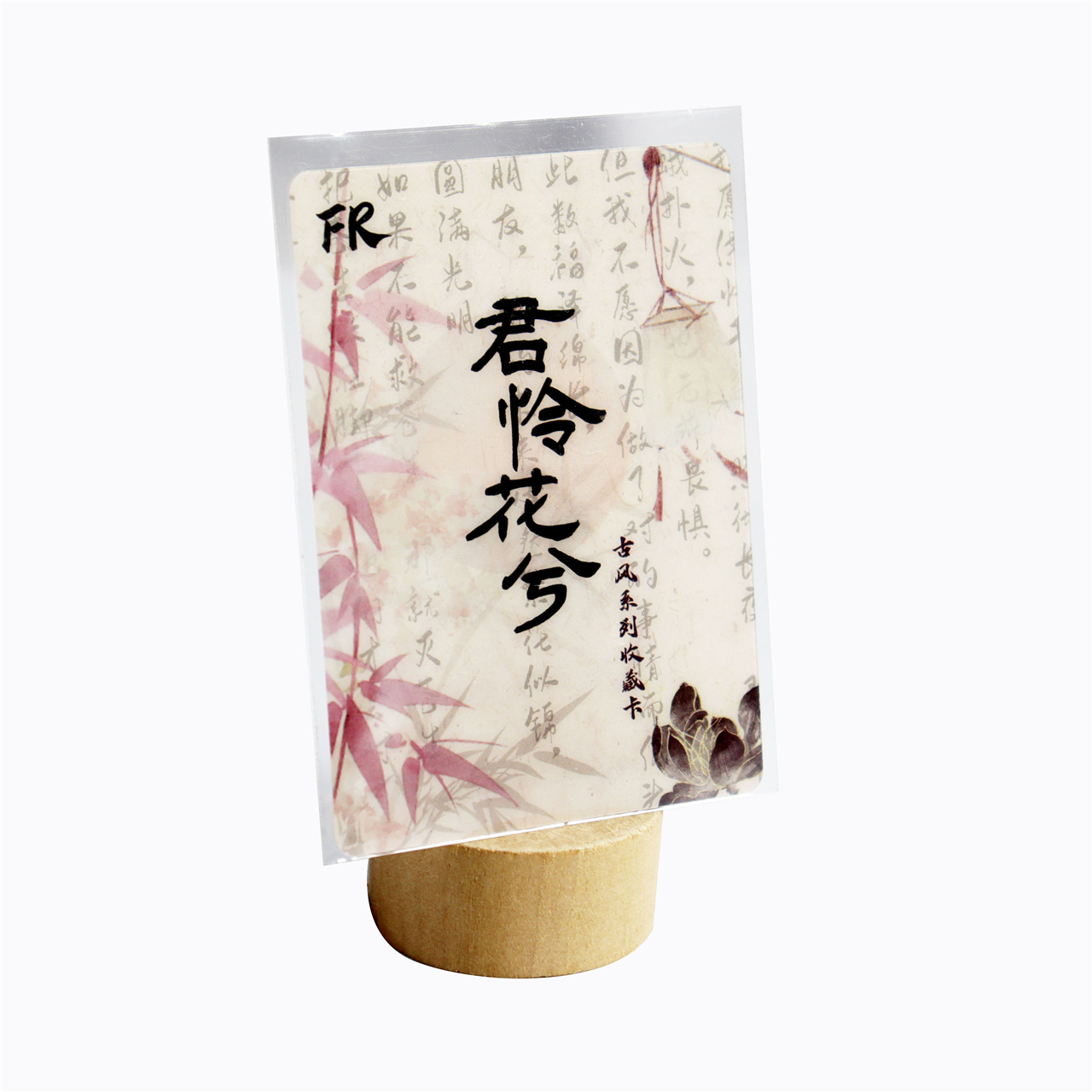 Custom Cartoon Character Collectible Card Set
 Custom Anime Character Art Card Set
 Little Larch Alphabet Cards
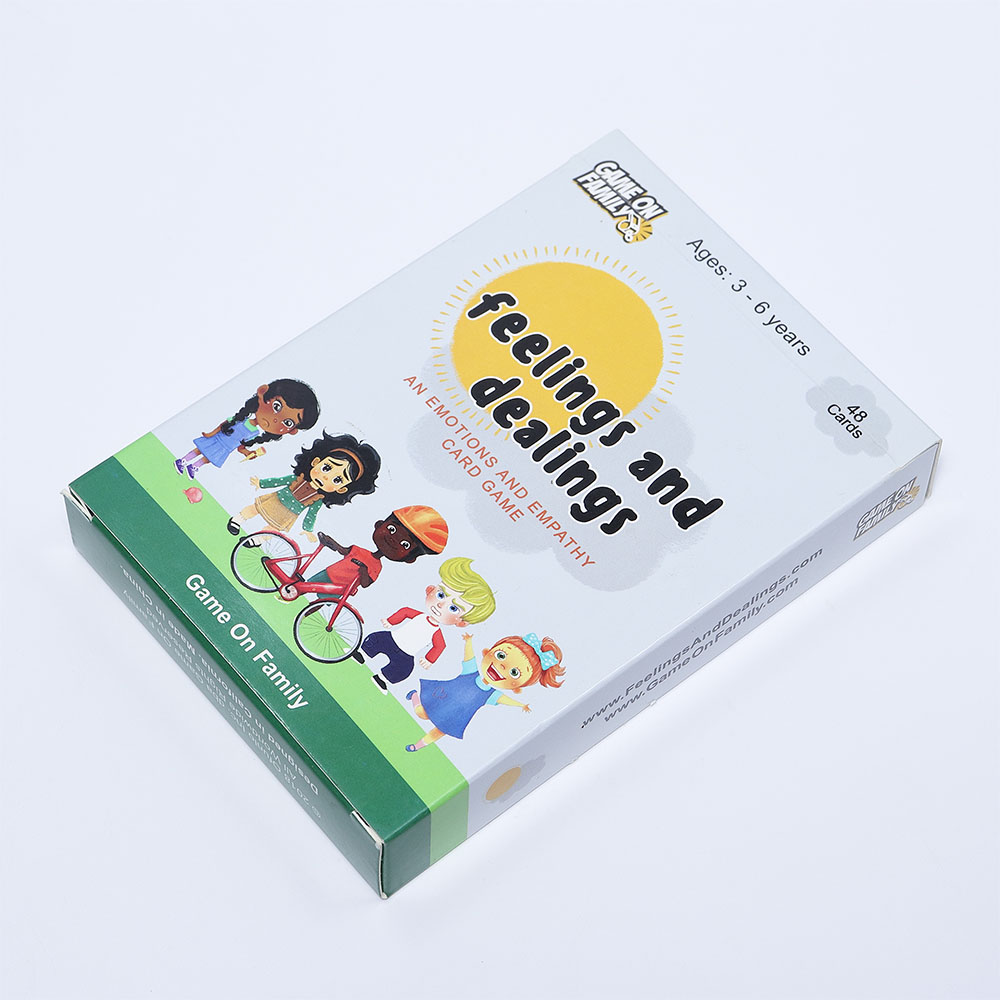 Feelings and Dealings Custom Children's Emotion Card Game
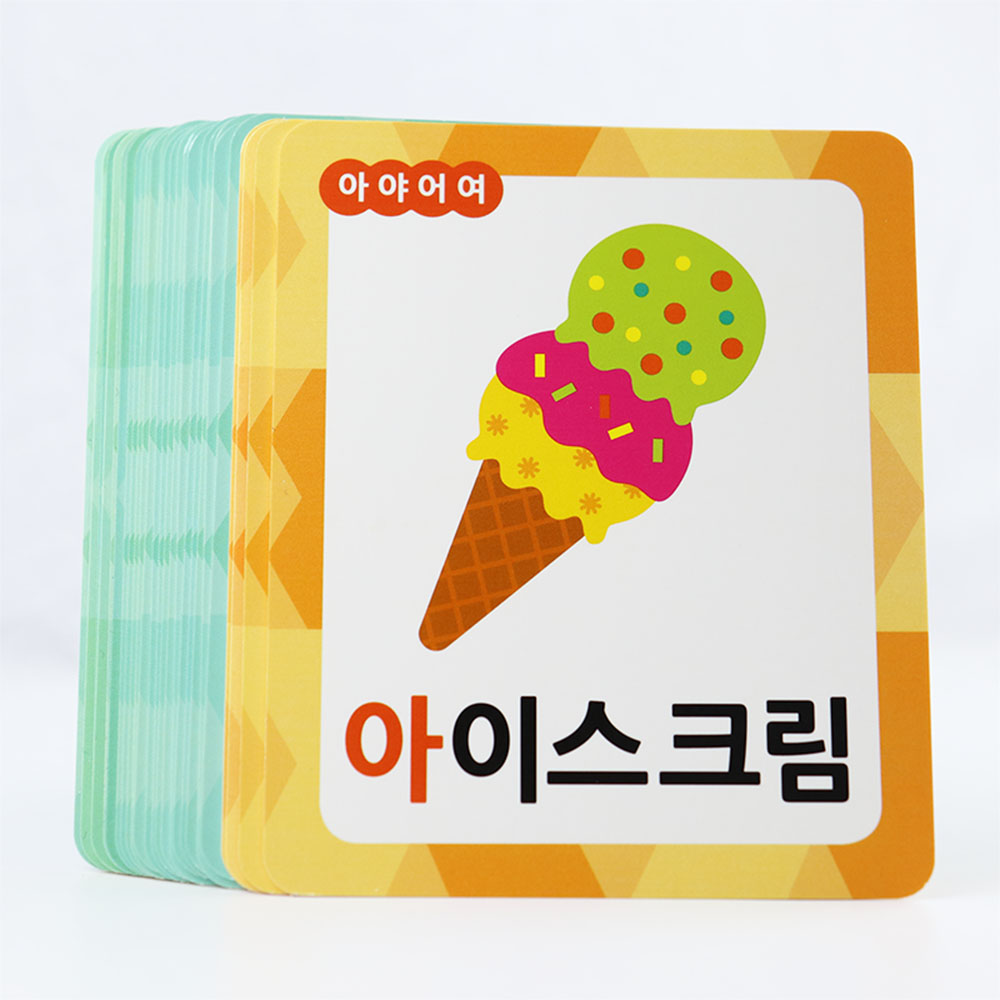 Korean Children's Educational Flashcards
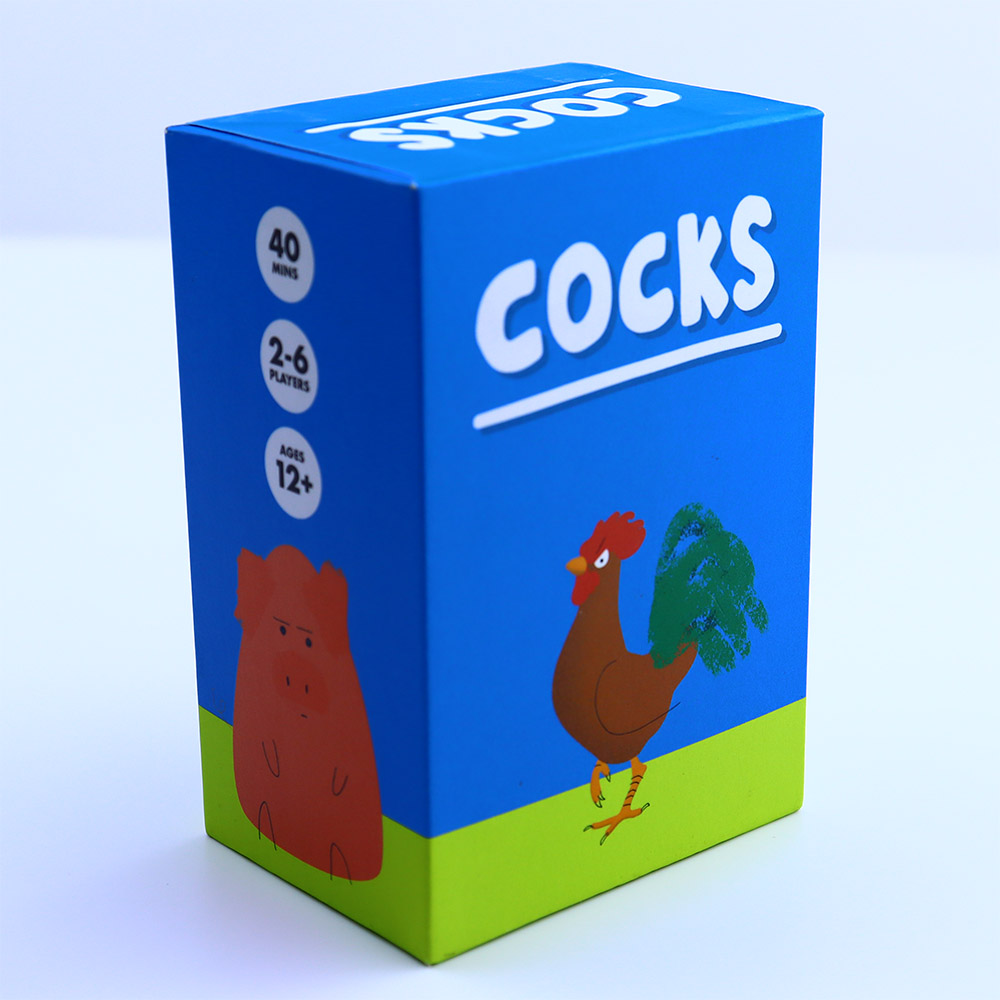 Cocks Themed Custom Children's Learning Cards
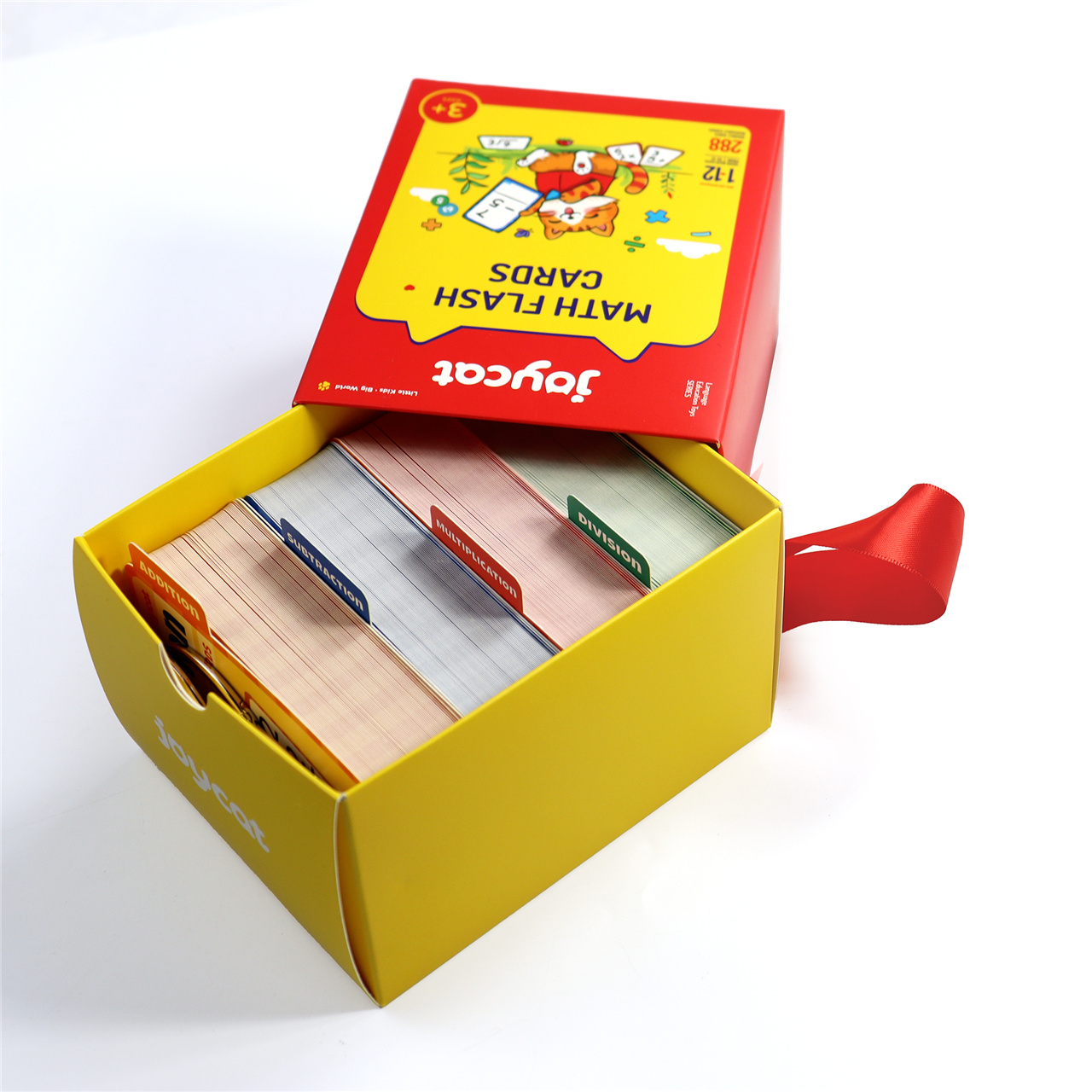 Math Flash Cards Set for Kids
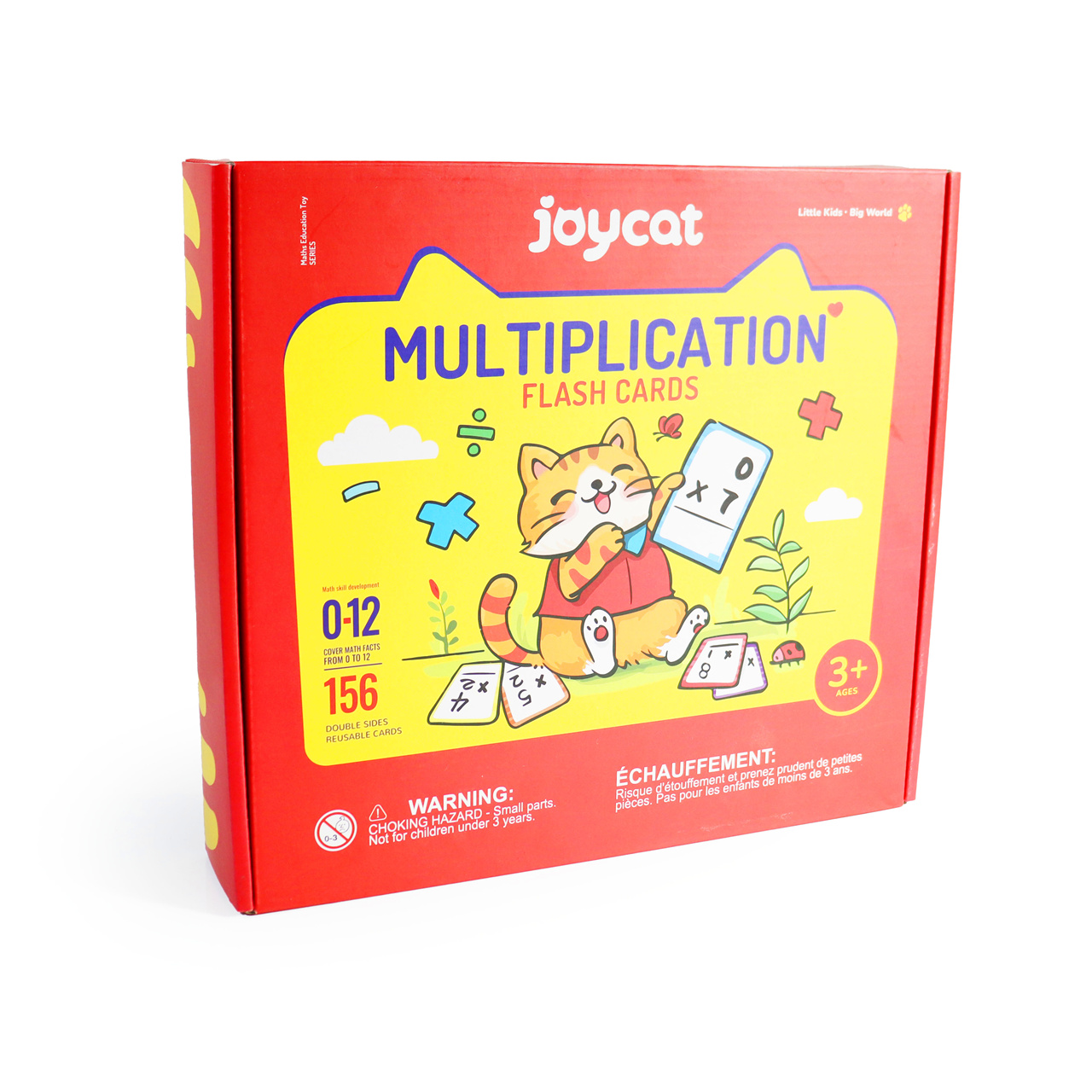 Joycat Multiplication Flash Cards Set with Accessories
 Custom Dual-Deck Playing Cards with Wolf-Themed Design
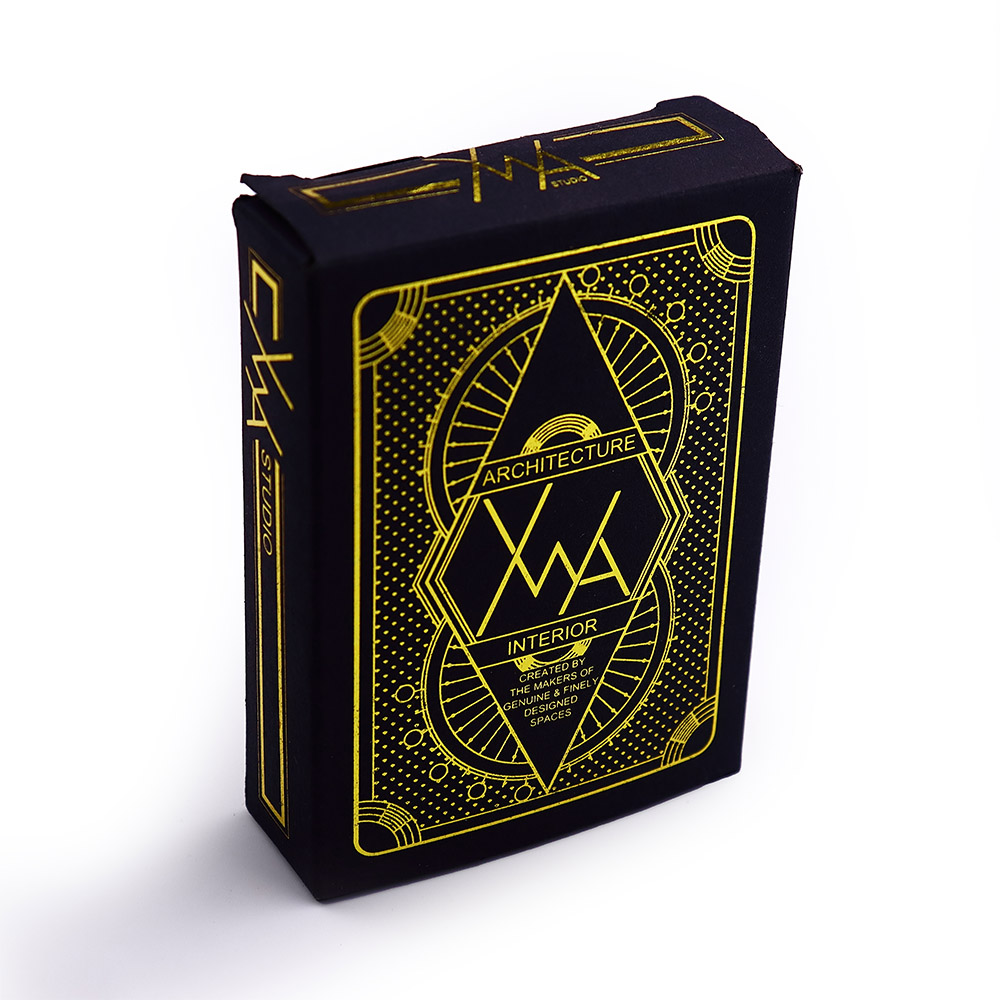 Custom embossed gold foil playing cards
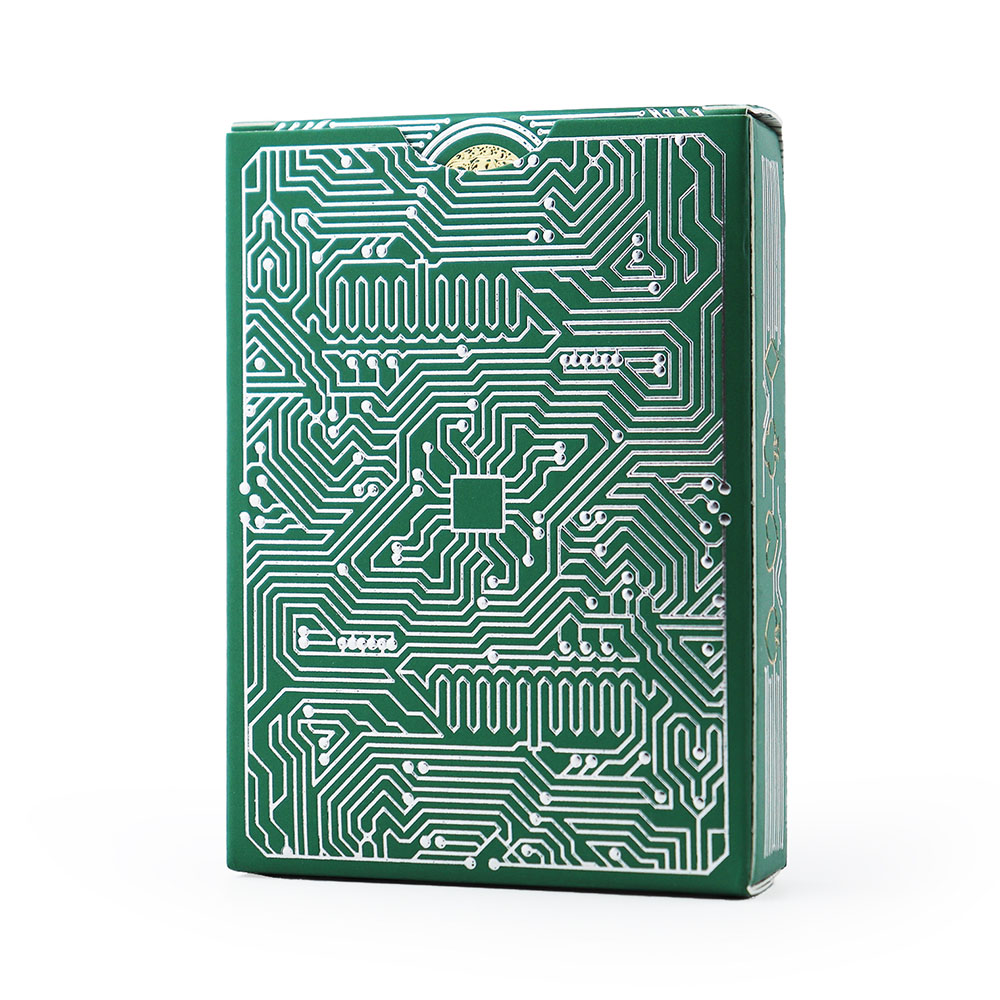 Circuit PCB Edition Custom Playing Cards
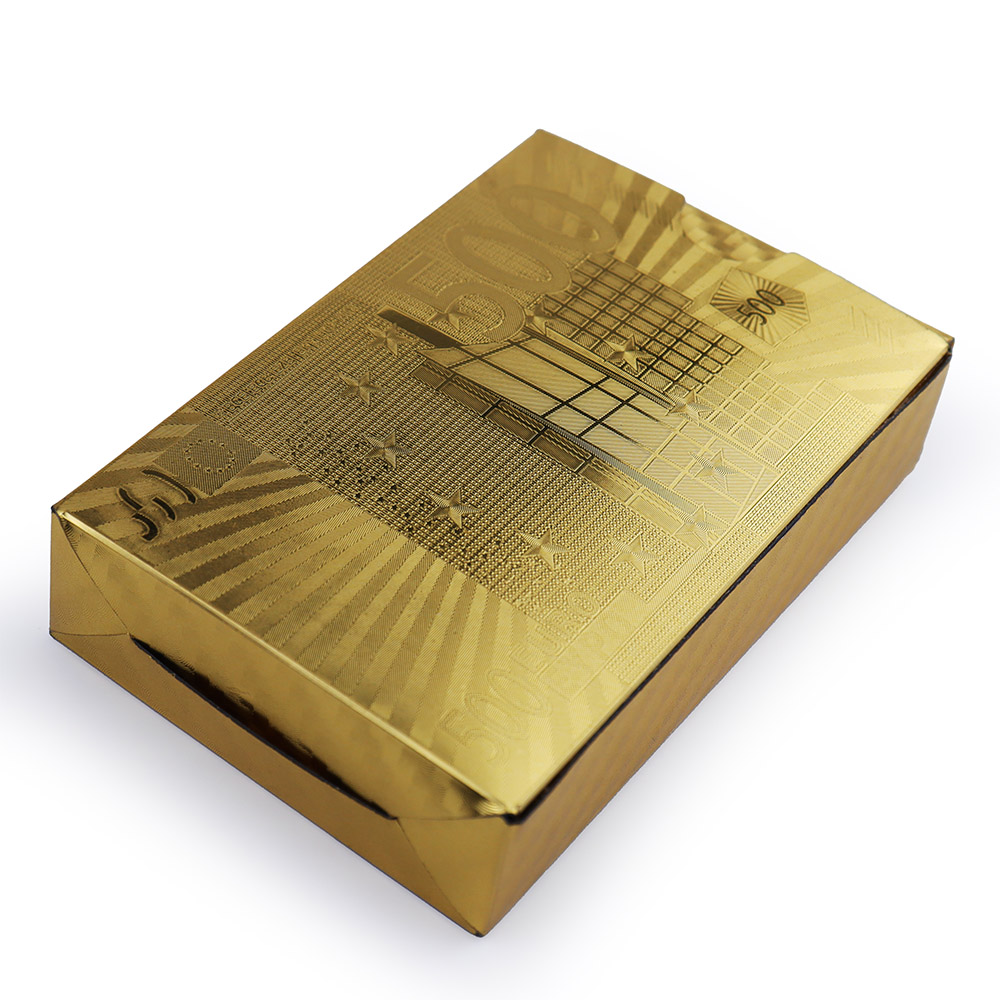 Customized theme gold foil playing cards
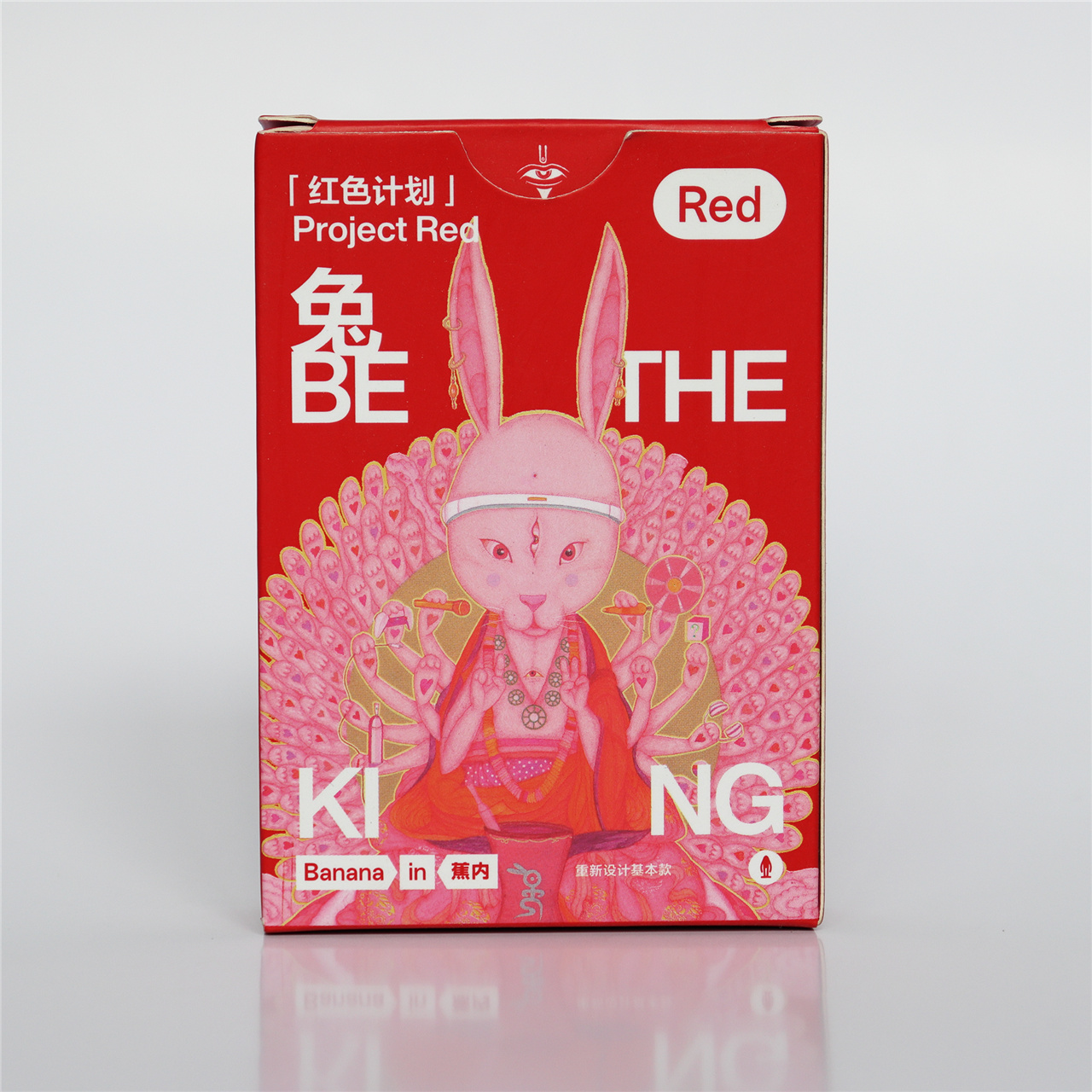 Custom Red Rabbit Themed Playing Cards Set
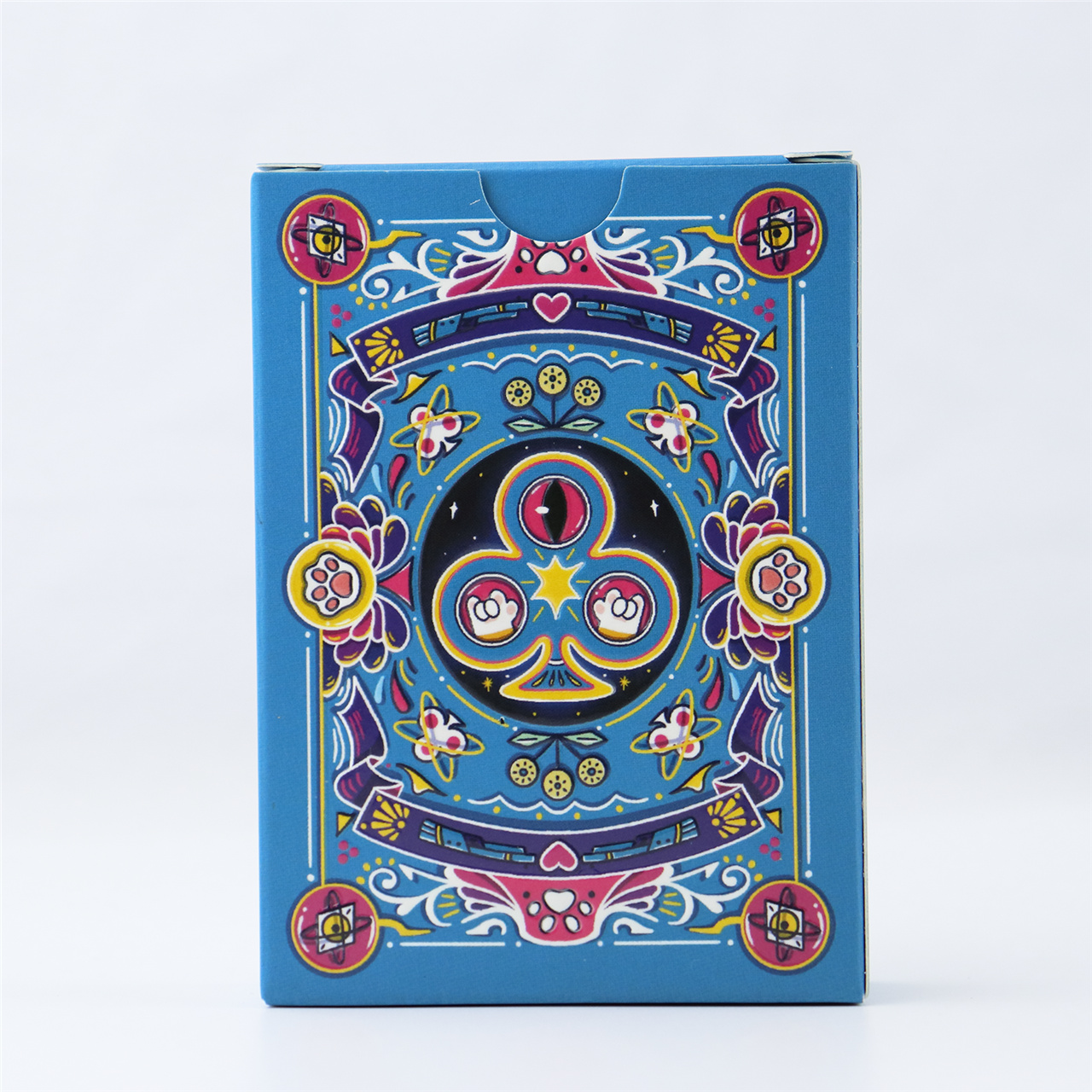 Custom Blue - Black Fantasy Plastic Playing Cards Set
 Pearls of Wisdom Oracle Custom Cards
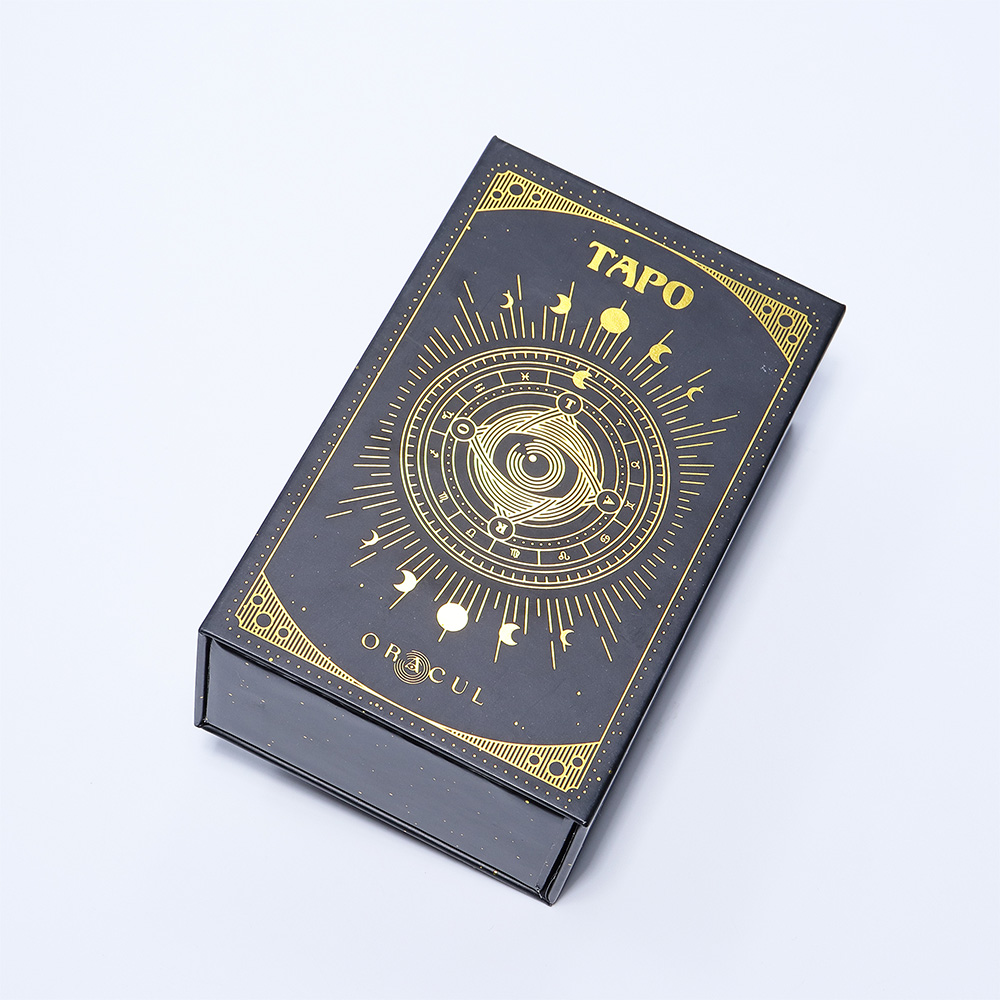 Custom Black & Gold Celestial Tarot Cards
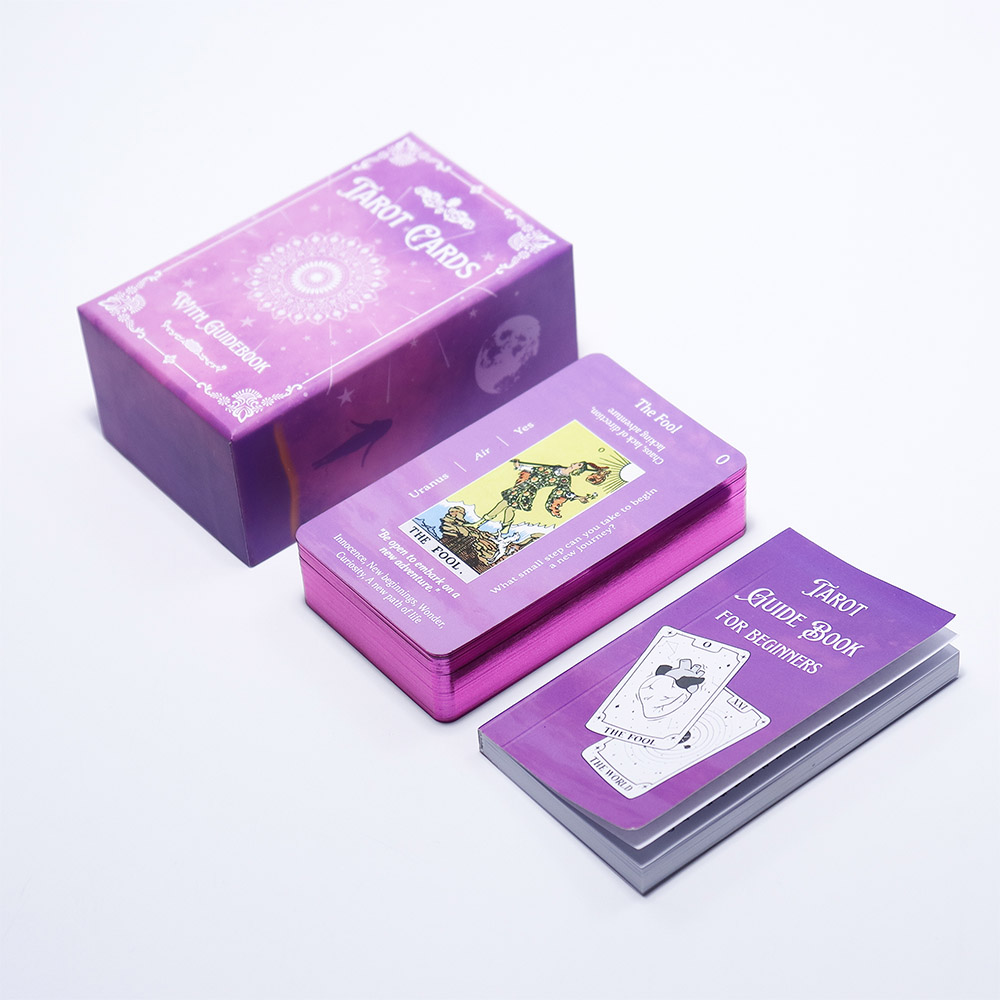 Custom Purple Tarot Cards with Guidebook
 L'Oracle d'Artémis Custom Oracle Cards
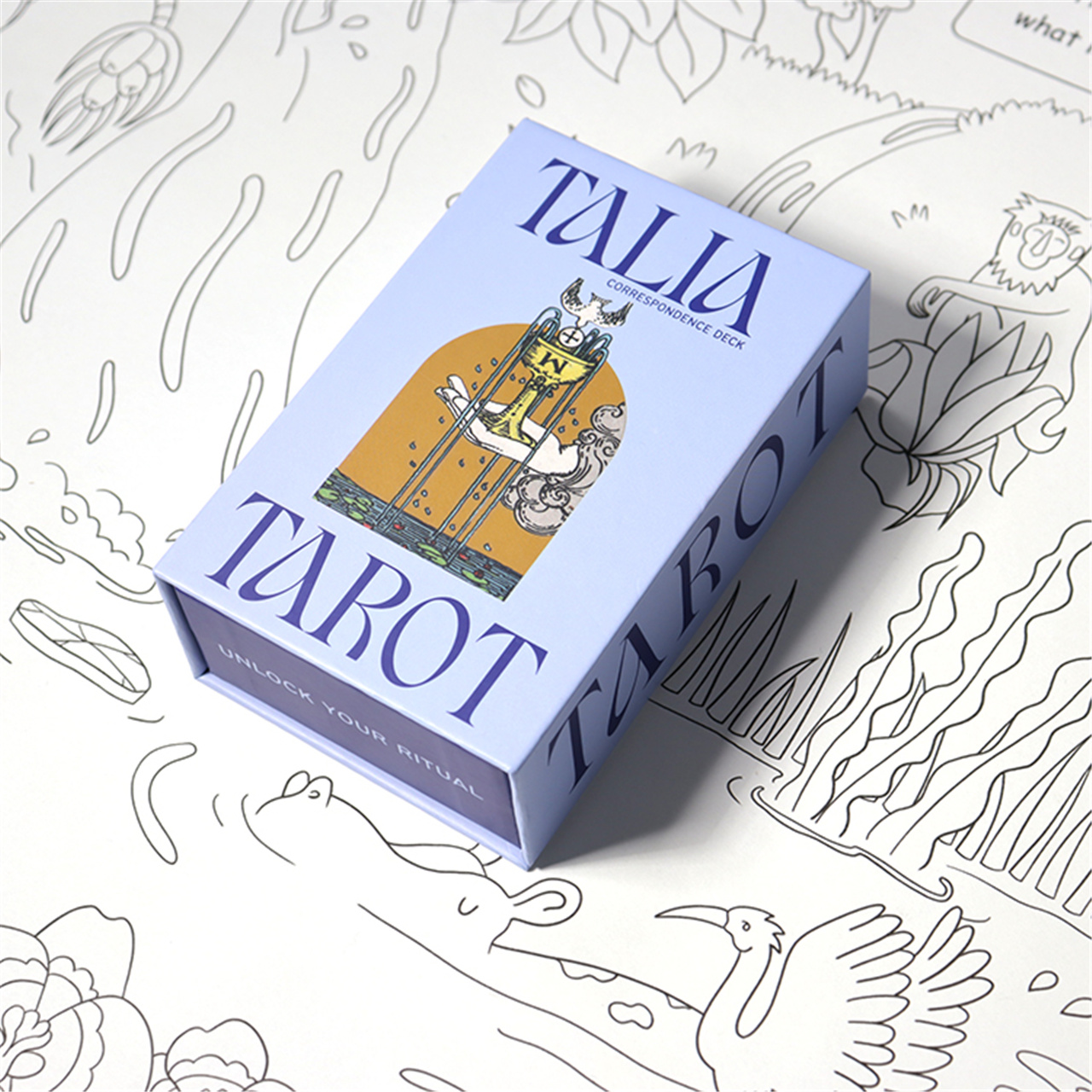 Custom Blue - Themed Tarot Cards Deck
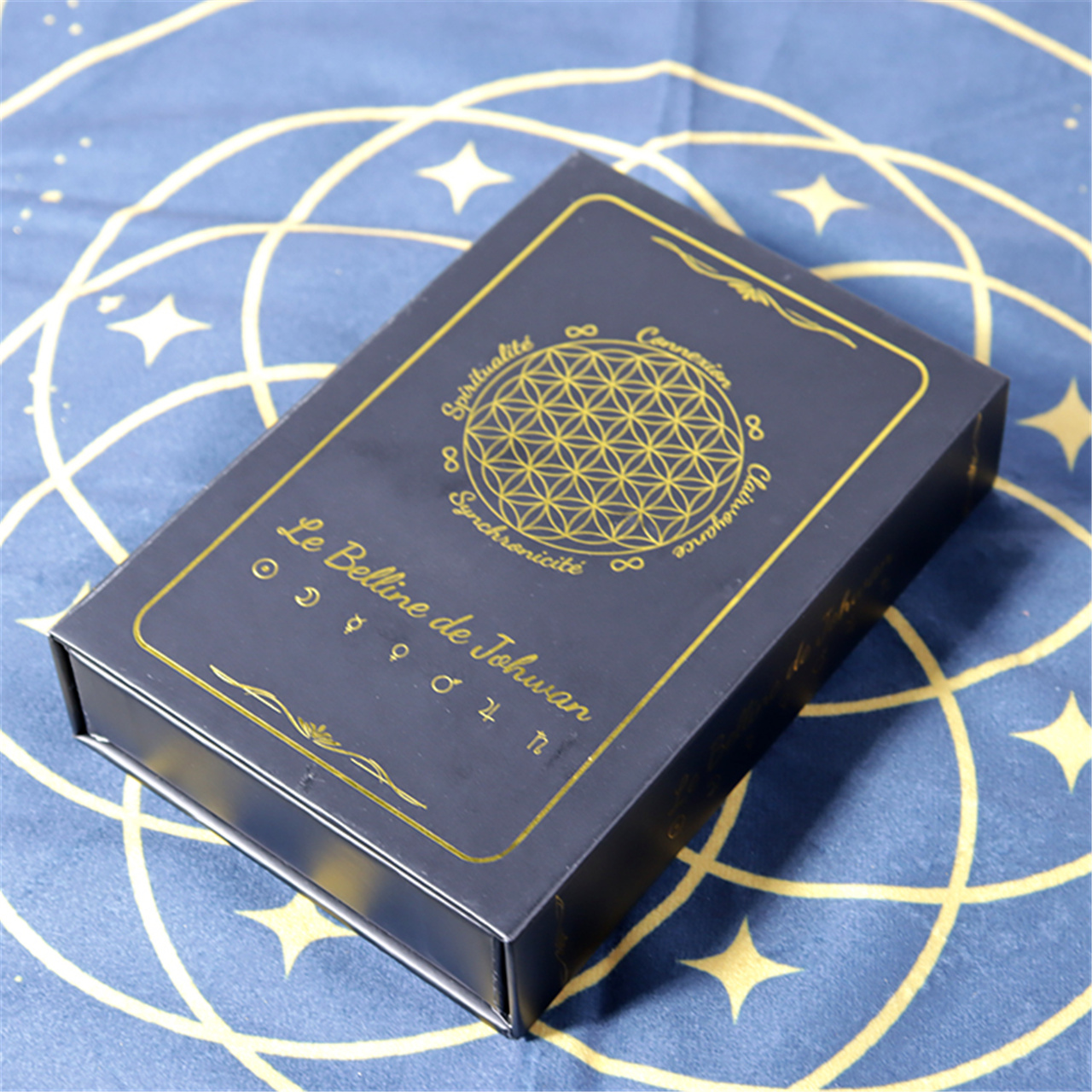 Custom Black - Blue Gold Foil Tarot Cards Set
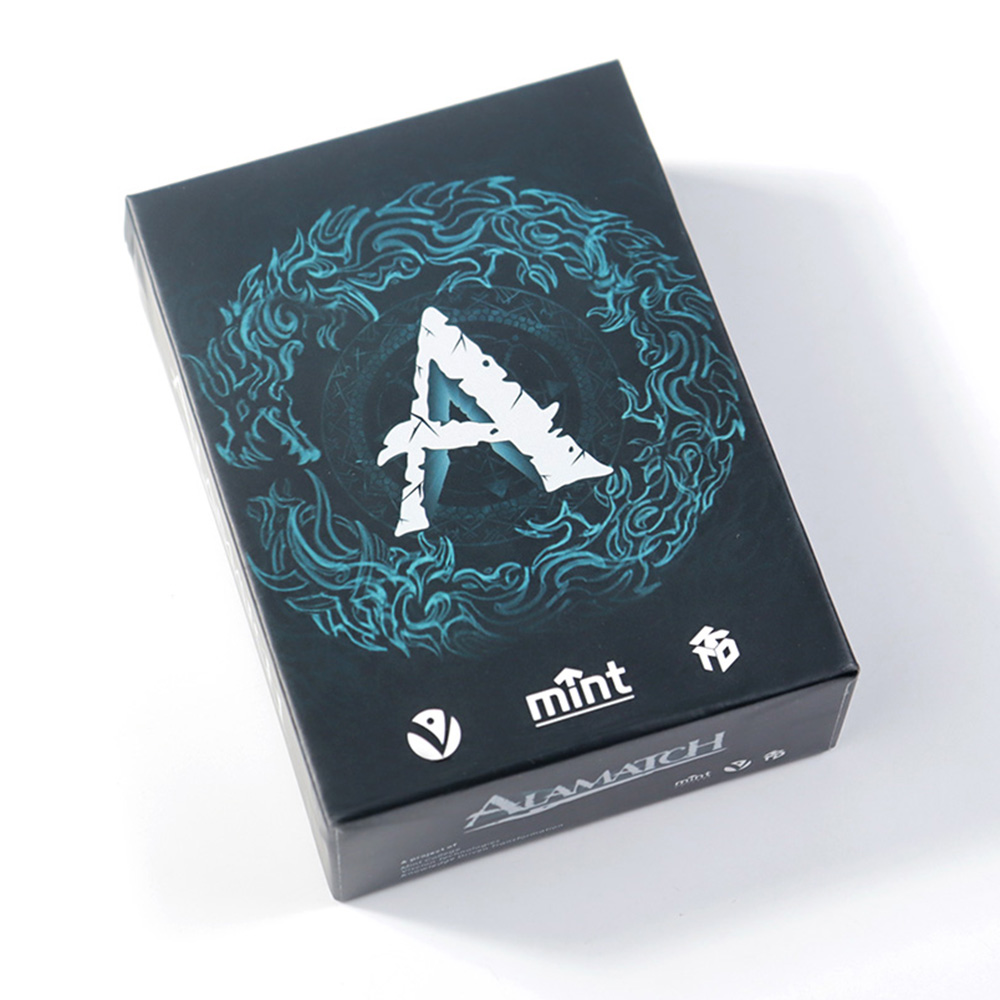 Alamatch Custom Trading Game Cards
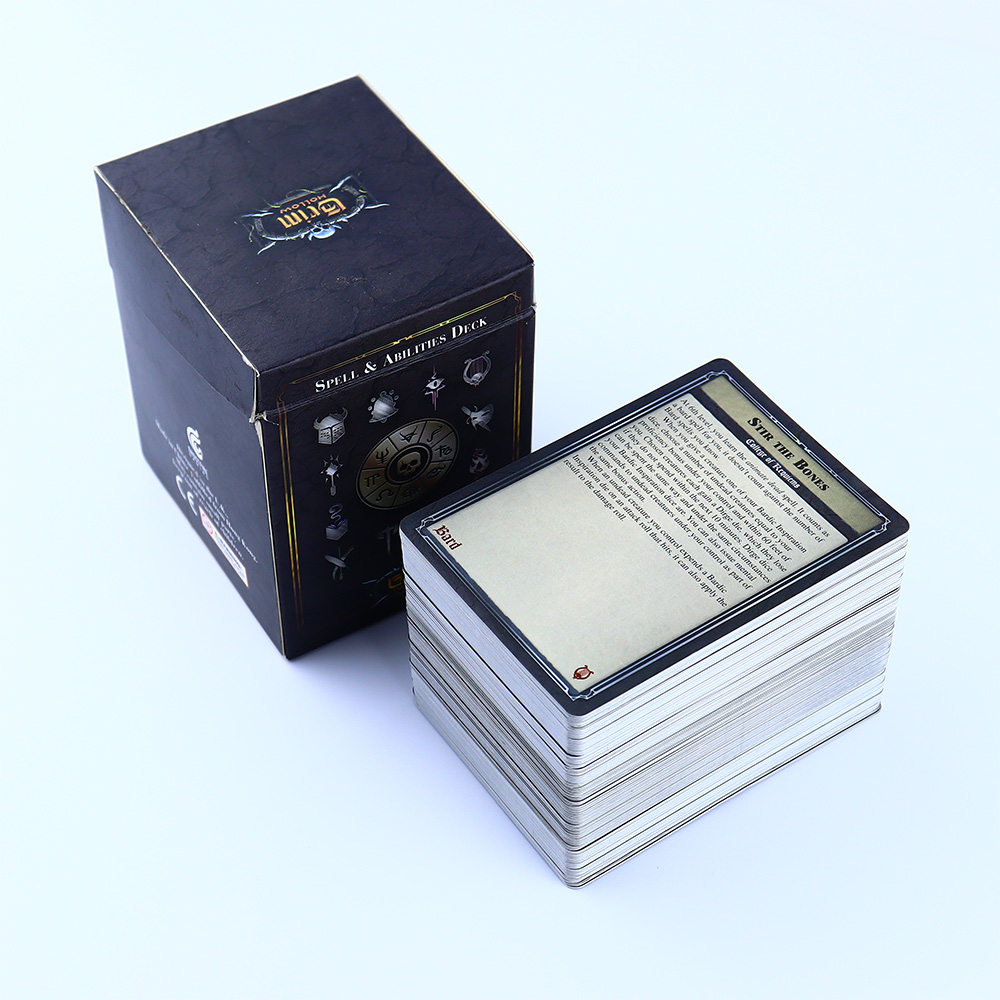 Grim Hollow Spell & Abilities Custom Trading Cards
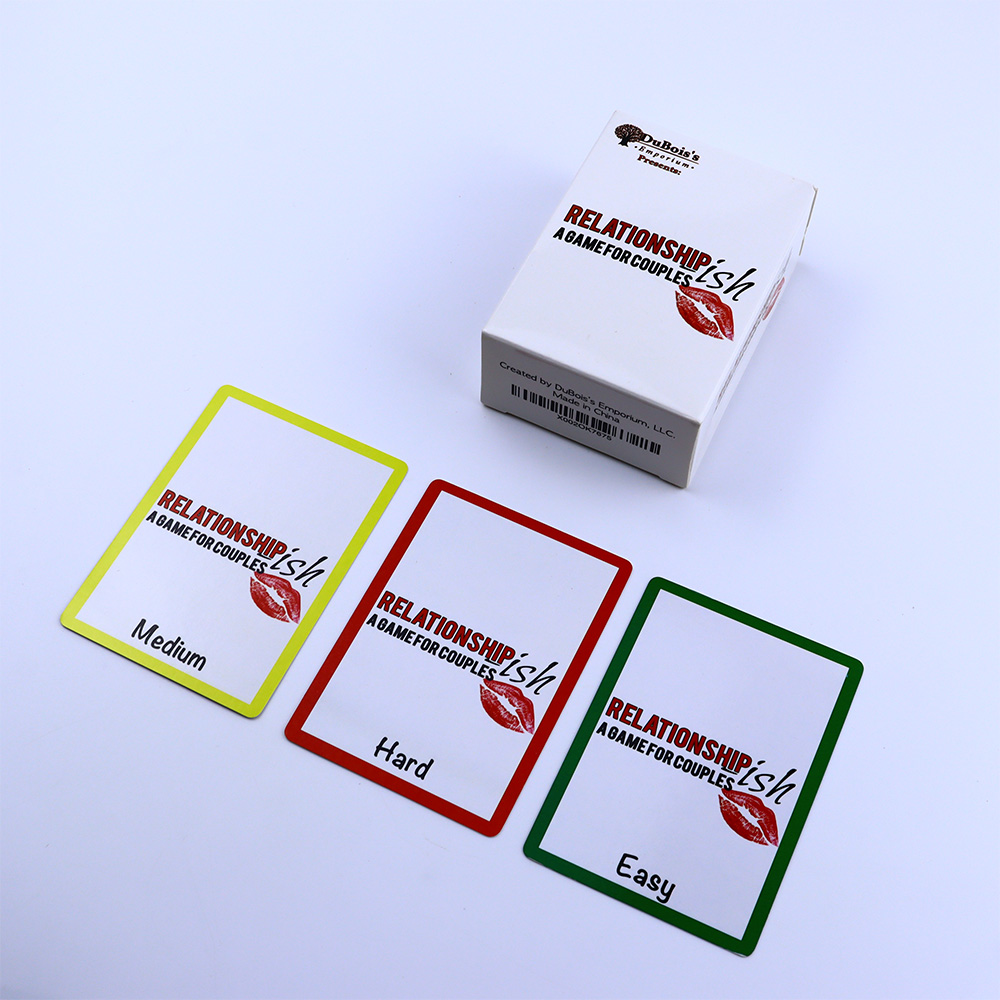 Relationshipish Custom Couple Card Game
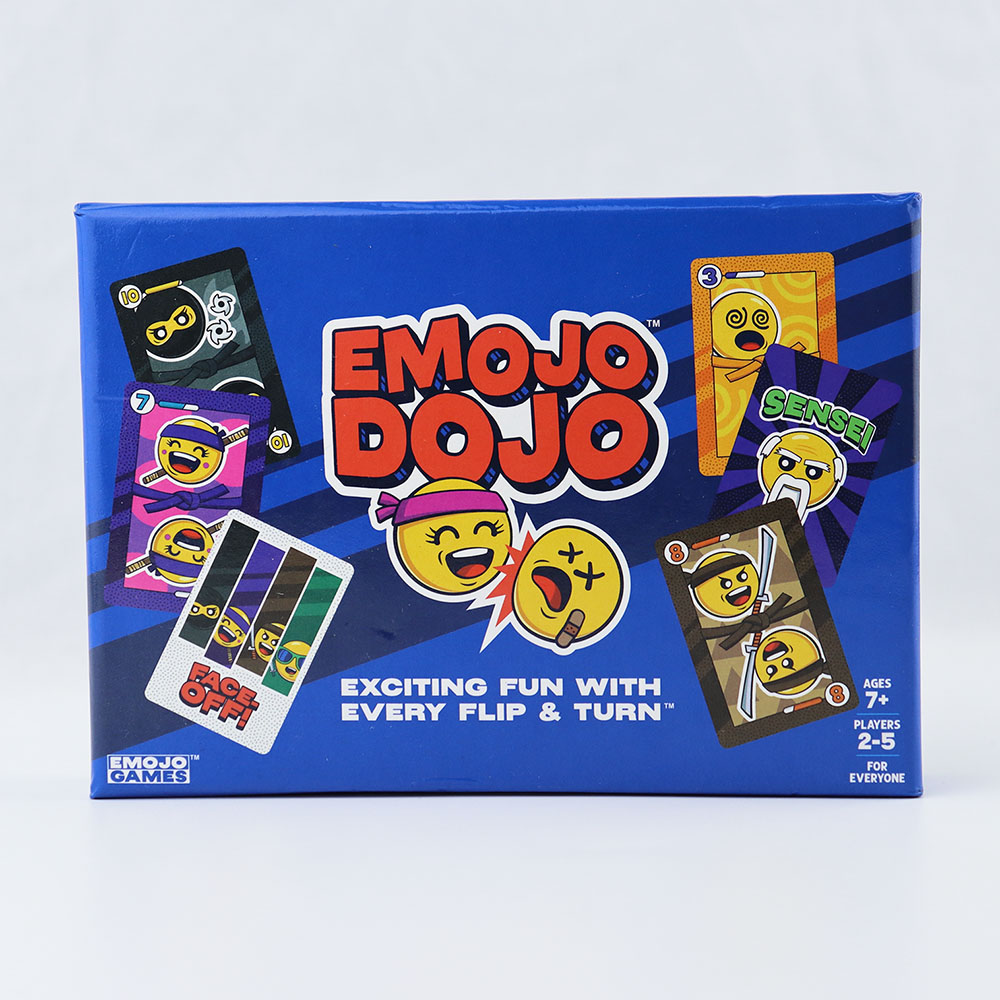 Emojo Dojo Custom Trading Card Game
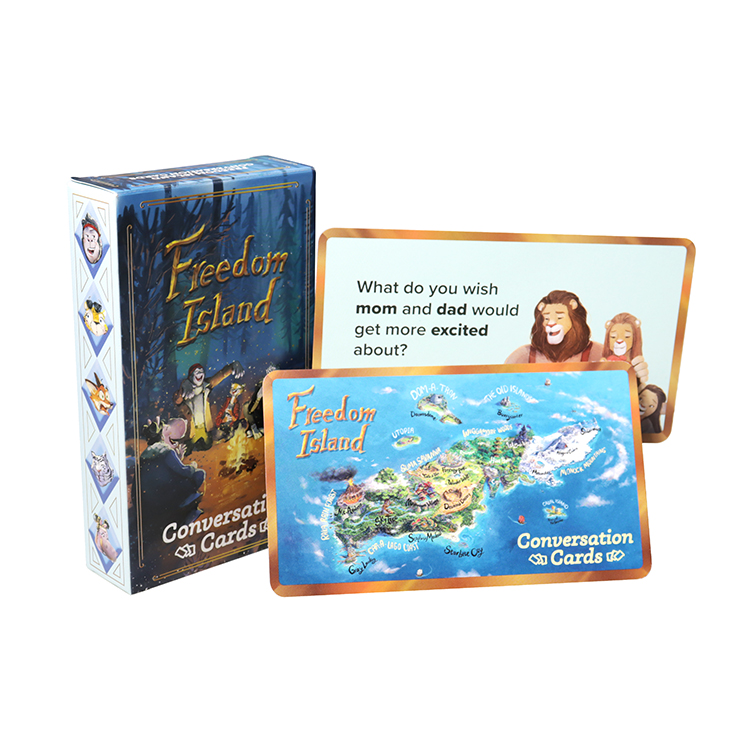 Custom Travel Photo Trading Cards Set
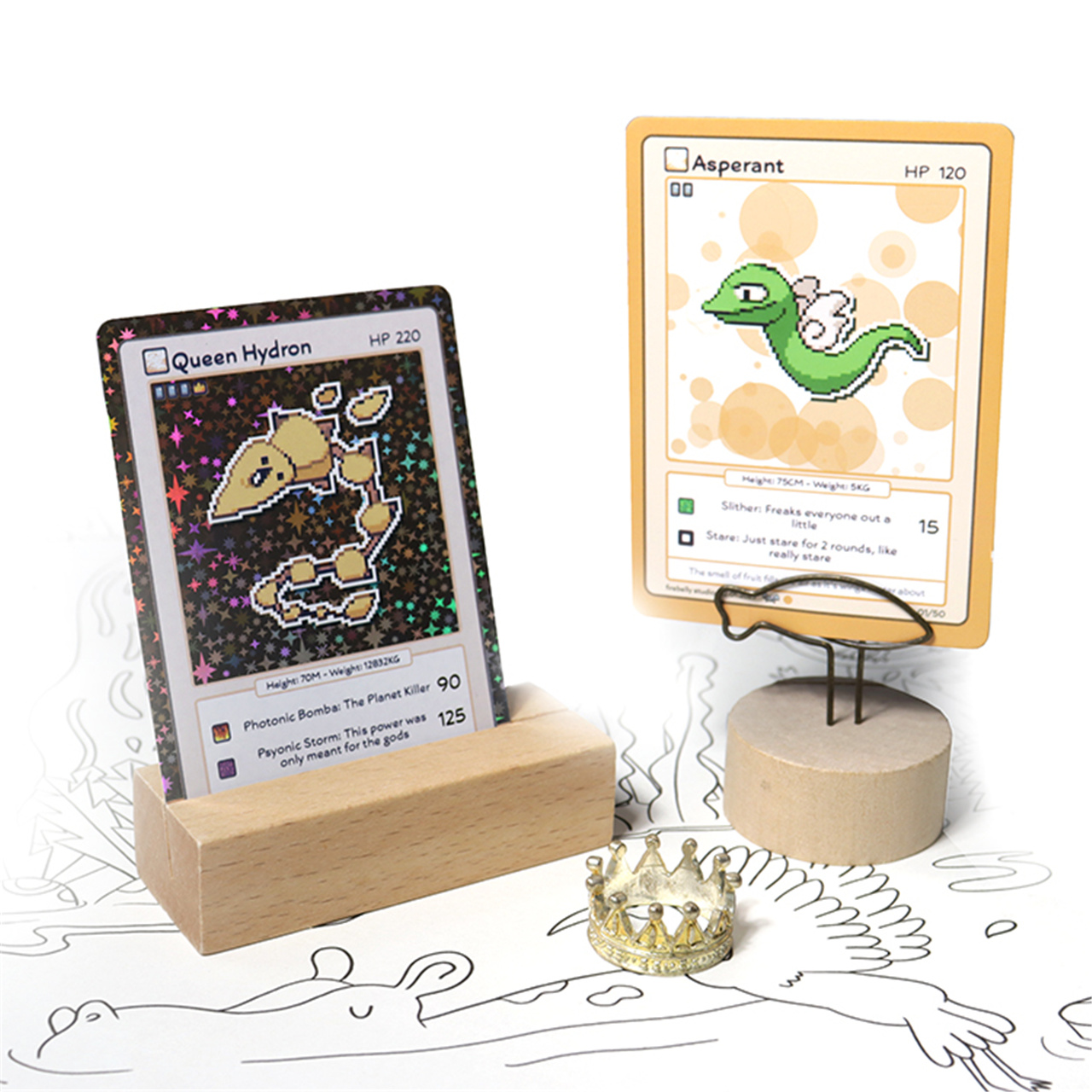 Custom Cartoon Holographic Trading Cards Set