Best Educational Cards for Interactive Learning and Fun?
In today's fast-paced world, educational cards have emerged as a popular tool for interactive learning. These versatile resources engage children and adults alike, making education both fun and effective. With colorful designs and diverse themes, educational cards can spark curiosity and foster deeper understanding.
Many educators and parents value educational cards for their ability to promote critical thinking. Whether it's vocabulary building, math skills, or even history lessons, these cards offer targeted learning opportunities. They encourage active participation, allowing learners to explore concepts at their own pace. However, not all educational cards are created equal. It’s essential to choose those that align with specific learning goals.
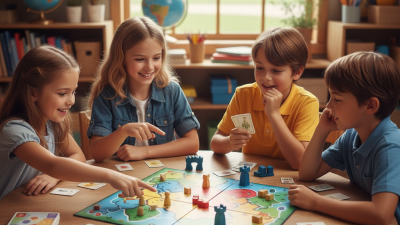
These educational tools also shine in group settings. They can facilitate cooperative learning, encouraging collaboration among peers. Yet, some may find the process overwhelming. Assessing the effectiveness of different card sets can be challenging. Therefore, it is crucial to reflect on which cards truly enhance the learning experience. Choosing the right educational cards can make all the difference in achieving engaging and meaningful learning moments.
Types of Educational Cards for Enhanced Learning Experiences
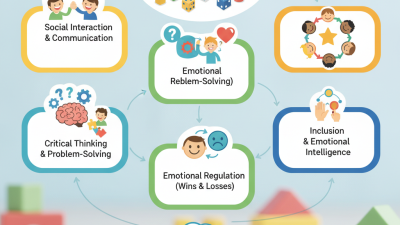
Educational cards have become vital tools for enhancing learning. They cater to various learning styles, making education both interactive and enjoyable.
Research indicates that games and activities can improve retention rates by up to 50%. This shows the potential impact of educational cards in a child’s learning journey.
Flashcards are popular for language learning. They stimulate recall and help with vocabulary acquisition.
A study in the Journal of Educational Psychology found that spaced repetition using flashcards increases memory retention significantly. Visual cards also promote understanding of complex concepts, appealing to visual learners. Data suggests students retain more information when visuals accompany text.
The versatility of educational cards can’t be overstated. They can be used in families or classrooms. However, it’s important to avoid over-reliance on these tools. They work best alongside other teaching methods. Balance is crucial. Too much gamification might lead to distractions.
Educators must regularly assess whether these methods enhance learning or create confusion. Prioritizing quality over quantity is essential for effective learning experiences.
Benefits of Interactive Learning with Educational Cards
Interactive learning has gained traction in educational environments. Research indicates that 79% of educators believe hands-on learning improves student engagement. Educational cards are a powerful tool in this approach. They facilitate active participation, enabling students to grasp complex subjects through simple interactions. Visual stimuli combined with tactile activities deepen understanding.
Moreover, studies suggest that interactive learning can lead to higher retention rates. A report from the National Training Laboratory states that people remember only 10% of what they read. In contrast, they retain 70% of what they actively engage with. Educational cards enhance this engagement by encouraging students to discuss and collaborate. This reinforces learning.
Despite the advantages, challenges exist. Some students may struggle with group dynamics. Others might feel left out if the cards don't cater to diverse learning styles. Reflecting on these issues is vital for improvement. Continuous testing and adapting the cards can address these concerns, creating a more inclusive learning environment.
Top Brands Offering Innovative Educational Card Sets
When it comes to innovative educational card sets, several leading brands stand out. These brands prioritize interactive learning experiences. They design cards that engage children's creativity and critical thinking. The variety of topics can cater to different age groups and learning styles.
One noticeable aspect is the art and design of the cards. Colorful illustrations help capture children's attention. Many cards incorporate games that promote teamwork and communication. Some learners might struggle with complex instructions. Simplifying these can enhance engagement.
Another key feature is adaptability. Certain sets allow for modifications to match various educational needs. This flexibility can help promote inclusive learning environments. While some card sets work wonders, others may not resonate equally with every child. Continuous feedback is essential to improve these resources. Keeping an open mind can lead to discovering what works best for each learner.
Creative Ways to Use Educational Cards in the Classroom
Educational cards are a versatile tool in the classroom. They can enhance interaction and make learning enjoyable. Using them effectively requires creativity and thoughtful planning.
One way to engage students is through group activities. Split the class into small teams. Each team can create a mini-presentation using educational cards. This method encourages collaboration and communication. It allows students to explore topics deeply while developing public speaking skills. Make sure to provide them with guidelines, but also allow for creative freedom.
Incorporating games can be very effective. Use cards for a matching game or a quiz format. Students can take turns answering questions based on the cards. This creates a fun atmosphere and maintains high energy levels. It also gives shy students a chance to participate without pressure.
Tip: Reflect on the effectiveness of the activities. Not everything will work as planned. Some students may feel overwhelmed or disengaged. Adjust your approach as needed to ensure everyone benefits. Remember, learning should be a joyous experience, not a chore. Embrace flexibility and creativity in your teaching methods.
Tips for Choosing the Right Educational Cards for Your Child
When selecting educational cards for your child, consider their age and learning style. Younger children may benefit from colorful cards with engaging images. Older children might prefer cards with more complex themes or topics. This age-appropriate match increases their interest and retention.
Look at the content of the cards. Are they interactive? Cards that prompt children to answer questions or solve problems can boost engagement. However, some cards may have overwhelming information. Finding a balance is essential. Not every card will suit your child's needs, and that's okay.
Check the quality of the materials. Durable cards can withstand handling. In contrast, flimsy options might lead to frustration. It's wise to read reviews or ask other parents for recommendations. But remember, not every suggestion will be perfect for your child. Stay open to trial and error as you explore various options. Your child’s feedback is vital in this journey.

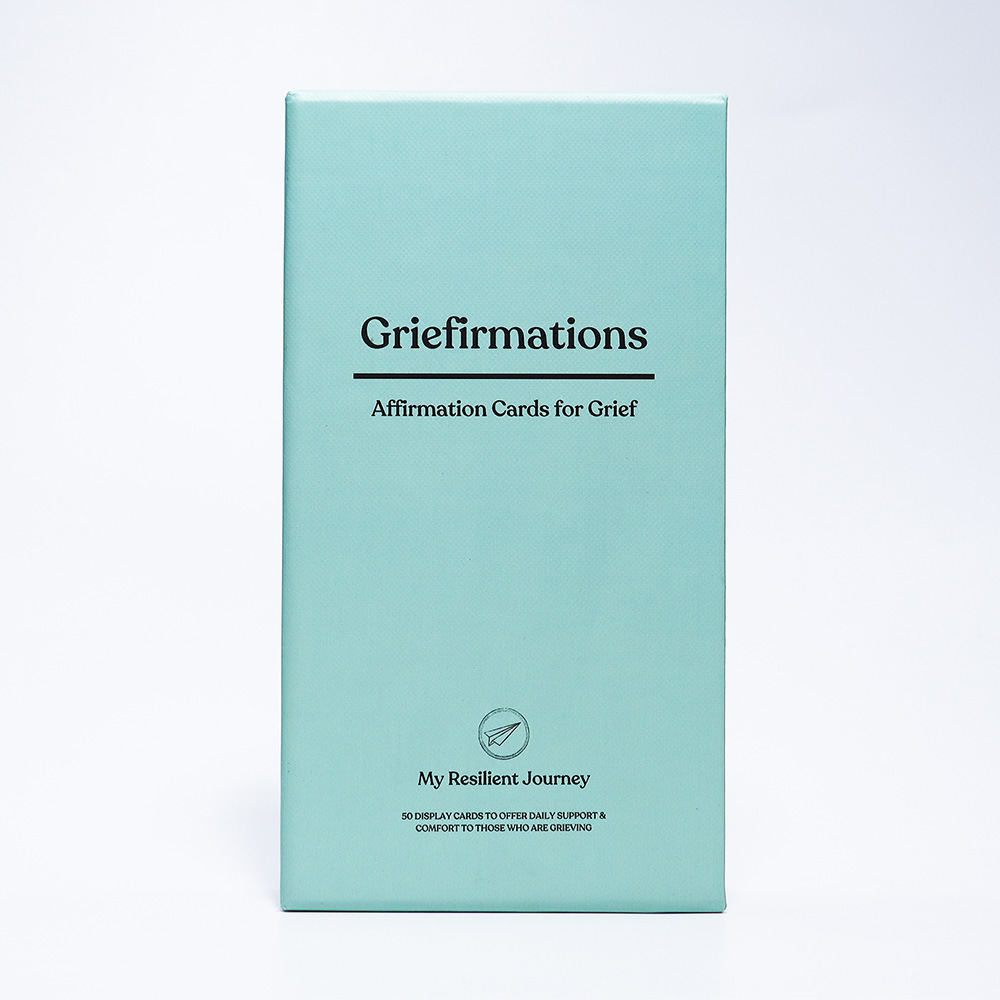 Customizable Emotional Support Cards for Grief & Resilience
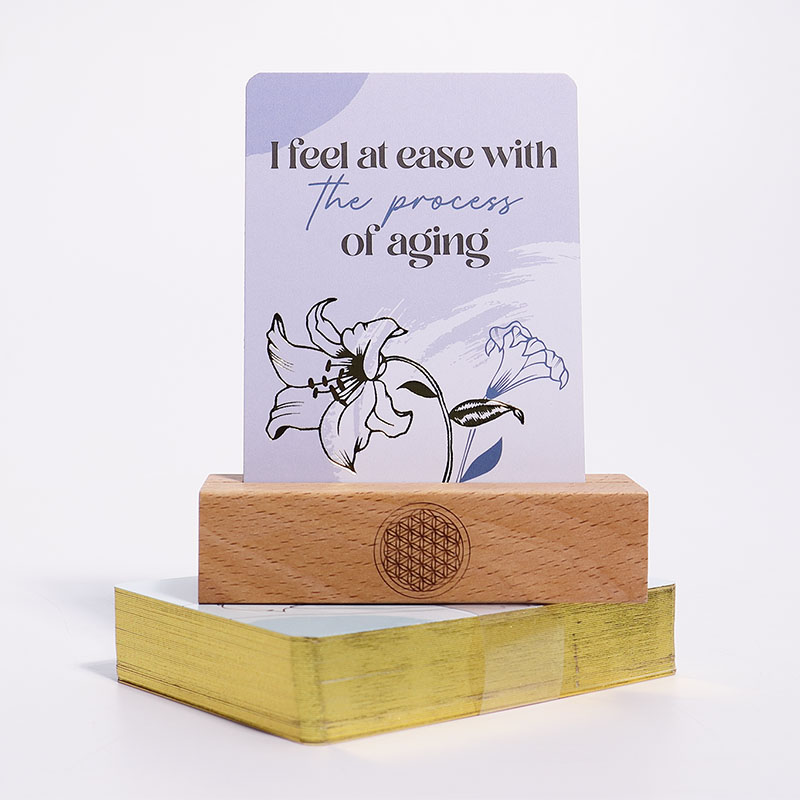 Personalized Emotional Encouragement Card Collection
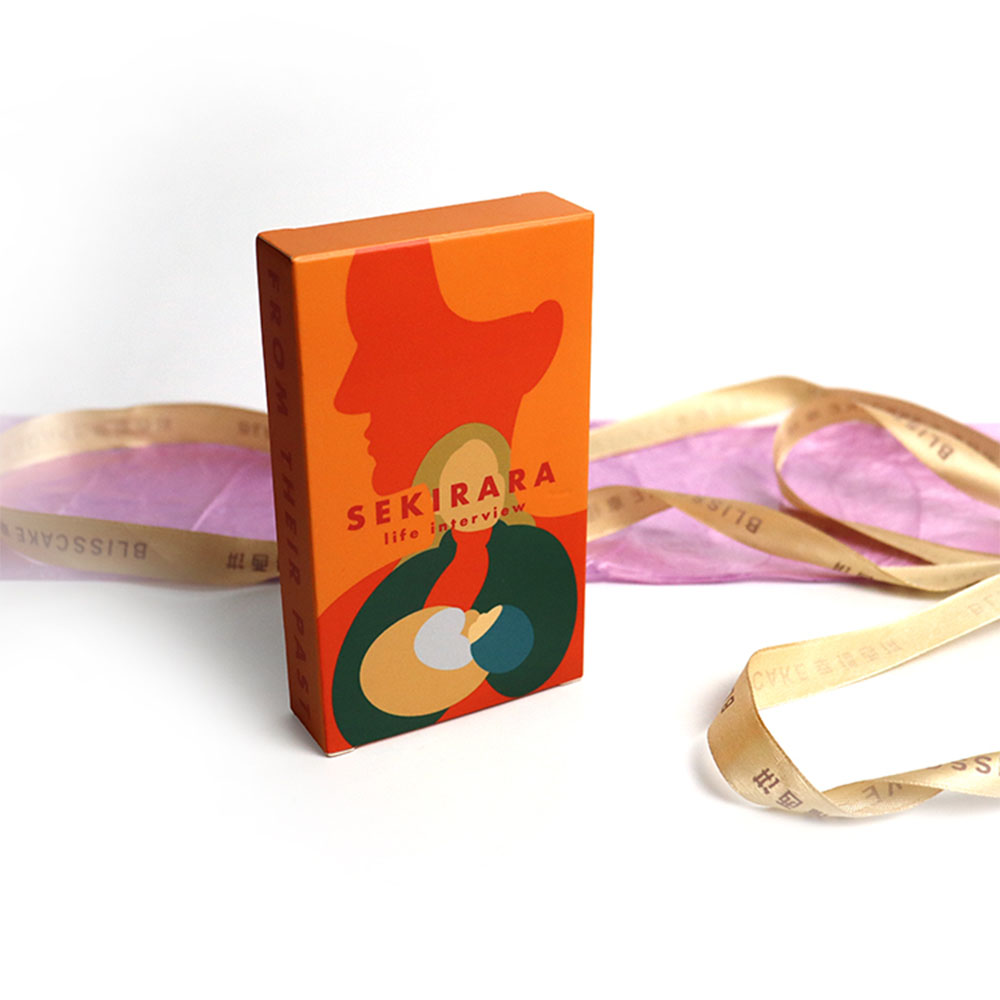 Personalized Deep Conversation Card Gift Box
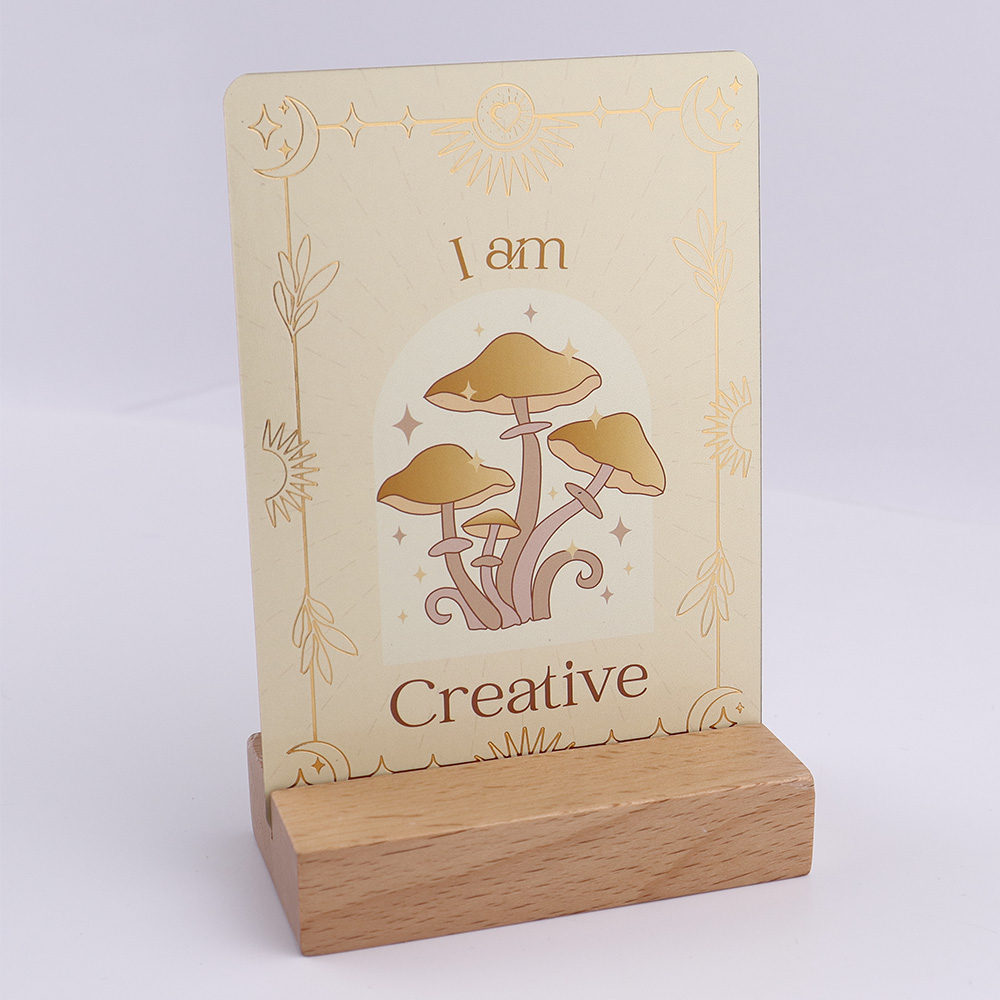 Customizable Boho-Chic Affirmation Cards for Mindfulness & Self-Love
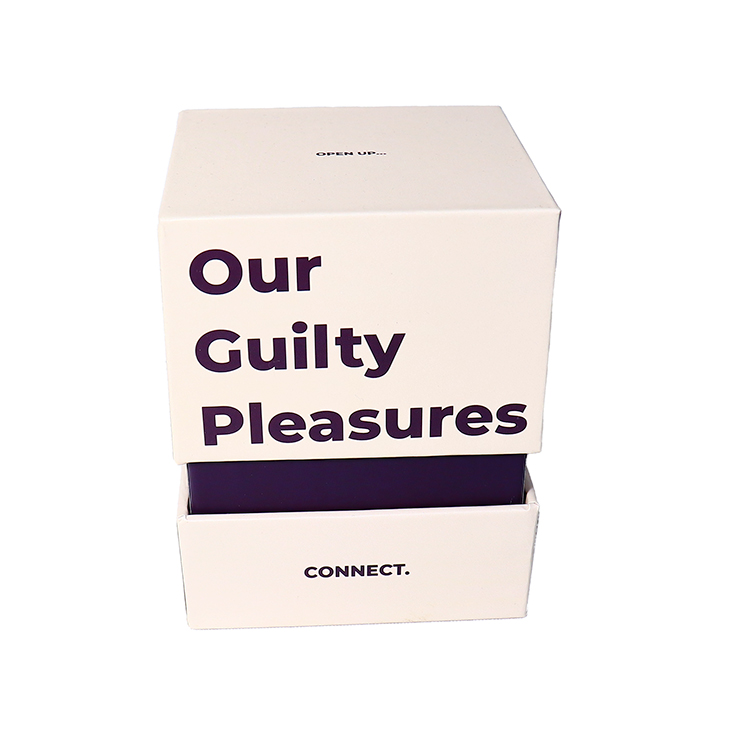 Customized Friendship Confirmation Card
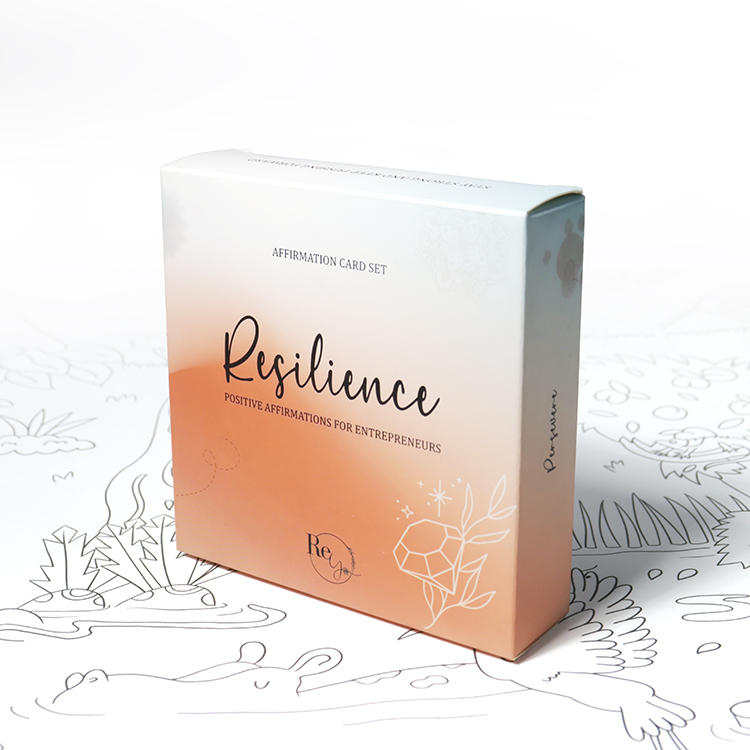 Customized Entrepreneurship Confirmation Card
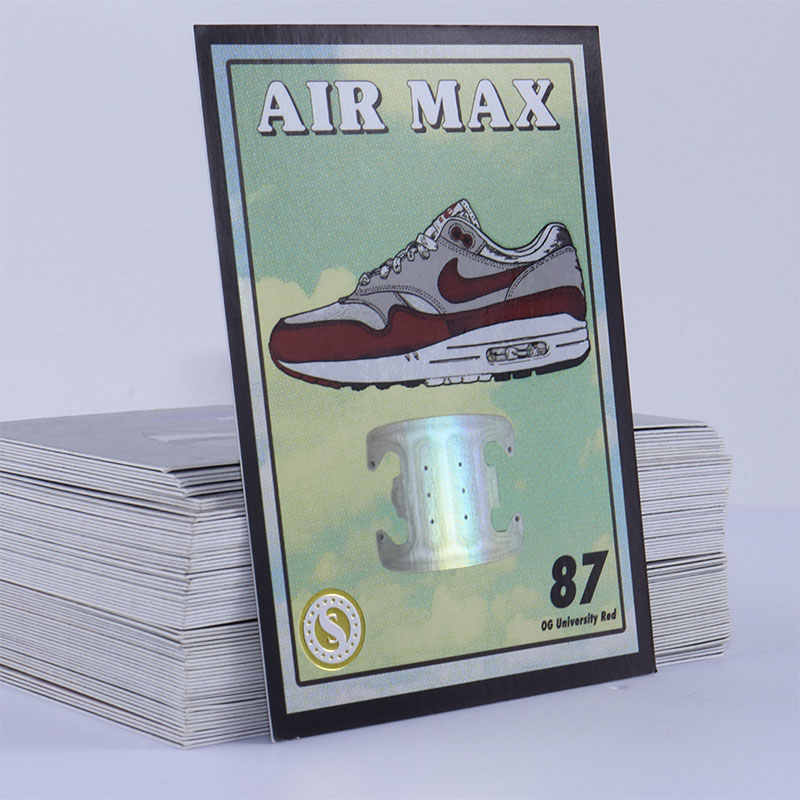 Air Max Pax Custom Sneaker Card Blind Box Set
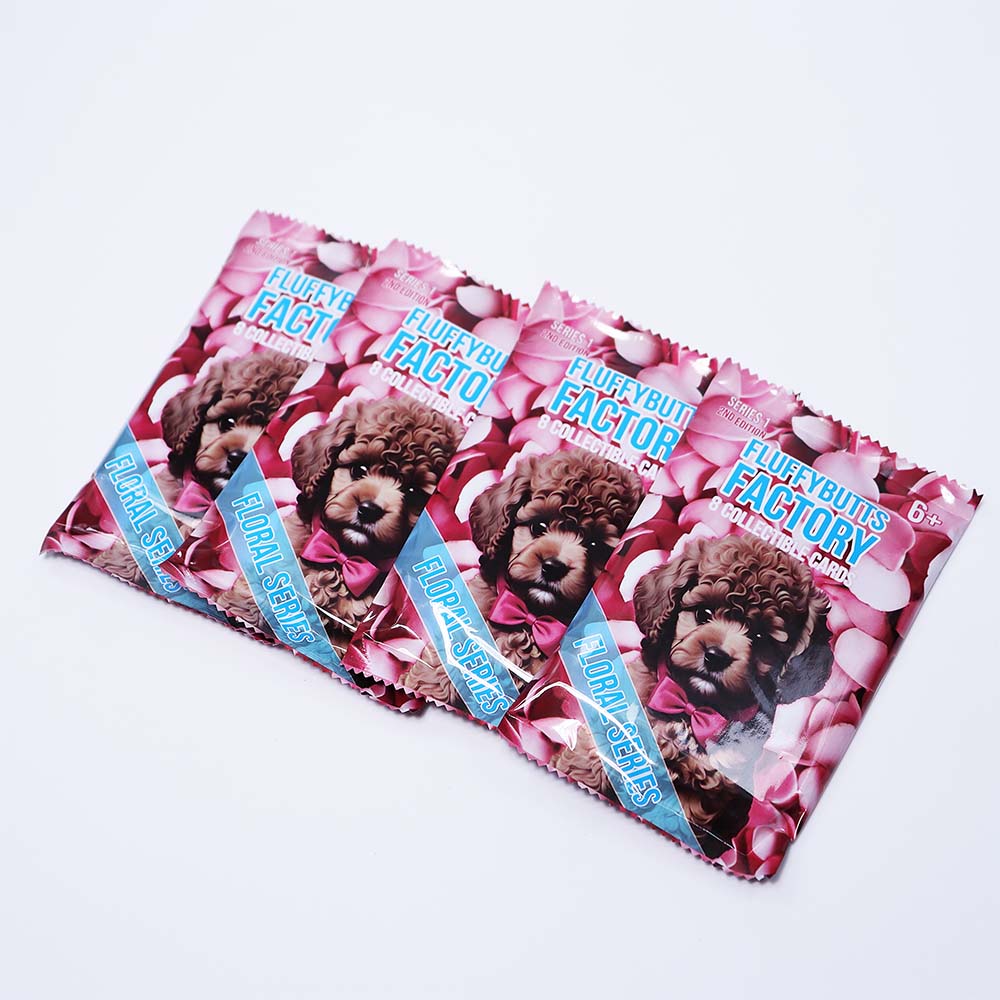 Fluffybutts Factory Custom Pet Card Blind Box Sets
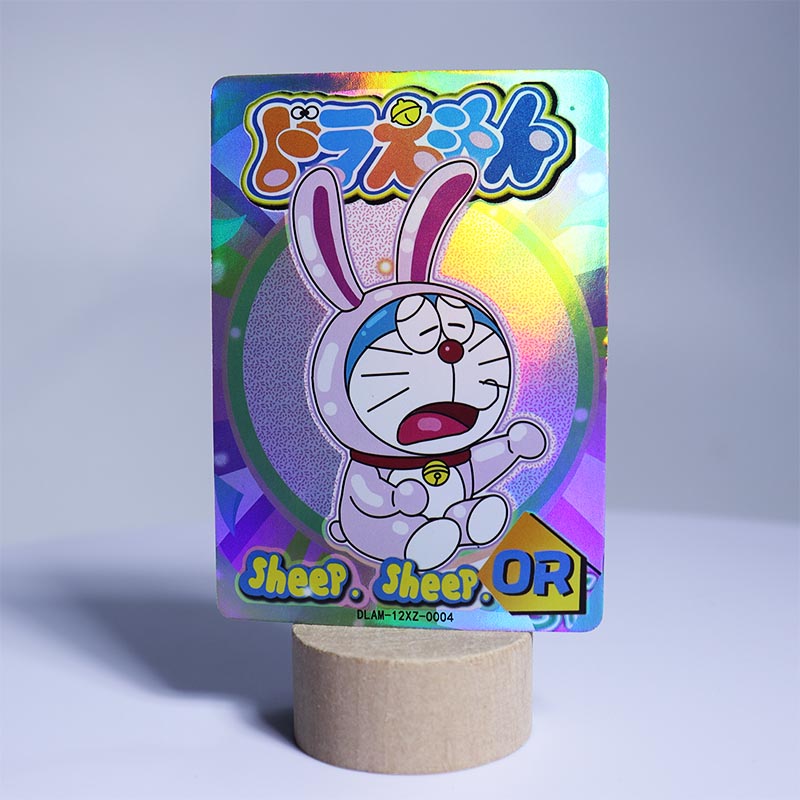 Doraemon Custom Card Blind Box Set
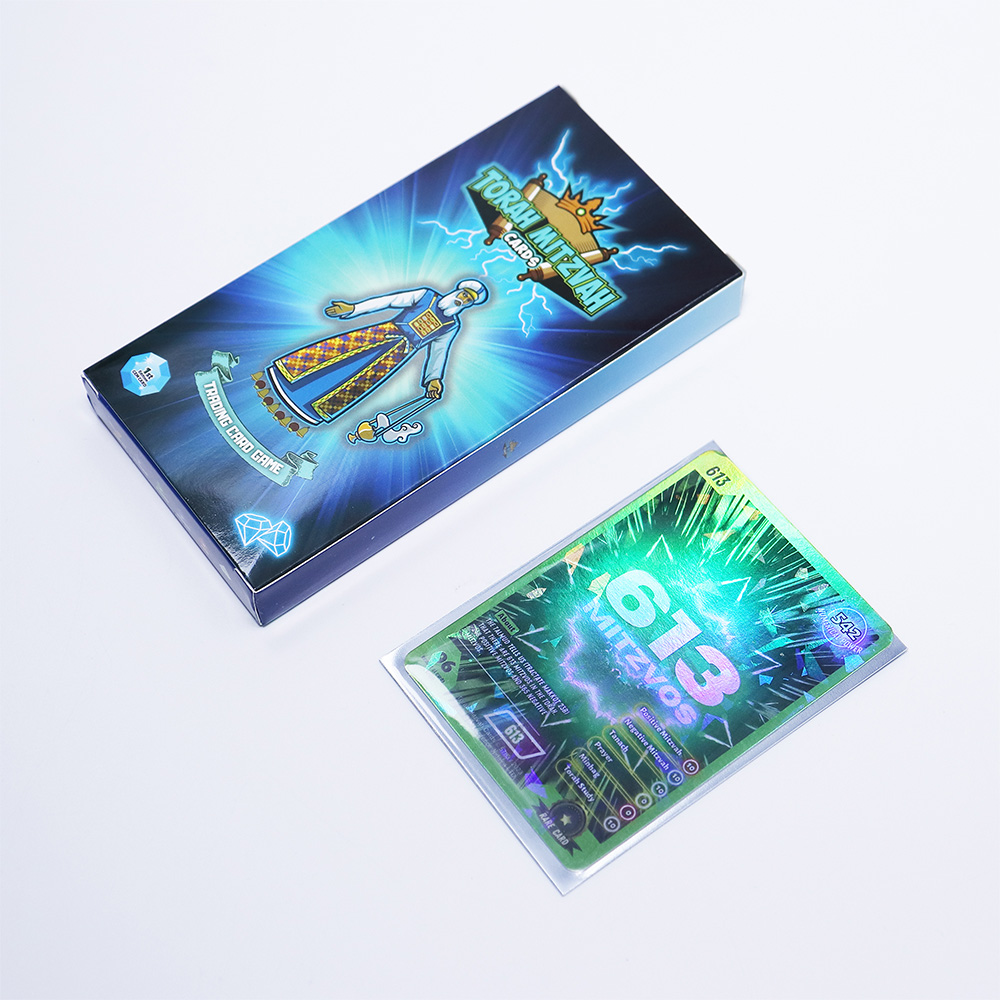 Torah Mitzvah Custom Card Blind Box Set
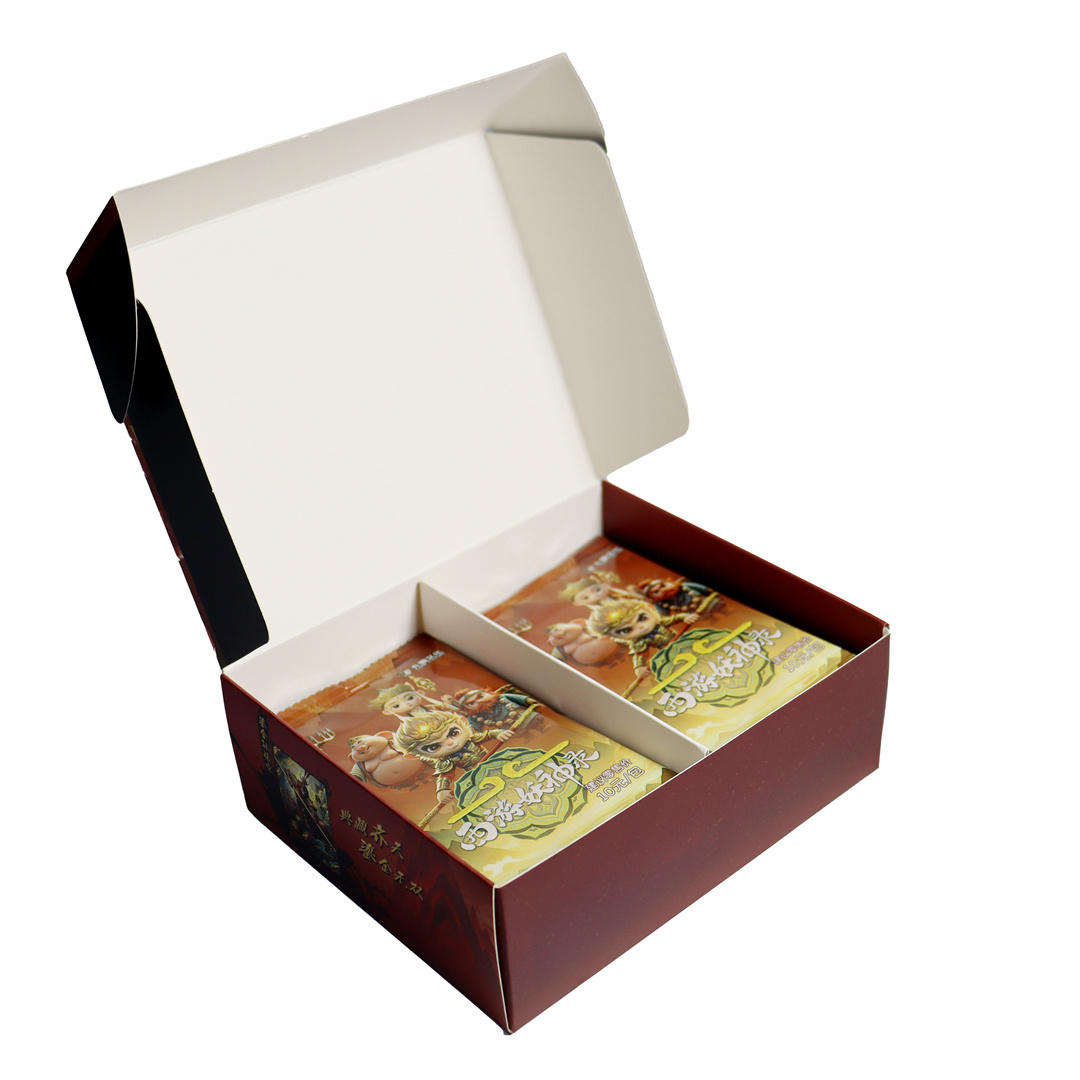 Customized "Journey to the West" Themed Card Blind Box Set
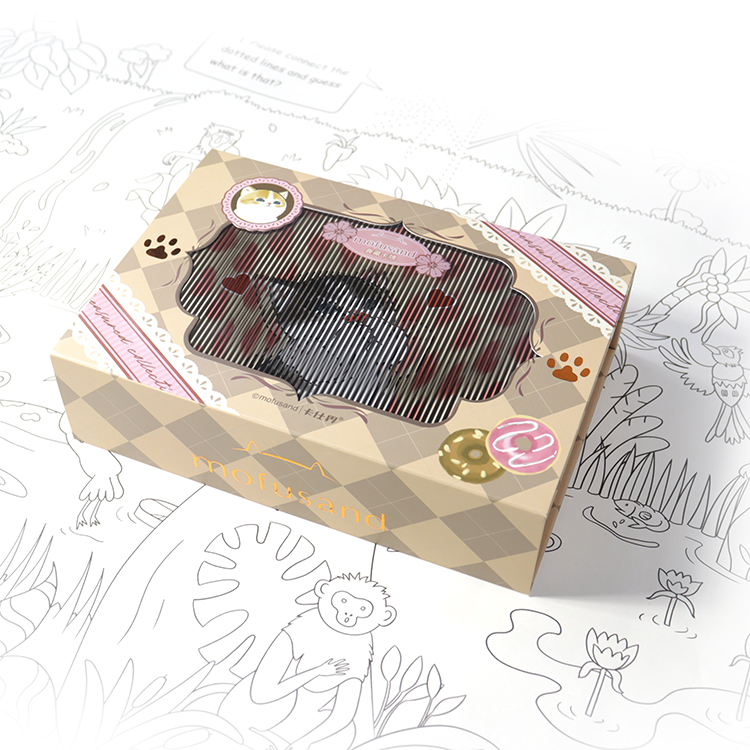 Customized cat-themed blind box set
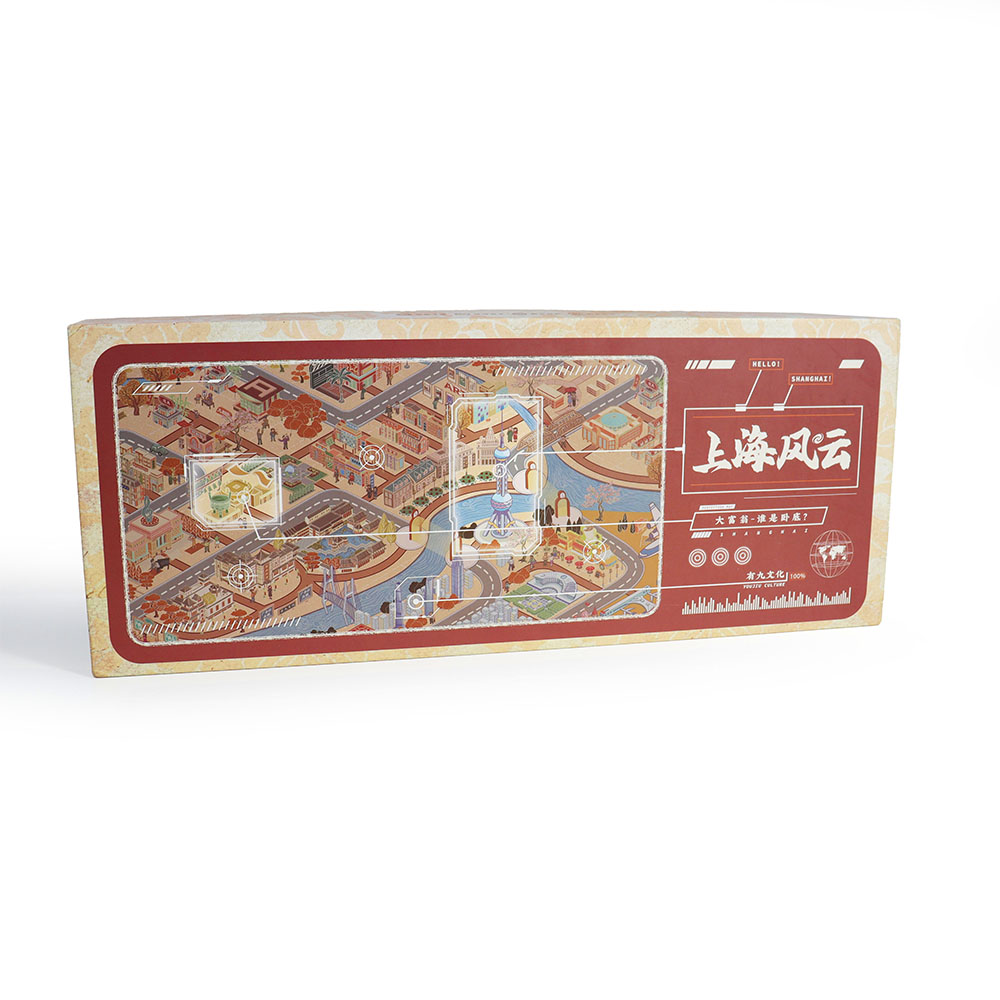 Shanghai Fengyun Custom Board Game Set
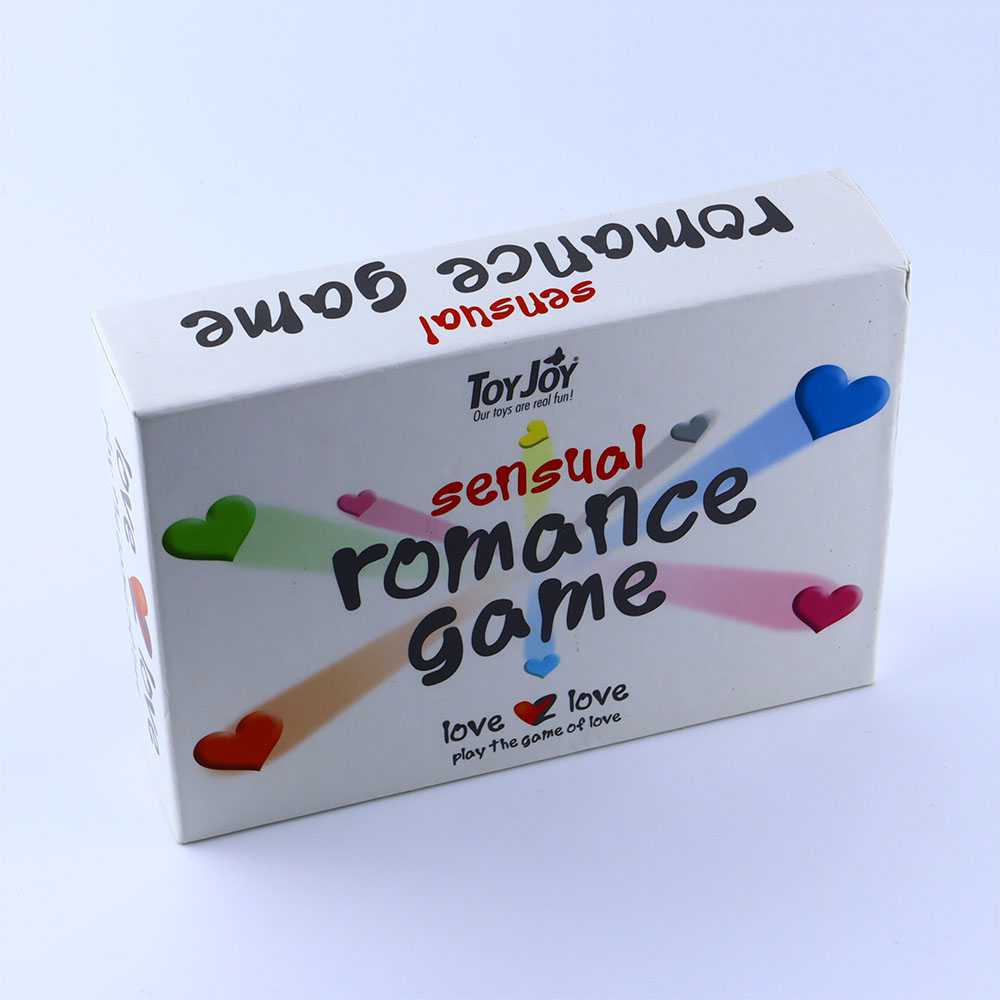 Sensual Romance Game Custom Board Game Set
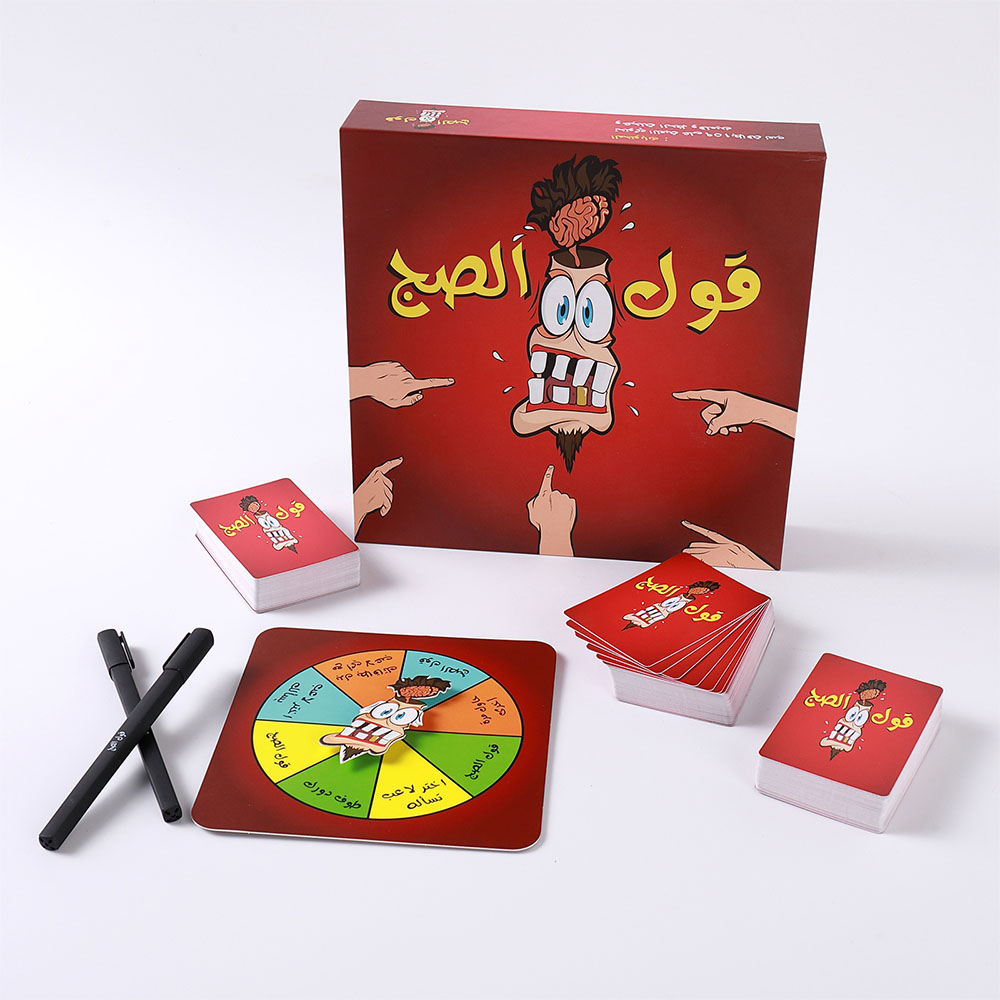 "Qoul Al Sabah" Custom Board Game Set
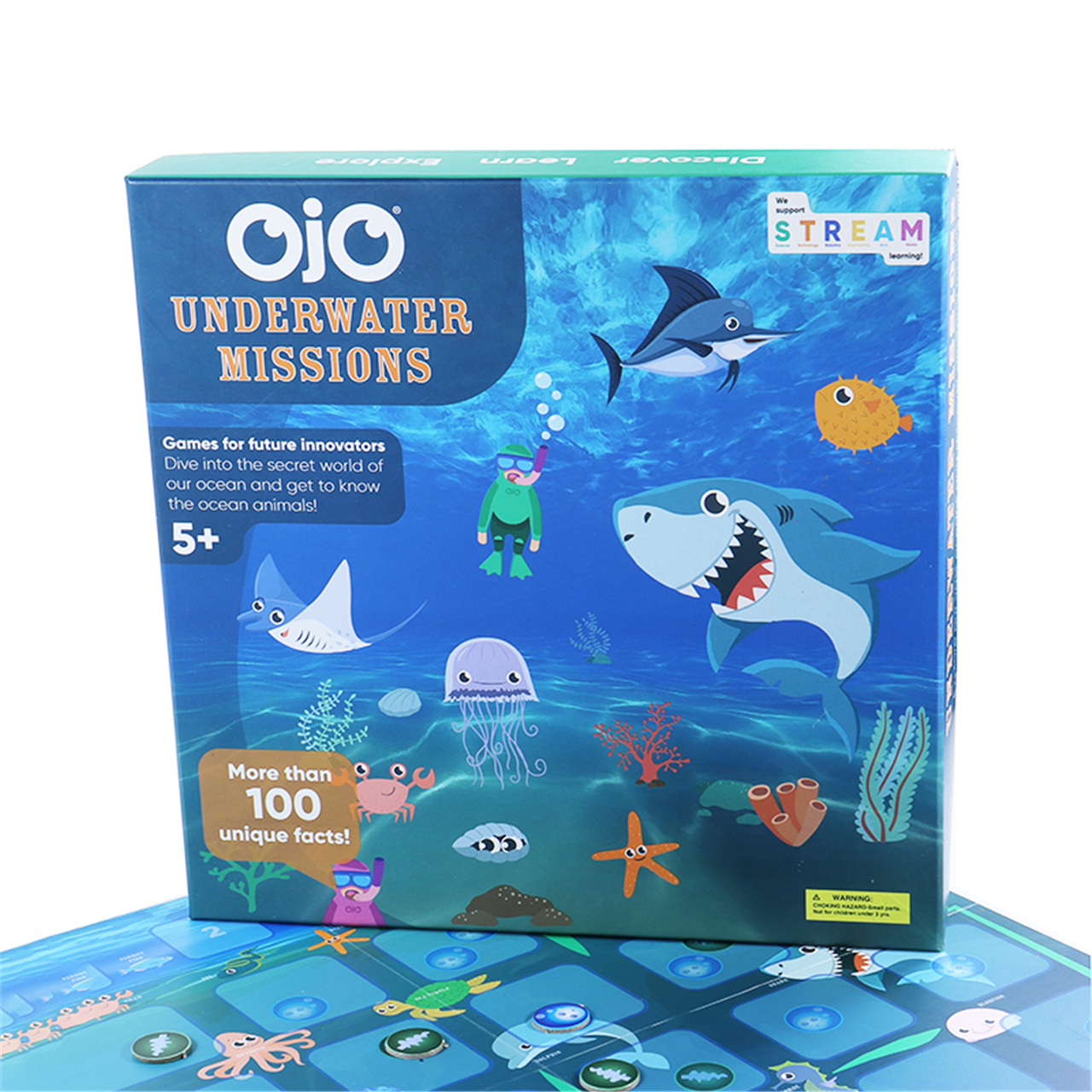 Customized educational board games for children
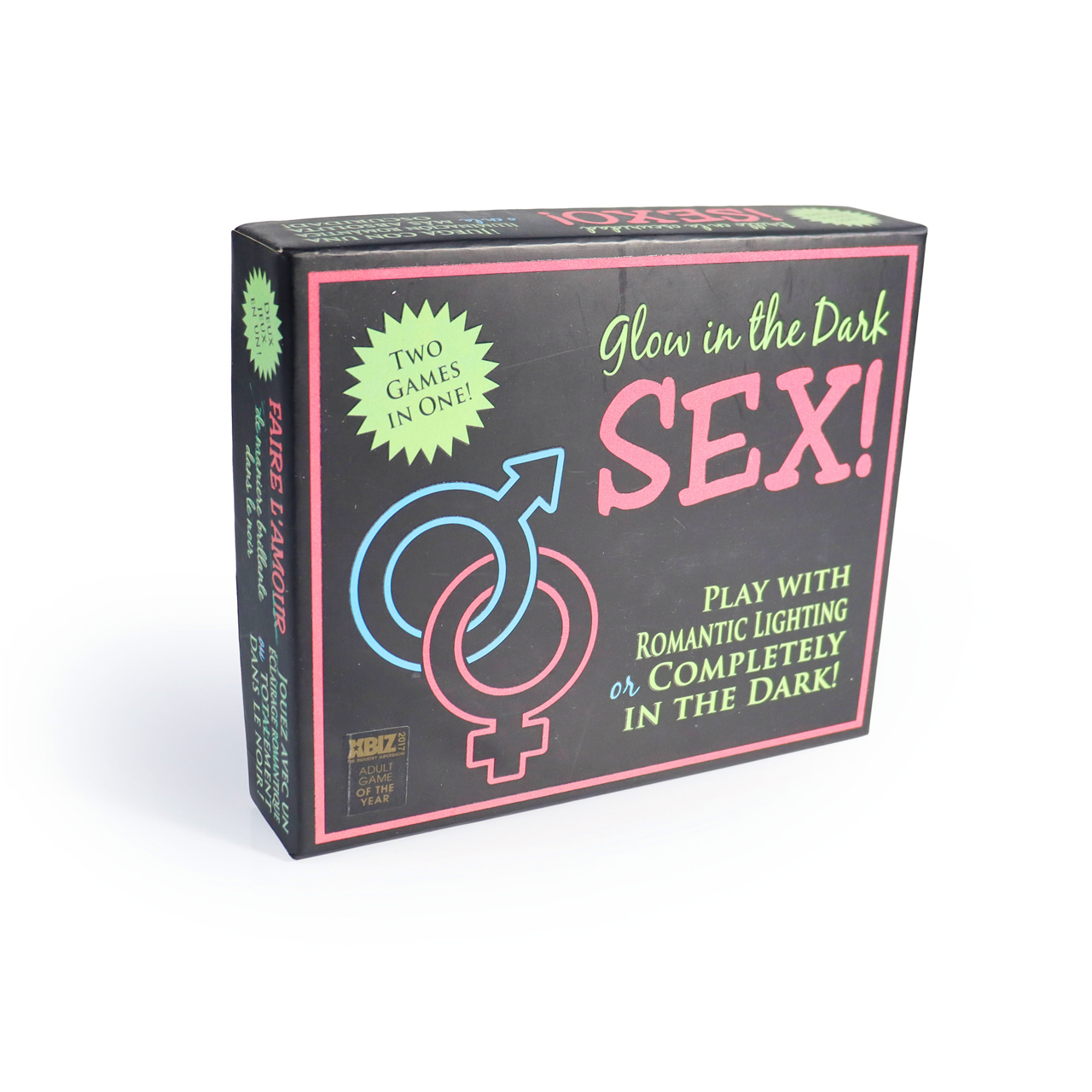 Couple Interaction Turntable Themed Board Game
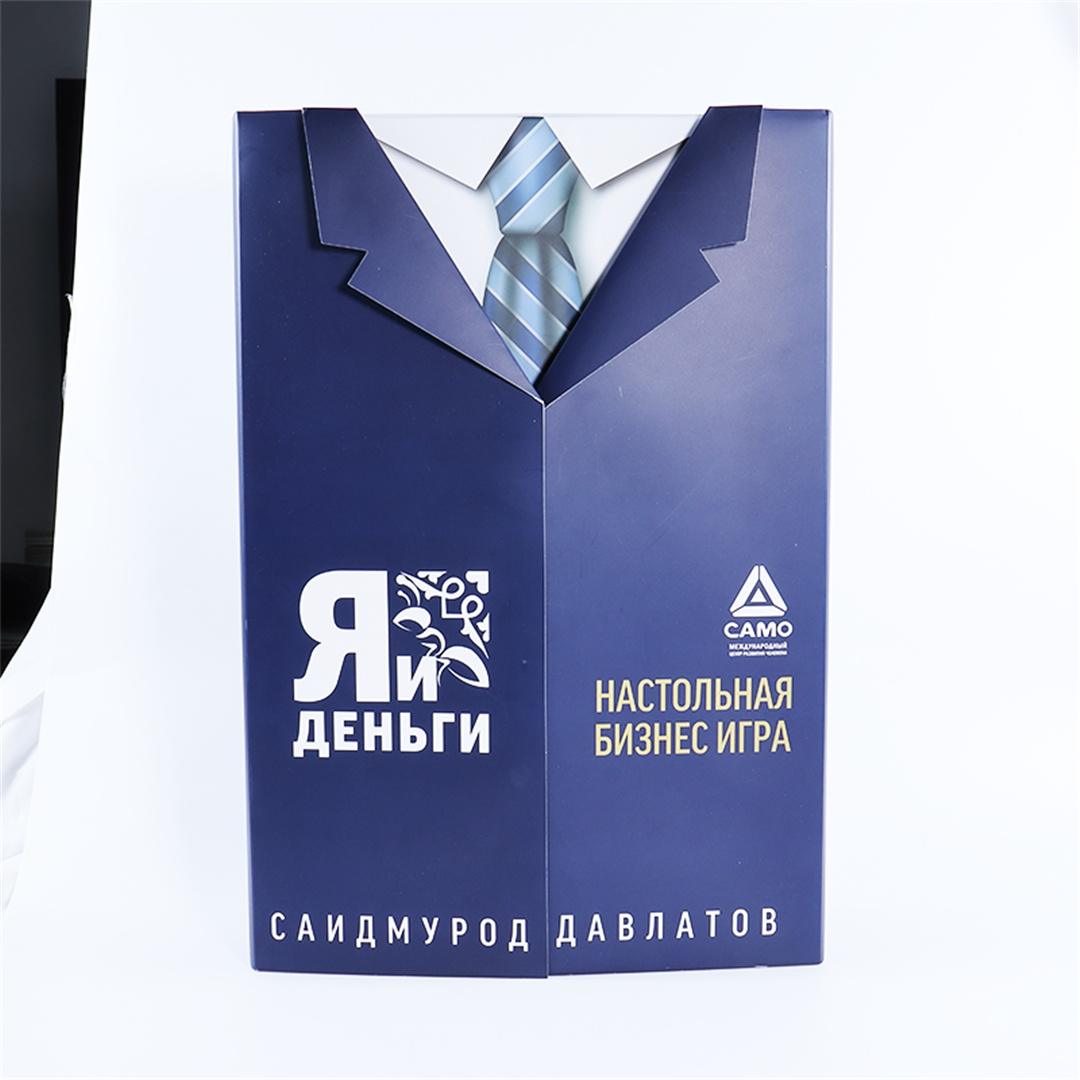 Business Finance Board Game
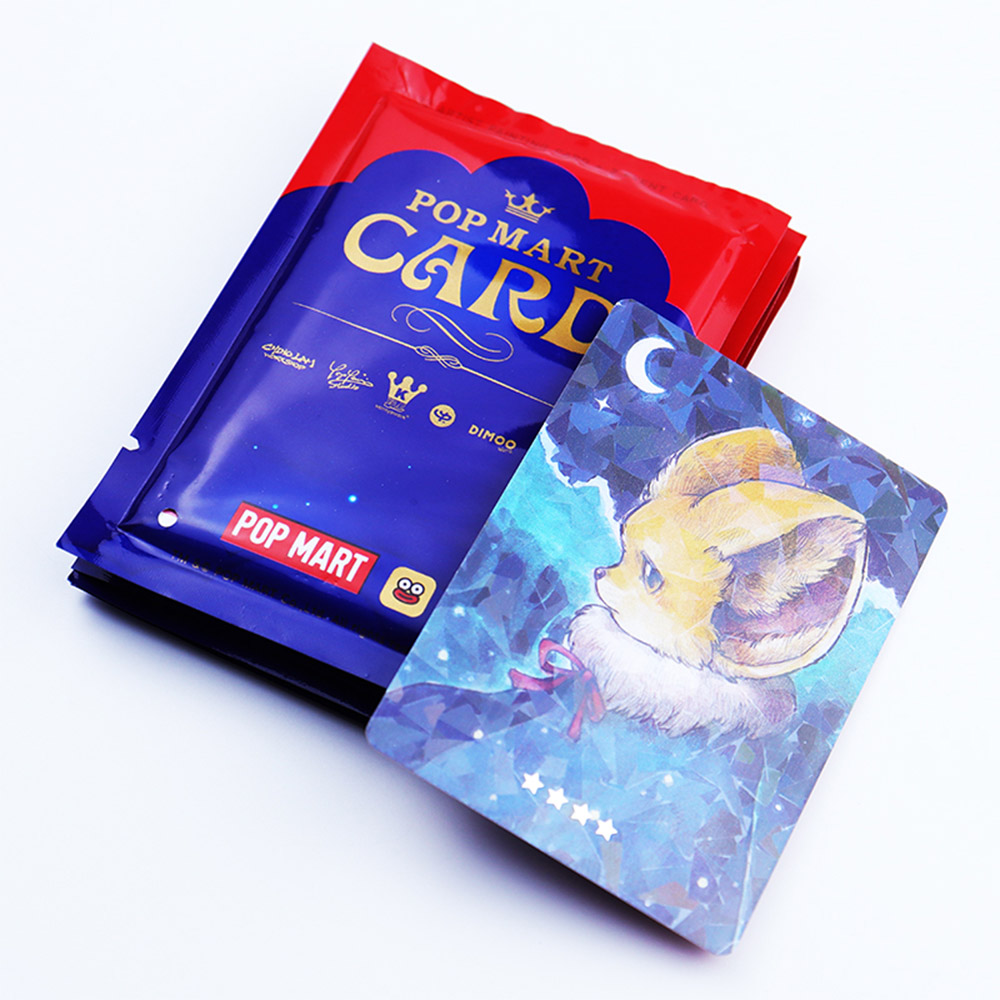 Pop Mart Custom Character Collectible Cards
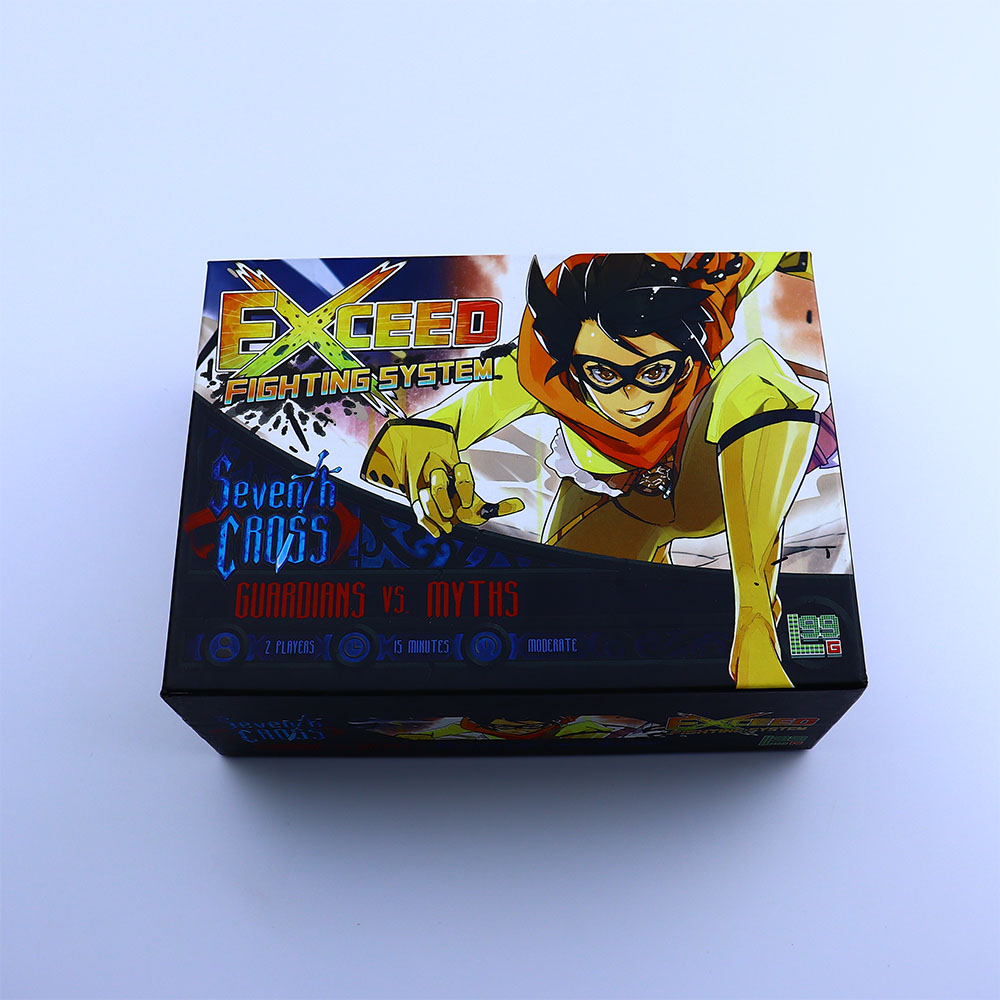 EXCEED Fighting System Custom Character Card Set
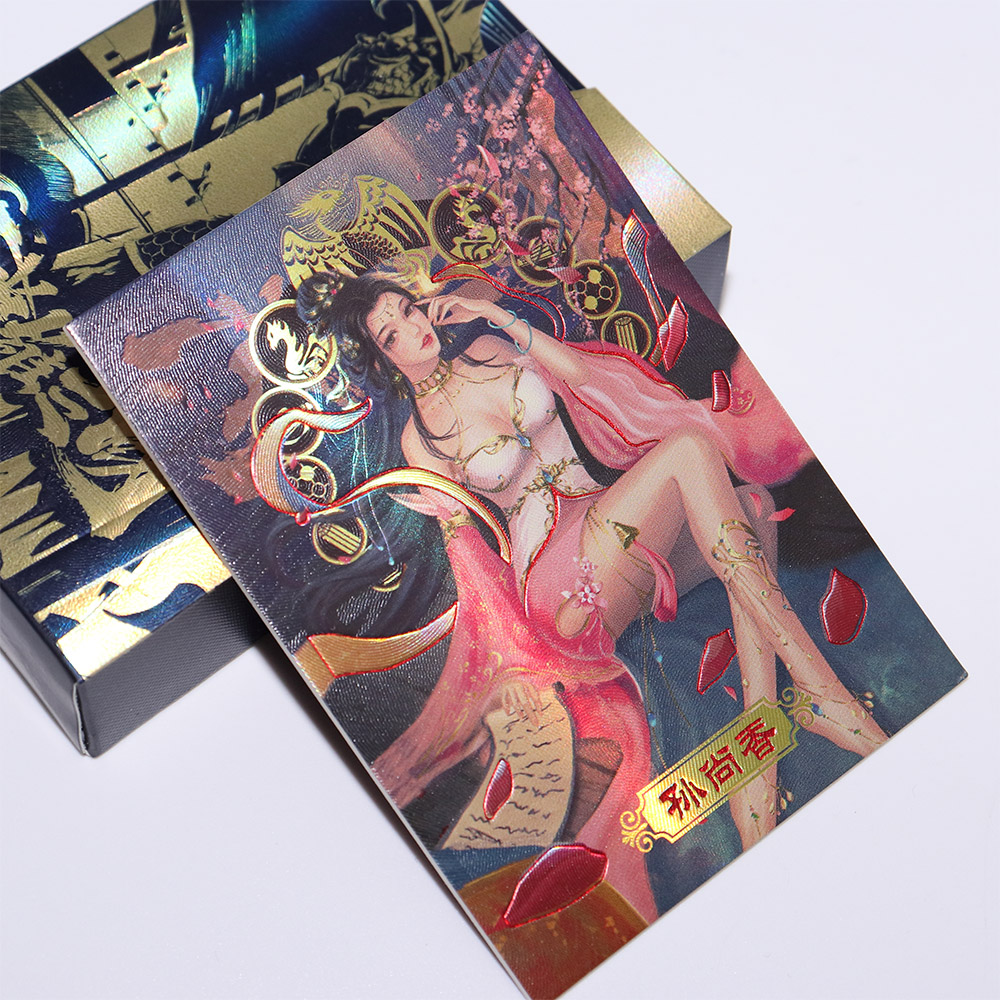 Three Kingdoms Custom Hero Character Cards
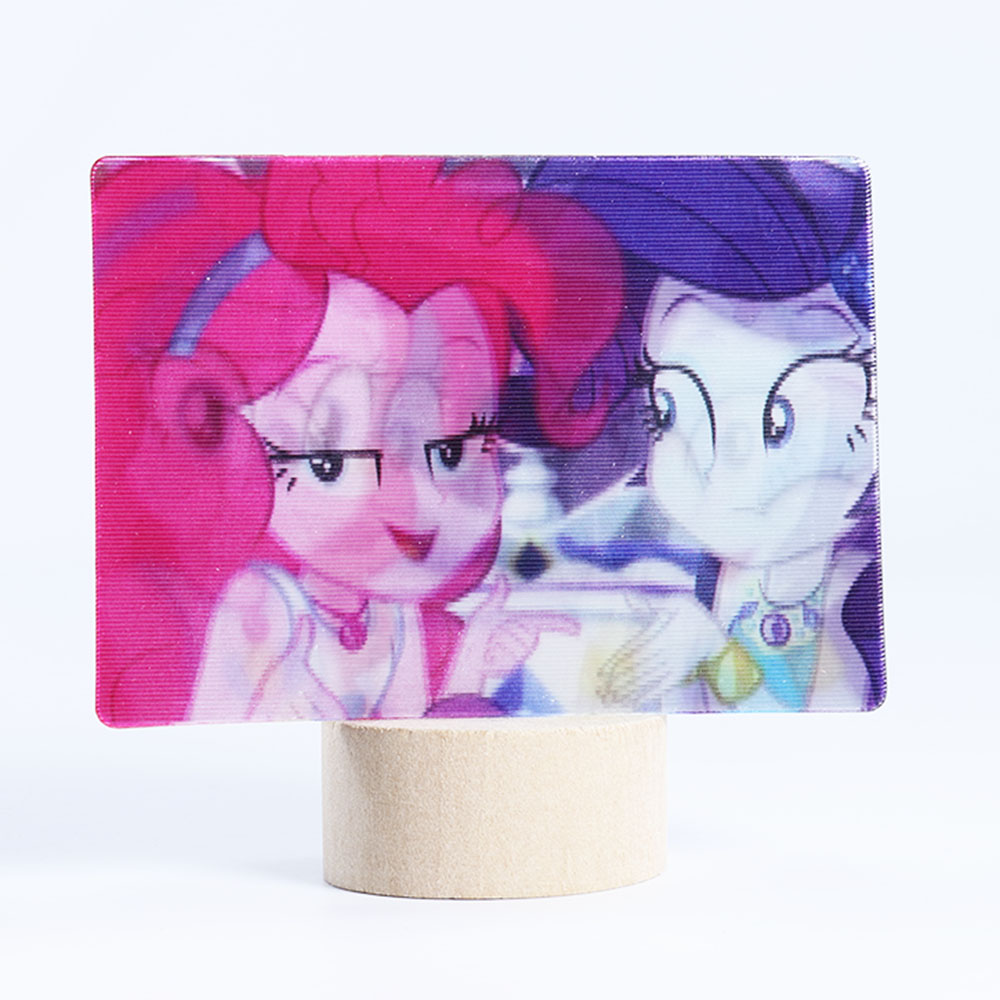 Custom Anime Character Dynamic Visual Cards
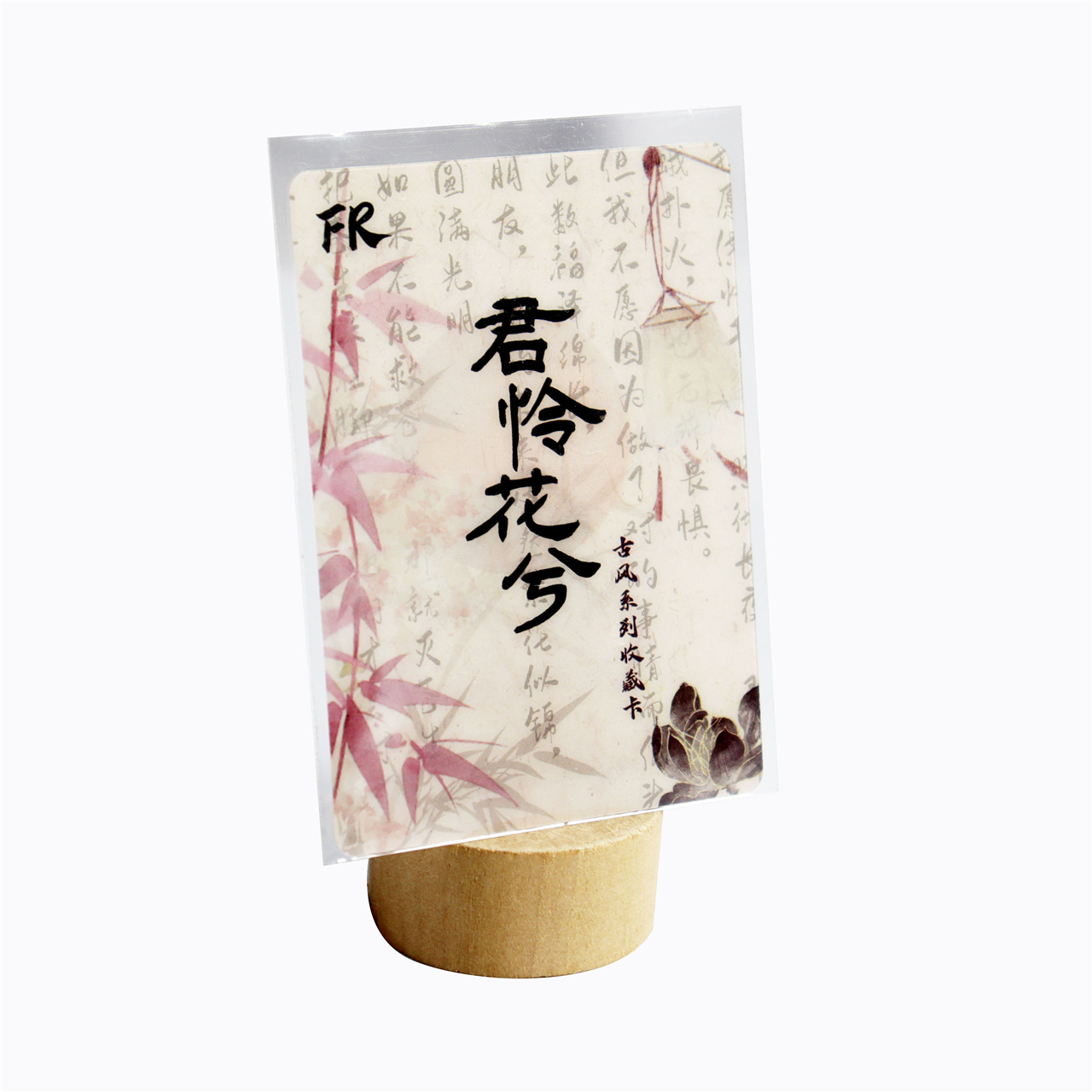 Custom Cartoon Character Collectible Card Set
 Custom Anime Character Art Card Set
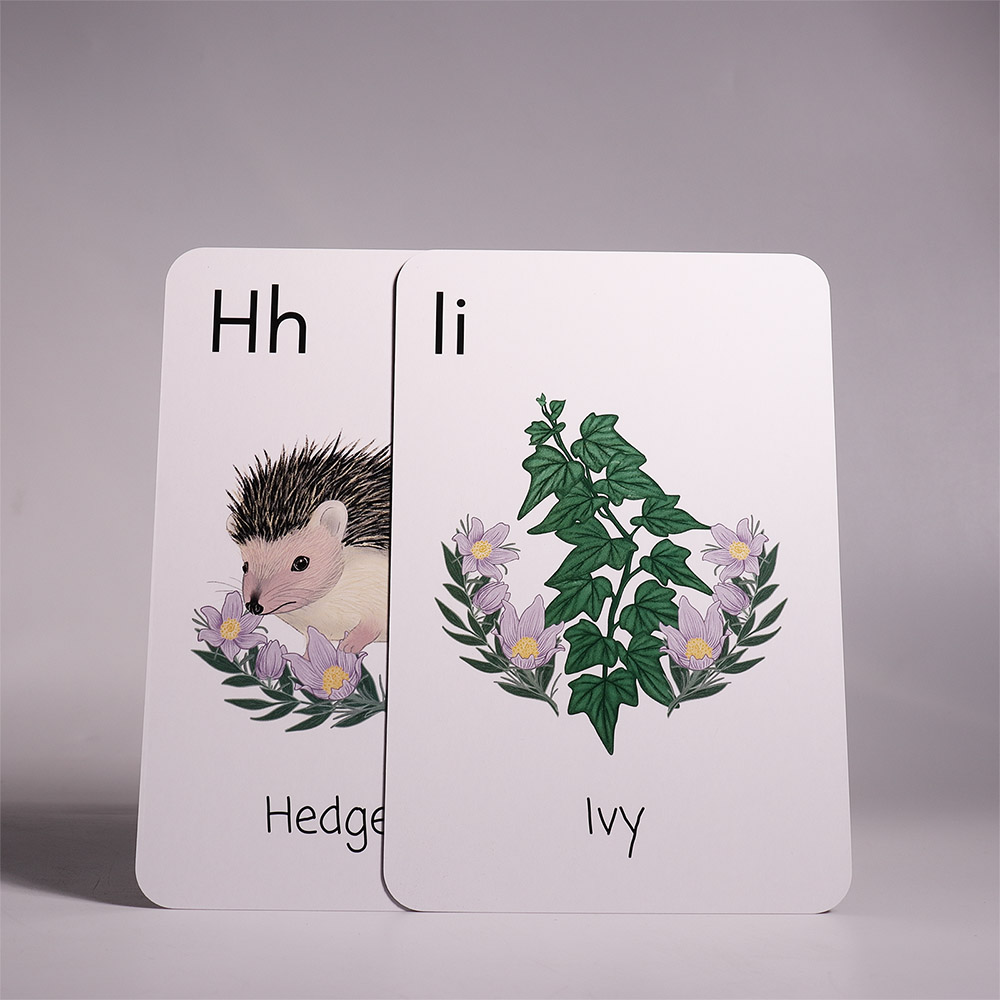 Little Larch Alphabet Cards
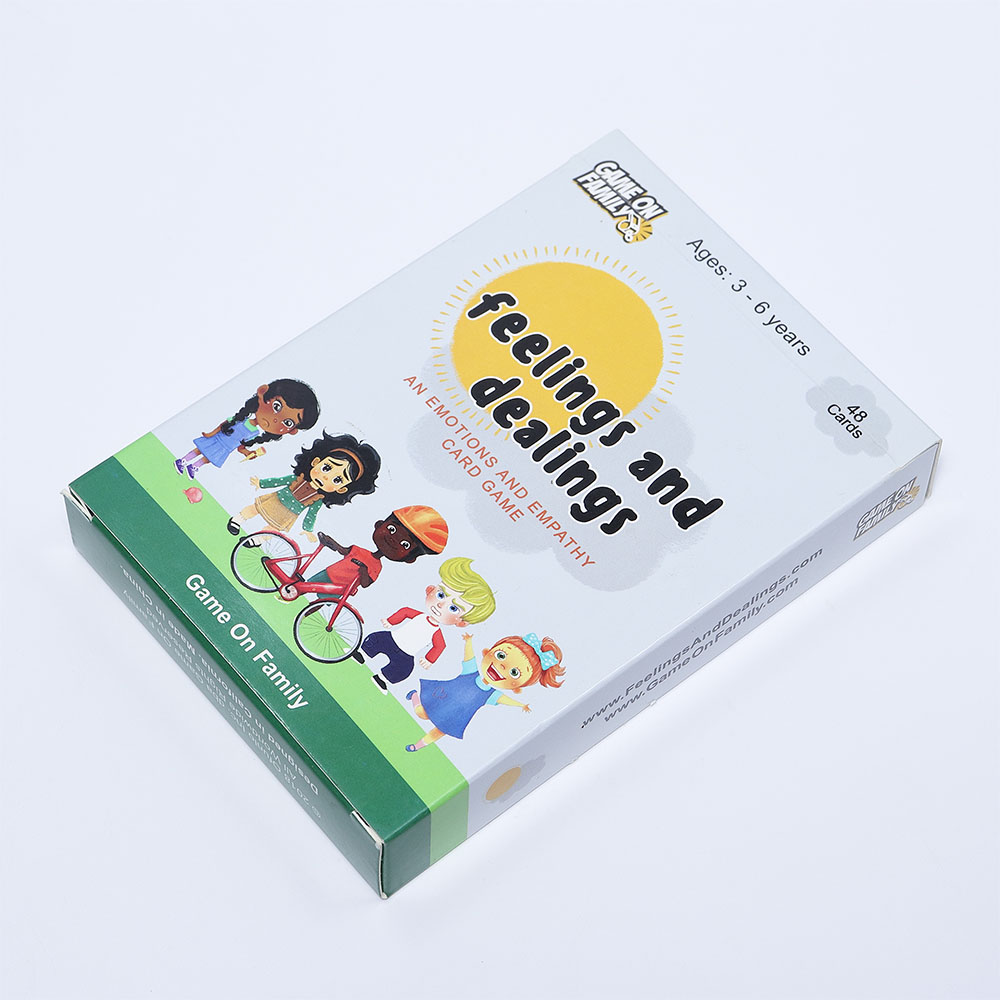 Feelings and Dealings Custom Children's Emotion Card Game
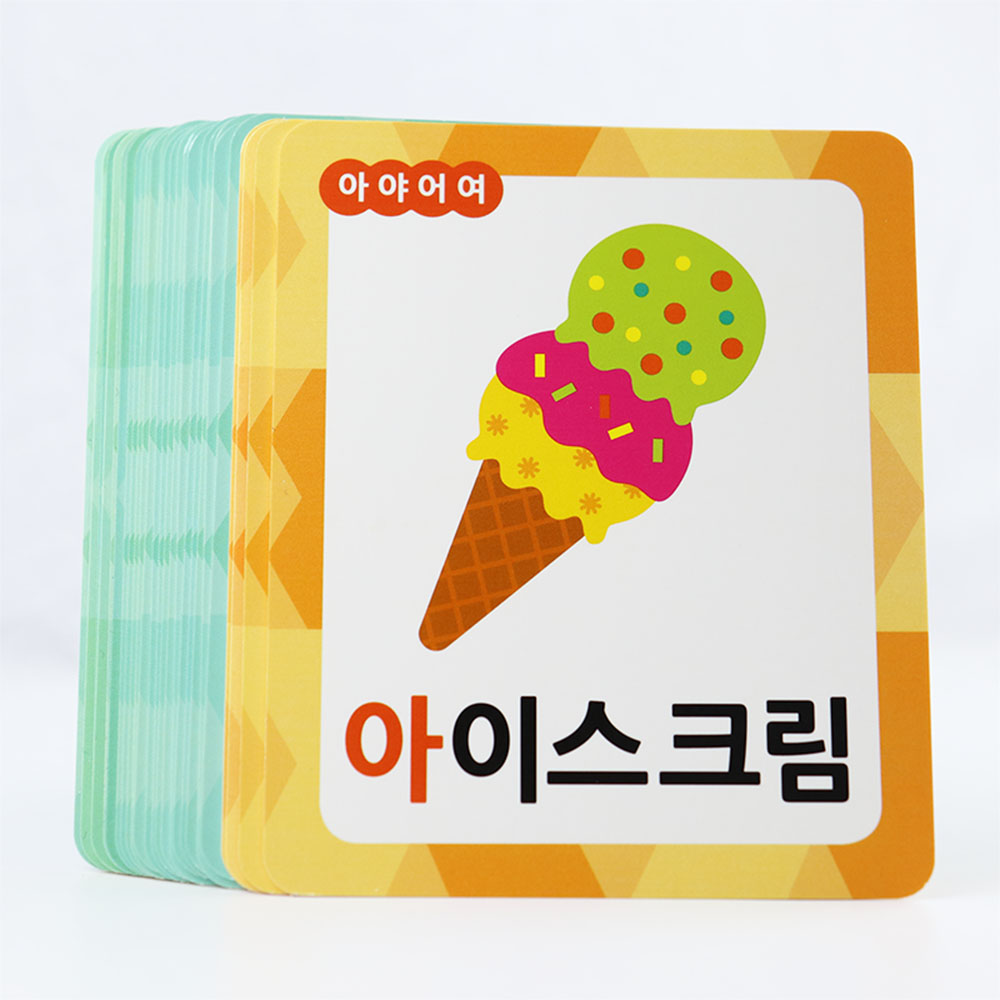 Korean Children's Educational Flashcards
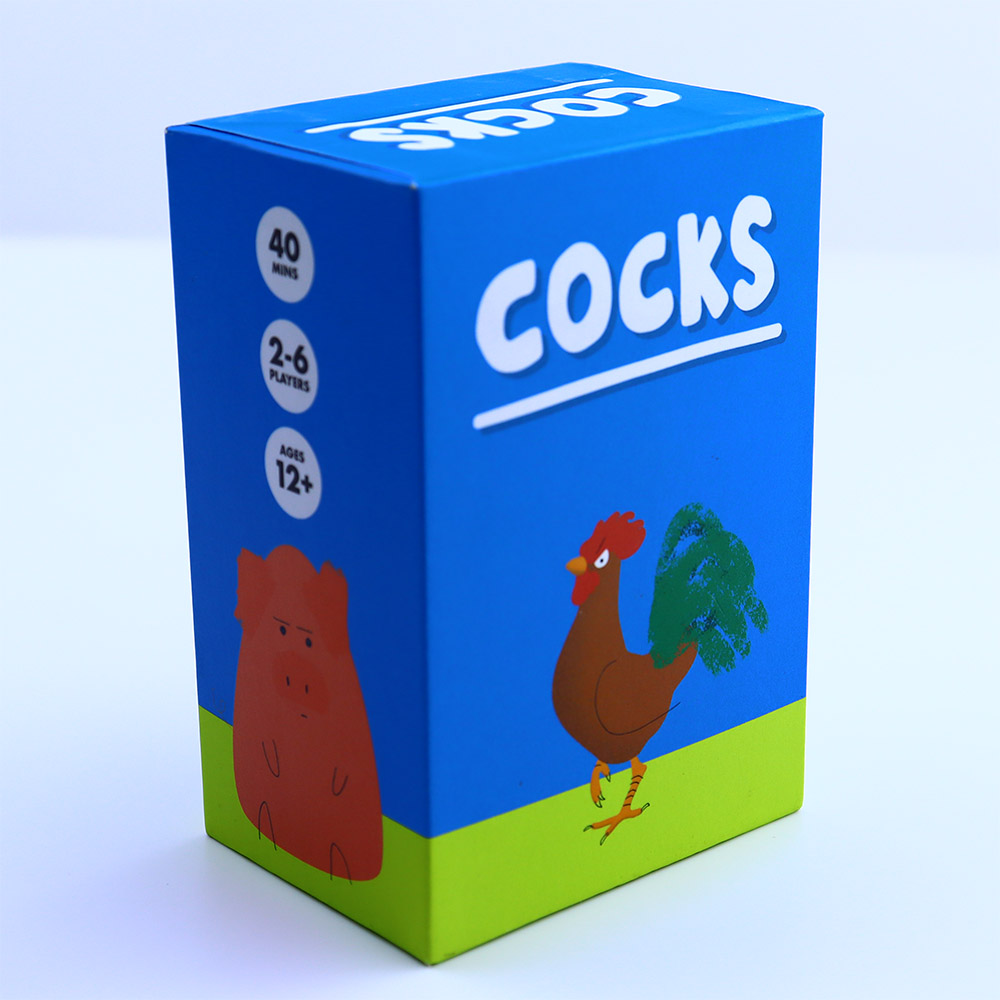 Cocks Themed Custom Children's Learning Cards
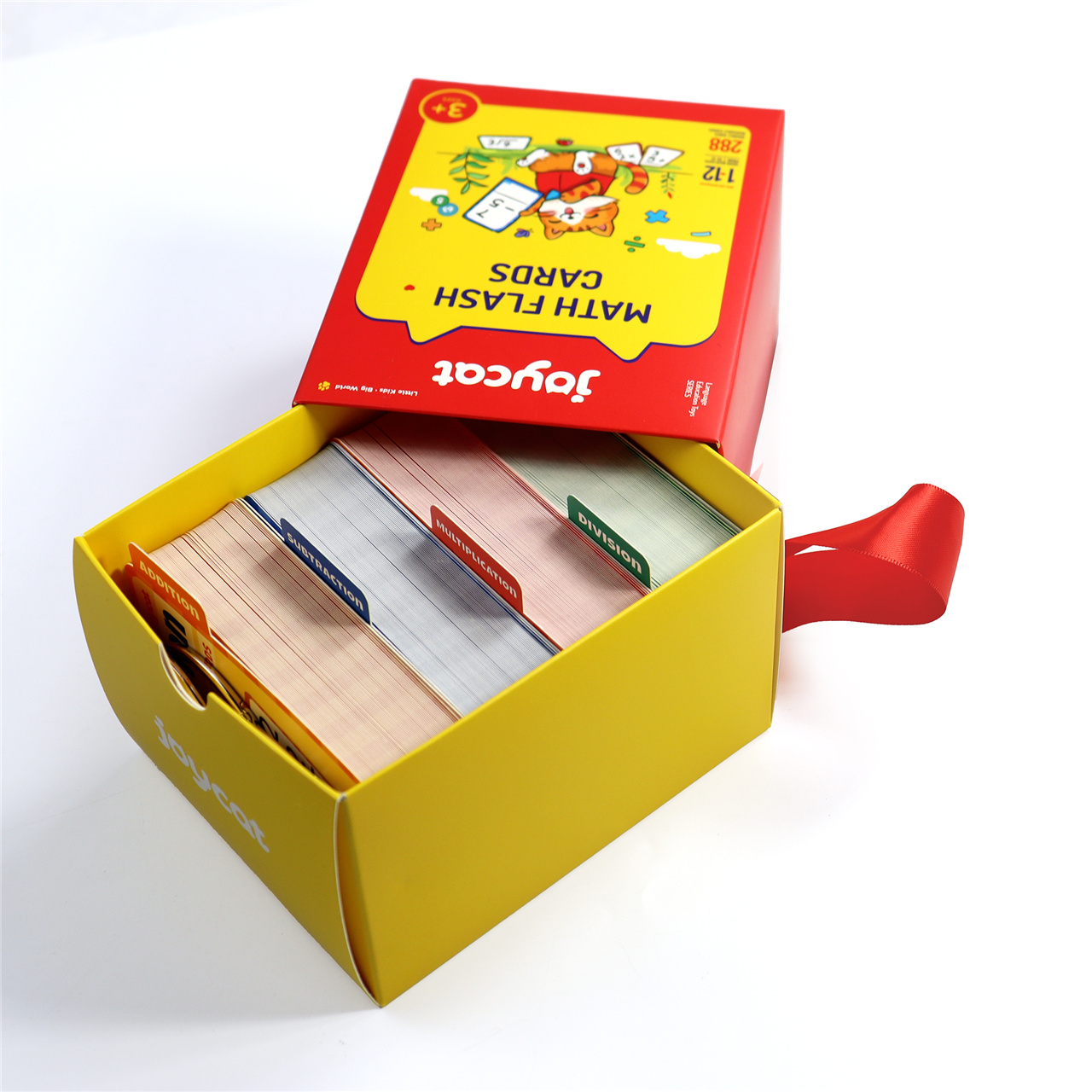 Math Flash Cards Set for Kids
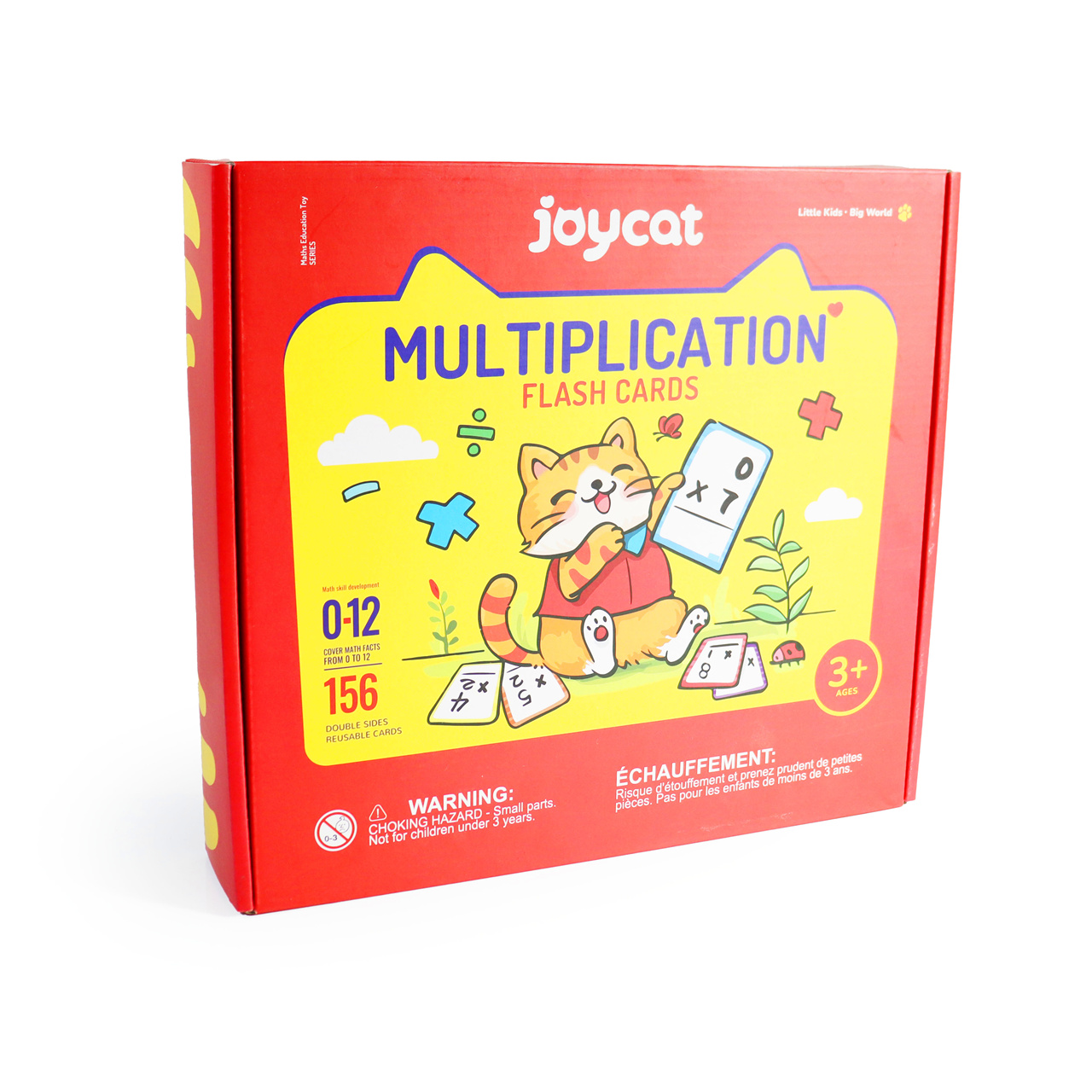 Joycat Multiplication Flash Cards Set with Accessories
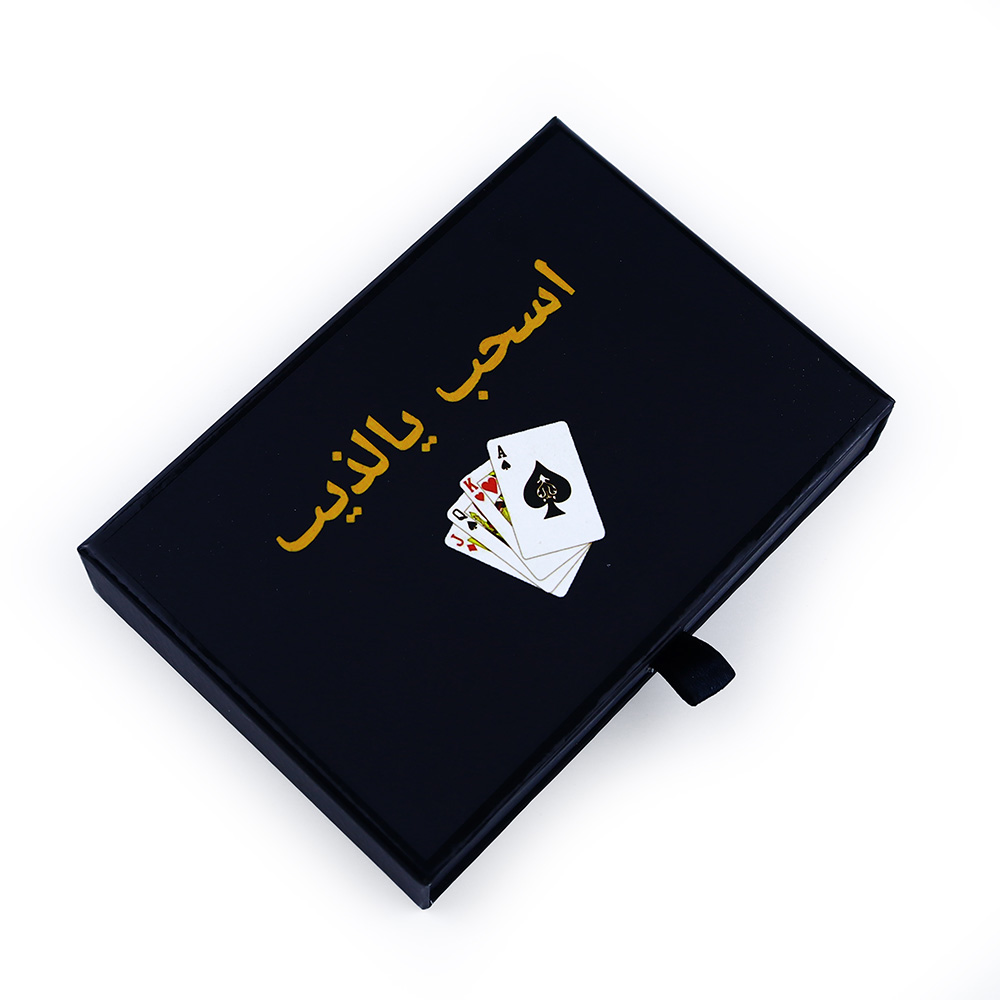 Custom Dual-Deck Playing Cards with Wolf-Themed Design
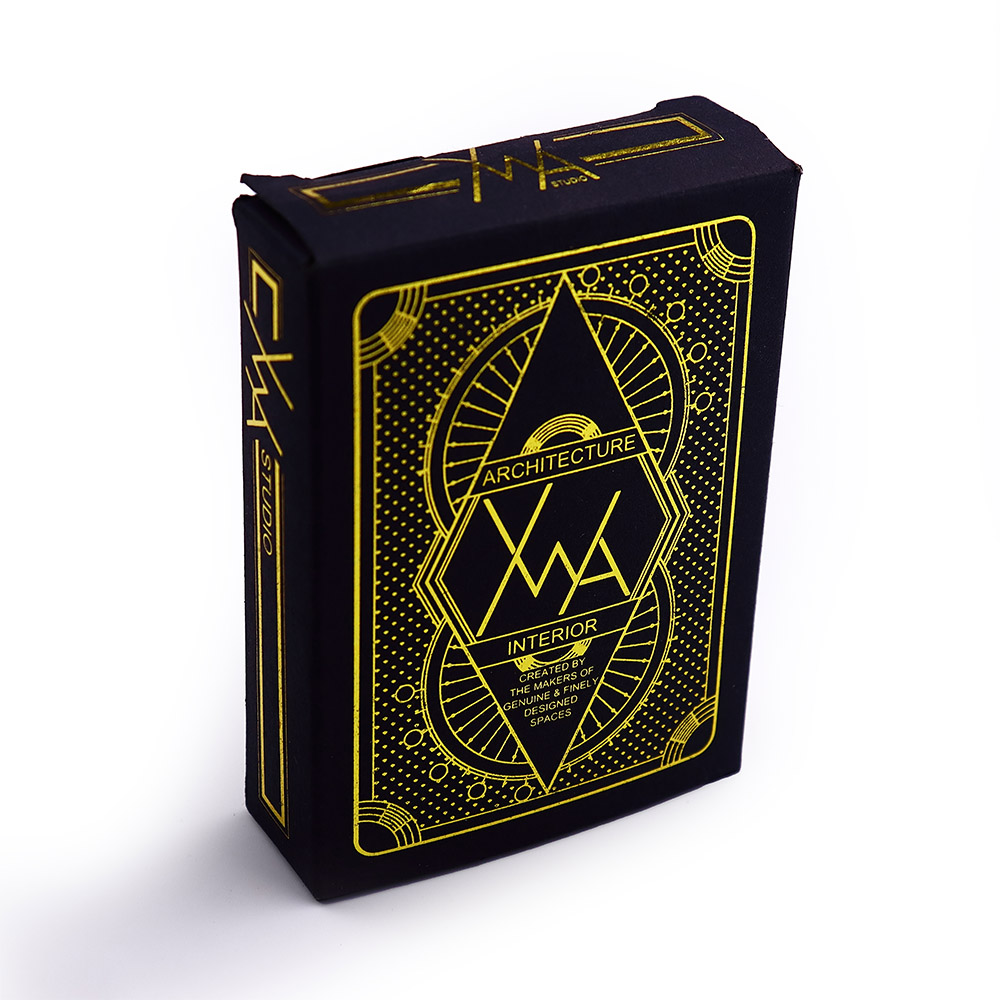 Custom embossed gold foil playing cards
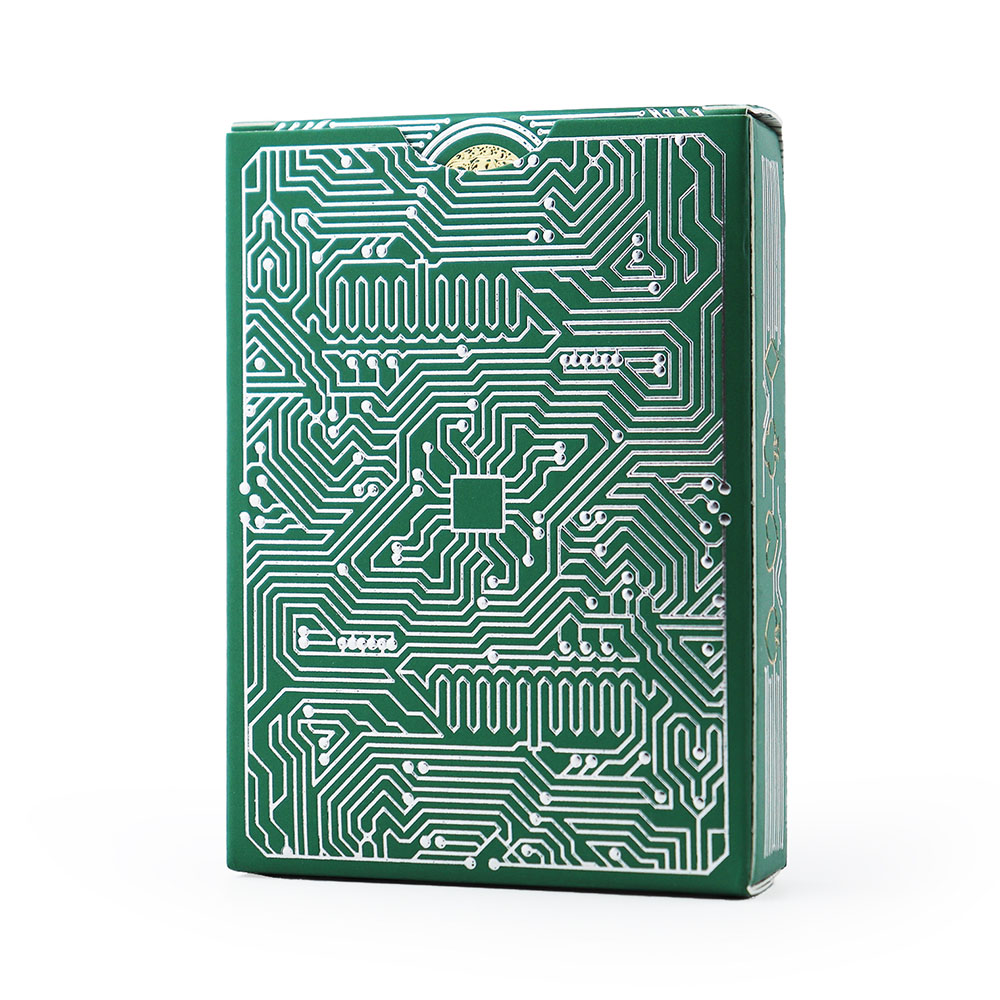 Circuit PCB Edition Custom Playing Cards
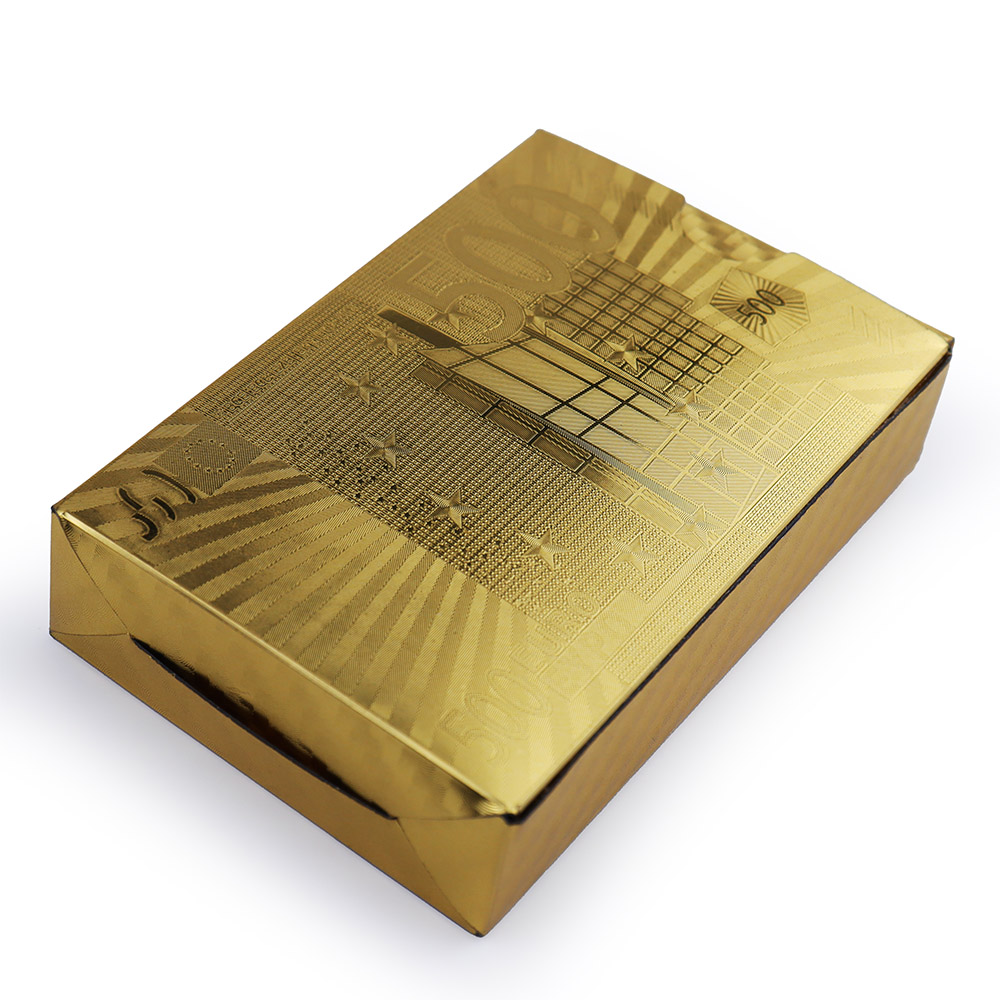 Customized theme gold foil playing cards
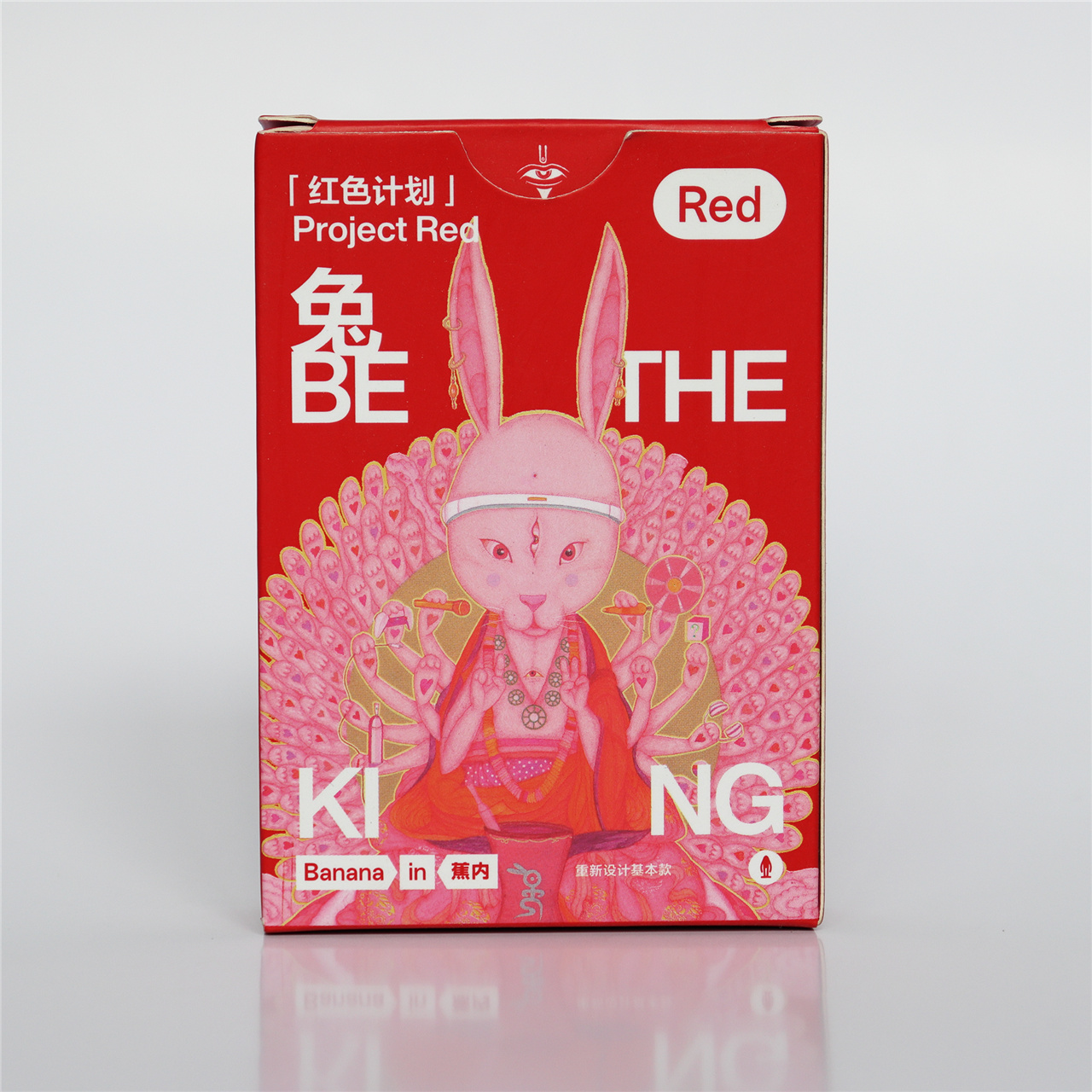 Custom Red Rabbit Themed Playing Cards Set
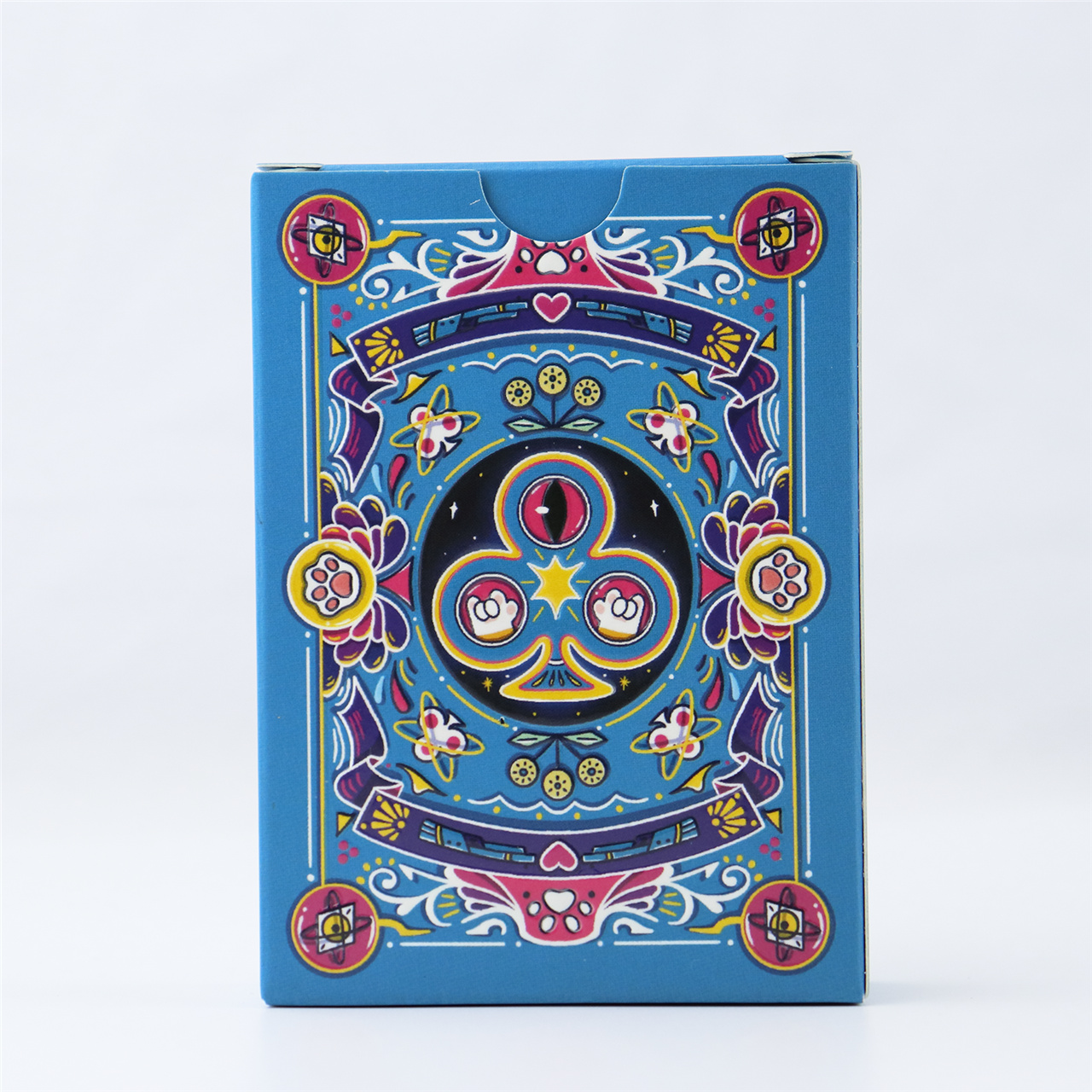 Custom Blue - Black Fantasy Plastic Playing Cards Set
 Pearls of Wisdom Oracle Custom Cards
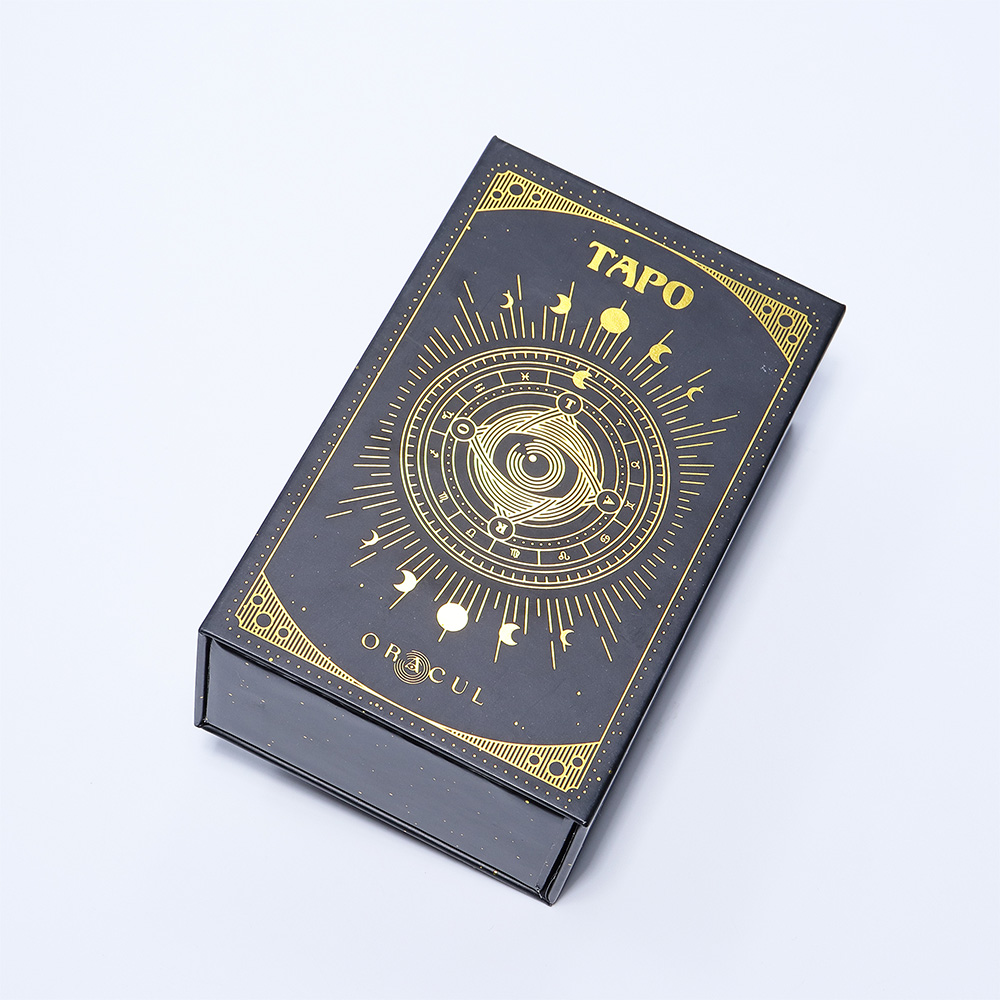 Custom Black & Gold Celestial Tarot Cards
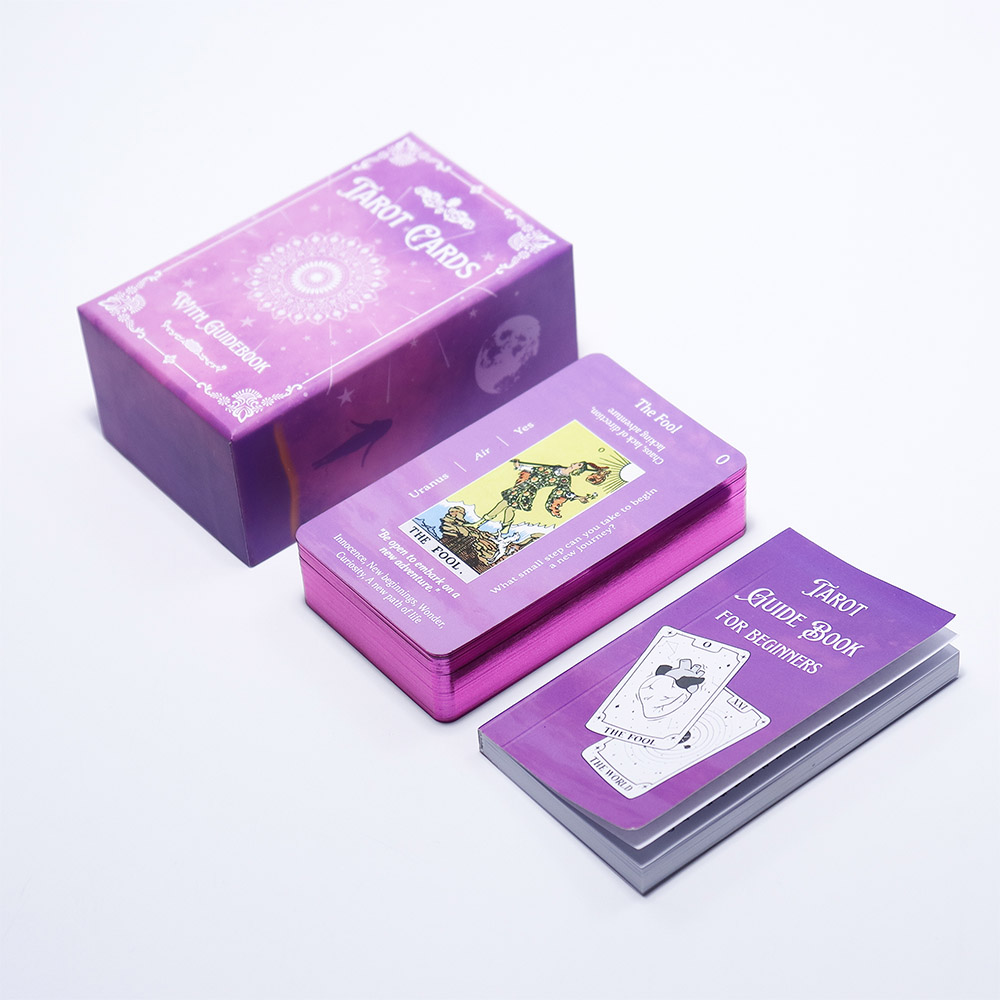 Custom Purple Tarot Cards with Guidebook
 L'Oracle d'Artémis Custom Oracle Cards
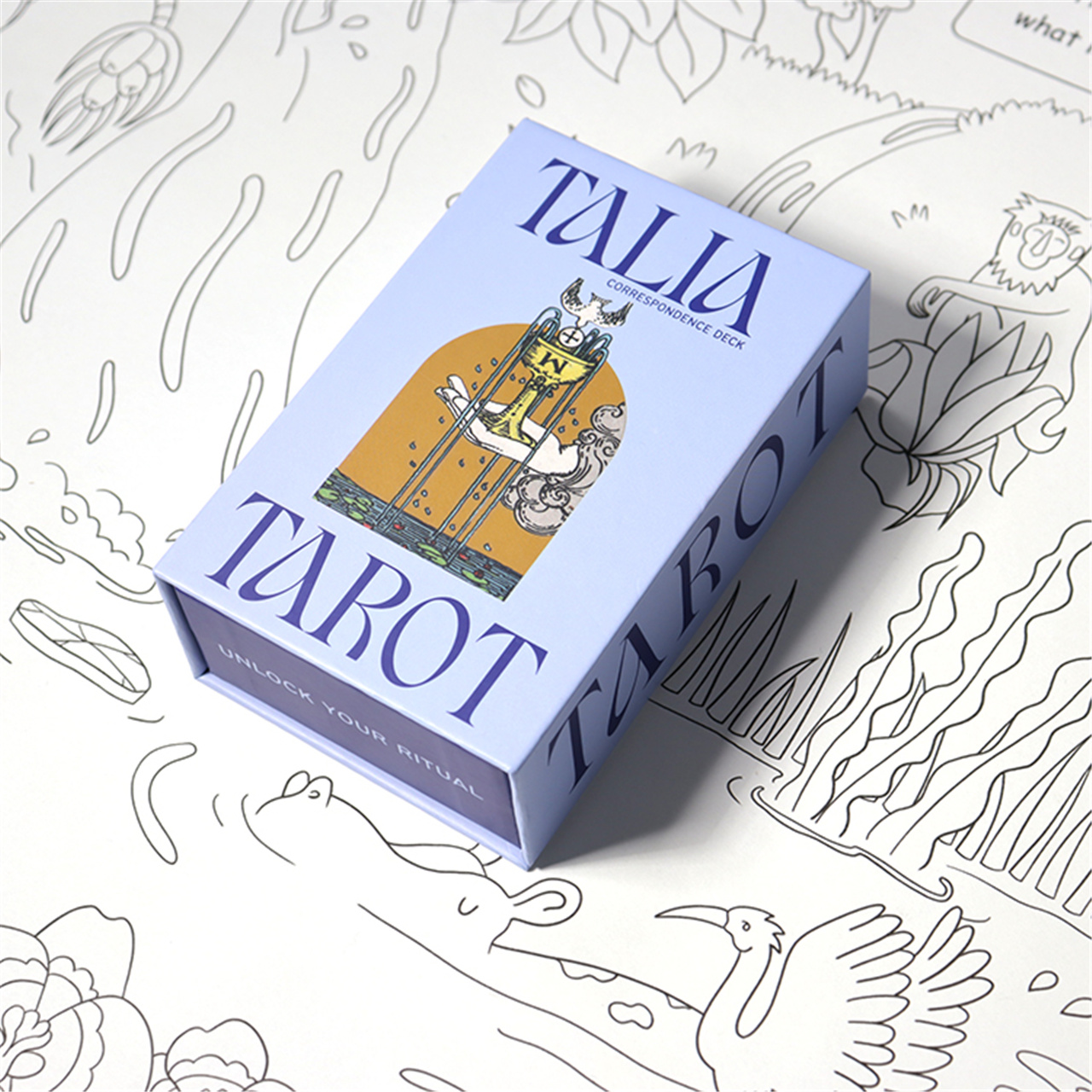 Custom Blue - Themed Tarot Cards Deck
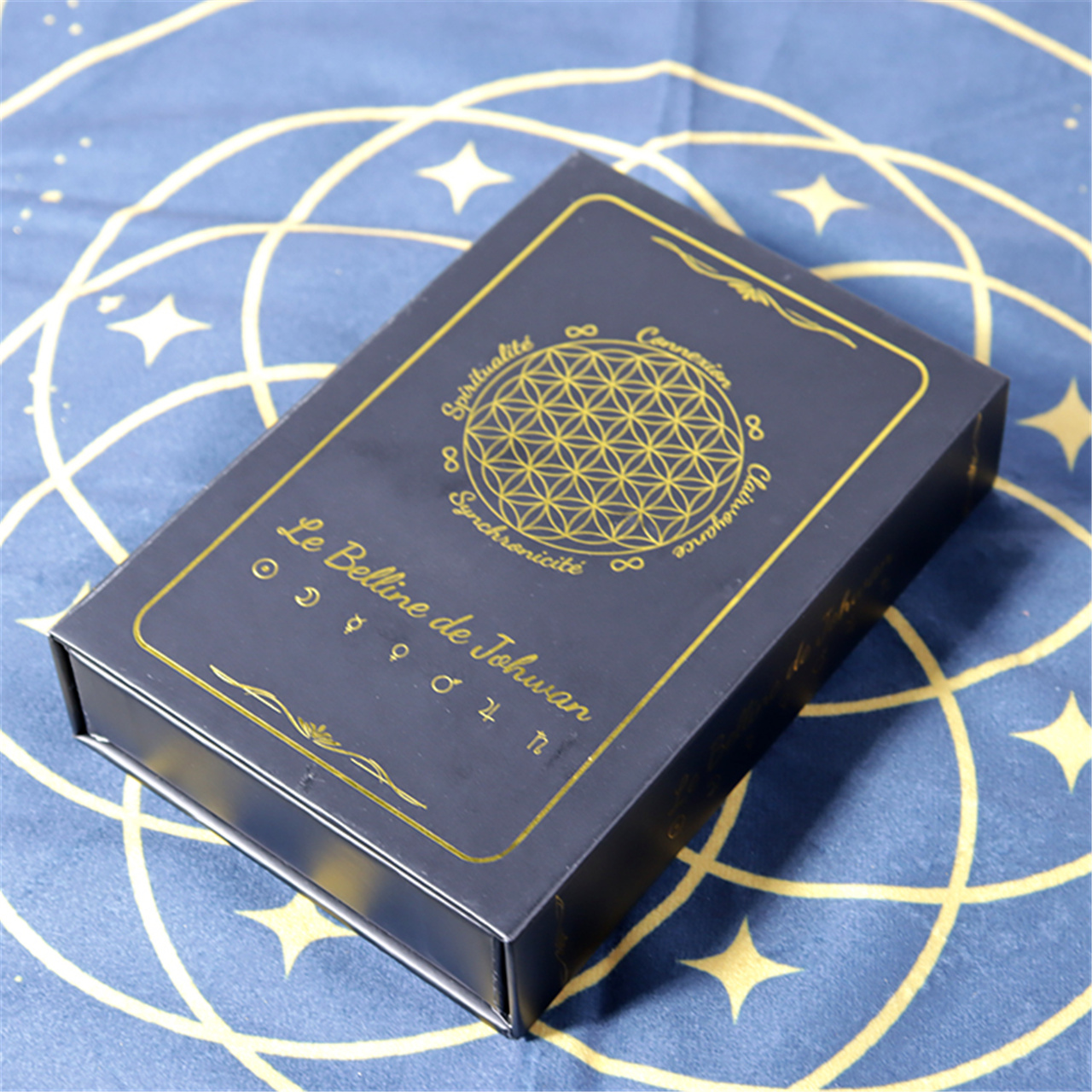 Custom Black - Blue Gold Foil Tarot Cards Set
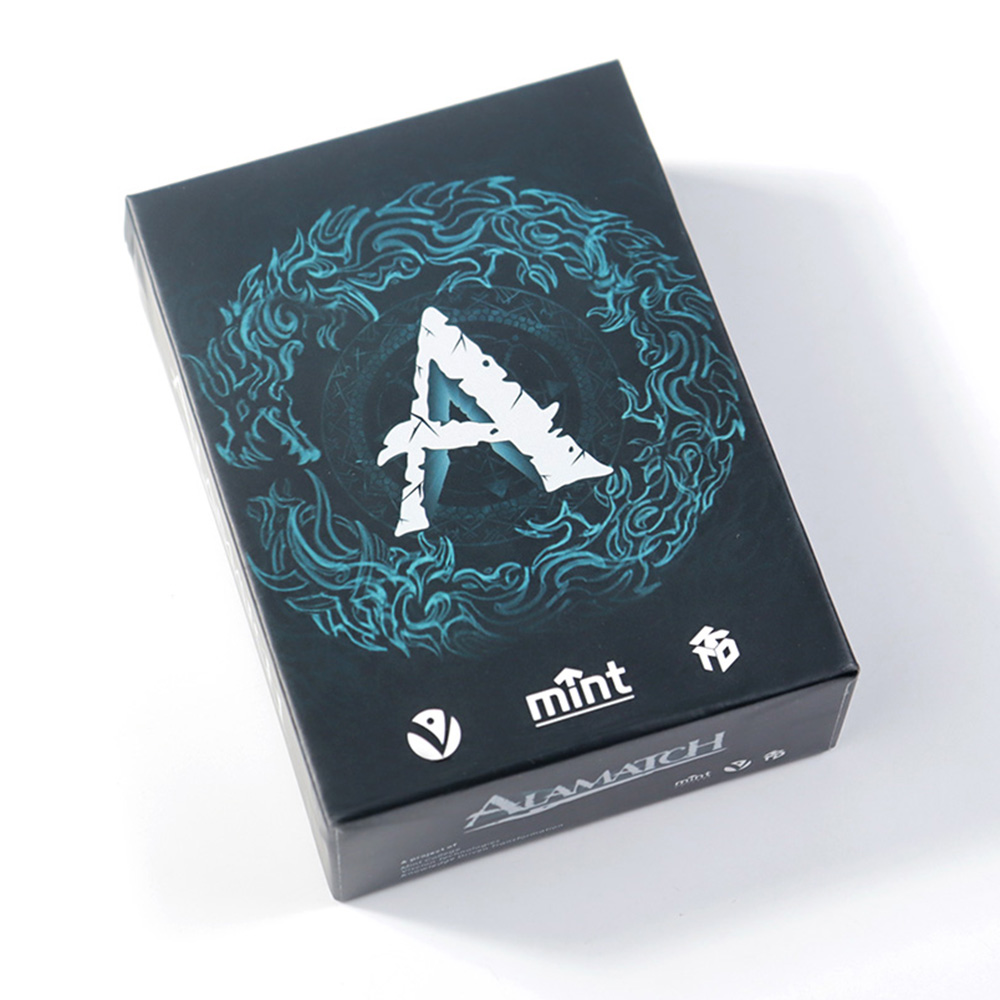 Alamatch Custom Trading Game Cards
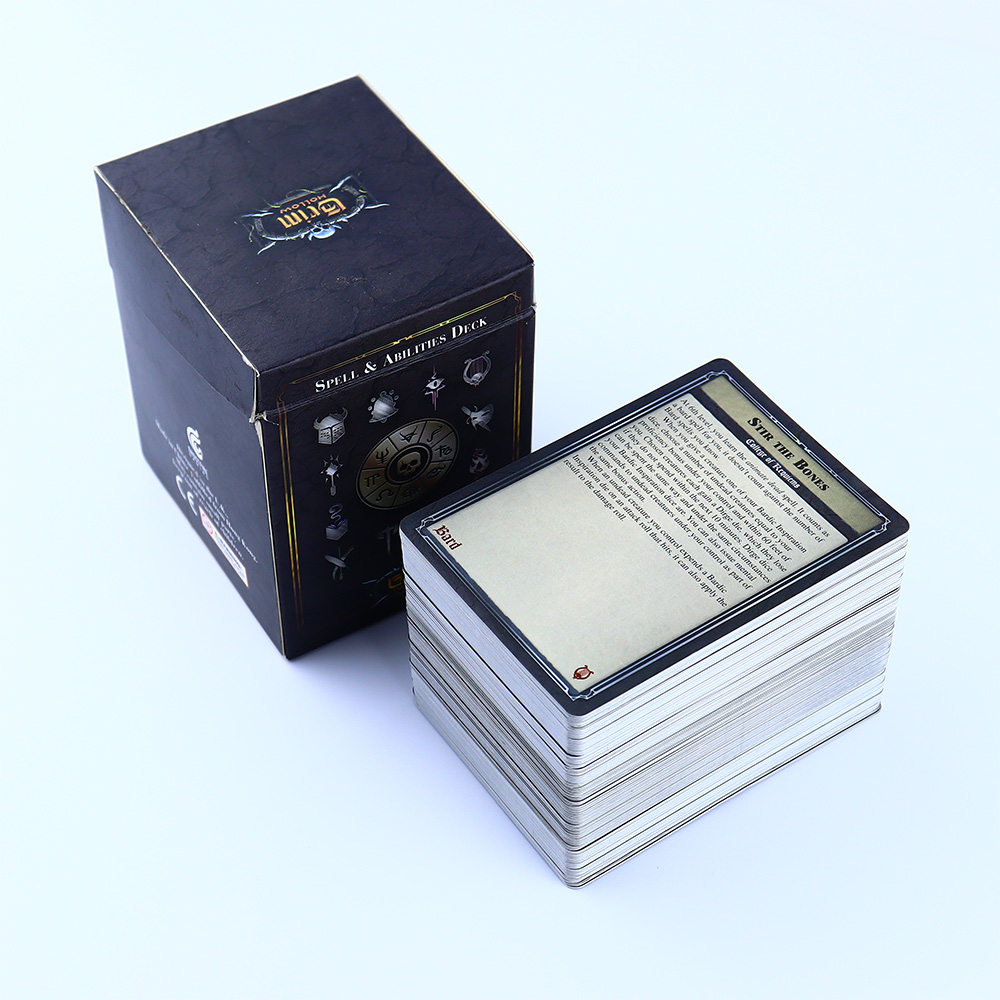 Grim Hollow Spell & Abilities Custom Trading Cards
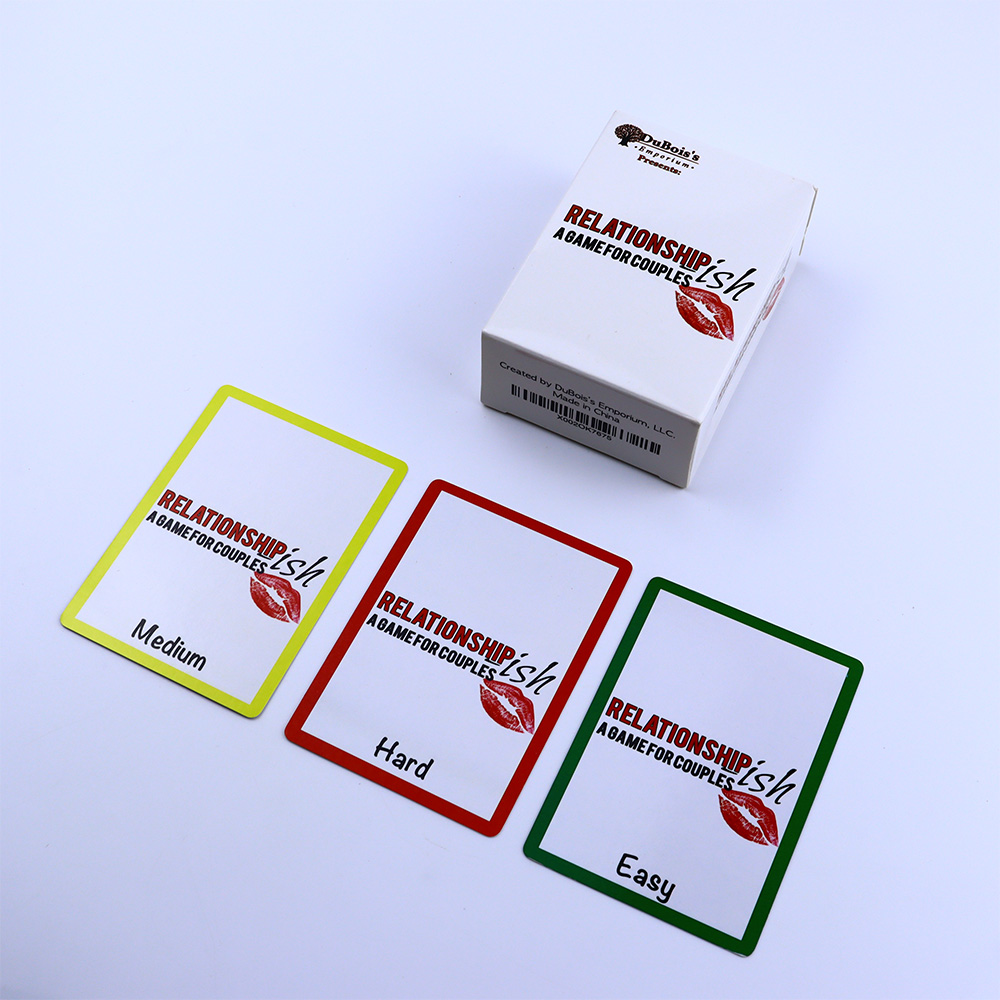 Relationshipish Custom Couple Card Game
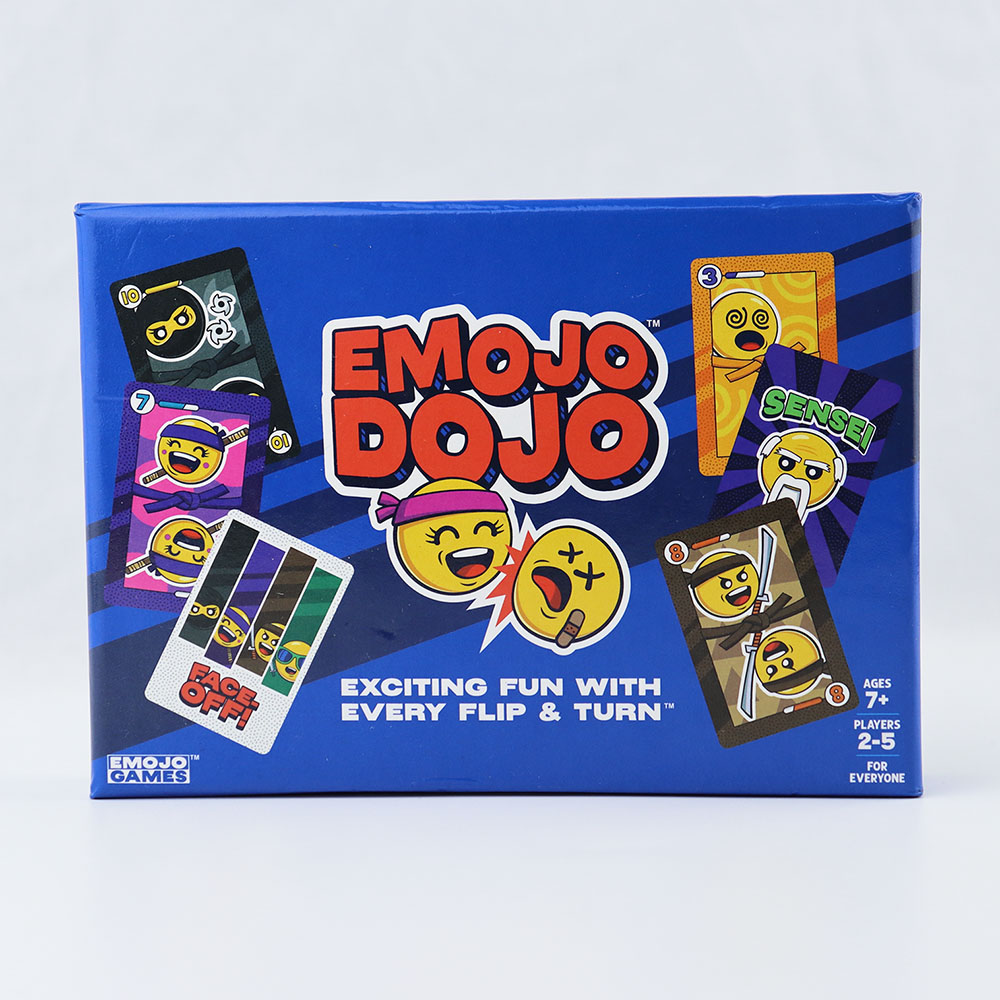 Emojo Dojo Custom Trading Card Game
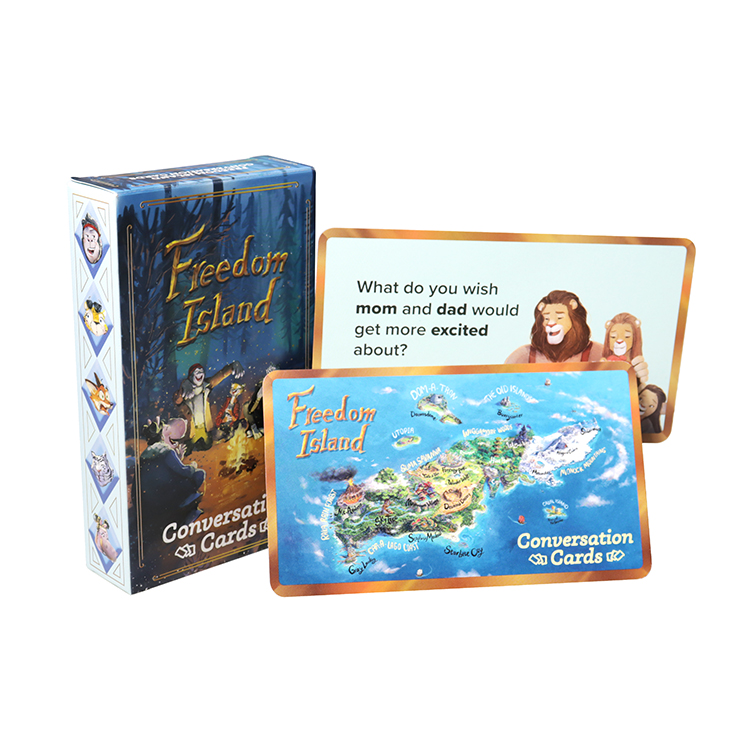 Custom Travel Photo Trading Cards Set
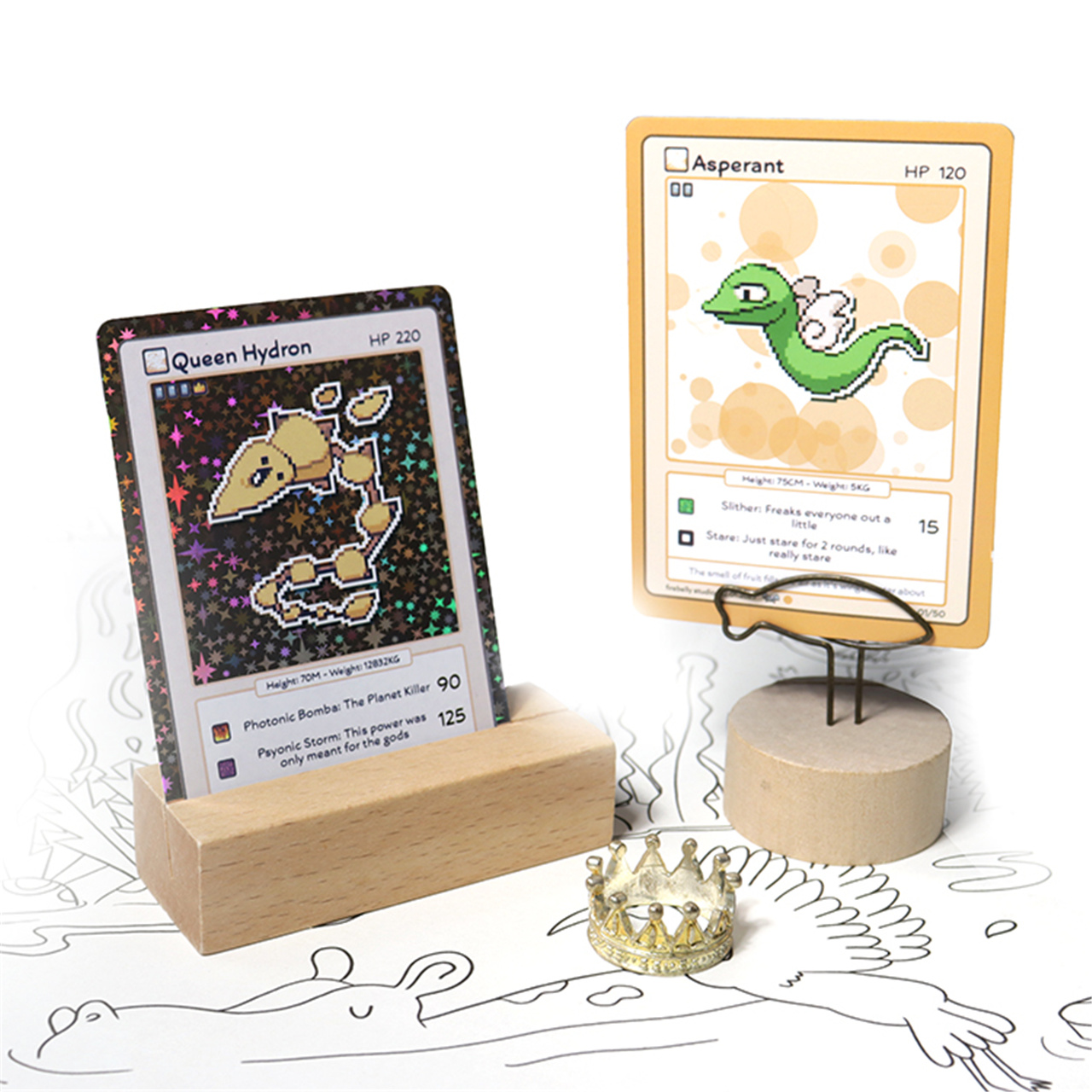 Custom Cartoon Holographic Trading Cards Set