| Product Definition |
Confirm that the factory can produce the exact Balot playing-card format, artwork, packaging, and accessory configuration required. |
Custom decks may include a standard 52-card structure, additional cards, instruction cards, tuck boxes, rigid boxes, or other game-specific components. |
Request a written specification sheet, dielines, production drawings, and a pre-production sample. |
The supplier gives only general photos and cannot confirm card count, dimensions, packaging, or finishing details. |
| Card Size |
Choose a size that matches the intended handling experience, storage box, and any existing game accessories. |
Common playing-card formats include approximately 63 × 88 mm for poker-size cards and 57 × 89 mm for bridge-size cards. Custom dimensions are also possible. |
Measure the approved sample with a calibrated ruler or digital caliper and include tolerances in the purchase order. |
Unapproved size changes, inconsistent corner radius, or packaging that does not fit the cards correctly. |
| Paperboard Construction |
Select stock according to flexibility, opacity, durability, and the required hand feel. |
Playing-card stock commonly uses laminated layers, including a core layer for opacity. Paperboard weights around 280–330 gsm are frequently specified, but the final thickness and stiffness are more important than gsm alone. |
Check caliper, bending response, opacity under backlighting, surface smoothness, and layer bonding on a physical sample. |
The supplier quotes gsm without confirming thickness, core construction, or sample performance. |
| Printing Quality |
Require stable color reproduction, accurate registration, clean fine text, and consistent front-and-back alignment. |
Commercial card production commonly uses four-color process printing, with optional spot colors or special inks when required by the artwork. |
Approve a color proof, define color references, inspect registration, and compare production samples with the approved proof. |
Visible color shifts between batches, blurry small text, ink smearing, or incomplete approval procedures. |
| Surface Finish |
Match the finish to the required shuffle feel, friction level, visual appearance, and resistance to handling wear. |
Common options include aqueous coating, varnish, matte or gloss lamination, and embossed or specialty finishes. Air-cushion-style or linen-textured surfaces may be requested as a tactile specification. |
Request a finish sample and conduct repeated shuffle, sliding, rubbing, and edge-wear checks. |
The finish is described only with marketing terms and no physical sample or durability information is provided. |
| Cutting and Corner Rounding |
Require smooth edges, uniform corner radii, and clean separation without burrs or crushed corners. |
Corner radius and cutting tolerance should be agreed in the technical drawing because they affect shuffling, alignment, and card handling. |
Inspect a random sample from several cartons and compare dimensions, corner shape, edge quality, and card alignment. |
Rough edges, uneven corners, visible cutting dust, or substantial size variation within one deck. |
| Packaging Capability |
Confirm that the supplier can produce and assemble the complete retail or promotional package. |
Packaging may include tuck boxes, rigid setup boxes, sleeves, seals, shrink film, paper inserts, and carton packs. Packaging dimensions should be based on the approved deck size and quantity. |
Approve packaging dielines, material samples, folding accuracy, barcode placement, and carton drop-test requirements where applicable. |
Loose packaging, incorrect barcodes, weak box construction, or unclear responsibility for assembly and packing. |
| Sampling and Prototyping |
Do not authorize mass production until artwork, materials, finish, card count, and packaging have been approved. |
A sample may be digital, printed, or fully assembled. A production-representative sample provides the most useful quality evidence. |
Use a signed or digitally approved “golden sample” as the reference for mass production and inspection. |
Pressure to skip sampling, refusal to document approvals, or major differences between sample and production goods. |
| Quality-Control System |
Require documented incoming-material, in-process, final, and packing inspections. |
Quality checks should cover dimensions, card count, print defects, color, surface finish, cutting, packaging, and carton quantity. |
Ask for inspection records, defect classifications, corrective-action reports, and a pre-shipment inspection option. ISO 2859-1 may be used as a sampling reference when agreed by both parties. |
No inspection records, no defined acceptance criteria, or a final inspection performed only by visual spot checks without documentation. |
| Material Safety and Compliance |
Identify the destination-market requirements before selecting inks, coatings, adhesives, paper, and packaging materials. |
Depending on the market and product use, buyers may request declarations or test reports for restricted substances, packaging materials, or general product safety. |
Request current test reports from qualified laboratories and verify that the tested materials and factory address match the production order. |
Expired reports, mismatched product descriptions, unverifiable certificates, or unsupported claims such as “non-toxic” without test evidence. |
| Sustainability Documentation |
Use environmental claims only when they are supported by traceable documentation and apply to the ordered materials. |
Possible documentation includes recycled-content evidence, responsible-forestry certification where applicable, water-based coating information, and packaging-material declarations. |
Verify certificate scope, validity, certificate holder, material category, and chain-of-custody details where relevant. |
Generic “eco-friendly” claims without certificate numbers, scope, dates, or material traceability. |
| Production Capacity |
Ensure the factory can meet the required quantity and delivery schedule without compromising approved quality. |
Capacity depends on deck complexity, number of SKUs, finishing steps, packaging configuration, and seasonal workload. It should be confirmed for each purchase order. |
Request a capacity plan covering prepress, printing, finishing, assembly, inspection, and packing dates. |
Unclear production schedule, frequent unexplained lead-time changes, or reliance on undisclosed subcontractors. |
| MOQ and Commercial Terms |
Compare the total landed cost, not only the unit price, and confirm minimum order quantity by design, SKU, and packaging type. |
MOQ, sampling charges, plate or tooling charges, packaging costs, payment milestones, and shipping terms vary by factory and project complexity. |
Request a written quotation with validity period, inclusions, exclusions, payment schedule, Incoterm, carton data, and additional-charge conditions. |
An unusually low price with hidden setup fees, undefined freight terms, or refusal to provide a complete cost breakdown. |
| Communication and Engineering Support |
Select a supplier that can convert artwork and product requirements into accurate production documents. |
Effective support includes artwork preflight, dieline review, proof management, technical clarification, change control, and issue reporting. |
Evaluate response accuracy, revision control, technical questions, meeting records, and the ability to identify production risks before printing. |
Repeated misunderstandings, undocumented changes, slow escalation of defects, or communication limited to price negotiation. |
| Pre-Shipment Inspection |
Inspect finished goods before shipment, especially for customized artwork and multi-component packaging. |
Inspection should sample cartons and decks for quantity, appearance, dimensions, defects, packaging, labeling, and shipping-carton condition. |
Use an agreed inspection checklist and acceptance limits; retain photographs, reports, and random-sample records. |
The supplier rejects independent inspection, ships before approval, or cannot provide traceable batch information. |
| After-Sales and Corrective Action |
Agree in advance on defect handling, evidence requirements, replacement terms, credit procedures, and response time. |
A reliable process should identify root cause, contain affected stock, define corrective action, and prevent recurrence in later batches. |
Include quality remedies and claim procedures in the purchase contract rather than relying only on informal messages. |
No written remedy, refusal to investigate defects, or repeated replacement promises without documented corrective action. |

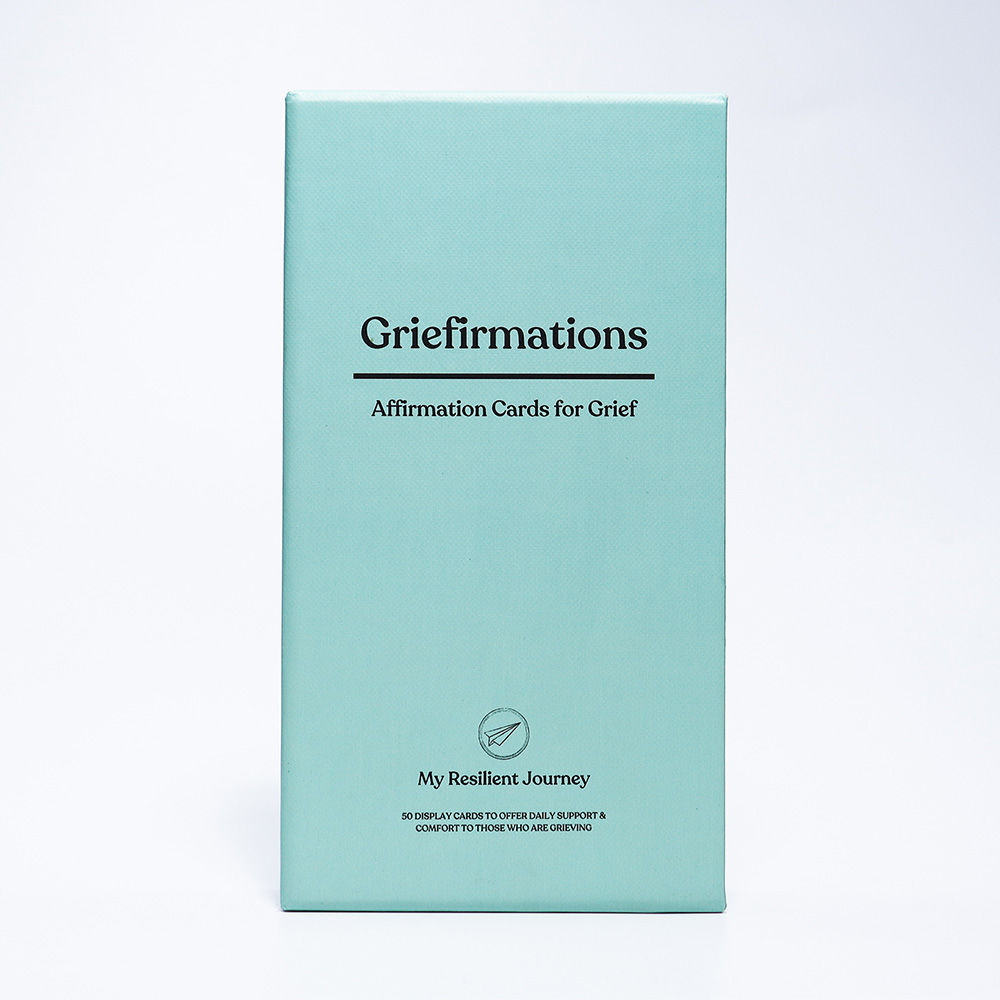 Customizable Emotional Support Cards for Grief & Resilience
 Personalized Emotional Encouragement Card Collection
 Personalized Deep Conversation Card Gift Box
 Customizable Boho-Chic Affirmation Cards for Mindfulness & Self-Love
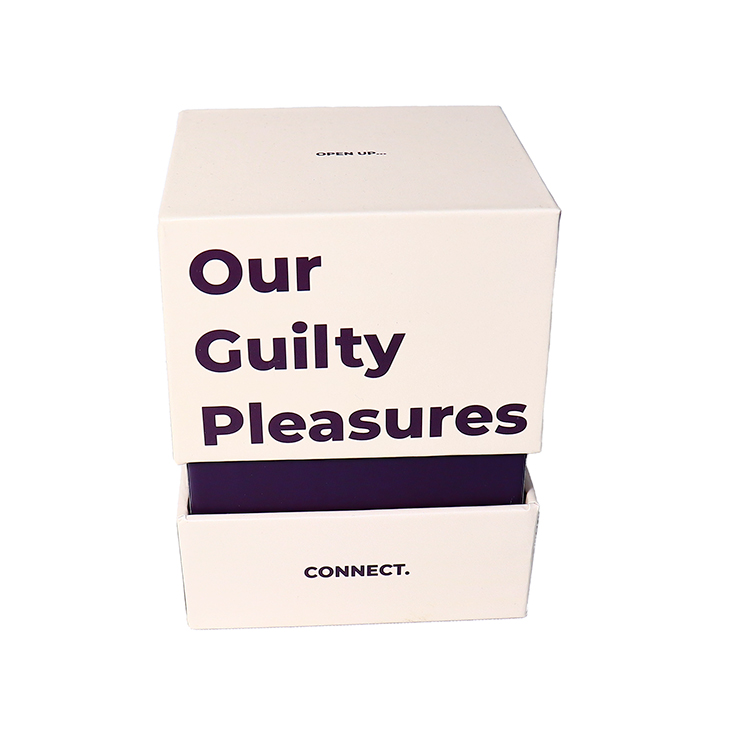 Customized Friendship Confirmation Card
 Customized Entrepreneurship Confirmation Card
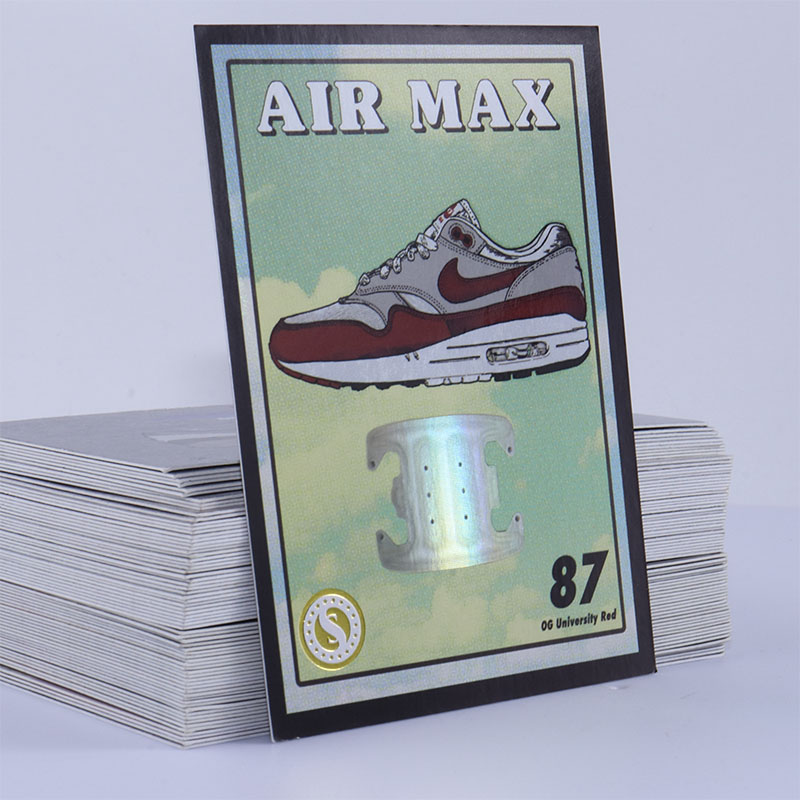 Air Max Pax Custom Sneaker Card Blind Box Set
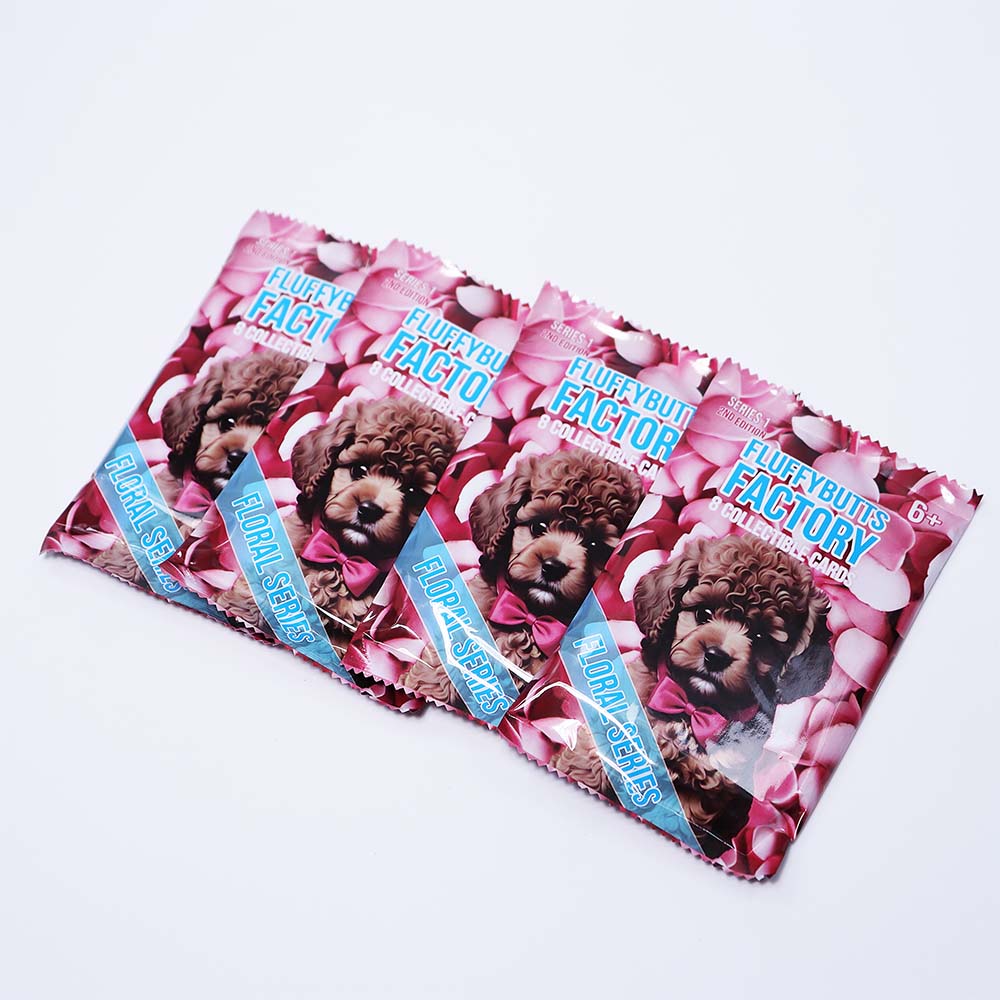 Fluffybutts Factory Custom Pet Card Blind Box Sets
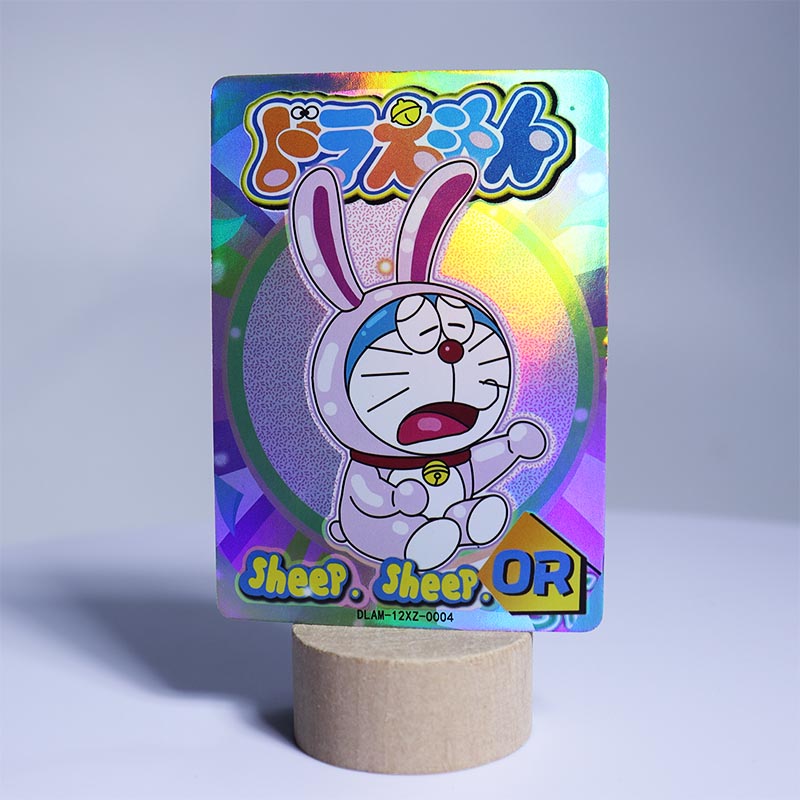 Doraemon Custom Card Blind Box Set
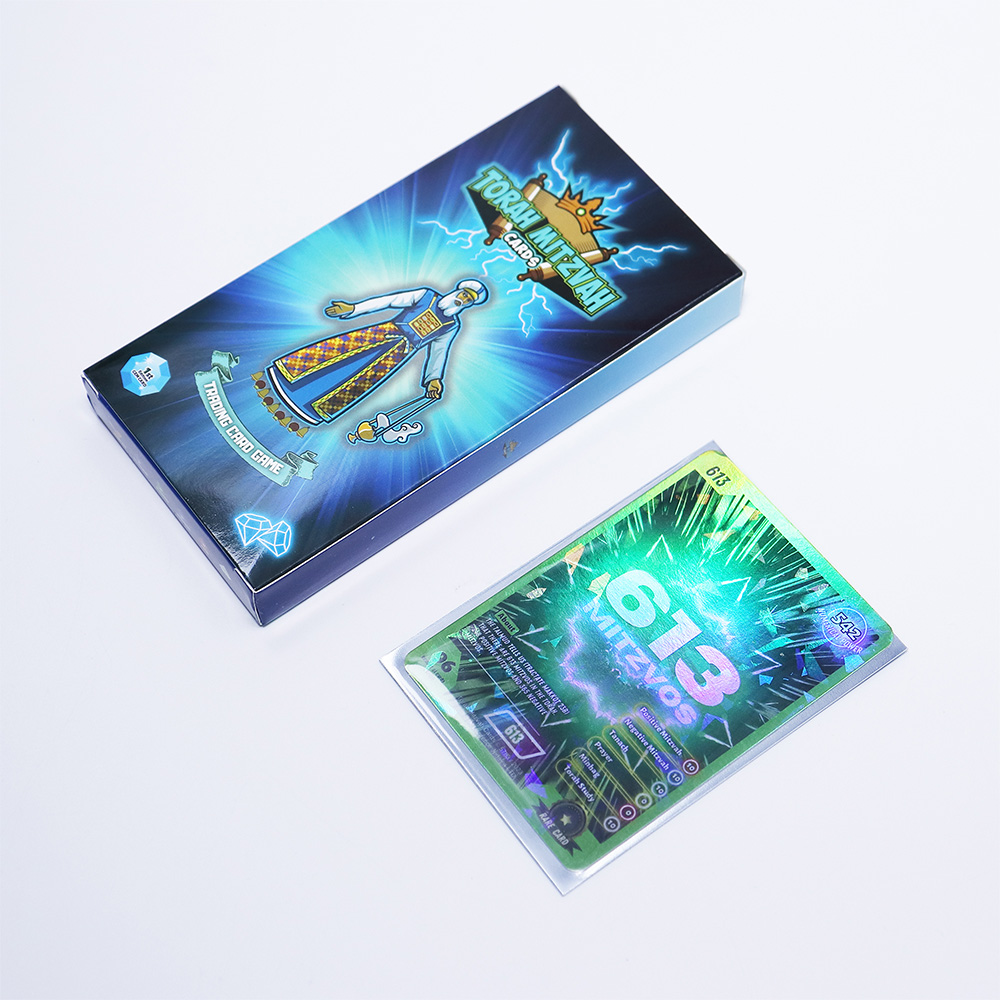 Torah Mitzvah Custom Card Blind Box Set
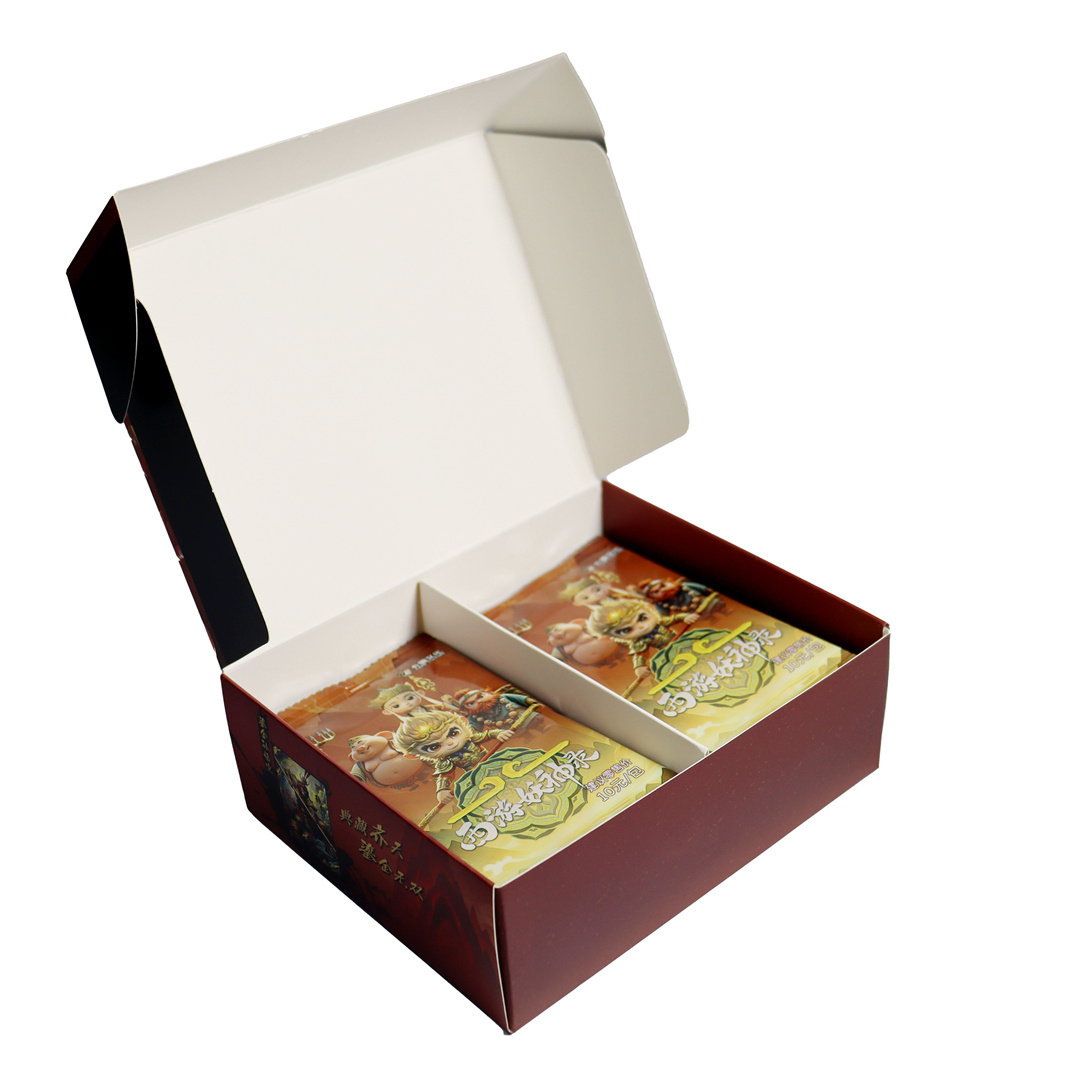 Customized "Journey to the West" Themed Card Blind Box Set
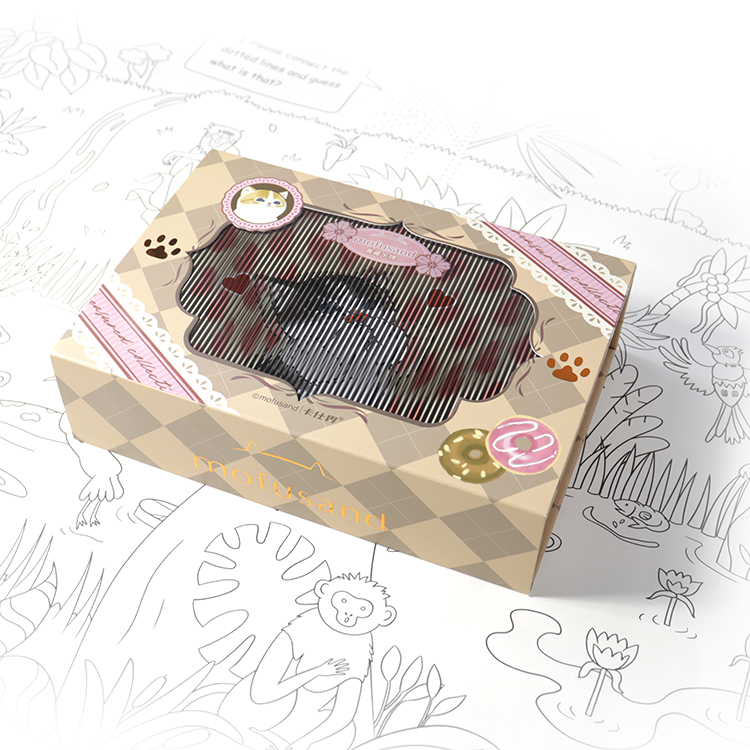 Customized cat-themed blind box set
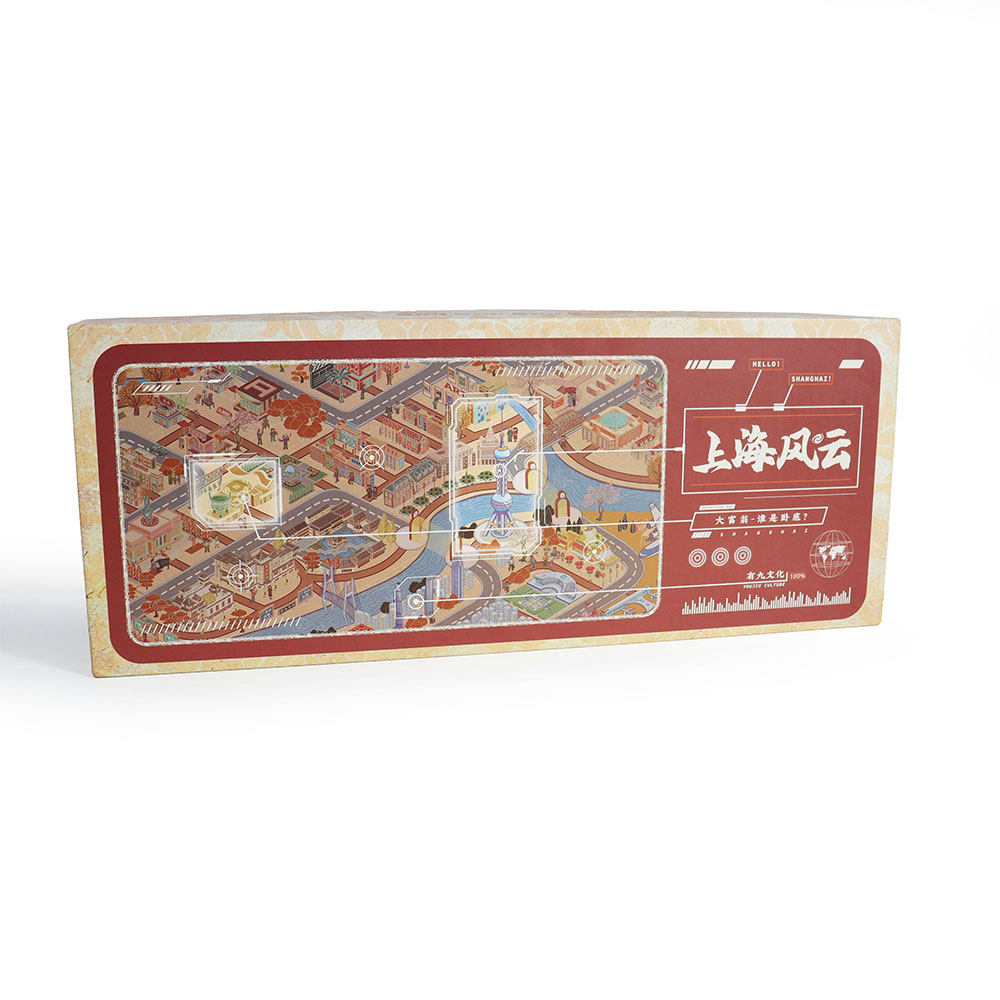 Shanghai Fengyun Custom Board Game Set
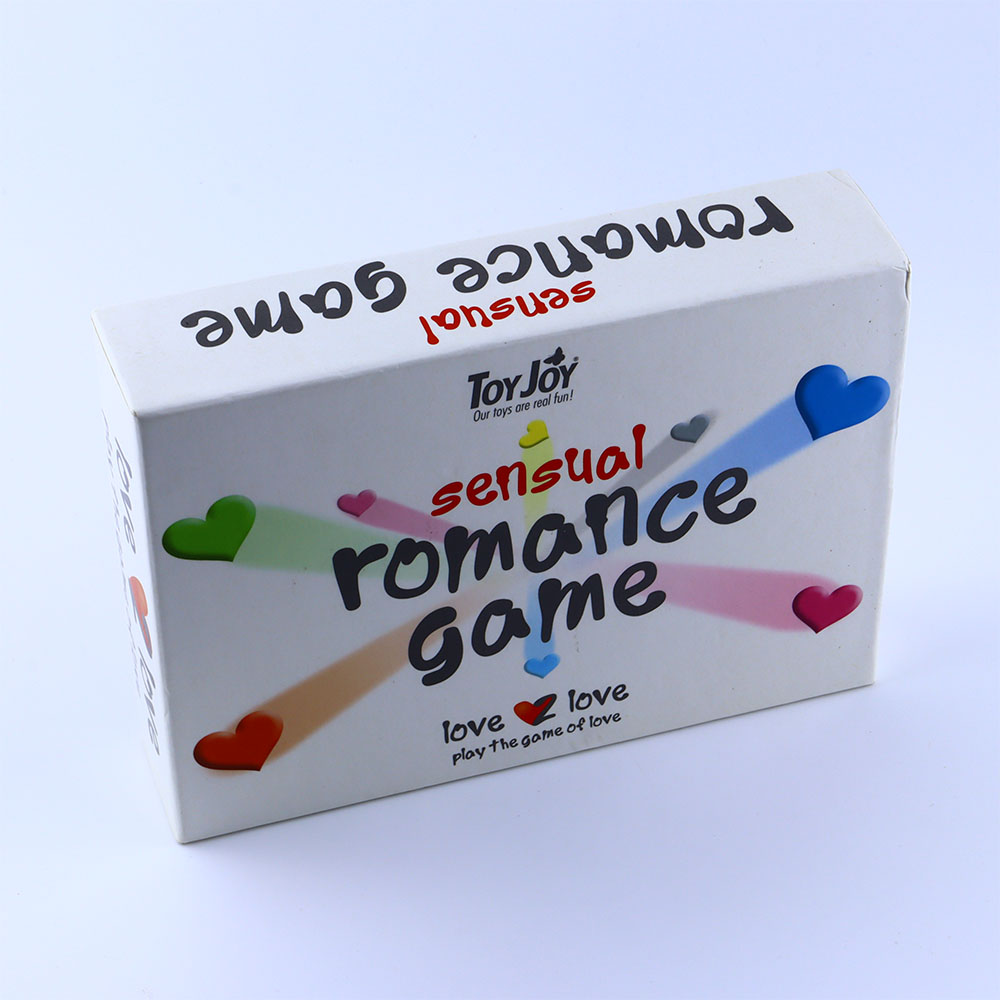 Sensual Romance Game Custom Board Game Set
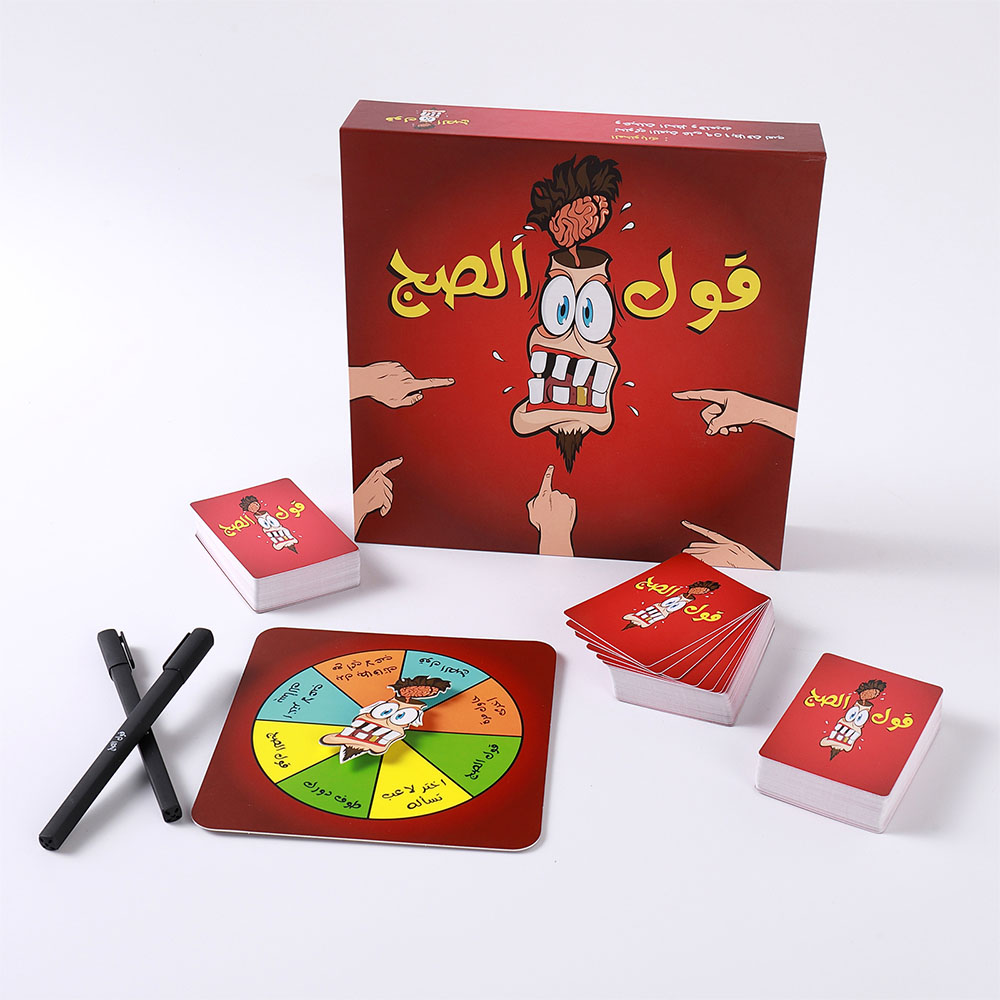 "Qoul Al Sabah" Custom Board Game Set
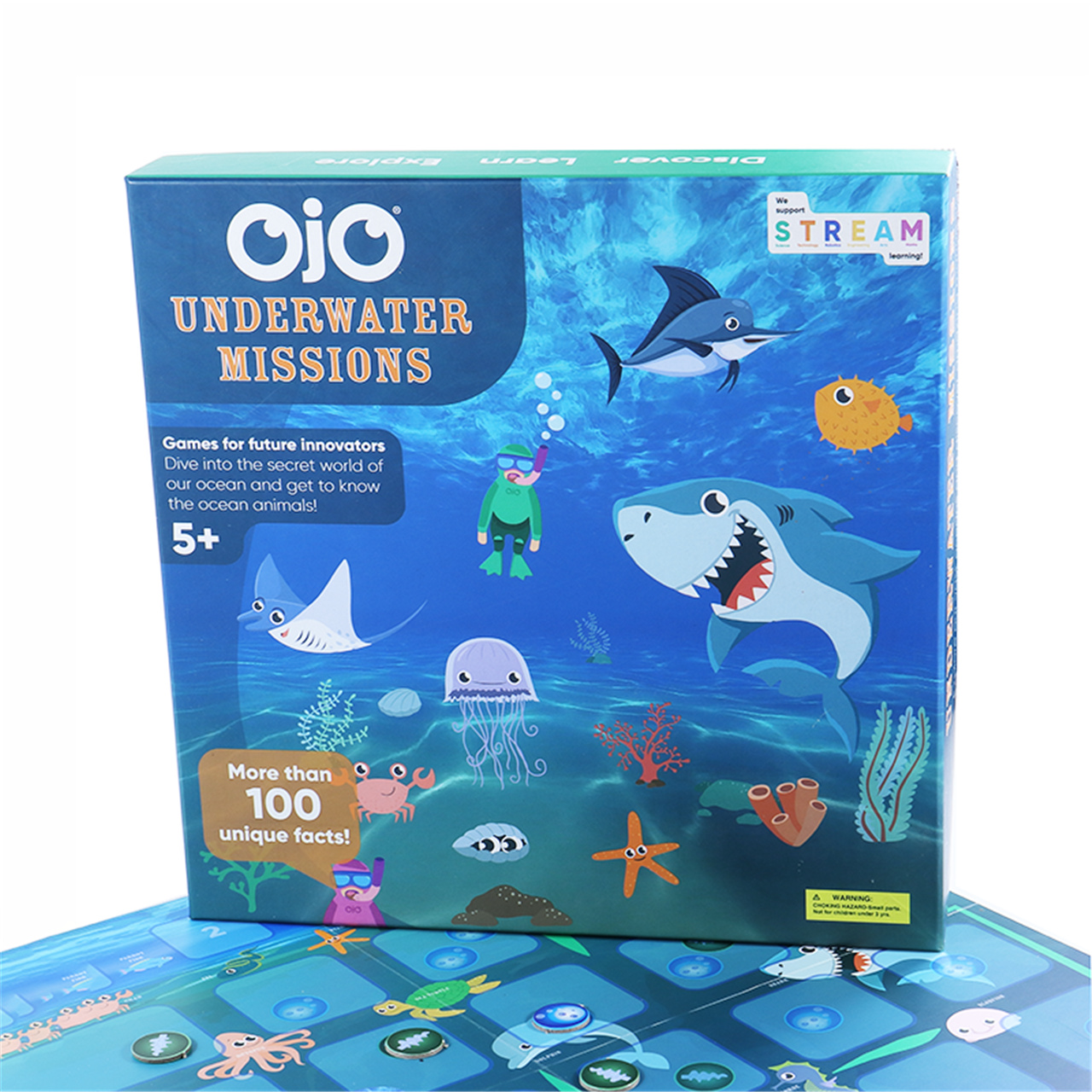 Customized educational board games for children
 Couple Interaction Turntable Themed Board Game
 Business Finance Board Game
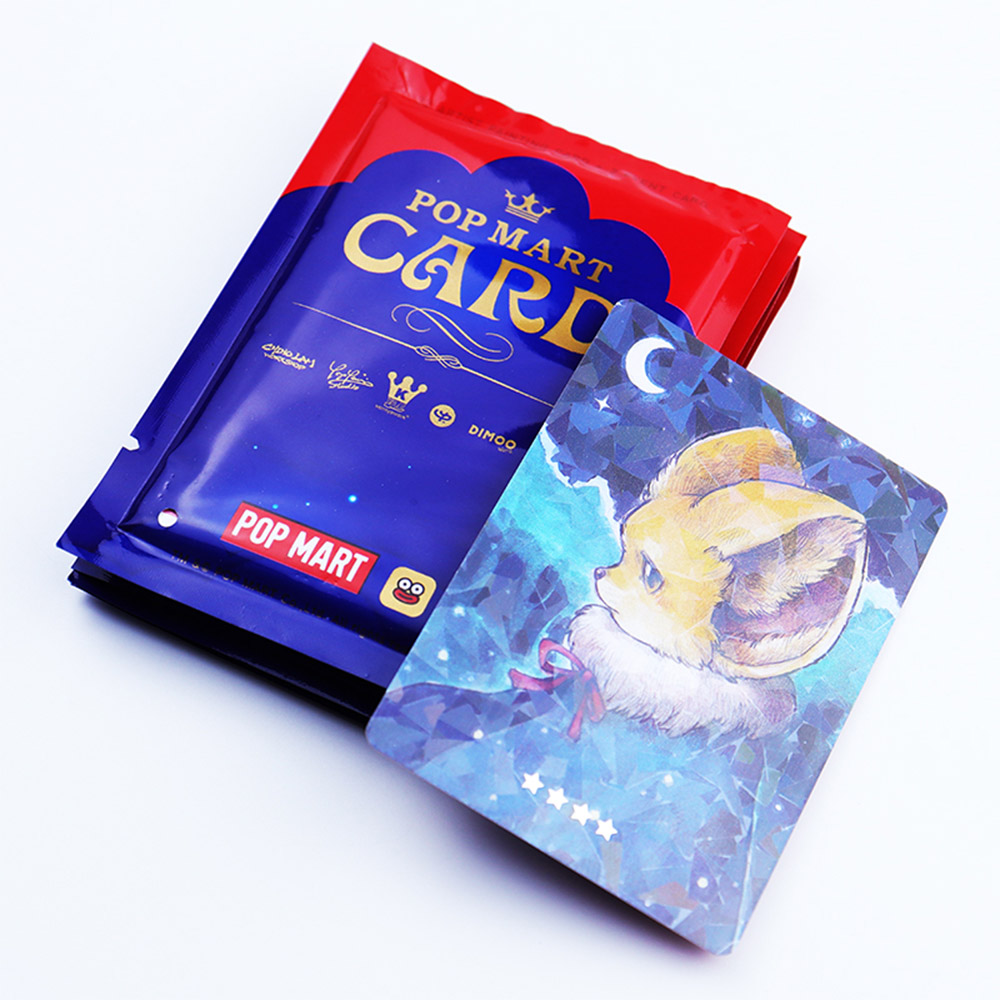 Pop Mart Custom Character Collectible Cards
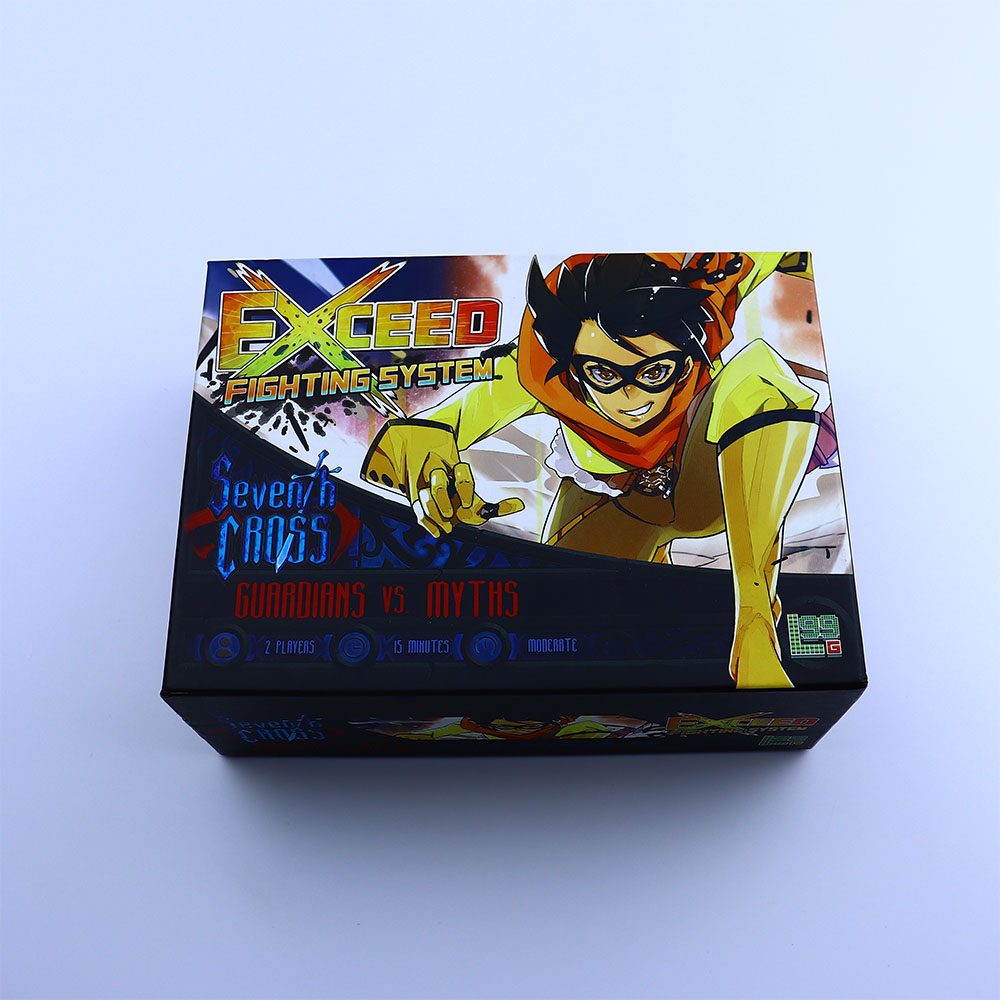 EXCEED Fighting System Custom Character Card Set
 Three Kingdoms Custom Hero Character Cards
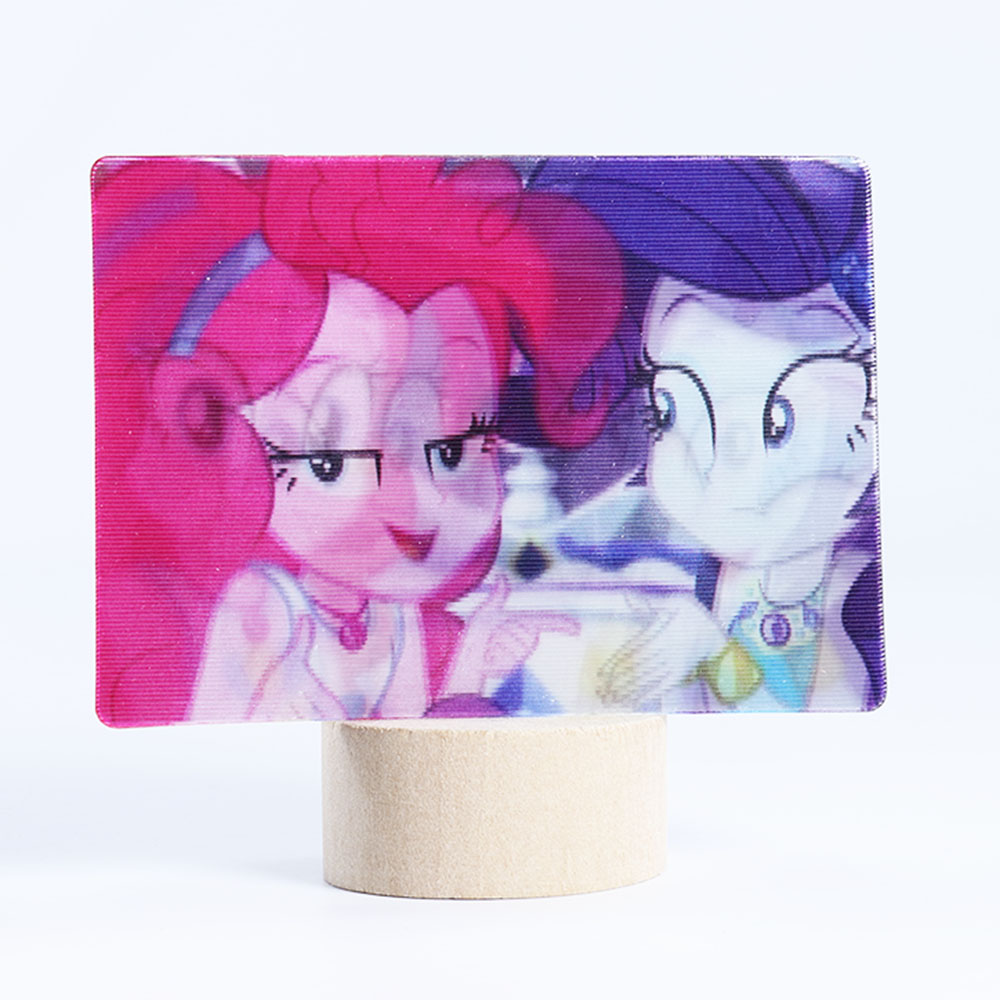 Custom Anime Character Dynamic Visual Cards
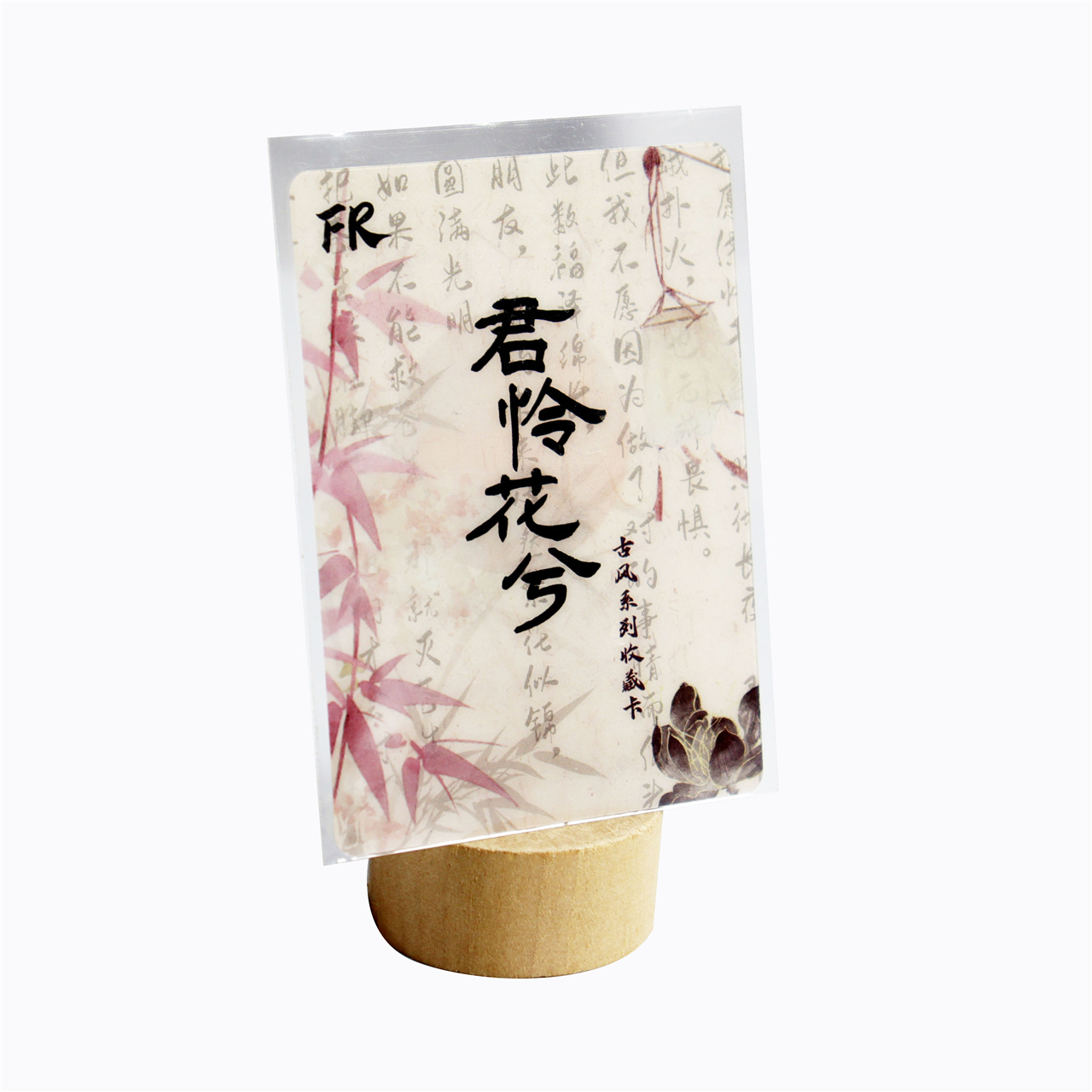 Custom Cartoon Character Collectible Card Set
 Custom Anime Character Art Card Set
 Little Larch Alphabet Cards
 Feelings and Dealings Custom Children's Emotion Card Game
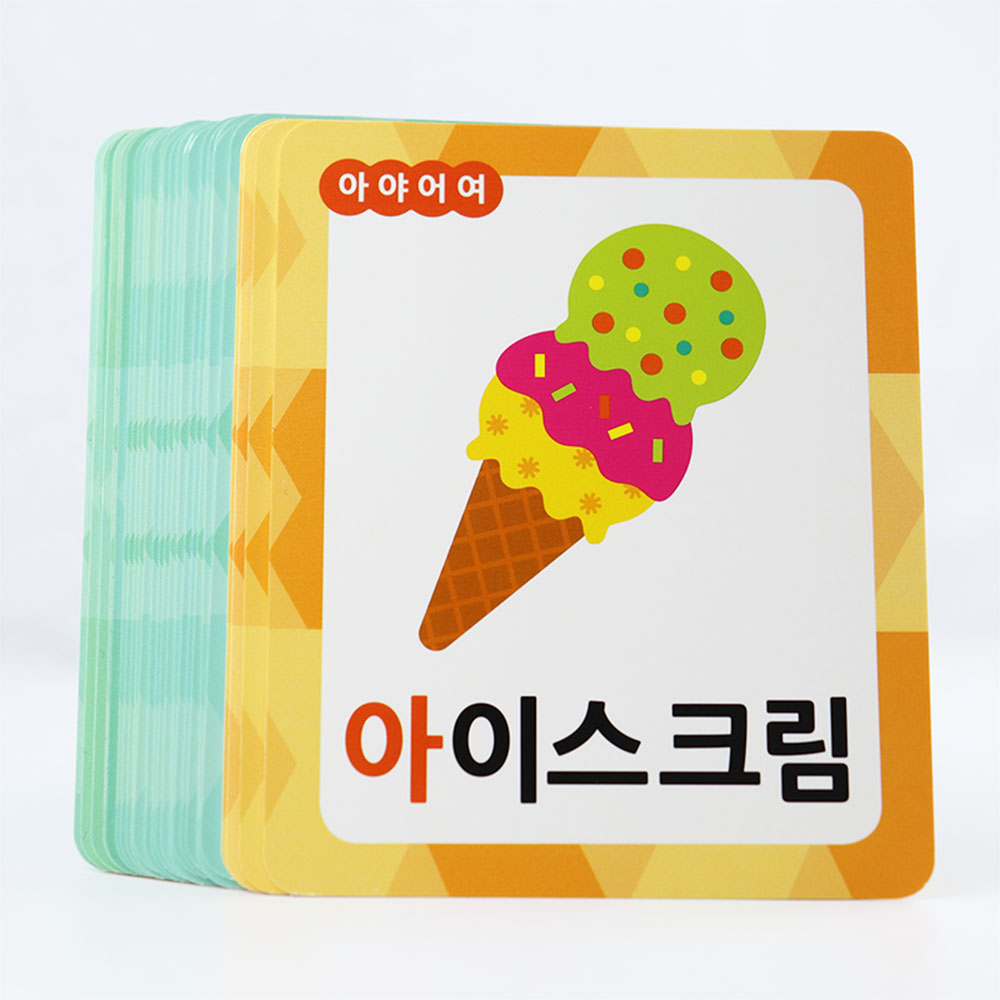 Korean Children's Educational Flashcards
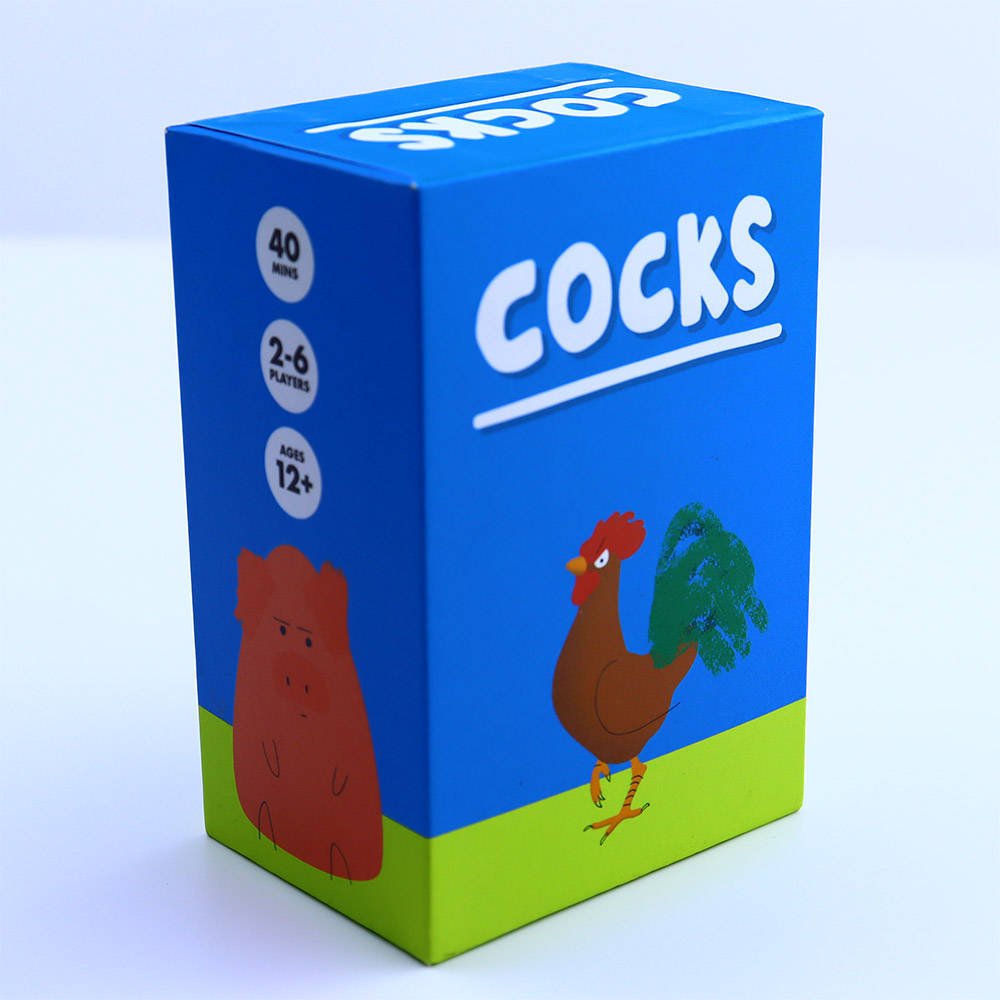 Cocks Themed Custom Children's Learning Cards
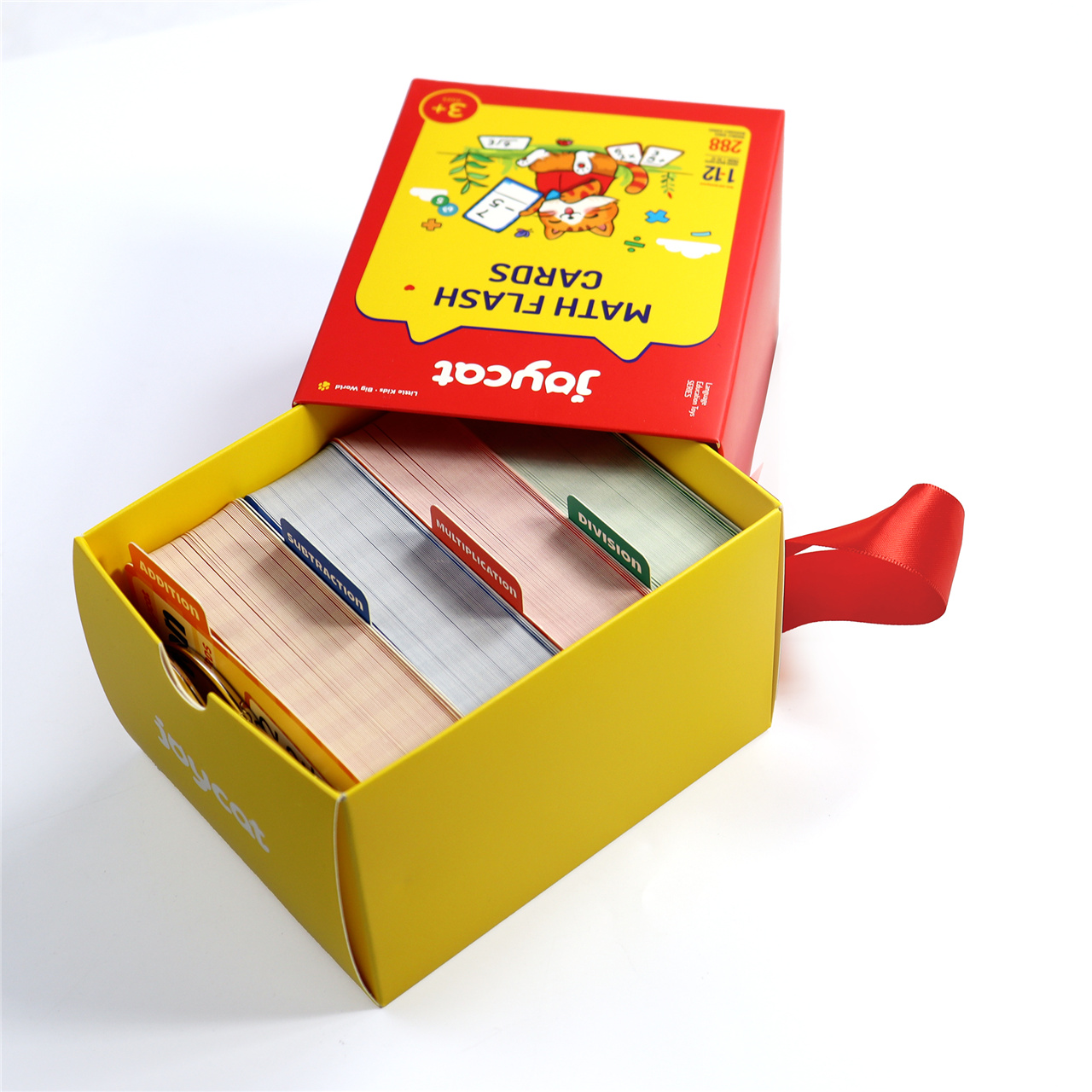 Math Flash Cards Set for Kids
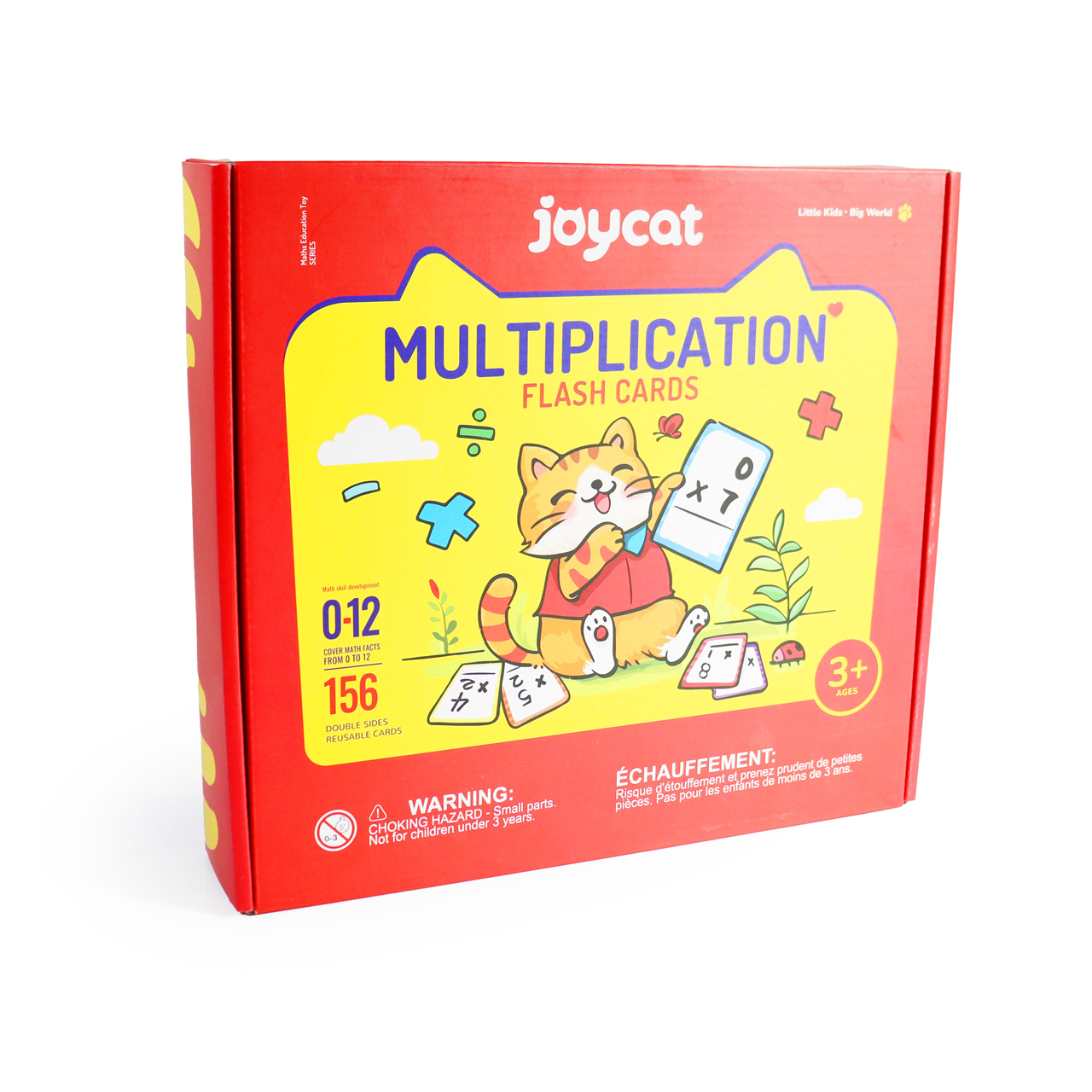 Joycat Multiplication Flash Cards Set with Accessories
 Custom Dual-Deck Playing Cards with Wolf-Themed Design
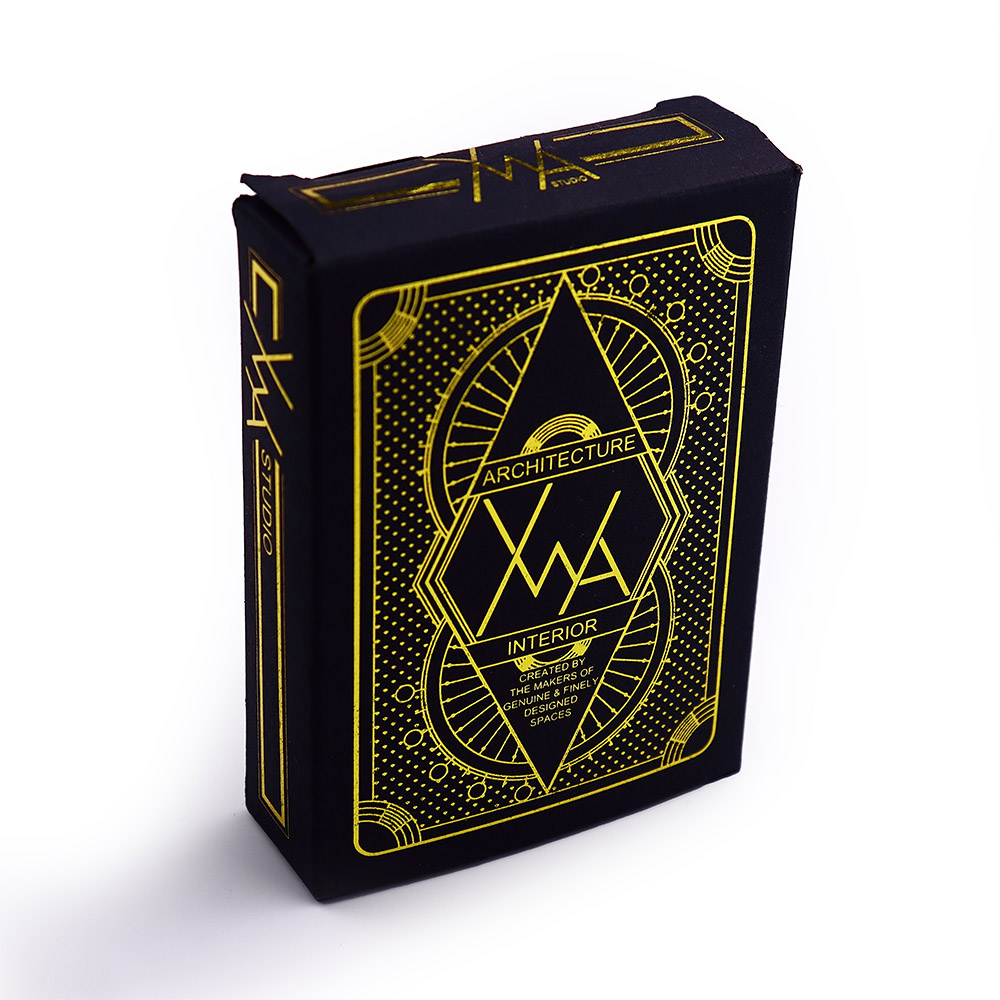 Custom embossed gold foil playing cards
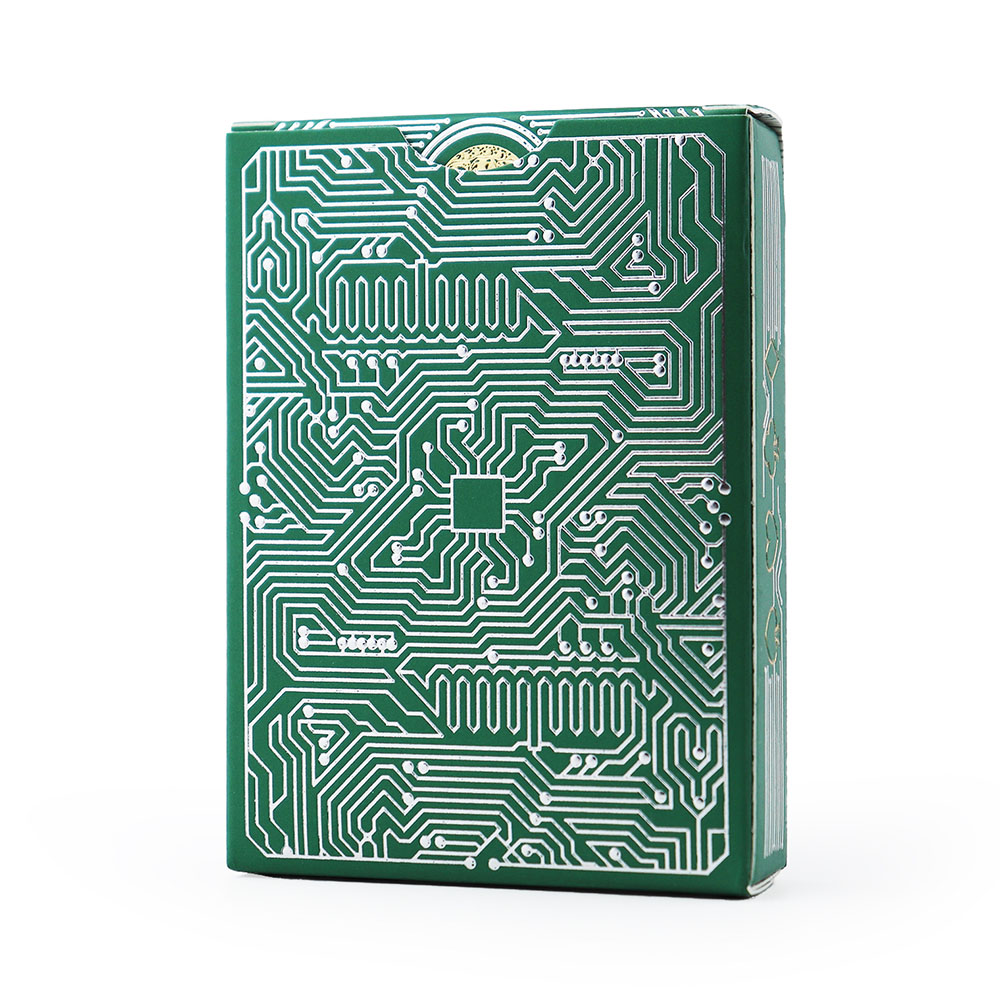 Circuit PCB Edition Custom Playing Cards
 Customized theme gold foil playing cards
 Custom Red Rabbit Themed Playing Cards Set
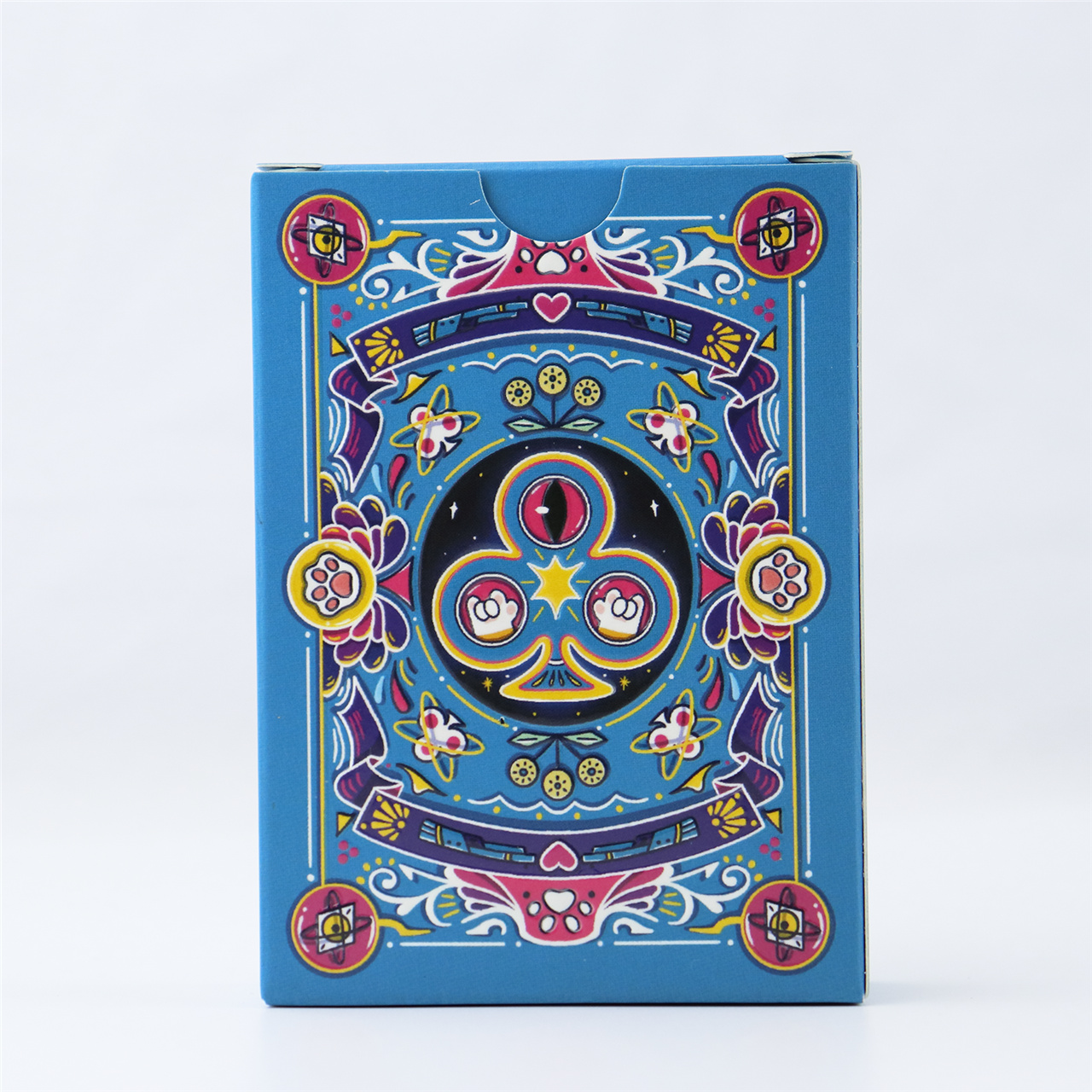 Custom Blue - Black Fantasy Plastic Playing Cards Set
 Pearls of Wisdom Oracle Custom Cards
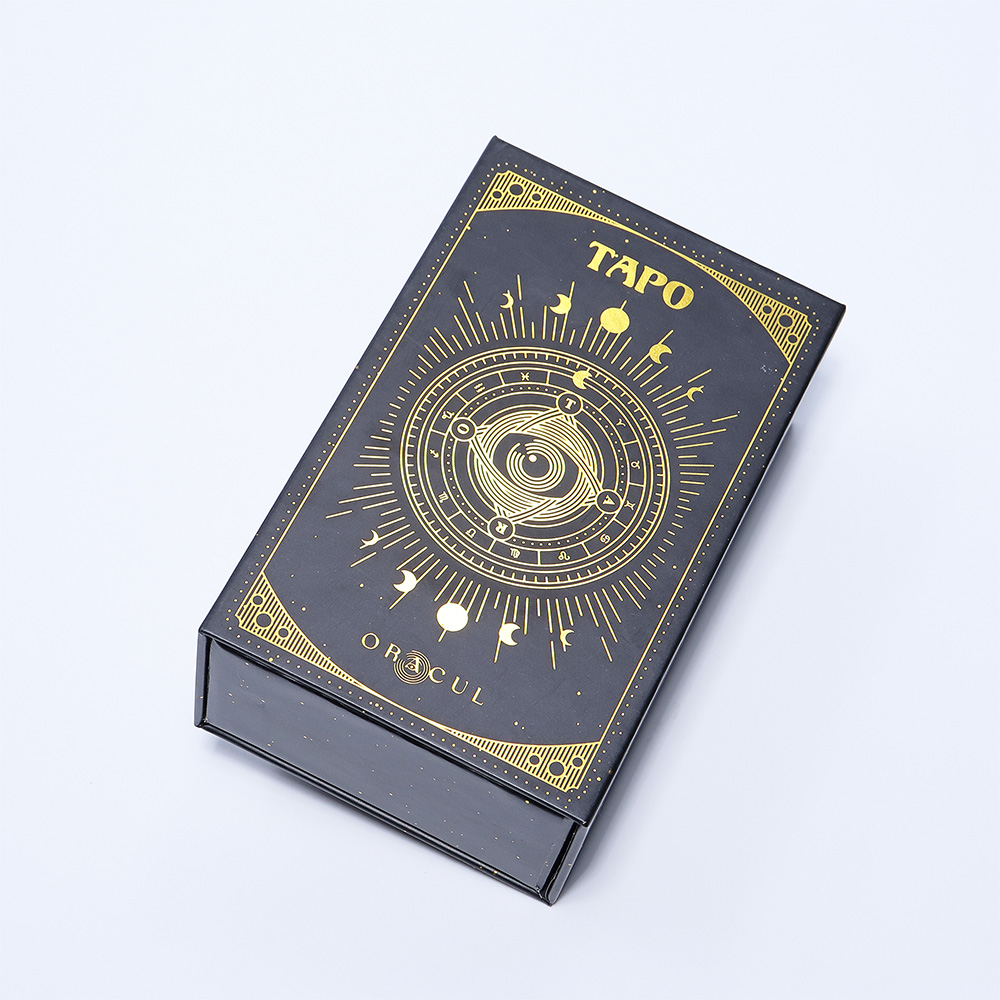 Custom Black & Gold Celestial Tarot Cards
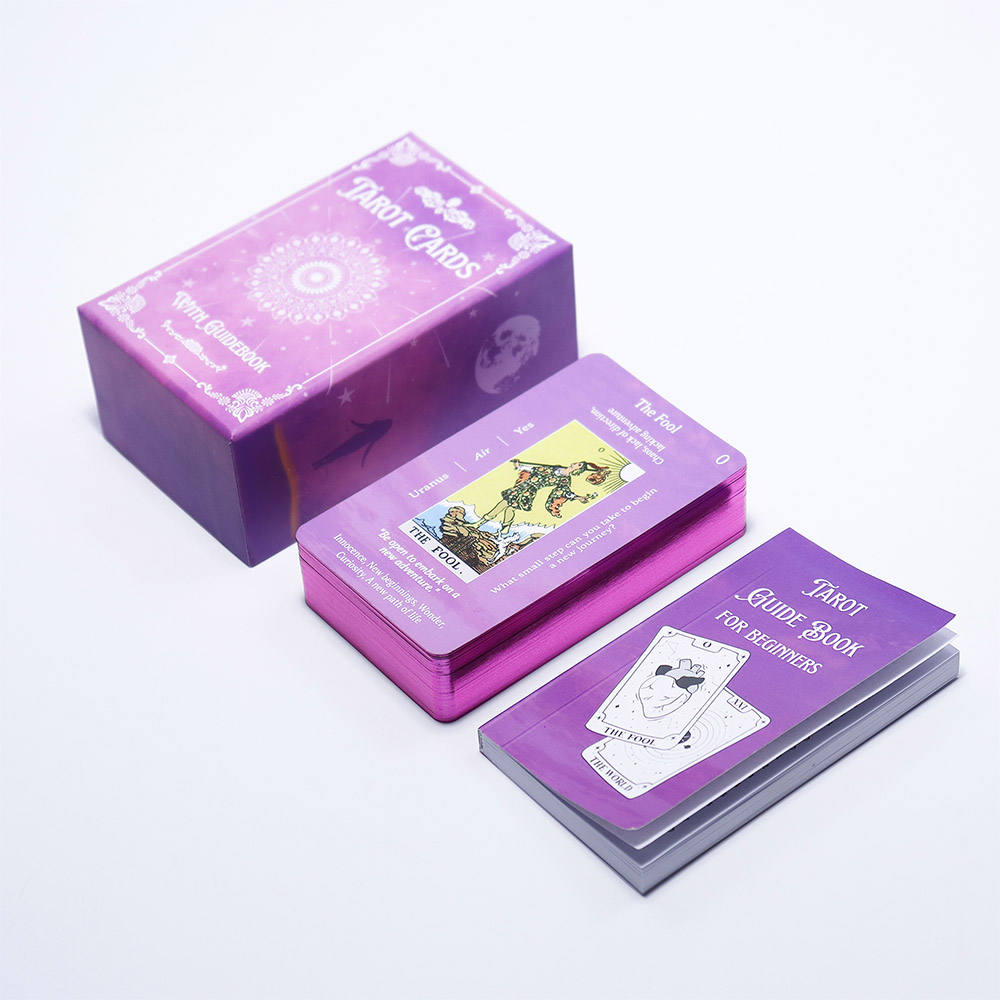 Custom Purple Tarot Cards with Guidebook
 L'Oracle d'Artémis Custom Oracle Cards
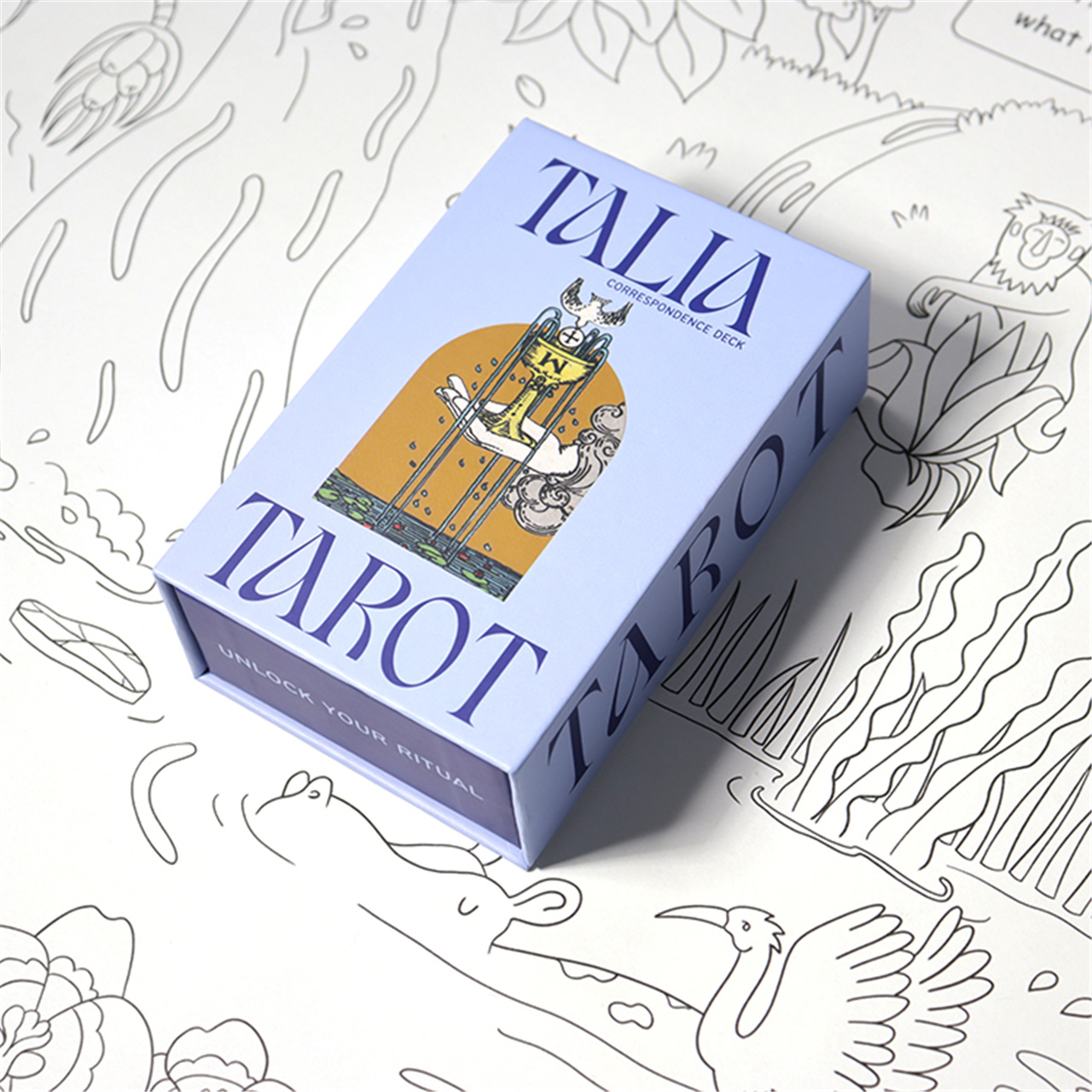 Custom Blue - Themed Tarot Cards Deck
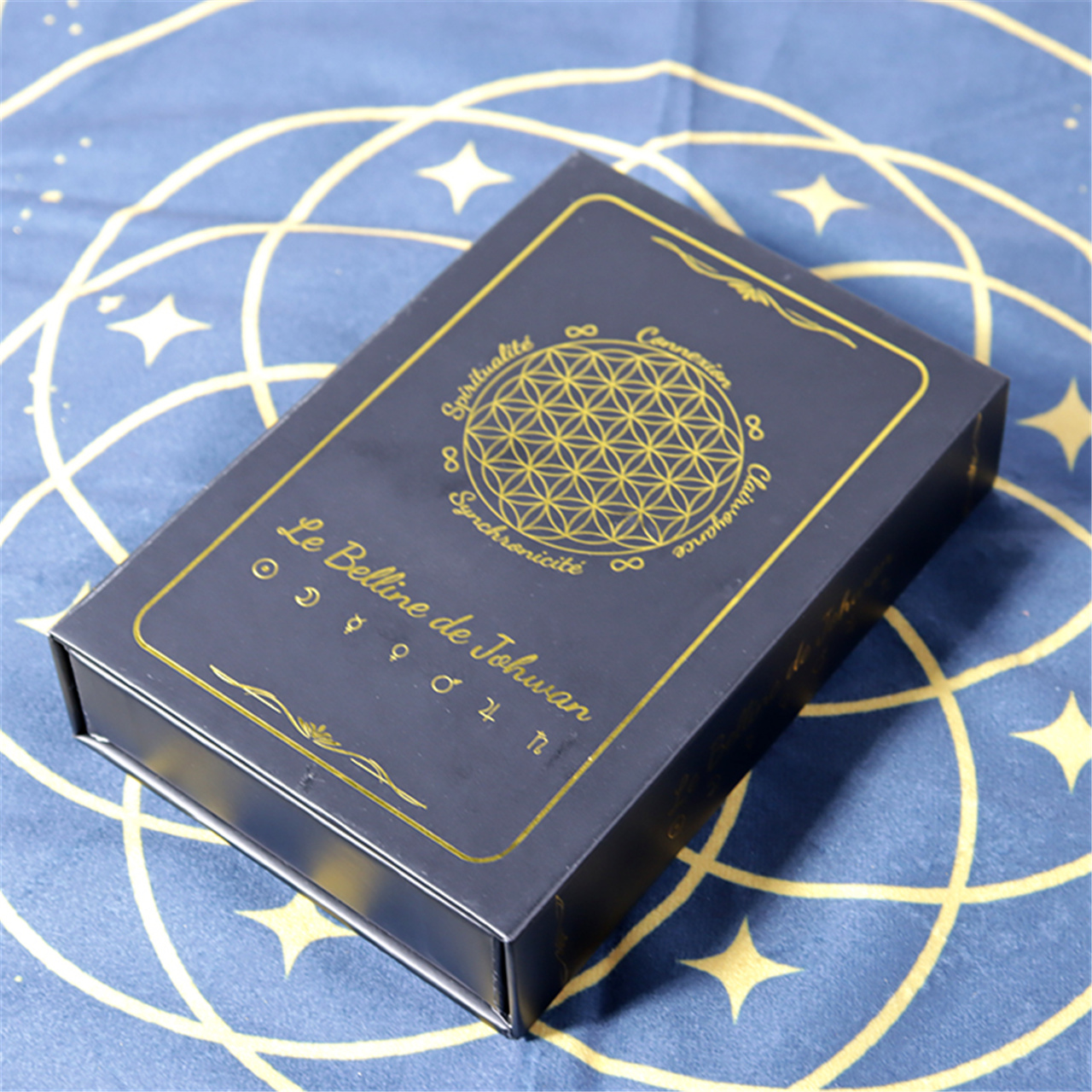 Custom Black - Blue Gold Foil Tarot Cards Set
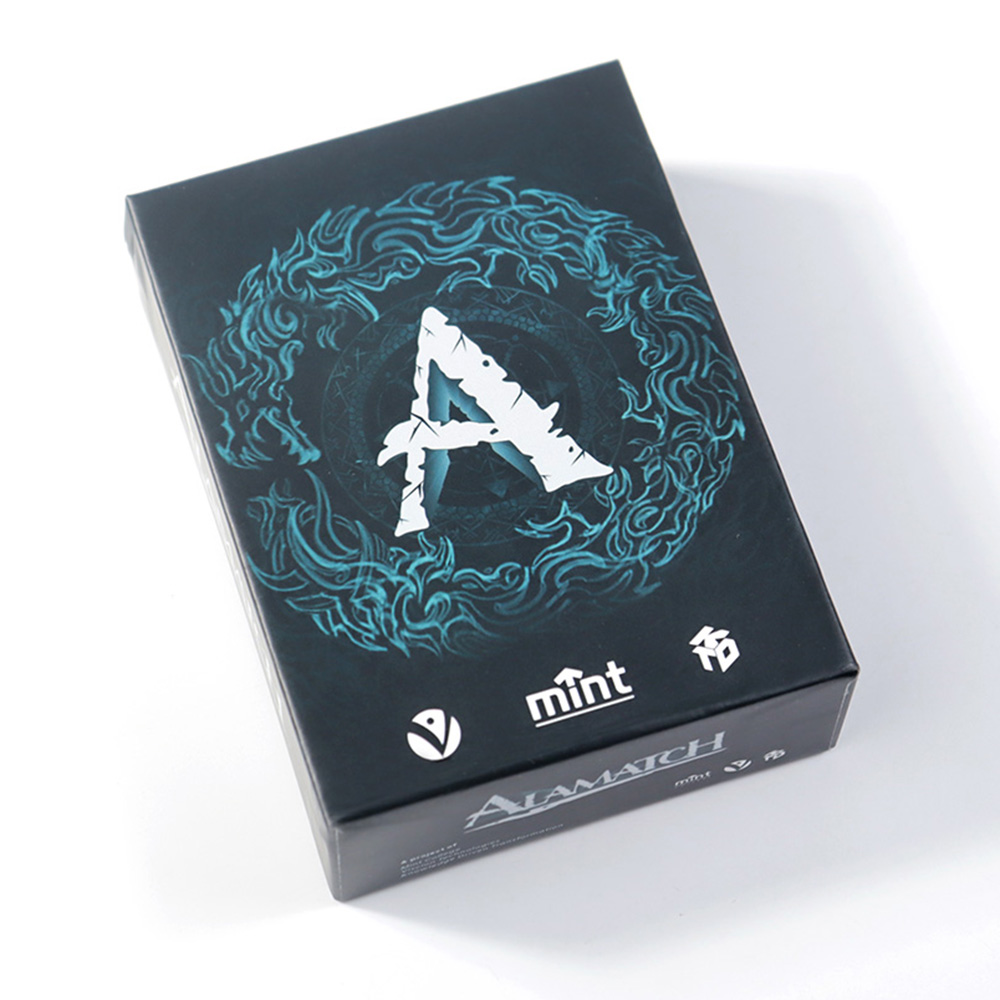 Alamatch Custom Trading Game Cards
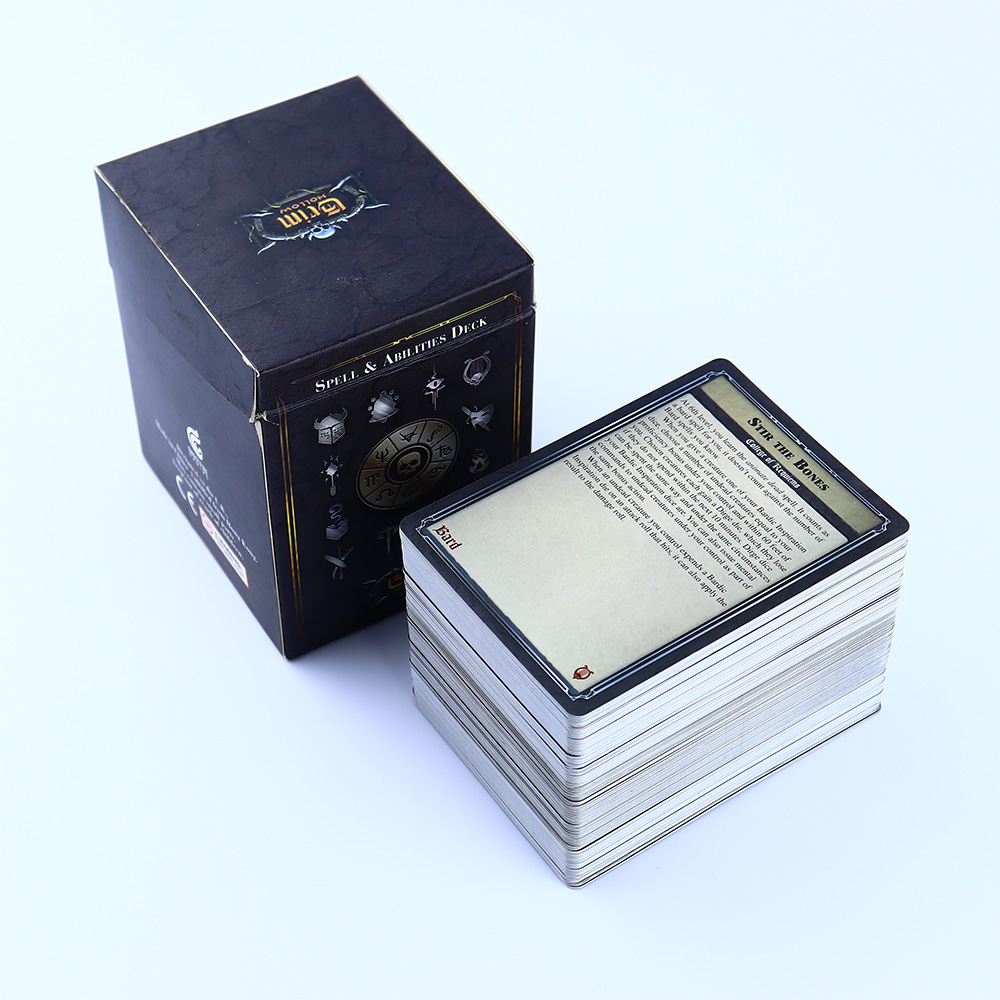 Grim Hollow Spell & Abilities Custom Trading Cards
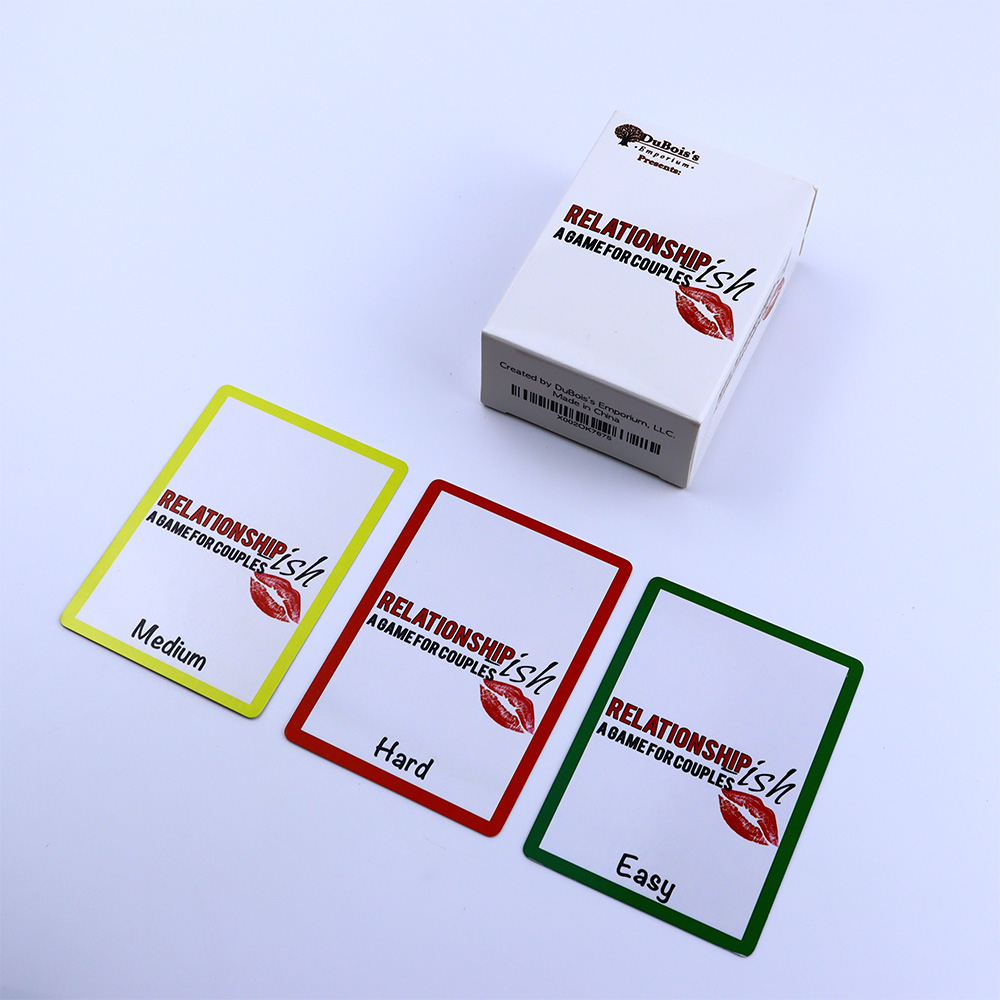 Relationshipish Custom Couple Card Game
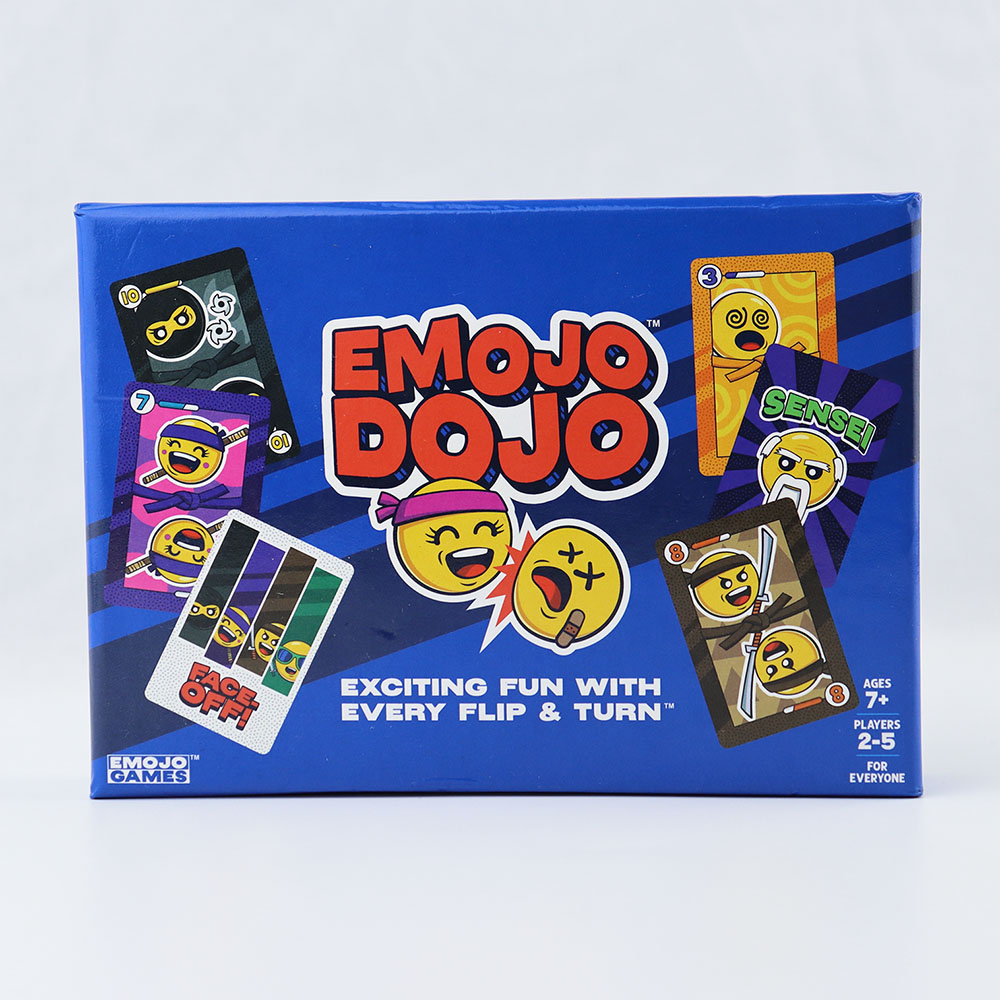 Emojo Dojo Custom Trading Card Game
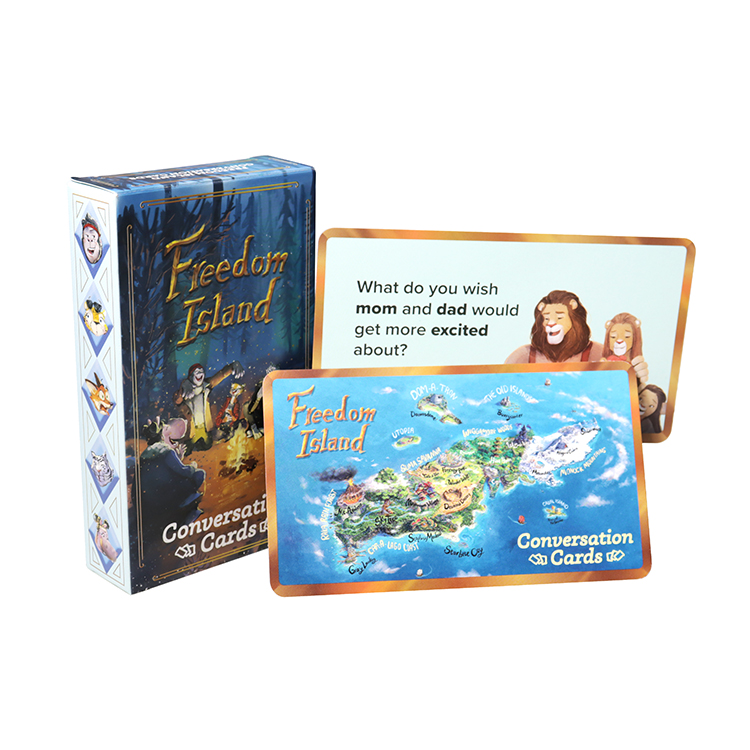 Custom Travel Photo Trading Cards Set
 Custom Cartoon Holographic Trading Cards Set