| Material |
PVC or polypropylene-based plastic; the exact formulation varies by supplier. |
Plastic cards resist moisture and surface staining better than conventional uncoated paper cards. |
Request the material type, safety documentation, and confirmation of whether the cards are suitable for repeated handling. |
| Standard Poker Size |
Approximately 63.5 × 88.9 mm, or 2.5 × 3.5 in. |
Fits common card boxes, shufflers, sleeves, and table accessories. |
Check finished dimensions after printing and cutting, including corner radius and tolerances. |
| Standard Bridge Size |
Approximately 57.2 × 88.9 mm, or 2.25 × 3.5 in. |
The narrower format can be more comfortable for players who hold many cards in one hand. |
Specify poker or bridge size clearly because the two formats are not interchangeable. |
| Card Thickness |
Common plastic playing-card thickness is about 0.30–0.33 mm, although custom specifications vary. |
A consistent thickness supports predictable shuffling, dealing, stacking, and packaging. |
Confirm thickness tolerance, total deck height, flexibility, and compatibility with automatic shufflers. |
| Surface Finish |
Smooth, matte, linen-textured, or other custom finishes may be available. |
The finish affects glare, grip, sliding performance, and perceived product quality. |
Approve a physical sample and test it under both bright indoor lighting and normal gameplay. |
| Water and Moisture Resistance |
Plastic cards are generally wipe-clean and more moisture-resistant than standard paper cards. |
Useful for casinos, outdoor games, travel products, hospitality venues, and frequent-use applications. |
Clarify cleaning instructions and avoid describing the product as fully waterproof unless tested and documented. |
| Print Quality |
Printing may use process colors, spot colors, or custom artwork depending on the production method. |
Durable printed graphics support custom decks, educational cards, promotional products, and game editions. |
Approve color proofs, bleed settings, fine-line details, registration accuracy, and print durability. |
| Opacity and Security |
Opaque cores or layered construction can reduce the risk of showing card faces through the back. |
Improves fairness for casino-style, competitive, and educational gameplay. |
Perform a light-transmission test and inspect whether artwork, edges, or print registration reveal card information. |
| Deck Composition |
A standard deck commonly contains 52 suited cards and 2 jokers; regional or game-specific decks may differ. |
Clear collation reduces packing errors and supports consistent retail or institutional distribution. |
Define card count, sequence, duplicate cards, instruction cards, and inspection requirements. |
| Packaging |
Common options include tuck boxes, rigid boxes, shrink wrapping, paper bands, and custom inserts. |
Packaging protects decks during international transport and improves shelf presentation. |
Confirm box dimensions, packaging materials, barcode placement, language requirements, and carton strength. |
| Quality Control |
Key checks include dimensions, thickness, color consistency, edge cutting, corner radius, collation, and packaging. |
Pre-shipment inspection helps reduce claims, replacement costs, and inconsistent customer experience. |
Agree on an approved sample, acceptable quality limits, inspection timing, and corrective-action terms. |
| Order Quantity and Pricing |
Unit pricing normally depends on deck quantity, material, printing, packaging, customization, and shipping terms. |
Larger, repeatable orders may improve production efficiency and reduce per-deck setup costs. |
Request a tiered quotation covering tooling, samples, packaging, freight, duties, payment terms, and re-order pricing. |
| Sustainability and Compliance |
Plastic products may have different recycling and disposal requirements depending on material and destination market. |
Documented material information supports responsible purchasing and more accurate product communication. |
Check applicable destination-market rules, packaging requirements, recycled-content claims, and available compliance documents. |

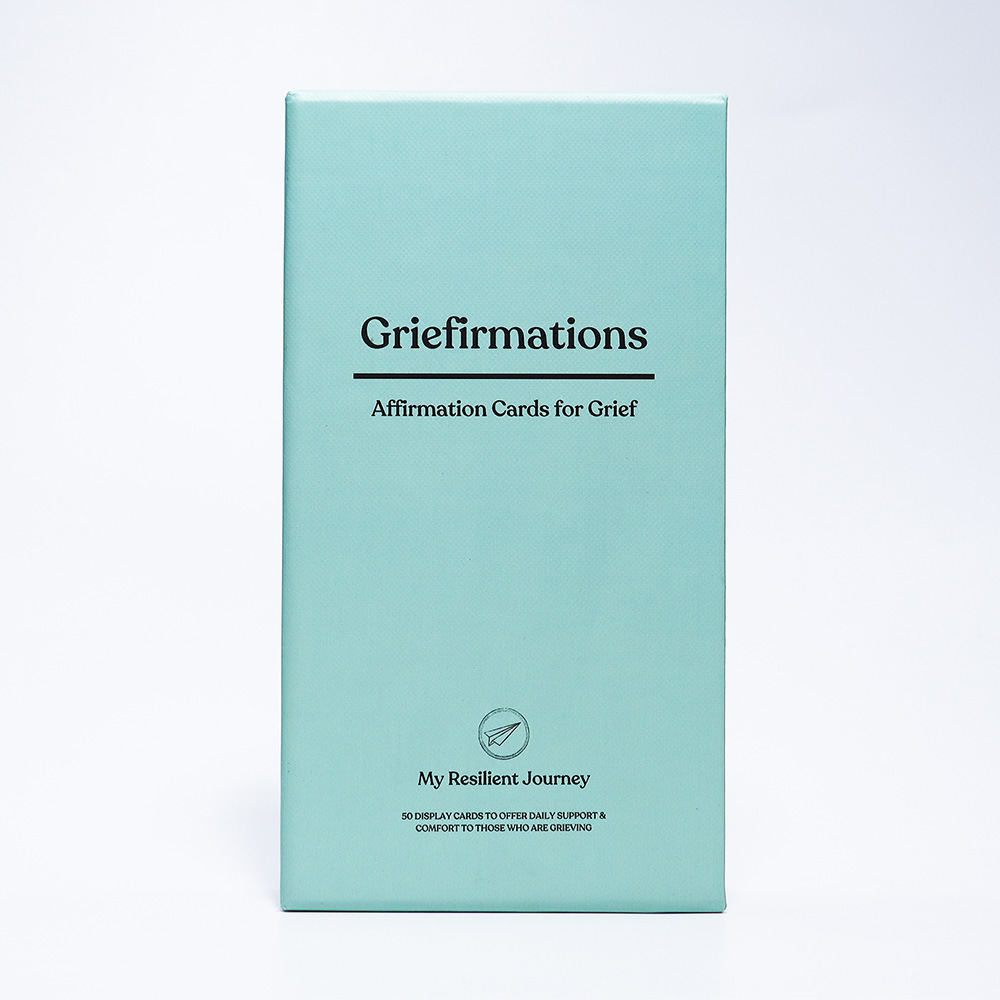 Customizable Emotional Support Cards for Grief & Resilience
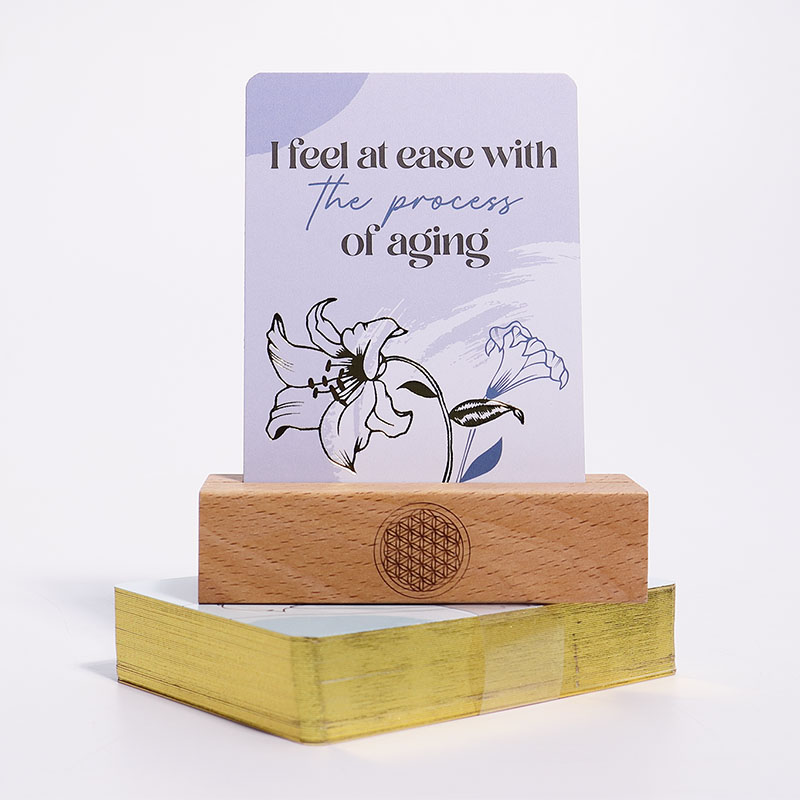 Personalized Emotional Encouragement Card Collection
 Personalized Deep Conversation Card Gift Box
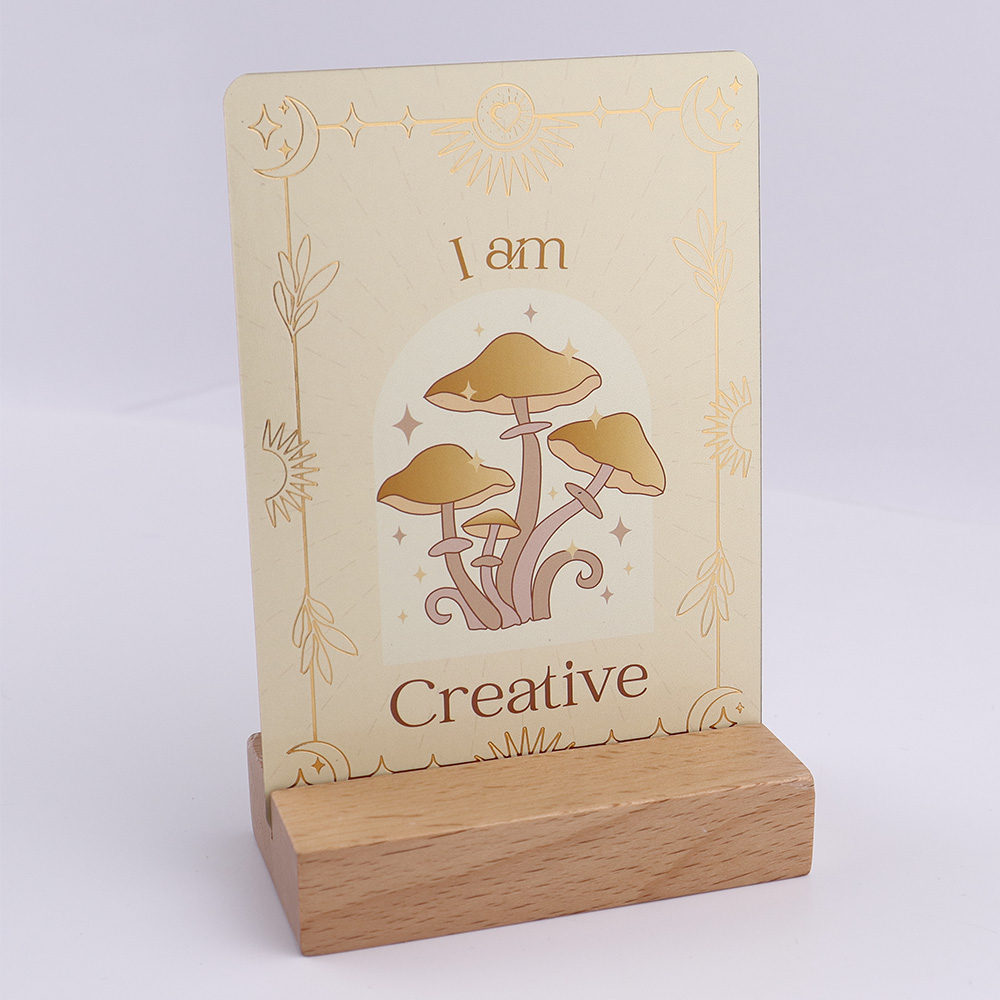 Customizable Boho-Chic Affirmation Cards for Mindfulness & Self-Love
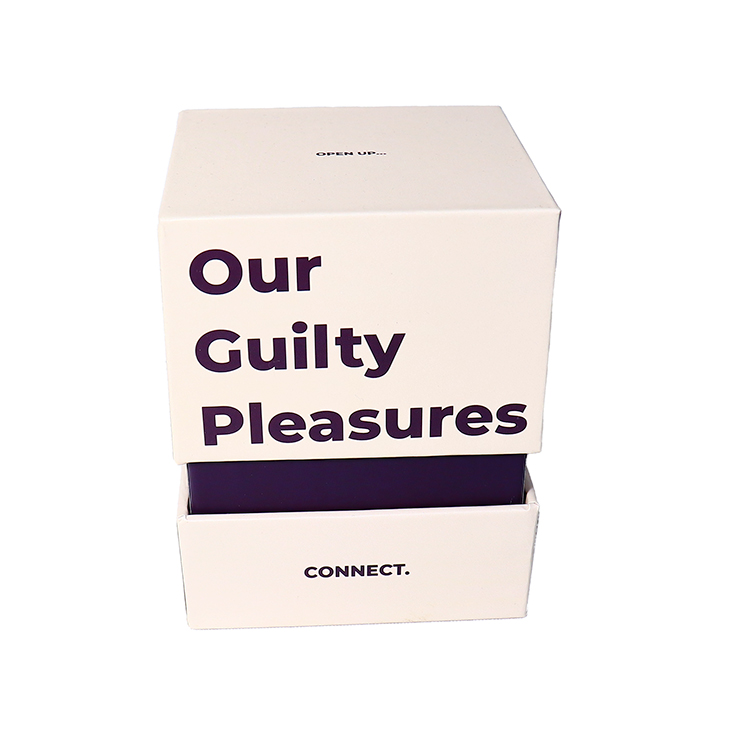 Customized Friendship Confirmation Card
 Customized Entrepreneurship Confirmation Card
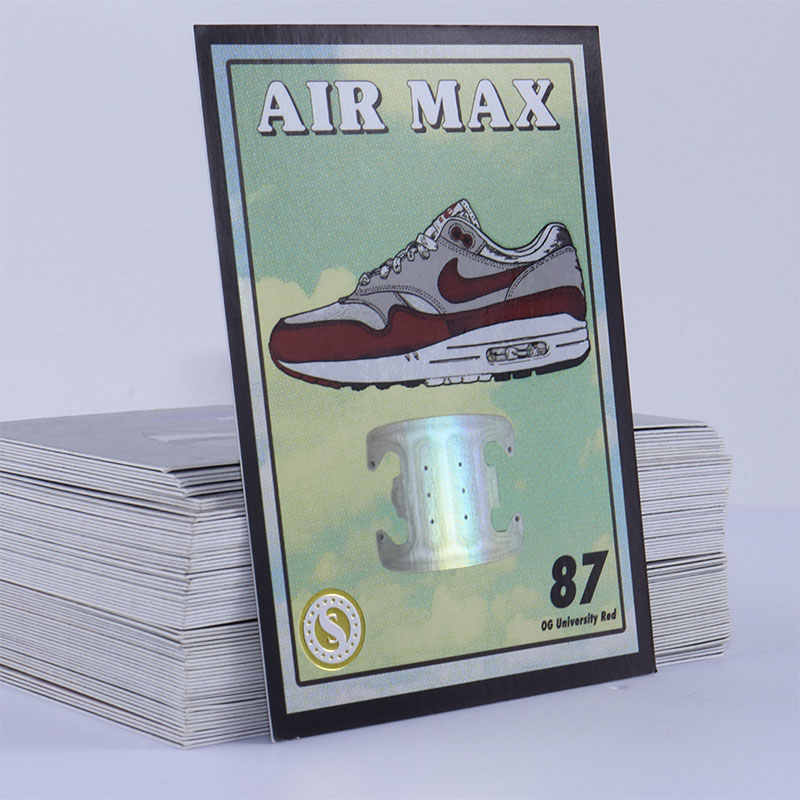 Air Max Pax Custom Sneaker Card Blind Box Set
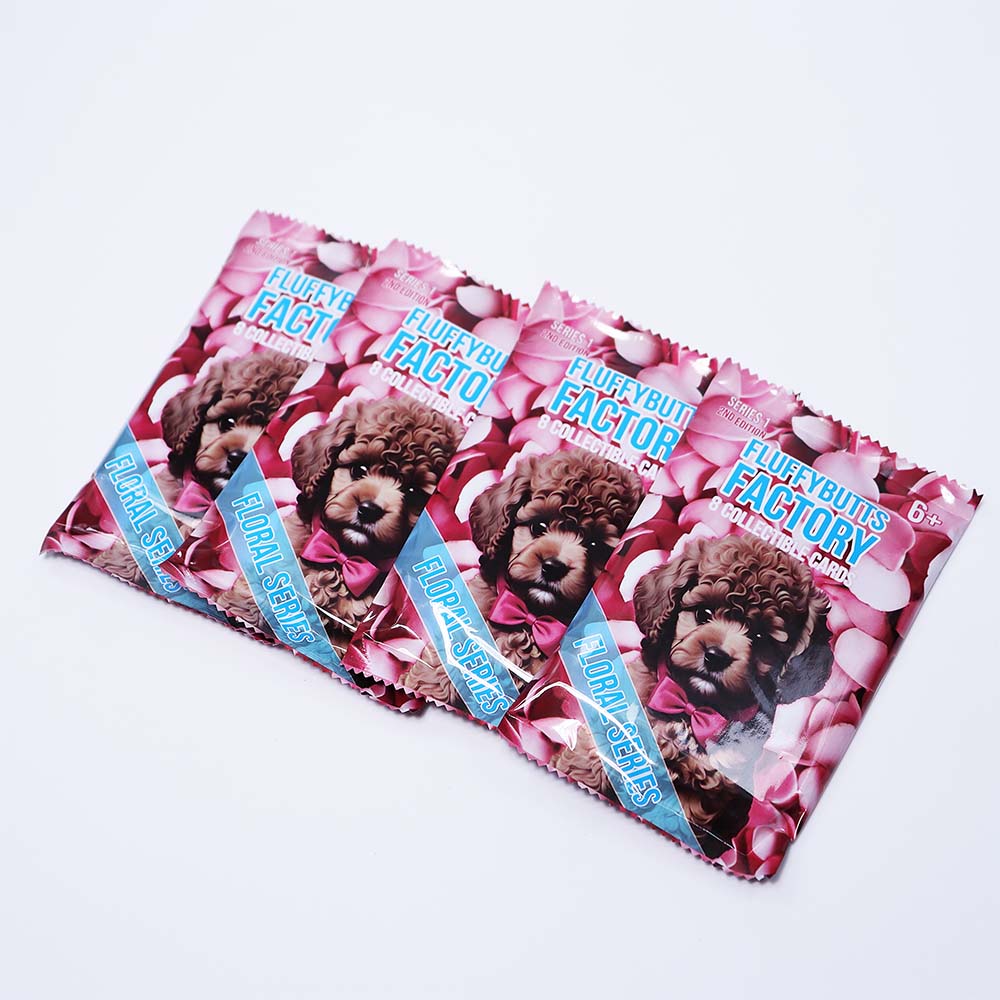 Fluffybutts Factory Custom Pet Card Blind Box Sets
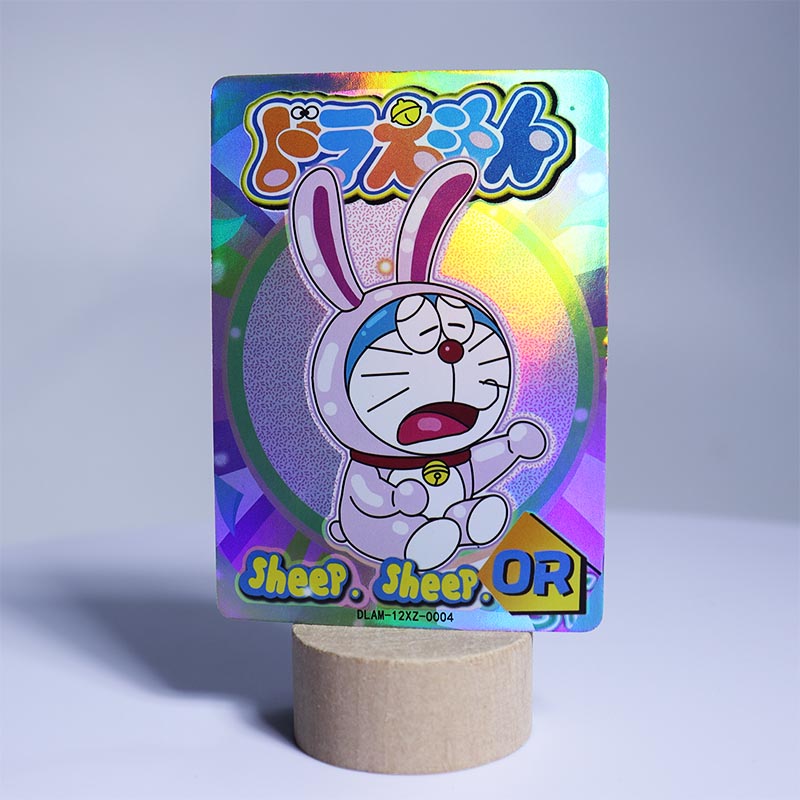 Doraemon Custom Card Blind Box Set
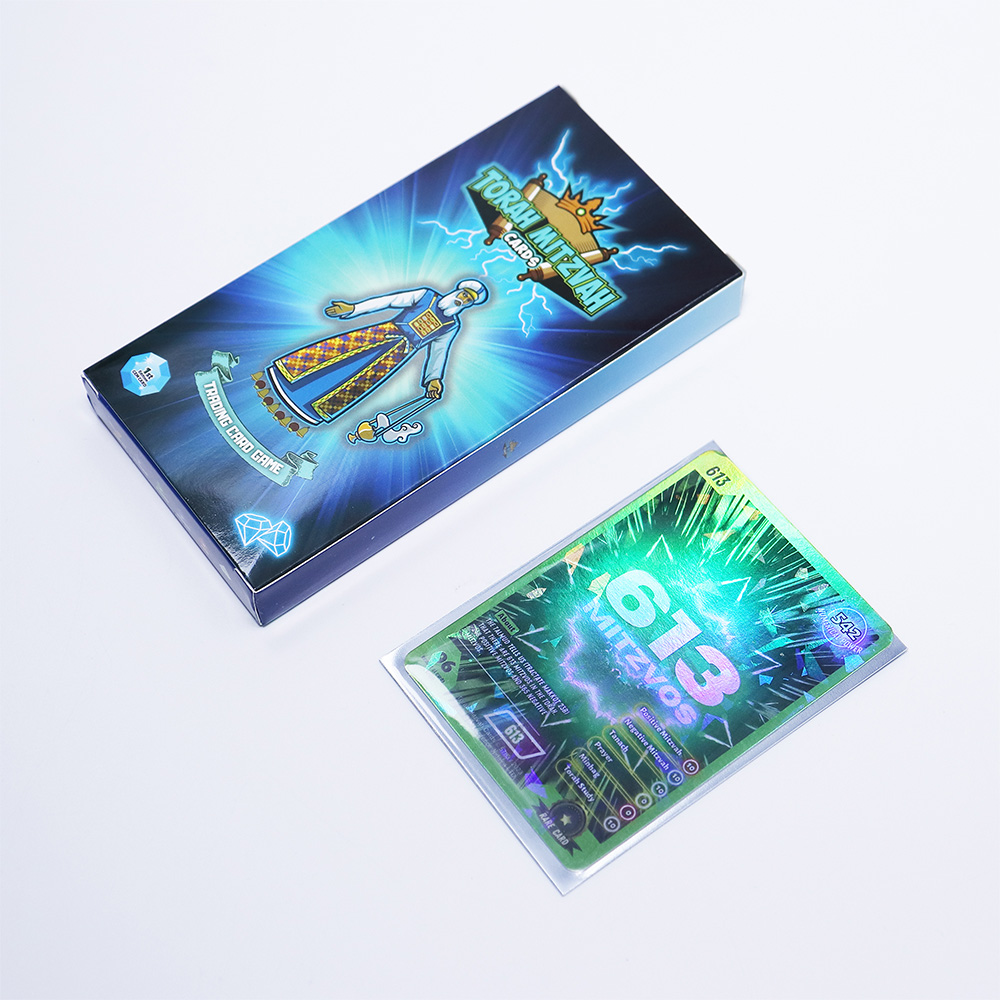 Torah Mitzvah Custom Card Blind Box Set
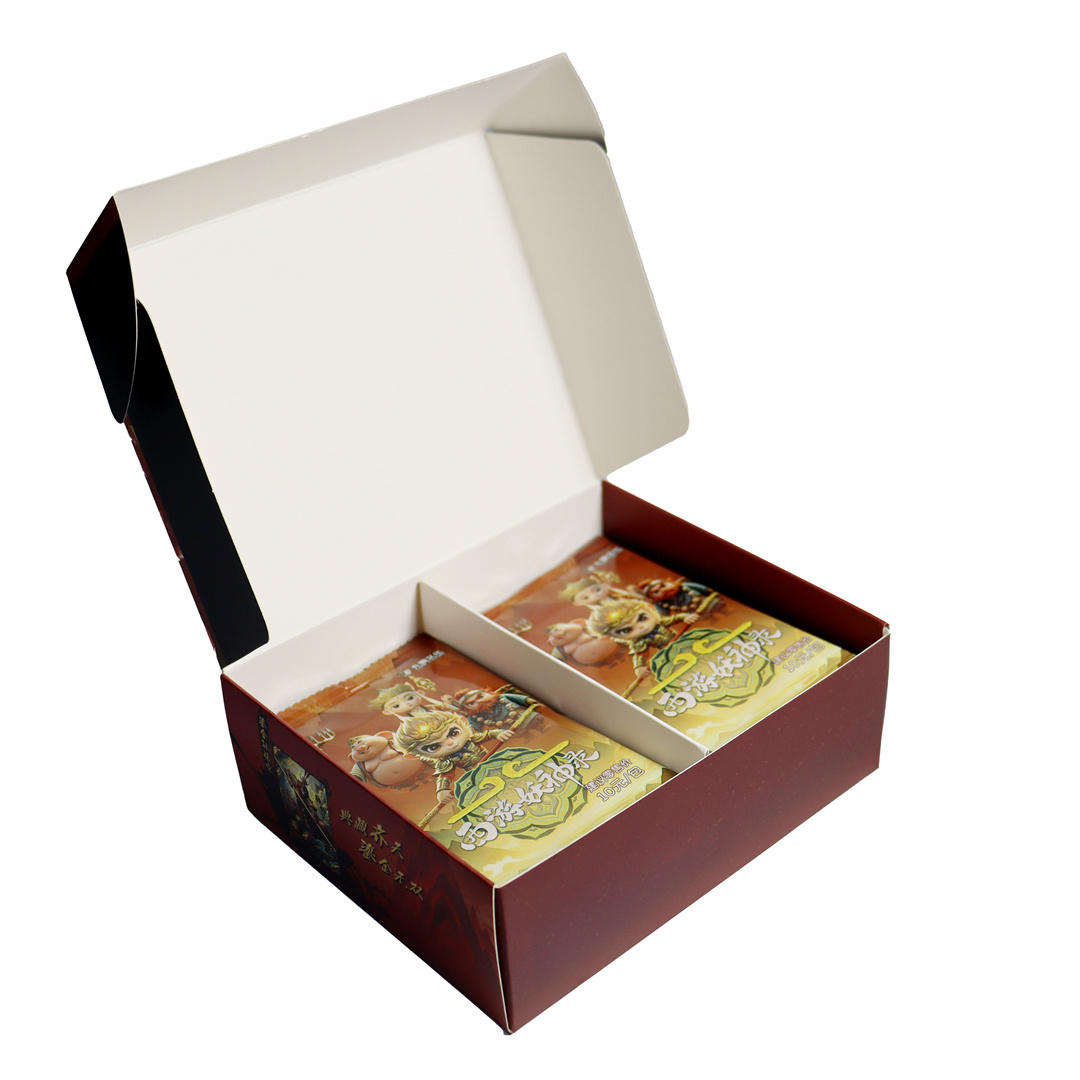 Customized "Journey to the West" Themed Card Blind Box Set
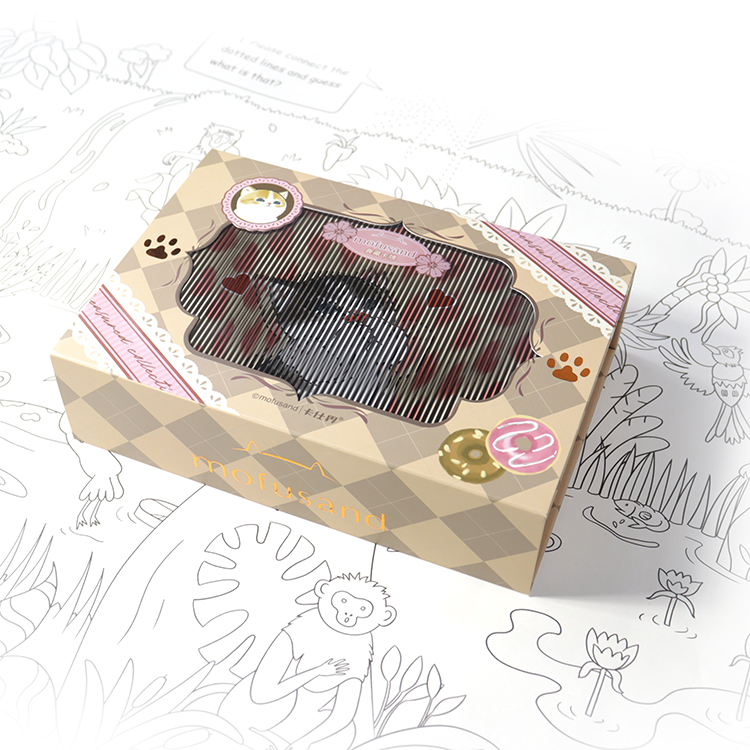 Customized cat-themed blind box set
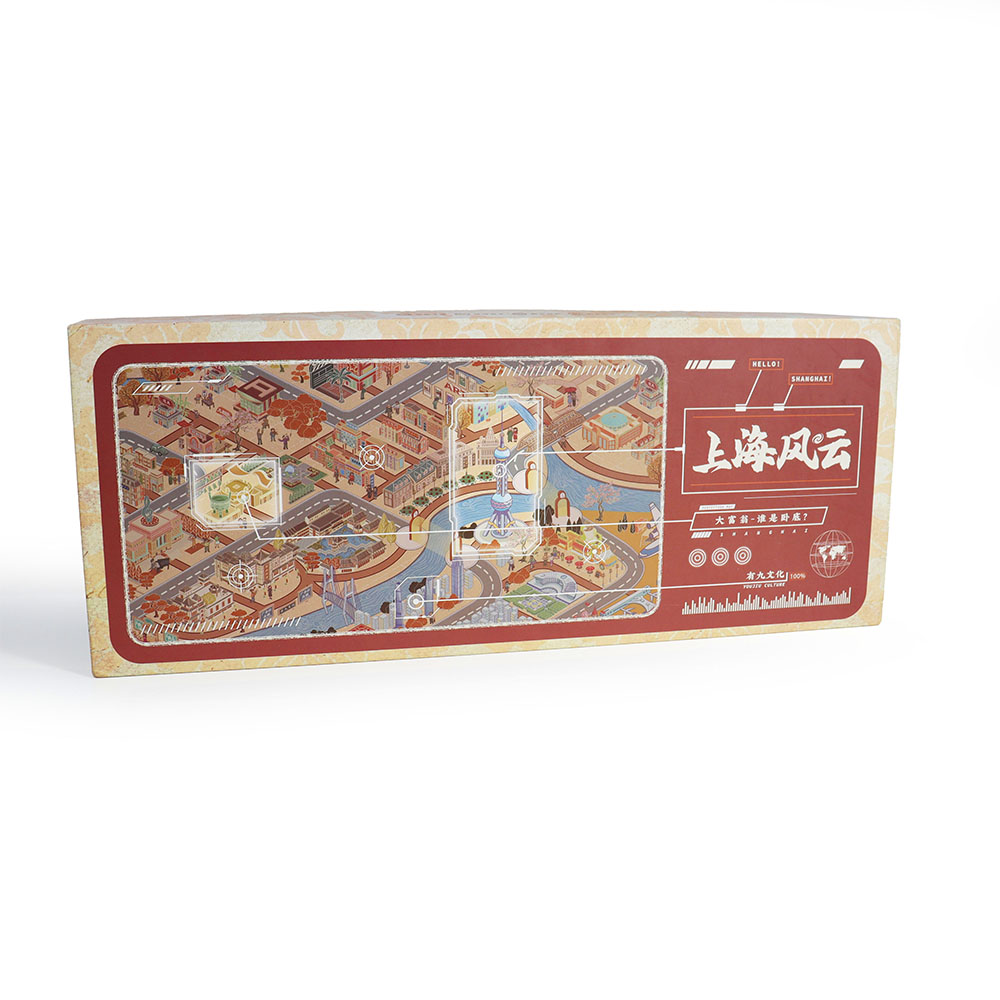 Shanghai Fengyun Custom Board Game Set
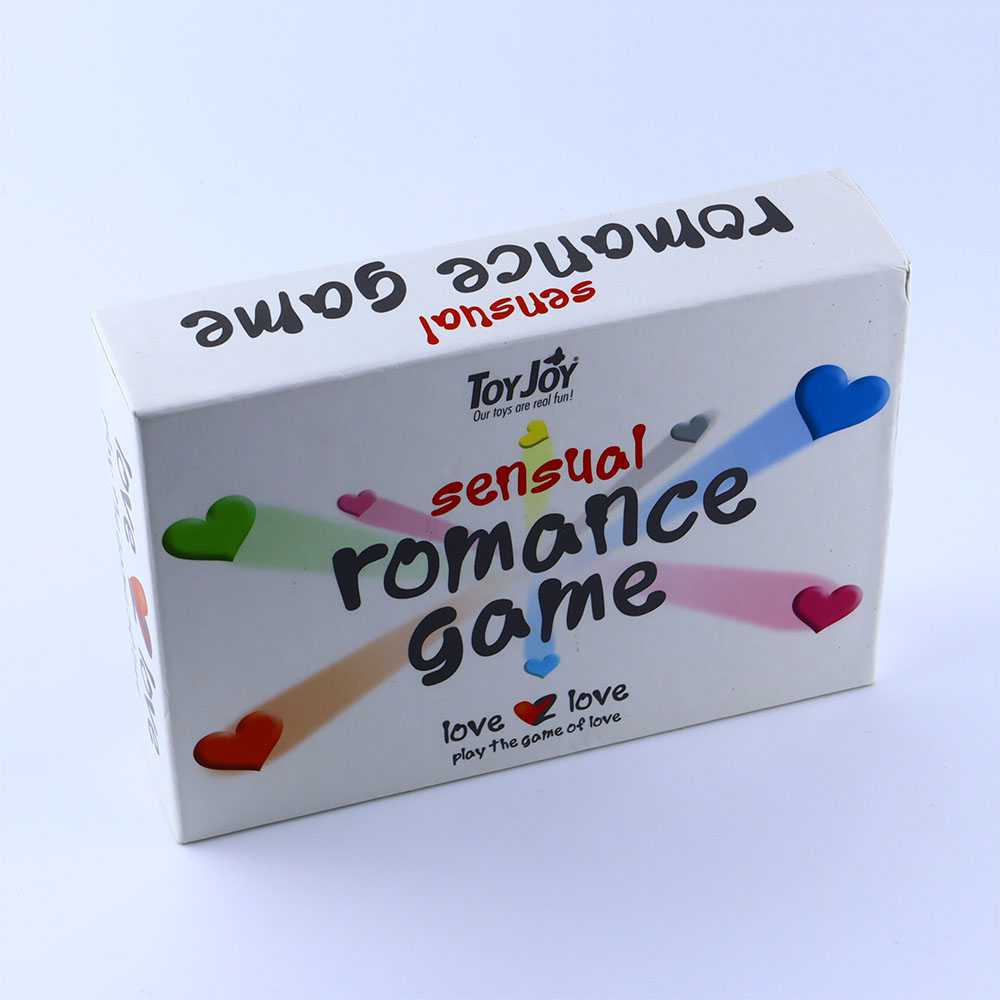 Sensual Romance Game Custom Board Game Set
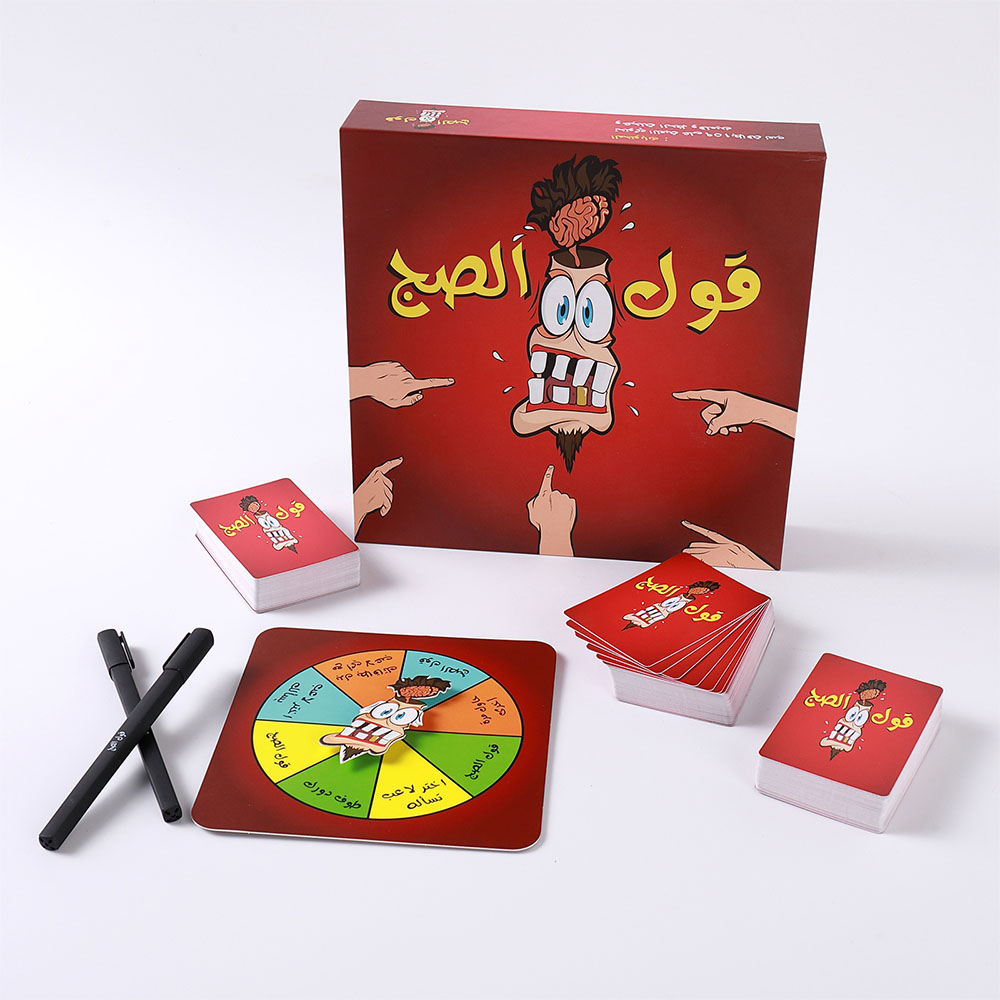 "Qoul Al Sabah" Custom Board Game Set
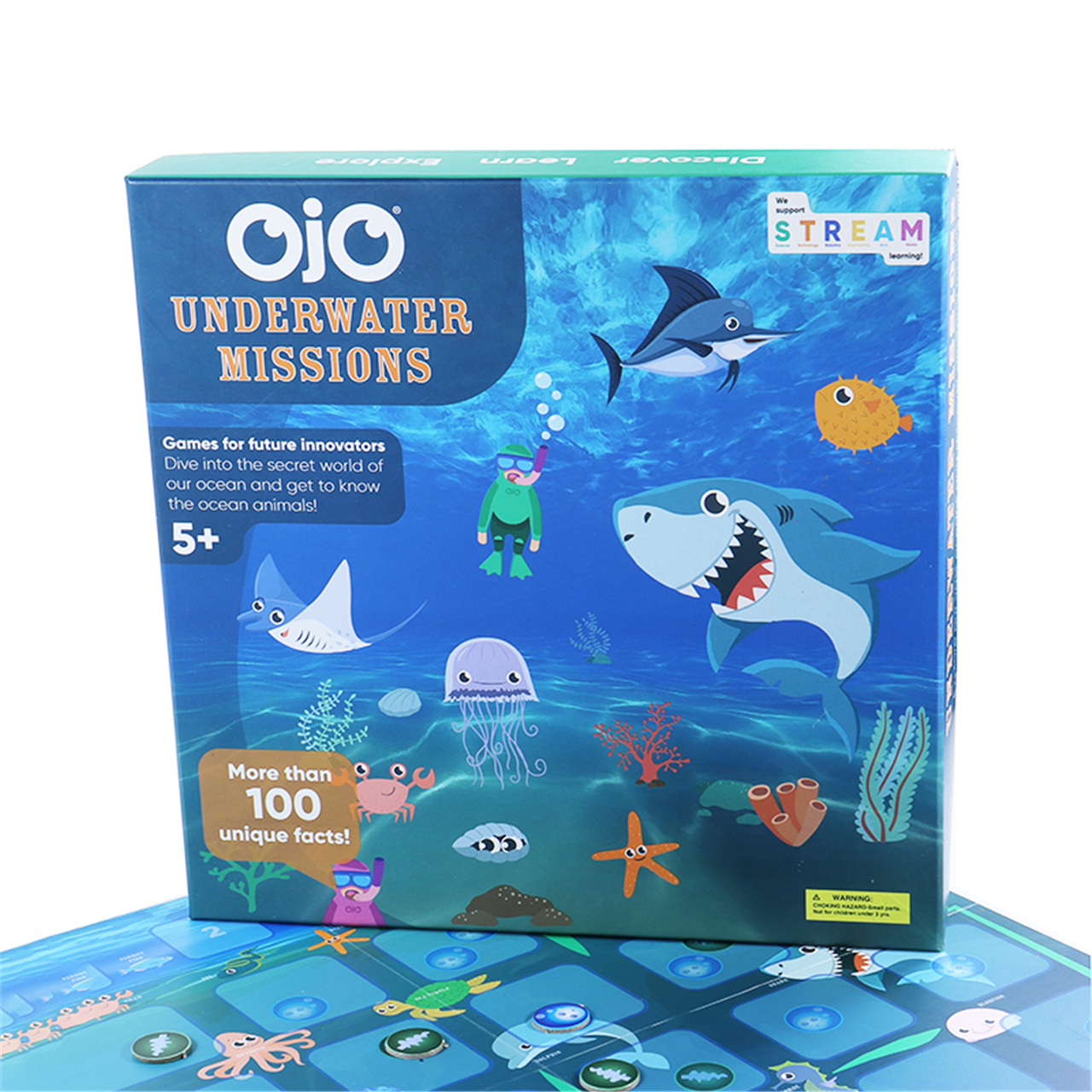 Customized educational board games for children
 Couple Interaction Turntable Themed Board Game
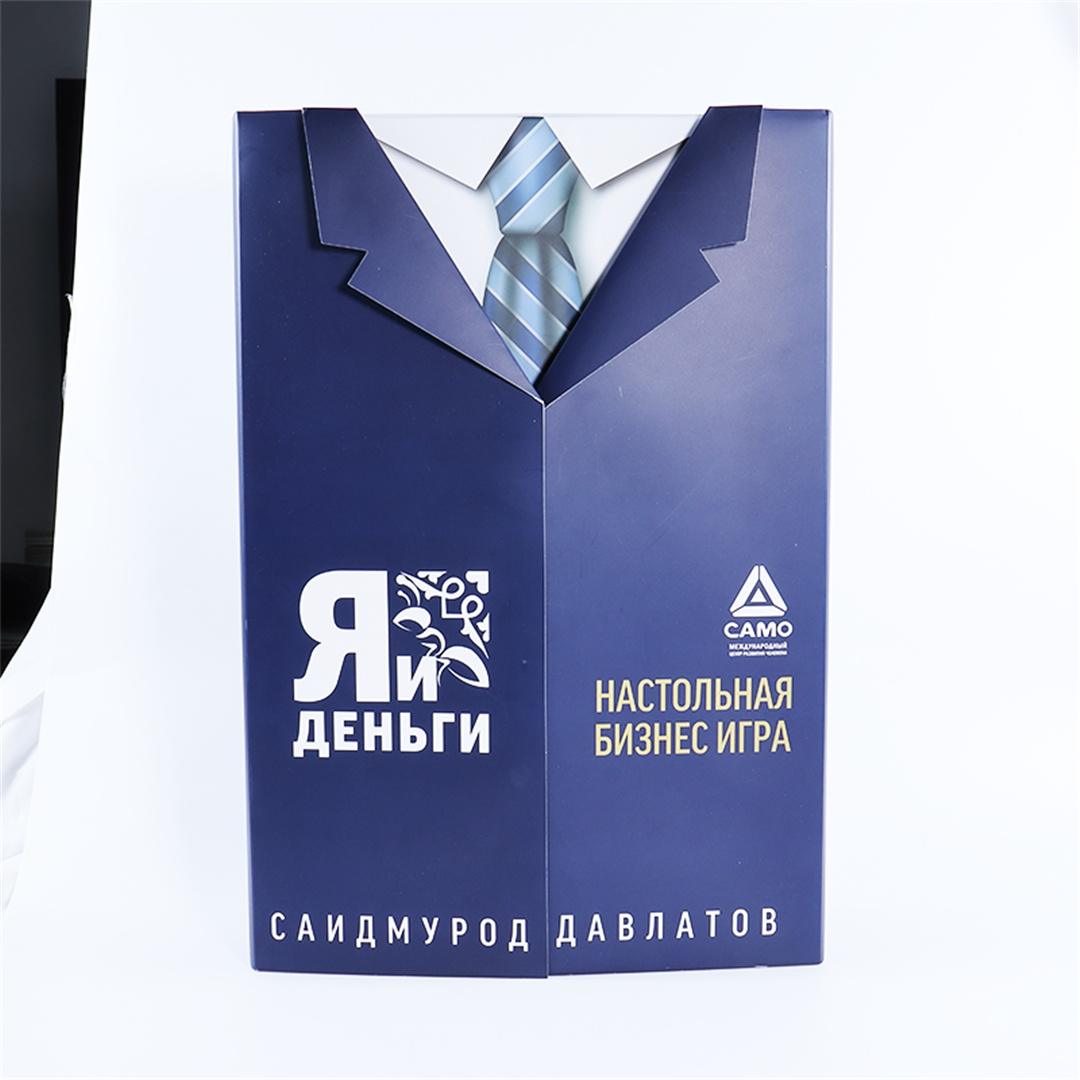 Business Finance Board Game
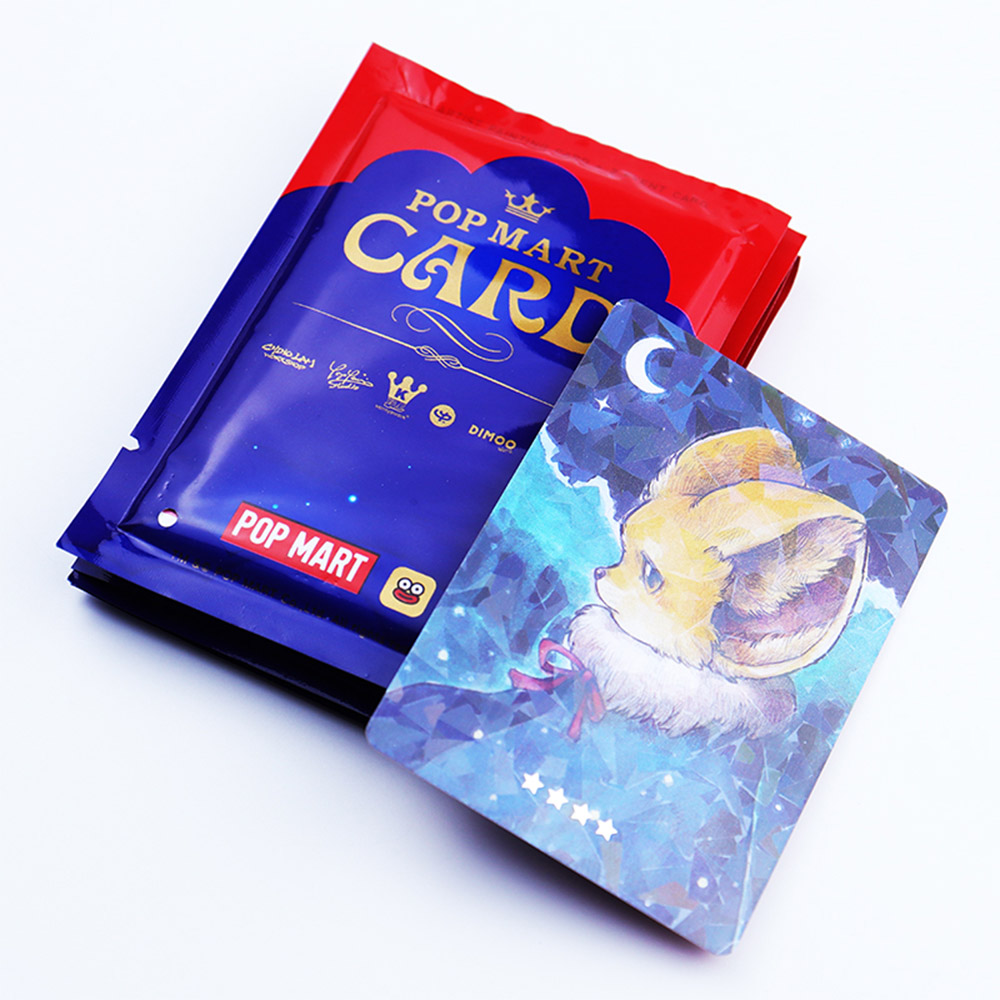 Pop Mart Custom Character Collectible Cards
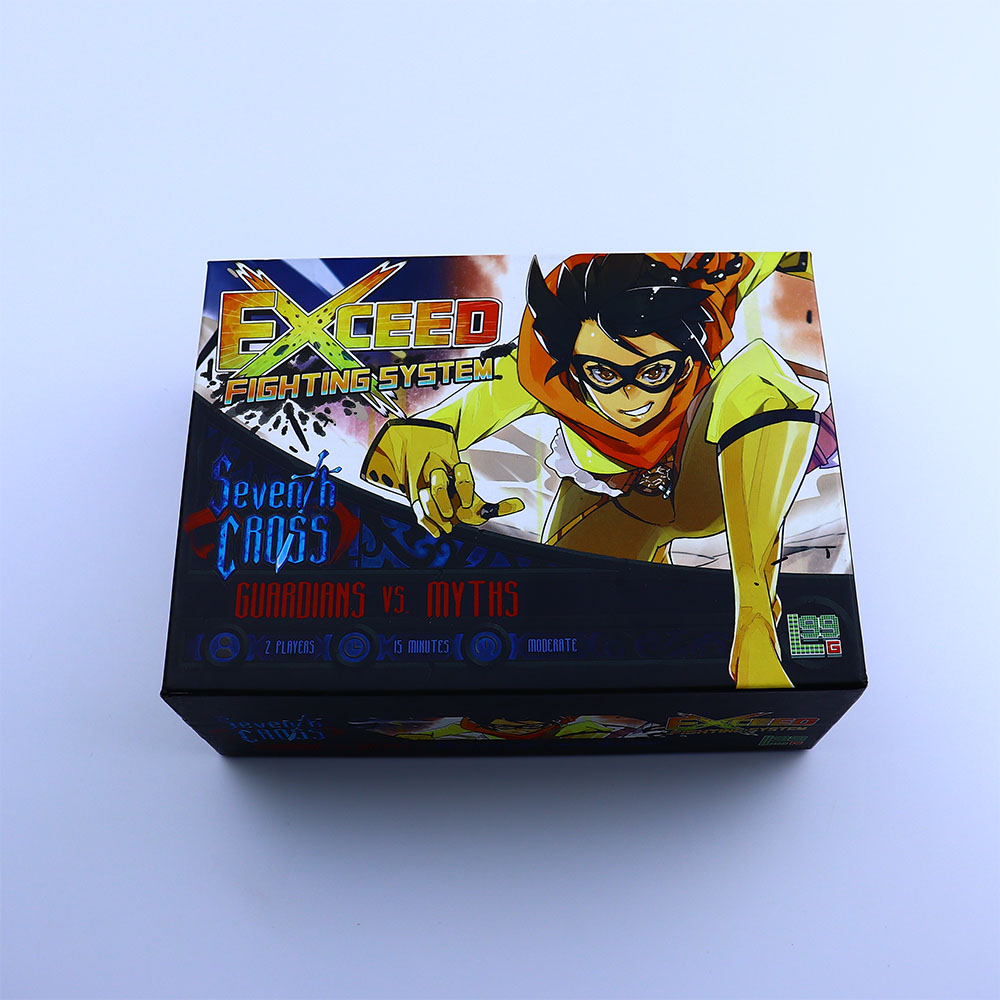 EXCEED Fighting System Custom Character Card Set
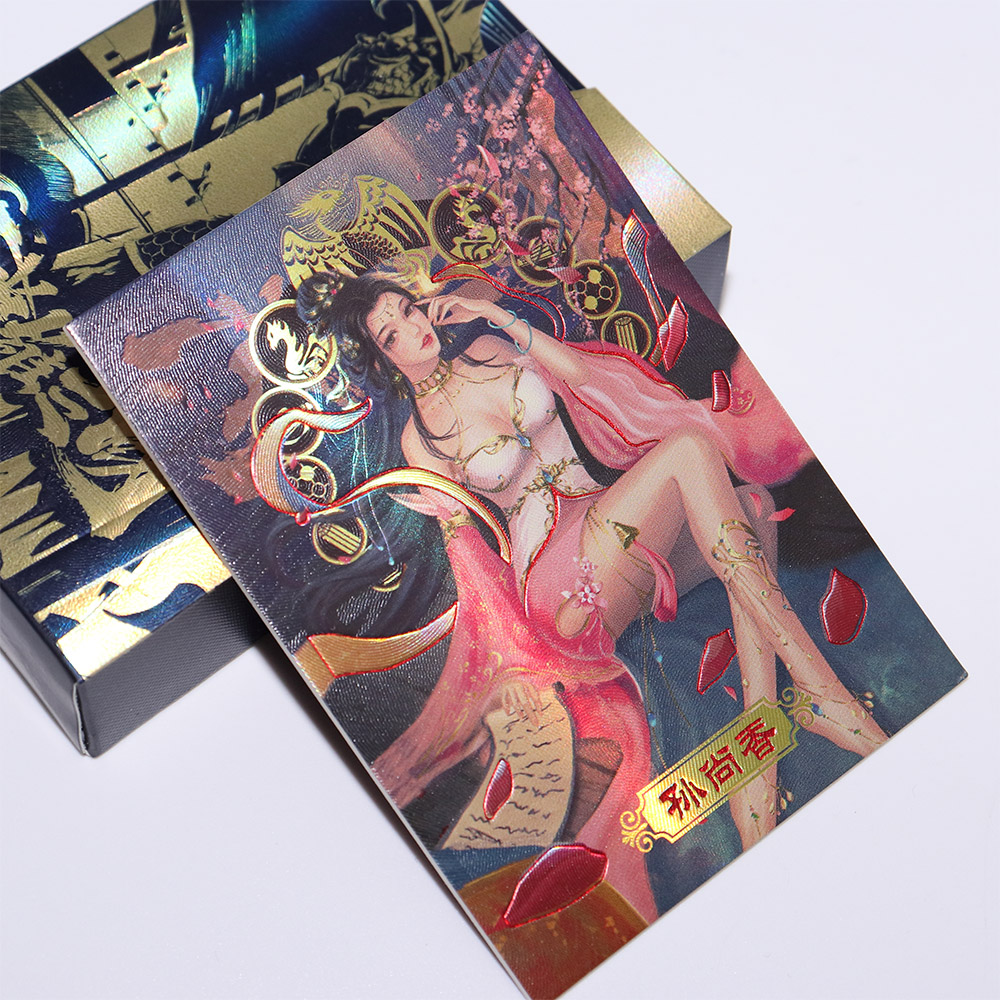 Three Kingdoms Custom Hero Character Cards
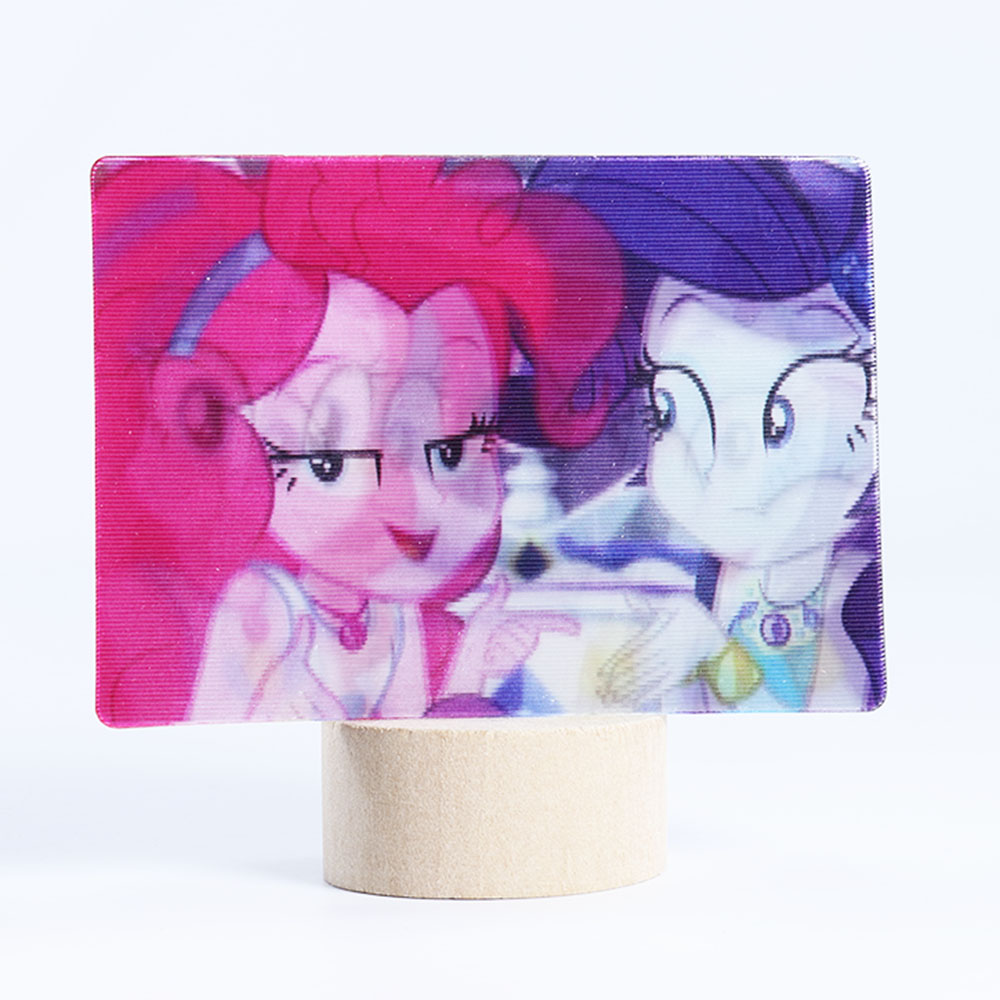 Custom Anime Character Dynamic Visual Cards
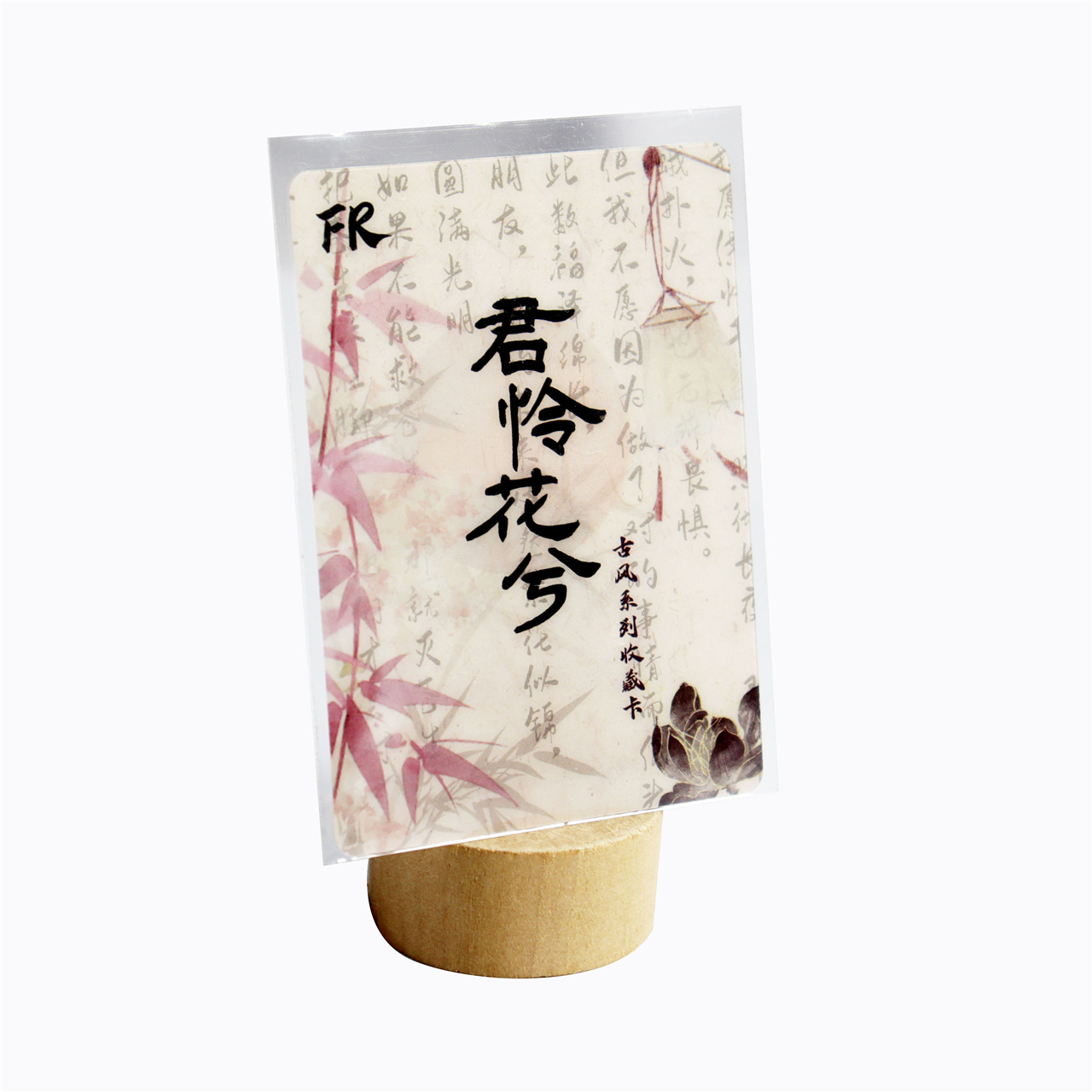 Custom Cartoon Character Collectible Card Set
 Custom Anime Character Art Card Set
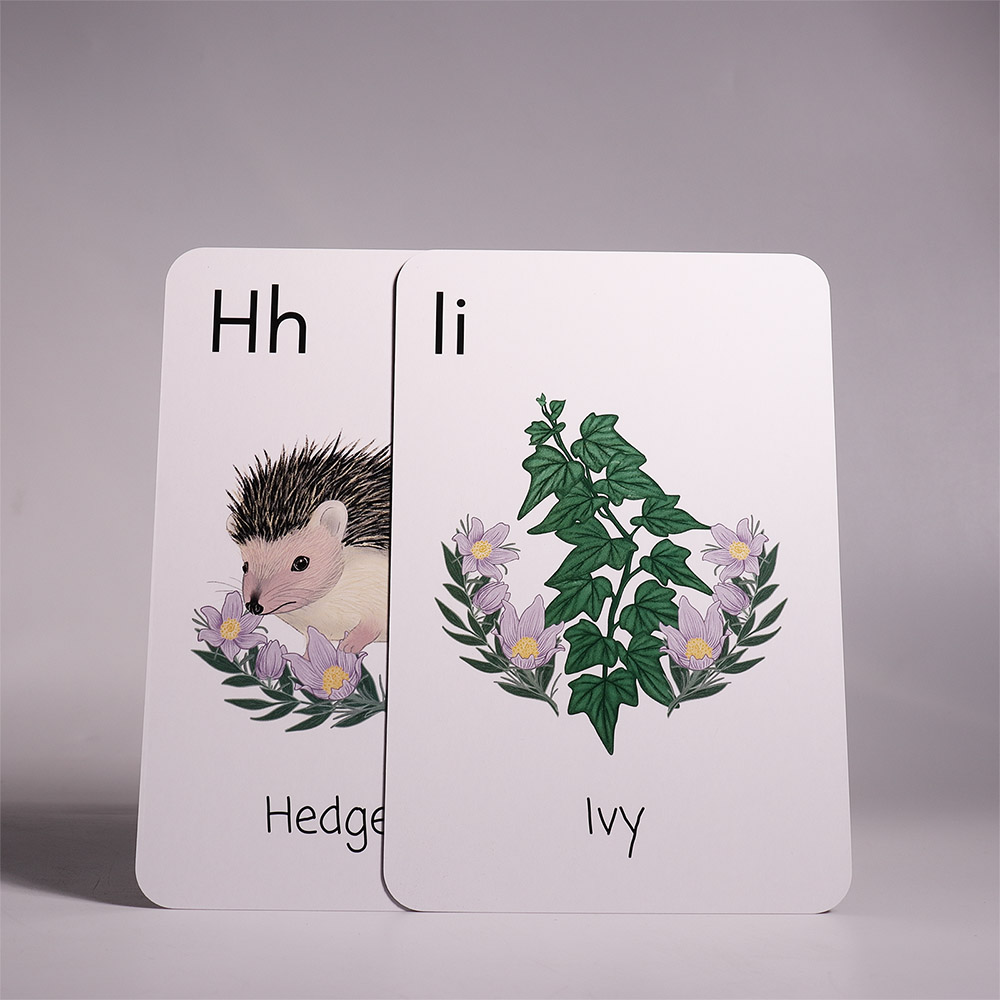 Little Larch Alphabet Cards
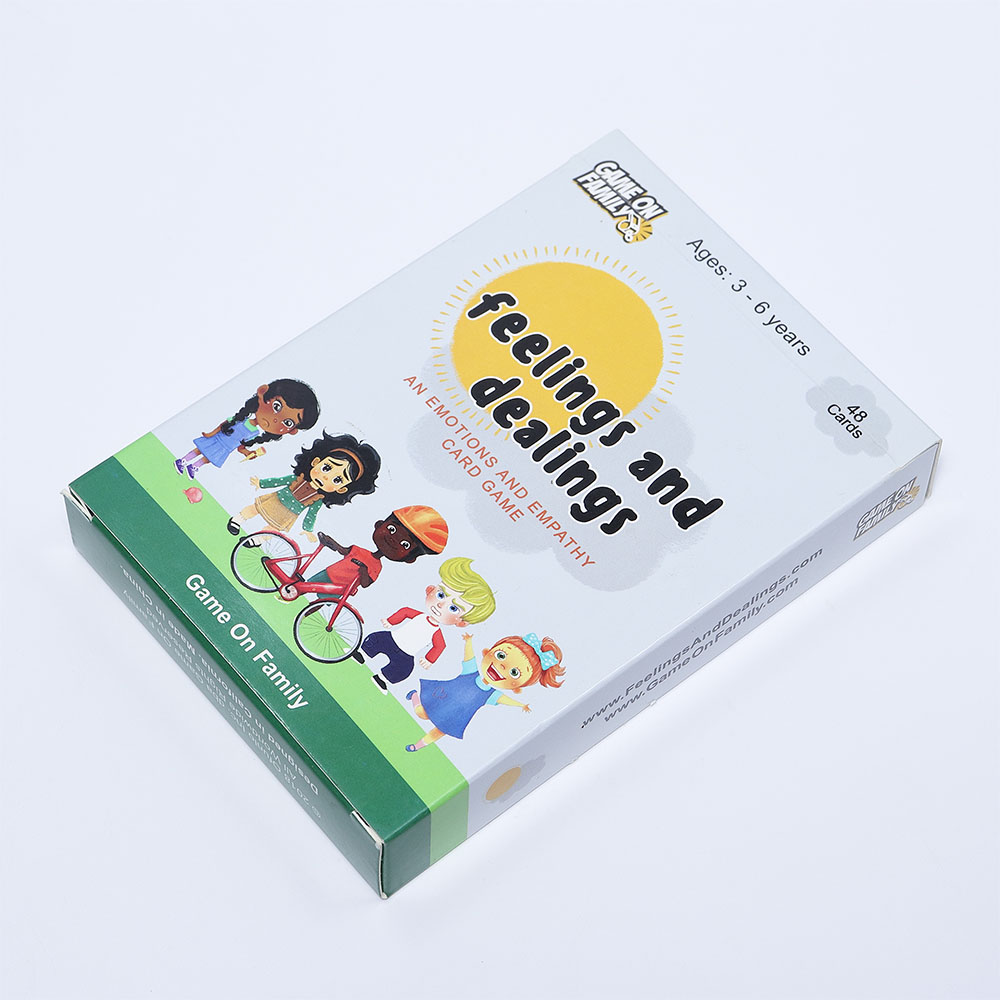 Feelings and Dealings Custom Children's Emotion Card Game
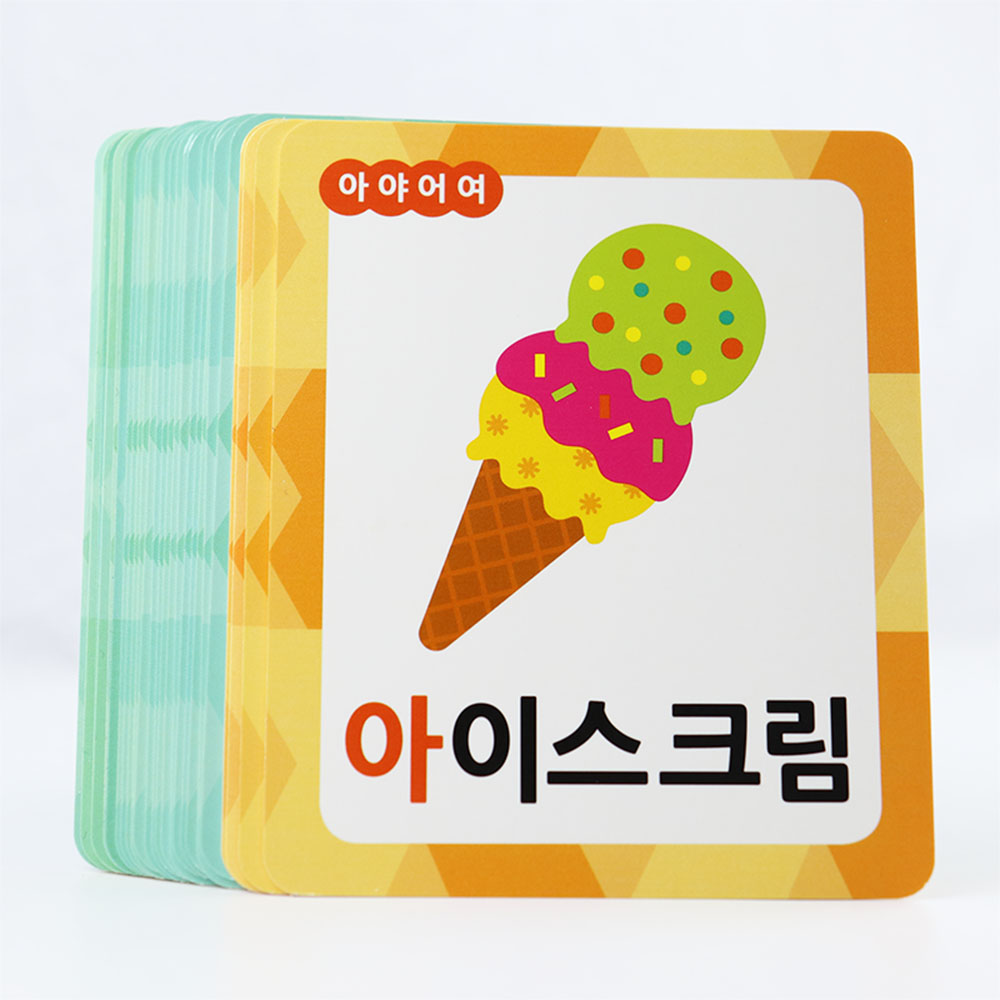 Korean Children's Educational Flashcards
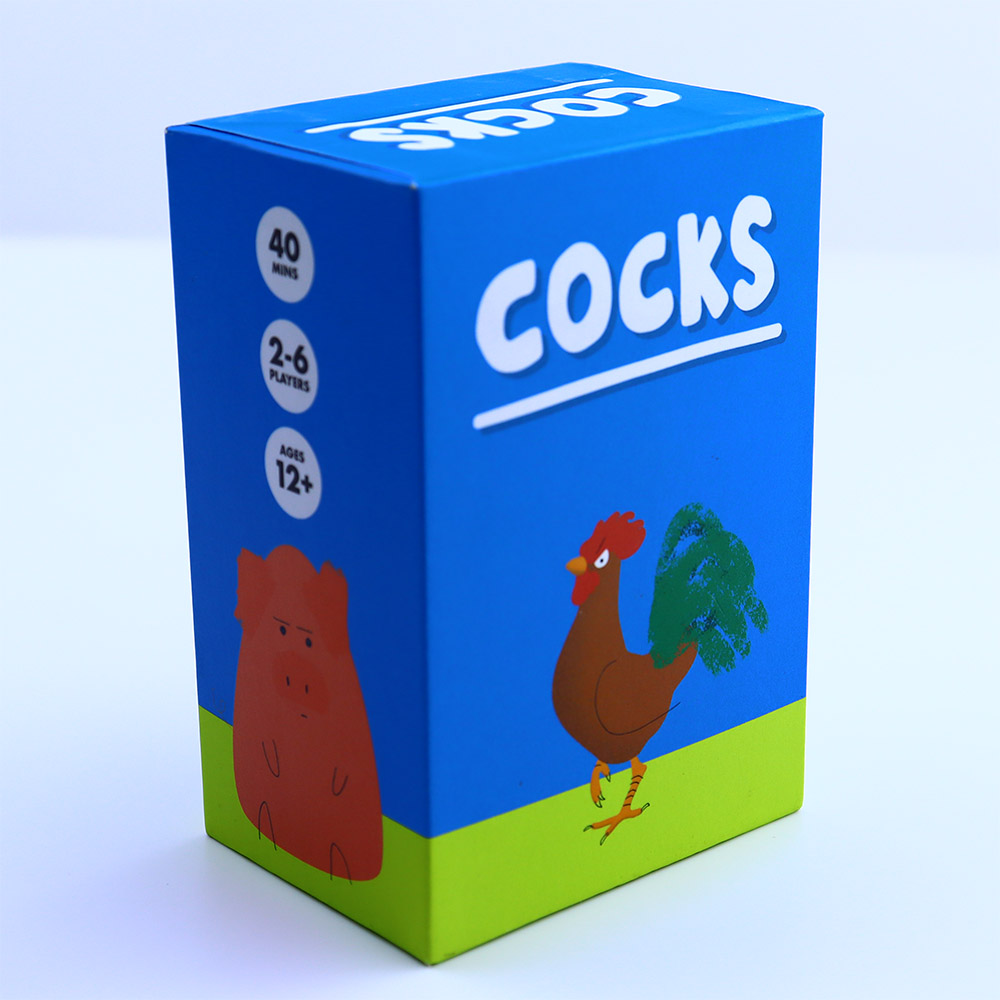 Cocks Themed Custom Children's Learning Cards
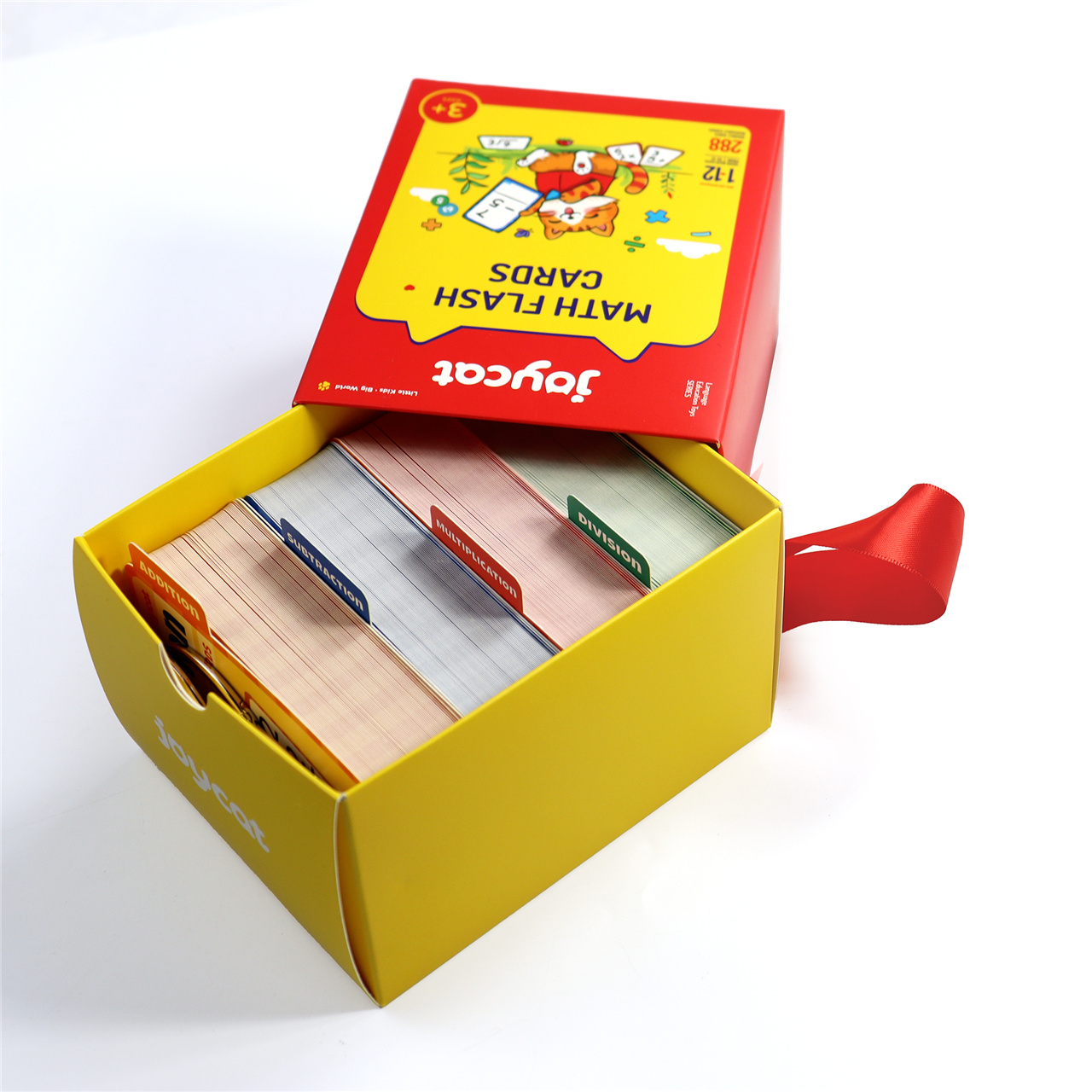 Math Flash Cards Set for Kids
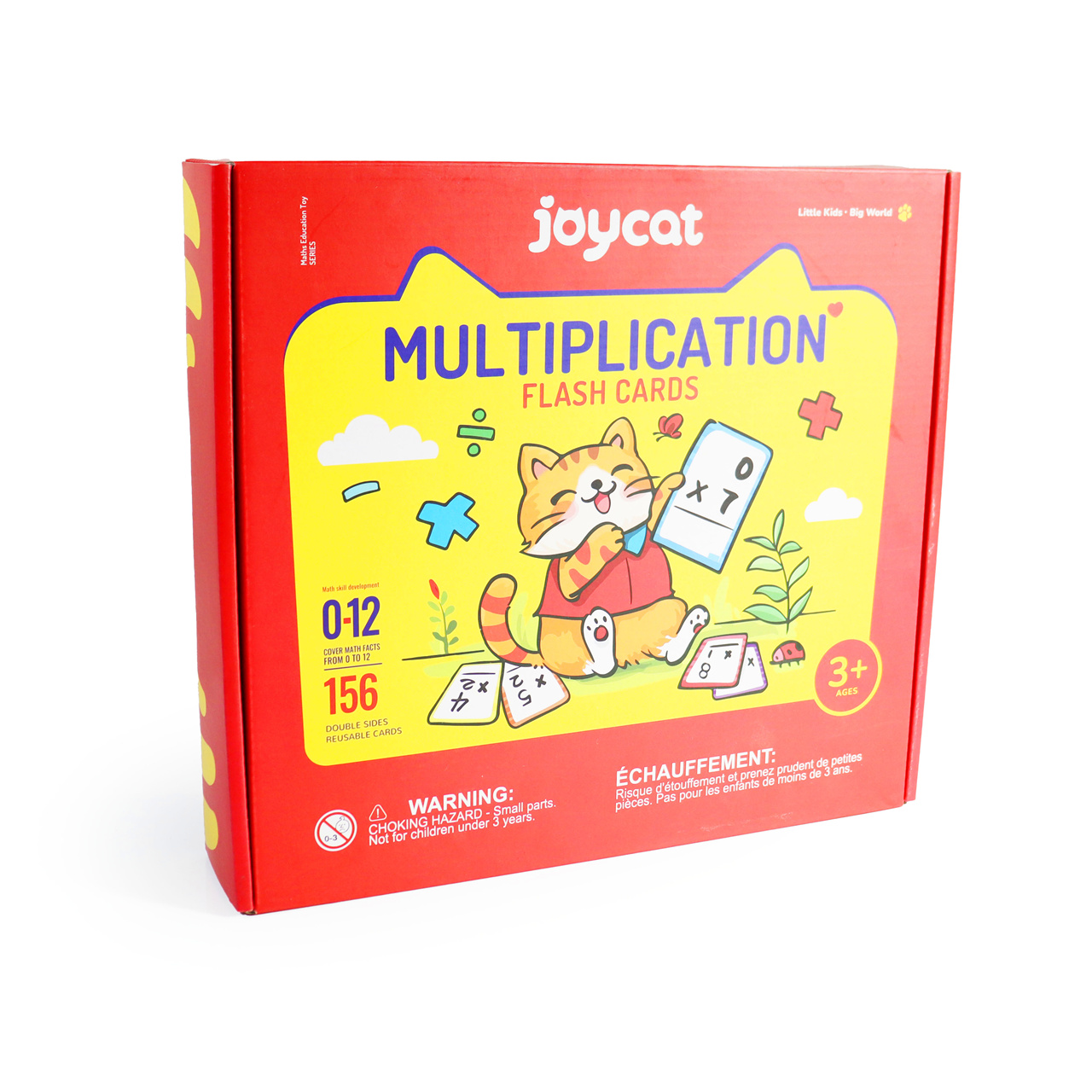 Joycat Multiplication Flash Cards Set with Accessories
 Custom Dual-Deck Playing Cards with Wolf-Themed Design
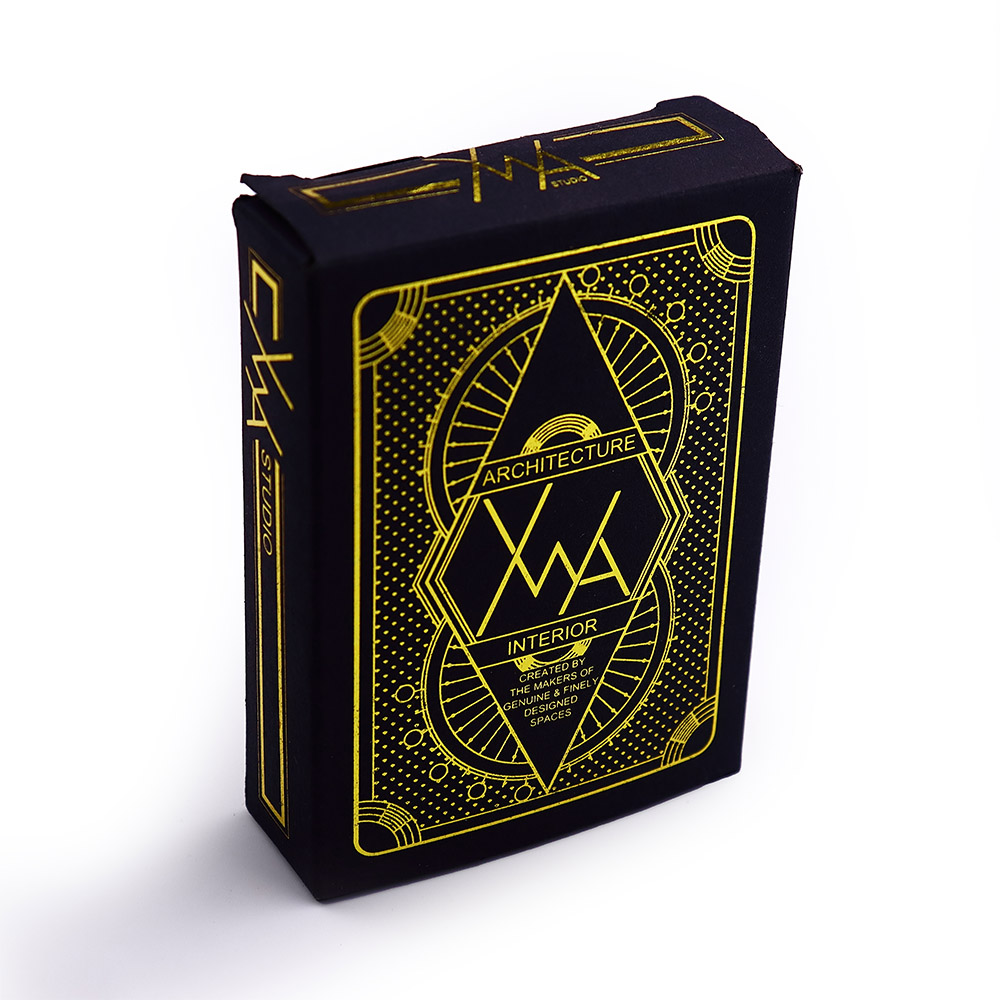 Custom embossed gold foil playing cards
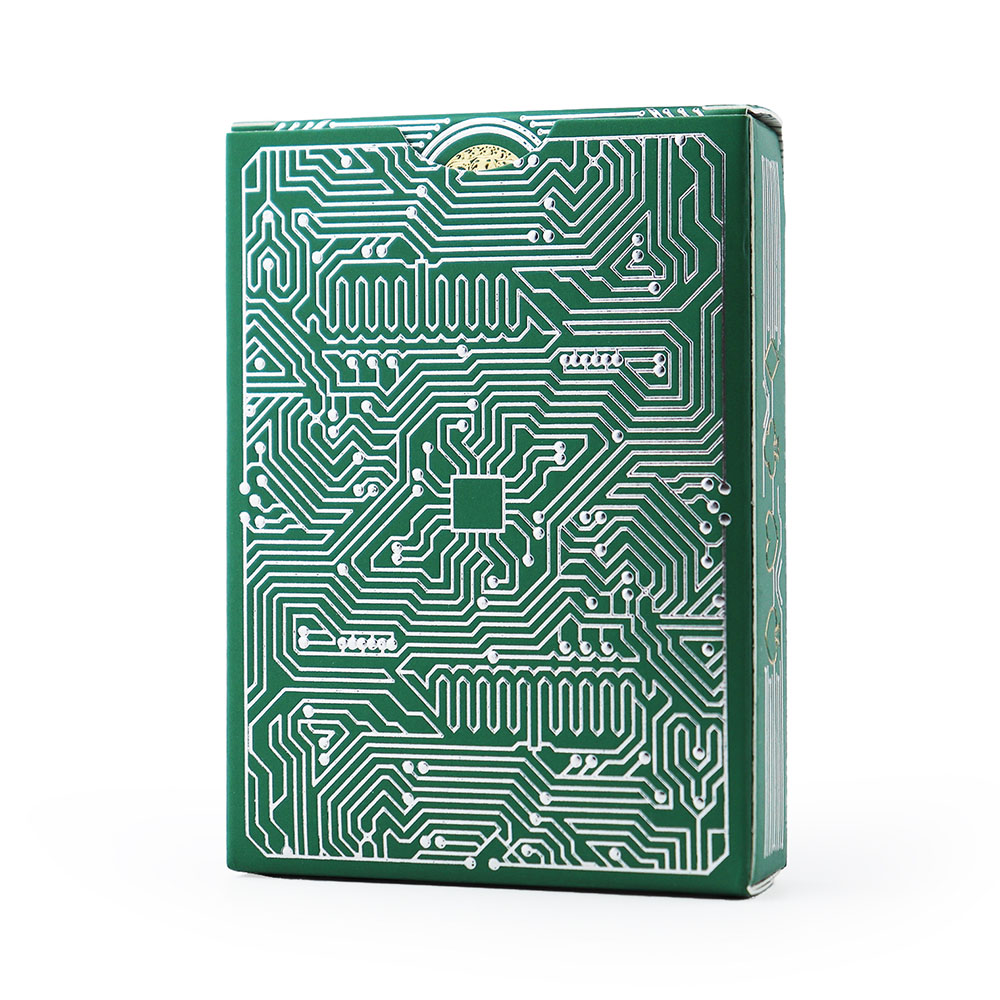 Circuit PCB Edition Custom Playing Cards
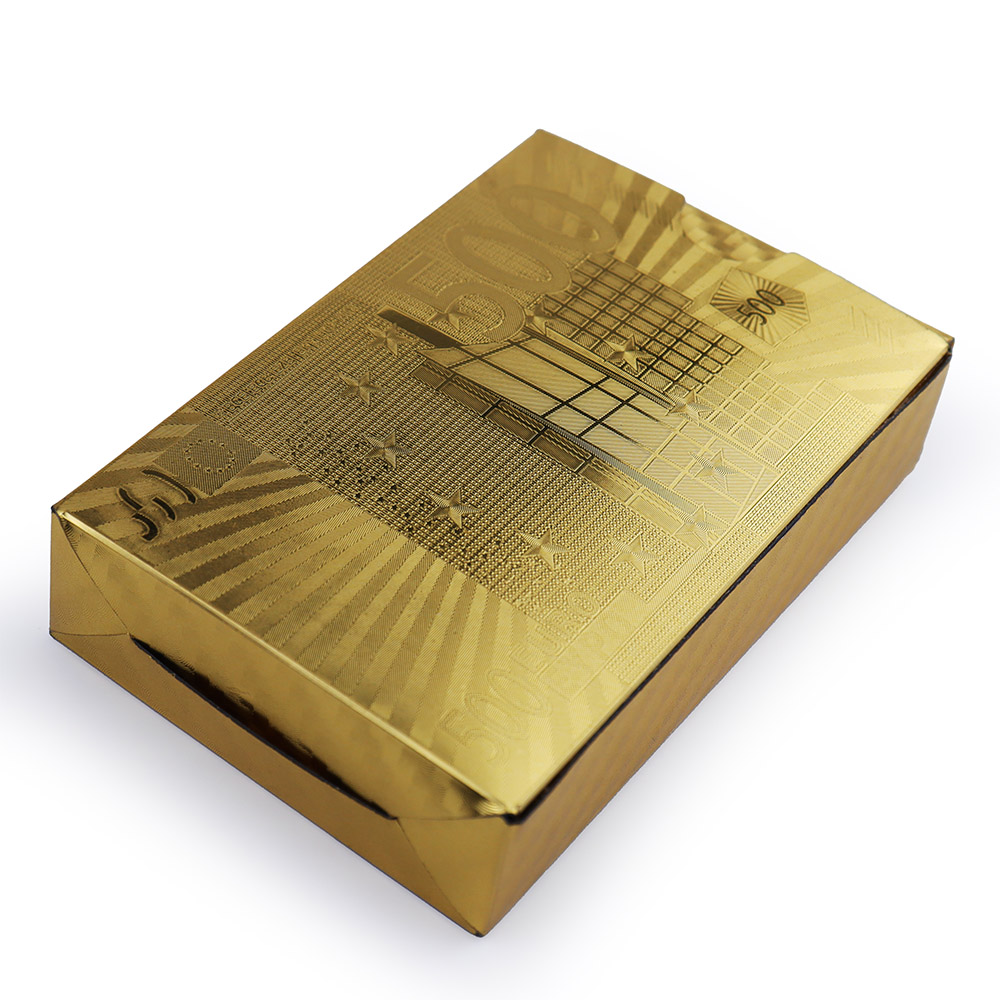 Customized theme gold foil playing cards
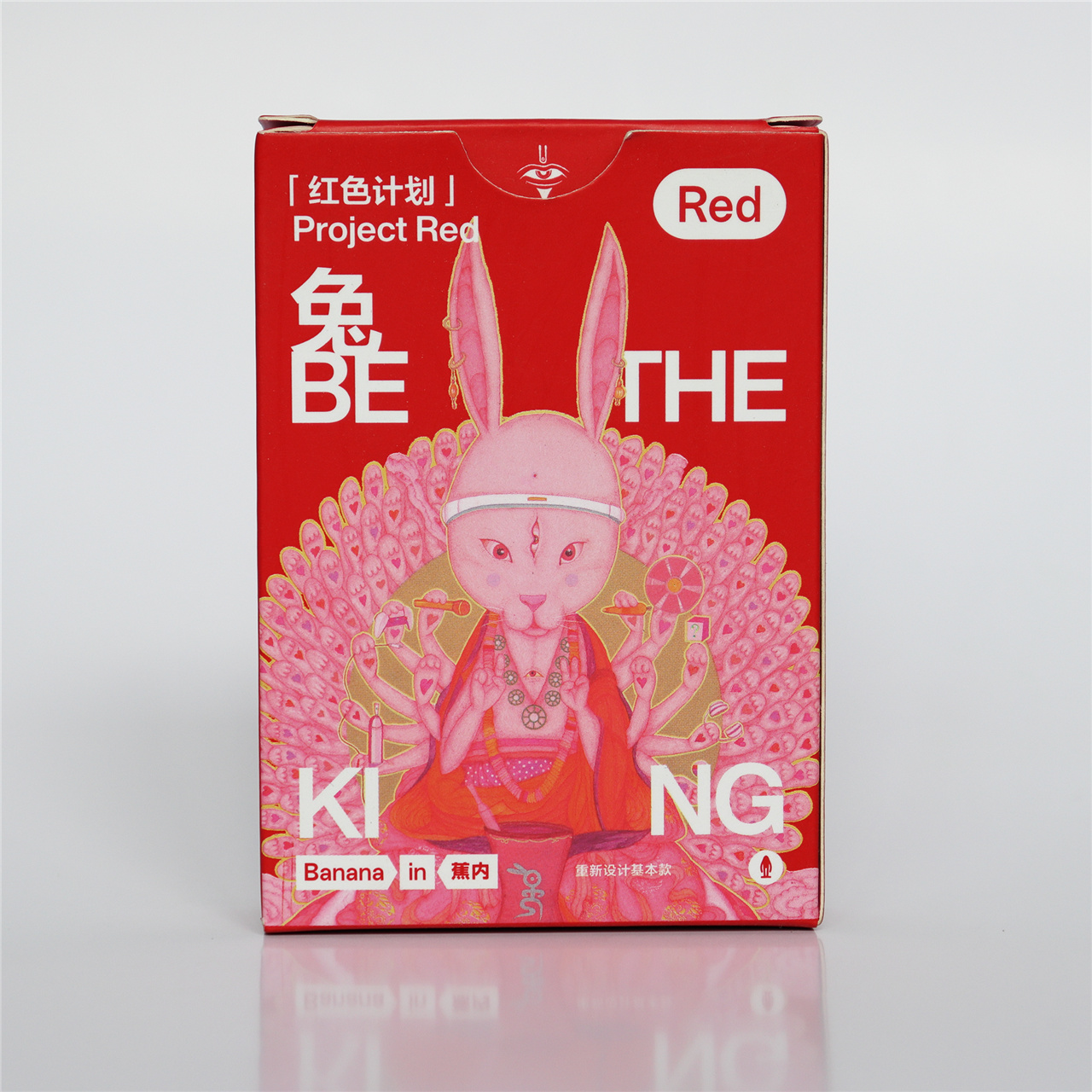 Custom Red Rabbit Themed Playing Cards Set
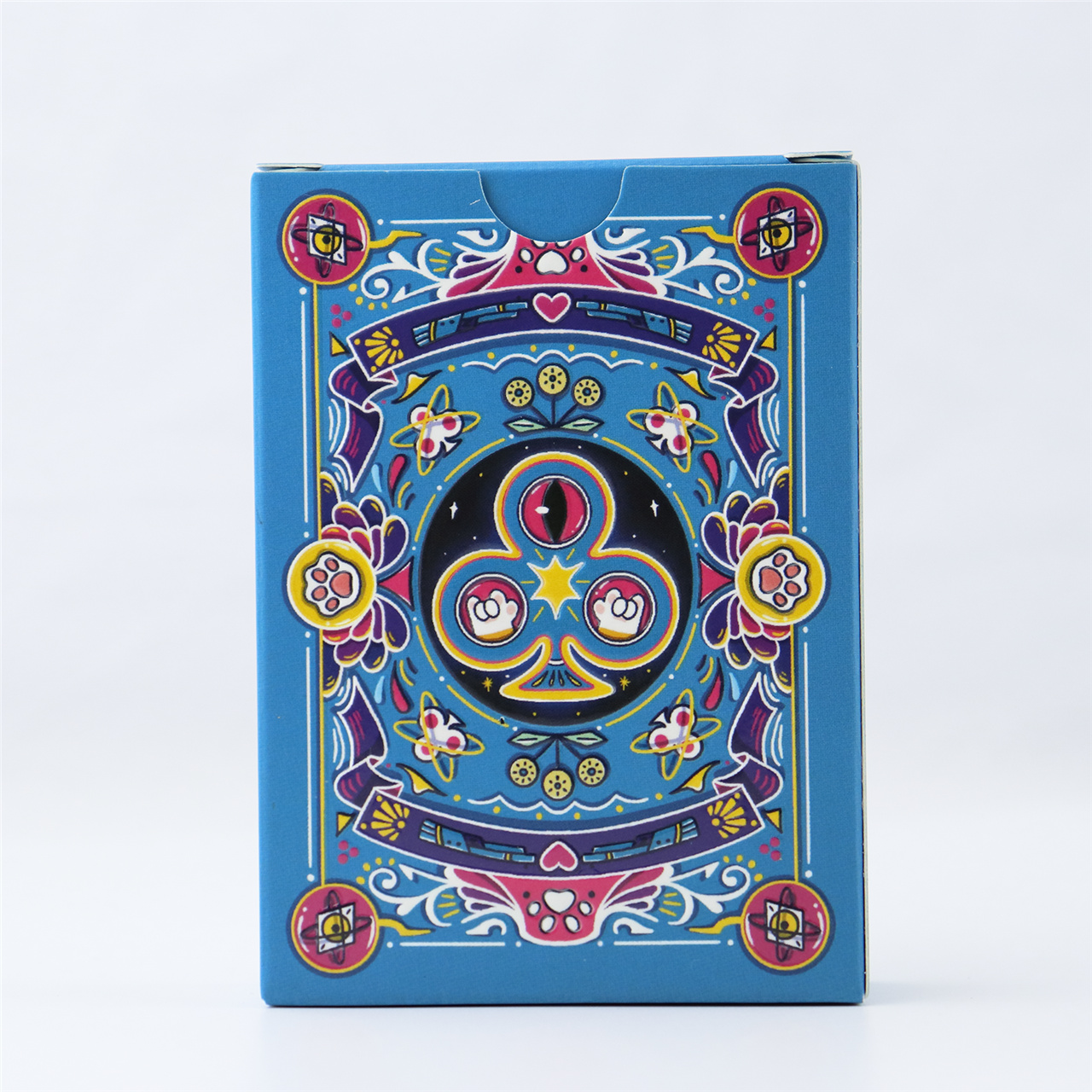 Custom Blue - Black Fantasy Plastic Playing Cards Set
 Pearls of Wisdom Oracle Custom Cards
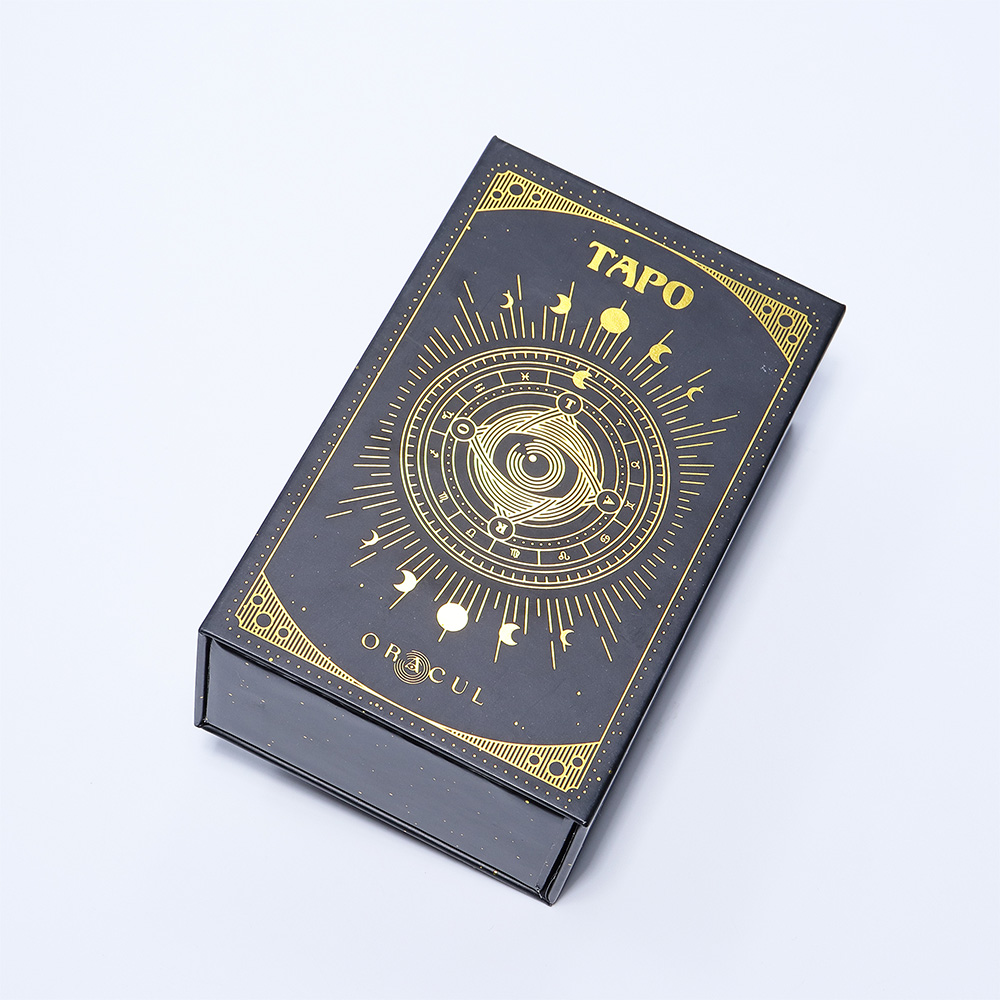 Custom Black & Gold Celestial Tarot Cards
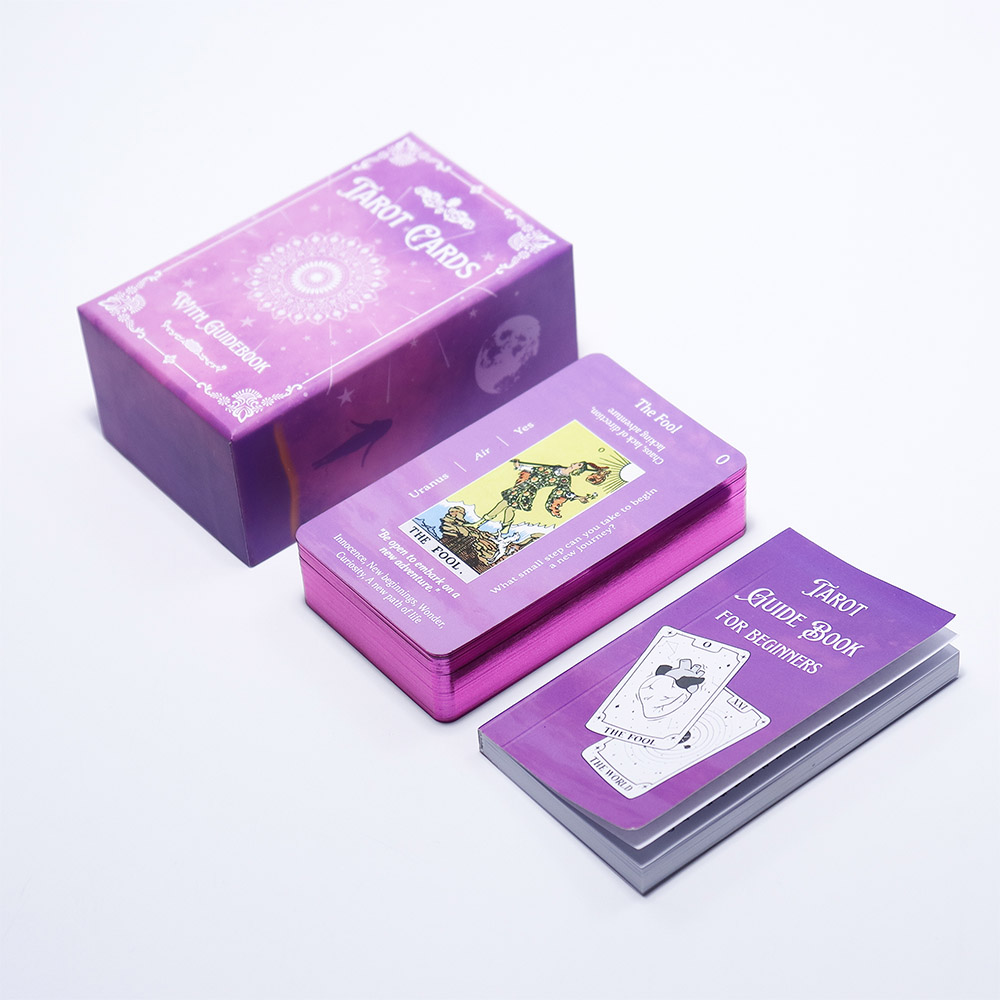 Custom Purple Tarot Cards with Guidebook
 L'Oracle d'Artémis Custom Oracle Cards
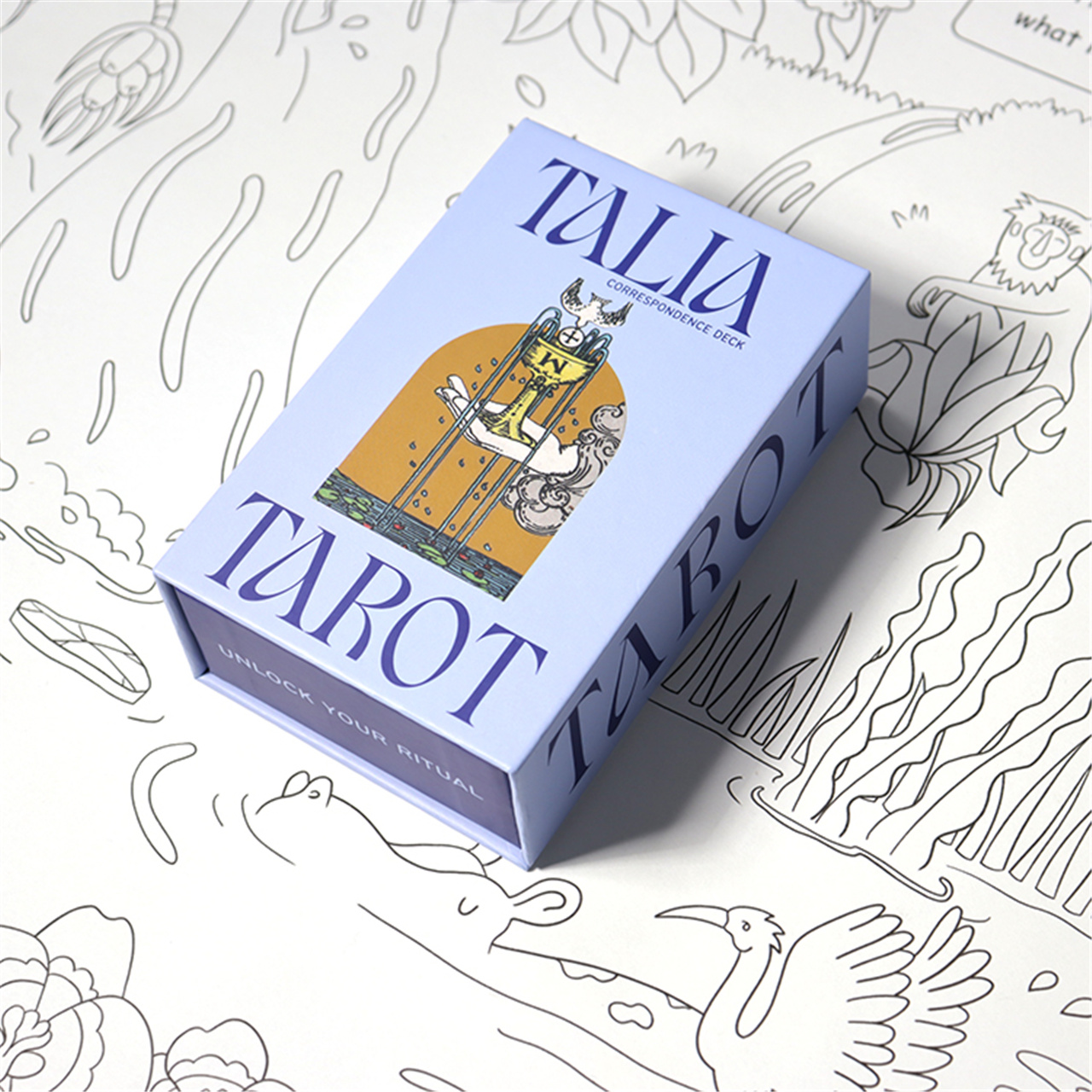 Custom Blue - Themed Tarot Cards Deck
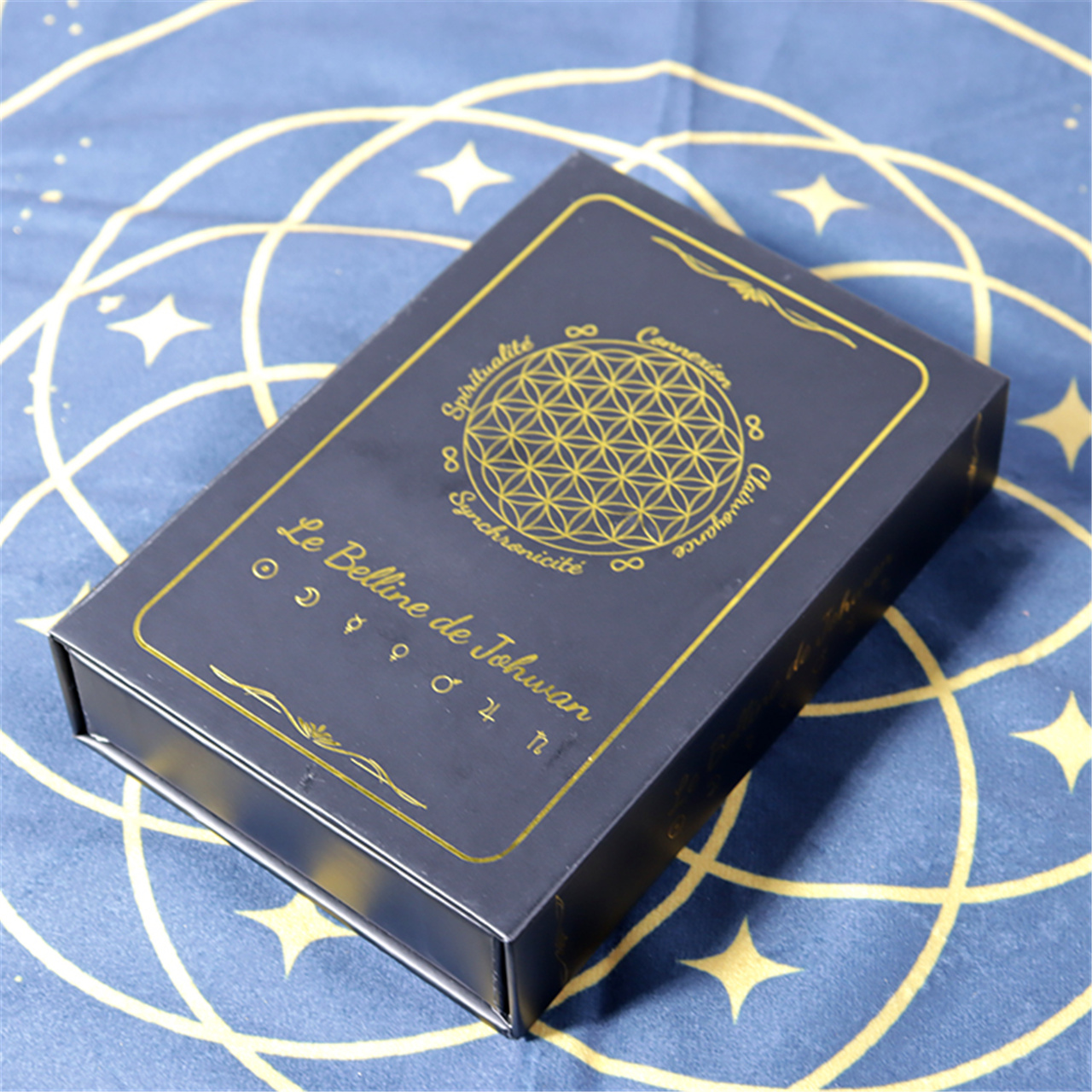 Custom Black - Blue Gold Foil Tarot Cards Set
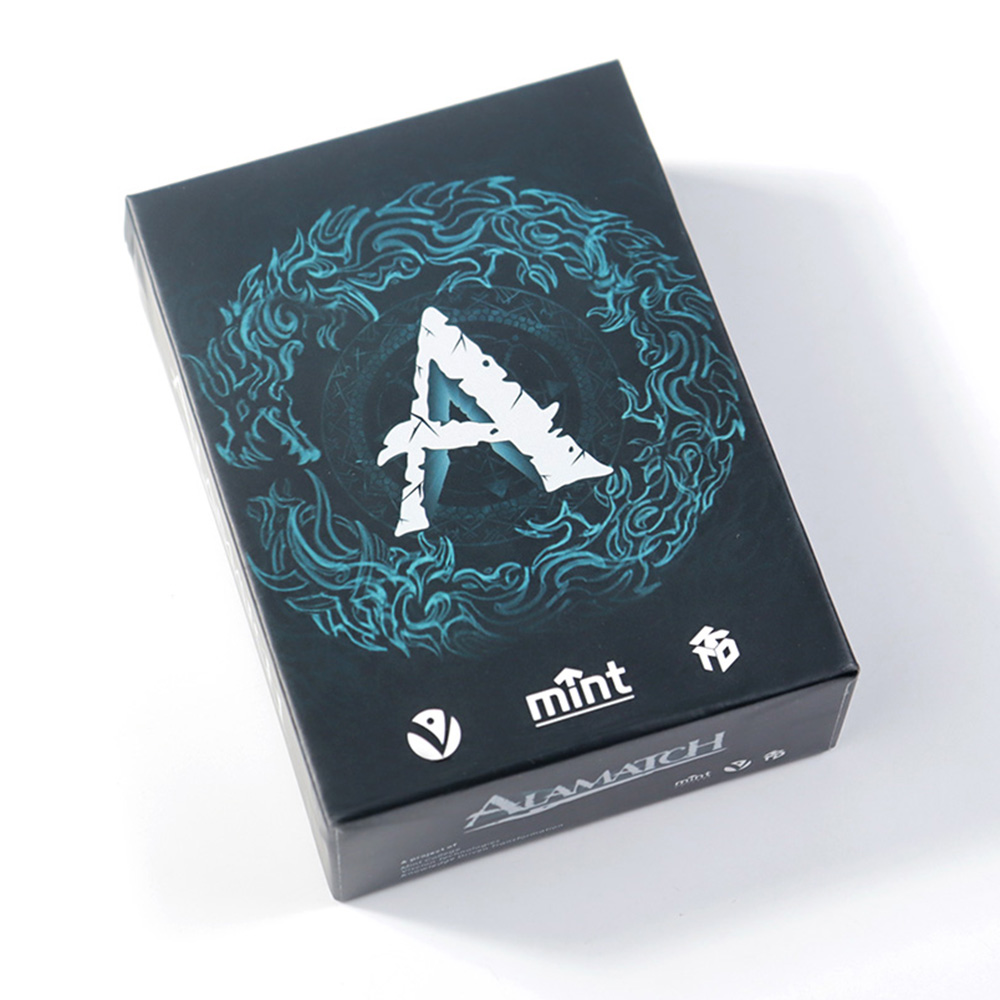 Alamatch Custom Trading Game Cards
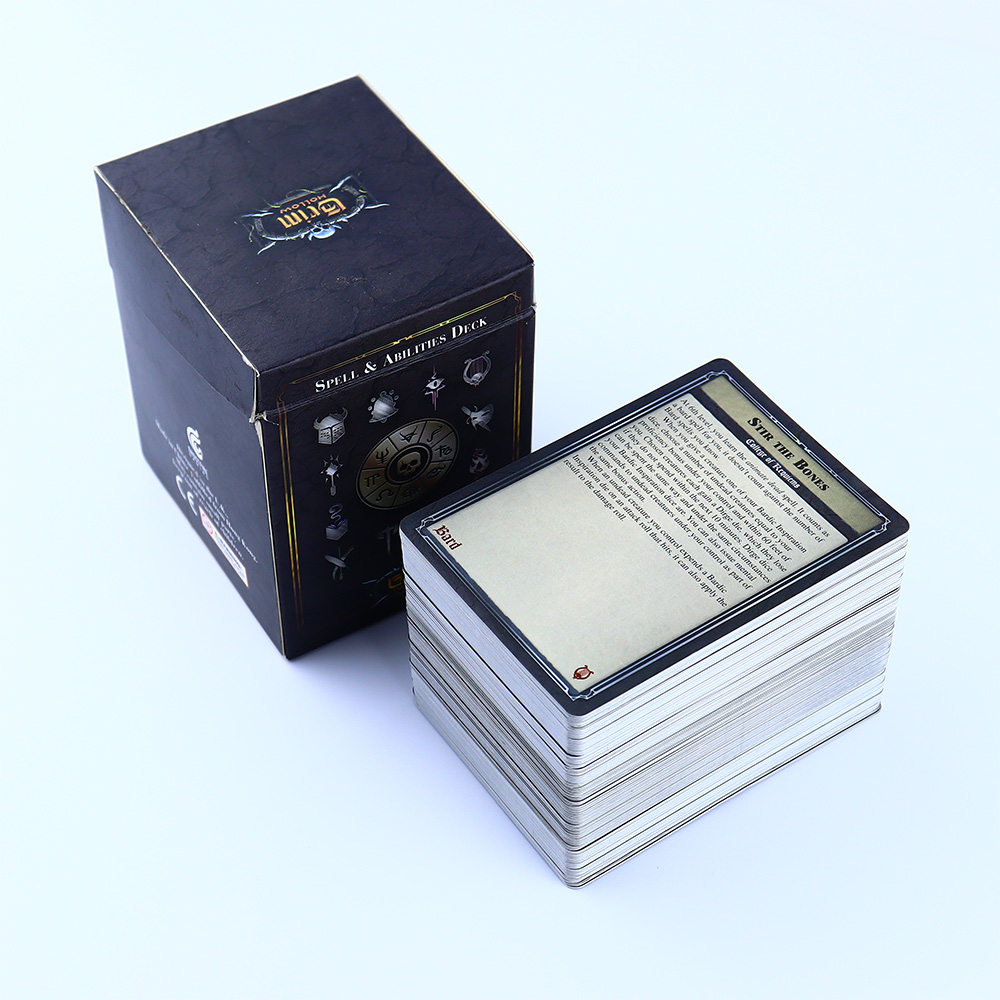 Grim Hollow Spell & Abilities Custom Trading Cards
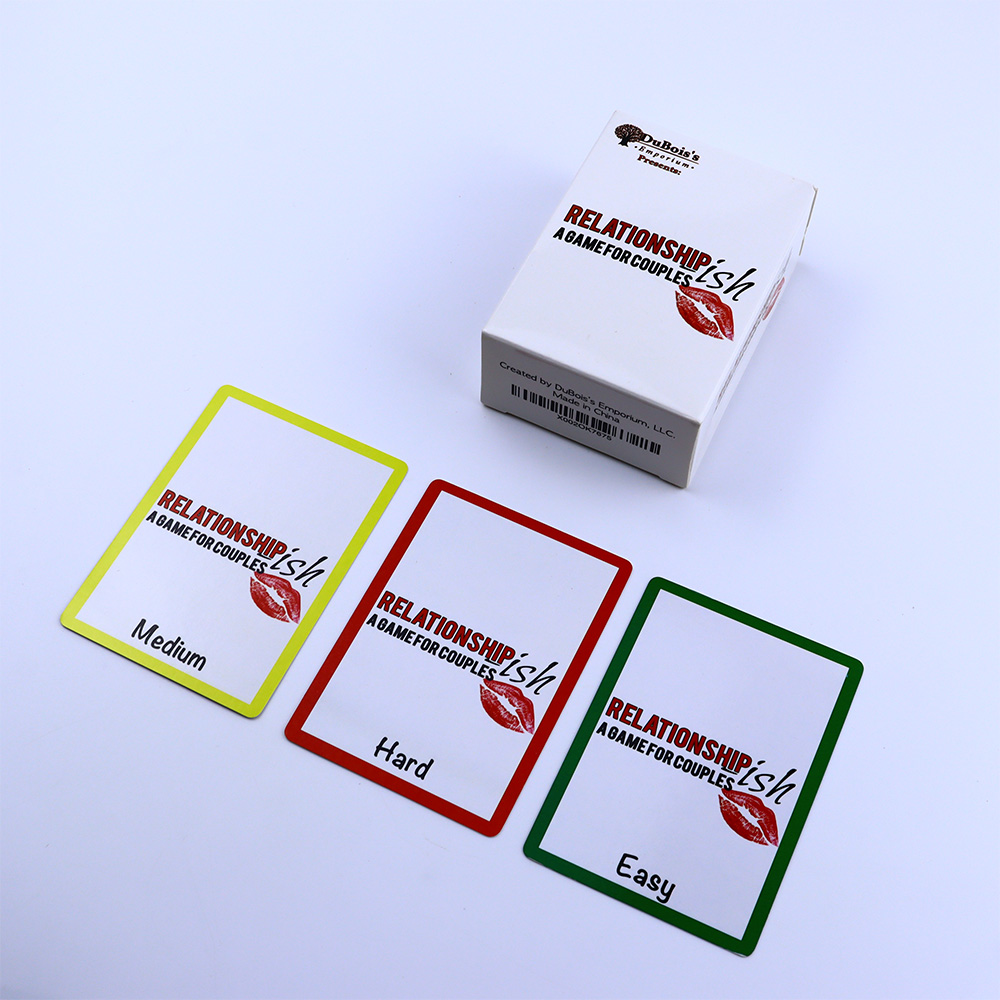 Relationshipish Custom Couple Card Game
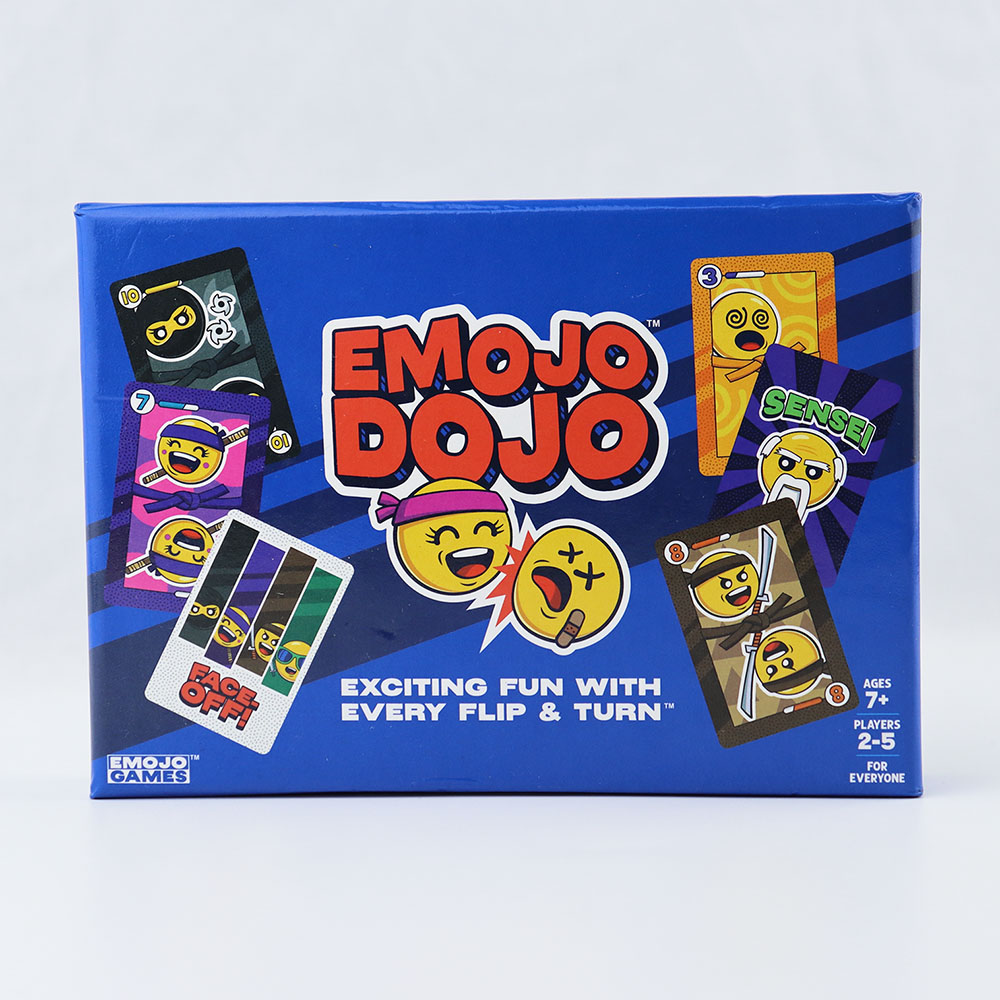 Emojo Dojo Custom Trading Card Game
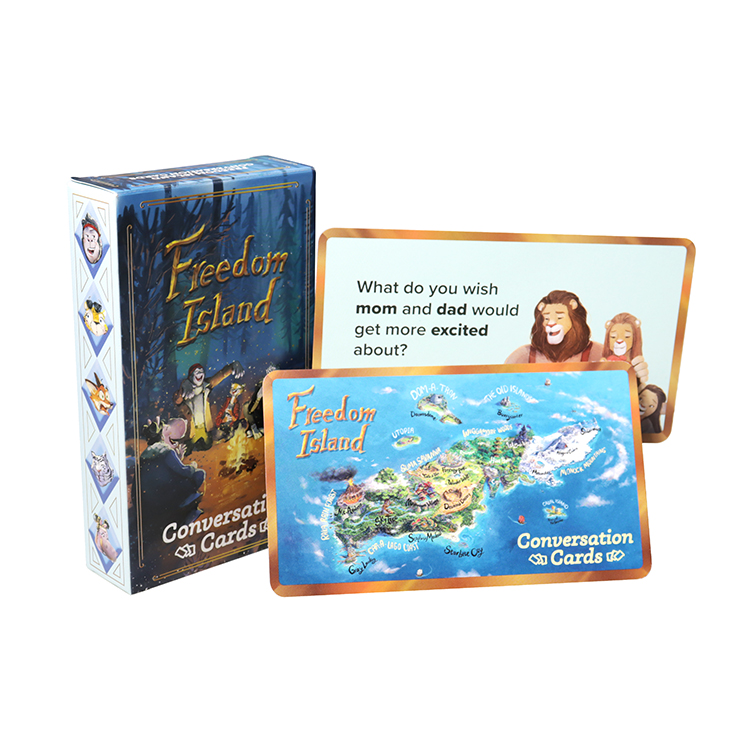 Custom Travel Photo Trading Cards Set
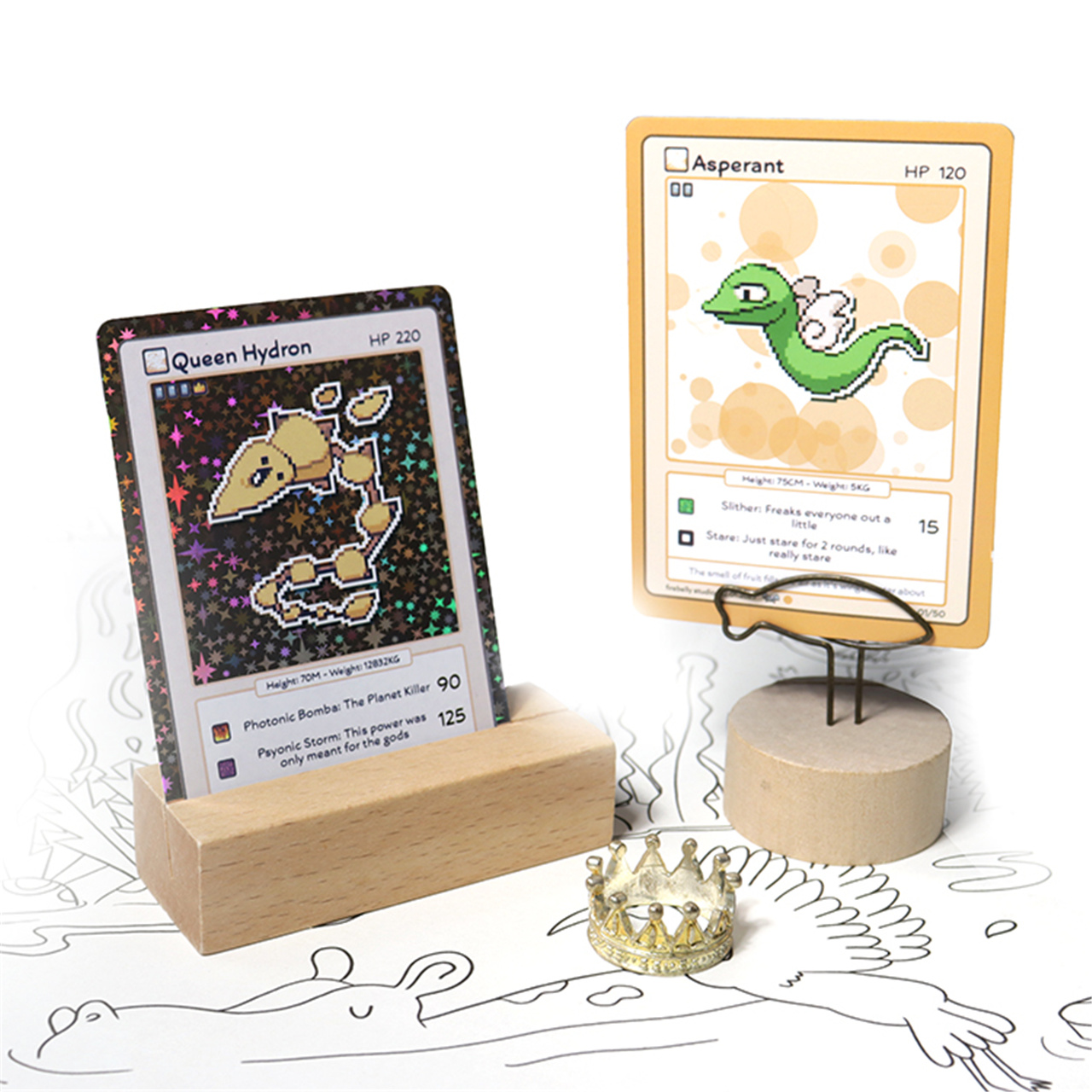 Custom Cartoon Holographic Trading Cards Set