Leave Your Message

What Are the Top Sequence Board Game Types in 2026?

In 2026, Sequence remains a familiar sight on family tables, game-night shelves, and travel bags. Its appeal is easy to see: players place cards, claim spaces, and try to connect five chips in a row. But “Sequence” can describe more than one kind of play. Classic editions reward pattern spotting and careful card choices, while team formats add discussion, shared plans, and the occasional disagreement over a move.

This guide explores the top Sequence Board Game types by how they play, who they suit, and what changes from one version to another. It looks at classic board play, team-based games, compact editions, and themed or adapted formats where available. The distinctions matter. A small travel board may fit a café table, yet feel cramped for a larger group. Team play can welcome newer players, though it may give quieter participants less room to decide. Not every version will suit every household.

Expect practical points, not a universal ranking. Edition names, components, and availability can vary by market, so check the product details before buying. Small differences count. A sturdy board, clear card symbols, and enough space for chips can shape the experience as much as the rules. The best choice is usually the one your group will actually bring back to the table. And that can be surprisingly hard to predict.

What Are the Top Sequence Board Game Types in 2026?

Defining Sequence Board Games and Their Core Mechanics

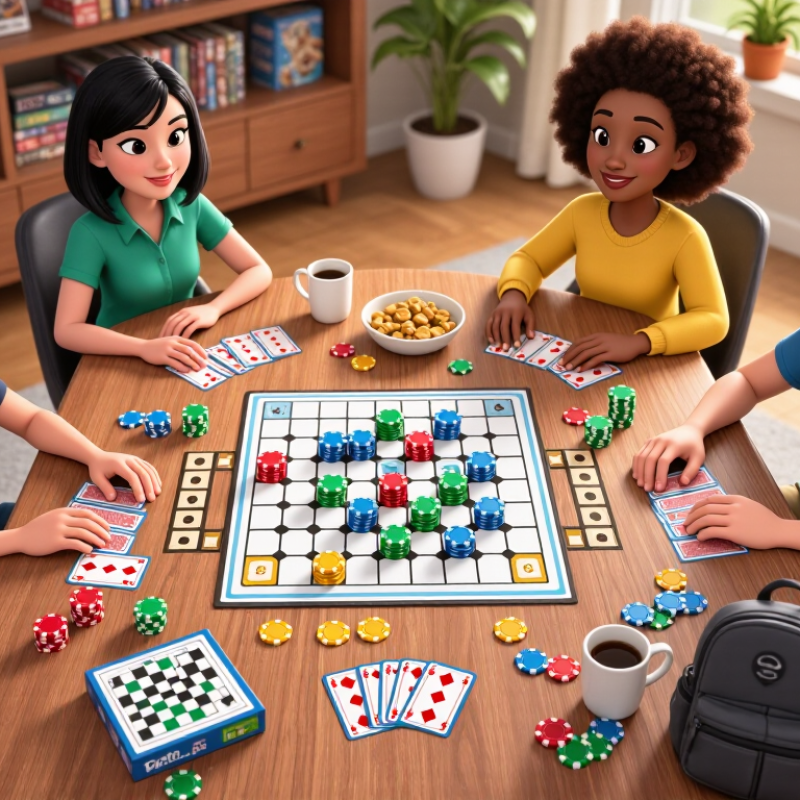
Sequence board games combine card play with spatial pattern-building. Players use cards, tiles, or matching symbols to claim spaces on a shared board. The goal is usually to form a line of connected markers, often horizontally, vertically, or diagonally. Simple idea. Tough choices.

A typical turn asks players to choose a useful card, place a marker, and consider what opponents might do next. Some games include special cards that let players remove or protect markers; others rely on ordinary moves and careful planning. Common variations include individual competition, team play, and versions with different board sizes or winning patterns. The central mechanic stays recognizable: each move changes the shape of the board and the value of future spaces.

A useful way to assess a game is to watch how often players must balance progress with defense. A tempting open space may help complete a line, while a small block can disrupt an opponent’s plan. Turns can feel thoughtful, but luck in card draws may also matter. That balance is not always perfect. Clear rules, readable spaces, and fair turn pacing help make the strategy easier to follow, especially for new players.

How Sequence Games Are Classified by Play Style

What Are the Top Sequence Board Game Types in 2026?

Sequence games are easiest to compare by how people play, not by box design. In a classic individual format, each player builds their own line of matching spaces. The board’s grid gives everyone a clear goal, while cards add uncertainty. It suits quieter turns and players who enjoy planning several moves ahead. One card can change the plan.

Team formats shift attention from personal progress to shared decisions. Partners may discuss a move, but too much coaching can slow the table. That changes the feel. These games work well when players enjoy reading the board together and adapting to an opponent’s choices. They can also make skill differences less obvious, though not always.

Fast-play versions emphasize quick turns and simple choices. They fit short sessions, but speed can leave less room for careful tactics. More strategic formats reward tracking open spaces, protecting a developing line, and noticing what opponents might complete next. A small detail matters: an empty corner or blocked route can reshape the board.

These categories are useful, not perfect; a single game may feel tactical with experienced players and casual with newcomers. When choosing a style, consider the group’s patience, preferred pace, and appetite for teamwork.

Leading Sequence Board Game Types in 2026

Leading Sequence Board Game Types in 2026

Sequence-style games are likely to keep drawing players through clear goals and satisfying, visible progress. Strategy-focused versions reward planning several moves ahead, while cooperative versions ask players to build patterns together. Party formats favor quick turns, colorful cards, and easy-to-learn rules. Abstract versions strip away themes and put the focus on spatial thinking. These are practical design directions, not a verified 2026 sales ranking. Grand View Research valued the global board game market at US$11.88 billion in 2023 and forecast a 5.2% compound annual growth rate from 2024 to 2030. That broad market estimate signals room for varied formats, but it does not measure sequence games alone.

Tips: Match the format to the table. For mixed-age groups, look for large, easy-to-read cards and rules that fit on one page. For experienced players, check whether the game offers meaningful choices without making turns drag. A small detail matters: can everyone see the board from their seat? Quick rounds help. Still, “more strategy” does not always mean more fun; that is worth testing with real players.

Sources: Grand View Research, Board Games Market Size, Share & Trends Analysis Report, 2024.

What Are the Top Sequence Board Game Types in 2026? - Leading Sequence Board Game Types in 2026

Game Type How Sequences Are Built Typical Objective Main Strategic Focus Common Play Format
Card-and-Board Sequence Games Players use cards to place markers or pieces on matching spaces on a shared board. Complete a required line or pattern before opponents do. Choosing useful placements, blocking rivals, and managing limited cards. Often suited to head-to-head or team play; the exact player count depends on the game.
Tile-Placement Sequence Games Players add tiles to a shared layout, extending or connecting visible patterns. Create a continuous line, matching run, or other specified arrangement. Spatial planning, pattern recognition, and deciding when to expand or interrupt a line. Usually turn-based, with players taking turns adding tiles to the playing area.
Abstract Connection Games Players place pieces on a grid or network to connect designated points or form a line. Make a connection or pattern that meets the game’s stated winning condition. Reading the board, anticipating threats, and balancing offense with defense. Commonly played competitively, often with one player or team opposing another.
Pattern-Matching Sequence Games Players arrange cards, tiles, or tokens into ordered or matching combinations. Complete a specified sequence or set of patterns, sometimes across multiple rounds. Recognizing combinations, tracking available pieces, and adapting to changing options. May be competitive or multiplayer, depending on the rules and components.
Route-and-Network Sequence Games Players connect locations or spaces by placing pieces along paths on a map or network. Build a continuous route or connect a required set of locations. Route efficiency, access to shared spaces, and anticipating competing connections. Typically uses a shared board and turn-based placement; some designs include indirect competition.
Cooperative Sequence Games Players work together to place or arrange pieces into a shared sequence. Meet a common pattern or connection goal before a shared loss condition occurs. Coordinating decisions, sharing information, and prioritizing urgent board positions. Players act as a team against the game’s rules or challenges.
Sequence-and-Objective Strategy Games Players form lines or patterns while also completing secondary board objectives. Earn the required combination of sequences, points, or objective completions. Timing, resource management, and weighing immediate progress against longer-term goals. Often supports competitive play; complexity and session length vary by design.

This table groups sequence-style board games by their core mechanics. Player counts, objectives, and play times vary by individual game and rule set.

Comparing Strategy, Teamwork, and Player Interaction

Sequence board games in 2026 are easier to compare by how they bring people together than by theme alone. Strategy-led games reward planning several moves ahead, reading open spaces, and saving a useful card for the right moment. A quiet table can suit them well. Small choices matter. These games often feel satisfying for players who enjoy careful decisions, though a strong early lead can make others feel boxed in. Good design gives trailing players ways to adapt rather than simply wait for the finish.

Cooperative and team-based types shift attention from individual wins to shared goals. Players may coordinate turns, protect a vulnerable line, or decide who should take a risk. Clear communication helps, but too much advice can leave one person making every decision. That balance deserves attention. More interactive games add bluffing, negotiation, or direct competition over spaces, creating lively turns and changing alliances. They can be memorable, yet less comfortable for groups that dislike confrontation. When choosing, consider the people around the table: how much discussion they enjoy, whether they prefer shared success, and how patient they are with setbacks. I would not treat player interaction as an automatic measure of quality; sometimes a quieter game gives everyone more room to think.

What Are the Top Sequence Board Game Types in 2026?

A qualitative comparison of strategy, teamwork, and player interaction across common board game formats.

Scores use a qualitative 1–5 scale, where 1 is low and 5 is high. They describe typical gameplay mechanics, not market rankings; individual games can differ.

Choosing a Sequence Game for Different Players and Groups

Choosing among sequence board game types starts with the people around the table. A classic card-and-grid version suits adults who enjoy planning moves and blocking opponents. Look for clear symbols and a board that everyone can reach. For younger players, a simplified version with fewer rules and picture cues can reduce reading pressure. Keep it simple.

For larger groups, team-based play gives quieter players a partner to consult. It can also make turns feel less exposed, though confident players may end up making every decision. Set a gentle rule that both teammates should suggest a move. For travel or small tables, a compact edition is easier to carry, but check whether its pieces are large enough to handle comfortably.

Match the game’s pace to your gathering. A short round works well before dinner; longer, more strategic play suits a dedicated game night. If players have very different experience levels, choose a format that allows discussion or cooperative play. Read the rule sheet before buying, and check the recommended player count against your actual group. One detail is easy to overlook: a game listed for many players may still feel crowded around a small table. Try a sample round if possible, then adjust the rules when the group needs it.