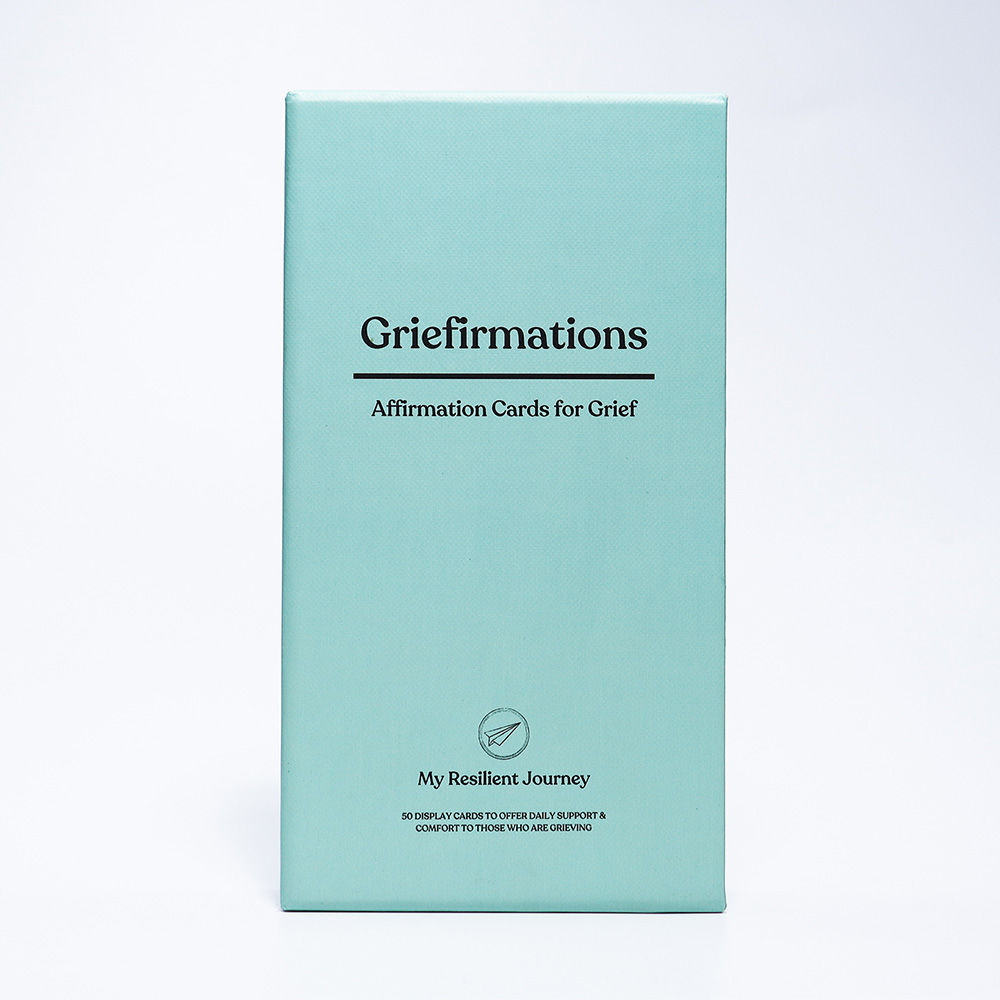
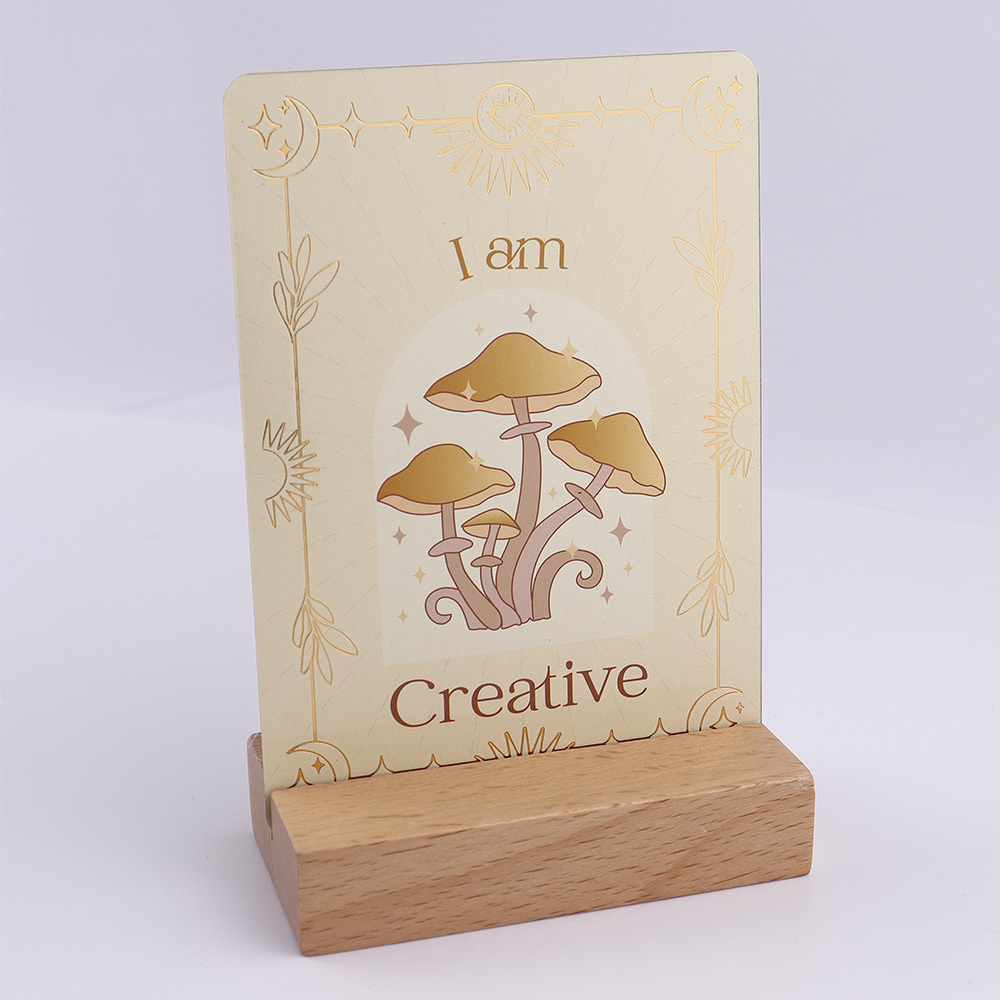
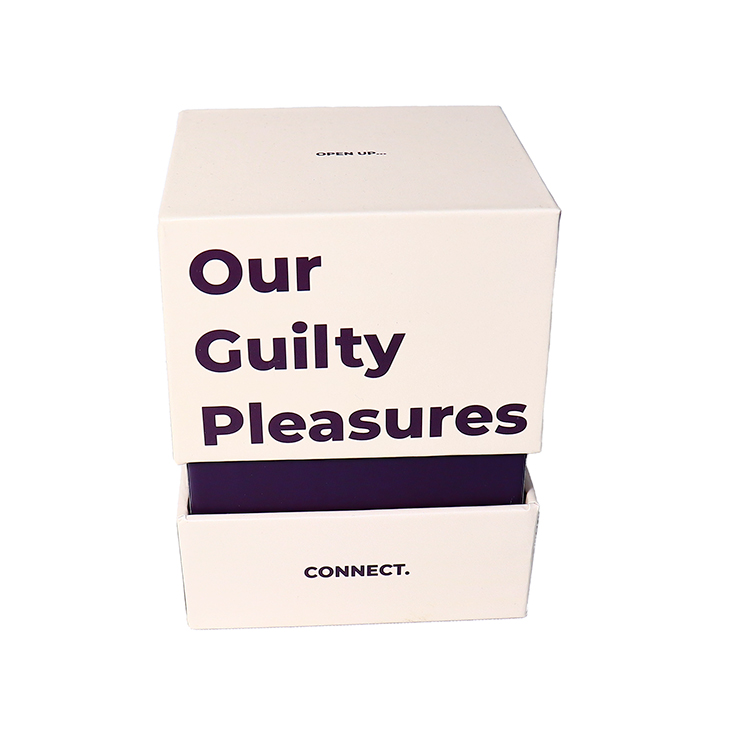
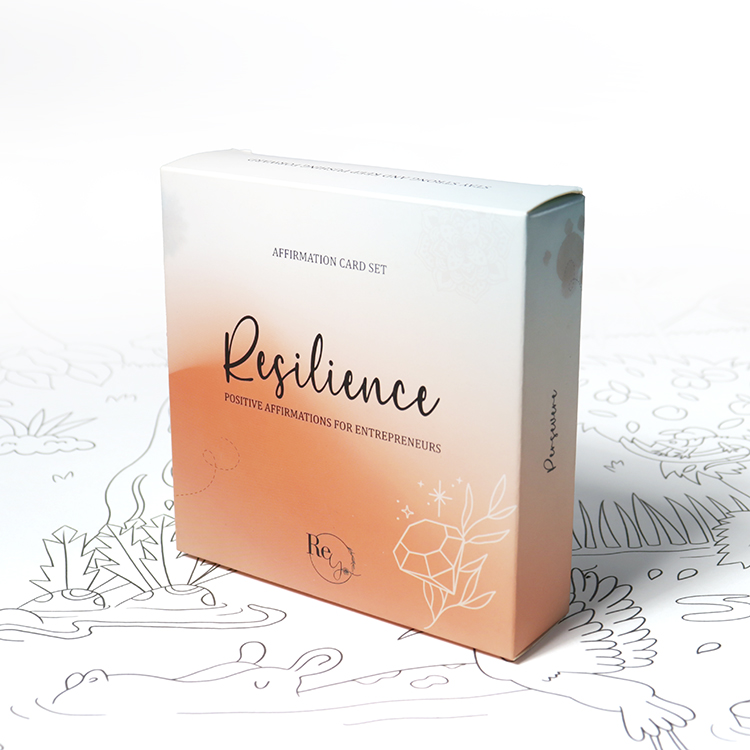
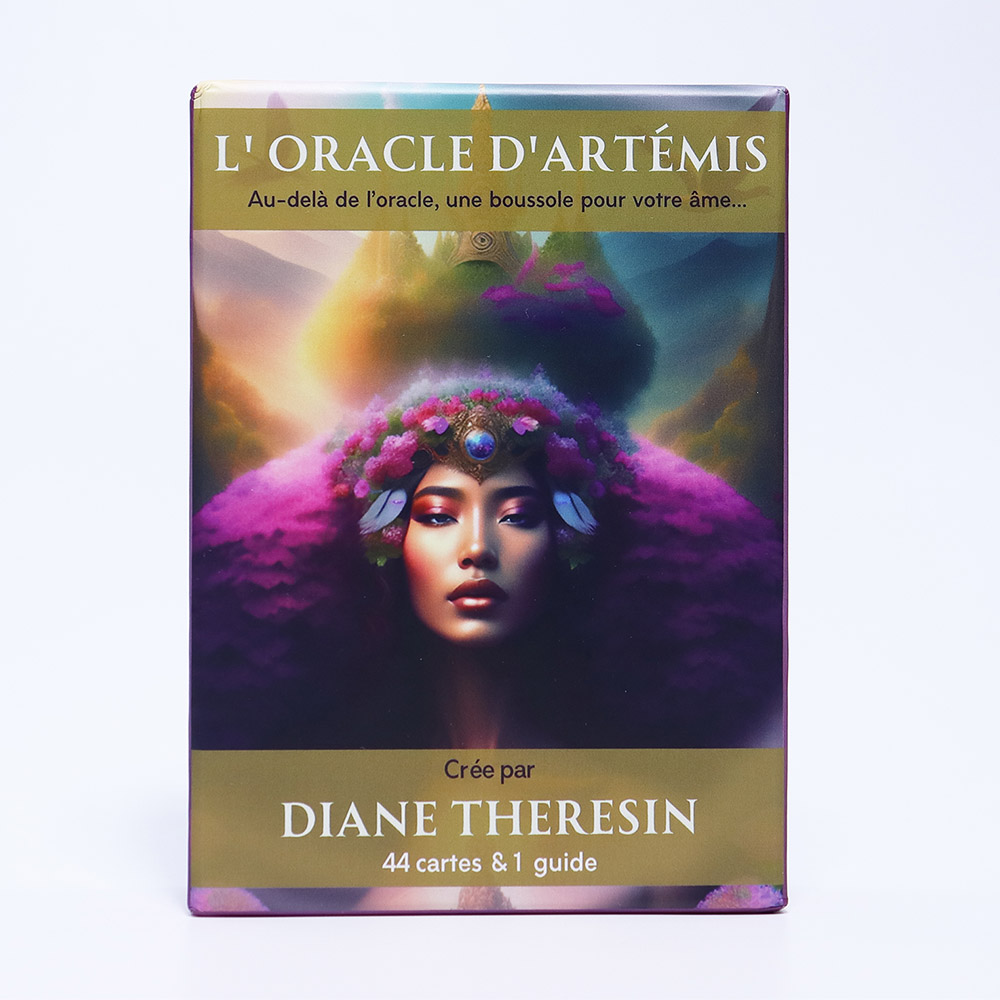
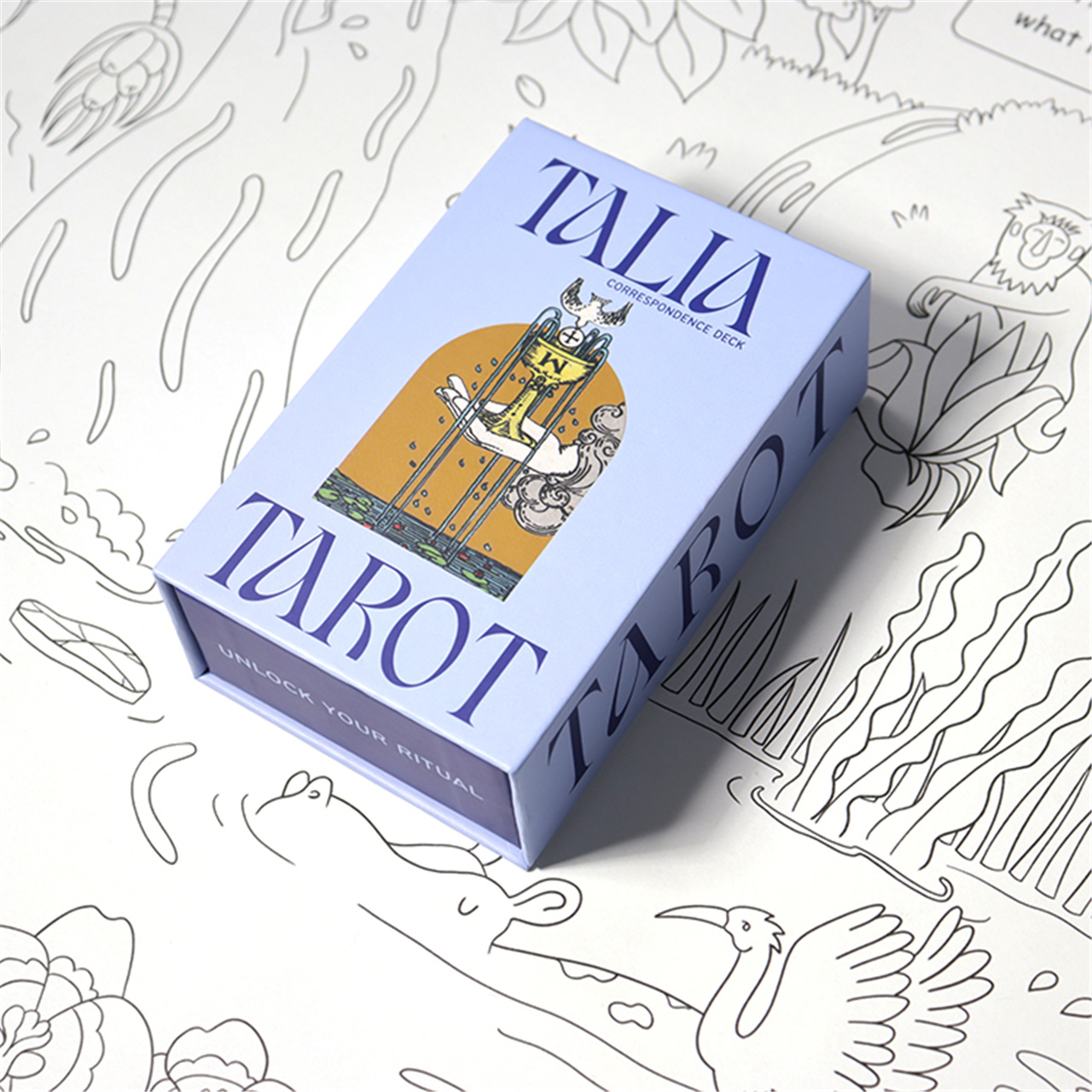
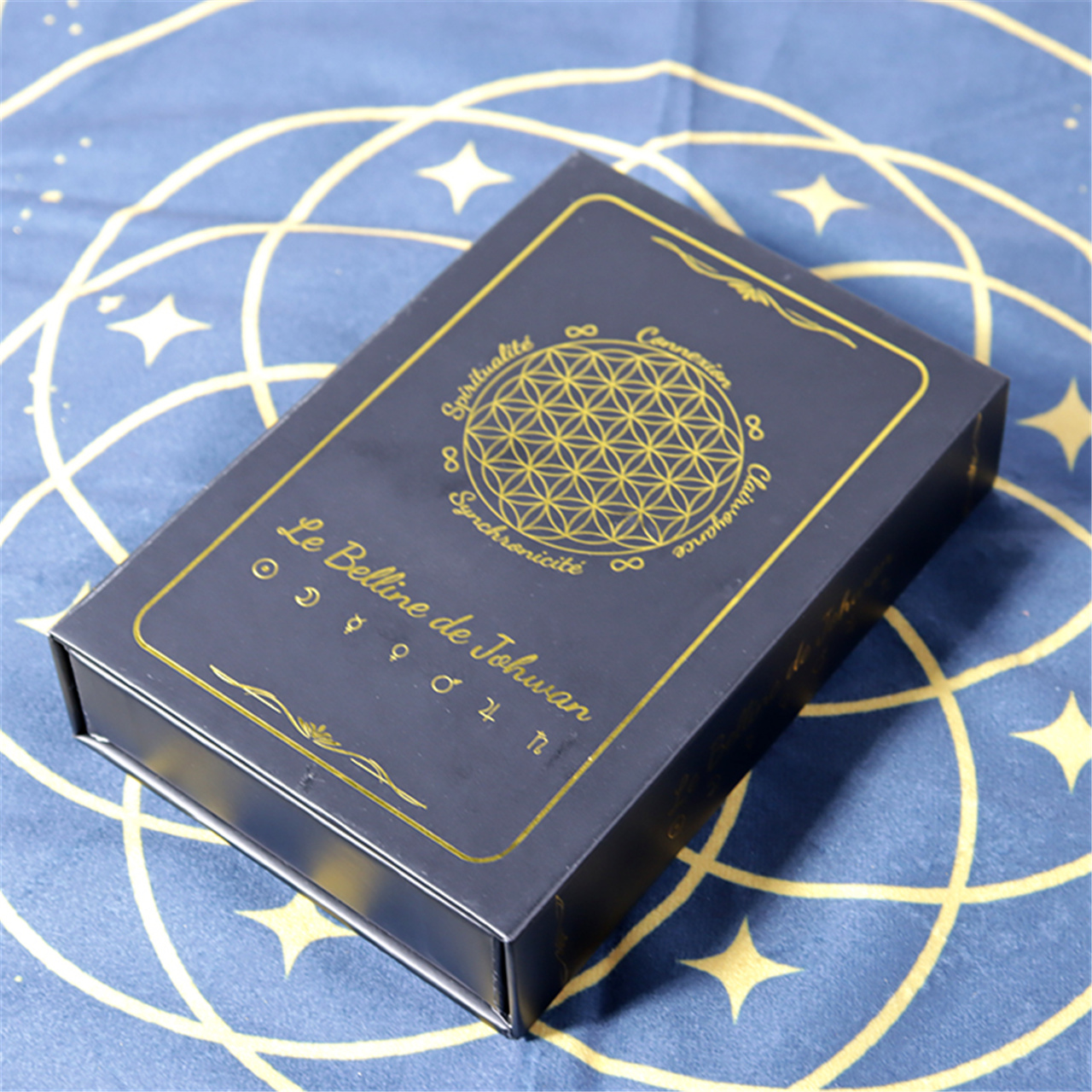
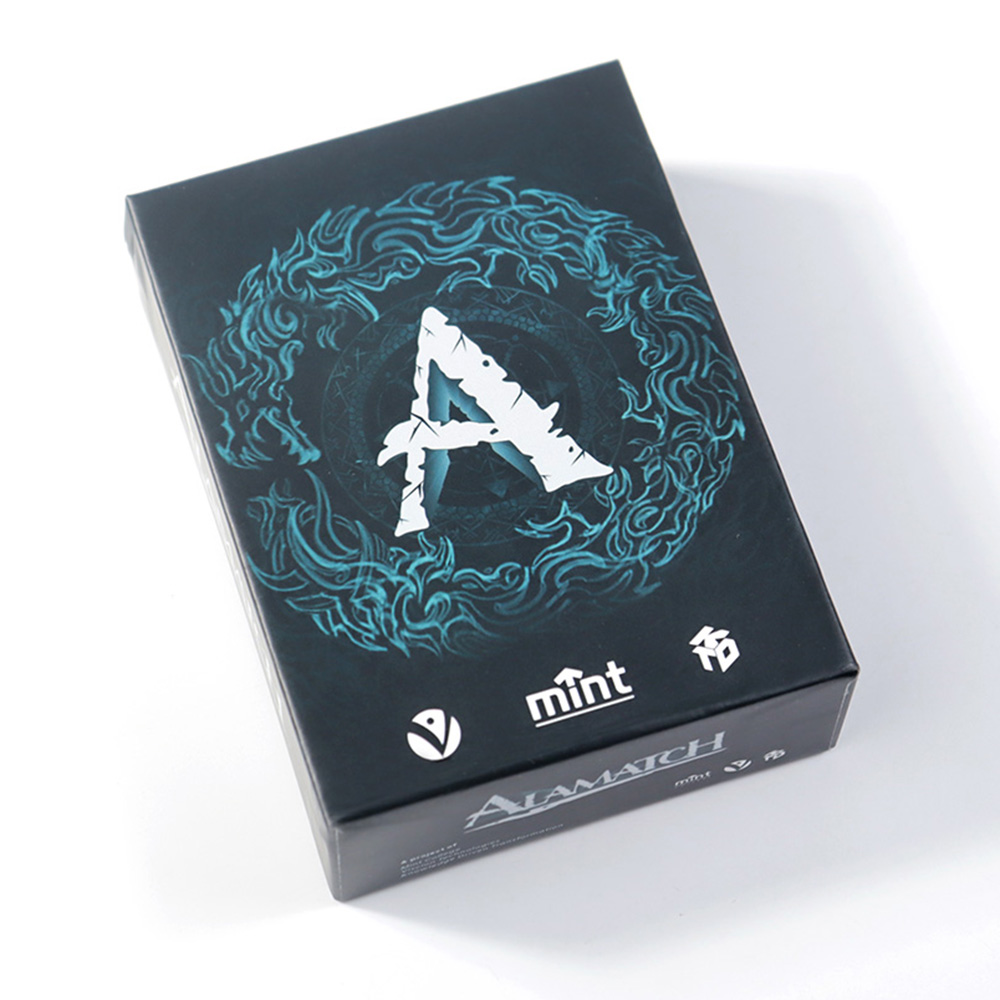
Customizable Emotional Support Cards for Grief & Resilience
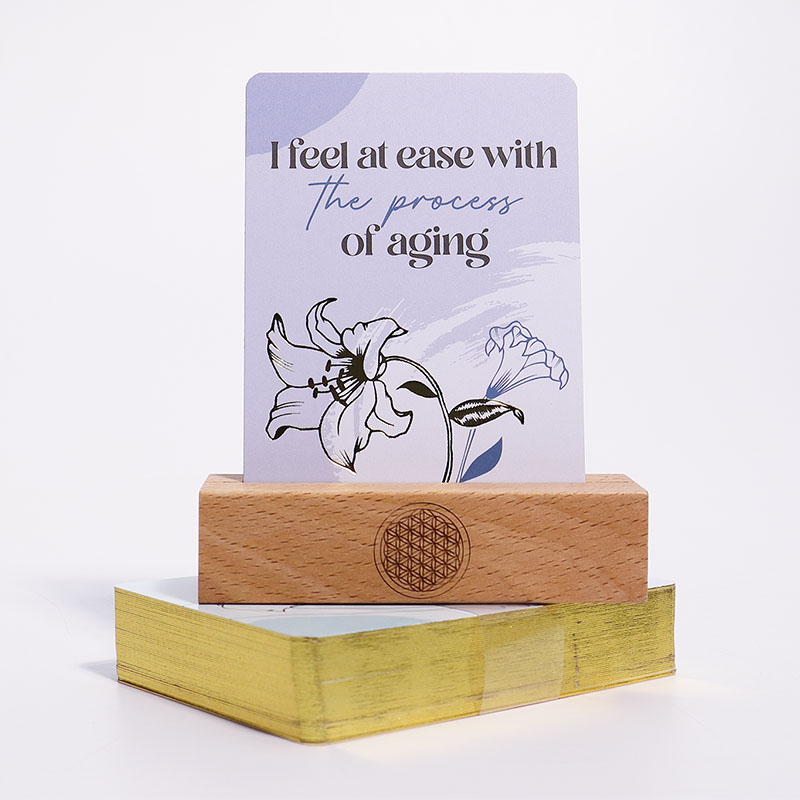
Personalized Emotional Encouragement Card Collection
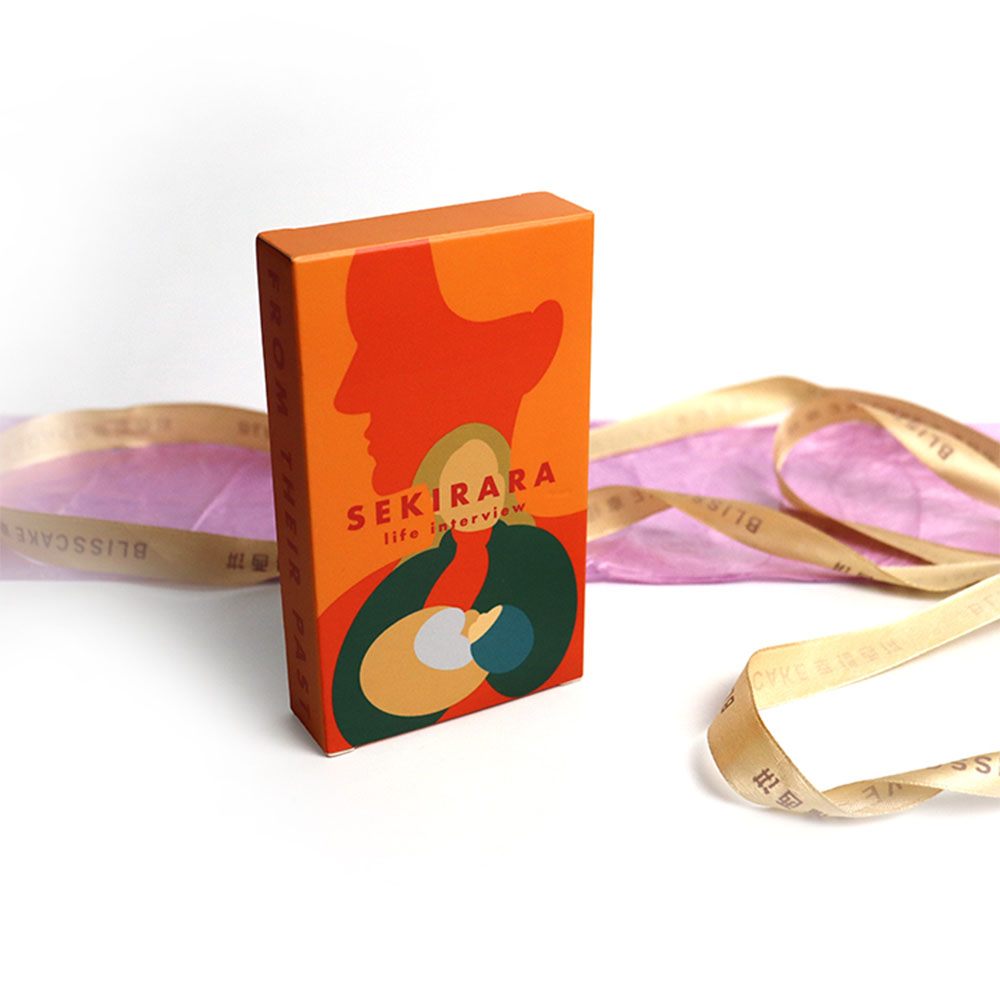
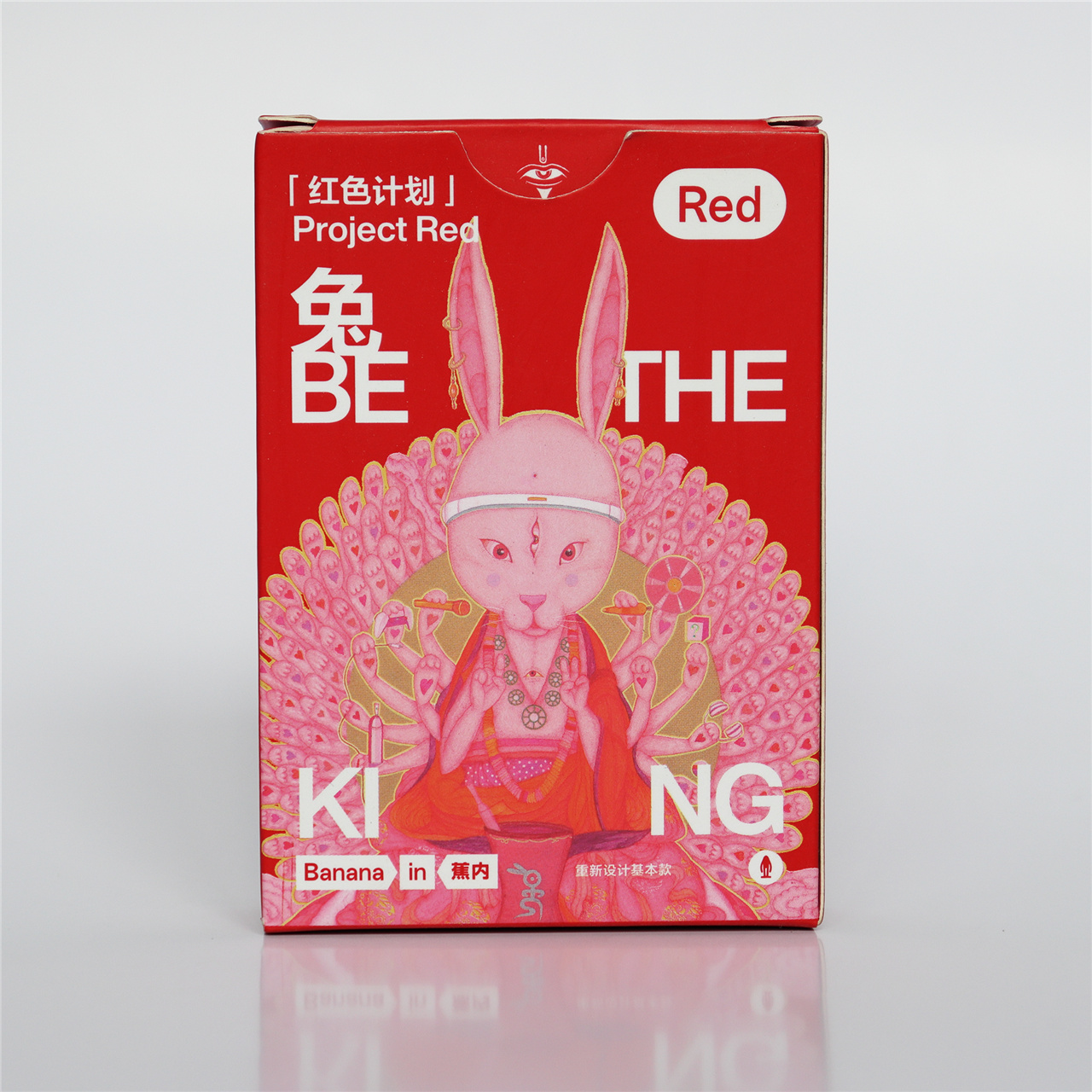
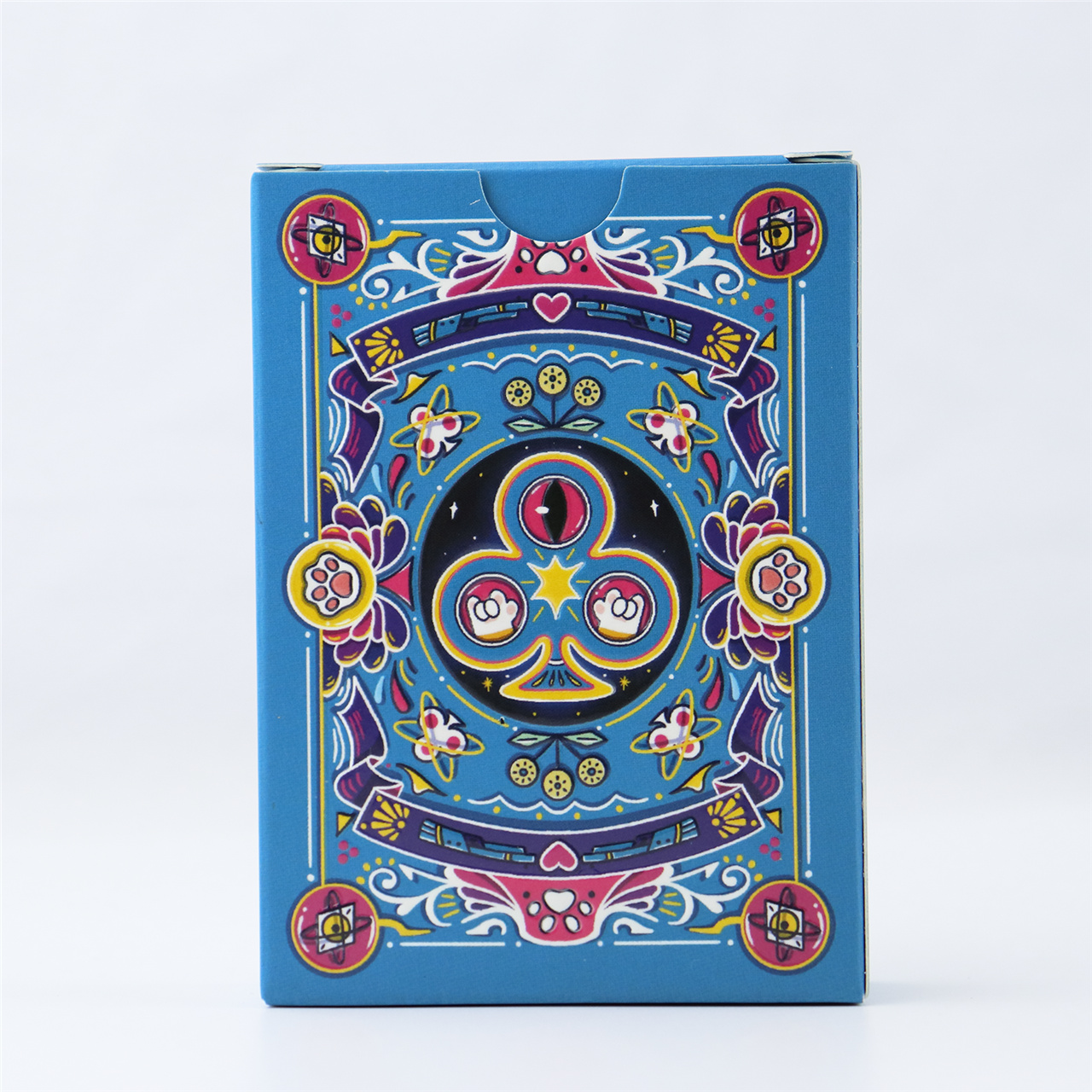
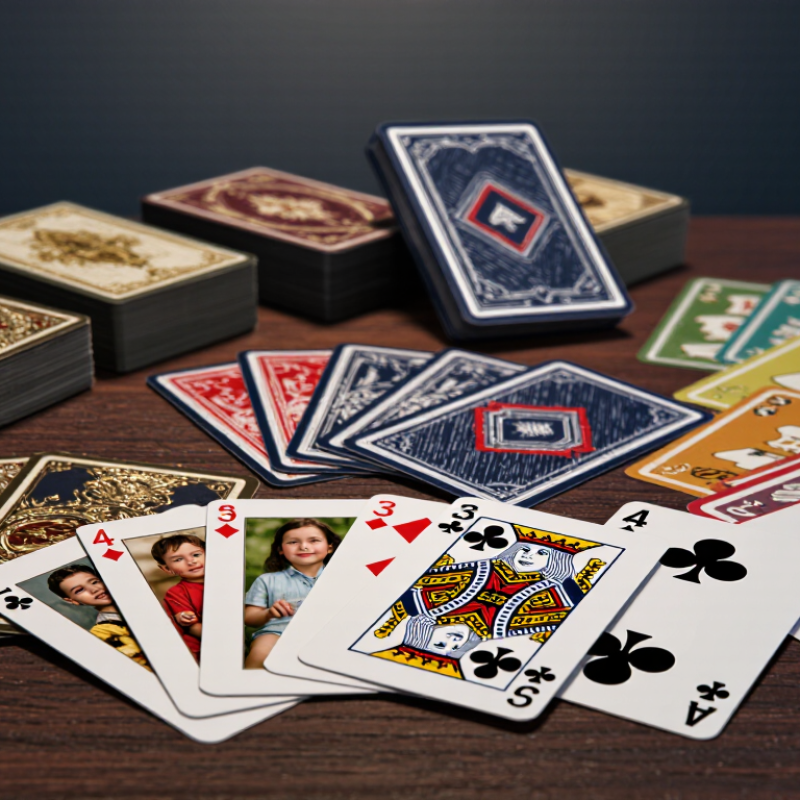
Custom printed playing cards can serve very different purposes: a memorable gift, a marketing tool, or a durable game-night deck. The best choice depends on how the cards will be handled. A family photo deck needs clear images and readable indices; a casino-style deck needs consistent registration, smooth handling, and dependable stock. Print Playing Cards projects also vary in finish, from simple matte coatings to foil accents and embossed details.
Card-production specialist Alex Morgan sums up the trade-off: “A finish should make the deck more useful, not just more impressive.” That is a practical rule, though real projects sometimes challenge it. Foil can catch the light beautifully, yet small text may lose clarity against a busy background. A thick box can feel luxurious, but it adds cost and bulk. Details matter.
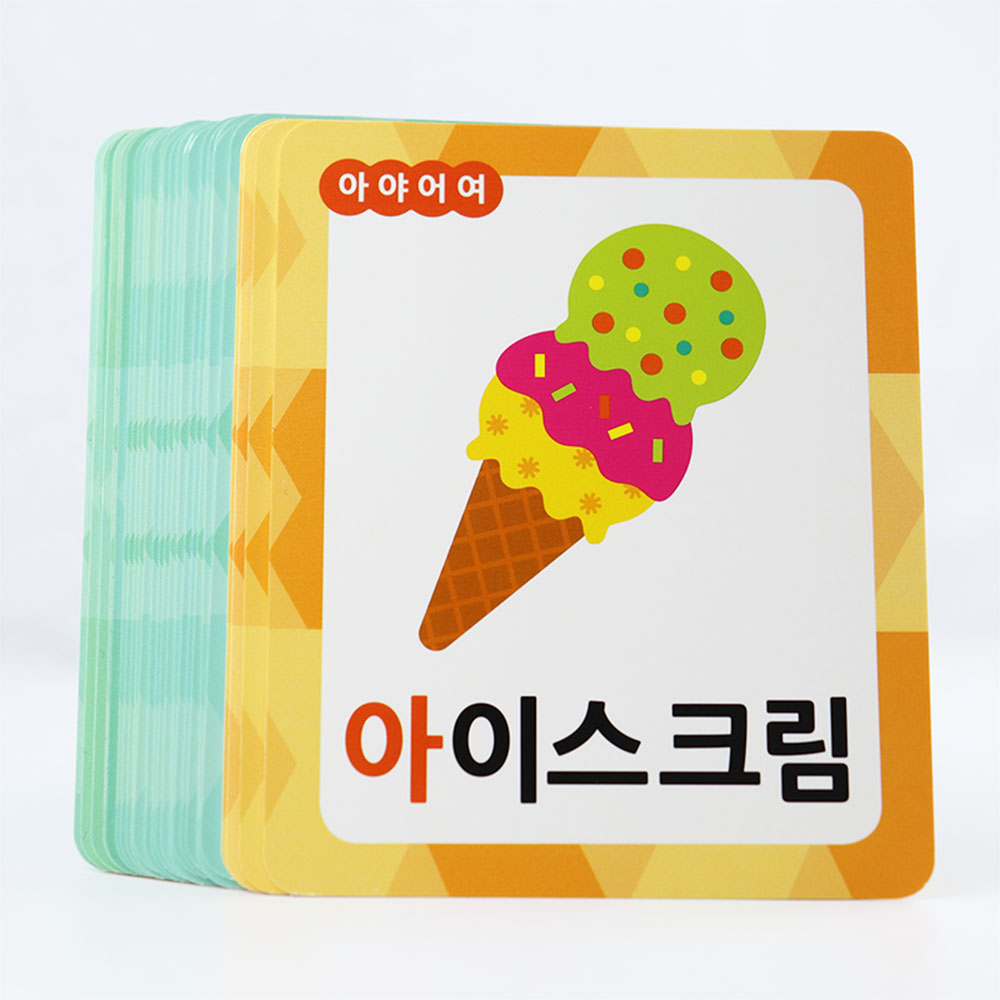
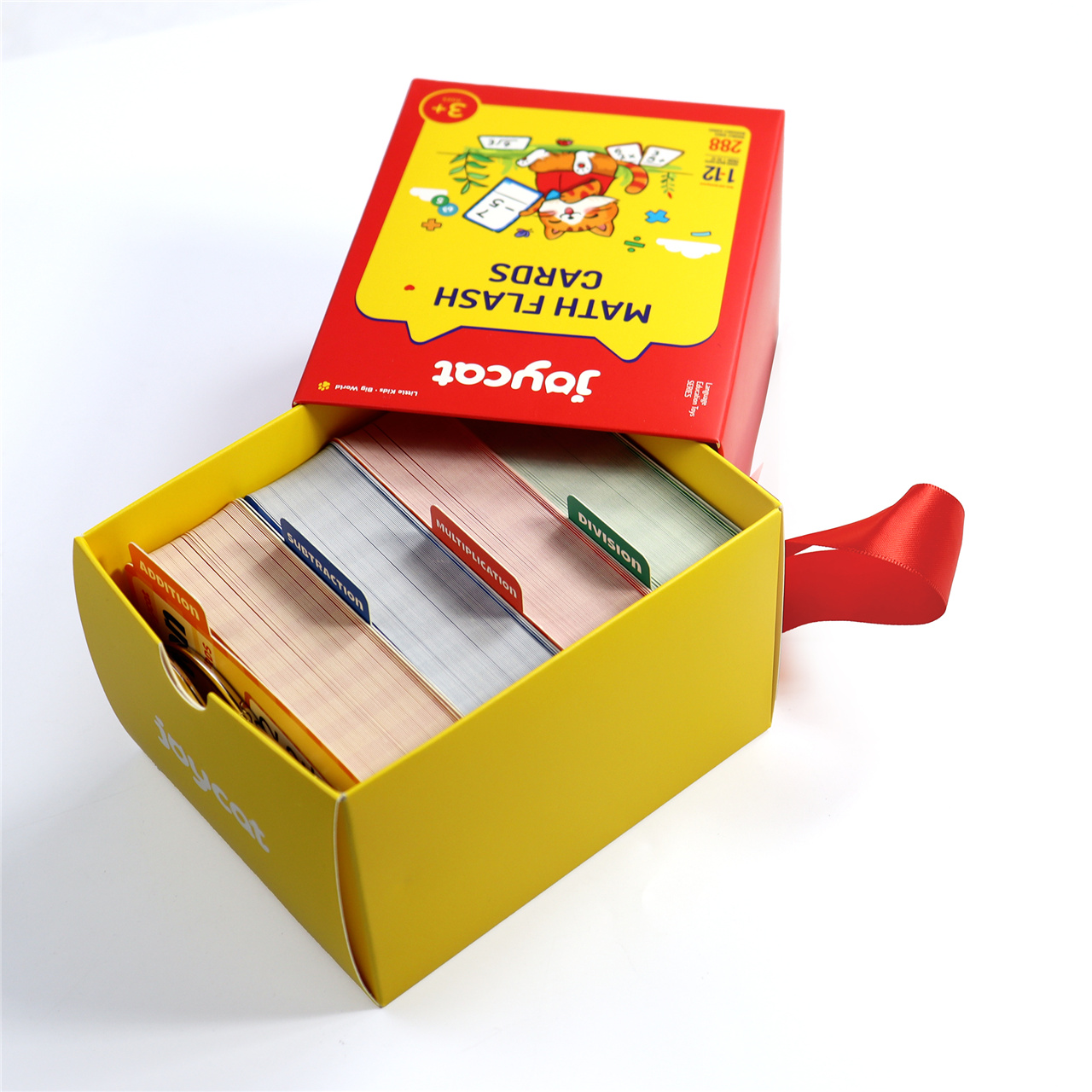
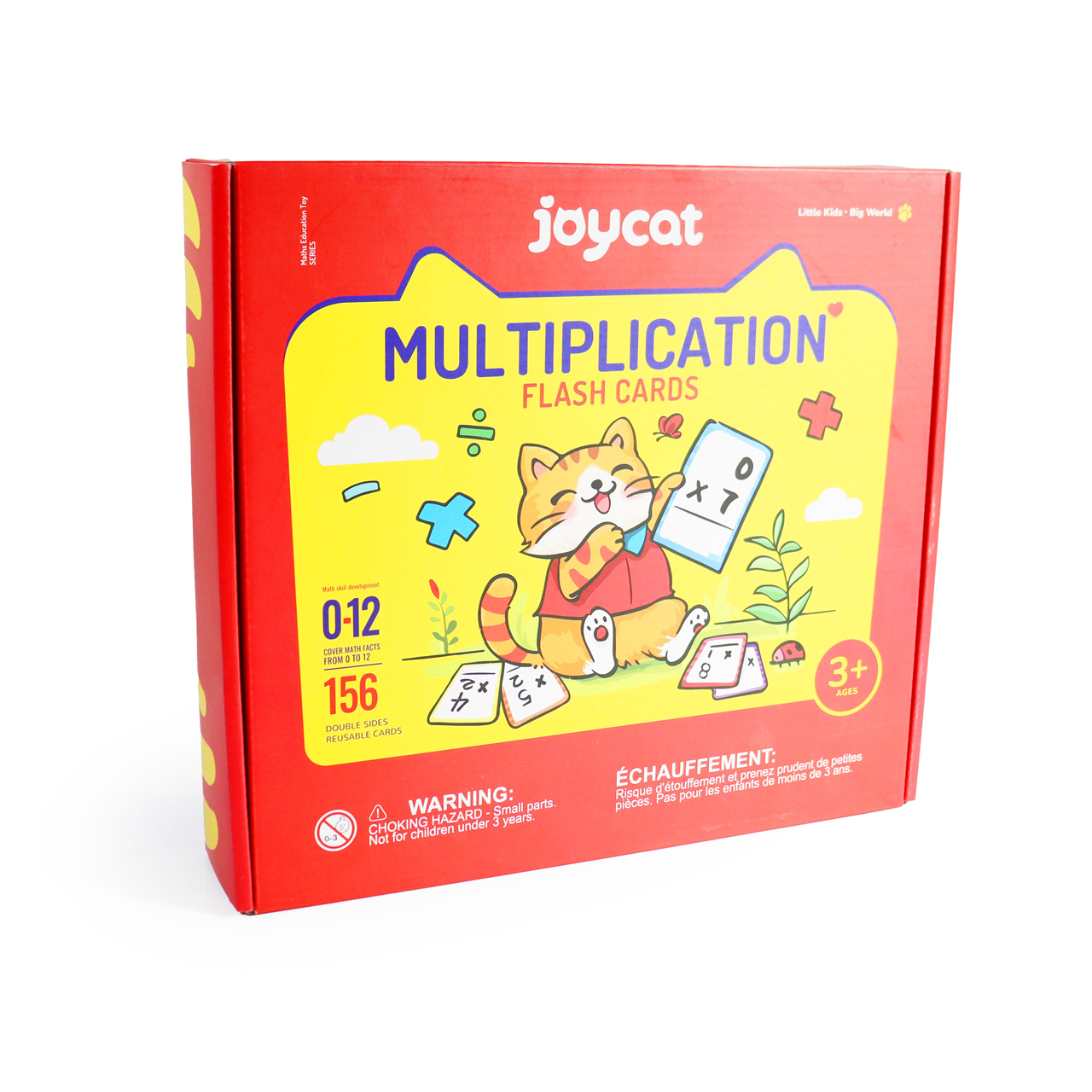
This guide explores the leading types of custom decks, including personalized photo cards, branded promotional decks, artistic collector editions, and premium foil or embossed designs. It also considers educational and specialty decks, where symbols, color contrast, and legible instructions often matter more than decoration. Each type has its own production priorities. Before choosing, consider the paper feel, coating, print method, and expected use. A deck that looks striking on screen may feel different in the hand. That gap deserves a closer look.
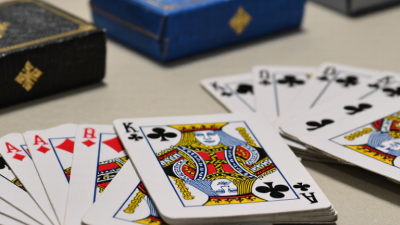
Custom poker and bridge decks often share the same 3.5-inch height, but their widths differ. A poker card measures 2.5 × 3.5 inches, while a bridge card measures 2.25 × 3.5 inches. That quarter-inch difference affects more than appearance. Poker cards offer a broader face for bold illustrations, larger indices, and roomy game details. Bridge cards feel slimmer in the hand and are easier to fan when players hold many cards. Small change. Noticeable at the table.
Tips: Choose the format based on how the deck will be handled, not only on the artwork. Before approving a print run, request a physical proof if available. Check the corner radius, border balance, and text placement near the edges. Even a well-designed face can feel cramped after trimming.
Keep artwork inside the printer’s safe area, and confirm whether listed dimensions describe finished cards. Ask about stock thickness and coating, since both influence shuffle feel and durability. For bridge decks, test whether narrow layouts leave enough room for readable numbers. For poker decks, avoid filling every corner just because the face is wider. Production tolerances can shift borders slightly, so centered art on screen may not look perfectly centered in print. It is easy to overlook this.
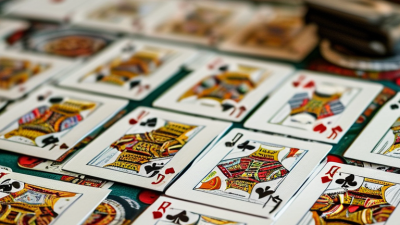
A custom standard deck begins with a familiar structure: 52 cards across four suits, with optional jokers. That sounds simple. Artwork changes the production challenge. Fine lines must stay crisp on small faces, while suit symbols remain easy to spot under warm room lighting. Ask for a physical proof before approving a full run. Check color, card alignment, and how the finish feels during a shuffle. A glossy surface can make colors vivid, but fingerprints may show more readily. A matte finish can feel quieter, though it may soften fine details.
Brand artwork can appear on card backs, jokers, or a custom tuck box, while keeping the faces readable for casual play. Grand View Research valued the global board games market at $11.88 billion in 2023 and forecast 4.7% annual growth from 2024 to 2030. That is broad market context, not a forecast for custom decks. Circana reported U.S. toy sales fell 8% in 2023, to $28.3 billion, another reminder that category-wide demand can shift. Neither figure tells you how a particular deck will sell. Print a small test batch when possible; even a carefully chosen palette can look different on coated cardstock.
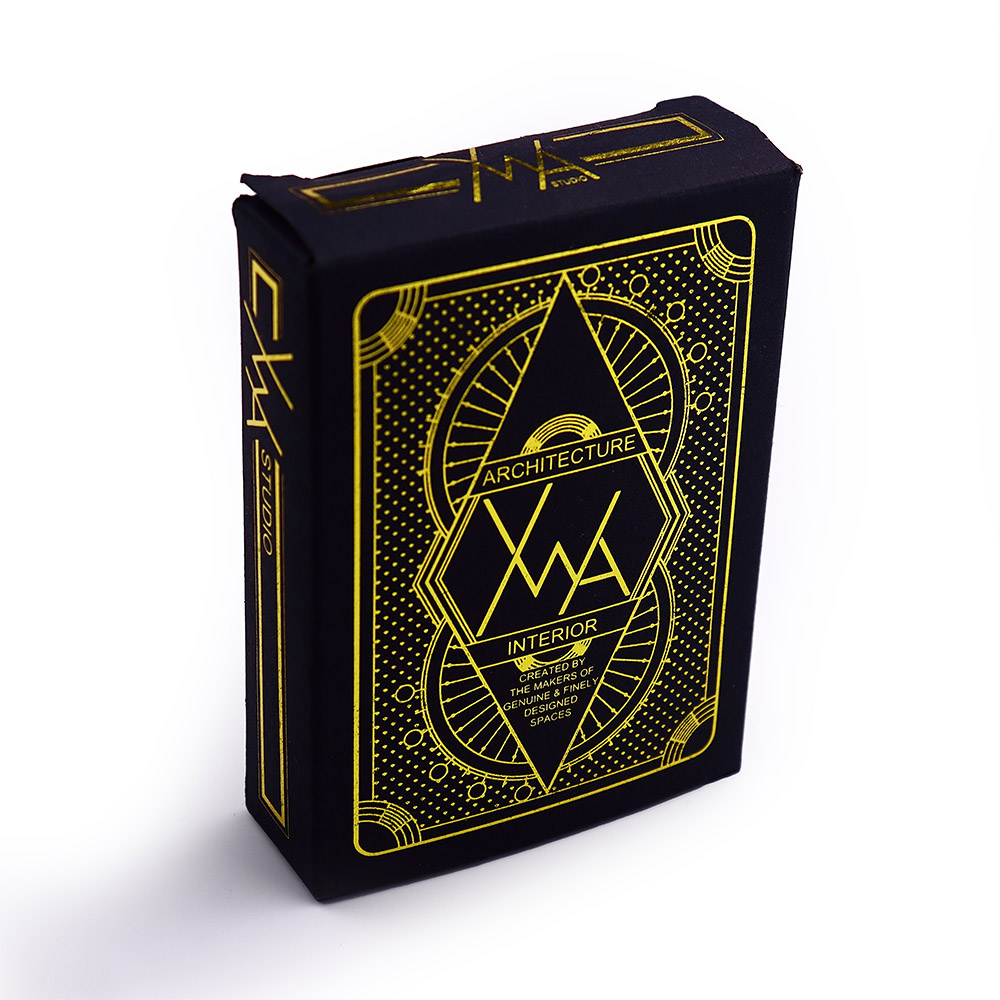
Promotional playing cards work best when the design feels useful, not crowded. A custom card back can carry a logo, campaign message, or small illustration while keeping the familiar pattern easy to recognize. On the faces, suit symbols and numbers should remain clear at a glance. Add brand colors through borders or court-card details rather than making every card compete for attention. A busy design may look exciting on a screen, then feel tiring during a game. Test a printed sample under ordinary indoor light.
Tips: Check small text at actual card size. Keep key details away from trim edges. Ask for a proof before approving the full run.
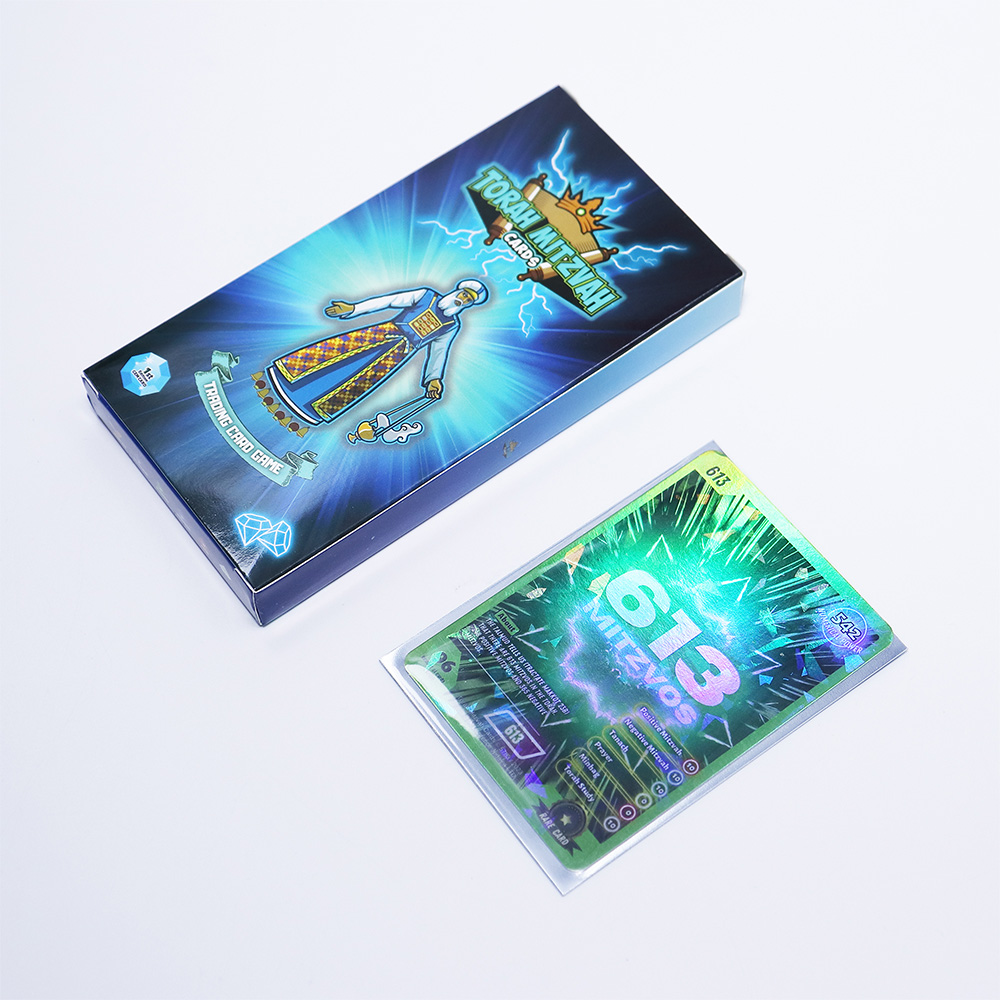
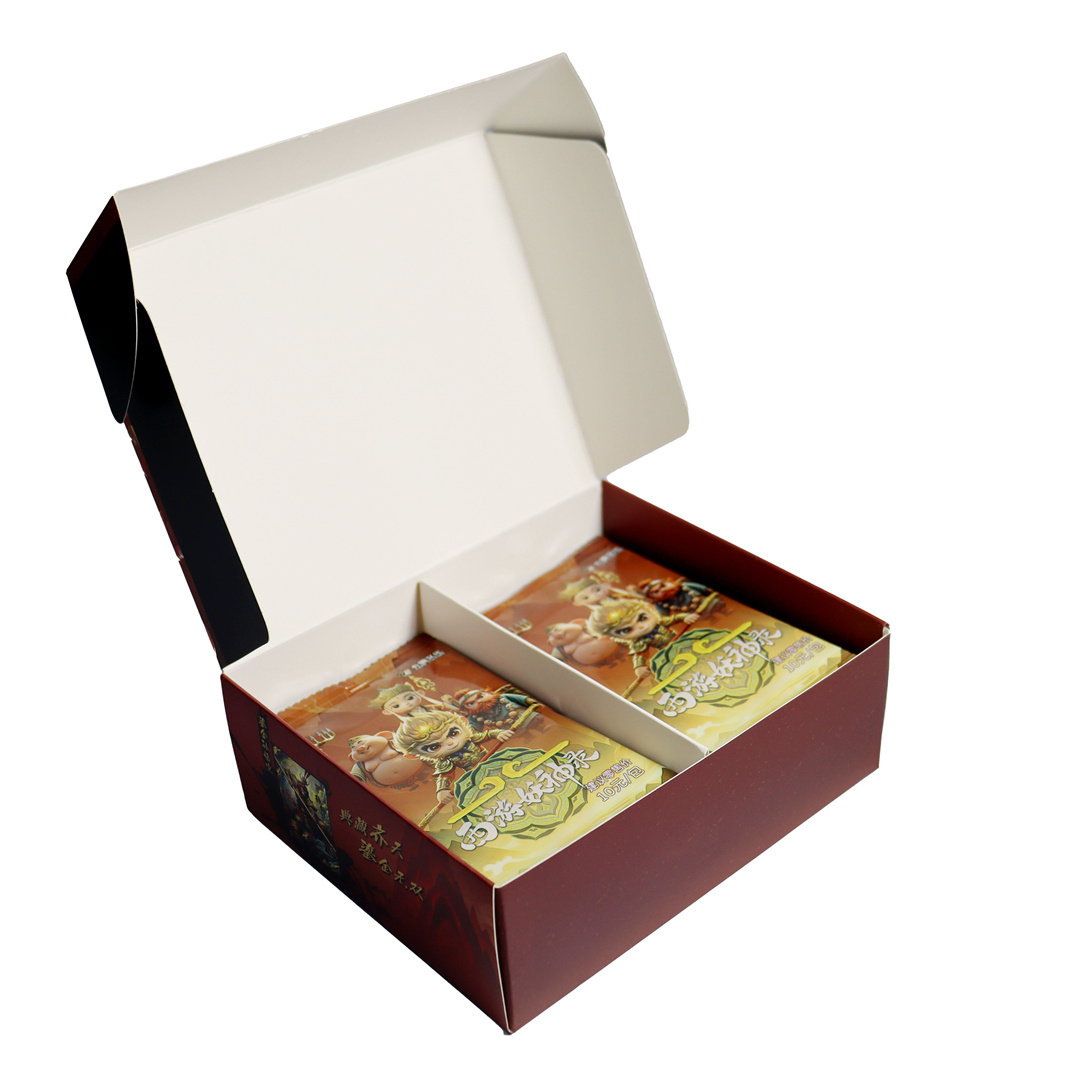
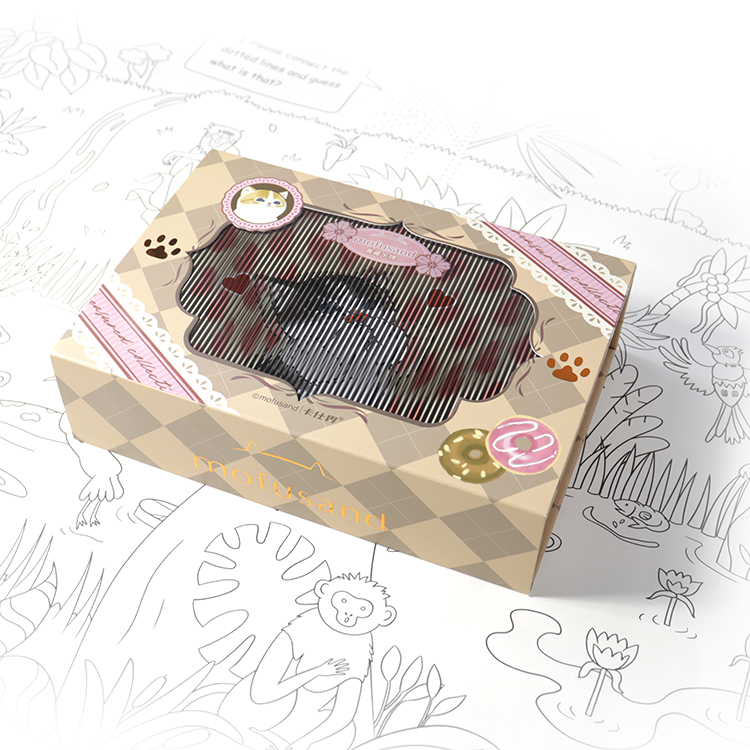
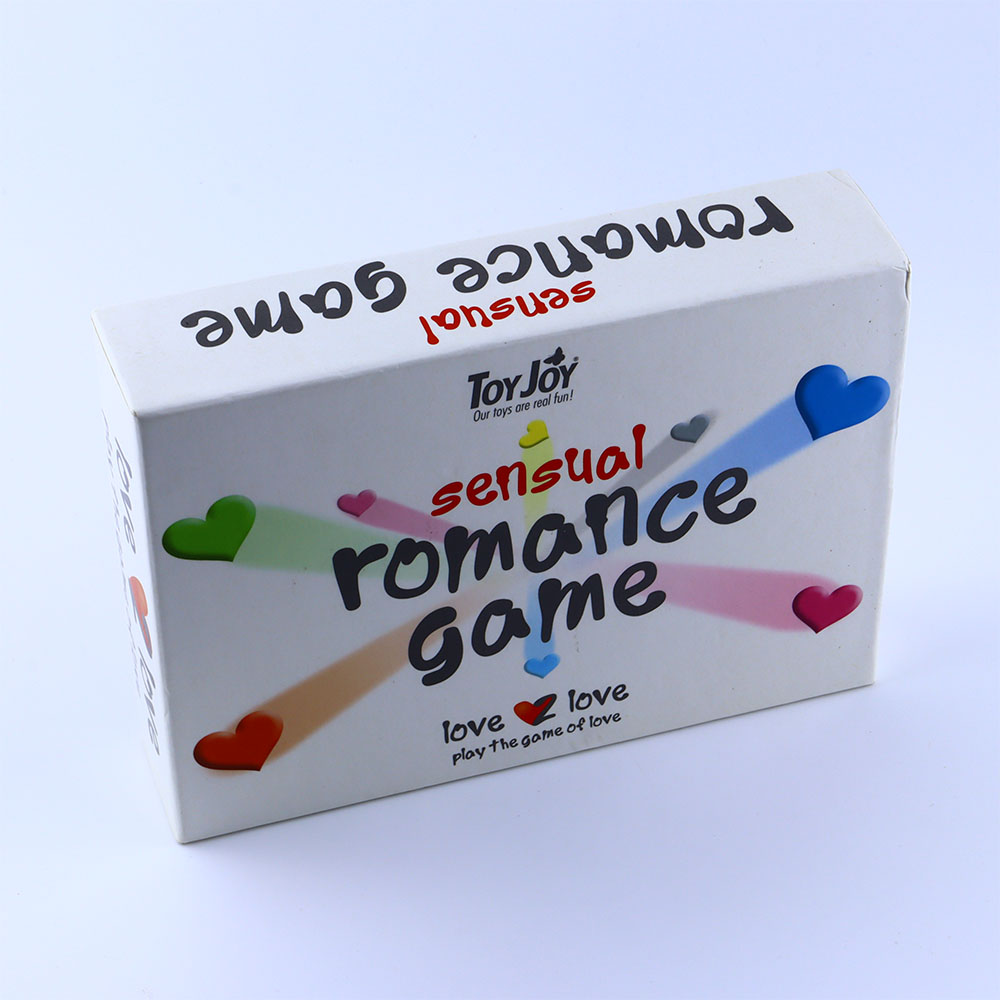
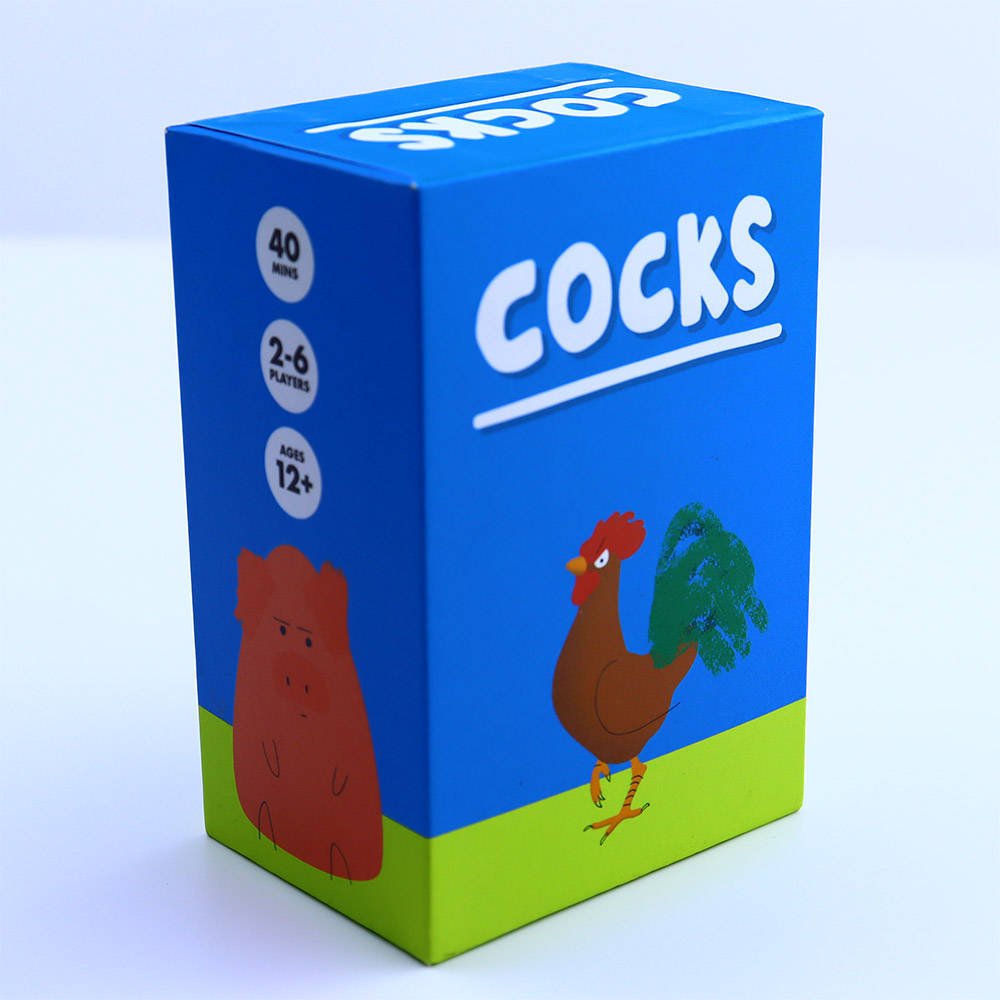
Packaging completes the experience. A tuck box offers a compact, practical option, while a paper sleeve can suit a simple handout. Consider how recipients will open, carry, and store the deck. If the box repeats the card-back artwork, the set feels coordinated; if it adds a different message, make sure the shift feels deliberate. Paper finish also changes the impression: matte stock can feel understated, while gloss makes colors appear brighter. Neither is automatically better. Match the finish and packaging to the setting where the cards will be given.
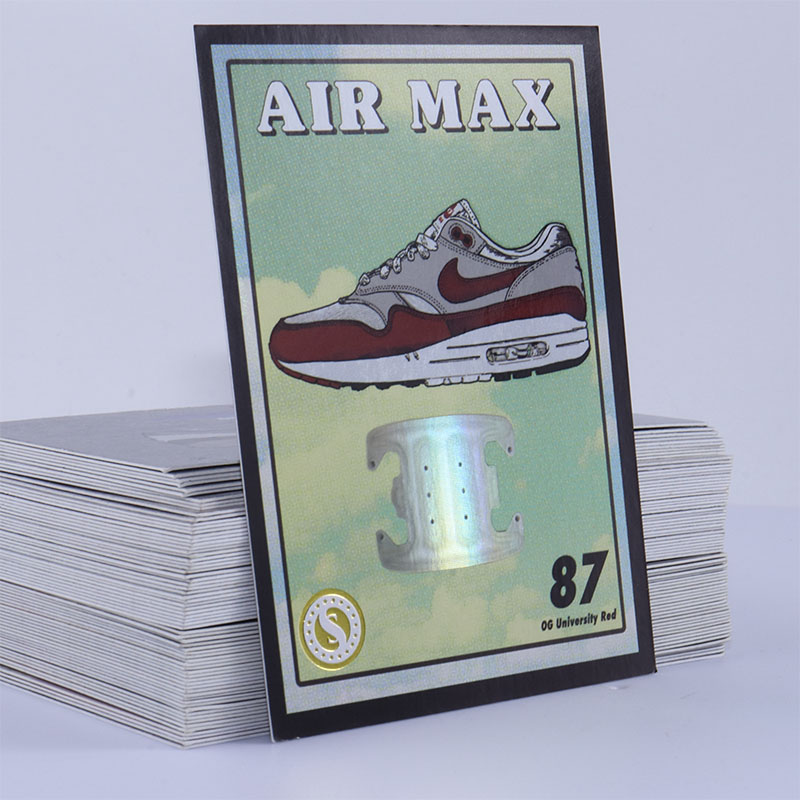
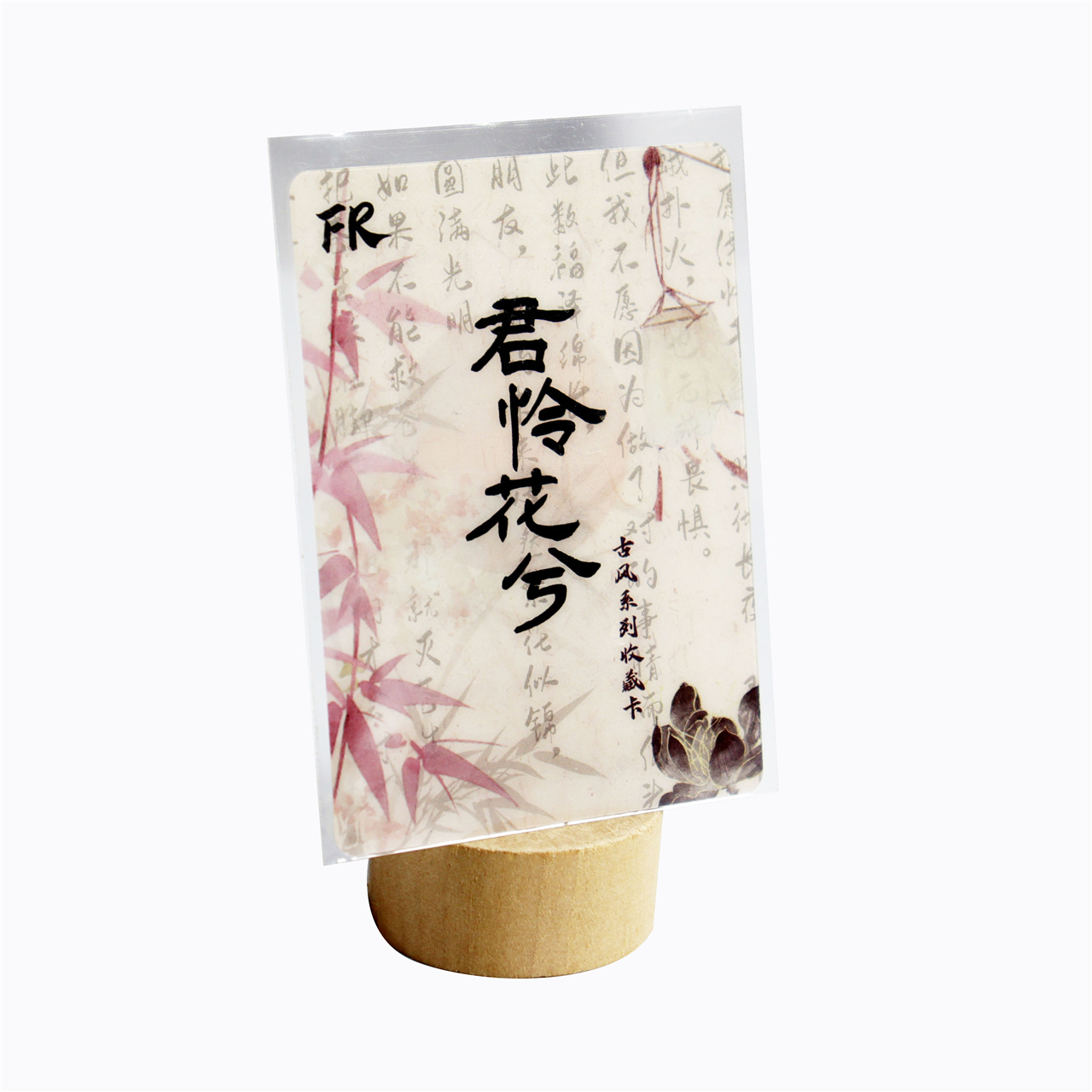
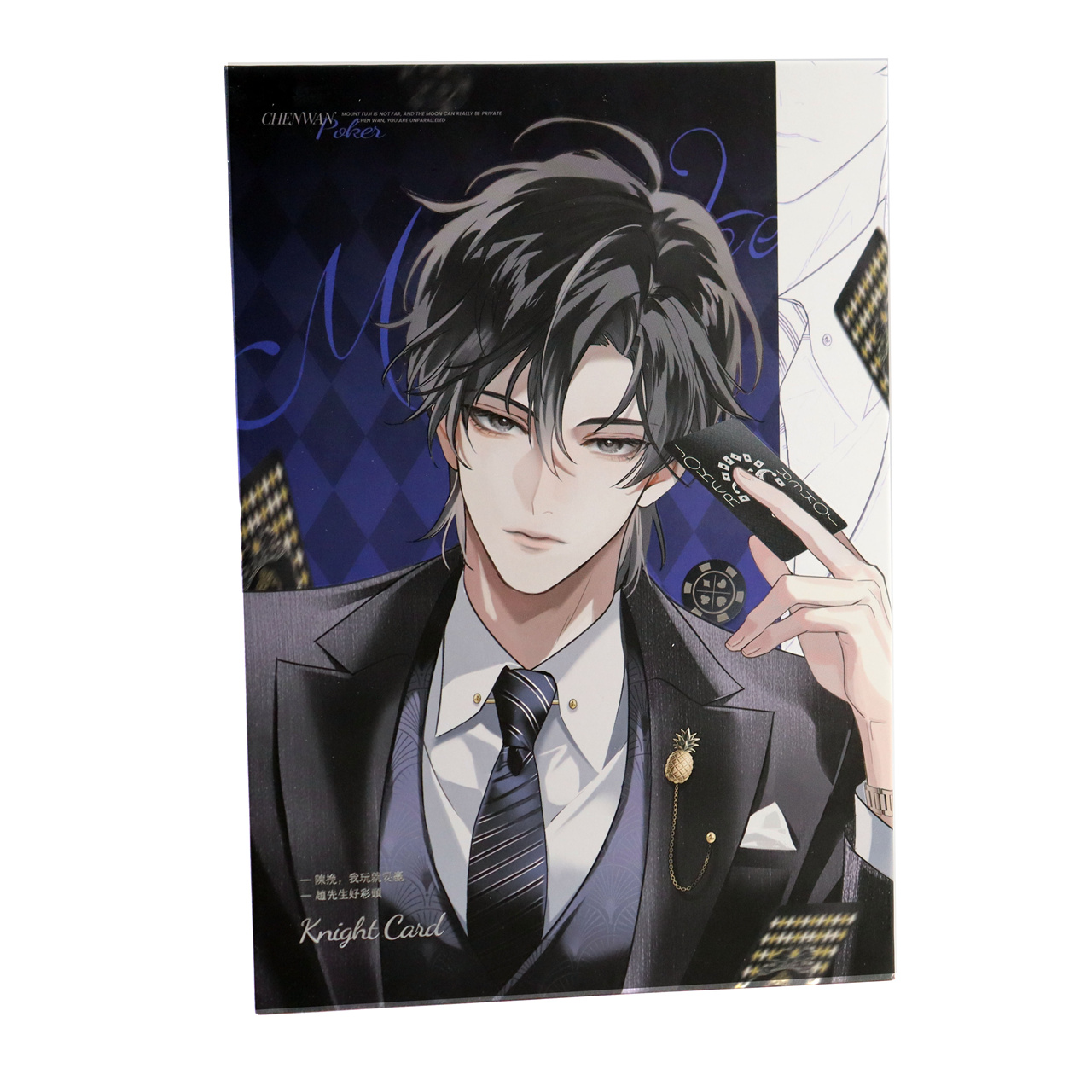
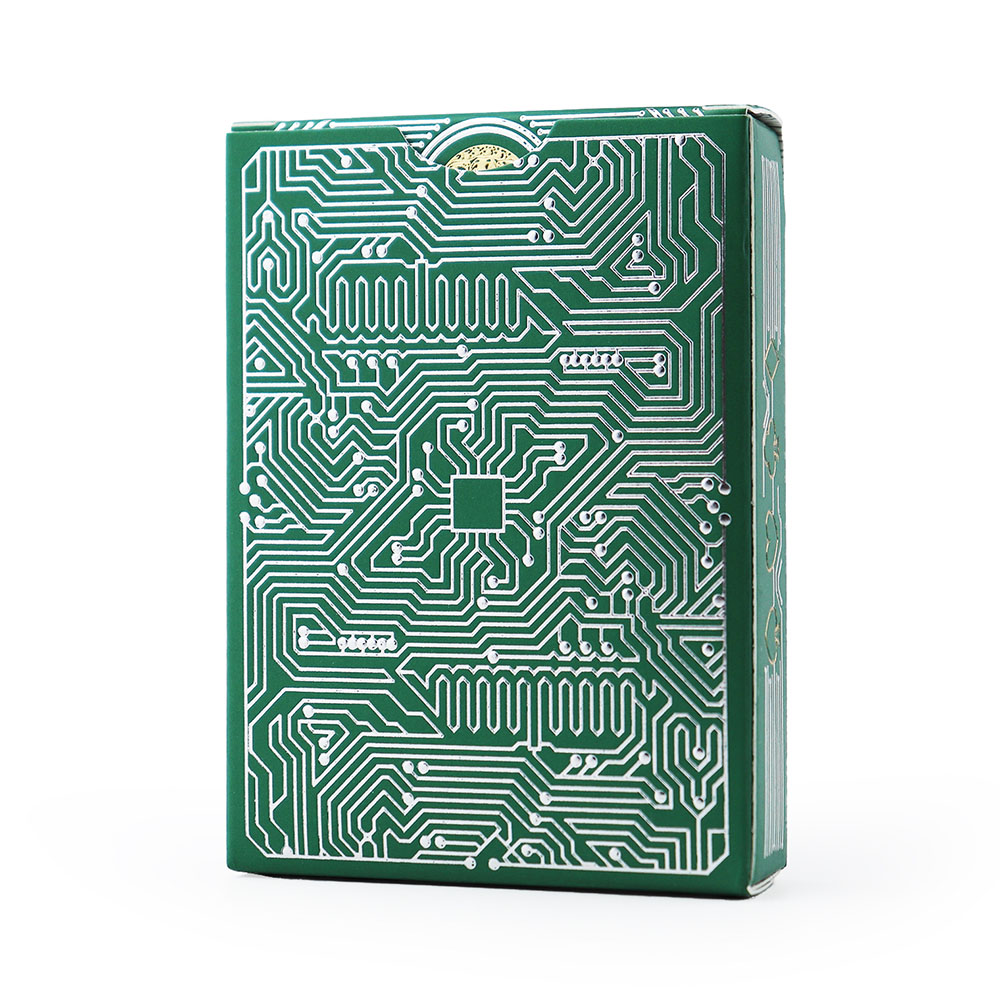
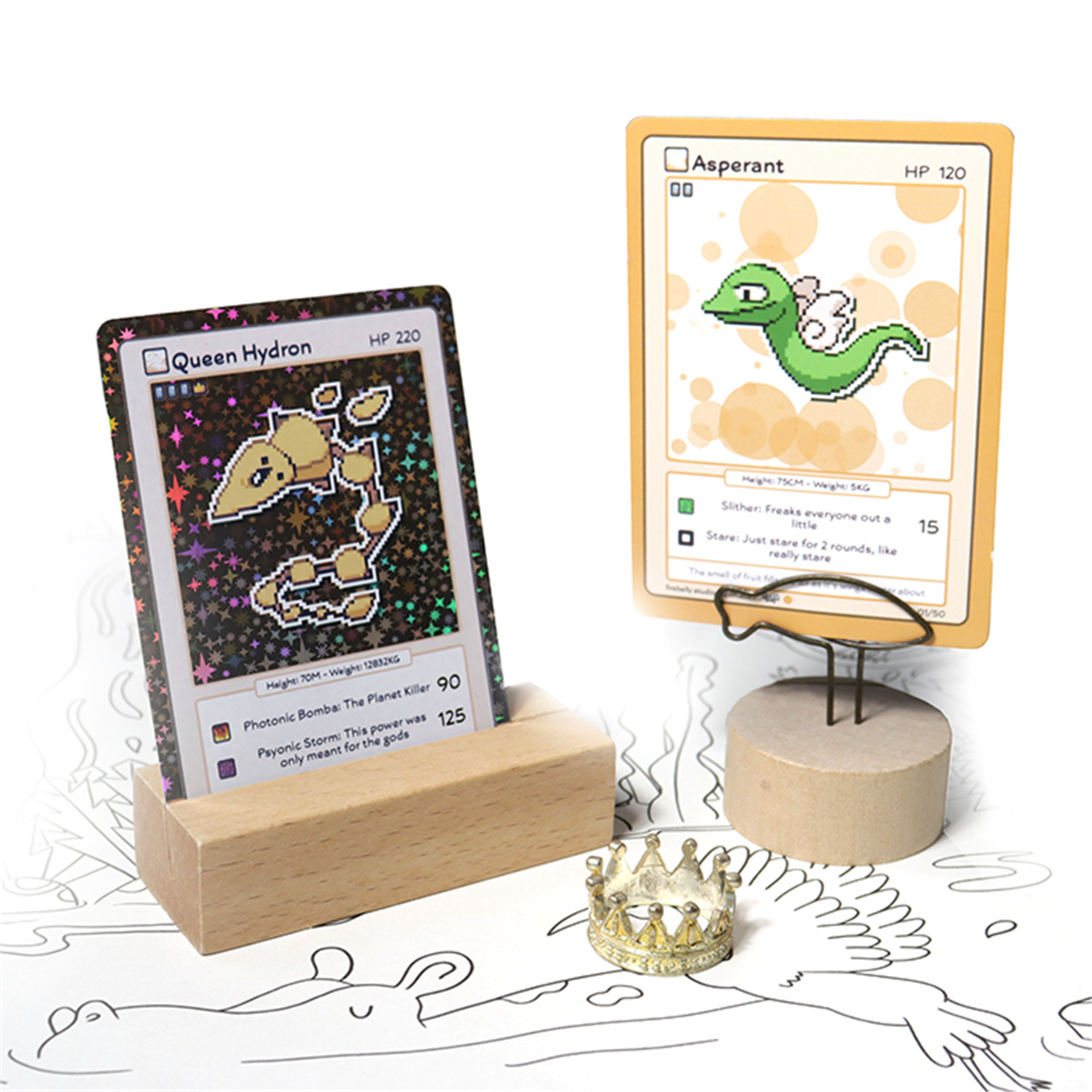
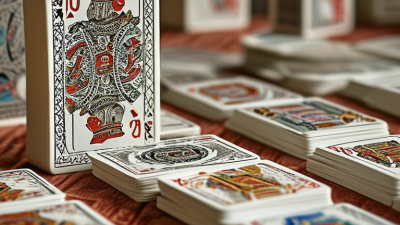
Collector decks often stand out through artwork that rewards a closer look. A hand-drawn border, tiny suit symbols, or a muted color palette can give each card its own character. Fine lines need enough contrast to remain visible after printing. Very dark backgrounds may swallow delicate details. Small choices matter.
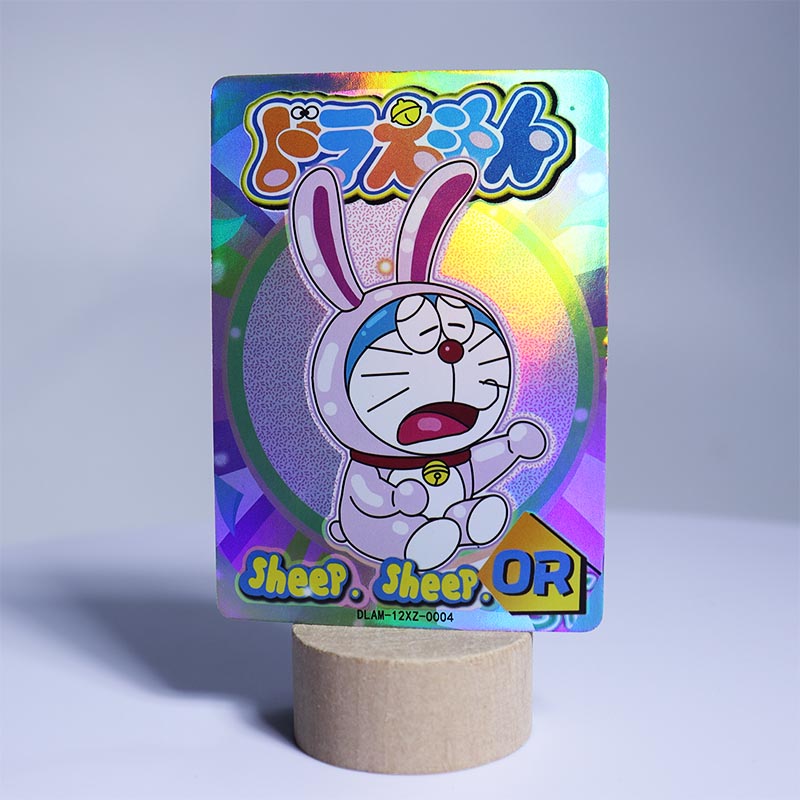
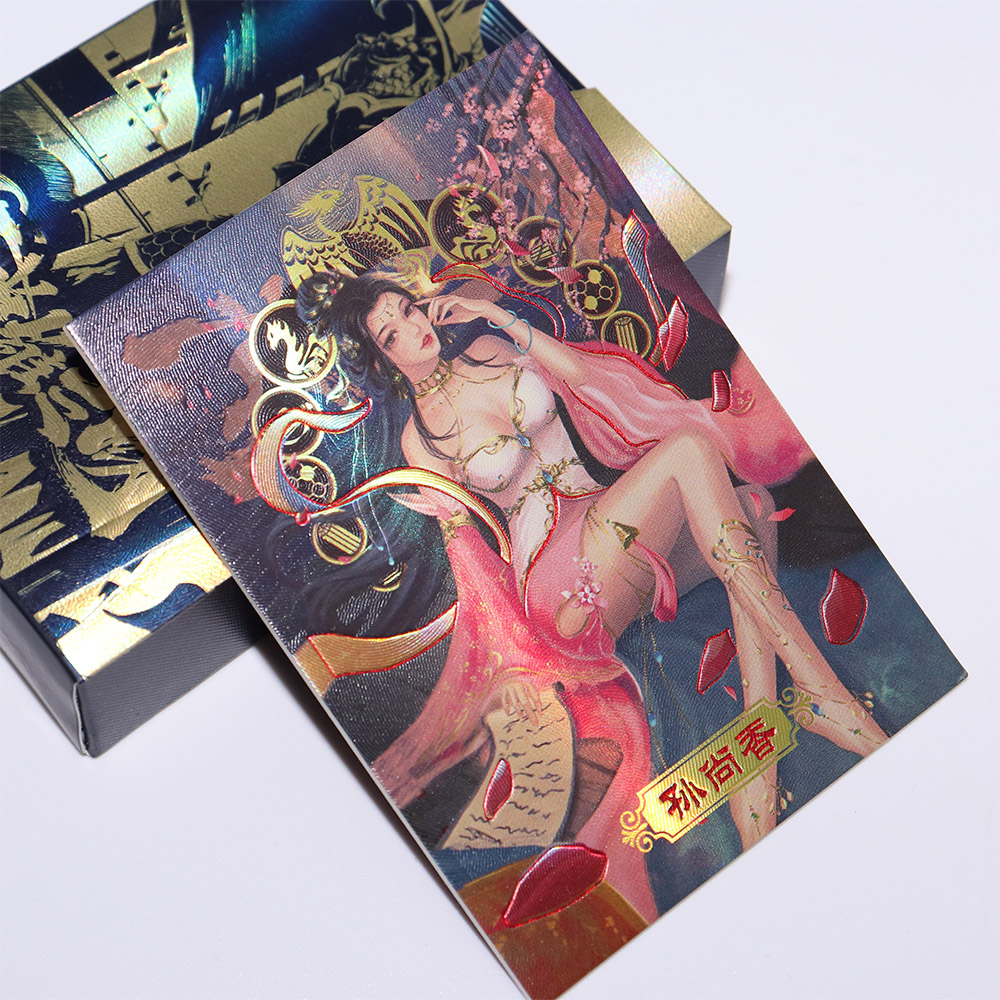
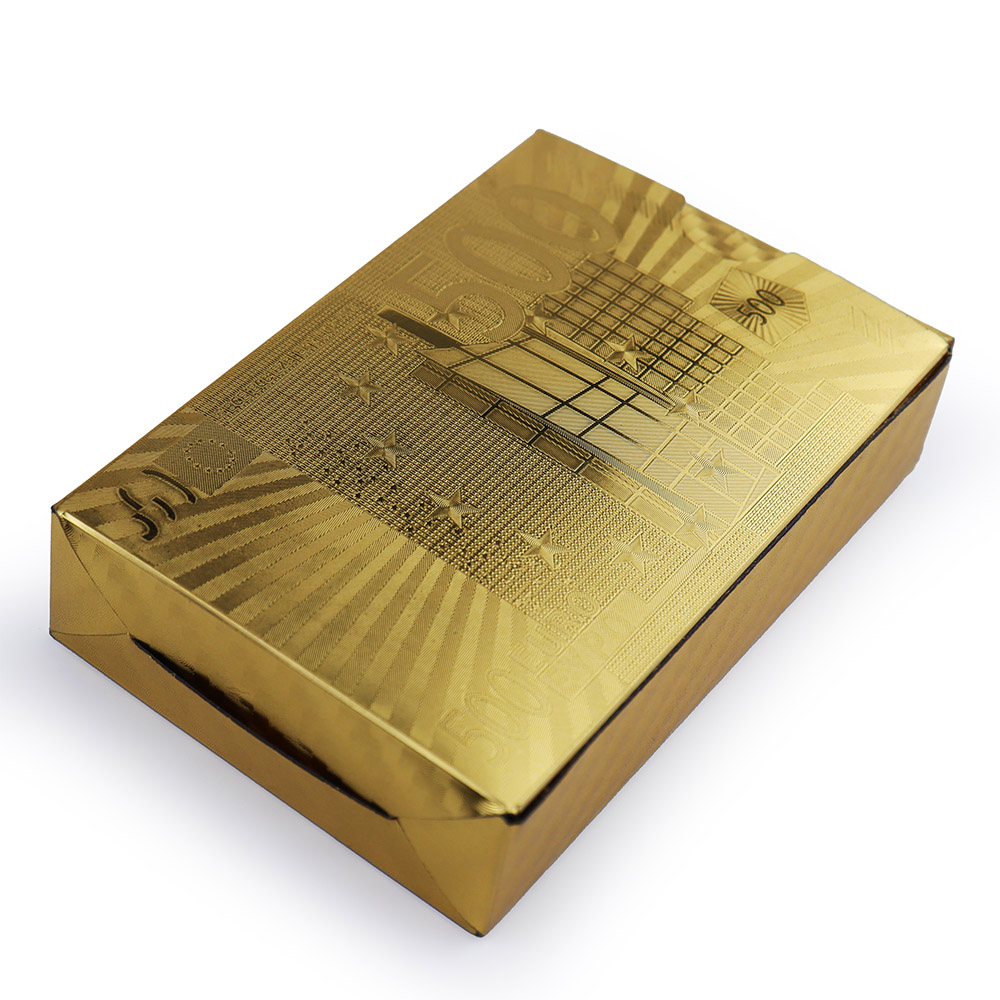
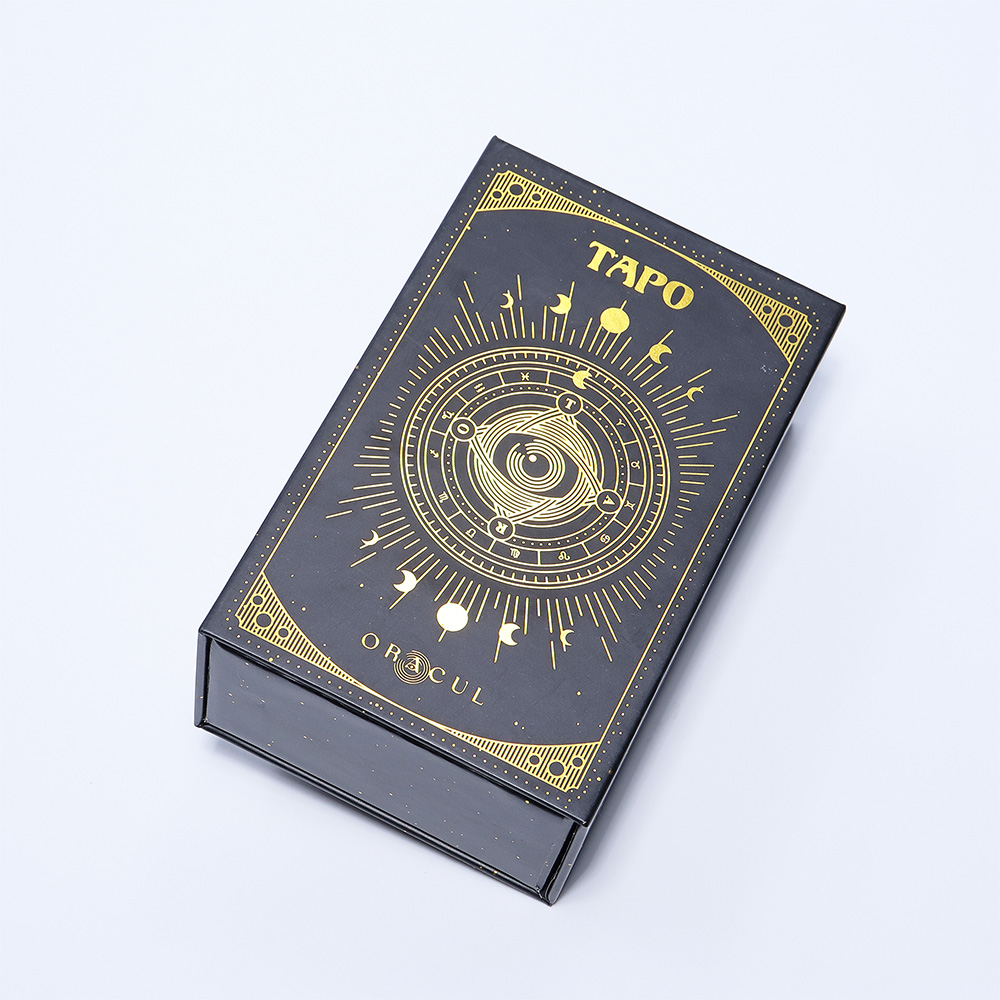
Card stock changes how a deck feels in the hand. Heavier stock can feel substantial, while a textured surface may provide a steadier grip during a shuffle. Ask for a physical sample when possible; screen images cannot show stiffness or surface feel. Finishes add another layer. Matte coatings soften glare, while gloss can deepen colors but show fingerprints. Foil accents catch the light, though they may compete with nearby artwork. Embossing adds raised detail, but too much can make cards feel uneven. I would not choose a finish from appearance alone. The trade-offs are easy to underestimate. A collector deck should look distinctive, yet still handle comfortably after repeated use.
Collector decks: artwork, stock, and finish can make a deck distinctive, while card format affects its feel in hand. This chart compares two common formats: poker size (63.5 × 88.9 mm) and bridge size (57.15 × 88.9 mm). Actual custom-deck specifications may vary.
Game-specific decks work best when the card count follows the rules, not a standard pack. A 36-card trick-taking game may need ranks removed, while a strategy game could require 80 cards, player aids, and reference cards. Specify counts before artwork begins. It prevents awkward gaps in the box and avoids confusing duplicate cards. Small details matter. Symbols should stay distinct at a glance: a red diamond, a small shield, or a numbered icon should remain clear under warm room lighting. Test symbols in grayscale, too. Color alone can fail for some players.
Grand View Research’s 2023 board games market report estimated the global market at USD 13.06 billion and projected 4.4% annual growth from 2024 to 2030. This measures board games broadly, not custom decks alone, but it signals a substantial audience for designed play experiences. For production, document each card’s name, count, icon, and rule effect in a shared checklist. Print a prototype and play several rounds before approving the final files. That step often reveals a symbol that looks elegant on screen but gets missed during fast turns. I still think rule-heavy decks can become cluttered; removing one decorative mark may improve play more than adding another explanation.
| Game-Specific Deck | Typical Card Count | Common Card Composition | Useful Customization Options | Rules-Driven Design Considerations |
|---|---|---|---|---|
| Poker and General Card Games | 52 cards; often 54 with jokers | Four suits—clubs, diamonds, hearts, and spades—with 13 ranks per suit. Optional jokers may be included. | Custom backs, face-card artwork, indices, packaging, and optional jokers. | Keep suit and rank symbols easy to distinguish. Ensure any custom face artwork does not obscure the rank or suit index. |
| Bridge | 52 cards | Four suits with 13 ranks in each suit; no jokers are used in standard contract bridge play. | Large or duplicated corner indices, high-contrast suit symbols, and distinctive card backs. | Clear indices can make cards easier to identify when held in a fan. Use consistent suit symbols and avoid decorative details that reduce legibility. |
| Euchre | 24 cards | Typically uses the 9, 10, Jack, Queen, King, and Ace in each of the four suits. | A purpose-built 24-card deck, prominent rank and suit indices, and a rules or reference card. | Confirm the intended regional rules before printing. In standard Euchre, the Jack of the trump suit and the Jack of the same-color suit have special roles. |
| Pinochle | 48 cards | Two copies of each card from 9 through Ace in all four suits. | Duplicate-card markings, suit-color cues, custom backs, and a compact scoring reference. | Make the two copies of each rank and suit easy to distinguish if the chosen rules or play setting calls for it. Preserve the standard rank range. |
| Canasta | 108 cards | Usually two standard 52-card decks plus four jokers. | Coordinated backs for the two packs, clearly identifiable jokers, and an optional scoring aid. | Cards from both packs need to be compatible in size and handling. Keep jokers easy to identify because they function as wild cards in common rules. |
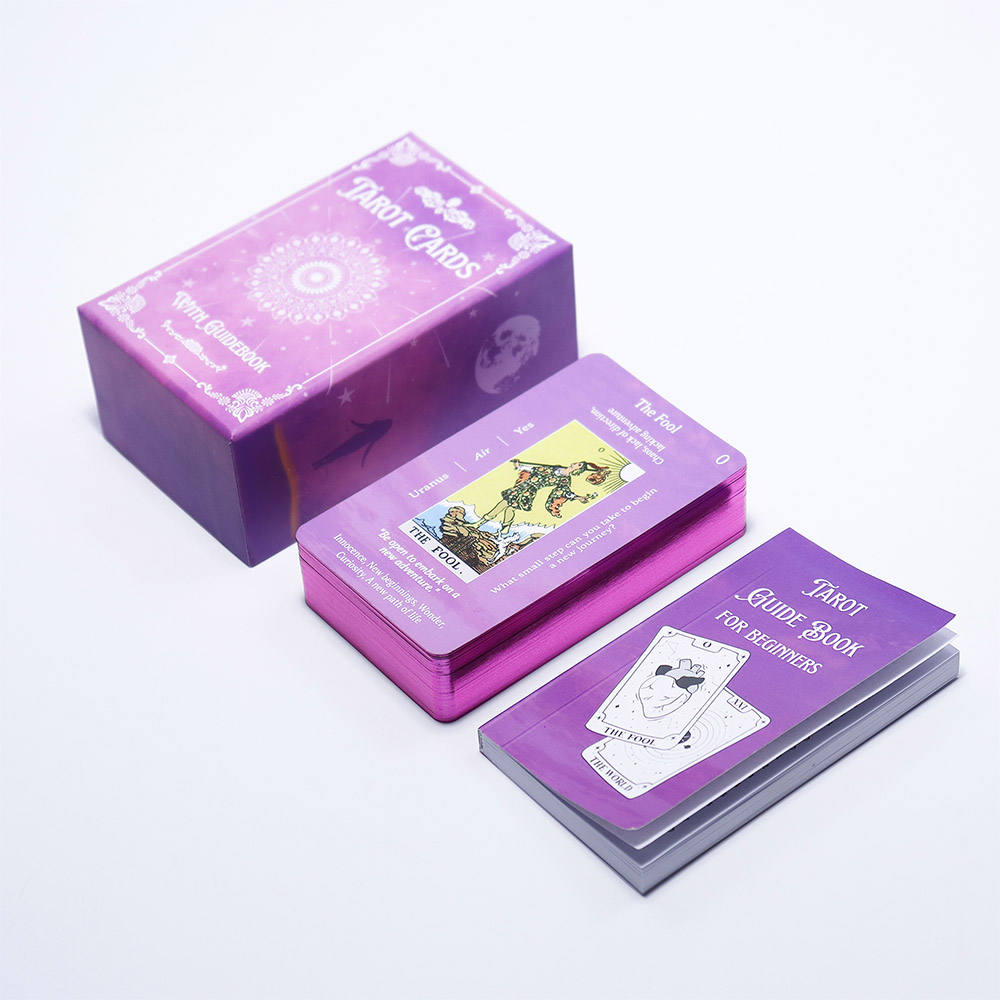
| Tarot Card Games | Often 78 cards | Common tarot decks contain 22 trumps and four suits of 14 cards each. Suit names and court-card conventions vary by tradition. | Custom trump illustrations, suit emblems, court-card styling, indices, and a player reference card. | Choose a specific tarot tradition before finalizing the artwork. Card numbering, suit names, and court-card structure should match the rules the deck is intended to support. |
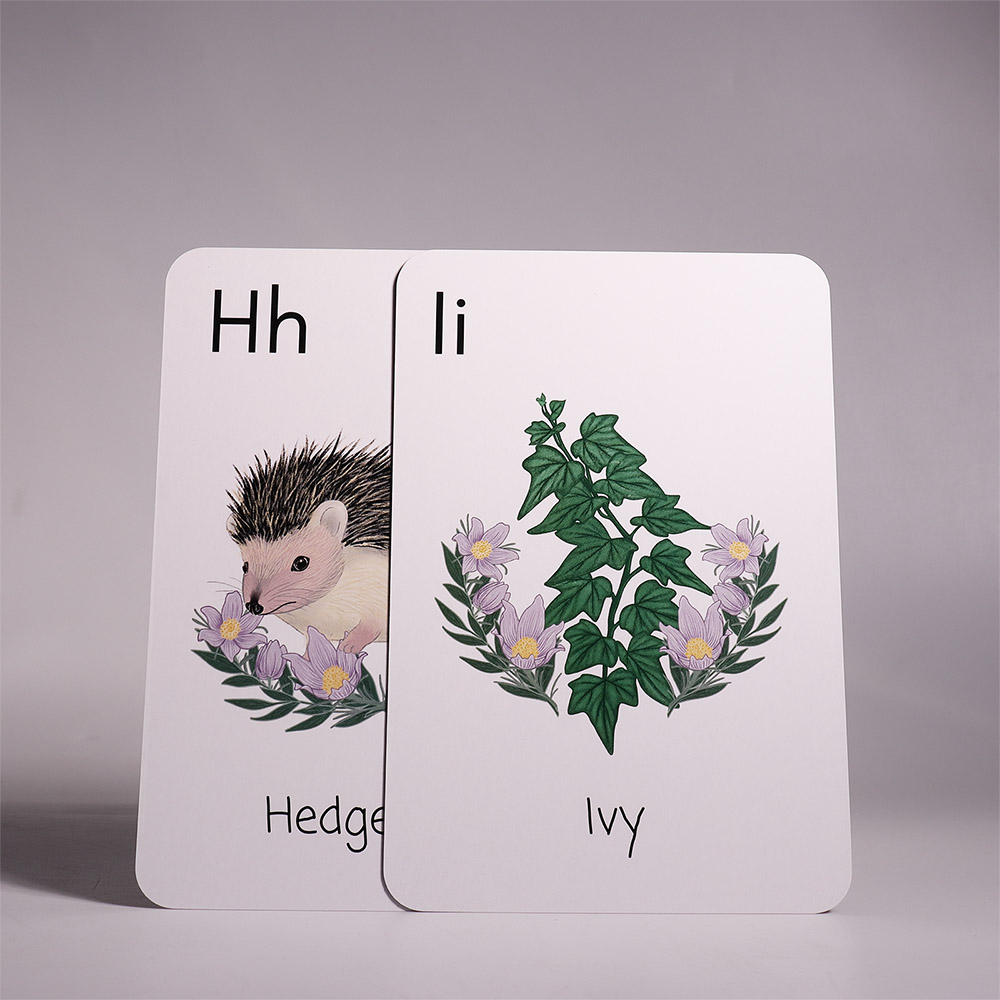
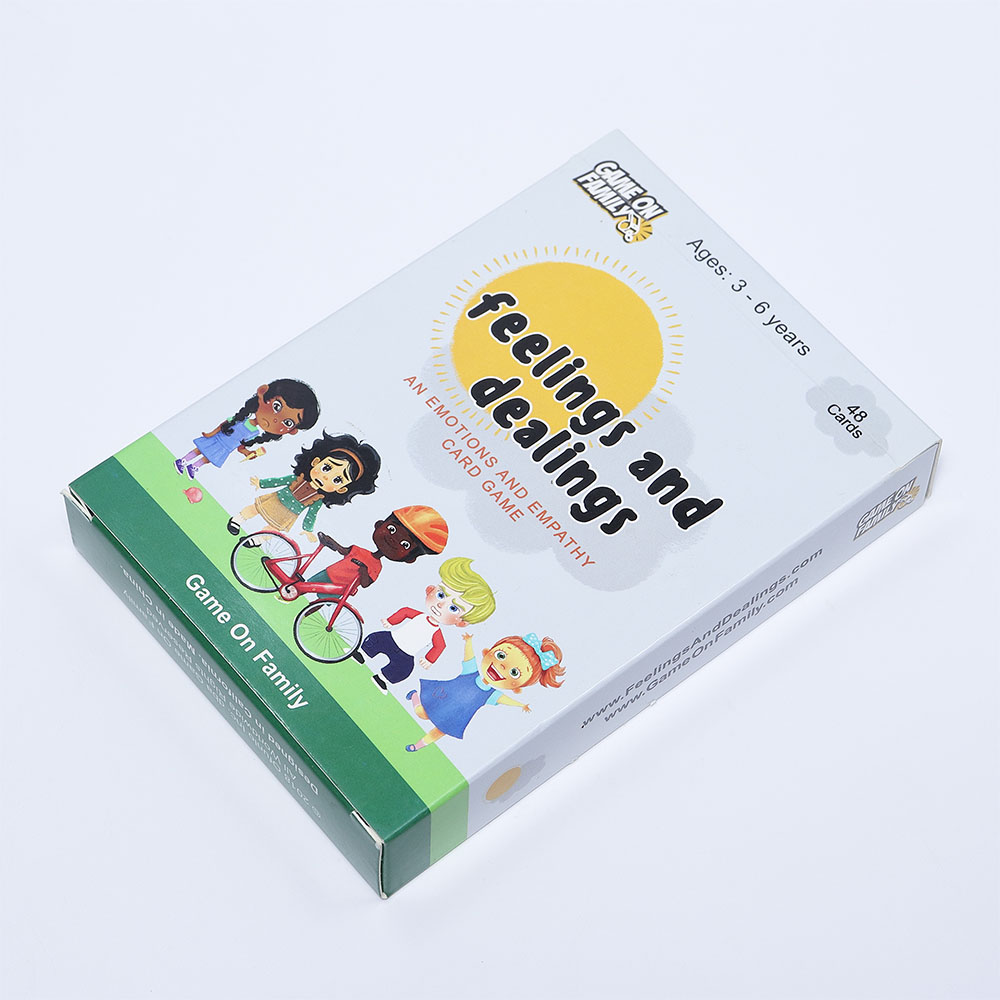
| Custom Rules or Educational Decks | Variable | Card count depends on the game. Cards may represent actions, categories, questions, resources, or learning prompts rather than standard suits and ranks. | Custom card counts, icons, color-coded categories, instruction cards, and alternate card backs. | Define every symbol and card function in the rules. Use consistent visual cues and test the deck with players to check that cards are easy to identify and understand. |